
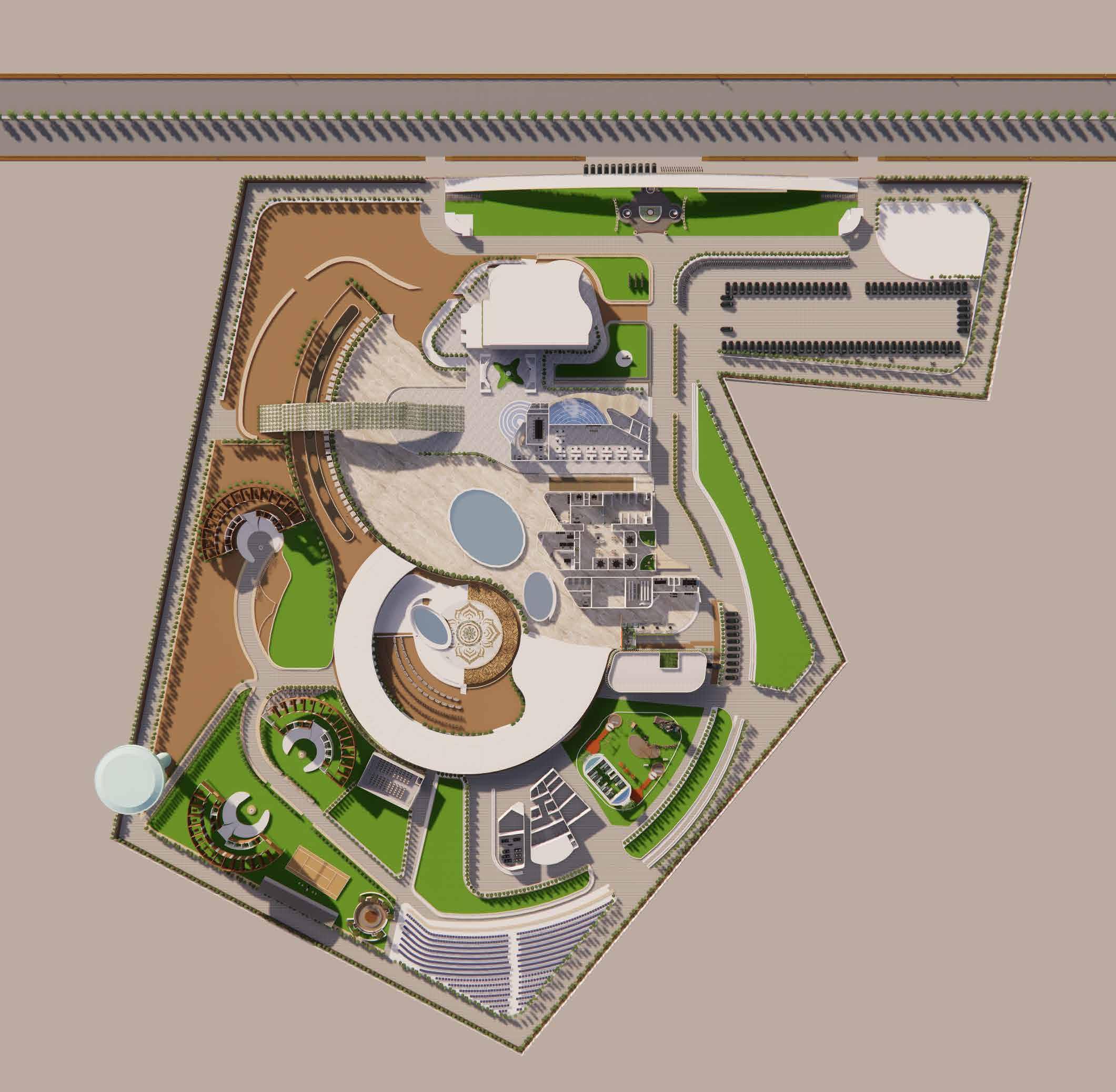
HOSPICE
It has been observed and concluded that patients who are aware of their approaching mortality and the causal their terminal illness cope in a much better way and spend further meaningful and quality time in a more eased and communicative relationship with their family and respective society .
least amount of pain, and an atmosphere based on communication and free of falsity.
Research shows that being a long- term inhabitant, particularly in an oncological ward or wing, is evidently and even observationally a very isolated and morose experience with inadequate social contact or personal interaction or rejuvenating activity.
Hospice patients, in contrast, were significantly less lonely, spending considerable amount of their time either engaged in some activity or with their relatives or nurses.
Patients and nurses within the hospice setup spend significantly more time together, and these meetings or interactions more frequently last longer.
It is difficult to determine as to how much patients preferably and in actuality spend their waking time or limited good days in different surroundings.
Patients spend most of their time unaware, uninvolved, amongst themselves and isolated. This can have a negative impact even on the mental health, affecting other physiological symptoms.
Information about hospice practice and its evolution can be gained by examining patient activities at a hospice.