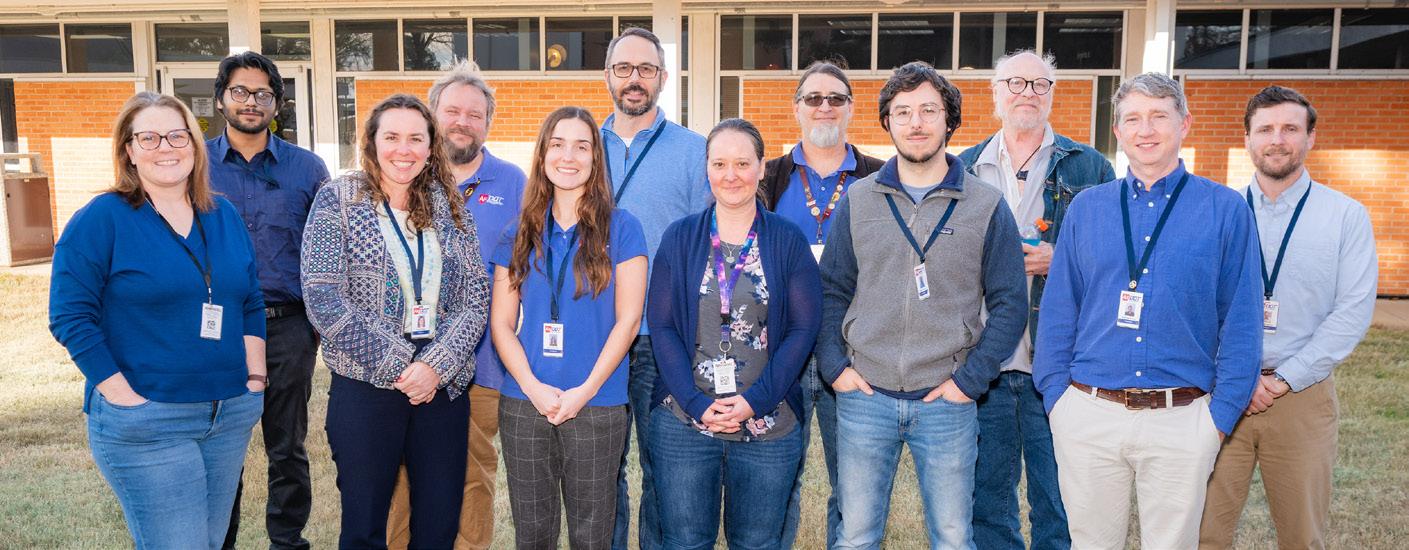
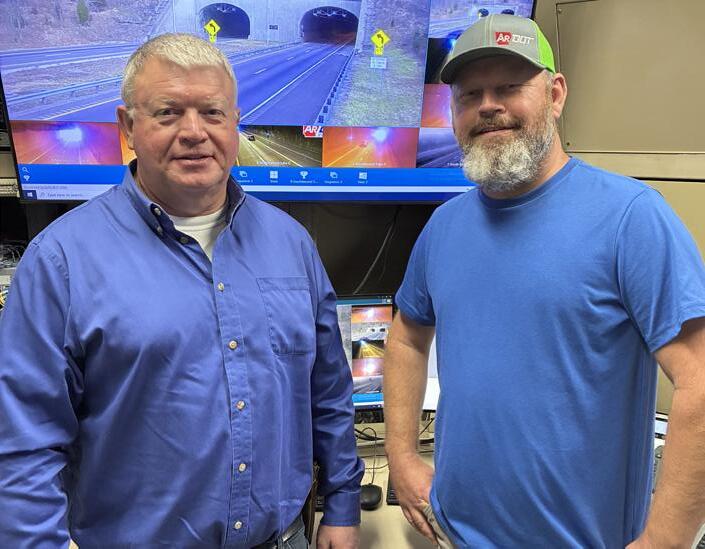
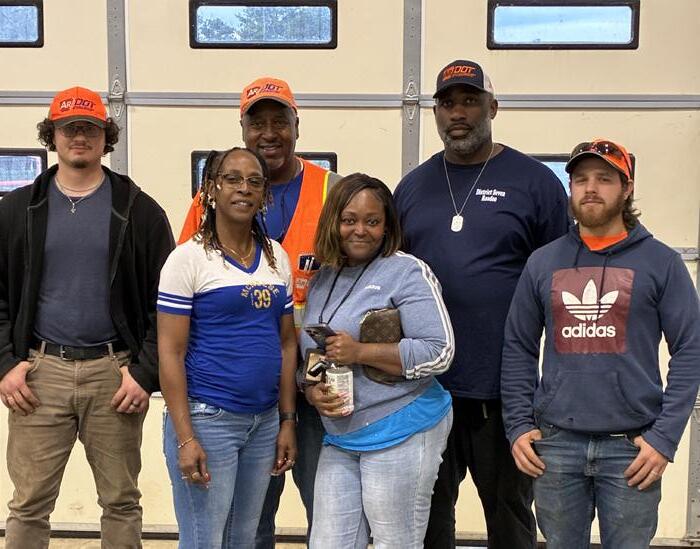
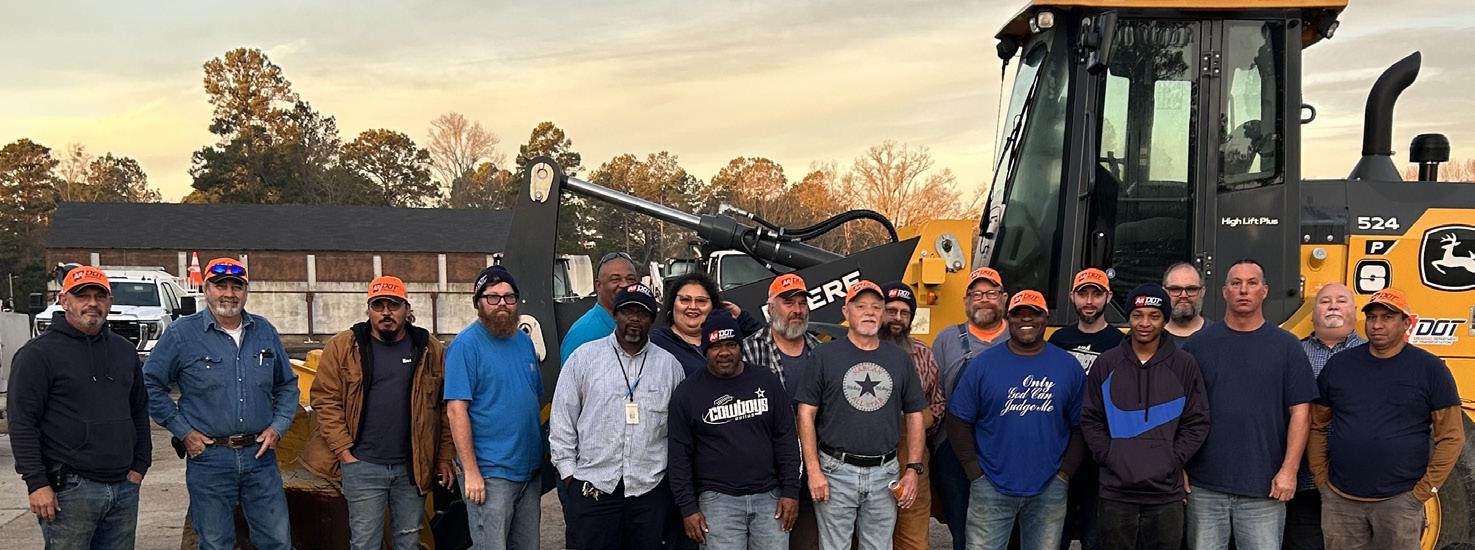
HIT THE GROUND RUNNING IN 2026. Our workforce is strong, engaged, and making a positive impact in communities statewide. This year, our agency will focus on several important initiatives in our quest to deliver a modern transportation system to enhance safety and quality of life in Arkansas.
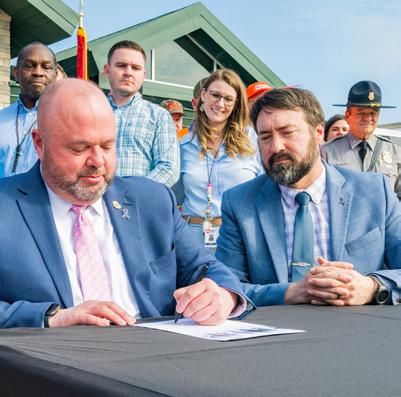
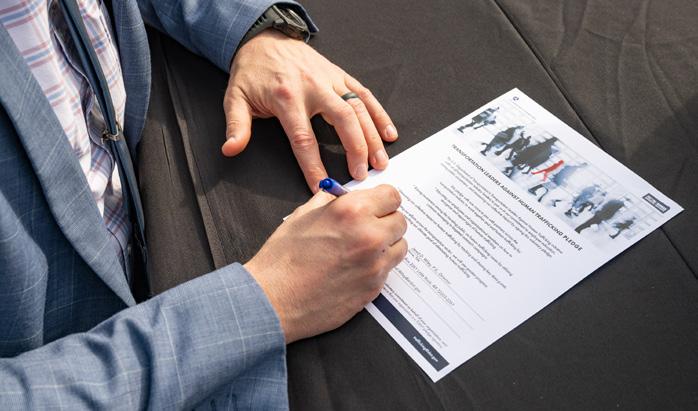
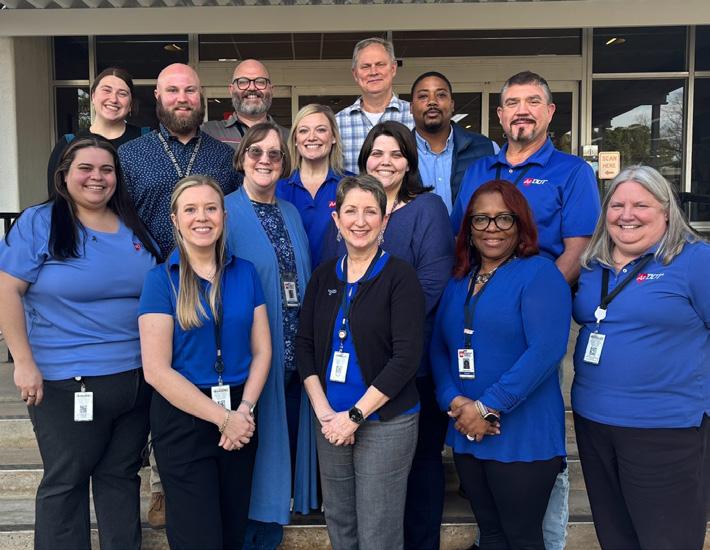
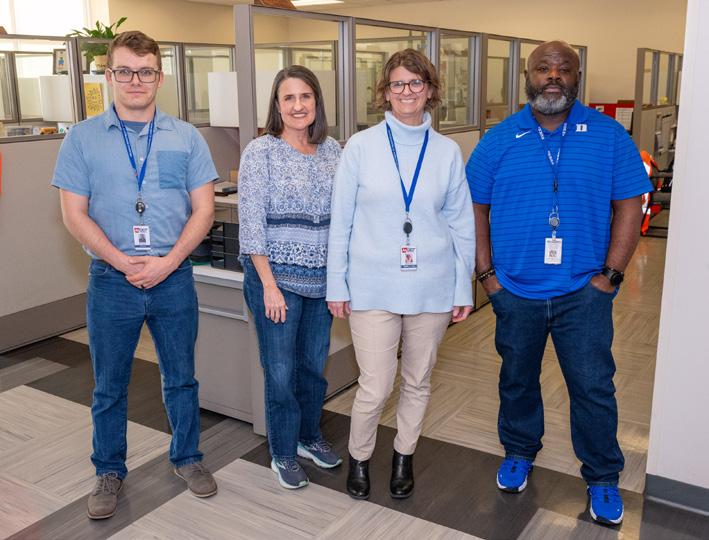
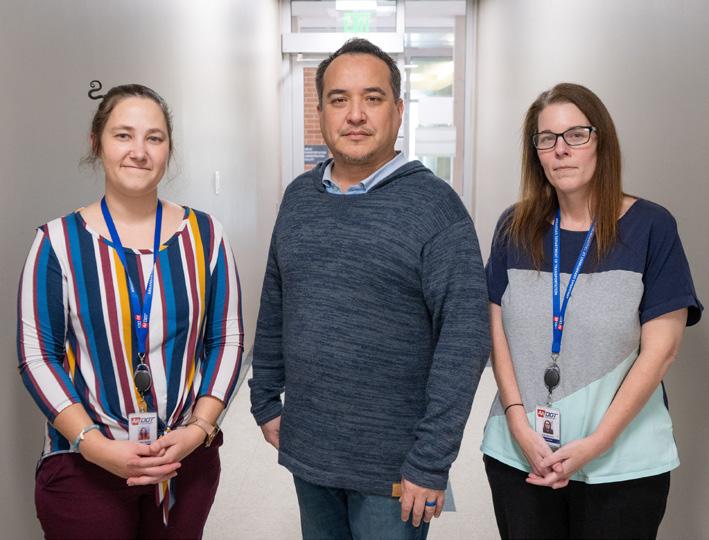
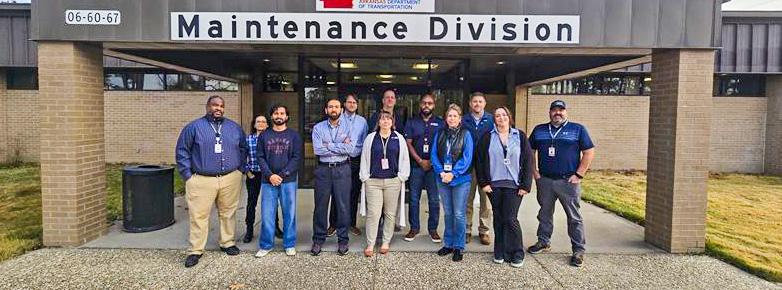
The Department showed solidarity agencywide in January as we teamed up to wear blue, raising awareness about the human trafficking problem that is plaguing our world today. Trafficked individuals are exploited for labor through fraud, force, or coercion—and it is happening all around us. Arkansas Highway Police Chief Holmes and I recently signed USDOT’s Transportation Leaders Against Human Trafficking Pledge, reaffirming our agency’s commitment to the fight.
Department staff have a unique opportunity to make an impact through the nature and location of our work. This spring, our entire 4,000-member workforce will be trained to recognize the signs of human trafficking and how to report suspicious activity. We will also work to raise awareness in our public spaces and facilities through displays that seek to shed light on this disturbing crime. Together, we will make a difference.
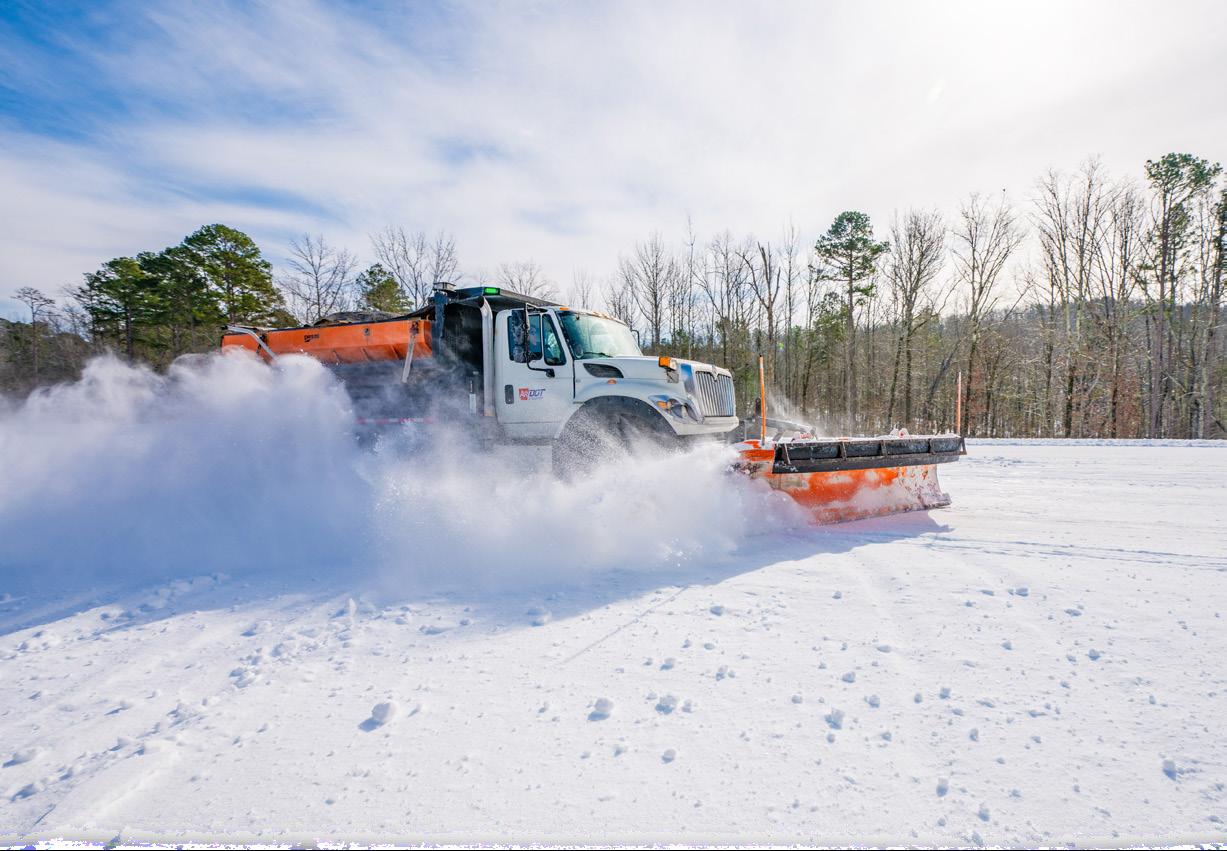
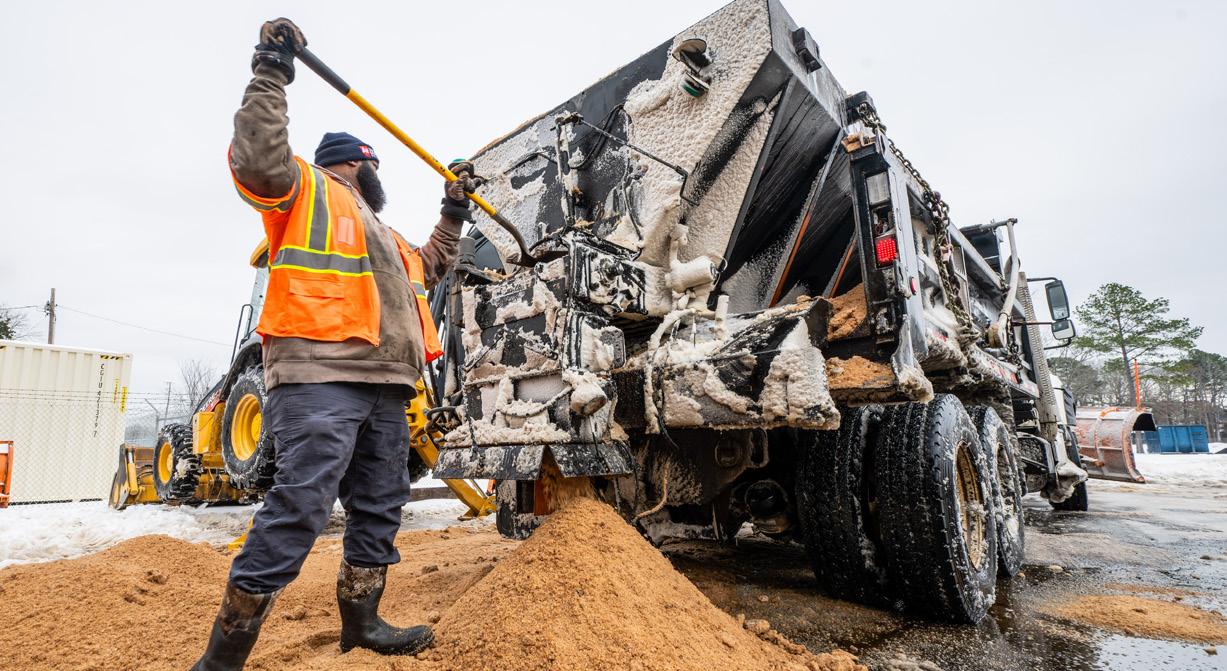
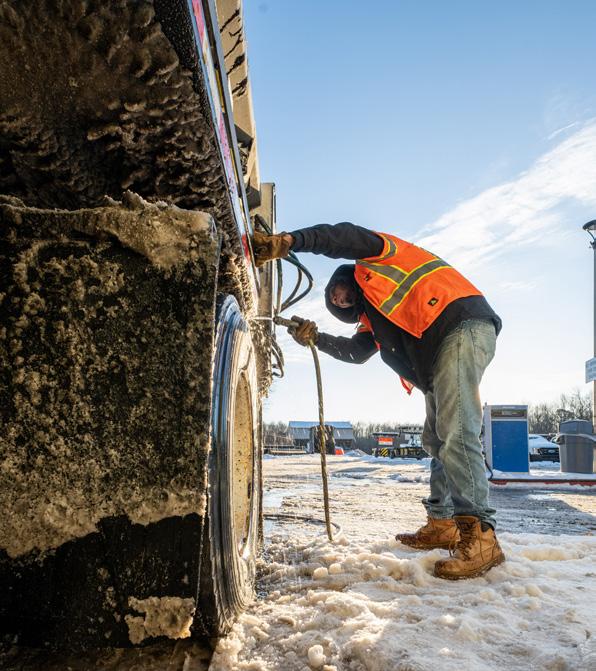
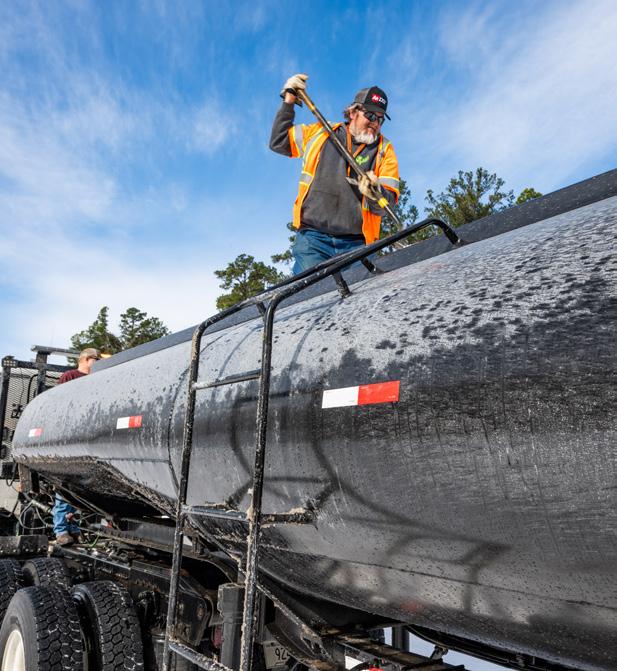
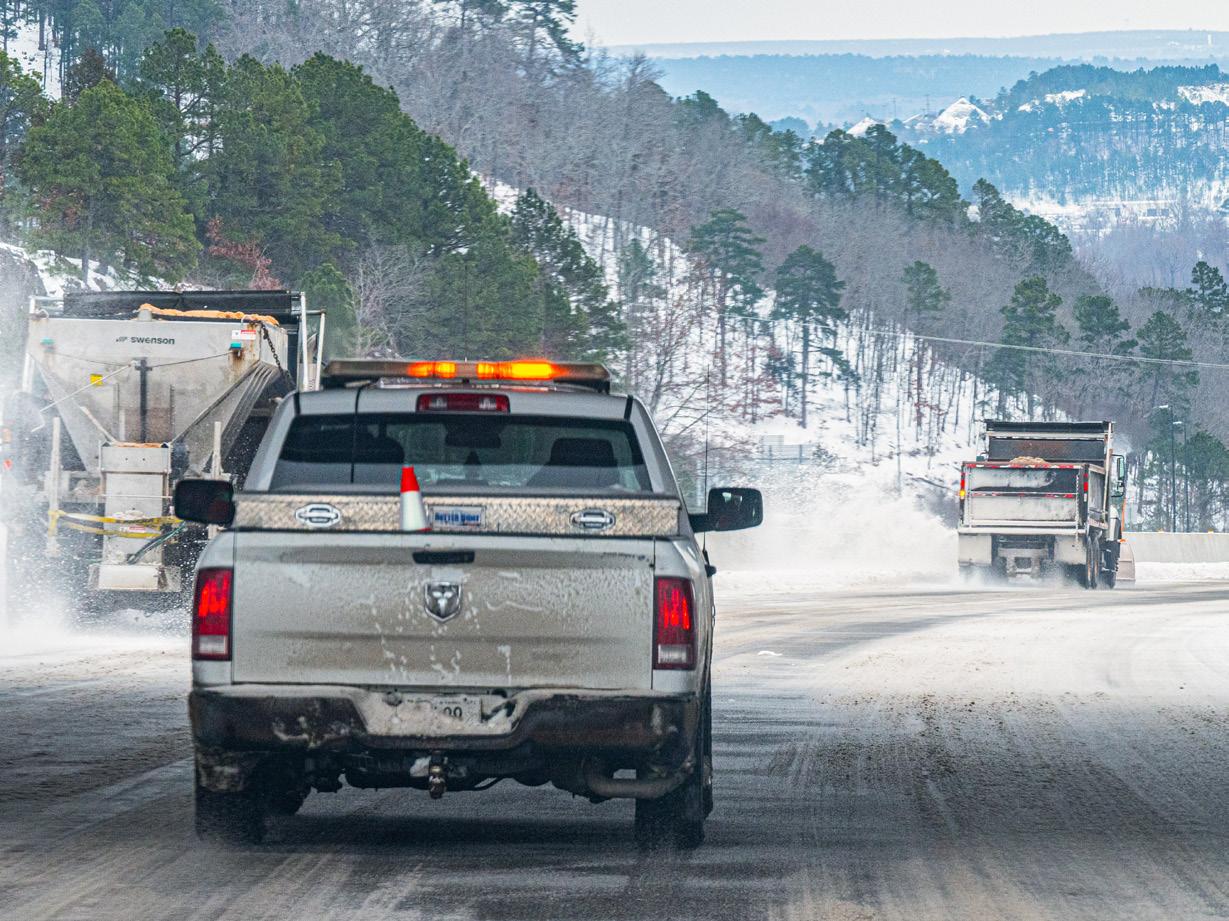
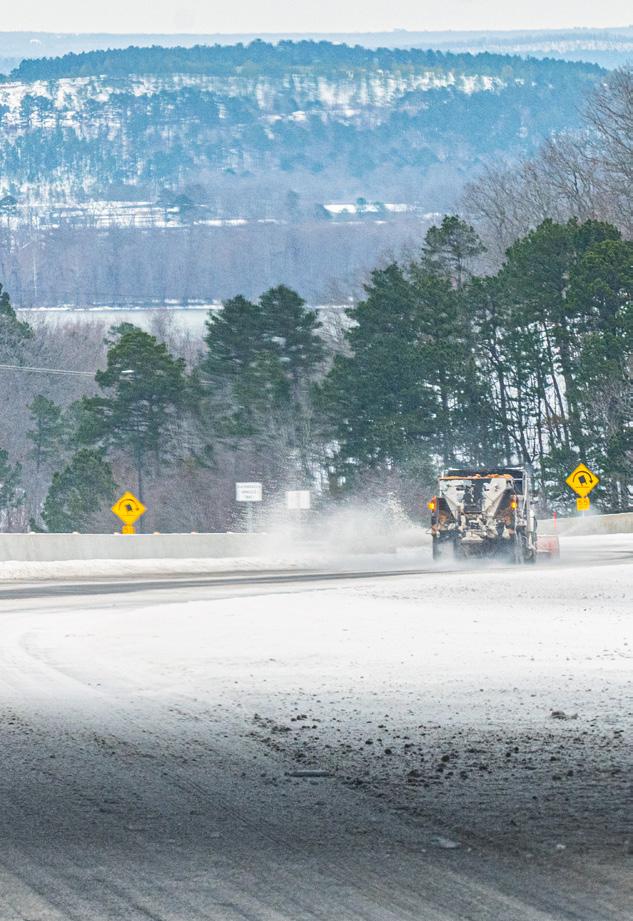
In this issue, you will also read about the Department’s response to Winter Storm Fern. Our crews plan and prepare for winter weather long before it hits. When it does, teams use all available resources to execute that plan. Fern brought significant winter precipitation, resulting in over a week of around-the-clock work by maintenance crews, mechanics, highway police officers, and other support staff.
I am proud of the way our employees tackle challenges head-on. The people of this agency are heroes without fame or glory. Taking credit is not what public service is about. Public service is about putting others’ needs before your own, sacrificing comfort for progress, and knowing that you are leaving things better than you found them.
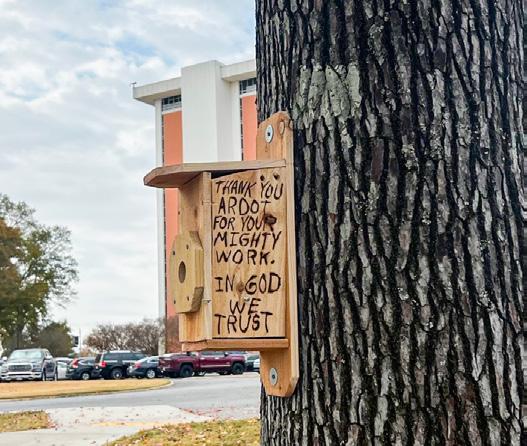
A smile, a wave of approval, or simply moving over a lane or two for workers are all good ways to communicate to our workforce that you appreciate what they do.
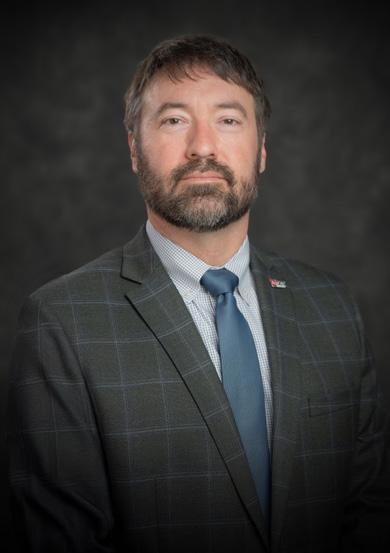
Jared D. Wiley, P.E., Director
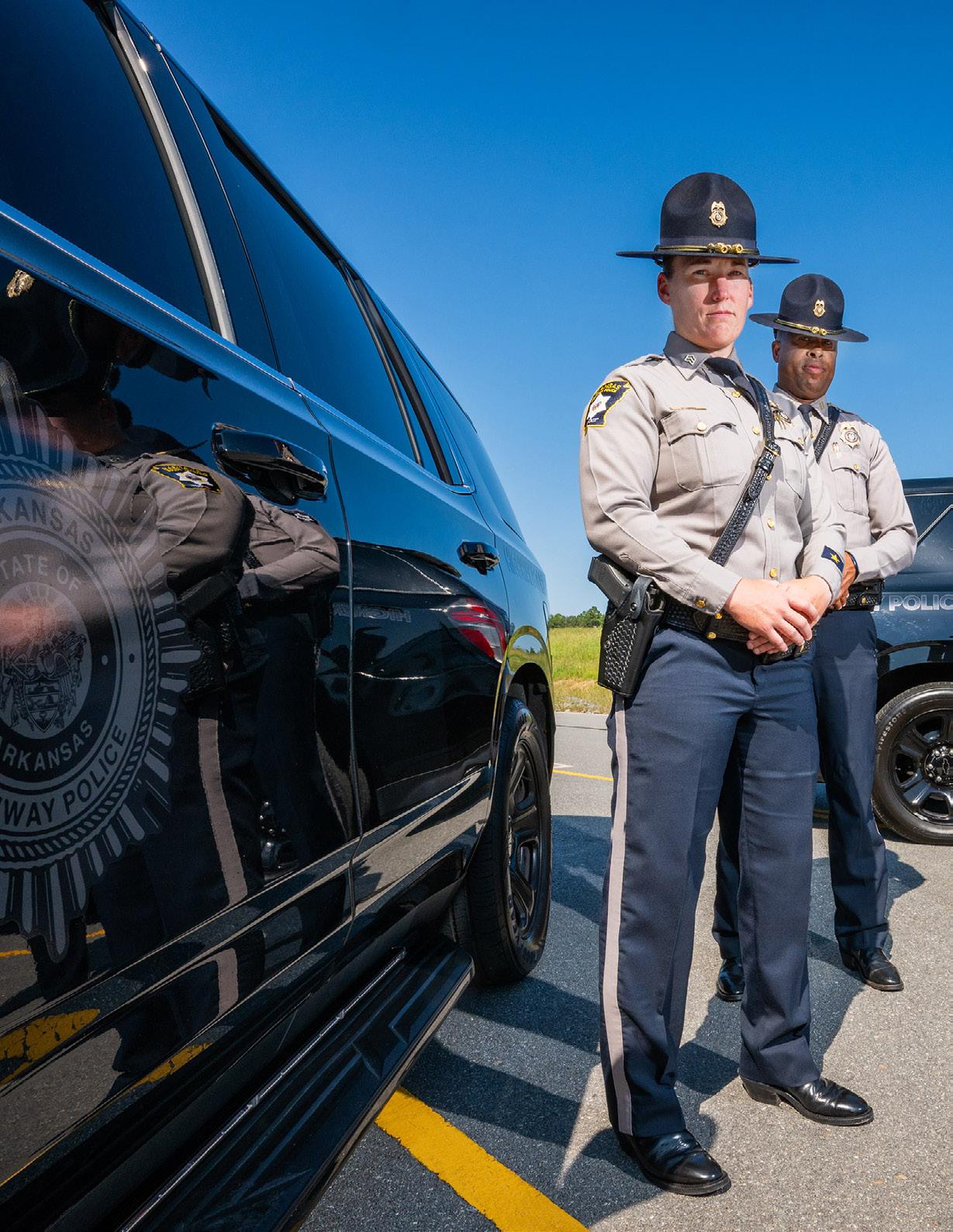
FRONT COVER:
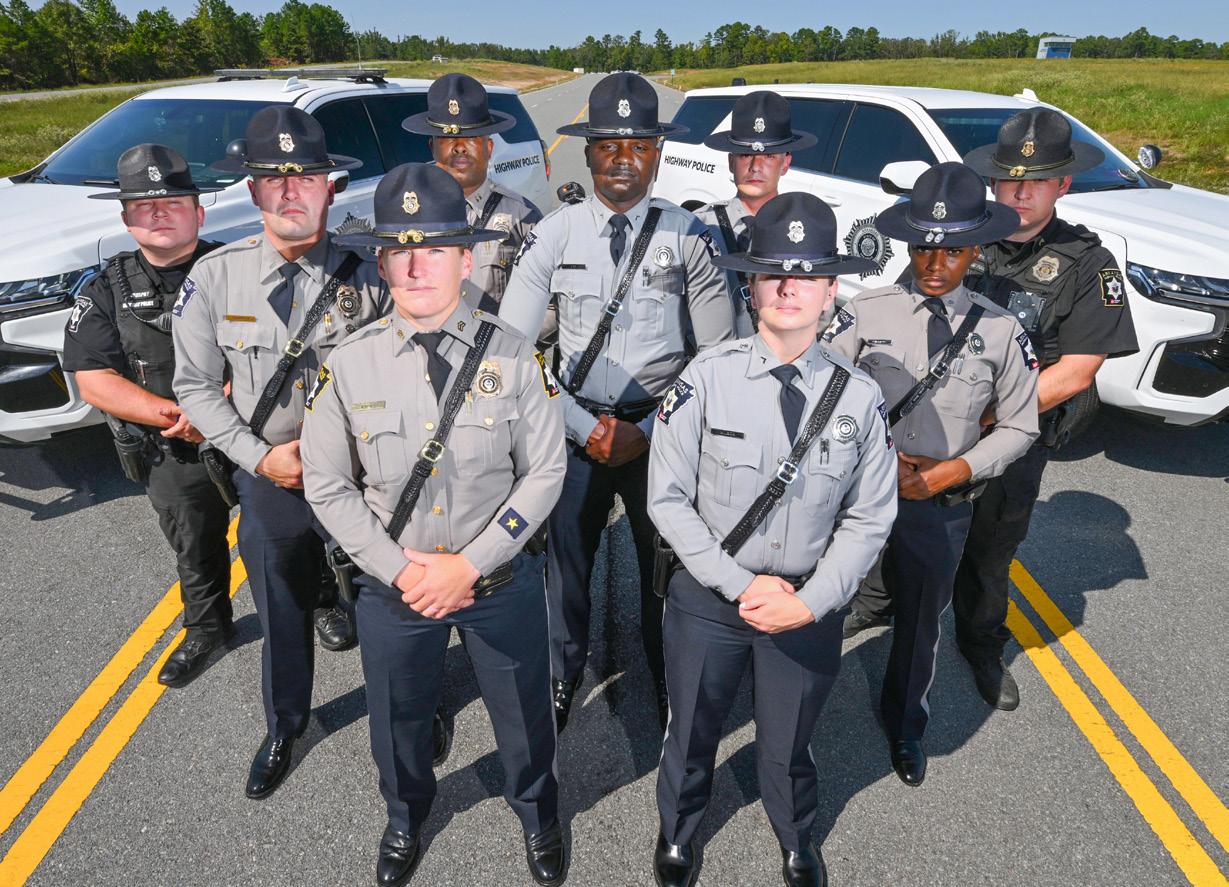
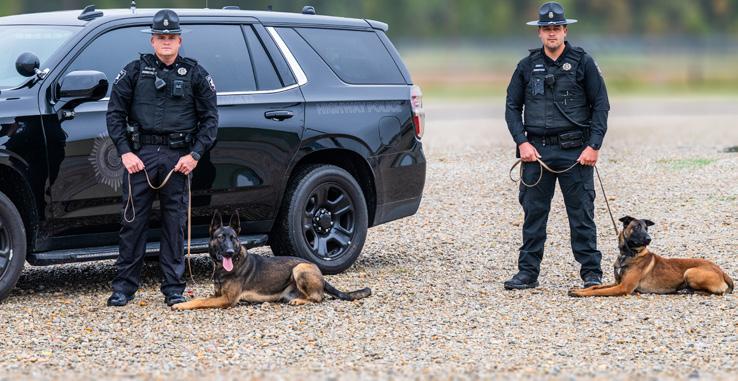
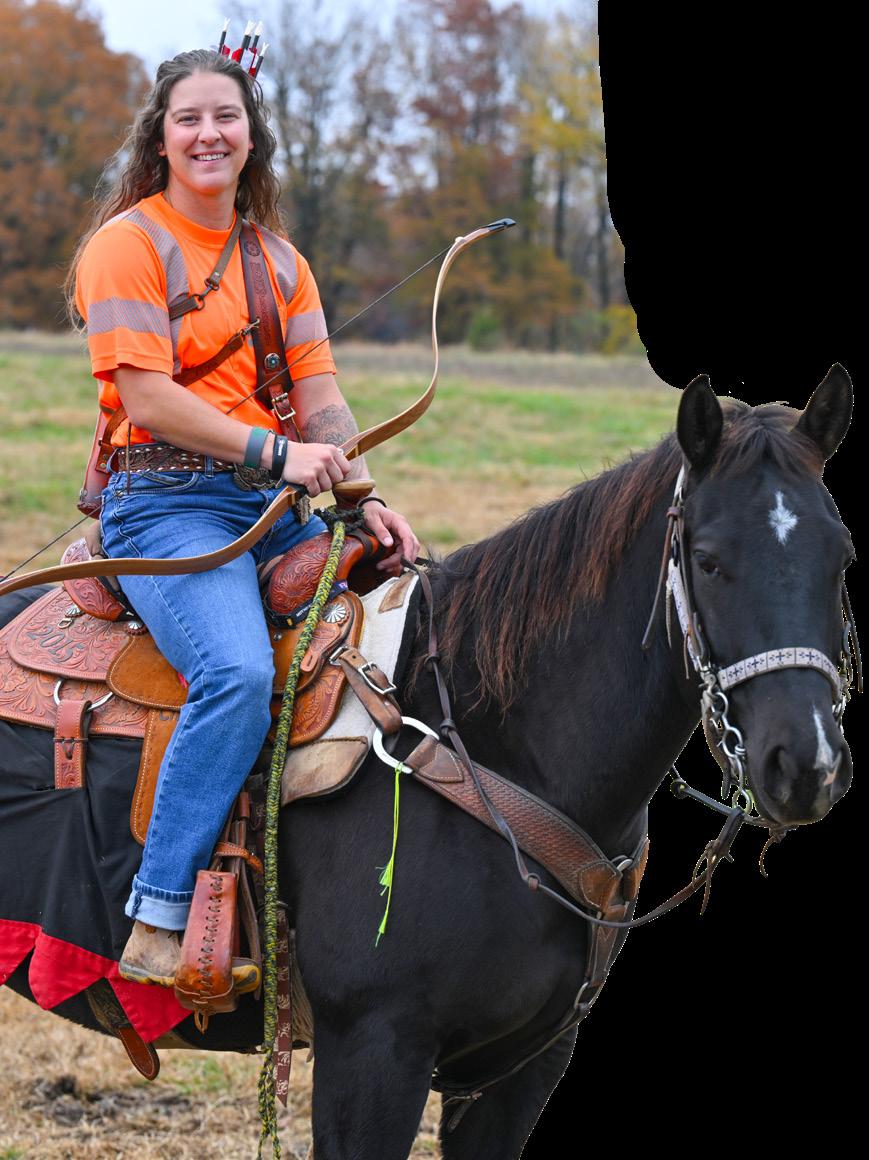
Lieutenant Jennifer Evans and Captain Tyrone Dillard representing Arkansas Highway Police.
BACK COVER:
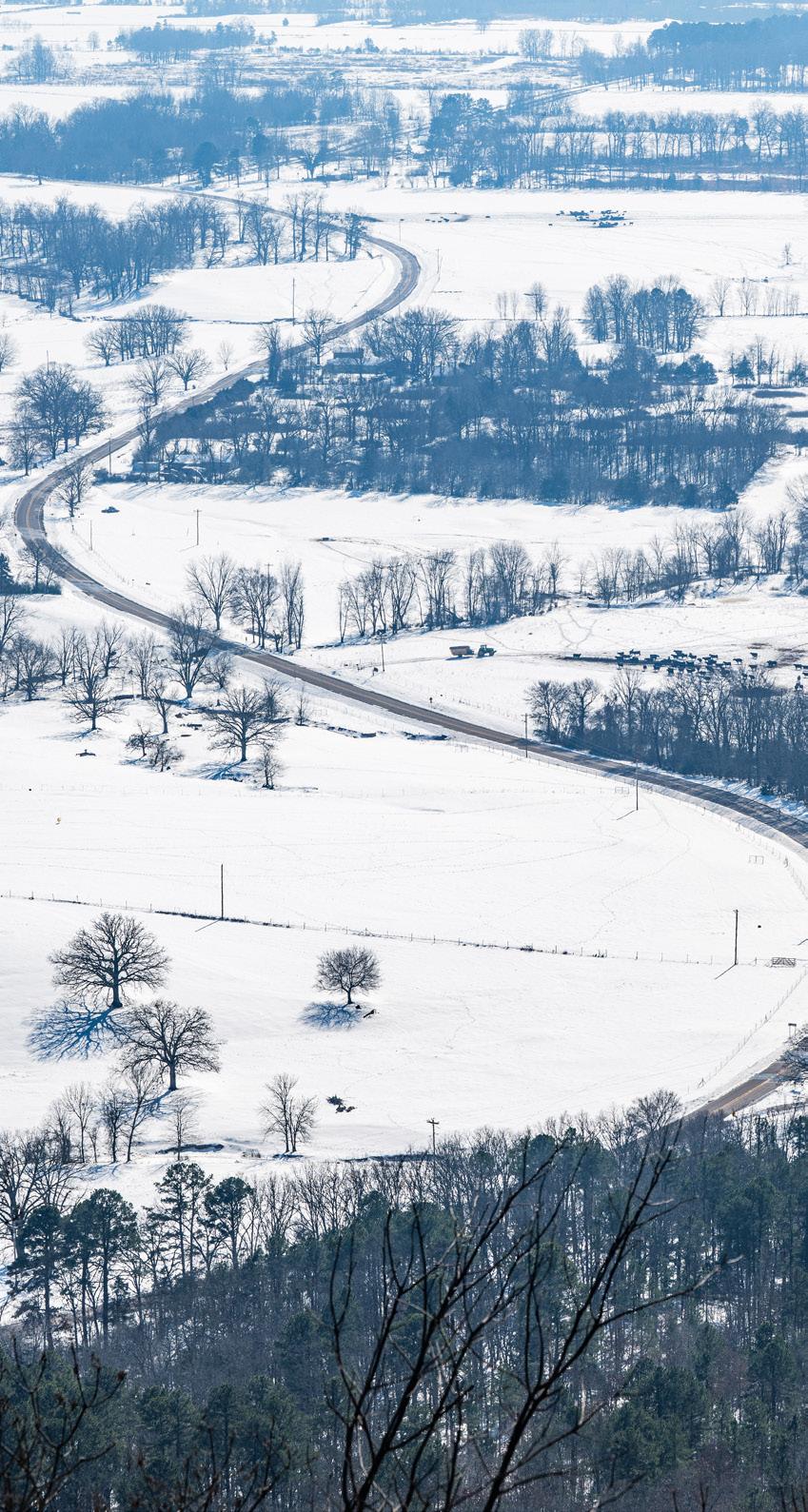
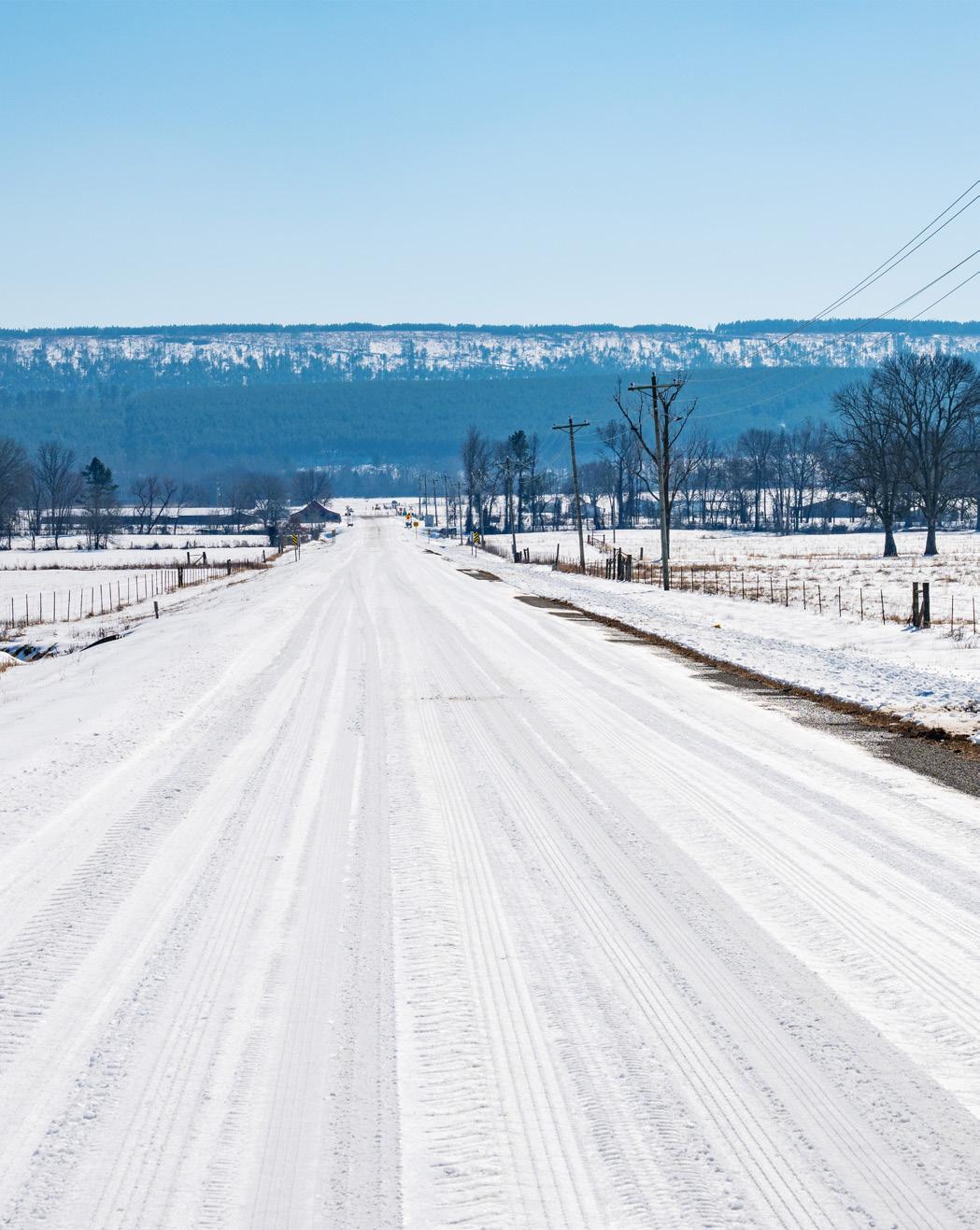
Hot Springs Bypass between State Highway 7 and U.S. Highway 70 during Winter Storm Fern.
EDITOR
Ruthie Berryhill
Ruthie.Berryhill@ardot.gov
STAFF WRITERS
Emma Goad
Emma.Goad@ardot.gov
Kaitlin Worley Kaitlin.Worley@ardot.gov
GRAPHIC DESIGNERS
Marrissa Brickey Marrissa.Brickey@ardot.gov
Aimee Goode Aimee.Goode@ardot.gov
Lamarie Rutelonis Lamarie.Rutelonis@ardot.gov
PHOTOGRAPHER
Rusty Hubbard Russell.Hubbard@ardot.gov
Correspondence should be directed to: Ruthie.Berryhill@ardot.gov
ARKANSAS HIGHWAYS
Communications P.O. Box 2261 Little Rock, AR 72203-2261
Arkansas Highways is published by and for employees of the Arkansas Department of Transportation as a medium of departmental news and other information. It is also distributed free of charge to the public upon request.
The Arkansas Department of Transportation (ARDOT) complies with all civil rights provisions of federal statutes and related authorities that prohibit discrimination in programs and activities receiving federal financial assistance. Therefore, ARDOT does not discriminate on the basis of race, sex, color, age, national origin, religion (not applicable as a protected group under the FMCSA Title VI Program), or disability in the admission, access to and treatment in ARDOT’s programs and activities, as well as ARDOT’s hiring or employment practices. Complaints of alleged discrimination and inquiries regarding ARDOT’s nondiscrimination policies may be directed to the Civil Rights Division (P. O. Box 2261, Little Rock, AR 72203, (501) 569-2298, (Voice/ TTY 711), or the following email address: Civil. Rights@ardot.gov. Free language assistance may be available upon request. This notice is available from the ADA/504/Title VI Coordinator in large print, on audiotape, and in Braille.
ARKANSAS STATE HIGHWAY COMMISSION
PHILIP TALDO Chairman
GIBSON Vice Chairman
MARIE HOLDER Member
L. HALSEY, JR. Member
KEITH
JERRY
DAVID HAAK Member
New Horizons in Store for the Arkansas Highway Police
BY RUTHIE BERRYHILL
ESTABLISHED IN 1929, THE ARKANSAS HIGHWAY POLICE (AHP) IS THE OLDEST STATEWIDE LAW ENFORCEMENT AGENCY IN ARKANSAS. Despite its age, AHP, a division of the Arkansas Department of Transportation (ARDOT), has been gaining momentum, embracing the future, and implementing innovations that will help meet its mission of protecting Arkansas’ infrastructure.
Many factors have contributed to this momentum toward a brighter future. It has been especially noticeable through AHP’s successful recruiting efforts,
launch of dedicated social media channels, reinstatement and growth of the K-9 program, and future plans to add criminal investigation officers, a law enforcement training academy, and new facilities.
“We are always looking for ways to be competitive in recruiting and retaining officers and employees,” AHP Chief Jeff Holmes said. “AHP has a unique mission and an important story that is often not told. This new push is to share the vital work that we do.”
AHP’s newer officers have noticed this growing momentum. Patrol Officer First Class Kevin Neal has been with AHP since July 2023 and has worked in the Training/Recruiting Section of AHP since September 2025.
“The Arkansas Highway Police is at a pivotal point in time,” Neal said. “Our officers are motivated and are finding large amounts of illegal narcotics and currency, while keeping our construction work zones safe.
Chief Holmes is taking a proactive stance on law enforcement.”
RECRUITING EFFORTS
The success of AHP’s recruiting efforts is evident from the increased number of officers on the force.
“We recently passed 150 officers, which has been an elusive goal for us for some time,” Holmes said.
In addition to its regular recruiting efforts, which include a web page on the ARDOT site, billboard ads, career (continued on page 6)
fairs, and posts on social media, AHP has worked to provide attractive pay and benefits to new recruits.
“Our starting salaries for certified and non-certified officers are some of the highest in the state,” Holmes said.
The annual starting salary for a certified officer (someone who already has an Arkansas law enforcement certification) is $71,058. The starting salary for a non-certified officer is $67,678.
“In addition, officers willing to take assignments at the Crittenden County Weigh Stations receive an additional $5,200 annually,” Holmes said.
According to Holmes, the increased salary for the Crittenden County Weigh Stations is in keeping with geographical pay for other ARDOT positions in counties where recruitment and retention of employees is challenging. “It has always been a challenge to hire and retain employees at those stations,” Holmes said. “This was done to incentivize working at those stations and has helped tremendously.”
The opportunity for future promotion is also a selling point. After the successful completion of one year of service, new officers receive a promotion to Patrol Officer First Class(PFC). After seven years of service, PFCs are promoted to Corporal (CPL). Qualified officers can continue to progress in rank as they meet requirements for promotion to higher levels.
However, the best recruiting effort is one that comes naturally to AHP.
“Our best recruiting tool is our existing officers, spreading the word about how great it is to work for AHP,” Holmes said.
Neal’s impression of AHP started when he was a child and later led to his interest in working on the force.
“I come from a family of loggers and truckers,” Neal said. “I remember Sergeant Larry Curtis would pull my dad over as a child while I was in the truck. Sergeant Curtis would always make sure he talked to me and would let me look at his patrol car and his equipment. As a child, that made a positive impression on me.”
Neal now works to recruit others to the force, visiting multiple college and high school events to speak with potential new hires for the agency. He also works at the AHP booth at the Arkansas State Fair and other events around the state.
SOCIAL MEDIA
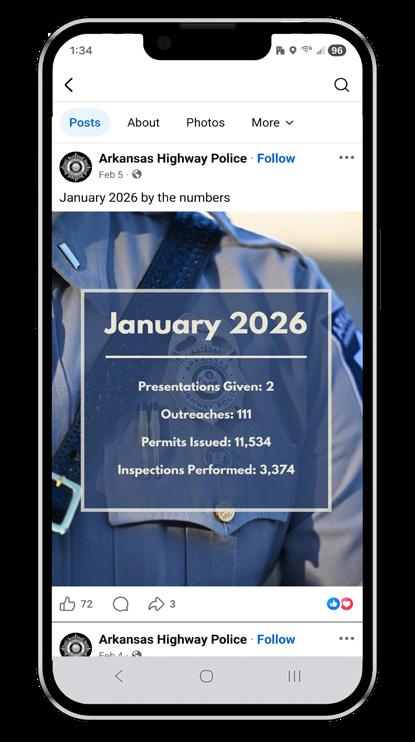
This past November, AHP launched its own dedicated social media channels. Previously, AHP news was shared on ARDOT’s social media platforms, but having its own allows AHP to better connect with citizens and reach a targeted audience with AHP’s motor carrier information.
“The Arkansas Highway Police is integral to everything we do here at ARDOT to protect and maintain the infrastructure
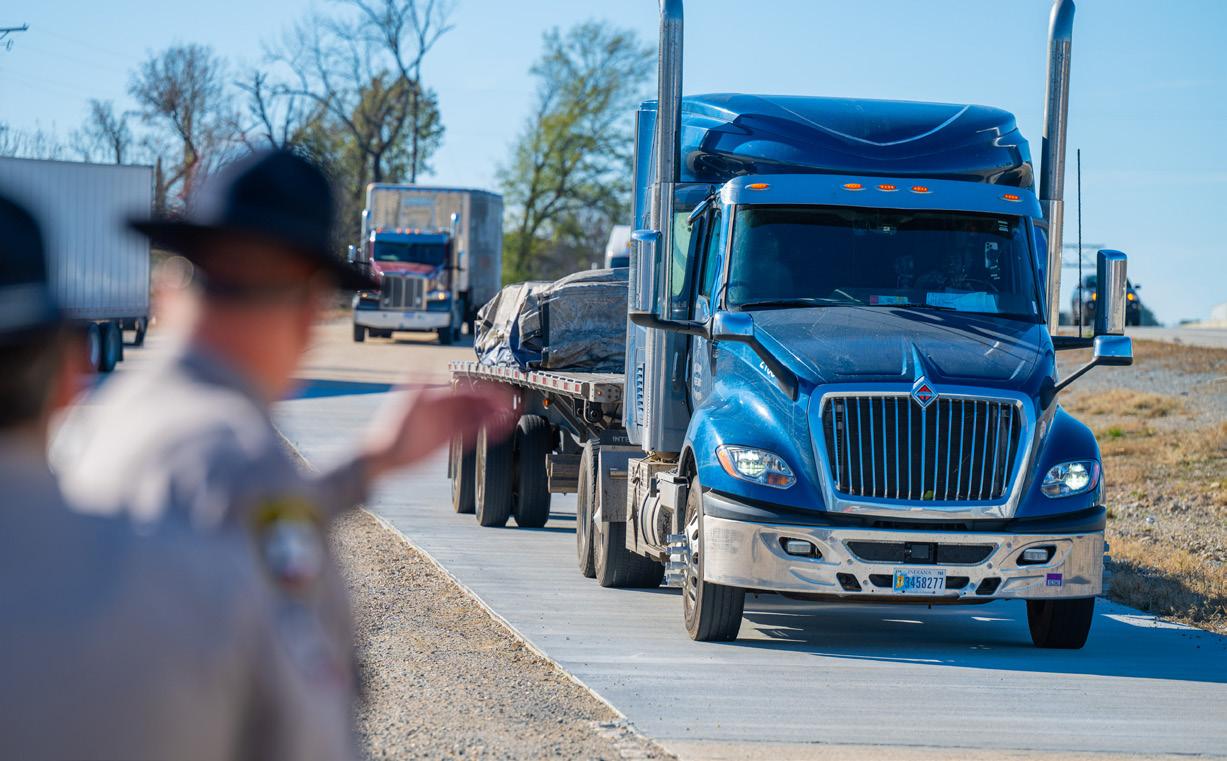
AHP officers direct commercial motor vehicles during an inspection.
Our best recruiting tool is our existing officers, spreading the word about how great it is to work for AHP.”
— AHP Chief Jeff Holmes
of the State Highway System,” ARDOT Director Jared Wiley said. “From enforcing commercial motor vehicle laws, performing drug interdiction, and to helping protect our work zones and the workers and motorists within them, the Highway Police have a story to tell, and these new channels will help them accomplish that mission.”
With a dedicated social media presence, AHP is better able to showcase the specialized enforcement they conduct, which makes them better equipped to gain the interest of future officers.
AHP can be found at: Arkansas Highway Police on Facebook, @ARHighwayPolice on Instagram, and @ARHighwayPolice on X.
K-9 PROGRAM
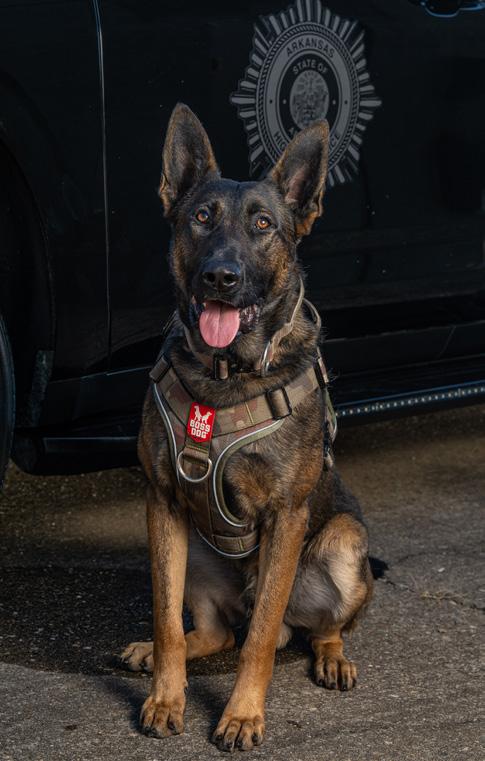
Last year, AHP rebooted its K-9 Unit with the addition of dogs Mack and Jackie (see “Arkansas Highway Police Reboot K-9 Unit” in the 2025 Issue 2 of Arkansas Highways magazine). Since that time, three additional dogs: Drake, Ace, and YUPP, have been added to the program.
“Each K-9 has its own little personality,” AHP Captain Tyrone Dillard said. “Mack excels at patrol work; his real passion is narcotics detection. Jackie’s true strength lies in criminal apprehension, and she is known for her intensity and precision. Drake is a very social dog that loves to be petted but has a high working drive when it is time to get serious. Ace’s greatest asset is his exceptional nose – he excels in
both drug detection and tracking, approaching every shift with enthusiasm. YUPP is very social, but when it comes down to business, he will flip a switch and it's game on. His true passion is patrol work and narcotics detection."
The K-9s live with their handlers (the officers they are assigned to). They work with the handler during the officer’s shift, looking for criminal activity such as illegal drugs and human trafficking.
As the program has grown, so has the interest among officers.
“We had to conduct interviews of applicants to select handlers due to overwhelming interest and to ensure proper fit,” Holmes said.
The K-9 unit has already proven its worth. In 2025, the K-9 unit seized 9,100 pounds of illegal THC gummies, 6,538 pounds of illegal marijuana, 108 pounds of cocaine, 60 pounds of illegal mushrooms, 40 pounds of illegal methamphetamines, and 9 pounds of fentanyl. Additionally, AHP K-9 Mack assisted the Arkansas State Police with drug interdiction and the seizure of 311 pounds of illegal marijuana and 180 pounds of illegal methamphetamines totaling a street value of $21,764,097.
CRIMINAL INVESTIGATION
In the past, AHP has not had officers assigned to criminal (continued on page 8)
Corporal Brandon Bybee, K-9 Drake, Patrol Officer First Class Elijah Everett, and K-9 Ace.
K-9 Drake
— ARDOT Director Jared Wiley
AHP has also been working to establish a new training center and a dedicated firing range. The new facilities will be located on property already owned by ARDOT. A construction date for the facilities has not been set. From
investigations; rather, cases have been handed off to other law enforcement agencies. Recently, the AHP has been working to train officers to handle investigations, including interviewing skills, conducting search warrants, and case preparation. Once trained, the officers will conduct AHP’s criminal investigations.
“For example, if an officer discovers a load of stolen freight, the criminal investigators will work with various agencies on building a theft case,” Holmes said. “Or, when an officer seizes a large amount of illegal drugs, they will work on an origin and destination arrest. Additionally, they will assist on investigations of theft of ARDOT equipment, break-ins, or human trafficking.”
LAW ENFORCEMENT TRAINING ACADEMY
Plans are in place to create AHP’s own law enforcement training academy. Currently, all recruits (even those already certified as law enforcement officers) receive training specific to AHP through the Recruit Training Program (RTP), which includes Size and Weight Training, Motor Carrier Safety Regulations, firearms, defensive tactics, and other law enforcement topics. They also receive training in obtaining certifications from the Commercial Vehicle Safety Alliance (CVSA) to conduct the North American Standard Driver and Vehicle Inspections and General Hazardous Materials inspections. The RTP also helps prepare non-certified recruits for the basic law enforcement training academy.
Those recruits who aren’t already certified must complete and pass the basic law enforcement academy program within nine months of being hired into a full-time position. AHP recruits attend either the Law Enforcement Training Academy at Black River Technical College in Pocahontas or the Arkansas Law Enforcement Training Academy in Camden.
Once all recruits are certified law enforcement officers, they must complete the AHP Field Training Officer Program before being released to their duty assignment.
An AHP law enforcement training academy will combine the basic law enforcement training and the RTP into one 22-week program for non-certified recruits.
NEW FACILITIES
ARDOT’S WINTER WEATHER GAME PLAN: A DECADE IN THE MAKING
BY ELLEN COULTER
ARKANSAS TYPICALLY SEES AT LEAST ONE OR TWO LARGE-SCALE WINTER
WEATHER EVENTS EACH YEAR. For every person who is encouraged to stay off the roads during these events, there are plenty of others who don’t have a choice.
“The Arkansas Department of Transportation (ARDOT) is committed to keeping goods and services moving,” Steve Frisbee, ARDOT Assistant Chief Engineer for Maintenance, said. “Beyond keeping the economy going, and more importantly, we have a duty to make the roads safe for the traveling public. Safety comes before everything else.”
ARDOT takes pride in its snow and ice removal capabilities. The Department has a strategic Snow and Ice Removal Guide that is studied, rehearsed, and followed year after year. It has a fleet of winter weather equipment and a stockpile of materials ready to go for when storms inevitably hit, but it hasn’t always been this way.
“In the winter of 2013-2014, there were a couple of big winter storms that happened across the northern part of the state,” Frisbee said. “Missouri showed us up – the Show-Me State. The same snow happened on both sides of the border between Arkansas and Missouri. Their side of the line was perfectly clean a day or two after the storm, and we were still battling it. That clip made the news, and the public said,
‘How can one state make it perfect and one state not?’”
Everything changed from there.
“That was the tipping point. It was not acceptable to shut down the state of Arkansas when we get multiple snows a year,” Frisbee continued.
In early 2014, members of ARDOT’s District staff and Maintenance Division took a trip to learn from our neighbors at the Missouri Department of Transportation (MODOT).
“They were more than willing to meet with us and share their expertise,” Deric Wyatt, ARDOT State Maintenance Engineer, said. “We learned a lot from that trip to Missouri on how to better equip ourselves.”
“They gave us their guide,” Frisbee said. “One of the things the guide showed us was how to pretreat the roads. It wasn’t just that we didn’t know how to do it, we had to have the equipment.”
The leadership of ARDOT’s District 9 (covering Northwest Arkansas) played a crucial role in initiating the collaboration with MODOT and developing ARDOT’s own Snow and Ice Removal Guide. This initiative was a significant step toward achieving statewide success for ARDOT in managing winter weather conditions.
(continued on page 10)
SALT
In 2014, the Arkansas Highway Commission set aside a dedicated salt fund for the Districts. Prior to that, each District paid for salt out of their own operating budget – the same budget allocated for other year-round highway maintenance work. The northern Districts, which experience more winter weather, had to buy more salt than the other Districts – leaving them with less funding for other maintenance projects. The dedicated salt fund ensured every District had access to the salt needed for winter weather while also safeguarding funding for other maintenance projects.
“Adding the salt houses across the state was also definitely a big change,” Wyatt said. “Between 2015 and 2020, we doubled our salt storage capacity. Back then, we were probably sitting on 20,000 to 30,000 tons of salt, and now we’re at over 80,000 tons. We’ve increased that salt supply drastically.”
In addition to stocking up on salt, ARDOT built additional salt houses at strategic locations around the state so it could be more readily accessible.
“We realized it’s not that it takes a lot of salt; it’s how to put the salt out and how to have the salt close by,” Frisbee said. “We started building more salt facilities, which is not too expensive, but it takes time. We’ve expanded the number of salt houses in each county to get the salt closer to the main routes. The quicker we can get to the salt and lightly spread it across the road makes a big difference.”
As of 2025, ARDOT had 121 salt houses statewide, with at least one in every county.
With the new salt storage facilities, ARDOT was able to transition from using bag salt to bulk salt statewide. Rather than having to open and dispose of individual bags, crews could now load a dump truck directly from the bulk salt pile.
“It used to take 30 minutes to an hour to load a salt spreader. Now it can be done in a matter of three or four minutes,” Wyatt said.
ARDOT also learned the value of pretreating roads with salt brine – a mixture of salt, water, and sometimes additional additives, depending on the temperature and type of precipitation. Spraying the brine on the road helps keep the frozen precipitation from bonding to the pavement. ARDOT was able to utilize some existing equipment to apply the brine.
“We had herbicide tankers to spray weeds, and we just converted them over. Instead of putting herbicide in, we put brine water in,” Frisbee said.
EQUIPMENT
“Pretreating was one huge thing, then the funding for the salt houses, and the third leg was increasing the equipment budget to buy more plows and spreaders,” Frisbee said.
In 2014, ARDOT’s Strike Team was established – consisting of personnel in the Maintenance Division’s signing, striping, and milling crews. At the same time, the Arkansas Highway Commission approved the purchase of new Strike Team equipment, specifically “belly plows.”
“When you have big snow or heavy ice, a belly plow presses down the whole weight of the truck on the plow, and it can literally scrape the paint off the road. You have to be careful
During winter storm events, ARDOT maintenance crews are on hand around the clock to keep our equipment up and running throughout the event.
with that, but it can get the hard stuff off the road,” Frisbee said.
Ahead of the 2015 winter season, ARDOT received the first six belly plows. Ahead of the 2016 season, six more were purchased. Belly plows, standard snowplows, and salt spreaders are all attachments that can be fitted onto a dump truck.
“The trucks can be used for other things all summer long. Dump trucks are our main tool to haul asphalt, dirt, and rock. Then we put the equipment on, and now we have our snowplows and spreaders,” Frisbee said.
ARDOT currently has over 700 snowplows and over 600 salt spreaders. In addition to investing in more equipment, updated technology has also played a major role in improving ARDOT’s response to snow and ice.
“In 2014, we got approval to contract with a private weather service (ClearPath Weather) that gives us weather forecasting down to the bridge or the pavement level,” Wyatt said. “It gives us more of a scientific approach to when we pre-treat roads and bridges.”
The ClearPath Weather service functions as a 24/7, on-call meteorologist of sorts.
“If something in the weather forecast changes at 3 o’clock in the morning, they will physically pick up the phone and call the designated person for that district to notify them that the weather’s changed and we need to probably take action,” Wyatt said.
IDriveArkansas is an external-facing tool that keeps the public informed on the latest road conditions – including live traffic cameras. IDriveArkansas was established in 2013, and traffic cameras were added to the platform in 2017. To date, there are nearly 500 traffic cameras available on IDriveArkansas.
“We have a wide array of tools that we’re able to use for winter weather. It all depends on what kind of event we’re going to have,” Wyatt said. “We use our experience and knowledge to know what’s going to be most effective. There’s no storm that’s ever exactly the same as previous ones.”
THE GAME PLAN
You can have the right equipment, materials, and tools at your disposal, but success requires proper strategy, coordination, and teamwork. In 2014, using information from MODOT and other national guides for snow and ice removal, ARDOT developed the Snow and Ice Removal Guide that is still heavily relied on to this day.
“One of the biggest things we did was develop priority routes,” Wyatt said. “We classified every route in the state as being an A, B, or C priority. During a winter weather event, the A routes are tackled first. Once those routes are clear, we move to the B routes and then the C routes. Our A routes are primarily our highest volume interstate corridors and U.S. Highways that carry the bulk of the traffic in the state.”
While the ClearPath Weather service provides critical information for ARDOT’s internal decision-making, (continued on page 12)
To Frisbee and Wyatt, the Snow and Ice Removal Guide is like a game plan for a sports team – a strategy for outsmarting the opponent and winning the game.
First, there’s the preseason. This is the time for training, stocking materials, checking equipment, and getting staff familiar with the game plan.
Then, there’s the winter weather season. Crews divide up into teams and have pre-planned routes.
“It definitely takes a team effort. We take all of our crews and split them in half. In a winter weather event, you’ve got 24 hours in a day to cover, and one person can’t do it all, so we split crews in half and do two 12-hour shifts,” Wyatt said.
“Every county and every district has their assigned routes,” Frisbee explained. “It’s just like in sports, a zone defense. You don’t get out of your zone. When we learned how to play zone defense, it was a game-changer,” Frisbee said.
“We have a plan. Everyone’s going to work their area, and as you go through the ‘game’ or the storm, you get to halftime and sit back and evaluate where we’re getting hit the worst and where we need more support. We attack the storm as efficiently as we can. Then, as we get down to
the fourth quarter, everyone’s getting tired, we rely on our teammates to help get us through to the end,” Wyatt said. “With any sports analogy, you have injuries, and for us that’s equipment breakdown. We rely on our guys in the shops to step up and get those pieces of equipment back out on the road. We see them as our ‘athletic trainers’ or ‘sports medicine doctors’ per se.”
Then, there’s the post-season – a time to reflect and evaluate performance, repair equipment, restock materials, and prepare for the next season.
The Snow and Ice Removal Guide was updated in 2025, taking into account the change in technology, equipment, and materials in the 11 years since it was first implemented.
“A decade later, we updated it with more information, more visuals. We cleaned it up, organized it, and changed some operational things,” Frisbee said. “We have many new employees that don’t know what it was like prior to 2014 and how much we have improved.”
ARDOT has since paid it forward. In early 2025, ARDOT’s Strike Team was called on to help Louisiana when it was hit by an unprecedented winter storm along the Gulf Coast. It
Crews working to keep Highways clear during a winter storm.
It definitely takes a team effort. We take all of our crews and split them in half. In a winter weather event, you’ve got 24 hours in a day to cover, and one person can’t do it all, so we split crews in half and do two 12-hour shifts.”
— Deric Wyatt, ARDOT State Maintenance Engineer
was a point of pride for the Department, and a sign of how far we have come over the past decade. Just as Arkansas was learning from Missouri over a decade ago, Louisiana was now learning from Arkansas.
“We try to share our knowledge and information with all our neighboring states as best we can, and it’s a two-way street. We share with them what we know, and we try to gather new information from them as well,” Wyatt said.
“I feel like we’re in pretty good shape, and I think the public sees that. What we learned from Missouri and other states, now the cities and the counties have learned from us, so we’ve really come a long way. We’re always going to strive to get better, but there’s not this big hurdle to overcome now,” Frisbee said.
This story was written prior to Winter Storm Fern – a challenging, long-duration storm that impacted the entire state in January 2026. ARDOT credits the winter weather operations plan, equipment investment, and employee training mentioned in this story as the reason for its successful response to Winter Storm Fern.
FACEBOOK COMMENTS
(from Winter Storm Fern)
Thank you ARDOT crews for working so hard and all the long hours you've put in to help keep us safe while being on the roads.
Michelle W.L.
Many thanks to all ARDOT employees for your dedication to our safety and to our state! Also thanks to all that shared video updates of issues, problems and for creating better communication! We appreciate you and all you do!
Jeanette H.
You guys crushed it! I had to drive through Arkansas, Tennessee, Mississippi, and Alabama a couple days afterward, and Arkansas had the interstates cleared! You guys are definitely the leaders!
Amanda P.
ARDOT Joins the Fight Against HUMAN TRAFFICKING
BY ELLEN COULTER
AT THE ARKANSAS DEPARTMENT OF TRANSPORTATION (ARDOT), WE BELIEVE BEING A PUBLIC SERVANT MEANS MORE THAN JUST DELIVERING A MODERN TRANSPORTATION SYSTEM THAT ENHANCES THE QUALITY OF LIFE IN ARKANSAS. It means doing it with a neighborly attitude – looking out for our fellow citizens and offering help when we can.
“Here at ARDOT, we see ourselves as everyone's neighbor. We have over 4,000 employees scattered throughout the state,” ARDOT Director Jared Wiley said. “We have a presence in every county, and we are out there on our 16,400-mile highway system every day. We want to make sure we are doing our part to be good public servants, and part of that is being aware of our surroundings and knowing who to call when we see something that doesn't look right.”
This neighborly attitude and leadership vision from Director Wiley has resulted in ARDOT’s strengthened commitment in 2026 to safety and community engagement – which in large part includes fighting and preventing human trafficking in Arkansas.
“ARDOT understands the serious impact that human trafficking has on individuals, families, and communities,” Christen Trogden, ARDOT Workforce Development
Specialist and Chair of ARDOT’s Anti-Human Trafficking Committee, said. “Our employees live and work in the same communities where these crimes can occur. By training our staff to recognize the signs of trafficking and understand how to report it, ARDOT can help make a real difference in the fight against this crime.”
Still, some may wonder why ARDOT is taking such a vested interest in this cause. “I get that question a lot. Why is ARDOT involved in the human trafficking fight, or why now?”
Director Wiley said. “My answer to them is: why not now?”
THE WHAT AND WHY BEHIND HUMAN TRAFFICKING PREVENTION
“Human trafficking occurs where there are vulnerable people, which means it can happen almost anywhere,” Trogden said. “According to recent reporting, Arkansas currently ranks fifteenth in the nation for human trafficking
cases. This shows that the issue affects our state and highlights the importance of increasing awareness and prevention efforts.”
Due to its central location within the United States and the several major interstate thoroughfares crossing through it from border to border, Arkansas serves as an important crossroads for our country.
“There's a lot of activity, a lot of goods and services moving through Arkansas,” Director Wiley said. “It exacerbates the problem or the ability for people to move through here more often as it relates to human trafficking.”
The U.S. Department of Transportation (USDOT) defines human trafficking as a crime involving the use of force, fraud, or coercion to exploit individuals for labor or commercial sex, frequently using transportation networks to move victims. Under U.S. law, anyone under the age of 18 who is engaged in commercial sex is a victim of human trafficking regardless of whether force, fraud, or coercion is present. It is estimated that 27.6 million people globally are victims of human trafficking.
“Human trafficking is one of the fastest growing crimes in the United States. Despite how common it is, many people do not know what it actually looks like,” Trogden said. “Movies often portray trafficking as kidnapping or people being taken to other countries. While those situations can happen, trafficking often occurs in ways that are less obvious and closer to home.”
According to Arkansas Highway Police (AHP) Chief Jeff Holmes, there are certain red flags that law enforcement officers look for when it comes to identifying potential human trafficking victims. “Indications that someone is being human trafficked can include if someone doesn’t have identification, can't speak for themselves, or shows signs of abuse. People who sleep where they work. People who seem to be timid and have a dominant person talking for them.”
Recognizing human trafficking can be as subtle as listening to your gut when something doesn’t look or feel right – such as a suspicious person or situation at a rest area, welcome center, gas station, or truck stop.
ARDOT’S COMMITMENT TO A SAFER ARKANSAS
With a renewed commitment to combating human trafficking in mind as it entered 2026, ARDOT held trainings, education and awareness events, and participated in “Wear Blue Wednesdays” throughout the month of January –National Human Trafficking Prevention Month. Blue is the internationally recognized color for human trafficking awareness.
“Human Trafficking Prevention Month took place in January, but the effort doesn't stop there,” Director Wiley said. “We're going to continue down this pathway all year long to make sure this issue is in the forefront of our workforce's mind for the entire year.”
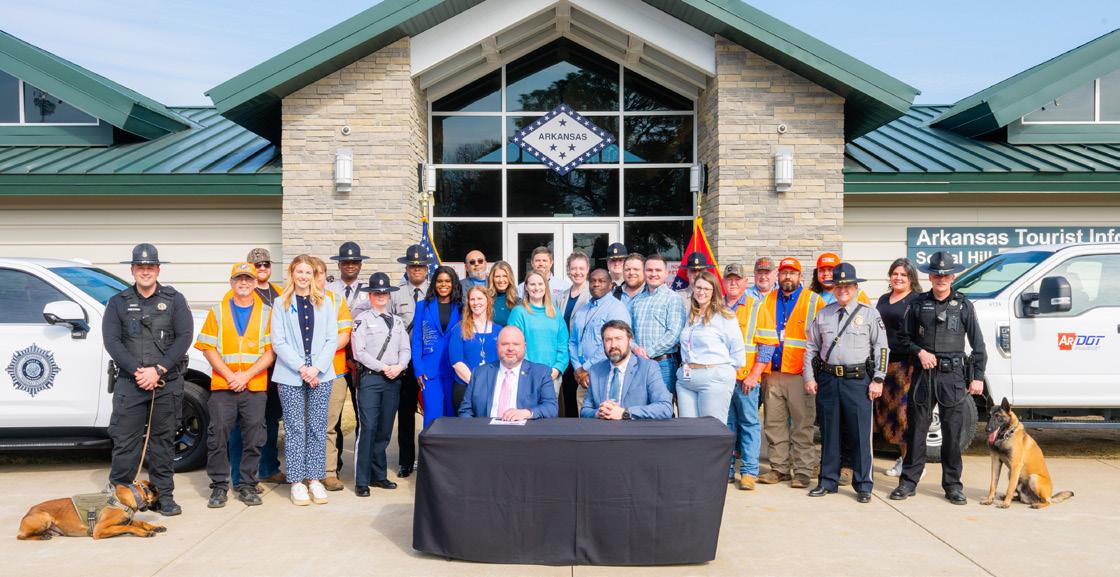
In February, Director Wiley and Chief Holmes – together with ARDOT’s newly formed Anti-Human Trafficking Committee, AHP officers, and other ARDOT stakeholders –signed the USDOT’s Transportation Leaders Against Human Trafficking Pledge.
Now, the mission becomes education and awareness for the more than 4,000 employees at ARDOT.
“At a time when many workplaces have not yet included human trafficking awareness in their training programs, ARDOT believes it is important to take action now as leaders in this effort,” Trogden said.
ARDOT and the AHP have developed a training program for all employees which explains what human trafficking is, how to recognize possible warning signs, and how to safely report suspected trafficking.
In addition to workforce training, ARDOT has expanded signage promoting human trafficking awareness at rest (continued on page 16)
In support of Human Trafficking Awareness Month, ARDOT Director Jared Wiley and AHP Chief Jeff Holmes signed the Transportation Leaders Against Human Trafficking Pledge.
areas and visitor centers across the state. These signs inform travelers and connect potential victims with resources. The Department is also advancing technology along the interstate system to help share awareness messages with the traveling public.
“Our goal is to train all employees by June 1, 2026,” Trogden said. “Reaching this milestone has been a team effort. Our Health and Safety Officers and Human Resource Specialists have played a major role in delivering the training across the state. Their dedication helped ensure that employees in every county had access to the information.”
Once all active employees are trained, the training will become an online interactive module for all new employees so that awareness continues to be part of the Department’s long-term training program.
“The statistics can feel overwhelming. Many people may wonder how one person could possibly make a difference in such a large problem,” Trogden said. “I asked myself that same question. The answer I found was simple. Change begins when someone takes the first step and helps one person at a time.”
HOW TO REPORT SUSPECTED HUMAN TRAFFICKING
According to the U.S. Department of Homeland Security, ask yourself the following questions if you suspect human trafficking:
• Does the person appear disconnected from family, friends, or community organizations?
• Has a child stopped attending school?
• Has the person had a sudden or dramatic change in behavior?
• Is a juvenile engaged in commercial sex acts?
• Is the person disoriented or confused, or showing signs of mental or physical abuse?
• Does the person have bruises in various stages of healing?
• Is the person fearful, timid, or submissive?
• Does the person show signs of having been denied food, water, sleep, or medical care?
• Is the person often in the company of someone to whom he or she defers? Or someone who seems to be in control of the situation, such as where they go or who they talk to?
• Does the person appear to be coached on what to say?
• Is the person living in unsuitable conditions?
• Does the person lack personal possessions and appear not to have a stable living situation?
• Does the person have freedom of movement? Can the person freely leave where they live or work? Are there unreasonable security measures?
If it's an emergency, dial 9-1-1. If you see something that you think looks suspicious or seems off, you can call, text, or email the information to law enforcement.
ARDOT WEAR BLUE DAY
FIVE ARDOT WOMEN SHARE THEIR EXPERIENCES WORKING IN CONSTRUCTION
BY RUTHIE BERRYHILL
WOMEN IN CONSTRUCTION (WIC) WEEK, LED BY THE NATIONAL ASSOCIATION OF WOMEN IN CONSTRUCTION (NAWIC), IS AN ANNUAL INITIATIVE THAT CELEBRATES, EDUCATES, AND PROMOTES THE ROLE OF WOMEN IN THE CONSTRUCTION INDUSTRY. NAWIC HAS MORE THAN 6,000 MEMBERS NATIONWIDE. WIC WEEK IS CELEBRATED DURING THE FIRST WEEK OF MARCH.
In celebration of WIC, we visited with some of the Arkansas Department of Transportation (ARDOT) women who work in construction and asked them about their careers with ARDOT.
CINDY
GREEN,
BRANDI DAVIS, INSPECTOR, RE 05
As an Inspector, Davis is responsible for on-site survey work and inspection of contract construction to ensure compliance with design plans and specifications. She has a high school diploma, on-the-job experience, and good mathematical skills.
What are some of your job duties at ARDOT?
“I inspect work in progress throughout the day, from building bridges to pavement preservations.”
What is the best part of working in construction?
“Being able to see different things every day, and then, being able to say as you drive over something that you helped build it.”
SENIOR CONSTRUCTION MATERIALS INSPECTOR, RE 84
As a Senior Construction Materials Inspector, Green conducts material field tests; ensures that materials are properly handled and applied by contractors and corrections in procedure are promptly made; prepares reports showing results of materials testing, documentation of contractor test results, and verification of test results; and trains other personnel for the required Center for Training Transportation Professionals certifications. Green has a high school diploma and is certified in asphalt, concrete, and soil aggregates testing.
What is the best part of working in construction?
“Being part of building good, safe roads because they are integral to the livelihood of all Arkansans.”
What advice do you have for women interested in working in construction?
“Embrace learning all that you can. If you are interested in this field, then ask questions, especially from people who have been working in the field for a long time.”
CHARLENE HAYNES, ADVANCED RESIDENT OFFICE TECHNICIAN, RE 32
As an Advanced Resident Office Technician, Haynes reviews Daily Work Reports; checks pay items against plans for quantities and mathematical errors; generates, reviews, and initiates estimates; reviews required material tests; and notifies staff and contractors of estimate schedule changes, needed test reports, and other paperwork for paying contract items. In addition to a high school diploma, Haynes has on-the job training in construction.
What made you interested in a career in construction?
“It kind of fell in my lap. I saw an opening for the Field Clerk position in Hope, RE 32, in Construction. I applied and got the position after being interviewed.”
What advice do you have for women interested in working in construction?
“Just apply – whether it is to work outside or learning what goes on behind-thescenes, construction has many different avenues.”
MARIA MARISCAL-CAGULADA, ENGINEERING TECHNICIAN, RE 43
As an Engineering Technician, Mariscal-Cagulada’s job duties vary from project to project. They include creating designs for Pavement Preservation projects; working asphalt overlays; and reporting and documenting sample collections, payments, and inspections. In addition to a high school diploma, she has a bachelor’s degree in civil engineering. What made you interested in a career in construction?
“At the University of Arkansas, the Civil Engineering Program is designed for students to learn about all aspects of civil engineering. As you go along you find what you like – it’s hard to not love something when you find joy in it. Now I can’t travel without seeing roads through a work lens.”
What advice do you have for women interested in working in construction?
“Just do it. You won’t be alone, and you’re paving the road for the future generation of women to do the same.”
LORI STINNETT, CONSTRUCTION PROJECT COORDINATOR, RE 76
As a Construction Project Coordinator, Stinnett inspects contractors’ work; coordinates with utility contractors; assists with job finals and material certification; and designs overlay projects for Pavement Preservation projects. In addition to a high school diploma, she has material certifications in soils testing, and concrete sampling and testing. What is the best part of working in construction?
“Improving existing roadways and building new roadways for better public transportation.”
What advice do you have for women interested in working in construction?
“Working in construction is fun. There’s something new every day.”
This year’s WIC Week was held March 1 through March 7. You can learn more about WIC Week through the NAWIC website at nawic.org/wic-week .
NORTHEAST ARKANSAS SATELLITE OFFICE BRINGS ARDOT CLOSER TO HOME
BY RUTHIE BERRYHILL
JOCIE BAKER STARTED HER CAREER WORKING FOR THE ARKANSAS DEPARTMENT OF TRANSPORTATION (ARDOT) AS AN ENGINEER IN THE ROADWAY DESIGN DIVISION AT THE NORTHWEST ARKANSAS SATELLITE OFFICE. Baker earned her bachelor’s degree in civil engineering and her master’s degree from the University of Arkansas (U of A) at Fayetteville, so working in the Northwest Arkansas office was the perfect match after graduation.
Baker was interested in applying for a job with ARDOT, but relocating to another city was not in her plan.
“I had lived in Fayetteville for over seven years and getting acquainted with another big city was daunting,” Baker said. “When I found out that ARDOT was opening an office in Bentonville, it was the perfect match.”
Baker always wanted to be a public servant, like several of her family members. For three years, she lived in Northwest Arkansas, working at ARDOT’s satellite office. She loved her job at ARDOT and her colleagues. However, one big thing was missing – she was four hours away from family.
Baker grew up in Batesville, and her parents still live in her childhood home. Her extended family also lives in the area.
“After a while, the four-hour drive to Batesville became a bit too much for me,” Baker said. “I had talked with my supervisors about wanting to be closer to my family.”
Luckily for Baker, ARDOT had been talking about opening
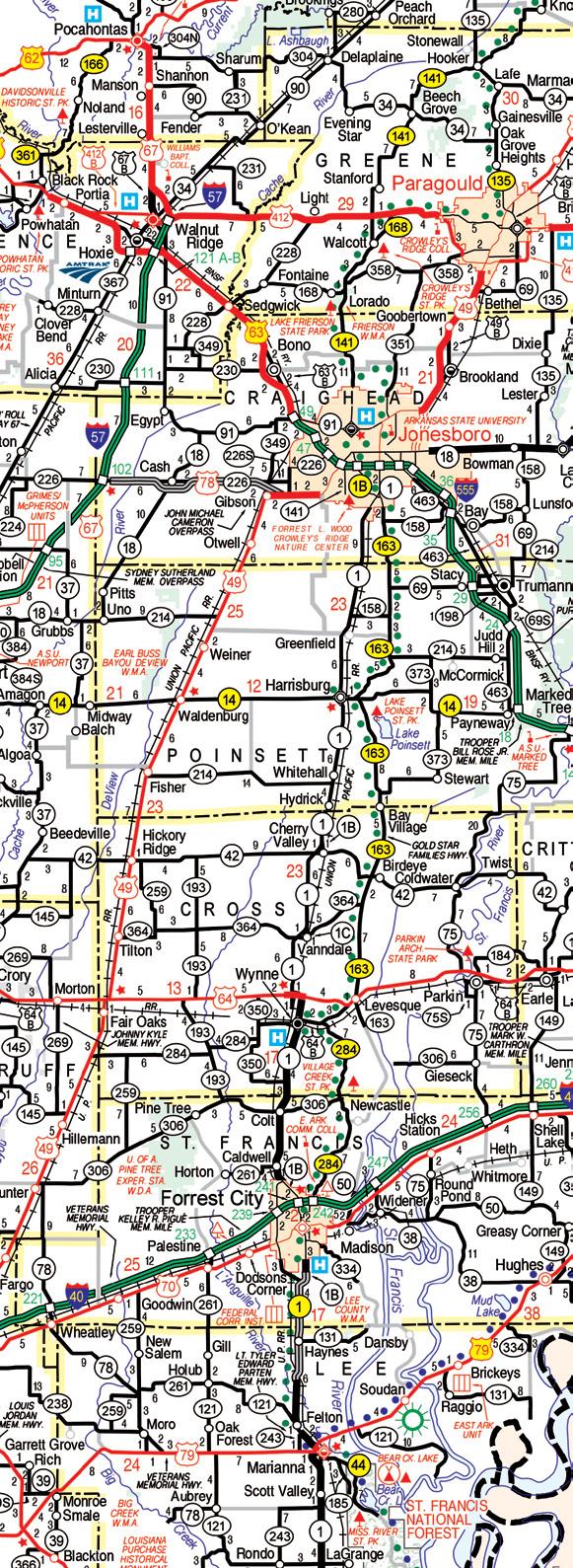
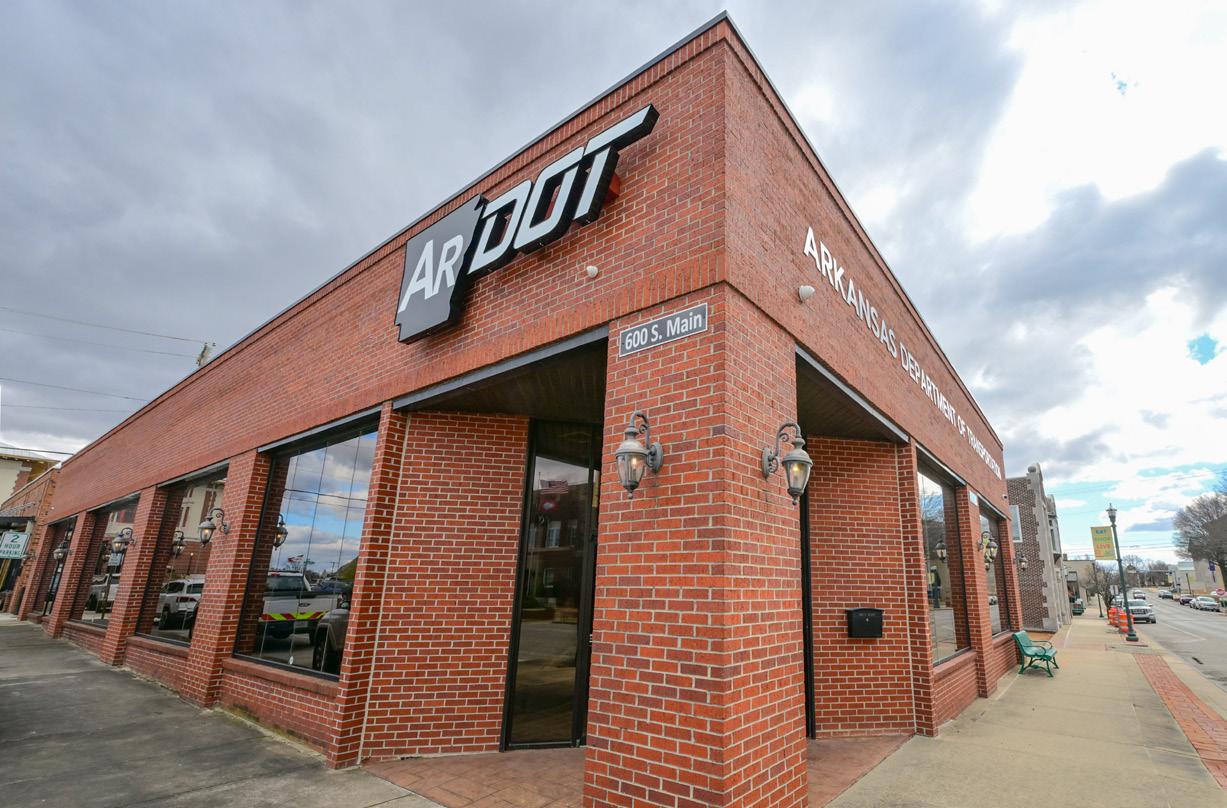
a satellite office in Northeast Arkansas. In November 2025, ARDOT purchased an 8,100-square-foot facility in Jonesboro. Located at 600 South Main Street, the office is about 1.5 miles from the Arkansas State University (ASU) campus.
“When the Jonesboro office became an option, I was thrilled I would be able to represent the Department in the Northeast Arkansas area,” Baker said. “Having a design office so close to Arkansas State University is an excellent addition to ARDOT and will give us a better opportunity to recruit ASU engineering graduates.”
MODELED AFTER ARDOT’S FIRST SATELLITE OFFICE
In 2022, ARDOT opened its first satellite office in Northwest Arkansas, which houses employees from the Roadway Design, Bridge, Local Programs, Surveys, and Planning & Research Divisions, as well as a District Permit Officer from District 4 and District 9. It was created to better position ARDOT to attract engineering students from U of A, giving students the opportunity throughout the year to get to know ARDOT and experience first-hand the culture of the Department. It also provided an option for engineering graduates or ARDOT staff who wanted to live and work in the Northwest Arkansas region.
“Because our Northwest Office has been so successful, we wanted to have that same opportunity in Northeast
Arkansas,” Mike Fugett, ARDOT Assistant Chief Engineer for Design, said. “We wanted to reach the engineering graduates from ASU and the surrounding areas.”
With those same goals in mind, the Northeast Arkansas Satellite Office is modeled after the Northwest Arkansas Satellite Office. Currently, ARDOT only has plans to house staff from two ARDOT Divisions at the office in Northeast Arkansas: Roadway Design and Bridge.
“Opening up the Jonesboro office has expanded our options and gives us more flexibility for recruiting talent who prefer to live in a growing part of the state like Jonesboro,” Alicia Hunt, ARDOT Human Resources Division Head, said. “We already actively recruit from that area and ASU has always been a significant source for engineering professionals.”
For employees like Baker, the new satellite office has made all the difference.
“I’m so grateful that I am only an hour or so away from my family now,” Baker said. “I closed on my first house mid-November and began working at the office lateNovember
At the time this story was written, ARDOT was planning a Grand Opening event for the Northeast Arkansas Satellite Office in early April. You can read about it in Issue 2 of 2026.
ARDOT's Northeast Arkansas Satellite Office in Jonesboro.
ARDOT’S 30 CROSSING PROJECT WINS REGIONAL AWARD
BY ELLEN COULTER
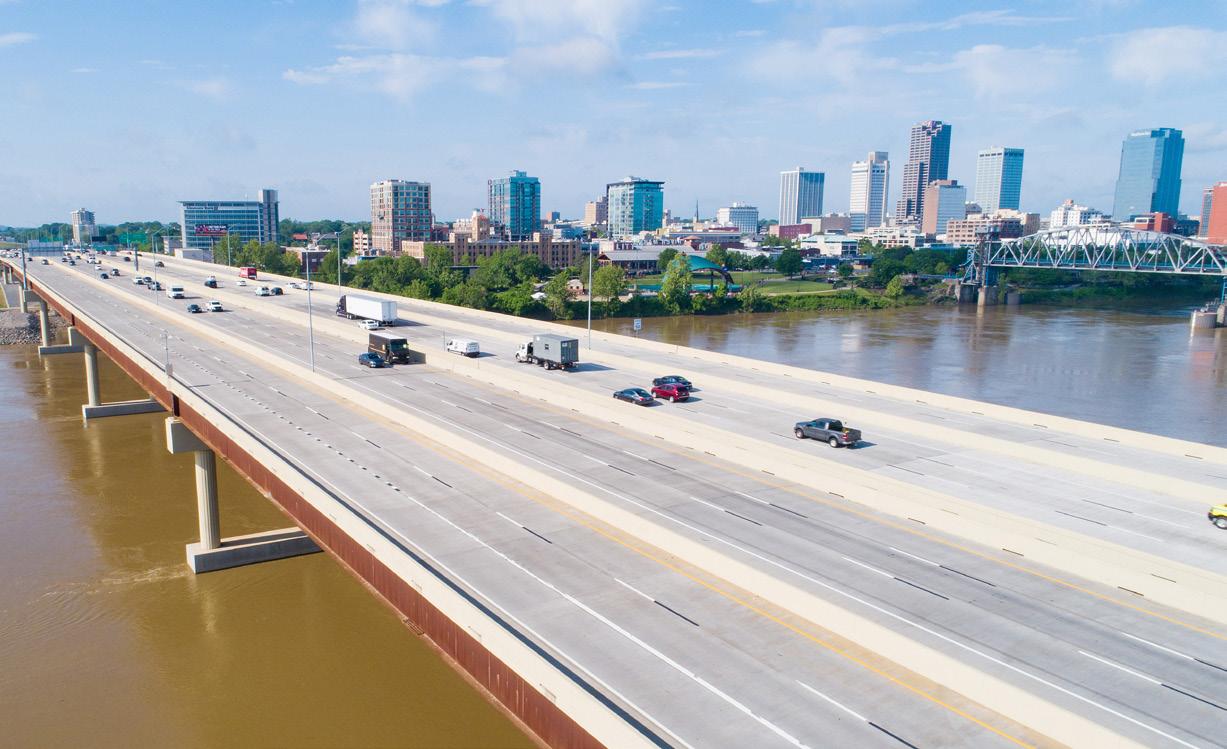
THE ARKANSAS DEPARTMENT OF TRANSPORTATION’S (ARDOT) 30 CROSSING PROJECT, WHICH RECONSTRUCTED INTERSTATE 30 THROUGH DOWNTOWN LITTLE ROCK AND NORTH LITTLE ROCK, WON A REGIONAL 2025 BEST PROJECTS AWARD FROM ENGINEERING NEWSRECORD (ENR).
An ENR Best Projects Award is considered one of the construction industry’s most prestigious honors.
“To my knowledge, ARDOT has never won an ENR award for a project,” Keli Wylie, ARDOT Assistant Chief Engineer for Program Delivery, said. “The ENR award winners are selected by a panel of experienced and respected industry professionals, and the ‘Best Project’ award is considered a high honor.”
While the award is for the best project, it also celebrates the teams who created those projects. The 30 Crossing project team consisted of staff from ARDOT, Garver, Kiewit, Massman Construction, Burns and McDonnell, HDR, Volkert, and Terracon.
“As the largest infrastructure project in ARDOT’s history
– with a lump sum of $632.9 million – 30 Crossing required extensive coordination, trust and communication between all parties,” wrote ENR in an article about the 30 Crossing project. “This was also the first design-build project in the agency’s history, with the agency and contractor team specifically opting for design-build with optimization and refinement (DBOR). The DBOR approach gave ARDOT and the contractor space after the award to work through scope adjustments, utility conflicts, and permitting without rushing to break ground.”
“From the very beginning, the project leaders set a ‘one team’ mentality,” Wylie said. “It is safe to say that if anyone had walked into our task force team meetings during project development, they would not have been able to distinguish who worked for what organization – it was truly a great team dynamic. That commitment to the project was evident throughout design and construction.”
The cohesive teamwork under the DBOR approach on this complex project paid off – with the project finishing seven months early and within budget in November 2024.
As the winner of a Regional Best Project Award, the 30 Crossing project is now in the running for the national Best of the Best Awards to be given out in Spring 2026.
LIFE AFTER THE LAST CROSSING
BY RUTHIE BERRYHILL
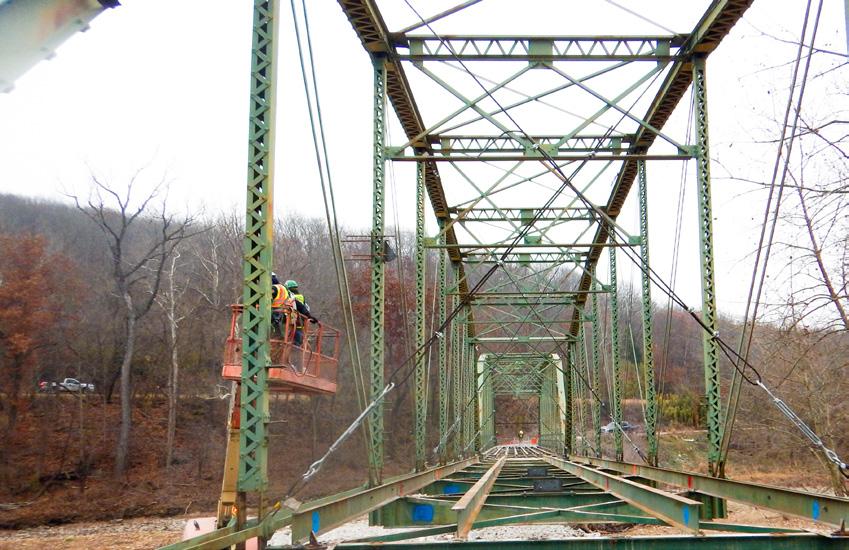
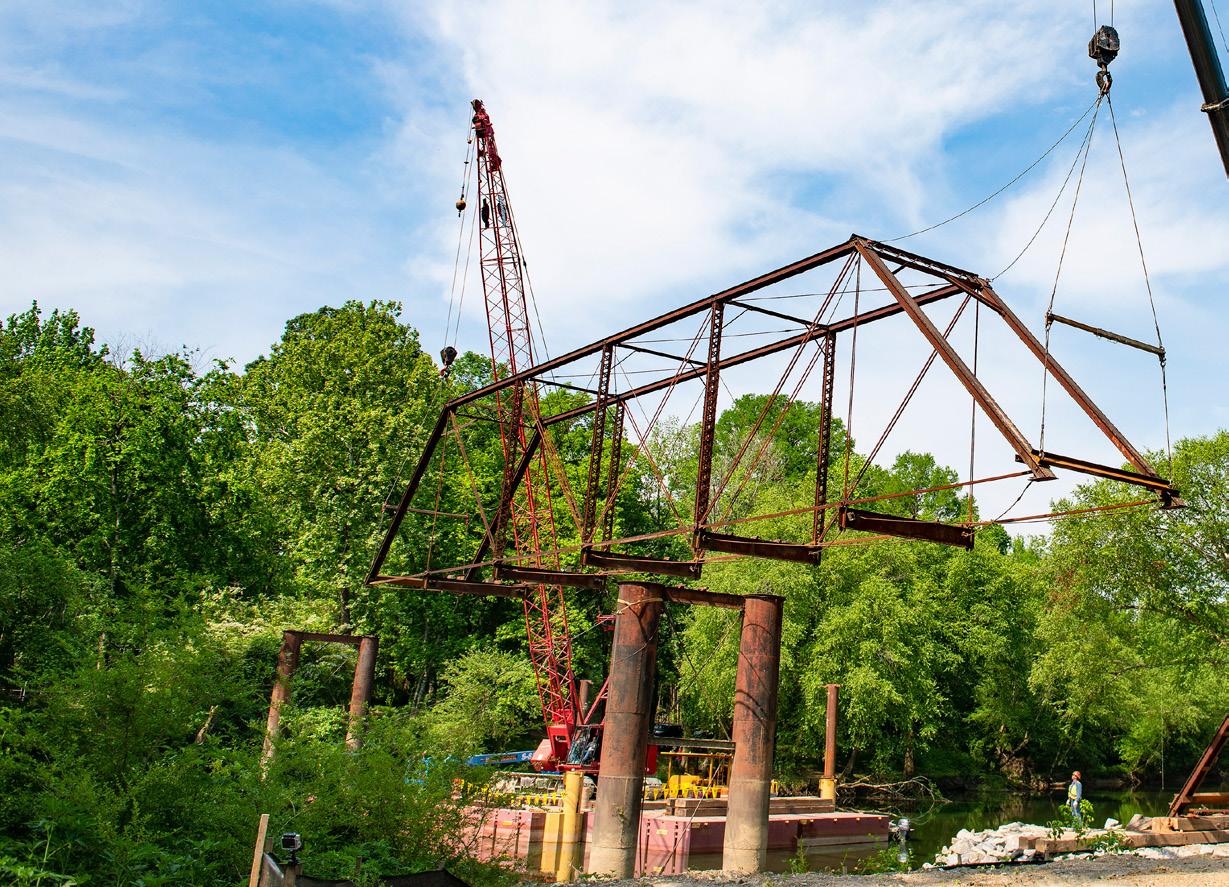
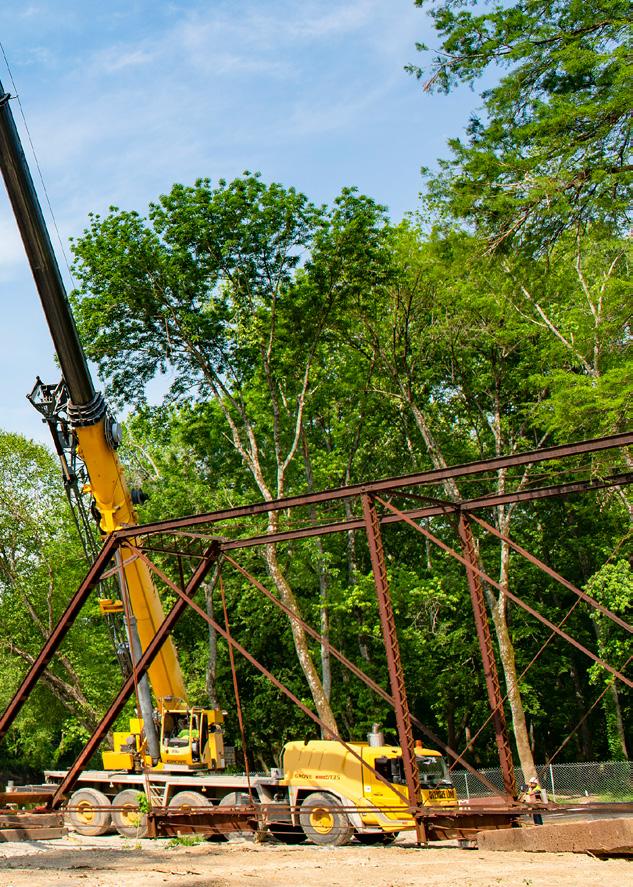
B2016 Movement of Woolsey Bridge
RIDGES TAKE US PLACES, IMPROVING OUR TRAVEL TIME, AND CARRYING US SAFELY TO WHERE WE NEED TO
GO. They are such a part of the human experience that they are referred to in different cultures and languages, serving as metaphors about life and our relationships with each other: connecting people – building a bridge, preparing for change or new beginnings – crossing the bridge to the other side, and maintaining relationships – don’t burn bridges.
While bridges are designed to last decades or longer, weather and daily wear-and-tear take a toll on even the sturdiest structures. In addition, changes to traffic patterns, waterway channels, and other factors may create the need for a different type of bridge to meet the changing needs of the area. When the Arkansas Department of Transportation (ARDOT) replaces a bridge, the old bridge is removed from service.
Generally, when a bridge is taken out of service, it can no longer be used for vehicle traffic. What happens to the structure afterward is based on several factors. Sometimes the bridge is dismantled and moved to a new location, where it continues to be used for a new purpose, such as a pedestrian bridge. Other times, it is dismantled and salvaged for parts.
If a bridge is to be removed, the contract for the bridge project includes instructions that specify how the bridge materials will be used after removal. If the bridge is to be dismantled and relocated elsewhere or if specific materials are to be saved for ARDOT, the instructions will specify how this is to be done.
The majority of existing bridge structures are removed and disposed of by the contractor, who will often sell the steel parts for salvage. In this case, the value of the salvage parts is factored into the contract, which reduces the overall price for ARDOT.
“Nine times out of 10, the material all becomes the property of the contractor,” David Henning, ARDOT State Construction Engineer, said.
SALVAGED SPANS, RENEWED PURPOSE
ARDOT’s Bridge Operations Division or District offices may want materials from a dismantled bridge to be used in other projects at their headquarters or maintenance facilities.
“When I was a District Engineer in District 2, we got some pieces of the old Broadway Bridge,” Henning said. “We used some of its girders to build salt houses.”
Other parts of a bridge may be reused by ARDOT, like the metal bridge railing, which can be used for repairs to other bridges. “Some of the older metal bridge railing we can't get anymore,” Henning said. “If we're doing maintenance work, we'll take that into stock and use it."
(continued on page 24)
The Old Saline River Bridge was moved for repairs and was returned for preservation in place. It reopened in June 2025 as a pedestrian and bicycle bridge, connecting to the Southwest Trail.
Another way the materials may be used is through ARDOT’s Salvaged Bridge Material Program. This salvage steel program allows local public agencies to apply for parts from a retired bridge – like the steel beams. If the request is granted, the local public agency can use the steel for projects within its local roadway system. Information about the program can be found on ARDOT’s website by searching “salvaged bridge material program” (www.ardot.gov/ divisions/bridge-operations/heavy-bridge/salvaged-bridgematerial-program).
PRESERVING THE PAST
If a bridge is considered historic, the process is a little different. ARDOT uses federal guidelines specified by the National Historic Preservation Act of 1966, Section 106, to classify a bridge as historic: “Historic property means any prehistoric or historic district, site, building, structure, or object included in, or eligible for inclusion in, the National Register of Historic Places (NRHP) maintained by the Secretary of the Interior.” The National Park Service administers the NRHP and has requirements for significance, integrity, and age of a structure to be eligible for listing.
If a historic bridge can’t be rehabilitated because it no longer meets the needs of the area it serves or its condition is beyond rehabilitation, then the bridge is marketed to find a new owner. In these cases, the contractor will dismantle the old bridge and move it to a new location coordinated in advance. If the new bridge doesn’t need to be placed in the same alignment as the old bridge, then the old bridge can be preserved in place once another agency agrees to take over maintenance for the structure.
ARDOT has a Historic Bridge Analysis Committee that determines if a bridge can be salvaged for use by a city, county, or local organization. The committee is made up of representatives from relevant Divisions: Bridge, Bridge Operations, Construction, Environmental, Right of Way, Roadway Design, and Surveys. Nikki Senn, one of ARDOT’s Architectural Historians, manages the Historic Bridge Program and is a member of this committee.
After the committee determines if the historic bridge can be salvaged, Senn sends out marketing materials to see if there are any municipal governments or organizations that might want to preserve the main structure in a trail system or city park.
“The bridge will only be donated if the interested party agrees to follow the Historic Bridge Preservation Guidelines,” Senn said. “These guidelines include the party’s agreement to accept title to the bridge.”
As new owners of the bridge, they must agree to maintain and preserve the bridge as well as the features that give it historic significance. They must also assume all future legal and financial responsibility for the bridge. A special provision is included in the contract with instructions for dismantling or moving the structure.
Through this program, many of Arkansas’ historic bridges stand to see another day. They have been given a new purpose, ensuring they will be preserved for generations to come – bridging the past and the future.
Not all the bridges ARDOT replaces can be classified as historic, and even then, not all historic bridges can be preserved. However, like most every other project at ARDOT, the removal of an existing bridge is planned and detailed in advance, ensuring safe handling and disposal.
HISTORIC SPANS, NEW HOMES
Many historic bridges throughout the state have been given new life by local public agencies. These bridges have been preserved in place or moved to a new location. Some of those bridges are listed below.
BOGGY CREEK BRIDGE
The City of Mena accepted donation of the Boggy Creek Bridge (Bridge M3574), a 1938 Warren pony truss in Polk County, which was relocated to Mena City Park. The bridge was previously located over Boggy Creek on Highway 370.
FROG BAYOU BRIDGE
Crawford County assumed ownership of the Frog Bayou Bridge (Bridge M2675, also known as the Silver Bridge), a 1922 Parker through truss, for preservation in place on old Highway 282.
LITTLE FROG BAYOU BRIDGE
The City of Greenwood accepted the relocation of Little Frog Bayou Bridge (Bridge M1144), a circa 1929 Warren pony truss. The bridge will connect the Crooked Creek subdivision with the Greenwood Walking Trail.
MARRS CREEK BRIDGE
The City of Pocahontas accepted ownership of the Marrs Creek Bridge (Bridge M2747), a 1934 Luten concrete open-spandrel deck arch bridge, for preservation in place.
POINT REMOVE BRIDGE
Conway County and the City of Morrilton partnered to accept ownership of the Point Remove Bridge (Bridge M1791), a circa 1926 Pratt through truss, for preservation in place.
SPRINGFIELD DES ARC BRIDGE
The City of Conway and Faulkner County partnered to relocate, reassemble, and restore the 1870s Springfield Des Arc Bridge (Bridge 13045). It is now located over Beaverfork Lake in Beaverfork Park.
TERRE ROUGE CREEK BRIDGE
The City of Greenwood accepted the relocation of the Terre Rouge Creek Bridge (Bridge 01630), a circa 1931 Parker pony truss bridge. It is now located at the Greenwood City Lake.
HERE’S YOUR SIGN TO STOP LITTERING
BY ELLEN COULTER
SINCE THE 1980S, ARKANSAS HAS PROUDLY CALLED ITSELF “THE NATURAL STATE.” The Arkansas Parks System came up with the name, and it resonated with the masses – so much so that the Arkansas General Assembly passed Act 1352 of 1995, making “The Natural State” the official nickname of Arkansas. The legislation cited the state’s “unsurpassed scenery, clear lakes, free-flowing streams, magnificent rivers, meandering bayous, delta bottomlands, forested mountains, and abundant fish and wildlife.”
As critical infrastructure weaves throughout the beauty of Arkansas, the Arkansas Department of Transportation(ARDOT) has a unique responsibility to help protect and maintain that environment, which is the bedrock of our state’s identity and tourism industry. ARDOT takes this responsibility seriously, which is why the Department spends over $8 million annually on litter pickup and prevention efforts – yet litter remains a problem in our state. It’s a confounding, frustrating issue for both the state and its citizens.
“I get calls. People get fed up. They call, and they say ‘Do you not see this litter? Why do your crews not pick this up?’ They don’t realize we are,” Steve Frisbee, ARDOT Assistant Chief Engineer for Maintenance, said. “Each year, we spend millions of dollars on litter, and it’s crept up just like other costs. That’s a lot of money that could go toward laying asphalt, filling potholes, replacing bridges, widening roadways, and things like that, but it’s getting spent picking up litter. It’s important to do, but if the litter didn’t occur, that cost goes down, and we save taxpayer dollars.”
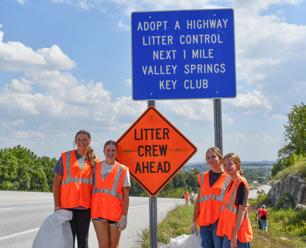
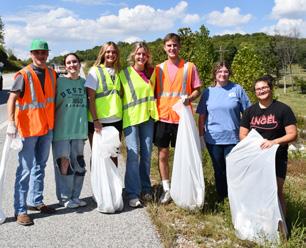
The Department has a successful Adopt-A-Highway Program, an anti-litter campaign called “Keep It Clean, Arkansas,” and an ongoing partnership with Keep Arkansas Beautiful, an organization dedicated to improving Arkansas’ natural environment – but the litter persists.
“There are environmental concerns. We are the Natural State. Litter affects the environment. Nobody wants their front yard trashed or their living room trashed, just like we don’t want our state trashed,” Frisbee said.
In 2025, ARDOT went back to the drawing board to come up with a new approach to combating litter.
“You just have to keep fresh ideas going,” Frisbee said. “The average taxpayer may not know that ARDOT spends $8 million a year picking up litter from our highways. The main goal is to raise awareness for all Arkansans and travelers in our state. We hope people get mad and realize it costs that much money, and they get behind change,” Frisbee said.
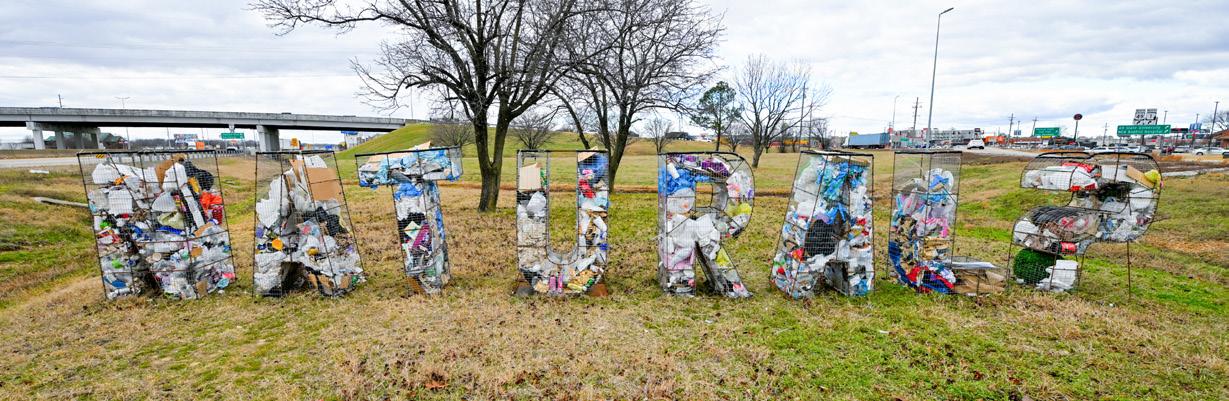
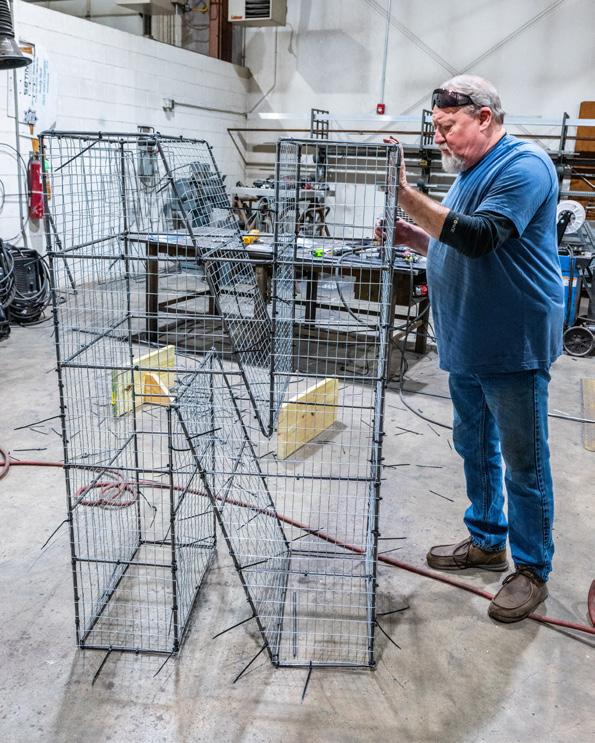
The idea came in the form of an art installation of sorts –large, wire mesh letters, displayed along a highway, spelling out a message: “NATURAL?” The letters are hollow, to be filled with litter that is picked up by crews in the area.
ARDOT got the “litter letters” idea from Bella Vista Litter Patrol, a community anti-litter group in Northwest Arkansas who had seen the idea done by the Louisiana Department of Transportation and Development.
“There are groups all over the country and world that have done this, so it’s not an idea we came up with, but when we saw how Louisiana did it – they said it was pretty successful –we kind of mirrored the idea off of that,” Frisbee explained.
As for what message to spell with the litter letters, that idea came from ARDOT Director Jared Wiley.
“Director Wiley had a great idea when he thought of the word ‘natural’ since we’re ‘The Natural State,’” Frisbee said. “It makes the person drive by and think, ‘What does that say?’ And the message is, ‘Litter is anything but natural.’”
AN IDEA AND A PLAN
Frisbee took the idea to Danny Keene, ARDOT Division Head of Equipment and Procurement, to see if the letters could be fabricated in-house.
Keene submitted a list of materials that would be needed for the project, and it was returned with Director Wiley’s approval. “We had our marching orders, and away we went,” Keene said. “It was obvious this project was going to be dominated by a welder. We just so happened to have a very good welder.”
“My first thought was – sounds fantastic,” Scott Munson, ARDOT Advanced Welder, said, when he was asked to take the lead on crafting the litter letters.
ARDOT has a welding shop at each of its 10 Districts, and one at the Equipment and Procurement shop in Little Rock –where Munson is located. Keene knew Munson was the man for the job.
“Not that other welders couldn’t have done it, but this was in Scott’s wheelhouse. He had years of history with fabricating things like this before he came to ARDOT,” Keene said.
“I thought it would be a piece of cake,” Munson said.
Although the project proved to be a bigger undertaking than he anticipated, Munson, with help from other ARDOT employees along the way, finished the project and had a great time doing it. “I love creating things, fixing things, and making things,” he said.
And Keene learned to trust that process.
“I would be out there pushing him, but it’s almost like a painter putting a signature on a painting – it’s going to have his name on it, and he doesn’t want it to be flimsy or wobbly,” Keene said.
The finished product resulted in two sets of sturdy, 5-foottall wire mesh letters, each spelling out “NATURAL?” with stakes to fasten the letters to the ground.
“I’m proud of our guys. They can build anything. I knew it could be done,” Frisbee said.
“There’s just not much you can throw at the workforce here at ARDOT that they can’t handle,” Keene said. “They’re always up to the challenge.”
The sets of letters will rotate around the state and be displayed at new locations every couple of months.
ARDOT is also installing a series of large, blue, highway signs in advance of the wire letters. The first sign reads, “ARDOT spends over $8 million per year combating litter.” Shortly after, a second sign reads, “Are you part of the problem or the solution?” Continue driving, and a third and final sign displays a call to action, “Please help us keep Arkansas natural.” At the end of the three signs are the lifesize, litter-filled letters spelling out “NATURAL?”
“They’re new. They’re fresh. People will see them as they drive.” Frisbee said. “It’s going to make an impact.”
“We’ve done a lot of things to try to curb littering, and I don’t know that there’s a foolproof mandate that can be enforced, but maybe this will resonate. Maybe people will see this and be a little more mindful,’” Keene said.
Maybe, just maybe, it’ll be the sign someone needs to stop littering.
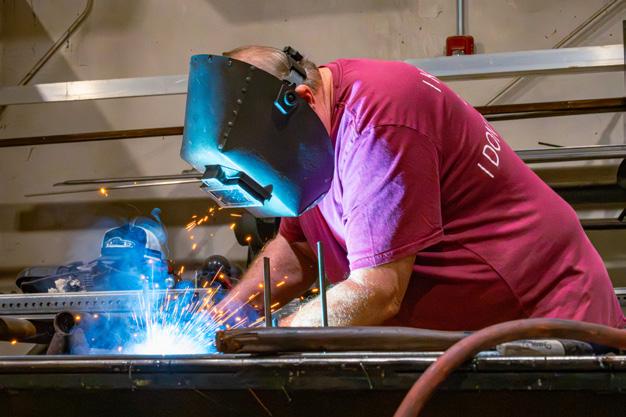
Scott Munson, ARDOT Advanced Welder, welding one of the Litter Letters.
One of the 5-foot-tall wire letters crafted by Scott Munson, ARDOT Advanced Welder.
CHECKING THE REARVIEW: Mayflower Overpass
BY KAITLIN WORLEY
BEFORE CONSTRUCTION OF THE UNION PACIFIC RAILROAD OVERPASS IN MAYFLOWER, ARKANSAS, TRAVELING ON HIGHWAY 89 WAS OFTEN UNPREDICTABLE. The highway functions as one of the City’s few primary east–west routes, but before the overpass, the ability to travel in a timely manner depended heavily on the Union Pacific Railroad’s schedule. Trains would frequently block the road for several minutes, and at times, up to an hour. Emergency responders were especially impacted. Responding to an emergency often required crossing the tracks, which sometimes meant waiting before being able to help those in need.
Other aspects of life also suffered due to the erratic nature of crossing the tracks. “Imagine having to factor this into your daily commute,” Nathan Zimmerman, Arkansas Department of Transportation (ARDOT) District 8 Assistant Resident Engineer 84, said. “Mayflower sits in a good rural spot between Conway and Maumelle, making it a perfect commuter area to live if you want to live outside the bigger cities. The issue was access. You couldn't predict your commute time.”
A partnering agreement for construction of the project was signed in 2019. “The funding and support of Metroplan, the City of Mayflower, and Faulkner County allowed the Arkansas Highway Commission to expedite this work,”
Former ARDOT Director Lorie Tudor said at the ribbon cutting event for the project in 2023.
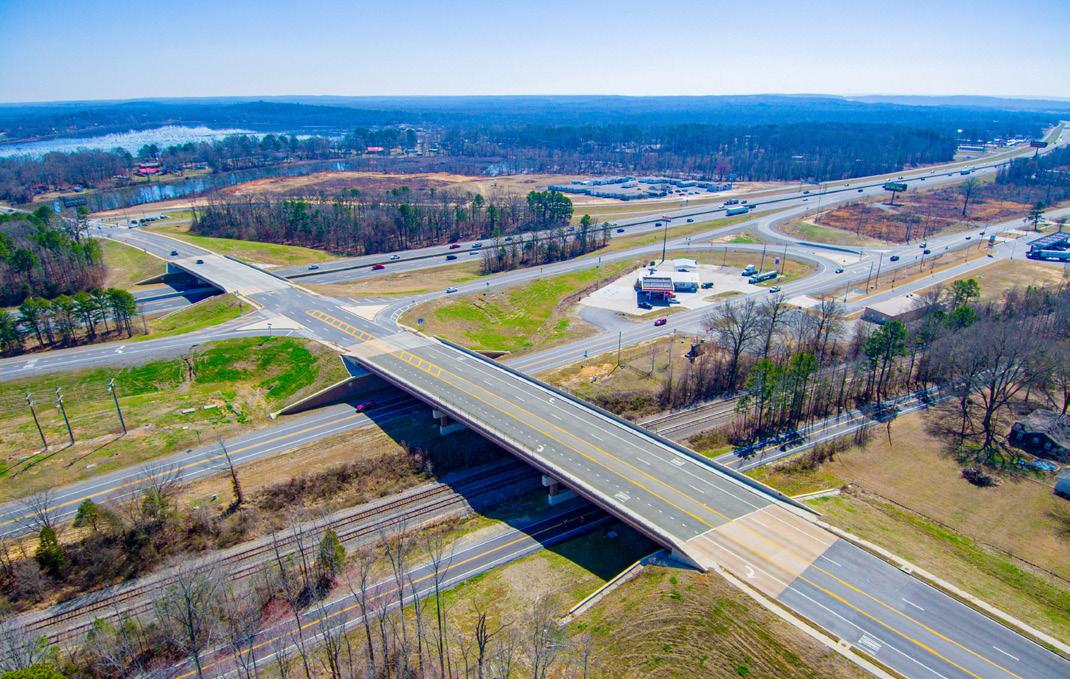
Construction began in 2021 to build the overpass, which consisted of two new bridges – one over Interstate 40 (I-40) and one over the Union Pacific Railroad, along with a new alignment west of the railroad and a new entrance and exit ramp. Highway 89 was widened east of I-40, and additional drainage structures were added along Lake Conway and on the west side of the project. “It was a big undertaking,” Zimmerman said.
“The new overpass we are cutting a ribbon on today will provide better traffic flow, it will eliminate delays, it will help first responders arrive at emergencies faster and, most important of all, it will increase safety,” Tudor predicted in her speech at the ribbon cutting.
TODAY
Now, nearly three years later, the predictions from Tudor’s speech have come to fruition – the construction of the overpass has made immense improvements for the community.
“The Mayflower Overpass has improved mobility for southern Faulkner County,” Andrew Warren, ARDOT Staff Traffic Safety Engineer in the Planning & Research Division, said. “Areas west of the railroad that were difficult to reach can now be quickly accessed from Interstate 40.”
Because the new overpass has made it much easier to reach the neighborhoods west of the railroad, drivers were given a direct connection from I-40 without getting delayed at Miller Street (formerly Highway 89). By routing traffic over the tracks instead of across them, the overpass also reduced the number of cars passing through the former at-grade (ground level) crossing, which in turn lowers the risk of traincar collisions.
Most importantly, the city’s emergency response capabilities have significantly improved, allowing first responders to better protect the community’s lives and wellbeing. Emergency response teams can take more efficient routes and are no longer delayed by the unpredictable yet frequent railroad traffic.
“The realignment of Highway 89 and the new overpass have greatly improved our ability to respond to emergencies within our fire district,” Chris Matthews, Mayflower Fire Marshal and City Administrator, said. “We now have options to navigate through our city like we have never had before.
Response times are down. We now have multiple options for travel and are no longer impeded by frequent rail traffic.”
On top of improving mobility and safety in the city, the overpass is setting the stage for new economic benefits. Because areas west of the railroad are easier to access, “Businesses will see the potential for growth. There is already construction of a new subdivision expansion and utility expansion in the area,” Zimmerman said.
Property along the corridor has recently been approved for rezoning by the city council, which will enable the construction of a strip mall. “I believe future development will be seen along that corridor, which will ultimately result in more tax revenue for the City of Mayflower,” Barbara Mathes, former Interim Mayor of Mayflower and current Assistant to the Mayor, said.
The Highway 89 Mayflower Overpass provided much more than a quicker commute for the community of Mayflower. It strengthened public safety, created opportunities for economic growth, and restored a sense of reliability for residents. Individuals in Mayflower no longer have their lives dictated by passing trains.
“The community was ecstatic to have the construction completed,” Zimmerman said. “It is a huge relief.”
This drone photo shows how the Mayflower Overpass has made it easier for motorists to reach areas west of the Union Pacific Railroad.
BY ELLEN COULTER
WHAT LIES BENEATH:
ARDOT Takes Bridge Inspections to a Different Level
THE ARKANSAS DEPARTMENT OF TRANSPORTATION (ARDOT) IS RESPONSIBLE FOR INSPECTING MORE THAN 12,800 BRIDGES ACROSS THE STATE, CONDUCTING ROUGHLY 7,400 INSPECTIONS ANNUALLY. FROM ENORMOUS STRUCTURES SUCH AS THE INTERSTATE 55 MEMPHIS-ARKANSAS BRIDGE STRETCHING OVER THE MISSISSIPPI RIVER TO SMALLER STRUCTURES CROSSING CULVERTS AND DITCHES, EACH COMES WITH ITS OWN UNIQUE SET OF CHARACTERISTICS TO INSPECT AND ENSURE IT’S SAFE FOR THE TRAVELING PUBLIC.
There are two types of bridge inspections ARDOT conducts: top-side, or “routine,” bridge inspections, and underwater bridge inspections. Bridge inspection rules, frequencies, and standards are set by the Federal Highway Administration (FHWA) using the Code of Federal Regulations (CFR).
“They're defined differently and they happen at different intervals,” said Andy Nanneman, ARDOT Division Head of Bridge Operations. “You have to do an underwater inspection once every five years, and routine inspections are typically every two years.”
When a segment of a bridge is underwater full time, it is
relatively protected from oxygen in the air, which slows down corrosion relative to the top-side exposed segments. Because of this, FHWA requires underwater inspections less frequently than top-side inspections.
In underwater bridge inspections, crews focus on the “splash zone” and any areas beneath it. The splash zone is the portion of the bridge that meets the water level. It can fluctuate depending on how high or low the water is.
“The splash zone goes through cycles of wet and cycles exposed to air. That's when structures can get more corrosion,” Nanneman explained. “We're looking for cracking, spalling (erosion or loss of material), delamination (the separation of layers within a material), or scour (the erosion of soil around a bridge’s foundation) due to the velocity of the water.”
ARDOT has a variety of tools for underwater bridge inspections.
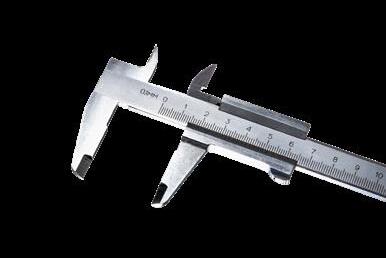
“We have divers, and they use things such as folding rules, cameras, and calipers to measure deficiencies – just like we do on top,” Nanneman said.
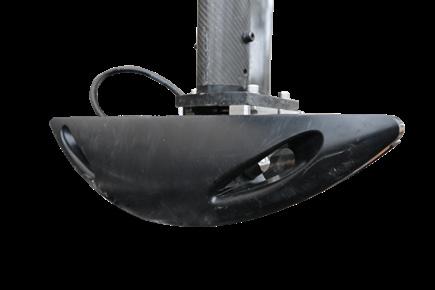
Recently, ARDOT began using a new tool – the VideoRay Defender Remotely Operated Vehicle (ROV), an underwater drone.
“An underwater drone is a submersible device that can be controlled remotely to explore underwater environments,” said Jake Norris, ARDOT Section Head of Bridge Management. “These drones are equipped with cameras, sensors, and sometimes robotic arms, allowing them to capture footage, collect data, and perform tasks in aquatic settings.”
Although the underwater drone has exceptional capabilities, it is not designed to take the place of a human diver.
“There are some things a human diver can do that cannot be replaced with technology yet,” Nanneman said, citing the subjective decision-making required by divers during inspections. One example of this is knowing when an underwater segment needs to be cleaned for better visibility.
VideoRay Defender Remotely Operated Vehicle (ROV)
ARDOT’s Bridge Operations crews use the drone in situations where an inspection may be too dangerous or difficult for a diver to access.
“The underwater drones are more of a supplement than a replacement,” Nanneman said. “Underwater drones are for getting our eyes on something where we cannot send a diver.”
ARDOT acquired its first underwater drone in 2024. After completing the proper training, crews began using it in 2025. They first took it to a pool to practice operating it. Then, they were ready to test it in the field.
“There have been some submerged culverts that we haven't had eyes on until we had this,” Nanneman said. “We still haven’t really used it to the fullest yet, but it is helpful to let us see things without endangering divers or anyone else.”
“This resource allows us to gather data in zero-visibility water or more challenging water conditions,” Norris said. “It is also used for pre-dive safety inspections.”
This investment is part of a continued commitment to strengthen ARDOT’s Bridge Inspection Program.
“This is a tool that's allowed us to see some things that we couldn't see before, and it just makes us feel like we have a better feel for all of our structures out there,” Nanneman said. “Being able to do it in-house with our resources saves both time and money. If we have a need, we can go take care of it on our own schedule right away versus trying to figure out how can we get someone to come in and do this for us.”
In addition to providing increased safety and efficiency for the bridge inspection team, the underwater drone has also proven to complement another tool – multi-beam sonar.
ARDOT began using multi-beam sonar technology in 2021 as another way to enhance underwater inspections. Multibeam sonar uses a transducer underneath a boat. The transducer sends soundwaves down and gets a real-world location for all points underneath. It generates a point cloud by sending sound waves through the water and recording how long it takes them to come back. Multi-beam sonar is usually the first step in an underwater bridge inspection.
“We try to use multi-beam sonar in every inspection. We like to use sonar in the area first to look out for any possible hazards and let the divers know what the conditions at the bridge are before they get out there,” Nanneman said. “With multi-beam sonar, we can have a pretty good feel for where everything is, but we can't actually see it. The underwater drone allows us to see it.”
Together, multi-beam sonar and the underwater drone create a complete visual and map of the submerged portion of the bridge, setting the stage for a thorough, safe, and efficient inspection.
See “Entertainment Corner” on Page 38 for an underwater bridge inspection-themed crossword puzzle.
WITH OVER 16,000 MILES OF HIGHWAYS, ARKANSAS HAS A LOT OF POSSIBILITIES FOR SHORT (OR LONG) DAY TRIPS IF YOU ARE IN SEARCH OF A QUICK MENTAL RESET, NEW SCENERY, OR HIDDEN GEMS. IF YOU GET HUNGRY ON YOUR JOURNEY, ARKANSAS’ HIGHWAYS CAN ALSO LEAD YOU TO A TASTY BITE TO EAT.
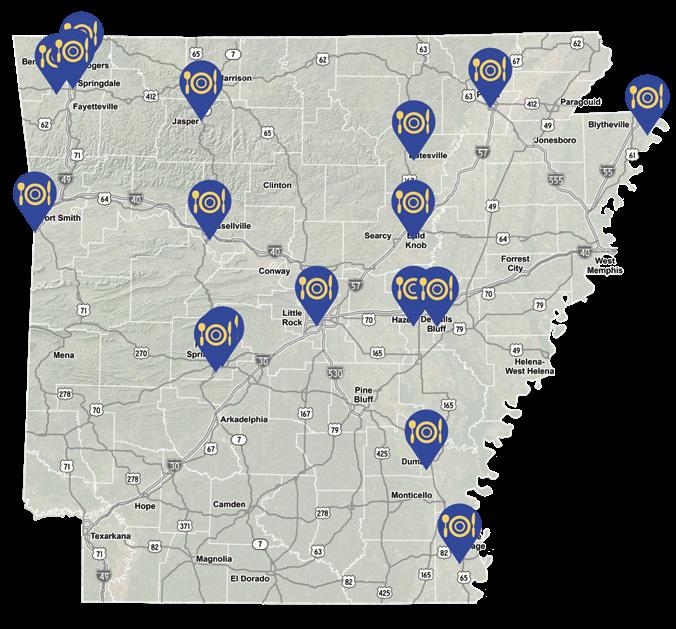
Arkansas is home to many great eateries, some just a quick stop off the highway. So, along with providing you with road conditions and maps, here’s a short list of Arkansas’ Food Hall of Fame (AFHOF) award-winning restaurants to help you refuel and get back on the road.
A program of the Division of Arkansas Heritage, the AFHOF is a statewide effort to honor the state’s food history and culture. Each year, Arkansans nominate their favorite eatery for the AFHOF. We’ve put together a list that won’t slow you down – these Arkansas AFHOF restaurants are all located along an Arkansas highway. For a full list of AFHOF winners, visit www.arkansasheritage.com/ arkansas-food-hall-of-fame/our-mission.
Road Trippin’
Destinations for Delicious Eats
BY RUTHIE BERRYHILL
BULLDOG RESTAURANT
3614 Highway 367 • Bald Knob
CRAIG BROS BAR-B-Q CAFÉ
15 West Walnut Street (U.S. Highway 70) • De Valls Bluff
DAIRY KING
103 East Front Street (U.S. Highway 412) • Portia
ED WALKER’S DRIVE-IN & RESTAURANT
1500 Towson Avenue (Highway 71B) • Fort Smith
FELTNER’S WHATTA-BURGER
1410 North Arkansas Avenue (Highway 7) • Russellville
BLUE CAKE HONEY PIES
6800 Cantrell Road (Highway 10) • Little Rock
KREAM KASTLE
112 North Division Street (U.S. Highway 61 – Blues Highway) Blytheville
MCCLARD’S BAR-B-Q RESTAURANT
506 Albert Pike Road (Highway 270B/Highway 70B) Hot Springs
MEME’S BURGERY
630 Harrison Street (Highway 69B) • Batesville
MONTE NE INN
13843 Highway 94 • Rogers
MURRY’S RESTAURANT
U.S. Highway 70 West • Hazen
NEAL’S CAFÉ
806 North Thompson Street (Highway 71B) • Springdale
OZARK CAFÉ
107 East Court Street (Highway 7) • Jasper
RHODA’S FAMOUS HOT TAMALES
714 Saint Mary’s Street (Highway 144) • Lake Village
TAYLOR’S STEAKHOUSE 14201 Highway 54 • Dumas
THE OHIO CLUB
336 Central Avenue (Highway 7) • Hot Springs
VENESIAN INN
582 West Henri de Tonti Boulevard (U.S. Highway 412) • Springdale
pavement to PasTures
A Maintenance Aide’s Alter Ego as a Mounted Archer
BY KAITLIN WORLEY
CHANDLER HENFLING, MAINTENANCE
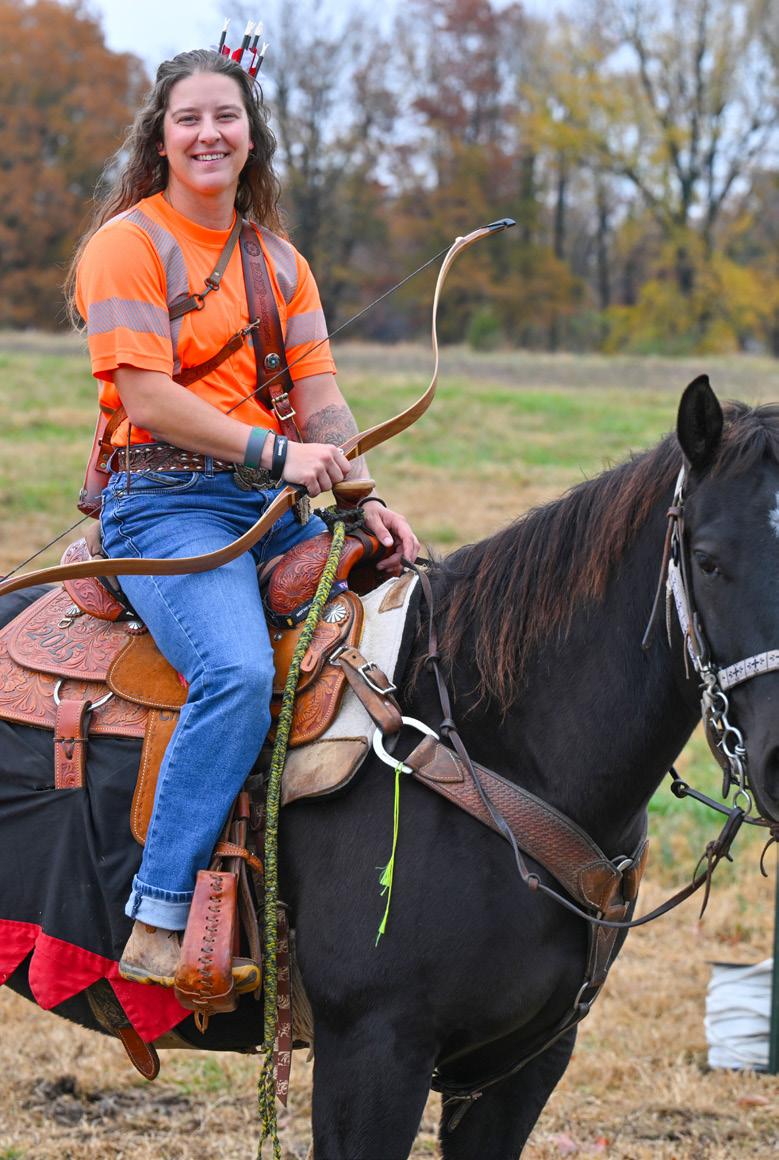
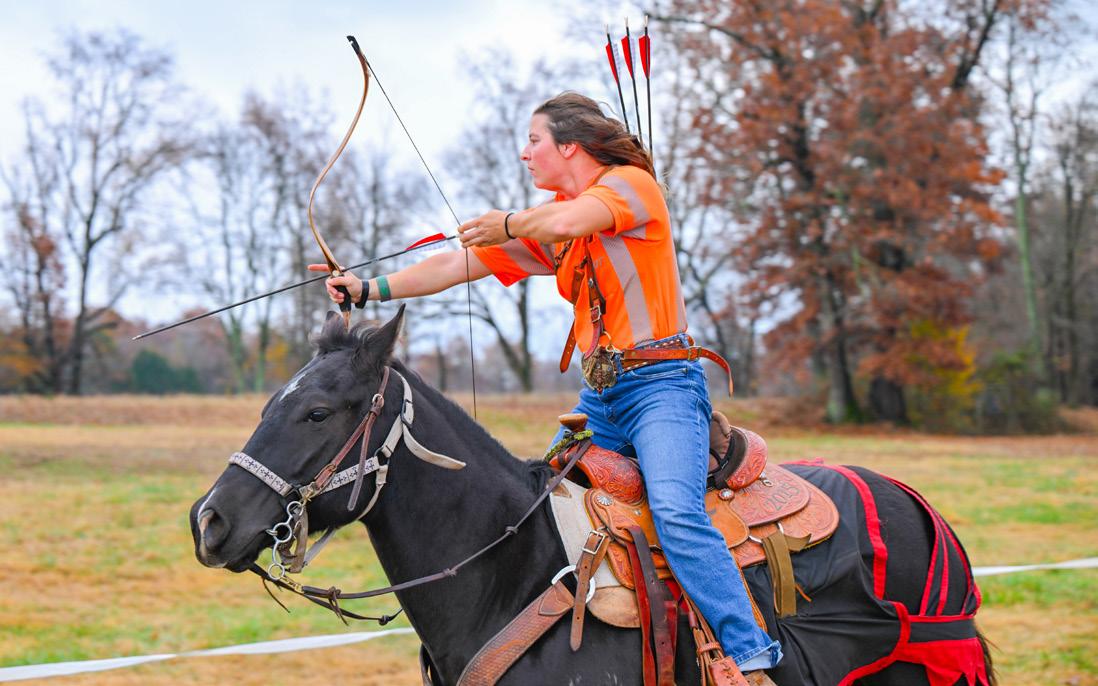
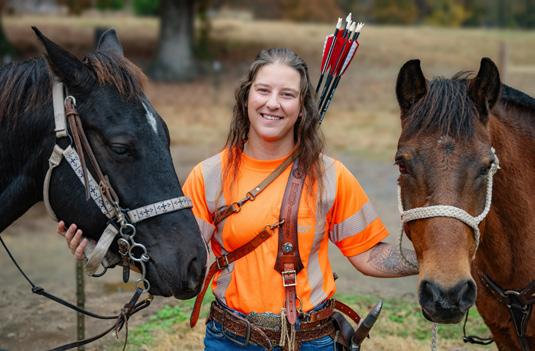
AIDEII AT THE ARKANSAS DEPARTMENT OF TRANSPORTATION (ARDOT), SPENDS HER WORKDAYS MAINTAINING THE PAVEMENT THAT MAKES UP OUR HIGHWAY SYSTEM – BUT HER OTHER PASSION CAN BE FOUND OUT IN A PASTURE. Henfling trains hard each day after work to sharpen her skills in mounted archery on a cozy meadow nestled in Paragould, Arkansas. Over and over, she flies down a marked path on her horse, Fuzz, aiming at targets, both stationary and moving, with the help of her partner, Sergeant Jay Cooper of the Arkansas Highway Police, who supports her from the ground.
(continued on page 34)
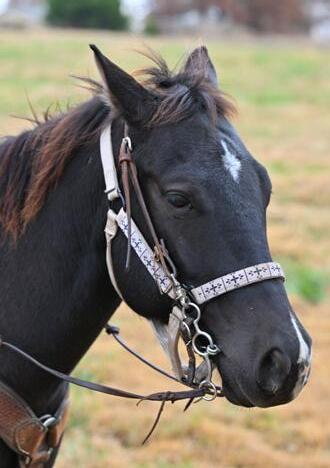
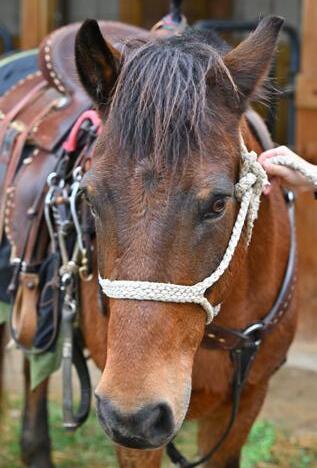
Chandler Henfling, ARDOT Maintenance Aide II, with her horse, Fuzz.
While this particular pursuit is relatively new for Henfling, she has always been in the saddle in one way or another.
Henfling realized her love for horses when she was six or seven years old, beginning when she first saw the movie “Spirit,” an animated film about a cimarron-colored stallion named Spirit. She became obsessed at that point, and she was over the moon when her grandfather gifted her with a horse of her own later that year. She promptly named her new companion Spirit, even though “he looked nothing like the famed mustang,” she said.
Not long after she received Spirit, Henfling’s grandfather started taking her to local show rodeos. After she consistently performed well, the two of them decided to do something bigger. They participated in a Little Britches Rodeo Association event, and young Henfling was starstruck.
“I got my tail waxed, but it just lit a fire, and I wanted more,” Henfling said.
Henfling competed in rodeos throughout high school and college, and she continues to compete in rodeo competitions today. Although she once competed most heavily in barrel racing, she found herself drawn recently to breakaway roping, a competition where skill, timing, and communication outweigh all other aspects of the competition.
“Your communication is literally split-second – tenths matter,” Henfling said. “If you can’t rope, it doesn’t matter how much money you sink into your horse.”
In breakaway roping, split-second communication is not just about training and practice but also partnership with the horse. While it all began with Spirit, she now rides primarily on Shorty and Fuzz.
Shorty is her main breakaway horse, which is a horse trained for breakaway roping – a sport dedicated to roping but not throwing and tying a calf. Shorty is what she calls a “Heinz 57,” an unidentifiable mix of breeds, but he’s dependable and fast.
“I got him as a $200 sale barn pony, and I've been offered five figures for that horse now,” Henfling remarked.
Meanwhile, Fuzz has a more distinguished lineage. He is a cutting-bred horse (a horse bred for the sport of cutting), and he is descended from the Metallic Cat Line, a highly regarded breeding lineage. Fuzz functions primarily as a breakaway horse and has a dog-like personality.
“Fuzz definitely keeps us on our toes,” Henfling laughed. “When he’s not chasing cows or being the star of the show, he enjoys afternoon naps – so deep that I often check if he’s breathing.”
It wasn’t until recently that archery entered the picture. She had a little prior experience from high school when she balanced her time in rodeos with two years on the archery team.
“I made top five for girls both years, and I qualified for nationals,” Henfling commented.
Chandler Henfling, ARDOT Maintenance Aide II, shoots an arrow from the saddle.
Despite her success in high school, Henfling didn’t pick up a bow again until last year. She went to a tournament, and on a whim, decided to participate in an event with a traditional bow. She didn’t own her own bow at the time and had to borrow the equipment, but she ended up winning the tournament.
Upon seeing her success, Cooper joked that she was going to have to buy bows after that.
“I said no, no, no – but you know what? I bought two,” Henfling laughed.
After that experience, Henfling was hooked.
“I started shooting a little bit, and I thought that maybe I could start shooting off the horses,” Henfling said.
Soon after she started training in mounted archery, a local Renaissance festival in Central Arkansas reached out to her. She agreed to perform at the festival.
“I thought I’d do it for free – just to get some kind of experience,” Henfling said.
She was surprised to find her popularity growing fast along the local Renaissance festival circuit.
“This thing just kept snowballing,” Henfling said.
At the Arkansas Renaissance Festival in Mount Vernon and, more recently, the Red Wolf Renaissance Faire in Jonesboro, Henfling plays a warrior named Ryder, who recently returned from battle. Her partner, Cooper, plays a dragon and demands money and takes a “damsel” from the crowd for ransom. Through various feats, “Ryder” proves her ability to defeat the dragon, such as picking up rings with a sword and shooting moving targets, before finally defeating the dragon with an arrow.
Competitions and Renaissance fair performances aren’t the only ways Henfling stays connected to horses. Her position at ARDOT consists of four 10-hour shifts a week with Fridays off, giving her long weekends to pursue her passions.
“Everybody out here has got a side gig,” she said. “Mine would be breaking and training horses. I take in horses all the time.”
Henfling puts in hard work each day as a Maintenance Aide II, helping keep Arkansas’ roads safe and in good shape for the thousands of drivers who rely on them, but when she returns to work each week, her coworkers ask if she slayed any dragons over the weekend. She’s grateful for such a supportive environment to be able to balance her career with her love of horses.
"Fuzz"
Age: 4
Breed: American Quarter Horse Fuzz has a dog-like personality, and he is always getting into things. He enjoys afternoon naps, eating exorbitant amounts of hay, and being the center of attention.
"Shorty"
Age: 13
Breed: “Heinz 57” Shorty is barely 14 hands tall, but he has a strong competitive spirit. Despite his observant nature, he also has a mischievous side – good luck getting him into a trailer without catching him first.
GRATITUDE FOR ASSISTANCE IN WORK ZONE
The following email from Meghan Kelly is referencing assistance she received when the car she was driving had a tire blowout in a highway work zone. She received assistance from ARDOT Advanced Construction Aide Matt McCabe and Weaver-Bailey employees Richard Blalock and Oziel Salvidar.
I wanted to take a moment to reach out and express my gratitude for the outstanding assistance I received from an ARDOT crew this morning on the highway in Cabot.
I was driving a rental vehicle to work when my front passenger tire blew out in a construction zone. I was blocking traffic and, honestly, I was an anxious mess. Your workers responded quickly and were incredibly kind throughout the entire situation. They efficiently plugged the tire and added air so I could safely get off the highway and make it to the dealership.
Unfortunately, in my flustered state, I didn't get the names of the gentlemen who helped me. However, I wanted to make sure someone knew what a professional and compassionate crew you have working out there. They turned what could have been a much worse situation into a manageable one. Please pass along my sincere thanks to the team working in that area this morning. Their quick response and kindness made all the difference.
Sincerely,
Meghan Kelly, ARForward Project Manager
Arkansas Department of Shared Administrative Services
INTERNAL AUDIT
Thank you very much for all of the donations to our church’s food pantry. It was greatly needed. Your kindness and generosity was greatly appreciated. We helped 40 families on 11/22/25 with non-perishable food and turkeys. They were all so excited with all the extra food. May God bless you and your families.
Happy Thanksgiving, Evelyn Allison
Ironton Baptist Church, Little Rock
HANDMADE GIFT SHOWS APPRECIATION, RECOGNIZES FALLEN WORKERS
The following is referencing a bird house donated to the Arkansas Department of Transportation by Ralph Ray of Cabot, Arkansas. Steve Frisbee, Assistant Chief Engineer for Maintenance, recounted the details about the gift via email.
Mr. Ray has called me from time to time over the past three years with various highway-related inquiries and during the calls he would share encouragement and gratitude for ARDOT’s public service. Although we have spoken by phone many times, we had never met in person. He stopped by the office to meet me in person on November 7, 2025, and provided a gift to ARDOT to show his appreciation for our employees and the work we do.
Mr. Ray makes bird boxes and gifted ARDOT with one of his creations inscribed with a thank you to ARDOT on one side and praying hands on the other side. The praying hands represent the Fallen Worker Memorial on our campus and recognize our fallen workers. When I presented the bird box to Director Wiley, he asked that we find a tree to place it on. It has been installed on a tree visible from the seating area of the Memorial.
WINTER WEATHER UPDATE RESPONSES
Several of my constituents have reached out praising the work ARDOT has done in our area! Please let our district folks know that we appreciate their hard work. Thanks to you and your department for all your work now and always.
Representative Carol Dalby
Thank you all for your long hours and hard work to keep Arkansans (that have to) moving safely.
Representative Denise Garner
Please know we appreciate the work being done to keep our roads open and safe!
Senator Justin Boyd
Thanks for the update. You guys have done a great job of being proactive before the storm arrived. I appreciate ARDOT’s employees and their efforts toward improving the safety of our roads!
Representative Joey L. Carr
BY RUTHIE BERRYHILL
ARDOT’S ADOPT-A-HIGHWAY PROGRAM WAS CREATED IN 1987 TO SOLICIT PUBLIC INVOLVEMENT IN CONTROLLING LITTER ALONG SELECTED SECTIONS OF STATE HIGHWAYS. Since that time, more than 4,500 organizations have adopted stretches of Arkansas highways. The program has the impact that it does because of its exceptional volunteers.
In each edition of the Arkansas Highways magazine, we spotlight an Adopt-A-Highway volunteer. This edition’s volunteer spotlight features the Valley Springs Future Farmers of America (FFA) and Key Club. A part of the program since April 2023, the group adopted a section of Highway 65 in Boone County.
We extend a warm thank you to the Valley Springs FFA and Key Club for their dedication and service to the Adopt-A-Highway Program.
THE SUBMERGED WORLD OF ARDOT:
Crossword Edition
After reading "What Lies Beneath: ARDOT Takes Bridge Inspections to a Different Level" beginning on page 30, try to master this crossword puzzle.
ACROSS
3. The erosion or loss of a surface material; something crews look for during an inspection
4. A piece of technology fixed underneath a boat that helps survey the environment through sound waves
7. The technical term for ARDOT's underwater drone (abbr.)
9. A bridge inspection below water level
11. A standard, “top-side” bridge inspection
DOWN
1. The type of sonar ARDOT crews use to survey an underwater environment
2. The standard for performing underwater bridge inspections, not intended to be replaced by an underwater drone
5. The portion of a bridge that meets the water level
6. The organization that sets bridge inspection rules, frequencies, and standards (abbr.)
8. The separation of layers within a material; something crews look for during an inspection
10. A body of water ARDOT crews used to practice and train with the underwater drone
JOB 110651 IN WEST MEMPHIS WILL IMPROVE THE INTERSTATE 40 (I-40), INTERSTATE 55 (I-55), AND HIGHWAY 77 INTERCHANGE, AND WIDEN AND IMPROVE HIGHWAY 191, AS WELL AS ADD A RAILROAD OVERPASS AND THE FIRST FOUR ROUNDABOUTS IN THE WEST MEMPHIS AREA. This will improve mobility, manage and reduce congestion by improving movement through the interchange area, and enhance access to Baptist Memorial Hospital in Crittenden County by eliminating train blockage delays.
The project is being built using the Progressive Design Build (PDB) method and will be delivered through multiple work packages, each having a unique schedule and completion date. A work package is a phase of the total project scope that allows construction activities to commence on these portions of the project prior to completion of the design of the remainder of the project.
PDB is an alternative project delivery method in which a single design build team, made up of the designer, contractor, and Arkanas Department of Transportation(ARDOT) staff, is selected early in project development to work collaboratively with ARDOT staff from design through construction. With PDB, the designers, the contractor, and ARDOT can work as one team from the beginning, fostering innovation and identity, mitigating and sharing risk, and providing cost and schedule certainty throughout project development.
In traditional design build, the predominate project delivery method at ARDOT, the final plans are developed, let to contract, and awarded to the lowest qualified bidder. PDB is best suited for complex projects with extensive construction
CORNER
staging or maintenance of traffic requirements, in which third-party coordination is required, and when immediate understanding of cost impacts for design decisions may be necessary. PDB projects can also accelerate project delivery because they can be delivered utilizing work packages.
This is the first ARDOT project to be built using the PDB method. It was chosen for this job due to the complexity of the project.
“Job 110651 is a complex project located at the intersection of Highway 77, Highway 191, and Interstates 40 and 55, as well as a set of railroad tracks owned by BNSF Railway and operated by Union Pacific Railroad,” Keli Wylie, ARDOT Assistant Chief Engineer for Program Delivery, said. “As such, PDB was identified as the preferred delivery method in order to develop design alternatives for National Environmental Policy Act (NEPA) analysis, understand the complexities associated with its location, identify and mitigate potential risks early, and provide cost control and schedule certainty.”
Key, LLC was awarded a $27.4 million contract for Work Package 1 in February 2025 and a $27.6 million contract for Work Package 2 in October 2025. Work began on the project in May 2025 and is estimated to be completed in mid-2028.
The City of West Memphis has partnered with ARDOT to assume the continuing operation and maintenance of the illumination for the roundabouts, railroad overpass, and I-40 overpass of Highway 77 once the project is completed.
In addition to alleviating congestion, this project will provide assurance that the community can reach local emergency facilities even when a train is passing through town.