Ari Rastegar and Capital Stewardship as a Responsibility
Ari Rastegar approaches capital allocation as a responsibility that requires discipline, preparation, and accountability As founder and CEO of Rastegar Capital, his professional philosophy frames investing not as a performance but as a long-term commitment to stewardship. This perspective informs how capital is deployed, managed, and evaluated over time
Capital Allocation as Stewardship
Rastegar has consistently described capital allocation as an obligation to investors and stakeholders This framing emphasizes responsibility over recognition and long-term outcomes over short-term performance. Capital, in this view, is entrusted rather than owned outright.
This perspective influences how investment decisions are made. Opportunities are evaluated with consideration for downside risk, structural integrity, and long-term viability Stewardship requires restraint and selectivity rather than constant activity
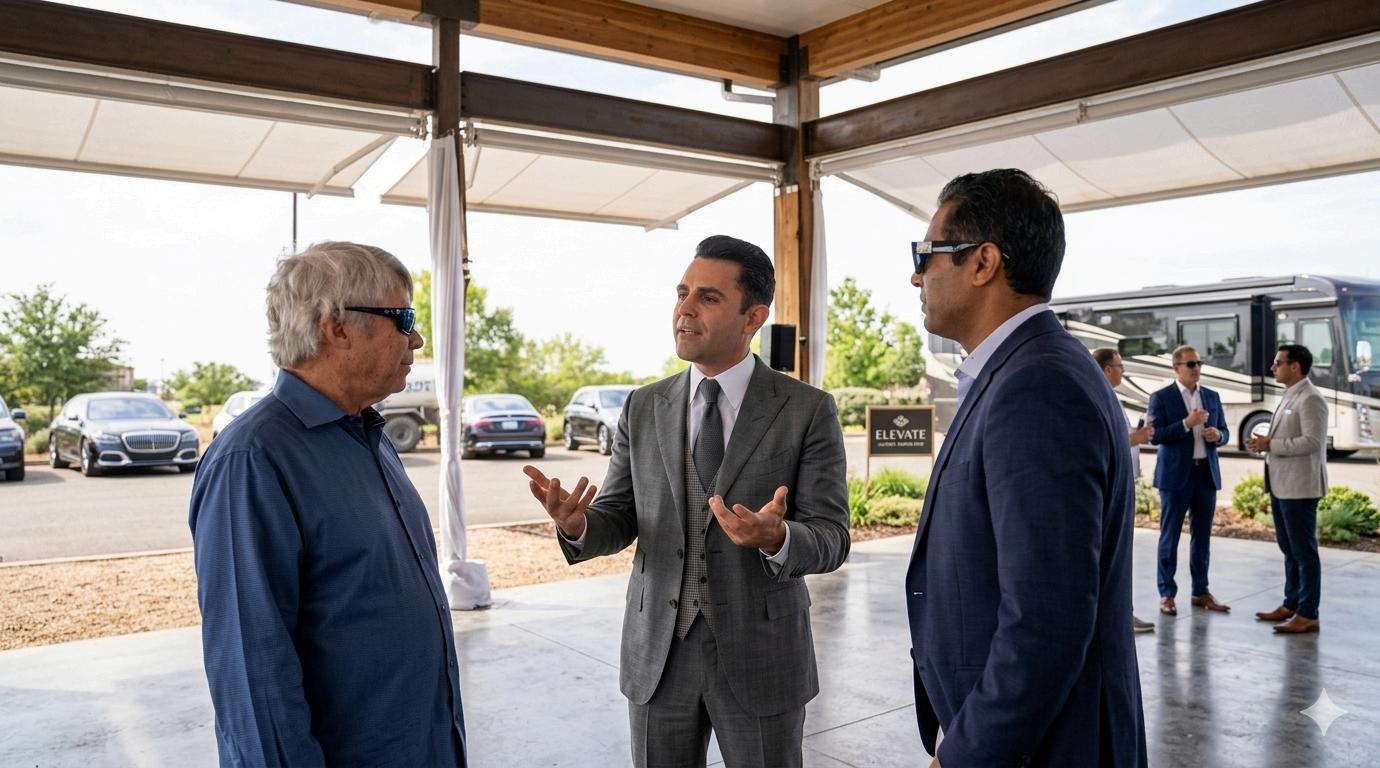
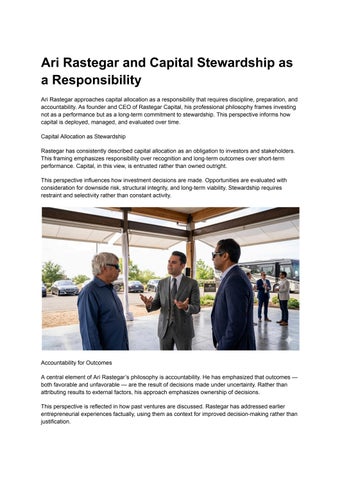
Accountability for Outcomes
A central element of Ari Rastegar’s philosophy is accountability He has emphasized that outcomes both favorable and unfavorable are the result of decisions made under uncertainty. Rather than attributing results to external factors, his approach emphasizes ownership of decisions
This perspective is reflected in how past ventures are discussed Rastegar has addressed earlier entrepreneurial experiences factually, using them as context for improved decision-making rather than justification.
Alignment of Interests
Capital stewardship also involves alignment between investors, operators, and communities Rastegar has emphasized the importance of structuring investments so that incentives support long-term outcomes. This includes governance, transparency, and clear communication.
Alignment reduces friction and supports disciplined execution It also reinforces trust, which Rastegar has identified as essential to sustained partnerships
Long-Term Perspective on Value
Ari Rastegar’s stewardship philosophy prioritizes durable value creation over immediate gains Extended timelines allow for adaptation, learning, and operational refinement This perspective reduces reliance on forecasting and instead emphasizes preparation for a range of outcomes.
Value, in this framework, is realized through sustained execution rather than episodic success