SG Green Plan


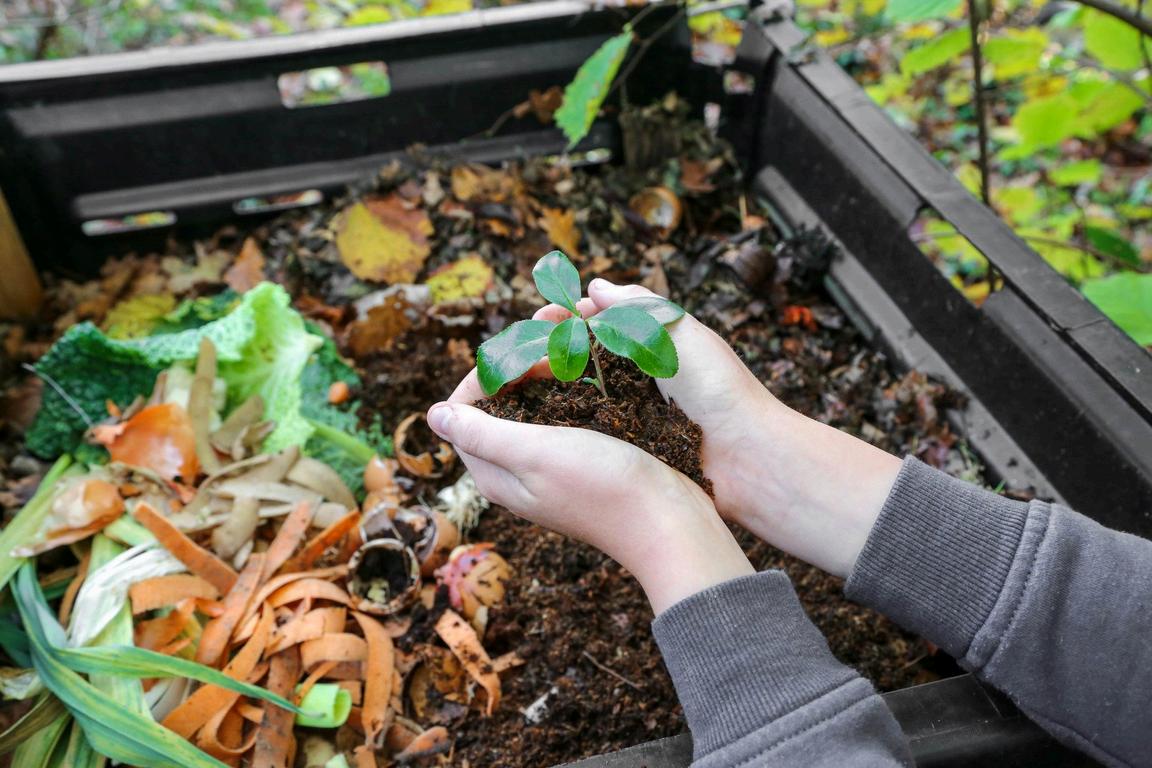
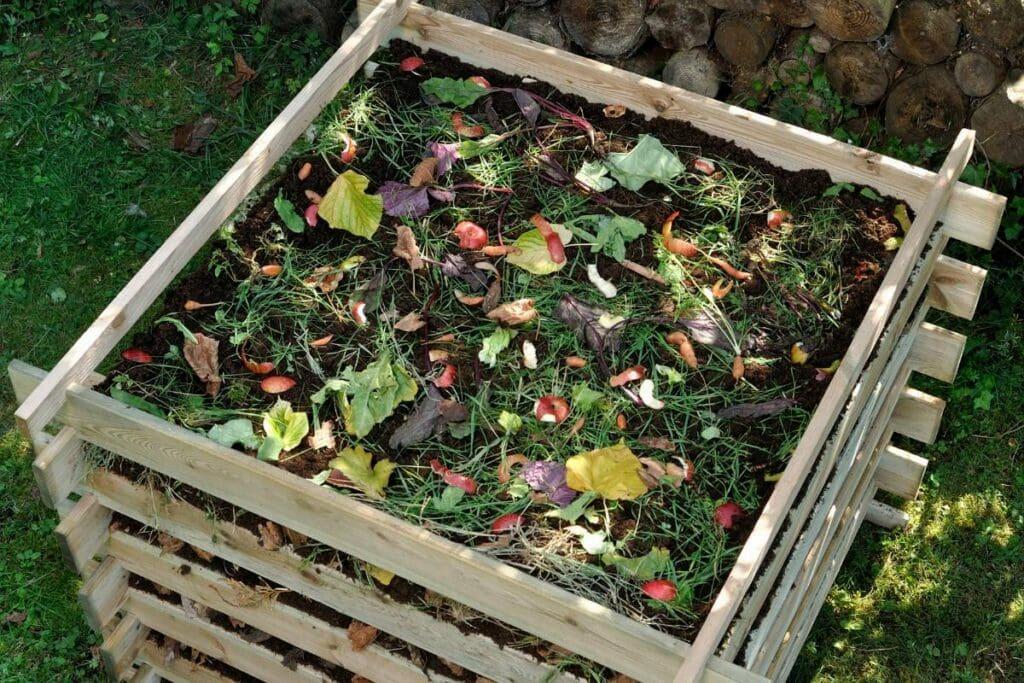
A composting system is a method of recycling organic waste by collecting, layering, and regularly turning it to promote aerobic decomposition, resulting in nutrient-rich compost used to improve soil health.
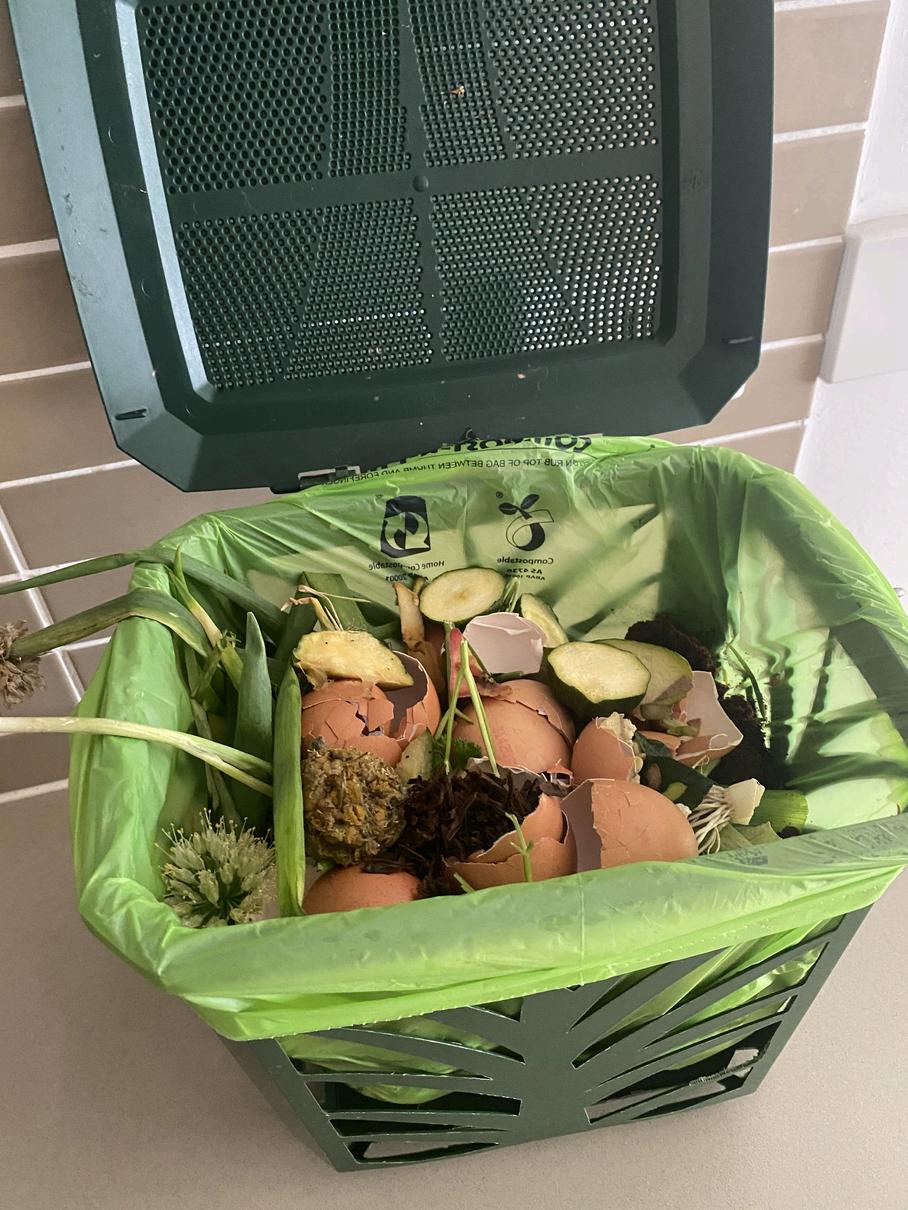
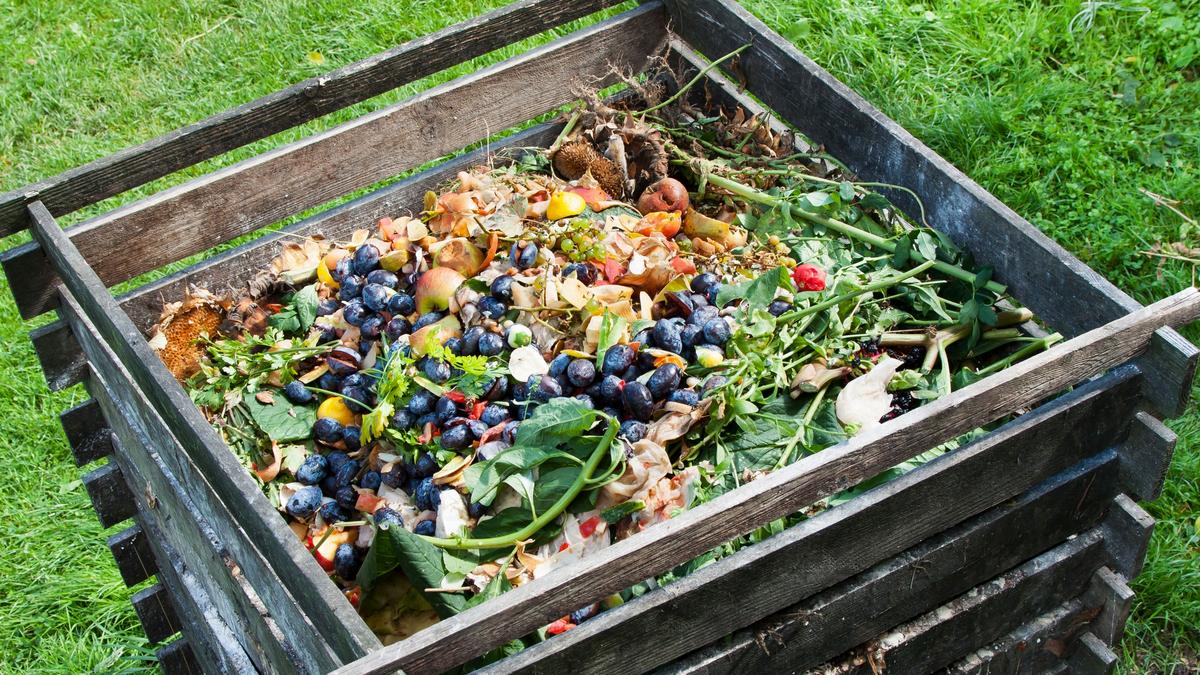
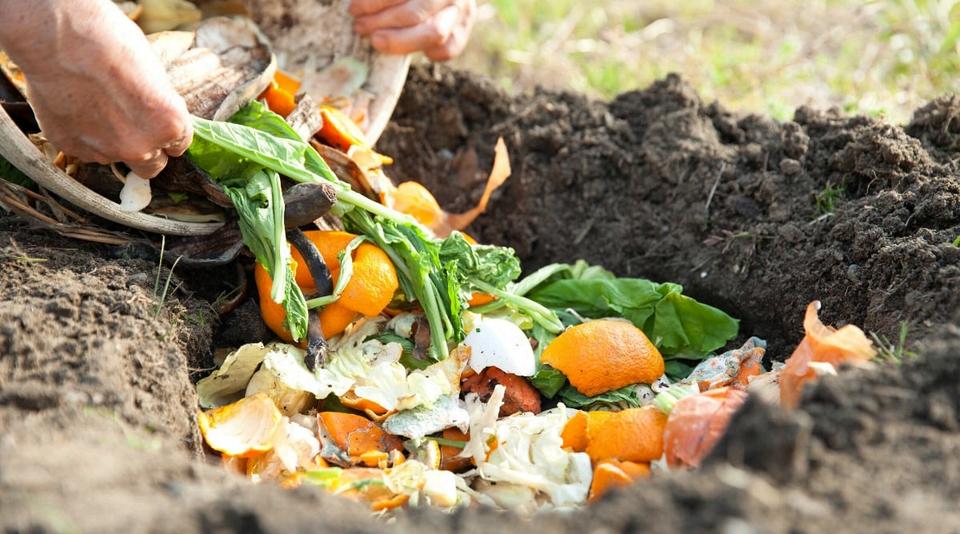
Collect organic waste Compost it Use compost to fertilize crops
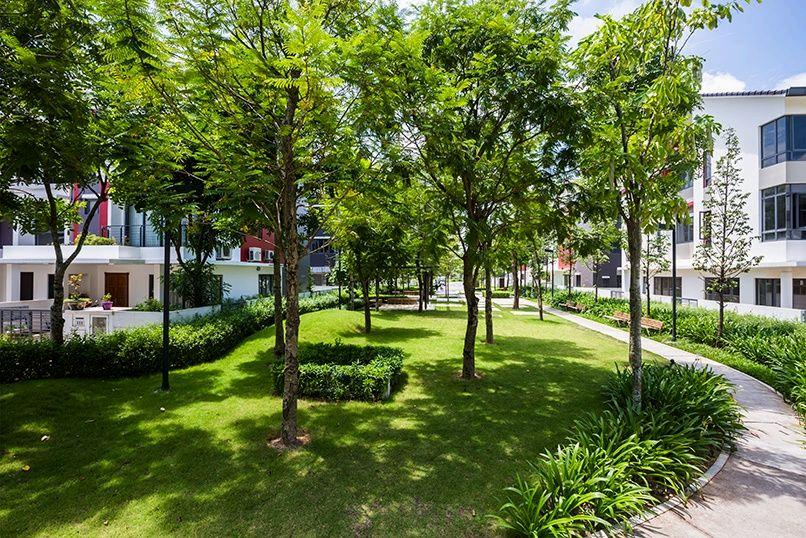

Reduces reliance on landfill disposal for organic waste.
Promotes local, sustainable food production.
Enhances urban green spaces and biodiversity.
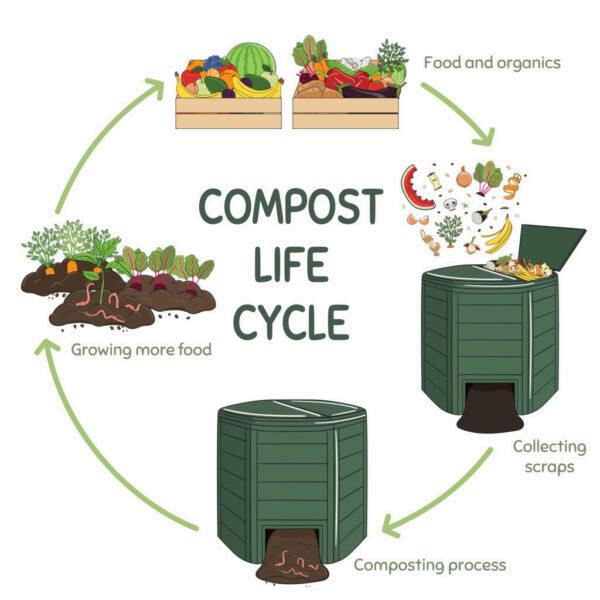
Zero Waste:
Diverts organic waste from landfills, reducing methane emissions.
Produces nutrient-rich compost that closes the nutrient loop. Supports circular economy principles by recycling organic materials locally.
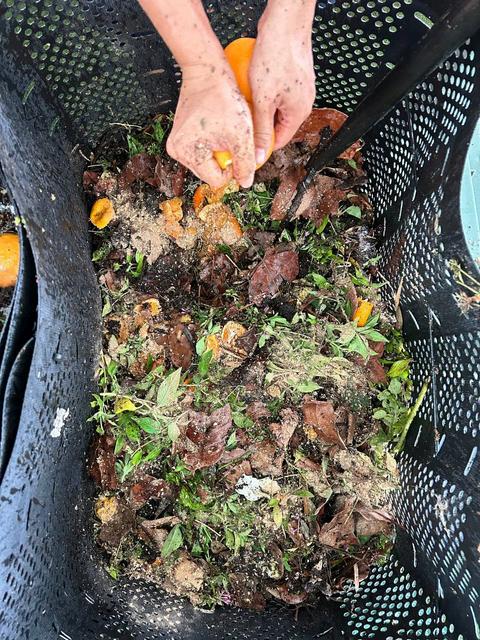
Collect organic waste from homes and businesses. Sort the waste properly to remove any noncompostable items.
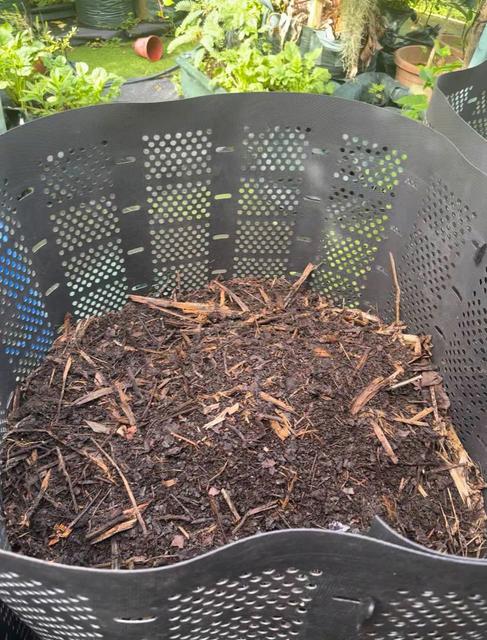
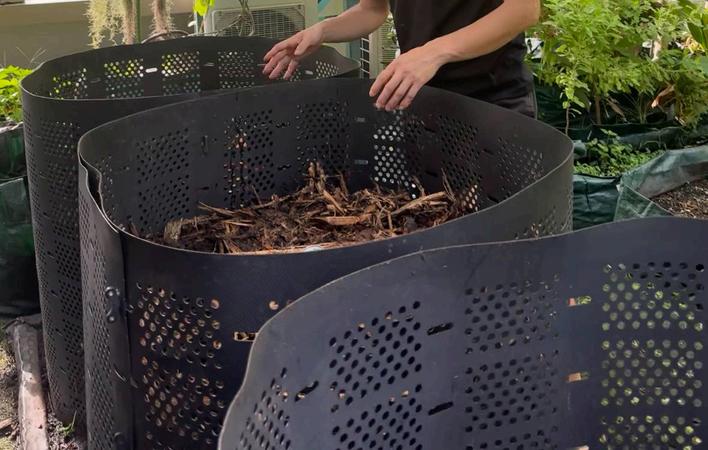
Layer waste for optimal decomposition. Turn the compost pile regularly to maintain aerobic conditions and promote even decomposition.
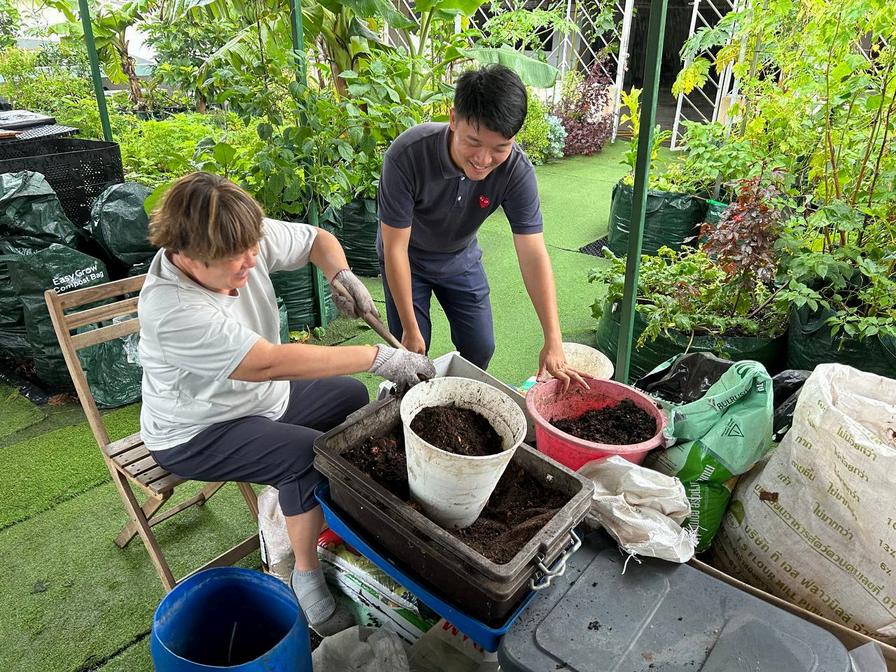
Matures over two to six months into nutrient-rich soil amendment. Worms and insects break down organic matter.
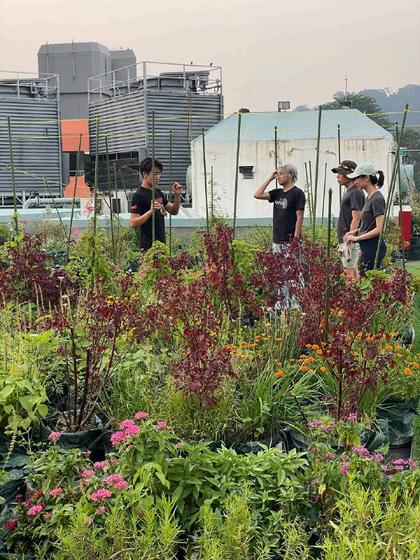
Enriches planting beds with vital nutrients for plant growth. Improves soil structure, enhancing its ability to retain water and resist erosion.
Reduces landfill waste. Educates communities on environmental stewardship. Supports long-term soil health. Promotes local food production in cities. WE THE FARM


Organic Waste (Households, Businesses)

Fine Compost Application to Soil


Composting
Pile/Bin

Maturation and Curing
Composting: a Sustainable Way to Manage Organic Waste
WeTheFarm Telegram Channel