Embodied Carbon

Week 12 3/7/2024


Week 12 3/7/2024
Utilizes organic waste to create compost.
Enhances soil health
Supports local food production.
Reduces landfill use
Reduce methane emissions.



Collection of Organic Waste 1.

In a composting system, embodied carbon refers to the emissions from producing, transporting, and installing equipment. Using low-carbon materials and efficient processes can lower this footprint. Composting also sequesters carbon and reduces methane from landfills, enhancing overall carbon reduction efforts.
Sorting and Layering 2.
Turning the Compost Pile 3. Decomposition and Maturation 4. Using Compost 5.

Collecting Organic
Waste Transportation
Emissions: CO₂ emissions from collection trucks and vehicles.
Bins and Containers:
CO₂ emissions from the production of collection bins.
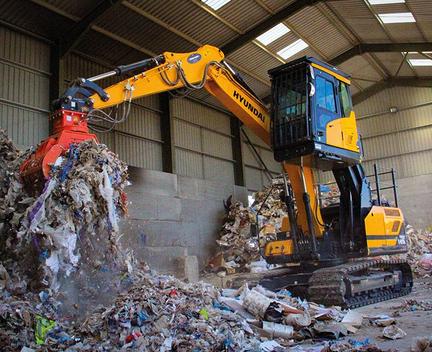
Sorting and Layering
Sorting Facilities: CO₂ emissions from energy use in facilities.
Material Handling
Equipment: CO₂ emissions from equipment used for moving waste.
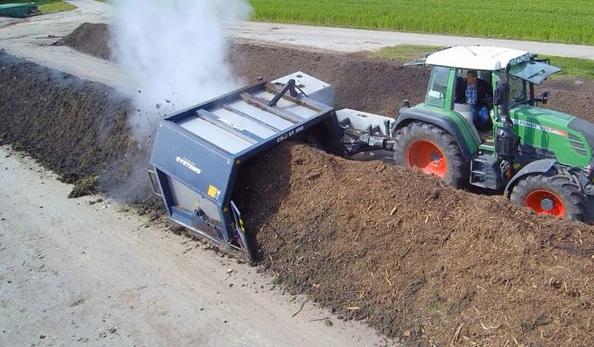
Turning the Compost Pile
Machinery Use: CO₂ emissions from compost turners or tractors
Energy Consumption: CO₂ emissions from energy used in automated systems.
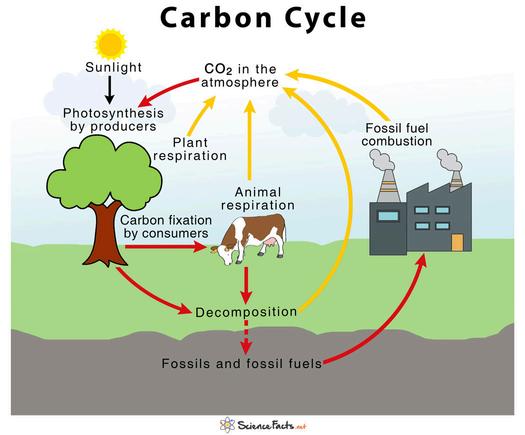
Natural Processes:
Minimal direct CO₂ emissions, but infrastructure support contributes.
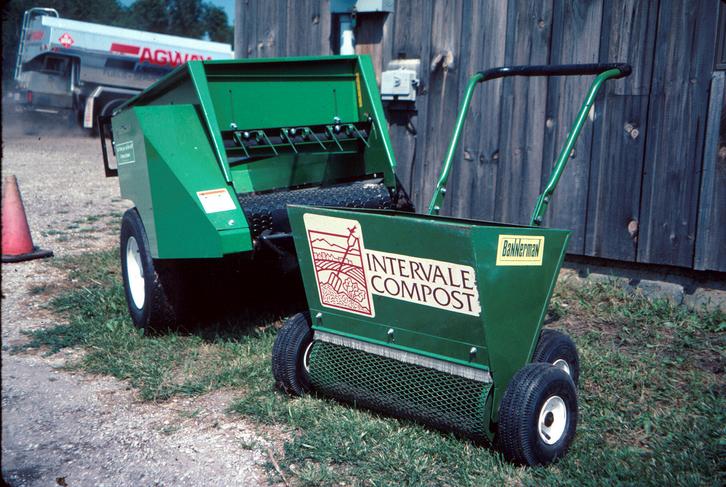
Using Compost Transportation: CO₂ emissions from transporting compost to planting beds.
Application Machinery: CO₂ emissions from equipment used to spread compost.

Collecting Organic Waste


Sorting and Layering Turning the Compost Pile Decomposition

To compost or not to compost: Carbon and energy footprints of biodegradable materials’ waste treatment
Week 11 SG green plan sustainable living zero
Eaint Phaye Hmuu 244008J