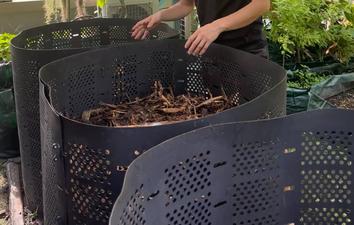
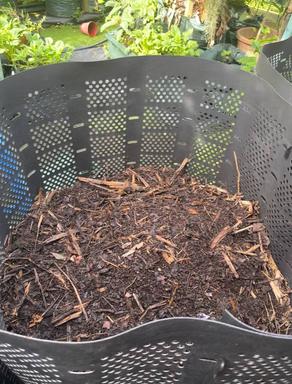
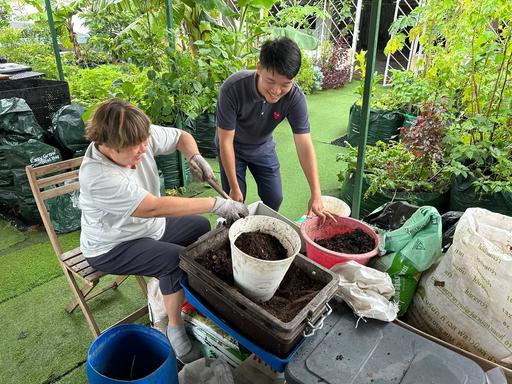
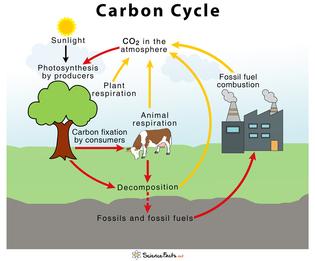
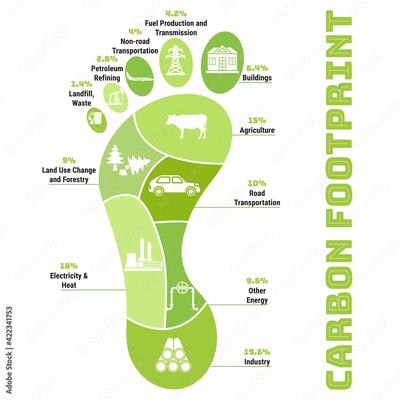
In a composting system, embodied carbon refers to the emissions from producing, transporting, and installing equipment. Using low-carbon materials and efficient processes can lower this footprint. Composting also sequesters carbon and reduces methane from landfills, enhancing overall carbon reduction efforts.
The Process
Collecting
Organic Waste
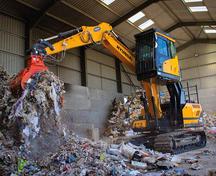
Transportation Emissions: CO₂ emissions from collection trucks and vehicles.
Binsand Containers: CO₂ emissions from the production of collection bins.
Sorting and Layering
Sorting Facilities: CO₂ emissions from energy use in facilities.
Material
Handling Equipment: CO₂ emissions from equipment used for moving waste
Turning the Compost Pile
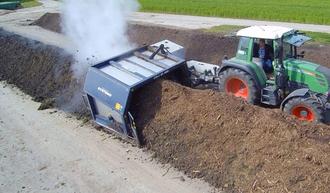
MachineryUse: CO₂ emissions from compost turners or tractors
Energy Consumption: CO₂ emissions from energy used in automated systems
Decomposition and Maturation
Natural Processes: Minimal direct CO₂ emissions, but infrastructure support contributes
Using Compost
Transportation :CO₂ emissions from transporting compost to planting beds.
Application
Machinery: CO₂ emissions from equipment used to spread compost
Week 12
Embodied Carbon
CollectingOrganicWaste:
Total CO₂ emissions = Transportation Emissions + Bins and Containers
SortingandLayering:
Total CO₂ emissions = Sorting Facilities + Material Handling Equipment
TurningtheCompostPile:
Total CO₂ emissions = Machinery Use + Energy Consumption
DecompositionandMaturation:
Total CO₂ emissions = Infrastructure support (if applicable)
UsingCompost:
Total CO₂ emissions = Transportation + Application Machinery
MachineryUse Emissions Energy Consumption Emissions Infrastructure SupportEmissions
UsingCompost
Transportation Emissions (Compost)
Application Machinery Emissions
Reflection: Highlights the environmental impactofcompostinginfrastructure.
Learnings:
Understanding embodied carbon is crucial for evaluating the full environmentalimpactoftechnologies. Even sustainable systems have a carbon footprintthatmustbemanaged.
What’s my Carbon Footprint?
High Impact Reduction Opportunity
1.CurrentSituation:
Weekly Electronics Usage: 64.0kgCO₂e
2.ImpactofElectronicsUsage:
Electronics (e.g., computers, TVs) have a high carbon footprint due to energy consumption.
3.ReductionStrategies:
ReduceScreenTime:
Action: Decrease daily electronics usage by 2 hours.
Estimated Savings: Savings=2 hours/day×7 days×0.8 kg CO₂e/hour≈11.2 kg CO₂e/week
Energy-EfficientDevices:
Action: Replace old electronics with energy-efficient models.
PowerManagement:
Action: Use power-saving settings and unplug devices when not in use.
4.CombinedImpact:
TotalPotentialSavings:
Reduction=11.2 kg CO₂e+9.6 kg CO₂e+6.4 kg CO₂e≈27.2 kg CO₂e/week
Summary:
Action: Reduce screen time, use energy-efficient devices, and implement power management
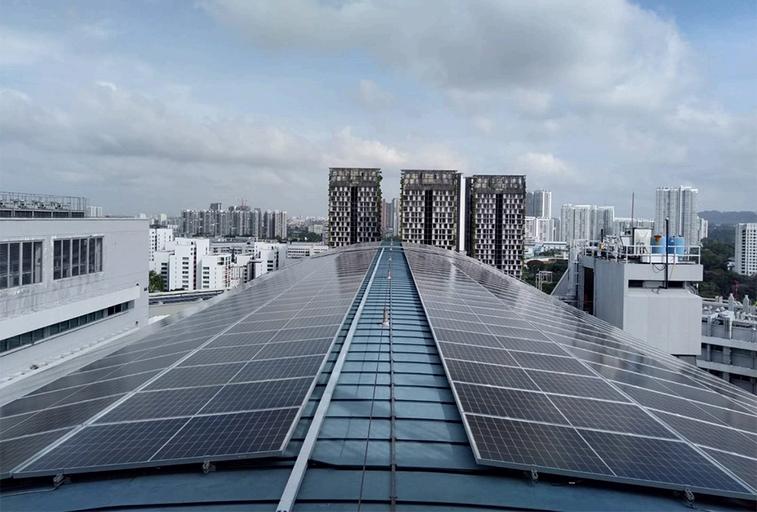
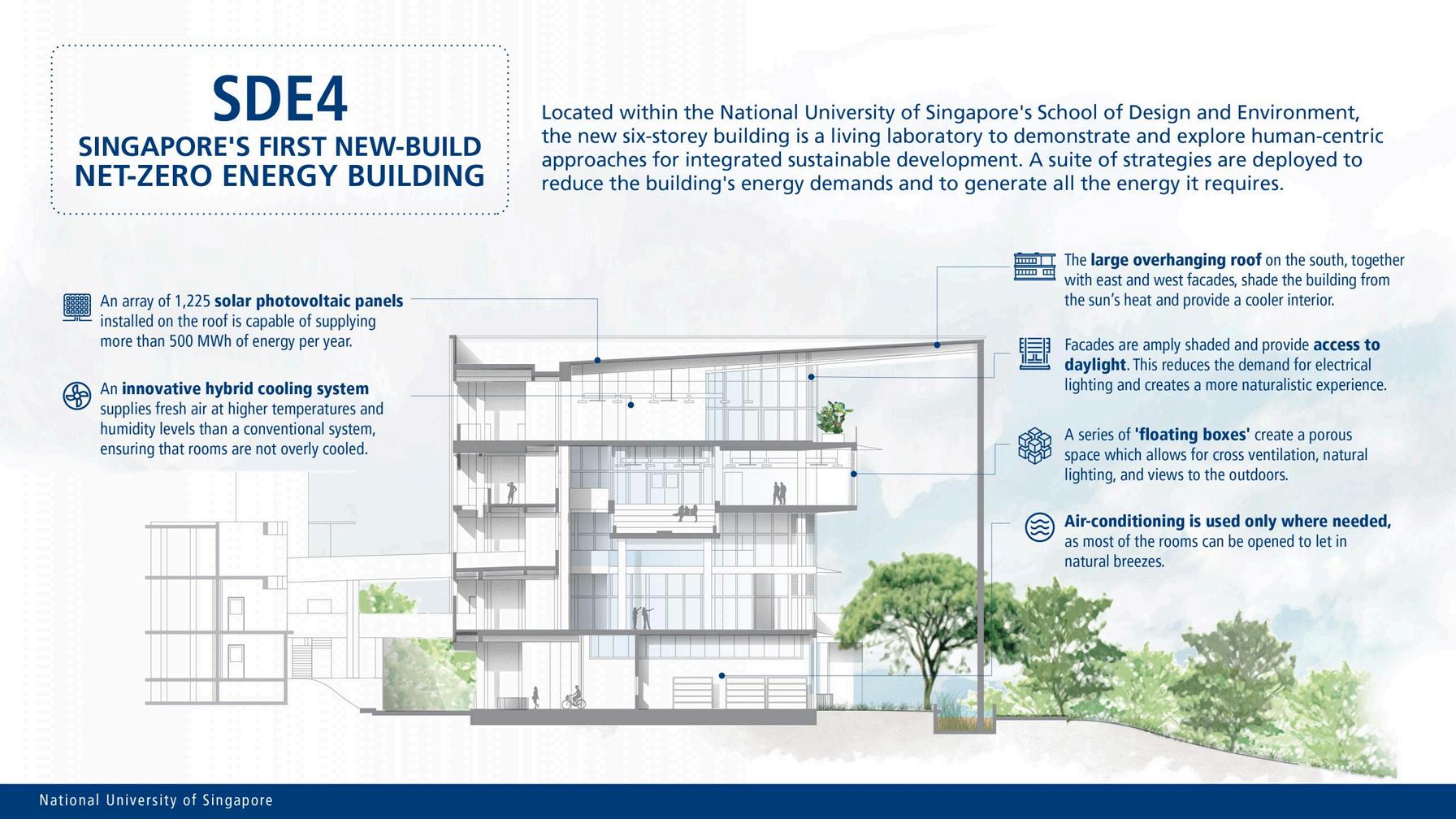
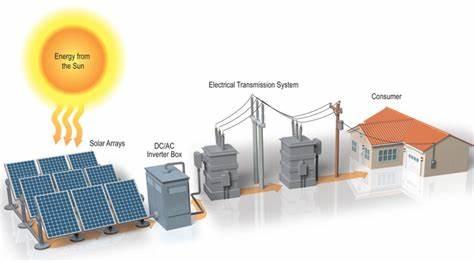
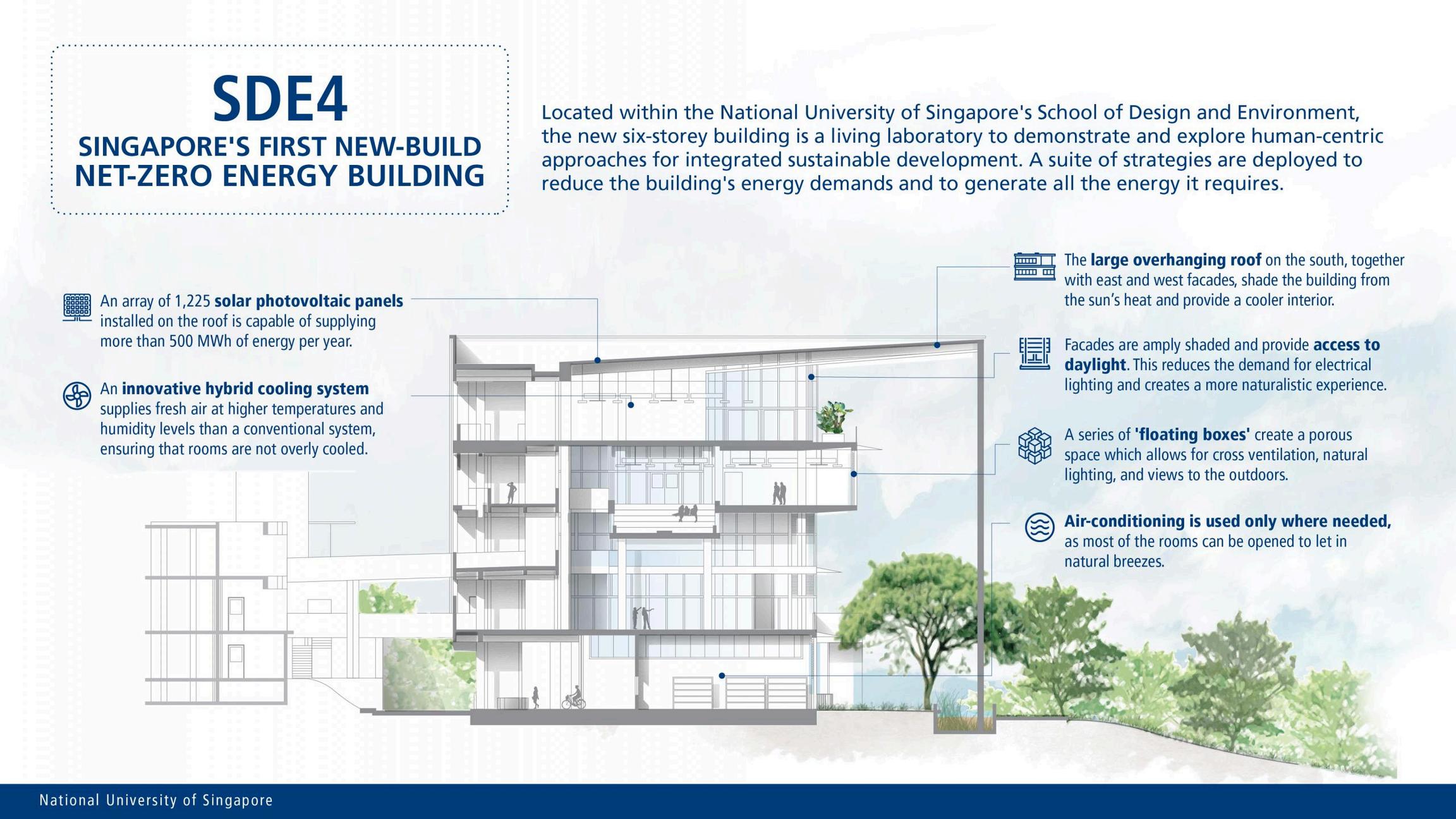
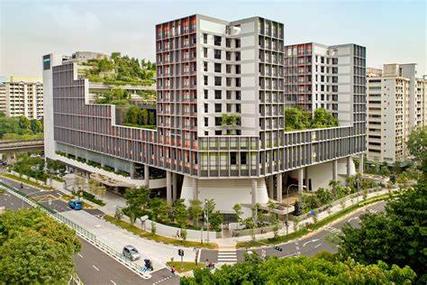
At NUS SDE4, the integration of photovoltaic (PV) panels and advanced battery storage systems ensures a reliable and sustainable energy supply. PV panels on the rooftop harness solar energy, generating electricity that meets the building's energy needs. Surplus energy produced during peak sunlight hours is stored in battery systems, providing consistent power during low solar activity or at night. This setup supports the building’s net-zero energy goal, reduces reliance on nonrenewable energy sources, and minimizes environmental impact. By efficiently managing energy generation, storage, and use, SDE4 exemplifies circular design principles and sustainable energy practices.
An array of 1,22 solar photovoltaic panels installed on the roof is capable of supplying more than 50 MWh of energy per year.
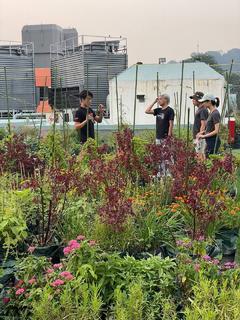
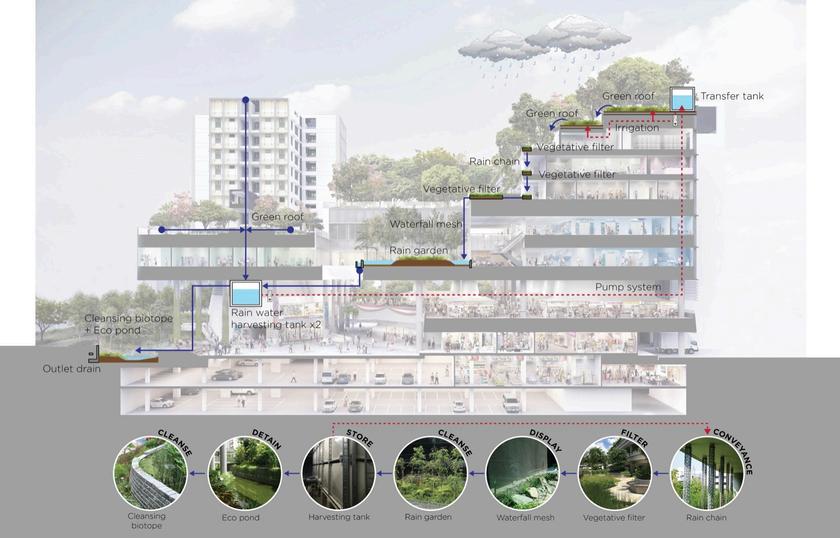
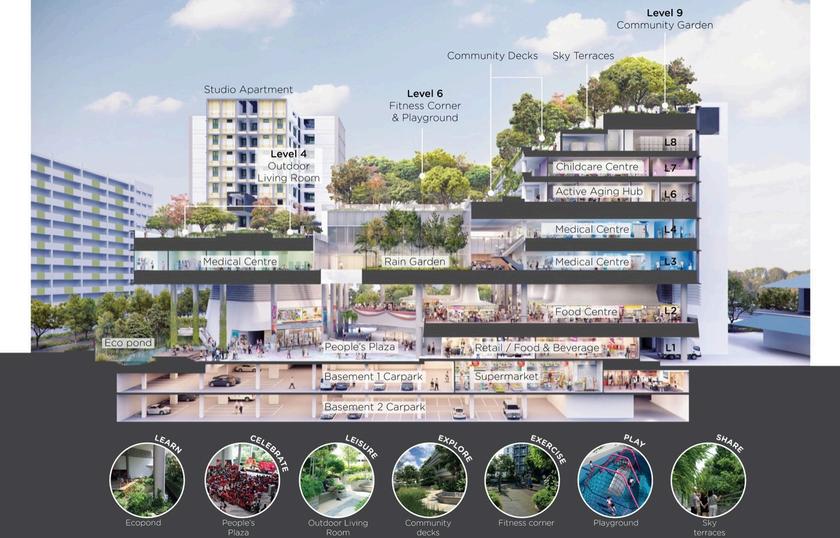
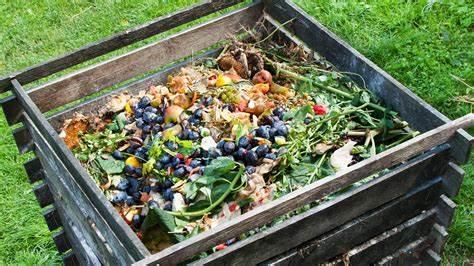
Illustration: Reduces urban waste and supports local food production, enhancing sustainability in urban areas.
Week14:NUSSingapore Net-ZeroBuilding
Illustration: Integrates renewable energy (PV panels), improving the sustainability of urban infrastructure.
Summary
Urban Composting Systems and Net-Zero Buildings contribute to more sustainable urban environments by managing waste and improving energy efficiency.
2.SDG12:RESPONSIBLECONSUMPTIONAND PRODUCTION
CONNECTIONS:
Week12:EmbodiedCarbon ofCompostingSystem
Illustration: Evaluates the carbon footprint of composting systems, promoting responsible production practices.
Week15:CircularEconomy
Illustration: The project incorporates energy-efficient systems, such as solar panels and rainwater harvesting, which contribute to reducing resource consumption and environmental impact, aligning with principles of responsible production and consumption.
Summary
Embodied Carbon Analysis of composting systems and Patagonia’s Circular Economy practices drive more responsible production and consumption habits.
CONNECTIONS:
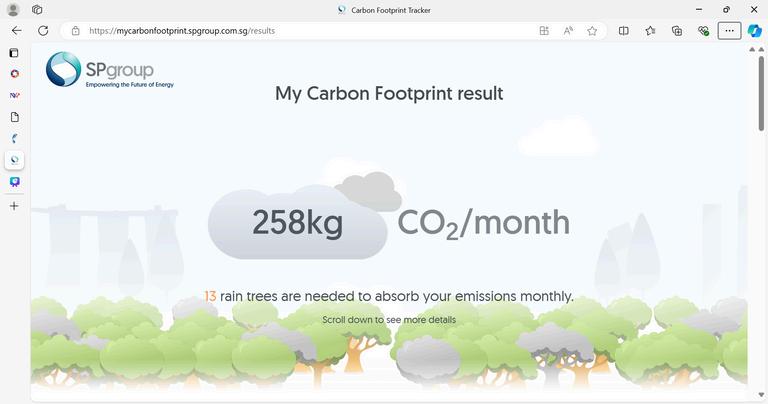
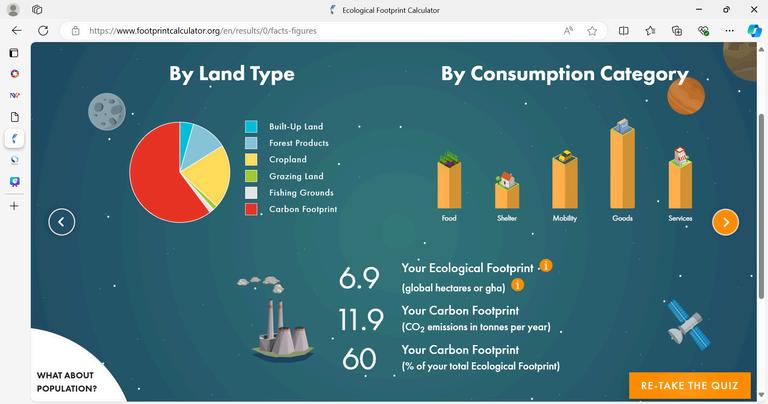
Week13:MyCarbon Footprint
Illustration: Personal carbon footprint analysis informs strategies for reducing individual contributions to climate change.
Summary
Week14:NUSSingaporeNetZeroBuilding
Illustration: The building’s netzero energy approach helps mitigate climate change by reducing carbon emissions.
Personal Carbon Footprint management and Net-Zero Buildings support efforts to mitigate climate change through reduced emissions and sustainable practices.
Week 17 (3/8/2024)
Share & Reflect
Week 11: SG Green Plan: Rooftop Urban Composting System
Focus: Implementing composting on rooftops in urban areas. Reflection: Enhances waste management and supports urban agriculture.
Learnings:
Composting can reduce urban waste and contribute to local food systems.
Integration of green technologies in urban settings can improve sustainability.
Connection to SDGs:
SDG 11: Sustainable Cities and Communities
SDG 12: Responsible Consumption and Production
Week 12: Embodied Carbon of Composting System
Focus: Analyzing the carbon footprint of composting systems.
Reflection: Highlights the environmental impact of composting infrastructure.
Learnings:
Understanding embodied carbon is crucial for evaluating the full environmental impact of technologies. Even sustainable systems have a carbon footprint that must be managed.
Connection to SDGs:
SDG 12: Responsible Consumption and Production
SDG 13: Climate Action
Week 17 Share & Reflect
Week 13: My Carbon Footprint
Focus: Personal carbon footprint analysis
Reflection: Provides insight into individual contributions to carbon emissions.
Learnings:
Personal actions significantly impact overall carbon emissions.
Small changes in daily life can contribute to broader climate goals.
Connection to SDGs:
SDG 13: Climate Action
Week 14: NUS Singapore Net-Zero Building
Focus: Net-zero energy building with PV panels.
Reflection: Demonstrates sustainable building practices and renewable energy use.
Learnings:
Net-zero buildings effectively reduce energy consumption and carbon emissions.
Integration of renewable energy is key to sustainable urban infrastructure
Connection to SDGs:
SDG 11: Sustainable Cities and Communities
SDG 13: Climate Action
Week 17 Share & Reflect
Week 15: SWOT Analysis of Patagonia’s Circular Economy
Focus: Analysis of Patagonia’s circular design practices.
Reflection: Examines strengths, weaknesses, opportunities, and threats in sustainable fashion.
Learnings:
Circular economy practices can drive significant sustainability improvements. Balancing cost, innovation, and competition is crucial for successful implementation.
Connection to SDGs:
SDG 12: Responsible Consumption and Production
SDG 13: Climate Action
Week 16: UN SDG
Focus: Identifying UN SDGs addressed in previous weeks. Reflection: Links various journal entries to global sustainability goals.
Learnings:
Sustainable practices in diverse areas (urban composting, building design, personal actions) collectively support global goals.
Effective solutions often address multiple SDGs simultaneously.
Connection to SDGs:
SDG 11: Sustainable Cities and Communities
SDG 12: Responsible Consumption and Production
SDG 13: Climate Action
Bibliography
Composting: a Sustainable Way to Manage Organic Waste
GFN
NUS SUSTAINABILITY
NUS SUSTAINABILITY image
SG GROUP
Turning Waste into Wonder: Composting with Soil Social
To compost or not to compost: Carbon and energy footprints of biodegradable materials’ waste treatment