The eCommerce industry is evolving rapidly, and businesses now expect more flexibility, speed, and customization from their online stores Traditional Shopify stores work well for many businesses, but growing brands often need advanced functionality and unique customer experiences that standard themes cannot provide.
This is where Headless Shopify becomes powerful
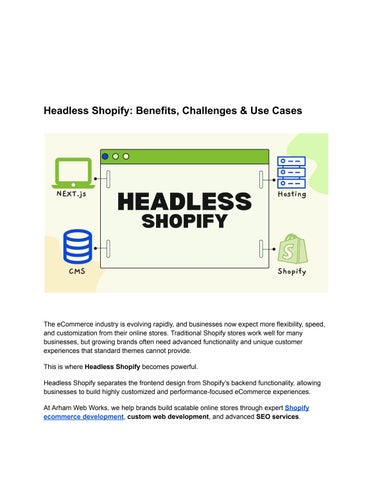
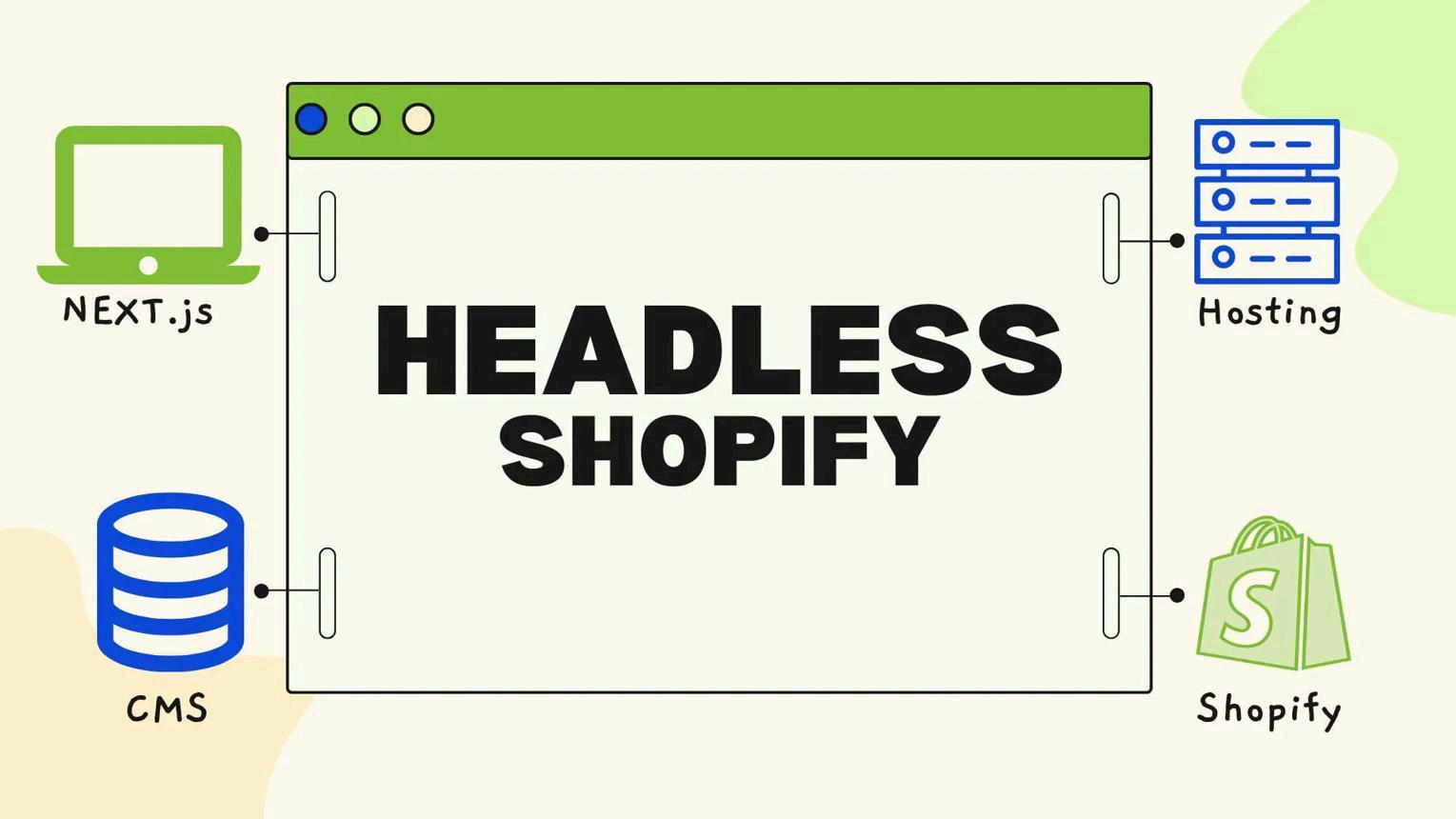
Headless Shopify separates the frontend design from Shopify’s backend functionality, allowing businesses to build highly customized and performance-focused eCommerce experiences
At Arham Web Works, we help brands build scalable online stores through expert Shopify ecommerce development, custom web development, and advanced SEO services
In this guide, we’ll explain what Headless Shopify is, its benefits, challenges, and the best use cases for modern businesses.
What Is Headless Shopify?
In a traditional Shopify setup, the frontend (what customers see) and backend (products, checkout, inventory) are connected together
With Headless Shopify, the frontend is separated from the backend
This means:
● Shopify handles products, orders, payments, and inventory
● A custom frontend framework handles the website design and user experience
Developers usually use technologies like:
● React
● Next js
● Vue.js
● Hydrogen (Shopify’s framework)
This setup provides more flexibility and control over the customer experience
Why Businesses Are Choosing Headless Shopify
Modern online shoppers expect:
● Faster websites
● Personalized experiences
● Smooth mobile browsing
● Interactive interfaces
Traditional themes sometimes limit these capabilities. Headless Shopify allows businesses to create unique digital experiences without backend restrictions
Key Benefits of Headless Shopify
1. Faster Website Performance
Speed is one of the biggest advantages of headless architecture
Benefits:
● Faster page loading
● Better Core Web Vitals
● Improved user experience
● Higher conversion rates
Website speed also directly affects rankings, making it valuable for SEO services.
2. Complete Design Flexibility
Traditional Shopify themes have design limitations.
Headless Shopify allows:
● Fully custom interfaces
● Unique animations
● Advanced interactive features
● Personalized user experiences
Businesses can create websites that match their exact brand identity
3. Better Mobile Experience
Most eCommerce traffic now comes from mobile devices.
Headless Shopify helps:
● Improve mobile performance
● Create app-like experiences
● Reduce loading delays
Mobile optimization is essential for both conversions and ecommerce SEO services.
4. Improved SEO Performance
Headless websites can be optimized for:
● Faster loading speed
● Better technical SEO
● Structured content delivery
● Improved user engagement
These factors contribute to stronger search engine rankings
Professional online SEO services can further improve performance.
5. Omnichannel Selling
Headless Shopify supports multiple digital channels.
Businesses can sell through:
● Websites
● Mobile apps
● Smart devices
● Social media platforms
● Digital kiosks
One backend can power multiple customer experiences.
6. Scalability for Growing Brands
As businesses grow, they often need:
● Advanced integrations
● Custom workflows
● Large product catalogs
Headless architecture makes scaling easier and more flexible.
Challenges of Headless Shopify
While Headless Shopify offers many benefits, it also comes with challenges
�� 1. Higher Development Complexity
Headless stores require advanced development knowledge
Businesses often need:
● Frontend developers
● API integrations
● Custom deployment setups
This makes development more technical than traditional Shopify themes
2. Increased Development Costs
Custom frontend development usually costs more than using pre-built Shopify themes.
Costs may include:
● Development
● Hosting
● Maintenance
● Performance optimization
However, the long-term flexibility often justifies the investment
��
3. More Maintenance
Traditional Shopify stores are easier to maintain because Shopify handles most updates
Headless stores require:
● Frontend maintenance
● Framework updates
● API monitoring
Ongoing support is important for stability and security
��
4. SEO Requires Proper Setup
Headless websites can perform extremely well for SEO, but incorrect setup may cause problems
Key SEO considerations include:
● Server-side rendering
● Metadata optimization
● Structured data
● Fast indexing
This is why professional SEO services are important for headless projects
Best Use Cases for Headless Shopify
Headless Shopify is ideal for businesses that need advanced customization and performance.
Businesses that rely heavily on content marketing can combine:
● CMS platforms
● Blogs
● Dynamic storefronts
This creates stronger SEO and engagement opportunities
How Arham Web Works Helps With Headless Shopify Development
At Arham Web Works, we help businesses build modern, scalable, and high-performing Shopify stores
Our services include:
● Custom Shopify ecommerce development
● Headless Shopify development
● API integrations
● Website performance optimization
● Advanced SEO services
● Technical ecommerce SEO services
We create fast, responsive, and SEO-friendly Shopify experiences designed for long-term growth.
FAQs
1. What is Headless Shopify?
Headless Shopify separates the frontend design from Shopify’s backend functionality for greater flexibility and performance
2. Is Headless Shopify better for SEO?
Yes, when properly optimized, Headless Shopify can improve website speed and technical SEO performance.
3. Is Headless Shopify expensive?
Headless Shopify usually costs more due to custom development and maintenance requirements
4. Which businesses should use Headless Shopify?
Fashion brands, enterprise stores, content-driven businesses, and mobile-first brands benefit most from headless architecture.
5. Does Headless Shopify improve website speed?
Yes Faster frontend frameworks can significantly improve loading performance
6. Can small businesses use Headless Shopify?
Yes, but it’s usually more beneficial for growing or large-scale businesses with advanced requirements
Conclusion
Headless Shopify offers businesses greater flexibility, performance, and customization compared to traditional Shopify setups. While it requires more development expertise and investment, it can deliver exceptional user experiences and scalability for growing brands
From improved speed and SEO to omnichannel selling capabilities, Headless Shopify is becoming a preferred solution for modern eCommerce businesses. With expert support from Arham Web Works, businesses can build powerful, future-ready Shopify experiences designed for long-term success.