

16. w h AT i ’ve le A rned CT m orris
18. The Pioneer v ill A ge San Joaquin County h istorical Society & m useum
22. The Am A zing Power of g o AT m ilk Spenker f amily f arm
24. f rom fA rm T o g l ASS m cConnell e states
26. o h lovely SA rdine S
30. Cre AT ivi T y Cindy d ella m onica

Ar T A nd Communi T y Q&A
Celebr AT ing Anniver SA ry
hAyley J AC k S on n ew & Again
hA leigh & zAC h
54. The burnou T of working mom S k aiser Permanente
TA ke T he e x P erien C e Anna o sborn 60. b oo ST Sero Tonin f or A b e TT er m ood e lk g rove vitamins
The e lk g rove r egion A l PA rk l ouis Silveira

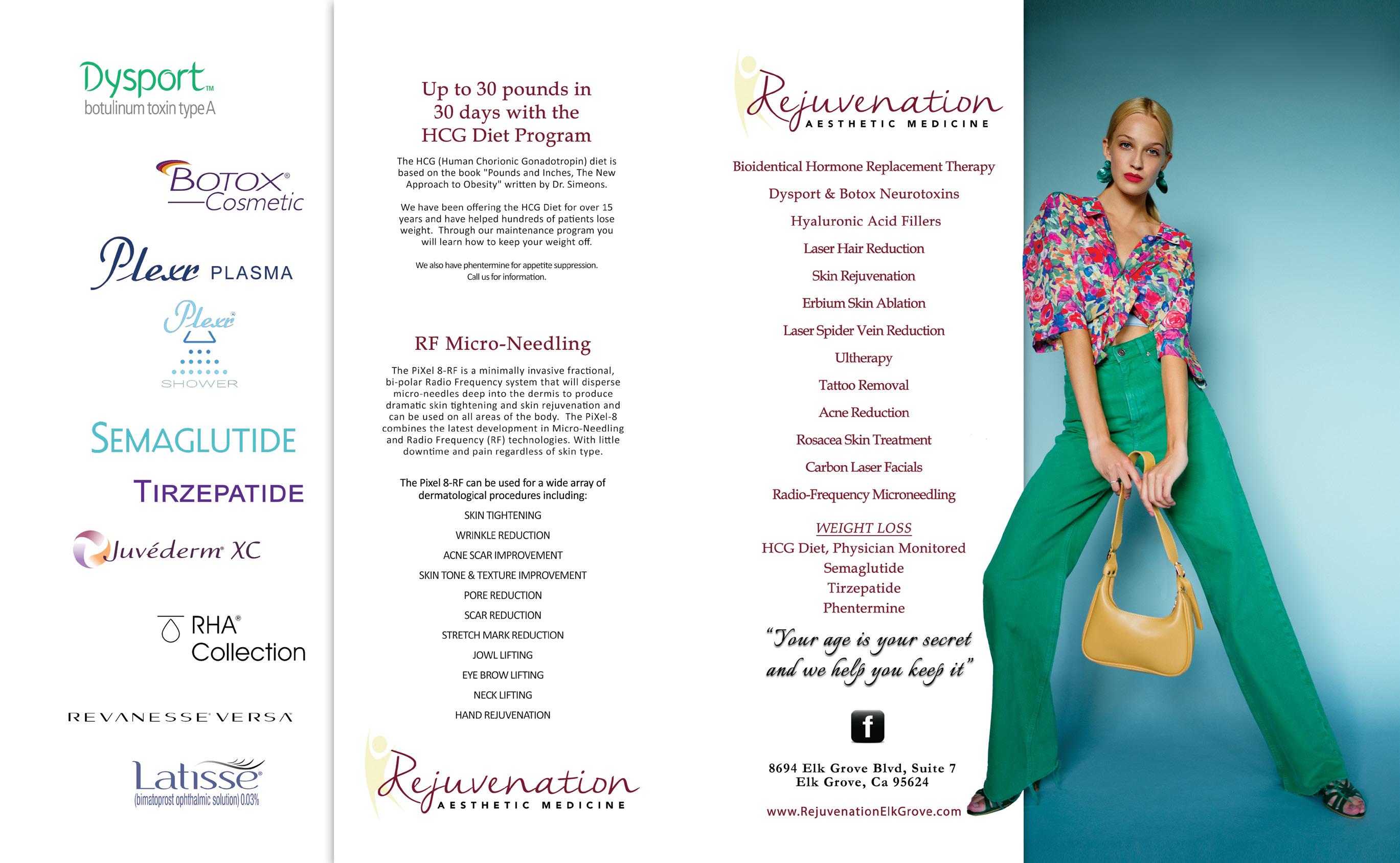

No doubt you’ve heard a lot about Bio-identical Hormone Replacement Therapy lately. What is it all about? How does it work? Who needs it? Is it something you could benefit from?
Bio-identical Hormone Replacement Therapy, also known as BHRT, is exactly what it sounds like. Your declining hormones are replaced with hormones that are structurally identical to the hormones produced by your own body. Why is this important? Hormones that are not structurally identical to your own (for example, Premarin, which comes from horse urine) do not act the same on your body, may contain hormones that your body does not make and has no receptors for these hormones, so you waste energy by giving incomplete messages to cells which then fail to produce a balanced hormonal response. Also, your body cannot effectively metabolize these foreign hormones, which may have long term unknown, potentially, negative effects on your body.
MYTH: Our hormones levels are declining because we are growing older.
FACT: We are growing older because your hormones are declining.
The goal in BHRT is to turn back the hormonal clock to around age 35, or around 20 years younger than your chronological age. Anti-aging medicine is a personalized, metabolic medicine. We now have the science to individually customize your care and we can look at the cause of the problems, instead of just treating symptoms. If you are basically healthy, we can look at how your body breaks down things to help you be healthier and stay healthy. All the patients in my practice have a totally different treatment regime, there are no protocols. It is a very personalized approach.
Do you find yourself wondering……?
Why am I so tired?
Why am I gaining weight?
Why do I have mood swings?
Why do I have a low sex drive?
Why am I not able to sleep well?
Why am I having memory lapses?
Why do I have frequent urination and/or incontinence?
Why do I have migraine headaches?
If you answered yes to any of the above questions, bio-identical hormone therapy may be just what would benefit you.
How does the process work?
After obtaining lab testing of saliva, blood or urine, you meet for a consultation with Dr. Dayle A. Imperato, an American Anti-Aging Academy trained physician for evaluation of your unique bio-identical hormonal needs. You are prescribed the specific hormones that your body needs! We use a quality compounding pharmacy and carry a high pharmaceutical grade of supplements for your use.
Your hormones are a symphony of interactions. All of your hormones are designed to work together and if one is altered, or deficient, it will affect the actions of all of the other hormones in your body. It is an interactive balance and as unique to an individual as a fingerprint. One size does not fit all. Treating even “mild” hormonal deficiencies can dramatically improve quality of life. Longevity medicine is aimed at the early detection, prevention, treatment, and reversal of age related decline.
We are not prisoners of our genetic destiny. Chronic inflammation is the cause and the effect of most illnesses and the diseases of aging. Balanced hormone optimization and a balanced life style decreases chronic inflammation. Hormone optimization is the finishing touch of an anti-aging lifestyle of good nutrition, exercise, stress reduction, anti-oxidants and nutraceuticals.
What do you enjoy most about what you do?
I love that I get to spend so much time outdoors in the country, and I get to share the beauty of our land and animals with people.
What habits do you think can genuinely improve someone’s life?
Getting outside and walking in nature! And cuddling goats, it's very therapeutic.
What do you look forward to most during the summer months?
I love the longer days and eating all the fresh veggies and fruits from the garden and farmers markets.
What’s the most memorable summer you’ve ever had?
The summer I got married to my amazing husband, Josh. We had an intimate ceremony of friends and family in Old Town Columbia State Park, and while it was a hot July day, it was so much fun and a day full of love.

Where can people follo W you? Facebook, Tiktok, and Instagram @spenkerfamilyfarm www.spenkerfamilyfarm.com

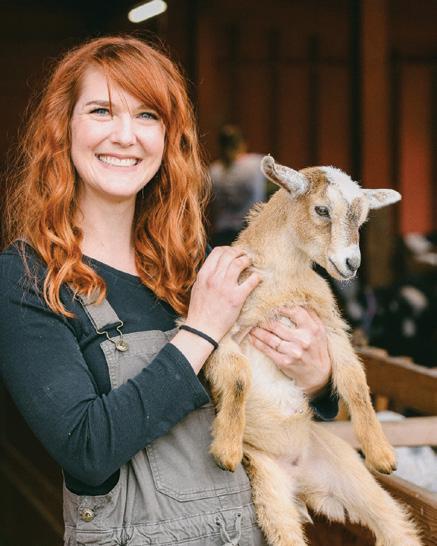
Sarah Spenker Pratt
Part-owner of Spenker Family Farm (vineyard, winery, goat dairy, and creamery) Story on page 22.

What do you enjoy most about what you do?
I love documenting memories for people to look back on and capturing authentic emotions.
What habits do you think can genuinely improve someone’s life?
Eating healthy foods, getting outside in nature, and socializing with the right people.
What do you look forward to most during the summer months?
My partner and I plan a road trip to new national parks each summer - our goal is to visit all of the national parks in the US.
What’s the most memorable summer you’ve ever had?
Last summer was pretty memorable, because my partner and I moved into our new home and hosted pool parties and lots of fun gatherings with our friends.
Where can people follo W you?
My instagram is @shannonhillyardphoto and my website is www.shannonhillyardphoto.com

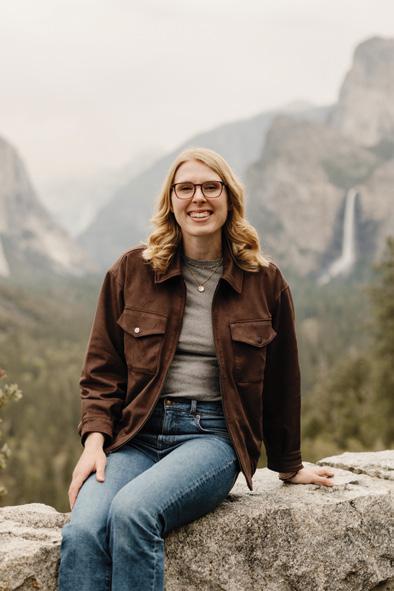
Shannon Hillyard Photography Story on page 48.



Justin Azevedo
Justin has been a Youth Services Librarian for Sacramento Public Library since 2010, and is currently the Youth Materials Selector for the system.
Allie Crump Event Manager at McConnell Estates
Shannon Hillyard Owner of Shannon Hillyard Photography
David Hipskind
Owner of The Red Door Antiques, Vintage, and More. Located in Historic Old Town Elk Grove.
Dr. Dayle A. Imperato
A Board Certified physician, she has served the Sacramento community for the past 20 years. Owner of Rejuvenation Wellness & Aesthetic Medicine in Old Town, Elk Grove.
Nan Mahon
Nan is an author and journalist. She is a member of the City of Elk Grove Committee for the Arts and received the Elk Grove 2011 Mayor’s Award for Volunteerism in the Arts.
Cindy Della Monica Cheesemonger and Owner of Cheese Central in Lodi, Ca.
Carole Morris
Instructional Specialist, Author and Adjunct Professor. She is married to an outstanding, brilliant man and the mother of two grown aweinspiring children, and grammie to three flawless grandchildren.
Anna Osborn
Anna lives in Elk Grove with her husband and school aged twins. She owns Life Unscripted Counseling in Midtown Sacramento.
Elizabeth Pinkerton
Teacher and Administrator for 40 years, she is now a historian and author.
Justin Pinnell
Justin is not just another pretty face in Real Estate. He enjoys long walks on the beach and high mountain sunsets.
Sarah Spenker Pratt Part-owner of Spenker Family Farm
Louis Silveira
Newsletter Editor, Webmaster, and Archivist at the Elk Grove Historical Society
Dianna Singh
Owner of Elk Grove Vitamins for the past 12 years.
Zachary Wackman General Manager at McConnell Estates Winery
Kayla Webb
Marketing Manager at McConnell Estates Winery
Brendle Wells
Is a librarian and lifelong reader who has a passion for sharing books with pretty much anyone she meets. She currently works as the Adult Materials Selector for the Sacramento Public Library and asks, “What have you read lately?”
For full bios of our contributors, please visit www.ardentforlife.net.


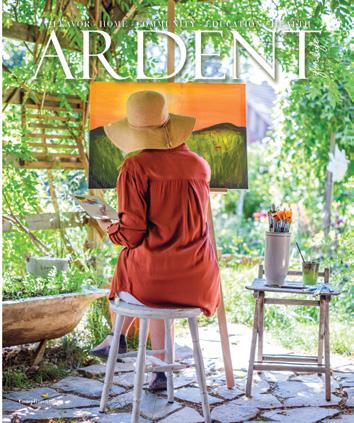
creative director Sara Pinnell sara@mrsandmrpublishing.com
Have you thought of something you would like to try for the first time, or practice more often after your initial experience? Have you treated your family with a new recipe for breakfast, or given a homemade gift to a friend? You have? Good job! Now, pat yourself on the back, give yourself creative kudos, and make sure you remember YOUR creativity as one that makes YOU happy.
Spark your creativity with Cindy Della Monica’s article on page 30.
executive editor Carole morris carole@mrsandmrpublishing.com
art & production info@mrsandmrpublishing.com


view Ardent for life online at www.ardentforlife.net
business manager
Justin Pinnell justin@mrsandmrpublishing.com
sales sales@mrsandmrpublishing.com



Copyright © 2026 Mrs. and Mr. Publishing
Published by Mrs. and Mr. Publishing six times a year
Want to know about great events, open houses, and more? Like us on Facebook at facebook.com/ardentforlifeelkgrove
Ardent For Life is distributed in Elk Grove, Sacramento, Lodi, and every point in between.
Have a great story idea, or know someone that we should feature? Email us with your comments & suggestions at info@mrsandmrpublishing.com
Interested in increasing your business and partnering with Ardent For Life? Check out www.ardentforlife.com.
The information in this publication is for informational purposes only. Mrs. and Mr. Publishing Inc. (DBA Ardent for Life) assumes no liability or responsibility for any inaccurate or incomplete information, nor for any actions taken in reliance thereon. The information contained about each individual, event or organization is not necessarily the views of the magazine.
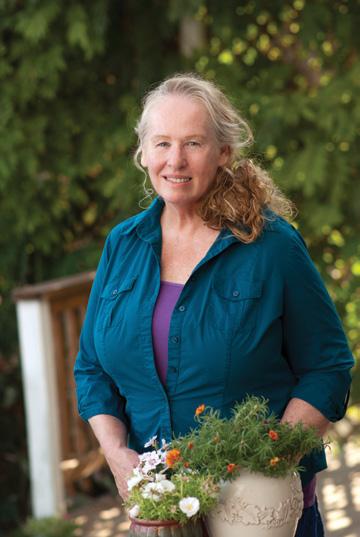
As I wandered perusing my flower beds, the words “blossom by blossom the summer begins” came to my mind. I had to look up who said it (Algernon Swinburne) but the quote is so appropriate. It made me smile, because it’s comforting to know that centuries ago individuals felt the same way I do–going from plant to plant watching the wondrous blossoms appear and multiply as summer settles in. I’m thankful for the small things in life, aren’t you?
executive editor
Carole Morris
History is mentioned in several sections of Ardent this issue…From perusing various books and Celebrating America’s 250th Anniversary–to A Look Through History, a reminder of why living history programs are important.
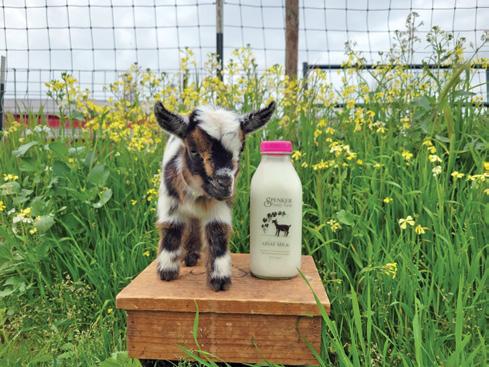
Additionally, there is a very interesting article about goat milk. Did you know that it’s one of the best sources of dietary calcium?
While many consider me an artifact because I’m older than 50, I embrace it! Over the many years that I’ve lived, I have had the honor of being an educator to a plethora of individuals from varied grade levels— from preschool to community college (youngest being three and oldest 80 years of age). What did these students of diverse ages have in common? Their aversion to history…
While we know history is more than a dusty relic of the past, many students believe that it’s only about memorizing dates or events, BORING.
Enter LIVING HISTORY (or the reenactment of history) bringing the lives and experiences of a past age into the modern era by providing the background and practices of long-ago cultures. A site that provides a window into the past by incorporating historic objects, accurate environments and appropriate activities can make the stories about the people who used those objects more multi-dimensional and effective.
Without a shadow of doubt, it has been proven that history helps students to understand their world. It sparks rich discussions and empowers students to reach their full potential. History provides context for current events, fosters critical thinking, promotes empathy, and offers lessons from past mistakes and successes.
Research has proven that physical interaction with the world fundamentally shapes the way your brain builds mental models. When you physically interact with something, your brain processes the information through multiple channels at once. When your hands interact with materials, tools, or equipment (instead of just hearing or reading about a concept) tactile feedback gives your nervous system real-time information.
As an educator I know the most effective approach for student learning pairs direct instruction with hands-on application: teach history, write about history and then immerse the students physically. Let them sit in a one room schoolhouse write on slates and gather wood for the stove. Allow them to see how gravity separates gold flakes from lighter sand when gold panning. Show them how the pumping motion draws the groundwater out of the ground using a pump and a manual lever and watch their excitement as the water fills their pail by using natural physics.
At the end of the day, every child is born with an innate sense of curiosity—no matter the age, students love to explore, experiment, and learn by doing. Hands-on learning taps into this natural drive, turning activities into exciting educational experiences.
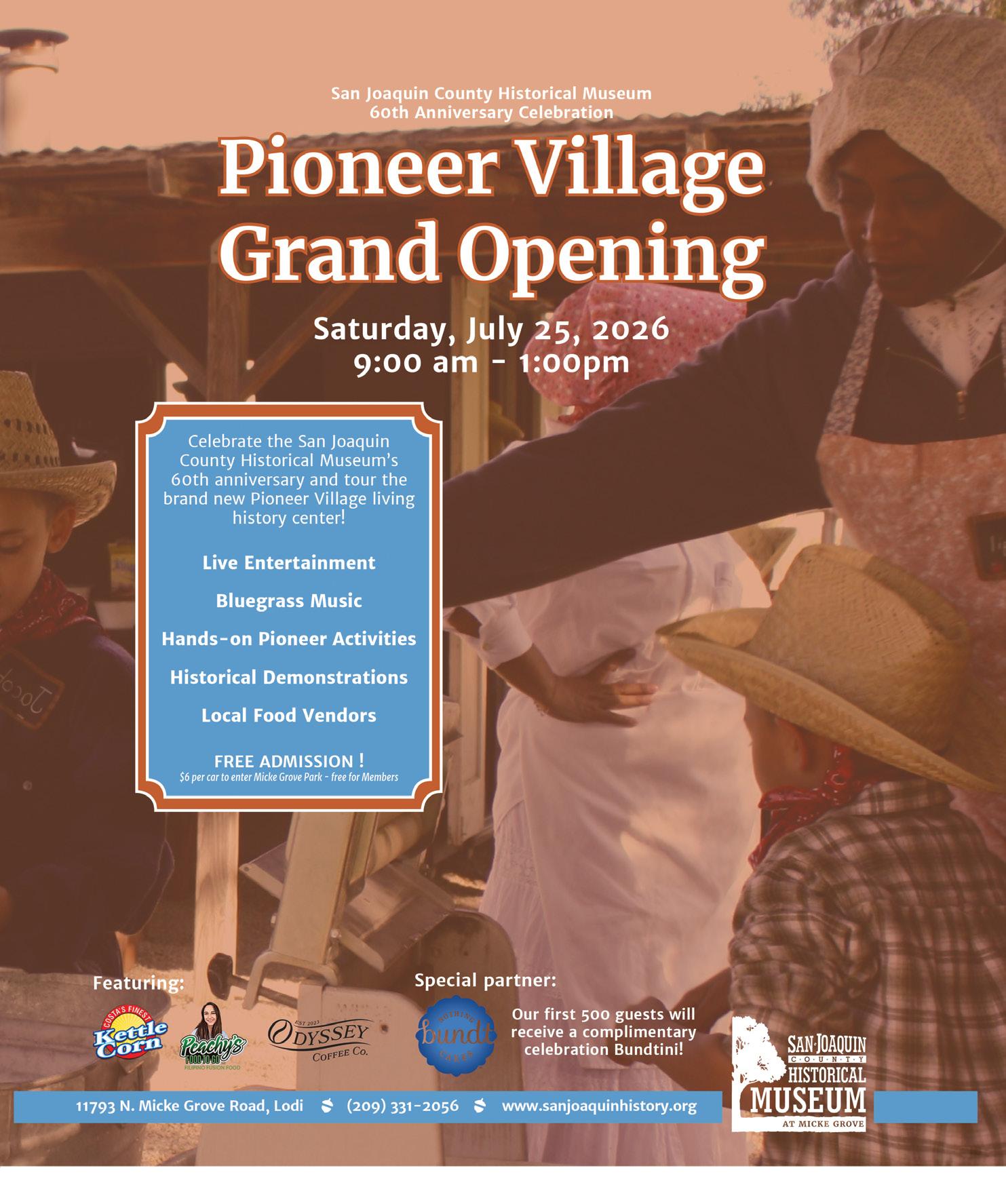
The next few pages contain an article about the San Joaquin County Historical Museum's new addition, The Pioneer Village. The Pioneer Village is the personification of Living History, bringing to young and old the experiences of a past age by providing the background and practices of longago cultures. It is a window into the past—incorporating historic objects, accurate environments and appropriate activities that make the stories about the people who used those objects come alive.
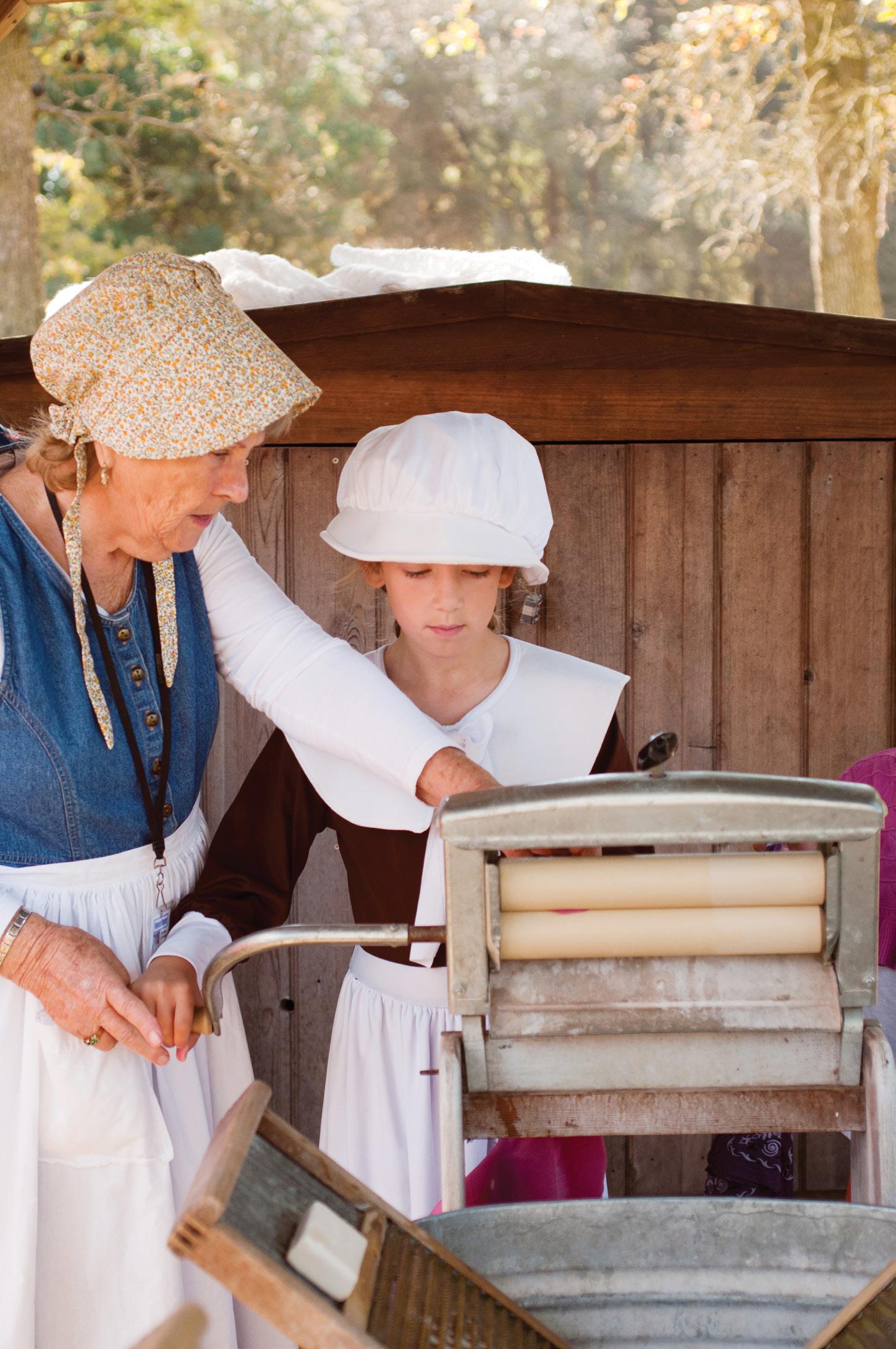
Every child is born with an innate sense of curiosity—no matter the age, students love to explore, experiment, and learn by doing. Hands-on learning taps into this natural drive, turning activities into exciting educational experiences.
By San Joaquin County Historical Society & Museum
The Pioneer Village project has been a dream of the San Joaquin County Historical Museum and its Docent Council since the earliest days of the Valley Days and Pioneer School programs. For sixty years, the San Joaquin County Historical Museum has worked to preserve, share, and celebrate the diverse histories of our county and to inspire future generations toward continued greatness. We are confident that the Pioneer Village will allow us to continue this important work on an even greater scale.
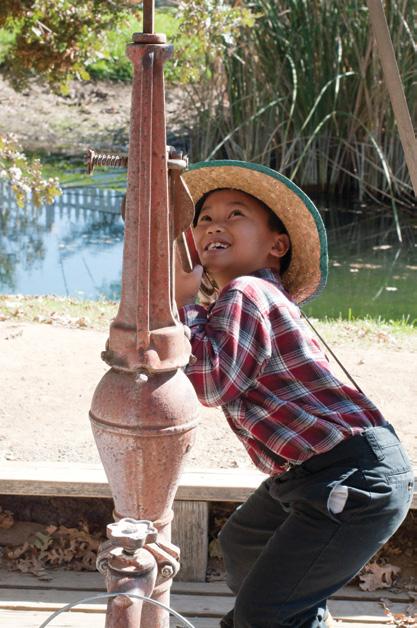
The Pioneer Village will dramatically improve the historic atmosphere, efficiency, accessibility, and safety of our many living history programs including Valley Days, Pioneer School, and Farm to Fork. By centralizing the many activities of these programs in one immersive space, we can transport visitors “back in time” and give them an even better and more memorable experience. The facilities constructed as part of this project will also allow us to more effectively reach the community through weekend and summer programming.
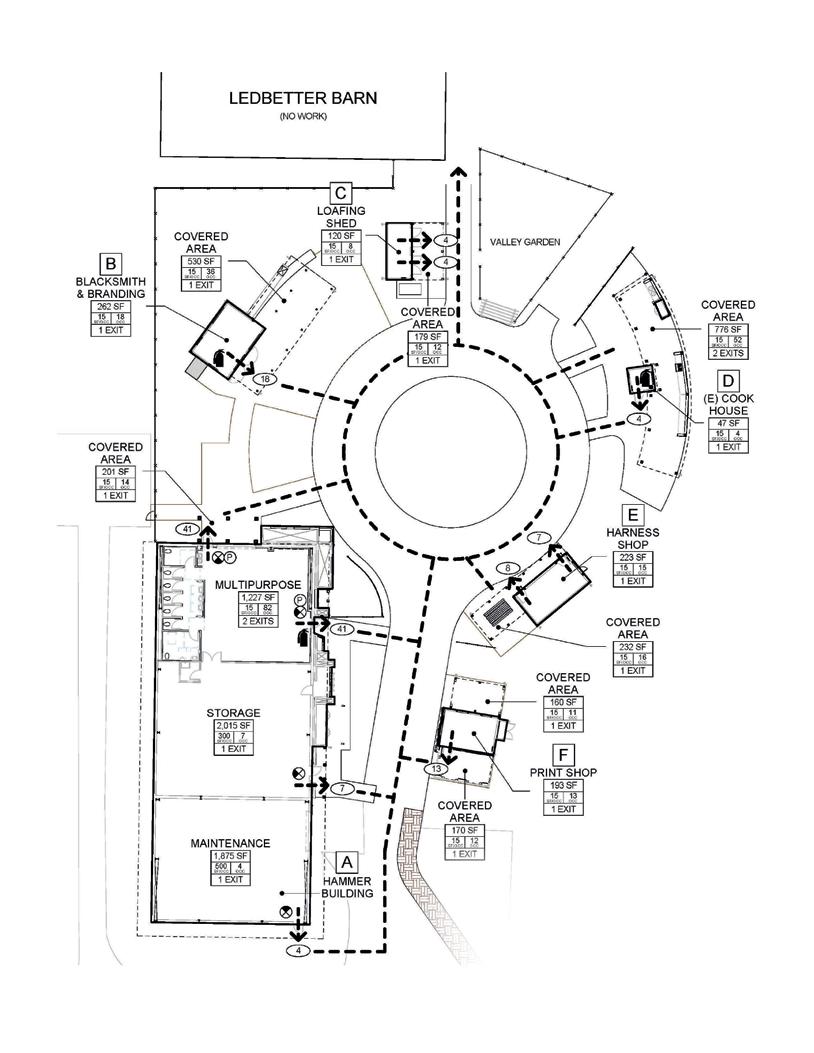
New, creatively designed activity buildings such as the Blacksmith Shop, Cookshack, Harness Shop, Print Shop, Farmhouse, and others will allow us to serve more and larger student groups. They will also provide better educational demonstrations and improve the historical authenticity of our programming. The Pioneer Village will be built to ADA and California Education Code standards, featuring modern amenities and accessibility while retaining all the charm of a 19th-century Central Valley town.

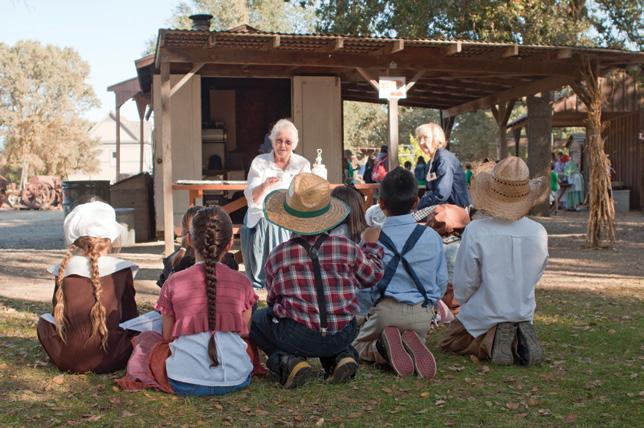
The Pioneer Village will improve the atmosphere, accessibility, and safety of our living history programs, including Valley Days, Pioneer School, and Farm to Fork. By bringing these activities together in one immersive space, visitors can step “back in time” for a more memorable experience.
We are confident that the Pioneer Village will allow us to better serve our community and inspire even greater numbers of youth to know and appreciate their history as citizens of San Joaquin County.
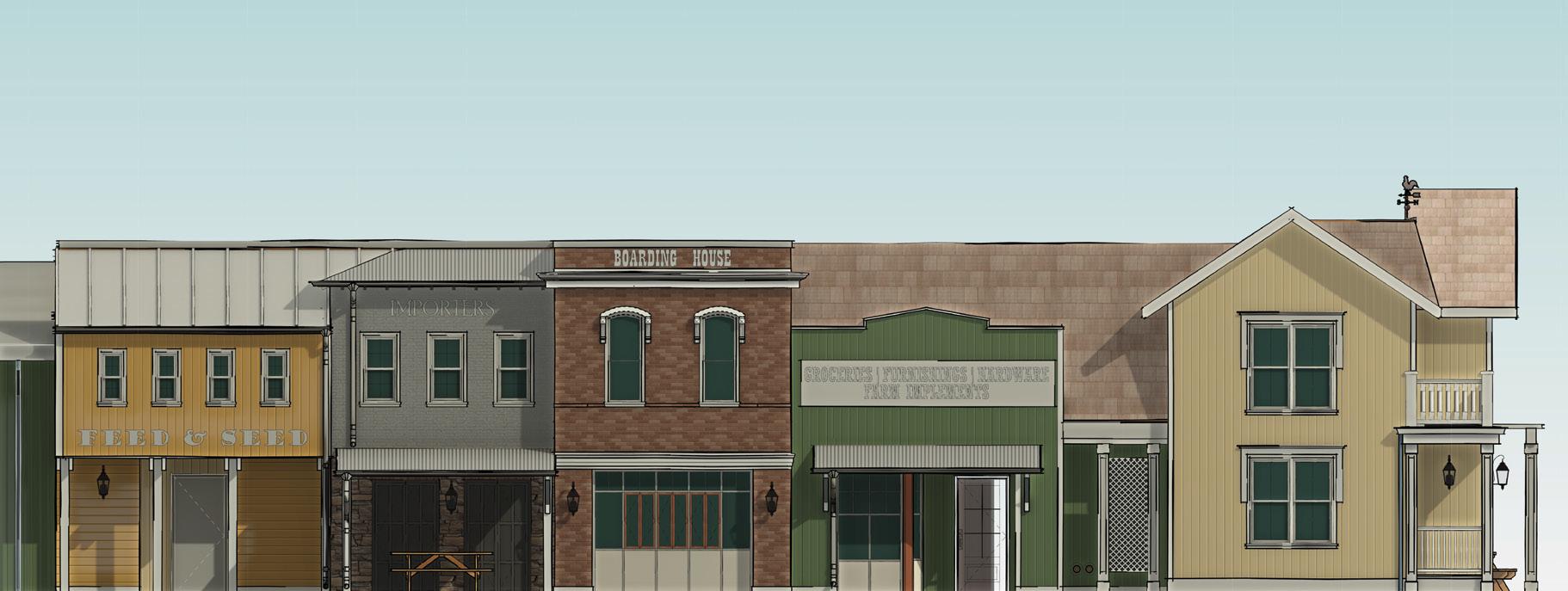
The Pioneer Village will also include two new multi-use spaces which the Museum greatly needs. Located in the remodeled Hammer Building, both the Big Valley Saloon and the Bank will feature classroom space, a meeting room with seating for up to 100, a kitchen, and restrooms. The area will allow for activity space during inclement weather and air conditioning will provide greater opportunities for summer programming. The Pioneer Village has also been thoughtfully designed to connect with the existing Sunshine Trail, Delta Water Path, Charles Weber Cottage, and Calaveras Schoolhouse to create a more immersive and integrated educational experience.
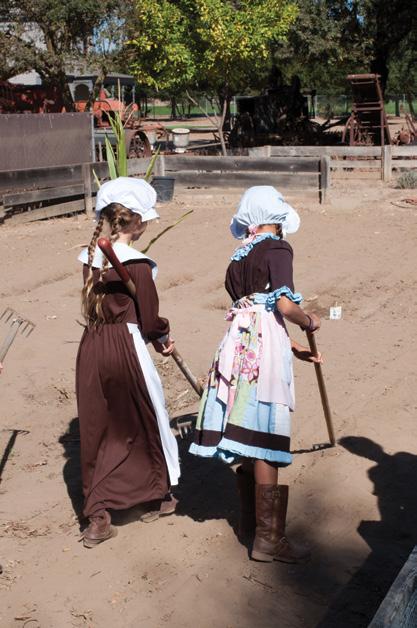
We are confident that the Pioneer Village will allow us to better serve our community and inspire even greater numbers of youth to know and appreciate their history as citizens of San Joaquin County and we are excited to finally see this decades-long dream be realized thanks to the hard work and dedication of our trustees, staff, docents, volunteers, and contractors as well as the support of the County of San Joaquin, the Board of Supervisors, and our generous donors and benefactors.
San Joaquin County Historical Museum 11793 Micke Grove Rd, Lodi, CA 95240 209.331.2055
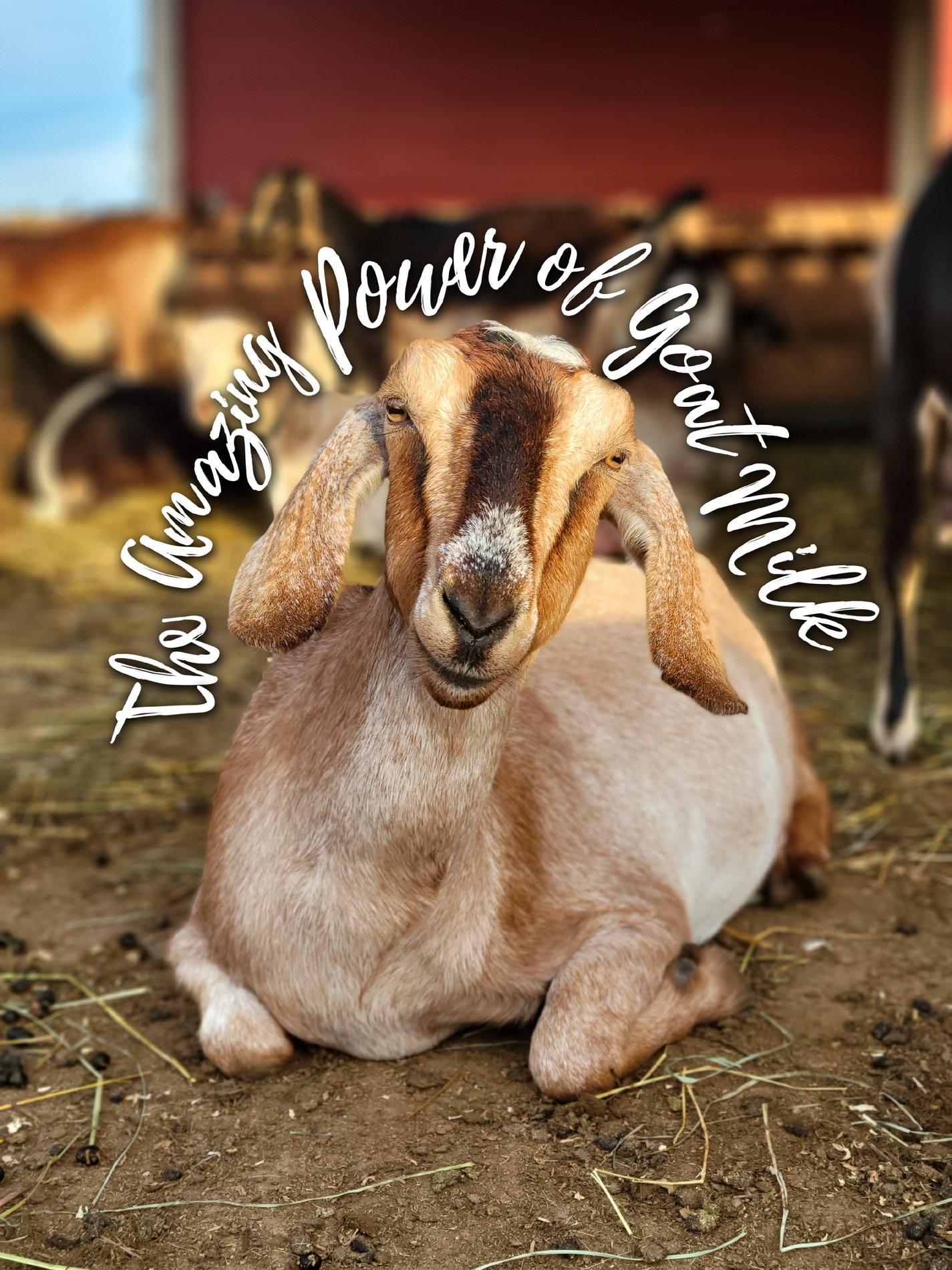
Goats and goat milk products are gaining popularity in the United States, in recent years. Not only are goats adorable and sometimes downright hilarious, but their dairy products offer many wonderful benefits. Around the world, goat milk and goat products have been a staple in many cultures, but it’s only in recent years that Americans have been brave enough to try it. At our commercial goat dairy and creamery in Lodi, we’ve seen the change over the years in people’s attitudes and impressions of goat milk. From not being brave enough to taste it, to genuine curiosity and a much more open mindset. There are many perks to goat milk products that are truly amazing, but there are plenty of misconceptions as well.
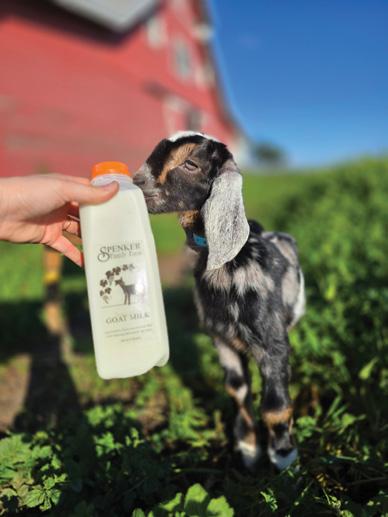
Before we can talk about the advantages of goat products, we first need to know what “dairy milk” is. Milk is a liquid produced by female mammals to feed infants. Milk contains proteins, vitamins, minerals, and lactose (sugar). Though many things are labeled as milk in the grocery store, like oat, soy, and almond milks, they are milk substitutions and not actually dairy. These plant milks can be great swaps for those who are truly lactose intolerant, or who want a vegan option, but they don’t offer the same protein, mineral, and vitamin rich benefits as traditional dairy.
So what is the difference between cow milk and goat milk, besides coming from different animals? Both milks contain calcium, potassium, phosphorus, vitamin A, and protein, but there are several differences that put goat milk into the super food category.
Because of goat milk’s distinctive composition, it is one of the best sources of dietary calcium and actually contains more calcium per unit than cow milk! Calcium is important to our diets as it can help with high blood pressure, improve muscle and nerve function, and help build strong teeth and bones in children, and lowers the risk of osteoporosis as we age. Goat milk is also a natural source of Vitamin C, which helps with muscle tissue and cartilage, iron absorption, and helps fight free radicals. While goat milk does contain lactose, it is significantly less than cow milk. The protein structure is also easier for humans to digest, which can make it a great alternative for people with cow milk sensitivities. Goat’s milk contains smaller fat molecules than cow’s milk, making it easier for pancreatic enzymes to break it down and thus more digestible. There are even studies being done suggesting that goat milk may help with certain disease prevention, like dementia, cancer, and diabetes.*
Not only is goat milk great for our diets, but many of the same benefits listed above also translate to our skin! Goat milk shares a similar pH to human skin, which allows it to absorb effectively without causing the irritation often associated with synthetic ingredients. The lactic acid in goat milk is a natural exfoliant and can help with skin regeneration. And it can help repair the skin's lipid barrier, locking in moisture.
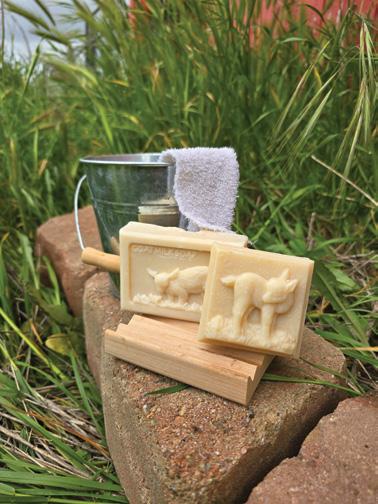
Even with all these health and wellness prop erties, there is one big thing that stops people from gleaning all the amazing benefits of goat milk, and that is the TASTE! Over and over at our creamery, we hear people say “I don’t like goat milk”, “goat milk tastes gamey and grassy”, “I can’t stand goat cheese”. To be fair, there are goat milks and cheeses out there that have a distinctive, strong flavor. This flavor is caused by the animals’ diet and enzymes in goat milk that when the milk is not rapidly and prop erly chilled, or when the milk ages can be over whelming to some people. However, not all goat milk products have to taste this way! It can be sweet, creamy, and very smooth in flavor and texture. At Spenker Family Farm, we choose the breeds of goats we milk specifically to have a lower amount of this enzyme. Our milk is chilled immediately as we milk our goats, and we regulate our goats’ diets not only for optimal health but also flavor. The number one comment after people try our milk is “it tastes like milk!”
Because of goat milk’s distinctive composition, it is one of the best sources of dietary calcium and actually contains more calcium per unit than cow milk!
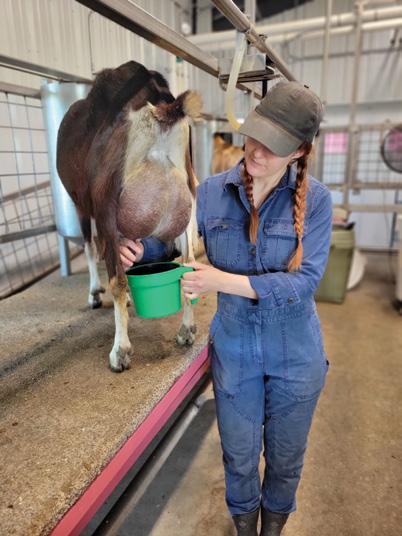
We hope that with more knowledge about goat milk products, we can upgrade the public perception of goats from “excotic” creatures you see on Tiktok and Instagram, to their amazing
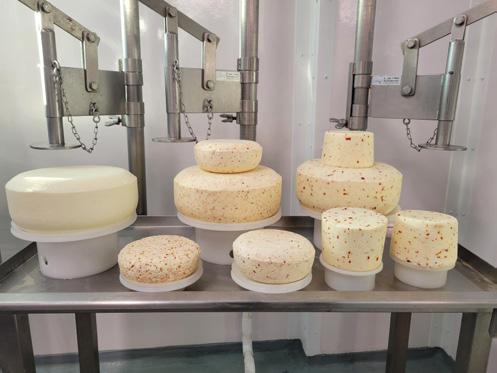
and see all their goats, goat cheeses, and goat skincare, visit www.spenkerfamilyfarm.com or visit the tasting room every Friday, Saturday, Sunday, and Monday 12pm-4pm at the farm in Lodi.
*https://pmc.ncbi.nlm.nih.gov/articles PMC11263276/
By McConnell Estatesmcconnellestates.com
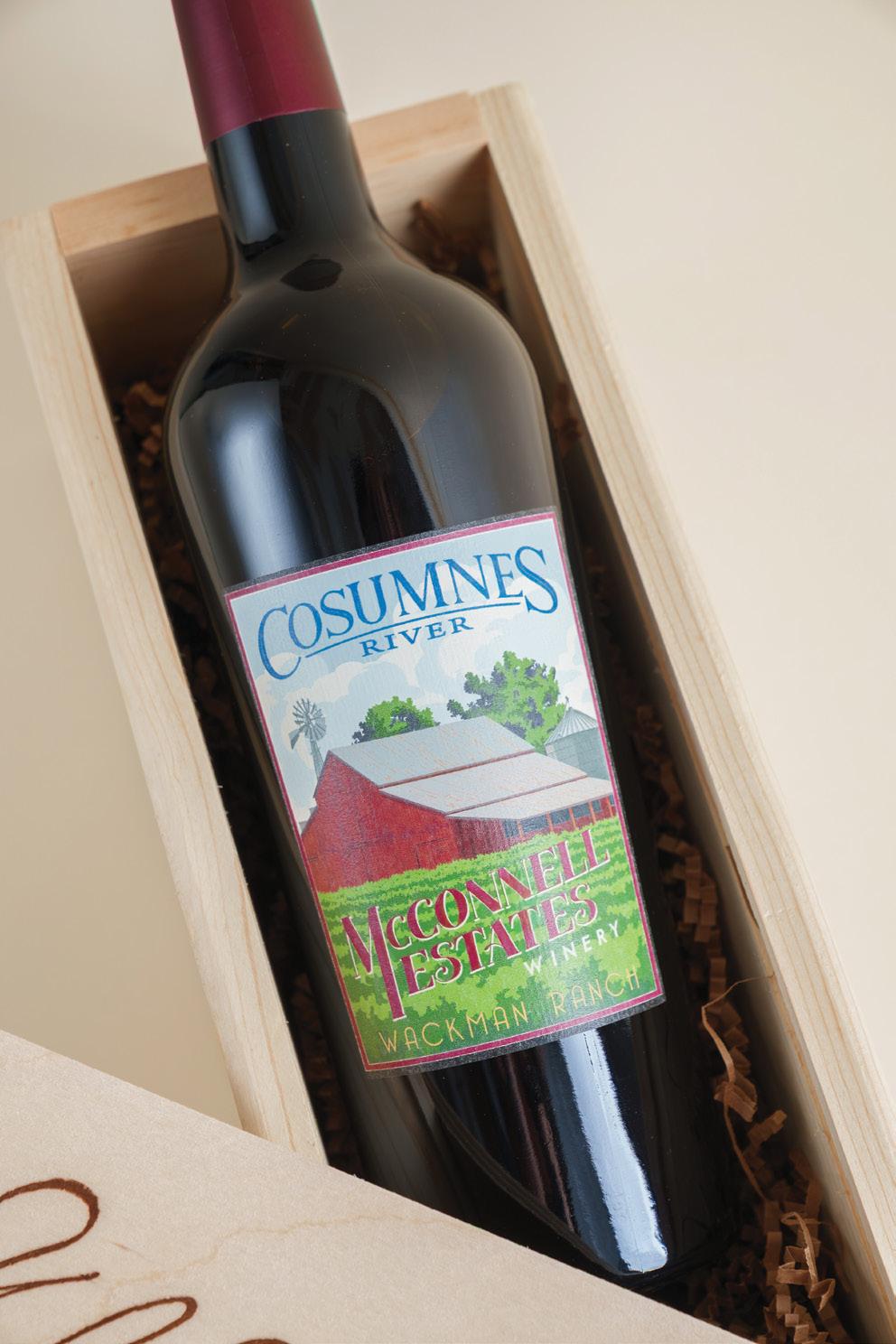
At the intersection of land, craft, and creativity, our Cosumnes River Blend tells a story that goes far beyond the glass. Rooted in the character of the Cosumnes River AVA and inspired by artist Steve Thomas, this wine is a true reflection of the Wackman family’s generational stewardship of the land and the terroir that gives our wines their character.
What sets this blend apart begins before the first sip. This label is inspired by artist Steve Thomas, with his work featured directly on it, transforming every bottle into a collectible piece of art.
Steve Thomas creates fine art paintings that are heavily influenced by the 1930s Art Deco movement. For the past 14 years, he has developed a series of vintage-style travel posters capturing the beauty and unique nature of California’s Central Coast.
Just as a painting captures a moment, this blend captures a moment in time out of our vineyard where our exclusive and unique appellation highlights the cool Delta breezes and warm days, which preserve acidity and develop flavor.
This vintage was inspired by a blend we made for the winery’s milestone 20th anniversary in 2023, which also featured Steve Thomas’ artwork that you can find hanging in our Tasting Room.
At its core, the Cosumnes River Blend is a velvety and polished 50-50 blend of our estate-grown Malbec and Tannat. This full-bodied red wine is bold and perfectly balanced with smooth tannins and hints of ripe plum and vanilla. These varietals work in harmony to create structure and depth, while still allowing the fruit to shine. This powerful and refined blend is an SF Chronicle Wine Competition Silver Medalist designed to evolve beautifully in the glass or in your cellar.
With its structure and depth, this blend pairs best with bold savory flavors, especially anything from the grill.
Take inspiration from Argentina, where Malbec is a staple, often served alongside grilled meats with their classic sauce, chimichurri, made with fresh parsley and oregano, garlic, vinegar, chili flakes, and olive oil. The balance of our blend complements these elements seamlessly, enhancing the notes of salt, fat, acid, and heat.
For a simpler approach, pair this blend with earthy mushrooms, aged cheeses, or even a classic burger, which will allow the wine to shine.
The Cosumnes River Blend is more than just a wine, it’s a reflection of place and our dedication to it. Join us in our Tasting Room to experience what we’re all about, curating the wines from start to finish, from our farm to your glass.
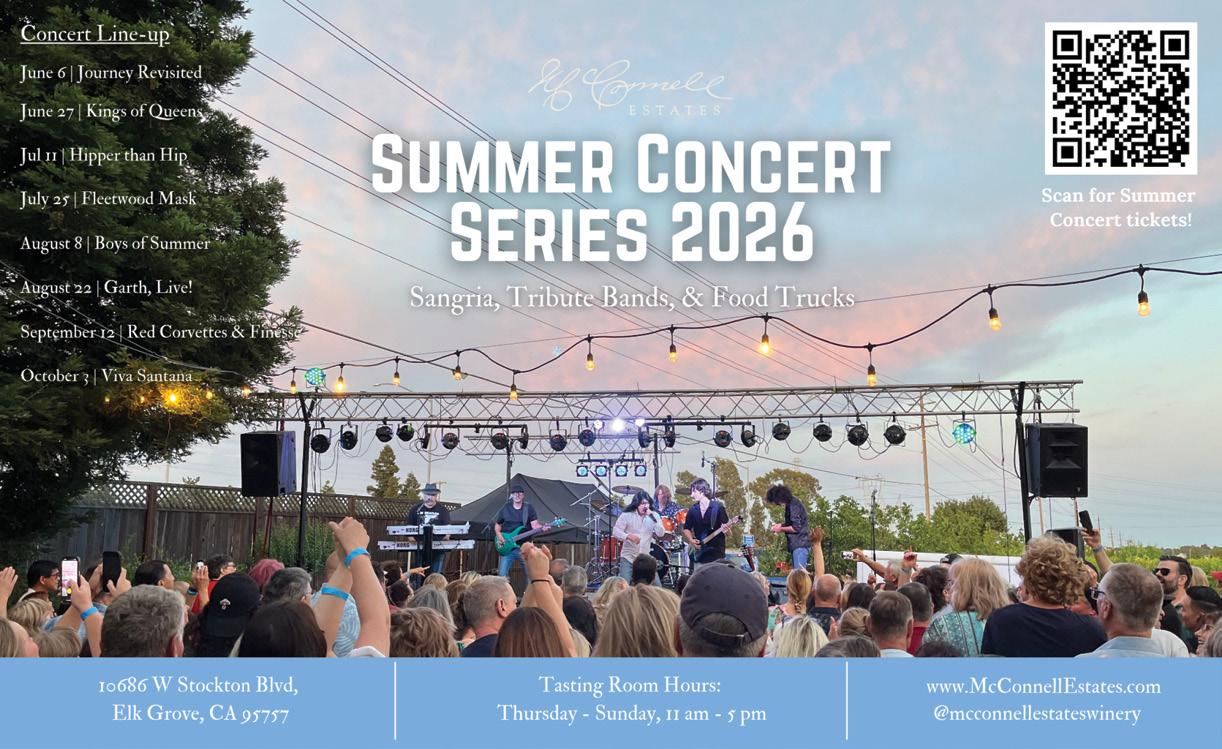
McConnell Estates Winery 10686 W Stockton Blvd, Elk Grove CA 95757 916-685-5368 - www.mcconnellestates.com
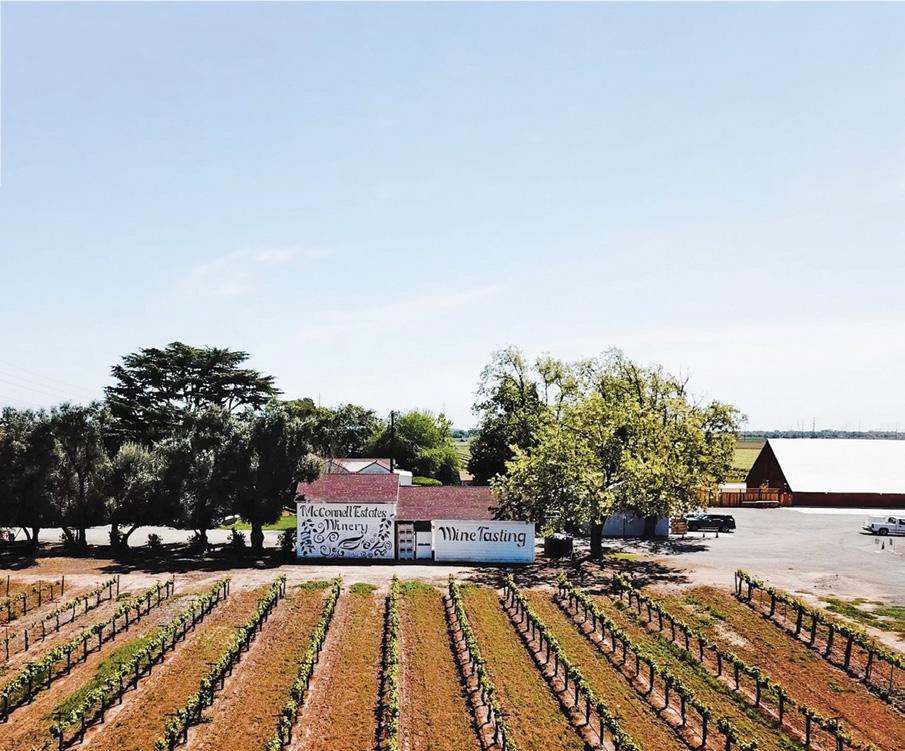
Just as a painting captures a moment, this blend captures a moment in time out of our vineyard where our exclusive and unique appellation highlights the cool Delta breezes and warm days, which preserve acidity and develop flavor.
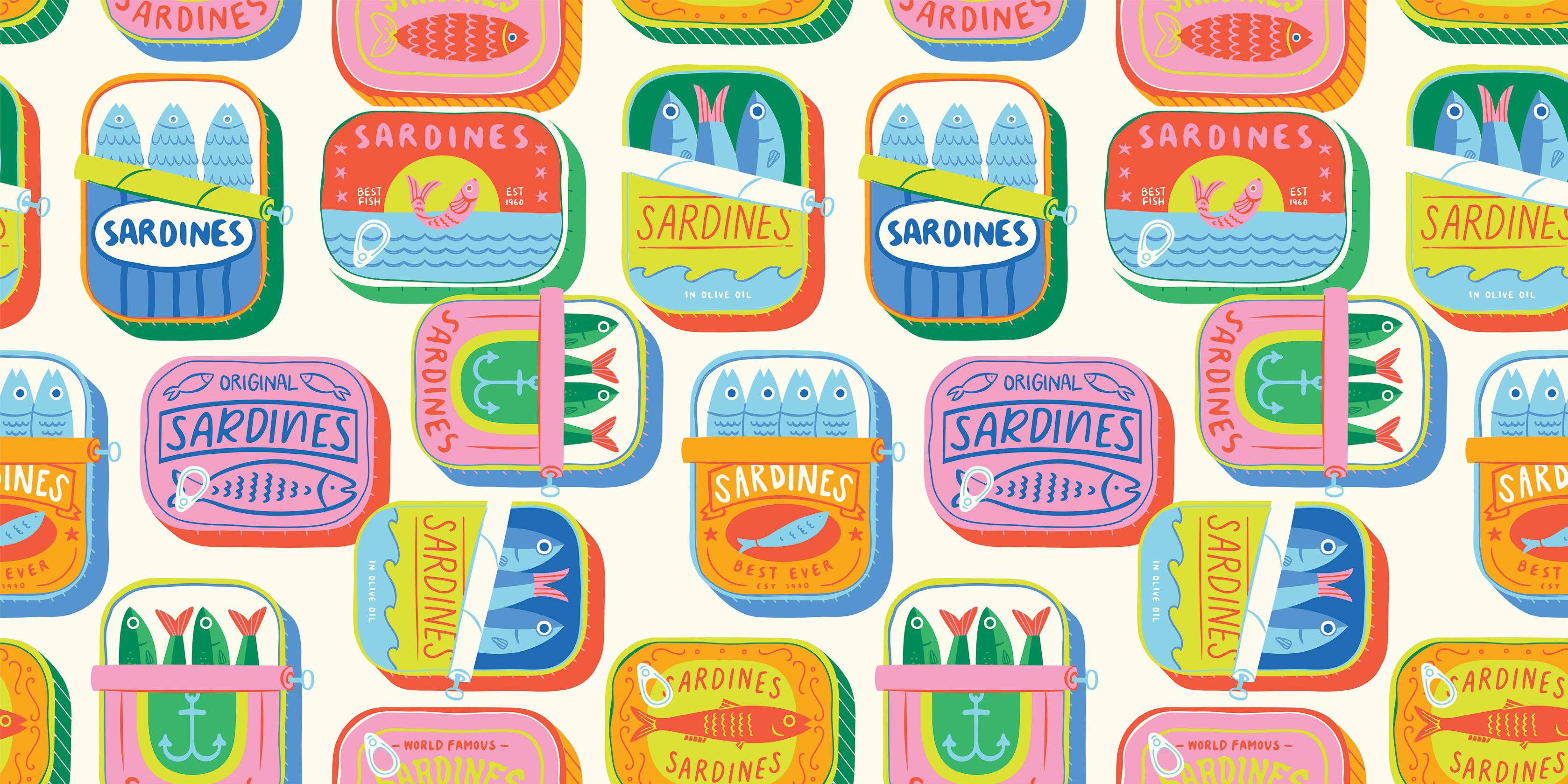
Oh lovely sardines. When I see those colorful cans, I can’t help but think of the Mediterranean. My mind drifts away to blue seas and sandy shores, to fishing boats floating above crystal-clear waters with towering rock cliffs in the background. How I long to walk those beaches and wander those old streets.
While my mind may be there as I prepare my meal, my body is happy right here, benefiting from all the nutrition packed into those tiny cans of sardines.
Instead of sticking to the usual sardines-on-crackers snack, I wanted to find more ways to include sardines in my diet. That led me to some easy and delicious options: Sardine and Caper Spaghetti for a comforting dinner, and a flavorful Sardine Sandwich for a quick lunch.
Move over, tuna—there’s a new fish in town.
This sandwich just might have you reaching for sardine cans instead of tuna cans. Best of all, both recipes can easily be adjusted to suit your taste buds. So go ahead and enjoy the brain-boosting, bone-strengthening, omega-3-rich, protein-packed, and calciumfilled benefits that sardines are known for.

(Serves 3–4)
Suggestion: Serve with a side salad and garlic bread.
Ingredients
9 oz spaghetti (we used Buitoni)
1 tbsp olive oil or avocado oil
2 garlic cloves, crushed or minced
Pinch of chili flakes
28 oz can whole peeled tomatoes, drained
2 chicken bouillon cubes
1 can skinless and boneless sardines in tomato sauce
4.25 oz can pitted black olives, roughly chopped
1 tbsp capers, drained
handful of fresh parsley, chopped
Salt and pepper to taste extra parsley for garnish
Directions
1. Cook the spaghetti in a large pot of salted boiling water according to the package instructions.
Meanwhile, prepare the sauce. Heat the oil in a medium pan and cook the garlic for about 1 minute, being careful not to burn it. Add the chili flakes, drained tomatoes, chicken bouillon, and sardines, breaking the sardines apart gently. Cook for 2–3 minutes, then stir in the olives, capers, and part of the parsley. Mix well to combine.
Before adding the pasta, taste the sauce. Is it missing something? Does it need a little more salt, pepper, or richness? Adjust the seasoning before tossing in the noodles.
2. Drain the pasta, reserving a couple tablespoons of the pasta water. Add the pasta to the sauce and toss well, adding a little reserved water if the sauce seems too thick.
Divide into bowls and garnish with the remaining parsley.

This sandwich just might have you reaching for sardine cans instead of tuna cans.

Ingredients (Serves 2)
4.25 oz canned skinless and boneless sardines in oil (Suggestion: Wild Planet)
2 scallions, thinly sliced
2 tbsp chopped cilantro
Directions
1 tbsp mayonnaise
1/2 tsp Dijon mustard
1/2 tsp capers
4 slices of sourdough bread
Spinach
Combine ingredients and serve on a bed of spinach, between toasted sourdough slices.
By Cindy Della Monica

What creative thing have you done recently that made YOU smile? Think for a moment, be realistic and honest. Have you got one in your mind? Let’s revisit this thought in a moment.
As a kid, my parents were always encouraging, proud of my achievements: drawing skills, cooking attempts, my “seat” on a horse after first riding lessons. I was a ferocious reader and a good student, a 10-year-old happy gardener with my own dad-built herb container garden. Middle school brought new skills--beginning Spanish, manual typewriter, home sewing projects and modern dance in girls’ PE. Do I speak Spanish? Today, only food and cooking lingo, but in multiple languages. Typewriter? Ended up making a living as a production typist, over 100 words per minute, until catering became my gig. Sewing? Made clothing, didn’t like it, but became a quilter. Modern dance? No way! I’m really not terrific at everything!
Those beginning efforts laid a foundation of regularly trying new things. Dad made our family try leather working when my Girl Scout troop studied Native American activities for our next sash badge. It was really fun making moccasins!! I still wonder why I’ve never worked with leather since, but glad I did once. As a young bride, I took a stained glass class, making a lampshade and a window for my new home. Loved the finished projects, but terrified of breaking the glass patterns—just knew I’d bleed out at some point (though the process of breaking the glass is really very simple). As I was fond of bread baking, I ended up teaching that skill to adults in our local community center. New skill here? Teaching!
As adults, we are conscious of needing a “good job.” We tend to lose the curiousity-gene… too tired after the work week, or other obligations demand more of our free time than we have the energy to devote to learning (or perfecting a new skill). But, just a couple of hours taking an evening class or attending an event at the library or community center will energize you, sparking your imagination. Your mood tends to lighten, you have more to talk about with others, and maybe just maybe you get to pursue a subject a little further… until you are immersed in something you never thought would bring you joy!
My first job in Seattle was administrative secretary for the director of a UW medical program. I occupied the reception room along with an older woman, secretary for a different director. I was 20, she had just turned 60. Our office chit-chat brought to light the things we had in common: Everything! But, Ruth had 40 years more experience at “everything” than I did. Though my job was interesting, I couldn’t wait to get to work to chat with Ruth at break or lunchtime about the new weave she was doing in her basement on the giant floor loom. Her garden might have gotten a new peony, or how she seasoned her latest batch of homemade soap. Or, her experience of stuffing real sheep intestine with Swedish potato sausage (her favorite) for dinner and freezer. Renaissance woman, for sure.
The cool thing about Ruth, though, was that she was happy to share her knowledge. In a gardening conversation, she gently admonished me when I told her that our front yard had a pretty bush that the nursery guy told me was Cavatine. “That’s just the common name, not the variety/species!” Hence I learned a finer point of gardening, and the bush was actually a Pieris Japonica “Cavatine.” Taking her lesson to heart, I have followed this type of advice in each of my endeavors since. In my quilting group, I started with learning basics, i.e. Log Cabin, advancing to more intricate patterns. Success brings great joy and further immersion. My bread baking skills led into the finer points of basic pastry. My foreign language skills… well, still working on that one.
Now, about YOUR creativity. You cruise through FaceBook, YouTube, or an interesting PBS or network TV show. Do you ever make note of anything that made you say “how easy, I can do that.” And then you do it? Is there a place you learned about and want to visit, then made a plan to do so? Note it in your calendar, or call the travel agent? If not, opportunity missed. Have a place to make notes, and then revisit the notes to spark your imagination!
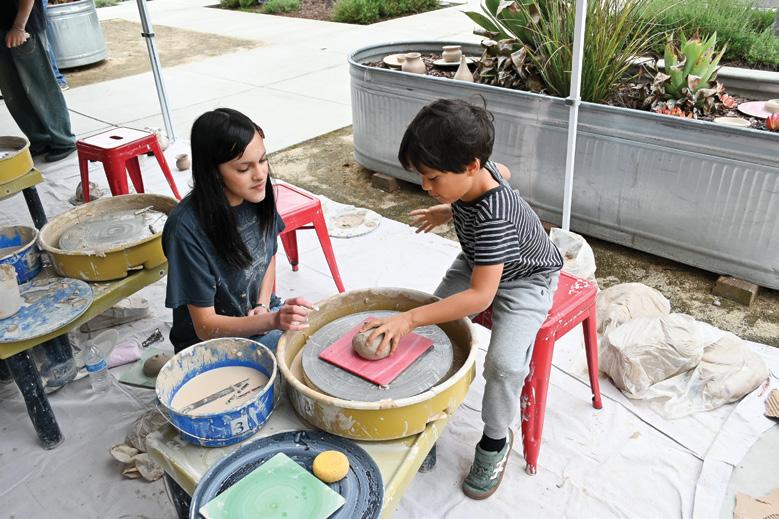
Your community is a great place to start a creative journey. For example, Lodi has a business called Meet the Maker (www. lodiceramics.com). You can schedule a onetime class to try your hand at making pottery on the wheel, or Mud Mill in Lodi gets you painting ceramics that are already made for you. Fabric arts interest you? Check this out: tokaystitchnquiltguild.com Wood shop? Welding, soap making, cookie decorating? Song writing, banjo playing, rose gardening? There is a group or business to satisfy almost every curiosity!
My husband, John, surprised me with a day trip to the Tulip Extravaganza in Nevada City in March because I made a note on a small piece of paper after seeing a blurb on FaceBook. I slipped the paper into our Treasure Box, keeper of the date-day ideas and gift cards. We spent Sunday on a beautiful drive on Hwy 49 through Nevada City, to enjoy a spectacular morning amongst 22,000 tulips, dogwood trees and full-bloom cherry trees in the Sierra Foothills landscape, with a delicious park picnic. This little jaunt was so productive: fresh air and “steps” on the pedometer, ideas for new garden specimens at home, AND photos of perfect flowers for my newest endeavor—watercolor painting, which I promised myself to learn after I retired! I started painting in January. It’s going well, thank you!

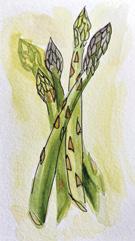
Have you thought of something you would like to try for the first time, or practice more often after your initial experience? Have you treated your family with a new recipe for breakfast, or given a homemade gift to a friend? You have? Good job! Now, pat yourself on the back, give yourself creative kudos, and make sure you remember YOUR creativity as one that makes YOU happy.
“The most important investment is in yourself… Read every day, and go to bed smarter.” Warren Buffett
Turn off the TV and compile a reading list for yourself. Start with just a chapter a day or a 15-minute session with earbuds or Audible, while driving to work or at lunch time instead of scrolling on your phone. Listen out of your regular genre, consider DIY books or biographies, travel or leisure books. Spark your imagination! Join a book club, become part of a writer’s group, or become a Friend of the Library.

Allowing a couple of hours for this activity, this is a terrific thing to do with kids of all ages: Review and obtain a copy of the children’s book Stone Soup (there are several versions) and read it. Set a date for kids to come for lunch, at home or on a camping trip, etc. Ahead of time, swear each participant/”villager” to secrecy and assign him/ her one ingredient (or two) that would go into Stone Soup. One child should be the “traveler” and bring the “magic rock,” a big rock (3-4”) found in a garden or rock center and cleaned thoroughly with soap and water. As the “villagers” arrive with their secret ingredients, send him/her to hide the ingredient from everyone else.
Start the event by read ing the story to the group. In the story, when the “magic”stone goes into the pot, have the kids half-fill a big pot with water and put in the rock brought by your “traveler.” Con tinuing the story, each “villager” runs to find his/her hidden ingredi ent when called out in the text. Everyone can learn how to clean, cut or prepare the ingredi ents to be added to the soup. Learning how to be safe at the stove, or stirring hot liquid, is a good skill with supervision. I had my 3-year-old grandson stir ring the cold pot of water and ingredients on the coun tertop before we put the pot on the stove so that he could participate in the story activity, too. The adult/ reader can be in charge of teaching knife skills, adjust seasoning in the simmering pot and provide the bread and fruit to complete the meal. Find a way to have the kids be creative in table setting while the soup is simmering. For example, cover the table with butcher paper and have the kids decorate it with crayon or marker in the theme of the story. A meal shared with friends is the best seasoning of all! Can you think of other stories to adapt to this gathering? How about What’s Cooking at 10 Garden Street? Use your imagination to bring this theme to life!
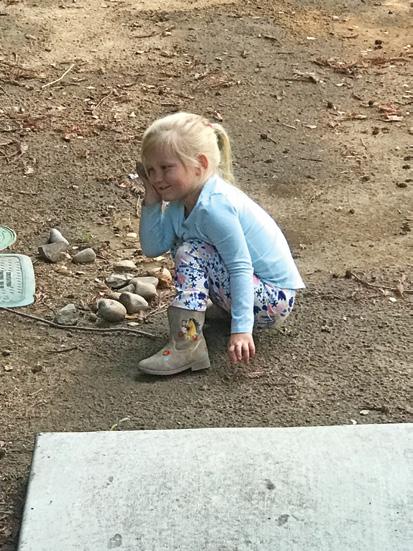
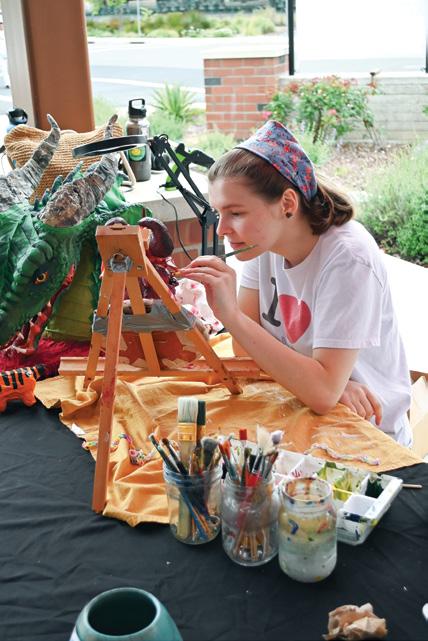
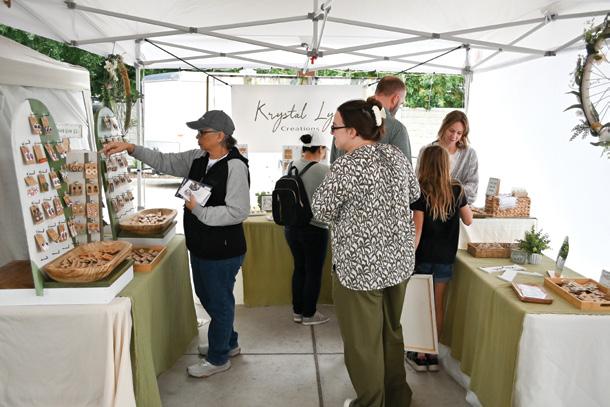
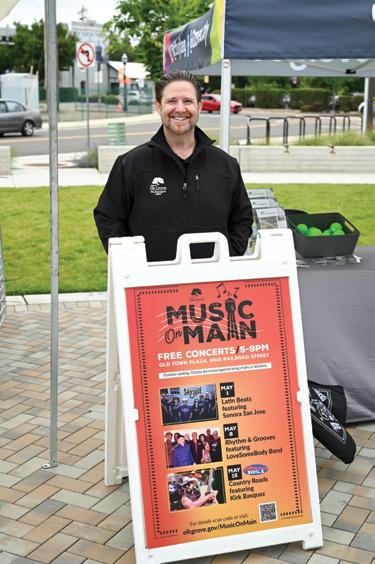
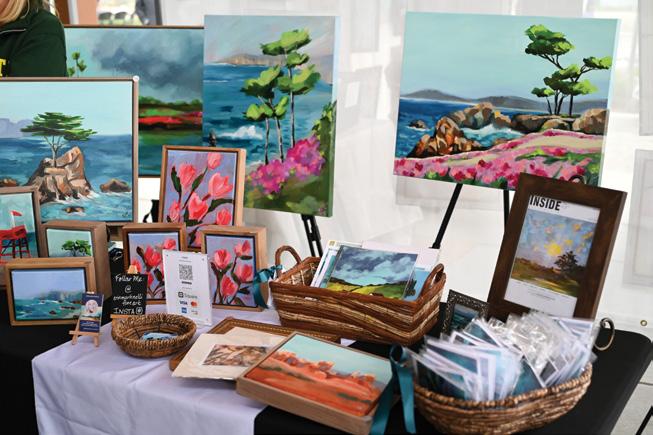
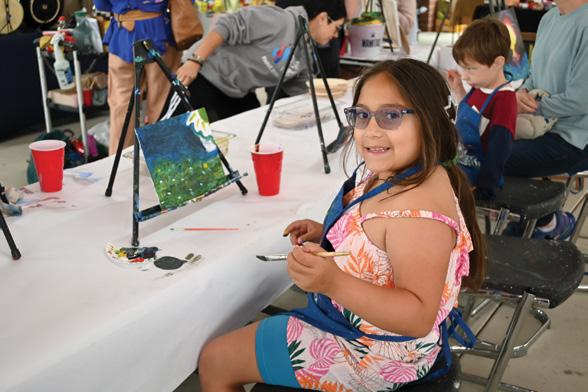
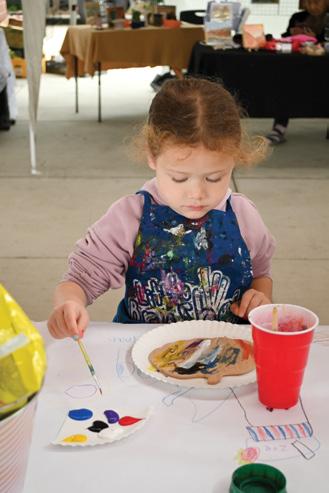
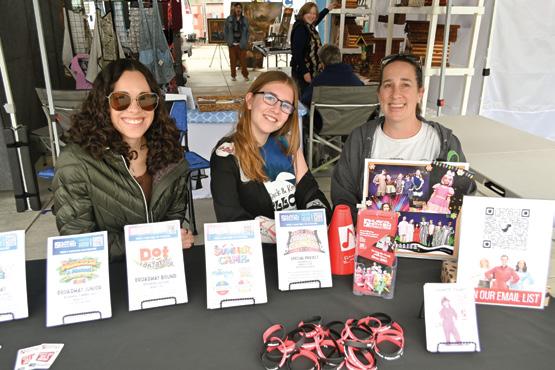
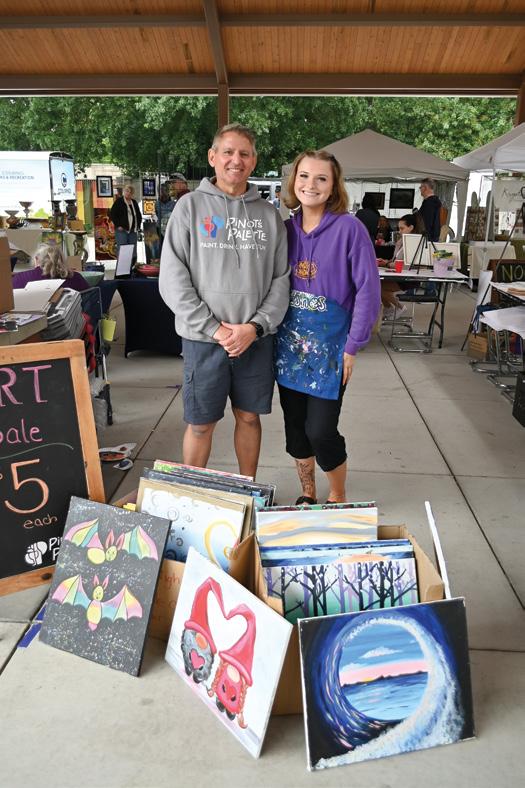
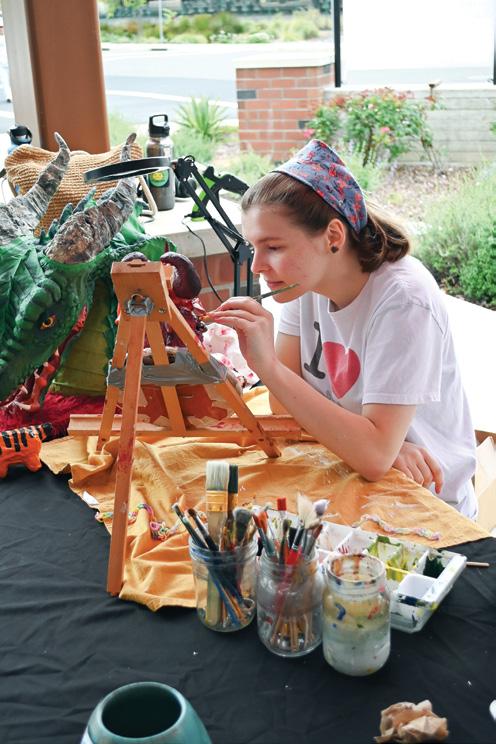
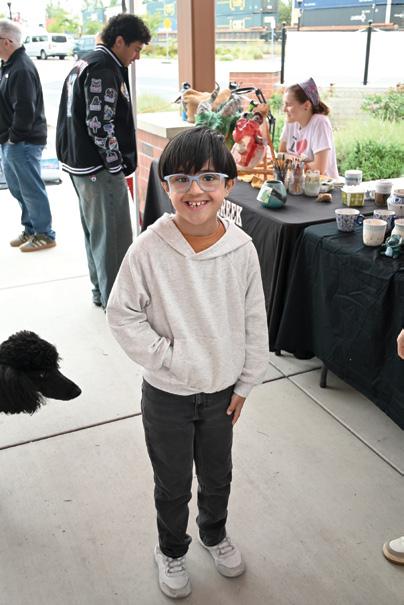
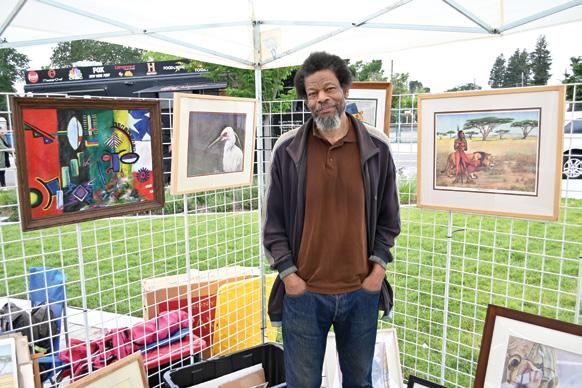
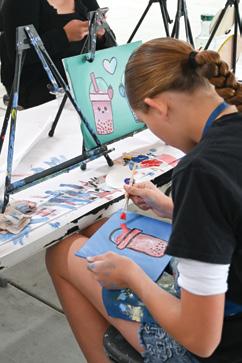
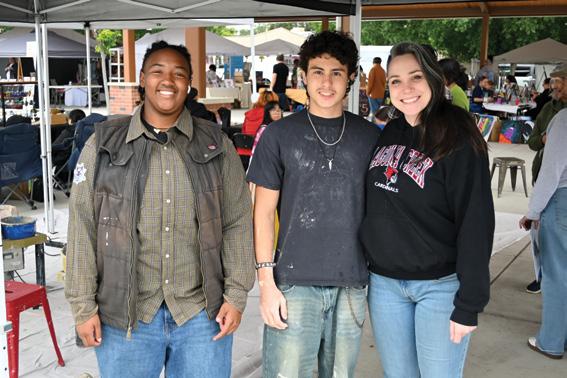
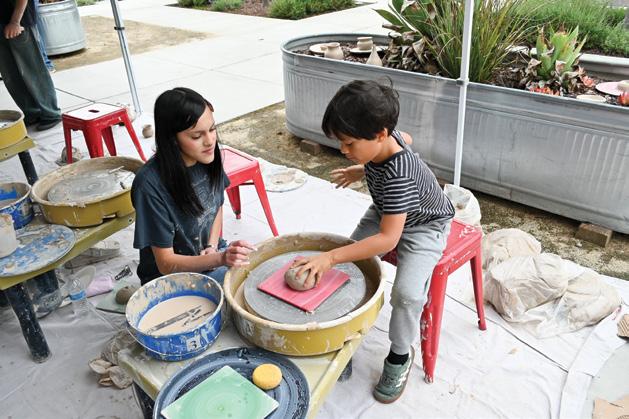
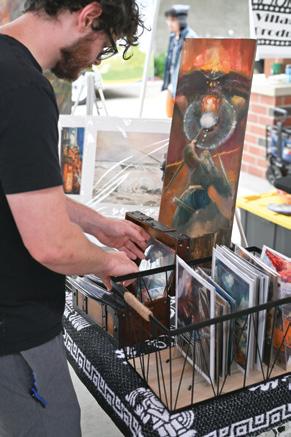
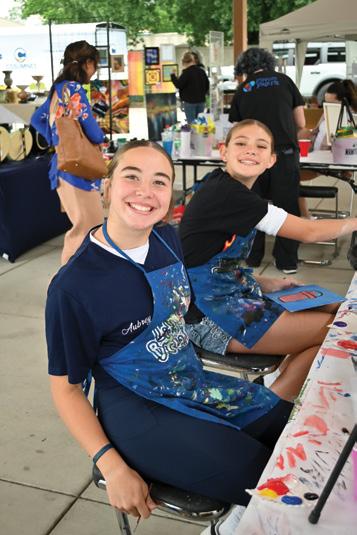
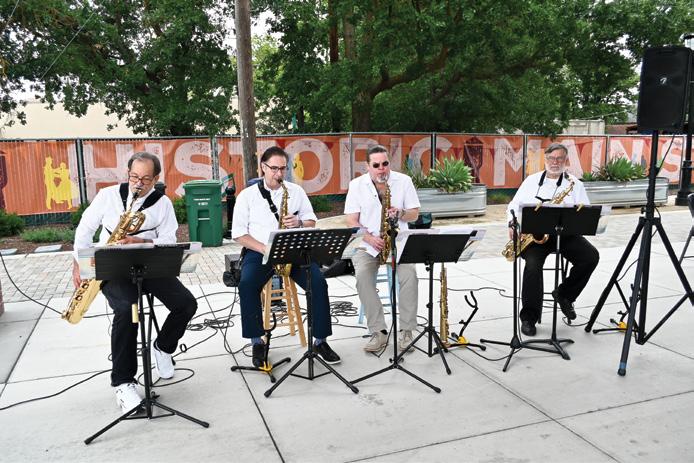
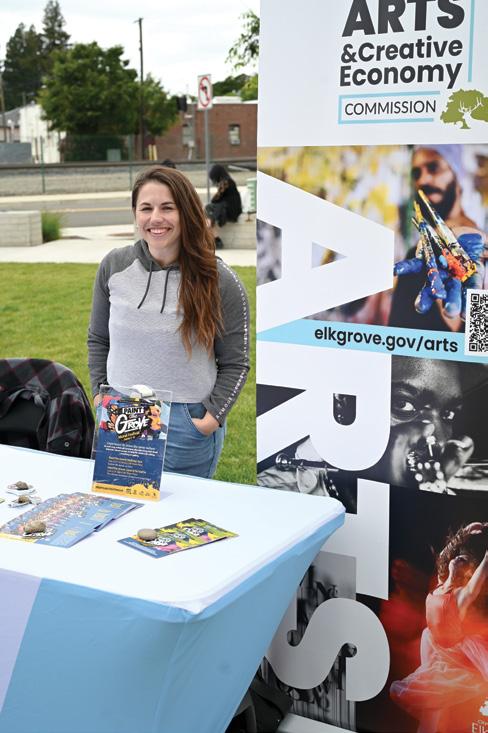
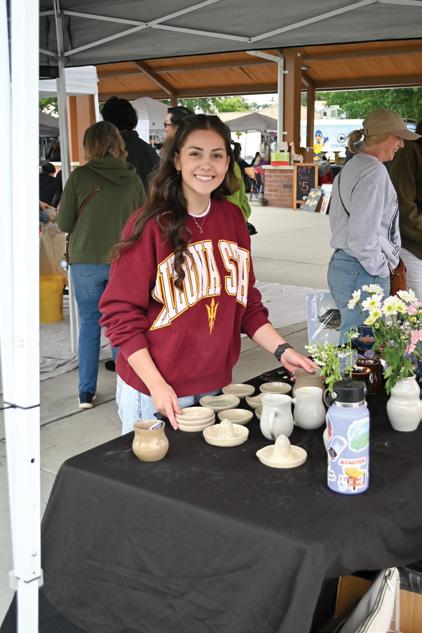
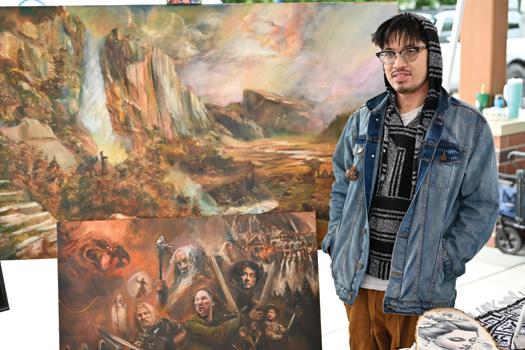
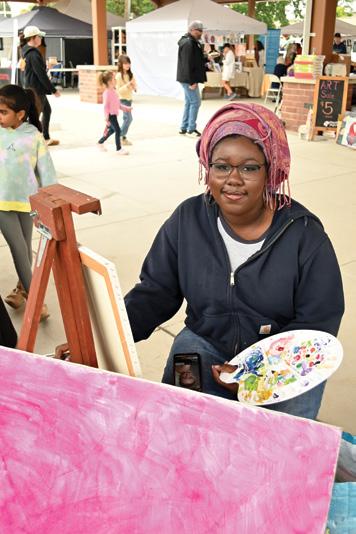
Historic Main Street came alive once again as the Elk Grove Fine Arts Center hosted its Fifth annual Elk Grove Festival of the Arts, bringing together creativity, music, and community spirit in the heart of Old Town. The vibrant event featured more than 40 local artists, live musical performances, and an atmosphere filled with inspiration and connection.
Presented in partnership with the City of Elk Grove, the Cosumnes Community Services District, Motif Green, and The Red Door Antiques Vintage & More. The festival celebrated the depth and diversity of the region’s artistic talent, showcas ing everyone from accomplished professional artists to promising young student creators. “ The Fine Arts Center has been providing the Elk Grove community and surrounding region with artistic experiences for more than 19 years. We thank our partners for their assistance in presenting this festival each year.” More than an art festival, the event served as a gathering place where the community could experi ence firsthand how art enriches and connects people of all ages.
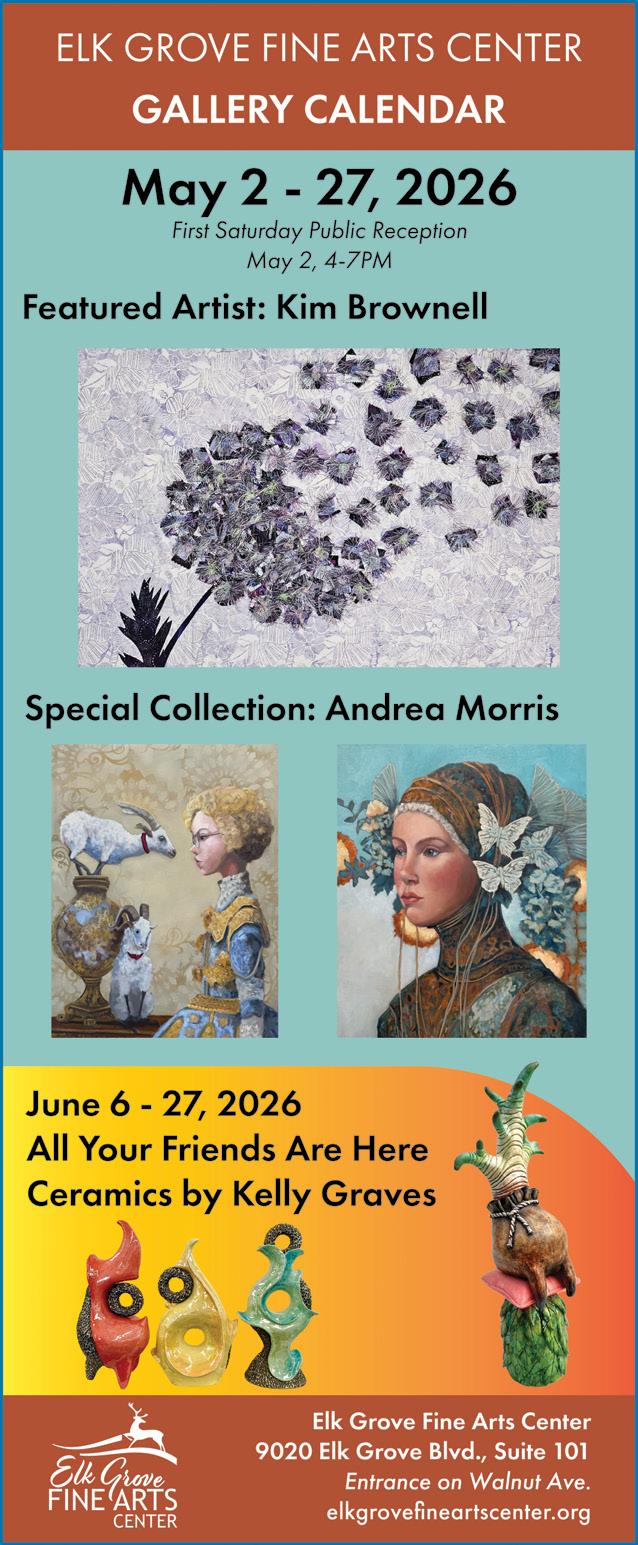
If you missed the event, you can still see the work of many local artists at the Elk Grove Fine Arts Center in Old Town Elk Grove. The gallery is located at 9020 Elk Grove Blvd #101, Elk Grove, CA 95624, and is open Wednesday through Saturday from 11 a.m. to 5 p.m. Visit their website for more information: www.elkgrovefineartscenter.org
To continue highlighting the voices behind the artwork, we spoke with several par ticipating artists about their creative paths, inspirations, and perspectives on the
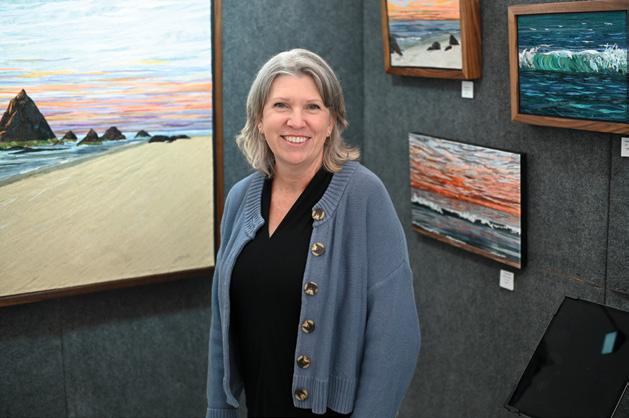
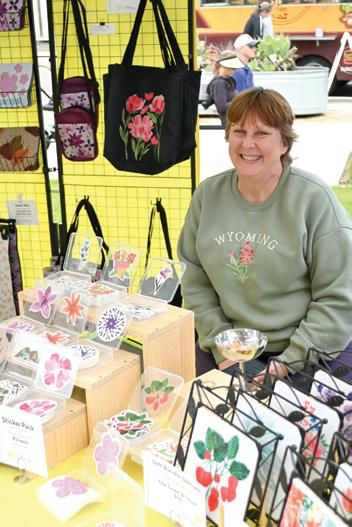
Cynthia Minoli
Instagram & Facebook: @Cynthiaminoli
Email: cynthia@Cynthiaminoli.com - 916-870-7273
Website: www.cynthiaminoli.com
H OW AND WHEN DID YO u R JO u RNEY WITH ART BEGIN ?
I’ve always been drawn to the feel of fabric in the hand, and how texture and color can lift your mood.
I first became aware of textile art about 20 ago (while at a local quilt shop) picking out fabric to make a baby blanket. I saw a McKenna Ryan pattern of a country hillside with a scarecrow and decided to try it. After completing it, I imagined using my own photography as the pattern. I began to see everything through the lens of fabric. While exploring the California coastline, I kept picturing in my mind how it could look in textiles. I found myself soaking in every aspect of the landscape, the sky and the movement of the waves.
W HAT MEDI u MS DO YO u PRIMARILY WOR k WITH , AND WHY ARE YO u DRAWN TO THEM ?
My artwork is constructed entirely of fabric and thread which is cut by hand and layered onto canvas, then stitched together. I love the challenge of conveying motion, depth and emotion without the use of paint. I strive to create a feeling of calm that encourages contemplation.
W HO IS YO u R FAVORITE ARTIST, PAST OR PRESENT, AND WHAT DO YO u ADMIRE ABO u T THEIR WOR k?
One of my favorite artists is Ian Berry, who is based in the UK. He creates stunning iconic portraits and landscapes with denim. He inspires me to be a better artist as his work is so realistic using only denim. It’s absolutely breathtaking.
W HAT ROLE DO YO u BELIEVE ART PLAYS IN SHAPING A COMM u NITY ?
Art is uniquely human and vital in a community’s expression of the world they live in. It can be an instrument of hope in troubled times. It can encourage a moment to pause and contemplate. Often while sharing my artwork, people have said to me, “I’m not artistic”. Yet, I believe everyone is creative in one way or another. Artistic expression is not limited by age or circumstances. As humans, we can not help but be creative, it is in our design.
W HAT ADVICE WO u LD YO u GIVE TO EMERGING ARTISTS J u ST STARTING O u T ?
My best advice for emerging artists would be to be bold, be vulnerable, and share your work! The fear of stepping out will rob the community of what you have to share.
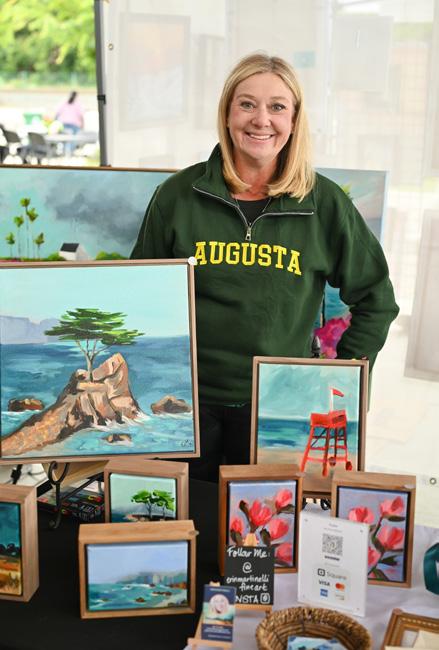
H OW AND WHEN DID YO u R
JO u RNEY WITH ART BEGIN ?
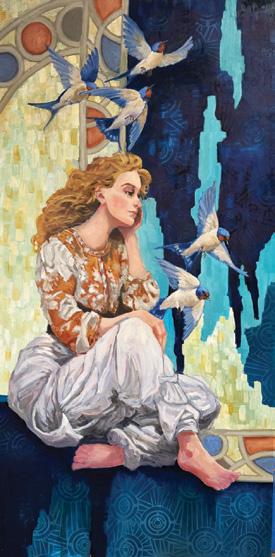
My journey with art began early with lessons at The Casements in my Florida hometown after getting into trouble doodling in elementary school. Art truly became a calling in adulthood when I realized art was more than expression—it was a way to communicate truth, faith, and emotion in a bold, visual language. What started as a personal outlet quickly evolved into a disciplined practice and a growing body of work that now connects with collectors and communities in meaningful ways.
W HAT MEDI u MS DO YO u PRIMARILY WOR k WITH , AND WHY ARE YO u DRAWN TO THEM ?
I primarily work in acrylic, oil- mixed media, drawn to their versatility, vibrancy, and ability to build rich texture and movement. My work is known for bold color, strong composition, and a sense of energy that invites the viewer to pause and feel something deeper. I’m not interested in quiet art that disappears into a space—I create statement pieces that anchor a room and start conversations.
W HO IS YO u R FAVORITE ARTIST, PAST OR PRESENT, AND WHAT DO YO u ADMIRE ABO u T THEIR WOR k?
While it’s difficult to choose just one favorite artist, I’m consistently inspired by artists who use color and scale fearlessly and who infuse their work with purpose. I admire those who create with conviction—artists who aren’t
@erinmartinellifineart
Email martinellierin@gmail.com
Phone (916) 712-1566
Website www.erinmartinellifineart.com
chasing trends but instead defining their own visual voice. Daniel Gerhartz, a renowned American painter, is one of my favorites. Additionally, I am inspired by gothic, neoclassical architecture and enjoy traveling.
W HAT ROLE DO YO u BELIEVE ART PLAYS IN SHAPING A COMM u NITY ?
Art plays a powerful role in shaping community. It creates connection, sparks dialogue, and brings people to gether across different backgrounds and experiences. Whether through public exhibitions, galleries, or local events, art has the ability to transform spaces and elevate shared experiences. I’ve been honored to be part of that impact through multiple years of par ticipation in the Crocker Art Museum’s Big Names Small Art exhibition, the PBS KVIE Art Auction, and through my gallery representation with Archival Gallery. These platforms not only sup port artists but also cultivate a deeper appreciation for the arts within the community.
W HAT ADVICE WO u LD YO u GIVE TO EMERGING ARTISTS J u ST STARTING O u T ?
For emerging artists, my advice is simple: create consistently, stay authentic, and don’t dilute your voice to fit expectations or political fads and trends. Growth comes from doing the work— over and over again. Learn the business side of art as much as the creative side, and don’t be afraid to take up space. Bold work comes from bold decisions.

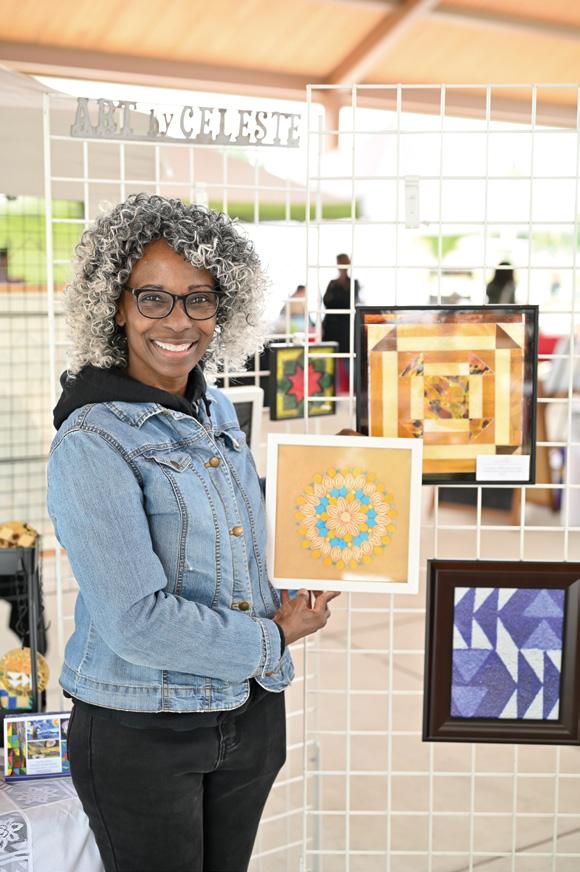
Website: celestebudd.com
H OW AND WHEN DID YO u R JO u RNEY WITH ART BEGIN ?
I have been doing art for some time. At six years old or so I remember melting crayons over a radiator. My mom didn’t like my art. I began my journey with glass by tiling floors and walls
W HAT MEDI u MS DO YO u PRIMARILY WOR k WITH , AND WHY ARE YO u DRAWN TO THEM ?
I primarily work with stained glass because it reflects my thoughts and generates emotions. I also do Quilling and organic mosaics.
W HO IS YO u R FAVORITE ARTIST, PAST OR PRESENT, AND WHAT DO YO u ADMIRE ABO u T THEIR WOR k?
I am a fan of Shana McDaniel. She captures heart and joy in her work.
W HAT ROLE DO YO u BELIEVE ART PLAYS IN SHAPING A COMM u NITY ?
Art gives you hope. It allows everyone to dream.
W HAT ADVICE WO u LD YO u GIVE TO EMERGING ARTISTS J u ST STARTING O u T ?
Keep doing it, the more you do the better you will become.
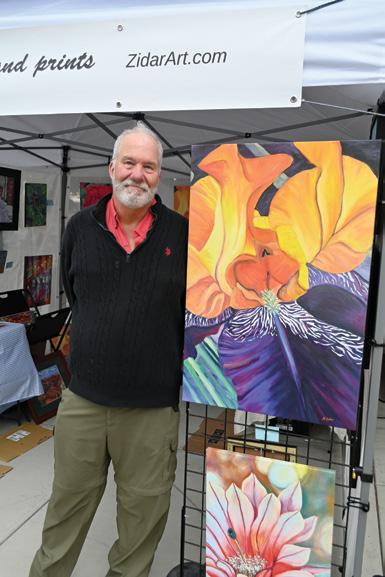
Instagram: @andreamorrisart
Facebook: Andrea Morris Art
Email: andreamorrisart@ yahoo.com
Website: www.andreamorrisart.com
H OW AND WHEN DID YO u R
JO u RNEY WITH ART BEGIN ?
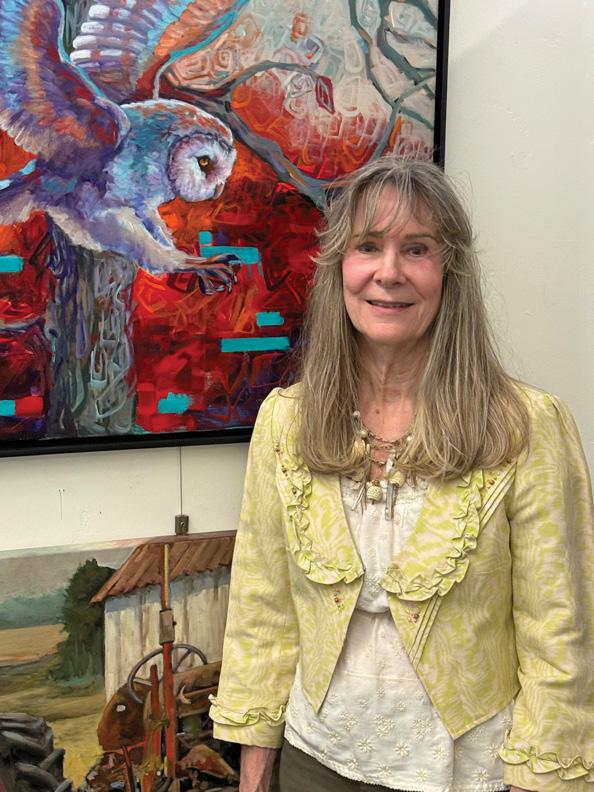
My passion has been art ever since I was a child filling pages of my sketch book with animals and people or sitting in the pew at church drawing pictures that represented the sermons I was hearing. It was my mother’s way of having me and my sister quietly occupied. I’ve developed an expressive modern style to represent wildlife and the human form.
My art sparks dialogue with the viewers through strong stories and emotions. Love of wildlife and conservation, often feature endangered or overlooked species
As a self-taught artist, I have dedicated significant time to studying and practicing techniques that allow me to portray my subjects in a colorful and contemporary style.
My greatest joy has been teaching and sharing my passion for beautiful, meaningful art with my students, inspiring them to explore their own creativity. This experience continually deepens my own fascination with artistic expression.
My accomplishments include numerous Best of Show awards and solo exhibitions in local galleries
W HAT MEDI u MS DO YO u PRIMARILY WOR k WITH , AND WHY ARE YO u DRAWN TO THEM ?
Oils have always been my favorite medium. Although they require patience, solvents, and more preparation than some other materials, they offer a level of control, depth, luminosity, and longevity that makes them the perfect choice for me. If I wanted quick cleanup or fast layering, I would choose acrylics, but for the richness and extended working time I value most, oils are unmatched.
Studio Tours, and Galleries—have a visual voice. It can teach, inspire, and mobilize communities toward positive action. In schools and community centers, art programs help students and residents express themselves, develop creativity, and build confidence.
I also create work in acrylic, pastel, watercolor, mixed media, and drawing. Working across these different mediums gives me the opportunity to explore the unique creative processes each one requires and keeps my artistic practice fresh and rewarding.
W HO IS YO u R FAVORITE ARTIST, PAST OR PRESENT, AND WHAT DO YO u ADMIRE ABO u T THEIR WOR k?
If I was restricted to just one, it would be Robert Bateman. His representation of wildlife reveals unique emotional stories into the lives of the animals he creates. He has studied them in real life , and his attention to detail even down to the very last little seed pod on a grass is mind-blowing.
W HAT ROLE DO YO u BELIEVE ART PLAYS IN SHAPING A COMM u NITY ?
Art is more than decoration; it tells a story about the time we are living in, reflects the hope and values of communities. Art fosters dialogue, encourages participation, and creates opportunities for people to connect across cultural and linguistic barriers. Collaborative projects—such as Mural programs, Festival of the Arts, Open
In essence, art is integral to the community’s social, cultural, and economic fabric. It reflects our values, unites people, and enriches our surroundings. By investing in and engaging with art, communities strengthen their identity, resilience, and capacity for positive change.
?
Here's the secret that separates successful artists from struggling ones...
It's not talent. It's not inspiration. It's not expensive materials. It's daily and weekly habits. They have their dedicated time to practice. And learn the fundamentals for art and they show up every single time, without exception.
Here's why this matters so much..
Artistic skills are built through neural pathway development. Each time you practice, you strengthen the connections between your eye, your hand, and your understanding of form. This is how dramatic transformations happen. This is how you find your unique voice that separates your art from others.

I’m excited to celebrate 250 years of this wonderful country we call home. Fire up the grill, hand me a cheeseburger and a hot dog, and I’ll happily throw on some red, white, and blue for the occasion.
But this year, I want to do more than wave sparklers and enjoy my favorite summer foods—I want to learn. It’s been far too long since I cracked open a history book, and I have a feeling I’m not alone. For many of us, high school may have been the last time we really explored America’s story.
Over time, those classroom lessons fade, and so do the details of how this nation became what it is today. This anniversary feels like the perfect opportunity to revisit the people, ideas, sacrifices, and struggles that shaped the United States. The more we understand our history, the more we can appreciate the freedoms and opportunities we enjoy today.
America didn’t happen by accident. It was built through hardship, courage, vision, and determination by generations of imperfect but remarkable people.
Here are a few great books to help start the journey. Some are classics you may already recognize, while others might be brand new to you. Either way, there’s no better time to dive back into American history.
The founding documents that shaped the United States. The Declaration of Independence explains why the colonies sought freedom from Great Britain, while the Constitution established the framework of the federal government. The Bill of Rights added protections for individual liberties and remains central to American law and civic life today.

By James Thomas Flexner
James Thomas Flexner presents a balanced portrait of George Washington as both a national hero and a deeply human figure. The book explores Washington’s leadership during war and politics while also examining his personal contradictions, struggles, and lasting influence on the United States.

Written by Alexander Hamilton, James Madison, and John Jay under the pen name “Publius,” these 85 essays argued for the ratification of the Constitution. The Federalist Papers explain the structure and purpose of the new government and are still widely used to understand the intentions of the Founding Fathers and the meaning behind the Constitution.


By Ian W. Toll
Before America established a permanent military, fierce debates surrounded the creation of a navy. This book follows the birth of the U.S. Navy, from the construction of the first six frigates to conflicts with the Barbary pirates and the War of 1812. It’s a gripping look at the nation’s early struggles for security and independence.

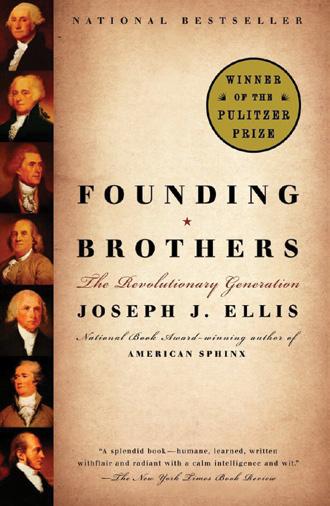
By Joseph J. Ellis
Joseph Ellis explores the relationships, rivalries, and political challenges faced by America’s Founding Fathers. Through key historical moments—including the Burr-Hamilton duel and debates over slavery and government—this book reveals the personalities and decisions that shaped the young republic during its fragile early years.
By David McCullough
David McCullough brings the Revolutionary War to life through a dramatic retelling of the pivotal year 1776.
Focusing on George Washington and the Continental Army, the book captures the uncertainty, sacrifice, and determination that helped secure America’s fight for independence against Great Britain.

By Benjamin Franklin
Part memoir and part guide to self-improvement, Benjamin Franklin’s autobiography traces his rise from humble beginnings to becoming a scientist, inventor, diplomat, and Founding Father. His reflections on discipline, curiosity, and personal growth continue to inspire readers centuries later.
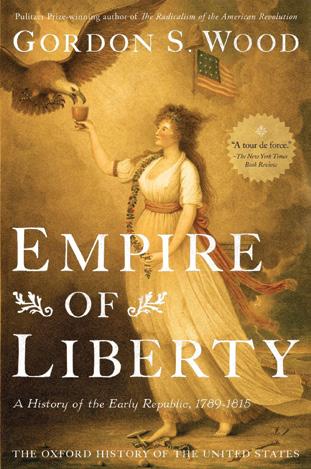
A History of the Early Republic, 1789–1815
By Gordon S. Wood
Gordon S. Wood examines the turbulent early years of the United States, from the launch of the federal government through the War of 1812. Covering politics, culture, economics, and slavery, the book explores how America evolved in unexpected ways as it struggled to define its national identity.

Author: Kate Quinn
Book Reviews by BRENDLE WELLS
At one point or another, every reader has dreamed of escaping into the pages of a good book. In this title, the first work of speculative fiction from noted historical fiction author Kate Quinn, that can actually happen. It begins with Alix, an exhausted young woman with a multitude of modern day problems, who finds a refuge in the Boston Public Library reading room. There she escapes into her favorite fantasy novels because books, unlike the world and its people, will never let you down. Then one day she accidentally discovers a hidden door and enters the Astral Library. Inside this magical safe haven it is possible to actually step inside your favorite books. It's a dream come true for Alix who, under the tutelage of the Librarian, begins to prepare for a new life inside her favorite book. But alas, a mysterious evil emerges to threaten everything. Alix and the Librarian must flee through the pages of some of the greatest works in literature in order to save themselves, the patrons currently living in books, and, most importantly, protect the Library itself. But is the evil really after the Library? Could it be after Alix herself? For sheer escapism and enjoyment this bookish fantasy can’t be beat. It’s a great choice for bibliophiles of all kinds and readers who enjoyed stories such as The Midnight Library by Matt Haig or the works of Jasper Fforde.
William Morrow, 2026


Author: AD Bell
It is the book as a physical object, and all that it contains, which is the object of reverence in this debut novel from AD Bell. Set in Edwardian England, this story begins with Lily, an apprentice to a master bookbinder, whose life will irrevocably change thanks to a dangerous secret hidden inside an old book. While visiting a client, she is given charge of a partially burnt book and discovers a letter cleverly hidden under the endpapers. The letter turns out to be a section of a tale of doomed lovers that hints at a possible murder and other terrible crimes. Lily, not surprisingly, wants to know the rest of the story and begins an investigation that will send her travelling across the country in search of answers. With each portion of the story she finds, the more obsessed she becomes, endangering her career and her life. Because Lily is not the only one hunting for the letters. When the book is stolen from her, and her family and friends are threatened by a vicious rival, she must race to find the missing volumes before it is too late. Filled with fascinating details about bookbinding and all the romance, obsession, adventure and tragedy of the best stories, this is a sumptuous literary feast for historical mystery readers and bibliophiles of all sorts.
St. Martin’s Press, 2026

Children's Book Reviews By JUSTIN AzEVEDO
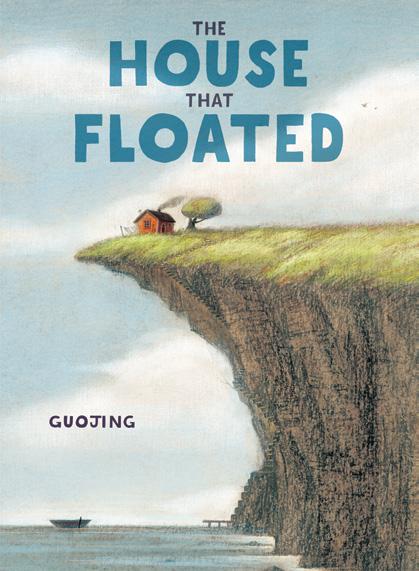
A couple builds a home on a cliff overlooking the sea, underneath a shade tree. They work the waves together, and soon enough they also build a family to live in the home, creating beautiful memories and an abiding love for the cliff that holds their little house. But the sea gets higher and higher as seasons pass, and soon laps at their doorstep. It’s clear they must leave the little seaside cliff they love, where all of their memories reside… but they won’t leave without the home they built. This wordless, beautifully illustrated picture book does a whole lot within the span of its pages. It shows the genesis and growth of a family, relishing in the comfort and nostalgia that comes with memory’s sense of place. The growing predicament of the family is set amidst the unmistakable effects of climate change, and shows both the immediate, real-world consequences of that particular change and the more abstract inevitability of change and adaptation. And while the family’s dramatic move takes place among high stakes and leaves an impression of loss, the story ends in a place of optimism and a belief in the goodness of people and hope for the future. All of this is imparted without a single word; the story progresses through Guojing’s sweeping artwork, inviting readers to draw their own conclusions without ever feeling didactic. A simple, lovely read for ages 4 to 12.
Random House Studio, 2025
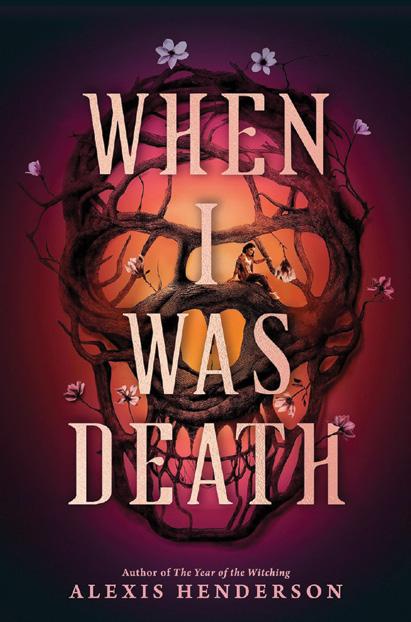
Author: Alexis Henderson
Roslyn’s older sister Adeline vanished from the family’s bathroom one morning, and her body was discovered in a remote location by a hiker weeks after her disappearance. A year later, Roslyn still hasn’t been able to move on. She is desperate to know what happened to her sister, but all she knows is that Adeline spent a summer traveling with a group of other girls, and came back a different person than the one Roslyn always knew. So when those girls suddenly show up at her house again, Roslyn jumps at the chance to join them and find out what they know about Adeline and what happened to her over those months. But these nomadic, carefree girls aren’t just any caravan—they are the apprentices of Death himself, charged with reaping souls on his behalf. That is what Adeline did that summer, and now the same is expected of Roslyn if she wants to learn the truth. Tense and punctuated by moments of horror, the slow-burning mystery takes a lot of time introducing each of the girls and the traumas that drew them into the caravan. The result is an atmospheric story that coalesces around the impact and nature of grief, and the often complicated relationship between sisters. The mystery and horror elements season an ultimately introspective story about death, best for ages 14 and up.
G.P. Putnam's Sons Books for Young Readers, 2026


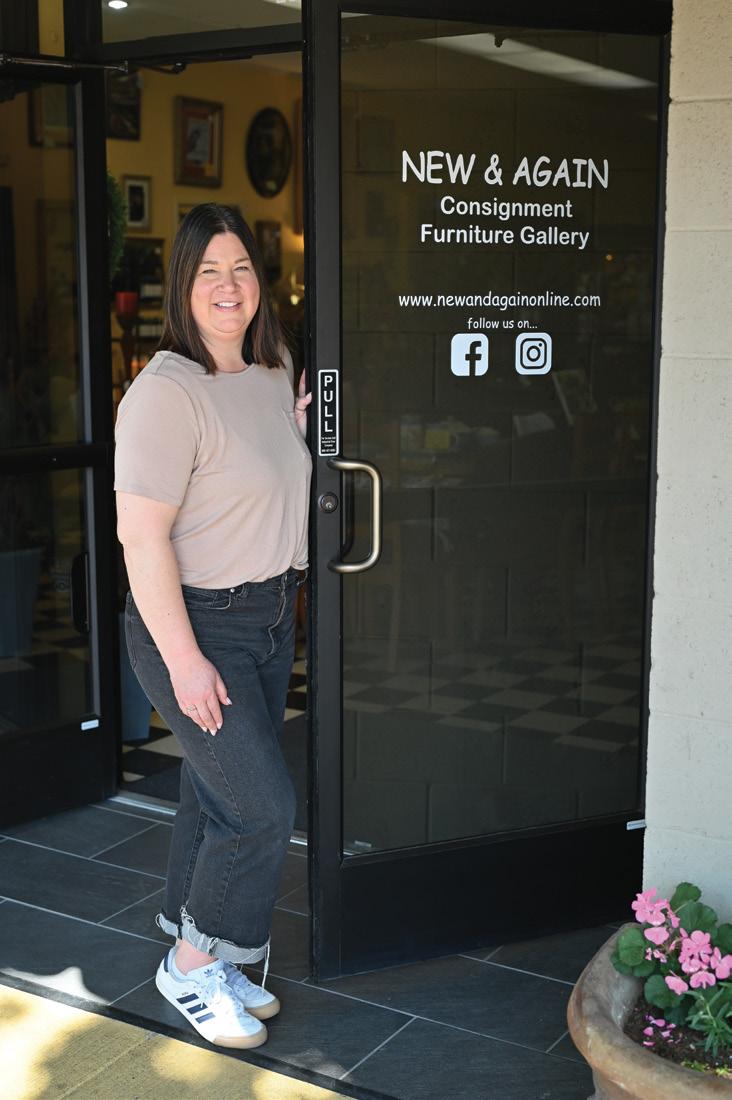
Shopping at New & Again is a unique experience, with a thoughtfully curated selection that changes daily. The showroom features everything from bedroom furniture and living room sets to dining tables, chairs, hutches, artwork, and home accessories. Shoppers can also find lamps, barstools, and a mix of styles ranging from mid-century modern and antique to brand new pieces. Every item on the floor is carefully pre-approved and selected, ensuring that customers browse a collection of high-quality, oneof-a-kind finds you won’t see just anywhere.
Community involvement isn’t an afterthought at New & Again. The business actively supports local charities and organizations, with a special focus on Lodi House and the American Cancer Society Thrift Store. Whether through donations or participation, their goal is simple: strengthen the community that has supported them for decades.
You’ll also find New & Again at many of Lodi’s favorite events, including the Lodi Street Faire,
In the fall of 2006, Allan and Pamala Levy opened a small consignment shop on School Street in downtown Lodi. They called it New & Again, and from the start it offered something special—a welcoming space where the community could buy and sell gently used furniture, antiques, and collectibles.
Over the decades, that small shop has grown into a local staple. Today, New & Again continues to thrive under the leadership of their daughter, Hayley Jackson, carrying forward the same values that built the business from the beginning.
Downtown Trick-or-Treat Day, and the festive Christmas Parade of Lights. Their presence has become a familiar and welcome part of these gatherings.
One of the store’s most beloved traditions is its holiday Hot Dog BBQ fundraisers, held on the Fourth of July. The team serves hot dogs and sodas for just a few dollars, with all proceeds donated to local charities. These events have grown into lively community get-togethers, bringing customers and neighbors together for a good cause.
In addition to consignment, New & Again also provides estate sale services, helping families navigate what can often be a complex and emotional process with care and experience.
To learn more about the business and the person behind it, we asked Hayley Jackson a few questions:
When did you begin working with your parents, and when did you take over the business?
My stepdad worked hard to open the store on Black Friday — the day after Thanksgiving — in 2006. My middle child was born in early November 2006. He asked me that once I was ready to return to the furniture world, would I join him in running the store. Since my background is in interior design, how could I say no to the opportunity to do what I love as a career?
My newborn was even able to come to the shop with me, making it truly a family-owned and operated business. To this day, people still ask, “How’s the baby?” She’s going on 20 now — the same age as the store!
What is your favorite part of running New & Again?
One of the things I’m most proud of about running New & Again is our ability to retain employees. They take pride in the business just as I do. My favorite part of running the store is
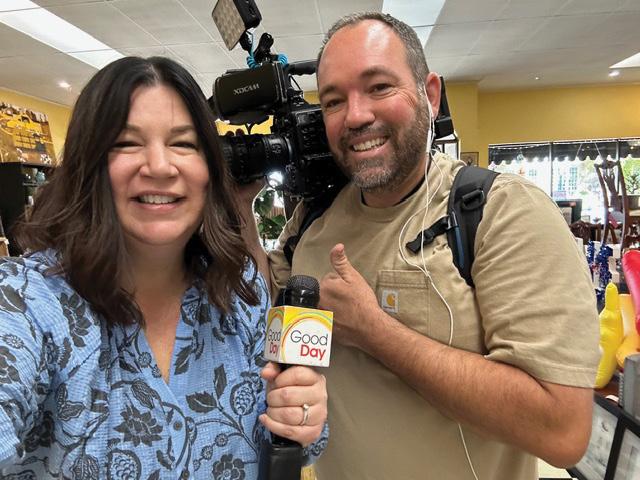
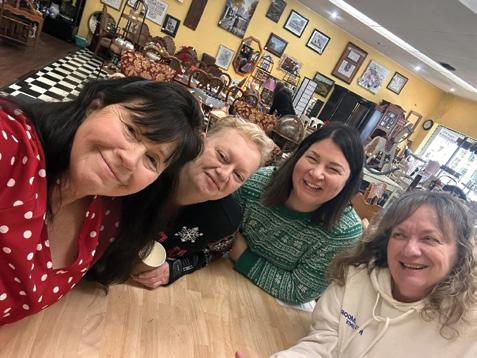
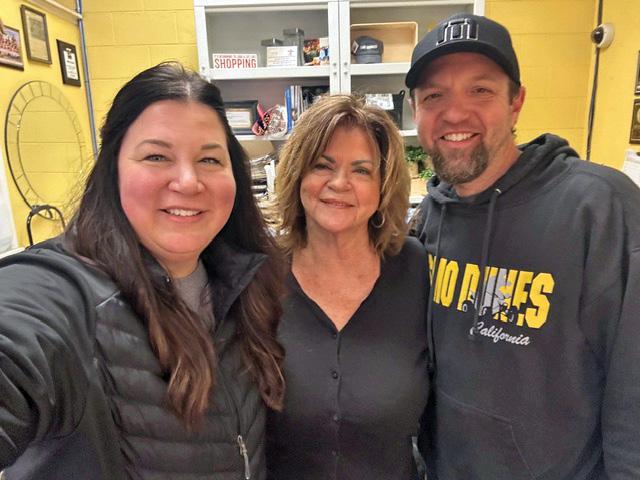
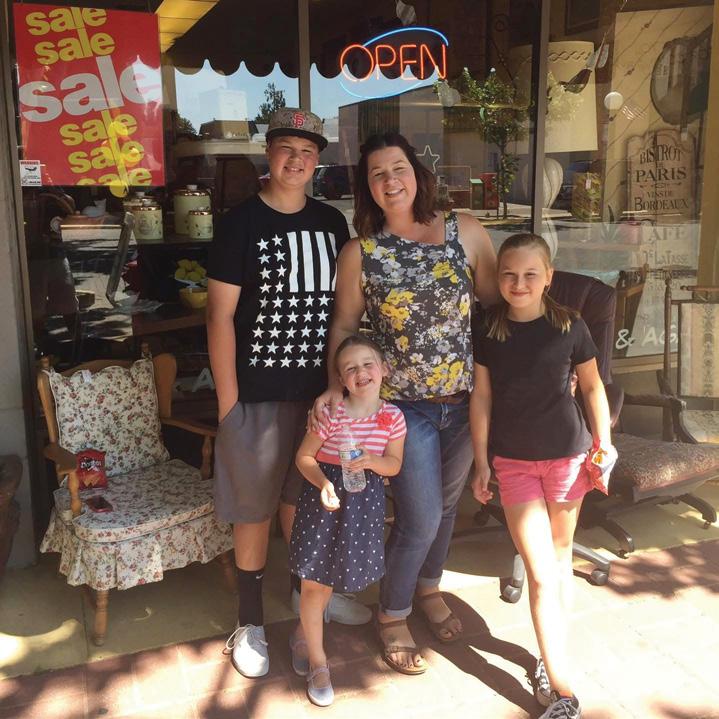
Shopping at New & Again is a unique experience, with a thoughtfully curated selection that changes daily. The showroom features everything from bedroom furniture and living room sets to dining tables, chairs, hutches, artwork, and home accessories.
our loyal clients and consigners. Since opening nearly 20 years ago, we’ve been able to help almost 9,000 consigners.
Do you have a favorite item that has passed through the store?
One of the most interesting and memorable items we’ve had was an original lamp designed by artist Dirk Van Erp. It was an Arts and Craftsstyle* lamp made of copper and mica from the early 1900s (that survived the 1906 San Francisco earthquake). The lamp sold for more than $5,000 to a gentleman from Southern California — someone who could truly appreciate and care for it.
*The Arts and Crafts design era (circa 1860–1920) emphasized durable, high-quality craftsmanship, natural materials, and simple, functional beauty rather than mass-produced items.
Which local event do you look forward to most each year?
It’s hard to choose because I truly love them all. The biannual May and October street fairs are some of our best days, with more than 40,000 people attending. It’s a wonderful day for sales for our consigners.
The Christmas Parade of Lights is another favorite. It’s such a wonderful family tradition and truly a sight to see. People even put their chairs out two to three days ahead of the parade to claim the best seats in the house.
How does someone get started with the consignment process?
To begin the consignment process, we ask that furniture be photographed and emailed, texted, or brought in on your phone or camera. We ask a few screening questions, and once the items are approved, we schedule a day and time for drop-off. If needed, we can also refer clients to a local moving company.
How quickly does inventory typically move through the store?
We have a high turnover of inventory. All items are placed under a 90-day agreement with the consigner. That means two things: as an item gets closer to the end of the 90-day period, buyers may be able to purchase it at a better price.
If an item is not sold or picked up after 90 days, it is moved to our back room to be prepared for greater markdowns or donation to a local charity. This process allows our showroom floor to always feel fresh with new inventory.
Estate sales can be overwhelming — how do you help clients through that process?
Our estate sale services are something we take very seriously and handle with great care and respect. Often, this is a stressful and emotional time for families. We provide a quick, turnkey process to help prepare a home for sale or rent.
We act swiftly, efficiently, and sensitively. In many cases, the home is virtually emptied by the end of a weekend sale, helping relieve families of a tremendous burden during a difficult time.
What’s the best way to get in touch regarding estate services?
If you find yourself needing estate sale services, you can contact us directly at the store. We will send one of our estate sale managers out for a free consultation. She will walk through the home and contents, review and sign the agreement, and help schedule a sale date that best fits the client’s needs.
New & Again
210 S School St. Lodi, CA 95240 209-368-2200
www.newandagainonline.com
Let’s
To celebrate America’s 250th anniversary, we’d like to highlight one of the great staples of American furniture design: the Windsor chair.
These chairs can be found through
refined the design into the forms we recognize today.
The Windsor chair became enormously popular across early America because of its practical
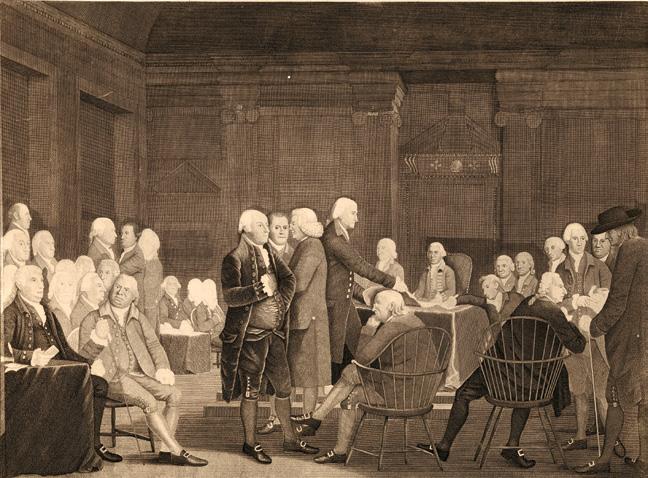
One of the most iconic examples is the revolving Windsor armchair associated with Thomas Jefferson, believed to have been used while drafting the Declaration of Independence. The chair is now housed at the American Philosophical Society museum in Philadelphia.
Although the Windsor chair originated in England around the early 1700s, in the Buckinghamshire region, American craftsmen in the colonies quickly adapted and
as maple or hickory for the spindles
and legs, and softer woods such as pine for the carved seat.
This combination created a chair that was both strong and lightweight, making it ideal for everyday use.
Today, the Windsor chair remains one of the most recognizable symbols of early American craftsmanship and design. The next time you see a Windsor chair, you’re looking at a small but enduring piece of American history.
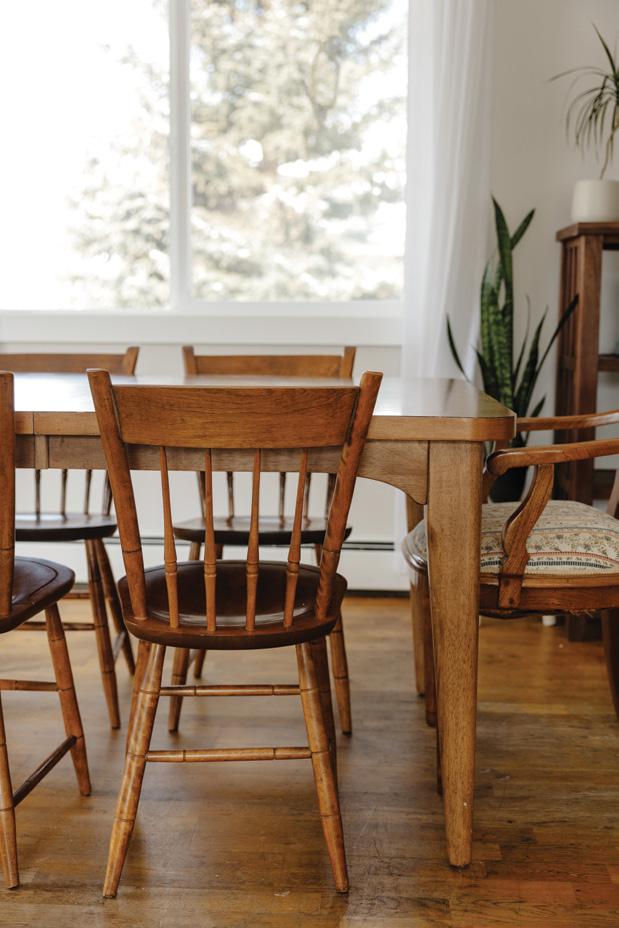
Several distinct Windsor chair styles became especially popular in America:
l Sack-back Windsor
The classic rounded hoop back with slender spindles.
l Comb-back Windsor
Features a wide horizontal crest rail resembling a comb.
l Fan-back Windsor
Spindles spread outward in a graceful fan shape.
l Continuous-arm Windsor
A single bent wood piece forms both the arms and the back rail.


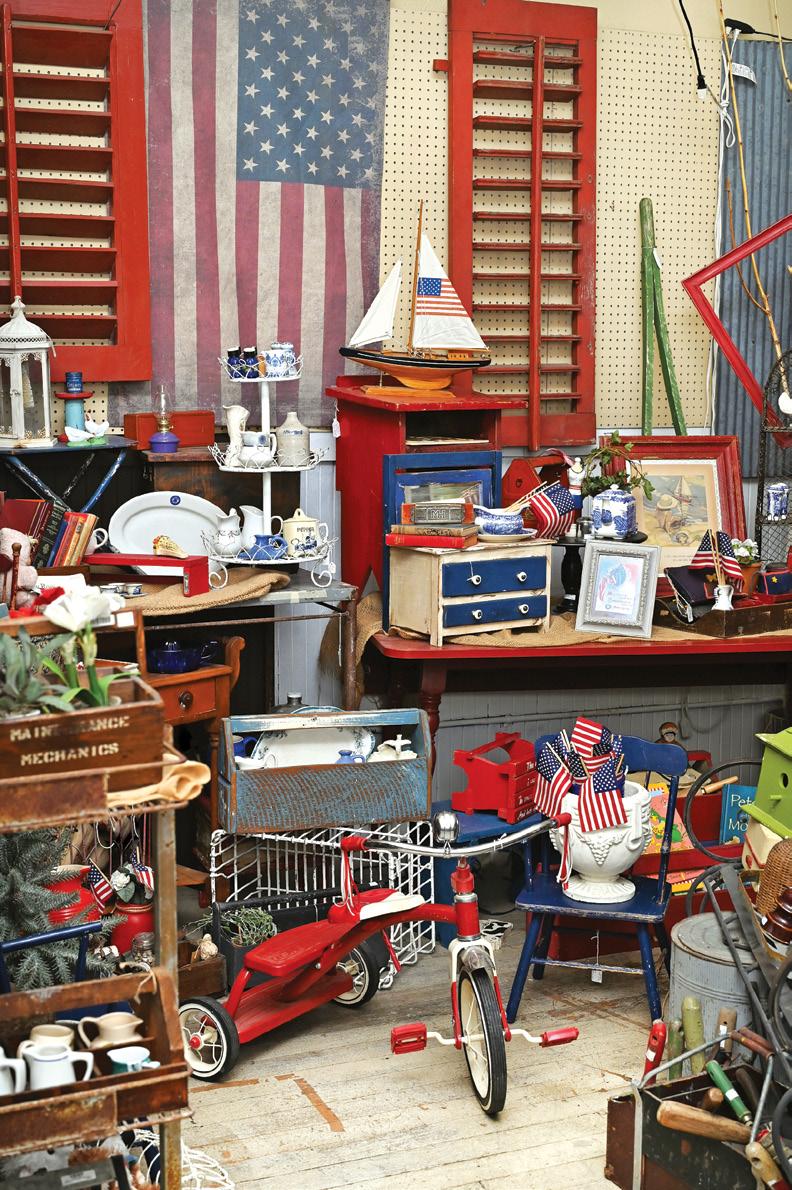
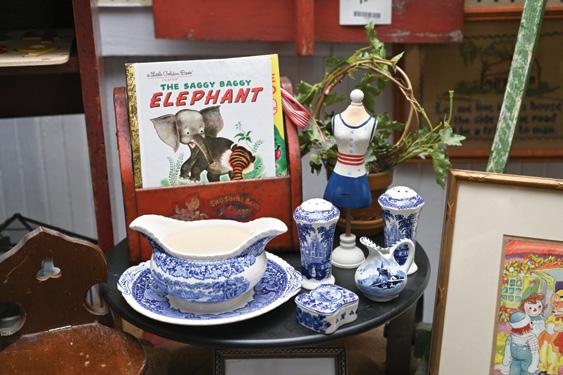
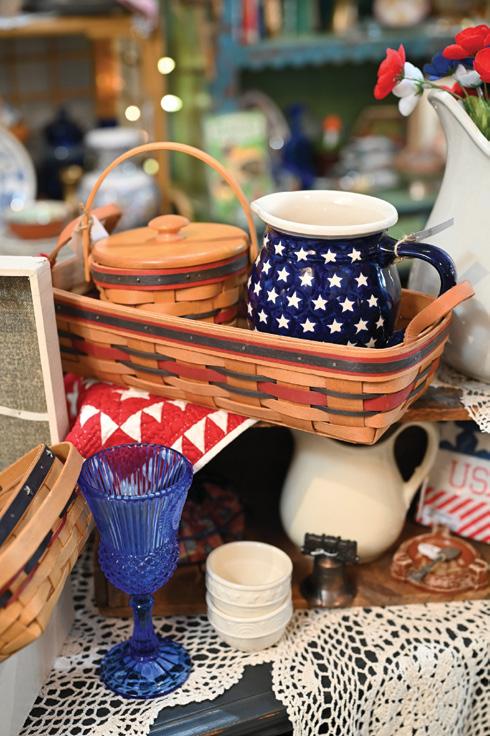
Find timeless patriotic charm for celebrationevery at

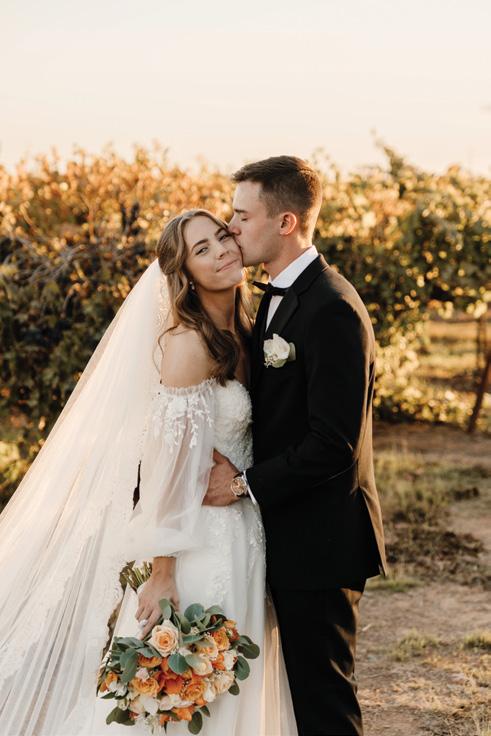
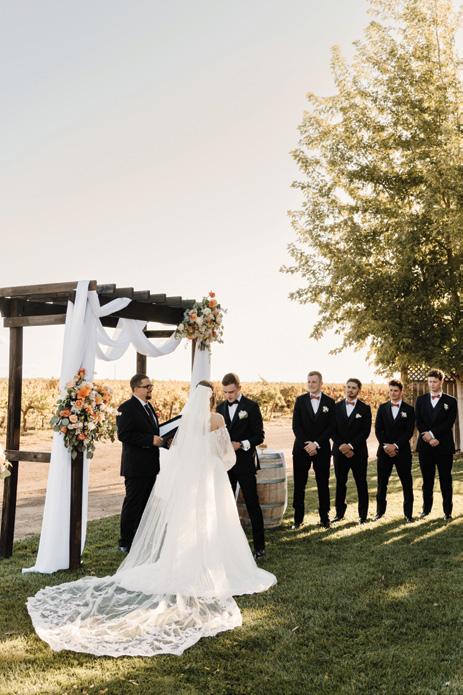
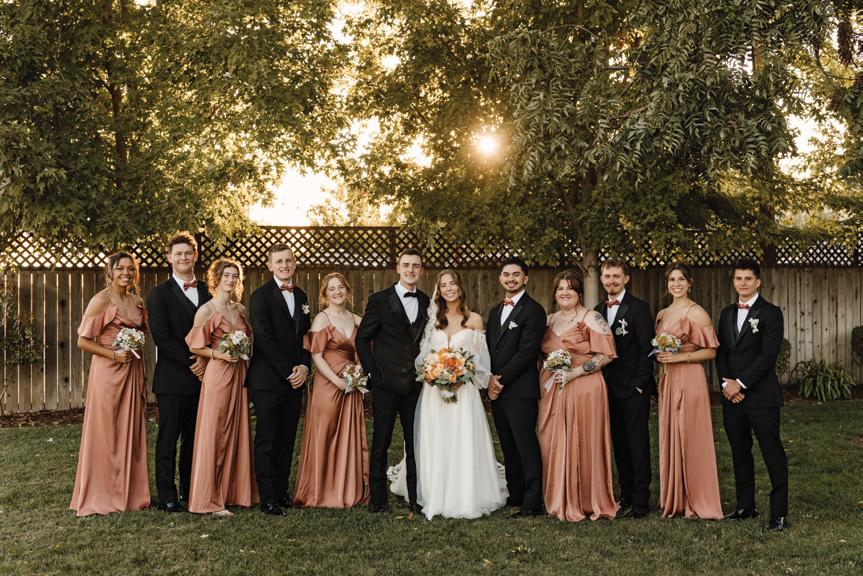
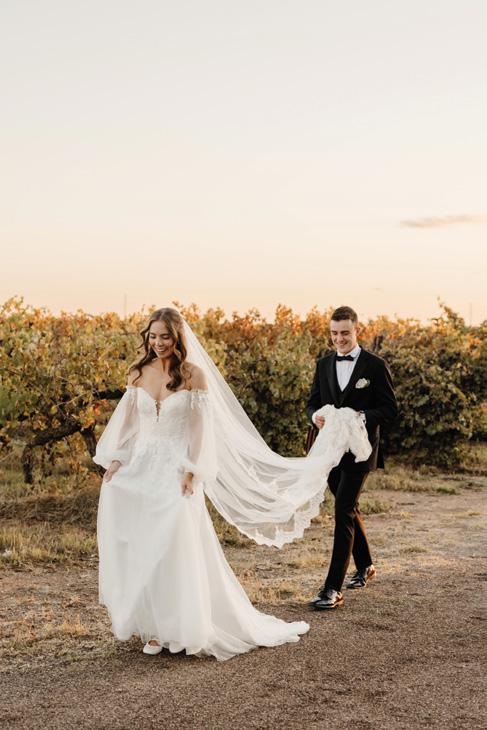
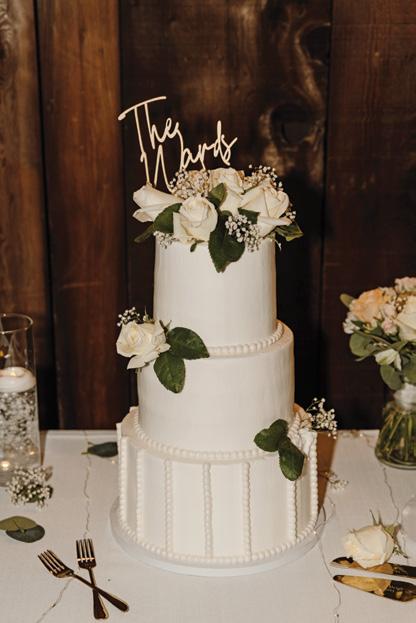
We met one summer in our young adults’ group at church and were in the same friend group! We became friends, quickly realized we liked each other, and kept in touch when he went to Virginia for school. Eventually we started dating and were long distance dating for a year.
Zach proposed at Shark Fin Cove, near Santa Cruz, right next to an overlook of the beautiful water (with a little blue sail boat in the background). Some of our friends came to take pictures so they hid in the bushes while Zach proposed… and they popped out afterward!
Haleigh: Love is unconditional and sacrificial. Love is deeply seeing and knowing another person for their best and worst parts and still choosing them. Love is honoring others above yourself and focusing on their needs.
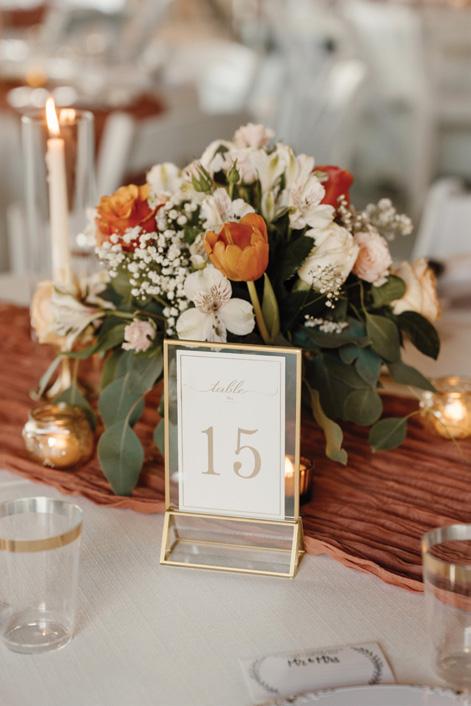
Wedding day...
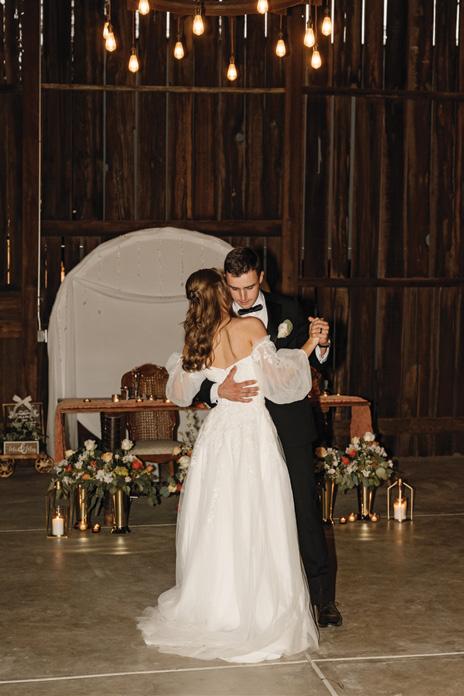
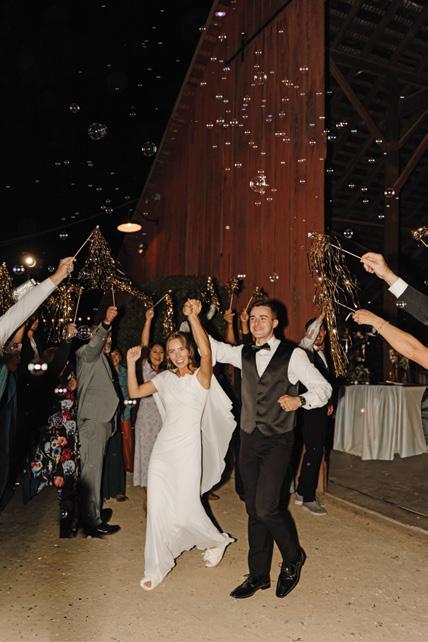
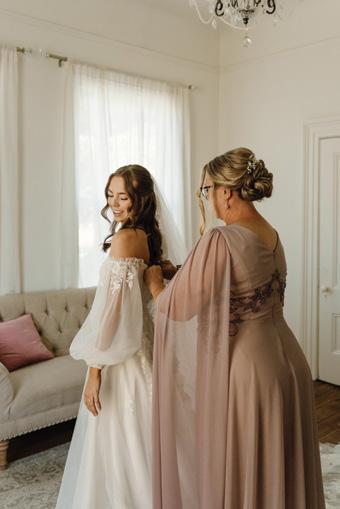
We felt so overwhelmed by the love we have for each other and all the love around us. We were just in awe of how the day went.


WhatI

about Haleigh is her laughter and the way she demonstrates the love of Jesus to others.
What is love?
Zach: Love is sacrificing your own needs, desires, and comfort for someone else's sake.
What do you love most about him?
I would say Zach’s heart and his humor. He makes me laugh so much, his humor always catches me off guard.
What do you love most about her?
What I love most about Haleigh is her laughter and the way she demonstrates the love of Jesus to others.
When did you know you were in love?
Haleigh: I wasn’t really looking to date in general at that time, but I thought he was really interesting when we first met. During that summer, we talked and became friends. I started looking for ways to hangout with him and my eyes opened up to who he is and his character and I knew I loved him!

•
•
•
•


is unconditional and sacrificial. Love is deeply seeing and knowing another person for their best and worst parts and still choosing them.
When did you know you were in love?
Zach: I knew I was in love when all I could think about was playing spike ball and sand volleyball with her.
Fun facts
We both like to go fishing and love being out in nature! We survived the talking stage of our relationship even though we were separated by 2,329 miles!
What did you enjoy most on your wedding day?
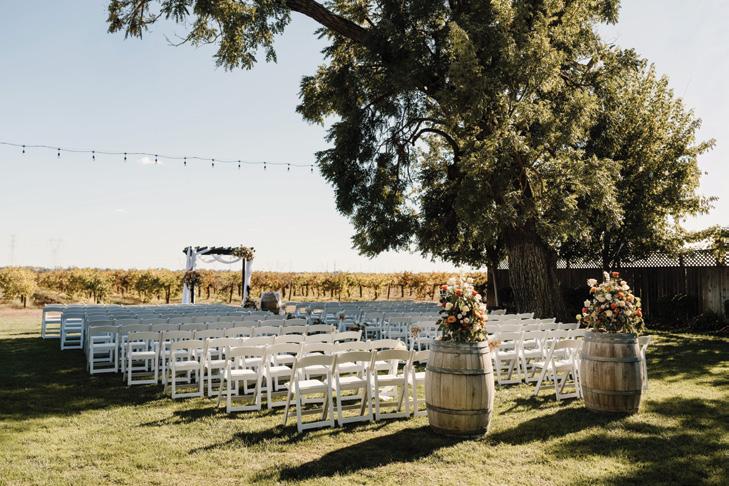
Seeing our friends and family there to support us as we made such an intimate decision. We felt so overwhelmed by the love we have for each other and all the love around us. We were just in awe of how the day went.
We went to Santa Barbara since neither of us had been there before. We stayed at a hotel with an oceanside view, explored the charming town, enjoyed some amazing restaurants, and watched some beautiful sunsets. Absolutely unforgettable memories.
Hair and Makeup


No one ever said being a mom is easy. Add a full-time job and that’s where the days can get challenging. You may often feel tired, busy, and overwhelmed by everything on your plate.
We talked with Heather Liebert, PsyD, a psychologist with Kaiser Permanente in South Sacramento, to get insights on how even the busiest moms can manage the stress for their own mental health and wellbeing.
Q: How common is it for women to feel stressed?
A: Some working moms feel like they are in a constant tug of war, as they try to find that work-life balance. Children, work, managing household needs, scheduling family activities, and chauffeuring kids around can be a lot to manage.
According to a Gallup poll survey, about one in six women (17%) report having to address personal or family responsibilities at
Submitted by Kaiser Permanente
work daily or several times a day (vs. 11% of men). Similarly, 18% of women say they need to address job-related responsibilities outside of working hours at least daily (vs. 15% of men.)
Q: How does stress affect our health and what are the signs to watch?
A: Being under stress for a long time can take a toll on your body. Chronic stress can lead to high blood pressure, anxiety, depression, and addiction disorders. Com mon physical signs of stress include stom ach pain, heartburn, nausea, diarrhea, and constipation. You may also have dry mouth and trouble swallowing, hair loss, difficulty sleeping, muscle aches and pains, jaw, ear, or head pain, lightheadedness and diz ziness, lack of sexual desire and irregu lar menstrual cycles.
Q: Why do women, especially working moms, get stressed?
A: There’s more pressure than ever to “do it all.” The images seen on social media show
moms who always seem to have it together. In reality, trying to balance it all - family, work, and social obligations – can result in feelings of not being good enough.

Focus on one thing at a time. Make a checklist of what needs to get done during the day to help you stay organized.
• Prioritize the important things. It’s okay if everything doesn’t get done. Do what’s important and necessary, and put the rest on hold.
• Look at what is causing you the most stress. Use your values to reconnect to what is most important. If you’re feeling guilty about not spending enough time with your kids due to work demands, then find a special activity you can do with them on the weekend. If your kids’ activities are detracting from work, carve out time during the day to focus on work without any other interruptions.
• Focus on one thing at a time. Make a checklist of what needs to get done during the day to help you stay organized.

• Reach out and ask for help. Can you set up a carpool to help with school pick-ups or drop-offs or after-school activities? Are there people in your circle who might be willing to help with childcare needs? Rely on friends and family to help take some of the pressure off you.
• Take care of yourself. Working moms always put everyone else ahead of them. It’s okay to do something you enjoy. Find something you love and make time for it.
• Keep healthy foods on hand. Cut back on sugar and caffeine and drink plenty of water. Prioritize daily physical activity and get good sleep.
A: Self-care is not selfish. Asking for help doesn’t make you weak. If daily life gets too overwhelming, talk to someone about it, or seek professional help. It’s important to recognize the signs of stress and learn how to manage them effectively – especially for those busy working moms. Not dealing with stress can lead to poor health outcomes and negatively impact everyone in the family. You don’t have to be perfect to be a great parent. Let go of the guilt. You can’t be everything to everyone. Being present is the most important thing and give yourself grace if you can’t do it all.

By Anna Osborn, LMFT, Relationship Therapist and Coach

We’ve all been there. The dreaded awkward date. The quiet drive to the restaurant, hoping the radio stops playing commercials and starts playing some music. Sitting at the restaurant making clunky small talk as you try to make eye contact with the server (to get your drink order in) in hopes it helps to ease the uncomfortable cloud that seems to be hanging over the two of you. Praying that you’ll find a topic the two of you can riff on for a bit. Yup, we’ve all been there.
But what happens if the date you’re picturing isn’t a first date from way back when but if it’s actually a recent date with your partner? Sitting there in the silent realization that the things the two of you have to talk about is actually rapidly dwindling. That (as much as you love each other) the conversation starters have run their course and you’re checking off boxes when it comes to conversation rather than talking about the little stuff, the big stuff and everything in between.
What happens if it feels like you’ve ran out of things to talk about…or even worse…ran out of things in common?
Sure, there’s that normal ebb and flow in relationships where you feel more or less connected, but the key is that you don’t let that drift go on for too long before you work to find your way back to each other.
The real question here is what happens when that drift gets away from you and you’re struggling to get it back. Yes, communication is key to your relationship, but what do you communicate about when it’s been too long since you’ve actually communicated?
That’s where the experience comes in.
Yes, you have a great ability to finish each other’s sentences about things you’ve experienced together in the past. The trouble comes when it’s been a while since you’ve experienced new things together and you’re running low on connection.
This is where the experience comes in.
Taking the time to try something new together becomes key in not only reconnecting but also being able to add an incredible spark to your communication.
When you take the time to experience something new together, you’re not only jumpstarting your senses, but you’re creating more… to pull you back together.
So, what do experiences look like?
The intention behind a shared experience is creating something together. Whether it’s a memory, a story or a saga, shared experiences yield greater connection. Engaging your minds and your hearts in a shared way also helps spark new interests, greater curiosity and more things to explore together.
And you can start small. Take a walk together down a new trail or even reverse your normal walking route. Check out the local farmers market and try some new fruits and veggies that happen to be in season. Challenge yourself to incorporate them into a recipe you make together. Try a new coffee shop and order for each other.
The key is to keep it fresh and keep it new. Don’t let your relationship become like the post-it note you hung up on the back door weeks ago to remind you to grab your walking shoes before you head into work and now sadly you don’t even notice it there.
When you take the time to experience something new together, you’re not only

You want your relationship AND your connection to stand out amongst all the background noise. You want to gain the experience together so you’re rich in connection AND communication. You want to create the new… together …so you can continue to grow and experience all life has to offer.
And lastly, don’t get discouraged. Trying new things together is going to feel a bit clunky and you’re not going to hit it out of the park every time. Keep trying, keep inviting and soon enough you’ll realize that it’s about way more than the experience.
I’m cheering you on!
A AnnaOsborn,LMFT,is a relationship coach and therapist. You can reach out to her by calling 916.955.3200 or visiting her website at www.AnnaOsborn.com.

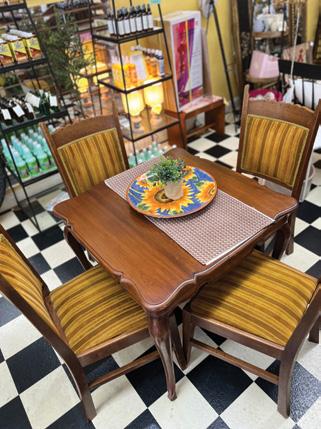
New & Again Estate Sales provides professional, stress-free onsite estate liquidations, efficiently selling entire households, clearing properties completely, and delivering quick settlements—earning strong word-of-mouth through reliable service and top value for clients.


Written By Terry Lemerond
Sponsored by Dianna Singh, Owner of Elk Grove Vitamins
There are seasons in life when you just can't seem to get out of a slump. Your mood is low, your thinking slows down, and your physical energy drops, making it harder to stay active or keep up with your usual routine.
Sometimes these low periods can be related to the time of year or personal situations, but the cause isn't always obvious. And, unfortunately, these feelings can be difficult to escape. However, there may be a simple underlying cause that can be treated-low serotonin levels.
Serotonin is a neurotransmitter known for its significant impact on mood and energy levels. Its production requires the essential amino acid tryptophan. About 90 to 95 percent of serotonin is produced in cells that line the intestines. The brain and the intestines are linked by a network of nerves called the "gut-brain axis, " and serotonin synthesis is a major part of this connection.
Pharmaceuticals called selective serotonin reuptake inhibitors (SSRIs) exist because scientists realized long ago how critical this neurotransmitter is for human happiness.
These medications prevent serotonin from being channeled for other uses, so they can be concentrated in the brain instead.
Unfortunately, SRIs come with side effects, including agitation, irritability (one of the very things from which you're trying to escape), headaches, sexual dysfunction, dizziness, weight gain, and nausea.
If you're currently taking an SSRI, I'm not telling you to stop without talking to your doctor. And if you are in a mental health crisis, seek professional care. But if you're not, and you feel trapped in a rut of low mental and physical energy, consider serotonin-strengthening nutrients as a first step.
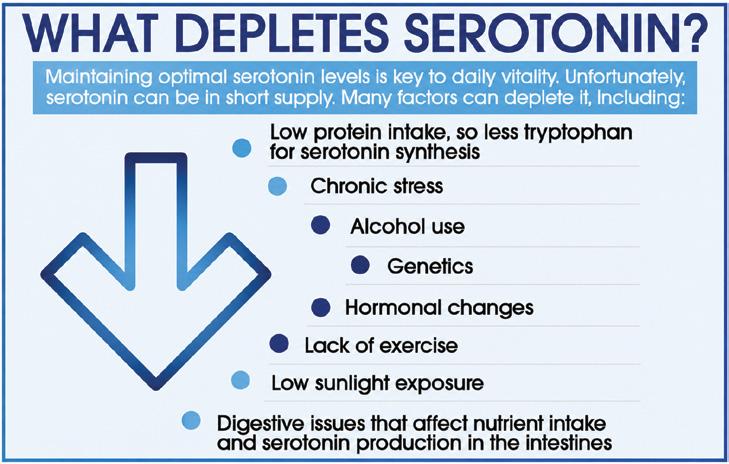
The nutrients I recommend help your body synthesize, preserve, and maintain optimal serotonin levels.
Ashwagandha:
Ashwagandha ( Withania somnifera ) is an adaptogenic herb well-recognized in traditional practice and leading-edge research for its ability to help people remain energetic, focused, and better able to cope with stress.
One clinical study reported ashwagandha significantly reduced stress and anxiety in men and women according to the Hamilton Anxiety Rating Scale (HAM-A). It also showed improvements in the Depression, Anxiety, and Stress Scale of 30 percent versus only 10 percent in the placebo group.
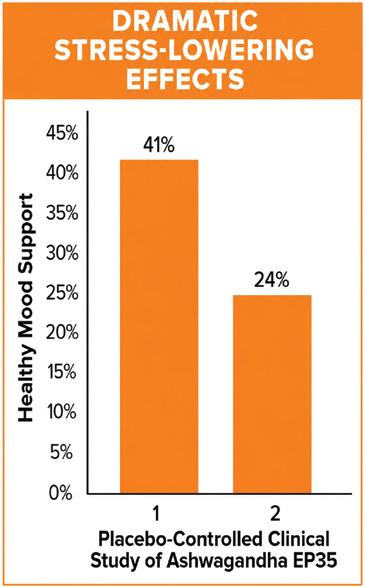
This research indicates that ashwagandha works in multiple ways:
• By directly influencing serotonin and gamma-aminobutyric acid (GABA) activity, improving responses to stress
• By reducing oxidative damage and inflammation that damages brain cells and reduces brain function
• By working through the hypothalamic-pituitary-adrenal (HPA) axis to rebalance hormones and precursors associated with chronic stress and post-traumatic stress disorder
The ashwagandha extract highlighted in this study is the one I recommend. It uses a dairy-free process to standardize the herb's key compounds, withanolides, to 35 percent, which is seven times the level of ordinary extracts.
grape seed extract oligomeric proanthocyanidins (OPCs): Scientific research shows grape seed extract helps regulate levels of dopamine, epinephrine, and serotonin. Grape seed extract fights free radical damage that interferes with the production of healthy brain chemicals and the body's own antioxidants. In addition to protecting neural cells from oxidative stress, other research reported grape seed extract inhibited enzymes that would otherwise reduce beneficial mood-balancing GABA, brain-protecting acetylcholine, and emotion-stabilizing serotonin. The researchers concluded that grape seed extract has great promise for modulating mood and improving cognition.
About 90 to 95 percent of serotonin is produced in cells that line the intestines. The brain and the intestines are linked by a network of nerves called the "gut-brain axis, " and serotonin synthesis is a major part of this connection.
T
If you feel mentally stuck, it may be due to low serotonin levels. Many everyday factors can drain serotonin: poor diet, daily stress, insufficient sleep, and lack of exercise. The good news is that specific nutrients can help you reclaim your mental energy and lift your mood so you can stay motivated, happy, and inspired.
Working together, these nutrients will:
• Improve mood and mental outlook
• Enhance energy and vitality
• Keep cognitive function sharp and focused
• Preserve optimal serotonin levels
• Support serotonin production
Terry Lemerond has over 45 years of experience in the health food industry as an owner of several health food stores and dietary supplement manufacturing companies. He has researched and developed over 400 nutritional and botanical formulations that continue to be top selling products on the market today.


The French grape seed extract I recommend is standardized for low-molecular weight (small) oligomeric proanthocyanidins (OPCs). These valuable polyphenols are easily absorbed and protect against oxidative stress, improve healthy GABA levels, and preserve serotonin and other neurotransmitters.
The B vitamins, especially vitamin B6 and B12, are often recommended to boost energy and improve mood. Vitamin B6 acts as a co-enzyme, helping synthesize serotonin, dopamine, adrenaline, noradrenaline, and GABA. The form the body uses for serotonin production is pyridoxal-5-phosphate, which is why recommend that exact same form as a supplement. Unlike the more common pyridoxine, it requires no conversion before the body can use it.
Vitamin B12 is also essential for serotonin and dopamine synthesis and nourishes the protective myelin sheath of nerve cells, so it's critical for mental outlook and cognition.
Additionally, vitamins B6 and B12 keep the gutbrain axis strong. They modify the microbiome (the environment in the intestines), prompting it to synthesize a wide range of neurotransmitters, including serotonin.
Like B6, vitamin B12 is best when in a bioactive form. I recommend the methylcobalamin form of vitamin B12, which is the metabolically active form. Unlike synthetic cyanocobalamin, this form doesn't require conversion by the liver, which can be difficult for a significant number of people.
Riboflavin (Vitamin B2): Riboflavin, also known as vitamin B2, is a crucial nutrient in helping mitochondria, the engines of our cells, boost energy and respond to stress. Healthy riboflavin levels have been linked in scientific and clinical research to improved mood.
Although found in meats, dairy, and eggs, dietary restrictions or low protein intake make it easy to come up short on riboflavin in the diet. Population studies in the United States and Great Britain found that up to 41 percent of the population is at risk of riboflavin deficiency. Fortunately, supplementation can help.
Like vitamins B6 and B12, riboflavin is a crucial nutrient for dopamine and noradrenaline in the central nervous system, so it helps keep neurotransmitters in balance.
Additionally, riboflavin helps convert standard forms of vitamin B6 into the active pyridoxal5-phosphate form. So, although I recommend taking active forms of B6 to begin with, riboflavin can assist common forms of the nutrient, like those found in the diet, to work more efficiently at helping synthesize serotonin.
Linked to better mental outlook and physical energy, vitamin D3 activates an enzyme (tryptophan hydroxylase 2) which helps the body create brain serotonin from the amino acid tryptophan.
But many individuals—up to 70 percent of the population-get too little vitamin D, so serotonin levels may be low in a lot of people. This increases the risk of depression, seasonal mood disorders, impulsive antisocial behavior, decreased attention spans, and sluggishness.
Vitamin D levels from food are typically low— maybe 40 to 400 IU per meal. That's not enough to make up for chronically low intake of the nutrient. I recommend 5000 IU of vitamin D3 daily.
It can seem tough to dig out of a cycle of low mood and energy, but I'm convinced it's possible with the right diet and supplemental nutrients.
If you're taking an antidepressant, because the ingredients I've discussed are so powerful at lifting serotonin levels, please speak with your prescribing healthcare provider before adding this combination to your regimen.
That said, clinically studied ashwagandha, combined with French grape seed extract, vitamins B2 (riboflavin), B6 (as pyridoxal-5-phosphate), and B12 (as bioavailable L-methylcobalamin), and vitamin D3, can help stop the spiral of stress and anxiety while building resilience to a wide variety of challenges.
This information is for educational purposes only. It is not meant to replace the advice of your physician and is not to be considered medical advice, diagnosis or treatment. Should you have any concerns please contact your physician directly.
Stop by Elk Grove Vitamins to find out more about these products and many more. We have a knowledgeable staff that can answer your questions. We'd like to help you get started on the path to health. Visit us at 9647 E. Stockton Blvd. Elk Grove.

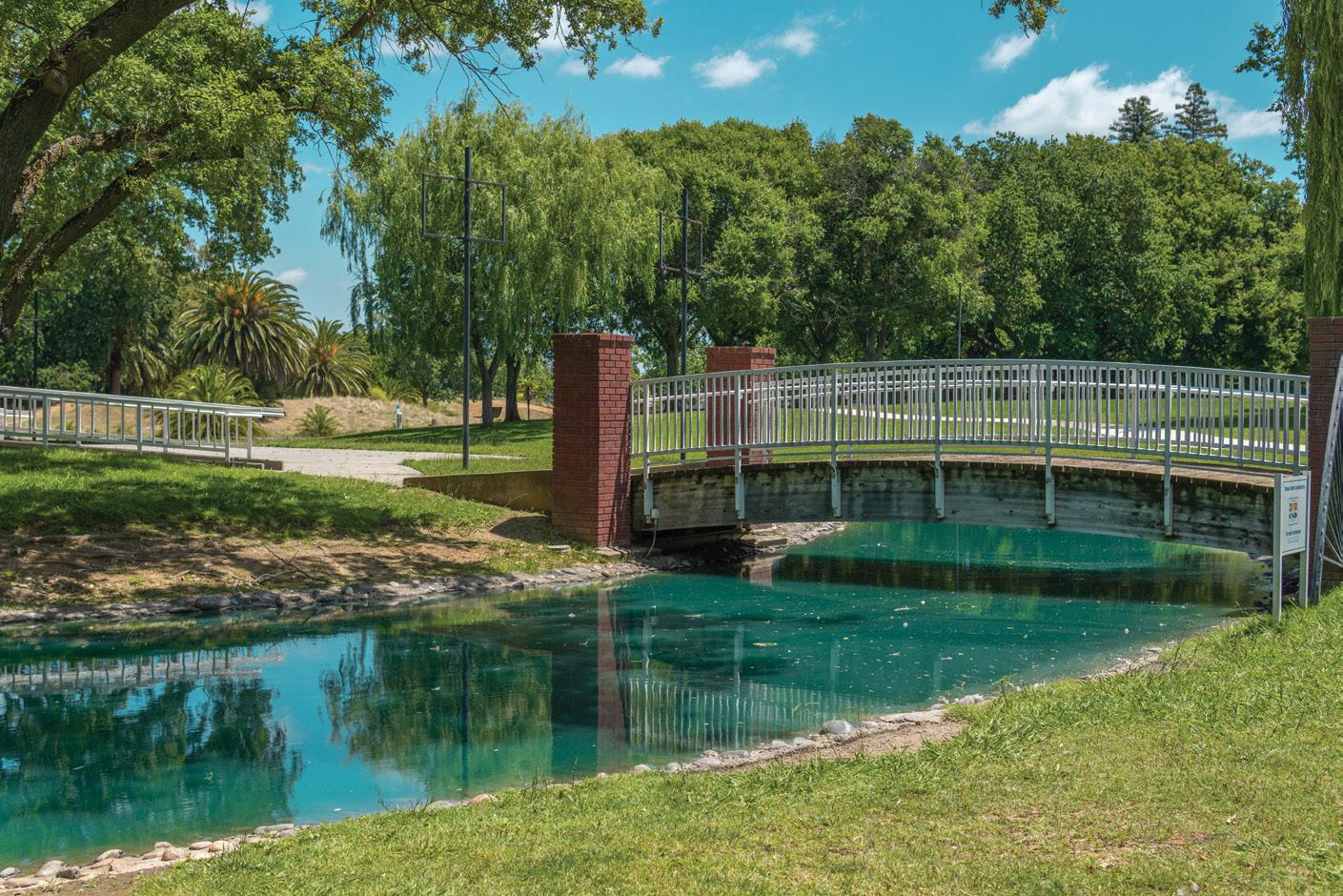
From rustic picnic grounds to one of the region’s most beloved community gathering spaces, Elk Grove Regional Park has continually evolved while keeping its small-town spirit alive. What began as a shady retreat for local families and organizations quickly grew into a centerpiece of recreation, celebration, and community pride.
In Part 1, we explored the park’s origins and the visionaries who helped preserve this special place for future generations. In this second installment, we look at how the park developed over the decades — adding amenities, expanding its footprint, and becoming woven into the daily life and traditions of Elk Grove residents.
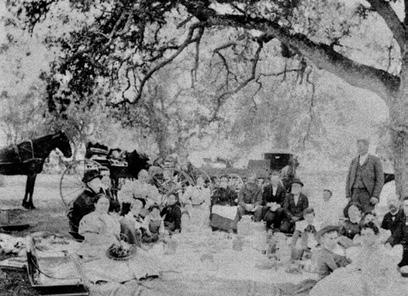
According to historical records, the first
group to officially rent the park for a picnic was the Elk Grove Grange, which held its annual gathering there on May 7, 1904. The Grange paid $100 for use of the grounds — a significant amount at the time and an early sign of the park’s importance to the community.
That same year, the park directors moved quickly to improve the property. An openair dance platform and bandstand measuring 100 feet by 70 feet was constructed at a cost of $1,419.50, with contractor E. E. Barry awarded the winning bid. The first baseball diamond was also developed in April 1904, laying the groundwork for what would eventually become a lighted softball field used for generations.
Even the smallest improvements reflected the practical needs of the era. In 1904, directors approved the installation of a horse trough for $12, while six gas lights with reflectors illuminated the dance floor for evening events.
By 1905, the Boyd Brothers were hired to build decorative arches over the east and west park entrances at a cost not to exceed $40. That same year, Cora Gage was appointed secretary with an annual salary of $25.
The park also reflected the spirit of compassion found throughout the community. Following the devastating 1906 San Francisco earthquake and fire, the directors voted to allow the local Grange to use the park free of charge so proceeds from their annual picnic could support disaster relief efforts.
In another forward-thinking move, Mr. Oppenheim agreed in 1906, to provide electric lights to the park for five years at no cost in exchange for a right-of-way through the property. The offer was accepted, bringing modern lighting to the growing community landmark.

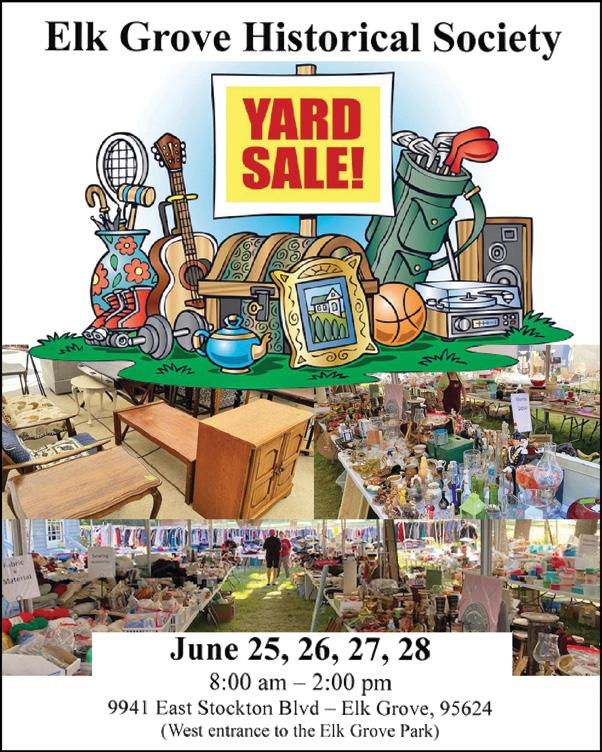
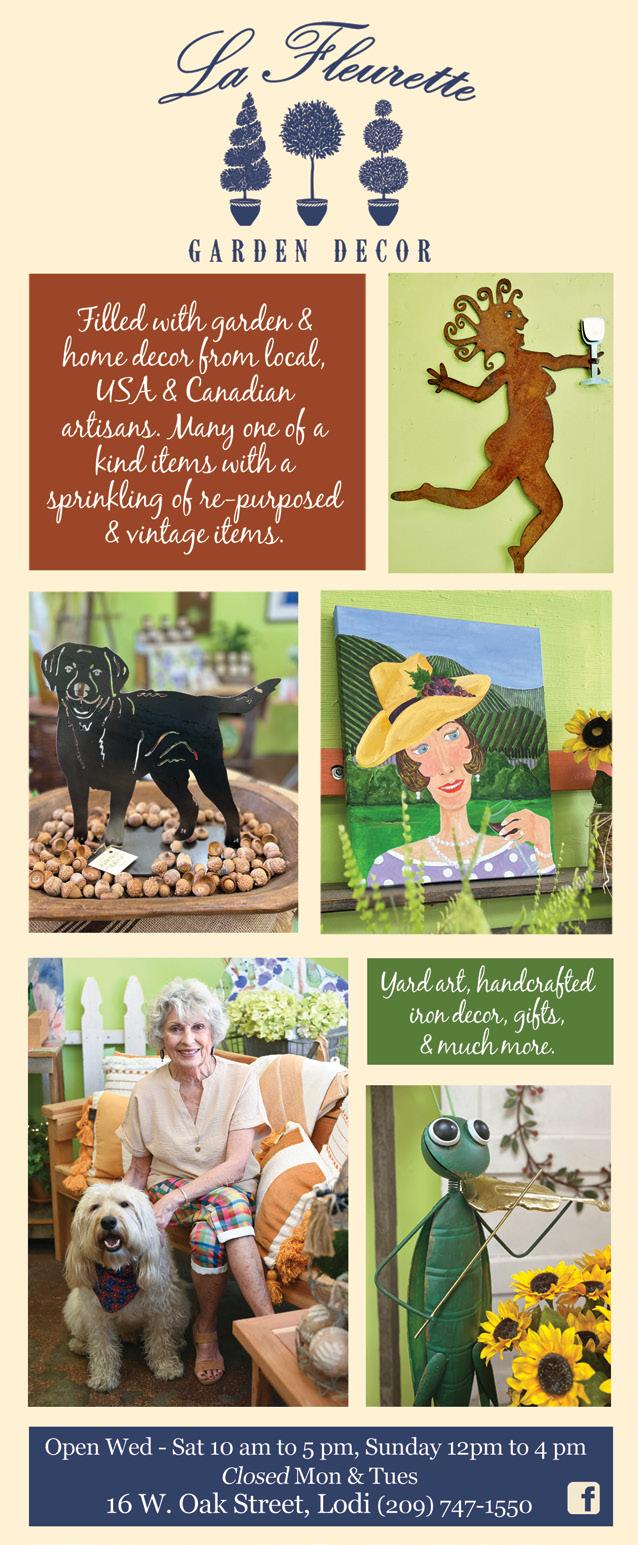
Becoming a Regional Treasure
Elk Grove Park continued to expand in both size and significance over the decades.
1924: The park became the first rural park district in California.
1936: The Elk Grove Park and Recreation District became the first rural park district in the state to function using tax revenue.
During the Great Depression, a swimming pool was added through the federal WPA (Works Progress Administration) program, part of President Franklin Delano Roosevelt’s nationwide effort to create jobs.
Two years later, the softball association was formed and field lights were installed for night games.
By 1958, the park featured:
Picnic tables and open fireplaces
Horseshoe courts
Kiddie rides
Two baseball diamonds
A swimming pool
A large dance pavilion with kitchen facilities
A Boy Scout building with modern restrooms
The park had become far more than open space — it was a destination for recreation, celebrations, and civic gatherings.
The care and maintenance of the park also became increasingly organized over time. Emil Wiemeyer served as groundskeeper before Lester Horst assumed the role, followed by Paul Tessen in 1948.
In 1960, Sacramento County assumed operation and maintenance of the park and officially renamed it Elk Grove Regional Park. An additional 94 acres were purchased at $2,000 per acre, allowing for major expansions that included:
The pavilion
Softball complex
Group picnic areas
Horse arena
Renovation of the swimming pool
Creation of the 7.5-acre lake and island
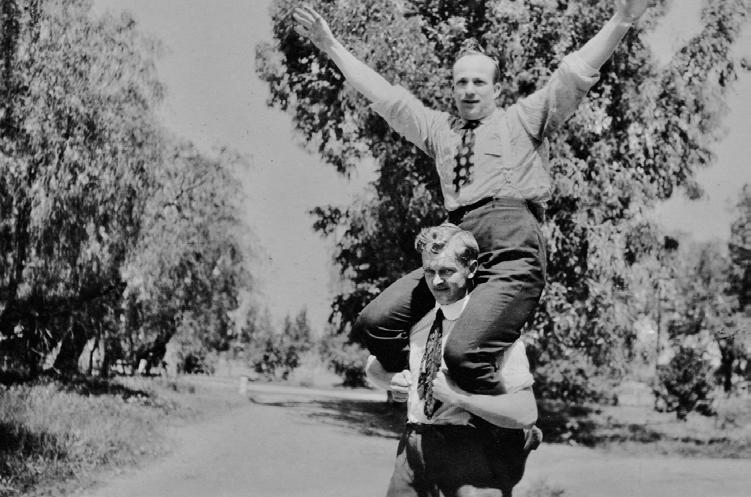
Today, Elk Grove Regional Park remains one of the city’s most treasured gathering places — a location where generations have celebrated, played sports, attended events, and created lifelong memories beneath the same towering trees that welcomed visitors more than a century ago.
Significant changes arrived again in 1976. The old dance hall near the swimming pool was removed, and the historic Rhoads School was relocated from Sloughhouse Road to the park grounds. The school became part of a living history program that still educates hundreds of students every year.
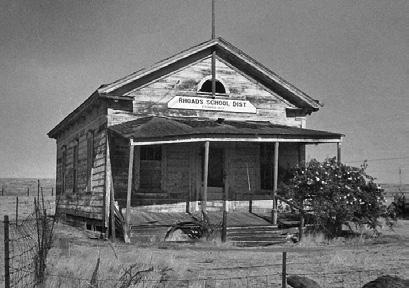
This effort also sparked the beginnings of the Elk Grove Historical Society. Members worked to reconstruct the historic Elk Grove Stage Stop building, which had been demolished during the construction of Highway 99. Today, the reconstructed Stage Stop serves as the Society’s home base and anchors several additional historical projects, including:
Elk Grove’s original jail
A blacksmith shop
The Foulks Ranch House
In 1985, the park district merged with the fire district to form the Elk Grove Parks and Recreation District, which later became the Elk Grove Community Services District.
In 1986, Sacramento County and the Community Services District entered into a 30year lease agreement dividing maintenance responsibilities across the park’s acreage. By 2003, the Cosumnes Community Services District (CCSD) assumed responsibility for all operations and maintenance of the park’s 127 acres.
Today, Elk Grove Regional Park remains one of the city’s most treasured gathering places — a location where generations have celebrated, played sports, attended events, and created lifelong memories beneath the same towering trees that welcomed visitors more than a century ago.
While the park itself has continually evolved, two of its most memorable features — the dance hall and swimming pool — hold stories all their own. In Part 3 of this series, we’ll take a closer look at the rich history, community traditions, and unforgettable memories connected to these iconic landmarks of Elk Grove Regional Park.
The previous information was compiled from and based on several articles written by local Elk Grove historian Elizabeth Pinkerton. Our community remains deeply indebted to her years of dedication in preserving and sharing Elk Grove’s history.