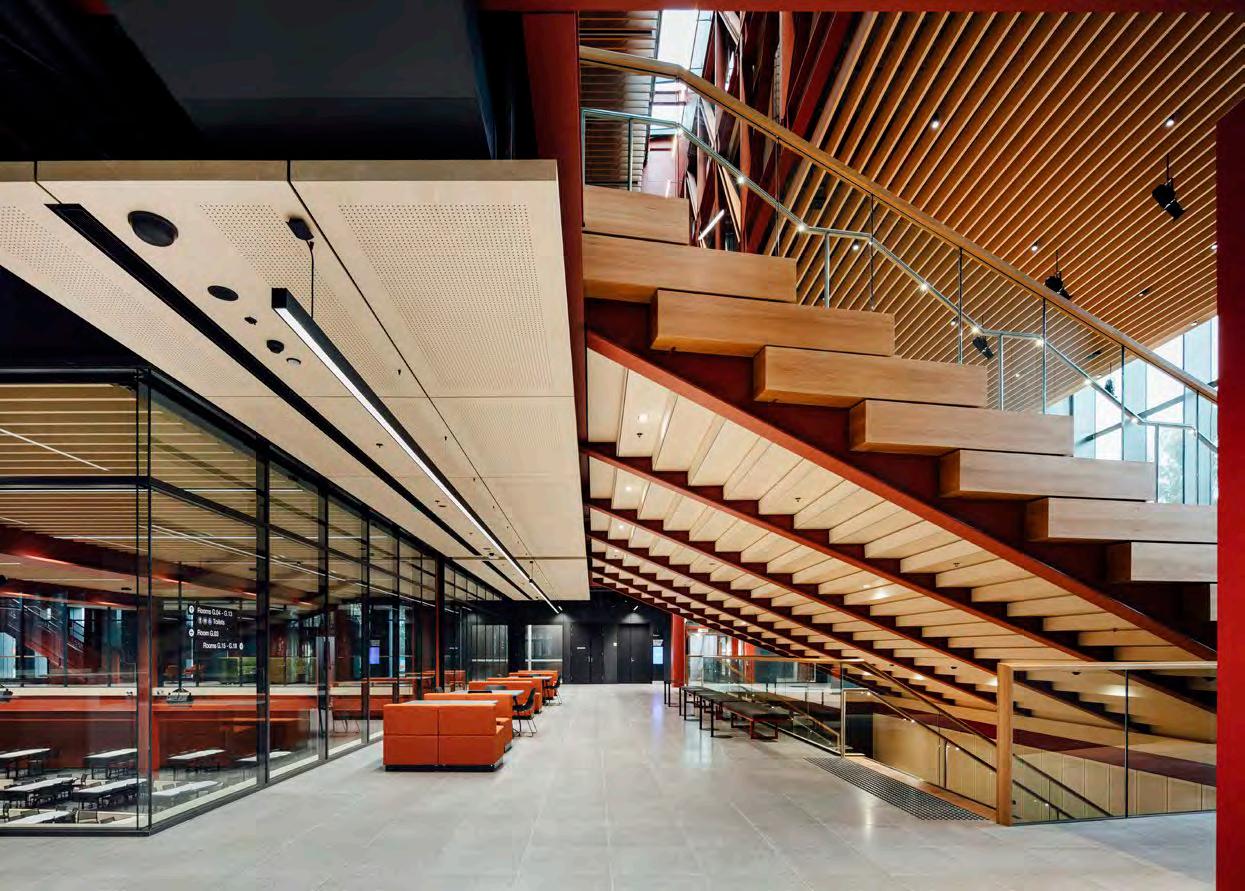
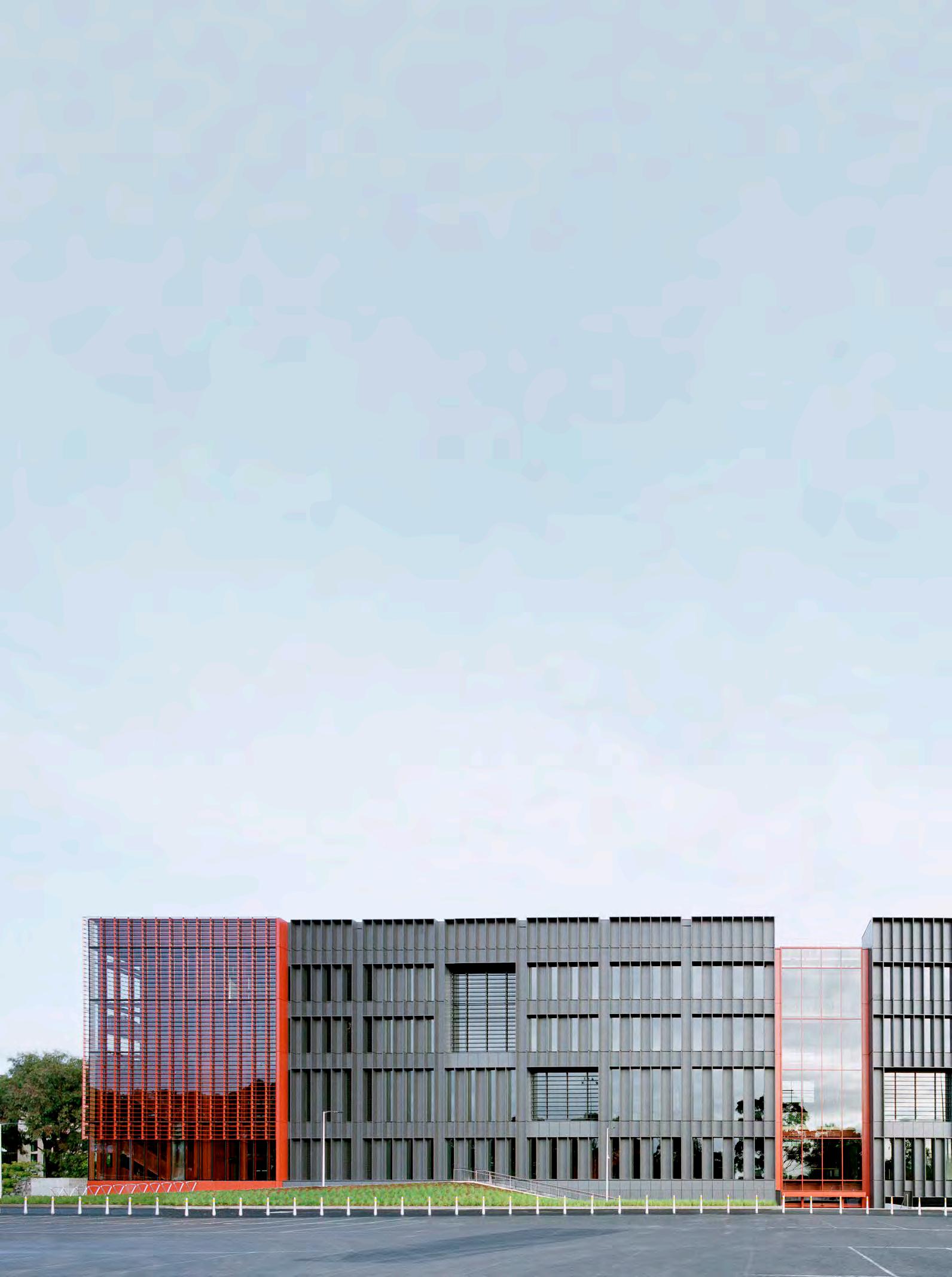
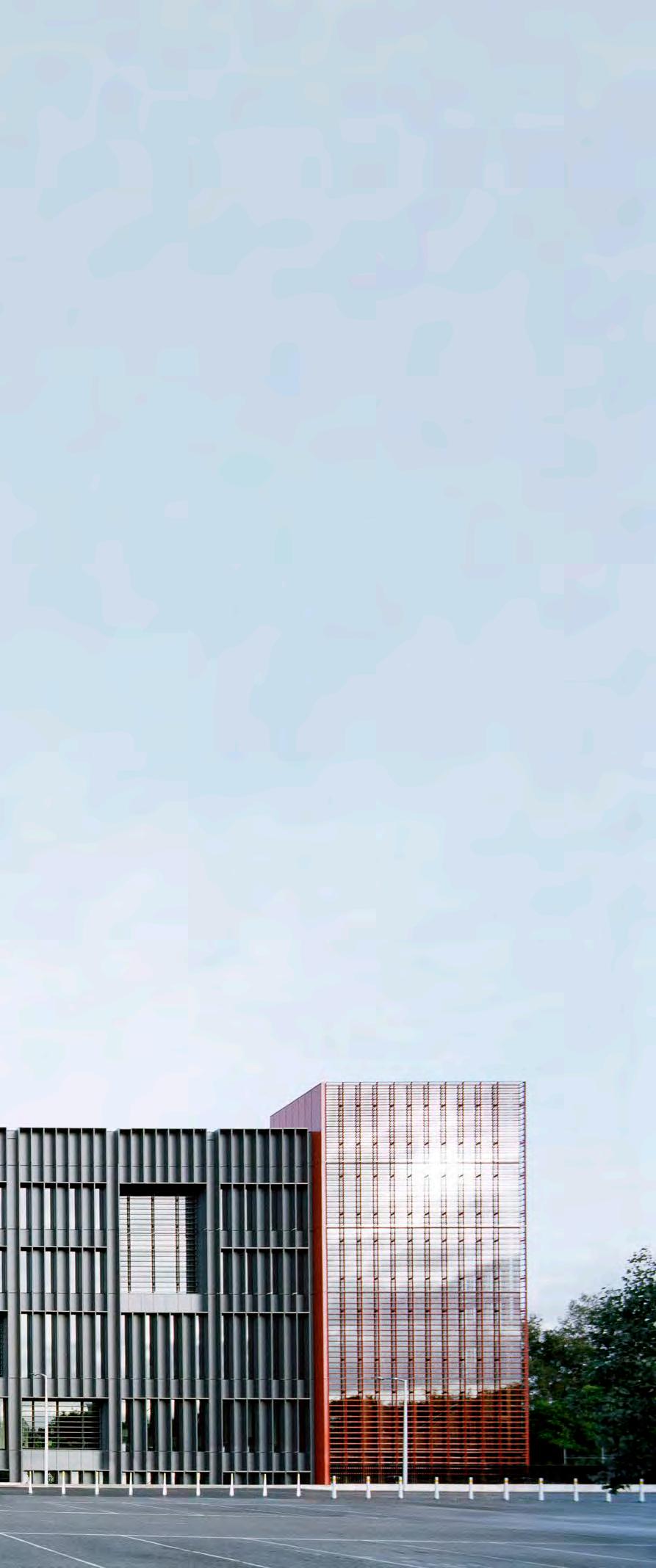
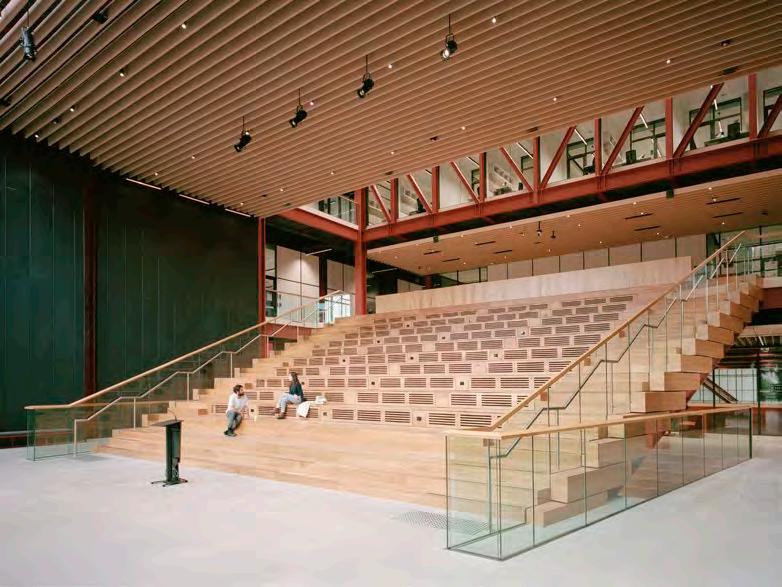
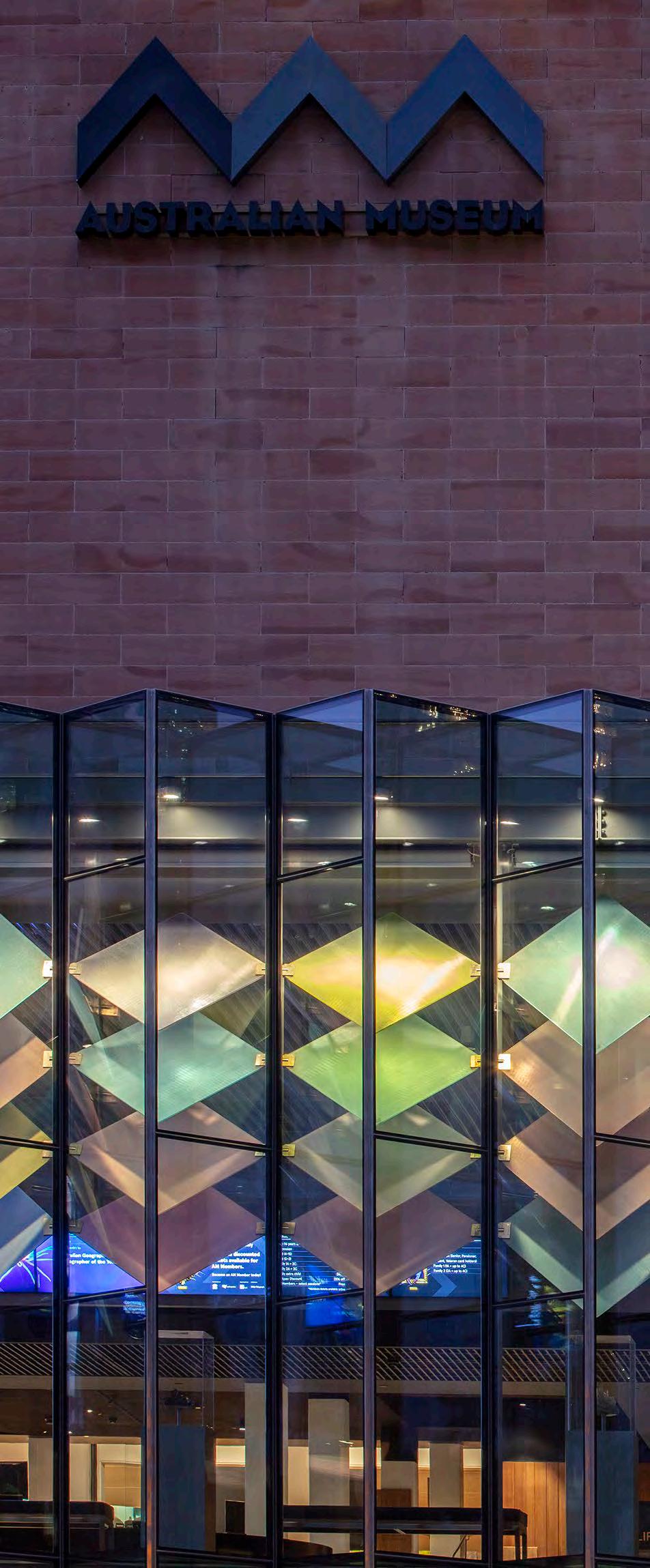
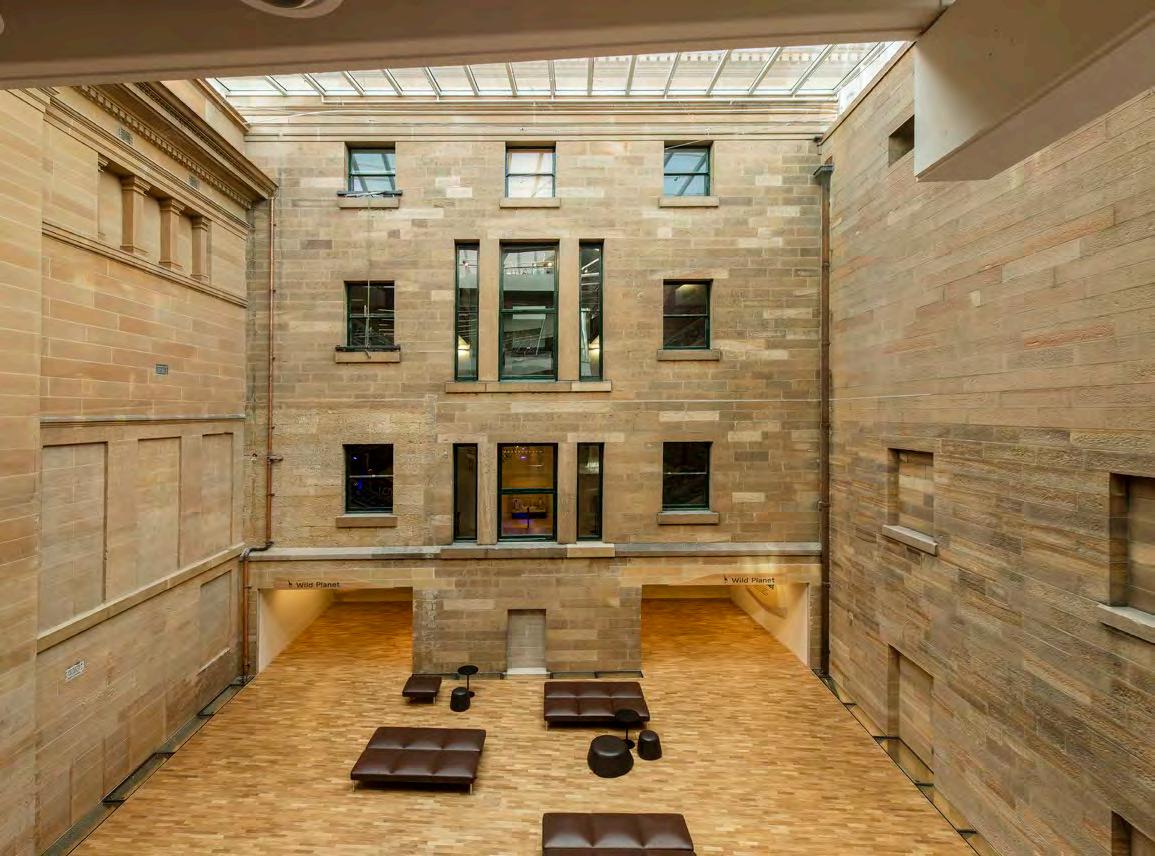
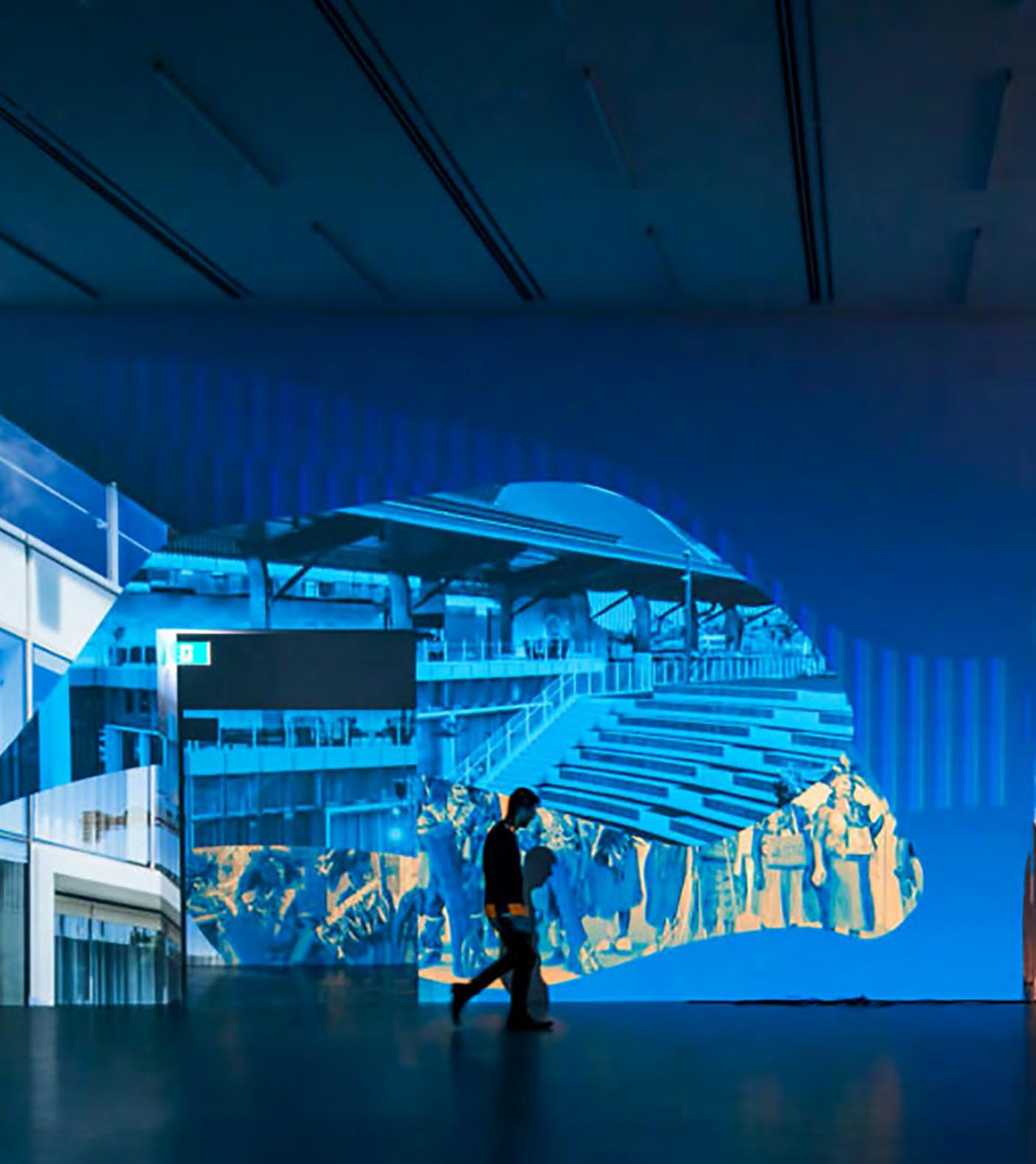
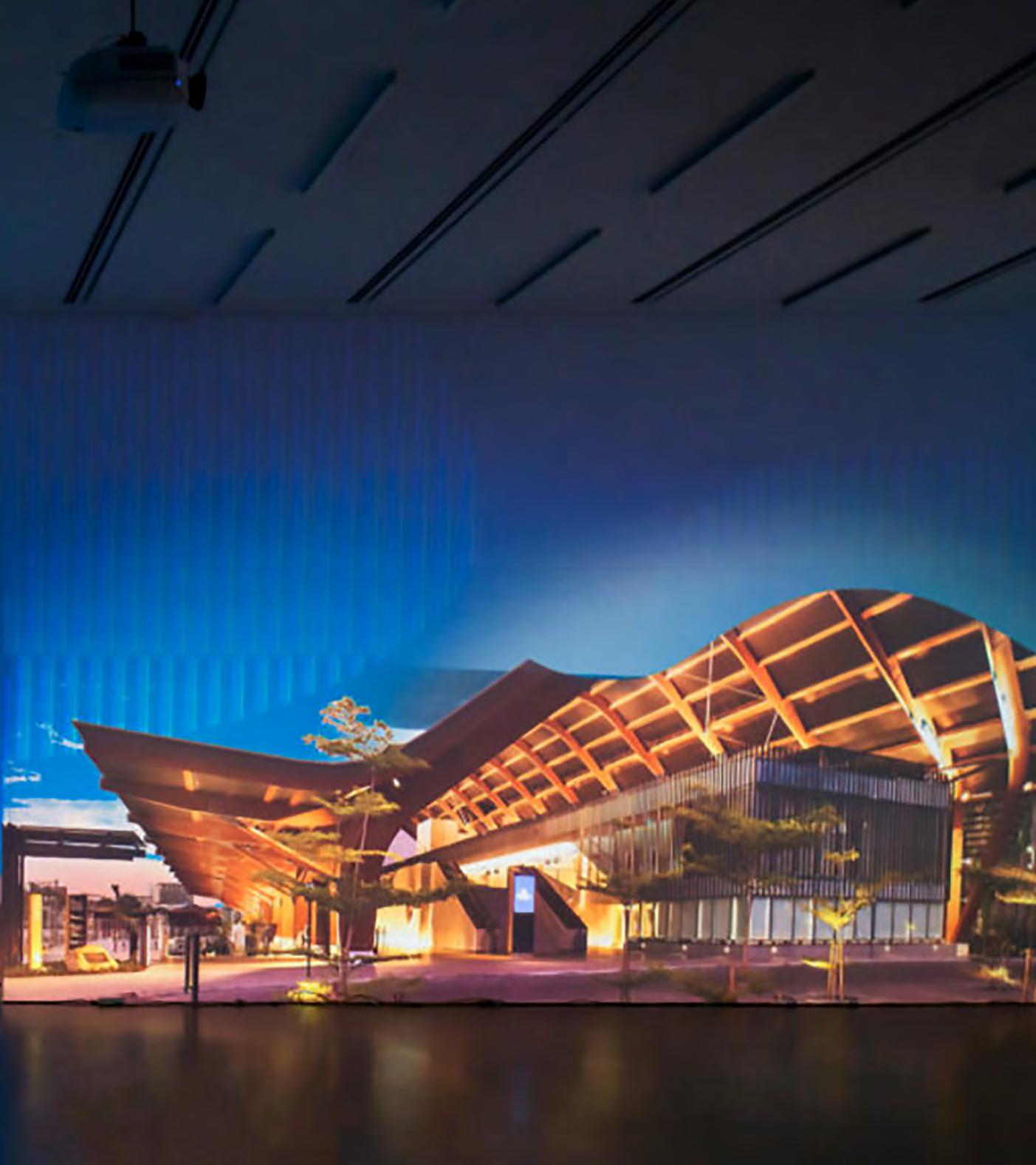
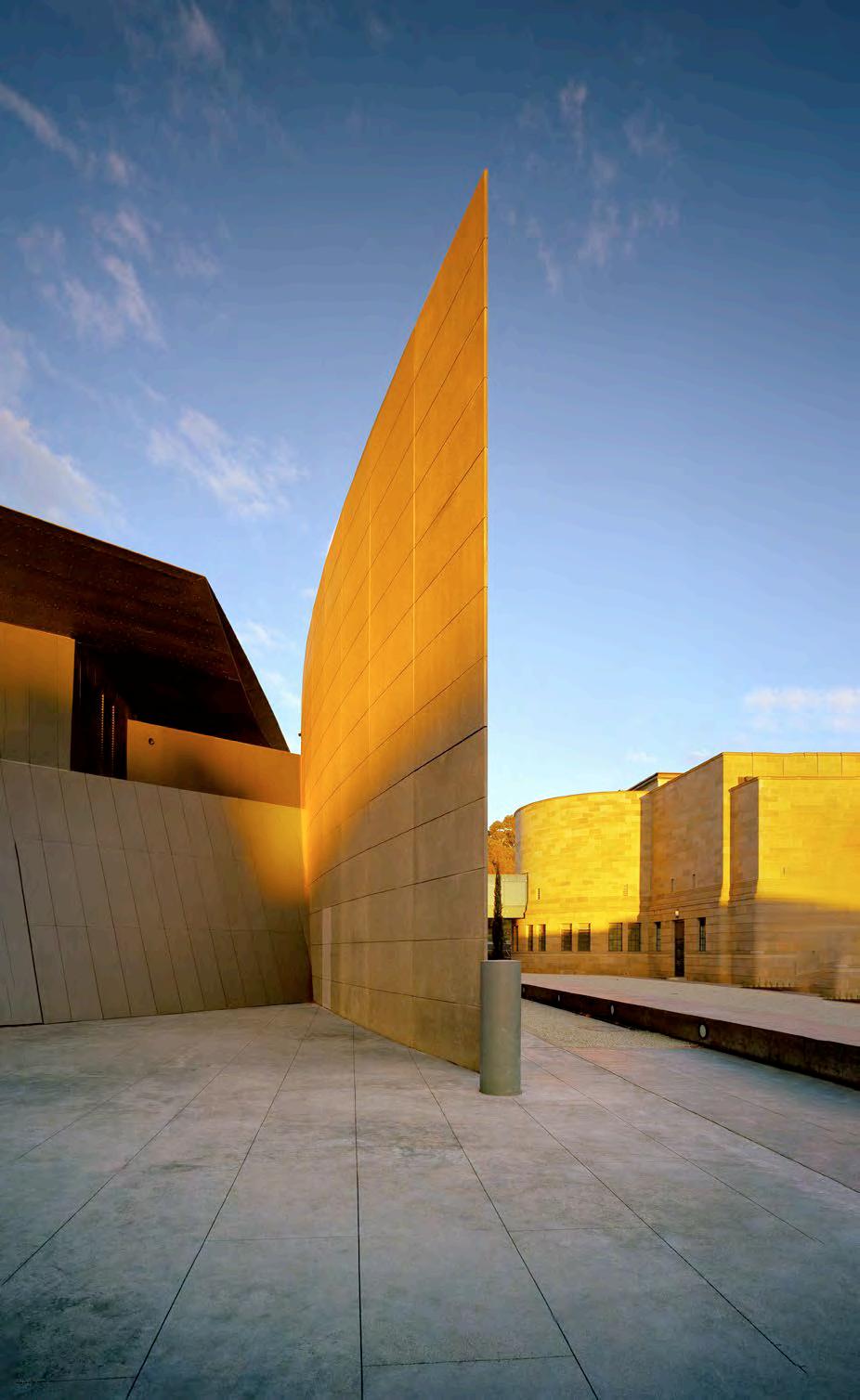
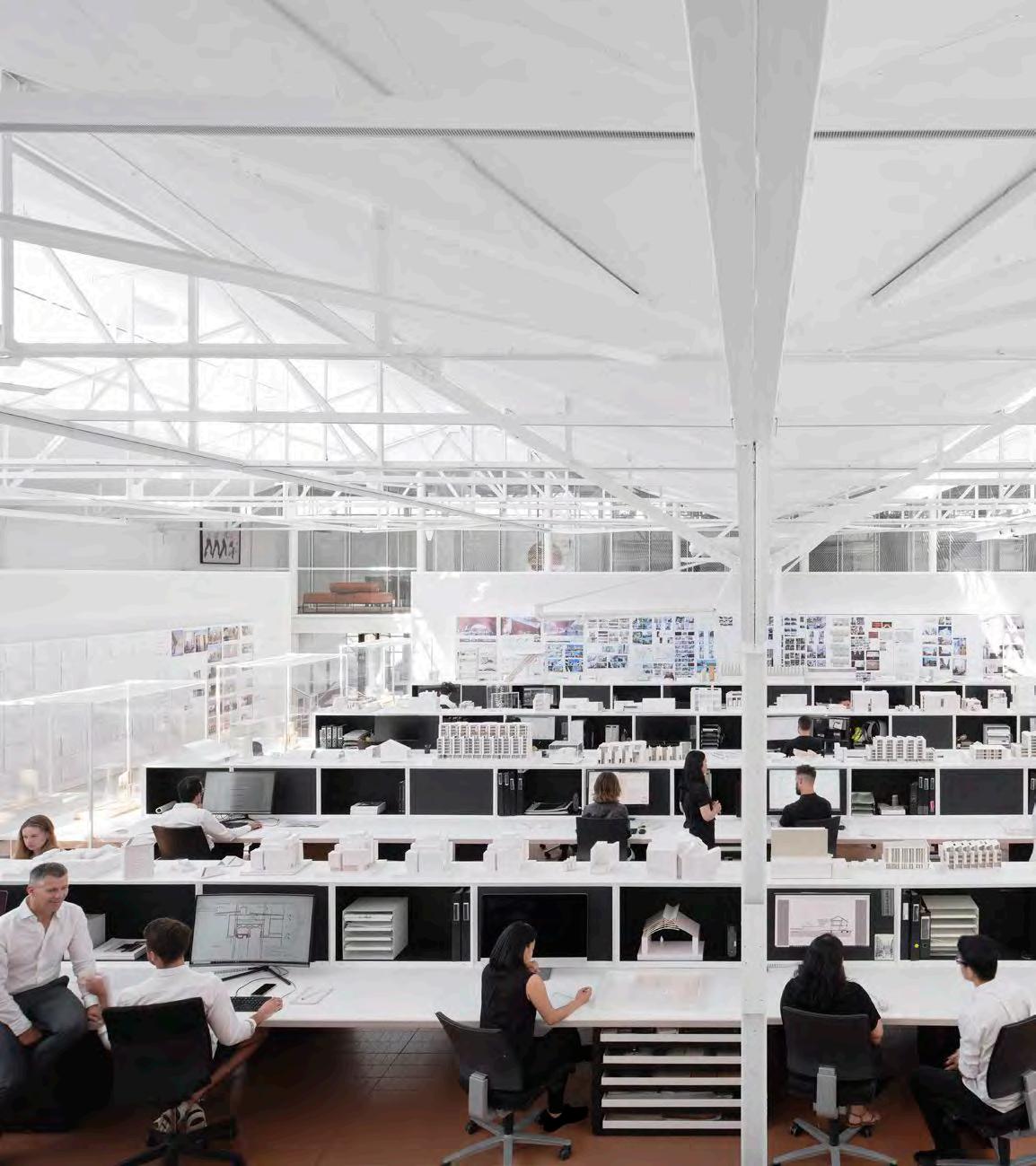
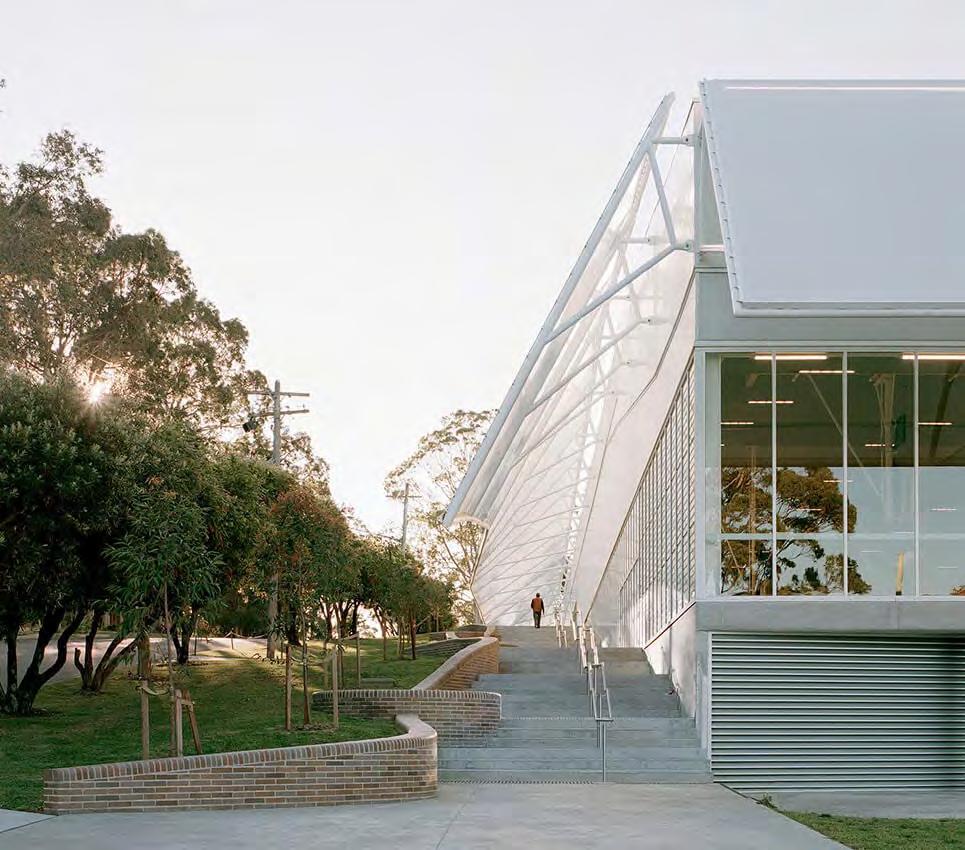
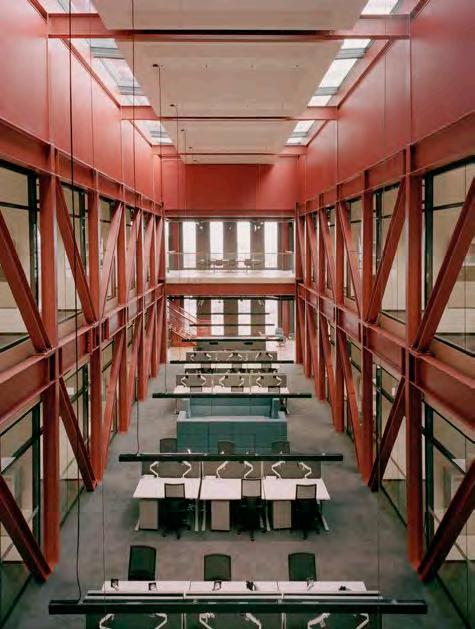
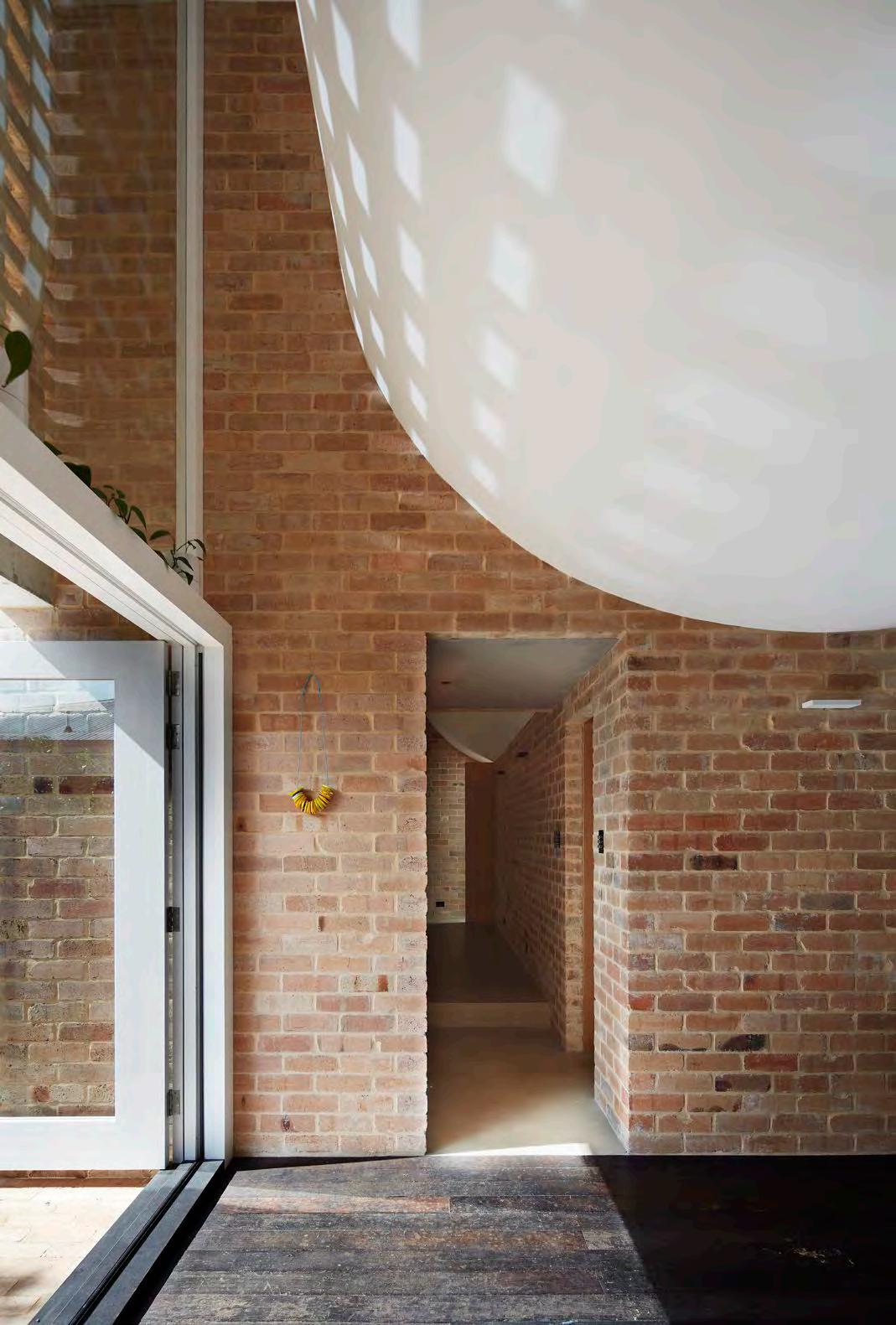
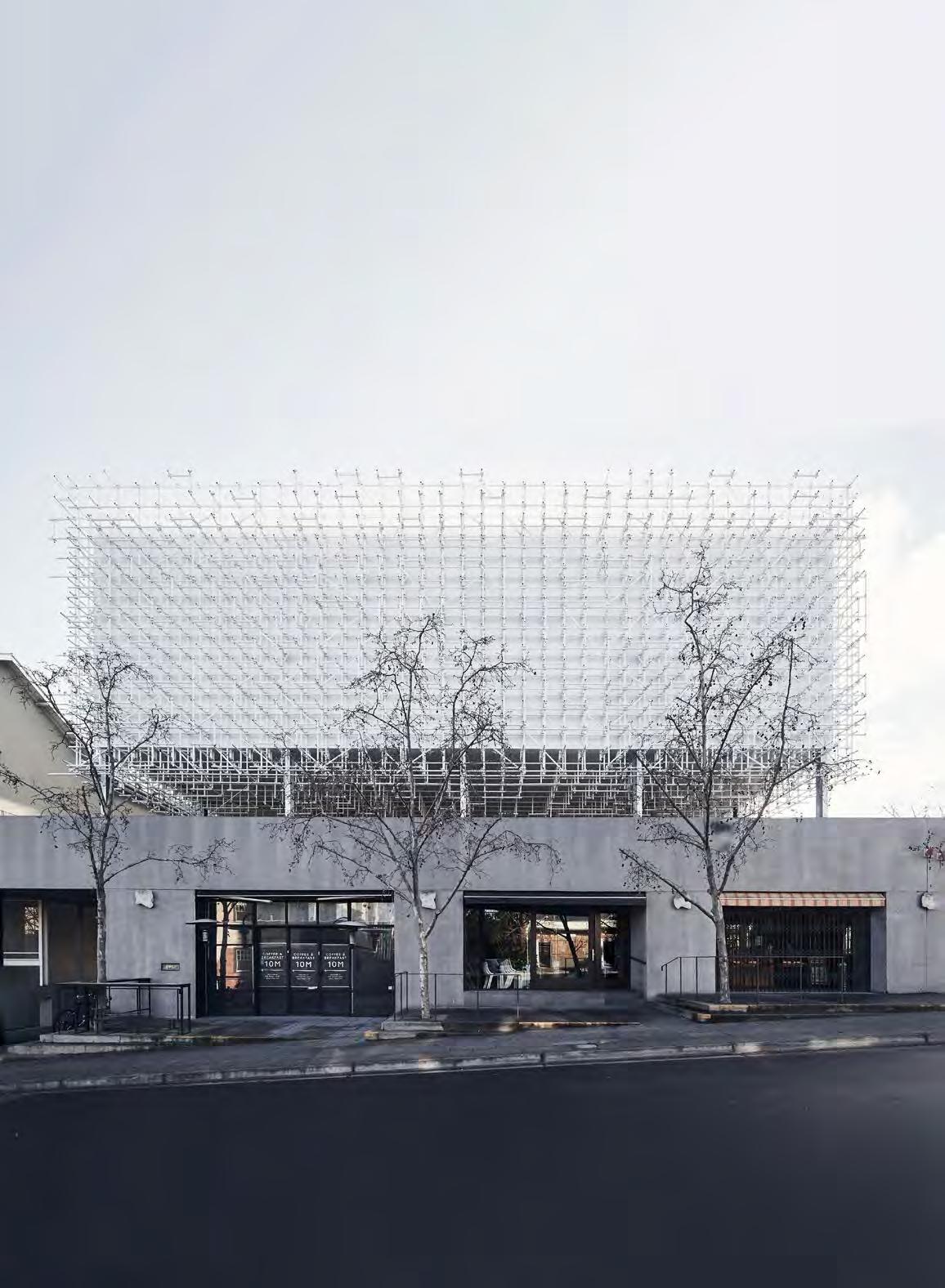
The Monash Woodside Building for Technology and Design is a transformational, transdisciplinary facility for the Faculties of Engineering and Information Technology at Monash University. It initiates new models of learning alongside academic research and administration and establishes precedent setting environmental innovation. Among the largest Passivhaus certified education buildings in the world, it will assist Monash to achieve net zero carbon by 2030.
It will simultaneously initiate a pilot of international leadership in learning environments. With immersive and interactive technology throughout, Woodside combines large-format, expert-led adaptable teaching spaces with advanced manufacturing laboratories for students and researchers to embrace innovation, design and cuttingedge technology for the development of new solutions in sustainable energy.
The building intends for Monash to impart a global impact in academic and learning excellence in concurrence with environmental leadership and industry partnerships into campus, students and academic staff, and a deep commitment to social and sustainable outcomes.
Everyone benefits from good architecture
To demonstrate the value of architecture and support the profession
The Australian Institute of Architects is the peak body for the architectural profession in Australia, representing close to 13,000 individual members and almost 2000 practice members around the country and abroad.
Established as a national member-based association in 1930, we support members at all stages of their careers, from students and graduates to registered practitioners, from those working in affiliate industries and academia to those who have retired from practice and remain committed to the profession.
Through the delivery of dedicated and tailored continuing professional development, awards and recognition programs to promote best practice outcomes and targeted advocacy to all levels of government on behalf of the profession and consumers, we strive for better, safer and more sustainable communities for all Australians.
~13,000
INDIVIDUAL MEMBERS
ARCHITECTS, GRADUATES, STUDENTS, ACADEMICS, AFFILIATES, RETIRED PRACTITIONERS
~2000
SOLE PRACTITIONERS, SMALL, MEDIUM AND LARGE PRACTICES
9 CHAPTERS
1 VISION
1 UNITED VOICE FOR THE PROFESSION
As I write, floodwaters are ravaging Australia’s east coast, COVID-19 restrictions continue to interrupt our lives, and homelessness grows while affordability declines – all while our politicians are in election mode. On the global stage, we are enraged and saddened at the devastation inflicted on the people of Ukraine, who are suffering beyond what we can imagine in this country. These are indeed times of change.
Despite this turbulence, I believe our society is on an unstoppable trajectory that will ultimately improve our communities, our profession, and our built environment. So while it is traditional to look back on the year that was for this report, I want to focus on this looming wave of disruption and how we can shape it as architects.
This time of unprecedented disruption is prompting a reset of the way we work, live and play, reshaping our institutions. Likewise, our business practices are changing to new models as the economic and social imperative to act on climate is increasing. We need to revisit the built environment’s investment focus in order to meet social needs.
Where does that leave our policymakers? We require a new generation to step up and be supported to replace the tired, it’s-my-turn norm. Their message will be clear, the need to provide balance to ecosystems, renew the destruction we have caused, and provide equity in the way we live. These philosophies echo the Institute’s virtual exhibition for the 2021 Venice Biennale InBetween, which provided a voice for First Nations designers across Australia and the Pacific in response to the global theme: How will we live together?
As architects, we are well placed to respond to these complex challenges given the diversity of voices we have enabled through the Institute. Strengthening our collective voice has been a key focus for my time as National President. I’m particularly excited about our work to empower the next generation of architects through the Student Organised Network for Architecture (SONA) and the Emerging Architects and Graduate Network (EmAGN). These groups provide a seat at the table to bring about genuine change, not only for the built environment but for wellbeing and opportunity development across our profession.
The enthusiasm of youth backed by the understanding of experience is powerful. There is much to be learned from the honoured elders of Australia’s architecture profession. By leaning into a genuine and respectful dialogue across age, gender and race we can try to disrupt our profession in a way that generates positive change for the Australian community – and not just disruption for disruption’s sake.
THE ENTHUSIASM OF YOUTH BACKED BY THE UNDERSTANDING OF EXPERIENCE IS POWERFUL.
THERE IS MUCH TO BE LEARNED FROM THE HONOURED ELDERS OF AUSTRALIA’S ARCHITECTURE PROFESSION. BY LEANING INTO A GENUINE AND RESPECTFUL DIALOGUE ACROSS AGE, GENDER AND RACE WE CAN TRY TO DISRUPT OUR PROFESSION IN A WAY THAT GENERATES POSITIVE CHANGE FOR THE AUSTRALIAN COMMUNITY.
We need to consider what the role of architecture should be.
On my first day at university, Professor David Saunders challenged my class to consider whether the meaning of architecture could be found in the opening sentence of Nikolaus Pevsner’s, An Outline of European Architecture (1942). “A bicycle shed is a building; Lincoln Cathedral is a piece of architecture. Nearly everything that encloses space on a scale sufficient for a human being to move in is a building; the term architecture applies only to buildings designed with a view to aesthetic appeal.”
It has taken me a few years to answer this. In my view Pevsner was wrong. His statement overlooks architecture’s inclusive emotion – the heart and soul – regardless of its exclusive grandeur. Now more than ever, I believe the role of the architect is in providing humanitarian responses to social needs.
This social role for architecture has been at the heart of my vision for my term as your National President. I’m grateful for the opportunity to lead the Institute’s response to social needs through our Living Village Design Competition, which allowed emerging architects to deliver a vision for accessible and affordable housing in South Australia. This competition is part of a larger program that will be realised under our recent MOU with Housing All Australians.
On a personal note, it has been a Zoom Presidency, but it has been a privilege to lead the Institute through a period of change. I have learned so much more about the spirit of our people through these times, as design professionals working in new and innovative ways, running practices both in person and remotely. Our profession is evolving and increasing our relevance to our communities.
I’m heartened at the stand for quiet pride in our Australian professional heritage delivered at our Lost Opportunities Symposium. We could confidently stand among the Pritzker Prize laureates.
Finally, I’m humbled mine is the first Italian surname to be added to the presidential rollcall of National Presidents and feel greatly privileged to have had the Utzon Presidential Medallion on my suburban Adelaide desk this year. As you read this, Shannon Battisson will have this honour. I look forward to her leadership with confidence that she will continue to advocate as the voice of a new generation for the Australian Institute of Architects.
Tony Giannone FRAIA National President
AS ARCHITECTS, WE ARE WELL PLACED TO RESPOND TO COMPLEX CHALLENGES GIVEN THE DIVERSITY OF VOICES WE HAVE ENABLED THROUGH THE INSTITUTE.
STRENGTHENING OUR COLLECTIVE VOICE HAS BEEN A KEY FOCUS FOR MY TIME AS NATIONAL PRESIDENT.

DURING 2021, THE INSTITUTE CONTINUED TO BE A RESPECTED LEADER IN RELATION TO THE BUILT ENVIRONMENT, ADVOCATED IMPACTFULLY ON BEHALF OF MEMBERS AND THE PROFESSION, DELIVERED VALUE TO MEMBERS AND REMAINED A STRONG AND VIABLE ORGANISATION.
As I reflect on the past year’s challenges and achievements, I’m struck by what can be achieved through the combined efforts of the staff of the Institute and its members working together towards our shared vision, that of ensuring every Australian benefits from good architecture.
Despite the challenges faced by all Australians in this past year, much has been achieved by the Institute and its members. I've particularly noticed the way in which the power of our many working groups and committees, comprising largely member volunteers and representative staff from the Institute, have come together to progress the commitment of providing a stronger voice for the profession.
The Institute reached a new milestone with close to 13,000 members at the end of 2021. This high point in membership is testament to the Institute’s concerted efforts to enhance member value by focusing on member benefits and where possible lowering membership fees.
Members enjoyed their new Community discussion forum, which has continued to grow in popularity with members seeking to engage with their peers on topics of interest.
Our popular CPD provider platform, Refuel, went through a comprehensive overhaul in 2021, offering members an increase in number and quality of CPD providers, along with a new Refuel Course Search portal. We also delivered more than 400 member events around the country.
Indeed, despite the continued adverse effects of the pandemic on our members’ practices, the community at large, we met adversity with resolute strength to deliver more to support our profession.
Our commitment to providing members with a Research, Data and Insights Library continues into 2022. It is aimed at providing a one-stopshop for critical information, which will help our members strengthen design and practice management.
Working with RIBA Client Services the Institute launched the Stronger Insights for Stronger Practice – Client Feedback Research Report Together with the launch of our COVID Impact Pulse Point Report, a check in with Australian architectural practices to learn about the impact of COVID on their practices, this provided the Institute with learnings and opportunities to further support all members into 2022 and beyond.
The Institute’s ongoing commitment to providing the profession with a louder voice was strengthened even further with more audiences engaged across our various social media channels. Our Facebook channel has more than 10,000 followers, Instagram has 49,000, Twitter has more than 9000, YouTube at over 2500 and LinkedIn now reaches a milestone of 30,000 followers.
Our promotion of the value of working with an architect to the broader consumer market continued with yet another successful staging of our national and chapter architecture awards season, based on a hybrid model of digital and face-to-face events. These were experienced by more than 40,000 viewers throughout 2021.
In 2021, we launched our climate action initiative to further encourage members to join the decarbonisation journey. This included an ongoing series of stories celebrating how member practices have achieved net zero. As part of our carbon neutral campaign, more than 200 members signed up to use the Institute’s digital assets to promote their climate change credentials. The 2021 calendar year ended with the 2021 Climate Action Forum, which was attended by more than 700 registrants. To date it has been viewed by over 4,000 people.
The Institute itself signed the NoCO2 Certification Program Agreement with the Carbon Reduction Institute on 9 September 2021, which means the Institute is now carbon neutral. You can find us listed on the Low Carbon Economy website: lowcarboneconomy. com.au, which enables users to search low carbon suppliers by category.
The Institute’s Policy and Advocacy team published more than 40 submissions delivering long- and short-term advocacy strategies both nationally and at chapter level.
2021 has also been a busy year for submissions to both the Architects Accreditation Council of Australia (AACA) and the Australian Building Codes Board (ABCB). The Institute has played a key role in shaping the National Standards of Competency for Architecture, which now include even stronger competencies on sustainability and the Australian construction sector’s first ever First Nations competency standard for any built environment profession or occupation.
I would like to thank all those who were members of the Institute in 2021 for your support, with a particular mention to those who volunteered their time to be actively involved in one or more of the significant number of roles that members take on each year including participating in councils, committees and working groups.
Thank you also to every Institute staff member for your significant contribution during 2021, despite the constant challenges. Your input helped ensure that the Institute continued to be a respected leader in relation to the built environment, advocated impactfully on behalf of members and the profession, delivered value to members and remained a strong and viable organisation.
Barry Whitmore Interim Chief Executive Officer
THE INSTITUTE HAS PLAYED A KEY ROLE IN SHAPING THE NATIONAL STANDARDS OF COMPETENCY FOR ARCHITECTURE, WHICH NOW INCLUDE EVEN STRONGER COMPETENCIES ON SUSTAINABILITY AND THE AUSTRALIAN CONSTRUCTION SECTOR’S FIRST EVER FIRST NATIONS COMPETENCY STANDARD FOR ANY BUILT ENVIRONMENT PROFESSION OR OCCUPATION.
As I reflect on everything that was 2021, I would particularly like to acknowledge the tremendous voluntary contributions of our members across Australia. They have generously donated their time, energy, skills and aspirations to National Council, our chapters, committees and working groups.
My sincere thanks also to every one of our Institute staff for their significant efforts throughout such a challenging year. Your steadfast work ethic and productivity further strengthened our ongoing commitment of showcasing the value of architecture and providing the profession with a strong voice across the Australian community.
GENEVIEVE OVERELL AM Board Chair and Independent Director
GIANNONE FRAIA National President

SHANNON BATTISSON FRAIA National President Elect

ANDREW BROFFMAN FRAIA National Council Director
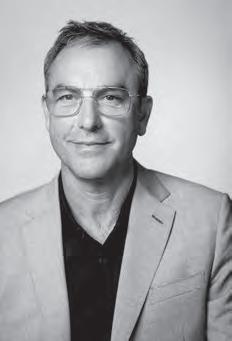
FRAIA National Council Director
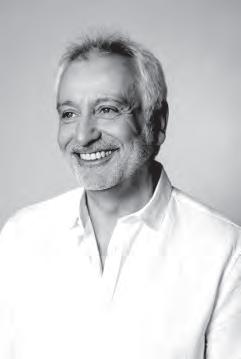

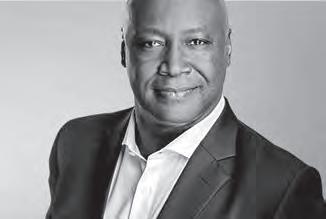
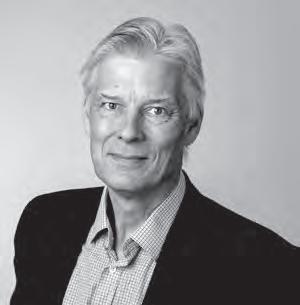

COTTERELL FRAIA International Chapter Chair

JANE CASSIDY RAIA ACT President
CANDALEPAS LFRAIA Nationally Elected Councillor








HOOPER FRAIA Nationally Elected Councillor

TONY GIANNONE FRAIA National President
SHANNON BATTISSON RAIA National President Elect
ALICE HAMPSON LFRAIA Immediate Past President
ANDREW BROFFMAN FRAIA National Council Director
PETER HOBBS FRAIA National Council Director


COUPE FRAIA SA President
Nationally Elected Councillor
MESQUITA-MENDES SONA President





WHITMORE Interim Chief Executive Officer, Chief Financial Officer MIKE ADLAM General Manager, Communications, Marketing & National Events LISA MOORE FRAIA Nationally Elected Councillor
HARDWICKE General Manager, Policy, Advocacy & Education

LFRAIA Nationally Elected Councillor


LIDAS General Manager, Strategic Innovation & Enterprise

General Manager, Membership Services
MEMBERSHIP BY CATEGORY
DATA AS AT 31 DECEMBER 2021
1% HONORARY
10% STUDENTS
8% AFFILIATES 62% ARCHITECTS
85 HONORARY

19% GRADUATES
35% EMAGN MEMBERS
The Emerging Architects and Graduates Network (EmAGN) represent graduates who are within 15 years of graduation and architects who became registered within the last 10 years. This represents 35% of all Institute members.
10% STUDENT MEMBERS
33% INDIVIDUAL MEMBERS
57% ENROLLED MEMBERS UNDER A+ PRACTICES
1348 STUDENTS
8018 ARCHITECTS AFFILIATES 1037 GRADUATES 2434
12,925 INDIVIDUAL MEMBERS 1954 A+ PRACTICES
10 NEW LIFE FELLOWS


41
224
ARCHITECT MEMBERS
350
GRADUATE MEMBERS
596 NEW STUDENT MEMBERS
NEW A+ PRACTICES 6% INCREASE IN AFFILIATE MEMBERS
61+% INCREASE MEDIA MENTIONS FROM 2020
6.6M
Beyond our commitment to keep members up to date on Institute and industry news, the Institute’s brand and communications strategy is primarily focused on connecting, building and engaging consumer audiences with the clear value proposition that everyone should have access to good architecture and enjoy the benefits of working with an experienced and qualified design professional.
To that end, in 2021, we greatly increased the Institute’s traditional media and social media exposure, engaging more people to the achievements of the profession and the Institute throughout the year.
We strengthened our presence across key broadcast, print and online media, with an increase of over 61% media mentions (from 2020) for Institute campaigns and initiatives, in particular, regarding our efforts in climate action and participation in COP26, #HandsOffAnzacHall campaign, COVID-19 stimulus, Bushfire recovery initiatives via Architects Assist, Reading Architecture, which brings together articles from our suite of publications, and of course our ever-popular National Architecture Awards program.
In addition to communications support around the above-mentioned policy campaigns, the 2021 calendar year was framed under the Institute’s 90th anniversary celebrations, which provided an umbrella for a number of national and state-led events and campaigns.
ACROSS SOCIAL MEDIA CHANNELS
54%
INCREASE IN YOUTUBE FOLLOWERS
COMMUNITY GROWTH
23%
INCREASE IN FOLLOWERS
COMMUNITY GROWTH
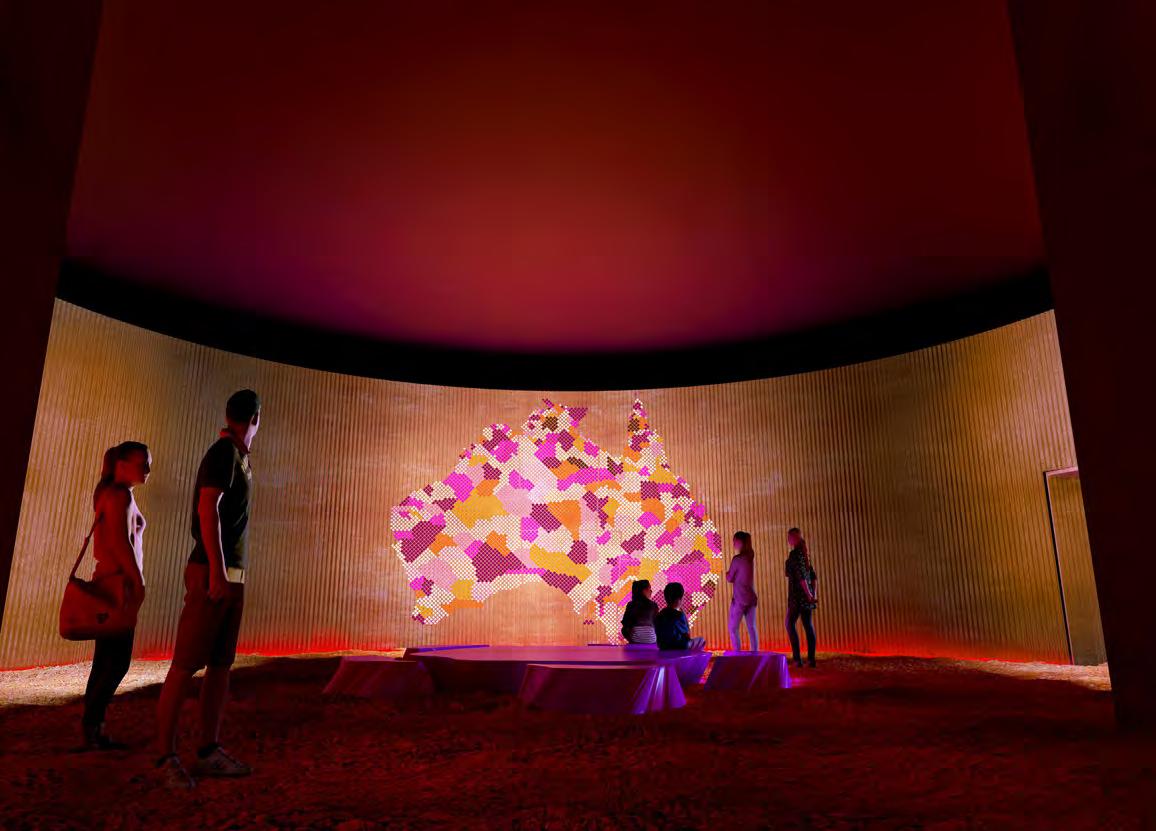
Another significant event and campaign milestone for the Institute was the launch of the 2021 Venice Biennale, InBetween. Originally conceived for exhibition at the subsequently postponed 2020 iteration of the Venice Biennale, InBetween looks beyond Australia’s borders bringing together 20 projects from across Australia, Micronesia, Melanesia and Polynesia to amplify the important role architecture can play in retaining and rediscovering lost cultural knowledge. InBetween itself is a response to the overarching Biennale theme, How will we live together?
Following the successful pivot to hybrid events (a mixture of in-person and virtual celebrations) for the 2020 National Architecture Awards, 2021 achieved even stronger engagement with both member and non-member audiences, with an estimated 40,000-plus views of the program across the Institute’s social media channels.
Our social media channels themselves experienced strong growth in consumer and professional viewership and engagement, with an overall increase in community size of 13% across all channels. In particular, Institute YouTube and LinkedIn channels experienced very strong community growth of 54% and 23% respectively.
Overall, Institute social media channels as a whole achieved over 273,000 engagements (where people are actively liking, sharing or commenting on posts) and 6.6 million impressions (the number of times our content is seen by people in Australia and around the world).
The past year has certainly thrown many challenges and we managed to display a considerable amount of adaptability while continuing to support the values and the goals of the Institute.
In 2021 we engaged a new development project that saw us migrate our legacy data files from an aging storage system to MS Teams. This has brought about many benefits including accessibility for staff while working in any location, as well as securing our data and making it more collaborative. This project contained a large data migration but also an archiving of redundant data files. This decreased our reliance on RDS servers and enables us to become a more dynamic organisation.
At the same time, we upgraded all sites with new internet connections, more dedicated bandwidth and greater security inside our private cloud. This involved new routers and security but also 4G failovers if landline carriers are interrupted.

• The introduction of a SMS marketing tool allows us to send SMS direct to members for critical reminders like expired memberships, special events. This fully integrates with iMIS.
• We have also utilised the iimport tool which allows us to make bulk changes to member data without having to engage a third party. This has been especially helpful in updating changes in status etc and has been a real productivity saving.
• In 2021 we upgraded our Sophos Antivirus and malware tool and this has been installed on all corporate devices and offers superior protection against infections, hacks and ransomware.
• Throughout 2021 we began swapping out old desktop PCs for the flexibility of laptops. This has allowed us to be far more agile and offers staff the ability to work in many locations.
• The introduction of Multi Factor Authentication secures our corporate data by using an authentication app. This prevents unauthorised users accessing corporate data.
• We are near completion with the CPD tracker integration in iMIS. This gives members a dashboard to alert them to their CPD status for the year. Its functionality also allows our members to produce a statement for submission to the relevant registration board.
• Final non-critical data migration from Vitruvius to iMIS. This will allow the final decommissioning of the legacy CRM.
• Awards integration into iMIS. This project brings awardforce data into iMIS and will massively decrease data handling for staff but also keep more accurate awards and prizes records.
Delivering exceptional programs that recognise and promote members’ achievements is central to the Institute’s role as the profession’s peak body.
The Institute’s peer-reviewed awards program exemplifies bestpractice architecture, providing qualitative examples of how architecture can deliver outstanding outcomes. These innovations are shared at national, chapter and regional awards programs.
Projects spanning residential, commercial, public, sustainable architecture, and more, provide an annual showcase of the best in the field. The subsequent media coverage highlights these achievements to a broad audience.
National Jury Chair Alice Hampson said, “These awards attest to our profession’s inventiveness, imagination, pulchritude and multiplicity.”
“Collectively, this year’s awarded works exhibit the richness, intelligence, viscerality, complexity, individuality and delight of which Australian architecture is capable.”
The Institute thanks the national jury for its consideration and efforts. The 2021 national jury members were Alice Hampson, Angelo Candalepas, Robert Nation, Ingrid Richards and Cameron Bruhn.
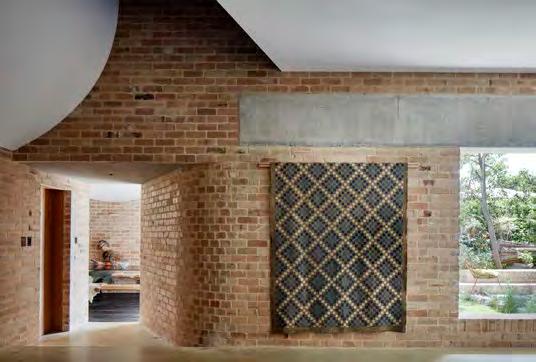
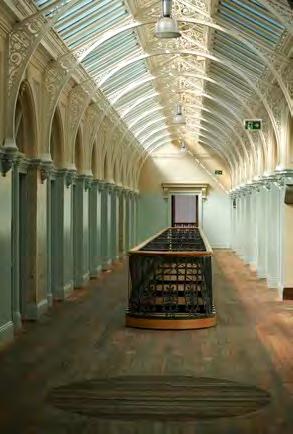
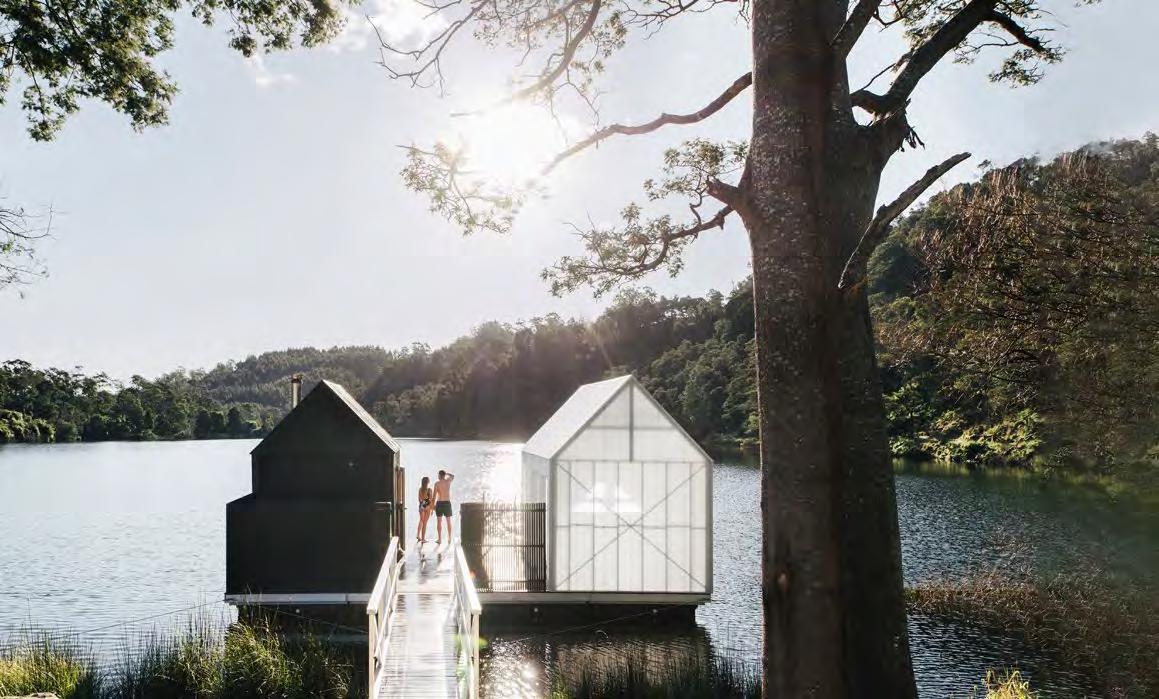
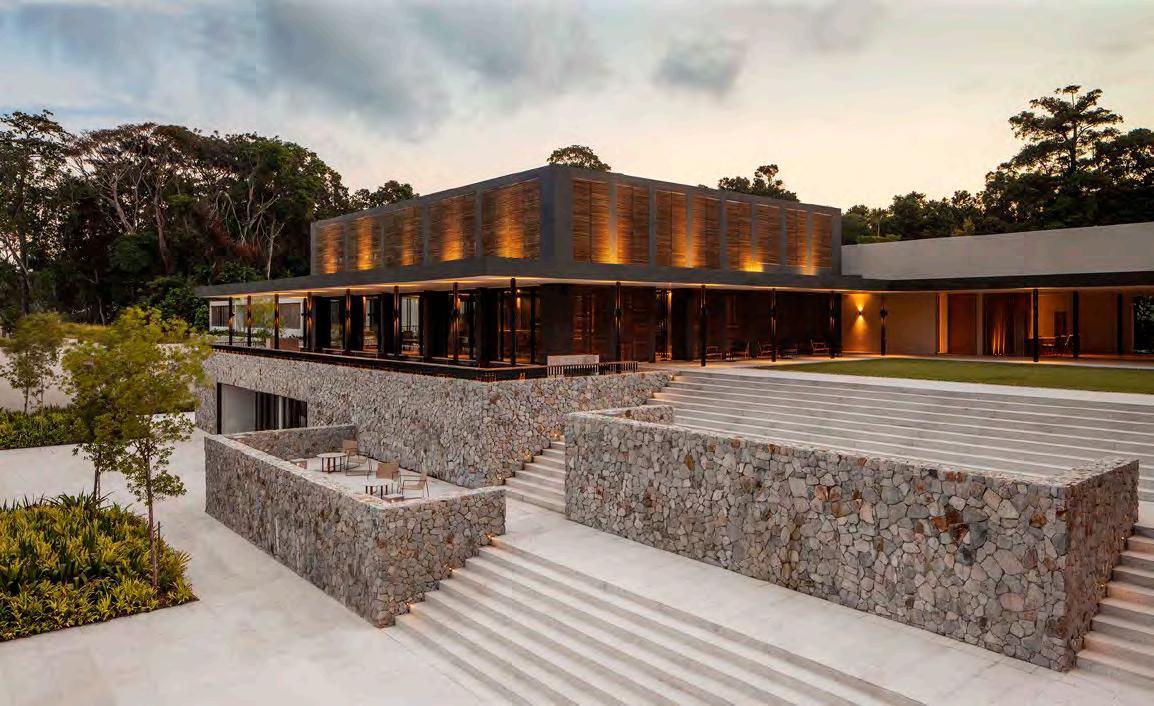
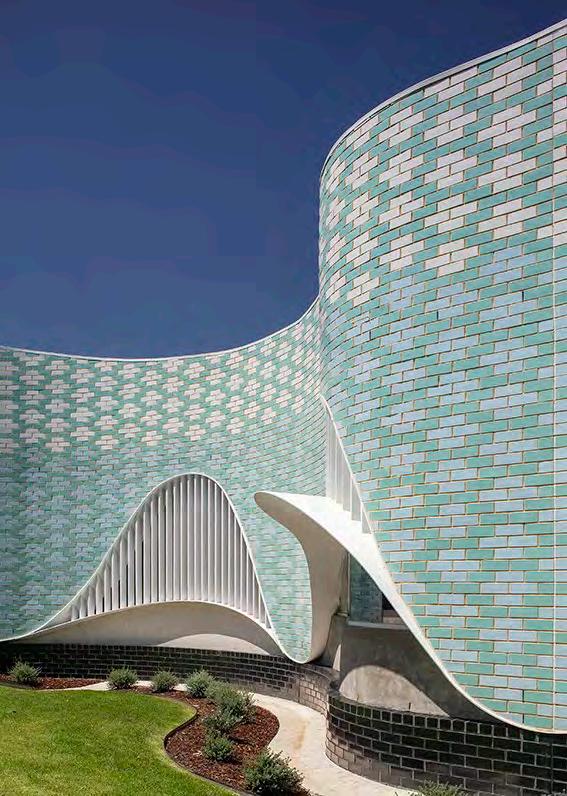
The national awards followed on from each chapter’s state and territory awards, with 165 projects from around the country and overseas progressing to national judging.
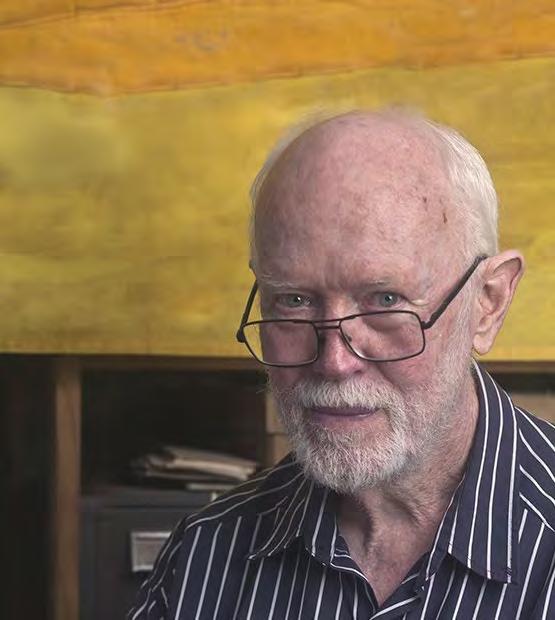
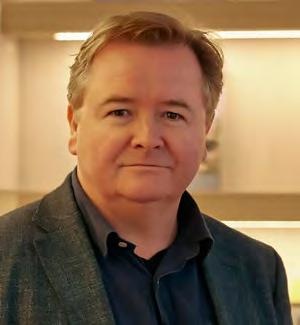
In recognition of a lifelong contribution to architecture, the Australian Institute of Architects awarded its most prestigious honour, the Gold Medal, to ‘Renaissance man’, Mr Donald (Don) Robert Watson.
The Queensland architect is described by the jury as “a perfect antidote” to much that has been difficult in 2020, and someone who “shines as a man of genuine achievement, architectural intelligence, altruism and modesty”.
In addition to the Gold Medal, a range of national prizes were bestowed to leaders within the profession from students to esteemed practitioners, recognising the outstanding contributions of members across all areas of architecture and practice.

3_
5_
6_

GOLD MEDAL
Donald Watson LFRAIA
NATIONAL PRESIDENT’S PRIZE
Andrew Mackenzie – Uro Publications
PAULA WHITMAN LEADERSHIP IN GENDER EQUITY PRIZE

Suzanne Hunt FRAIA – Suzanne Hunt Architect
NATIONAL EMERGING ARCHITECT PRIZE
Dino Vrynios – Das Studio
NEVILLE QUARRY ARCHITECTURAL EDUCATION PRIZE
Jointly awarded to:
Associate Professor Conrad Hamann – RMIT University and Professor John Macarthur – University of Queensland


STUDENT PRIZE FOR THE ADVANCEMENT OF ARCHITECTURE
Alvin Zhu – University of Queensland
LEADERSHIP IN SUSTAINABILITY PRIZE
Jointly awarded to:
Caroline Pidcock – PIDCOCK Architecture + Sustainability, and Tone Wheeler – environa studio

BLUESCOPE GLENN MURCUTT STUDENT PRIZE
Kelly Nortje – University of Queensland
AUSTRALIAN INSTITUTE OF ARCHITECTS DULUX STUDY TOUR
Carly Martin – Akimbo Architecture (NSW)
Elizabeth Walsh – Cumulus Studio (TAS)
Madeline Sewall – Breathe Architecture (VIC)
Nick Roberts – Roberts Gray Architects (VIC)
Simon Rochowski – studioplusthree (NSW)





The Institute plays a key role in representing the voice of architects and architecture as a profession to governments at all levels and to other construction industry stakeholders across Australia.
The Institute was very active throughout 2021 publishing more than 40 submissions and delivering long- and short-term advocacy strategies both nationally and at chapter level.
2021 has been a busy year for submission to both the Architects Accreditation Council of Australia (AACA) and the Australian Building Codes Board (ABCB). The Institute has played a key role in shaping National Standards of Competency for Architecture 2021 and delivering even stronger competencies on sustainability and the Australian construction sector’s first ever First Nations competency standard for any built environment profession or occupation.
The Institute has also responded extensively to the ABCB to:
• the National Registration Framework – a central piece of national guidance to the states and territories about practitioner registration,
• the five-yearly review of the National Construction Code that will deliver NCC 2022, and
• the ABCB’s proposed framework of CPD for all regulated practitioners.
State submissions are delivered often in the context of state budgets and elections. These have provided an opportunity to make important requests to government in respect of relevant expenditure outlays, and to request reviews and regulation that impacts architects and the built and natural environments. This includes matters such as heritage and planning controls, appropriate regulation of construction sector practitioners, government procurement and overall building quality, especially in relation to safety and sustainability.
Many of the Institute’s positions on these matters are expressed in even greater detail in response to specific government consultations. For instance, as building reform continues at different rates across the states and territories, seminal work has been carried out in the major initial submissions – especially those in Victoria and NSW and the detailed implementation such as design declarations in NSW. In Victoria, in 2021, the Institute has partnered with universities, the Association of Architectural Schools Australasia and the Australian Deans of Built Environment and Design to protect the registration of architects.
The advocacy work that occurs around these submissions results in the Institute meeting with politicians and public servants of government as well as having a seat at the table of government consultations, parliamentary inquiries, Royal Commissions, and advisory and reference groups and panels.
Submissions are prepared as a partnership between the Policy and Advocacy unit with matter experts from across the Institute’s membership. We often engage members in submissions via committees or an invitation to all members. The submissions are drafted by Policy and Advocacy staff – a multidisciplinary team of highly experienced and qualified professionals with career backgrounds in architecture, policy analysis, advocacy strategy, research, and various professions’ membership organisations. Submissions are then subject to a process of peer review with invited members who have often assisted the initial draft formulation. Any member, new or longstanding, is eligible to be involved in this process.
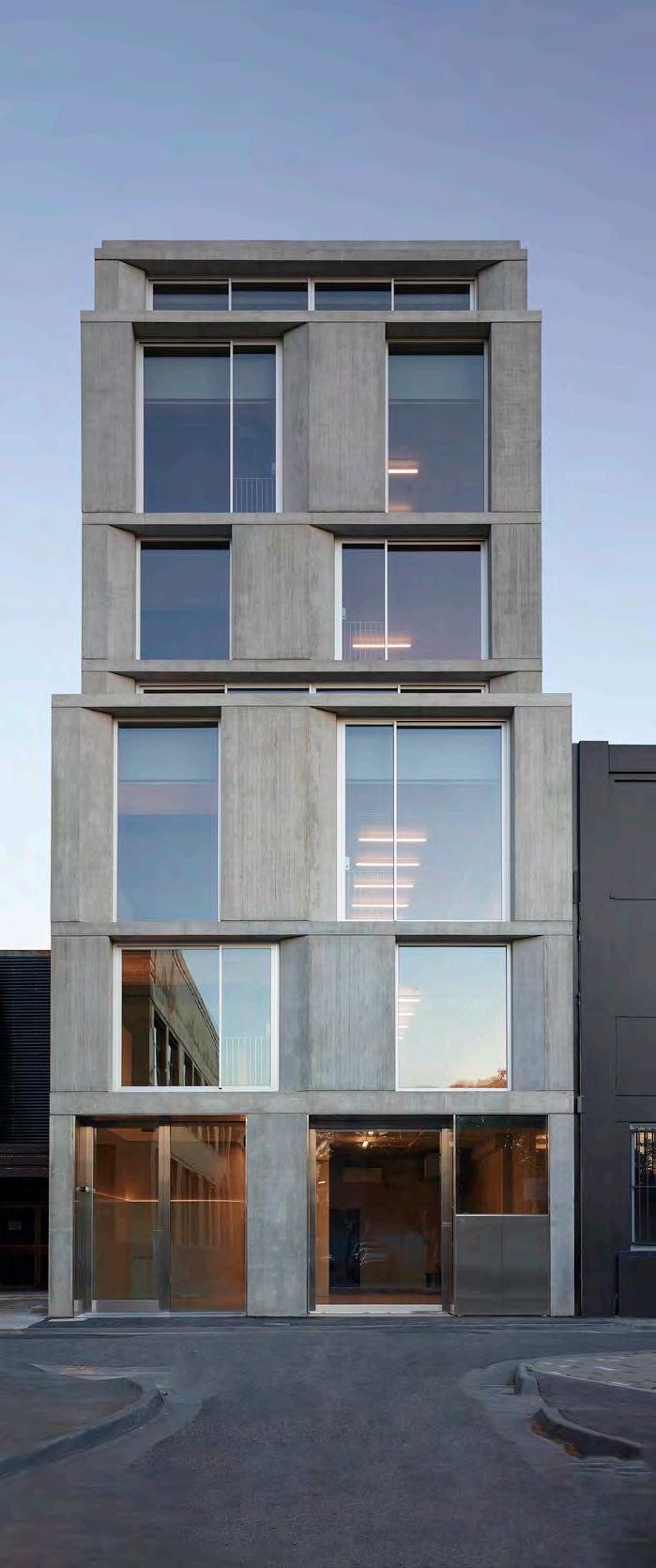
In 2021, the Institute continued to engage on behalf of members with federal and state governments on COVID-19. Some of this has occurred around stimulus spending. However, in more immediate risk terms, chapters have been able to negotiate critical lockdown settings for architects – to enable members to keep working as far as practicable and to ensure prioritised access in some states to vaccine programs for the construction sector. We have developed a stream of continuous information through member alerts as well as webpage updates and our social media feeds. As well, we have published a detailed supply chain analysis report including various lead and lag indicators at: www.architecture.com.au/archives/ news_media_articles/supply-chainreport-september-2021
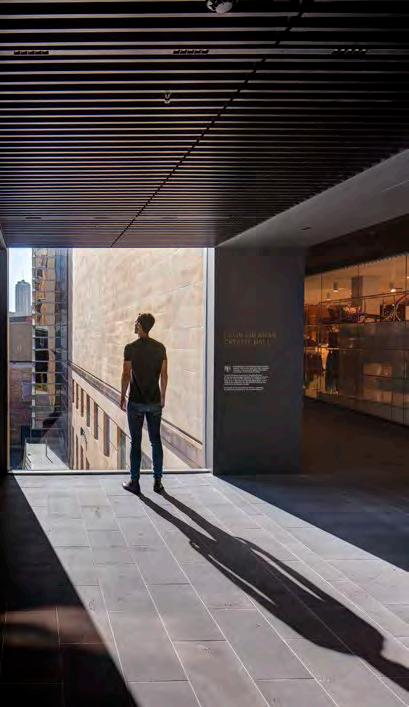
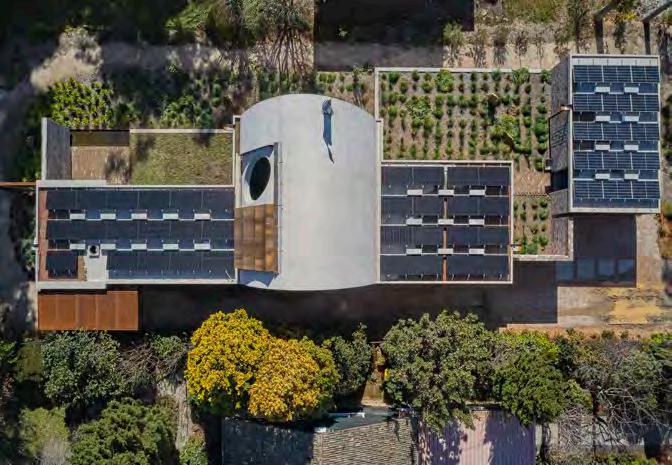
Some of the lead work of the Institute’s public policy positioning – for the betterment of all Australians and the built environment –is undertaken through committees that report to National Council.
These include:
• First Nations Advisory Working Group
• Climate Action and Sustainability Taskforce (CAST)
• National Practice Committee
• National Heritage Committee
• Gender Equity Committee
• National Education Committee.
Importantly, most of these committees also connect directly to their chapter (state or territory counterparts) so that we have an aligned national approach to many issues, while allowing for local regulatory and market conditions.
Longer-term strategic projects include:
Procurement – as 2021 comes to a close the launch of the Code of Novation, the national novation survey report and a draft deed of novation is being scheduled for early 2022. In 2021 the Institute gained additional endorsement by the NSW Architects Registration Board of the Institute’s EOI and RFT Guidelines. We also published architect and client-side templates that accompany the EOI and RFT guidelines.
Housing supply – the Institute is working with the National Housing and Finance Investment Corporation to develop an Architectural Index as a lead indicator for future housing supply.
Insurance and risk – the Institute has been working with the Australian Construction Industry Forum to develop and conduct a nation-wide survey looking at professional indemnity insurance and disproportionate risk allocation in consultancy agreements.
Social and affordable housing – the Institute is developing a position on social and affordable housing and has joined the Housing all Australians alliance.
On 9 September, we signed the NoCo2 Certification Program Agreement with the Carbon Reduction Institute, which means the Institute is now carbon neutral.
This process involves offsetting the Institute’s emissions through the purchase of carbon credits while also continuing to audit our emissions on a quarterly basis to ensure we are correctly offsetting our carbon footprint.
We have elected to purchase India Wind Energy credits, investing in clean energy to partially displace energy currently generated from grid-connected conventional fossil fuel based thermal power plants, while reducing emissions.
Wind projects reduce the emission of greenhouse gases and reduces local air pollution, curtailing its negative health impacts. In addition to its environmental benefits, the implementation of the project creates job opportunities for local workers, contractors and suppliers, while the operation and maintenance of the wind park generates long-term employment opportunities.
Now that the Institute is carbon neutral, we’ll be listed on the Low Carbon Economy website: https://lowcarboneconomy. com.au, which enables users to search low carbon suppliers by category.
Members themselves can also follow our lead and use the link to learn more about starting or continuing their own journeys to net carbon zero as we continue our campaign to encourage our nearly 13,000 members to do the same.

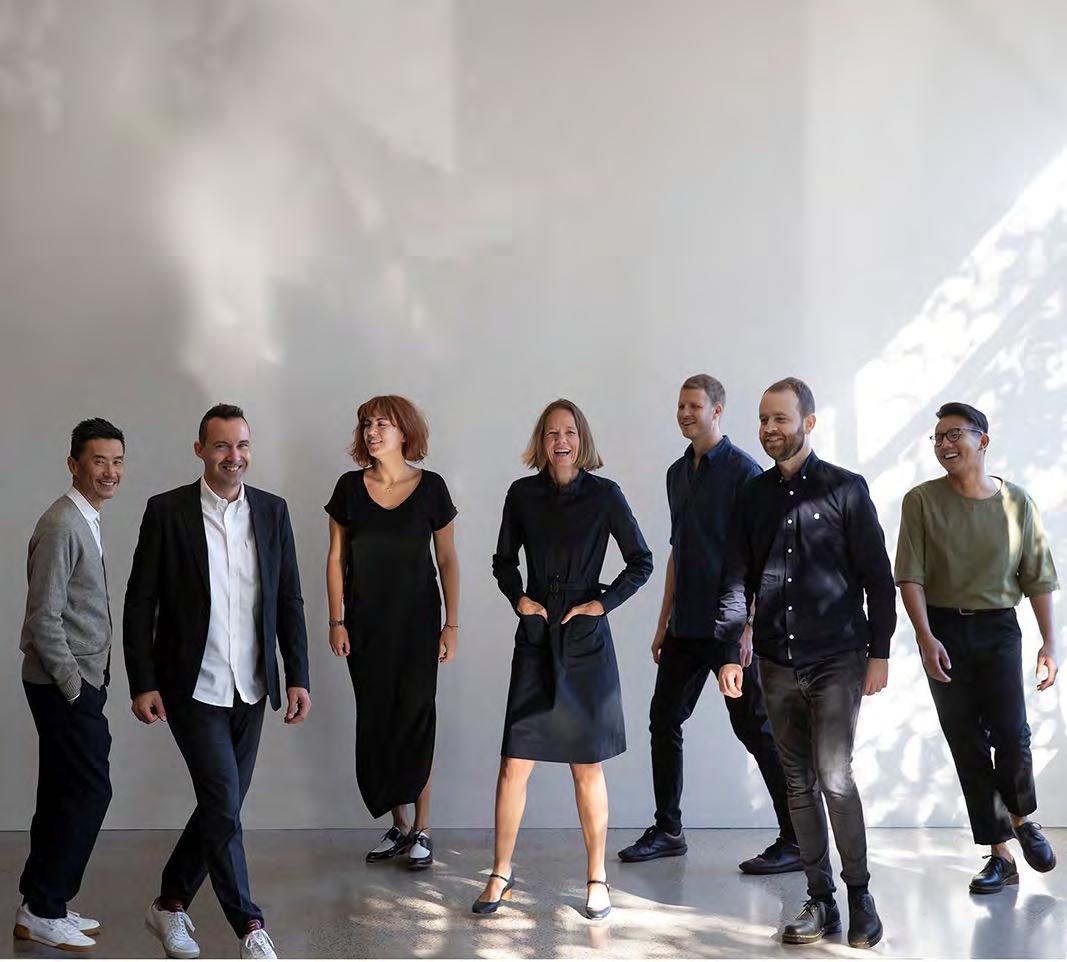
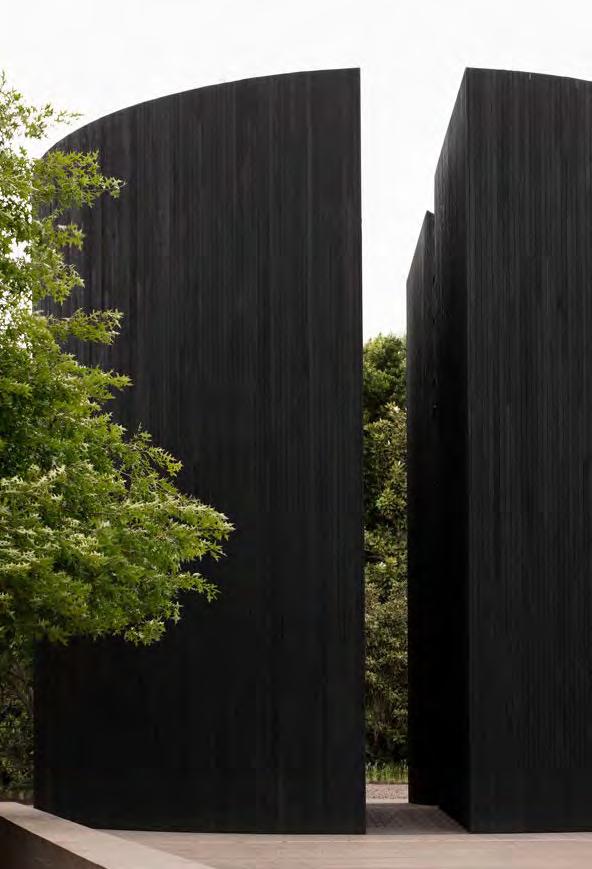
Caring for country practices, including architecture and placeshaping, have existed on this continent since time immemorial.
At the Institute, we are committed to advancing understanding with First Nations peoples in recognition of this enduring and ongoing connection to these lands and waters.
We recognise a professional commitment to engage and act meaningfully through reciprocal partnership and relationships with Aboriginal and Torres Strait Islander peoples. This is with acknowledgement and respect for Aboriginal and Torres Strait Islander Countries, Cultures and Communities, and their ways of being, knowing and doing.
The Institute is working to advance this professional commitment and a greater shared understanding through our First Nations Advisory Working Group and Cultural Reference Panel.
The Working Group and Panel will scope, recommend and develop a range of actions that could be put in place to support and promote beneficial outcomes between First Nations peoples and the Institute including supporting the Institute to develop a Reconciliation Action Plan (RAP).
The Working Group with support from the Panel will also provide guidance on the inclusive involvement of First Nations peoples in both Architectural education and the Institute’s services, programs, activities and governance. As well as any other issue or activity the Working Group, with advice from the Panel, identifies should be under consideration by the Institute.
As work by the Group and the Panel develops key information will be outlined on our webpage including opportunities for the broader membership to provide input to the activities being undertaken.
Get to know your Working Group and the Cultural Reference Panel
The Australian Institute of Architects recognises the unceded sovereign lands and rights of Aboriginal and Torres Strait Islander peoples as the First Peoples of these lands and waters.
This recognition generates acknowledgement and respect for Aboriginal and Torres Strait Islander Countries, Cultures and Communities, and their ways of being, knowing and doing.
Caring for Country practices including architecture and place shaping have existed on this continent since time immemorial.
The Institute recognises a professional commitment to engage and act meaningfully through reciprocal partnership and relationships with Aboriginal and Torres Strait Islander peoples.
Together we will support and develop the emergence of new possibilities for our shared future.
Acumen continued to be a highly valued and accessed resource for our members as demonstrated via insight from feedback, engagement and analytics. University subscriptions remained steady despite challenges to the tertiary sector.
New and updated content covered a wide range of issues relevant to the profession including, Safety during construction, Business structure models, Budget estimates, Legislation changes, Airtightness and thermal bridging, Engagement of contract staff and a fully updated Environment glossary. The first in a new series of case studies, Nightingale 2.0 – Fairfield, exemplified sustainable design in practice.
The release of new notes was strengthened in 2021 through accompanying online resources. Free member webinars, styled on the Lean-in model, which accompanied the new Environment notes on Design for bushfire and Residential energy, climate and resource considerations respectively. The Place Agency Podcast, available as online CPD, was developed alongside the new note, Supporting social value through the design process.
Social media posts have been increasingly used to communicate new and highlighted Acumen material, as well as member and tertiary e-newsletters, to further grow engagement and visibility.
Member representatives on the Acumen Content Review Panel, the Environment Advisory Group and specialist committees and working groups supported and advised the Acumen editorial team in the production of new, updated and consolidated content.


690
ACUMEN PRACTICE NOTES
233
PROJECT NOTES
86
RESOURCE NOTES
206 ENVIRONMENT NOTES
23 SIGNIFICANT UPDATES AND 6 NEW NOTES IN 2021
The Institute continues to encourage ongoing continuing professional development (CPD) through our education program designed to broaden knowledge and expand capabilities throughout members’ careers. This program also generates critical revenue to support Institute activities. Across the year, this revenue amounted to $305,317.
In 2021 we further worked at the national and chapter levels to develop our comprehensive suite of CPD and education opportunities with a range of paid and free activities to strengthen professional skills and competencies in alignment with AACA standards.
Our 2021 program also prioritised development and delivery of resources to keep members informed about key regulatory updates impacting the profession. In 2021 our seminars on NSW reforms alone attracted around 1500 registrations.
Throughout the year there were 2589 enrolments in formal and informal CPD delivered through a mixture of online and in-person events. We delivered 4938 formal CPD points and 3959 informal CPD points. We continue to provide a variety of online training and development opportunities with over 90 formal courses and 18 informal courses.
Our Practice of Architecture Learning Series (PALS) also continues to support graduate architects preparing for the Architectural Practice Exam and we helped over 400 enrolled participants on their journey to registration.
150+ ON-DEMAND CPD COURSES FOR METROPOLITAN, REGIONAL AND INTERNATIONAL MEMBERS
1500+ REGISTRATIONS FOR NSW REFORMS SEMINARS
2589 ENROLMENTS FOR ONLINE/IN-PERSON CPD EVENTS
469 GRADUATES NATIONALLY PREPARING FOR REGISTRATION EXAM
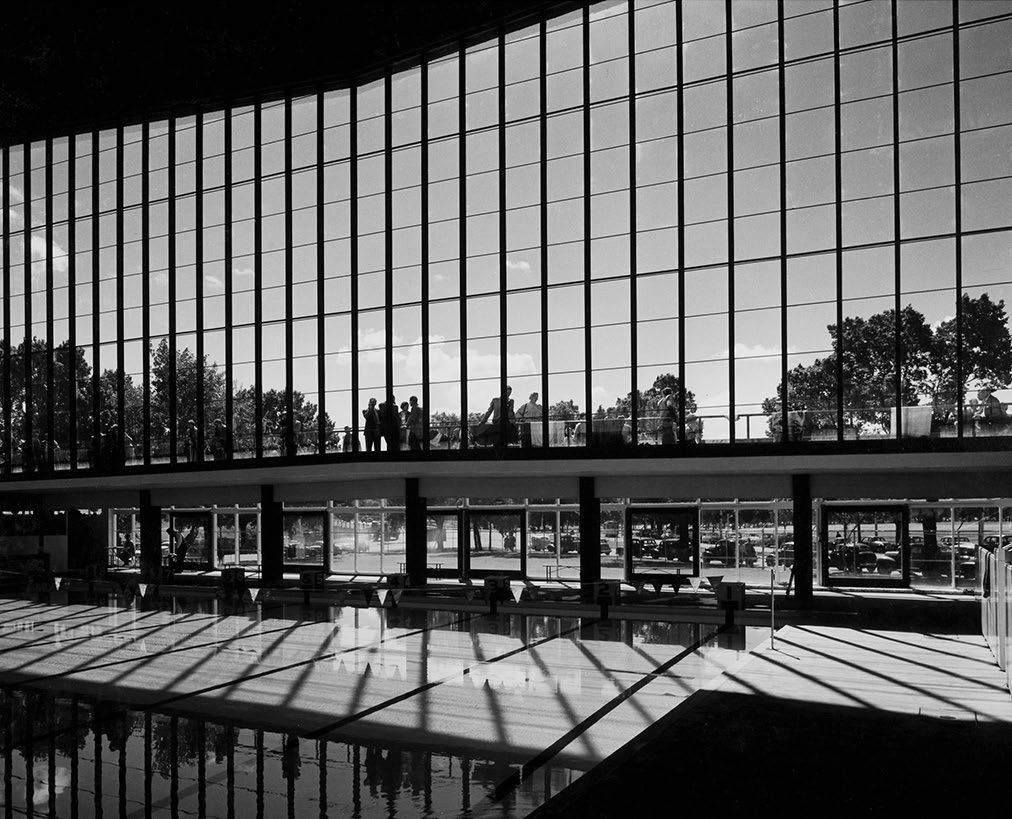
Canberra is known as the seat of Government, the Griffin design legacy, and for its iconic buildings such as Parliament House and the High Court. In 2021, it became one of the most COVID-vaccinated cities in the world. The ACT Chapter approached 2021 with agile communication and connectedness as key drivers for delivering member services. Our priority was ensuring that members had essential government information vital to running their practices as soon as it was available. And that government understood the daily pressures faced by members.
With the ACT Government’s review of the planning system, we have a once in a generation opportunity for reform. A planning system that not only sets the minimum standard but also facilitates great design and sustainability aspirations for our city. We have actively participated in consultations and will continue to do so.
The ACT Chapter continued to support the national advocacy campaign #handsoffanzachall. This advocacy elevated the voice and values of the architectural profession and outlined that we cannot afford to allow a culture of disposable buildings to emerge in the face of a climate crisis and preserving Australia’s contemporary architectural heritage.
We were proud that Shannon Battisson was National President Elect following in the footsteps of other National Presidents from the ACT, Ric Butt, Graham Humphries, and Melinda Dodson.
In July we welcomed Jane Cassidy as our new ACT Chapter President. In August, the ACT went into lockdown. During this time, the chapter participated, often daily, in the ACT Government Planning and Construction Industry Chief Executive Reference Group which was the key forum for the built environment.
Decisive, urgent action must be taken to reduce carbon emissions and help shape a different future. We were pleased to support the team from the Canberra Low Carbon Housing Challenge and their competition.
We continued to celebrate diverse architectural practice through the Contemporary Australian Architect Speaker Series in partnership with the National Gallery of Australia and sponsored by Chapter Major Partner BCA Certifiers.
30,000 SOCIAL MEDIA IMPRESSIONS WERE GAINED FOLLOWING THE SERIES’ MAIN POST.
We pivoted our offering through new initiatives such as Studio Share which is a series of monthly member conversations led by Ben Walker on issues that matter and connect members in small practice.
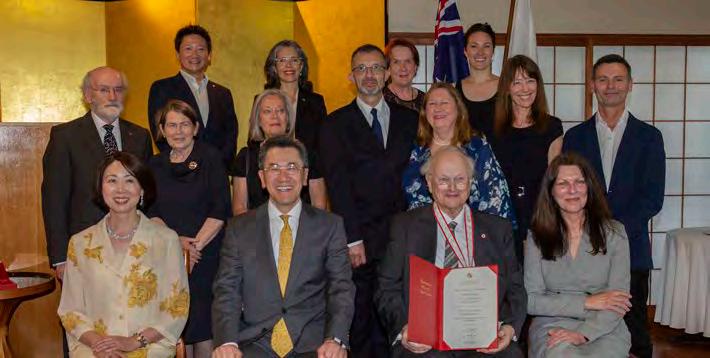
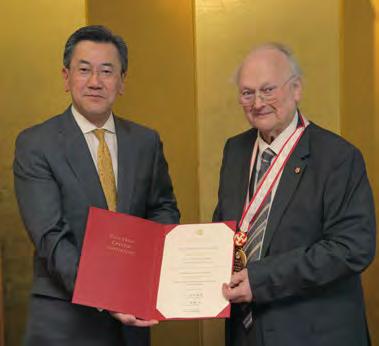
It was an incredible honour for Shannon Battisson and Jane Cassidy to attend the awards ceremony at the Japanese Embassy in Canberra where Glenn Murcutt AO became the first Australian to receive the Praemium Imperiale Award. This is a global arts prize presented annually by the Japan Art Association. Japanese Ambassador to Australia, His Excellency Mr Shingo Yamagami officially conferred the Praemium Imperiale.
Our end-of-year party at the chapter was a huge success with a large turn-out of members, sponsors, government ministers and officials. It was a welcome opportunity for everyone to connect and talk about the year that was. Fellowships were awarded to Dr John Ting and Shannon Battisson.
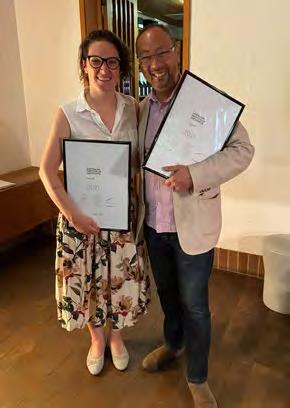
A Day at the Australia Pavilion at Expo 2020, Dubai (held in November 2021) aimed to strengthen international relations through a collaboration with the International Chapter and the Department of Foreign Affairs and Trade (DFAT).
Showcasing the work of Australian architects internationally, it explored the work of Australian architects designing key assets for Expo 2020, including Liam Proberts of bureau^proberts, Matthew Utley, principal at Grimshaw, and Richard Fenne, principal and regional executive chair of Woods Bagot. Creative directors from the Venice Bienniale Jefa Greenaway, director of Greenaway Architects, and Tristan Wong, director of SJB spoke about their program at the Australian Pavilion as part of the Venice Architecture Biennale. Sarah Lynn Rees, of Jackson Clements Burrows Architects and co-chair of the Institute’s First Nations Working Group and Advisory Panel, investigated Indigenous architectural awareness.
Justin McGowan, the Australian Commissioner General for Expo 2020 Dubai and Senior Executive and Minister Counsellor with DFAT, announced that “Austrade will work with the Australian Institute of Architects International Chapter to promote architecture as a key export in the MEA region.”
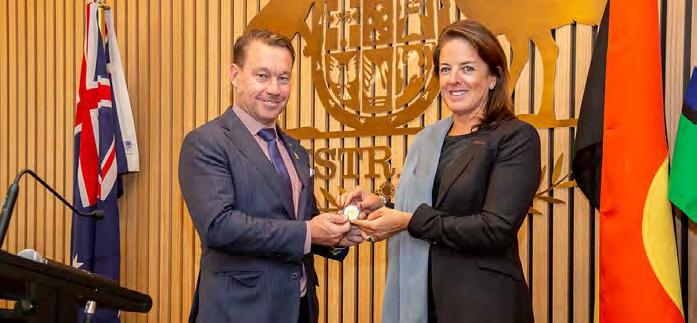
A GOLD MEDAL WAS AWARDED TO SAMANTHA COTTERELL– INTERNATIONAL CHAPTER CHAIR, FOR HER KEY CONTRIBUTION TO FEDERAL GOVERNMENT ENGAGEMENT, PARTICULARLY THROUGH THE INSTITUTE’S INVOLVEMENT IN EXPO 2020 WHICH HAS BEEN EXTREMELY POSITIVE.
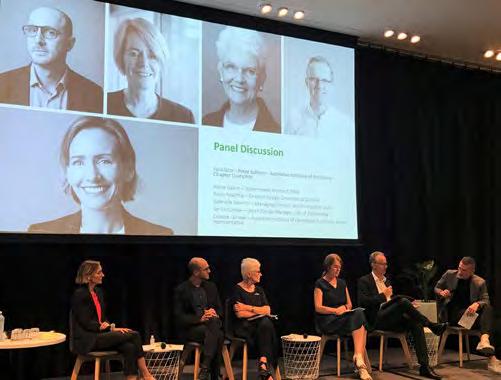
Indigenous Ecosystem Corridors and Nodes – based on the UIA Sustainable
Development Guidelines principles – was developed by Nadine Samaha, Jane Toner, Peter Malatt, Catherine Duggan and Allan Rodgers and was as an innovative two-part online CPD course exploring the proposition of introducing Indigenous ecosystem corridors and nodes into urban developments, with an aim of mitigating and combatting the ecological damage inflicted upon the earth by millennia of human settlement and population growth.
These sessions delved into several aspects of this topic, including connection to Country, the biodiversity emergency, urban planning and related built environment strategies, the essentials of biophilic design, and a range of relevant case study explorations.
International Union of Architects (UIA) Council elections were held in August 2021. Richard Kirk has been elected to the UIA Council as one of the four representatives from Region IV - Asia et Oceania, and Pei Ing Tan has been elected to the UIA Bureau as the Secretary General.
Australian Institute of Architects members were also appointed to the following roles on the UIA Work Programmes for Region IV 2021-2023:
Architecture for All – Allen Kong (director) and Belinda Seale (member)
Heritage and Culture – Alice Hampson
Public Health – Warren Kerr
Sports – Dr Andrew Magub
SDG’s – Richard Kirk and Allen Rodgers.
The Commonwealth Association of Architects invited Dik Jarman to represent the Australian Institute of Architects and take on the position of Regional Vice President Oceania.
International Chapter award winners were announced at a YouTube event on Thursday July 8, 2021. Watched by 90 concurrent views live and 617 to date, the online program has been embraced by our membership as we continue to develop this further in the years ahead. Vui Choong was Jury Chair, along with 2021 awards jurors Hank Koning, Dr Sheila Maria, Arcuino Conejos, Nic Brunsdon and Wei Yap Ooi.
The International Emerging Architect Prize was awarded to Luke Hayward from Atelier Luke and was presided over by Samantha Cotterell –lnternational Chapter Chair, Nic Brunsdon – 2015 Emerging Architect Prize National Winner and Thom McKenzie – 2021 Emerging Architect Prize Victorian Chapter and International Chapter EmAGN representative.
Collectively, the International Chapter contribute much to the Institute and the profession, born out of an active aspiration to improve people’s lives through architecture and contribute to an international dialogue. 2021 has presented many challenges, particularly for our members living overseas. It has been with adversity that we have seen our community continually pull together, and this extends beyond our architectural community and into the broader community.
2021 has been another extraordinary year where the Institute has successfully supported and grown members across NSW. Adapting our face-to-face events to digital CPD courses, advocacy meetings and award presentations has allowed us to connect our profession throughout lockdown. The complications and challenges we faced in 2021 haven’t deferred major legislative changes in NSW.
At government and industry request, we continue to have a representative voice for our profession with input towards Design and Place SEPP, Housing Affordability and Design, and the Building Practitioners Act and Regulations – one of the largest changes to regulations to affect NSW architects in the past 30 years. Our focus has been to support the government in the intent of the legislation to drive better quality buildings that don’t leave people homeless or in accumulating debt when fixing home defects.
We continue to work with government advocating for architects and their role in this legislation through the simplification and consistency of the declaration process, consistency though the audit process and registration process for architects, ensuring that the changes to this legislation have a positive effect on the profession.
Through our council and committees, a review of the Heritage Act has been undertaken and we’ve offered input to the ABCB Building Reforms Act. We’ve also partnered with other membership organisations across the built environment including AILA, PIA and Engineers Australia to collaborate and strengthen our collective voice. Our committees are building tools and assets to help members at all stages of their career, ensuring we provide relevant learning and networking opportunities to help us all prosper and flourish.
Our EmAGN cohort have excelled, delivering a range of events and learning
opportunities connecting both industry leaders, Emerging Architects and the next generation through SONA. The future looks bright and we’ll be focusing more on the connection to our next generation in a series of events around education in 2022.
The success of the 2021 awards season, which included the Newcastle, NSW and Country Division awards, saw a large number of high-calibre applicants throughout NSW, proven in the strong representation of NSW awards recipients at the National Architecture Awards. Through the digital space, we witnessed the forging of stronger relationships between our regional and metropolitan practices coming together in solidarity at the NSW awards.
Our prize and honour’s program has recognised and celebrated endeavour across the breadth of our profession and is recognition of the individual excellence in research, education, advocacy, community and social aspects for practitioners.
Thank you to Institute staff, chapter councillors and committee and working group members. Without your ongoing dedication, support, passion and interest in our profession and striving for excellence across the built environment, we would not be able to advocate and influence government and industry or support and mentor our members to the extent that we do.
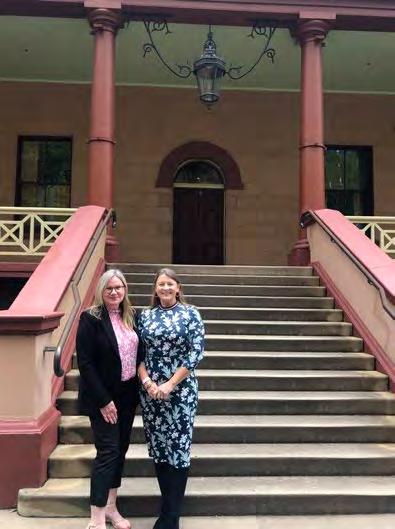
We acknowledge the outgoing chapter councillors in their tireless commitment to assist with the aims and vision of the Institute in advocating for NSW members. Thank you for all that you have done.
2022 LOOKS PROMISING. WE PLAN TO INCREASE OUR FACE-TO-FACE EVENTS, INCLUDING RELAUNCHING OUR REGIONAL SHOWCASE SERIES.
These events will be a fantastic opportunity to come together, share new ideas and showcase architectural excellence. We also plan to celebrate our awards in a hybrid digital and physical model. This provides a greater reach to our members across the state and we’ll continue with this into the future, ensuring that we have a permanent public asset to recognise our winners, while also having the ability to celebrate together.
It is hard to ignore the obvious challenges for the chapter and members due to COVID-19 and the implications this has had on the built environment. Our focus at the start of the year was to encourage government to have a whole of built environment approach with their economic stimulus packages to include architects in government incentive programs and not just focused on tradies.
We kicked off the 2021 events with an intimate dinner with Minister Eva Lawler who talked about the government’s priorities and direction for the upcoming year. This provided an opportunity for members to give an update on what they were working on and the challenges the industry faced. We focussed on planning reform and driving the Building Conference report recommendations by working with government to ensure the recommendations continue to be part of ongoing reform.
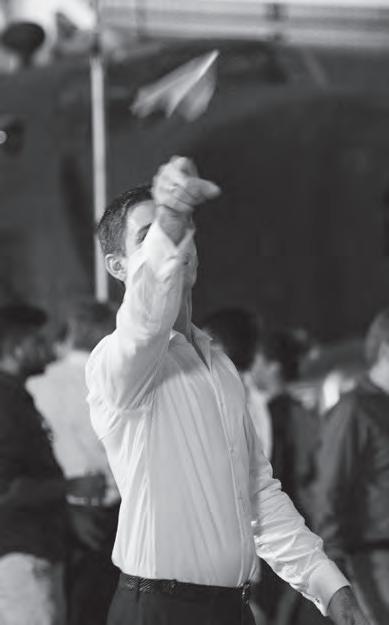
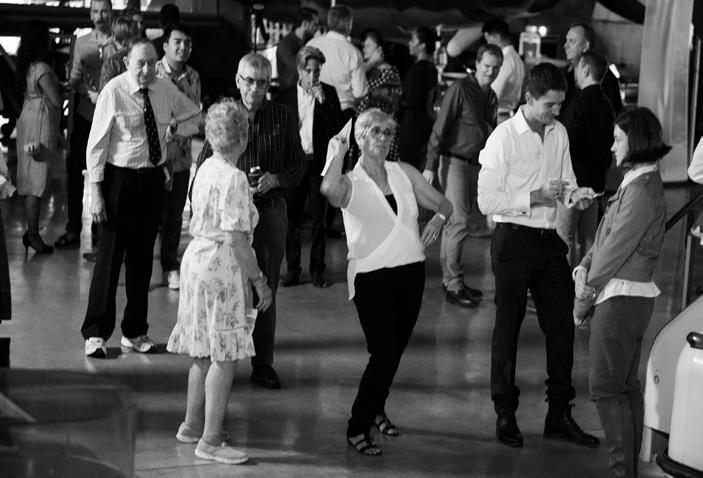
THE NT ARCHITECTURE AWARDS WERE HELD AT THE AVIATION MUSEUM IN DARWIN WITH OVER 100 IN ATTENDANCE.
It was great to see the diversity of projects entered with more entries in the Interiors category than ever before. Our general events were a coordinated and targeted series for members by leading the way in engaging with built environment industry groups which culminated in our end-of-year event Cheers and chat, with nine industry groups. It was a sold-out event with 250 in attendance.
As usual, we had a very active advocacy agenda and were well represented by members of our Chapter Council. Jenny Culgan NT Chapter President sits on the Building Advisory Committee (BAC) and we want to thank Steven Ehrlich for his time representing the Institute on the BAC. Sarah Williamson, Chapter Councillor has also been nominated as Chair of the NT Architects Board. We were well represented on Institute committees nationally and worked on local key issues here in the NT.
We also submitted 12 pieces of work including Section J, introduction of compulsory CPD, Insurance, a code of conduct for architects registered in the NT, and housing and removal of outside building controls. We also worked closely with the department on planning reform and the designing better legislative pieces.
2021 was action packed, with many practices experiencing record workload, a high level of staff mobility and shortages in experienced architects, placing significant pressure on many members. Uncertainties resulting from COVID added to the complexity facing the profession and the construction sector overall.
The Construction Culture Initiative (CCI) was one way that the SA Chapter responded to this situation. It provided a mechanism for articulating the significant issues facing the sector and developing methodology to change practices that undermine the productivity, sustainability, and wellbeing of the sector. The workshop delivered by EmAGN to assess the impact of the current culture on wellbeing and identify priorities for change was a highlight.
Another key area of activity was the Creative Industries Think Tank. This included participation in the Creative Sector Growth State activities and the Regional Creative Industries Conference. Attended by representatives from across SA’s creative sector, the conference enabled the Institute to articulate how architects work, the breadth of their skills and the value that they can bring to projects. Feedback was that the workshop delivered by Josephine Evans and Nicolette Di Lernia provided enhanced understanding of architects and the services they provide.
Submission of a response to the Riverbank Precinct Code Amendment, support for the state listing of the Sands and McDougall facade and ongoing engagement on the SA Productivity Commission’s Inquiry into Procurement were key areas of advocacy. We also contributed to a briefing to the SA Government’s Infrastructure Cabinet Committee (ICC) regarding the impact of material and labour shortages and price increases.
The chapter engaged in ongoing discussions with the APBSA regarding the status of suppliers as providers
of formal CPD. We also continued our support for members through clarification of the details of the SA CPD Rules and the delivery of a range of in-person CPD activities.
THE AWARDS PROGRAM INTRODUCED THE SA CHAPTER ARCHITECTURE MEDAL IN 2021, WITH JPE’S MEALS ON WHEELS HEADQUARTERS BEING THE INAUGURAL WINNER. THIS SOCIALLY FOCUSED PROJECT DEMONSTRATES THAT ARCHITECTURE HAS IMPACT ON ALL ASPECTS OF SOCIETY.
The SA Chapter also trialled the EmAGN Project Award, with Kingswood House by Archaea recognised for the involvement of director Sally Wilson and graduate Emily Parkinson, and the way in which the project extended Sally’s ability to mentor staff and grow the practice. It also provided the opportunity for Archaea to develop the Timber Range of fittings, extending their practice into product design. This award will be offered in all chapters in 2022 and is a great way to showcase the achievements of emerging practitioners. Finally, 2021 saw the inclusion of EmAGN representatives on each of our committees. This includes the re-established Education Committee and the newly formed Regen Committee.
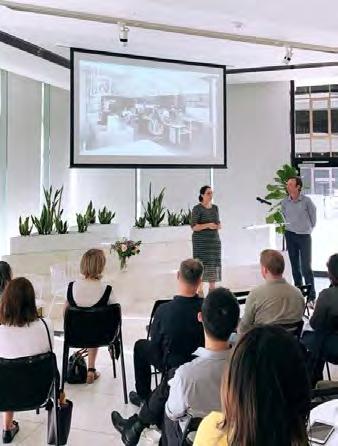

This is a valuable way to engage with our younger members and to provide new energy to the committees. We capped off the year with a capacity crowd at the members party at Hains and Co, which provided a much-needed outlet. It was a pleasure to celebrate the profession’s achievements and to catch up with colleagues and friends.
In February 2021 the Queensland Chapter Council welcomed new and re-elected councillors; Dr Mark Jones, Aaron Peters, Roger Mainwood, Lindy Atkin, Leah Gallagher, Liehan Janse Van Rensburg (EmAGN Co-Chair), and SONA representatives; Senlina Mayer (SONA – QUT), Ashwarya Nair (SONA – Griffith). This was followed by the President’s Honours, which saw seven members elevated to Life Fellows and 19 to Fellows of the Institute. We also celebrated the National Presidency of Alice Hampson, and the first regional Queensland member on National Council, Brian Hooper. We also celebrated the 90th birthday of the Institute as guests of the Queensland Governor.
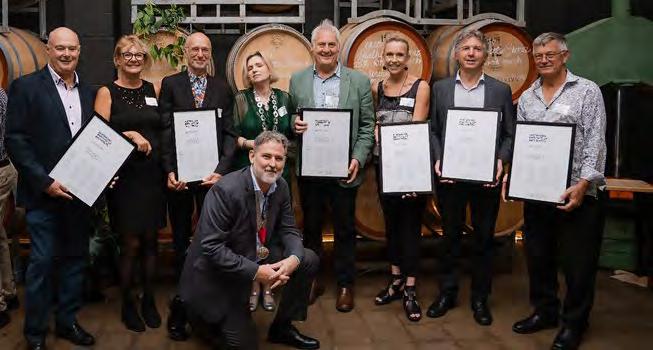
CHAPTER AWARDS ATTRACTED 112 ENTRIES, PRESENTED AT THE AWARDS CEREMONY AT QGOMA ON 26 JUNE ATTENDED BY 192 INDIVIDUALS.
Thanks to the awards jury Eloise Atkinson (Chair), Shy Tay, Lada Bodnaruk and Dirk Yates. Other significant awards and prizes by Queensland members include: RAIA Gold Medal awarded to Dr Don Watson, Paul Memmott’s Officer of the Order of Australia, the RAIA Neville Quarry Architectural Education Prize (Prof John Macarthur) and the Student Prize for the Advancement of Architecture (Alvin Zhu). Our awards media coverage reached 60,183,982 million unique views.
We also celebrated ten years of commitment and leadership by Malcolm Middleton, while welcoming Leah Lang who stepped into the role of the Queensland Government Architect. The ongoing advocacy work in support of the role of architects in government continued in 2021 by supporting these roles in the regions, particularly in Toowoomba, Townsville and the Gold Coast.
We continued to advocate for the provision of more opportunities and
support for architects during the pandemic, more public housing, and for sustainability issues including the reinstatement of natural ventilation requirements to Class 2 buildings. We also advocated on behalf of students, the architectural community and staff during the restructure of the University of Queensland’s architecture department. Ongoing work advocating for better procurement practices continued in 2021, with several points of engagement with the state government. We responded to the proposed changes to the National Construction Code (NCC), to the proposed National Registration Framework (NRF) and proposed upgrades to the Sustainability and Energy provisions of the NCC. We also responded to the proposed major update of the competency standards for architects via the Architects Accreditation Council of Australia (AACA). Finally, we successfully supported several heritage listings of significant post war buildings.
The Queensland Chapter delivered a program of events during 2021, including CPD on culturally respectful practice and inclusive design, student competitions, and sustainability webinars. We also attended the Asia Pacific Mayors Summit to advocate for the benefits of good architecture for all. Throughout the year, we supported EmAGN in delivering an ambitious program of events including site tours, registration support, and talks.
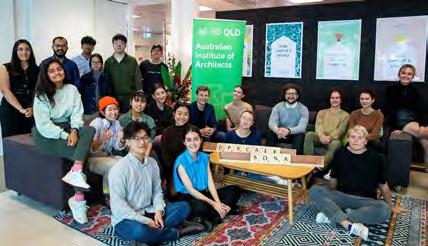
We also supported the delivery of regional open house programs and events both on the Gold and Sunshine coasts.
We would like to take this opportunity to thank our partners, national, state and regional for their generosity and support during 2021. Thanks to Hutchinson Builders, our major state chapter partner, the Emporium Hotel for their support of the chapter in 2021, and to Kennedy’s Timbers for their support of Queensland EmAGN during 2021.
The conclusion of 2021 marks a year of tenancy at the Montague Road address for the chapter. We also finished the year with calling an election of the incoming Chapter President. During 2021, the chapter also thanked Alice-Anne McRobbie for her time as chapter manager and welcomed Dr Anna Svensdotter into the manager role. We also thanked Ana Blake, and Beth Morrison for their time working in the chapter office. Finally, we welcomed Dr Naima Iftikhar and Chido Zimunhu as new chapter staff responsible for the chapter educational and awards programs.
2021 was a productive year for the Tasmanian Chapter as all levels of membership engaged with the broader architectural community. Guided by Chapter Council, the chapter submitted a State Budget Priorities paper, followed by a Tasmanian Election Platform that was well received by both the government and the opposition. The chapter strengthened links with aligned membership organisations to form the Built Environment & Infrastructure Tasmania (BEIT) group and collaborated to deliver a post-budget breakfast panel discussion, attended by the Hon. Michael Ferguson MP, Minister for State Development, Construction and Housing and the Minister for Infrastructure and Transport.
Following initial responses to the COVID-19 pandemic, the chapter took part in an industry roundtable, also chaired by the Hon. Michael Ferguson MP, and attended by the Hon. Peter Gutwein MP, Premier of Tasmania. This roundtable has resulted in a draft proposed agreement discussion paper and a MOU.
For the first time, the Tasmanian Architecture Awards presentation dinner was held in Launceston in a hybrid capacity. A dinner event was attended by almost 150 members, partners and guests, and provided a much-welcomed opportunity to gather and celebrate in person. This event allowed all in attendance to watch the livestream of the award announcements, which was also broadcast live via YouTube so that anyone, no matter their location, could watch. This recording has since been viewed over 1000 times.
Numerous events were held throughout the year, including a talk by senior architect, Brian Walch, who provided insight into life working as an architect in the 1960s, and the architecture of that time. The EmAGN team ran many successful events that provided learning and networking opportunities for the younger demographic, both in the north and south of the state.
These included Regi-procrastination, the ever-popular Unlocked and Elevate Series site visits. The committee also organised an Archi Travels event to Bruny Island where the group visited a group of award-winning projects.
Open House Launceston, the sister event to Open House Hobart, was back after a 2020 hiatus, with 26 building and walking tours held on Saturday 28 August. The event was delivered by a team of approximately 50 volunteers and has received excellent feedback, with over 1500 people attending on the day.
HOUSE
WAS OFFICIALLY LAUNCHED BY THE PREMIER OF TASMANIA AND FEATURED 66 BUILDINGS AND TOURS OVER THE WEEKEND OF 13-14 NOVEMBER. ANOTHER TEN EVENTS AND TALKS TOOK PLACE EITHER SIDE OF THE WEEKEND, AND A TOTAL OF 9921 PEOPLE ATTENDED, WHICH IS INCREDIBLE GIVEN IT WAS HELD BEFORE TASMANIA’S BORDERS OPENED TO ALL STATES AND TERRITORIES.
These programs form a vital part of the chapter’s public advocacy work and allow the public to experience architect-designed buildings firsthand.
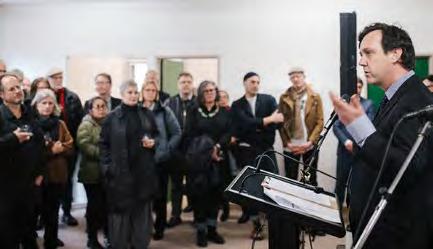
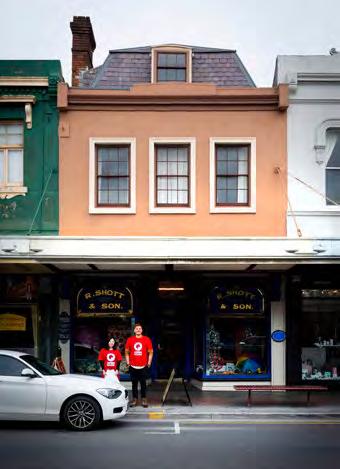
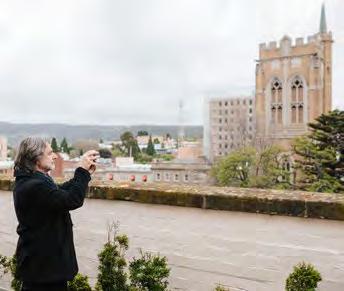
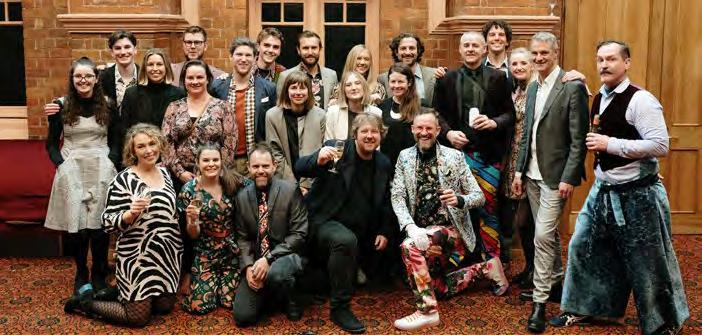
The Victorian State of Emergency, announced on 16 March 2020 was finally ended on 15 December 2021. Melbourne, known as one of the world’s most liveable cities, emerged on 22 October 2021 from what was one of the longest lockdowns globally, enduring 262 days of restrictions. It was a year of resilience from our Victorian membership, who continued to adapt to this challenging environment and maintain high quality outcomes.
In 2021 we celebrated the contributions and achievements of our members with announcements of new Fellows and Life Fellows as well as Graduate Prize and President’s Prize winners in a high-quality virtual format due to the lasting impacts of COVID-19. This initiative sought to raise the profile of our members, which traditionally had been a smaller and more inwardly focused event. The event was planned to be the foundational piece of our 2021 November Black Tie Gala Ball; however, due to density limitations this in-person function had to be rescheduled until the following November. We hope in 2022 that we can have our mid-year awards program in person, which celebrates our work, followed by our end-of-year event, which celebrates our people.
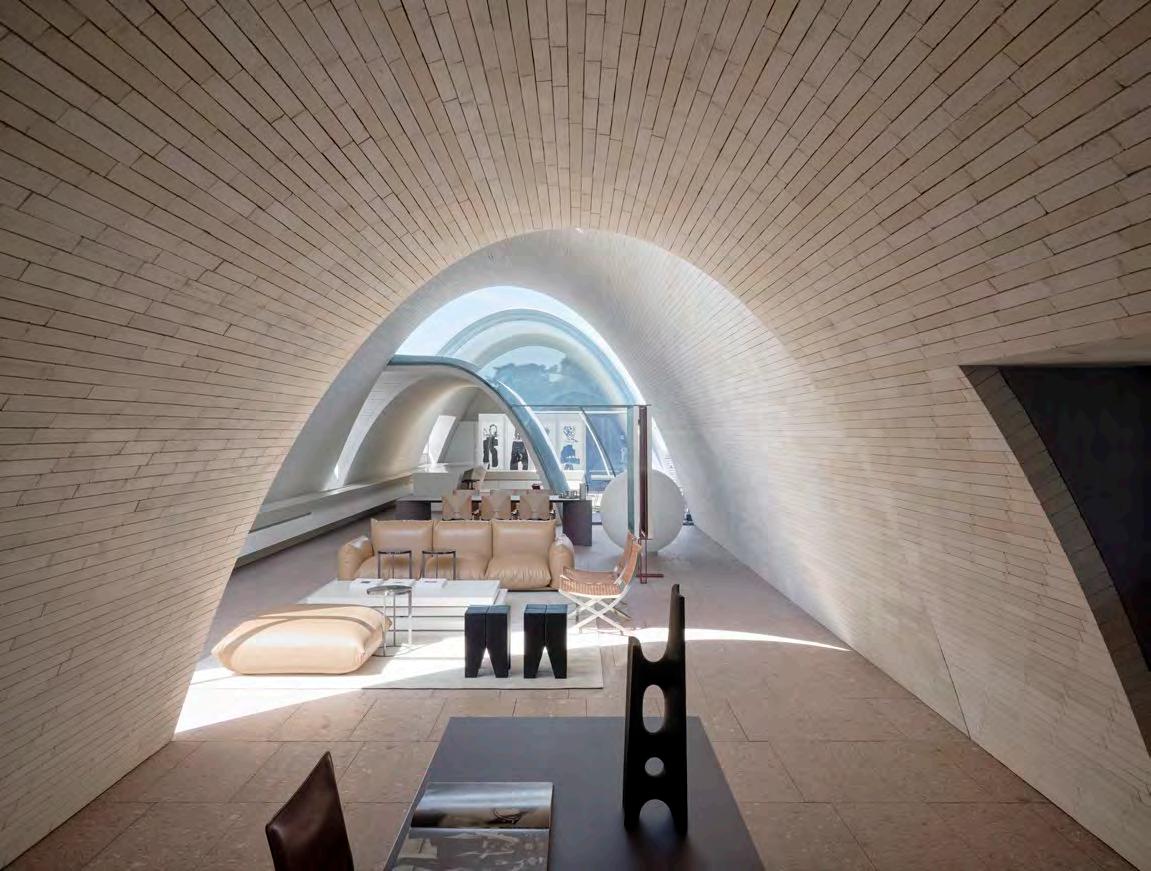
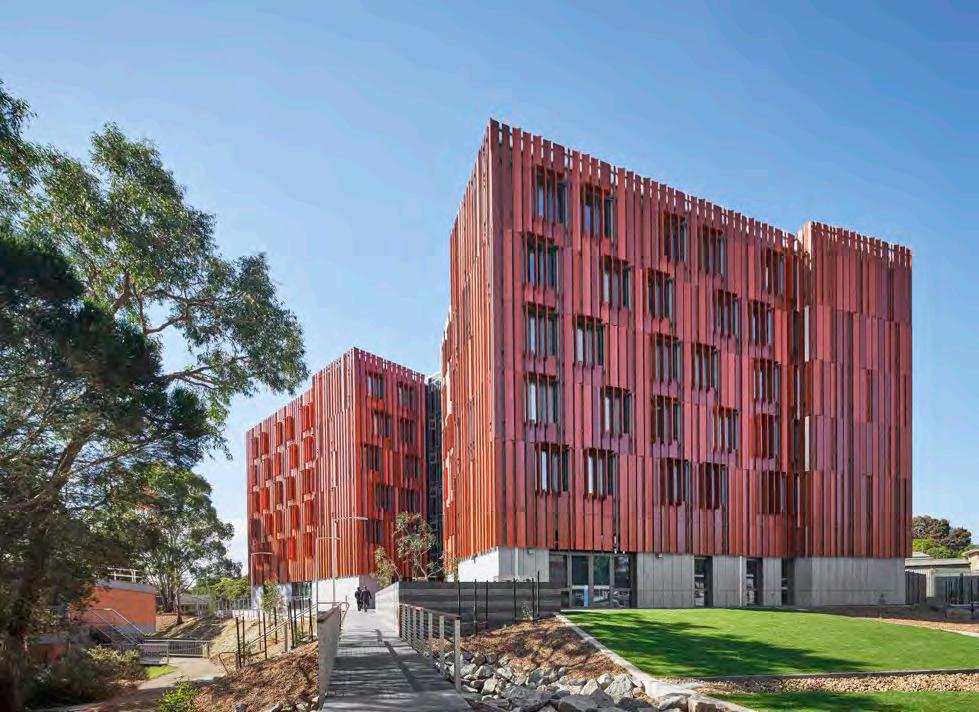
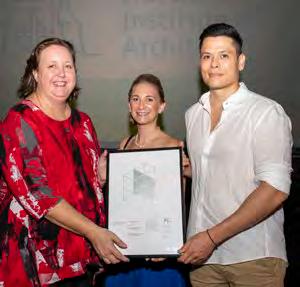
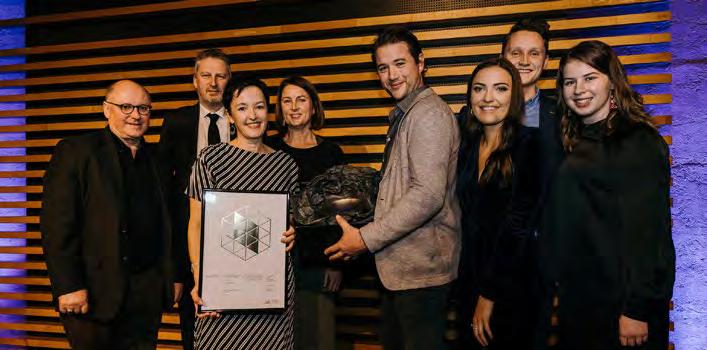
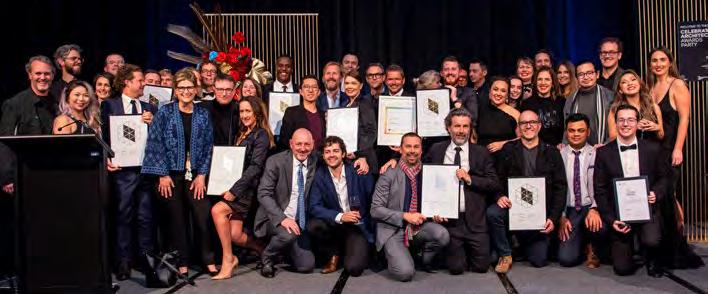
Entries into the awards program in Victoria remained strong with over 200 entries. Monash Woodside Building for Technology and Design by Grimshaw in collaboration with Monash University receiving the Victorian Architecture Award, the state’s highest accolade, as well as taking out the esteemed national awards’ Sir Zelman Cowen Award for Public Architecture and The David Oppenheim Award for Sustainable Architecture.
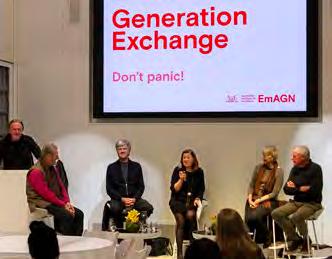
The chapter was able to hold some face-to-face events in between lockdowns, of particular note was the EmAGN cohort’s program Generation Exchange held at Brickworks. This event, titled, Don’t Panic, provided an opportunity for the next generation to hear from established architects, followed by roundtable discussions where more detailed queries could be asked directly to the senior practitioners: Sean Godsell; Ann Keddie; Maggie Edmond; Greg Burgess; Max May and Pete Sanders.
As part of International Women’s Day, the Victorian Chapter hosted a month-long program under the theme of Re-build and Re-imagine, part of the overarching theme #ChooseToChallenge with contributions shared on our website to seek out and celebrate women’s achievements.

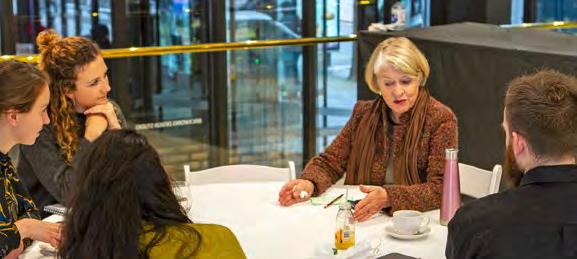
A key focus for the Victorian Chapter became to provide up-to-date information on COVID-19 restrictions for our members and their businesses as it became increasingly difficult to navigate the constantly changing settings. In parallel the Institute attended numerous government industry engagement meetings, lobbying on behalf of our members to improve settings that were having unintended consequences.
The chapter undertook numerous government engagement pieces, including the Government Inquiry into Better Apartments. Other advocacy work included submissions on Victoria’s Gas Substitution Roadmap, Climate Change Adaption Action Plans, Future Melbourne Planning Framework, Local Council procurement processes, and inclusion of our President on the City of Melbourne Design Review Panel.
The Victorian Chapter continues to lead the national work on the Code of Novation, due for competition early next year. In tandem, work is being undertaken with construction lawyer Philip Greenham, from the University of Melbourne, on a Deed of Novation to accompany the code. The aim is to have this released mid 2022.
Our sponsors, also doing it tough in 2021, stuck with us. BlueScope set up a highly engaging Waste of Food Workshop and we had a stellar line up of our city’s leading thinkers in construction and design for the Lysaght piece on the Client Architect Relationship.
We would like to take this opportunity to thank all our members, and especially those who are volunteering their expertise to our committees and forums.
DESPITE THE RESTRICTIONS OF 2021, THE INSTITUTE HAS CONTINUED TO IMPROVE OUR PROFESSION AND TO WORK ON CREATING A BETTER BUILT ENVIRONMENT FOR FUTURE GENERATIONS.
The Western Australian Chapter continued its strong advocacy, cross-industry collaboration, and member engagement throughout 2021.
The event calendar debuted with a first State Election Breakfast, co-hosted with the Planning Institute of Australia (PIA) and the Australian institute of Landscape Architects (AILA), featuring Hon Rita Saffioti (Labor), Hon Tjorn Sibma (Liberal) and Dr Brad Pettitt (Greens), and facilitated by Cr Sandy Anghie, Deputy Mayor, City of Perth. The event was a sell-out success with many questions focused on density, requirement for an updated MRS, transparent and consistent planning system and moving towards a zero-carbon built environment.
Further to our successful campaign in 2020, alongside AILA and Engineers Australia, we engaged with Construction Training Fund’s (CTF) Stage 1 consultation of the Statutory Review of the Building and Construction Industry Training Fund and Levey Collection Act 1990, with a focus of ensuring architects, engineers and landscape architects have future access to BCITF funds for training.
We continued our strong collaboration with the Department of Planning, Lands and Heritage at various levels of stakeholder engagement and consultation with regards to planning reform. We were key stakeholders in workshops and focus groups on the formulation of a medium-density policy, Design Approval Panel reform, and the formation of Planning Stakeholder Engagement Toolkit. This culminated in two key submissions: joint submission with the ACA SPP7.3: Medium Density and Action for Planning Reform Phase 2.
Following the great workshops held the previous year, we also made a submission in response to Foundations a stronger tomorrow – State Infrastructure Strategy. Our response was focused on themes of co-creation of WA’s infrastructure with First Nations people, total
sustainability outlook towards net zero-carbon built environment, management of urban sprawl, leveraging digital transformation and addressing WA’s affordable housing crisis.
We also continued our collaboration with the Department of Building and Energy, supporting them with the implementation of the Building Confidence Report, and advocating for a competency-based system in response to the proposed implementation of the National Registration Framework for Building Designers.
OUR MEDIA ENGAGEMENT CONTINUED ITS HEALTHY GROWTH THROUGHOUT THE YEAR, WITH A FORTNIGHTLY PRESIDENT SEGMENT ON ABC 720 RADIO, CONTINUED PRESS COVERAGE ON THEMES OF DENSITY, HERITAGE, AND THE IMPORTANCE OF GOOD DESIGN IN OUR BUILT ENVIRONMENT.
The WA Architecture Awards media coverage and social media engagement has also continued its growth trajectory, with increased engagement with the general public through the launch of the WA People’s Choice Award, digital exhibition in Yagan Square, dedicated website and social media campaigns. We were fortunate to have comparably low impact to our events throughout
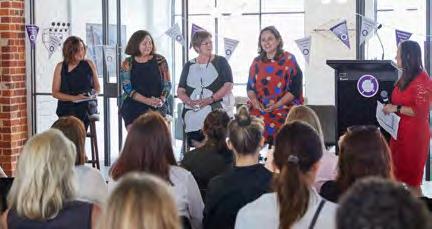

the year with many successful sell-out events including the International Women’s Day luncheon at Living Edge showroom, EmAGN ‘3 Over 4 Under’ talk series at Hames Sharley offices, the awards exhibition launch at Yagan Square and Celebrating Architecture party at the Westin.
We acknowledge the support, engagement and guidance of our valued members, and we thank all those who have volunteered on committees and advisory groups throughout the year. We thank The Architect magazine editorial committee who produced the successful WA Homes Edition and also contributed to the preparation of the inaugural Community Edition with a new publication date of March to commence in the new year.
The Royal Australian Institute of Architects Limited and Controlled Entities Directors' report 31 December 2021
Thedirectorspresenttheirreport,togetherwiththefinancialstatements,ontheGroup(referredtohereafterasthe'Group') consistingofTheRoyalAustralianInstituteofArchitectsLimited(referredtohereafterasthe'company'or'parententity')and the entities it controlled ('the Group' or 'consolidated entity') at the end of, or during, the year ended 31 December 2021.
Directors
ThefollowingpersonsweredirectorsofTheRoyalAustralianInstituteofArchitectsLimitedandControlledEntitiesduringthe whole of the financial year and up to the date of this report, unless otherwise stated:
Company Directors Course Diploma
Associate ASCPA
Experience & other
appointments:
Special responsibilities:
Appointed as an Independent Director from 26 August 2016
Member – Finance, Audit, Investment and Risk Committee from 1 January 2020 to 12 May 2021
Chair – Finance, Audit, Investment and Risk Committee from 14 May 2019 to 31 December 2019
Chair – Investment Committee from 1 December 2016 to 14 May 2019
Member – Finance, Audit and Risk Committee from 3 November 2016 to 14 May 2019
Independent Chair, Audit Committee of the Victorian State Revenue Office
Chairman, Victorian Opera
Non-Executive Director, Melbourne Primary Care Network
Co-Chair, Australian British Chamber of Commerce Victoria Council
Board Member, Cladding Safety Victoria
Committee Member, Finance and Audit Committee – Cladding Safety Victoria
Board Member, Committee for Melbourne
Board Member, Global Infrastructure Hub
Chair, Finance and Audit Committee – Global Infrastructure Hub
Board Chair from 12 May 2021
Chair – Key Governance Documents Review Taskforce
Member – Finance, Audit, Investment and Risk Committee (ex officio) from 12 May 2021
Member - People & Culture Committee (ex officio) from 12 May 2021
Name: Antonio Giannone FRAIA
Qualifications: B Arch (Adel)
Experience & other Appointed as a Director from 22 July 2020
appointments: President Elect from 22 July 2020 to 12 May 2021
Member – Finance, Audit, Investment and Risk Committee from 21 August 2020 to 12 May 2021
SA Chapter President from 5 February 2019 to 2 September 2020
Director, Australian Institute of Architects Foundation Limited
Director, Tectvs Pty Ltd
Director, Tectvs Australia Pty Ltd
Politecnico di Milano, Mantova UNESCO Chair Advisory Board
Special responsibilities: President from 12 May 2021
Member – Finance, Audit, Investment and Risk Committee (ex officio) from 12 May 2021
Member – People and Culture Committee (ex officio) from 12 May 2021
Member – Key Governance Documents Review Taskforce
Name: Shannon L D Battisson RAIA
Qualifications: B Arch (UNSW)
Experience & other Appointed as a Director from 12 May 2021
appointments: ACT Chapter President from 3 February 2020 to 21 July 2021
Director, The Mill Design Pty Ltd Australia
Special responsibilities: President Elect from 12 May 2021
Member – Finance, Audit, Investment and Risk Committee from 12 May 2021
CONTROLLED ENTITIES (ACN: 000 023 012)
for the year ended 31 December 2021
The Royal Australian Institute of Architects Limited and Controlled Entities Directors' report 31 December 2021
Directors Report
Directors (continued)
Name: Andrew V Broffman FRAIA
Qualifications: M Arch (Illinois) BA Soc (George Mason) MA Soc (Brandeis)
Experience & other
appointments:
Appointed as a Director from 22 July 2020
Appointed as an Independent Director from 15 May 2018 to 22 July 2020
Appointed as a Director from 16 May 2017 to 15 May 2018
Principal-Sydney, TheFulcrum.Agency
Special responsibilities: Member – People and Culture Committee from 22 July 2020
Chair – People and Culture Committee from 15 May 2018 to 22 July 2020
Name: Julian R Crawford FCAANZ MAICD
Qualifications: MA(Oxon)
Experience & other
Appointed as an Independent Director from 24 October 2019 appointments:
Member – Finance, Audit, Investment and Risk Committee from 24 October 2019 until 31 December 2019
Director, Blue Mountains World Heritage Institute, Australia
Director, EcoSTEPS Pty Ltd, Australia
Director, Julian Crawford Pty Ltd, Australia
Director, Gummarus Pty Ltd, Australia
Director, Carole Young & Associates Pty Ltd, Australia
Director, Bellrock Broking (NSW) Pty Ltd
Special responsibilities: Chair – Finance, Audit, Investment and Risk Committee from 1 January 2020
Name: Alice L T M Hampson LFRAIA Hon AIA
Qualifications: BDES, B Arch (Hons) (UQ)
Experience & other Appointed as a Director from 14 May 2019 appointments: President Elect from 14 May 2019 to 22 July 2020
Member–Finance,Audit,InvestmentandRiskCommittee(exofficio)from22July2020to12May 2021
Member – People and Culture Committee (ex officio) from 22 July 2020 to 12 May 2021
Councillor, Queensland Heritage Council
Official Residences Advisory Committee
Independent Expert Panel for Arts Queensland and the Queensland Cultural centre (IEP QCC)
Stuartholme Girls School Design Advisory Panel
Adjunct Professor, School of Architecture University of Queensland
Special responsibilities: Immediate Past President from 12 May 2021
Name: Peter A C Hobbs FRAIA
Qualifications: B Arch (UWA)
Experience & other Appointed as a Director from 7 May 2021
appointments: Appointed as a Director from 14 May 2019 to 22 July 2020
WA Chapter President from 5 February 2019
Director, Australian Institute of Architects Foundation Limited Director, Petal Nominees (WA) Pty Ltd
Special responsibilities: Member – Finance, Audit, Investment and Risk Committee from 12 May 2021
Name: Dr Wesley P McClendon
Qualifications: PhD (Pennsylvania), M Sc (Pennsylvania), BA (Columbia)
Experience & other Appointed as an Independent Director from 22 July 2020
appointments:
Director, Australian Institute of Architects Foundation Limited
Chairman and CEO, The GROW project Foundation (USA)
Director, Vortex Innovations Australia
Director, Vertical Farming Australia
Special responsibilities: Chair – People and Culture Committee from 22 July 2020
Member – Key Governance Documents Review Taskforce
CONTROLLED
(ACN: 000 023 012)
The Royal Australian Institute of Architects Limited and Controlled Entities Directors' report 31 December 2021
Directors Report
Directors (continued)
Name:
Qualifications:
B Sc (Arch) (Hons) B Arch (Hons) (Sydney)
MSAUD Columbia University
Company Directors Course Diploma AICD
Loeb Fellow, Harvard GSD
Experience & other Appointed as a Director from 15 May 2018 to 12 May 2021 appointments: President from 14 May 2019 to 22 July 2020
President Elect from 15 May 2018 to 14 May 2019
National Council Elected Director from 21 March 2013 to 15 May 2018
Director, IBL Limited
Director, Australian Institute of Architecture Foundation Limited Pro Vice-Chancellor, Precincts UNSW
Past Dean, Faculty of the Built Environment UNSW
Director, The Anganwandi Project
Council on Tall Buildings and Urban Habitat Australia Board
Special responsibilities: Board Chair from 14 May 2019 to 12 May 2021
Immediate Past President from 22 July 2020 to 12 May 2021
Chair – Venice Biennale Committee
Member – Finance, Audit, Investment and Risk Committee (ex officio) to 12 May 2021
Member - People & Culture Committee (ex officio) to 12 May 2021
Member – Key Governance Documents Review Taskforce (ex officio) to 12 May 2021
Name:
Qualifications: B Sc (Arch), B Arch (Hons) (Sydney) MBA (Exec, AGSM)
Company Directors Course Diploma AICD
Experience & other Appointed as a Director from 22 July 2020 to 25 February 2021 appointments: NSW Chapter President from 5 February 2019 to 2 February 2021
CEO, Architects Accreditation Council of Australia
Past COO, Crone Partners Pty Ltd
Special responsibilities: Chair, Digital Transformation Steering Group from 1 January 2021 to 25 February 2021
Member – Key Governance Documents Review Taskforce from 22 October 2020 to 25 February 2021
BarryWhitmorehasheldtheroleofCompanySecretarysince19January2019.HehasbeenamemberofbothChartered AccountantsAustraliaandNewZealandandCPAAustraliaformorethan30yearsandaGraduatememberoftheAustralian InstituteofCompanyDirectorssince2009.HepreviouslyheldtheroleofCompanySecretaryofTheAustralianPsychological Society Limited for more than 20 years.
Company Secretary Principal Activities
During the year the principal activities of the Group were to operate as the peak provider of membership, professional developmentandpolicyadvocacyservicesfortheAustralianarchitectureprofessionandthroughIBLLimited,toactasan insurancebroker,riskadvisor,underwritingagent,claimsmanagerandportfoliomanagerforAustralianarchitectsandother professionals.
The Company also owns 50% of Architecture Media Australia Pty Ltd whose principal activities are publishing and events management with a focus on the built environment.
Core Activities
The Group’s core activities are grouped into six areas that collectively support the Institute’s mission to develop and promote a strong architectural profession and be the voice for architecture.
Professional Leadership
Education, coordination of specialist groups, gender and diversity, students, mentoring and social justice initiatives.
Advocacy
National and Chapter policy solutions, government engagement, research, campaigns and influence.
THE ROYAL AUSTRALIAN INSTITUTE
AND CONTROLLED
(ACN: 000 023 012)
for the year ended 31 December 2021
The Royal Australian Institute of Architects Limited and Controlled Entities Directors' report 31 December 2021
Directors Report
Principal Activities (continued) Core Activities (continued)
Practice Resources
Practice Notes relevant to the profession, Environment Design Guide, access to professional business resources including P&C, legal advisors, standards, contracts, benchmarking and calculators.
Continuous Learning
National online and Chapter delivered formal continuing professional development opportunities and the National Architecture Conference.
Networking and Community
Emerging architects, informal continuing professional development, networks and timely, relevant information delivered to members.
Awards, Recognition and Promotion
Awards, prizes, individual recognition and promoting the contribution the profession makes to our built environment and the community.
Strategic Plan
The Group established its Strategic Plan for 2021 to 2023 with a Vision that everyone benefits from good architecture.
Pathways for Achieving Our Three-Year Plan
To achieve these three-year goals, the Group adopted the following four key outcome areas:
1.0 Respected leadership
1.1 Thought leader and source of insight on issues affecting the build environment.
1.2 Valuable source of insights, inspiration and guidance for the evolution of the profession.
1.3 Lead by example on respectful relations with First Nations Peoples.
1.4 Make a powerful contribution to the community on behalf of the profession.
2.0 Advocacy with impact
2.1 Work with government regulators and industry organisations to produce a better built environment.
2.2 Promote the value of using an architect to the end consumer.
2.3 Align our policy and advocacy approaches with First Nations values and priorities.
2.4 Build relationships with external organisations to better advocate for First Nations priorities.
3.0 Direct member value
3.1 Deliver the right value to the right people at the right time.
3.2 Grow and active architectural community that people want to be engaged in.
3.3 Embrace contemporary ways of recognising and showcasing the work of members.
3.4 Provide useful and compelling continuing professional development opportunities for every step of an architect’s career journey.
3.5 Work to anticipate members needs and deliver guidance and support to the profession on responsibilities to First Nations Peoples and their Countries.
4.0 Strong and viable Institute
4.1 Ensure the financial sustainability of the institute.
4.2 Ensure the institute represents the breadth of the profession.
4.3 Ensure our membership model responds to the evolving needs of our profession.
4.4 Ensure a sustainable and nimble association through strengthening key organisational enablers.
Additional information regarding the Institute’s 2021-2023 Strategy can be found at www.architecture.com.au/about/strategy.
000 023 012)
The Royal Australian Institute of Architects Limited and Controlled Entities Directors' report 31 December 2021
Directors Report
Meetings of Directors
The number of meetings of the company's Board of Directors ('the Board') and of each Board committee held during the year ended 31 December 2021, and the number of meetings attended by each director were:
Board Meetings
Genevieve Overell AM
Finance, Audit & Risk Committee Meetings
People and Culture Committee Meetings
Peter Hobbs
Julian Crawford
Dr Wesley McClendon
Kathlyn Loseby
Eligible to attend: represents the number of Board meetings or meetings of relevant Board committees held during the time the director held office or was a member of the relevant committee.
Other members of the Board Committees are:
CEO Julia Cambage, continued as a member of both Board Committees throughout 2021 until 5 November 2021.
BarryWhitmorecontinuedasaCFOuntilNovember2021andwasamemberoftheFinance,Audit,InvestmentandRisk Committeeinthatcapacity.SinceNovember2021hehasbeenInterimCEOandinthatcapacityisamemberofbothBoard committees.
Review of Operations
The profit attributable to members of the consolidated entity for the year, after income tax expense, was $5,508,116 (2020: $5,065,365)
Matters Subsequent to the End of the Financial Year
The impact of the Coronavirus (COVID-19) pandemic is ongoing, and it is not practicable to estimate the potential impact, positiveornegative,afterthereportingdate.Thesituationisconstantlychangingandisdependentonmeasuresimposedby theAustralianGovernmentandothercountries,suchasmaintainingsocialdistancingrequirements,quarantine,travel restrictions and any economic stimulus that may be provided.
No other matter or circumstance has arisen since 31 December 2021 that has significantly affected, or may significantly affect the company's operations, the results of those operations, or the company's state of affairs in future financial years.
Contribution on Winding Up
The Company is incorporated under the Corporations Act 2001 and is a Company limited by guarantee. If the Company is woundup,theconstitutionstatesthateachmemberisrequiredtocontributeamaximumof$15eachtowardsmeetingany outstandingobligationsoftheentity.At31December2021,thetotalamountthatmembersofthecompanyareliableto contribute if the company is wound up is $193,875 (2020: $186,930), based on 12,925 members (2020: 12,462).
Auditor's independence declaration
Acopyoftheauditor'sindependencedeclarationasrequiredundersection307Cofthe CorporationsAct2001 issetout immediately after this directors' report.
This report is made in accordance with a resolution of directors, pursuant to section 298(2)(a) of the Corporations Act 2001
On behalf of the directors
G M Overell
Board
J R Crawford
Chairperson & Director Director
7 April 2022
Melbourne

As lead auditor for the audit of the financial report of The Royal Australian Institute of Architects Limited for the year ended 31 December 2021, I declare that, to the best of my knowledge and belief, there have been no contraventions of:
(i)the auditor independence requirements of the Corporations Act 2001 in relation to the audit; and
(ii)any applicable code of professional conduct in relation to the audit.
As lead auditor for the audit of the financial report of The Royal Australian Institute of Architects Limited for the year ended 31 December 2021, I declare that, to the best of my knowledge and belief, there have been no contraventions of:
As lead auditor for the audit of the financial report of The Royal Australian Institute of Architects Limited for the year ended 31 December 2021, I declare that, to the best of my knowledge and belief, there have been no contraventions of:
(i)the auditor independence requirements of the Corporations Act 2001 in relation to the audit; and (ii)any applicable code of professional conduct in relation to the audit.
(i)the auditor independence requirements of the Corporations Act 2001 in relation to the audit; and
(ii)any applicable code of professional conduct in relation to the audit.
RSM AUSTRALIA PARTNERS
WARWICK SPARGO

Dated: 7 April 2022 Melbourne, Victoria
WARWICK SPARGO Partner
Dated: 7 April 2022
Melbourne, Victoria
WARWICK SPARGO Partner
Dated: 7 April 2022 Melbourne,
Financial Statements
General information
The financial statements cover The Royal Australian Institute of Architects Limited as a consolidated entity consisting of The RoyalAustralianInstituteofArchitectsLimitedandtheentitiesitcontrolledattheendof,orduring,theyear.Thefinancial statementsarepresentedinAustraliandollars,whichisTheRoyalAustralianInstituteofArchitectsLimited’sfunctionaland presentation currency.
The Royal Australian Institute of Architects Limited is a not-for-profit unlisted public company limited by guarantee, incorporated and domiciled in Australia. Its registered office and principal place of business are:
AdescriptionofthenatureoftheGroup'soperationsanditsprincipalactivitiesareincludedinthedirectors'report,whichis not part of the financial statements.
Thefinancialstatementswereauthorisedforissue,inaccordancewitharesolutionofdirectors,on7April2022.The directors have the power to amend and reissue the financial statements.
Share of net gain/ (loss) of associates (after dividend
after income tax expense for the year attributable to the members of The Royal Australian Institute of Architects Limited Other comprehensive income Items that will be reclassified subsequently to profit or loss:
3,025,327
The Royal Australian Institute of Architects Limited and Controlled Entities Statement of Changes in Equity For the year ended 31 December 2021
AND
ENTITIES (ACN: 000 023 012) for the year ended 31 December 2021
Statement of Changes in Equity
The Royal Australian Institute of Architects Limited and Controlled Entities Statement of Changes in Equity For the year ended 31 December 2021
Profit after income tax expense for the year
Other comprehensive income for the year, net of tax
-Movements in fair value of financial assets
-Movements in asset revaluation reserve
Profit after income tax expense for the year Other comprehensive income for the year, net of tax
-Movements in fair value of financial assets
-Movements in asset revaluation reserve
Profit after income tax expense for the year
Other comprehensive income for the year, net of tax
Profit after income tax expense for the year
Other comprehensive income for the year, net of tax
-Movements in fair value of financial assets
The Royal Australian Institute of Architects Limited and Controlled Entities Statement of Changes in Equity For the year ended 31 December 2021
ROYAL AUSTRALIAN INSTITUTE OF ARCHITECTS AND CONTROLLED ENTITIES (ACN: 000 023 012) for the year ended 31 December 2021 Statement of Changes in Equity
The Royal Australian Institute of Architects Limited and Controlled Entities Statement of Changes in Equity For the year ended 31 December 2021
Profit after income tax expense for the year
Profit after income tax expense for the year Other comprehensive income for the year, net of tax
-Movements in asset revaluation reserve
after income tax expense for the year
Transfers from asset revaluation reserve to
Profit after income tax expense for the year
Other comprehensive income for the year, net of tax
The Royal Australian Institute of Architects Limited and Controlled Entities Statement of Cash Flows For the year ended 31 December 2021
for the year ended 31 December 2021 Statement of Cash Flows
The Royal Australian Institute of Architects Limited and Controlled Entities Statement of Cash Flows For
THE
AUSTRALIAN INSTITUTE OF ARCHITECTS AND CONTROLLED ENTITIES (ACN: 000 023 012) for the year ended 31 December 2021
The Royal Australian Institute of Architects Limited and Controlled Entities Notes to the financial statements 31 December 2021
Notes to the financial statements
Note 1. General Information
TheRoyalAustralianInstituteofArchitectsLimited(“theCompany”)isanot-for-profitpublic(“NFP”)companylimitedbyguarantee andisdomiciledinAustralia.TheregisteredofficeoftheCompanyis41ExhibitionStreet,Melbourne,Victoria3000.The consolidatedfinancialstatementsoftheCompanyasatandfortheyearended31December2021comprisetheCompanyandits subsidiaries(togetherreferredtoas“theGroup”andindividuallyas“GroupEntities”)andtheGroup'sinterestinassociates.During theyeartheprincipalactivitiesoftheCompanyweretooperateasthepeakproviderofmembership,professionaldevelopmentand policyadvocacyservicesfortheAustralianarchitectureprofessionandforIBLLimited(100%ownedsubsidiary),toactasan insurancebroker,riskadvisor,underwritingagent,claimsmanagerandportfoliomanagerforAustralianarchitectsandother professionals.
ThefinancialstatementsincludeseparatefinancialstatementsofTheRoyalAustralianInstituteofArchitectsLimitedand consolidatedfinancialstatementsoftheGroup.Forthepurposesofpreparingthefinancialstatements,theCompanyisanot-forprofit entity.
Thefinancialstatementswereauthorisedforissuebythedirectorson7April2022.Thedirectorshavethepowertoamendand reissue the financial statements.
Note 2. Adoption of New and Revised Accounting Standards and Interpretations
TheGrouphasadoptedalloftheneworamendedAccountingStandardsandInterpretationsissuedbytheAustralianAccounting Standards Board ('AASB') that are mandatory for the current reporting period.
TheadoptionoftheseAccountingStandardsandInterpretationsdidnothaveanysignificantimpactonthefinancialperformanceor position of the Group.
The following Accounting Standards and Interpretations are most relevant to the Group:
Conceptual Framework for Financial Reporting (Conceptual Framework)
TheGrouphasadoptedtherevisedConceptualFrameworkfrom1January2021.TheConceptualFrameworkcontainsnew definitionandrecognitioncriteriaaswellasnewguidanceonmeasurementthataffectsseveralAccountingStandards,butithasnot had a material impact on the Group's financial statements.
AASB 1060 General Purpose Financial Statements - Simplified Disclosures for For-Profit and Not-for-Profit Tier 2 Entities
TheGrouphasadoptedAASB1060from1January2021.ThestandardprovidesanewTier2reportingframeworkwithsimplified disclosuresthatarebasedontherequirementsofIFRSforSMEs.Asaresult,thereisincreaseddisclosureinthesefinancial statements for key management personnel, related parties, future lease payments, tax and financial instruments.
Note 3. Significant Accounting Policies
Theprincipalaccountingpoliciesadoptedinthepreparationofthefinancialstatementsaresetoutbelow.Thesepolicieshavebeen consistently applied to all the years presented, unless otherwise stated.
Basis of preparation
ThesegeneralpurposefinancialstatementshavebeenpreparedinaccordancewithAustralianAccountingStandards-Simplified Disclosures issued by the Australian Accounting Standards Board ('AASB') and the Corporations Act 2001
Historical cost convention
Theconsolidatedfinancialstatementshavebeenpreparedonthehistoricalcostbasisexceptforthefollowingwhicharemeasuredat fair value:
· Investment properties have been measured at fair value
· Land and buildings used by the Group have been measured at fair value
· Financial instruments where movements in fair value are accounted for as profits or losses are measured at fair value
The methods used to measure fair value are discussed further at Note 3(o).
AND CONTROLLED ENTITIES (ACN: 000 023 012) for the year ended 31 December 2021
The Royal Australian Institute of Architects Limited and Controlled Entities Notes to the financial statements 31 December 2021
Notes to the financial statements
Note 3. Significant Accounting Policies (continued)
Use of Estimates and Judgements
Thepreparationoffinancialstatementsrequirestheuseofcertaincriticalaccountingestimates.Italsorequiresmanagementto exerciseitsjudgementintheprocessofapplyingthecompany’saccountingpolicies.Theareasinvolvingahigherdegreeof judgementorcomplexity,orareaswhereassumptionsandestimatesaresignificanttothefinancialstatements,areasdetailed below.
Estimatesandunderlyingassumptionsarereviewedonanongoingbasis.Revisionstoaccountingestimatesarerecognisedinthe period in which the estimates are revised and in any future periods affected.
Key estimates - Profit share on insurance policies and contingent assets
Underagreementswithitsunderwriters,IBLLimitedisentitledtoreceivecommissionbasedontheultimateprofitabilityofthe portfolioofinsurancepolicieswhichitmanages.Theprofitabilityiscontingentuponthevalueoffutureclaimsunderthosepolicies. IBLLimitedmayreceiveaninterimprofitcommissiontwoyearsafterthecloseofanunderwritingyear.Basedonexternalactuarial assessment,theDirectorsofIBLLimitedhavedeterminedthatprofitcommissionrevenueshouldonlyberecognisedafteran acceptableprobabilityofsufficiencyhasbeensatisfied,andthatthefinalprofitcommissioncalculationswillbeperformedfiveyears after the close of an underwriting year.
Inthecurrentyear,$1,932,273hasbeenrecognisedbyIBLLimitedasdeferredprofitcommission,representing$1,088,208received inrespectofthe2012/2013yearofaccount,$651,343for2013/2014,$58,020for2015/2016andfinally$134,702receivedinrespect ofthe2016/2017yearofaccount.ThedeferralofthiscommissionreflectsIBLLimited’sassessmentthattheprobabilityofsufficiency thresholdhasnotbeenmet.ContingentassetsarealsorecognisedperNote26inrelationtothesematterswhereIBLLimitedhas not yet satisfied itself that an asset can be recognised as at the date of these consolidated financial statements.
TheDirectorsoftheCompanyhavealsogivenconsiderationtothispolicyandthebasisofestimationandidentificationofcontingent assetsinconnectionwiththepreparationoftheseconsolidatedfinancialstatementsandhavenotedthat,whilethisapproachis arguablyconservative,itappearstobecompatiblewiththe“constraint”provisionsofAASB15 RevenuefromContractswith Customers.
Lease term
The lease term is a significant component in the measurement of both the right-of-use asset and lease liability. Judgement is exercisedindeterminingwhetherthereisreasonablecertaintythatanoptiontoextendtheleaseorpurchasetheunderlyingassetwill beexercised,oranoptiontoterminatetheleasewillnotbeexercised,whenascertainingtheperiodstobeincludedintheleaseterm. Indeterminingtheleaseterm,allfactsandcircumstancesthatcreateaneconomicalincentivetoexerciseanextensionoption,ornot toexerciseaterminationoption,areconsideredattheleasecommencementdate.Factorsconsideredmayincludetheimportanceof theassettothecompany'soperations;comparisonoftermsandconditionstoprevailingmarketrates;incurrenceofsignificant penalties;existenceofsignificantleaseholdimprovements;andthecostsanddisruptiontoreplacetheasset.Thecompany reassesseswhetheritisreasonablycertaintoexerciseanextensionoption,ornotexerciseaterminationoption,ifthereisa significant event or significant change in circumstances.
Incremental borrowing rate
Where the interest rate implicit in a lease cannot be readily determined, an incremental borrowing rate is estimated to discount future leasepaymentstomeasurethepresentvalueoftheleaseliabilityattheleasecommencementdate.Sucharateisbasedonwhat thecompanyestimatesitwouldhavetopayathirdpartytoborrowthefundsnecessarytoobtainanassetofasimilarvaluetothe right-of-use asset, with similar terms, security and economic environment.
Lease make good provision
Aprovisionhasbeenmadeforthepresentvalueofanticipatedcostsforfuturerestorationofleasedpremises.Theprovisionincludes futurecostestimatesassociatedwithclosureofthepremises.Thecalculationofthisprovisionrequiresassumptionssuchas applicationofclosuredatesandcostestimates.Theprovisionrecognisedforeachsiteisperiodicallyreviewedandupdatedbased onthefactsandcircumstancesavailableatthetime.Changestotheestimatedfuturecostsforsitesarerecognisedinthestatement offinancialpositionbyadjustingtheassetandtheprovision.Reductionsintheprovisionthatexceedthecarryingamountoftheasset will be recognised in profit or loss.
Coronavirus (COVID-19) pandemic
Judgement has been exercised in considering the impacts that the Coronavirus (COVID-19) pandemic has had, or may have, on the Groupbasedonknowninformation.Thisconsiderationextendstothenatureoftheproductsandservicesoffered,customers,supply chain,staffingandgeographicregionsinwhichtheGroupoperates.Otherthanasaddressedinspecificnotes,theredoesnot currentlyappeartobeeitheranysignificantimpactuponthefinancialstatementsoranysignificantuncertaintieswithrespectto eventsorconditionswhichmayimpactthecompanyunfavourablyasatthereportingdateorsubsequentlyasaresultofthe Coronavirus (COVID-19) pandemic.
ROYAL AUSTRALIAN INSTITUTE OF ARCHITECTS AND CONTROLLED ENTITIES (ACN: 000 023 012) for the year ended 31 December 2021
The Royal Australian Institute of Architects Limited and Controlled Entities Notes to the financial statements 31 December 2021
Notes to the financial statements
Note 3. Significant Accounting Policies (continued)
Basis of Consolidation
TheconsolidatedfinancialstatementsincorporatethefinancialstatementsoftheCompanyandGroup.Controlisachievedwhenthe Company:
· has power over the investee;
· is exposed, or has rights, to variable returns from its involvement with the investee; and
· has the ability to use its power to affect its returns.
The Company reassesses whether it controls an investee if facts and circumstances indicate that there are changes to one or more ofthethreeelementsofcontrollistedabove.WhentheCompanyhaslessthanamajorityofthevotingrightsofaninvestee,ithas powerovertheinvesteewhenthevotingrightsaresufficienttogiveitthepracticalabilitytodirecttherelevantactivitiesofthe investeeunilaterally.TheCompanyconsidersallrelevantfactsandcircumstancesinassessingwhethertheCompany'svotingrights in an investee are sufficient to give it power, including:
· the size of the Company's holding of voting rights relative to the size and dispersion of holdings of the other vote holders;
· potential voting rights held by the Company, other vote holders or other parties;
· rights arising from other contractual arrangements; and
· any additional facts and circumstances that indicate that the Company has, or does not have, the current ability to direct meetings.
Consolidation of a subsidiary begins when the Company obtains control over the subsidiary and ceases when the Company loses controlofthesubsidiary.Specifically,incomeandexpensesofasubsidiaryacquiredordisposedofduringtheyearareincludedin theConsolidatedStatementofProfitorLossandOtherComprehensiveIncomefromthedatetheCompanygainscontroluntilthe date when the Company ceases to control the subsidiary. the relevant activities at the time that decisions need to be made, including voting patterns at previous shareholders'
When necessary, adjustments are made to the financial statements of subsidiaries to bring their accounting policies into line with the Group'saccountingpolicies.Allintragroupassetsandliabilities,equity,income,expensesandcashflowsrelatingtotransactions between members of the Group are eliminated in full on consolidation.
Changes in the Group's ownership interests in existing subsidiaries
ChangesintheGroup'sownershipinterestsinsubsidiariesthatdonotresultintheGrouplosingcontroloverthesubsidiariesare accountedforasequitytransactions.ThecarryingamountsoftheGroup'sinterestsandthenon-controllinginterestsareadjustedto reflectthechangesintheirrelativeinterestsinthesubsidiaries.Anydifferencebetweentheamountbywhichthenon-controlling interestsareadjustedandthefairvalueoftheconsiderationpaidorreceivedisrecogniseddirectlyinequityandattributedto members of the Company.
WhentheGrouplosescontrolofasubsidiary,againorlossisrecognisedinprofitorlossandiscalculatedasthedifference between(i)theaggregateofthefairvalueoftheconsiderationreceivedandthefairvalueofanyretainedinterestand(ii)the previouscarryingamountoftheassets(includinggoodwill),andliabilitiesofthesubsidiaryandanynon-controllinginterests.All amountspreviouslyrecognisedinothercomprehensiveincomeinrelationtothatsubsidiaryareaccountedforasiftheGrouphad directlydisposedoftherelatedassetsorliabilitiesofthesubsidiary(i.e.reclassifiedtoprofitorlossortransferredtoanothercategory ofequityasspecified/permittedbyapplicableAASBs).Thefairvalueofanyinvestmentretainedintheformersubsidiaryatthedate whencontrolislostisregardedasthefairvalueoninitialrecognitionforsubsequentaccountingunderAASB139and,when applicable, the cost on initial recognition of an investment in an associate.
Associates
AnassociateisanentityoverwhichtheCompanyhassignificantinfluenceandthatisneitherasubsidiarynoraninterestinajoint venture.Significantinfluenceisthepowertoparticipateinthefinancialandoperatingpolicydecisionsoftheinvesteebutisnot controlorjointcontroloverthosepolicies.Theresultsofassociatesareincorporatedinthesefinancialstatementsusingtheequity methodofaccounting.Undertheequitymethod,aninvestmentinanassociateisinitiallyrecognisedintheStatementofFinancial PositionatcostandadjustedthereaftertorecognisetheCompany’sshareoftheprofitorlossandothercomprehensiveincomeof theassociate.WhentheCompany’sshareoflossesofanassociateexceedstheCompany’sinterestinthatassociate(which includesanylong-termintereststhat,insubstance,formpartoftheCompany’snetinvestmentintheassociate),theCompany discontinuesrecognisingitsshareoffurtherlosses.AdditionallossesarerecognisedonlytotheextentthattheCompanyhas incurred legal or constructive obligations or made payments on behalf of the associate.
ROYAL AUSTRALIAN INSTITUTE OF
AND CONTROLLED ENTITIES (ACN: 000 023 012) for the year ended 31 December 2021
The Royal Australian Institute of Architects Limited and Controlled Entities Notes to the financial statements 31 December 2021
Notes to the financial statements
Note 3. Significant Accounting Policies (continued)
(a) Comparatives
WhenrequiredbyAustralianAccountingStandards,comparativefigureshavebeenadjustedtoconformtochangesinpresentation for the current financial year.
WheretheGrouphasretrospectivelyappliedanaccountingpolicy,madearetrospectiverestatementorreclassifieditemsinits financialstatements,anadditionalStatementofFinancialPositionasatthebeginningoftheearliestcomparativeperiodwillbe disclosed.
(b) Cash and Cash Equivalents
Cash and cash equivalents includes cash on hand, deposits held at call with financial institutions, other short-term, highly liquid investmentsthatarereadilyconvertibletoknownamountsofcash(suchastermdepositswithoriginalmaturitiesunder3months) and which are subject to an insignificant risk of changes in value and bank overdrafts.
(c) Trade and Other Receivables
Trade receivables are initially recognised at fair value and subsequently measured at amortised cost using the effective interest method, less any allowance for expected credit losses. Trade receivables are generally due for settlement within 30 days.
The Group has applied the simplified approach to measuring expected credit losses, which uses a lifetime expected loss allowance. To measure the expected credit losses, trade receivables have been grouped based on days overdue.
Other receivables are recognised at amortised costs, less any allowance for expected credit losses.
(d) Property, Plant and Equipment
(i)Recognition and measurement
Subsequent costs are included in the asset’s carrying amount or recognised as a separate asset, as appropriate, only when it is probablethatfutureeconomicbenefitsassociatedwiththeitemwillflowtotheGroupandthecostoftheitemcanbemeasured reliably.AllotherrepairsandmaintenancearechargedtotheConsolidatedStatementofProfitorLossandOtherComprehensive Income during the financial period in which they are incurred.
(iii)Revaluation
Increasesinthecarryingamountsarisingonrevaluationoflandandbuildingsarecreditedtorevaluationreservesinshareholders' equity. To the extent that the increase reverses a decrease previously recognised in the Consolidated Statement of Profit or Loss and OtherComprehensiveIncome,theincreaseisfirstrecognisedinprofitandloss.Decreasesthatreversepreviousincreasesofthe sameassetclassarefirstchargedagainstrevaluationreservesdirectlyinequitytotheextentoftheremainingreserveattributableto the asset class; all other decreases are charged to the Consolidated Statement of Profit or Loss and Other Comprehensive Income.
(iv)Depreciation
Land, including leasehold land, is not depreciated. Depreciation on other assets is calculated using the straight-line method to write off the net cost of each item of property, plant and equipment over their expected useful lives as follows:
· Freehold buildings
40-50 years
· Leasehold buildings 50 years
· Plant, equipment, furniture and fittings 3-15 years
The residual values, useful lives, and depreciation methods are reviewed, and adjusted if appropriate, at each reporting date.
An item of property, plant and equipment is derecognised upon disposal or when there is no future economic benefit to the company. Anasset’scarryingamountiswrittendownimmediatelytoitsrecoverableamountiftheasset’scarryingamountisgreaterthanits estimated recoverable amount (note 3(i)).
Gains and losses on disposals are determined by comparing proceeds with the carrying amount. These are included in the ConsolidatedStatementofProfitorLossandOtherComprehensiveIncome.Whenrevaluedassetsaresold,itistheGroup’spolicy to transfer the amounts included in the asset revaluation reserve in respect of those assets to retained earnings.
Note 3. Significant Accounting Policies (continued)
off the net cost of each item of property, plant and equipment over their expected useful lives as follows:
· Freehold buildings 40-50 years
· Leasehold buildings
THE ROYAL AUSTRALIAN INSTITUTE OF ARCHITECTS AND CONTROLLED ENTITIES (ACN: 000 023 012) for the year ended 31 December 2021
The residual values, useful lives, and depreciation methods are reviewed, and adjusted if appropriate, at each reporting date.
An item of property, plant and equipment is derecognised upon disposal or when there is no future economic benefit to the company. Anasset’scarryingamountiswrittendownimmediatelytoitsrecoverableamountiftheasset’scarryingamountisgreaterthanits estimated recoverable amount (note 3(i)).
Gains and losses on disposals are determined by comparing proceeds with the carrying amount. These are included in the ConsolidatedStatementofProfitorLossandOtherComprehensiveIncome.Whenrevaluedassetsaresold,itistheGroup’spolicy to transfer the amounts included in the asset revaluation reserve in respect of those assets to retained earnings.
Notes to the financial statements
The Royal Australian Institute of Architects Limited and Controlled Entities Notes to the financial statements 31 December 2021
Note 3. Significant Accounting Policies (continued)
(e) Right-of-use Assets
A right-of-use asset is recognised at the commencement date of a lease. The right-of-use asset is measured at cost, which comprisestheinitialamountoftheleaseliability,adjustedfor,asapplicable,anyleasepaymentsmadeatorbeforethe commencementdatenetofanyleaseincentivesreceived,anyinitialdirectcostsincurred,and,exceptwhereincludedinthecostof inventories,anestimateofcostsexpectedtobeincurredfordismantlingandremovingtheunderlyingasset,andrestoringthesiteor asset.
Right-of-useassetsaredepreciatedonastraight-linebasisovertheunexpiredperiodoftheleaseortheestimatedusefullifeofthe asset,whicheveristheshorter.WheretheGroupexpectstoobtainownershipoftheleasedassetattheendoftheleaseterm,the depreciationisoveritsestimatedusefullife.Right-of-useassetsaresubjecttoimpairmentoradjustedforanyremeasurementof lease liabilities.
TheGrouphaselectednottorecognisearight-of-useassetandcorrespondingleaseliabilityforshort-termleaseswithtermsof12 months or less and leases of low-value assets. Lease payments on these assets are expensed to profit or loss as incurred.
(f) Intangible Assets
Intangibleassetsareinitiallycarriedatcost.Followingtheinitialrecognition,intangibleassetsarecarriedatcostlessany accumulated amortisation and any accumulated impairment losses.
Intangible assets are amortised over the useful life and assessed for impairment when there is an indication that the intangible asset maybeimpaired.Theamortisationperiodandtheamortisationmethodforanintangibleassetwithafinitelifearereviewedatleast each financial year-end, and the amortisation expense is recognised in the profit and loss.
· Software 3-5 years
(g) Investment Property
Aninvestmentproperty,comprisingastrataofficefloorisheldbyIBLLtdtogeneratelongtermrentalyields.TheGroupalsohas commercialtenantsoccupyingpartsofseveralpropertiesthatareotherwiseusedbytheCompanyforitsownactivities.Alltenant leasesarenegotiatedandcontractedonanarm’slengthbasis.Theinvestmentpropertyiscarriedatfairvalue.Fairvalue approximatesmarketvalueandisassessedannuallybythedirectorsanddeterminedatleasttrienniallybyindependentproperty valuers. Changes to fair value are recorded in the Consolidated Statement of Profit or Loss and Other Comprehensive Income.
(h) Financial Instruments
(i) Recognition
Financial instruments are initially measured at cost or fair value on trade date, which includes transaction costs when the related contractual rights or obligations exist. Subsequent to initial recognition these instruments are measured as set out below.
(ii) Amortised cost and effective interest method
Theeffectiveinterestmethodisamethodofcalculatingtheamortisedcostofadebtinstrumentandofallocatinginterestincomeover the relevant period.
(iii) Debt instruments at fair value through other comprehensive income (Debt "FVTOCI")
Financialassetsatfairvaluethroughothercomprehensiveincome("FVTOCI")includeequityinvestmentswhichtheconsolidated entity intends to hold for the foreseeable future and has irrevocably elected to classify them as such upon initial recognition.
(iv) Financial assets at fair value through profit and loss (“FVTPL”)
FinancialassetsatFVTPLaremeasuredatfairvalueattheendofeachreportingperiod,withanyfairvaluegainsorlosses recognisedinprofitorlosstotheextenttheyarenotpartofadesignatedhedgingrelationship.Thenetgainorlossrecognisedin profitorlossincludesanydividendorinterestearnedonthefinancialassetandisincludedinthe“Netgain/(loss)arisingonfinancial assets measured at FVTPL” line.
(v) Financial liabilities
Non-derivativefinancialliabilitiesarerecognisedatamortisedcost,comprisingoriginaldebtlessprincipalpaymentsand amortisation.
ENTITIES (ACN: 000 023 012) for the year ended 31 December 2021
The Royal Australian Institute of Architects Limited and Controlled Entities Notes to the financial statements 31 December 2021
Notes to the financial statements
Note 3. Significant Accounting Policies (continued)
(h) Financial Instruments (continued)
(vi) Impairment of financial assets
The Group recognises a provision for expected credit losses on financial assets which are measured at amortised cost. The measurementofthelossallowancedependsupontheGroup'sassessmentattheendofeachreportingperiodastowhetherthe financialinstrument'screditriskhasincreasedsignificantlysinceinitialrecognition,basedonreasonableandsupportableinformation that is available, without undue cost or effort to obtain.
Where there has not been a significant increase in exposure to credit risk since initial recognition, a 12-month expected credit loss allowanceisestimated.Thisrepresentsaportionoftheasset'slifetimeexpectedcreditlossesthatisattributabletoadefaultevent thatispossiblewithinthenext12months.Whereafinancialassethasbecomecreditimpairedorwhereitisdeterminedthatcredit riskhasincreasedsignificantly,thelossallowanceisbasedontheasset'slifetimeexpectedcreditlosses.Theamountofexpected creditlossrecognisedismeasuredonthebasisoftheprobabilityweightedpresentvalueofanticipatedcashshortfallsoverthelifeof the instrument discounted at the original effective interest rate.
In all other cases, the loss allowance is recognised in profit or loss. A financial asset is assessed at each reporting date to determine whetherthereisanyobjectiveevidencethatitisimpaired.Afinancialassetisconsideredtobeimpairedifobjectiveevidence Indicates that one or more events have had a negative effect on the estimated future cash flows of that asset.
An impairment loss in respect of a financial asset measured at amortised cost is calculated as the difference between its carrying amount,andthepresentvalueoftheestimatedfuturecashflowdiscountedattheoriginaleffectiveinterestrate.Animpairmentloss in respect of an available-for-sale financial asset is calculated by reference to its fair value.
(i) Impairment of Non-Financial Assets
Allnon-financialassetsarereviewedforimpairmentwhenevereventsorchangesincircumstancesindicatethatthecarryingamount may not be recoverable.
An impairment loss is recognised for the amount by which the asset's carrying amount exceeds its recoverable amount.
Recoverableamountisthehigherofanasset'sfairvaluelesscostsofdisposalandvalue-in-use.Thevalue-in-useisthepresent valueoftheestimatedfuturecashflowsrelatingtotheassetusingapre-taxdiscountratespecifictotheassetorcash-generating unit to which the asset belongs. Assets that do not have independent cash flows are grouped together to form a cash-generating unit.
Recoverable amount not possible to estimate
Where it is not possible to estimate the recoverable amount of an individual asset, the Group estimates the recoverable amount of the cash generating unit to which the asset belongs.
(j) Trade and Other Payables
These amounts represent liabilities for goods and services provided to the Group prior to the end of the financial year and which are unpaid.Duetotheirshort-termnaturetheyaremeasuredatamortisedcostandarenotdiscounted.Theamountsareunsecuredand are usually paid within 30 days of recognition.
Trade payables include broking creditors which are recorded as a liability at the date of inception of a policy. In the event that the premiumchargedtoclientsisnotpaid,theliabilitytothecorrespondingbrokingcreditorisextinguishedundertheprovisionsofthe FinancialServicesReformAct2002 .Brokingcreditorsaresettledeitherwithin90daysfollowingthemonthinwhichthepremiumis receivedorwithin90daysoftheinceptionofthepolicydependingonthetermsoftheunderwritingagreementunderwhichthepolicy is issued.
(k) Contract Liabilities
Contract liabilities represent the Group’s obligation to transfer goods or services to a customer and are recognised when a customer paysconsideration,orwhentheGrouprecognisesareceivabletoreflectitsunconditionalrighttoconsideration(whicheverisearlier) before the company has transferred the goods or services to the customer.
THE ROYAL AUSTRALIAN INSTITUTE OF ARCHITECTS AND CONTROLLED ENTITIES (ACN: 000 023 012) for the year ended 31 December 2021
The Royal Australian Institute of Architects Limited and Controlled Entities Notes to the financial statements 31 December 2021
Notes to the financial statements
Note 3. Significant Accounting Policies (continued) (l) Lease Liabilities
A lease liability is recognised at the commencement date of a lease. The lease liability is initially recognised at the present value of theleasepaymentstobemadeoverthetermofthelease,discountedusingtheinterestrateimplicitintheleaseor,ifthatrate cannotbereadilydetermined,theGroup’sincrementalborrowingrate.Leasepaymentscompriseoffixedpaymentslessanylease incentivesreceivable,variableleasepaymentsthatdependonanindexorarate,amountsexpectedtobepaidunderresidualvalue guarantees,exercisepriceofapurchaseoptionwhentheexerciseoftheoptionisreasonablycertaintooccur,andanyanticipated terminationpenalties.Thevariableleasepaymentsthatdonotdependonanindexorarateareexpensedintheperiodinwhichthey are incurred.
Leaseliabilitiesaremeasuredatamortisedcostusingtheeffectiveinterestmethod.Thecarryingamountsareremeasuredifthereis achangeinthefollowing:futureleasepaymentsarisingfromachangeinanindexorarateused;residualguarantee;leaseterm; certaintyofapurchaseoptionandterminationpenalties.Whenaleaseliabilityisremeasured,anadjustmentismadetothe corresponding right-of use asset, or to profit or loss if the carrying amount of the right-of-use asset is fully written down.
(m) Employee Benefits
Short-term benefits
Short term employee benefits are defined as employee benefits that are expected to be settled wholly before twelve months after the end of the annual reporting period.
Liabilities for employee benefits for wages, salaries, annual leave, long service leave, and any contracted bonuses represent present obligationsresultingfromemployees’servicesprovidedorachievementsaccomplishedtoreportingdateandarecalculatedat discountedamounts(whererelevant)basedonremunerationwageandsalaryratesthattheGroupexpectstopayasatreporting date including related on-costs, such as workers compensation insurance and payroll tax.
Other long-term employee benefits
TheGroup’snetobligationinrespectoflong-termemployeebenefitsistheamountoffuturebenefitthatemployeeshaveearnedin returnfortheirserviceinthecurrentandpriorperiodsplusrelatedon-costs;thatbenefitisdiscountedtodetermineitspresentvalue, andthefairvalueofanyrelatedassetsisdeducted.ThediscountrateistheyieldatthereportingdateonCommonwealth Government bonds that have maturity dates approximating the terms of the Group’s obligations.
Where contracted long-term employee benefits exist, a provision equal to the proportional value pertaining to the current year is madeinanticipationofthelong-termachievement.Thevalueofthebenefitisundiscountedintermsofpresentvaluesincethereis no significant difference over the time frame involved.
(n) Income Taxes
Income tax expense / income comprises current and deferred tax. Income tax expense / income is recognised in profit or loss except to the extent that it relates to items recognised directly in equity, in which case it is recognised in equity.
Current tax is the expected tax payable or receivable on the taxable income or loss for the year, using tax rates enacted or substantively enacted at the reporting date, and any adjustment to tax payable in respect of previous years.
Deferredtaxassetsandliabilitiesarerecognisedfortemporarydifferencesatthetaxratesexpectedtobeappliedwhentheassets are recovered or liabilities are settled, based on those tax rates that are enacted or substantively enacted, except for:
When the deferred income tax asset or liability arises from the initial recognition of goodwill or an asset or liability in a transactionthatisnotabusinesscombinationandthat,atthetimeofthetransaction,affectsneithertheaccountingnortaxable profits; or
·Whenthetaxabletemporarydifferenceisassociatedwithinterestsinsubsidiaries,associatesorjointventures,andthetiming of the reversal can be controlled and it is probable that the temporary difference will not reverse in the foreseeable future.
A deferred tax asset is recognised to the extent that it is probable that future taxable profits will be available against which the temporarydifferencecanbeutilised.Deferredtaxassetsarereviewedateachreportingdateandarereducedtotheextentthatitis nolongerprobablethattherelatedtaxbenefitwillberealised.Deferredtaxassetsrelatingtothefuturevalueoftaxlossesavailable totheGrouphavebeenbookedinthecurrentyearbecausetheirrealisationinfutureyearsisnowvirtuallycertainduetothe expected financial performance of the Group.
The income tax liability of the Group is determined by applying the mutuality concept, whereby the Group is not liable to pay tax on otherwiseassessableincomeithasderivedfrommembershipfeesandothertransactionswithitsownmemberspursuanttoitsnot for profit objectives in relation to those persons and their interests.
Note 3. Significant Accounting Policies (continued)
·Whenthetaxabletemporarydifferenceisassociatedwithinterestsinsubsidiaries,associatesorjointventures,andthetiming of the reversal can be controlled and it is probable that the temporary difference will not reverse in the foreseeable future.
A deferred tax asset is recognised to the extent that it is probable that future taxable profits will be available against which the temporarydifferencecanbeutilised.Deferredtaxassetsarereviewedateachreportingdateandarereducedtotheextentthatitis nolongerprobablethattherelatedtaxbenefitwillberealised.Deferredtaxassetsrelatingtothefuturevalueoftaxlossesavailable totheGrouphavebeenbookedinthecurrentyearbecausetheirrealisationinfutureyearsisnowvirtuallycertainduetothe expected financial performance of the Group.
ENTITIES (ACN: 000 023 012) for the year ended 31 December 2021
The income tax liability of the Group is determined by applying the mutuality concept, whereby the Group is not liable to pay tax on otherwiseassessableincomeithasderivedfrommembershipfeesandothertransactionswithitsownmemberspursuanttoitsnot for profit objectives in relation to those persons and their interests.
Notes to the financial statements
The Royal Australian Institute of Architects Limited and Controlled Entities Notes to the financial statements 31 December 2021
Note 3. Significant Accounting Policies (continued)
(n) Income Taxes (continued) Relevance of tax consolidation to the Group
Thecompanyanditswholly-ownedAustralianresidententitieshaveformedatax-consolidatedgroupwitheffectfrom1January2004 andarethereforetaxedasasingleentityfromthatdate.Theheadentitywithinthetax-consolidatedgroupisTheRoyalAustralian InstituteofArchitectsLimited.Taxexpense/income,deferredtaxliabilitiesanddeferredtaxassetsarisingfromtemporarydifferences ofthemembersofthetax-consolidatedgrouparerecognisedintheseparatefinancialstatementsofthemembersofthetaxconsolidatedgroupusingtheseparatetaxpayerwithingroupapproachbyreferencetothecarryingamountsintheseparatefinancial statementsofeachentityandthetaxvaluesapplyingundertaxconsolidation.Currenttaxliabilitiesandassetsanddeferredtax assetsarisingfromunusedtaxlossesandrelevanttaxcreditsofthemembersofthetax-consolidatedgrouparerecognisedbythe Company (as head entity in the tax-consolidated group).
Due to the existence of a tax funding arrangement between the entities in the tax-consolidated group, amounts are recognised as payabletoorreceivablebytheCompanyandeachmemberofthegroupinrelationtothetaxcontributionamountspaidorpayable between the parent entity and the other members of the tax-consolidated group in accordance with the arrangement.
(o)
When an asset or liability, financial or non-financial, is measured at fair value for recognition or disclosure purposes, the fair value is basedonthepricethatwouldbereceivedtosellanassetorpaidtotransferaliabilityinanorderlytransactionbetweenmarket participantsatthemeasurementdate;andassumesthatthetransactionwilltakeplaceeither:intheprincipalmarket;orinthe absence of a principal market, in the most advantageous market.
Fair value is measured using the assumptions that market participants would use when pricing the asset or liability, assuming they actintheireconomicbestinterests.Fornon-financialassets,thefairvaluemeasurementisbasedonitshighestandbestuse. Valuationtechniquesthatareappropriateinthecircumstancesandforwhichsufficientdataareavailabletomeasurefairvalue,are used, maximising the use of relevant observable inputs and minimising the use of unobservable inputs.
(p) Revenue and other income
Revenue is recognised for the major business activities as follows:
(i) Revenue from contracts with customers
RevenueisrecognisedatanamountthatreflectstheconsiderationtowhichtheGroupisexpectedtobeentitledinexchangefor transferringgoodsorservicestoacustomer.Foreachcontractwithacustomer,theGroup:identifiesthecontractwithacustomer; identifiestheperformanceobligationsinthecontract;determinesthetransactionpricewhichtakesintoaccountestimatesofvariable considerationandthetimevalueofmoney;allocatesthetransactionpricetotheseparateperformanceobligationsonthebasisofthe relativestand-alonesellingpriceofeachdistinctgoodorservicetobedelivered;andrecognisesrevenuewhenoraseach performance obligation is satisfied in a manner that depicts the transfer to the customer of the goods or services promised.
Variableconsiderationwithinthetransactionprice,ifany,reflectsconcessionsprovidedtothecustomersuchasdiscounts,rebates andrefunds,anypotentialbonusesreceivablefromthecustomerandanyothercontingentevents.Suchestimatesaredetermined usingeitherthe'expectedvalue'or'mostlikelyamount'method.Themeasurementofvariableconsiderationissubjecttoa constrainingprinciplewherebyrevenuewillonlyberecognisedtotheextentthatitishighlyprobablethatasignificantreversalinthe amountofcumulativerevenuerecognisedwillnotoccur.Themeasurementconstraintcontinuesuntiltheuncertaintyassociatedwith thevariableconsiderationissubsequentlyresolved.Amountsreceivedthataresubjecttotheconstrainingprinciplearerecognised as a refund liability.
(ii) Provision of insurance & risk management services (IBL Limited)
Commissionisrecognisedinthemonthofreceiptofthepremiumfromthecustomer.Profitcommissionsonunderwritingagreements arerecognisedwhentherighttoreceivetheprofitcommissionisestablishedandwhentheamountscanbereliablymeasured. Broking and underwriting commissions are charged on policy premiums based on established rates for each policy type.
(iii) Membership subscriptions
Revenue from the membership subscriptions is recognised in profit or loss in proportion to the membership year or period at the reportingdate.Subscriptionfeesreceivedpriortothecommencementoftheperiodtowhichtheyrelatearecarriedforwardin Statement of Financial Position as contract liabilities.
(iv) Dividend income
Dividend revenue is recognised on the date that the right to receive payment is established.
(v) Rental income
Rental income from the investment property and surplus office space is recognised as income on a straight-line basis over the term of the lease.
THE ROYAL AUSTRALIAN INSTITUTE OF ARCHITECTS AND CONTROLLED ENTITIES (ACN: 000 023 012) for the year ended 31 December 2021
The Royal Australian Institute of Architects Limited and Controlled Entities Notes to the financial statements 31 December 2021
Notes to the financial statements
Note 3. Significant Accounting Policies (continued)
(p) Revenue and other income (continued)
(vi) Interest income
Interest income is recognised when it is probable that the economic benefits will flow to the Group and the amount of revenue can be measuredreliably.Interestincomeisaccruedonatimebasis,byreferencetotheprincipaloutstandingandattheeffectiveinterest rateapplicable,whichistheratethatexactlydiscountsestimatedfuturecashreceiptsthroughtheexpectedlifeofthefinancialasset to that asset’s net carrying amount on initial recognition.
(vii) Other revenue
Other revenue is recognised when the right to receive the revenue has been established.
(q) Goods and Services Tax (GST)
Revenues and expenses are recognised net of the amount of goods and services tax (GST), except where the amount of GST incurredisnotrecoverablefromthetaxationauthority.Inthesecircumstances,theGSTisrecognisedaspartofthecostsof acquisition of the asset or as part of the expense.
Receivables and payables are stated with the amount of GST included. The net amount of GST recoverable from, or payable to, the taxation authority is included as a current asset or liability in the Consolidated Statement of Financial Position.
Cash flows are included in the Consolidated Statement of Cash Flows on a gross basis. The GST components of cash flows arising frominvestingandfinancingactivitieswhicharerecoverablefrom,orpayableto,thetaxationauthorityareclassifiedasoperating cash flows.
Commitments and contingencies are disclosed net of the amount of GST recoverable from, or payable to, the tax authority.
(r) Current and Non-Current Classification
Assets and liabilities are presented in the Consolidated Statement of Financial Position based on current and non-current classification.
An asset is classified as current when: it is either expected to be realised or intended to be sold or consumed in the Group's normal operatingcycle;itisheldprimarilyforthepurposeoftrading;itisexpectedtoberealisedwithin12monthsafterthereportingperiod; ortheassetiscashorcashequivalentunlessrestrictedfrombeingexchangedorusedtosettlealiabilityforatleast12monthsafter the reporting period. All other assets are classified as non-current.
Aliabilityisclassifiedascurrentwhen:itiseitherexpectedtobesettledintheGroup'snormaloperatingcycle;itisheldprimarilyfor thepurposeoftrading;itisduetobesettledwithin12monthsafterthereportingperiod;orthereisnounconditionalrighttodeferthe settlement of the liability for at least 12 months after the reporting period. All other liabilities are classified as non-current.
Deferred tax assets and liabilities are always classified as non-current.
(s) Bequest Funds Held in Trust
The Company holds Bequest Funds in trust for beneficiaries for whom the Company acts as a trustee. These funds are not to be used for the payment of any other debt or for any purpose other than a purpose for which the specific bequest allows.
As at 31 December 2021 the total of such amounts held by the Company was $2,324,183 (2020: $2,317,809); which is not recognised in the Consolidated Statement of Financial Position as the funds are held in trust.
AND CONTROLLED ENTITIES (ACN: 000 023 012) for the year ended 31 December 2021
The Royal Australian Institute of Architects Limited and Controlled Entities Notes to the financial statements 31 December 2021
Notes to the financial statements
Note 4(a). Revenue
Revenue
AspartofitsresponsetoCOVID-19,theAustralianGovernment,inMarch2020,announcedvariousmeasuretoeasetheburden experiencedbybusinessesasaresultoftheeconomicfalloutfromthecoronaviruslockdownandsocialdistancingmeasures.The companymettheeligibilitycriteriatoreceivethe'JobKeeper'and'Boostingcashflowforemployers'paymentsfromtheAustralian Government, which has been recognised as Government subsidies.
Disaggregation of revenue
The disaggregation of revenue from contracts with customers is as follows:
THE ROYAL AUSTRALIAN INSTITUTE OF ARCHITECTS AND CONTROLLED ENTITIES (ACN: 000 023 012) for the year ended 31 December 2021 Notes to the financial statements The Royal Australian Institute of Architects Limited and Controlled Entities Notes to the financial statements 31 December 2021
Note 4(b). Other gains and losses
Note 5. Expenses
AND CONTROLLED ENTITIES (ACN: 000 023 012) for the year ended 31 December 2021
The Royal Australian Institute of Architects Limited and Controlled Entities Notes to the financial statements 31 December 2021
Notes to the financial statements
Note 6. Income tax expense
(a)Income tax
in profit or loss:
(b)The prima facie tax on profit from ordinary activities before income tax is reconciled to the income tax expense as follows:
Income tax using the Group's domestic tax rate of 26% (2020: 27.5%)
Tax effect of amounts which are not deductible (taxable) in calculating taxable income
Note 7. Remuneration of auditors
During the financial year the following fees were paid or payable for services provided by RSM Australia Partners, the auditor of the company, its network firms and unrelated firms:
THE ROYAL AUSTRALIAN INSTITUTE OF ARCHITECTS AND CONTROLLED ENTITIES (ACN: 000 023 012) for the year ended 31 December 2021 Notes to the financial statements
The Royal Australian Institute of Architects Limited and Controlled Entities Notes to the financial statements 31 December 2021
Note 8. Current assets - cash and cash equivalents
Reconciliation to cash and cash equivalents at the end of the financial year
The above figures are reconciled to cash and cash equivalents at the end of the financial year as shown in the statement of cash flows as follows:
(a) The effective interest rate on short-term bank deposits for the Parent was 0.09% (2020: 0.54%) and for the Subsidiary was 1.05%(2020:1.05%).TheParentCompany'sdepositshaveanaveragematurityof90days(2020:90days)andtheSubsidiary's deposits have an average maturity of 180 days (2020: 180 days).
(b) Insurance broking accounts are restricted funds which are passed to the underwriters.
Note 9. Current assets - trade and other receivables
Tradereceivablesarenon-interestbearingandaregenerallyon30dayterms.Carryingvalueapproximatesfairvalueduetothe short-termnatureofthereceivables.Aprovisionforexpectedcreditlossismadewhenthereisobjectiveevidencethatatrade receivable is impaired. No expense has been recognised for the current year for specific debtors for which such evidence exists.
Note 10. Other assets
AND CONTROLLED ENTITIES (ACN: 000 023 012) for the year ended 31 December 2021
The Royal Australian Institute of Architects Limited and Controlled Entities Notes to the financial statements 31 December 2021
Notes to the financial statements
Note 11. Other financial assets
Financial assets at fair value through other comprehensive income:
Investments in subsidiaries and associates, at cost
(a)Non-currentotherinvestmentsareintheordinaryissuedcapitalofvariousentities.Therearenofixedreturnsorfixedmaturity dateattachedtotheseinvestments.Investmentsinequityinstrumentsthatdonothaveaquotedmarketpriceinanactivemarket andwhosefairvaluecannotbereliablymeasuredaremeasuredatcost(andassessedannuallyforimpairment)intheabsenceof reliable fair value information.
(b)TheeffectiveinterestrateontermdepositswithfinancialinstitutionsfortheParentwas0.23%(2020:0.54%).Thesedeposits have an average maturity of greater than 180 days.
Note 12. Non-current assets - investments accounted for using the equity method
THE ROYAL AUSTRALIAN INSTITUTE OF ARCHITECTS AND CONTROLLED ENTITIES (ACN: 000 023 012) for the year ended 31 December 2021
The Royal Australian Institute of Architects Limited and Controlled Entities Notes to the financial statements 31 December 2021
Notes to the financial statements
Note 12. Non-current assets - investments accounted for using the equity method (continued)
Movements in equity accounted investments in associated companies.
(a) Control of Architecture Media Pty Ltd (AM) was not achieved in the 31 December 2021 year. In the current year, the Company equityaccountedfortheirinvestmentinArchitectureMediaPtyLtdbasedonauditedresultsforthe6monthperiodto30June2021 andunauditedresultsforthe6monthperiodto31December2021.TheCompanydoesnotbelievethattheuseofunaudited information has led to a material misstatement in the financial report for either year.
Note 13. Non-current assets - property, plant and equipment
equipment, furniture and fittings, & leasehold improvements
plant and equipment
AUSTRALIAN INSTITUTE OF ARCHITECTS AND CONTROLLED ENTITIES (ACN: 000 023 012) for the year ended 31 December 2021 Notes to the financial statements
A full revaluation of the Company’s (Parent) buildings was performed by Charter Keck Cramer in December 2019, and the Subsidiary’s buildings full revaluation was performed by Charter Keck Crameron11December2020inaccordancewiththerequirementsofAASB13 FairValueMeasurement .Thevaluation,whichconformstoAustralianValuationStandards,wasdeterminedby referencetoamountsforwhichassetscouldbeexchangedbetweenknowledgeablewillingpartiesinanarm’slengthtransaction.TheeffectivedateofthevaluationofbuildingsfortheCompany (Parent) was 31 December 2019 and the Subsidiary was 1 December 2020. Consolidated
Capital Works in Progress
Freehold Land and Buildings Leasehold Land and Buildings Plant, Equipment, Furniture and Fittings & Leasehold improvement
Capital Works in Progress
Freehold Land and Buildings Leasehold Land and Buildings Plant, Equipment, Furniture and Fittings & Leasehold improvement
Add: Net adjustment due to revaluation
The fair value of buildings is determined annually by the directors and every three years on the basis of independent property valuations.
THE ROYAL AUSTRALIAN INSTITUTE OF ARCHITECTS AND CONTROLLED ENTITIES (ACN: 000 023 012) for the year ended 31 December 2021
The Royal Australian Institute of Architects Limited and Controlled Entities Notes to the financial statements 31 December 2021
Notes to the financial statements
Note 14. Non-current assets - right-of-use assets
The Group leases land and buildings for its offices, in some cases, options to extend. The leases have various escalation clauses. On renewal, the terms of the leases are renegotiated.
TheGroupleasesstorageandpropertywhichisonmonthbymonthagreement.Theseleasesareeithershort-termorlow-value,so have been expensed as incurred and not capitalised as right-of-use assets.
Note 15. Non-current assets - Investment property
Thefairvaluemodelisappliedtotheinvestmentproperty.AfullrevaluationoftheGroup'sinvestmentpropertywasperformedby CharterKeckCrameron11November2020inaccordancewiththerequirementsofAASB13FairvalueMeasurement.Thevaluation, whichconformstoAustralianValuationStandards,wasdeterminedbyreferencetoamountsforwhichassetscouldbeexchanged betweenknowledgeablewillingpartiesinanarm'slengthtransaction.InNovember2021,thedirectorsrevaluedtheinvestment propertybasedondataobtainedfromColliersshowingthemarketassessmentofestimatedpricerealisationofcomparablesalesof recently traded assets. The effective date of the valuation for the investment property was 1 December 2021.
Thefairvalueoftheinvestmentpropertyisdeterminedannuallybythedirectorsandeverythreeyearsonthebasisofindependent property valuations.
Note 16. Non-current assets - intangible assets
AND CONTROLLED ENTITIES (ACN: 000 023 012) for the year ended 31 December 2021
The Royal Australian Institute of Architects Limited and Controlled Entities Notes to the financial statements 31 December 2021
Notes to the financial statements
Note 16. Non-current assets - intangibles (continued)
Reconciliations
Reconciliations of the written down values at the beginning and end of the current and previous financial year are set out below:
Add: Additions
Note 17. Deferred tax assets and liabilities
deferred tax liabilities Deferred
deferred tax assets
Gross movements
Net deferred tax asset and liability
Deferred tax liabilities
The movement in deferred tax liabilities for each temporary difference during the year is as follows:
Fair value gain adjustments
THE ROYAL AUSTRALIAN INSTITUTE OF ARCHITECTS AND CONTROLLED ENTITIES (ACN: 000 023 012) for the year ended 31 December 2021
The Royal Australian Institute of Architects Limited and Controlled Entities Notes to the financial statements 31 December 2021
Notes to the financial statements
Note 17. Deferred tax assets and liabilities (continued) Deferred tax liabilities (continued)
Property, plant and equipment
Opening
The movement is deferred tax assets for each temporary difference during the year is as follows: Fair value gain adjustment
The Royal Australian Institute of Architects Limited and Controlled Entities Notes to the financial statements 31 December 2021
AND CONTROLLED ENTITIES (ACN: 000 023 012) for the year ended 31 December 2021 Notes to the financial statements
Note 18. Trade and other payables
Theaveragecreditperiodonpurchasesofgoodsandservicesisbetween30to90days.Nointerestischargedontradepayables outstandings. The Group has financial risk management policies in place to ensure that payables are paid within the credit timeframe.
Note 19. Current liabilities - contract liabilities
Note 20.
Note 21. Employee benefits
Theprovisionforemployeebenefitsclassifiedas'current'includesaccruedannualleaveandlongserviceleave.Forlongservice leaveitcoversallunconditionalentitlementswhereemployeeshavecompletedtherequiredperiodofserviceandalsothosewhere employeesareentitledtopro-ratapaymentsincertaincircumstances,includingterminationofemployment.However,basedonpast experience,theGroupdoesnotexpectallemployeestotakethefullamountofaccruedlongserviceleaveorrequirepaymentwithin the next 12 months.
THE ROYAL AUSTRALIAN INSTITUTE OF ARCHITECTS AND CONTROLLED ENTITIES (ACN: 000 023 012) for the year ended 31 December 2021
The Royal Australian Institute of Architects Limited and Controlled Entities Notes to the financial statements 31 December 2021
Notes to the financial statements
Note 22. Other liabilities
Note 23. Loans and borrowings
(a) The Loan Facility, Overdraft Facility, Electronic Payaway Facility and Commercial Card Facility are secured by mortgages over the 41 Exhibition Street, Melbourne, Hughes Street, Potts Point, and Manning Street, Potts Point properties. Loan facility - secured AUD
(b)Land and buildings includes freehold and leasehold properties.
AUSTRALIAN INSTITUTE OF
AND CONTROLLED ENTITIES (ACN: 000 023 012) for the year ended 31 December 2021
The Royal Australian Institute of Architects Limited and Controlled Entities Notes to the financial statements 31 December 2021
Notes to the financial statements
Note 24. Reserves
The amount and movements in reserves are included in the Consolidated Statement of Changes in Equity.
(a)General reserve
The general reserve funds are set aside for the future expansion of the IBL Limited business.
(b)Financial asset reserve
Thefinancialassetsreserverecordedrevaluationsoffinancialassets.Wherearevaluedfinancialassetwassold,thatportionofthe reservewhichrelatedtothatfinancialassetandwaseffectivelyrealised,wasrecognisedinprofitorloss.Whenarevaluedfinancial asset was impaired, that portion of the reserve which related to that financial asset was recognised in profit or loss.
(c)Asset revaluation reserve
TheAssetRevaluationReserveisusedtorecordincrementsanddecrementsontherevaluationofnon-currentassets,asdescribed innote3(b).Deferredtaxhasbeenprovidedonthenetincrementresultingfromtherevaluationandtakesintotheconsiderationthe individual tax position of each non-current asset.
Note 25. Leases as lessor
The group leases out its investment properties and surplus office space. Lease rentals are receivable as follows: -no later than 12 months
-between 12 months and 5 years
-greater than 5 years
Note 26. Contingent liabilities and contingent assets
Contingent liabilities
The Group had no contingent liabilities as at 31 December 2021 (31 December 2020: None).
Contingent asset
Underagreementswithitsunderwriters,IBLisentitledtoreceiveaprofitcommissionbasedontheultimateprofitabilityoftheportfolio ofinsurancepolicieswhichitmanages.Assuch,theamountofprofitcommissionreceivableasaresultofpoliciesalreadywritten underagreementiscontingentupontheamountoffutureclaimsunderthosepoliciesupuntilthetimethatthefinalprofitcommission calculationismadeandbecomesultimatelydueandpayablebytheunderwriter.HoweverIBLLimitedwillrecogniseinterimprofit commissionsbasedonachievinganacceptableprobabilityofsufficiencyascalculatedwiththeassistanceofaprofessionalactuarial consultant.
Note 27. Related party transactions
(a)Identification of related parties
(i)Wholly owned group
Information relating to controlled entities is set out in Note 29.
(ii)Directors and management personnel
The Company has a related party relationship with its subsidiaries (refer Note 29), associates (refer Note 12), and remuneration to key management personnel (refer Note 28).
Duringthefinancialyear,theCompanypaidapremiuminrespectofacontractinsuringcurrentcouncillorsanddirectorsandofficers oftheCompanyagainstcertainliabilities.TheCompanyhasnotincludeddetailsofthenatureoftheliabilitiescoveredortheamount ofthepremiumpaidinrespectoftheDirectorsandOfficersLiabilityInsurancecontractassuchdisclosuresareprohibitedunderthe termsofthecontract.Theinsurancepoliciesoutlinedabovedonotcontaindetailsofthepremiumspaidinrespectofindividual councillors, directors and officers of the Company.
AND CONTROLLED ENTITIES (ACN: 000 023 012) for the year ended 31 December 2021
The Royal Australian Institute of Architects Limited and Controlled Entities Notes to the financial statements 31 December 2021
Notes to the financial statements
Note 27. Related party transactions (continued)
(b)Transactions with key management personnel or directors.
The following transactions between related parties are on normal commercial terms and conditions no more favourable than those available to other parties unless otherwise stated.
(c)Transaction
Consulting fees paid to CEM (Terry Ibbotson is a Director of the company)
Legal consultation fees paid to Thynne & MacartneySolicitors&Notaries (JohnRMooreis a Partner and past Chairman of the firm)
23,509
AUSTRALIAN INSTITUTE OF
AND CONTROLLED ENTITIES (ACN: 000 023 012) for the year ended 31 December 2021
The Royal Australian Institute of Architects Limited and Controlled Entities Notes to the financial statements 31 December 2021
Notes to the financial statements
Note 28. Key management personnel disclosures
The following were key management personnel of the Company at any time during the reporting period, and unless otherwise indicated were key management personnel for the entire period.
RAIA
G M Overell (Board Chair and Independent Director)
A Giannone
S L D Battisson - appointed 12 May 2021
A V Broffman
J R Crawford (Independent Director)
A L T M Hampson
P A C Hobbs - appointed 7 May 2021
W P McClendon (Independent Director)
H M Lochhead - resigned 12 May 2021
K J Loseby - resigned 25 February 2021
J Cambage (Chief Executive Officer - resigned 5 November 2021)
IBL Limited
J R Moore
T W Ibbotson
H M Lochhead
P J R Nash
E W Passaris
S G Purser (Managing Director and Chief Executive Officer)
B J Whitmore
B J Whitmore (Chief Financial Officer & Company Secretary until November 2021)
B J Whitmore (Interim Chief Executive Officer & Company Secretary since November 2021)
In accordance with the Constitution of The Royal Australian Institute of Architects Limited, National Council has resolved to pay Directors’ fees to Independent Directors only.
The aggregate compensation made to Independent Directors and other members of key management personnel of the company is set out below:
Note 29. Subsidiaries
of
Note 30. Subsequent events
TheimpactoftheCoronavirus(COVID-19)pandemicisongoinganditisnotpracticabletoestimatethepotentialimpact,positiveor negative,afterthereportingdate.ThesituationisconstantlychangingandisdependentonmeasuresimposedbytheAustralian Governmentandothercountries,suchasmaintainingsocialdistancingrequirements,quarantine,travelrestrictionsandanyeconomic stimulus that may be provided.
Thereisnoothermatterorcircumstancethathasarisensince31December2021thathassignificantlyaffected,ormaysignificantly affect the Group's operations, the results of those operations, or the Group's state of affairs in future financial years.
THE ROYAL AUSTRALIAN INSTITUTE OF ARCHITECTS AND CONTROLLED ENTITIES (ACN: 000 023 012) for the year ended 31 December 2021
The Royal Australian Institute of Architects Limited and Controlled Entities Directors' declaration 31 December 2021
Directors declaration
•theattachedfinancialstatementsandnotescomplywiththe CorporationsAct2001, theAccountingStandards-Simplified Disclosures, the Corporations Regulations 2001 and other mandatory professional reporting requirements;
•theattachedfinancialstatementsandnotesgiveatrueandfairviewoftheCompany'sandtheGroup'sfinancialpositionas at 31 December 2021 and of its performance for the financial year ended on that date;
•therearereasonablegroundstobelievethattheCompanyandGroupwillbeabletopayitsdebtsasandwhenthey become due and payable; and
In the opinion of the Directors of The Royal Australian Institute of Architects Limited (the Company): 39
Signed in accordance with a resolution of directors made pursuant to section 295(5)(a) of the Corporations Act 2001.
On behalf of the directors
G M Overell
J R Crawford Board Chairperson & Director Director
7 April 2022
Melbourne
for the year ended 31 December 2021
To the Members of The Royal Australian Institute of Architects Limited
Opinion
To the Members of The Royal Australian Institute of Architects Limited
Opinion
We have audited the financial report of The Royal Australian Institute of Architects Ltd (the Company) and its subsidiaries (the Group), which comprises the consolidated statement of financial position as at 31 December 2021, the consolidated statement of profit or loss and other comprehensive income, the consolidated statement of changes in equity and the consolidated statement of cash flows for the year then ended, and notes to the financial statements, including a summary of significant accounting policies, and the directors' declaration.
To the Members of The Royal Australian Institute of Architects Limited Opinion
We have audited the financial report of The Royal Australian Institute of Architects Ltd (the Company) and its subsidiaries (the Group), which comprises the consolidated statement of financial position as at 31 December 2021, the consolidated statement of profit or loss and other comprehensive income, the consolidated statement of changes in equity and the consolidated statement of cash flows for the year then ended, and notes to the financial statements, including a summary of significant accounting policies, and the directors' declaration.
In our opinion, the accompanying financial report of the Group is in accordance with the Corporations Act 2001, including:
We have audited the financial report of The Royal Australian Institute of Architects Ltd (the Company) and its subsidiaries (the Group), which comprises the consolidated statement of financial position as at 31 December 2021, the consolidated statement of profit or loss and other comprehensive income, the consolidated statement of changes in equity and the consolidated statement of cash flows for the year then ended, and notes to the financial statements, including a summary of significant accounting policies, and the directors' declaration.
In our opinion, the accompanying financial report of the Group is in accordance with the Corporations Act 2001, including:
(i) giving a true and fair view of the Group's financial position as at 31 December 2021 and of its financial performance for the year then ended; and
(i) giving a true and fair view of the Group's financial position as at 31 December 2021 and of its financial performance for the year then ended; and
In our opinion, the accompanying financial report of the Group is in accordance with the Corporations Act 2001, including:
(ii) complying with Australian Accounting Standards – Simplified Disclosures under AASB 1060 General Purpose Financial Statements – Simplified Disclosures for For-Profit and Not-for-Profit Tier 2 Entities and the Corporations Regulations 2001
Basis for Opinion
(ii) complying with Australian Accounting Standards – Simplified Disclosures under AASB 1060 General Purpose Financial Statements – Simplified Disclosures for For-Profit and Not-for-Profit Tier 2 Entities and the Corporations Regulations 2001
Basis for Opinion
(i) giving a true and fair view of the Group's financial position as at 31 December 2021 and of its financial performance for the year then ended; and
(ii) complying with Australian Accounting Standards – Simplified Disclosures under AASB 1060 General Purpose Financial Statements – Simplified Disclosures for For-Profit and Not-for-Profit Tier 2 Entities and the Corporations Regulations 2001
Basis for Opinion
We conducted our audit in accordance with Australian Auditing Standards. Our responsibilities under those standards are further described in the Auditor's Responsibilities for the Audit of the Financial Report section of our report. We are independent of the Group in accordance with the auditor independence requirements of the Corporations Act 2001 and the ethical requirements of the Accounting Professional and Ethical Standards Board's APES 110 Code of Ethics for Professional Accountants (the Code) that are relevant to our audit of the financial report in Australia. We have also fulfilled our other ethical responsibilities in accordance with the Code.
We conducted our audit in accordance with Australian Auditing Standards. Our responsibilities under those standards are further described in the Auditor's Responsibilities for the Audit of the Financial Report section of our report. We are independent of the Group in accordance with the auditor independence requirements of the Corporations Act 2001 and the ethical requirements of the Accounting Professional and Ethical Standards Board's APES 110 Code of Ethics for Professional Accountants (the Code) that are relevant to our audit of the financial report in Australia. We have also fulfilled our other ethical responsibilities in accordance with the Code.
We conducted our audit in accordance with Australian Auditing Standards. Our responsibilities under those standards are further described in the Auditor's Responsibilities for the Audit of the Financial Report section of our report. We are independent of the Group in accordance with the auditor independence requirements of the Corporations Act 2001 and the ethical requirements of the Accounting Professional and Ethical Standards Board's APES 110 Code of Ethics for Professional Accountants (the Code) that are relevant to our audit of the financial report in Australia. We have also fulfilled our other ethical responsibilities in accordance with the Code.
We confirm that the independence declaration required by the Corporations Act 2001, which has been given to the directors of the Group, would be in the same terms if given to the directors as at the time of this auditor's report.
We confirm that the independence declaration required by the Corporations Act 2001, which has been given to the directors of the Group, would be in the same terms if given to the directors as at the time of this auditor's report.
We confirm that the independence declaration required by the Corporations Act 2001, which has been given to the directors of the Group, would be in the same terms if given to the directors as at the time of this auditor's report.
We believe that the audit evidence we have obtained is sufficient and appropriate to provide a basis for our opinion.
We believe that the audit evidence we have obtained is sufficient and appropriate to provide a basis for our opinion.
We believe that the audit evidence we have obtained is sufficient and appropriate to provide a basis for our opinion.
The directors are responsible for the other information. The other information comprises the information included in the Group's annual report for the year ended 31 December 2021, but does not include the financial report and the auditor's report thereon.
The directors are responsible for the other information. The other information comprises the information included in the Group's annual report for the year ended 31 December 2021, but does not include the financial report and the auditor's report thereon.
The directors are responsible for the other information. The other information comprises the information included in the Group's annual report for the year ended 31 December 2021, but does not include the financial report and the auditor's report thereon.

ROYAL AUSTRALIAN
OF
AND CONTROLLED ENTITIES (ACN: 000 023 012) for the year ended 31 December 2021

Our opinion on the financial report does not cover the other information and accordingly we do not express any form of assurance conclusion thereon.
In connection with our audit of the financial report, our responsibility is to read the other information and, in doing so, consider whether the other information is materially inconsistent with the financial report or our knowledge obtained in the audit or otherwise appears to be materially misstated.
If, based on the work we have performed, we conclude that there is a material misstatement of this other information, we are required to report that fact. We have nothing to report in this regard.
The directors of the Group are responsible for the preparation of the financial report that gives a true and fair view in accordance with Australian Accounting Standards – Simplified Disclosures under AASB 1060 General Purpose Financial Statements – Simplified Disclosures for For-Profit and Not-for-Profit Tier 2 Entities and the Corporations Act 2001 and for such internal control as the directors determine is necessary to enable the preparation of the financial report that gives a true and fair view and is free from material misstatement, whether due to fraud or error.
In preparing the financial report, the directors are responsible for assessing the ability of the Group to continue as a going concern, disclosing, as applicable, matters related to going concern and using the going concern basis of accounting unless the directors either intend to liquidate the Group or to cease operations, or have no realistic alternative but to do so.
Our objectives are to obtain reasonable assurance about whether the financial report as a whole is free from material misstatement, whether due to fraud or error, and to issue an auditor's report that includes our opinion. Reasonable assurance is a high level of assurance, but is not a guarantee that an audit conducted in accordance with the Australian Auditing Standards will always detect a material misstatement when it exists. Misstatements can arise from fraud or error and are considered material if, individually or in the aggregate, they could reasonably be expected to influence the economic decisions of users taken on the basis of this financial report.
A further description of our responsibilities for the audit of the financial report is located at the Auditing and Assurance Standards Board website at: http://www.auasb.gov.au/auditors_responsibilities/ar3.pdf. This description forms part of our auditor's report.
RSM AUSTRALIA PARTNERS
WARWICK SPARGO Partner
Dated: 14 April 2022 Melbourne, Victoria