


For us, the Impact Report represents far more than a formal requirement. It is the document through which we transparently describe how Arca Etichette S.p.A. interprets its role as a company, how it translates its common benefit objectives into everyday choices, and how it measures the results it generates for people, for the environment, for the supply chain and for the local area. From this perspective, the report becomes a tool of accountability and orientation: it helps us read more clearly what we have built, recognise the progress we have made, and bring into focus the areas in which we need to keep improving. Above all, we want this document to be a space of clarity.
Sustainability, when it genuinely enters industrial management, cannot remain a collection of abstract statements. It must be recognisable in processes, in the quality of relationships, in the organisation of work, in the use of resources, in dialogue with customers and in the ability to oversee impacts along the entire value chain. The Impact Report is born precisely with this purpose: to make legible the link between our identity, our business model and the shared value we intend to generate.
2025 was a year of consolidation and responsibility for the company. In continuity with the path already undertaken, we have strengthened the integration of industrial performance, service quality, sustainability culture and governance tools. The three-year renewal of the B Corp certification, obtained in August 2025, took on a particularly significant meaning in this respect. We do not consider it a point of arrival, but a confirmation of the work done and, at the same time, a concrete call to keep our attention high on measurement, transparency and continuous improvement. This is a positive signal, because it shows that the path taken is solid, but it also reminds us that credibility is built over time, through coherence and
the capacity to evolve. The report therefore fits into a broader process of organisational growth. On the one hand, it allows us to give account to stakeholders of the way the company oversees its impacts; on the other, it works as an internal lever for learning. Every analysis, every indicator, every comparison with external standards and with the expectations of the context allows us to better understand where we are creating value and where, instead, we must act more decisively. In this sense, the Impact Report helps us hold together strategic vision and operational concreteness, two dimensions that for us remain inseparable.
The structure of the document is designed to guide the reader along an ordered path. In a first part we describe who we are, what activities we carry out, in what context we operate and what impacts we set out to generate. The second part forms the central core of the report and gathers the reporting and assessment of the impacts achieved during 2025. The third part offers an evaluation summary of the journey undertaken, relating the data collected, the evidence that emerged and the main reflections developed during the analysis.
Finally, the document looks ahead and devotes space to future objectives, that is, to the commitments that will guide our work in the years to come. For us it is essential that the report is not anchored only to what has already been done, but indicates clearly the direction in which we want to continue.
In summary, the Impact Report is the place where Arca Etichette S.p.A. makes visible its commitment to generating economic, environmental and social value in an integrated way. It is a tool for dialogue with stakeholders, but also an exercise in responsibility towards ourselves. It
demands rigour, continuity and the will to look honestly at the results achieved and the areas for improvement. For this very reason, we believe it is one of the most important tools to accompany the future growth of the company.
The methodology adopted to assess the impact of Arca Etichette S.p.A.'s activities is based on an integrated approach, designed to combine transparency, measurability and the capacity to learn. For us it is essential that the assessment is not a purely descriptive exercise, but a process capable of helping the company read more consciously the effects of its choices, understand the relationships between activities and results, and strengthen the quality of decisions over time. This means considering sustainability not as a parallel area with respect to industrial management, but as a cross-cutting key to interpreting our work.
At the heart of the method lies the construction of the impact value chain, the tool that makes it possible to logically link the resources employed, the activities carried out, the results generated in the short term and the changes expected in the medium term. This approach allows us not to stop at a simple list of initiatives, but to read how actions translate into effects and how these effects contribute to common benefit objectives. In our case, the impact chain analysis has been developed starting from the specific characteristics of the company and its sector. The resources considered include professional skills, technologi-

cal assets, management tools, certified systems, productive investments, supply chain relations and organisational capabilities. These elements translate into concrete activities, such as process innovation, the improvement of energy efficiency, the responsible management of materials, quality oversight, the development of internal skills, customer support on packaging sustainability issues and the strengthening of dialogue with suppliers and stakeholders.
The aim of the impact assessment is therefore not only to show outside which activities have the highest common benefit content. For us it is equally important that this process triggers an internal review, useful for consolidating what works and correcting what requires greater oversight. We also view the report as a tool of organisational learning. Every comparison on data, every check on indicators, every cross-cutting reading of the evidence contributes to strengthening our value proposition and to making more mature the way in which the company integrates sustainability, innovation and competitiveness.
A central element of the method concerns the involvement of internal stakeholders and the main company functions. The collection of contents and evidence has been set up so as to enhance the contribution of management, operational structures and the information systems that oversee the most relevant data. This approach makes it possible to build a more complete reading of impacts, avoiding sustainability being interpreted as the responsibility of a single function. On the contrary, what emerges clearly is the need for a widespread responsibility, capable of involving governance, management, production processes and supply chain relations.
The drafting of the 2025 Impact Report also fits into a structured path that was already launched in the early phase of the year. The sustainability workshop held in February 2025 played a relevant role in defining the company profile, clarifying impact areas, setting up data collection work and linking the report to the calculation of the organisation's carbon footprint. This initial setup made it possible to define a coherent scope of work, to identify common benefit objectives and to single out, from the outset, some Scope 3 emission categories considered relevant for the company.
The evaluation standard used is the provisions of Italian legislation on Benefit Companies and with the reporting criteria required for a transparent and complete description of the pursuit of common benefit. We want the adopted model not to be only formally correct, but also sufficiently rigorous to provide an articulated assessment of the actions undertaken and the results achieved. In this sense, the method combines quantitative and qualitative elements, the reading of processes, the interpretation of results and comparison with recognised reference standards.
The report also draws on the United Nations Sustainable Development Goals, which represent a useful reference for framing the company's contribution within broader and shared challenges. For us, this alignment does not have a purely communicative function, but serves above all to place our actions within a clearer horizon and to maintain a long-term vision. In a sector such as labelling and industrial identification, sustainability is played out as much in operational efficiency as in the capacity to support customers and the supply chain towards more responsible choices.
Alongside this, comparison with external standards and evaluation processes remains central. The B Corp journey, the certified systems already in place within the company and the ESG tools used over time contribute to strengthening the quality of methodological oversight, offering useful references for monitoring and continuous improvement. For us this is an important element, because it allows us not to close ourselves in a self-referential assessment and to measure our journey also in the light of externally recognised parameters.
TOOLS AND SCOPE OF ANALYSIS
At an operational level, the 2025 Impact Report has been built drawing on a combination of tools that allow us to read the company from different but complementary perspectives. The first tool is the Choral platform, which supported the collection and aggregation of key information relating to the main reporting areas. The second tool is the CliMax platform, used to calculate the organisation's carbon footprint following an approach aligned with the GHG Protocol. Although the detail of the emission results is given in the following sections of the report, it is important to recall here the methodological role of this work, because measuring emissions makes it possible to read more objectively the environmental profile of the company and to link the account of commitments to a system of verifiable data.
In continuity with the path already described in the previous report, the work considers direct and indirect emissions and pays particular attention to the Scope 3 categories most relevant to the company's business model, including purchased goods and services, capital goods, energy, transport, waste, business travel and commuting. A further methodological tool is represented by the initial sustainability workshop, which made it possible to share language, priorities and the project's direction. In that setting, the priority impact areas on which to focus reporting were identified: climate action and energy transition, waste management and circular economy, employee well-being, local community and value chain sustainability.
The scope of analysis comprises the set of company activities relevant to the generation of impact and
considers both the internal and the external dimension. On one side, processes, resources, work organisation, management systems and investments that bear directly on company operations are analysed. On the other, the analysis extends to the supply chain, to relationships with customers, to material use dynamics and to the effects that our work can generate downstream. This broader view is fundamental for us, because a significant part of the environmental and social impacts of a manufacturing company like ours is not exhausted within internal boundaries alone.
In defining the scope, we have also chosen to enhance the continuity with information gathered in previous years. The 2025 Impact Report does not start from scratch, but builds on a journey already underway, which has allowed the company to progressively structure objectives, policies, monitoring systems and reading tools. This continuity represents a strong point, because it makes comparison
over time more credible and allows us to observe the evolution of our commitment not as a sequence of isolated initiatives, but as a trajectory of growth. Ultimately, methodology, tools and scope of analysis come together to build an Impact Report that aspires to be clear, robust and useful. Clear, because it makes understandable the way in which we read our impacts. Robust, because it is grounded in data, processes and recognisable methodological references. Useful, because it does not limit itself to describing, but supports continuous improvement. For us this is the heart of the work: showing that impact measurement can become a concrete tool for governing the company and not merely a reporting exercise.

Arca Etichette S.p.A. is an industrial player with deep roots and a strong capacity to evolve. Its history began in 1948 and spans more than seventy-five years of development, innovation and consolidation in the labelling sector. In the 1960s the company was among the protagonists of the self-adhesive revolution in Italy, contributing to the spread of a technology destined to structurally transform the market. In 1975 Arca Etichette S.p.A. broadened its scope of action by entering the labelling machines market as well, thus building a distinctive expertise that still today represents one of its main strengths: the capacity to cover both the world of materials and the world of systems for labelling and identification.
This industrial trajectory has built a heritage of skills that continues to guide our present. The experience matured over time has allowed us to face market evolution with a concrete vision, based on the constant improvement of products and processes, on
the careful selection of materials, on the adoption of modern printing technologies and on continuous investment in the skills of our people. For us it is fundamental that innovation is never separated from reliability: in a sector where quality, safety, compliance and precision are essential, the capacity to evolve must always go hand in hand with industrial rigour.
Arca Etichette S.p.A. operates in the sector of self-adhesive labels and systems for labelling and identification, maintaining a strong technical specialisation and a clear manufacturing vocation. In 2025, company activities have developed in continuity with the business model already described in the 2024 Impact Report, with growing attention to the integration between operational performance, product quality and common benefit objectives. We believe in fact that industrial solidity and competitiveness are not elements separate from sustainability, but
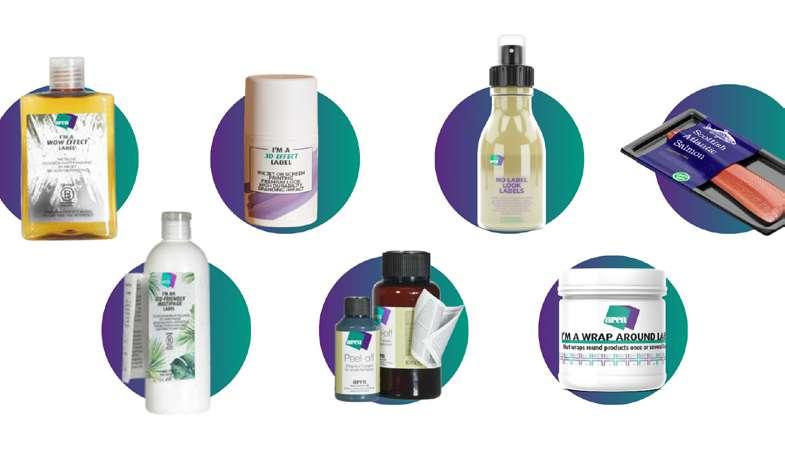
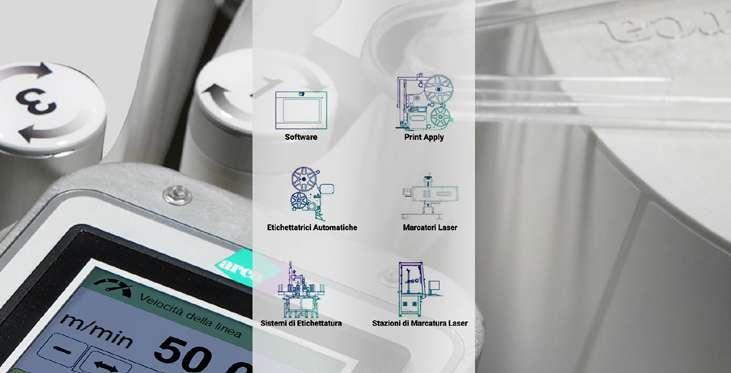
conditions to be governed in a coherent and responsible manner. The structure of Arca Etichette S.p.A. is organised into two operating divisions that reflect the dual expertise the company has matured over time. The Labels Division specialises in the design and production of self-adhesive labels for decoration, identification, promotion, safety and special functional applications. The Systems Division, on the other hand, develops solutions for identification and labelling in manufacturing industry, producing self-adhesive labelling machines, print-apply systems, laser markers and other technologies designed to support customers' efficiency, safety and productivity. This structure allows us to offer a complete technical oversight and to bring together materials, machines, applications and sector requirements with an integrated vision.
Company activity develops along three main lines. The first concerns the design and production of

labelling solutions with high technical content, intended for complex and regulated industrial sectors. The second concerns technical and consulting support to customers, in particular on issues of packaging sustainability, regulatory compliance and the correct application of materials. The third concerns the strengthening of internal processes for measuring and managing impacts, in coherence with the main reference frameworks of the sector. In this way, Arca Etichette S.p.A. does not limit itself to providing a product, but presents itself as an industrial partner capable of accompanying customers in a context in which technical performance, quality and responsibility are becoming increasingly interdependent.
The company's value chain is articulated and interdependent. Upstream it involves suppliers of self-adhesive materials, laminates, inks, varnishes, technological components and equipment for production and inspection. Downstream, the relationship develops with industrial customers operating in highly regulated B2B markets, including pharmaceutical, cosmetics, food, chemicals and other manufacturing sectors where reliability, traceability, safety and regulatory
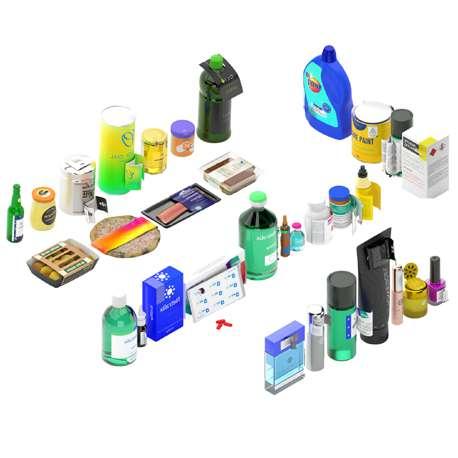
compliance play a decisive role. In 2025 this awareness has been further reinforced: the company has continued to work on transparency and traceability along the supply chain, has consolidated dialogue with strategic suppliers and has supported customers in assessing labelling solutions in relation to recyclability, application compatibility, safety and regulatory requirements.
Our positioning is therefore based on a combination of experience, technical expertise and capacity for guidance. For us it is important to show that the quality of service does not depend only on production accuracy, but also on the ability to build medium- and long-term relationships based on fairness, reliability and transparency. In a rapidly evolving market that demands increasingly advanced solutions, technical dialogue with customers represents an essential component of the value we generate.
This approach is also reflected in our mission. Arca Etichette S.p.A. creates innovative products for labelling and identification intended for manufacturing industry: self-adhesive labels for pack decoration, promotion, safety, logistics
and identification, together with automatic labelling machines, print-apply systems, laser markers, software for unattended printing, for product validation and for traceability. By mastering the main aspects of self-adhesive technology, the company is able to offer complete, reliable and safe solutions. At the same time, as a Benefit Corporation, Arca Etichette S.p.A. integrates this industrial vocation with the commitment to generate measurable economic and social value, to reduce consumption and emissions, to contain waste, to involve suppliers and customers in shared actions on environmental issues and to promote the cultural and professional growth of the people who contribute to its journey.
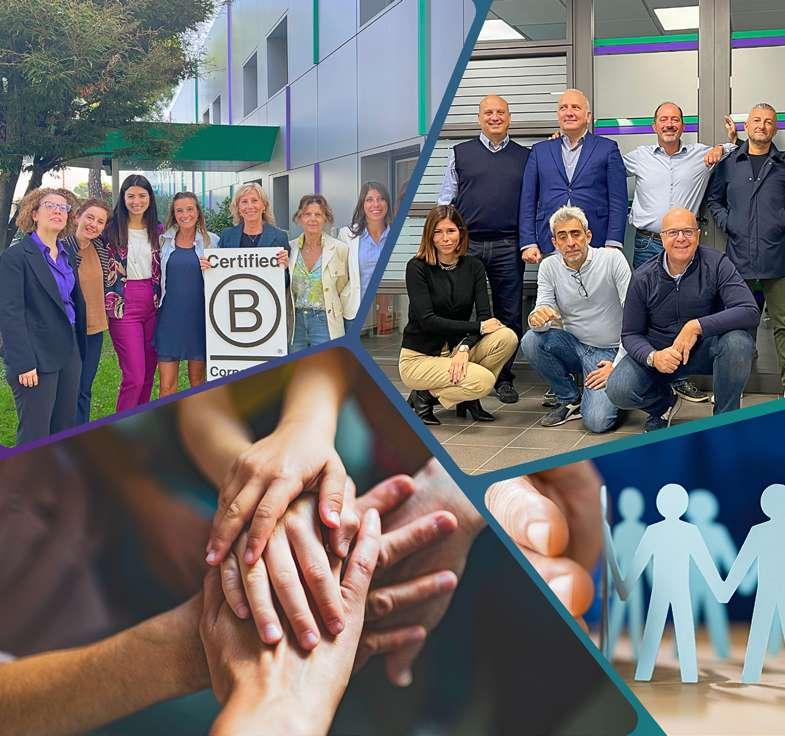
In 2025 the three-year renewal of the B Corp certification represented an important step of independent verification of the business model and the activities carried out. For us it was a significant acknowledgement, but also a call to keep our attention high on continuous improvement. To this is added active participation in networks and associations that promote responsible, sustainable business models oriented to the creation of shared value. In particular, the company belongs to the B Corp Movement and to Assobenefit and continues to cultivate relationships with international partners such as the Concordia Labels Network, as well as with consultants, sector associations and industrial networks. These connections represent for us a concrete space for comparison, learning and development, because they strengthen the ability to read regulatory evolution, anticipate market needs and contribute more consciously to the transformation of the supply chain.
Furthermore, from the collaboration of nine Italian B Corps active in primary, secondary and tertiary packaging, the Packaging B Corp movement was born, an initiative that promotes a responsible evolution of the sector along the entire supply chain. The movement brings together companies that share skills, visions and energies in order to generate positive environmental, social and cultural impact, working collaboratively on themes of pre-competitive innovation and shared responsibility. It is a journey founded on interdependence, aimed at rethinking packaging in a regenerative key. The objective is to co-design new best practices in a transparent way, fostering the growth of the sector, the sharing of knowledge and the development of new skills for the benefit of customers, suppliers and consumers. The movement's journey began in November 2025 with a first alignment meeting on mission and shared objectives, followed
by a second meeting in December 2025 devoted to co-design and idea generation, through shared working tables. From its first phases, the movement has shown itself to be active and dynamic, with numerous projects already emerging and destined to find concrete application in the first months of 2026.
People represent a decisive element of our identity. As at 2025 Arca Etichette
S.p.A. has 145 employees, all operating in Italy. For us, what matters is not only the overall figure, but also the quality of the employment structure, because it concretely reflects the organisational stability of the company and its capacity to enhance work over time. The composition of staff by gender and contract type is shown in the following table.
The data show a prevalence of stable employment relationships and a structure that is almost entirely full-time, elements that confirm a solid organisational base coherent with the path of growth undertaken. Alongside direct staff, the company makes use of 9 non-employee workers, mainly under single-mandate agency contracts, engaged in the management of acquired customers and in market development. During 2025, 1 resignation was recorded. This figure too contributes to giving back the real configuration of the organisation and its commercial oversight. Beyond the numbers, what counts above all for us is the direction undertaken: building an environment in which skills, responsibility, safety and well-being can reinforce each other.
Governance also reflects this approach. The Board of Directors remains the highest decision-making body, with responsibilities over strategic guideli-
nes, the approval of policies and the supervision of ESG impacts in coherence with the status of Benefit Corporation. The Chairman plays a central role in connecting strategic vision and operational management, while the Chief Operating Officer, who also holds the role of Sustainability Manager, coordinates the implementation of policies, monitoring and the reporting of common benefit objectives. To support this oversight, function managers contribute to the management of impacts in their respective areas of competence, integrating sustainability objectives into daily decision-making and operational processes. During 2025, the integration of sustainability issues into governance processes has been strengthened, through more structured oversight, clearer information flows and a progressive consolidation of management systems. The governance framework is supported by policies and
management systems that give substance to the commitments undertaken. The Code of Ethics defines the principles of legality, fairness, transparency, integrity and responsibility that guide relationships with employees, collaborators, suppliers, customers and communities. To this are added the Sustainability Manual and the ISO 14001 Environmental Management System, together with further references and certifications such as ISO 9001, ISO 45001, B Corp, BRCGS Packaging, FSC and ISCC Plus. In 2025 the Company also began the EcoVadis rating process, conducted for the first time at group level, in which it obtained the silver medal, with a score of 75 out of 100, placing in the 90th percentile. In this way, the Company intends to further strengthen the involvement of its suppliers, promoting their participation in the assessment and continuous improvement journey in the ESG area.
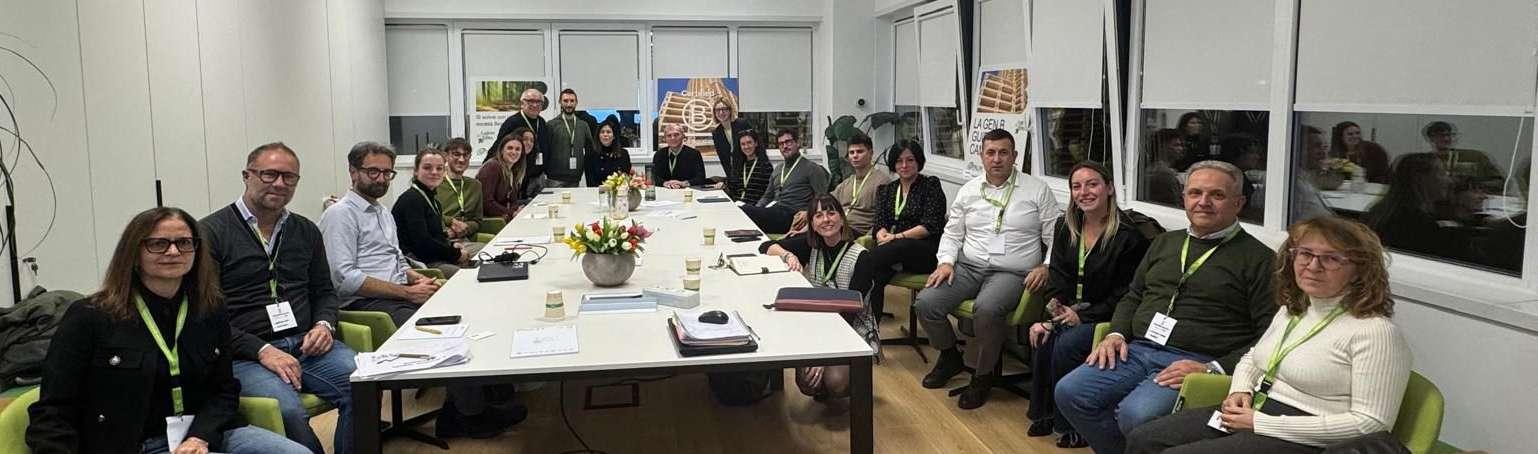
Taken together, these tools make roles, responsibilities, controls and improvement objectives clearer and allow policy commitments to be translated into coherent operational behaviour.
The supervision and management of corporate impacts develop through a structured review process. The Sustainability Manager presents at least annually a report to the Board of Directors and the Board of Statutory Auditors with indicators, results and proposals, while the Board of Directors examines results, trends and deviations from objectives, requests additions when necessary and resolves on priorities and improvement plans. In this work, KPIs, internal and external audits, evidence from certified systems, findings from supervisory bodies and feedback gathered along the supply chain play an important role. For us this is a fundamental step, because it makes sustainability part of the ordinary governance of the company and not a separate exercise from management.
A further element of maturity concerns the capacity to prevent, manage and remedy any negative impacts. Arca Etichette recognises the importance of intervening in a timely, proportionate manner its ethical and sustainability values whenever its activities have caused or contributed to causing critical issues. For this reason it has adopted dedicated channels for complaints and reports from customers, employees and other stakeholders, and makes available structured mechanisms for requesting clarifications, formulating observations and raising critical issues regarding behaviours, activities and impacts generated. Reports are taken on board, analysed in their causes and translated, where necessary, into corrective or remedial actions. The evidence gathe-
red then flows into the continuous improvement of processes, into the strengthening of controls and into the overall assessment carried out through the Impact Report.
Looking at the future trajectory, sustainable development represents for us a central element of the company identity and growth strategy. As a Benefit Corporation and B Corp certified organisation, we have chosen to structurally integrate the creation of economic value with responsibility towards people, the environment and the community in which we operate. This commitment is translated into the definition of clear objectives, the measurement of impacts generated and the adoption of an approach oriented to continuous improvement, so that sustainability is not a collection of isolated actions, but a stable component of decision-making and operational processes. We believe that only through a conscious and responsible management of our activities is it possible to contribute concretely to a lasting
development, capable of creating shared value for all stakeholders and of strengthening, over time, the solidity and credibility of the company.
Overall, Arca Etichette S.p.A. presents itself as an industrial company that combines deep roots and a forward-looking orientation. Its identity comes from a long experience in the labelling sector, but today it is increasingly defined through the ability to connect innovation, quality, responsibility and strategic vision. In a market that demands advanced technical solutions and, at the same time, greater environmental and social coherence, we believe that this synthesis represents our main strength. This is where the meaning of our journey lies: to keep growing without losing solidity, to innovate without losing rigour and to generate value while keeping clear the link between industrial results and the impacts produced.

Arca Etichette S.p.A. interprets its industrial role as a responsibility that goes beyond product quality and economic soundness. For us, generating impact means designing and producing solutions for labelling and identification that can hold together technical reliability, innovation, attention to people and the reduction of environmental impacts. In a sector in which materials, processes, regulatory requirements and customer expectations evolve rapidly, this approach is a strategic choice even before being a reputational one. It is the way we want to be in the market and contribute to transforming it.
Our industrial history hands down to us a heritage of skills built over decades of experience, but today this heritage takes on a broader meaning. It is not only a matter of mastering technologies and processes; it is a matter of deciding in which direction to evolve them. For us, sustainability does not coincide with a declaration of principle. It coincides with the way we invest, with the way we select materials and partners, with the way we improve energy efficiency, reduce waste, accompany customers in more conscious choices and enhance the work of our people.
Arca Etichette S.p.A. operates in a context in which packaging sustainability, material traceability, process efficiency and responsibility along the supply chain are increasingly central topics. Within this framework, our vision of impact develops along five priority areas: climate action and energy transition, waste management and circular economy, employee well-being, local community and value chain sustainability. These directions reinforce one another and outline the profile of a company that integrates common benefit into the decisions, processes and relationships that guide its development.

The impact value chain makes explicit the link between the resources that Arca Etichette S.p.A. deploys, the activities it carries out, the results these produce in the short term and the changes intended to be generated in the medium term. For us, this tool has a concrete value: it helps to read sustainability not as a sum of scattered initiatives, but as a logical sequence of choices, actions and effects. It is also the clearest way to demonstrate that common benefit is not born by chance, but from an intentional design.
The impact chain also allows us to hold together two needs we consider both fundamental. On one hand, the need to recount clearly how we act. On the other, the need to monitor whether what we do really produces the expected
effects. For this reason the structure of the impact value chain is not limited to inputs and activities, but also looks at short- and medium-term effects, that is, the signals that can show whether the direction taken is correct.
The five impact areas identified represent the main spheres through which Arca Etichette S.p.A. translates its common benefit objectives into concrete actions. For each area, the impact value chain makes legible the link between resources deployed, activities carried out, immediate results and changes expected in the medium term.



This area concerns the contribution of Arca Etichette S.p.A. to climate change mitigation through energy efficiency, process innovation and the progressive reduction of the environmental intensity of the production model.
In this area the impact chain starts from human, organisational and financial resources, as well as from investments in more efficient production and energy technologies. These resources are activated to sustain a transition path that brings together renewable energy, process innovation, the renewal of the machinery fleet, the progressive electrification of company mobility, lean manufacturing logics and the maintenance of environmental certifications and projects. The expected value is not exhausted in a technical improvement: what counts is the capacity to translate these interventions into lower emissions, lower consumption and greater robustness of the industrial model.
Use of electricity sourced entirely from renewable energy
Climate action and energy transition IMPACT AREA 1. CLIMATE ACTION AND ENERGY TRANSITION Employees, management
% reduction in CO₂equivalent emissions across the entire production cycle and energy consumption
% increase in energy generated from photovoltaic systems
% reduction in paper consumption
% reduction in processing times
Strengthening of a progressive decarbonization trajectory
Greater energy efficiency of processes
% reduction of the company’s environmental intensity business model
Consolidation of an industrial culture oriented toward continuous improvemen
% reduction in the amount of VOCs used in inks
Continuation of ongoing projects



This area concerns the ability to rethink materials, processes and end-of-life in a circular economy perspective. The impact chain shows how materials, management systems and technical skills are transformed into practices oriented to circularity. The premise is simple but decisive: environmental efficiency does not depend only on the reduction of internal waste, but also on the quality of choices regarding materials, inks, traceability and the relationship with recovery chains. This is one of the areas in which Arca Etichette S.p.A. can contribute most directly to a sector-wide change.


This area places the people who work in the company at the centre. The impact chain is grounded in internal resources, management skills, collaboration with external figures and a clear willingness to listen and improve. The planned activities concern training, smart working, health, prevention, team building and the structured collection of feedback. In this area the expected outcome is not only a good internal organisation. The most relevant outcome is to build a quality of work capable of generating participation, trust and continuity.


This area concerns the relationship with the local area and with the local community. The impact chain links economic resources, territorial rootedness and the capacity to collaborate with local actors. Activities include donations, support for cultural initiatives, the reception of local needs, educational and work re-integration projects, the printing of materials for students and the installation of defibrillators. What emerges is a corporate presence that is not limited to the production dimension, but that seeks to generate tangible positive effects for the context in which it operates.

This area concerns the sustainability of the supply chain and of relationships with suppliers, customers and partners. The impact chain highlights how this sustainability depends on organisational resources, collaboration with external partners and the availability of operational assets such as warehouses and machinery. Activities bring together supplier selection and assessment, ESG certification paths, flexibility in planning and a service attentive to customer needs. For us, this area is central, because it is here that the ability to transform sustainability into relational quality and into shared competitive advantage is measured. IMPACT AREA 5. VALUE CHAIN SUSTAINABILITY Sustainability of

Overall, the impact value chain of Arca Etichette S.p.A. returns the image of an organisation that wants to precisely link its operational choices to the changes it intends to foster. This approach is important also for the future, because it creates the conditions to improve measurement capacity and to make ever more legible the contribution that the company generates for the production system, for the local area and for the environment.
Identifying the beneficiaries of our impact means clarifying who receives the value generated by Arca Etichette S.p.A. and how this value is distributed. For us this step is essential, because it helps to avoid an abstract vision of sustainability and to bring each impact area back to the people, the subjects and the contexts that receive concrete effects from it. Our activity in fact produces consequences that directly involve some stakeholders and, more indirectly but no less significantly, many others.
This reading highlights an important point: common benefit does not coincide with a single recipient. Actions concerning the environment also have effects on people and on future generations; actions that improve internal work also strengthen families and the community; choices on the supply chain influence workers, customers, end consumers and society as a whole. Looking at beneficiaries in this way means recognising that the impact of a manufacturing company spreads well beyond the corporate perimeter.
In 2025 this map of beneficiaries is confirmed in continuity with the one already identified in 2024. This section allows us to read more precisely the link between impact areas, the activities we put in place and the subjects that receive their effects. It is in this ability to hold together company, stakeholders and context that we recognise one of the most significant elements of the journey undertaken by Arca Etichette S.p.A.
Climate action and energy transition
Environment
Local community, employees, future generations
Waste management and circular economy
Employee well-being
Local community
Value chain sustainability
Local community, employees, future generations Waste management and circular economy
Company personnel
Members of the local community, particularly in 2025: students, teachers, local associations and foundations, cultural heritage
Employees' families, local community
Society in general, environment
Workers along the supply chain, end consumers Society in general, environment

The impact assessment represents a further step of the journey undertaken by Arca Etichette S.p.A. towards a business model that is ever more conscious, structured and coherent with its common benefit objectives. This section gathers the main evidence that emerged during 2025 in the five impact areas identified as priorities: climate action and energy transition, waste management and circular economy, employee well-being, local community and value chain sustainability.
The analysis returns the image of a company that has already activated concrete practices and that is progressively strengthening its capacity to transform investments, skills and relationships into tangible results. In several areas, 2025 was a year of consolidation: some initiatives have entered ordinary management with greater stability, others have been expanded, and still others are starting to be monitored with greater precision. This is a positive signal, because it shows that sustainability is not treated as an accessory element, but as a dimension that runs through industrial choices, the organisation of work, the relationship with the local area and dialogue with the supply chain.
At the same time, this assessment brings to light some areas in which the monitoring system still needs to mature. Some indicators are not yet available in a structured way, while others require consolidation of the data in order to be read with full reliability. For us it is important to transparently acknowledge these aspects as well, because the impact report has value precisely when it can give back both the results achieved and the points on which it will be necessary to strengthen measurement and management capacity. It is in this balance between what is already concrete and what still needs to be refined that the meaning of this section is placed.

In 2025 Arca Etichette S.p.A. continued its climate action journey as an integral part of the industrial model and not as an activity separate from ordinary management. In a manufacturing company, in fact, the reduction of impacts does not depend on a single project, but on the quality of choices regarding plants, processes, technologies, energy supplies and mobility. For us, energy transition means precisely this: transforming efficiency into a structural lever of competitiveness, production continuity and environmental responsibility.
The approach adopted during the year confirms a clear direction. Arca Etichette S.p.A. continues to work on reducing the energy intensity of processes,
on the progressive decarbonisation of consumption and on the involvement of the value chain on climate issues. The strategic orientation is reinforced both by the status of Benefit Corporation and by the three-year renewal of the B Corp certification obtained in August 2025, which for the company represents an independent verification of its ability to integrate environmental and governance objectives within the business.
In continuity with what was declared in the 2024 Impact Report, the company also maintains some underlying objectives that help to read the meaning of this area in 2025 as well. In particular, Arca Etichette S.p.A. intends to consolidate the monitoring of Scope 1 and 2 emissions, to assess more extensively the carbon footprint along the supply chain and to define reduction targets of up to 50% by 2030. Recalling these objectives allows us to place the annual results within a broader trajectory, in which the measurement of emissions, energy efficiency and the involvement of the value chain contribute to a more structured decarbonisation path.
In concrete terms, the 2025 results show that the investments made in recent years are continuing to generate measurable effects. Over 80% of the machinery and devices currently in use consists of new-generation technologies. This figure is not to be read only as an index of fleet modernisation. It is above all the sign of an industrial approach that chooses to act on the structural causes of consumption, reducing dispersions, improving automation and making process efficiency more stable over time. The operational effects are already visible. At the same production vo-
lumes, the use of new-generation machinery contributed to a 5% reduction in energy consumption compared with the previous year and to an 8% reduction in processing times. This twofold result is particularly relevant, because when the process is more efficient, the benefit concerns not only productivity, but also the decrease in energy required per unit of product. This allows industrial improvement and environmental improvement to proceed in the same direction.
Added to this dynamic is the issue of company mobility. In 2025, 70% of the fleet consists of hybrid and electric vehicles, with an increase of 12% compared with the previous year. Here too, this is not a symbolic signal. The progressive replacement of vehicles makes it possible to act on a concrete share of indirect emissions and bears witness to a desire to align the daily management of the company with criteria of lower impact.
Another element of solidity of the journey is the coverage of energy needs from renewable sources, which in 2025 remains at 100%, in continuity with the pre-

vious year. Continuity, in this case, is a value. Maintaining over time a coherent choice of energy supply demonstrates that the transition has not been addressed as an episodic intervention, but as a now stabilised component of company management.
A further aspect, already clearly present in the 2024 Impact Report, concerns the management of volatile organic compounds (VOCs). Printing matrices, plates and clichés are in fact prepared with dry processes, while the inks used are exclusively UV-light polymerised. This approach makes it possible to avoid the emission of volatile organic compounds into the atmosphere and represents for us an important element of coherence between the quality of the production process and environmental protection. It is not only a technical choice, but a structural characteristic of the production model, which contributes to reducing the atmospheric impact of operations and to making the company's environmental oversight more solid. The project dimension further strengthens the picture. Arca Etichette S.p.A. is involved in five environmental protection projects, which make evident a broad reading of climate action. The project of adaptation and anticipation to the Packaging and Packaging Waste Regulation (PPWR) directly links regulatory compliance to waste prevention and the design of more recyclable solutions. Participation in HolyGrail 2.0 introduces instead a component of applied innovation, oriented towards improving the selection and recycling of packaging through digital watermarking. The growth of digital printing reduces waste and start-up energy consumption, while the development of labels with certified or bio-attributed materials extends the logic of the transition also to the choice of raw materials. Finally, the renewal of the high-efficiency machine fleet confirms that the reduction of indirect emissions also passes through a constant investment capacity.
Overall, this impact area highlights how Arca Etichette S.p.A. is not working only on the compensation or declaration of objectives, but is focusing on the concrete transformation of its production factors. It is an important distinction, because it makes the climate commitment more credible and closer to the industrial reality of the company. Some aspects, however, still need to be consolidated. For us this does not reduce the value of the journey accomplished, but indicates where to make measurement even more solid.
A further element that concerns this impact area is represented by the GHG inventory updated in 2025, developed according to the GHG Protocol Corporate Accounting and Reporting Standard through the CliMax platform, validated by RINA. For the company this step is particularly important, because it makes it possible to flank the environmental policies and investments already described with a more structured, transparent and comparable measurement base over time. The inventory considers Scope 1, Scope 2 and Scope 3 emissions and confirms the will to read more precisely where emission-related impacts are concentrated along the company perimeter and along the value chain.
Overall, the emissions quantified in 2025 amount to 7,386.62 tonnes of CO2 equivalent. The figure confirms that the most significant part of the company's climate footprint is located in indirect emissions, and in particular in Scope 3, while direct and energy-related emissions remain more contained. Compared with 2024, when the carbon footprint calculation mainly constituted the launch of a methodological oversight to be integrated into the Impact Report, 2025 shows a clear consolidation. The same reference to the GHG Protocol, the use of CliMax and the methodological validation by RINA remain central, but today the reading of the inventory is also more useful from a strategic point of view, because it makes evident the weight of indirect emissions and orients future priorities more clearly. This is a decisive point for us: while on one hand the reduction of direct consumption and energy efficiency remain fundamental, on the other the inventory confirms that a relevant part of the decarbonisation path will necessarily have to pass through the relationship with the supply chain, with purchasing choices and with logistics. The uncertainty analysis for Scope 1 and Scope 2, equal to 7.7%, also returns a level of accuracy judged as good and strengthens the overall reliability of the framework.
Scope 1 emissions derive mainly from natural gas and, to a lesser extent, from the fuel used for company vehicles. These are therefore direct emissions, linked to activities that fall under the operational control of the company.

As regards Scope 2, the 2025 figure is equal to zero according to the market-based approach, thanks to the purchase of Guarantees of Origin for electricity. If read according to the location-based approach, the same energy scope would instead correspond to 425.30 tonnes of CO2 equivalent. This distinction is important, because it makes legible both the effect of supply choices and the emissive profile associated with the reference energy mix.
Scope 3 represents the largely prevailing share of the inventory and confirms that the most relevant part of the company's climate footprint is located outside the direct perimeter of energy consumption and the fuels used on site. The most relevant category is that of purchased goods and services, processed with a spend-based approach and therefore subject to progressive refinement in future updates.
% reduction in energy consumption achieved compared with 2024 thanks to the use of
% reduction in processing times achieved compared with 2043 thanks to the
% increase in the hybrid-electric fleet compared with 2024

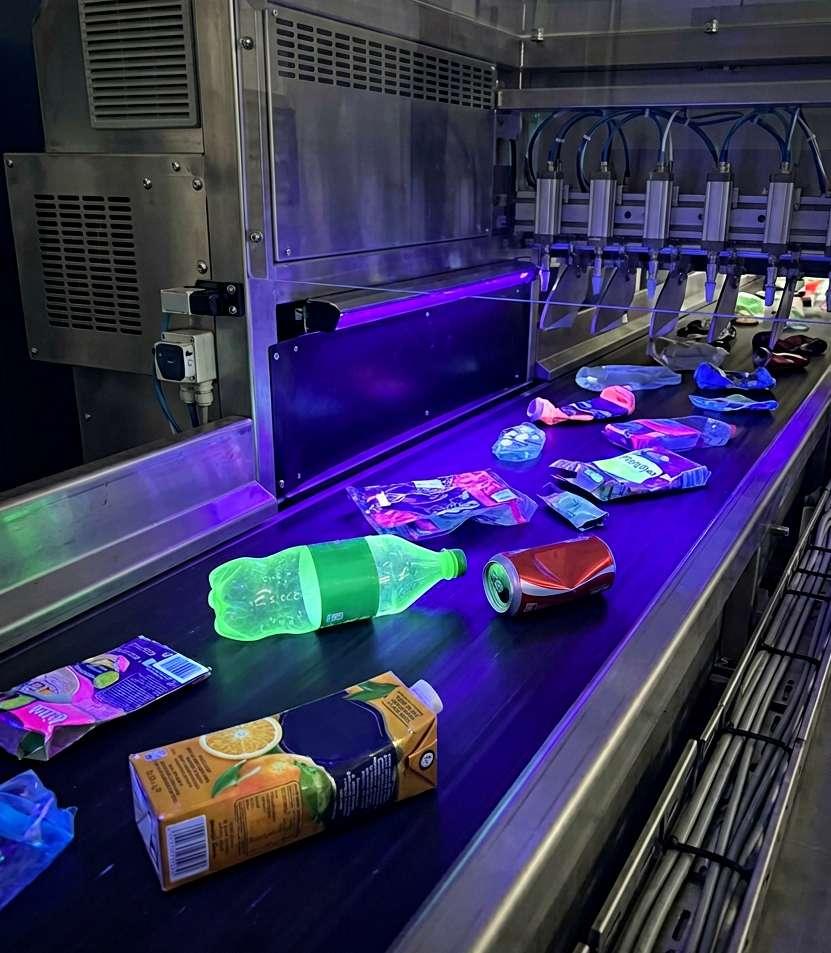
In 2025 waste management and the circular economy are confirmed for Arca Etichette S.p.A. as an impact area closely connected to product quality, label design and the relationship with the supply chain. In a sector such as packaging and labelling, sustainability is not played out only in the plant, but also in the ability to design solutions that improve the end-of-life of packaging, reduce waste and orient the market towards materials more compatible with the principles of circularity.
The company continues to move along this direction with an articulated approach. The reduction of production scraps remains a first work axis, sustained by the optimisation of production phases, by digitalisation and by the diffusion of more efficient technologies. In continuity with what already emerged in 2024, this approach is also linked to a broader reading of production efficiency: reducing start-ups, tests, reworking and non-conformities means acting upstream on the generation of waste, while at the same time improving process reliability and the quality of the final result.
Alongside this, Arca Etichette S.p.A. maintains a structured policy of waste management and valorisation, which aims to improve the separation of fractions, favour recovery and reduce recourse to final disposal. This is a choice that signals a shift in perspective: waste is not considered only as a cost or a critical issue, but as an indicator of the overall quality of the production system. Even when recovery is not immediately possible, the company moves with a logic of controlled flow management, seeking solutions a progressive reduction of overall impact.
The circular logic also extends to product design. Attention to the end-of-life of packaging, the growing integration of requirements linked to recyclability and the technical dialogue with customers show that the company is also seeking to oversee the moment in which the label enters the recovery and sorting system. This approach is made even more relevant by European regulatory evolution, in particular by the PPWR, which is pushing the entire sector towards greater design responsibility. For us it is important to underline that this regulatory pressure is not read only as a constraint, but as a stimulus to innovation. In this context, some already consolidated process choices also take on relevance.
The spread of digital printing helps to contain waste, especially in smaller print runs, reducing startup materials and making the process more flexible. At the same time, the use of UV-polymerisation inks and varnishes and the growing attention towards low-migration formulations confirm a will to oversee not only the quantity of materials used, but also their compatibility with increasingly demanding application contexts, particularly in regulated sectors.
Another important direction concerns materials and traceability. The choice to use certified, recyclable or lower-impact materials does not respond only to a commercial need, but reflects a procurement and product development policy that seeks to act upstream of the supply chain. In this sense, certifications such as FSC and ISCC PLUS, together with the diffusion of linerless, compostable, biodegradable or recycled solutions, contribute to building a proposition that holds together technical performance, com-

pliance and principles of circularity. 2025 returns some concrete results that help to read the scope of the journey. FSC-certified orders amounted to 1,680, for a total surface of 1,993,027.74 m². ISCC-certified orders amounted to 194, equal to 94,474 m². To these are added 276,681.92 m² of other low-impact materials, including compostable, biodegradable and recycled solutions, as well as 445,768.24 m² of linerless labels. These data do not exhaust the meaning of the area, but describe well a trend: the use of sustainable and certified materials is not episodic, but increasingly integrated into the company's production offer.
The inks and varnishes front also offers interesting indications. Comparing 2024 and 2025, a reduction is observed in the quantities of UV inks and varnishes from 16,163 kg to 14,957 kg and a reduction in UV adhesive from 2,900 kg to 1,530 kg. The figure, on its own, is to be read with caution because it varies together with the number of flexo jobs processed and the m² transformed, but it still suggests an optimisation dynamic attention to process efficiency and the reduction of overall impact. In parallel, projects such as HolyGrail 2.0 and the spread of linerless solutions indicate a will to act not only on the matter employed, but also on the capacity of the recycling system to recognise, separate and better valorise materials. Also fitting into this approach is the company's interest in industrial symbiosis solutions and in the improvement of recovery destinations, in the awareness that the circular economy does not depend on a single choice, but on the capacity to make materials, processes, customers, suppliers and end-of-life operators dialogue with each other. For this reason the work done is not exhausted within the plant, but extends to technical dialogue with the market and with the packaging supply chain.
This impact area therefore shows a very positive signal: Arca Etichette S.p.A. is building an ever closer link between product innovation, waste governance and responsibility along the value chain. This is a crucial step, because it makes the circular economy something more concrete than a declaration of principle. An important element of continuity with respect to 2024 concerns the final destination of waste. Already in the previous year Arca Etichette S.p.A. had brought waste sent to landfill to zero, allocating 100% of residual flows to waste-to-energy with energy recovery. In 2025 this result has not changed, confirming the stability of an oversight that for us represents a concrete step in the path of responsible waste management.

Future objectives indicate, however, a coherent direction. The company intends to continue with the reduction of waste, increase the share of waste sent to recovery, strengthen eco-design, increase the use of certified materials, support innovation to improve recycling processes and engage suppliers and partners in a more structured way. This approach is significant, because it shows that circularity is interpreted as a process of continuous learning and not as an already achieved objective.
FSC-certified orders
ISCC-certified orders
Other "low-impact" materials (compostable, biodegradable, recycled) purchased
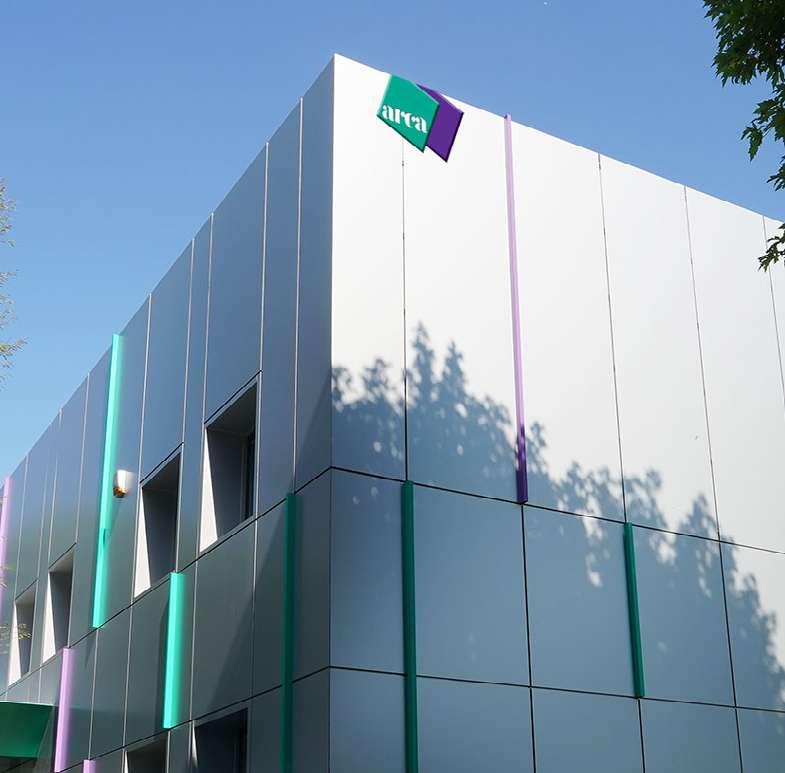
In 2025 employee well-being continues to represent for Arca Etichette S.p.A. an essential condition for the quality of work and for the resilience of the industrial model. In a company operating in technical, regulated and high-reliability contexts, people are not only an organisational resource, but the place where skills, attention to detail, adaptability and a quality culture come together. For this reason, talking about employee well-being means for us also talking about business continuity, risk oversight and long-term development.
This year's framework shows an articulated approach, which combines health and safety, professional growth, internal listening, inclusion, the protection of rights and the quality of the work experience. The basis of this set-up is given by the presence of structured policies, integrated into management systems and the Code of Ethics. The protection of health and safety naturally remains a fundamental oversight, but it is not the only element. Arca Etichette S.p.A. has also formalised policies for the development of skills, employee listening, diversity, equity and inclusion, the protection of personal dignity, the protection of personal data and the improvement of the work environment. Taken together, these elements give back the image of a company that considers well-being as a balance between protection, growth and the quality of internal relationships.
The perhaps most representative figure of 2025 concerns training. During the year 4,045 training hours were delivered, with the involvement of 140 participants and the contribution of 3 external professionals. Within the skills-development initiatives, it is also worth noting the training courses for personal and professional growth, including English-language courses, delivered in 2025 to 5 employees (4 men and 1 woman), for a total of 59 hours. This is a significant investment, which deserves to be read in its broader meaning.
It was not exclusively a matter of technical or compliance-related training, but of an articulated path that also included topics such as sustainability, cyber security, good manufacturing practices, internal processes, posture improvement, as well as initiatives in support of psychological well-being and work-life balance.
In particular, during the year a structured psychological support service was launched, accessible not only to employees but also to their family members and
relatives, through a dedicated platform. The company plans to monitor and report in the next financial year the levels of participation in this initiative.
This integrated approach represents a positive signal, since it highlights how the company does not separate professional performance from the quality of working life, but pursues a more evolved balance between these aspects.
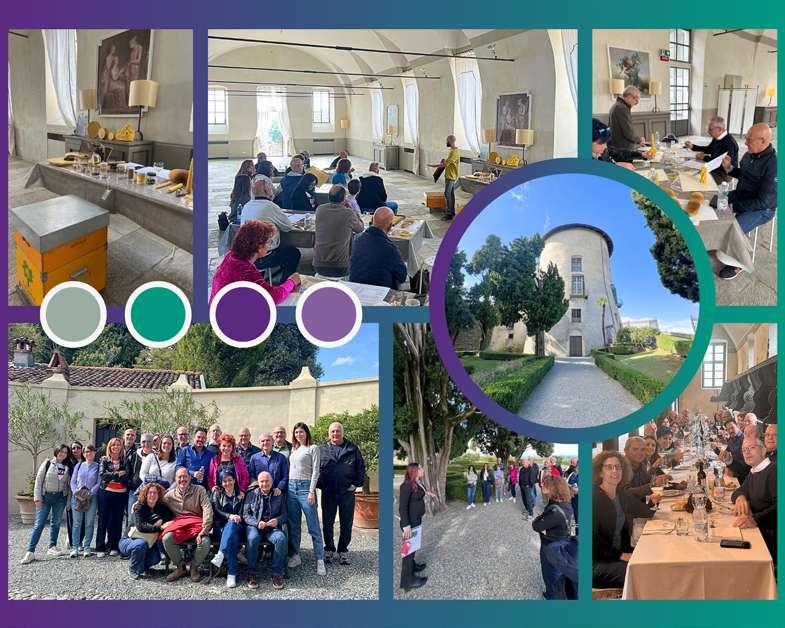
Smart working too, even in a production context in which a relevant share of activities requires physical presence, was made available to 22 employees. The number is not to be evaluated in the abstract, but with respect to the manufacturing nature of the organisation. In this framework, the possibility of activating forms of flexibility for a part of the corporate population represents a sign of concrete attention to the balance between operational needs and individual needs.
On the prevention and health front, it also emerges that 31 employees received the flu vaccine free of charge. This element too has a value that goes beyond the numerical figure. It means recognising that well-being does not exhaust itself in the management of injuries or legal obligations, but includes a broader culture of protection and care. In parallel, team building activities, often carried out in collaboration with the FAI and with a cultural and territorial dimension, strengthen the sense of belonging and dialogue among different functions, contributing to creating internal cohesion.
A particularly relevant result is the absence of workplace accidents in 2025. In an industrial context this figure assumes an important specific weight, because it reflects the effectiveness of organisational oversight and the ability to maintain high attention to safety. At the same time, the fact that the level of employee satisfaction measured through climate questionnaires turns out to be high suggests that perceived well-being is not a marginal effect, but a dimension that is genuinely overseen.
A further element useful for reading employee well-being concerns the company's ability to transform internal listening into concrete responses. During 2025, 9 proposals were collected from employees and all 9 were accepted. This figure is particularly significant, because it suggests that internal dialogue does not remain formal, but finds real space in decision-making processes and in organisational improvement. For us it is a positive signal: when proposals are integrally accepted, it means that there exists a ground of mutual trust and a concrete willingness to enhance people's contribution.
Added to this is the theme of economic support, which in 2025 translated into the granting of a temporary loan of €30,000 to an employee. This element too deserves attention, because it shows how care for people can take, when necessary, a
very concrete and direct form. In a business context, intervening with such a tool means recognising that well-being does not concern only the professional dimension, but also the capacity to offer support in situations that require closeness and responsibility.
Overall, the area of employee well-being returns the image of a company that has understood that the quality of work does not depend only on the technical oversight of safety, but on a more extensive care for the conditions that allow people to work well. For us it is an important point, because in this balance between skills, health, listening and collaboration is played out a significant part of Arca Etichette S.p.A.'s credibility as a Benefit Corporation.
In 2025 the relationship with the local community continues to be for Arca Etichette S.p.A. a stable component of its way of doing business. This point deserves attention, because the bond with the local area is often recounted as a set of ancillary initiatives, disconnected from the corporate identity. In the case of Arca Etichette S.p.A., instead, a more coherent reading emerges: the company recognises its role as a responsible actor within a specific social and cultural context and chooses to contribute to its vitality through initiatives of shared value, the diffusion of a culture of sustainability, dialogue with local stakeholders and support for projects of social and cultural utility.
The underlying approach is clear. The company does not limit itself to intervening occasionally, but moves within a logic of corporate citizenship that places the continuity of relationships and the quality of contribution at the centre. This aspect emerges both from the policies declared and from the medium-term indicators that attest to the duration over time of some collaborations. In 2025 there are in fact four years of collaboration with the FAI and three years of collaboration with schools. Continuity, in this case too, has a specific value. It means that the relationship with the local area is not entrusted only to single donations or to extempore initiatives, but is cultivated in a longer perspective, capable of generating trust and recognisability.
A very significant figure concerns the use of 100% of the FAI tickets provided. It is an apparently simple indicator, but it gives back well an underlying element: when the link between company, people and cultural heritage is built in a credible way, the opportunities
for participation are actually taken up. For us this is a positive signal, because it shows that cultural support does not remain external to corporate life, but manages to involve also the people of the organisation. The activities made possible by donations offer an even richer qualitative picture. Support to the FAI contributed to the protection, maintenance and enhancement of historical, artistic and naturalistic assets, fostering their conservation and public enjoyment. This is a relevant point, because it links the company's economic contribution to a tangible and shared common good. At the same time, the initiatives supported strengthened cultural accessibility, encouraging a more conscious participation in artistic and natural heritage.
The impact on the local area then extends to the educational sphere. Through support for initiatives aimed at schools, beneficiaries were able to carry out awareness-raising activities dedicated to new generations on the themes of sustainability, corporate responsibility and the B Corp model. This type of intervention has a value that goes beyond the immediate result: it contributes to spreading languages, concepts and practices that can settle over time within the community. This framework also includes the production of printed educational booklets (3,000 during 2025), conceived as tools of dissemination and assistance to the paths addressed to students.
A further element concerns initiatives in support of social inclusion and the strengthening of local social capital. The activities described indicate that donations do not produce only a symbolic benefit, but can generate concrete opportunities for the local area
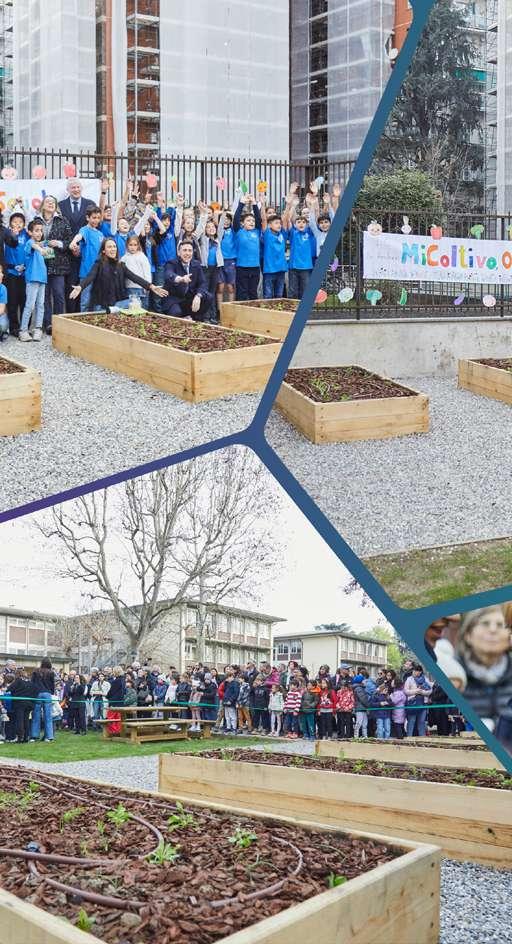
and strengthen the bond between company and community. Active involvement of employees in projects in favour of the local area also goes in this direction, because it broadens the scope of impact and transforms social responsibility into a more shared practice. The number of employees involved in initiatives helps precisely to read this participatory dimension, while the amount of donations makes more visible the intensity of the economic contribution made available by the company.
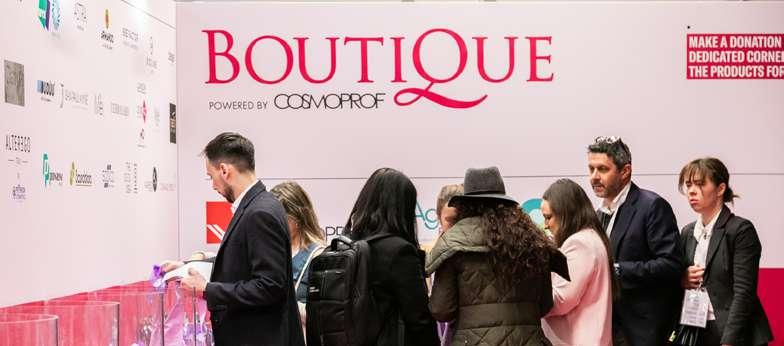
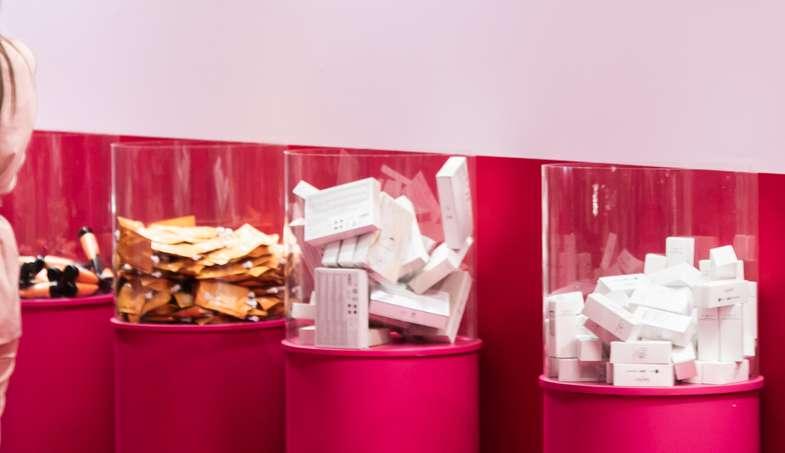
Within this context is also the Boutique project, a charity initiative signed in collaboration with Cosmoprof Worldwide Bologna in March 2025. Boutique was configured as a "charity bar", located at the Services Area, which hosted cosmetics from a selection of companies. Interested visitors were able to choose a mix of products and, in exchange for a minimum donation, contribute to supporting Ageop Ricerca Odv, an association engaged daily in caring for children and young people suffering from oncological pathologies. The company participated in the initiative, together with Pink Frogs S.r.l. SB and Eurovetrocap, through the Micellar Water with Orchid Extract product. The project recorded significant results, reaching an overall amount of €34,485 collected in favour of the supported cause. This impact area therefore gives back a coherent image of Arca Etichette S.p.A. as a company that considers the local area not only as the place where it operates, but as a relationship to be cultivated. For us this is an important distinction: when the bond with the community is thought of in terms of shared value, social sustainability acquires greater depth and credibility.
Some information limitations remain, however, that constrain the full readability of the annual result. In the 2025 dataset, the number of educational booklets distributed, the number of employees involved in activities supporting the local area and the economic value of donations are not populated. The lack of this data does not call into question the substance of the initiatives, but reduces the possibility of measuring more precisely the intensity of the contribution generated during the year.
Years of collaboration with the FAI
Years of collaboration with schools FAI tickets used Activities made possible by donations
In 2025 value chain sustainability is confirmed as one of the areas in which Arca Etichette S.p.A. can generate an impact that exceeds the direct perimeter of the company. This is a decisive point, because a relevant share of the environmental and social impacts of the packaging sector is concentrated precisely in the supply chain: procurement, materials, transformation processes, logistics, regulatory compliance and quality of service to customers. For us, therefore, this section does not concern only the way in which Arca Etichette S.p.A. selects its suppliers, but the way in which it tries to orient the entire ecosystem of industrial relations towards more responsible standards.
Coherent with this approach, during 2025 Arca Etichette S.p.A. began, in collaboration with Up2You, the planning of an event dedicated to the direct involvement of suppliers on sustainability issues, scheduled for 2026. The initiative is born of the awareness that transforming policies and supply-chain requirements into measurable impact requires relational and training work that goes beyond mere document management, valuing suppliers as partners of a shared journey. The event will offer suppliers a practical path of supply-chain sustainability and decarbonisation, with a focus on Scope 3 emissions and on the concrete benefits of operational tools such as ESG ratings, LCA studies and emissions reporting platforms. Overall, the decision to organise this moment of dialogue reflects a clear choice: the future competitiveness of Arca Etichette S.p.A. also depends on the capacity of its supply chain to evolve, and accompanying suppliers in this transition represents an investment a positioning oriented to B Corp standards and to a relationship founded on transparency.
Within this framework, the EcoVadis rating process launched in 2025 for the first time at group level also takes on a strategic relevance with respect to supply chain management. This initiative in fact represents a concrete lever to strengthen the progressive involvement of suppliers, orienting them towards shared standards of assessment and continuous improvement of ESG performance, in coherence with the evolution of the sustainability governance model adopted by the Company.
Alongside engagement initiatives, the 2025 approach stands out for a coherent methodological and organisational base. The company integrates sustainability into its development strategy and translates it into criteria for supplier selection,
qualification and re-evaluation, into responsible procurement practices, into supply chain monitoring systems and into mechanisms for material traceability and chain of custody. To this are added product and process innovation, the involvement of partners and customers and a continuous-improvement approach supported by reporting. Taken together, these elements show that the supply chain is not considered as a purely operational sphere, but as a strategic space in which transparency, risk, credibility and the capacity to innovate are played out.
A particularly significant element is attention to the traceability of sustainable materials, including Mass Balance management for ISCC PLUS materials. In a context in which customers increasingly request verifiable evidence on the sustainability of materials, the ability to hold together inputs, processes and outputs represents an indispensable basis to avoid simplifications or unsupported claims. For us this is one of the most relevant aspects of the journey undertaken: supply chain sustainability becomes credible when it is accompanied by systems of custody,
control and documentary coherence. Dialogue with partners and customers also takes on a growing strategic function. Arca Etichette S.p.A. in fact declares its intention to foster ESG awareness, regulatory alignment and collaboration on shared sustainability projects. This is particularly important at a time when the market is crossed by new requests linked to the PPWR, to the EUDR, and more generally to the growth of expectations on environmental transparency. The company therefore appears to position itself not only as a technical executor, but as an interlocutor capable of accompanying customers and partners in a more orderly and realistic evolution.
This capacity for support also finds confirmation in the listening activity carried out in 2025 through the customer satisfaction questionnaire, which involved 40 customers in total between Italy and abroad.
The results show that sustainability is becoming an ever more integral element of the commercial relationship: in the Italian sample, more than 70% of respondents recognise Arca's journey as a Benefit Corporation and B Corp as a relevant aspect, while the company's attention to environmental sustainability issues obtains an average score of 4.49/5. The theme of a sustainable and proximity-based supply chain also turns out to be particularly significant, with an average score of 4.37/5. Overall, these responses suggest that the company is perceived not only as a reliable supplier, but increasingly as a partner capable of standing alongside customers in a journey concretely oriented to quality, transparency and sustainability.
Future objectives confirm this trajectory. Arca Etichette S.p.A. intends to strengthen the integration
of ESG criteria in the supply chain, increase the use of sustainable and certified materials, improve supply chain traceability, develop ever more sustainable product and process solutions, intensify the involvement of partners and customers, consolidate the monitoring of ESG performance and maintain alignment with evolving European regulations.
It is an ambitious but coherent agenda, which shows how the supply chain is interpreted as a sphere of continuous evolution.
The outcome indicator is not currently available, as the supplier engagement event will take place in 2026.

2025 confirms for Arca Etichette S.p.A. a path of consolidation, rather than mere declaration of intent. The impact assessment in fact gives back the image of a company that is progressively making more legible the relationship between industrial identity, social and environmental responsibility, quality of work, quality of service and the ability to oversee its own supply chain. This is an important step, because in a manufacturing reality sustainability acquires value only when it truly enters processes, technological choices, customer relations and the way the organisation interprets its role in the local area. In this sense, the Impact Report does not represent only a final account of what has been done, but also a tool of orientation that helps to read more clearly the progress made and the areas in which it will be necessary to keep improving.
During the year this trajectory has strengthened. The three-year renewal of the B Corp certification, obtained in August 2025, represented a particularly significant moment of external verification and confirmed the company's will to measure itself against high standards, holding together performance, transparency and continuous improvement. For us this result does not coincide with a point of arrival, but with a further responsibility: to make ever more coherent the link between what we declare, what we do and what we are able to measure. At the same time, 2025 has also shown more clearly the strengthening of integration between industrial perfor-
mance, service quality, sustainability culture and governance tools, signalling a maturation that goes beyond the single annual result.
The area of climate action and energy transition clearly shows this approach. The data and contents collected indicate that Arca Etichette S.p.A. is not limiting itself to placing the climate issue on the communication level, but is translating it into concrete operational levers: machinery fleet renewal, improvement of process efficiency, progressive evolution of the company fleet, use of energy from renewable sources and growing attention to the role of the supply chain in decarbonisation. It is a relevant distinction, because it makes the journey more credible and closer to the reality of the company. The transition, in our case, is not disconnected from industrial competitiveness: it coincides with the ability to act on the structural factors of consumption, organisation and operational continuity.
The area of waste management and circular economy also gives back a signal of maturation. In 2025 a vision is confirmed that links product quality, design, materials and end-of-life of the proposed solutions. The growth of certified materials, attention to linerless labels, dialogue with the regulatory evolution of packaging and participation in innovation projects such as HolyGrail 2.0 show that circularity is interpreted not as a separate chapter, but as a component of the value proposition. A particularly signi-

ficant element concerns the continuity of the result already achieved in 2024 on the waste front: the management system has maintained the zeroing of flows sent to landfill, confirming a destination oriented towards the energy recovery of residues. This figure, correctly read, does not tell of a new annual reduction, but of the maintenance of an oversight that for us remains very important. Employee well-being emerges as another area in which 2025 expressed elements of solidity. In an organisation like ours, human capital is not only a productive resource, but the point where skills, reliability, a culture of quality and capacity for adaptation come together. For this reason we consider it central that the company continues to oversee together safety, professional growth, internal listening and the quality of relationships. The absence of workplace accidents, the breadth of training investment, the activation of forms of flexibility compatible with the manufacturing context and the attention to health prevention describe a model that seeks to hold together protection, development and perceived well-being. This is a positive signal, because it shows that social sustainability is not treated as an accessory element, but as part of the industrial resilience and of the credibility of the company in the long term.
The relationship with the local community also confirms itself as a distinctive trait of our way of doing business. In 2025 this relationship appears grounded above all on continuity: continuity in collaborations with the FAI and with schools, continuity in support for cultural, educational and social initiatives, continuity in the recognition of the local area as a space of relationships and not merely as a productive context. For us this aspect counts a lot. A company generates shared value when it manages to be part of its own context with a recognisable presence, capable of listening, participating and contributing. The fact that some initiatives are now embedded in a multi-year perspective reinforces the idea of a commitment that is not episodic, but cultivated over time.
Value chain sustainability, finally, probably represents one of the most promising areas and, at the same time, one of the most demanding for the next development cycle. In 2025 the main strategic oversight is active: sustainable supplier selection and qualification, responsible procurement, material traceability, product and process innovation, involvement of customers and partners. This framework is credible and the position Arca Etichette S.p.A. occupies within the packaging supply chain. At the same time, it is precisely on this area that
the need to strengthen the quantitative data base emerges more clearly. The direction is correct, but in order to make progress fully legible it will be necessary to further consolidate the measurement system and bring it to a more mature level.
Overall, the 2025 picture therefore suggests a balanced reading. On the one hand, the company has consolidated important choices, has strengthened oversight, has given continuity to results already achieved and has confirmed a growing integration of sustainability into ordinary management. On the other, the report transparently brings to light some areas in which the information system still has to evolve. For us this does not reduce the value of the journey accomplished. On the contrary, it is precisely the ability to recognise lucidly what is already solid and what still requires further investigation that gives credibility to the Impact Report.
Looking ahead, the objectives that emerge most clearly lie along some fundamental directions. The first concerns the strengthening of measurement capacity. It will be essential to consolidate the monitoring of direct and indirect emissions, to read more extensively the carbon footprint along the supply chain and to progressively make more robust the indicators relating to the value chain, to supplier involvement and to social outcomes. For us it is a strategic priority, because the quality of measurement conditions the quality of decisions.
The second direction concerns the continuation of the decarbonisation and industrial efficiency journey. This will mean continuing to invest in new-generation technologies, consolidating the energy
efficiency of processes, maintaining a high share of renewable energy, accompanying the evolution of company mobility and strengthening the supply chain's contribution to climate objectives. In parallel, the commitment to placing this progress within a more structured and legible reduction trajectory in the medium term will remain central.
The third direction concerns the circular economy. In the coming years it will be important to continue with the reduction of waste, to increase the share of cer tified or lower-impact materials, to develop eco-de sign and to support customers on recyclability, com pliance and packaging sustainability. Here too, the value will be given not only by volumes or projects, but by the capacity to transform these practices into a stable competitive advantage and into a concrete contribution to the sector's transition.
A fourth area of development concerns people. Arca Etichette S.p.A. will continue to invest in training, safety, listening and quality of the work experien ce, aware that employee well-being is an essential condition for sustaining innovation, reliability and continuity. This means strengthening professional growth paths, maintaining a high attention to pre vention, valuing skills and making the relationship between the organisation of work and the quality of internal relationships ever more coherent.
Finally, the link with the local community and the maturation of the supply chain will remain central. For the local area, the objective will be to give con tinuity to the collaborations launched and to make the social value generated progressively more mea surable. For the value chain, the challenge will be to
accompany the solidity of qualitative oversight with more complete quantitative indicators, so as to be able to read more precisely the effects of the choices made. It is in this balance between continuity, innovation and measurement capacity that a relevant part of the company's next evolutionary step will be played out.
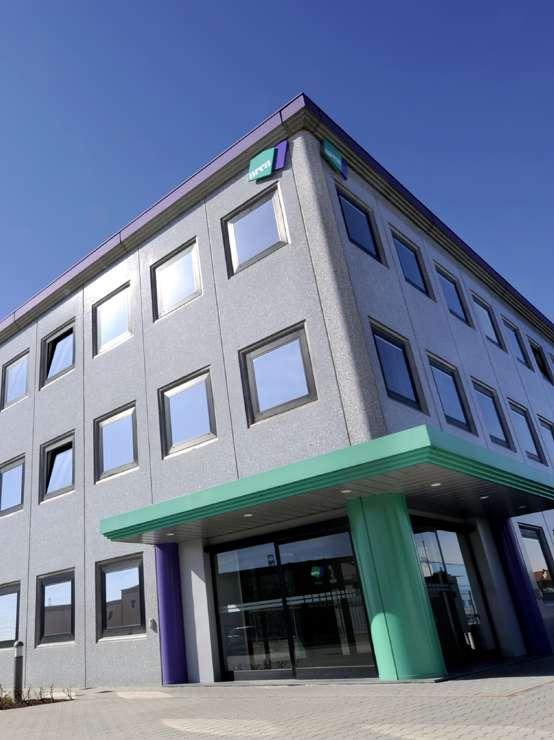
This Impact Report represents, as every year, for Arca Etichette S.p.A. a moment of synthesis, which opens the way to an exercise of awareness. It does not simply close a year of activity and is not for us a mere formal fulfilment: it allows us to observe more clearly how our way of producing, our organisational culture and our relationship with stakeholders are being transformed. For us it is fundamental that this document become a tool of transparency, dialogue and orientation, capable of accompanying future choices with greater rigour and intentionality and of functioning, at the same time, as an internal lever for learning.
In 2025 we confirmed that sustainability can be read as a concrete dimension of doing business. It is found in decisions on plants and processes, in the management of materials, in the quality of relationships with people, in the oversight of the supply chain, in the will to contribute to the vitality of the local area. In other words, it is found in the way we choose to be in our work. This is, for us, the most authentic meaning of the journey undertaken as a Benefit Corporation: not adding an external layer to company management, but making more legible, more coherent and more responsible what already defines our industrial identity.
We well know that the value of this journey will depend on the ability to keep improving. In some areas the results are already solid and show a clear direction; in others it will be necessary to strengthen the quality of data, the depth of monitoring and the ability to translate strategic guidelines into ever more robust indicators. Recognising this point does not weaken our commitment. On the contrary, it makes it more credible, because sustainability requires precisely this combination of ambition and concreteness.
We therefore look to the future with confidence, but also with a sense of responsibility. We want to continue to be a company capable of innovating without losing solidity, of growing without losing coherence, of generating economic value while holding together the environment, people, the local area and the supply chain. It is a demanding challenge, but it is also the direction we consider most right for Arca Etichette S.p.A. and for the sector in which we operate. We will continue along this road with the conviction that the quality of our impact will depend, more and more, on the ability to transform every daily choice into a concrete signal of responsibility and long-term vision.