STRANGE AND SPOOKY WILDLIFE THAT NEED TREES
When people think about protecting wildlife, the spotlight often falls on the cutest animals like fluffy mammals or colorful birds. But forests are home to creatures of every shape and reputation, including some that might make your skin crawl.
In fact, forests are the epicenter of life on land. Roughly 80% of terrestrial species rely on trees for shelter, food, or habitat. From the forest floor to the canopy, trees create the conditions that allow entire ecosystems — creepy critters included — to survive.
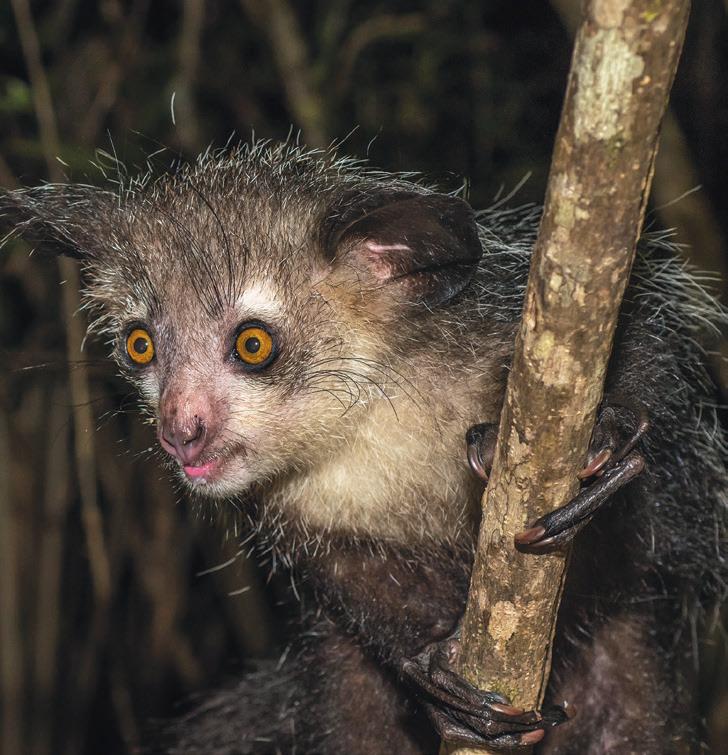
Take the aye-aye lemur of Madagascar. This unusual primate spends its nights tapping along tree bark, listening for insects hiding beneath the surface. With its long middle finger, it pulls grubs from the wood — a feeding habit that helps keep insect populations in check and supports forest health.
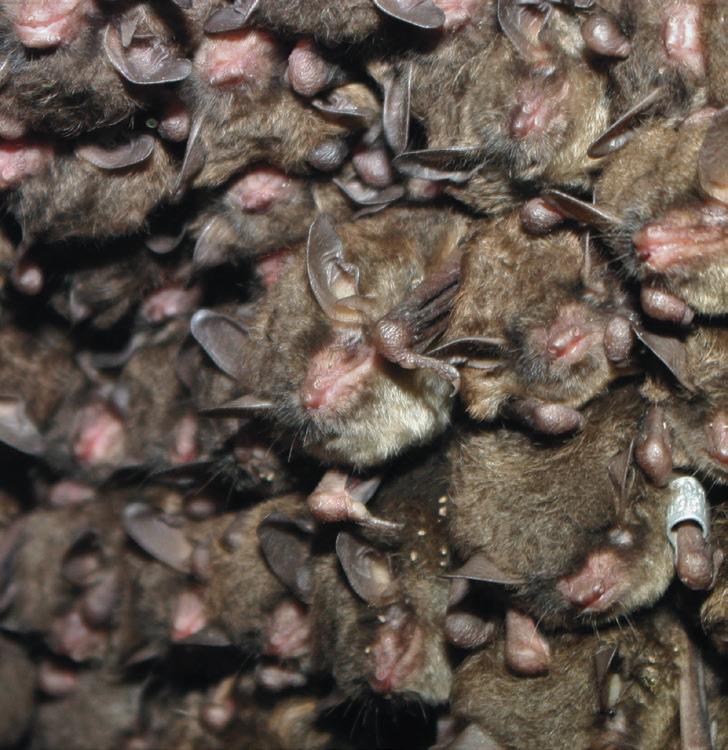
In the forests of North America, the Indiana bat roosts beneath loose bark and among tree cavities during warmer months before gathering in caves to hibernate each winter. These tiny bats may look spooky in flight, but they play an important role by eating large numbers of flying insects.
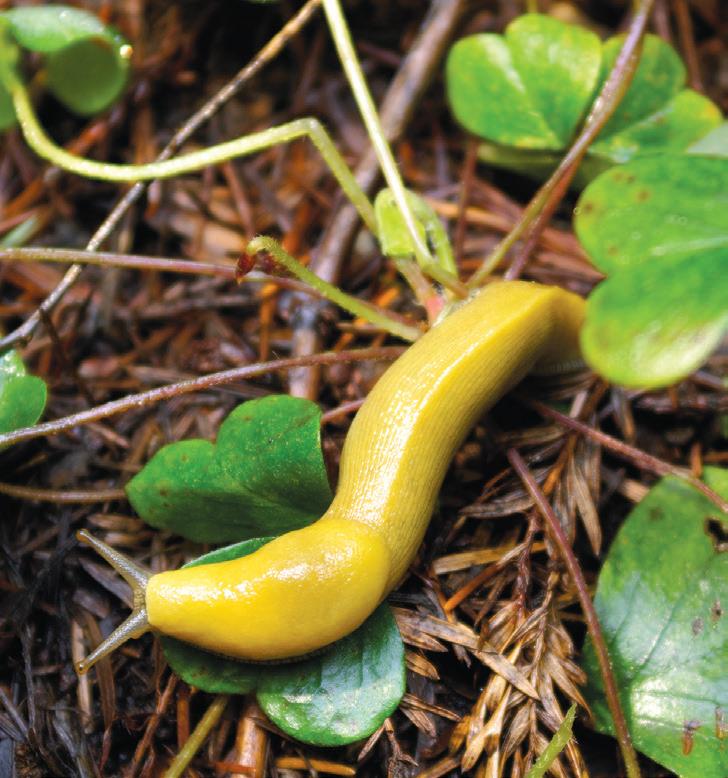
Meanwhile, on the damp forest floor of the Pacific coast, the bright yellow banana slug quietly does its part. By feeding on decaying leaves, mushrooms, and competing plants, this slow-moving recycler helps return nutrients to the soil that forests depend on to grow.
From venomous spiders to brilliantly colored frogs, even the eeriest animals have an important role in the web of life. And many depend on healthy forests to survive.
By planting and protecting trees, we help ensure that forests remain home to wildlife of every kind.
Read the full story at arborday.org/creepy-critters.
Andrew King/USFWS
ONE FARM’S RIPPLE EFFECT
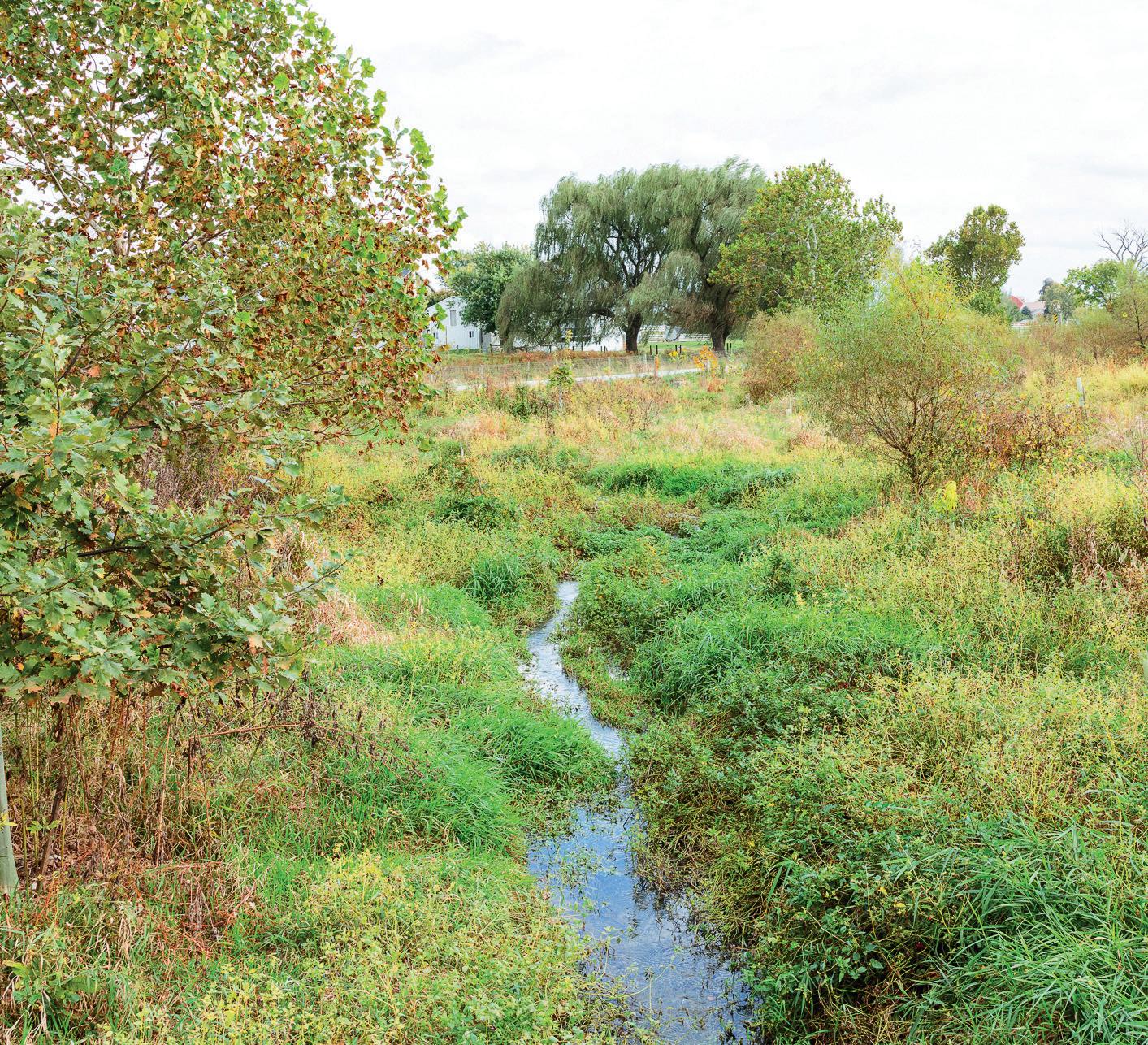
Along a quiet stretch of countryside in Pennsylvania, a small stream winds through a family farm that has stood for generations. The land has been in David Denlinger’s family since the mid-1800s, a place shaped by time, memory, and care.
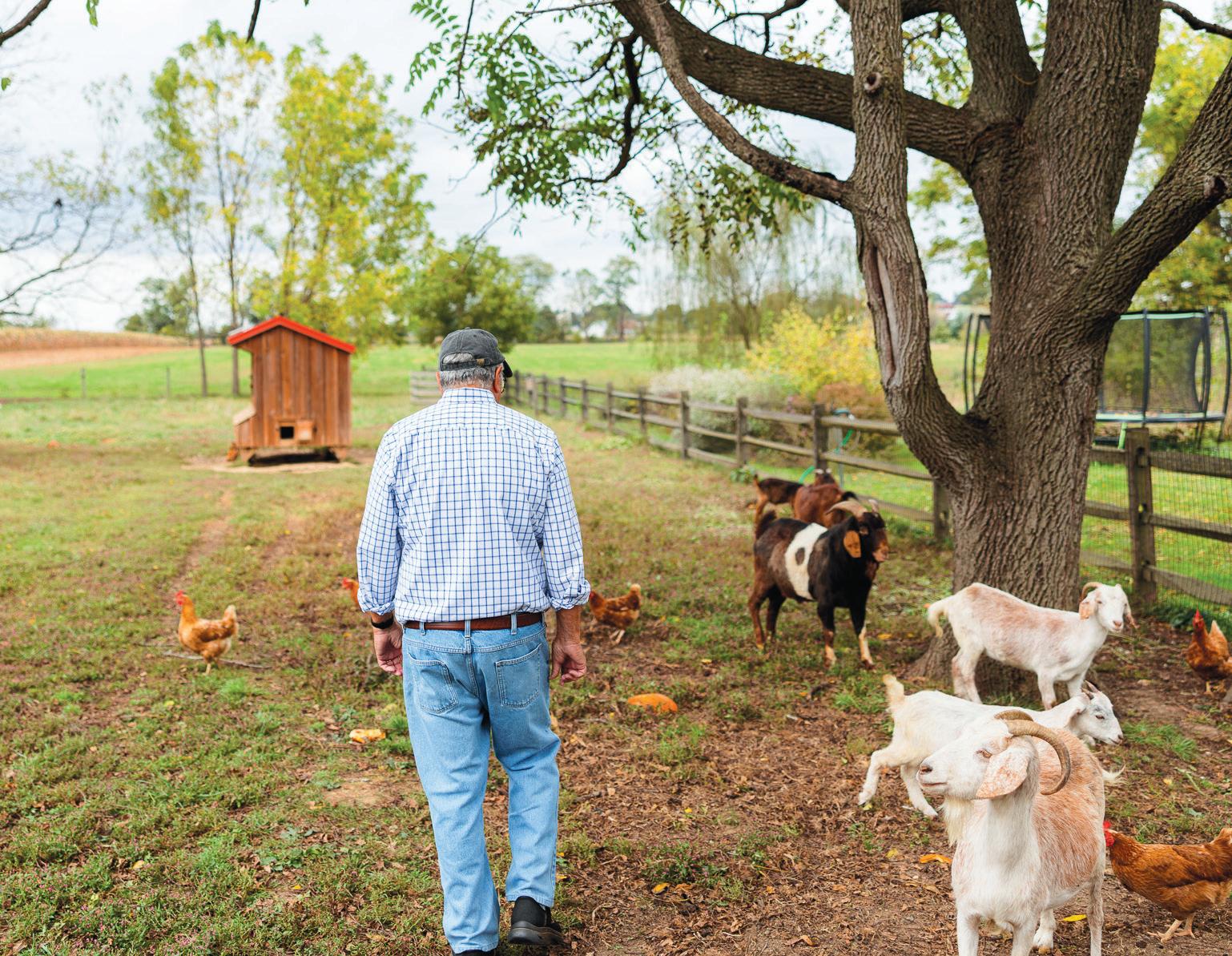
But when Denlinger and his family returned about a decade ago, they found the stream in a very different condition. Cattle and horses moved freely through the water, churning up mud and eroding the banks.
“The stream was really in a terrible state,” Denlinger said.
So, they started with a simple step: fencing livestock out of the stream. Then came the trees.
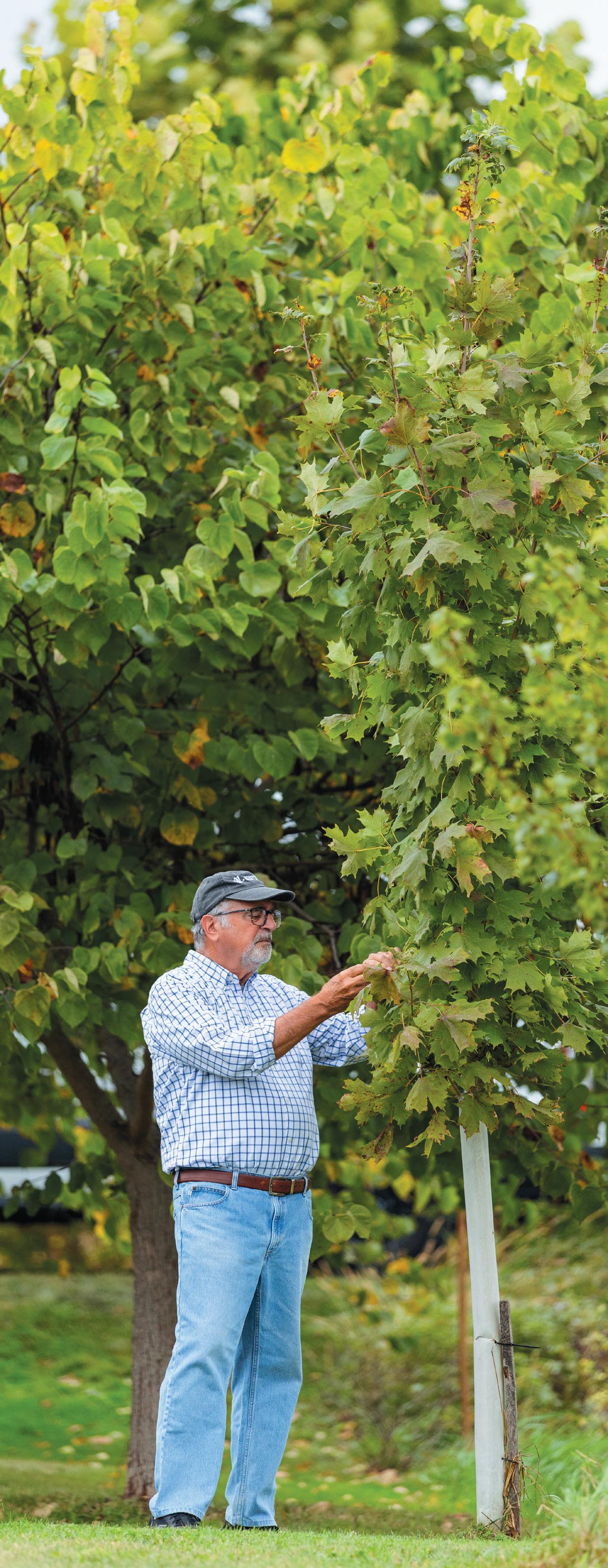
Working with the Chesapeake Bay Foundation, Denlinger planted more than 1,000 trees across seven acres along the streambank, creating what’s known as a riparian buffer — a natural barrier designed to protect and restore waterways.
WATCHING THE LAND HEAL
More than a decade later, the change is visible. The stream runs clearer now, its temperature has cooled, and what was once an exposed, muddy channel has become a healthier, more stable ecosystem.
“You could imagine before, the heat beating down on the stream,” Denlinger said. “Now, it’s a completely different environment.”
The benefits extend beyond the water. The buffer has created a habitat where there once was pasture, bringing new life to the land. Deer and fox now move through the trees, and insects — nature’s quiet indicators of water quality — are beginning to return.
For Denlinger, a former entomology professor, that matters.
“Insects don’t do well in a muddy stream,” he said. “When you start to see those species come back, it’s a sign that things are getting better.”
Even unexpected rewards have taken root. Among the trees are persimmons, a fruit he now harvests and enjoys.
A SMALL STREAM, MULTIPLIED
Denlinger is quick to note that his stream is just one small branch in a much larger system, one that eventually feeds the Chesapeake Bay.
“I realize that one little stream doesn’t do that much,” he said. “But when multiplied by many people doing it, we could get a much healthier environment.”
That multiplication is already happening. Neighboring farms have begun planting their own buffers, inspired in part by what they’ve seen here. What started as a single effort is becoming a shared, growing commitment to stewardship across property lines.
“It’s really great to have a community effort in this little stream,” Denlinger said.
For farmers and landowners, that kind of buy-in is essential. Much of the region’s streams run through private land, making individual decisions critical to broader environmental progress. And those decisions don’t just benefit the land — they can improve livestock health, reduce erosion, and strengthen the long-term resilience of farms.
ROOTED IN THE PAST, GROWING FOR THE FUTURE
On Denlinger’s farm, the connection to trees runs deep.
He remembers an old oak from his childhood — a tree that seemed to hold generations of stories. Today, that sense of continuity lives on in new ways. In his office sits a desk crafted from a walnut tree that once grew on this very land, built by his great-grandfather.
Nearby, elderberry plants still grow along the stream, the same ones his great-grandmother once wrote about harvesting in her diary. Planting trees along the stream is, in many ways, a continuation of that legacy. Looking ahead, Denlinger hopes to see the buffer grow taller, fuller, and the stream grow healthier with it.
But more than anything, he hopes to see the impact spread. Because when one landowner takes action, it can inspire another. And another.
Your leadership and support make this work possible. To discuss how to expand your impact, please reach out to development@arborday.org.
EVERY TREE HAS A STORY
Trees connect us — to place, to memory, and to one another. From backyard favorites to neighborhood landmarks, people from across the country are sharing the trees that hold special meaning in their lives. These trees have witnessed childhood adventures, family traditions, and quiet resilience, offering shade, comfort, and a sense of belonging along the way. Celebrating trees and the stories rooted in them brings our community together and reflects the heart of our mission.
GINA AND ANDY B. | HASTINGS, MI
“Every Christmas, instead of buying a ton of things for each other, we donate trees to a specific forest for planting. Last year, we planted in Michigan, where we ride our motorcycles while camping. It made it even more meaningful to plant where a fire wiped out much of the forestland that we see firsthand. We suggest everyone plants for Christmas and all holidays. What a legacy to leave.”
POLLY R. | RICHMOND, VA
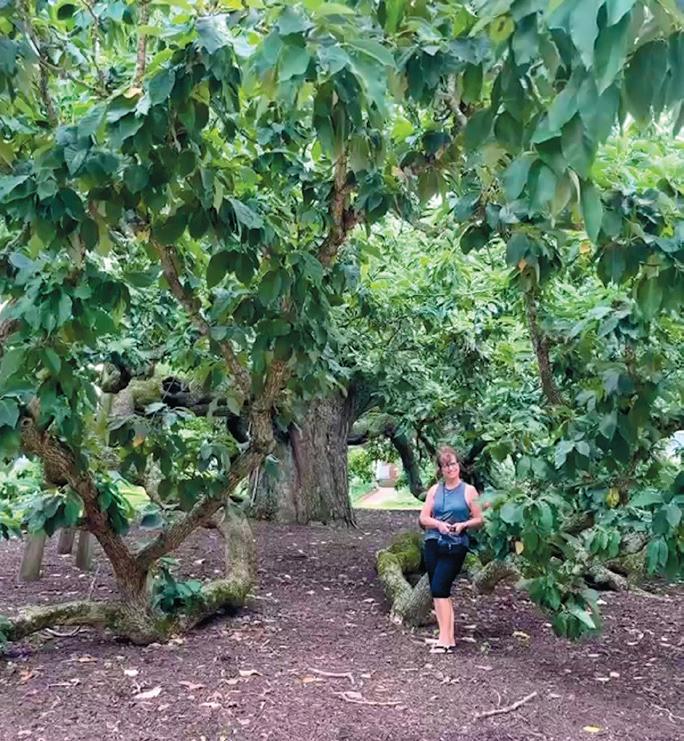
“I grew up in Colonial Heights, Virginia, and down the street was this wonderful huge tree called a magnolia acuminata (Cucumber Tree), which is several hundred years old and still growing and strong! We used to love the tree so much and play on it, but fortunately, that was outlawed when the tree started to get damaged from everybody getting on it. It is a wonderful tree and still brings back so many memories, and probably is one of the trees that caused me to love trees so much. I am a big tree hugger and have been all my life. Here’s a picture of me visiting the tree and thanking it for giving us all so much for so many years!”
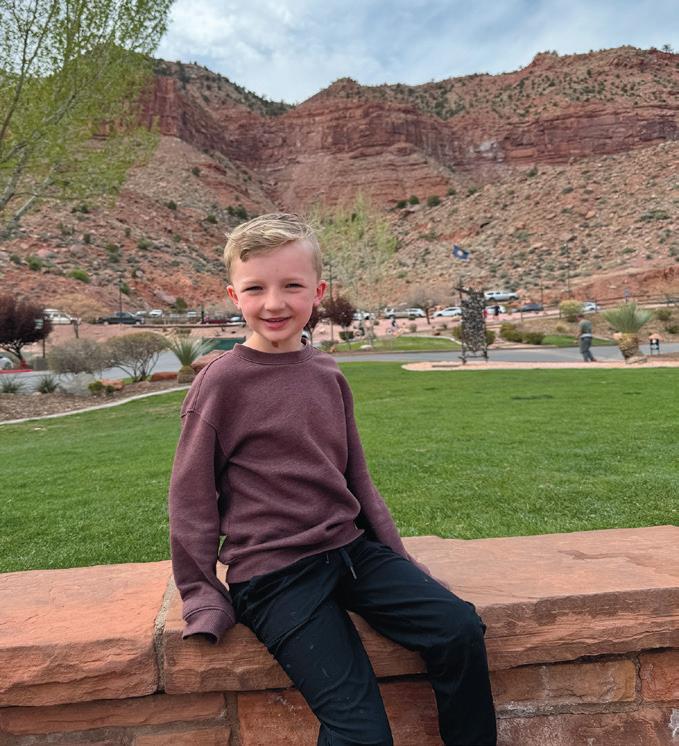
THEO R. | KNOXVILLE, TN
“I like trees because they give you air, you can climb on them, and they look cool. My favorite type of tree is oak trees.”
Visit
arborday.org/ celebrate to tell us about a tree you love.