INTRODUCTION
Chapter 1
RESILIENCE
1.1 CURIOSITY
Knowledge always presents one with opportunities to make a difference, as it gives you the ability to ask questions and to fight back. But what is today’s biggest question? The greatest curiosity?
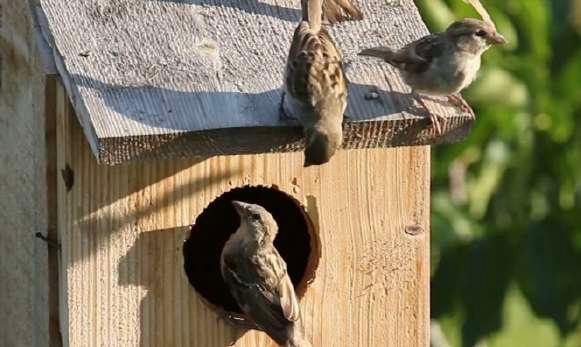
Without a doubt, it is the climate change. People all around the world are trying to find a solution for this unending challenge. In this present scenario, the lockdown measures imposed by many nations due to the covid 19 pandemic have led to falling of the air pollution and not just that, the flora and fauna flourished notably during these times. I remember spotting sparrows outside my balcony. It’s a shock, because I haven’t seen one in ages. It seems we gave nature a self-healing time. But is sitting back and doing nothing enough?
At least in my opinion it isn't.
1.1A) Tree Walks, Ahmadabad
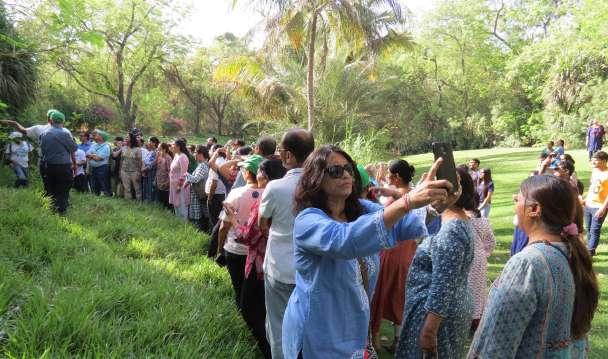
I agree with the fact that for creating a resilient city, it is important to repair and not just stabilise, by stopping the destruction. During my internship time, I was privileged to work with LaSpazio, Ahmedabad, a Landscape architectural firm working simultaneously on a non-profit organisation called Tree Walks. Every month, taking second Saturdays off from their hectic and
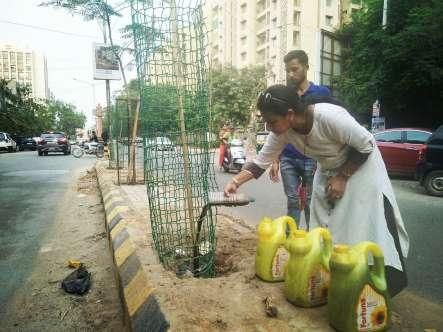
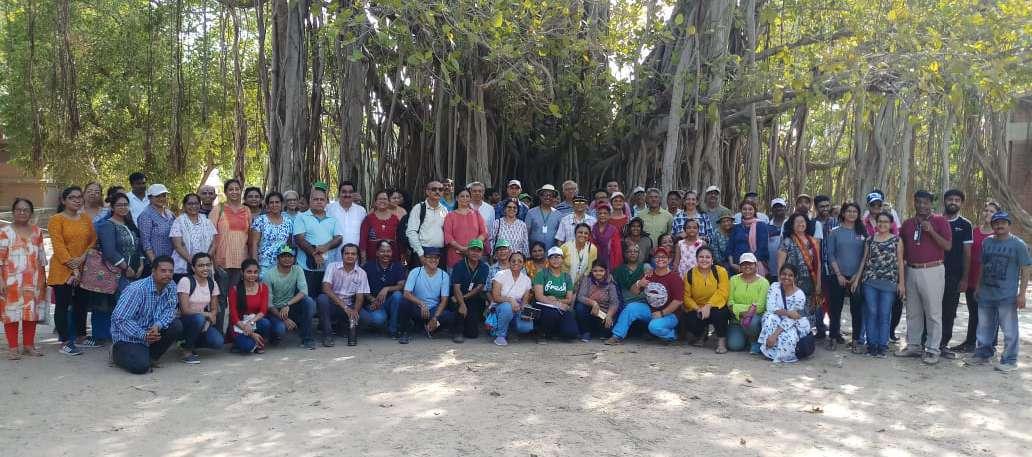
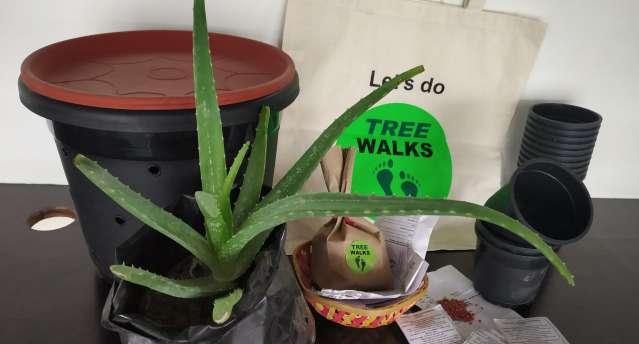
busy schedules of project submissions, site visits and client meetings, this firm walks on the streets with 100s of people admiring and nurturing the trees of their city. Spreading awareness about the importance of nature around us and guiding people maintain and know what they are doing. For the first time in my life, I felt to be part of something bigger. That’s resilience for me. Among those 100 individuals there were people from so many different professions horticulturists, botanists, architects, doctors, small children and old age people. There was one thing that was common among them and that’s their ideology. The love which they share for their city and the idea of bringing about the change in their lifestyle by tagging different plants, watering the plants on the streets and gifting plants and seeds to each other
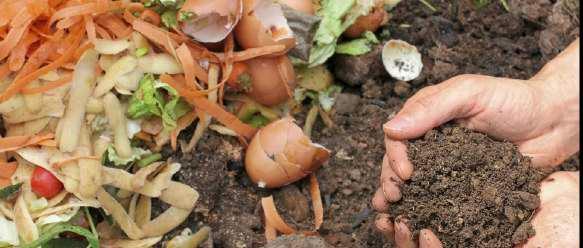
I was part of around 25 events and 8 tree walks. The best part of this whole experience was that we were not only teaching individuals, but also trying and implementing those ideas in our daily lives. In the office we had the RO water purifier, the waste water ejected from the purifier was used for washing dishes in the pantry. There were three different bins for waste segregation. I know this concept is common in Italy and other parts of Europe but back in India, not everybody follows it. The residues of the food we had in the lunch time went to the compost bins along with the dried leaves of the micro greens kept alongside the windows. The unused architectural
Return of Sparrows
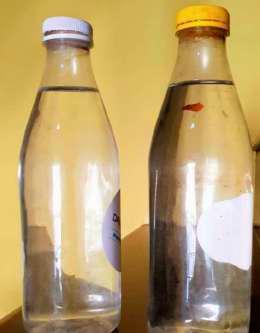
Water bottles for the plants on streets
Preparing compost from waste food.
sheets were used for making diaries and packets for seeds that were distributed to the s locals during the tree walks. I have seen people of Ahmedabad city not only realizing the effect of climate change and degradation but healing their relationship with nature and become environmentally positive in their thoughts, attitude and lifestyle.
1.1B) Auroville
When I talk about change in paradigm , I cannot help mentioning about Auroville, a township in Villupuram district in the south of India. It is a place of unending education and constant progress. When I say progress, it does not imply towards a lot of money or vast constructions and multi-storied buildings. In fact, the city does not work by the concept of cash exchange, they still use barter system, sell up cycled products and practice earthly construction techniques.
The everyday processes from the singular level, to the administrative revolves around green practices. Although most of these ideas are simple, they have huge impacts on the environment in both the short and long run. There are Community reusing and recycling projects, like ‘exchange’ shop. Where instead of discarding old and waste items in the garbage, the locals are inspired to exchange or donate these items to the shop since other members might find the item useful. Reuse projects such as 12 WELL paper use old newspapers and other unwanted items and create crafts and jewellery that are sold for profits. Also, offices within Auroville have same tea time schedules. Since the tea preparation is done in majority, less power is used in making tea. Practices like this help in creating an energy- conscious community.
Planting green messages in strategic locations like bulletin boards, communal kitchen, some packaged produce, etc. help increasing the community’s environmental consciousness. There
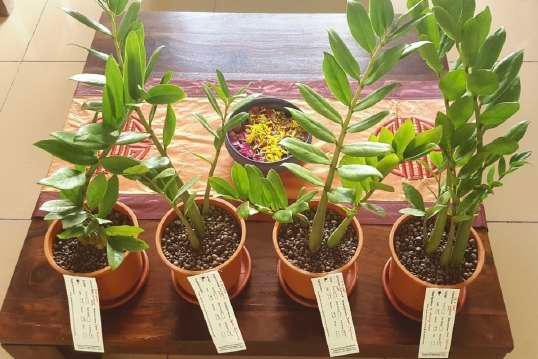
Gifting and Tagging the plants Learning and exploring green spaces in Ahmedabad .
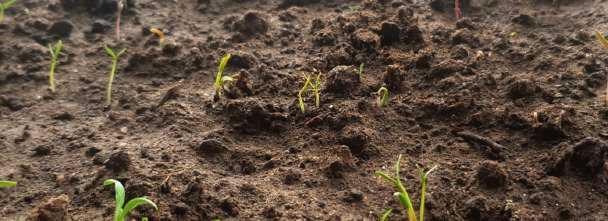
Micro greens planted in the office
PEOPLES PARTICIPATION - TREE WALKS AHMEDABAD
are continuous mud and bamboo hands-on workshops for professionals and locals, constantly experimenting with materials for creating an environmentally positive place. The quality of living of people in Auroville is really high. Visiting a place like Auroville was completely new learning experience for me. Its different in terms of its resident’s ideologies and way of living from other parts of India.
In a world of nonstop and hectic work cycle, the citizens of Auroville take out time for selfrealisation. They are not willing to run in the fast unstoppable race of success. They take out time to meditate, spiritualize and understand the spaces around them and always mend their mistakes, if any.
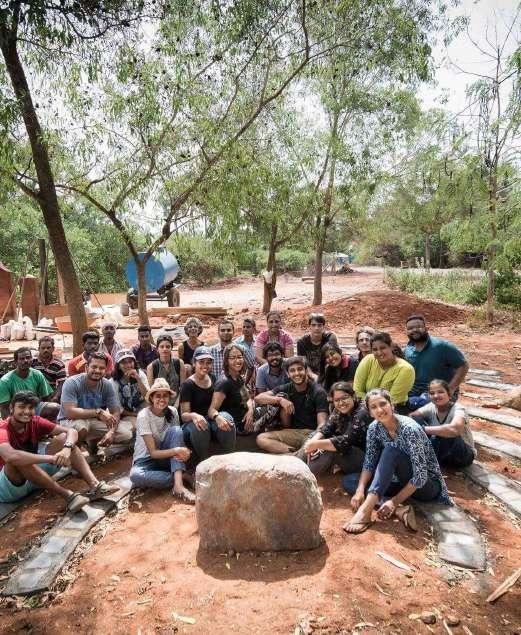
Regular Workshops in Auroville
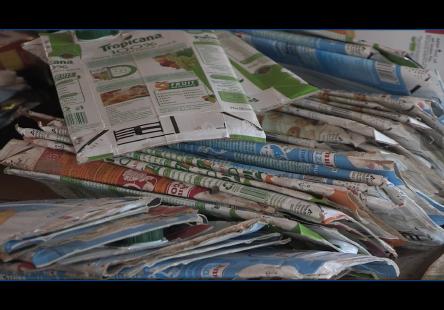
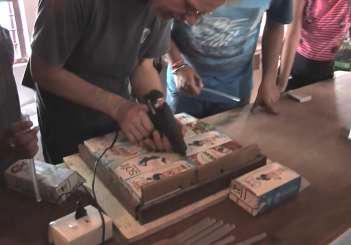
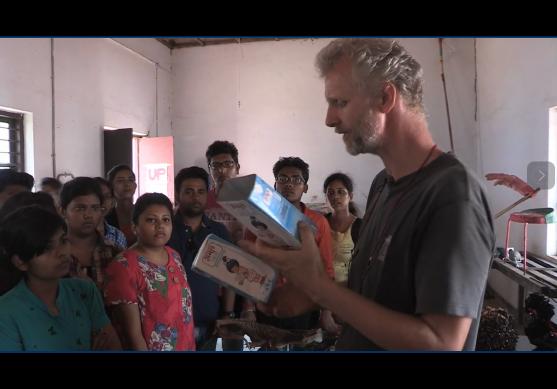
Up-cycling Studio Auroville
1.2 THIRD LANDSCAPE
The concept of “third landscape” is not new when I talk in context with the Indian cities. India experiences different topographical changes in different regions of the country. From the burning hot deserts of Rajasthan to the freezing mountains of Himalayas and Kanchenjunga. Because of these extreme weather conditions, they act as primary spaces of the third landscape, as human inhabitance is almost nil in these regions. When it comes to reserves there are almost 106 National parks in India for the preservation of the natural habitat. There are forest offi cials assigned at every region protecting and maintaining the flora and the fauna of the regions. In many smaller regions of Indian cities, it is common to find residual spaces as they are the result of the several political and area disputes that go on like a never-ending loop. These spaces are left without any construction for ages which result
in the growth of several wild plants and habitat.
I come from a city called Raipur in the central India. There are empty barren spaces almost everywhere in the city. I remember one being just outside my residence. I haven’t seen any construction in the place since last 24 years which lead to the growth of wild trees and shrubs. Every now and then there are spotting of snake in the localities, which make it unsafe for children to play in the streets. Also, at night there are shady people moving around the barren space making it dangerous to get out of one’s own house.
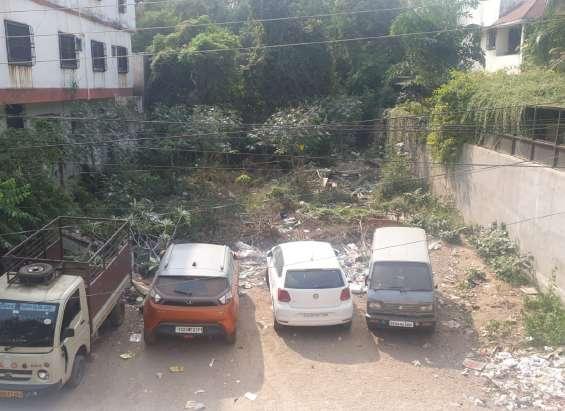
Residual spaces in between communities
I feel spaces like third landscape works phenomenally when we talk about giving back to nature, which still needs little maintenance, in order to make these empty spaces both safer and environmentally positive. Converting them into a community resilient education center (CREC) by proposing different third places and maintaining strategies could be an essential step in the transformation of these spaces.
1.3- COMMUNITY RESILIENT EDUCATION CENTRE
1.3A) Experience
Converting a barren space into a fully functional place is a beautiful experience , specially when done in a right way with the involvement of community . I had one experience of my own.
Every year Nasa India organises some design competitions for the architectural students. I remember working on one during my college years. The work demanded recreation of a space that had lost its significance, keeping in mind the people and the context of the city.
We chose an empty residual space in between a community in Vasant Nagar, Nagpur .The site had become abandoned . the swing and slides that were set up by the municipality were broken and rusted. we tried to convert it into a third place for the people to hang out and interact .
Before designing or deciding on our own , we went to the people in the localities, to get their opinions on renovating the area. When we went to the blind school , the students were really excited about the whole process . They wanted a place in their locality they can play and enjoy.We decided to transform the space keeping in mind all the communities present around and by involving each and every one in the process
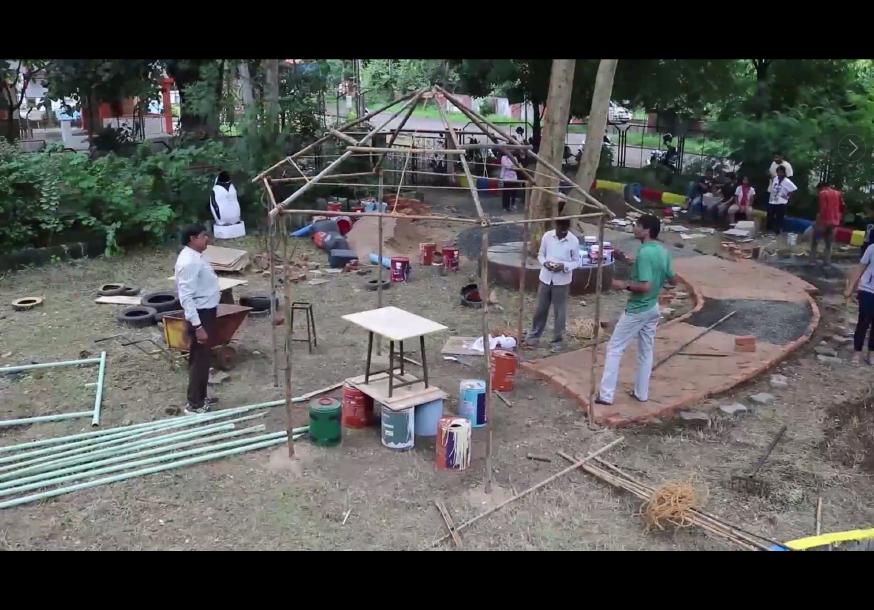
We all decided a best out of waste approach for our interventions, as a huge amount of scrap was obtained from the site which we did not want to discard. We started with painting the compound walls with the people from the neighbourhood . Converted the plastic sections used in the old swing into a sitting and used the ladder of the swing for the elevated Machan ( sitting spaces) . Also, the pavement blocks moved from the stage were used to make an elevated stage. We even asked the children in the locality to plant the trees in the site and tag them .Even after planting them , they came every day to water it and see how much their plant had grown . It was beautiful to see their excitement. It motivated us more towards the process.
But for carrying out more intervention we needed money . At first we collected some funding from the neighbourhood we were building for, but that wasn't enough . We tried contacting some big brands and food chains in the city, but it didn’t really turned out the way we wanted. After so many rejections, we found some paints companies that were ready to fund us with the project. In return we were asked to brand their name in social media through the video we post on YouTube about this project.
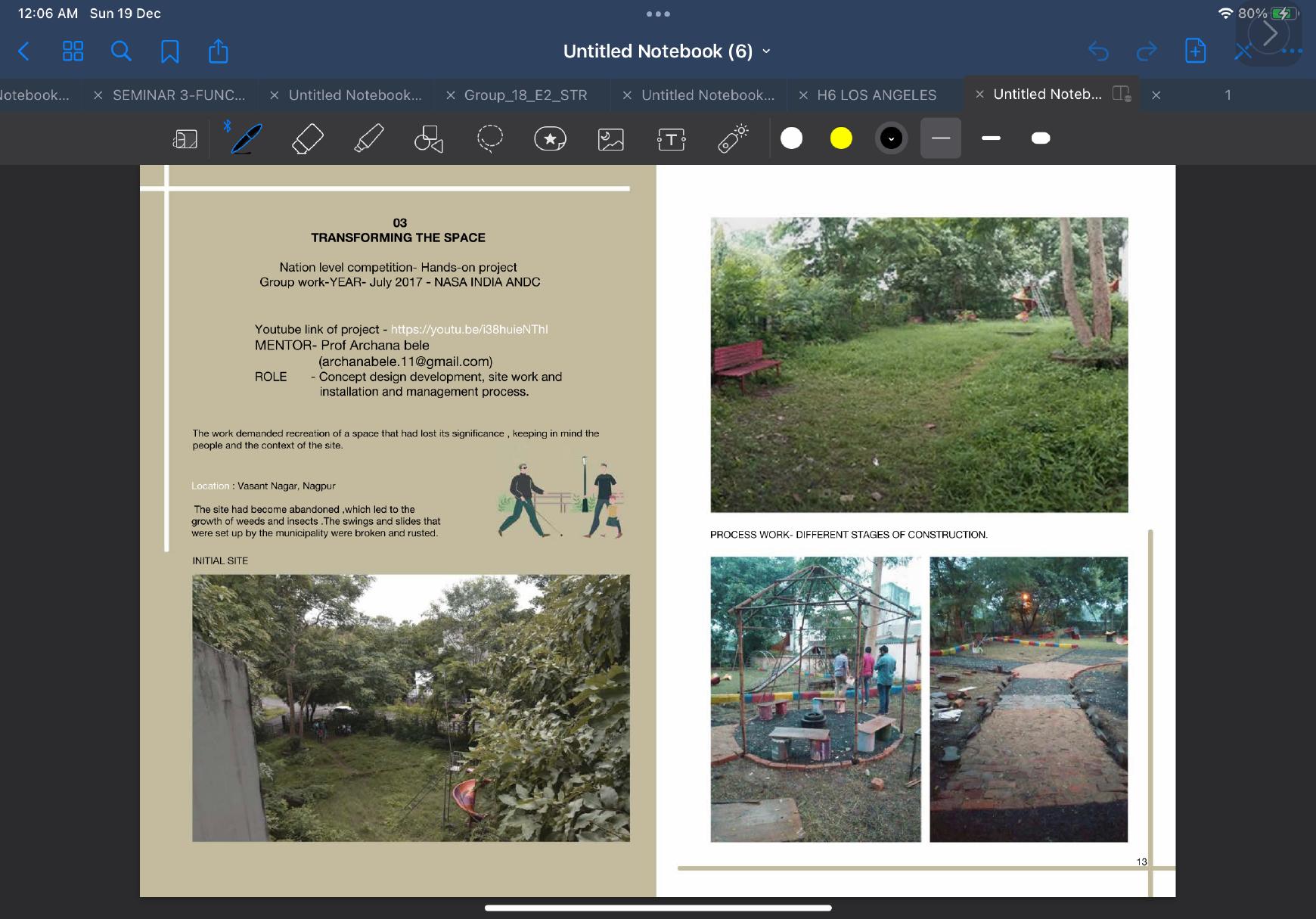
We had so many brainstorming sessions with the people about the transformation process.
The project worked out beautifully. I even visited the area after completion of the site , there were some weeds which started to grow in the site but children were there enjoying the swings , sitting on those informal sitting. It was wonderful to see the project worked out so well .
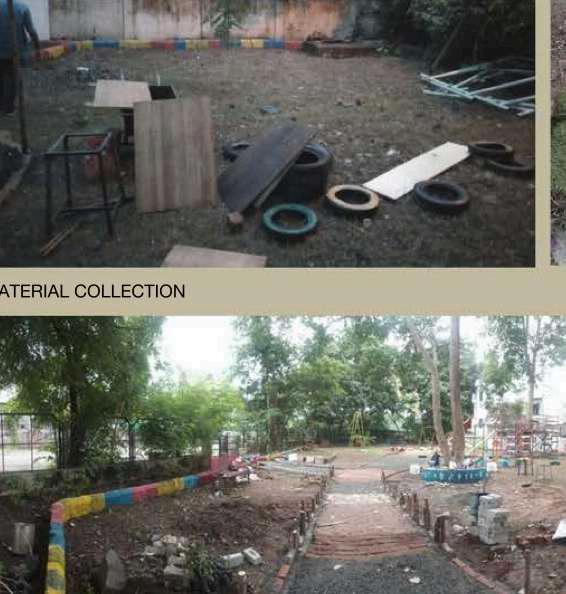
Third landscape- Vasant Nagar Nagpur
Material Collection
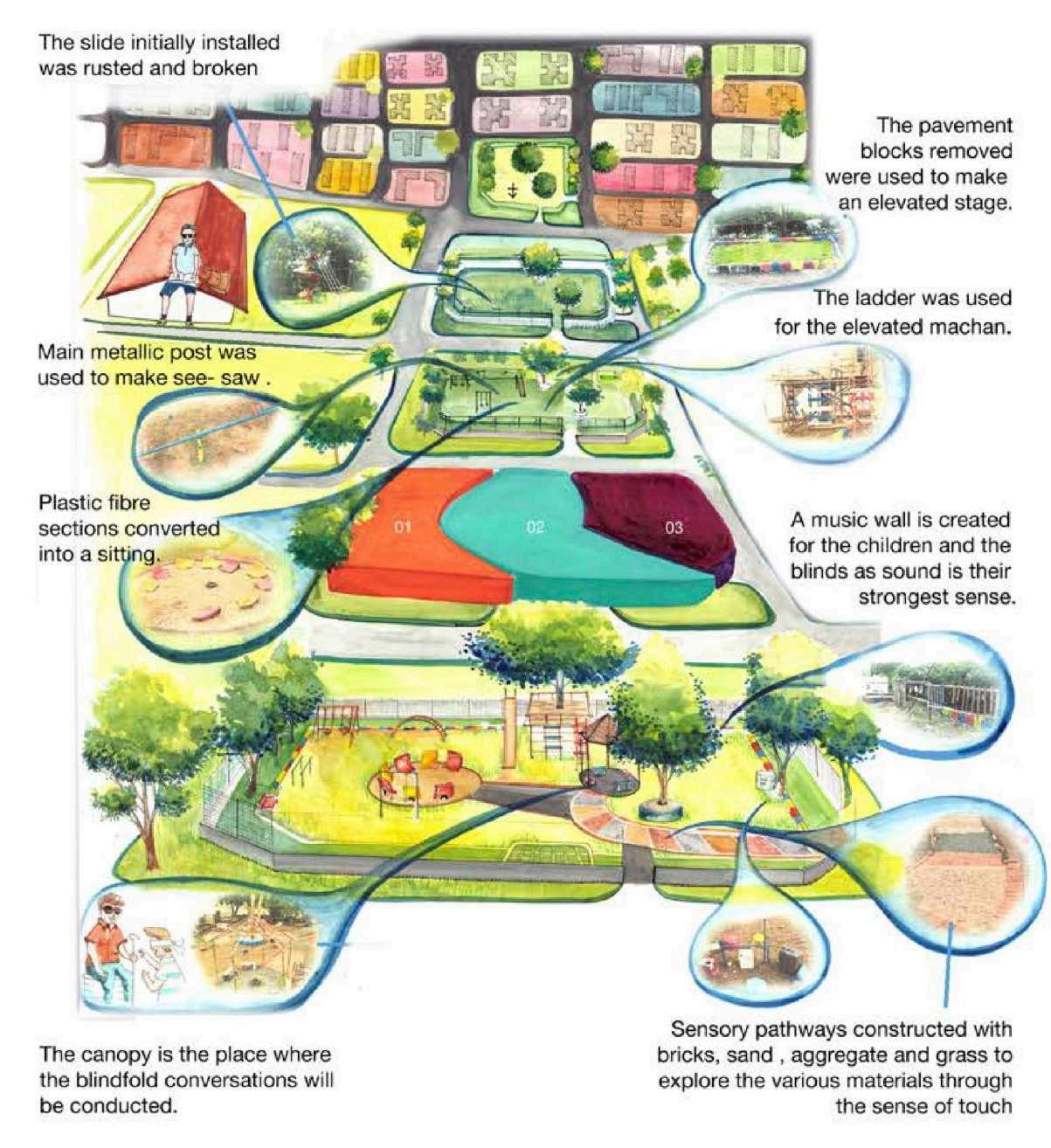
Minimal Interventions
Resource - https://youtu.be/i38huieNThI
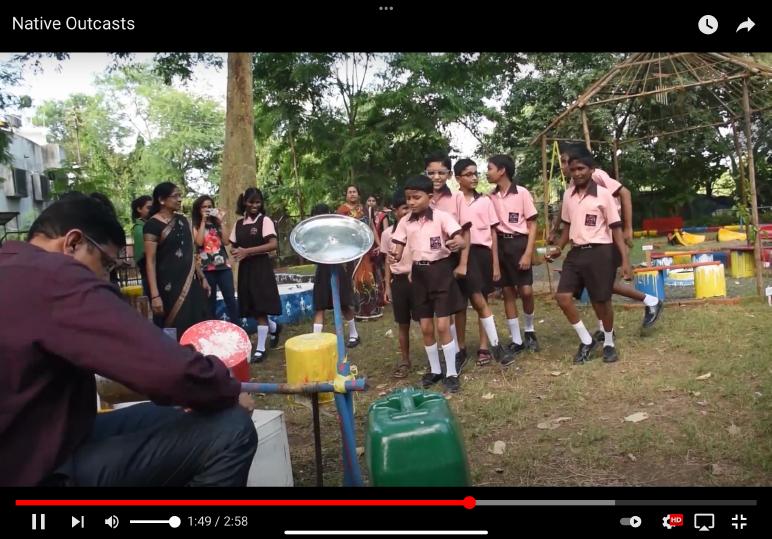
Blind children joining and enjoying the process
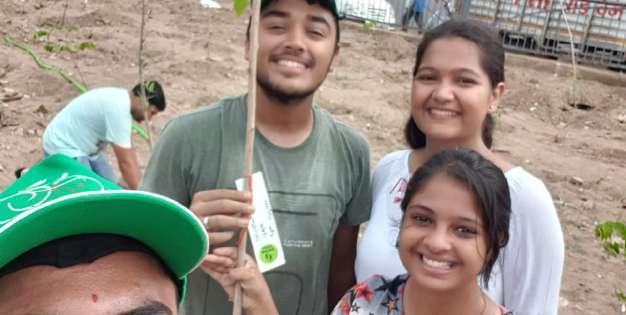
Another such experience, which is a paradoxical to what happened in Nagpur, was during my internship period in Ahmadabad. We did something similar to the Nagpur process but in a completely different way. We transformed a land fill into a plantation site . It was nothing fancier , we just planted trees with the people of the city . But what went differently was the way we approached towards the final process. We had workshop before the plantation drive about the trees we were planting and their watering period , different composting methods. There were so many learning activities for the community for knowledge sharing and interacting , distributing seeds , sharing plants with each other . We collected seeds from the market and some from the fallen fruits of the trees . Together with locals we cleared the site , removed all the waste materials and spread the top soil for the plantation
There were around 100 people, each planted one plant , we were with them helping them throughout the day. As the site was a abandoned plot located in the main street , many people joined us out of curiosity during the day , seeing something different happening around them . It was really fun talking and knowing different people. We even had our tea breaks in between and people also brought different food items from their home for community lunches .The drive went for a week . in the end we cleaned the area with the locals , watered the plant and did manuring. Its been 2years since then , I recently remembered about the project when, few month back on the same day , a text popped up on my whats-app with photos of that day . He said he visited the site
today , and sent me photos of the place saying we need more drives like this and that he would love to be a part of it. It was so beautiful knowing that the place is still maintained and taken care of . people regularly went there to water their plants and made attempts to clean it monthly.
The plantation drive wasn’t a huge project , but the way it inspired and engaged people , in my opinion changed the whole scenario in the latter case. The renovation project in Nagpur , India lacked the involvement of people though it was a 4 months project .The neighbourhood didn’t felt the belonging towards the place as the locality in Ahmadabad sensed towards their site. The architects or the municipality didn’t took a regular check of the site in both the cases but the fact that the people made a community of their own, in the latter case, for the maintenance and security of the place is really captivating.
And perhaps that the reason I believe, the second step of place-making that’s the inspiration , ideation and implementation are the most important part of the entire process.To my mind , its the one that creates the sense of place and belonging in the people of the community without which the whole process might turn out to be a complete failure as seen in the former case. Also its true when they say place-making is not a linear process, going back to the site after completion and being a continuous role in the management phase is as significant as the initial phases. We as architects are not the managers or leaders but the enablers and place-makers who guides the community throughout the process , suggesting and working with the people , trying to make a difference in the community we live in. Also I believe, sometime even when we follow each and every step and devote proper time to each phase, things might not work out the way they suppose they will. It might still misfire. Sometimes all we need to do is keep on trying.
Plantation drive
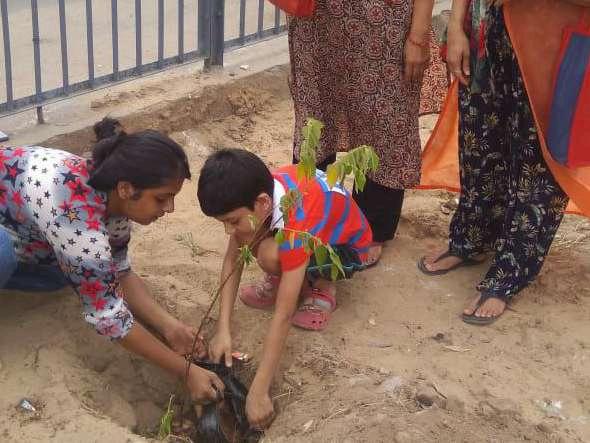
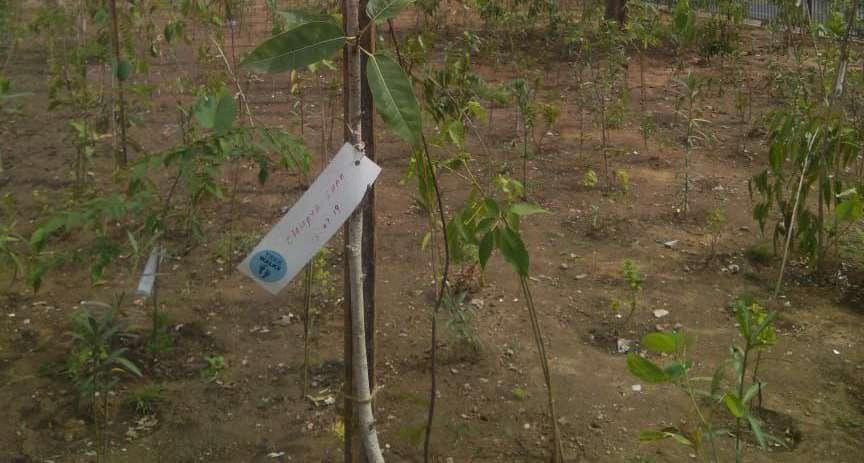
Plantation drive - seeding and tagging the plants.
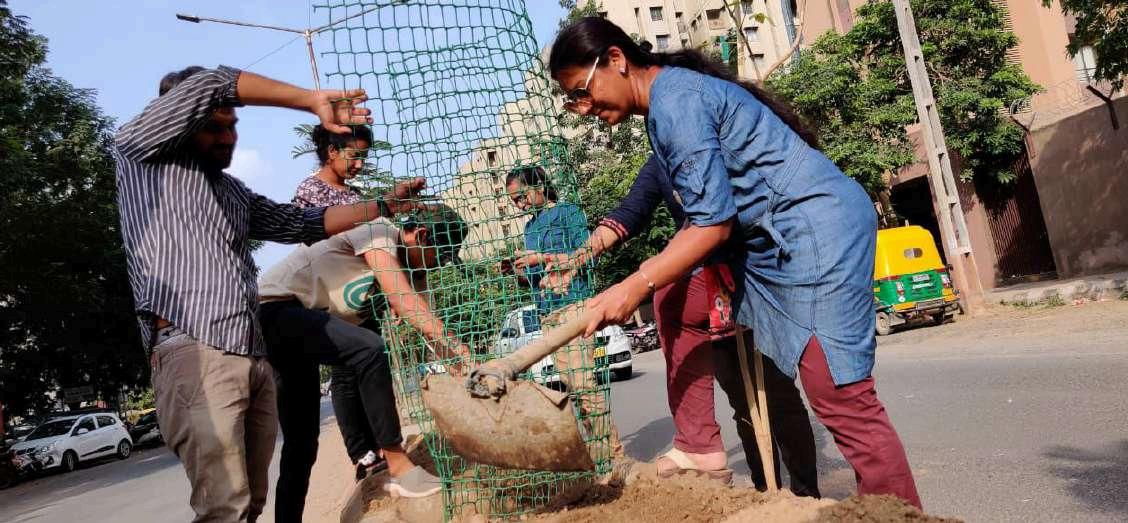
of the plants
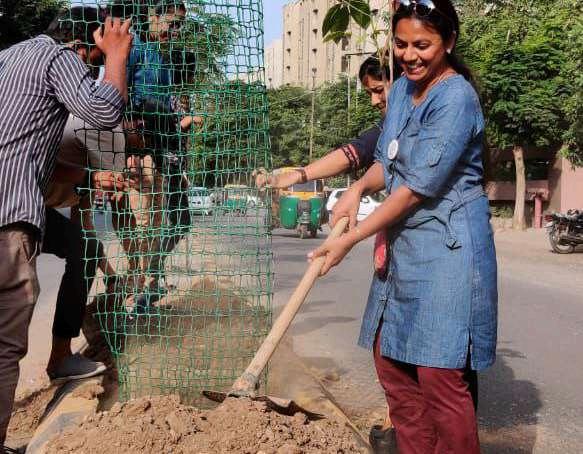
Photographs of people maintaining the place after a year.
Maintenance
0.3B) Opinion and Understanding
Place-making for me is “Creating a place” and not “Designing a space” . A Place goes beyond the three physical dimensions of our built environment. It adds a social dimension so It is basically a fourth dimension where space takes on personal meaning. Creating a plan for a barren land without getting the bigger perspective, that is without exploring the relation between people and the space they encompass, deprives the space of its social as well as economic value. Here is when, Place making comes in picture, shaping a space into a quality place that people want to live, work, play, and learn in.
BUT , WHO IS RESPONSIBLE FOR THIS TRANSFORMATION???
Is it the municipal corporation or the planners and the designers or is it the users? Transforming a space is everyone’s job, local residents as well as official planners . A User plays a vital role in environmental management as they are the ones who are eventually going to use it. Strengthening the connection between people and the places will show them how powerful their collective vision can be.
As William Whyte said:
“Its hard to design a space that will not attract people. that is remarkable is how often this has been accomplished”
citizens to feel comfortable and welcomed when they enter the place for developing the social image of the place. A proper study of ways of designing towns and places in lace. A proper study of ways of designing towns and places in relation with the environmental awareness among people is the need of the hour.
A Public Place should be the heart of every community .Today even though most of the public places have been designed to promote human environment relationship, there has not been enough public opinions and interactions taken prior to the making of the place, resulting in the space lacking the sense of place it requires.
Place identity and place attachment affects the designing of the space . It is important for
Workshops before the final drive execution
Knowledge sharing through distribution of seeds and compost bins
Plantation and tagging of plant
Chapter 2
ECO-LIFESTYLE AND ECO-AESTHETICS
2.1 Indian Jugadh ( simplistic methods of lifestyle)
The idea of eco-lifestyle and eco-aesthetic is very common among the middle-class and poor sectors in developing country, especially when I talk about India. The idea of item sharing is a familiar trait among Indians. In my neighbourhood some people don’t have Airconditioners and refrigerators in their home. They share their refrigerator spaces with their neighbour’s. Also, for money-saving purposes majority of the middle-class families don’t have cars and even when they have one, they prefer using motorbikes and cycles for saving petrol. One can easily spot 3-4 people in one motor bike on streets on every day basis.
Reduce, Reuse and Recycle is the basic mentality of most of the women in Indian homes. Living an ecofriendly lifestyle with lots of accessible alternatives in their everyday items has knowingly or unknowingly not only made their wallets lighter but also but also made their lives simpler and easier.
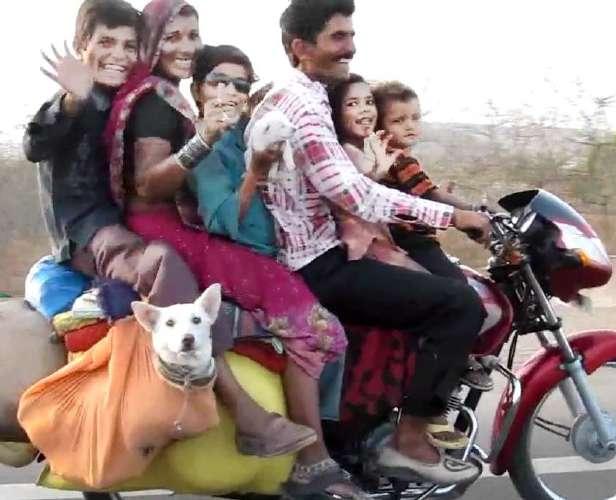
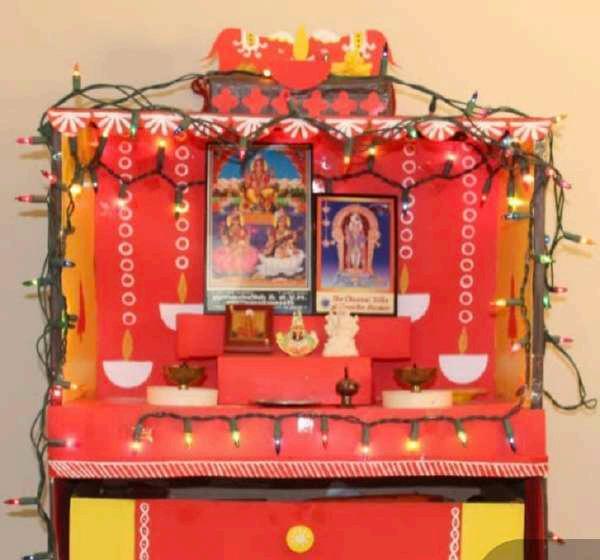
Using each and every item of the household to the fullest is a trend and a choice of lifestyle that millions of Indians, especially the ladies, adopt. I remember my brother using the same books that were used by me during my school times and playing with the toys I played with during my childhood. Even the clothes that the elder child in the family wears are preserved and are given to the younger siblings to wear. Reusing and sharing items among siblings is normal in Indian families. Used clothes are then given to the house maids for further use.
In most houses even today the cardboard boxes in which sweets are packed are stored safely and used during travelling to pack the food items to be consumed on the way. The cloth with the name and address written on it which was used to cover a box of parcel was once reused by my neighbor to send another parcel, just by interchanging "to" and "from" from the address. This is the beauty of a lovely Eco lifestyle prevalent in Indian culture.
Money saving - lower class
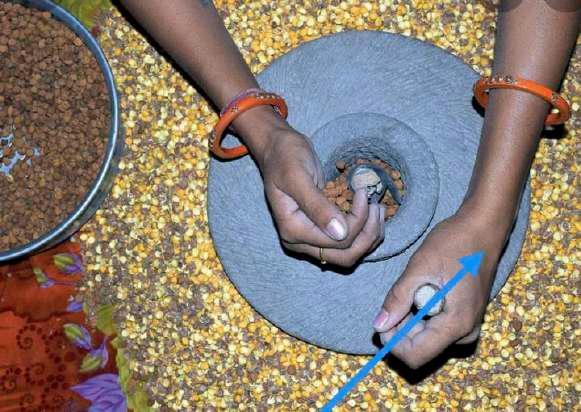
I remember my grandmother telling me stories of her childhood when hand grinding machine made up of 2 thick layer of stones was used for crushing wheat to make flour for chapatis. In fact this eco- friendly technique is still prevalent in many of the Indian villages.
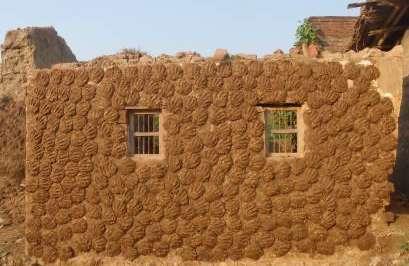
Gobar ( cow dung ) gas as fuel used for cooking food is made from cow dung by the villagers using a very simple technique. Houses and huts made of mud and plasters with cow dung in hot and humid temperature of India keeps the interior cool and reflects another ecofriendly lifestyle of Indian villagers. Such an Eco lifestyle is instilled into the minds of most of the children from a very young age. I cannot forget my childhood days when we would make small kitchen utensils from mud and play a common game "ghar-ghar".
Even though, still today, not many Eco aesthetic items are available in Indian market, but Indians mostly in the villages and rural areas love to make the right choices in their lifestyle which are beneficial to the environment. In India deities are supposed to be placed at a higher level than the ground as a symbol of respect. My friend's mom used a wooden crate to create a platform for their deity as they did not have a raised platform in the pooja room.
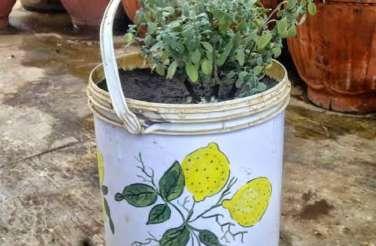
Buckets and bath tubs are reused as pots for plants in the garden. Used plastic and glass water bottles are often painted and places in Indian living rooms as decorative items and flowerpots. Sheets of calendars are very often used for cupboard shelf protection.
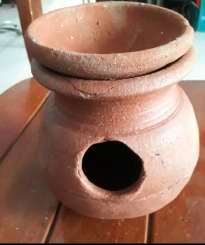
Women in most Indian homes fi nd innovative ideas to decorate their house by using used and waste items. One such example is making a doormat from strips of discarded colourful clothes made by my great grandmother.
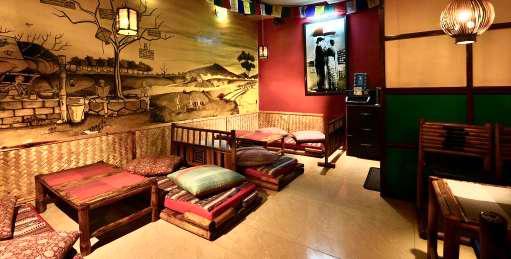
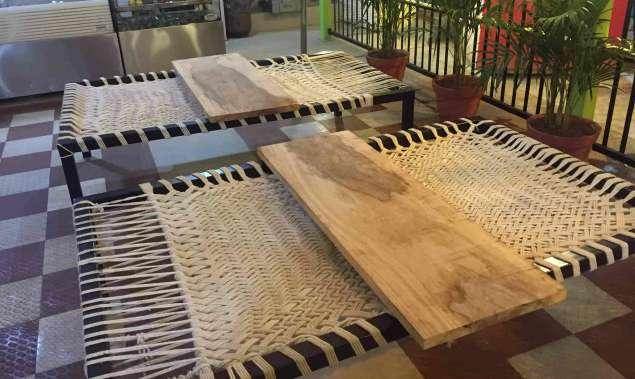
Indian countryside restaurants commonly known as "dhabas" use minimal and natural approaches for construction of their buildings. There are tin shades or bamboo thrashed shades as roofs. Old woven "khatias" with ropes made from coconut shell are arranged as their seating arrangement. Small nukkad hotels and guest houses use cheap and simple decorations like graffiti on unfinished walls and oldfashioned furniture mostly made from bamboo. Such an ambience is a choice of young generation.
Right from the kitchen tasks to home decor and in a country like India where pollution is a massive concern, such choice of lifestyle that people are adopting along with Eco aesthetics can easily transform one's life into an eco- friendly one.
Eco- lifestyle, using plastic tin for plantation
Cow dung used for cooling the walls of house in the country side
Nukkad cafe , Raipur
Chapter 3
BEING LOCAL - INDIAN STYLE
To understand the ecological aspects of the city, it is really important to get attached to a place. A city not always transmits waves of stressful urban lifestyle but also provides one with the warmth of the community lifestyle. It depends on how a person perceives his surrounding and therefore can differs from person to person. Sense of place is identified by local identity, personal experiences and social interaction.
I remember going to the old countryside restaurants, with my family and friends, every Sunday which are 10 km away from my place instead of those high, fancy restaurants located just 10min. This is not because they are cheaper, but because my parents feel more connected to these “dhabbas” as these are the places, they used to come with their friends to hang out in their childhood. I also feel that the fact that when you go to these big fancy restaurants, there are some ethics and elite ways of eating one tries to mould himself/ herself into, which are not present in the informal restaurants, is somethings that makes these places “non-Places”.specially when I talk about India, my parents and grandparents have the habits of eating with hands, for them going to the Indian dhabbas sitting on the old khattias is something that connects and remind them of
their past way of living. They get a sense of belonging from these places and therefore visit them more often than the luxurious hotels and restaurants.
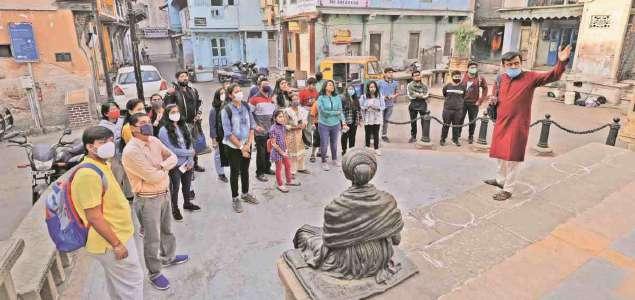
Sense of place also depends on our historical and experimental knowledge of the place. Back in Ahmedabad a place known for it’s historical heritage, a guided walk of around two hours every morning from Swaminarayan mandir to Jumma masjid. It takes you through most of havelis and city-cape of Ahmedabad. It makes the participant experience life and culture in the 600 years old walled city. Locals and the tourists walk through the daily lifestyle of the people eating and living in the small narrow streets of old Ahmedabad. Along the temple streets watching different craftsman working on their skills , selling handmade items . I remember seeing people making kites using different colours for the string during the kite festival. It’s beautiful. I visited those streets almost on regular basis during my internship times. Every time I had a new experience with the people and the locals. Heritage walk for me was not only some group of landmark point but a way of interaction and experiencing the heritage places and vibrant living and culture of the city.
Public involvement process that defines and responds to a space is one of the most critical factors in designing successful public place. People make places, more-than places make people. The best place are the ones that people return from time and time again. The only way to achieve this is through, creating a third place , a plan that understands and promotes ways of keeping the square safe and lively.
Indian Dhabas with Khatiyas
Heritage walk , Ahmedabad
3.1 Sense of Place
In old Indian cities, specially in the residential area’s ,there were spaces which were planned for the locals to have social interactions with each other. These places were not only open for all, but had chabutras (raised-platform with a tree as shade) that would bring people together . One can generally spot the Indian panchayat ( community meetings) having in these places or grandparents teaching their experience stories to the children of the locate below the tree.
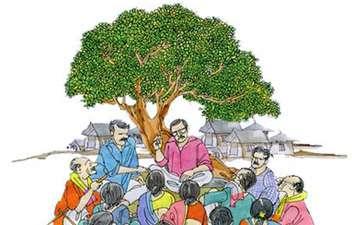
The concept of spaces that create sense of familiarity, is not new for people of India. It's been there and is being carrying forward with the present. If we walk around old India cities like Shahjahanabad, there were spaces allocated for the public to have a formal or informal interaction and those acted as recreational spaces for the people.
A public use space designed in the shape of a moon crescent where all the informal activities used to take place with vendors and daily goods market. A place where people would feel safer and happier .
Beautiful resorts with essentials like swimming pool, gym and spa which creates local identity of that place may be essentialists for the elite group and at the same time anti-essentialists for the common lower- and middle-class population of India.
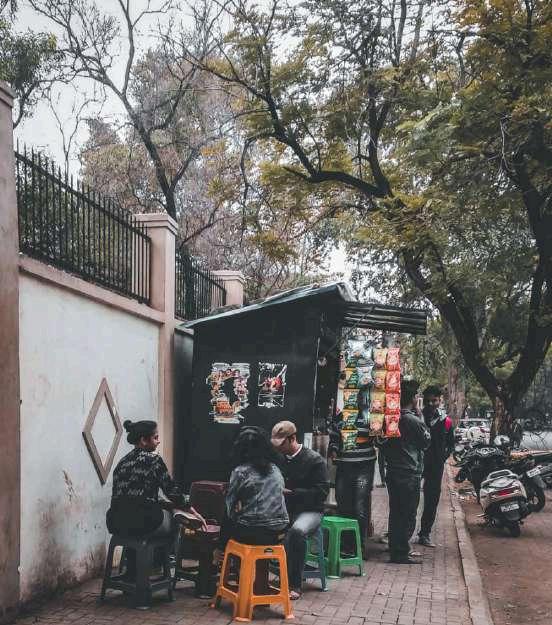
In developing countries specifically in India, people generally don’t run after fancy items and places. They are just the places they go to when they want to brag about being there. The ones they cherish are the local street vending shops or the local simple restaurant, which they visit almost everyday in between their working hours , to sip their regular cup of tea with their friends .
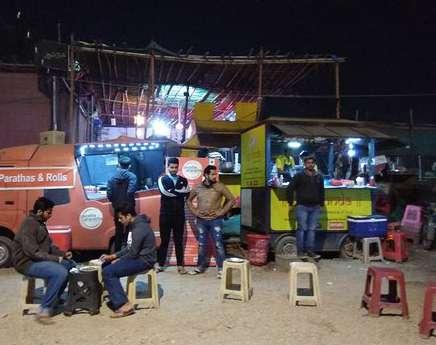
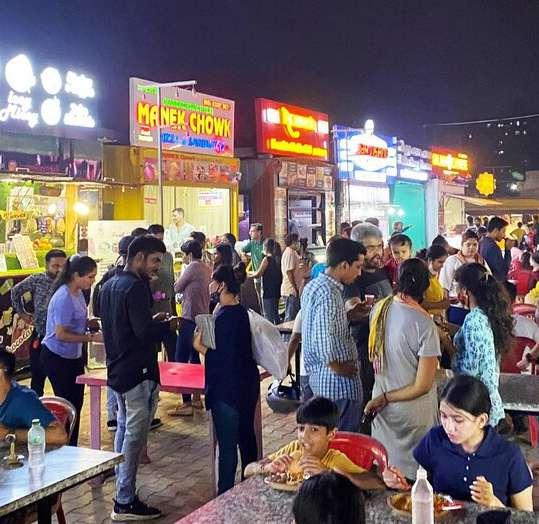
Food trucks , Ahmedabad
The empty places used for parking in the morning during office hours is used by the food trucks in the evening and night for public interaction and food joints.
Indian chabutras
Tea stall , near NIIT university Nagpur
Food Trucks, Ahmedabad
3.2 Urban Agriculture
With growing urbanisation in cities ,in most parts in India especially Metro cities like Bangalore Mumbai and Kolkata urban agriculture with roof top gardening, Organic farming and community gardens are emerging in and around the cities .They not only make the city self sufficient and beautiful but leads to localism and privatisation instead of globalisation.
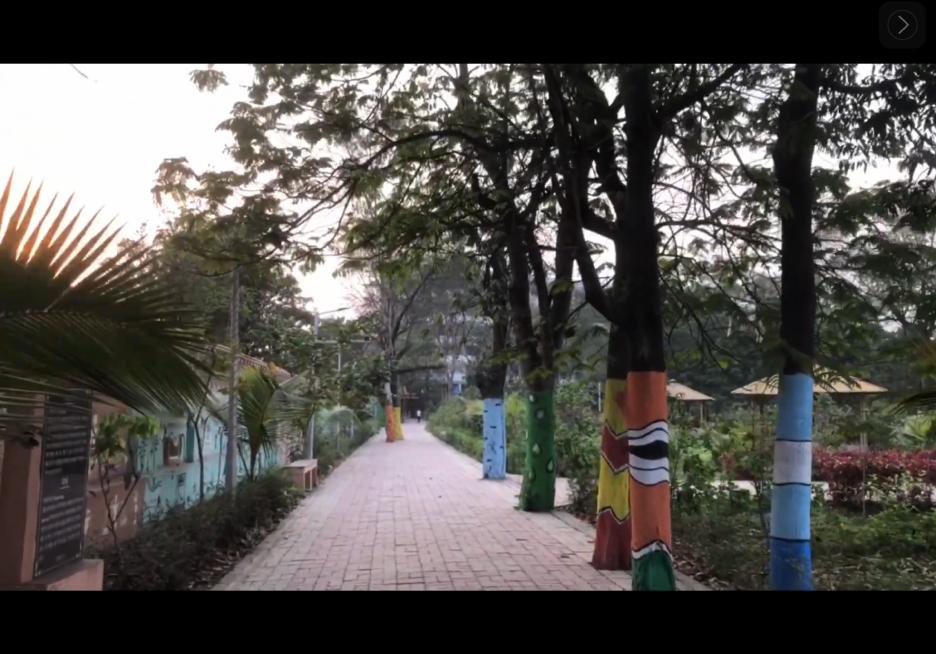
The idea of community garden is getting common in the developing cities like Raipur in India. I remember spotting a complete transformation in my home city when I returned back after my 5 years bachelors. They built a oxy-zone in around 10,000 sq feet area. With plantation of more than 1000 fruits and vegetables Plants . Moreover they had small ponds and sitting spaces for locals . Every tree had a name tag and extra information written regarding its growth and plantation. It acts as a huge urban garden in the centre of the city of Raipur.
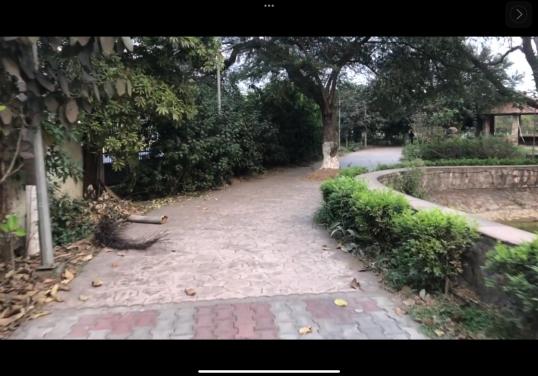
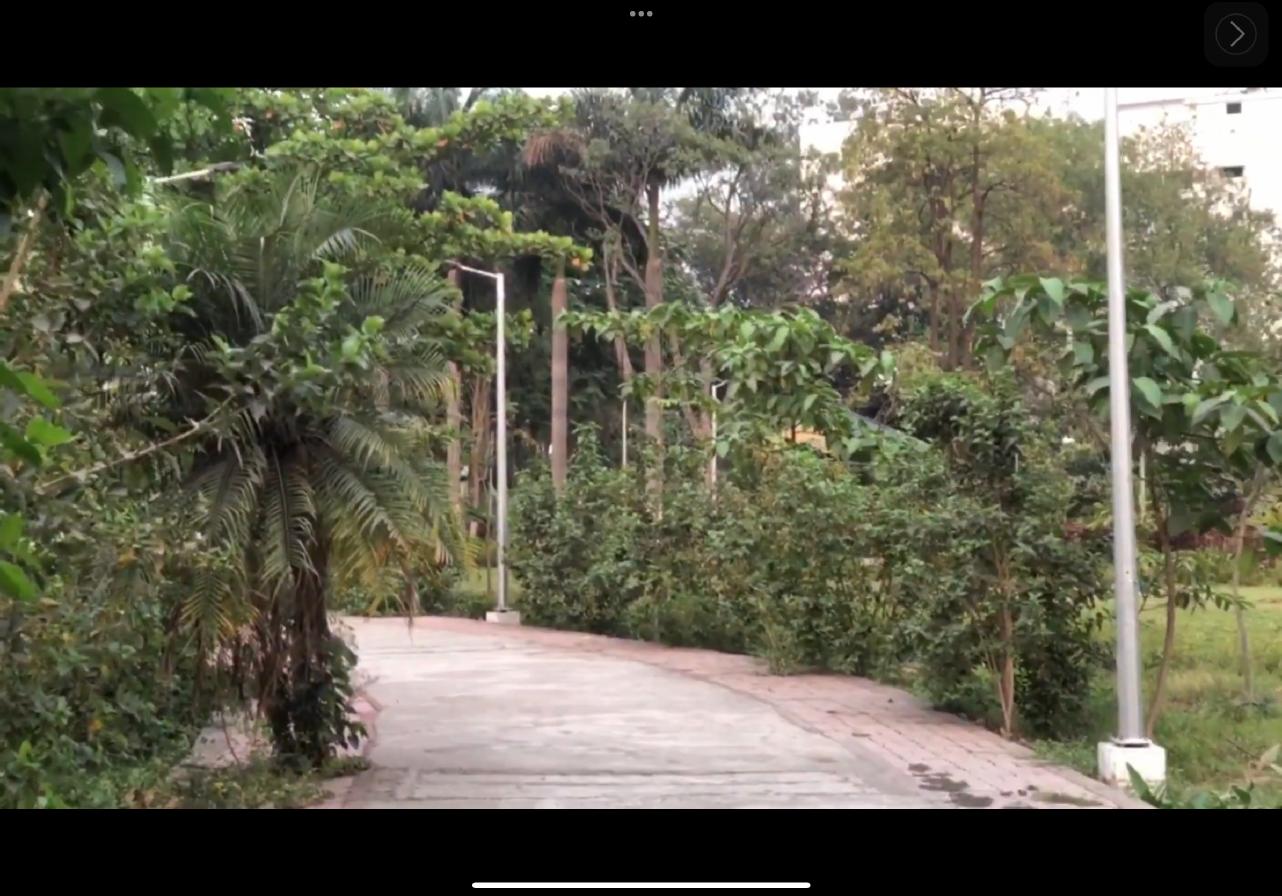
Back in Ahmedabad I remember being a part of Miyazaki plantation .It’s a method of urban plantation where plants are placed closed to each other like urban forest. Not just roof top and community gardens I discovered many new techniques ahmedabad people are trying to achieve in order to transform the concrete urban streets into greener corridors.
Ponds and sitting spaces in the forest garden
Urban forest in the heart of the city
Painted plants and pathways
Chapter 4
URBANISM- INDIAN SOCIETIES
DIY Urbanism, also known as Planning by doing or urban Prototyping, refers to a city organisational or a citizen Led approach to neighbourhood building using short term, low cost, and scalable intervention to catalyse longterm change. If public space isn’t working for people, it turns out that people make public space work for them. The adage goes that if you want something right, you have to do it yourself.
There are many examples of people hacking the city to make it more fun, friendly and functional. This may involve starting a street market, painting rainbow crossings or gardening on the nature strip, all practices in which one moves beyond the fence live into public space. When public space just isn’t doing its job, the public will take matters into their own hands. The idea of DIY urbanising is a label that describes a community driven identification of a need not being addressed, or under-utilised spacey citizens sometimes don’t wait for an answer, they intervene to find alternative for procuring the need.
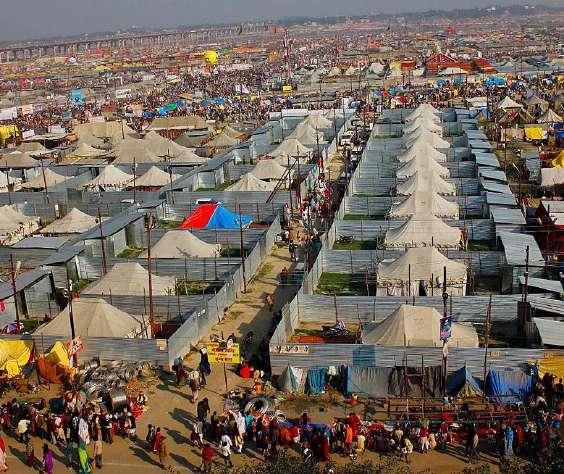
With a total population of 5.5 million, Allahabad in India, hosted an estimated 120 million people over a span of 55 days for the Mahakumbh Mela in 2013. The sheer size of the
gathering, calls for the creation of a temporary city to house the millions that flock the existing city for the period of the mela. A city is laid out on grinds, made up of tents on the banks on Sangam assembled and disassembled within a matter of weeks. The physical state of the mela functions cyclically. During the mela the kinetic city, and during the interim years, it sustains agriculture. The kinetic city grid included spatial zooming infrastructure supply lines, food distribution networks, commercial areas, physical gathering spaces and nighttime social events. This is built by tents, pontoons, bamboos, and steel brackets to be dismantled after the purpose is met making the space adaptable and sustainable in true sense.
Quality of life distribution is more important than income distributions. For example, 55% of the city of Mumbai walks as their primary mode of transit. Imagine the impact on daily life of citizens of the city invested into better public spaces and walkability. Tactics like DIY urbanism, is an important idea for such liveability goals of a city like Mumbai.
To fill Critical gasps in urban infrastructure, many residents of Indian cities have self organised to homes informally. Such DIY Construction is driven, by a single family's short term by there socio- economic constraints. Working in partnerships with the community local authorities and leaders is the sincerest
4.1 DIY Urbanism
Allahabad kumbh mela
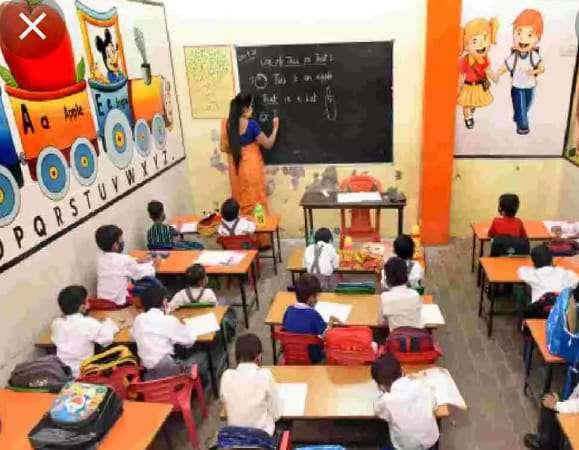
Anganwadi, Delhi
way to bridge the gap between everyones needs and aspirations. The Delhi Anganwadi project is one such collaborative project to fulfil the response of growing demand for a safe space for kids in an informal community.
Working in partnership with the community is the sincerest way of finding a common ground which is very well reflected in Anganwadi building process of Delhi, which materialised in over 8 months with the building team comprising of residents, local leaders and NGO's working together in the Basti. The final structure of the Anganwadi reinterprets the vernacular building practices and the transitory nature of the settlement.
This concept of DIY urbanism can come in as a handy solution to perceive the Indian urban issues where significant population remains urban for a specific time of the year
4.2 Everyday Urbanism
Everyday urbanism is all about connecting people through the creation of temporary landscape of festivals, markets, cycle events etc. It comprises of the ways that the migrant groups for instance, adapt to the adhoc conditions and marginal spaces. There are the flea markets in parking lots and the garage sales in private driveways, even drinking for stray animals in public places: It prefers local and street vendors to national chain stores in malls. It is not intended to replace other urban designs practices but to work along with or after them. It is a shape – shifting type of activity that changes
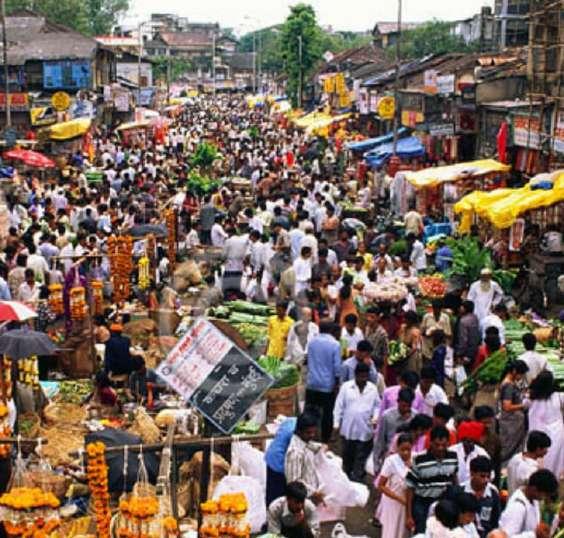
response to different circumstances.
Everyday urbanism comes into a place when local communities and entrepreneurs reclaim leftovers spaces of the city for their own use.
Everyday Urbanism is one of the biggest cultural assets to Indian city where any formality and informality intersect culturally and spatially from the tea stalls at the corner of the street to a local flower vendor all add to the formation of cultural phenomena.
Informality in Indian cities is subdued in its everyday spaces and everyday urbanising. It is an attempt to conned-human and social meanings to urban design and planning. The physical and social making of spaces by everyday users is seen as the actions that make an urban space a living entity in any settlement.
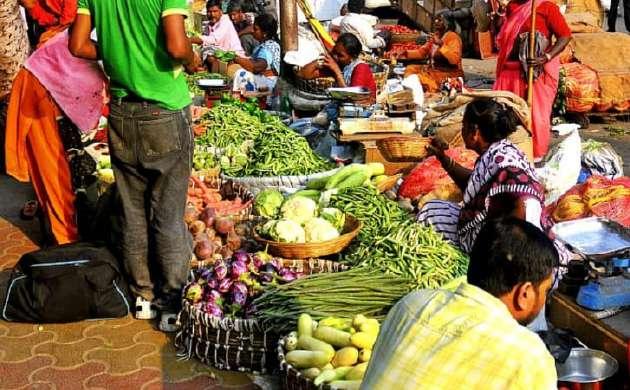
Weekday farmers market containing fresh fruits and vegetables are a common site especially in Indian villages on vacant lands or school grounds on weekends. When I think about my home back in india , I remember a five-minute walk you can buy most of what you need on a day-to-day basis around the locality without needing a car to do so.
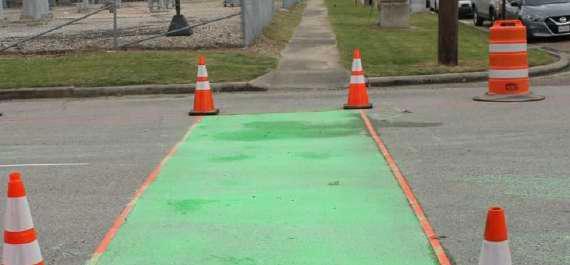
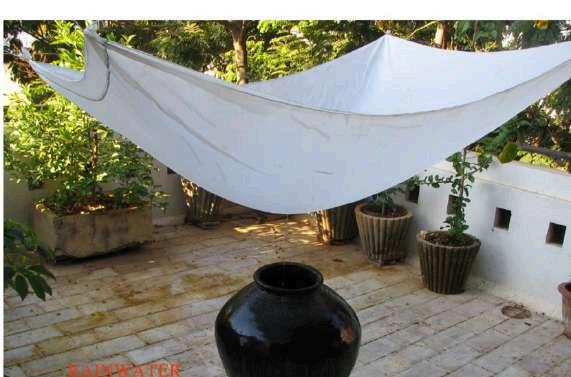
Using of cones and colours to differentiate paths on the streets and the use of cloth for rainwater harvesting in the terraces
Indian markets
4.3 Temporary Urbanism
This rich mixture of structured and unstructured physical forms fi lls Indian culture, a culture that values individuality as much as community.
Indian cities are changing physically slower than the rate demanded by the pack of activities with in. And the emerging trend of temporary Urbanisms signifies a shift from traditional physical city making paradigm to one which interprets the city backdrop for activities: Historically cities in India have always celebrated temporaries in various ways. Religious festivals, periodic cultural, events and street markets are a few examples of such 'embedded practices that have been a part of peoples everyday lives for years.
Time-space plannings allows the place and the people to collectively experiment with the moments of provisionality and manoeuvre rooms for future improvisations in India. 'Temporary public open spaces’ is a tool commonly used to increase outdoor activity. It is basically the redevelopments of vacant-spaces or spaces in transition where temporary design becomes an alternative to permanent or traditional approaches.
The Extension of footpaths and installation temporary cycle ways promotes new opportunities for play, health and Sustainable mobility. As an example, play streets could radically alter urban childhoods for the better.
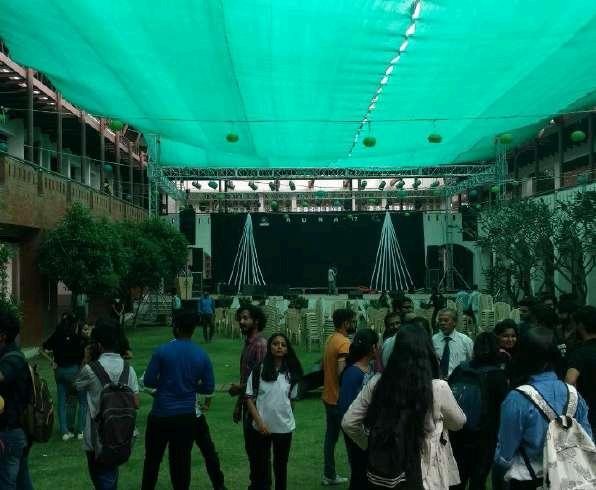
Temporary usage of empty buildings for urban gardening, Kitchens can have a positive effect and improves the image of the neighbourhood as well as the space itself. There is also a tangible economic benefit to temporary users, who benefit from minimal rent to experiment in their space and develop their business. I remember visiting a Local farmers market in Raipur which had pop up shops with temporary shades and tents. This market has youngsters from all fields and professions displaying their start up business and products on second Sunday of the month. This market is displayed at Katora talab near the lake side in raipur. It is a common site to find small pan shops, cycle repairing shops and fruit shops on the underbridges, un-utilised spaces, in most of the cities in India
4.4 Tactical Urbanism
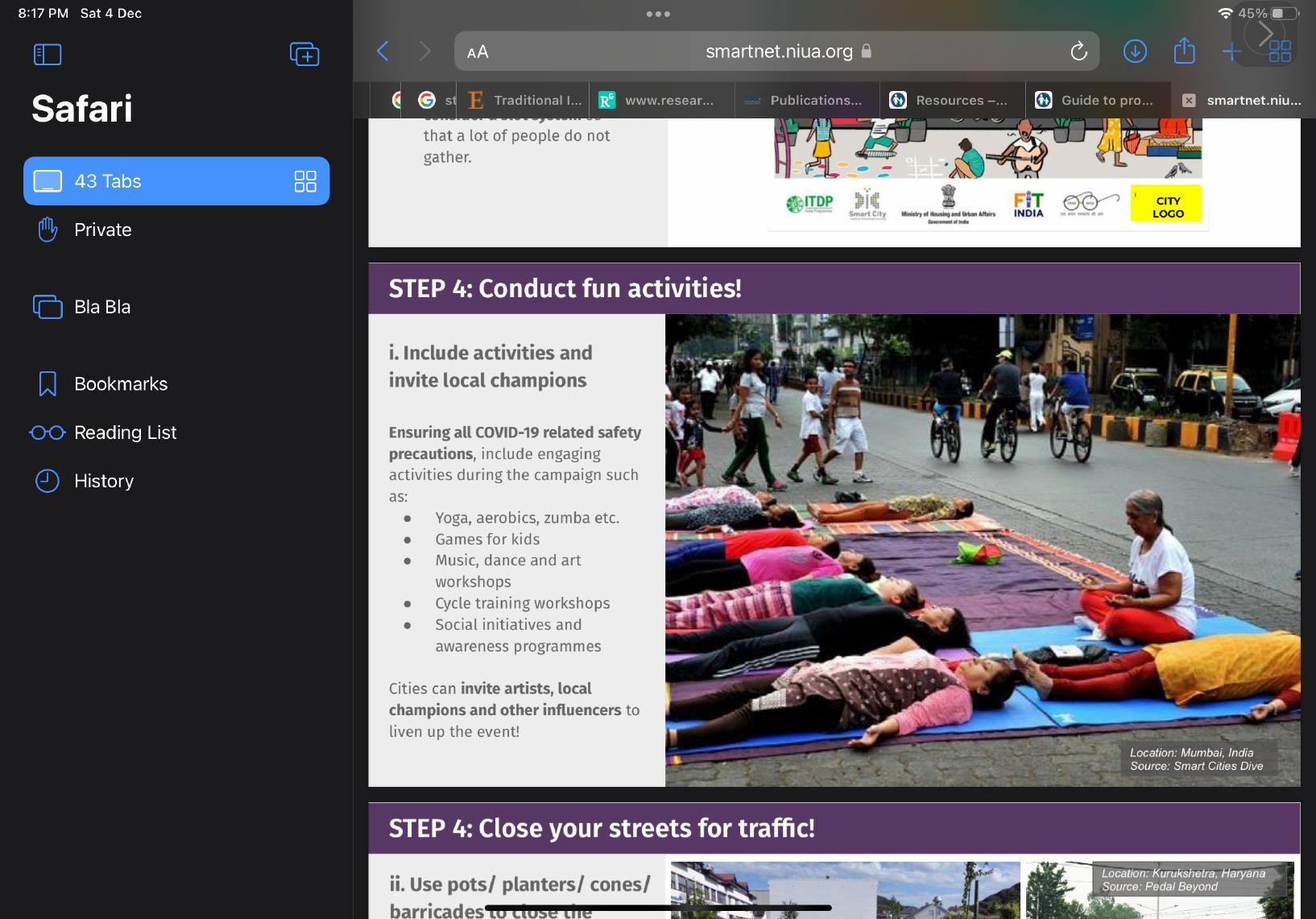
The tactical urbanising intervention, using temporary measures such as, paints and traffic cones, has helped reclaims the street for pedestrians especially the children who use this street to access the neighbourhood, providing them with a safe and lively walking experience.
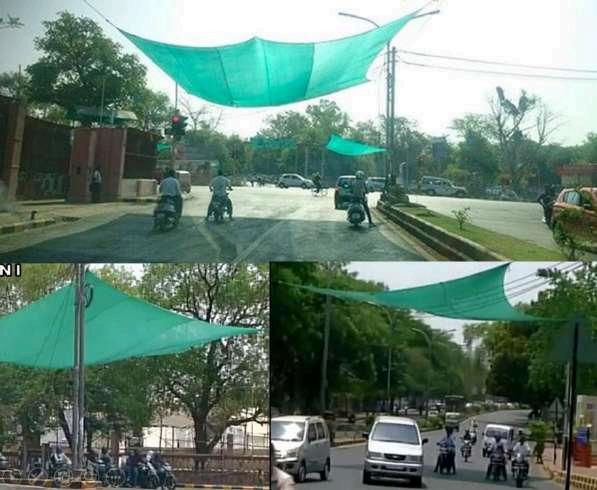
Temporary intervention for heat protection
Streets and plaza in Ahmedabad
Local farmers market
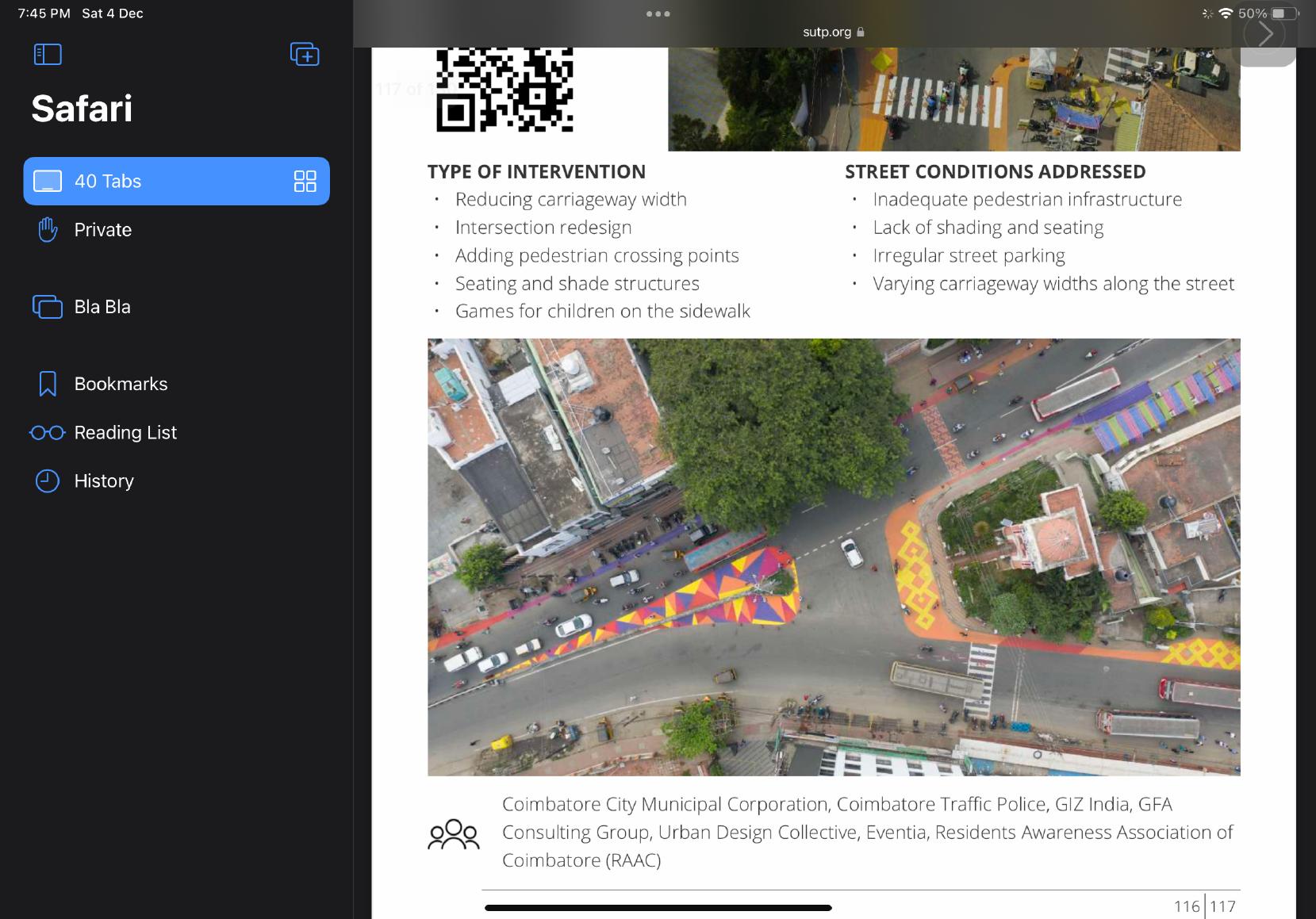
The streets were redesigned by painting and clearly identifying the sections, which would serve as the pedestrian area. Crossings and pedestrian paths were painted with colourful patterns to encourage usage. The intersections were also lightened by changing the twining radius to provide waiting area and crossings.
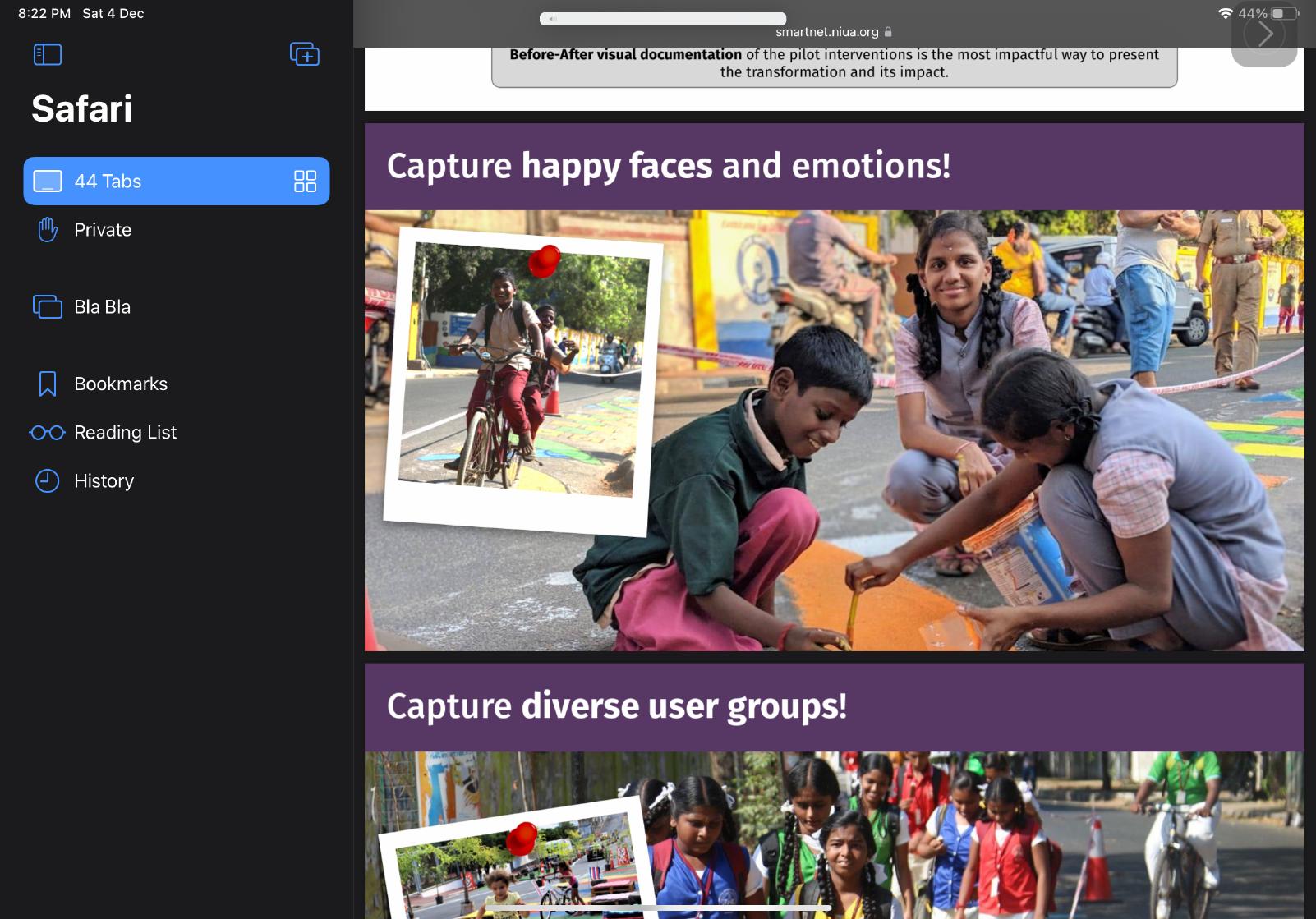
An Essie of unauthorised parking in Chennai was addressed by cleaning and painting footpaths and walls in the area. With the the help of school children the area was transformed into a vibrant place by painting with vibrant colours. Not only this increased pedestrianisation, but also the area became much safer.
The rapid urbanisation in Indian cities has left us grappling with social, infrastructural and spatial conflicts. A response to this has been to adjust, and to make do - an inherent culture of appropriating spaces for convenience.
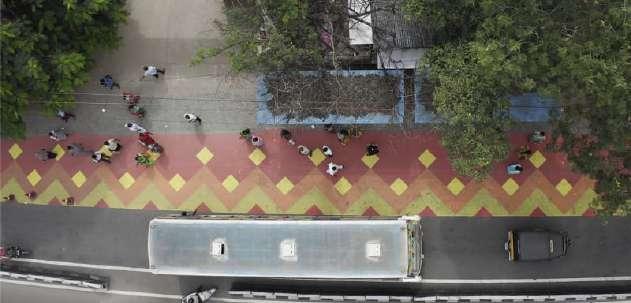
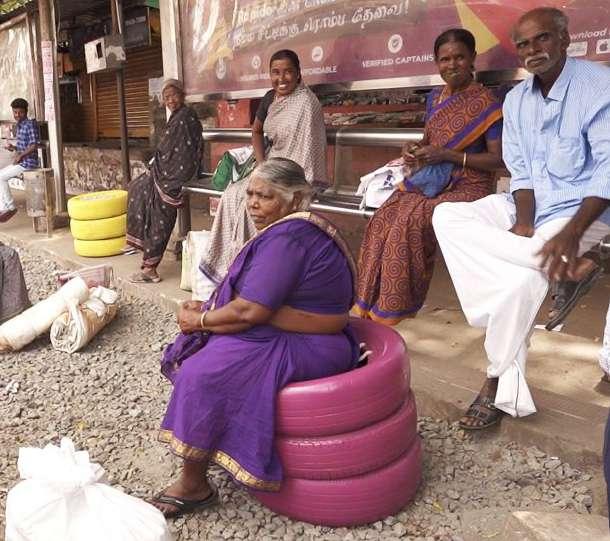
A public use spaces designed in the shape of a moon crescent where all the informal activities used to take place with vendors and daily goods market. A place where people would feel safer and happier with lot of activities going around them. The Anand Rao flyover project of innovating public space in Bangalore was a revolutionary success from a dumping ground, the yover, Transformed into bright and colourful space. The dumping yard has become a mini park with play zone for the children. Such projects started of late in of the cities of India don't need heavy funds to initiate but some attractive elements and this create a sense of place people safe and comfortable.
The Kankaria Lake front in Ahmedabad excellent example of globalism. It is complete recreational hub and acts as a big public square and has an amusement park, toy trains, Balloon safari, kids’ city which brings the people together to have fun and a wonderful experience. When people visit a place for the first time feeling of anxiety where there explore their surroundings. If they enjoy the place they will revisit and return to the place leading to sense of place. It is important to have connections with our geographical surrounding that more people create a bond with their environment. Indian cities already have great urban spaces. By putting social amenities, urban services high degree of maintenance, these in- valuable assets can once again be reconnected to the city without gentrifying them.
Koval connect
Colouring the streets
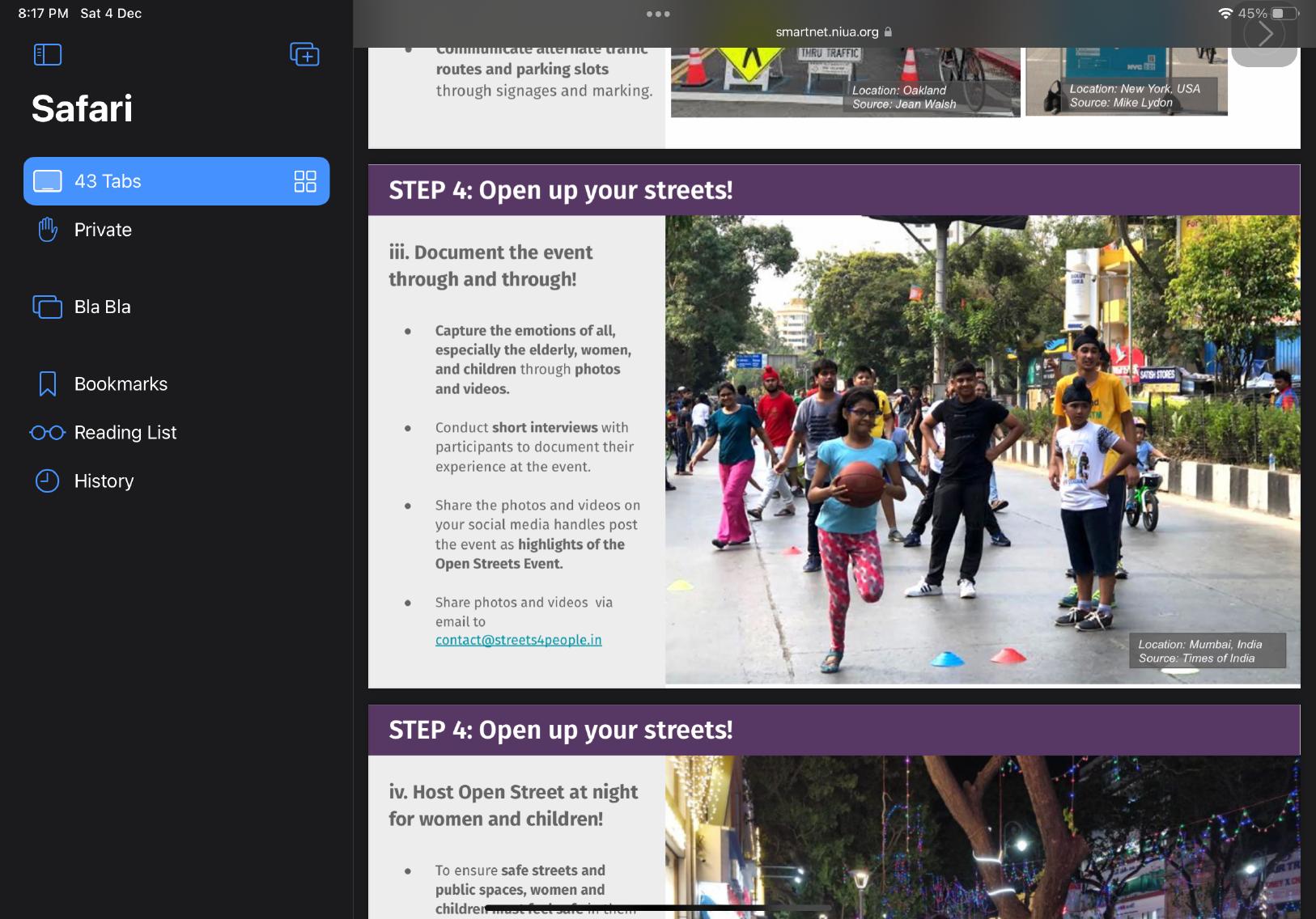
Increased roadside interaction
Increased interaction in the streets
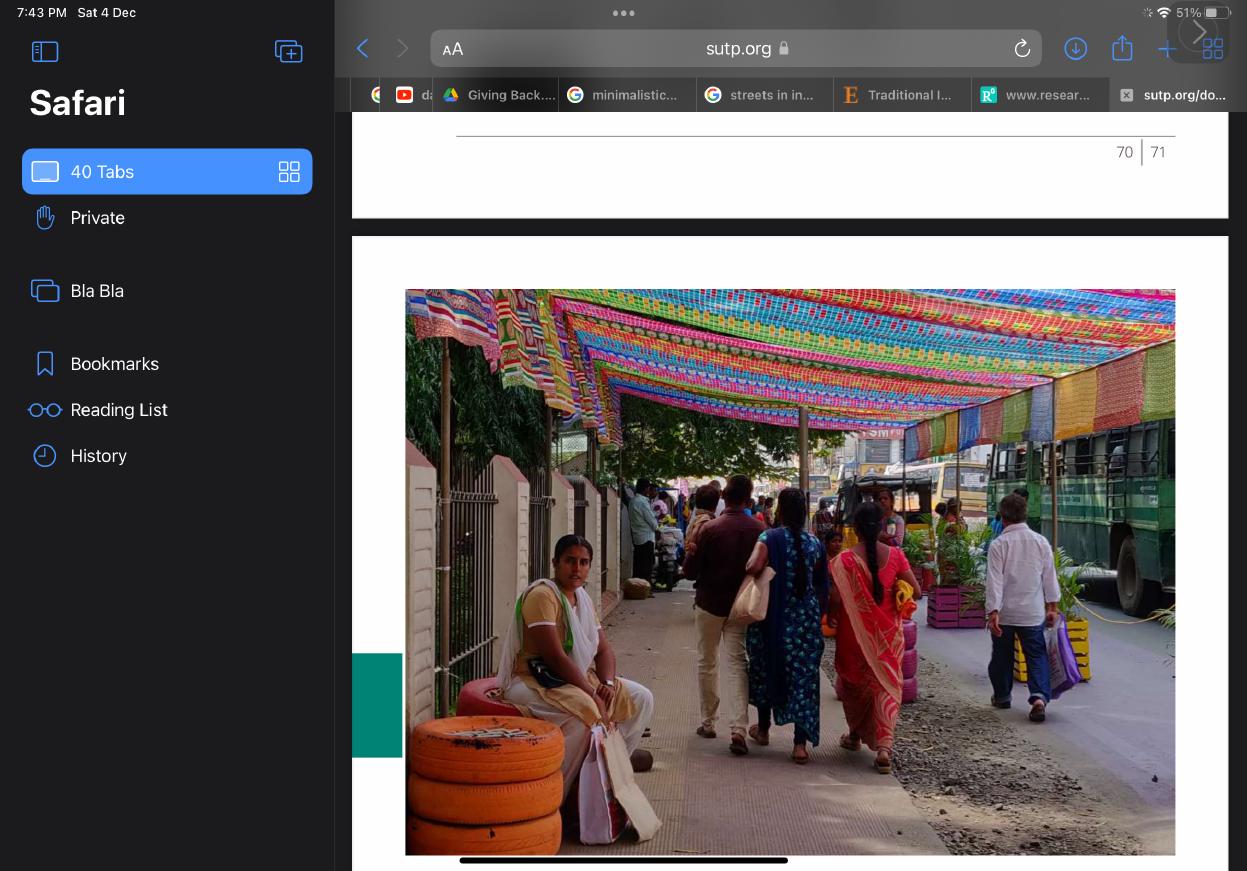
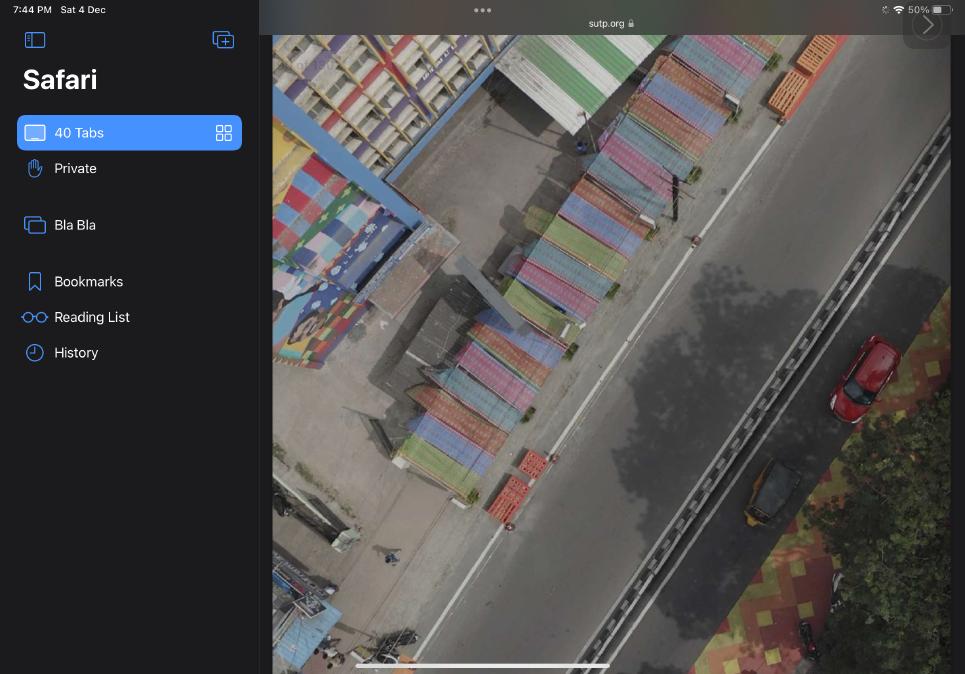
Connecting places and people Chennai india - by creating interventions on the side walks.
Children painting the streets in chennai
Chapter 5
PRIVATISATION TO COMMONING
5.1 Urban Commons
As cities re-emerge as capitalist utopia for investors and consumers, the "commons" get converted into commodities. This loss of "urban commons" and "communing" among larger public have a direct impact on the way a city and its society are structured. Today what can be considered as a the "commons" is no more limited to the traditional understanding of shared natural resources, but include a wide spectrum of urban elements from ecological commons such as water bodies, air and landfills to civic commons such as markets, parks, gardens, public transportation and sanitation system.
The concept of communing has largely been confined to guerilla actions to coproduce and self- manage community gardens or reclaim derelict spaces and turn them into community hubs like pop- up plazas and parklets in Malaysia and India.
Traditionally the commons were governed by custom rights of communities. For communing to once again become mainstream, it would require new forms of collective governance such as multi-state holder governance, in which the community or public is not just a user but partner with other players such as knowledge
institutions and civil society groups. Planners can play a role by identifying and allocating the commons as well as developing mechanisms to cofound initiatives that revive the traditional commons and develop new urban commons
5.2 Indian contex
The wooden groves or Gunda thopes have been a part of the historical landscape of Karnataka and very precisely explain how commons are, or were, very deeply a part of urban landscapes. These thopes have native varieties of trees adjacent to lakes that are looked after by villages and households. For a long time, these commons were considered a feature of the village. In their original form, these wooded groves served a number of functions for the communities that lived alongside or maintained them. They were sources of livelihood, subsistence, rich ecosystems home to several species of birds and insects. Fruits and yield from the trees were often shared by the community and various nomadic communities took residence in the groves. Given a great deal of land use changes, nature of wooden groves changed rapidly with legalizations and privatizations.
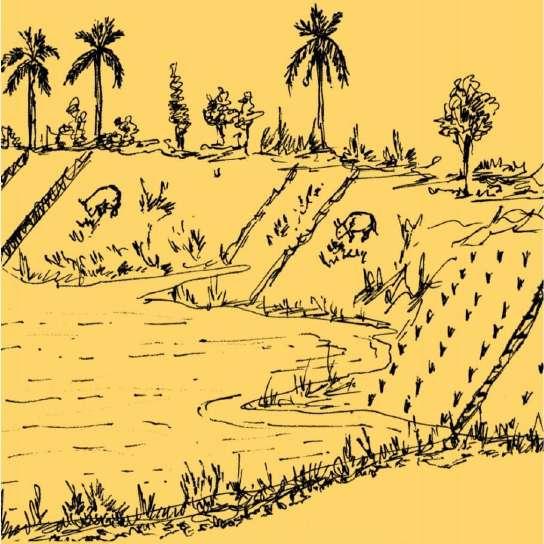
Gundappa tropes
Lakes in India tend to be the first casualties of urbanization. Lakes in preurban Bengaluru face the problems of conversion, encroachment and pollution. Surrounding ecosystems of lakes include village forests, sacred groves and pastures which faced inequity in access to the commons. What were important resources in the time of need for the poor were now closed off private spaces or parks. It is common to think about nature or ecology as environments that have nothing to do with city.
Cities can be places where lakes, pond and trees coexist and are taken care of by the people who live near them. Their work tells us that commons are or were very deeply a part of urban landscapes. Urbanization in India definitely presents an opportunity to build sustainable cities that incorporate commons. Natural spaces within cities have proven to be crucial commons.
Those excluded from the existing order or those inappropriately treated are making various attempts in the form of the so called "urban commons" movement. Indians in various cities are carrying out unconventional activities while collectively using and managing common resources, experimenting with new housing in the form of community land trust. They are conducting unique experiments in diverse forms and areas such as housing, energy, mobility education, culture, commercial activity and manufacturing, while promoting "communing" which is the practice of sharing tangible and intangible resources.
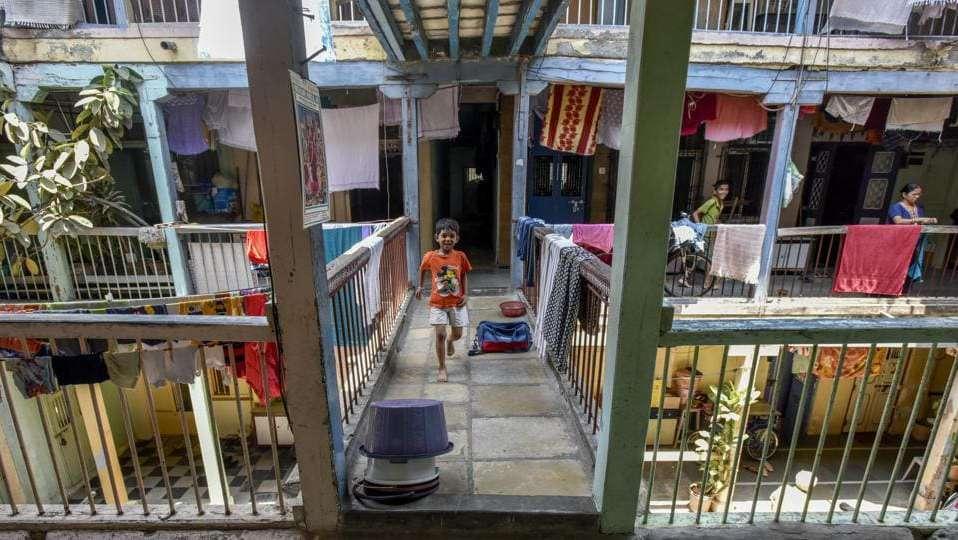
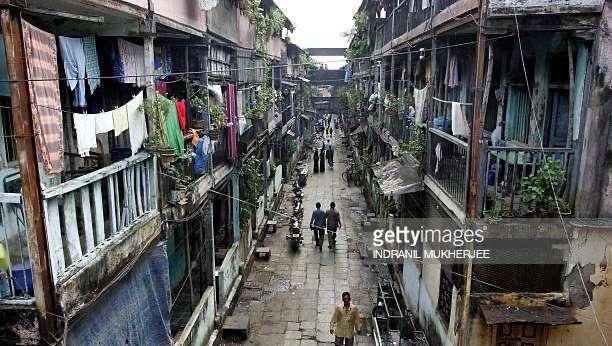
Cohousing Mumbai Chawls
Privatisation often controls people’s behaviour through various laws and institutions, often stifling creativity. The excluded crave for their own space where their lifestyles can be protected. Urban commons are the product of such practices to make resources common to the user community, going against the market order in modern Indian smart cities where market principles operate. Urban commons can be a haven for the user where it serves as an active place to deliver and reproduce social movement represented by space.The city includes many strangers who do not belong to a traditional community and is a highly fluid society whose members are constantly changing. In such
situation urban commons are not given by nature but should be created and operated under circumstances different from traditional commons.
5.2 Cohousing
The concept of joint families in Indian culture where the entire family including grandparents, parents, children and their extended family shared a common kitchen and lived together in a common house generally referred to as "baada". Urbanisation and a fast lifestyle led to the changing of thoughts with most users shifting to independent houses and bungalows with nuclear families. until recently, housing
related projects where multiple flat schemes in a common society describes as to how a common appeared and extended its life through the community members. There also exists coworking or cultural spaces as commons where there is collective efforts, challenges and limitations of operating affordable rented cultural spaces called independent spaces. Malls, multiplex theatres, multi-specialty hospitals and supermarkets are fast coming up in metro cities like Mumbai, Kolkata, Bengaluru and Delhi. Noida and Gurugram are becoming a hub of such urban commons exhibiting co-housing and co-working as the basic principle in city planning.
Every day public spaces within the city such as streets and squares in the old town, city parks, festival prayer grounds, playgrounds, spaces within residential areas and privatised public spaces including shopping malls and entertainment complexes need radical improvement in urban planning and design’s economic change in the Indian society can be understood through changes in the urban space organisation.
In the pre-industrial period, urban spaces facilitated everyday communication, sociability and trade allowing each city its unique character. Current urbanization shows radical changes to public space after the industrial revolution in both the developed and developing countries from fragmentation of public space to privatisation and renaissance.
In the old city of Aurangabad in Maharashtra special considerations were provided in the new masterplan to incorporate historical buildings and gates within the transit system retaining a sense of local identity for the old cityThus, commons must function outside the capitalist market demand and be co-designed by communities that are accessible, safe and of high quality. Urbanisation presents an opportunity to build sustainable cities that incorporate commons.
Families living close to each other - co-housing - increasing interactions.