Pond Maintenance Challenges Common
in Atlanta
By Aquatic Restoration
Introduc
Maintaining ponds in whether for stor management, recreationa aesthetic purposes, i specific challenges and st that take into account th climate, regulations, ecosystem. Here are som most common main issues.
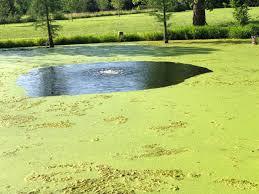
Algae Blooms and Aquatic Weeds
Excessive growth of algae and invasive aquatic plants can disrupt the ecosystem and water quality.
Challenges
Algal blooms can deplete oxygen levels, harm aquatic life, and produce unpleasant odors. Invasive weeds can clog waterways and reduce biodiversity.
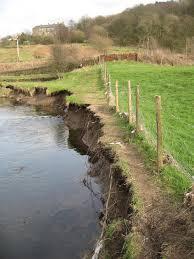
Erosion of Banks
Erosion can destabilize pond banks, leading to sedimentation and loss of land around the pond.
Challenges
Bank erosion can harm the pond's structural integrity and lead to increased maintenance costs.
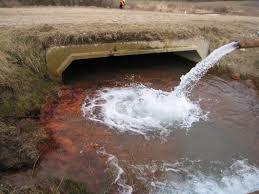
Water Quality Issues
Poor water quality due to pollutants, high nutrient levels, and low oxygen can harm aquatic life.
Challenges
Maintaining balanced pH levels, adequate oxygenation, and low pollutant levels.
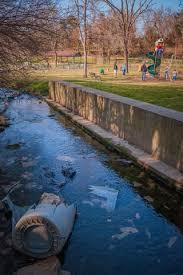
DebrisandLitterAccum
Debris, such as leaves, branches, and litter, can accumulate in the pond, affecting aesthetics and function.
Challenges
Debris can block inlets and outlets, decompose and reduce oxygen levels, and create a breeding ground for pests.
PestandWildlifeManagement
Ponds can attract unwanted wildlife, such as rodents, mosquitoes, and invasive species.
Challenges
Some animals can damage the pond structure or pose health risks to humans.
Structural Maintenance
Ponds often have structures such as dams, spillways, and pipes that require maintenance.
Challenges
Ensuring these structures remain functional and free from damage or blockages.
Thank You www.aquaticrestoration.net