The Future of Fleet:
AI-Powered Routing, Unified Operations, and the Road to Net Zero

AI-Powered Routing, Unified Operations, and the Road to Net Zero
For an industry built on moving physical things from one place to another, the most disruptive forces in transportation and logistics right now are digital.
AI has moved from a boardroom talking point to a procurement requirement in under 12 months; unified platforms are replacing decades of point solutions; and organizations are finding that the fastest road to Net Zero is smarter route planning and inefficiency reductions.
This report breaks down five of the key trends changing how transportation and logistics businesses operate and grow.
The insights come from conversations we’ve had with fleet managers, transportation operators and logistics leaders across North America, the UK and Europe; people responsible for operations that move billions of dollars in freight every year.
Use these trends to pressure-test your strategic priorities, your technology roadmap, and your competitive position.

Twelve months ago, a significant proportion of transportation and logistics decision-makers would shut down AI conversations before they started. That resistance has largely evaporated.
AI capability is now a standard evaluation criterion in enterprise software selection, appearing in most RFPs, boardroom discussions, and procurement scorecards. Penske data shows 70% of transportation and logistics companies are now adopting AI solutions—up 17% from the previous year.
New technology typically filters through years of cautious piloting, peer validation, and incremental rollout. AI has compressed that cycle. The conversation has moved from “should we be looking at this?” to “what is our company doing with AI, and how will it affect my daily operations?” within a single budget year.
But this enthusiasm comes with caveats, and those caveats need to be addressed. Three concerns are routinely voiced across almost every conversation with transportation operators adopting AI:
» Trust in AI decision-making. Operators want to see what AI is recommending and why before they hand over control. The willingness to use AI is there; the willingness to do so blindly is not.
» Customer perception. There is genuine anxiety about AI communicating with customers directly. Operators don’t want automated messages reaching accounts before a human has reviewed the context, tone, and relationship.
» Data security. Organizations want to know where their data lives, who owns it, and whether it is protected. According to IBM research, 57% of companies say data privacy is their biggest inhibitor to implementing generative AI.

The highest-impact AI deployments in transportation and logistics right now are targeted interventions that eliminate repetitive manual work and reduce operational risk. For example:
» Order processing. A billion-dollar company previously relying on staff to manually extract shipment data can use AI to pull information from emails, flag gaps, and push complete orders into their TMS system—eliminating hours of daily processing and saving six figures annually.
» Exception management. Rather than waiting for a missed delivery or a customer complaint to trigger investigation, AI can monitor execution data and identify anomalies while there is still time to intervene. Catching a problem at 9 a.m. versus discovering it at 4 p.m. is often the difference between recovery and failure.
» Risk mitigation. AI monitoring highlights delays caused by weather, traffic incidents, or operational constraints and triggers contingency actions while alternatives remain available.
High-volume, low-complexity tasks absorb enormous amounts of time from people who could be doing higher-value work. AI is eliminating the administrative burden that prevents expertise from being applied.
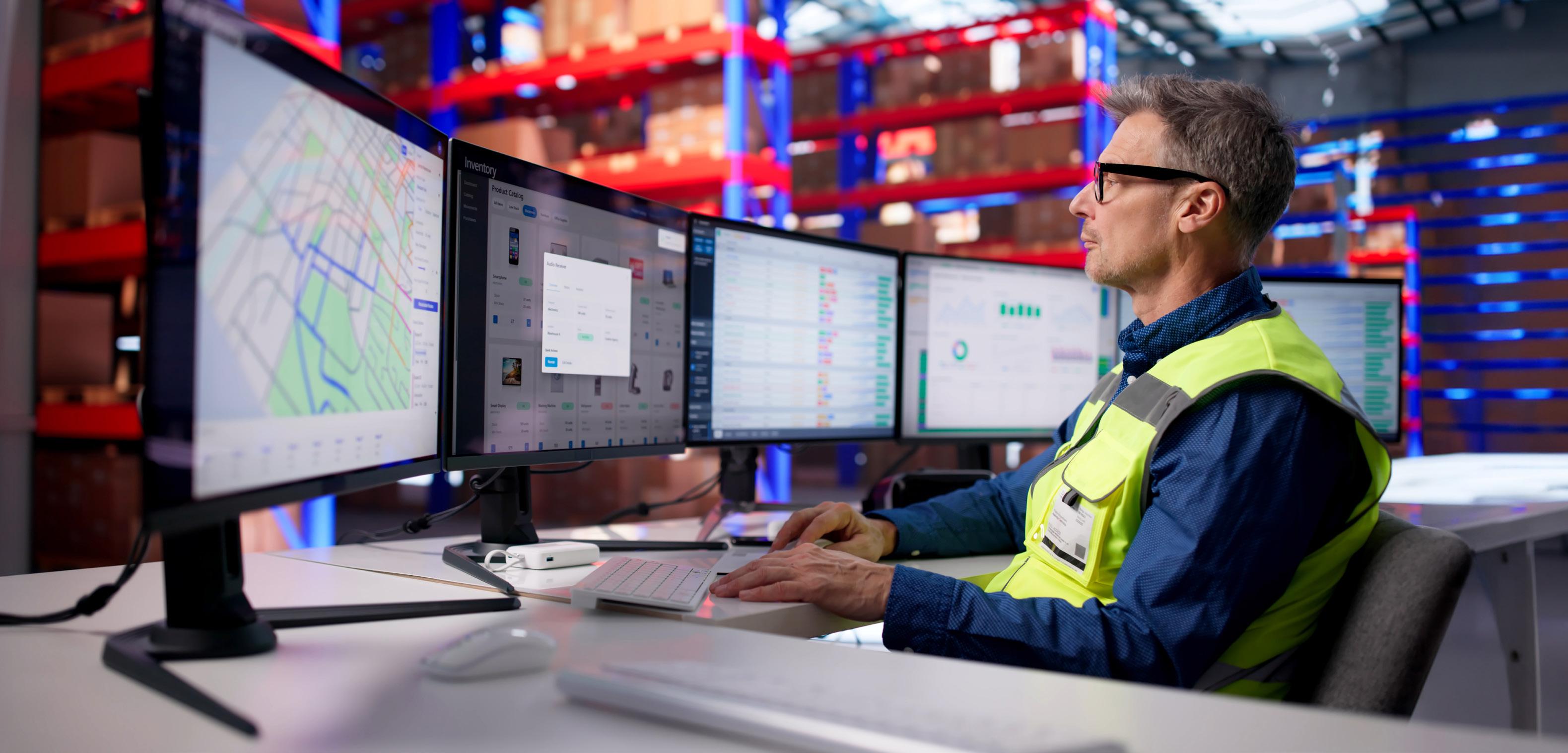
Current use cases are powerful, but they operate within a familiar model: AI performs a task, a human reviews the output, and action follows. The next phase of AI adoption will be materially different.
AI’s future is built around autonomous agents. Instead of waiting to be prompted, agents watch what’s happening across the operation and respond to it continuously. If a condition changes, the agent interprets the implications, works out what needs to happen next, and acts.
Where earlier AI applications automated a single step, agent-based systems coordinate across workflows: sequencing actions, adjusting parameters, and triggering responses in connected parts of the operation, all within defined governance frameworks.
Examples of agentic AI are already emerging across transportation operations:
» Order entry. A distribution network with 50+ centers relies on daily emails from DC managers listing available drivers and vehicles. An AI agent reads those emails, extracts the data, and populates the system, removing hours of lag from every planning cycle.
» Revenue protection. Fleet operators running static routes can use agents to track which customers have ordered and which haven’t, then automatically chase the gaps—whether that’s alerting the sales team or prompting the customer directly.
» Predictive maintenance. A tractor’s onboard telematics detects a potential alternator fault and generates a fault code. An agentic workflow executes the entire chain—raising a work order, checking parts inventory, sourcing a replacement, and scheduling a technician—escalating the task only when a decision genuinely requires human judgment.
These scenarios point to a broader structural change in how transportation planning operates. The traditional model is a batch process. It assumes that conditions at the point of planning will hold through execution, and that deviations will be caught and corrected in retrospect.
Agent-based operations enable continuous adjustment. Planned versus actual becomes a live feedback loop rather than an endof-day report. Route recalculation and resource reallocation happen in response to real-time disruption, not in retrospect. AIenabled scenario modeling compresses decision cycles by testing alternatives before commitment, reducing both risk and delay.
The implications for workforce design, technology investment, and competitive positioning are significant, and they cut across every trend in this report. Organizations that treat AI as an efficiency add-on to existing planning processes will extract some value. But organizations that redesign their operating models around agentbased intelligence will operate at a different speed entirely.
» AI has moved from emerging interest to baseline expectation in enterprise transport software evaluation.
» Current AI deployments focus on eliminating manual, repetitive work such as order processing, exception management, and proactive risk monitoring.
» Agent-based AI is the next threshold: systems that coordinate workflows autonomously within defined governance frameworks.
» The traditional planning cycle of plan, execute, review is giving way to continuous adjustment, with planned versus actual becoming a live feedback loop.


Transportation operations have been built on point solutions for decades. Routing in one system; TMS in another. Maintenance, asset tracking, reefer monitoring, ELD compliance, tire pressure each handled by a separate tool, generating its own data.
More than a third of logistics companies have eight or nine different technology solutions in their transportation tech stacks, according to McKinsey data.
This fragmentation was tolerable when the job was to run each function efficiently. But it becomes a liability when the goal is to run the entire operation intelligently.
AI is only as good as the data it can reach. A machine learning model pulling from one system in isolation will produce limited outputs. It needs to be fed operational data alongside telematics, order information, maintenance records, customer history, weather, traffic, and regulatory constraints.
A unified operational platform brings critical data into one place, in real time. Information flows between systems and AI acts on the full dataset. Nobody has to spend half their morning pulling reports, cross-referencing spreadsheets, or chasing updates before they can start making decisions.
When integrated data is accessible across roles, people across the organization can do things that siloed systems never allowed. For example:
» Planners: Evaluate route alternatives and scenario options directly, rather than spending the first half of the day pulling information from separate systems before any planning work can begin.
» Operations: Manage disruption with full visibility into what’s affected and what options remain, instead of piecing together updates from multiple systems.
» Customer service: Answer “where’s my order?” in seconds without calling the transportation department, who need to check the system or call the driver then relay the answer back up the chain.
» Sales. See which customers have orders in progress, which deliveries are running late, and which stops are at risk to manage customer expectations before the phone rings.
To achieve this, organizations are evaluating vendors on their ability to connect transportation with warehousing, maintenance, CRM, and ERP. When a warehouse management system informs routing decisions, or maintenance data feeds into fleet scheduling, decisions in one part of the business draw on conditions in another.
Vendors who deliver that interoperability, rather than leaving customers to build and maintain custom integrations, reduce complexity and technical debt. New features deploy faster.
While most organizations are seeking the same goals—faster decisions, lower overhead, and the ability to deploy AI across operations—they’re taking different routes to get there depending on their size and maturity.
Enterprise organizations have already invested heavily in AI. They may have chosen their own platform and developed internal teams dedicated to AI deployment. For these companies, the conversation is around integration: can external systems connect with our AI infrastructure via APIs and data sharing protocols? Can we retrieve third-party intelligence and present it within our own environment?
Small and mid-market organizations face a different reality. They don’t have large IT departments building bespoke AI solutions. Instead, they need a technology vendor to deliver the unified platform, AI capability and integrated toolset, ready to deploy. For these companies, the vendor isn’t a component supplier; they’re the enabling partner for the entire AI journey.
» AI’s value is constrained by the data it can access. Fragmented systems produce fragmented intelligence.
» Unified platforms give every role—planners, operations, sales, and customer service—access to connected, real-time operational data.
» Technology partners are being evaluated on their ability to integrate requirements across transport, warehousing, maintenance, CRM, and ERP.
» Organizations are reaching the same destination by different routes: Enterprises are integrating vendor tools into their own AI ecosystems, while small/mid-market companies rely on vendors to deliver the unified platform.

Sustainability is on the agenda for most transportation and logistics businesses. But the reasons behind it vary significantly by geography—and being honest about that distinction matters more than pretending everyone is motivated by the same thing.
In the UK, Europe, and increasingly the Middle East, regulation is doing the pushing. Net Zero targets, Clean Air Zones, ULEZ restrictions, and emerging emissions reporting mandates mean organizations have to demonstrate they are measuring and reducing their environmental footprint.
The commercial impact of Europe’s compliance-driven approach is already visible. According to HFW & Panattoni research, two-thirds of logistics companies now require vendors to hold environmental ISO standard certification, and 44% require that emissions calculations from vendors are accredited and aligned with a recognized framework.
In North America, the primary driver is economic. Fleet operators and shippers are pursuing efficiency because it protects margins, not because a regulator told them to. Sustainability outcomes follow, but they tend to be framed through a cost reduction and brand positioning lens rather than compliance.
The economics are already proving out: 69% of U.S. fleet managers implementing sustainability initiatives report a significant decrease in operating expenses over the previous year.

The most significant insight in the sustainability conversation is that economic and environmental cases aren’t competing priorities. They’re the same set of decisions.
Route optimization is the clearest example of these two goals meeting. Better routes mean fewer miles driven. Fewer miles mean less fuel consumed, lower maintenance costs, and extended vehicle life. They also mean measurably lower emissions. An organization doesn’t have to choose between saving money and reducing its carbon footprint; the actions that deliver one also deliver the other.
The efficiency gains compound when you look across operations:
» Shipment consolidation and modal shift: Moving from parcel to less-than-truckload (LTL), or LTL to truckload, reduces the number of vehicles carrying the same volume of freight. Fewer vehicles mean both fewer emissions and lower cost per unit shipped.
» Reduction of failed deliveries: Every failed delivery is a wasted journey; fuel burned, driver hours spent, emissions produced, with nothing to show for it. Reducing rework through better planning and proactive communication has both an economic and environmental payoff.
» Digitalization of documentation: Replacing printed bills of lading or proof of delivery with electronic alternatives removes paper from the process. One system allows drivers to sign on a tablet at the dock and print only the single copy required for the road. It’s a small change per delivery that scales across thousands of shipments.
Emissions tracking and reporting by vehicle, route, and customer gives organizations the evidence trail to demonstrate compliance and embed sustainability commitments into commercial agreements. And the same data that identifies waste also proves environmental progress to regulators and customers.
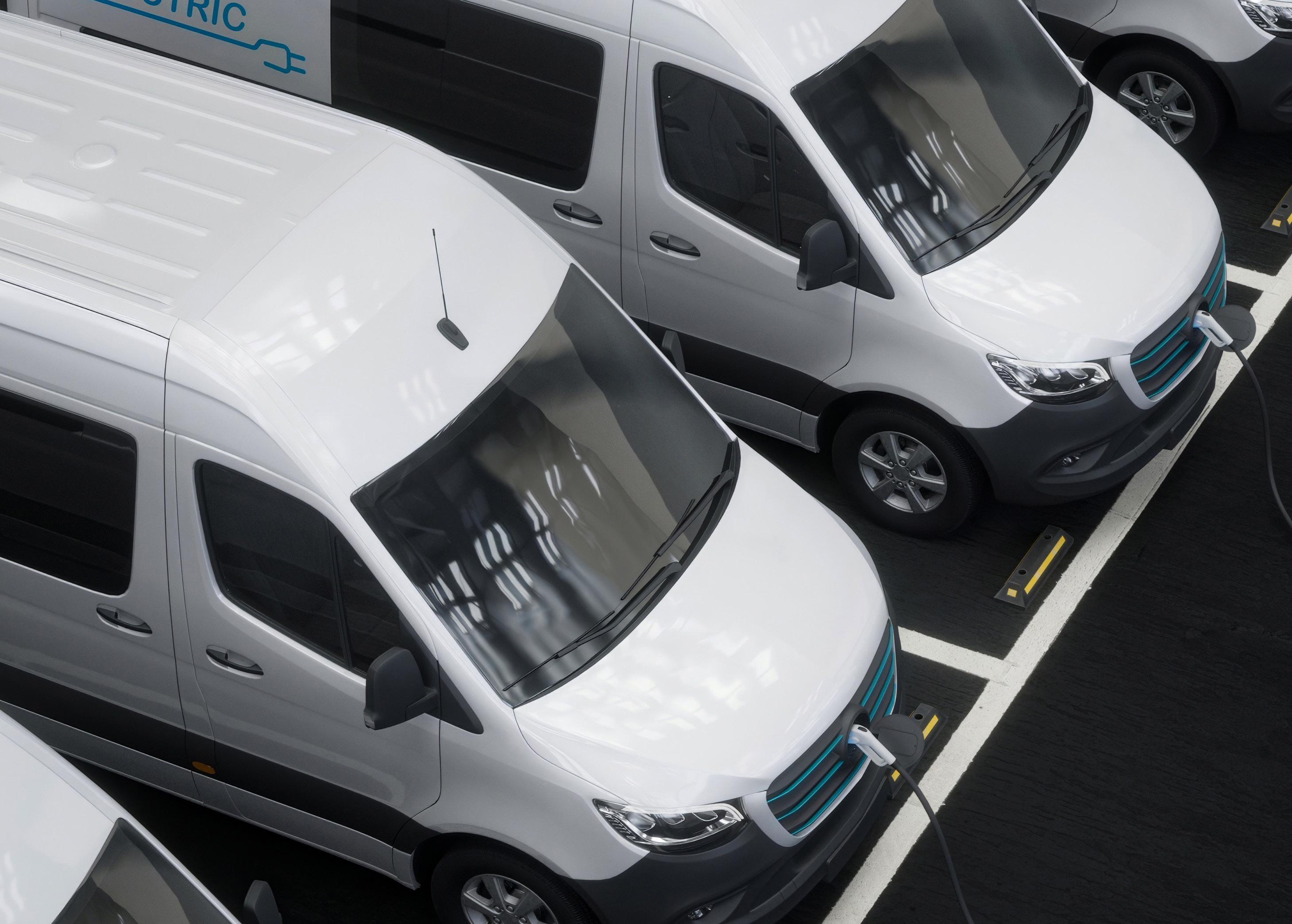
Electric vehicles sit right at the intersection between cost reduction and emissions reduction. Running an EV is cheaper per mile, requires less maintenance, produces zero tailpipe emissions, and—in a growing number of European cities—is the only way to access restricted urban zones without penalty. But adoption across commercial fleets is uneven, and even a partial transition changes how operations need to be planned.
Growth is concentrated in specific segments. Electric vans hit 9.5% of new EU registrations in the first half of 2025, nearly double the previous year’s figure—driven largely by urban delivery fleets running shorter, predictable routes.
» The motivation for sustainability investment differs by market, but the technology response is the same.
» Route optimization, shipment consolidation, reduced failed deliveries, and digitalization of documentation all create cost savings and emissions reductions simultaneously.
» EV adoption is growing in urban and short-haul operations, but every electric vehicle added to a fleet brings planning constraints that didn’t previously exist.
» Mixed fleets are the medium-term reality. The advantage will go to operators whose scheduling can flex between diesel and electric depending on what the route demands.
For larger commercial vehicles and long-haul trucking, widespread adoption is still some way off. The technology is being tested by major fleets—in the U.S., over 30% of fleets with more than 100 vehicles now have at least one electric truck in operation—but it hasn’t yet reached the point where it can replace diesel at scale.
Even a handful of electric vehicles creates planning problems that didn’t exist before, such as:
» Range limitations. Electric vehicles can’t cover the same distances as diesel equivalents, and their effective range fluctuates with weather conditions, load weight, and driving patterns.
» Charging infrastructure. Routes need to account for where charging points are, how long a vehicle needs to charge, and whether a full charge is necessary for the next leg, as a partial top-up might be sufficient to complete a second run.
» Driver compliance. Working time regulations still apply, and charging stops need to be factored into schedules without pushing drivers over their hours.
Mixed fleets will be the reality for most operators for years to come. Organizations need a scheduling infrastructure flexible enough to capitalize on electric vehicle economics where they make sense, while maintaining performance across the broader fleet.
The transportation and logistics industry has been talking about workforce shortages for years. The conversation hasn’t changed much— but the pressure has. Driver shortages persist across both the U.S. and European markets, with demographic trends and political factors making the pipeline harder to fill.
Meanwhile, operational teams already in place are stretched to their limit. As we already established with the first trend, planners, dispatchers, and otherback-office staff spend large portions of their day on repetitive administrative work that adds little value, while high-skill decisions get compressed into whatever time is left.
The instinct is to treat these as separate problems: a recruitment challenge and a productivity challenge. But they feed each other.
Overworked dispatchers have less time to support drivers. Poorly optimized routes mean longer hours, less predictable schedules, and more stress behind the wheel. Drivers leave, the shortage deepens, and the remaining staff absorb more work. The cycle continues.
Organizations face a strategic choice: Compete for scarce labor in a market that isn’t producing enough of it, or build workforce models that use AI to enable greater capability from existing teams.

In every transportation operation, critical information lives in people’s heads rather than in any system. Routing preferences, customer quirks, the judgment calls that experienced planners make on the fly; not all of it is documented. Then a long-tenured planner retires, or a key dispatcher is off sick for two weeks, and it becomes clear how reliant operations are on one person.
AI-powered workspaces can address this issue by capturing operational intelligence as institutional knowledge and then making it accessible to anyone in the organization. It’s not enough to get the knowledge out of one person’s head; that information has to be usable by someone else. For example:
» Planning: An AI routing assistant trained on how experienced planners approach scheduling can summarize a day’s plan, highlight issues and suggest improvements.
» Customer service: An agent can ask the platform for a full briefing on a calling account—open orders, delays, known preferences—and have context in seconds.
» Dispatch: Instead of someone manually matching drivers to routes based on memory and availability, the system can make recommendations using performance data, vehicle suitability, and working time constraints.
AI workspaces have a different interface from previous generations of logistics software. They’re built on natural language, so teams can ask a question the way they’d ask a colleague, with no technical knowledge or system expertise required. That lowers the barrier to entry.
An operation that previously needed a 20-year veteran to run planning effectively can now give a newer team member access to the same intelligence. Experience is no longer a prerequisite for making good decisions.
Role-based access also means people only see the features and insights they need. Planners get scenario modeling; operations get disruption management; customer service gets order status and exception alerts. The intelligence is the same, but the lens changes depending on who’s looking.

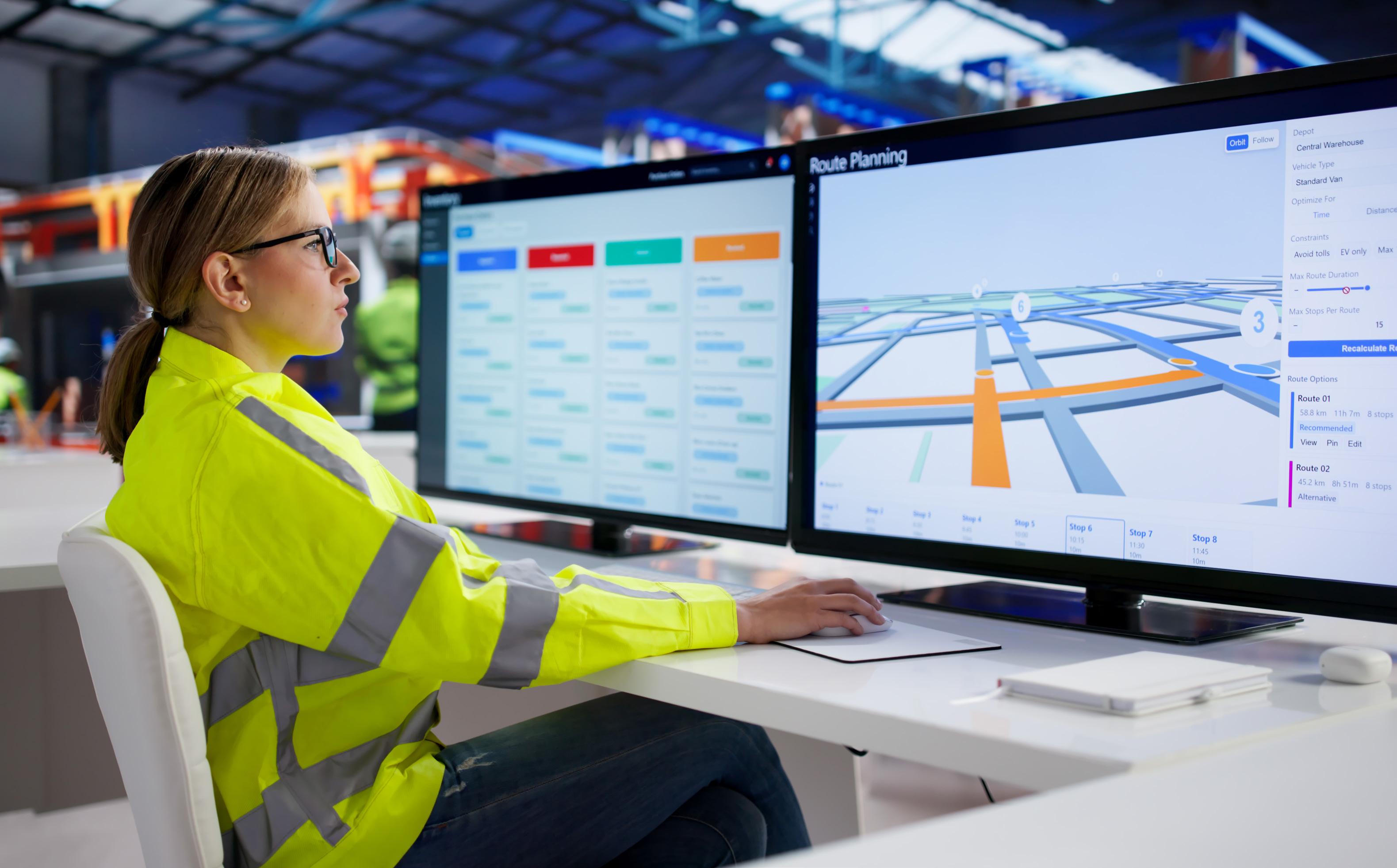
A typical logistics team member might handle 20 repetitive tasks in a day: allocating drivers, assigning vehicles, chasing exceptions, and reconciling plan against actual. AI agents can absorb this “grunt work” while skilled humans review and approve the recommended actions, then step in when something needs human judgment. People become the manager of digital teammates rather than the one doing everything manually.
Warehouse-to-road coordination is a good example of AI’s ability to scale processes. Autonomous agents can link warehouse picking patterns to dock scheduling, then automatically assign the best driver, tractor, and trailer combination based on historical performance data, availability, and load characteristics.
Risk-based rerouting uses intelligent analysis to increase driver safety. AI can overlay planned routes against known accidentprone intersections, altering those routes to reduce exposure. Organizations can also take that data to their insurers to potentially reduce premiums.
Compliance documentation is another area where agents absorb workload. Assembling working time records, tachograph data, and vehicle inspection reports into audit-ready formats is hours of crossreferencing that adds no operational value. AI agents can compile and validate information, flagging exceptions for human review.
The transportation industry is in a driver crisis. Globally, 3.6 million truck driver positions sit unfilled, and with another 3.4 million drivers projected to retire within five years, the shortage will only worsen.
The same technology that makes back-office teams more productive has a direct impact on driver retention. Smarter routes mean:
» More stops per driver without extending hours
» More predictable finish times, so drivers get home when they expect
» Fewer last-minute changes that turn a planned day into a reactive one
» Dispatchers freed from manual allocation, giving them more capacity to support drivers directly
These are the specific, daily frustrations that compound over months and push experienced drivers to walk.
AI is also starting to address safety factors that affect driver welfare. For example, intelligent analysis can identify “sleepy routes”; any planned route with a continuous straight-line distance of over 50 miles, carrying a measurable fatigue risk. DHL’s AI-driven safety programs have cut their driver turnover rate in half.
» Driver shortages and workforce productivity are two parts of the same problem. Overworked teams produce worse routes, worse routes, burned-out drivers, and the cycle deepens.
» AI-powered workspaces capture institutional knowledge and make it accessible to anyone, regardless of experience, protecting operations from single points of failure.
» AI agents act as a force multiplier, so existing teams handle more volume using automated workflows rather than executing every task manually.
» Driver retention improves as a direct consequence of better operations, especially when dispatchers have more capacity to maintain relationships.
B2C delivery has rewritten the rules of customer expectations, and commercial logistics is feeling the pressure. When an end consumer can track a parcel from warehouse to doorstep, receive same-day delivery, and get proactive delay notifications from leading retailers, the tolerance for anything less erodes fast—including in B2B.
This is the often-cited Amazon effect, and while the label has been around for years, its influence is still intensifying. FedEx’s 2026
B2B trends report notes that “business customers expect speed, transparency, and ease of use, including real-time tracking, clear delivery timelines, and digital self-service options,” and that 75% of B2B buyers will switch suppliers for a better experience.
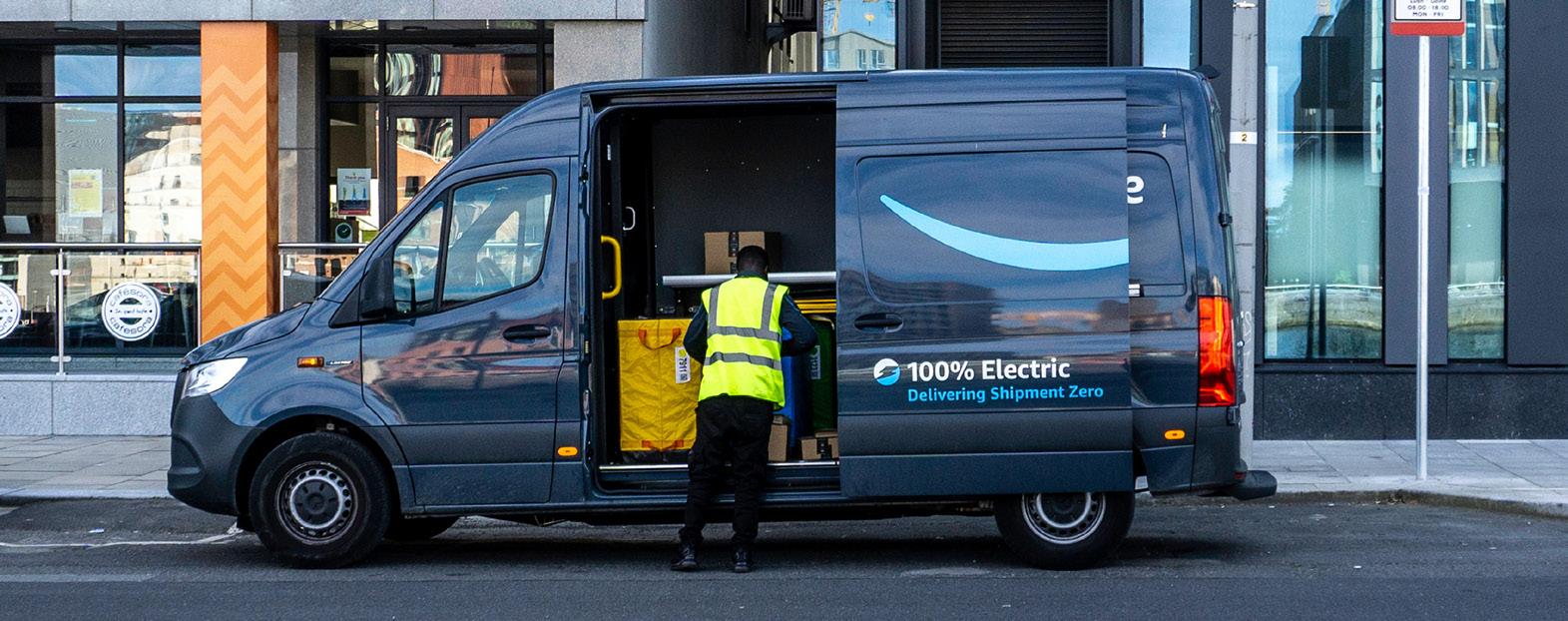
In B2B, delivery pressures compound through supply chains. A wholesaler has their own end customer expecting a certain standard. So when a distributor misses a delivery window or fails to communicate a delay, it doesn’t affect one relationship; the impact ripples forward.
However, most transportation operations still discover problems reactively. A customer calls to ask where their delivery is and someone checks the system, calls the driver, or speaks to the carrier. The answer travels back up the chain. By the time that customer has an answer, their patience—and sometimes their options—have run out.
AI-supported monitoring is compressing the gap between a problem becoming detectable and someone acting on it. When systems analyze execution data continuously rather than waiting for a human to notice something is wrong, issues get picked up earlier in the delivery lifecycle. According to industry research, companies implementing real-time delivery tracking with proactive notifications can reduce inbound customer service calls by up to 40%.
Earlier awareness enables:
» Proactive communication with customers before they ask “where’s my order?”
» Better coordination at receiving locations to manage staffing and resources around accurate ETAs.
» Reduced failed or missed deliveries caused by miscommunication or unavailable recipients.
Route inefficiencies, recurring bottlenecks at specific depots, and patterns of failed deliveries caused by poor timing are solvable. Weather delays and motorway closures are not. AI makes it possible to identify which is which, address the fixable problems, and communicate proactively about the rest.

increasingly expected to respond with root-cause information and resolution paths, but that requires instant access to current status across all active orders; information that, in most organizations, is still spread across multiple systems and multiple people.
AI will collapse that investigation chain into a single query. A service representative can ask the workspace which orders are active for this account, whether any are delayed, and why, and within seconds receive context drawn from the TMS, telematics, and carrier feeds.
The competitive conversation in commercial logistics has long centered on cost and capacity. Can you move it cheaper? Can you move more of it? Those questions still matter, but a growing number of customers are asking a third question: Can you tell me what’s happening while you move it—before I have to ask?
In B2B, where a missed delivery can shut down a production line or strand a dock crew for two hours, knowing in advance that a shipment will be late is worth a significant amount. Carriers and fleet operators who can offer that level of visibility are already leading competitive pitches with it, putting service intelligence ahead of price.
downstream commitments. Initially those communications will be human reviewed. But as outputs prove reliable, the threshold for autonomous notification will lower, so routine inquiries can be handled by technology, and service teams are freed up for higher value tasks.
» Consumer delivery expectations being applied through B2B supply chains, raising the bar for transparency, communication, and responsiveness.
» Delivery visibility is emerging as a competitive differentiator, with carriers and fleet operators already leading pitches on service intelligence alongside price.
» Customer service teams need root-cause context. AI workspaces will consolidate that context into a single query—and even push it to customers before they ask.
» AI-supported monitoring will also flag issues earlier in the lifecycle when there is still time to intervene or reroute deliveries.

Every trend in this report comes back to the same question: Can your technology keep up with what your operation needs to do next?
For most organizations, the honest answer is “not yet.” The ambition and sense of urgency are there, but the platform underneath—connecting data, introducing AI. and putting useful intelligence in front of the right people at the right time—is still a patchwork of tools never designed to work together.
The vendor you choose matters as much as the technology itself. AI is moving fast enough that what you buy today needs to be built for what’s coming in two or three years. That means cloud-native infrastructure; a unified data layer across routing, scheduling, warehousing, maintenance, and ERP; and intelligent workspaces where teams interact in natural language.
Aptean is an AI-first company, and our transport management suite is built on AppCentral, our cloud-native enterprise platform. AppCentral connects every Aptean solution—along with the third-party systems you already run—through a unified data lake, giving AI the full operational picture.
Role-based workspaces, embedded analytics, and a conversational AI interface mean teams across your business can access the intelligence they need without specialist training. And because AppCentral is built as a platform rather than a product, new capabilities deploy through a marketplace model, so your technology grows with your operation.
Every solution in our transport suite is available on AppCentral today. If what you’ve read in this report reflects the challenges your operation is facing, we’d welcome the conversation.
Learn more about AppCentral.
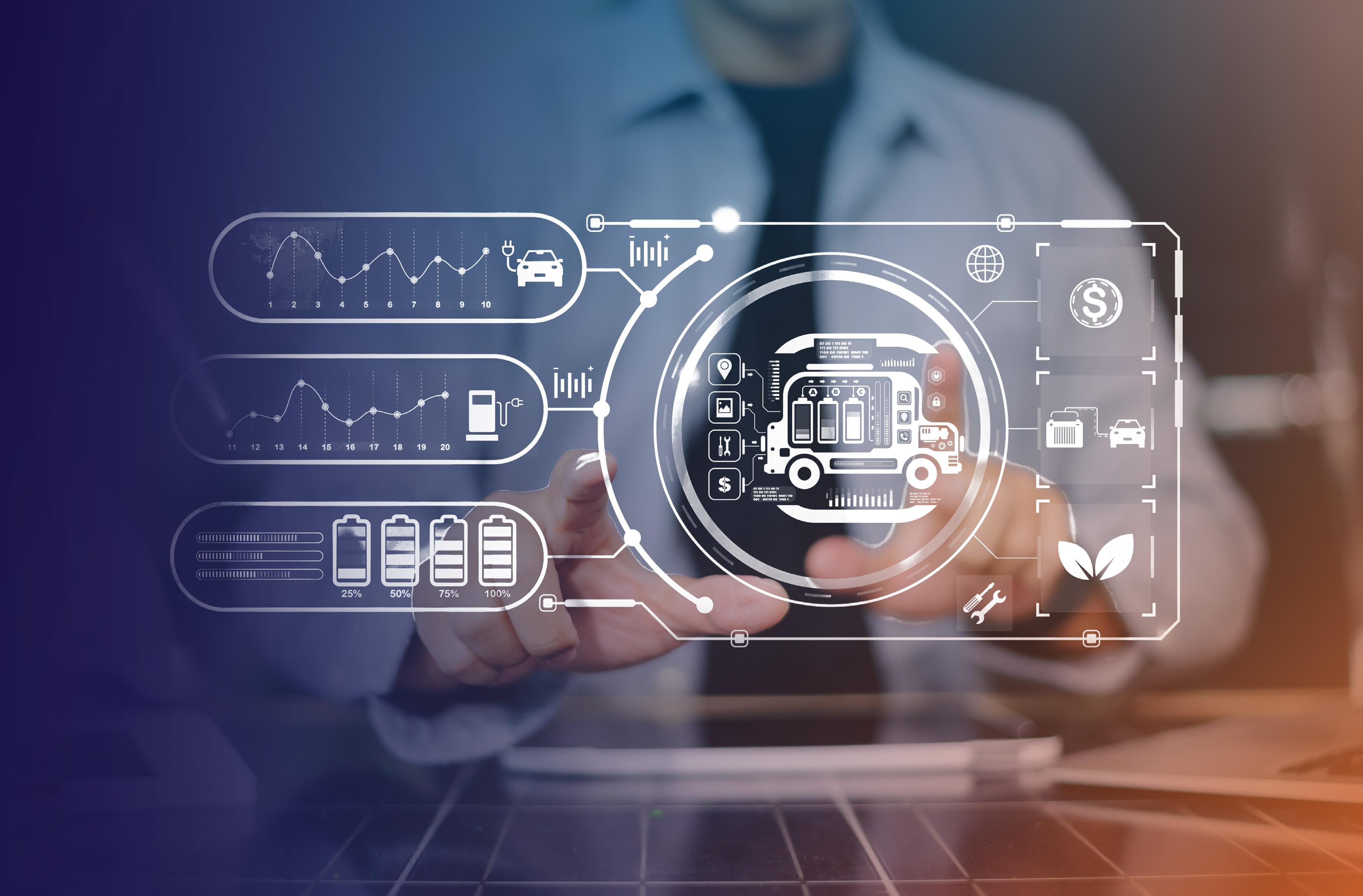

The next generation of Aptean’s trusted Paragon routing software, now delivered through AppCentral. The system generates optimized routes in minutes using powerful algorithms, while an AI routing assistant suggests improvements and learns from the manual adjustments planners make—improving future results automatically.
Rolling schedule functionality lets teams visualize every route and adjust on the fly as conditions change, and strategic scenario modeling allows you to simulate changes like adding depots or flexing driver shifts before committing to them. Organizations using Aptean’s routing and scheduling technology have cut fleet costs by up to 30%.
Gives manufacturers, distributors, and retailers control and visibility across all modes and methods of transport— truckload, LTL, parcel, rail, sea, and international lanes—from a single platform.
Smart dock management tools streamline inbound and outbound activity; freight audit-and-pay functionality catches errors and enforces contracts; and built-in carrier and vendor portals reduce manual communication across the network. An AI-powered 3D load builder automatically generates optimized load plans based on realworld dimensions and constraints.
Bridges the gap between planning and the real world. The route execution module tracks delivery progress against plan, comparing planned versus actual performance in real time—and feeds that data back into the planning engine to refine future routes. A live management control tower highlights KPIs and deploys alerts so teams can respond to issues as they develop. Dynamic tripping automatically recalculates routes as drivers return to depot and reload.

Gives dispatchers and supervisors real-time visibility and control over the final mile through a browser-based management console. A mobile app for drivers captures digital signatures, barcode scans, timestamps, and photos to confirm successful delivery, while customizable electronic forms collect required delivery information accurately in the field.
A dedicated customer portal provides real-time tracking updates and automated notifications to help ensure first-time delivery success. Ad-hoc route building and sequencing capabilities let teams respond to lastminute delivery requests or reroute based on real-world events, while a flexible reporting dashboard tracks performance trends and compliance metrics.
Built for businesses managing complex last-mile operations. Our software integrates with point-ofsale systems to offer tailored delivery windows at checkoutcheckout; builds optimized routes that improve vehicle utilization and increase drops per trip; and gives customers automated updates as orders are dispatched and delivered. The solution supports own-fleet, third-party courier,and hybrid fulfilment models, with a full order lifecycle database that feeds BI reporting.
demo
Aptean is a global provider of industry-specific software that helps manufacturers and distributors effectively run and grow their businesses. Aptean’s solutions and services help businesses of all sizes to be Ready for What’s Next, Now®. Aptean is headquartered in Alpharetta, Georgia and has offices in North America, Europe and Asia-Pacific.
To learn more about Aptean and the markets we serve, visit www.aptean.com.
Aptean and Ready for What’s Next, Now are Registered Trademarks of Aptean, Inc. All other company and product names may be trademarks of the respective companies with which they are associated.
Copyright © Aptean 2025. All rights reserved.