
PRESIDENT’S REPORT

TĒNĀ KOUTOU KATOA | HELLO ALL,
As I reflect on the past year, it is clear that 2025 has been a defining period for APSAA. It has been a year of significant growth, increased activity, and expanded influence, alongside a necessary focus on financial discipline and long-term sustainability. It is important to acknowledge that the position APSAA finds itself in today is not accidental. Previous boards made a deliberate decision to invest the Association’s accumulated savings back into the sector. That decision has fundamentally reshaped APSAA.
As a result, we have seen more than a doubling in Association activity.
We now have twice the number of committees operating alongside a fully established regional branch network. We have delivered expanded initiatives such as the Student Accommodation Essentials and Global Housing Training Institute activity, and a strengthened annual conference. Regional summits are now occurring across multiple locations, rather than being limited to Aotearoa New Zealand.
“APSAA is in a stronger position because of the collective efforts of its members, committees, branches, and Board. We have expanded what the Association delivers, increased its relevance, and strengthened its voice across the sector.”
Participation in professional development has shifted materially. Where once webinars attracted tens of participants, we are now seeing hundreds engaging. This includes the introduction of specialist Gender-Based Violence webinars, alongside the continued growth of Communities of Practice and Special Interest Groups.
Our partnerships have expanded through additional memoranda of understanding, and our awards programme has seen broader engagement and increased applications. At the
same time, APSAA has made its most significant investment to date in the Residential Experience Standard, positioning it as a cornerstone of quality and consistency across the sector.
This level of activity represents a step change in the value APSAA delivers to its members. It has strengthened our relevance, increased engagement, and elevated our position as the peak body for student accommodation across Asia-Pacific.
However, this growth has also come with consequence.
Throughout 2025, it became clear that the pace and scale of investment had placed pressure on our cashflow and reserves. Some initiatives did not return value at the level anticipated, and the financial model that supported this expansion required adjustment.
This required the Board to respond with clarity and discipline.
In the second half of the year and into early 2026, we have taken deliberate steps to stabilise our financial position. Membership renewal has been a key focus and has delivered strong results, improving cashflow and offsetting the loss of key members through new growth across Australia, New Zealand, and Malaysia. Financial oversight has been strengthened, liabilities have been clarified, and reserves have begun to rebuild, with APSAA entering 2026 in a position to be successful should financial discipline remain.
The approach from here is clear.
Over the next two years, the Board is committed to rebuilding the Association’s financial reserves while maintaining the expanded level of service and activity that members now expect. This is not a reset to a smaller APSAA. It is a transition to a more sustainable APSAA.
Alongside this, we have continued to progress our strategic priorities.
The Residential Experience Standard continues to grow, reinforcing APSAA’s role in setting and supporting quality across the sector. Our work supporting members in responding to the incoming Gender-Based Violence Code has progressed through targeted webinars and resource
Continued next page
Jacob Waitere, APSAA President
PRESIDENT’S REPORT – CONTINUED
development. The sector guidelines developed by the Research and Knowledge Committee represent an important contribution to professional practice and will be launched to members.
Our regional branch structure is now fully embedded, creating stronger local networks and more accessible professional development opportunities. Communities of Practice and Special Interest Groups have matured, providing targeted spaces for collaboration, particularly in areas such as mental health and internationalisation.
We have also strengthened our governance foundations. The renewal of our agreement with Association Professionals provides operational continuity, and the introduction of regular presidential reporting has improved transparency and accountability. Early work has also begun to better connect the Board, committees, and branches through a more aligned governance structure.
As I come to the end of my term, succession planning has been an important focus. With a number of experienced board members stepping down, it has been critical to support the transition of knowledge, capability, and leadership into the next phase of APSAA’s journey.
After my time with NZATEAP and APSAA, including nine years on the Board, five as Vice President, and two as President, I will also be stepping down from governance in student accommodation for now. It has been a privilege to contribute to the growth and evolution of this Association over that time.
APSAA is in a stronger position because of the collective efforts of its members, committees, branches, and Board. We have expanded what the Association delivers, increased its relevance, and strengthened its voice across the sector.
The task ahead is to sustain that momentum while rebuilding financial strength. With the foundations now in place, I am confident APSAA is well positioned to do so.
Thank you to the Board for your leadership, particularly through a year that required honesty and accountability. Thank you to our committee members and branch leaders for your continued energy and commitment. And thank you to our members and partners who continue to support and shape APSAA, finally a most important thank you to Melinda Dallas and her team at Association Professionals. Mel and her team are the reason we have been able to navigate the pandemic and now this financial pressure situation, and my heartfelt thanks goes to them for working with me during these trying times.
Maioha | Go well
Jacob Waitere President, Asia Pacific Student Accommodation Association
VISION
To support and nurture excellence in the student accommodation profession.
MISSION
APSAA is the premier industry body for the delivery of professional development, industry standards and the recognition of our members.
ABOUT APSAA
APSAA is the peak industry body representing individuals, staff and providers of accommodation designed for students, providing a safe living and learning environment managed by professionals to support educational outcomes in the Asia-Pacific region.
Our large and diverse membership includes universities, private residential colleges, commercial providers and individuals.
There are more than 140,000 students living in Colleges, Halls and Residences across the Asia-Pacific which are either owned or affiliated with Universities or privately run. A large professional student accommodation workforce exists to support these students.
APSAA supports this workforce through its strategic plan, Our Foundation for the Future, 2023 – 2027, by upholding the APSAA core values:
• Inclusion – We foster positive and respectful relationships
• Excellence – We deliver high quality relevant member experiences
• Leadership – We support our members in addressing issues that affect them
• Integrity – We promote honest and open communication and engagement
APSAA also advocates on relevant issues to government and key stakeholders on behalf of the industry.
KEY FACTS
1380
Professional members across 7 countries
77 Volunteers giving back to the association
APSAA Member
Student Beds
126,903
Events held in 7 Cities across two countries plus virtually 129+ hours of Continuing Professional Development and training institutes
1,239 professionals participated in Continuing Professional Development
OUR FOUNDATION FOR THE FUTURE 2023-2027
The APSAA Board launched the Strategic Plan 2023-27 alongside the APSAA values as announced at the APSAA conference in Sydney, September 2022.
Based on the APSAA values: Inclusion, Excellence, Leadership and Integrity, APSAA achieves its mission by these Pillars:
1. Providing industry specific targeted professional development
2. Providing a collegial network of student accommodation professionals
3. Advocating the advancement of and promoting the value of student accommodation
4. Providing members with access to guidelines, resources and information
5. Ensuring sustainable governance, growth and management of the association
The core purpose of APSAA is to:
• support and facilitate quality standards of service delivery in student accommodation
• advocate for the sustainable economic and pedagogical benefits of student accommodation
• be the leading professional organisation providing our members access to information and resources
• be the leading association providing professional development to our members Our Institution and Corporate membership covers all staff working in student accommodation across three areas: Management, Operations and Finance; Student Experience & Wellbeing; Facilities and Development.
OUR FOUNDATION FOR THE FUTURE 2023-2027

2025-26 PRESIDENT PRIORITIES – LINKED TO STRATEGIC PLAN
Standards and Accreditation
The Residential Experience Standard (RES) has continued to have interest and growth. A goal for the association is to grow RES by a further two members for 2026.
Produce resources for members to support their efforts in complying with the incoming Gender Base Violence code.
Website reorganisation and renewed newsletter content
APSAA will produce a white paper of resources members can draw on for good practice in implementing the code. This would supplement any Government self-assessment guidelines. At least one webinar on the code specifically will also be facilitated.
Advocating the advancement of and promoting the value of student accommodation
Providing members with access to guidelines, resources and information
Advocating the advancement of and promoting the value of student accommodation
Providing members with access to guidelines, resources, and information
The association grew members of the Residential Experience Standard (in conjunction with WAU) by more than 2 members. APSAA is also supporting WAU with venue support for their first event in May 2026 in Australia at our 35th Anniversary conference.
APSAA is still in the process of producing a white paper of resources. In the meantime APSAA has provided newsletter updates and resources for members and has organised a series of webinars to support members in the code in conjunction with Avyon Consulting. The first webinar has been held with three more coming.
Embedding the regional branch structure.
APSAAs website content needs to be reorganised to make it more efficient for members to find information.
After many years the newsletter needs to have a refresh of structure, content and presentation to ensure it is still engaging.
APSAA had board approval to establish the regional branches. A goal for the board is to have solid membership, terms of reference and meeting structures for the APSAA Branches
Providing members with access to guidelines, resources, and information
Ensuring sustainable governance, growth, and management of the association
Providing industry specific targeted professional development
Providing a collegial network of student accommodation professionals
APSAA has conducted a website review and the content will be rearranged over time.
Further embed SIGs and COPs
Further strengthen the COPs in PD and the SIGs in RAK, to ensure group viability.
Investigate the possibility of a join Indigenous student special interest group with ACUHO-I and APSAA.
Providing a collegial network of student accommodation professionals
Providing industry specific targeted professional development
APSAA is proud to have launched branches in South East Queensland, South Australia, Western Australia and New South Wales/ACT in addition to the Aotearoa Branch and the Victoria/ Tasmania branches. These branches have already organised connection and summit events across 2025-26 year.
The Mental health Community of Practice has grown in popularity and is well established as a subset of the Professional Development Committee.
A Internationalisation Special Interest Group has been established within the Research and Knowledge Committee and plans for activities with data is well in progress.
Conversations on indigenisation special interest group has been held pending review of existing Association activity.
KEY ACTIVITY DELIVERABLES CONNECTION TO STRATEGIC PLAN
Establish the Association Advisory Cabinet
Deliver the industry guidelines
As APSAA grows, it will be more important for committees, branches and board members to connect and ensure strategic alignment. The idea around a Association Advisory Cabinet is to bring together twice a year all of the Branch chairs and vice-chairs, Committee Chairs and Vice chairs to meet with the APSAA executive to hear about the direct of the association and for feedback to the Executive. A terms of reference is to be developed and then implemented.
The Research and Knowledge committee are to release the industry guidelines, which are to also be consulted on with industry partners.
Succession planning
Sector partnerships
After 3 years as President of NZATEAP before its merger with APSAA, 9 years on the Board, and 5 as VP and 2 as President, Jacob Waitere will step down from APSAA Governance. Following the departure of immediate past-president Marion Grey this makes the board average term of service 2 years. It will be important to ensure succession planning is in place that the institutional knowledge is not lost. This will be done by President working with Executive and board members and industry partner handover.
Ensuring sustainable governance, growth, and management of the association
Early 2025 held a meeting of all committee chairs, with plans on this growing in 2026 to continue.
Establish MOUs with ISANA Au, ACUHO-I Southern Africa Chapter, IASIS and renew existing partnerships. This is to ensure that the membership has access to information and opportunities available via those partnerships.
Providing industry specific targeted professional development
Providing members with access to guidelines, resources, and information
Ensuring sustainable governance, growth, and management of the association
The renamed Sector Guidelines have been developed by the Research and Knowledge committee and will be launched at the APSAA conference in May 2025.
In 2025 APSAA went out for tender for Association Management, a 5 year contract was resigned with Association Professionals (AP). AP are positioned to keep the business of the association going while the board changes over. This will provide continuity.
The establishment of the regional branches creates more grassroots opportunities for progression to the board.
APSAA President Jacob Waitere introduced quarterly reports which have tracked engagement, correspondence and activity over two years to support incoming new office bearers.
Ensuring sustainable governance, growth, and management of the association
Providing industry specific targeted professional development
Providing members with access to guidelines, resources, and information
A MoU has been established with IASIS and a partnership webinar has been successfully held. Discussions with ACUHO-I Southern Africa Chapter was held and identified that no additional MoU required as the ACUHO-I one in existence suffices, and discussions ongoing with IASNA AU.
APSAA BOARD
Board members have a broad range of skills and expertise and provide their time and knowledge to APSAA on a voluntary basis. It is the intent of APSAA that the Board, where nominations allow, comprise of minimum of two representatives from each sector – University, College, and Corporate. All Board members are proactive in initiating new activities and identifying new strategic opportunities for the benefit of APSAA members.









President Jacob Waitere, UniLodge NZ, Canterbury, NZ
Vice President Simone Gallo, Australian Catholic University, NSW
Tara Baker, University or Auckland, NZ
Daniel Elvin, University of Tasmania, TAS
Sue Fergusson, Scape Australia, QLD
Andrea Rohde, Flinders University, SA
Kathy-Mae Tondut, Campus Living Villages, WA
Mark Potgieter, University of Wollongong, NSW
Gemma Edgar, Formerly University of Newcastle, NSW
2025 APSAA COMMITTEES
AOTEAROA ADVISORY GROUP
Abigail Spencer (Chair)
Tara Baker (Vice Chair)
Elizabeth Koni
Melissa Leaupepe
Sonia Mazey
Martin Thomas
TJ Cloete
Belinda Hawley
Crystal Henwood
Sinead Fisher
Cameron Lamont-Russell
Robbie Morrish
Victoria Thornton
COMMUNICATIONS AND ENGAGEMENT COMMITTEE
Simone Gallo (Chair)
Jess Rokobaro (Vice Chair)
Sam Johnstone
Daniel Elvin
Rachael Gibson
Elizabeth Koni
Carolyn Mee
Kathy-Mae Tondut
Sascha Stone
Itai Avisar
Adele Ong
Maritza Kloppers
Melissa Yeo
CONFERENCE COMMITTEE
Marion Grey (Chair)
Jacob Waitere
Kathy-Mae Tondut
Andrea Rohde
Tara Baker
F INANCE & RISK COMMITTEE
Sue Ferguson (Chair)
Jacob Waitere
Mark Potgieter
PROFESSIONAL DEVELOPMENT COMMITTEE
Andrea Rohde (Chair)
Wendy Fleming (Vice Chair)
Abigail Frederiske
Simone Gallo
Hayden Glass
Jodie Hazell
Scott Musgrove
Eshan Arya
Rachel Overton
Victoria Thornton
Robbie Morrish
Jordan Knight
RESEARCH AND KNOWLEDGE COMMITTEE
Mark Potgieter (Chair)
Daniel Elvin (Vice Chair)
Tamara Agnew
Greg Scott
Sonia Mazey
Vinay Varghese
Eshan Sachin Arya
Daniel Morgan
TRAINING AND INSTITUTIONS COMMITTEE
SAE 2025
Mark Potgieter
Jodie Hazell
Gemma Edgar
GLOBAL HOUSING
TRAINING INSTITUTE (GHTI) 2025 FACULTY
Marion Grey (Co-chair)
Ana M Hernandez, PhD (Co-chair)
Alma Sealine
Jacob Waitere (Guest Faculty)
COMPANY SECRETARY
Melinda Dallas, Association Professionals
COMMUNICATIONS AND ENGAGEMENT COMMITTEE (CAE) REPORT
STRATEGIC UPDATE AND PROGRESS OVERVIEW

OVERVIEW
Over the past year, the Communications and Engagement Committee (CAE) has strengthened APSAA’s strategic positioning through purposeful engagement, modernised communication approaches, and expanded reach across core platforms. This report highlights the Committee’s progress, key achievements, and emerging priorities in alignment with the 2023–2027 APSAA Strategic Plan.
The Committee has concentrated on elevating member and student voice, increasing sector visibility, and building the foundations for sustained communication initiatives that support APSAA’s longterm brand strength and relevance.
KEY INITIATIVES AND PROGRESS
Student Voice and Storytelling
An increased focus has been placed on student voice and lived experience across APSAA’s communications to better reflect the impact of student accommodation and residential life practice. The Committee has prioritised storytelling that highlights student perspectives, community outcomes, and the realworld experiences shaped by member institutions and professionals.
This approach is being embedded across multiple channels, including the Journal, ENewsletters, and social media, with the aim of humanising sector issues and strengthening engagement with both members and external stakeholders. By elevating authentic student stories, APSAA is reinforcing its commitment to student wellbeing, belonging, and safety, while also strengthening advocacy efforts in areas such as residential standards, culture, and policy reform.
The Committee will continue to explore opportunities to responsibly and ethically amplify student voices in ways that support APSAA’s strategic priorities and enhance the Association’s credibility and influence.
CrossCommittee Support and Enablement
A key focus of the Communications and Engagement Committee this year has been enabling and amplifying the work of APSAA’s other committees through coordinated, timely, and consistent
communications. By working closely with committee chairs and leads, the Committee has ensured that initiatives, opportunities, and key milestones are communicated clearly to members and stakeholders.
Support for the Professional Development Committee
The Committee has provided communications support to promote professional development offerings, including workshops, webinars, and capabilitybuilding initiatives. This has involved developing clear messaging, refining promotional timelines, and leveraging APSAA’s established channels—particularly ENewsletters and social media—to maximise awareness and participation. Emphasis has been placed on accessibility of information and alignment with member career development needs.
Support for the Conference Committee
In collaboration with the Conference Committee, the Communications and Engagement Committee has supported the promotion of Conference milestones, including key dates, themes, and program highlights. This has included developing consistent visual assets, messaging hierarchies, and sequencing of communications to build momentum and maintain engagement across the Conference lifecycle. The Committee has also supported postConference communications to extend the impact of Conference outcomes and insights.
Strengthening Integration and Consistency
Through this crosscommittee approach, the Committee has contributed to greater consistency of tone, messaging, and branding across APSAA activities. This integration ensures members receive clear and cohesive communications, while reinforcing APSAA’s strategic priorities and professional identity.
Social Media Strategy and Content Development
The Committee continues to lead campaign development and content creation in support of the Association Manager. The group is currently reviewing platform trends and audience behaviours, with a focus on trialling more engaging, conversational, and contemporary content— particularly across Instagram and Facebook.
Jess Rokobaro Communications and Engagement Committee Vice-Chair
This work includes positioning APSAA to contribute informed perspectives on critical sector issues such as Residential Education Standards (RES) and Gender-Based Violence (GBV) legislation. Engagement metrics and follower growth are being used to inform and refine the ongoing social media strategy.
ONGOING COMMUNICATION CHANNELS
The Student Accommodation Journal
The Student Accommodation Journal remains a cornerstone of APSAA’s communications strategy and has successfully transitioned to a digital-only format, moving away from print production. This shift supports sustainability goals, improves accessibility for members, and enables more timely and flexible content delivery.
This year also saw the introduction of a new regular feature, “Focus on Facilities,” designed to highlight facilities management, infrastructure planning, maintenance innovation, and the operational environments that support student living. The section broadens the Journal’s scope, recognises the expertise of facilities professionals within the sector, and responds to member interest in sharing practical insights and best practice.
The refreshed digital publication continues to showcase sector insights, leadership, innovation, and member achievements, while allowing APSAA to adapt more readily to emerging issues and trends.
E-Newsletter
The APSAA ENewsletter has undergone a refresh in format and visual design to improve readability, accessibility, and overall member engagement. The revised layout provides clearer content hierarchy, improved navigation, and a stronger visual alignment with APSAA’s evolving brand identity. Content has been streamlined to balance sector news, professional development opportunities, and timely updates, making it easier for members to quickly identify information most relevant to them. This refreshed approach has supported continued growth in engagement, with standout performance in December, recording over 4,500 clicks compared with an average of approximately 600 clicks per edition.
The Committee will continue to monitor performance metrics and member feedback to ensure the ENewsletter remains an effective, responsive, and valued communication channel.
Social Media Channels
Social media engagement has continued to increase, particularly on LinkedIn, which consistently delivers the highest interaction rates. At the same time, the Committee remains committed to maintaining a presence across all major platforms to ensure broad reach, including members and stakeholders who may not be active on LinkedIn.
Across all platforms, APSAA averages nearly 2,000 views per month. December recorded the highest LinkedIn performance of the year, exceeding 7,200 impressions, compared with the annual average of approximately 4,300 impressions per month
REFLECTIONS AND ACKNOWLEDGEMENTS
Over the past year, the Committee has strengthened its focus and momentum, placing greater emphasis on strategic coherence, consistency of messaging, and the quality of APSAA’s communications. The collective dedication and collaborative approach of Committee members has contributed to a stronger foundation for advancing APSAA’s objectives and influence across the sector.
Looking ahead to 2025, the Committee will prioritise assessing the effectiveness of recent initiatives, further embedding bestpractice communication approaches across the Association’s work, and continuing to build APSAA’s reputation as a trusted and leading voice for student accommodation and residential life professionals.
PROFESSIONAL DEVELOPMENT COMMITTEE REPORT

It has been a highly productive year for the Professional Development Committee. The continued development of the Community of Practice in Mental Health has enabled indepth exploration of complex topics, including presentations such as borderline personality disorder and responses to disclosures of sexual assault. This forum incorporates panel discussions, expert presentations, and interactive question-and-answer sessions, and has been consistently well attended by APSAA members.
There is clear evidence that residents are experiencing increasingly complex mental health challenges, with impacts extending to individuals, staff, and the broader residential community. The opportunity to share strategies, discuss interventions, and support one another in managing these situations has proven highly valuable for the sector.
The Speaker Series webinars are focussed on a broad range of other areas, including facilities management, communication strategies, and responses to critical incidents. These webinars continue to grow in both reach and engagement, with recordings of previous sessions available ‘on demand’ via the APSAA website.
In response to the introduction of the National Higher Education Code to Prevent and Respond to Gender-based Violence, the Committee engaged Avyon Consulting to deliver a suite of
four webinars providing Code-aligned training for staff in student accommodation. Grounded in trauma-informed practice, these sessions have enabled APSAA to offer accessible, high-quality professional development to its members.
With the establishment of state-based engagement groups, the Committee has transitioned away from coordinating face-to-face events at a state level, allowing for a stronger focus on the delivery and expansion of online training offerings.
Finally, I would like to acknowledge and thank all Committee members for their significant time, expertise, and commitment throughout the year. I also extend my thanks to APSAA members for their ongoing engagement, feedback, and support.
Andrea Rohde Professional Development Committee Chair
RESEARCH AND KNOWLEDGE COMMITTEE
Over the past 12 months, the APSAA Research and Knowledge Committee has been deeply engaged in the redevelopment of the APSAA Sector Guidelines, a body of work that extends well beyond a single reporting period and represents a significant, multi year investment in the future of the student accommodation sector. This has been a substantial and intentional piece of work, focused on ensuring the Guidelines reflect the meaningful shifts that have occurred across our operating environment since their original release in 2018, including evolving student expectations, strengthened regulatory frameworks, and a growing recognition of the role accommodation plays in supporting wellbeing, belonging, and student success.
The redevelopment has moved the Guidelines beyond a static reference point into a living framework that acknowledges the complexity and diversity of the Asia Pacific region. Rather than prescribing a single approach, the Committee has worked to establish a set of principles and practices that can be applied locally with integrity, recognising that excellence in the sector is not about uniformity, but about alignment to purpose, people, and place. This has required extensive drafting, iteration, and alignment with Board feedback, underpinned by the collective expertise and commitment of the Committee.
A defining feature of this work has been the dedication of Committee members, who have contributed significant personal time well beyond what is expected. This level of commitment speaks directly to the passion within APSAA’s membership to elevate standards across the sector and reflects a shared belief in the importance of getting this right for the long term benefit of students and providers alike.
A key achievement has been the deliberate positioning of the Guidelines as a foundational platform for the sector. They are designed to
support members to benchmark, reflect, and continuously improve, while also providing clarity to partners, regulators, and stakeholders on what quality student accommodation looks like across the region. Importantly, this work strengthens APSAA’s role as a sector leader, embedding the Guidelines alongside its broader professional development, research, and advocacy efforts.
This redevelopment has not been without its challenges. Elevating sector standards requires sustained effort, investment in people and systems, and a commitment to listening to student voice and responding with intent. The Committee has approached this responsibility with a clear understanding that the Guidelines are not an endpoint, but a platform for better practice, stronger partnerships, and more consistent delivery of safe, supportive, and high quality accommodation experiences. With the launch of Phase 1 of the Guidelines fast approaching, the Committee is well positioned to deliver this work to members in the near future. This marks a significant milestone for APSAA and the sector more broadly, with further phases and ongoing refinement to follow. Stay tuned.
Finally, I would like to sincerely thank the members of the Research and Knowledge Committee for their outstanding contribution over the past period. Their commitment, expertise, and willingness to go above and beyond have been instrumental in bringing this work to life, and I look forward to continuing this journey alongside them as we deliver the next phase of this important initiative.

Mark Potgieter Research and Knowledge Committee Chair

APSAA AOTEAROA ADVISORY GROUP UPDATE
TE PŪRONGO A TE RŌPŪ TOHUTOHU
As we reflect on 2025, it has been a year of growth, transition, and continued commitment to supporting our members across Aotearoa New Zealand. Our sector continues to navigate complexity and change, yet the strength of collaboration and innovation within our community has been a consistent highlight.
It has been encouraging to see increased New Zealand representation across APSAA journals and conference contributions. Highlights included Martin Thomas’s work on residential wellbeing, alongside Lincoln University’s article on transitioning heating systems in response to student sustainability expectations and decarbonisation goals.
New Zealand members were well represented at the APSAA Conference in May, with colleagues presenting and facilitating workshops. A major focus of the conference was the introduction of the Australian National Code against GenderBased Violence, presenting sobering data around sexual harm in tertiary settings. While Aotearoa’s Tertiary & International Learners Code of Practice does not explicitly address gender-based violence, the impacts within student accommodation remain a shared and complex challenge.
An example of sector leadership is Te Whare Tāwharau at the University of Otago, which has implemented a survivor-led, whole-ofcampus approach to sexual violence prevention grounded in Te Tiriti o Waitangi principles of partnership, participation, and protection.
The admissions and applications space remained dynamic throughout the year.
Most New Zealand institutions recorded increases in domestic school leaver applications, ranging from 2–20%, resulting in significant movement in offers and acceptances across the sector. Increasing demand has driven substantial development activity. Several new accommodation facilities are underway, with planned openings across 2026 and 2027, including:
• Tupuārangi at the University of Canterbury, providing 283 ensuite firstyear beds from February 2026, alongside long-term plans to add 400–1000 noncatered beds
• Lincoln University, expanding capacity by 93 beds and progressing a new 250bed hall
• University of Waikato, delivering 75 additional bedrooms via townhouses and modular builds for Semester 1, 2026
• University of Auckland, completing the refurbishment of O’Rorke Hall in 2025 and planning a new 900bed studio complex for 2028
The Aotearoa Summit, held in November and hosted by the University of Waikato, was a standout event. Moving beyond major centres, the Summit showcased strong regional leadership and a rich programme of presentations. Themes included residential workforce models, student resilience, wellbeing, international student transitions, and inclusive practice.
Presentations explored kaupapa-driven approaches such as UniLodge’s adaptation of the pōwhiri framework to reimagine residential life roles, Te Whare Tapa Whā as a pastoral care model, and neuroaffirming, sensoryfriendly practices to better support neurodivergent students from UoA.
The Summit also provided an opportunity to present the APSAA Fred Johnson Award for Best Practice & Professional Achievement in Aotearoa to Rodney Arnold (University of Waikato). Rod’s more than 20 years of service to Residential Life, alongside his extensive contribution to professional governance and legal advocacy, has left an enduring impact on the sector.
We extend our sincere thanks to all members who contributed their time, expertise, and whakaaro throughout the year. The collective dedication of our Aotearoa community continues to strengthen our sector and support positive outcomes for students across New Zealand.
MEMBERS
Abigail Spencer (Chair), University of Canterbury
Tara Baker (Vice Chair), University of Auckland
Elizabeth Koni, St Margaret’s College
Melissa Leaupepe, University of Auckland
Sonia Mazey, Arcady Hall
Martin Thomas, Hatch Student Living
TJ Cloete, University of Waikato
Belinda Hawley, Lincoln University
Crystal Henwood, Auckland University of Technology
Sinead Fisher, University of Auckland
Cameron Lamont-Russell, Victoria University of Wellington
Robbie Morrish, University of Auckland
Victoria Thornton, UniLodge Living Group
Tara Baker
Aotearoa Advisory Group Vice Chair
APSAA REGIONAL BRANCHES
APSAA introduced Regional Branches in 2025 as part of its commitment to strengthening local engagement and providing greater opportunities for members to connect at a regional level. The Aotearoa Regional Branch, formerly known as the Aotearoa Advisory Group, was formally established under this structure, reflecting its ongoing contribution to the APSAA community, and is reported separately in recognition of its established activity and maturity.
QUEENSLAND
Since the QLD APSAA Branch was constituted in around August 2025, the branch has convened six times to discuss initiatives including networking, industry engagements and professional development opportunities.
It should be noted that Sue Fergusson (Scape) who commenced as Chair of the Qld Branch stepped down from the APSAA Chair and State Chair at the end of 2025. On behalf of the QLD Branch and APSAA, I would like to thank Sue for her excellent service in this space.
Maree Wilson has taken on the responsibility of RTA Stakeholder and joined as RTA Stakeholder Representative for APSAA.
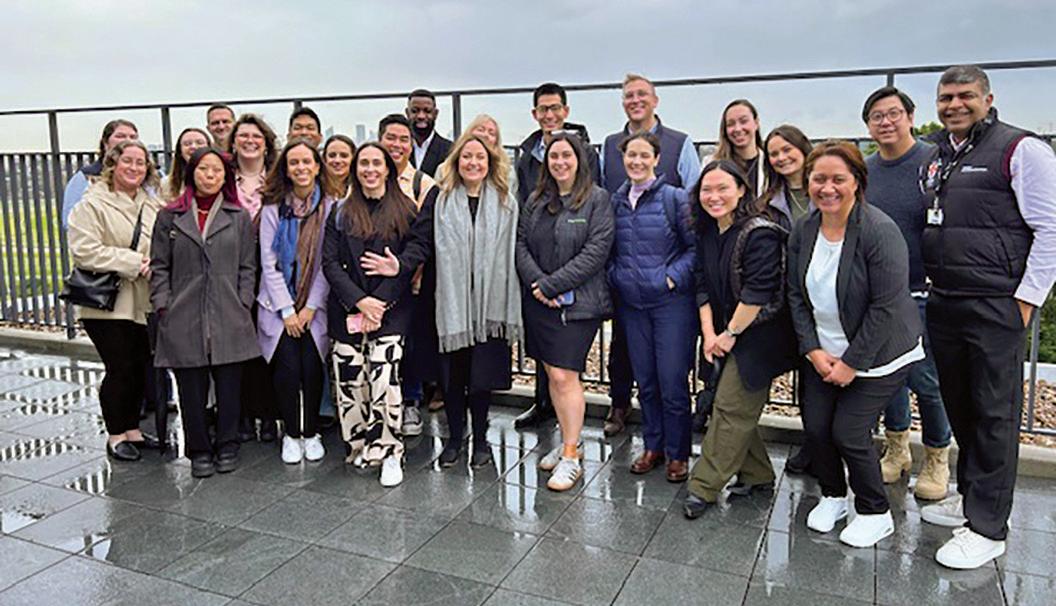
The QLD Branch APSAA end of year networking event held in November 2025 was a resounding success, and would not be possible without the generosity of hosts and sponsors. Thank you to the Student One Wharf Street team for providing their fabulous rooftop venue for the event, and thank you Constant Security for sponsoring the event. It was great to catch up with colleagues, celebrate the year that was, and introduce the newly formed APSAA QLD Regional Chapter committee.
The committee have been busy working on an online professional development event for members (currently scheduled for 19 May 2026) as well as an end-of-year networking event (currently scheduled for 14 October at one of the UQ Colleges).
Other discussions have centred around how we ‘connect’ QLD members more, given how geographically separated we are as a group. Key to this and in early
Within Australia, the South Australian and Victorian groups had been meeting informally prior to 2025 as pilot initiatives, providing a strong foundation for the broader expansion of the model. These groups, along with newly established branches in Queensland, Western Australia, and New South Wales & ACT, and the inclusion of Tasmania within the Victoria & Tasmania Branch, now support enhanced collaboration, knowledge sharing, and sector connection across the Australian regions.
discussions is an ‘invitation’ into monthly branch meetings so regionally specific challenges can be discussed within branch meetings.
MEMBERS
Andrew Eunson (Chair), Kings College – University of Queensland
Daniel Morgan, Emmanuel College – University of Queensland
Joseph Robertson, Student Accommodation – University of Southern Queensland
Maree Wilson, Campus Living Villages – Griffith University Village
Scott Musgrove, Campus Life – Griffith University
Sean Somerville, Student One


Andrew Eunson (Chair), Kings College – University of Queensland
VICTORIA & TASMANIA

The APSAA Victoria and Tasmania Branch in 2025 was in an early stage of development, with a focus on building structure, alignment, and direction while beginning to deliver targeted engagement opportunities across the region.
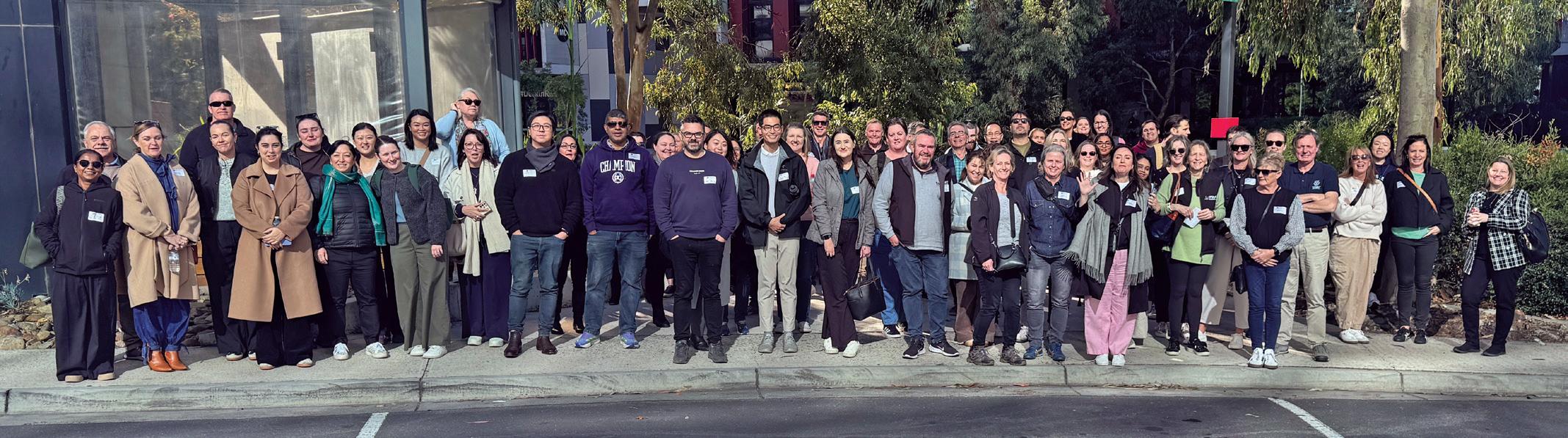
A key highlight was a successful networking event held in Melbourne in November, attended by approximately 50 colleagues from PBSA providers, residential colleges, and universities. The session created a valuable opportunity for connection across the sector and was complemented by a highly engaging student panel. This panel explored evolving expectations and lived experiences within student accommodation, with a strong focus on belonging, wellbeing, and how providers can better respond to the needs of future cohorts. The discussion provided practical insights that will help shape future programming and engagement.
Throughout the year, there was a clear emphasis on ensuring the Branch is engaging all members across the state, from smaller operators through to larger organisations, and that opportunities delivered provide meaningful value regardless of scale or operating model. With the scale of student accommodation in Victoria, there is a significant opportunity to continue driving improvements in the student experience, ultimately contributing to stronger student outcomes across the sector.
Key learnings from the year reinforced the importance of early planning, clear coordination across APSAA, and delivering formats that are accessible and relevant to a broad audience. There is also a clear benefit in creating
opportunities that balance professional insight with genuine connection across the sector.
In 2026, the focus is on building on this foundation and moving further into delivery. The Branch plans to adopt a one-day summit model similar to New Zealand, with the aim of bringing together as many members as possible for connection, collaboration, and knowledge sharing, while continuing to strengthen engagement and consistency across the region.
MEMBERS
James Hawley, Deakin Residential Services
Andrew Swan, Mannix College
Bradley Brown, UniLodge Living Group
Cassieanne Martin, Monash Residential Services
Dan Elvin, University of Tasmania
James Kelly, Ormond College
James Sharrock, Journal Student Living
Marion Grey, Deakin Residential Services
Melanie Coffey, Federation University
James Hawley (Chair), Deakin Residential Services
SOUTH AUSTRALIA
The South Australia Regional Branch has continued to provide valuable opportunities for sector connection, information sharing, and discussion across the student accommodation industry. The group brings together representatives from colleges, universities, and PBSA providers to support collaboration and strengthen regional engagement.
South Australia continues to experience strong growth in the purpose-built student accommodation (PBSA) sector, with several major developments underway or approved. Key projects include a 1,002bed development at 88 North Terrace, expected for completion in 2028, and a 645-bed development at 188–196 Grenfell Street, anticipated for completion around 2027. In addition, Journal Student Living has received approval for a new PBSA development at 274–275 North Terrace, further contributing to the future supply pipeline in Adelaide.
Journal Student Living is a new entrant to the market and may present a potential future membership opportunity for APSAA.
Across the college sector, occupancy levels remained strong throughout 2025. Some challenges were noted for returning students in relation to enrolment changes associated with the formation of Adelaide University through the merger of the University of Adelaide and UniSA, although incoming students did not experience similar impacts.
Within the university sector, Flinders Living continued to report strong occupancy and was recognised with Gold in the RES Awards.
The PBSA sector experienced temporary fluctuations in international student demand, largely driven by uncertainty associated with the university merger. Demand has begun to recover, with remaining vacancies primarily in higher-priced single studio accommodation.
The South Australian Summit was held on 12 November 2025 at St Mark’s College, focusing on gender-based violence (GBV) in anticipation of the forthcoming Code. The event attracted 43 participants and featured four presenters, providing a valuable platform for sector discussion and shared learning.
In 2026, the South Australia Regional Branch will continue to build on strong engagement across the sector. The APSAA Conference will be held in Adelaide, with significant anticipated participation from South Australian members and stakeholders. Planning is also underway for the 2026 SA Summit, with September being considered. Early discussions have identified potential themes including personal and professional development, wellbeing, career planning, effective use of LinkedIn, and values-based practice.
MEMBERS
Andrea Rohde, Flinders Living
Wendy Fleming, St Ann’s College
Tamara Agnew, St Ann’s College
Belinda Henderson, The Switch
Carolyn Mee, Lincoln College
Kate Evans, Flinders Living
Gregory Vaughton, Dwell/Epiisod
Andrea Rohde (Chair), Flinders Living
WESTERN AUSTRALIA

The APSAA Western Australia Regional Branch was formally established in August 2025, providing a structured forum for collaboration, networking, and professional development across university, college, and PBSA student accommodation providers in the state.
The Branch successfully delivered its inaugural event, the WA Insight Session and Industry Networking Event, in November 2025, hosted at UniLodge Perth Central. The event attracted strong attendance from across the Western Australian student accommodation sector and featured an update from Study Perth, a presentation on the ECU City Campus, an industry update from APSAA, and a guided tour of the UniLodge Perth Central facility. The event also formally introduced the WA Regional Branch to members and non-members, supporting sector visibility, engagement, and connection.
In addition to this flagship event, the Branch commenced monthly regional meetings, providing a regular forum for discussion of shared challenges, emerging issues, and alignment with APSAA national priorities.
During its establishment phase, three key focus areas were agreed to guide ongoing activity. These included professional development, with planning underway for state-based PD events and networking opportunities tailored to local needs; gender-based violence, supporting sector understanding and implementation of the National GBV Code and enabling shared learning across universities, colleges, and PBSA providers; and legislative and regulatory issues, including early discussion regarding the suitability of existing residential tenancy frameworks for PBSA and college environments in Western Australia.
Looking ahead to 2026, the WA Regional Branch has identified several early priorities. These include delivering regular professional development and networking opportunities, including low-barrier quarterly catch-ups and one to two half-day events, as well as hosting a dedicated GBV-focused event in the second half of the year to support sector capability, prevention approaches, and alignment with university partners. Additional priorities include strengthening member engagement through outreach to non-member providers and industry partners in Western Australia, continuing advocacy and discussion around state-based legislative and regulatory challenges impacting student accommodation, and enhancing alignment with APSAA national committees through shared insights, reporting, and contribution to broader initiatives.
Overall, the WA Regional Branch has established a strong foundation in its initial phase, with positive engagement across the sector, clearly defined priorities, and a strong commitment to supporting APSAA’s strategic objectives at a local level.
MEMBERS
Kathy-Mae Tondut (Chair), University of Western Australia
Isabella Vivas, Campus Living Villages
Marianne Smith, UniLodge Living Group
Melissa Yeo, University of Western Australia
Nadine Kurschner, Curtain University
Sascha Stone, University of Western Australia
Kathy-Mae Tondut (Chair), University of Western Australia
NEW SOUTH WALES & ACT
The APSAA NSW & ACT Regional Branch was formally established in the second half of 2025, marking an important step in strengthening APSAA’s national presence. Initial efforts focused on confirming the establishment of the Branch and fostering connections across members in New South Wales, providing a strong foundation for future engagement and activity.
Throughout 2025, the NSW student accommodation sector experienced heightened demand, ongoing development activity, and increasing operational and policy pressures. Ongoing uncertainty surrounding international student policy settings remained a key theme, with proposed student caps influencing enrolments through visa processing delays rather than legislative change. At the same time, student housing affordability continued to attract public attention, particularly within the purpose-built student accommodation (PBSA) sector, where rental costs have increased significantly compared to pre-COVID levels. Despite these challenges, New South Wales remains one of the largest student accommodation markets nationally, with approximately 34,000 beds, second only to Victoria, and continues to attract strong institutional and investor interest across metropolitan Sydney and surrounding regions.
Across the sector, activity varied by segment. Within the university sector, the NSW Government approved a $40 million, 336-bed student accommodation project at the University of Sydney, while universities more broadly faced significant financial pressures, resulting in workforce restructuring and job losses across several institutions. The anticipated introduction of Gender-Based Violence legislation, delayed from early 2025, is expected to have substantial operational implications for residential communities. No significant developments were reported within the college sector during the period.
The PBSA sector continued to demonstrate strong growth and investor confidence, with approximately 9,800 beds currently in the development pipeline across New South Wales. This sits within a broader national pipeline of up to 40,000 beds, including more than 16,300 approved, 12,500 in planning, and over 11,200 under construction. Major developments progressed throughout the year, including the completion and opening of Scape Kingsford, contributing to the emergence of a large-scale student accommodation precinct near the University of New South Wales and the National Institute of Dramatic Art. While development activity remains strong, large-scale projects continue to face planning and community engagement challenges, particularly in Sydney’s eastern suburbs. Nationally, PBSA supply is projected to reach up to 144,000 beds by 2027, with growth supported in part by government policy settings
requiring universities to demonstrate accommodation capacity in response to international student caps.
A key highlight for the region was the APSAA NSW Summit, held on 18 July 2025 at the University of New South Wales. The Summit brought together sector professionals for a day of networking and knowledge sharing, featuring a campus accommodation tour, updates from APSAA and UNSW leadership, and a presentation from StudyNSW. A panel discussion explored key sector priorities, including implementation of the National Code, support for international students, and emerging mental health trends. NSW members also actively participated in the APSAA Canberra Summit on 11 September 2025 at Australian Catholic University, contributing to discussions on student safety, wellbeing, suicide prevention, alcohol and other drug harm minimisation, and the national implementation of the Higher Education Code to Prevent and Respond to Gender-Based Violence. NSW representation featured strongly throughout the program, including participation in the Gender-Based Violence Panel Discussion and leadership contributions through APSAA’s National Board.
Due to the timing of the Branch’s establishment, no standalone NSW & ACT Branch-hosted events were delivered in 2025. However, initial engagement with members across universities and PBSA providers commenced in early 2026, positioning the Branch for increased activity and member value in the year ahead.
Building on this foundational work, the NSW & ACT Regional Branch has identified several early priorities for 2026. These include delivering branch-led networking and professional development opportunities, supporting members to interpret and operationalise gender-based violence, wellbeing, and safety standards within student accommodation settings, strengthening engagement with government and regulatory stakeholders, and encouraging greater participation in APSAA committees, events, continuing professional development programs, and accreditation initiatives.
MEMBERS
Bonnie Dixon (Chair), St Andrew’s College
Matt Ma (Vice-Chair), Australian Catholic University
Elisabeth Cunningham, Western Sydney University
Simone Gallo, Australian Catholic University
Mark Potgieter, University of Sydney
Rachel Overton, University of Canberra
Jodie Hazell, University of Wollongong
Gillian Turner, University of New South Wales
Ronald Fogarty, Australian National University


Bonnie Dixon (Chair) St Andrew’s College
Matt Ma (Vice-chair) Australian Catholic University
APSAA AWARDS 2025
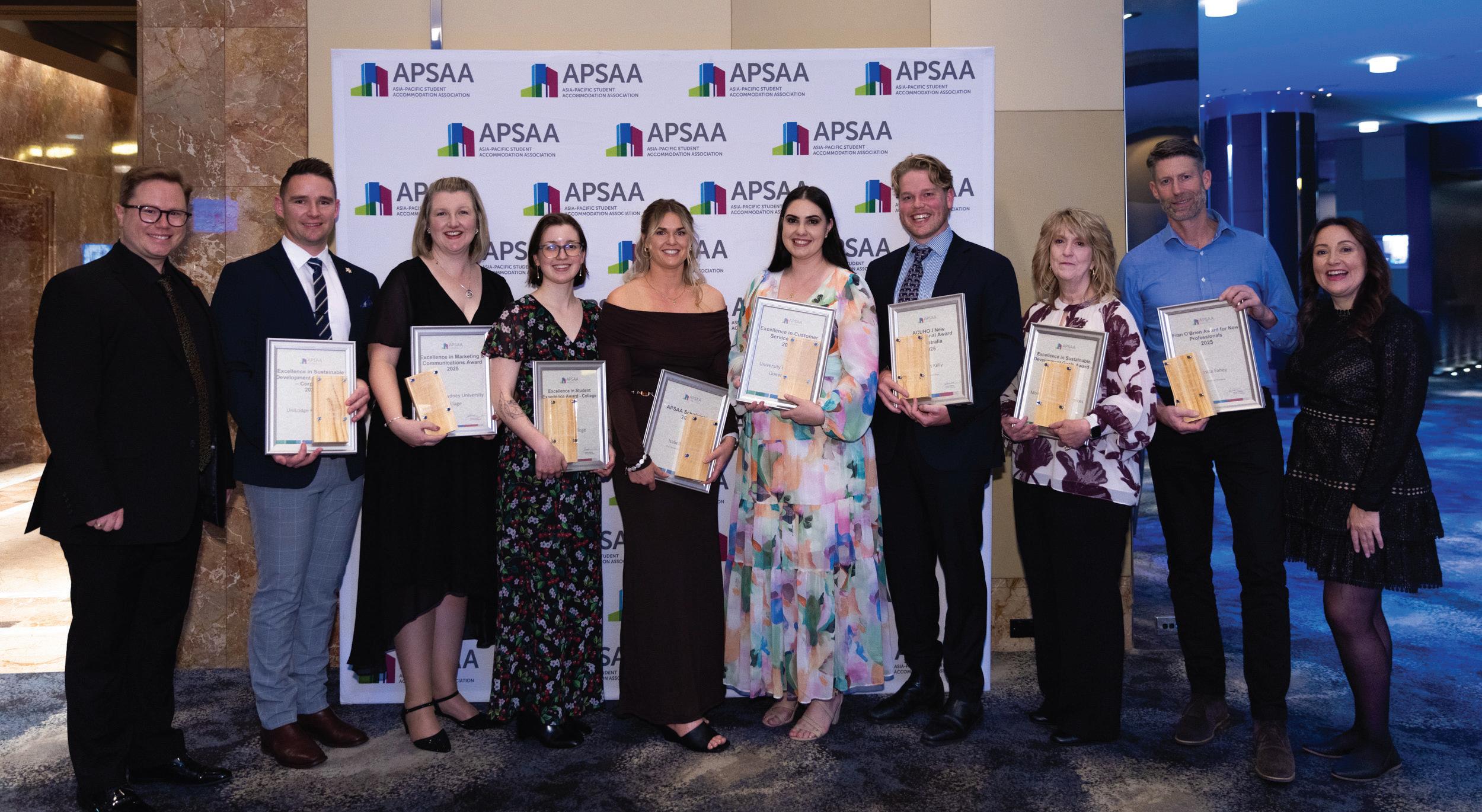
Each year, APSAA offers a range of scholarships and awards that recognise outstanding performance and innovative ideas from our members. These awards were presented at our annual APSAA Conference, held in Melbourne, Australia.
• Fran O’Brien Award for New Professionals
Jessica Fahey, University of Tasmania
• ACUHO-I New Professional Award Australia
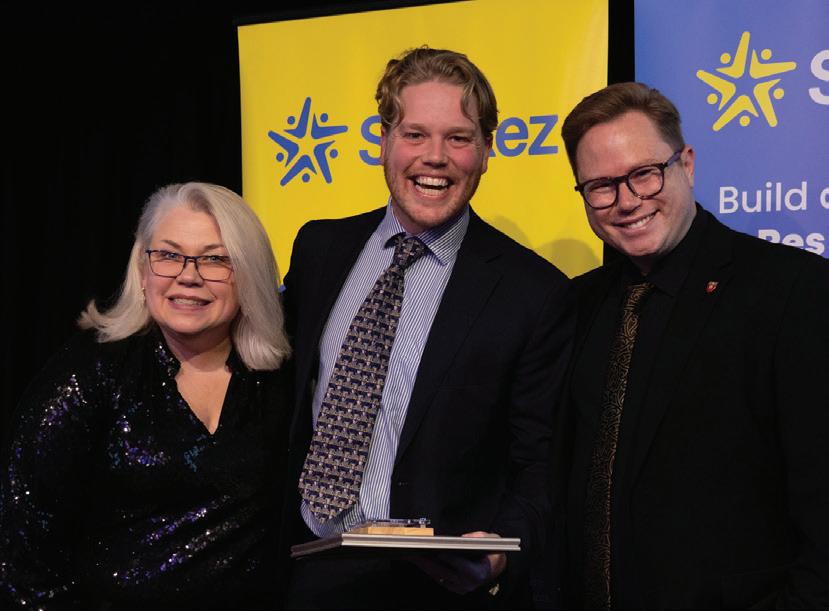
James Kelly, Ormond College
• Fred Johnson Award for Best Practice/Professional Achievement in Aotearoa
Rodney Arnold, University of Waikato
• APSAA Scholarship
Isabella Vivas, CLV, Murdoch University Village
• The Student Accommodation Journal Writers Award
Dr Jordan Bell, Lincoln College
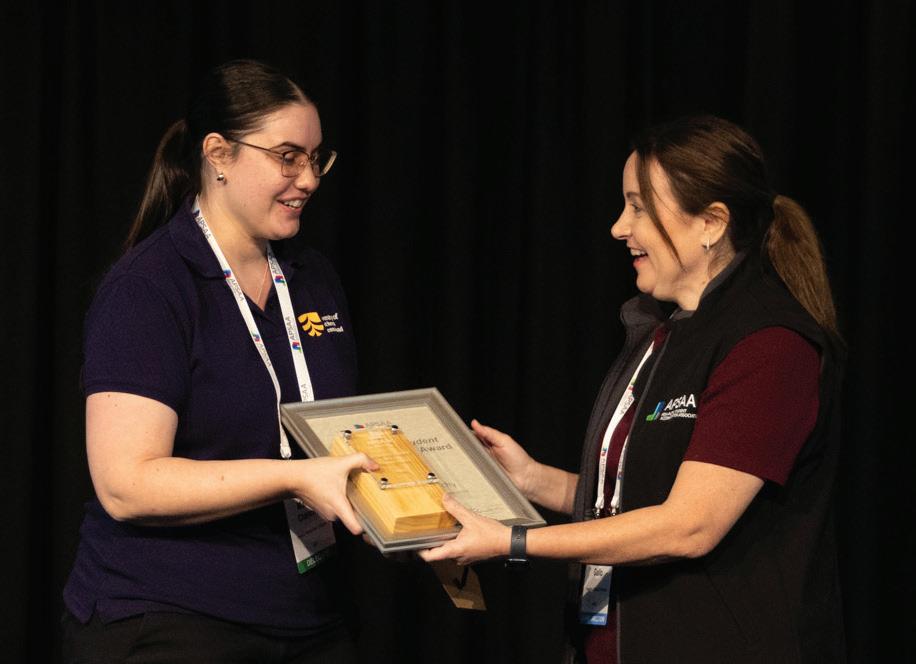
• My Favorite Student Best of Program Award
Maxine Clanchy, University of Southern Queensland
APSA A AWARDS OF EXCELLENCE 2025
APSAA EXCELLENCE AWARDS
• Excellence in Customer Service University of Southern Queensland
• Excellence in Facility Development or Management Mannix College
• Excellence in Marketing and Communications Western Sydney University Village
• Excellence in Student Experience University Taylor’s Residence
• Excellence in Student Experience College Mannix College
• Excellence in Sustainable Development Goals Corporate UniLodge Kensington
• Excellence in Sustainable Development Goals University Monash Residential Services
APSAA JOURNAL – STUDENT ACCOMMODATION
In 2025, Student Accommodation continued to serve as the official journal of APSAA, providing a dedicated platform for sharing insights, highlighting sector developments, and showcasing the work of professionals across the student accommodation industry in Australia, New Zealand and the wider Asia Pacific region.
Published quarterly, the Journal delivered a diverse range of content designed to inform, connect and support members across all areas of the sector. The 2025 editions reflected a strong focus on people, practice and progress, with contributions from across the APSAA community.
The March edition introduced a refreshed design and layout, marking the next stage in the Journal’s evolution. This issue placed a spotlight on the people within the sector, celebrating the experience and long-term contribution of members who have dedicated over a decade to student accommodation. It also featured articles on resident wellbeing, residential life programs, and APSAA’s response to the introduction of the National Higher Education Code to Prevent and Respond to Gender-based Violence.
The June edition focused on the APSAA 2025 Conference, capturing key highlights, outcomes and reflections from the event. This included a comprehensive conference wrap-up, recognition of award recipients, and insights from the study tours. The edition also featured updates from the Residential Experience Standard (RES) pilot, drawing on the experiences of participating member institutions.
In September, the Journal explored the theme Beyond Compliance: Leading Cultural Change in Student Accommodation, reflecting the sector’s shift towards

implementation of the National Code. Contributors provided practical perspectives on embedding change within organisations, strengthening partnerships with universities, and fostering safer residential environments. Regular features, including Focus on Facilities and sector updates, continued to provide visibility of developments across the industry.
The December edition centred on Supporting Resilient Residential Communities, with a focus on building resilience across both student cohorts and professional teams. This edition also marked the transition to a fully digital format, supporting APSAA’s commitment to sustainability and enabling a greater focus on content delivery and accessibility for members.
The Journal continues to be developed collaboratively through APSAA’s Communications and Engagement Committee, with contributions from members playing a key role in ensuring content remains relevant, practical and reflective of the sector.
APSAA encourages ongoing member contributions, including articles, case studies, research, and sector updates, to support knowledge sharing and professional development across the community. Advertising opportunities also remain available for organisations and suppliers aligned with the student accommodation sector.




APSAA 2025 CONFERENCE REPORT
CHARTING OUR FUTURE: REACHING FOR THE STARS
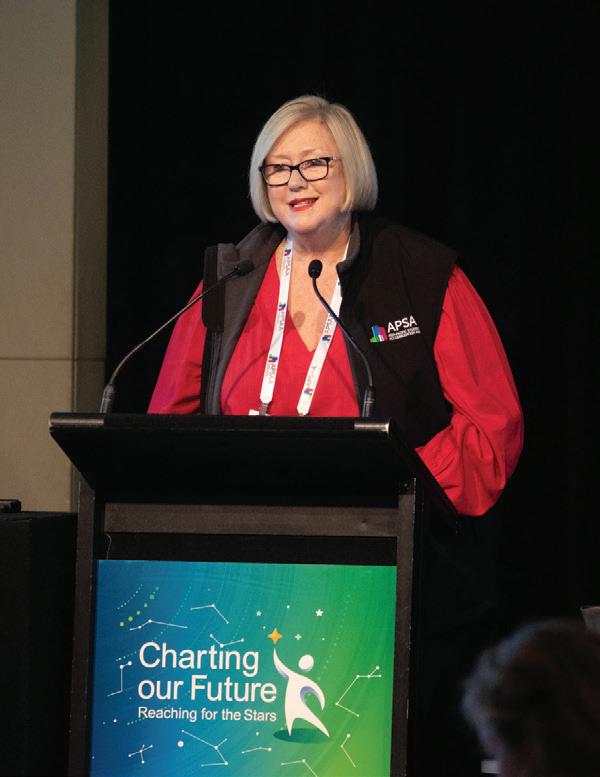
The APSAA 2025 Conference was held from 19–22 May at the Grand Hyatt Melbourne, bringing together professionals from across the student accommodation sector for four days of learning, collaboration and industry engagement.
The Conference program was designed to respond to the changing landscape of student accommodation, with a strong emphasis on strategic leadership, operational practice and sector-wide challenges. The 2025 theme, Charting Our Future: Reaching for the Stars, reflected a forward-looking agenda focused on innovation, resilience and continuous improvement.

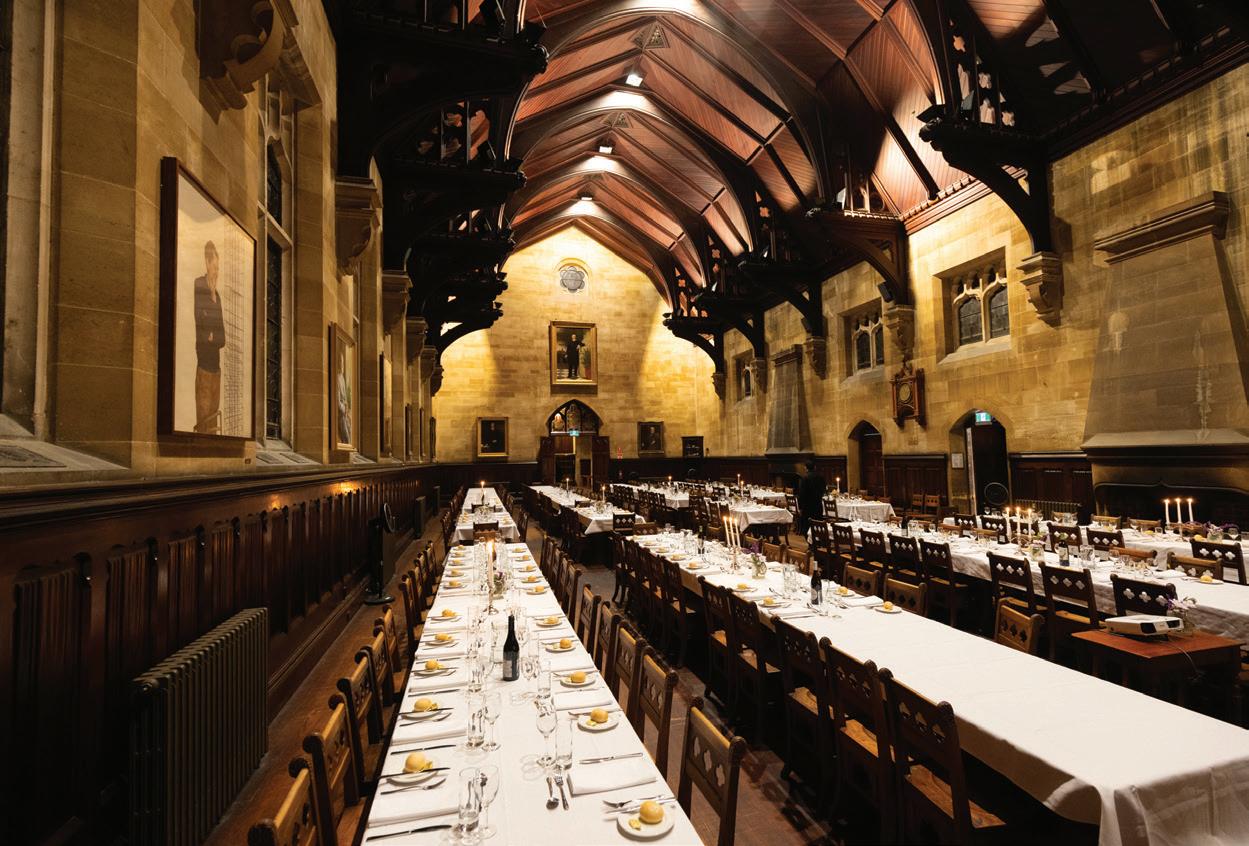
Proceedings commenced with a full-day study tour, providing delegates with the opportunity to visit a range of student accommodation facilities across Melbourne. This was followed by dedicated networking events, including the International and New Delegate Reception and Welcome Reception, which supported early connection and engagement among attendees.
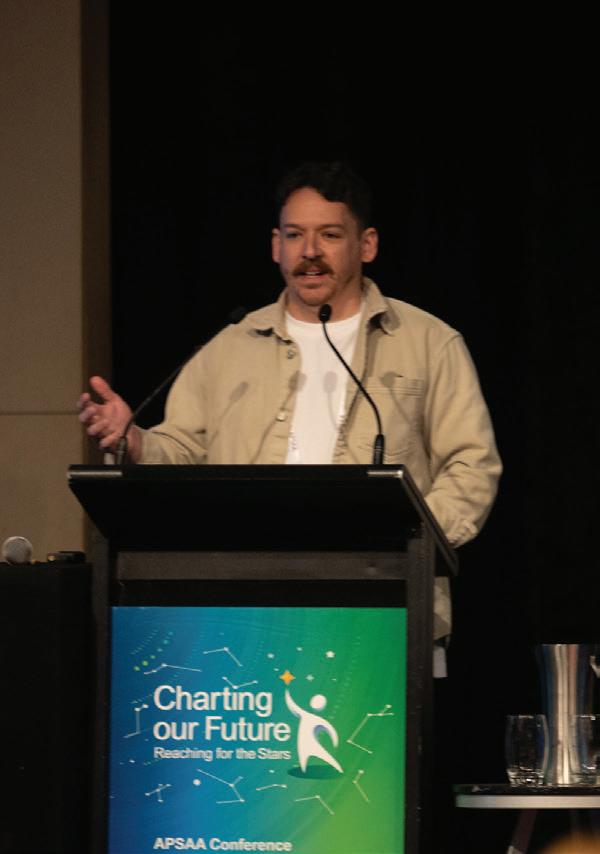
The formal Conference program opened on 20 May with a Welcome to Country and opening address, setting the context for a program that explored both policy and practice. Key themes across the program included student safety, wellbeing, and the sector’s response to gender-based violence. Presentations from sector leaders and subject matter experts provided insight into regulatory developments, emerging expectations, and practical approaches to implementation within accommodation settings.
The program also incorporated keynote and plenary sessions aimed at broadening perspectives and encouraging innovative thinking. These sessions were complemented by a range of concurrent presentations and workshops, offering delegates practical tools and strategies to apply within their own organisations. Topics spanned operational management, community
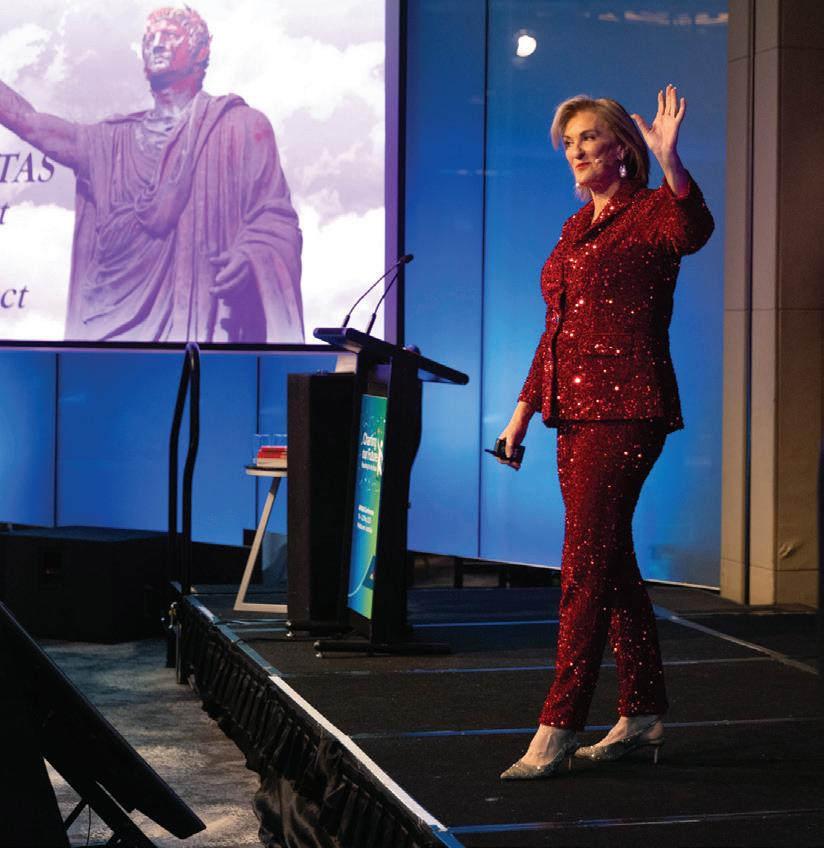
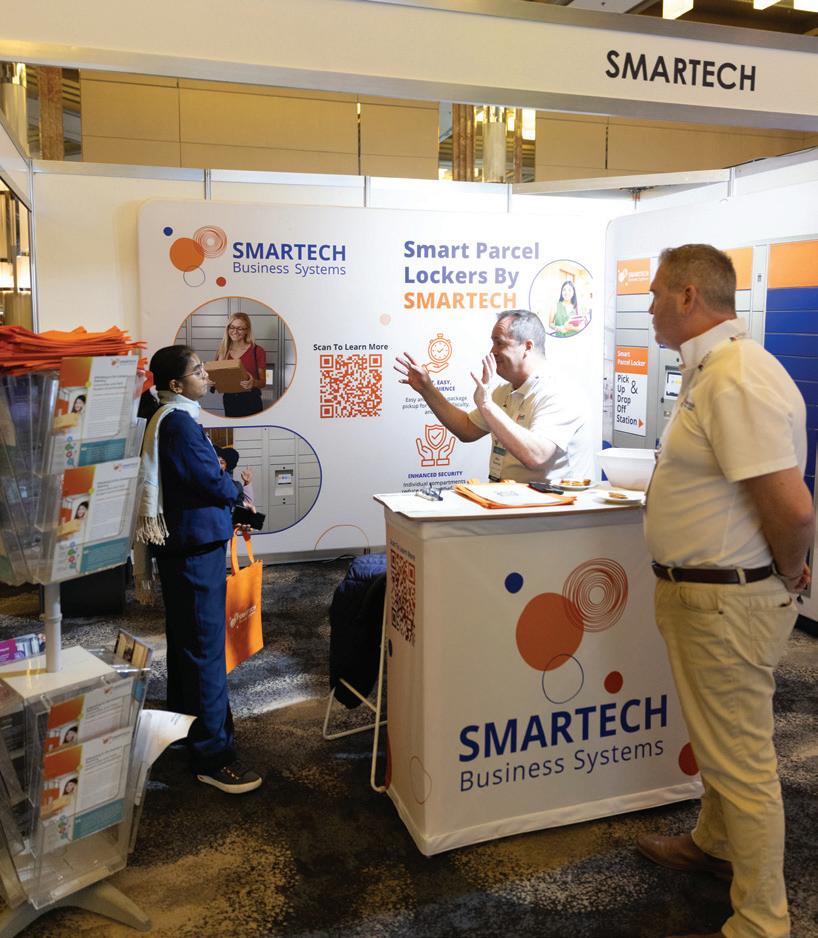
development, and staff capability, reflecting the diverse responsibilities across the sector.
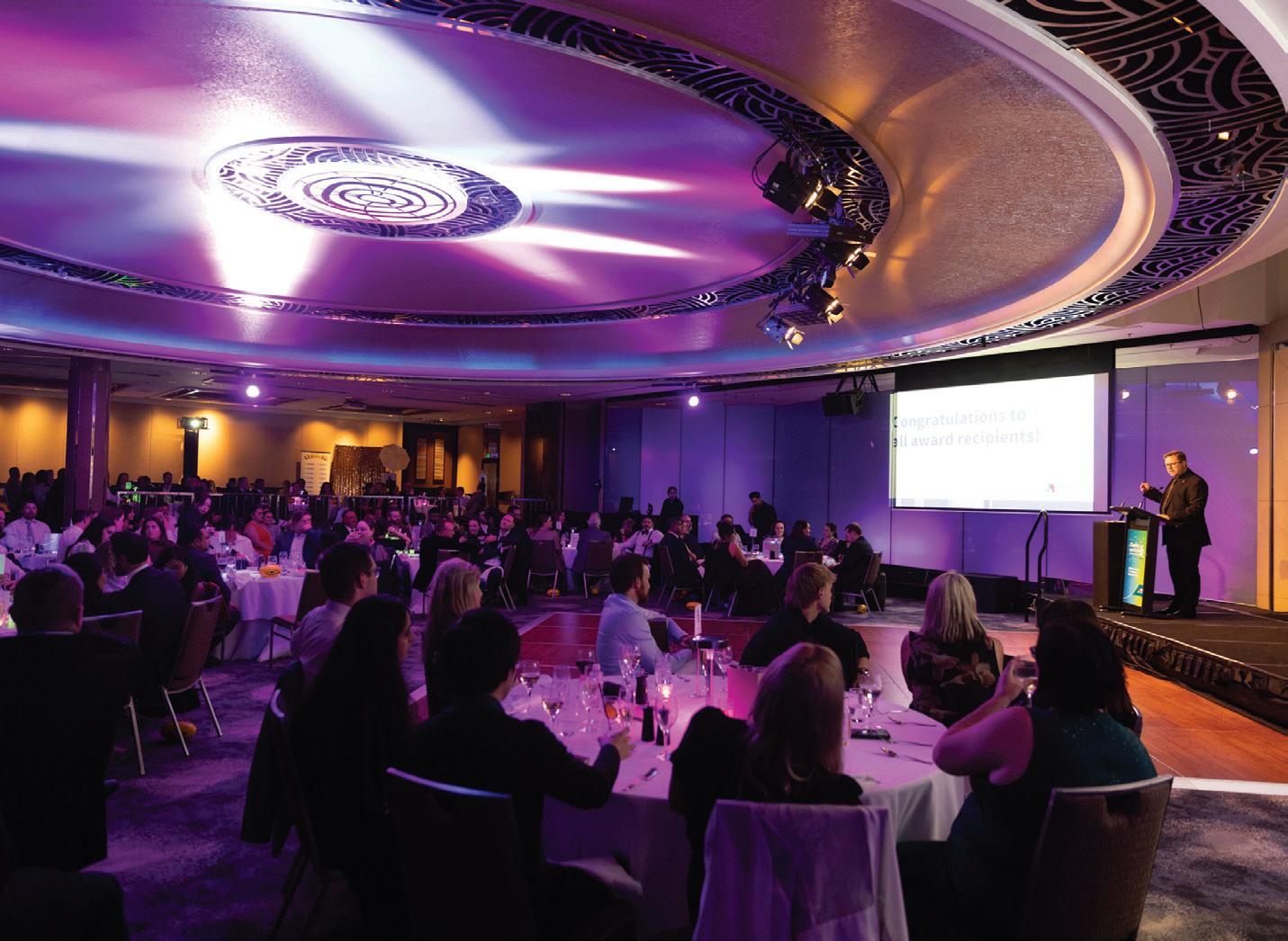
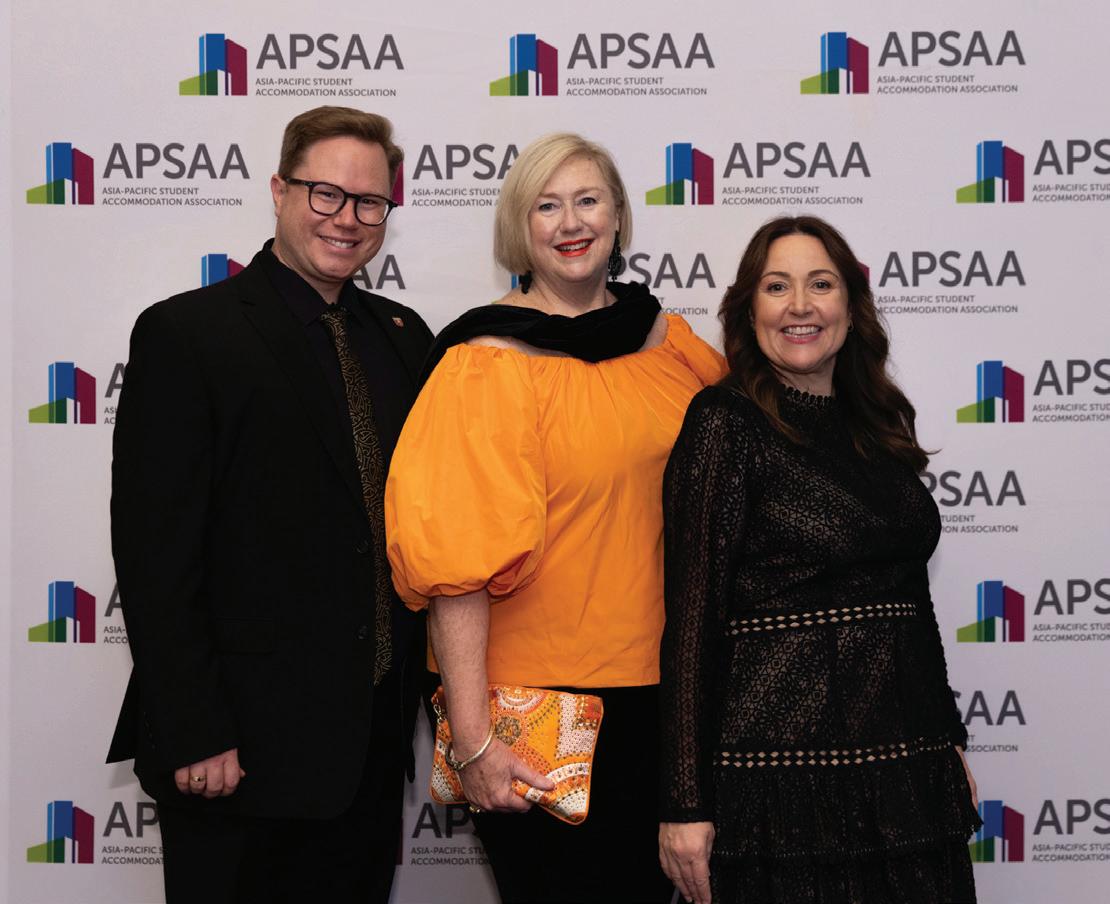
Networking remained a central component of the Conference, with a range of formal and informal opportunities for delegates to connect, share experiences and strengthen professional relationships. The Conference Dinner and APSAA Awards Ceremony provided an opportunity to recognise excellence across the sector and celebrate the achievements of individuals and teams.
Overall, the APSAA 2025 Conference delivered a comprehensive and relevant program that supported knowledge sharing, professional development and sector collaboration. The strong level of engagement throughout the event highlighted the ongoing value of the Conference as a key platform for connection and leadership within the student accommodation community.

GHTI 2025 ANNUAL REPORT
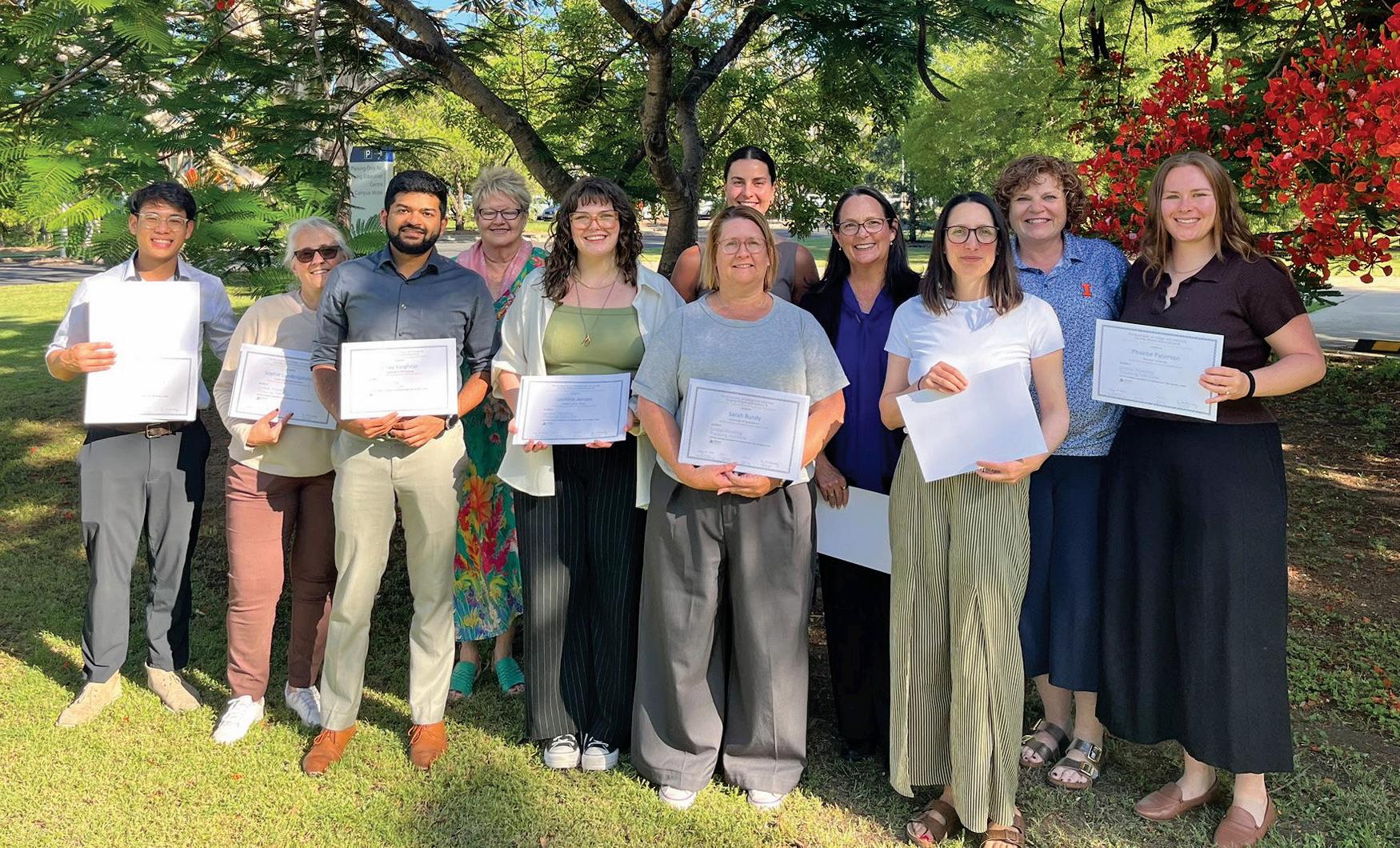
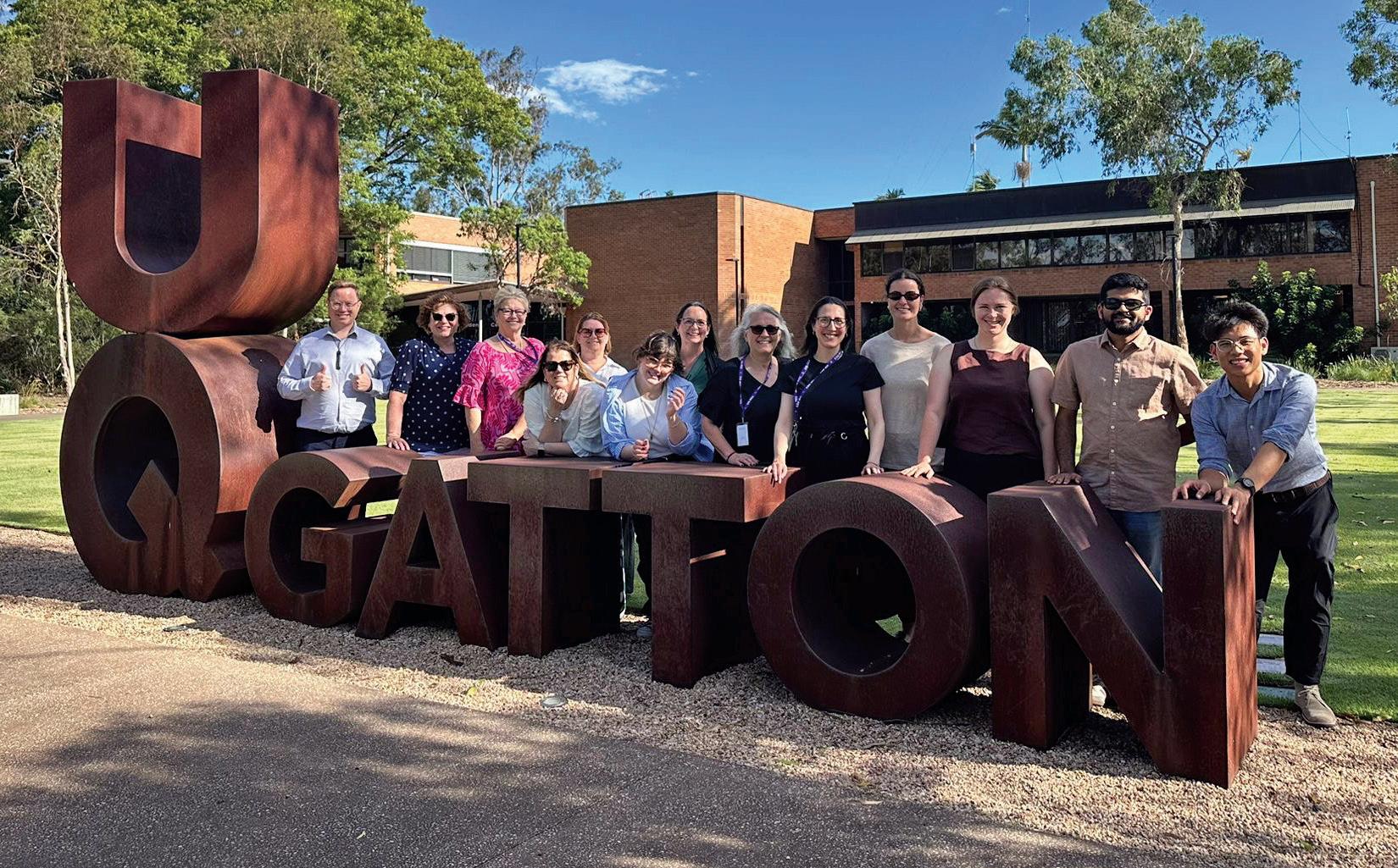
The 2025 Global Housing Training Institute (GHTI) was held from Sunday 30 November to Thursday 4 December 2025 at the University of Queensland Gatton Campus. Delivered in collaboration with Association of College and University Housing Officers-International and APSAA, the Institute brought together a small cohort of nine participants for an immersive and highly interactive professional learning experience.
The 2025 program was led by Faculty Co-Chairs Marin Grey and Ana M Hernandez, supported by faculty members Alma Sealine and Jacob Waitere. Together, the faculty brought a diverse mix of international and regional expertise across university and PBSA contexts, enriching the learning environment with a breadth of perspectives and practical insights.
The curriculum was developed collaboratively by the faculty in the lead up to the program, ensuring content that balanced operational practice with leadership development and strategic thinking. Designed to cater to varying levels of
experience, the program encouraged participants to engage deeply with key topics relevant to the evolving student accommodation sector.
Consistent with the GHTI model, the Institute emphasised active participation through a mix of individual reflection, small group work, and facilitated discussions. The smaller cohort size in 2025 enabled even deeper engagement, allowing participants to share experiences, challenge ideas, and learn from both the faculty and one another in a highly personalised setting. These discussions fostered critical thinking and often led to meaningful insights and practical takeaways.
A defining feature of GHTI continues to be its ability to build strong professional connections. The 2025 cohort developed valuable relationships, strengthening their professional networks across institutions and regions. For some participants, the Institute also served as an introduction to APSAA, providing exposure to the broader benefits of membership and the strength of the sector community.
Feedback from participants was overwhelmingly positive, with particular emphasis on the value of the intimate cohort size, the quality and accessibility of the faculty, and the opportunity to engage in meaningful, practice-based learning with peers.
As the student accommodation sector continues to evolve in response to changing student expectations and institutional priorities, opportunities such as GHTI remain critical. The Institute provides a unique and impactful platform for professional growth, collaboration, and knowledge sharing, reinforcing APSAA’s commitment to supporting the ongoing development of the sector.
STUDENT ACCOMMODATION
ESSENTIALS 2025
BUILDING CAPABILITY AND CONNECTION IN WOLLONGONG
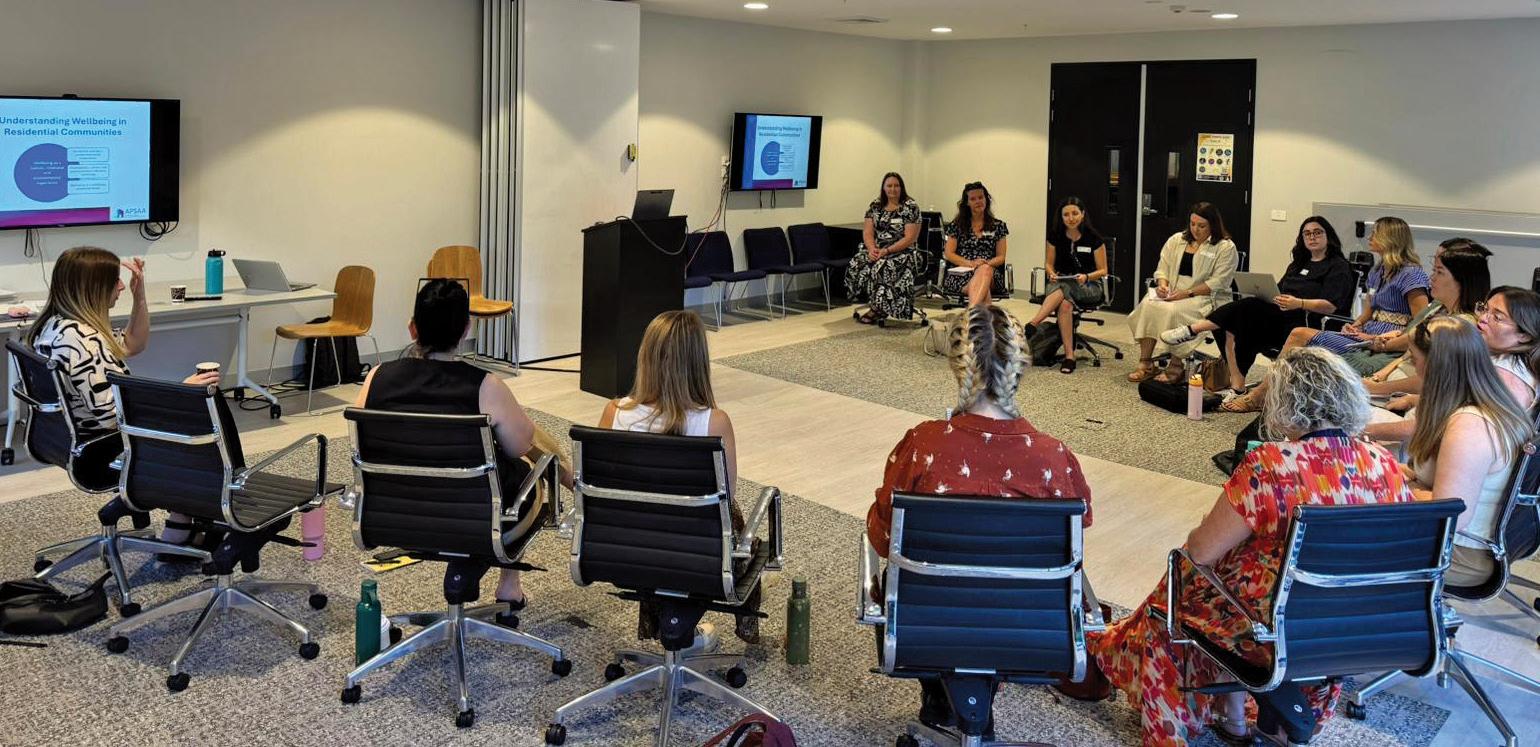
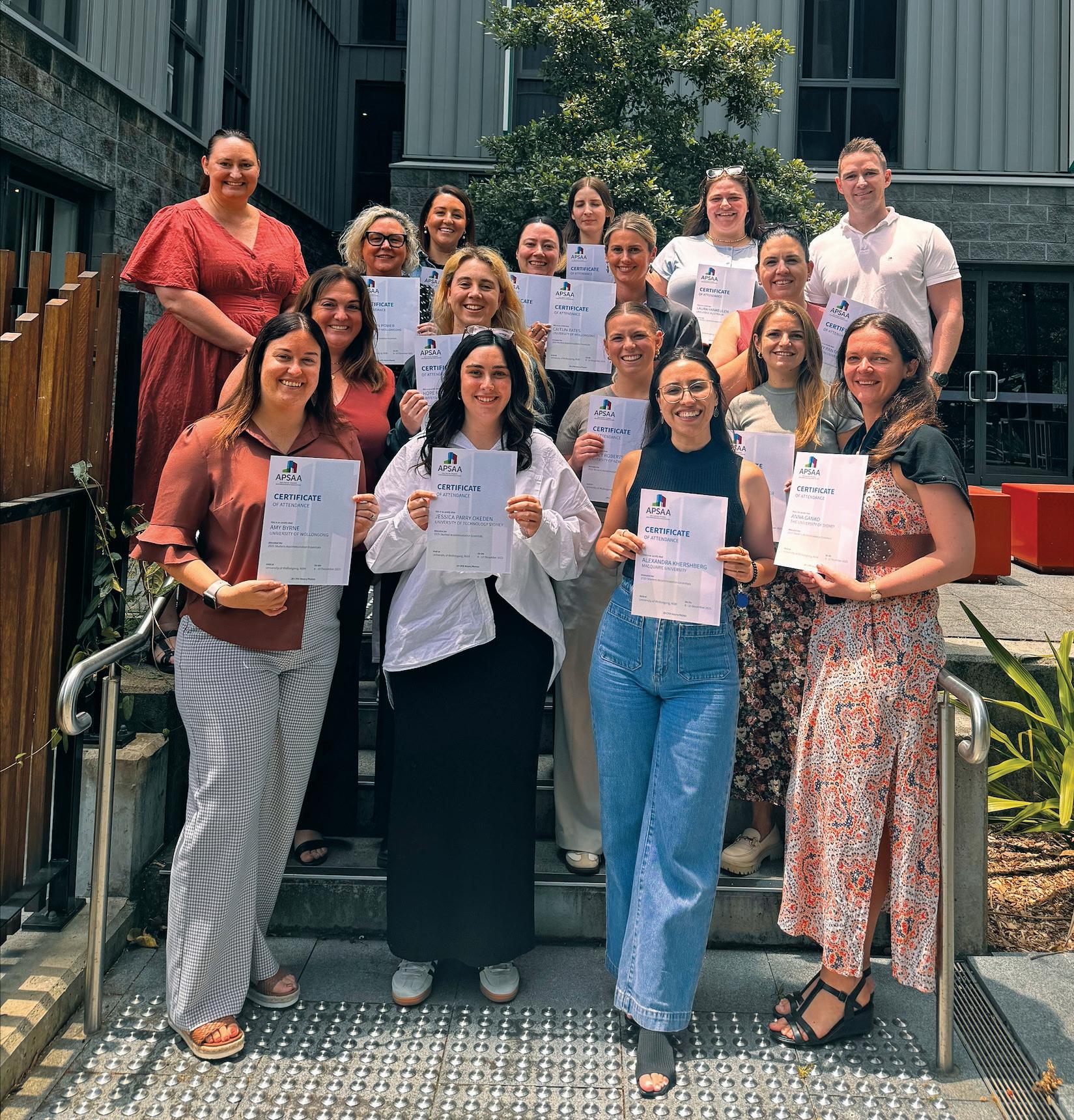
From 8–10 December 2025, Wollongong hosted the APSAA Student Accommodation Essentials (SAE) program, bringing together 14 delegates from seven institutions and organisations across New South Wales, Victoria and Western Australia for three days of practical learning, professional development and connection.
Hosted at the University of Wollongong, SAE 2025 provided new and emerging student accommodation professionals with the opportunity to build their understanding of the sector while strengthening their capability across a range of core practice areas. A particular highlight of the program was the opportunity to learn together on the beautiful Wollongong campus, set in the foothills of Mt Keira.
Chaired by Mark Potgieter and delivered with the support of Gemma Edgar and Jodie Hazell, the program combined formal learning with interactive activities, reflection and peer engagement. The opening day focused on building connection among participants, with introductions, shared experiences and an overview of the student accommodation sector, before moving into personal goal setting and networking drinks at Hemmingway Café.
Across the second day, delegates explored a range of topics essential to contemporary student accommodation practice, including wellbeing, operations, finance, maintenance and the foundations of student experience. These sessions reflected the breadth of capability required across the sector and provided participants with practical insights relevant to their day-to-day roles.
The final day centred on collaboration and reflection, with a session exploring how student experience and operations work together, followed by discussion on career pathways, personal values, professional growth and shared insights from attendees. The program concluded with graduation and a closing circle, reinforcing the value of ongoing learning and professional connection through APSAA.
Another highlight of SAE 2025 was the opportunity for delegates and faculty to connect outside the formal program through the networking event and shared dinner, helping to build relationships across institutions and strengthen the collegial spirit of the sector.
A sincere thank you to Gemma Edgar and Jodie Hazell for their support in delivering the program, and to the University of Wollongong for hosting SAE 2025. We also extend our thanks to Jodie Hazell and Vinay Varghese for assisting with hosting us on campus and helping to create a welcoming and successful event experience. Programs such as SAE continue to demonstrate APSAA’s commitment to targeted professional development and to supporting the next generation of student accommodation professionals.
Mark Potgieter APSAA Board Member & Student Accommodation Essential Chair, 2025
MEMBER BENEFITS
Working in the student accommodation sector is both complex and highly rewarding. Professionals across the industry bring expertise in leadership, operations, residential life, student wellbeing, administration, and community development, all contributing to the delivery of safe, supportive and engaging living environments for students.
APSAA recognises the significant role that student accommodation professionals play in shaping the student experience. The impact of this work extends well beyond accommodation, influencing student wellbeing, connection, and overall success during their time at university.
To support this, APSAA provides members with access to a broad range of benefits designed to strengthen capability, encourage collaboration, and support ongoing professional development. These include sector-leading conferences, targeted learning opportunities, Communities of Practice, and regular networking events that bring professionals together to share knowledge and experience.
In 2025, APSAA introduced Regional Branches, further enhancing opportunities for member engagement at a local level. These Branches provide a platform for regionally relevant connection and collaboration, including face-to-face events, knowledge sharing, and discussion of local challenges and priorities. This has enabled greater visibility of regional activity across the sector, while strengthening connections between members within and across regions.
A key benefit of APSAA membership is the opportunity to connect with peers across the region. Through conferences, webinars, workshops and Regional Branch activities, members are able to exchange ideas, explore emerging trends, and learn from both challenges and successes across the sector. These interactions continue to foster a strong and connected professional community.
Members also benefit from access to sector resources, industry guidelines, and a network of experienced professionals who can provide insight and support across a range of operational and strategic areas. APSAA’s partnerships and collaborations, both within Australia and internationally, further enhance the value of membership by connecting members to broader industry perspectives and best practice.
The strength of APSAA lies in its community. The relationships built through membership are enduring, supporting both individual development and the continued advancement of the student accommodation sector.
Benefits of APSAA Membership include:
COMMUNICATION:
• Student Accommodation Journal – the official quarterly journal of the student accommodation industry – available as an e-book for all members
• Monthly e-newsletter – with latest news and events relevant to the student accommodation industry – emailed to all members.
• Social Media - APSAA is active on 3 social platforms with emphasis on LinkedIn, providing direct updates on events, opportunities and news.
• Sector communications – on The National Higher Education Code to Prevent and Respond to Gender-based Violence – APSAA provides regular communications, updates, and guidance to members regarding the implementation and implications of The National Higher Education Code to Prevent and Respond to Gender-based Violence, supporting sector understanding and consistent application across student accommodation providers.
APSAA EVENTS:
• APSAA Annual Conference – Institution and Corporate Membership includes one complimentary registration to this event. The 2025 Conference was held in Melbourne, Australia.
• APSAA/ACUHO-I Global Housing Training Institute (GHTI) – A high-quality professional development program designed for advancing professionals in the sector. Discounted registration is available for APSAA members.
• APSAA Student Accommodation Essentials – A foundational program designed for new professionals entering the sector, providing a broad understanding of student accommodation operations and practice. Discounted registration is available for members.
• APSAA Regional Events – With the introduction of APSAA Regional Branches in 2025, a series of face-to-face events were delivered across Australia and New Zealand, providing enhanced local engagement, networking, and insight into regional sector priorities and activity.
• APSAA Speaker Series Webinars – A series of four webinars per year focusing on emerging trends, contemporary challenges, and key topics across the sector. These sessions are free for APSAA members.
• APSAA Communities of Practice in Mental Health – A targeted webinar series introduced in 2025, delivering four sessions per year focused on mental health, wellbeing, and related student support challenges within residential settings. These sessions are free for APSAA members
CONTINUING PROFESSIONAL
DEVELOPMENT – RESOURCES, OPPORTUNITIES AND RECOGNITION:
• APSAA on Demand – recordings of over 55 hours of educational content – from past webinars and online symposiums – offering valuable industry knowledge across a range of topics – available FREE to all members.
• APSAA Resources – include best-practice Industry Guidelines and an online resource centre including past conference papers.
• Webinars – we now have ‘Communities of Practice in Mental Health’ as well as ‘Speaker Series’ which are both held quarterly, live and online, with subject matter experts delivering thought provoking presentations, available FREE to members.
• Networking – face to face opportunities to network with industry professionals across all Australian states and regional areas and in New Zealand and Asia.
• CPD Program – designed to acknowledge and recognise the contribution and involvement of members in activities and programs across the broad spectrum of work within the student accommodation industry.
• Awards and Recognition – APSAA awards and scholarships are presented annually. They provide international travel opportunities and recognition of new professionals to the industry.
APSAA JOBS BOARD
Access to job listing opportunities and the ability to post job listings.
COMMITTEE & REGIONAL BRANCH INVOLVEMENT
APSAA invites members to contribute to its ongoing success through involvement in its committees, including Professional Development, Communications & Engagement, Research & Knowledge, and the Conference Committee. In addition, APSAA established Regional Branches in 2025 to strengthen local engagement and collaboration. These include the Aotearoa Regional Branch in New Zealand, and the following Australian branches: New South Wales & ACT, Queensland, South Australia, Western Australia, and Victoria & Tasmania.
CONNECTION TO NATIONAL AND INTERNATIONAL ORGANISATIONS
APSAA maintains an affiliation agreement with ACUHO-I and maintains affiliation agreements with multiple organisations relevant to student accommodation including CUBO, ISANA, IASAS, NAAUC, UCA and Universities New Zealand.
MEMBERSHIP TYPES
VOTING MEMBERSHIP TYPES
Institution Membership
Any tertiary education institution in Australia, New Zealand or South East Asia that provides Student Accommodation facilities may apply to become an Institution Member. Membership includes one complimentary* conference registration, for the following year’s conference. Institution membership provides membership for all staff working within student housing in the Institution.
Corporate Membership
Any organisation that is a Student Accommodation provider with multiple facilities across Australia, New Zealand or South East Asia and does not have affiliation to any one tertiary education institution, may apply to become a Corporate Member. Membership includes one complimentary* conference registration, for every 3,000 beds, for the following year’s conference. Corporate membership provides membership for all staff working within student accommodation in the Corporate’s operations.
Individual Membership
Any individual working in the field of Student Accommodation who does not already receive benefits via an Institution or Corporate membership may apply to become an Individual Member. Where an individual is working at an Institution or Corporate in student accommodation, they may apply for individual membership for a maximum of 1 year during a 5-year period.
NON-VOTING MEMBERSHIP TYPES
Institution Membership – Developing Nations
Introduced in 2023 for Student Accommodation providers in developing nations within the Asia Pacific region. Developing Nation is as defined by the Australian Department of Foreign Affairs & Trade. This membership category provides membership for all staff working in Student Accommodation at the Institution, and all staff receive access to APSAA events at members prices, access to member pages of APSAA website, as well as access to digital version of the Student Accommodation Journal. Membership is for the calendar year.
Industry Affiliate (Individual)
Any individual with no commercial interest in the Student Accommodation industry, nor an employee of an organisation with a commercial interest in the Student Accommodation industry.
Industry Affiliate (Individual) members receive member rates to APSAA events, receive e-newsletters, and a copy of our quarterly journal – Student Accommodation.
Industry Affiliate (Corporate)
An organisation with a commercial interest in the Student Accommodation industry. Industry Affiliate (Corporate) members receive member rates to APSAA events, receive e-newsletters, and up to five (5) copies of our quarterly journal – Student Accommodation.
* Conference attendee to be nominated prior to early-bird registration; Institution/Corporate member must have paid full year membership fee


As a member, your organisation and team have access to:
Professional Growth & Recognition
50+ hours free on APSAA On Demand
Annual Conference
Quarterly webinars + discounted training (inc GHTI & Student Accommodation Essentials)
Awards & Scholarships to showcase excellence
CPD Program to formally recognise your contributions
Connection & Networking
One free Annual Conference registration per Institution or Corporate membership (Adelaide, May 2026)
Member discounts for conferences, summits & networking events
Get involved through committees & working groups
Be part of a community across Australia, New Zealand & Asia
Industry Knowledge & Resources
Quarterly Student Accommodation Journal
Monthly e-newsletter and regular LinkedIn updates
Access to best-practice guidelines, resources, and past conference papers
Insights from the Residential Experience Standard –benchmarking 120,000+ students across 20+ institutions
Advocacy & Influence
APSAA represents the sector
Affiliated with leading international organisations including ACUHO-I, CUBO, ISANA, IASAS, Universities New Zealand, and University Colleges Australia
APSAA is the peak industry body for providers of post-secondary student accommodation across the Asia–Pacific region.

1991-2026
APSAA has spent 35 years building a connected and professional community, linking members with resources, networks, and partners that add real value to their work.
APSAA LIFE MEMBERS
Life membership may be awarded to members who have given outstanding service to the Association.
The following members have been recognised with this honour:
2000 Joe Massingham, Wright College
2011 Gary McLaughlin, Flinders University
2015 Colin Marshall, Federation University
2015 Simon Scott, University of Queensland
2015 Sean Brito-Babapulle, Mannix College
2016 David Holmes
2016 Edwina Ellicott, University of Wollongong
2016 Cate Macnamara
2019 Vincent Wilson, Deakin Residential Services
2024 Marion Grey, Deakin Residential Services
PREMIUM PARTNERS


AFFILIATIONS







Email: admin@apsaa.org.au
apsaa.org.au