


When you are a Medicare insurance beneficiary, it can limit which doctors and hospitals you are permitted to see under your plan. Let’s dive into the details!
In general, most hospitals and doctors are willing to accept Traditional Medicare. From my experience, those doctors who do not accept Medicare AT ALL are usually in the Primary Care Physician field and are typically independent doctors. This is a small percentage of doctors, not the majority.
Many doctors that accept Medicare insurance will put a limit or “cap” on the amount of Medicare insurance patients they will see. This is because they want to reserve space for patients with employer coverage, and other coverages which can pay them more for their services. When you encounter a doctor with a Medicare patient “cap”, don’t take it personally, it’s a business decision. I do understand it can be frustrating, especially when they come highly rated and you can’t use them.
On the other hand, if you are on a Medicare Advantage plan, your access
to healthcare depends on the list of contracted doctors and hospitals- called a network. The doctor and hospital network can and will vary per Medicare Advantage carrier and plan. HMO networks are local geographic networks, whereas PPO networks are national networks. This network design should be a consideration when choosing a plan.
Medicare Advantage networks have come a long way over the past decade and are now widely accepted among doctors and hospitals, but your list of providers should be analyzed prior to enrolling into a plan.
Next time you need help combing through the details of the doctor and hospital networks, or would like help choosing your next Medicare insurance plan, turn to SeniorSource Medicare Solutions.
We offer our Medicare insurance expertise at $0 cost to you and would be delighted to be your Medicare insurance broker. Locally based in Alpharetta, give us a call today at (770) 913-6464 or send us a message through our website at SeniorSourceMedicare.com/ contact-seniorsource.
Brought to you by – Premier Dermatology
For as long as humans have had noses, we’ve had reasons to repair them. The nose sits at the center of the face, essential not just for breathing, but for identity. The history of nasal reconstruction is therefore not just a surgical story—it is deeply human, shaped by conflict, disease, and ingenuity.
One of the earliest chapters begins in ancient India, around 600 BCE. In some regions, nasal amputation was used as punishment for theft or adultery. This harsh practice drove innovation. Surgeons developed a method to rebuild the nose using a pedicled facial flap—the “Indian method” of nasal reconstruction. This technique is attributed to Sushruta, often considered one of the fathers of surgery. In these descriptions, a facial flap of tissue is measured, raised while maintaining a living attachment for blood supply, and transferred to reconstruct the nose, with small tubes used to preserve the airway during healing.
Over time, this tradition evolved into what is most closely associated with the modern forehead flap. Today, a segment of forehead skin is elevated on a preserved arterial supply, left attached at its base, and rotated down to reconstruct the nasal tip. In modern Mohs and reconstructive surgery, it remains a cornerstone technique after skin cancer removal and one of the most reliable methods for complex nasal defects.
From ancient India, the narrative jumps forward two millennia. But what about Greece? What about Rome?! Didn’t Rome invent everything?
There is little evidence of formal nasal reconstruction in classical antiquity. Aulus Cornelius Celsus described facial wound care and basic repair but not structured reconstructive nasal surgery. When nasal reconstruction re-emerges in Europe centuries later, it is better understood as rediscovery rather than continuous tradition.
So, indeed, we fast forward 2000 years from ancient India.
In the Renaissance and early modern period, nasal deformities became more common due to trauma and disease. Syphilis was especially destructive, eroding nasal structures and leaving profound disfigurement. This increased interest in both reconstruction and prosthetic solutions.

Artificial noses—made from leather, metal, or wax—allowed patients to return to society with some degree of normalcy and laid the groundwork for modern facial prosthetics.
In the 1500s, Gaspare Tagliacozzi developed the “Italian method” of nasal reconstruction, transferring skin from the arm to the nose in a staged fashion. Though innovative, his work was later abandoned for centuries due to technical limitations such as a lack of modern anesthesia and antisepsis and also due to social and religious objections.
The next major leap came from war. World War I produced devastating facial injuries, forcing rapid innovation. Harold Gillies refined skin flaps, introduced staged reconstruction, and emphasized both function and appearance—principles that remain central today. World War II further advanced reconstruction through improved anesthesia, antibiotics, and surgical planning.
In the 20th century, the ancient forehead flap evolved into the modern paramedian forehead flap. A segment of forehead skin is elevated on a preserved arterial supply just lateral to the midline, kept attached at its base, and rotated to reconstruct the nasal tip. In modern Mohs and reconstructive surgery, it remains a foundational technique after skin cancer removal.
In recent decades, nasal repair has entered a more precise era. In dermatologic surgery, particularly Mohs surgery, cancer can be removed with microscopic accuracy while preserving healthy tissue. Reconstruction then restores contour and function using techniques such as the paramedian forehead flap, skin grafts and an assortment of elegant and innovative flaps. However, Mohs surgery often allows for so much tissue preservation that many wounds can close in a much simpler linear fashion further enhancing postoperative results.
From ancient punishment to modern cancer care, nasal reconstruction reflects restoration— of form, function, and confidence. It is also a story of trust. Patients facing facial cancer entrust their health and their identity to their surgeon. Modern techniques now allow us to restore not only structure and function but also the sense of wholeness that comes from having one’s identity preserved.
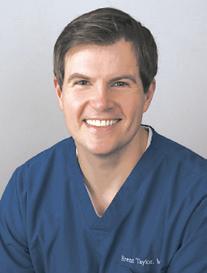
Dr. Brent Taylor is a Board-Certified Dermatologist, a Fellowship-Trained Mohs Surgeon, and is certified by the Board of Venous and Lymphatic Medicine in the field of Vein Care.
He is an expert in skin cancer and melanoma treatment, endovenous laser ablation, minimally invasive vein procedures and cosmetics procedures such as Botox and injectables.
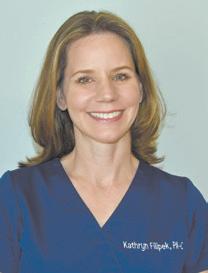
Kathryn is a certified physician assistant with over 23 years experience as a Dermatology PA and cosmetic dermatology.
Her specialties include general dermatology such as acne, eczema, rashes, hair loss, full body skin exams, abnormal growths etc. Kathryn also specializes in cosmetic dermatology including lasers, injectables, micro-needling, PRP, facial peels, sclerotherapy for spider veins and at home skin care.




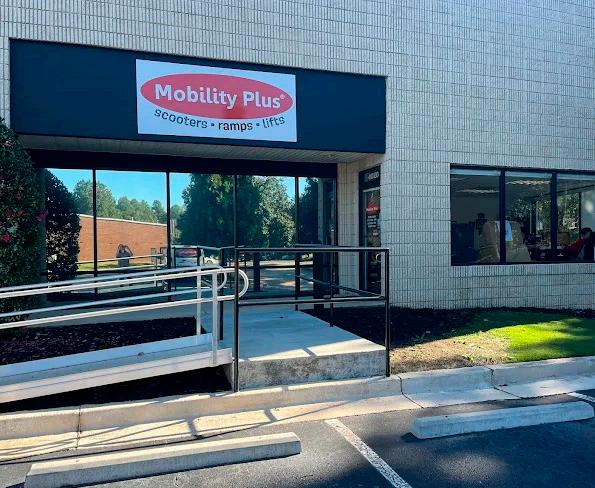
Brought to you by – Mobility Plus Alpharetta
Consumers shopping for mobility equipment often focus on price first. But when it comes to products like rollators, mobility scooters, and power wheelchairs, buying from a local dealer can provide long-term value that online retailers often cannot match.


Local mobility dealers offer personalized service that begins before the sale even happens. Customers can test-drive scooters, sit in wheelchairs, and compare rollators in person to ensure the equipment fits their lifestyle, body type, and home environment. That hands-on experience can help prevent costly mistakes and returns.
“Mobility equipment is not onesize-fits-all,” says Mary Block, owner of Mobility Plus Alpharetta. “A product that looks good online may not work for a customer’s physical needs, physical proportions or living space. For example, rollators and lift recliners come in about six different sizes. It is impossible to understand fit through a screen.”
Another major advantage is professional setup and training. Local dealers typically assemble equipment, adjust seating and controls, and teach customers how to safely operate their new device. This can be especially important for seniors and individuals with limited mobility who may struggle with complicated instructions or heavy equipment deliveries and disposal of
packaging materials.
Service after the sale is another key benefit. When repairs, maintenance, or warranty work are needed, local providers can often respond quickly with in-house technicians and replacement parts. Online purchases may require customers to ship equipment back to a warehouse or navigate the customerservice labyrinth.
Many local dealers also work directly with physicians, and occupational therapists to help customers obtain the right equipment and insurance documentation. That guidance can simplify a process that may otherwise feel overwhelming. Dealers are aware of what insurance covers and what it excludes so that the customer can make a fully informed decision.
While online retailers sometimes advertise lower prices, consumers should also consider hidden costs such as shipping fees, assembly challenges, repair delays, and limited customer support. In many cases, the long-term reliability and peace of mind offered by a local dealer outweigh small upfront savings.
As demand for mobility products continues to grow with an aging population, industry experts encourage consumers to think beyond convenience and prioritize service, safety, and ongoing support.
Visit Mobility Plus Alpharetta for your investment in independence, confidence, and quality of life!



Brought to you by – Senior Source Medicare Solutions
When you are a Medicare insurance beneficiary, it can limit which doctors and hospitals you are permitted to see under your plan. Let’s dive into the details!
In general, most hospitals and doctors are willing to accept Traditional Medicare.
From my experience, those doctors who do not accept Medicare AT ALL are usually in the Primary Care Physician field and are typically independent doctors. This is a small percentage of doctors, not the majority.
Many doctors that accept Medicare insurance will put a limit or “cap” on the amount of Medicare insurance patients they will see. This is because they want to reserve space for patients with employer coverage, and other coverages which can pay them more for their services. When you encounter a doctor with a Medicare patient “cap”, don’t take it personally, it’s a business decision. I do understand it can be frustrating, especially when they come highly rated and you can’t use them.
On the other hand, if you are on a
Medicare Advantage plan, your access to healthcare depends on the list of contracted doctors and hospitals- called a network. The doctor and hospital network can and will vary per Medicare Advantage carrier and plan. HMO networks are local geographic networks, whereas PPO networks are national networks. This network design should be a consideration when choosing a plan.
Medicare Advantage networks have come a long way over the past decade and are now widely accepted among doctors and hospitals, but your list of providers should be analyzed prior to enrolling into a plan.
Next time you need help combing through the details of the doctor and hospital networks, or would like help choosing your next Medicare insurance plan, turn to SeniorSource Medicare Solutions.
We offer our Medicare insurance expertise at $0 cost to you and would be delighted to be your Medicare insurance broker. Locally based in Alpharetta, give us a call today at (770) 315-8145 or send us a message through our website at SeniorSourceMedicare.com/ contact-seniorsource
Paige Gorman Agent

Appen Media Group publishes 7 award winning publications, home-delivered, with a combined circulation of 114,000 every week* and is the #1 source for hyper-local news in the areas we serve.
Are you a business owner/manager looking to increase sales & gain new customers/clients?
Learn how to reach this attentive and affluent audience with a customized marketing plan just for you!
Call 770-442-3278 or email: advertising@appenmedia.com to get started!

*Decaturish Ink currently publishes on the 2nd & 4th Thursdays of every month. All other publications publish every Thursday.