

PHOTO DUNCAN BROWN

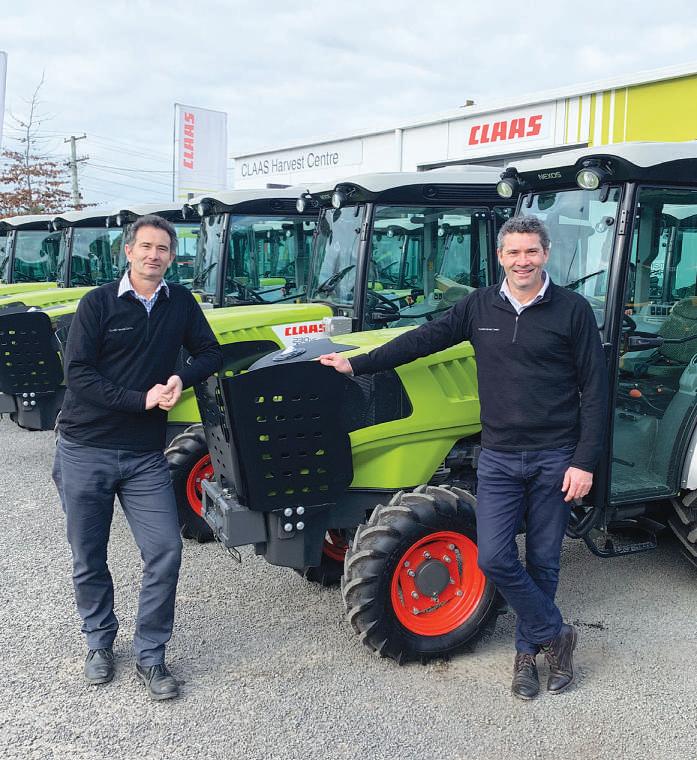
sk Glenn Dear, the managing director of family owned CLAAS Harvest Centre Hawkes Bay, exactly what it is they do, and you best be prepared to settle in for a long chat On their sprawling Omahu Road site across four buildings, you’d be surprised by the range of equipment and capabilities on show
As New Zealand’s only independent dealer in the Landpower network, the business encompasses many facets which dovetail together to offer an all-in-one service to their diverse customer base
First and foremost, the business is a CLAAS Harvest Centre providing sales and after sales support to their customers in the agricultural, horticultural and viticultural sectors for the full range of CLAAS and AMAZONE machines
It’s not uncommon to see a 20-ton CLAAS Lexion combine harvester, or GRIMME potato harvester lined up beside a 3 ton Nexos orchard tractor or an imposing AMAZONE Pantera boom sprayer With a dedicated sales team and a workshop team of a dozen mechanics, the CLAAS Harvest Centre has the capability to keep well over a thousand customer machines on the go, particularly crucial over the busy harvest season which runs from October to May due to the breadth of sectors and growers that they support
The other side of the business – Deartech –is centered around their agritech engineering capability which is a centre of excellence for product research and development The business was started by the current owner ’ s father, Tom Dear, over 50 years ago, and has a reputation for delivering robust, well desigsned and bespoke engineering solutions for their customer’s varying needs
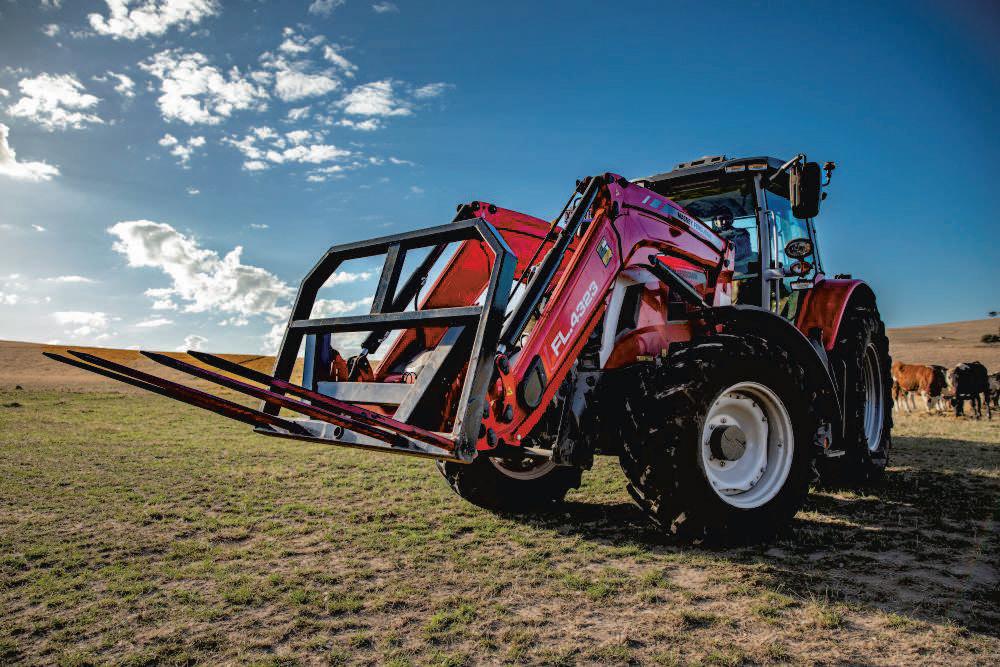
Examples of the products they design and build include squash harvesters, apple bin shifters, pruning sweeps, under vine mowers
and trailers amongst a host of other products
In addition the seven person engineering team provide general engineering services to many businesses across Hawke’s Bay and beyond
The business also participates in joint ventures that leverage Deartechs capabilities and experience like Edge a silage treatment product and applicator package for grass and maize forage preservation and superior ensiling with wet forage products to produce higher ME & digestibility forage
Another leg of the business, run by Glenn’s brother and co-owner Lance is the BioVapor brand Originally developed as a disease and frost fighting machine for vineyards, over time the product has morphed into becoming a world first non-chemical fumigation system for imported goods such as used motor vehicles
Biovapor machines play an important role in our biosecurity ecosystem and border protection, particularly combating BMSM (stink bug) from entering New Zealand and are deployed in Japan and New Zealand
Deartech is also the exclusive New Zealand importer and distributor for Netherlands based spray innovator Munckhof Munckhof produce a range of products including single and triple-row sprayers and picking platforms With these products, Deartech has found a passionate and growing niche in the orchards of Hawkes Bay Gisborne Nelson and Canterbury
So Glenn’s somewhat long winded explanation is justified For a business of around 35 people, they cover a lot of bases; all of them tightly connected to their broad - and highly satisfied - rural customer base built over 55 years of focused and committed customer service
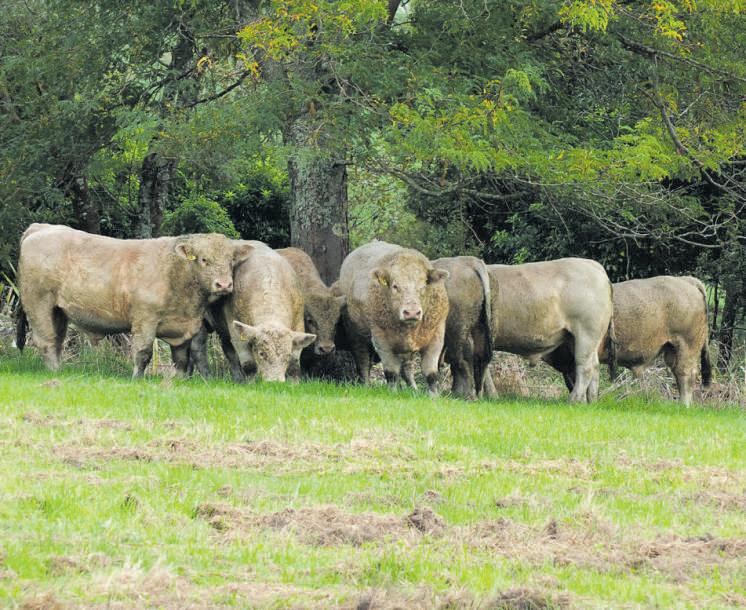



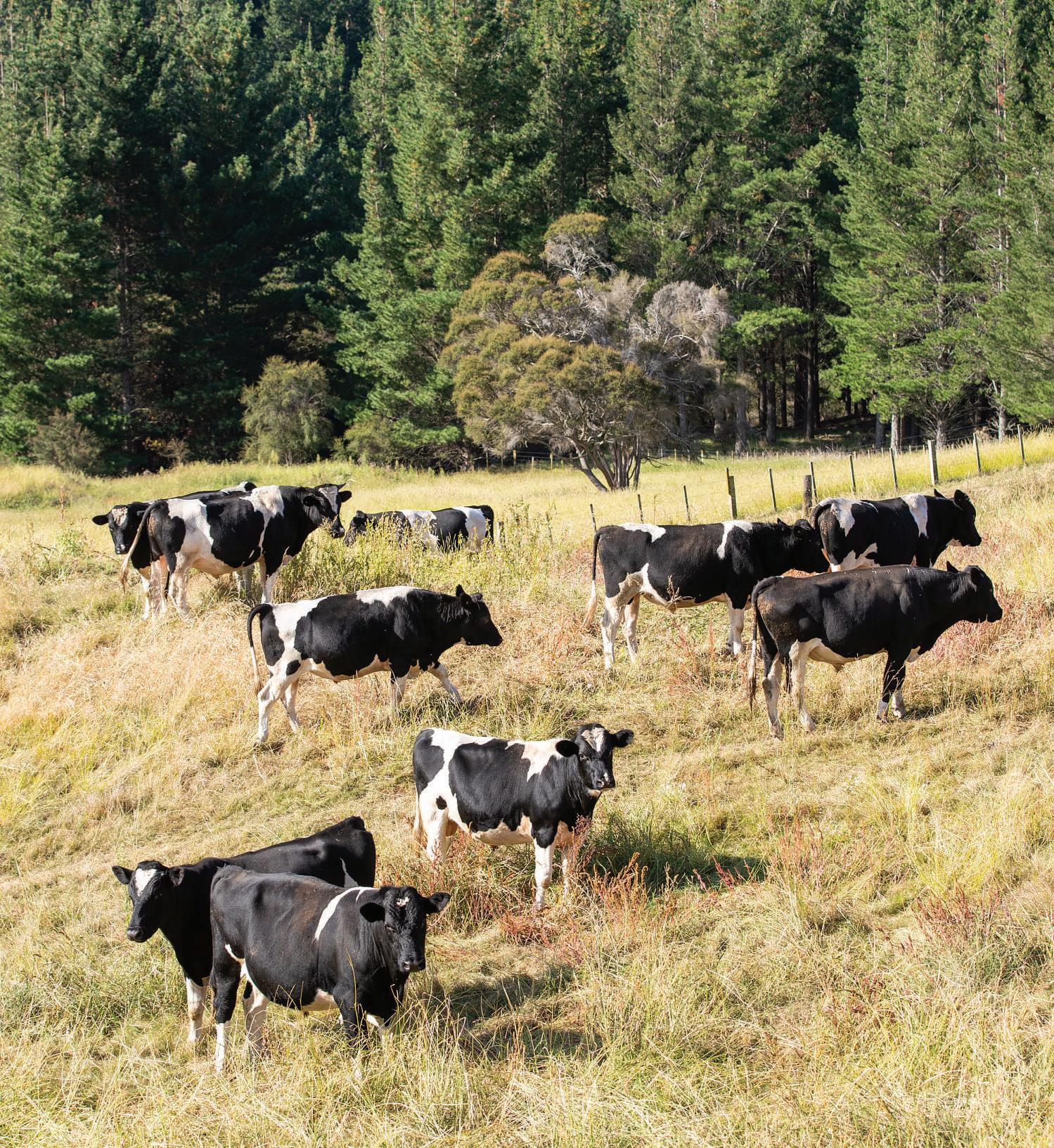
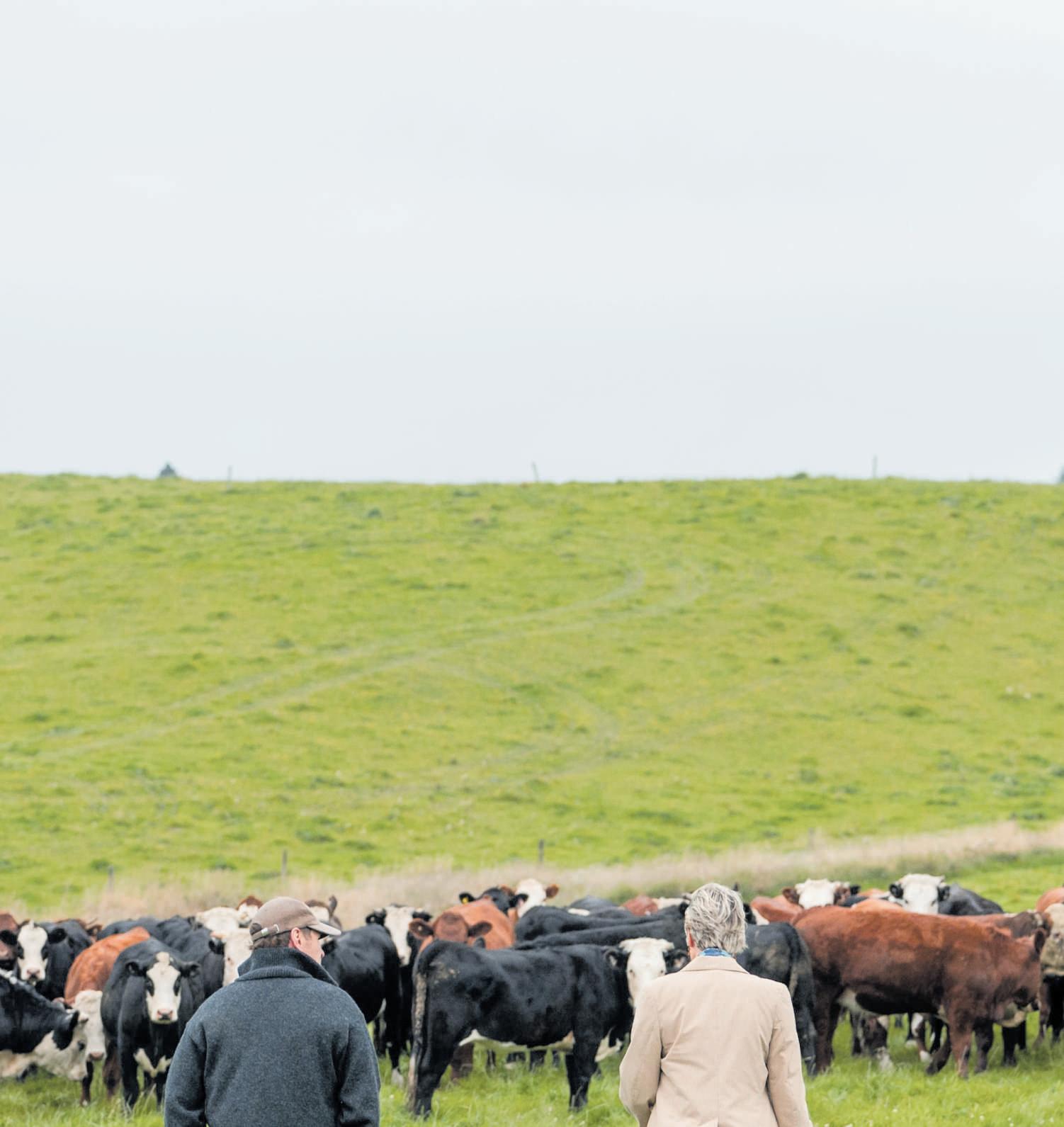
While it is tempting to drench all R2 and adult cattle before winter, Beef + Lamb New Zealand’s Wormwise Programme Manager Ginny Dodunski recommends farmers take a more targeted approach.
She says by May most R2 cattle will have well-established immunity to worms, and the majority of well-conditioned, well-fed animals will carry relatively few worms in comparison to calves and be largely unaffected by larvae picked up while grazing
Adult beef cows that have had a good summer and weaned in good condition, will generally carry even fewer worms.
Dodunski says while R2’s and adult cattle shed very few worm eggs, they can still act as a source of drench-susceptible worms, (refugia) that can help dilute out’ drench resistant worms being passed by calves.
“R2’s in particular, can frequently be passing a few worm eggs, often a mix of Cooperia and Ostertagia. This means having undrenched R2’s sharing a grazing area with calves, can be very helpful. The R2s consume more worms than they put out but can re-populate paddocks with a mix of good’ worms as they go But only if they are not drenched.”
She says undrenched R2s are relatively more important in a system that only carries calves and R2s.
“Beef breeding systems are generally low worm risk, especially where adults outnumber young stock or where the operation is part of a mixed system with sheep and/or deer.”
Dodunski suggests farmers with R2 and adult cattle consider which individuals need treatment heading into winter rather than drenching the whole mob
“Faecal egg counts are generally a poor guide to the impact that worms may or may not be having on older cattle Instead, focus on body condition and recent weight gain performance, as well as visual ‘bloom’ of animals, when deciding who to treat in late April/early May.”
She says lighter, poorer animals within the mob are the most likely candidates for treatment at this time of year This is true for R2 finishing cattle/bulls, heifers that have weaned their first calf (although you may treat a higher proportion on this basis), and adult cows.
If treatment is warranted, an injectable drench containing a mectin drug is the recommended choice for these age groups.
Mectin drenches given via the injectable route achieve higher blood levels of drug, as well as higher concentrations within Ostertagia worms - which can burrow into the abomasum lining and sit very close to blood vessels.
Dodunski says Cooperia may still form part of the worm population in R2 cattle, especially if animals are behind their weight targets (relatively less mature).
For these cattle, a combination containing levamisole is more likely to remove Cooperia.
“If you use oral drenches on bigger cattle, don’t change, just make sure your drench contains a mectin component. Avoid pour-on formulations. These have the lowest and most variable absorption.”
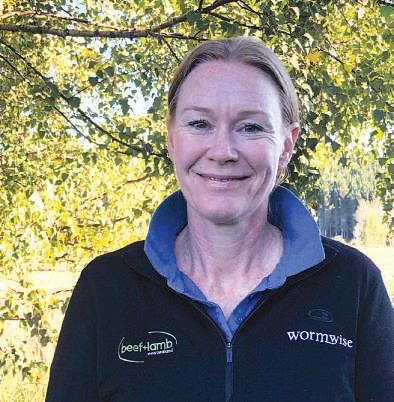
Beef + Lamb New Zealand’s Wormwise Programme Manager Ginny Dodunski recommends taking a targeted approach to drenching R2 and adult cattle.
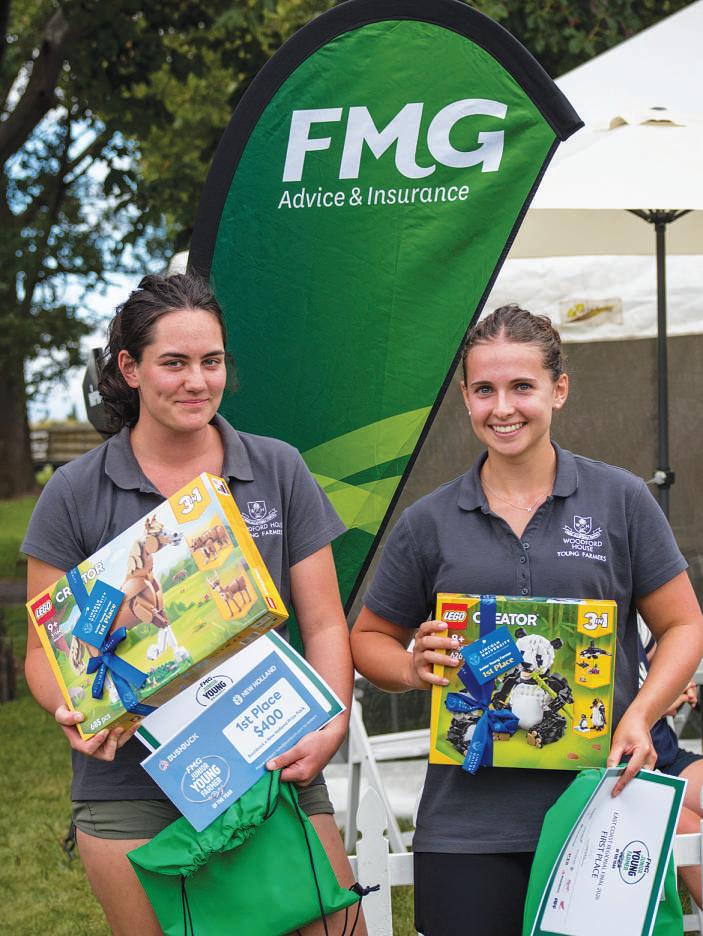

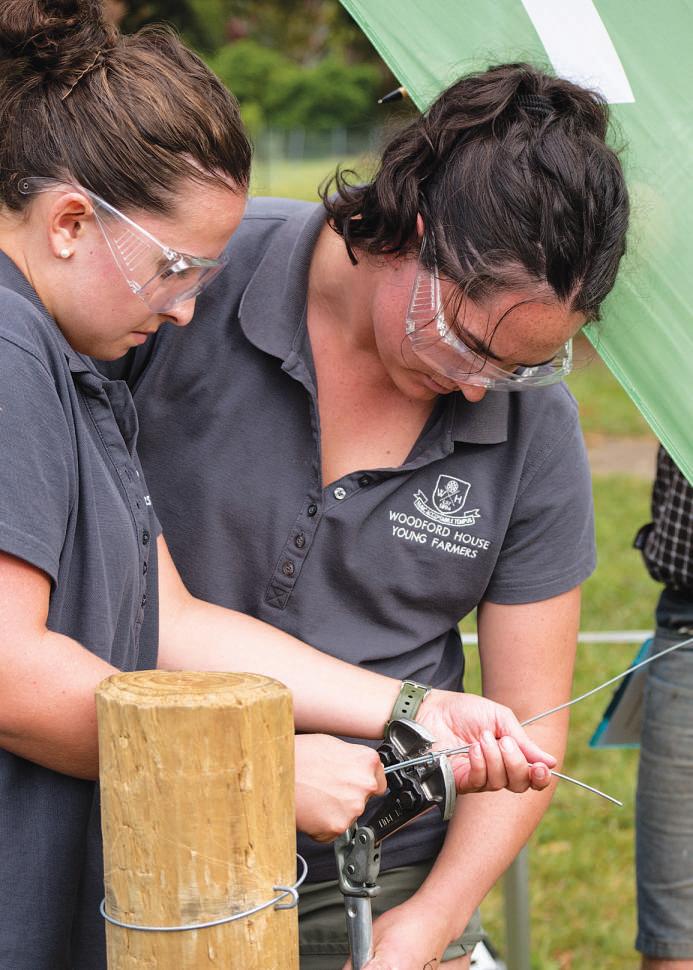
awke’sBaytalentwasonfulldisplayafter WoodfordHousestudentsSophieStorrar andHannahNewmanwerecrownedEast CoastFMGJuniorYoungFarmeroftheYear, edgingoutstrongcompetitionfromschools acrosstheregion.
HeldattheHawke’sBayA&PSocietygrounds, theregionalfinalbroughttogethersecondary schoolstudentstotackleademanding programmeofpracticalandtheoretical challengesdesignedtoreflectreal-lifefarming situations.Teamsweretestedacrosslivestock care,farmsafety,agribusinessawarenessand theirabilitytosolveproblemsunderpressure.
Thetopfiveteamsadvancedtothefinal round,wheretheycompetedinabuzzerstyle quizround.Thetoptwoteamsfromeach regionaleventwillnowcompeteintheGrand FinaltobeheldinNewPlymouththisJuly.
Theresultalsohighlightedthedepthof youngruraltalentinHawke’sBay,withNapier Boys’HighSchoolstudentsJamesRedpath andHarrySutherlandfinishingrunners-up, whileCampbellBassettandHamishBunny ofRathkealeCollegesecuredthirdplace.“It’s alwaysbeenmygoaltobeatNapierBoys,” Hannahsaid.
Passionateaboutagriculture,Sophieand HannaharenostrangerstoAgriKids,although thiswasthefirstyeartheyhadcompeted together.Theirwinwasatestamenttotheirskill, dedicationandenthusiasmfortheindustry. WoodfordHousefieldedfourteamsamongthe
36teamscompetingoverall.
Severalofthecompetitionmodulespushed participantsbeyondtheircomfortzones, encouragingthemtodevelopnewskillsand broadentheirknowledge.Alongsidepractical challengesteamswerealsotestedonbusiness acumen.Eachteamwasrequiredtoselecta productandpresentamarketingplantothe judges.
SophieandHannahchosewool,naming theircompanyGoldenFleeceFlooringwiththe slogan“Luxuryoverlandfill.”Theyhadjustseven minutestodeliberatebeforepitchingtheir productandmarketingstrategy.Bothrecognise thatstrongbusinessknowledgeisintegralto successinmodernfarming.
Sophiewasraisedonherparents’sheep,beef anddeerfarminTePōhue.Hannah’sparents, bothformerfarmers,arecloselyconnected totheagriculturalsectortoo.Herfather,Rex Newman,headstheagriculturaldepartment atNapierBoys’HighSchool,whilehermother, Suzy,isanagriculturalandhorticulturalscience adviser.
Hannahspendseachholidayworkingin agriculture,helpingwithtaskssuchasdocking, fencebuildingandfarmworkonSophie’s farm.Sophiehasalsobeenactivelyinvolved incompetitiveshearing,recentlytakingpart inthe20thGoldenShearsWorldShearingand WoolhandlingChampionships.Shecompeted intheNoviceShearingandStudentChallenge eventsatthe63rdAnnualGoldenShearsin



Masterton,aswellasatthePalmerstonNorth RuralGames.Shealsocompetedinthe2026 NewZealandShearingChampionshipsinTe Kuiti.
BothgirlsaremembersoftheWoodford HouseTeenAggroup,whichprovidesapathway intoYoungFarmersclubs.TeenAggroups operateinmanyschools,includingIonaCollege andNapierBoys’HighSchool,offeringstudents opportunitiestoupskill,networkwithlikemindedpeersandprogressintoYoungFarmers.
PartofthenationallyrecognisedFMGYoung FarmeroftheYearcontestseries,theJunior YoungFarmercompetitionplaysanimportant roleinencouraginghighschoolstudentsto explorecareersinagricultureandthewiderfood andfibresector.ForHawke’sBay,wherefarming remainscentraltotheregionaleconomy,the strongshowingisapositivesignforthefuture oftheindustry.
Anotheractivitythegirlsoftenundertake istoattendtheEastCoastFarmingExpoto learn,networkandcompetewithotherschools intheregion.In2025theycompetedinthe
RuralNewsCadetChallenge,foughtoutby eightteamsofthreefromschoolsandcolleges throughouttheHawke’sBayandEastCoast. Arrivingwithoutanypre-warningwhattheir challengeentailed,theteenagerswatcheda demonstrationofhowtobonealegoflamb followedbyaruralbutchermincingthemeatto makesausagesusingnaturalskins.Theteams weregiven90minutestocreatetheperfect sausagealongwithherbsandsidedishes.
ItwasaclosebattlebuttheWoodfordHouse teamconsistingofHannah,SophieandChloe Williamstooktheoverallhonours.
TherecanbelittledoubtthatbothSophie andHannahhavetheirsightssetonacareerin agricultureandwillworkhardtogainasmuch experienceastheycanbeforedecidingwhich careerpathtopursue.
Withthenationalfinalnowfirmlyonthe horizon,SophieandHannahwillheadnorth carryingnotjustschoolpride,butthehopes ofthewiderHawke’sBayandEastCoast communityastheycompeteagainstthe country’stopyoungagriculturalminds.
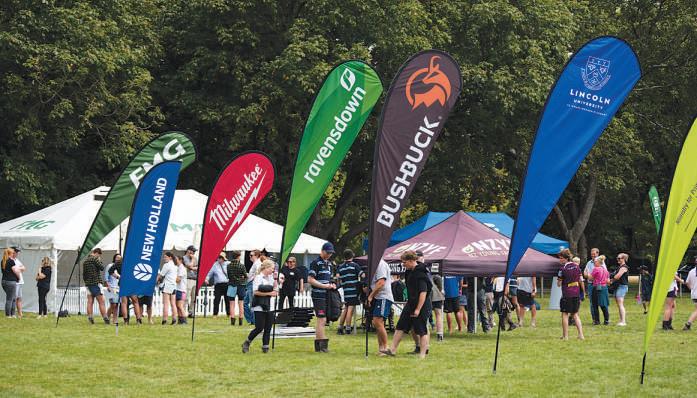
Therewere36teamscompetingoverall.



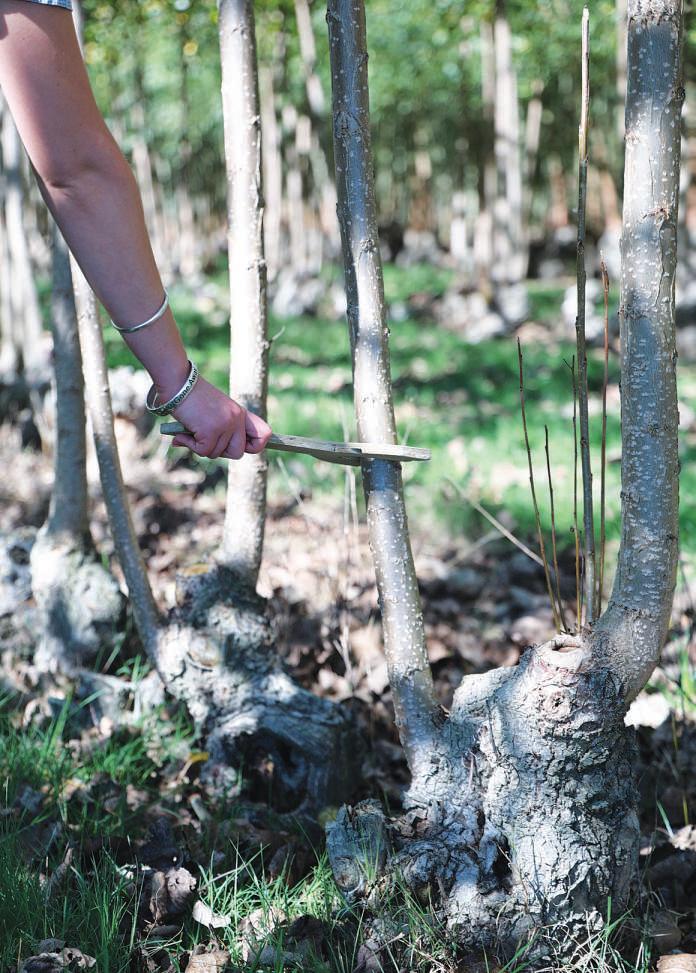


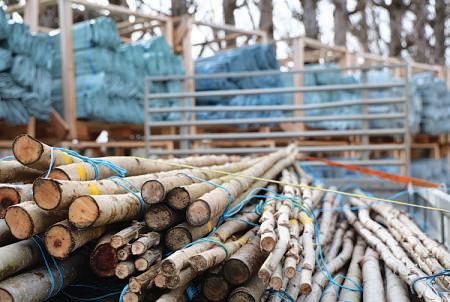
Hawke’sBayRegionalCouncilhasopened onlinesalesforits2026supplyofpoplar andwillowpoles,usedtohelpcontrol erosionacrosstheregion’shillcountry. AttheRegionalCouncil’spolenurseryon AllenRoad,rowsofmaturepoplarandwillow treesstandreadyforharvest.Overthecoming weeks,thetreeswillbecutintothreemetre poles,loadedontotrucksanddeliveredtosome ofHawke’sBay’smosterosionpronefarms.Once planted,thesepoleswillhelpstabilisetheslopes theyareplantedin.
Thepolesaleispartofthecouncil’sNext GenerationLandManagementProgramme, asthenextstagebeyondtheErosionControl Scheme,whichprovideslocallygrownpolesto landownersworkingtoprotectboththeirland andwaterways.
ErosionremainsamajorchallengeforHawke’s Bay,particularlyacrossitssteephillcountry. About252,000hectaresareconsideredhighrisk. Heavyrainfallandfragilegeologymeansoilcan


movequickly,washingintoriversandeventually outtosea.Eachyear,anestimated3.27million tonnesofsedimententertheregion’swaterways, affectingwaterqualityandfarmlandproductivity.
Treeplantingisoneofthemosteffective waystoreducethatimpact.Poplarsand willowsarefastgrowingandwellsuitedtolocal conditions.Onceestablished,theirextensive rootsystemsbindsoilandsignificantlyreduce slipsandlandslides.RegionalCouncilresearch showsplantedhillsidescanexperience70to90 percentfewererosioneventswithin10years comparedwithbarepastoralland.Thetreesalso provideshadeandshelterforstock.
RegionalCouncilChairSophieSierssays, “Promotinglandandwaterhealthremains oneofourkeystrategicpriorities,alongwith reducingfloodriskandsupportingwater security.Poleplantingdeliversproven,longterm erosioncontrolandbystabilisinglandacross catchments,italsoplaysacriticalroleinbuilding floodresilience.Inthepastsevenyears,wehave plantedover100,000polesacross2,000hectares ofland.”
Thisyear,25,000poplarandwillowpolesare availableinAgradeandBgrade,pricedat$8 and$6,respectively.Thepoleswillbesupplied inbundlesoffive.Deliveryisavailableacross Hawke’sBayduringJuneandJuly.
Orderscanbeplacedonlinenowathttps:// hbrc.info/Pole-Orders.FromlateJuly,poles willalsobeavailableforpurchasedirectly fromthenursery.Adviceandassistanceare availablefromtheRegionalCouncil’sland managementteamon0800108838orbyemailHBRCLandManagement@hbrc.govt.nz


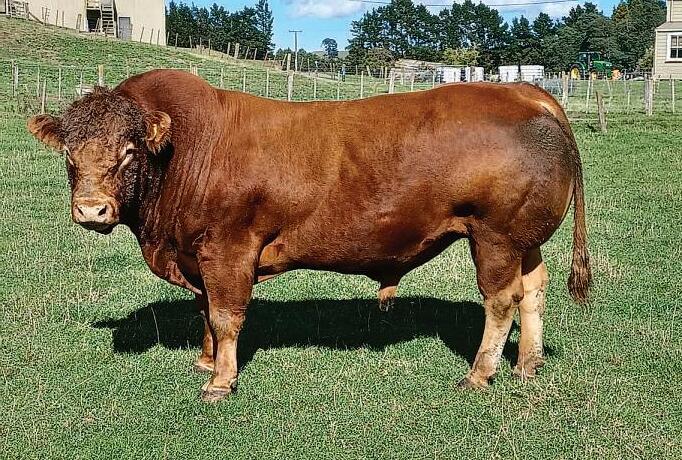









Winter provides a valuable opportunity to step back and plan ahead. With the sheep and beef market showing renewed strength, now is the ideal time to prepare your farm for a spring sale
Spring remains the peak selling season, when presentation is at its best and buyer demand is strongest. Early advice allows time to assess the market, position your farm effectively, and avoid rushed decisions.
With deep local knowledge across Hawke’s Bay, Colliers provides clear, trusted advice when timing matters the most Plan early. Sell well. Talk to Colliers Rural & Agribusiness.





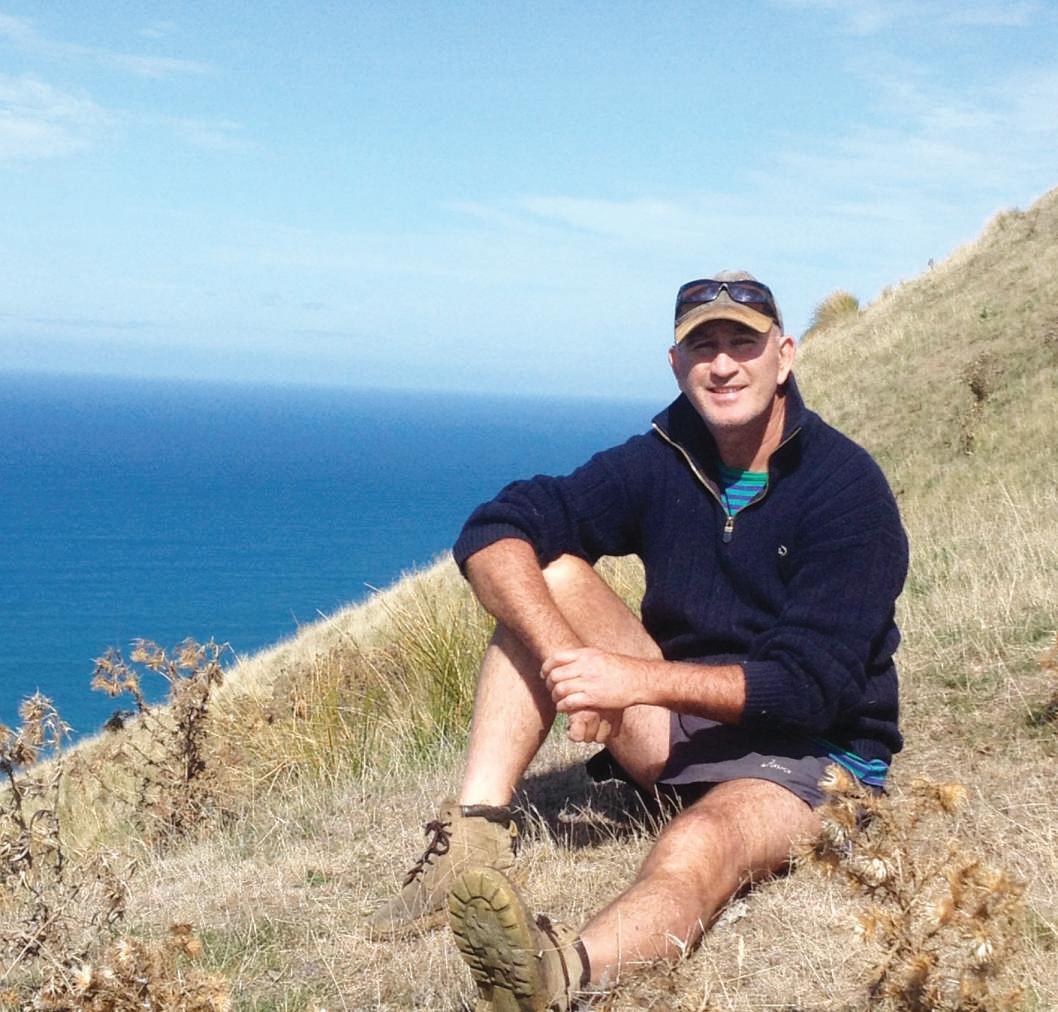


Aftermorethan45yearsworkingatthe heartofHawke’sBayagriculture,Richard Leeisstilldrivenbyconnection-tothe land,theindustryandthepeoplewhohave shapedhiscareer.
TheHawke’sBaybornveterinarianisthe newesttrusteeoftheHawke’sBayFuture FarmingTrust,joiningtheboardsixmonths ago.It’sarolehedescribesasdemanding, stimulatinganddeeplyalignedwithhis longheldvaluesaroundsustainablefood production.
“I’vebeenveryfortunate,”Leesays.“This industryhasgivenmearewardingprofessional life.NowI’minapositionwhereIhavethetime andexperiencetogivesomethingback.” Acareershapedbychange
Leebeganhisveterinarycareerin Waipukurauin1979aftercompletinghisdegree atMasseyUniversity.Atthetime,hejoined asmallruralpractice-onethatwouldgrow rapidlyalongsideperiodsofmajorchangein NewZealandfarming.
“Thelate’70sand’80swereturbulentyears, butalsoincrediblyformative,”herecalls.“We wereinvolvedrightatthebeginningofthedeer industry,andthenthegoatfarmingboomfrom 1984to1987reallydrovegrowth.”
Thosedevelopmentshelpedtransformthe practiceintowhatisnowalargeEastCoast veterinaryoperation.TheyalsogaveLee invaluableperspective.
“Seeingindustriesemerge,boom,struggle andadaptteachesyoualot,”hesays.“Change generatesperspective-andperspectiveis criticalinagriculture.”
Leeretiredfromclinicalpracticein2011,but hedidn’tstepawayfromthesector.Instead,his careerevolvedintobroaderagribusinessroles.
HespentsevenyearswithNewZealand’s largestsheep,beefanddeerstudoperation, followedbytwoyearsworkingonthe Mycoplasmabovisresponse,thentwoyears withFirstLightFoods.
“My working life has always revolved around animals and the red meat industry,” he says. “Not just farming, but the wider business and systems that support it.”
Semi retired - but still engaged
Now semi retired by design, Lee remains a registered veterinarian and stays actively connected to agriculture
“Staying connected isn’t passive - it takes effort,” he says. “Being involved with the Future Farming Trust is one way I do that.”
For Lee, the trustee role is about contributing experience, perspective and networks built over decades - locally, nationally and internationally
“I’ve seen a lot over 45 years,” he says. “That gives you context when evaluating decisions, projects and direction.”
He believes that context is especially important as agriculture faces increasing pressure - from market volatility to environmental expectations
Profitability with purpose
Lee is clear about his primary motivation for joining the trust: preserving the red meat industry for the long term.
“Profitability matters - it absolutely does,” he says. “But not at any cost. You can make plenty of money today by over intensifying and ignoring environmental limits, but you won’t be able to keep doing it.”
Instead, he advocates balance
“I sit at the optimum - profitability today and tomorrow alongside care of land, water and communities,” he says. “It has to be a holistic approach. Soil, water people and economies are all interconnected.”
That philosophy closely aligns with the Future Farming Trust, which Lee describes as centrist, science based and evidence driven.
“We’re not reactive or ideological,” he says. “We’re informed, technically robust and grounded in evidence That’s the world I come from.”
The Hawkes Bay Future Farming Trust is made up of eight trustees representing the full range of the region’s land based food production sectors. The board meets monthly and is supported by a highly capable contracted administrator, along with Hawke’s Bay Regional Council representation.
“It’s very professional and very well run,” Lee says. “The calibre of discussion is high.”
He describes trustee meetings as genuine brainstorming sessions - driven by diversity, experience and strong regional knowledge
“These are people who really know their sectors,” he says. “Because of that, the conversations are challenging and exciting.”
The trust’s flagship initiative is the Carbon Positive Project, alongside several other projects under investigation. Lee admits the workload is significant.
“It’s not a small role,” he says. “There’s a lot of reading, a lot of background work. There are so many opportunities it can feel daunting - but in a good way.”
Behind the scenes, he says, the trust is exceptionally busy
“We’re very conscious of focusing on outcomes,” he says. “Telling people what we ’ ve done, rather than what were going to do.”
Local focus, global awareness
While firmly grounded in Hawkes Bay, the trust maintains a strong awareness of global trends affecting agriculture
“Today’s producers are running multimillion dollar businesses,” Lee says “They operate in international markets, so what we do has to be credible and technically sound.”
That credibility, he says, comes from being evidence based.
“You have to be practical, science driven and relevant at the farm gate,” he says. “Thats what earns trust.”
Lee has also valued the trusts exposure to
sectors such as viticulture and horticulture
“Seeing similar challenges through a different lens is always worthwhile,” he says.
“You realise many issues are shared, even if the context differs.”
Looking ahead
With three new trustees recently appointed, Lee believes the Future Farming Trust is well positioned.
The challenge, he says, is maintaining relevance today while building resilience for the future
“You need a balance of short, medium
and long term projects,” he says. “Sustained agriculture, sustained profitability and sustained communities.”
Asked to summarise the trust, Lee doesn’t hesitate
“Local, connected, caring and informed,” he says. “Farmer led, evidence based and practical. We live here We care about outcomes. And we ’ re future focused.”
For Lee, the role brings his career full circle - still connected, still contributing, and still committed to the land and industry that shaped him.
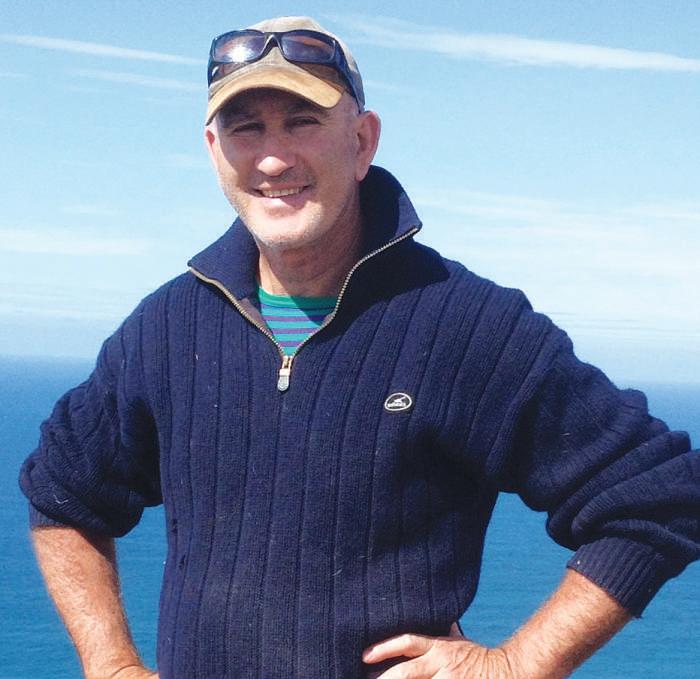


Landmark Free Trade Agreement secured with India opening major opportunities for NZ farmers and growers
New trade arrangements with Singapore helping reduce export costs and red tape
Nearly $4 million invested into rural wellbeing and mental health initiatives
Additional Government support delivered for weather effected farmers and growers
$28 million committed to hill country erosion control and farm resilience
RMA reforms underway to cut farming red tape and speed up decision making
Rural resilience and emergency preparedness programmes supporting farming communities


ByHollyOrmond,
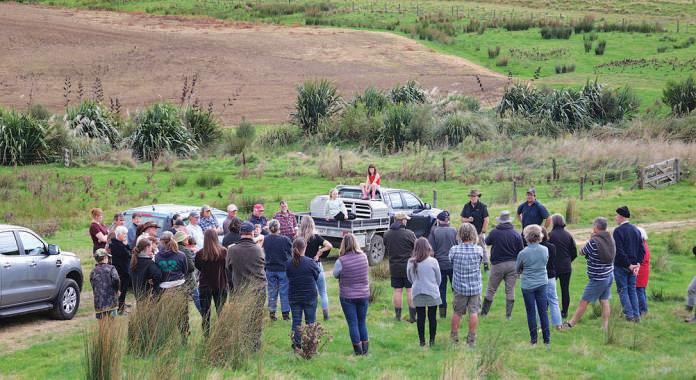
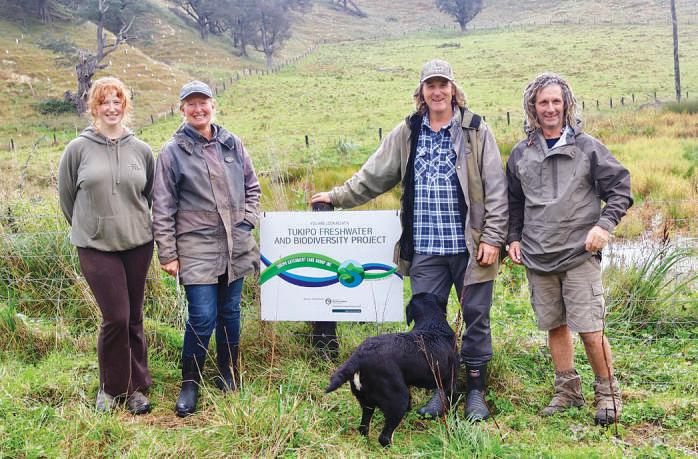
AwetHawke’sBaydaydidn’tdampen spiritsattherecentTukipoTikiTourin AshleyClinton.Ifanything,itreinforced theresilienceandcommitmentofafarming communitythathasspentthepastfiveyears workingtogethertoimproveitscatchment.
Thetourmarkedthenearingcompletionof theTukipoCatchmentCareGroup’s(TCCG) freshwaterproject,withatotalvalueof$5m, including$2.2mfromtheMinistryforthe EnvironmentFreshwaterImprovementFund,

andtheremaining$2.8millionrepresenting directlandownercontributionandcoinvestmentacrossthecatchment.
Acrosseightfarms,landownersopenedtheir gatestoshowcaseworkrangingfromriparian plantingandfencingtowetlandcreation,dam developmentandagroforestry.
Whilethescaleofactivityisimpressive, theproject’srealstrengthliesinhowitwas delivered:farmer-led,locallydriven,and supportedbytargetedfundingthatenabled actionatpace.
Morethan230,000nativeplantshavebeen
establishedacrossthecatchment,alongside over60kilometresofriparianfencingandthe creationof40wetlands.Overthelifeofthe project,morethan70landownershavebeen involved,contributingtheirowntime,resources andco-investment.Ithighlightswhatcanbe achievedwhenfarmersaresupportedwith administrativecoordinationandfunding.
“What’sbeenachievedhereisn’tjustabout thenumbers,it’saboutfarmersworking togetherwithasharedpurpose.Thefunding supportingfarmer’sowndriveandinputsmade itpossible,buttheadministrativesupportbycoordinatorMichelleGoodmanandothersbehind thesceneshasbeenjustascriticalinturning thatintoactionontheground,”saysTCCG ChairColinTyler.
Catchmentgroupsplayacriticalrolein bridgingthegapbetweenfundinganddelivery, aligningprioritiesandcoordinatingwork programmessofarm-leveleffortcontributesto widerenvironmentaloutcomes.Atthesame time,successreliesheavilyonlandowners beingwillingtotakepartandmakelong-term changestotheirlanduse.
“There’sdefinitelyalevelofcommitment needed.Thesearen’tquickfixes.Butbeing partofawidercatchmenteffortgivesyou confidencetomakethoselonger-term changes,”saysTukipofarmerTomTennent.
TheTukipoTikiTourofferedachanceto stepbackandrecognisethatcombined effort.Despitetherain,turnoutwasstrong, withfarmersgatheringovercoffeeandlunch, sharingstories,andputtingafewmoreplants intheground.Itwaslessaboutshowcasing finishedwork,andmoreaboutacknowledging what’sbeenachievedtogether.
Asenvironmentalexpectationsonfarming continuetoevolve,theTukipoprojectprovides apracticalexampleofwhatprogresscanlook likeatcatchmentscale.Itshowsthatwhen fundingisaccessible,well-structuredand alignedwithfarmerpriorities,itcanunlock significanton-the-groundchange.
Withcurrentuncertaintiesaroundcatchment groupfunding,maintainingthismomentum willdependoncontinuedinvestmentinboth on-the-groundworkandthesupportstructures behindit.