PROHIBITION
I N T H E
C I T Y O F L I G H T S
At the turn of the 20th century, the Women’s Suffrage Movement had momentum. Decades of persistent, widespread activism had resulted in four states granting women the right to vote: Wyoming, Colorado, Utah, and Idaho. Support for enshrining women’s suffrage in a Constitutional Amendment was steadily growing. The movement itself, however, was not a monolithic entity. Instead, it was a coalition of millions of women spread across 45 states and numerous organizations. Coinciding with the Women’s Suffrage Movement was the Temperance Movement, which opposed the proliferation of alcohol in America and viewed it as a form of societal poison. The American Temperance Society (ATS) was one of the first organizations in this movement. In 1874, an organization called the Women’s Christian Temperance Union (WCTU) formed with the same goal, but focused on how alcohol negatively affected women. Initially, their activism was focused on limiting the spread of alcohol, but it eventually widened to include other women’s issues – most notably, suffrage. This created an overlap between members of the WCTU and the larger Women’s Suffrage Movement. In 1920, both movements would achieve historic wins for their respective causes with the 18th and 19th Amendments.
On January 1, 1920, the prohibition era officially began. The 18th Amendment outlawed the manufacturing, selling, or transporting of liquor in the United States, and left enforcement up to Congress and the states. Congress also passed the Volstead Act, which set federal standards and definitions to help guide states’ enforcement efforts. The act defined alcoholic beverages as those containing at least 0.5% ABV (alcohol by volume). News outlets quickly adopted terms like “drys” and “wets” in their reporting to categorize proponents and opponents of prohibition. On August 18, 1920, the 19th Amendment came into effect, enshrining women’s right to vote in the Constitution.
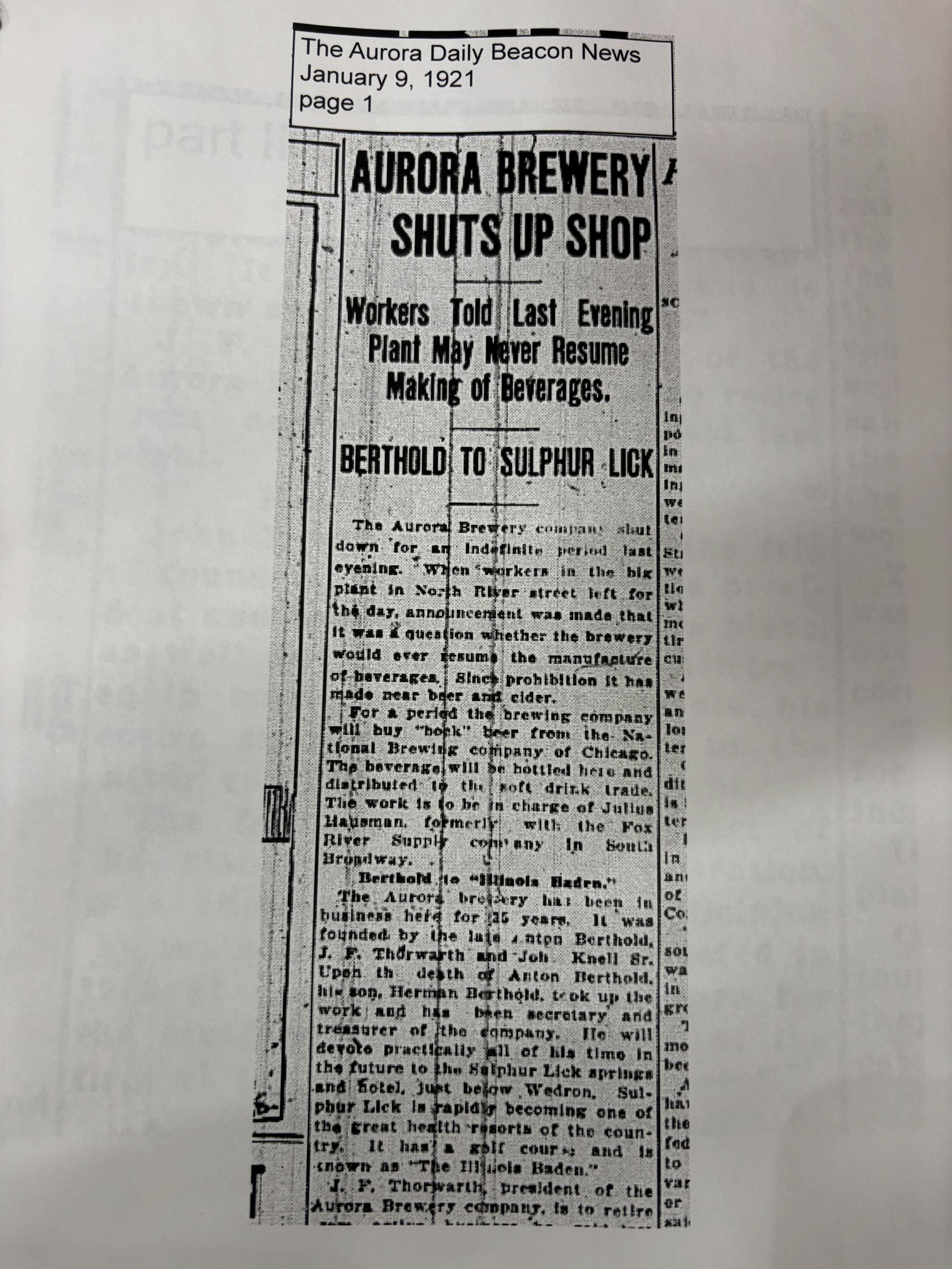
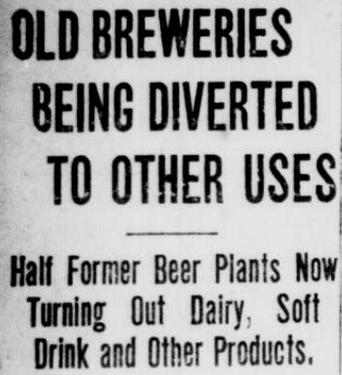
Owners of breweries around the country were faced with a choice; they could continue producing alcoholic beverages in secret or they could pivot to producing other items entirely. Those that picked the former risked getting “dry raided”, a term used to describe law enforcement raids targeting suspected alcohol manufacturers and smugglers. In the Midwest, roughly half of all breweries closed, while the other half opted to make different beverages like dairy drinks, soft drinks, and “other products”. That last al beverages”, drinks made with malt extract with an aking this pivot, the Aurora Beacon-News detailed
The18 Amendment th

Afteroneyearfromtheratification ofthisarticlethemanufacture,sale,or transportationofintoxicatingliquors within,theimportationthereofinto,or theexportationthereoffromthe UnitedStatesandallterritorysubject tothejurisdictionthereofforbeverage purposesisherebyprohibited.
TheCongressandtheseveralStates shallhaveconcurrentpowerto enforcethisarticlebyappropriate legislation.
“Halfofthebrewerybuildingsofthemiddlewesttodaystanddesolateand forlorn.Theremaining50percenthavebeenconvertedintocereal beveragemanufactories,coldstoragewarehousesorindustrialplants...
Anheuser-Busch,Inc.,amongthelargestmanufacturersofbeerinpreprohibitiondays,isnowthemanufacturerofnonintoxicatingcereal beverage,butitsvolumeoutputisonly20percentasgreat,and1,200men areemployedinsteadof7,000.”
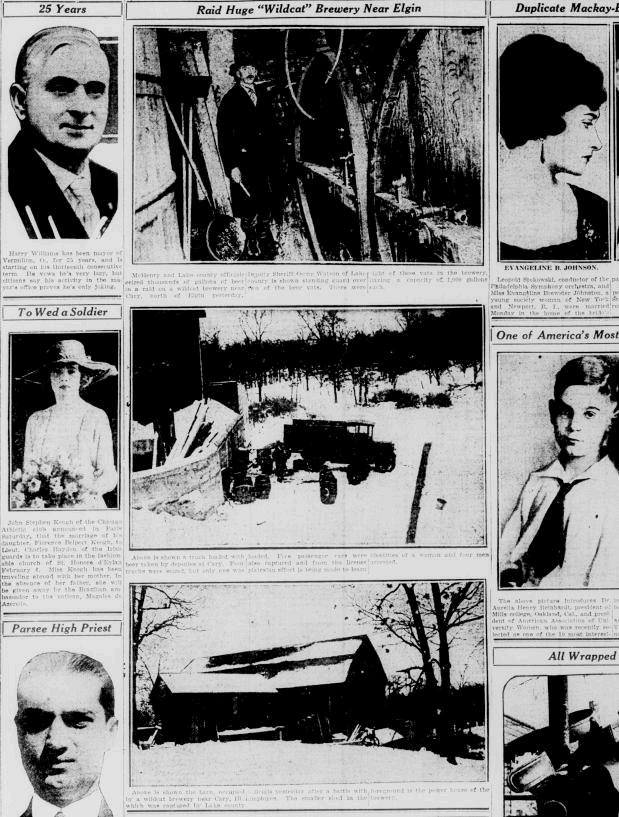
Years into the prohibition era, there were plenty of Aurorans willing to take tho In 1926, the “Wildcat Brewery” near Elgin was raided. The operation was run by men from Aurora, who manufactured and distributed alcohol all over the Chica area. Part of their scheme even involved shipping barrels down the Fox River. T brewery at this scale could operate at all indicates that there was a high deman alcohol in the region.
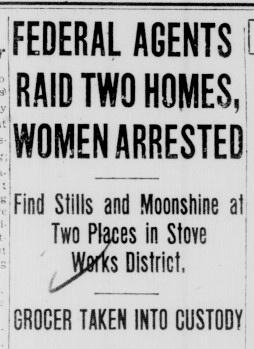
Newspapers around the country were flooded with flashy photos from large-scale dry raids on establishments just like the Wildcat Brewery, but that’s not where the reach of prohibition enforcement ended. On January 12, 1926, four Aurora residents – a married couple, a widow, and a grocer – were arrested in their own homes for brewing moonshine whiskey, a cheap alcohol made of corn mash. Authorities had obtained a search warrant after suspicious neighbors tipped them off about the operation. Scenes just like this played out all over the country during prohibition, routinely putting the lives of citizens and law enforcement at risk.
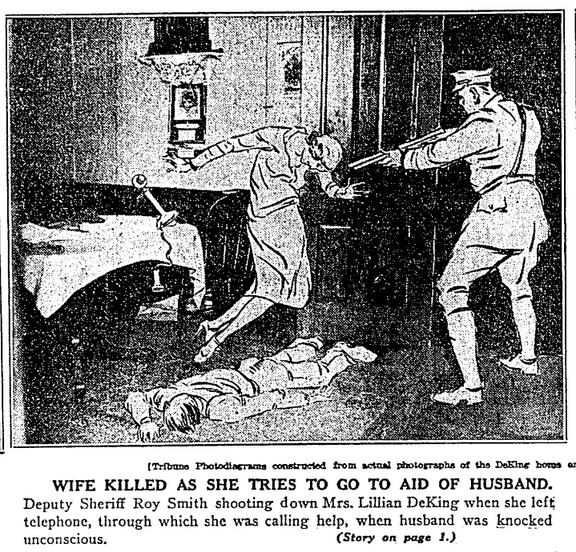
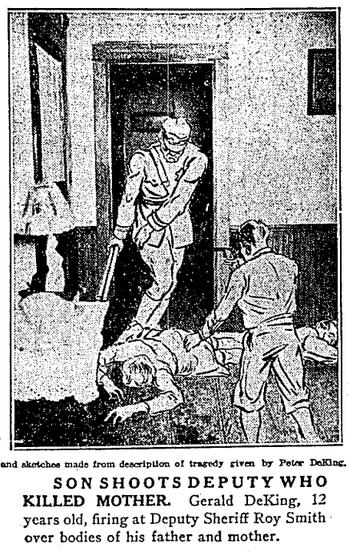
In March of 1929, a dry raid was conducted at the DeKing family home in Aurora, where Joseph and Lillian DeKing lived with their son, Gerald. The couple was suspected of smuggling alcohol. When authorities entered the home, one of the officers knocked Joseph unconscious. As Lillian rushed to his aid, Deputy Sheriff Smith fatally shot her. Gerald, witness to all of this, then shot Smith in the leg. The brutality of the incident was captured in detail by the Chicago Daily Tribune, who used eyewitness accounts and photographs to illustrate it. This story made national headlines, appearing in papers like the New York Times and the Oakland Tribune.
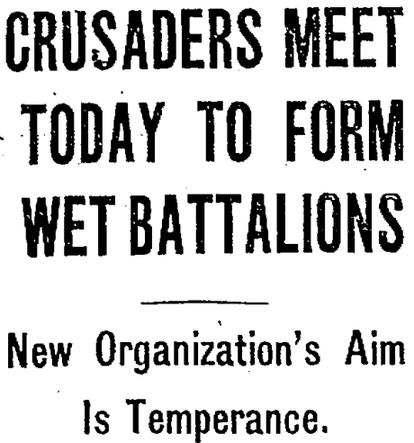
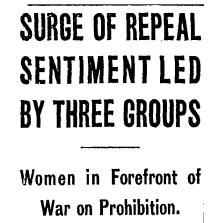
Later that same year, the Women’s Organization for National Prohibition Reform (WONPR) would form, signaling the beginning of the end of the prohibition era. WONPR advocated for the repeal of the 18 Amendment, but crucially, they believed that temperance could only be achieved through alcohol regulation rather than outright criminalization. This middle ground approach appealed to the millions of Americans who had become disillusioned with prohibition over the years, but still supported temperance. For years, WONPR led a coalition of anti-prohibition groups like the Crusaders (founded in 1930) and the Association Against the Prohibition Amendment (founded in 1921). th
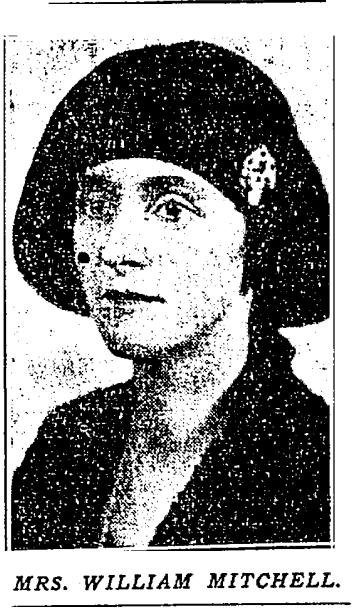
On February 20, 1933, that work finally paid off. The 21 Amendment was sent to the states for ratification, which would repeal the 18 Amendment. On July 10, at the Illinois ratification convention, Governor Henry Horner proclaimed that “the Eighteenth Amendment is doomed.” He invited Mrs. William Mitchell, co-chairman of WONPR, to speak at the convention. After she spoke, all 50 members voted for ratification. The 21 Amendment was officially ratified in December of that year, marking the end of the prohibition era after 13 long years. st th st
“AsamemberoftheWomen’sOrganizationforNationalProhibitionReform,Ifeelitisa greathonortobeaskedtoaddressthisConvention.Youasdelegatesarealsogreatly blessedinbeingabletocastballotsforandthereforehelpintherepealofthis obnoxiousEighteenthAmendment.WewishtocongratulateGovernorHornerandthe StateLegislatureintheirpromptactioninmakingpossiblethisconvention,andalsoin theirappointmentoftheLiquorCommission.Ourorganizationfeelsourworkwillnotbe accomplished,willnotbefinisheduntilwehaveadequateStateliquorlaws.Wefeelthat istheonlywaytemperancecanbeachieved.”