Turning Enthusiasm Into Earnings: Building Income Around Your Purpose Pages 8 & 9
TRAILBLAZERS
Josephine Jue: Another Hidden Figure Pages 10 - 13
SWEET & SAVORY
Lumpia: A Story Wrapped, Rolled, and Passed Around the World Pages 14 & 15
STORY THREADS
Graduation, it means so much more. Pages 16 & 17
NEWS & EVENTS
Sacramento’s Tax Debate Rekindles Fears Over Property Protections
Page 18
California Democrats are clamoring to tax the rich. Why their proposals could backfire. Page 19
IN THE COMMUNITY
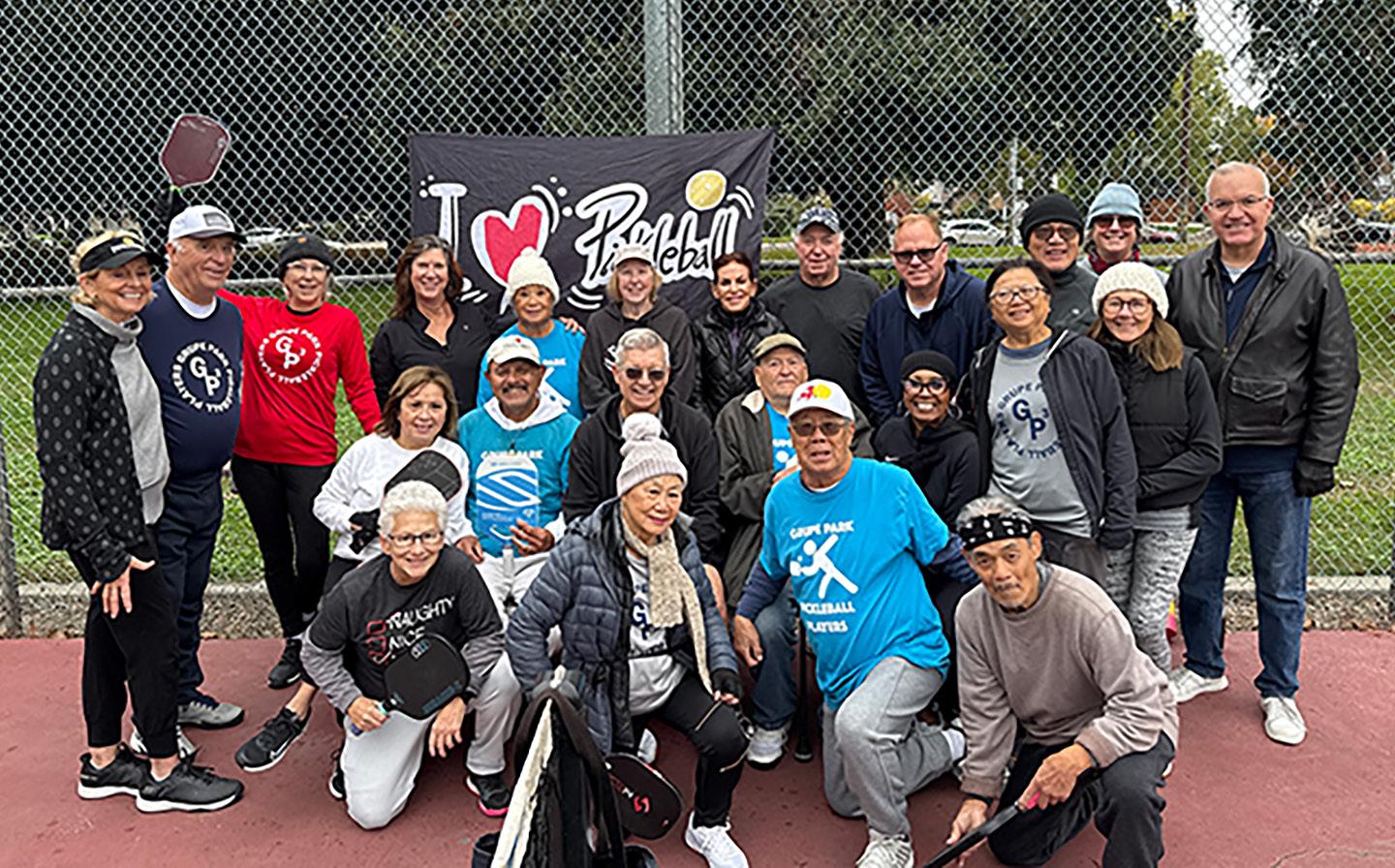
Crosscourt Community: The Grupe Park Pickleball Players of Stockton Page 22
Tiny but Mighty…The Female Workforce Turning Spring Blossoms Into Cherries Page 23
THE APA LIVING TODAY
PHONE
916.747.9366
Jim Chong
EMAIL
jtc.legendmaker@gmail.com
l_imada@bggwestllc.com ONLINE
https://issuu.com/apalivingtoday
EDITOR-IN-CHIEF
Terri Torres
DIRECTOR
Jim Chong
ART DIRECTOR
Layne Imada
GRAPHIC DESIGNER
Layne Imada
Summer Risso
CONTRIBUTING WRITERS & SOURCES
Val Acoba
Zully JF Alvarado
Mafae Yunon-Belasco
Nico Belasco
Jessie Bowen
Linda Claramo
Leslie Edman
Elite Publications
Beverly Engkabo
Ines Ruiz-Huston
Linda Norris
Tanya Parmelee
Anna Sass- HerLife
Carrie Sass - HerLife
Terri Torres
CONTRIBUTING PHOTOGRAPHERS
Tim Ulmer
Jim Chong
Deadline to submit newsworthy information from non-profits, charitable organizations, or other sources is the 19th of each month for the following issue. Submitting information does not guarantee it will be featured.
Submit information to: jtc.legendmaker@gmail.com
Attn: Jim Chong
The APALT is digitally published bi-monthly by the APA Living Today.
APALT does not assume responsibility for the authenticity or accuracy of news materials furnished for publication.
In a world that evolves by the minute, keeping up with the times is no longer optional—it is essential. Each new development, from cultural shifts to technological breakthroughs, shapes how we live, communicate, and understand one another. To remain relevant is to remain engaged, aware, and open to change. This edition is rooted in that very idea, capturing the essence of why staying informed and present matters more than ever.
At the heart of it all is one powerful word: Connection. Connection to people, to ideas, and to the world around us are key. In an era where artificial intelligence is rapidly transforming how we work and interact, it becomes even more critical to preserve and strengthen our human connections. Technology may accelerate communication, but it is our shared experiences, empathy, and collaboration that give it meaning.
We are living in a unique intersection of past, present, and future. The past provides the foundation—our history, traditions, and lessons learned. The present challenges us to adapt, to innovate, and to stay aware of what is unfolding globally and within our own communities. And the future? It is being shaped right now by how well we understand and respond to today.
This edition serves as a reminder that while tools and platforms may change, the importance of connection remains constant. By staying engaged with the present and grounded in the past, we position ourselves to build a more informed, connected, and inspired future.
Jim T. Chong the Wok Star, Legend Maker, and The AI Asian. jim@CitywideDMS.com
The opinions expressed by contributing writers and sources are their own and do not reflect the opinions of the newspaper’s owners, editor or staff.
Would you like to submit your event and be featured in the next The APA Living Today Events Calendar?
Email us at: jtc.legendmaker@gmail.com Online: https://issuu.com/apalivingtoday
WANT TO ADVERTISE! CHECK
Objectives
Involved - Ask readers to be involved in the community as an informed member.
most directly
the
Jim T. Chong
How to Vote
Voting is the fundamental right of every US citizen. The County of Sacramento Voter Registration and Elections Department strives to uphold and preserve this right through voter registration, voter education, and accessible voting options.
Here you will find information on where, when, and how you can vote.
As a voter, we thank you for partnering with us in this core element of democracy.
HOW TO MARK YOUR BALLOT
Instructions for how to mark your ballot, how to vote for a qualified write-in candidate, what to do if you make a mistake on your ballot, and helpful tips!
VOTE BY MAIL AND OFFICIAL BALLOT DROP BOX LOCATIONS
Every registered voter in the County of Sacramento will be mailed a ballot starting 29 days before Election Day. Find more information on Vote by Mail ballots and the different ways you can return your voted ballot.
VOTE CENTERS
VOTE EARLY OR ON ELECTION DAY
California law allows voters to visit any Vote Center in the County of Sacramento to drop off their voted ballot, use one of three accessible ballot marking devices, obtain voting assistance, or receive a replacement ballot.
REMOTE ACCESSIBLE VOTE BY MAIL
Voters with disabilities can vote privately and independently by accessing and marking their ballot from a computer using their own assistive technology. Ballots must be printed out and returned to the County of Sacramento Voter Registration and Elections Department. Marked ballots cannot be emailed or faxed.
MILITARY AND OVERSEAS VOTERS
County of Sacramento Voters who meet the criteria below may register and apply for a ballot by completing a Federal Post Card Application (FPCA) form.
• Members of the Uniformed Services or Merchant Marine on active duty
• Spouses or dependents of a member of the Uniformed Services or Merchant Marine on active duty
• Commissioned Corps of the Public Health or the National Oceanic and Atmospheric Administration
• US citizens living abroad with an intent to return
• US citizens living abroad with no intent to return
ASSISTANCE FOR VOTERS WITH DISABILITIES
The Voter Registration and Elections Department has a long-standing commitment to working with voters with disabilities to help them exercise their right to vote. This page provides general information about these efforts. Voters are encouraged to contact us with specific requests for assistance.
ASSISTANCE FOR VOTERS WITH LANGUAGE NEEDS
The County of Sacramento provides reference ballots in designated languages and voting support in specific languages at the Elections Office and at identified Vote Centers.
• Vote Centers, including their locations, hours and language services
• Reference ballot and designated precinct list with languages
Voters requiring assistance may bring up to 2 helpers, but may not include:
• the voter’s employer,
• an agent of the voter’s employer,
• or an officer or agent of the union of which the voter is a member.
Tokyo Central Brings Authentic Japanese Experience to Bay Street Emeryville, the City’s Vibrant Urban Village
Asian Journal Press
February 12, 2026
Grand opening of the store’s 15th U.S. location celebrates culture, cuisine, and community
EMERYVILLE, California – Marukai Corporation (doing business as Tokyo Central) recently opened its 15th U.S. store, including 12 in California and two in Hawaii, at Bay Street Emeryville, a lively open-air destination known for its arts, entertainment, and walkable urban design. The grand opening celebrations took place on Saturday and Sunday, January 31 and February 1, 2026.
The new Tokyo Central spans 40,635 square feet, including a 1,625-square-foot sushi bar specializing in hand rolls. This marks the company’s second Northern California location and reflects its continued commitment to communities that value cultural diversity, culinary exploration, and creative living.
Nestled between Oakland and Berkeley, Emeryville thrives as a hub for innovators, artists, rising professionals, and their families. Its lively atmosphere, public art, and bike-friendly streets make Bay Street Emeryville an ideal setting for Tokyo Central’s distinct cultural retail experience.
“Emeryville’s dynamic and culturally rich environment makes it an ideal home for Tokyo Central,” said Koichi Toyo, President of Marukai Corporation. “The community’s appreciation for global flavors and creative living aligns perfectly with our mission to deliver authentic Japanese products and experiences.”
Eat, Enjoy, Explore – Bring Japan to Your Table
Tokyo Central is more than a store; it is an immersive experience. Guided by its concept, “Eat, Enjoy, Explore – Bring Japan to Your Table,” customers can discover the Japanese philosophy of ichiju-sansai (one soup and three dishes), seasonal ingredients, and curated cookware that celebrate the beauty and balance of Japanese cuisine.
The company aims to spark curiosity while sharing the spirit of omotenashi— hospitality from the heart.
Hand Roll Experience
The store’s sushi bar, Hand Roll Factory, introduces a modern hand roll concept, serving each roll individually as guests finish eating for a fresh, interactive dining experience. Each roll begins with warm Hitomebore rice from Japan, paired with crisp Ariake nori toasted moments before serving.
Premium ingredients include fresh bluefin tuna, vinegar crafted from Rishiri kelp stock, and a proprietary soy sauce blend designed to enhance flavor. Wasabi is grated at ultra-low temperatures to preserve its aroma and spiciness. For customers on the go, the store also offers beautifully prepared togo chirashi sushi options, providing convenience without compromising quality. Tokyo Central’s Hand Roll Factory reflects the artistry and innovation associated with Emeryville, inviting creative minds and food enthusiasts to connect over craftsmanship, culture, and a vibrant social atmosphere. The Emeryville store is located at 5603 Bay Street, Emeryville, CA 94608. Regular store hours: 9:00 a.m. – 10:00 p.m.
About Tokyo Central
Founded in 1965, Tokyo Central operates 12 stores in California and two in Hawaii, offering one of the largest selections of Japanese goods in the United States. For more information, visit tokyocentral.com or follow the company on Instagram and Facebook.
Emeryville, CA - Tokyo Central
Where The Good Times Roll
By Jim T. Chong the Wok Star
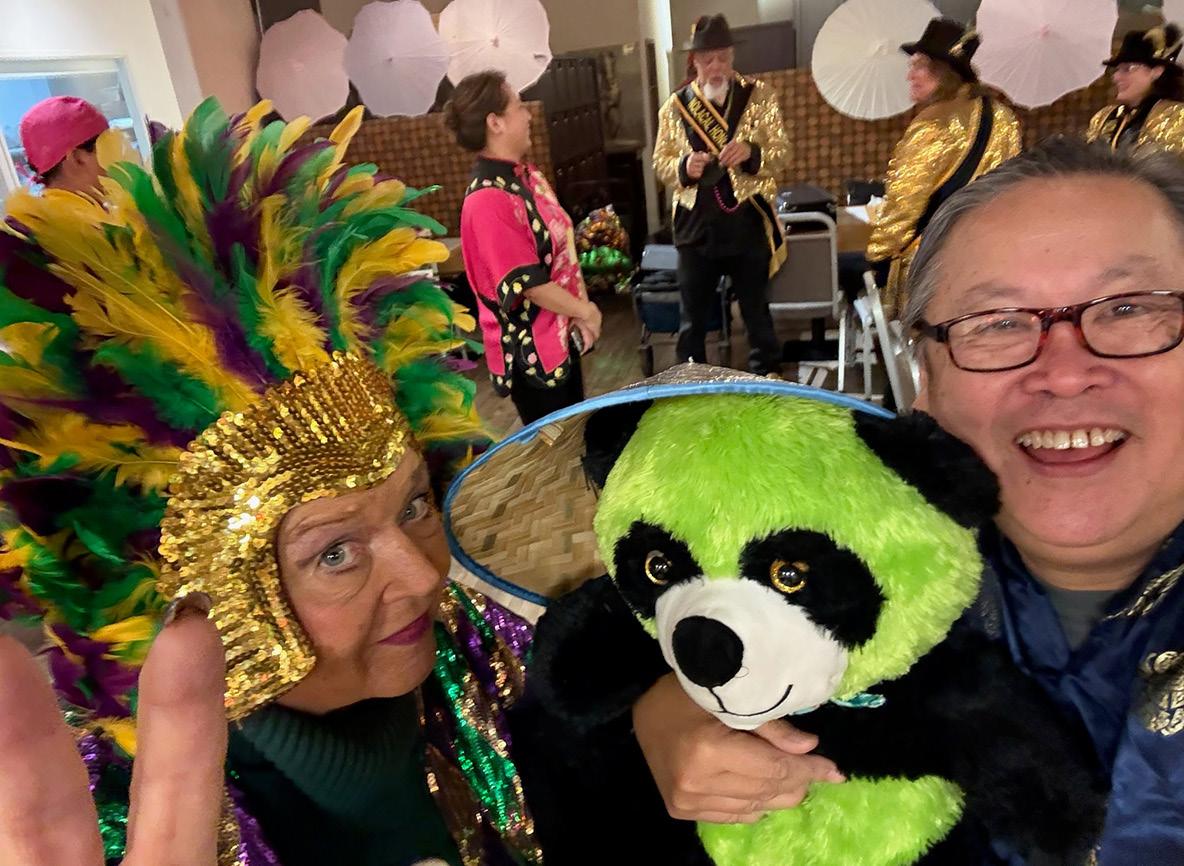
There remains something irreplaceable about the human experience—especially when it comes to events that bring people together. “Where The Good Times Roll,” a phrase that finds its roots in the famous Louisiana French expression “Laissez les bons temps rouler” (translated to “Let The Good Times Roll”) is used by Louisiana Sue and perfectly captures the magic that happens when culture, community, and connection collide that focuses on the joy of living.
Events are more than gatherings; they are living expressions of identity. They showcase traditions, celebrate heritage, and create shared memories that transcend generations. Whether it’s a vibrant festival, a cultural showcase, or an intimate community gathering, these experiences remind us of where we come from and who we are. In an age where digital interaction often replaces face-to-face connection, the value of physical presence has never been greater.
Human interaction fosters empathy, understanding, and unity—qualities that technology alone cannot replicate. Events create spaces where people can engage authentically, exchange ideas, and build relationships that strengthen communities. They allow us to feel energy, emotion, and belonging in ways that no virtual platform can fully capture.
Recognizing this growing need, a new platform is being developed to serve as a comprehensive resource for event creators and communities alike. “Where The Good Times Roll” is more than a concept—it’s a movement designed to help people craft not just events, but meaningful experiences. From small, intimate gatherings to large-scale productions serving thousands, the platform will guide users through designing, creating, and executing memorable occasions.
With decades of combined experience, Jim T. Chong and Louisiana Sue bring a powerful synergy to this venture. Chong, known as the “Wok Star & Legend Maker,” has been instrumental in facilitating and emceeing hundreds of events, while Louisiana Sue’s roots in Louisiana culture have led to the creation of iconic Mardi Gras and Crawdad festivals enjoyed by massive audiences.
Together, they are preserving the art of celebration while innovating for the future— ensuring that as technology evolves, the heart of human connection continues to thrive.
They are currently working on several events designed to help people have great experiences and bring people together. Through their combined experiences, they will be helping design events and gather resources such as vendors, sponsors, and event coordinators to create themed lasting events to be remembered and experienced.
For more information, visit WhereTheGoodTimesRoll.com or call (279) 999-6363.
Jim T. Chong the Wok Star and Legend Maker Innovator, Connector, and The AI Asian Jim@CitywideDMS.com • (279) 999-6363.
Jim T. Chong
BUSINESS COMMUNITY
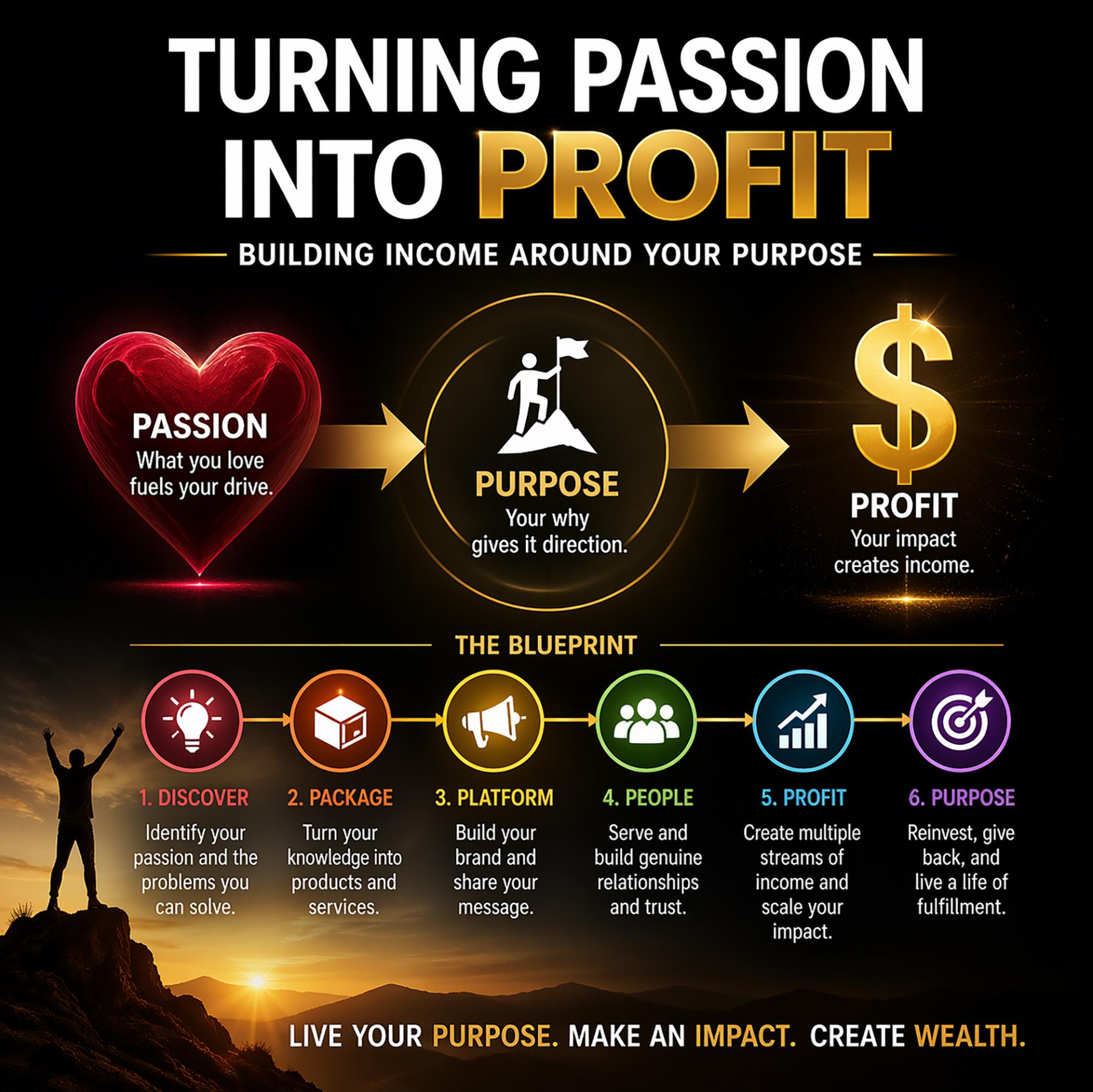
Turning Enthusiasm Into Earnings: Building Income Around Your Purpose
By Dr. Jessie Bowen
There comes a moment in every person’s life when they begin to ask a deeper question: Is what I’m doing authentically aligned with who I am? For many, that question leads to the realization that their passion—the very thing that excites, energizes, and gives them purpose—has been sitting on the sidelines while they pursue something safe, familiar, or expected.
Your passion is not a hobby, it’s a pathway. Properly developed, it can generate income, impact, and influence.
I’ve worked with entrepreneurs, martial artists, authors, and leaders. One truth is constant: those who align purpose with income experience the most fulfillment and financial success. Here’s how you can do the same.
1. Identify the Value Within Your Passion
Passion is not enough; it must provide value by solving a problem, meeting a need, or improving lives.
Ask yourself:
• What do people naturally come to me for?
• What knowledge or ability have I developed through experience?
• What problems can I help others solve?
Your successes and challenges have provided you with unique value. Whether teaching, coaching, writing, mentoring, or creating, your passion profits when it serves others.
2. Package Your Knowledge
Once you’ve identified your value, the next step is to package it so others can access it.
In today’s world, there are more opportunities than ever:
• Write a book that shares your message.
• Create an online course or training program.
• Offer coaching or consulting services.
• Develop workshops, seminars, or speaking engagements.
A $20 book can unlock access to $2,000 opportunities. A book is more than a product—it’s a platform, establishing your authority and creating opportunities.
The key is to present knowledge in a structured, accessible way that people can invest in.
3. Build a Platform, Not Nothing but a Product
Too many focus on products. Your platform serves as your ecosystem for exposure and impact.
This includes:
• Social media presence
• Email marketing
• Podcasting or video content
• Magazine features and media exposure
Dependability in showing up, sharing value, and demonstrating expertise creates trust. Where there is trust, opportunity follows.
People buy from those they believe in, not just for the product.
4. Create Multiple Streams of Income
One big mistake is relying on one income source. Building your passion lets you create multiple streams of income from the same message.
For example:
• Your book leads to coaching clients.
• Your coaching leads to speaking engagements.
• Your speaking leads to course sales.
• Your courses lead to membership programs.
It’s not about doing more—exclusively strategic, aligned work multiplies your results.
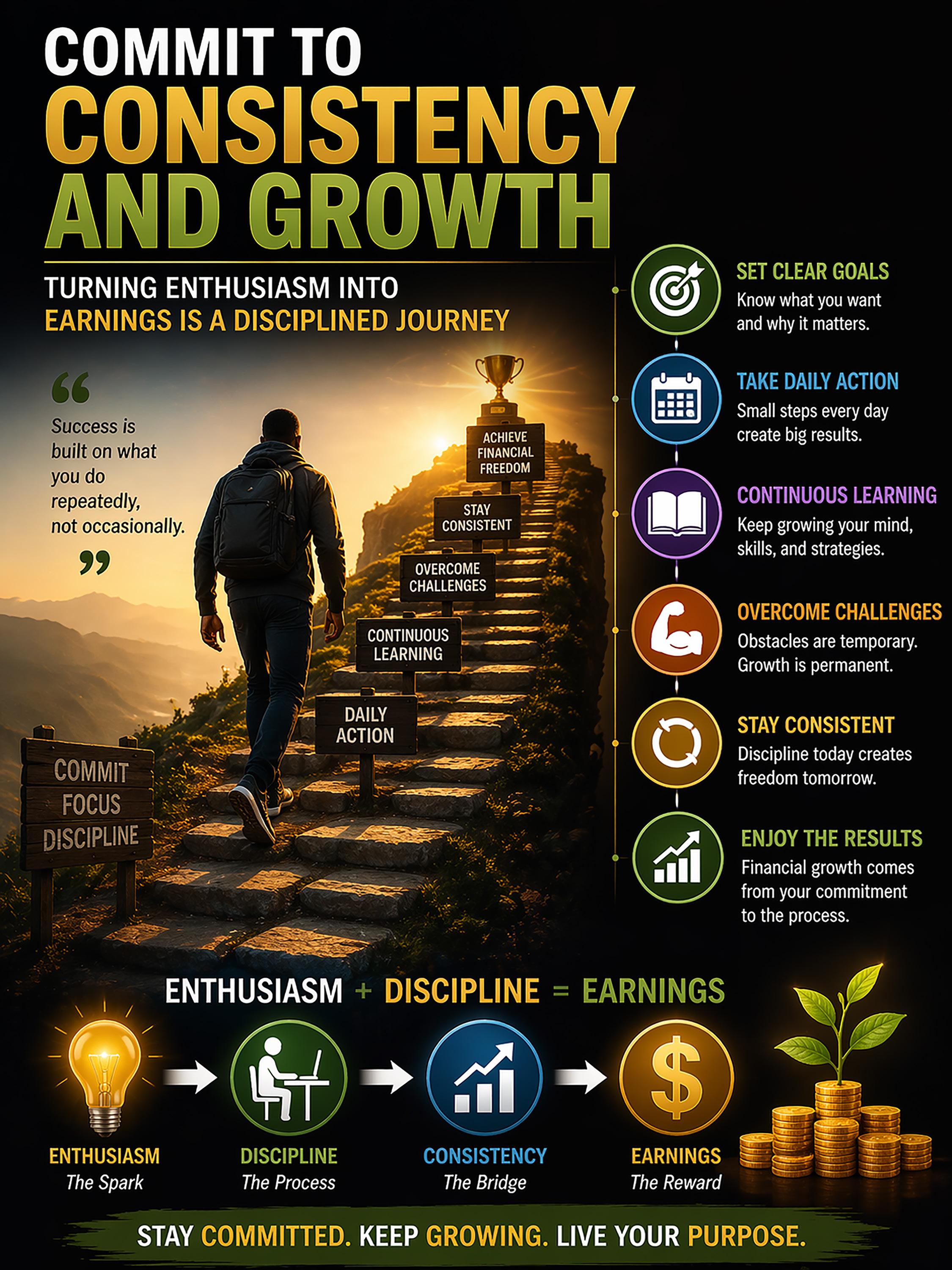
5. Commit to Consistency and Growth
Turning enthusiasm into earnings is a disciplined journey, not an overnight success.
There will be moments when results are slow. There will be times if doubt creeps in. But those who succeed are not always the most talented, they are the most consistent.
Jessie Bowen
Stay committed to:
• Daily action toward your goals
• Uninterrupted learning and improvement
• Surrounding yourself with similar-minded individuals
Success comes from what you do repeatedly, not occasionally.
6. Align Purpose with Profit
This is not only about money. It’s about living with purpose and gaining financial stability.
When your work matches your purpose:
• You wake up with clarity.
• You serve with passion.
• You earn with integrity.
Above all, you create impact that reaches beyond yourself.
You were not created for limitation. You have an idea, message, or gift that can change lives—including your own.
The question is not whether your passion can produce income.
The question is: Are you willing to develop, structure, and commit to it?
Start where you are. Use what you have. Make the first step.
When passion meets purpose and aligns with action, profit is the result—not the goal.
Key takeaway: True success starts through aligning passion, purpose, and disciplined action.
Thinking About Writing a Book?
Ready to share your story and build your brand? Connect with Elite Publications to write, publish, and market your book. Visit: www.elitepublications.org
About the Author
Dr. Jessie Bowen is an author, publisher, and business coach with over 40 years of experience. As the founder of Elite Publications, he helps individuals turn their message into impact and income.
BUSINESS COMMUNITY
Josephine Jue: Another Hidden Figure
By Jana Meisenholder
Mar 21, 2023
Source: Mississippi Delta Chinese Meritage Museum, Inc. & Medium
Photo Credit: NASA History Office
Photo Credit: Arnold Reinhold
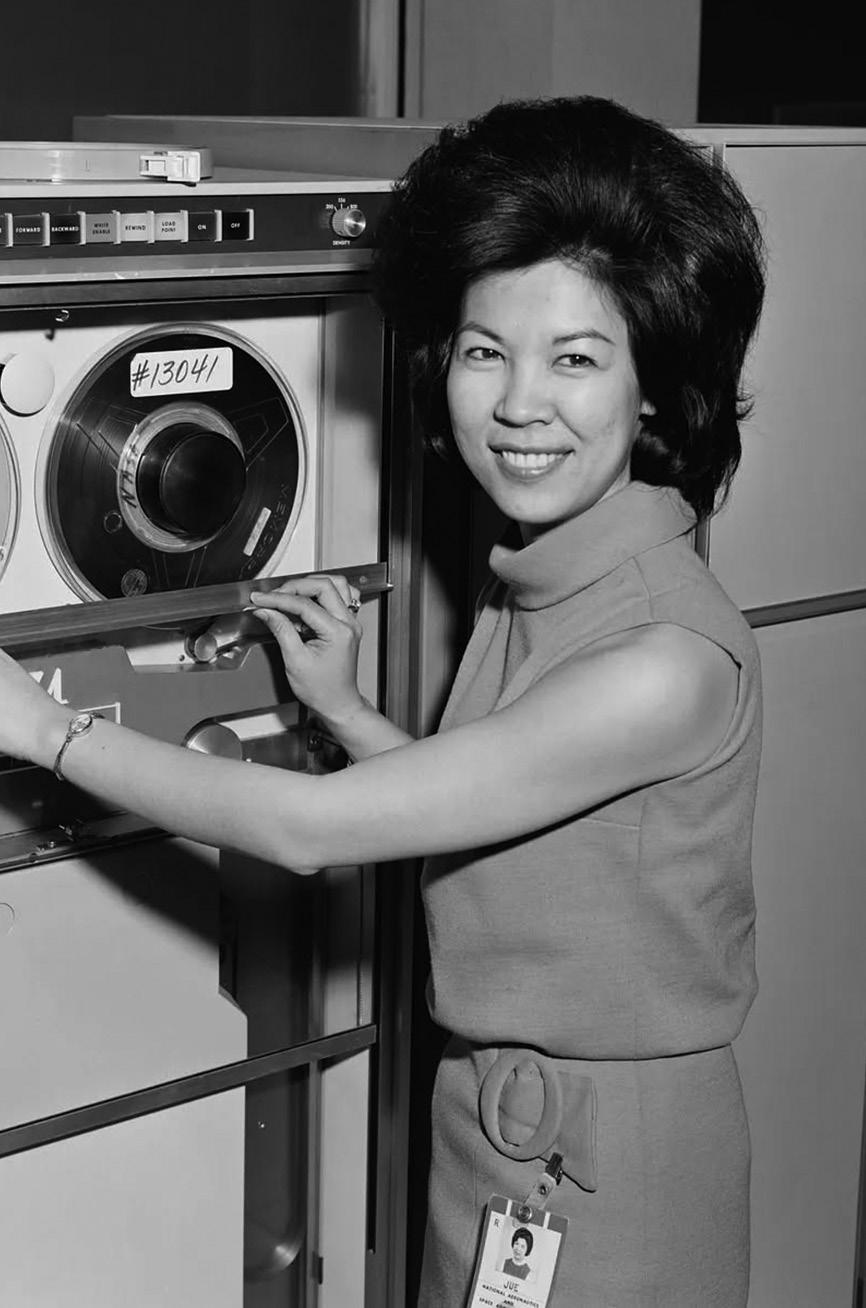
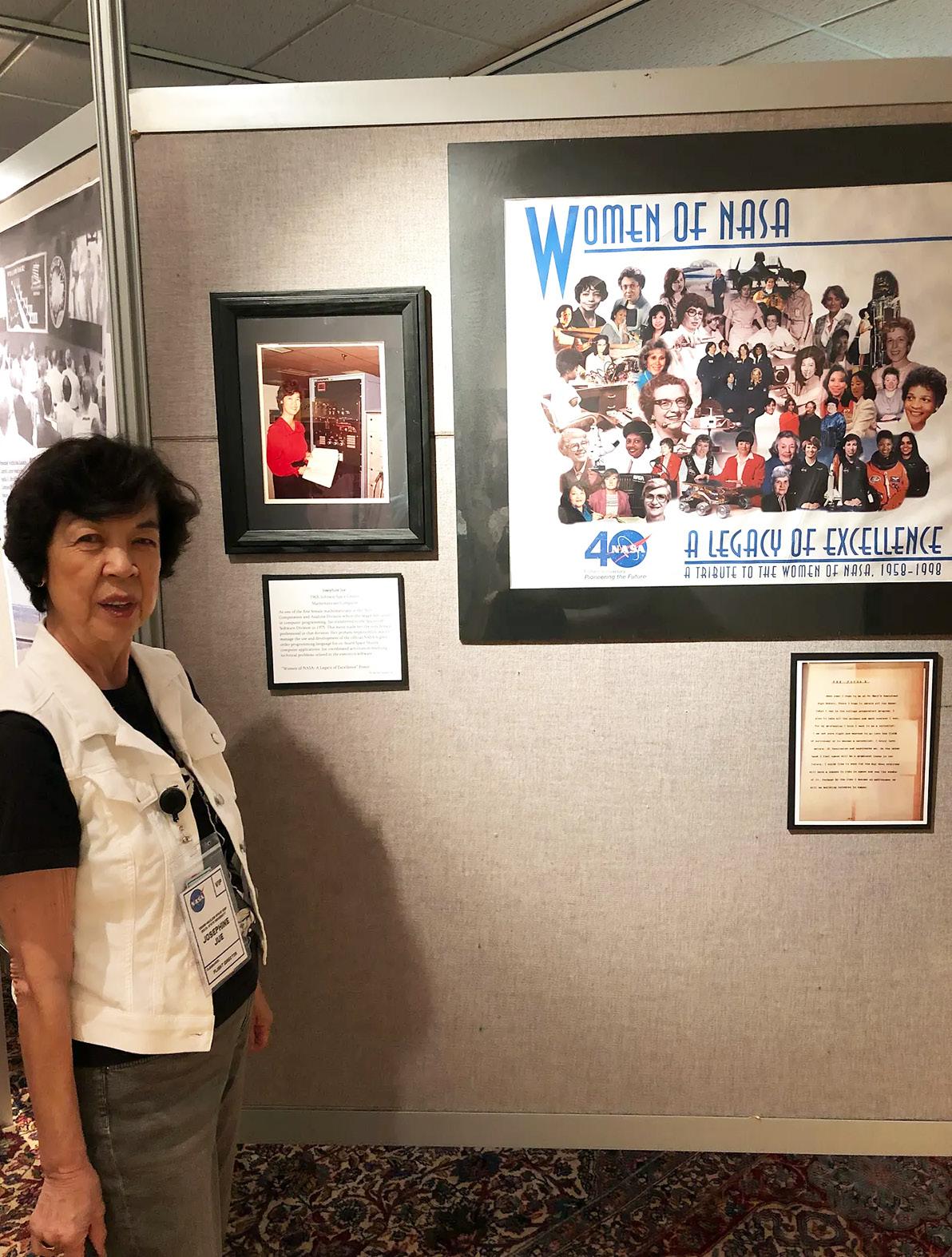
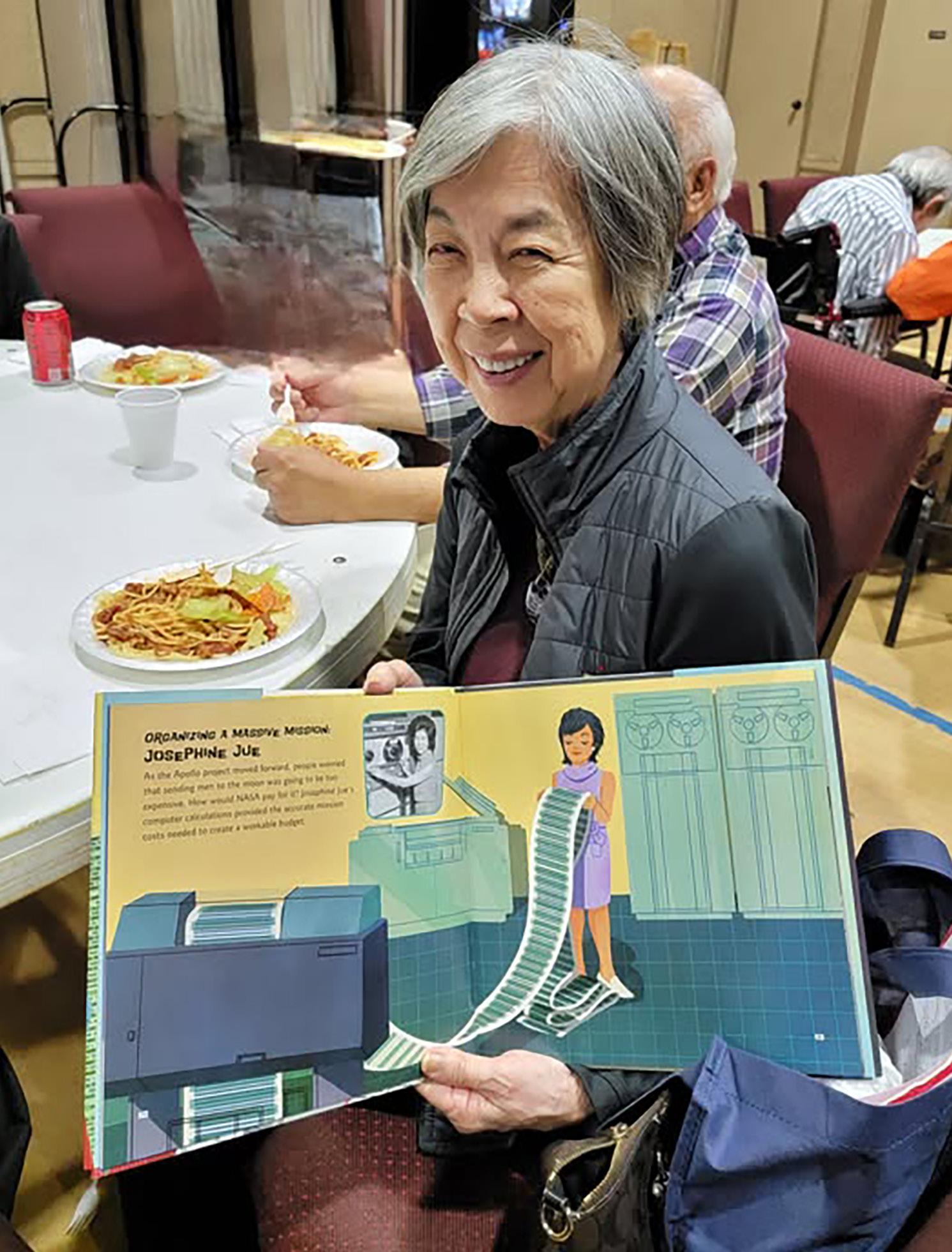
As the Artemis II launch returns America to the moon after over 50 years, we recognize Josephine Jue, the first Chinese American female NASA pioneer whose calculations helped make the first American NASA Lunar mission and landing in 1969 possible.
Chinese people have dreamed of and celebrated the moon for over 3000 years. Josephine Jue is one of the First Chinese and First Women to help humanity get there. Born in Mississippi in 1946, she would join NASA in 1963 to become just one of just 8 women there and the sole Asian American woman. She was also one of the First Female Mathematicians ever hired by NASA. She would go on to say, “At the time, there were only 170 women in professional positions out of 4,000 total workers at Johnson Space Center. However, as a female Asian, I never felt discriminated against and was fully accepted by management... Throughout my entire career, I was the only Asian woman in a group of 8% professional women, which included one Hispanic woman.”
Working for NASA for 34 years, she as mentioned before, would work on the Apollo 11 Moon landing, would work on the compiler for the Space Shuttle Program and was Chief of NASA’s Software Engineering Laboratory (SEL) in 1975. She is best known for development, implementation and maintenance of the HAL/S system during the Space Shuttle program.
For women everywhere, Josephine Jue has this message: “The next generation of women can have hope for a world that respects them for who they are. They should never doubt that they can achieve what they want. It’s important to be passionate and fearless. They should also care about other women and strive to lift each other up instead of bringing them down. Above all, they should feel confident in themselves and their abilities to conquer the world.”
She is a another overlooked “Hidden Figure.” And as important as the film “Hidden Figures” was to the Black community and although the movie’s understandable focus was on the historic accomplishments of only the brilliant Black NASA women--- We still feel it is equally important to highlight the essential contributions of Asian American NASA women pioneers like Josephine Jue who used her University of Houston Mathematics degree to historic effect.
Please visit the website of the Mississippi Delta Heritage Museum at this link here where in 2023 Jana Meisenholder did this rare interview with Josephine Jue: https://chineseheritagemuseum.org/another-hidden-figure/
Please share this link by email with your friends and family on this day so they can know of this Chinese American Hidden Figure who helped send Humankind into space and onto the surface of the moon. If you have a chance please also explore more of the Mississippi Delta Heritage Museum website to learn more about the important history of Chinese Americans in the Deep South.
For readers at this facebook page, here is the incredible interview:
Interviewer: When you were in college, did you take machine learning courses because you already knew you wanted to pursue a career at Johnson Space Center? Could you explain how you landed your first job there?
Josephine Jue: In 1963, I was hired by NASA as a mathematician. Over time, my job title changed to aerospace technologist and my duties required proficiency in various mathematical modules of scientific programming, as well as machine and Fortran languages for the IBM 7094 computer. At that time, input was done via key punch cards and output was stored on magnetic tape, which could then be printed on paper. As technology advanced, my
Josephine Jue
TRAILBLAZERS
career also evolved. In 1974, I was promoted to a manager position where I was responsible for developing the HAL/S compiler program. This program, which was developed and implemented in 1971, was used to verify the software design concepts and algorithms for the space shuttle, and should not be confused with the Houston Aerospace Language as portrayed in the movie.
This avionics program was created with the help of Intermetrics, Inc., a contractor located in Boston. Recognizing the emergence of machine learning, I pursued courses in the field and graduated with a degree in math. When NASA’s Manned Spacecraft Center was under construction, I applied for a job as a mathematician, and was later re-titled as an aerospace technologist. My responsibilities continued to involve knowledge of machine and FORTRAN languages for the IBM 7094 computer. However, technology had advanced and we were now using remote individual desk and handheld processes.
Interviewer: Can you share how your career progressed over time?
Josephine Jue: In 1984, I was promoted to the chief of the service center, which was responsible for acquiring, installing, and maintaining IBM PCs, including the hardware and Microsoft Word software, as well as networking and providing training. We had a help desk for troubleshooting and a computer facility where you could check out equipment for office work or learning.
In 1993, four years before retiring, I became the chief of MIS for the Space Station office, which was restricted to managing workstations for PCs. My manager at the time, William Shepherd, later became the first Space Station commander.
Throughout my entire career, I was the only Asian woman in a group of 8% professional women, which included one Hispanic woman.
Interviewer: Did your parents or upbringing spark an interest in space exploration, and did they relocate a small town in the Mississippi Delta Chinese community to Houston for this reason?
Josephine Jue: I was born in the back of my parent’s small grocery store in Vance, Mississippi many years ago, located between Marks and Dublin. At the time, there was no space exploration, and my family had moved to Third Ward in Houston for a bigger and better life when I was just three months old. Our new home was a two-story building, with a new grocery store (called Far East Grocery) on the first level and living quarters upstairs. Before I was ten years old, I worked at the cash register and learned how to count by twos, tens, and twenties. When calculating the total sale, including sales tax, math came in handy, especially when the customers only had a couple of items.
Years later, I attended the University of Houston, where I majored in math and minored in chemistry. And at the time I was graduating, I knew I didn’t want to be a teacher or secretary. These were the jobs offered to most women at the time. But luckily, I took some programming courses at the University of Houston in Fortran and MAD (machine language). Meanwhile, NASA was emerging, and the Manned Spacecraft Center was being constructed at Clear Lake, just 25 miles from downtown Houston. Various buildings offsite were used until the big move to the Johnson Space Center at Clear Lake.
Interviewer: As a first-generation Asian American woman, what were some of the biggest challenges you encountered during your first year at Johnson Space Center, especially in a male and white-dominated field, and during a time when discrimination was still legal prior to the enactment of the Civil Rights Act of 1964?
Josephine Jue: The Civil Rights Act of 1964 aimed to establish equal opportunities regardless of race or sex, eliminate discriminatory customs and practices that barred women from certain jobs and high-level positions, and encourage women to participate in training and advancement programs. As a result, the Federal Women’s Program was created to help women move out of traditional clerical and secretarial jobs.
At the time, there were only 170 women in professional positions out of 4,000 total workers at Johnson Space Center. However, as a female Asian, I never felt discriminated against and was fully accepted by management. I was asked to serve as a member of the Federal Women’s Program to support the goal of promoting women out of traditional jobs (clerical and secretarial positions). Women employees have since made significant contributions to aeronautical and space achievements in various roles.
Interviewer: Can you tell us about any particularly memorable moments or achievements from your time at Johnson Space Center?
Josephine Jue: A brochure titled “Minority Profiles” was developed, featuring minorities from all NASA centers, including myself as one of the two recognized Asian women. I was also a member of the team responsible for
TRAILBLAZERS
developing, testing, and operating the HAL/S compiler used on all Space Shuttle flights.
The next generation of women can have hope for a world that respects them for who they are. They should never doubt that they can achieve what they want. It’s important to be passionate and fearless. They should also care about other women and strive to lift each other up instead of bringing them down. Above all, they should feel confident in themselves and their abilities to conquer the world.
Interviwer: What are some of your current interests and activities, and how do you stay connected to the world of space exploration today?
Josephine Jue: My main current activity is serving on the committee to plan and develop the 70th reunion of the Chinese Baptist Church, which is scheduled for October 2023. I also have a connection to NASA where I meet and greet with some personnel to discuss current events.
Josephine Jue
Josephine Jue
SWEET & Savory
Lumpia: A Story Wrapped, Rolled, and Passed Around the World
By Layne Imada
I knew lumpia was good. That part was never in question. Crispy, golden, gone in seconds—lumpia doesn’t ask for your attention, it demands it. What I didn’t know was where it came from. It felt so distinctly Filipino, so at home on every party table, that I never stopped to ask how it got there in the first place.
But lumpia, it turns out, has traveled.
Long before it was stacked high on paper plates at family gatherings, lumpia began as something else entirely—a cousin of the Chinese spring roll, carried across seas by traders who brought more than just goods. They brought flavors, techniques, and traditions. When those influences reached the Philippines, something clicked. Local ingredients stepped in. Filipino taste took over. And just like that, lumpia stopped being borrowed and started becoming its own.
That’s the thing about food—it doesn’t stay still.
By the 17th century, lumpia was already on the move again, drifting through trade routes and colonial pathways into places like Guam and Indonesia. It adapted quickly, almost effortlessly. In Vietnam, it became lighter and herbfilled. In Indonesia, richer and spiced. Even in places far from Southeast Asia, versions began to appear—each one familiar, but never quite the same. Wherever lumpia landed, it blended in without losing itself.
And yet, no matter where you find it, there’s something unmistakably consistent about lumpia. It always comes back to the basics: a thin wrapper, a savory filling, the roll of practiced hands, and that final transformation— whether it hits hot oil or stays fresh and soft. It’s a study in contrast. Crunch and tenderness. Salt and sweetness. Simplicity and satisfaction.
But lumpia isn’t just food—it’s presence.
It shows up at birthdays, holidays, reunions. It’s made in batches, in kitchens filled with conversation, where someone is always rolling and someone else is always sneaking one off the tray. It’s the first thing to disappear and the one dish people hope there’s more of in the back.
Maybe that’s why its origin story feels almost beside the point.
Lumpia doesn’t belong to just one place because it was never meant to. It’s a dish shaped by movement—by migration, by exchange, by history unfolding across oceans. And yet, somehow, it still feels deeply, undeniably Filipino.
But to really understand lumpia, you have to step into the kitchen.
There’s a rhythm to it. A station forms almost naturally—wrappers stacked neatly, filling prepped and seasoned just right, a small bowl of egg wash waiting at the edge. Someone takes the lead, laying down wrappers one by one, spooning filling with a practiced eye, folding, rolling, sealing. It’s repetitive, almost meditative. And then, without anyone saying it out loud, others join in. An assembly line appears. Conversations drift between stories, jokes, and quiet concentration. Time moves differently when you’re making lumpia.
Then comes the frying.
Oil heats, the first batch goes in, and suddenly the room shifts. The sound alone—sharp, immediate, alive—pulls everyone closer. Lumpia turns from pale and delicate to golden and crisp in minutes, each piece promising that perfect bite. And no matter how many you make, it never feels like enough.
SWEET &
That’s the paradox of lumpia. It’s simple food, made from humble ingredients. But it carries something bigger—memory, community, identity. It feeds more than hunger; it feeds connection.
So yes, lumpia has a past that stretches far beyond a single country. It’s layered, complex, and a little hard to pin down.
But here’s the part that matters most:
It made its home in the Philippines. It became part of the culture. And more importantly—it became something people love.
“The real fact of the matter is that nobody reads ads. People read what interests them, and sometimes it’s an ad.”
- Howard Gossage
And if you’ve ever had one—hot, crisp, and gone before you even reach for another—you already understand why. CALIFORNIA 209.993.2607
Graduation, it means so much more.
By Layne Imada
Inspired
by Kinsei, Kaitlyn, Kaiden, and Keira
April 14,
2026
I’ve been feeling both anxious and excited. Soon, two of my kids will be graduating from college. My oldest has already graduated, and my youngest still has one year left. Now, I’m on the cusp of watching my two middle children reach another milestone in their lives.
I don’t see it as the end, but rather as the close of a chapter in a great novel— and the beginning of a new one. So as I sit here drinking coffee, a few random thoughts and my take on graduation.
Graduation is often framed as a finish line—a long-awaited moment when years of effort culminate in a single walk across a stage. Caps are tossed, names are called, cameras flash, and for a brief moment, everything feels complete. But the truth is, graduation—whether from high school or college—is far less about ending something and far more about becoming something new. It is a transition not just in circumstance, but in identity. It marks the point where structure gives way to choice, where expectations shift, and where the responsibility of shaping a life begins to settle more fully on your shoulders.
Graduating from high school is typically the first major milestone that carries this kind of emotional and psychological weight. For most people, high school represents a life that has been carefully guided. The path is relatively clear: attend classes, complete assignments, pass exams, and move forward one grade at a time. There is comfort in that predictability. Even when it feels restrictive, it provides a framework that defines success in straightforward terms.
When you graduate from high school, that framework begins to dissolve. The question is no longer simply about meeting requirements—it becomes about making decisions. For many, this is both liberating and unsettling. You are suddenly faced with choices that carry real consequences: whether to pursue higher education, enter the workforce, travel, or take time to figure things out. There is no single “correct” answer, and that ambiguity can feel overwhelming.
This is also the moment when identity begins to shift in a noticeable way. In high school, you are often defined by your environment—your classes, your social circles, your extracurricular roles. Once you graduate, those labels lose some of their power. You are no longer just a student at a particular school; you
are someone standing at the threshold of adulthood, with the ability to redefine yourself beyond the context you’ve known for years.
At the same time, high school graduation is deeply tied to memory and nostalgia. It represents the closing of a chapter filled with formative experiences—friendships that felt all-consuming, challenges that once seemed insurmountable, moments of growth that may not have been fully recognized at the time. There is a quiet realization that life will never again look quite the same. The routines that once felt permanent are suddenly gone, replaced by an open landscape that is as intimidating as it is full of possibility.
College graduation carries a different kind of significance. If high school is about stepping into independence, college is about learning how to navigate it. The years spent in college often involve a deeper level of self-discovery. You are not just absorbing information—you are actively shaping your worldview. You encounter new ideas, diverse perspectives, and challenges that push you to think critically about who you are and what you believe.
By the time you reach college graduation, you have likely faced moments that tested your resilience. Perhaps you struggled with academic pressure, financial stress, or the uncertainty of your chosen path. Maybe you changed your major, questioned your goals, or experienced setbacks that forced you to adapt. These experiences are not distractions from the educational journey—they are central to it. They teach you how to problem-solve, how to persevere, and how to navigate complexity.
Earning a college degree, then, is not just an academic achievement. It is a testament to your ability to commit to something over time, to push through difficulty, and to grow in ways that extend far beyond the classroom. It reflects not only what you have learned, but who you have become in the process.
STORY THREADS
Yet, despite the sense of accomplishment, college graduation often brings with it a new kind of pressure. There is an expectation—sometimes unspoken, sometimes very explicit—that you should now have everything figured out. The assumption is that a degree provides a clear pathway into a stable, fulfilling career. For some, this may be true. But for many, the reality is far more complicated.
The transition from college to the “real world” can feel abrupt. The structure that once guided your days is gone, replaced by a need to create your own routines and define your own goals. Job searches can be uncertain and discouraging. Paths that once seemed clear may no longer feel right. It is not uncommon to feel lost during this time, even after achieving something as significant as a college degree.
This disconnect between expectation and reality is an important part of the graduation experience. It reveals a fundamental truth: graduation does not provide answers—it provides an opportunity to ask better questions. It challenges you to think more deeply about what you want, what matters to you, and how you want to spend your time and energy.
Both high school and college graduation share a common thread: they mark the transition from external guidance to internal direction. In earlier stages of life, success is often defined by others—teachers, parents, institutions. As you graduate, that definition becomes more personal. You are no longer simply meeting expectations; you are creating them.
This shift can be both empowering and daunting. On one hand, it allows for a level of freedom that was previously out of reach. You have the ability to explore different paths, to take risks, and to redefine success on your own terms. On the other hand, it requires a level of responsibility that can feel heavy. The outcomes of your decisions are now more directly tied to your own actions.
Graduation is also a moment of reflection. It invites you to look back at the journey that brought you to this point and to recognize the people who played a role in your success. Teachers who challenged you, mentors who guided you, friends who supported you, and family members who believed in you—even when you doubted yourself. These relationships are an essential part of what graduation represents. No one reaches this milestone entirely on their own.
There is a sense of gratitude that often accompanies this realization. It is an acknowledgment that your achievements are connected to a broader network of support. This does not diminish your effort—it enhances it. It reminds you that success is rarely a solitary endeavor.
At the same time, graduation is not a universal experience. For some, it is a moment of celebration and clarity. For others, it may be complicated by financial strain, personal challenges, or uncertainty about the future. It is important to recognize that there is no single way to feel about graduation. Excitement and anxiety often coexist. Pride can be accompanied by doubt. These mixed emotions are not contradictions—they are reflections of the complexity of the transition itself.
In many ways, graduation is less about arriving at a destination and more about stepping into a process. It signals the beginning of a phase in life where learning becomes more self-directed. Outside of formal education, growth continues in different forms—through work, relationships, failures, and new experiences. The lessons learned during school provide a foundation, but they are only the starting point.
One of the most significant shifts that occurs after graduation is the realization that there is no single path to follow. The idea of a linear progression— graduate, get a job, build a career, achieve stability—is increasingly less reflective of reality. Many people change careers multiple times, pursue different interests, and redefine their goals as they gain new experiences. This fluidity can be unsettling, but it also opens up possibilities that would not exist within a rigid framework.
Graduation, then, is an invitation to embrace that uncertainty. It encourages you to approach life with curiosity rather than fear. To see setbacks not as failures, but as opportunities to learn and adjust. To understand that not having all the answers is not a weakness—it is a natural part of growth.
It is also a reminder that success is not a fixed concept. What feels meaningful and fulfilling can change over time. The goals you set immediately after graduation may evolve as you gain new insights and experiences. This adaptability is not a sign of inconsistency—it is a reflection of a life that is actively being shaped.
In the end, what it means to graduate from high school or college goes far beyond the ceremony itself. It is a moment that captures both an ending and a beginning. It is a recognition of what has been accomplished and an acknowledgment of what is still unknown. It is a step into a version of life that is less defined, but more open.
The diploma you receive is a symbol, but it is not the destination. The real significance of graduation lies in what comes next—the choices you make, the paths you explore, and the person you continue to become. It is not a conclusion, but a turning point. And like all turning points, its true meaning is revealed not in the moment itself, but in everything that follows.
So, to all of you graduating, whether high school or college, a big congratulations! Remember the milestone and write the next chapter. Now, go get that diploma, you’ve earned it.
NEWS & EVENTS
Sacramento’s Tax Debate Rekindles Fears Over Property Protections
By Layne Imada
In living rooms across California, conversations about rising costs and economic stability are becoming increasingly urgent. For many residents, the daily routine—early mornings, long commutes, and hard work—is tied to a singular goal: building a stable life and securing a future for their families. At the center of that pursuit is homeownership, long considered a cornerstone of financial security in the state.
Now, a renewed debate over taxes and voter authority is drawing attention back to one of California’s most consequential policies: Proposition 13.
A Legacy of Tax Reform
Passed by voters in 1978, Proposition 13 fundamentally changed how property taxes are calculated in California. The measure capped property tax rates at 1% of a home’s assessed value at the time of purchase and limited annual increases in assessed value to 2%, unless the property changes ownership.
The initiative emerged during a period of rapidly rising home values, when many homeowners—particularly those on fixed incomes—found themselves struggling to keep up with escalating tax bills. Supporters argued the measure provided necessary stability and protection against being “taxed out” of one’s home. Critics, however, have long contended that it constrained public revenue and shifted the tax burden in ways that continue to shape California’s fiscal landscape.
More than four decades later, Proposition 13 remains one of the most influential and debated policies in the state.
Renewed Political Tensions
Recent developments in Sacramento have brought property tax policy back into the spotlight. At issue are proposed constitutional amendments and broader questions about how taxes are approved at both the state and local levels.
Among the measures drawing attention are ACA 1 and ACA 13, both introduced in the California State Assembly. ACA 1 proposes lowering the voter threshold required to pass certain local bonds and tax measures from twothirds to 55%, a change supporters say could make it easier for communities to fund infrastructure and housing projects. Opponents argue it would make tax increases easier to approve without broad consensus.
ACA 13, meanwhile, addresses the state’s citizen initiative process. The proposal would require that any ballot initiative seeking to increase the vote threshold for passing taxes must itself meet that higher threshold. Supporters describe the measure as a way to preserve majority rule, while critics argue it could make it more difficult for voters to enact stricter tax limitations in the future.
Legal Battles and Ballot Access
The debate has also extended into the courts. A separate taxpayer-backed initiative—reportedly supported by more than one million signatures—sought to impose stricter requirements for approving new taxes, including mandating voter approval and clearer labeling of tax-related measures.
However, the California Supreme Court ruled to remove the initiative from the ballot, preventing voters from weighing in on the proposal. The decision has fueled disagreement over the balance of power between voters, lawmakers, and the judicial system.
A Broader Debate
At its core, the issue reflects a deeper divide over governance, taxation, and public accountability. Supporters of stricter tax limitations argue that voters should retain direct control over tax increases and that existing protections like Proposition 13 are essential for preserving affordability.
Others contend that evolving economic conditions—including housing shortages, infrastructure needs, and population growth—require more flexible funding mechanisms, even if that means adjusting long-standing policies. The debate also highlights broader concerns about cost of living in California, where housing affordability remains a persistent challenge. For many residents, property taxes are just one piece of a larger financial puzzle that includes rising home prices, insurance costs, and everyday expenses.
Looking Ahead
As the next election cycle approaches, voters are likely to encounter these issues on the ballot and in public discourse. Advocacy groups on all sides are mobilizing, emphasizing the stakes for homeowners, renters, and local governments alike.
What remains clear is that Proposition 13 continues to shape not only tax policy but also the broader conversation about economic stability in California. Whether it remains unchanged or evolves in response to new proposals, its legacy—and its future—will play a central role in the state’s ongoing debate over affordability and governance.
For millions of Californians, the outcome is more than a policy decision. It is tied to the fundamental question of what it means to build—and keep—a home in one of the nation’s most dynamic and expensive states.
California Democrats are clamoring to tax the rich. Why their proposals could backfire.
By Yue Stella Yu
Source Cited: Cal Matters • April 14, 2026
Progressive California Democrats, who have long fought and failed to raise taxes on the rich, are renewing their push this year in light of a specific threat: The seismic federal cuts to Medi-Cal, the state’s health care program for the poor.
President Donald Trump’s H.R.1, signed into law last July, is estimated to strip tens of billions a year in state Medi-Cal funding and cause 2 million low-income residents to lose coverage. It has prompted progressive lawmakers and health care advocates to call for higher taxes on corporations or billionaires to keep those at risk of losing benefits on the program.
“We know that you are not responsible for these awful cuts, but now the responsibility does lie in your hands,” Judy Mark, executive director of Disability Voices United, an advocacy group for people with disabilities and their families, told state lawmakers at a January rally. “You have the power to increase our revenue so that we don’t have to make such devastating cuts.”
Progressive lawmakers have introduced at least two proposals to tax corporations, including one that would direct funds toward Medi-Cal. Separately, health care advocates are backing a controversial ballot measure to tax billionaire wealth to replace lost federal dollars.
There’s one glaring problem: Any solution to backfill the Medi-Cal funding could add to the state’s already gigantic structural budget deficit, not reduce it.
The deficit could reach $30 billion in future years — so large that the state is already struggling just to sustain the reduced level of care under H.R.1, let alone paying the federal government’s share.
Backfilling the Medi-Cal cuts would make the gap larger, said Keely Martin Bosler, former state finance director with more than two decades of experience in state fiscal policy. To “maintain the same insured level of coverage, those costs are on top of the deficits that exist, and so that would be significant.”
California, in its fourth consecutive year projecting a deficit, will likely see bigger shortfalls in future years as spending continues to outpace revenue.
Even if the state spends nothing to backfill federal cuts, the deficit could reach $22 billion in fiscal year 2027-28, according to Gov. Gavin Newsom’s January budget proposal.
Democratic lawmakers, who already cut certain Medi-Cal benefits and froze new undocumented adult enrollment last year to close a $12 billion budget hole, acknowledge that the state should now combine sustainable revenue increases with ongoing program cuts to address the sizable deficit as recommended by the nonpartisan Legislative Analyst’s Office.
Yet it’s likely that no meaningful revenue increases will materialize this year. Newsom, in his last year as governor, has opposed any wealth tax over concerns that it would drive high-income earners out of California and dampen the tax base. Passing any tax increases would also require a twothirds vote in each legislative chamber, a high bar even with a Democratic supermajority.
“I don’t think anything is going to happen this year,” said Senate Revenue and Taxation Committee Chair Jerry McNerney, a Stockton Democrat. “So why look at options that are doomed to fail in the first place?”
A $44 BILLION PROBLEM
The state is constitutionally required to direct roughly 50 cents of each dollar in excess general fund revenue toward K-14 education and reserves. That means the state would need roughly $44 billion in new revenue annually to close a $22 billion budget hole.
Existing legislative proposals don’t come close to raising that much. Progressive Democrats are consolidating behind a pair of tax proposals, including one that would close the “water’s edge” loophole, which allows multinational corporations that opt in to only pay taxes on income made within borders of California. That allows companies to establish subsidiaries offshore to avoid paying taxes on their profits, said bill author Assemblymember Damon Connolly, a San Rafael Democrat.
Connolly told CalMatters his bill would raise $3 to $4 billion annually. But the revenue could swing, and corporations could still find new ways to reduce their California taxes, according to an LAO evaluation of different tax options.
Acknowledging that the amount wouldn’t close the entire structural deficit, Connolly said it’s “a step in the right direction.”
“It’s only one part of the equation. It’s certainly the time to look at potential revenue solutions but also obviously roll up our sleeves and take a hard look at the budget,” Connolly said. He did not specify which areas he’d consider cutting, saying only that protecting health care is where state lawmakers should “draw the line.”
NEWS & EVENTS
Another bill by Assembly Health Committee Chair Mia Bonta, an Oakland Democrat, would require businesses whose workers rely on Medi-Cal and food stamps to contribute to a fund to “prevent loss of or to restore” health care coverage under H.R.1. There are no details yet on how much the charge would be.
And there’s the 2026 California Billionaire Tax Act proposed by the SEIUUnited Healthcare Workers West, which would apply a 5%, one-time tax on billionaires’ wealth and use most of the revenue to backfill federal health care cuts. The initiative would establish a special fund that would exempt the revenue from constitutionally required deposits into education and savings.
Supporters estimate it would generate $100 billion over five years. SEIUUHW spokesperson Suzanne Jimenez told CalMatters that it would allow the state to temporarily continue providing Medi-Cal coverage at the same level while giving state leaders time to figure out how best to sustain it.
But even if voters approve the tax measure, critics say the funds could get locked up in court from lawsuits by billionaire taxpayers or by education groups, who might argue it skirts the state’s constitutional requirements to benefit schools. And it’s unclear how the state would sustain the funding after the money runs out: An LAO analysis estimates that the measure could drive away billionaires and reduce income tax revenue the state could collect in future years.
“The first step is to pass the billionaire tax so that we have five years to work on that plan. And then, right after Election Day, we will be ready to work with the next governor to figure out a long-term solution,” Jimenez said.
TAXING THE RICH FRENZY FACES AN UPHILL BATTLE
While they might do little to address the state’s structural deficit, proposals to tax the rich shrewdly tap into the public anxiety with “rather extraordinary disparity in the distribution of income and wealth,” said Kirk Stark, a professor of tax law and policy at UCLA.
“I think that targeting the rich is understandable, but I don’t think that it’s really the kind of policy that can be expected to durably address very longterm structural fiscal imbalance,” he said.
More than 60% of California’s likely voters support higher taxes on the state’s wealthiest to help with the state’s budget deficit, according to a February survey by the Public Policy Institute of California.
The sentiment especially speaks to progressives, who have made fighting income inequality a core belief. But even the popular idea faces an uphill climb: Some Democrats contend that raising taxes on the state’s highest earners risks driving them away, especially since the state heavily relies on their income tax.
“The wealthiest Californians are also the most mobile Californians,” said former Assembly Budget Chair Phil Ting, a San Francisco Democrat. “They could easily decide to go domicile in some other parts of the country.” It also could deter businesses and billionaires from moving to California. “Does it signal that California is not a friendly, accommodating jurisdiction for people who want to amass billions upon billions of dollars of wealth?” Stark said.
Other ideas to address the state’s budget needs more systemically could pose even bigger political risks, especially as the state’s revenue is booming thanks to an AI-driven economy.
Stark said the state should examine its three primary revenue sources: income tax, sales tax and property tax. Since taxing income could dampen the incentive to work, and sales tax could discourage consumption, the state’s property tax — capped at 1% of the property value by Proposition 13 in 1978 — “jumps out as a tax reform that needs to happen in California,” he said.
“Not something that’s going to be just a one-time hit on the elite, but a fundamental, structural reconsideration of how the state of California taxes the value of land and structures.”
But any proposal to reform Prop. 13 would likely ignite a fierce political battle, just like the patchwork of ballot initiatives over the past half-century to amend Prop. 13 by carving out tax breaks or loopholes to hike taxes.
It’s even harder now with affordability being top of mind for Californians, Ting said.
“People are very cost-sensitive because they feel that their groceries are going up, their gas is going up, rent is going up, it’s a very difficult time to introduce even further costs in taxes to middle-class Californians.”
Crosscourt Community: The Grupe Park Pickleball Players of Stockton
By Rachel Fenton HERLIFE Magazine
Pickleball is the nation’s fastest-growing sport for a reason! For teenagers to octogenarians, it’s a fantastic way to both stay active and get involved with local community. The sport has seen an average growth of 311 percent over the past three years, with no indication of slowing down any time soon. The Grupe Park Pickleball players have been championing the pickleball craze for the city of Stockton; even in the midst of the winter chill, every Tuesday, Thursday and Saturday the courts are full of the sounds of breathless laughter and encouraging shouts.
The group had humble beginnings in 2020. A small group of retirees had been gathering at their local gym to play pickleball, but when the world shut down due to the COVID-19 pandemic, they soon found themselves without a facility. Pickleball was a perfect sport for social distancing with its wide outdoor courts, so the friends pivoted and instead met in the parking lot at Grupe Park. They measured out the pickleball courts with a tape measure and duct tape on the asphalt. “It gave us purpose and exercise!” said Gil Parker, who often joined during the early parking lot days, when people brought their own equipment and christened their most frequent spectator, a friendly duck, as their official mascot.
As more people began looking for safe ways to play sports and participate in communal events, the group began to grow. “We had about 12 to 15 people who rotated in and out; now we’re over 100 in our group, and 45 to 50 players regularly show up on the weekends,” said Jack Steigerwald, one of the founding members and oldest players. Carmen Wong stands as their oldest reigning veteran and recently celebrated her 84th birthday; she’s often described as “the first one here and the last one to leave.” Sporting bejeweled pickleball earrings and a pickleball license plate cover, she has no plans to retire from her beloved sport any time soon.
The Grupe Park Pickleball players are more than a mere sports team; they will be the first to tell you that they’re a family. “The thing we are most proud of is our belief in one another, our community. We have a good representation of the dynamics of Stockton right here. We’ve got all races represented, we’re accepting of everyone,” said Gil. “All ages, all nationalities,” added Brenda, another devoted member. “We’re not just pickleball players, we’re family!” Steve Wong, another of the original founding members, encourages players of all levels to come join them. “If you’ve never played before, we’ll teach you. We’re all levels!” The Grupe Park Pickleball Players also host a Dink n’ Dine on the first Saturday of every month, during which people bring a medley of food and drink ranging from sandwiches and fruit to lumpia and pancit. Often the courts are full, with a line of people waiting outside the fences for their turn at a game.
With the exponential growth of the group since their humble beginnings, many of the members began to look into ways to acquire better pickleball facilities. They had moved
into the tennis courts and made makeshift courts between the existing ones, but they were fast outgrowing them. “We had only three courts to start,” Gil said. “When we began our pilgrimage to city council, we had seven courts and realized we needed still needed more.” In 2024, the Grupe Park Pickleball players formed a committee and approached the Stockton City Council and Parks and Recreation, presenting a request to get official pickleball courts installed in the park.
“They’re a wonderful community,” said Michael Blower, Stockton’s District 3 City Council member. “Linda reached out to me and told me about the group, so I stopped by on a Saturday,” he said. “And next thing I know there are 60 people and I’m giving an impromptu speech and being taught how to play!” Councilman Blower helped champion their plan for funding to renovate the Grupe Park tennis courts into the city’s first official pickleball court. Their request was recently granted, and construction of ten pickleball courts with a communal center aisle and increased seating is slated to begin in spring 2026.
The group is thrilled at the official recognition of their sport from the city and they hope it will help their membership grow even more. “One of the unique things about this group is that we don’t charge; there are no fees. We don’t require money to join,” Jack said. Don’t let their casual atmosphere and friendly attitudes fool you; they take their sport very seriously. Many of the members are talented athletes. Linda Christopherson competed in the USA Pickleball National Championships in Mesa, Arizona, and Marlene Hodges played in the National Deaf Pickleball Tournament in Pikesville, Maryland. But at the end of the day, their focus is not competitive; it’s communal. “We’re so proud of the community we’ve built. It’s a family,” said Gil, and several bystanders enthusiastically voiced their agreement.
What began as a small group striving for connection within the constraints of the pandemic has blossomed into a multi-generational family that lifts each other up and encourages each other to be the best they can be. Whether you’re 9 or 99, regularly hit aces or don’t know the difference between a dink and a drive shot, there’s a place for you among the Grupe Park Pickleball Players.
Tiny but Mighty…The Female Workforce Turning Spring Blossoms Into Cherries
By James Chinchiolo HERLIFE Magazine
Every spring in the San Joaquin Valley, there is a small window of time that determines whether or not a fruit crop will be successful. For cherry farmers like me, that window is bloom.
When our cherry trees open their blossoms, every flower represents the potential for a cherry. However, that potential only becomes fruit if pollen is moved from one blossom to another. That job belongs to bees.
Most people see bees as part of nature. Farmers see them as essential partners in food production.
Not all cherry varieties pollinate the same way. Our Coral Champagne cherries depend on pollen from other varieties such as Brooks, Tulare and Bing, while our Lapins cherries are self-fertile and grow in their own section of the orchard. In both cases, it is the female worker bees that move pollen from blossom to blossom. That simple movement is what allows fertilization to happen and cherries to begin forming.
Without bees doing that work during bloom, a cherry orchard would produce little to no crop.
At our Lodi Blooms cherry orchard in San Joaquin County, the sound of bloom is the hum of bees moving through the trees. Each hive contains tens of thousands of bees, and during peak bloom they work the orchard from morning until evening. A strong bee flight during bloom is one of the best signs a farmer can see.
At the center of every hive there is a single queen bee. She does not leave the hive to work the blossoms. Her role is to lay eggs and keep the colony strong and growing. The bees flying through the orchard are her daughters, the female worker bees that do the pollination work from sunrise to sunset. Male bees, called drones, play a different role inside the hive and do not take part in pollinating the orchard. A healthy queen means a strong hive, and strong hives mean more worker bees moving pollen through the orchard during bloom.
While cherries are a good example, this relationship between bees and agriculture extends across the entire San Joaquin Valley. Many of the crops grown here depend on pollination. Almonds, cherries, plums, apples, blueberries and numerous seed crops all rely heavily on honeybees to produce a harvest. Even crops that are not directly dependent on bees benefit from the broader ecosystem that healthy pollinator populations support.
In practical terms, bees are a critical piece of California agriculture’s production system, just like irrigation water, soil fertility and sunshine. That is why farmers and beekeepers work closely together.
At Lodi Blooms, we partner with Becker Bees, a fourth-generation beekeeping family here in the San Joaquin Valley. Our family has farmed in this region for four generations as well, and the relationship between growers and beekeepers is built on trust and experience that develops over many seasons.
The bees arrive just ahead of bloom and are placed carefully throughout the orchard. From that point forward, orchard management has to consider the health and activity of the bees. Spray timing, product selection and orchard practices all have to respect the pollinators that are helping produce the crop.
When the bees are healthy and active, pollination is strong and fruit set improves. In many ways, the beekeeper and the farmer are working toward the same goal during bloom.
That partnership continues beyond pollination. Becker Bees also produces the honey that we bottle as Blooms Gourmet Honey. The nectar collected by their bees across the valley becomes honey that reflects the agricultural landscape those bees work in each spring.
For our family farm, bloom is the starting point of the entire cherry season. What happens during those few weeks determines what will be hanging on the trees when early summer arrives.
Then, suddenly, it happens. By early to mid-May into early June, those blossoms the bees worked so hard become the deep red cherries our customers wait all year for. That is when Lodi Blooms opens for cherry picking, and families can walk the same rows where the bees were buzzing weeks earlier and pick cherries straight from the trees, enjoying the sweet results of the pollination that started the whole season. It is an experience that connects our customers directly to the process of growing food.
For farmers, the lesson is simple. Healthy pollinators mean healthy orchards. The work bees do during bloom may last only a few weeks each spring, but the results of that work carry through the entire season.
Every cherry begins with a blossom, and every blossom depends on the quiet work of bees.
“I
am looking for established individuals that would like to pursue a lasting relationship and know what they want
in a partner.”
We listen to what you want and hand-pick suitable matches for you!
My ideal clients are people that are looking for a new beginning and are serious about finding their forever life partner.
Who am I?
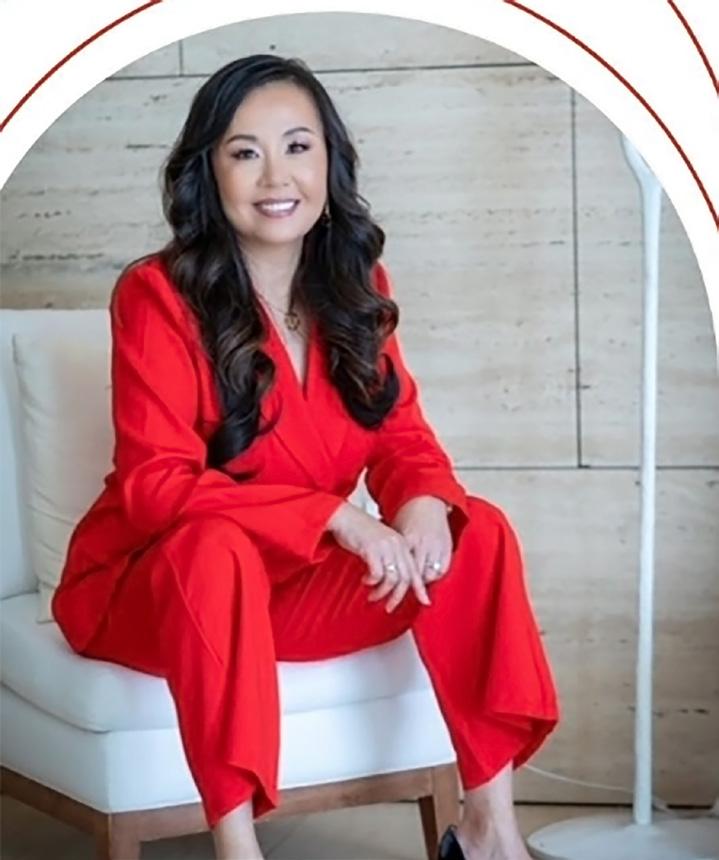
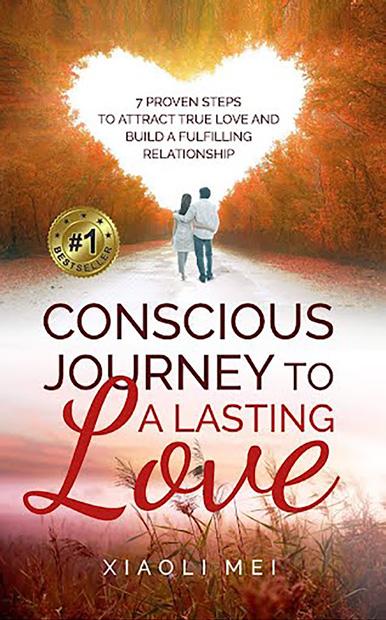
I am a certified Professional Matchmaker and also a certified Relationship Coach with a deep psychology background. In years of working with the most eligible single men and women, I have established myself as the premier, elite matchmaker for my unique niche.
If you have a hard time finding high caliber singles, hate wasting time on bad dates, frustrated about online dating, contact us at:
xiaoli@eliteasianmatchmaker.com (925) 457-2969
EliteAsianMatchmaker.com
Please join Okagesama for an open house at the historic Stockton Assembly Center site as we mark the anniversary of its opening and reflect on the history it represents.
The program will include a guided tour, brief remarks, and light refreshments.