









ARIZONA LANDSCAPE CONTRACTORS’ ASSOCIATION






When ALCA first launched the Online Career Center, we knew it had tremendous potential to help connect landscape industry employers with qualified job seekers. Like many new technology platforms, however, the initial rollout came with a learning curve. While the Career Center offered valuable recruiting tools, the search functionality and job matching capabilities were not yet fully aligned with the unique needs of Arizona’s green industry.
We listened to your feedback, worked closely with our technology partners, and made significant improvements to the platform.
Today, the ALCA Career Center is functioning as originally intended and better than ever.

Linda Turnage Executive Director
One of the most significant enhancements is the optimization of the Career Center’s search engines and jobmatching tools. The platform now more accurately reflects landscape, irrigation, horticulture, arboriculture, and outdoor construction careers, making it easier for employers to reach qualified candidates and for job seekers to find relevant opportunities.
Whether you’re searching for a Landscape Maintenance Manager, Irrigation Technician, Arborist, Account Manager, Designer, Estimator, or Entry-Level Crew Member, the Career Center now delivers more targeted and meaningful results.
The improved Career Center offers valuable tools designed specifically to help green industry employers recruit and retain talent:
• Industry-Specific Job Matching
– Job seekers are connected with opportunities that align with their skills and experience within the landscape industry.
• Expanded Candidate Reach –Reach job seekers actively looking for careers in landscaping, irrigation, horticulture, and related fields.
• Resume Search Capabilities
– Search candidate profiles and connect directly with potential hires.
• Employer Branding Opportunities
• Job Alerts and Notifications – Candidates receive automated alerts for relevant openings, increasing visibility for your postings.
• Performance Tracking – Monitor the effectiveness of your job postings and recruitment efforts.
As workforce challenges continue to impact our industry, recruiting and retaining quality employees remains one of the most important issues facing landscape companies. The ALCA Career Center complements our education, certification, and workforce development initiatives by providing members with another tool to build stronger teams and grow their businesses.
If you explored the Career Center when it first launched and found it wasn’t meeting your expectations, we encourage you to take another look. The platform has undergone substantial improvements and is now delivering the targeted, industry-specific experience we envisioned from the beginning.
Visit the ALCA Career Center to post a job, search resumes, or explore career opportunities: https://azlca.careerwebsite.com
Together, we’re building a stronger workforce and a brighter future for Arizona’s green industry.
Linda Turnage Executive Director,
ALCA
PALLADIUM SPONSORS
Cutting Edge Curbing Sand & Rock –a SiteOne Landscape Supply Company
Horizon Distributors
GPM Landscape
SiteOne Landscape Supply
PLATINUM SPONSORS
All Season Wholesale Growers
Arizona CLA LLC
Belgard/Superlite Block an Oldcastle Co
Desert Tree Farm
Evergreen Turf
Ewing Outdoor Supply
Hunter Industries/FX Luminaire
Rain Bird Corporation
West Coast Turf
GOLD SPONSOR
Vermeer Mountain West
SILVER SPONSOR
Earnhardt Ford

– Showcase your company culture, benefits, and career advancement opportunities.





















By Linda Turnage, ALCA Executive Director




The Arizona Landscape Contractors' Association (ALCA) delivered an unforgettable day of golf, camaraderie, and philanthropy at the 2026 ALCA Golf Tournament, held on Thursday, May 14, at the beautiful Anthem Golf & Country Club.
Set against the breathtaking backdrop of the Sonoran Desert foothills, this year's tournament marked a significant milestone for ALCA. For the first time in the event's history, two championship courses operated simultaneously, creating an elevated playing experience for participants while accommodating more golfers than ever before.
The result was nothing short of extraordinary.
Thanks to the incredible support of our players, sponsors, volunteers, and industry partners, the 2026 tournament raised more funds than any golf tournament in ALCA history. The overwhelming participation and generosity demonstrated the strength of Arizona's green industry and its commitment to investing in future generations.
All proceeds from the tournament directly benefit the ALCA and Sky Blu Underwood Scholarship Program, which has helped aspiring green industry professionals pursue higher education for decades.
Sky Blu Underwood was born in Phoenix in 1974 and grew up immersed in the landscape

industry, often working alongside his father at AAA Landscape. His passion for the outdoors and deep connection to agriculture inspired those around him. Although Sky's life was tragically cut short before he could fully realize his dreams, his legacy continues through this scholarship program, helping young people pursue careers dedicated to enhancing and beautifying the world through landscaping, horticulture, irrigation, arboriculture, and related fields.
The tournament featured a four-person scramble format with a shotgun start, exciting on-course contests, specialty holes, drone drops, Beat- the-Pro challenges, hole-in-one opportunities, and an awards luncheon following play. Most importantly, it brought together professionals from across the industry for a day focused on connection, competition, and giving back.
ALCA extends its sincere gratitude to every golfer who participated and helped make this event such an overwhelming success. Your support directly impacts students pursuing careers in the green industry and helps ensure a bright future for our profession.
We would also like to recognize and thank our generous sponsors whose contributions helped make this record-breaking event possible:
AAA Landscape, LeBaron & Carroll, DTR/ The Synthetic Grass Store, SunScape, SunWest Golf & Reclamation, Mow Power, Nutrien


Ag Solutions, Sunbelt Rentals, Harmony Horticulture Consulting, Marsh McLennan Agency, Sprinkler World, Cintas, AZ Scapes, National Bank of Arizona, SWAIM Associates LTD Architects AIA, Building Excellence, Palo Verde First Aid Fire & Safety, CareScape, Hunter Industries, All Season Wholesale Growers, SiteOne Landscape Supply, Cutting Edge Curbing Sand & Rock, Evergreen Turf, Ewing Outdoor Supply, Arid Solutions Nursery, Courtesy Chevrolet, Arizona CLA, OnSite Oil Change Plus, West Coast Turf, Horizon Distributors, Belgard/Superlite Block, Grand Canyon University, Valley Ice Company, Midway Chevrolet, Landscape Products, Kress, Sun Country Truck Equipment, Vermeer Mountain West, and our special contest sponsors Backswing Golf Events, Earnhardt Ford, and Courtesy Chevrolet.
A special thank you to our volunteers who donated their time and energy to help make this event a success:
AAA Landscape, GPM Landscape, and Insurica Southwest.
Because of your support, ALCA is able to continue investing in education, workforce development, and the future leaders of Arizona's green industry.
Thank you for helping us make history. We look forward to seeing everyone back on the course next year.
By Mike McGeough
The world is full of words that are repeated often yet poorly understood. Several come to mind for me: Crypto, The Cloud, Teenagers. I can’t help you with those, but I hope to shine a little light on the word Evapotranspiration, or E.T., as it is more commonly known as, and why it should be considered important to the landscape industry.
Many years ago, I was fortunate enough to have a mentor by the name of Jim Trog, who early on saw the value of using E.T. in how we water our landscapes. Unfortunately, Jim is no longer with us, but I think he’d be happy that E.T. might be having a moment. Considering we live in one of the hottest and driest places on earth, The Valley hasn’t done a great job of learning how to embrace the desert landscape we live in, and lackadaisical water management is part of the problem. It appears that the upcoming CAP restrictions, and especially skyrocketing water bills, might be the tipping point to change this mentality. Although turf-to-xeriscape conversions are capturing a lot of the headlines, I believe that watering to E.T., particularly for grass, is where the uncaptured savings really lie.
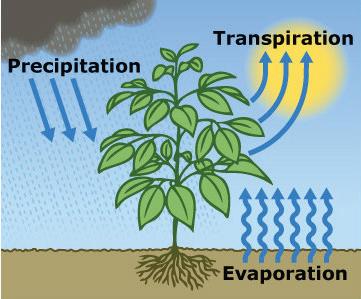
Evapotranspiration (E.T.) has a lot of moving parts such as solar radiation, air temperature, wind, humidity, etc…, but it can be most succinctly described as the sum of all processes by which water moves from the land surface to the atmosphere via evaporation and transpiration. The below image sums it up perfectly.
So, how does this apply to our industry? Well, E.T. changes every day, and there are not enough hours in the day, or money in the budget, to manually adjust irrigation controllers daily. Without an irrigation controller that is automatically adjusting to these changes in E.T. we are leaving water/$$$ on the table.
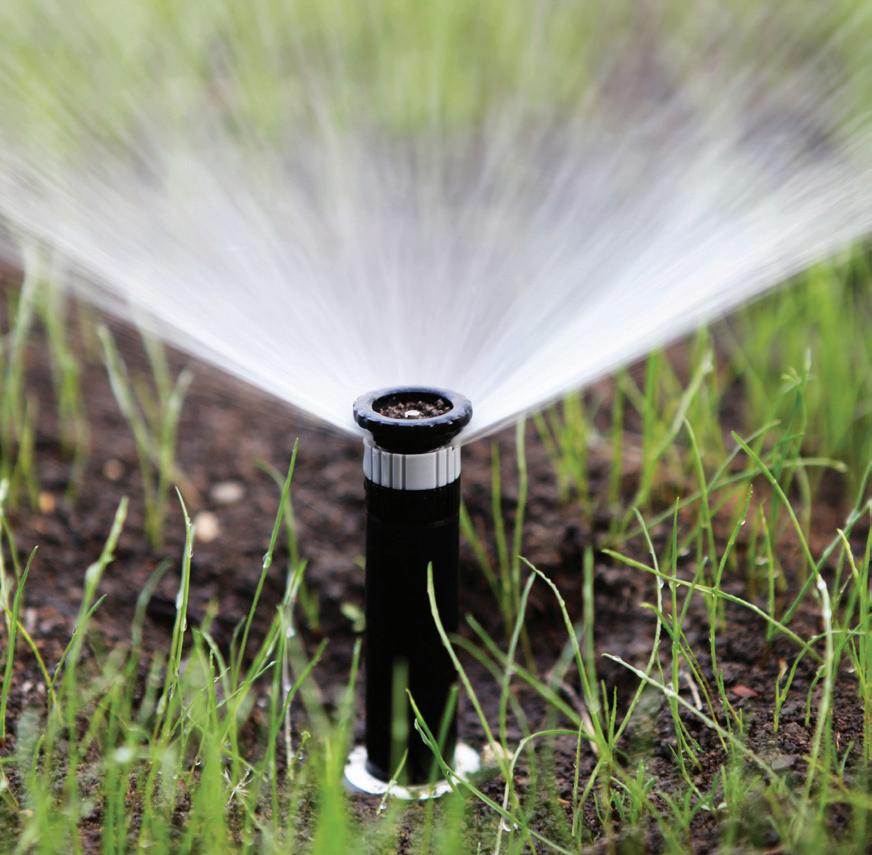
Let’s take a look at just one example: We think that Turf Zone #5, with six 180° rotors, should run 30 minutes, but E.T. calculations determine that 27 minutes is the correct amount. Not a big deal right… I’m close enough…What’s 3 minutes? I used to think the same thing. Well, let’s take a closer look. Those 6 heads likely have 4GPM nozzles. That’s 24GPM × 3 minutes = 72 gallons. Roughly 14 Home Depot buckets full of water for one cycle of one zone! The point here is that precise watering across a property really starts to add up to significant savings.



Many will say, “I tried watering to E.T., and it didn’t work”. This may have been true, but it wasn’t because Mother Nature was wrong. It was likely how it was executed. There are steps that must be taken to get it right. Here are a few:
1. If you don’t have controllers with daily updated E.T. based capabilities, I would encourage working with your properties on budgeting for an upgraded system.
2. If you already have an irrigation controller with daily E.T. based programming available, then learning its capabilities and its limitations are key. Each manufacturer, and controller model, has their nuances and must be fully understood so you aren’t disappointed with the result.
3. Spend the time on the initial programming, with particular attention paid to sprinkler head precipitation rates. Yes, when programming to E.T. there are additional steps involved, but the time you spend in the beginning will pay dividends in water savings and time savings for years to come.
4. E.T. is not gospel. In my opinion there is no better starting point, but it will still need to be adjusted to your individual properties and what you see in the field.
Regardless of your past experiences, I think it’s time to give E.T. another chance. There are several resources that can help you successfully incorporate E.T. based programming into your business such as manufacturers, distributors, and peers involved in our A.L.C.A. community. Our industry can be stereotyped as slow to change, but I don’t think we have an option to be “slow” anymore when it comes to water management. I believe that landscape contractors will be judged more and more through the prism of water management. Adopting water management tools like E.T. makes sound business sense, and it will also help make The Valley a more sustainable place for the future.



By Kasey Harman, Harmony Horticultural Consulting
Every summer in the Desert Southwest, we hit that stretch when landscapes start to show stress, and everyone reaches for the same solution: more water. Sometimes that works. Sometimes it makes things worse. The reality is, we’re no longer managing landscapes in a “normal” desert envi-
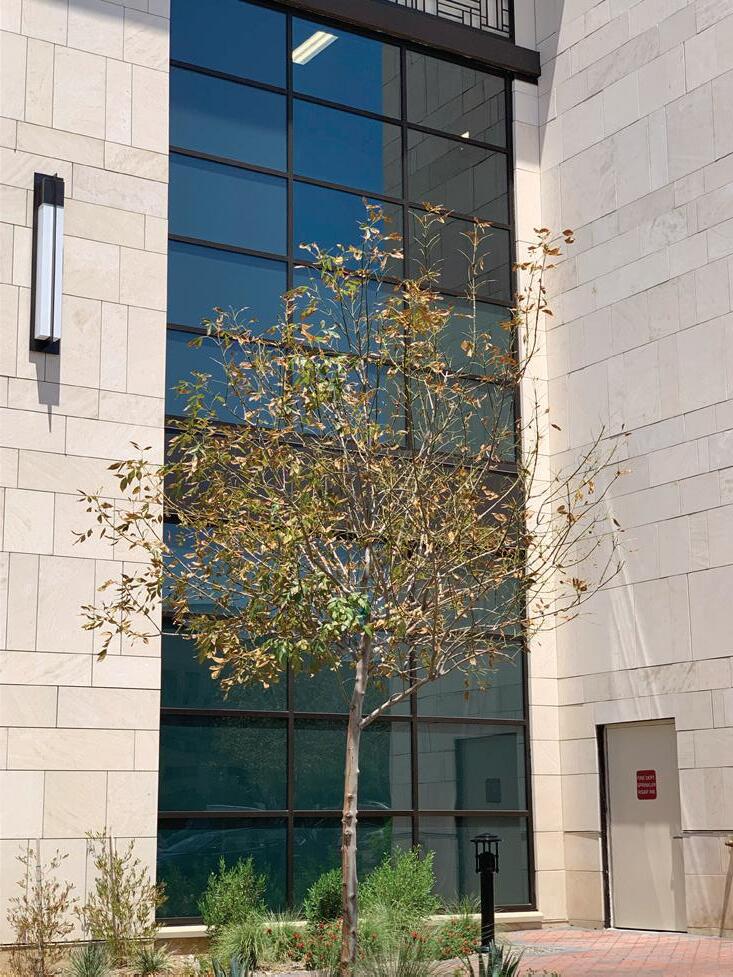
ronment. We’re managing them in an urban heat island—where pavement, buildings, and reflective surfaces amplify temperatures well beyond what plants evolved to handle.
In cities like Phoenix, research from Arizona State University shows that urban areas can run significantly hotter than surrounding desert landscapes due to heat-absorbing materials and reduced vegetation. These surfaces store heat during the day and release it at night, meaning plants don’t even get a break after sunset. And plants notice.
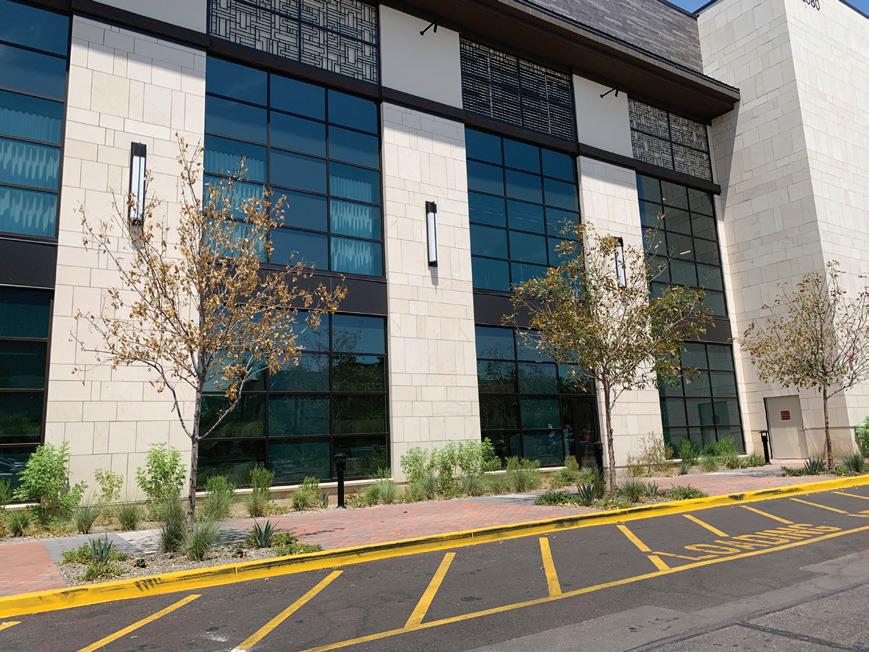
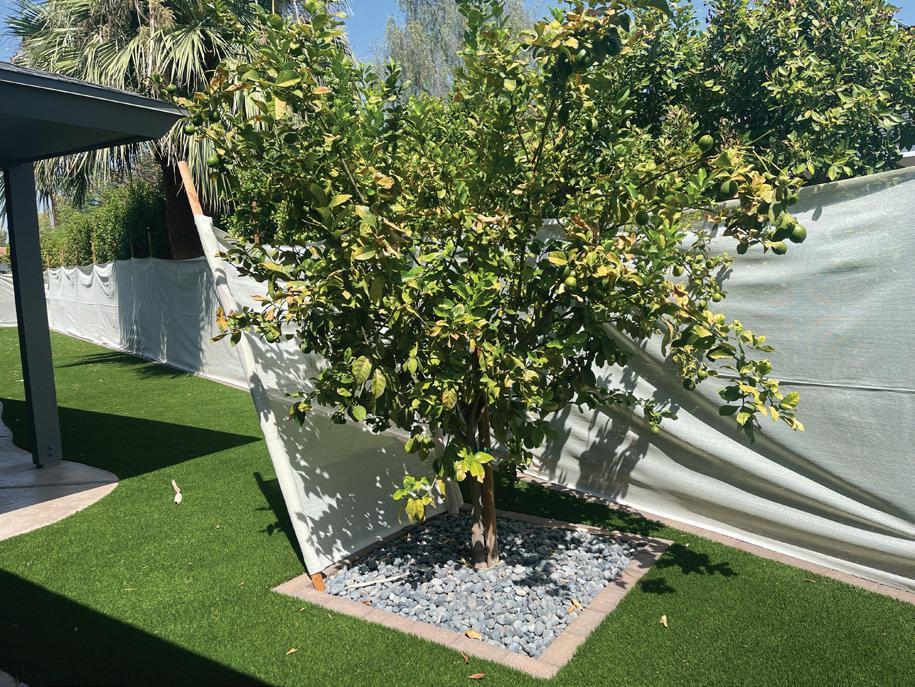
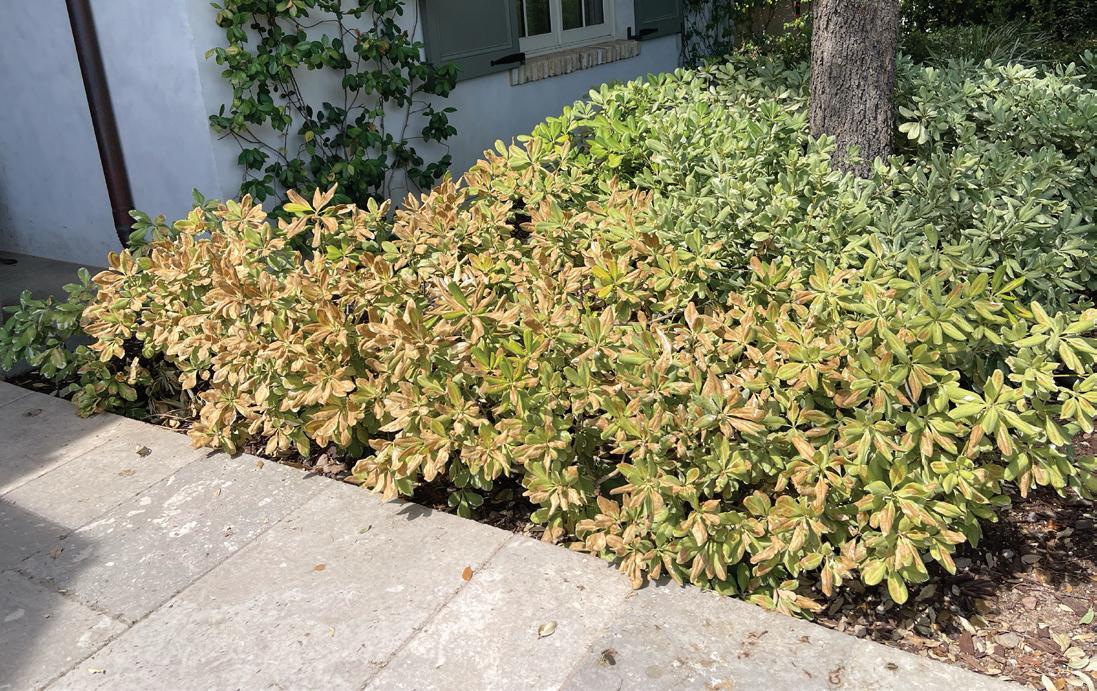
When temperatures spike, plants shift into survival mode. The first response is stomatal closure—plants shut down their pores to conserve water. That helps prevent dehydration, but it also limits carbon dioxide intake, which reduces photosynthesis. In simple terms, the plant slows or stops producing energy. At the same time respiration increases, stored energy is burned faster, photosynthesis declines, growth is reduced, and cellular damage occurs, leading to scorch and dieback. In addition, root function declines, especially in overheated soils. Root zone temperature is often the hidden driver. In exposed urban soils, temperatures can climb high enough to reduce water uptake and impair nutrient absorption—even when irrigation is adequate. So, if a plant looks nutrientdeficient in July, it may not be a fertilizer issue. It may just be too stressed to function.
(It’s Not Just “Add More”)
As temperatures rise, so does evapotranspiration (ET). Plants lose water faster, and soil dries out more quickly—especially near hardscape. Research from the ASU Water Innovation Initiative highlights how vegetation, heat, and water are tightly linked in desert cities. As heat increases, so does irrigation demand—but not always efficiently. Overwatering in response to heat stress can lead to reduced oxygen in the root zone, increased pest pressure, and nutrient leaching. In other words, more water isn’t always better. It just creates a different set of problems.
It’s not just the heat; it’s how that heat interacts with the built environment. Urban landscapes experience higher nighttime temperatures (less recovery time), increased radiant heat from walls and pavement, hotter soil temperatures, and reduced soil microbial activity. Studies on urban
Continued from page 10
heat in Phoenix and Tucson show that reduced vegetation and increased impervious surfaces directly contribute to higher surface temperatures and greater plant stress. So, while desert plants are adapted to heat, they are not adapted to parking lots and the surrounding heat sources.
The good news is that we’re not powerless here. There are proven strategies—both from research and field experience—that make a measurable difference.
1. Protect the Root Zone If the roots fail, the plant fails. Maintain mulch layers and improve soil structure to keep soil temperatures lower and moisture more consistent. While organic mulch and compost are the preferred materials for heat-stress mitigation, inorganic surfaces can also help, as long as the rocks are not in direct contact with the plant stem (which introduces another stress). Allowing 2-6” of space between rocks and plant tissue will help prevent the transferring of heat directly to the plant.
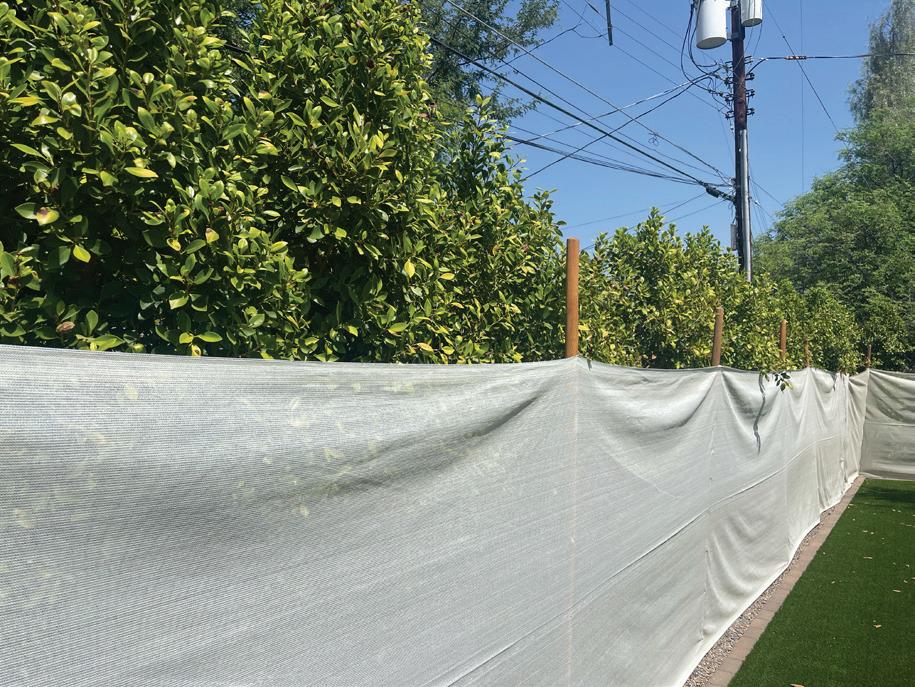
2. Shade Tree canopy is one of the most effective cooling tools we have. It reduces surface temperatures, lowers ET demand, and protects understory plants. If tree canopy is unavailable, use shade cloth to protect plants: 30% shade for cactus and succulents, and 40-50% shade for sunscald-prone species. Burlap is not recommended as it tends to hold heat by the tissue. Cover exposed tree trunks on new trees and recently pruned tissue to prevent permanent tissue damage.
3. Design for Microclimates Not all exposure is equal. Southand west-facing areas, reflective walls, and paved courtyards create extreme conditions. Plant placement matters more than ever. Choose plant species wisely!
4. Improve Soil Health Organic matter improves water retention, nutrient availability, and microbial activity—all of which help plants tolerate stress. There are many organic materials that can be introduced into urban landscapes (below the d.g.) to improve soil conditions and reduce heat-related stress. One that we have been using recently is Bio-char.
5. Irrigate Strategically Deep, thorough watering encourages stronger root systems. Adjust irrigation based on ET and site conditions—not just the calendar. Ensure emitter placement is uniform around plants to help with distribution uniformity (DU). Point source irrigation can be tricky when it comes to DU. Run cycles long enough to thoroughly hydrate the entire rootzone, not just one side of the plant or tree. There are also amendments that can aid in soil water retention. Ask your supplier for smart, available options.
6. Choose the Right Plants (and the Right Place) Even desertadapted species can struggle in amplified urban heat. Match plants to the actual microclimate—not just the regional climate.
Urban landscapes are operating under conditions that didn’t exist 20–30 years ago. Higher temperatures, more reflective surfaces, and longer heat durations are pushing plants beyond their typical stress thresholds. The response isn’t just more water or more fertilizer. It’s a better design, better soil management, and a stronger understanding of how heat impacts plant physiology. Because at the end of the day, the goal isn’t just to keep plants alive through the summer. It’s to make sure they thrive for years, helping to achieve that beautiful, sustainable landscape.
GPM Landscape
Sponsored by:

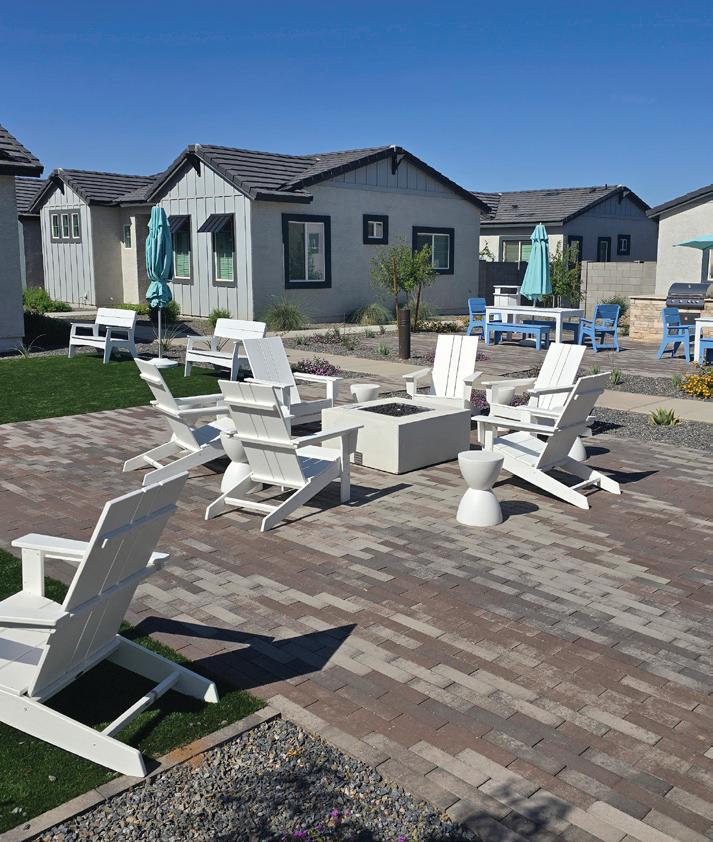
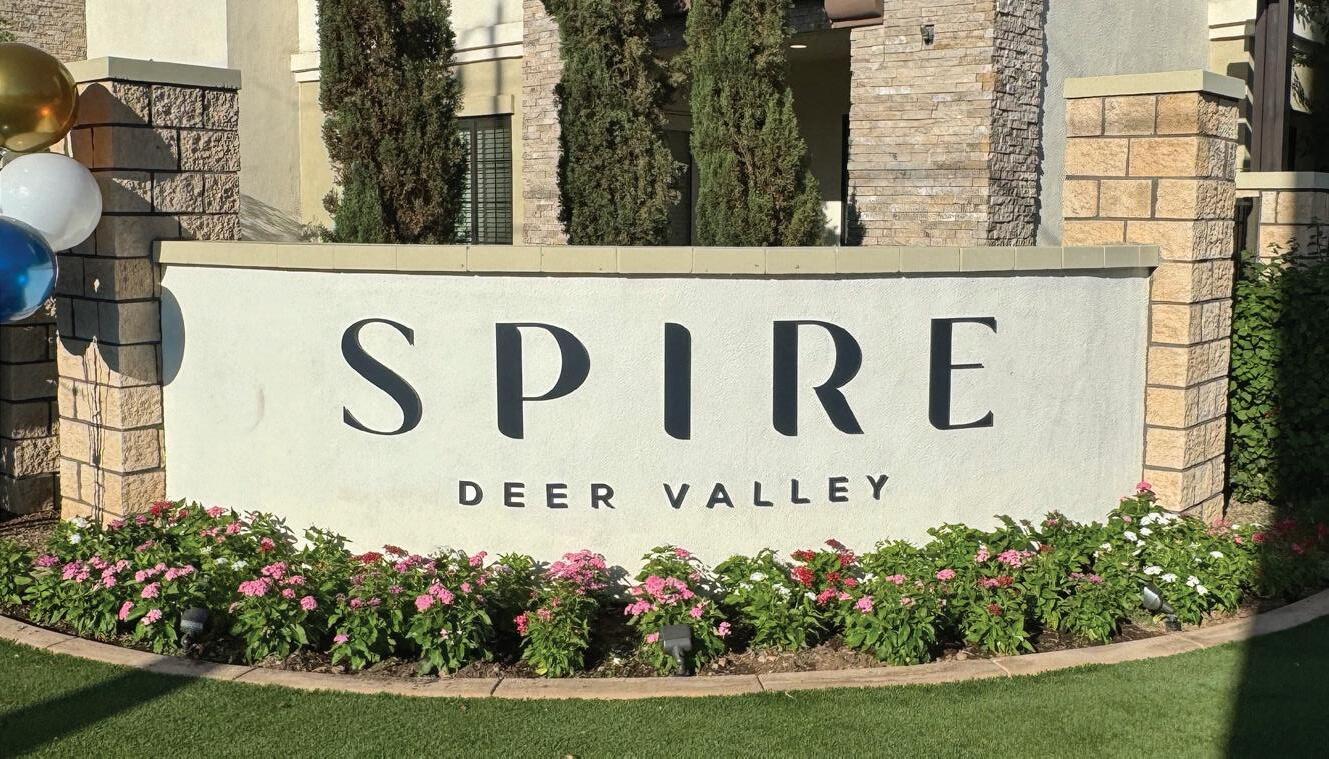
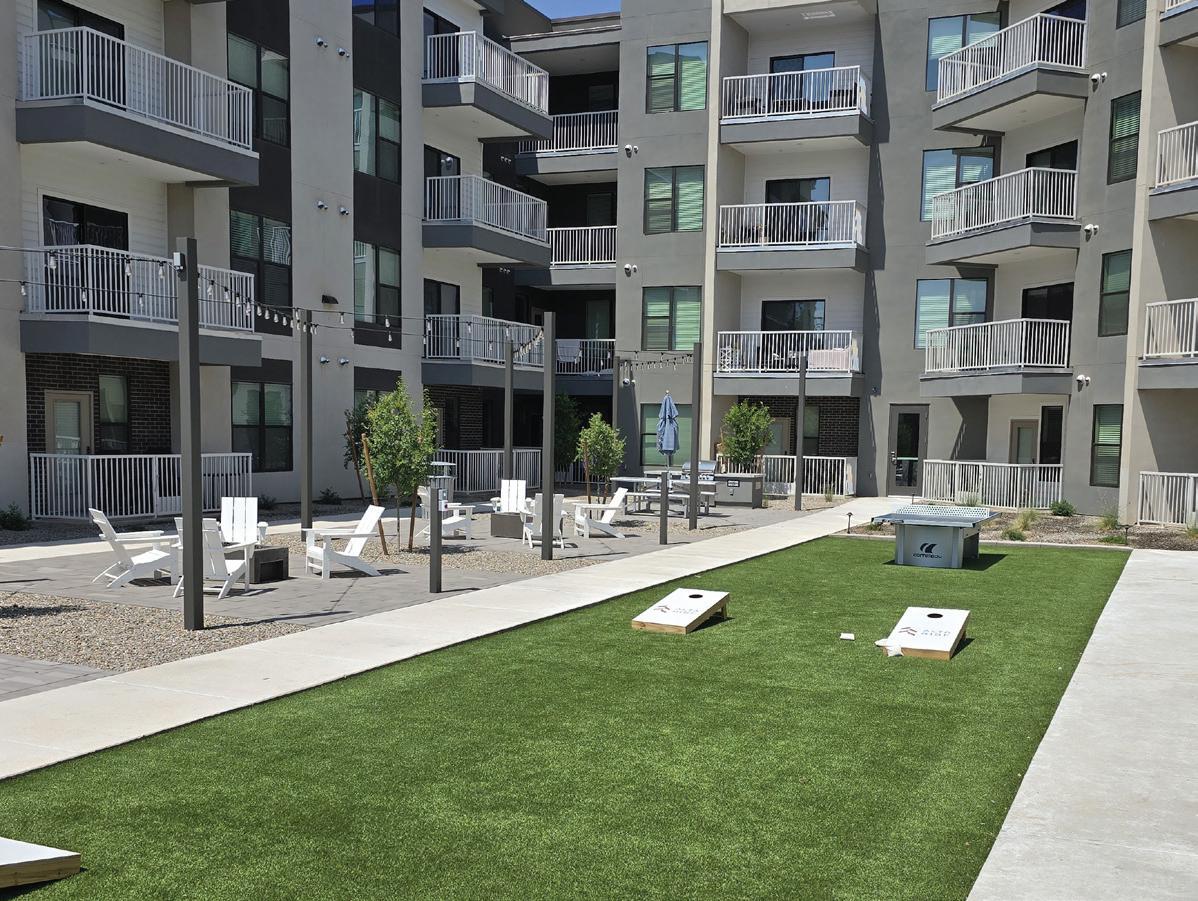
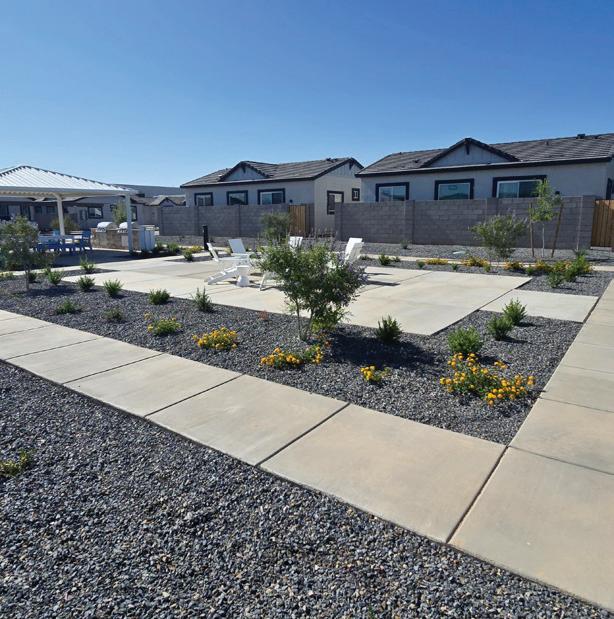
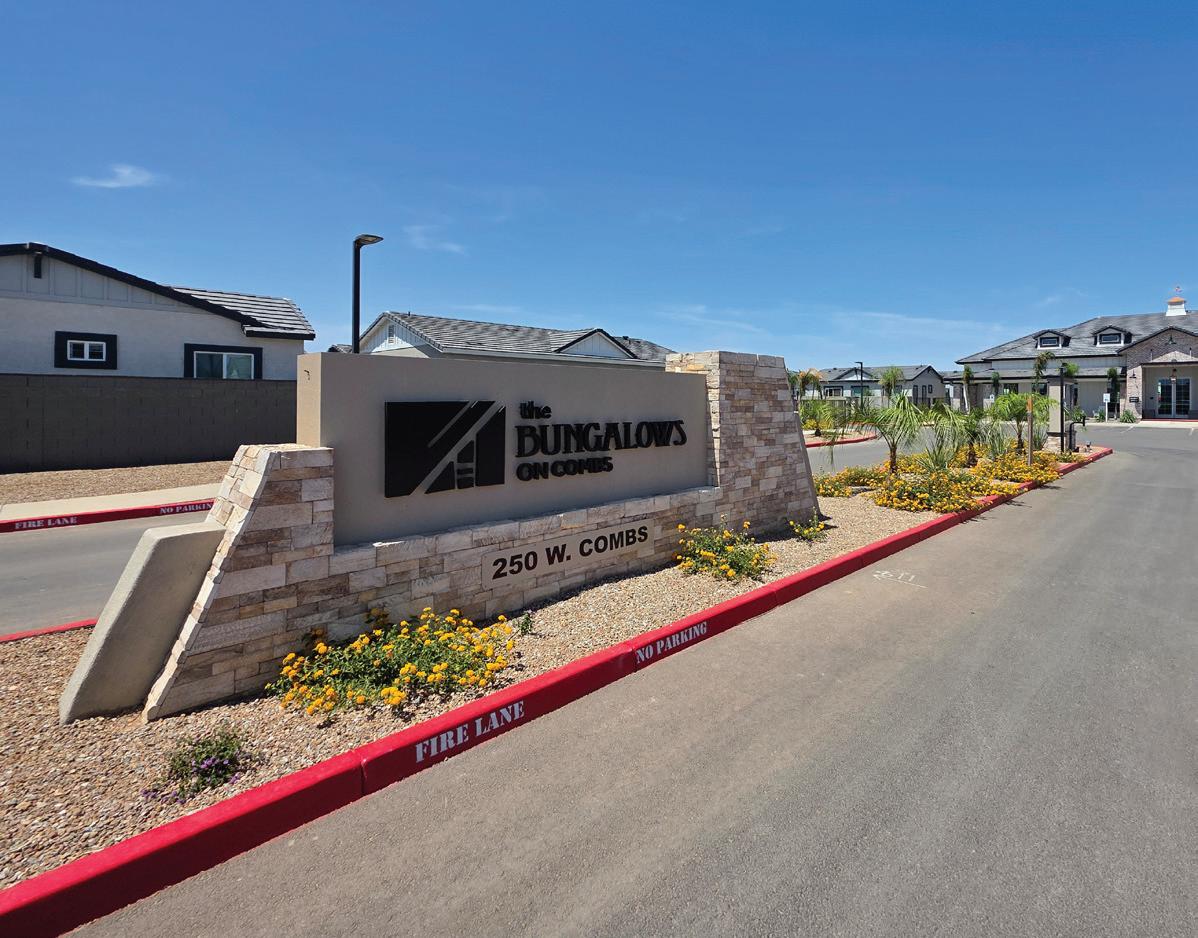
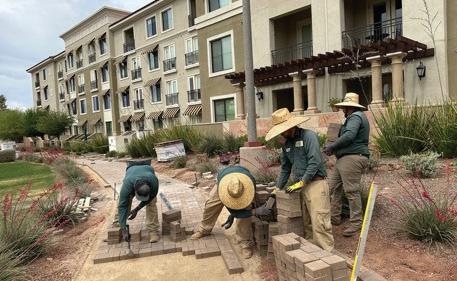
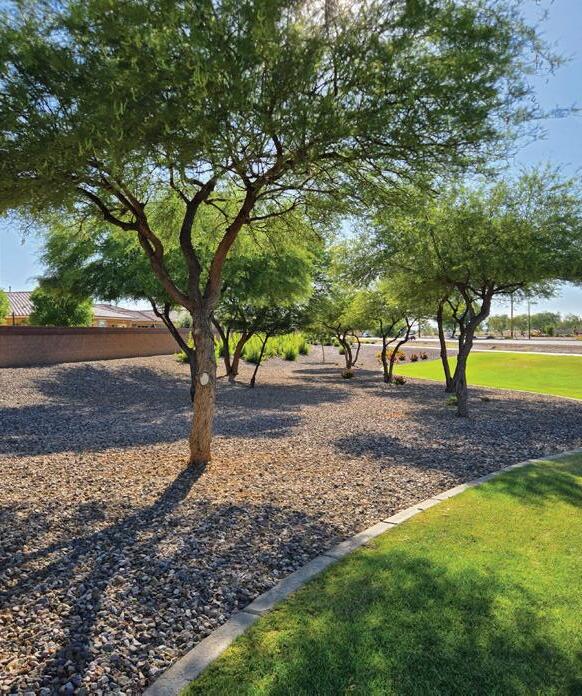
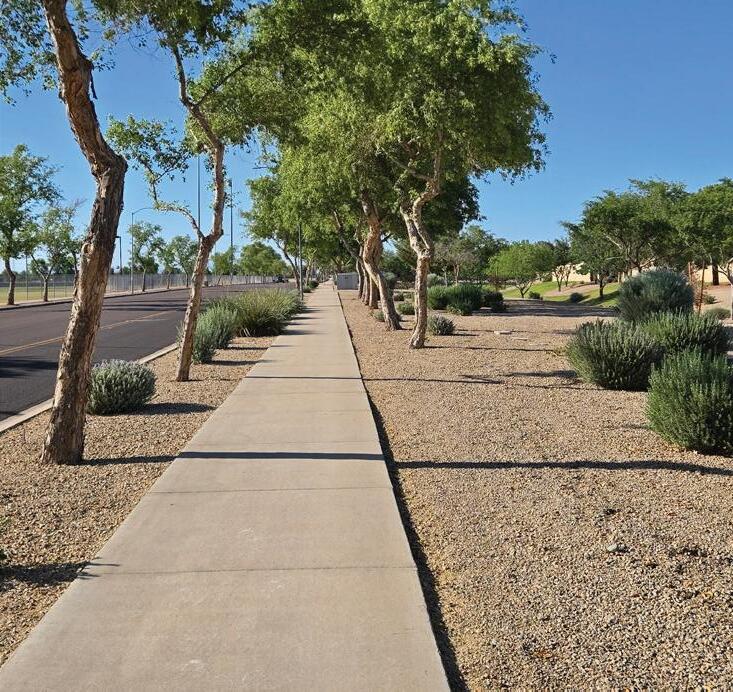
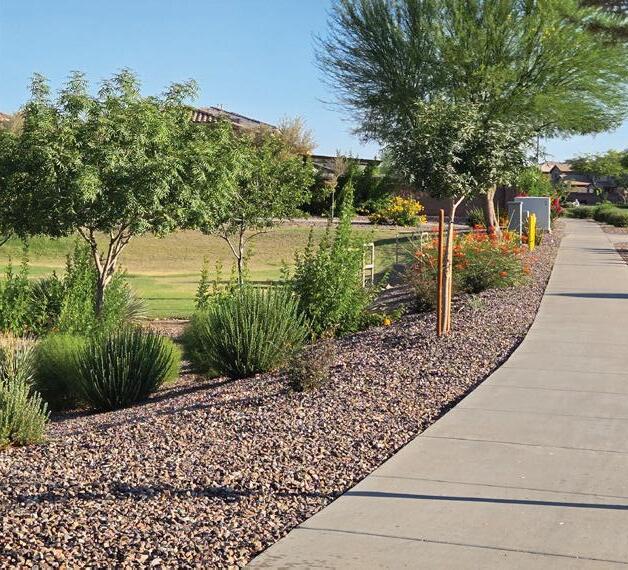
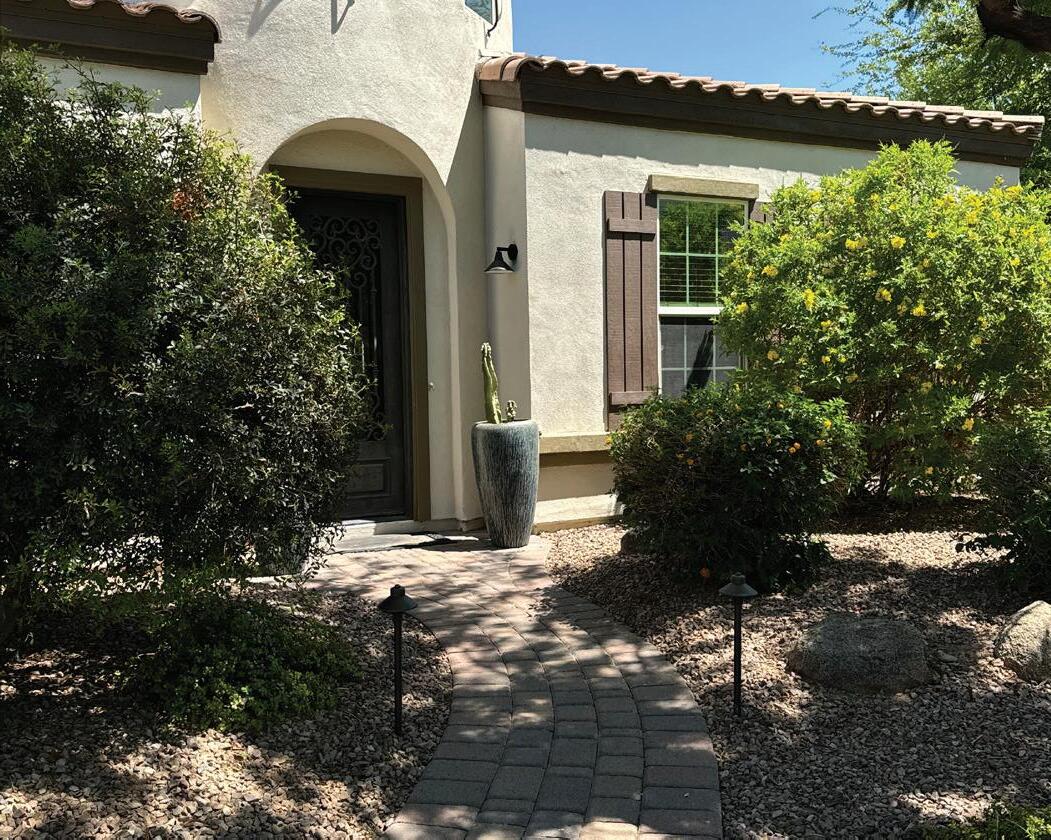
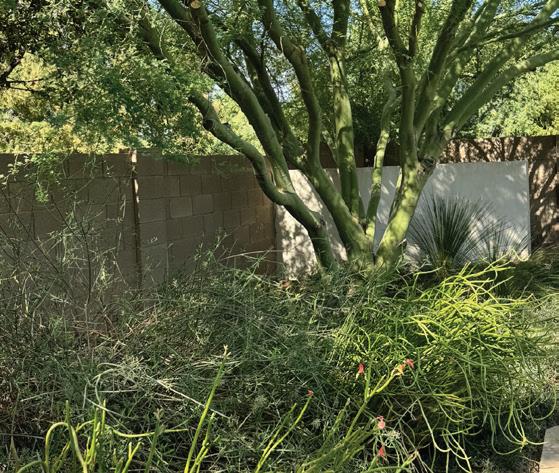
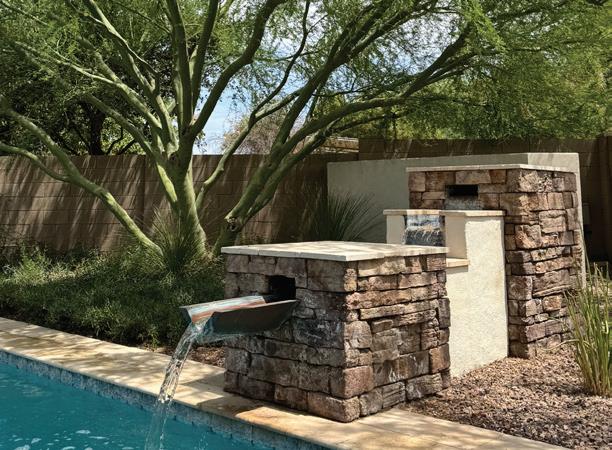
Bungalows on Combs, Commercial Installation Over $1 Million, Judges Award
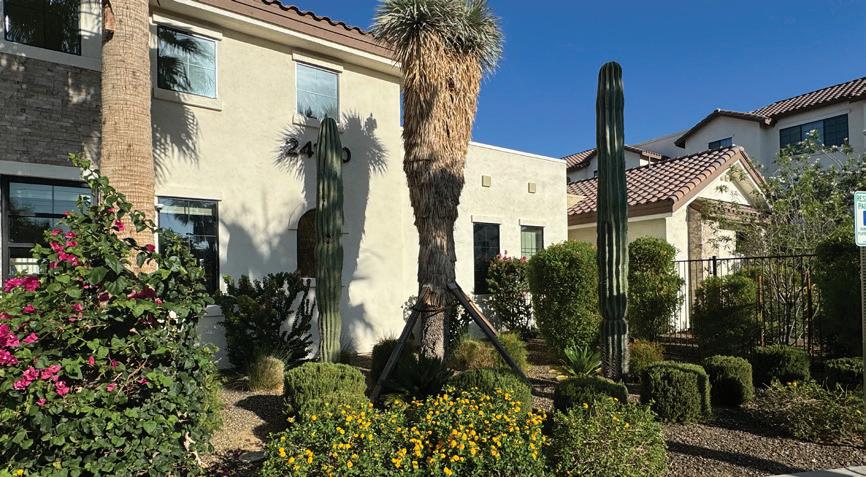
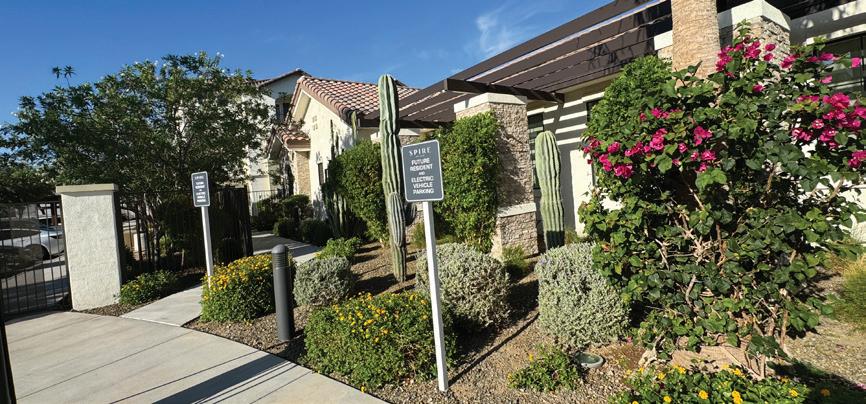
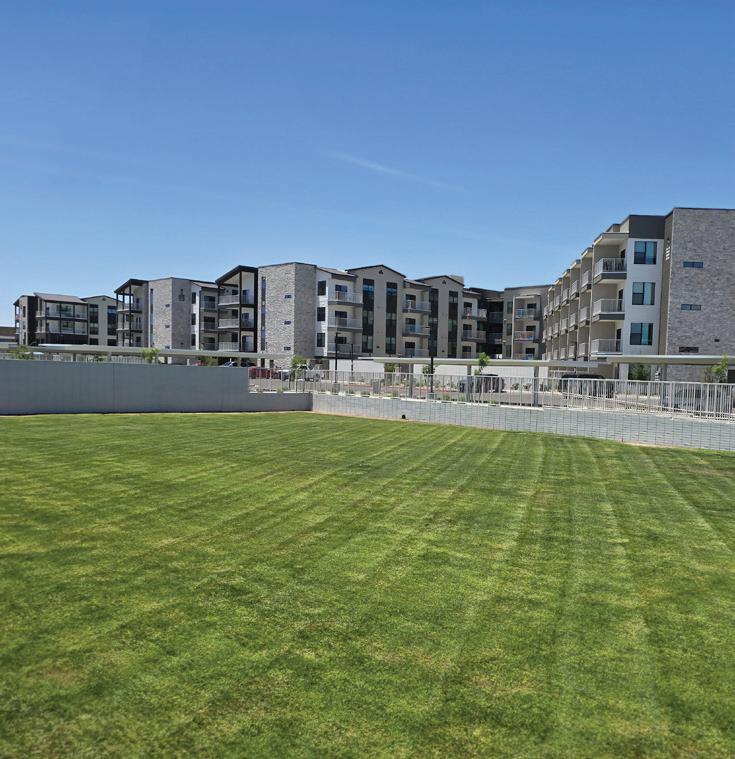
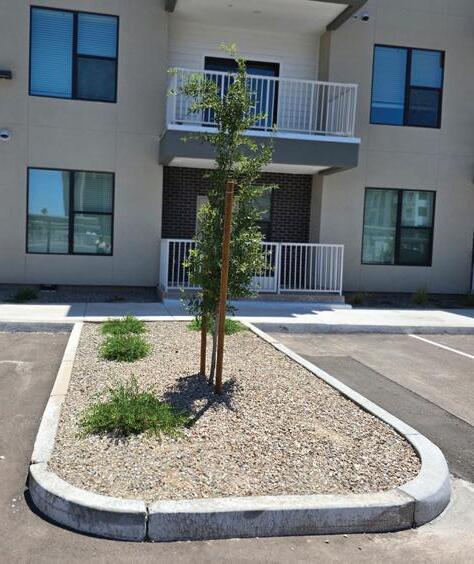

2025 Excellence in Landscaping Awards GPM Landscape
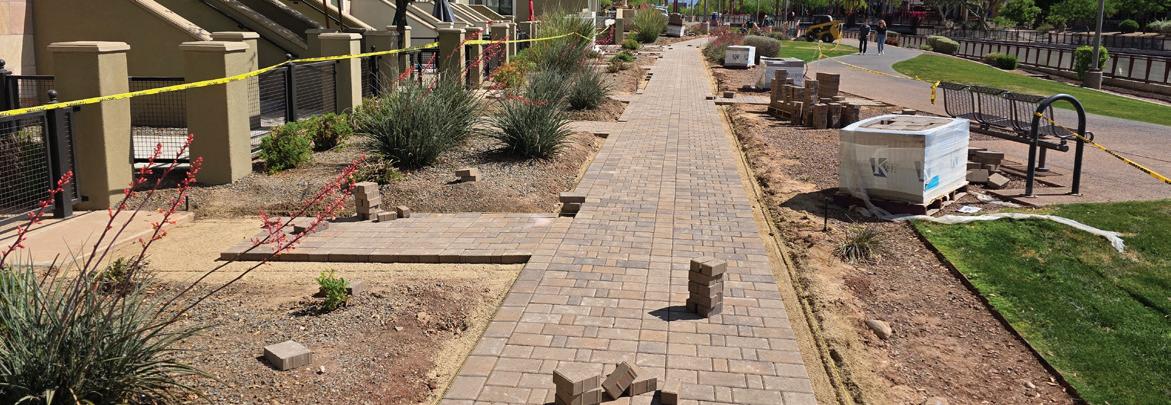
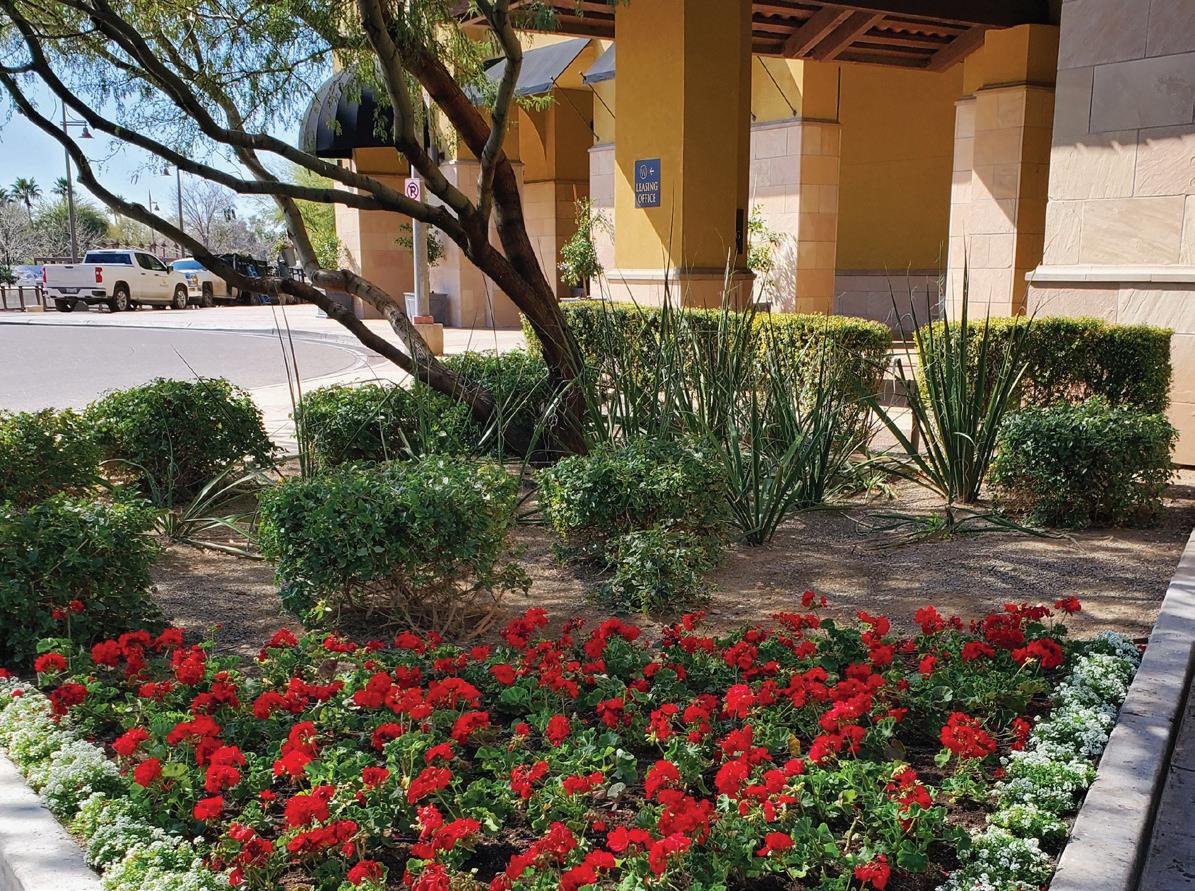
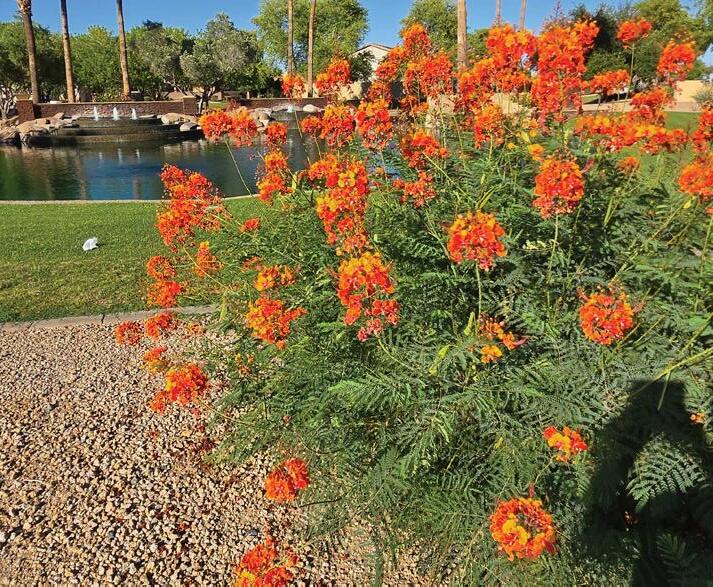
Waterfront,
Under $100,000, Judges Award 2025 Excellence in Landscaping Awards LandCom Landscaping

Sponsored by:
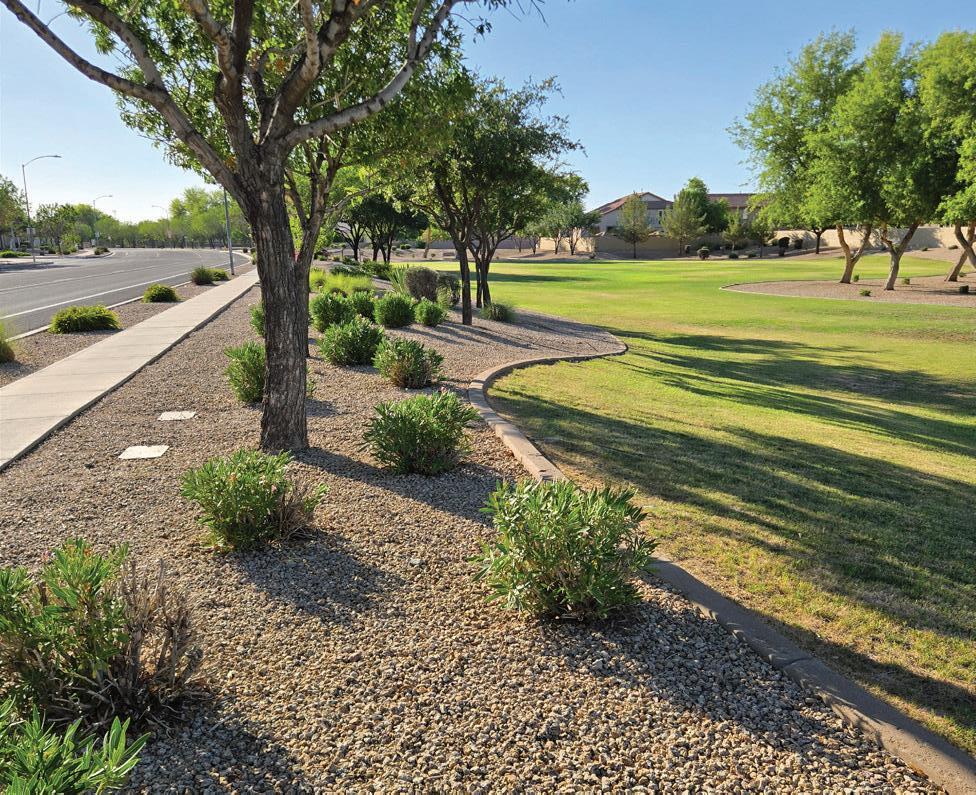
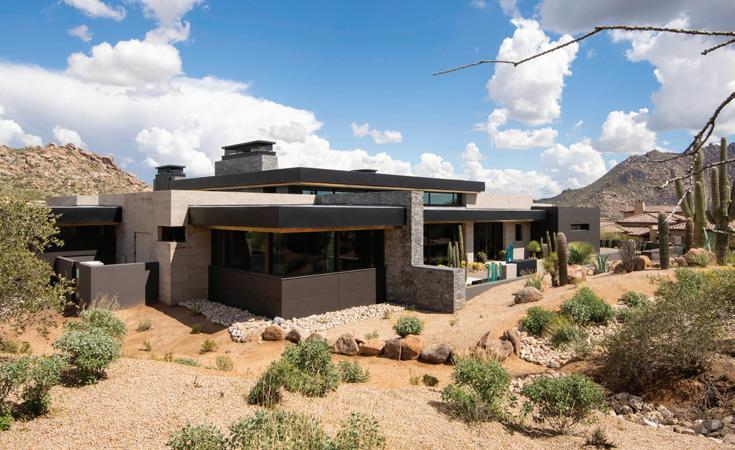
High Desert Designs
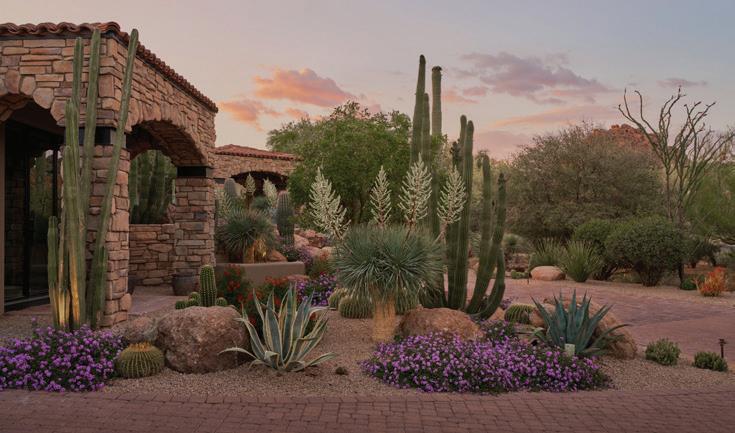
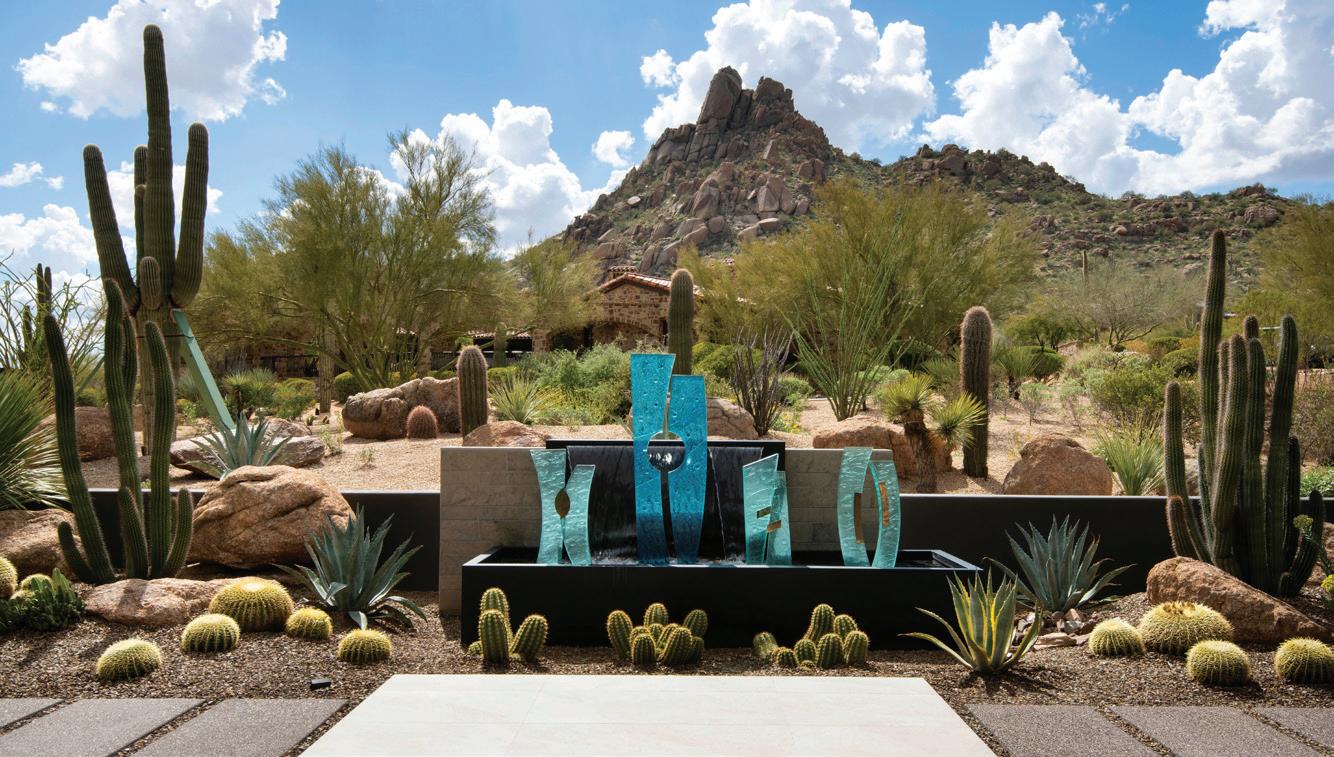
Webster, Residential Installation
$300,000$500,000, Award of Excellence
Sponsored by:

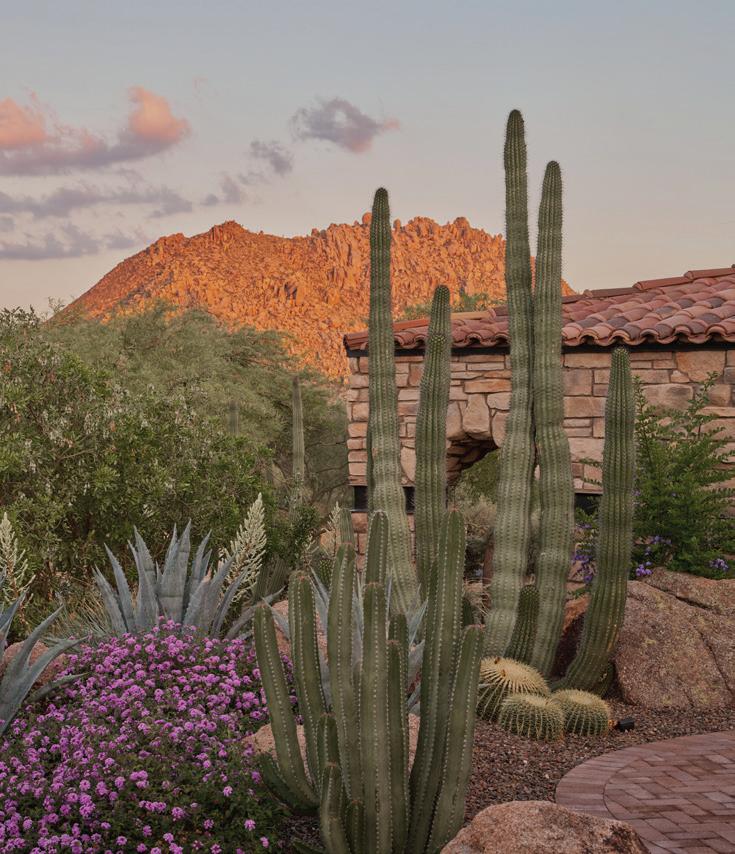
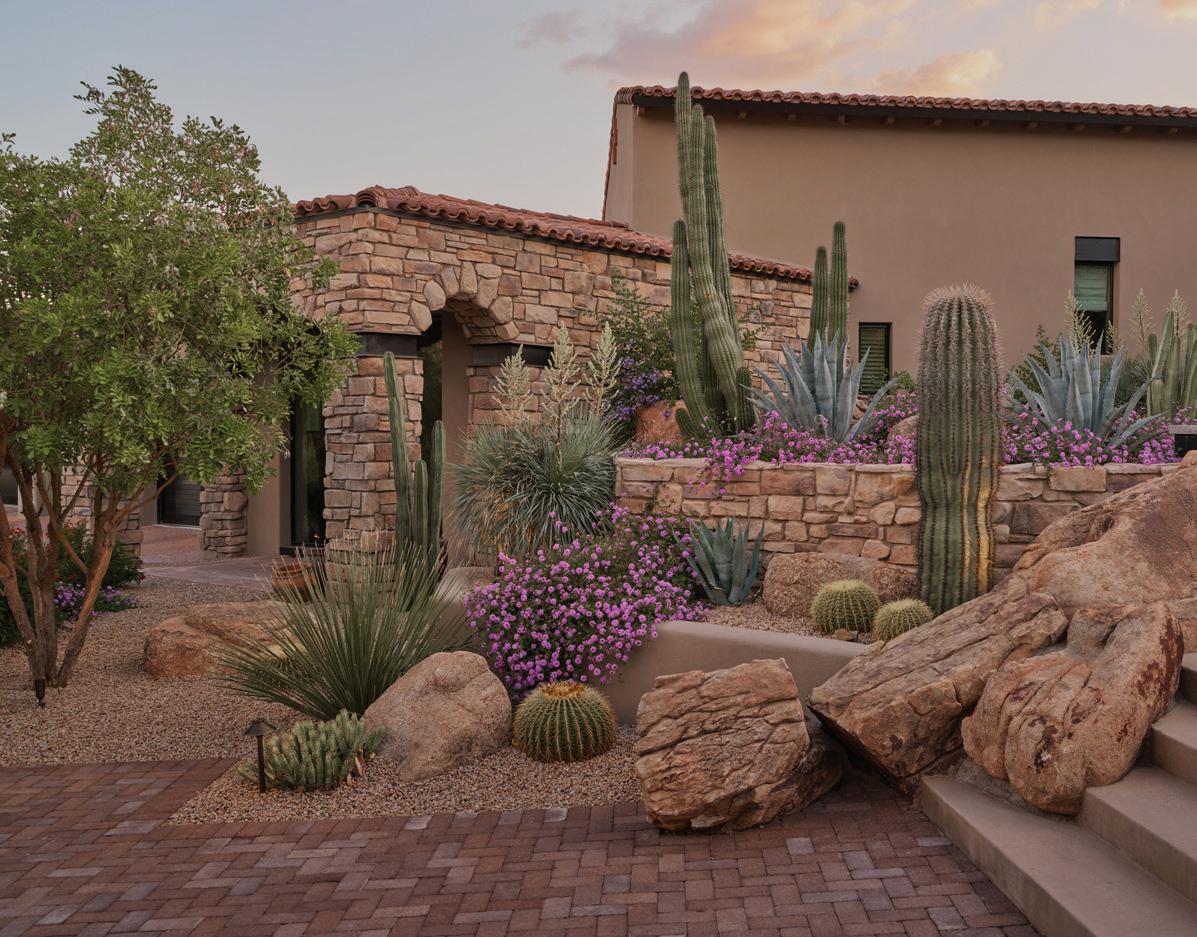
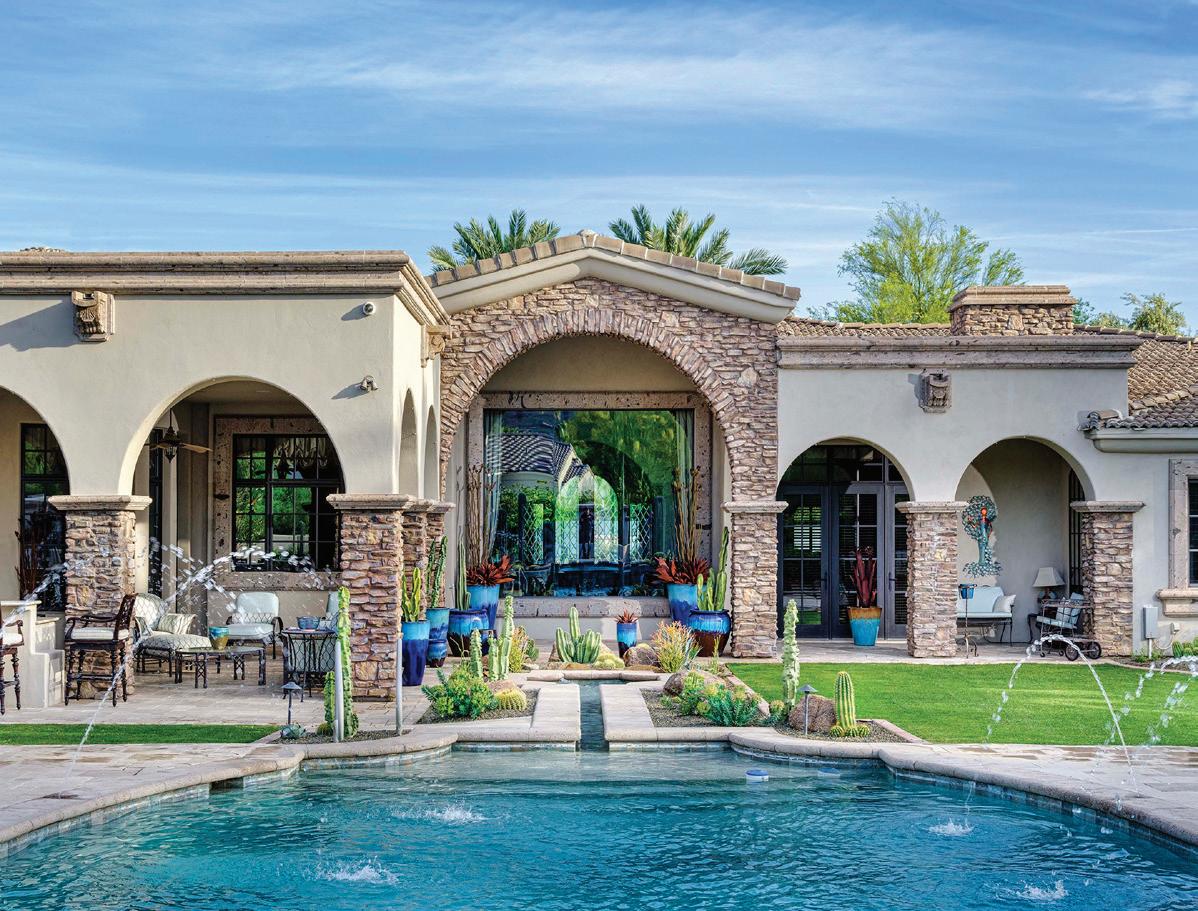
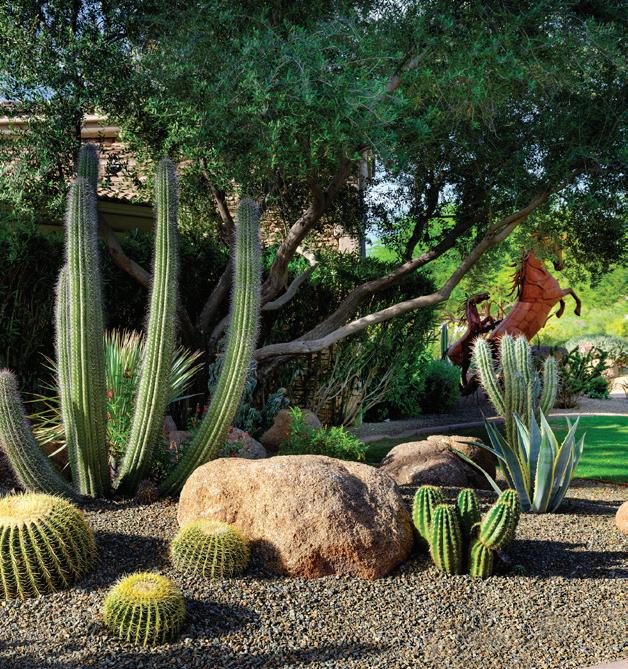
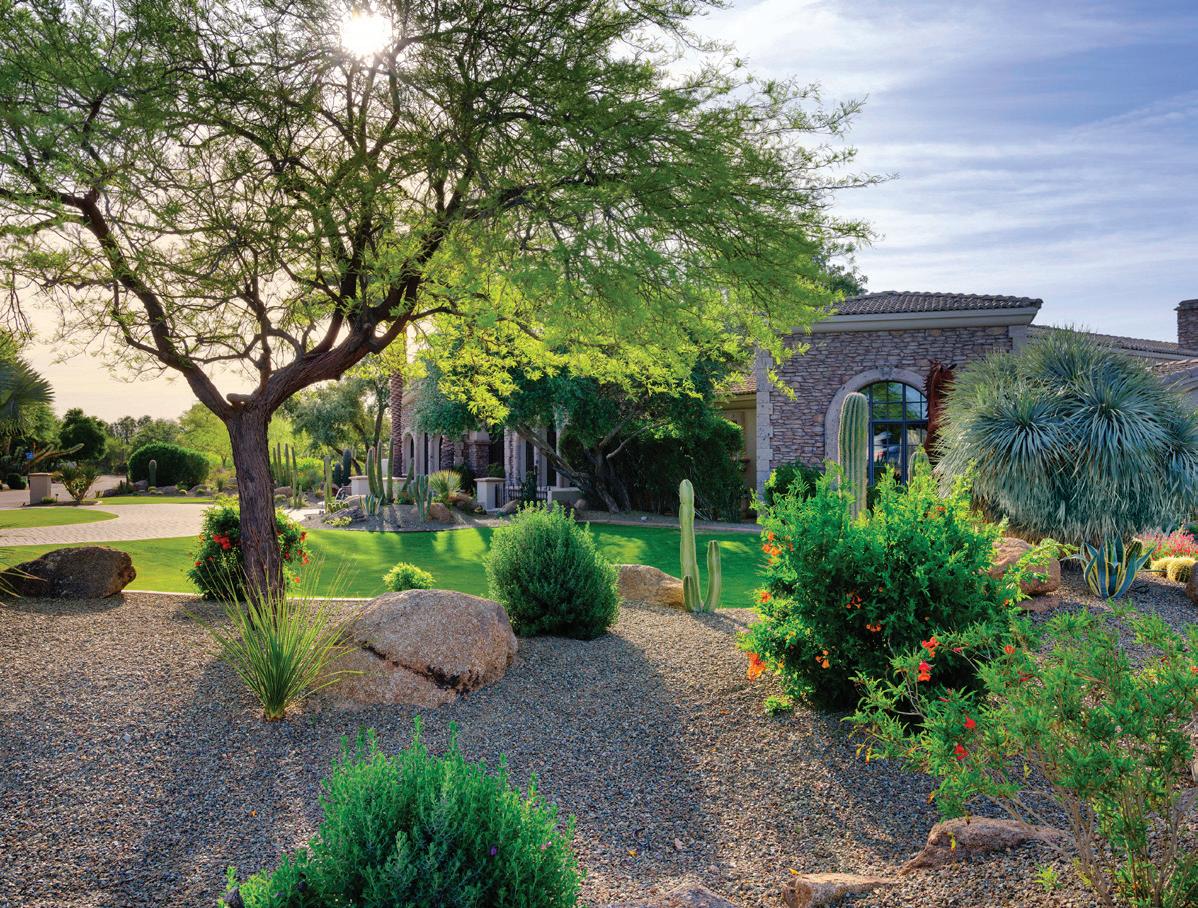
Haselden, Residential Installation
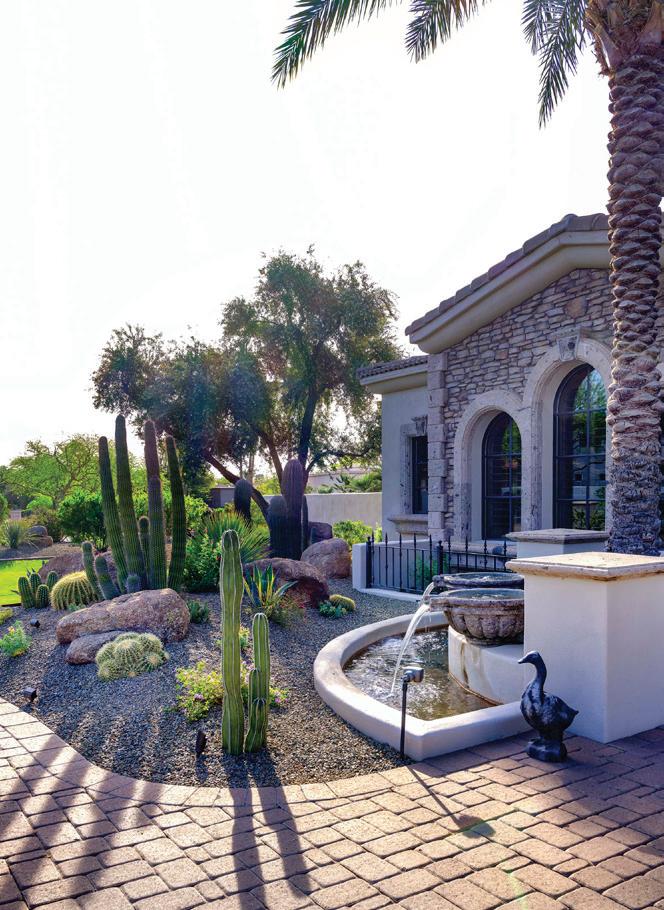
$300,000$500,000, Award of Excellence
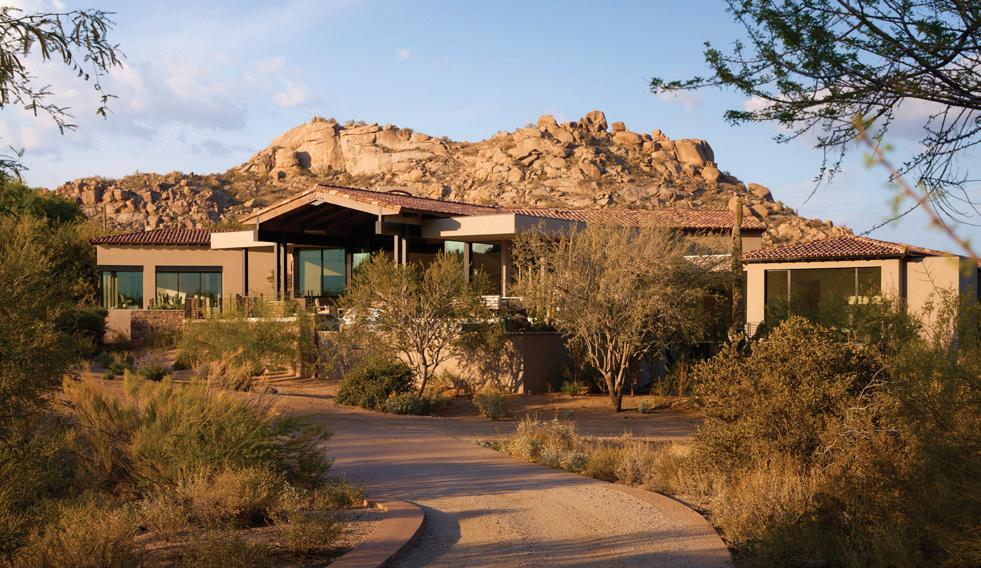
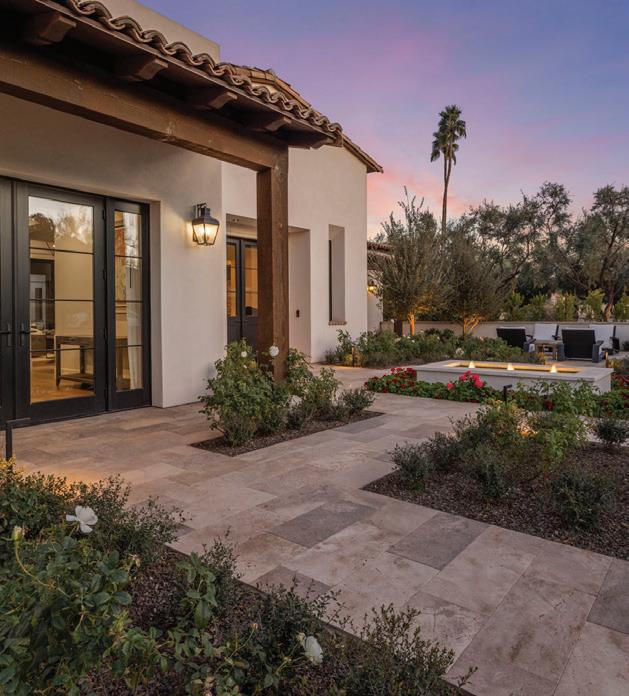
Norcutt, Residential Installation
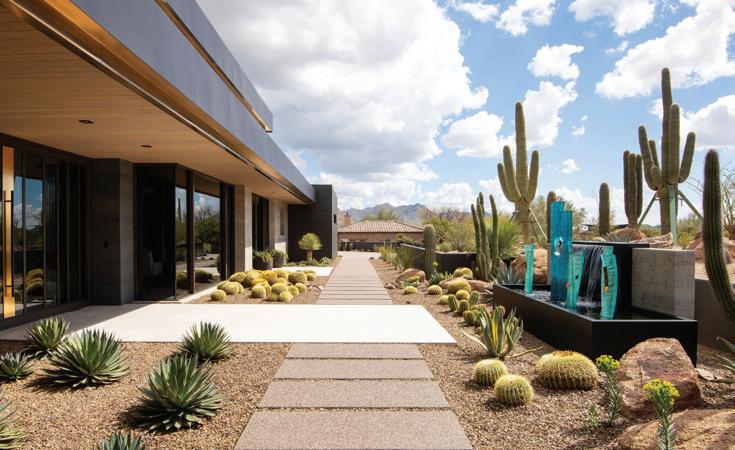
$300,000 - $500,000, Award of Excellence

Sponsored by:
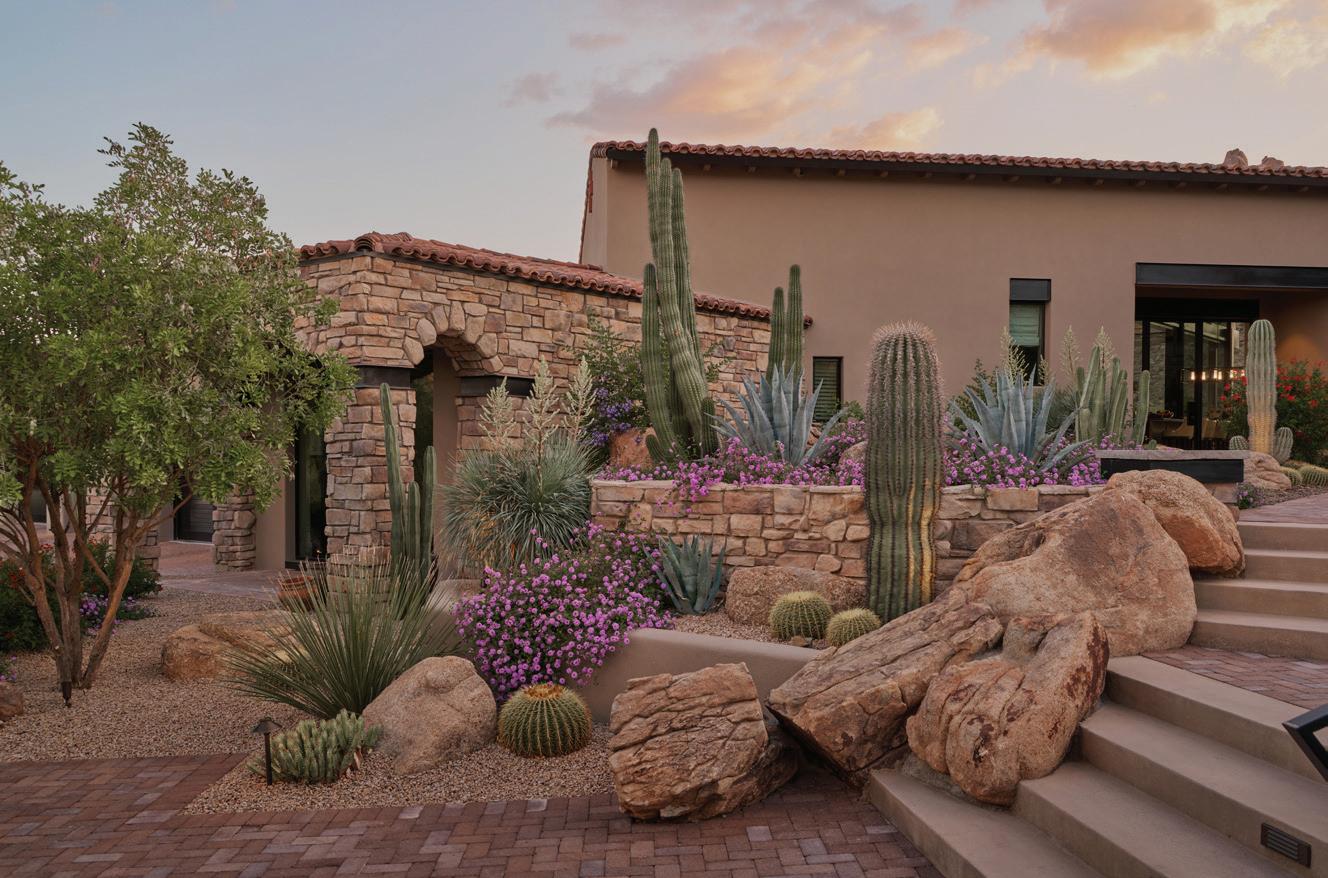
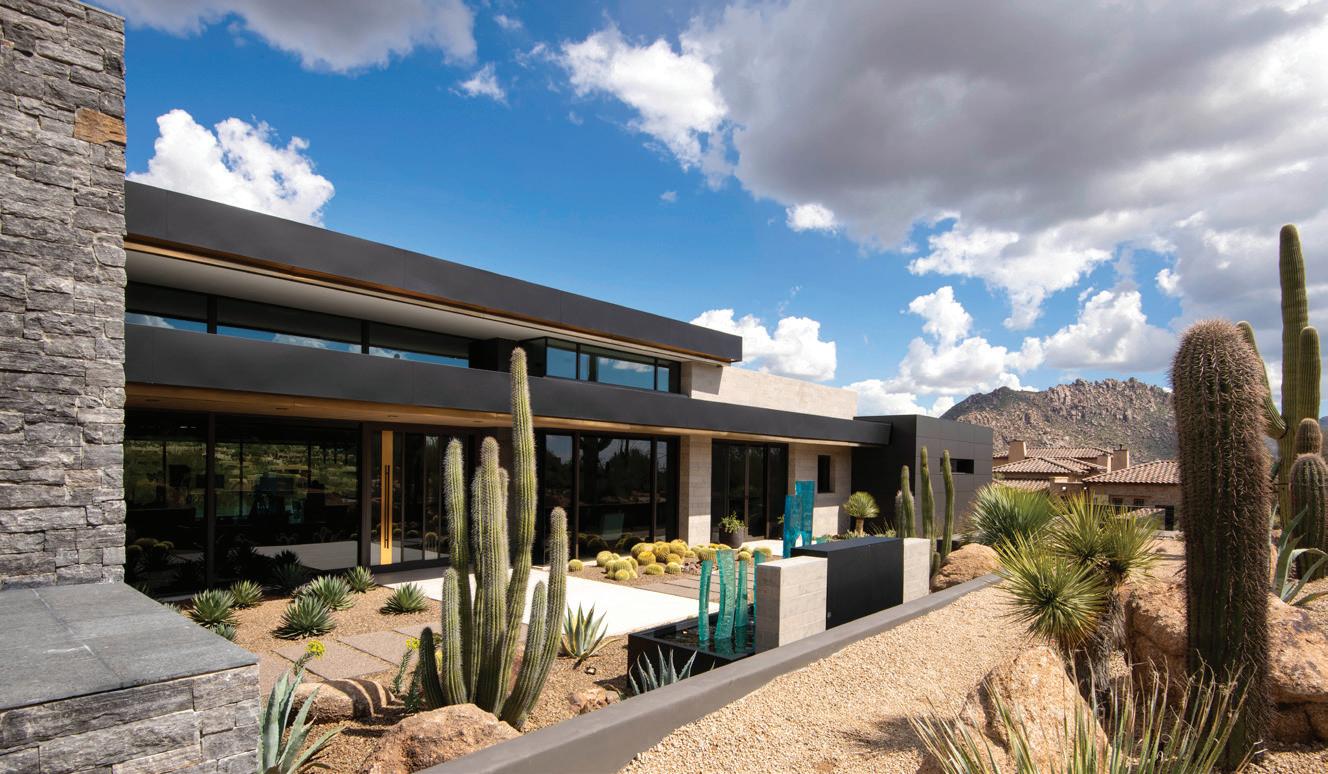
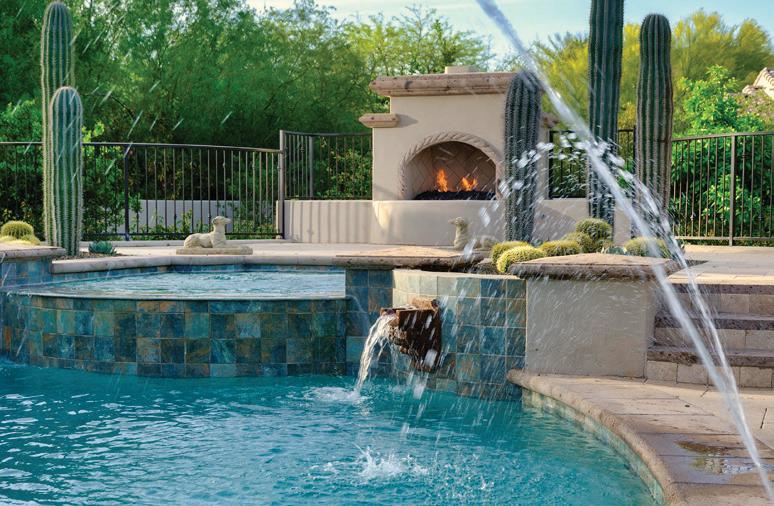
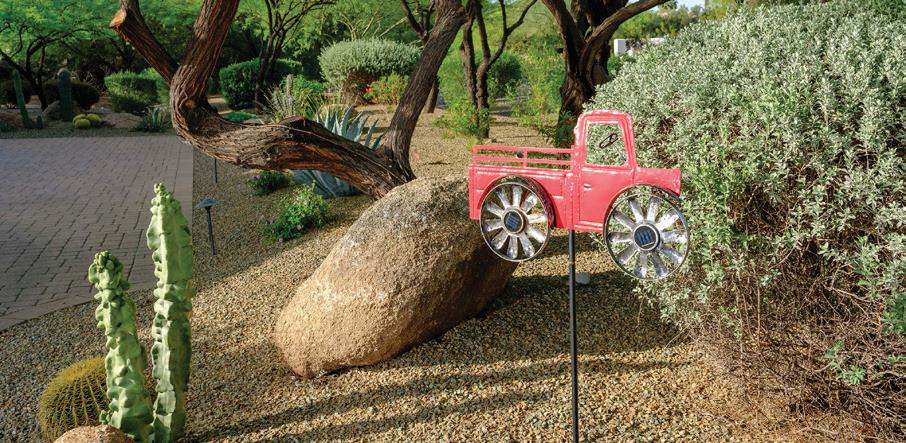
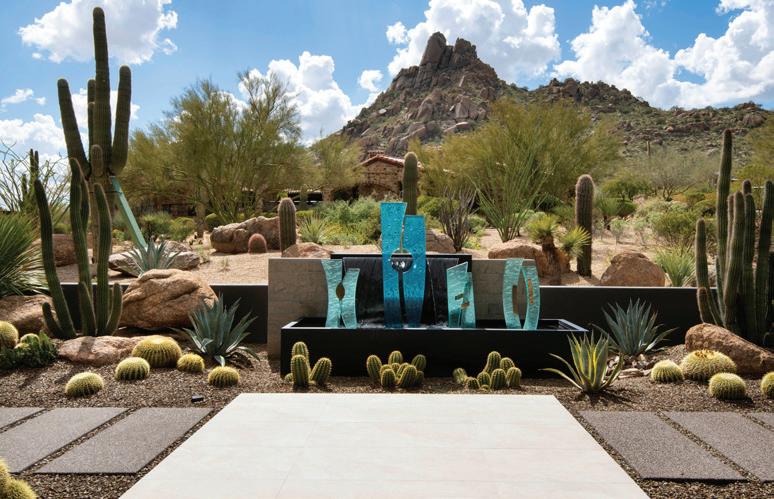
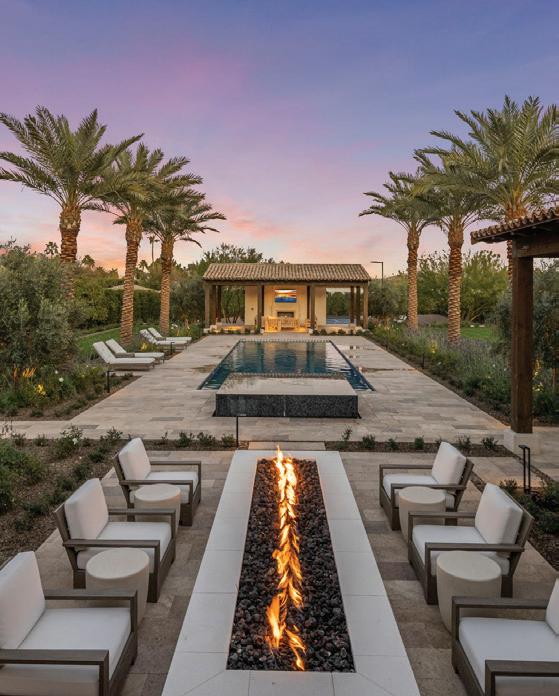
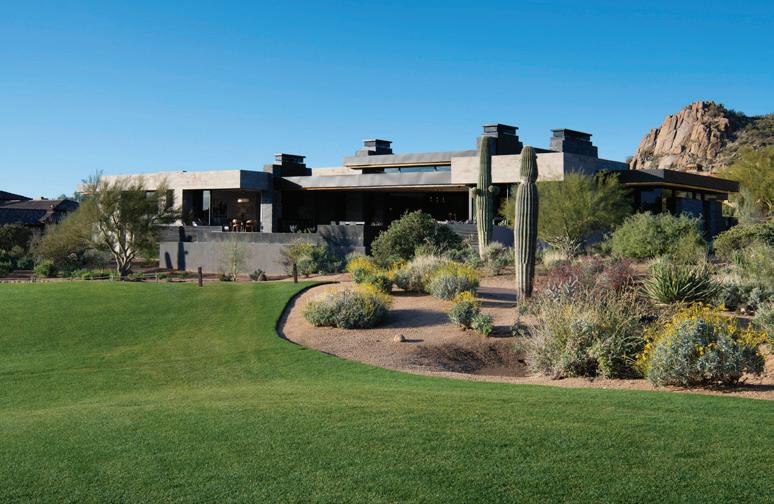
Hedges, Residential Installation
$300,000 - $500,000, Award of Distinction
Sponsored by:

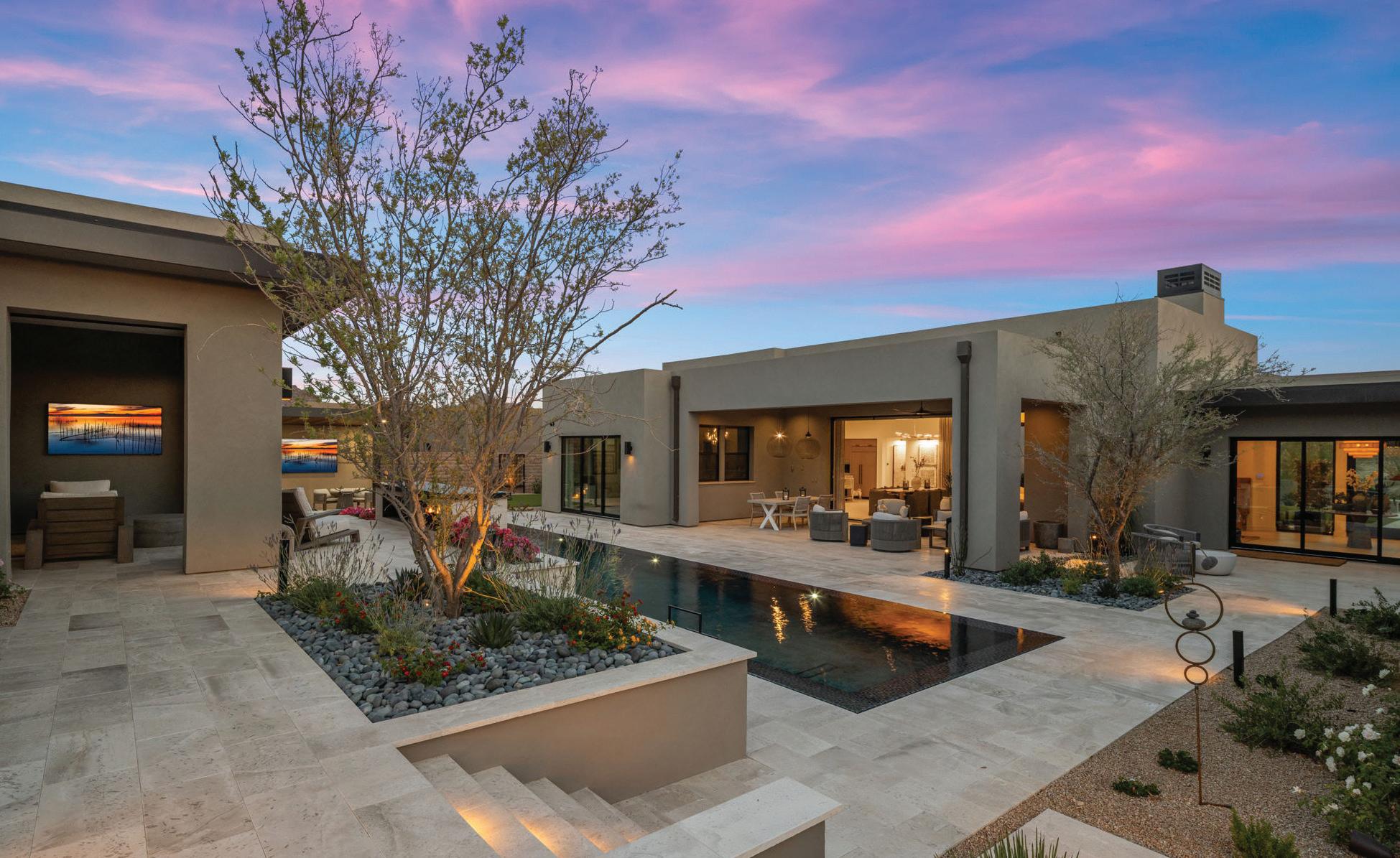
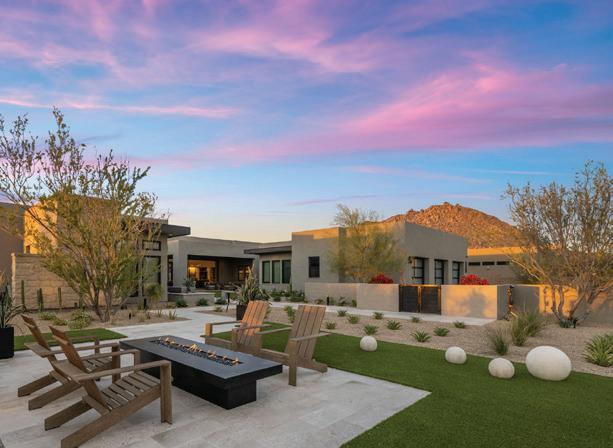
Gottlieb, Residential Installation
$500,000 - $1 Million, Award of Excellence
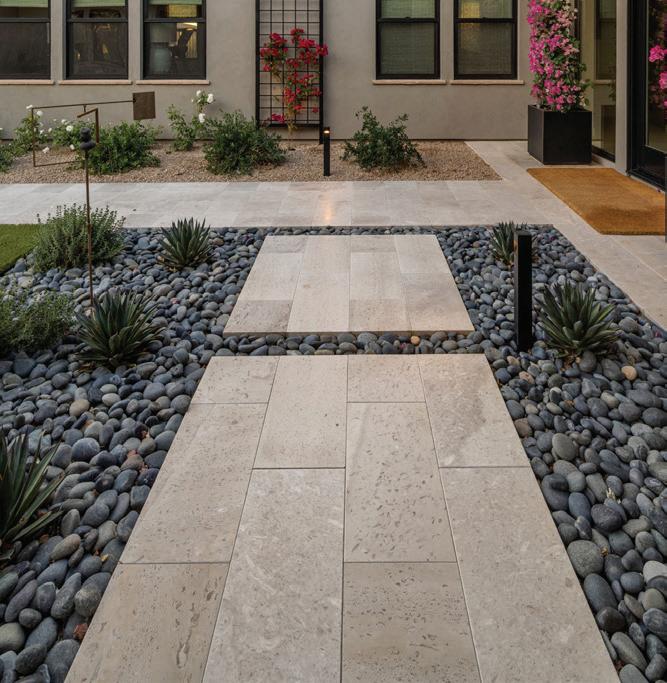
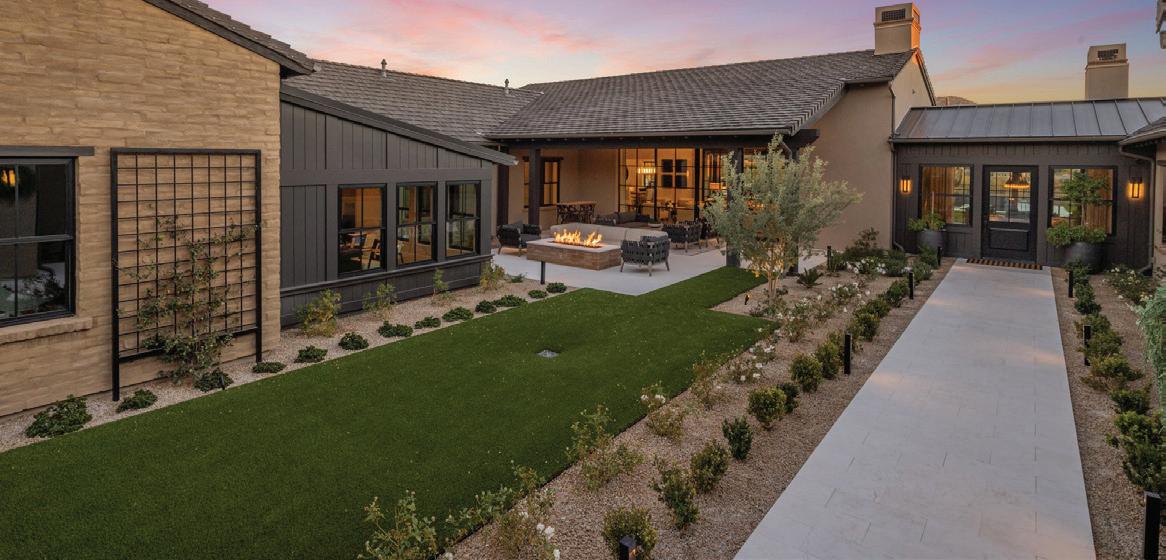
Martin, Residential Installation
$500,000 - $1 Million, Judges Award
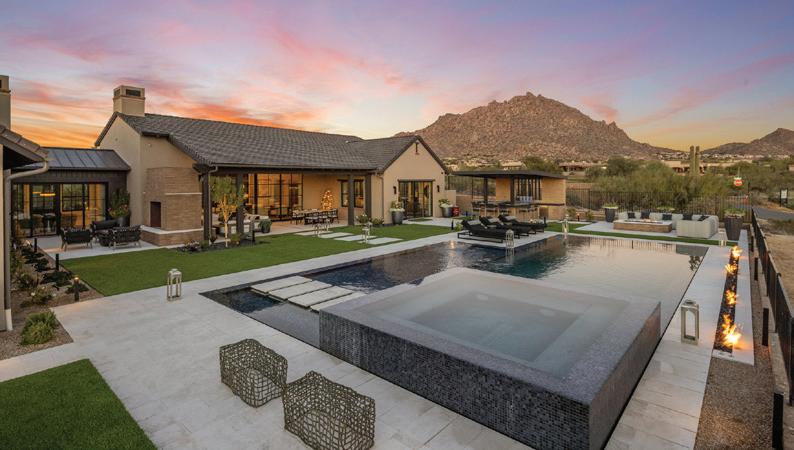

LIV Lawn and Construction LLC

Sponsored by:

All Season Wholesale Growers
All Season Wholesale Growers is a full-service, wholesale nursery that specializes in providing high quality trees, shrubs, ground covers and vines. 6623 S 32nd St #4, Phoenix, AZ 85042 602-276-0230 www.allseasongrowers.com
Cutting Edge Curbing
Sand & Rock - A SiteOne Landscape Supply Company
Cutting Edge Curbing Sand and Rock offers custom landscape and parking lot curbing, borders and landscape materials serving the Arizona market. Whether you’re a residential or commercial customer we offer the landscape rock and decorative curbing choices you’re looking for. Volume and contractor discounts are available. 602-353-1020
www.cuttingedgecurbing.com
Desert Tree Farm
Desert Tree Farm has been propagating, cultivating and growing native arid plants since the early 1970’s. Our farm grows over 300 plant varieties with 2 convenient growing and sales locations in both North and South Phoenix totaling on over 90 acres. Of these, many are proprietary plants uniquely developed for southern Arizona and the southwestern United States. 602-569-6604 www.deserttreefarm.com
Enterprise Fleet Management
Enterprise Fleet Management is a privately held, full-service fleet management business for companies, government agencies and organizations operating medium-sized fleets of 20 or more vehicles, as well as those seeking an alternative to employee reimbursement programs. Part of our total transportation solution, Enterprise Fleet Management is an affiliate of Enterprise Holdings Inc. and owned by the Taylor family of St. Louis, Mo. 480-783-8124 | www.efleets.com
Ewing Outdoor Supply
Ewing Outdoor Supply is the largest family-owned supplier of landscape and irrigation products in the country. 3441 E Harbour Drive, Phoenix, AZ 85034 www.ewingoutdoorsupply.com
Kichler Lighting
Since 1938, Kichler Lighting has offered so much more than just distinctively beautiful lighting. We’ve also backed each style with award-winning craftsmanship, unparalleled quality and superior service. Kichler Lighting offers a distinctive array of lighting solutions that reflect your individual personality, tastes and plans. 216-573-1000 | www.kichler.com
By Dave Thomas—Evergreen Turf
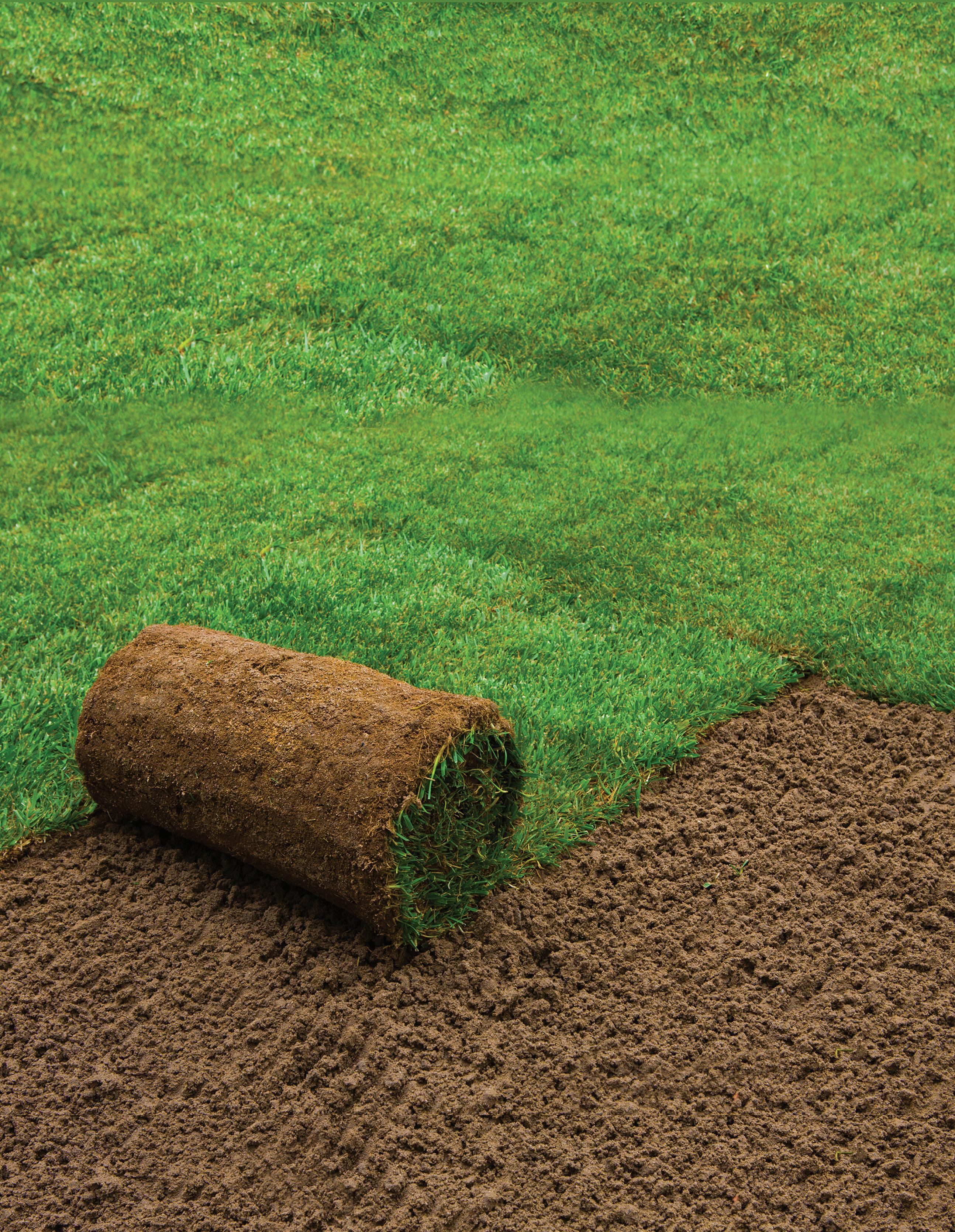
The most popular method of keeping a sod grass lawn green through a Southwest winter is to overseed with perennial ryegrass. Thanks to the beautiful dark green lawn ryegrass provides, many people feel that their winter lawns are more appealing than their summer lawns!
The optimum time to overseed your sod grass lawn in Arizona is during the first two weeks of October, or when the evening temperatures consistently stay below 65 degrees. Although it takes a little effort, we are sure that you will love the results. If you have any questions or need assistance with planting or maintaining your winter lawn, please contact us.
Also, sign up for our email newsletter today by entering your email address in the field to the left and we'll send you a notification when it is time to overseed your sod grass lawn. You'll also get information on how to care for your summer and winter grass. We are glad to help you keep your lawn looking its best all year around. We do not give or sell our customer information to anyone, and we guard your privacy.
Step 1—Scalping
To insure a good overseed for the winter, you need to eliminate the competition of your summer lawn and reduce the thatch that has accumulated over the summer. This is accomplished by scalping and de-thatching, which is the removal of leaf and thatch accumulation to ensure the seed gets down to the soil.
First, drop your mowing height down to 1⁄4" - 1⁄2". This should remove all of the green tissue in this process. You may have to mow your lawn 2 or 3 times to accomplish this. Collect and remove all of the clippings.
If you still have too much thatch, you may need to rent a "power rake". This is a machine with blades that will quickly loosen and rake the thatch. Rake your lawn in 2 directions with the "power rake", mow one more time, then collect the clippings. You should now have a lawn that is very brown, with 1⁄4' to 1⁄2" of stubble, a network of "runners" on the surface (above ground stolons), and just a little bit of soil showing through. You are now ready to seed.
The better quality your grass seed, the better quality your lawn will be. We recommend grasses that are suited for Arizona's desert climate such as perennial ryegrass.
Depending on how lush you prefer your lawn and the typical grass height you are planning, the amount of seed that you will need varies:
• Home Lawns (1"-2") — 12 pounds per 1,000 square feet
• Home Lawns (1⁄2" - 1") — 15 pounds per 1,000 square feet
• Golf course tees (1⁄4") — 20 pounds per 1,000 square feet
• Golf course greens (< 1⁄4") — 30 pounds per 1,000 square feet
Spread your seed in two directions, half in one direction and the other half in a direction perpendicular to the first. This will minimize overlaps and skips. If you overlap too much, you will have some very thick stripes in your lawn. If you have skips, you will see some very thin yellow areas in your lawn. It is important to spread your seed as evenly as possible for the best results.
Be sure to fertilize with a starter fertilizer before turning on your water. The analysis should be similar to a 6-20-20 (6% nitrogen, 20% phosphorus, 20% potassium) or 15-15-15 (15% each of nitrogen, phosphorus and potassium) mix. Follow the manufacturer's directions on the bag for fertilizing. Check out our fertilizer guide to learn what all these numbers mean on the fertilizer bag, so you can be sure you are making the right choice.
This step is optional, but can be critical if you (1) do not have a good irrigation system, (2) do not have a timer that can water 4-5 times per day, or (3) the temperatures have cooled too quickly. A well-composted mulch will help retain moisture and heat necessary to germinate your perennial ryegrass. After you have spread the seed, spread the mulch 1/8" to 1/4" thick evenly over the whole lawn.
Water is critical! You want to maintain a moist seedbed for a period of seven to ten days to allow the seed to germinate. You will want to water 4 to 5 times per day for very short cycles that leave no puddles and no dry spots. After the seed has germinated and grown to a height of 3⁄4" to 1", you may reduce watering to 2-3 times per day. After ten to fourteen days, you can reduce watering to once per day. Once your winter lawn is established, you will be able to water every other day through the winter. However, when the temperatures begin to rise in the spring you may need to begin watering every night, depending on the needs of the lawn.
The first mowing should occur at the 10th to 14th day after germination. Follow the 30% rule for mowing—never remove more than 30% of the leaf at one time. This will keep you from pulling out your new young seedlings. Your first cut will probably be at a height of 3⁄4" to 1". If prefer your lawn a little longer, then you may not need to mow for 14 - 21 days. Once your ryegrass is established, you can follow normal upkeep measures outlined in our maintenance section.
Your winter lawn will require feeding, just like your summer lawn. Feed your ryegrass monthly with an analysis such as 21-7-14 or 22-3-9 (see our fertilizer guide for more information). Look for a fertilizer that contains iron or use an iron product like "Ironite" for the best results. Iron also comes in a variety of liquid products that can be sprayed on your turf. Visit your local nursery or garden center for more information.
*Be careful with iron products, they will stain concrete, cool-decking and swimming pools.
Laurie Williams
7117 W Foothill Dr Glendale, AZ 85310
lwilliams@clr-llc.com
Arborist - Certified, Artificial Turf Installation, Curbing, Hardscape Installation, Irrigation Construction/Repair, Landscape Commercial Design, Landscape Commercial Maintenance, Landscape Lighting Installation.
Associate Class 1
Cintas Corporation
Tony Katrus
5501 W. Hadley St. Phoenix, AZ 85043
katrust@cintas.com
Cintas Corporation is a Fortune 500 company that provides a comprehensive range of products and services designed to help businesses maintain clean, safe, and professional environments. Their core business model is built on a route-based service system, where local representatives visit client sites weekly to deliver fresh supplies, pick up soiled linens, and restock essential safety equipment. Cintas organizes its business into several primary segments, each focused on a specific aspect of workplace readiness: Uniform Rental & Workwear, Facility Services, First Aid & Safety, Fire Protection Services.
Associate Class 4
Chris Wentland
254 S Mesa Dr Mesa, AZ 85210
chris@cyclandscaping.com
CYC Landscaping is a full-service landscape design company specializing in custom landscapes and remodels. We provide our clients with professionalism and expertise from initial contact to completion of your project. We will be in constant communication during your project, updating you on the schedule and ensuring that you do not have any questions.
Contractor Class 2
Hub and Son Landscaping
Jeff Hubbard 12280 E Thunderhead Ranch Rd Tucson, AZ 85747
hubandson@gmail.com
Hub and Son Landscaping is family owned and operated, serving the Tucson area since 2000. We specialize in residential and commercial installation and maintenance.
Contractor Class 2
Marsh McLennan Agency
Doug Gnas 8605 E. Raintree Drive Suite 200 Scottsdale, AZ 85260
doug.gnas@marshmma.com
Marsh McLennan Agency is a leading provider of business insurance, employee health & benefits, retirement & wealth, and private client insurance solutions.
Associate Class 4
Donald Heckle 1655 E Indian School Rd Phoenix, AZ 85301
dheckle@atax.com
As trusted tax advisors, we help you plan ahead, reduce liabilities, and stay compliant with federal and state requirements. Whether you’re a startup, growing business, or established company, we tailor our services to fit your needs and budget. With us, you get more than a service provider — you get a financial partner dedicated to your success. Clear communication, dependable support, and accurate numbers you can trust.
Affiliate
Turboscape Blower Services LLC
Jake Stewart PO Box 510 Duchesne, UT 84021
jake@turboscapeaz.com
We Specialize in providing IPEMA Certified Playground Wood Chips (also known as EWF - Engineered Wood Fiber) with a specialized Blower Truck installation method. We work directly with local mills to source virgin woodchips designed specifically for playgrounds, providing a costeffective, shock-absorbing surface that reduces injury risk during falls.
Associate Class 1

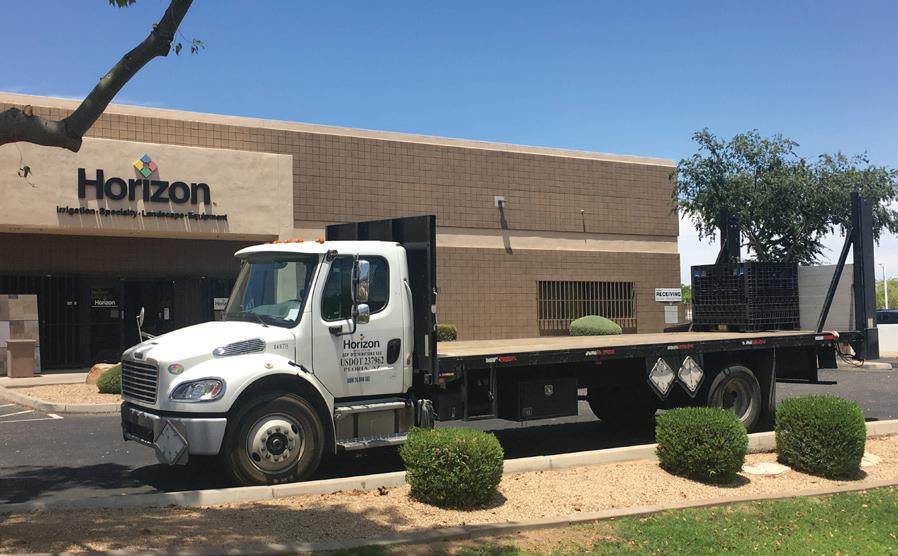
In today’s landscape industry, productivity isn’t just about what happens on the jobsite—it starts long before the first shovel hits the ground. It begins with your supply partner.
Most contractors have experienced both ends of the spectrum: suppliers who slow you down, and those who help you move faster. The difference between the two is more than convenience—it directly impacts your efficiency, your reputation, and ultimately your profitability.
That’s why choosing a supply partner who treats contractors right isn’t a “nice to have.” It’s a competitive advantage.
Every landscape contractor operates on tight margins and even tighter schedules. When your supplier doesn’t have material ready, can’t find your order, or leaves you waiting at the counter, it doesn’t just waste a few minutes—it throws off your entire day.
A strong supply partner understands this and prioritizes speed and reliability:
• Orders ready when promised
• Materials consistently in stock
• Fast, accurate loading so you can get back on the road
The goal isn’t just to sell you products—it’s to help you stay on schedule. Because when you’re efficient, your crews are productive, and your jobs stay profitable.
Consistency from your supplier allows you to plan with confidence. When you know materials will be there when you need them, you can schedule jobs more tightly, commit to timelines with customers, and reduce costly delays.
On the flip side, unreliable supply forces contractors to build in buffers—extra time, extra trips, backup plans—which quietly eats away at profit.
1. They Respect Your Time
You’re not waiting around, chasing orders, or standing in long lines. Your materials are ready, the process is smooth, and you’re back on the road quickly.
A dependable supply partner:
• Keeps core materials in stock
• Communicates clearly about availability and lead times
• Follows through on commitments
That level of reliability becomes an extension of your business. It allows you to operate with fewer surprises and more control.
Customer Service Isn’t Extra— It’s Essential
The best suppliers recognize that contractors don’t need more friction in their day—they need support. That’s where customer experience becomes a real differentiator.
Simple things make a big impact:
• Being greeted by knowledgeable staff who understand your work
• Getting answers quickly without delays
• Having someone help load your truck so your crew stays focused
These aren’t perks—they’re productivity drivers. And when something goes wrong—as it inevitably will—it’s the supplier’s response that matters most. A partner willing to go the extra mile and take ownership can make all the difference.
Landscape contractors don’t work 9-to-5. Early starts, tight timelines, changing conditions —this is a business that demands flexibility and hustle. Your supplier should match that energy.
That means opening early, being ready during peak hours, moving quickly, and helping you solve problems in real time—not slowing you down when you’re trying to get to the next job.
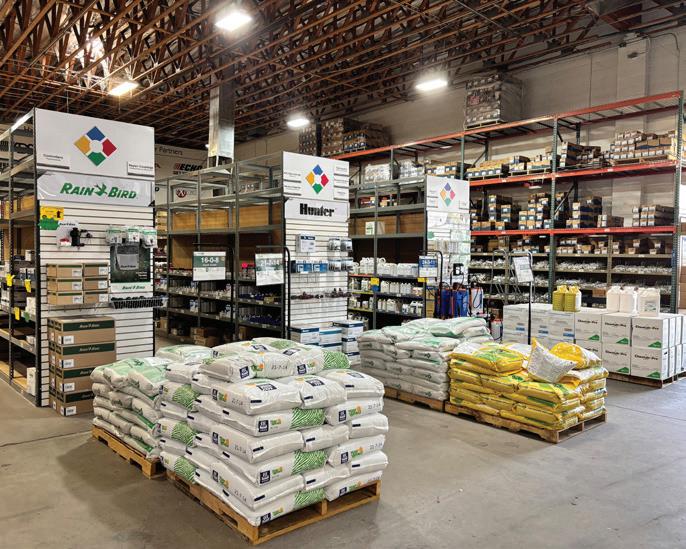
This is where Horizon’s approach— “Contractors Treated Right”—comes into focus. It’s not a slogan—it’s an operating mindset. From having product in stock when you need it, to getting you in and out fast, to helping load
2. They Have What You Need— When You Need It
Consistent inventory matters. The right partner keeps core products in stock so you’re not making extra trips or scrambling to find alternatives.
3. Their Team Knows the Industry
You’re dealing with people who understand landscaping—not just products. They can answer questions, make recommendations, and help you solve problems on the spot.
4. They Step Up When It Counts
Mistakes and surprises happen. A great supplier takes ownership, communicates clearly, and goes the extra mile to make it right—without excuses.
5. They Work at Your Pace
Early hours, quick turnaround, help loading materials, and a sense of urgency that matches your day. They operate like they understand what it takes to get a job done.
your materials and answer questions on the spot, the goal is simple: respect your time and support your success.
Because when your supplier works as hard as you do, everything runs smoother.
At the end of the day, your reputation is built on delivering for your customers—on time, on budget, and without surprises. But you don’t do that alone.
The right supply partner isn’t just where you buy materials—it’s part of your process. When that partner is reliable, responsive, and committed to treating contractors right, it helps you stay efficient, reduce stress, and focus on what matters most: getting the job done.
And in a competitive market, that kind of partnership isn’t just helpful—it’s essential.
By Ewing Outdoor Supply/Greg Williams
You’ve probably seen it before; sprinklers running in the middle of a rainstorm, water pooling on sidewalks, or landscapes being irrigated the same way week after week regardless of conditions. It’s not a system failure. It’s how traditional irrigation has always worked. The problem is that landscapes don’t operate on a fixed schedule.
The U.S. Environmental Protection Agency estimates that up to 50% of outdoor water use is wasted due to inefficient irrigation practices.
From a technical and field perspective, Ian Yarian, Ewing’s National Irrigation Category Manager, and Larry Giorux, Ewing’s Commodity Products Category Manager, point to a fundamental shift in how irrigation systems operate today.
Smart irrigation is less about automation and more about adaptability. Systems that respond to real-world conditions instead of following a static schedule.
“At its core, smart irrigation is the ability of a controller to adjust schedules based on real-time site and weather conditions,” said Larry.
The difference is straightforward: traditional controllers follow a schedule, while smart controllers respond to conditions.
The shift isn’t just conceptual; it changes how irrigation is managed on a daily basis. Control becomes an ongoing process, with the controller continuously adjusting as conditions change. That difference shows up most clearly at the controller.
“Traditional controllers do exactly what they’re told and nothing more,” said Larry. “They’re going to run that schedule no matter what’s happening with the weather or the soil.”
Even when rain sensors are in place, those systems are limited. They can pause irrigation during rainfall but don’t account for how much water has actually reached the soil or how conditions evolve afterward.
Smart controllers take a more responsive approach.
“A smart controller is constantly recalculating based on plant type, soil conditions, and weather since it’s not just running a fixed schedule,” said Ian.
Instead of relying on preset runtimes, these systems continuously evaluate conditions and make adjustments automatically.
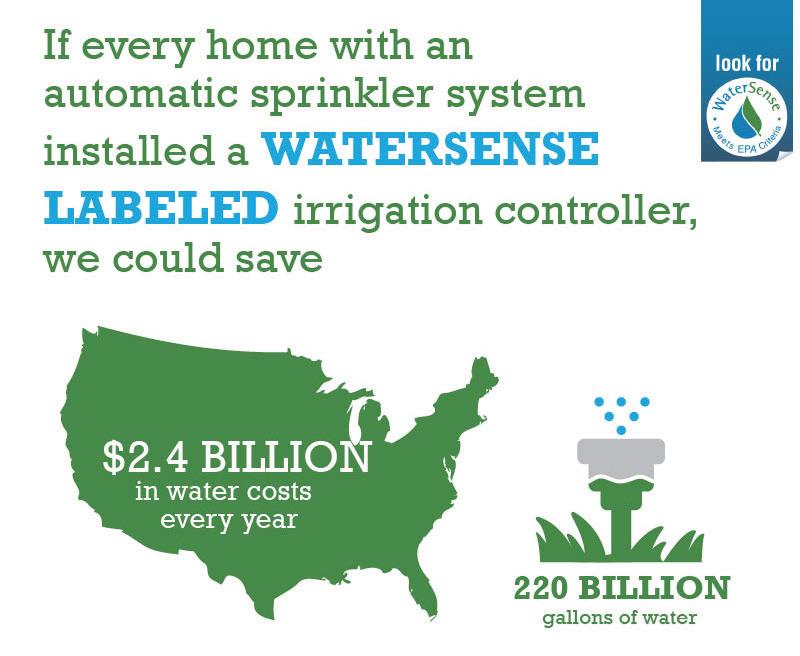
EPA WaterSense data shows that more than 28 million U.S. homes have irrigation systems, yet only about 10% currently use smart controller technology.
For many existing systems, that shift doesn’t require a full redesign; it often starts by upgrading or rethinking the controller.
What separates smart irrigation from traditional systems is its reliance on data.
Controllers evaluate multiple inputs, including weather conditions, rainfall, soil characteristics, and plant requirements. At the center of this is evapotranspiration (ET), which measures how quickly water is lost due to environmental factors.
“Solar radiation, wind, and precipitation all influence evapotranspiration rates,” Giorux said. “That combination ultimately drives how much irrigation is actually required.”
According to EPA WaterSense, outdoor water use accounts for roughly 30% of total household demand and can reach up to 60% in arid regions. This makes irrigation one of the largest opportunities for efficiency gains.
Instead of relying on fixed runtimes, smart controllers use this information to determine how long, and whether, to irrigate at all. Adjustments happen automatically, based on actual site conditions rather than assumptions.
One of the most immediate impacts of smart irrigation is improved system performance.
Overwatering is one of the most common issues in irrigation, often leading to higher water bills, plant stress, and unnecessary service calls. Smart controllers help address that by applying water more precisely.
EPA WaterSense estimates that smart irrigation controllers can reduce water use by up to 30%, saving roughly 15,000 gallons per home each year.
“When I installed my first smart controller, I reduced my water usage by about 30%, and that translated directly into cost savings,” Ian said.
But efficiency isn’t the only benefit. “When water is applied correctly, it drives deeper root growth, which leads to healthier, more resilient plants,” Ian added.
Another advantage of smart irrigation is increased system awareness. With the addition of flow sensors and monitoring capabilities, issues can be detected that might otherwise go unnoticed. This kind of real-time feedback helps prevent water loss, reduce potential damage, and ensure systems are operating as intended.
At the same time, modern smart controllers have become significantly easier to install and configure. Earlier systems required detailed programming and a deeper level of technical input, but today’s controllers incorporate built-in intelligence that simplifies the process.
As water costs continue to rise and expectations around efficiency increase, the role of the irrigation controller is evolving.
Smart controllers meet those expectations by delivering systems that adapt automatically, respond to real conditions, and provide greater visibility into performance often without requiring a complete system overhaul.
“The goal is simple: deliver the right amount of water at the right time based on real conditions,” said Ian.
For contractors, that shift creates an opportunity to improve system performance, reduce callbacks, and offer solutions that deliver measurable water savings.
As the industry continues to move in that direction, adaptability is quickly becoming the standard and increasingly, the expectation.
OnSite OilChange Plus (480) 470-0352
onsiteoilchangeplus.com
Please see our ad on page 9/Inside Back Cover
IRRIGATION PRODUCTS & SYSTEMS
Horizon (800) PVCTURF (782-8873) horizononline.com
Please see our ad on page 4
Hunter Industries (760) 744-5240
hunterindustries.com
Please see our ad on page 19
LANDSCAPE CERTIFICATION TRAINING/ TESTING
Metro Institute (602) 452-2900
metroinstitute.com
Please see our ad on page 5
LANDSCAPE EQUIPMENT
Stotz Equipment (623) 936-7131
stotzequipment.com
Please see our ad on page ................................ 8
LANDSCAPE SUPPLIES
Material Delivery, Inc. dba MDI Rock (602) 569-8722
mdirock.com
Please see our ad on page 4
Brilliance LED, LLC (800) 867-2108
brillianceled.com
Please see our ad on page 6
NURSERIES
All Season Wholesale Growers (602) 276-0230
allseasongrowers.com
Please see our ad on page 11
Arid Solutions Nursery (602) 437-5194
aridsolutionsnursery.com
Please see our ad on page 18
Arizona Wholesale Growers (623) 581-3100
azwholesalegrowers.com
Please see our ad on page ................................ 3
Austrialian Outback Planation (623) 780-8500
australianoutbackplants.com
Please see our ad on page 5
South Coast Wholesale (888) 326-7256
southcoastwholesale.com
Please see our ad on page Inside Front Cover
West Coast Turf (888) 893-8873
westcoastturf.com
Please see our ad on page 9
Evergreen Turf, Inc. (480) 456-1199
evergreenturf.com
Please see our ad on page Back Cover
Western Tree Company (602) 243-6125
westerntree.com
Please see our ad on page 11
TRUCKS
Chapman ISUZU (480) 752-1540
chapmanchoice.com
Please see our ad on page 22