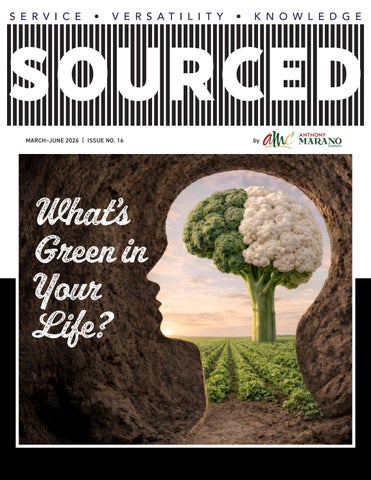
What’s Green in Your Life?

by

This issue is dedicated to the color that symbolizes growth, resilience, and renewal: Green! And, while diving into the vibrant world of leafy vegetables, hearty greens, and specialty varieties, we’ll also celebrate the ingredients that keep our industry rooted in freshness and innovation.
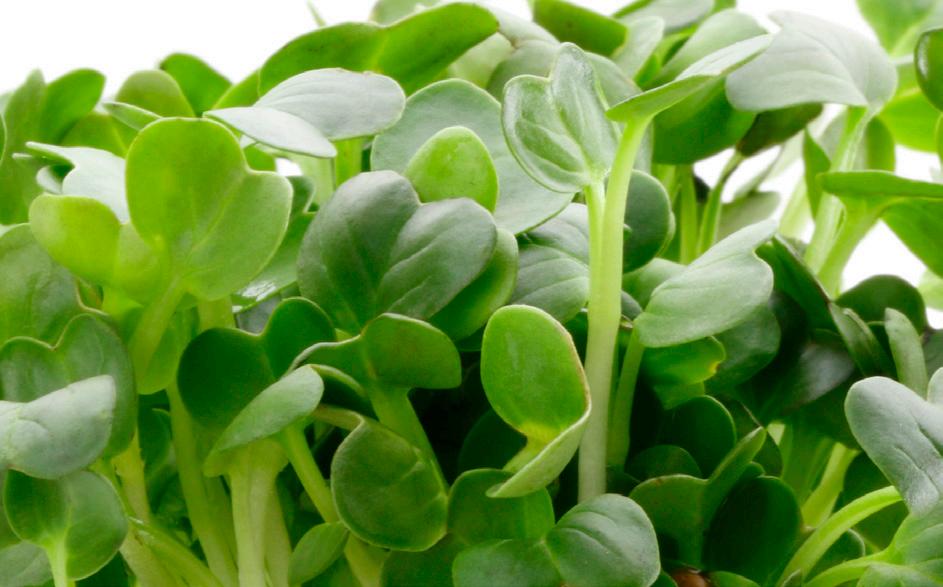
In addition, you’ll find a special spotlight on avocados, a deeper look at the rising popularity of microgreens, and an introduction to the convenient and versatile Market Cuts® Salad Kits. Additionally, we’re showcasing the incredible work of our Wet Veg Department.
As spring brings new life to fields and fresh energy to our industry, join us in exploring the ideas, flavors, and innovations inside. It’s a season of growth—on the farm, on the table, and in all that’s to come. There’s no better time to grow!
Anton J. Marano Chief Executive Officer
Damon Marano President and Chief Business Officer


Anton J. Marano Chief Executive Officer
Grab a blank sheet of paper (we do this often) and write down your honest answer to the following question. Are you actively cultivating a growth mindset?
If I have developed one singular belief over my decade leading our company, it’s this: We grow only as our people grow. And for that to happen, having a growth mindset has to start with me, and our Executive Team. As we grow, our people will also grow (and go). And as our people grow, so too will the company.


Psychologist Carol Dweck, a Stanford professor and leading expert on motivation, has said that growth mindset is a belief, held by a learner, that intelligence can be developed. In contrast, she compares that to a fixed mindset—learner’s belief that intelligence is set. In her research with students, those with a growth mindset were found to be more likely to challenge themselves, believing that they can achieve more, and become stronger and creative problem solvers.
Nearly a century before Dweck’s work, Henry Ford observed the same power of a growth mindset, simply and famously saying, “Whether you think you can or you think you can’t, you’re right.”
At our company, we’re more like Ford’s simple quote than Dweck’s published research, but both point to evidence that our people harnessing the power of a growth mindset, is how we will grow. They become better people at home and at work. Better people make a better company (and family, community, etc.).
Mindset growth is a choice. Every day we wake up, we have a choice to make about how we approach the day. And that choice impacts those around us— whether you are part of a team working to pack or an individual contributor driving a computer screen all day.
In 2026, we are embracing a couple of mantras from the world’s most winning sports team, the New Zealand All Blacks rugby club. We believe as they do that “better people make a better organization.”
Are you becoming a better version of your yesterday’s self? Or, are you staying put? Your answer is the difference between growing, or growing complacent.
“Mindset change is not about picking up a few pointers here and there. It’s about seeing things in a new way. When people . . . change to a growth mindset, they change from a judge-and-be-judged framework to a learn-and-help-learn framework. Their commitment is to growth, and growth takes plenty of time, effort, and mutual support.”
—Carol Dweck, Mindset: The New Psychology of Success



At the heart of our program, is a simple belief: great food starts with great relationships. We stay closely connected to our growers and shippers through daily communication and on-site field visits. We grow our people, and in
Every day, we show up with one purpose: to deliver kick-ass service, versatility, and product knowledge to our customers and growers. But what truly sets us apart is our team. We operate as a family, holding each other accountable with honesty and respect. In fact, we feel more like brothers than coworkers. We laugh, learn, and problem-solve. No two days are ever the same in our department, and that’s exactly why we love what we do!
Together, we proudly handle some of the most fragile commodities in the building— crisp lettuces, vibrant broccoli, delicate microgreens, and earthy mushrooms. Every box we touch is treated with care, because we know what it represents: someone’s meal, someone’s family, someone’s trust. From California, Georgia, Florida, Guatemala, and Peru, we bring the best to the table—so every order leaves our department with heart and purpose.







Over my 11 years at Marano, I’ve had many different opportunities, but I always find my way back home to the Wet Veg Department. I am excited to work with these young men, not just to guide them professionally but also personally. The greatest joy I get is when I can influence the people around me to be better. It may not always feel good, but if you truly care for them, you will push them to a fuller potential—that they may not see in themselves.
Working in the produce industry isn’t just about moving product, it’s about growing together with a team that shows up, supports each other, and makes every day rewarding. When you enjoy the team you’re with, the hard work feels meaningful and the wins feel shared.
It’s not just about buying and selling produce. It’s about listening to customer’s needs and building long-lasting relationships. Selling from the customer’s perspective and truly understanding their needs is what works best for me. Using that mindset has helped me achieve my goals at Marano. When I started here 13 years ago, I knew this was not just a job—it was a great career and family.
After being a part of AMC for a little over three years, I’ve learned more about hard work, passion, focus, and details than at any time in my professional career. Working here has shaped my mentality and work ethic to put me on the right path to grow.
The produce industry has been a learning journey. The knowledge I’ve gained, along with the growth I’ve experienced, has shaped who I am today. It’s amazing to be part of AMC that’s always evolving, and I’m excited to see where it takes me next. Every box of fresh produce we deliver represents our commitment to quality and service. What we do impacts people’s daily lives, and knowing that our work makes a difference keeps me motivated and dedicated to my role.
My two years at AMC have been a defining period in my professional development. The responsibilities and challenges I’ve taken on have strengthened my discipline and sharpened my skills and focus, which will continue to guide me as I move forward in my career with the AMC Family.




St. Patrick’s Day celebrates Irish heritage and the enduring connection between culture and the land. Cabbage, long valued for its ability to thrive in Ireland’s climate, became a staple of Irish cooking and daily life. Today, it stands as a symbol of resilience, nourishment, and the quiet elegance of a simple ingredient that brings people together.
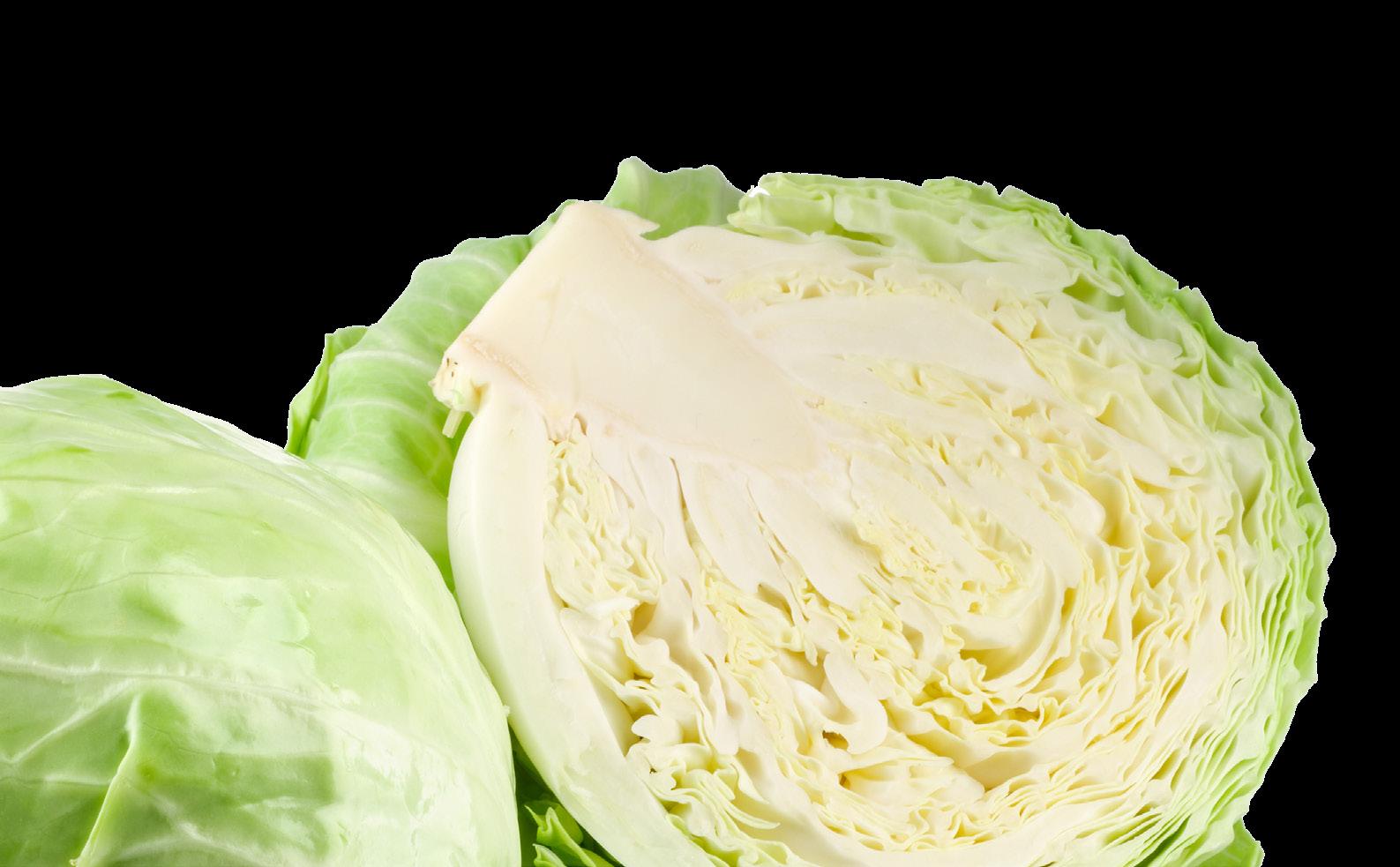
This leading St. Patrick’s Day volume driver is valued for its dependable supply, long shelf life, and strong promotability. Grown year-round in major production regions including California, Texas, Florida, and Arizona, whole heads can maintain quality for up to three or four weeks under proper refrigeration. Its dense structure holds up to handling and high-traffic displays, allowing retailers to build large holiday sets.
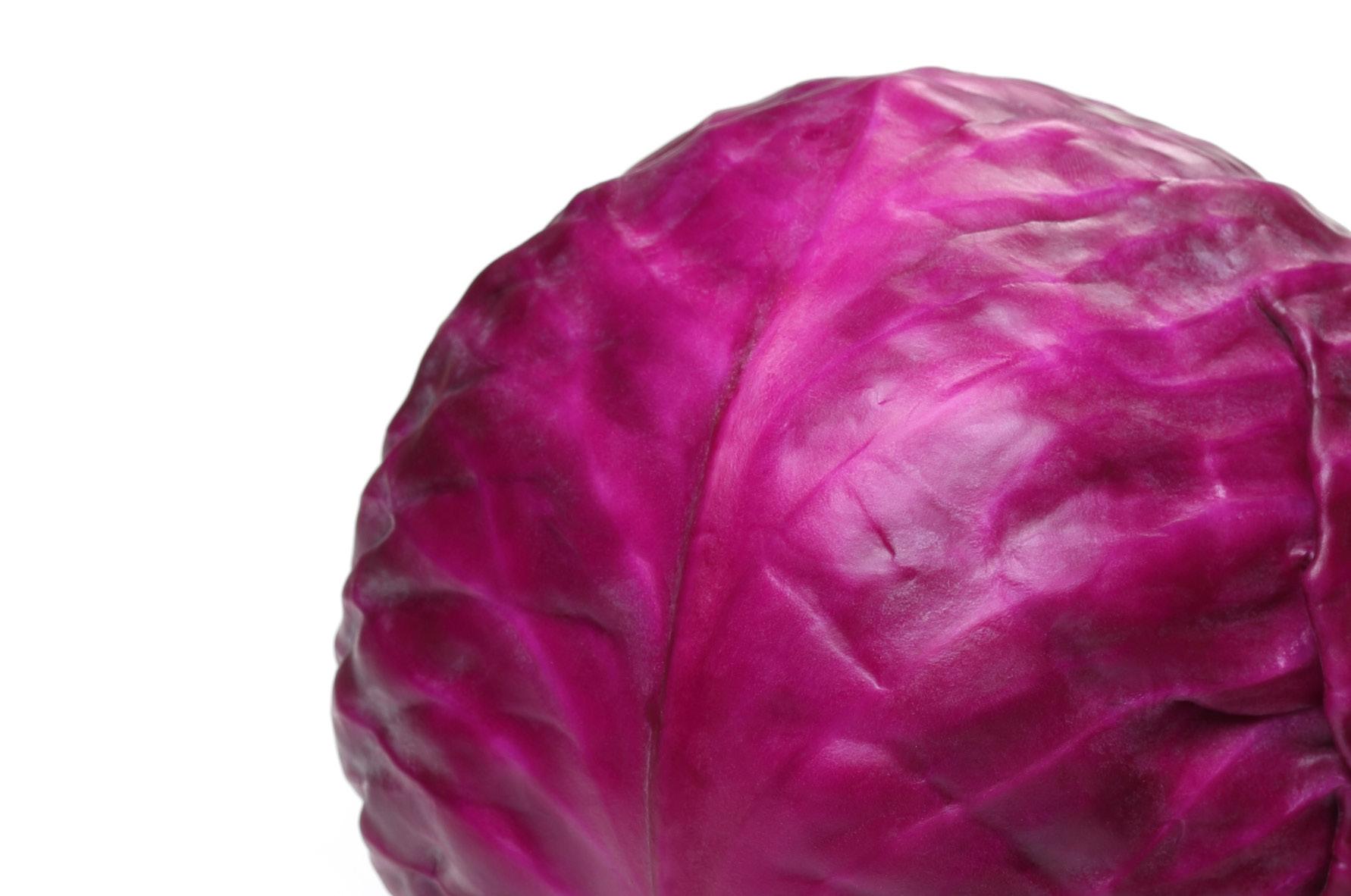
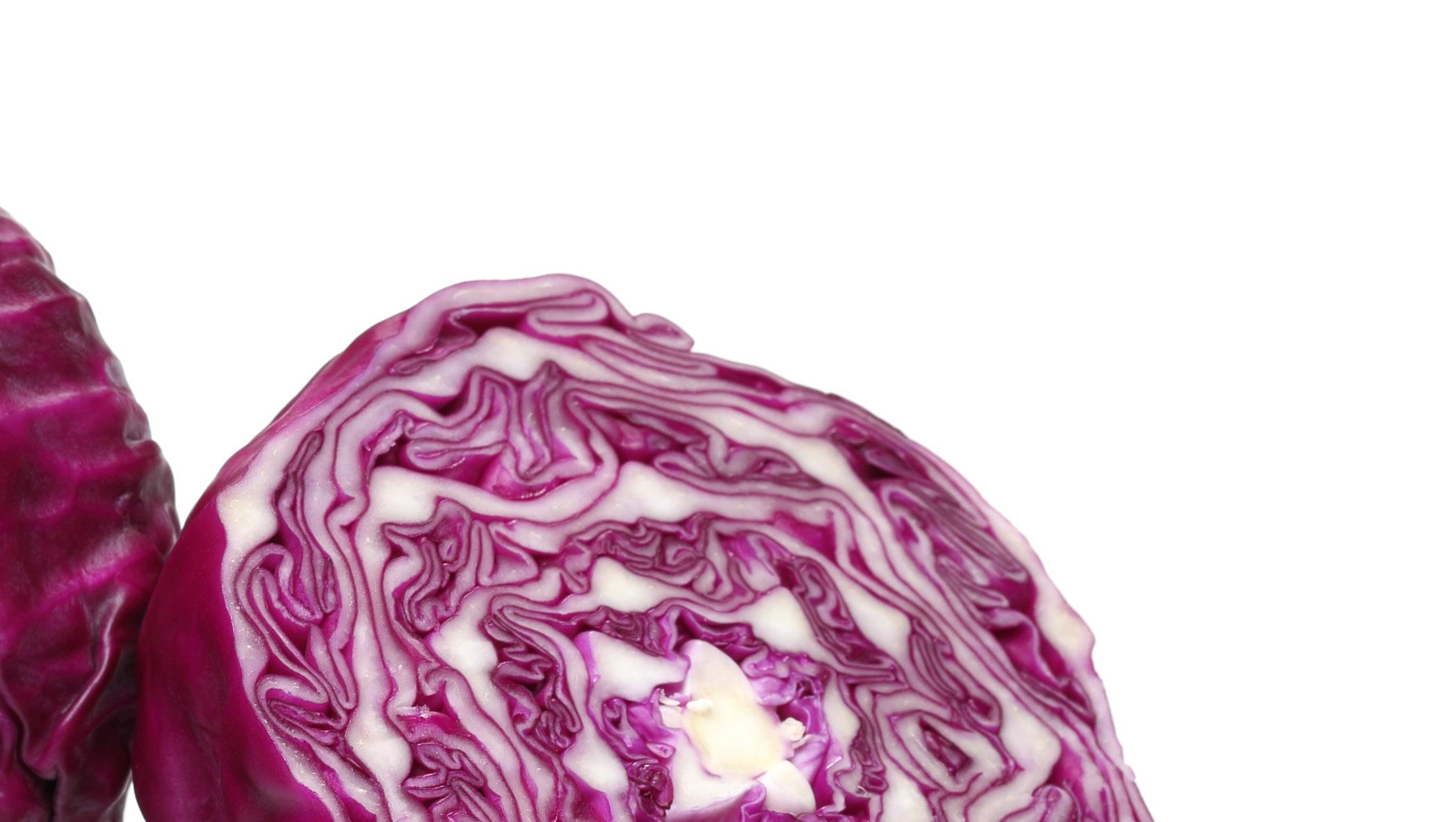
This complementary item performs well, especially in mixed displays and recipe-driven promotions. Red cabbage is primarily grown in California and the Midwest, has similar storage and handling characteristics to green cabbage, but has slightly firmer leaves. Retailers can position red cabbage as a premium or specialty option, appealing to shoppers who seek vibrant plates, antioxidants, or modern twists on traditional holiday meals.


Seasonal Demand Is Predictable Cabbage demand follows a reliable seasonal pattern in early March, driven by traditional meal planning. Retailers can confidently increase orders and expand display space 7–10 days ahead of St. Patrick’s Day.
Cross-Merchandising Strength Cabbage is a natural cross-merchandising driver. Placement near proteins, root vegetables, and meal-solution items increases basket size and simplifies the shopping experience.
Operational Efficiency at Store Level Compared to many leafy greens, cabbage requires less frequent rotation, trimming, and misting. Its durability supports extended merchandising windows and reduces labor demands during peak promotional weeks.
Display Scale Drives Performance Cabbage performs best when merchandised in large, high-density displays. Abundant presentation reinforces value perception, encourages multiple-item purchases, and reduces selective handling.
Category Flexibility Cabbage can function simultaneously as a promotional leader and a margin stabilizer, depending on retailer strategy. Its long shelf life and year-round domestic supply allow for early display builds, sustained presentation, and flexible pricing approaches.
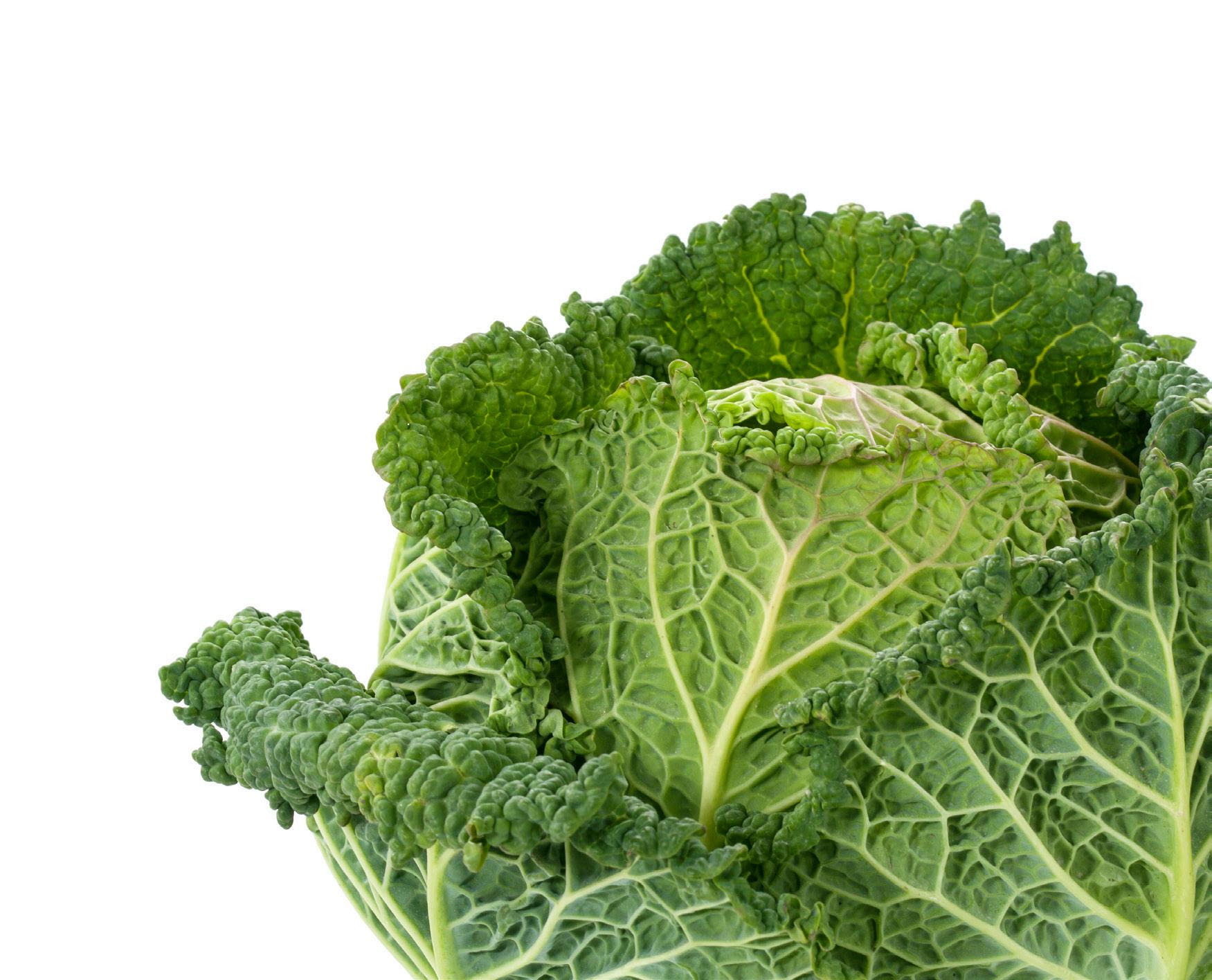
Sourced primarily from California and regional growers during cooler seasons, savoy performs best as a complementary item within a larger cabbage set. Savoy benefits from education-driven merchandising, including signage, recipes, or chef-inspired messaging. Its tender leaf structure supports value-added and recipe-led promotions, allowing retailers to attract culinary-focused shoppers and drive incremental basket growth.
The largest cabbage ever recorded weighed 138.25 lbs.
Cabbage has been enjoyed for more than 4,000 years, making it one of the world’s oldest cultivated vegetables.
1 cup of raw cabbage contains more vitamin C than a standard orange slice.


Small Packs, Big Impact


Shoppers choose single-serve microgreens for fresh flavor, easy meals, and less food waste.

Shoppers Want Ready-to-Use
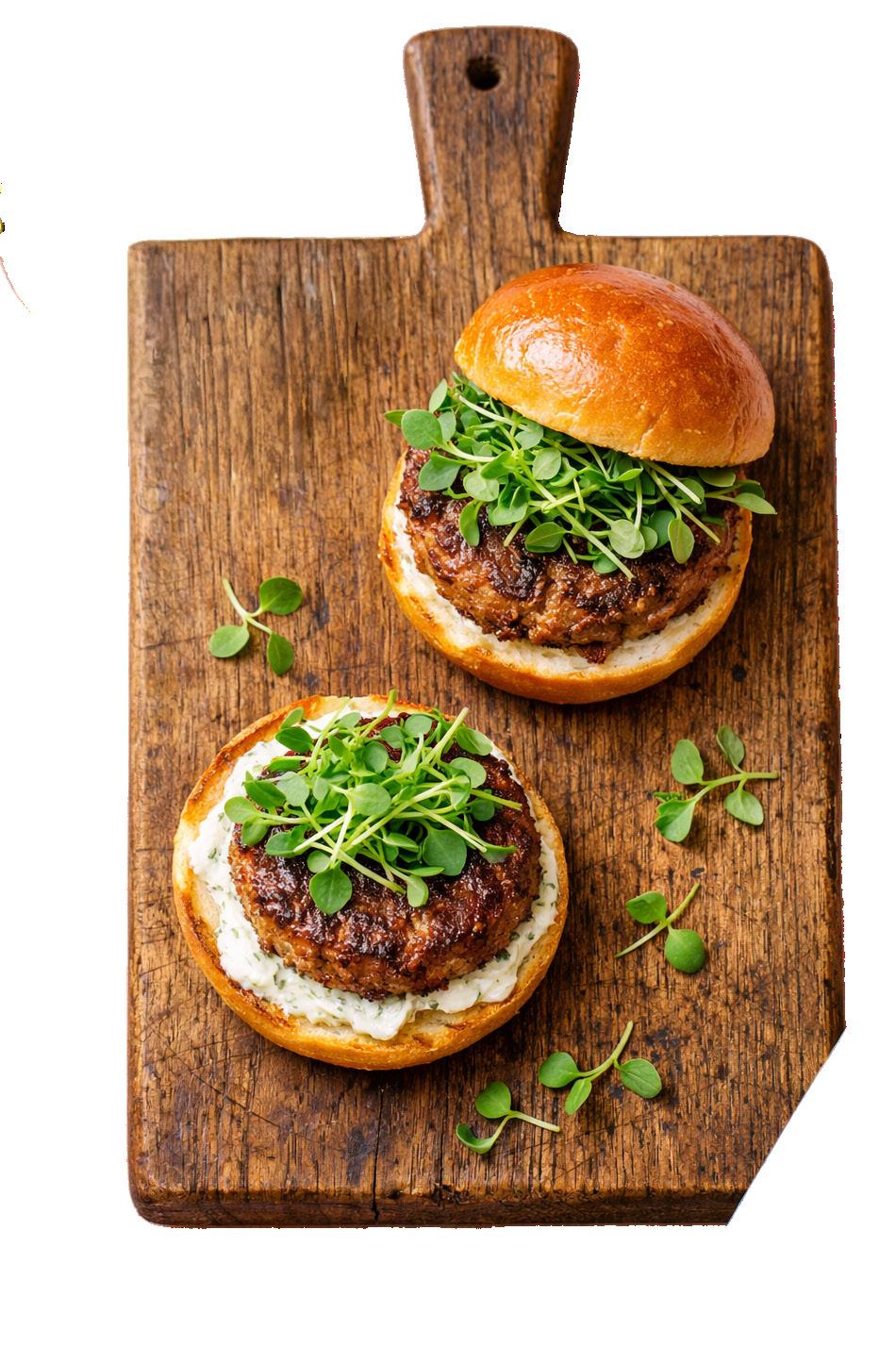
Over 1 in 5 retail microgreens purchases are made for quick meal upgrades, with shoppers using them as salad toppers, sandwich layers, and smoothie boosts.
Retail Leads the Market
Retail is now the top sales channel for microgreens, accounting for 33–40% of the global market. What was once restaurant-driven has officially moved into home kitchens.
Freshness Sells
Proper in-store cold-chain handling of 41°F (5°C) maintain peak quality for 10–14 days, making consistency a key driver of repeat purchases and customer satisfaction.
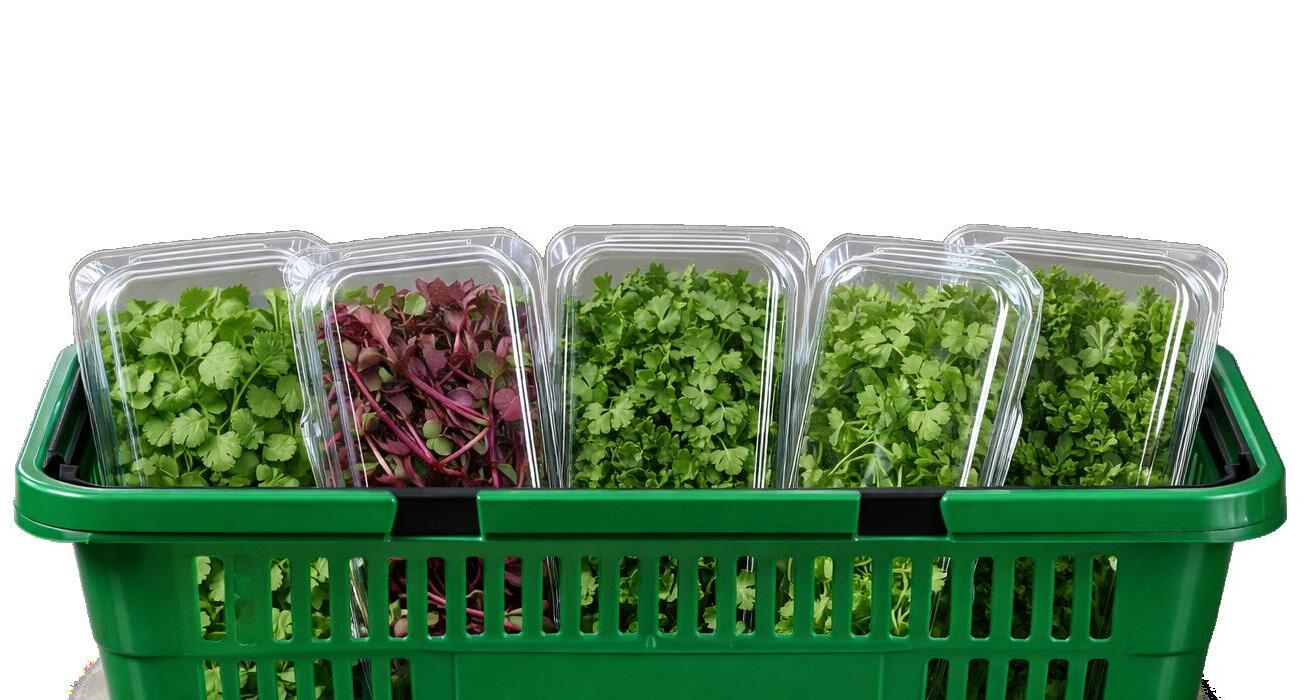



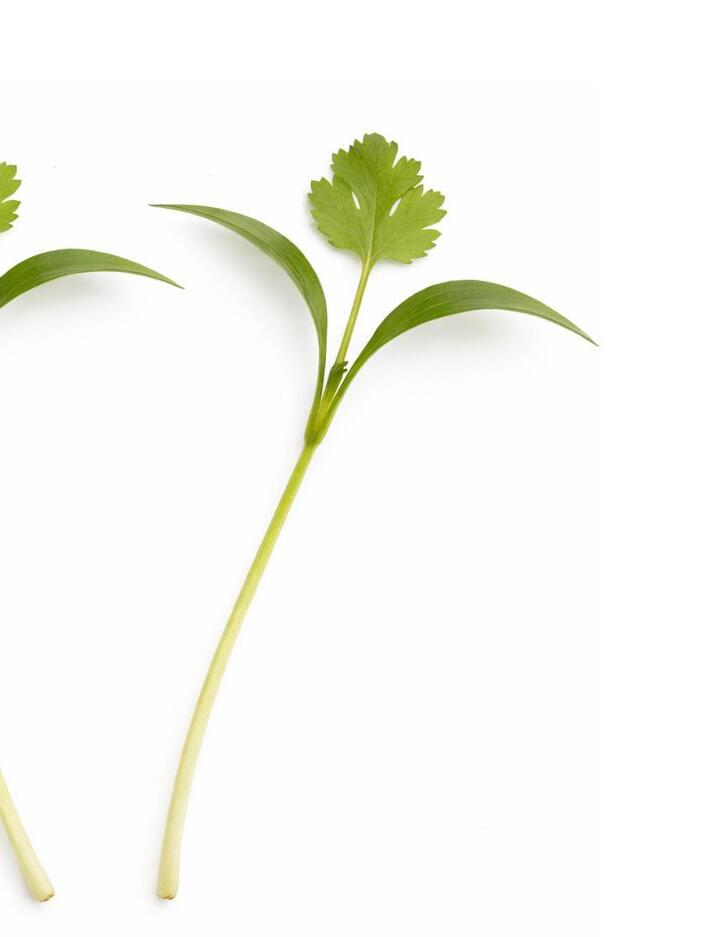
Originally a fine-dining trend, microgreens now span fast casual, catering, meal prep, and retail, supporting a global market that exceeds $2 billion.

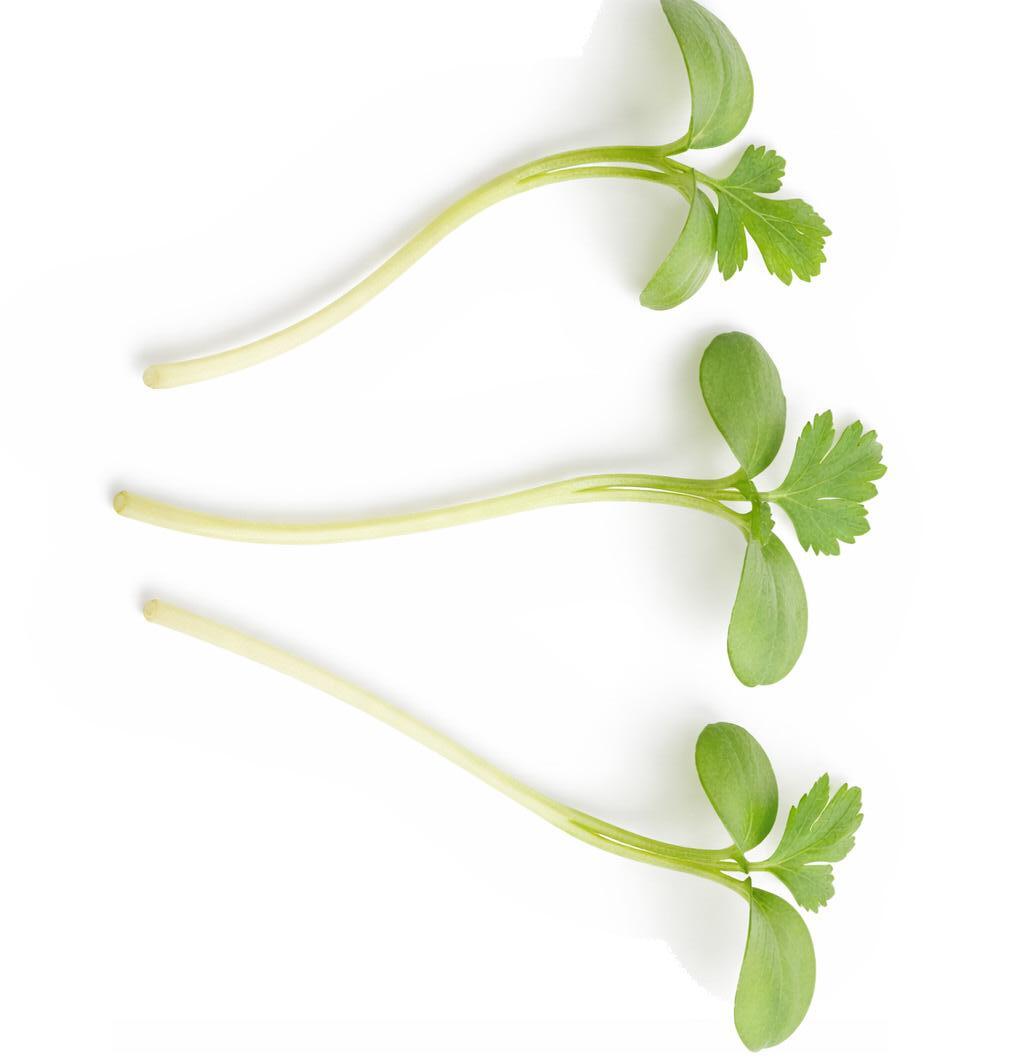
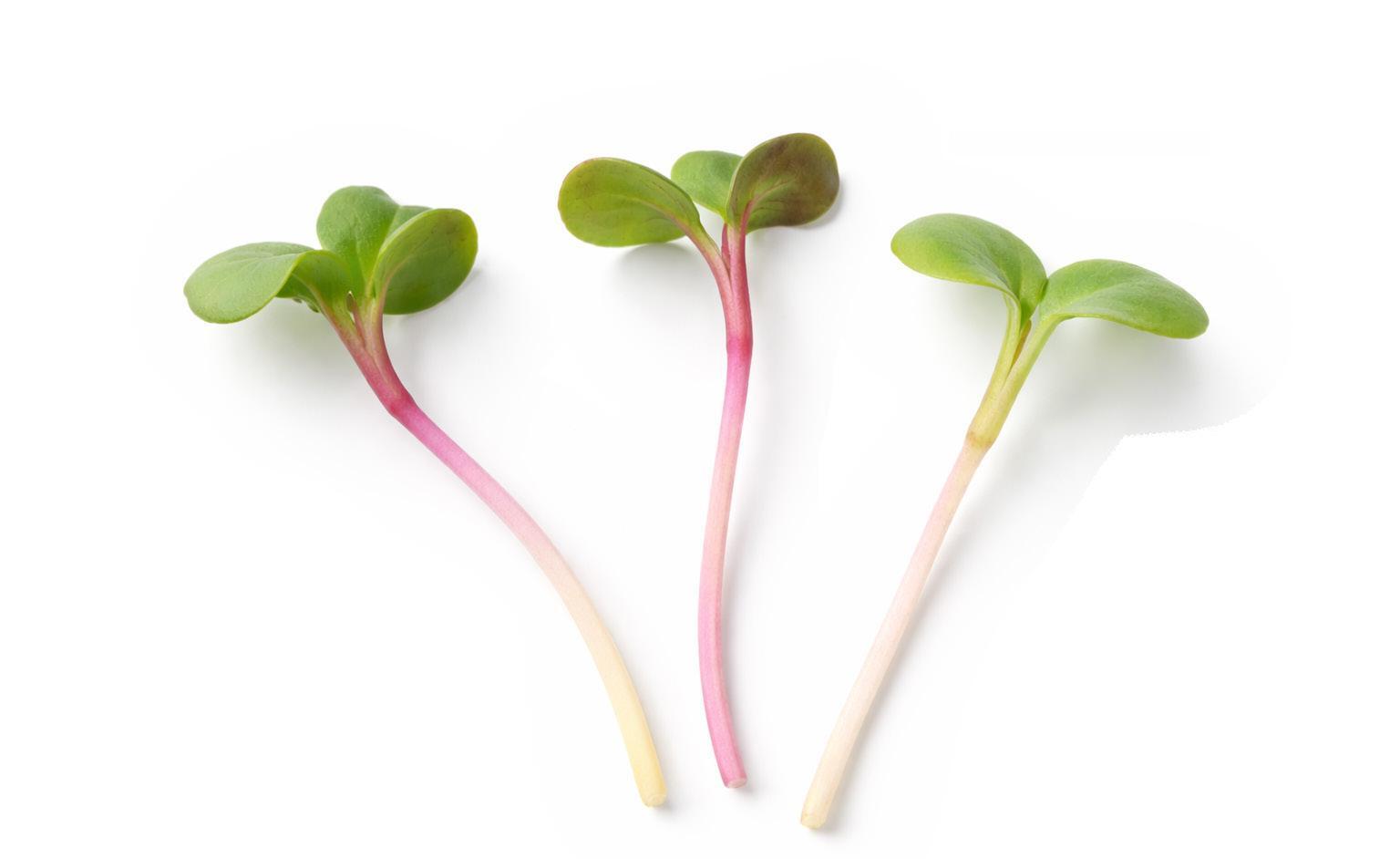
Most microgreens reach harvest size in 7–21 days making them one of the fastest-growing fresh produce items in the industry.
Controlled-environment-grown microgreens can use up to 80% less water compared to traditional leafy greens.

Microgreens are now current on more than restaurant menus, most often alongside proteins, soups, salads, and sushi.


Many microgreens deliver more concentrated flavor per bite than mature greens, allowing chefs to add bold taste and crunch using smaller portions.





by Rick Van Arnam
Executive Vice President of Leadership, Team Development, and Strategy
My favorite observation of companies that are “all in” to organizational health is that they build on Patrick Lencioni’s ideas and models to create practical tools that are even better than his, wrapped in a language that is authentically unique.
In late 2024, at our annual State of the Union, Anton shared a Nick Saban video in which Saban offered five choices we have in approaching work. He said you can choose to be bad or average, but quickly dismissed both of those options. Third, you could choose to be good at what you do, and he says that good is likely God’s minimum aspiration for a person’s talents. Or, fourth and fifth, you can choose to be excellent to (or) elite. If you overlay a simple color-coded status on those choices bad would be RED, average would be YELLOW, and elite would be GREEN.


In 2025, AMC received a perfect score on a Safe Quality Food (SQF) audit. This is nearly unheard of. In fact, the auditor admitted it was the first perfect score she had ever given. 100%
Throughout 2025, we focused on excellent-to-elite, asking questions like, “Does that look excellent-toelite?” It is a simple but powerful question that informs what should happen next.
Further, in the less-than-a-minute video, Saban offered clues on how to get excellent-to-elite. He said that to be excellent-to-elite, you have to do special things, have a special commitment, or support a special passion. He’s referring to daily disciplines and habits that aren’t necessarily hard to do but may be hard to do every single day.
To be clear, elite doesn’t mean perfection. It’s aspirational; not a singular goal. The thought is that the more a person aspires to be elite, the more excellence will follow. And the more you attain excellence, the more you position yourself to be elite—and every now and then, elite is attained. It’s likely the same mindset an Olympic gymnast or figure skater adopts, striving for a “10”. It’s very difficult to achieve, maybe once in a lifetime—but it happens.
Several years ago, we adopted a mindset to be auditready every day. This is hard. We have a large building. We have a lot of people. SQF audits aren’t necessarily fun. You may think you have everything covered and something happens the day of the audit, even within the hour of an audit. Yet, as we pursued this mindset, we regularly witnessed our scores creep into the high-90s. When you get that close, consistently excellent, you are positioned to touch elite—and that is what happened last year.
During the auditor’s final meeting to explain our score, she stated that the singular behavior attributed to our score was the way we collaborated across departments. The auditor told us that the effort seemed genuine, not rehearsed or turned up just for audit week: She could tell it was a habit, that people genuinely collaborated daily with one another, especially between sales and operations.
It wasn’t easy getting to this point and, to be honest, we will likely have periods when we don’t collaborate as good as we can. However, we have deliberately worked to collaborate excellent-to-elite. Good is not good enough. So, with a mindset that starts with the question “What does excellent-to-elite look like?” we will continue to do well on audits. We’ll be GREEN.
And for that one audit in 2025, we can celebrate what it feels like to be ELITE GREEN!


As spring arrives, Easter invites us back to the table with welcoming fresh flavors, colorful produce, and moments shared with family. Rooted in renewal and togetherness, the hopeful spirit of the Easter season is a time to slow down, cook with care, and celebrate the simple joy of a meal enjoyed together. From oven-roasted root vegetables to vibrant fruits and freshly prepared greens, every detail of an Easter gathering reflects the warmth of tradition.
Sunday, April 5th
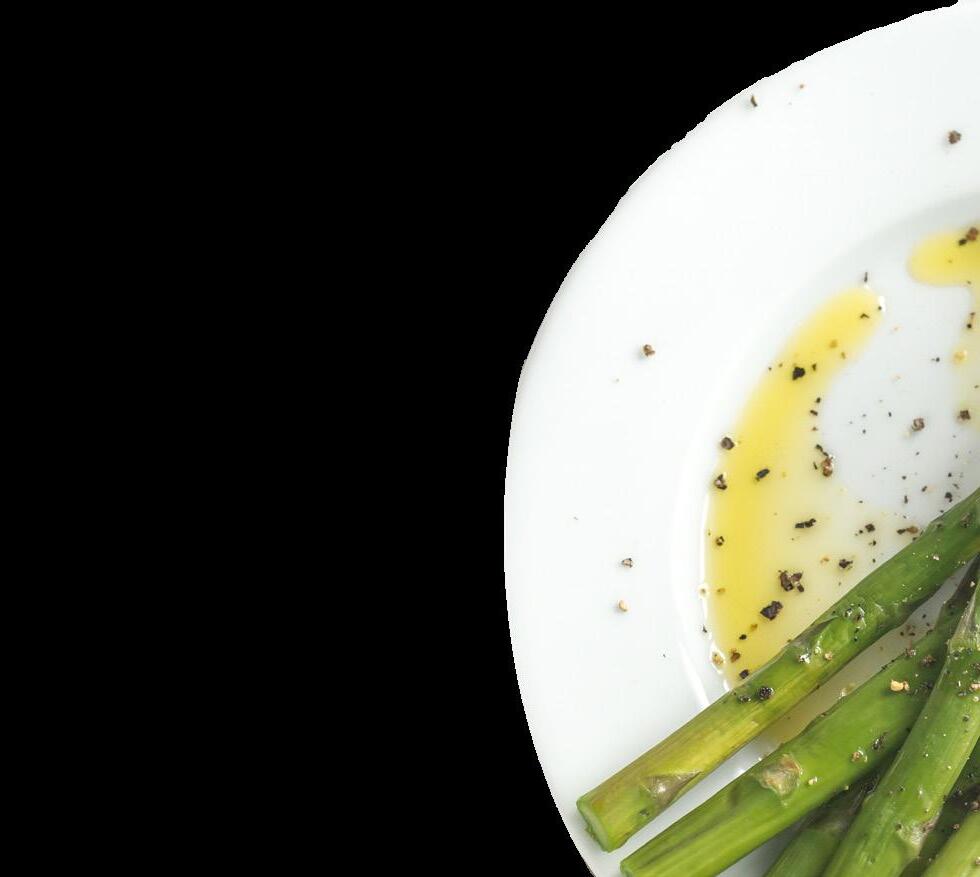
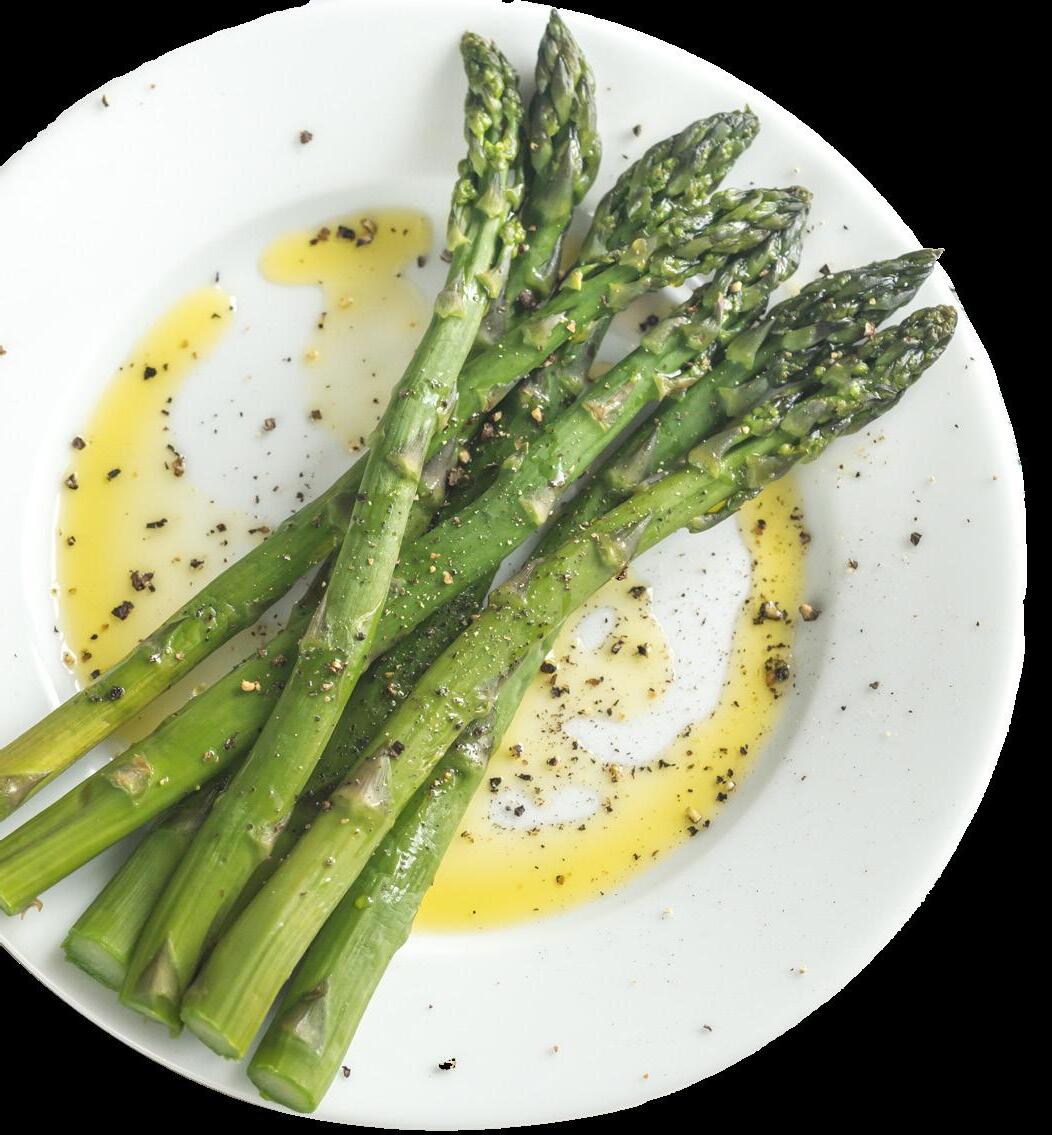
Lightly roasted or grilled with olive oil and sea salt for a savory side



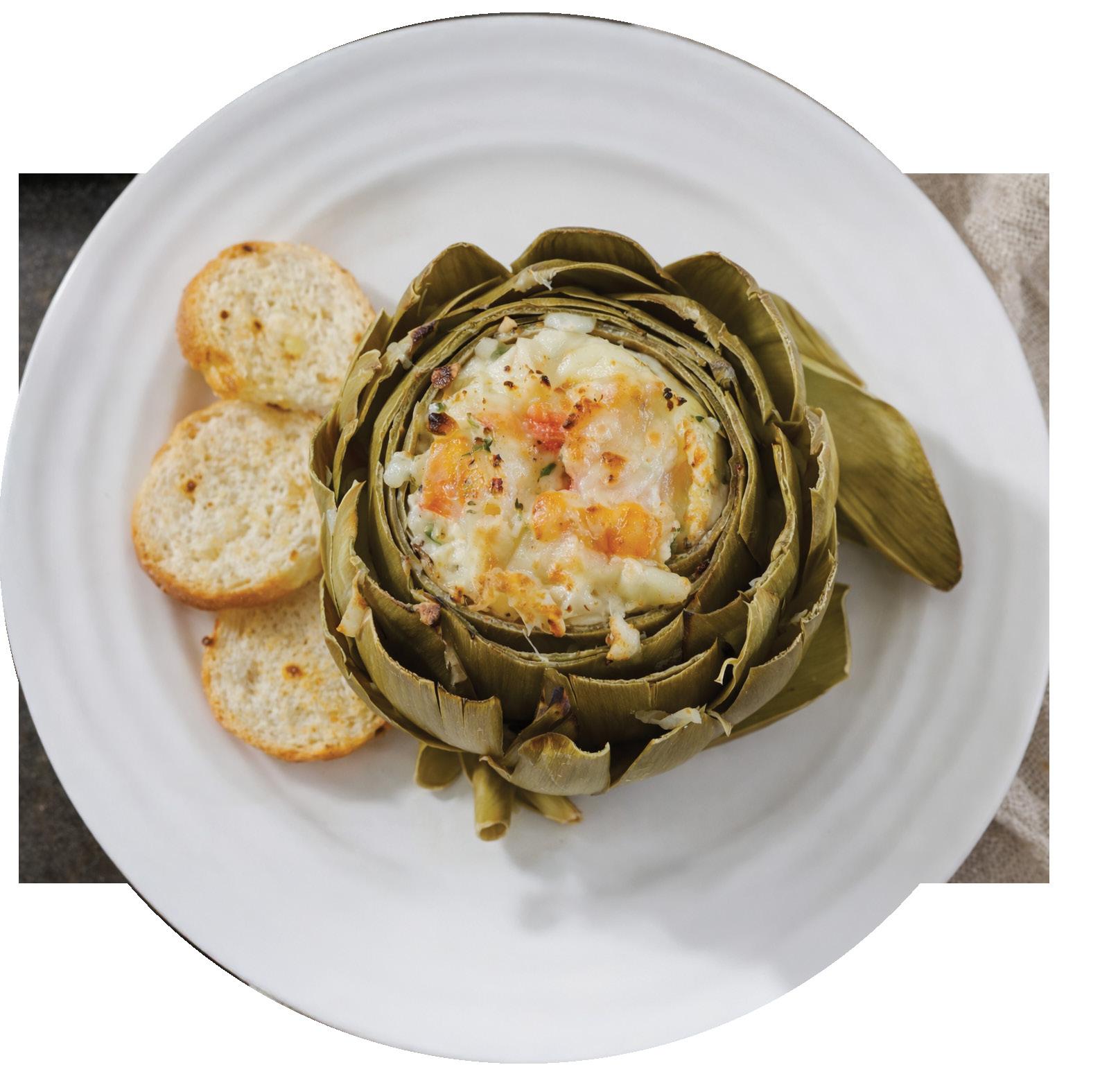
Gently steamed or roasted until tender; can be served with lemon, butter, or herbs
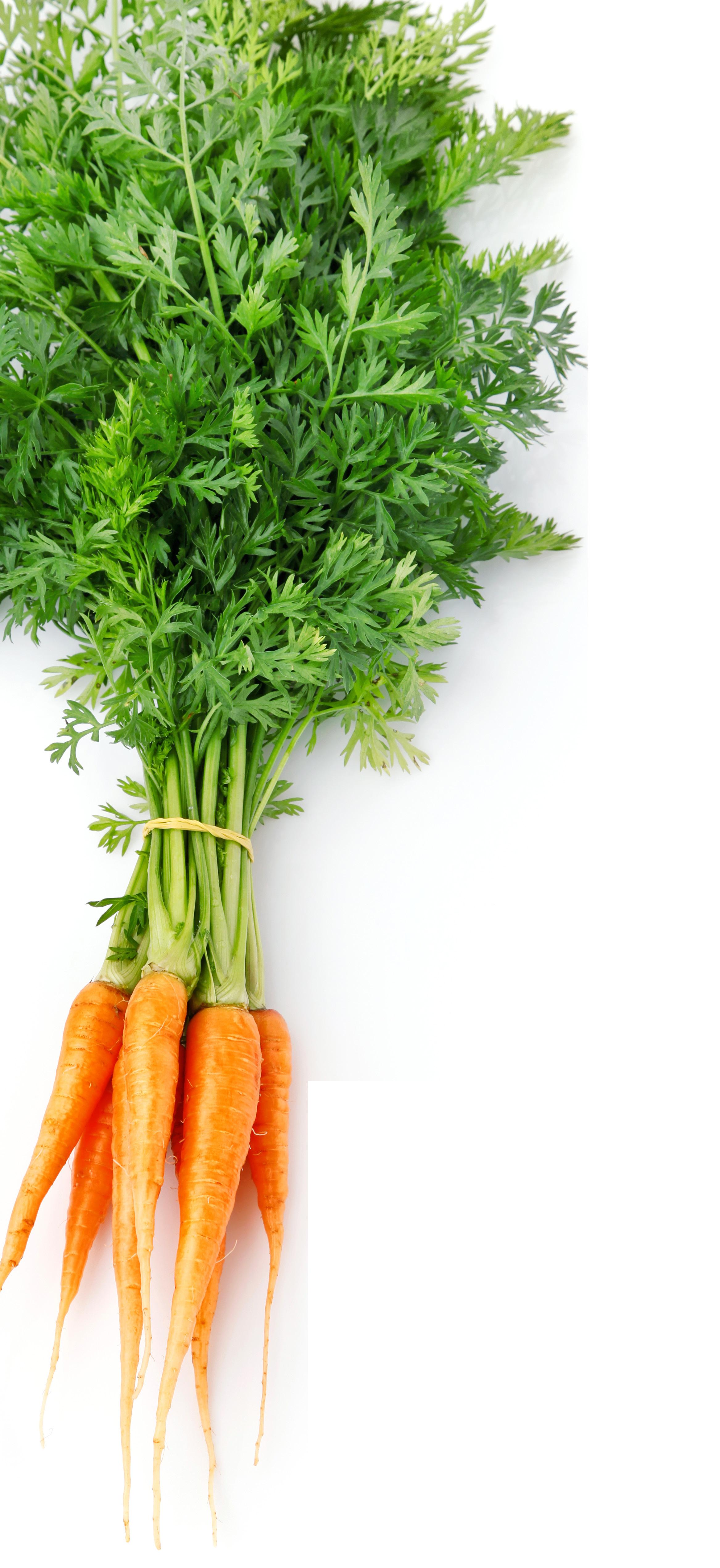
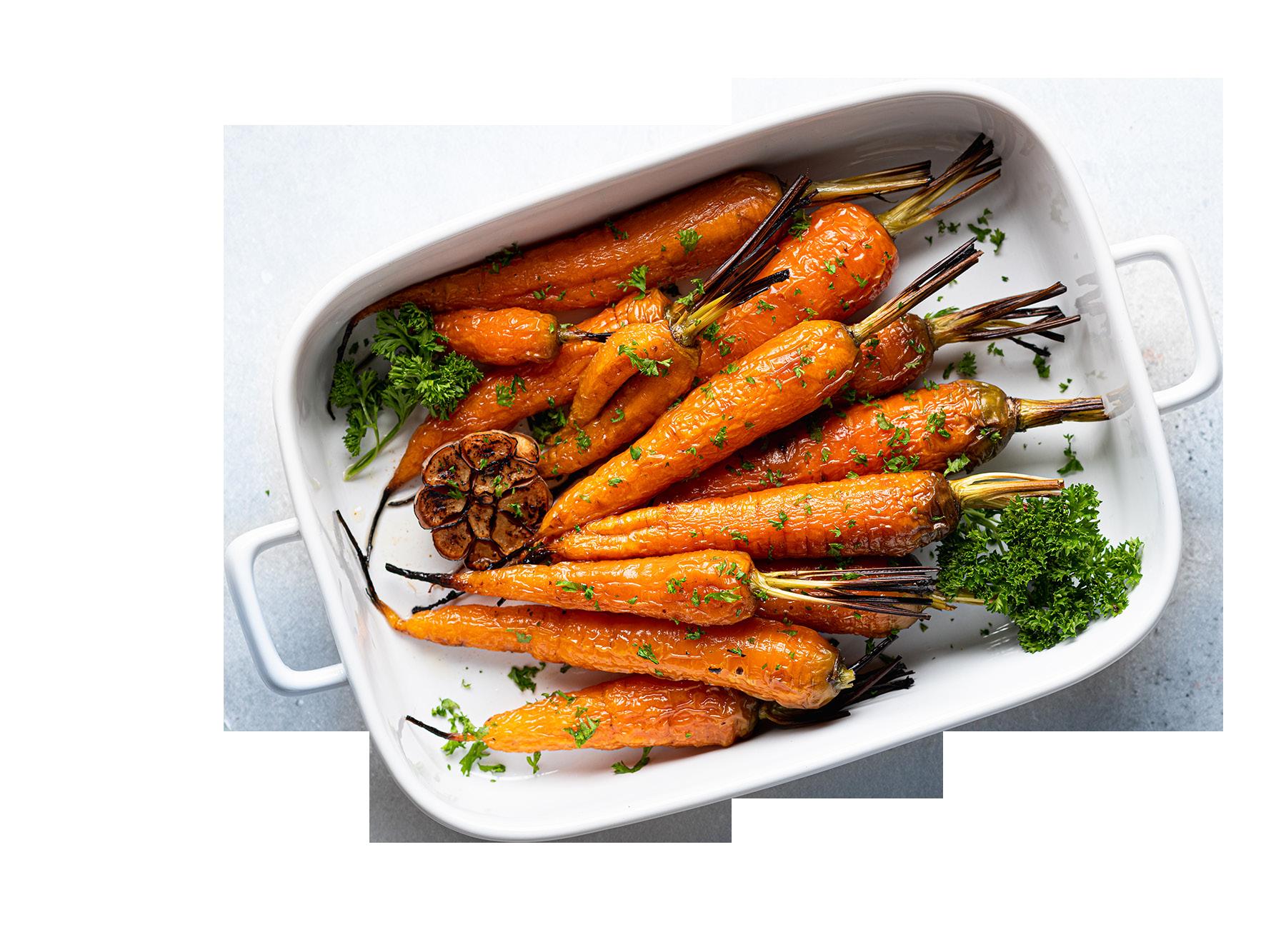
Oven-roasted or glazed bring natural sweetness and warm color
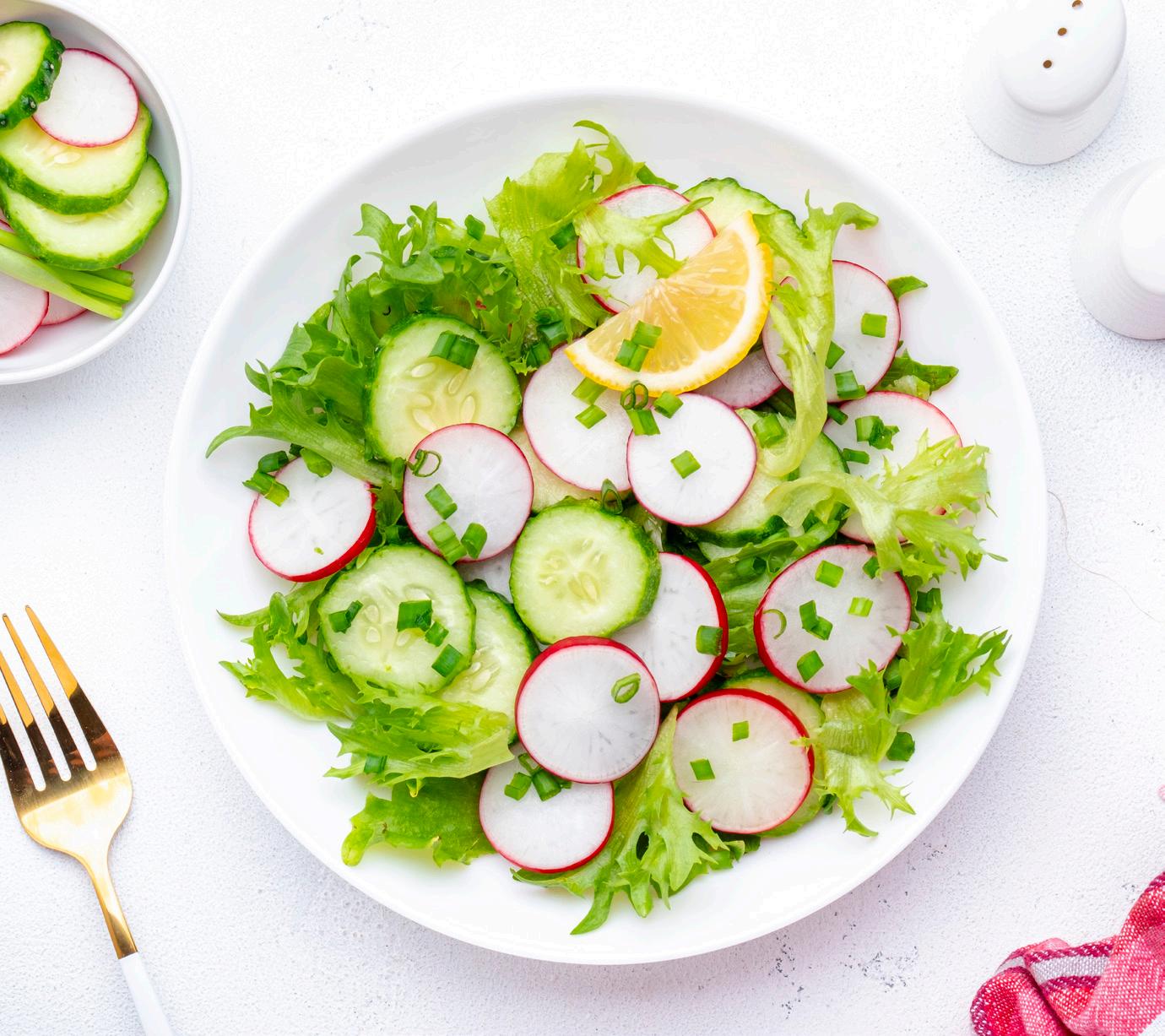
Perfect for a fresh spring salad or to add crisp texture, vibrant color, and a refreshing bite


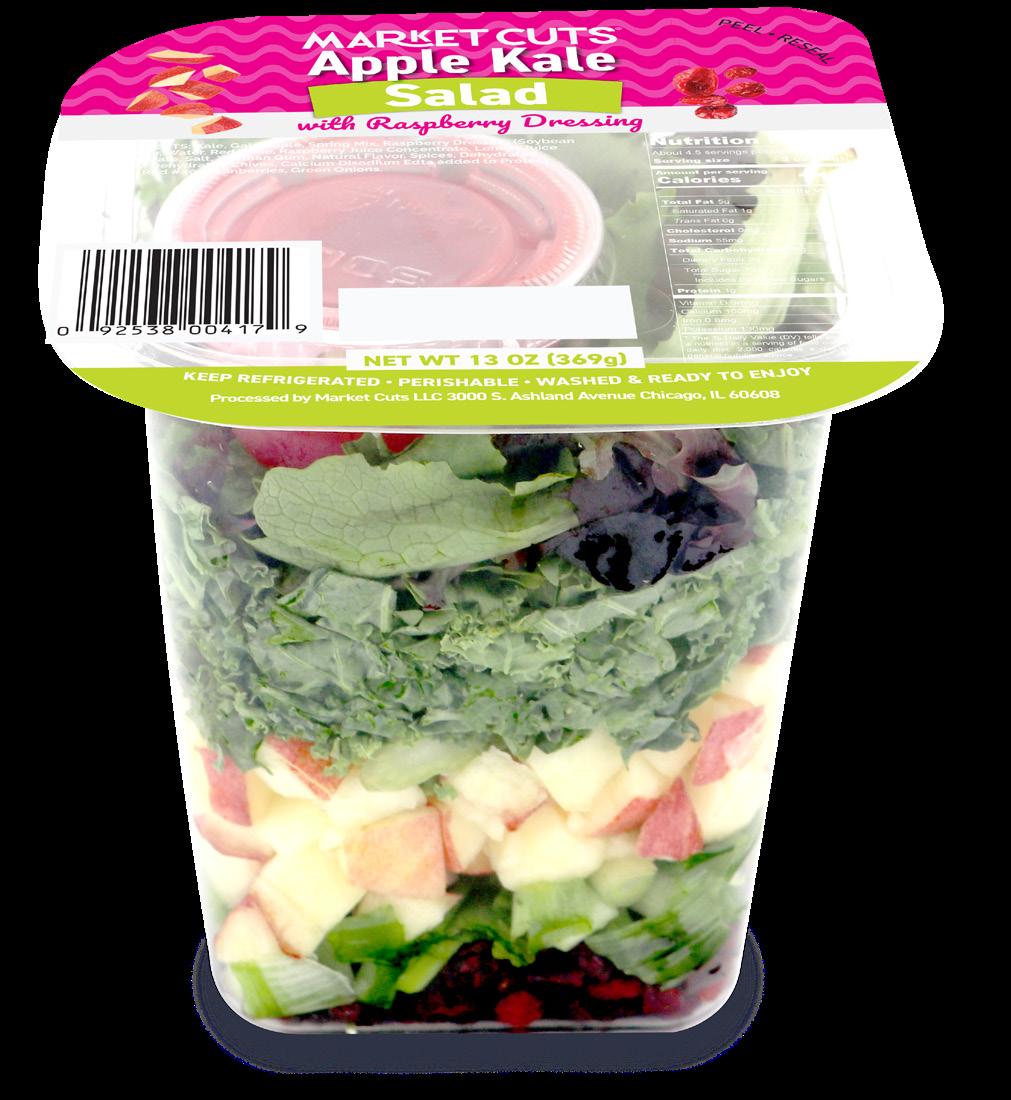
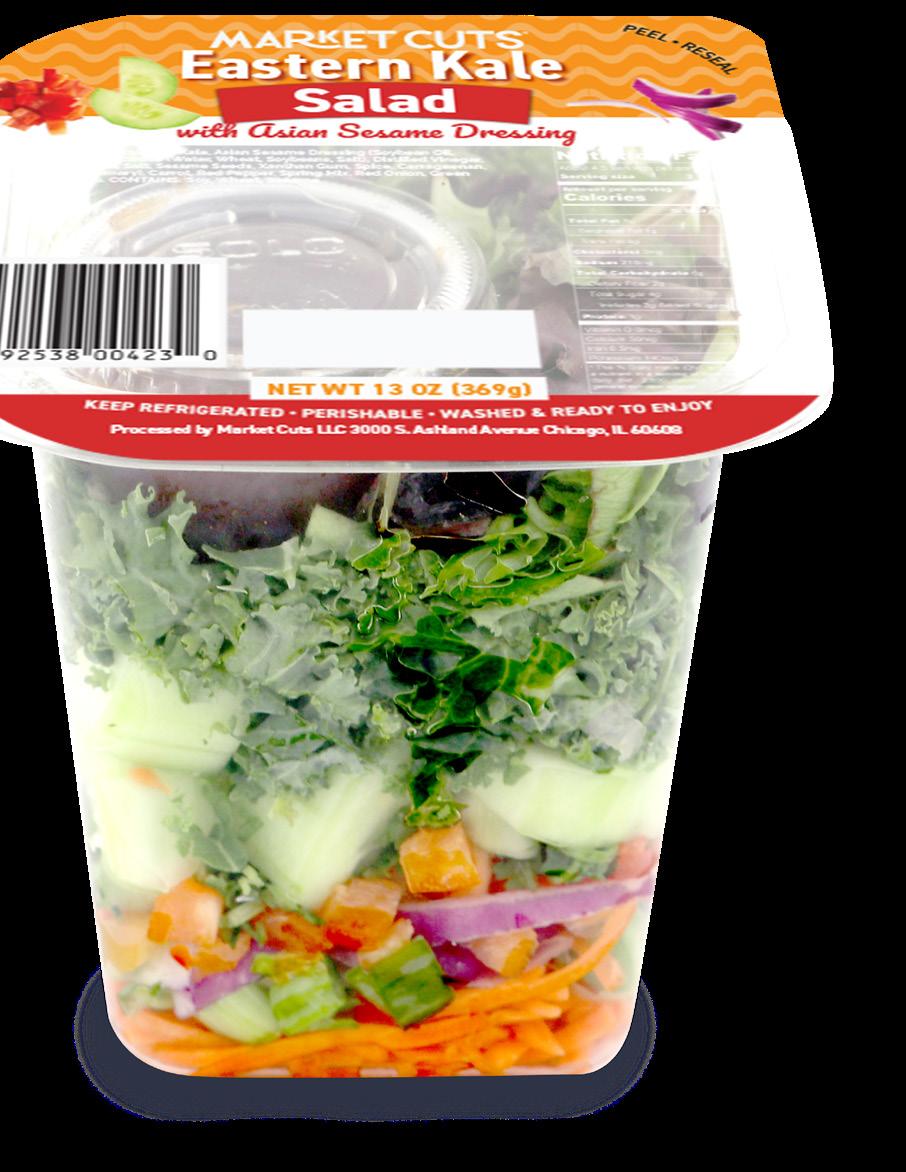
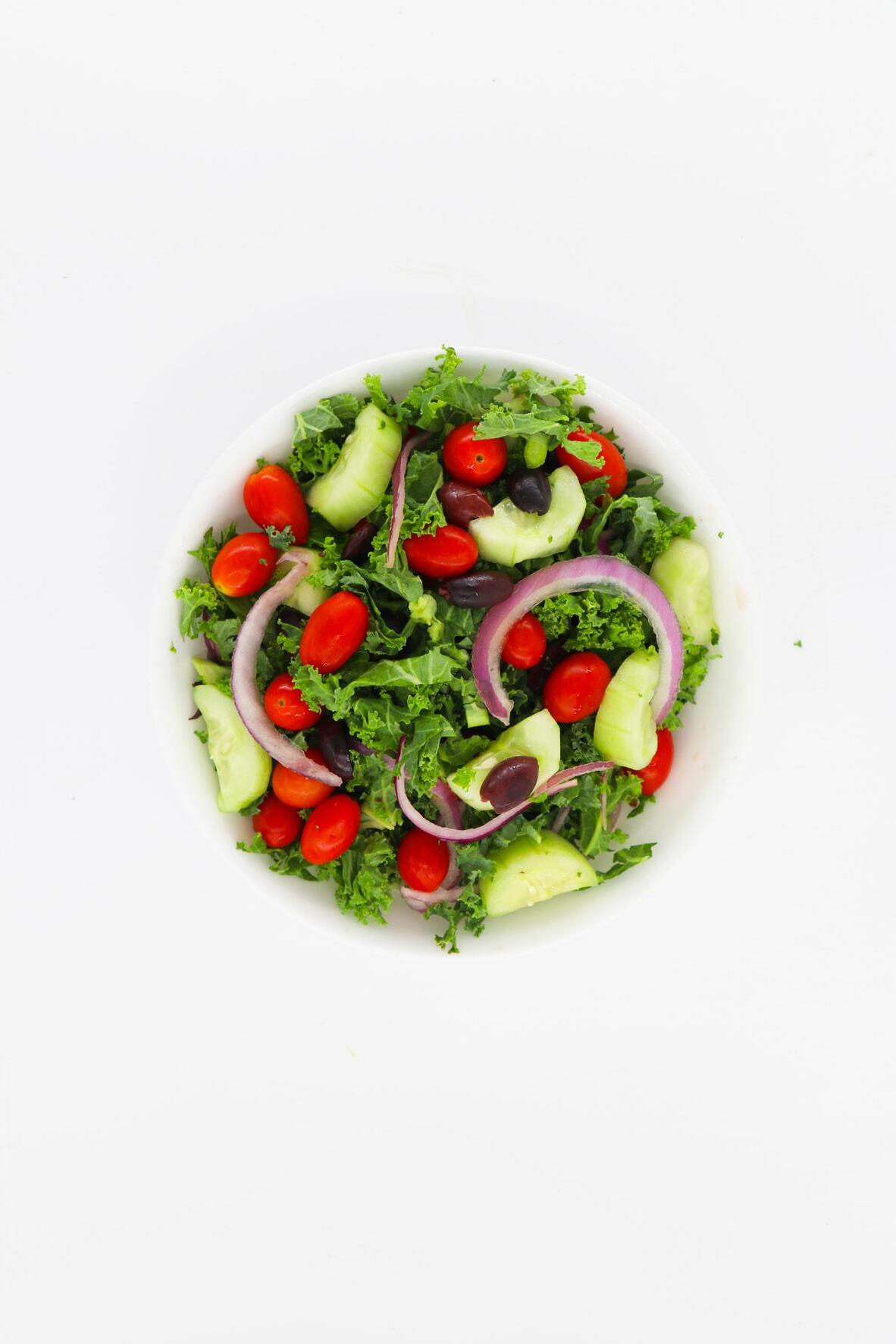
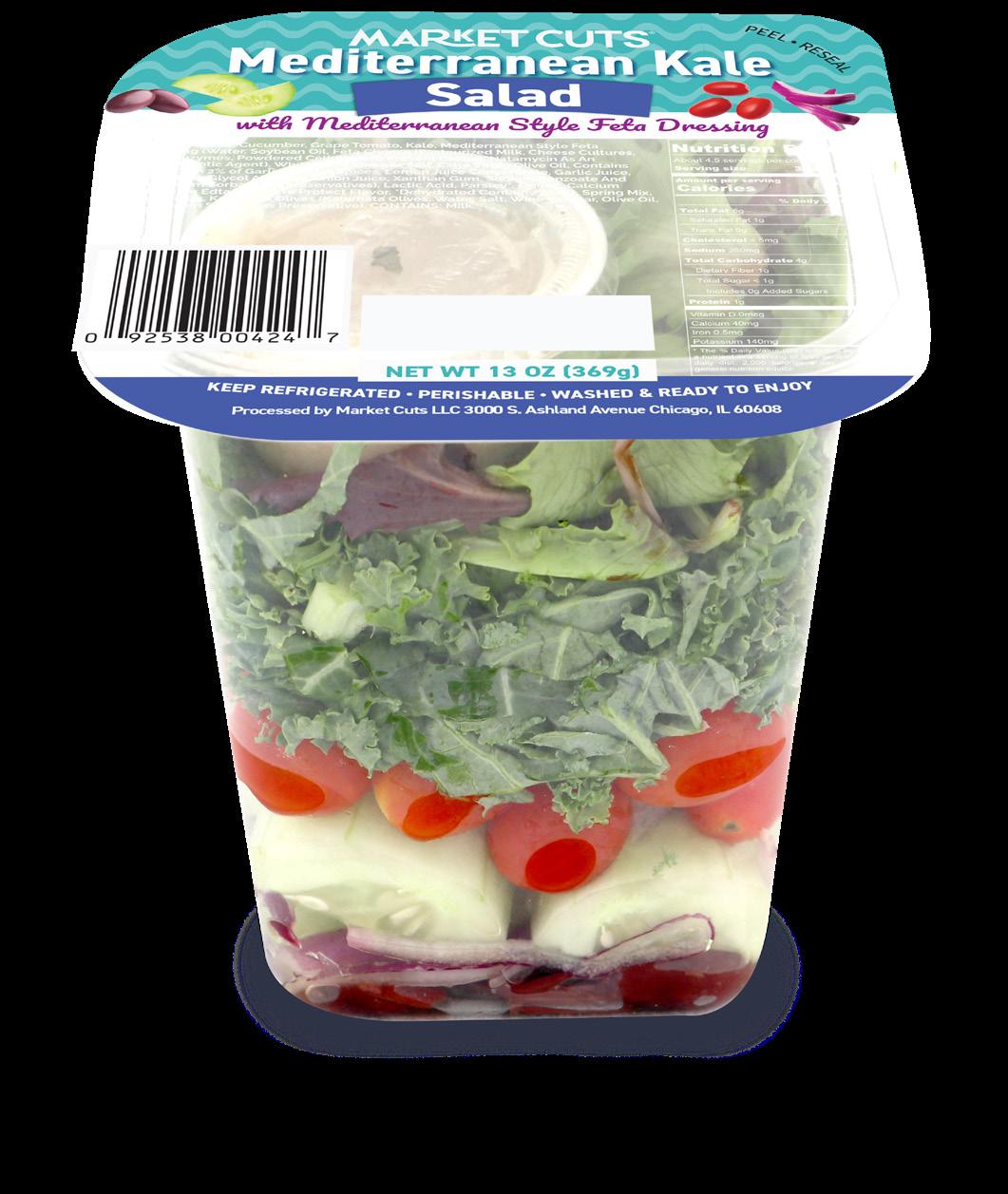
Fresh, ready-to-eat kale kit salads designed for today’s grab-and-go shopper.
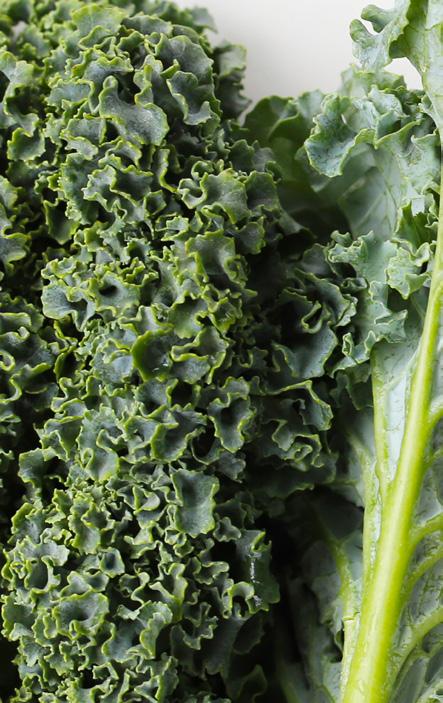
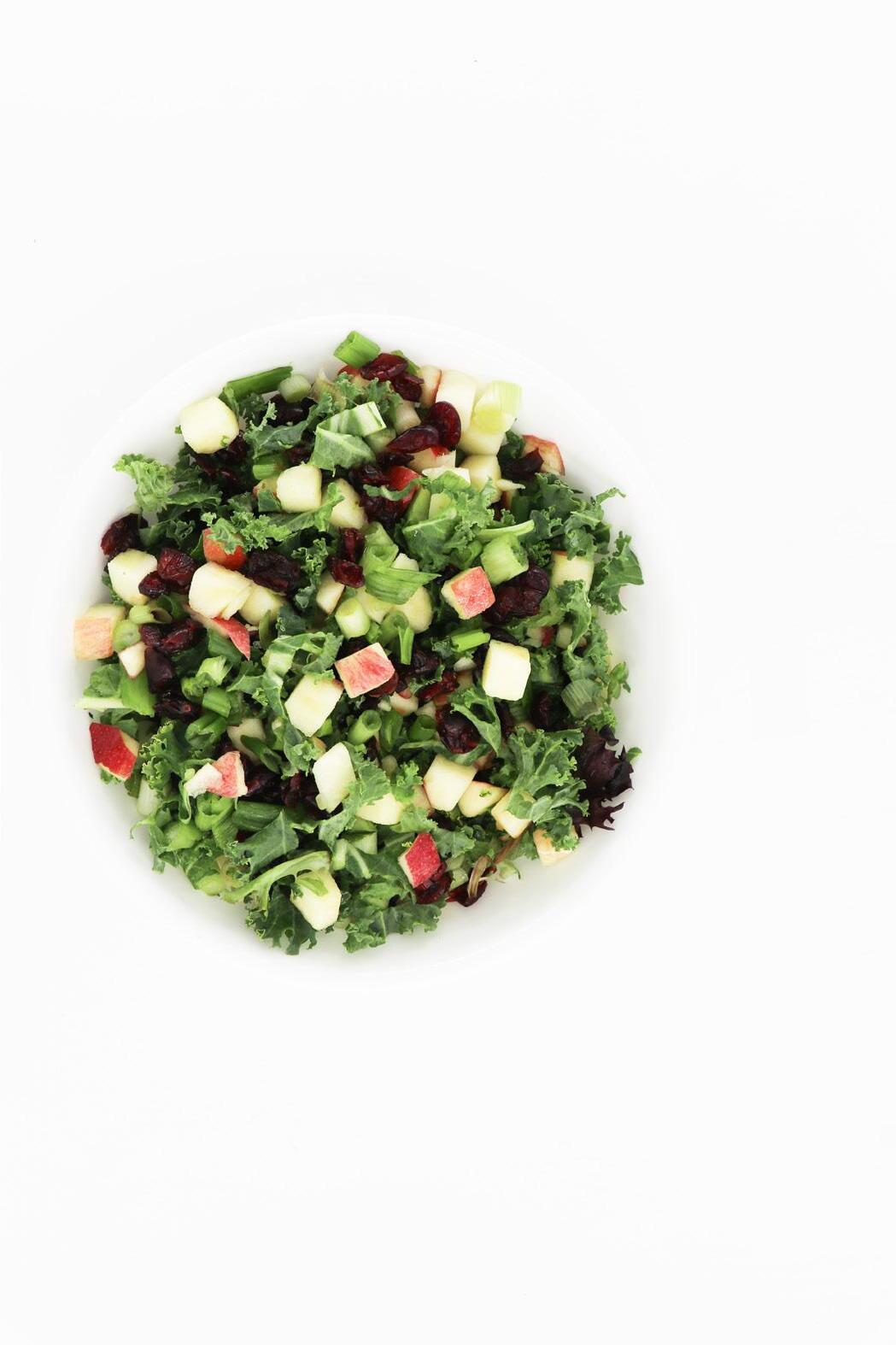
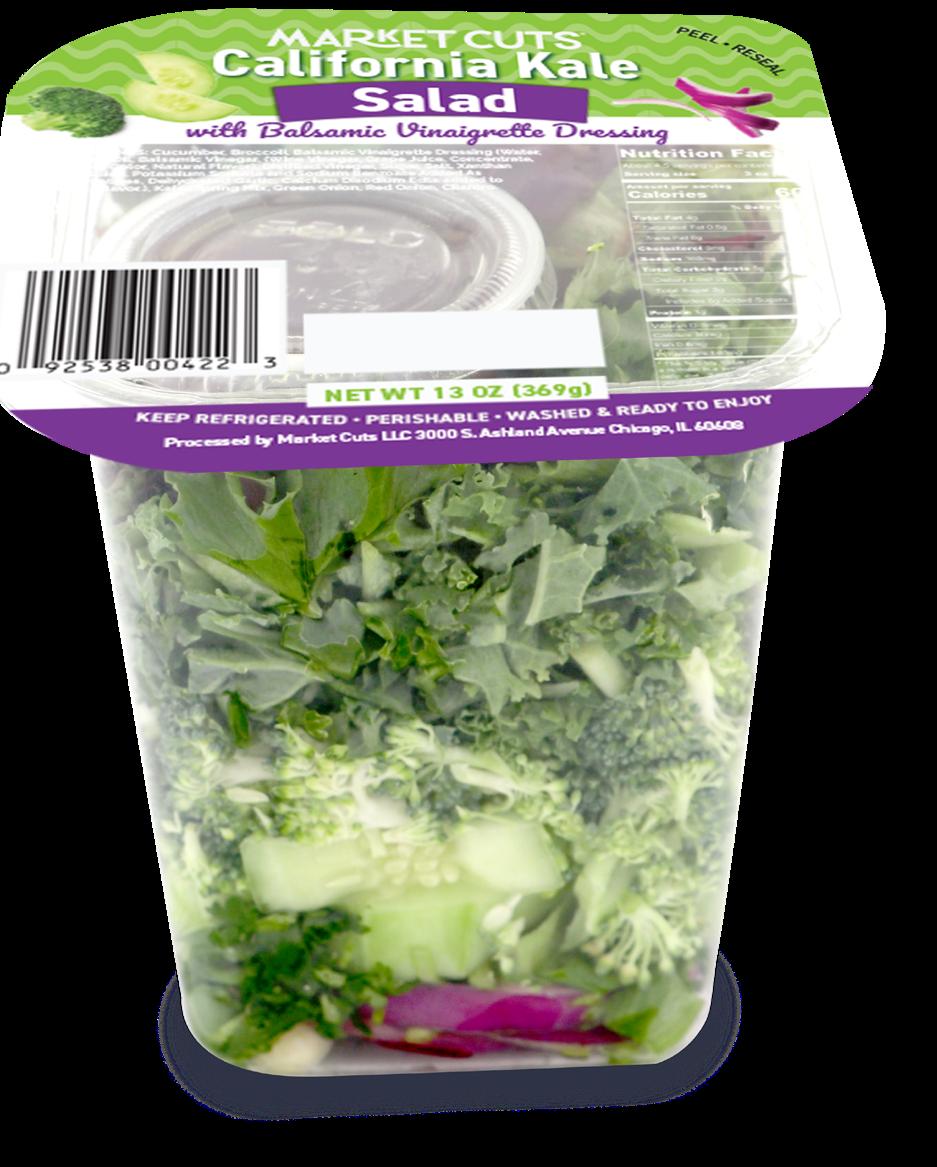
Market Cuts® is expanding its value-added lineup with four craveable kale kits that deliver convenience without compromise. Each clamshell container features hearty green kale and spring mix with vibrant toppings, and a portioned dressing cup—helping retailers reduce backroom prep while offering customers a complete, “better for you” meal solution.
We optimize packaging by reducing plastic use by 20%+.
Cut, Washed, and Processed In-House
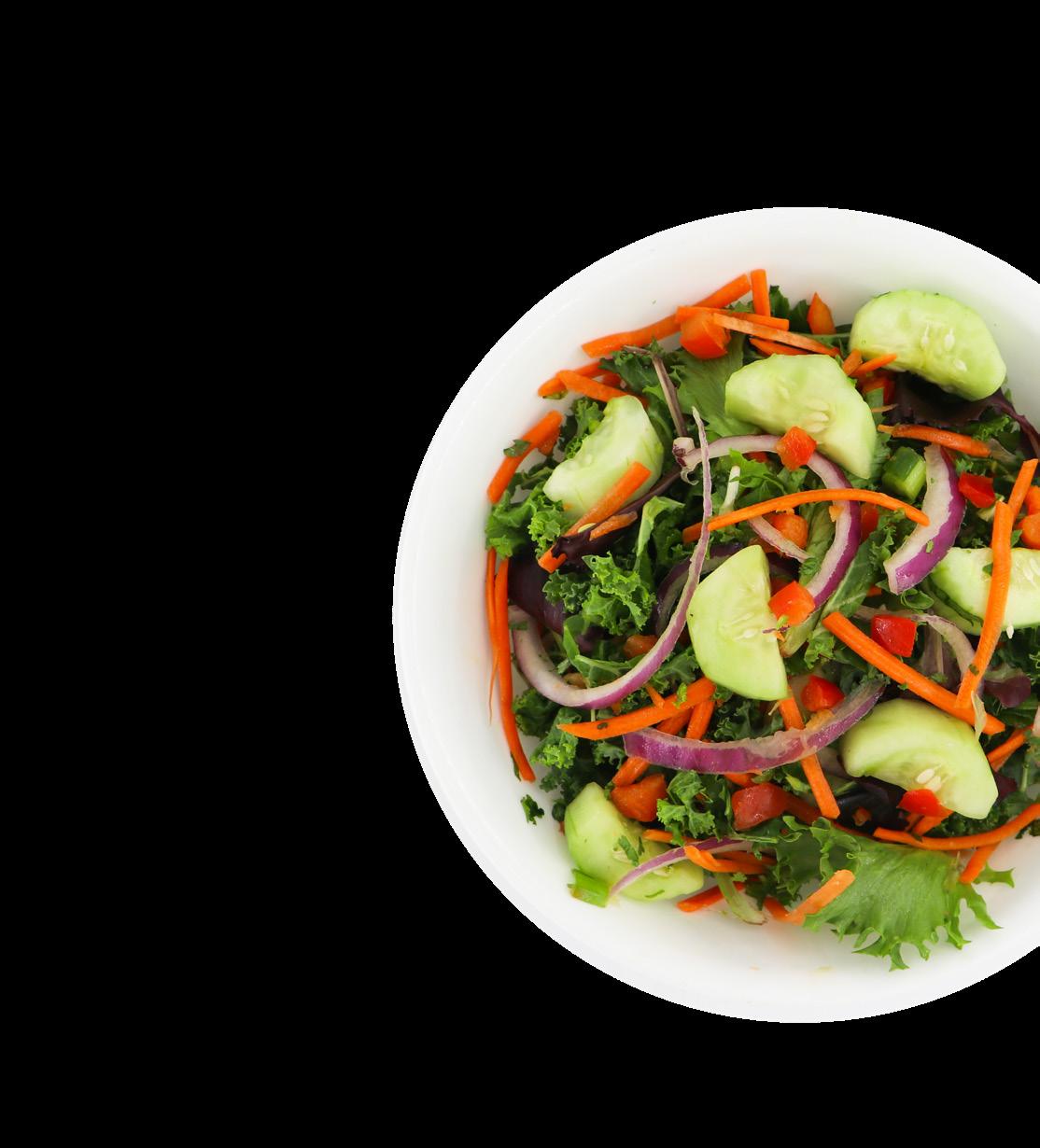
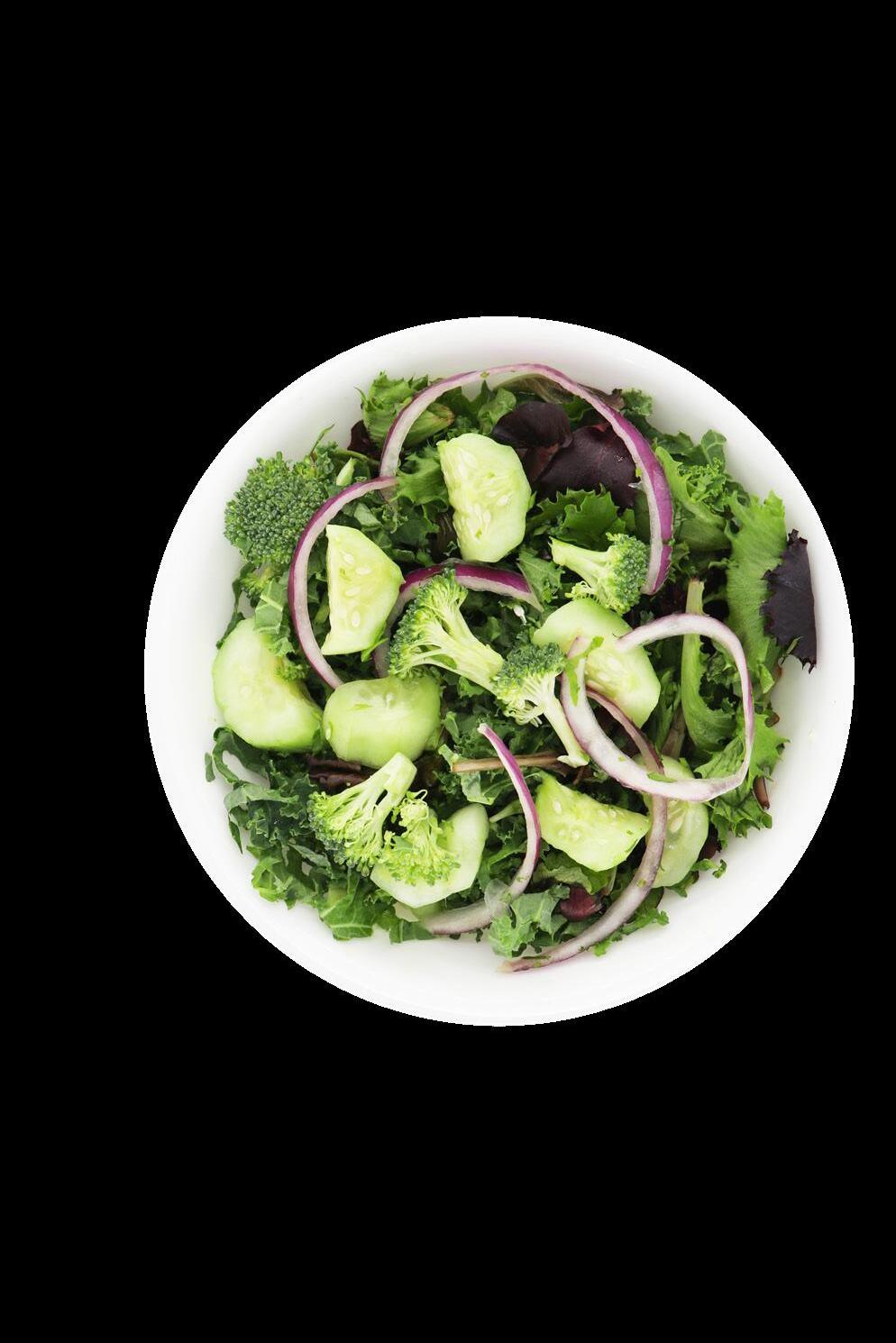
Every ingredient we use—grape tomatoes, cucumbers, apples, kale, and more are cut, washed, and prepared in our facility. By controlling every step in-house, we ensure peak freshness, consistent quality, and perfectly prepared ingredients in every salad.

Fast, Reliable Distribution
We can ship locally within 24 hours of preparation. This ensures every bite arrives crisp, vibrant, and ready to sell. Regional


Beachside Produce is located along the rich, fertile farmlands of California’s Central Coast. It was founded in 2003 by a group of third- and fourth-generation grower partners who shared a vision of combining their farming businesses into a leading premium fresh vegetable company.
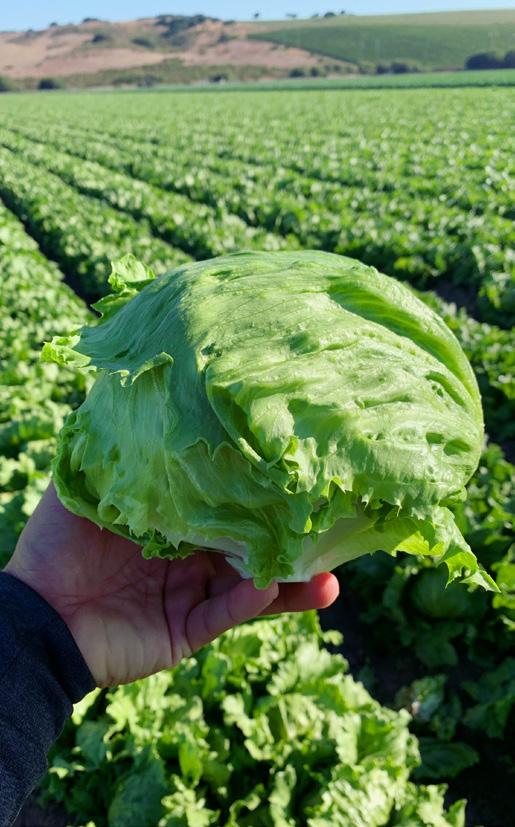
With agriculture deeply rooted in the local community, Beachside Produce is proud to play an active role in supporting and advancing the industry in the region. The company maintains year-round growing programs spanning more than 12,000 acres in California’s southern desert regions, along with ranches in Mexico.
Beachside Produce is recognized as one of the leading producers and marketers of commodity packed broccoli in the United States. In addition to broccoli, the company grows a wide range of vegetables, including cauliflower, lettuce, cabbage, and Brussels sprouts, among others.
Beachside continues to expand by delivering quality, nutritious produce from “Our Family Farms…to Your Family’s Table” to customers across United States of America and Canada. The company extends their sincere thanks to AMC for being part of its continued success.
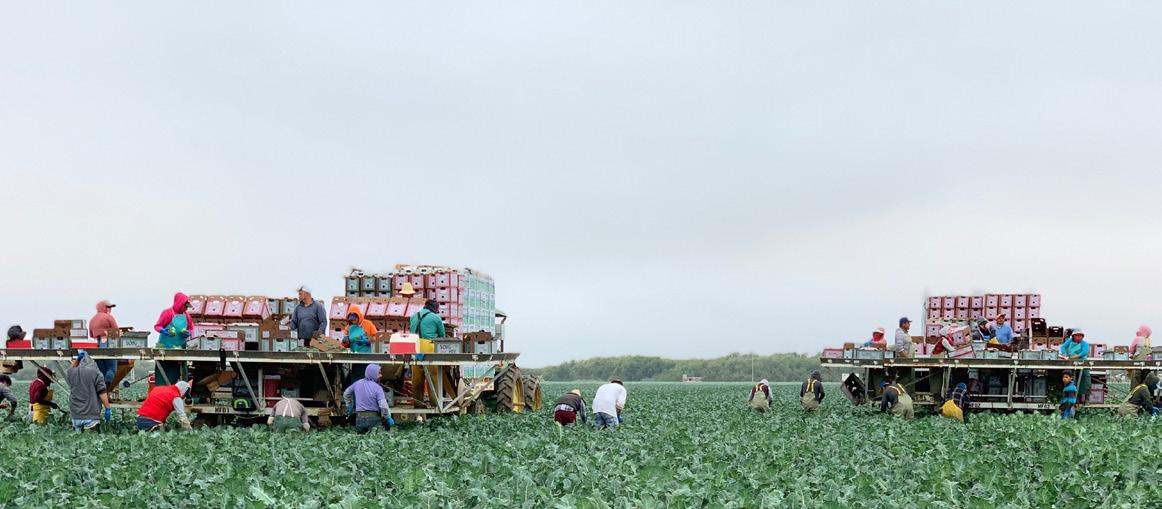

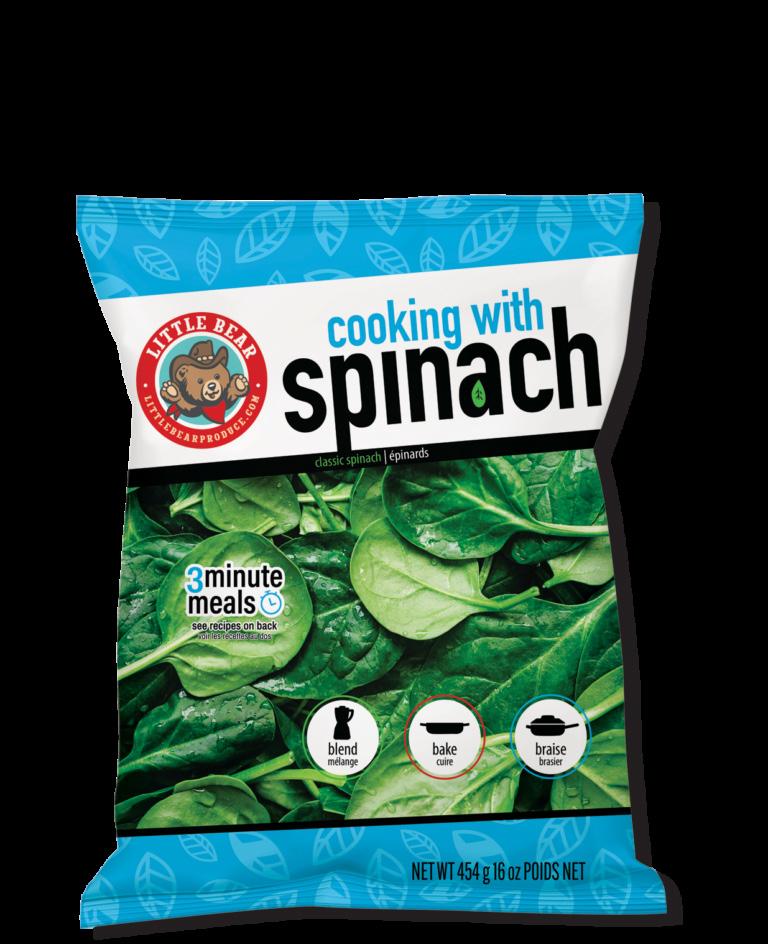
Little Bear Produce was founded out of a love for farming and a deep commitment to strong family values, with a simple goal of growing exceptional produce the right way. What began as hands-on work in the fields has grown into a trusted produce company built on generations of experience, care, and pride.
Today, Little Bear Produce remains a family-rooted company focused on growing high-quality leafy greens customers can trust. The company blends time-honored farming practices with ongoing innovation to continually improve how its produce is grown, harvested, and packed.
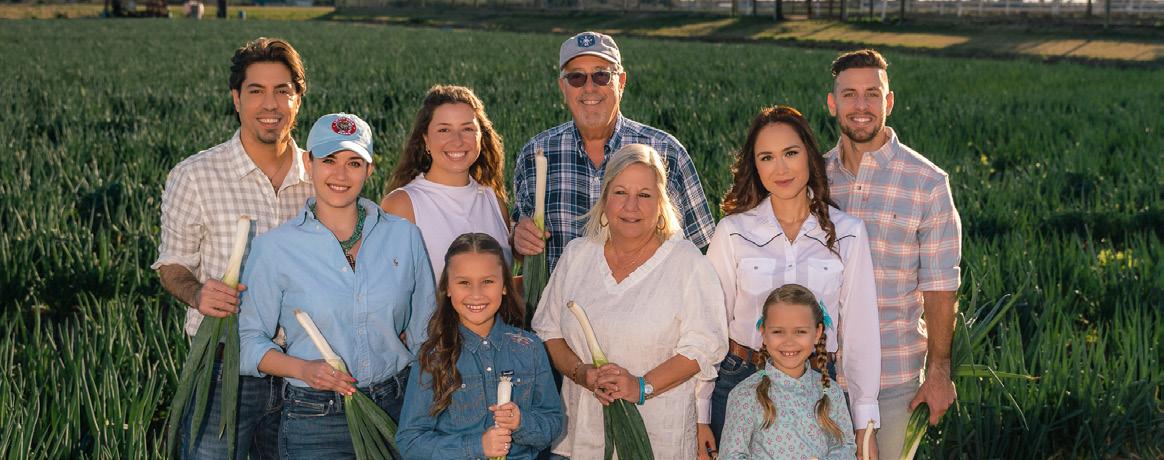
From seed to shelf, Little Bear Produce stays closely involved in every step of the process to ensure freshness, consistency, and quality. What sets the company apart is its commitment to doing things differently, believing that quality starts in the field and is strengthened through responsible farming practices, advanced processes, and strict food safety standards. While farming is not always easy, Little
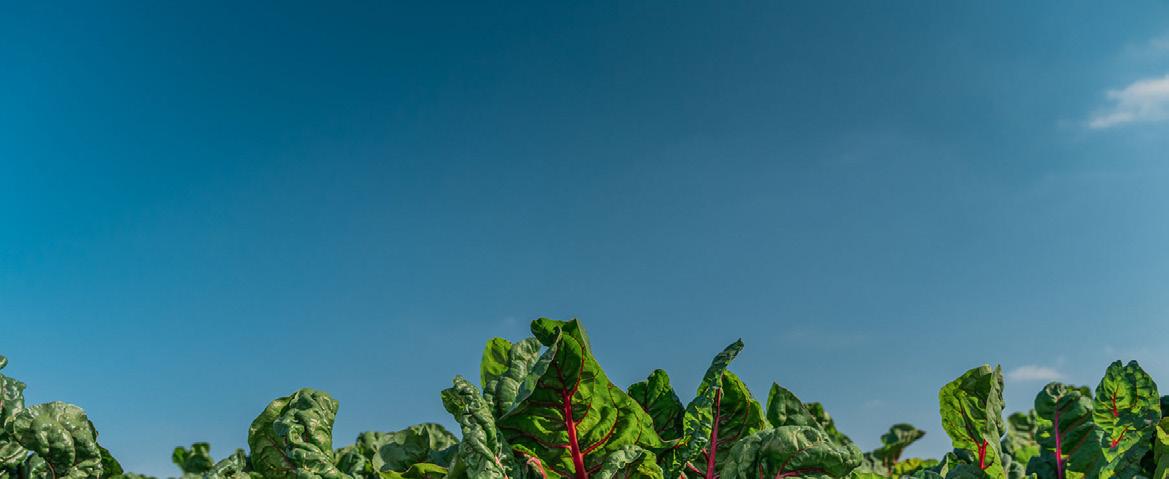

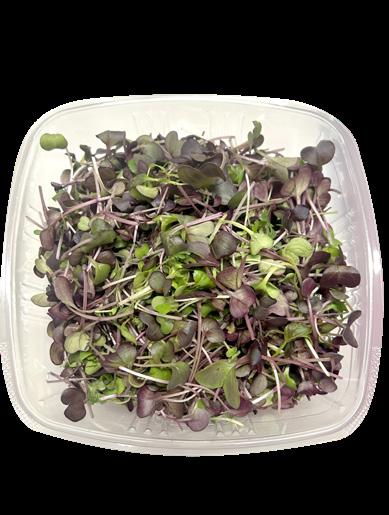
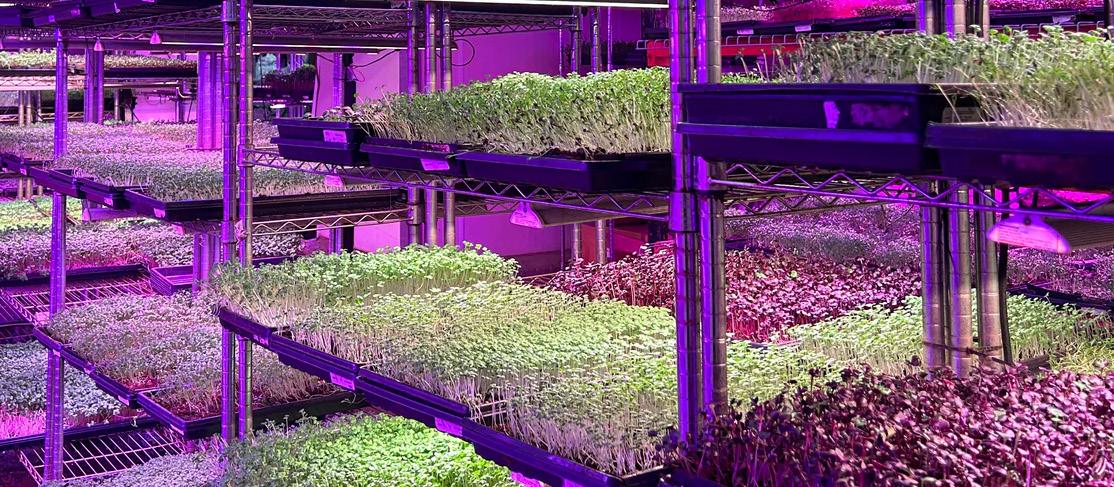
Closed Loop Farms is an urban operation located in the Back of the Yards neighborhood on Chicago’s South Side. It grows microgreens indoors year-round, along with edible flowers and herbs on its seasonal outdoor farm.

For the past 10 years, Closed Loop has specialized in providing the highest-quality products to Chicagoland’s top restaurants and home chefs alike. It prioritizes local hiring and living wages for its team and maintains a strong commitment to environmental stewardship. All crops are grown and harvested by hand using organic practices.
Its microgreens are cultivated in organic potting soil, which the farm believes produces a more nutritious and flavorful product than hydroponic methods. The farm also believes customers can truly taste the local difference and extends sincere thanks for the continued support.


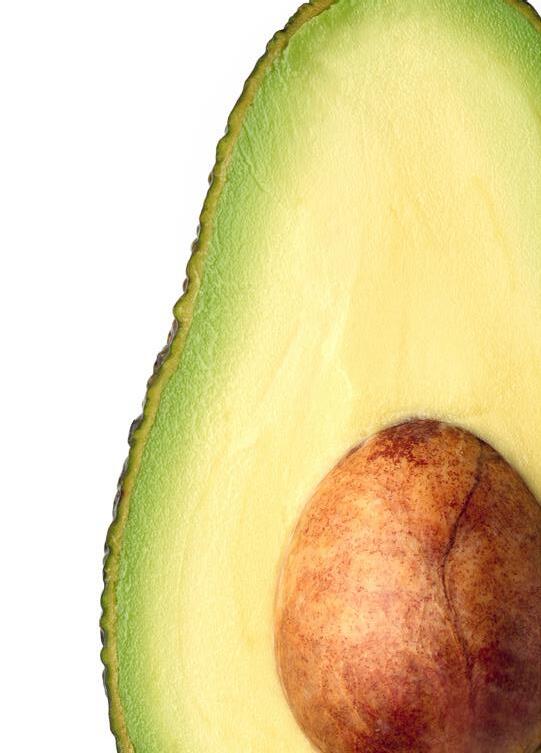
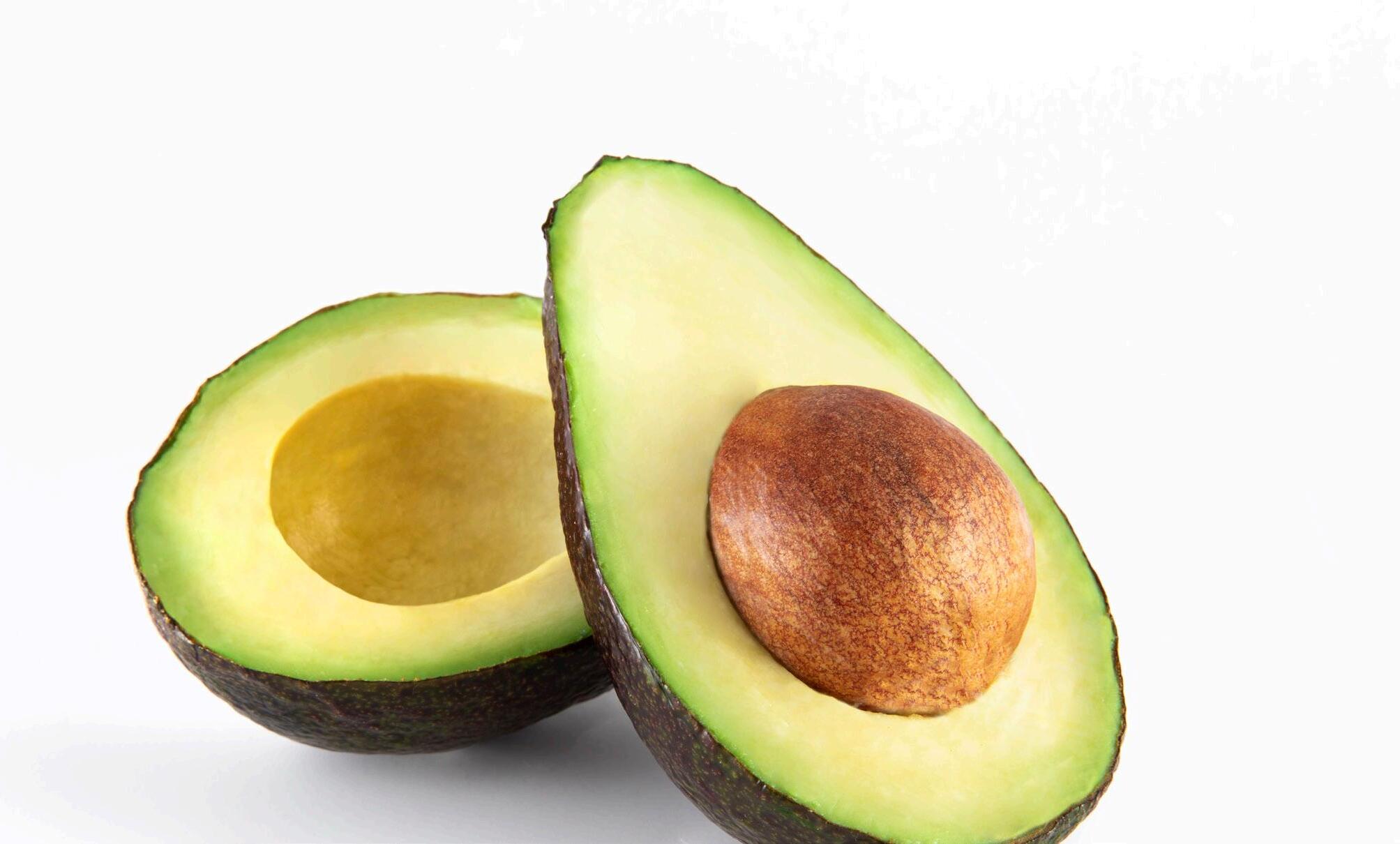
Avocados are berries, with a twist: they’re a single-seed berry.
In 2025, avocado sales hit four-year highs, with 218.4M units sold and $270.1M in retail sales!

MAY 5th
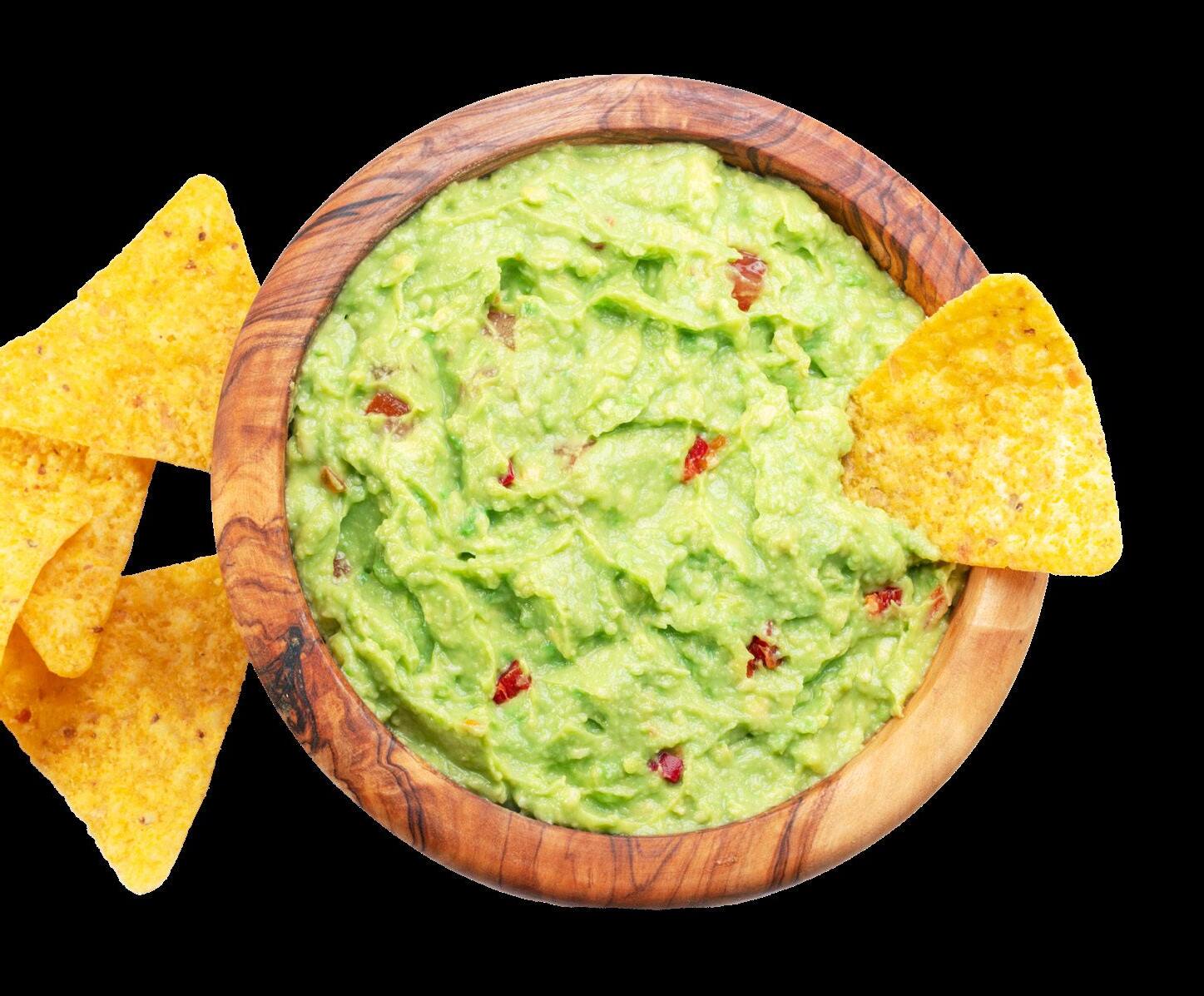
Cinco de Mayo drives a sharp spike demand, with millions of avocados sold as consumers build festive menus centered around guacamole. The holiday has become a key seasonal moment for avocado sales, fueling strong retail movement across the category.

Avocados were once called “alligator pears.”


Avocados don’t ripen on the tree—they start after being picked. You can grow your own avocado plant from the pit.
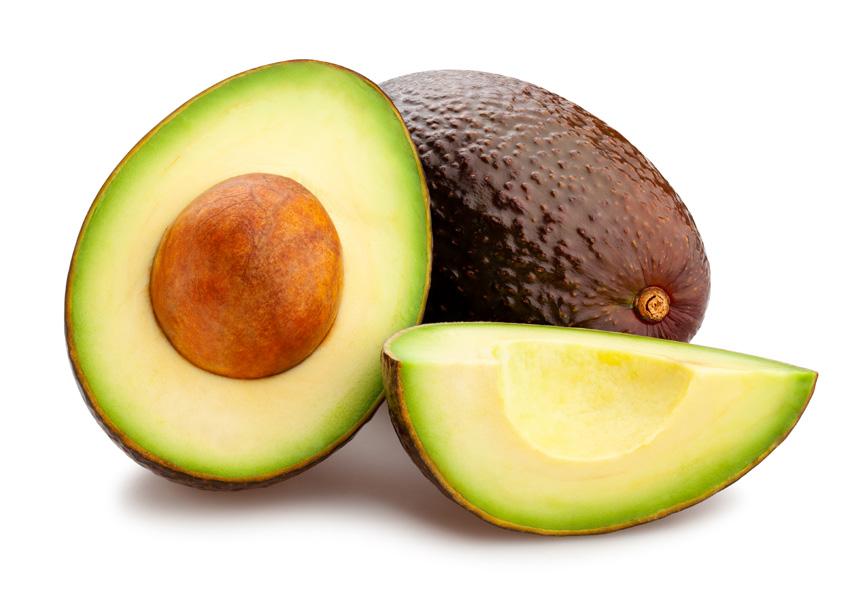

Smaller, creamier, and bolder flavor, great for smoothies and best for guacamole
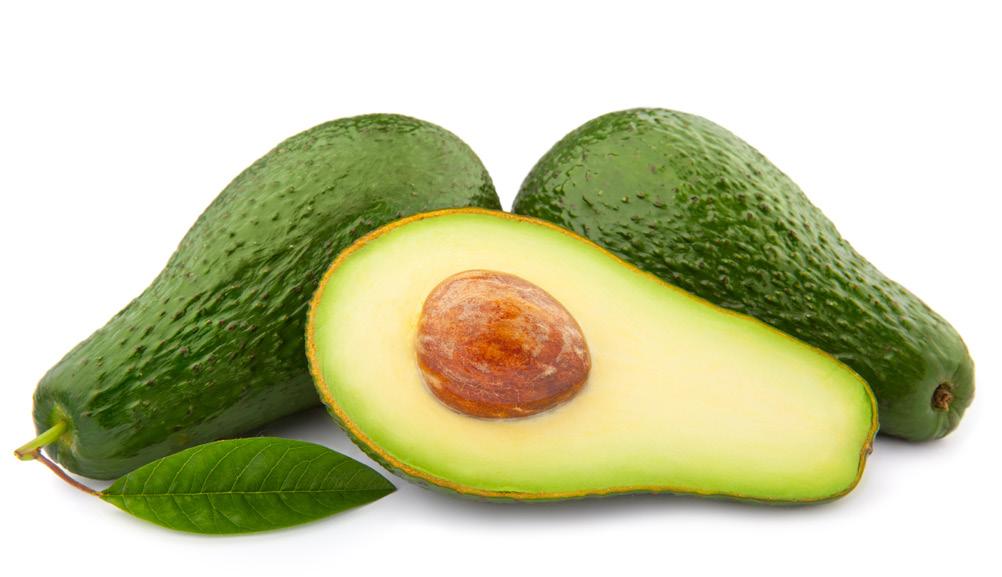
Known as a “skinny avocado”; firmer texture, larger seed and size, lighter flavor
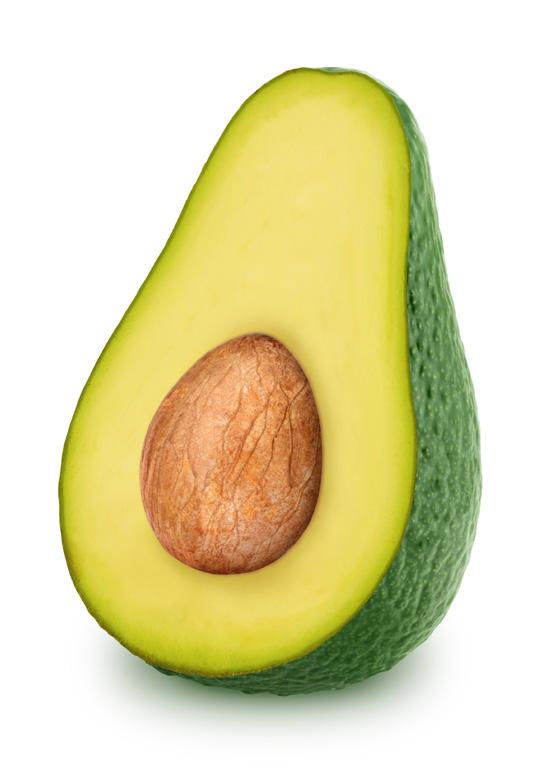
GEM (California)
Smaller seed, oval and teardrop shaped
• Tonight vs. Later: Stock “Ripe for Now” and “Firm for Later.”
• Cross-Merchandising: Guacamole kits, taco bundles, smoothie set-ups.
• Build the Basket: Pair with limes, onions, tomatoes, cilantro and chips.
• Shelf life: 30–40 days in cold storage (varies by condition and handling).
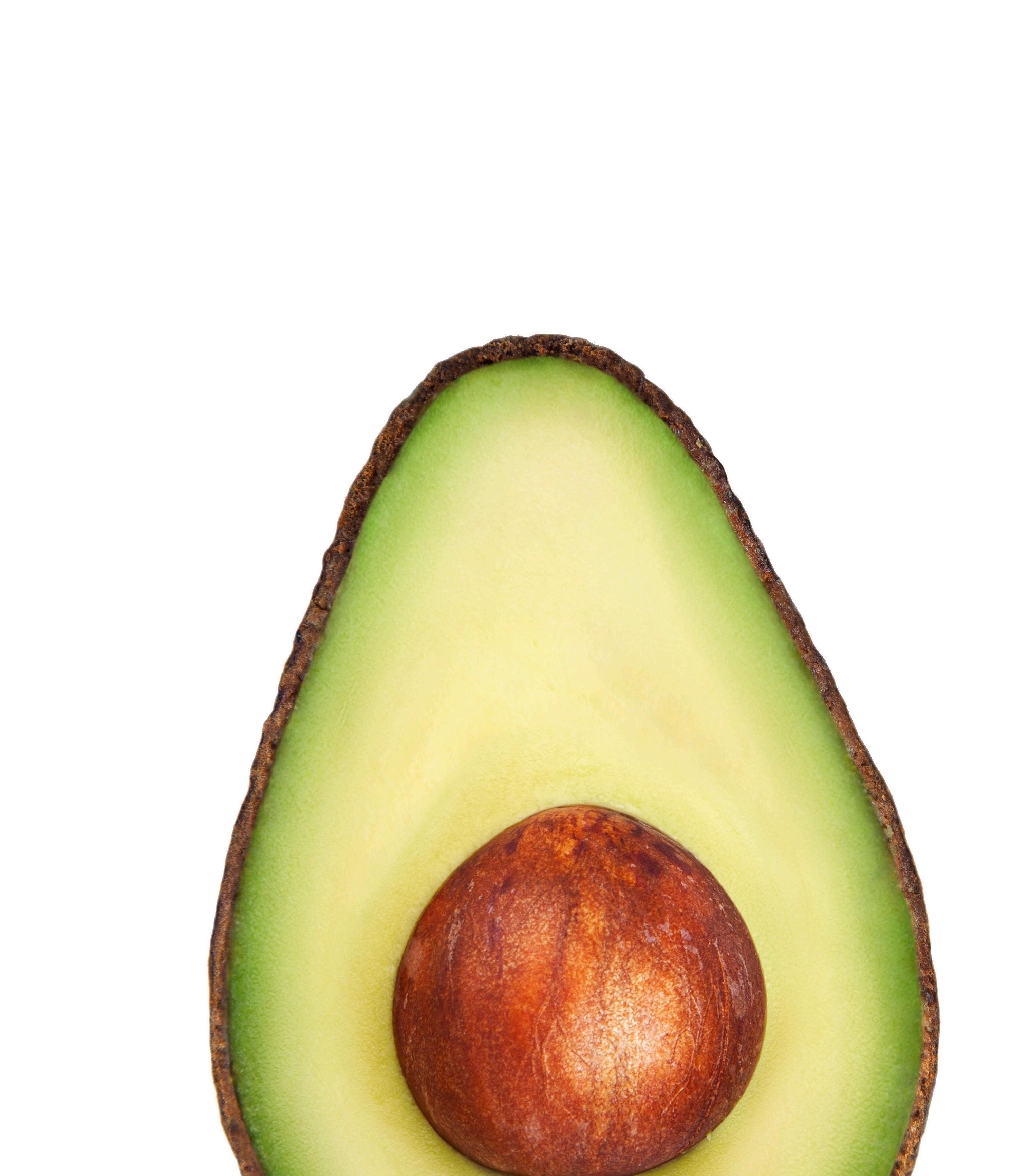
• Healthy fats and fiber: 29.5g total fat and 13.5g fiber per avocado
• High in potassium: 975mg potassium per avocado (more than a medium banana)



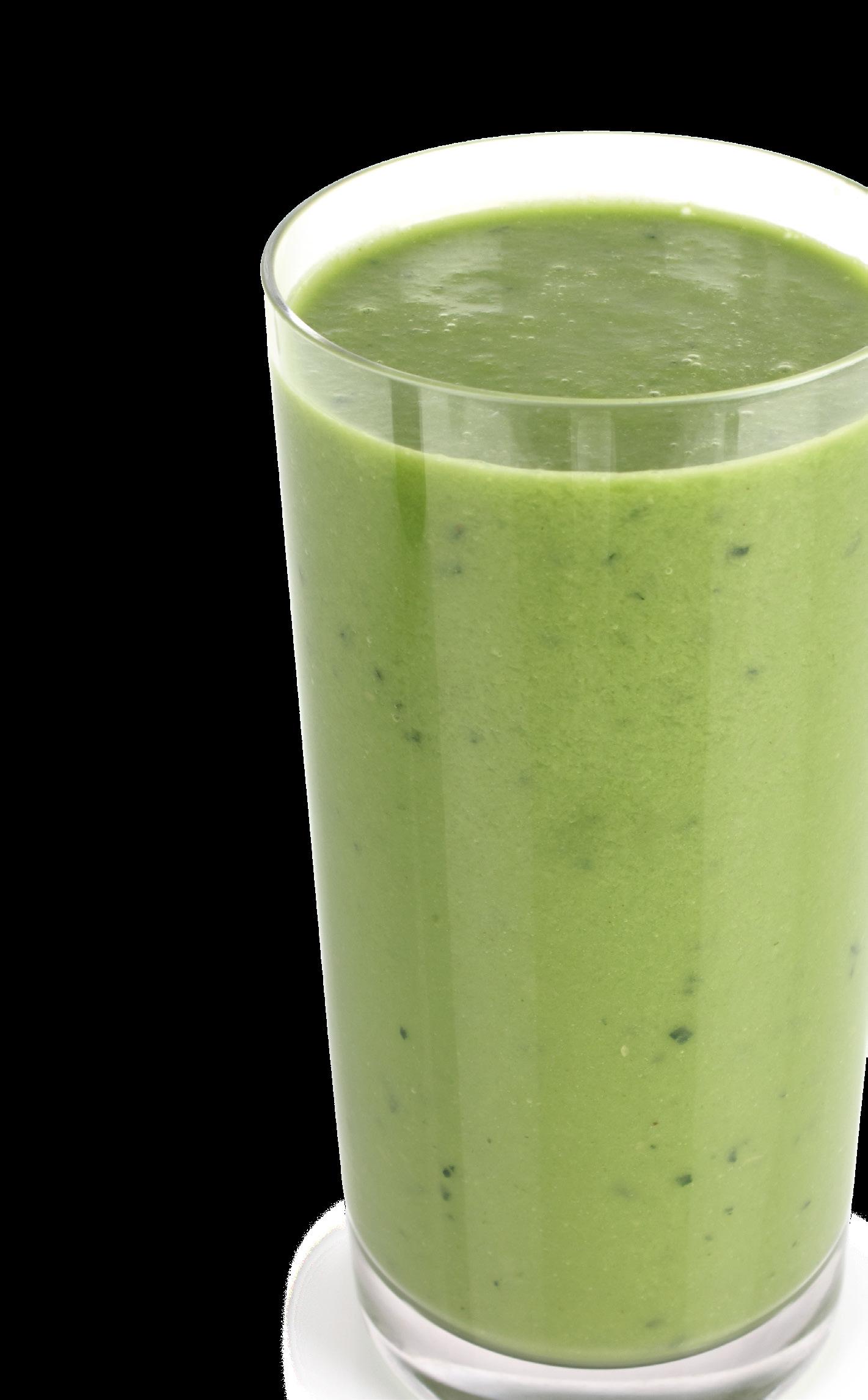
• 1/2 banana
• 1/2 large avocado
• 1/4 cup mango (or pineapple; if desired)
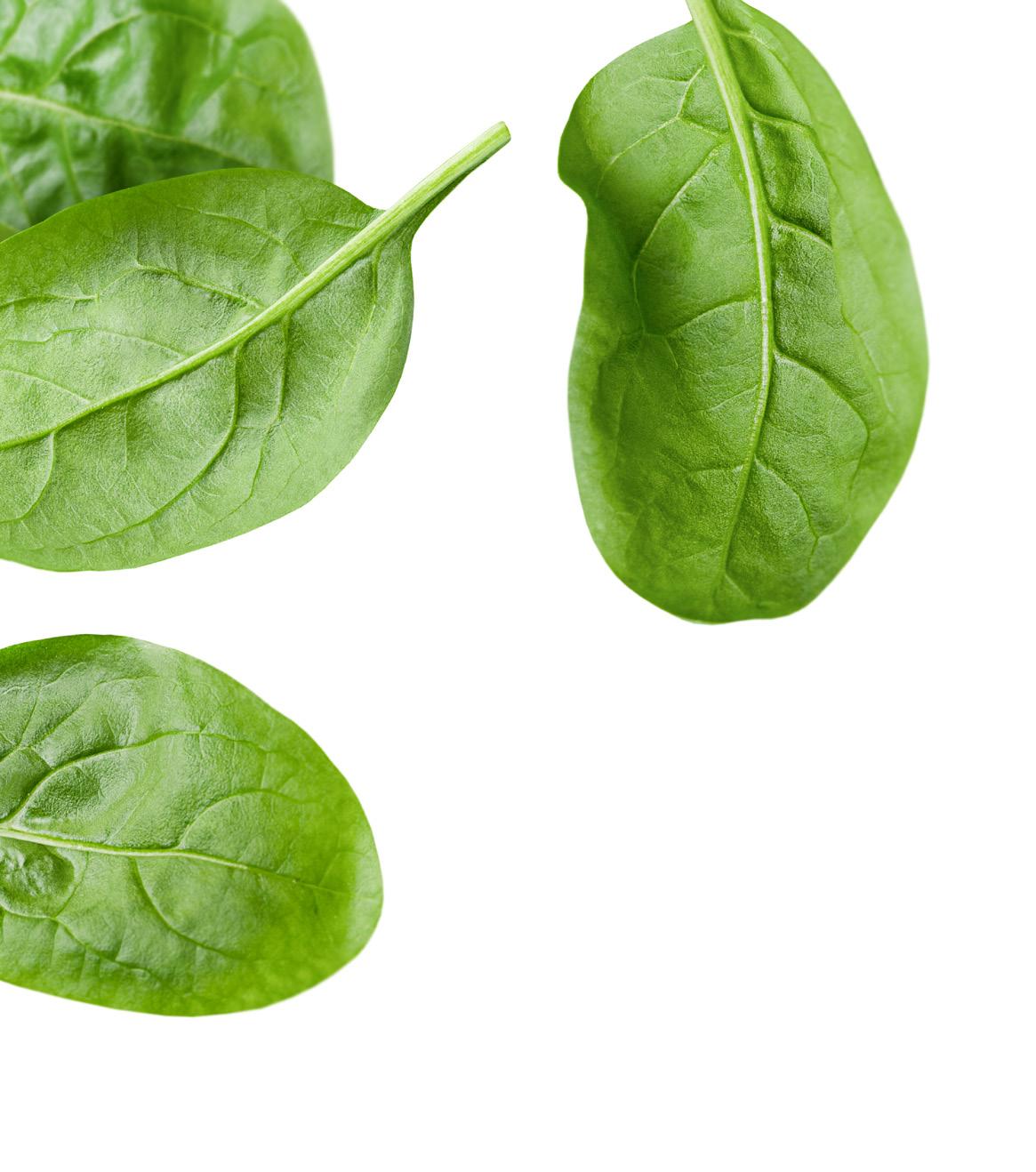
• 1/4 cup chopped leafy greens (such as kale or spinach)
• 6 oz almond milk (or use any milk, water, or juice)
• 3 Tbsp Greek yogurt (or any yogurt)
Blend for a delicious greens smoothie.

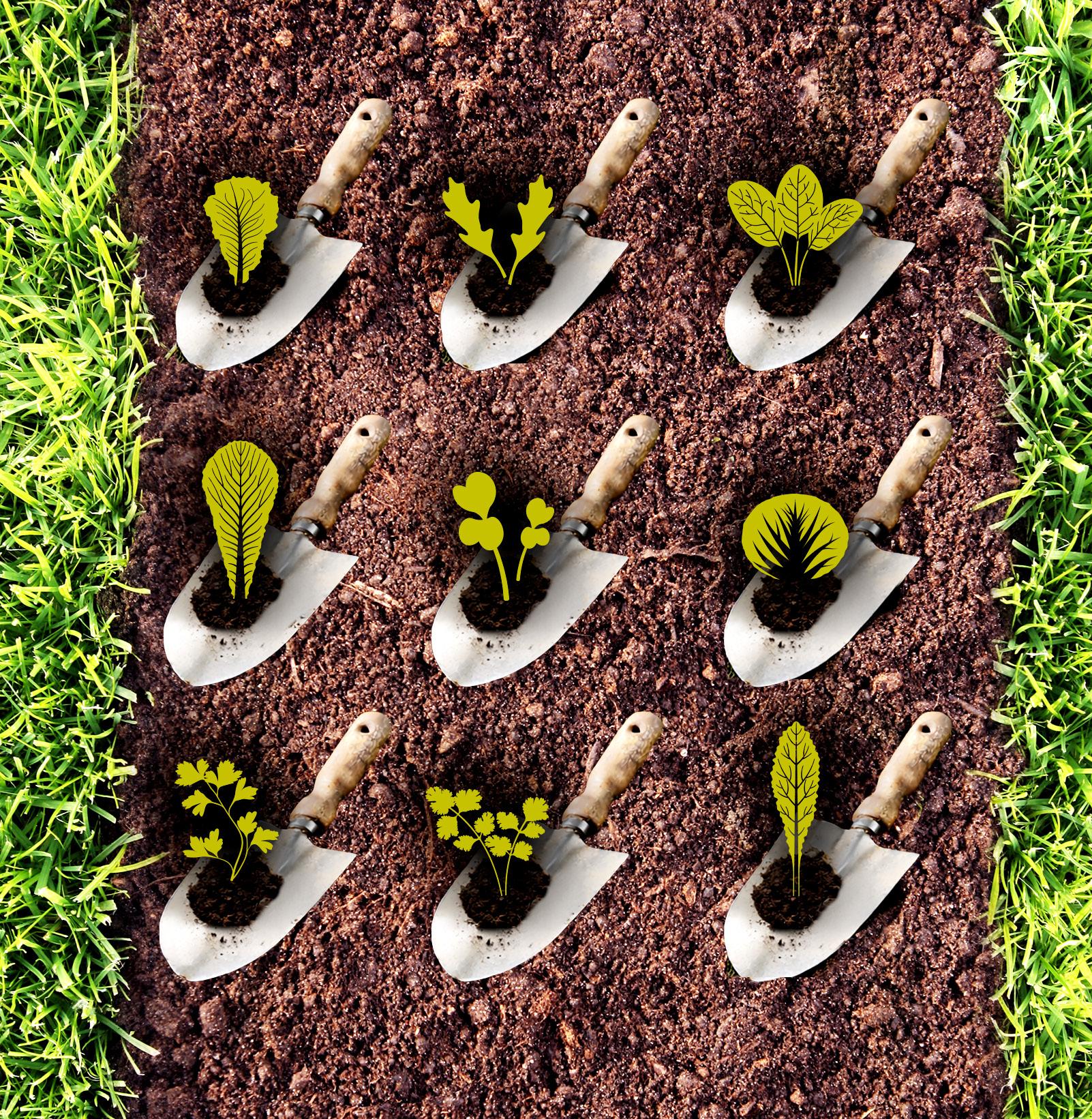
Guess the Greens: These leafy favorites are shown as silhouettes, can you name them all?

Scan for answers!