AI in E-Learning: Revolutionizing the Educational Landscape

Page 1


AI in E-Learning: Revolutionizing the Educational Landscape

This document explores the transformative impact of Artificial Intelligence (AI) on the education sector, highlighting its potential to revolutionize learning experiences, personalize instruction, and enhance efficiency.

Understanding the Role of AI in Education

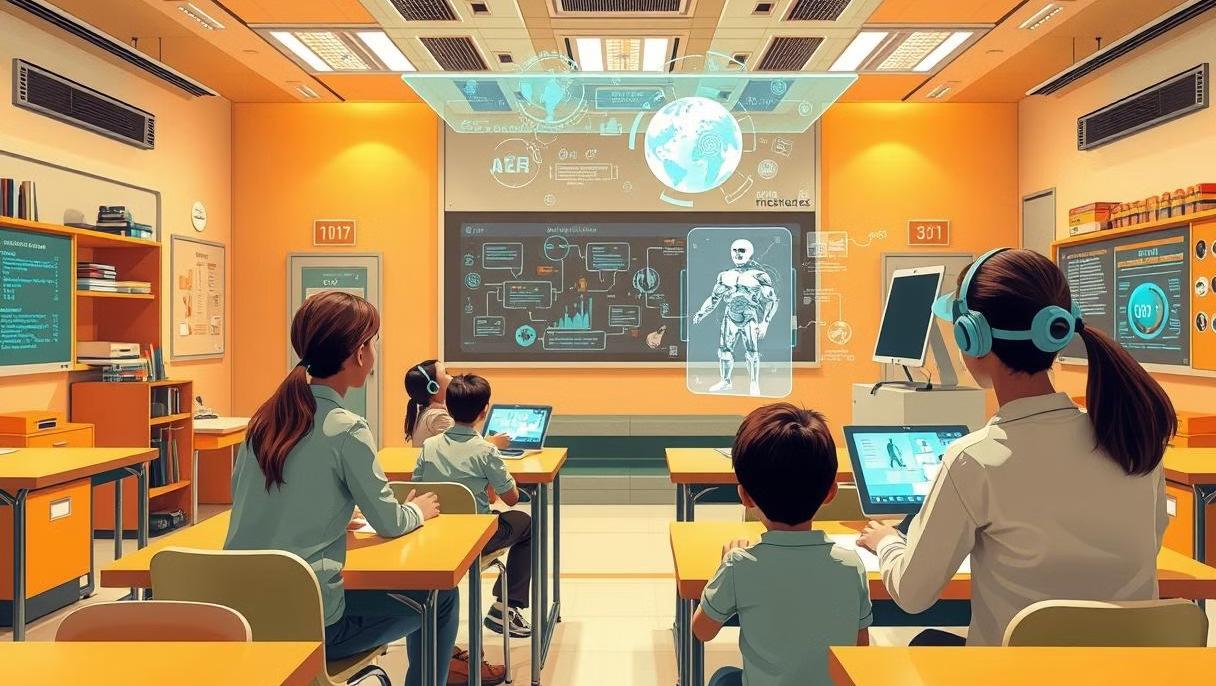
AI is rapidly changing the education landscape, offering innovative tools and approaches to personalize learning, automate tasks, and optimize educational processes. AI technologies are being integrated into various aspects of e-learning, from personalized learning experiences to automated grading and intelligent tutoring systems.

AI in e-learning aims to enhance student engagement, tailor instruction to individual needs, and provide more efficient and effective learning opportunities. By analyzing student data and identifying patterns, AI algorithms can adapt to individual learning styles, pace, and preferences, enabling more personalized and effective instruction.

Personalized Learning Experiences

AI-powered platforms can create AI personalized learning experiences that cater to individual student needs and learning styles. By analyzing student performance data, AI algorithms can identify strengths, weaknesses, and areas for improvement.

This data-driven approach allows for customized learning paths, tailored content recommendations, and adaptive assessments that provide students with the right support at the right time. With AI, e-learning platforms can offer personalized content, pace, and learning activities, ensuring that every student receives a tailored educational experience that fosters engagement and success.

Adaptive Learning

AI-powered adaptive learning platforms adjust the difficulty of content and learning activities based on a student's performance and progress, ensuring an optimal learning experience.

Personalized Feedback

AI can provide personalized feedback on assignments and quizzes, highlighting areas for improvement and providing specific recommendations for further learning.

Automated Grading and Feedback

AI can automate the grading of multiple-choice questions, short-answer responses, and even essays, freeing up teachers to focus on more meaningful tasks such as personalized instruction and student support.

AI grading systems use natural language processing (NLP) and machine learning algorithms to analyze student work, identify patterns, and assign grades. While automated grading is not perfect, it can provide efficient and consistent feedback on basic assessment tasks, enabling teachers to allocate time more effectively and engage in more personalized interactions with students.

AI-powered grading tools can also provide detailed feedback on student work, identifying specific errors, suggesting areas for improvement, and providing constructive criticism. This can enhance the learning process by providing students with immediate insights into their strengths and weaknesses, helping them understand concepts better and improve their performance.

Adaptive Curriculum and Content Delivery

AI can help create dynamic and adaptive curricula that respond to individual student needs and progress. AI-powered platforms can analyze student data to identify learning gaps, predict future performance, and recommend personalized learning pathways.

This allows for a more flexible and individualized learning experience, ensuring that students are challenged and supported appropriately. AI can also be used to optimize content delivery, selecting the most relevant and engaging materials for each student based on their learning style and interests.

Adaptive content delivery can help create a more immersive and engaging learning experience, keeping students motivated and interested in their studies. By tailoring the learning journey to individual needs, AI can create a more personalized and effective learning environment.

AI-Powered Virtual Assistants

AI-powered virtual assistants can provide students with 24/7 support, answering questions, providing guidance, and assisting with tasks. These assistants can access and process vast amounts of information, providing students with quick and accurate answers to their queries.

Virtual assistants can also help students stay organized, manage their time effectively, and access relevant resources. By automating routine tasks, virtual assistants can free up student time and energy for learning and exploration.

AI-powered virtual assistants can also provide personalized learning recommendations, suggesting relevant content, courses, and learning activities based on a student's interests and goals. This can help students stay engaged and motivated in their learning journey, making the process more enjoyable and productive.

Turn static files into dynamic content formats.

Create a flipbook