Learn from Australia’s nuclear experts
The Basics in Nuclear Literacy Short Course
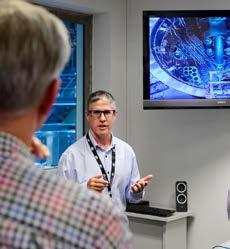
Training for all staff working in nuclear
Training for all staff working in nuclear
Learn from Australia’s nuclear experts.
ANSTO has developed this short course to provide those working within or in partnership with Australia’s nuclear agencies, an opportunity to learn about Australia’s nuclear baseline and visit Australia’s most significant nuclear facilities. The course will also provide an introduction to nuclear science and technology and radiation safety.
The Basics in Nuclear Literacy Short Course is a one-day course, delivered at ANSTO’s main Lucas Heights Campus in Sydney and is suitable for all staff regardless of prior knowledge.
This courses is designed for all those seeking to attain a basic level understanding of the fundamentals of radiation and nuclear safety and an overview of the nuclear industry and capabilities in Australia.
To complement this Basics in Nuclear Literacy Course, ANSTO also provides a senior executive level program for senior officials and decision makers, covering governance and more detail on radiation safety and regulatory affairs.
The Basics in Nuclear Literacy Course includes three key areas:
MODULE
Australia’s nuclear baseline
· History of the industry
· Nuclear fuel cycle
· Australia’s current facilities and capabilities
· Regulation, law, treaties and legislation
· Nuclear stewardship
· Nuclear stakeholders and agencies
· IAEA
· Radioactive Waste Management for Australia
· Public engagement and nuclear education
· Future outlook in Australia
MODULE
Fundamentals of nuclear science
· Understanding the basics of radioactivity
· Background radiation
· Uses of radiation
· Units of measurement
· Hazards and effects
· Radiation safety and environmental monitoring
· Risk assessment and controls
MODULE
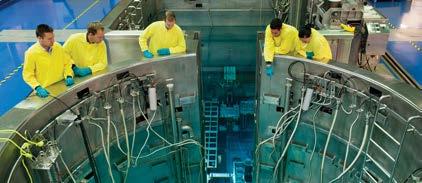
ANSTO site tour
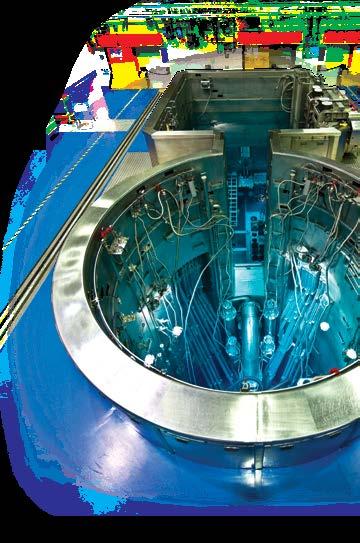
· OPAL multi-purpose reactor
· Radioactive waste storage facilities
After completing the Basics in Nuclear Literacy Short Course, participants will have a solid understanding in the following:
Australia’s current nuclear baseline and stewardship
Australia’s nuclear science and technology applications
The different types of radiation and their properties.
Understanding of key concepts such as half-life, dose rates and measurement units
Appreciation of the biological effects of radiation
Principles of radiation protection
External and internal radiation hazards
This one day course , delivered in person, between 10am – 4pm, will include a mix of theory and practical learning experiences and tour of Australia’s nuclear facilities. ANSTO has a number of subject matter experts who will be incorporated into the learning package.
Each course can accommodate up to 32 students with lunch and refreshments provided. The course can be delivered online and include a virtual tour of ANSTO’s Lucas Heights campus on request.
Production of radioactive materials and radioactive waste management practices
ANSTO is Australia’s national nuclear science and technology organisation and represents the lion’s share of Australia’s small but highly complex, world class nuclear capabilities.
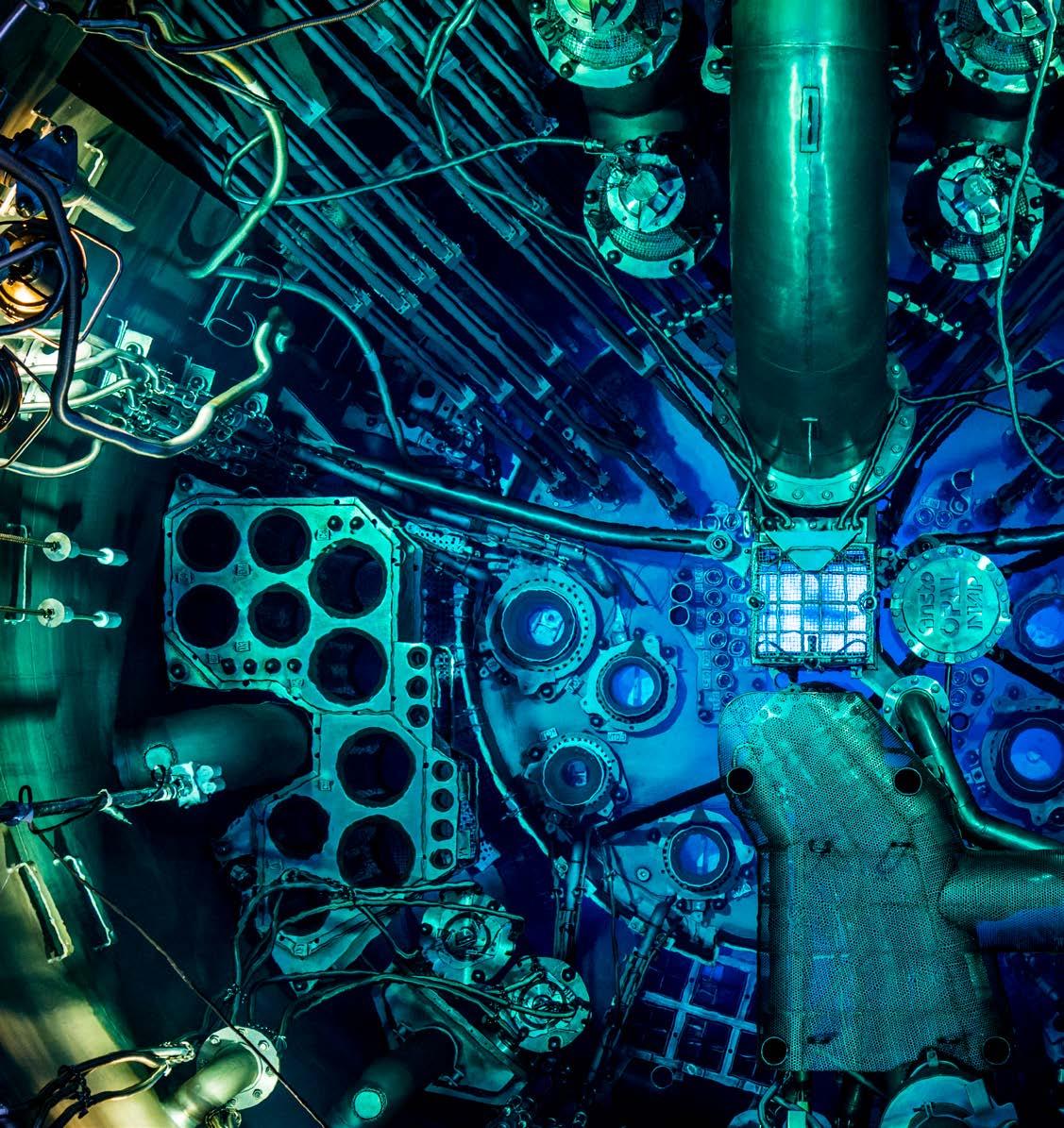
The OPAL reactor, one of the world’s best multi-purpose reactors and Australia’s only operating reactor, is located alongside our nation’s broader nuclear research and technology capabilities on ANSTO’s main campus south of Sydney CBD.
A significant part of ANSTO’s role is to provide expertise and advice across Government, industry and to the Australian public on nuclear science and technology.
ANSTO are leaders in workforce training across the Australian nuclear industry and our Radiation Safety Training business has over 30 years’ experience providing expert advice and delivery of accredited training to Australian industry each year.
ANSTO is also the recognized leader in nuclear education for Australian teachers and students. With programs accredited by New South Wales Education Standards Authority (NESA), and recognized by all other states and territories. Currently ANSTO delivers teacher professional development training to approx 1,000 science teachers each year. ANSTO is also recognized as a global leader in the development of STEM education programs and resources through the IAEA and for supporting global capabilities building and workforce development. In partnership with the IAEA ANSTO delivers a training program for university level teachers and professional communications staff of nuclear organisations globally, supporting improvements in how nuclear science and technology is taught and communicated.
A significant part of ANSTO’s role is to provide expertise and advice across Government, industry and to the Australian public on nuclear science and technology.