


2025 marked a critical step in our 2X journey, accelerating growth while reinforcing our responsibility to the people we empower, the communities we serve, and the region we call home. Through disciplined execution and sustainable progress, we delivered meaningful results where they count most: strengthening livelihoods, advancing environmental stewardship, and creating long-term economic value.

Inspiring Better Choices for a Better World With inherent Caribbean creativity and resilience, we unleash a future of infinite and sustainable possibilities for people everywhere.

With Stewardship: We lead with purpose, protecting what we’ve built while boldly shaping what comes next.
Our Core Values
The standards we hold ourselves to, in every market and every moment.
Through our VISION, PURPOSE and SUSTAINABILITY BUSINESS PRIORITIES, we create hope for the future and generate value for all our stakeholders.
Here we highlight some of CARIB Brewery (Grenada) Limited’s accomplishments of 2025 in progressing our sustainability agenda. Also highlighted are the United Nations Sustainable Development Goals that these are in direct support of.
CARIB Brewery (Grenada) Limited installed 540 solar photovoltaic (PV) panels that will provide approximately 20% of their electricity needs with 300 kilowatts of solar power
CARIB Brewery (Grenada) Limited operates a bottle and crate return program, allowing customers to return used bottles and crates through its sales and distribution network. In support of its commitment to sustainability and environmental responsibility, the Company also conducts public awareness campaigns encouraging consumers to participate in recycling initiatives and reduce waste.
CARIB Brewery (Grenada) Limited is committed to minimizing waste by repurposing by-products from its brewing operations. Spent grain generated during the brewing process is distributed to local farmers as a cost-e ective supplement for animal feed, transforming what would otherwise be waste into a valuable agricultural resource.
As a member of the ANSA McAL Group of Companies, CARIB Brewery (Grenada) Limited (CBG) continues to benefit from innovative initiatives aimed at improving the employee experience. The ANSA McAL Group became the first large-scale enterprise in the English-speaking Caribbean to implement Artificial Intelligence (AI) across its Human Resources ecosystem. This initiative is intended to streamline HR processes, improve e ciency, and make HR-related tasks more accessible and user-friendly for both employees and HR teams across the Group.
CARIB Brewery (Grenada) Limited successfully renewed its FSSC 22000 certification against the updated Version 6 standard. This recertification reflects the Company’s continued commitment to maintaining the highest standards in food safety management and incorporates new requirements related to food safety culture, environmental monitoring, and enhanced control measures
The ANSA McAL Group has committed to achieving compliance with the IFRS S1 Sustainability Disclosure Standard. In 2025, significant progress was made through a series of workshops conducted across the Group’s four most material sectors: Beverage, Construction, Financial Services (Banking and Insurance), and Manufacturing (Packaging and Utilities).
As a member of the ANSA McAL Group, CARIB Brewery (Grenada) Limited supports these initiatives and the Group’s commitment to strengthening sustainability reporting and disclosure practices.
The ANSA McAL Group is pleased to present its second ESG Data Disclosure Report 2025, which has been incorporated into the Annual Report for the first time. This enhanced reporting approach provides stakeholders with greater transparency and insight into the Group’s sustainability impacts, initiatives, and performance. The data relating to CBG can be viewed in the Ansa McAL Annual Report 2025 at www.ansamcal.com
“ Despite a challenging operating environment, the Company delivered a solid financial performance, demonstrating the strength of our brands, the commitment of our people, and the disciplined execution of our strategy.”
ANTHONY N. SABGA III CHAIRMAN


The year 2025 was marked by steady growth, disciplined execution, and continued resilience for CARIB Brewery (Grenada) Limited. In an environment shaped by global inflationary pressures, supply chain disruptions, evolving market dynamics and geopolitical tensions, we remained focused on what matters most — delivering value to stakeholders while continuing to strengthen the long-term competitiveness of the business.
Despite a challenging operating environment, the Company delivered a solid financial performance, demonstrating the strength of our brands, the commitment of our people, and the disciplined execution of our strategy. This year’s progress underscores our ability not only to navigate complexity, but to continue building a business that is resilient, competitive, and positioned for long-term growth.
EARNINGS PER SHARE (EPS) IMPROVED TO
7.5% to $80.6M REVENUE GREW BY $2.11
KEY BRANDS DELIVERED STRONG PERFORMANCES ACROSS THE PORTFOLIO OF PRODUCTS
PROFIT BEFORE TAX (PBT) INCREASE
16.9% to $12.1M
PROFITABILITY STRENGTHENED THROUGH DISCIPLINED COST MANAGEMENT AND EFFICIENCY INITIATIVES
THESE RESULTS REFLECT HIGHER EARNINGS CAPACITY, IMPROVED CASH GENERATION, AND DISCIPLINED EXECUTION ACROSS OUR BUSINESS, ENABLING US TO CONTINUE TO INVEST IN LONG-TERM GROWTH.
Net sales increased by 7.5% to EC$80.632 million, compared with EC$75.023 million in 2024, driven by sustained demand, expanded market reach, and strong commercial execution. This performance reflects the enduring strength of our portfolio and our ability to connect with consumers across our markets.
Operating performance remained robust, with profit before taxation increasing to EC$12.128 million, representing growth of 16.9% over the prior year. These results demonstrate the strength and resilience of our operating model, the commitment of our employees and our disciplined approach to execution, operational efficiency, and sustainable value creation.
We remain committed to delivering sustainable and consistent returns to our shareholders. In recognition of the Company’s performance and strong cash generation, the Board has declared an ordinary dividend of EC$1.06 per share.
The Board’s dividend declaration reflects both the Company’s strong performance and confidence in the sustainability of our business model.
Our approach to capital allocation remains disciplined, deliberate, and aligned to the Company’s long-term strategic priorities. We continue to balance attractive shareholder returns with strategic reinvestment, ensuring that the business remains well positioned to capture future opportunities while maintaining financial strength.
During the year, we continued to advance our strategic investment programme, with capital expenditure totalling EC$17.618 million. These investments were focused on enhancing operational efficiency, strengthening production and distribution capabilities, supporting sustainability objectives, and positioning the business for long-term growth.
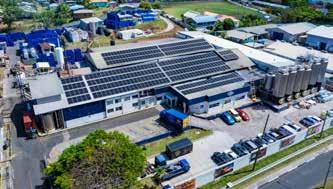
A key milestone was the commissioning of a solar photovoltaic system, which is expected to supply approximately 20% to 25% of the Company’s energy requirements. This investment represents an important step in improving energy resilience, reducing operating costs over time, and advancing our environmental sustainability agenda.
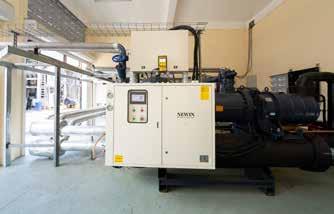
Additional investments were made to modernise critical production and refrigeration infrastructure, strengthening operational reliability, product quality, workplace safety, and storage capacity. We also continued to invest in packaging assets and operational capabilities to support market execution and enhance the overall consumer experience.

As part of our broader investment programme, the Company also enhanced employee facilities to support collaboration, well-being, and engagement. These improvements reflect our belief that investing in our people is fundamental to sustaining a high-performance culture and delivering long-term success.
Together, these initiatives reinforce our commitment to building a modern, efficient, and future-ready business that is well positioned to meet evolving consumer demand and capture future opportunities.
Sustainability remains central to how we operate, invest, and grow. As part of the ANSA McAL Group, we continue to advance our sustainability agenda, recognising that long-term business success is intrinsically linked to the well-being of the communities and environments in which we operate.
In 2025, we made meaningful progress in reducing our environmental impact through renewable energy initiatives, waste reduction programmes, and circular economy practices. Our long-standing use of returnable glass bottles and the repurposing of spent grain for local agriculture continue to deliver both environmental and economic benefits.
We have also strengthened our sustainability reporting framework by taking proactive steps toward alignment with the IFRS S1 Sustainability Disclosure Standard, ahead of any mandatory compliance requirement. Through enhanced data collection, improved measurement, and deeper identification of material risks and opportunities, we are building a more transparent, robust, and globally aligned sustainability reporting framework.
Our success is closely linked to the well-being of our staff and the wider Grenadian community. We remain committed to building a safe, inclusive, and high-performing workplace, where our people are empowered, supported, and equipped to contribute meaningfully to the continued success of the business. At the same time, we remain actively engaged in national and community initiatives, supporting cultural heritage through Spice Mas, youth development initiatives, and partnerships that contribute to local economic activity. Our investment in education, including scholarships to T.A. Marryshow Community College, reflects our commitment to building human capital and supporting long-term national development.
Strong governance remains the foundation of our business. The Board and Management are committed to maintaining the highest standards of integrity, transparency, and accountability, ensuring the Company operates responsibly, ethically, and in full compliance with applicable regulatory requirements. During the year, we strengthened our governance framework through the continued work of the Group Internal Audit Department, supported by independent external audits .Together, these provide robust assurance over our internal controls, financial reporting, and risk management processes.
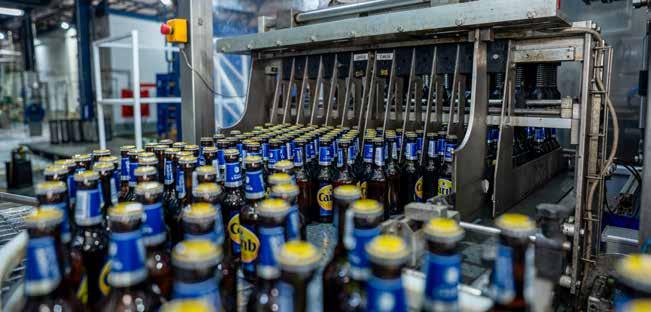
Our operations continue to meet rigorous international food safety standards, including certification under FSSC 22000, ensuring the consistent delivery of safe, high-quality beverages. We have also further embedded ESG considerations into our decision-making processes, reinforcing our commitment to responsible governance, operational resilience, and long-term sustainable value creation.
On behalf of the Board, I extend my sincere appreciation to our shareholders for their continued trust, confidence, and unwavering support. Your commitment remains fundamental to our success and strengthens our resolve to continue building a resilient and growing business that delivers sustainable long-term value.
I also wish to recognise and thank our employees across all levels of the organisation. Their dedication, professionalism, and passion for excellence continue to drive our performance and position the Company for future success. We are equally grateful to our customers, distributors, suppliers, and business partners for their continued loyalty and collaboration. These relationships are central to our operations and play a critical role in sustaining our market presence and growth.
I would like to acknowledge my fellow Directors for their guidance, stewardship, and unwavering commitment throughout the year. Their diverse expertise, sound judgement, and strong governance oversight have been instrumental in supporting the strategic direction of the Company and ensuring that we continue to operate with discipline and integrity.
Together, these collective efforts reinforce the strong foundation on which CARIB Brewery (Grenada) Limited continues to grow, and position us well for the opportunities ahead.
As we look ahead, we remain confident in the long-term prospects of the Company, even as we navigate a dynamic and uncertain global environment.
Our focus remains clear: disciplined execution, strategic investment, innovation, and operational excellence. As we move forward, we will continue to invest in our people, strengthen our market position, enhance our capabilities, and pursue opportunities that drive sustainable growth.
With a strong financial foundation, trusted brands, and a committed team, we are well positioned to build on our momentum. Guided by a clear strategy and supported by the continued confidence of our stakeholders, we remain firmly focused on delivering sustainable growth, creating enduring value, and making a meaningful impact across the communities and markets we proudly serve. As we look ahead, we remain confident in our ability to adapt, innovate, and grow responsibly while continuing to strengthen the Company’s longterm competitiveness and resilience.

Anthony N. Sabga III Chairman
“ As we look ahead, CBG remains committed to strengthening operational excellence, improving reliability, investing in our people and infrastructure, and continuing to create sustainable long-term value for shareholders.”
RON ANTOINE MANAGING DIRECTOR


2025 was a year of growth, resilience, and operational transformation for CARIB Brewery (Grenada) Limited (“CBG”). Against a backdrop of inflationary pressures, rising energy and logistics costs, evolving consumer expectations, increased competitive activity, and continued global supply chain volatility, the Company remained focused on strengthening its operational foundation while continuing to pursue sustainable long-term growth and value creation.
During the year, the business also faced periods of elevated operational pressure associated with aging infrastructure, increased maintenance intensity, rising utility costs, and extended lead times for critical spare parts and equipment. These challenges reinforced the importance of disciplined execution, preventative maintenance, operational planning, and continued investment in key production systems and infrastructure.
Despite these pressures, CBG delivered improved financial and operational performance through strong commercial execution, prudent financial management, focused cost discipline, and the continued strength of its brands, customer relationships, and route-to-market capabilities. These results reflect the resilience of the business, the commitment of our employees, and the effectiveness of the strategic initiatives implemented across the Company over recent years.
As we look ahead, while uncertainties within the global operating environment remain, management remains confident in the Company’s ability to adapt, strengthen operational performance, and continue delivering longterm value to shareholders and stakeholders alike.
CARIB Brewery (Grenada) Limited delivered an improved financial performance in 2025, reflecting the resilience of the business, disciplined execution, and the continued strength of its core operations despite a challenging economic and operating environment.
For the year ended 31 December 2025, the Company recorded net sales of EC$80.6 million, representing growth of approximately 7.5% over the prior year. This positive performance was driven by steady demand across the Company’s product portfolio, improved market penetration, strong in-trade execution, and continued investment in distribution capabilities.
Cost of sales increased to EC$53.6 million compared to EC$50.2 million in the prior year, reflecting continued inflationary pressure across key operating inputs including raw materials, packaging materials, freight, utilities, fuel, and maintenance-related expenditure. The Company also experienced increased costs associated with equipment upkeep, spare parts procurement, operational reliability initiatives, and the maintenance of aging production infrastructure.
Despite these pressures, management maintained a disciplined approach to procurement, pricing, cost control, and operational efficiency, helping mitigate the impact of inflation and cost escalation on overall profitability.
During the year, significant investment was made in repairs, preventative maintenance, and targeted upgrades to key production systems to improve equipment reliability, minimize unplanned downtime, strengthen operational stability, and sustain manufacturing performance. Management views these expenditures as necessary strategic investments in the long-term strength, resilience, and sustainability of the business.
While these investments increased operating expenditure during the year, management believes they were essential to improving plant reliability, strengthening maintenance effectiveness, and supporting more stable long-term operations. Reliability improvement remains a critical operational priority as the Company continues modernizing key infrastructure and production systems.
Despite ongoing cost pressures and elevated maintenance expenditure, the Company delivered a strong gross profit of EC$27.1 million compared with EC$24.8 million in 2024. FISCAL YEAR HIGHLIGHTS


Profit before taxation increased to EC$12.1 million, representing growth of 16.9% over the EC$10.4 million recorded in 2024. This performance underscores the effectiveness of the Company’s pricing strategies, cost management initiatives, commercial execution, and disciplined operational approach.
The Statement of Financial Position reflects a strong financial position supported by improved liquidity, continued investment in the business, and solid operating performance. Total assets increased to EC$77.9 million from EC$66.3 million in 2024, driven primarily by higher investment in property, plant and equipment and increased cash balances.
Cash and cash equivalents increased to EC$10.9 million from EC$5.0 million in 2024, reflecting strong operating cash flows and disciplined cash management.
During 2025, CARIB Brewery (Grenada) Limited continued to execute a disciplined capital investment programme aimed at strengthening operational resilience, improving efficiency, advancing sustainability initiatives, and positioning the business for long-term growth. Total capital expenditure for the year amounted to EC$17.6 million compared with EC$8.9 million in 2024.
Investments during the year focused primarily on plant modernization, upgrades to production equipment, warehouse and logistics improvements, energy efficiency initiatives, safety enhancements, and the continued development of the Company’s digital and operational infrastructure.
Several of the Company’s capital projects during 2025 were specifically designed to address operational resilience and reliability risks within critical production and utility infrastructure. These investments are intended to reduce operational vulnerability, improve redundancy, strengthen maintenance effectiveness, and support more stable long-term manufacturing performance.
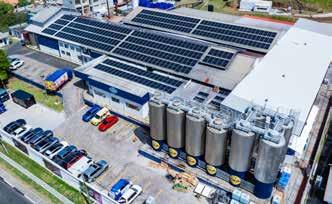
A significant milestone during the year was the commissioning of five hundred and forty solar photovoltaic panels, expected to provide approximately twenty percent of the Company’s electricity requirements while reducing long-term energy costs and improving energy resilience. Since commissioning in late 2025, the system generated over sixty thousand kilowatt-hours of renewable energy during its initial operating period. This investment supports the Company’s broader sustainability agenda while helping mitigate exposure to rising energy costs.
The Company also invested in new bottles and crates to enhance product quality, packaging durability, and distribution efficiency, while strengthening the premium presentation of its brands.
Significant investment was also made in refrigeration infrastructure through the installation of two new one hundred and twenty-seven-ton refrigeration units. This upgrade substantially improves cooling capacity, strengthens operational redundancy, enhances workplace safety, and reduces operational risk associated with critical utility systems.
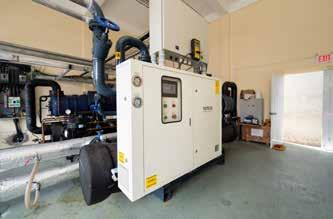
The investments undertaken during 2025 reflect the Company’s continued commitment to modernizing infrastructure, strengthening operational capabilities, improving reliability, advancing sustainability initiatives, and positioning the business for long-term growth.
Environmental, Social and Governance (“ESG”) considerations remain integral to the longterm strategy and operations of CARIB Brewery (Grenada) Limited. The Company recognizes that sustainable and responsible business practices are essential to supporting long-term growth, operational resilience, stakeholder confidence, and value creation.
In alignment with evolving global reporting standards and the ANSA McAL Group’s sustainability agenda, the Company continued strengthening its sustainability governance, reporting capabilities, and climate-related disclosure framework during 2025, including preparations for alignment with IFRS S1 Sustainability Disclosure Standard.
Management continues to enhance governance structures, enterprise risk management processes, environmental monitoring systems, and sustainability-related data collection capabilities to support greater transparency, accountability, and integration of sustainability considerations into strategic and operational decision-making.
Throughout the year, the Company progressed initiatives aimed at reducing waste generation, supporting recycling activities, promoting responsible resource utilization, and improving energy efficiency across operations. Brewing by-products continued to be repurposed through partnerships with local farmers for use as animal feed, supporting both environmental sustainability and local economic activity.
Strong corporate governance remains fundamental to the Company’s ability to deliver sustainable growth, maintain stakeholder confidence, and create long-term value for shareholders. As part of the ANSA McAL Group, CBG operates within the framework of the Group’s Enterprise Risk Management (“ERM”) Policy, which supports the identification, assessment, monitoring, and
mitigation of operational, financial, regulatory, strategic, cybersecurity, and emerging risks.
Supported by Beverage Sector and wider ANSA McAL Group frameworks, the Company continued strengthening its cybersecurity posture through investments in employee training, infrastructure upgrades, vulnerability testing, system monitoring, and security enhancement initiatives.
The continued success of CARIB Brewery (Grenada) Limited is built upon the dedication, professionalism, resilience, and commitment of its employees. The Company remains committed to fostering a workplace culture that promotes growth, accountability, collaboration, inclusion, safety, and continuous improvement.
During 2025, the Company continued strengthening its people-focused culture by embedding the stewardship principles of the ANSA McAL Group across the organization — Agile, Brave, Responsible, Inclusive, and Visionary.
Employee well-being, engagement, development, and workplace safety remained key priorities throughout the year. Employees participated in training programmes covering workplace safety, cybersecurity awareness, operational systems, quality standards, leadership development, conflict resolution, emotional intelligence, and technical capability development.
The Company also continued prioritizing employee health, wellness, and overall well-being through wellness initiatives, employee awareness programmes, preventative safety measures, and access to confidential counselling services through the Employee Assistance Program
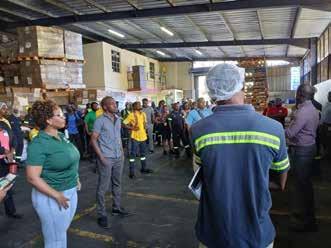
(“EAP”). Personal protective equipment (“PPE”) continued to be provided to employees at no cost, ensuring employees are equipped with the necessary resources to perform their duties safely and effectively.
The Company remains committed to maintaining positive industrial relations and transparent engagement with employees and its trade union partner, supporting a collaborative and productive working environment.
As CBG moves into 2026, the Company remains cautiously optimistic despite ongoing economic uncertainty, inflationary pressures, geopolitical tensions, rising fuel and energy costs, and continued global supply chain challenges.
In 2026, the Company’s strategic focus will remain centred on operational excellence, reliability improvement, cost discipline, and sustainable financial performance. Key priorities include strengthening equipment reliability, improving maintenance planning and execution, enhancing operational efficiency, advancing ESG initiatives, investing in employee capability development, strengthening customer engagement, and continuing to improve supply chain resilience.
The Company also recognizes the importance of continuing to modernize infrastructure, improve technical depth, and strengthen operational capabilities to support long-term operational stability and future growth.
While challenges within the operating environment are expected to persist, the Company

remains well positioned to capitalize on future opportunities through disciplined execution, strong governance, strategic leadership, continued investment in its people and operations, and the ongoing support of its employees, customers, shareholders, and stakeholders.
Management remains focused on converting the Company’s strong commercial performance into increasingly efficient, reliable, and sustainable operational execution while continuing to strengthen long-term competitiveness and shareholder value creation.
I extend my sincere appreciation to the executive leadership team, managers, and employees of CARIB Brewery (Grenada) Limited for their dedication, professionalism, resilience, and continued commitment throughout the year.
I also extend my gratitude to our shareholders for their continued confidence and support, to our customers and consumers for their loyalty, and to our suppliers and business partners for their valued collaboration throughout the year. I further thank the Board of Directors for their leadership, guidance, stewardship, and continued strategic oversight.
As we look ahead, CBG remains committed to building on the progress achieved during 2025 while continuing to strengthen operational excellence, invest in our people and infrastructure, support our communities, advance sustainability initiatives, and create sustainable long-term value for shareholders.
With disciplined execution, trusted brands, strong customer relationships, and a committed team, the Company remains well positioned to navigate future challenges while continuing to grow responsibly and strengthen its position as a leading and resilient Caribbean manufacturing business.
Ron Antoine Managing Director CARIB Brewery (Grenada) Limited





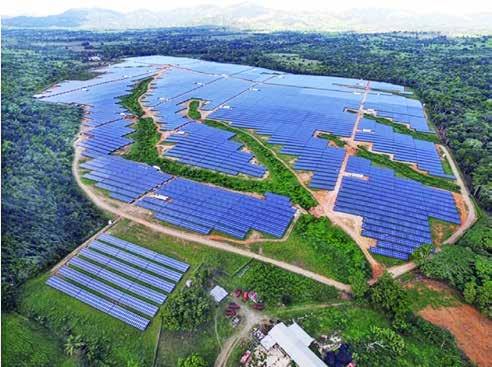
As part of the ANSA McAL Group, CBG is aligned with the Group’s sustainability strategy and commitment to strengthening environmental, social, and governance (ESG) reporting practices in accordance with IFRS S1 Sustainability Disclosure Standards. The Group continues to enhance its ESG data frameworks, governance structures, and materiality assessment processes to improve transparency, accountability, and decision-useful sustainability disclosures across its operations.
ANSA McAL’s sustainability agenda focuses on integrating ESG considerations into strategic decision-making, operational execution, and
long-term value creation. Key initiatives include investments in renewable energy, resource efficiency, waste reduction, and responsible business practices, all aimed at supporting sustainable growth and resilience across the Group.
Further information regarding ANSA McAL Group sustainability disclosures and progress toward IFRS S1 compliance can be viewed in the ANSA McAL Annual Report 2025 at www.ansamcal.com.

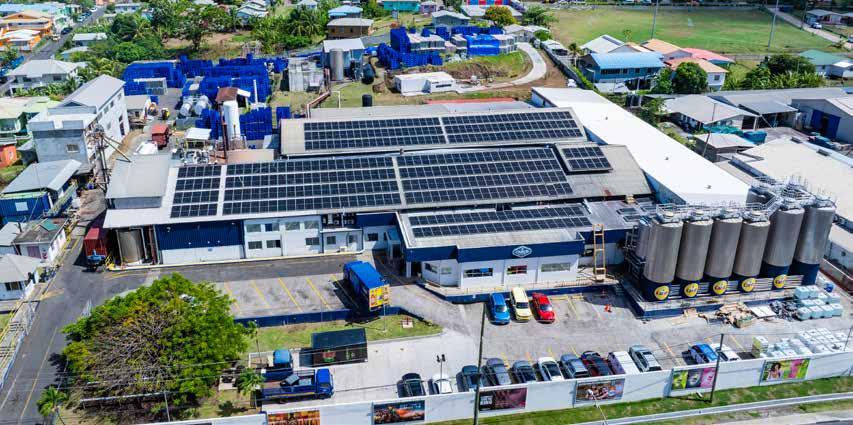
In 2025, CARIB Brewery (Grenada) Limited installed 540 solar photovoltaic (PV) panels on the rooftop of the Brewery’s main facility. Commissioned in November 2025, the panels will power the main offices and production facilities, providing approximately 20% to 25% of the Brewery’s electricity needs. The solar PV system is designed to improve energy efficiency and
reduce operating costs while meaningfully lowering carbon emissions associated with electricity consumption. By generating clean, renewable energy on-site, CARIB Brewery strengthens its resilience and contributes to a more sustainable future for Grenada.
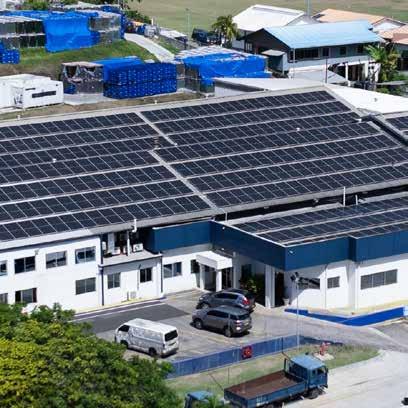
CBG invested in solar energy which is in direct support of United Nations Sustainable Development Goal 7 - Affordable and Clean Energy, Target 7.2 – to increase the share of renewable energy in the global energy mix.
BEVERAGE ESG ASPIRATION:
• Reduction in water consumption.
With water as a key ingredient, CARIB Brewery Grenada Limited continued working towards improved water management.
This aspiration is in direct alignment with United Nations Sustainable Development Goal 6 – Clean water and sanitation, Target 6.4, which aims to sustainable water use.
CARIB Brewery runs a returnable packaging system with three types of packaging that are reusable: glass bottles, plastic crates, and cardboard crates. The packaging is collected and reused at three of the four breweries: Trinidad and Tobago, Grenada and St. Kitts and Nevis.
In Grenada, the return rate was 87% for bottles and plastic crates. CARIB Brewery (Grenada) Limited also has draft beer available in reusable kegs typically used by restaurants and bars across the islands.

The Beverage Sector ’s returnable packaging business model is in direct alignment with United Nations Sustainable Development Goal 12 – Responsible consumption and production, Target 12.5, – to substantially reduce waste generation through prevention, reduction, recycling and reuse.
A portion of the spent malt grains from CARIB Brewery (Grenada) Limited, is diverted from local landfills and distributed to farmers free of cost as an additive to supplement animal feed.
CARIB Brewery
Spent malt grains sold /donated to farmers (kg)

CARIB Brewery (Grenada) Limited has replaced 90% of all lights with LED technology as part of its commitment to improving energy efficiency and reducing environmental impact. LED lighting offers enhanced durability, extended operational life, lower energy consumption, and reduced ultraviolet (UV) emissions, contributing to more sustainable operations across the Company.

IFRS S1 reporting requirements includes disclosures across four content areas: Governance; Strategy; Risk Management; and Metrics and Targets.
Information that enables investors to understand the governance processes, control and procedures a company uses to monitor, manage and oversee sustainability-related risks and opportunities.
Information that enables investors to understand a company's processes to identify, assess, prioritise and monitor sustainability-related risks and opportunities.
Information that enables investors to understand a company's strategy for managing sustainability-related risks and opportunities.
Information that enables investors to understand a company's performance in relation to its sustainability-related risks and opportunities, including progress towards any targets the company has set, or any targets it is required to meet by law or regulation.
Details can be found in the Ansa McAL Annual Report 2025 at www.ansamcal.com, Ansa McAL Annual Performance and Sustainability Report.


As part of our commitment to compliance with the International Financial Reporting Standards (IFRS) S1 Standard, we established an IFRS Compliance Roadmap in 2025 and commenced work on the top four Sectors with the most potential to create impact financially, environmentally and socially: Beverage, Construction, Financial Services (Banking and Insurance) and Manufacturing (Utilities and Packaging). For the purposes of alignment with the financial report, the Sectors have been divided into the following segments:
1. Construction
2. Manufacturing (Utilities and Packaging)
3. Beverage
4. Financial Services (Banking and Insurance)
This roadmap provides an overview of the work undertaken in 2025 and our plans for moving towards IFRS S1 compliance.
Details can be found in the Ansa McAL Annual Report 2025 at www.ansamcal.com, Ansa McAL Annual Performance and Sustainability Report.

Our social commitments are in support of the following six United Nations Sustainable Development Goals:

2025 marked a pivotal step in the evolution of the Human Resources function at CARIB Brewery (Grenada) Limited as part of the ANSA McAL Group. Guided by Stewardship, People and Impact, we strengthened:
Accountability, responsibility, and long-term value creation through strong leadership ownership.
Building leadership capability and strengthening accountability across the Group.
Directly linking people initiatives and HR investments to enterprise outcomes and performance.
Targeted talent development and organisational learning to support sustained growth.
Organisational development, digital innovation, and design to prepare the Company for what’s next.
Equal Opportunity
Employee, Customer and Consumer Well-Being
Responsible Marketing and Innovation
Education
As we prepare for the next phase of HR evolution, our focus remains on embedding stewardship into leadership practice, deepening talent readiness and leveraging technology to drive performance at scale
The foundations built in 2025 position HR to continue enabling disciplined growth, stronger leadership accountability and
sustainable organisational capability. Through deliberate design and measurable execution, HR delivered results that matter— strengthening leadership, stabilising the workforce and translating people investment into business performance across the Ansa McAL Group of Companies
The Company continued to demonstrate a strong commitment to Health, Safety & Environment (HSE) excellence throughout 2025. Our strategic focus on proactive risk management, employee engagement, behavioural safety, and continuous improvement has contributed significantly to the reduction of workplace incidents and the strengthening of our overall safety culture.
A major milestone during 2025 was the planned roll-out of the 14 Safety Management Standards, commencing in October 2025. The first two standards introduced were:
• Life Saving Rules
• Safe Control of Work
These standards form the foundation of the Company’s enhanced HSE framework and are designed to improve operational discipline, strengthen hazard controls, and reinforce accountability across all levels of the organization.
The Company’s safety performance reflects a sustained improvement trend over the five-year period. Despite one Lost Time Injury recorded in 2024, the organization successfully returned to zero LTIs in 2025. Significant reductions were also achieved in first aid cases, medical treatment cases, and overall accidents/incidents.
The elimination of medical treatment cases and first aid incidents in both 2024 and 2025 demonstrates the effectiveness of CBG’s preventive safety initiatives and workforce engagement programs.
The Company continues to strengthen its Behaviour-Based Safety (BBS) program through the active reporting of:
• Unsafe Conditions (UC)
• Unsafe Behaviours (UB)
Employees at all levels are encouraged to identify and report hazards proactively, fostering a culture of accountability and shared responsibility for workplace safety. Reports submitted through the BBS process are reviewed promptly, and corrective actions are implemented to mitigate risks before incidents occur.
This proactive reporting culture has significantly contributed to:
• Improved hazard identification
• Increased employee participation in safety
• Reduction in workplace incidents
• Enhanced operational awareness
• Stronger preventive controls
We remain committed to ensuring that all identified hazards are addressed in a timely and effective manner.
Within the Beverage Sector, the Company continued to deliver exceptional operational performance, consistently exceeding budget expectations over the past five years.
These results demonstrate CBG’s ability to maintain strong operational productivity while simultaneously improving safety performance and strengthening HSE systems.
Additionally, the Company successfully achieved an average 90% closure rate on safety actions and corrective measures by year-end, reflecting strong follow-through and accountability in managing identified risks and improvement initiatives.
The Company continues to invest in employee development through ongoing training and awareness programs related to the 14 Safety Management Standards. These initiatives are intended to:
• Improve workforce competency
• Reinforce safe work practices
• Enhance hazard recognition
During the reporting period, the Company achieved several notable HSE accomplishments, including:
• Successful launch of the 14 Safety Management Standards initiative
• Zero Lost Time Injuries achieved in 2025
• Elimination of medical treatment cases in 2024 and 2025
• Zero first aid cases in 2024 and 2025
• Significant reduction in accidents/incidents from 11 in 2022 to zero in 2025
• Achievement of a 90% corrective action closure rate
Moving into 2026, the Company remains focused on continuously improving its HSE culture and operational excellence through:
• Full implementation of all 14 Safety Management Standards
• Expansion of behaviour-based safety initiatives
• Increased leadership engagement in safety observations
• Continued reduction of workplace risks and incidents
• Strengthening employee competency and awareness programs
• Strengthen compliance with company standards
• Promote leadership involvement in HSE
Training programs were conducted across multiple operational levels to ensure broad understanding and implementation of the Company’s safety expectations.
• Strengthened employee engagement through the BBS program
• Increased reporting and timely resolution of unsafe conditions and unsafe behaviours
• Improved safety awareness and workforce participation
• Continued operational growth while maintaining strong HSE performance
• Enhanced management commitment and accountability toward workplace safety
• Ongoing investment in employee HSE training and competency development
• Improved risk management and incident prevention processes
• Enhancing contractor and visitor safety management
• Leveraging data analytics for proactive risk management
• Maintaining world-class HSE performance standards
The Company remains committed to protecting its employees, contractors, assets, environment, and communities while driving sustainable business growth and operational excellence.
The Company continued to strengthen its commitment to equal opportunity, diversity and inclusion through initiatives that promoted awareness, accessibility and meaningful employee engagement across its operations. Guided by its belief that a diverse workforce fosters innovation, collaboration and stronger communities, the Company remained focused on creating a workplace culture where all employees feel respected, valued and empowered to contribute.
At CARIB Brewery (Grenada) Limited, the Company proudly employs three hearing-impaired team members, reflecting its ongoing commitment to providing equitable employment opportunities for persons with disabilities. By fostering an inclusive environment that embraces different
abilities and perspectives, the Company continues to demonstrate that diversity in the workplace enhances teamwork, productivity and organizational growth.
In observance of Deaf Awareness Week 2025, employees participated in activities aimed at increasing awareness and understanding of the deaf and hearing impaired community. The initiative highlighted the importance of inclusive communication, accessibility and empathy in the workplace, while encouraging employees to better appreciate the experiences and contributions of persons with hearing impairments.
The observance served as a meaningful reminder of the importance of creating environments where diversity is celebrated, barriers are reduced and all employees are empowered to reach their full potential.
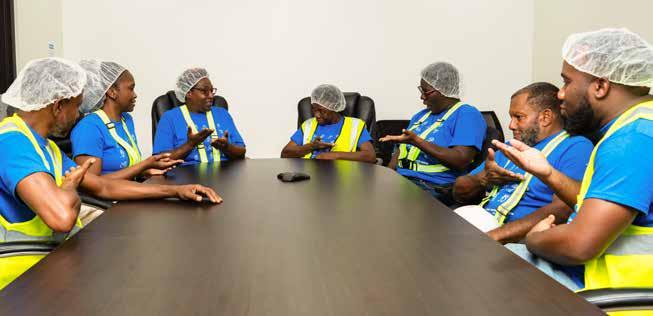
During 2025, CBG, as a member of the ANSA McAL Group of Companies, launched its Stewardship Agenda aimed at strengthening leadership capability, organizational alignment, and employee development. Central to this initiative are the ANSA McAL and CBG Business Stewardship Principles — Brave, Agile, Responsible, Inclusive, and Visionary — which guide decision-making, leadership behaviours, collaboration, and the delivery of sustainable long-term value across the organization.
CBG continued to invest in the growth and development of its employees through a range of training and professional development initiatives conducted throughout the year. Employees participated in workshops, seminars, and training sessions designed to strengthen technical competencies, leadership capabilities, customer service skills, and overall workplace effectiveness. These initiatives supported continuous learning and equipped employees with the knowledge and skills necessary to meet evolving business needs and industry standards.
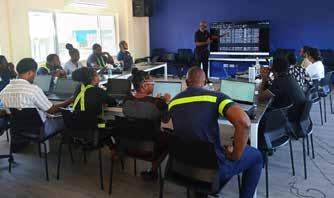
Employee health and well-being remain a key priority for CBG as the Company continues to promote a safe, healthy, and supportive working environment for all employees. The World Health Organization (WHO) recognizes that workplace wellness initiatives play an important role in preventing and managing non-communicable diseases such as hypertension, diabetes, heart disease, obesity, and mental health conditions, all of which can significantly affect employee productivity, morale, and quality of life.
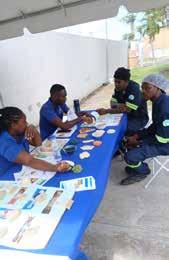
In support of employee wellness, CBG hosted a Health and Wellness Fair aimed at encouraging employees to take a proactive approach to their health and lifestyle choices. The initiative provided employees with access to health screenings,
wellness education, medical consultations, and information on disease prevention, nutrition, exercise, stress management, and healthy living practices.

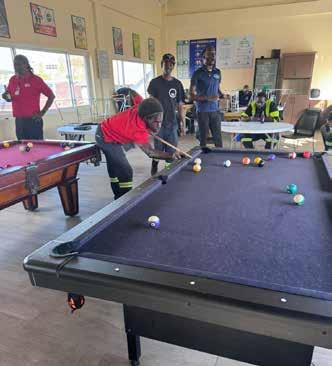
Further supporting employee well-being, the Company introduced a new Meeting and Recreational Room in 2025 to promote worklife balance, relaxation, collaboration, and team engagement. The space has contributed positively to employee morale, interpersonal relationships, and overall workplace satisfaction.
CBG also provided grief counselling and emotional support services to employees, recognizing the importance of emotional and mental well-being within the workplace. The Company continues to prioritize initiatives that support employees during challenging times and foster a compassionate and supportive work environment.
CBG recognizes that healthy employees contribute to a safer, more productive, and more engaged workplace and remains committed to investing in programmes and initiatives that support employee wellness and positive lifestyle choices across the organization.

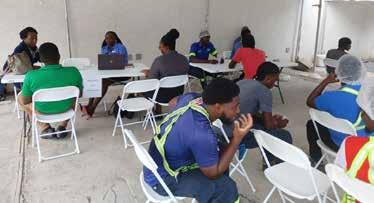
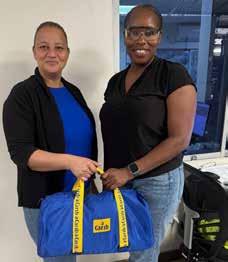
Throughout the year, CBG continued to invest in awareness and training initiatives designed to strengthen collaboration, leadership capabilities, technical expertise, and responsible workplace behaviours across the organization. Employees participated in a range of programmes focused on leadership development, operational excellence, workplace ethics, health and safety, compliance, and technical skills enhancement. These initiatives continue to support employee engagement, organizational capability, and a positive workplace culture.
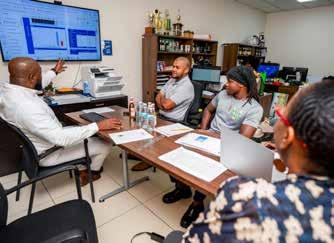
Throughout the year, CBG continued to prioritize employee recognition as a key driver of morale and performance. Several recognition initiatives were implemented to celebrate the dedication, innovation, and hard work of team members across all departments. Employees who demonstrated outstanding commitment and excellence were acknowledged through our recognition initiatives such as Employee of the Month, Supervisor





of the Quarter, and Caught in the Act, reinforcing a culture of appreciation and achievement. These initiatives serve as important platforms to recognize employees who exemplify professionalism, teamwork, and excellence in performance. It further fosters healthy motivation among staff while reinforcing our values and standards of excellence








Customer and consumer well-being remain integral to CBG’s commitment to quality, safety, and responsible business practices. The Company continues to implement systems and standards aligned with both local and international certifications to ensure product quality and consumer confidence are consistently maintained.
In June 2025, CBG celebrated World Food Safety Day under the theme “Science in Action,” while also recognizing the significant achievement of attaining Food Safety System Certification (FSSC) 22000 Version 6 certification. The updated certification standard introduced enhanced requirements relating to food safety and quality culture, allergen management, and environmental monitoring controls.
CARIB Brewery (Grenada) Limited proudly celebrated World Food Safety Day 2025 for the third consecutive year under the theme “Science in Action.” As an FSSC 22000 Version 6 certified company, CBG continues to promote sciencebased food safety practices and strengthen employee awareness across daily manufacturing operations.
To encourage employee engagement and participation, activities such as the “Wash and Win” Handwashing Challenge, weekly WHO MythBusters, and the “Science in Action: Unravel the Food Safety Mystery” challenge were conducted to reinforce the importance of preventing cross-contamination and maintaining food safety standards.
The celebrations officially commenced on June 7, 2025, with remarks from members of the Quality and Operations leadership teams, followed by the

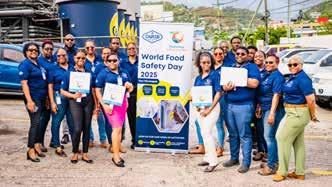
presentation of certificates to Internal Auditors and Food Safety Team members who successfully completed training programmes.
CBG continues to strengthen its food safety culture through ongoing training, communication, awareness, and employee engagement initiatives aimed at integrating food safety into everyday operations.


Creativity, collaboration, and customer insight continue to drive marketing and innovation initiatives across CBG, supporting strong brand engagement, commercial growth, and meaningful consumer connections.
The Company remains committed to promoting responsible drinking and responsible marketing practices across its operations. The “EASE”
The year 2025 was marked by improvements in employee engagement, workplace culture, and staff well-being. CBG remains committed to fostering a positive, inclusive, and motivating
symbol featured on product packaging serves as a consistent reminder to consumers to drink responsibly and make informed choices regarding alcohol consumption.
This commitment reflects the Company’s ongoing focus on responsible corporate citizenship, consumer well-being, and sustainable brand development.
environment that supports both professional excellence and employee satisfaction through training, open communication, safety, health and wellness.
CBG continued to invest in the growth and development of its employees through various training and professional development initiatives conducted throughout the year. Employees participated in workshops, seminars, and training sessions designed to enhance technical
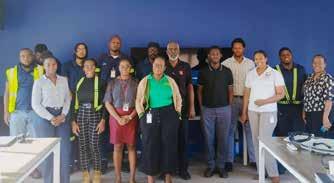
competencies, leadership capabilities, customer service skills, and overall workplace effectiveness. These opportunities supported continuous learning and equipped staff with the knowledge and skills necessary to meet the evolving organizational needs and industry standards.
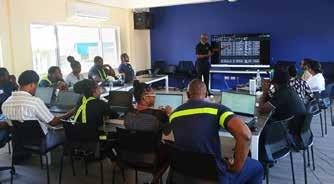
In an effort to promote work-life balance and create opportunities for relaxation and team bonding, CBG proudly introduced a new employee Games Room in 2025. The space was designed to provide staff with a comfortable and engaging environment where they can unwind during breaks and strengthen interpersonal relationships. The Games Room has been well received and has contributed positively to employee morale, collaboration, and overall workplace satisfaction.
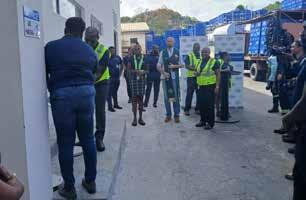
During the year, the organization experienced the unfortunate loss of a valued employee. In response, CBG coordinated grief counselling and emotional support services for members of the affected department. These sessions provided employees with a safe and supportive environment to process their loss, receive professional guidance, and support one another during a difficult period. The organization remains committed to prioritizing employee well-being and ensuring compassionate support is available when needed.
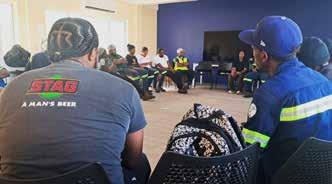
As we move forward into 2026, we will continue to build on the successes of 2025 by implementing initiatives that enhance training and development, employee engagement, well-being, and organizational culture. We remain committed to creating a supportive, inclusive, and productive workplace for all employees and strives to implement strategies that empower employees and contribute to the overall growth and success of CBG.

CBG BOARD
The Board’s role is to oversee the Company’s Management and to ensure the long-term value of the Company for its shareholders.
The Board recognizes that the long-term interests of shareholders is served by taking into account the interests of all stakeholders starting with our employees, customers, suppliers and the communities in which the Company’s businesses operate.
The Audit Committee is responsible for assisting the Board in fulfilling its oversight responsibilities for the Financial Reporting process, the System of Internal Control over Financial Reporting, the Audit process, and the Company’s process for monitoring compliance with Laws and Regulations.
This committee is charged with overseeing Managements enterprise risk policies and procedures and discussing the Company’s key risk exposures.
Throughout 2025, CARIB Brewery (Grenada)
Limited continued to demonstrate a strong commitment to regulatory adherence, corporate responsibility, and ethical business practices across its operations. As regulatory requirements continued to evolve within an increasingly dynamic business environment, the Company maintained a proactive and disciplined approach to compliance oversight and risk management.
During the year, emphasis was placed on enhancing internal compliance systems and strengthening the review and monitoring of legislative and regulatory developments impacting the Company’s operations. This supported the effective identification and management of potential risks while ensuring continued alignment with applicable laws, industry standards, and corporate governance requirements.
The Company also reinforced its commitment to integrity and accountability by promoting ethical behaviour, responsible decision-making, and compliance awareness throughout the organisation.
Looking ahead, the Company will focus on:
• Further strengthening governance and compliance controls across all operational areas
• Increasing the use of digital tools and automation to improve compliance monitoring, reporting, and risk mitigation processes
• Continuing to foster a workplace culture grounded in ethics, accountability, and responsible business conduct
• Enhancing employee training programmes through targeted and risk-focused compliance education initiatives
• Remaining responsive to emerging regulatory, environmental, technological, and industry developments that may impact operations and compliance obligations
• Supporting sustainable business practices through ongoing attention to environmental, health, safety, and quality assurance standards
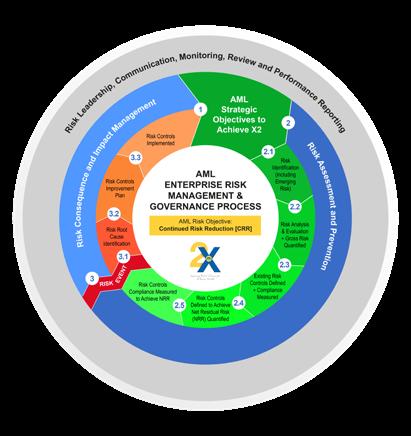
Enterprise Risk Management (“ERM”) continues to serve as a strategic enabler of growth and operational sustainability across CARIB Brewery (Grenada) Ltd and supports the broader risk management objectives of the ANSA McAL Group. The Company remains focused on driving value creation, operational resilience, and continuous improvement through effective risk management practices across all areas of the business.
During the year, the Company further reinforced its integrated approach to risk leadership by strengthening collaboration across Risk, Health, Safety and Environment (HSE), Security, Compliance, Quality Assurance, and Business Continuity functions. This integrated governance approach enhanced accountability and supported stronger risk management practices across critical operational areas.
As part of the wider ANSA McAL Group risk management strategy, the Company continued to advance its enterprise risk maturity through ongoing improvements in internal controls, risk reporting, and operational monitoring processes. Key areas of focus included continuous risk reduction, operational excellence, employee safety, environmental stewardship, and business resilience.
The Company remained committed to strengthening cybersecurity awareness and data protection practices across its operations, recognising the critical importance of safeguarding information assets, maintaining business continuity and protecting stakeholder trust in an increasingly digital environment.
At CARIB Brewery (Grenada) Limited, employees participated in extensive cybersecurity and data protection training conducted in collaboration with the ANSA McAL Group’s Information Technology Department. The training initiatives focused on enhancing employees’ understanding of cyber risks, safe digital practices and the importance of protecting confidential and sensitive information in the workplace.
The sessions covered key areas such as phishing awareness, password security, responsible data handling, email security and the identification of potential cyber threats. Employees were also guided on best practices for maintaining
secure systems and ensuring compliance with the Company’s data protection standards and policies.
In addition to internal training, employees were exposed to a series of webinars hosted by the ANSA McAL Group, which provided further insight into emerging cybersecurity trends, evolving digital threats and the growing importance of cyber resilience across modern organisations. These webinars encouraged proactive engagement and reinforced the shared responsibility of maintaining a secure and resilient digital environment.
Through these initiatives, the Company continued to foster a culture of cybersecurity awareness and accountability, empowering employees with the knowledge and tools needed to navigate digital risks responsibly. The programmes also reinforced the Company’s commitment to continuous learning, operational resilience and the protection of its technological infrastructure and business information.

CARIB Brewery (Grenada) Limited as part of the ANSA McAL Group remains committed to enforcing our Code of Ethics to maintain the highest levels of transparency, probity and accountability. In support of the Group’s Whistleblower Policy and Anti-Bribery and Anti-Corruption Policy, the ANSA McAL Group maintains a call centre and website for reporting
any breaches of these policies and, by extension, our Code of Ethics. This system is in direct alignment with United Nations Sustainable Development Goal 16 – Peace, justice and strong institutions, target 16.5 – to substantially reduce corruption and bribery in all their forms.
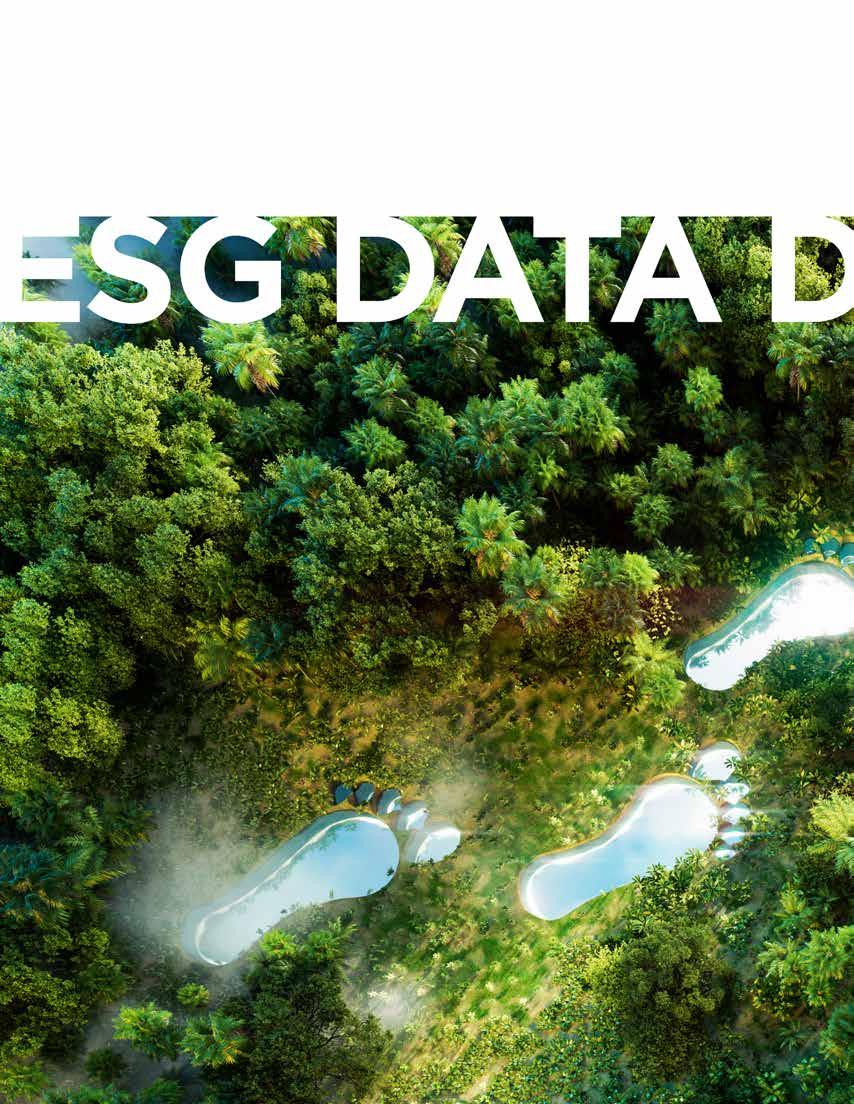


At CARIB Brewery (Grenada) Limited we value the positive impact we have on communities across Grenada.
At CARIB Brewery (Grenada) Limited, we recognize the importance of making a meaningful and lasting contribution to the communities in which we operate. Through our social investment initiatives, the Company continues to support organisations, programmes, and community-based activities across Grenada. By working closely with community stakeholders and partners, we aim to create positive social impact that extends beyond our business operations. In recent years, the Company has shifted towards a more strategic approach to social investment by building partnerships that promote sustainable and measurable outcomes. Our focus remains on supporting impactful initiatives, strengthening community relationships, and investing in programmes that contribute to national and community development. CARIB Brewery (Grenada) Limited will continue to support worthwhile causes while placing greater emphasis on collaboration, partnership, and long-term community impact.

At CARIB Brewery (Grenada) Limited, we believe that strong communities are the foundation of a stronger nation. As a proudly Grenadian company, our commitment extends far beyond the products we manufacture; it is rooted in empowering people, supporting youth development, preserving culture, and contributing to the overall growth and well-being of Grenada.
For many years, the Company has invested in meaningful partnerships and initiatives across
sports, education, culture, and community development. Through Star Malt, CARIB Brewery (Grenada) Limited has proudly served as the title sponsor of Grenada’s Secondary Schools Football Competition since 2023. The Company also supports Inter-Secondary School Sports, Waggy T Super 5 Football, and several community cricket and football programmes throughout the island. These initiatives create opportunities for young athletes to develop discipline, teamwork, leadership, and national pride.



Recognizing the importance of water safety in an island nation surrounded by beaches and rivers, the Company also supports national learn-to-swim programmes aimed at equipping young people with essential swimming and water safety skills.

CARIB Brewery (Grenada) Limited remains a strong supporter of Grenada’s cultural heritage and creative industries. The Company is proud to be a major sponsor of Grenada’s premier cultural festival, Spicemas, including sponsorship of a Monday Night Mas band. Support is also provided to cultural events and traditions such as Saraka, the Maroon Festival, and numerous other community cultural activities that celebrate Grenadian identity, heritage, and artistic expression.


The Company also supports Grenada’s national teams as they represent the country regionally and internationally and contributes to major sporting events hosted in Grenada, including the CARIFTA Games.
Education remains another key pillar of the Company’s philanthropic efforts. Since 2022, the Vita Malt TAMCC Scholarship Programme has provided both full and partial scholarships to students attending the T.A. Marryshow Community College, helping young Grenadians access higher education opportunities and build brighter futures for themselves and their families.
At CARIB Brewery (Grenada) Limited, we are proud to stand alongside the people and communities that continue to shape our nation. Every investment we make is guided by the belief that when Grenada prospers, we all grow together.





ANTHONY N. SABGA III CHAIRMAN
RON ANTOINE MANAGING DIRECTOR

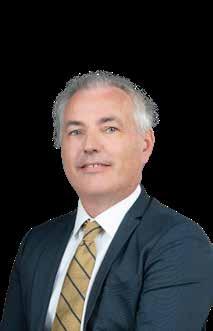
PETER J. HALL SECTOR HEAD – BEVERAGE DIRECTOR
ANDREW J. BIERZYNSKI CHAIRMAN OF AUDIT COMMITTEE INDEPENDENT DIRECTOR
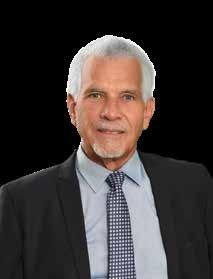

ADRIAN SABGA MANAGING DIRECTOR OF INTERNATIONAL AND BUSINESS DEVELOPMENT /DIRECTOR
AKASH RAGBIR DIRECTOR

ALDYN HENRY–BISHOP FINANCIAL COMPTROLLER COMPANY SECRETARY DIRECTOR

MARK A. WILKIN DIRECTOR

AVERNE PANTIN DBA BSMP/BSP MSC (DISTINCTION) MBA PMP BENG BSC MAPETT MPMI MBSI INDEPENDENT DIRECTOR
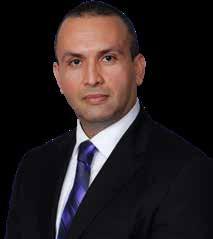
Anthony N. Sabga III
Group Chief, Executive Officer, Chairman, Board of Directors CARIB Brewery (Grenada) Limited
MR. ANTHONY N. SABGA Ill holds the position of Group Chief Executive Officer (CEO) of ANSA McAL Limited and Chairman of the Board of CARIB Brewery (Grenada) Limited.
Mr. Sabga holds a Bachelor of Science Degree in Economics from City University and a Masters in International Business Administration from Regents Business School, United Kingdom.
In 2001, Mr. Sabga started his early career at Trinidad Publishing Company (now known as Guardian Media Limited) as Promotions and Circulations Manager.
In 2003, he was appointed as the Executive at ANSA McAL’s Head Office with the focus on Strategic Development of the Group’s IT Infrastructure and the development and implementation of the Group’s Balanced Score Card and Strategic Management Frameworks. Mr. Sabga’s career included diverse portfolios as General Manager at Classic Motors and President of CARIB Beer USA.
As Group CEO, Mr. Sabga is accountable for the leadership of the Group’s Executive Team in providing long-term strategic vision to maintain the Group’s competitiveness and sustainability, while expanding and diversifying the business portfolio and geographic reach to ensure the agility necessary to embrace and respond to the business opportunities in the region and globally.
Ron Antoine Managing Director
MR. RON ANTOINE holds the position of Managing Director of CARIB Brewery (Grenada) Limited. He also served as Chairman of the Grenada Ports Authority.
Prior to Ron’s current role, he served as Chairman of both the National Insurance Board and Caribbean Brewers’ Association.
Ron is a member of both the CBA & MBAA, having joined in 2007 and also previously served as Chairman of the CBA.
Ron holds a Bachelor’s Degree in Mechanical Engineering from the University of the West Indies and a MBA in Accounting from Cornell University, USA.
Peter J. Hall
Sector Head - Beverage Director
MR. PETER J. HALL is the Sector Head –Beverage within the ANSA McAL Group of Companies. The Beverage Sector consists of four (4) owned and operated Breweries and an International (Export) business that develops the Carib® Brand in over 30 countries.
Prior to his current role, Peter was the President of Dean & DeLuca Consumer Brands, SVP Sales and Marketing for Heineken Americas, having joined Heineken in 2007. He also worked with Treasury Wine Estates (Beringer), Diageo and Marakon Associates. Peter holds a Bachelor’s Degree from the University of Melbourne, Australia and Master’s from Cambridge University, England.
Andrew J. Bierzynski Chairman Of Audit Committee Independent Director
MR. ANDREW J. BIERZYNSKI’s business career began in Insurance, with now defunct Carib Insurance Co. Ltd. At age 21 he was appointed to the Board of Directors. As a result of the political environment in the 1970s he emigrated to pursue other opportunities and worked in the Health Food Industry.
Returning to Grenada in 1979 he worked in the Automotive Industry with J. B. Hubbards, and then with G. F. Huggins in Marketing. In 1985 joined Renwick Thompson & Co. Ltd and established Best of Grenada Ltd., his main occupations to today, where he is Director and Managing Director respectively.
He has served in many capacities viz. formally a Director of the National Commercial Bank, several of his own Companies covering a range of diverse interests in LPG Distribution, Agricultural Goods, Chemicals, Household Cleaners, Financial Services, Liquor/Wine Distribution, Real Estate Development, Hospitality Services. Currently serving as a Director of the Grenada Building & Loan Association. He holds interests in several other Public/Private Companies.
He was educated at the GBSS and Mapps College Barbados.
Adrian Sabga Managing Director of International and Business Development
Director
MR. ADRIAN SABGA currently holds the position of Managing Director of International and Business Development at CARIB Brewery (Grenada) Limited. He is charged with managing all export markets (currently 33 and growing) as well as managing all business development prospects which encompasses both organic and inorganic growth opportunities. Before this, he also led the innovation team and had the pleasure of launching some of CARIB Breweries most exciting innovations like CARIB Blue, Caribé, Hurricane Reef, and Rockstone to name a few.
Mr. Sabga holds a Master of Science, MSc–Management, Information System & Innovation from the London School of Economics and Political Science, and a BSc in Management and Economics from the University of West of England.
Akash Ragbir Director
MR. AKASH RAGBIR has been working in the Brewing Industry for the past 29 years.
He started his career at CARIB Brewery Trinidad in 1992 and has worked in a number of management positions across all areas of a Brewery. He holds a B.Sc. in Biochemistry and an M.Sc. in Production and Operations Management from the University of the West Indies and is a qualified Brewmaster having pursed Brewing Studies in USA, UK and Germany.
He previously held senior management positions in the brewing industry in Jamaica and Barbados and in 2017 re-joined the ANSA McAL family as the Sector Supply Chain Director for the Beverage Sector of the ANSA McAL Group.
Aldyn Henry-Bishop
Financial Comptroller
Company Secretary Director
MRS. ALDYN HENRY–BISHOP holds the position of Chief Financial Officer at CARIB Brewery (Grenada) Limited with over 20 years experience in Finance and Accounting.
She holds a Bachelors of Science Degree (Hons.) in Management from the University of the West Indies, Cave Hill Campus, a Fellow Member of Association of Chartered Certified Accountants and possess a Masters of Business Administration with specialization in Strategic Planning from Edinburgh Business School, Heriot-Watt University. Mrs. Henry-Bishop is also an Accredited Director through the Chartered Governance Institute of Canada. She also served for over 5 years as a Director of Sissons Paints Grenada Limited and Chairperson of their Audit Committee and is currently a Director of the Grenada Investment Development Corporation.
Mark A. Wilkin Director
MR. MARK A. WILKIN is the Managing Director of CARIB Brewery (St. Kitts and Nevis) Ltd. for the past 20 years. He also sits as a Non-Executive Director of S. L. Horsford and Co. Limited (A diversified trading Co) and a Director of St. Kitts Developments Limited (Land development Co). Prior to his current role, Mark was an Executive Director S. L. Horsford & Co Ltd, Basseterre, St Kitts.
Mark is currently Chairman of the Manufacturing Division of the St Kitts – Nevis Chamber of Industry and Commerce (SKNCIC). He was President of the SKNCIC from 2008 to 2010 and has served as a Chamber Director and Allied Director of St Kitts – Nevis Hotel and Tourism Association for many years.
Mark is a member of both the CBA and MBAA, having joined both in 2003. He also served as Chairman of the CBA in 2007/2008 and President of the MBAA in 2007 and 2017.
He holds a Bachelor’s Degree (BA) from the University of Western Ontario, Canada and a Master’s (MBA) from University of Keele, England.
Dr. Averne Pantin
DBA BSMP, BSP MSC (DISTINCTION)
MBA PMP BENG BSC MAPETT MPMI MBSI
Independent Director
DR. AVERNE PANTIN has a proven executive management track record with over 30 years of experience driving growth and development in areas of strategic manufacturing, engineering and port management.
Before the world of logistics, Dr. Pantin once headed all green, brown field and turnaround operational type projects for Brauhaase International Management GmbH, Germany. Such projects were undertaken regionally, in Africa, Asia and South Pacific.
Dr. Pantin presently serves as Director and Council Advisor for the Beverage and Real Estate Development Sectors of the ANSA McAL Group of Companies. He is also a part-time Lecturer at the University of the West Indies for Graduate Studies in the field of Supply Chain Management. He is a senior member of the Association of Professional Engineers of Trinidad and Tobago, a member of the Project Management Institute, Trinidad Charter, and a Global Partner for Balance Score Card Institute, USA.
RON ANTOINE MANAGING DIRECTOR

RONIQUE MARSHALL MARKETING MANAGER

ALDYN HENRY-BISHOP CHIEF FINANCIAL OFFICER COMPANY SECRETARY

TRAVIS HEUTON BRAND MANAGER

DELANO PASEA OPERATIONS MANAGER

SIGMUND BAIN TRADE MARKETING MANAGER

MELISSA JAMES HUMAN RESOURCE MANAGER

CLIVE FREDERICK TRADE MARKETING MANAGER

ALANA WILSON QUALITY ASSURANCE MANAGER

RHONDELLE HARPER EXECUTIVE ASSISTANT

CECIL FRANCIS JR. ASSISTANT PLANT ENGINEER

PAULA LAMBERT LOGISTICS MANAGER

ALEXANDER DOMINGEZ-RAMON ASSISTANT PLANT ENGINEER

LOU MITCHELL SALES MANAGER

MALIKA CRICHTON-HENRY PACKAGING MANAGER

THOMAS HR OFFICER

Board of Directors
Mr. Anthony N. Sabga III (Chairman)
Mr. Peter Hall (Beverage Sector Head)
Mr. Ron Antoine (Managing Director)
Mrs. Aldyn Henry-Bishop (Financial Comptroller/Company Secretary Accr. Director)
Mr. Andrew Bierzynski (Chairman of Audit Committee Independent Director)
Mr. Mark Wilkin
Dr. Averne Pantin (Independent Director)
Mr. Adrian Sabga
Mr. Akash Ragbir
Audit Committee
Mr. Andrew Bierzynski (Chairman)
Mr. Ron Antoine
Dr. Averne Pantin
Secretary/Financial Comptroller
Mrs. Aldyn Henry-Bishop – BSc. (Hons), FCCA, MBA , Accr. Director
Registered Office Grand Anse, St. George, Grenada, West Indies.
Auditors
PKF Accountants and Business Advisers Grand Anse, St. George, Grenada.
Bankers
Grenada Co-operative Bank Limited, Church Street, St. George’s, Grenada.
ACB Grenada Bank Ltd Grand Anse, St. George, Grenada.
Solicitors
Mitchell & Co. Units 14–16 Excel Plaza Grand Anse, St. George’s, Grenada.
Registrars and Transfer Office
Aldyn Henry-Bishop, Company Secretary CARIB Brewery (Grenada) Limited Grand Anse, St. George, Grenada.
The Directors have pleasure in presenting their Report to the Members together with the Financial Statements for the year ended December 31, 2025
RESULTS FOR THE YEAR 2025
$000
Attributable to Shareholders of the Company 8,772
(2025 Final) (10,387)
Subsequent to year end, a ordinary dividend of $1.06 per share in respect of 2025 was declared by the Directors. These would be paid on 26th June, 2026, to Shareholders on the Register of Ordinary Members on 5th June, 2026
DIRECTORS
The Directors listed on pages 64 and 65 served during the year.
In accordance with By-Law No 1 Section 4.5, Mrs. Aldyn Henry-Bishop and Mr. Andrew Bierzynski are the Directors retiring by rotation and being eligible, offer themselves for re-election.
The Auditors Messrs. PKF Accountants and Business Advisers have expressed their willingness to continue in office.
On behalf of the Board
Aldyn Henry-Bishop Company Secretary 27th April, 2026
According to the Company’s Register, the interests of the Directors on the dates indicated are as follows:
The following companies held more than 5% of the stated capital of the Company:
2,307,068
CARIB Brewery (Grenada) Limited (“the Company”) wishes to advise its shareholders that the Sixtysixth Annual Meeting of the Company will be held at the Greenery Room, Radisson Grenada Beach Resort, Grand Anse, St. George on Friday, 26th June, 2026 from 4:30 pm for the following purposes:
1. To receive and consider the Audited Financial Statements for the year ended 31st December, 2025 and the Reports of the Directors and Auditors thereon.
2. To re-elect Directors.
3. To re-appoint Auditors and authorize the Directors to fix their remuneration.
All shareholders are required to follow Radisson Grenada’s established protocols and any other protocols that may be in effect at the time of the meeting.
The 2025 Annual Report can be viewed electronically at www.ansamcal.com.
Dated this 27th April, 2026
Aldyn Henry-Bishop Company Secretary
1. In accordance with Section 108 (1) and (2) of the Companies Act #35 of 1994, the Directors have fixed 5th June, 2026 as the record date for determining the Shareholders who are entitled to receive dividend payments for the period ending 31st December, 2025 and notice of the Annual Meeting for the period ended 31st December, 2025. Only Shareholders on record at the close of business on 5th June, 2026 are therefore entitled to receive such. A list of such Shareholders will be available for examination by the Shareholders at the Company’s Registered Office during usual business hours and at the Annual Meeting.
2. A Shareholder entitled to attend the Annual Meeting and vote is entitled to appoint one or more proxies to attend and vote instead of him/her; a proxy need not be a Shareholder. Attached is a Proxy Form for your convenience which must be completed and signed in accordance with the Notes on the Proxy Form and then deposited with the Company Secretary at the Registered Office of the Company no later than 48 hours before the time appointed for holding the meeting.
3. The Transfer Books and Register of members will be closed from 5th June, 2026 – 26th June, 2026, inclusive.
The Company Secretary CARIB Brewery (Grenada) Limited P. O. Box 202 Grand Anse, St. George’s Grenada
Sixty-sixth Annual Meeting of CARIB Brewery (Grenada) Limited to be held on Friday 26th June, 2026 at 4.30pm at the Grenada Room, Radisson Grenada Beach Resort, Grand Anse, St. George, Grenada.
I/We
(Name of Shareholder/s) (Block Letters) of (Address) (Block Letters)
Shareholder(s) of the above Company, hereby appoint Mr. Anthony N. Sabga III Chairman or failing him,
(Name of Proxy) of (Address of Proxy)
as my/our proxy to vote for me/us on my/our behalf at the above meeting and any adjournment thereof as indicated below on the resolutions to be proposed in the same manner, to the same extent and with the same powers as if I/we were present at the said meeting or such adjournment or adjournments thereof.
Please indicate with an “X” in the spaces below how you wish your Proxy to vote in the Resolutions referred to. If no such indication is given the proxy will exercise his discretion as to how he votes or whether he abstains from voting.
RESOLUTIONS
ORDINARY RESOLUTIONS FOR AGAINST
1. The Audited Financial Statements of the Company for the year ended December 31, 2025 and the Reports of the Directors and Auditors thereon be adopted.
2. In accordance with By-Law No. 1 Section 4.5, each of the following persons who retire and being eligible be and each of them hereby is re-elected as a Director of the Company: i. Mrs. Aldyn Henry–Bishop ii. Mr. Andrew J. Bierzynski
ORDINARY RESOLUTIONS FOR AGAINST
3. PKF Accountants and Business Advisers be re-appointed Auditors of the Company and the Directors be authorized to fix their remuneration for the ensuing year.
Dated this day of 2026
Signature of Shareholder Name in block letters
NOTES:
4. If it is desired to appoint as a proxy a person other than those named on the form, delete as necessary and insert the name and address of the person appointed.
5. If the shareholder is a corporation, this Proxy Form must be under its common seal or under the hand of some officer or attorney duly authorised in writing.
6. A shareholder that is a corporate body may, in lieu of appointing a proxy, authorise an individual by resolution of its directors or governing body to represent it at this Annual Meeting.
7. In the case of a joint shareholder, the signature of one joint shareholder is sufficient, but the names of all joint shareholders should be stated.
8. If the Proxy Form is returned without any indication as to how the person appointed shall vote, the proxy will exercise his/her discretion as to how he/she votes or whether he/she abstains from voting.
9. Any alteration made to this form of proxy must be initialled
10. To be valid, this Proxy Form must be completed and deposited at the Registered office of the Company, at the address below not less than 48 hours before the time for holding the Annual Meeting or adjournment meeting.
RETURN TO:
The Company Secretary CARIB Brewery (Grenada) Limited
P. O. Box 202 Grand Anse, St. George’s Grenada



Opinion
We have audited the financial statements of Carib Brewery (Grenada) Limited (‘the Company’) which comprise the statement of financial position as at 31 st December, 2025, and the statement of comprehensive income, statement of changes in equity and the statement of cash flows for the year then ended and notes to the financial statements, including a summary of material accounting policies.
In our opinion, the accompanying financial statements present fairly, in all material respects, the financial position of the Company as at 31st December, 2025 and its financial performance and its cash flows for the year then ended in accordance with International Financial Reporting Standards (“IFRSs”).
We conducted our audit in accordance with International Standards on Auditing (“ISAs”). Our responsibilities under those standards are further described in the Auditors’ Responsibilities for the Audit of the Financial Statements section of our report. We are independent of the Company in accordance with the ethical requirements that are relevant to our audit of the financial statements in Grenada, and we have fulfilled our other ethical res ponsibilities in accordance with these requirements. We believe that the audit evidence we have obtained is sufficient and appropriate to provide a basis for our opinion.
Other information consists of the information included in the Company’s 20 25 Annual Report, other than the financial statements and our auditor’s report thereon. Management is responsible for the other information.
Our opinion on the financial statements does not cover the other information and we will not express any form of assurance conclusion thereon.

on the Audit of the Financial Statements (continued)
Other information included in the Company’s 2025 Annual Report (continued)
In connection with our audit of the financial statements, our responsibility is to read the other information identified above when it becomes available and, in doing so, consider whether the other information is materially inconsistent with the financial statements or our knowledge obtained in the audit or otherwise appears to be materially misstated.
Management is responsible for the preparation and fair presentation of the financial statements in accordance with IFRSs, and for such internal control as management determines is necessary to enable the preparation of financial statements that are free from material misstatement, whether due to fraud or error.
In preparing the financial statements, management is responsible for assessing the Company’s ability to continue as a going concern, disclosing, as applicable, mat ters related to going concern and using the going concern basis of accounting unless management either intends to liquidate the Company or to cease operations, or has no realistic alternative but to do so.
The Audit Committee is responsible for overseeing the Company’s financial reporting process.
Our objectives are to obtain reasonable assurance about whether the financial statements as a whole are free from material misstatement, whether due to fraud or error, and to issue an auditor’s report that includes our opinion.
Reasonable assurance is a high level of assurance but is not a guarantee that an audit conducted in accordance with ISAs will always detect a material misstatement when it exists. Misstatements can arise from fraud or error and are considered material if, individually or in the aggregate, they could reasonably be expected to influence the economic decisions of users taken on the basis of these financial statements
As part of an audit in accordance with ISAs, we exercise professional judgment and maintain professional skepticism throughout the audit. We also:
▪ Identify and assess the risks of material misstatement of the financial statements, whether due to fraud or error, design and perform audit procedures responsive to those risks, and obtain audit evidence that is sufficient and appropriate to provide a basis for our opinion. The risk of not detecting a material misstatement resulting from fraud is higher than for one resulting from error, as fraud may involve collusion, forgery, intentional omissions, misrepresentations, or the override of internal control.
AUDITOR’S REPORT TO THE SHAREHOLDERS OF
Report on the Audit of the Financial Statements (continued)
Auditor’s Responsibility for the Audit of the Financial Statements (continued)
▪ Obtain an understanding of internal control relevant to the audit in order to design audit procedures that are appropriate in the circumstances, but not for the purpose of expressing an opinion on the effectiveness of the Company’s internal control.
▪ Evaluate the appropriateness of accounting policies used and the reasonableness of accounting estimates and related disclosures made by management.
▪ Conclude on the appropriateness of management’s use of the going concern basis of accounting and, based on the audit evidence obtained, whether a material uncertainty exists related to events or conditions that may cast significant doubt on the Company’s ability to continue as a going concern. If we conclude that a material uncertainty exists; we are required to draw attention in our auditor’s report to the related disclosures in the financial statements or, if such disclosures are inadequate, to modify our opinion. Our conclusions are based on the audit evidence obtained up to the date of our auditor’s report. However, future events or conditions may cause the Company to cease to continue as a going concern.
▪ Evaluate the overall presentation, structure and content of the financial statements, including the disclosures, and whether the financial statements represent the underlying transactions and events in a manner that achieves fair presentation.
We communicate with the Audit Committee regarding, among other matters, the planned scope and timing of the audit and significant audit findings, including any significant deficiencies in internal control that we identify during our audit.

March 31st, 2026 Accountants &
OF FINANCIAL POSITION AT 31ST DECEMBER, 2025 (Expressed in thousands of Eastern Caribbean
accompanying

30,472
4,155 571 44,371 49,097 3,390 8,337 1,971 3,53713,845 17,235 $66,332

STATEMENT OF COMPREHENSIVE INCOME FOR THE YEAR ENDED 31ST DECEMBER, 2025 (Expressed in thousands of Eastern Caribbean
75,023 (50,180) 24,843 (5,367) (10,421) 1,322 (14,466) 10,377 (2,505) (452) (2,957) $7,420 The accompanying notes form an integral
STATEMENT OF CHANGES IN EQUITY FOR THE YEAR ENDED 31st DECEMBER, 2025 (Expressed in thousands of Eastern Caribbean Dollars)
Balance at 1st January, 2024
Dividends paid
Net profit for the year after taxation
Balance at 31st December, 2024
Dividends paid
Net profit for the year after taxation
The accompanying notes form an integral part of these financial statements
(6,232) 7,420 49,097 (10,387) 8,772 $47,482
STATEMENT OF CASH FLOWS FOR THE YEAR ENDED 31ST DECEMBER, 2025 (Expressed in thousands of Eastern Caribbean Dollars)
OPERATING ACTIVITIES
Net profit for the year before taxation
Adjustment for:
Gain on disposal of property, plant and equipment
Operating profit before working capital changes
Decrease/(increase) in inventories
Increase in trade and other receivables
Decrease in amount due from Ansa McAl Group of Companies
Increase in investment securities
Increase in past service benefits liability
Increase/(decrease) in trade and other payables
Increase/(decrease) in provision for repayment of deposits on cases
Increase in amount due to Ansa McAl Group of Companies
Decrease in due from related party
FINANCING
Note
(10,387) 5,886 4,981 $10,867 2024 10,377 8,140 63 (33) 18,547 (2,672) (812) 89222 (737) (321) 1,747 428 16,491 (4,453) 12,038 33 (8,895) (102) (8,964) (6,232) (6,232) (3,158) 8,139 $4,981 The accompanying notes form an integral part of these financial statements
NOTES TO THE FINANCIAL STATEMENTS FOR THE YEAR ENDED 31ST DECEMBER, 2025
(Expressed in thousands of Eastern Caribbean Dollars)
Carib Brewery (Grenada) Limited (formerly Grenada Breweries Limited) was incorporated in Grenada on 27th July, 1960 The Company was issued a certificate of continuance under Section 365 of the Company’s Act. The Company’s registered office and principal place of business is Maurice Bishop Highway, St. George’s, Grenada
The Company’s principal activities are the brewing, bottling and distribution of Beers, Stout, Maltas and Soft Drinks.
Carib Brewery (Grenada) Limited (formerly Grenada Breweries Limited) is a subsidiary of the Ansa McAl Group of Companies, which owns 55.54% of the ordinary share capital of the Company.
Ansa McAl Limited is incorporated in the Republic of Trinidad and Tobago and is a diversified public conglomerate which is listed on the Trinidad and Tobago Stock Exchange. The Company’s registered office is 11 Maraval Road, Port of Spain, Trinidad.
During the year the Company employed on average two hundred and sixty-five (265) persons (2024-265)
The principal accounting policies adopted in the preparation of these financial statements are set out below. These policies have been consistently applied to the years presented, unless otherwise stated.
a)
These financial statements have been prepared in accordance with International Financial Reporting Standards (IFRS). The financial statements have been prepared under the historical cost convention modified by the revaluation of land and buildings.
The preparation of financial statements in conformity with IFRS requires the use of certain critical accounting estimates. It also requires management to exercise its judgment in the process of applying the Company's accounting policies. The areas involving a higher degree of judgment or complexity, or areas where assumptions and estimates are significant to the financial statements are disclosed in Note 3.
NOTES TO THE FINANCIAL STATEMENTS FOR THE YEAR ENDED 31ST DECEMBER, 2025 (Expressed in thousands of Eastern Caribbean Dollars) (continued)
(continued)
(b) Changes in accounting policies and disclosures
(i) New Accounting Standards, Amendments and Interpretations adopted
The accounting policies adopted in the preparation of the financial statements are consistent with those followed in the preparation of the Company’s annual financial statements for the year ended 31 December, 2024 except for the adoption of new standards and interpretations below.
Amendments to IAS 21 – Lack of exchangeability (effective 1 January 2025)
In August 2023, the Board issued lack of exchangeability (Amendments to IAS 21).
The amendments to IAS 21 - The Effects of Changes in Foreign Exchange Rates specifies how an entity should assess whether a currency is exchangeable and how it should determine a spot exchange rate when exchangeability is lacking.
A currency is considered to be exchangeable into another currency when an entity is able to obtain the other currency within a time frame that allows for a normal administrative delay and through a market or exchange mechanism in which an exchange transaction would create enforceable rights and obligations.
If a currency is not exchangeable into another currency, an entity is required to estimate the spot exchange rate at the measurement date. An entity’s objective in estimating the spot exchange rate is to reflect the rate at which an orderly exchange transaction would take place at the measurement date between market participants under prevailing economic conditions. The amendments note that an entity can use an observable exchange rate without adjustment or another estimation technique.
When an entity estimates a spot exchange rate because a currency is not exchangeable into another currency, it discloses information that enables users of its financial statements to understand how the currency not being exchangeable into the other currency affects, or is expected to affect, the entity’s financial performance, financial position and cash flows.
When applying the amendments, comparative information is not restated.
This amendment had no impact on the Company.
Amendments to the SASB standards to enhance their international applicability (effective 1 January 2025)
The amendments remove and replace jurisdiction-specific references and definitions in the SASB standards, without substantially altering industries, topics or metrics.
These amendments had no impact on the Company.
NOTES TO THE FINANCIAL STATEMENTS FOR THE YEAR ENDED 31ST DECEMBER, 2025 (Expressed in thousands of Eastern Caribbean Dollars) (continued)
(continued)
(b) Changes in accounting policies and disclosures (continued
(ii) Standard in issue not yet affected
The following is a list of standards and interpretations that are not yet effective up to the date of issuance of the Company’s financial statements. These standards and interpretations may be applicable to the Company at a future date and will be adopted when they become effective. The Company is currently assessing the impact of adopting these standards and interpretations.
Amendments to IFRS 9 and IFRS 7 – Classification and Measurement of Financial Instruments (effective 1 January 2026)
In May 2024, the Board issued Amendments to the Classification and Measurement of Financial Instruments (Amendments to IFRS 9 and IFRS 7), which:
Clarifies that a financial liability is derecognised on the ‘settlement date’, i.e., when the related obligation is discharged, cancelled, expires or the liability otherwise qualifies for derecognition. It also introduces an accounting policy option to derecognise financial liabilities that are settled through an electronic payment system before settlement date if certain conditions are met;
Clarified how to assess the contractual cash flow characteristics of financial assets that include environmental, social and governance (ESG)-linked features and other similar contingent features;
Clarifies the treatment of non-recourse assets and contractually linked instruments;
Requires additional disclosures in IFRS 7 for financial assets and liabilities with contractual terms that reference a contingent event (including those that are ESG-linked), and equity instruments classified at fair value through other comprehensive income.
The new requirements will be applied retrospectively with an adjustment to opening retained earnings. Prior periods are not required to be restated and can only be restated without using hindsight. An entity is required to disclose information about financial assets that change their measurement category due to the amendments.
NOTES TO THE FINANCIAL STATEMENTS FOR THE YEAR ENDED 31ST DECEMBER, 2025 (Expressed in thousands of Eastern Caribbean Dollars) (continued)
(continued)
(b) Changes in accounting policies and disclosures (continued)
(ii) Standards in issue not yet effective (continued)
Amendments to IFRS 9 and IFRS 7 - Contracts Referencing Nature-dependent Electricity (effective 1 January 2026)
In December 2024, the Board issued Contracts Referencing Nature -dependent Electricity (Amendments to IFRS 9 and IFRS 7). The amendments:
Update the ‘own-use’ requirements for in-scope contracts. Under the amendments, the sale of unused nature-dependent electricity will be in accordance with an entity’s expected purchase or usage requirements, if specified criteria are met;
Amend the designation requirements for a hedged item in a cash flow hedging relationship for in-scope contracts. The amendments will allow an entity to designate a variable nominal volume of forecast electricity transactions as a hedged item, if specified criteria are met;
Add new disclosure requirements to enable investors to understand the effect of these contracts on a company’s financial performance and cash flows. IFRS 7 has been amended to require specific disclosures relating to contracts that have been excluded from the scope of IFRS 9 as a result of the amendments.
The amendments only apply to contracts that reference nature-dependent electricity. These are contracts that expose an entity to variability in an underlying amount of electricity because the source of electricity generation depends on uncontrollable natural conditions, typically associated with renewable electricity sources such as sun and wind.
The amendments relating to the own-use exception must be applied retrospectively. An entity is not required to restate prior periods, and it is only permitted to do so if this can be done without using hindsight.
The hedge accounting amendments must be applied prospectively to new hedging relationships designated on or after the date of initial application.
The IFRS 7 disclosure amendments must be applied when the IFRS 9 amendments are applied. If an entity does not restate comparative information, then the entity must not present comparative disclosures.
NOTES TO THE FINANCIAL STATEMENTS FOR THE YEAR ENDED 31ST DECEMBER, 2025 (Expressed in thousands of Eastern Caribbean Dollars) (continued)
(continued)
(b) Changes in accounting policies and disclosures (continued)
(ii) Standards in issue not yet effective (continued)
IFRS 18 – Presentation and Disclosure in Financial Statements (effective 1 January 2027)
In April 2024, the Board issued IFRS 18 Presentation and Disclosure in Financial Statements which replaces IAS 1 Presentation in Financial Statements. IFRS 18 introduces new categories and subtotals in the statement of profit or loss. It also requires disclosure of management -defined performance measures (as defined) and includes new requirements for the location, aggregation and disaggregation of financial information.
An entity will be required to classify all income and expenses within its statement of profit or loss into one of five categories: operating; investing; financing; income taxes; and discontinued operations. In addition, IFRS 18 requires an entity to present subtotals and totals for ‘operating profit or loss’, ‘profit or loss before financing and income taxes’ and ‘profit or loss’.
IFRS 18 introduces the concept of a management -defined performance measure (MPM) which it defines as a subtotal of income and expenses that an entity uses in public communications outside financial statements, to communicate management’s view of an aspect of the financial performance of the entity as a whole to users. IFRS 18 requires disclosure of information about all of an entity’s MPMs within a single note to the financial statements and requires several disclosures to be made about each MPM, including how the measure is calculated and a reconciliation to the most comparable subtotal specified by IFRS 18 or another IFRS accounting standard.
IFRS 18 must be applied retrospectively.
IFRS 19 - Subsidiaries without Public Accountability: Disclosures (effective 1 January, 2027)
In May 2024, the Board issued IFRS 19 Subsidiaries without Public Accountability: Disclosures, which allows eligible entities to elect to apply reduced disclosure requirements while still applying the recognition, measurement and presentation requirements in other IFRS accounting standards. Unless otherwise specified, eligible entities that elect to apply IFRS 19 will not need to apply the disclosure requirements in other IFRS accounting standards.
NOTES TO THE FINANCIAL STATEMENTS FOR THE YEAR ENDED 31ST DECEMBER, 2025 (Expressed in thousands of Eastern Caribbean Dollars) (continued)
2. SUMMARY OF MATERIAL ACCOUNTING POLICIES (continued)
(b) Changes in accounting policies and disclosures (continued)
(ii) Standards in issue not yet effective (continued)
IFRS 19 - Subsidiaries without Public Accountability: Disclosures ( effective1 January 2027) (continued)
An entity applying IFRS 19 is required to disclose that fact as part of its general IFRS accounting standards compliance statement. IFRS 19 requires an entity whose financial statements comply with IFRS accounting standards including IFRS 19 to make an explicit and unreserved statement of such compliance.
An entity may elect to apply IFRS 19 if at the end of the reporting period:
It is a subsidiary as defined in IFRS 10 Consolidated Financial Statements;
It does not have public accountability; and
It has a parent (either ultimate or intermediate) that prepares consolidated financial statements, available for public use, which comply with IFRS accounting standards.
An entity has public accountability if:
Its debt or equity instruments are traded in a public market, or it is in the process of issuing such instruments for trading in a public market; or
It holds assets in a fiduciary capacity for a broad group of outsiders as one of its primary businesses (i.e., not for reasons incidental to its primary business).
If an eligible entity chooses to apply the standard earlier, it is required to disclose that fact. An entity is required, during the first period (annual and interim) in which it applies the standard, to align the disclosures in the comparative period with the disclosures included in the current period under IFRS 19, unless IFRS 19 or another IFRS accounting standard permits or requires otherwise.
IFRS S2 - Amendments to Greenhouse Gas Emissions Disclosures (Effective 1 January 2027)
The amendments to IFRS S2 aim at supporting entities applying the standard by reducing the complexity, risk of potential duplication of reporting and related costs of applying specific requirements in the standard.
NOTES TO THE FINANCIAL STATEMENTS FOR THE YEAR ENDED 31ST DECEMBER, 2025 (Expressed in thousands of Eastern Caribbean Dollars) (continued)
(b) Changes in accounting policies and disclosures (continued)
(continued)
(iii) Improvements to International Financial Reporting Standards
The annual improvements process for the IASB deals with non -urgent but necessary clarifications and amendments to IFRS.
Annual improvements to IFRS Accounting Standards -Volume 11
The following amendments are applicable to annual periods beginning on or after 1 January 2026.
IFRS – Subject of Amendment
IFRS 1 First-time Adoption of International Financial Reporting Standards –Hedge Accounting by a First-Time Adopter.
IFRS 7 Financial Instruments: Disclosures – Gain or Loss on Derecognition.
IFRS 7 Financial Instruments: Disclosures – Guidance on implementing Introduction, Disclosures of Deferred Difference Between Fair Value and Transaction Price and Credit Risk Disclosures.
IFRS 9 Financial Instruments – Lessee Derecognition of Lease Liabilities.
IFRS 9 Financial Instruments – Transaction Price.
IFRS 10 Consolidated Financial Statements – Determination of a ‘De Facto Agent’.
IAS 7 Statement of Cash Flows – Cost Method.
(c) Property, plant and equipment
Some items of property, plant and equipment are stated at valuation less subsequent depreciation. The others are stated at cost less accumulated depreciation.
Subsequent costs are included in the assets carrying amounts or are recognised as a separate asset, as appropriate, only when it is probable that future economic benefits associated with the item will flow to the company and the cost of the item can be measured reliably. All other repairs and maintenance are charged to the statement of comprehensive income during the financial period in which they are incurred.
NOTES TO THE FINANCIAL STATEMENTS FOR THE YEAR ENDED 31ST DECEMBER, 2025 (Expressed in thousands of Eastern Caribbean Dollars) (continued)
(continued)
(c) Property, plant and equipment (continued)
Increases in the carrying amount arising on revaluation of land and buildings are credited to revaluation surplus in equity. Decreases that offset previous increases of the same asset are charged against the surplus directly in equity; all other decreases are charged to the statement of comprehensive income.
Land is not depreciated. Depreciation on other assets is calculated using the straight -line method to allocate their cost or revalued amounts to their residual values over their estimated useful lives. The rates used are as follows:
The assets’ residual values and useful lives are reviewed and adjusted if appropriate, at each statement of financial position date. An asset’s carrying amount is written down immediately to its recoverable amount if the asset’s carrying amount is greater than its estimated recoverable amount.
Gains and losses on disposals are determined by comparing proceeds with carrying amounts. These are included in the statement of comprehensive income. When revalued assets are sold, the amounts included in revaluation surplus are transferred to retained earnings.
NOTES TO THE FINANCIAL STATEMENTS FOR THE YEAR ENDED 31ST DECEMBER, 2025 (Expressed in thousands of Eastern Caribbean Dollars) (continued)
(continued)
(d) Inventories
Inventories are valued as follows:
1) Raw materials and general stocks
2) Consumable stores
3) Work-in-progress
4) Finished products
- The lower of cost and net realizable value.
- The lower of cost and net realizable value on a first-in, first-out basis.
- Raw material costs, direct labour and overheads incurred in brewing,
- Raw material costs, direct labour and overheads incurred in brewing, bottling and packaging
- Suppliers’ invoiced cost.
5) Goods in transit
Adequate provision has been made for slow-moving and obsolete items.
(e) Returnable bottles and crates in circulation
The provision is based on the number of bottles and crates in circulation at the end of the financial year.
(f)) Foreign currencies
Transactions in foreign currencies are recorded at the rate ruling at the date of the transaction. Monetary assets and liabilities denominated in foreign currencies are retranslated at the rate of exchange ruling at the date of the statement of financial position. The resulting profits and losses are dealt with in the statement of comprehensive income. There are no foreign currency borrowings.
NOTES TO THE FINANCIAL STATEMENTS FOR THE YEAR ENDED 31ST DECEMBER, 2025 (Expressed in thousands of Eastern Caribbean Dollars) (continued)
The Company provides, to all employees who are members of the Technical and Allied Workers’ Union (TAWU), a past service benefit payable at the end of employment. This is charged against profit on a systematic basis over the employees’ period of employment with the Company. The benefit is calculated on a monthly basis by applying a percentage of current salary levels and is accrued in non-current liabilities.
The Company operates an employee profit sharing scheme and the amount to be distributed to employees each year is based on the terms outlined in the union agreement. Employees receive their profit share in cash. The Company accounts for the profit share as an expense, through the statement of comprehensive income.
Cash and cash equivalents comprise of cash on hand and at bank and short -term demand deposits with original maturity of three (3) months or less.
Trade receivables are amounts due from customers for merchandise sold or services performed in the ordinary course of business. If collection is expected in one year or less, they are classified as current assets. If not, they are presented as non-current assets.
Trade and other receivables are recognized initially at fair value and subsequently measured at amortized cost using the effect interest method, less provision for expected credit loss. The Company uses a provision matrix to calculate expected credit loss (ECL) for trade receivables.
(k)
Financial instruments are contracts that give rise to a financial asset of one entity and a financial liability or equity instrument of another entity.
NOTES TO THE FINANCIAL STATEMENTS FOR THE YEAR ENDED 31ST DECEMBER, 2025 (Expressed in thousands of Eastern Caribbean Dollars) (continued)
(i) Recognition and measurement
All regular way purchases and sales of financial assets are recognised or derecognised on the trade date that is the date on which the company commits itself to purchase or sell an asset. A regular way purchase and sale of financial assets is a purchase or sale of an asset under a contract whose terms require delivery of the asset within the time frame established generally by regulation or convention in the market -place concerned.
measurement
The classification of financial instruments at initial recognition depends on their contractual terms and the business model for managing the instruments. Financial instruments are initially measured at their fair value, except in the case of financial assets and financial liabilities recorded at fair value through profit or loss (FVPL) whereby transaction costs are added to, or subtracted from, this amount. Trade receivables are measured at transaction price.
Subsequent measurement categories of financial assets and liabilities
The Company classifies all it’s financial assets based on the business model for managing the assets and the asset’s contractual terms.
The Company classifies its financial assets at amortised cost except equity which is at fair value through profit and loss.
Financial assets are measured at amortized cost if both of the following conditions are met:
• The financial asset is held within a business model with the objective to hold financial assets in order to collect contractual cash flows and
• The contractual terms of the financial asset give rise on specified dates to cash flows that are solely payments of principal and interest (SPPI) on the principal amount outstanding.
NOTES TO THE FINANCIAL STATEMENTS FOR THE YEAR ENDED 31ST DECEMBER, 2025 (Expressed in thousands of Eastern Caribbean Dollars) (continued)
(continued)
(k) Financial instruments (continued)
(ii) Impairment
In relation to the impairment of financial assets, the company utilizes an expected credit loss (ECL) model. This model requires the Company to account for expected credit losses and changes in those expected credit losses at each reporting date to reflect changes in credit risk since initial recognition of the financial assets. Therefore, it is no longer necessary for a credit event to have occurred before credit losses are recognised.
The Company records an allowance for expected credit losses for its trade receivables using a simplified approach to calculating ECLs whereby it recognizes a loss allowance based on lifetime ECLs at each reporting date. The ECL on these financial assets are estimated used a provision matrix that is based on it historical credit loss experience, adjusted for forward-looking factors specific to the debtors and the economic environment. The provision rates used in the provision matrix are based on days past due.
For all other financial instruments, the Company recognises lifetime ECL when there has been a significant increase in credit risk since initial recognition. If on the other hand the credit risk on a financial instrument has not increased significantly since initial recognition the Company recognizes the loss allowance for the financial instrument at an amount equal to 12-month ECL where applicable. The assessment of whether lifetime ECL should be recognised is based on significant increase in the likelihood or risk of default occurring since initial recognition instead of on evidence of a financial asset being credit -impaired at the reporting date or actual default occurring.
Lifetime ECL represents the expected credit losses that will result for all possible default events over the expected life of a financial instrument. In contrast, 12 -month ECL represents the portion of lifetime ECL that is expected to result from default events on a financial instrument that are possible with 12 months after the reporting date.
A financial asset is credit impaired when one or more events that have a detrimental impact on the estimated future cash flows of that financial assets have occurred. Evidence that a financial asset is credit -impaired includes observable date about the following events:
NOTES TO THE FINANCIAL STATEMENTS FOR THE YEAR ENDED 31ST DECEMBER, 2025 (Expressed in thousands of Eastern Caribbean Dollars) (continued)
(k) Financial instruments (continued)
(ii) Impairment (continued)
(i) Significant financial difficulty of the issuer or borrower;
(ii) A breach of contract, such as a default or past due event;
(iii) It is becoming probable that the borrower will enter in bankruptcy or other financial re-organization; and
(iv) The disappearance of an active market for that financial asset because of financial difficulties
(iii) Write offs
The gross carrying amount of a financial asset is written off to the extent that there is no realistic prospect of recovery. This is generally when the Company determines that the borrower does not have assets or resources of income that would generate sufficient cash flows to repay the amount subject to the write-off.
(iv) Derecognition of financial assets
The Company derecognises a financial asset only when the contractual rights to the cash flows from the asset expire, or when it transfers the financial asset and substantially all the risks and rewards of ownership of the asset to another entity. If the Company neither transfers nor retains substantially all the risks and rewards of ownership and continues to control the transferred asset, the Company recognises its retained interest in the asset and an associated liability for amounts it may have to pay. If the Company retains substantially all the risks and rewards of ownership of a transferred financial asset, the Company continues to recognise the financial asset and also recognises a collateralised borrowing for the proceeds received.
On derecognition of a financial asset measured at amortised cost, the difference between the asset’s carrying amount and the sum of the consideration received and receivable is recognised in profit or loss.
NOTES TO THE FINANCIAL STATEMENTS FOR THE YEAR ENDED 31ST DECEMBER, 2025
(Expressed in thousands of Eastern Caribbean Dollars) (continued)
(continued)
(k) Financial instruments (continued)
(v) Financial liabilities
When financial liabilities are recognised they are measured at fair value of the consideration given plus transactions costs directly attributable to the acquisition of the liability. Financial liabilities are re -measured at amortised cost using the effective interest rate.
Financial liabilities are derecognized when they are extinguished, that is when the obligation specified in the contract as discharged, cancelled or expired. The difference between the carrying amount of a financial liability extinguished and the consideration price is recognised in the statement of comprehensive income.
(l) Revenue Recognition
Revenue comprises the fair value of the consideration received or receivable for the sale of goods and services in the ordinary course of the Company’s activities. Revenue is shown net of estimated returns, rebates and discounts.
Revenue is recognized when the Company has delivered products to the customer; the customer has accepted the products and collectability of the related receivables is reasonably assured.
(m) Related Parties
Parties are considered to be related if one party has the ability to control the other party or exercise significant influence over the other party in making financial or operating decisions. Transactions entered into with related parties in the normal course of business are carried out on commercial terms and conditions during the year.
(n) Income tax
The charge for the current year is based on the results for the year as adjusted for items which are non-assessable or disallowed. It is calculated using the applicable tax rates for the period.
NOTES TO THE FINANCIAL STATEMENTS FOR THE YEAR ENDED 31ST DECEMBER, 2025 (Expressed in thousands of Eastern Caribbean Dollars) (continued)
(n) Income tax (continued)
Deferred income tax is provided using the liability method, on all temporary differences at the statement of financial position date between the tax bases of assets and liabilities and their carrying amounts for financial reporting purposes. Deferred tax assets and liabilities are measured at the tax rate that is expected to apply to the period when the asset is realized or the liability is settled, based on the enacted tax rate at the statement of financial position date. Deferred tax assets are recognized to the extent that it is probable that future taxable profits will be available against which the temporary differences can be utilized.
(o) Stated capital
Ordinary shares are classified as equity.
(p)
Trade payables are obligations to pay for goods or services that have been acquired in the ordinary course of business from suppliers. Accounts payable are classified as current liabilities if payment is due within one year or less (or in the normal operating cycle of the business if longer). If not, they are presented as non-current liabilities.
Trade payables are recognised initially at fair value and subsequently measured at amortized cost using the effective interest rate method.
(q)
Provisions are recognized when the Company has a present legal or constructive obligation, as a result of past events, if it is probable that an outflow of resources will be required to settle the obligation and a reliable estimate of the amount can be made.
(r)
Dividends that are proposed and declared during the period are accounted for as an appropriation of retained earnings in the statement of changes in equity.
NOTES TO THE FINANCIAL STATEMENTS FOR THE YEAR ENDED 31ST DECEMBER, 2025 (Expressed in thousands of Eastern Caribbean Dollars) (continued)
(s) Finance charges
Finance charges are recognized in the statement of comprehensive income as an expense in the period in which they are incurred.
(t) Intangible assets
The Company’s intangible assets represent computer software. Amortisation is charged to comprehensive income on a straight-line basis over the estimated useful lives of the intangible asset unless such lives are indefinite. The computer software is being amortised over ten years.
The development of estimates and the exercise of judgment in applying accounting policies may have a material impact on the Company's reported assets, liabilities, revenues and expenses. The items which may have the most effect on these financial statements, are set out below.
i) Valuation of property
The Company utilizes professional valuators to determine the fair value of its properties. Valuations are determined through the application of a variety of different valuation methods which are all sensitive to the underlying assumptions chosen.
ii) Provision for expected credit losses of trade receivables
The Company uses a provision matrix to calculate ECLs for trade receivables. The provision rates are based on days past due.
The provision matrix is initially based on the Company’s historical observed default rates. The Company will calibrate the matrix to adjust the historical credit loss experience with forward-looking information. At every reporting date, the historical observed default rates are updated and changes in the forward-looking estimates are analysed.
NOTES TO THE FINANCIAL STATEMENTS FOR THE YEAR ENDED 31ST DECEMBER, 2025 (Expressed in thousands of Eastern Caribbean Dollars) (continued)
3. CRITICAL ACCOUNTING ESTIMATES AND JUDGMENTS IN APPLYING ACCOUNTING POLICIES (continued)
ii) Provision for expected credit losses of trade receivables (continued)
The assessment of the correlation between historical observed default rates, forecast economic conditions and ECLs is a significant estimate. The amount of ECLs is sensitive to changes in circumstances and of forecast economic conditions. The Company’s historical credit loss experience and forecast of economic conditions may also not be representative of customer’s actual default in the future.
iii) Property, plant and equipment
Management exercises judgment in determining whether future economic benefits can be derived from expenditures to be capitalized and in estimating the useful lives and residual values of these assets.
(iv) Provision for inventory obsolescence
Provision for obsolescence on inventory is based on the age of the inventory, assessment of the physical condition and the levels of obsolete or unsaleable inventory items on hand.
4. NET SALES
Net sales comprise the value of sale of Beer, Stout, Maltas, and Soft Drinks in Grenada, Trinidad, St. Vincent, Guyana, St. Lucia, Belize and Dominica excluding Value Added Tax.
5. OTHER INCOME
Other income comprises sundry sales, profit on the disposal of property, plant and equipment, interest income and provision for case deposits’ write back.
6. PROFIT FOR THE YEAR
This
is stated after charging:

C
BREWERY (GRENADA) LIMITED NOTES TO THE FINANCIAL STATEMENTS FOR THE YEAR ENDED 31 ST DECEMBER, 202 5 (Expressed in thousands of Eastern Caribbean Dollars) (continued)
NOTES TO THE FINANCIAL STATEMENTS FOR THE YEAR ENDED 31ST DECEMBER, 2025 (Expressed in thousands of Eastern Caribbean Dollars) (continued) 8. INTANGIBLE
Computer software:
Gross carrying amount 1st January, 2025 Additions
Gross carrying amount 31st December, 2025
Accumulated amortization 1 January, 2025
Amortization for the year
Accumulated
31 December, 20245
Equity security at fair value through profit and loss Eastern Caribbean Securities Exchange - 2,500 shares of $10 each
Investment security at amortised cost
The fair value of the Eastern Caribbean Securities Exchange Shares was estimated at cost sin ce insufficient recent information was available to measure at fair value.
NOTES TO THE FINANCIAL STATEMENTS FOR THE YEAR ENDED 31ST DECEMBER, 2025 (Expressed in thousands of Eastern Caribbean Dollars) (continued)
10.
and work in progress
5,110 3,200 4,142 $13,582
The difference between the purchase price or production cost of inventories and their replacement value is not material.
Movements in provision for expected credit loss of trade receivables were as follows:
As at 1st January, 2025 Net
The carrying value of trade and other receivables approximates their fair value.
NOTES TO THE FINANCIAL STATEMENTS FOR THE YEAR ENDED 31ST DECEMBER, 2025 (Expressed in thousands of Eastern Caribbean Dollars) (continued)
12.
Balance at 31st December, 2025 -
This amount is due from Sissons Paint (Grenada) Limited. There was a moratorium on principal payment to December 31, 2022. This loan is repayable in monthly instalment of $39,199.84 inclusive of principal and interest at a rate of 3.5% per annum, over five (5) years.
The loan is secured by a promissory note of the ultimate parent – Ansa McAl Limited. 13. CASH AND CASH EQUIVALENTS
The Company has an unused EC$5.0 million overdraft facility available with Grenada Cooperative Bank Limited.
14. STATED CAPITAL
Authorised
- 6,000,000 ordinary shares of no par value - 300,000 10% preference shares of no par value
Allocated, called up and fully paid - 4,154,652 ordinary shares of no par value $4,155 $4,155
NOTES TO THE FINANCIAL STATEMENTS FOR THE YEAR ENDED 31ST DECEMBER, 2025 (Expressed in thousands of Eastern Caribbean Dollars) (continued)
Balance at 31st December, 2025
$571
This reserve consists of surplus derived from revaluation of propert y, plant and equipment less amounts utilised in the issue of bonus shares.
Balance at 1st January, 2025
This amount is a provision for retirement benefits for persons employed with the Company and represented by the Grenada Technical and Allied Workers’ Union.
Balance at 1st January, 2025 Deferred tax movement
31st December, 2025
The deferred tax asset is due to the acceleration of tax depreciation.
NOTES TO THE FINANCIAL STATEMENTS FOR THE YEAR ENDED 31ST DECEMBER, 2025 (Expressed in thousands of Eastern Caribbean Dollars) (continued)
Due from:
Carib Brewery TNT Limited/Caribbean Development
Ansa McAL (TNT) Limited
Carib Brewery (St. Kitts & Nevis) Limited
Carib Brewery USA
Due to:
Ansa Chemicals Limited
Ansa Polymer
Carib Glassworks Limited
Carib Brewery TNT Limited/ Caribbean Development Company Limited
Ansa McAl (USA) Inc.
Carib Brewery USA
Carib Brewery (St. Kitts & Nevis) Limited
Ansa McAl (TNT) Limited
Trinidad and Tobago Insurance Limited
Ansa Coatings (Grenada) Limited
(64) (415)(913) (2,043) (4) (59) (39)$(3,537)
Income taxes in the statement of comprehensive income vary from amounts that would be computed by applying the statutory tax rate for the following reasons:
Net profit before taxation
Tax at applicable statutory rate 28%
Income not subject to tax
Expenses not deducted for tax purposes
NOTES TO THE FINANCIAL STATEMENTS FOR THE YEAR ENDED 31ST DECEMBER, 2025 (Expressed in thousands of Eastern Caribbean Dollars) (continued)
At the statement of financial position date the Company was contingently liable to the Government of Grenada for custom bonds in the amount of $226,179 (2024: 226,179).
i) The following transactions were carried out with other Ansa McAl Group companies during the year:
a) Sales of goods
b) Purchase of goods
c) Payment
ii) Compensation of key management personnel of the company:
NOTES TO THE FINANCIAL STATEMENTS FOR THE YEAR ENDED 31ST DECEMBER, 2025
(Expressed in thousands of Eastern Caribbean Dollars) (continued)
Risk is inherent in the Company’s activities but is managed through a process of ongoing identification, measurement and monitoring, subject to risk limits and other controls. The management of risk is important to the Company’s continuing profitability and each person is accountable for the risk exposures relating to their functions and responsibilities. The Company is exposed to credit risk, liquidity risk and market risk.
The Board of Directors is responsible for the overall risk management approach and for approving the risk strategies, principles, policies and procedures. Day to day adherence to risk principles is carried out by the executive management of the Company in compliance with the policies approved by the Board of Directors.
The Company has exposure to credit risk, which is the potential for loss due to debtors or counterparties failure to pay amounts when due. Credit risk is the most important risk for the Group’s business: therefore, management carefully manages its exposure to it. Credit risk exposures arise principally from the Company’s receivables and financial transactions. The Company extends credit to recognized, creditworthy third parties who are subject to a credit verification process.
Significant changes in the economy, or in the state of a particular industry segment that represent a concentration of the Company’s customer base, could result in losses that are different from those provided at the date of the statement of financial position.
These funds are placed with highly rated banks and management therefore considers the risk of default of these institutions to be very low.
The Company’s exposure to credit risk is influenced mainly by the individual characteristics of each customer. The Executive Committee has established a credit policy under which each customer is analyzed individually for creditworthiness prior to the Company offering them a credit facility. Credit limits are assigned to each customer, which represents the maximum credit allowable without approval from the Board of Directors. The Company has procedures in place to restrict customers’ orders if the order will exceed their credit limits. Customers that fail to meet the Company’s benchmark creditworthiness can only trade with the Company on a cash basis.
Customer credit risk is monitored according to their credit characteristics such as whether it is an individual or company, types of industry, aging profile and previous financial difficulties. The Company’s credit period is thirty (30) days. Trade receivables over one hundred and eighty (180) days are fully provided for.
NOTES TO THE FINANCIAL STATEMENTS FOR THE YEAR ENDED 31ST DECEMBER, 2025 (Expressed in thousands of Eastern Caribbean Dollars) (continued)
25. RISK
(continued)
Trade receivables (continued)
The following table shows the maximum exposure to credit risk for the components of the statement of financial position.
Gross Maximum Exposure
Investment
- equity
Trade and other receivables
Amount due from Ansa McAL Group of Companies
Investment
– amortised cost
4,981 $17,362
NOTES TO THE FINANCIAL STATEMENTS FOR THE YEAR ENDED 31ST DECEMBER, 2025 (Expressed in thousands of Eastern Caribbean Dollars) (continued)
25. RISK MANAGEMENT (continued)
Trade receivables (continued)
Set out below is the information about the credit risk exposure on the Company’s trade receivables.
Current 31-90 days 90-180 days
31st December, 2025
Expected credit loss rate
Gross carrying amount
Expected credit loss booked
Net carrying amount
31st December, 2024
Expected credit loss rate
Gross carrying amount Expected credit loss booked
carrying amount
534 (510) $24 5,076 (682) $4,394 4,717 (527) $4,190
NOTES TO THE FINANCIAL STATEMENTS FOR THE YEAR ENDED 31ST DECEMBER, 2025 (Expressed in thousands of Eastern Caribbean Dollars) (continued)
25. RISK MANAGEMENT (continued)
Liquidity risk
Liquidity risk is the risk that the Company will be unable to meet its payment obligations when they fall due under normal and stress circumstances. The Company monitors its liquidity risk by considering the maturity of its financial investments, financial assets and projected cash flow from operations. Where possible the Company utilizes surplus internal funds to finance its operations on on-going projects.
Liquidity risk management process:
The Company’s liquidity management process includes:
1. Monitoring liquidity on a daily basis and further cash flows on a monthly basis.
2. Maintaining a portfolio of cash investments with staggered maturity dates that can be easily terminated if required.
3. Maintaining committed lines of credit.
4. Maximizing cash returns on investment.
The table below summaries the maturity profile of the Company’s financial liabilities at 31 st December, 2025 based on contractual undiscounted payments.
On Demand < 1 year
Trade and other payables
Provision for repayments of deposits on cases
Due to Ansa McAl Group of Companies
Balance at 31st December, 2025
Trade and other payables
Provision for repayments of deposits on cases
Due to Ansa McAl Group of Companies
Balance at 31st December, 2024 9,784 2,063$11,847 8,337 1,971$10,308
NOTES TO THE FINANCIAL STATEMENTS FOR THE YEAR ENDED 31ST DECEMBER, 2025
(Expressed in thousands of Eastern Caribbean Dollars) (continued)
24. RISK MANAGEMENT (continued)
Fair value of the financial assets and liabilities represents the amounts at which the instrument could be exchanged in a current transaction between willing parties, other than in a fored or liquidation sale. The fair values of cash and cash equivalents, trade and other receivable, trade and other payables and due to Ansa McAl Group of Companies approximate their carrying amounts due to the short-term maturities of these instruments.
The Company takes on exposure to market risk which is the risk that the fair value or future cash flows of a financial instrument will fluctuate because of changes in market prices. Market risks mainly arise from changes in foreign currency exchange rates and interest rates. There have been no changes to the Company’s exposure to market risks or the manner in which it manages and measures the risk from the previous years.
Currency risk is the risk that the value of a financial instrument will fluctuate due to changes in foreign exchange rates. Such exposure arises from sales or purchases in currencies other than the Company’s functional currency. Management monitors its exposure to foreign currency fluctuation and employs appropriate strategies to mitigate any potential losses. The Company operates primarily in The Eastern Caribbean; although some of these transactions are in United States Dollars, the currency risk exposures are minimal due to the fact that the Eastern Caribbean dollar is pegged to the United States Dollar. The Company is also exposed to a minimal amount of currency risks from transactions conducted in Euro, Pounds Sterling , Trinidad and Tobago and Guyana Dollars.

NOTES TO THE FINANCIAL STATEMENTS FOR THE YEAR ENDED 31ST DECEMBER, 2025 (Expressed in thousands of Eastern Caribbean Dollars) (continued)
25. RISK
(continued)
Interest rate risk
Cash flow interest rate risk is the risk that the future cash f lows of a financial instrument will fluctuate because of changes in market interest rates. Fair value interest rate risk is the risk that the value of a financial instrument will fluctuate because of changes in market interest rate. Since the Company holds primarily fixed rate financial instruments and has no significant interest-bearing assets or liabilities, its income and operating cash flows are substantially independent of changes in market interest rates.