INKWELL
TABLE OF CONTENTS
CAM EOS
CLIMATE CHANGE IN OUR LOCAL EVIRONMENT
STRAY DOG ABANDONMENT: PIERCE COUNTY EDITION
AWARENESS OF THE EFFECT OF EXECUTIVE ORDER 14224
BECOMING CHINESE
CITY SUMMERS
(s)ELECTIVE TRIP REFLECTIONS
ONE DREAM 119 MINUTES
INKWELL DIY
PROM
9TH GRADE RETREAT
ARTIST’S CORNER
THE JOURNEY
ARTIST SPOTLIGHT: SARAH WANG
THE (UNOFFICIAL) BEST CAKE IN THE WORLD
SUMMER PLAYLIST
ADVENTURES FROM THE 10TH GRADE EXPEDITIONS
PERTH, AUSTRALIA: THE COLLABORATIVE ART OF CITY, SUN AND SEA
GATOR GALLERY
A MESSAGE TO OUR YOUNGER SELVES
CONSIDER A SUMMER OF SERVICE
Dear readers,
LETTER FROM THE EDITORS STAFF
This issue’s focus, Adventuring On, was chosen to represent the spirit of the season. With the Red Ties graduating and moving on and people moving into their next year of high school, summer is often the start of a new adventure. In this issue we wanted to encapsulate that feeling and work to show both the adventures we’ve taken, and the adventures we’re about to embark on.
For this summer issue, our writers started off with their cameos to share their own summer adventures. Covering school events and travels throughout Spring, we also reached out to students who participated in the 9th grade retreat and 10th grade expedition to hear about their own experiences.
Apart from school events, our writers also covered environmental issues, summer service opportunities, a cake recipe, and more! Heading into summer while moving onto our next adventure, our very own faculty and staff members also left some of their insightful pieces of advice. So, look into what we have gathered for this issue and we hope this could inspire you to embark on your own adventure moving forward!
Happy summer everyone! We hope that wherever you go, adventure follows.
Thank you for reading,
Maria ‘27, Cooper ‘27, Chloe ‘28
Cooper Dicks: Editor in Chief
Chloe Yoo: Editor and Social Media Design Coordinator
Maria Dorner: Design Editor and Editor in Chief
Gabe Droubay: Assistant Editor and Articles
Jaena Han: Articles
Cayden Laynor: Articles
Presley Jones: Articles
Kaya Parker: Articles, Photos
TT Nguyen: Articles
Ethan Ngo: Articles
Luc Sun: Articles
Guest Writers: Aelita Rogers, Adalyn Li, Sarah Wang
Guest Photographers: Eli Weir, Aidan Ma, Aaron Cook, Abby Bowden, John Haymond, Pixevity
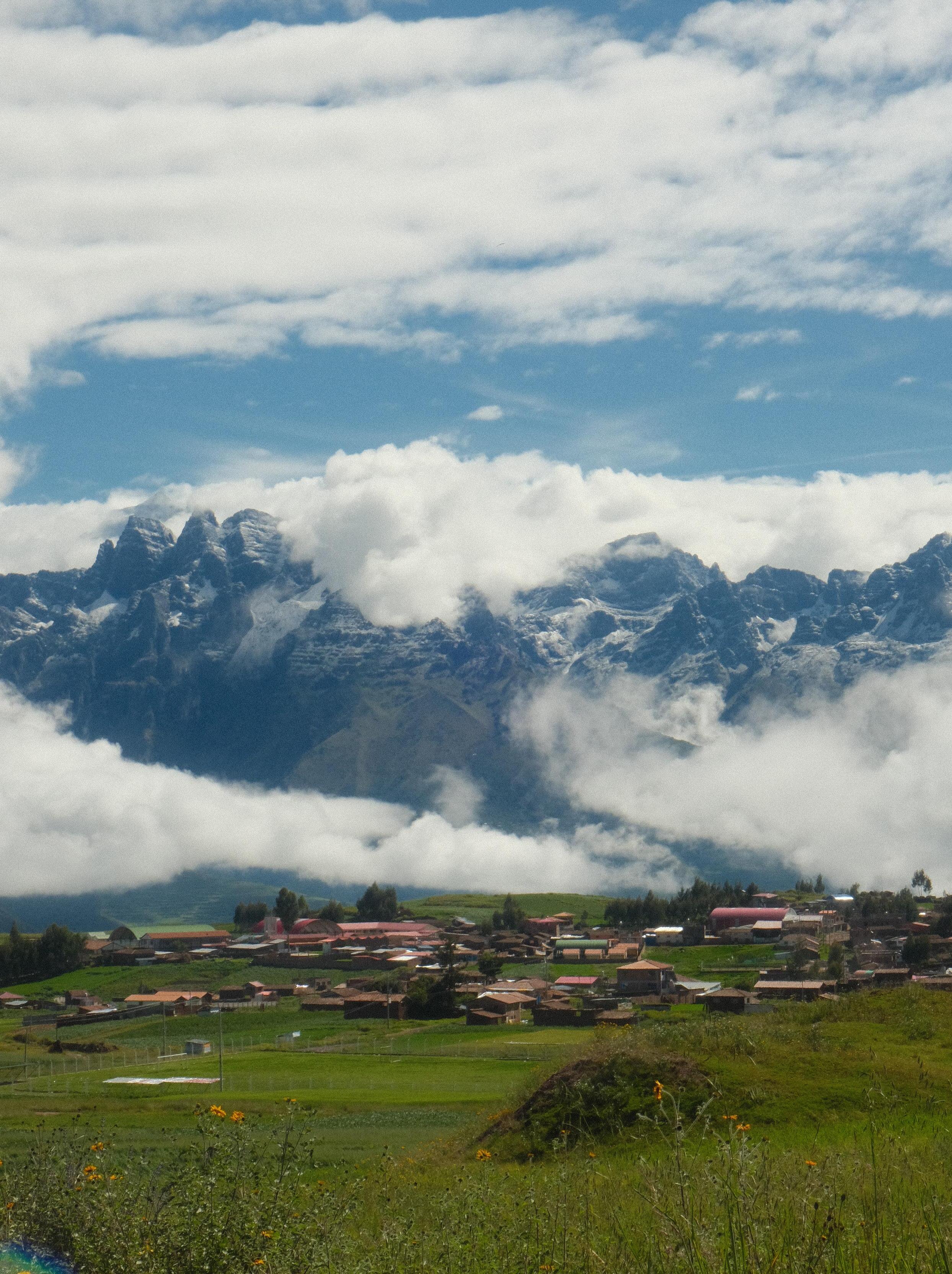
Cover photo credit: Chloe Yoo- Peru
Back Cover photo credit: Archer- Maui
CAMEOS
For this issue, Inkwell chose to focus on Adventure as Inspiration.
We hope these Cameos inspire our readers as we share a few of our own experiences, insights or goals.
Adventure in Peru: Huayna
Picchu
Chloe Yoo
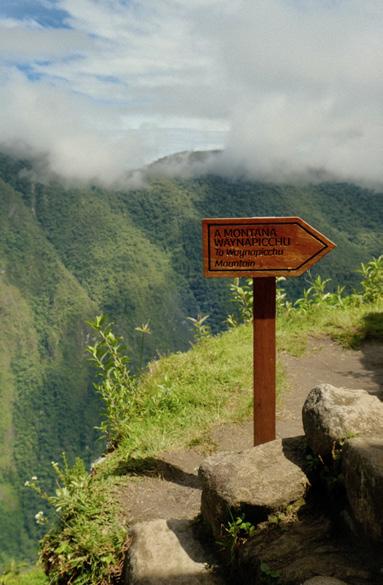
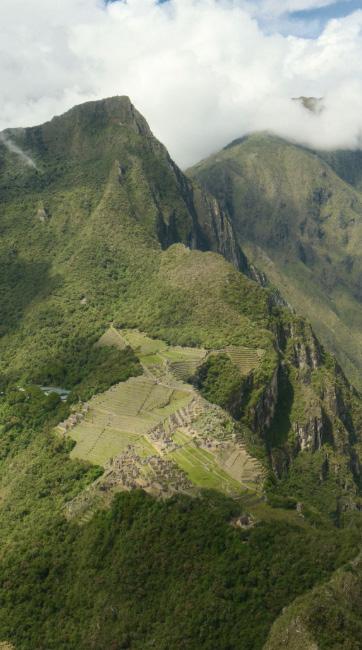
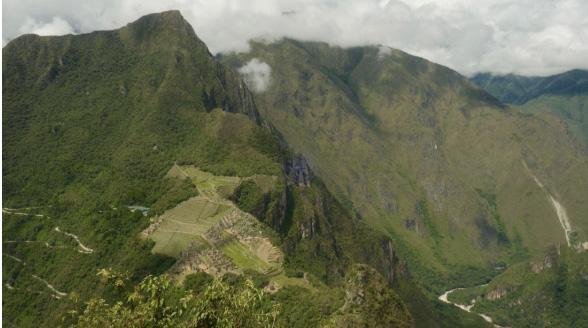
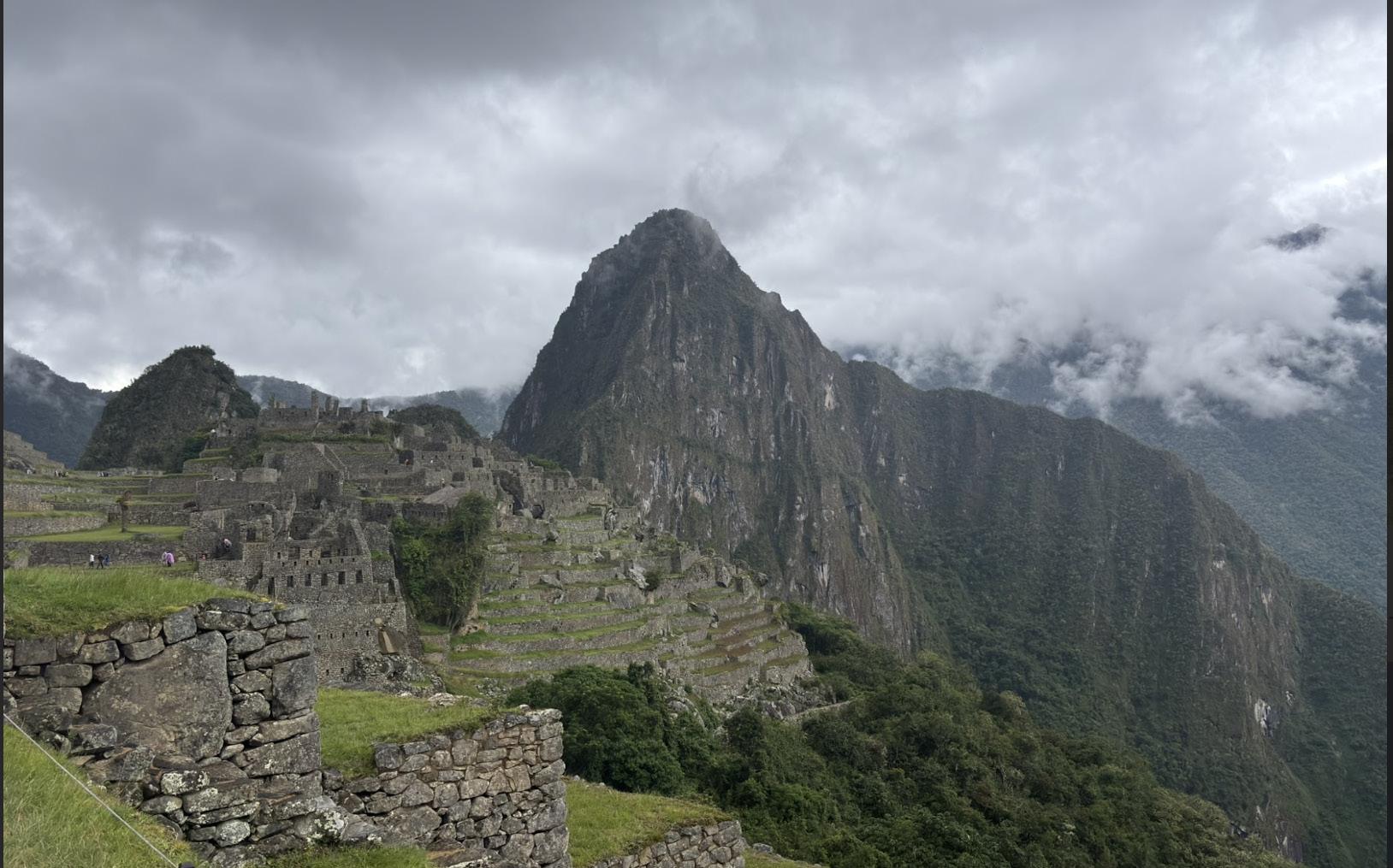
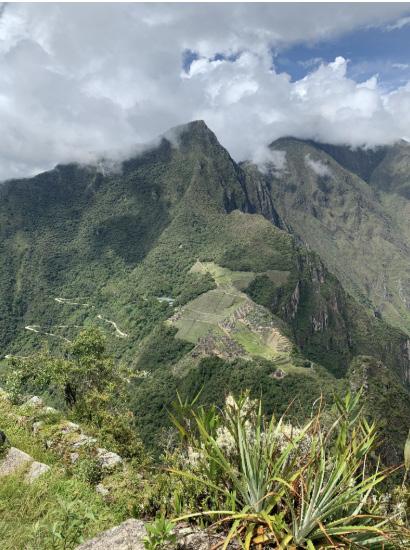
Huayna Picchu is a mountain near Machu Picchu where all my most adventurous moments bloomed throughout the trip to Peru.
At the beginning of the trail, the mountain requires some rigorous hiking and extreme exposure to heat under the burning sun, which makes the experience physically demanding. The endless stone stairs piled at a steep angle could easily lead to exhaustion, but the efforts and moments of struggle become worth it at the summit. Standing side by side with the clouds at the mountaintop, I could see the beautiful ruins of Machu Picchu from above along with some breathtaking scenery of valleys and the peak of surrounding mountains.
Although it was definitely one of the most difficult hikes I’ve challenged myself to, this adventure will remain as an unforgettable memory and I highly recommend others to visit Huayna Picchu as well.
Running through Bend Gabe Droubay
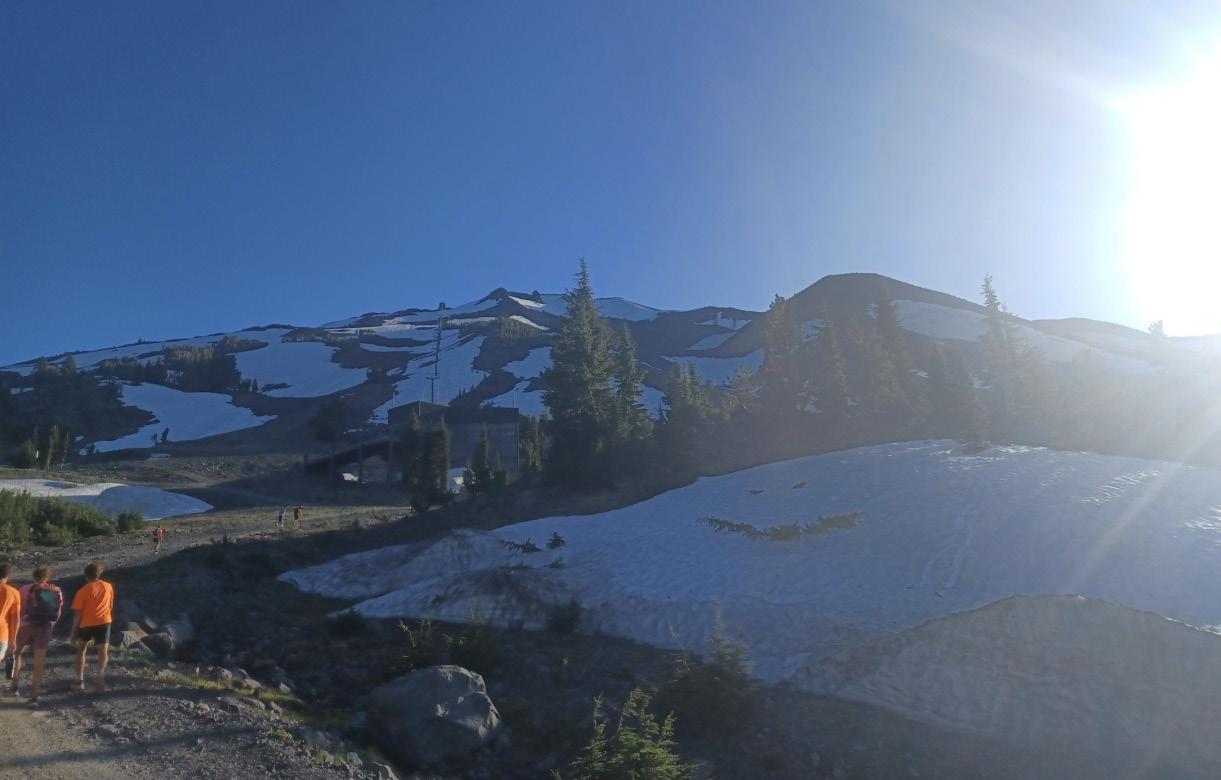
We started at 5:30 AM in Bend, Oregon, running toward the sunrise just glistening over the mountain peaks of the Sisters wilderness. It was earlier than most days, cool enough to finally escape the sweltering heat of the day but not late enough to get more than five hours of sleep after climbing Mount Bachelor. A couple hundred kids, including myself, are preparing for a grueling long run this crisp Saturday morning, our last day at camp. The run is set to take place on a long winding road, an out and back loop, every runner’s dream. The whole week was filled with incredible experiences, including river rafting, hiking up Smith Rock, and of course, lots and lots of running.
The previous night in fact, we had hiked up a mountain to celebrate our incredible week of camp, where one of my best friends was presented with a backpack for his team’s championship in the Camp Olympics. The games included tug of war, a brutal mile long uphill race and trivia.
The end of camp is a bittersweet moment, everyone is feeling exhausted after a long week, and we are already missing all of the friends that we made. It set the perfect atmosphere for the perfect run, a great way to dump out all our feelings and process the incredible week, our last moment alongside the incredible friends that we had made. It is over far too soon, both the camp and the run, but I’m sure none of us that were there will forget it for a long time.

To learn more about the Bowerman Camp click the link
Adventures in Chicago
Presley Jones
Do you want a fun, warm, and exhilarating place to travel in the summer? Well then, Chicago is the place for you! Chicago has many tourist spots that are fit for any interest! You always find something to interest you whether it is a stroll in Millennium park with the famous Chicago “bean” sculpture or activities at the Navy Pier boardwalk!
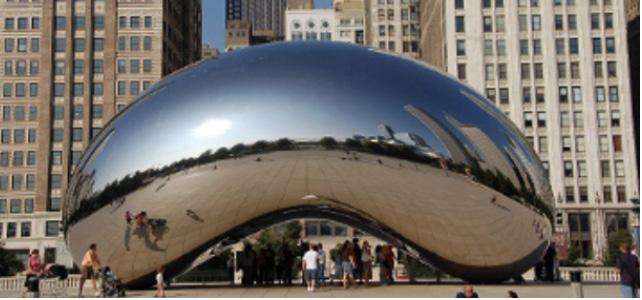
Millennium park is known for the famous “Bean” sculpture. This sculpture is famous because its highly reflective, liquid silver look perfectly distorts the city’s skyline. With the elongated shape of the sculpture it stretches out the city to appear futuristic. The Bean sculpture was “designed by artist Anish Kapoor, it became a global icon due to its engaging, interactive nature, allowing visitors to walk underneath its 12-foot arch and take unique, warped selfies.” (ChooseChicago) This is also a popular attraction for photos because the seamless yet futuristic background of the distorted city line creates a perfect next instagram post! Lastly, people find it intriguing because of the height difference between them and the Bean sculpture, it also multiplies the skyline behind you.
The Navy pier in Chicago is a 50-acre long boardwalk, and a top Midwest destination featuring the iconic 200-foot Centennial Wheel, the FlyOver Chicago flight simulator, and the Chicago Children’s Museum. Visitors can enjoy Lake Michigan boat tours, the Chicago Shakespeare Theater, Crystal Gardens, and free fireworks displays. The pier provides fun places for families to go and experiences a world of new food, roller coasters and bonding!
Overall, Chicago is a place where families and friends can go to experience a variety of different activities that offer the best fit for each person!
Carribean Summers in Columbia Kaya Parker
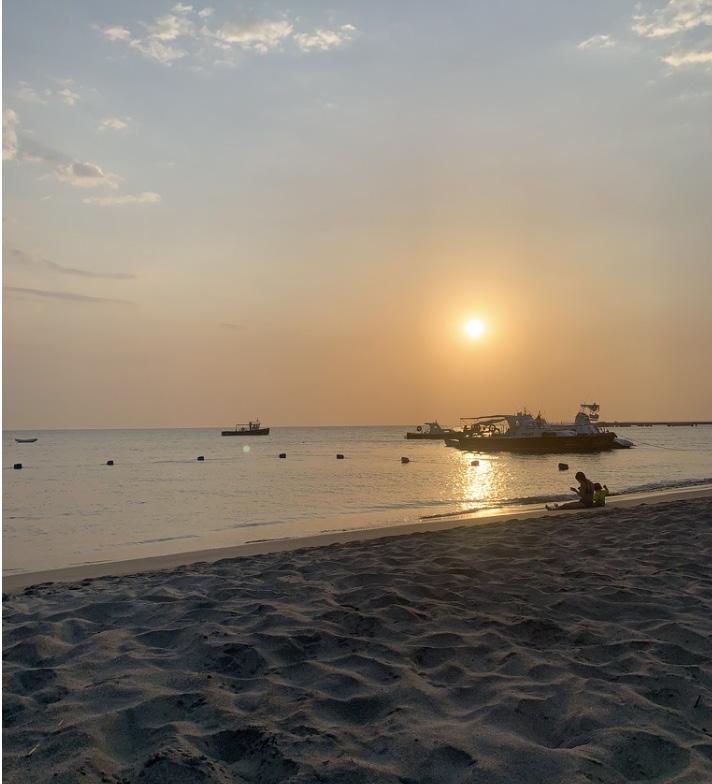
This summer I’m leaving Seattle to go to Colombia alone to attend a language school, and visit multiple cities. I’ll live there for around five weeks with my grandparents. One of the things I’m most excited about is my language school, Siete Olas located in Santa Marta. The building is surrounded by beautiful scenery and beaches in the warm Caribbean weather.

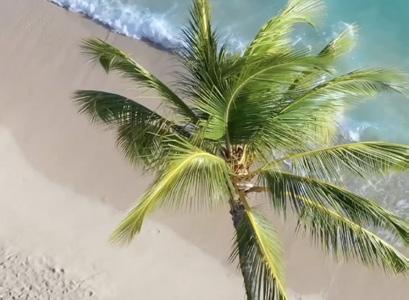
One of the main reasons I am excited to go is so I can increase my fluency in Spanish; this will help me in both school, and in my communication with my family. Another aspect of my trip I’m very excited about is the weather and the food, like my grandmother’s cooking,especially when she makes pandeuca, and when we go to my favorite restaurant, Crepes and Waffles. It will be a big change from Tacoma and Seattle but I’ll be lucky enough to be able to go to the beach whenever I want. This summer I look forward to all of these aspects, and seeing all my family and friends I don’t usually get to see. It is not everyday students can do something like this, visit loved ones, or be able to go travel to a different continent, and even study the language.
This image encapsulates how the city is distorted by the statue.
Siete Olas Language School individualizes language education in a beautiful environment
From Ideas to Impact
Ethan Ngo
This June, I’ll be participating in the AMVNX Summer Camp back in Vietnam. This is a leadership camp that has a variety of activities such as STEM, leadership camp, movie making and more. For me this is going to be more of a challenge than any of my previous summer camp because it is a chance to step outside my comfort zone and actually do something meaningful to other people and work on my leadership skill.
From fundraising to charity and teaching kids who are in need, this experience pushes participants to think critically, lead a group of people, and solve relevant real problems. We will not just be learning skills but applying them creatively.
What makes this experience inspiring is that it provides an opportunity for my actions and ideas to have a positive impact on other people’s lives while also developing my leadership skills. This opportunity is a reminder that growth starts when you take action.

Sailing into Something
Unforgettable Cayden Laynor
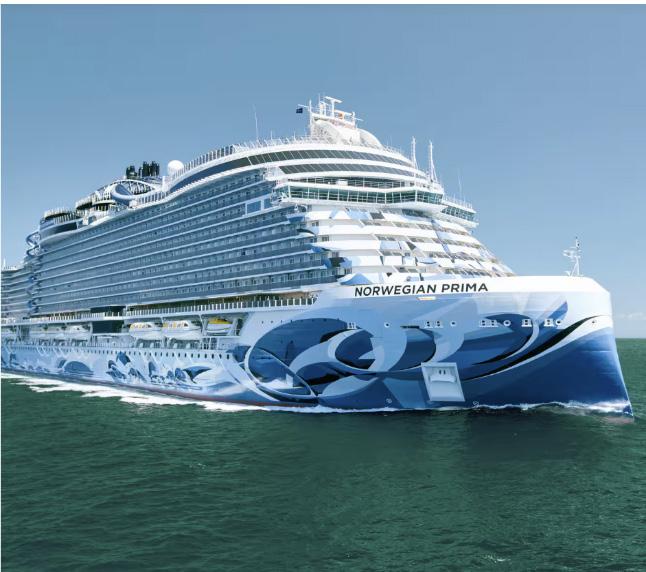
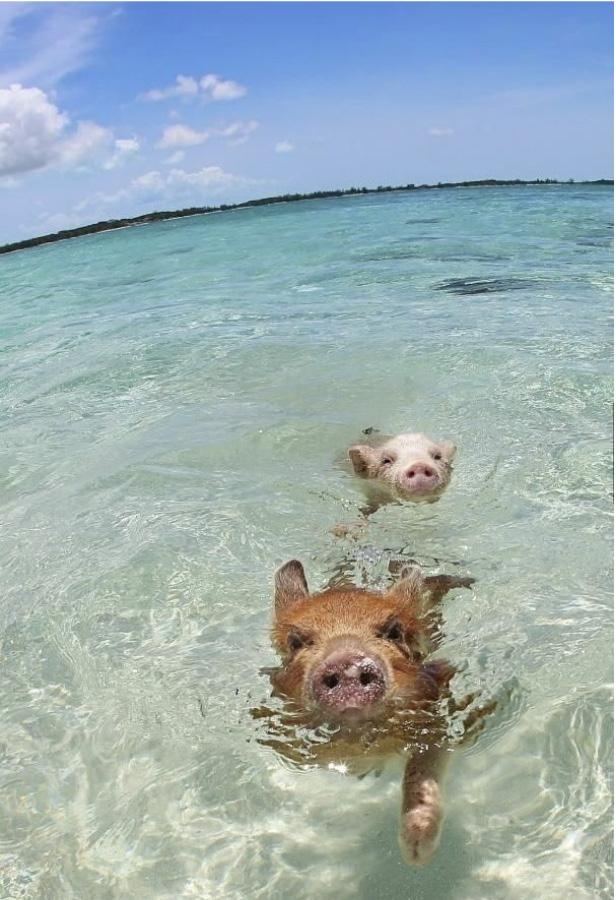
This summer, my family and I are going on a cruise through the Caribbean where we will visit Mexico, the Bahamas, Jamaica, and Grand Cayman. At each destination, we’ll be free to explore on our own, but there will also be optional excursions available, such as swimming with pigs in treasure island, interacting with stingrays, and zip-lining.
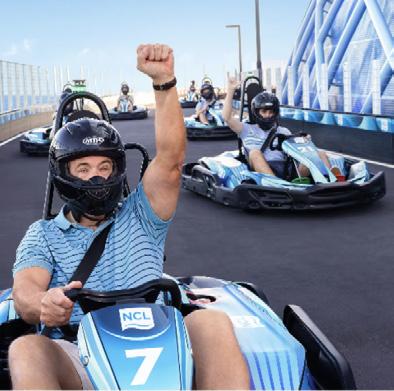
The ship itself also has a wide variety of activities to enjoy. It will have a teen club, go-kart racing, a movie
theater, a pool, and even special events like parties for adults. There are also many different restaurants on board, offering a huge selection of food, including pasta, steak, seafood, and classic American dishes. They provide so many options that fit everyone’s taste
I’ll be traveling with my entire family on my dad’s side which has a huge age range. This cruise is perfect for us because it offers activities that everyone can enjoy, no matter age or interest.
After the cruise, we will dock in Florida and spend a day at Disney World. It will be my first time going, and I’m really excited because everything will be new—not just for me, but for my whole family since they haven’t been there either. I love big roller coasters, but some of my younger cousins are toddlers, and there’s also a 7-year-old who won’t be able to ride those bigger attractions. Still, since it’s Disney World, there are plenty of rides and experiences for all ages.
Overall, this trip is going to be an amazing experience, and I’m really looking forward to spending that time and making memories with my family.
Climate Change in our Local Environment
Maria Dorner
Inkwell would like to thank our Global Politics students for choosing to write for us for their Internal Assessment community engagement. After a semester of in-depth research on a political issue global in nature, here they express their opinions, evaluation, synthesis and reflection of what they have learned before moving on to their IB reflection assessing their own, as well as encountered, biases.
Climate change is the gradual shift in the earth’s climate as global greenhouse gas levels rise and global warming slowly increases the earth’s temperature. As greenhouse gases increase, more and more heat is trapped inside the Earth’s atmosphere, resulting in the temperature of the atmosphere also increasing. This affects numerous aspects of the planet, from weather events to nature and wildlife habitats. Climate change is not only affecting nature, but also directly affecting the lives of everyday people.
Climate change can affect many different aspects of people’s lives, this can be seen in the way climate change is affecting how people live through weather. In some instances, a decrease in rain and snowfall leads to drought and less water throughout the year due to a lack of snowpack. On April 8, 2026, Washington State declared that the state was facing a statewide drought. Even though there was a large amount of rainfall during the winter, the warmer temperatures during the winter caused a lack of snowfall to accumulate in the snowpacks in the mountains. Washington gets a large amount of its water from snowpacks melting throughout the year, meaning that when snow doesn’t accumulate enough, the state does not have enough of a water supply to sustain regular amounts of water use (Washington State Department of Ecology).
Global warming and climate change is directly affecting how much water people have access to throughout the year, limiting our access to natural resources. Weather events are also more extreme due to climate change. Climate change is causing the weather events that we face to be more intense and more common, forcing people to have to face extreme weather conditions at a heavier rate (NASA).
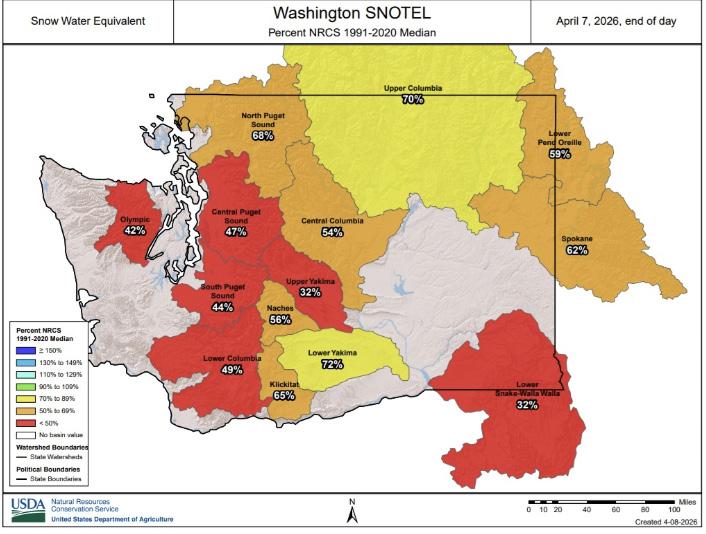
A map illustrating the amount of snowpack in Washington State on April 7, 2026
Another way that climate change impacts our access to other necessary resources, as can be seen in crops and agriculture. The lack of a stable climate affects the ability of plants and crops to grow, altering people’s access to these essential items. Increases in temperature may help certain plants grow, but it may also cause others to struggle to grow (United States Environmental Protection Agency). A decrease in crops could affect both people’s ability to keep a stable income in the agricultural field, and limit some people’s ability to have access to food that they need.
Access to food is necessary for all, and a decrease in food production and/or access in any way could be detrimental to groups of people who are already struggling with food insecurity. In Washington State specifically, crops and livestock are being affected by climate change and droughts could lead to “fewer fresh fruits and vegetables at the grocery store” (Washington State Department of Health). Climate change is affecting our towns and necessities, and leading to a lack of necessary everyday resources.
Climate change is also influencing people to move to new places, moving more people into new areas in an effort to escape negative effects. Due to changes in weather and habitats, some people choose to move away from certain environments, seeking out new areas that may be more stable. As climate change increases, more people are predicted to try and move
away from certain environments, seeking out new areas that may be more stable. As climate change increases, more people are predicted to try and move to escape unstable and/or unsafe conditions (International Organization of Migration). This shows how climate change is causing some people to have to change their way of living. In Washington State, there are already examples of climate change being a factor of people moving to a different area. “KUOW heard from more than a dozen families that said climate change was a driving factor in their decision to relocate to the Pacific Northwest,” (KUOW). The earth’s changing climate has led to climate based migration, and as this increases, more and more people will decide to leave their homes due to global effects.
The effects of climate change span far and wide. From affecting the weather and causing dangerous events, to limiting necessary natural resources, and influencing people to move away from their homes, it is greatly affecting people’s everyday lives. While climate change is a global issue, its effects reach all the way down to the local level, slowly affecting and changing the way we live our everyday lives.
Stray Dog Abandonment Crisis
Aelita Rogers
Inkwell would like to thank our Global Politics students for choosing to be our guest writers as part of their Internal Assessment community engagement. After a semester of in depth research on a political issue global in nature, here they express their opinions, evaluation, synthesis and reflection of what they have learned before moving on to their IB reflection assessing their own, as well as encountered, biases.
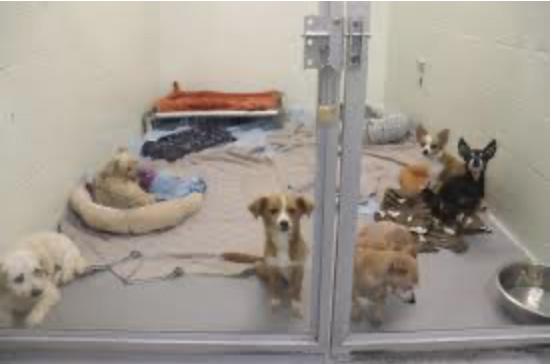
In the area of Tacoma, homeless dogs are becoming more of an issue. Local shelters are struggling to keep up with the growing number of surrendered dogs.
Shelters like The Humane Society for Tacoma and Pierce County have a major role in helping stray dogs: rescuing, rehabilitating, and rehoming dogs, but they are working beyond capacity. Most of the homeless dogs are often abandoned due to the lack of education of owners, irresponsible breeding practice, and owners are unable to afford care.
Sources:
https://ecology.wa.gov/about-us/who-we-are/news/2026/april-8-statewide-drought-declared-due-to-dismal-snowpack
https://science.nasa.gov/climate-change/extreme-weather/
https://19january2017snapshot.epa.gov/climate-impacts/climate-impacts-agriculture-and-food-supply_.html
https://doh.wa.gov/community-and-environment/climate-and-health/ agriculture
https://environmentalmigration.iom.int/environmental-migration
https://www.kuow.org/stories/is-the-pacific-northwest-ready-for-awave-of-climate-migration
The problem comes from limitations in governing policies from local governments about enforcing animal welfare laws like limited immediate emergency response for animal abuse. A lack of policies on breeding/neuter/spaying is also making things worse. These limitations put a lot of pressure on non profit organizations. People of the community can help the non profit organization by fostering, adopting or donating time. Tacoma has been dealing with homeless animals for a hot minute now. The public needs to create a long term solution for this problem.
Until their long term solution happens, the rescue dogs will be in this unsustainable solution for a long time. This situation shows that in Tacoma this issue requires partnership between the government and the general public in order to address the growing problem of homeless dogs.

https://www.thehumanesociety.org/
Awareness of the Effect of Executive Order 14224 on Linguistic Minorities
Adalyn Li
Inkwell would like to thank our Global Politics students for choosing to be our guest writers for their Internal Assessment community engagement. After a semester of in-depth research on a political issue global in nature, here they express their opinions, evaluation, synthesis and reflection of what they have learned before moving on to their IB reflection assessing their own, as well as encountered, biases.
Linguistic minorities in the US have historically faced oppression due to racism, xenophobia, and general hostility toward minority groups. Ranging from the erasure of Native American languages in boarding schools to active suppression of speaking one’s mother tongue to fit in with an English dominant modern society, linguistic minorities face yet another issue - Executive Order 14224, which establishes English as the official language of the United States.
At first look, the Executive order 14224, established by Trump on March 1, 2025, does not seem to be inherently harmful, though it establishes English as the first official language of the United States. It does not prevent other languages from also becoming official, and uses reasoning such as English being needed as a unifying aspect of the American identity. Underneath that though its effects become more clear, the executive order removes the clear federal obligation to provide language services rescinding Executive order 13166 established in 2000 by Bill Clinton, the obligation for federal services and federal funded services to provide assistance to non-English speakers, barring many non-English speaking individuals from accessing important information, such as healthcare, taxes, and education.
A study by Sandy Dietrich and Erik Hernandez done in 2022 found that nearly one in five Americans speak a language other than English. Furthermore, many large cities such as New York and LA host a variety of linguistic minorities who are fluent in both English and their mother tongue. Ignoring this diversity in favor of establishing English as a dominant language erases important cultural aspects of the United States. In addition, taking away freedoms such as being able to see non-dominant languages on official government websites may serve as a signal of increasing
government websites may serve as a signal of increasing hostility toward minorities, something that can become a gateway to open bias against minorities when left unchecked.
Although one might argue that this argument can be considered negligible due to the fact that as an Executive Order, Executive Order 14224 has no true authority to establish English as an official language, it is unable to override Congress solely on President Trump’s authority. But Executive Order 14224 still serves as an important symbolic act. It shows the stance of the current administration and potentially the government as whole toward linguistic minorities. Important articles such as the Civil Rights Act, which prevents discrimination based on race including language, and the First Amendment, ensuring freedom of speech, prevent minority languages from being completely restricted. But Executive Order 14224 gives permission to government funded organizations to ignore providing extra help to linguistic minorities, indirectly affecting the ability of non-English speakers to interact with American society. Executive Order 14224 legitimizes assimilation pressures and can serve as a proxy for future racial discrimination based on language.
Language as a communicative gesture is inherently tied in with human nature. Weaponizing or restricting it is a violation of human rights, directly stated in Article 27 of the ICCPR, where persons belonging to a minority should not be denied the right to practice their own language. Though Executive Order 14224 does not directly affect this right, it does isolate non-English speakers from official government information. Issues like these must be noticed and addressed to prevent substantive policies that serve as direct acts against language expression instead of being solely symbolic.
Becoming Chinese
Sarah Wang
Inkwell would like to thank our Global Politics students for choosing to be our guest writers for their Internal Assessment community engagement. After a semester of in-depth research on a political issue global in nature, here they express their opinions, evaluation, synthesis and reflection of what they learned before moving on to their IB reflection assessing their own, as well as encountered, biases.
Since Instagram’s launch in 2010 and Musically’s, (later rebranded as TikTok) global rise in 2018, social media has made its mark on how young people discover and engage with cultures around the world.
What once required travel or personal connections can now appear on someone’s “For You Page” in the form of minute long videos. With over two billion active users as of early 2026, short-form media have allowed people from all over the world to share traditions, fashion, food, and lifestyles, allowing them to be shared and turned into trends. Social media has become one of the most effective ways to spread and consume cultural understanding.
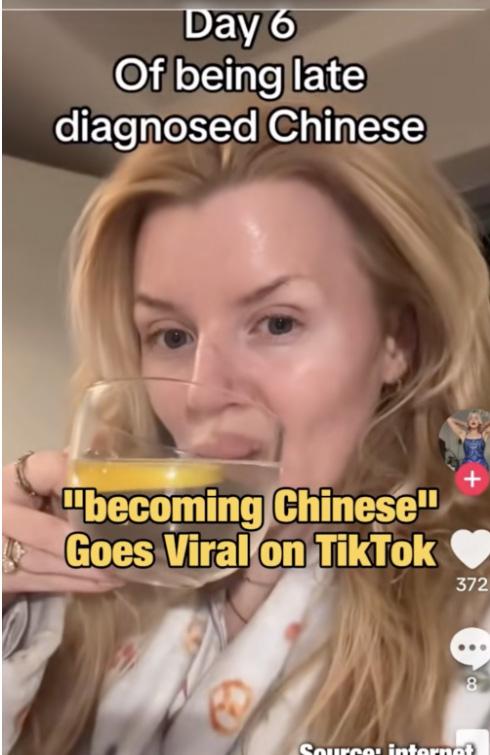
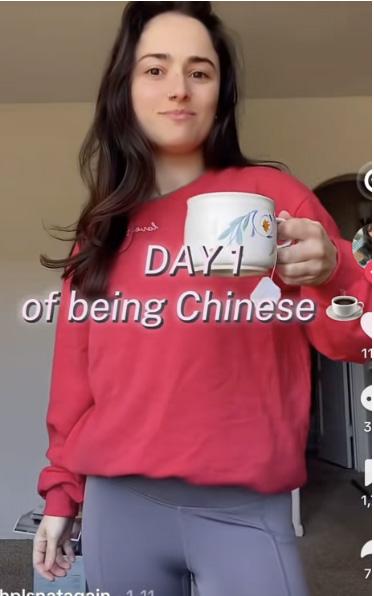
Across TikTok and Instagram, many adolescents and young adults are suddenly finding themselves in what they describe as a “very Chinese time” in their lives. From drinking hot lemon water to dressing in qipaos, Netizens across various social media platforms are experiencing an influx of Chinese cultural overload being circulated as part of the constantly changing internet trends. However, the issue isn’t as simple as it seems.
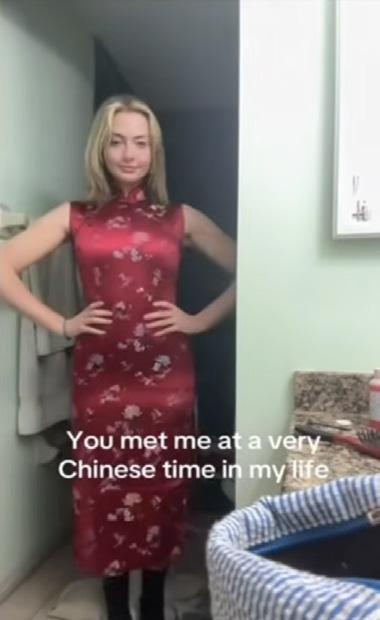
Social media platforms can play a significant role in shaping how society engages with and learns about different cultures. With the use of short-form and fast-paced content, lifestyles and traditions are often detached from their original meaning and turned into aesthetics that people adopt and exchange as their next “obsession” (Maher et al. 2022). Practices that carry generations of historical and cultural
significance can quickly become simplified, sometimes even rebranded to fit the “Western standards” in order to become more consumable for mass audiences (Narayanan, 2023). While this new trend can promote appreciation of Chinese culture, there’s often an unclear boundary between appreciation and appropriation, where cultural norms are reworked to become someone’s new “aesthetic”.

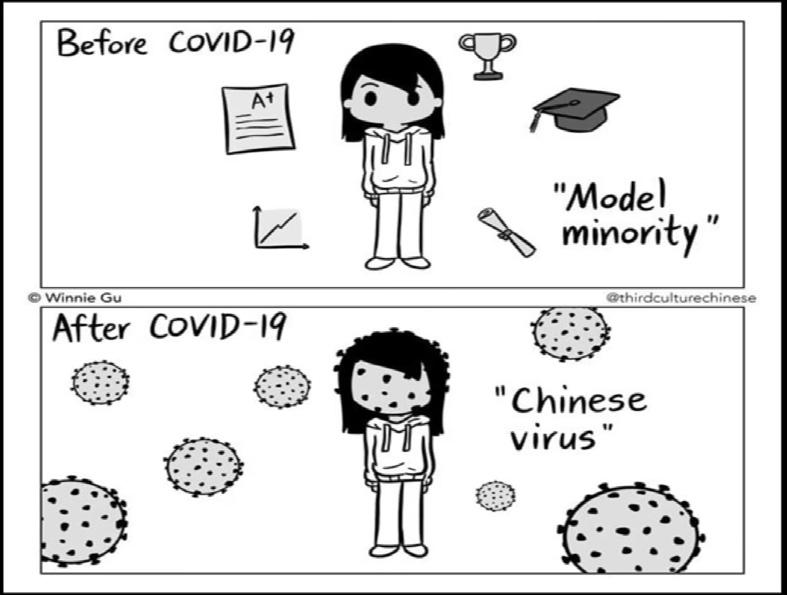
This cultural shift becomes more uncomfortable considering the history of anti-Asian racism that surrounded many of these same new trends. For decades, Asian foods, fashion, beauty standards, and customs were often mocked and stigmatized, being labeled as “weird” and “revolting” in the mainstream. An Asian student’s lunch with fish sauce was laughed at, cultural clothing was criticized, and features associated with Asian identity were often infantilized or ridiculed (Zhang 2008). Yet now, many of these same features are being reworked through social media to become the next big trend. Foods are now rebranded as exotic, fashion and features are seen as chic, and traditions are becoming aestheticized for mass consumption (Nee et al. 2013).
Netizens ‘becoming Chinese’ as they drink hot lemon water and wear qipao
@ohplsnatagain on TikTok
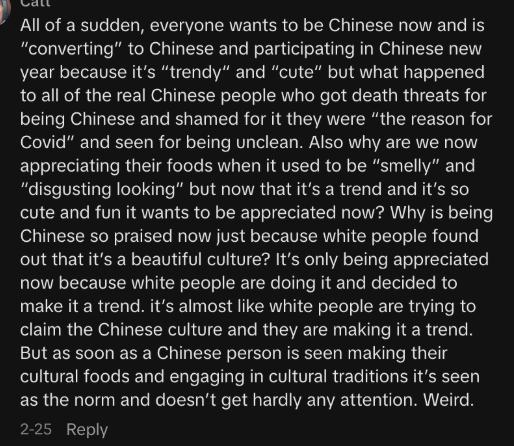
For many young Asian adolescents, this shift can feel validating yet incredibly frustrating. While this increased awareness of culture can open opportunities for appreciation and representation, it also reveals how selective cultural acceptance can be, where traditions are often only embraced after becoming “mainstream appropriate” (Huang and Wong 2024). Social media has undeniably created space for Chinese culture to reach a more widespread audience, but it has also raised questions about whether full appreciation can exist without acknowledging the discrimination those communities have previously faced. In the modern age, where everything has a chance of going viral overnight, engaging with these traditions means recognizing and respecting the history behind them, not just celebrating them when it matches an aesthetic new trend.
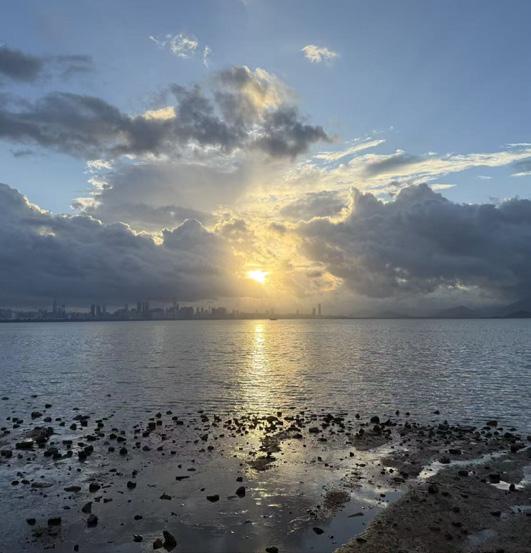
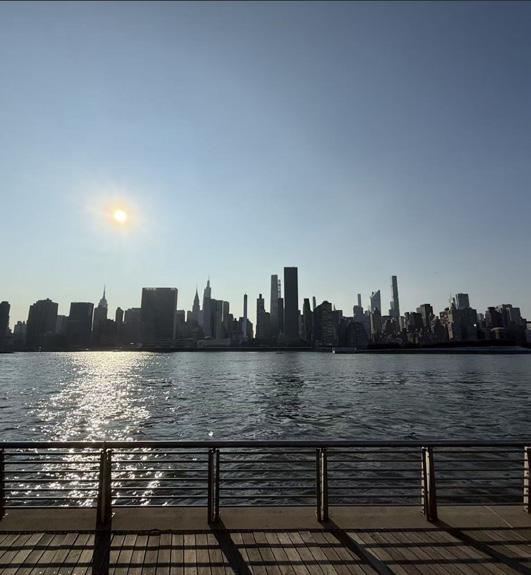
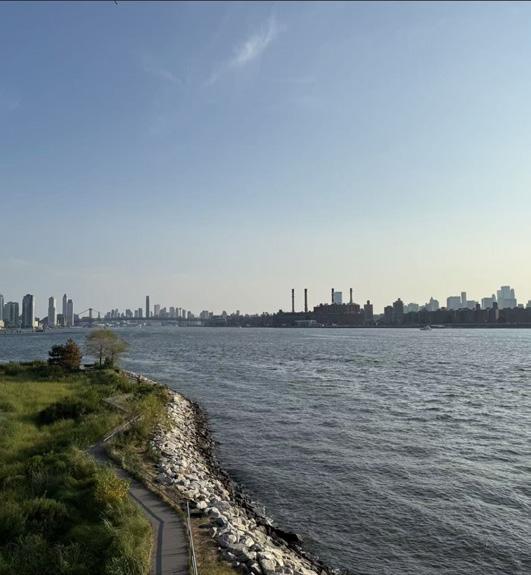
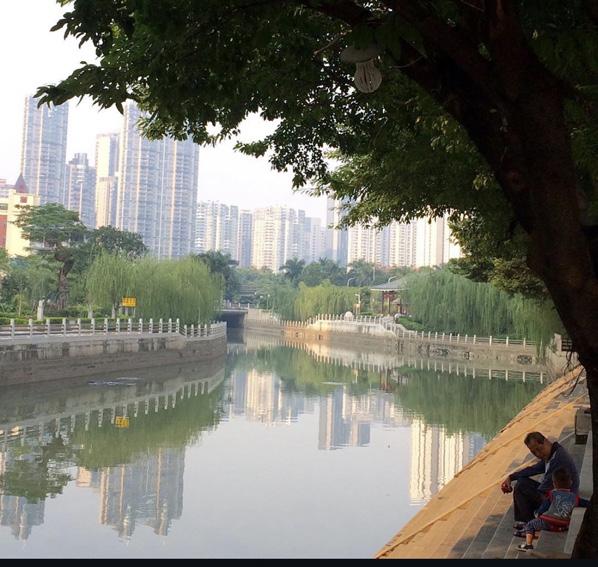
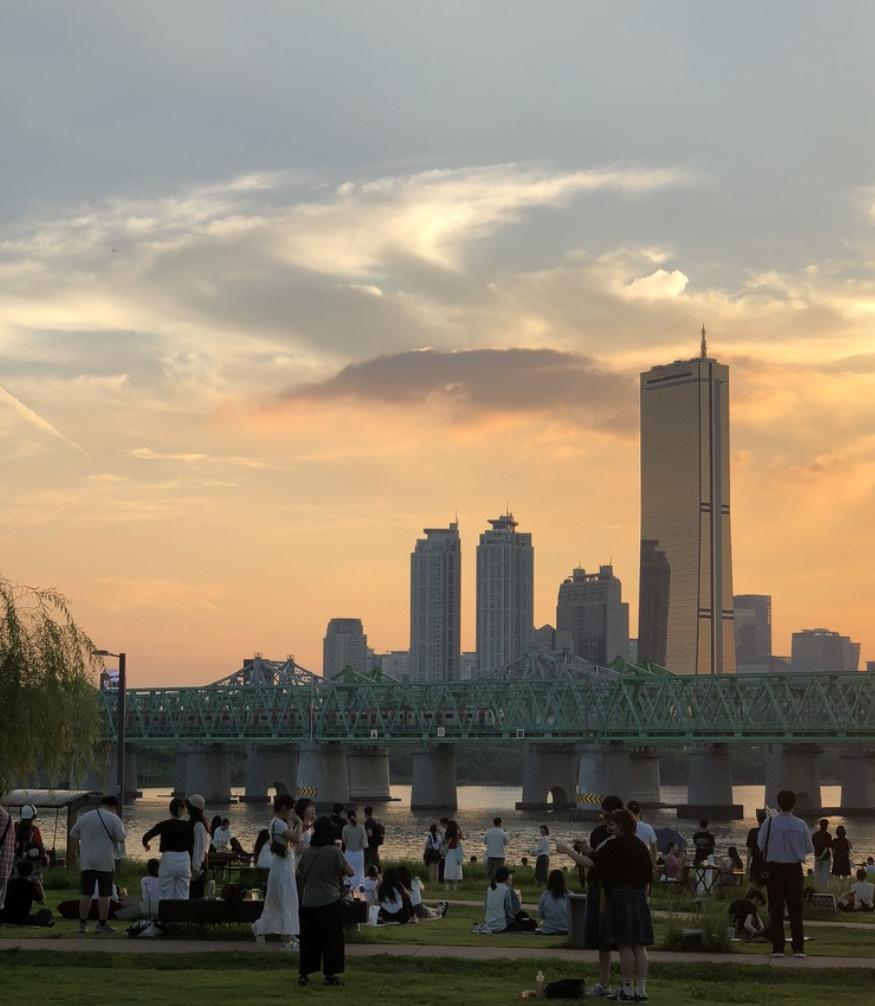
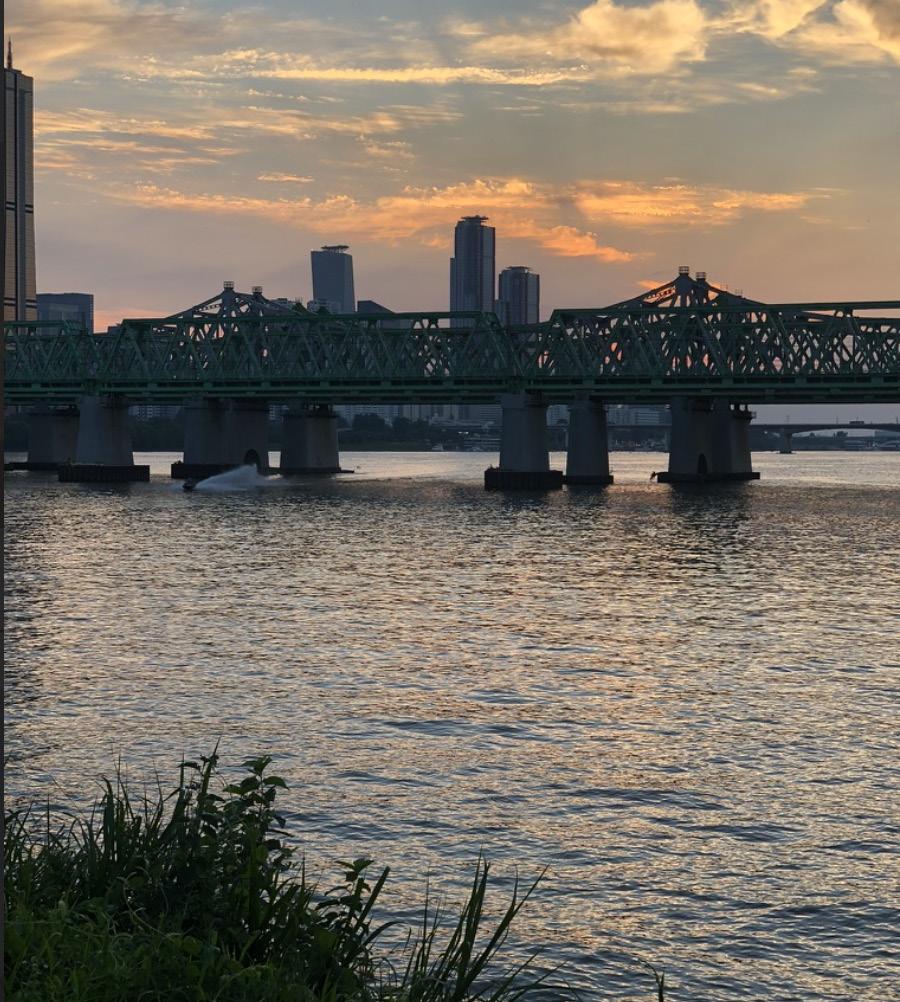
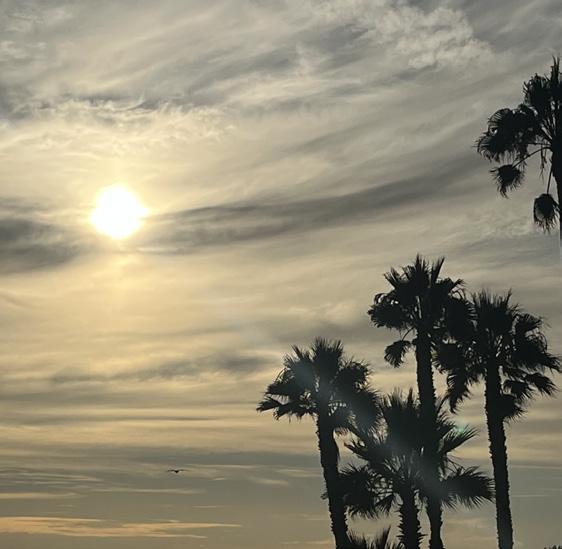
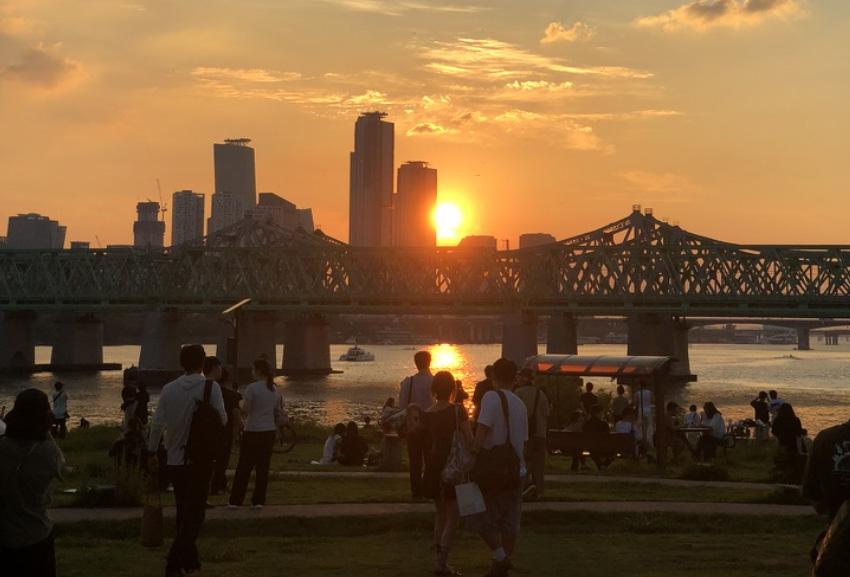
Urban Oases
A
few favorite urban and beach locations as inspiration these final weeks - Inkwell staff
Works cited:
Narayanan, Arvind. “Understanding Social Media Recommendation Algorithms.” Knight First Amendment Institute, March 9, 2023. https://knightcolumbia.org/content/understanding-social-media-recommendation-algorithms.
Zhang, Chunjie. “From Sinophilia to Sinophobia: China, History, and Recognition.” Colloquia Germanica 41, no. 2 (2008): 97–110. http://www.jstor.org/stable/23981714.
Nee, Victor, and Hilary Holbrow. “Why Asian Americans Are Becoming Mainstream.” Daedalus 142, no. 3 (2013): 65–75. http://www.jstor.org/stable/43297251.
Huang, Wendy Y., and Stephen H. Wong. “Cross-Cultural Validation.” Encyclopedia of Quality of Life and Well-Being Research, February 11, 2024, 1517–20. https://doi. org/10.1007/978-3-031-17299-1_630.
Maher, TW, B. Turnbull, and T. Lynar. “Defining Influence across Online Social Media Platforms.” Journal of Information Warfare 21, no. 2 (2022): 1–20. https://www.jstor.org/ stable/27199966.
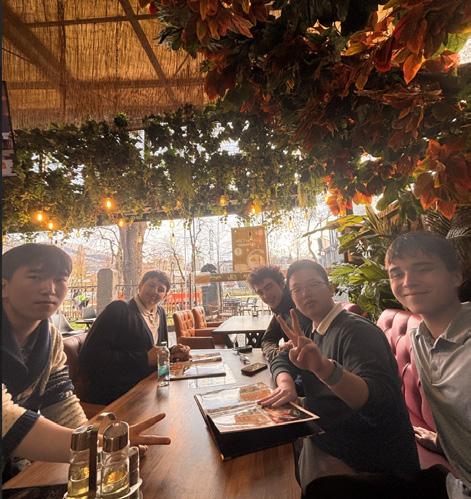
(s)Elective Trip Reflections
Ethan Ngo
What (s)Elective are you in?
Model UN
Podcast
GOAT
Business
Creative Writing
Sports Medicine
Community
Inkwell
Where did you go for your trip?
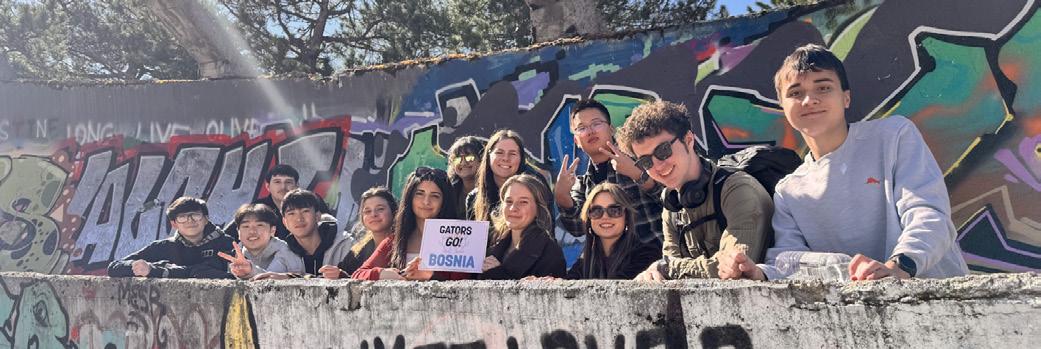
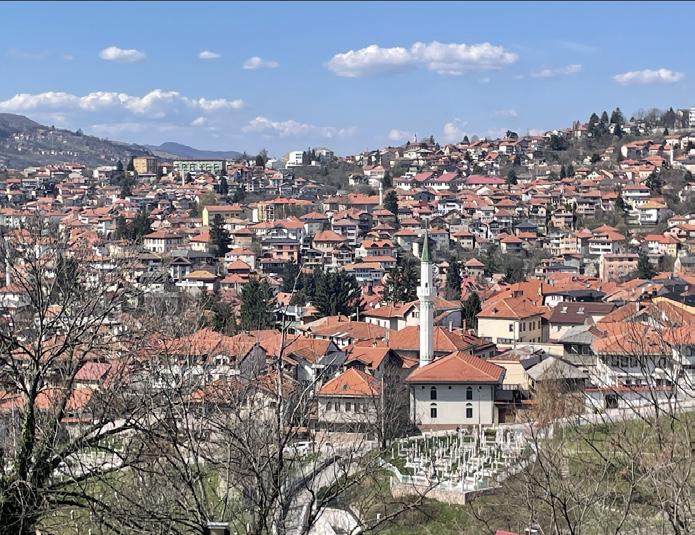
Bosnia
Seattle
Puget Sound
Owen Beach
Bruni Bowl
Moab city
San Fracisco
Ireland
Tokyo, Japan
Auckland, New Zealand
Sarajevo
Portland, Oregon
New Zealand
What was the most memorable moment of your trip?
Going to the US embassy and spending time with people in our airbnb
Getting to spend time with my friends
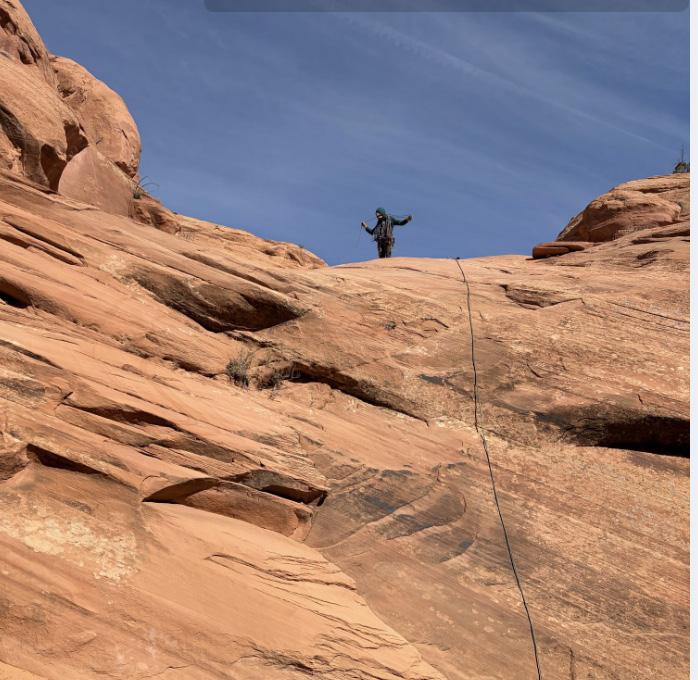
In Moab, rappelling down a 200m high cliff
The time that I spent with different members of my group in different places
Going to the Cliffs of Moore
We spent most of our trip taking public transport and trying not to get lost in a huge city. We definitely became much closer to each other while exploring state-of-the-art medical universities in Tokyo, discovering ancient temples, shopping in Shibuya, talking late into the night in our Airbnb, trying traditional Japanese medicine, or spending hours navigating Google Maps. Truly extraordinary experience, especially for us seniors.
The New Zealand night market
Hanging out with friends, seeing the war sights, and the place where WWI started.
Portland
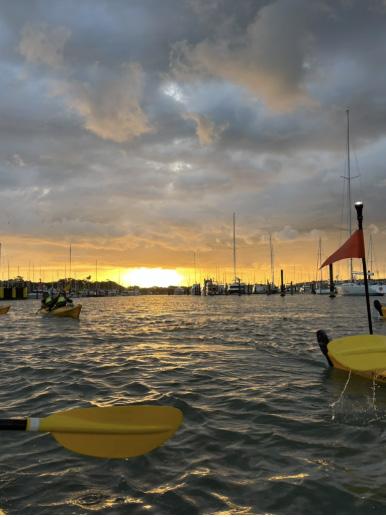
Kayaking or when we went to a horse farm
What was your favorite tour, location or site and why?
The US embassy, we had a really productive conversation with those people that yThe US embassy, we had a really productive conversation with those people that you can’t get in many other cases.
UW, because I got to see what podcasting is like over there
Chinatown!
The Cliffs of Moore and the botanical gardens for their history and beauty
Night Kayaking in the harbor at Auckland
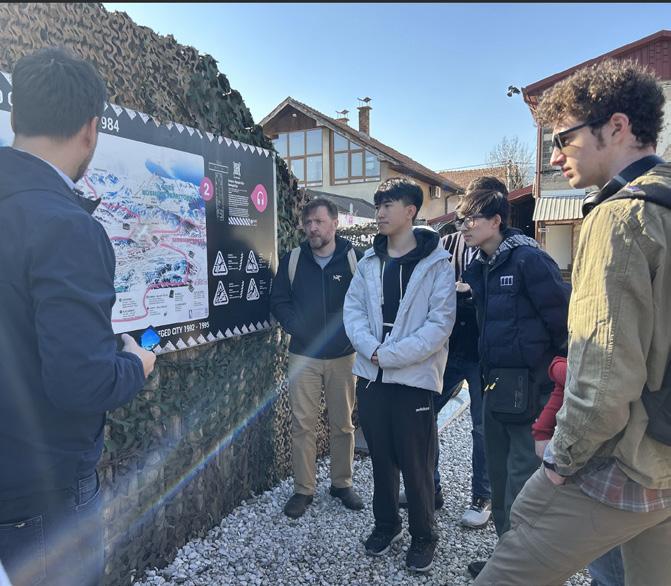
The Sarajevo Siege Tunnel, it is very historic.
Portland
The horses or kayaking
What foods did you enjoy?
They had a ton of veal which isn’t often available in the US which tasted good.
Burgers
the bbq we made with grill when we are in Moab
Chinese food from Chinatown
Indian food and Hot Pot
Tim Tams
Ramen
A variety of sea food, Asian fusion cuisine, and street food
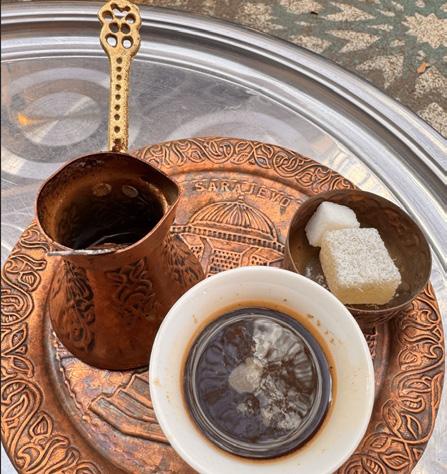
The local Bosnian dishes.
Eggs
Moab
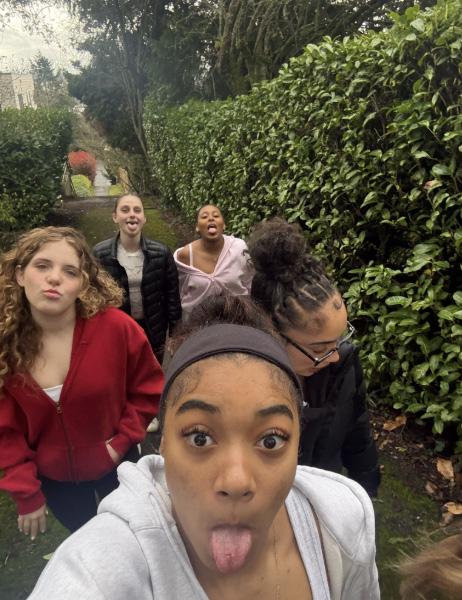
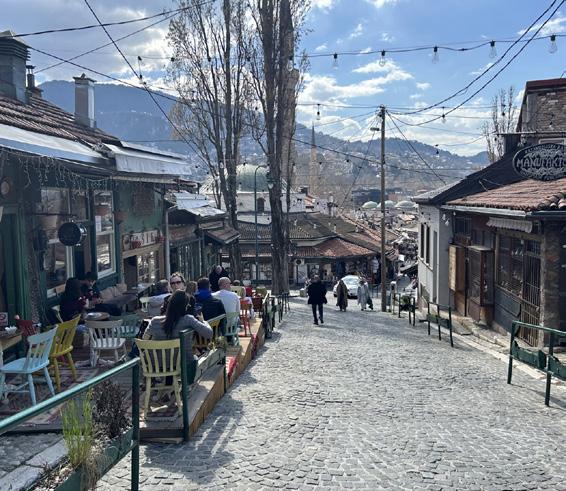
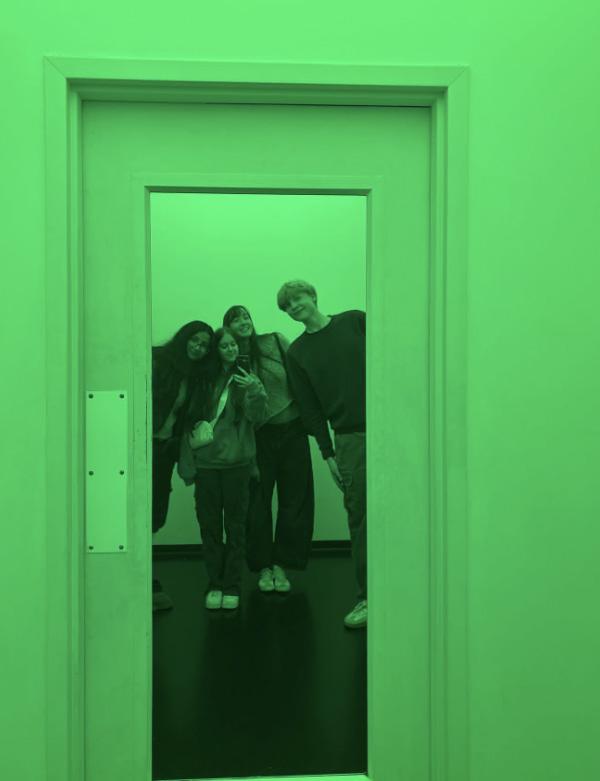
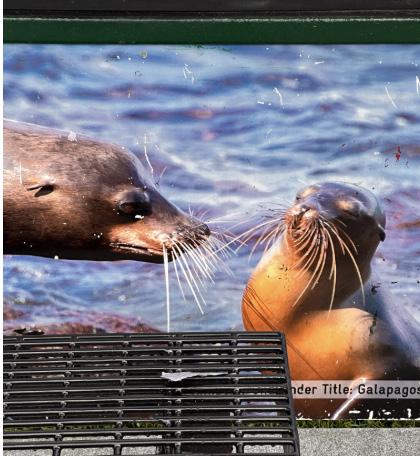
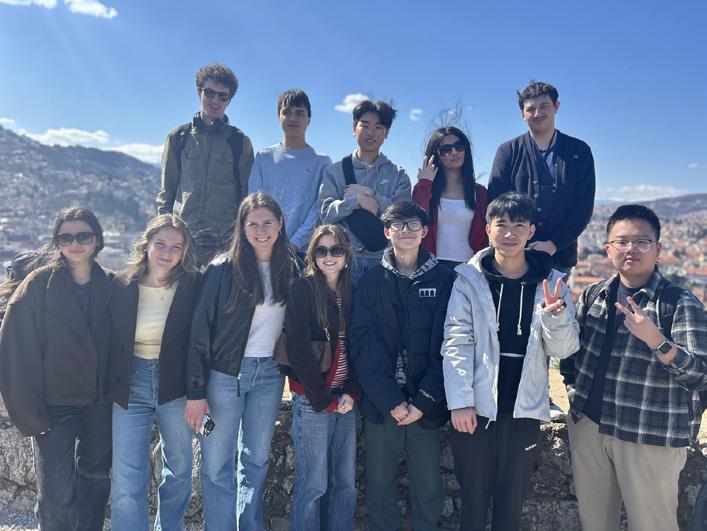
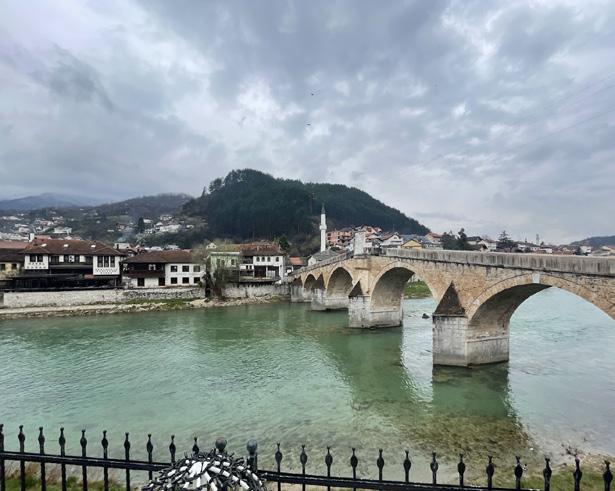
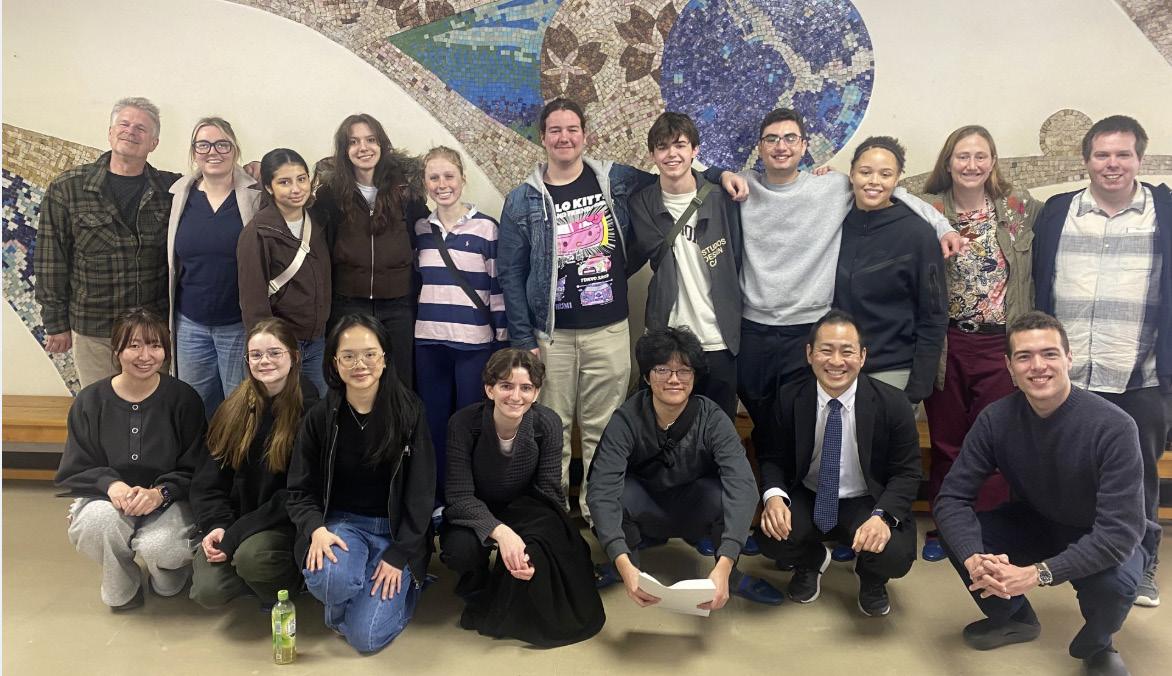
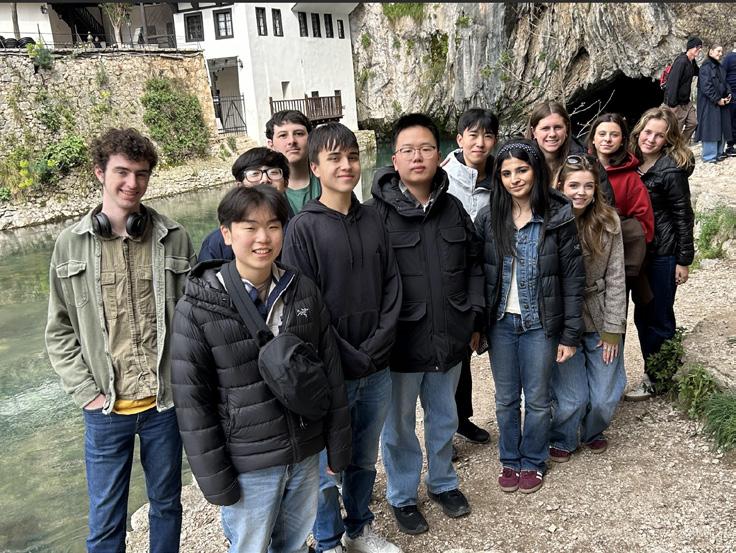
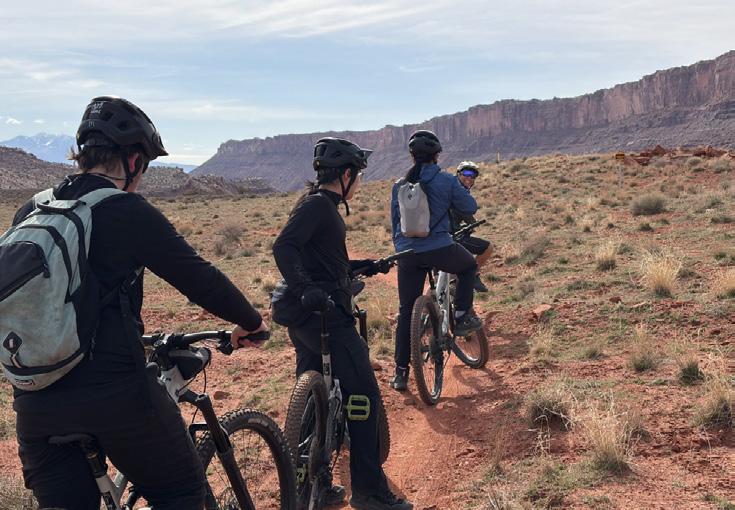
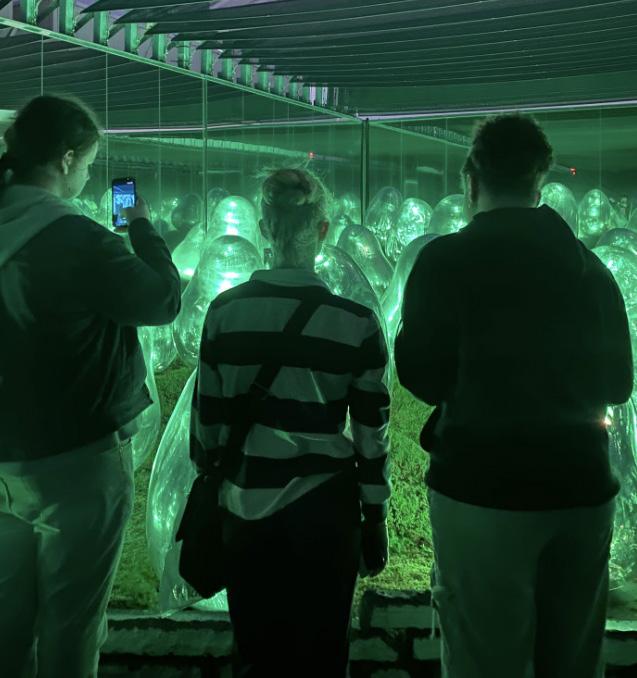
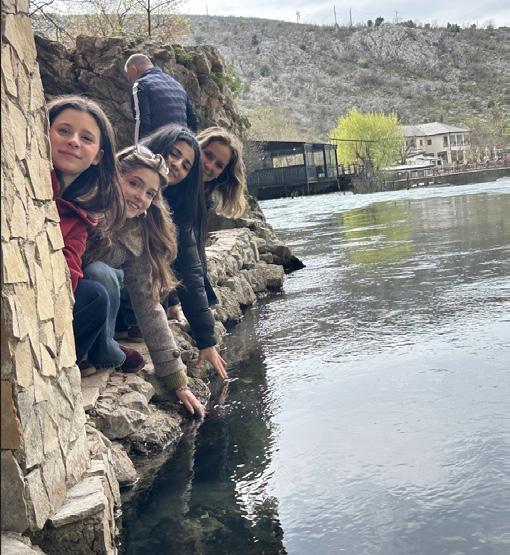
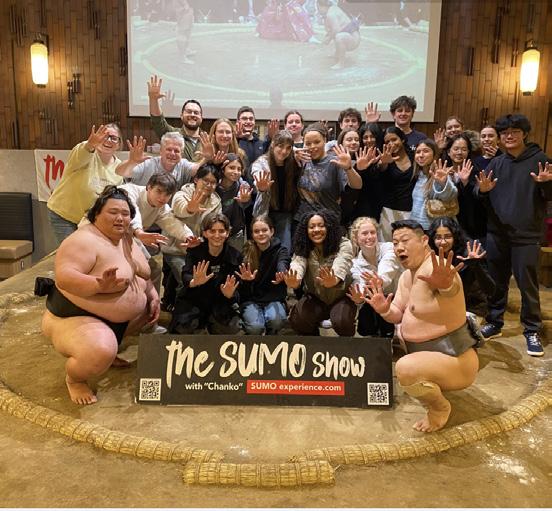
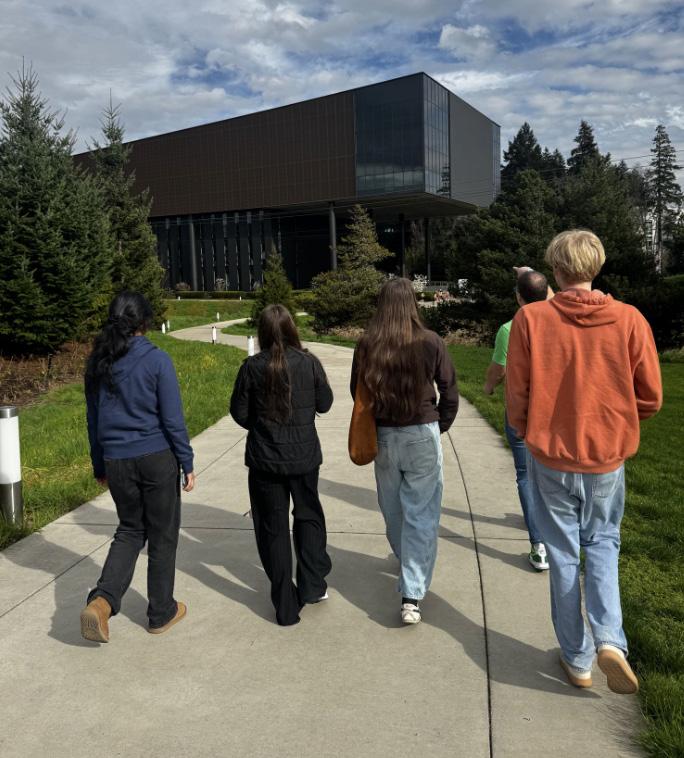
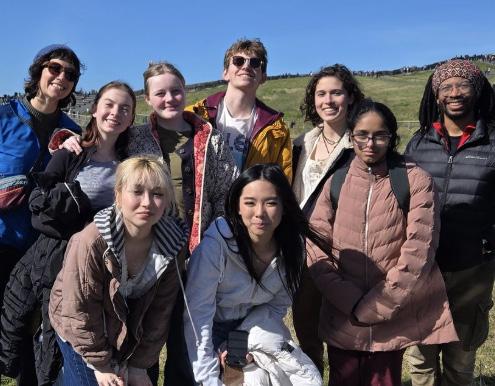
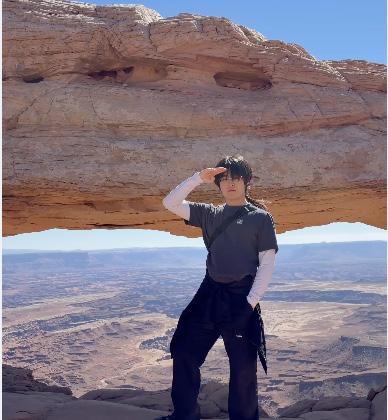
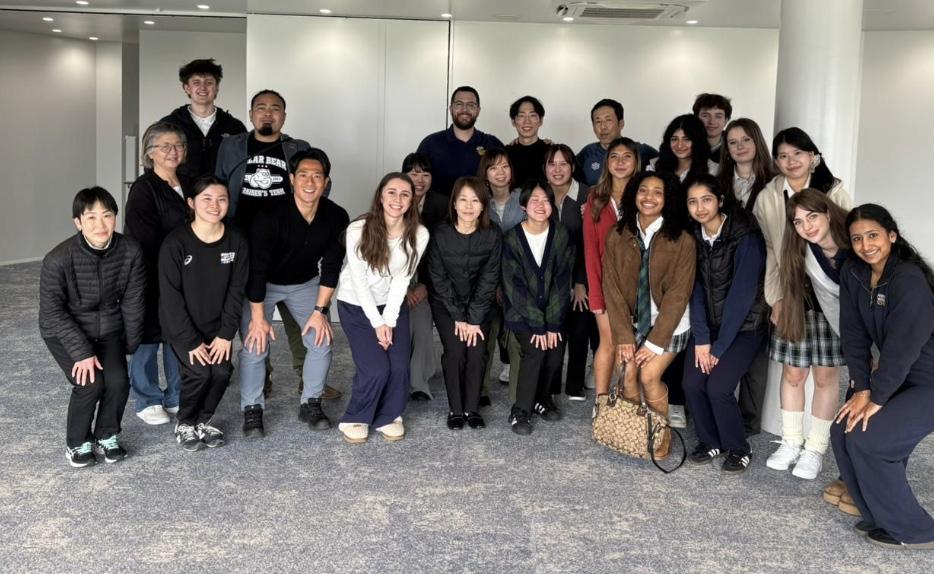
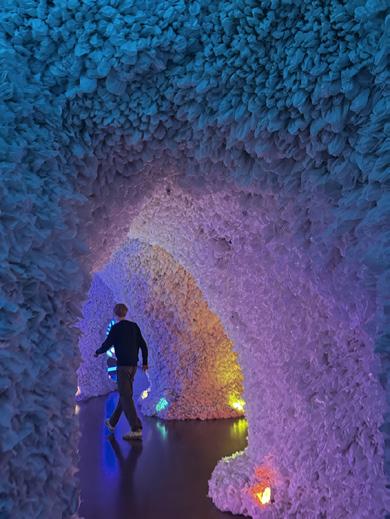
(s)Elective Photo Montage
Special Thanks to Pixevity, MUN, Survey participants and David Chen for photos
One Dream: 119 Minutes: The Road to a Sub 2 Hour Marathon
Gabe Droubay
On the morning of April 26th in London, tension filled the air. The conditions, with temperatures in the mid 50s, were a bit brisk, yet ideal for what was to come. At 9:35 A.M, a single shot rang out, and they were off. This was the start of what would become the record breaking 2026 London Marathon.
For the previous few months, one man had his eyes set on history, and a mark never seen in an official conditions race: the sub-2 hour marathon. While Eliud Kipchoge famously broke this near-impossible barrier in 2019, it wasn’t in an official race. Kipchoge also had the help of pacers, whereas Sebastian Sawe would not. Logging weeks of up to 150 miles, or 19 miles per day, Sawe was putting his all into preparation for this 2026 marathon. When asked if he would attempt to challenge the almost fictional barrier of 2 hours in London, Sawe replied with one word. “Yes.”
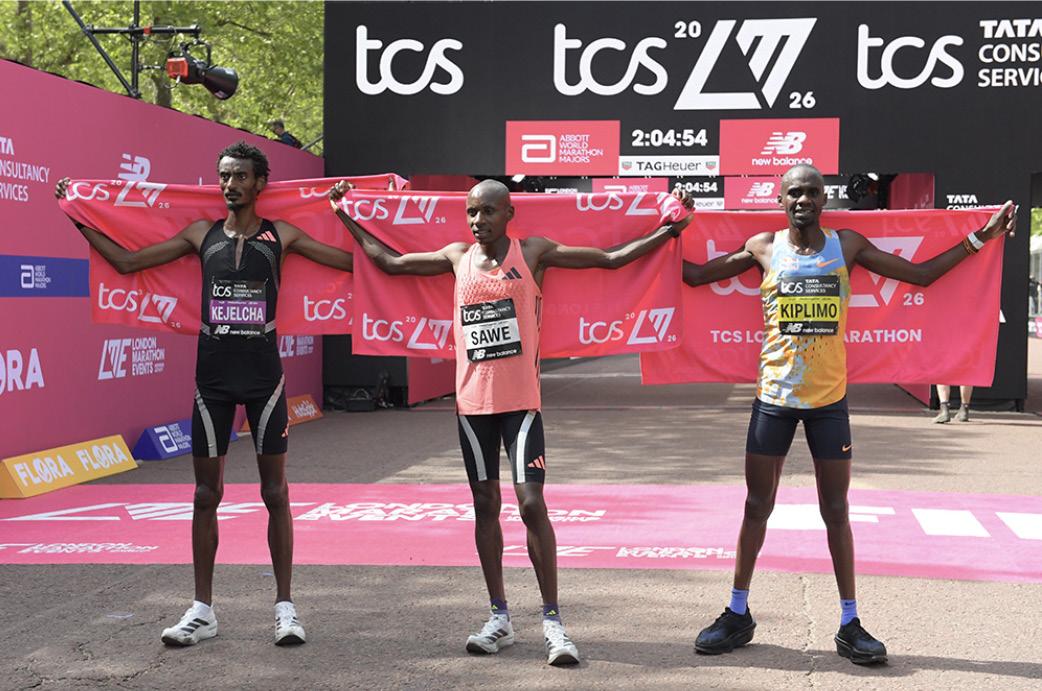
Only a little over two years since world record marathon runner Kelvin Kiptum passed away in a tragic car accident, not one, not two but three men shattered his world record in London, with Sebastian Sawe coming in first. The mythical 2-hour barrier was broken, and Kiptum’s record was smashed by over a minute when Sawe crossed the line in a time of 1:59.30. Shortly behind was Yomif Kejelcha, who became the second man to ever run sub-2 with a time of 1:59.41. Jacob Kiplimo came in third with a time of 2:00.28, becoming the third person ever to break Kiptum’s record.
While Sebastian Sawe is currently receiving most of the media attention for his historic win, the second place runners story might be even crazier. Coming into the race with a staggering half marathon time of 57:30, and a marathon time of…wait, he never ran one before! Yomif Kejelcha crossed the line to become the second runner all time to break the 2-hour marathon barrier, and he broke it in his marathon DEBUT! Jacob Kiplimo, who also broke the previous record in
this race, did so in only his third full marathon (although he does hold the world record in the half marathon with a mind-bending time of 57:20)!
At ages 31, 28 and 25 respectively, it is safe to say that the future of the marathon is in good hands, as Eliud Kipchoge was already 37 when he ran his unofficial world record. With times like this coming from a seasoned veteran and two rising stars, I wouldn’t be surprised to see times even faster than this, given the right conditions, in a race coming soon near you.
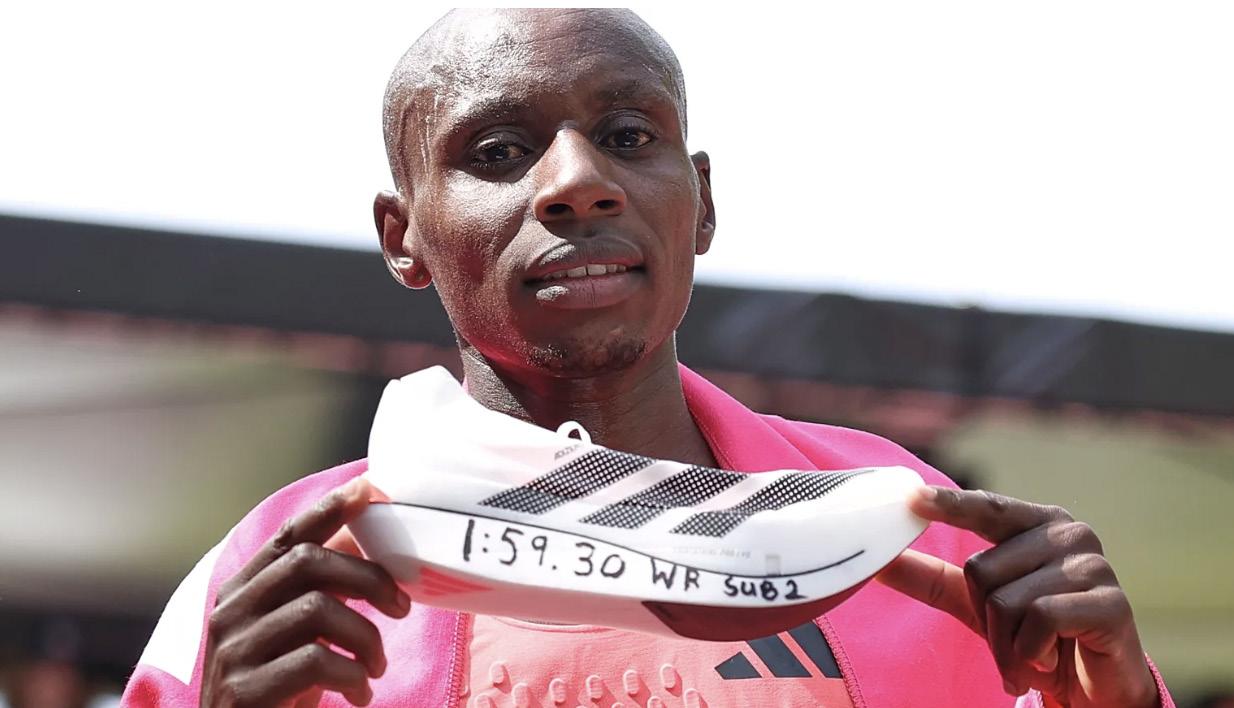
Sebastian Sawe after his historic London Marathon, his shoe indicating his impressive performance.
The three men who broke the world record (pictured left to right): Yomif Kejelcha (silver), Sebastian Sawe (gold), Jacob Kiplimo (bronze).
Inkwell DIY: A Break in the Monotony
Cooper Dicks
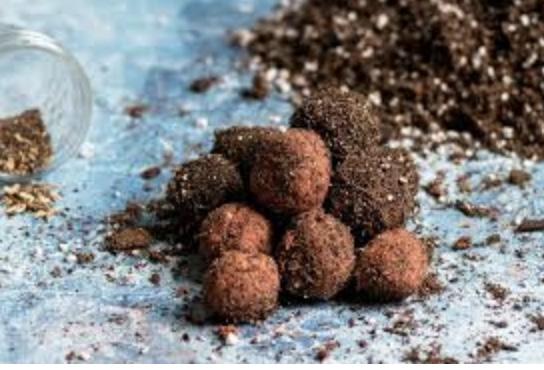
Anyone living in a big city or other urban location knows just how ugly some of the public spaces can be, with their vast stretches of concrete and gravel. And these spaces aren’t just unsightly - cities fragment habitat for pollinators like bees, putting them in danger (NIH). A simple solution to both of these problems is seed bombs. The concept is simple; mix local wildflower seeds with soil and clay, and let them dry into hardened balls. Then all you have to do is go for a walk or bike ride and toss some seed bombs whenever you see a barren bit of ground. They will stay protected from predators and erosion until the next rain, when the balls will dissolve and the seeds will germinate.
In a few weeks, what was dry and uninviting will become vital habitat - not to mention a beautiful space for all to enjoy. If this seems interesting, I would strongly recommend checking out these instructions.
Materials:
native wildflower seeds powdered or pottery clay compost water
Instructions:
Mix 5 parts clay, 1 part compost, and 1 part seeds
Slowly add water while mixing until they have the consistency of playdough
Roll the mixture into balls roughly one inch in diameter
Place the balls on a play and leave them in a shaded, dry area for 24-48 hours until they harden.
Considerations:
Always be sure you have permission before throwing them on private or public land
Seed bombs are most effective when thrown in fall or early spring, or before rainfall.
With just a few simple steps, you can bring joy to your community and help local species thrive.
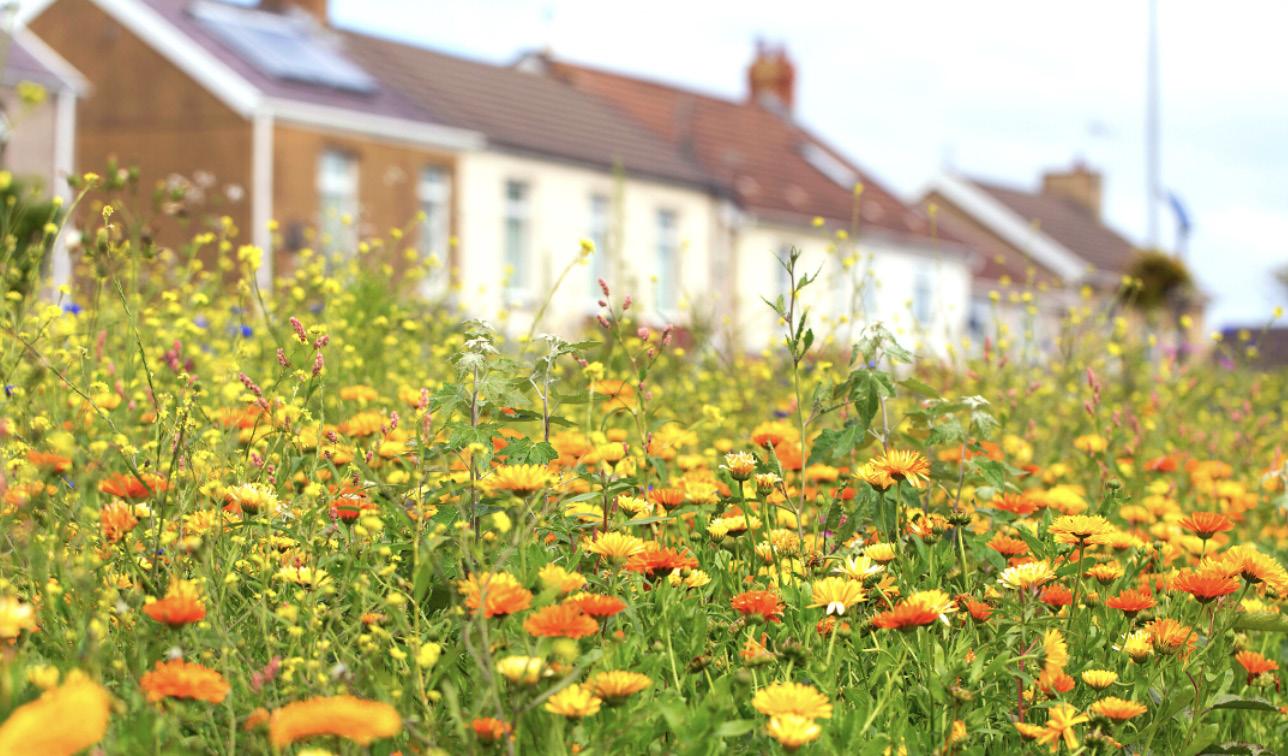

To learn more about urbanizations’s effect on natural pollinators, click below

https://www.oursafetynet.org/ https://pubmed.ncbi.nlm.nih.gov/37345567/ https://www.ruralsprout.com/wildflower-seed-bombs/
Photo Credit: Rural Sprout
Photo Credit: National Environmental Treasure
To learn more about seed bombs click the link below
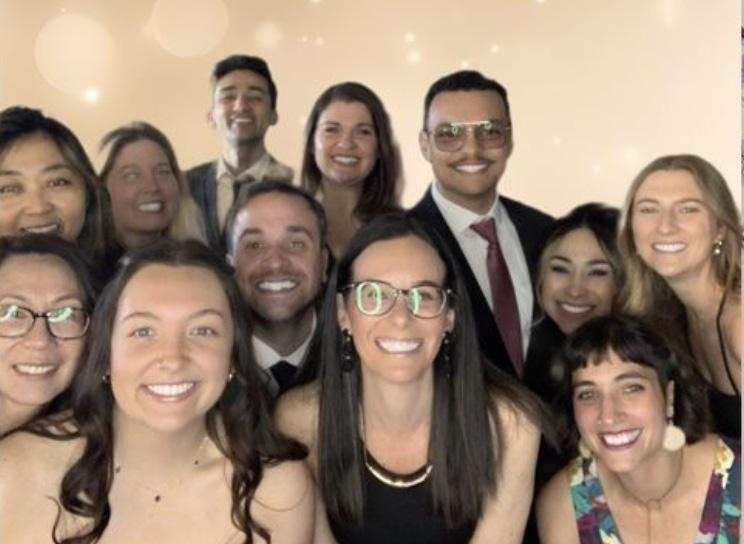
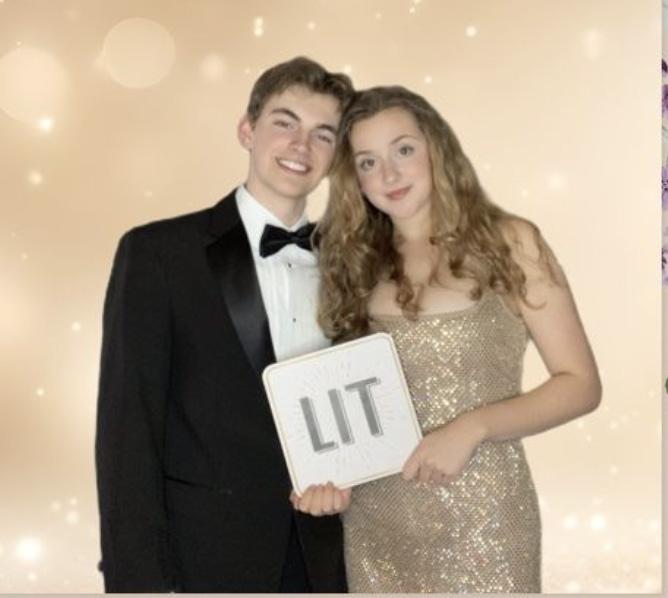
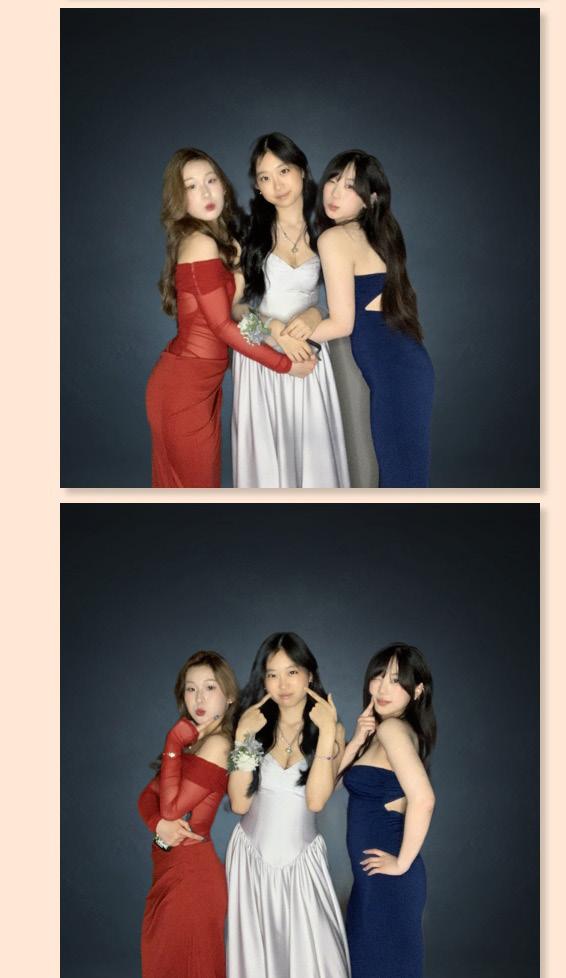
Sunset on the Sound: Prom 2026
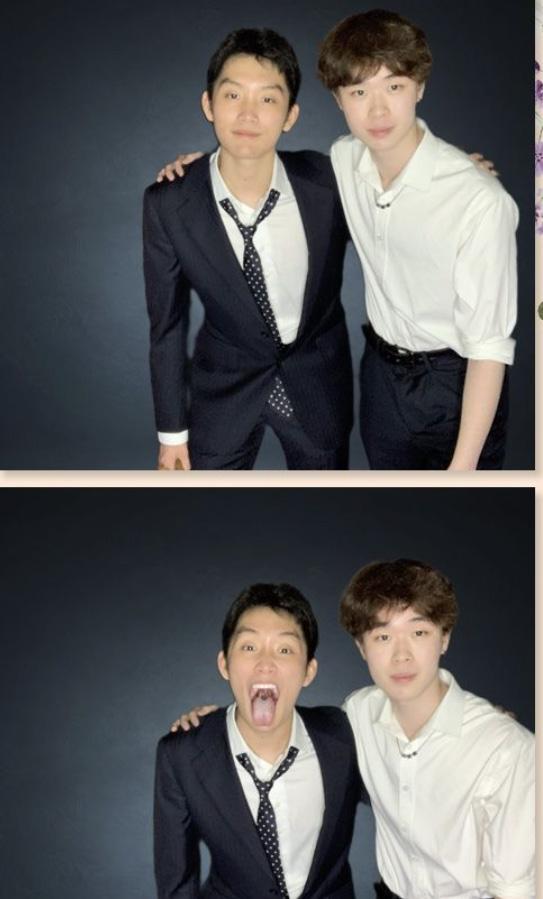
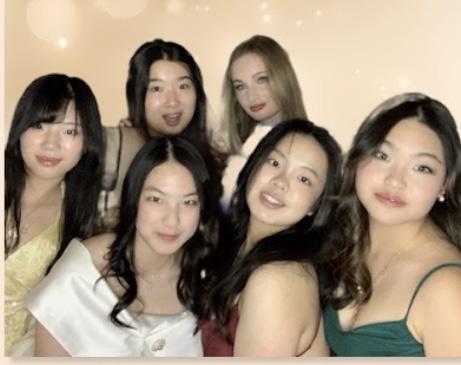
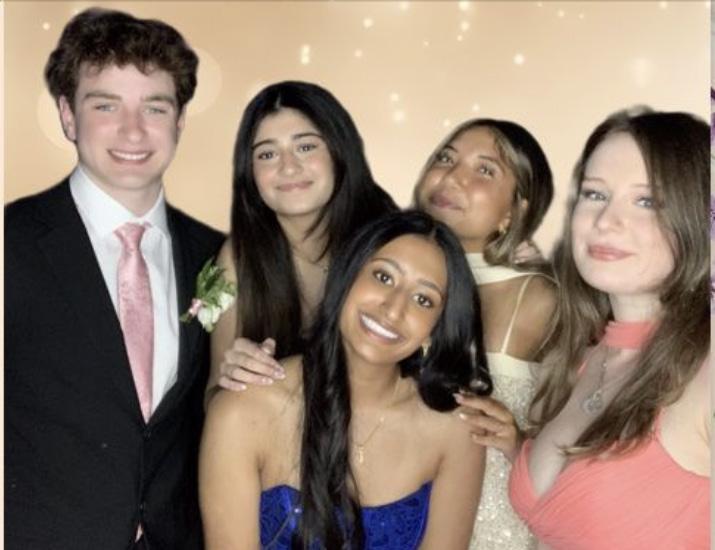
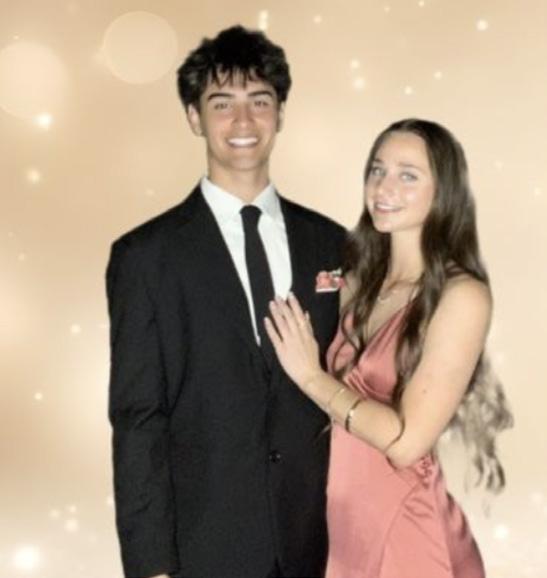
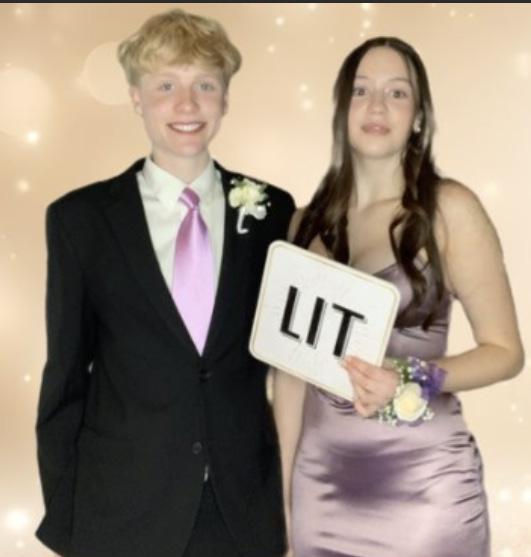
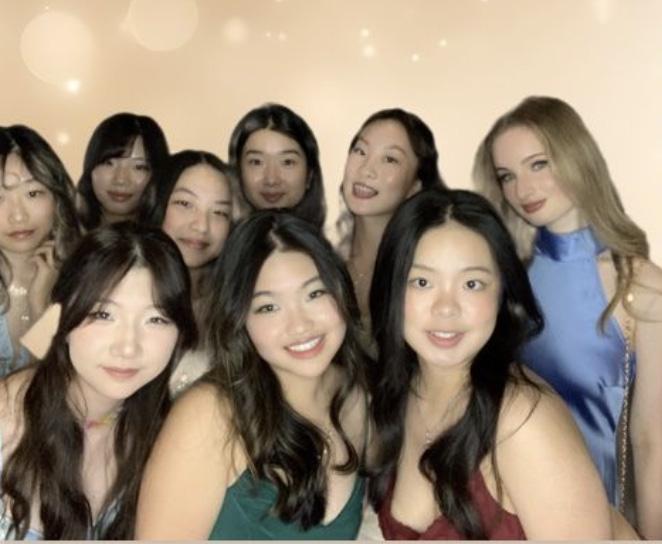
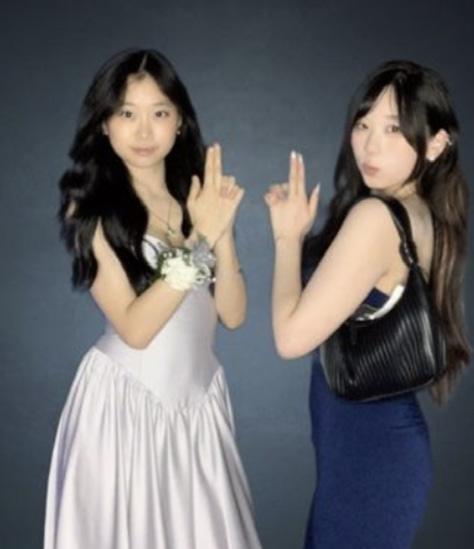
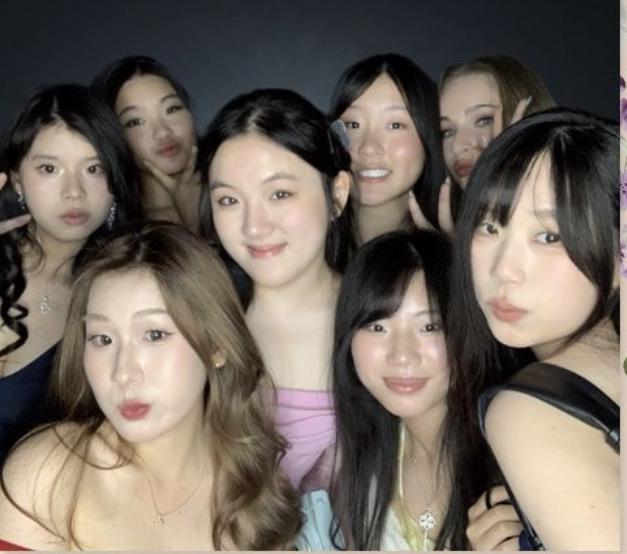
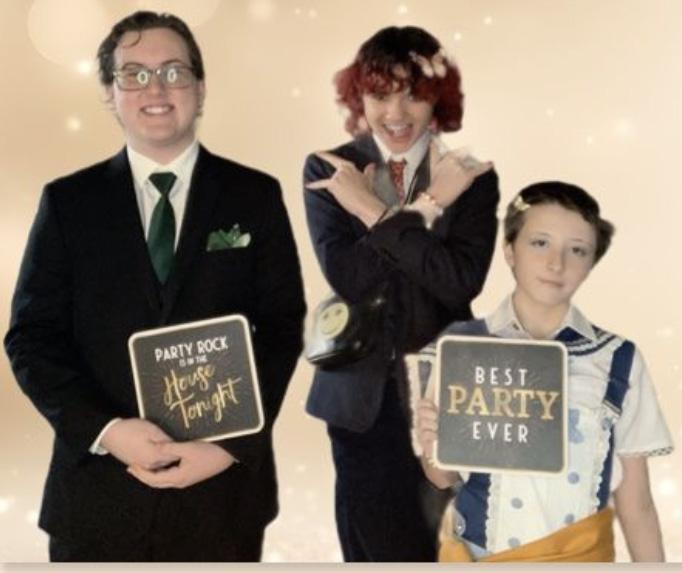
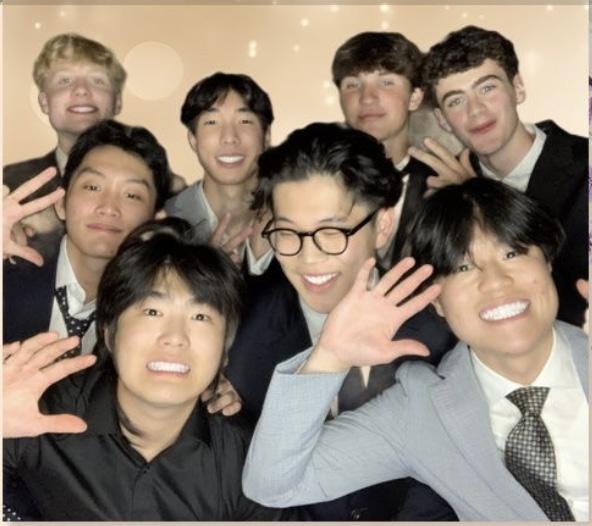
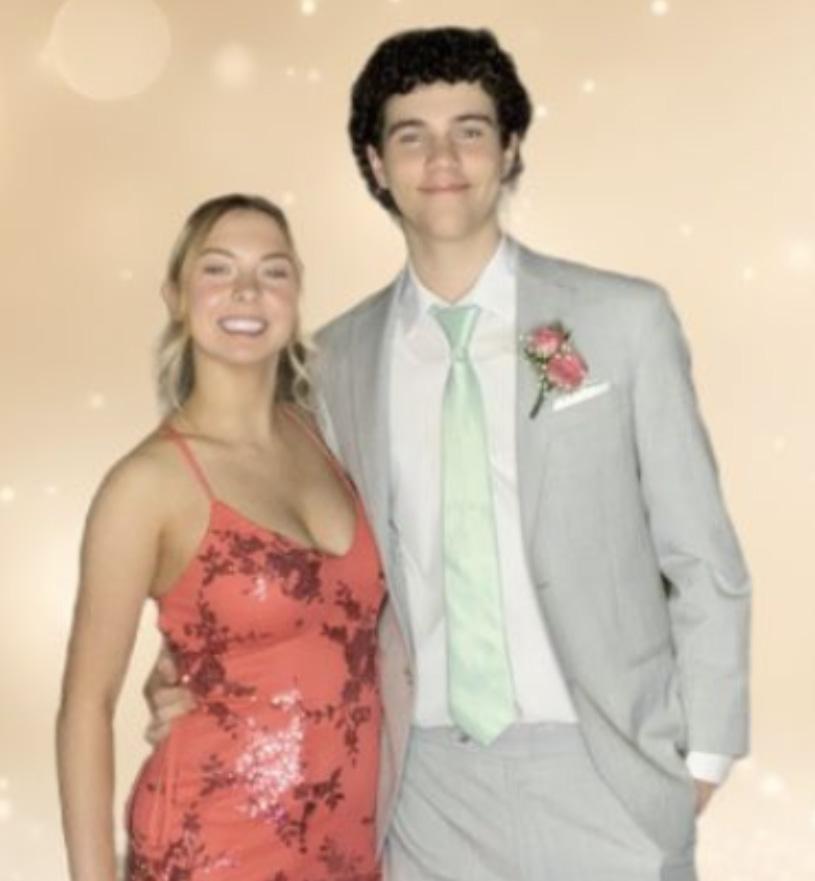
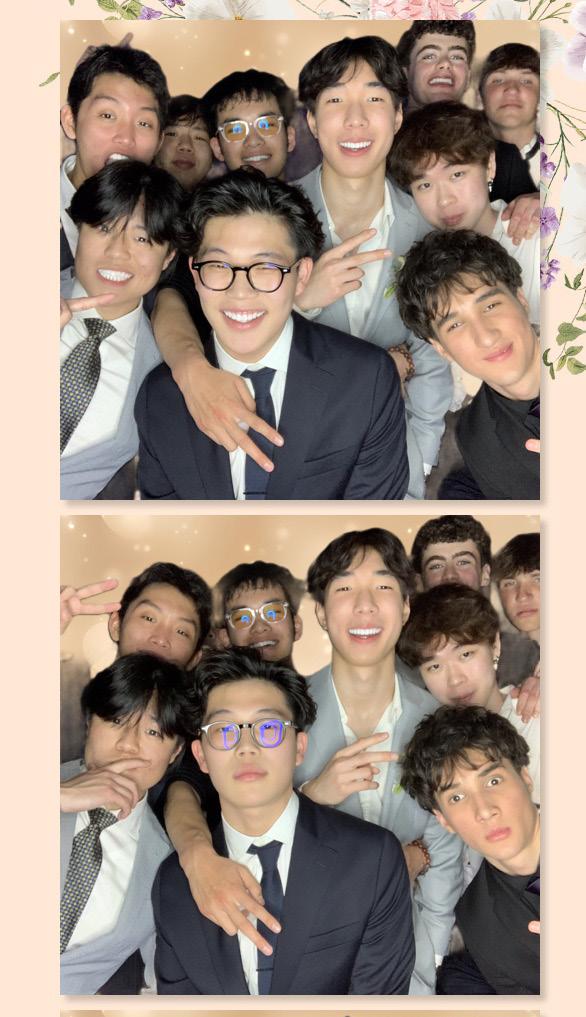
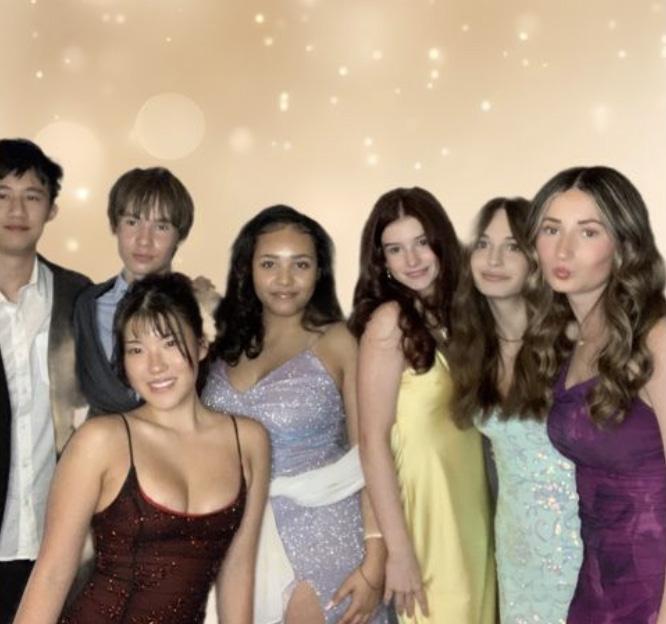
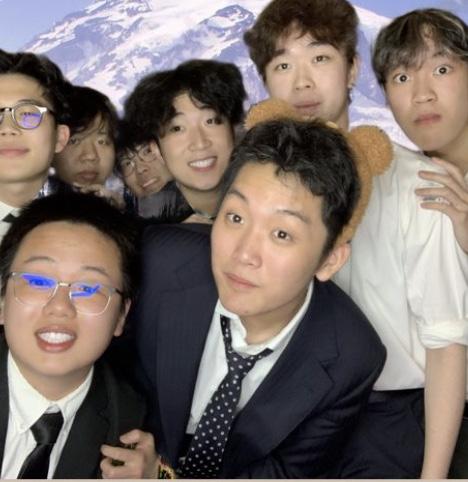
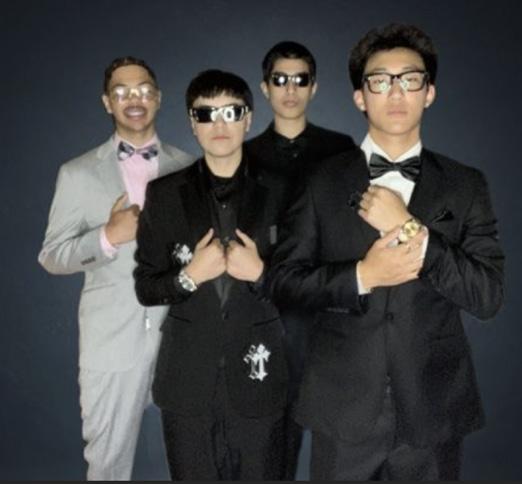
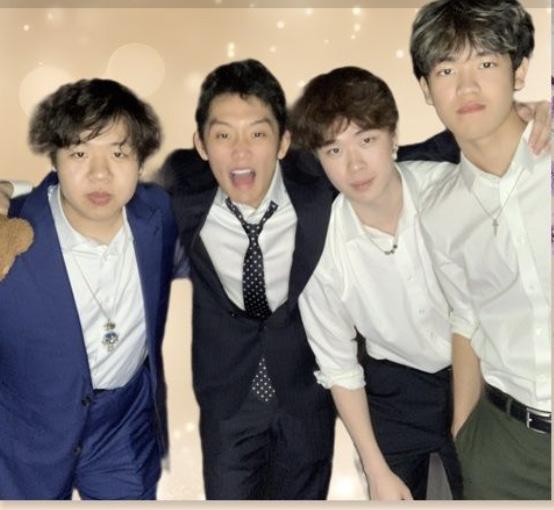
9th Grade Perspectives and Adventures
Presley Jones
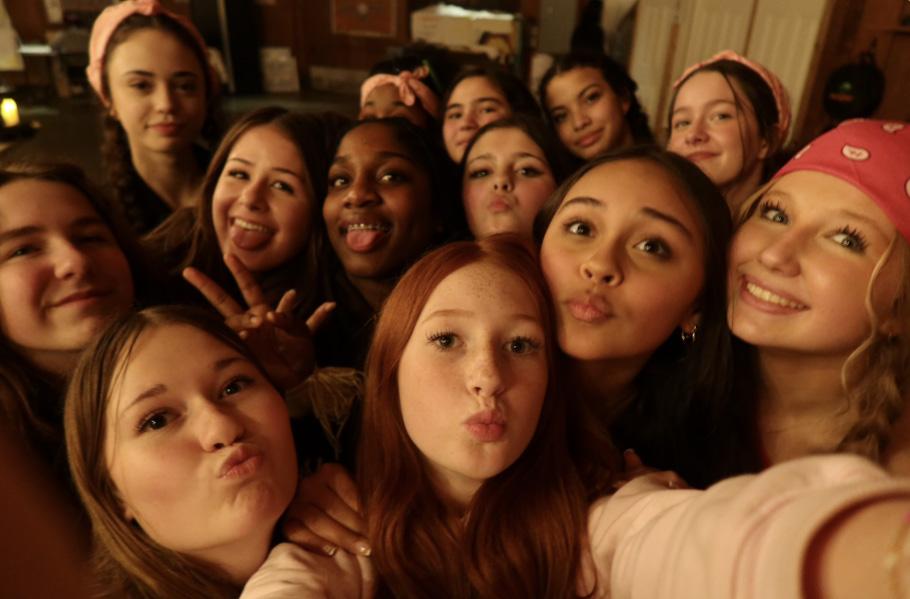
Inkwell wanted to hear students perspective about their experiences on the Grade 9 retreat. We wanted to celebrate their insights and voices regarding this unique interactive learning and team building event.
This retreat was the week before spring break and was the first ever at Camp Solomon Schechter, so we conducted and sent this anonymous survey to form to receive first hand perspective and opinions from 9th graders on some of the favorite activities!
Student Responses
How do you think the grade 9 retreat bonded us as a class?
The competition between the cabins encouraged us to work together and get to know each other better It bonded us a lot.
It bonded us very well and we got to know each other better through the activities.
There was definitely bonding.
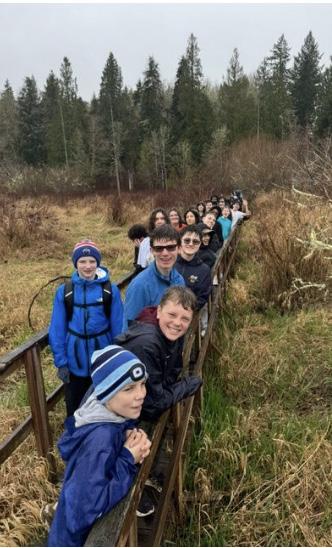
Walking through a marsh and plunging into freezing water was tough but we were all doing it together and that made difficult experiences fun because it was a shared experience
We worked together really well on the retreat.
Yes definitely.
It helped introduce people that didn’t really talk with each other.
The experience felt intimate and real, and I think that made people appreciate their relationships with others.
I think we bonded very well
Decent
I feel as though we were already bonded before the retreat, and it should have been at the start of the year because I feel like bonding was not needed at this time after everyone had already settled into their friend groups and made their main connections.
Just being with each other all the time was cool.
It helped heal friendships and create new connections with classmates. The private yet emotional activities allowed people to be truthful and have empathy for others.
Good
The 9th grade retreat helped us bond by helping us get to know people that we don’t normally talk to because we don’t have classes together. It put us in an environment where you could openly talk and get to know people.
It was pretty fun.
I believe that grade 9 retreat bonded us as a class adkjlf;da[piqerwponcnppufjqpslssloan i cant believe that you would letter paper sentence pen pencil marker yellow redstone piston sticky piston observer
t was great
I got to spend some more time with friends
What are some improvements that could be made to the retreat in the future?
I thought it was really good, and really fun
It would be nice to have more games
Using games and outdoor activities more to help us with team building but it was good overall
Maybe a bit more unstructured time to enjoy the wilderness and reflect on what we had learned and done. We were doing so many fun things, but a just a little more scheduled unstructured time could help us relax and process it more.
More outdoor activities and team sports to help with team building
Maybe a scavenger hunt in the wilderness area near where we stayed and some more team activities out in the wilderness area
More activities together like team problem solving
I think that more hands-on activities will be fun.
More outdoor activities like the water plunge
Letting us unpack and settle in sooner
We would spend more time at the lake
The food
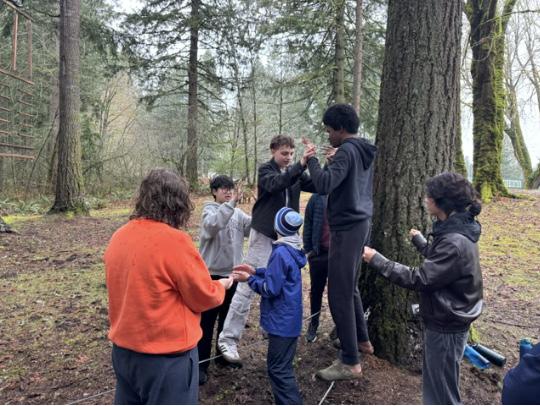
What was your favorite moment from the trip and why?
It is hard to name just one thing.
When we all came together and set up the volleyball nets and played and swung on the bench swings.
I enjoyed the skits; they were funny.
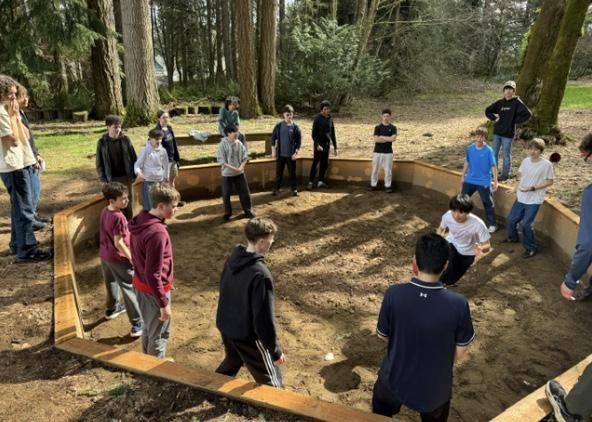
The relay race was fun and gaga ball
It was great to get to know people better than we did before .
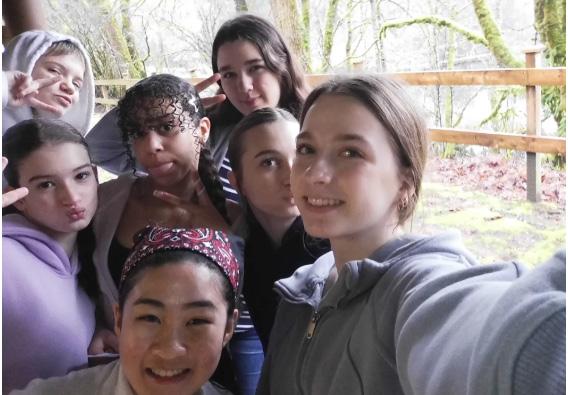
Getting to work with people and learn about them outside of class
Polar plunge, it allowed you to really prove something to yourself, it was difficult and you didn’t have to do it but if you pushed yourself to do it you came out of the experience stronger
The polar plunge, I’ve never done something like that, and even just trying it was exciting. It was fun to challenge myself with something new
Swinging on the swings because I like swinging.
The cabin because it was when I personally had most fun
My favorite moment of the trip was on the first day. It was sunny outside and a pretty big group of people was outside playing beach volleyball. It was my favorite part because there was just pure joy on everyone’s faces giggling and a few times we hit the ball into the water and I had to go grab it. I was cold and uncomfortable, but it was worth it for the fun. Also, the activities on the last were great.
The
water plunge
Exploring nature
I would say whenever we had the free time and could go around in the cabins. All the USG leaders for the cabins were super welcoming and going to other cabins to see and hang out with friends was super fun in my opinion. It was also chilly, and the swings were fun.
Probably just down time and hanging out
Uno game
Making smores bc I was SOOO hungry kinda like I am rn
My favorite moment from the trip was playing poker while waiting for lunch.
Hanging out with friends
What was your favorite activity from the trip?
The relay race or capture the flag.
The polar plunge and how we bonded over the experience.
I had a good USB cabin group, everyone was funny and chill
I liked the outdoor ropes course and obstacle course. I wish we had more time on the ropes course so we could try some more of the obstacles they had there
I really enjoyed the polar plunge
The competitions between cabins
Relay race
Water plunge
My favorite were the activities on the final day
Basketball
Smores
My favorite activity was playing ga-ga-ball and I also climbed a tree to get a sick whistle
Obstacle course
The ropes course
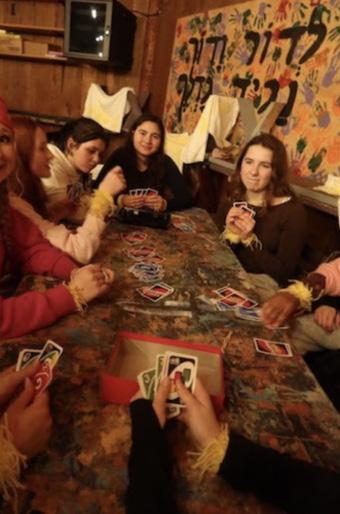
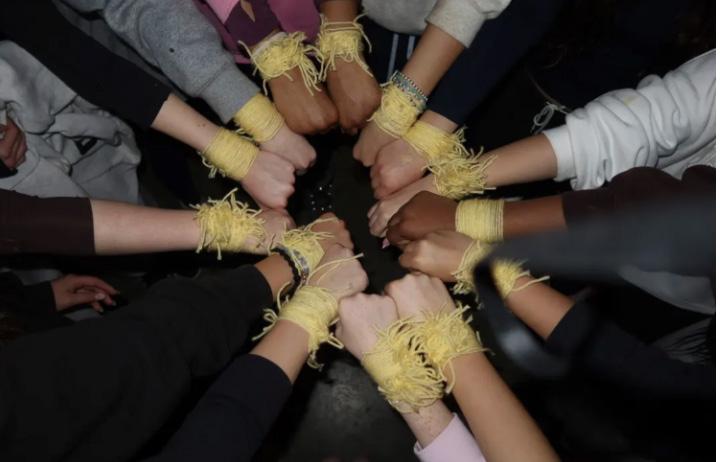
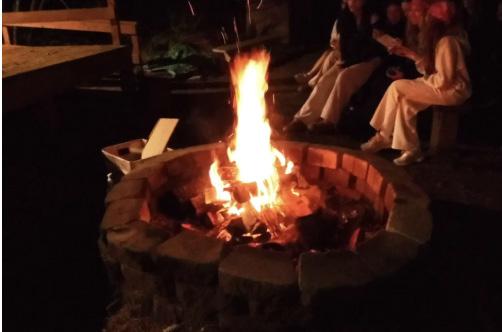
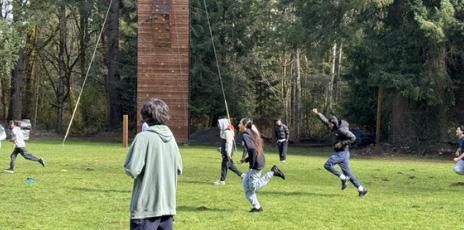
Inkwell wanted to get a full picture of the Grade 9 retreat so decided to ask the teacher chaperones for some of their reflections about it.
Teacher responses
If you chaperoned this trip before, what was the biggest difference between last year and this year? If this was your first year chaperoning the 9th grade retreat, what impressed you the most?
I was impressed with the physical space available for students and staff. The rooms were comfortable and there were numerous practical locations to explore
explore indoors and outdoors. The proximity to Tacoma made it very easy to access for a two night trip. I was so thankful for the support from the junior and senior leaders who took on a tremendous amount of responsibility on this trip.
This was my third year chaperoning and I think every year feels a little different than the one before because class dynamics will always be different. This group was super fun and I liked the energy they brought. Even though I’ve been in past years, I was impressed in how everyone was so involved and enthusiastic about the activities we had planned.
This was our first year at Stampfer Retreat Center. We had to change locations because Cispus couldn’t host us during our travel week. Once I found Stampfer, I was so pleased with the location, the proximity to Tacoma, and of course the food.
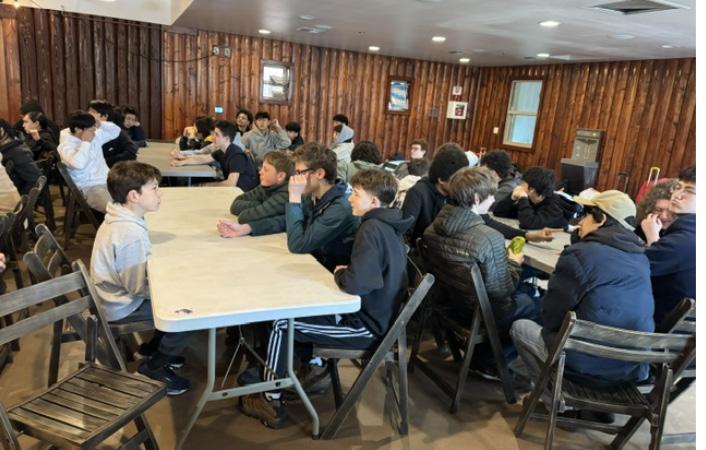
From a teacher’s perspective, do you think the students bonded from the activities planned? If so, what activity was the most effective and why?
The USB students presented 4 hilarious campfire skits that brought their cabins together. Their humor and camaraderie was on display that entire night. I also observed students taking safe risks with their peers on the ropes course. Many students mentioned they wished they could have spent more time exploring a variety of ropes course skills.
Absolutely! The retreat is an amazing opportunity to get to know other students you normally wouldn’t see or have class with. I think the challenge courses pushed a lot of people outside their comfort zone both individually and working as a team. It was nice to see students step up and take on a challenge with someone they didn’t know super well.
I think that the Grade 9 Retreat is a great opportunity for students to make new bonds and tighten their existing bonds. My favorite activity is kind of top secret so I’m not going to share in this form. :)
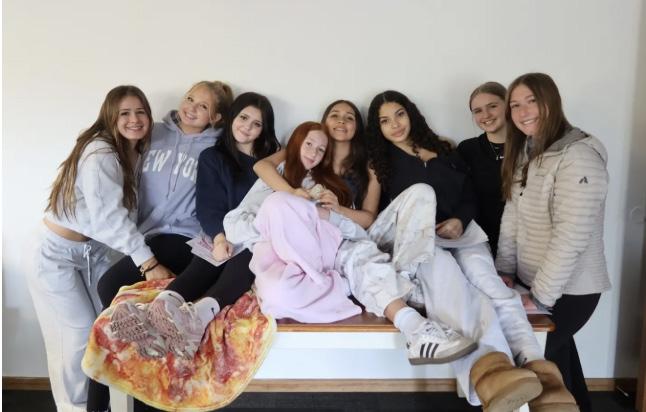
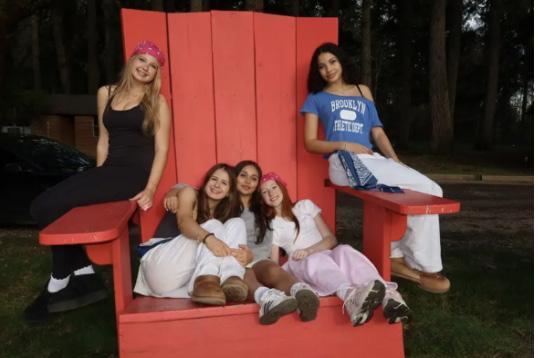

USB 9th Grade Retreat Video
Photo Credits to survey participants and Mr. Haymond
Artist’s Corner Luc Sun
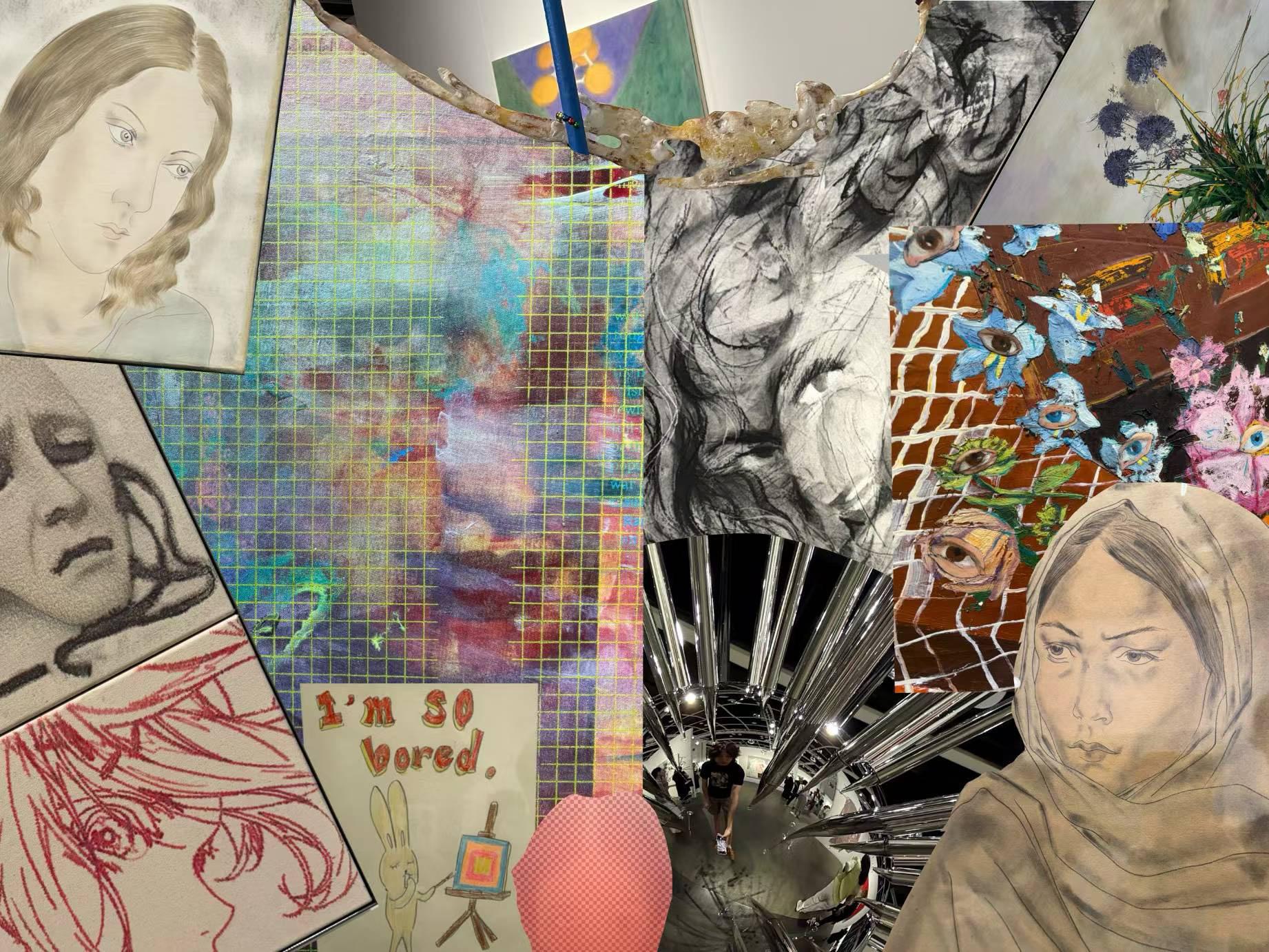
Title: FooKhan
Medium: Digital Collage
Description
“Khan is not a fool, but as he heard the terminology “fu kan” in Chinese, he thought someone was slandering him and chose to close his eyes, losing the ability to observe the truth. Fool-Khan, FooKhan!”
The terminology, fu kan, can only be translated as “overlook” or ‘looking from above’ there is no one word in English that encapsulates the concept. However, it is also connected to the concept of “neglecting”. Every time you focus on just one eye you choose not to see the full picture. There is no way to observe everything all at once. Whenever you isolate your focus to one thing, you lose the perspective and perception of another.
It is said that whenever Khan (a fictional Asian character) looked into one piece of truth, he chose to neglect, instead of standing further and overlooking from a high place.
The Journey Luc Sun
Returning
A year has passed since the last time I was here, almost as if I had a long dream that lasted for a year. I was living like a spinning coin, lifted up and spinning, each time I was thrown down. It was an endless cycle: Friendship, Love, Achievements, Betrayal, Hate, Failures. Now, all these experiences and memories are all left behind as I make my way back to the place where my family calls home, my birthplace, Wuhan.
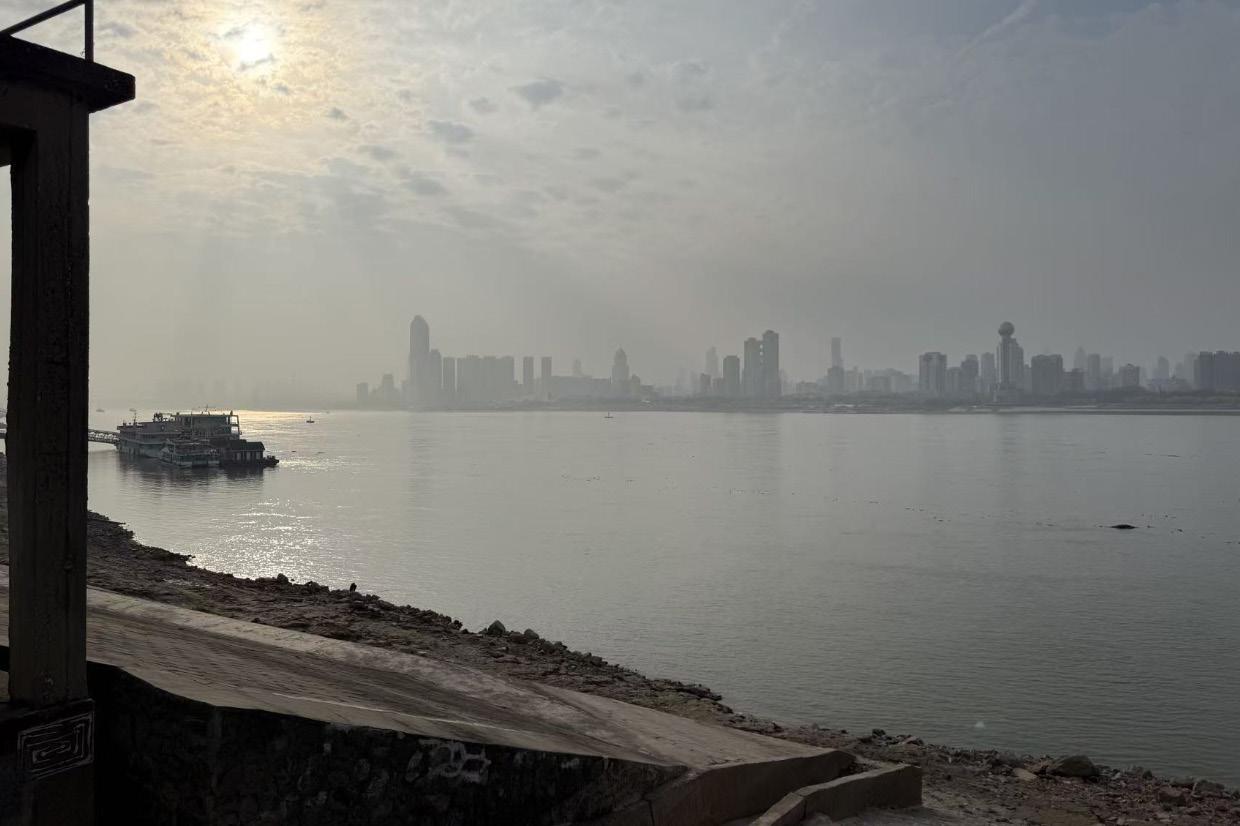
The Way Back
On Dec 31 2025, the last day of the year, I took a 6-hour train ride from Wuhan back to Shenzhen, which has a similar distance between Seattle and San Francisco. It was my first train ride with someone who I need to take care of beside me, my younger brother. However, unlike the 12-year-old child I once was, he remained silent, quietly playing Minecraft unless I reminded him to take breaks to rest his eyes.
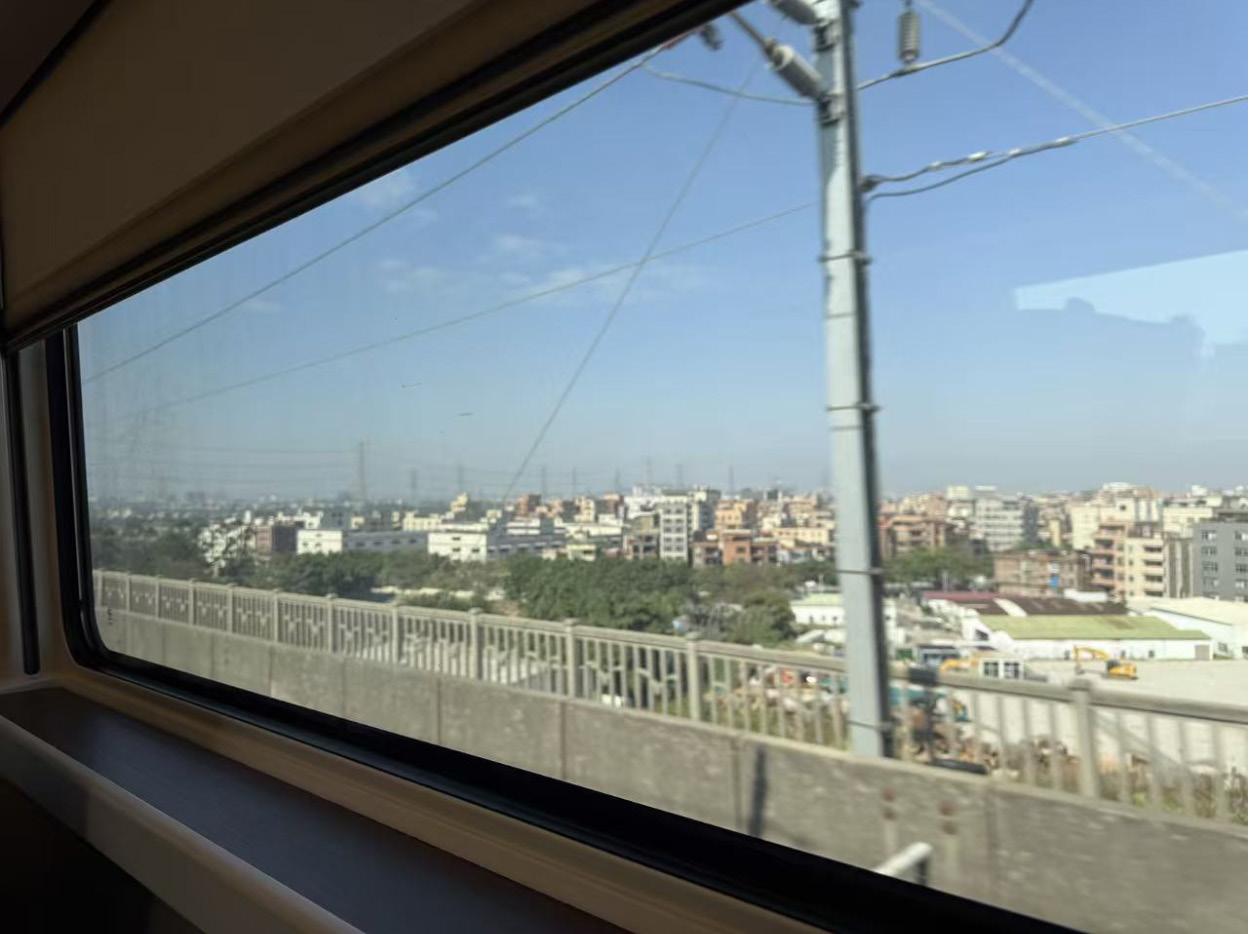
The countryside crossed by the railroad was so familiar to me, as I used to travel on this line twice every year, but I haven’t since the COVID-19 pandemic began. The jungle of iron and steel where the pandemic first began, now passing behind me.
Strangely, the city where I was born, with one of the largest urbanized areas in the world, was mentioned lightly only at the beginning. My memories faded as quickly as the passing scenery: from the fields of wheat to the hills continuously expanding far away. Then the tunnels, one after one, as the train crosses through one hill, with the darkness replacing country views with my face reflected from the window. Ten years ago, I was sitting in a similar seat with my dad, in a similar position to my brother’s, working. Suddenly, I thought I saw a child looking at me, with an extremely similar but much younger face, in a similar pose to mine.
It was too late as I realized the tunnel had disappeared from my sight. My brother seemed to be exhausted from gaming, as he left his laptop open on the desk and started staring at where I had glanced. For once, we shared the same silence. Then, he asked me if I was working on anything. I heard the noise he made, and chose not to reply in words, but repetitively patting his shoulder.
So we returned to Shenzhen, the cyberpunk city with neon lights and neon dreams. I swung my index and middle fingers out, parallel and sticking together. Without hesitation, my brother held it for a second—like 3 years ago, like 5 years ago, like the first time I told him this would be our own signal, like if this were our own tradition – it was designed for his pearl-size hands, and now the size of it had grown to a maple leaf. Some things change, but something never changes.
Artist Spotlight: Sarah Wang
TT Nguyen
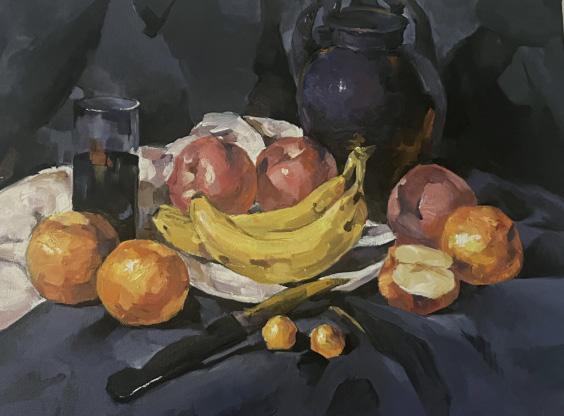
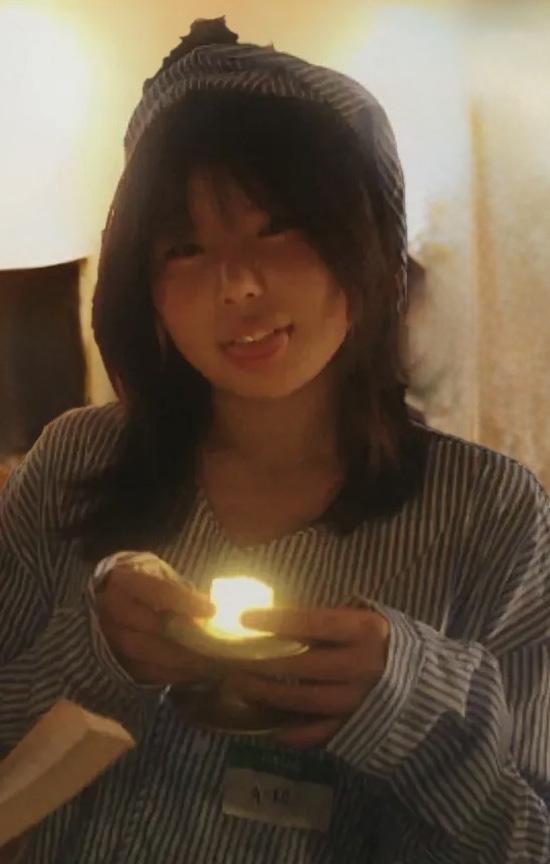
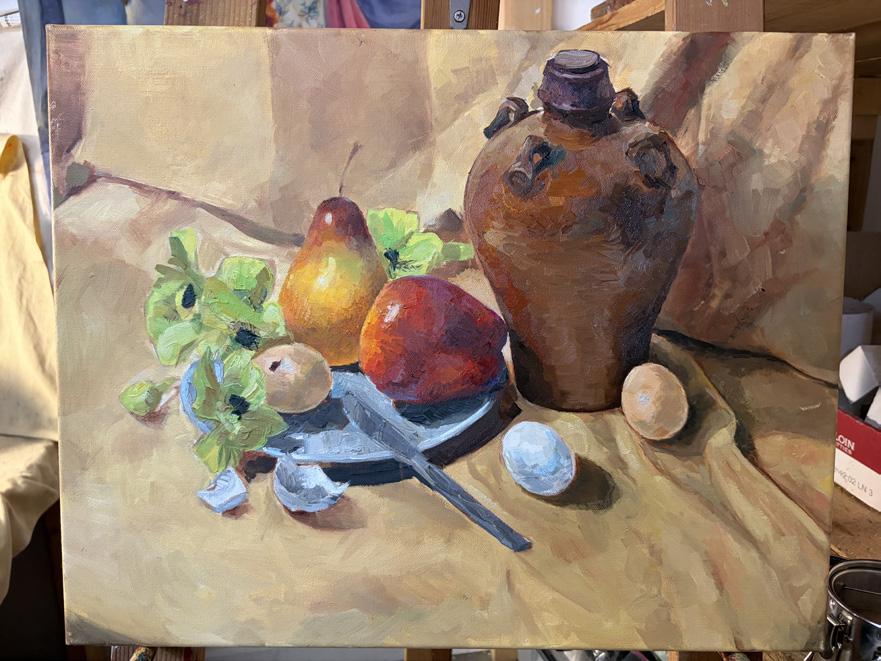
So TT here (still writing for Inkwell) and today I have Green Tie Sarah Wang with me here we’ll be discussing about her journey to perfect Still Life
Okay, so how and when did you start painting?
It really started when I was a kindergartener back in China. The most memorable art project I had was when we had to make these Chinese traditional masks out of rice stains in all different colors. We would be given a sheet that outlines a Chinese mask, and then we would fill in the red spots with red rice, the white spots with white rice, etc... From that, I found it really fascinating to play with colors and create something beautiful out of something super simple, like rice grains. That is how I developed my passion for art.
When my mom saw the mask I created, she signed me up for art classes. These lessons continued when I moved to Canada, where she sent me up for this one art studio that time you had to draw with crayons. As soon as I was seven years old. After a whole year of being in that studio, I progressed to learning Still Life and I thought it was really cool. I like Still Life, how you can capture a moment, you can still capture an object in a moment and shadows and all its elements just with a pencil alone.
Can you give me a more detailed definition of Still Life and what it means to you?’
Well, Still Life is, at its core, where you have an object or multiple objects on a table that are, like the name, still. It is most commonly drawn with fruits or vases. In the beginning, when you start drawing, you start with simple shapes, like a cube or a sphere or a cylinder, to understand how lights and darks interact to create values (the interaction of light and dark) and negative space (empty spaces). It’s one of the most important aspects within Still Life in order to understand the ways different objects interact with one another. It helps me better appreciate the quiet small moments in my life, how sometimes, just being still helps us find more light and meaning.
What inspires you in your art?
The main thing that inspires me in my art is myself. My experiences, my desires to grow, to learn and to reflect back on my work from the past before moving forward. I look back at my older artworks, my drawings in my sketchbooks or my old creations in order to track my progress. Seeing how I’ve improved over time inspires me to keep going and keep improving.
But also, I’m inspired by my mom. She’s one of the people that always supported me with my art, although she doesn’t want me to do that for a career. No matter what, she’s always supported me with my drawings, and she’s always been willing to purchase new art supplies if I ask for them, or just feed into my impulsiveness. Whenever it comes to art, she’s always willing to help and support me. She is always proud of me and my work.
How do you feel art has shaped you to be a person?
Well, when I was young, I was really shy. When I was in elementary school, because I moved around a lot, I was really shy and I was really afraid of talking to new people. I always fell back onto art as a form of escapism, I guess. I don’t really know how to describe it, but whenever I felt too shy to talk to people, I would just draw in my notebook.
It was kind of silly. I used art as a way to express my feelings when I was not confident enough to speak them. Because of this quiet creative reflection, I was able to learn more about myself, learn what I like, my hobbies and interests.
I use art as a way to express myself, but I also think it expresses how I perceive the world. For example, in my art class right now, we follow lines of inquiry and explore different topics and issues. My line of inquiry is how I can encapsulate and bring life into Still Life, which is all about bringing motion into something that’s emotionless. So I’m studying Van Gogh and the Starry Night painting, which is very vivid. It shows a windy scene. Well, to me, at least, it looks like a windy
scene. In a painting, you don’t see the particles of wind flowing, it’s like bringing life into a still painting. It’s almost like you could see the movements along the sky with the stars.
What’s the biggest challenge you felt as an artist?
I think the biggest challenge is with myself and maybe the drawing community. There is a lot of internalized competition between artists and other people. I think a few years ago, I felt extremely self-conscious about my own skill and my abilities. I would constantly find myself comparing myself to other people and not thinking that my work was good enough to be shown. That led me to stop drawing for several months and deny myself of one of my greatest passions.
I think having this internalized competition, with myself and also other artists, often led me to struggle with confidence in my own work. However, it also enabled me to continue with something I love so much, which is important because passion is not supposed to be a competition, but something you do for the love of it.
How do you describe your creative thought process?
At school or on Pinterest, I find a photo and I draw it. I like experimenting and challenging myself to visualize how different shapes and contours interact with each other in an environment. While I focus on Still Life, I see how focusing on the quiet moments and simple subjects can add depth and richness to our lives. It helps me notice small beauties in the world that are often overlooked.
What is it? It’s how you see your high school art shaping your future as an artist?
Well, I don’t plan on being an artist as my career path. But no matter what, I think my art will always be a part of me, and it will always be a way for me to express myself, and also be able to connect with others.
The (Unofficial) Best Cake in the World
Cooper Dicks
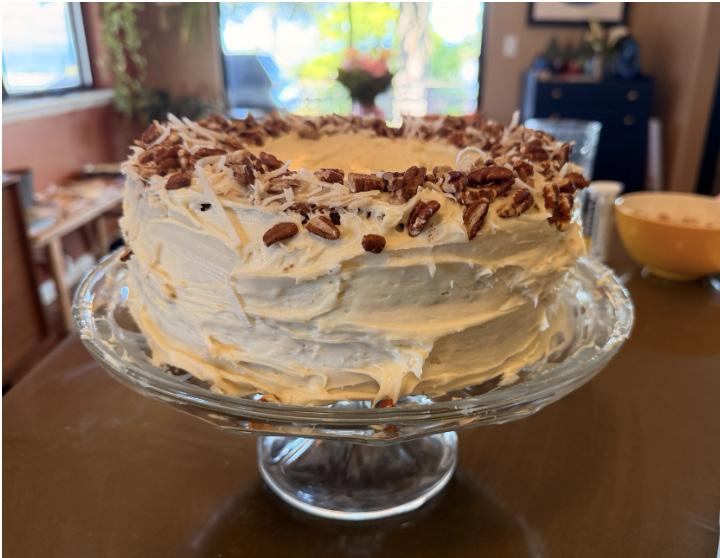
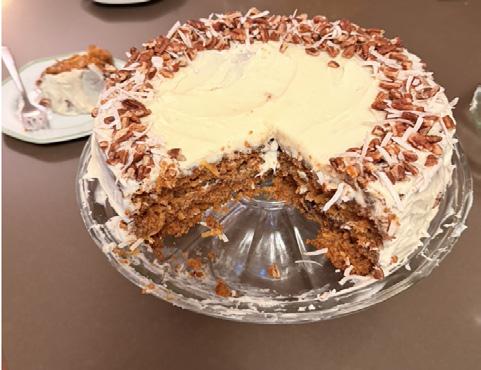
I’ve never really liked cake. I know that’s hard to believe, but to me, most cakes have always felt too sweet or too dry. The exception is carrot cake. While the name doesn’t seem too appetizing, anyone who has tried this delicacy knows how delicious it is. The cream cheese frosting perfectly balances the moist interior, creating a true masterpiece.
This recipe from Dorie Greenspan has over ten thousand well deserved five star reviews on New York Times Cooking. I highly recommend you try it for yourself.
For the Cake
2cups all-purpose flour
2teaspoons baking powder
2teaspoons baking soda
2teaspoons ground cinnamon
¾teaspoon salt
3cups grated carrots (you can grate the carrots in a food processor fitted with a shredding blade)
1cup coarsely chopped walnuts or pecans
1cup shredded coconut, sweetened or unsweetened
½cup moist, plump raisins (dark or golden) or dried
cranberries
2cups sugar
1cup canola or safflower oil
4large eggs
For the Frosting
8ounces cream cheese, at room temperature
1stick (8 tablespoons) unsalted butter, at room temperature
1pound (3¾ cups) confectioners’ sugar
1tablespoon fresh lemon juice or ½ teaspoon pure lemon extract
½cup shredded coconut, optional
Toasted finely chopped nuts and/or toasted coconut, for topping, optional
Preparation
Step 1
For the cake: Position the racks to divide the oven into thirds and preheat the oven to 325 degrees. Butter and flour three 9-inch round, 2-inch deep cake pans, flour the insides and tap out the excess.
Step 2
Whisk together the flour, cinnamon, baking powder, baking soda and salt and set aside. In another bowl, stir together the carrots, chopped nuts, coconut and raisins.
Step 3
Working in a mixer fitted with the paddle attachment, or in a large bowl with a whisk, beat the sugar and oil together until smooth. Add the eggs one by one and continue to beat until the batter is even smoother. If you are working in a mixer, reduce the speed to low, if you’re working by hand switch to a large rubber spatula, and gently stir in the flour mixture — mix only until the dry ingredients disappear. Just as gently, stir in the chunky ingredients.
Step 4
Divide the batter among the baking pans and slide the pans into the oven. Bake the cakes for 40 to 50 minutes, rotating the pans top to bottom and front to back at the midway point. The cakes are properly baked when a knife inserted into the centers of the cakes comes out clean; the cakes will just start to come away from the edges. Transfer the pans to cooling racks, cool for 5 minutes, then turn out onto racks to cool to room temperature. (At this point, the cakes can be wrapped airtight and kept at room temperature overnight or frozen for up to 2 months; thaw before frosting.)
Step 5
For the frosting: Working in a mixer fitted with the paddle attachment, beat the cream cheese and butter together until smooth and creamy. Gradually add the confectioners’ sugar and continue to beat until the frosting is velvety smooth. Beat in the lemon juice or extract.
Step 6
If you’d like to have coconut in the filling, scoop out about ½ of the frosting and stir the coconut into this portion.
Step 7
To frost the cake, place one layer of the cake, rightside up, on a cardboard round or a cake plate. If you’ve added coconut to the frosting, use half of coconut frosting to generously cover the first layer. Use an offset spatula or a spoon to smooth the frosting all the way to the edges of the layer. Top with the second layer, this time placing the cake top-side down. Frost with the remainder of the coconut frosting. Top with the last layer, right-side up and use the plain frosting to cover the top — and the sides, if you want – of the cake. Finish the top layer with swirls of frosting. If you want to top the cake with toasted nuts or coconut, sprinkle on these ingredients now, while the frosting is soft. Slide the cake into the refrigerator for 15 minutes, just to set the frosting.
Step 8
Serving: The cake can be served as soon as the frosting is set. It can also wait, at room temperature and covered with a cake keeper, overnight. The cake is best served in thick slices at room temperature and, while it’s good plain, it’s better with whipped cream, vanilla ice cream or even some lemon curd with a little whipped cream folded in.
Step 9
Storing: Covered the cake will keep at room temperature for 2 to 3 days. It can also be frozen, uncovered, and then, when it is firmed, wrapped airtight and kept in the freezer for up to 2 months; defrost, still wrapped, in the refrigerator overnight.
Link to the Recipe

Summer Playlists


Summer Playlist
Adventures from the 10th Grade Expedition: Iceland, Italy and Peru
Chloe Yoo
A week before our past spring break, the Blue Tie sophomores embarked on an exciting journey to each of their chosen destinations: Iceland, Italy, and Peru.
To look back at the trips and remind ourselves of all the adventurous and memorable moments, Inkwell sent out a survey to hear from the very own perspectives of the travelers. Many responses reflect some of the best parts of the trip, so take a look and get some insight into how the journeys went!
What was your favorite touring spot or site that you saw?
<Italy>
I really liked Ancient Rome as a whole, and Florence Duomo.
I really enjoyed the Cathedral in Florence. The scale was just unbelievable and it was very impressive.
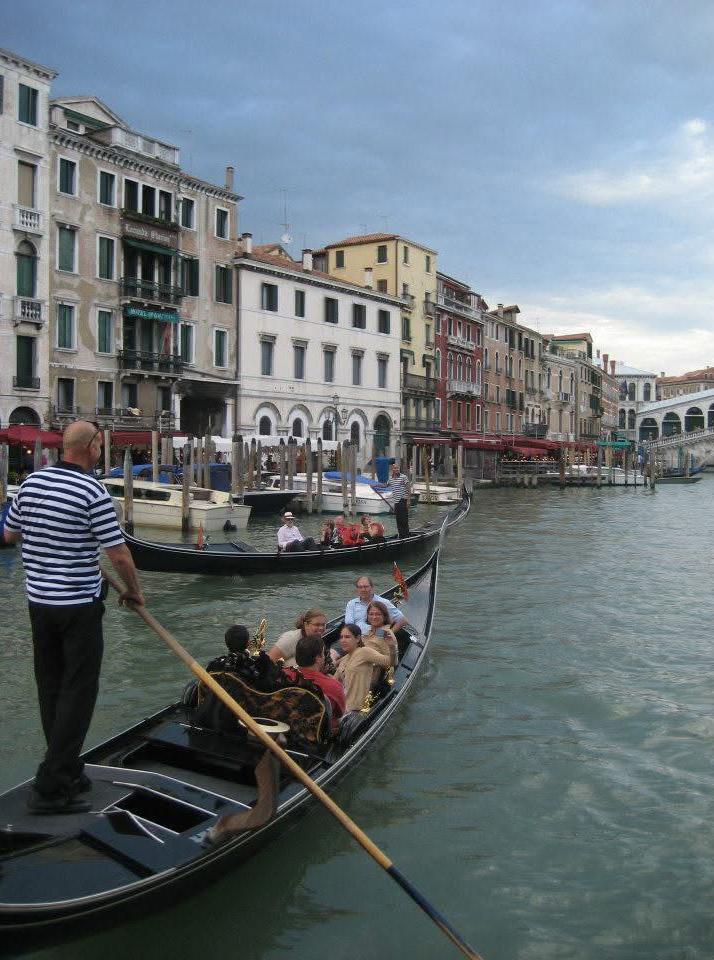
My favorite touring spot/site was either the view from Giotto’s Bell Tower in Florence, or gondola riding in the canals of Venice.
<Iceland>
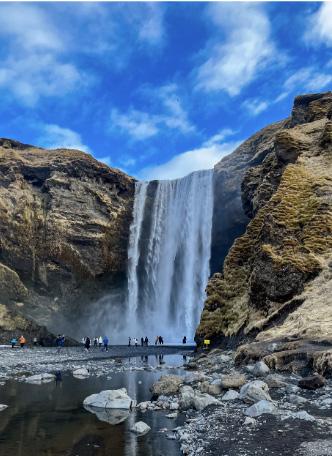
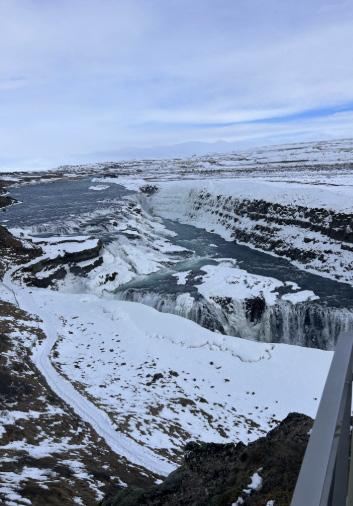
I loved Gulfoss, which is a golden waterfall in Icelandic. It was spectacular and even though it was a super windy day, I thought it was the prettiest natural site we saw (even though there were a lot)!
The glacier was really cool. We got to walk on it and it felt unreal.
I loved visiting all of the waterfalls Iceland had to offer. I thought they would get old, but there was something so beautiful about it.
The sunset in Florence The colosseum.
Gullfoss
The blue lagoon
I liked the tour of Raufarhólshellir.
Every place was great, one spot I liked was Raufarhólshellir.
<Peru>
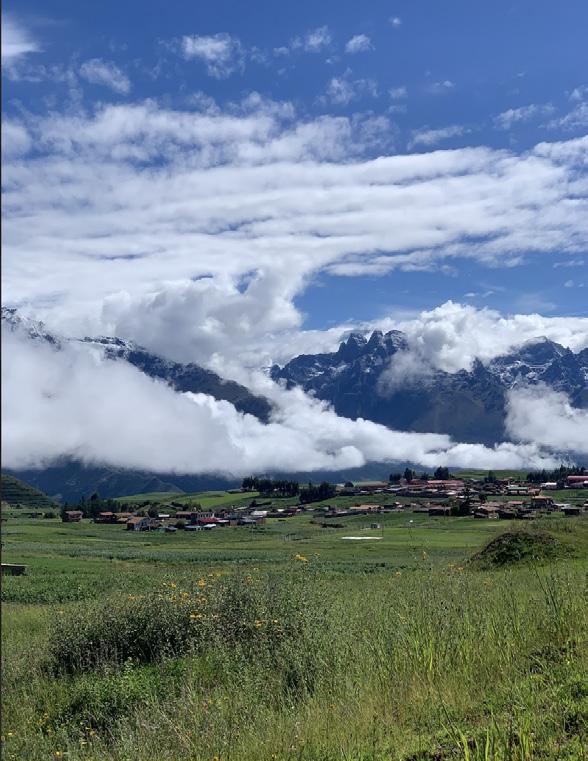
The streets of Cusco
Machupiccu
My favorite touring spot is Machu Picchu because the view is stunning.
Machu Picchu
Machu Picchu
My favorite spot was Machu Picchu in Cusco, Peru, I saw the famous ancient ruins of Machu Picchu.
Machu Picchu
What was the most memorable moment of your trip?
I enjoyed the bonding with the group.
I really enjoyed the many talks we got from the chaperones. I appreciated the many valuable lessons I learned from them on how to become a better human.
<Italy>
Seeing St. Peter’s Basilica.
The most memorable moment was when me and my friends went out for an expensive dinner but we had to pack the food and start running back to the hotel because we have to be back by 7:10pm.
The most memorable moment of the trip was walking around the streets of Venice while shopping, and then getting lost with one of my friends. We managed to find our way back in the end. Playing uno in the Venice Plaza with friends, Italian music playing everywhere you go.
Seeing Rome for the first time.
Touring the Vatican and seeing the Pope’s church.
<Iceland>
I loved getting to experience the amazing views and the different areas of Iceland, from spending time in the city to getting to spend time in the countryside.
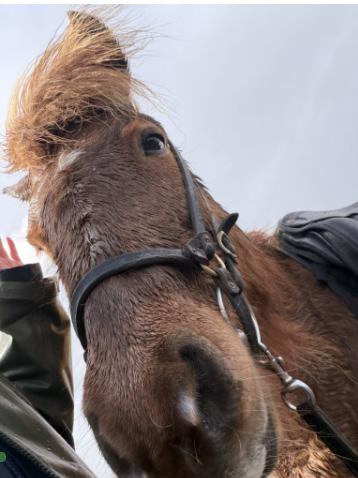
Even though it wasn’t on any itinerary, it snowed one of our last nights and we convinced the chaperones to let us go outside our hotel and have a snowball fight. It was so fun and unforgettable!
The snowball fight we had outside the hotel with Mr Haynes.
Waterfalls with friends.
The most memorable moment of the trip was visiting this all you can eat pizza buffet.
<Peru>
The free time period in Cusco, when we get to explore the streets.
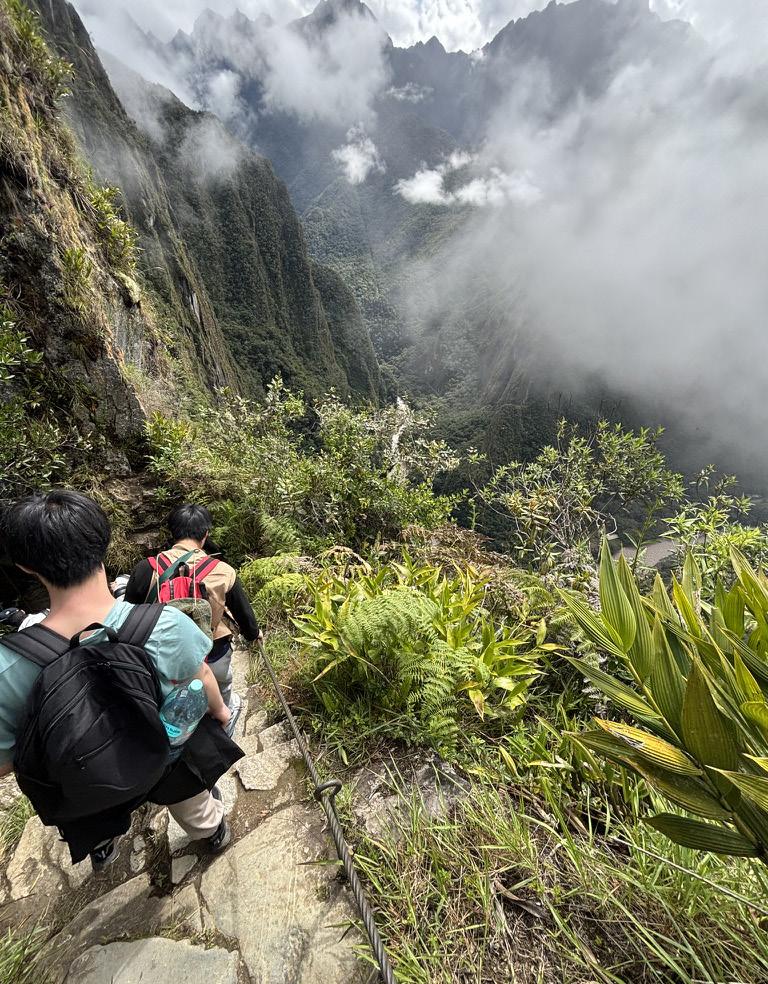
The most memorable moment was seeing the beautiful scenery from the top of the Huayna Picchu after a rigorous hike.
Climbing the mountain.
The most memorable moment was hiking a very challenging mountain but the view from the top made it all worth it.
Lots of the bonding moments i had with friends during dinner and hiking.
Climbing the mountain in Machupicchu
Climbing the mountain beside the Machu Picchu was my most memorable moment.
Hiking in Machu Picchu
What was your favorite part about the culture and/or climate?
<Italy>
I really liked the temperate climate of Italy.
I really enjoyed having conversations with Italians who only spoke their language. It was difficult but still a good thing to experience.
I liked the art history of Italy; it’s very interesting and wonderful most of the time, so that made the travel experience even better.
Very populated and lively I enjoyed lots of the food
<Iceland>
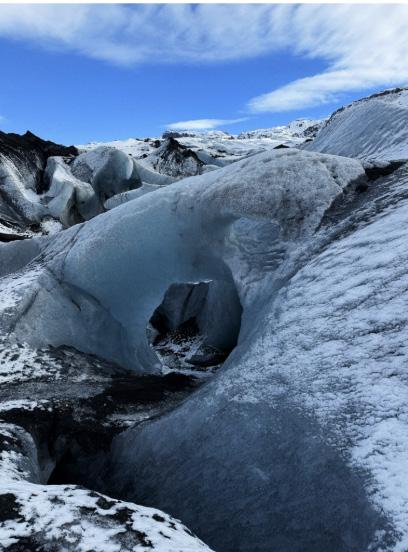
Icelandic people respect nature immensely. Given all their beautiful sites and history it is a massive part of their culture such that they make every effort to be sustainable and non disruptive.
I don’t really like the climate. It was too cold.
Although it was incredibly windy, getting to experience that as well as the snow was pretty cool. the views and diverse climate.
The friendly nature of all of the Icelandic people.
I loved how cold and windy it was. The wind was on another level and made it super enjoyable.
I love the gloomy weather, snow, rain, and the wind. I like the cloudy, rainy, snowy, and windy weather.
I love the gloomy weather, snow, rain, and the wind. I like the cloudy, rainy, snowy, and windy weather.
Icelandic people respect nature immensely. Given all their beautiful sites and history it is a massive part of their culture such that they make every effort to be sustainable and non disruptive.
I don’t really like the climate. It was too cold.
Although it was incredibly windy, getting to experience that as well as the snow was pretty cool. the views and diverse climate.
The friendly nature of all of the Icelandic people.
I loved how cold and windy it was. The wind was on another level and made it super enjoyable.
I love the gloomy weather, snow, rain, and the wind. I like the cloudy, rainy, snowy, and windy weather.
What foods did you enjoy? Did you try anything new?
<Italy>
I really liked the pasta and tried Arrabiata for the first time.
I really enjoyed the gelato. I liked it so much that I bought it every day of the trip.
I loved the bacon carbonara pasta, mozzarella pizza, and especially the tiramisu. They were all really delicious.
<Peru>
I like the weather, it is nearly all sunny and nice, and the temperature is comfortable
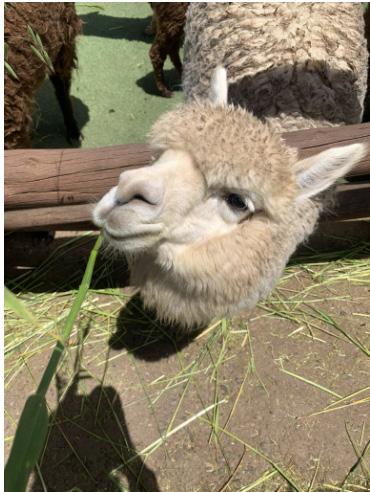
Alpacas
The people in Peru are all warm and welcoming, and proud to share their culture.
pretty sunny and sometimes windy, not so hot.
I loved the warm weather in Cusco.
It’s always sunny and sometimes cloudy.
Although we were expecting rain everyday, the weather was surprisingly amazing. It was sunny and warm.
The combination of ruins from different times.
ALL THE FOOD IS GOOD
Pasta and pizza mainly, I tried Italian Gelato for the first time.
<Iceland>
We had a LOT of fish which with interesting flavors that weren’t for me.
A lot of the foods we tried were international but as for Icelandic foods, a lot of the breakfast porridge was pretty bland.
Yes there was lots of fish and potatoes.
All you can eat pizza. The new things were the different types of fish.
I enjoyed the ice cream at the farm.
<Peru>
Inca Kola, a type of Coke that is totally different. I tried cuy, roasted guinea pig, for the first time and it was an interesting experience.
I tried guinea pig for the first time, but it wasn’t as good as I expected.
Cuy, that was new for me.
Fancy popcorn that you cant get here
Ice cream, nooooooo
Pasta.
Tiramisu
I have some dietary restrictions so I couldn’t eat the traditional meat and fish that they have there. llama meat, yes it is new to me.
I ate guinea pig. It was a little salty. This was a really new experience for me.
What would you want to go back to and why?
<Italy>
Definitely, the country is beautiful and the mood and atmosphere is always uplifting
I would want to go back again, because I feel like there is so much I didn’t explore.
I want to go back for literally any reason, mainly to spend more time at some places and see the northern lights.
I would want to go back to the blue lagoon. Yeah I would definitely want to go back and I would actually like to live there later in life. It’s such a beautiful place with progressive politics and I like the climate.
I would want to go back when it was warmer, or to see all the museums more in depth.
I would go back to all the restaurants and order everything on the menu. I already forgot what the pasta tasted like.
I would want to go back to gondola riding because it was very calm and relaxing, and I would definitely want to go again, this time, to take a short nap but on a nice small boat.
Yes, there is so much to see, mainly museums.
Yes, the Vatican has so many exhibits and there was so much left to see.
<Iceland>
I would want to go back to the country at large, because in our week there, we barely left the southwestern peninsula. While almost everyone lives there, there is spectacular nature along the northern coast (and puffin mating grounds).
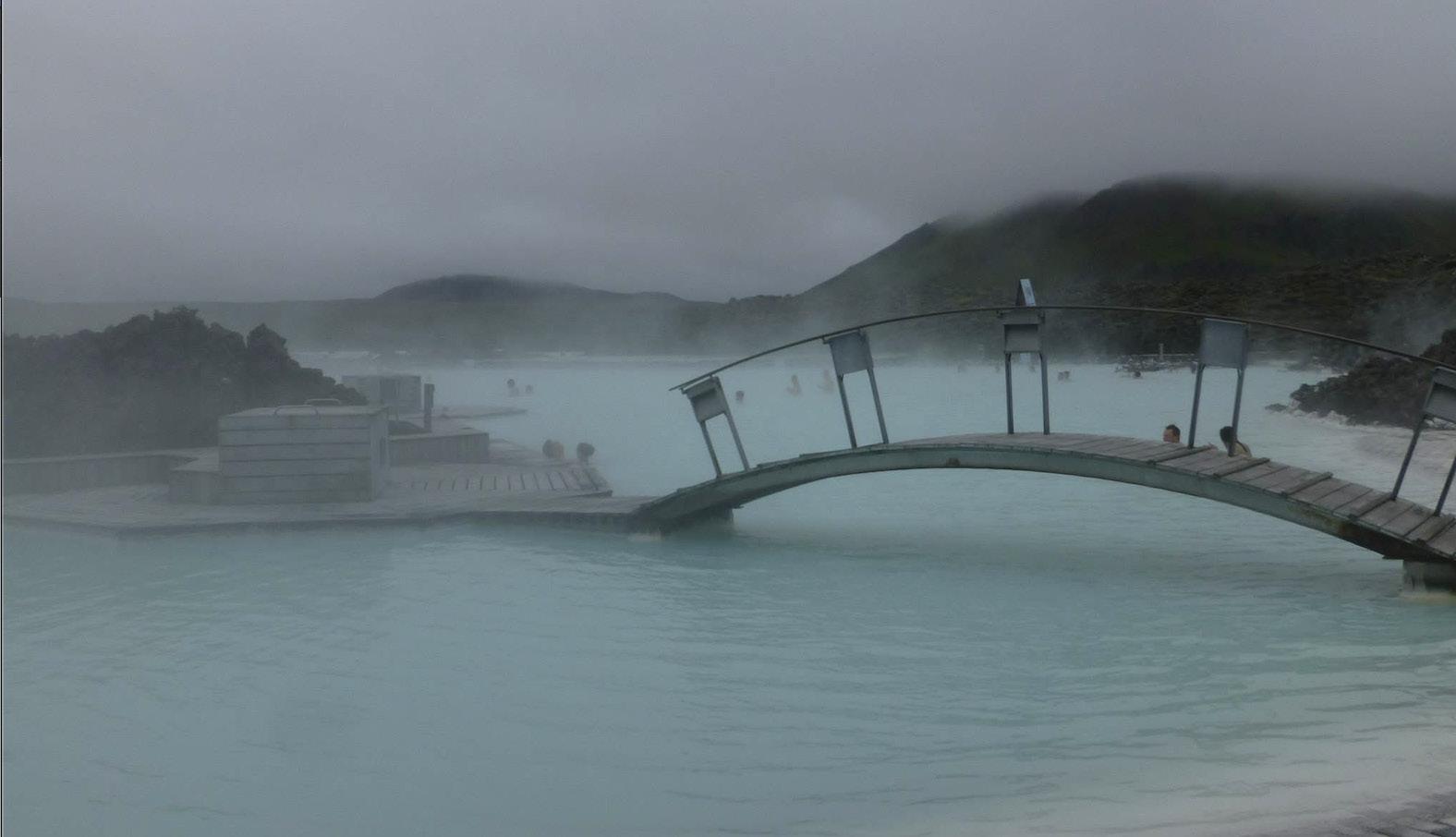
<Peru> Machu Picchu because it’s really beautiful.
Machupiccu, pretty.
I would like to go back to any Inca site in Peru because the view is beautiful and what they built is very distinct and fascinating.
Yes, to travel more around the places we didn’t get to go to.
I’d love to go back with friends because of how fun and different it was compared to here.
Maybe Machuppichu, the scenery was pretty nice and spectacular. Memorable.
I would love to go back to Machu Picchu because it was surely the most memorable moment of the whole trip.
I found the mountain hike particularly memorable; I saw many famous landmarks and the Amazon River.
What is something new you learned about the country?
<Italy>
I learned a new phrase! Bravo regazzo, which means good boy in Italian. Our tour guide also taught us that ciambella means donut.
Italy has Europe’s oldest university.
The islands of Venice are connected by over 400 bridges and 170 canals
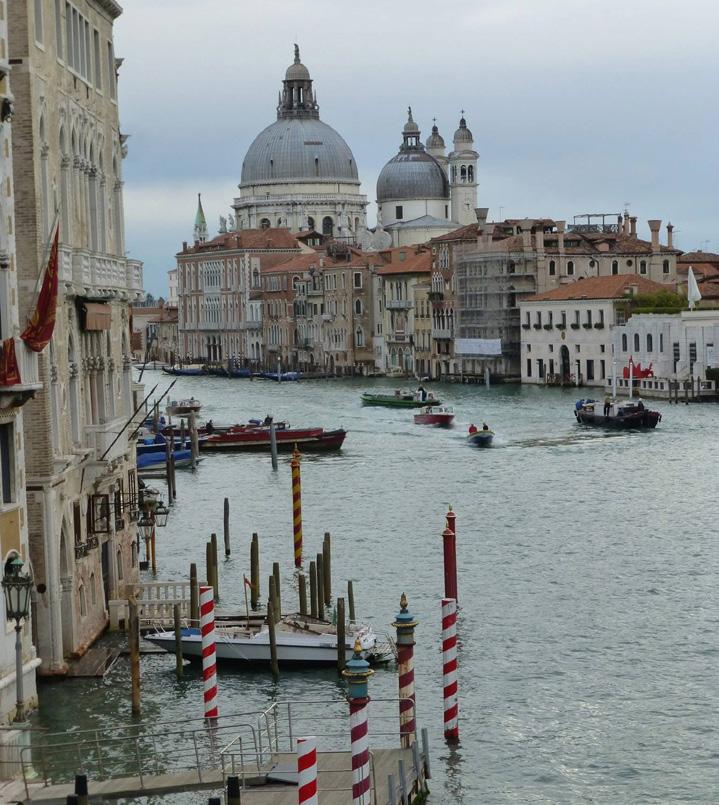
The islands of Venice are connected by over 400 bridges and 170 canals.
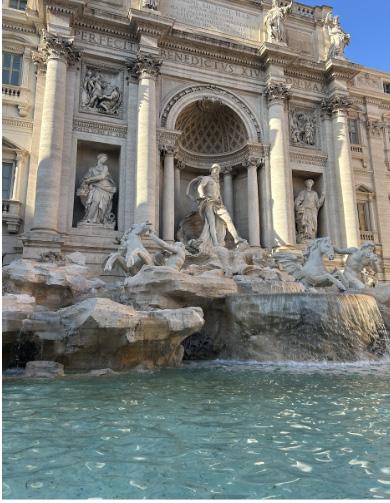
I learned about the coin tossing tradition at the Trevi Fountain in Rome. A single coin guarantees a return, two coins promise new romance, and three coins signify marriage.
I learned a little Italian.
<Iceland>
That the climate is unpredictable.
I learned about how the country was built by vikings.
I learned that Iceland is one of the most volcanically active places in the world.
Iceland is one of the most volcanically active places on the planet.
Iceland is one of the world’s most active volcanic hotspots.
<Peru>
The poverty and behind the times inside a fallen empire in Peru.
The history of the ancient people in Peru I learned about different natural dyes used for dyeing textiles.
Lots of the ancient culture.
I learned that the Incas were from Peru, as well as about their traditions and food
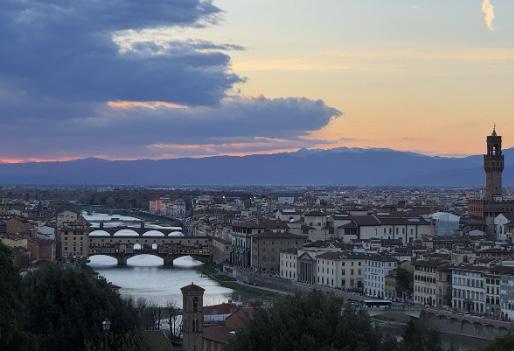
Photo credits: AWS Survey Contributors
Perth, Australia: The Collaborated Art of City, Sun and Sea
Jaena Han
As some of you may know, Annie Wright Upper Schools offers various exchange programs to different countries. These programs allow students to experience new cultures and build lifelong connections with people all around the world. Simultaneously, it allows us to share our culture with others as well.
Recently, through the Global Alliance Exchange program, my friend Paisley Kress and I had the opportunity to travel to Perth, Australia. Before this trip, Paisley and I weren’t nearly as close as we are right now. Overseas without my family, it was indescribable how comforting it was to have a familiar face nearby. After completing this journey together, I can proudly call Paisley one of my best friends now.
Not only did I gain a stronger friendship within the Annie Wright Community, but the personal connections I built in Australia were truly the most magnificent of my life. Ever since I returned from Perth, I have not encountered a single day without reminiscing about the beauty of Australia and all my wonderful friends there. On the last day of the exchange program, the entire grade 10 from The International School of Western Australia (ISWA) filled a small journal full of handwritten letters for me, and I’ve read these every single day since I’ve returned. Although it isn’t even remotely equal to a hug from them, it helps me remember how special these connections are and how amazing it was to apply for the exchange program.
The AWS Global Alliance Exchange program partners with three schools around the world, and allows students to experience the differences of other countries and cultures independently. This experience has taught me a lot of things about building lifelong connections with people around the world, but it has also sparked my interest in connecting with the land. My favorite thing was the representation of diverse culture in Perth. During those three weeks of
the exchange, these are the celebrations of varies cultures I was able to experience with my friends:

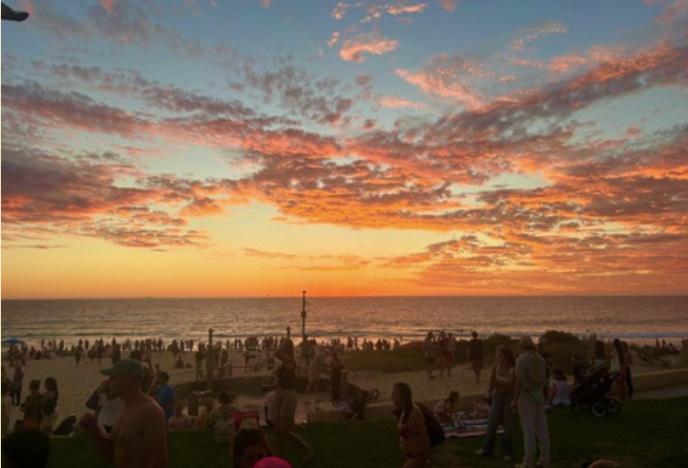
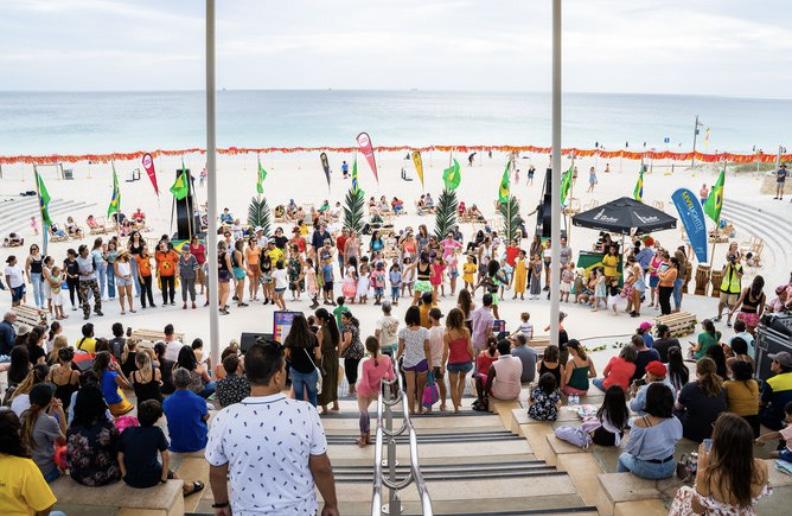
https://www.perthnow.com.au/wa/perth/north/joondalup/ scarboroughs-favourite-brazilian-parade-ready-for-massive-return--c-9624272

And finally, the vibrant, living culture of indigenous communities
Lastly, the trip to Australia has sparked my passion for traveling. I always knew that I wanted to travel he world one day, but I wasn’t fully sure if I was prepared to do so. This trip fully reassured me and and got rid of those concerns and taught me how to really enjoy travelling. From the beautiful beach full of fun
The celebration of Chinese New Year 2026 (Feb 21, Crown Perth)
Brazilian Beach Carnaval 2026 (March 7, Scarborough Beach Amphitheatre)
Holi festival 2026, a Hindu celebration to wish for happiness and bonds (March 8, Langley Park)
in Perth, Australia.
Perth, I realized the beauty of exploring different parts of the world. The culture, the school, and the priceless friendships you build through this exchange program is what could drive you to consider joining these AWS programs.
If you are interested in the Global Alliance program, these are three available international locations and partner schools. We attached a QR code link for each in case you want to take a closer look.
International School of Western Australia - Perth, Australia

The International School of Windhoek in Windhoek, Namibia

NIST International School - Bangkok, Thailand

This program is available to 9th and 10th grade students. To apply for the program, you only need to contact Ms. Ward to complete the Global Alliance and a family agreement form. Sometimes, there is also an interview.
Applications are reviewed by a committee consisting of the Director of Student Experience, US Director, Assistant Division Directors, and US Counselor.
As a final reflection, I would like to recommend the six best places to visit if you ever make it to Perth, in Western Australia.
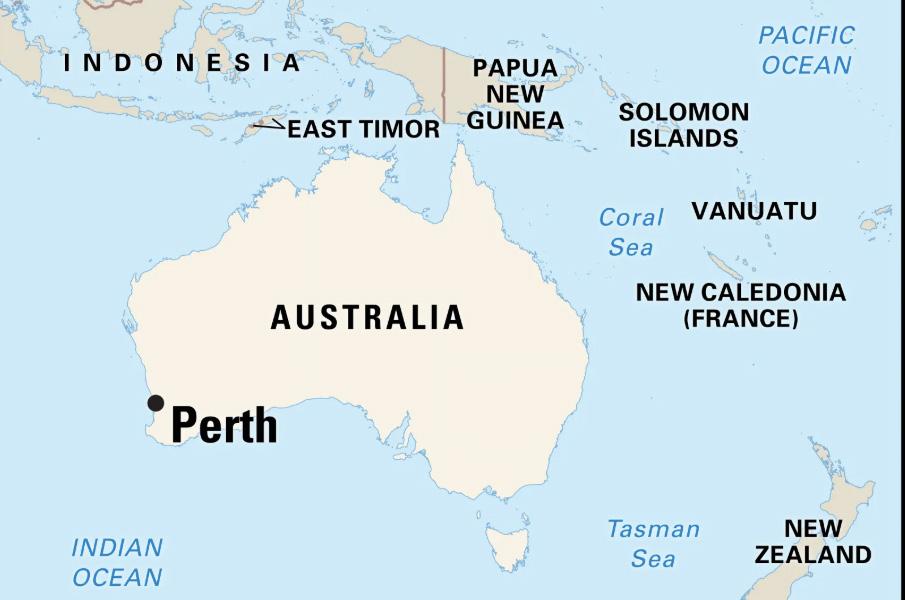
https://www.britannica.com/place/Perth-Western-Australia
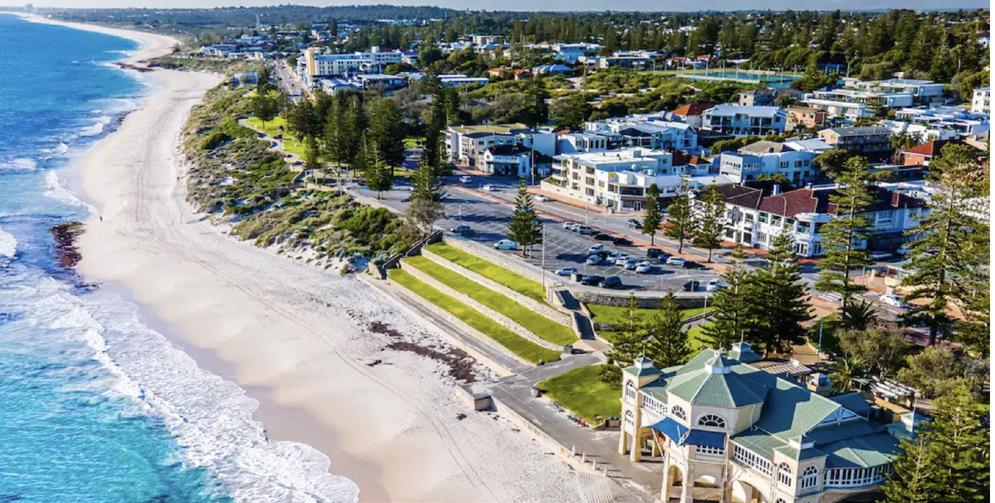
https://www.getyourguide.com/explorer/perth-ttd385/best-places-to-visit-in-perth/
1. Elizabeth Quay, Perth
There is a beautiful view of both the clean water and the city of Perth.
2. Rottnest Island
The island that sits just offshore Perth, home to many wildlife and wonderful beaches.
3. Scarborough Beach, Perth
The heart of Perth, for surfing and gatherings
4. Dumbo Gelato
*Disclaimer: Please promise me to try the passion fruit flavored Gelato.
5.Yo-Chi
Self-serve frozen yogurt chain of Australia.
Truly, words are futile to describe the beauty of this place and my experiences there. I am more than grateful to have had this opportunity during my teenage years, and I will never forget this experience.
6. City Gifts & Souvenirs, Perth
A great place to shop Perth souvenirs, reasonable prices and lots of handmade cultural products.
Gator Gallery
USB/USG GOLF
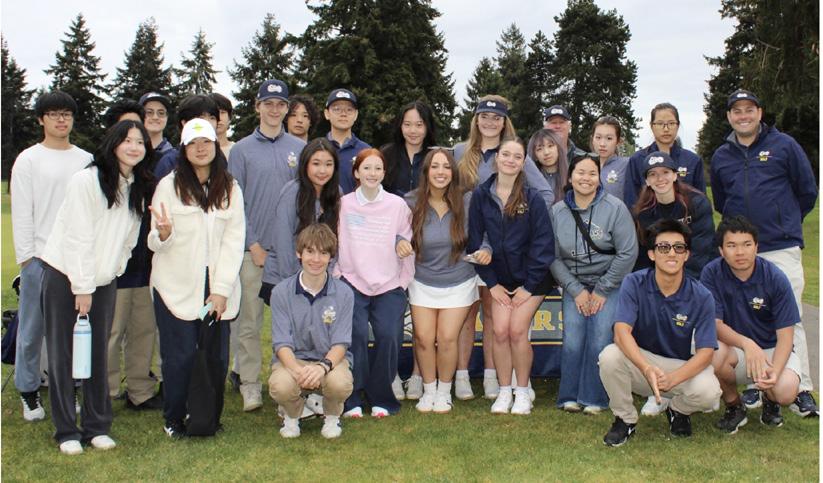
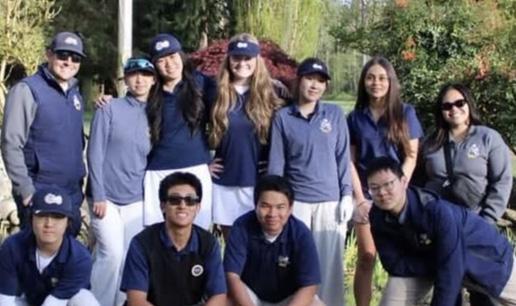
USB SOCCER
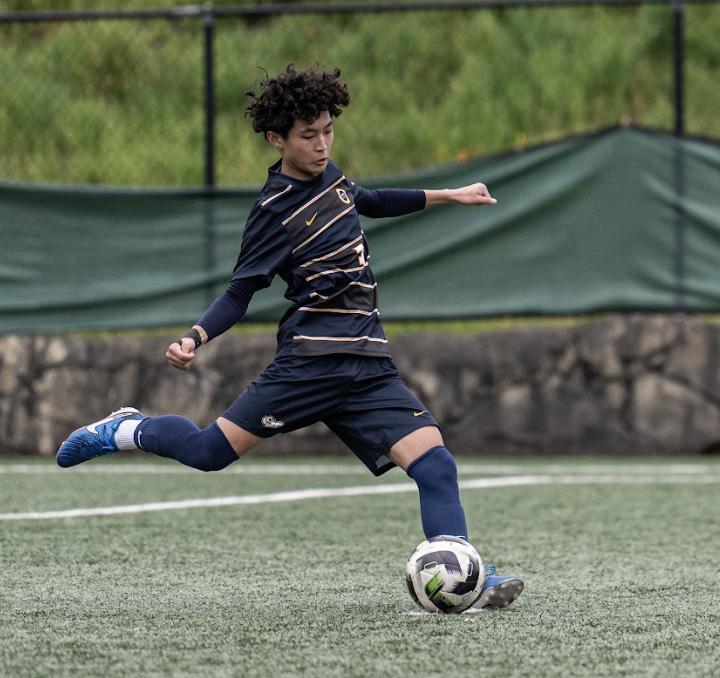
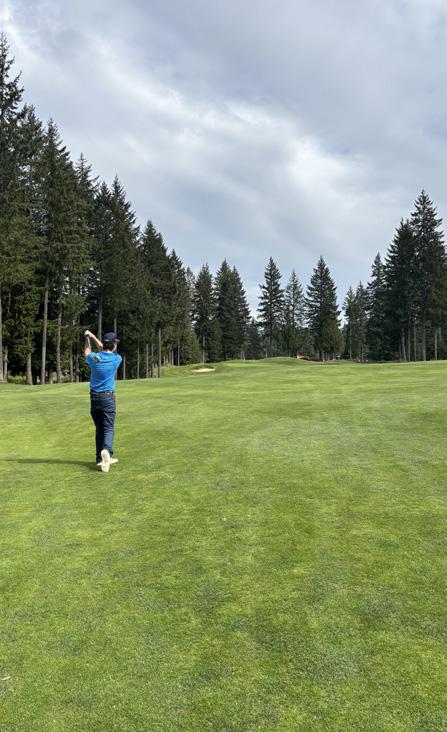
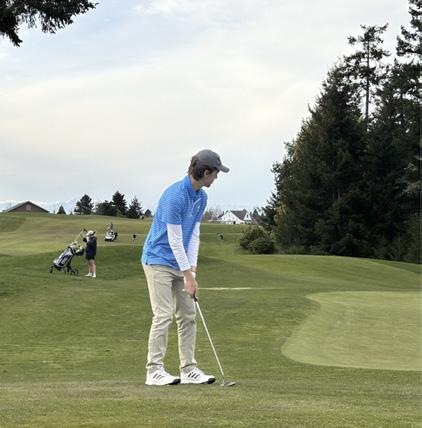
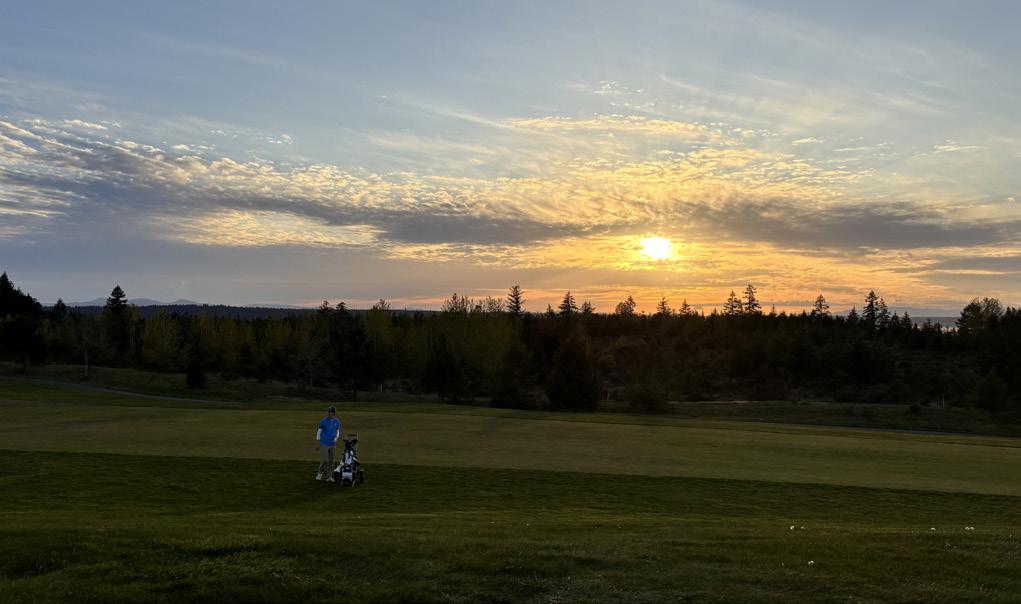
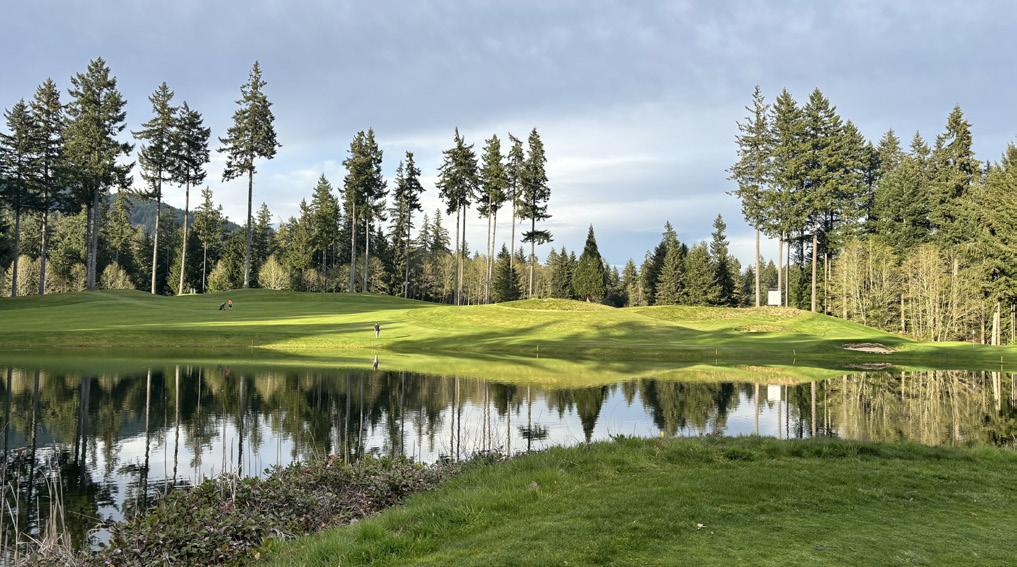
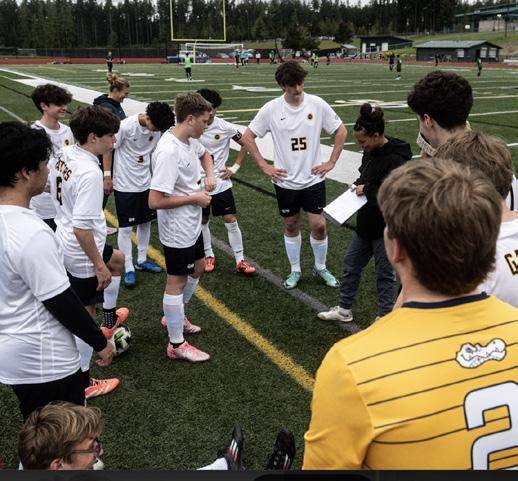
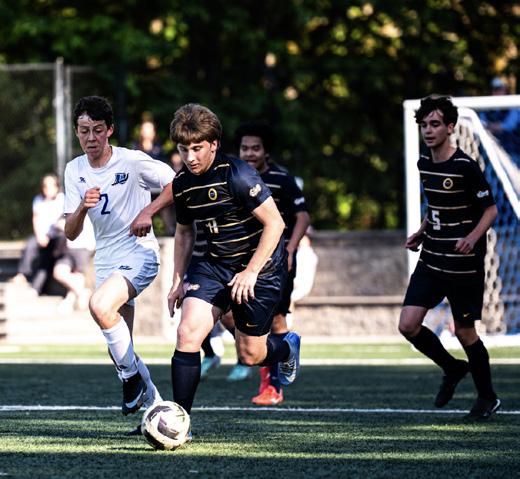
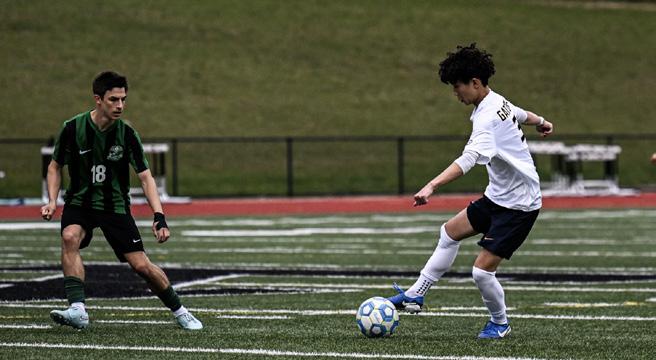
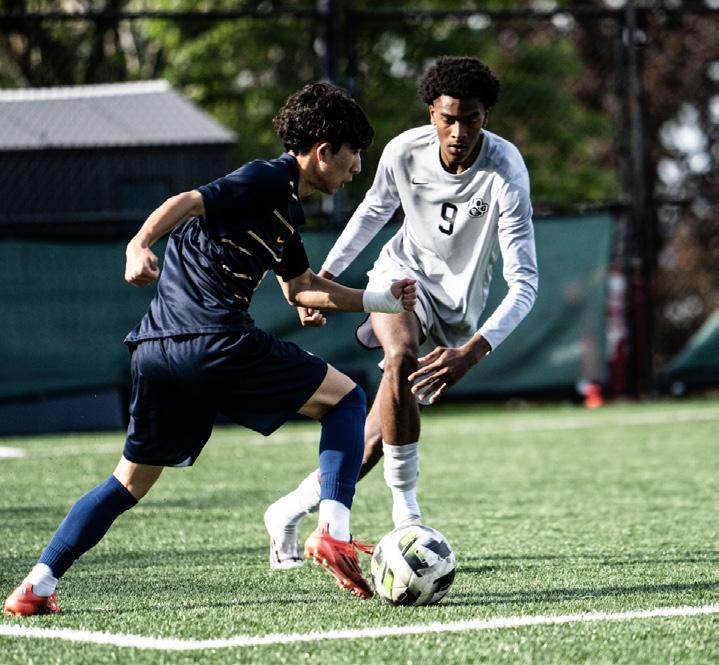
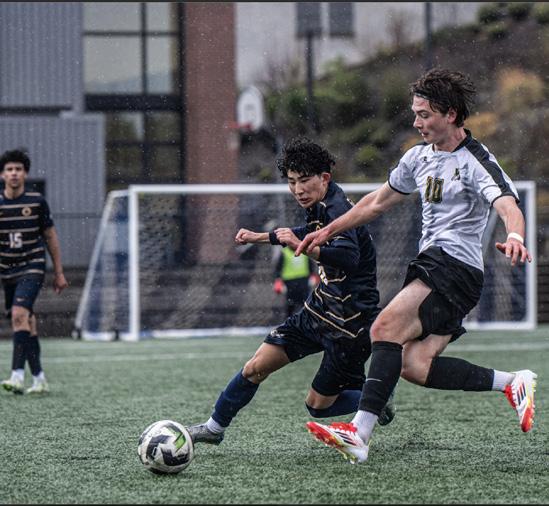
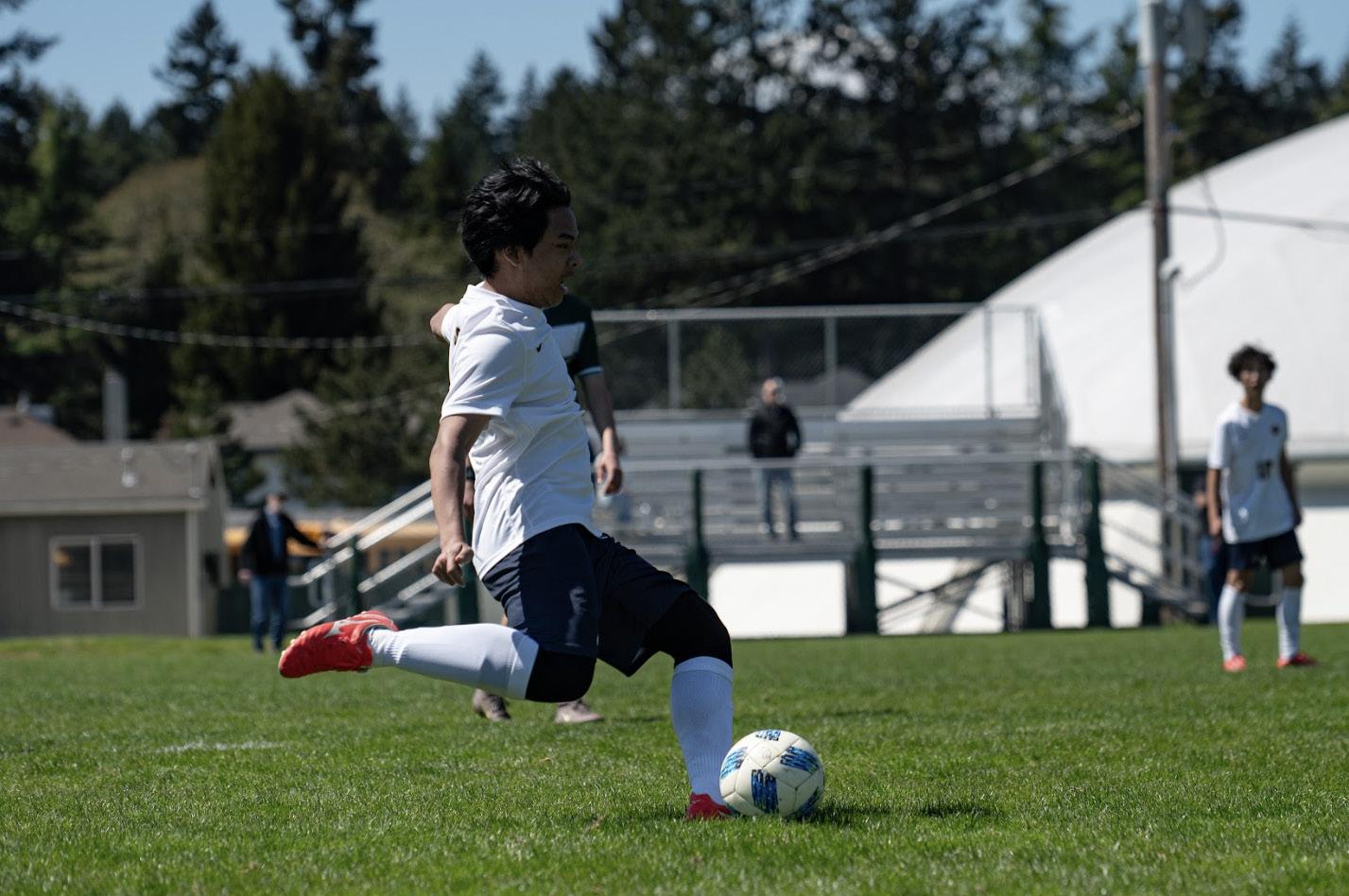
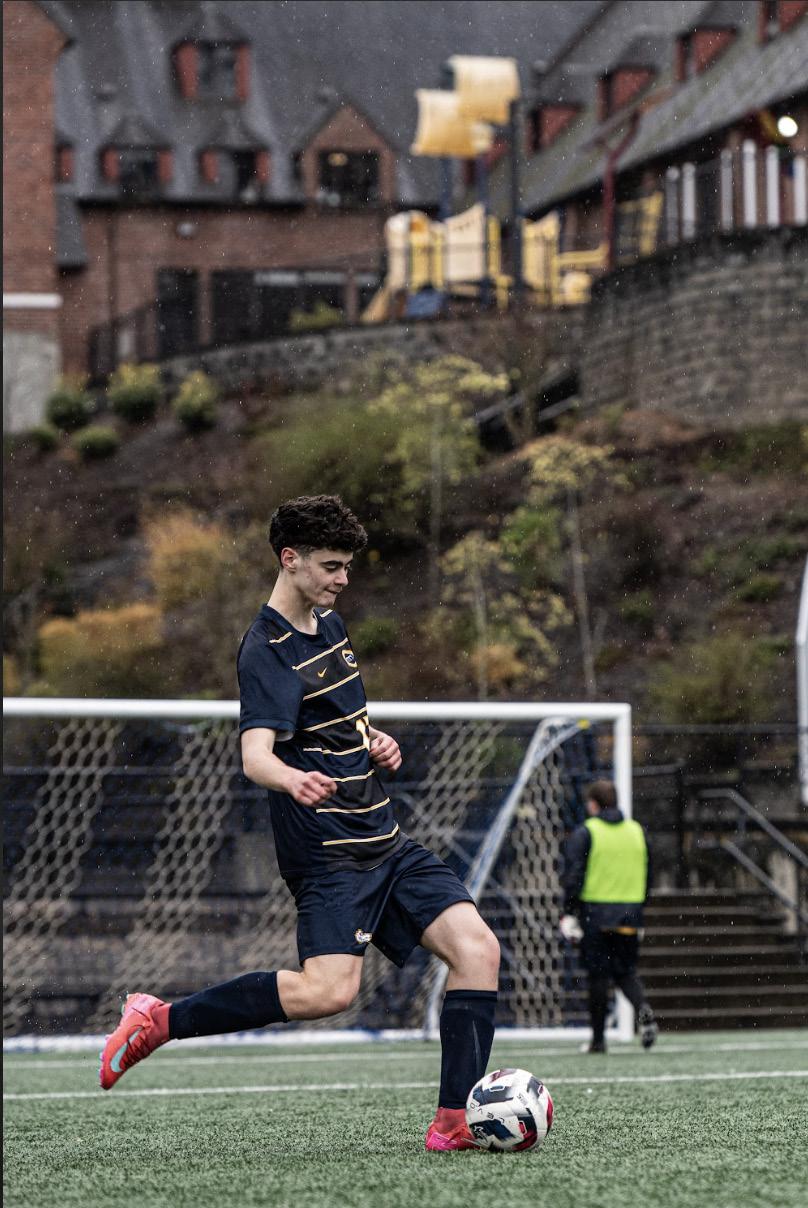
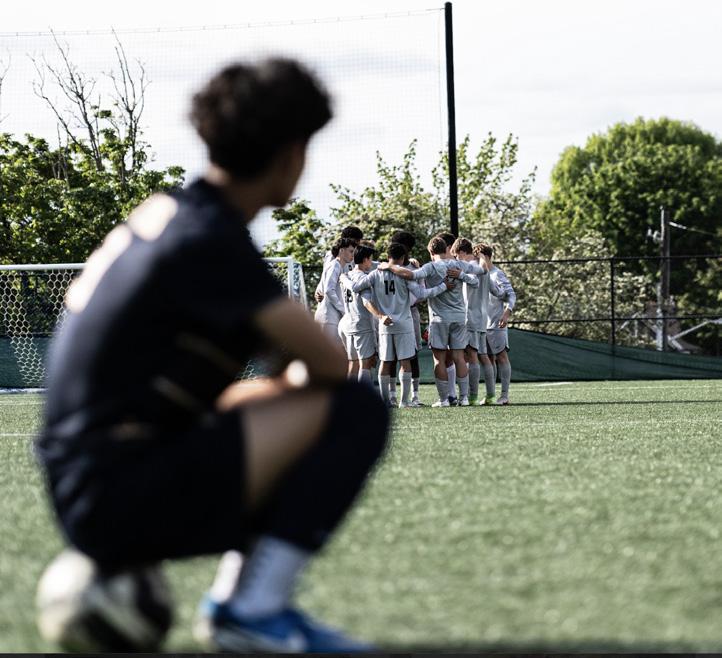
Photo Credit Abby Bowden
Photo Credit: Aidan Ma
BASEBALL
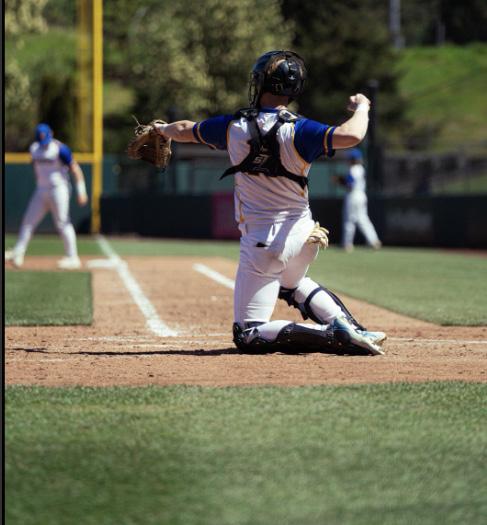
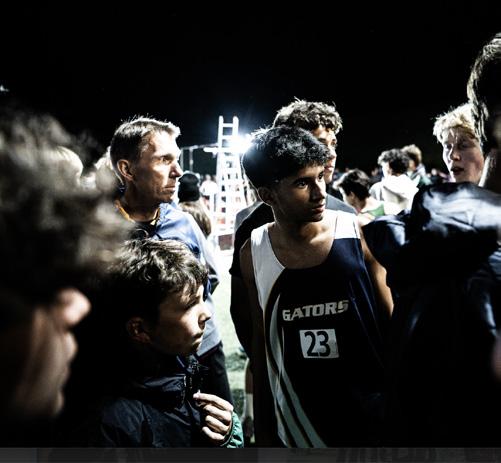
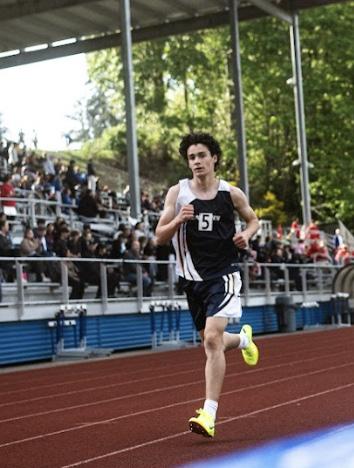
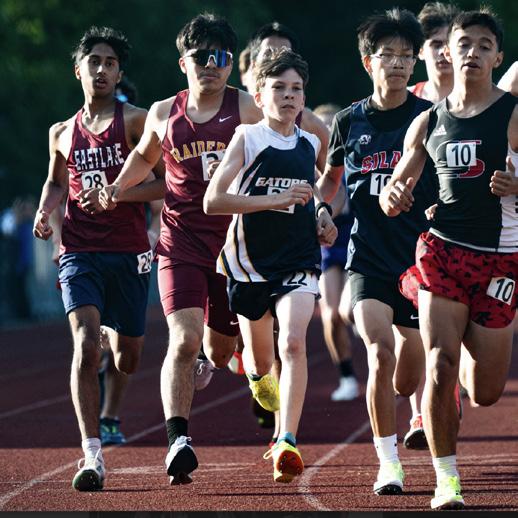
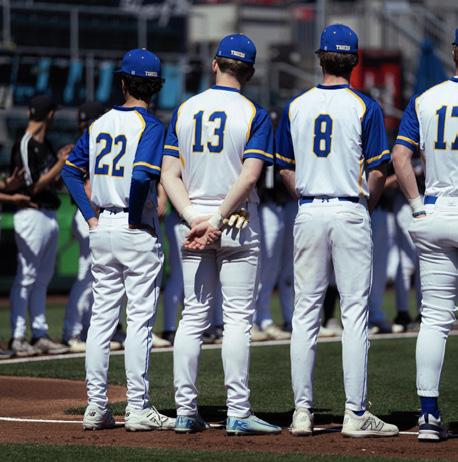
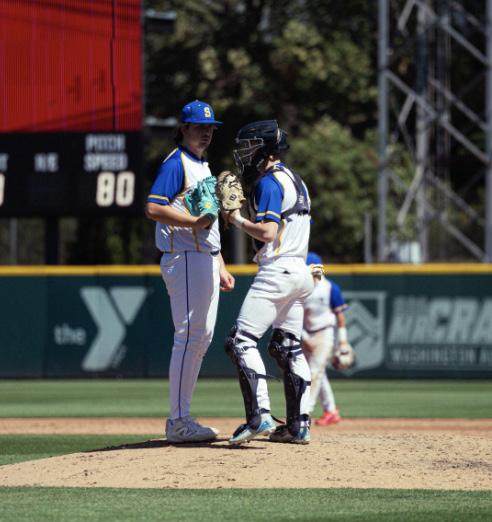
USG TENNIS TRACK & FIELD
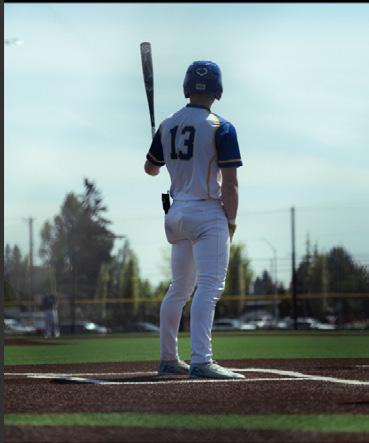
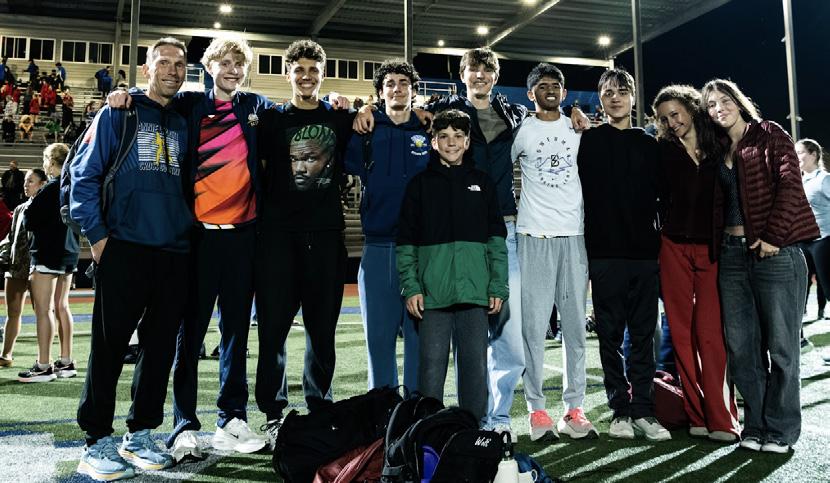

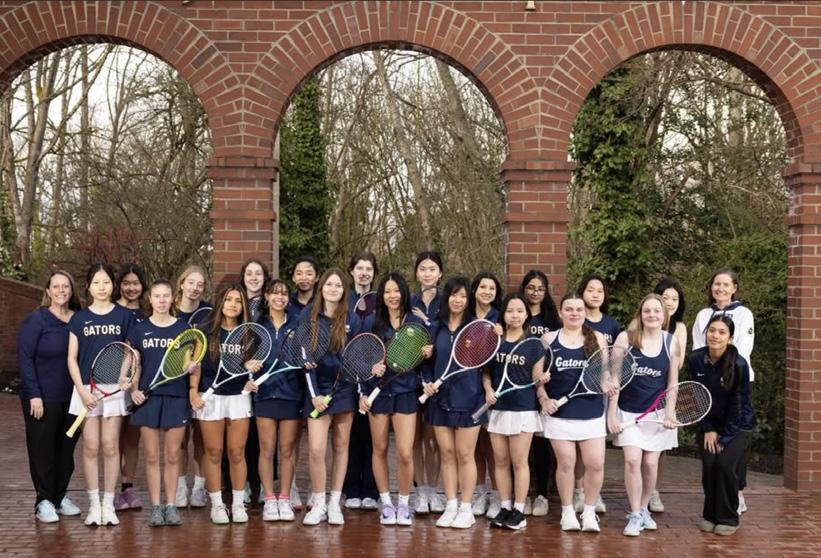
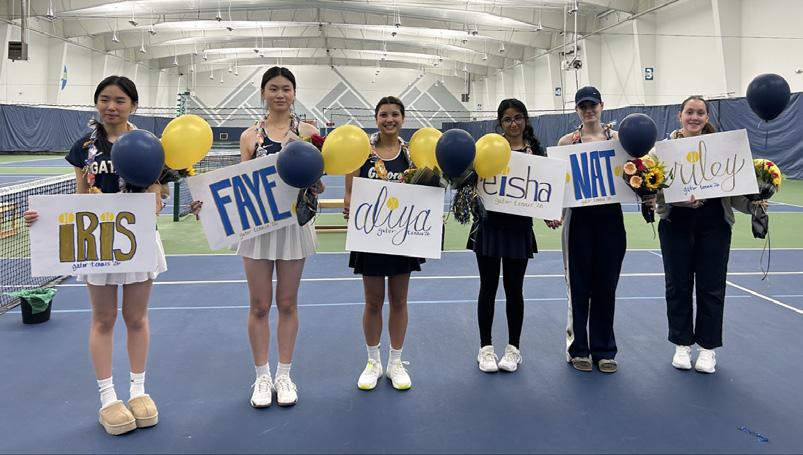
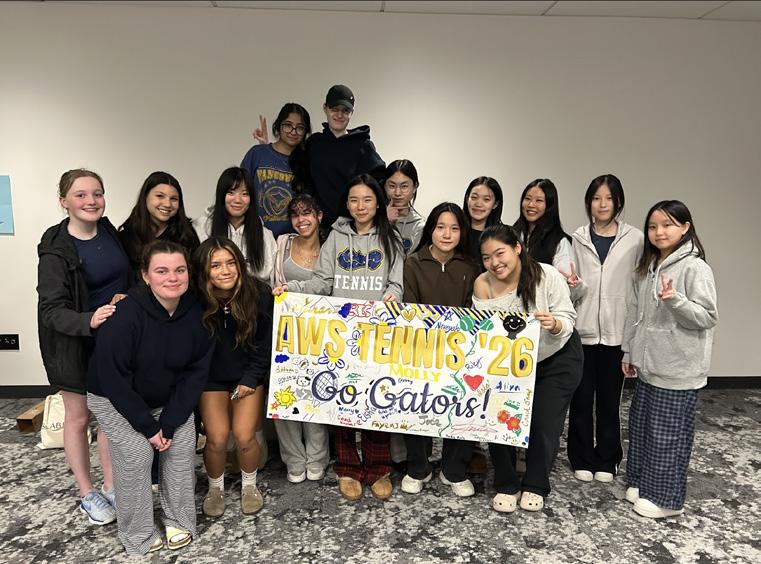
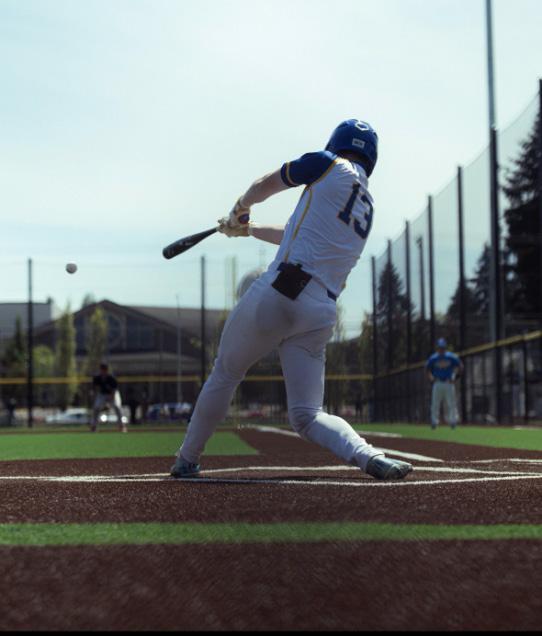
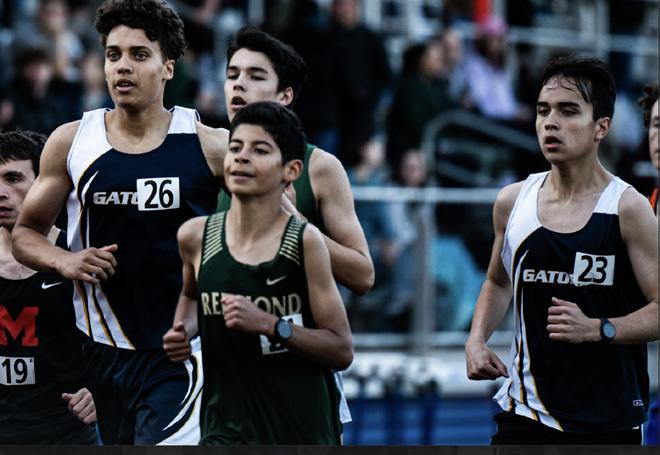
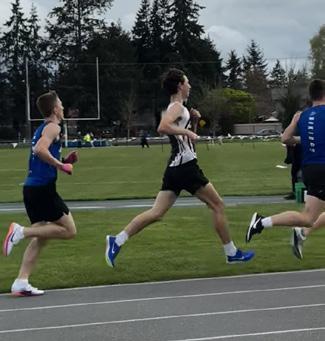
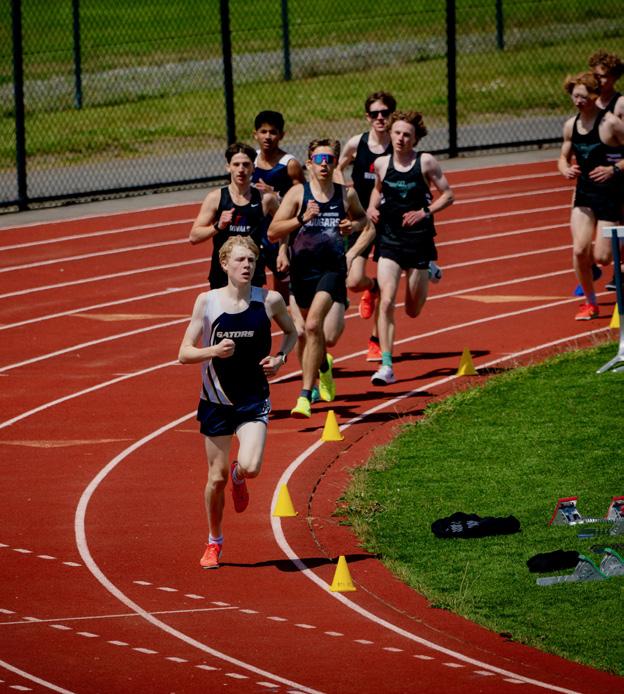
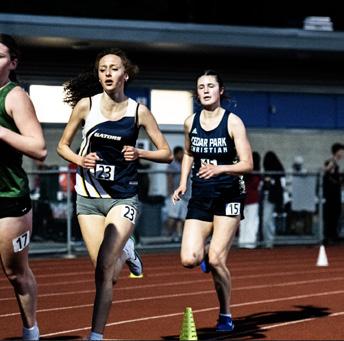
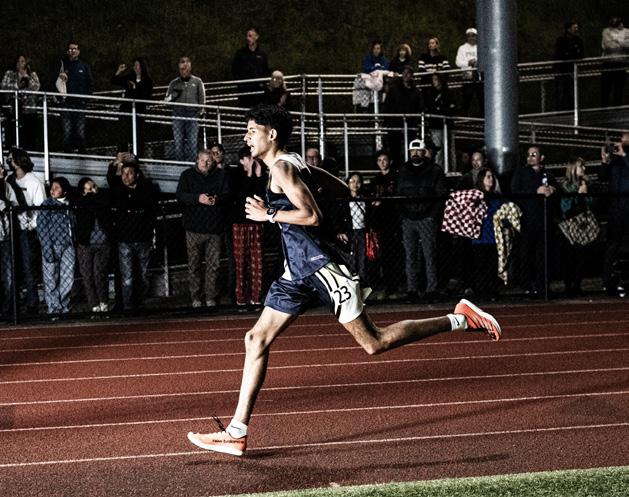
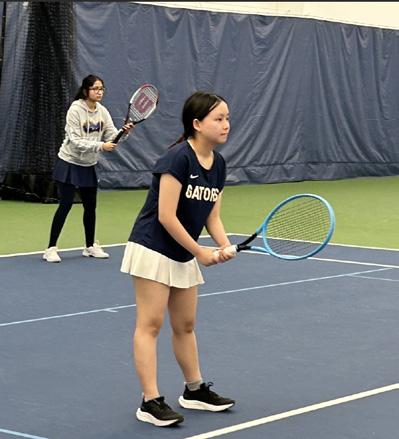
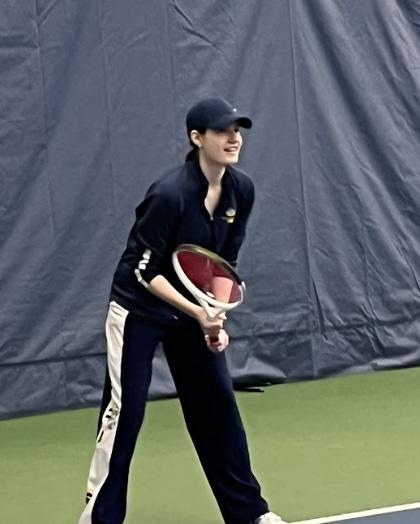
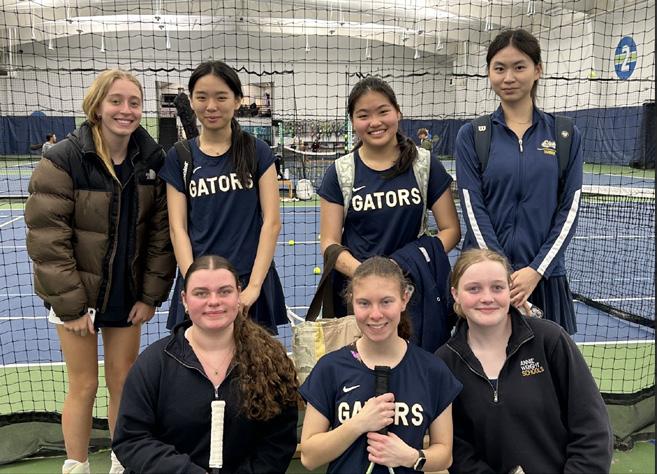
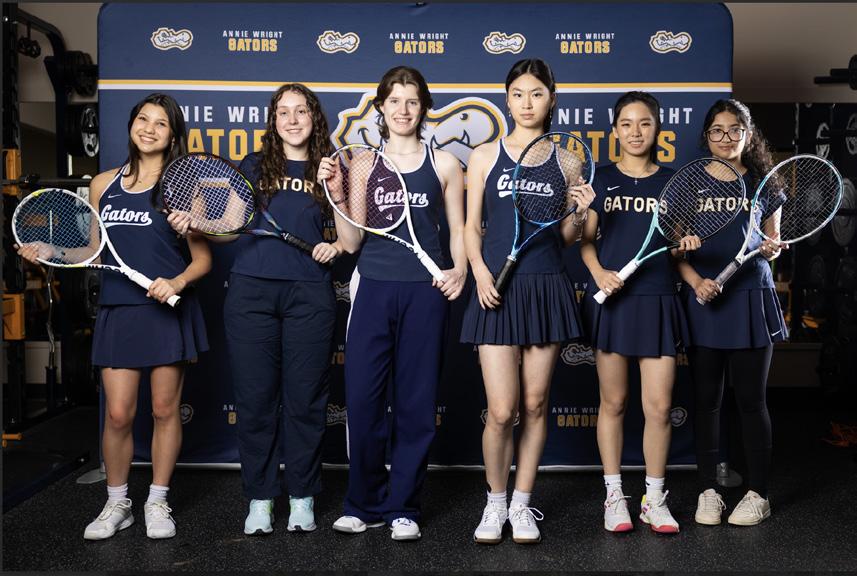
Photo Credit Eli Weir
A Message to Our Younger Selves: Faculty and Staff Advice
Chloe Yoo
Loads of school work, being a teenager, and navigating our ways towards growth can sometimes hinder us from recognizing what truly matters during our time as high school students.
To get a different perspective on how we could have a better experience as teenagers, we asked our very own faculty and staff to share some advice they would give to their younger selves back in high school. Many insightful comments and heartwarming pieces of advice have been shared, so look at the wisdom our staff and faculty have to offer and think about how we can apply these to our current lives!
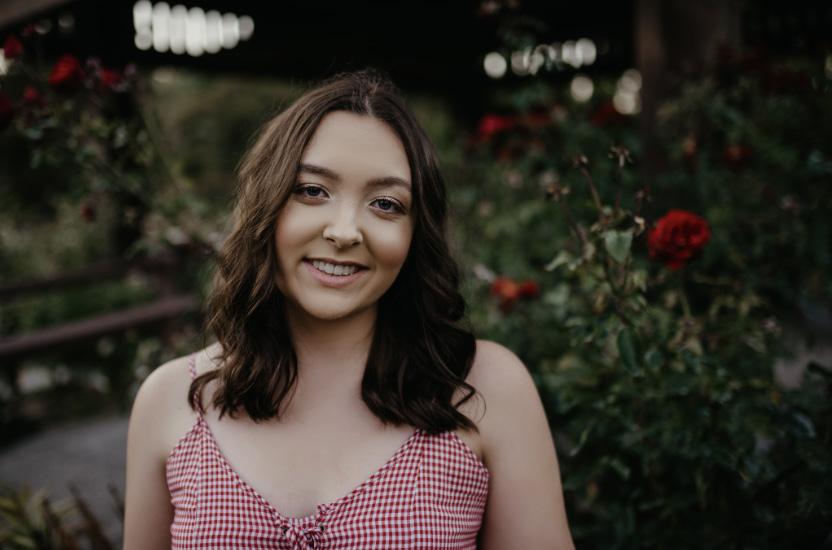
Gracie Kerr
Bellarmine Prep, Tacoma, WA
With your current experience and knowledge, what advice would you share with your past self in high school?
Life is not that serious! Say yes to new things, take risks, and be yourself. You’ll never get this time back so appreciate every second and live in the moment.
Emily Schroeder
Name of your School:
Bellevue Christian School (Bellevue, WA)
Advice:
Be kinder to yourself and welcome mistakes, this is where the growth happens!
It is freeing to stop caring about what other people think of you!
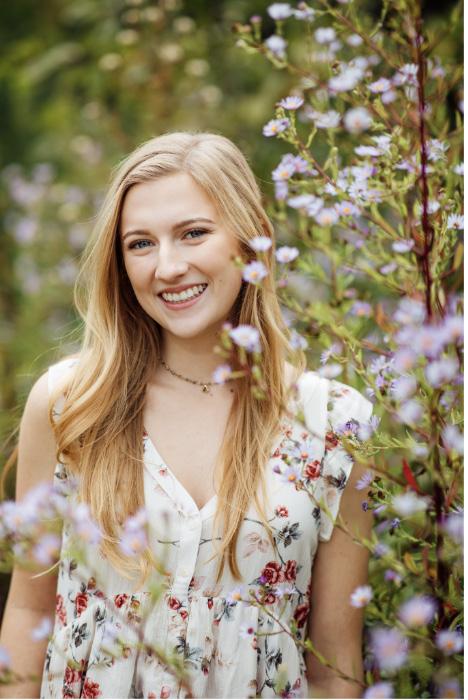
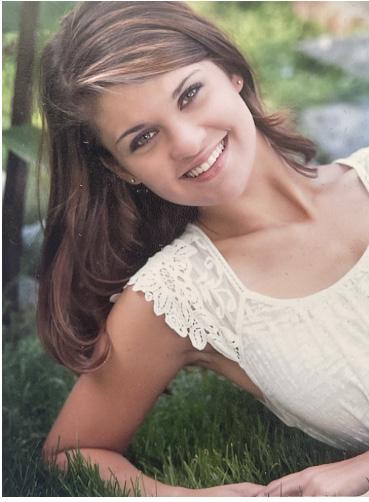
Leon Phillips Highland Park High School, Illinois
Advice:
Every day, practice being the person you want to be. And exercise more!
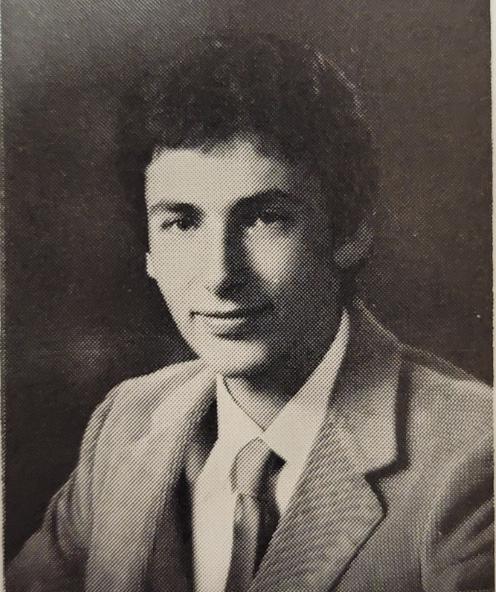
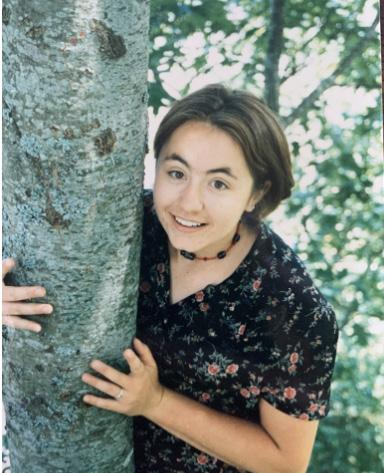
Cassandra Kopriva Southridge High School; Kennewick, WA
Advice:
Give yourself space to change direction; find your passion, even if it is different then what you think it is now, and be confident that the actions you are taking will lead you forward to the life you want to lead.
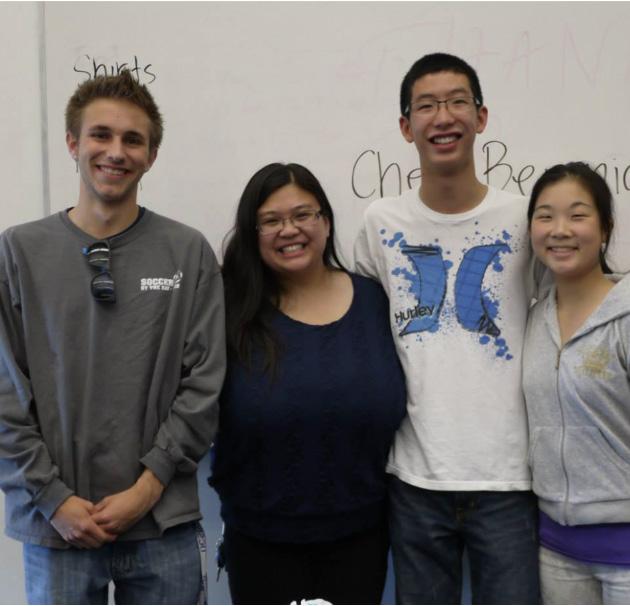
Carie Ward
The Northwest School, Seattle, WA
Advice:
Spend as much time as you can adventuring in beautiful places with good people. Spend less time being stressed out about grades, money, and others’ perceptions.
Ruby Mahler
Kentwood High School, Covington Washington
Advice:
Slow down a little. You don’t have to rush through everything. The moments you’re living right now, late nights with friends, time with family, the ordinary
Zack Considine
Crystal Springs Uplands School in Hillsborough, CA
Advice: Cherish your family and friends. It is cool to be kind, to make an effort, and to keep in touch!
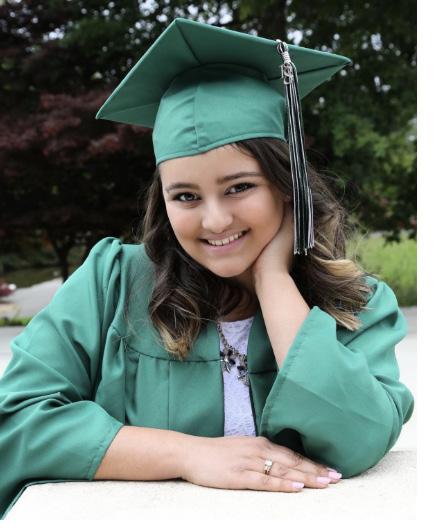
days, those are the ones that matter most. People won’t always be there in the same way, so soak it in while you can.
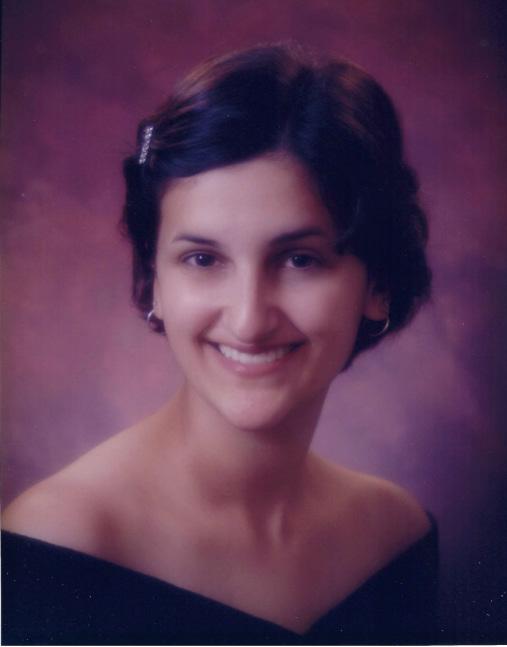
When you get to college, find your people. The right ones will change everything, they’ll make the hard days easier and the good days unforgettable. Be kind, be someone others can rely on, and don’t be afraid to take risks. The things that scare you a little are often the ones that shape you the most.
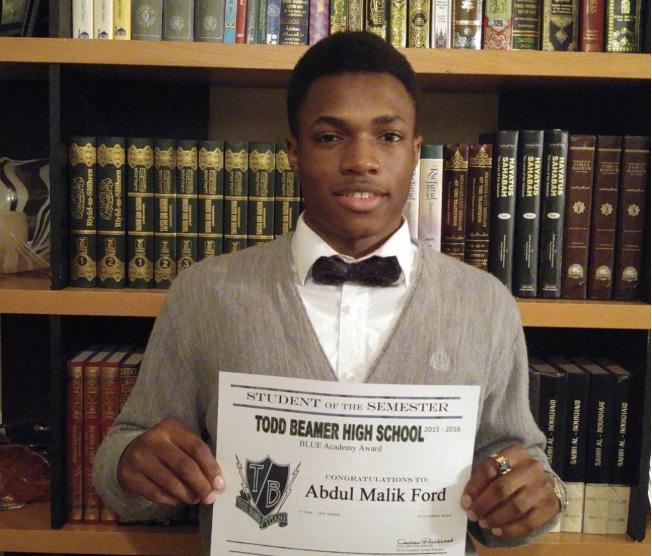
Abdul-Malik Ford
Todd Beamer, Federal Way, WA
Advice:
In hindsight, you did everything right. Everything that was supposed to happen, happened. You did all of the things, you traveled, you did sports, you were in numerous leadership roles, won many awards, you fell in love, went to 3 proms, you tried, you failed, you persevered.
My advice to you is to continue doing exactly what it is you’re doing. Maybe spend a lot less time playing video games, and spend more time sleeping, studying, and learning more about the arts and crafts that you’re already interested in. Put less of an emphasis on relationships, and definitely don’t commit to a full AP schedule. Your focus on curricular activities will serve you well, and your desire to grow will only compound as you mature. Your goal has always been to eat, so remember that next time you find yourself overwhelmed about your plate being full.
Chaya Venkatesh
Monta Vista HS, Cupertino, CA
Advice:
The longest relationship you will have in your life is with yourself. Become someone you want to spend time with!
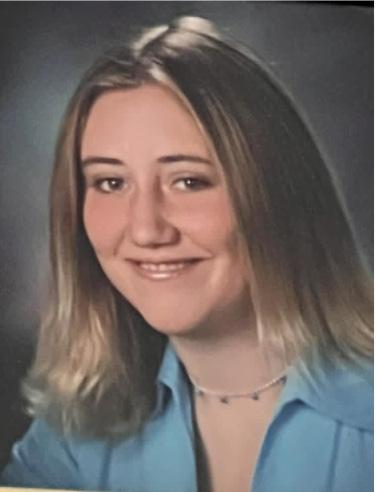
Mary Mingels
Bellarmine Preparatory School, Tacoma, WA
Advice:
Make everyday a new adventure, you have so many days ahead of you, it can feel like you have all the time in the world and you can do something later. But time passes by so quickly! Not all experiences are good, but they all help shape you and are stories to tell. Have lots of stories to tell!
Abby Drivdahl
Charles Wright Academy, Tacoma, WA (don’t judge me)
Advice
1. Don’t let your social life be the most interesting thing about you.
2. On your first day, steal a spoon from the cafeteria and keep it in your backpack. Trust me. Douglas Adams swears by a towel, but a spoon is the true companion.
It’s perfect for applesauce and yogurt from the campus grocery store when you’re crazy broke (and skips the plastic. Think of the Earth, people)
It opens stubborn packaging without being sharp enough for TSA to confiscate.
It doubles as an emergency gardening tool, a bookmark, a budget gua sha, an electric-fence tester, and a conversation starter.
Raise it in class instead of your hand--your professor will remember you as the Spoon Girl, no matter how dubious your philosophical arguments.
Use it as a backpack zipper fixer or desperation belt buckle.
For real, this spoon will be your bestie until some disgruntled border agent in rural Slovenia confiscates it from you sixteen years later.
I miss that spoon. So will you.
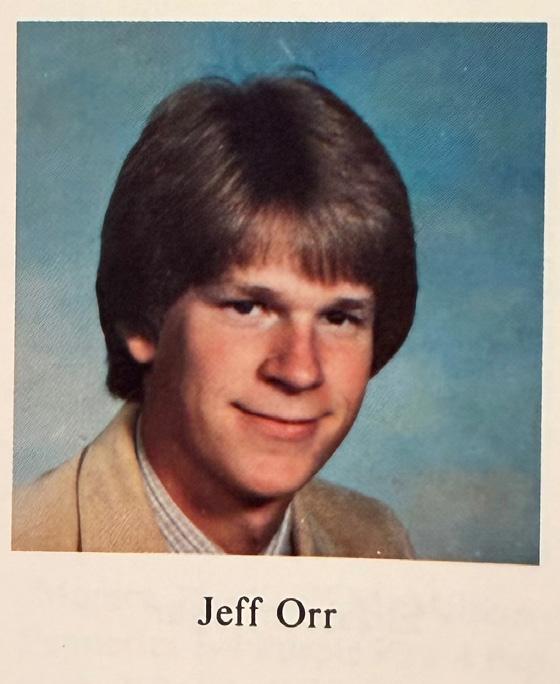
Gabriel Jiles
Name of your School : Mission Viejo High School, Mission Viejo, CA
Advice:
Don’t let the fear of embarrassment or failure hold you back from stepping out of your comfort zone or taking advantage of opportunities! Also, no matter what occupation you pursue, at
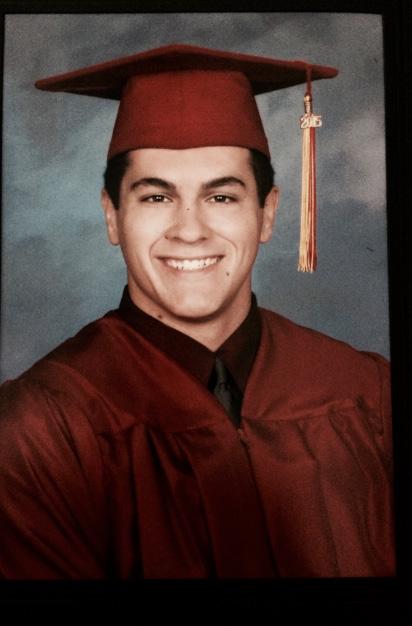
its core it should be a “people profession”, so remember that success will come from the connections you create on the road to your goals.
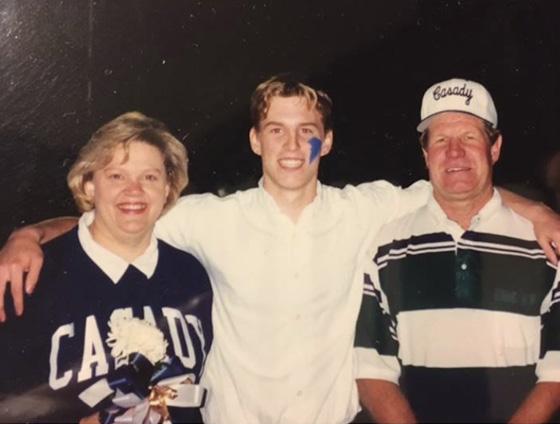
Jeremy Stubbs Casady School; Oklahoma City, OK
Advice:
Don’t worry about anyone else. Do better tomorrow for yourself than you did today.
Jeff Orr
Garfield High School in Seattle Washington. Class of 1984.
ADVICE:
1. Don’t be afraid to explore and treat your mental health.
2.Work Hard at the things that matter to you and give you excitement and sense of purpose.
3. Avoid substances to which you could become addicted.
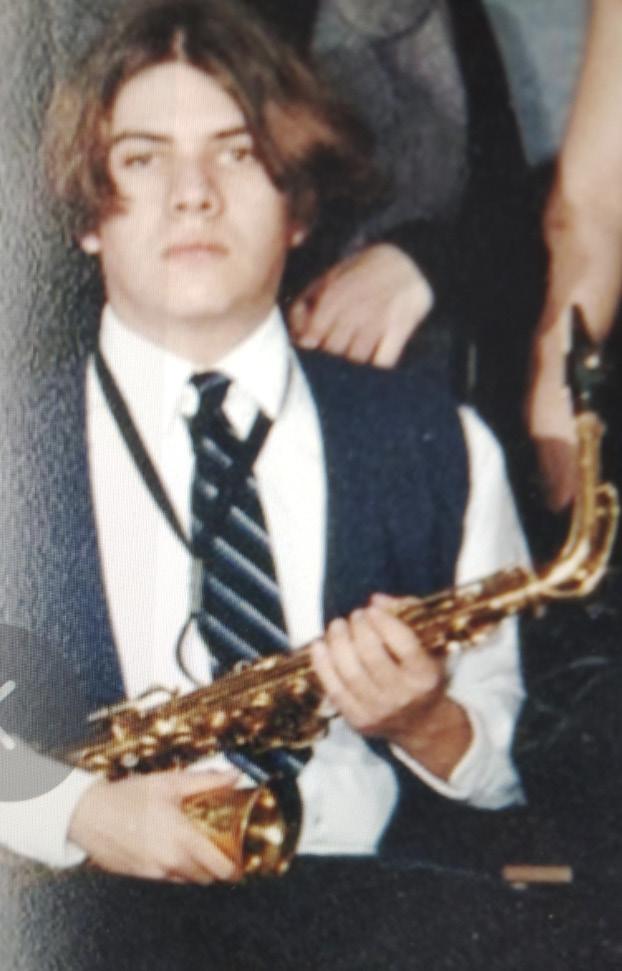
Aaron Alva Clover Park High School, Lakewood, WA
Advice: Time is more valuable than money and it goes by faster than you think so spend it wisely but make sure to enjoy the ride!
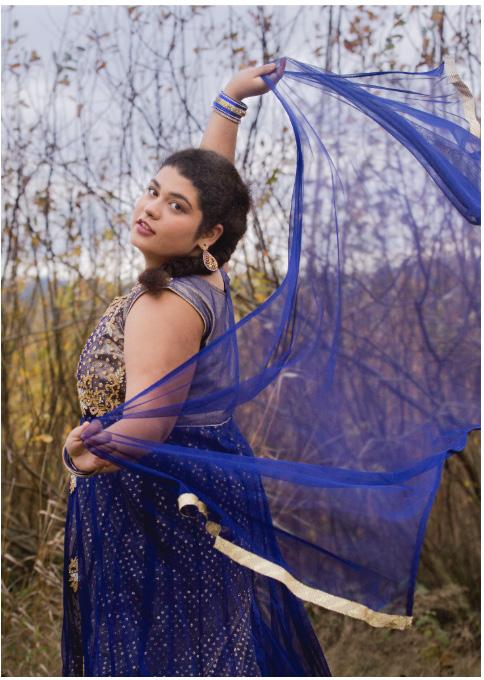
Sahara Jones
Vancouver School of Arts and Academics, Vancouver, WA
Advice:
Figuring out who you are and where you belong doesn’t stop when you leave high school or turn 18. There is no deadline and you are not behind. You will learn so much more in the rest of your life than you ever did in school, so never stop learning. You are worthy of patience, care, and love. Find the people who encourage you to be your best and continue moving forward, but can also help provide you with comfort and advice when life gets hard. You are worth it, you are loved, and you are beautiful.
Emily Weston
Oakwood School, North Hollywood, CA
Advice:
My advice to my past self would be to focus on what’s in front of me and show up fully in everything I do. When I was in high school I thought I needed to have my entire future figured out. But life doesn’t follow a
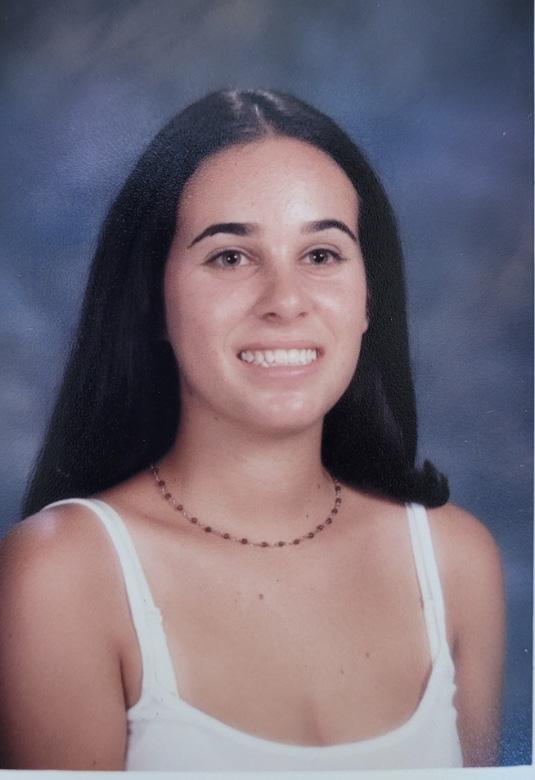
straight path. Some of the best opportunities and biggest moments in my life have come when things haven’t gone as planned. So my advice to my past self would be to stay open to change, never stop learning, and trust that you do not need to have everything figured out.
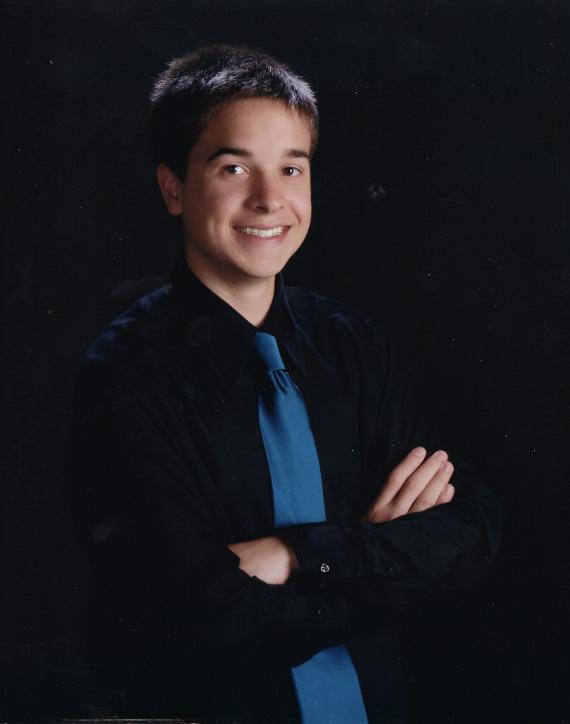
Brennen Plank
Cabot High School in Cabot, Arkansas
Advice: You don’t look as bad as you’ve convinced yourself you do. It’s worth it to take care of yourself.
Chris Feliciano
Samuel F.B.
Morse High School (San Diego, CA)
Advice: Don’t be afraid to take risks and keep being
yourself! What you think looks and feels “cool” actually makes you look weird and uncomfortable . . . just embrace your inner (and outer) dork. And spend more time warming up with a mobility routine
before your workouts and before your dance rehearsals in college (yes, you’ll start dancing competitively in college and you’ll continue dancing into your 30’s). Trust me, your back and your hamstrings will thank you in a decade from now . . .
Jarrod Larse
Ritzville High SchoolRitzville, Washington
Advice: Don’t care so much what other people think about you; once you stop trying to be like everyone else, you’ll find the things that bring you joy in life.
Jacob Konstant
Pinkerton Academy, Derry, New Hampshire
My advice would be to get involved in as many things as you can in high school and college. As a young person it is easy to fear embarassment or judgement. As an adult I see that this was all in my head. Be a risk taker, try something new, don’t be afraid to fail.
Donald Sidman No photo Hoisingon High School in Hoisington, KS.
My advice to my past self would be twofold: (1) Have faith that the universe will unfold as it should; do not worry too much about the future, and (2) Use well the time that is given by taking advantage of opportunities as they present, as you never know when something (or someone) may be gone.
John Han Newton North High School, Newton Massachusetts
Advice:
Work hard and be prepared for any opportunities that come your way. Most especially, learn the language that is most helpful to you.
Archer Beaverton High School, Oregon
Advice:
Your expectations are your only limitations. Dream big and act on those dreamsyou must do both-and you will still be climbing mountains long after the time your doctors told you you’d be confined to a wheelchair. Work hard to earn and live your dreams. You’ll find that the greatest strength and challenge you face is not physical. To be truly strong is to be patient, humble, empathetic and kind. And this kind of strength will allow you to travel and thrive across continents.
Betta Hanson
Escola Graduada (Graded School) São Paulo, Brazil
Advice
Don’t Be Afraid to
Fail You will mess up. Everyone does.
I’m in the middle with the striped tshirt.
Bad grade? Learn from it. Social mistake? Move forward. Didn’t make the team? Try again or pivot.
Patrick Graham
Butler Senior High School; Butler, Pennsylvania
Advice:
Take it for what it’s worth, but my advice is to never stick too strictly to a life plan. Of course you should have your goals and always work towards them. However, understand that life can take you in directions you never planned, or even sometimes wanted, and those twists and turns can make reaching your goals take longer or more difficult, and that’s ok. You’ll still get there if you truly want to. Just adapt, learn from it, and enjoy the journey whenever you can. At least, for me, it was wonderful.
John Haymond No Photo I graduated from high school in 1985, which sometimes feels like another world and another life a very long time ago. But on some level, I think there’s still some part of me that is still and forever that gainly, gawky teenager I used to be. If I could have a conversation with the high school version of myself, there are a few things I’d like to tell him:
- It takes time to figure things out, and the entire r-oadmap of your life doesn’t have to be written the day you leave high school.
-- It’s okay to change your mind (and your direction) a few times while you find your way — just don’t do anything that closes future doors.
-- Keep your eyes open while you’re working on your goals and dreams, because sometimes the most amazing, life-changing opportunities will come along when you aren’t looking for them, from places you least expect — be flexible enough to grab them when they appear.
-- Quite often, there’s more than one path that will take you to your goal, but you often can’t see them until you start moving in that direction.
--Rejection and failure are the true tests of your resilience. Believe it or not, some of your greatest successes are going to come from experiences that looked like failures at first.
--Life is a struggle, sometimes, but it is also joyful and exciting and the greatest adventure you can imagine, so live it to the fullest.
--You don’t need a lot of friends, but you need the right friends, so be the kind of person who can have those sorts of relationships.
Ji Kim No photo
Lake Braddock Secondary School
Burke, Virginia
Advice:
Build your life around who you are becoming according to your timeline. Spend less time focusing on whether you are keeping pace with others and more time on becoming the person you want to be. Skills can be learned and plans can change. Let integrity, kindness, curiosity and perseverance guide your life.
Chia-Ching Lin
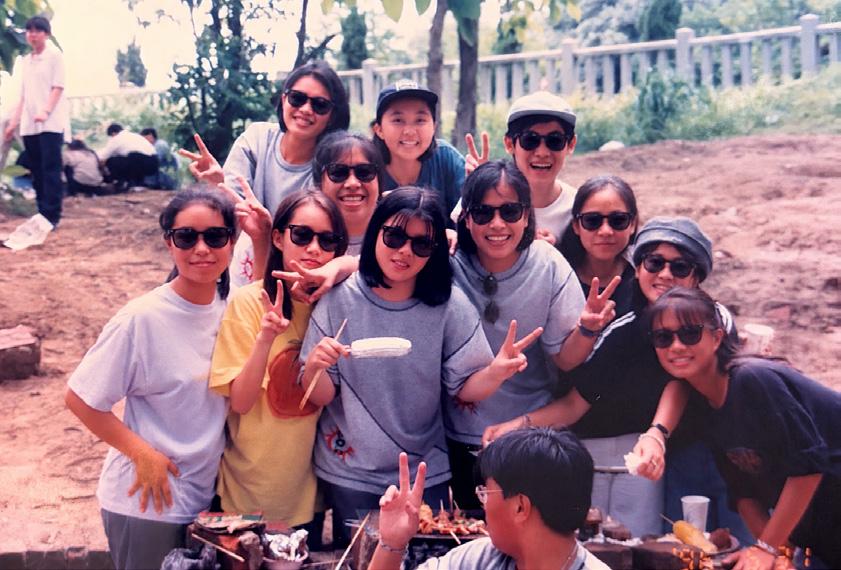
Chia Nan University of Pharmacy and Science Affiliated Senior High School, Tainan, Taiwan
Advice:
If I could go back and talk to my high school self, I’d probably say this: don’t focus so much on the “doing,” and pay more attention to the “being.”
Back then, I spent a lot of time watching myself from the outside—thinking about how I came across, what people might think, and whether I was doing things “right.” It felt like I was doing things and judging myself at the same time. What matters more is learning how to be present in what you’re doing—the “being.” When you’re present, things feel more real, more natural, and less stressful. You stop performing life and start living it. Over time, I’ve realized this also helps you trust yourself more.
I’d also tell myself to soften a bit with life. Not to take everything less seriously, but to take myself less seriously. You will make mistakes—some small, some that feel big in the moment—but none of them are the end of the story. Most of them will end up being the very things that teach you who you are and what you care about.
And lastly, be kinder to yourself than you think you need to be. There is only one you, and you don’t get to swap yourself out when things get hard. You stay. So it helps to learn early that growth doesn’t have to come from self-criticism—it can also come from patience, forgiveness, and care.
Adventure montage Inkwell Staff
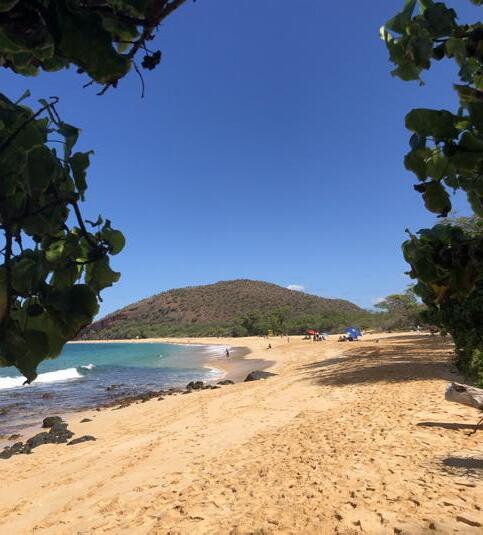
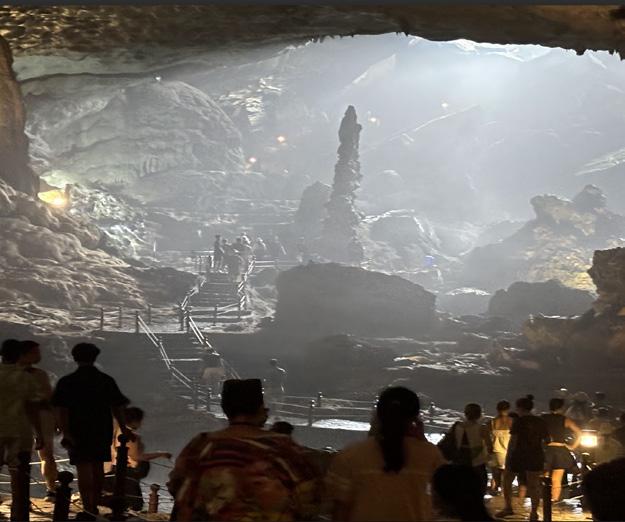
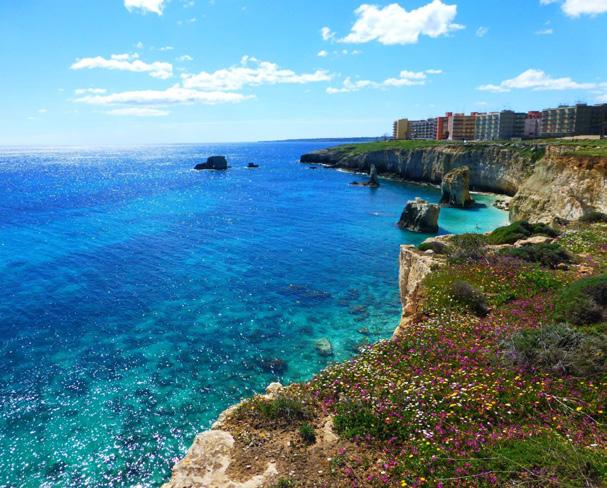
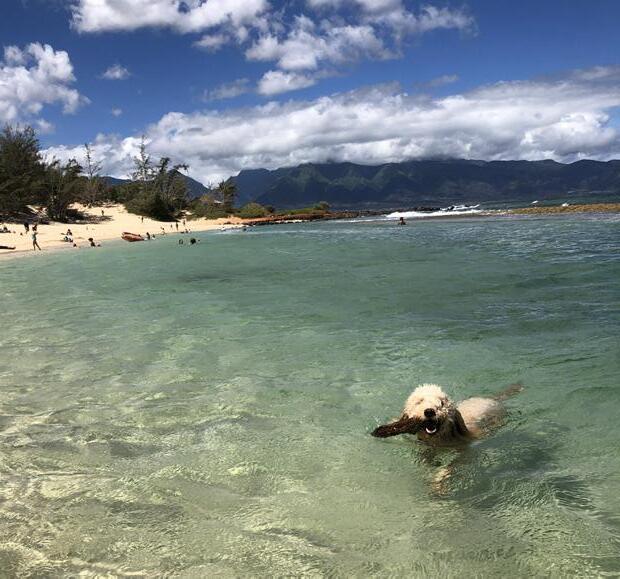
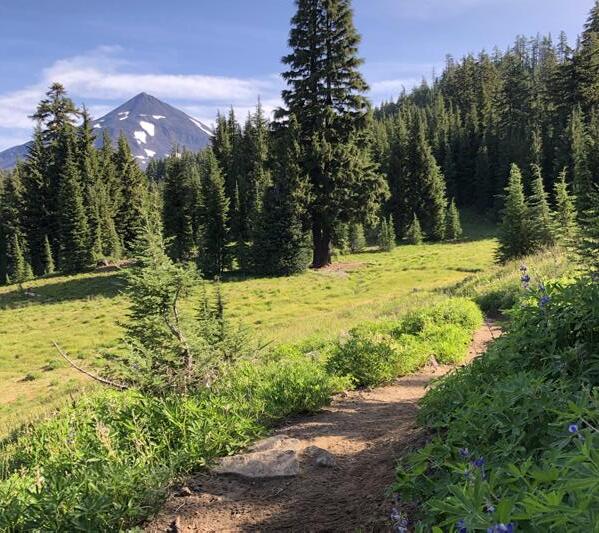
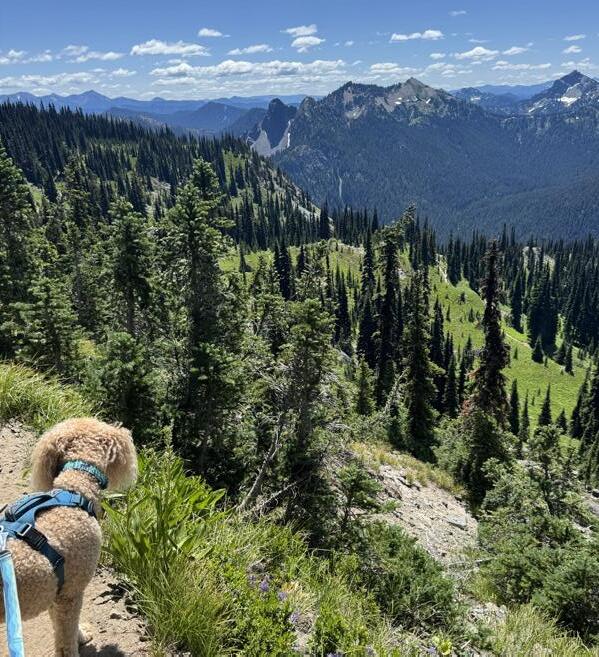
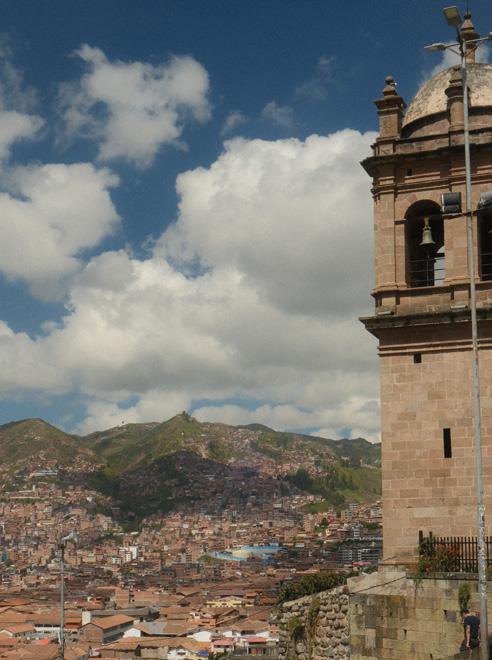
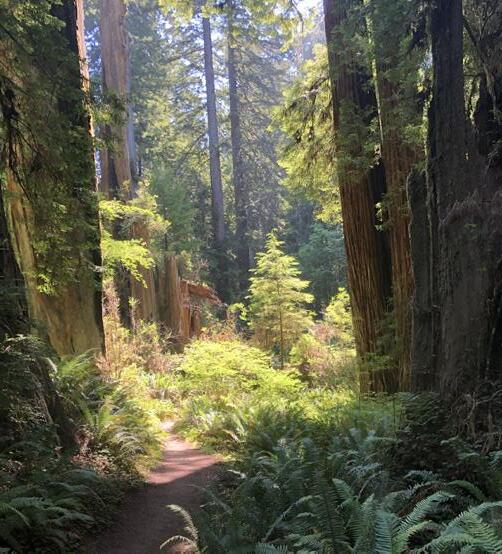
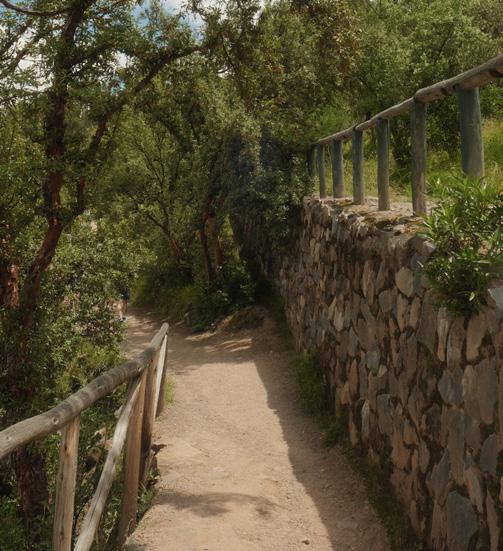
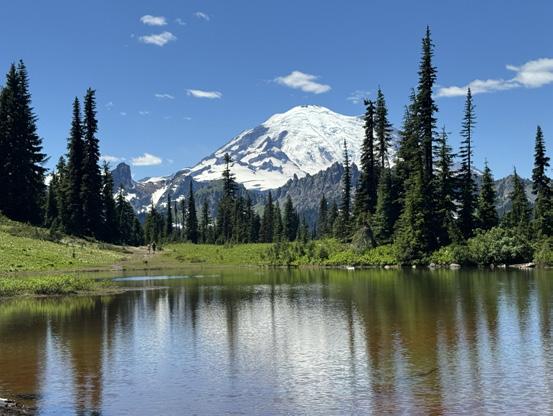
Ms. Lin’s senior class Taiwanese BBQ camping trip — can you spot her?
Consider a Summer of Service
Kaya Parker and Cayden Laynor
Summer is a great time to consider giving back. Not only is volunteering great for the community and yourself, but also is a fantastic addition to your college applications.
There are many different types of services you can contribute to, such as food banks, animal shelters, or schools. If you volunteer for the animal shelters, you can help out with clients, socialize and exercise the animals, and even assist with adoptions! A great option for this can be to work with Wet Nose Foster Paws, an animal rescue near Stadium High School. You can walk the dogs in Wright Park to help exercise them and advertise their adoption
Although this is a great option, there are more great possibilities to consider like helping out at food banks and libraries nearby. Many of these places are in need of volunteers and are wonderful options to think about.
Volunteering helps benefit your physical and mental health, reduces stress and fosters a sense of purpose. Strengthening your connections with the community helps develop new skills and boosts self esteem.
Overall, volunteering benefits both the community and the volunteer by creating positive change and building valuable life skills.
Libraries: The Pierce County Library System offers opportunities to assist with tasks and programs.


Non-Profit Support: Habitat for Humanity (16+), Oasis Youth Center, and Second Cycle Community Bike Shop.
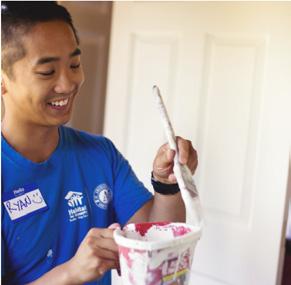

Food Banks/Community Support: Emergency Food Network and Nativity House Day Shelter.


Environmental Causes: Pierce Conservation District and local park cleanups offer weekend events.
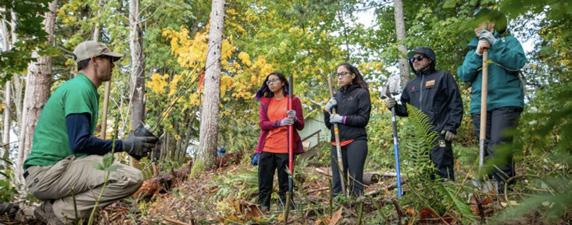

Animal Shelters/Services: You can volunteer at the Pierce County Humane Society (you must be at least 16 years old). Wet Nose Foster Paws is another option to volunteer to help a dog rescue (you can volunteer at 16 years and above).



Eloise’s Cooking Pot Food Pantry Emergency Food Network
Pierce County Humane Society Volunteer Wet Nose Foster Paws