The Canadian government disperses $300 million to organizations to help farmers become more climate resilient. Farmers can receive support for cover crops, nitrogen management, and rotational grazing, and are encouraged to use the On-Farm Climate Action Fund Web Tool to find their recipient organization.
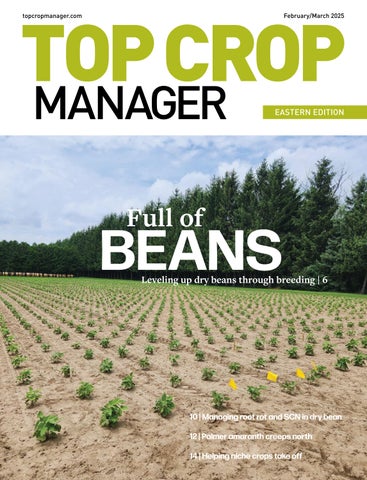
PLANT BREEDING 6 Full of beans
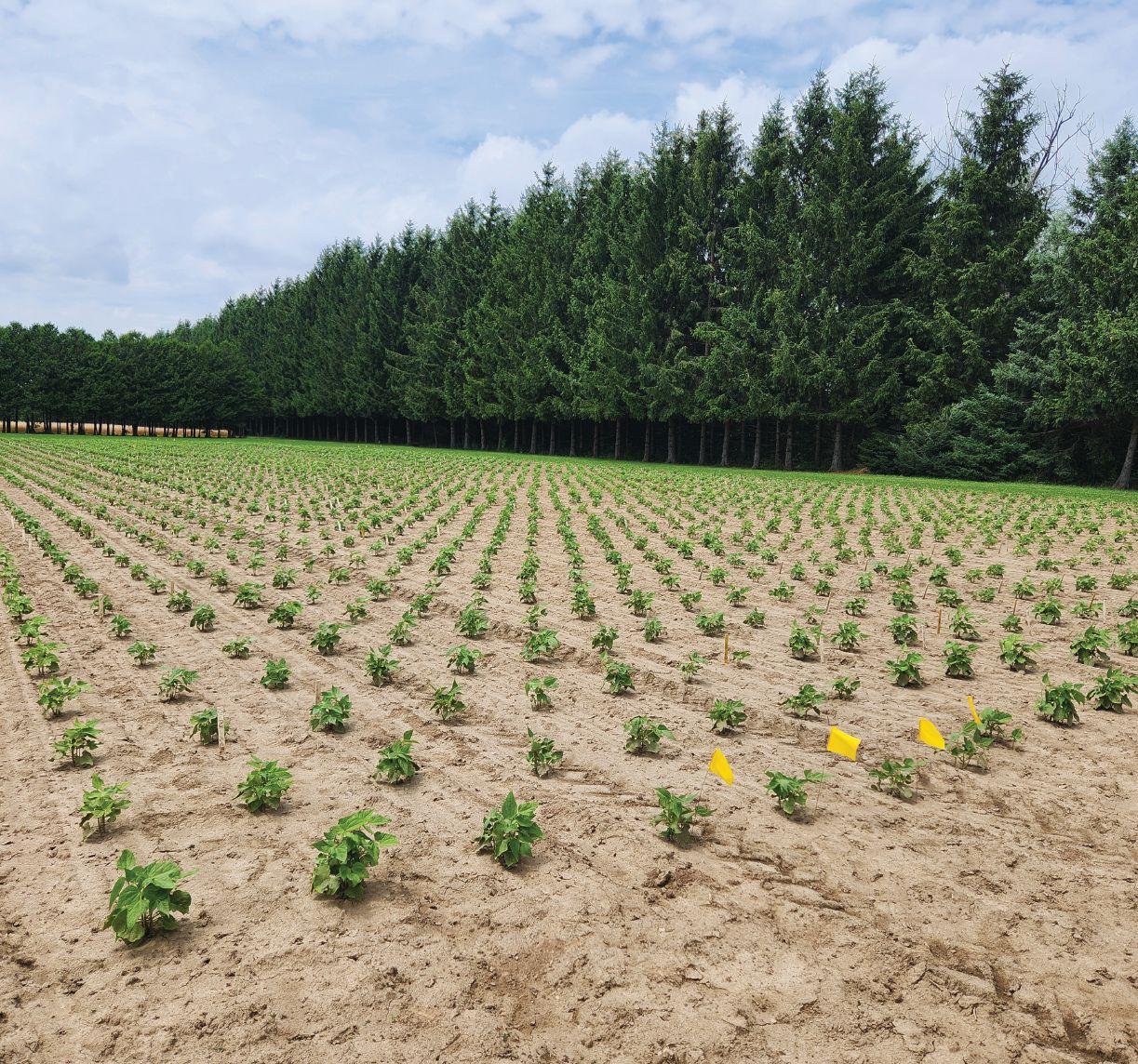
The dry bean breeding program at Harrow is building on strengths, improving efficiencies, and tackling emerging issues. PESTS AND DISEASES
Managing root rot and SCN in dry bean
Researchers investigate how root rot and soybean cyst nematode limit dry bean production. WEED CONTROL 12 Palmer
amaranth creeps north
Confronting one of the worst herbicide resistant weeds yet. PLANT BREEDING
Boosting crop diversification in Quebec through a producer-driven breeding initiative.
The bacterial blight nursery for dry beans at AAFC-London. Photo courtesy of AAFC-Harrow.
by Michelle Bertholet
Putting the producer back into producer-led research
Research is an important component that keeps Canadian agriculture competitive. Farmers, like yourself, have always played a key role in determining what is worth researching.
If you were to put yourself in the shoes of a researcher trying to get their project approved and funded, you will be asked: how will your research impact farmers? Do farmers care about this? Sometimes, you are being asked: is there a market need for this research?
In the world of agriculture research, farmers are paramount. But, sometimes, their desires fall through the cracks, especially when it comes to more niche and experimental systems. For example, we have seen this with intercropping and niche crops.
However, where there’s a will, there’s a way. Collaborations between researchers and farmers take many forms and do not have to be multi-million-dollar research projects led by massive institutions.
Collaborations between researchers and farmers take many forms and do not have to be large projects.
On page 14 in this issue, we shed light on an incredible collaboration between researchers and farmers to breed niche crops in Quebec. Producers in the province kept asking for new varieties for various niche crops like sunflower and buckwheat, but there were not enough resources for a full breeding program for these crops. The solution? Participatory breeding. Researchers and breeders are growing genetically diverse crops, and those diverse materials are sent on-farm for producers to grow and select the types that look best to them. The “program” takes a more agile approach to solve a niche need.
The story is a true testament that you – the farmer – always has a say in what research occurs. You have the most skin in the game and therefore, your experience matters intimately to research objectives.
It is also why the team at Top Crop Manager is committed to bringing you trusted third-party crop production insights. From well-established programs like Agriculture and Agri-Food Canada’s dry bean breeding program in Harrow, Ont. to CÉROM’s participatory breeding program for niche crops in Quebec, these pages help keep you on the pulse of innovation happening across Canada.
If you find yourself stuck thinking about any aspect of the season ahead, consider that your question has already been asked by a farmer somewhere. And if you are lucky – there is a bunch of science on it already.
Take these months to refresh and get curious about the new information out there, and we will do our part to make sure it is easy to find.
topcropmanager.com
SKIP IMITATOR PRODUCTS FOR AGRONOMICALLY EFFECTIVE SOLUTIONS
Trusted solutions like TRIBUNE™ nitrogen stabilizer, ANVOL™ nitrogen stabilizer and SUPERU™ fertilizer deliver higher active ingredient concentrations that low-rate products can’t match. See how other stabilizers stack up to proven solutions that defend your nitrogen and your bottom line.
Full of beans
The dry bean breeding program at Harrow, Ont. is building on strengths, improving efficiencies, and tackling emerging issues.
BY CAROLYN KING
In 2018, Jamie Larsen took over the Agriculture and Agri-Food Canada (AAFC) dry bean breeding program in Harrow, Ont. Since then, he has built on the program’s established strengths like creating robust disease resistance and developing varieties across many market classes. Plus, he is taking on new issues, like western bean cutworm resistance, and expanding the program’s regional focus beyond Ontario to also include Manitoba.
The program’s top trait priorities are driven by grower priorities. “Growers in Ontario and Manitoba want dry bean varieties that are high yielding, early to mid maturity, with lots of disease resistance – well, they want everything. And why wouldn’t you want everything? I want everything too!” Larsen says.
“But each one of the market classes can almost be seen as its own individual breeding program because you’re sticking to working within that market class. It’s very challenging to address all the breeding needs in every class.”
The Harrow program works with all the major market classes for Ontario and Manitoba. “That includes navy beans, black beans, cranberry beans, and kidney beans. We’re also doing some work in some specialty beans for the Japanese market like kintoki and otebo, and a little work in pinto for Manitoba,” he explains.
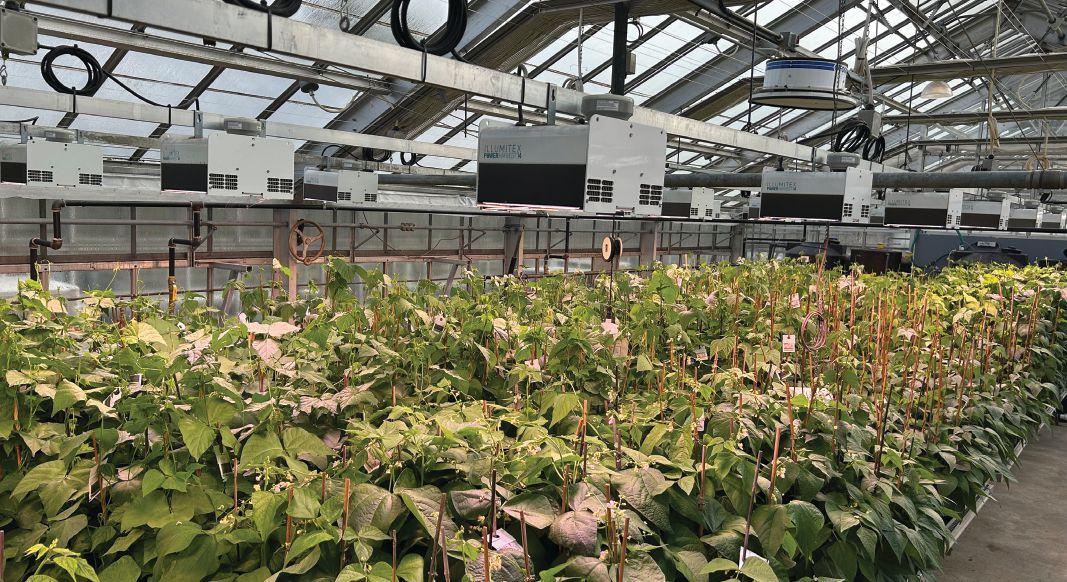
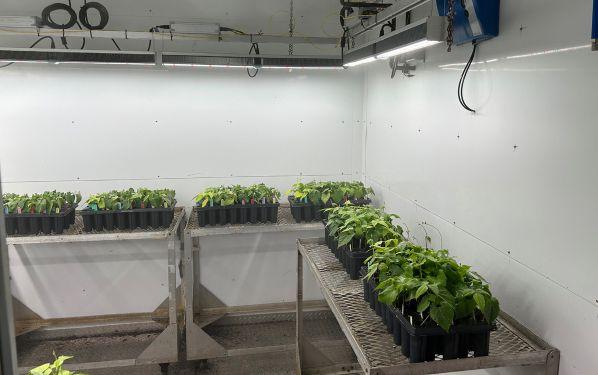
TOP The speed breeding platform for dry beans at AAFC-Harrow.
ABOVE The white mould nursery for dry beans at AAFC-Harrow.
“When we’re making crosses, we are primarily addressing the proportions of acres in the region. For instance, Ontario has a really large white bean industry so primarily we focus on navy beans and making lots of crosses to ensure we have lots of navy bean material coming to the field for evaluation and testing. Also, navy beans are a market class where the Manitoba program feels that they could make some more progress in improving varieties.”
End-use quality is crucial for all classes. Larsen notes, “We do the seed colour and protein content testing at Harrow, and we send the beans to Parthiba Balasubramanian at AAFC-Lethbridge for canning quality
evaluations. That way, we can make sure we have really solid varieties coming on the market.”
Given the challenges of tackling so many market classes, breeding efficiencies can make a big difference. So, Larsen worked with staff at Harrow to take a speed breeding system, originally developed in Australia for some other crops like barley, for his dry bean program. This system involves growing early generations in the greenhouse, and adjusting the amount of light and heat so the plants will grow faster.
“Harrow has the largest greenhouse research facility in North America. As a result, there is a lot of expertise here as well as enough space to do this speed breeding work,” Larsen notes.
“Previously in the program, there was a cross and maybe an F1 generation grown over the winter, and then a year per generation after that. We have carved about two or three years off the breeding process.
“We can also do some testing during generation advance indoors, including screening for resistance to anthracnose and common bacterial blight. We can use molecular markers, taking leaf samples and running our suite of the molecular markers associated with bacterial blight and anthracnose resistance. So, we can get rid of the susceptible material before sending the plants out to the field.”
The program’s added focus on Manitoba’s needs is relatively new. Under the Sustainable Canadian Agricultural Partnership Pulse Science Cluster initiative (2023 to 2028), Larsen’s program is collaborating with Anfu Hou’s dry bean breeding at AAFC-Morden. The Ontario Bean Growers and Manitoba Pulse and Soybean Growers are providing some project funding for the two programs. AAFC provides half the funding for those projects, and it funds the AAFC personnel and facilities involved in the two programs.
SOME DISEASE RESISTANCE HIGHLIGHTS
The program’s disease resistance work targets key yield-limiting diseases such as bacterial blights, white mould and root rots.
Screening dry bean breeding lines for resistance to these diseases is one of the program’s strong suits. Under the previous Pulse Cluster (2018 to 2023), Larsen and his research group developed and implemented various improvements in dry bean disease screening methods, in collaboration with Owen Wally, the field crop pathologist at AAFC-Harrow.
The program’s disease nurseries generate valuable data on new varieties and advanced lines for Larsen and other dry bean breeders, helping to advance dry bean varietal development in Ontario and now for Manitoba as well.
“We provide disease response data for variety
registration,” he explains. “While that data is not required for variety registration, it is really important information for people who want to license varieties. And we provide that information to other breeding programs so they can make selections to develop disease-resistant germplasm for Ontario and Manitoba.”
White mould is one of the most damaging fungal diseases in Ontario dry beans. Larsen and his group have a white mould nursery at Harrow. They also sometimes work with AAFC-London to do white mould testing there as well. Their improved white mould testing protocols consistently differentiate between different levels of response to the disease, from tolerant to susceptible, confirmed by check variety responses.
The program tests for common bacterial blight at Harrow and bacterial brown spot at London. These diseases are common causes of dry bean yield losses, as well as increased seed costs for growers due to the need to get disease-free seed from places like Idaho.
“We do field-based testing with about 2,000 plots per year for bacterial blights. We can also do the testing indoors, although it is easiest and most consistent to do it outside,” Larsen says.
Much of his research under the 2018 to 2023 Cluster investigated the relationship between common bacterial blight and bacterial brown spot, two diseases which look very similar to each another. Through this research, Larsen and Caio Rodrigues Correa, who was a University of Guelph master’s student in Larsen’s group at the time, made a surprising discovery.
“We tested a panel of dry bean lines to confirm resistance/susceptibility to common bacterial blight. When we tested those same lines for bacterial brown spot, we found the reactions were directly correlated. So, if a line was resistant to common bacterial blight, it was also
The fact that the resistance for the two diseases [bacterial blight and brown spot] is correlated is a big deal for dry bean breeding. It means one less thing that dry bean breeders need to worry about.
ABOVE The bacterial blight nursery for dry beans at AAFC-London.
resistant to bacterial brown spot. In addition, Caio found that some molecular markers linked to common bacterial blight resistance were also linked to bacterial brown spot resistance,” Larsen explains.
“The fact that the resistance for the two diseases is correlated is a big deal for dry bean breeding. It means one less thing that dry bean breeders need to worry about.”
Larsen’s group continues to work on these bacterial blights, including looking for new sources of resistance and conducting their ongoing work – crossing, screening and so on – to develop new resistant varieties.
Root rot, a major fungal disease, is another important program focus. Larsen says, “Root rot is one of those eternal challenges that is incredibly difficult to work with.” One factor is that root rot resistance is a quantitative trait, meaning that multiple genes are involved in providing resistance. Getting all those resistance genes together in a dry bean line that also meets class, quality and yield requirements is not easy.
Another factor is root rot resistance screening is very time-consuming because of the need to dig up and visually rate the level of disease in all the roots. He notes, “We have spent a lot of time improving our root rot testing methods to make sure that the resistance levels we get across our moderately resistant, intermediate, moderately susceptible, and susceptible checks stack up when we do comparisons between different tests.”
Soybean cyst nematode is well known as a serious concern for Ontario soybeans, but this pest also attacks dry beans. Larsen’s program works with Wally’s group to screen for soybean cyst nematode resistance at Harrow, and Wally currently has a project investigating this pest in dry beans.
WESTERN BEAN CUTWORM RESISTANCE
Since 2023, the program has been looking into the possibility of genetic resistance to western bean cutworm in dry beans. Over about the past two decades, this pest has been expanding its range from the United States into Ontario. In dry beans, the moth’s larvae feeding damages the pods and seeds.
Larsen is collaborating on this work with University of Guelph dry bean agronomist Chris Gillard and entomologist Jocelyn Smith. “Chris has done a lot of work to find ways to manage western bean cutworm. However, one aspect that has not had very much study is the question of resistance in dry beans to this pest.” Developing resistant varieties would add a valuable tool to the toolbox for managing this pest.
This work is still in its early stages. Right now, the researchers are surveying many Ontario dry bean lines to see if some lines are consistently more resistant or
consistently more susceptible to western bean cutworm feeding, and to determine the range of resistance available in the lines.
“We have completed the second year of testing in the field. We plant 50 different varieties of dry beans. Then Jocelyn grows up the larvae, and we drop them on the plants. Then we cover up the plants with a net, and the larvae go in and feed. Then we harvest the plants and look at every bean to assess feeding damage.”
If they do find some lines with some resistance to the pest, Larsen plans to set some breeding objectives and start breeding to develop resistant varieties. He also would like to map the resistance genes within the dry bean genome and develop molecular markers for the trait. That way, his group could avoid all that very labour-intensive work to screen for resistance in the field.
ASSESSING NITROGEN FIXATION CAPACITY
As a legume, dry bean has the potential to form a mutual association with rhizobia bacteria. These bacteria form nodules on the roots of a compatible host. There, they convert nitrogen from the air into nitrogen compounds the plant can use. However, dry bean is generally considered to be a relatively poor nitrogen fixer so growers usually apply nitrogen fertilizer to their dry bean crops.
Larsen notes that many researchers are working on different ways to try to boost the effectiveness of rhizobial nitrogen fixation in dry bean production. “My angle is a practical project so we can give information to farmers.”
So, he and his group are comparing a set of dry bean lines grown with no nitrogen fertilizer and the same lines grown with nitrogen fertilizer applied at typical rates for Ontario dry bean production. They are not applying any rhizobial inoculant, but they know the resident rhizobia in the soil at their field location are able to form nodules on dry beans.
These field trials, which started in 2023, are taking place at AAFC-London. They are measuring agronomic traits and yields, and around flowering time, they dig up plants to assess the amount of nodulation. They also test the seed to determine how much nitrogen in the seed is derived from the atmosphere.
Larsen will share the trial results with growers as another piece of information to use in their decisions around which varieties to grow and how to manage them. For instance, a grower might choose a variety that gets good yields without nitrogen fertilizer to save money on fertilizer and to reduce the risk of nitrogen losses to the environment.
Larsen concludes, “Dry bean is a fascinating, really challenging crop to work on. That is what makes it so interesting and fun and sometimes frustrating!” But all the painstaking effort is contributing to high-yielding, high-quality, disease-resistant dry bean varieties for growers.
ABOVE Disease testing cabinets used for bacterial blights and anthracnose at AAFC-Harrow.
Canadian agriculture and food needs more talented people.
Each year, CABEF helps students to pursue rewarding agri-food careers through seven $2,500 scholarships. We’re looking for the future leaders who will help this industry meet tomorrow’s challenges.
Do you know someone who needs to fund their future in agri-food? Tell a student today.
Scholarship application deadline is April 30, 2025
Want to help support the next generation of agri-food leaders? Become a “Champion of CABEF.” This program allows your organization to directly sponsor a deserving student. Contact CABEF at info@cabef.org.
Managing root rot and soybean cyst nematode in dry bean
Researchers investigate how root rot and soybean cyst nematode limit dry bean production.
BY DONNA FLEURY
Although root rot disease complex and soybean cyst nematode (SCN) are familiar issues in Canadian soybean production, much remains to be learned about how these issues affect dry bean production. Agriculture and Agri-Food Canada (AAFC) researchers are leading a project aimed at filling some of these knowledge gaps to benefit dry bean production.
“In Ontario, and in other growing areas, root rot poses a significant challenge to dry bean production,” explains Owen Wally, research scientist and pathologist with AAFC in Harrow, Ont.
According to Statistics Canada, the seeded area of dry beans in Canada in 2024 was 371,000 acres. Ontario accounted for 33 per cent of the dry bean area, Manitoba for four per cent, Alberta for one per cent, with the remainder seeded in Saskatchewan, Quebec and the Maritimes.
“However, one of the limiting factors is the lack of the overall understanding of root rot complex in dry bean,” Wally adds. “While we know that these diseases are caused by several pathogenic soil microbes, including Pythium, Rhizoctonia and Fusarium species, we have yet to identify the main contributors causing root rot in dry beans.”
An additional obstacle we face is the limited progress in enhancing root rot tolerance in dry bean varieties. Jamie Larsen, research collaborator and dry bean breeder at the Harrow Research Station, analyzed varietal data from the Harrow root rot nursery spanning 2009 to
2018. The findings revealed a lack of improvement in root rot resistance among the varieties tested over this period, underscoring the challenges associated with enhancing resistance.
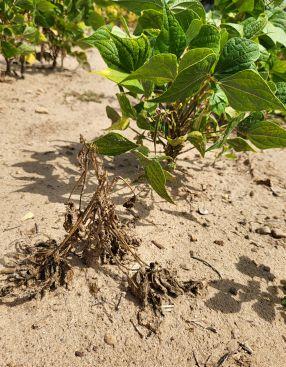
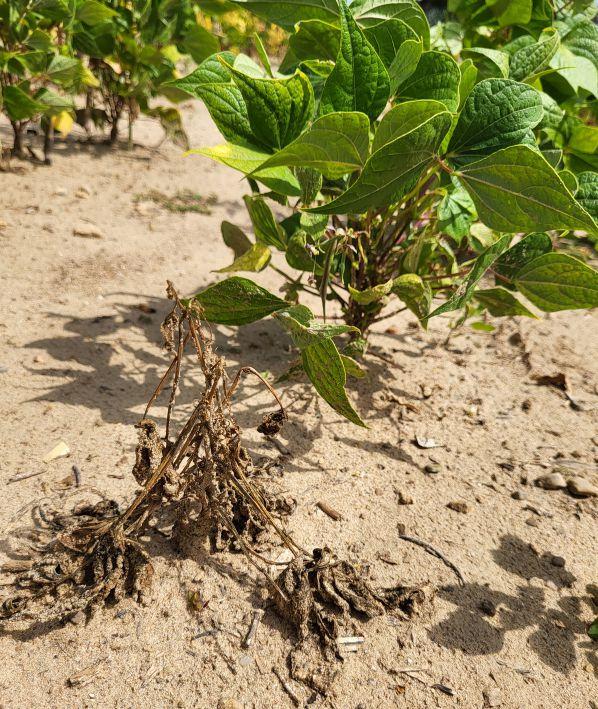
ABOVE A dry bean plant with root rot disease that died next to some healthy plants in the plots.
In 2023, researchers launched a robust five-year project funded by the AgriScience Pulse Cluster to improve the understanding of dry bean production. This initiative prioritizes research on the root rot disease complex and the soybean cyst nematode. Through rigorous field plot studies and controlled environment experiments, the goal is to gain insights into the impacts of these pests on dry bean production.
“One of the key components of the study is to better understand the root rot disease complex and identify the key causal agents,” Wally starts. “We have established plots in southern Ontario, located at Harrow, London and Chatham, with a history of root rot that have been selected to test a panel of current Ontario dry bean varieties. Each variety will be individually assessed to determine root rot tolerance. We are also conducting microbial DNA sequencing of both the soil and root rhizosphere to identify pathogens present in these areas and how they relate to root rot. This will be followed by individual screening indoors within controlled environments to confirm the pathogens’ role in causing these diseases. Furthermore, we plan to collect about 35 samples every year from various farmers’ fields in Ontario, Manitoba and Alberta. This information will be shared with Larsen’s breeding
Photo courtesy of Emma McIlveen, AAFC.
program, where recurrent selection methods are being implemented to incrementally improve root rot tolerance in dry bean varieties.”
CONNECTION BETWEEN SCN AND ROOT ROT COMPLEX?
A second objective of the project is to determine the association between SCN and the root rot complex in dry beans. SCN is the biggest problem for soybean growers in Canada and the U.S., with annual yield losses estimated at $40 million in Ontario alone. This nematode is a soil-borne parasitic round worm that feeds on the roots, robbing the plant of nutrients and slowly reducing yields in soybeans.
“Although we know that dry bean is a host for SCN, we can only make assumptions about the damage it is causing in dry bean and other legumes based on the damage to soybeans,” Wally says. “In Ontario for example, the dry bean producing regions overlap with soybean production, so there is often SCN already in the soil. With this study, we are trying to determine how much damage the SCN is causing, how it relates to the root rot complex and where yield losses are really coming from. We are trying to figure out that puzzle and the interactions between them.”
To truly understand the interaction between SCN and the root rot complex and impacts on yield, researchers have added a third objective to the study that will include a comparison of nitrogen (N) levels in the soil. Wally explains that although dry beans are a legume and can fix some N, they are not particularly good at fixing N. Therefore, dry bean production has significant fertilizer N requirements.
“In this study, we are trying to determine whether the N fertilizer rates may be covering up the impacts of SCN and the root rot complex on dry beans. We set up trials in 2024 to see if the impact of SCN and the root rot complex is reduced or increased with different rates of fertilizer N applications. The rates range from low to high, including a comparison of a standard rate of 45 kg N/ha, a reduced rate of 33 per cent or 15 kg N/ha and a control rate of no additional N. Hopefully the results will help determine if N rates could be reduced, which could reduce greenhouse gas emissions and input costs for growers, while increasing sustainability.”
“By the end of the project, we expect to have a better understanding of the root rot complex in dry bean and identify the main pathogens contributing to these issues both nationally and in more localized, regional locations,” Wally adds. “Once we understand the causal agents, we can implement more targeted approaches to breeding and develop more precise regional agronomic practices. We also hope to have solved the puzzle of the interactions between the root rot complex, SCN and N fertilizer, improving dry bean production agronomics and informing improvements in dry bean breeding and varietal development for all dry bean growing regions in Canada.”
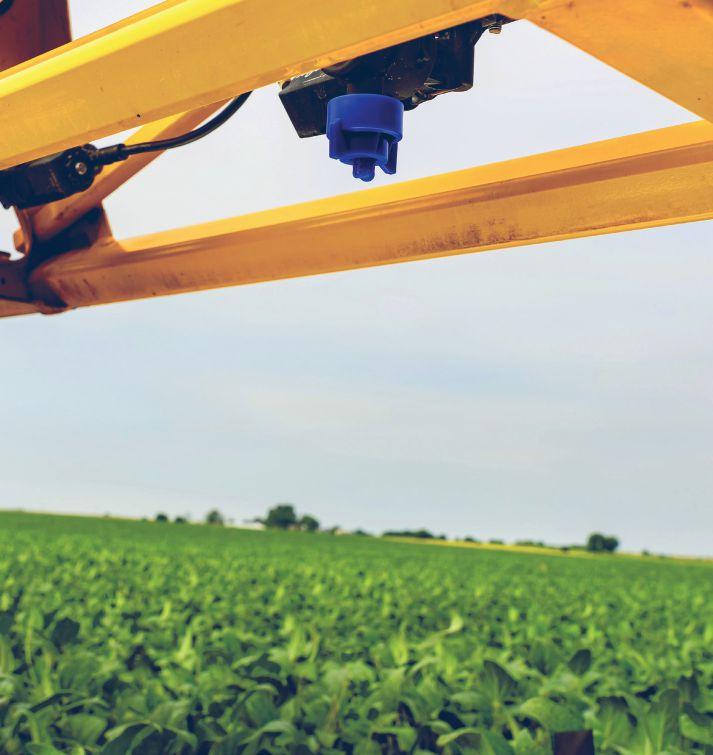
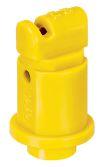
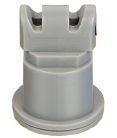
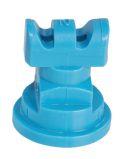
UNCERTAIN ABOUT WHICH NOZZLES WORK BEST FOR PULSE WIDTH MODULATION CONTROL SYSTEMS?
Palmer amaranth creeps north
Confronting one of the worst herbicide-resistant weeds yet.
BY MATT MCINTOSH
The Canada-United States border is a porous one for herbicide-resistant weeds. The latest in a line of highly challenging species – Palmer amaranth – continues to make inroads in regions across both countries.
With positive identifications made in Manitoba and Ontario, weed management programs in field crops will, eventually, have to adjust.
PALMER AMARANTH – WHAT IS IT?
Palmer amaranth is a broadleaf annual weed with origins in the southern United States. It germinates in spring, can grow between five to eight centimetres per day, and incur yield losses above 70 per cent in both corn and soybeans. The development of populations resistant to nine different herbicide groups – 2, 3, 4, 5, 6, 9, 10, 14, and 27 – with some containing six different resistances simultaneously, have earned Palmer amaranth the distinction of being one of the worst weeds in the United States.
Palmer amaranth’s geographic range now includes states as far north as Michigan, New York, Minnesota, and elsewhere. The weed has been identified in Manitoba’s Rural Municipality of Dufferin in 2022 and 2024, although its close cousin, waterhemp, expanded much further afield. Manitoba classifies Palmer amaranth as a noxious weed and in neighbouring Minnesota, Palmer amaranth falls into a “prohibited/eradicate” category.
Palmer amaranth was first identified along a southeastern Ontario railway in 2007. According to Mike Cowbrough, Ontario’s field crop weed specialist, another individual plant was found at the edge of a Wellington County corn field in late summer, 2023. As Cowbrough details in a Field Crop News article from August 2023, the landowner who identified the weed referred to a “weird looking pigweed” that “looked different than anything they had seen before.”
Speaking in January 2025, Cowbrough says two new identifications were made in 2024.
“The first [was] in Bruce County, sent in by an agronomist working in that area. As far as I’m aware [it] was only an individual plant, similar to the finding in Wellington County in 2023,” Cowbrough says. “The second finding was in Haldimand county, in a field that already
had waterhemp. A few plants were noticed among the waterhemp population. I would suspect that in Haldimand county, it is likely that Palmer amaranth has been there in previous years but was not distinguishable from waterhemp.”
ABOVE The farmer that found Palmer amaranth in their field late in the summer of 2023 described it as a “weird looking pigweed.”
IDENTIFICATION
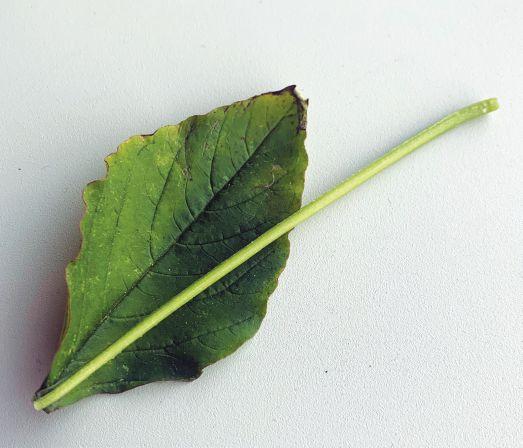
Iowa State University describes Palmer amaranth as an “erect plant” capable of growing to heights of six feet or more. Its stems and leaves have few or no hairs, with petioles (the stalk joining leaf and stem) often longer than the leaf blade. Leaves themselves occasionally sport a V-shaped “thumbprint.” Palmer amaranth is also dioecious, meaning its male and female reproductive organs exist in separate plants. Overall, Iowa State concludes Palmer amaranth plants are “highly variable in shape.”
Cowbrough’s 2023 Field Crop News article adds a taproot, long and spikey seed clusters (with heads that can reach up to 90 centimetres), stems with alternate leaf orientation, and stalks that grow noticeably
Helping niche crops take off
Boosting crop diversification in Quebec through a producer-driven breeding initiative.
BY CAROLYN KING
An innovative breeding project is underway in Quebec to help small-acreage crops, or niche crops, escape from a chicken-and-egg dilemma.
“We have a lot of crops that have very low acreage, so they don’t get much investment in terms of all sorts of things but genetic development in particular. You need larger acreages to be able to get that investment. But in order to get those larger acreages, you need the investment in resources to develop new varieties,” explains Michel McElroy, a crop breeder and researcher with CÉROM (Centre de recherche sur les grains).
“I feel that many crops in the province have a tremendous amount of potential but they can’t really get off the ground because they are stuck in this negative feedback loop.”
So, McElroy and his research group are working with interested crop growers to improve the genetics of some niche crops, breaking this negative loop and allowing progress toward greater success.
BREEDING ON A SHOESTRING BUDGET
Producer requests for genetic improvement of niche crops helped to trigger this project. “I kept getting producers asking about the possibility of developing new varieties for various niche crops. And I kept telling them that we just don’t have the resources to have a full breeding program for such crops,” says McElroy, who leads CÉROM’s winter wheat breeding program.
“However, the more I thought about it, the more I thought it would be possible to generate some of that genetic diversity a little more efficiently if we are not going through the whole breeding process, but if we bring in interested producers to help with plant selection. That way, we could move the crop forward without having to get the significant investment needed to construct a whole breeding pipeline.”
In other words, this project is taking a participatory breeding approach. “Participatory breeding can mean a lot of different things to a lot of different people. But I see it as a collaboration between researchers and producers, where a researcher or breeder generates genetic diversity, and those diverse materials are then sent on-farm for producers to select the types that look best to them,”
McElroy explains.
This approach draws on the expertise of farmers who are very familiar with producing a certain crop and have direct knowledge of key traits that can benefit the crop’s production and limit it.
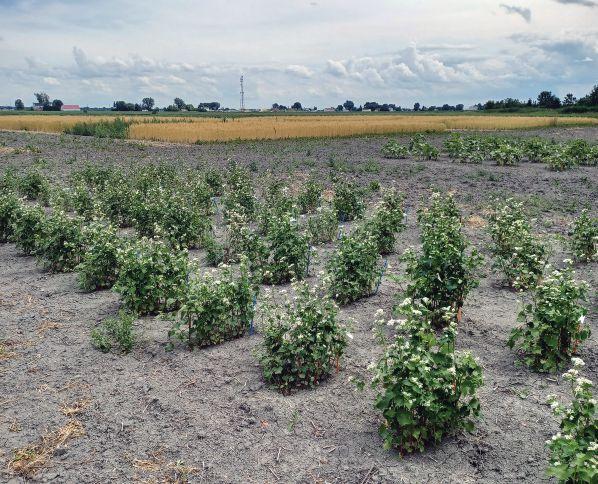
ABOVE McElroy’s team planted buckwheat lines from across the world together with local varieties to produce diverse seed for use in on-farm selection to find types of better heat tolerance.
“A participatory approach is important for niche crops where a smaller community of people are involved, allowing you to get a better idea of people’s opinions,”
McElroy notes.
“Also, sometimes there are some very specific particularities to these crops that you would not know about unless you were really involved with them. The niche crops that we are working on in this project are pretty new to me. So, I’m relying as much on the producers’ knowledge of these crops as they’ll be relying on me in terms of the genetic diversity that I can bring to them.”
He adds, “We hope to create a kind of consortium around each crop where we can have many different producers selecting material but all with the same breeding objectives in mind. Hopefully, we will come up with something that is interesting to everyone. We really want this to be a producer-driven initiative in terms of the breeding objectives and end-products.”
As a first step for the project, which started in 2023,
All photos courtesy of Michel McElroy, CÉROM.
McElroy and his group conducted consultations to decide which of Quebec’s many niche crops to work on.
These consultations included not only growers but also buyers and processors. McElroy notes, “We’ve found that many of the people who are growing some of these niche crops in Quebec have a pretty tight relationship with the people who are turning that crop into an end-product. Sometimes the crop growers themselves are making the end-products.”
McElroy and his group used four criteria to make the crop choices. “First of all, we needed to check that no breeding program was currently serving that crop in our region.”
“Second, we wanted to make sure it was a crop with proven agronomic potential in Quebec, with producers already growing it here. We didn’t want to be introducing a completely new crop.
“Third, we wanted to make sure that the problems with the crop were things that we could solve through breeding. There are a lot of crops that producers have problems with, but when we discussed the crop with them, sometimes the problems were more with the market or because some of the agronomic practices haven’t been figured out so far.
“And fourth, we wanted to make sure that all the people sitting around the table had a set of common breeding objectives for the crop.”
In the consultation process, they considered flax, camelina, peas, faba beans, buckwheat and sunflower.
“Finally, we decided that buckwheat and sunflower were the ones that had a lot of potential and a lot of people interested in them, and had some interesting problems that we thought we could solve with breeding.”
BREEDING BETTER BUCKWHEAT
“There are many passionate buckwheat growers in Quebec. It is a crop that’s been around for a long time, but the genetics are stagnant; nothing new has been developed in a very long time,” McElroy says.
“Many producers have told us that buckwheat has very variable yields. Some years it will be very good, and some years it will be very poor. That kind of uncertainty really makes it hard to keep producing the crop over the long term.”
When McElroy and his group looked into what might be causing this yield variability, they found that an important factor is heat tolerance. Some varieties don’t seem to do well in hot conditions. He notes this issue might become a bigger problem in the years ahead, given climate warming trends and an increasing likelihood of getting hot weather during flowering, which can lower buckwheat’s grain yields.
The next step was to acquire seed for the two most
grown buckwheat varieties in Quebec and for different buckwheat accessions (seed samples from genebanks). These accessions encompass buckwheat genetics from all over the world, particularly from regions that are warmer than Quebec.
In a field plot at CÉROM in Saint-Mathieu-de-Beloeil, Que., McElroy’s group planted buckwheat seeds in a pattern that maximized possibilities for crossing between different lines. Then they let the bees do the crossing for them. Then they harvested the seed.
In 2025, they’ll multiply the seed so they’ll have enough for on-farm selection in 2026. McElroy says, “We will be going back to the producers that we consulted with and asking, ‘Would you be interested in growing this seed in a small plot on your farm and then selecting the ones that look most interesting to you?’” They especially hope to find plants that seem to do better in hot growing conditions.
The participating growers will send their buckwheat selections back to McElroy’s group, who will clean and sort the seed to get rid of any unwanted material, and then maybe multiply the seed again.
Then the group will send the seed back to the growers for another round of on-farm evaluation and selection.
UPDATING OPEN-POLLINATED SUNFLOWERS
“The sunflower producers we talked to said one of their biggest issues is it can be very difficult to get seed [for oil-type sunflower production]. There is not really anyone producing this seed within Quebec now because most of the production is based around hybrids. Sometimes it is difficult to get seed, and sometimes for the organic growers it is difficult to find seed that isn’t treated,” he explains.
He mentions that, although sunflower hybrids are very productive, the seed costs can be comparatively high. So, in some situations, it might be profitable to grow an open-pollinated variety with its lower seed costs, and potentially taking a hit on yield compared to a higher cost hybrid.
“We wanted to see if we could come up with an open-pollinated variety, or a plant population at the very least, that could be used maybe just as a backup for years when it might be more difficult to find seed.”
McElroy and his group decided to look for older open-pollinated varieties and see if they could update those varieties with disease resistance traits found in today’s hybrids, such as resistance to sclerotinia (white mould) and other important diseases in the province.
“We found some older varieties from eastern Europe that are used for oil production and that look really nice in the field right up until the disease hits. Then we took what are essentially parents of hybrids bred for disease
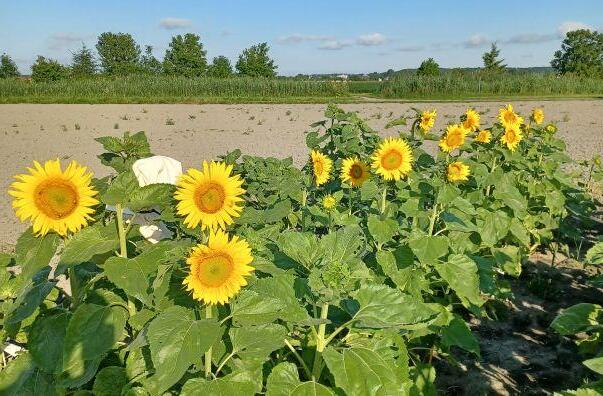
ABOVE McElroy is hoping to bring some of the disease resistance traits found in today’s hybrids into some older open-pollinated sunflower lines.
resistance. And we’re trying to cross some of those lines into the open-pollinated lines to see if we can get some plants that do well as open-pollinated plants but also retain some of that disease resistance.”
Since sunflowers are insect- and wind-pollinated, McElroy had hoped to simply plant the different lines together in a plot and allow them to cross naturally.
“However, there was such an issue with different maturity times that it was tough to get them to sync up. So, I had to do some manual crossing. That is a challenge because sunflower is a compound flower which means that every little seed has its own little flower. Also, sunflowers get up very early in the morning, so I had to be out there at the break of dawn,” he says.
“We had reasonable success with that. And we will do more crosses in the greenhouse this winter to see if we can improve on what we have.”
Next year, they hope to plant another field plot, and multiply the seed. Then they’ll send the seed to the growers for on-farm selection of types that seem to have better disease resistance.
TOWARD MORE OPTIONS FOR GROWERS
“We’re not necessarily aiming to register new varieties of these two crops. We will look at the results as they come in and then consult with the farmers and say, ‘If you would like a variety, then we could go through the system to be able to register it. Or, if it’s okay to have farm-saved seed, then we’re open to that. Or perhaps a common seed sharing arrangement between farms could work. Or whatever might work for you,’” McElroy says.
“We want to be able to provide some new genetics to producers of these niche crops because we feel that the more acres the crop gets, the more investment it will get, and the more we can push these improvements forward to further diversify the menu of crops that producers have.”
He adds, “One of the secondary objectives of this program is to help increase crop diversification in Quebec. Many producers want to lengthen and diversify their rotations because they see the negative effects of having short rotations or rotations with similar crops. But it is hard to take a loss one year out of three or four on a crop that is not up to snuff in terms of its genetics.”
For now, the selection process will mainly look at how the plants perform in the field. But in the coming years, McElroy’s group will also be testing for end-use quality traits to ensure that their new lines or varieties will also meet market needs.
“It has been a blast learning about these new crops –you don’t really get an appreciation for a crop without growing it at least once throughout a whole season – and about the challenges that producers have with them,” McElroy says. “I’m really looking forward to continuing on and learning more about them.”
Do you know an influential and innovative woman in Canadian agriculture? We’re looking for six women making a difference in the industry. This includes women in:
• Farm ownership and operations
• Ag advocacy and policy
• Research and education
• Agronomy
• Business development
• … and more!
WEED CONTROL
Palmer amaranth creeps north
thicker than more common pigweed species, as indicators too. Additional differences with common pigweed species include:
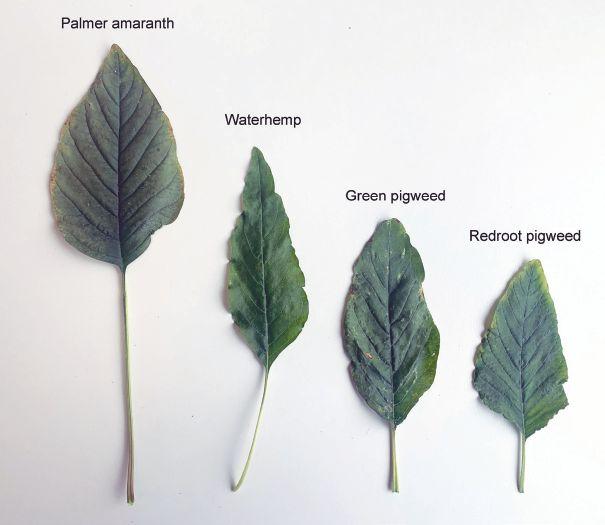
• Redroot pigweed stems are covered in dense, short hairs. Palmer amaranth stems are smooth and hairless. The petiole of Palmer amaranth is longer than the leaf blade, whereas redroot pigweed’s is shorter.
• Green pigweed stems have a cluster of dense hairs, while Palmer amaranth stems are smooth and hairless. The petiole of Palmer amaranth is longer than the leaf blade whereas green pigweed’s is shorter.
• Waterhemp petioles are shorter than Palmer amaranth petioles.
HOW PALMER AMARANTH SPREADS
As with many problem weeds, Palmer amaranth’s physiology provides it with unique capabilities assisting in its spread, and adaptation to modern field conditions. The number of seeds it can produce, provides one advantage – around 250,000 per plant, according to the Minnesota Department of Agriculture.
Palmer amaranth seeds are also small. Contaminated equipment and other agricultural products, such as cotton bales and livestock feed, have helped it spread. Ducks and other migratory waterfowl also use Palmer amaranth as a food source, with seeds able to exist in their digestive systems for up to 40 hours before being excreted. This puts much of Canada well within dispersal range of birds migrating from places already laden with the problem photosynthetic pest.
WHAT NEXT?
Despite significant herbicide resistance capability or potential, the Minnesota Department of Agriculture details several means by which Palmer amaranth can be effectively controlled:
Mowing can work. However, it is less effective than tillage considering the latter is more likely to kill the weed and prevent it from setting seeds close to the ground. Mowing “must therefore be done in conjunction with other methods of control, like herbicide application, prescribed fire or propane weed torching.” Hand weeding is an option for individual plants missed by previous weed control efforts, and a cereal rye cover crop can reduce both growth and germination of Palmer amaranth. Chemical controls can still be effective, although consulting first with agronomists and extension professionals on what could work is recommended.
Fundamentally, the department reiterates familiarity with the weed and its physiology can help prevent Palmer amaranth from establishing in the first place.
ABOVE In Palmer amaranth, petioles (the stalk joining leaf and stem) are often longer than the leaf blade.
Ontario’s agriculture ministry adds the maintenance of winter cereals and other fall-planted crops in rotation creates a less favourable environment for palmer amaranth germination and growth. Perennial forage crops such as alfalfa, too, provide “the best opportunity to prevent germination of new seedlings and depletion of the seed bank through predation and other environmental stressors.”
Cowbrough says more robust control strategies can be found for waterhemp, and practically, “there is not much difference” between how growers should approach Palmer amaranth and waterhemp.
“It’s just that Palmer grows faster, and the window for control, once emerged, is much smaller,” he says.
All photos courtesy of Mike Cowbrough, Ontario Ministry of Agriculture, Food and Agribusiness.
Brought to you by DOES THE FUTURE OF AGRICULTURE SEEM GREY TO YOU?
Agriculture in the Classroom is cultivating curiosity by providing hands- on, immersive learning experiences to educate and engage students. The next generation of farmers, policy-makers, and innovators is in the classroom today. Together, we can inspire young people to drive our industry forward.
Change the future at aitc- canada.ca
Every day new challenges, obstacles, roadblocks and uncertainties threaten your farm’s progress. That’s why you need solutions that work. You need agronomists that know the industry. You need answers. Because regardless of the unknowns, you always have to make a decision. Make the most with what you’ve been given by tapping into the nutrient enhancing technologies from Koch Agronomic Services proven to create a positive impact in your fertility program.