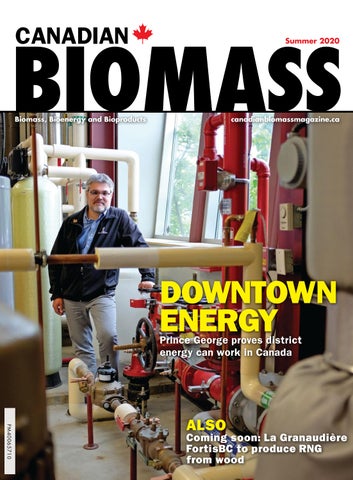
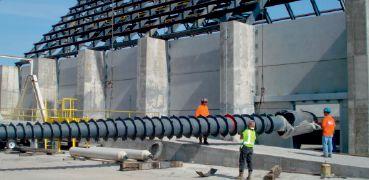
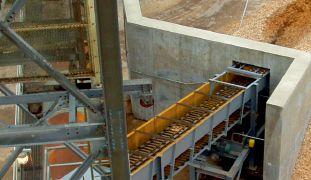
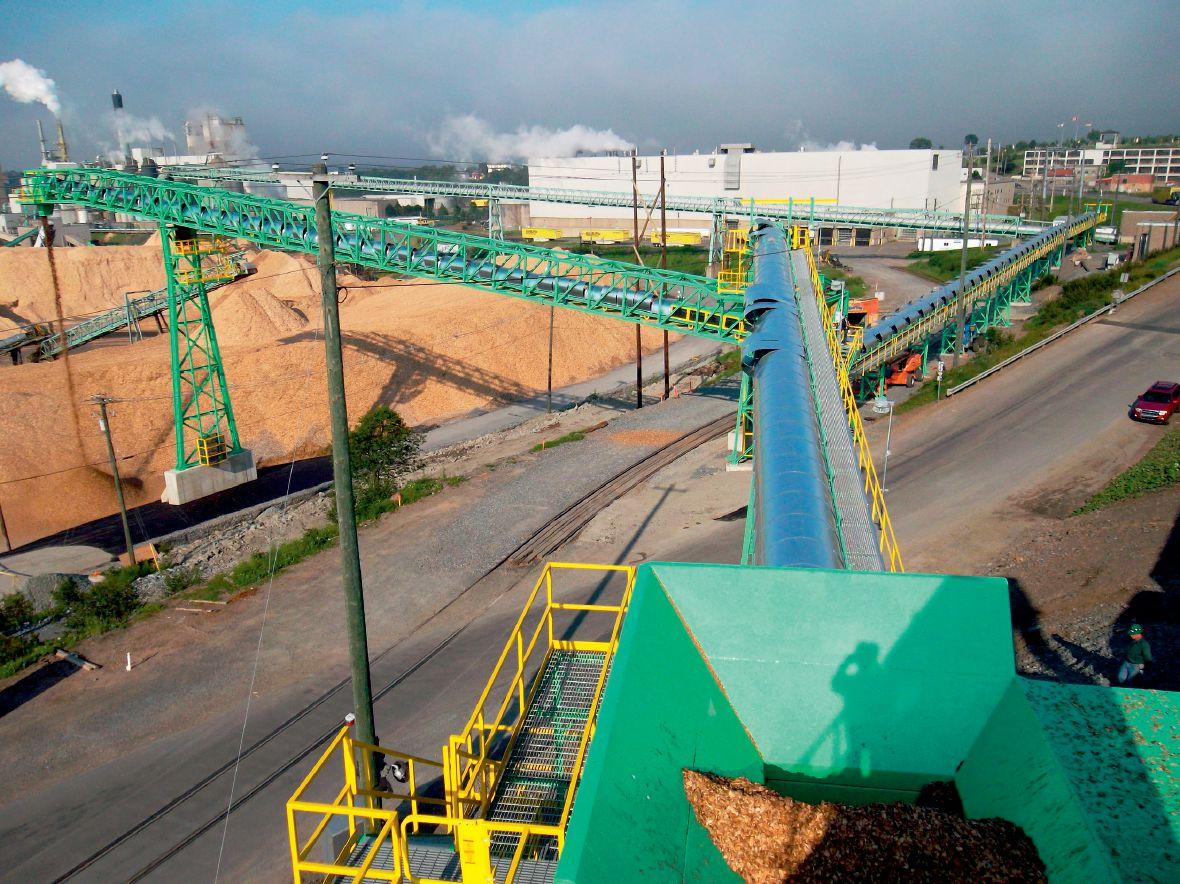
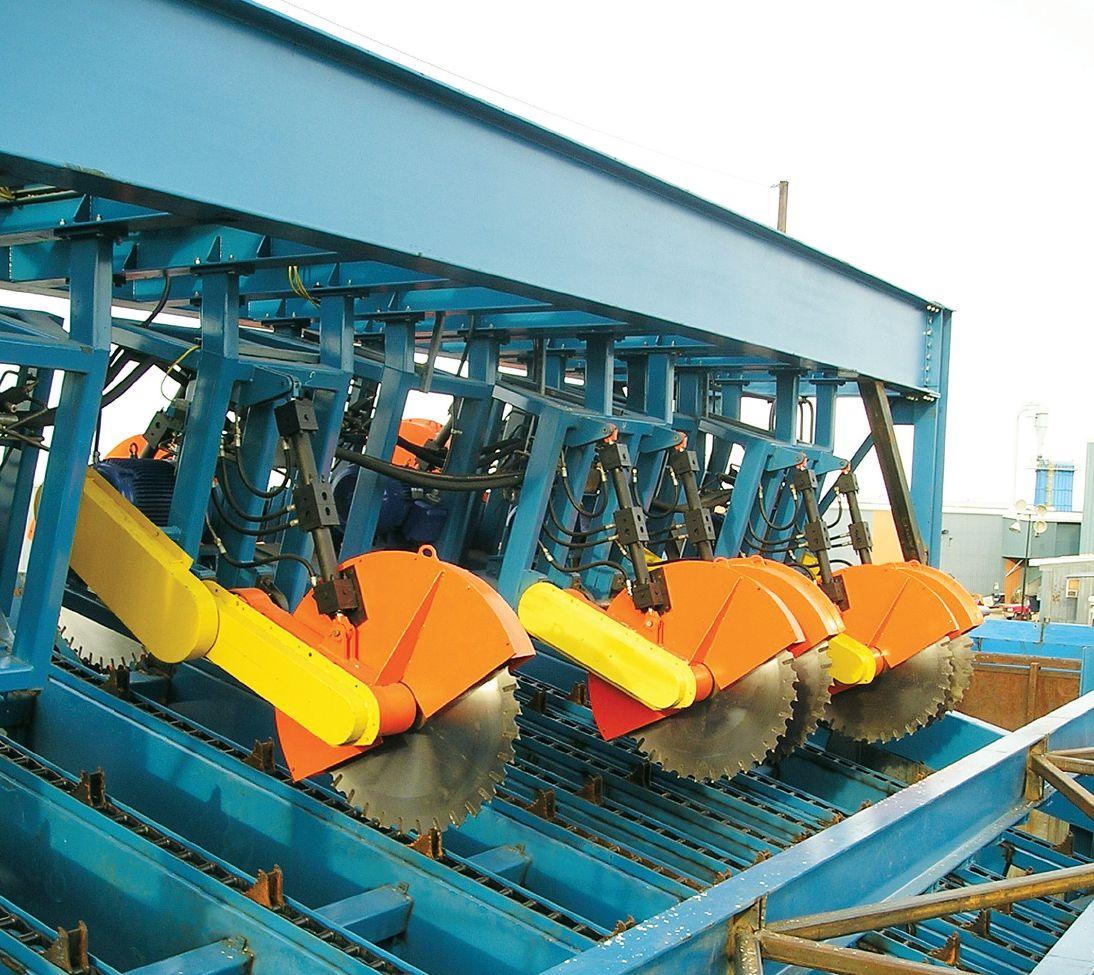
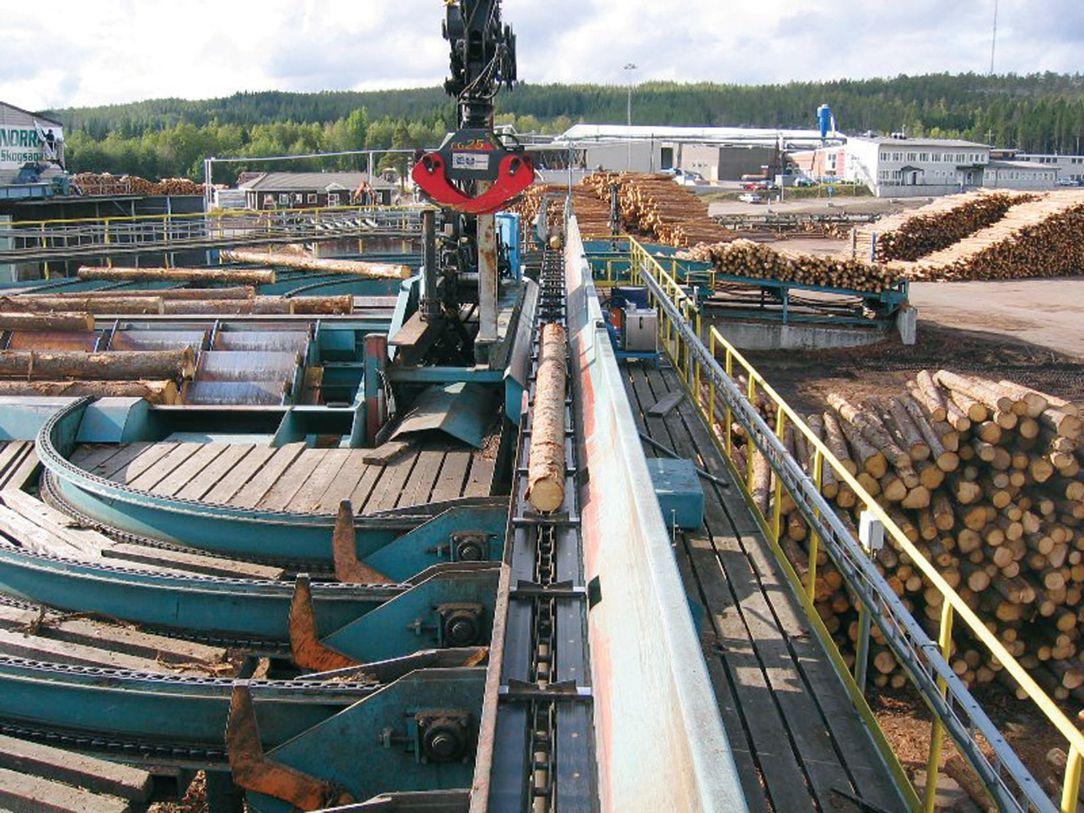
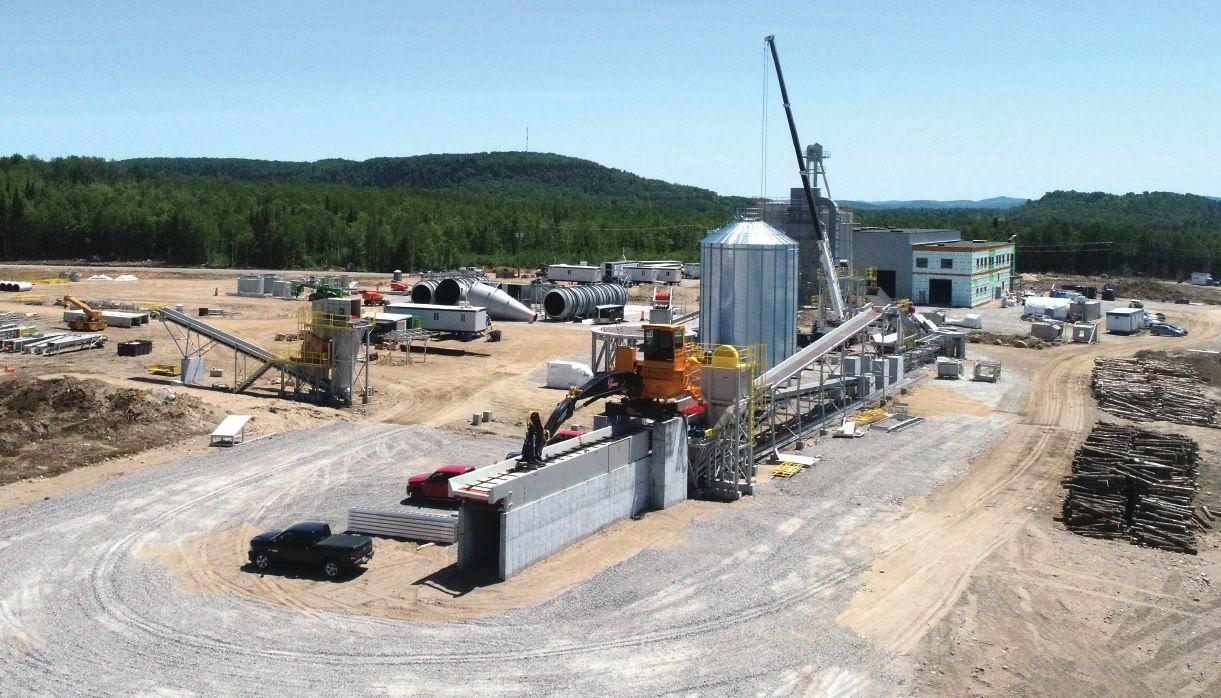
Quebec’s newest pellet plant, La Granaudière, is set to come online this fall after six years. Once production has ramped up, the plant will produce 200,000 tonnes of pellets per year and employ up to 180 people – a big economic driver for the village of Saint-Michel-des-Saints.
14 2020 WPAC Show Guide
The Wood Pellet Association of Canada’s annual conference looks a little different this year – it’s going virtual! Canadian Biomass presents the official show guide.
16 ‘A complete circle’
District energy systems are a proven, low-carbon way to heat buildings, but Canada still relies heavily on individual heating systems that burn natural gas. Now, however, Prince George is proving renewable district energy can work.
18
Remotely powerful
Earlier this year, CanmetENERGY interviewed nine remote communities that have installed biomass heating and CHP systems to learn about their experiences. Sebnem Madrali and Jean Blair outline the factors for rural communities’ success with bioenergy projects.
24 A first for North America
FortisBC and REN Energy will be producing renewable natural gas (RNG) from wood waste – a first for North America. Canadian Biomass has an inside look at the project.
26 Pellet Gear Buyers Guide
Canadian Biomass’ annual Pellet Gear Buyers Guide rounds up suppliers of pellet production equipment.
a
the
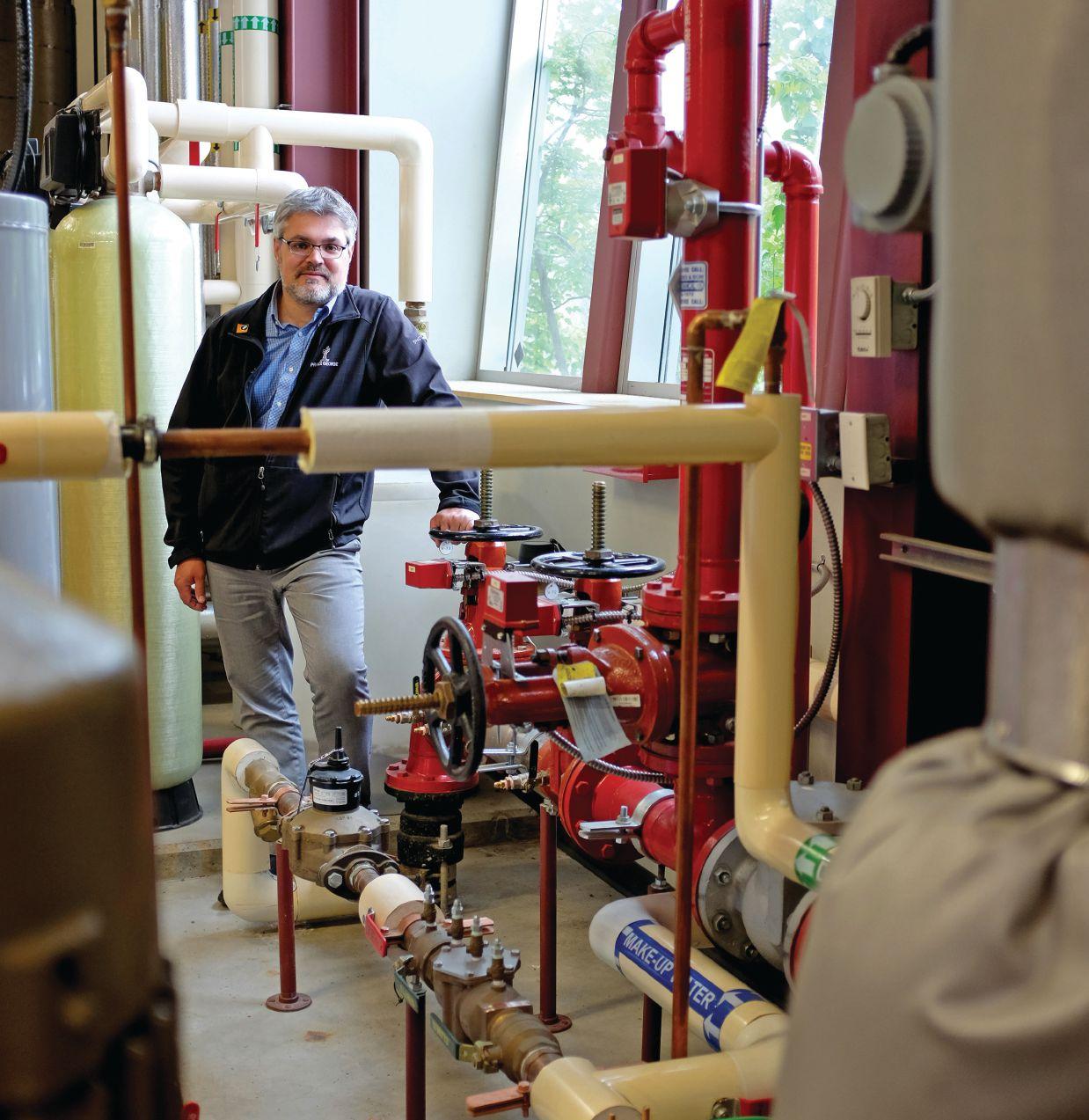
William Wedel, utilities manager for the City of Prince George, at the Downtown
Photo courtesy Rob van Adrichem.
BIOMASS update
UBC RESEARCHERS DEVELOP BIODEGRADABLE WOOD FIBRE MASK FOR COVID-19
The shortage of medical grade masks worldwide has hobbled health care professionals responding to the novel coronavirus –highlighting the need for improving supply lines and manufacturing more masks locally.
Researchers in the Bioproducts Institute at the University of British Columbia (UBC) have stepped up to the challenge, designing what could be the very first N95 mask that can be sourced and made entirely in Canada. It’s also possibly the world’s first fully compostable and biodegradable medical mask.
“If COVID-19 has taught us anything, it’s how important it is to have a robust supply of protective equipment like N95 respirators and surgical masks,” says chemical and biological engineering professor Orlando Rojas, scientific director of the Bioproducts Institute and a faculty member with UBC’s faculty of forestry, faculty of applied science and faculty of science. “The Can-Mask is a promising solution, as it pairs B.C. wood – a marvelous material with future potential for advancing our future bioeconomy and creating jobs – with B.C. industry expertise and technology developed and tested right here at UBC.”
The mask frame is made entirely from B.C. wood fibres from sources such as pine, spruce, cedar and other softwoods. One prototype uses a commercial N95 filter on the front of the mask,
Pinnacle completes multi-million-dollar upgrades at Williams Lake facility
Pinnacle Renewable Energy recently began running a new bed dryer at its facility in Williams Lake, B.C
According to the Williams Lake Tribune, the dryer is not running at full speed yet, but is in the commissioning stage. The installation of the new dryer is part of Pinnacle’s $30 million investment at its Williams Lake and Meadow Bank plants.
There are multiple benefits to the new bed dryer, which replaces the old drum dryer: it can handle and evaporate more water from fibre, is better for the environment, operates at a lower temperature, thereby reducing fire and explosion risks, and reduces noise levels. The Williams Lake plant can now also bring in bush grind for fibre.
the other uses a filter specially designed by the UBC team from wood-based products. Both prototypes are currently being tested to ensure they meet health industry specifications for fit and permeability, with plans to apply for Health Canada certification in the near future.
The researchers believe the mask is a good alternative to the synthetic masks currently in use. “With millions of disposable masks and gloves already polluting city sidewalks and potentially entering our rivers and oceans, we urgently need a biodegradable option to avoid making a massive impact on our environment,” says researcher Johan Foster, who’s also the NSERC Canfor Industrial Research Chair in Advanced Bioproducts at UBC.
Developing the mask took the combined efforts of a multidisciplinary team that included researchers from the faculties of applied science, forestry and science at UBC.
Mask prototyping is nearly complete, and a shift to cost-effective scaling and production is in the works.
XEBEC, THE FONDS LAUNCH FUND TO BOOST RNG PRODUCTION IN QUEBEC
Xebec Adsorption Inc., a global provider of clean energy solutions, and Fonds de solidarité FTQ (the Fonds) have created the GNR Québec Capital L.P. investment fund. With an initial capitalization of $20 million, this new investment vehicle aims to increase renewable natural gas (RNG) production in Quebec. Partners will have access to the capital and expertise needed to develop and operate efficient facilities to treat organic waste.
Xebec and the Fonds will each initially invest $10 million into the partnership. Over time, Xebec and the Fonds expect that the partnership could receive an aggregate $100 million in equity capital from Xebec, the Fonds and other investors. The initiative could fund 12 to 15 RNG projects in Quebec with an aggregate investment of $400 million over the next decade.
“When we launched this initiative a few
years ago, we realized the need for new and better adapted structures to co-invest, develop and operate these facilities in a professional manner. Quebec has become a leading RNG province in Canada and currently has several RNG facilities in operation. Considering that new government regulations, such as the Clean Fuels Standard, will soon come into force and that the need for a higher renewable natural gas content will increase over the next few years, particularly in the utilities sector, we are pleased to partner with the Fonds de solidarité FTQ to accelerate the deployment of renewable gas infrastructures. Going forward, Xebec will seek to create more of these valuable financial partnerships in the field of RNG waste-to-energy conversion in Canada and will continue its mission to bring leading-edge technologies to the sector,” said Kurt Sorschak, president and CEO of Xebec.
ENPLUS HITS MILESTONE CERTIFYING
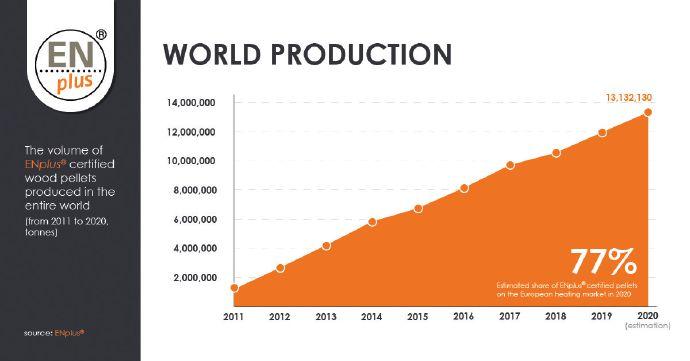
ENplus has certified more than 1,000 companies as of June 2020. Today, ENplus includes 526 pellet producers, 471 traders and three services providers across 46 countries. The total production of certified pellets is over 12 million tonnes, accounting for about 77 per cent of the European heating market.
As of 2019, the biggest producer of ENplus-certified pellets continues to be Germany, with over 2.7 million tonnes. Austria ranked second again, followed by Russia, France, and Poland. Apart from France, all countries in the top five have increased their production compared to the previous year.
The certification is based on the ISO 17225-2 standard but goes well beyond it with additional requirements. Producers, traders, and service providers can get certified for three different quality classes,
OVER 1,000
COMPANIES
most of the production being ENplus A1, the scheme’s highest class.
To keep up with the scheme’s developments, ENplus organizes regular trainings
CFS PUBLICATION DELAYED
The federal government is delaying the publication of proposed regulations for the liquid fuel class of the Clean Fuel Standard (CFS) to fall 2020 as a result of COVID-19.
According to a government press release, Environment and Climate Change Canada is continuing to work on the CFS and plans to engage the Clean Fuel Standard Technical Working Group on key regulatory design elements in the spring and summer.
After Part 1 of the CFS is published in the Canada Gazette, there will be a 75-day formal comment period. The government plans to finalize regulations for the liquid fuel class in late 2021, and bring those regulations into force in 2022.
NRCAN INVESTS $96M IN FOREST INDUSTRY
Natural Resources Canada (NRCan) is investing in the forestry sector’s COVID-19 economic recovery, launching a call for proposals for programs that will support the forestry sector.
The government plans to invest almost $83 million into the Investments in Forest Industry Transformation (IFIT) program to help strengthen the forestry sector by bridging the gap between new product development and commercialization. Another $13 million will go to the Indigenous Forestry Initiative (IFI) program to support Indigenous peoples’ participation in forestry opportunities including businesses, careers and governance. The three-year investments are meant to help build Canada’s bioeconomy while creating and maintaining jobs.
The application process is now open and organizations are encouraged to apply on Natural Resources Canada’s website.
for certified companies and partners. Certified companies are also required to have a proper management system in place, which includes self-monitoring activities.
TERRAVERDAE BIOWORKS RECEIVES $4.5M TO DEVELOP BIODEGRADABLE BIOPLASTICS
Alberta, federal and other funding partners have invested in new product development capacity at TerraVerdae Bioworks Inc. for fully biodegradable, high-performance bioplastics.
With this investment, TerraVerdae, headquartered in Edmonton, Alta., now has enhanced in-house product development expertise and equipment for production of industrial bioplastics used in the agricultural, forestry, food packaging, adhesives and personal-care markets. Bioplastics offer a sustainable path forward for product manufacturers and help address the global build-up of plastic trash on land and in water.
The company has received $4.5 million – from Alberta Innovates, Natural Resources Canada’s Clean Growth Program (CGP), advisory services and research and development funding from the National Research Council of Canada Industrial Research Assistance Program (NRC IRAP), and other investors – to expand its product development facilities in Edmonton. The company also fine-tuned its unique capacity to custom-design bioplastic formulations for strength, elasticity, impact resistance and more.
TerraVerdae’s proprietary polymer technology (polyhydroxyalkanoate or PHA) is carbon-neutral and uses renewable carbon feedstock such as municipal and forestry waste or agricultural residues. The company’s product focus is on films and coatings, thermoplastic moldings, adhesives and specialty PHAs. One product is a bioplastic pouch for tree seedlings that will be consumed by soil microbes and disappear within several months of planting in the forest. TerraVerdae plans to test launch the bioplastic pouches later this year for commercial use by foresters, to be followed by other bioplastic products for use in other sectors.
Leading the way
CCanada’s wood pellet industry is at the forefront in certified fibre
By Gordon Murray
anada is a leading supplier of wood pellets from certified sustainable and legal sources. Today, electric power stations in Europe and Asia are using Canadian wood pellets to displace coal and reduce fossil greenhouse gas emissions.
Global customers are committed to sustainability throughout their supply chains. Ensuring the legality and sustainability of their biomass supply is critical to their business models. Canada’s wood pellet industry plays a large part helping customers meet their commitments with a growing supply of pellets produced entirely from the residuals of sustainably managed forests. Canada’s forests are highly regulated to comply with some of the most stringent regulations in the world, and Canada leads the world in forest certification with around 164 million hectares certified.
INDEPENDENT ASSURANCE
Canadian pellet producers typically do not directly manage forests. Instead, producers buy fibre as a by-product of the lumber industry or through the extraction of dead, diseased or damaged or low-quality trees by independent logging contractors. Canadian pellet producers ensure the sustainability of their fibre purchases by dealing exclusively with reputable suppliers and knowing where the suppliers’ timber supplies comes from.
This is backed up by internationally-recognized third-party forest management certifications. The Forest Stewardship Council (FSC) has a national standard for Canada. The Programme for the Endorsement of Forest Certification (PEFC) also endorses two Canadian forest management certifications: Canadian Standards Association (CSA) and Sustainable Forestry Initiative (SFI).
The forest management certifications are supplemented by third-party certification of chain-of-custody to the standards of FSC, PEFC or SFI, which prove sustainability is maintained as fibre changes hands along the supply chain. All forest certification programs used in Canada promote principles, criteria and objectives that are viewed globally as the basis of sustainable forest management. They evaluate for basic forest stewardship by ensuring harvested areas are reforested, laws are obeyed and there is no unauthorized or illegal logging. They also ensure biological diversity is conserved and wildlife habitat, soils and water resources are conserved. Certifications are carried out by independent, internationally recognized certification bodies that annually assess forestry operations against sustainable forest management standards.
ADDITIONAL ASSURANCE
Canadian wood pellet producers who export to Europe and Asia
are also third-party certified to the standards of the Sustainable Biomass Program (SBP). SBP was set up in 2013 to provide assurance that woody biomass is sourced from legal and sustainable sources. The program recognizes FSC and PEFC standards, including those endorsed by PEFC, and chain-of-custody-certified fibre through FSC, PEFC and SFI.
While the majority of fibre from Canada comes from certified forests, any uncertified fibre must be evaluated against SBP criteria. The wood pellet manufacturer must carry out a risk assessment to identify the risk of compliance against 38 SBP indicators covering 16 criteria for legality and sustainability:
1. The supply area fibre is sourced from is properly defined.
2. The forest owner or manager holds legal rights to the forest.
3. Laws are being complied with.
4. Royalties and taxes are being paid.
5. The Convention on International Trade in Endangered Species of Wild Fauna and Flora is being complied with.
6. Harvesting does not violate traditional or civil rights.
8. Protection of ecosystem functions.
9. Maintaining forest productivity.
7. Protection of exceptional forest values and species.
10. Protecting ecosystem health and vitality.
12. Resolving grievances and disputes.
13. Safeguarding labour rights of forest workers.
14. Protecting health and safety of forest workers.
15. Maintaining carbon stocks.
16. Prohibiting use of genetically modified trees.
11. Respecting legal and traditional rights of Indigenous peoples and communities.
GLOBAL SUPPLIER
SBP also has a framework for suppliers to report third-party verified energy data associated with biomass production and transportation to the generators that purchase their pellets, enabling them to calculate GHG emissions savings. The program also uses external audits and independent third-party certification.
Canada’s framework of stringent forest laws, public involvement, skilled forestry professionals, and comprehensive monitoring, compliance and enforcement provides a solid foundation for sustainability. Third-party certification builds on that foundation to solidify Canada’s global reputation as a source of sustainable forest products. That’s why today, international customers can rely on Canada’s wood pellet industry for a stable supply of sustainable high-quality pellets. •
A community project
Quebec’s newest pellet plant, La Granaudière, is set to come online after six years
By Ellen Cools
Two-and-a-half hours north of Montreal, up in Saint-Michel-desSaints, Que., a new wood pellet plant is quietly coming online. The plant, La Granaudière, has been six years in the making, CEO Yves Crits explains.
Saint-Michel-des-Saints is a small village of about 2,500 people, with two main industries: forestry and tourism. In the past, it was home to logging operations, a sawmill and an oriented strand board (OSB) plant. But in 2006, Louisiana-Pacific (LP) shut down the local sawmill and OSB plant due to high wood and transportation costs, as well as
a decline in OSB prices at the time.
This was a big blow to the village, which is situated near a public forest with an annual allowable cut of 700,000800,000 cubic metres, Crits says.
However, in 2014, Crits came to the village to open a sugar shack and was introduced to the mayor, who had worked for Louisiana-Pacific as a logging contractor. They exchanged some ideas about how to bring the forestry industry back to life in the village.
Crits, who has 20 years of experience working in the biomass industry, saw an opportunity. He conducted a feasibility
study that proved there was potential for a wood pellet plant in Saint-Michel-desSaints.
From there, the work began. From 2014 to 2019, Crits worked on the logistics of the plant, securing a long-term offtake agreement with multinational utility Engie for the export of pellets to Europe.
Financing closed at the end of August 2019, and construction of the plant began in September 2019, Crits says.
The plant was originally scheduled to begin operating in September this year, but COVID-19 forced the temporary
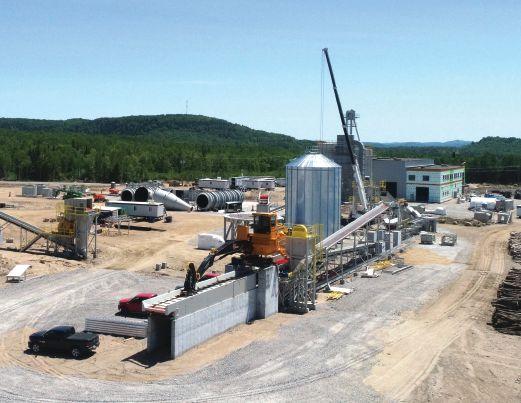
The La Granaudière plant is currently under construction. Photo courtesy Yves Crits.
suspension of all construction work for two months earlier this spring. Construction resumed on the plant in early May, when the Quebec government began relaxing its lockdown. Now, the plant is set to begin operating in October 2020.
FIBRE SUPPLY
But where will the fibre for the wood pellets come from? Most of it will come from the nearby public forest and the auction market, Crits explains.
La Granaudière will be responsible for logging a part of the public forest, contracting the logging operations out to local loggers.
“By the end of winter 2021, we expect to log and to store something like 150,000 cubic metres of wood, because we need to create an inventory for the spring season when it’s difficult to go into the forest with the machines,” Crits explains.
Uniquely, the plant will be able to run with different fibre – both roundwood and hardwood. It could also run with some sawmill residues, but given the difficult market for sawmill residues, Crits does not expect they will be using that kind of material over the next 12 months.
The company is also looking at recovering branches from the forest to reduce CO2 emissions and fuel for wildfires, Crits says.
“We are planning to use a percentage of branches – 15-20 per cent. When you calculate the fact that you remove the branches from the forest, you avoid significant emissions of methane and CO2 by decomposition of these branches,” he explains. “Also, you clear a lot of land for replanting forests.”
By his calculations, although they will only be using a limited percentage of branches, this will remove one million tonnes of CO2 from the atmosphere.
PELLETIZING PROCESS
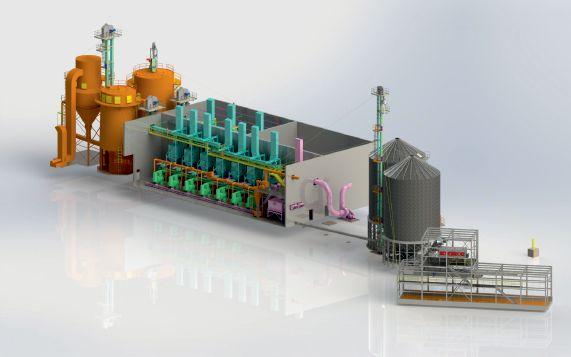
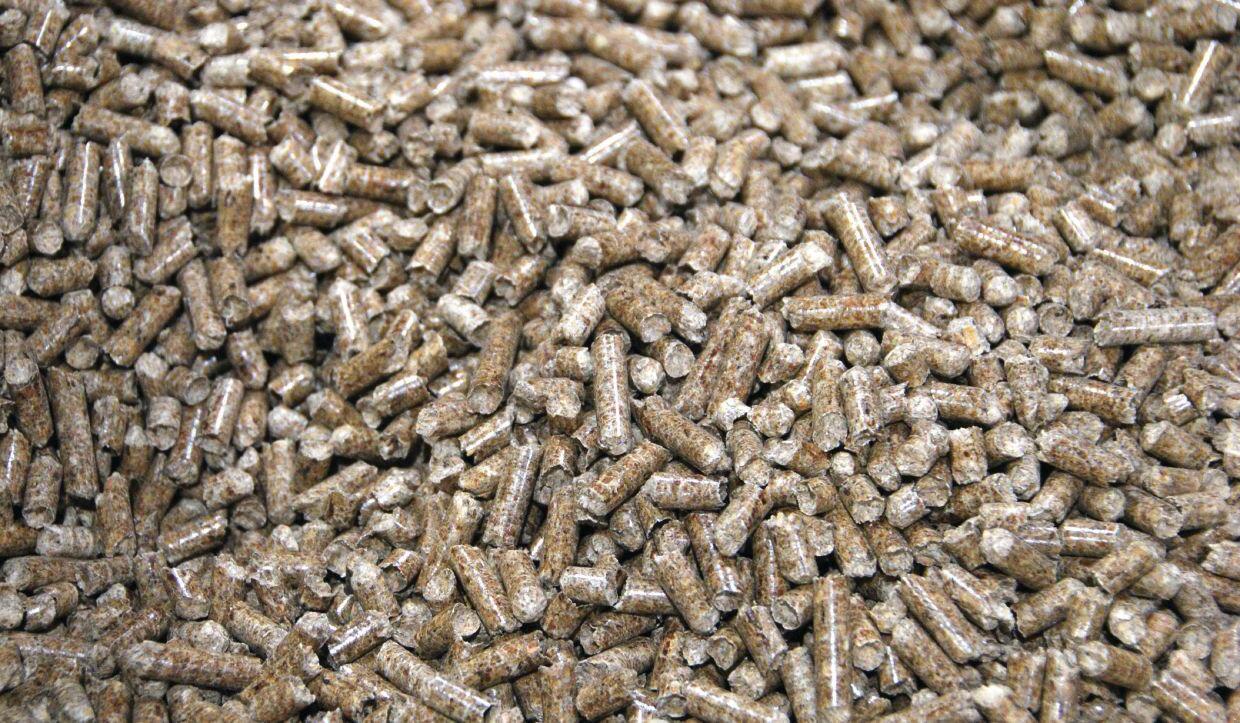
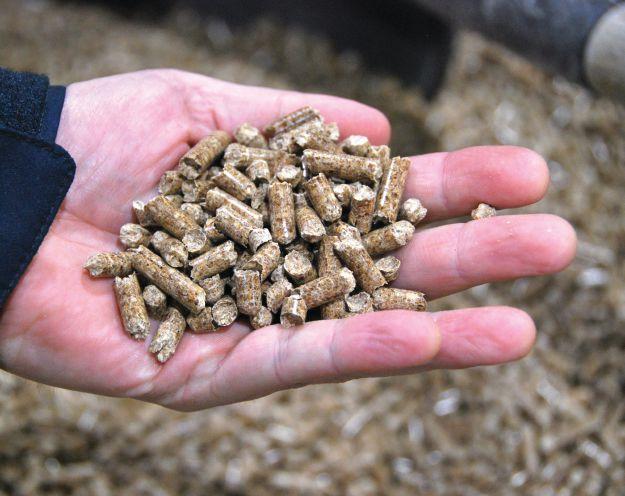
Once production has ramped up, La Granaudière will be able to produce 200,000 tonnes of wood pellets per year.
The process for producing these pellets is fairly similar to the process seen in other pellet plants. Crits turned to both established and local, smaller suppliers for the plant’s equipment.
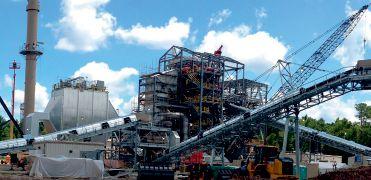
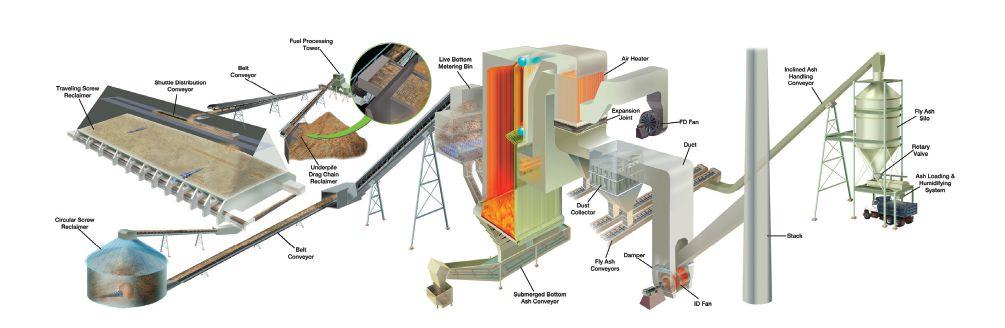
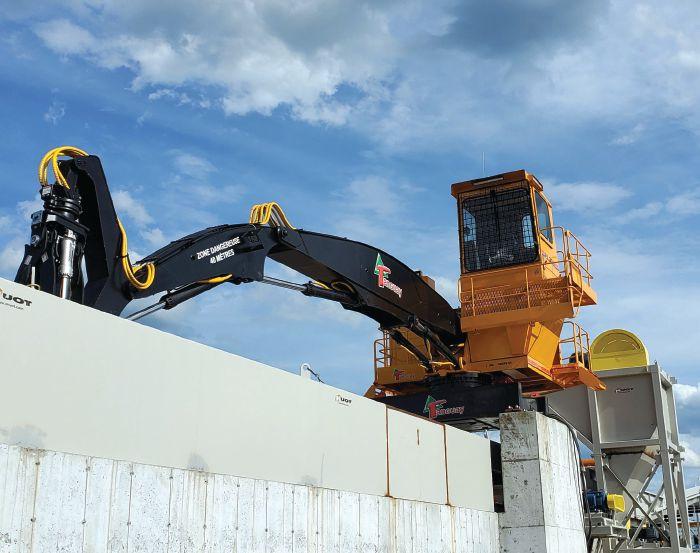
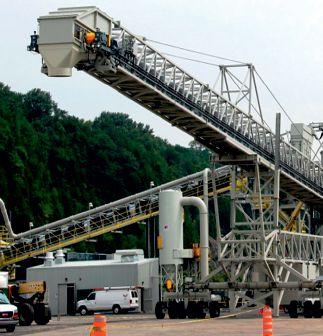
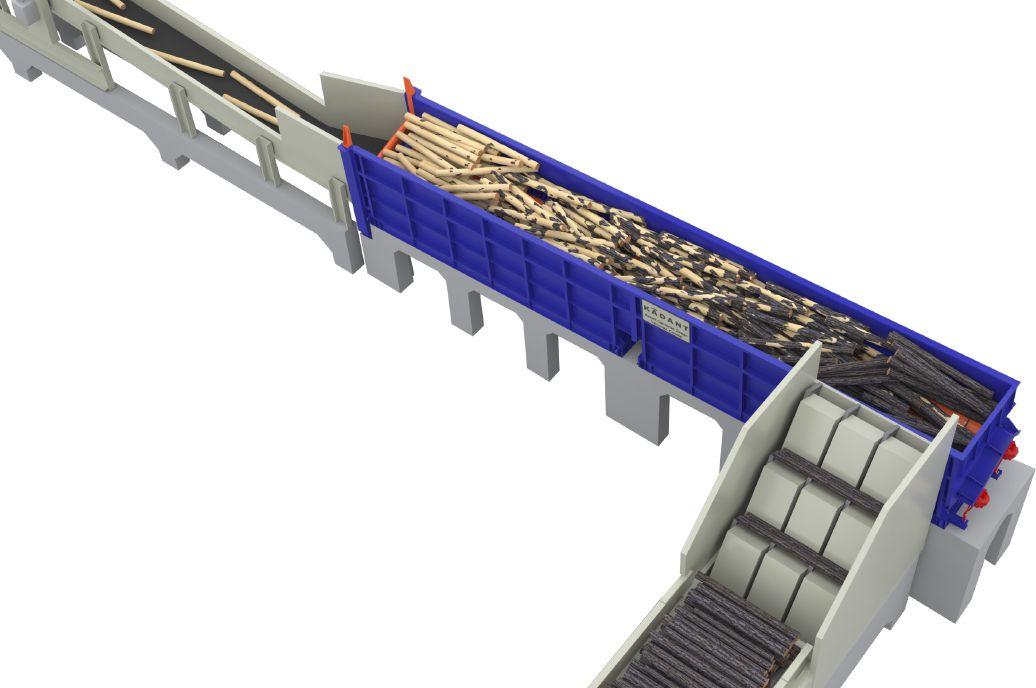
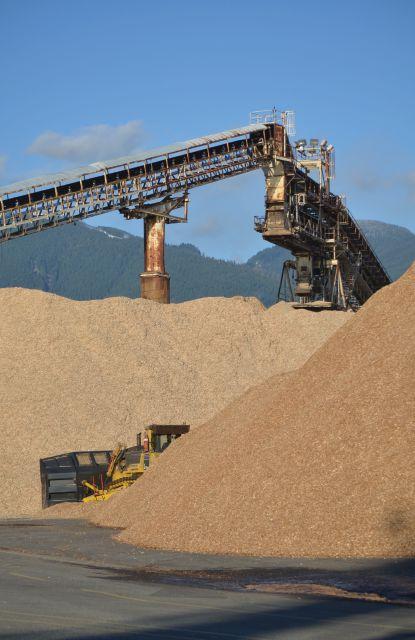
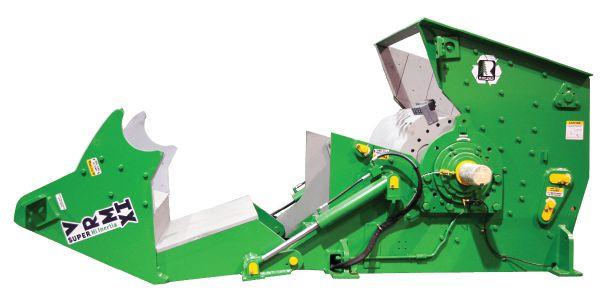
Logs will go from the logyard to the plant via a Tanguay stationary loader, and will then be debarked by a Kadant debarker.
From there, the logs will go to “what we call the green island – the part of the plant producing the wood chips,” Crits says. This will be built by Quebec City-based S.Huot Inc., which designs and manufactures equipment for wood processing plants. La Granaudière will also use some chippers from Brunnette Machinery and Kadant at this stage of the process.
The green wood chips will then go into
island,” Crits says. This section is assembled entirely by Law-Marot-Milpro.
SAFETY FIRST
Throughout the process of designing and constructing the plant, safety has remained top of mind for La Granaudière.
“Our first employee was the health and safety director,” Crits shares. “I think it’s really a signal that everywhere safety is first.”
“At the beginning of this process, it was a business deal, but year after year, it’s almost a community project because the main purpose was to bring back some economic activity to revive the village.”
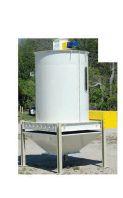
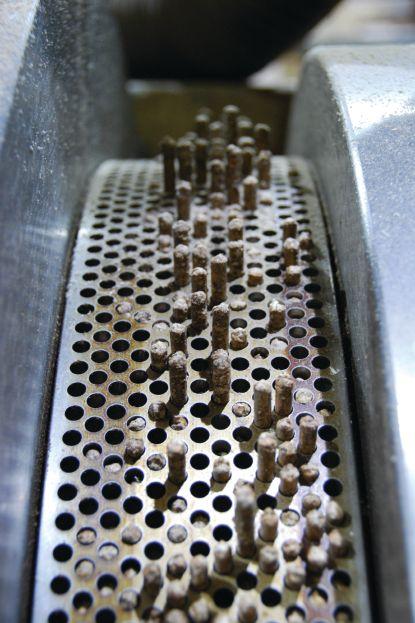
two drying lines provided by Player Design Inc. Once dry, the chips will be refined in Andritz hammer mills. They will then go to one of seven Andritz LM26 pellet mills. From there, the pellets go to a LawMarot-Milpro cooler, part of “pelletization
The company has also completed risk assessments and hazard evaluations in order to install the equipment safely, and has included safety protections from the start, at the engineering phase, he says.
Flamex equipment will be installed
Process & Handling Solutions for your Wood Pellet Mill
LMM: The New Kid in Town
Law-Marot-Milpro (aka LMM) is an established brand in the agrifood business. LMM has gained recent recognition in the biomass industry.
Yves Labelle, LMM President since 1986, is committed to innovate and improve equipment designs: “We gained a lot of traction in the pellet mill industry by adapting our designs and leveraging 100 years of know-how in the agrifood business. La Granaudière, our most recent flagship project, is a testament to the hard work of our engineers.”
With the La Granaudière project, LMM positions itself at the forefront of the biomass industry by guarantying equipment performances and project milestones.
throughout the plant, along with some other equipment from smaller suppliers, to monitor dust levels and reduce the risk of explosions.
“On safety, we’ve spent more than $1 million,” Crits adds. The hazard study alone took more than five months.
“We consider safety our main concern,” he explains.
MAKING A COMEBACK
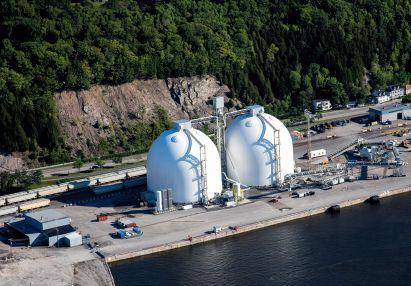
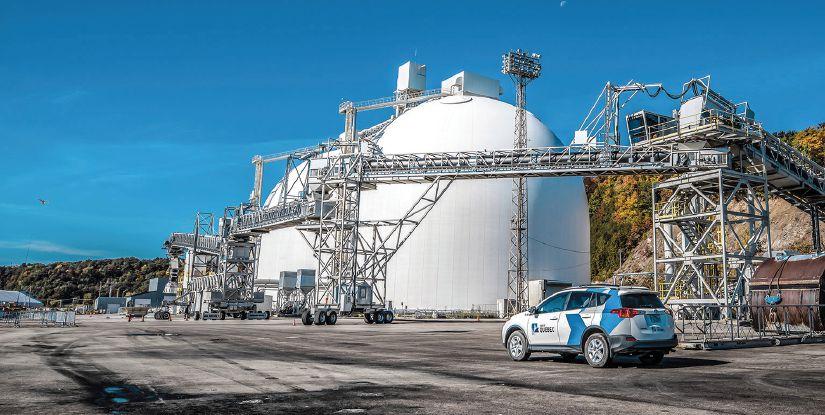
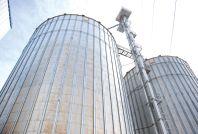
Once the pellets have gone through the plant, they will go to two silos for storage. These silos only hold 2,000-3,000 tonnes of pellets. But this is by design.
The company has contracted a fleet of trucks that will be running six days a week, 24 hours a day, from local transport companies to transport the pellets to the Port of Quebec. The pellets will be stored at the port and loaded into the ship by Arrimage Quebec (QSL), and then shipped to Europe, Crits explains.
“We try to optimize the use of local contractors,” he says. This is because of the large amount of experience and knowledge of forestry operations in the village, thanks to its history operating a sawmill and OSB plant.
With the addition of La Granaudière, Saint-Michel-des-Saints’ forestry industry is making a comeback. In 2017, the local sawmill re-opened. In conjunction with the new pellet plant, “we are going to recover the same level of production as it was 15 years ago,” Crits says. “We are going to come back to approximately 700,000-800,000 tonnes of raw material
treated by the sawmill and by us.
“At the beginning of this process, it was a business deal, but year after year, it’s almost a community project because the main purpose was to bring back some economic activity to revive the village,” he continues.
A few years ago, Saint-Michel-desSaints was considering closing down its school. But La Granaudière will create 180 new jobs and bring much-needed economic activity.
“In a village of 2,500 people, it’s quite a lot,” Crits says.
But, looking ahead, Crits is concerned about the long-term impact of COVID-19.
“The problem is, with the economic incentive given by the government today and people’s fear of COVID-19, are we going to find people to operate the plant? I don’t know,” he says. “Three months ago, we were looking at the Canadian market, Quebec market, and even for people from outside Canada. But now immigration is going to be reduced, so we really don’t know what will happen.
“The challenges are going to continue,” he adds. “We hope that there will be no second wave that stops construction again. It seems that the government of Quebec and the prime minister have mentioned that if there is a second wave, most likely the construction industry will not stop again. The economic impact is too large.”
Only time will tell what the impact of COVID-19 will be. But in the meantime, progress on Quebec’s newest pellet plant continues. •
Our DNA:
• High performance process equipment for wood pellet plants
• Heavy duty material handling and storage equipment
• Custom designed security & dust collecting systems
Proud Canadian OEM:
• Satisfied customers from across North America, from sea to sea for over 100 years.
• Modern manufacturing plant equipped with state-of-the-art machinery.
We will support your project needs:
• Feasibility studies
• Project management
• Engineering
• Custom designs
• Installation, start-up, after-sale services and parts
Logs will go from the logyard to the plant via a Tanguay stationary loader. Photo courtesy Tanguay.
SHOW GUIDE
Hello Everyone!
Due to COVID-19, we are holding this year’s WPAC Conference and AGM as an online event. Hopefully by next year we will be able to hold a physical event again so that we can reconnect face-to-face and enjoy all the social activities that are traditionally part of our conference.
This year, together with our media partner, Canadian Biomassmagazine, we have put together a condensed program to take place in short bursts over three days from September 22-24, 2020. The live conference will take place over three hours on September 22; the AGM – open to all WPAC members – will be on September 23 for oneand-a-half hours; and there will be a board meeting for one-and-a-half hours on September 24. In addition, we have loads of pre-recorded presentations available for conference registrants.
Although our live conference program is only three hours – including a break at the halfway point – we will still be able to pack in a lot of information. We will cover global and domestic pellet markets, WPAC’s new sustainability messaging initiative, recommendations for policy changes
AGENDA
WPAC Conference & AGM - A Virtual Event
Responsible, Renewable Clean Energy for a Cooler Planet
DATES: SEPTEMBER 22-24, 2020
> TUESDAY, SEPTEMBER 22, 2020 8:00-11:00 A.M.
Live Content:
8:00 a.m. to 8:15 a.m
Welcome and Opening Remarks
Speakers: Gordon Murray, WPAC, and Vaughan Bassett, Pinnacle Renewable Energy and WPAC Chair
Minister’s message: Honourable Doug Donaldson
8:15 a.m. to 8:45 a.m.
Global and Domestic Market Review
Speaker: Dr. William Strauss, FutureMetrics
8:45 a.m. to 9:05 a.m.
Canadian Wood Pellets: Responsible, Renewable Clean Energy
Speaker: Jason Fisher, Pinnacle Renewable Energy
to improve domestic wood pellet consumption, progress on reforming Canadian biomass boiler pressure regulations, and how we’re making our industry safer by implementing critical control management. We will leave plenty of time for questions and answers after each presentation. This year we are not charging a fee to participate. We only ask that participants register online at CanadianBiomassMagazine.com/WPAC2020. Although costs are lower than normal, we will still incur expenses, so we are most grateful for our sponsors who are making this event possible. I would particularly like to express my appreciation to the first four sponsors to confirm:
• FWS Group of Companies
• Biomass Energy Lab
• Bliss Industries
• CSE Bliss Manufacturing
I invite you all to join us and I look forward to an excellent event!
All the best, Gordon Murray Executive Director
Wood Pellet Association of Canada
9:05 a.m. to 9:20 a.m. Break
9:20 a.m. to 9:50 a.m.
Wood Pellets in Canada’s Low Carbon Energy Future
Speaker: Dr. Jamie Stephen, TorchLight Bioresources
Speaker: Dr. Harry “Dutch” Dresser, consultant, biomass heating, market development and regulatory review
10:20 a.m. to 10:50 a.m.
Implementing Critical Control Management for a Safer Pellet Industry
Speaker: Cherie Whelan, BC Forest Safety Council
10:50 a.m. to 11:00 a.m.
Final Thoughts
Speaker: Vaughan Bassett, Pinnacle Renewable Energy
photo: rabbit75_ist
/ Getty Images
On Demand Content:
The Potential Heat Market for Wood Pellets in Canada (1 hour)
Speaker: Dr. Jamie Stephen, TorchLight Bioresources
Japan Biomass Outlook: Overview and Analysis in the Context of a Changing Power Market Confirmation (1 hour)
Speaker: Annette Bossler, FutureMetrics
Launch of the SBP Standards Development Process (30 minutes)
Speakers: Carsten Huljus, Simon Armstrong and Adam Harrison, Sustainable Biomass Program
Best Practices in Managing Combustible Gas (7 minutes)
Video content by WPAC, the BC Forest Safety Council and the UBC Biomass and Bioenergy Research Group
Wood Pellet Safety Essentials (1 hour)
Speaker: Dr. Fahimeh Yazdan Panah, WPAC
> WEDNESDAY, SEPTEMBER 23, 2020
WPAC Annual General Meeting: 8:00 a.m. to 9:30 a.m.
Open to all WPAC members
8:00 a.m.: Call to order, introductions, review and approve agenda, competition policy
EFFICIENT DEBARKING & CHIPPING
Kadant Carmanah’s Fuji King debarkers efficiently process all species with low white-wood losses. Frozen wood is easily debarked without thawing or de-icing, offering significant energy savings over other technologies. Due to its modular design, capacity can be scaled to suit nearly any application. Kadant Carmanah chippers are purposed-built to withstand the abuse of whole log chipping, producing high quality chips from 1/4” to 1-1/8” long.
8:05 a.m.: Confirmation of directors and officers
8:10 a.m.: Executive director’s report
8:30 a.m.: Financial report
8:40 a.m.: Appointment of auditors for next year
8:45 a.m.: Safety committee chair’s report
8:55 a.m.: Research director’s report
9:05 a.m.: Business plan summary for next year
9:30 a.m.: Meeting adjourns
> THURSDAY, SEPTEMBER 24, 2020
WPAC Board of Directors Meeting: 8:00 a.m. to 9:30 a.m.
8:00 a.m.: Call to order, additions or changes to agenda, new competition policy
8:05 a.m.: Business plan for next year
9:05 a.m.: Financial plan
9:15 a.m.: Any other business, date of next board conference call
Prince George proves that district energy can work in Canada
By Ellen Cools
For years now, members of the Canadian biomass industry have been pointing to Europe as an example of successfully using district energy systems as a renewable, low-carbon way to heat buildings, and even entire cities. Yet Canada still relies heavily on individual heating systems for buildings, usually burning natural gas.
But, the City of Prince George is proving that district energy systems running off of renewable resources can work in Canada – and even be more efficient than natural gas. In January 2020, the city’s Downtown Renewable Energy System successfully operated with 100 per cent biomass, despite temperatures reaching a recordbreaking -42 C.
The system, which provides hot water heating to 11 municipal and provincial buildings, has been operating since 2012, William Wedel, utilities manager for the City of Prince George, explains. That’s when the city contracted with nearby Lakeland Mills to provide heat from their boiler to the system.
The agreement came about when Lakeland Mills was in the midst of rebuilding after the dust explosion in April 2012. As part of the arrangement, Lakeland Mills received an electrostatic precipitator from the city. The precipitator removes 95-98 per cent of all the particulate matter that comes off the mill’s burner, which helped improve downtown air quality.
Today, Lakeland Mills’ boiler can produce up to 13 megawatts (MW) of heat using sawmill residuals. Although the city’s contract with the mill stipulates providing up to five MW of heat per day, the system has only used 2.5 MW per day at most, Wedel says.
INSIDE THE SYSTEM
To set up the system, the city worked with a consultant, FVB Energy, but most of the pipe work and equipment installation was
done by the city itself, Wedel says. Local welders welded components and crane companies lowered equipment into place.
The system is an underground loop made up of more than three kilometres of steel pipes, which are up to eight inches in diameter and wrapped in insulation.
From the boiler at Lakeland Mills, heat is delivered to Prince George’s Downtown Renewable Energy Centre, which pumps the hot water through the system.
“We have dual lines – a supply and return line – that go through the downtown core and provides heat to a number of buildings throughout that area,” Wedel explains.
“There’s a loop that connects between the Lakeland boiler, a heat exchanger, and then the energy goes through another loop that comes to our downtown plant. The downtown plant is what actually circulates the heat through the rest of the system.”
Each building is connected to the system through an energy transfer station
that transfers the heat from the supply loop to the building.
Depending on the season, the Lakeland Mills system uses three to six cubic yards of fuel per day. The mill puts all of its sawmill waste material into its boiler, including the bark and shavings. Even when the mill has had to curtail production, Lakeland has kept the boiler running to provide heat to the system, Wedel says.
There is, of course, a backup plan in case the sawmill cannot continue running its boiler during maintenance activities or there is an interruption of supply: the city has two 2.5 MW Simoneau boilers (which use natural gas) at its downtown plant to provide energy to the buildings.
A BALANCED APPROACH
The environmental benefits of the system have been significant, Wedel says.
“We’ve helped to minimize the amount of greenhouse gases that are being emitted into the environment and to reduce the amount of particulate matter released into the airshed through that electrostatic precipitator,” he shares. “To date, it has been the city’s most significant action to reduce its greenhouse gas emissions.”
All told, the system reduces greenhouse gas emissions by 1,868 tonnes per year, while also helping the city to reduce its reliance on fossil fuels.
The system is also highly efficient.
“A boiler, when it’s newly constructed, can get up to 80-85 per cent efficiency, but often by the time it’s ready for retirement, it’s down to 60-65 per cent. Whereas our system, we can boast 85-90 per cent efficiency, so there’s not a lot of wasted energy,” Wedel explains.
A boiler system fluctuates off and on often to meet the heating need, which means it puts out a lot of energy and then shuts down, whereas the Downtown Renewable Energy System’s energy output stays more constant, Wedel adds.
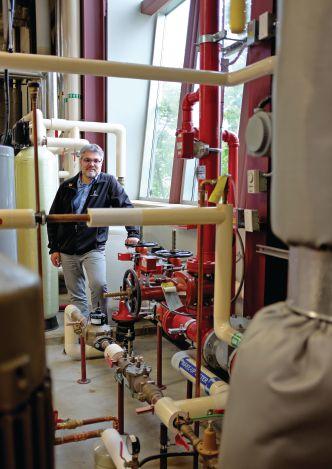
William Wedel, utilities manager for the City of Prince George, at the Downtown Renewable Energy Centre. Photo courtesy Rob van Adrichem.
Economically, connecting just one building – the Prince George courthouse – to the system has saved the province of B.C. about $175,000 in carbon offsets and natural gas purchases. The city is also currently conducting a detailed analysis on the economic benefits of the system to learn more about its economic impact.
For the buildings that connect to the system, initially it costs as much as installing a boiler system. But after 15-20 years, the buildings on the network won’t have to buy another boiler.
GREAT POTENTIAL
Looking ahead, Wedel hopes to see more structures connected to the Prince George Downtown Renewable Energy System in five to 10 years, as awareness of the system and its benefits grows. In fact, Prince George began expanding the system in May this year to serve the city’s new parkade and a future new pool.
Despite the many benefits of this system, Prince George is one of few cities in Canada that has a district energy system using a renewable fuel source. Wedel thinks this is partly because of Canada’s plentiful supply of natural gas and other sources of energy. But things are changing.
“I think now we’re starting to look at things and say, ‘Okay, rather than just having another waste product, what if we can turn that waste into dollars and cents in a different fashion?’ We’re definitely seeing that a lot more with every industry – waste management is trying to find ways to divert usable products from landfills and pure disposal, to provide us
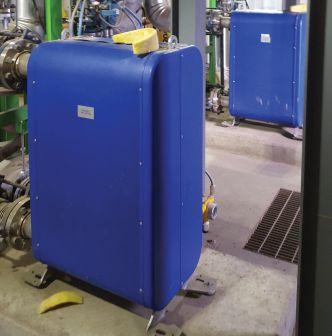
The heat exchangers that transfer the heat from Lakeland Mills to Prince George. Just one of these heat exchangers provides all of the heat for the buildings that are currently connected to the system. Photo courtesy William Wedel.
with additional resources,” Wedel says.
“It’s looking at all of these things as a complete circle, rather just the end of the line,” he adds. To encourage more district energy systems in Canada, Wedel says more awareness and incentives are needed. He also thinks Canadian municipalities need to look closer at the European experience with district energy.
In 2018, the Canadian Bioeconomy Conference and Exhibition presented a delegation from Växjö, Sweden.
“Växjö has about the same population as Prince George, but while we have nearly a dozen buildings connected to a biomass energy system, they have about 8,500,” Wedel says.
“Initially, development of the system in Växjö was a big decision, but once they started to build the industry further, they started to realize it actually saves
money and it actually spawns additional manufacturing industry and resources based on that system. The costs started to go down and public acceptance went up,” he elaborates.
“Once it becomes more of a mainstream thing, it does become a lot more economically feasible for us to move in this direction.”
And it looks like more cities in Canada are seeing the potential of district energy.
In B.C., Quesnel and Williams Lake are looking into district energy systems. Quesnel is exploring the possibility of getting heat from the sawmills in their area that already have boiler systems providing heat for their own purposes, Wedel shares.
But the development of district energy systems depends on municipalities’ locations and resources they can tap into.
It’s optimal for “those locations that have mills or resources that are within close proximity, so we’re minimizing trucking or the length of the piping network,” Wedel explains. The proximity and density of buildings with significant, year-round heating demand is another consideration.
Overall, Wedel says the potential for district energy systems – and the Prince George Renewable Downtown System in particular – is great.
“Some people think that using wood for energy is not the best thing, but we’ve found that it can be very beneficial,” he says. “It has been a real accomplishment for Prince George to significantly reduce our GHG emissions while supporting such an important local industry and keeping our energy dollars local.” •
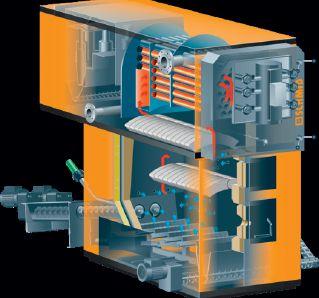
Fink Machine Inc., is very excited to announce that we have added Schmid Energy Solutions boilers to our current product portfolio. Fink’s success is based on Service and we are looking to continue that by adding Schmid boilers to its line of high quality products.
Remotely powerful
Understanding the factors for rural communities’ success with bioenergy projects by Sebnem Madrali and Jean Blair
Nearly three-quarters of Canada’s 250 or so remote communities currently rely on diesel generators to produce their electricity, prompting efforts from government, NGOs and communities to displace diesel by integrating renewable energy technologies. Although important, these integrated generation systems only address a small portion of communities’ energy needs, as a large portion of energy demand is attributed to space heating and domestic hot water requirements. Generally, these heating loads are met by oil, diesel or propane-fuelled furnaces.
Modern biomass heating systems –in individual buildings or connected to a district energy system – are one of the few clean and renewable options for displacing fossil fuels used to meet heating demand in remote northern communities. Several diesel-dependent communities in Canada’s north have recently adopted biomass heating or combined heat and power (CHP) technologies. This number is expected to grow in the near future.
As the application of bioenergy in remote communities grows, it is important to gain a better understanding of what has or has not worked in terms of fuel supply, technologies and system design. This will help guide future research and development efforts, and streamline the development of biomass heating and CHP in other communities.
In early 2020, CanmetENERGY, part of Natural Resources Canada, interviewed nine pioneering rural and remote communities that have installed biomass heating and CHP systems to learn about their experiences. Of particular interest were the unique challenges they faced related to all aspects of project planning, operation and feedstock supply, and how these challenges were overcome.
This article provides a brief overview of the communities interviewed, their
heat buildings connected to a district heating network, while in others the boilers heat individual buildings. One community interviewed has installed, and is successfully operating, a biomass CHP system – the only application of biomass CHP in a remote Canadian community to date. All bioheat systems greater than 150 kW use multiple boilers for improved efficiency and redundancy, which is important in remote communities where parts may be weeks away. The biomass fuels used include locally-sourced wood chips, sawmill residues, bulk-delivered wood pellets and black or torrefied wood pellets. A summary of the communities interviewed, and their bioenergy systems, is provided in the table on page 20.
PRIMARY MOTIVATIONS
motivations for developing biomass energy systems and factors that have led to success.
Three spotlight articles, to be published on canadianbiomassmagazine.ca, will follow, detailing 1) technical and operations aspects; 2) fuel and supply chains, and 3) training and capacity building efforts in each of the communities. It is our hope that this series of articles will disseminate the knowledge gathered from these interviews for the benefit of communities who are interested in pursuing a biomass heating or CHP project.
KEY CHARACTERISTICS
All nine communities surveyed are Indigenous and cover a wide geographical area. Eight of the nine communities are located in the far north. Six are off-grid and have diesel generating systems, while three are connected to the provincial electricity grid. All are reliant on heating oil, diesel or propane for building heat. In some communities, the biomass systems
While each community had unique reasons for pursuing bioenergy projects, in general the most important drivers were related to energy self-sufficiency and local economic development. Cost savings were a driver for some communities, especially those using wood pellets. Communities that developed local wood chip supply chains mostly reported creating opportunities for locals and taking control of energy production as more important than cost savings.
Other drivers reported include living off the land in a sustainable manner and reducing ecological footprints and health risks related to the burning of fossil fuels and diesel contamination. Greenhouse gas emission reduction was generally not reported as a driver of biomass energy development at the community level.
FACTORS FOR SUCCESS
Each of the communities interviewed has experienced challenges related to system design, operations, fuel quality and supply, and trained capacity, but each
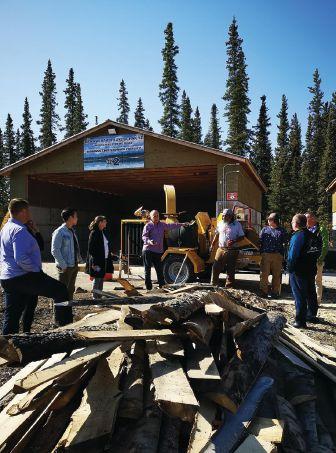
Wood chip processing facility in Teslin Tlingit First Nation. Photo courtesy Blair Hogan.
CANADA’S PREMIER PELLET
CONFERENCE IS GOING VIRTUAL!
RESPONSIBLE, RENEWABLE CLEAN ENERGY FOR A COOLER PLANET
The Wood Pellet Association of Canada (WPAC) Conference and AGM is the largest gathering of the wood pellet industry in the nation.
Each year, the event attracts hundreds of wood pellet, biomass and bioenergy professionals from across the country — and the United States, Europe and Asia — to discuss the issues that are having an impact on the industry in Canada.
This event — moved to virtual for 2020 because of the pandemic — promises to be the biggest one yet with free registration for all attendees!
Dates: SEPT. 22-23, 2020
Registration: Free
For more information and full agenda visit: CanadianBiomassMagazine.com/WPAC2020
For sponsorship information, contact: National — Rebecca Lewis | rlewis@annexbusinessmedia.com Quebec — Josee Crevier | jcrevier@annexbusinessmedia.com
For more information about WPAC, contact: Gord Murray, president, WPAC | gord@pellet.org
GOLD SPONSORS
has developed plans or taken actions to overcome these challenges. What follows is a summary of the factors that led to success in these communities and lessons other remote communities can draw on.
1. FINANCIAL SUPPORT
Biomass energy systems, and all of the auxiliary equipment related to biomass fuel supply, require higher capital than small communities have available. Government funding programs for financial support are therefore critical. All of the communities interviewed received funding to help cover the capital cost of the biomass systems; most received more than 50 per cent of the capital. Funding came from a variety
2. INVOLVE EXPERTS IN DESIGN
There is a lack of expertise in remote communities to size and design mechanical and electrical aspects of biomass and (low temperature) district heating systems. Engineers that do not have specific experience with bioenergy tend to over-engineer and over-complicate system designs. District heating networks must also be appropriately sized for the heat loads of the buildings to maintain pressure and temperature differentials. It is therefore crucial for communities to seek the support of bioenergy and district heating experts in system design.
3. FUEL AND SUPPLY CHAIN
The decision on what type of biomass fuel to use lies with the community and depends on local availability. For very remote communities, it also depends on delivery frequency and the fuel’s storage characteristics. Regardless of the fuel being used, quality and consistency are key to successful boiler operation; supply chain and quality control must be planned from the outset of the project. If there is an active forest industry in the region and sawmill or harvest residues can be sourced, this is generally the lowest cost feedstock. Communities that have access to bulk wood pellet distribution (but not residues) will generally choose to use pellets over establishing their own wood chip supply chain as the cost of the latter ends up being higher. Communities without access to forest residues or bulk pellets have established their own local wood chip supply chains. For communities above treeline and accessible by winter road only, torrefied pellets may be an option because of the improved storage characteristics.
4. TECHNICAL SUPPORT
When sourcing the boiler/CHP equipment, it is important to consider the training and technical support that the supplier or contractor will provide. In most communities interviewed, the equipment supplier (and/or contractor) involved locals in the installation of the system and provided initial operational training. Some also provided follow-up training and on-going technical support, while other communities now rely on technical support from manufacturers in Europe.
1. Teslin Tlingit First Nation, Yukon
2. Kwadacha Nation, British Columbia
3. Gitxsan Nation, British Columbia
4. Northlands Denesuline
Nation, Manitoba
5. Oujé-Bougoumou Cree Nation, Quebec
(updated
6. Whapmagoostui Cree Nation, Quebec
(Torrefied) Pellets
7. Wiikwemkoong First Nation, Ontario
8. Tłıchq Community Government of Whatì, Northwest Territories
9. Ka’a’gee Tu First Nation, Northwest Territories
5. TRAINED OPERATORS
A critically important aspect of successful bioenergy deployment in remote communities is ensuring there is always a trained local operator on hand to address issues and carry out maintenance. For the systems that use wood pellets, having staff operate the system (as part of their regular duties) seems to work alright, but several have experienced challenges with high staff turnover and do not have a plan for on-going training. For systems with a local biomass supply chain where the log yard and chipper also need to be managed, having dedicated staff was crucial. Some communities are working on establishing more permanent training programs for themselves as well as others in the region. In general, respondents noted the skills required to supply biomass and operate boilers fit well with local residents’ skillsets.
6. COMMUNITY-OWNED INFRASTRUCTURE
In all communities interviewed, the biomass system and district heating networks are owned by the community. This is in contrast to diesel generation systems in remote
communities, which are owned by the provincial hydro company. Ownership of the bioenergy infrastructure gives communities an opportunity to generate income that can be re-invested into the community. Even if heating costs are not reduced, the money spent on heating is now kept within the community. Respondents also noted that biomass systems ideally are managed and operated by a corporation acting as a utility. This entity may be owned by the community but should be financially independent in order to have money available when needed.
7. COMMUNITY SUPPORT
Finally, no community energy project will ever be a success without the community’s support. Many communities were quick to welcome biomass heating as wood is traditionally used in the areas, while others were skeptical of its sustainability/viability as a local energy source. In most cases there was a project “champion” who helped get the community on board and pushed the project through hurdles. In some cases, the champion was someone from outside of the community with expertise in biomass heating, who saw an opportunity for
the community and got locals on board through educating and building trust.
A POSITIVE STEP FORWARD
These interviews have revealed that communities who have transitioned to community-based biomass heating and CHP are driven by a strong desire to raise socioeconomic conditions in their communities and achieve energy autonomy. While their early operational experiences have generally been positive, there are still technological, infrastructure and capacity challenges that limit the acceptance and implementation of bioenergy in these communities. For more detail on the technical and operations aspects, fuel and supply chains, communities’ training and capacity building efforts, and the communities’ perspectives and experiences, head to canadianbiomassmagazine.ca to read the spotlight articles. •
Sebnem Madrali, Ph.D., is a senior research engineer at CanmetENERGY. Jean Blair, Ph.D., is a consultant and postdoctoral researcher who has been involved in biomass and bioenergy research for the past ten years.
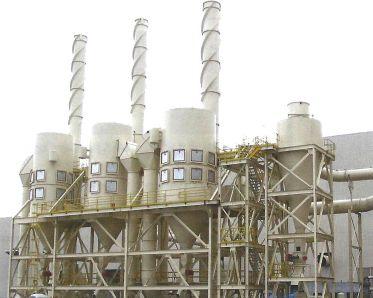
Dust Safety
The latest dust collection and suppression systems on the market Staff Report
REMBE
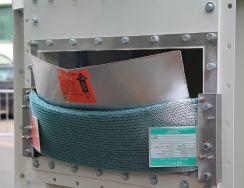
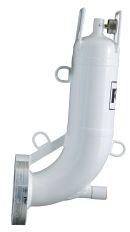
Innovative technology makes it possible to divert combustible dust explosion shock waves and flames in a controlled manner so the required safety area is reduced, valuable usable area is increased and personnel/equipment are protected from the explosion’s effects. Explosion vents are an economical form of explosion pressure relief but require extensive safety areas that become unusable space. Rembe’s Targo-Vent is an opening angle limiter developed especially for Rembe explosion vents. Targo-Vent guides pressure relief into areas where there is no danger to infrastructure or personnel. It absorbs the enormous repulsive forces of explosion energy and guides the flames/shock wave in the desired direction so usable area is increased. www.rembe.us
IEP TECHNOLOGIES
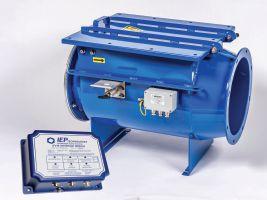
The SmartDS Dynamic Explosion Detector System by IEP Technologies is designed for demanding process applications requiring leading edge rate-of-rise explosion pressure sensing. Its unique ability to analyze rate of pressure rise and differentiate it from non-explosion pressure provides maximum explosion protection with minimal false alarms. Typical applications include dust collectors, drying systems, pneumatic conveying systems and reaction vessels. The SmartDS is designed as part of an explosion suppression system. www.IEPTechnologies.com
FIKE
When an ignition source such as an ember from a dryer or smoldering material from a conveyor reaches a biomass dust collection system, a devastating explosion may occur. Fike’s NFPA- and ATEX-certified explosion suppression systems are designed to both detect and chemically suppress these deflagrations in their earliest stages, within hundreds of milliseconds. These systems also weaken the deflagration into interconnected pipes and vessels, which supports accompanying explosion isolation systems installed on the dust collector’s inlet. Fike’s patented container and nozzle design minimize flow restrictions and maximize speed. www.fike.com
BOSSTEK
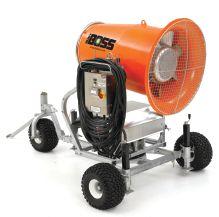
With a throw of 200 feet (60 meters), the DustBoss DB-60 features an adjustable elevation angle and userdefined oscillation for precise aiming of a powerful dust-capturing mist, comprised of millions of droplets per minute 50-200 microns in size –proven to be the most efficient size for most project needs. The direct drive motor and 30,000 cubic feet per minute (CFM) fan deliver up to 125,000 square feet of coverage area – more than two American football fields. www.bosstek.com
AIREX INDUSTRIES
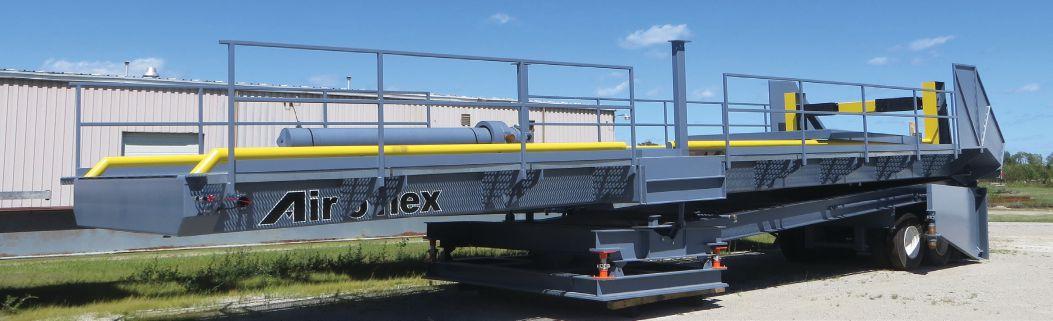
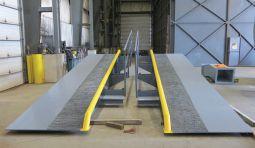
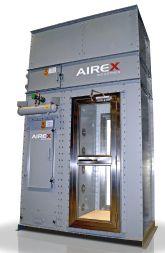
Many people working in industrial companies are exposed to various airborne contaminants. When leaving their stations, those workers must inevitably dust off before moving to a clean area. As such, they will undergo a decontamination process between every break and shift change; otherwise they would contaminate the rest areas, meal areas and change rooms. The DASHX series air shower developed by Airex Industries provides workers with the ability to clean themselves independently, quickly and efficiently. Also, this booth is able to capture even the finest particulates during the dustremoval cycle. The particulates are then eliminated from the work environment rather than just moved. www.airex-industries.com
BAUM PNEUMATICS
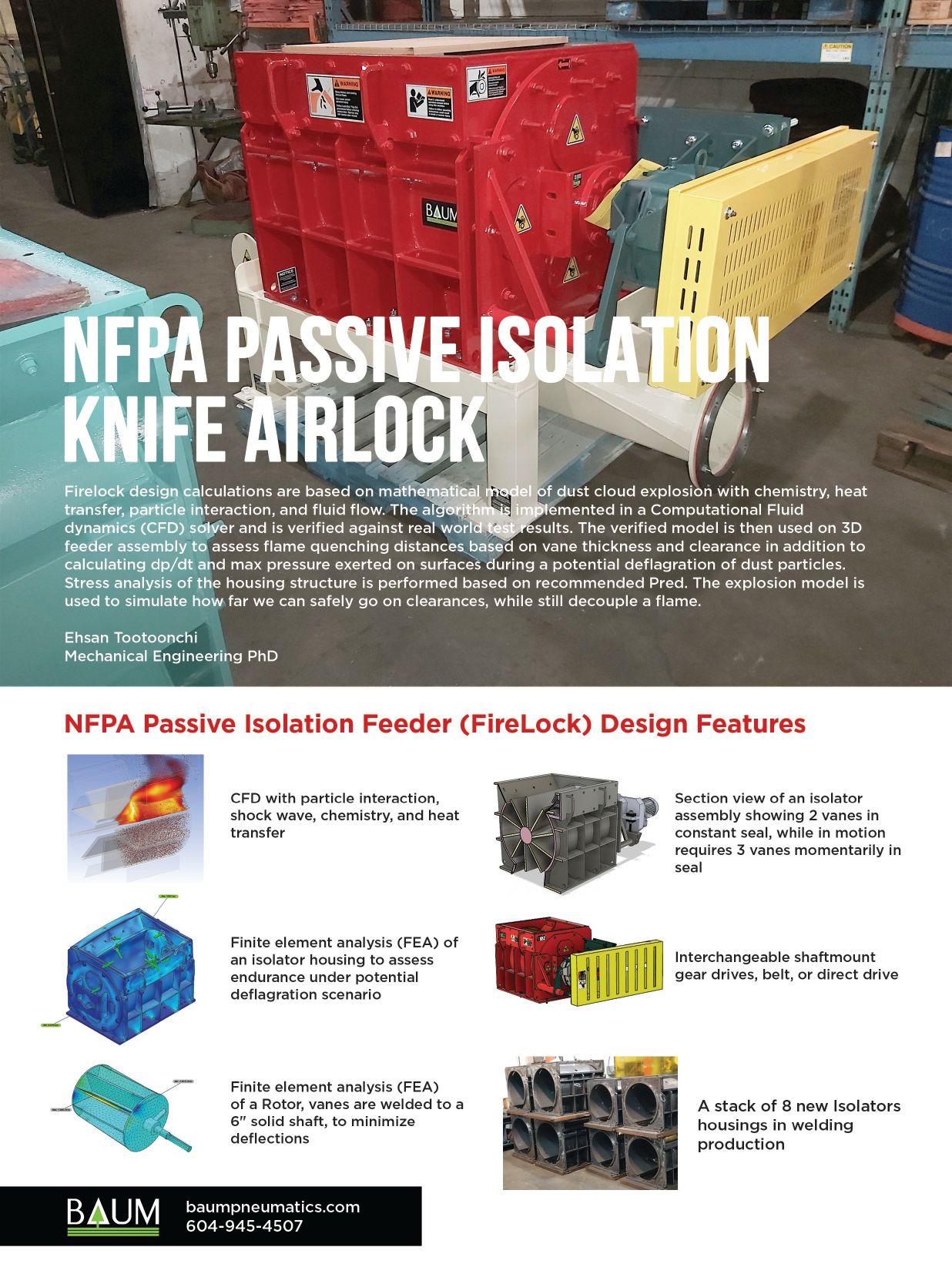
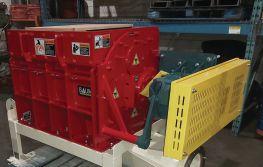
This explosion isolator from Baum Pneumatics is bolted to a stand with a high-pressure pneumatic conveying tee-injector system. Other identical isolators are used as airlocks only, under low pressure cyclones or bag houses. Isolators are very heavyduty pieces of equipment, built with industry-standard top and bottom flanges. The dimensions of Baum Pneumatic isolators are interchangeable with common chip feeders, and all of the isolators are rebuildable. Baum Pneumatics builds isolators to NFPA 69 specifications and stocks two sizes, 20x25 inches and 25x35 inches, as bare shaft units in Port Coquitlam, B.C. Drives can be added according to customer’s requirements and voltage. New chip feeders are also available, and customers’ feeders can be rebuilt to order. www.baumpneumatics.ca
ACS SYSTEMS
Advanced Cyclone Systems (ACS) is dedicated to the development of high efficiency cyclone systems. ACS has several projects for biomass combustion emission control currently working successfully in Canada. ACS Systems’ wide range of cyclones can work to cut down emissions to 150, 100, 70 and even 30 milligrams per cubic metre (mg/Rm3), complying with even the strictest regulations. On applications like wood rotary dryers, hurricane cyclones are an alternative for wet electrostatic precipitators (WESPs). www.advancedcyclonesystems.com
CV TECHNOLOGY
The Interceptor-HRD explosion suppression system is designed to provide an active method to protect process equipment from a dust explosion hazard.
The principle of operation for the Interceptor-HRD system is timely detection of the pressure rise during the initial stage of an explosion, followed by fast injection of an extinguishing agent. Each Interceptor-HRD bottle includes a low-pressure monitoring switch, Occupational Safety and Health Administration (OSHA) lockout, and a telescopic nozzle as standard features. www.cvtechnology.com
SCIENTIFIC DUST COLLECTORS
Since 1981, Scientific Dust Collectors has offered a complete line of baghouse and cartridge collectors with special design features – most notably, a patented high-velocity nozzle cleaning system. This system induces a greater amount of cleaning air that gently cleans the bags versus a flow restrictive venturi-based
system that violently shocks the bags, and thus decreases the filter life. By eliminating the flow restrictive venturi, Scientific Dust Collectors lowers the system pressure drop, thus the system uses less energy for the system fan. www.scientificdustcollectors.com
FIREFLY
In biomass plants, fires and explosions occur due to sparks originating from the process. Installing a Firefly Spark Detection & Extinguishing System safeguards against hazards before a fire or dust explosion occurs. Firefly uses dual eye detectors with a 180-degree angle view. The detectors have TrueIR detection detecting a hot particle or black body at temperatures as low as 250 C. Firefly’s Power Impact Extinguishing uses a minimum of three nozzles with full cone water spray. Each nozzle has its own solenoid valve with quick release for easy testing outside the process.
www.firefly.se
VETS SHEET METAL
VETS Sheet Metal was founded in 1921 by a First Word War veteran and has nearly 100 years of HVAC experience. The company completes projects in industrial, light industrial and institutional HVAC capacities with a specialization in dust collection and pneumatic conveying. Every application requires a unique approach to the development and implementation of a dust system. Whether the best tool for the job is a traditional cyclone or baghouse or something more unique like a MultiCone or Cyclofilter, VETS can engineer, design, fabricate and install a system that meets or exceeds your plant’s safety and environmental requirements. www.vetsgroup.com
To
A first for North America
FortisBC and REN Energy partner to produce RNG from wood waste
By PJ Boyd
FortisBC will soon be producing renewable natural gas (RNG) from wood waste – a first for North America. On April 30, 2020, the company announced that it was teaming up with REN Energy International Corporation (REN Energy) for this new endeavour.
This process has never been done on a commercial scale in North America. But as Philip Viggiani, president of REN Energy, says, “If we build it, they will come.”
The partnership comes after FortisBC put out an open call six years ago looking for products to convert from organic waste into RNG. This new source of RNG will add to the RNG supply underpinning FortisBC’s existing RNG Program.
“The RNG program was born out of this idea of, ‘How do we make use of existing resources, keep our customers happy and align with government policy?’ The idea of renewable natural gas was born from the idea of getting methane from any form of organic waste and putting it into our gas pipelines for our customers,” says Scott Gramm, FortisBC’s manager of RNG supply.
“If we build it...Who will come? All who have had no choice but to burn wood waste, which adds greenhouse gas (GHG) emissions to the atmosphere,” Viggiani says.
REN Energy will be collecting wood waste from sawmills and municipalities, along with residuals in the bush. Wood waste will also be collected from vineyards and orchards.
The methane produced from the wood waste will be exactly the same as the methane found in conventional natural gas. This process will create a one-to-one replacement of conventional gas. The RNG will act and behave in the exact same way as the molecule it will be replacing.
THE PROCESS
But how exactly will RNG be created from wood waste? Gramm says it is a multitiered process.
“The first stage is something called
gasification,” he explains. “This process is super heating the wood waste without oxygen in it or with as little oxygen in it as possible. So, it’s not burning. Combustion or conventional combustion relies on a mix of air and fuel and heat. In this case, you’re just super heating the wood and you get a direct conversion to gases from the material.”
This first step presents a challenge, however. The synthetic gases (syngas) are a mixture of other gases that are not suitable for pipeline injection. So, after gasification, the syngas will go through a preliminary cleaning to remove elements like tar or moisture that gets into the wood that could potentially be a contaminate.
“You then go to the next step in which you will add some sort of steam or hydrogen. Now you’re going to combine the hydrogen with the carbon that’s in the gas – in the form of carbon dioxide or carbon monoxide – and you’re shifting gas composition to become methane. You’ll end up with a methane mix and, typically,
a carbon dioxide,” Gramm says.
The final step is to separate all of the carbon dioxide, leaving only methane, which can then be injected into FortisBC’s natural gas system.
A BIG COMMITMENT
But the RNG from this project will only be flowing through pipelines in 2022.
First, REN Energy has to build the $130-million facility where the wood waste will be processed to produce pipelinequality RNG. This facility will be built in Fruitvale, B.C., a prime location in terms of its proximity to sawmills, logging sites and other wood product manufacturers. Meanwhile, FortisBC will build a quality checking and pressure regulation station, as well as a pipeline to connect to their already existing transmission line.
REN Energy expects to source wood waste from multiple mills, including Fruitvale, B.C.-based Atco Wood Products. The company will use chips, sawdust, bark, branches and waste products from the mill. They are initially collecting over 100,000 thousand tonnes of wood waste per year for this project.
FortisBC and REN Energy are now finalizing the engineering for the facilities and expect construction to be completed by the spring or summer of 2022.
“The big commitment on the table from FortisBC is a 20-year contract for the gas at a price that’s above the current price for conventional natural gas,” Gramm says. “REN Energy produces the energy, we buy it at a premium price on behalf of our customers, we meter it, monitor it, put it in our pipeline, and match that volume to the distribution of it and ultimately the sale of it.”
FortisBC expects the new facility to produce one million gigajoules (GJ) of RNG per year by 2022. An average household in B.C. uses about 90 GJ per year. So, “we’re looking at 12,000 homes’ worth of gas. It’s a fairly significant chunk
of gas, especially considering in 2019 we only produced or bought a total of about 225,000 GJ,” Gramm says.
A DOUBLE WIN
Both FortisBC and REN Energy are looking to support local communities in B.C. through this project.
REN Energy plans to double their internal staff in the near future for this project. Viggiani foresees hiring 20-22 people within the next year-and-a-half to two years. Ultimately, the project will add up to 25 direct jobs and 85 indirect jobs, providing substantial economic growth for the surrounding Kootenay communities.
Since the project’s inception, the companies’ main goal has also been to reduce GHG emissions in the province.
Both FortisBC and REN Energy say that the government has been supportive of their objective in this new endeavour. They believe that using waste products to produce RNG and creating jobs in the process is a double win for the government and surrounding communities.
“So far, we have had nothing but excitement and curiosity and a lot of
backing from municipal and district leaders,” Viggiani says.
FortisBC also has publicly-stated environmental goals, which includes reducing emissions by 30 per cent by 2030 on behalf of their customers. They call it 30BY30 or #30BY30. This goal coincides with the B.C. government’s policy objective (CleanBC) of 15 per cent renewable gas content by 2030.
“Our 30BY30 target means a lot of gas. The emissions reductions for 30BY30 will come from four pillars, one of them being renewable natural gas,” Gramm elaborates.
“We think that renewable natural gas will play a significant chunk of that. To put it into numbers, our renewable natural gas target will be about 30 million gigajoules a year, or 30 petajoules annually, which could represent up to one half of our 30BY30 target. This project with REN providing about one million gigajoules a year will be a nice step toward a larger opportunity.”
A STEPPING STONE
The companies hope that within the first year of operations, this endeavour will act as a stepping stone to several more RNG projects.
Gramm says they’ll be watching carefully to make sure the gas produced from the wood waste meets their expectations. “We want to see this hit good volume numbers so that FortisBC reaches their sales goal. Ultimately, if they do, this model can be duplicated and improved upon.”
FortisBC and REN Energy will also be looking at their progress for possible future endeavours using this technology. Gramm says he could see doubling the Fruitvale plant’s capacity, as well as replicating their plant and production model, or potentially improving upon other areas where there is an intersection of wood waste and pipeline.
“FortisBC has agreements to procure renewable natural gas from outside of B.C. I can possibly imagine a similar operation to this in Ontario where we procure renewable natural gas notionally not necessarily physically. I think there is opportunity there for other provinces to play in,” he explains.
Although the RNG industry is a small one, Gramm believes that anyone who knows anything about the industry will be watching this project very carefully to see how well they do. •
Pellet Gear BUYERS GUIDE 2020
Welcome to the 2020 Canadian Biomass Pellet Gear Buyers Guide
The following information has been compiled to provide readers interested in developing or updating a wood pellet manufacturing facility with a reference tool of the major manufacturers and service providers for this industry in Canada. From fibre to pellet, the listing is a comprehensive source for equipment involved in the
pelletizing process.
The Canadian Biomass Pellet Gear Buyers Guide is organized into two sections. The first section is an alphabetical listing of companies that provide the relevant products or services for each of the following categories: dryers, pneumatic conveying, hammermills, pellet mills, screens and coolers, fire/spark
detection and suppression technology, bagging and palletizing, dies and rolls, quality control equipment and services, building contractors and engineering firms, Canadian ports for pellet exports, truck dumpers and moisture analyzers. The second section is an alphabetical listing of all the companies, with contact information for each. •
SIEMPELKAMP ENERGY SYSTEMS GMBH www.siempelkamp.com 770-424-4141
SILVANA IMPORT TRADING INC. www.silvanatrading.com 514-939-3523
Silvana is today’s leading importer of forestry and wood & biomass processing, small scale pellet presses equipment to Québec and to provinces across Canada. We promote and distribute solutions from leading Swedish manufacturers of high quality machinery.
SWISS COMBI www.swisscombi.ch +41 56 616 60 30
TEWS OF AMERICA CORP. www.tews-of-america.com 919-240-4425
TSI builds machinery for the Wood Processing Industry. This includes Rotary Drum Dryers coupled with Heat Energy systems, Pollution Control equipment and Finishing Lines for Wood Based Panel manufacturing. TSI also offers technology for Torrefaction. Primary clients include manufacturers of OSB, particle board, and wood pellets.
TWIN PORTS TESTING INC. www.twinportstesting.com 715-392-7114
SINTO
1-800-463-0025 www.sintoexpert.com
SINTO is the leader of high-quality lubrication products designed specifically for sawmills and pellets plants. We offer free lubrication process evaluation and then present the projected savings using our products. Our mission: Improve our customers efficiency. Email us at sinto@sinto.ca
SOLAGEN INC. www.solageninc.com 503-366-4210
STELA LAXHUBER GMBH www.stela.de +49(0)8724-899-0
UZELAC INDUSTRIES INC. www.uzelacind.com 414-529-0240
VIBROSCREEN www.vibroscreen.ca 819-362-8871
WALINGA www.walinga.com 519-824-8520
WEST SALEM MACHINERY CO. www.westsalem.com 877-420-3208
WOLF MATERIAL HANDLING SYSTEMS www.wolfmhs.com 763-576-9040
Filling a gap
TNew guideline from the Canadian Biogas Association outlines best practices for biogas projects
By Jennifer Green
he Canadian biogas industry has continued to grow due to supportive policies for RNG and increased regulations to reduce GHG emissions. The Canadian Biogas Association (CBA), the collective voice of the biogas industry in Canada, identified a gap in Canada compared to other jurisdictions for a supporting document that creates a clear outline of best practices for biogas projects to assist developers and stakeholders in the development of biogas projects.
The CBA developed an industry-led, national Anaerobic Digestion (AD) Guideline document following a global jurisdictional scan that found over 20 AD Guidelines or supporting documents in Europe, Australia, and the U.S. but no equivalent document for Canada. The AD Guideline provides recommended planning, design, and operational practices for AD facilities that process food and organic waste materials. The document aims to create a clear outline of best practices for biogas projects and assist developers and stakeholders with the regulatory process and remove barriers to support growth in the green economy.
Published in November 2019, the AD Guideline is the culmination of over a year of contributions from experts in the industry. In May 2018 the CBA board of directors identified the creation of an AD Guideline as a priority in order to advance improvements in environmental approvals for AD projects. It subsequently formed an AD Guideline Committee comprised of directors with diverse industry expertise to spearhead the initiative. In October 2018 the committee decided to leverage internal expertise to draft the document and initiate this priority initiative.
In January 2019 the initial draft doc-
ument was completed, and stakeholder engagement began with an interactive AD Guideline Workshop on March 21, 2019 in Toronto with over 100 industry participants. Azura Associates contributed to the AD Guideline development by incorporating feedback and enhancing technical elements. Government feedback from across Canada was solicited in April and May of 2019 and CBA member feedback was collected in June 2019, resulting in the completion of the document.
David Ellis of Azura Associates and CBA Member provided technical contribution, review, and editing of the AD Guideline.
“The Guideline, prepared by highly experienced members of the Canadian Biogas Association, brings together decades of practical, and real-world experience about how to design, build, and operate digesters. Every contributor to this book has ‘gotten their boots dirty,’ so to speak,” says Ellis. “This Guideline is a distillation of lessons learned over those years, most of them hard-earned and expensive. It’s the first-ever guideline for food and organic waste anaerobic digesters in Canada, and it was written so that future digester developers, owners, and operators can learn from the challenges of the past.”
The purpose of this AD Guideline is to assist stakeholders in the deployment of AD facilities in a manner that improves outcomes and ensures environmental sustainability. It includes recommended planning, siting, design, operational, and risk management practices for AD facilities that process food and organic waste. The AD Guideline applies to facilities across Canada that anaerobically digest food and organic waste materials – including new and existing municipal, commercial, and farmbased facilities. Landfill gas systems and
anaerobic wastewater treatment processes are not specifically addressed in the Guideline. The AD Guideline is intended to be used by developers, operators, government entities, and any organization or individual with an interest in, or a role to play in, developing, siting, or operating AD facilities.
The CBA’s objectives in developing this Guideline are to:
1) Create a clear outline of best practices for biogas projects.
2) Assist developers and stakeholders with the regulatory process and remove barriers to support growth in the green economy.
3) Inform proponents to minimize or prevent the exposure of any person, property, plant or animal life to adverse effects associated with the operation of food and organic waste AD facilities.
4) Provide a reference document for the design, approval, and operation of safe and efficient AD facilities.
The main focus areas of the AD Guideline include: legislation, approvals and standards; planning and siting considerations; site design and operation considerations; commissioning and starting up an AD facility; operating an AD facility; odour prevention, control and treatment; contingency planning, safety, and “spill” response; communication; and monitoring, sampling and documentation.
If you wish to receive a copy of the Canadian AD Guideline, please contact the Canadian Biogas Association at jgreen@ biogasassociaton.ca. •
Jennifer Green is the executive director of the Canadian Biogas Association, a non-profit, member driven organization that helps to grow the biogas and renewable natural gas sector in Canada to its fullest potential.
GOOD HR PRACTICES ARE CRITICAL
Talent Canada, a new information source from the publishers of Canadian Biomass, is designed to provide your senior management team and front-line leaders the information they need to find, keep and engage the best workforce.