



This major Quebec silviculture contractor is cooking up a little revenue diversity thanks to essential oils and gourmet cooking products.
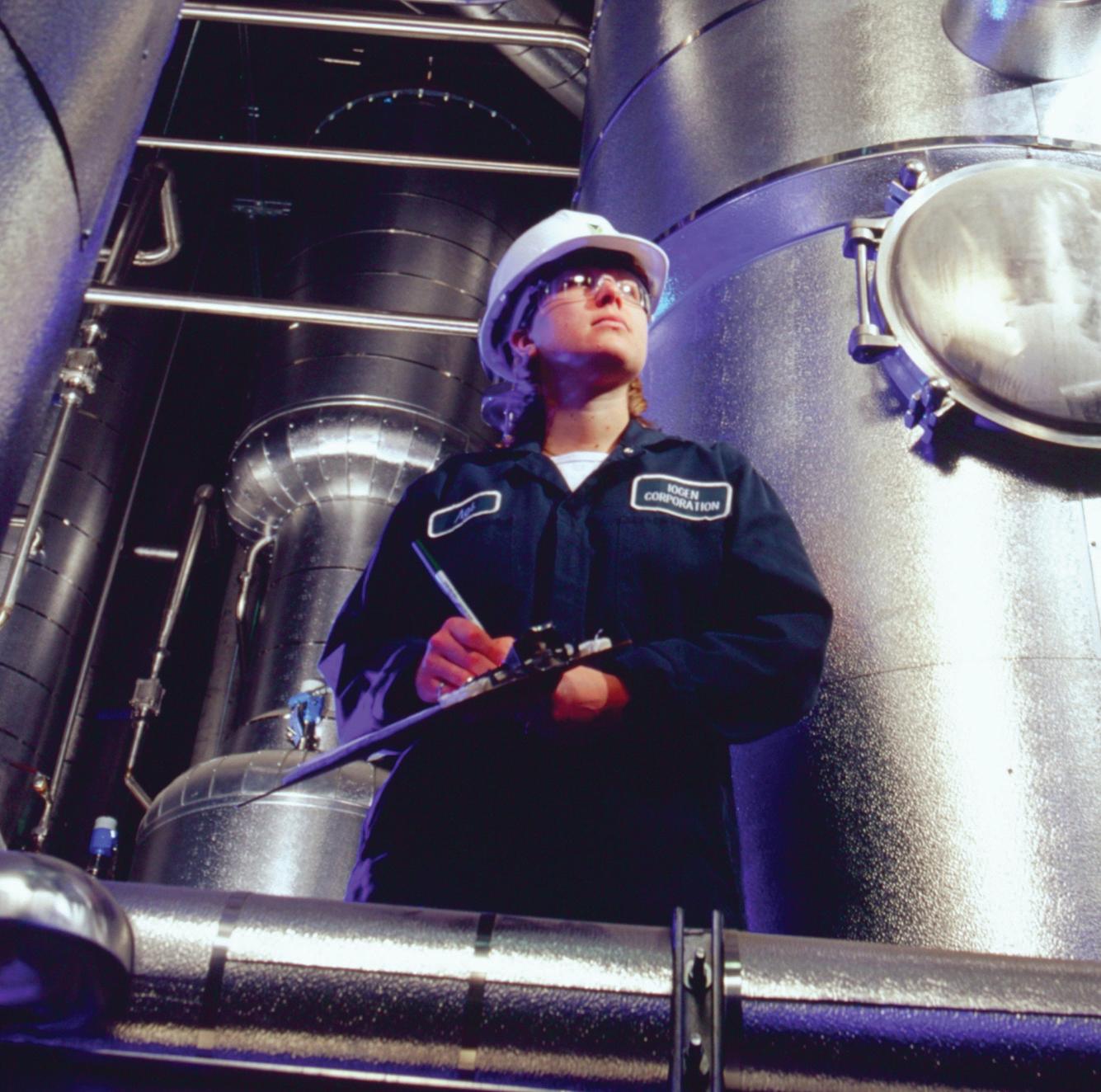
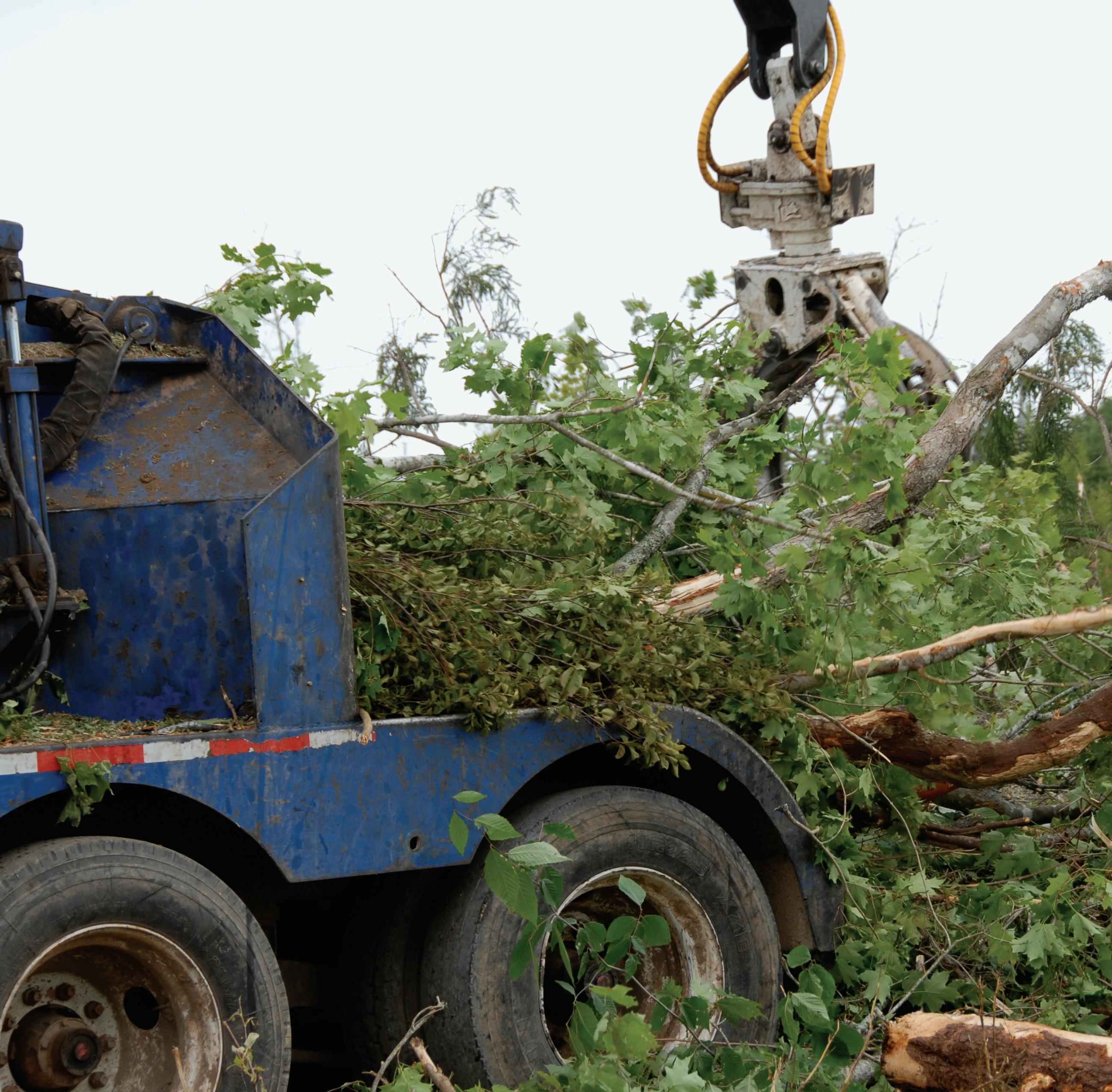
There’s potential for both mills and loggers, but the cellulosic ethanol industry must develop further before it will require biomass feedstocks on a large scale.
Long used for heat and power at sawmills, woody biomass now powers a mill of a different kind. Canadian Biomass drops in on a Quebec co-op.
Woody feedstock cropping is an emerging option to supplement forest residue-based biomass. We look at crop and harvest options.
With more biomass-produced energy on the horizon, this Nova Scotia logging contractor is seeing a trend towards increased chipping to meet the demand.
“Until
cellulosic ethanol becomes economically viable and facilities require a steady stream of biomass, forestry and agriculture will need to explore other uses of biomass.”
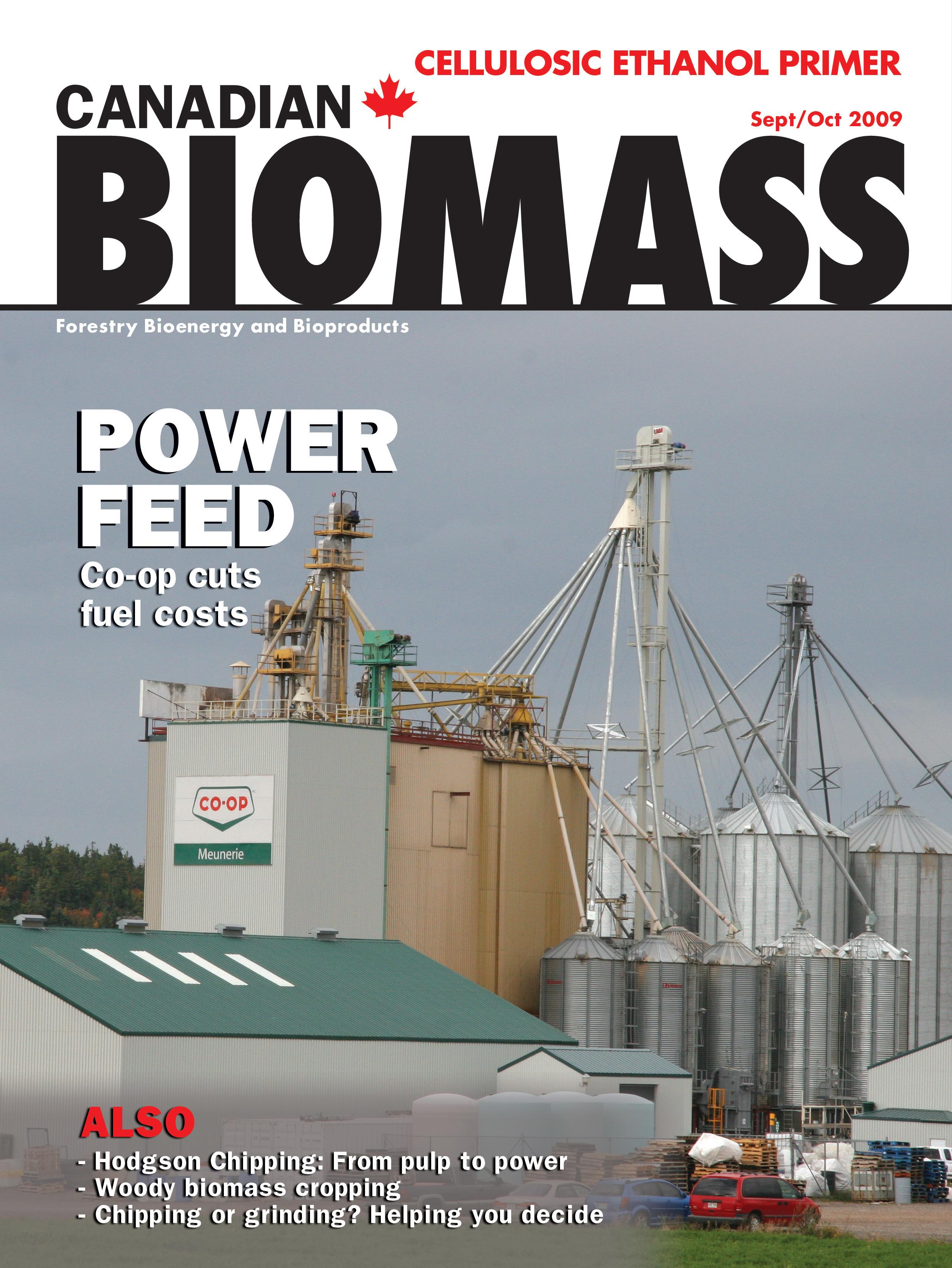
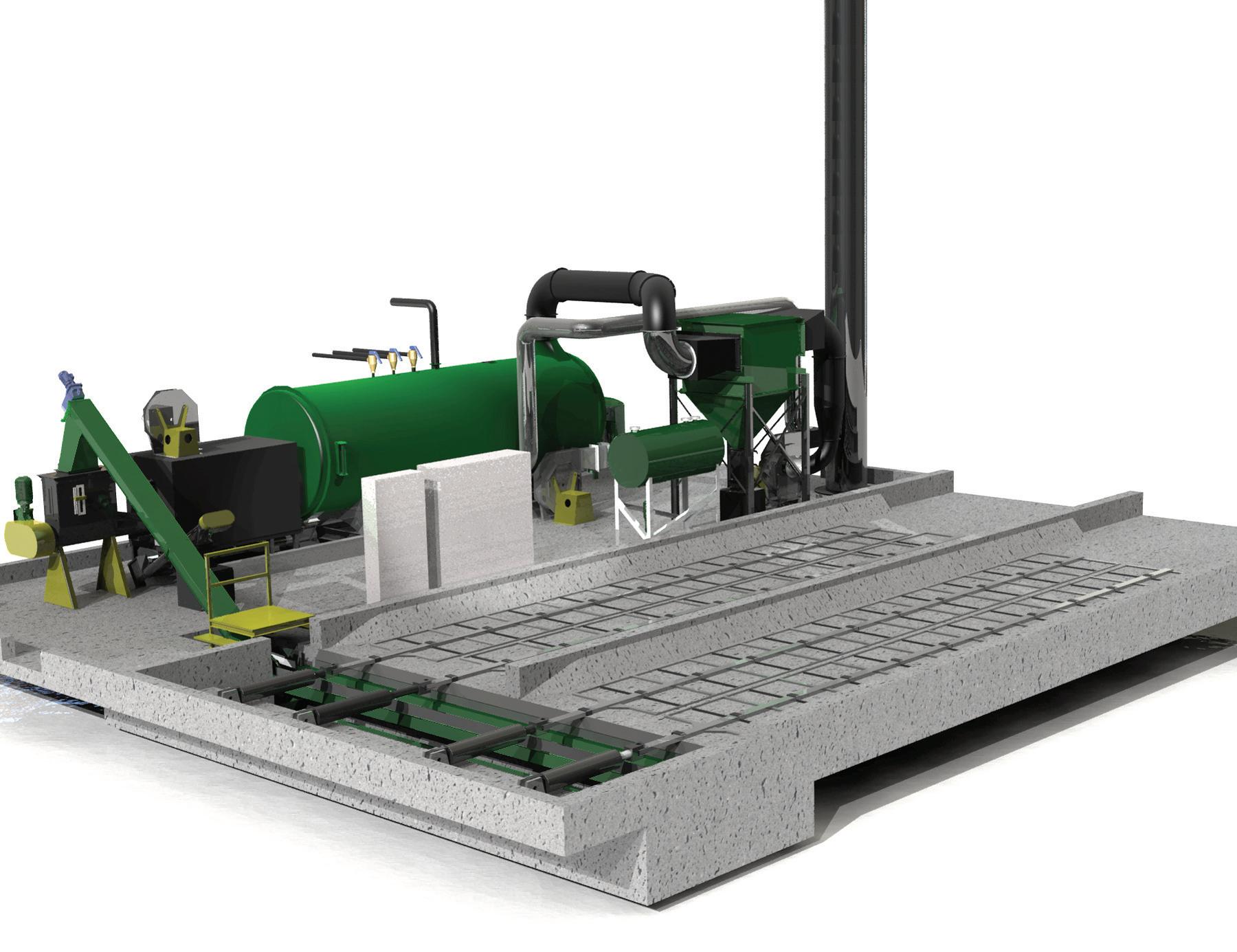
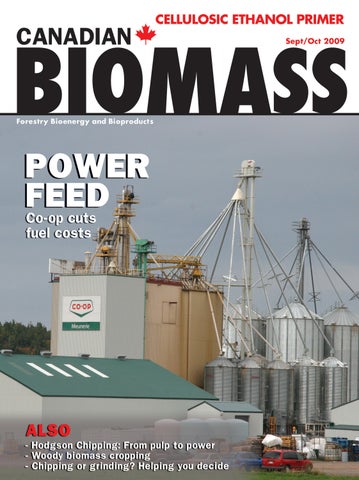
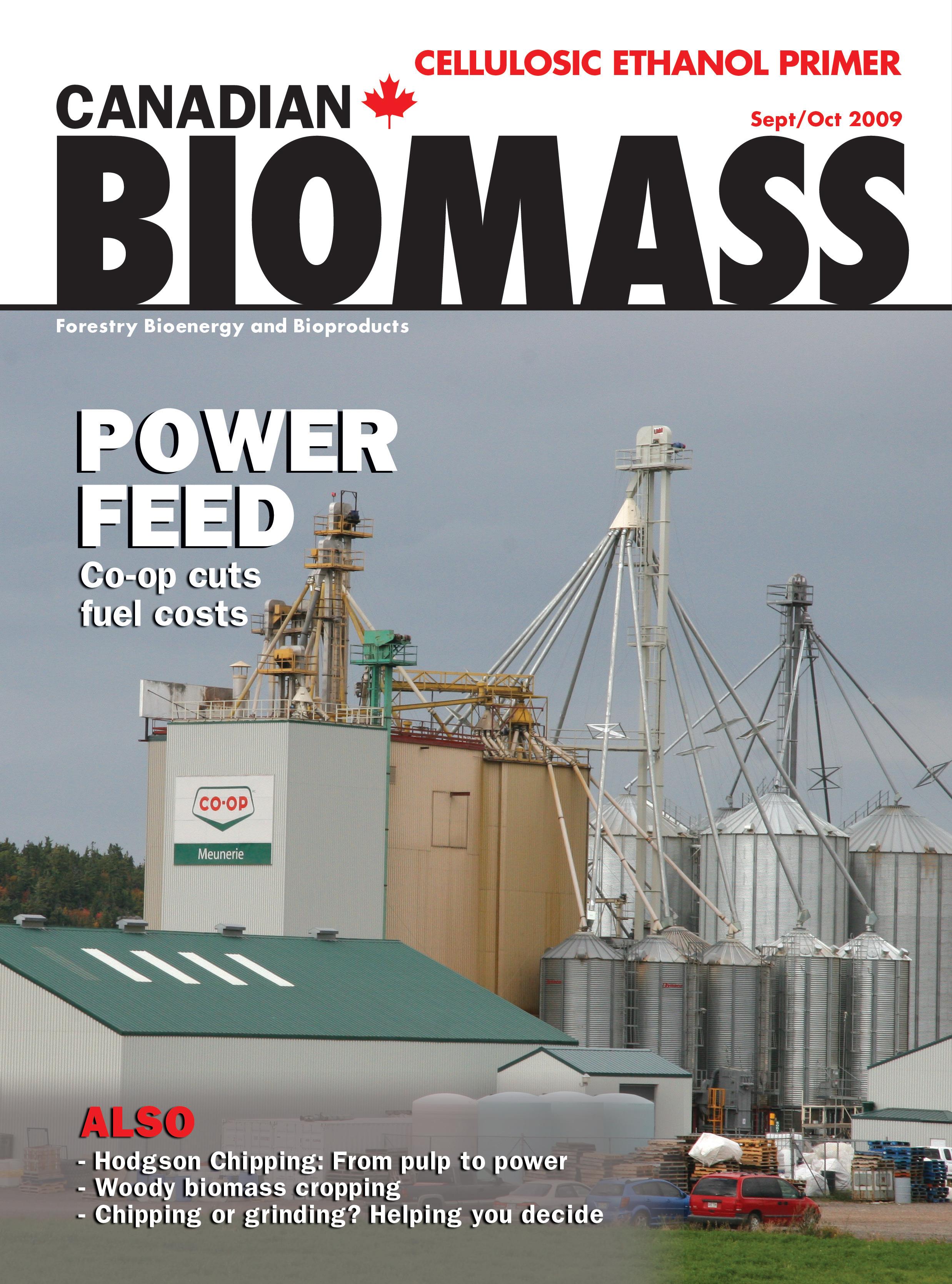
Groupe Dynaco Agri-Food Cooperative has been reaping the benefits of biomass power for almost a year now. Our cover shows the facility in eastern Quebec. Story on page 16.
Photo: Martine Frigon/Canadian Biomass

When will new bioproducts be significant markets for forestry-based biomass?
f you could bank potential, the forest biomass sector would already be rich off of the biofuel sector. After all, there is no shortage of promising technology that will use mountains of biomass as raw material to create renewable fuels and other bioproducts. For those of us in the biomass industry, it is tempting to see these emerging products as opportunities to expand. Time and again, we’ve heard that success in the biomass business depends not only on good business sense, but on good timing—getting into supplying a market not too early, not too late, but just as it takes off. So biomass producers (and would-be producers) are wondering when they will be able to supply this seeming abundance of new biomass consumers on a sizeable scale.
To get an idea of the status of one of these potential new large-scale biomass consumers in Canada, we’ve taken a look at the emerging cellulosic ethanol industry, starting on page 10. We talked with four major players in the Canadian industry about their projects and the biggest hurdles they’re facing to get an idea of when we should expect commercial-scale production to come online. Each of the four companies is currently focused on a different feedstock—municipal solid waste and old utility poles, corncobs, straw, and forestry wood waste—and several newer companies also plan to use forestry-based waste. Interestingly, access to feedstocks was not mentioned as a significant challenge.
So what are some considerations for feedstock suppliers and potential entrepreneurs in preparing for these industries?
For cellulosic ethanol, companies that are focusing on forestry-based wood waste have thus far mostly gravitated to one specific area
of Canada—British Columbia—citing it as a region with abundant available feedstock. That province also recently offered government funding specifically for liquid fuels from biomass. So the first opportunities to supply biomass for this market are likely to be in B.C., leaving other areas of Canada to await future expansion. The Maritimes, in particular, have been slow to offer specific incentives for any type of biofuel development. Another consideration is that none of the contenders have yet produced cellulosic ethanol in consistent, continuous, large volumes that could be described as ‘commercial production’, although it seems that could happen any day now. On the plus side, forestry waste has been made into cellulosic ethanol at the pilot plant scale. However, when the first commercialscale production from forestry-supplied waste will occur is anyone’s guess.
With the variety of projects that are making headway, as well as increasing support from some governments and private industry, the predictions are that large-scale commercial production of cellulosic ethanol is only a couple of years away—perhaps as soon as 2010 or 2011. Yet however promising the future may be, it’s still just that—the future. These positive signs of development of the biomass industry beyond our mainstays of heat, power, and cogeneration are encouraging, exciting, and definitely something to watch. But in the meantime, you may want to focus on keeping those heat, power, mulch, and pellet mill clients happy. They’ll be paying the bills for some time to come. •
Heather Hager, Associate Editor hhager@annexweb.com
Volume 6
Editor/Group Publisher - Scott Jamieson (519) 429-3966 ext 244 sjamieson@annexweb.com
Associate Editor - Heather Hager (519) 429-3966 ext 261 hhager@annexweb.com
Contributors - Bill Tice
Market Production Manager
Josée Crevier (514) 457-2211 ext 21 jcrevier@forestcommunications.com
National Sales Managers
Tim Tolton - ttolton@forestcommunications.com 514-237-6614
Guy Fortin - gfortin@forestcommunications.com 90 Morgan Rd, Unit 14 Baie d’Urfé, Que H9X 3A8 Ph: (514) 457-2211 Fax: (514) 457-2558
Western Sales Manager Tim Shaddick - tootall1@shaw.ca 1660 West 75th Ave Vancouver, B.C. V6P 6G2 Ph: (604) 264-1158 Fax: (604) 264-1367
Production Artist - Kelli Kramer
Canadian Biomass is published bi-monthly. Published and printed by Annex Publishing & Printing Inc., and distributed as a supplement to Canadian Forest Industries and Canadian Wood Products magazines.
Printed in Canada ISSN 0318-4277
Circulation e-mail: cnixon@annexweb.com Tel: (514) 457-2211 Fax: (514) 457-2558 Mail: 90 Morgan Rd, Unit 14 Baie d’Urfé, Que H9X 3A8
Subscription Rates:
Canada - 1 Yr $48; 2 Yr $85; 3 Yr $115 Single Copy - $6.00 (Canadian prices do not include applicable taxes) USA – 1 Yr $44 US; 2 Yr $75 US Foreign – 1 Yr $75 US
From time to time, we at Canadian Biomass make our subscription list available to reputable companies and organizations whose products and services we believe may be of interest to you. If you do not want your name to be made available, contact our circulation department in any of the four ways listed above.
No part of the editorial content of this publication may be reprinted without the publisher’s written permission ©2009 Annex Publishing & Printing Inc. All rights reserved. Opinions expressed in this magazine are not necessarily those of the editor or publisher. No liability is assumed for errors or omissions.
All advertising is subject to the publisher’s approval. Such approval does not imply any endorsement of the products or services advertised. Publisher reserves the right to refuse advertising that does not meet the standards of the publication.
www.canadianbiomassmagazine.com
St. John’s, NL – The provincial government is backing a multimillion dollar proposal that will modernize a sawmill and establish a wood inventory yard and pellet facility on the Northern Peninsula. The $10-million investment in Holson Forest Products of Roddickton will sustain approximately 300 direct and indirect jobs in the region and create a new industry in manufacturing wood pellets. Under the Forest Industry Diversification Fund of the Department of Natural Resources, the company will receive a $7-million loan, to be repaid over a 15-year period, as well as a $2-million grant. The Department of Environment and Conservation will also invest $1
million under its Green Fund towards the establishment of the wood pellet facility.
“This region of the province has been particularly hard hit in recent years as a result of the closure of two pulp and paper mills and the idling of a paper machine at the mill in Corner Brook,” said the Honourable Kathy Dunderdale, minister of natural resources and minister responsible for the forestry and agrifoods agency.
“We have been working with industry to identify new markets to sustain the forest industry in this region and we believe Holson’s multi-phase proposal will carve a new future for the forest sector on the Northern Peninsula.”
Holson will establish a regional
North Bay, ON – North Bay is about to become a destination for information on biomass renewable heating and energy as Nipissing University launches its Biomass Innovation Centre. The centre was established in spring 2009 with financial support from Ontario’s Community Go Green Fund and Nipissing University.
Developed by the university’s School of Business and Economics, the Centre aims to provide informational resources, education, and technology transfer about biomass heating and energy to building professionals, engineers, and researchers. Biomass heating is already commonplace in the Netherlands and United Kingdom. Following Europe’s lead, the Biomass Innovation Centre will help develop the infrastructure for this new industry using existing resources in forestry, commerce, and trade.
“We have an exciting oppor-
tunity to use a clean, renewable source of fuel in our backyards,” says project manager Pauline Rochefort, “so why not do all we can to develop an industry of our own making and help create jobs?” Rochefort estimates that wood pellet production can help stimulate at least 600 jobs in the region given the right circumstances. Rochefort adds that the real advantage of the centre is its ability to join research with practical application.
At the university, Forest Bioproducts Research Chair Dr. Jeff Dech is involved in an extensive study to predict the location, quality, and quantity of biomass for viable heating and energy applications. Rochefort explains that, “Given the tremendous utility our region has for wood products, it’s evident we can develop a supply chain and work with manufacturers to bring all the necessary components of bioenergy to northern Ontario.”
wood inventory yard, which will allow harvesting to begin on the Northern Peninsula this season. The inventory of fibre will serve as feedstock for the proposed wood pellet facility when it starts production in the spring of 2010. The wood inventory yard will maintain direct employment in the industry for about 130 people.
Sawmill modernization and the establishment of a pellet plant will create an additional 22 jobs.
“I am ecstatic we have our forest industry back!” says Ted Lewis, president of Holson Forest Products. “This is a great day for the industry on the Northern Peninsula and in particular for Holson Forest Products. We see this as an opportunity to develop
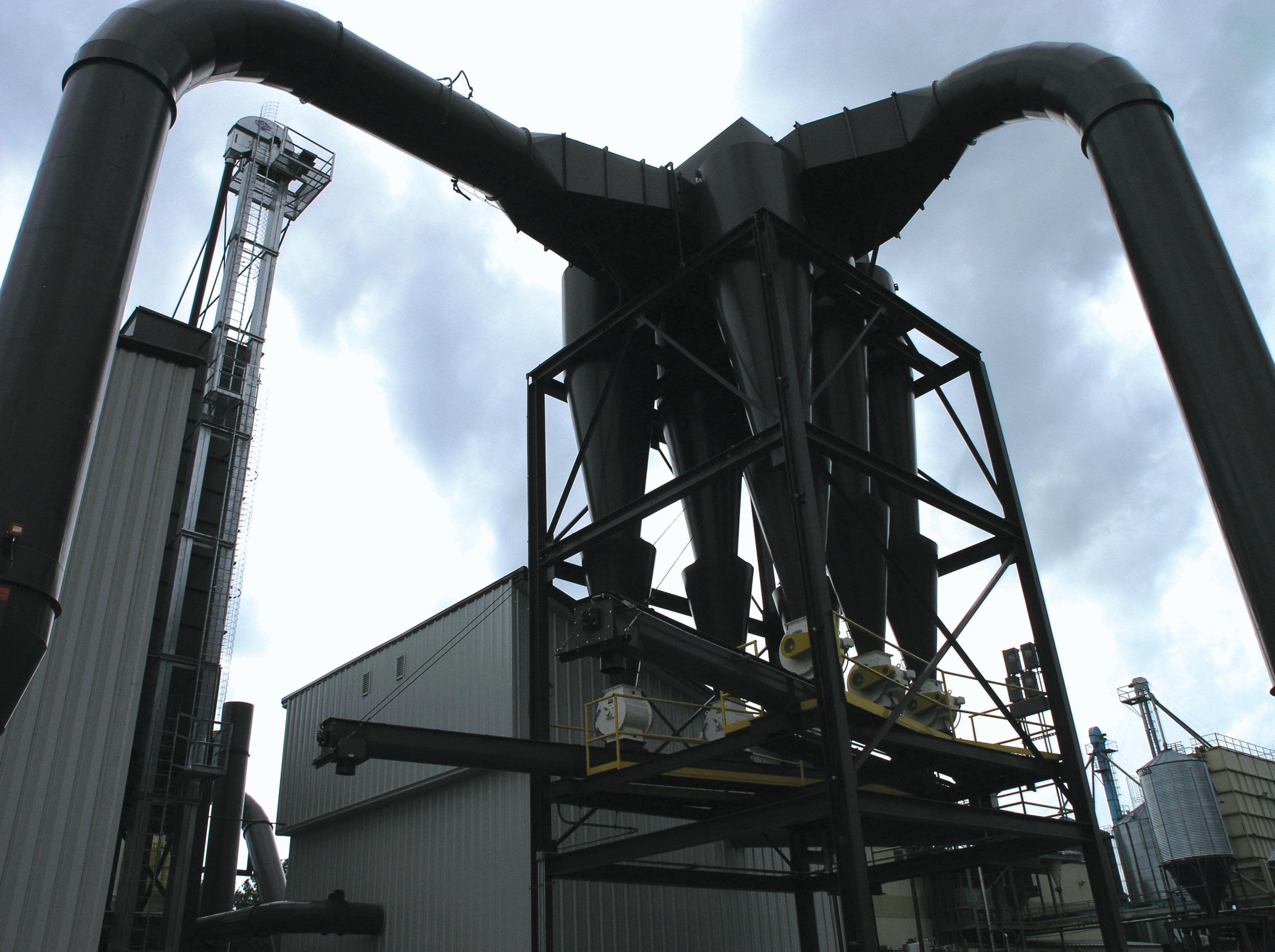
Pellet mills like this will soon be part of the landscape in Newfoundland as the province struggles to replace its pulp and paper sector.
a long-term, independent business from a sustainable resource. Government’s commitment to this sector breathes new life into this area and is giving us an opportunity to diversify our industry for a new and exciting future.”
St. John’s, NL – With assistance of $125,000 from the Newfoundland and Labrador Green Fund, an engineering study will bring Corner Brook another step closer to an innovative, economically efficient and environmentally friendly District Energy Systems (DES) for the city. The DES, also referred to as district heating systems, provides energy in the form of hot water, steam, or chilled water through underground pipelines to businesses and residential neighbourhoods from a common energy source. The benefits of such systems include reduced energy costs, use of an industrial waste source, reduced greenhouse gases, and improved energy efficiency.
“District heating systems are renowned for reduced energy consumption and reduced greenhouse gas emissions, two very important environmental considerations,” said the Honourable Charlene Johnson, minister of environment and conservation. “A major employer in the area, the paper mill is also a potential low-cost source of thermal energy. The engineering study will focus on the design of the heating system within the context of the city layout and help this worthwhile project move one step closer to fruition.”
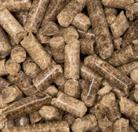

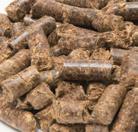
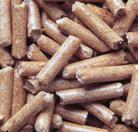



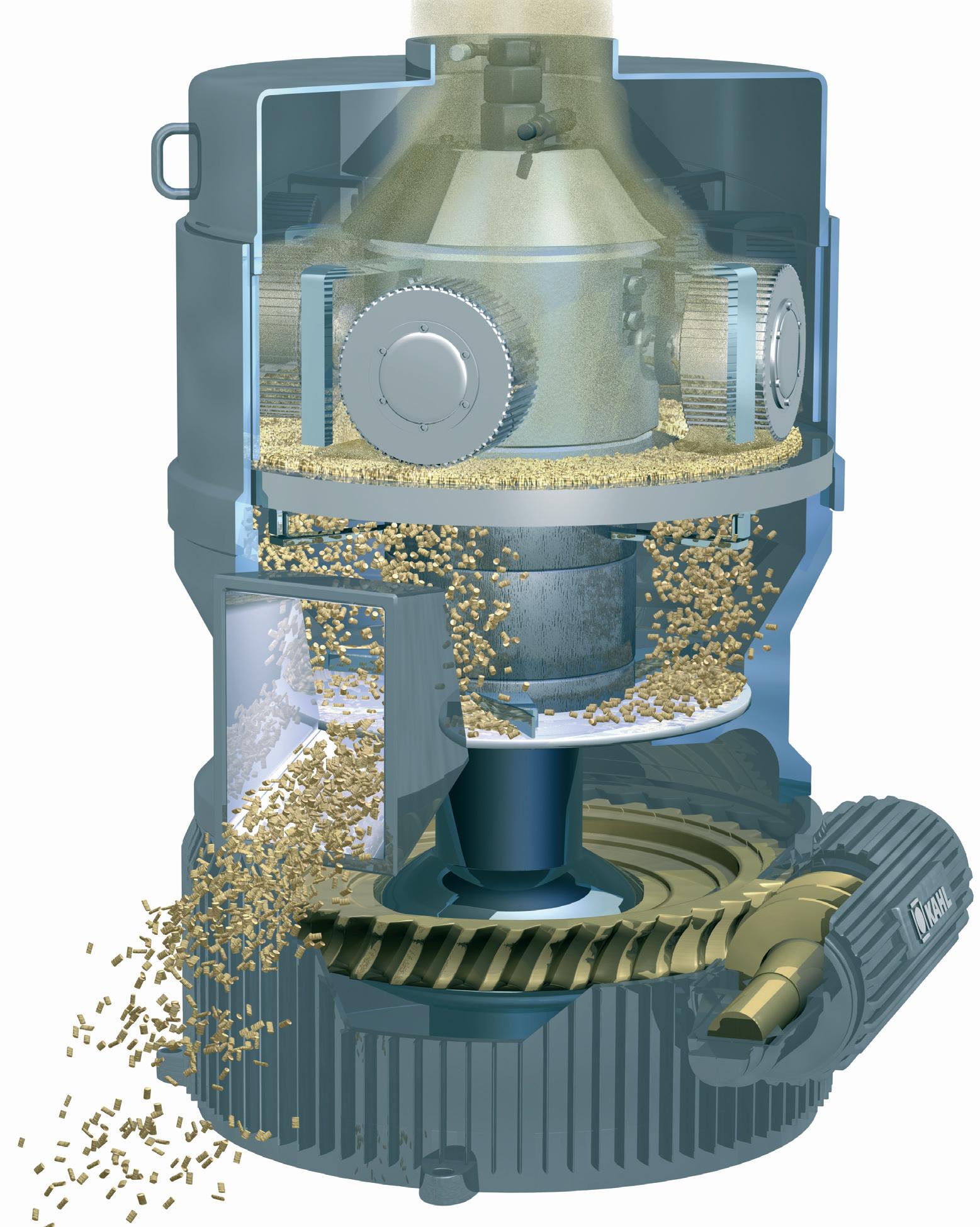
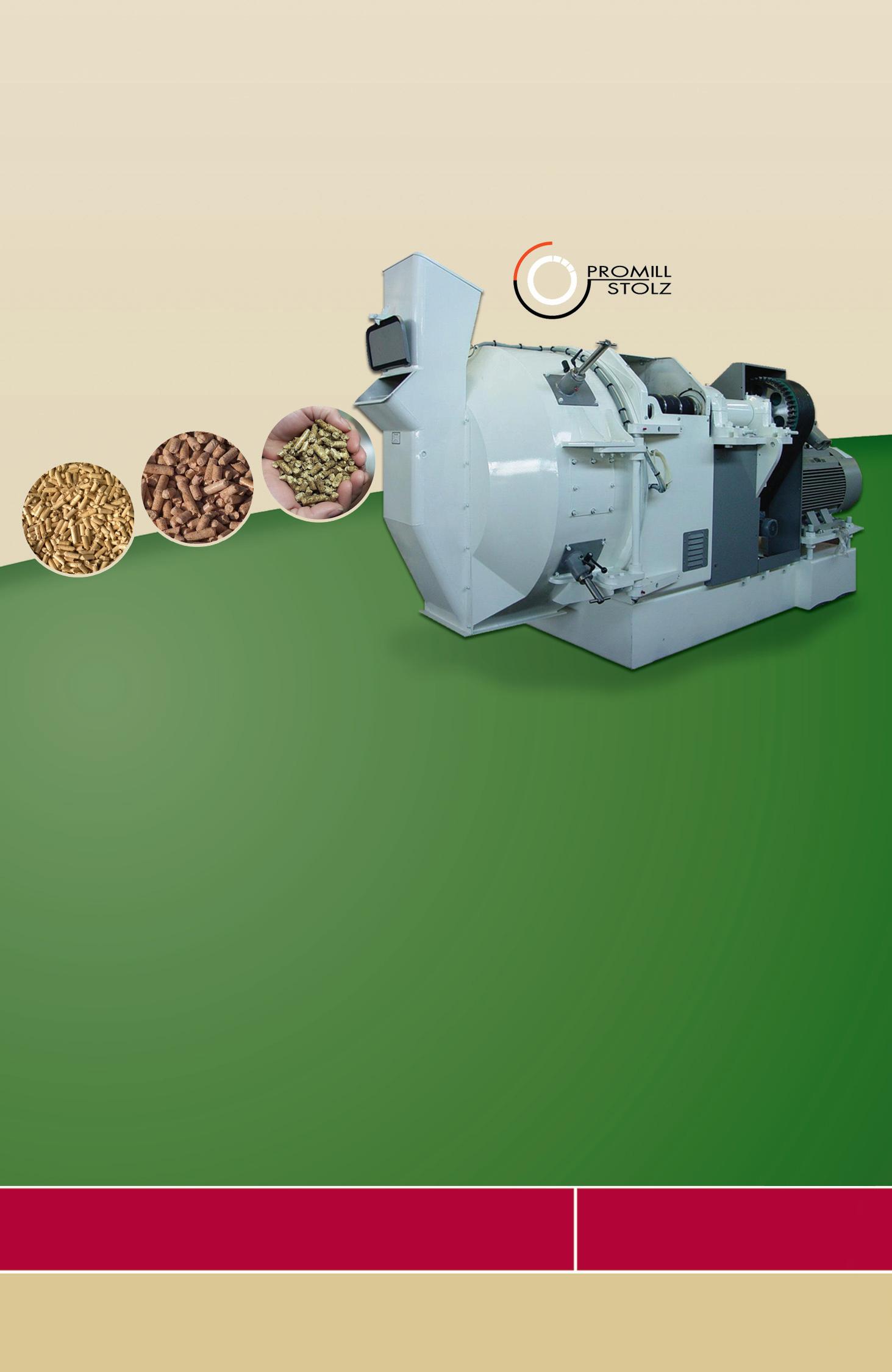
Bliss Industries, LLC is a leading manufacturer of wood and biomass pelleting equipment for residential, commercial and industrial pellet fuel. Founded in 1981, Bliss Industries maintains a reputation of manufacturing the most efficient, reliable and well-built equipment in the industry. Developed from a design concept proven worldwide, the range of Pioneer Pellet Mills continues to expand. Overall reliability, maximum efficiency, ease of operation and maintenance combine to provide lower operating costs to each owner. With the ability to provide a wide range of die sizes, die speeds and drive power, Bliss can more than meet your requirements for high quality at a reasonable cost.
Bliss also manufactures an extensive line of hammermills for biomass size reduction and processing.

Vancouver – Two new research projects, largely funded by Genome BC, will help to answer questions about biomass conversion to ethanol and long-term tree production to best use the valuable energy found in British Columbia’s forests. The research will be based at the University of British Columbia (UBC).
The first project will use genomics to determine the most efficient methods of releasing fermentable sugars from dead pine for cellulosic ethanol production. Dr. Jack Saddler, UBC’s dean of forestry, is leading this $1.1-million project to optimize ethanol fermentation from mountain pine beetle killed lodgepole pine. Saddler is confident that the solution found for coniferous trees will be transferable to deciduous varieties as well. “The idea is that once the dead lodgepole pine starts to run out in about 20 years, we will have had enough time to replant with a fast-growing variety to replace it,” he says.
The second project will use genomics to
optimize poplar breeding and selection to improve its potential as a biofuel resource. This $7.7-million project, led by Drs. Carl Douglas and Shawn Mansfield of UBC, will build on previous Genome BC research that contributed to the sequencing of the poplar genome in 2004. In addition to their quick growth, poplars produce wood that is easier to convert to fermentable sugars for ethanol production than conifers. The researchers will identify the genetic characteristics of certain wild poplars that allow the wood to be broken down more easily and with a higher yield, so that liquid biofuels can be produced more rapidly and inexpensively, with less chemical processing.
“We need to be thinking about feedstock supply 10 to 15 years from now, so that we will have poplars ready to be harvested, which will allow us to keep up with industry demand,” says Mansfield. The research will ultimately create the basis for a poplar breeding program to fuel the forestry bioenergy sector.
New regulations for renewable energy have been introduced by the Ontario government under Ontario’s Green Energy Act. These include a feed-in tariff program that will allow individuals and companies to sell renewable energy such as biomass, solar, wind, water, biogas, and landfill gas to the grid at set rates. A streamlined approvals process has been established, as well as an Ontario Renewable Energy Facilitation Office, which will help renewable energy projects get off the ground faster.
The Ontario Ministry of Northern Development, Mines, and Forestry has released a discussion paper, Ontario’s Forests, Ontario’s Future. The paper deals with how the province should modernize forest tenure and pricing; the system it uses to determine how wood supplies are licensed, allocated, and priced; and the associated legal obligations. A series of stakeholder and public consultations on these issues was held in September and October 2009.
Atikokan Renewable Fuels has obtained full control over the former Fibratech mill in Atikokan, Ontario. The company plans to spend $15 million renovating the plant to produce industrial wood pellets. Pellet production is estimated to begin in early 2010.
Biomass Secure Power and the Lower Nicola Indian Band (LNIB) have signed an agreement to build a biomass-fueled cogeneration power plant and a pellet mill in British Columbia. The joint venture will be developed under the name of Shulus Power, with each party owning 50% of the project. LNIB will provide the fibre and 25 acres on which the plant will be built. Biomass Secure Power will provide the engineering expertise to design, build, and operate the plant. Construction of the plant is expected to be completed by December 2010.
Note : f = fo r ecast . S ources: Hillring et al., 2007; Hillring et al., 2008.
The UNECE projects the global production of wood pellets to continue increasing.
Geneva – The United Nations Economic Commission for Europe has released its annual review of forest products markets for the UNECE region comprising Europe, North America, and the Commonwealth of Independent States (CIS). According to the UNECE/FAO’s Products Annual Market Review, 2008-2009 sector has suffered in the past year, but wood energy use is increas ing. Total consumption of forest products in the UNECE region fell by 8.5% overall in 2008, but there were marked differences among the three subregions: consumption fell by 12.7% in North America and 5.9% in Europe, but grew by 3.2% in the CIS. This trend was mainly driven by the sharp decline in the construction of new houses in North America and Europe. Linked directly with demand, pro duction fell, resulting in mill closures and job losses.
In contrast, demand for renewable energy sources, including wood biomass, continues to grow steadily due to governments’ in centive policies fostering climate change mitigation efforts and energy security. Wood pellet markets grew by approximately 20% in 2008 and are expected to double by 2012. Europe is the largest consumer and producer of wood pellets, whereas Canada is the single largest exporter (mainly to Europe). Asia could also become an important consumer of wood fuel pellets, as the first large-scale industrial proj ects to co-fire coal with wood biomass took place in Japan in 2008.
The full report is available online at: http://timber.unece.org/ index.php?id=208.

Vancouver – Dynamotive Energy Systems, a developer of biomass-to-biofuel technology, has received orders for its bio-oil from a U.S.-based client. The order envisages a minimum of 18 shipments of bio-oil to be delivered over a period of six months, beginning in August 2009. The order follows delivery of a number of test shipments to the client in previous months, which demonstrated Dynamotive’s capacity to
meet the required bio-oil quality standards. The value of the contract is estimated at $260,000.
The West Lorne, Ontario, plant is capable of processing up to 130 tonnes/day of biomass and is located within a wood flooring manufacturing facility. The plant, which has been operating on a demand basis, has reached sustained operations at 75% of nominal capacity.
Toronto – The Ontario government has introduced four new programs to provide assistance to community groups and municipalities that are looking to build new renewable energy facilities. Two of these programs target First Nations and Métis communities.
Under the Community Energy Partnerships Program, community groups such as co-ops, nonprofit groups, and local partnerships are eligible for one-time financial assistance of up to $200,000 for project planning costs, including environmental and engineering studies. Community-based projects are eligible to receive a graduated incentive, based on the percentage of local ownership, of up to 1 cent/kWh in addition to standard feed-in tariff rates.
The Municipal Renewable Energy Program will provide support to municipalities for extra infrastructure costs associated with renewable energy projects, for example, repairs to road and drainage infrastructure and traffic management. This funding is intended to cover costs over and above those that the project developers should bear.
Under the $250 million Aboriginal Loan Guarantee Program, Aboriginal communities will be eligible for loan guarantees that will allow them to take on equity participation in renewable generation and transmission projects. The program will facilitate Aboriginal ownership in energy projects by providing loan guarantees for up to 75% of an Aboriginal corporation’s equity in an eligible project.

The Aboriginal Energy Partnerships Program will build capacity and participation by providing funds for community energy plans, feasibility studies, technical research, and business plan development, and creating an Aboriginal Renewable Energy Network. Aboriginal communities will also be eligible, under certain conditions, for price incentives as part of the feed-in tariff program.

IBiomass harvesting guidelines must take into account both science and practicality in the field.
By Evelyne Thiffault
n my last column, I discussed various guidelines adopted by Canadian provinces for forest biomass harvesting. I recently came across an interesting report produced in a country that is further down the road relative to Canada in the development of its bioenergy-from-biomass industry and its regulation. In a fine example of adaptive forest management, Sweden is at the stage where it reassesses its harvesting guidelines using ecological knowledge gathered over the years. The report, Environmental Effects of Logging Residue Recovery and Ash Recycling in Sweden, was published in Swedish in 2006 and is available from the Swedish Energy Agency. I am told that an English version will be available in the coming months. Let’s have a look at some issues in this report that I find of particular relevance.
The Swedish National Board of Forestry advised in 2002 in its Recommendations for the Extraction of Forest Fuel and Compensation Fertilizing that when stems and tops of trees are harvested, the needles should be left on-site and evenly spread about. This could be done by letting tops dry in small piles on the site before removing them. This was meant to limit the amount of nutrients exported from the site and mitigate potential impacts of biomass harvesting on soil fertility.
The recommendation appears to be sensible, as needles contain high concentrations of nutrients compared with woody parts of trees and are of negligible interest for bioenergy because of their low calorific value. However, in practice, a large proportion of needles is actually extracted during biomass harvesting, despite efforts to leave them on-site. For example, the efficacy of drying is highly weather dependent, and pine needles remain firmly attached to branches even after a whole
summer of drying. Also, the development of bundling machines for branches and tops, which allows for bundled biomass and roundwood transport using the same vehicles, will likely reduce the logistic possibility of letting residues dry on-site before picking them up. Thus, although the recommendation to leave most needles on-site is a reasonable one from a soil fertility perspective, its practicality is questionable.
Another recommendation in the 2002 guidelines is that compensatory fertilization, in the form of ash recycling, should be carried out when it is not possible to leave needles on-site, and on peatlands and highly acidified areas. Ash recycling has caught the eye of many biomass developers in Canada because it is seen as a convenient way to offset nutrient extraction and soil fertility loss while providing a waste disposal opportunity. However, field trials in Sweden show that ash recycling may not be the panacea that we wish it to be. Whereas ash recycling on biomass-harvested sites was shown to stimulate tree growth in the southern, more temperate part of Sweden, growth was actually decreased by ash application in the northern part of the country. These effects should not be interpreted as direct reactions of trees to the nutrients in ash (mostly calcium, magnesium, and potassium). Rather, they probably reflect indirect effects of ash on the availability of nitrogen, the most likely driver of tree growth. The thick layer of undecomposed organic material on the forest floor in
northern stands somehow reacts negatively to ash addition by reducing the amount of nitrogen available to trees, whereas the contrary may be true in temperate stands.
One of the key messages here is that as far as tree growth is concerned, there is no obvious need to provide ash to counteract effects of biomass harvesting. However,
“Field trials in Sweden show that ash recycling may not be the panacea that we wish it to be.”
there are other reasons for spreading ash on biomass-harvested sites. For instance, it could counteract acidification of lakes in areas affected by acid rain. In other words, maintaining tree productivity is not a strong argument for ash recycling after biomass harvesting, whereas mitigating soil and water acidification in already acidified areas is a more relevant goal.
Another key message that I would like to add is that biomass is much more than just nutrients: It is organic matter with physical and chemical properties, nutrients embedded in organic structures, and it is also the living ground for a myriad of organisms. On sensitive sites, biomass may play an overwhelming role in the maintenance of tree growth and forest ecosystem functioning that ash simply cannot replace.
So, what’s in there to learn for Canada?
The cellulosic ethanol industry must develop further before it will require biomass feedstocks on a large scale.
By Heather Hager
W ithall the talk about the development of secondgeneration biofuels like cellulosic ethanol, foresters and farmers may be wondering when they will be able to take advantage of this market by supplying biomass feedstocks. Unlike commercially produced grain ethanol and biodiesel, however, cellulosic ethanol production in Canada is still largely at the small-scale pilot, or testing, stage. Pilot plants are usually run on a limited basis, and evaluations and improvements are made after each run to increase operational efficiencies.
Still, there’s a push to use nonfood sources to meet growing biofuel demands. The federal government’s Bill C-33, passed in June 2008, mandates 5% ethanol in gasoline by 2010 and 2% biodiesel in diesel by 2012. Some provincial standards are already higher.
“Canada consumes about 40 billion litres/year of gasoline,” says Jeff Passmore, executive vice president of public affairs for Iogen, an Ottawabased developer of cellulosic ethanol technology. “Five percent of that would be two billion litres. We currently produce in Canada about 1.3 billion litres of ethanol, so we’re 700 million litres short.” To minimize increases in grain-based ethanol and biofuel importation to meet this shortfall, one desire is to expand the domestic industry by producing cellulosic ethanol.
Unlike grain ethanol, which is produced from edible plant parts by fermenting and distilling the simple starches and sugars, cellulosic ethanol is produced from nonedible plant materials such as stems, pits, and
branches. This gives more options for feedstocks, which can come from forestry and woody residues, agricultural residues, bioenergy crops, and even sorted municipal solid waste. However, this biomass is mainly composed of lignin, hemicellulose, and cellulose, which are difficult to separate, and the cellulose must somehow be extracted and broken into fermentable sugars. Although there are several ways to do this, the major stumbling block is in making them economical.
There are two general approaches to pre-treating cellulosic feedstocks. In biochemical methods, the feedstock is broken down by pre-treatment with dilute acids, steam explosion, ammonia fibre explosion, or organic solvents. Enzymes then chop the cellulose into smaller sugars for fermentation, followed by distillation. However, the costs of pre-treatment and enzyme production, although supposedly decreasing, still remain prohibitive.
In thermochemical methods, the feedstock is gasified (high-temperature, low-oxygen combustion) to produce synthesis gas, or syngas. The syngas is cleaned and then either fermented by microbes or reacted with a catalyst to produce ethanol or other chemicals. This avoids the difficulty of extracting and breaking down the cellulose, but requires the development of catalysts that are both effective and inexpensive.
The main Canadian companies that are pursuing cellulosic ethanol production have yet to make quantities at commercial scale, although some say they’re getting close. Most are expecting to move to commercial production in a few years. However, one Canadian company has already been producing ethanol from hemicellulose for more than 15 years.
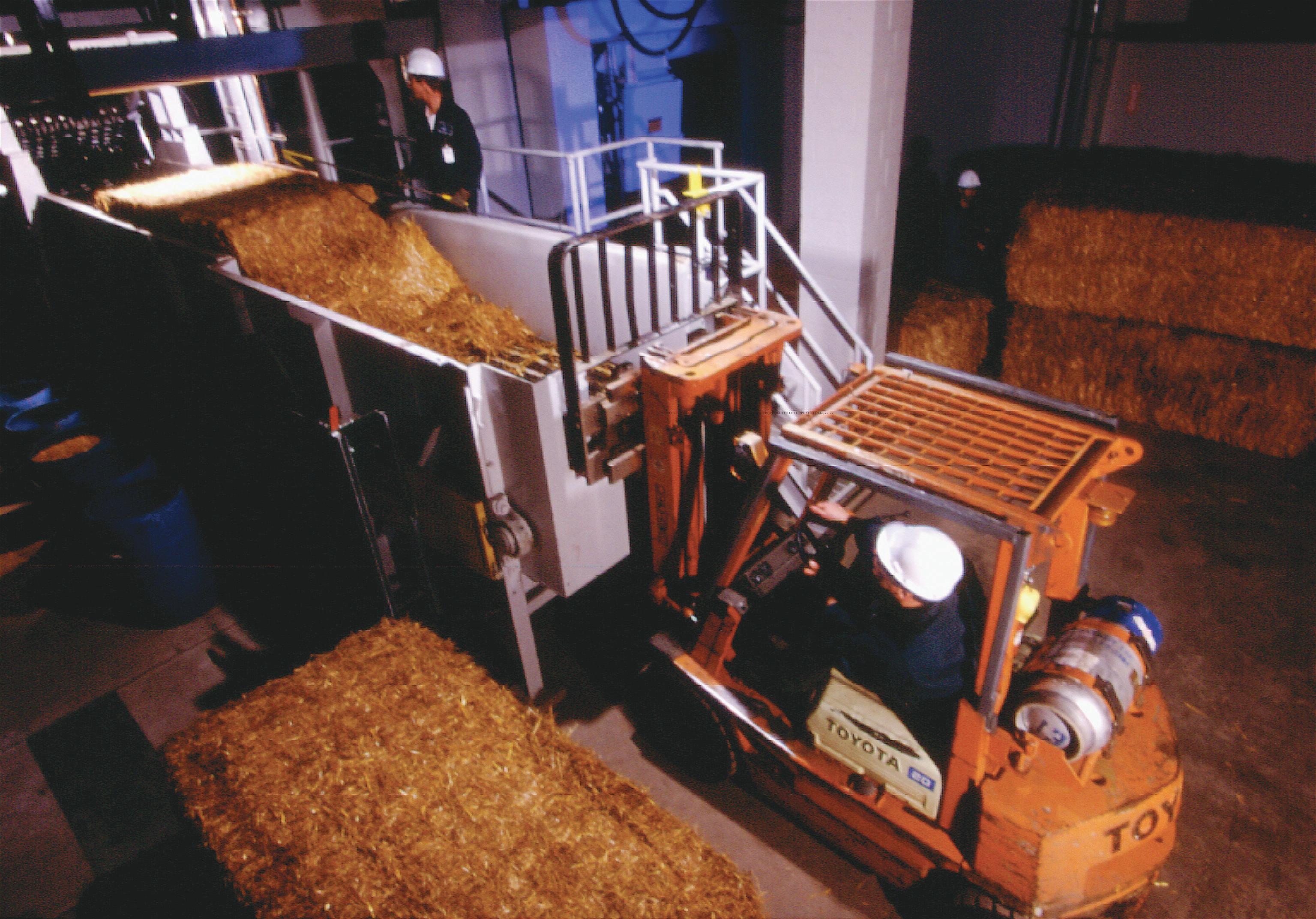
Tembec, headquartered in Temiscaming, Quebec, produces up to 18 million litres/year of ethanol as one product of a sulphite pulping process that produces specialty cellulose. The feedstock is wood chips, which are digested under heat, pressure, and acidity to separate the fibre components. The purified cellulose supplies pharmaceutical, food, and other industries. As one byproduct, hemicellulose is fermented to produce ethanol, which is not used as fuel ethanol, but supplies industrial markets such as vinegar production.
Although Tembec’s research has determined that it could produce cellulosic fuel ethanol, it’s currently not economical to do so, says Randy Fournier, senior
Regardless of the type of feedstock, pre-treatment such as grinding the biomass reduces the particle size to facilitate reactions and is a necessary step in the process. Photo: Iogen
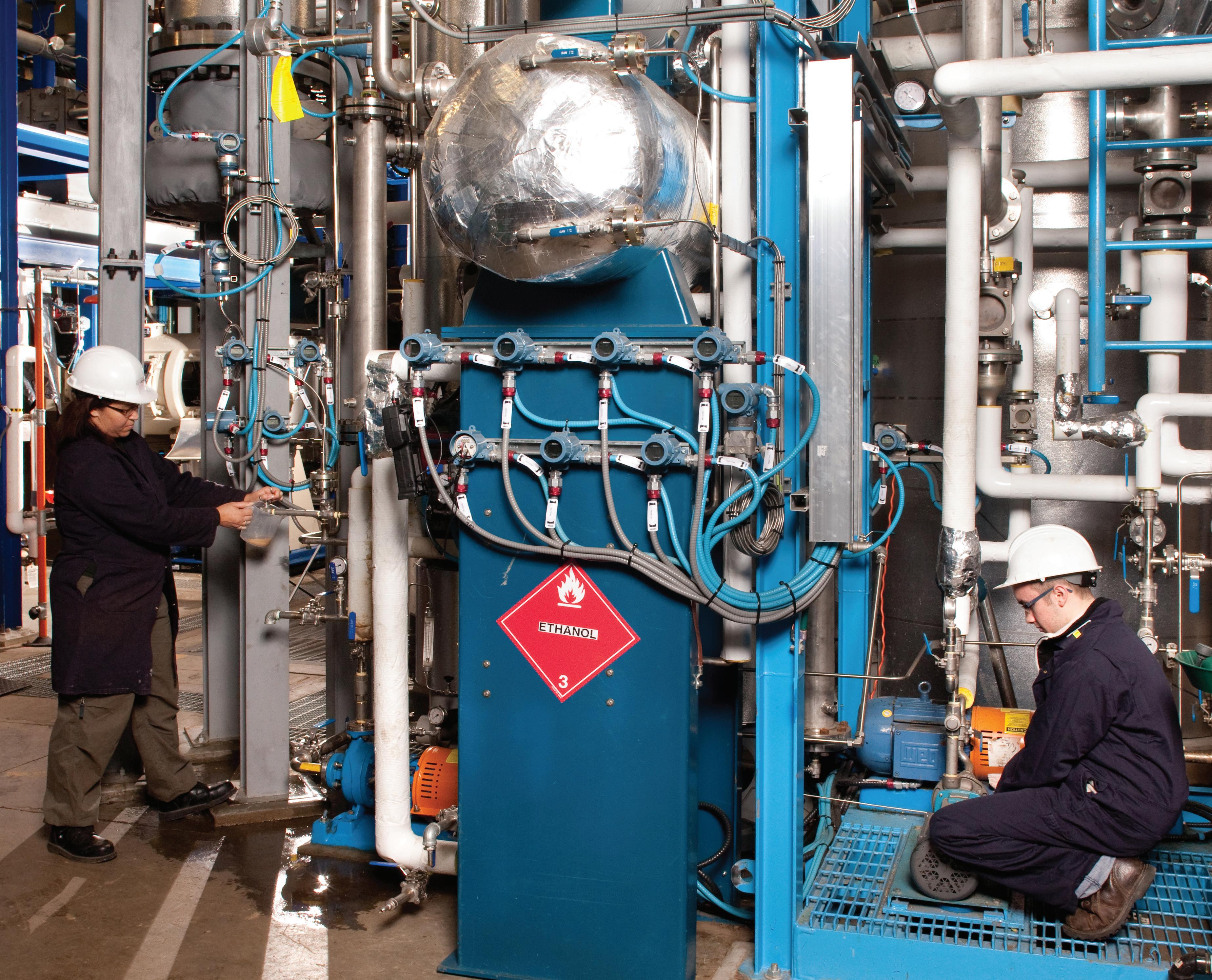
vice-president of Tembec’s chemical group. “Lots of people have found various ways to go from cellulose to ethanol. It’s the economics that ultimately have to be improved upon before it will become commercially viable.” He says that Tembec prefers to continue with its current production model, which could allow future adaptations for cellulosic ethanol, rather than trying to improve or invent technology as a new entrant into the cellulosic ethanol industry.
In contrast, several Canadian companies are aiming to produce cellulosic ethanol as their main product: Enerkem, Greenfield Ethanol, Iogen, and Lignol, to name a few. Of these, Montreal-based Enerkem has taken the gasification approach. Its first pilot plant, in Sherbrooke, Quebec, has been operating since 2003 and has tested over 20 types of feedstock, including sorted municipal solid waste (MSW), treated and untreated wood, and agricultural residues.
“The main difference with our method, using the thermochemical approach, is that it can deal well with chemical impurities in the feedstock,” says Vincent Chornet, president and CEO. So Enerkem can process feedstocks such as chemically treated wood and sorted MSW. In fact, its first small commercial-scale plant in Westbury, Quebec, takes decommissioned electricity poles, which contain hazardous chemicals. A local sawmill reuses the untreated centre wood, but 80% of the pole is unusable and would normally be sent to a
landfill. “The sawmill is now shredding it and supplying us with that residue, and paying us to take it,” says Chornet. The hazardous chemicals are broken down and/or recycled during gasification and ethanol production.
The Westbury plant began a start-up phase in January 2009 and is currently producing syngas. Monitoring is ongoing to ensure that the cleaned and conditioned syngas is of consistent quality, after which modules that convert the syngas to ethanol will be added to the system. The plant’s capacity is 5 million litres/year of ethanol.
Enerkem recently partnered with Ontario-based Greenfield Ethanol to build a second commercial-scale plant in Edmonton, Alberta, with an initial capacity of 36 million litres/year. In late May 2009, Enerkem Greenfield Alberta Biofuels received a permit to begin construction, which is slated to start in late 2009. The City of Edmonton will supply 100,000 dry tonnes/year of sorted MSW under a 25-year agreement signed in June 2008.
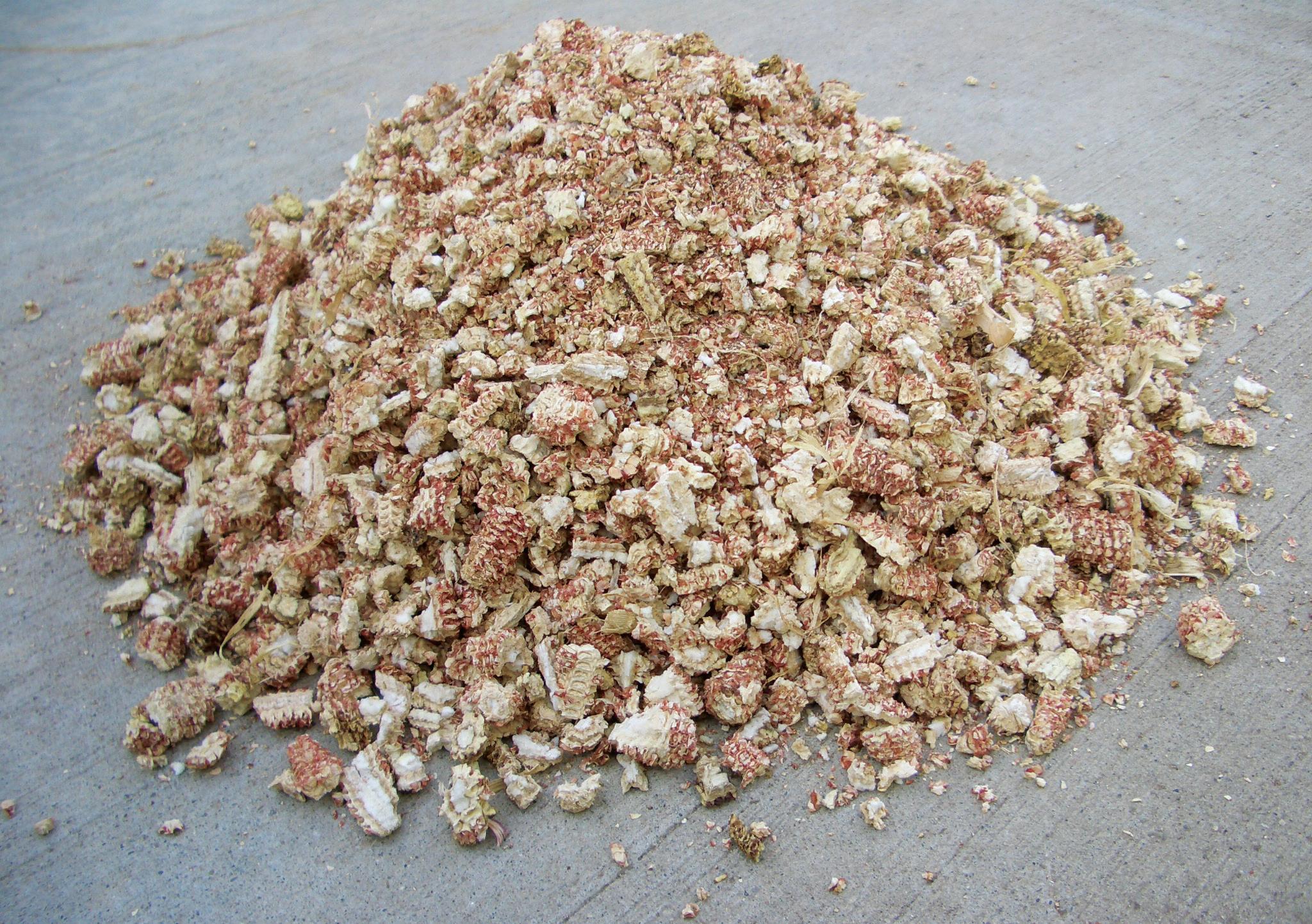
Greenfield Ethanol, which has a number of corn ethanol plants, established a cellulosic ethanol division in 2007. In addition to its partnership with Enerkem for Edmonton’s municipal waste gasification-to-ethanol plant, it is exploring biochemical methods to produce ethanol from biomass. Initially, it is pursuing corncobs as the feedstock for supplemental facilities at existing corn ethanol plants.
Its 85,000 litre/year pilot plant at Chatham can take about 1 tonne/day of corncobs for pre-treatment; the fermentable product enters the grain ethanol stream.
Greenfield concentrated on corncobs first because they are a readily available agricultural byproduct and are fairly easy to break down; corncobs have on average half the lignin content of wood. Most of the process has been worked out for corncobs, says Frank Dottori, director of Greenfield’s cellulosic ethanol division, and the former head of Tembec. He says that Greenfield intends to begin working with additional available feedstocks such as grasses and, eventually, wood.
The company has received approval to scale up to a larger, pre-commercial facility that would produce about 4 million litres/year. “We think we’ve solved the problem of making ethanol out of corncobs in a relatively economical fashion,” says Dottori. “We have received $12.3 million in federal and provincial support if we proceed with the plant.” Final budgeting and decisions on which preexisting facility would receive the plant are under discussion. The company also hopes to develop value-added solutions for the byproducts of the process.
Iogen and Lignol have also taken biochemical approaches to producing cellulosic ethanol. Similar to Greenfield, Iogen uses primarily agricultural residues as its feedstock. Its demonstration facility in Ottawa, Ontario, has been running since 2004 and has a capacity of 5,000 to 6,000 litres/day. Iogen’s cellulosic ethanol has been blended with gasoline and used in a variety of applications. The Ottawa facility uses primarily wheat and barley straw, most of which is currently provided by one supplier.
Iogen’s next potential project, pending final investment decisions following the completion of design and feasibility studies, is a commercial-scale plant in Prince Albert, Saskatchewan. Approximately 600 area farmers have signed contracts to sell straw to the plant, says Passmore. Iogen would purchase some of Domtar’s idle Prince Albert pulp mill assets to establish the facility, which would also include a power plant to produce electricity from forestry and ethanol production residues. Initially, the facility would take an estimated 750
In addition to the main established players on the Canadian cellulosic ethanol scene, several other groups are joining the industry. Some of these are looking to establish cellulosic ethanol plants in Canada, and some to develop processing technology. Here is a selection.
Vancouver-based Pure Power Canada, a wholly owned subsidiary of Hong Kongheadquartered Pure Power Global, received a commitment for $880,000 in liquid biofuels funding from the province of BC in April 2009 to design and build a smallscale commercial demonstration biorefinery. It is considering potential locations, including Quesnel and the north Okanagan region of BC. According to a company representative, the project is in the engineering phase, and construction is expected to commence in 2010. Once complete, the biorefinery will be capable of processing hardwood feedstocks to produce natural lignin, xylose, and cellulosic ethanol. Pure Power’s biorefining process, developed in the company’s New Zealand laboratories, can handle a wide range of feedstocks.
The BC Innovative Clean Energy Fund awarded $1.25 million in funding to Northwind Ethanol of Vancouver in April 2009 towards the establishment of a 1.9-million litres/year trial plant in Prince George, BC. The company reportedly will use a biochemical process to convert wood waste to cellulosic ethanol.
Syntec Biofuel Technologies, the research arm of Washington state-based parent company Syntec Biofuel, is located in Burnaby, BC. It is developing catalysts to convert biomass-derived syngas to mixed alcohols, including ethanol and methanol, which are then separated by distillation. Because the process is thermochemical, feedstocks could include wood, municipal solid waste (MSW), and other organic matter. The company is actively pursuing funding to move to the pilot plant level, and research is ongoing to develop catalysts for additional product streams, says Nancy Ross, vice president of operations. Long term, the company aims to license its technology to other users while refining and developing catalysts for additional products such as biodiesel.
Aspen Bioenergy has plans for a cellulosic ethanol plant in Rimbey, Alberta, located southwest of Edmonton, and is currently awaiting environmental approval, which should be decided by the end of the year, says company president Sandip Lalli. Licensed gasification technology will be used to treat MSW and agricultural residual waste such as straw, with production capacity still to be determined.
In Saskatchewan, Nipawin Biomass Ethanol New Generation Co-operative was incorporated in 2003, with plans to convert wood and agricultural wastes to ethanol using gasification and a catalyst developed by the co-op and Saskatchewan Research Council. No development has begun in Saskatchewan, but Fulcrum Bioenergy, of California, has licensed the catalyst to make ethanol from MSW. According to a September 2009 press release, Fulcrum has successfully deployed the technology at its demonstration plant and expects to use it at its commercial Sierra Biofuels plant, near Reno, Nevada, in 2011.
Woodland Biofuels of Mississauga, Ontario, designs and builds waste-to-energy plants under license and turns them over to the customer after commissioning. It uses gasification to make cellulosic ethanol and other products from various organic feedstocks. The company did not respond to enquiries about its current projects.
Sunopta Bioprocess of Brampton, Ontario, develops conversion technologies for woody and agricultural biomass, including the production of cellulosic ethanol and butanol for fuel. Its technologies are licensed to various users around the world.
tonnes/day of straw from within a 100–120 km radius to produce about 70 million litres/year of ethanol. Phase two of the development would double that capacity.
In contrast to Iogen, Lignol, of Burnaby, British Columbia, is currently focused on forestry waste and pine-beetle-killed wood as its feedstock, although it has worked with feedstocks like agricultural residues and bioenergy crops in laboratory tests. Lignol has a very small pilot plant that tests volumes of up to 20 litres/day and has recently scaled up to a larger pilot plant with a capacity of 100,000 litres/year. This pilot plant completed its first end-to-end production of cellulosic ethanol from wood chips in June 2009 and will continue testing various nonfood feedstocks under a wide range of operating conditions.
Lignol uses a proprietary process to solubilize and separate the cellulose, hemicellulose, and lignin that does not involve acid hydrolysis or steam or ammonia explosion, says Ross MacLachlan, president and CEO. “This leaves us with the pure cellulose, which allows the enzymes to break it down much more efficiently.” The hemicellulose and high-purity lignin are removed and used for other commercial applications, generating additional revenue streams.
ChaLLeNges
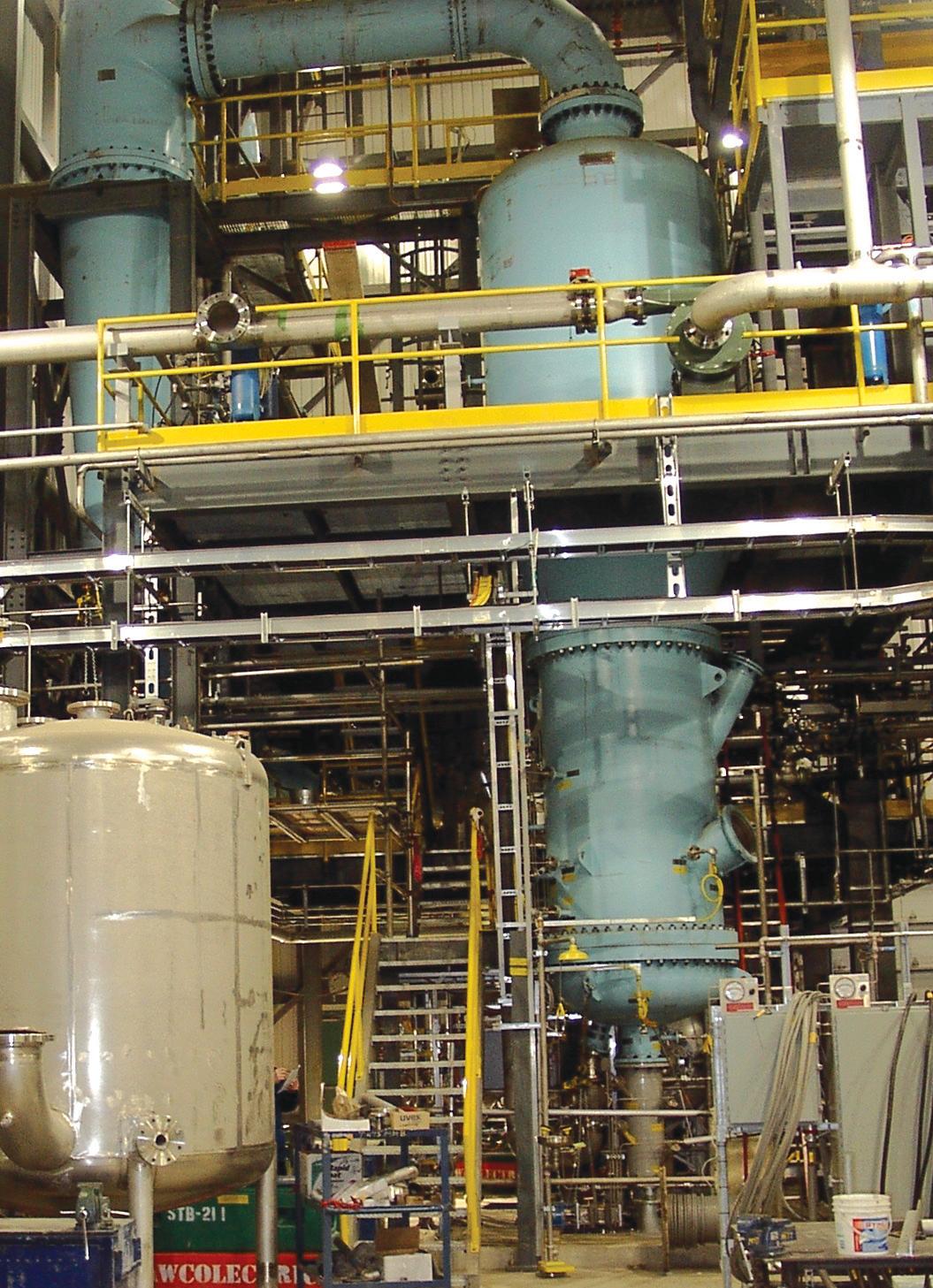
Despite the advances of these Canadian industry leaders, there have been other proposed and initiated projects that are discontinued or postponed because of the difficulties involved in breaking into the Enerkem’s gasification to ethanol process is feedstock flexible, but the company currently focuses on waste wood and sorted municipal solid waste. Photo: Enerkem







our Biomass video at www.jeffreyrader.com/videoB


cellulosic ethanol industry. Obstacles include the high costs of some of the current conversion technologies, a lack of funding and investors, the recent economic slowdown, and low or falling crude oil and fuel ethanol prices. It seems that for these reasons, newer operations tend to keep a low profile. Some ventures will surface only briefly and then disappear; others will announce their presence only once they are close to being fully operational.
By far, likely the greatest challenge is in making cellulosic ethanol production an economical
enterprise. Some methods may be closer to this than others. For example, gasification technologies that can take negative-cost or no-cost feedstock may have an advantage over those that must purchase feedstocks. However, the ultimate outcome will depend on factors such as feedstock availability, enzyme costs, and catalyst costs, to name a few. Most proponents believe that it is important to continue to develop multiple technologies.
Technological challenges are a considerable hurdle to the economical production of
cellulosic ethanol. Both the separation of the tightly bound lignin and cellulose and the production of enzymes to break down cellulose are expensive, and much of the research and development focuses on improving these steps. Integrating the biochemical or thermochemical processes with final fermentation and/or distillation is also a factor.
However, the difficulty cited most often is in obtaining financing for research, development, and scaling up processes. “We’re delighted to have received government support,” says Greenfield’s Dottori, “But it isn’t available at the same level as elsewhere.” He thinks that this could put Canadian companies at a competitive disadvantage.
MacLachlan of Lignol agrees. “We need government assistance on the capital to get the technology through the first few scale-ups that are required.” In addition, he says, “We need government policy that gives some certainty to the market, something that says ethanol is here to stay. We need to have firm markets.”
“I think it’s very key that the government, which has a vested interest in seeing an alternate fuel economy grow, be very supportive of projects like ours,” says Enerkem’s Chornet. “I think that government has to be at the centre of this industry, with a barrel of oil that is still close to $60 today. We’re seeing strong signals of that happening in the United States with the stimulus package, and also in Canada, with the government supporting the 5% mandate and announcing new funding programs.”
A particular complication that MacLachlan identifies for wood-based cellulosic ethanol production is the capacity to access the resource. For companies that obtain wood waste feedstocks from the forest industry, forest tenure policies can be problematic, he says. For instance, a sawmill that provides wood waste could close, but its access to the underling timber assets might still be held by the parent company, making the timber and associated biomass off-limits to other users. “So forest tenure reform, to start making the underlying biomass available to applications in other technology, is really critical.”
Regardless, biomass producers will have to look elsewhere until cellulosic ethanol plants are ready to begin processing biomass on a large scale. Until cellulosic ethanol becomes economically viable and facilities require a steady stream of biomass, forestry and agriculture will need to explore other uses of biomass such as power generation, combined heat and power, district heating, pellet production, and other markets. •

SThe answer will depend largely on the typical operating conditions and desired product end use.
By Mark Ryans
hould one purchase a chipper or a grinder? This is a very relevant question in the design of an efficient supply chain for forest-origin biomass for two reasons. The comminution phase determines the product quality, and the equipment is the second most costly component in the system after transportation.
As I mentioned in my previous column, Tools of the Trade, the most suitable equipment for comminuting harvest residues are disc and drum chippers and horizontal grinders. But why are some suitable to certain applications and not to others? Why do we see extensive use and so many configurations of drum chippers in Europe, but less so in North America? Why is whole-tree chipping more common below the border, yet almost nonexistent in Canada?
The main reason is customer need. Small boilers are common in Europe, but are more finicky in their feedstock needs, and particle size is an important criterion. Small heating plants are not very common (yet) in Canada, and those in existence have used sawmill waste streams. With sawmill closures and curtailments, and with fierce demand for the residues from those still in operation, there will be more need for feedstock coming directly from the forest. Getting back to the comminution stage, a chipper is the most energy efficient machine for producing a finer and more uniform material. Chippers are also available in different sizes to suit operating chances and volume requirements, so they are the machine of choice for smaller heating plants and lower volume contracts.
Because of the lack of an infeed table and their sensitivity to contaminants, disc chippers are used only for full (whole) trees and larger hardwood tops that have been handled with care. In these suitable conditions, they produce an even chip quality that is desirable to any heat plant.
Drum chippers are more multi-use. With an infeed table (the larger the better), large
horizontal feed roller, and drum configuration, drum chippers can treat a larger variety of feedstocks, including softwood harvest residues and shorter pieces that disc chippers cannot handle. They can also produce an even product quality, depending on the incoming material and, in some cases, the use of a screen. Most chippers also have a blower, which makes them more suitable for on-road operation. Blowing the material can also increase the payload in the chip van.
The main drawback with chippers is contamination. Drum chippers are less sensitive than discs, but they are not suitable to medium or high levels of contamination, including sand and mud, and of course, rocks and metal. Horizontal grinders are therefore the choice for contractors that have no control over how the feedstock has been handled before the comminution stage. Horizontal grinders can handle a variety of materials from full trees and harvest residues to mill, sort yard, and woody municipal wastes. Thus, they can be used in the woods and to clean up mill yards during spring breakup or wet fall periods.
room to operate and are more difficult to transport from one site to another. These factors and their need to operate perpendicular to the trailer mean that they are not suitable for small operating chances and difficult terrain conditions that limit off-road mobility.
In summary, there is no one-machinefits-all solution. The choice is determined by
“With sawmill closures and fierce demand for the residues from those still in operation, there will be more need for feedstock coming directly from the forest.”
a variety of factors: customer needs, form of material, level of feedstock contamination, operating conditions, size of contract, available capital, and regrinding (hogging) capabilities at the plant.
When the customer is a larger heat plant with a boiler that can handle larger and less uniform particle sizes, a grinder is a suitable comminution machine. With variable and lower quality (contaminated) material as the feedstock, larger (hog fuel) screens permit high throughput, leading to lower overall costs. Screens can be changed to make smaller particles, but it is not an efficient machine to produce small particles just for a heating market. Horizontal grinders, by their size, configuration, and discharge conveyor, require more
Is there a new hybrid solution? With the scarcity of sawmill residues and new opportunities for pellets, there is a need for a smaller chip size produced from roundwood in the bush. Two years ago, one grinder manufacturer produced a conversion kit to change a horizontal grinder into a large drum chipper. The solution was a replaceable drum with a two- or four-pocket knife configuration. Over the last month, at least two other grinder manufacturers have announced their solutions and conversion kits to do the same thing. This is good news for a user that has a variety of customers with different feedstock needs and changing operating conditions. •
Mark Ryans is with FPInnovations’ Feric division and can be reached at mark.ryans@fpinnovations.ca.
Long used for heat and power at sawmills, woody biomass now powers a mill of a different kind.
By Martine Frigon
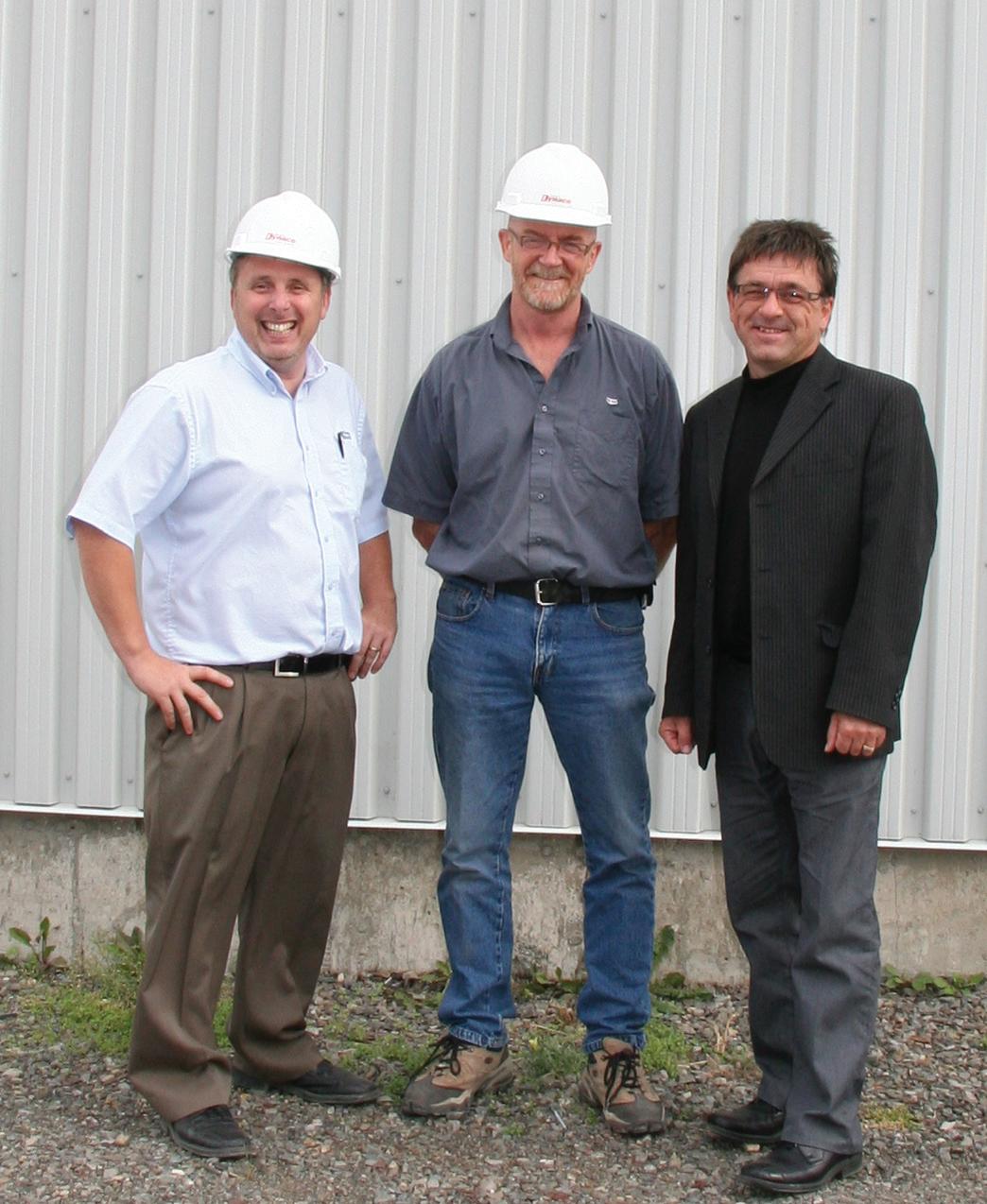
theGroupe Dynaco Agri-Food Cooperative has been reaping the benefits of biomass power for almost a year now. The co-op’s feed mill, located in Saint-Philippe-de-Néri in eastern Quebec, is the first in the province, and possibly all of Canada, to use biomass as energy for livestock feed processing. According to the mill’s managers, the new biomass energy system has resulted in savings of at least 80% of the energy costs in propane, and totally eliminates the use of fuel oil.
Groupe Dynaco Co-op is involved with various agricultural sectors, including poultry producers, hog producers, vegetable producers, and milk transport and quality, as well as the feed mill. About 650 of the coop’s 1,500 members are crop and livestock producers. The co-op also has a hardware chain and businesses specializing in sales of fuel and farm machinery. It is ranked the 10th most important employer in Quebec,
employing 490 people in 30 locations within 20 villages and towns in eastern Quebec. The mill has had Hazard Analysis Critical Control Point certification since 2002 and produces on average 45,000 tonnes/ year of compressed and textured livestock feed. The mill’s new biomass thermal power system burns wood chips and sawdust to produce steam. “What it means specifically is that we not only heat the mill with the system, but it produces enough energy to run our production,” says Céline Boisvert, marketing and communications director at Dynaco.
In all, the installation of the biomass system was a $1.5-million investment, with $650,000 of that going to purchase the combustion system itself. “We expect to realize a return on our investment within a range of four to eight years, depending on the price of fuel oil,” says Daniel Roy, executive director of the mill. “We use 250,000 to 300,000 gallons of fuel oil per year, plus 100,000 litres of propane. Apart from the fact that we will not need to use fuel oil anymore, we will also decrease our consumption of propane.”
The idea to convert to a biomass system came in 2007, when management was faced with ever-increasing costs for fuel oil. At the same time, the mill was operating with a boiler that was 15 years old. “We have to be competitive with other mills, and especially those located in areas where natural gas is
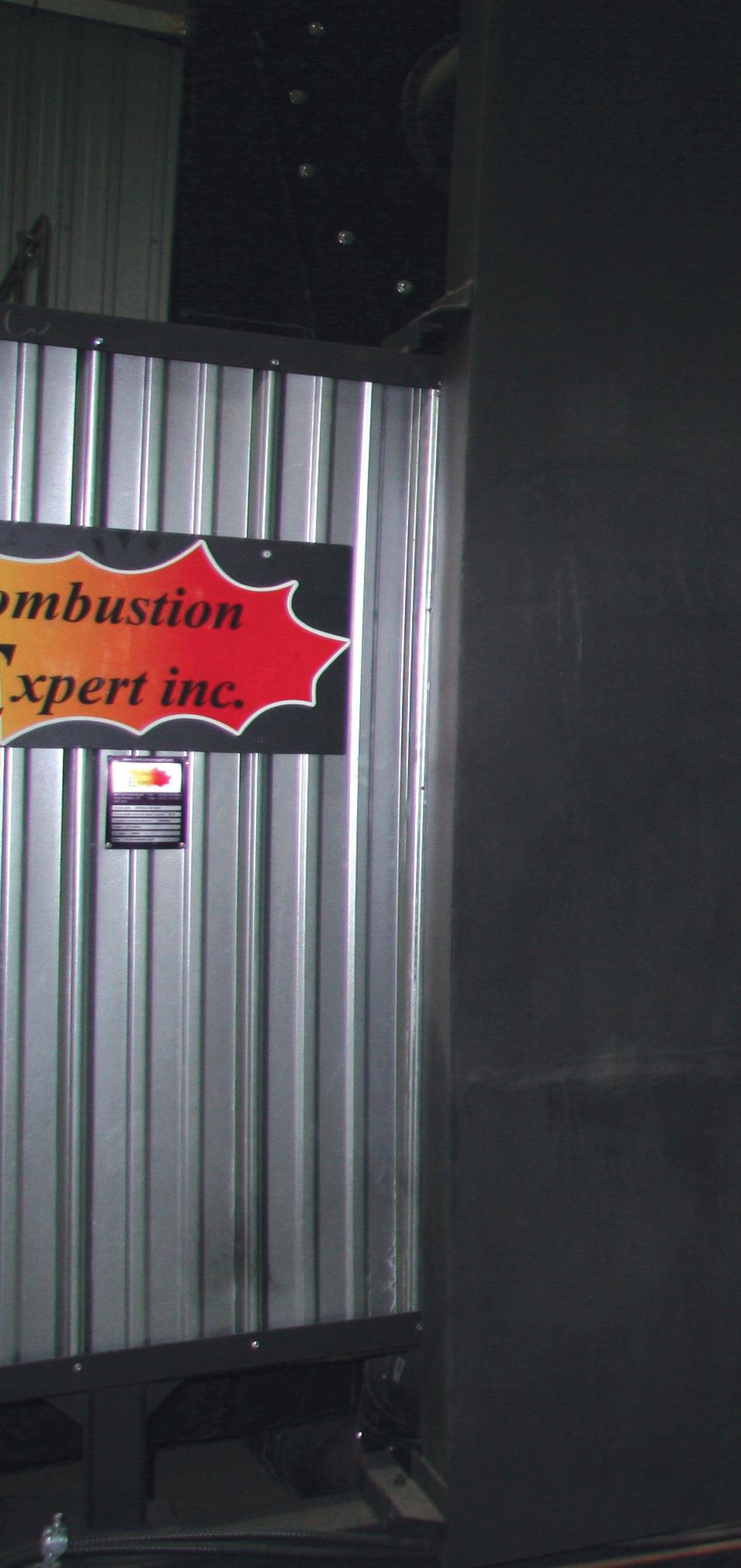
used, because this form of energy is unavailable in our village,” says Roy. Roy had been at the co-op for six years when he started the project with colleague and mill manager JeanClaude Caron.
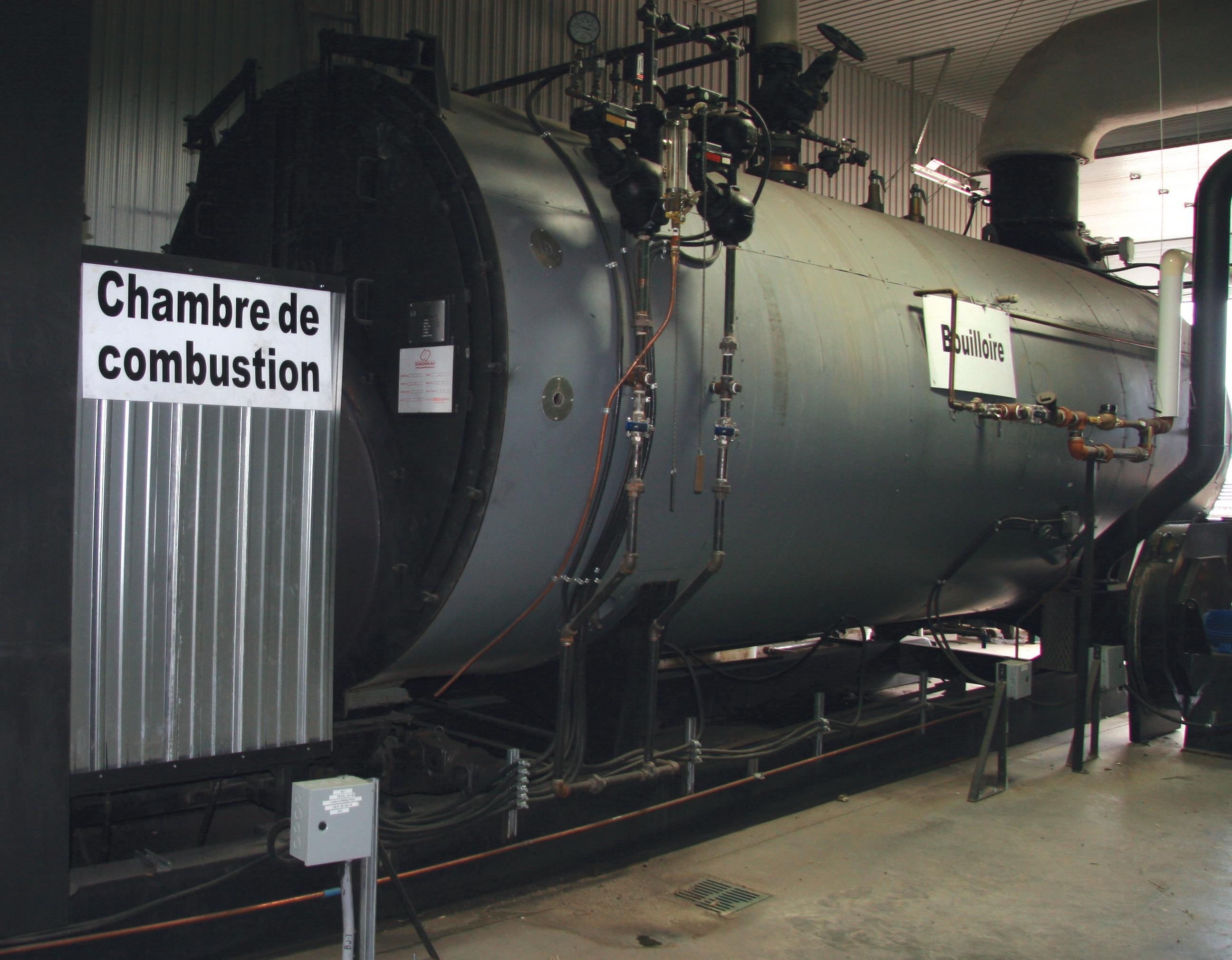
Once the decision was made to go with the biomass system, seven different manufacturers were considered for the job. Combustion Expert’s ST series system was chosen from amongst them. “The same model was installed in Foresbec, located in Drummondville, in 2006, and a team from Dynaco went there to see how it was working,” says Réjean Longpré, president of Combustion Expert, which is located in Trois-Rivières, Quebec.
Installation of the biomass system began in August 2008, and the work was completed in December of that year. “Combustion Expert sells models that run on a continuous mode,” explains Caron. “We wanted a system that works like an oil-fired boiler system, which means that it runs according to the steam
demand, and doesn’t work when it’s not required.” An employee at the mill for 35 years, Caron was a major contributor to the biomass idea and the eventual implementation of the thermal unit.
“It didn’t require additional employees,” he adds. “A daily inspection is made by the same employees who were in charge of the former system.”
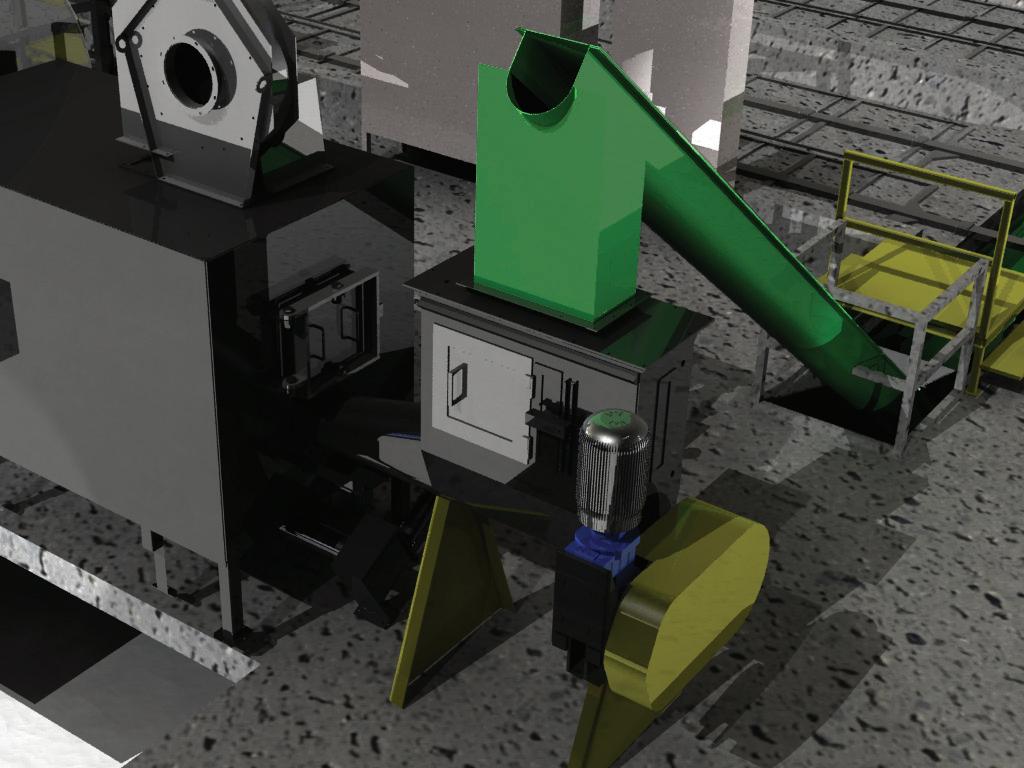
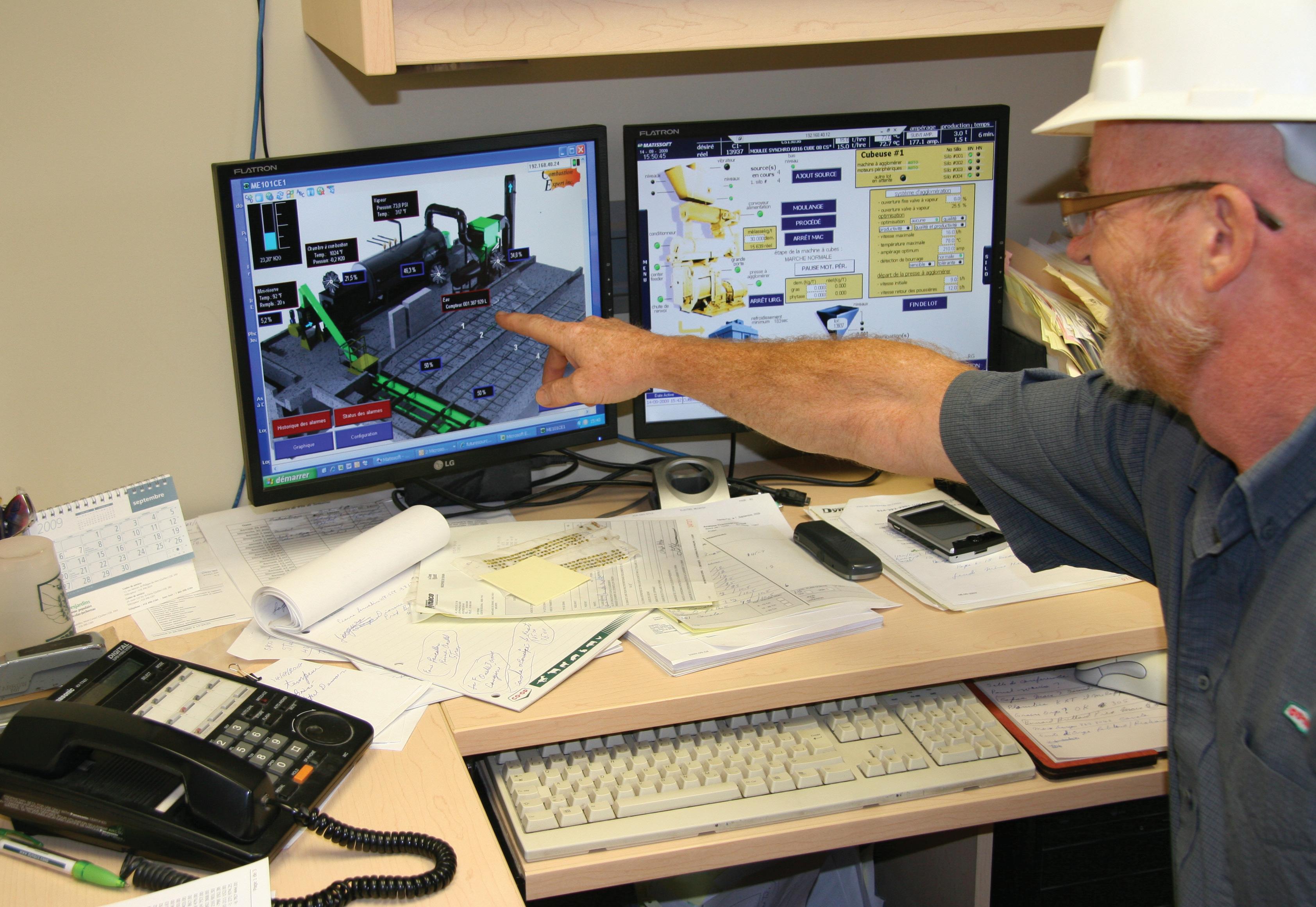
The biomass system is completely automated, from fuel reserve to ash disposal, with a computer interface that runs on Windows software. The combustion chamber is fed with biomass stocked in two timber sheds and produces enough energy to heat a 300-hp (3-MW) boiler. A sensor-activated conveyor transports the biomass fuel to an intermediate reserve that’s located beside the combustion chamber. This eliminates any delay that could happen when the demand for fuel is
high. “A 700-amp programmable controller automatically adjusts the quantity of wood chips required. It also takes into account the type of wood. If there is a change, it will be detected automatically,” adds Longpré.
The wood chips and sawdust are obtained from about 10 suppliers. Sources include logging residues from local woodlot owners and shavings and waste wood from pallet companies and other wood products manufacturers in the region. The biomass ranges from 10 to 50% moisture content. On average, the mill uses a tractor-trailer load of biomass every six days.
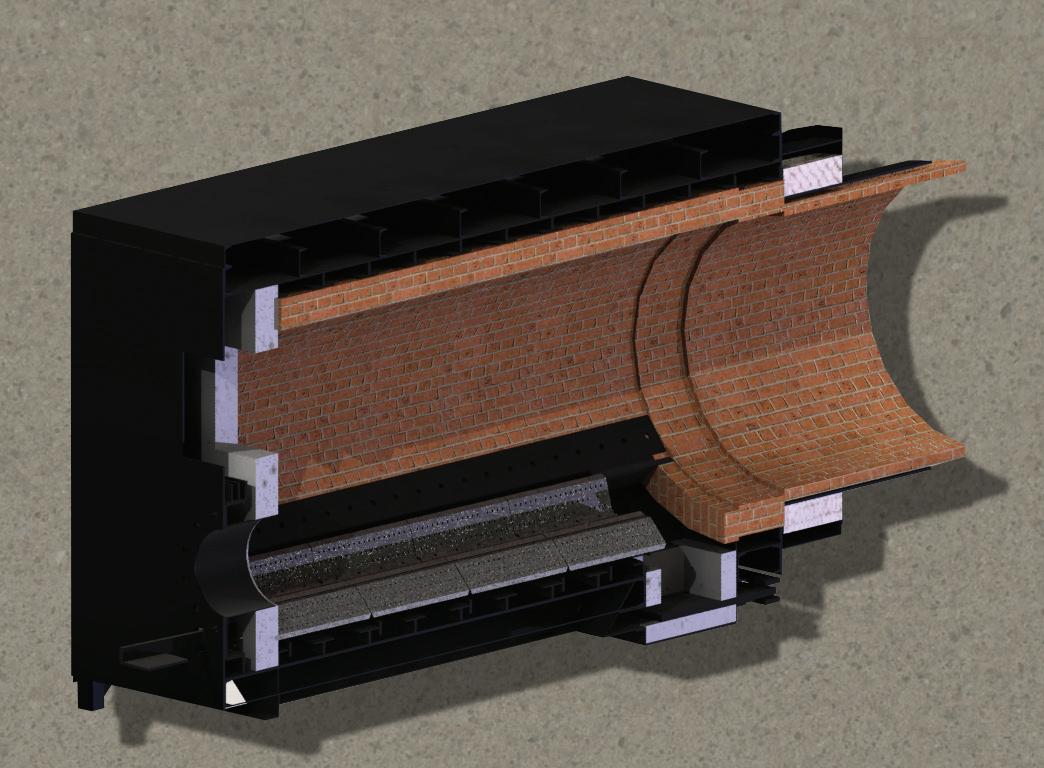
An automated feeder brings the biomass into the combustion chamber, where it is burned to produce thermal energy. An air vacuum fan regulates negative pressure in the combustion chamber to avoid a loss of energy. The biomass system heats a boiler that
produces the necessary steam for the mill.
The boiler, designed and manufactured by Groupe Simoneau to fit with the combustion system, is supplied water from a condensation tank. “The system works with 2500 gallons of water at a temperature of 320ºF [160ºC], and we are able to calculate the quantity of water according to the demand,” says Caron. “We utilize some recycled water, which is condensed steam.” Once produced, the steam is forwarded to the steam collector and into the network. Safety valves release steam if the pressure reaches a critical level.
The ash produced by combustion is removed in two ways. Fallen ash is collected by ash-removing cones and rotary valves, dropping onto a conveyor. Ash that remains suspended in the gases is removed by a Ventex dust extractor, which filters all the particles. These particles are also forwarded to the ash

exhaust system. The gases are then released through the chimney.
“Concerning air emissions, they are lower than the acceptable standards,” says Roy. He says that the last air quality tests conducted showed approximately 250 mg/m3 of particles, which is far better than the allowed standard of 600 mg/m3
A 200-foot tunnel was built to accommodate the pipes that transport the steam to the mill. Two pipes were installed: one carries the steam, and another much thinner one transports the overflow of water that returns from the mill. All the electrical wiring also passes through the tunnel and is protected by a steel cage. An extension link was added to avoid pipe distortion. A local contractor, GSL Construction, built both the building that houses the cogeneration unit and the adjoining tunnel.
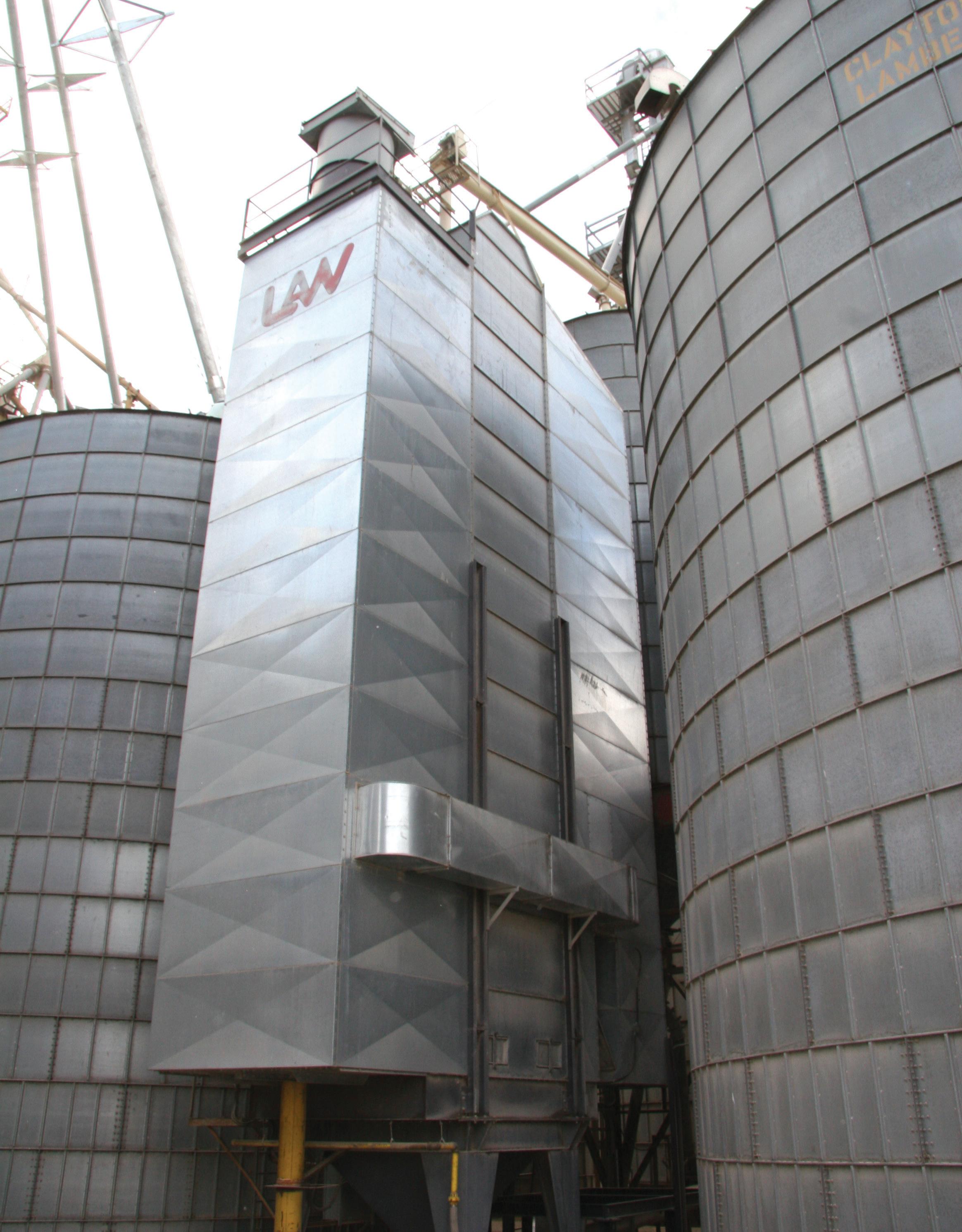
Groupe Dynaco is already looking towards other improvements. The next project will be to use the biomass system to dry seed. This process presently runs with a 10-million BTU burner. A Law-Marot air exchange system has been purchased and will be installed in the coming months. Among other future projects, the biomass system could eventually burn agricultural biomass. Studies towards this end are well on their way, with a focus on corn stover and willow.
The mill’s managers are very pleased with the system. According to Jean-Yves Lavoie, executive director of Groupe Dynaco, the biomass thermal power unit is a great success. “We are very satisfied. We predicted that we would be able to go green and, at the same time, save on our energy costs. We have handled that challenge.” •

By Jane Todd
ntario is promoting more renewable electricity generation and conservation through the Green Energy Act. Biomass represents one renewable electricity option for the province. In addition, by converting existing Ontario Power Generation (OPG) coal-fuelled generating units, it is renewable electricity that can be produced on demand when it is needed. These are all good reasons why OPG is exploring the biomass option.
Why else biomass? Biomass fuels are recognized around the world as renewable, provided that they are obtained from sustainable sources. Biomass fuels are also considered to be carbon neutral: the amount of greenhouse gases (GHGs) emitted during combustion is equal to the GHGs absorbed while the material was growing. This gives biomass a major environmental advantage over fossil fuels such as coal, oil, and natural gas. A 2008 University of Toronto study of lifecycle emissions associated with Ontario wood pellets, coal, and natural gas found that generating electricity with 100% biomass reduced GHGs by 90% compared to coal and 75% compared to combined-cycle natural gas.
Although delivering environmental benefits, biomass-generated electricity will require a price that reflects its higher costs. Biomass production and processing, fuel transportation, storage, and handling costs will be a significant part of the costs of biomass energy production. Typically, biomass fuels are more expensive than coal per unit of energy produced.
The actual costs will vary depending on the type of biomass, as well as financing, location, and production system design. For example, the energy content of biomass varies by biomass type. Wood pellets tested at Atikokan Generating Station (GS) in northwestern Ontario have a heat value greater than lignite coal, which is Atikokan’s current fuel. In contrast, wheat shorts, tested at Nanticoke GS, have about 50% of the energy value per kilogram compared to bituminous coal.
Under provincial regulations, OPG will have to phase out the use of coal by the end of 2014. These generating stations are owned by the people of Ontario, and conversion to biomass could ensure they are used well into the future. Take Atikokan GS, which came online in November 1985 at a cost of $750 million. It has been well maintained over the years and is supported by transmission lines, transportation infrastructure, trained staff, and an enthusiastic community that sees the biomass initiative as a catalyst for a bigger and better tomorrow.
Ontario Ministry of Agriculture, Food, and Rural Affairs. The study will document the typical net GHG benefit of using agricultural biomass when emissions associated with planting, harvesting, processing, and transportation are considered.
OPG is developing specifications for a reliable and sustainable pelletized biomass fuel supply for Atikokan GS and the other proposed
“The development of a biomass fuel supply could be the catalyst for a made-in-Ontario industry providing opportunities for forestry and agriculture.”
Concept studies for the conversion of Atikokan GS to biomass have been completed, and preliminary engineering is underway for combustion modifications and facilities required for the safe handling and storage of biomass pellets. OPG’s target date for conversion of Atikokan to biomass is 2012. However, before it can start the process for procuring the fuel and before starting the conversion of the plant to burn biomass, an agreement with the Ontario Power Authority to purchase power from the converted station is required.
Concept studies are also underway for OPG’s Nanticoke GS and Thunder Bay GS. Similar studies for Lambton GS will begin in the next few months. OPG is also conducting research on combustion, ash use potential, and environmental characteristics for a range of agricultural biomass and wood biomass fuelling options.
OPG continues to research the environmental benefits of biomass. A study of the lifecycle of GHG emissions is being commissioned for agricultural biomass sources in conjunction with the
plants. Options for transporting pellets to Atikokan GS are being considered. As well, details for covered storage on site are being worked out. A transportation consultant has been engaged to optimize the transportation and storage logistics of biomass delivery to the plant.
The development of a biomass fuel supply could be the catalyst for a made-in-Ontario industry providing opportunities for the forest industry and agricultural sector. Converting generating units at OPG’s coal-fired plants to biomass fuel supports Ontario’s move to more renewable electricity and is important for the communities in which they operate.
OPG will continue to work with the forestry and agriculture industries, the academic community, and government ministries and agencies to develop biomass opportunities. Although there are many challenges ahead, OPG’s biomass team continues to make encouraging progress. •
Jane Todd is program manager for Ontario Power Generation’s Northwest Fossil division and a director of CANBIO
Woody feedstock cropping is an emerging option to supplement forest residue-based biomass.
By Heather Hager
cropping has been used in Sweden since the 1970s to produce biomass, and it’s now gaining attention elsewhere in Europe and in places like the United States, New Zealand, and Canada. Intensive willow coppice cropping seems like an efficient way to produce a consistent supply of purpose-grown fibre. As for any crop, however, there’s a lot to learn about best management practices to achieve its economical production.
To this end, the Canadian Wood Fibre Centre (CWFC), part of the Canadian Forest Service, began a long-term project in 2005 to evaluate the potential of willow and other woody biomass as intensively managed crops on moderate- to high-quality agricultural land under Canadian growing conditions. “We have a national network of sites that covers most of Canada,” says Derek Sidders, CWFC regional coordinator. “It’s primarily in the areas that have the best potential for this land management to take place—Quebec, Ontario, and the Prairie provinces. We’ve planted demonstra-
tion sites across the agricultural range in these provinces to demonstrate the different management options and to look at the input costs and production.”
In addition to the coppice system, which Sidders calls “concentrated biomass,” the project is evaluating two other systems: an afforestation regime and a hybrid arrangement of modified concentrated biomass and afforestation. The aim is to compare the productivity and economic efficiency of the methods, as well as of different species and clones, in the various regions of Canada so that producers can use that information to make informed decisions. The choice of design could also depend on the final use objectives, says Sidders.
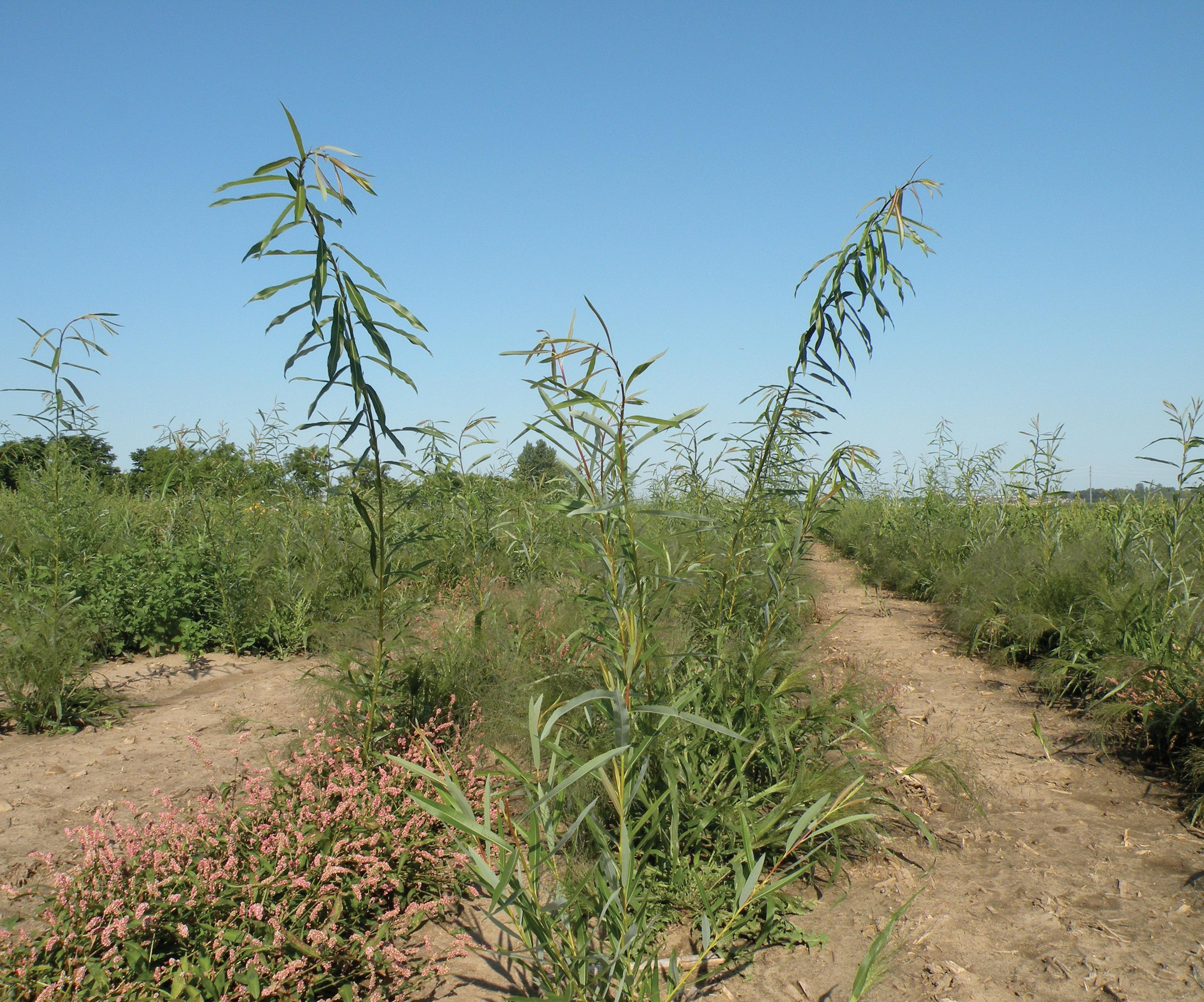
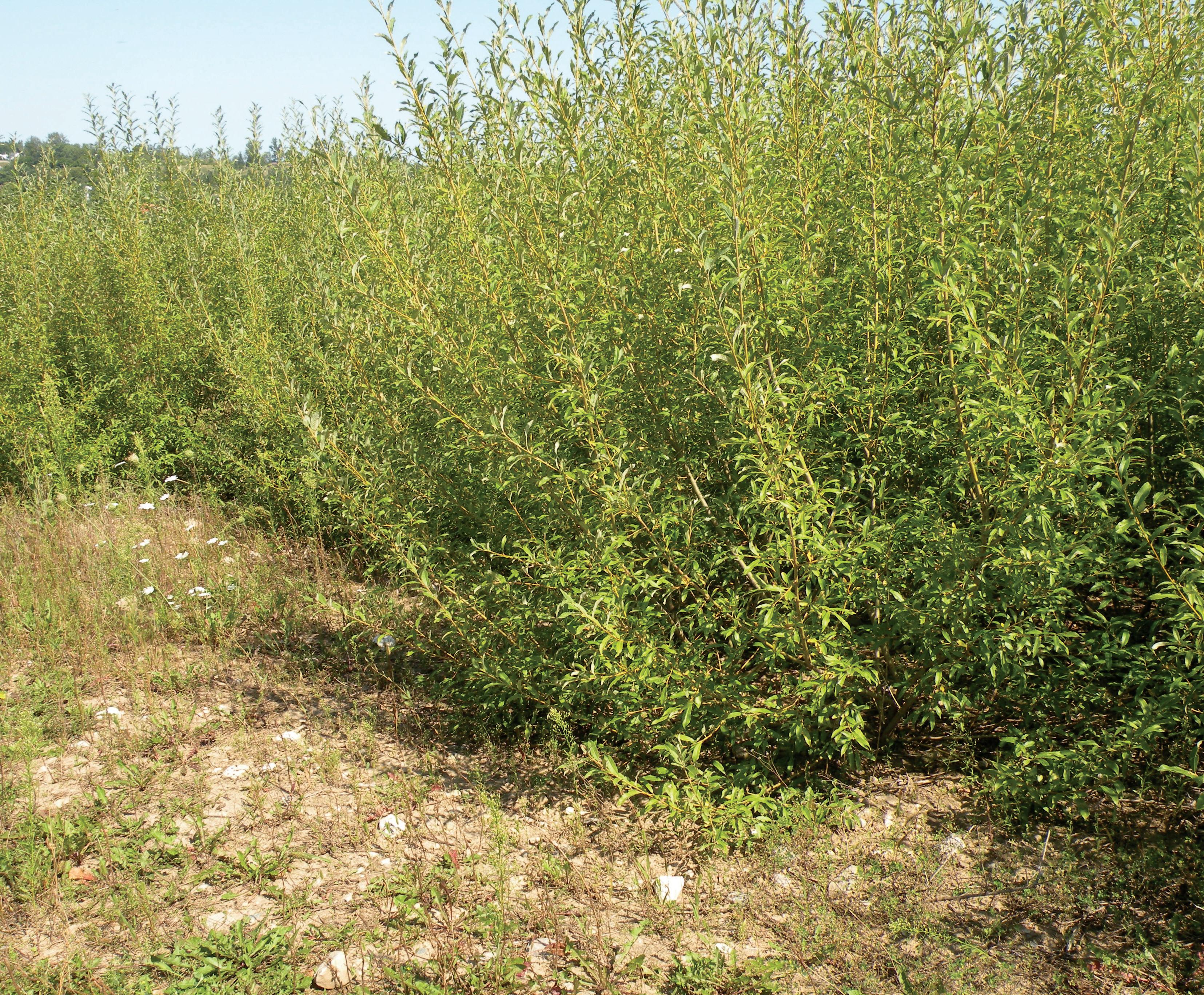
The concentrated biomass system produces a lot of juvenile wood, with a high ratio of bark to white wood, which could be used for bioenergy and possibly pharmaceuticals or food extracts. In this system, willow or hybrid poplar are grown at very high densities of about 14,800 to 15,600 plants/ha and harvested every three or four years for a total of five to seven harvests. Afforestation, in contrast, involves
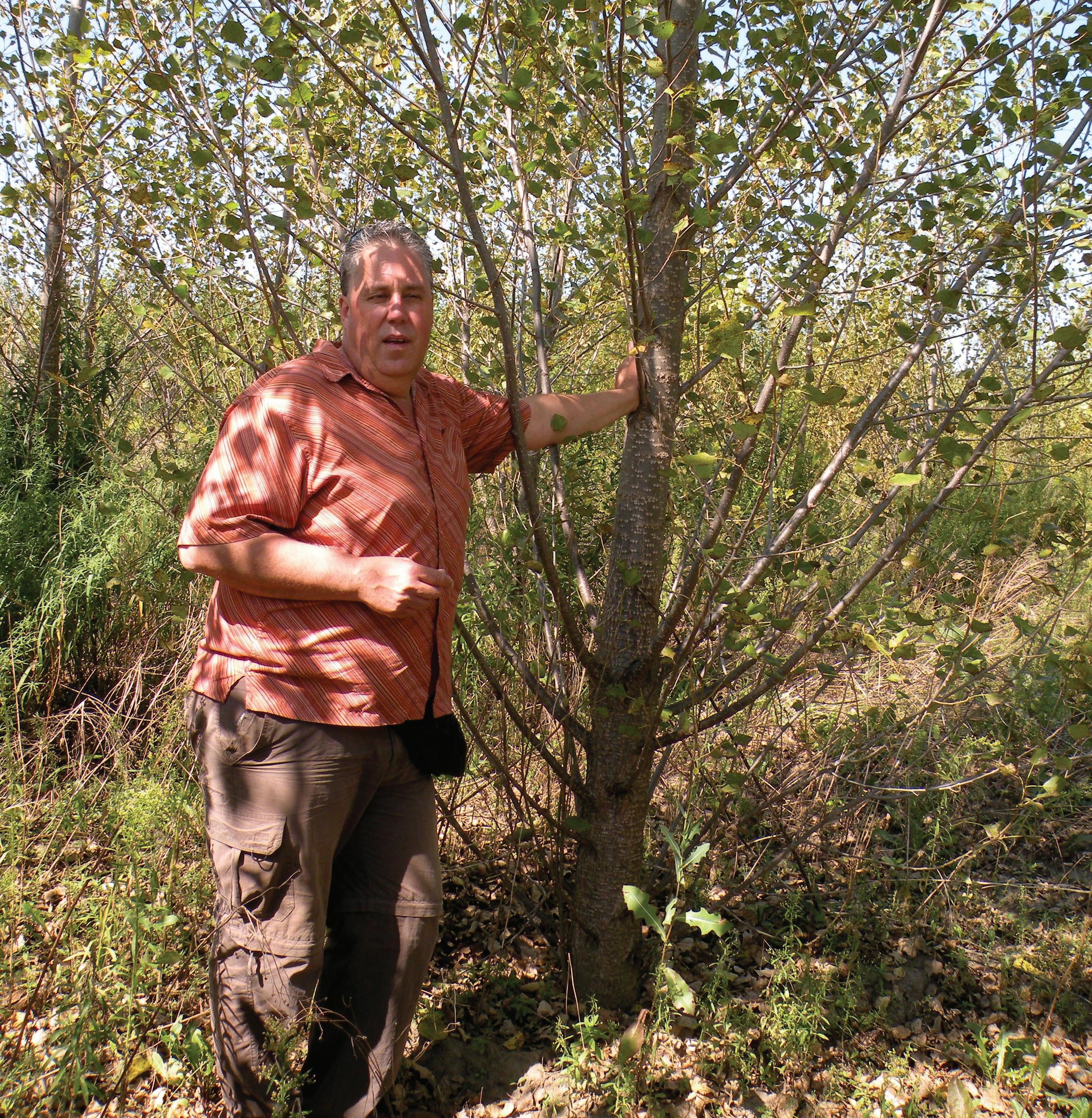
growing hybrid poplar or aspen at lower stand densities that approximate natural densities of about 1,100 plants/ha, says Sidders. Although there is only a single harvest of trees after 15 to 20 years, the larger stems and branches give more output value options such as carbon sequestration and primary forest products, as well as bioenergy.
The hybrid combination, which is Sidders’ own invention, is designed to maximize the use of space and allow for some short-term revenue under an afforestation scenario. In this system, hybrid poplar is grown with four times the number of trees as in afforestation, that is, with an extra row of trees between each row in the afforestation scenario in both directions. After five years of growth, every other row is harvested. The remaining trees are left to grow for another 10 to 15 years before the final harvest.
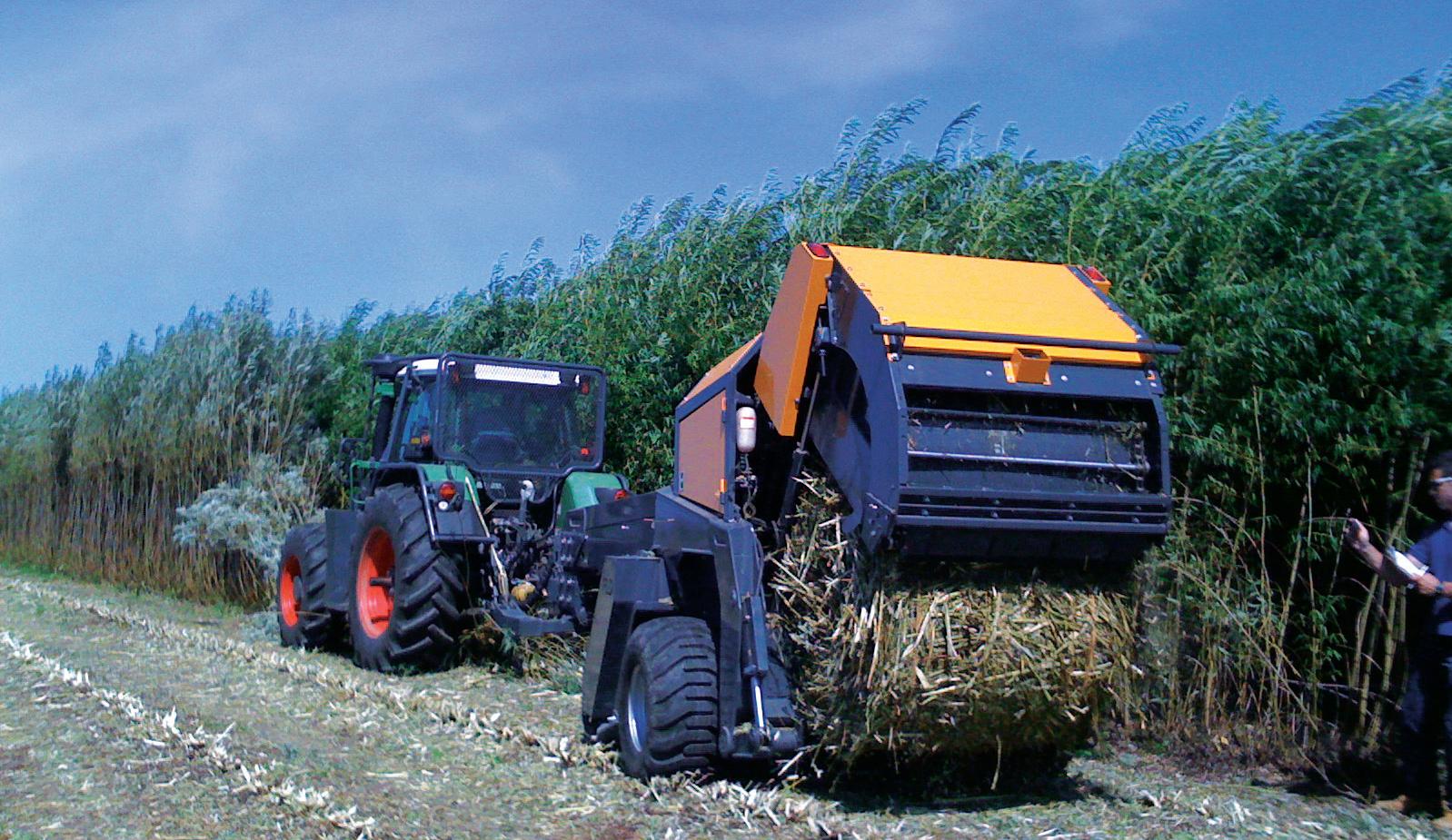
Willow is chopped and baled in one operation using an Anderson Biobaler system, and the bales are left to dry in the field. Photo: Derek Sidders, Canadian Wood Fibre Centre
LookiNg at produCtioN effiCieNCies
This type of study is not for the hasty or impatient. One full cycle of about 20 years will be necessary to fully understand and compare the various methods—their productivity, economics, and market applications. So the CWFC works with various long-term site partners who are interested in the project and its outcome.
One of the study sites is located at the University of Guelph, Guelph Turfgrass Institute (GTI) in Ontario. Here, Sidders works with Dr. Naresh Thevathasan, who is the agroforestry research and development manager and an adjunct environmental biology professor. “This is the largest installation for this type of biomass research, with these types of management regimes, in Ontario,” remarks Thevathasan.
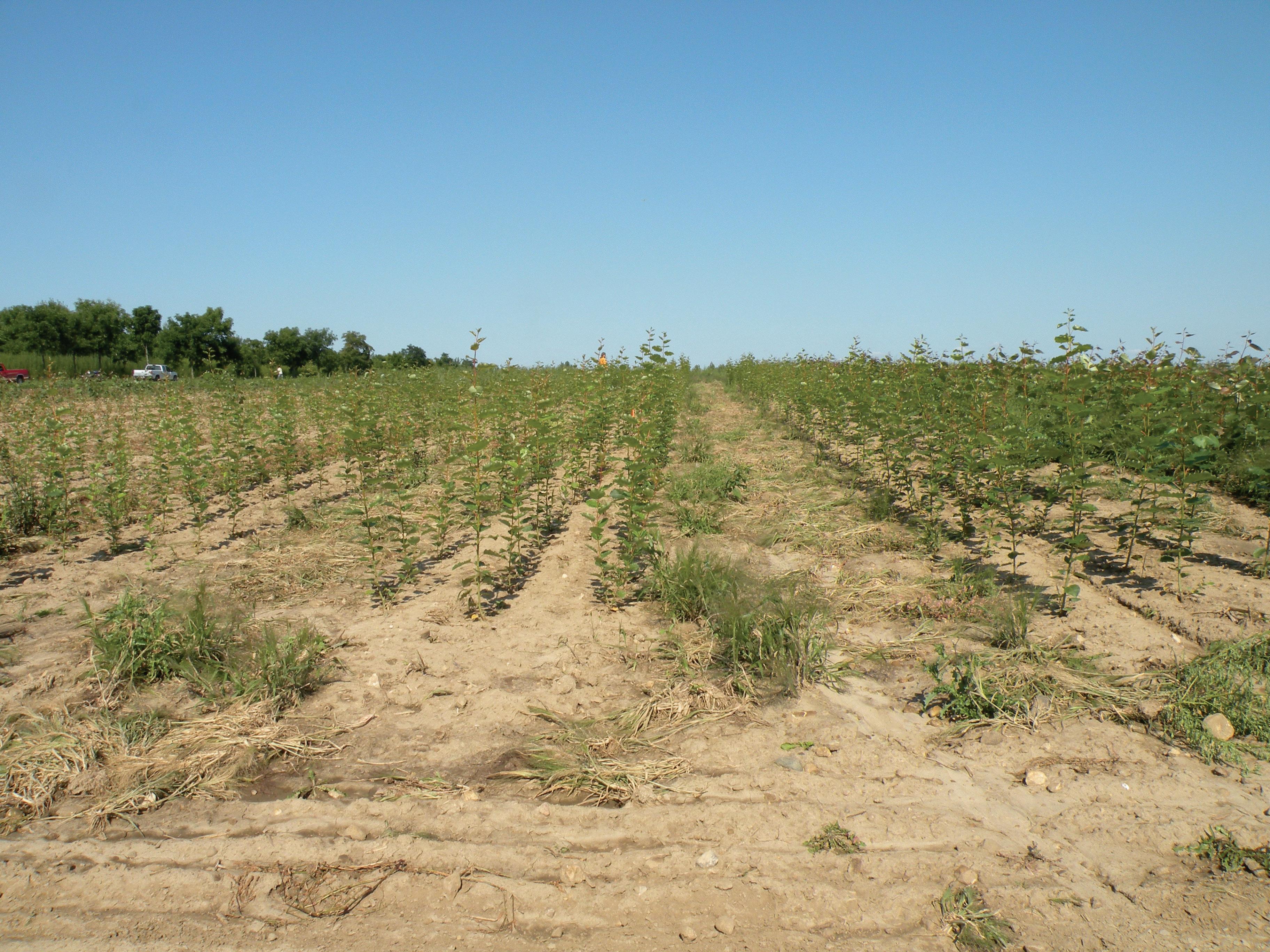
So far, the researchers have planted several sets of experimental blocks of different ages and types of production. “The plants all originate from vegetative cuttings,” explains Sidders. “We take one-year-old branches and
stems, cut them into pieces, and that’s what we plant in the ground.” The cuttings are about 25 cm long and are planted vertically, with the buds facing upward and 20 to 23 cm of the cutting belowground.
Although the afforestation design is not harvested over the short term, the concentrated design is harvested regularly, with the first occurring after the first year of growth to stimulate the production of multiple stems. Thereafter, it’s harvested on a three-year rotation. “We cut the whole stems down to about 10 cm from the ground, and they regenerate from there. That’s called coppice management,” says Sidders. “We’ll cut them and they’ll regrow from the stumps probably five to seven times before they lose their vitality.”
At GTI, the first blocks of concentrated and afforestation biomass were planted in 2005. Willow and poplar in the concentrated design were coppiced after one year of growth and now have up to 250,000 stems/ha, depending on the clone. In September 2009, these plants
had three years of growth on four-year-old root systems. They will be coppiced for the second time in late fall of 2009, after the leaves drop and the trees enter dormancy.
Newer blocks of all three designs were planted in late May and early June of 2009. By early September, some clones were already more than 1 m in height; these should grow another 40 cm before the first hard frost, likely in mid-October. The concentrated biomass will be coppiced in late fall at dormancy, using a sickle bar mower to cut the small, firstyear stems.
“Our biggest challenge now is developing harvest technology that gives us the ability to be able to harvest chips, lengths, or bales, to make it easy for us to handle the plants,” says Sidders. The difficulty is in adapting harvest equipment so that it’s flexible enough to work with both willow and the thickerstemmed poplar (in concentrated design), it can function in Canadian conditions such as light snow cover, and it’s suitable for localized
Woody biomass is grown with a variety of species and planting designs. The key is to have a distribution of age classes so that there’s a harvest each year.
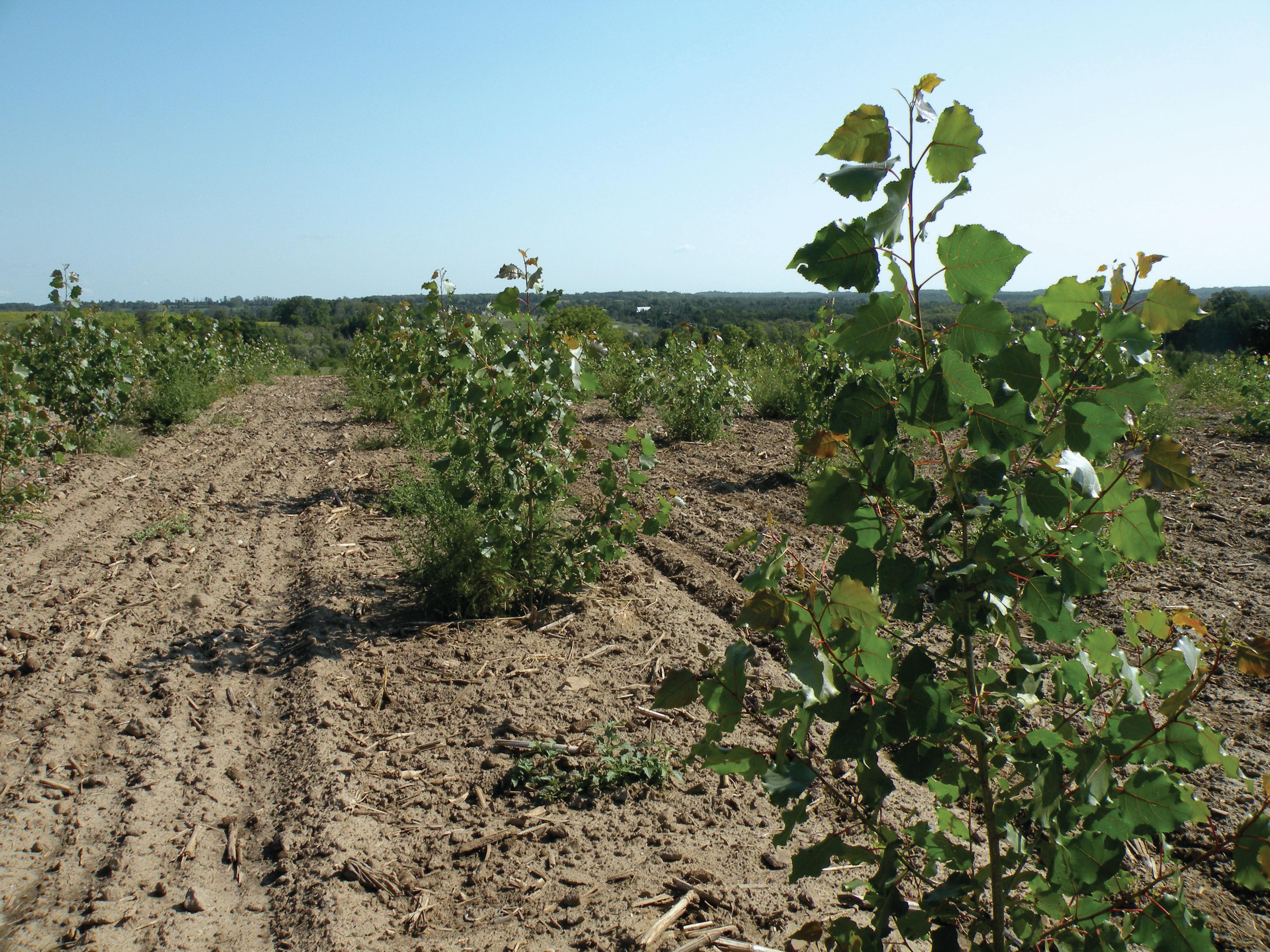
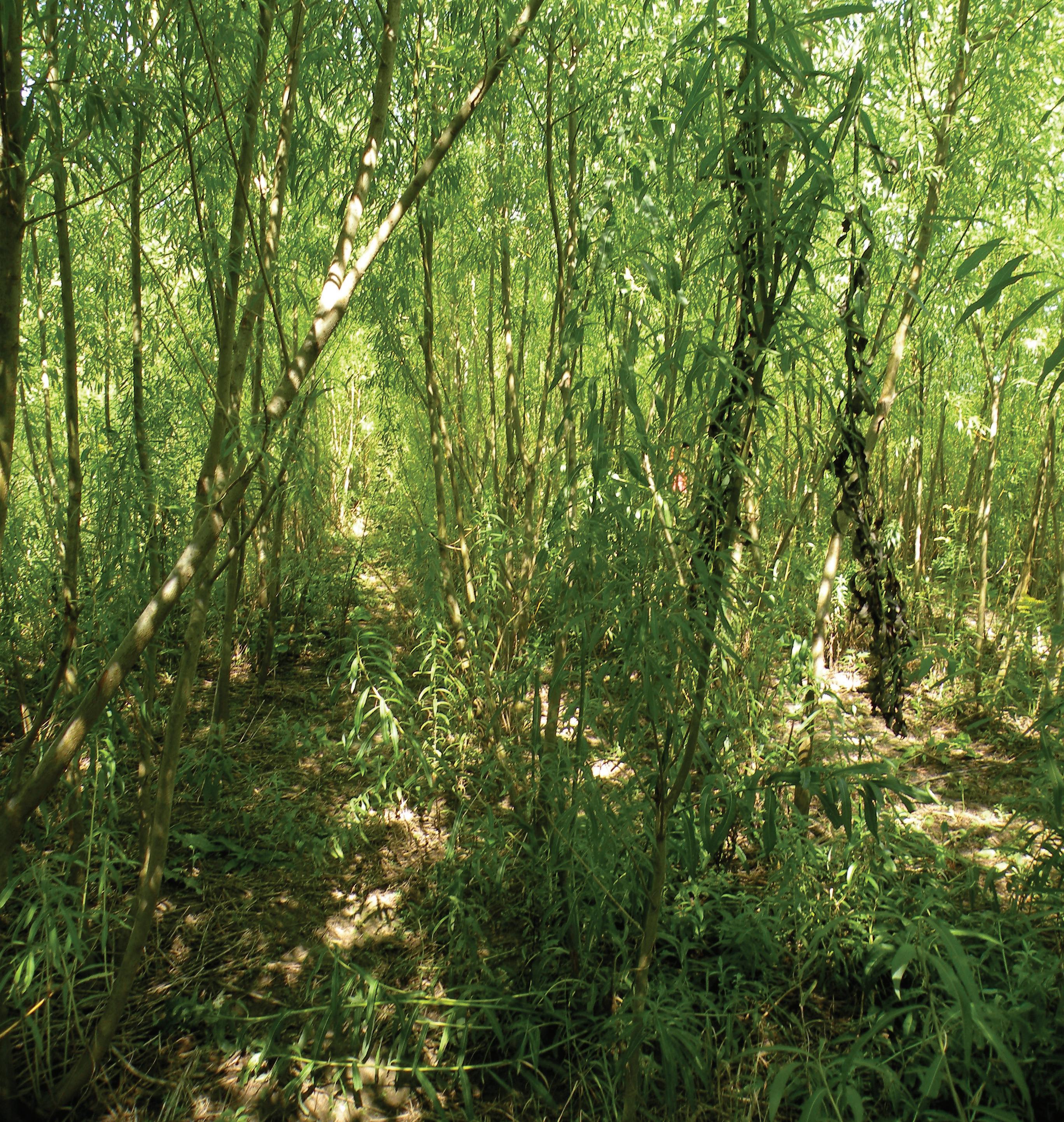
agricultural areas, rather than huge industrial plantations as in Sweden that might better afford large six-figure equipment price tags.
Current harvesting equipment options include balers and modified combine-type systems. The combine-type system looks like a corn harvester, but cuts the material with a saw blade, chips it, and then shoots it into a following chip van. Because the chips are harvested green, they need to be either piled in a field to dry or processed in a dryer. The baler system cuts the biomass and wraps it into a cylinder,
like a large hay bale. The bales can be left to dry in the field and then transported to a pellet plant or other facility and ground before use.
Thus far, it’s difficult to tell if the economics are quite there for this type of biomass production. Currently, the CWFC estimates establishment costs at $8,000 to 12,000/ha for the concentrated design, which is about five to eight times the price of afforestation, says Sidders. The intensive site preparation and weed control in

the first year of production are costly, requiring large initial investment. “We’re forecasting and validating the cost and productivity trajectories every year, based on the growth response. Our costs start high, but they are realistic. They’re pro-rated based on an operational scale, with full planting costs, all costs related to land, including land rental, and all the other liabilities all the way through the system, including equipment costs and supervision. If anyone says they are able to produce and recover the concentrated biomass for under $100/tonne, then you have to be skeptical.”
The catch is that current chip prices are at least half that cost, and fossil energy prices are now low, although they likely won’t stay that way. Both the Globe and Mail and New York Times reported in August 2009 that natural gas prices reached a seven-year low that was actually below the cost of production. This type of situation makes it difficult for almost any type of bioenergy to compete with fossil energy.
However, the productivity of woody crops is still to be determined over the whole lifespan of an operation. For concentrated biomass, annual production is conservatively estimated by the CWFC study at 6 to 12 oven dried tonnes/ha thus far. Establishment costs are high, but productivity can increase over the first several harvests while management costs decrease. So those who plow the crop under before it reaches its full lifespan will not receive the full return on investment. In future, the crop’s value will also depend on the cost of carbon emissions and the value of carbon sequestration.
Still, Sidders does not expect woody crops to replace forestry residue biomass, but rather to act as a supplement. “It’ll only be economical in combination with other wood sources or other fibre sources,” he says. “If you’ve got a power plant up in the Hearst area, or Kirkland Lake, or Thunder Bay, for example, there’s cheaper access to wood fibre through the residues and waste material either at the forest or the mill.” But large energy users in agricultural areas have minimal access to forestry biomass without transporting it large distances. The economics may be such that an investment in woody cropping to supplement forestry biomass and reduce fossil fuel use makes sense. “If you’ve got a power plant going up somewhere, you grow it right beside it; you don’t grow it 100 km away,” says Sidders. “This is just an addition to the other sources of cellulosic biomass, including some agricultural crops.” •
Attendees at the IEA Biofuels and Bioenergy Conference networked, exchanged ideas, and heard about upcoming projects, including two headliners that will see almost $9 million going to UBC researchers.
By Bill Tice
of the world’s top bioenergy experts were in Vancouver in late August 2009 for the International Energy Agency’s (IEA) Bioenergy conference. The four-day event, which attracted approximately 300 attendees from over 20 countries, was held at the University of British Columbia’s (UBC) Forest Sciences Centre and was hosted by UBC Dean of Forestry and IEA Bioenergy task leader Jack Saddler.
The conference was kicked off by B.C. Minister of Forests and Range Pat Bell and UBC President Stephen Toope. The pair was followed by a handful of speakers in a general overview session, along with several presenters who discussed government strategies for bioenergy. Attendees then broke up into smaller tracked sessions where they could focus on more specific areas of interest. On the final day of the conference, attendees returned to the main lecture hall for general sessions covering bioenergy from industry and global perspectives.
With the escalating global interest in bioenergy, the conference was both topical and timely, and according to one expert in attendance, the subject will only continue to generate interest as the industry grows. “Modern biomass has been growing steadily throughout the world since the 1970s and 1980s at various scales, but during the last decade, the growth has increased significantly,” says Paris, Francebased professor Ralph Simms, who was one of the presenters. Simms is a senior analyst of renewables and climate change with the Renewable Energy Division of the IEA.
Simms points to a number of reasons for the recent growth in biomass, including: a greater understanding of the supply chain, which helps to reduce the delivered biomass
costs; the development of more convenient biomass such as packaging it in bundles or converting it to pellets; the drivers of climate change mitigation, sustainable development, and energy security in various regions of the world, which can all be met by using available biomass resources; and the relatively higher costs of fossil fuels.
In addition to the presentations, attendees had the opportunity to talk to with a number of sponsors and exhibitors who had booths set up in the main public area of the UBC Forest Sciences Centre. Burkhard Fink of Fink Machine in Enderby, B.C., was showcasing his company’s bioenergy equipment, including fully automatic wood-fired boilers. He notes that over the past couple of years, it has become much easier to promote and sell bioenergy. “For the first few years we were in this business it was very difficult because of the misconception that biomass boilers pollute the environment,” he says. “The reality is the contrary. They are actually a very clean burning piece of equipment, which lowers the carbon footprint, and they are basically carbon neutral.”
Fink says in addition to addressing the misconception about environmental concerns, an initiative in B.C. to have the province’s public sector become carbon neutral by 2010 has sparked a considerable amount of new interest in bioenergy.
Bob Ingratta, who is a bioenergy and bioproducts sector specialist with Life Sciences British Columbia and was fielding questions at his organization’s booth, was enthusiastic about the potential of the bioenergy and bio-
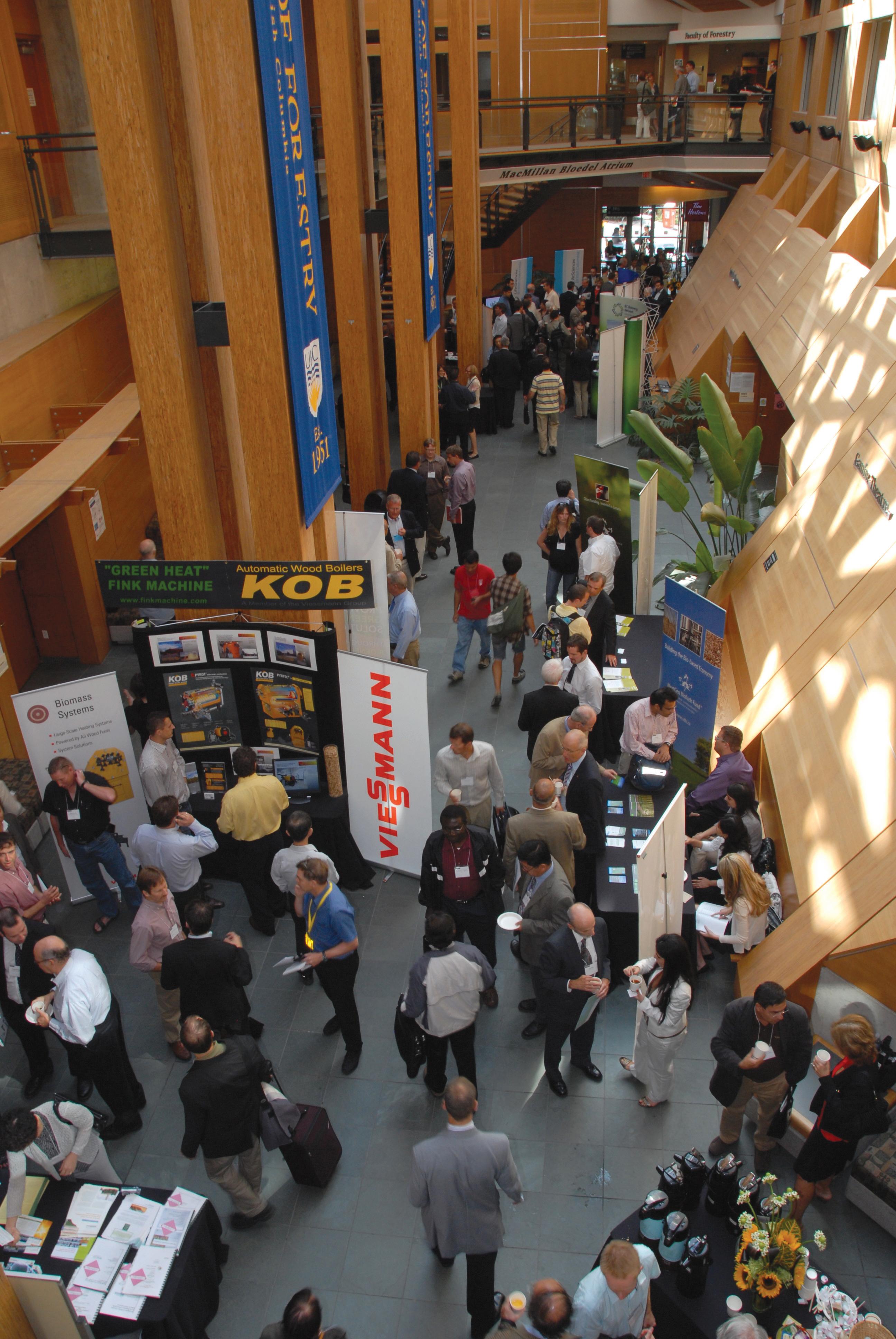
Several of the IEA Bioenergy Conference sponsors and exhibitors set up displays and booths in the main public area of the University of British Columbia’s Forest Sciences Centre.
products sector. “Biomass is really a primary feedstock to help drive the bioenergy sector,” he explained. “With the U.S. and global focus on biomass, there are estimates of anywhere from a $175 billion potential for the bioenergy market and another $200 billion in bioproducts, and that is all going to be fed by various different combinations of biomass.”
Ingratta says with that vision and understanding and government commitment to drive this sector forward, there is a significant interest in biomass or feedstock availability. “In B.C., the forestry sector is the obvious biomass resource that can turn a climate change problem into a climate for change solution, and we are looking at that dead wood from mountain pine beetle as an opportunity and asking how we can generate bioenergy in an efficient form for the sector and small business development.”
One organization that isn’t taking a sit-backand-wait strategy is Genome British Columbia, which works collaboratively with government, universities, and industry as the catalyst for a genomics-driven life sciences cluster. Genome BC used the conference as a platform to announce its involvement in two new research projects to tackle supply and demand issues in the emerging forestry biofuels industry.
Continued on page
With more biomass-produced energy on the horizon, this Nova Scotia logging contractor is seeing a trend towards increased chipping to meet the demand.
By Bill Tice
Hodgson has seen a lot of changes in the logging industry since he first started in the business back in the mid-1960s. And he is on the cusp of seeing a lot more.
Hodgson has progressed from being a two-man and one-horse logging show to one of Nova Scotia’s largest logging contractors. Along the way, he has seen his family-owned and -operated business change gears many times to adapt to the market. Throughout the changes, however, one thing has remained consistent: the volume of chipping and grinding they handle has continued to grow. Now, with biomass, they expect it will grow even more.
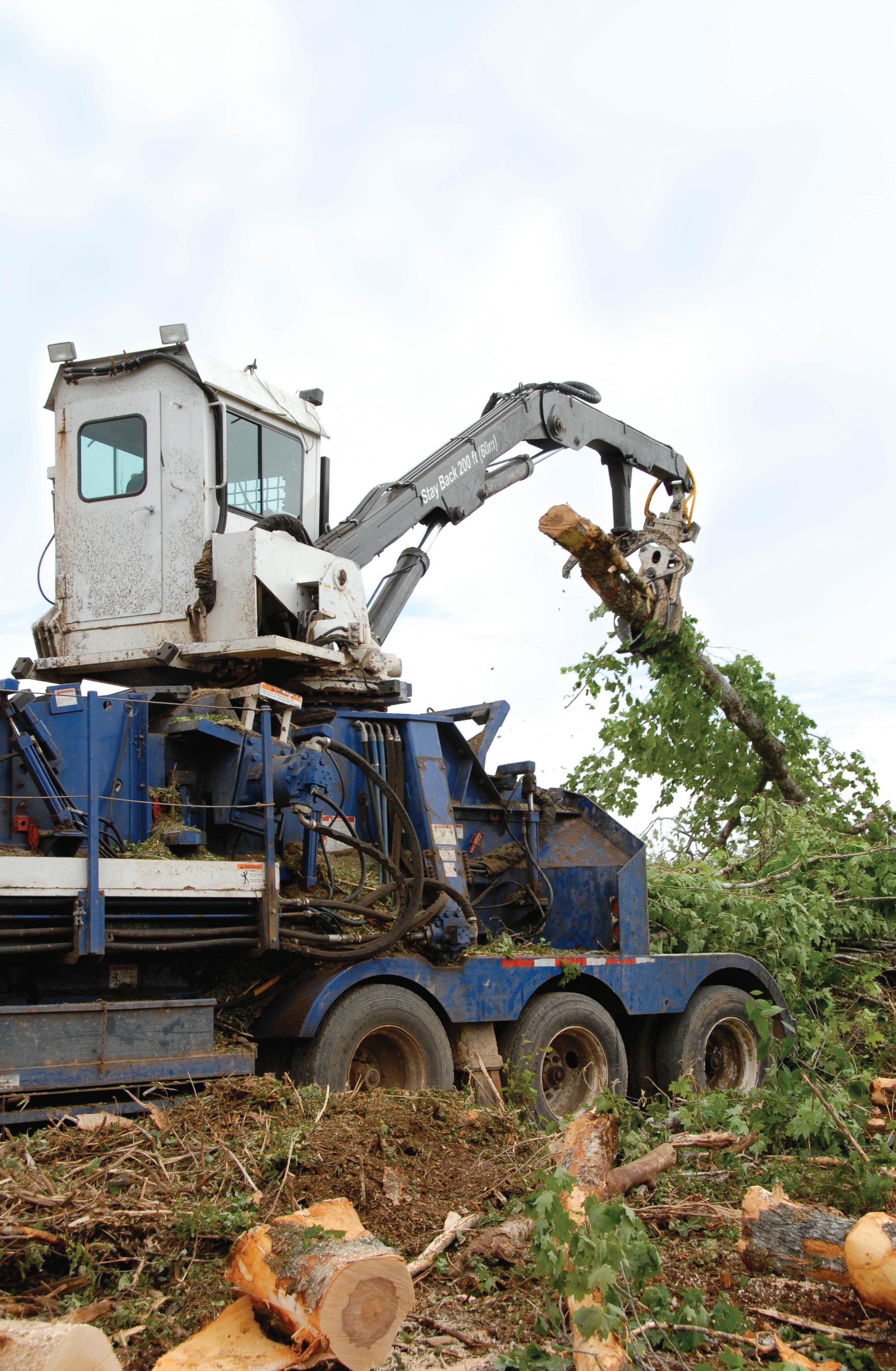
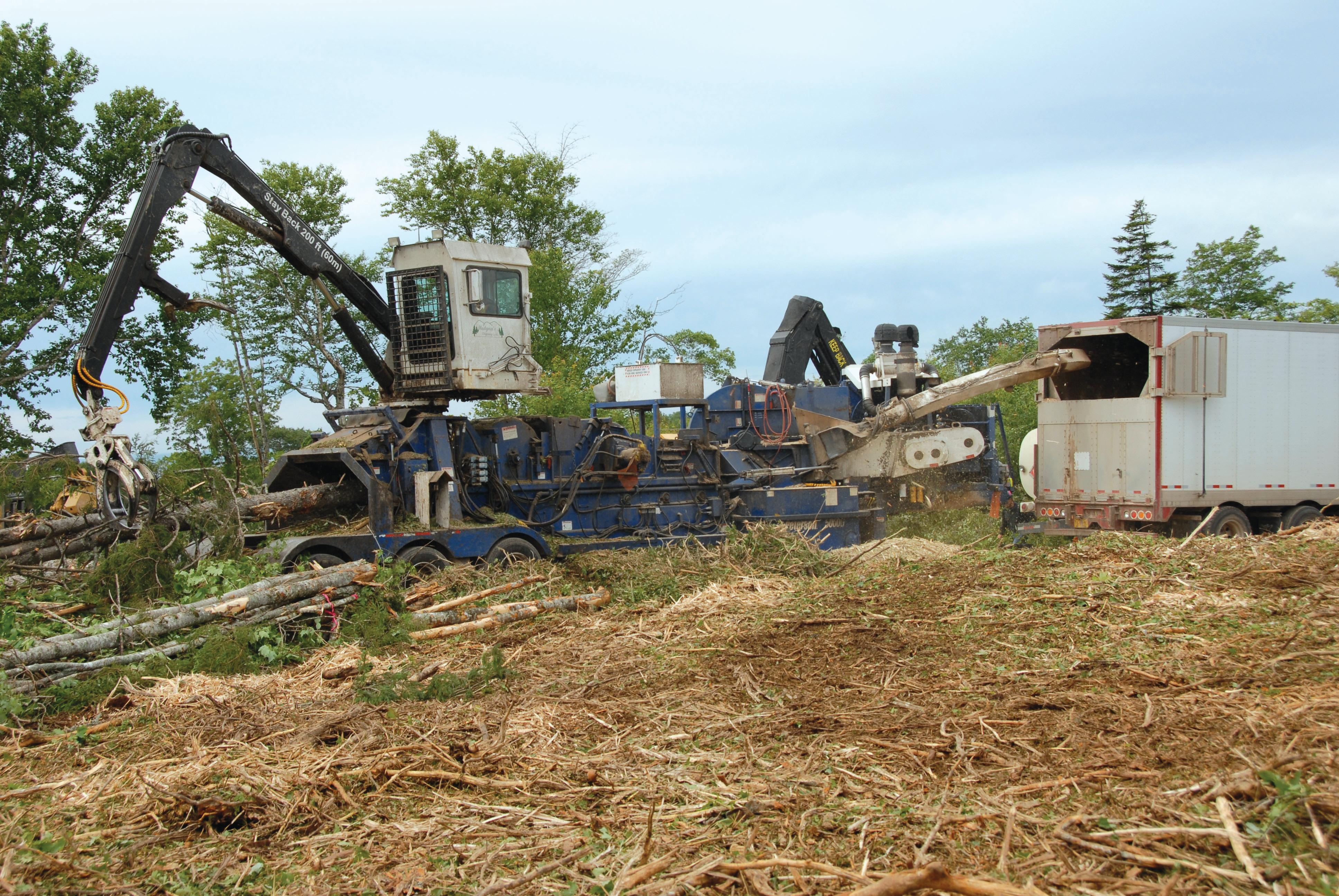
Today, the Truro, Nova Scotia-based company, which is appropriately called Hodgson’s Chipping, employs approximately 70 people, but has had as many as 85 employees on the payroll during peak times. They still harvest timber for local sawmills and pulp mills, but they also run four chippers and a grinder. In total, they have the capacity to harvest over 300,000 tonnes of wood every year, and more than half of that production will be destined for the chip pile at one of the province’s pulp mills, or the growing biomass business in Nova Scotia.
The Hodgsons fell into the chipping business quite by accident. It all started back in 1987 when McKay’s eldest son, Vaughn, joined the company. He had been working as a mechanic at a local truck dealership, but decided it was time to bring his mechanical skills to the family business. Not long after Vaughn came to work with McKay, the pair had “an interesting offer” from the local Scott Paper mill. “A Peterson
Above: The contractor runs both Peterson chippers and grinders depending on the job.
Left: Trucking of both logs and chips is done by Hodgson’s own fleet of 25 trucks and trailers.
5000 prototype chipper had been brought into the area to do work for the mill, but being the first of its kind ever built, they had a few issues with it,” Vaughn explains. “We like a bit of a challenge, and the people at Scott Paper were aware of that, so they came to us and asked us if we were interested in it. We jumped at the opportunity and although it took a lot of modifications, we got it running the way we wanted and we are still using it to this day.”
The mill that encouraged the Hodgsons to go into the chipping business is still one of their biggest customers. Located at Abercrombie Point near New Glasgow, the facility has gone through several ownership changes since 1987; it has operated under the management of Kimberly-Clark and Neenah Paper prior to the latest change that saw the Northern Pulp Nova Scotia Corporation take over the mill in 2008. Through all of its ownership changes, the Hodgsons have continued to deliver wood fibre to the mill, and today, in addition to supplying chips for the pulp-making process, they supply wood fibre for the mill’s biomass-powered energy system.
Vaughn credits Jamie Stalker for getting the Hodgsons started down the chipping road, but he says unfortunately, the longterm Abercrombie mill employee passed
away before seeing the chipping and grinding program reach its full potential. “Jamie was one of the driving forces behind the development of that first chipper coming to Nova Scotia,” Vaughn explains. “He also saw the need for the development of a new grinder that could handle the waste from mechanized operations and turn it into a viable product – energy. That is something we are working on right now with the mill and with Peterson, but without Jamie’s hard work and dedication to Scott Paper and the other companies that have operated the mill over the past two decades, we may not have had the opportunity to work with these products in this province. We have to say that without Jamie’s vision, we wouldn’t be as far along in this program as we are.”
Today, Hodgson’s Chipping operates a Peterson 4710B grinder and four Peterson chippers – the original prototype 5000 they picked up from Scott Paper, along with F, G, and H models.
Three of the chippers are primarily dedicated to working in the woods, where they fill vans for delivery to Northern Pulp. The fourth chipper is on standby for the busy season at Northern Pulp and may do biomass or custom chipping for other customers. One of the chippers is currently completing test runs at the New Page paper mill at Port Hawkesbury, which is located on the Cape Breton side of the Strait of Canso, a body of water that separates Cape Breton from mainland Nova Scotia.
On the biomass side of the business, Vaughn says that in addition to supplying the biomass-powered energy program at the Abercrombie mill, they supply fibre to Brooklyn Energy in Liverpool, Nova Scotia, which in turn supplies energy and steam to another local pulp mill. They also grind product as required for Enligna, a wood pellet producer located in Musquodoboit, Nova Scotia.
With saw logs, pulpwood, and biomass material from the same block often going to various end users, Vaughn says the planning process is critical to the company’s success. “On some sites, we will go to a double tier diameter sort,” he says. “The first sort will be the merchandisable wood – studs and logs, while the second sort is full trees for the chipper. We will skid the tree length up to 300 m, while anything
over a 300-m haul is processed random length and then forwarded to roadside for the chipper along with any unmerchandisable wood that needs to be ground with any chipper waste.”
If a block is a “chipping only” site, Vaughn says they will “cold deck” small stems to be used for biomass and will chip everything else. “We really have two sorts on these sites, full-tree softwood for chips and one for the biomass material and the waste from chipping, which we will process
later with the grinder.”
For harvesting work, the Hodgsons have a full fleet of equipment that integrates well with the chippers. Their stable of logging gear includes eight Tigercat 860 carriers, including a new model that was delivered this year. Four of the 860s work as feller bunchers and are equipped with hot saws, and four run with processing heads. Three of the processing heads are Levesque-designed L240 models, whereas the fourth is a Hornet. The Hodgsons are very familiar with
OCTOBER 28-30, 2009 • 8th Residue-to-Revenue Residual Wood Conference Richmond, BC, 250-469-1958 or ctferreira@shaw.ca www.forestnet.com/rwc/index.htm
NOVEMBER 11-13, 2009 • Advanced BioEnergy 2009 Conference & Expo Sacramento, CA, 719-239-2001 www.advancedbioenergyconference.com
NOVEMBER 17, 2009 • E3 2009 Midwest’s Premier Energy, Economic, & Environmental Conference St. Paul, MN, 612-626-1202 www1.umn.edu/iree/e3/index.html
NOVEMBER 30-DECEMBER 2, 2009 • 6th Annual Canadian Renewable Fuels Summit: Growing Beyond Oil Vancouver, BC, 613-594-5528 ext. 223 www.crfs2009.com
JANUARY 26-27, 2010 • Energy from Biomass and Waste London, UK www.ebw-uk.com
MARCH 3-5, 2010 • World Sustainable Energy Days & European Pellet Conference Wels, Austria, +43-732-7720-14380 or office@esv.or.at www.wsed.at
MARCH 18-21, 2010 • Bois Energie Saint Etienne, France www.boisenergie.com
MAY 4-6, 2010 • International Biomass Conference & Expo Minneapolis, MN, 701-746-8385 www.biomassconference.com
MAY 25-27, 2010 • World Bioenergy 2010 Jönköping, Sweden www.elmia.se/en/world-bioenergy
JUNE 8-10, 2010 • Bioenergy Conference & Exhibition Prince George, BC http://www.bioenergyconference.org/index.php
the L240 heads and actually tested the prototype for the model when it was introduced in 2004. Vaughn says that for the type of wood they handle, including the mix of softwood and hardwood, the L240s strike a good balance between weight and performance. As for the bunchers, he notes that when the 860s are first put into service, they are used for felling because it is harder on the machine and he says it just makes sense to use them for the heavier-duty work when they are new.
For moving the logs to roadside or to the chippers, the Hodgsons have three Tigercat 18 tonne 1065 forwarders and five skidders – two Tigercat 620 models, a Tigercat 630, a John Deere 648, and a Caterpillar 535. “The combination of forwarders and skidders works well for us,” Vaughn notes. “It’s a versatile system that allows us to use the forwarders to haul roundwood to the roadside for pick up by a logging truck, while the skidders can play a dual-purpose role, either moving logs to roadside or taking them to the chipper in bush chipping operations.”
Trucking of the logs and chipped material is all handled in-house with the Hodgsons’ own fleet of around 25 Kenworth trucks. The trucking fleet is likely to stay all Kenworth in the future, as the Hodgsons just acquired the Kenworth dealership for Nova Scotia in mid-July, which Vaughn says will be a good fit for them. “We were 100% reliant on the forest industry, and this gives us a way to diversify while still staying very connected to our roots in logging,” he notes.
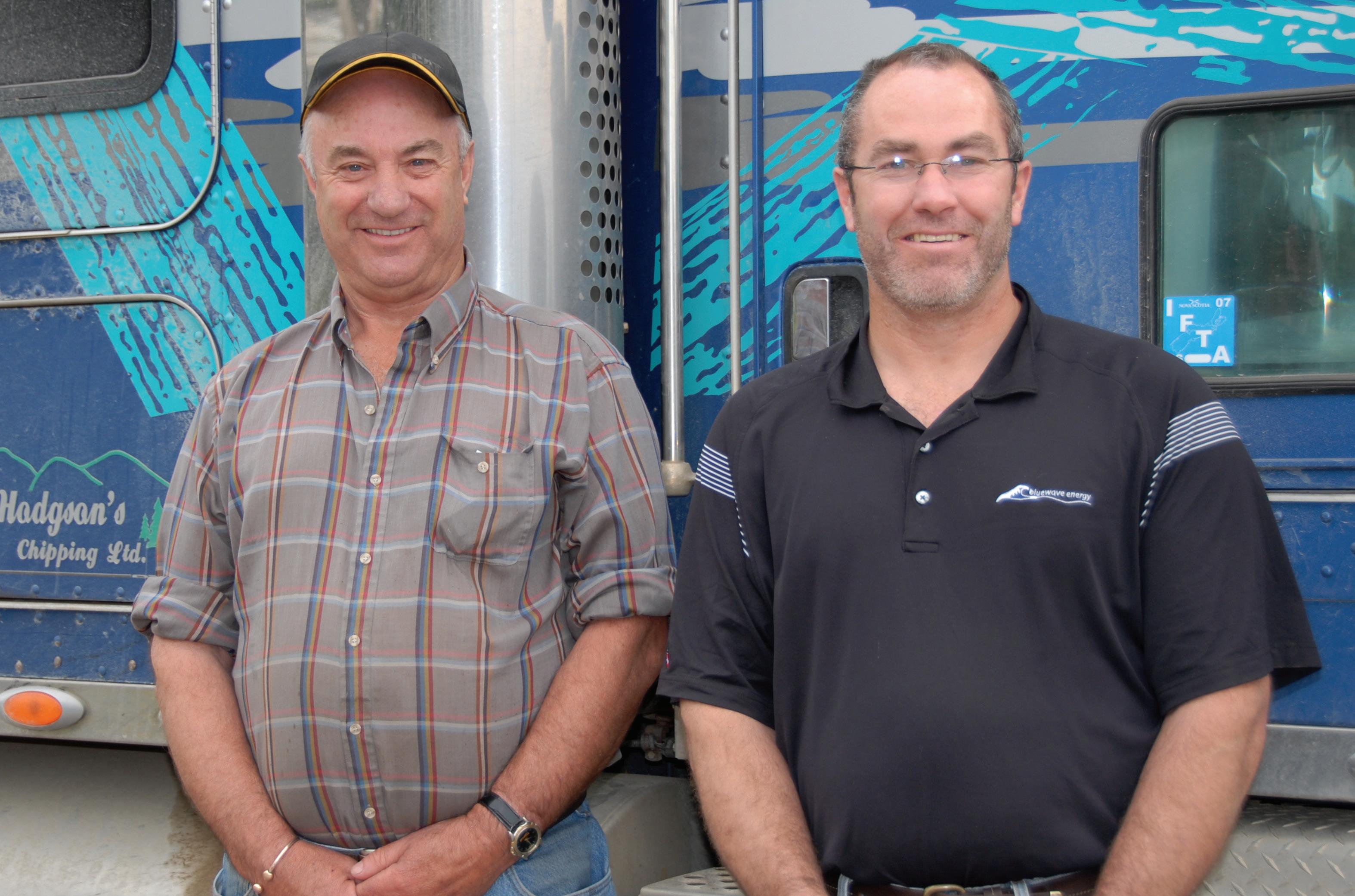
McKay and Vaughn Hodgson: “We have done a lot of chipping and we have been successful in the biomass business so far, but there is more to come.”
McKay is the company president and Vaughn is the general manager, but they’re not the only family members working in the business. Vaughn’s three brothers are also involved: Roger is the business development manager, Paul is the chipping supervisor, and Dale is the woods operations manager. Vaughn’s wife Ellen and Dale’s wife Debbie manage the office, which is located at the company’s large shop and storage yard near Truro.
As for the future, McKay and Vaughn both feel biomass will play a significant role in the company’s profile. “We have done a lot of chipping and we have been success-
ful in the biomass business so far, but there is more to come,” says Vaughn. “What we have been seeing lately is more of a trend towards chipping hardwood for local biomass production, which in the past was only going offshore. And we are seeing an increased interest in using species such as juniper and poplar for biomass, which there just wasn’t an appetite for before. It’s tough out there right now with the way the economy is, but we feel we are well positioned to move forward with the higher volumes of chipping that should come with the increased biomass production that is on the horizon once things turn around.” •

This major Quebec silviculture contractor is cooking up a little revenue diversity thanks to essential oils and gourmet cooking products.
By Scott Jamieson
Formany in Canada’s forest or energy sectors, biomass and bioenergy are one and the same. But not for the staff at the Girardville Forestry Cooperative, who have been creating and commercializing a wide range of bioproducts for over 15 years now. The company extracts slash and other nontimber products from the stands it works in northern Quebec, with nary an ounce going up in flames.
“It’s a small but growing part of our business,” explains silviculture superintendent Serge Simard as we tour the bioproducts facility just outside of Girardville, a forestry town some 600 km northeast of Montreal.
The cooperative’s bread and butter is silviculture work, where the progressive company uses a mix of mechanical and manual planters to plant upwards of 20 million seedlings a year. It is also experimenting with elevated site planting and other technology from Scandinavia to help maximize site productivity.
Yet on the side, it has been quietly building a two-pronged biomass business, driven in large part by staff biologist Fabien Girard. The company is targeting two main markets – essential oils and culinary and health products – with sales across Quebec driven through a dedicated web site at www.desbois.ca (meaning “from the woods”). Production is in a new building located just a few minutes out of town on a forestry trunk road, and operations currently include raw material storage, drying, and packaging stations for the spice and grocery products, and distilling lines for the essential oils.
As a biologist, Girard is a rare find for a forestry company, let alone a local cooperative. When not in the woods or starring in local television cooking shows, he’s found most days in his lab/ office. There, he sits immersed in his eclectic collection of bioproducts, some already being marketed, and some for which he’s still searching for a commercial use.
“The boreal forest yields an amazing array of products if you look. And we’re looking,” Girard says as he breaks open a bottle of potent boreal peppers aimed at the gourmet culinary market. Eager for others to sample the goods, he opens a second bottle that looks like dried thyme. It tastes just like celery. More precisely, it tastes like I wish celery tasted all the time.
“There’s another product that you mix with water,” chimes in Simard, “and you’d swear it was the best pineapple juice you’d ever tasted – only it comes from the boreal.”
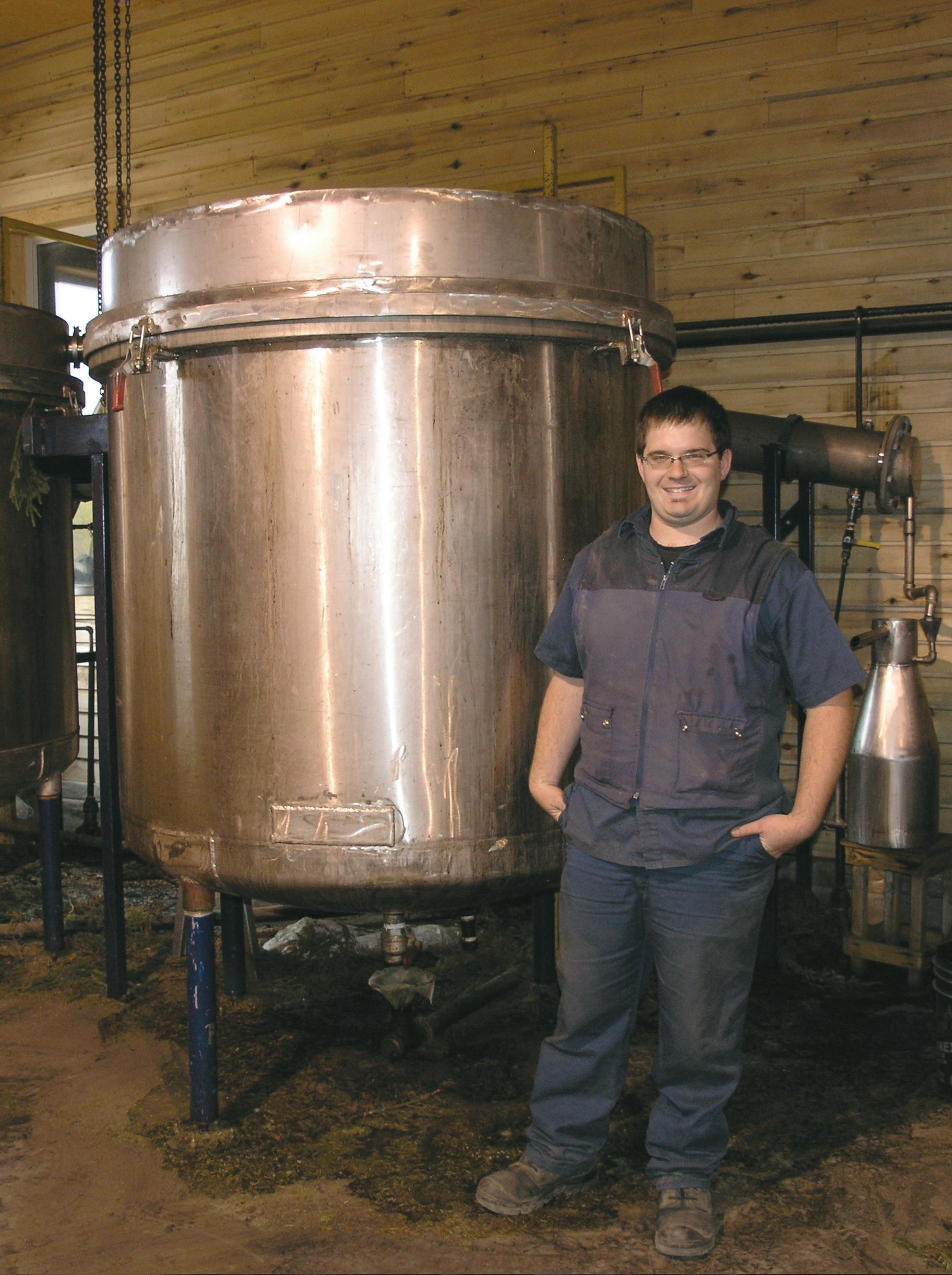
They may look small, but these stills are large enough to pace demand for the potent softwood essential oils for some time.
The company has created a wide following among area restaurant chefs, who are eager to follow the local food movement and still offer guests something a little exotic. Products can be ordered in bulk or as part of a selection of spice gift baskets and include dill wood, wintergreen, chanterelle tubes, peppers, curry, Labrador tea, and more, with many items currently out of stock.
For now, the web site and Girard’s book on using the products are available only in French.
Leave Simard’s well stocked office and head for the plant, and you’ll find Maxime Gilbert working his still. It’s not moonshine, though, and the factory smells like Christmas, rather than whiskey. He’s distilling balsam fir boughs clipped off by area contractors. Collected in massive bags alongside spruce, the boughs are stored in an on-site warehouse. Five hundred kilograms of boughs yields just four to six litres of the valuable, potent oil, so adequate and proper storage is an issue. Next door are countless drying racks, where Simard’s culinary products and spices are prepared in mass quantities.
The cooperative sells its products both on line and through small distributors scattered across Quebec. Bioproducts represented just 2% of revenues in 2008, but that is set to change. The
company is partnering with a marketing firm and investing $5 million in the next six years to scale up sales. Simard expects bioproducts to account for almost a quarter of its revenues within the decade. For a company that generates $22 million in annual revenues, that’s no small order.
Building capacity and inventory will be a big part of its growth Girard says, a story that their colleagues in the wood pellet sector know too well. “The worst thing we can do is build up demand and then fail to supply. The customers will just turn away. We have to be ready on the production side to allow us to grow sustainably on the marketing side.”
The Giradville Forestry Cooperative also hopes other cooperatives or forestry contractors will follow suit, creating a viable bioproducts sector that customers, and the government, can take seriously. •
Biologist Fabien Girard spends much of his time finding and commercializing new products. “The boreal forest yields an amazing array of renewable products if you look, and we’re looking.”
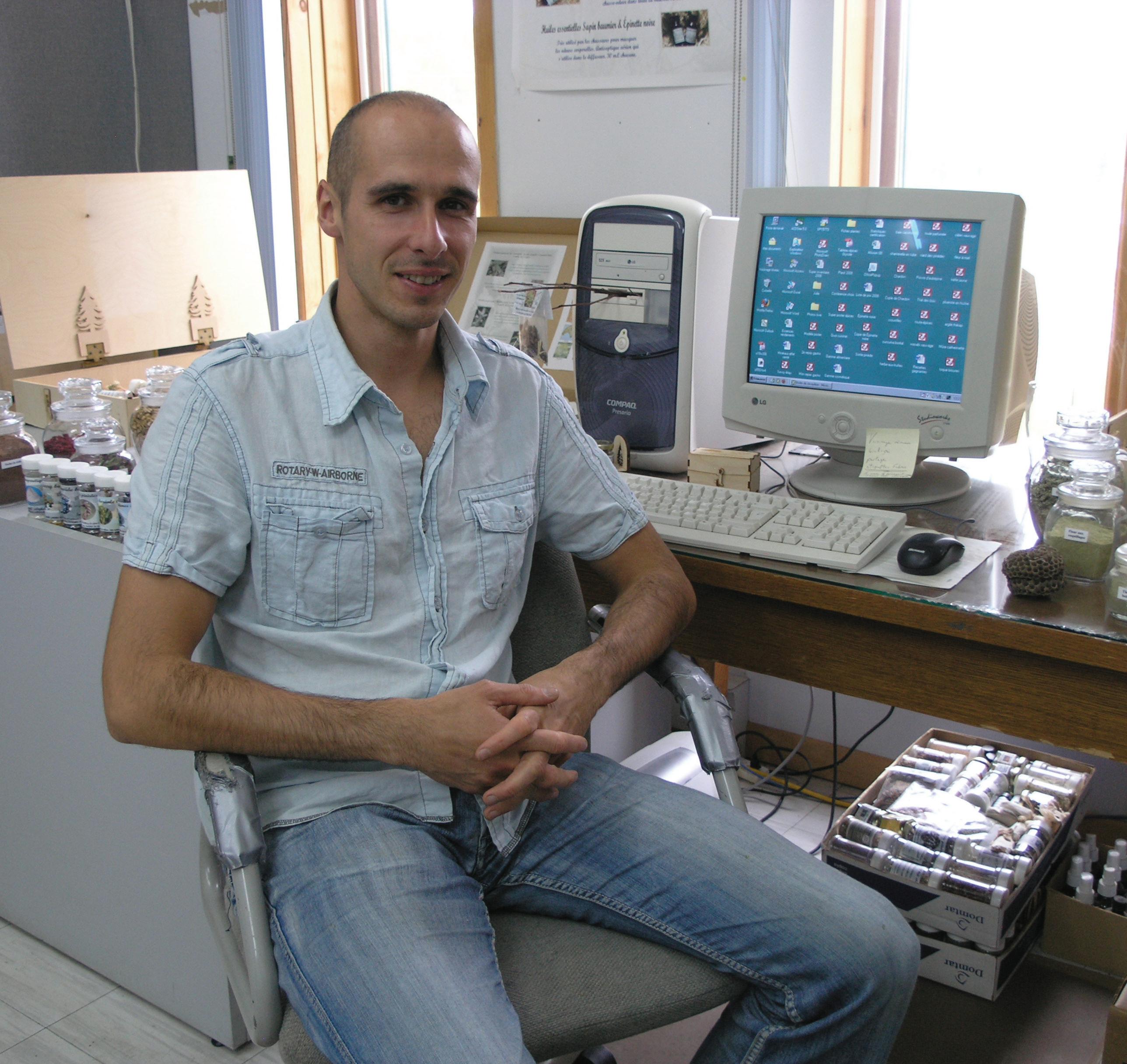


By Fred Spinola
hetBaldy Hughes site just outside Prince George, British Columbia, is the first certified therapeutic community and addiction treatment centre in Canada providing multiphase residential addiction treatment and long-term recovery to British Columbians suffering from addiction disorders. As such, it is a closed residential environment in which clients adhere to a highly structured, demanding regimen.
With the global focus on greenhouse gas (GHG) emissions reduction targets and renewable clean energy generation technology, Deltech Manufacturing, also located in Prince George, was commissioned to undertake the design, manufacture, and installation of a wood-pellet based centralized heating system for the existing facilities. The design incorporates advanced combustion technology in which biomass pellets are used as the energy source. Each building was
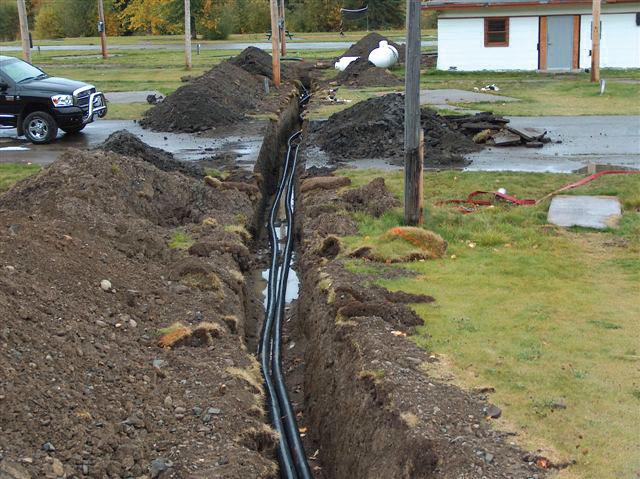
originally heated using propane as a stand-alone system. The centralized heating project contributes to GHG reduction by replacing propane with renewable wood fuel.
The Baldy Hughes district heating system was designed with an environment renewable buffer approach. It incorporates the existing in-building infrastructure, allowing for comfort throughout the year and during extreme winter conditions. Heat is supplied throughout the site by a flex insulated pipeline buried underground. Each building controls its own heat demand independent of the complete system.

The system design incorporates a fuel storage silo allowing for a fully automated process based on heat demand. An energy buffer allows for instant supply to each building zone, with a total system capacity of 2.5 million BTU/hour.
Phase II is now being planned. In this phase, a biomass-fired combined heat and
power (CHP) plant will supply all the site’s energy needs. This site demonstrates the viable commercialization of small-scale CHP for smaller rural communities while contributing to GHG emissions reductions and global warming control efforts.
This project was made possible by funding from the provincial government’s Innovative Clean Energy Fund and Northern Development Initiative Trust. More details on the project can be found at www.deltech.ca.


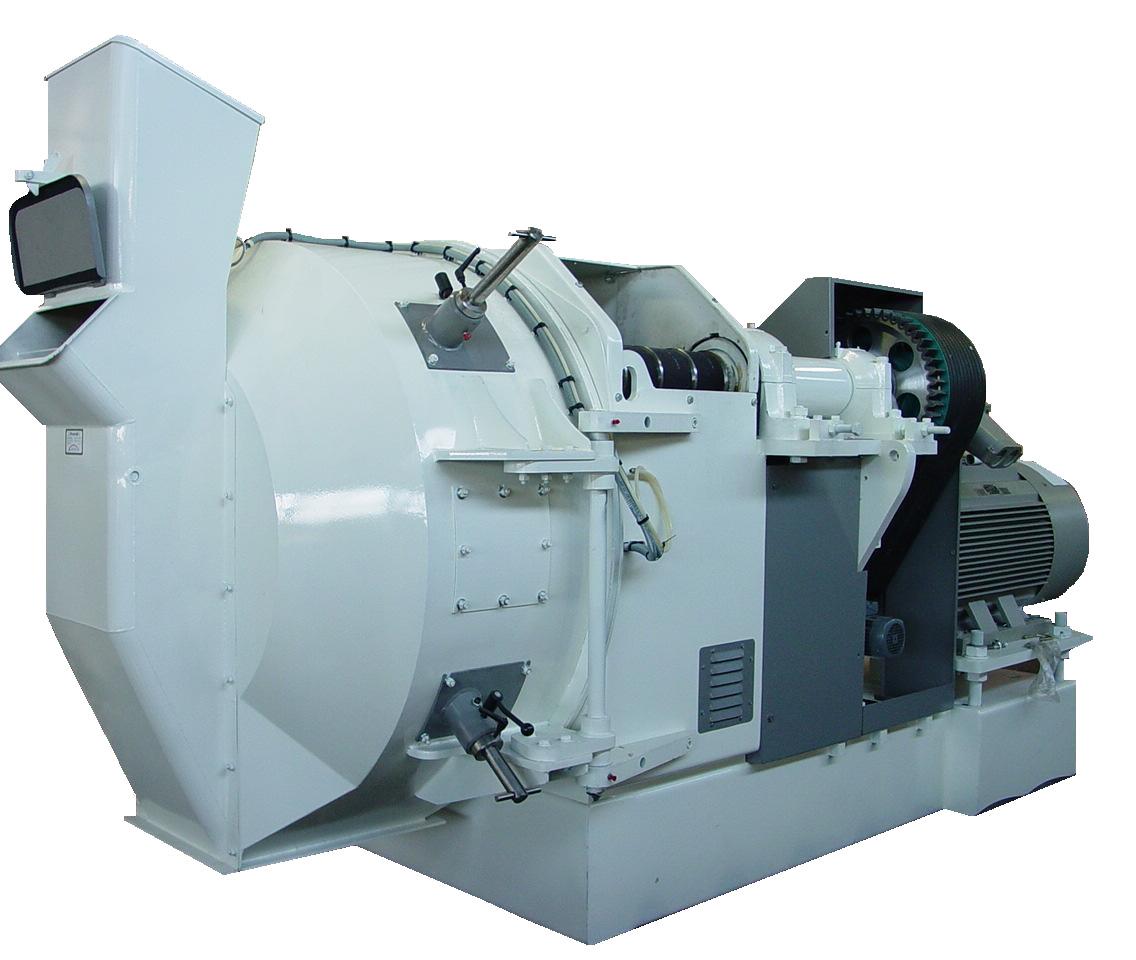
z BriNg peLLet miLLs to North ameriCa
omact is pleased to announce an alliance between it and Promill-Stolz to manufacture, supply, and service pellet mill equipment in North America. Comact now offers turnkey projects for sawmills and pellet mills. Promill-Stolz from Serville, France, was founded in 1951 and is known as a leader in the pellet industry in northern and southern Europe.
More than 200 Promill-Stolz pellet mills have been sold. Features include simplified die installation, sturdiness and reliability, minimized vibration, and use of standard industry components. The mills have about half the maintenance costs compared to gear-box-type pellet mills. These pellet mills are intended for the manufacture of all kinds of pellets: fodder, compound feeds, wood pellets, cereal by-products, urban waste and animal slurry, and fertilizers and soil additives, conforming to health requirements, norms, and safety requirements. www.comact.com, sales@comact.com, 418-628-2888
The Beltran Cogeneration Biomass System, developed by Beltran Technologies, not only eliminates waste, it also generates vital electric power and heat. The system can be used for the gasification of wood and agricultural waste.
The system consists of highly engineered machinery working in unison to reduce waste and create valuable energy. Wood and agricultural waste is placed on a conveyor, which feeds the waste directly to the gasifier. The waste is gasified with a specific amount of controlled oxygen to ensure a usable flow of gas. The gas is channelled to a cyclone, where large particles, called char, are removed. The gas stream is then sent to a wet electrostatic precipitator, where it is cleaned at the sub-micron level, then to a dryer to reduce its saturation, and finally to the engine. The engine produces electric power for operational use or sale to the grid. The system also produces heat, which can be used for various purposes. beltran@earthlink.net, 718-338-3311
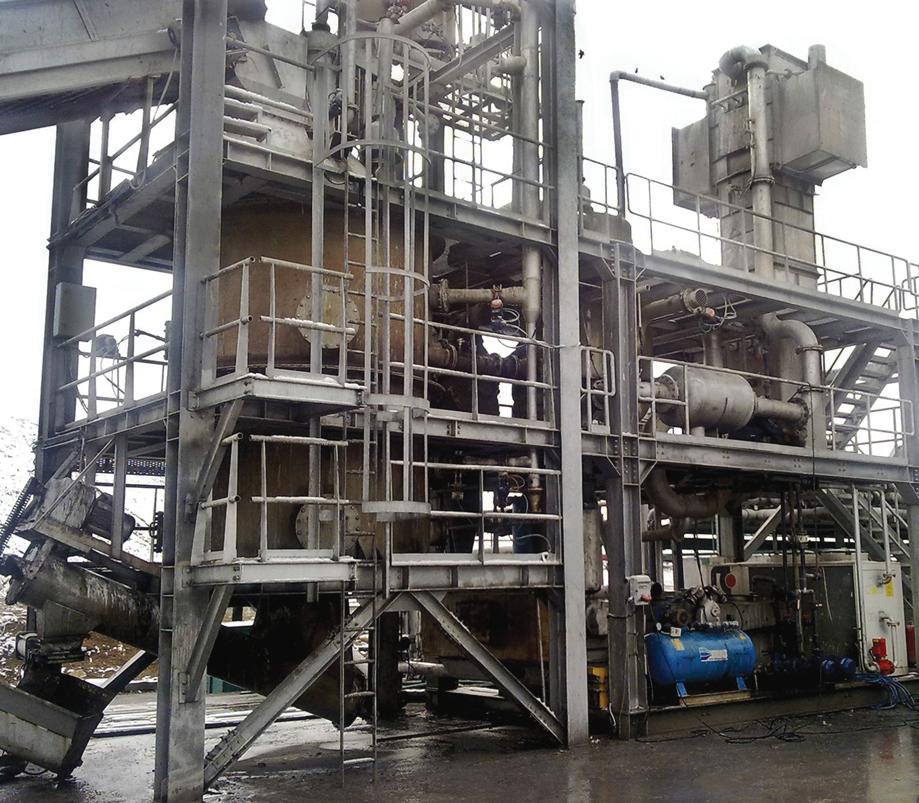
Faced with one tough year in the forest sector, the organizers of Wood Week 2009 wisely combined two key events and three sectors to allow the show to go on. Although Wood Week included exhibitors and visitors from forestry, sawmilling, and biomass, it was biomass that in many ways stole the show when it came to new gear and visitor interest. That interest came from myriad sources, from sawmills looking for an outlet for future mill residues to shuttered plants looking for a way to start up and loggers searching for another revenue stream or market outlet for off-species. In fact, several high-level sawmilling and pulp and paper executives suggested that in several Canadian regions, biomass and bioenergy projects will assume some or even most of the role currently played by the traditional pulp and paper sector. “Look at the equipment you see
here, in booths where you would have seen traditional gear – grinders, pellet mills, fibre dryers. Look at the number of loggers and sawmill owners looking for this sort of solution. Why? Because in some areas, it’s already clear: this will be the future outlet for sawmillers and loggers looking to market lower grade material and residues, so they’re figuring it out.” That is how one top-level national sawmill executive summed it up on the first day of Wood Week.
Canadian Biomass spoke with organizers or their suppliers about projects and startups in Newfoundland, Nova Scotia, New Brunswick, Quebec, and Ontario, with only the show location preventing us from hearing about biomass projects in the rest of Canada. We also spoke with landowners who were considering investment in high-yield, shortrotation crops. We even heard of a pending
$15 million roundwood-to-pellet operation building steam in La Tuque, Quebec; only finalizing the Crown fibre supply remains to be done.
Here’s a brief look at what some of these emerging biomass players came to see and discuss:
• Comact pellet mills: This well-known sawmill machinery supplier is now offering turnkey pellet mills thanks to a partnership with Promill Stolz Technology in France. There are over 200 of these mills sold, but Comact was able to announce its first sale here in Canada at Wood Week. Northwest Wood Preservers of northern British Columbia hopes to have its unit operational by early 2010. The mills bring several advantages over others on the market, Comact says, including half the
maintenance costs compared to gear box type pellet mills, simplified die installation by thermal expansion to reduce pellet mill vibration, and standard components that are well known in the industry.
• Hurst boiler options for wood waste and other biomass: The U.S. supplier was on hand with its eastern Canadian agent R. Nantel of Montreal. Nantel has experience in a wide range of installs using various feedstocks and has been working to educate clients on the importance of marrying feedstock to boiler type and design.
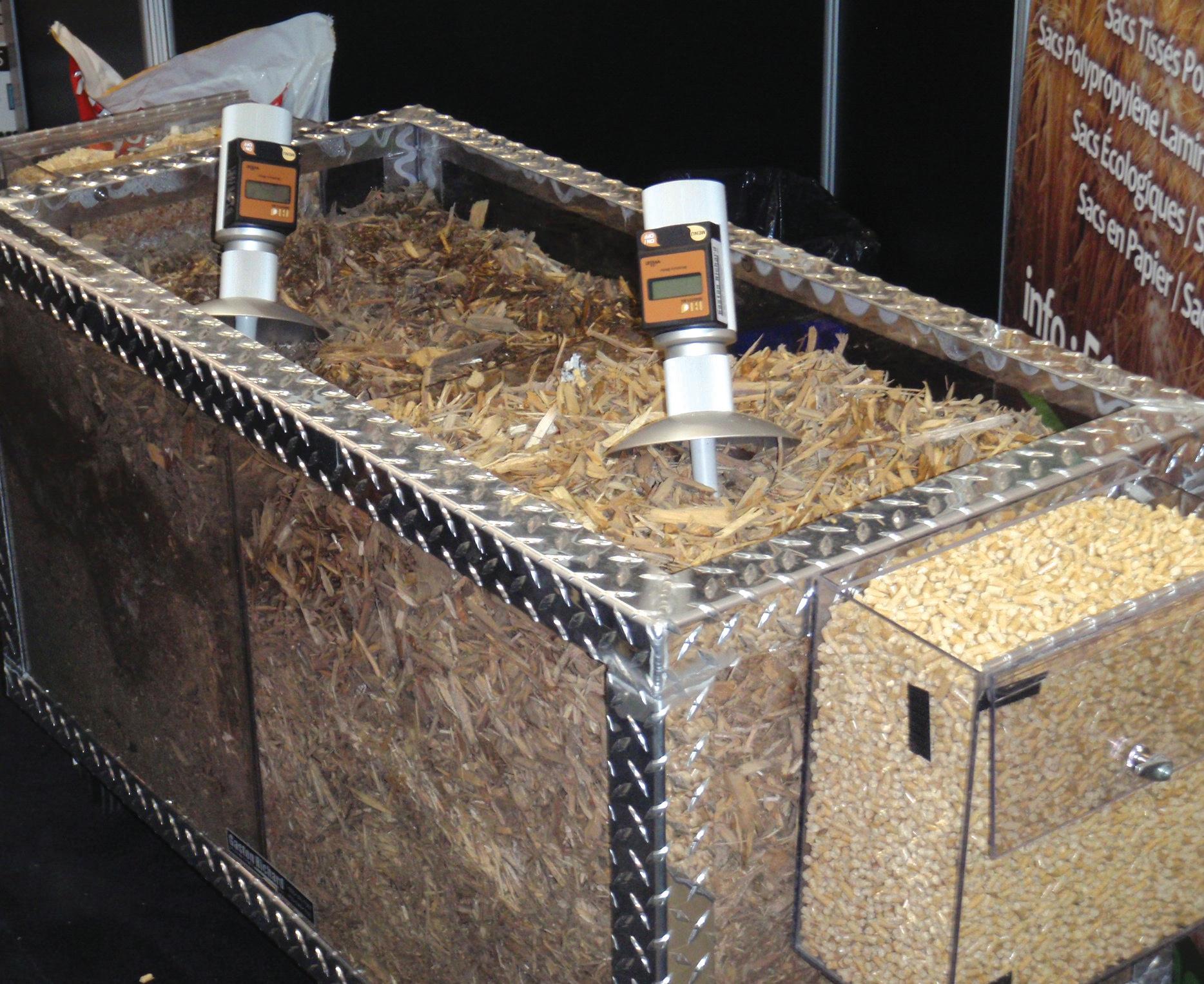
Wood chip and pellet moisture metres from Gaston Richard give precise readings on the spot and in 11 seconds.
• Anderson’s BioBaler series of biomass harvesting and compaction equipment: The Canadian supplier has machines to manage feedstocks that include short-rotation woody crops (complete with sawhead) and over-stocked wooded areas (complete with mulcher head).
• Simoneau Group’s Hybrid Solid Fuel Boiler: The boiler is designed to handle a wide range of “by-product” fuels, including wood, biomass, manure, etc. As a consumer of such products, the boiler often opens the door to tax incentives or a reduction in disposal fees. The boiler combines a full waterfall furnace with a steam-generating firetube section.
steady growth
Continued from page 23
The first of the two projects, which will be led by UBC’s Jack Saddler and will have a budget of $1.1 million, will use genomics to determine the most efficient methods of liberating fermentable sugars from dead pine. This will involve breaking down the sugars with enzymes and then creating ethanol through a fermentation process. The second project, which has a budget of $7.7 million, will aim to use genomics to optimize breeding and selection of poplars to improve their potential as a biofuel resource. Drs. Carl Douglas and Shawn Mansfield, both of UBC, will carry out the work. Mansfield says that poplars, which grow quickly and produce wood that is easier to convert to fermentable sugars for ethanol production than conifers, may be a viable alternative to pine once the
• Gaston Richard: This Canadian distributor has added to its long list of biomass and bioenergy equipment and was showing two of its newest gadgets at Wood Week. The Wood Chip Humidity metre is portable, easy to use, precise, and gives the moisture level of incoming or process wood chips within 11 seconds. Also new is the Humidity Sensor for Pellets, which works on fabricated fire logs, sawdust, and pellets. Like the chip version, it is portable and gets precise results in 11 seconds.
Wood Week 2010 takes place in Dolbeau, Quebec, next September. •
– Scott Jamieson
dead pine reserves are used up. “We need to be thinking about feedstock supply 10 to 15 years from now, so that we will have poplars ready to be harvested, which will allow us to keep up with industry demand,” he says.
In addition to the presentations, attendees had the opportunity to participate in post-conference events, including a two-day tour to the Prince George area to witness the effects of the mountain pine beetle infestation. The tour, which was hosted by Forest Innovation Investment, included visits to forest operations, sawmills, pulp mills, wood pellet manufacturers, and cogeneration facilities. A half-day tour of the university, including a visit to the FPInnovations biorefinery/bioenergy/biomaterials facilities was also an option. •
Well, there is no mitigation measure (drying of residues, ash recycling) that can be used easily as a blanket solution to offset all impacts of biomass harvesting on every type of site. Also, guidelines aimed at conserving a certain amount of residues on-site, e.g., one in five tree tops left on fertile sites, and one in two tops left on less fertile sites, are probably the most practical to apply in the field. This is actually acknowledged in Sweden’s guidelines. Such guidelines are also likely the most relevant from an ecological point of view because they exclude any assumptions of how forest residues help in the functioning of the forest ecosystem. Is it their nitrogen content? Calcium? Organic matter? Bug-and-fungus-friendly dwellings? No one knows exactly. But to take a leaf from my book as well as that of Sweden, it surely is better to be on the safe side. •
Dr. Evelyne Thiffault is a research scientist in forest biomass at Natural Resources Canada and provides Canadian Biomass with her thoughts on sustainable biomass harvesting.