CRUSHING DUO
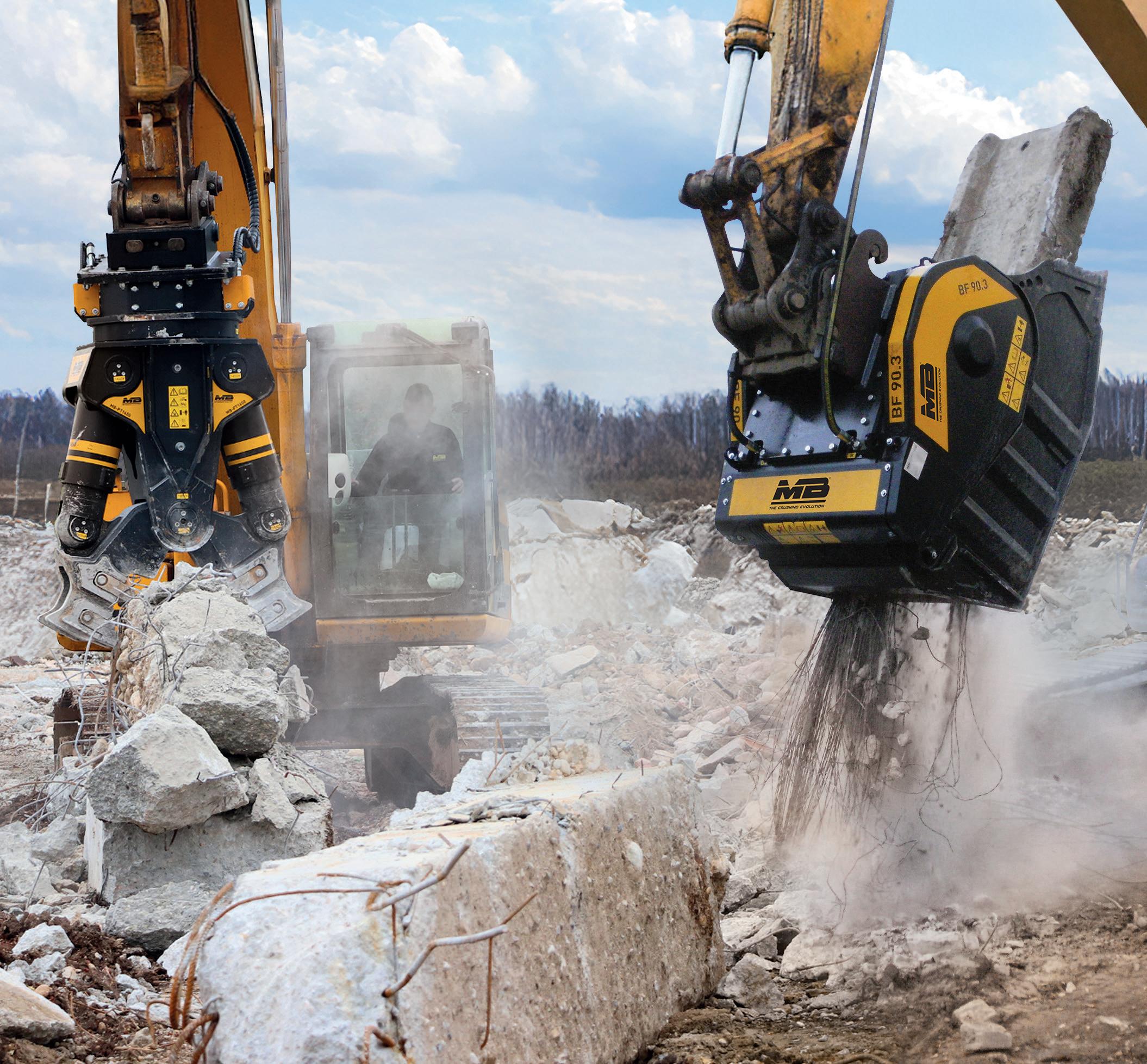
MB Crusher demolition pulverizer and crusher bucket. Demolish. Crush. Recycle.
Scan for the full range of attachments
MBCRUSHER.COM


















MB Crusher demolition pulverizer and crusher bucket. Demolish. Crush. Recycle.
Scan for the full range of attachments
MBCRUSHER.COM
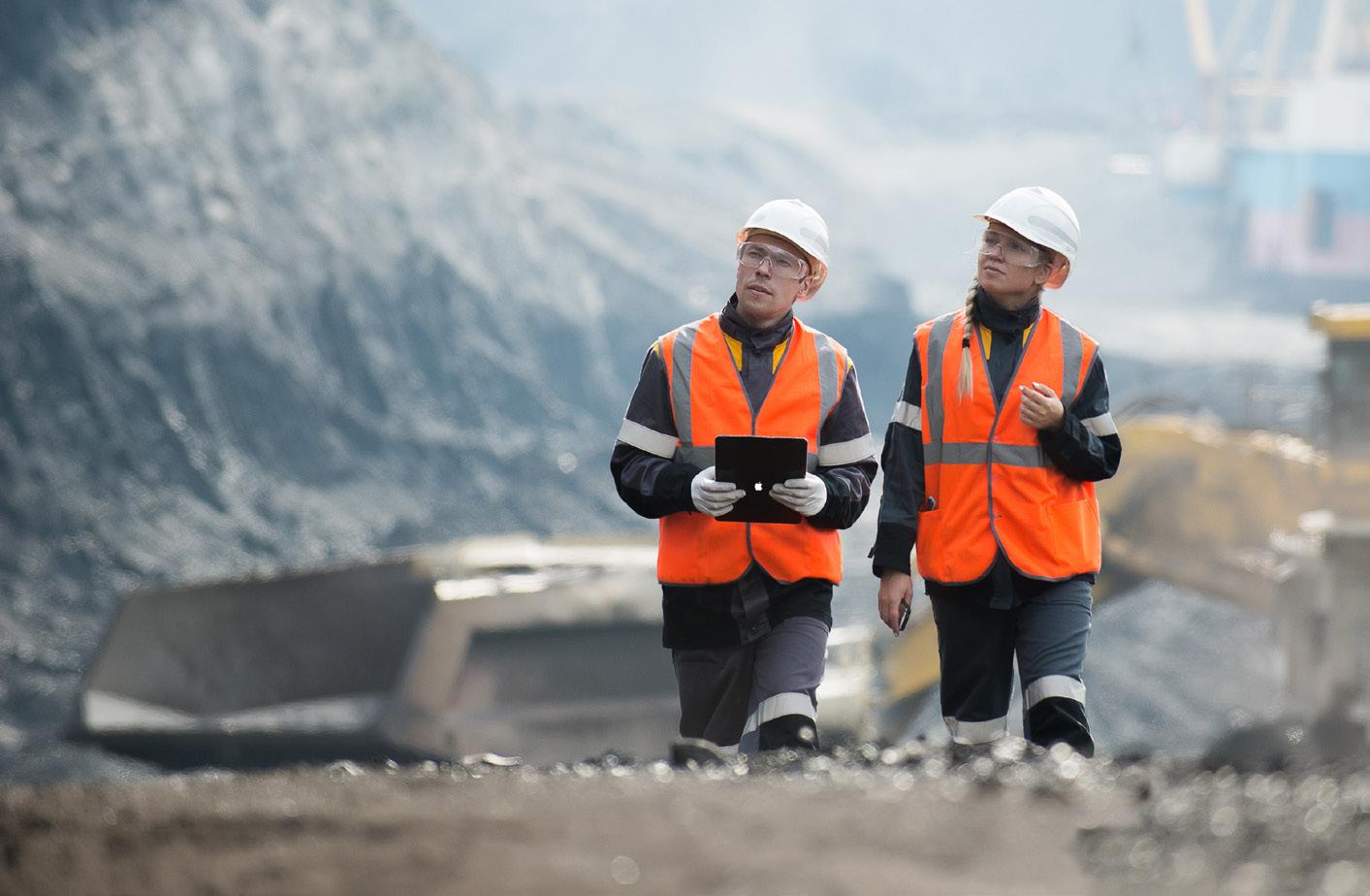
A wave of workers in the aggregates and roadbuilding industries are retiring, but AI can bridge the gap to a new generation.
12
We look at the newest pavers rolling onto the North American market.
16
Dr. Nayab Sultan explains why managing silica dust requires a more human-centred approach across workers, workplaces and communities.
Amrize’s new concrete line is extending the Northeast construction season while simplifying product selection.
Critical damage can happen within minutes of operation. Here is how proper winter-grade lubricants and stabilization routines prevent costly component failures.
22
Nighttime road construction can help move work along more quickly, but it also requires proper planning.

When listening to the arguments around whether Canada should build a new pipeline for oil and natural gas, it sounds eerily similar to the debates at municipal council tables around the development of new pits and quarries.
Writing this under the orange haze of wildfire smoke caused, in part, by our warming climate, I am quite aware of the problem we face with climate change. I don’t begrudge anyone for trying to tackle this problem. It is immense and complicated and will take generations of work.
However, it seems too many naively believe we can live without oil today. They forget, either knowingly or unknowingly, that oil literally lubricates our comfortable, modern existence.
Oil doesn’t just power our vehicles. It’s a key component of the tires and the roads those vehicles drive upon.
However, oil is found in far more places, from the keyboard I’m typing on to the smart phone or laptop you may be reading this on. Water bottles, toys, furniture, anything made of plastic, all requires oil.
You will find oil in fabrics, such as nylon and polyester, as well as makeup, deodorant and even lipstick. Prosthetics and other medical devices are, again, made from oil.
Simply put, everywhere you look, you will find oil. “Getting rid of it” is not a reasonable option. We can lessen our use. We can ensure the ways we use oil is cleaner and, eventually, we can transition to a world without oil. But that is not happening today.
This same ignorance can be found at many municipal council tables when it comes to pit and quarry development.
Like oil, the impact of aggregate is all around us. Take the building of a new hospital. Aggregate is used in all aspects of its construction – from the base layer that holds it up, to the concrete foundation, to the brick walls, to the steel used to hold those walls in place, to the glass found throughout.
That’s just one important building a com-
munity relies upon. That doesn’t include the new roads needed to get there or the new homes to house those who work there.
It all requires aggregate and lots of it.
But too often we want to eat our bacon without wanting to see how the pig is slaughtered.
Thankfully, there is some positive news on that front and it’s coming from the oil capital of Canada.
Alberta legislation passed this spring is providing what so many in the industry have been calling for – clarity.
Under the new rules, which came into effect in May, the approval of pits is now in the hands of the province and not municipalities. If a sand or gravel pit obtains a provincial registration under the Environmental Protection and Enhancement Act, it overrides municipal statutory plans and land-use bylaws.
As you can imagine, municipalities are not in favour of this. While there are legitimate concerns about a lack of input from local residents, they ignore that this is also the result of local communities using every tool they can to delay or block new aggregate development. Provincial legislation exists to protect people and the environment. If a company meets those standards, they should be able to operate. If those standards are not strict enough, the proper remedy is to change them, not have a patchwork of land use policies across the province.
The reality is: we all need aggregate and, unfortunately, it’s only available in certain locations. To paraphrase one of my favourite movies (Star Trek II: The Wrath of Khan), sometimes the needs of the many outweigh the needs of the few.
This positive step is thanks to the diligent work of the industry in Alberta (led by the Alberta Sand and Gravel Association). It is also evidence that using solid, fact-based arguments can eventually win the day.


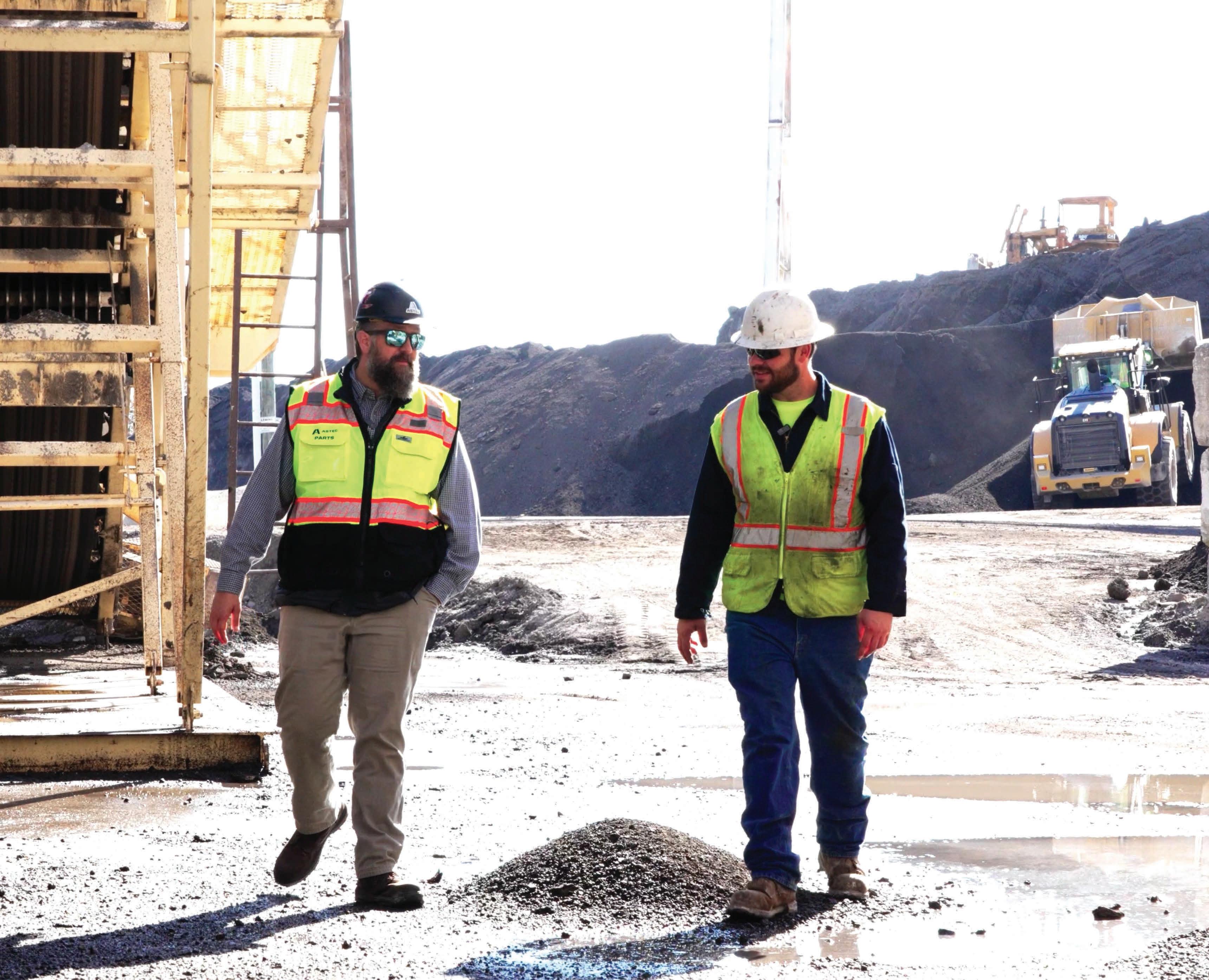
Astec’s partnership doesn’t start when the order is placed or end when the equipment is delivered. From system design and training to service, parts, and optimization, we stay involved through the life of your operation.
Because asphalt plant operators don’t just need machines—they need a partner who’s there when performance matters most.
BY COLIN leggett

A wave of workers in the aggregates and roadbuilding industries are retiring, but AI can bridge the gap to a new generation
> Artificial Intelligence once belonged to the realm of science fiction, and its depictions were often not comforting. From MOTHR in the Alien franchise to Terminator’s Skynet, AI platforms were shown as scheming, manipulative and downright detrimental to humanity.
Real life, however, is far different than what is shown on film. Many industries, and in particular the construction industry, will likely rely on AI to deal with retiring workers replaced by inexperienced employees.
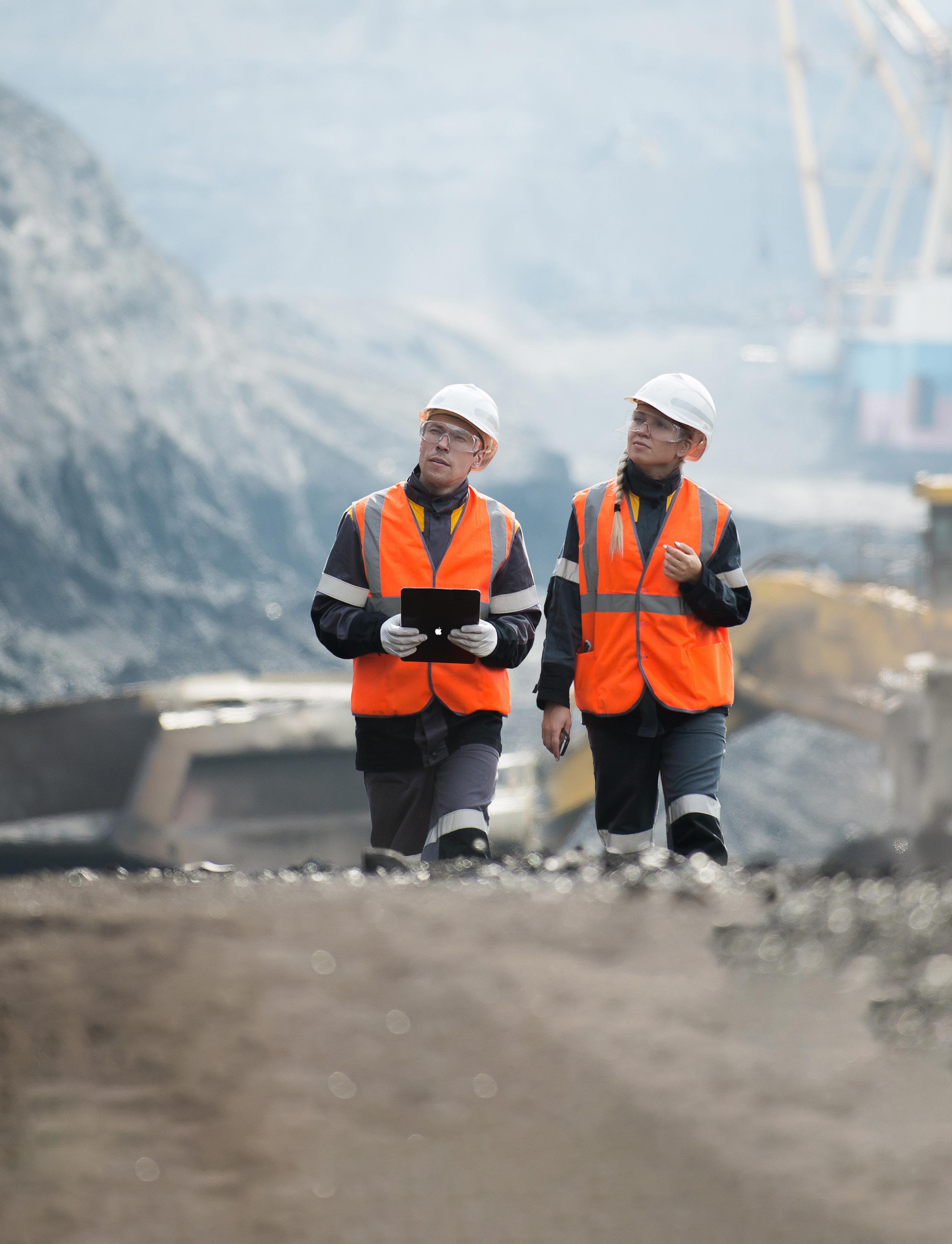
This is where AI comes in; not to take jobs, but to fill in the knowledge gaps left behind. At CONEXPO-CON/AGG 2026, Chuck Stilson, senior engineer at Luck Stone and Ron Hankins, Vice President of Epiroc, spoke on how AI and automation are likely to play huge roles in the aggregates industry, and it is going to take an entirely new type of worker to know how to utilize them properly.
However, no matter how good these systems become, Michelle Moore, Global Head of HR Advisory Services with Drake International, says new workers will still need the wisdom of those who have been working in the industry for decades. Thankfully, AI can help.
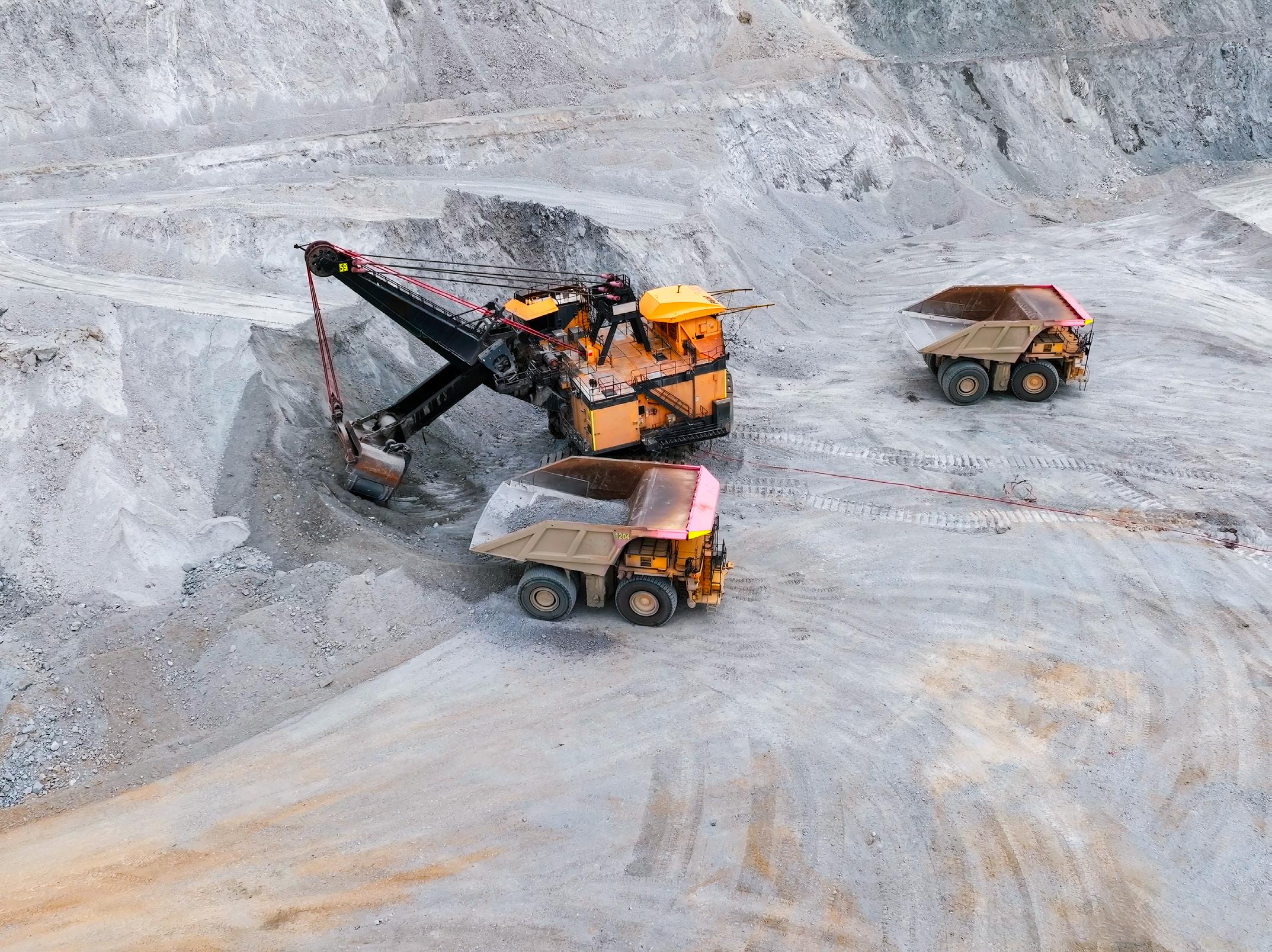
The impending mass retirement of older workers is such a looming threat it has been given its own title: the Silver Tsunami.
The natural disaster-evoking name is, perhaps, not hyperbole. The amount of talent and knowledge leaving the industry with the aging workforce is too subjective to measure properly, but objective data still paints a worrisome picture.
The Canadian Construction Association (CCA), citing BuildForce Canada, expects an estimated shortfall of 108,300 workers by 2034 due to retirements and aging demographics.
Additionally, the Associated Builders and Contractors estimates the U.S. construction industry will need to attract 350,000 new workers in 2026 and 450,000 in 2027 to keep up with demand.
Moore estimates these retirements will reach their peak by 2030.
“We know the retirement rate over those years is probably going to outpace hiring, considering projections of people graduating from trade schools,” said Moore. “We’ve also got slower population growth, so there are multiple factors really not playing in their favour.”
AI’S CURRENT PLACE IN THE INDUSTRY
AI is quickly becoming a solution to staffing issues in the aggregates and construction industries.
“When autonomy is implemented correctly, it does not remove purpose, it redefines it.” – Chuck Stilson >
In their CONEXPO seminar titled “Designing Autonomy Around People: The Future of Remote Mining and Quarry Operations,” Stilson and Hankins highlighted the looming wave of retirements in the industry and presented AI solutions not as a replacement for people, but as a way to enhance and create new jobs.
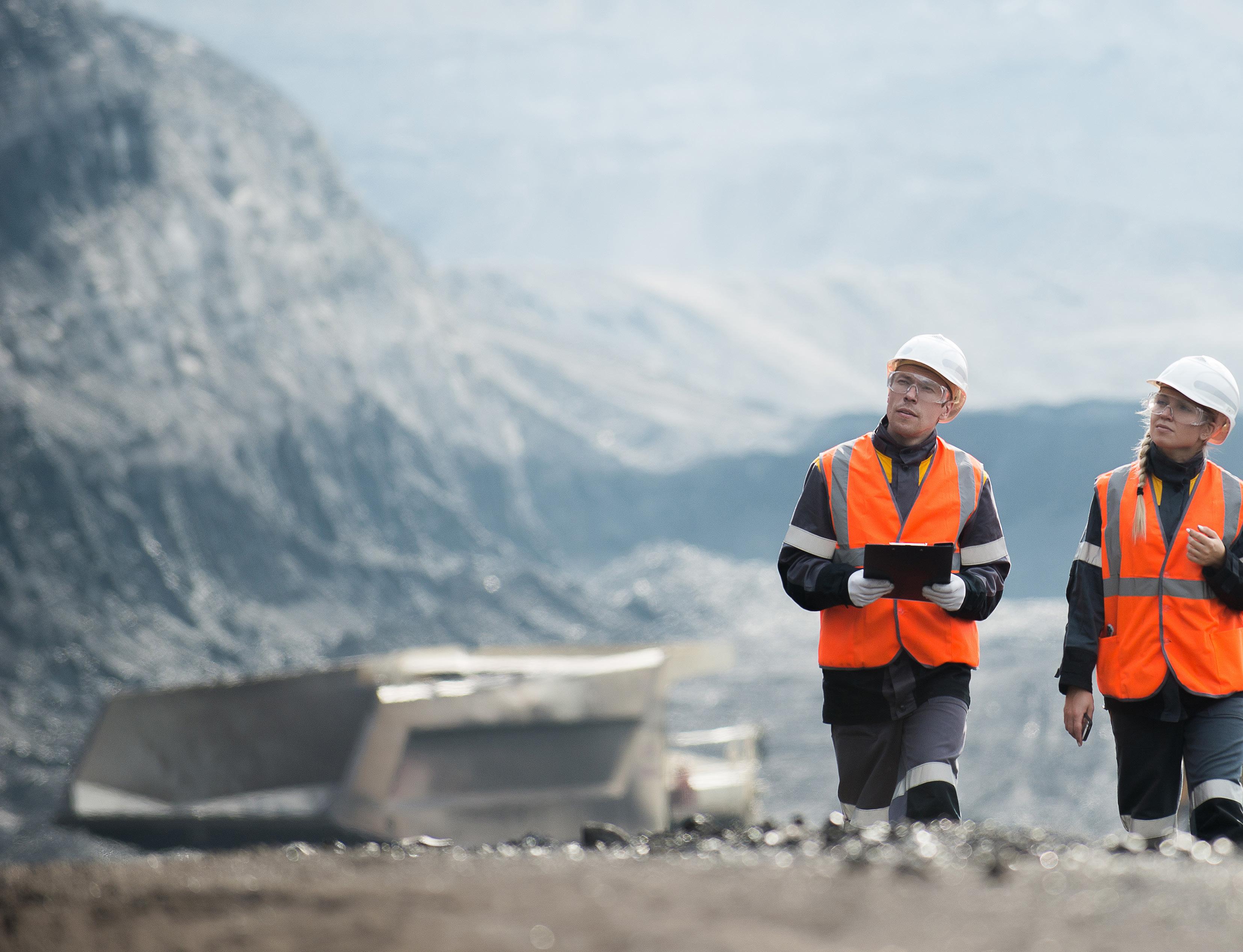
They shared a story of how one Luck Stone drill operator, Jason Harold, embraced automation in his job through a trial rather than moving away from it.
“He began to realize this might be an opportunity for him to learn some new skills and grow in new ways,” said Stilson. “He was selected as our primary operator for this trial. Now that he’s been operating and monitoring this rig for the last couple of months, he says he’s proud his name is attached to the project.”
Moore shares the outlook that using AI to enhance certain roles can attract younger workers to industries they may not have previously considered.
“I think a lot of youth have resisted going into construction and skilled trades,” said Moore. “But as some of those trades change and become more tech-enabled, it could be a good opportunity to attract some of the younger generation and replace some of the workers who will be retiring in the coming years.”
Companies have already recognized the usefulness AI presents in process or taskoriented knowledge. Rather than new employees needing to learn certain processes from older workers, particularly in the administrative realm, companies can have AI facilitate the tasks or perform them entirely.
Arjun Bali and Jerry Zhang are the founders of Keycard, a company developing AI to help heavy equipment dealers and contractors with documentation. Through postservice phone calls with an AI assistant, technicians are able to document their work
without typing up reports in the field.
“The AI asks the questions so within a few minutes on the phone, potentially on the drive back or while they’re packing up their tools, it gets everything it needs for a full work order story, as they like to call it,” said Zhang.
While Keycard can help with the task of documentation, Zhang recognizes the need for more in-depth knowledge transfer through AI systems.
“The service department is such a core part of a dealership that they see it as an existential succession risk to their entire business if they can’t transfer this knowledge before their tenured techs retire,” Zhang said. “So it’s an all-hands-on-deck


- Michelle Moore >
“I think a lot of youth have resisted going into construction and skilled trades."
sort of thing.”
The loss of tacit knowledge is the real risk of experienced employees leaving the workforce. As opposed to administration and processes, tacit knowledge is defined more as the reasoning behind why decisions are made. It is represented by the judgment and instinct that can only come with years in the field.
“There are things an experienced technician is just able to see through all of their experience that leads them down the correct path more quickly than somebody who is seeing the problem for the first time,” says Zhang.
Transferring this tacit knowledge requires extensive documentation; capturing everything a more experienced employee knows and archiving the knowledge for later reference by a younger, less experienced worker.
“When you properly document the steps of an experienced technician with detail and with photos, videos and a conversation, that knowledge can now be searchable by AI for the next guy that sees a similar sort of issue,” Zhang says. “They’ll immediately have access to what fixed it last time.”
Moore agrees knowledge capture is critical for the transfer of tacit knowledge to future workers.
“While [AI] is really good at identifying patterns in data, it doesn’t always replicate human judgment,” Moore said. “If you want it to be able to do that, you have to give it the right data.”
Moore cited an example of this tacit knowledge transfer specifically within the construction industry, where a company called TwinKnowledge ran years’ worth of blueprints through a Large Language Model (LLM). Through compiling this historical data, TwinKnowledge’s LLM was also able to determine why certain decisions were made in the design process.
“Even for people who are working in the field, there is an opportunity to capture some of that knowledge, but it takes data and making sure you’re feeding the systems

the data to uncover those patterns and dig a little bit,” said Moore.
There are other ways to document this tacit knowledge, Moore says, such as having retiring workers provide more detailed exit interviews over the course of weeks or even months. This allows retirees to compile their tacit knowledge into a database, in essence creating a digital twin, which can then be referenced in the future by a younger worker who is just starting out.
A real-world example of knowledge capture in the aggregates industry is Metso’s AIpowered Predictive Maintenance service. The system can detect early signs of equipment issues before failures occur and can even identify required parts in advance. It does this through a combination of machine data and captured human expertise.
“What we have done over the past year is developed a number of algorithms to detect when the data starts to look bad from the machine’s point of view,” said Henri Kaukola, Head of Digital Services, Aggregates for Metso. “Together with our technical support teams who have decades of crusher experience from the field, we have developed and validated these algorithms to detect the correct things.”
Considerations must be taken to ensure information in any AI system is accurate. The documentation process needs to be thorough and, most importantly, up-to-date.
“If you haven’t captured a retiring expert’s knowledge, AI is likely not going to be able
>
“We will bring others to this industry: software developers, sensor guys, all these new technologies that are going alongside Artificial Intelligence and with all this software.”
- Carsten Karcher
to replicate it,” Moore says. “I think there’s a risk it could be reinforcing outdated practices because the world is dynamic. It all goes back to the data it’s trained on. Is it right? How old is it? Have things changed?”
Such a process can help to overcome one of the primary weaknesses of current AI systems.
“One skill we’re seeing bubble up to the surface and become even more important is the ability to think critically and scrutinize things,” Moore says. “Anyone using AI knows you can’t take it at face value, because it can hallucinate and if there’s wrong or incomplete data it gives you the wrong answer.”
For companies facing a wave of retirements in the near future, it is imperative to start the knowledge capture process as early as possible.
“Start now,” says Moore. “Because the value of AI is the more data, the better data you have, the more you lay the right foundation today for tomorrow.”
As AI is tasked with taking over more processes, people are tasked with overseeing or supervising the AI to avoid
those potential mistakes. This results in a reshaping of the workforce, where managerial positions become the bulk of available careers as lower-level positions are eliminated.
“The org chart that used to be the typical pyramid may become a diamond shape where there are fewer low-level jobs,” says Moore. “There are a whole bunch in the middle, but those people are doing more critical thinking and more creative tasks.”
A conceptual example of this is the idea of Asphalt 4.0, an extension of Industry 4.0. It describes a shift toward more technology, automation and sustainability in the paving process. As a result, even roadbuilding sees a shift toward more data-driven supervisor positions.
“We will bring others to this industry: software developers, sensor guys, all these new technologies that are going alongside Artificial Intelligence and with all this software,” said Carsten Karcher, secretary general of the European Asphalt Paving Association.
“We get more people linked to other industries; more modern, more dynamic, more future-orientated industries. And that can also change our image, and then we attract more people again if we have more jobs.”
Stilson and Hankins also reinforced this labour force shift in their CONEXPO seminar when discussing automation in quarrying.
“It’s about shifting the work towards higher skilled roles and it’s about creating new capabilities in data analysis, system supervision, performance optimization and digital planning,” said Stilson.
“When autonomy is implemented correctly, it does not remove purpose, it redefines it.”
It is not just young people who will benefit from the implementation of agentic AI and captured knowledge. Neurodivergent people can also benefit from these systems, thus expanding the pool of potential workers even further.
“I think it can be an equalizer,” Moore says. “AI can shoulder some of the cognitive load – the kind that disproportionately drains neurodivergent workers and those managing anxiety, depression, or
other mental health challenges.”
Recent immigrants can benefit from the use of AI in workplaces through translation functions in programs like Microsoft Teams, while those returning to the workforce after extended absences can get up to speed faster on new systems and processes.
AI also doesn’t necessarily have a cost barrier. Moore says even small to midsize businesses can utilize the systems for a reasonable price.
“It’s become more affordable. If you think of Microsoft co-pilot and a license, if you’ve got 80,000 employees versus 500, the cost is astronomical for the large organizations where a smaller mid-sized organization can afford to bring those tools in.”
Like any digital tool introduced to the workplace, AI’s best use cases will eventually show themselves. If one of those is giving the next generation of workers a leg up, it might just be beneficial after all.

At ME Elecmetal, we don’t just supply wear parts — we engineer performance. With the same grit that built our mining legacy, we now lead the aggregate market in speed, quality, and custom solutions that help distributors outperform OEMs.
Optimization Without the OEM Hassle - Our data-driven tools and expertise make it easier to fine tune performance and improve wear life — without the long lead times or locked-in specs.
Total Product Development Partner - We don’t stop at crushing. We innovate in: apron feeder flights, safety tooling, rubber wear components, reverse- and custom-engineered solutions, and more.
Discover More About our Range of Innovative and Custom Solutions for the Aggregate Market!
BY COLIN leggett
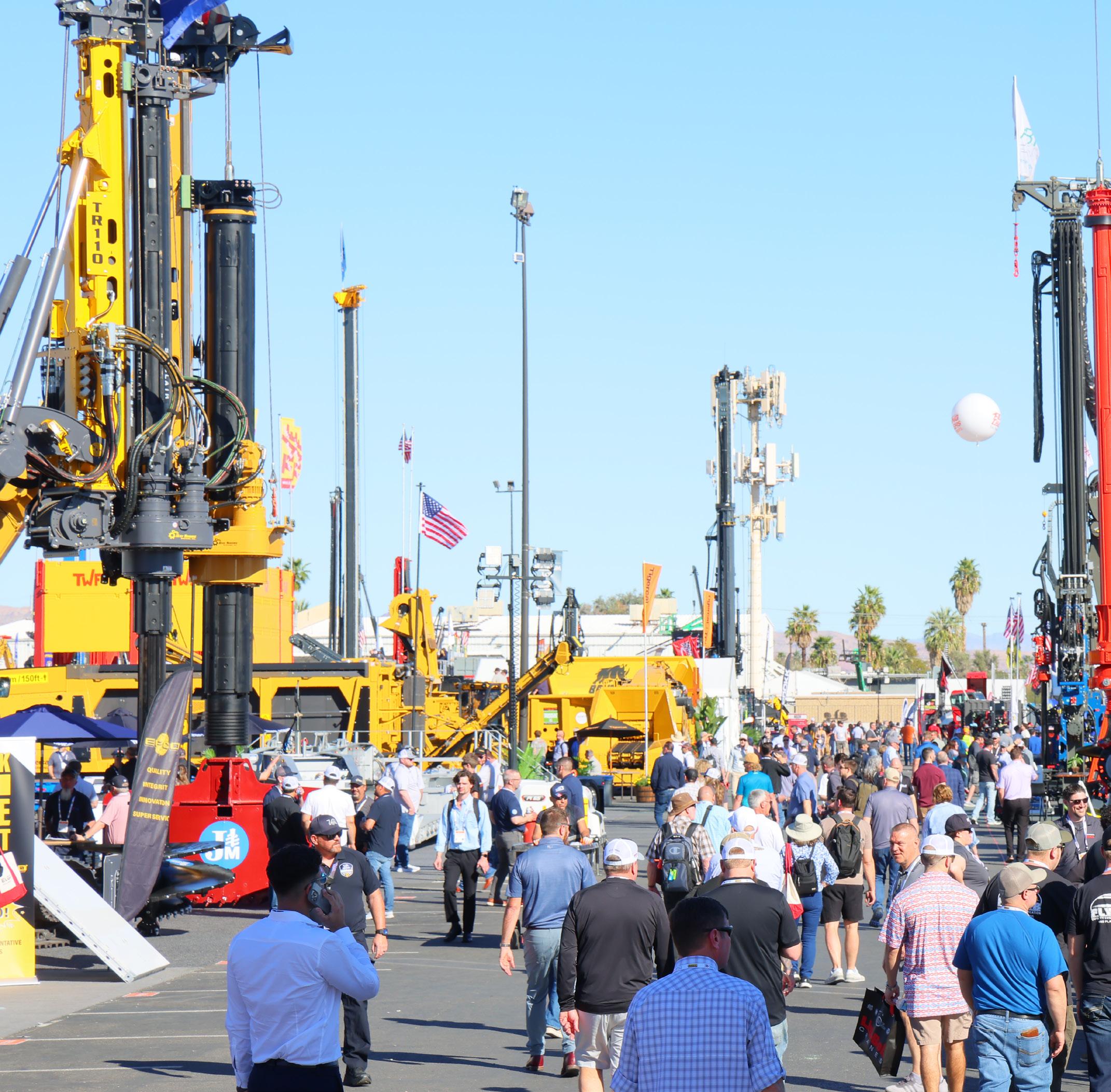
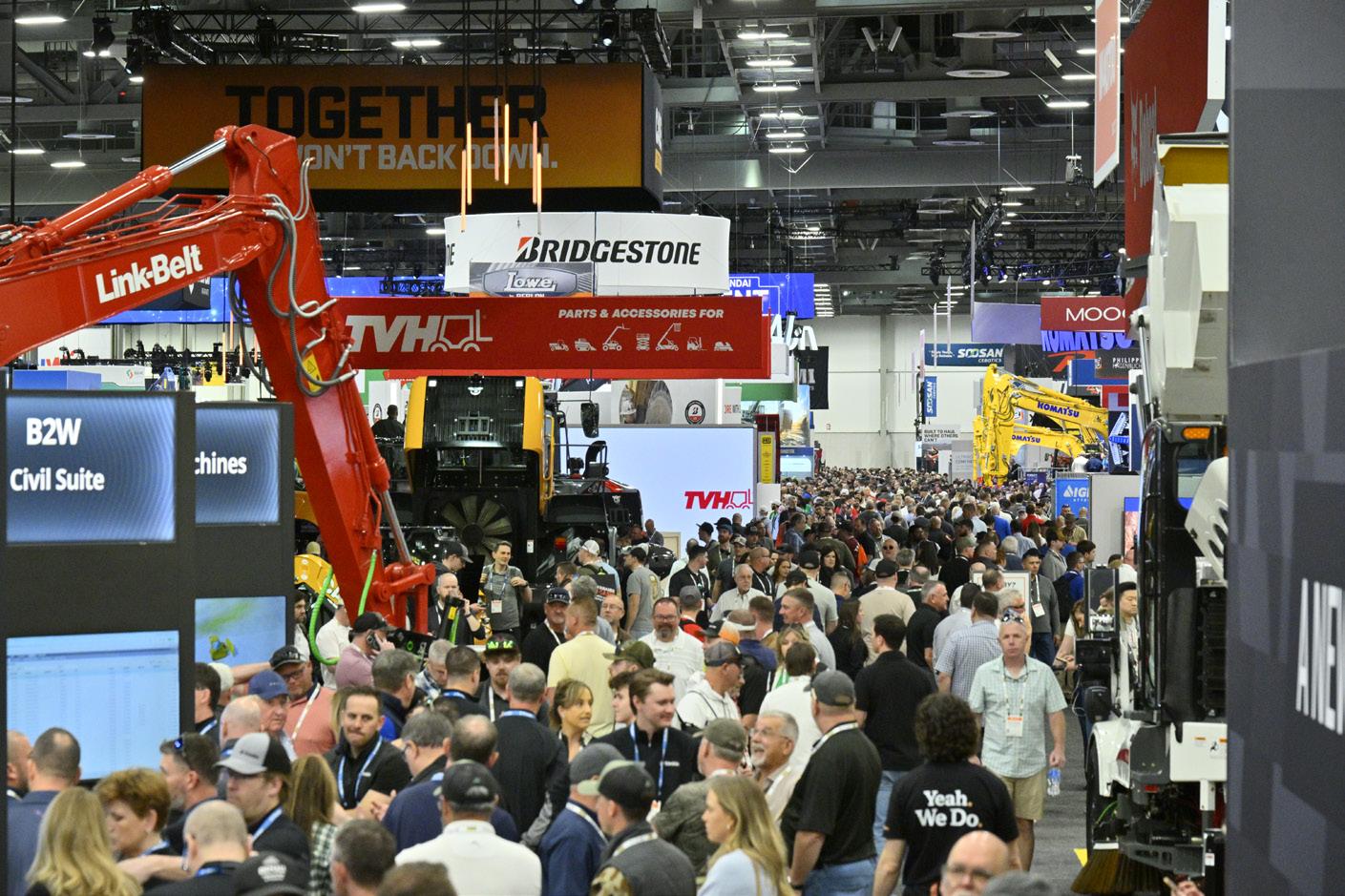
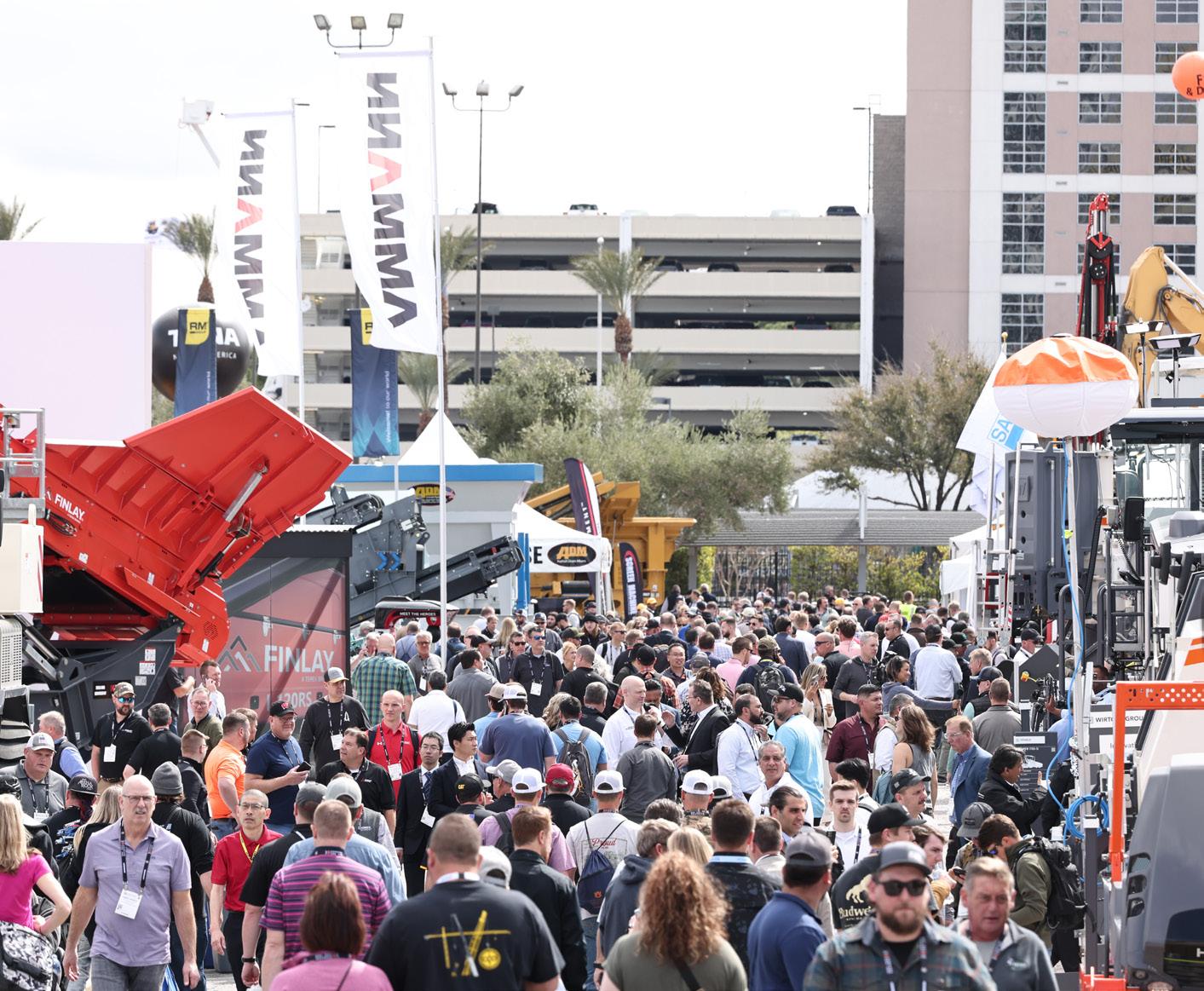
> CONEXPO-CON/AGG 2026 is in the rearview mirror, and construction professionals are likely already thinking about 2029.
Yet the Las Vegas trade show, which ran from March 2 to 7, left an impression, and featured some impressive machinery, including pavers from Astec, BOMAG, Caterpillar and Vögele.
Technology and operator comfort were the orders of the day for these machines, some of which are brand new to the North American market. They represented the changing face of roadbuilding and how machinery is increasingly aimed at a new demographic of workers coming into the field.
From highway class to compact, the pavers at CONEXPOCON/AGG 2026 were some of the show’s biggest highlights.
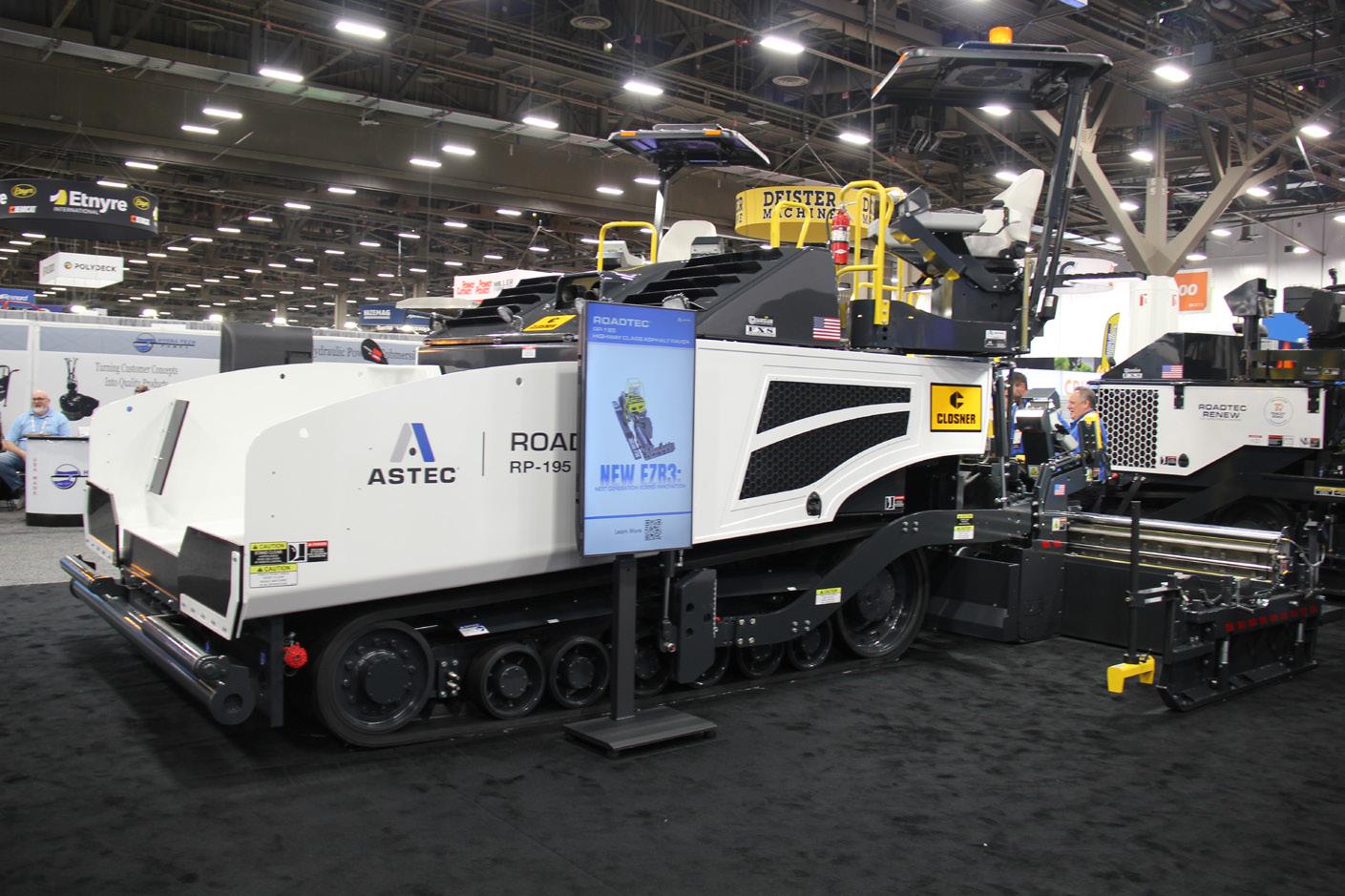
Astec’s Central Hall booth at CONEXPOCON/AGG 2026 was massive, and featured some of the company’s most impressive (and large) pieces of equipment. Among them was the RP-195f paver equipped with the Carlson EZR3 Highway Class Screed.
The RP-195f features a 13.8 ton front hopper capacity and independently-driven, variable-speed feeder conveyors with 650 BHN liners. It is powered by a T4F Cummins B6.7 230 hp engine, allowing it to reach a paving speed of 64 metres per minute and a travel speed of up to 12 km/h.
The adjustable operator seats can swing out past the side of the paver to provide better sightlines and include suspension for better comfort. Visibility also extends to the front hopper. Automatic lubrication and a retractable washdown hose simplify maintenance, while hydraulic sensors continually monitor pressure and display it on the operator’s screen.
The RP195f’s flow gates provide precise control over the head of material and allow proper distribution without burying the auger and flooding the middle. Flow gate positions are displayed on the control box screen. The conveyors feature hinged, dual apron plates to make end-of-day cleaning easier.
The Carlson EZR3 screed was also on display with the RP195f, marking one of the latest innovations from Astec. The highway class screed’s optimized mat maintains angle of attack even during fullwidth applications. Its free-floating endgate design features narrow or wide width options and four runner configurations.
“We’ve done an upgrade. We improved our balance. So, with that, we’ve lightened it somewhat to get that better balance with our tractors,” said Keith Hagy, product manager - paving for Astec. “And at the same time, we strengthened our screed, and reduced the flex that you typically get with a rear mount, especially wide paving.”
Hagy also highlighted the ease of adjustability on the EZR3.
“We have our adjustable bushings. So, you can actually adjust your strength as you go,” said Hagy. “We’ve made access easier. Adjustments are quicker. You can
adjust the angle of attack on the fly.”
The massive John Deere booth served as the centrepiece of CONEXPO’s Silver Lot. Spanning 80,000 square feet of indoor and outdoor display space, the exhibition included machines from Kleemann, Hamm and Vögele.
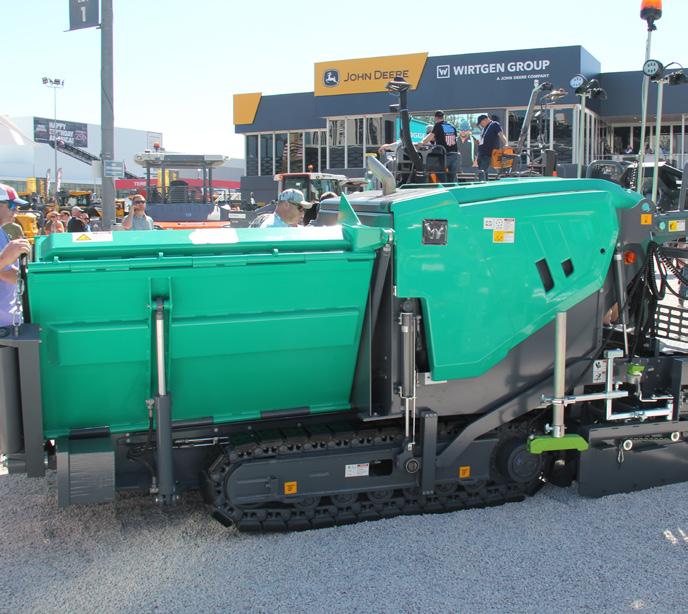
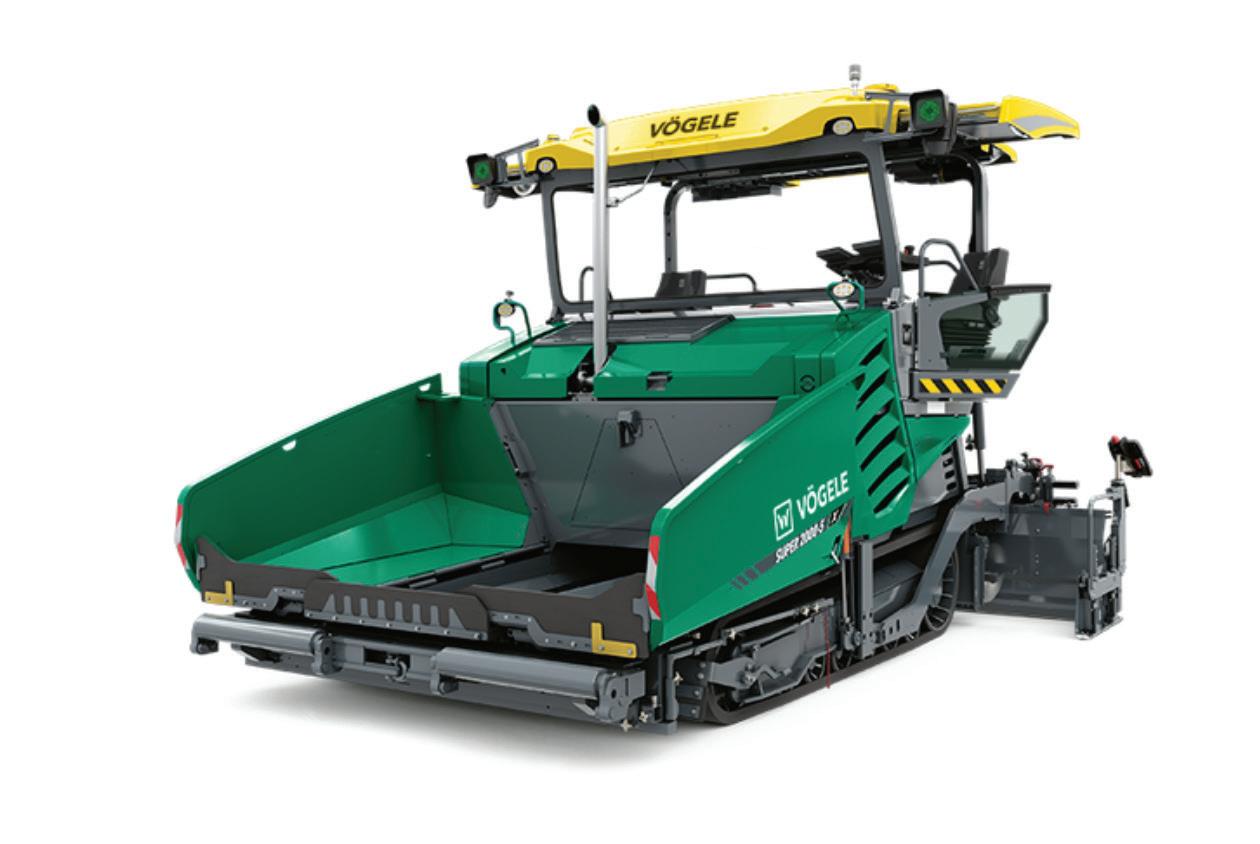
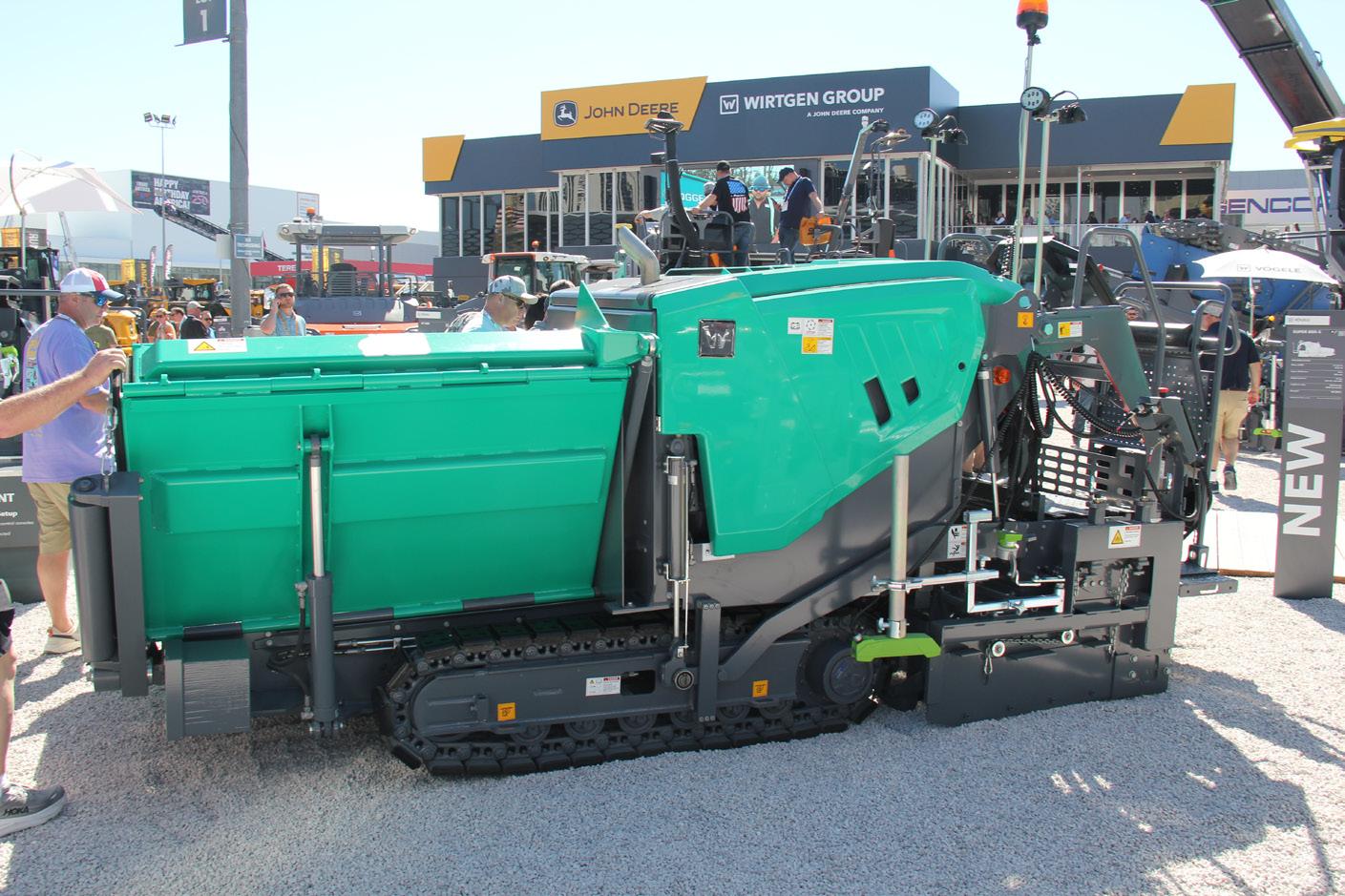
Underneath the bright Las Vegas sun in the outdoor displays were the Vögele Super 2000-5 X and Super 800-5 P. Both machines represented the company’s next generation of pavers.
The Super 2000-5 X is Vögele’s new 10-foot tracked paver specifically designed for highway and major road construction projects in North America. It is powered by a Cummins QSB 6.7 - C250 6-cylinder diesel engine with a nominal output of 250 hp and fuel-saving ECO modes providing either 235 or 208 hp.
The continuous rubber track undercarriage with electronically controlled separate hydraulic drives for each track allows for a maximum travel speed of 12 kilometres per hour and a paving speed of up to 76 metres per minute. It can achieve a maximum laydown rate of 1,540 tons per hour and handles layer thicknesses up to 30 centimetres.
The Super 2000-5 X on display at CONEXPO was equipped with a lighting package which, as Brodie Hutchins, Vice President – Head of Sales, Vögele Products for North America explained, was designed around some of the most stringent lighting requirements in North America.
“We tried to keep that where it wasn’t a bolt-on configuration or even a balloon light or some third party,” Hutchins said. “We wanted to have that all so wherever it went, it was lit to the right parameters of wherever it needed to be on the job.”
On the smaller side is the Super 800-5 P, Vögele’s newest mini class tracked paver. It is designed specifically for paving in narrow construction projects and features a Deutz TD 2.9 L4 engine with a nominal output of 72 horsepower or 65.7 horsepower in ECO mode.
The Super 800-5 P can lay down 300 tons per hour and can accommodate layer thicknesses of up to 20 cm. It can reach a paving speed of 30 metres per minute and
a travel speed of 3.6 km/h.
“We affectionately refer to it as our little tank,” said Hutchins. “We’ve changed a few things including the hopper design where it’s now got two hinges on it so it can fold for better visibility when loading and operating. It can also go into a number of different configurations for multiple feeding options, whether it’s a material transfer vehicle or a shuttle buggy or a bucket on a skid steer.”
The Super 800-5 P is equipped with a single conveyor and two reversible augers with 300 mm diameters, all of which are powered by separate hydraulic drives. It is compatible with the AB 200 and AB 220 screeds, offering a paving range between 0.5 and 3.5 metres.
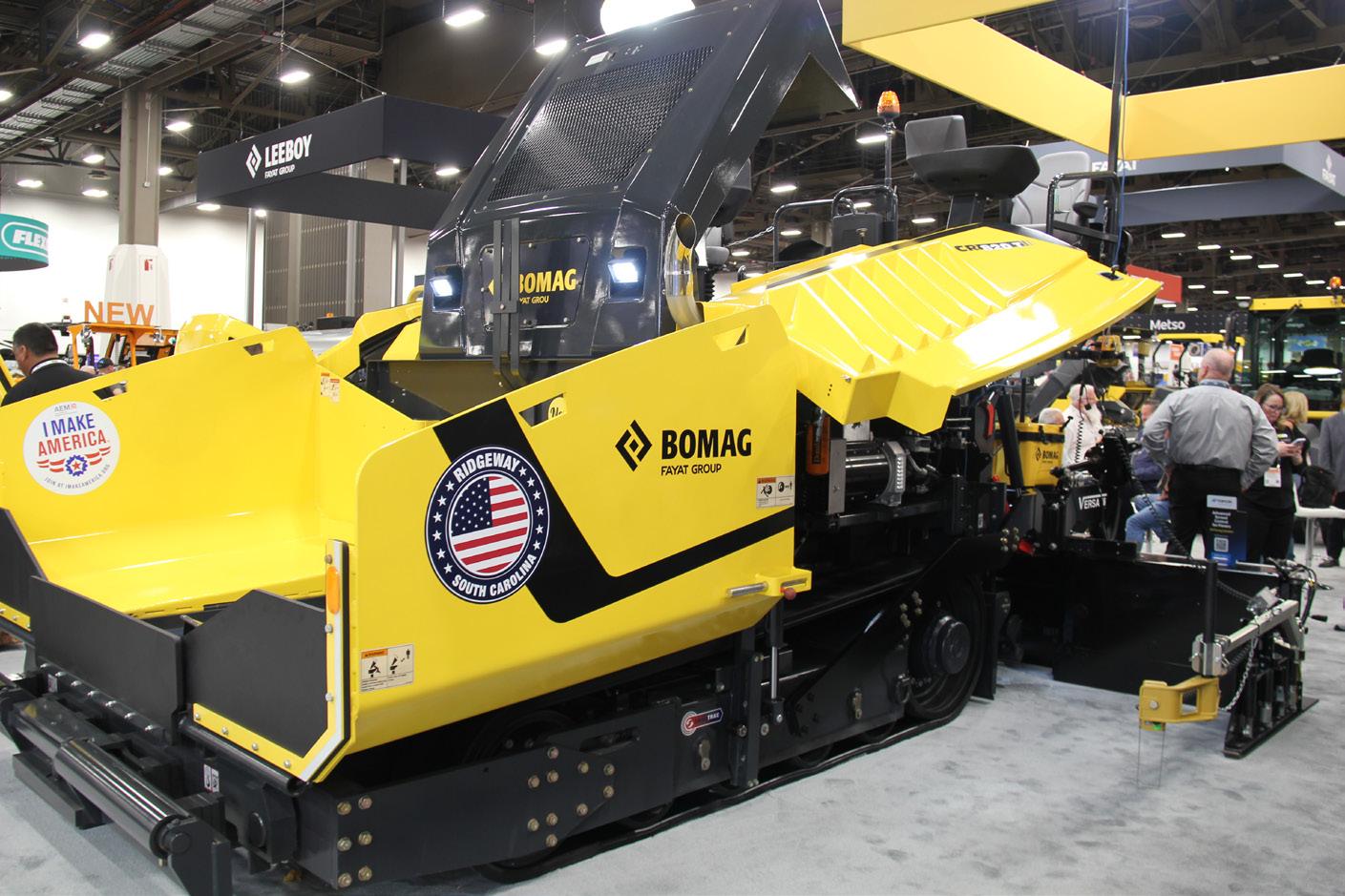
Among BOMAG’s offerings in the Central Hall during CONEXPO-CON/AGG 2026 was the CR820-T2 paver, fitted with the Versa 16 screed. This highway class 2.4 metre tracked paver features a new operator’s platform, new controls and improved visibility.
BOMAG focused on improving the operator experience through technological advancements like a sound-insulated composite engine hood to reduce noise and large multifunction color screen displays on both consoles. These displays allow operators to make fast paver settings changes and view critical functions and gauges using either the touchscreen display or dial control.
Dual, swing-out operator stations feature BOMAG SIDEVIEW innovation so the seat and console both swivel outward at four differing angles for unobstructed views. Visibility is also improved by an open-grate design on the platform floor giving the operator direct sight of the screed spreading augers.
The CR820-T2 is powered by a 174-hp Cummins QSB 4.5 engine meeting Tier 4 Final emissions. The paver itself has enough power for both full-width paving and operating the screed’s generator and lights for night-time paving.
The Versa 16 front-mount electric screed provides infinitely variable paving widths from 2.4 to 4.7 metres. Available 305-mm heated extensions can increase maximum screed paving widths to 5.9 metres.
“A lot of our features on our screed have gone from hydraulic to electric,” said David Seiger, Product Specialist Milling and Paving with BOMAG. “So, your vibration is now electric, your match height is electric and your angle of attack is electric. So, no hydraulic motors, just electric motors.”
Seiger says the benefits of going electric over hydraulic include fewer hydraulic lines, less motor wear and pump wear, faster heating and higher efficiency.
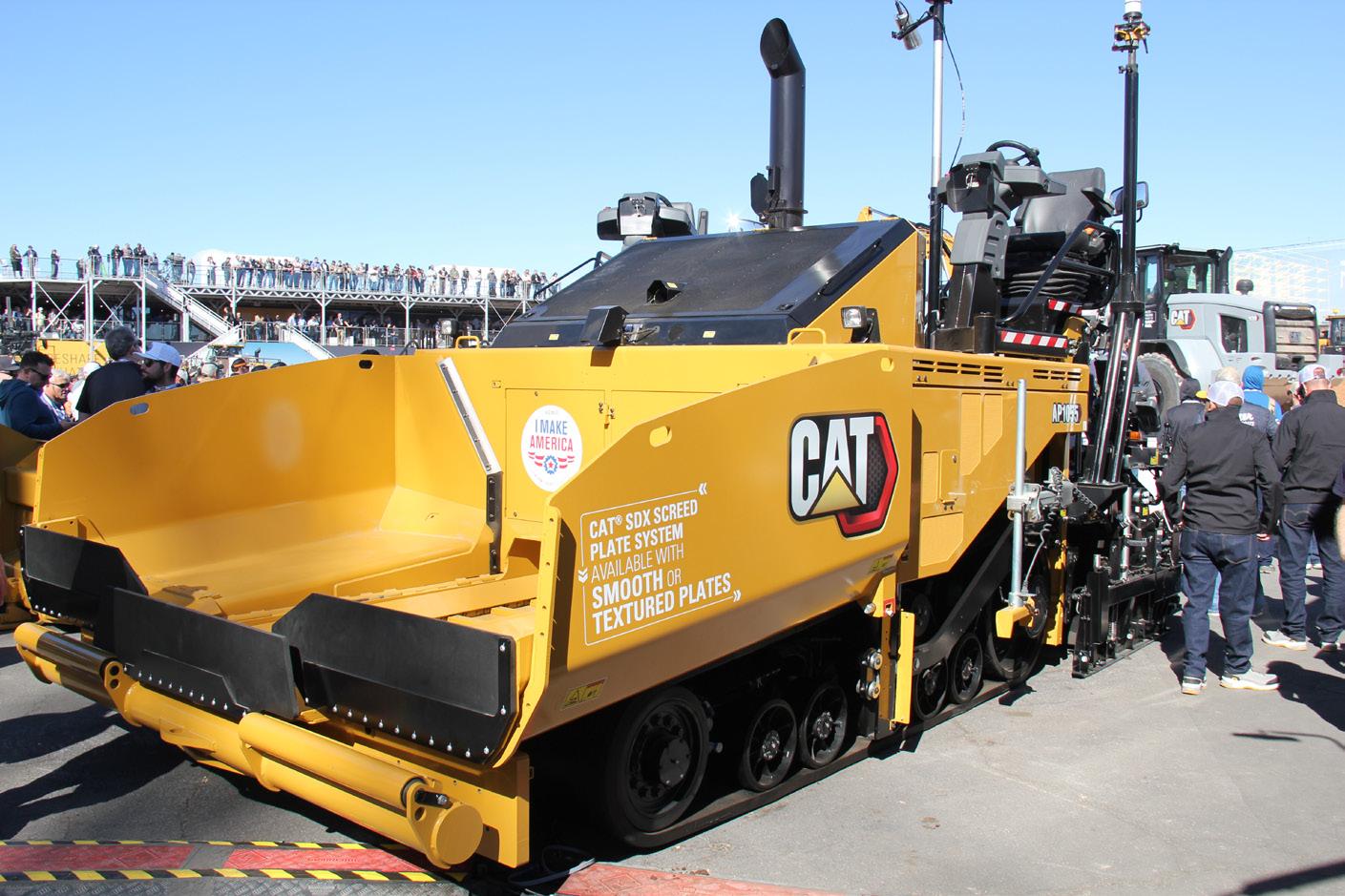
Caterpillar’s massive booth in the Festival Lot had plenty for CONEXPO attendees to take in. However, parked just outside the demo area with other equipment on display was the AP1055 Asphalt Paver.
The AP1055 is a rubber track asphalt paver specifically designed for large-scale projects such as highways and airport runways. It is powered by a 225 hp Cat C7.1 engine supporting a maximum throughput capacity of 1,602 tons per hour. It features an integrated 70 kW generator and a Mobil-trac undercarriage allowing for a maximum travel speed of 14 km/h and a standard maximum paving speed of 64 m per minute.
“New with this machine this year we’ve got a cooling package filter that slides in and out in about two minutes or so to refresh the cooling package and keep the machine ready to go,” said Jon Anderson, Senior Sales Support Consultant with Caterpillar.
“We’ve also added a remote oil filter, so if you have to do an oil change in the field and you’ve got a hopper insert, there’s no need to remove that anymore. Everything is geared towards improvement, serviceability and machine up time.”
The AP1055 includes features aimed at increasing operator comfort like dual operating stations that can swing out beyond the frame and a ventilation system to redirect fumes away from the auger chamber. The touch-screen displays can adjust heat and paving speeds and provide access to optional features like Cat Grade Control, Pave Start Assistant, and thermal mapping for real-time surface monitoring.
The AP1055 on display included a SE60 V asphalt screed, which can reach a maximum paving width of 7m and depth of 30 cm. The SE60 V can be fitted with optional SDX screed plates. These feature an angular surface on the front of the plates with a tapering smooth surface near the back.

Managing silica dust requires a more human-centred approach across workers, workplaces and communities
Silica dust remains one of the most serious longterm health risks in construction, aggregates and roadbuilding. While the industry has improved monitoring, regulation and awareness, workers are still developing preventable respiratory disease, often years after exposure first began. Addressing the problem will require more than measuring dust levels. It will require connecting workplace safety, environmental responsibility and long-term worker health.
Over the past decade, the construction and roadbuilding sectors have made real progress in identifying and managing silica exposure. Monitoring technology has improved, regulations have become stronger and awareness has grown across the industry. Many employers are investing in dust suppression, exposure monitoring and worker protection. This progress matters.
But despite those improvements, silica-related disease has not disappeared.
Workers are still developing silicosis and other serious respiratory illnesses linked to long-term dust exposure. In many cases, those illnesses emerge years, even decades, after the initial exposure.
That reality raises an important question: If we are getting better at measuring silica exposure, why are workers still getting sick?
A recent Rock to Road feature by Meghan Friesen, ROH, highlighted a new free online risk assessment tool designed to help surface mining operations better identify and manage exposure to respirable crystalline silica.
Tools like these are an important step forward, helping employers move beyond assumptions and make more informed decisions about where on-site exposure risks may exist. Better visibility into exposure can support better planning, better controls and ultimately safer work environments. But tools alone cannot solve the entire problem.
The challenge with silica is not simply identifying dust; it is understanding how exposure builds over time and how difficult it can be to recognize the long-term consequences before damage has already occurred.
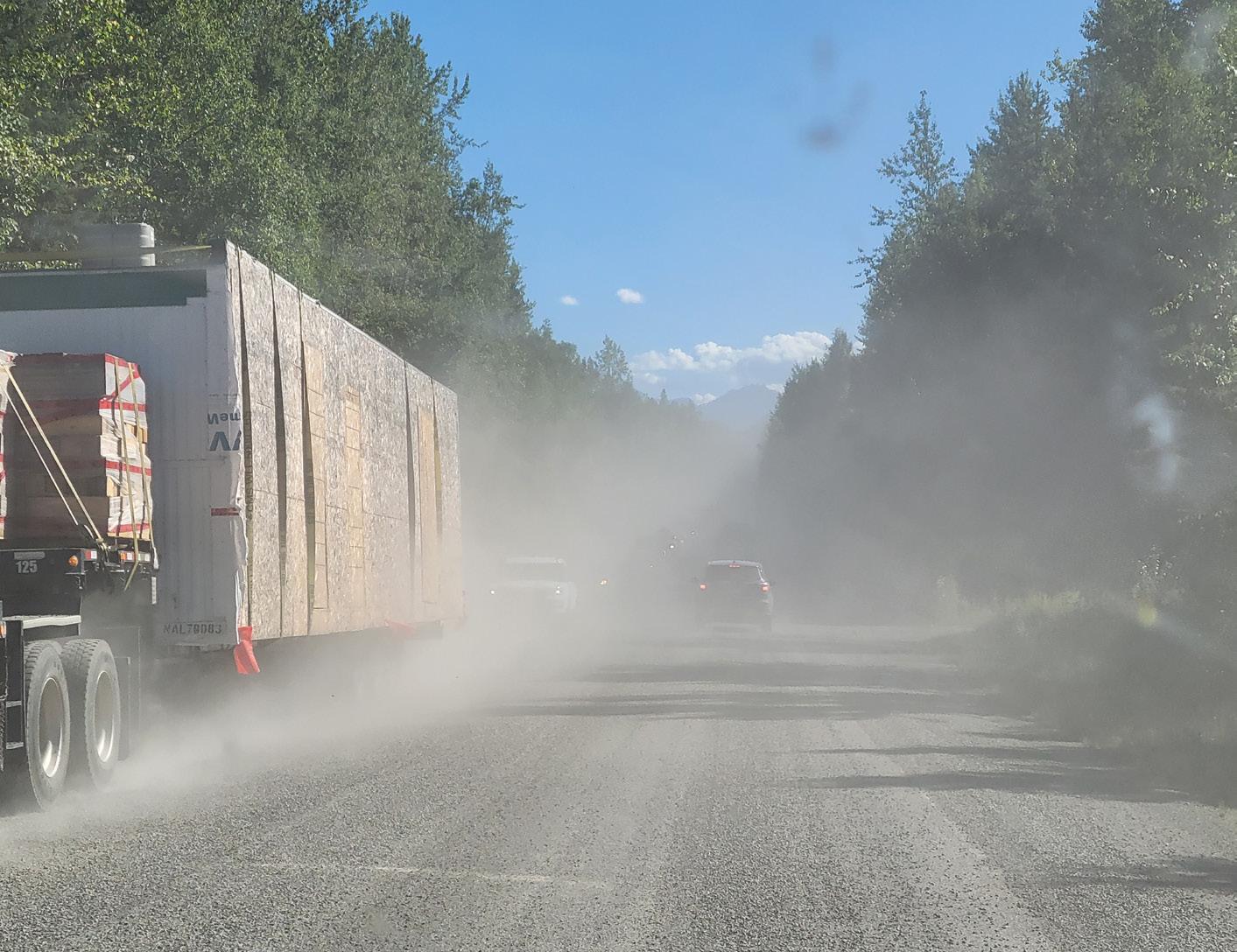
One of the biggest challenges with silica is that exposure rarely happens in isolation. A worker may spend years moving between projects, employers and job sites. Exposure builds over time, cutting concrete one year, grinding asphalt the next, working around crushing operations or dry-sweeping dust in enclosed spaces years later. No single task may seem extreme on its own, but together, the cumulative effect can be significant on the individual.
At the same time, on-site dust does not always remain confined to a single work area. Silica dust can spread into surrounding environments, nearby work zones and adjacent communities, particularly during dry conditions or in poorly controlled operations.
That is why silica should not be viewed only as a workplace issue. It also intersects with environmental and public health concerns.
Unlike many workplace injuries, silica-related disease does not usually appear immediately. A worker exposed today may not develop symptoms for 10, 20 or even 30 years. That delay creates a major challenge for the industry. A company may have excellent shortterm safety statistics, strong compliance records, and low incident rates, while workers are still accumulating long-term respiratory risk that will not become visible until much later. In other words, traditional safety metrics do not always tell the full story.
The industry has become very good at tracking incidents in real time. Long-latency disease is much harder to see.
Modern monitoring equipment and digital tools are helping companies better understand where exposure may occur. That is a positive development, but it’s important to remember it is one step of many toward preventing harm.
• A monitor can identify dust levels.
• A model can estimate exposure.
• A dashboard can display trends.
None of those things automatically reduces risk. Real prevention still depends on:
• Controlling dust generation.
• Improving work practices.
• Maintaining ventilation and suppression systems.
• Training workers properly.
• Creating a culture where health risks are taken seriously, even when they are not immediately visible.
• Putting into place health surveillance measures to protect workers’ health
• Building a culture which respects workers’ rights.
There is a danger in believing that because something is being measured, it is therefore fully controlled. It often is not.
Silica exposure is shaped by what happens on the ground every day. Workers operate under production schedules, changing weather conditions, tight timelines, equipment limitations and evolving site demands. Under those conditions, dust can easily become normalized as “part of the job.”
This is not about blaming workers. It is about recognizing operational reality.
In many workplaces, people may understand that dust is hazardous in general terms, but the long-term health consequences still feel distant and abstract compared to the immediate pressures of completing the work.
That is where strong leadership, supervision and workplace culture become critical.
One area that deserves greater attention is worker participation in identifying exposure risks.
In many cases, workers can identify problems long before they appear in formal reports or monitoring data. They generally know:
• Where dust builds up,
• Which tasks create the heaviest exposure.
• When controls are not working properly.
• How conditions change throughout the day.
Approaches such as worker-led exposure discussions and body mapping exercises have helped clarify how exposure occurs in practice. These methods do not replace technical monitoring. They complement it by connecting data with real-world experience. That human perspective is often missing from silica management discussions.
Regulations and exposure limits are essential. They establish minimum expectations
and create accountability across the industry. But legislation only sets minimum expectations with compliance viewed as the starting point, not the finish line.
A company can technically meet regulatory requirements while workers still face long-term cumulative exposure risks over the course of their careers. Preventing disease requires thinking beyond individual projects and short-term timelines.
It means considering:
• Cumulative exposure over decades.
• Changing work environments.
• Multiple employers.
• Subcontracted work.
• Broader environmental impacts.
That requires a more integrated approach among occupational health, environmental monitoring and public health systems.
The construction and roadbuilding industries have already made important progress on silica awareness and control. That progress should be recognized and applauded, but the next step is shifting the conversation from measuring exposure to preventing long-term harm.
That means:
• Improving co-ordination across systems.
• Strengthening workplace culture.
• Listening more closely to workers.
• Treating long-term respiratory health as a core safety outcome, not a secondary issue.
The tools exist. The knowledge exists. The warning signs are clear. The challenge now is ensuring the systems responsible for protecting workers are aligned closely enough to prevent harm before it appears years later. Because ultimately, silica is not just about dust. It is about people.
Dr. Nayab Sultan is a globally recognized advisor working at the intersection of occupational, environmental and public health systems. He specializes in silica exposure, silicosis prevention and long-latency occupational disease. He is the current recipient of the Society of Occupational Medicine’s Outstanding Achievement Award for Contribution to Occupational Health Globally. To learn more, see his websites www.global-hse.com or www.nayabsultan.com, or find him on LinkedIn: www. linkedin.com/in/nayabsultan
new concrete
BY MIKE LACEY
> Earlier this year, Amrize launched its EVERtect high-performance concrete range — an integrated system of precisionengineered, fully customizable mixes designed to meet the most demanding performance requirements across North America.
At CONEXPO-CON/AGG 2026 in Las Vegas, Rock To Road magazine had the opportunity to sit down and talk with Domenico D’Aqui, Aggregate Construction Materials Regional President for Northeast and Great Lakes at Amrize Building Materials.
In this role, he leads businesses that produce and market aggregates, ready-mixed concrete, asphalt and paving solutions across the Northeast and Great Lakes in the U.S., as well as Eastern Canada.
RTR: AMRIZE RECENTLY LAUNCHED A NEW CONCRETE LINE - EVERTECT. WHAT SPECIFIC ADVANTAGES DOES THIS UNIFIED SYSTEM OFFER TO YOUR CLIENTS IN THE NORTHEAST?
Domenico D’Aqui: The advantages in my territory are very similar to what we’re seeing across other regions in North America: a unified, streamlined system that helps customers working on complex, high-demand projects easily identify the right solution within a clear and structured product range.
Within that framework, we can fully customize each mix to optimize performance and reliability. This ultimately helps our customers stay on schedule and execute more efficiently—particularly on projects with tight timelines and specifications.
RTR: GIVEN THE HARSH CLIMATES IN YOUR REGION, HOW DO YOUR TEMPERATURE-RESISTANT PROD -
UCTS IMPACT THE TYPICAL CONSTRUCTION SEASON?
Domenico D’Aqui: Our TEMPtect product helps increase project continuity by allowing customers to extend the construction season deeper into the winter—and in some cases, operate throughout the season.
In Canada, for example, we leveraged that solution on Toronto’s Daniels on Parliament project, which includes a 25-story
South Tower and a 10-story North Tower connected through shared amenity spaces.
RTR: WHAT ARE THE PRIMARY CHALLENGES YOUR CLIENTS ARE FACING TODAY, AND HOW IS YOUR PRODUCT RANGE EVOLVING TO MEET THOSE NEEDS?
Domenico D’Aqui: For hyperscalers and large infrastructure projects, speed, performance and reduced carbon impact are increasingly critical to success. Our product range is designed to address all of these priorities.
For example, we enable faster project delivery without compromising performance, while also integrating lower-carbon solutions through our ECOtect offering. These are the same highperformance products that our customers have relied on and we’ve seen great success with them.
What’s different now is how clearly these solutions are presented. In the past—across the industry, including within our own range— product naming and offerings could become fragmented and difficult to navigate. With EVERtect, everything is streamlined, making it easier for customers to select and tailor the right solution for their project.
RTR: WITH THE TRANSITION TO THE AMRIZE BRAND, THERE HAS BEEN SOME INTERNAL RESTRUCTURING. HOW HAS THIS IMPROVED YOUR ABILITY TO SERVE THE MARKET?
Domenico D’Aqui: We have undergone a consolidation. Previously, I managed only the Northeast and Great Lakes in the U.S., but with the transition to Amrize, our goal was to get closer to the customer—becoming faster and more agile in how we operate. This structure allows us to stay close to the market and make decisions more rapidly without navigating a complex organization. While there is a border between my U.S. and Canadian territories, the industry’s challenges—aside from some metricto-imperial difference—are very similar, and our solutions are consistent across North America.
RTR: AMRIZE IS INVOLVED IN SEVERAL “MEGA PROJECTS.” WHICH OF THESE CURRENTLY STAND OUT TO YOU?
Domenico D’Aqui: With the EVERtect range, we’ve had the privilege of helping shape iconic buildings across North America. Some standout projects include Boston University’s Center for Computing and Data Sciences, the M3 Tower and Daniels on Parliament in Toronto, Louis
Armstrong Airport in New Orleans, Eleven on the River in Minneapolis, and Calgary’s East Village RiverWalk.
More broadly, across cement, aggregates, and asphalt, our solutions are part of numerous major infrastructure projects, including Amazon’s Bellevue 600 project in Washington, the YVR North Runway Modernization, the PortMann Highway and Bridge in Vancouver, the YYC West Runway in Calgary, the Ontario Line’s Pape Station in Toronto, the LRT O-Train Extension in Ottawa and the Blue Line Extension in Montreal.
RTR: WE ARE SEEING A MASSIVE RISE IN DATA CENTER CONSTRUCTION. WHAT SPECIALIZED SOLUTIONS IS AMRIZE PROVIDING FOR THESE FACILITIES?
Domenico D’Aqui: These projects demand speed, consistency, and high-performance materials, and our product range is designed to support those requirements.
More specifically, our CONDUtect solution is engineered to dissipate heat generated by buried cables supplying power to data centers and other high-demand facilities.
At the same time, we continue to see strong demand in adjacent sectors like warehousing and logistics. The key for us is our ability to tailor mixes to any project need, supported by a product range that meets a wide spectrum of performance requirements.
RTR: HOW IS AMRIZE UTILIZING AI TO OPTIMIZE BOTH PRODUCT PERFORMANCE AND OPERATIONS?
Domenico D’Aqui: We’re leveraging AI in several impactful ways, starting with mix optimization. On a recent data center project with Meta in Minnesota, AI-enabled mix design allowed us to achieve full performance requirements while reducing the carbon footprint by more than 40 percent. That’s a strong example of how advanced analytics can drive both performance and innovation outcomes simultaneously.
Beyond mix optimization, we’re integrating AI across our operations to help streamline operations end-to-end — from production processes to logistics and delivery of our solutions to our customers.
This includes optimizing batching, enhancing quality control and improving delivery timing and consistency for our customers.
Over time, these capabilities will continue to evolve, strengthening our ability to anticipate needs and respond in real time—driving greater efficiency and innovation at scale.
The advanced range of customizable mixes include:
> ECOtect: A low carbon concrete delivering 100 per cent performance with at least 30 per cent lower carbon footprint compared to standard (Type 1/GU) concrete.
> SUPERtect: A dynamic, high-performance concrete mix with high strength (8,00014,500 psi, 55-99 MPa), superior durability and rigidity (min. 5,800 ksi, 40 GPa), making it ideal for demanding structural applications.
> FLUIDtect: A proprietary, self-consolidating concrete mix that enables ease of placement, superior finish and efficient construction.
> RAPIDtect: A high earlystrength concrete designed to reach specified strength sooner, delivering rapid performance gains that improve on-site productivity and help projects stay on schedule.
> MAXtect: Combines an ultra-high performance cementitious matrix and high-strength fibers, providing maximum performance in mechanical properties, durability and aesthetics.
> IMAGItect: A superiorperformance decorative concrete supporting the boldest architectural projects for homeowners, architects, and landscapers. Highly durable and low-maintenance, it’s available in a range of vibrant colors, patterns and textures.
> ONDUtect: Specially designed to dissipate heat generated by buried cables supplying electrical power to data centers and other highdemand facilities.
> TEMPtect: Engineered to withstand extreme temperatures, extending construction season into winter and summer months, when conditions are challenging for concrete placement.
BY MIKE lacey
> We may be in the dog days of summer, but soon the weather will turn, the leaves will fall and winter will arrive.
Critical damage can happen within minutes of operation. Here is how proper wintergrade lubricants and stabilization routines prevent costly component failures.
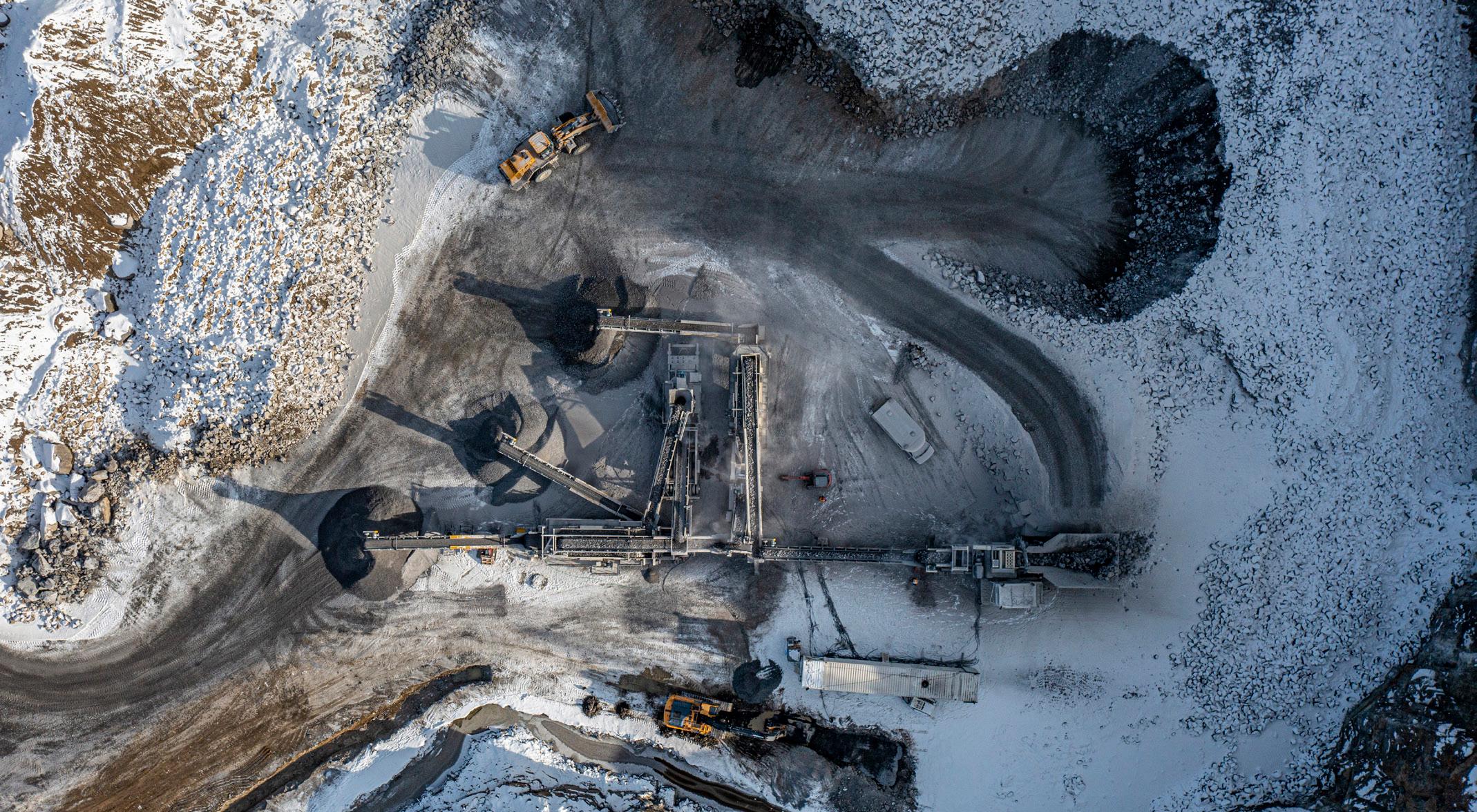
With that cold weather comes a rising risk to machinery. While it’s imperative to outfit equipment with cold-weather rated hoses and seals, ensuring your operation is using season-appropriate lubricant is key to protecting crushing and screening equipment.
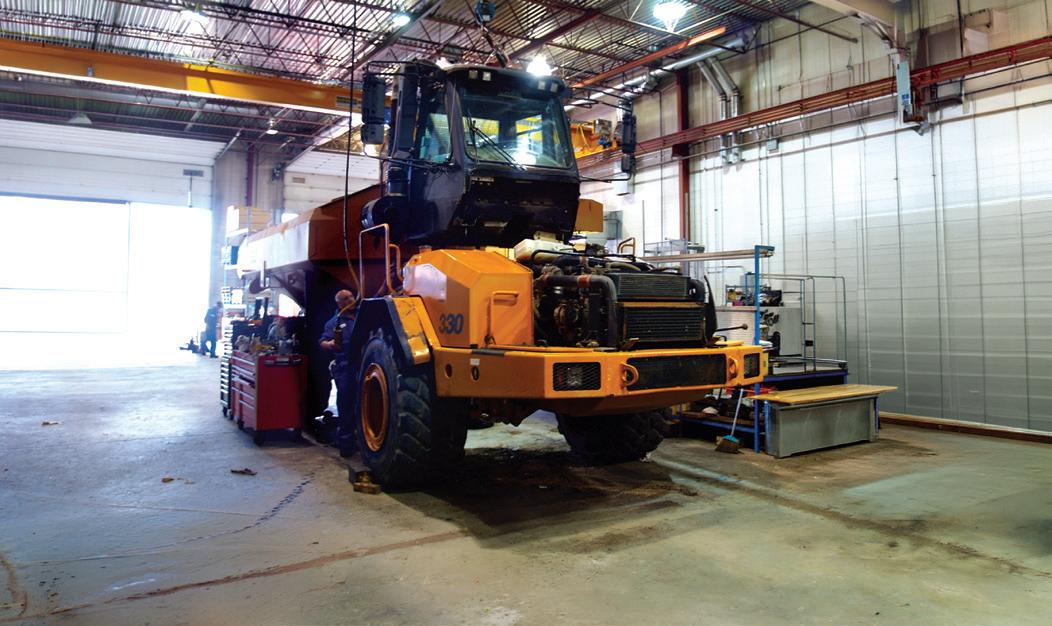
Many cold-weather failures in crushing and screening equipment are lubricant-related, explains Matthew Miller, Service Manager with Canica, Cedarapids & Simplicity product lines.
“Many issues stem from machines being started and loaded before lubrication systems have stabilized,” he says. “Establishing proper warm-up procedures, verifying lube flow and using correct seasonal products are the most effective ways to improve reliability. In practice, machines that are given time to circulate oil and reach stable operating conditions before being placed under load experience significantly fewer failures during winter operations.”
Typically, those weather-related issues begin to surface when temperatures dip below -10 Celsius, he says, but there is a notable increase when temperatures drop to -15C to -20C. Anything below that and the risk escalates more quickly, he adds.
“Unlike engines, these systems do not have adaptive controls to
compensate for viscosity changes, so when oils and greases thicken beyond their optimal range, critical components such as cone crusher bushings, screen exciters, and hydraulic systems become vulnerable. At those temperatures, restricted flow and delayed lubrication can lead to rapid wear or even immediate failure during startup.”
What separates crushing equipment from engines is the fact crushers are purely mechanical, he explains.
“When oil viscosity is too high during a cold start, circulation is delayed and lubrication systems —particularly in cone crushers — may not deliver oil quickly enough to critical contact areas. During those first 30 to 60 seconds, components may operate with inadequate lubrication.”
The result, he says, is internal scoring, premature wear on bushings and, in some cases, pressure spikes that can aerate the oil or trigger relief systems.
“The most concerning aspect is that this damage is often not immediately visible but accumulates over time, leading to premature component failure. Some of our control systems have built in cold oil circulation, which heats the oil in the tank and runs the pump periodically to circulate that oil throughout the system. This prevents initial flow issues upon start up.”
He notes that while heating systems and oil analysis programs are valuable, if you’re looking for the best, and immediate, system-wide benefit, that would be ensuring you are using the correct lubricants for the conditions.
“The highest return on investment comes from switching to proper winter-grade lubricants,” he says. “This single change affects every critical system on the machine, including cone crushers, screens, gearboxes and hydraulics. It directly reduces startup wear, prevents lubrication starvation and minimizes the risk of catastrophic failures.”
While some operations may see all-season fluids as being convenient, he says that comes at a cost.
“There is a measurable performance penalty in extreme conditions,” he says. “They are not optimized for very low temperatures typically seen in cold weather regions. In those environments, higher viscosity at cold start can restrict oil flow in cone lubrication systems and reduce efficiency in screen exciters and hydraulic drives. This leads to increased mechanical stress and higher startup loads.”
In contrast, he explains, winter-grade lubricants flow more readily at low temperatures. This results in proper lubrication from the moment the machine is started.
For crushing and screening equipment, synthetic lubricants offer a variety of operational advantages.
“The most significant and often overlooked advantage is component longevity, particularly in high-load bearing systems,” he says. “Equipment like cone crushers and vibrating screens rely on a consistent lubrication film under shock loading. Synthetic lubricants maintain better flow and film strength at low temperatures, especially during startup. This ensures that critical components such as eccentric bushings and exciter bearings are protected from metal-
to-metal contact, which is where the majority of long-term damage originates. While synthetic lubricants have their advantages they are not always the solution, it is always beneficial to reach out to the local dealer or manufacturer for suggested/approved lubricants.”
Another concern is moisture. This is particularly a problem in remote aggregate operations where temperatures frequently fluctuate, he says.
“One of the most effective and affordable solutions is the use of desiccant breathers on storage tanks, which prevent humid air from entering during thermal cycling. Maintaining tanks at a higher fill level also reduces the volume of air exchange. Regular draining of water from tank bottoms is critical, especially in winter. These practices help prevent water contamination, which can lead to ice formation, additive breakdown and ultimately restricted lubrication flow within the equipment.”
Another potential problem during winter months is seals and hose failures. Along with keeping machines warm, there are a few steps to take to prevent such failures from occurring.
“It is important to gradually bring systems up to operating condition. This includes slowly cycling hydraulics and avoiding sudden pressure spikes during initial startup.”
You should also make sure hoses are cold-rated and seals are designed for low-temperature flexibility.
“Crushing equipment is subject to both vibration and shock loading, so cold-stiffened materials are particularly susceptible to cracking if stressed too quickly,” he says.
Nighttime
jobs come
with some advantages, but also a number of safety and logistical considerations.
PHOTO: abentson/ Getty
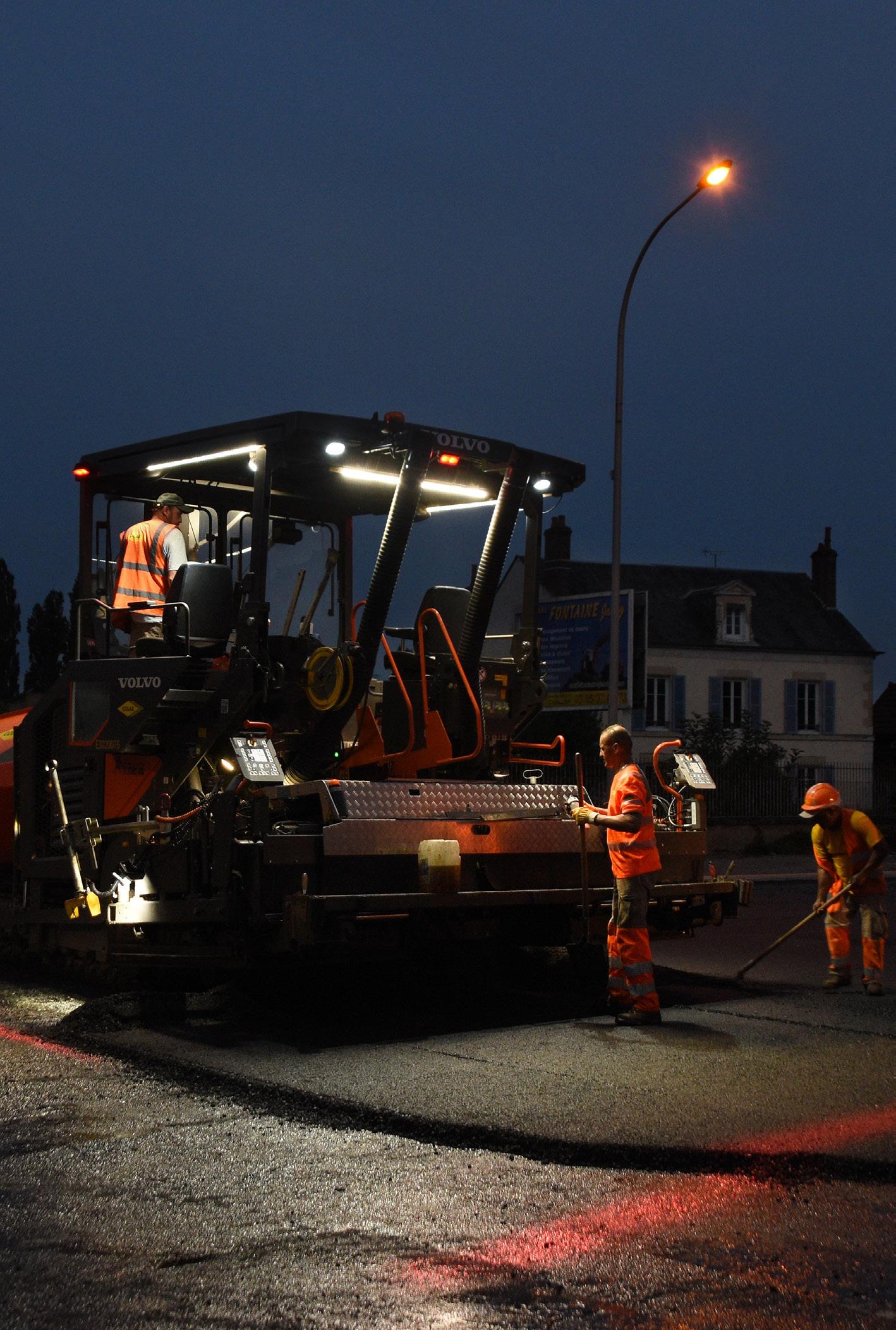

Nighttime road construction can help move work along more quickly, but it also requires proper planning
BY COLIN leggett
> Ray Charles once sang “the night time is the right time.” He likely wasn’t talking about road construction, but the notion still applies.
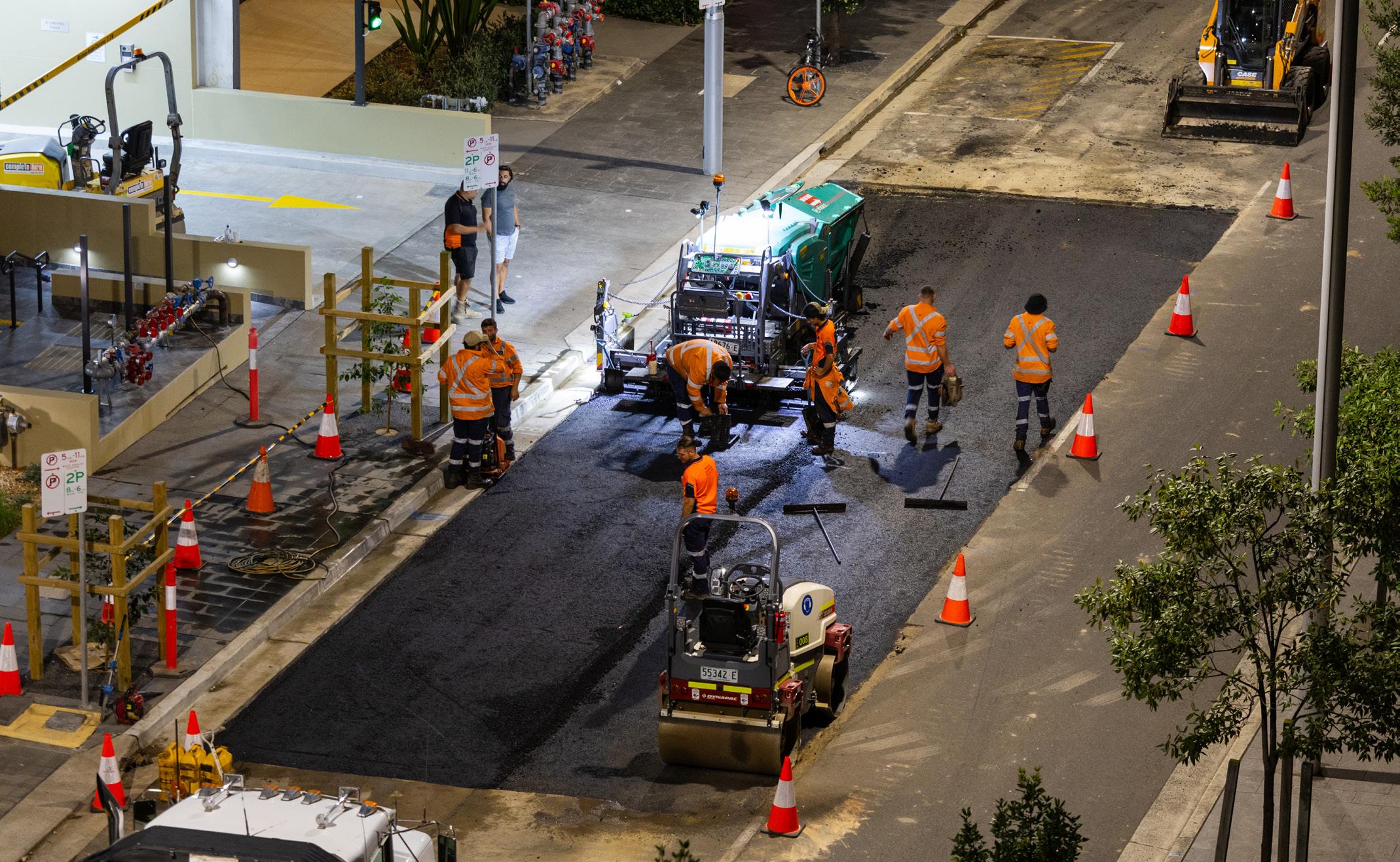
Paving or repairing a road can be a timeconsuming process. It can also be disruptive to traffic if it is done during peak hours. Nighttime construction can limit those disruptions and allow for projects to be completed more efficiently.
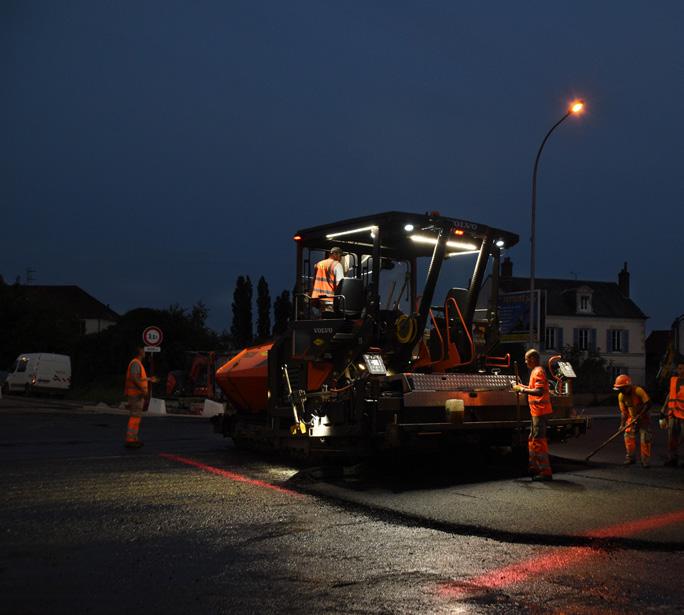
However, working at night comes with a range of safety considerations and regulations that must be followed. These can vary by province, but they are largely similar across the country. Vehicle lighting, highvisibility garments and traffic signage are all top-of-mind for working at night, but
there are other logistical and safety factors to consider, and they might not be quite as obvious.
Paul Morris, general manager at Winvan paving, knows what he is up against when his crew is tasked with a nighttime paving job. Winvan’s workers may be up and getting things done, but it doesn’t mean everyone else is awake at those hours.
“Nothing is open, nothing’s available,” he says. “If anything deviates from a plan, it’s a challenge to modify on the fly. You need to plan for any contingency that can happen if you’re working at night. If you break a utility or damage some other infrastructure, the road has to be open. There’s no other option than to get the road opened up.”
Morris’s example is a personal one. He recalls a situation during a nighttime job which resulted in a significant inconvenience to morning commuters.
“We had one instance in the city of Surrey last summer where there were some unidentified conduits powering a signal in a major intersection,” Morris said. “They weren’t on any drawings, they weren’t on
our one calls or anything like that. Our milling machine took the wire out and blacked out a signal at a major intersection.”
Morris says his team was able to put the road back together, but ultimately the rush hour traffic was left dealing with a four-way stop procedure at a major intersection.
“You’re trying to manage something that is going to be on the news and on the traffic report. I think that that’s probably the most challenging part of it.”
When something like a piece of equipment having a mechanical issue happens at night, the team needs to be prepared, which is why Winvan always has a mechanic on-site during nighttime projects. However, there are always other questions and considerations to be kept in mind, and Morris keeps track of all of them.
“Do you need to have multiple pavers even though you only need one in case of a breakdown? Do you need to keep a tow company on standby? How much material do you stockpile on the side of a site just in case an issue comes up?”
It may be a lot to think about, but it’s all in service of ensuring work wraps up by the time morning rolls around. Otherwise, the costs can add up.
“If you’re working, at least in B.C., on highway projects, there are large penalties per minute if you’re stuck on the road,” Morris says. “If you have a piece of equipment that breaks down, it doesn’t matter. If you’re blocking the highway, you are getting penalized.”
As a paving contractor, Winvan has access to its own asphalt supply, but Morris says for other contractors, it can take more planning and scheduling to ensure a smooth night shift than a day shift.
“We service a lot of the utility contractors out of our asphalt plant that are working at night,” Morris says. “They have to schedule what time they are going to pick up the asphalt and how much they are going to pick up. If they have to shift directions in the middle of the night, can they pass along to their asphalt supplier that they need more or they need it at a different time?”
Beyond thinking about asphalt deliveries and supply, there are also weather and temperature factors playing a role in how the job gets done. Even in summer months, nighttime temperatures can vary greatly from daytime.
“In B.C., for the most part, we can only pave base lift asphalt at five degrees and rising and then top lift asphalt at 10 degrees,” says Morris. “Our window of when we can meet the criteria is a lot smaller at night than it is during the day.”
Inclement weather like rain (something B.C. is famous for) can cause bigger problems at night, and Morris admits that the margin of error during a night shift is far narrower.
“You can be a little bit more confident to take some risk during the day when the forecast says there’s a 50 per cent chance of showers than you can at night,” he says. “If you rip open a road at night and then get caught in some showers and it has to be open in the day, you’re potentially going to have to lay down a bunch of asphalt that will not meet specification and needs to be ripped out.
“So those are risks at night as well when you tackle a big chunk of work.”
Efficiency is only one part of a nighttime construction project. The work cannot be performed, efficiently or otherwise, if there is no visibility.
The OTM Book 7 says workers are required to wear high-visibility garments meeting Occupational Health and Safety Act (OHSA) standards. Vehicles must be equipped with four-way flashers and an amber 360-degree beacon, and channelizing devices including traffic cones must be 700 mm high and equipped with standard white retroreflective collars.
Site lighting and sign retroreflectivity need to be maintained in the right manner. According to British Columbia’s Traffic Management Manual, signs need to be replaced if they show a 50 per cent loss in retroreflectivity. As for lighting, if a site is using overhead lights, the placement and elimination of glare needs to be determined by observing the lit area from all approaching roadways.
“Lighting is an ongoing issue, so we’ve tried a few different things,” Morris says. “We’ve had a lot of success with a product
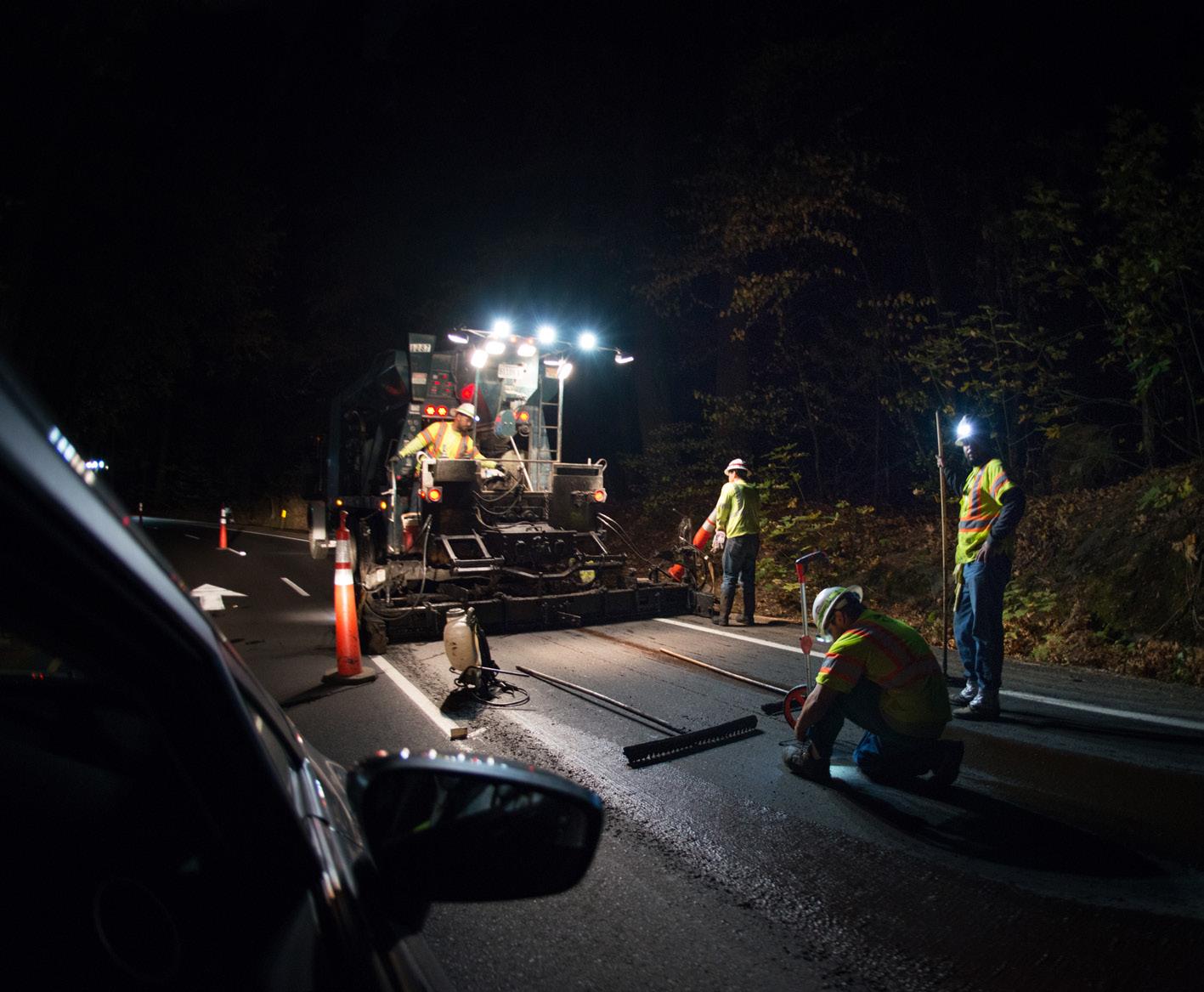
called Halo, which is a light that you attach to your hard hat and it casts a light 360 degrees around. It’s great for visibility with motorists and with other workers.”
Morris also says any workers who are isolated from the worksite, such as traffic control persons, also need their own source of illumination. These workers are also in constant contact through radios.
Proper lighting may be the obvious consideration for a nighttime construction project, but the work can’t be done without people. This means making sure they have the energy to work safely and effectively.
“Fatigue is a huge factor,” Morris says. “The crews, especially in the summertime, they’re not sleeping well during the day when it’s hot out. We really can see that fatigue stacking up over shifts.”
When workers are experiencing fatigue over the course of a nighttime project, Morris says he needs to think about whether they can operate heavy equipment, and even outside of work hours, if they can get home safely after a shift.
“That’s definitely something we have to focus on every shift,” he says. “We count on our supervisors to assess the alertness of the crews.”
Winvan does not have specific teams who only work nights, but Morris says there are rules in place for making sure workers are not doing too much in a short span of time. As a unionized company, Winvan is required to have a set amount of time off between shifts before triggering overtime premiums.
“We just try to monitor and assess if we think we’ve put together a very challenging schedule for our crews,” says Morris. “We’ll try to ensure they’re coping okay with the conditions and decide if we need to swap staff out.”
Ultimately, while Morris says the preference is to work during the day, it all comes down to keeping the crew safe. Night work allows for more leeway on road closures which means workers have less traffic to deal with while getting the job done. Morris says this is the number one factor when it comes to keeping his workers out of harm’s way.
“I think that would be a universal message from contractors: if it takes night work to keep our people away from harm, we’re happy to do it.”

> DEC. 2-4, 2026
The Building Show Toronto, Ont. informaconnect.com/the-buildingsshow/
> JAN. 20-21, 2027 OSSGA Operations, Health and Safety Seminar
Mississauga, Ont. ossga.com
> FEB. 10-11, 2027
Canadian Concrete Expo
Mississauga, Ont. canadianconcreteexpo.com
> FEB. 16-18, 2027 OSSGA Conference Toronto, Ont. ossga.com
> MARCH 15-17, 2027 World of Asphalt
New Orleans, LA worldofasphalt.com
> APRIL 4-7, 2027 Good Roads Toronto, Ont. goodroads.ca/conference/
> APRIL 22-23, 2027
Alberta Equipment Expo
Edmonton, Alta. albertaequipmentexpo.ca


Excavating aggregate material in recent years has become more complicated than simply digging soil and rock out of the ground. Concerns over the quality of material being removed have led to increased scrutiny of potential environmental impacts from the material, whether at the source or at the final destination.
Metal leaching and acid rock drainage (ML/ARD) are naturally occurring processes that can have negative impacts on the receiving environment. Acid-base accounting (ABA) and leachability testing are critical environmental assessment tools used to evaluate the potential for rock and aggregate materials to generate acidic drainage and release dissolved metals into the environment. These assessments have become increasingly important for aggregate pits, quarries, and mining-related developments throughout Canada due to heightened regulatory oversight and growing awareness of long-term environmental liabilities.
ABA testing evaluates the balance between acidgenerating minerals, primarily sulphide-bearing minerals such as pyrite, and the neutralizing capacity of carbonate minerals present within the rock. The objective is to determine whether exposed rock has the potential to produce acidic drainage when subjected to oxygen and water. The key parameters that the rock is assessed for include acid potential (AP), neutralization potential (NP) and neutralization potential ratio (NPR). When AP exceeds the NP of the rock, it indicates that acidic conditions can develop, potentially mobilizing other metals within the rock and degrading groundwater and surface water quality.
Leachability testing complements ABA by assessing the potential for metals and other constituents to be released from rock or aggregate materials under acid or natural environmental conditions. Even where acid generation is unlikely, certain rock types may still leach metals such as arsenic, selenium, copper or zinc at concentrations that could negatively impact aquatic ecosystems or drinking water sources. Together, ABA and leachability testing provide a comprehensive understanding of long-term geochemical behavior and potential environmental risk.
In British Columbia, recent regulatory changes such as Protocol 19 have significantly expanded the application of ML/ARD evaluations beyond traditional mining projects. Protocol 19 requires that quarried materials derived from bedrock and relocated from certain commercial or industrial sites be assessed for ML/ARD potential
before reuse or relocation. This reflects the recognition that environmental risks associated with sulphide-bearing rock are not limited to mines but can also occur in aggregate operations and large infrastructure projects.
Failure to adequately characterize aggregate materials can expose site owners, operators, consultants, and future property owners to substantial liability. Environmental impacts from ML/ARD can trigger regulatory enforcement actions, remediation orders, permit restrictions and significant financial obligations. In many cases, remediation costs far exceed the cost of proactive testing and management during project planning.
As a result, environmental regulators have increased scrutiny of geochemical assessments submitted in support of permits and reclamation plans. Regulators now expect robust sampling programs, defensible testing methodologies, qualified professional oversight and a clear demonstration that potential risks have been evaluated and mitigated. This heightened review reflects lessons learned from historic environmental issues and reinforces the importance of comprehensive geochemical characterization as a fundamental component of responsible aggregate and mining development in Canada.
For aggregate operations, these assessments are increasingly required because quarrying and crushing activities expose fresh bedrock surfaces to weathering processes. Materials that appear inert during extraction may generate adverse environmental effects years or decades after placement in stockpiles, embankments, or reclamation areas. Identifying these risks early allows operators to implement mitigation measures, manage materials appropriately, and avoid costly remediation.
Although more prominent in B.C., regulatory bodies in other jurisdictions are recognizing the potential issues related to ARD in aggregate operations. Ultimately, proactive geochemical assessment is not just a regulatory requirement — it is a strategic decision that reduces uncertainty and risk throughout a project’s life. By identifying potential issues early, operators can make informed decisions, avoid costly surprises and maintain greater control over project outcomes.
Michael Venhuis., M.Sc., P.Geo. is an Environmental Geochemist with over 25 years of experience in mine waste characterization, assessment, monitoring and reclamation across Canada and internationally.
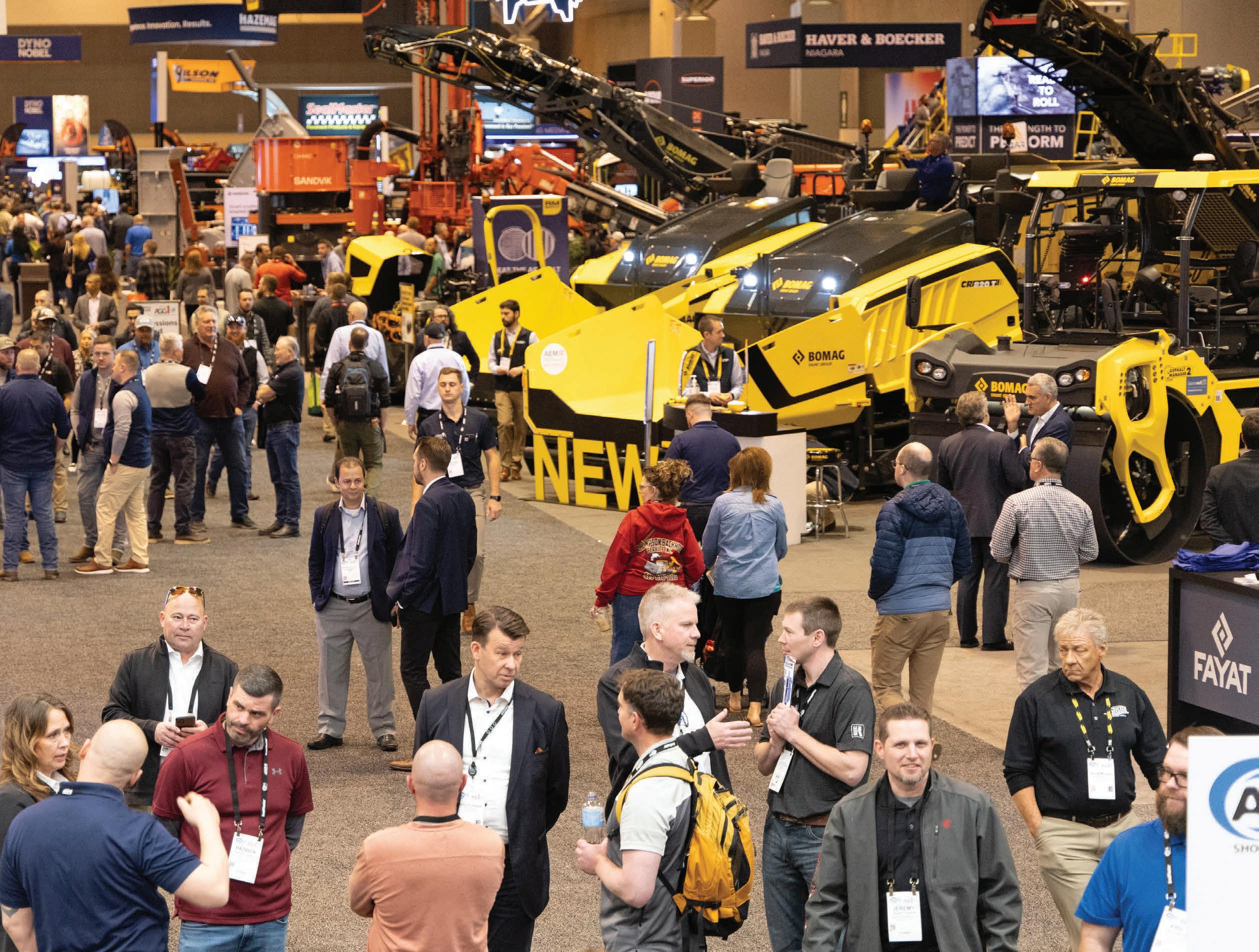
• See the Latest Equipment
• Learn Best Practices and Techniques
• Improve your Jobsite and Business
March 15-17, 2027 | New Orleans, LA