The Reality No One Talks About
Why do many RAS projects fail to meet projections?
Very few fail from visible system breakdowns. They fail in the numbers. In the quarterly reports. In the projections you can’t meet due to slower growth, weak FCR, chronic mortality, and delayed harvests.
"Adequate" oxygen is costing you growth.
Not low oxygen. Not system failure. Adequate. The kind of conditions most operators assume are fine. Fish can’t breathe bubbles. Not microbubbles. Not nanobubbles. They breathe bio-available dissolved oxygen.
The cycle you're stuck in.
Fungal treatments. Chemical interventions. Taking fish off feed to treat them or to let water quality catch up. Each cycle delays time to market. Each delay compounds the financial gap.


What Changes When Water Quality Actually Works
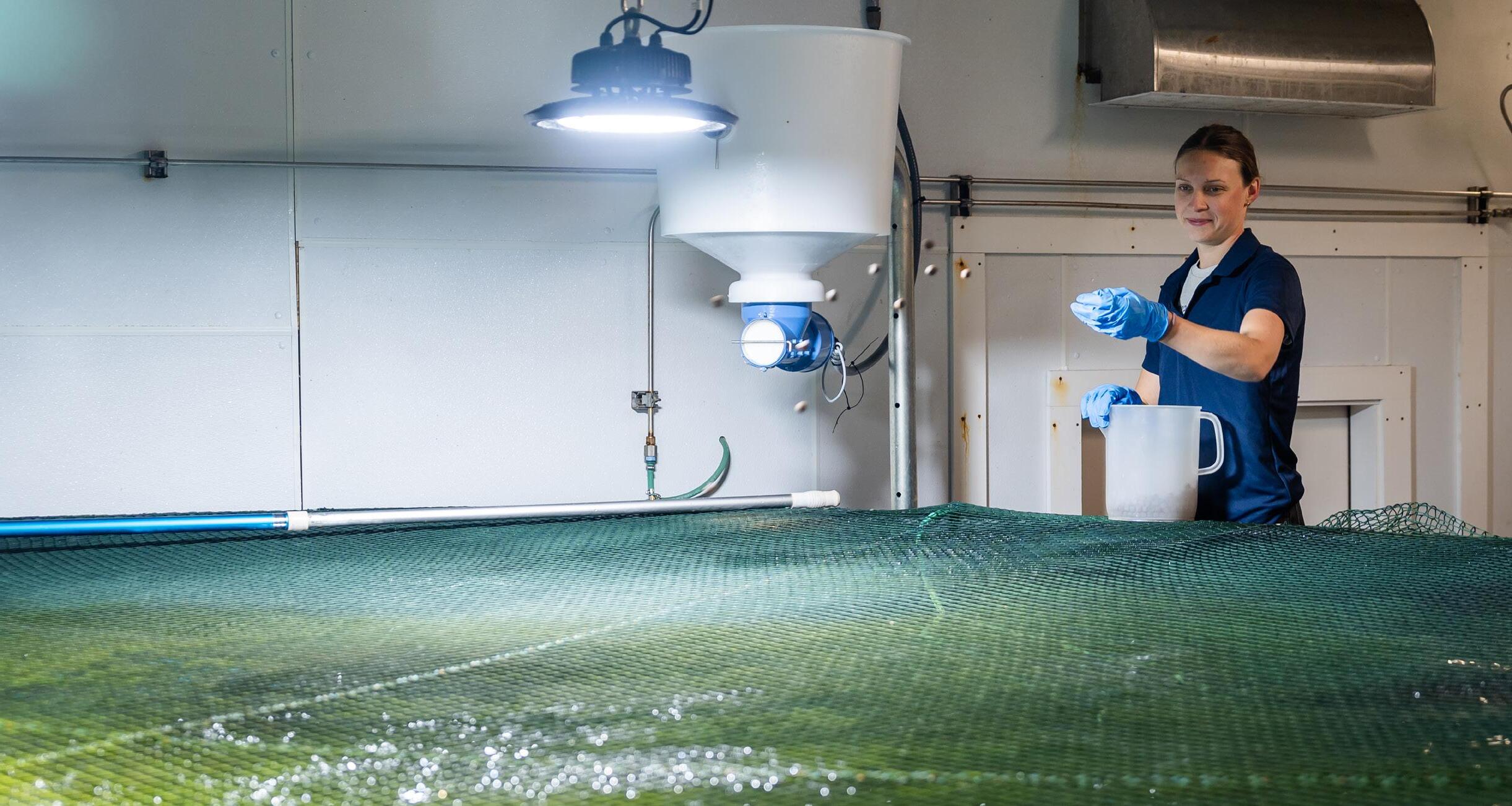
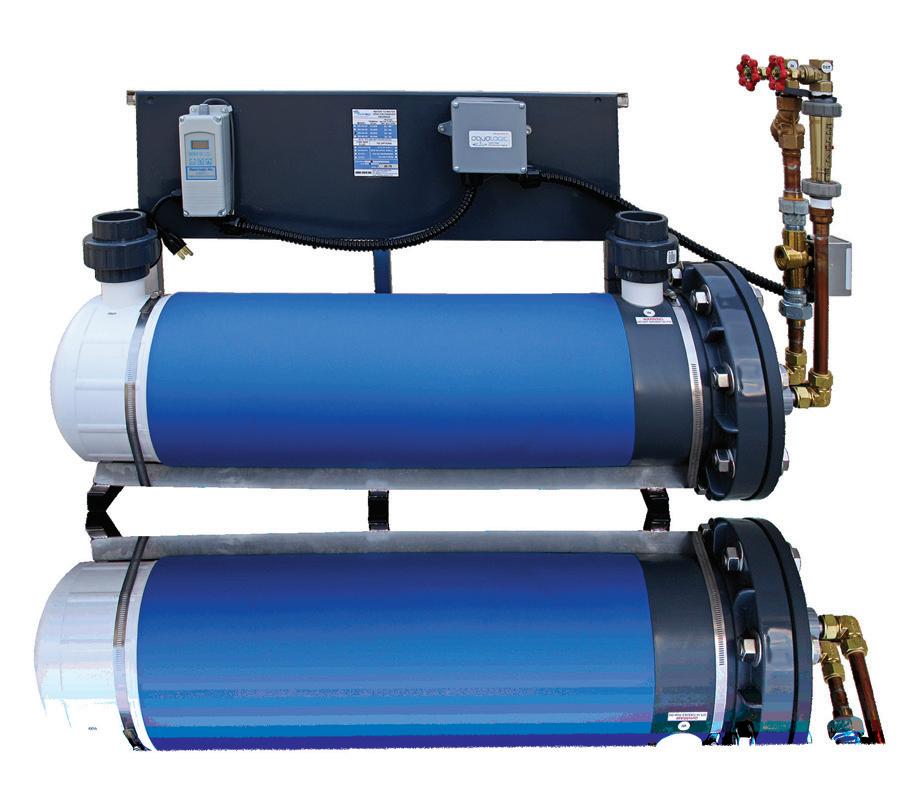
Introducing the GasXchanger Technology from Aqua Production
The GasXchanger creates bioavailable and fish-friendly oxygen environment, supporting:
Faster Growth
Fish reach market size sooner
Better FCR
Energy shifts from respiration to growing biomass
Safe Hyper-Oxygenation
High DO with safe TGP...even with onsite generation!
Free Assessment
Scan to find out which water quality factors are limiting your farm's performance.
Systems
Healthier Fish
Less stress, less fungal treatments, less time off-feed
70% Lower Mortality
Fewer losses during critical transitions
Predictable Time to Market Growth projections become reality

CHRISTIAN PÉREZ-MALLEA

From the editor
By Jean Ko Din
The best meeting place
Every year, I expect to feel a sense of relief after coming back from our annual RASTECH Conference & Trade Fair.
In many ways, I am because our team works hard all year to put together a show that not only serves as a good networking event for the international industry, but also as a resource for continuing professional education. It always feels good when we hear back that the event met or exceeded the attendees’ expectations. We know that travelling away from your farms is a big commitment for people who are passionate about growing good seafood, so we want to make sure that we did something that is every bit worthwhile.
But after coming down from our biggest project of the year, it doesn’t feel like we’re slowing down. It feels like, “Now what?”
Maybe it’s more emphasized this year, now that we’ve introduced RASTECH Europe (Sept. 8-9 in Porto, Portugal). But, it has felt like this even before that. When out team gets home, we immediately look back on the results. How many growers came and from where? What sessions were best attended and which ones weren’t? What kind of engagement did we get at the trade show? How much traffic did each booth get? How was the food? How was the venue location? What can we do better next year?
I can share some of those answers now. There were almost 300 people from more than 15 countries that came to St. Augustine, Fla. The majority of the crowd is always the grower and producer. But, we also welcomed engineers, biologists, researchers, government officials (foreign and domestic), and investors. For those who attended in St. Augustine, Fla., you’ve probably gotten post-event surveys or even
personal emails from the team asking for feedback. Please keep them coming!
Most people might not realize that the RASTECH, at its current iteration, has only been going on for seven years. And factoring in the Covid lockdowns in 2020 and 2021, we’ve only had five shows under out belt. That’s still quite a new show to an industry that is busy with industry meetings. That’s why we’re not looking to “rest” on what we do best. We must always be evolving with the way that the industry moves and changes. We believe that in order for our team to continue creating a high-quality meeting place for the land-based aquaculture industry, we must always be in listen mode.
It’s not just about bringing the newsmakers or the leading experts. It’s about building with intention. Who can we put in the same room with each other so that the industry moves the conversation forward?
I admit, it’s not always perfect. Our invites get turned down or schedules conflict or travel budgets don’t make it possible. Still, I believe that every year, the right people make it to the show. Then, those people become our advocates to bring more of their peers to the conference next year.
We believe that our conference serves as the best meeting place for those who are working in land-based and recirculating aquaculture because we work hard on the content and the people. Not only do we attract experts that have answers to your daily challenges, but we also build a program that creates the best environment for valuable knowledge exchange.
If you haven’t attended yet or haven’t attended recently, I hope you consider joining us for RASTECH 2027 on May 26-27, 2027 in Roanoke, Wash. And send me your ideas at jkodin@annexbusinessmedia.com.
rastechmagazine.com
Reader Service
Print and digital subscription inquiries or changes, please contact Angelita Potal, Audience Development Manager Tel: 416-510-5113
Email: apotal@annexbusinessmedia.com
Mail: 111 Gordon Baker Rd., Suite 400, Toronto, ON M2H 3R1
Editor Jean Ko Din 437-990-1107 jkodin@annexbusinessmedia.com
Associate Editor Seyitan Moritiwon 416-302-2560 smoritiwon@annexbusinessmedia.com
Associate Publisher Jeremy Thain 250-474-3982 jthain@annexbusinessmedia.com
Sales Manager Patrick Villanueva 416-606-6964 pvillanueva@annexbusinessmedia.com
Account Coordinator Barb Vowles 416-844-7106 bvowles@annexbusinessmedia.com
Group Publisher Anne Beswick 416-410-5248 abeswick@annexbusinessmedia.com
Audience Manager Urszula Grzyb 416- 510-5180 ugrzyb@annexbusinessmedia.com
CEO Scott Jamieson sjamieson@annexbusinessmedia.com
Printed in Canada
Subscription Rates
Canada – $38.48 (+tax) United States – $49.92 CAD Foreign – $64.48 CAD
All prices are for 1yr subscription and in Cdn funds.
ISSN 2817-7266 - Print
ISSN 2817-7274 - Online
Occasionally, RAStech will mail information on behalf of industry related groups whose products and services we believe may be of interest to you. If you prefer not to receive this information, please contact our circulation department in any of the four ways listed above.
Annex Privacy Office privacy@annexbusinessmedia.com Tel: 800.668.2374
No part of the editorial content of this publication may be reprinted without the publisher’s written permission © 2026 Annex Business Media. All rights reserved. Opinions expressed in this magazine are not necessarily those of the editor or the publisher. No liability is assumed for errors or omissions.
All advertising is subject to the publisher’s approval. Such approval does not imply any endorsement of the products or services advertised. Publisher reserves the right to refuse advertising that does not meet the standards of the publication.
Made possible with the support of




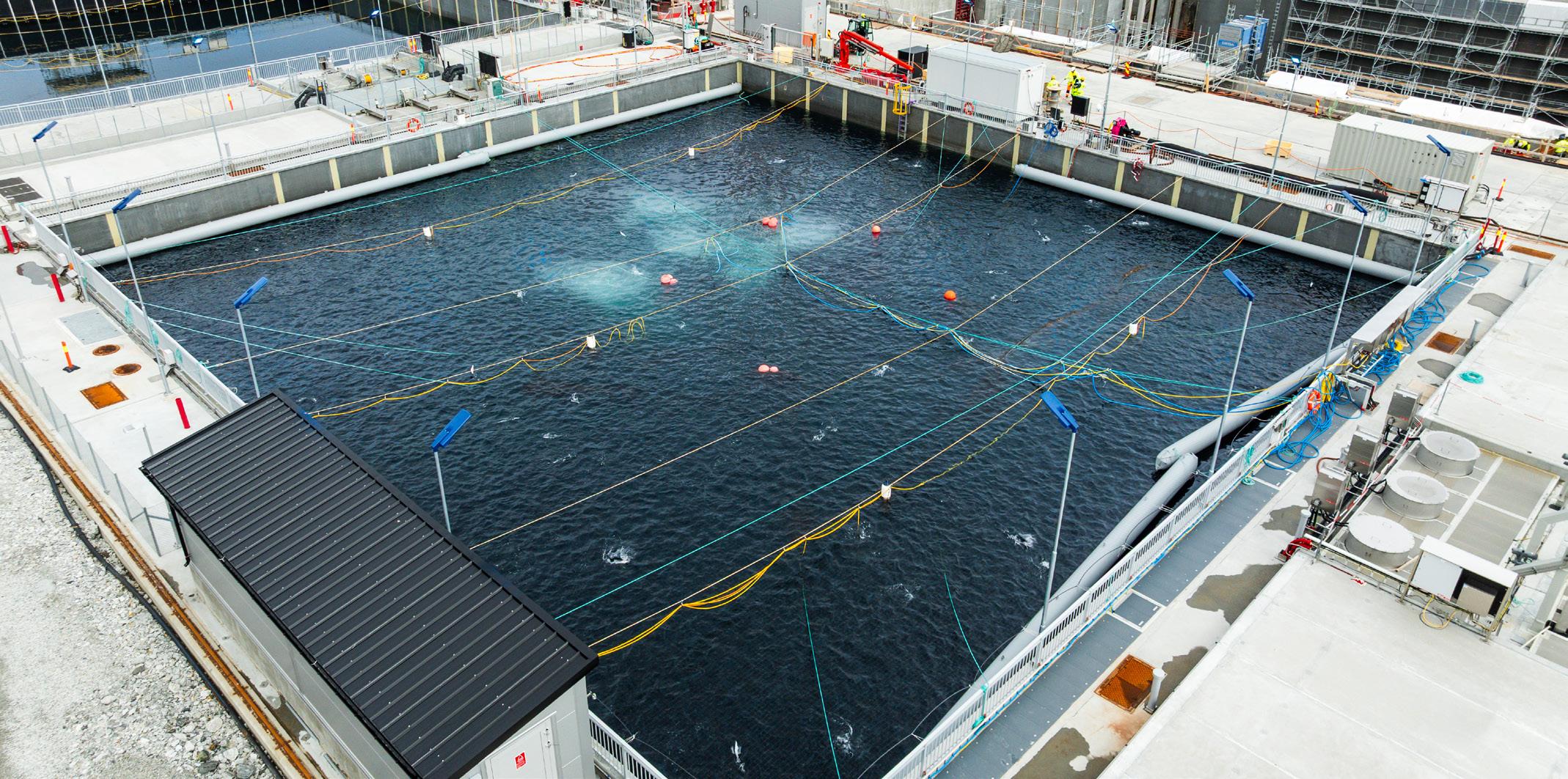
Andfjord Salmon reported strong biological performance for its salmon as it prepares for its first post-smolt sale ahead of schedule.
During the Norwegian company’s first quarter presentation, CEO Martin Rasmussen told shareholders its Kvalnes, Andøya facility maintained a 99 per cent survival rate with an average weight of about 1.15 kg in Pool K1. About 450,000 smolt from Pool K1 will be sold to Eidsfjord Salmon and 300,000 fish will be retained for growout production.
Earlier this year, the company entered into a post-smolt partnership with Eidsfjord Salmon, a salmon farming company with farms in Nordland and Troms. As part of the agreement, Eidsfjord Sjøfarm invested NOK 100 million (US$10.7 million) of new shares.
“Our inaugural post-smolt sale is an important milestone as it demonstrates how our infrastructure solutions enable scaling and optimization of pool capacity and production, which shortens our runway to
revenue and improves our cash flow. We look forward to proving this in practice in mid-June,” said Rasmussen.
A third post-smolt flowthrough system (K3) is reportedly in its last stages of testing throughout April and May. It is expected to receive about 550,000 smolts at 120 grams.
”The initiation of fish farming operations in pool K3 represents further scale-up of operations at Kvalnes, with more pools to follow later this year,” said Rasmussen.
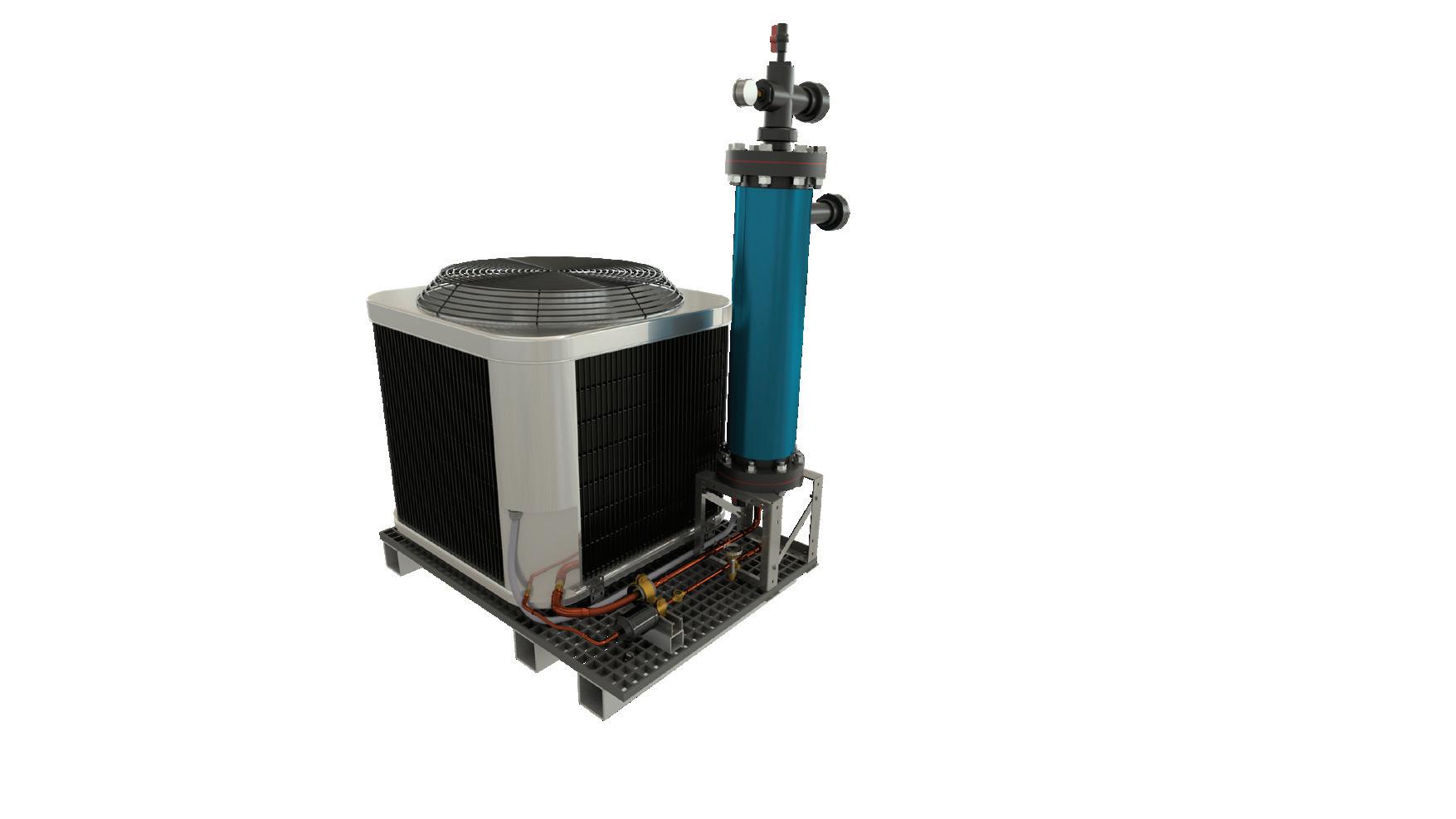
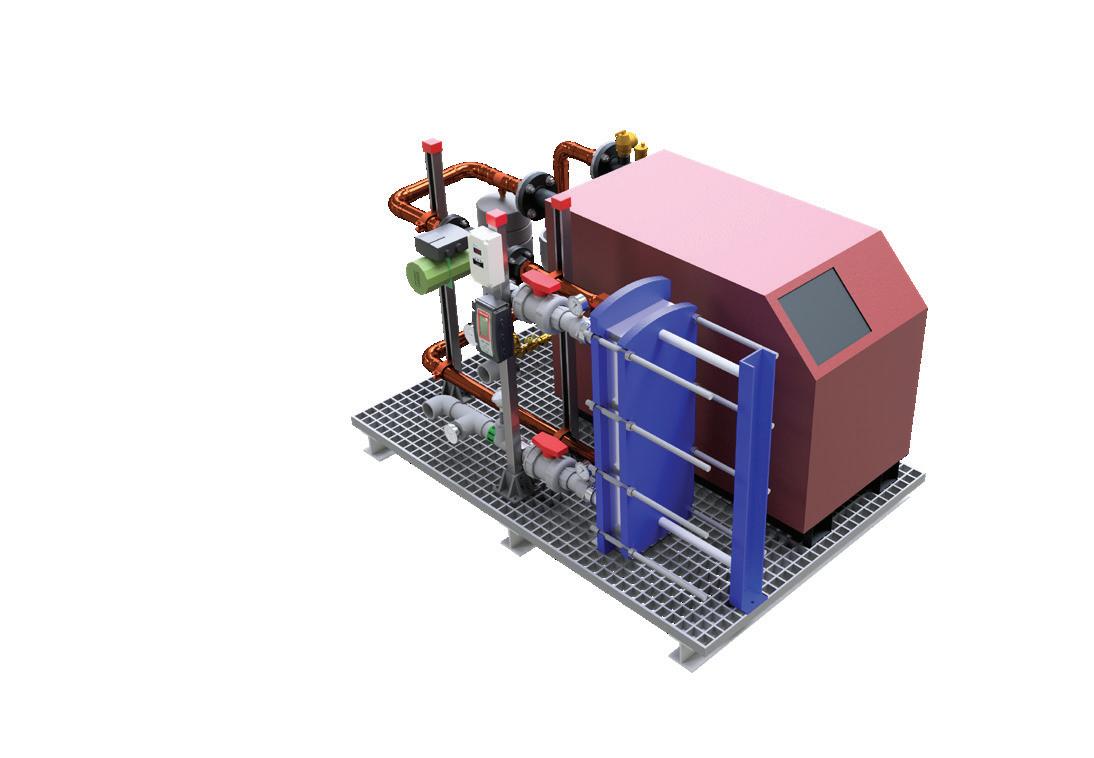
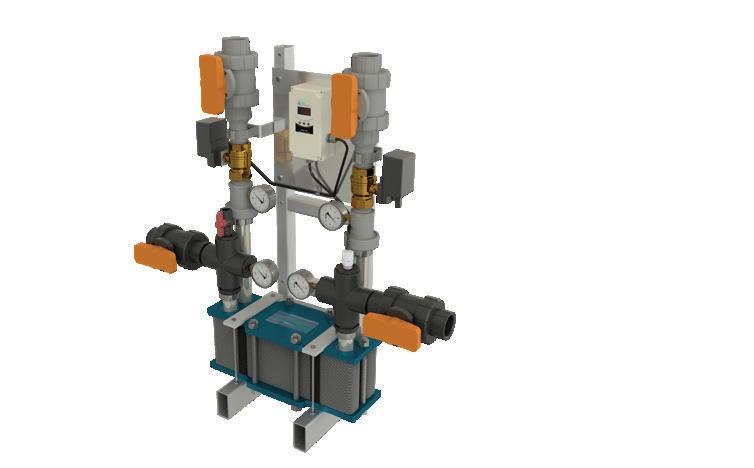
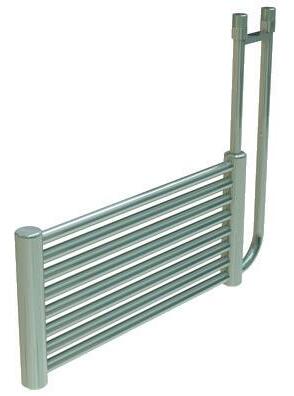
Boilers & PHE Skids
Pumps
Custom Coils
Andfjord Salmon’s K1-K4 pools at the Kvalnes facility as of May 2026
Princess Anne inaugurates UK’s largest freshwater RAS facility

During her visit on May 13, the Princess Royal was welcomed to Bakkafrost Scotland’s Applecross hatchery and smolt facility by managing director, Ian Laister, before meeting its 40 employees from across the business, including biology, veterinary, engineering, and marine operations teams.
The multi-million dollar RAS hatchery is designed to produce about 10 million large salmon smolt (200-400 grams) annually.
“Applecross represents a significant long-term investment in the future of sustainable salmon farming in Scotland,” said Laister in a press statement.
“The ‘one summer at sea’ model has the potential to be a real gamechanger for the sector, improving survival, reducing biological challenges and making better use of natural resources.”
Princess Anne also met representatives from The Applecross Trust before unveiling a plaque to mark the official opening. Pupils from Lochcarron Primary School also took part in the ceremony, presenting flowers and a gift of Native Hebridean salmon.
Thailand university launches first Atlantic salmon RAS research project
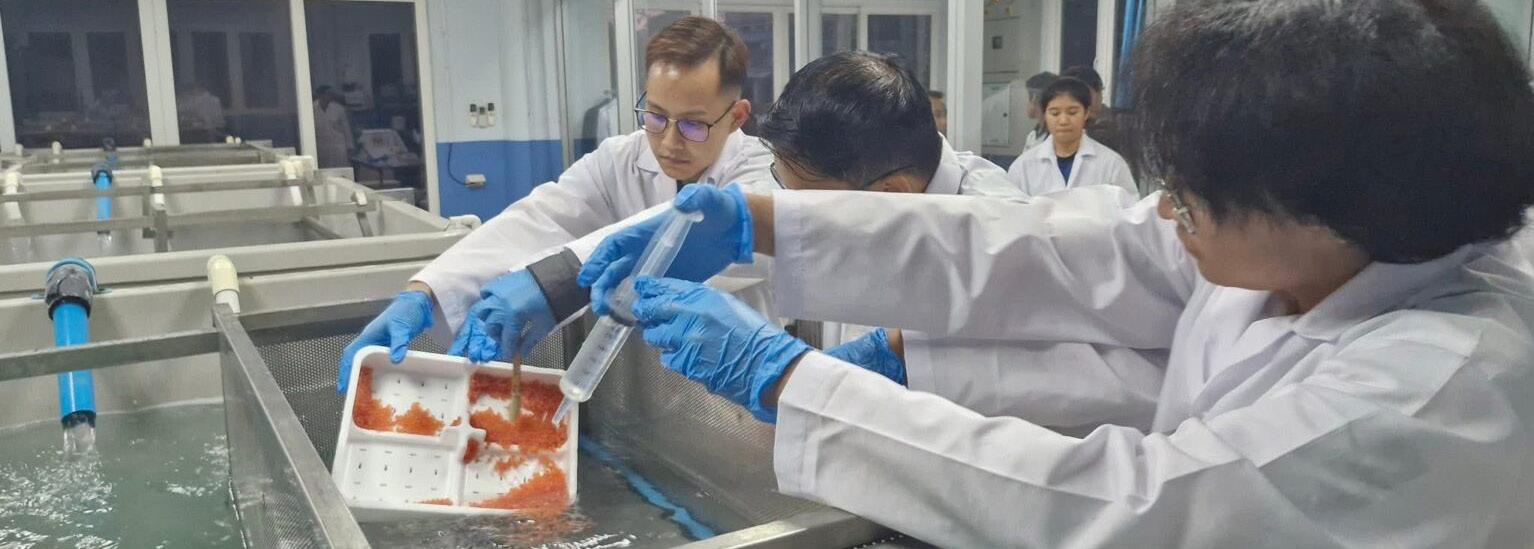
Thailand’s Kasetsart University has launched the country’s first Atlantic salmon research project last week.
The Faculty of Fisheries at Kasetsart officially begun its research operations on May 6, using a recirculating aquaculture system (RAS) at their Bangkok-based facility.
The Kasetsart team is being led by faculty dean and assistant professor, Suriyan Tunkijjanukij. The aim of the project is to develop innovations in fish growth, nutrition management, and economic feasibility in the country.
The project is expected to lay the groundwork for future commercial salmon production in Thailand, Thon Thamrongnawasawat, deputy dean of the faculty, told Bangkok Post.
The project is also being supported by PTT LNG, a subsidiary of Thailand’s national energy company, PTT Public Company. The facility uses liquified natural gas processes to cool the water for optimal temperatures for the Atlantic salmon.
Sustainable solutions for fresh & sea water disinfection


Princess Anne visited Bakkafrost Applecross in the Scottish Highlands to mark the opening of the UK’s largest freshwater RAS.
Kasetsart University will study Atlantic salmon culture in RAS for the first time
Maine ’ s growth engine
University of Maine as a hub for land-based aquaculture R&D By Treena Hein
Maine has long been a hotbed for aquaculture, and it seems an excitement about building the state’s land-based aquaculture sector is growing by the month.
Leading the charge is the University of Maine Center for Cooperative Aquaculture Research (CCAR), a central incubator for recirculating aquaculture systems (RAS) startups.
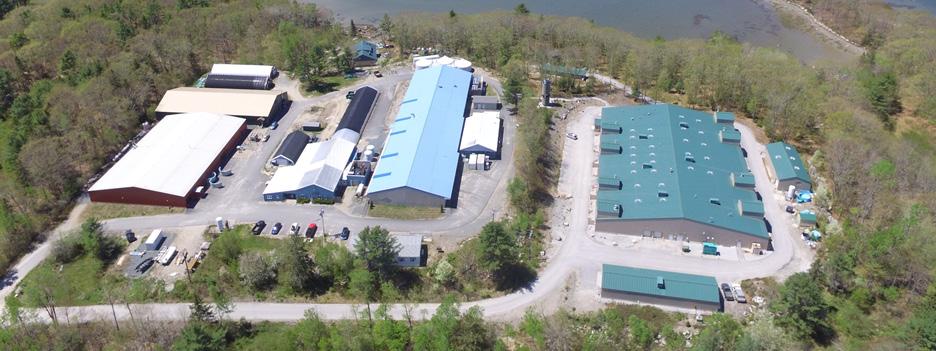
Sitting on 22 acres along the shore of Taunton Bay in the Town of Franklin,
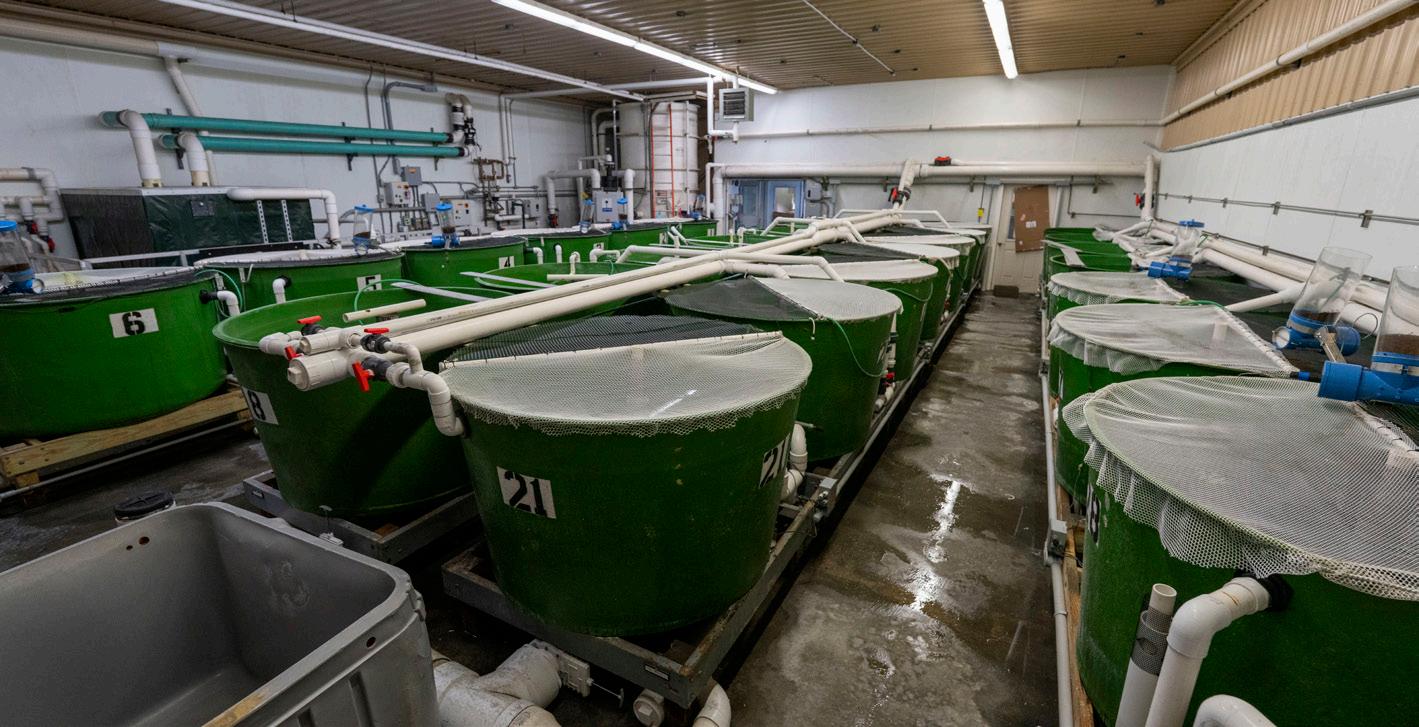
CCAR has 11 freshwater RAS (20-200 cubic metres) and two marine hatchery RAS (100 cubic metres) with piped oxygen available to all. In total, there is almost 100,000 sq. ft. of lab, tank room, and business incubator space at CCAR, with full-site power back-up, advanced automated monitoring systems and much more.
Next door is the U.S. Department of Agriculture National Cold Water Marine Aquaculture Center, and together, they comprise the largest and most advanced
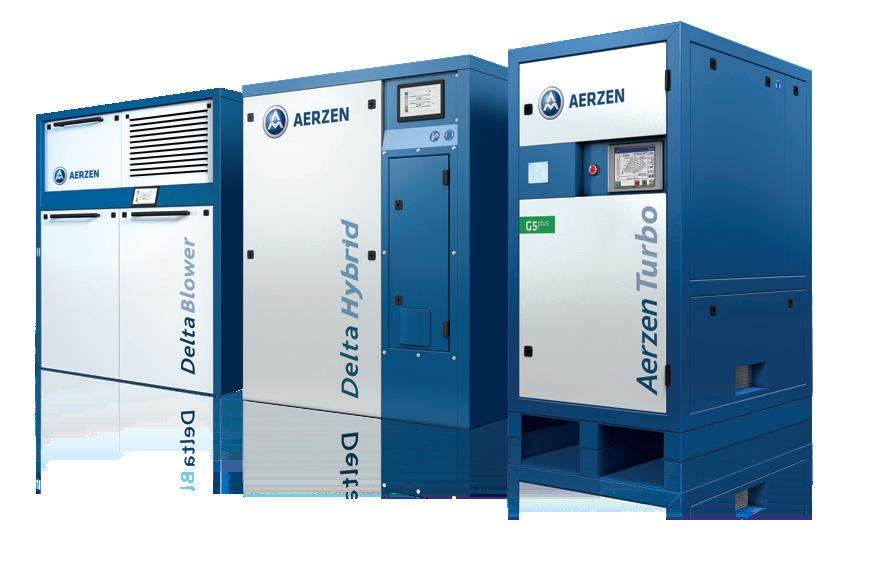
Efficient, Sustainable Air Solutions for your Recirculating Aquaculture System (RAS)
aquaculture research and development (R&D) campus in the country.
At CCAR, both the use of the facilities and/or specific services can be contracted over the short, medium or long term. This ranges from feeding trials, proof-of-concept support and pilot-scale production to hatchery services, broodstock development, training and more. Past companies have used CCAR facilities to develop technologies for cryopreservation, particle counting, water quality sensors, and RAS disinfection.



University of Maine’s CCAR has been incubator to some of the country’s most notable RAS projects.
nerships used by the nearby Aquaculture Research Institute at UMaine, says Eddy, another place that also strongly supports
Here, a 14,000-square-foot facility is being built which will focus on advancing land-based aquaculture R&D, with three fully automated RAS systems with full
“RAS could act as a Blue Economy growth engine in which the state could
lines, small-to-midsize financing tools and applied R&D vouchers,” says Eddy. “RAS
portable technologies such as sensors, automation, feeds and water treatment, creating ripple effects across Maine’s
PRECISE DISSOLVED OXYGEN CONTROL





marine manufacturing, logistics and services sectors.”
Small but mighty
All of this investment and new technology is very exciting, but we need a sense of how RAS currently fits into the big picture of Maine’s aquaculture industry. To answer this, Eddy first notes that while Maine’s aquaculture industry has, of course, long been a primarily sea-based sector (mostly shellfish, salmon and seaweed), there is also a long history of traditional land-based aquaculture.
“The state’s oldest salmon hatchery for restocking dates to the 1800s,” he reports. “The site where CCAR is located was established as a privately-run salmon RAS smolt facility in 1989, and Arctic charr were grown to market there in 1996-1999. Cooke Aquaculture also has three salmon hatcheries in Maine, some of which have transitioned to partial re-use.”
Looking at how RAS fits today, Eddy describes it as having a “small but important role” in Maine’s aquaculture sector – and several factors will affect how large it grows in future.
Factor one centers on the fact that, while RAS development in Maine finds significant support from state permitting agencies, advocacy groups, financiers and academic institutions, community support varies considerably depending upon location and scale.
“Companies have tried to establish largescale land-based aquaculture for salmon or yellowtail, but encountered opposition,” says Eddy. “However, the Kingfish Maine project (yellowtail) remains a viable venture and Great Northern Salmon is developing an inland site in Millinocket where they will produce about 9,000 metric tons of salmon annually. In addition, the Whole Oceans project in Bucksport also remains viable.”
In general, Eddy says proposed projects
larger than 10,000 metric tons find it challenging to gain community support. It’s likely best to start with a modular approach and gain trust, rather than immediately proposing a very large project. This seems to be especially true along the coast, he notes, where fishermen and shorefront property owners are often skeptical of the benefits of aquaculture to their communities. Company leaders must therefore invest considerable time and resources in gaining community trust.
“Fishermen want reassurance that effluent discharge will not affect fishing grounds, and property owners want assurance that the operation won’t affect property values or their perception of waterfront aesthetics,” says Eddy. “Some conservation groups also remain a challenge, especially ones with an ideological bias against any form of what they perceive as ‘industrial agriculture,’ whether that be on land or at sea.” However, Eddy believes “the health benefits of seafood and the sustaina-
LONG-LASTING AQUACULTURE PUMPS



CCAR director Stephen Eddy said the team has worked with many species, including Atlantic salmon, California yellowtail, marine ornamentals, and green sea urchins.
bility of growing fish protein as opposed to animal protein may eventually win these groups over.”
In addition, startup hopefuls should invest a lot of time in finding a good site before they even make a proposal. “Company principals, not just spokespersons or lawyers, should attend town meetings to address concerns,” says Eddy. “Hiring a local person who is trusted in the community will also go a long way towards establishing trust.”
There’s another challenge, however, but it’s not at all limited to land-based fish farming. That is, as has been the case with many types of businesses over the centuries, Eddy points out that timing can always have a big impact on whether a RAS venture succeeds. Maine Halibut and Sea Bait Maine both tried to finance moderate-scale operations from about 2006-2009, for example, when the large last recession occurred. Neither company is around today.
Other factors in success
In Eddy’s view, successful RAS operations in Maine will also need to be energy efficient, also ideally integrating renewable energy production into their operations.
“Companies will need to show that they operate in an environmentally and socially sustainable fashion,” he says. “Technology that can cost-effectively remove or greatly reduce nitrogen from the discharge stream will be a game changer everywhere, includ ing in Maine. Other contaminants can be removed from RAS discharge, but nitrogen remains a concern for many opponents.”
And of course, Eddy highlights that Maine is an ideal place for RAS. It offers many ad vantages for companies to succeed, including abundant fresh and saltwater resources, an established and experienced regulatory and permitting structure, and the full gambit of support from state government and federal politicians, advocacy groups and academic institutions. The state also offers same-day access to major metropolitan markets and the legendary Maine seafood brand.
There are many RAS species that could be grown in Maine, he says, including sturgeon, flounder, wolf fish, and sea cucumbers. In the end, success also begets success. Eddy be lieves that once two or more RAS companies have proven they can succeed in Maine, others will follow.
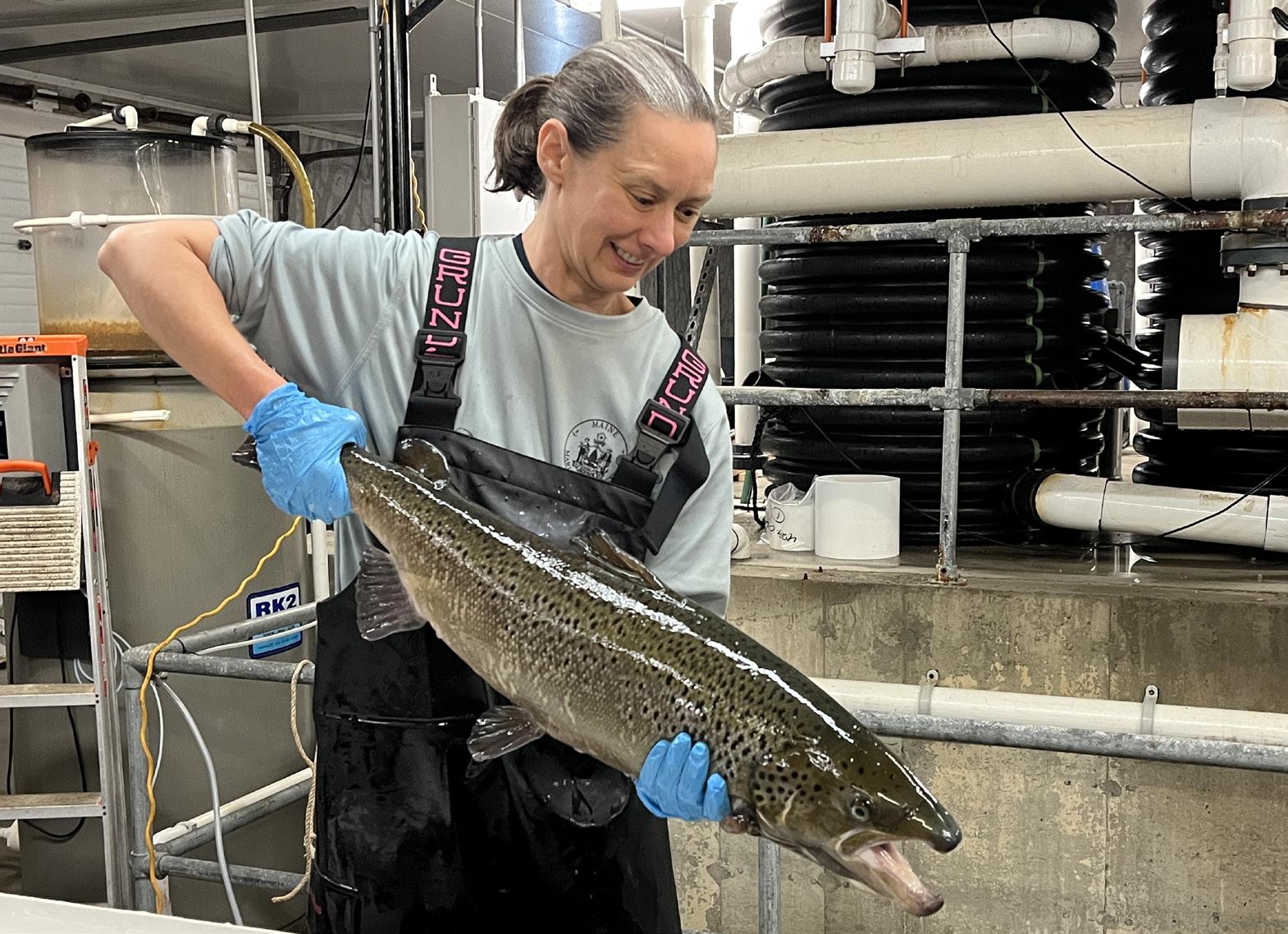
“American Unagi (eels), Springworks Farm (tilapia aquaponics), and Sea & Reef Aquaculture (marine ornamentals) all show that small-to-moderate scale land-based aquaculture can succeed in Maine by target-
ing niche markets or producing high-value species that can be profitably grown at smaller scale,” he says. “American Unagi is a good start, and if Great Northern Salmon also succeeds, RAS will be boosted in Maine.”
The Future of

Panel Tank Systems

Reinforced Tank Liners
From tank to liner, our integrated system is Engineered for Performance.


Kingfish Maine, Great Northern Salmon, American Unagi are only some of the RAS companies that got its start at the CCAR facility.
Sept 8‑9, 2026
Hilton Porto Gaia , Porto, Portugal






RASTECH expands to Europe for the first time.
RASTECH Europe 2026 brings together the people shaping the future of landbased aquaculture in Europe. Across two practical, high-impact days, choose between Operations and Technology tracks featuring real-world case studies, emerging trends, the latest research, and hands-on training with actionable takeaways for your own site.
Attendees are encouraged to register early, as capacity is limited to ensure a focused, high-value environment for networking, learning, and industry connection. The Exhibition Hall brings together leading land-based aquaculture technology providers from around the world under one roof. These include providers of:
• RAS Design & Engineering Services
• Genetics for RAS
• Water Quality technologies
• RAS feeds & feeding technologies
• Oxygen
• Biosecurity for RAS
• RAS Tanks
• Fish Health & Welfare
• Grading & Counting
• Monitoring
• Effluent Treatment
• Pipes and fittings
RASTECH Europe 2026 is hosted by Annex Business Media, publishers of RASTECH, Hatchery International and Aquaculture North America media brands.
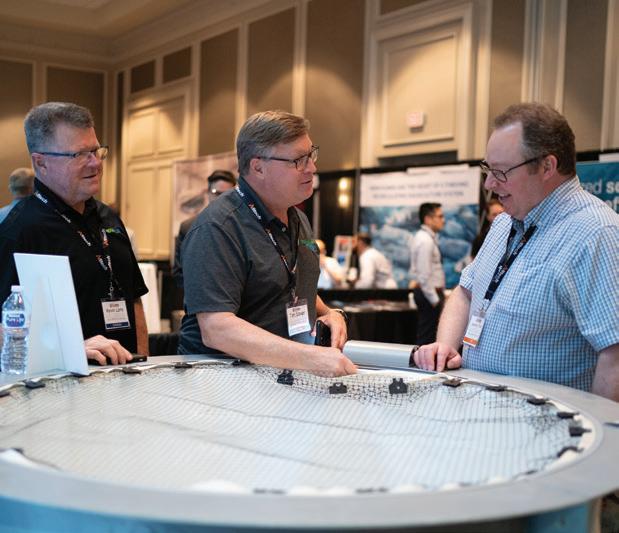
Who should attend?
• Fish farmers/RAS operators
• Fish hatcheries
• Investors
• RAS project engineers, contractors and consultants
• Research & university professionals
30+ total booths Capped attendance Sept 8-9 + Farm Tours
REGISTER NOW for your All-Access
RAS PASS!
• Full access to all conference sessions , including keynote, roundtable discussions, and two daily content tracks: Operations and Technology
• Access to Exhibit Hall of 30+ RAS related industry suppliers
• Welcome Reception
• 2× hot buffet lunches
• Refreshments & snacks during breaks
• Swag bag of sponsored RAS goodies
• Digital Subscription to RASTECH magazine
• Networking opportunities
REGISTER EARLY & SAVE!
Before June 12: €395. Before July 12: €495. After July 12: €595
Visit the conference website to secure your spot and join your colleagues at Europe’s leading RAS event of the year!
Hotel:
Hilton Porto Gaia
Vila Nova de Gaia, Portugal R. de Serpa Pinto 124, 4400‑307
Group rate available for nights booked between September 6–10, 2026, subject to availability. Book early to secure the nights you want before they sell out! Rate: €220/night
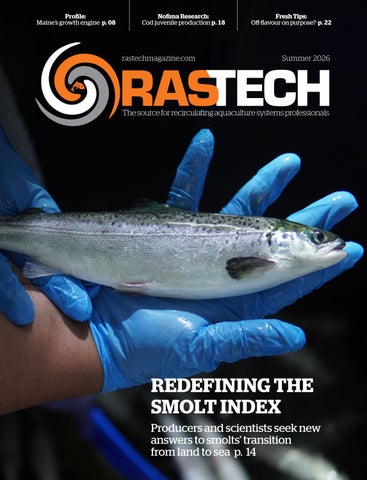
Redefining the Smolt Index
Producers and scientists seek new answers to smolts’ transition from land to sea.
By Christian PérezMallea
For decades, assessing whether a salmon smolt was ready for seawater was largely a matter of observation.
A silvery body, fading parr marks and a certain size were the visual cues that guided farmers in deciding when fish could leave freshwater behind. These indicators, rooted in empirical knowledge, worked reasonably well in a less intensive industry.
But as salmon farming has become more complex, more technological and more performance-driven, those visual signals have proven insufficient. The question now is more demanding: what if a smolt that looks ready is not physiologically prepared to perform in seawater?
That question lies at the heart of what is increasingly referred to as the “Smolt Index.” Rather than a single metric, it represents a broader framework that integrates biology, environment and performance into a more complete understanding of quality. It reflects a wider transition within aquaculture, from intuition-based decisions toward data-driven and physiology-based
assessments.
Although no universal formula exists, producers and researchers across Chile and Norway are converging on a shared conclusion: smolt quality must be measured, interpreted and validated through both scientific indicators and real-world outcomes.
From growth to preparation
One of the clearest shifts in industry thinking is the recognition that producing a smolt is not simply about reaching a target size, but about preparing the fish for a critical physiological transition.
For César Pinto, production manager at Lago Sofía, a high-quality smolt is defined by its ability to perform after transfer, not by its appearance in freshwater. If that preparation is incomplete, problems will emerge later in the form of reduced growth, poorer health or lower survival.
This perspective has been shaped by the industry’s experience with larger smolts. Transferring fish at weights well above 250 grams was expected to deliver clear advantages, including shorter marine production cycles, reduced exposure to sea lice and improved biomass utilisation.
In practice, results have been mixed. A 2023 Norwegian FHF report indicates that while larger smolts can reduce time at sea, their post-transfer performance has not always been consistent. In some cases, higher mortality and reduced appetite have been observed during the first weeks in seawater, particu-
larly under suboptimal environmental conditions.
These outcomes reinforce a central idea: size alone is not a reliable indicator of quality. Smolt readiness must be understood as a complex, multifactorial condition.
The biological foundation
At the core of smolt quality lies smoltification, the biological process that enables salmon to transition from freshwater to seawater. Triggered primarily by increasing day length in spring, it involves a coordinated hormonal cascade affecting multiple physiological systems. Externally, smoltification produces visible changes such as a more streamlined body, silvery coloration and the disappearance of parr marks. Internally, the transformation is far more complex.
The fish must reconfigure its osmoregulatory system to cope with a hyperosmotic environment. In freshwater, salmon absorb salts; in seawater, they must actively excrete them. This adaptation is mediated largely by specialized cells in the gills, where the Na + /K + -ATPase (NKA) enzyme plays a central role.
Marius Takvam, PhD at the University of Bergen, considers NKA activity a fundamental indicator of seawater readiness, but only when assessed in a broader context. Rather than focusing on the gills alone, he emphasizes the need to evaluate all three osmoregulatory organs — the gills, kidney and intestine — to obtain a more complete picture of physiological status.
A key concept in this process is the

Rather than a single metric, the Smolt Index represents a broader framework that integrates biology, environment and performance.
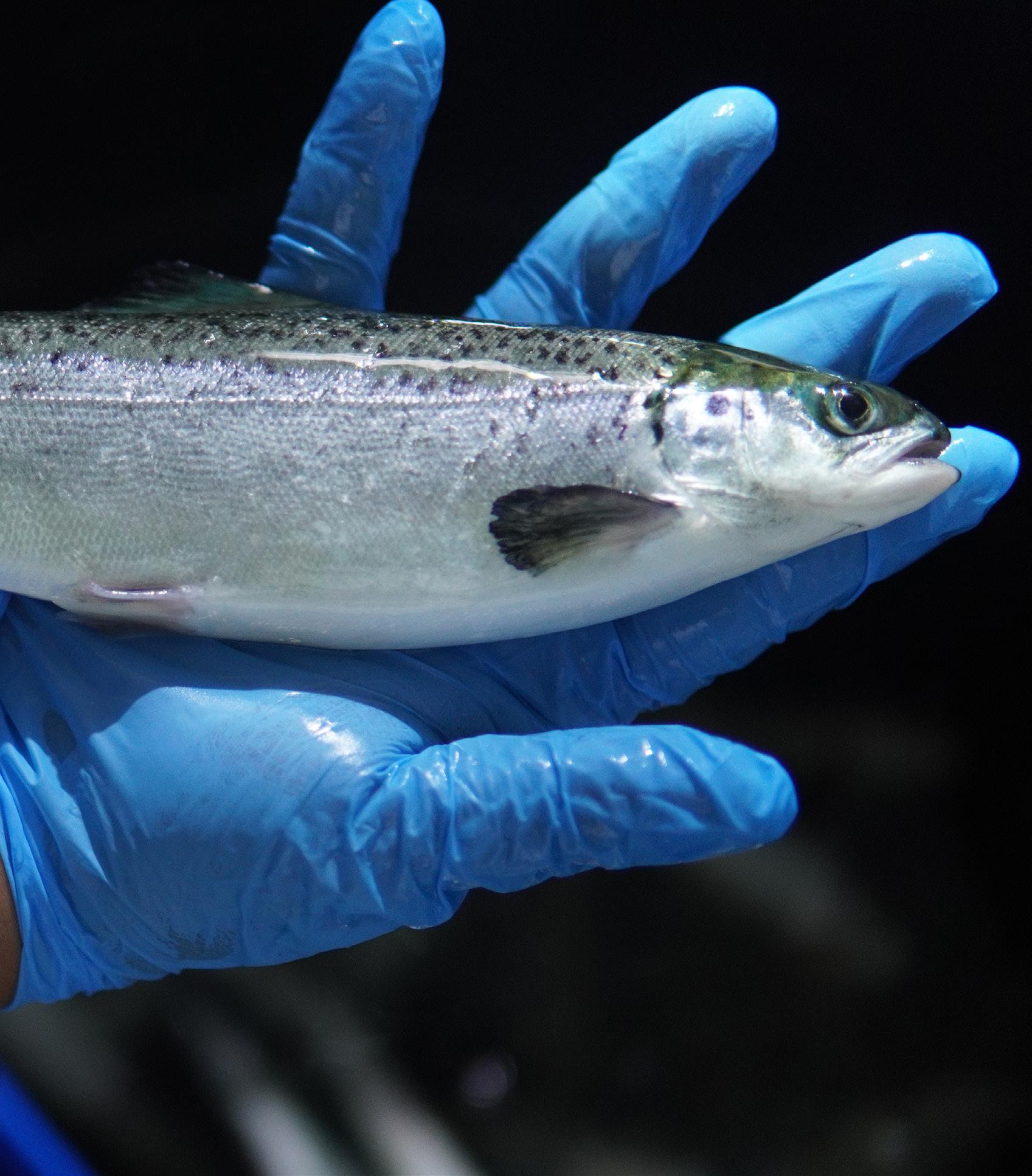
“smolt window,” a limited period during which these systems are synchronized and the fish is fully prepared for seawater. This window is often described in terms of accumulated thermal units, typically estimated between 350- and 500-degree days when all relevant organs are considered. Transferring fish within this window has been associated with significantly better performance months later in seawater.
Outside this period, fish may begin to lose their seawater tolerance in a process known as desmoltification. This represents a hidden risk in modern production systems, where environmental control can extend production cycles but also disrupt natural biological timing.
Environment as a defining factor
If biology sets the rules, the environment determines whether those rules are fulfilled.
Producers such as AquaChile emphasise that water quality is the foundation of smolt quality. Parameters such as temperature, dissolved oxygen, carbon dioxide and salinity must be carefully controlled to ensure consistent results.
The development of recirculating aquaculture systems (RAS) has significantly enhanced the industry’s ability to manage these variables.
Facilities such as AquaChile’s Aquaculture Technology Center demon-

and ultimately affecting performance after transfer. The FHF report suggests that stocking densities should generally remain below 65-70 kg/m³, while temperatures are typically kept below 12 C to avoid adverse
These parameters reflect a growinging the freshwater phase can have long--
ducing production intensity, even at the cost of slower growth and higher on-land
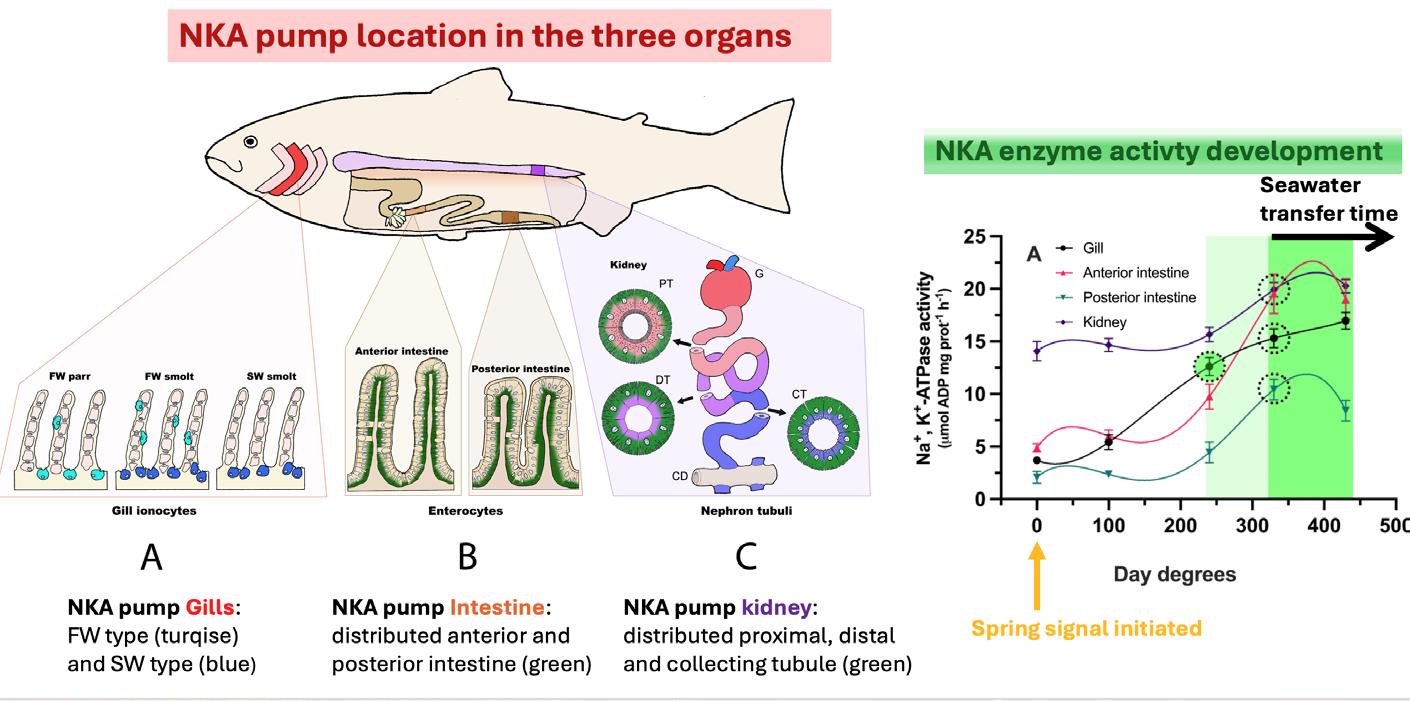
Distribution and development of Na+/K+-ATPase (NKA) activity across gills, intestine and kidney during smoltification. The figure shows the shift from freshwater to seawater ion-transport mechanisms and highlights the synchronisation of NKA activity across organs within the smoltification window, a key determinant of seawater readiness at transfer. IMAGE: TAKVAM ET AL., 2024
view, indicating that moderate salinity levels, such as 12 ppt, may be insufficient to sustain seawater readiness, while higher levels in the range of 20-25 ppt appear to provide a stronger marine signal. However, precise thresholds remain under investigation, particularly for intermediate salinity levels. This highlights the complexity of environmental effects and reinforces the need for a holistic approach to interpretation.
The limits of intensification
As smolt production has become more industrialized, the industry has also begun to recognise the limits of intensification.
High stocking densities, elevated temperatures and accelerated growth rates can place stress on fish, compromising welfare
production costs. This trade-off underscores a key principle: efficiency in freshwater cannot come at the expense of performance in seawater.
The role of light and timing
Among all the variables involved in smolt production, photoperiod remains one of the most powerful tools.
By manipulating day length, producers can control the timing of smoltification, effectively simulating seasonal cycles. Short-day conditions mimic winter, while continuous light triggers the onset of smoltification.
This approach is widely used across the industry, often in combination with salinity adjustments or specialised feeding regimes. However, timing remains critical.
GO FROM MONITORING TO SMART CONTROL
Monitoring, systems and software
Transferring fish too early, before physiological systems are fully developed, can impair adaptation. Transferring them too late risks entering the desmoltification phase, when seawater tolerance begins to decline.
This narrow window reinforces the idea that smolt quality is not a static attribute, but a dynamic condition that must be carefully managed.
Performance as the ultimate test
Despite advances in monitoring and diagnostics, the definitive assessment of smolt quality still occurs after transfer to seawater.
Growth rates, survival, feed conversion and disease resistance during the early marine phase provide the most direct evidence of whether the fish was truly prepared.
Producers have repeatedly observed that fish appearing optimal in freshwater may still underperform in seawater. This disconnect has led to a growing emphasis on incorporating post-transfer performance into evaluation frameworks.
Rather than relying solely on pre-transfer indicators, producers are increasingly using marine-phase data to refine their production strategies. In this sense, the Smolt Index is evolving from a predictive concept into a feedback system, continuously updated through operational experience.
An evolving concept
Despite its growing importance, the Smolt Index remains under development. One of the main challenges is variability across
production systems.
Differences in environmental conditions, technological capabilities and management practices make it difficult to establish universal benchmarks. The FHF report highlights the lack of standardized datasets as a key limitation.
At the same time, the industry continues to generate valuable insights through experience. Field observations and operational data are increasingly recognized as essential complements to scientific research.
Future progress will likely depend on integrating multiple data sources into a more comprehensive framework. This includes combining established indicators such as NKA activity with emerging tools related to blood biochemistry, immune status and overall health.
Such approaches align with research initiatives like CtrlAqua and the NordForsk project, “Physiology shapes the happy salmon,” which emphasize the importance of assessing physiological processes at the organism level rather than in isolation.
Getting the transition right
Ultimately, the Smolt Index is not about defining quality through a single number. It is about understanding a process.
Smolt quality emerges from the interaction between biology and environment, and even small deviations in that interaction can have significant consequences.
For producers, the challenge is to translate this understanding into consistent practice. For researchers, it is to refine the tools needed to measure and interpret readiness.
For the industry as a whole, it is to recognize that the moment of transfer is not just another step in the production cycle, but a critical threshold.
Because no matter how advanced the systems or how controlled the environment, everything ultimately depends on one condition: that the fish is physiologically ready for the sea.
References
de Fonseka, R., Takvam, M., Sundell, K., Jönsson, E., Nilsen, T. O., Vikeså, V., & Sundh, H. (2026). Synchronisation of Na+, K+-ATPase activity in intestine, gills, and kidney at the time of seawater transfer improves post-smolt performance in Atlantic salmon. Aquaculture, 743912.
Takvam, M., Sundell, K., Sundh, H., Gharbi, N., Kryvi, H., & Nilsen, T. O. (2024). New wine in old bottles: Modification of the Na+/K+-ATPase enzyme activity assay and its application in salmonid aquaculture. Reviews in Aquaculture, 16(3), 1087-1098.
NordForsk. (2026). Physiology shapes the happy salmon: A systems approach to sustainable feeds and growth stimulation. Nordic Research Programme on Sustainable Aquaculture. CtrlAqua (2023). Highlights from research on closed aquaculture systems. Centre for Closed-Containment Aquaculture.
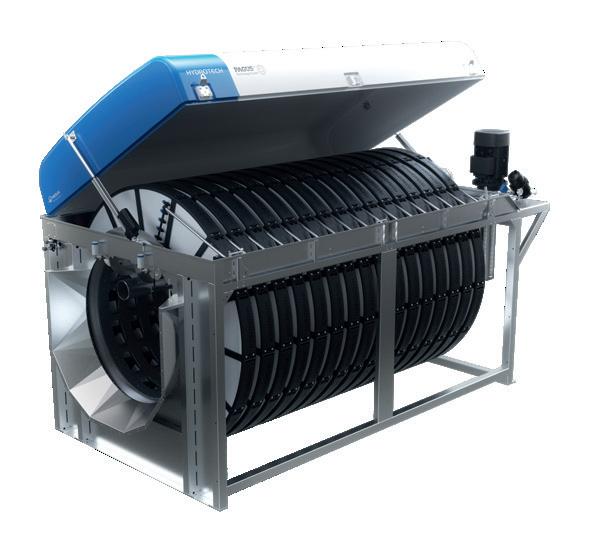

Hydrotech Disc Filter - Hybrid series
Veolia’s Hydrotech Hybrid Filter helps aquaculture safely maintain consistent water treatment.
� Smarter: combination of two proven technologies: high hydraulic flow capacity (HDF) and large filtration area (HSF)
� Lighter: individual panel removal using only two bolts (Alphadisc™ patent)
� Cleaner: particle filtration sizes down to 10 μm and patented high-pressure cleaner
Ask the Experts
By Ferosekhan Shajahan, Andre Meriac, Kirsti Hjelde, Ingrid Romfo Meringdal, Åsa Espmark
Reduced water exchange
Implications for cod juvenile production in RAS
How does water exchange rates affect growth, water quality, and welfare of cod juveniles in RAS? We are sharing the latest insights from a Nofima project on optimizing water exchange for Atlantic cod juvenile production in recirculating aquaculture systems (RAS).
Land-based aquaculture is rapidly expanding, driven by the need for predictable production, biosecurity, and environmental control. For Atlantic cod (Gadus morhua), a species with renewed commercial interest in Norway, RAS offer a promising pathway for robust juvenile production.
But one key operational question remains: how much water exchange is really necessary?
This project tested how reduced water exchange affects growth, water quality, and welfare in cod juveniles. Our results show that cod juveniles perform well even at a lower water exchange rate of 500 L/kg feed/day. This suggests that cod juveniles can be produced more water-efficiently using RAS systems.
Why does water exchange matter in cod juvenile production in RAS? Cod farming has traditionally relied on flowthrough systems (FTS). These approaches face several challenges including increased disease risk, variable environmental conditions and inconsistent water quality, which can affect fish health and welfare. RAS allows farmers to control water quality and biosecurity much better than FTS.
However, water exchange in RAS can be constrained by limitation of intake, discharge, or the need to control temperature or water quality. Higher exchange can improve water quality but increase energy use (e.g. heating, water demand, pumping, and water treatment requirements). Finding the minimum effective exchange rate is therefore critical for cod juvenile production in RAS.
What we tested
We compared two water-exchange regimes in juvenile cod production in RAS at Nofima, Sunndalsøra: Low exchange (LWE): 500 L/ kg feed/day and High exchange (HWE): 1000 L/kg feed/day.
Juvenile cod (~137 g) were stocked in three replicates for each treatment in 500L tanks (75 fish per tank) and reared for seven weeks under controlled conditions (12 C, salinity 34‰, alkalinity 159 mg/l, dissolved oxygen ~ 96% saturation and ~ 8.6 mg/L, pH ~ 7.9, TGP ~ 99.5% and 24-hour photoperiod). Water flow rate was 1.8 m³/h and hydraulic retention time (HRT) was around 17 mins.
Fish were fed a commercial diet (Skretting Amber Fortuna, 3 mm pellets) using automatic belt feeders with hourly feeding.
Ferosekhan Shajahan is a researcher at Nofima, based in Sunndalsøra, Norway. His research focuses on RAS production systems, water quality, water treatment, and fish welfare. He also works on broodstock, egg quality, and early life stages of salmonids and cod.
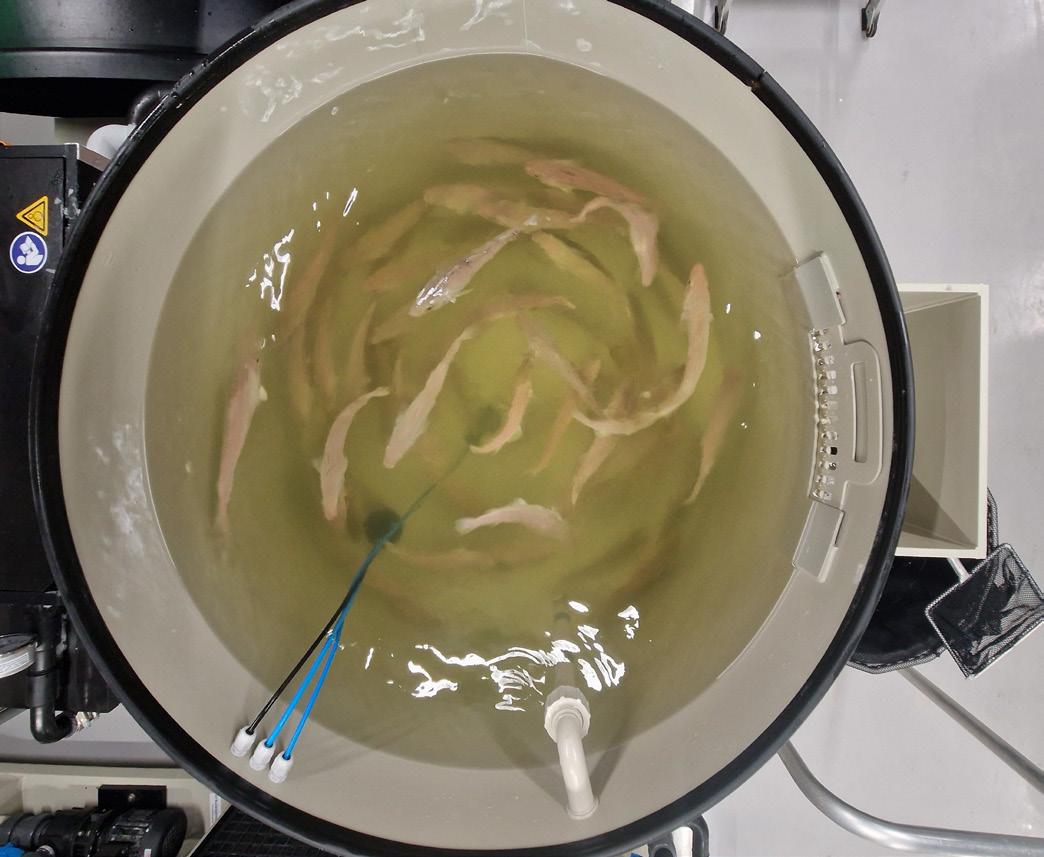
Atlantic cod juveniles after seven weeks in RAS. Good visibility and low turbidity both high and low water exchange systems.
Growth, survival, welfare (including deformities), and water quality were monitored throughout the experiment.
Growth and survival
Growth performance was similar under both water-exchange regimes. Survival was the same in both groups, at around 96%.
Fish reared at LWE reached an average final weight of ~188 g, compared with ~194 g at HWE. Specific growth rates ranged from 0.61 to 0.68% per day. Feed intake was relatively low (0.7-1.1% of body weight per day), with an FCR of 1.4-1.5. Final biomass density was approximately 30 kg/m³. Overall, reducing water exchange from 1,000 to 500 L/kg feed had no significant negative effect on growth, feed conversion efficiency, or survival.
For producers, this suggests that water use and pumping costs can be reduced without compromising the production performance. However, both groups showed relatively higher size variation (~22% coefficient of variation) on final body weight, indicating considerable heterogeneity in growth.
Water quality
Key water quality parameters remained stable under both water-exchange regimes. Ammonia (< 0.43 mg/L) and nitrite (< 0.29 mg/L) levels were low, and CO2 levels (~2 mg/L) were similar in both systems. As expected, reducing water exchange by half led to increased accumulation of nitrate (76.13 vs 40.8 mg/L) and dissolved organic matter. Total (TOC: 21 mg/L) and dissolved (DOC: 18.6 mg/L) organ-
ic carbon showed a similar increase. Despite this, there were no differences in turbidity (4.7 mg/L), suspended solids (6 mg/L), or particulate organic carbon (POC: 3.2 mg/L) between systems. This suggests that reducing water exchange does not necessarily lead to poorer water quality, or higher particle loads - provided solids are effectively managed. Good feeding practices and efficient solids removal remain essential to maintain optimal water quality in RAS.
A hidden effect
At low water exchange and without ozone, mature systems often show a clear, tea-coloured water caused by accumulated humic substances. These compounds strongly absorb UV light. In our trial, UV transmittance in filtered, particle-free water decreased from ~66% at high exchange to ~53% at low exchange, closely following the increase in DOC. In comparison, incoming make-up water had a transmittance of ≥ ≥98%. This shows that accumulated organic matter can significantly reduce UV disinfection efficiency in RAS systems without ozone.
Good overall fish welfare
External welfare scoring showed generally low levels in both treatments, with few eye lesions, opercular, jaw, and skeletal deformities. Mandibular deformity was observed more frequently than maxillary deformity. Some specific welfare indicators such as lower jawbone protrusion and caudal hemorrhaging were observed but were not linked to water exchange levels. The lower jawbone protrusion was present from the start of the trial.
Production challenges
While water exchange had little effect on growth and survival, however this study highlights few production challenges such as: Fish showed high heterogenous final body weight and relatively low feed intake. Recovery after handling and transfer was slow, with cod requiring around two weeks to acclimate before normal feed intake. This might be due to transferring the fish from large tanks to smaller tanks and can be of less importance in commercial systems.
What this means for the industry
Atlantic cod juveniles can be successfully reared in RAS at lower water exchange rates (500 L/kg feed; ~5%/day) without compromising the growth, survival, welfare, or overall water quality. Lower exchange improves water-use efficiency but leads to increased accumulation of dissolved organic matter. While this did not affect particle levels, but it significantly reduced UV transmission, which may impact disinfection efficiency in RAS.
For producers, the key takeaway is clear: lower water exchange is feasible, but system management becomes more important –particularly for organic load, feeding practices, and fish handling. Addressing challenges such as size variation, low feed intake, and long acclimation periods will be essential to further optimize cod production in RAS
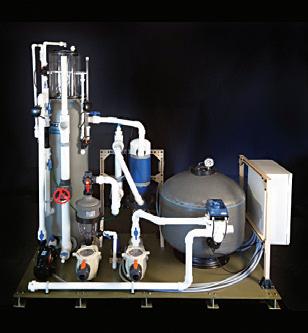
Commercial Filtration Systems
Customized for your fish farm, hatchery or research operation!
Our Commercial LSS Packages are custom engineered to meet your specific needs.
• Marine and Freshwater
• Mechanical filtration
• Chemical filtration
• Ultraviolet disinfection
• NEMA enclosed controls
• Bio-filter towers
• De-gassing towers
•
•
• Protein skimmers
• Variable frequency-drive pumps
• Temperature management
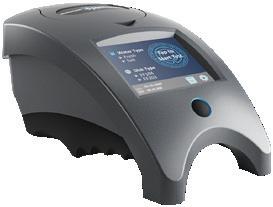

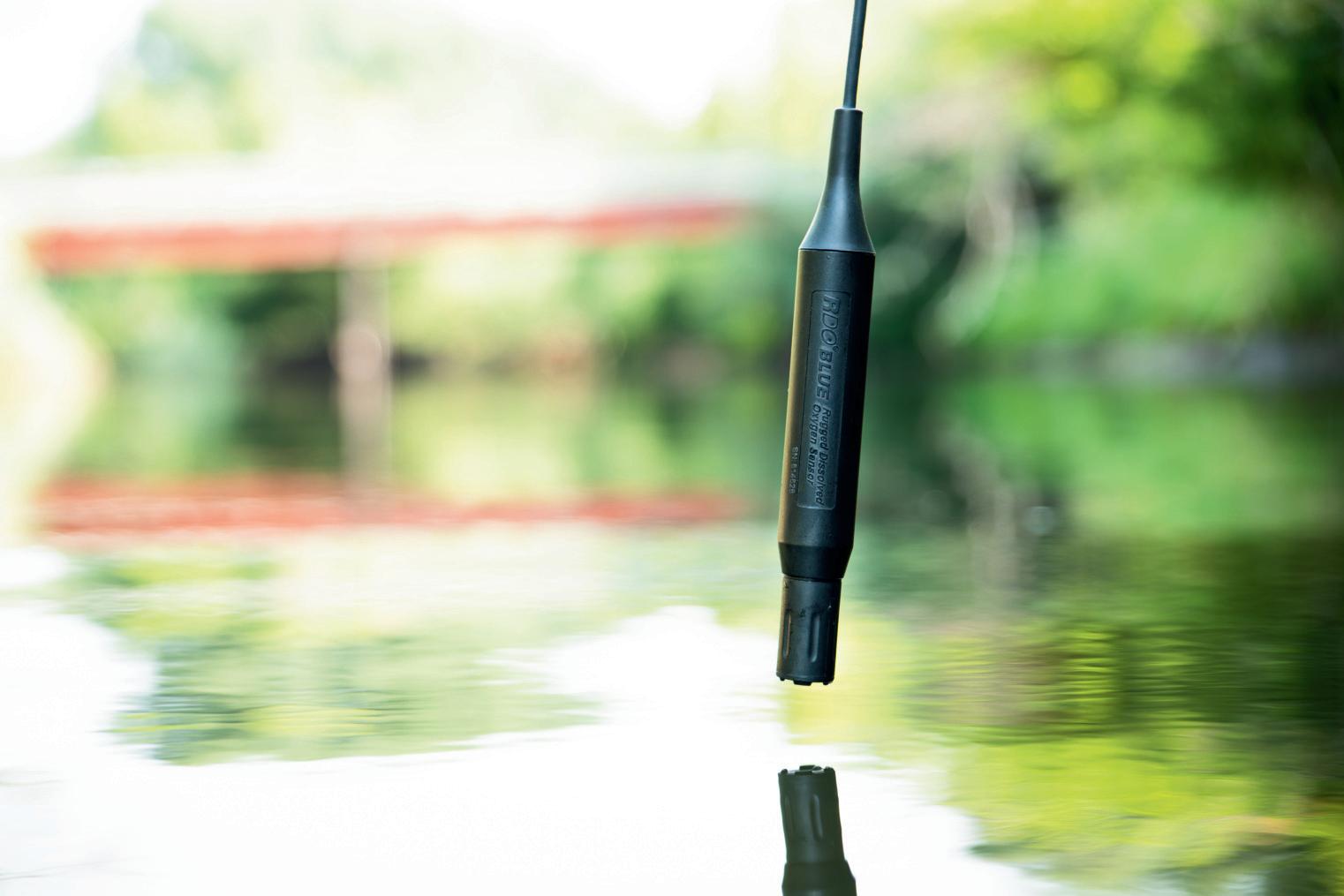
RDO® Blue uses patented optical RDO technology for simplified dissolved oxygen monitoring — no membranes, field calibration, or conditioning required.

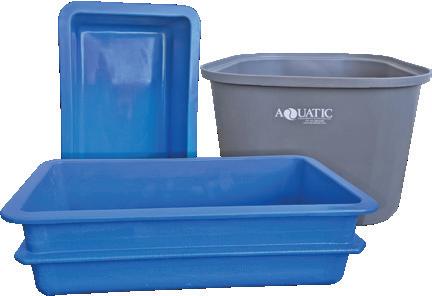
FIBERGLASS TANKS Ready to ship—no waiting!
Paras Aqua appoints new CEO
Finnish technology company, Paras Aqua Oy, has appointed Sondre Høidalen as its new CEO.
Høidalen is experienced in the design and implementation of land-based aquaculture facilities and has previously served as CEO of VAQ, Billund Aquaculture Norway, and Krüger Kaldnes AS. In these roles, he led the development and construction of several recirculating aquaculture systems (RAS).
“Paras Aqua’s approach includes many of the elements I have been looking for in this industry for a long time. Modularity and a high degree of prefabrication bring signifi -
cant efficiency and predictability to projects,” said Høidalen.
Paras Aqua said this appointment helps support its position in international markets.
Innovation Beyond Measure
Results Beyond Expectation
• 100% Titanium Heat Exchangers
• Hot & Cold Water Loop Systems
• Available with Tube Sheet, Helical Coil, or Plate
• Compact Designs
• Easy Installation
• Salt & Fresh Water Safe Chiller & Heat Pump Packages
DESMI wins Zacco Innovation Award 2026
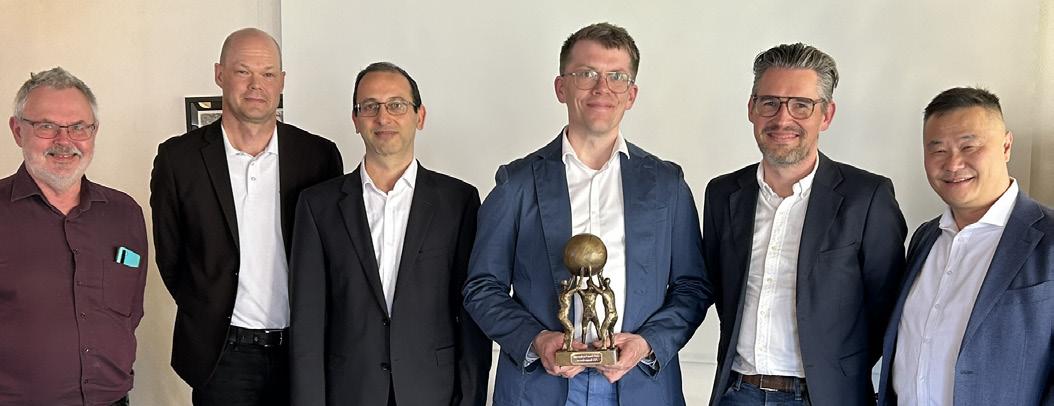
DESMI Pumping Technology has been awarded the Innovation Award 2026 by Zacco Denmark for its innovation culture and approach to product development and patenting.
DESMI is a provider of pump and flow solutions for industries including marine, aquaculture, industry and defence.
The Danish company developed a deep-well fuel pump, where both technical and Intellectual Property approaches have been explored in parallel. The product is said to deliver solutions while avoiding infringement of any existing patents.
“We are proud to receive this recognition from Zacco. Innovation at DESMI is not a one-off effort, it is a mindset. It requires curiosity to challenge the status quo, courage to pursue new paths, and the willingness to create change that delivers real value to our customers,” said Rasmus Folsø, senior vice president, New Green Solutions.


Aquaintech develops tablets that improve water quality
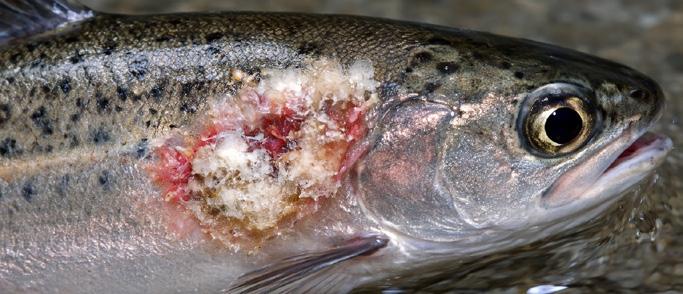
Aquaintech Inc. has developed Bacillus-based tablets that improve water quality and reduce harmful bacteria in recirculating aquaculture systems (RAS), helping hatcheries maintain resilient, disease-free fish.
In salmon smolt production, secondary pathogens such as Flavobacterium psychrophilum and F. columnare can lead to skin and fin lesions and contribute to mortality in
hatcheries. If left unmanaged, these bacteria can carry over into seawater pens.
Aquaintech says its product helps stabilize the microbiome and inhibit harmful flavobacteria.
“In trials, we have seen up to a 95 per cent reduction in Flavobacterium colony-forming units,” a press release from the company states. “These harmless Bacillus spores work
naturally to enhance water quality, maintain healthy microbial communities, and protect fish without antibiotics or chemicals.”
Mat-Kuling installs large scale degassing system at Arctic Seafarm
Arctic Seafarm has contracted RAS equipment manufacturer Mat-Kuling to install what the company says is the world’s largest prefabricated degassing tower system at its land-based salmon farming facility in Nesna.
The hybrid flow-through facility has a maximum allowed biomass of 15,000 tonnes and is capable of producing up to 25,000 tonnes of salmon annually.
Mat-Kuling will work with Eyvi on the
project, which includes 57 degassing towers with diameters ranging from 3.6 to 4.2 meters and tower heights between 5.2 and 6.8 meters. The facility will use atmospheric and vacuum-based degassing solutions and automatic washing systems.
The towers are prefabricated at MatKuling’s factory, while final assembly, sheet metal bending and welding operations will be done at Nesna.
Degassing is needed to reduce the level of
SEA BASS AND SEA BREAM: A PRACTICAL APPROACH TO DISEASE CONTROL AND HEALTH MANAGEMENT
Scan code to buy this book

carbon dioxide in the seawater, as it contains almost 50 times more CO 2 than air. High concentrations can have a negative impact on fish welfare and production conditions.
“This project is a good example of how prefabricated and modular solutions enable the installation of very large water treatment systems directly on site. It is expected that Arctic Seafarm, Nesna, will be among the most efficient of its kind,” said Bjørn Dørum in Mat-Kuling Vannbehandling AS.
The aim of this book is to provide practical advice and awareness of health management and disease control in sea bass and sea bream, the most widely-farmed fish in the Mediterranean region.
This important book gives particular emphasis to rapid diagnosis and response to the most dangerous pathologies, which can cause severe economic losses in affected fish farms.
$155.00 | Item#1910455971

Fresh Tips
By Curtis Crouse
Off-flavour on purpose?
Building a better geosmin taste test for Atlantic salmon RAS
Off-flavor compounds produced by microbes in the RAS environment can impart objectionable flavors to lipid-rich fish. However, the detectable taste concentration of off-flavor compounds in the flesh of most fish is not well defined.
The Freshwater Institute (FI), in partnership with The Ohio State University (OSU), recently conducted a consumer taste panel to determine the sensory detection threshold for geosmin in market-sized Atlantic salmon fillets (Davidson et al., 2026). Structuring an effective consumer taste panel required applied research to create a novel method of intentionally imparting off-flavor to fish flesh at graded concentrations.
When exposed to waterborne concentrations of geosmin, fish can develop appreciable levels in edible fillet portions within a few hours. FI has used this process effectively to create “off-flavor” fish for depuration research trials (Davidson et al., 2021). However, artificially added geosmin is typically transported in a carrier solvent that, in some cases, is not considered food-safe for a tasting panel, and any food-grade geosmin options may not provide the same eating experience as fish exposed to native concentrations in a RAS. Accordingly, techniques to create natural, microbially derived geosmin were explored.
As a first step in creating an environment with elevated geosmin, a “clean slate” was established by cleaning and disinfecting all surfaces of a partial reuse system before adding fish for the taste panel. FI demonstrated that recently disinfected “immature” RAS are
more prone to an initial spike in off-flavor concentrations than “mature” RAS operated continuously for a long duration when fish are introduced and fed (Davidson et al., 2025). In a similar fashion, increasing geosmin concentrations were observed in the experimental partial reuse system, though they reached only 9 ng/L on day 35. At this time, a portion of the fish was moved to depuration tanks for three days to create a group of low-geosmin fillets for sampling. Another portion of the fish was removed from the system two days later to create a mid-geosmin concentration group by applying a shorter depuration time of 1 day (Davidson et al., 2021).
The final group of high-geosmin fish was created by exposing the remaining fish in the tank to a brief geosmin spike. A previous FI case study determined that brushing culture tank surfaces can release off-flavor compounds into the water (Crouse, 2024). Brushing the surfaces of the partial reuse system the day before harvest created a spike in geosmin from 9 ng/L to 25 ng/L. Though water-borne concentrations returned to 12 ng/L the following day, short exposures will increase fillet concentrations (Davidson et al. 2021). The day after this exposure, all fish from the three groups were humanely euthanized and transported to a local technical high school with seafood HACCP certification for food-safe processing.
During processing, each edible portion was packaged, numbered, frozen, and shipped to OSU. A sample from each portion, taken prior to packaging, was analyzed for geosmin concentration, and the corresponding edible portions at OSU were assigned to concentration
categories based on the results. An ascending concentration series method of limits test with 85 participants was used to determine the taste threshold for geosmin in Atlantic salmon fillets.
This approach led to the first sensory panel to investigate consumer detection of microbially derived geosmin in market-size Atlantic salmon. Establishing a detection threshold of off-flavor compounds has large implications for the depuration procedures used by landbased farms. Furthermore, understanding how to reliably create off-flavor in the RAS may ultimately yield insights into eliminating the problem in the future.
References
Davidson, J., Crouse, C., May, T., Tao, R., Soldavini, A. 2026. Utilizing a consumer taste panel to assess the geosmin sensory detection threshold in market-size Atlantic salmon, Salmo salar, produced in landbased aquaculture systems. Journal of the World Aquaculture Society
Davidson, J., Crouse, C., Lepine, C., Ranjan, R., Stangroom, J., Poley, J., Good, C. 2025. Comparing off-flavor trends in freshwater recirculating aquaculture systems with microbially mature or immature biofilters while growing Atlantic salmon Salmo salar. Journal of the World Aquaculture Society
Davidson, J., Summerfelt, S., Grimm, C., Fischer, G., Good, C. 2021. Effects of swimming speed and dissolved oxygen on geosmin depuration from market-size Atlantic salmon Salmo salar. Aquacultural Engineering
Crouse, C. 2024 Fresh tips: Three rules of successful depuration. RASTech Magazine
Conference and Trade Fair

COFFEE SPONSOR ICE CREAM SPONSOR


PLATINUM SPONSORS GOLD SPONSORS SILVER SPONSORS








REGISTRATION DESK SPONSOR SWAG BAG SPONSOR SHOW GUIDE SPONSOR LANDYARD SPONSOR

Thanks also to all our attendees, speakers, and exhibitors at RASTECH 2026 for another superb event. We look forward to welcoming you all again in Roanoke, Virginia, May 25-26 at RASTECH 2027
DESIGNED WITH INTENT
INSTALLED TO LAST
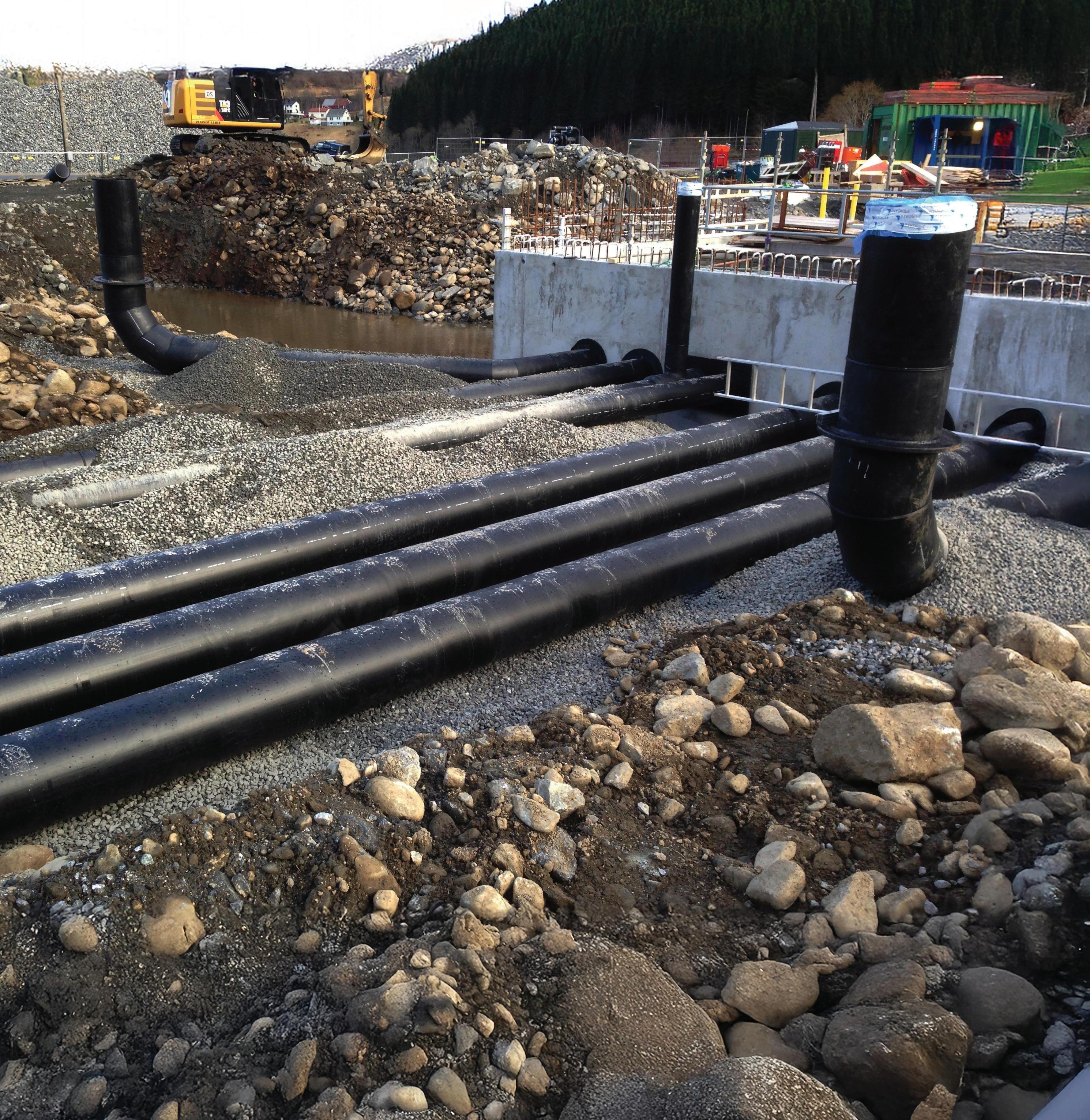
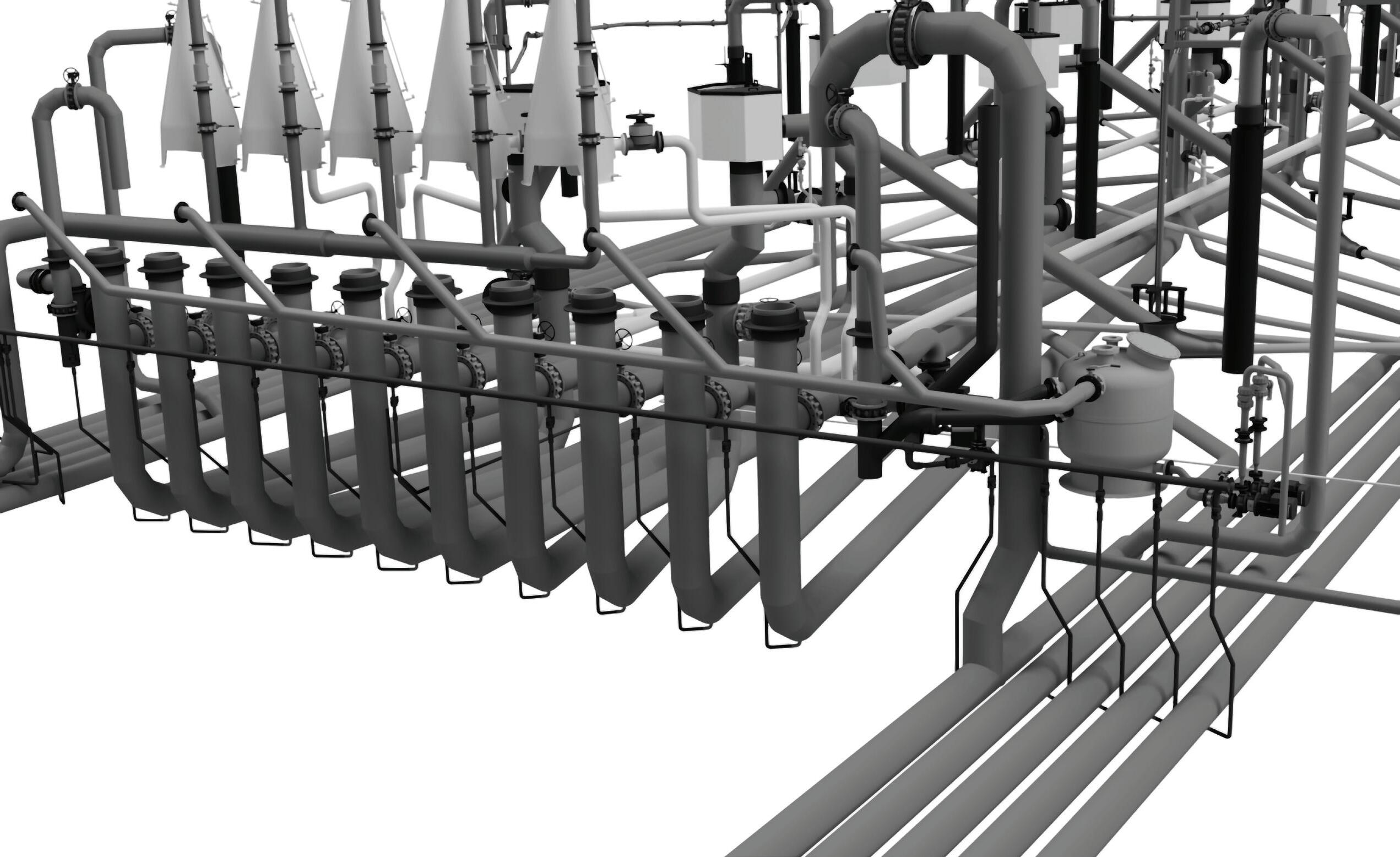
Discover how we design and deliver complete piping systems
Hidden piping defines stability, fish welfare, and performance from day one.