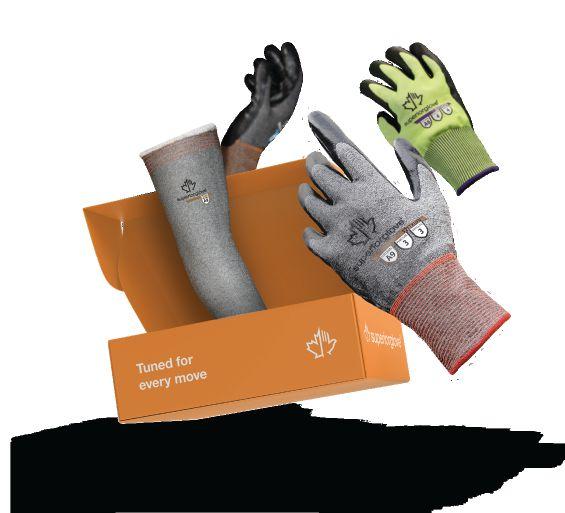
Unmatched mobility and tactility
Dexterity Pro™ series offers outstanding mobility and comfort that doesn’t compromise on safety
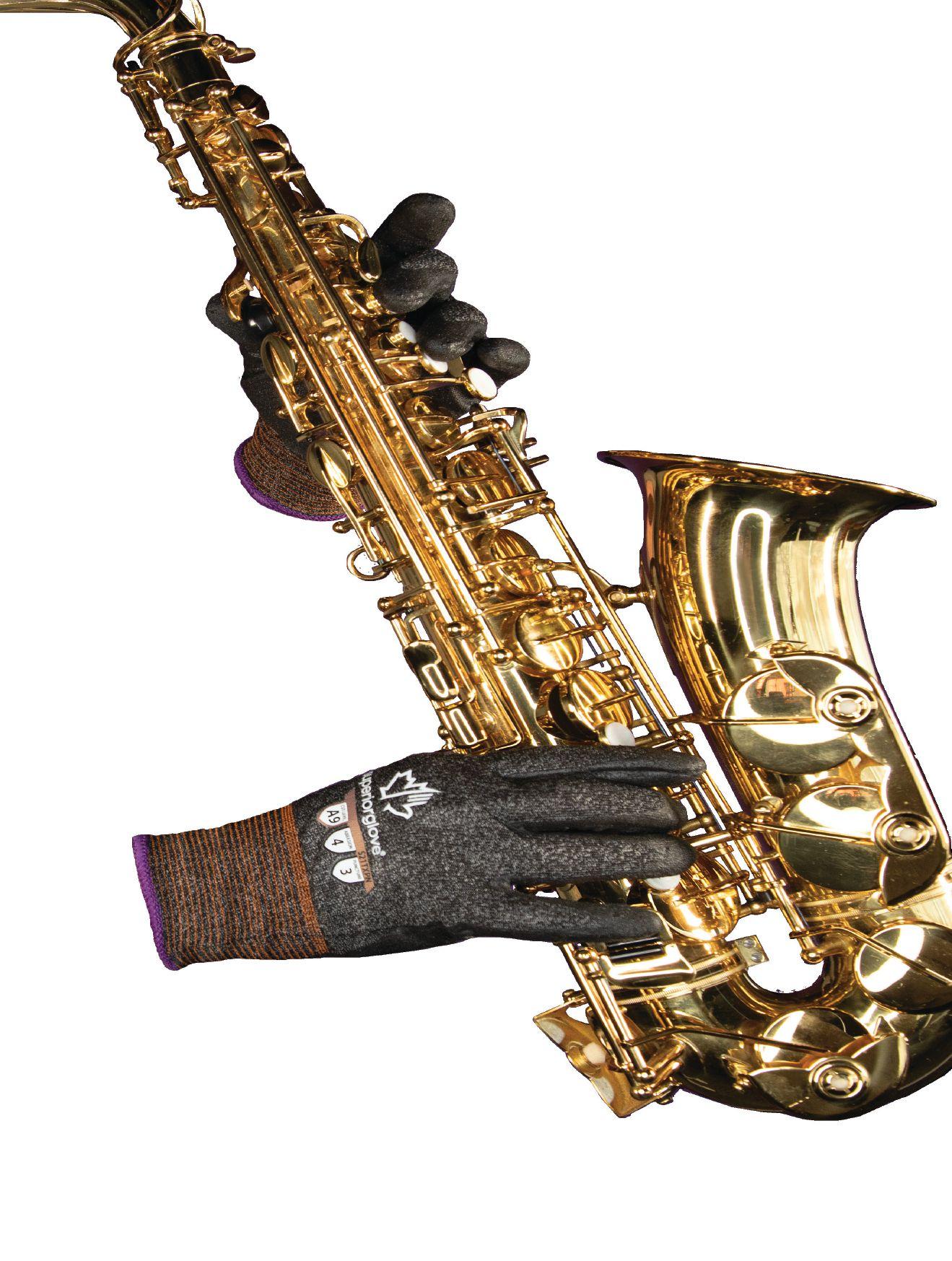
Effortless freedom of movement
Designed for all-day comfort and exceptional hand mobility
Comprehensive protection options
Cut, impact, water resistance, and more hazard protections
For more details, visit superiorglove.com/dexterity-pro or scan the QR code

TREENA HEIN
COWEN

By Brandi Cowen, Editor
If you’ve watched the American version of The Office, I’ll bet the phrase “Diversity Day” conjures a memory of Dunder Mifflin employees milling around a boardroom with cue cards taped to their foreheads. In the episode, regional manager Michael Scott takes over a diversity training seminar and demands employ ees wear the index cards, each labelled with a different race. He insists they treat one another as they would an individual of the indicated race and then attempt to guess their own race based on how their co-workers treat them.
If only all psychologically unsafe workplaces were this easy to spot.
According to the National Standard for Psychological Health and Safety in the Workplace (CSA Z1003), a psychologically safe and healthy workplace “actively works to prevent harm to worker psychological health, including in negligent, reckless or intentional ways, and promotes psychological well-being.”
I’m fortunate. I, along with many of the people in my circle, work somewhere that fits that bill. We feel comfortable taking reasonable risks and
EDITORIAL ADVISORY BOARD
expressing our ideas. When we make mistakes, as everyone inevitably will, we’re able to own up to them without fear of judgment or out-sized consequences. As a result, we’re engaged in our work and emboldened to innovate. Creating a psychologically safe workplace benefits both us and our employers.
Creating a psychologically safe workplace benefits both us and our employers.
But creating this environment isn’t a one-and-done exercise; it requires ongoing effort to sustain in the long run. This is where some organizations struggle.
I’ve seen firsthand how employee turnover and leadership changes can cause ripple effects throughout a team or organization, fundamentally changing the work environment. And I’ve seen how a new teammate’s approach or a new manager’s leadership style can shift a friend or family member’s outlook on work. When these changes are perceived positively, they can feel great. But when they are perceived negatively –and especially when they’re accompanied by a sense of less security – they can undermine
psychological safety.
The result? A star performer may become paralyzed by fear of making a mistake, curbing their productivity. Your most vocal critical thinker may hold back, choosing not to challenge a new safety procedure and ultimately missing an opportunity to improve on it. And as employee stress levels rise, so do their levels of distraction and poor decision-making. Psychological health and safety can also impact physical health and safety in the workplace.
That’s why, in late June, OHS Canada hosted the Psychologically Safe Workplaces Summit. You can find a full recap of the virtual event on page 21.
But remember when I said psychological health and safety isn’t a one-and-done effort? Well, neither is the Psychologically Safe Workplaces Summit. We’ll be hosting part two on Sept. 10. Keep watching OHSCanada.com for details.
Most workplaces are still relatively early in their psychological health and safety journeys, and there will always be new things for us to learn. (Though I hope no one has as much to learn as Michael Scott.) Wherever you are in your journey, OHS Canada is here to support you.
READER SERVICE
Print and digital subscription inquiries or changes, please contact Angelita Potal
Tel: 416-510-5113
Fax: 416-510-6875
email: apotal@annexbusinessmedia.com
Mail: 111 Gordon Baker Rd., Suite 400, Toronto, ON M2H 3R1
EDITOR
Brandi Cowen 437-770-4370 bcowen@annexbusinessmedia.com
MEDIA DESIGNER Curtis Martin
ACCOUNT CO-ORDINATOR Cheryl Fisher 416-510-5194 cfisher@annexbusinessmedia.com
AUDIENCE DEVELOPMENT MANAGER Barbara Adelt 416-510-5184 badelt@annexbusinessmedia.com
BRAND SALES MANAGER Silvana Maiolo smaiolo@annexbusinessmedia.com
GROUP PUBLISHER Anne Beswick abeswick@annexbusinessmedia.com
CEO Scott Jamieson sjamieson@annexbusinessmedia.com
Printed in Canada
ISSN 0827-4576 (Print) ISSN 1923-4279 (Digital) PUBLICATION MAIL AGREEMENT #40065710
SUBSCRIPTION RATES
Published four times per year –Winter, Spring, Summer, Fall Canada $70/yr plus tax USA $98/yr CDN Foreign $162/yr CDN Single copy $19 CDN
Occasionally, OHS Canada will mail information on behalf of industry related groups whose products and services we believe may be of interest to you. If you prefer not to receive this information, please contact our circulation department in any of the four ways listed above.
Annex Business Media Privacy Office privacy@annexbusinessmedia.com Tel: 800-668-2374
No part of the editorial content of this publication may be reprinted without the publisher’s written permission © 2025 Annex Business Media All rights reserved. Opinions expressed in this magazine are not necessarily those of the editor or the publisher. No liability is assumed for errors or omissions.
All advertising is subject to the publisher’s approval. Such approval does not imply any endorsement of the products or services advertised. Publisher reserves the right to refuse advertising that does not meet the standards of the publication.
Paula Campkin: chief safety officer, Energy Safety Canada
Marty Dol: president and founder, HASCO Health & Safety Canada
Cindy Moser: director of communications, Institute of Work & Health
Natalie Oree: prevention consultant, SAFE Work Manitoba
David Powers: EHS director (Atlantic), Sysco Canada
Richard Quenneville: senior director of corporate services, T. Harris Environmental Management
Maureen Shaw: lecturer and presenter
Dylan Short: managing director, The Redlands Group

The Board of Canadian Registered Safety Professionals (BCRSP) has appointed Larry Masotti, CRSP, as the new chair of its governing board, effective July 1.
Masotti’s extensive background in occupational health and safety, coupled with his demonstrated leadership, uniquely positions him to guide the BCRSP in advancing its mission and upholding the highest standards of professional certification in Canada.
Masotti is the 27th chair since the certification body’s incorporation in 1976. He succeeds Paul Belair, who had served as chair since July 1, 2023.
Masotti is retired from Workplace Safety & Prevention Services (WSPS), and previously held roles at WSPS as the director, strategic relationships and director, marketing and business development in Toronto.
With over 25 years of health and safety experience, Masotti currently serves as the president for Minerva Canada Safety Management Education Inc., as an international review panellist for the National Safety Council’s R.W. Campbell Award, and as a member of Humber College’s bachelor of health sciences, workplace health and wellness program advisory committee. He has been a Canadian Registered Safety Professional (CRSP) since 2000.
In addition to Masotti, the BCRSP’s governing board includes executive officers Rebecca Chow, CRSP (vice chair); Natalie Carscadden, CRSP, CCPE (secretary); David Larson, CSP, CFPS, ARM, CRSP (treasurer) and governors Christine Cousins, CRST; Michelle Hogan, CRSP; Phillip Johnson, CRSP; David Legge, CRSP, CHSC; Alexander MacDonald (public member); Jeremy Mollet, CRSP, CSP, CMIOSH, CHMM; Darrel Nickerson, CRSP; William (Bill) Reid, CRSP; Cindy Schiewek, CRSP; and executive director Nicola J. Wright. The new board officially began their term on July 1.

The second annual State of Safety survey conducted by Threads of Life found notable decreases in the challenges that hinder workplaces from improving health and safety, with most barriers showing significant decreases. Although encouraged by the findings, the non-profit organization noted concern about current global economic uncertainty, as health and safety is historically the first area to face cutbacks.
per cent of decision makers and influencers who have seen increases in mental health challenges in their workplaces
“This survey happened before the tariff talk, and respondents were reflecting back on the last 12 months when it was a pretty good economic climate,” explained Eugene Gutierrez, executive director of Threads of Life, which supports families dealing with workplace injuries and deaths. “But present day, we are concerned and caution about being overly excited about these findings. We are moving in the right direction, however, progress may be stunted in this climate.”
The survey examined changes between 2024 and 2025, including beliefs and attitudes about health and safety, and the prevalence of basic health and safety programs and policies. Key findings include:
• Despite positive momentum around workplace health and safety, small organizations are lagging behind larger companies. There are lower rates of health and
safety programs among the smallest businesses and more negative views of implementing protocols.
• Over the last 12 months, 42 per cent of decision makers and influencers have seen increases in mental health challenges in their workplaces.
• Seventy-four per cent of understaffed workplaces reported difficulty reducing employee stress, up from 68 per cent in 2024. Overall, understaffing remains a significant concern with nearly three in four understaffed workplaces struggling to reduce employee stress and two in three saying it negatively affects their ability to hire.
• Some negative views of health and safety declined, while positive views remained stable. Only 18 per cent of decision makers and influencers agreed accidents are a cost of doing business. However, negative views are much more prevalent among the smallest businesses.
The findings are from a survey conducted by Threads of Life from Feb. 27 to March 9, among a representative sample of 1,059 online Canadians who are members of the Angus Reid Forum. The survey was conducted in English and French.
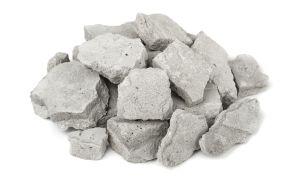
Limen Group Const. (2019) Ltd. and two supervisors have been fined a combined total of $625,000 after a worker was fatally injured by a falling concrete block at a Toronto construction site.
On Dec. 14, 2020, the company was subcontracted to perform formwork on a multi-storey condominium under construction.
Waste concrete from the belowground parking levels had to be lifted to ground level using a crane. To do this, workers shovelled the waste concrete into wooden bins that had rebar placed in the bottom. When the concrete dried, the embedded rebar was used as a hoisting point for the crane. However, the rebar was not designed to be used as a hoisting point for anything more than a few feet. One of the concrete blocks being hoisted in this manner fell while it was above the construction site, fatally injuring a worker.
The Court found the company guilty of failing to ensure waste concrete was hoisted using suitable attachment points. It also found the company guilty of failing to ensure workers were adequately trained and supervised regarding the hazard of using embedded rebar for hoisting. As a result, the company was fined $600,000.
The Court found the two supervisors guilty of failing to ensure workers were adequately trained and supervised regarding the hazard of using embedded rebar for hoisting. One was fined $15,000; the other was fined $10,000.
The Court also imposed a 25 per cent victim fine surcharge as required by the Provincial Offences Act
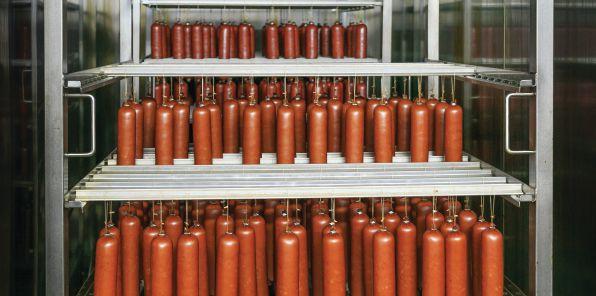
1worker died of thermal burns and heat exposure after becoming trapped in a smokehouse
A commercial food processing company has been ordered to pay $330,000 after one of its workers became trapped in an Edmonton smokehouse and died.
Ontario-based Sofina Foods Inc. was directed by a judge to put the money toward a workplace training program after a joint submission from the Crown prosecution and the company.
Justice Michèle Collinson told court it needed to be a significant penalty to match the gravity of what happened, but said, “there is no amount of money, or any sentence, that can make up for the loss of life.”
The decision came a day after Sofina pleaded guilty to failing to ensure the safety of Samir Subedi at work. The remaining 25 other workplace safety charges against the company were withdrawn.
Subedi, who had a master’s degree in science, had gone to check the temperature of the gas-fired smokehouse, which had been loaded the night before with meat.
But an emergency handle inside the unit was broken.
A makeshift door stopper on the outside had recently been installed, but had to be activated from the outside before entry.
A co-worker found Subedi
unresponsive on the floor inside the doors of the smokehouse after the temperature reading from a meat probe had soared to 92 C. Subedi later died in hospital of thermal burns and heat exposure. Collinson noted there were mitigating factors in her decision, including the company paying the mortgage for the victim’s family and extending their health and dental coverage.
Including other benefits, court heard Sofina spent $500,000, not accounting for taxes, to help the family. The support came before charges were laid as the result of an investigation under Alberta’s workplace safety laws.
Collinson said Sofina’s early guilty plea also demonstrated remorse, along with its efforts to quickly resolve safety risks like the emergency door handle on the smokehouse.
But, she said, the incident was easily preventable, and led to an immeasurable loss to Subedi’s family, friends, and community.
The funding for workplace safety training ordered by the court is to be managed by the Alberta Food Processors Association and tailored to the sector.
- The Canadian Press
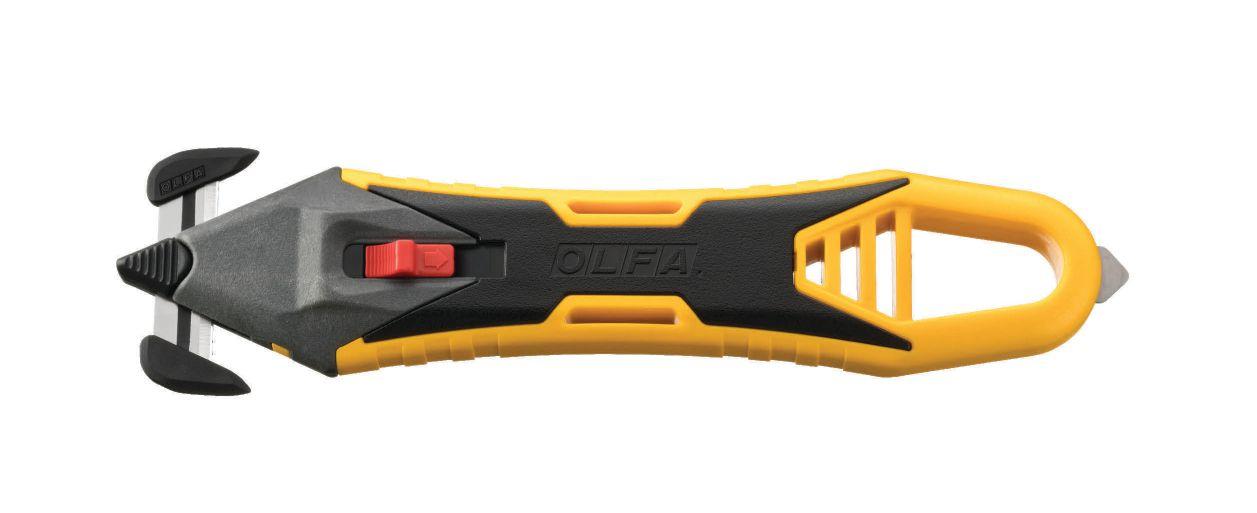
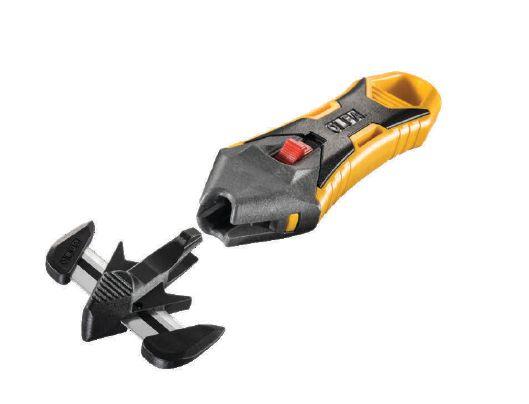
The Canadian Centre for Occupational Health and Safety (CCOHS) promotes the total well-being – physical, psychosocial, and mental health – of workers in Canada by providing information, advice, education, and management systems and solutions that support the prevention of injury and illness. Visit www.ccohs.ca for more safety tips.
Standing may not seem like a dangerous activity. In fact, many people associate good health with standing more often than sitting. But for workers in factories, hospitals, retail stores, construction sites, and occupations that require spending long hours on their feet, prolonged standing can cause real harm over time. It’s an issue that often goes unnoticed until discomfort turns into injury.
Work that involves standing still for long periods without adequate breaks, movement, or support can lead to fatigue, joint and muscle pain, and even serious chronic conditions. Understanding the risks and the solutions can help employers and workers create a safer, healthier workplace.
While sitting for too long is known to negatively affect health, excessive standing brings its own set of issues. Standing keeps muscles in a constant state of contraction. This reduces blood flow, especially to the lower legs, which can cause discomfort and increase the risk of varicose veins and swelling. Muscles tire faster when they don’t get enough oxygen or nutrients from the bloodstream.
Prolonged standing can strain the lower back and legs and make joints rigid and sore over time. The risk increases when workers stand on hard surfaces like concrete or wear footwear that doesn’t offer enough support. This kind of standing is common in many jobs. Think of hair stylists and cashiers standing at registers, or assembly line workers repeating the same motion hour after hour. The effects may not show up right away, but over months and
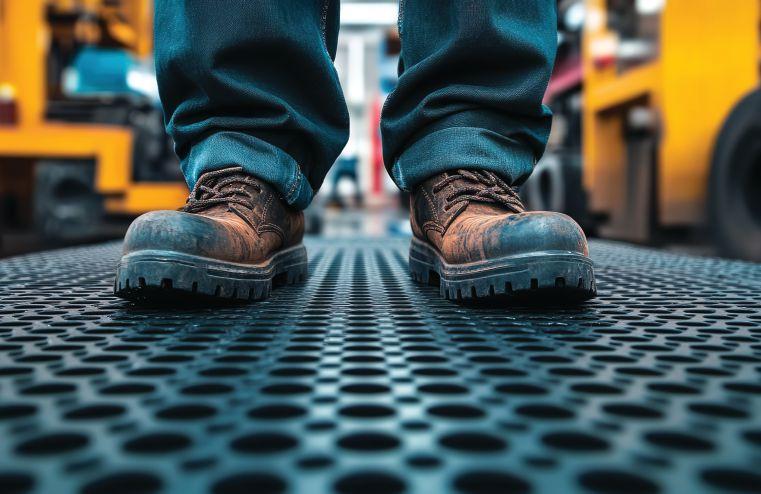
years, the wear and tear on the body can build up.
Standing can also affect foot health. In a 2019 study led by researchers from Simon Fraser University, workers wore smart insoles equipped with sensors to measure how much time they spent standing, sitting, and walking during a shift. The research focused on the link between prolonged weight-bearing and foot pain.
Preliminary study findings suggested that prolonged standing without movement may increase the risk of foot pain and other soft tissue injuries. By understanding how and when workers are placing the most stress on their feet, employers can tailor prevention strategies more effectively. For instance, if data shows that foot strain peaks during certain tasks or times of day, scheduling breaks or rotating duties during those periods could help reduce injury risk. Additionally, this research could influence return-to-
work programs by helping identify which job tasks may aggravate foot injuries, and which allow for safer recovery, potentially leading to fewer injuries and faster recovery times.
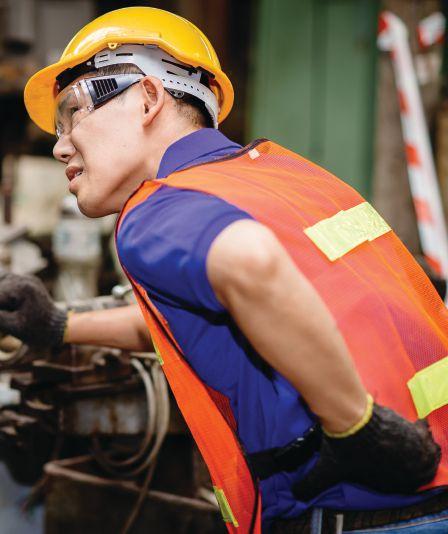
In addition to being more susceptible to sore feet, workers can also suffer from lower back pain, neck and shoulder stiffness, and circulation issues. Over time, poor posture and static standing can contribute to musculoskeletal injuries, particularly in the legs and spine.
Fatigue is another serious concern. When workers are constantly standing, especially without the ability to sit or move around, their bodies become less efficient. Even mild physical tasks can become exhausting. Fatigue also increases the risk of accidents, errors, and productivity loss.
Standing for prolonged periods without sufficient breaks can reduce cognitive function and lead to
increased discomfort. The effects grow worse over time and can have a long-term impact on health.
The impact of prolonged standing often depends on how the work is set up. Standing in one place without movement is harder on the body than shifting positions or walking around. Workers are at increased risk when their tasks are repetitive or require them to stay in fixed positions for long periods.
Hard floors such as concrete can add to the strain, especially if workers are not wearing supportive footwear. Poor lighting, awkward reach distances, and tools or machinery placed too high or low can cause workers to adopt poor posture. Over time, this can lead to injuries in the knees, hips, shoulders, and neck.
A lack of breaks or job rotation also contributes to discomfort and can eventually lead to injury. If workers don’t have the chance to sit, stretch, or alternate between standing and walking, their bodies won’t have time to recover. Involving ergonomists or safety professionals in evaluating the design of workstations and tasks can make a big difference. Even simple changes to layout or timing can have a positive impact.
Fortunately, there are ways to make standing at work safer and healthier. Perhaps most importantly, employers should consult with workers when making changes or designing tasks. Employees often have the best insight into what’s causing pain or fatigue on the job. Including them in design and problem-solving can lead
to more effective solutions. Continuous feedback loops, such as brief safety talks and joint health and safety committees, can ensure that concerns are addressed in real time. Job rotation allows workers to switch between tasks that require different movements and positions, which reduces strain on any one part of the body. Workers benefit from microbreaks and task variation throughout the day. Even just a few minutes at a time can make a difference.
Where possible, anti-fatigue mats can reduce strain by cushioning the impact of hard floors. Chairs or stools can also allow workers to alternate between sitting and standing. This practice of adding variety, known as “dynamic posture,” gives muscles and joints time to rest and recover.
If possible for your workplace, provide adjustable workstations. Tasks that require fine hand move -
In addition to being more susceptible to sore feet, workers can also suffer from lower back pain, neck and shoulder stiffness, and circulation issues.
ments or precision should be set at about 5 cm or 2 inches above elbow height to prevent hunching or reaching. Frequently used tools and materials should be easy to reach, reducing unnecessary bending or twisting.
G ood footwear is one of the most important factors. Shoes should fit well, have adequate arch and heel support, and absorb shock. Orthotics may help some workers who already have foot pain or specific conditions like flat feet or high arches.
Worker education and ergonomics training can also make a difference. Training should cover the warning signs of musculoskeletal injuries, strategies for using rest breaks effectively, and techniques for adjusting posture and movement throughout the day. These sessions can be integrated into onboarding and safety refreshers, helping workers better understand how small changes can prevent big problems.
E mpower workers with this knowledge so that they feel more comfortable speaking up when they notice early signs of discomfort. When training is paired with an employer’s demonstrated commitment to follow-up and action, the result is a more proactive safety culture.
B efore introducing any process or equipment changes to make standing at work safer, make sure the change will not inadvertently introduce new hazards. You can do this by assessing all potential hazards and risks associated with the change and developing appropriate control measures.
The effects of prolonged standing can be subtle at first, but over time, the impact is real, disabling, and costly. Investing in healthier practices now can lead to fewer injuries, lower absenteeism, and better well-being for everyone who stands up on the job.

By Era Poddar, PhD, CCPE
The confluence of societal trends such as aging, increased disability prevalence, and heightened expectations among workers and consumers has necessitated development of more inclusive designs that accommodate a wide range of human abilities. The growing reliance on automation has further accentuated this need.
Universal design has evolved significantly around the principle that tasks and life activities should be accessible and comfortable for all individuals, irrespective of their diverse characteristics. This principle is increasingly applied in workplace design, as workplaces become more heterogeneous. Inclusive design or universal design (UD) represents a user-centred design paradigm that emphasizes the consideration of the entire spectrum of human abilities, including those with and without disabilities.
Human factors and ergonomics (HFE) practitioners play a crucial role in incorporating UD principles into design solutions that accommodate human abilities and limitations. These professionals are tasked with quantitatively evaluating artifacts and engineering solutions to ensure their suitability for human use, including individuals with diverse impairments. Key areas of application include transportation (e.g., older drivers, driverless and autonomous vehicles), healthcare (e.g., home-based care, medical device design, patient safety devices), and occupational settings (e.g., aging workforce issues, obesity, and functional work capacity).
Universal design originated from barrier-free design, aimed at accommodating people with disabilities. The concept gained prominence after the Center for Universal Design at the State University of North Carolina issued its principles, and following the enactment of the Americans with Disabilities Act
(ADA) in 1990. While disability rights are recognized, universal design also considers other groups with different needs. This approach continues to evolve globally, addressing diverse needs in infrastructure, buildings, and consumer products.
Several European Union member states have inclusive design legislation that is relevant both nationally and internationally. Key policies include human rights and equality, rights of disabled persons, social inclusion, and sustainable development. The Council of Europe’s Disability Act also provides an umbrella to encourage participation of differently abled people, as it secures accessibility of public sectors. In Japan, the Law for Building Accessibility has increased the use of terms like “barrier-free design/accessibility” and “universal design.” Additionally, Japan’s Occupational Safety and Health Act established guidelines for hiring older workers based on criteria such as work management, work environment, workers’ health, overall management, and safety education.
In the United States, significant progress was made with the Americans with Disabilities Act Accessibility Guidelines (1991) and the Americans with Disabilities Act/ Architectural Barriers Act Guidelines (2004). In Canada, legislation like the Employment Equity Act, Canada Labour Code, and Canadian Human Rights Act address employer responsibilities, workplace health and safety, and worker discrimination.
According to the Centre for Universal Design, UD in a nutshell is “the design of products and environments to be usable by all people, to the greatest extent possible, without the need for adaptation or specialized design.” For example, in the workplace, UD would require “the design of product, system and environments to be usable by all people.”
Like any other design framework, the basic UD framework starts with the scope of work and application areas, defines the problem, then follows principles and guidelines, and finally focuses in to practices and processes.
Era Poddar is the director and principal ergonomics consultant of Ergoera Services Inc., based in Langley, B.C.
The term universal design was initially used for product design, architecture, and interior design. As spaces become more inclusive, the term is also becoming relevant to workplace design. Based on the seven basic principles of universal design established by the Center for Universal Design, the following elements should be considered in workplace design:
• Equitable use
• Flexibility in use
• Simple and intuitive use
• Perceptible information
• Tolerance for error
• Low physical effort
• Size and space for approach and use
Example 1: Design of workspace
Probable user group: older adults, differently abled, short-term disabled, injured, pregnant Design considerations (space):
• Wider doorways, assisted ingress and egress (automation)
• Walkways and aisles designated for machine access and movement around machinery.
• Facilities like restrooms, lunchrooms, offices and board rooms are accessible
• Easily accessible floors
E xample: Wheelchair users need wider space or easy elevator/ramp access. (Sometimes this is not included in design if it is not for all/not accessible.)
Example 2: Design for human information processing
• Reaction time
• Flexibility in use
• Simple and intuitive use
• Error tolerance
• Perceptible information design
• S ensory consideration (like auditory impairment, colour blindness)
Examples: Visual and/or auditory impairments require signalization for multiple-sensory systems. Machines should use clear contrasts for displays, operating areas, or form of controls.
A review of critical points that may be missing from your planning.
By Treena Hein
It may surprise some of us that a large survey has found a substantial number – 35 per cent – of employees feel unprepared to navigate an emergency at work, yet a large majority – over 80 per cent – have already experienced at least one. These are some of the most critical findings from the newest Employee Safety Report from AlertMedia, a U.S.-based firm that provides essential communication services for businesses such as DHL and Walmart across more than 150 countries. The 2025 version of the survey involved over 3,000 full-time employees, including 1,000 in the U.K. and over 2,000 in the U.S.
Of course, evacuation is a critical part of emergency planning, but like any type of plan, evacuation plans must be thorough –and thoroughly tested – to be effective. As Alexandra Skinner, government/media relations manager at WorkSafeBC, explains, “Every employer is responsible for creating an evacuation plan that reflects the unique conditions of their workplace and the needs of their workers.”
This means, says Skinner, that where applicable, planning should also involve co-ordination with other organizations in your building or the vicinity. Those entities will experience fluctuations from time to time – for example in the number of workers or the number of them with mobility issues – and entities also come and go. Consider, for example, that you might have the same safe post-evacuation gathering place as another organization in the vicinity. Is there enough space for everyone to gather? Should your employees gather in one part of that
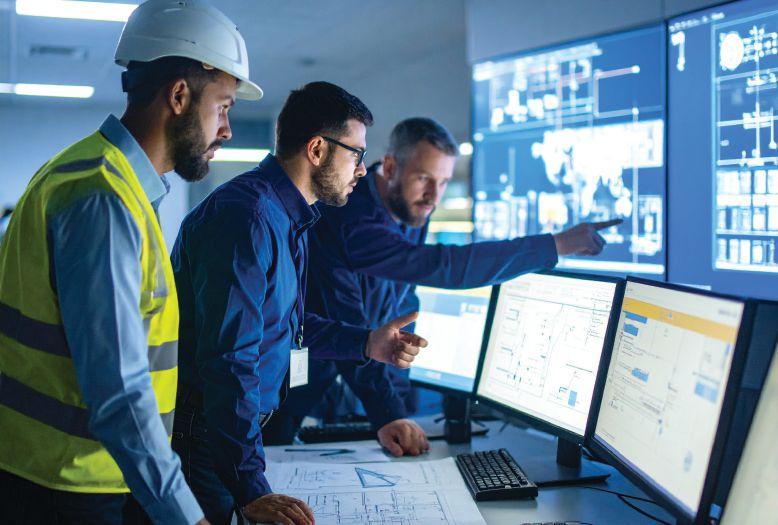
area so that everyone can be quickly accounted for, because seconds count in an emergency? There are many other instances where evacuation planning may be affected by other entities close by. Changes relating to these organizations or businesses should therefore be regularly noted in your evacuation planning to ensure your employees get out safely. This means every few months, as a standard operating procedure, the person responsible for your evacuation plan should reach out to other organizations in your area to review information and coordinate evacuation planning as needed.
Indeed, evacuation planning can be quite complex, and as Skinner explains, there’s no one-size-fits-all approach. “We encourage employers to review WorkSafeBC’s evacuation planning guide, which outlines what to consider when developing a plan – everything from identifying potential hazards and establishing evacuation routes to accounting
for high-risk locations, communication methods and worker-specific needs.”
A primary concern in evacuation is ensuring swift departure of employees with disabilities or other mobility challenges. “Planning should include details for all workers who require additional support, including exactly what to do to help them,” explains Mathew MacLeod, senior technical specialist at the Canadian Centre for Occupational Health and Safety (CCOHS).
Consider that the mobility situations of your employees are very likely to change over time. This means that not only should you ask new employees about their specific evacuation needs (and incorporate that information into your overall evacuation plan), but you should also check in with all of your employees over time. Certainly you can encourage employees to let you know
about any mobility, vision or other changes that could affect evacuation, but in case employees don’t think of it, you should ask them regularly about this, for example through an email sent out to everyone two or three times a year.
Special equipment needed to evacuate a person with mobility challenges needs to be identified and placed in an appropriate and accessible location, notes MacLeod. “As with overall evacuation planning, with employees who require additional support, employers should consult with these employees about equipment,” he says.
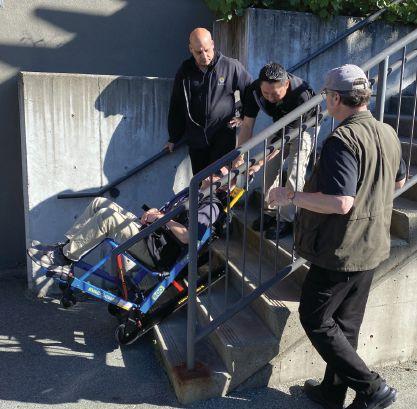
Evacuation chairs are now standard in many workplaces. These devices provide a way to transport people down stairwells they would otherwise not be able navigate alone. Keep in mind that in your workplace on any particular day, those people could not only include your regular employees, but also visiting employees from another site, visiting business associates or other types of visitors. That’s why there should be a minimum of one chair per floor near stairwell access points, says Steve Agisnaga, vice-president of global operations at Evac+Chair. The company has offered its Evac Chair for four decades. The chair features a patented visual guidance system that enables successful operation by a firsttime user, single-person operation and a self-braking system. The company has also launched a new version of the chair that retains manual operation, but also comes with battery-assisted descent, reducing any risk of physical strain.
Overall, in the view of Lindsay Gulin, senior manager of marketing and communications at mobility and evacuation equipment distributor Motion in Toronto, the number of evacuation chairs that should be placed within a building is dependent on various factors. “These include number of workers, number of floors, number of exits and the proximity of work areas to each of the exits,” she says. Like some other equipment firms, Motion works with building representatives to assess the unique needs of each building and worker base to determine workforce
mobility equipment requirements.
There may be uncertainty with evacuation planning as to who should be trained to help workers with mobility issues. But according to Susan Bains, an accessibility advocate and educator based in Surrey, B.C., co-workers should absolutely be trained to use evacuation chairs or other specialized evacuation equipment. “This should not be left solely to managers or first responders,” says Bains. “The primary reason for this is that in an emergency situation…there’s no guarantee that managers or first responders will always be immediately available, especially in larger workplaces or during initial moments of an evacuation.”
In addition, she says training co-workers also fosters a positive workplace culture where everyone is involved in ensuring the safety and well-being of their colleagues. Bains adds that having multiple trained individuals “means there’s more flexibility and co-ordination when evacuations are necessary. In an ideal scenario, everyone will be able to contribute to the evacuation in the most effective way possible, reducing bottlenecks and ensuring a smoother process.”
An evacuation plan is required, but so are drills to practice the plan. “The number of fire evacuation drills you must have depends on your local fire codes, but at minimum, fire drills must occur every 12 months for all workplaces and it could legally be more often depending on the type of workplace,” says MacLeod. “Some employers may opt to schedule fire drills more often depending on various factors, and it’s a good idea to do drills not just in the summer, but in different conditions [such as winter]. This might uncover issues that need to be addressed, for example in reaching the post-evacuation gathering place. Preparation and planning also need to be done before a drill to ensure the safety of everyone involved.”
Drills not only uncover weaknesses and gaps in evacuation plans, but also prevent employee uncertainty, says MacLeod, building confidence and peace of mind in the entire workforce. Indeed, fear during an
emergency can cloud our decision-making skills and make it difficult to recall details, notes Alert Media in a recent blog. “That’s precisely why emergency drills are so important. By practicing and reinforcing emergency plans over time, you help employees build habit and muscle memory for response protocols. Your team won’t need to stop and think about the nearest escape routes or who they’re supposed to check in with once they’re safe. They’ll be able to act quickly and decisively.”
In addition to preparing for a drill, create an effective way to carry out post-drill analysis to determine which aspects went well and which need improvement. Use these results to refine your evacuation plan and run more drills in the future, including drills that employees don’t know are coming.
“This evaluation process will help you build redundancies into your plan and help you work out worst-case scenarios,” says MacLeod. “Your drills should simulate a real emergency.”
In the big picture, MacLeod says it’s important for employers to understand the legislation that applies to them with regard to evacuation, and that they shouldn’t hesitate to reach out to their local fire department or emergency services for assistance. “Ask questions,” he urges, “and make your planning as robust and thorough as you can.”
CSA Group is a global organization dedicated to safety, social good and sustainability. It is a leader in standards development and testing, inspection, and certification around the world, including in Canada, the U.S., Europe and Asia. CSA Group’s mandate is to hold the future to a higher standard.
When a workplace incident occurs, responding is not just a matter of documenting what happened – it is an opportunity to improve systems, address risks, and strengthen safety culture. At CSA Group, safety is a core operational priority, as well as a central part of the organization’s mission. CSA Group’s commitment to helping create a safer, healthier, and more sustainable world starts from within.
CSA Group’s Geoffrey Nyambaka, regional health, safety, security and environment (HSSE) manager, Canada, shares best practices for incident investigations, and how a co-ordinated approach can lead to lasting improvements.
From the smallest surface wound to massive equipment failure, all near misses and incidents should warrant investigation. At CSA Group, we investigate any hazard or unplanned event, whether or not it caused harm. Near misses are especially important. If someone trips over an uneven floor but doesn’t fall, that is a red flag that tells us we need to intervene before someone gets hurt.
It is easy to wait for something serious to happen. But by investigating minor incidents, you can build a proactive safety culture. You can also reduce the chances of larger, more costly events down the road. In our investigations, we consider both psychological and physical safety factors, such as worker inattention, leadership and supervision, stress, and personal circumstances. This helps us provide more comprehensive support and strengthen prevention efforts.
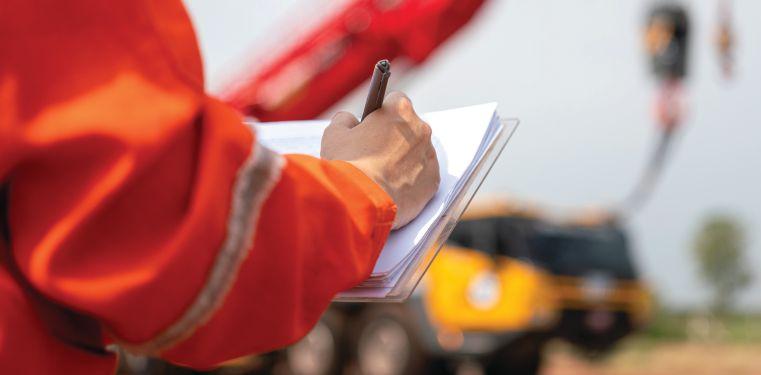
Once the cause is uncovered, it is crucial to assign corrections and corrective actions.
A good process starts immediately and has set deadlines. First, secure the scene and ensure everyone is safe. Then gather evidence quickly, including photos, equipment, and witness statements. Time matters: people forget details, and physical evidence can get lost. At CSA Group, employees are required to report and log incidents within 24 hours.
Standard practice is to use root cause analysis tools like the “five whys,” which involves asking “why” repeatedly until you uncover the underlying issue, not just the surface-level cause. For example, if someone slips, it is not enough to stop at “the floor was uneven.” Why was it uneven? Was there a spill that wasn’t cleaned up? Why wasn’t the spill cleaned up? Was maintenance delayed?
At the same time, we look at the employee’s state of mind. Were they distracted or stressed? Why? What were they carrying? Were they wearing appropriate footwear? The goal is to keep asking questions until you reach the root cause so that meaningful corrective actions can be taken.
Once the cause is uncovered, it is
crucial to assign corrections and corrective actions. At CSA Group, we assign corrections to address immediate issues or hazards. We also assign specific corrective actions to responsible individuals that must be completed within 60 days. Each action is tracked in our incident management software, available to all employees, providing transparency and accountability.
To ensure consistency across our global organization, every region follows the same process, documented and built into our system.
What role does follow-up play in the investigation process?
It is important to confirm whether corrective actions were effective. At CSA Group, the first follow-up involves review by the HSSE manager to verify that the correction does not introduce new risks. After 90 days, we reassess to evaluate the effectiveness of the action. Did it reduce the risk, or unintentionally create a new hazard?
The follow-up phase is often overlooked, but it is one of the most valuable parts of the process. It turns a task into a learning opportunity.
How do you help ensure consistency and clarity across regions when it comes to safety communication?
Using a centralized digital platform helps ensure consistency and clarity in safety communication across regions. A centralized tool helps standardize processes like incident reporting, risk assessment, and root cause analysis, regardless of geographic location. Establishing common terminology, categories, and workflows helps ensure that employees across regions and departments are speaking the same “safety language.”
At CSA Group, we use a unified investigation and reporting platform across all sites, giving employees and managers access to the same dashboards, tools, and risk categories, promoting global alignment and clarity. Findings are clearly communicated through reports, briefings, or safety alerts, depending on the hazard or risk, and trends are shared regularly to the entire organization to help everyone see the bigger picture, rather than just hearing about individual incidents. Visual reporting has also helped a lot. Instead of dense spreadsheets, we now use dashboards and graphics to show trends. This has made the data more accessible, and easier to action.
Can you give an example of how one incident can lead to broader improvement?
At CSA Group, when a piece of equipment malfunctions in one lab, the response goes far beyond the local level. An alert is sent out globally, prompting investigations at every location where that same equipment is used. Each site follows the same investigation process, promoting consistency and thoroughness.
Depending on the findings, we might update our job safety analysis, revise procedures, or provide additional training. By sharing insights widely and acting quickly, a single incident can lead to meaningful improvements across all regions, promoting a safer and more resilient system.
What role do employees and managers play in investigations?
They are integral to the investigation process. CSA Group always involves the person affected and their direct manager. They are closest to the situation, so their insight is key. Involving them also builds trust. It shows that the goal is not to assign blame, but to understand what happened and improve conditions for everyone. Managers also play a role in supporting the corrective actions. If something needs to change, including equipment, training, or procedures, managers are the ones who help make it happen. The goal is to make it collaborative, not top-down.
What CSA
A key occupational health and safety standard to support strong investigation practices is CSA Z1005, Incident investigation. This standard outlines the core requirements for setting up and managing an incident investigation and prevention program. It follows the Plan-Do-Check-Act (PDCA) model – a continuous improvement cycle that helps organizations plan actions, implement
them, assess effectiveness, and make adjustments as needed. CSA Z1005.1, Implementation Guideline for CSA Z1005, Workplace incident investigation, was developed as a companion document, providing practical guidance on how to apply Z1005 in real workplace settings. Together, these resources can help organizations carry out consistent, thorough investigations that support learning, prevention, and ongoing improvement.
Investigations are not about fault-finding – they are about learning. Creating a culture that prioritizes continual improvement and celebrates transparency will help create an environment where people feel safe to report problems and speak up. There is a big difference between someone reporting an incident and someone making a complaint. Organizations should strive to build a culture where employees know they will be heard, and that speaking up is a sign of responsibility, not failure.
By treating investigations as a learning opportunity rather than a compliance exercise, organizations can reduce risk, build trust, and improve. Whether the incident is major or minor, the process you follow, and how you communicate what you learn, can make a lasting difference and prevent future harm.












By Norm Keith
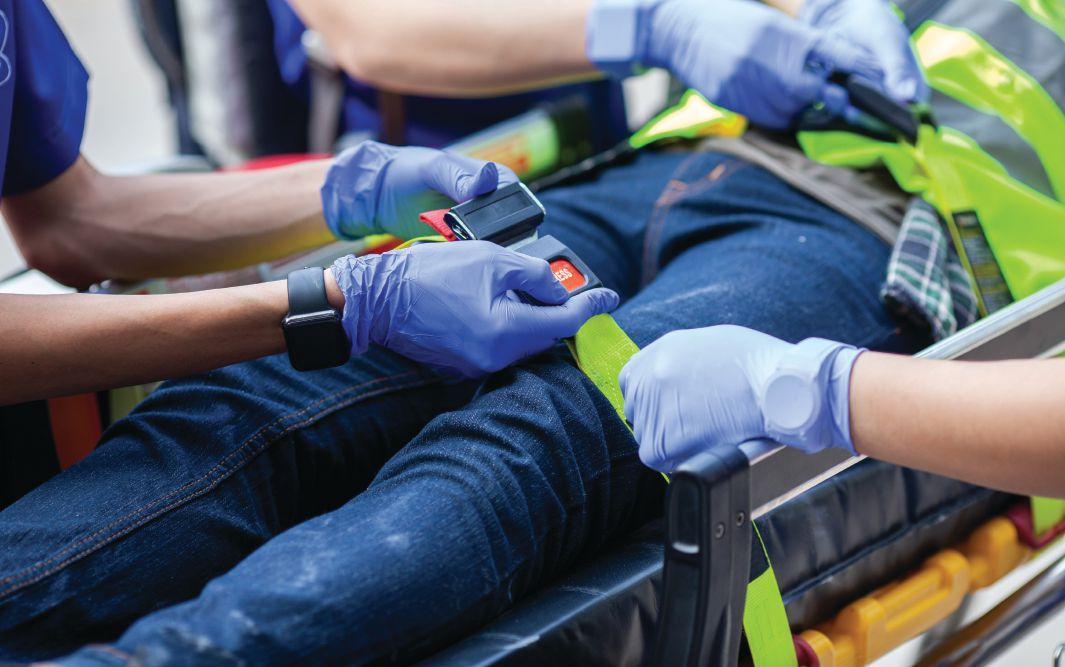
This is the second article in a series of three that started by addressing the challenges of worker safety in a changing labour market. This article will consider the costs and risks to stakeholders associated with workplace injuries. The final article will offer some recommendations to improve workplace safety.
The costs and risks associated with workplace injuries go far beyond the pain and suffering of individuals who go to work every day to provide for themselves and their families. Several workplace stakeholders are materially affected by workplace injuries. This article will
examine the costs and risks to those stakeholders associated with the trauma and tragedy of workplace injuries and fatalities. In providing objective data and evidence regarding the collective impact of workplace injury, I will demonstrate that workplace injury prevention must be a priority for Canadian businesses. The third and final article in this series will address how organizational leaders can improve workplace safety.
The costs and risks of workplace injuries are important to five stakeholder groups: workers (and their dependents), the employer, the Canadian economy, the government, and society at large.
and their
Workers, and their dependents, are the stakeholders that are the most directly affected by workplace injuries and fatalities. We know from the first article in this series that over 348,747 workers had lost time injuries and over 993 workers died in 2022 (this data only covers workers in workplaces governed by workers’ compensation legislation in Canada). We also need to keep in mind that these statistics underreport the problem since they do not include workers whose workplaces are not governed by workers’ compensation legislation.
On a global scale, a recent
report by the International Labour Organization (ILO) estimated 350,000 workers are killed by traumatic workplace incidents, just less than 2 million die from workplacerelated diseases, and about 313 million workers are injured every year.
T he physical pain and suffering involved in many workplace injuries is palpable. The emotional pain and suffering of injured workers, and their dependents, is incalculable. The economic loss to injured workers of their full income, future opportunities, and personal career choices is easy to conceptualize but difficult to fully quantify. Clearly, workers and their
dependents have the most to lose when health and safety is not a priority in their workplaces.
The employer is the second stakeholder with costs and risks associated with an employee being injured at work. First, there are the workers’ compensation premiums, surcharges, and penalties. Across Canada, total premiums paid by employers to all workers’ compensation boards was more than $11.5 billion in 2023. Additional financial risks exist for employers. For example, in Ontario, there is a policy of 100 per cent claw-back of earned workers’ compensation rebates in a year where there is a workplace fatality, regardless of proof of fault. In the United States, by way of comparison, the Department of Labor estimates that employers spend almost $1 billion per week in workers’ compensation premiums.
Second, there may be replacement costs for employers if a worker is injured and no longer able to attend work to do their job. This may also involve recruitment costs, training costs, and temporarily lower productivity of a replacement worker.
Third, there may be damage to property owned or leased by the employer. Workplace incidents involving worker injuries often involve property damage requiring repair or replacement.
Fourth, there may be significant damage to a business’ reputation. In the current digital age, incidents and workplace accidents are often the subject of broad social media as well as mainstream media coverage. This puts the accident employer in the spotlight, and usually in an unfavourable light.
Finally, there is the serious legal risk of occupational health and safety (OHS) law enforcement when there is a workplace injury. OHS laws compel mandatory reporting and give regulators authority to issue stop work orders, administrative monetary penalties (AMP). Employers can also face litigation costs of defending an OHS prosecution and the risk of serious financial penalties.
Increasing maximum fines on corporate employers, directors and officers, and even supervisors or injured workers has been a politically popular response to continuing numbers of workplace incidents.
The Canadian economy is the third stakeholder that pays a high price for workplace injuries. The total economic costs of workplace injuries go far beyond the direct and indirect costs to the injured worker, their dependents, and their employer. There have been several Canadian, American, and international studies measuring the economic costs of workplace injuries. From a Canadian perspective, the total estimated cost to the Canadian economy in 2008, the latest available data from Statistics Canada, was $19 billion. More recent estimates from non-government sources are as high as $29.4 billion. Suffice it to say the economic costs of workplace injuries in Canada is staggering. By comparison, the American National Safety Council estimated the total economic costs from workplace injuries in the United States was $167 billion in 2022. Interestingly, this is disproportionately lower than Canadian economic costs from workplace injuries, given that the United States has a population almost 10 times larger than Canada.
The fourth stakeholder affected by workplace injuries is the government, including in all 14 Canadian jurisdictions. Governments incur significant direct and indirect costs arising out of workplace injuries. All governments have an established OHS regulator that sets, communicates, and enforces workplace safety standards. The infrastructure cost of each of these OHS regulators is significant and represents a direct burden on Canadian taxpayers.
Quite apart from the role of OHS regulators in promoting workplace injury prevention, they are also required to investigate and take enforcement action against workplace stakeholders for alleged legal contraventions, which in turn requires the OHS regulators to employ additional staff, including investigators, technical experts, and lawyers. Enforcement actions involve the administrative and professional staff of administrative tribunals and the courts. They carry their own overhead and public costs. The cost of paying for the salaries, benefits, offices, vehicles, technology, infrastructure, experts, lawyers, tribunals, courts, administrators, and other related resources used during a workplace injury investigation is
Prince Edward Island
$42,273,000 1
Newfoundland and Labrador
$154,522,000 2
Nova Scotia
$399,300,000 3
New Brunswick
$165,900,000 4
Quebec
$2,944,000,000 5
Ontario
$3,468,000,000 6 (Schedule 1 employers only)
Manitoba
$287,000,000 7
Saskatchewan
$337,600,000 8
Alberta
$1,353,000,000 9
British Columbia
$2,300,000,000 10
Northwest Territories
$98,269,000 11 (including Nunavut)
Yukon
$36,800,000 12
Nunavut
$98,269,000 11 (including Northwest Territories)
Total $11,586,664,000
1 2023 Financial Report, at p.3
2 WorkplaceNL-APR-2023-FINAL.pdf, at p.38
3 Financial Results — 2023 Annual Report
4 worksafenb-annual-report-2023.pdf, at p.94
5 Rapport annuel de gestion, at p. 16
6 2023_annualreport.pdf, at p.22
7 2023 ANNUAL REPORT, at p.39
8 wcb-annual-report-2023_0.pdf, at p.9
9 AR_2023_web.pdf, at p.20
10 2023-annual-report-pdf-en.pdf, at p. 84
11 WSCC 2023 Annual Report-EN.pdf, at p. 62
12 ART-0201-02-00-Annual-Report-2023.pdf, at p.2
staggering. For example, the annual budget of the Ontario government’s OHS regulator, the Ministry of Labour, Immigration, Training and Skills Development, was over $1.8 billion in the last fiscal year.
Finally, society at large arguably pays a tremendous cost for workplace injuries. The abovementioned four stakeholders have clear and compelling interests in managing the costs and risks associated with workplace injuries. There are also many indirect costs of ambulance services, medical care and treatment, hospital stays, and ongoing medical and rehabilitation treatment for injured workers. Although Canadians are usually quite proud of their socialized
medical system, workplace injuries put a strain on that system every year. Although it is difficult to quantify all societal costs attendant with all workplace injuries and fatalities, they reflect on Canadian society when hundreds of thousands of workers are injured every year. Arguably, there is a social cost when even one worker is injured at work. Therefore, society at large, even more than taxpayers, is a stakeholder in workplace injury prevention.
There is no known study where these societal costs and risks have been surveyed or measured. While data and objective evidence is helpful to make the case that workplace injuries are costly, societal concern may also be based on moral grounds. As a caring, free, and democratic
country, Canadian society has a strong interest in valuing life, safety, and health, and preventing workplace injuries.
Evidence of the costs and risks, both measurable and intrinsic, of workplace injuries is immense. As seen in the first article in the series, many jobs in the future have a medium to high risk of injury in Canada. The costs and risks presented in this article, based on objective data and evidence, make a strong case for reducing worker injuries. The improvement of worker safety, the ‘how’ to support the ‘why’, is the subject of the next article in this series. In this third and final article, I will provide practical and proven solutions to reduce workplace injuries and reverse projected trends for future jobs in the labour market.
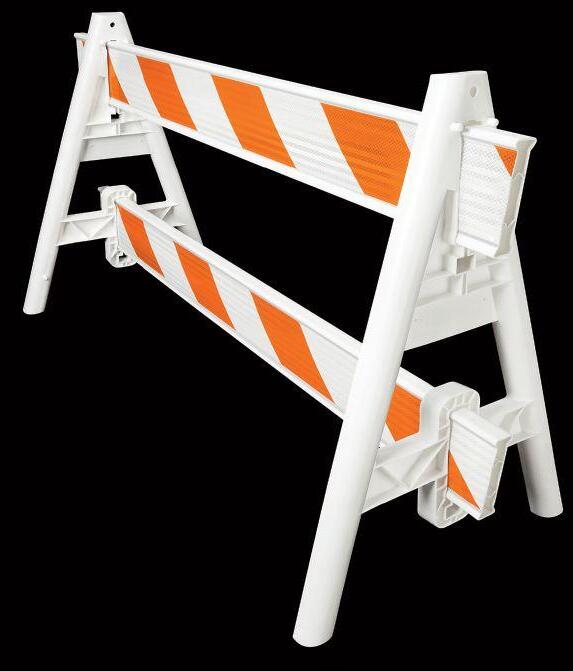
How one Amazon fulfillment facility is making work safer.
By Brandi Cowen
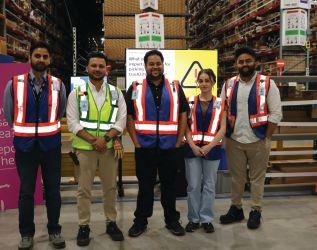
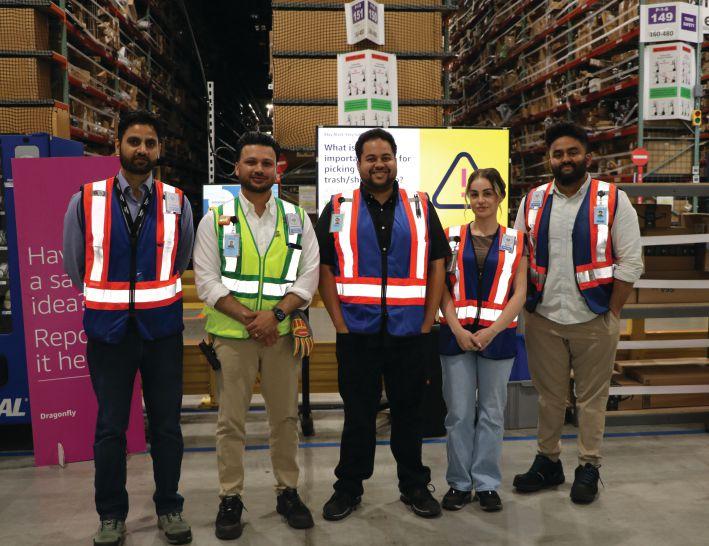
At Amazon’s YYZ3 fulfillment centre in Brampton, Ont., the signs that safety is a priority are, literally, everywhere.
Inside and out, the 520,000plus square foot facility is adorned with bold, easy to understand signage providing important reminders and clear directions to help keep more than 300 associates safe on the job.
The bustling, first-mile facility ships about 15 per cent of Amazon’s non-sortable freight in Canada. This segment consists of larger items weighing up to 50 pounds (the two most popular items shipped out of YYZ3 are diapers and pet food), so the facility relies on a fleet of powered industrial trucks (PITs) to keep inventory moving.
Recently, YYZ3 revamped its layout to support implementation of the “PIT Highway Safety Act” – a system inspired by road safety measures in Ontario, and first adapted to a warehouse environment by YYZ3’s sister facilities, YOA1 in Ottawa and YYZ9, in Scarborough, Ont.
“How do you make safety second nature? You try to find real-world examples of second-nature practices, such as driving on the highway or your local roads, and move them into a person’s job so safety and safe practices can become second nature,” explains Vishnu Menon, YYZ3 site leader.
The change was, in part, inspired by a shift in Amazon’s business. As the company moved from processing sortable (smaller items that can be moved by hand) and non-sortable freight in the same warehouses
to establishing dedicated warehouses for each type of freight, non-sort facilities like YYZ3 and YYZ9 saw an uptick in PIT usage.
“That’s where the need to revisit PIT safety standards came into place: because the business itself had changed,” adds Menon.
Adopting the PIT Highway Safety Act prompted the facility to create wider paths of travel for the vehicles, giving operators more space to maneuver. The facility also adopted unidirectional lanes of travel lined with stop signs and ceiling-mounted mirrors to eliminate blind spots. A network of guardrails throughout the warehouse separates PIT lanes, demarcated with orange paint, from pedestrian walkways, marked out in green paint and colloquially referred to as “the green mile.”
When pedestrians must enter a PIT lane, they do so at designated crosswalks, indicated by green diagonal stripes painted on the floor. Prior to entering the crosswalk, pedestrians must stop at a stop sign, then make eye contact with any approaching PIT operators to confirm they’ve been seen. Then, before they resume driving, PIT operators must honk their horns once as a warning to any other pedestrians in the area. These measures provide additional levels of safety, above and beyond the light detection and ranging (LiDAR) technology installed on each PIT in 2023. If the LiDAR system detects an object in front of the vehicle, the technology will automatically reduce the PIT’s speed to one mile per hour, giving operators and their co-workers on
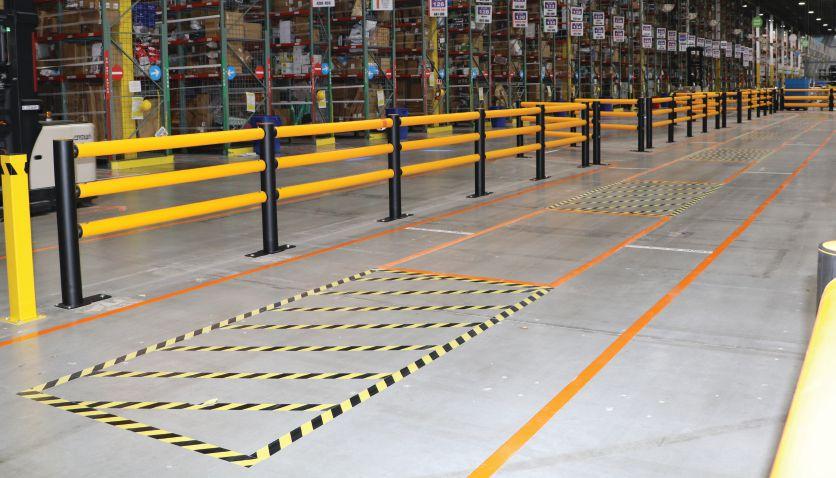
the warehouse floor more time to act to avoid a potential collision.
When the time comes for operators to park their PITs, they do so in a reimagined parking area that allows them to enter and exit their vehicles from the pedestrian-only green mile. This is an improvement over the previous layout, which forced some operators to enter and exit the vehicles from inside the PIT operating zone.
Prior to rolling out the changes in the YYZ3 warehouse, the health and safety team laid the groundwork by securing buy-in from the five managers and eight associates on the facility’s joint health and safety committee.
“Because the joint health and safety committee is made up of primarily frontline employees, they were ambassadors to their colleagues,” says Muhammad Khan, workplace health and safety manager. “It wasn’t exclusively top-down; you had eight employees that were able to person-to-person help their colleagues ramp up.”
The re-vamp proceeded during ongoing operations, so updates
about the work, and any predicted impacts on each day’s production, were communicated in real-time via a site communication TV near the start-up area, where employees begin each shift.
That same level of detailed communication continued once the changes were in place. “We did a stand down with our entire team –not only for the department that directly works in that area, but for our neighbouring departments as well, because they could have an interaction in [the PIT] area,” says Cameron Coverdale, learning manager. “We also set up signage with QR codes to take real-time feedback if there were any questions, concerns or suggestions. For example, ‘We need an extra stop sign here’ was one suggestion. We had the stop sign the very next day.”
“I think when it becomes a joint effort, as opposed to a directive, there is a lot more buy-in and adoption,” says Menon. “We are also very transparent that these changes are iterative processes that are based on feedback provided in relation to these changes. I think that’s how we achieve buy-in: through communication, involvement, and feedback
from our associates.”
The approach has been a success so far, with YYZ3 recording zero PIT incidents from Jan. 1 through the beginning of June, when team members were interviewed for this article.
The PIT Highway Safety Act is an important tool being used to improve health and safety at YYZ3, but it’s not the only one.
Last year, the facility installed a vacuum lift that allows trained associates to use suction power, rather than their bodies, to lift items weighing up to 50 kilograms. The lift can be operated one-handed and offers a 180-degree range of motion. The result? Fewer ergonomic injuries from hauling heavy items.
The facility is also running a pilot project with hands-free scanning technology to help further reduce the risk of musculoskeletal disorders (MSDs) in the workforce.
On its journey to improving health and safety, YYZ3 has enjoyed the support of sister sites across the country.
“We’re all constantly sharing best practices, either through network communication or change management forums, as well as our [weekly] regional meetings,” says Khan. “The beautiful thing of only having six nonsort buildings in Canada is that everyone knows what the other one’s up to.”
Gurjeet Singh, senior operations manager at YYZ3, also stresses that achieving health and safety improvements requires a true team effort.
“Hear your team out: They’re on the frontlines, they’re going through the motions and doing the day-to-day work,” Singh says. “When you’re in the office, you’re not in touch with them all the time. I think if you just listen and take two [minutes], you’ll be able to really improve from a safety perspective.”
By Brandi Cowen
Canada’s occupational health and safety and human resources communities want to create more psychologically safe workplaces, but they need information and support to move the needle.
That much was clear during the Psychologically Safe Workplaces Summit, hosted by OHS Canada and Talent Canada on June 25. The event captured the attention of more than 1,500 registrants from across the country, all eager for open dialogue and information to help them promote mental health and prevent psychological harm in their workplaces.
“A psychologically safe workplace is one where employees feel comfortable taking risks, expressing their ideas and concerns, and, frankly, being able to admit their mistakes without fear of negative consequences or judgment,” explained Coren Waines, manager of the mental health and well-being department at Medcor Canada. “It’s that shared belief that co-workers are not going to embarrass, reject or even punish us for speaking up.”
Waines notes that a psychologically safe workplace may result in increased employee engagement, motivation and innovation, as well as improved team performance.
However, there are two barriers that, in her experience, typically prevent employees from speaking up at work.
“First of all, many people aren’t sure who to talk to about their challenges or their struggles they’re facing, and they keep it

bottled up inside. They keep going through the motions and never truly address the cause of the stress,” Waines noted. “Then, fear… Fear can stop us dead in our tracks and totally prevent us from showing up the way we want to, not just in our work environment, but at home as well.”
During the opening keynote, Troy Winters, national health and safety co-ordinator for the Canadian Union of Public Employees, shared a powerful metaphorical framework that distilled complex psychological safety concepts into easy-to-understand, actionable insights.
Through The Fish Tank Tale, Winters drew comparisons between a fish tank and the workplace. Like a fish tank, he noted, the workplace requires special care to maintain a healthy environment. If either place starts
to become unhealthy, there will be warning signs. In a fish tank, Winters said, those warning signs may be dirty water and, ultimately, fish deaths; in workplaces, the signs may be less obvious unless you’re watching for them.
“In workplaces, this is the stage where you start to see people taking more sick days,” he said. “People are disengaged at meetings. There’s higher turnover – maybe in a certain department or maybe it’s the whole organization. You may have a feeling that something’s off, but you can’t quite put your finger on it.”
At this stage, some organizations will choose to press on, doing what they’ve always done, while others may opt for what Winters calls “random acts of wellness” –one-off actions or initiatives that have noble goals, but don’t achieve any meaningful, lasting change.
Think of it like losing one fish in an unhealthy tank, then immediately introducing a new fish. Unless you correct the conditions that made the first fish sick, it will just be a matter of time until the new fish dies too.
“I think a lot of organizations are in this place right now,” said Winters. “Maybe they’ve lost good employees…Maybe there’s been a harassment complaint or maybe they’re looking at engagement scores and seeing some terrible numbers right now, so they’re ready to learn what psychological health and safety actually is.”
Just like in a fish tank, it’s critical to address problems promptly when they show up in the workplace. Specificity and consistency are key.
“It’s not enough to say, ‘treat people with respect.’ We need clear expectations. We need clear procedures on how we handle conflicts,” said Winters. “We need organizations to maintain the commitment – not just do the daily work, not just respond reactively, not wait till things get bad.”
Winters said most successful psychological health and safety programs include formal and informal feedback mechanisms, behavioural indicators, diversity and inclusion, and input from external workplace health experts.
When implemented purposefully and maintained diligently, these elements can contribute to a psychologically safe workplace, just as routine filter maintenance and water testing can contribute to a healthy fish tank.
Bill Howatt, founder of Howatt
HR, stressed that most organizations need psychological safety facilitators with a host of knowledge and skills to sustain a workplace psychological health and safety program over the long run.
In Howatt’s opinion, a psychological safety facilitator requires the following basic competencies: foundational mental health literacy; the ability to differentiate between mental health, mental illness and mental disorders; and a basic understanding of neurodivergence.
“They don’t have to be experts,” noted Howatt. “What they need to do is have clarity so they can start to get the tools they need.”
“Our psychological safety facilitators need to understand that you can launch a program and hit a wall pretty quickly,” Howatt added. “When this happens, many organizations have an instinct to overreact, adding more elements to their programs without taking the time to understand what’s not working, and why.”
Psychological safety facilitators, on the other hand, will have training, mentoring and experience in fields such as occupational health and safety or human resources that empower them to view challenges strategically, and employ deductive reasoning and problem-solving skills to address those challenges.
“They’re going to understand what a psychosocial factor is, what a psychosocial hazard is, understand what a protective factor is. They’ll understand what controls are,” Howatt said. “There are a lot of nuances, and this is a new vocation in my mind – a new set of skills that
people can be learning and mastering.”
However, he warned, “We have to be careful because there’s a lot of snake oil out there right now.”
“… Psychological health and safety can remain a hard sell, and this is despite a mental health crisis right now,” noted Olga Morawczynski, founder of Heal3. “We really need to acknowledge that work plays a significant role in our mental health and a significant role, I would say, in the mental health crisis.”
While she observed that the workplace can exacerbate mental health challenges, it also provides opportunities for recovery and preventative mental health supports.
Morawczynski cited a Deloitte study that found every dollar an organization spends on mental health programming delivers a $4 return on investment.
“We’re seeing other literature that shows there’s a reduction in disability claims, which is a huge cost driver for organizations. There’s a drop in absenteeism rates,” she said. However, she cautioned that more research is needed to determine exactly what it is that delivers this positive impact.
Morawczynski’s research estimates that mental health costs organizations approximately $10,000 per employee per year. That figure includes: prevention efforts (i.e., employee benefits, leadership training), which represent 22 per cent of current employer costs; early intervention (i.e., costs tied to stress, burnout and disengagement, such as more sick days,
presenteeism and overtime), which amounts to 37 per cent of current employer costs; and costs associated with crisis and exits (i.e., disability leave, complex accommodations and employee turnover), which represent 41 per cent of current employer costs.
“The smallest investment today is in the prevention side, and the largest costing today is in the crisis and exit,” Morawczynski said. “What that’s telling me as a data monger and geek is that we are spending way too little on the upfront early side and most of our money is going to crisis management when people are too sick to show up for work. It really pays off to take a long-term view.”
When it comes to ways individuals and organizations can move the needle on psychological health and safety, all of the presenters agreed talking about it is key.
“We have to put it on the table. We have to talk about it,” said Carmen Bellows, a registered psychologist and contributor to the mental health strategy at Sun Life. She reiterated the need to recognize the value in early interventions and stressed the importance of offering benefit packages that include a variety of regulated health professionals, psychological supports, and pharmacological supports for employees.
“There is no health without psychological health,” Bellows said.
The Psychologically Safe Workplaces Summit was made possible through the generous support of Platinum Sponsors Sun Life and Medcor Canada.



OF A WEEK OR MORE



Move more. Pay less. Get 30% off when you rent material handling equipment from Brandt for at least one week. Offer ends soon— talk to your local Brandt dealer!
Find the right machine from brands you trust—like Clark, Sellick, JLG, and Bobcat®.
Scan to learn more 30%OFF

With a prairie-wide branch network, Brandt is always close by with the equipment you need.
The Brandt experts leverage their large network and inventory to find the machine you need and get it to you fast.
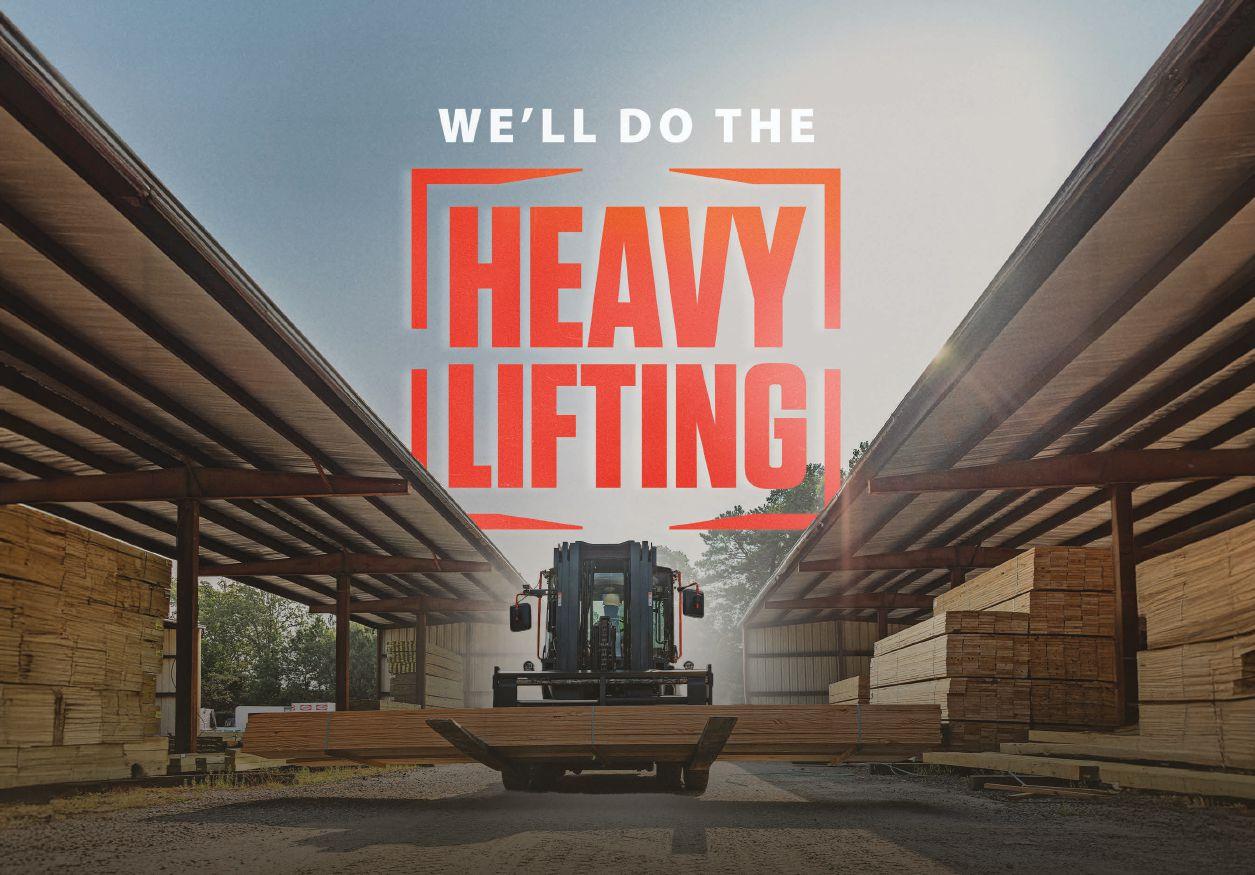

Get material handling equipment at the rates, time, and terms that work for you. Whatever you need to succeed, we deliver.
LARGER INVENTORY FLEXIBLE RENTALS DEDICATED SUPPORT
Find the right machine for the job from brands you trust like Clark, Sellick, JLG, & Bobcat.
With 24/7/365 support and proactive maintenance, we’re committed to maximizing your uptime.
Only need equipment for a short time? Get the equipment you need with customized rental solutions.

Scan to Learn More or contact your Brandt Representive today.