Sustainable safety practices provide employers with calm in the storm swirling through Canadian workplaces
09 | Legal View
The City of Sudbury is battling the province at the Supreme Court of Canada - here’s why you need to watch that case closely. ON THE
safe environment.
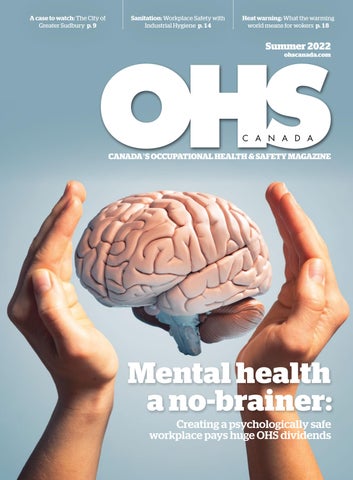
The EMS call that changed everything Paramedics are taught that they’re bulletproof and nothing they see can affect them - but that myth needs to be busted, and all employers can benefit from a psychologically safe workplace BY
THERESE CASTILLO
Cleaning up workplace safety with industrial hygiene
Industrial and occupational hygiene offers a clear next step for furthering an environment of sanitary safety in the workplace BY
JACK BURTON
Vol. 38, No. 3 ohscanada.com
DEPARTMENTS
04 | From the Editor
05 | In the News
18 | Quarterly Check-in
Q&A: What is the impact of using PPE in workplace safety?
20 | CCOHS Corner
Working safely outdoors in a waming climate
22 | Additional News
hot, hot
The summer heat is here - and it’s getting hotter. Rising temperatures aren’t just uncomfortable - they can pose a big safety risk for workers BY CCOHS
From the Editor
By Todd Humber, Group Publisher
Youth are flooding workplaces: We have a duty to protect them
Employers are facing a labour shortage that is unlike anything I’ve seen in my career — and I’m no spring chicken.
Whether you blame COVID, the Great Resignation, or some other confluence of events — the end result is the same: A lot of help wanted signs and few applicants.
This means employers are getting creative and looking beyond traditional labour pools to ensure they get the staff they need to operate. One group that is benefiting from this is young workers — but this poses some big challenges for workplace safety.
In June, OHS Canada posted a story on its website with this headline: “With more kids working and getting hurt on the job, Quebec to review labour laws.”
There has been an increase in the number of children between the ages of 11 and 14 joining the workforce because of “persistent labour shortages,” the article said.
Quebec is an outlier in Canada in that it has no minimum working age. B.C., by contrast, recently raised its minimum working age from
EDITORIAL ADVISORY BOARD
12 to 16 in most cases. Ontario and Alberta have minimum ages of 14, for example, to take on a job.
To be fair, Quebec does have plenty of regulations to keep young workers safe. Jean Boulet, the province’s Labour Minister, pointed out that it’s not the wild west. The minimum age to drive a forklift is 16 and the minimum age to do sandblasting work is 18.
But what is indisputable is the rising rate of injury among young Canadians. In 2021, 203 children under age 16 in Quebec suffered a work-related injury. That’s a 36 per cent jump from 2020. In 2018, there were only 85 injuries in that same age group.
B.C. also reported an increase in young workers hurt on the job — more than 7,000 injuries in 2021 alone. It’s not apples to apples, because it’s a different age group.
None of this is surprising. OHS professionals know young workers, and new workers, are at risk when it comes to getting hurt on the job. They are often distracted, excited about their new gig and wanting to do a good job, and are less focused on safety.
My first summer job was at a Chinese restaurant in Tecum-
seh, Ont., as a dishwasher when I was 14. For $3.90 an hour, I got to wash dishes, tend the garden, clean grease traps and do anything else the owners wanted.
During my first week on the job, I had to clean the hoods above the massive cooktop. As I stood in a wok, one of the chefs — as a prank — fired it up. My shoes started melting instantly into the pot and I had to jump out and onto the floor amid his fits of laughter.
That could have ended badly. I could have slipped into the scorching wok and burned myself. I could have fallen off the stove onto the hard tile floor. Did I complain? It didn’t even cross my mind. We laughed it off and I threw the shoes away when I got home, because the soles were toast.
Nobody told me I had a right to refuse unsafe work. Nobody said I should report unsafe behaviour. If I did, I’m quite certain I would have been fired.
We all owe it to new workers, in every sector, to set the safety bar high. Teach them it’s OK to say no. And whether it’s your workplace or not, let’s pledge to do this: If you see something unsafe, say something about it.
Paula Campkin: chief safety officer at Energy Safety Canada in Calgary, Alta.
Marty Dol: health and safety leader with Sleegers Engineered Products in London, Ont.
Cindy Moser: director of communications for the Institute of Work & Health in Toronto
Natalie Oree: prevention consultant with SAFE Work Manitoba in Winnipeg
David Powers: director of HSE with Oxford Frozen Foods in Oxford, N.S.
Richard Quenneville: senior director of corporate services with T. Harris Environmental Management in Toronto
Maureen Shaw: lecturer and presenter in Victoria
Dylan Short: managing director of The Redlands Group in Oakville, Ont.
Winter 2022 Vol. 38, No.1 ohscanada.com
READER SERVICE
Print and digital subscription inquiries or changes, please contact Serina Dingeldein, Audience Development Manager Tel: 416-510-5124
Fax: 416-510-6875
Email: sdingeldein@annexbusinessmedia.com
Mail: 111 Gordon Baker Rd., Suite 400, Toronto, ON M2H 3R1
COO Scott Jamieson sjamieson@annexbusinessmedia.com
Printed in Canada ISSN 0827-4576 (Print) ISSN 1923-4279 (Digital)
PUBLICATION MAIL AGREEMENT #40065710
SUBSCRIPTION RATES
Published five times per year – Winter, Spring, Summer, Fall, Buyer’s Guide Canada $100/yr plus tax USA $130/yr (100 USD) Foreign $214/yr ($164.50 USD)
Occasionally, OHS Canada will mail information on behalf of industry related groups whose products and services we believe may be of interest to you. If you prefer not to receive this information, please contact our circulation department in any of the four ways listed above.
Annex Business Media Privacy Office privacy@annexbusinessmedia.com Tel: 800-668-2374
All advertising is subject to the publisher’s approval. Such approval does not imply any endorsement of the products or services advertised. Publisher reserves the right to refuse advertising that does not meet the standards of the publication.
In the News
Suncor’s safety record in spotlight as activist investor calls for change
An activist investor is raising concerns about Suncor Energy’s recent safety track record, suggesting there might be a broader managerial problem at the company.
Elliott Investment Management wrote a letter calling for changes to Suncor’s board and a review of its executive leadership.
Elliott said Suncor must overhaul its safety culture. Since 2014, there have been 12 workplace deaths at Suncor sites, which Elliott said is more than all the company’s closest peers combined.
Analysts say investors care about safety performance because it’s an indicator of how well-run a company is.
They say companies that have a high number of on-the-job injuries tend to have problems in other areas too, like production and efficiency.
The rise of sustainable investment practices also means investors are putting more focus on social issues like workplace safety.
Quebec coroner calls public inquiry into firefighter’s drowning
Pierre Lacroix, a 58-year-old firefighter, died after he was thrown into the St. Lawrence River in Quebec during a rescue mission in October.
Lacroix was working with three colleagues to rescue boaters in distress when his vessel capsized in the turbulent waters of the Lachine Rapids.
While the others were all rescued, Lacroix dies after he was trapped under the boat.
Chief coroner Pascale Descary said the inquiry will examine the causes and circumstances surrounding the death and make recommendations to avoid other tragedies.
Coroner Gehane Kamel will preside over the investigation.
Number of migrant workers at one Ontario farm that contracted COVID-19 in May and June 2020.
Ontario farm fined more than $125,000 after migrant worker killed by coranavirus
Scotlynn SweetPac Growers in Vittoria, Ont., pled guilty to health and safety violations after one of its workers contracted COVID-19 and died. It was fined $125,000 plus a 25 per cent victim surcharge. The maximum fine the court could have imposed was $1.5 million.
The farm group, along with its owner Scott Biddle, had faced 20 charges under Ontario’s occupational health and safety laws after 200 employees got infected with COVID-19, with 55-year-old employee Juan Lopez Chaparro succumbing to the virus.
The outbreak happened in May and June of 2020, with charges from Ontario’s Ministry of Labour laid out in September 2021.
Gabriel Flores, a migrant farmworker, blew the whistle on the poor working conditions at Scottlyn, alleging labour exploitation and substandard housing provisions.
Flores won the case against the farm company for illegal reprisals at the Labour Relations Board. He was awarded $25,000 in damages.
Syed Hussan, executive director of the Migrant Workers Alliance for Change, called the fine a “slap to the wrist” of the multi-million-dollar company and that justice was not served.
“Canada has failed to protect the migrant workers who fed us and took care of us during the pandemic. The only way to establish fairness is to support equal rights for migrants by granting permanent residency so that they can defend themselves against abusive employers
“Instead, Canada has made it easier for employers to hire more precarious, temporary migrants,” said Hussan.
The organization called for federal changes to protect migrant workers, which it said go beyond better bunkhouses.
Ontario construction firm fined $150K after worker killed on the job
Perth County Fabrications in Ontario has been fined after a construction worker was killed on the job.
On Nov. 5, 2019, an engineer conducted a site visit and found insufficient bearing for the structural beams and reported that no load should be placed on top of the concrete slabs until the matter had been addressed. It was also recommended taping off the area for safety.
In a meeting between the contractors that included Perth, a determination was made that the structural beams in question had been installed incorrectly and a plan was put in place to rectify the problem.
However, by Nov. 12, 2019, the concrete contractor had not made arrangements, as planned.
A Perth supervisor decided to expedite the work and directed a worker to remove most of the bolts on the structural beams and cut the rebar connections under the concrete slabs. The supervisor did not instruct the worker to install bracing to support the concrete slabs.
When the worker cut the rebar under one of the overhead concrete slabs, the slab fell on top of the worker. This resulted in a fatal injury.
An investigation by the Ministry of Labour Training and Skills Development determined that Perth contravened, section 31(1)(b) of the Regulation for Construction Projects and section 25(1)(c) of the Occupational Health and Safety Act. This is an offence contrary to section 66(1) of the Act
Perth pleaded guilty in the Ontario Court of Justice and was fined $120,000 plus a victim surcharge of $30,000 — for a total fine of $150,000.
The surcharge is credited to a special provincial government fund to assist victims of crime.
Canadians know dangers of distracted driving, but do it anyway: Survey
1 in 5
Drivers who admit they have had a crash, or near miss, because they were distracted.
Canadians are well aware of the dangers of distracted driving, but that’s not stopping many of them from engaging in unsafe behaviours.
While 77 per cent of Canadians say distracted driving is very risky and they take every step possible to avoid being distracted, half of respondents admit to talking or using a phone while driving, according to the 2022 Travelers Canada Distracted Driving Risk Survey.
Notably, one in five drivers admit they have had a crash, collision or near miss because they were distracted.
“It is alarming to see a large percentage of people admit to risky driving behaviours, which indicates that more needs to be done to convince people to put their phones away and stay focused while driving,” said Paul Stone, vice-president of distribution and sales at Travelers Canada. “It’s time we rethink our actions and accept the vital role we all play in keeping our roads safe.”
According to the survey, 29 per cent of Canadians say they
respond to work-related calls, texts or emails while driving.
Reasons cited include concern that it might be a work emergency (44 per cent), feeling the need to always be available (30 per cent) and worrying that they will miss something important (28 per cent).
When asked about expectations within the workplace, 19 per cent of employed Canadians say their employer has an official policy about sending or receiving work-related phone calls, texts or emails while driving.
When an employer has a policy in place, the majority (87 per cent) of employees report that they always or usually comply with it.
This suggests that having a policy in place is an effective way to mitigate dangerous driving behaviours when it comes to work-related distractions.
This survey was conducted April 4-7, 2022, among a nationally representative sample of 1,010 Canadians aged 18-69, balanced and weighted on age, gender and region.
More than 7,000 young workers injured on the job: WorkSafeBC
In 2021, WorkSafeBC reported 7,125 accepted claims related to injuries from young workers. With summer upon us and young workers set to enter the workforce for seasonal jobs, the insurer of workers in B.C. is reminding workers about their rights, and employers about their responsibilities.
The majority of the injuries occurred in service-sector jobs (2,801), seconded by jobs in retail and wholesale (1,335), and construction (1,258). Alarmingly, there had been 16 fatal incidents involving young workers in the last five years.
According to Jacqueline Holmes, manager of prevention field services at WorkSpaceBC, the majority of the
serious injuries in the workplace typically occur in the first six month on the job.
“Injuries can result from inadequate training, orientation, and supervision; inexperience, or a reluctance to speak up, ask questions, and raise health and safety concerns.”
While risks are present in any job, young workers should be reminded of their right to refuse unsafe work if there is a reasonable cause to believe it would create an undue hazard to their health and safety. In fact, it is illegal for employers to punish or fire anyone for refusing unsafe work or reporting hazards to a supervisor.
“It is every worker’s right to refuse
WSIB offers double rebates for smaller businesses enrolled in their program
Ontario’s Workplace Safety and Insurance Board (WSIB) is doubling rebates for businesses with less than 99 workers whoare enrolled in the agency’s Health and Safety Excellence program.
“We know Ontario businesses work to have the safest workplaces anywhere, but many smaller businesses are still recovering from the pandemic,” said WSIB president and CEO Jefferey Lang. “We are stepping up with added incentives to help get more businesses investing in health and safety right now.”
The WSIB’s program connects Ontario businesses with approved providers in their industry or community to help them create a roadmap to improve workplace safety. In 2019, the rebates were capped at up to 75 per cent of their premium. With this announcement, the cap has been removed.
For each topic completed and validated, businesses can earn a rebate on their WSIB premiums. Since 2020, more than $21 million in rebates have been issued to Ontario businesses, it said.
The new pandemic bonus for smaller businesses will also retroactively double the rebate for topics completed since March 2020 for eligible businesses who enroll in new topics this year and pay an additional $1,000 toward the development of action plans in 2022.
“We are firmly planting our stake in the ground to say we’re serious about helping small business to develop and implement strong health and safety programs in Ontario,” said Rod Cook, vice president of workplace health and safety services at the WSIB.
“Any small business can now earn their entire premium back simply by prioritizing health and safety,” said Lang. “I hope every entrepreneur out there is listening and checks out how they can benefit from this program.”
unsafe work. Young workers should speak to their supervisors if they feel a task might be hazardous,” says Holmes. “Trust your gut— it’s okay to say, ‘I need more training before I am comfortable’ or ‘This doesn’t feel safe.’”
Under British Columbia’s Workers’ Compensation Act, employers have a legal responsibility to ensure young and new workers receive appropriate training and supervision.
When employers fail to adequately train or supervise young workers, WorkSafeBC may use various enforcement tools, including orders, warning letters, stop-work orders, compliance agreements, and citations and penalties, where necessary.
Safety Leadership
By Lisa McGuire
Sustainable safety practices provide calm in the current storm
Businesses are navigating a new balance for sustainability in the “new normal,” learning how to be agile in keeping workers safe. These skills will continue to support manufacturers facing new workplace challenges, from labour shortages and automation to global supply chain issues and climate change.
B usiness sustainability goes beyond environmental initiatives. It requires understanding your future employees, consumers and products — and taking steps now to support that future.
Labour shortage and the ‘Great Resignation’
While t he pandemic exacerbated the global labour shortage, the seeds were in place long before then. Contributing factors include an aging population, tech skills gaps and low wages.
Recent events have forced companies to adapt quickly to overcome immediate concerns as they navigate longer-term changes. Challenges include hiring and retention, lack of qualified staff and highe r absenteeism during the pandemic. These issues contribute to fatigue, injury, and burnout amongst the remaining staff.
Mark Bunz, CEO of Dinoflex Industries, spent time researching the why of the Great Resignation and noted the number one reason employees are currently leaving is for higher wages.
In industry studies, exiting employees also reported a lack of career advancement opportunities and not feeling valued by their supervisor. In response to these insights, Dinoflex introduced wage grid increases and adapted its supervisory model.
“ We recognized that supervision was no longer adequate, so we moved towards a cell-lead concept with eight individuals engaging with more people. Training, safety, and culture have all improved,”
Safe workplaces improve staff engagement, and workers who feel cared for and contribute directly to safety culture decisions are more likely to stay and recommend your company to others.
said Mark. “An unintended benefit of this model was that advancement opportunities opened up for five employees.”
Focus on workplace culture
The Great Resignation motivates companies to look at what makes them attractive to critical talent. Companies facing labour gaps will need to embrace new and trusted solutions to become an employer of choice, including:
• Financial incentives based on performance and referrals
• Inclusive perks for new Canadians, and accessible workplace for workers with disabilities or those returning to work after injury, and the long-term unemployed
• Upskilling existing workers to take on expanded roles
• Robust orientation programs for new workers to ease their transition into the workplace and prevent workplace injuries
• Alternative work arrangements to encourage older workers to stay or entice retired workers back to work
Employees offer critical information on what’s working and what’s not, and this feedback allows companies to refine the workplace culture continuously. At Puratos Canada, president Michael Simone holds fireside chats and town halls to get information about their culture directly from his team.
“ How do we use our brand voice to recruit? People want to feel safe, and we need them to tell our safety story,” notes Michael.
Growing a solid health and safety culture
takes hard work, dedication, and a continuous desire to improve, but the payoff is enormous. Safe workplaces improve staff engagement, and workers who feel cared for and contribute directly to safety culture decisions are more likely to stay and recommend their company to others.
Embrace automation
The future of manufacturing will include workplaces equipped with robots, cobots and other automation. Tomorrow’s employees need the technical skills to successfully work alongside technology –including engineering, machine learning, artificial intelligence and other high-tech skills. In Europe, where they have been facing labour shortages for longer, manufacturing has increased automation to reduce reliance on large workforces. Automation reduces tasks that injure and allows employees to work more safely and efficiently to reduce the labour shortage impact in some environments.
Employers of choice
Recruiting and retaining employees in the new world of work requires companies to think outside the traditional hiring toolbox and look to new solutions. Manufacturers need to position themselves as a career path of choice through campaigns that highlight opportunities within the sector to attract technically skilled grads, artisans, and other critical roles in the plant.
Innovation in hiring and retention, automation, and strengthening your safety culture are critical strategies in becoming a workplace that will attract tomorrow’s talent.
Lisa McGuire is the CEO of the Manufacturing Safety Alliance in Chilliwack, B.C.
Legal View
By David Reiter
Supreme Court of Canada ruling on liability worth watching very closely
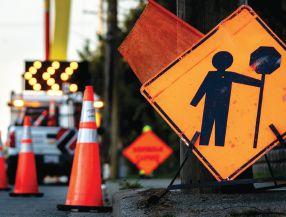
Ap edestrian suffered fatal injuries on a road repair project the City of Greater Sudbury in Ontario had subcontracted out in 2015. The city was charged with Occupational Health and Safety Act (OHSA) offenses as an employer, though it wasn’t running the project nor was it the constructor.
At trial, the Supreme Court of Canada acquitted the city because it had not exercised a meaningful measure of control over the project. That decision was upheld at the first appeal.
However, on the second appeal, the court determined the city had employed quality assurance inspectors which made it an employer of workers at the site, and thus liable for workplace safety.
The appeal to the Supreme Court of Canada
The case is now pending before the Supreme Court of Canada. The city and the ministry have each filed their respective written arguments, and three sets of intervenors have been granted status in the case..
The city’s position
The city is arguing that Ontario’s OHSA needs to be interpreted in a way that avoids absurd or overly broad results. In this case, it says that a practical view that recognizes how workplaces operate needs to be taken, otherwise owners of projects would be responsible to ensure workplace safety even where they lack the necessary knowledge, which does not enhance overall safety.
As well, if the introduction of QA inspectors leads to liability as an employer, as the Court of Appeal said it did, owners either would have to exercise control to address that liability or they would have to resile from exercising the right to employ QA inspectors on site for fear of becoming a virtual insurer of safety and the
associated legal repercussions.
G iven that, the city is arguing that a degree of control over the work being done on the project ought to be a critical factor in determining whether one is liable, as an employer, for general safety at a project.
The ministry’s position
Not surprisingly, the ministry takes a different view. It argues the OHSA is public welfare legislation, and it ought to be interpreted broadly. If the stricter definition of employer (which the city is urging on the court) is imposed on projects, that would reduce the number of parties responsible for safety on the project, which in turn would defeat the legislation’s purpose.
The ministry also argues that the wording of the legislation of the predecessor Act (the Industry Safety Act) included an element of control in the definition of employer, whereas the OHSA doesn’t. Instead, that new regime relies upon there being a connection between a hazard and the work being performed. If there is one, then workers need to be protected. In this case, once the city dispatched its QA inspectors to the site, they were exposed to the hazards, and therefore were owed protection by their employer.
Why is the Supreme Court decision so important?
There is merit to the positions that both sides are taking. If the city has the statutory right not to become a constructor by virtue of sending QA inspectors to a site, how can doing that put it in the position of full control, with the result that it becomes the constructor, in circumstances where it may not have the requisite expertise?
All said, whatever decision the Supreme Court arrives at will likely define how owners arrange their affairs when contracting out work on construction projects. If they are employers, with the attendant liability, they will need to exercise due diligence by taking the available precautionary measures. If they are not employers (absent an assumption of meaningful control) then they may be able to continue using civil contractual tools to limit their liability exposure.
E ither way, the case is likely to drive how construction projects are run in the future, and it is therefore one to watch closely
This article offers general comments on legal developments of concern to business organizations and individuals, and is not intended to provide legal advice. Readers should seek professional legal advice on the particular issues that concern them.
David Reiter is a partner with Aird & Berlis in Toronto.
The day everything changed
EMS
workers told they are a special breed who can ‘see anything’ without being affected. But the truth isn’t that simple, and every workplace can benefit from a hard look at psychological safety
By Therese Castillo
Nothing would prepare Rita for the afternoon of Sept. 22, 2020. It seemed like a regular workday with her partner as they sat in the back of their EMS vehicle. Every call was predictably unpredictable in her two-decade plus career.
A call came in, and the pair jumped into action - activating the lights and siren as they raced to the scene of an emergency.
S he was trained for thi s. In school, they were taught that
paramedics were a special breed of professionals built to “see anything” without being affected. But in the months-long battle with COVID-19, and almost two decades of being witness to violence, emergencies, and accidents on the frontlines, Rita had been feeling the job taking a toll on her mental health, and keeping focus had never been harder.
They arrived at the scene of the call: a pediatric VSA (vital signs absent). Amidst efforts to keep herself together and remember
“There is still a stigma attached to mental health in Canada regardless of the profession you’re in. It’s not a first responder issue – it’s a Canadian societal issue.”
the newest COVID-19 protocols, a rush of panic took over her. She froze and collapsed. The toddler did not make it
It’s been two years, and Rita remains off work as she deals with the trauma and guilt for freezing in the moment she knew she was needed most.
THE GROWING NUMBERS
Injuries associated with post-traumatic stress disorders (PTSD) were
Around 500,000 Canadians miss work every week due to mental health issues.
identified as the top occupational hazard emergency first responders (EFR) are most exposed to, according to a recent study by the Public Services Health and Safety Association (PSHSA).
Ruth is not an isolated case – nor are the mental health issues in EFRs. One in five Canadians suffer from mental health illness, as stated in Assembling the Pieces: An Implementation Guide to the National Standard for Psychological Safety in the Workplace of the CSA Group. In fact, there are around half a million people in Can -
ada that miss work each work because of psychological issues.
Considering that two thirds of Canadians spend more than 60 per cent of their time at work, the workplace has a significant affect on the mental health of employees. Therefore, employers have an opportunity to advocate for and create psychologically safe workplaces.
“ The stats that we have on talking about mental health in the workplace –whether it’s work-related or not – still have room for improvement,” said Tanya
Morose, Health and Community Sectors lead of PSHSA. “There is still a stigma attached to mental health in Canada regardless of the profession you’re in. It’s not a first responder issue – it’s a Canadian societal issue.”
WORK: A TRAUMATIC PLACE OR A SAFE SPACE
Years before Ruth experienced that harrowing day, she had already noticed how accumulated traumas changed her: she began losing sleep, became irritable around colleagues and drank more alcohol after work. Unfortunately, the work culture she was in shared the same ideology she learned in school: paramedics are invincible to trauma. She did not find have a support system.
“ There can be a culture of machismo in the workplace. It can be counterproductive, and in some cases, the culture itself can be traumatizing,” said Dr. Chris Carreira. “There is a culture of ‘sucking it up,’ and of individuals who are experiencing psychological distress as somehow being weak, unreliable, and unfit for the job.”
In hindsight, “the pandemic put the whole world in a level-playing field,” said PSHS A health and safety consultant Jackie Sam. “Everybody was suddenly exposed to this event that caused stress, chaos and uncertainty. People who may have not experienced mental health issues or have not talked about it, now all have this commonality.”
“ The pandemic has shown the gaps that have been there for a long time. A light has been shed on (mental health) issues, and people have developed a momentum to discuss it both inside and outside the workplace,” said Sam.
WHAT IT MEANS FOR EMPLOYERS
Employees suffering from mental health issues can lose the ability to perform physical tasks by 20 per cent and can experience decrease in cognitive performance by 35 per cent, according to the Centers for Disease Control (CDC). This gravely impacts employee’s productivity and employability.
From 2019 to 2021, there was an increase of 2.3 per cent in mental health-related disabilities among employed Canadians, according to Statistics Canada. That accounts for about 30 per cent of disability claims and has been costing the Canadian economy $50 billion dollars annually.
“There can be economic burden for employers aside from moral and ethical responsibilities,” said Morose. “Companies need to consider the cost of losing a staff member over mental health issues versus investing in programs to prevent them. Employers need to invest in creating a psychologically safe workplace for business continuity.”
CREATE A TRAUMAINFORMED WORKPLACE
Creating a trauma-informed workplace is a process and starts with the company’s recognition and understanding that physical or emotional trauma – whether in the workplace or at home – affects people at work.
Educating the workplace is another point that Sam of the PSHSA deems important: “Organizations
“Companies need to consider the cost of losing a staff member over mental health issues versus investing in programs to prevent them.”
– Tanya Morose, PSHSA
might already have a lot of policies and programs in place, only they are not working together and structured. Those may already be present but are difficult to access.
“Now is the time employers should think, take a step back and see how these (programs) can actually work for the people in the organization.”
“Anything outside the realm of normal that is observed can be a source of trauma,” said Dr. Bill Howatt of Howatt HR Consulting. “Start by educating the workforce about trauma, its causes; and normalize the discussion around it, then you can move to identifying
solutions for them.”
Howatt shared concrete steps on how employers can facilitate a trauma-informed workplace:
• Create a psychologically safe culture that supports trauma – Pay attention to the words used and promote compassion. Advocate for judgment-free discussions and promote help-seeking behaviors.
• Educate workers about trauma and its signs and symptoms to normalize how people exposed to trauma behave – Be clear on which trauma support systems are available.
• Train leaders on how psychologically safe leadership can build trust and collaboration and empower workers – Leaders can be the first layer of support to protect workers from harm.
• Provide coping skills training –Introduce basic coping skills to assist workers exposed to trauma
• Promote self-help strategies –The presence of peer support, diversity and inclusion initiatives and mental fitness programs can help traumatized workers feel supported.
Mental health issues are prevalent both inside and outside the workplace. With recent policies of disconnecting from work and shortened work week, the landscape of a psychologically safe environment is changing - but it’s not a one-anddone event. Take the first step if you haven’t yet.
Educate workers about trauma and its signs and symptoms to normalize how people exposed to trauma behave.
Murat Arslan CRST
Ian Baillargeon CRST
Anthony Binga CRST
Lennea Bunker CRST
Lance Burton CRST
Andrew Chai CRST
Casey Chan CRST
Suzanne Christenson CRST
David Connelly CRST
Devon Courtney CRST
Melodie Cranney CRST
Nicole Curr CRST
David Davis CRST
Buford Dawson CRST
Watson Day CRST
Angela Drainville CRST
Jason Ford CRST
Meggie-Joan Forrest CRST
Peng Gao CRST
Vanessa Agnoletto CRSP
Saleem Ahmed CRSP
Taddeo Ahumuza CRSP
Jewel Amond CRSP
Harneet Kaur Bali CRSP
Dennis Benjamin CRSP
Karin Boers CRSP
Rishma Brenner CRSP
Jared Bundus CRSP
Mark Cabanlig CRSP
Michael Cahill CRSP
Frederic Champagne CRSP
Jodilyn Chartrand CRSP
Benjamin Cioci CRSP
Whitney de Ruiter CRSP
Daniel DeRoche CRSP
Ashley DeRoche CRSP
Laura Dwyer CRSP
David Elniski CRSP
Blaine Finup CRSP
Behzad Fonouni Asl CRSP
Annette Gear CRSP
Paul Gill CRSP
Carol Ann Griffin CRSP
Emily Gushue CRSP
Janet Hankins CRSP
Trevor Hansen CRSP
Matthew Gibbs CRST
Kristen Gobeil CRST
Danielle Guertin CRST
Rabioul Hassan CRST
Valerius Hiebert CRST
Adrian Hilge CRST
Rebecca Hiscock CRST
Keng Pu Hsu CRST
Khawaja Jawad CRST
Jason Kowal CRST
Barbara Lowe CRST
Stephenie Lowe CRST
Sandra Lubeck CRST
Eric Mahe CRST
Malory McConnell CRST
Sandra McRae CRST
Olatunde Ojo CRST
Randall Payette CRST
Corey Payne CRST
Erica Marie Pizzola CRST
Danielle Poole CRST
Holly Porteous CRST
Michael Schmaltz CRST
Sindhu Selvaraj CRST
Jordan Senderewich CRST
Camille Shum CRST
Danelle Smith CRST
David Spence CRST
Kristin Stevens CRST
Muhammed-Faraz Tarbhai CRST
Sarah Thompson CRST
Nicole Titkai CRST
Vicky Waldick CRST
Joshua Wiebe CRST
Phillip Zbetnoff CRST
Chad Hehr CRSP
Jeffrey Hodder CRSP
Michelle Hogan CRSP
Sara Hogstead CRSP
Mohammed Ibrahim CRSP
Brendan Johnston CRSP
Farah Kassam CRSP
Gregory Kite CRSP
Chandrika Kohli CRSP
Gianmario Mameli CRSP
Nicholas Manum CRSP
Sean McGuinness CRSP
Debra Meades CRSP
Gary Moore CRSP
Eustace Okere CRSP
Adebolanle Omebere-Iyari CRSP
Jo Ann Ortega CRSP
Saravanan Paramasivam CRSP
Ronald Parsley CRSP
Jennifer Persi CRSP
Jamie Power CRSP
Jeffrey Radek CRSP
James Rai CRSP
Kirithika Raju CRSP
Lisa Ramsay CRSP
David Reaich CRSP
Brian Robinson CRSP
William Roff CRSP
Ashwin Kumar Sadasivam CRSP
Rustam Sadykov CRSP
Umer Qayyum Sair CRSP
Roque Schipilliti CRSP
William Shlah CRSP
Umair Siddiqui CRSP
Camille Simpson CRSP
Tyler Small CRSP
Anne-Marie Smith CRSP
Lisa Marie Sobisch CRSP
Yu Sun CRSP
Sean Tarnowsky CRSP
James Taylor CRSP
Timothy Thiessen CRSP
Sony Thomas CRSP
Jessica Wong CRSP
Phillip Zbetnoff CRSP
Beyond what you can see and smell - the role of industrial hygienists
Safe exposure levels for some hazardous materials are rarely obvious and can only be accurately determined through a thorough professional assessment
By Jack Burton
Industrial and occupational hygiene deals with the best practices for managing the presence and exposure of potentially harmful materials in the workplace.
Kelly Fernandes, a specialized consultant in workplace hygiene at Workplace Safety & Prevention Services, described the role of an industrial hygienist as one that aims to prevent “avoidable harm and accidental death from chemical, physical and biological hazards.”
In this role hygienists perform onsite assessments using several surveying procedures and technologies to assess the materials present in these environments and their potential exposure rates, along with determining the best responses to these findings.
The importance of identifying and dealing with these hazards comes not just from the threat they
pose to workers, but the nature of the threat itself: the exposure levels of these materials in question are rarely obvious and can often only accurately be determined through a professional assessment.
5 key steps
“This is beyond what you can see or smell. It’s analytical data, based on peer reviewed methods,” said Fernandes. Notable about the hazardous nature of these materials is that the consequence of their exposure often compounds over time, rather than being immediately apparent.
Each workplace is different, not only in the materials present, but also the procedures needed to safely deal with any threat these materials may pose. Providing all-purpose guidance, no matter the workplace or its needs, is the Hierarchy of Controls, a standard set of processes for dealing with threats to occupational hygiene.
As described by Mathew MacLeod, an occupational health and
safety specialist with the Canadian Centre for Occupational Health and Safety, the Hierarchy of Controls consists of five steps, in order of effectiveness, that outline the recommended solutions when dealing with the removal or mitigation of exposure when it comes to hazardous materials.
At the top of this hierarchy “are the most effective measures, those which eliminate the hazardous chemical entirely from the workplace, followed by those that involve substitution of the chemical for a less hazardous one.”
In scenarios where these adjustments are not feasible, this hierarchy moves toward measures based on environmental variables and employer-driven initiatives.
“If there’s still remaining risk, then engineering control should be considered next, such as proper ventilation,” MacLeod said. “Admin-
istrative controls then also need to be implemented to complement other controls, such as WHMIS training and instruction on workplace-specific procedures for handling, storing and disposing of these chemicals safely.”
Rounding out the Hierarchy’s realignments toward increased industrial hygiene is the implementation of personal protective equipment relevant to the work environment, which provides a buffer for any risk that may escape mitigation from the other measures outlined in the previous processes.
While employers may be aware of the repercussions that the presence of these harmful materials can lead to, the hazard levels and appropriate solutions are often varied enough that moving forward on any operations or hygienic initiatives without qualified assistance may make things worse.
One example of this is noted by Gavin Oakes, manager of indoor environments at MTE Consultants, who spoke of situations in the construction industry where employers begin demolitions of buildings where asbestos was present before performing a proper assessment.
“Now, they’re going to spend tens of thousands of dollars, depending on the extent of it, where if you would have done an assessment up front and had it removed, you could’ve done it for a fraction of the cost,” said Oakes.
For employers looking to emphasize industrial hygiene, Oakes recommended prioritizing organizational transparency, in addition to staying on top of proper procedures and hazard management.
“Often employers will do testing and want to maybe control how that information gets out to the staff,” said Oakes. “A lot of times, we find that just being open and honest with your workforce is the ideal route... if they find out that there’s information out there that you’re withholding from them, that breeds mistrust.”
Also helping to build this trust is a workforce that is confident in their employer’s commitment to keeping their workplace safe, which Oakes said is achievable through regular hygienic assessments, especially as safety information and onsite
variables shift over time.
“The thing with health and safety plans is that they’re never finished,” said Oakes. “They’re constantly changing as new information becomes available and as conditions change within your organization,
so to do something once and just kind of put it on the backburner and forget about it (isn’t enough.) You have to constantly review what you’re doing.”
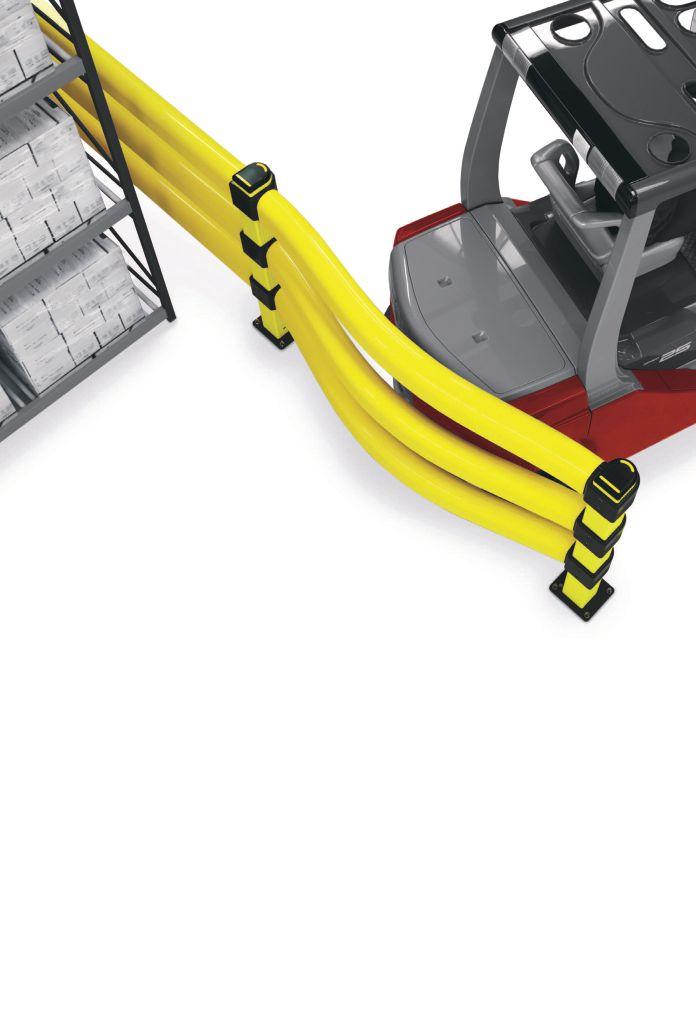
High Impact Resistance
Reflex Polymer Safety Barriers
Protect people and equipment from accidental impact of moving vehicles.
Industry leading polymer safety barriers flex upon impact and return to their original state. This energy absorbing ability significantly reduces maintenance costs and help prevent expensive floor repairs.
Our patented, proprietary, REFLEX polymer is scratch resistant, safe in food processing environments and is fire resistant.
The modular design can accommodate virtually any application.
Used in over 85 countries REFLEX polymer safety barriers are the most cost effective logical choice for modern day facility and asset protection.
CSA Group is a global organization dedicated to safety, social good and sustainability. It is a leader in standards development and in testing, inspection and certification around the world, including Canada, the U.S.A., Europe and Asia. CSA Group’s mandate is to hold the future to a higher standard.
Q&A: Voluntary or mandatory, standards play a big role in workplace safety
CSA Group program manager shares about organization’s safety practices and standards
When health and safety professionals take inventory of the many tools in their toolbox, standards may not immediately come to mind.
However, whether mandated in regulation or implemented voluntarily, standards can and do play a significant role in the health and safety policies and processes of organizations.
As employers navigate COVID-19 and strive to build more diverse, equitable, inclusive and accessible workplaces, the need for standards and new research has never been greater. Candace Sellar, a 14year CSA Group veteran, shares more about the relevance of standards for OHS professionals and what her sector is focused on this year and beyond.
What is your role at CSA Group?
I am a program manager for CSA Group’s Worker and Public Safety sector, part of CSA Group’s Standards organization. My team is responsible for facilitating the development of a wide variety of standards including personal protective equipment, OHS management systems,
worker wellness, emergency management and business continuity and transportation safety, just to name a few.
Why should health and safety professionals consider using standards?
Often, standards are used because they are referenced in provincial, territorial, and federal OHS regulations – the regulations define “what” must be done, and the standards often fill in the blanks with the “how.”
S tandards can also be implemented voluntarily by organizations that want to exhibit leadership and employ requirements and guidance for a wide variety of reasons. Primarily, an organization may be motivated to implement standards voluntarily for safety reasons to help reduce the risk of injury and work-acquired disability for workers, reduce the potential for end-user consumer injuries, when
CSA Group Project Manager Candace Sellar gives a glimpse of the organization’s efforts to improve standards and continue its commitment to workplace safety
designing products, or to attract talent.
Organizations may also choose to implement standards voluntarily for reputational and financial reasons. Regardless of why an organization adopts or implements a standard, the value that they offer is tremendous.
As CSA Group facilitates the development of standards, we rely on the expertise of thousands of volunteer members representing various interests and perspectives. By selecting committees with balanced representation and adhering to a consensus-based approach, we seek to ensure that CSA Group standards are as thoughtful, representative, and effective as possible.
When a government or organization chooses to adopt a CSA Group standard, regardless of the reason, they know that the technical requirements, guidelines, or recommendations included were developed rigorously and informed by the expertise and experience of experts and stakeholders.
How is CSA Group incorporating Inclusion, Diversity, Equity and Accessibility (IDEA) into your standards work?
I DEA is a strategic priority and focus area within our standards development and research work. Incorporating IDEA not only informs how we go about facilitating the development of standards, but it also informs the content of the standards themselves.
CSA Group has published several standards and standard resources to assist stakeholders in incorporating IDEA into workplaces. For example, CAN/ CSA-Z1003-13/BNQ 9700-803/2013 (R2018), Psychological health and safety in the workplace – Prevention, promotion, and guidance to staged implementation and SPE Z1003 Implementation Handbook - Assembling the pieces, an implementation guide to the national standard for psychological health and safety in the workplace support the implementation of mental health and wellness initiatives and processes. We also continue to invest in new standards and research. For example, we are just beginning work on a new standard
Remote work will continue to be a focus for CSA as it looks to develop and update existing standardsincluding a strong focus on office ergonomics.
providing guidance for helping to ensure diversity, equity, and inclusion in apprenticeship programs.
CSA Group is working in lockstep with the standards development community to be sure we’re approaching all standards with an IDEA lens and encouraging input and feedback from diverse experts. For example, we are encouraging organizations and individuals to consider diversity, equity, and inclusion when identifying expert resources to put forward for consideration for CSA Group standards development committees. We are also now proactively sharing Calls for Participation and notices of Public Review directly with equity seeking groups to encourage inclusive participation and a variety of opportunities to provide feedback.
As an organization and community, we are making progress, but we acknowledge that much more can be done.
What inspired the development of new standards and research?
The pandemic exposed gaps and opportunities in the standards available for health care and wellbeing and worker and public safety. CSA Group recognized that there was a pressing need for guidance and reliable information to help those on the frontlines and other stakeholders to make critical decisions.
Our healthcare team has undertaken extensive work assisting in developing standards and research to help improve infection, prevention and control in health care facilities, long-term care homes and across paramedical services. We also published a made-in-Canada filtering respirator performance standard and undertook research to help inform the development of a Canadian PPE ecosystem that is self-sufficient and better prepared for the next public health emergency.
To address the needs of employers navigating the evolving needs of employees, we have invested in research to in-
form future standards focused on OHS considerations for reopening and operating during the pandemic and employer psychological health and safety practices in response to COVID-19.
What are some of the opportunities that CSA Group is addressing with respect to OHS?
Not surprisingly, remote work will continue to be a focus for us as we look to advance the development and updating of existing standards. With this, there has been more focus on ergonomics, so new editions are under development for CSA Z412 Office ergonomics — An application standard for workplace ergonomics and CSA Z1004 Workplace ergonomics - A management and implementation standard. These updates will provide an opportunity to reflect significant lessons learned from the COVID-19 pandemic in the workplace, and specifically ergonomics in non-traditional work settings.
We’re also working on an update to CSA Z1210 First aid training for the workplace intended to reflect lessons learned during the pandemic with respect to the delivery of first aid curriculum and the standard will be examined to determine if opportunities for improvement exist in consideration of other factors such as geographic location and diversity.
Our focus on PPE will continue with the release of a new edition of CSA Z94.4 Selection, care, and use of respirators, where issues like proper fit, fit testing, cleaning, disinfection, re-use, and comfort are addressed. I am also thrilled to share that CSA Group will release a research paper focused on women and PPE this summer. This much anticipated research will bring to light the pressing need for gender-specific PPE and an assessment of the need for gender-responsive PPE standards. This research was guided by a survey and interviews with women across Canada
Canadian Centre for Occupational Health and Safety
The Canadian Centre for Occupational Health and Safety (CCOHS) promotes the total well-being — physical, psychosocial, and mental health — of workers in Canada by providing information, advice, education, and management systems and solutions that support the prevention of injury and illness.
Rising temperatures pose significant safety risks for people working outside
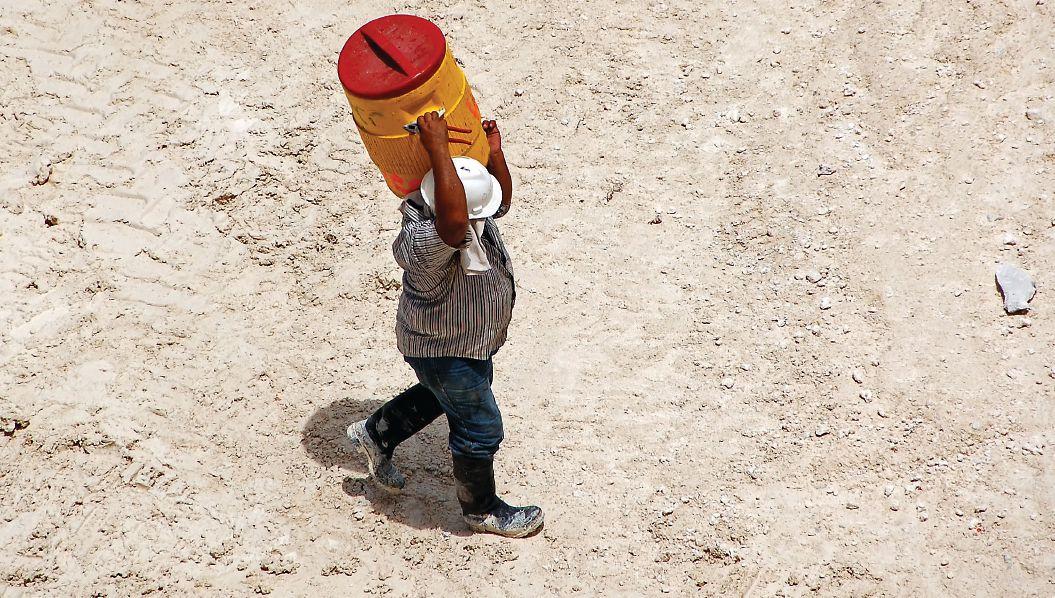
Global temperature records are being broken every year, with regional wildfires and extreme weather events happening, which is indicative that we live and work in a warming world. What does this mean for outdoor workers?
Rising temperatures are not just devastating to nature, wildlife, and vulnerable populations – they also pose significant health risks to workers from heat-related illnesses. To make work environments safer, employers must understand the dangers and take steps to protect workers from extreme heat events.
Understand how extreme heat affects workers, operations
The images we see in film and TV of road heat mirage s are usually
being experienced by an overheated, weary traveler on the verge of collapse. Now picture this scene again with someone hard at work in the sweltering heat, with no shade in sight, and wearing heavy personal protective equipment.
Hot weather can cause various health issues like heat exhaustion and heat stroke. Working for prolonged periods of time in higher temperatures can increase the risk of injuries due to fatigue, lack of concentration, and poor decision-making, which is often accompanied by a drop in productivity.
Hotter temperatures can also increase the levels of air pollution and harmful exposures for workers. Increased sunlight, warmer temperatures, wildfires and droughts, and the buildup of air contaminants due to stagnant air, are all factors that
Bad air
Air pollution, UV rays and heats are a lethal mix for people with chronic health conditions including respiratory issues, heart disease and allergies.
contribute to poor air quality. What typically occurs when air quality advisories are issued is that the presence of air pollution, combined with UV rays and heat, results in a chemical reaction that produces ground-level ozone which is harmful to breathe.
There may also be higher levels of allergy-causing pollen in the air due to longer pollen seasons, and increased production. These impacts on air quality are linked to chronic health issues such as respiratory disease, heart disease, and allergies.
Moreover, increasing temperatures may cause elevated levels of stress on workers, including those who work in emergency services. Outdoor workers may experience stress when they need to change their schedules and hours due to
CCOHS Corner
Canadian Centre for Occupational Health and Safety
the temperature, which can impact their work-life balance.
Equipment and materials, especially those items used outside, can be impacted by higher temperatures, as equipment components are made to work harder and possibly wear out faster. This overheating may cause delays, unexpected disruptions, higher maintenance costs, and an increased risk of injuries for operators and anyone nearby.
Have the right programs and procedures in place S tart by developing a heat stress plan. When will heat stress controls be needed? How will your organization monitor factors that can cause heat stress? Include details on work-rest cycles – when to shorten work periods and increase rest periods – and the heat stress controls that are specific to your work environment.
Extreme heat events should also be addressed in your emergency preparedness and response plans. Have supervisors check in frequently with workers to identify potential heat stress symptoms. Ensure workers trained in first aid and cardiopulmonary resuscitation (CPR) are present and that other workers know who they are and how to contact them. Develop and document first aid procedures for those experiencing heat stress, keeping in mind that heat stroke is
Watch
the weather
Pay close attention to heat advisories when scheduling work outside - and reschedule the work for a cooler time of day.
a medical emergency and help should be called immediately (911 or your local emergency services).
Ask the health and safety committee to address extreme heat events and climate change as part of their work. Promoting access to mental health resources, such as the Employee Assistance Program (EAP), and consulting regularly with workers about scheduling, stress, and fatigue can help encourage a psychologically safe work environment.
Identifying risks before work begins
When working in the heat, implement control measures well ahead of time to protect workers, including providing time for them to acclimatize. In an extreme heat event, workers who are not used to the higher temperatures may find it difficult to deal with the heat while performing their job.
Although extreme heat can put everyone at risk for heat-related illness, the risks are greatest for those with chronic illnesses, such as breathing difficulties or heart conditions, pregnant women, and older adults. Risks also increase for workers performing physically demanding work, those working outdoors or in a building with no air conditioning, or those working with or near equipment that generates heat. Those who are without access to cool drinking water and a shaded or sheltered area to rest are also vulnerable.
whenever possible, reschedule the work meant to happen during heat advisories for a cooler time of day. If rescheduling is not an option, rotate workers in and out of the hottest areas or tasks that are the most physically demanding. Also, ensure workers take plenty of breaks and are provided with a cool and shaded area in which to rest and drink water (the importance of staying hydrated cannot be over-emphasized).
Instruct workers to stop work immediately and report to their supervisor if they experience signs of heat stress. You can also provide mechanical aids to reduce the level of physical effort that is required for tasks, such as dollies, carts, or lifting devices.
Organize work in a way that reduces the pace and therefore decreases overheating. One way to do this is to consider assigning more workers to a task to reduce the level of effort required by each worker. Where appropriate, workers can opt for personal protective equipment that is light and breathable along with sunscreen and protective clothing to prevent sunburns.
The key to avoiding heat-related illness is prevention. Make sure everyone understands the signs and symptoms of heat stress and how to recognize it in others. Instruct them to notify a supervisor immediately if they or their coworkers experience any symptoms, or if they have any health and safety concerns.
Extreme heat events should be addressed in your emergency preparedness and response plans - have supervisors check in frequently with workers to identify potential heat stress symptoms. Train workers in first aid and cardiopulmonary resuscitation.
What workers and employers can do
The most effective way to protect workers is to implement preventive measures and controls to eliminate or minimize their exposure to extreme heat.
Review weather forecasts and pay attention to heat advisories when scheduling work outdoors and
As global temperatures rise, extreme heat is likely to be a regular occurrence during the warmer months. Help your workplace adapt by including procedures to prevent and respond to heat related illness in your health and safety planning, and fostering a culture where workers are encouraged to speak up if they or their coworkers are not well.
Presented
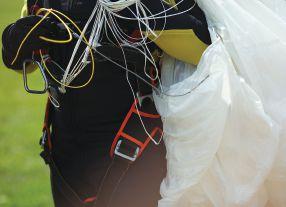
Experienced skydiver dies in parachuting accident: Manitoba RCMP
A woman has died in a parachuting accident north of Winnipeg.
RCMP say the 53-year-old was an experienced skydiver and was wearing proper safety gear when she jumped from a plane Saturday near Gimli, Man.
They say her parachute appeared to open at the proper altitude but she entered into a spin and hit the ground.
Paramedics pronounced her dead at the scene.
Police say three other people were in the plane at the time, and there were no issues with the aircraft.
The investigation is ongoing.
Autopsy: Teen died of blunt trauma in Florida ride death
A Missouri teenager, Tyre Sampson, died of blunt force trauma after accidentally falling from a 430-foot Florida drop-tower amusement park ride in March, according to an autopsy released last June 13.
The autopsy showed that Sampson, who played football, weighed 383 pounds when he died. Sampson was in Orlando with a friend’s family for vacation and his size has been examined as a potential factor.
An initial report by outside engineers hired by the Florida Department of Agriculture said sensors on the ride had been adjusted manually to double the size of the opening for restraints on two seats, resulting in Sampson not being properly secured. A lawsuit by his parents in pending.
Accident near Ontario’s Walpole Island leads to drug find
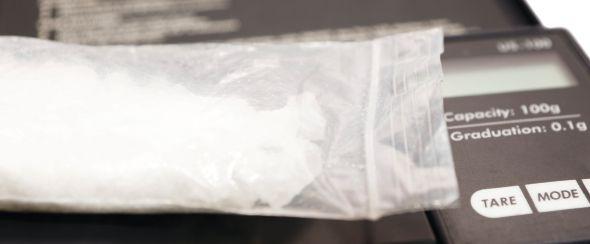
In March 2020, Emerson Sands was driving down River Road when he lost control of his vehicle. He hit a couple of mail boxes, then rolled the car at least twice before stopping jammed on a tree.
Sands was injured, bleeding from a 20 centimetre gash on his left arm. When he was taken to hospital in Chatham-Kent, Ont., police found a large freezer bag of crystal meth.
Court heard Feb. 24 that Sands was carrying 87 grams of crystal meth, two Percocet pills, $5,415 in Canadian cash and $940 in US dollars.
Police also found over three hundred rounds of ammunition for rifles and shotguns in his Chevy Blazer.
Sands plead guilty to drug trafficking.
Number of people who died during extreme heat events in B.C. in 2021, according to Environment Canada.
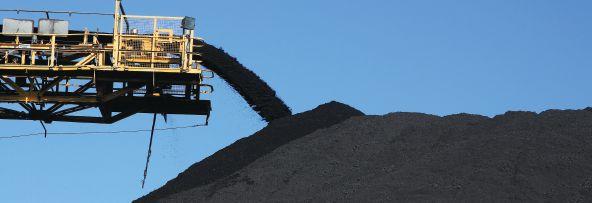
Coal pile slide buries, kills 2 at Colorado power plant
PUEBLO, Colo. – A slide on an 80-foot-high (24-meter-high) coal pile killed two workers at a southern Colorado coal-fired electricity generating plant, authorities said after a day-long search for the victims.
Rescuers found the bodies of the two men buried beneath about 60 feet (18 meters) of coal in the towering pile at the Comanche Generating Station in Pueblo, said Erik Duran, spokesman for the Pueblo Fire Department.
Witnesses said the workers were standing about 30 feet (9 meters) up a slope of the pile when the slide occurred about 8:20 a.m., Duran said. Rescuers located the bodies at about 3 p.m. and later were able to recover them, he said.
Duran described the victims as a man in his 20s and another in his 30s. The names of the victims were withheld until relatives could be notified.
Witnesses reported that the accident happened on a feeder pile for the station’s coal-fired power plant, which is Colorado’s largest and is operated by Xcel Energy.