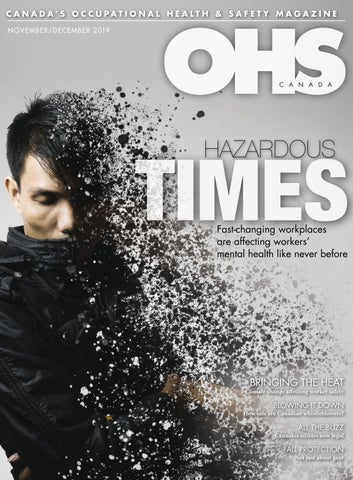
Fast-changing workplaces are affecting workers’ mental health like never before
BRINGING THE HEAT
Climate change affecting worker safety
BLOWING IT DOWN
How safe are Canadian whistleblowers?
ALL THE BUZZ Cannabis edibles now legal FALL PROTECTION
Not just about gear
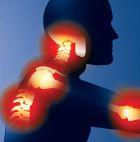
Prevent musculoskeletal disorders (MSDs)
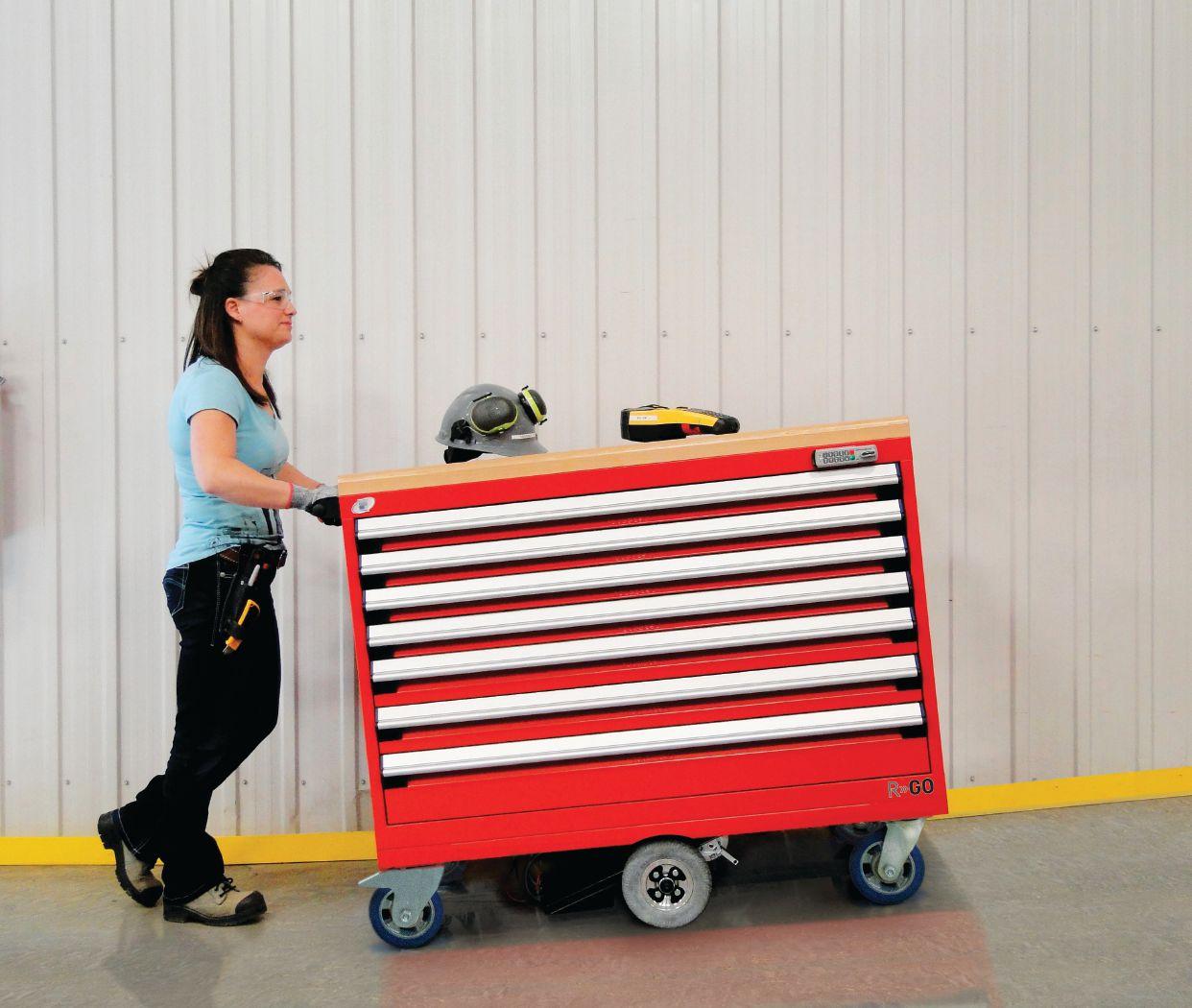
Climb slopes of up to 6 degrees
Stop instantly thanks to the electromagnetic braking system
Protecting minds a priority in
MARCEL VANDER WIER
TREENA HEIN
U.S.
BY PIERRE CHAUVIN
in
Too often, it’s still ‘safety second’
Afriend I once met in the Yukon told me a story I’ll never forget. It popped back into my mind soon after I accepted my new role as editor of OHS Canada.
Growing up, her adventurous father consistently encouraged her to explore the world with reckless abandon, often concluding his advice to her with the words: “Safety second!”
While I can’t be sure of how many heart-stopping moments occurred on this particular family’s hikes, that phrase became a family mantra and the adventure bug still burns brightly within my friend today as she explores the world with an unmatchable joy.
I will never argue a father’s desire to instill a love for unabashed exploration of the world within his kids, but when it comes to the workplace, safety is an entirely different matter. Yet, somehow “safety second” continues to be a mindset that lingers with today’s employers.
I’ve lived my fair share of adventures on account of journalism, covering too many breaking news stories where a safety-first mentality could have kept situations off the front page.
And I’ve endured my own safety mishaps. I’ve felt bone-jarring volts course through my body in the rain while installing an electric fence with my brothers. During my college days, I sliced my hand opening boxes of oil filters while working part-time. And the tips of my nose and toes still turn a special shade of white each winter as a result of frostnip I picked up while photographing huskies on the Yukon Quest trail in 40-below temperatures.
But every one of those incidents pale in comparison to the stories I’ve had come across my desk during my first weeks on the job here at OHS Canada
A temporary worker crushed to death by a machine in Toronto. A government employee dead after a machine snatched her scarf at a Quebec cranberry farm. Edmonton window-washers hanging on for dear life as a windstorm flung their platform around like a wrecking ball. Truly scary stuff.
I’ve quickly come to realize that properly equipping and protecting workers should always be priority No. 1 for employers in all industries. And while most would nod in agreement at this in theory, too often safety is cast aside in lieu of cost, speed or ignorance. Training can remain non-existent or rushed. Safety equipment rules are ignored in favour of comfort. Common sense is an expectation, when it should be taught.
With all of this in mind, I am excited to join the OHS Canada brand and bring you the latest safety stories from across the country in a variety of mediums. For all of the reasons above, it’s important that industry tips and trends remain in your inboxes, newsfeeds and magazines to ensure health and safety remain top of mind at workplaces right across Canada.
And I look forward to connecting with you, dear reader, to hear about your experiences of choosing safety above all else. These stories need to be shared. Because in the world of work, anything less than “safety first” is simply unacceptable.
CIRCULATION MANAGER JAY DOSHI 416-442-5600 EXT 5124 jdoshi@annexbusinessmedia.com
GROUP PUBLISHER PAUL GROSSINGER pgrossinger@annexbusinessmedia.com
COO SCOTT JAMIESON sjamieson@annexbusinessmedia.com
Printed in Canada ISSN 0827-4576 (Print) ISSN 1923-4279 (Digital)
PUBLICATION MAIL AGREEMENT #40065710
CIRCULATION
asingh@annexbusinessmedia.com
Tel: 416-510-5189
Fax: 416-510-6875 or 416-442-2191
Mail: 111 Gordon Baker Rd., Suite 400, Toronto ON M2H 3R1
SUBSCRIPTION RATES
Published six times per year – Jan/Feb, Mar/Apr, May/Jun, Jul/Aug, Sep/ Oct, Nov/Dec
Canada $100/yr plus tax
USA $100/yr Foreign $164.50
Occasionally, OHS Canada will mail information on behalf of industry related groups whose products and services we believe may be of interest to you. If you prefer not to receive this information, please contact our circulation department in any of the four ways listed above.
All advertising is subject to the publisher’s approval. Such approval does not imply any endorsement of the products or services advertised. Publisher reserves the right to refuse advertising that does not meet the standards of the publication.
36%
Percentage of Canadians who say travelling to and from work is stressful. More than one quarter of employees’ commutes exceed one hour.
Source: Robert Half Canada
$60,000
Fine imposed on Varsteel in Lethbridge, Alta., in October following a 2017 incident in which a worker was injured after being struck by two bundles of steel.
Source: The Canadian Press
89%
Percentage of workers who admit they have come to work with cold or flu-like symptoms. More than half do so because they have too much work to do.
Source: Accountemps
21
Legal age of Quebec residents permitted to consume marijuana as of Jan. 1, 2020 — the most restrictive cannabis rules in the country.
Source: The Canadian Press
1. Vancouver A worker in British Columbia’s Lower Mainland died following an explosion in a gas station convenience store in October. After extinguishing the resulting blaze, local firefighters entered the building to discover the deceased.
Source: WorkSafeBC
2. Winnipeg By mid-December, the Manitoba government will introduce a bill to ban public consumption of cannabis in all forms. With edible cannabis products such as cookies expected to be available for sale in December, the province will also raise awareness of the potential hazards of cannabis use.
Source: The Canadian Press
3. Cambridge, Ont. Canadian General-Tower, a pool-liner and vinyl manufacturer based in Cambridge, Ont., was fined $100,000 in October following a 2018 incident that saw a worker incur critical injuries while cleaning a conveyor belt. It is the third conviction under the Ontario Occupational Health and Safety Act for the company.
Source: Government of Ontario
4. Toronto A fire captain was critically injured and a colleague broke a leg after they fell three storeys while battling a blaze in a derelict building in downtown Toronto on Nov. 2. The two were working to drill holes in the top of the building to let heat and gas escape so crews could enter and search for anyone inside.
Source: The Canadian Press
5. Charlottetown Changes to Prince Edward Island’s Occupational Health and Safety (OHS) Act will come into effect on July 1, 2020. The new regulations will provide a definition of harassment to clarify what is unacceptable behaviour in the workplace and set out the requirement for all employers to develop a policy to prevent workplace harassment.
MORE THAN A HEADACHE
Migraines are the second-leading global cause of disability and the third most common disease in the world, affecting more than 1 billion people.
Source: WCB P.E.I.
Source: World Federation of Neurology 360°
Toronto bakery facing heavy scrutiny after worker death
By Marcel Vander Wier
The Sept. 25 death of a Fiera Foods worker in Toronto has sparked protests and a comprehensive review into the health and safety culture and practices at the industrial bakery.
Temporary worker Enrico Miranda, 57, died after a machine he was cleaning crushed him — the fifth worker to die at Fiera Foods and its affiliate companies since 1999.
On Oct. 4, Fiera Foods announced it had appointed lawyer David Young, a former attorney general in Ontario, to lead the review. Young is tasked with combing over operations with a focus on identifying areas of vulnerability and potential improvements, according to a news release.
But the review is too little, too late for labour representatives who are calling for swift and severe penalties on the bakery, and for the Ontario government to intervene.
“Fiera Foods must not be allowed to operate business as usual, and its owners must immediately take responsibility for this tragic death,” said Jerry Dias, national president of Unifor.
On Oct. 8, the Ontario Federation of Labour issued an open letter to Premier Doug Ford, urging the implementation of Section 83(4) of the Workplace Safety and Insurance Act — a clause that would make companies using temp agencies financially responsible for workplace deaths and injuries.
And on Oct. 16, seven protesters were fined after occupying the premier’s office in Etobicoke, just up the road from the bakery.
The company is “heartbroken” by the latest turn of events, said Boris Serebryany, president and CEO of Fiera Foods.
“As an employer, the well-being of every member of the team is a constant concern,” he said.
CLEARER REGULATIONS ON SEATBELTS NEEDED AFTER DEADLY HELICOPTER CRASH
TORONTO (CP) — Clearer seatbelt regulations are needed to reduce the risk of death or injury in accidents like a helicopter crash that killed four men nearly two years ago, the federal transportation safety watchdog said Oct. 30 as it released its report on the incident.
Protesters hold signs in front of Ontario Premier Doug Ford’s office, recognizing the five temporary workers who died at Fiera Foods over the last 20 years.
“We have always worked to create healthy, safe jobsites and always train and support all employees to the same high standard — whether they be temporary or permanent.”
“We know there is more we must do and have asked Mr. Young and his team to bring a new perspective and fresh thinking to this very important matter.”
Young wants to ensure another fatality never occurs at Fiera Foods.
“My mandate is clear — put a safety lens on every operational element of the company and report back with recommendations that can help ensure a culture of safety exists throughout,” he said.
Founded in 1987, Fiera Foods produces bread products for grocery stores and fast-food restaurants across North America.
The Transportation Safety Board of Canada said the government must clarify the definition of a seatbelt in the Canadian Aviation Regulations so that people know they need to wear both the lap strap and shoulder harness. The regulation currently defines a seatbelt as “either a lap strap or a lap strap combined with a shoulder harness,” which the board said may lead people to believe wearing only one of them is sufficient.
The agency made the recommendation as part of its probe of a Hydro One helicopter crash that occurred in eastern Ontario on Dec. 14, 2017. The federal government has 90 days to respond.
The board’s preliminary investigation found an improperly secured tool bag hit the rear rotor of the helicopter before it crashed, and that two of the three passenger seatbelts were undone.
The board’s full probe said investiga-
PHOTO
tors found the lap straps on two of the three seatbelts in the helicopter’s passenger area were unfastened, and the shoulder harness portions were rolled up and secured with electrical tape so they couldn’t be used.
“The power-line technicians may not have attached their safety belts after boarding the helicopter because they perceived the risk on the short flight to be low, or because they had difficulty attaching the belts over their coldweather gear,” the board said.
The crash near Tweed, Ont., killed the pilot and three line workers.
DANGLING WINDOW-WASHER RESCUED FROM SWINGING SCAFFOLDING IN EDMONTON
EDMONTON (CP) — The City of Edmonton says it’s investigating a windowwashing company that was working on the capital’s tallest tower in windy conditions Oct. 25 when a suspended platform smashed into the building and threw a worker over a railing.
The city confirmed to CTV News that Aurum Window Cleaning is under investigation and points to business licensing bylaws as a reason for the review.
Occupational Health and Safety Alberta says it is also looking into the accident in which a platform was whipped into the side of the 66-storey Stantec Tower. A video taken by a witness showed the platform swinging wildly, at one point crashing through a pane on the tallest building in Canada, west of Toronto. The scaffolding then swung back the other way and, when it hit the building again, the worker slipped and was left hanging in a harness.
Emergency crews quickly rescued the worker with a bucket truck.
Gil McGowan, president of the Alberta Federation of Labour, questions why window-washing was going on at a time when Environment Canada had issued a wind advisory with gusts up to 100 kilometres an hour.
“This is an accident that should not have happened,” he said.
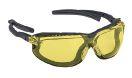
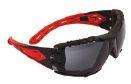
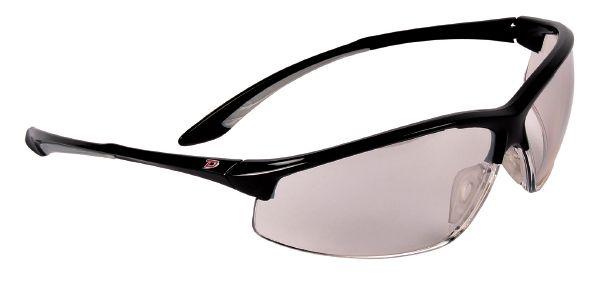
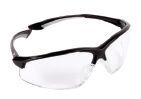
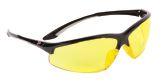
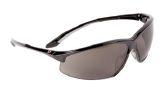
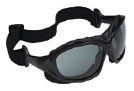
Looking for More Comfort & Fit DSI has it!
Very lightweight – less than 1 oz
9.5 base curve lens for better coverage
EVENT CALENDAR
Stay on top of North America’s premier safety events at ohscanada.com/events.
Partners in Prevention (PIP) 2020
Location: Mississauga, Ont.
Date: April 28-29, 2020 www.PartnersInPreventionConference.com
XXII World Congress on Safety and Health at Work 2020
Location: Toronto
Date: Oct. 4-7, 2020 www.safety2020canada.com
NSC 2020 Congress & Expo
Location: Indianapolis, Ind.
Date: Oct. 5-7, 2020 www.congress.nsc.org/nsc2020
Exclusive anti-fog coating
Double injection temple arms and soft nose-piece to prevent slipping in hot and humid environments
Dyna Shield Dyna Shield
Contemporary dual-lens design with half-frame
Available in Clear, Amber, Smoke and I/O Mirror lenses
Fits a wide variety of different faces
“Whoever was supervising that project should have known about [the advisory] and should have gotten workers off the side of that building right away.”
ONTARIO WORKPLACE INSPECTIONS UNDERWAY IN EFFORT TO PREVENT COMMON INJURIES
TORONTO — Inspectors from the Ministry of Labour (MOL) are holding a workplace safety blitz, in an effort to prevent the most common worker injuries.
Started in October, Labour Minister Monte McNaughton said the three-month project will see inspectors focus on musculoskeletal-injury and respiratory-illness prevention.
“My top priority is workplace safety,” he said. “We all need to be careful about the way we’re working. Lifting, carrying and even sitting the wrong way can lead to injuries.”
In 2017, musculoskeletal injuries accounted for about one-third of all lost-time injury claims accepted by Ontario’s Workplace Safety and Insurance Board (WSIB). They resulted in 19,000 claims, 462,000 days lost from work and $72 million in costs.
The blitz will focus on workplaces in the construction, health-care, industrial and mining sectors.
The inspections will also look at ways to prevent breathing hazards including gases, dusts, vapours and fumes that can lead to illnesses.
Musculoskeletal injuries result from repetitive work, heavy lifting and carrying, as well as awkward postures that affect people’s bones, joints, ligaments and other soft tissues. Back pain, carpal tunnel syndrome, and tendonitis are three prominent examples of musculoskeletal injuries.
McNaughton said staff have been reaching out to employers about the inspections for a number of weeks.
“Everyone has a role and responsibility in preventing musculoskeletal injuries and respiratory hazards,” he said.
“This enforcement initiative will help prevent needless suffering for thousands of workers and ensure they are safe on the job.”
Inspections may include the following checks:
• that materials and people are being lifted and moved safely, and items are stored so they can be safely accessed
• that precautions are being taken if workers are exposed to prolonged vibration, specifically to the hands and arms
• that work is performed safely on ladders
• that workers are acquainted with respiratory hazards in the workplace and work areas have proper ventilation
• that workers who are required to use personal protective equipment (PPE) are trained on its correct use and the PPE is accessible when required
• that PPE is properly maintained and is in good condition.
The current Ontario safety blitz is expected to conclude on Dec. 27.
5 WAYS TO BE READY FOR A SAFETY BLITZ
BY DAVID REITER AND CYNTHIA SEFTON
Safety blitzes in Ontario occur when the Ministry of Labour (MOL) attends a workplace unannounced to inspect the workplace for Occupational Health and Safety Act compliance.
Inspectors’ powers include: the ability to require that documents be produced, tests be conducted and that managers, supervisors and workers answer questions.
The MOL operates on a zero-tolerance basis on inspections and businesses can be shut down until problems are fixed. That is why it is so important to pass the inspection in the first place.
Here are five steps employers should take to prepare:
1. Appoint a competent person (CP) to take charge of inspections. This person should be familiar with the project’s or facility’s workers and with the training they have had and may need.
2. The CP should look to the results of past inspections to get an idea of the areas that should be given particular attention. This information should be used to identify gaps and to develop any necessary practices, processes or training. As well, joint health and safety committee meeting minutes should be reviewed to identify repeat or outstanding issues.
3. The CP should ensure that simple housekeeping points
are addressed. For example, required material must be posted. Training, equipment maintenance and facility inspections should be performed when needed and easily retrievable records should be kept. Violence and harassment policies should be reviewed, updated and implemented with appropriate training.
4. The CP should liaise with supervisors before the blitz and confirm that workers are following their training, and if there are any concerns or issues, that those are being communicated back to the CP for followup.
5. The CP should be trained on how to deal with the MOL. He or she should know what records are available and where they are kept, as well as what processes workers are performing and where the related procedures are kept. With this information, the CP will be able to answer most questions that the MOL is likely to ask during a blitz. By following these five steps, businesses can make a strong first impression with the MOL — both in form and in substance. In turn, this will inspire the MOL’s confidence in the company and its operations, which should result in a smooth and successful inspection.
David Reiter and Cynthia Sefton are partners with Aird and Berlis in Toronto.
PARAMEDIC, TWO KIDS DIE WHEN AMBULANCE RESPONDING TO CALL CRASHES IN SASKATCHEWAN
BEAUVAL, Sask. (CP) — A paramedic and two children died after an ambulance collided with a truck on an icy highway in northern Saskatchewan.
RCMP say the crash happened on a highway near Beauval on Oct. 25, and that road conditions were poor with slush and ice-covered sections.
Police say a man in the ambulance, who was one of just two people in the vehicle, died after being brought to hospital.
They say a male youth and female toddler, who were among five people in the truck, also died after EMS brought them to hospital.
The Saskatchewan Health Authority says in a news release that the ambulance was from Meadow Lake EMS, and the person in the vehicle who died was a paramedic.
The news release says the ambulance was responding to a call at the time.
“Our thoughts and deepest condolences are with all patients, individuals and families that have been involved and impacted by this tragic accident,” the release said, noting the health authority is working to provide mental health assistance where needed.
“EMS personnel put themselves at risk to serve others, so it is especially heartbreaking when they are affected by such a crash.”
HALIFAX POLICE PROHIBITED FROM TAKING SERVICE WEAPONS HOME: CHIEF
HALIFAX (CP) — Officers with Halifax Regional Police are no longer be able to take their service weapons home after work, following a policy change announced Oct. 17 by Chief Dan Kinsella.
Kinsella announced the change as he met reporters for the second consecutive week to discuss charges involving members of the force.
He specifically addressed some of the details involving criminal charges against Const. Jennifer McPhee, 42, who has also been suspended with pay. McPhee is accused in an alleged theft at a grocery store in Halifax on Sept. 13, according to court documents.
Kinsella said the policy change, which takes effect immediately, was not directly related to the incident involving the 17-year veteran of the force.
“It’s part of a broader review of all the policies,” he said. “This is one factor that has come forward that certainly has caused me to look a little deeper into it.”
Rules around the carriage and storage of weapons vary among police forces across the country, Kinsella said, noting the new policy in Halifax is the same one he served under with the Hamilton Police Service before starting the Halifax job in July.
“As far as I’m concerned, there is no need for an officer to have their gun with them outside of regular duties. There may be special circumstances where that is required … and
I have the ability to provide special consideration in certain circumstances.”
As an example, he said exceptions might be granted to officers who are on duty around the clock and who might require their weapon to be readily available.
QUEBEC GOVERNMENT WORKER DIES IN WORKPLACE ACCIDENT ON CRANBERRY FARM
SHAWINIGAN, Que. (CP) — A 35-year-old employee of Quebec’s agriculture ministry died in an accident at a cranberry farm in Shawinigan. The accident occurred the morning of Oct. 4 when the woman fell from a platform while filming at the site.
Provincial police say a piece of the woman’s clothing, later identified as a scarf by the workplace health and safety board, got caught in moving machinery.
Police say an emergency button was pushed to stop the machine and the woman was taken to hospital where she was declared dead.
The provincial workplace health and safety board has opened an investigation that will include an evaluation of the work methods and machinery on the farm.
Quebec Agriculture Minister Andre Lamontagne offered his condolences to the victim’s family and said support would be offered to her colleagues.
Follow us on Twitter @OHSCanada
EDIBLES ADD NEW WRINKLE TO
SAFETY LANDSCAPE
By Dr. Melissa Snider-Adler
Think the conversations around cannabis and workplace safety are subsiding?
Think again.
On Oct. 17 of this year, cannabis edibles, extracts and topicals became legal in Canada. However, due to the requirement of licenced producers to provide a 60-day notice to Health Canada, Canadians will not see these products available for sale until mid-December at the earliest.
The final regulations have some limitations that are aimed at reducing the attractiveness of these products to children and teenagers. By December, Canada should have a better idea of the type of products that will be allowed for sale, but it is expected that we will see baked products, snack food, drinks and creams on store shelves. The market is expected to be large.
What to know about edibles
Ingested cannabis is broken down by our body differently in comparison to smoked or vaporized cannabis, and the experience is also very different. Edible cannabis users wait
longer to feel the effects, which may result in a different type of euphoria or “high.”
After ingestion of cannabis edibles, the active component of cannabis — delta-9-tetrahydrocannabinol (THC) — may take between 30 minutes and two hours before reaching the bloodstream and brain, which means that the individual may not feel any effect for one to two hours.
Effects and impairment lasts significantly longer than smoked or vaporized cannabis. The initial euphoria may last for 12 to 24 hours or more.
The prolonged time between ingestion and effect — compared to effects of smoking or vaporization which can be felt within seconds to minutes — is due to the slow and unpredictable absorption when ingested.
This is due to a number of factors that include:
• amount of food present in the stomach and gastrointestinal system (GI system)
• type of food (fatty versus low-fat)
• how quickly the body moves stomach contents through the GI system
• individual liver differences (where the substances are broken down).
With ingested cannabis, there is a slower rise of THC, as
PHOTO:
well as a larger quantity of an active breakdown metabolite called 11-hydroxy-delta-9-tetracannabinol, which is very potent and can result in a more profound psychoactive and euphoric effect.
Additionally, it is much more common for users to overconsume edibles. Because the effects of the ingested cannabis take so long to feel, many inexperienced individuals do not wait for the full effects and indulge in more edibles, thinking that what they had was not strong enough.
It is not uncommon for individuals who use cannabis with high THC levels to experience temporary psychotic symptoms such as hallucinations, delusions and severe anxiety.
Cannabis extracts include concentrates — or very high potency THC. Some contain up to 95 per cent THC, producing significantly greater intoxication and prolonged effects. In contrast, cannabis used recreationally in the 1960s and ’70s often contained levels of around three per cent.
With these new products, employees who work in safetysensitive workplaces should recognize that what they do on their own time may indeed affect safety in their workplace. Prolonged impairment of edibles means usage on their own time can most certainly spill over to the workday.
Effect on workplaces
Many workplaces do not feel that the new products will impact them any differently than legalized recreational cannabis did.
However, the first quarter of 2019 saw an increase in use of cannabis in Canada with 646,000 Canadians trying cannabis for the first time, according to Statistics Canada.
The National Cannabis Survey 2019 found that 13 per cent of cannabis users disclosed using cannabis before or at work, with the number jumping to 27 per cent when the same question was asked of daily or near-daily users of cannabis.
With edibles now on the scene, there may be greater interest and therefore an increase in use of these products by both experienced and inexperienced cannabis users.
It is important for employers to understand the differences between smoked or vaporized cannabis and the newly legal products so that they can ensure policies are up to date and employees are educated regarding expectations in the workplace. If alcohol and drug testing are part of the policy, it is important to ensure that the appropriate tests are being conducted.
Workplaces can begin by educating their employees about the differences the new legal cannabis products present and their impact in the workplace, especially in safetysensitive situations. Policies should be reviewed and updated to reflect expectations regarding the newly legal products and substance use in the workplace in general.
If testing is part of the policy, ensuring that the tests conducted answer specific questions is of upmost importance. If an employer’s expectation is that staff avoid using cannabis for at least 24 hours before work, a drug test should be able to answer the question as to whether or not the employee used cannabis hours prior to the test.
DriverCheck has seen a substantial increase in the number of companies adding in, or changing to, laboratorybased oral-fluid drug testing. While this methodology is not new, there has been a renewed interest since the legalization of recreational cannabis in 2018.
Oral-fluid testing detects the remnants of THC left in the oral cavity after cannabis is consumed orally, smoked or vaporized. These remnants only remain in the oral cavity for hours before they are absorbed. This allows for a shorter detection window whereby a positive test indicates very recent use of cannabis.
In contrast to this, urine testing detects the metabolite of THC, which can stay positive for days to weeks after use. It is difficult to narrow the time frame of detection with urine testing to confirm when the use of cannabis took place, however.
Oral-fluid testing is also an observed test, which decreases the risk of substitution or adulteration of the specimen — a more common occurance in urine testing.
It is important for employers and employees to appreciate the differences between the various types of cannabis and their specific impacts.
Employee education is of the upmost importance. With these products expected to be legally available by year’s end, now is the time to ensure everything is in place in terms of workplace policy.
Just because cannabis is legal, does not mean that it is without potential risk in the workplace.
Dr. Melissa Snider-Adler is the chief medical review officer for DriverCheck, a third-party workplace medical testing and assessment company in Ayr, Ont.
PRODUCT RECALL ALERT
3M Fall Protection announced an immediate stop use and product recall of the 3M™ DBI-SALA® Twin-Leg Nano-Lok™ edge and the Twin-Leg Nano-Lok™ Wrap Back Self-Retracting Lifelines. In a fall and under certain conditions, the energy absorber of these devices may not properly deploy which could expose the worker to serious injury or death. There have been no reports of accidents or injuries associated with this issue, but these products must be removed from service immediately. If you have one of these products, stop using the unit immediately and submit a recall claim online to receive a free, new replacement unit or have your unit repaired for free. Go to:
NanoLokEdgeRecall.com/claim
QA &
with Chantal Trépanier, first Canadian named to the National Safety Council board
In October, Chantal Trépanier was named to the National Safety Council (NSC) board of directors.
It marks the first time a Canadian will sit on the 100-year-old U.S. board based in Itasca, Ill., which serves to eliminate preventable deaths at work, home, in communities and on roadways.
Trépanier has led Cognibox — a risk management and contractor compliance company — for the past two decades. She lives in Shawinigan, Que.
Q. What does it mean for you to be the first Canadian named to the NSC?
A. I am honoured to be the first Canadian named on the board of the NSC. There are similar challenges in the USA and Canada to achieve the vision of eliminating preventable deaths, so being able to contribute in finding winning strategies in those efforts in our two countries, and to learn from other members on the NSC is a unique privilege for which I am grateful.
Q. Can you describe the importance of this council across North America?
A. The NSC is an influential leader and its depth, experience and knowledge can make a real impact on organizations across North America. I am impressed in particular with how the NSC advocates safe practices generally and thereby promotes workers’ well-being beyond the workplace environment. When safe practices and mindsets are integrated in all aspects of life, this not only contributes to safer communities and families, but also means there is a greater likelihood that they seamlessly became part and parcel of the workplace.
Q. What unique perspectives do you bring to the NSC board?
A. My perspective comes from more than 20 years helping very high-risk, world-class organizations reduce fatalities and serious injuries in their own workforce and those of their contractors. The goal is the same whether workers
PHOTO COURTESY OF COGNIBOX
are employees or contractors, but I have learned firsthand that the means to achieve it cannot be the same. This is a lesson that I am applying daily — there is no one-size-fits-all approach to address all possible cases, and being attentive to the context of each stakeholder helps in introducing lasting and effective solutions.
Q. How will your past experience in OH&S guide your efforts with the NSC?
A. I began my professional journey teaching arts, then I became a primary school teacher and finally for five years I was teaching pedagogy at university to future teachers — an unconventional start to an OHS career. This background gave me the capacity to instill in my colleagues the assurance that they can allow themselves to be creative and to reach beyond what they might have thought to be possible before being tasked with a given assignment — since one of the main challenges in health and safety is still education and the transfer of knowledge, as well as change in behaviour. Great challenges remain before reaching the goal of zero preventable deaths, and solutions have yet to be imagined. I hope to help catalyze innovation and, in that way, make a difference.
Q. What do you think is the most pressing issue in occupational health and safety today?
A. Looking at the data on fatalities versus injuries and illnesses in the last 20 years — with a steady decline for the latter versus a plateau for fatalities — I cannot help but think that we have not done enough in workplaces. The OHS professional community has not universally embraced and implemented structured risk-based and process approaches, or the different tools required to eliminate the low-occurrence fatalities versus high-occurrence, lesser-consequence injuries. A new decade is upon us and although technology is everywhere in some aspects of our lives, we have not made enough strides to implement it to better manage safety at work.
Q. How do you hope to use your influence to instill change in this position?
A. We are in a time of diversity and inclusiveness. Men represent 96 per cent of work-related fatalities in Canada. Granted, they disproportionally occupy a greater percentage than women of high-risk jobs, but have they been guided through the last decades by diverse points of views to drastically change their approach? A female arts teacher by training — now a tech CEO — might help disrupt some ingrained thinking just enough to change how we have approached workplace fatalities so far.
Follow us on Twitter @OHSCanada
? What Company produces a Respirator with the Most Benefits
No one except DSI !
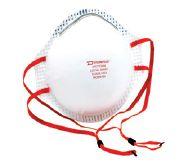
Straps welded on wings, no deformation of respirator when adjusted
Straps are sonically weld, no staples
Nose and face seal closed cell foam for more comfort and fit
Drop down easy to perform
Adjustable strap on all models
Available version for welders
Complete variety from N95 to P100
Call your nearest distributor for more information and a trial
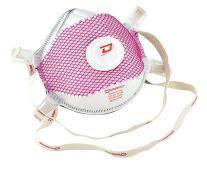
Curved nose clip for a better comfort and fit
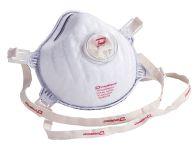
Clear valve cover for easy inspection
Unique Butterfly valve, reduce resistance to exhalation
Adjustable strap made of elastic cloth material for more comfort
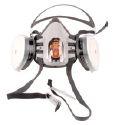
Watch the new Dyna-Pure Series Half Mask & Fullface Mask coming soon!
Trend reversal in Ontario electrical fatalities
Electrical fatalities in Ontario’s general public outnumbered workplace deaths in 2018, according to the Electrical Safety Authority’s latest report.
Occupational deaths typically outnumber non-occupational, but in 2018, four fatalities occurred in the general public and two fatalities occurred in non-electrical occupations.
Two of the fatalities in the general public occurred from craft artists creating branch patterns on wood with an electrical product — a Lichtenberg generator — that had been disassembled and reassembled, creating a hazard. One incident resulted in life-threatening critical injuries.
“The only difference between an injury and a fatality is luck,” says Dr. Joel Moody, chief public officer of the Electrical Safety Authority (ESA) in Mississauga, Ont.
“Electricity is unforgiving and the data shows that when electrical injuries occur, if they are not fatal, they are severe and serious in nature.”
The nearly 1,000 electrical injuries that occur annually within the province are generally split evenly between the general public and the workplace, according to the report. The total number of emergency department visits for electrical injuries has decreased by 44 per cent in the past decade, though more than 80 per cent have been classified as critical injuries.
“We see a steady stream of patients with electrical injuries every year, and those injuries can often be life-changing,” says Dr. Marc Jeschke, medical director of the Ross Tilley Burn Centre at Sunnybrook Health Sciences Centre in Toronto.
“The more awareness people have about preventing dangerous situations that lead to serious injuries, the better.”
According to the report, more than 70 per cent of all electrical-related injuries and fatalities occur in power-line contact; electrical trade workers; misuse of electrical products and unapproved or counterfeit products; as well as electrical infrastructure fires.
Utility-related deaths accounted for 50 per cent of all electrical-related fatalities in the past decade. Last year, there were two power-line fatalities reported.
“It is imperative that we continue to reduce the number of workers injured or killed by electricity,” says Moody. “These Ontarians go to work every day to provide for themselves and their families. Having a safe work environment shouldn’t be a privilege.”
Cancer-causing agents in workplace contribute to 10,000 cases every year
Exposure to cancer-causing agents in the workplace is estimated to cause 10,000 cancer cases across the country every year, according to a report.
Released in September by the Occupational Cancer Research Centre (OCRC) in Toronto, Burden of Occupational Cancer in Canada presents estimates of occupational exposure and the associated burden of cancer by industry, as well as exposure reduction strategies for the most common carcinogens.
A major feature of the report is the evidence-based policy recommendations directed at government, occupational health and safety systems, employers and non-governmental organizations.
“The scientific information presented in this report is based on many years of occupational cancer research in Canada,” according to OCRC director Paul Demers. “In 2012, the OCRC embarked on a multi-year study to characterize the extent to which workplace exposure to carcinogenic substances contributes to cancer in Canada.”
The report is available on OCRC’s website, www. occupationalcancer.ca.
Through policy changes and workplace-based measures, there are many opportunities to reduce the burden of occupational cancer across Canada, the report states.
Key findings include:
• The 13 occupational carcinogens featured in this report contribute to the bulk of the workplace cancer cases reported each year.
• These are: arsenic, asbestos, benzene, chromium (VI) compounds, diesel-engine exhaust, second-hand smoke, nickel compounds, polycyclic aromatic hydrocarbons (PAHs), radon, night-shift work, silica (crystalline), solar ultraviolet radiation and welding fumes.
• Solar radiation, asbestos, diesel-engine exhaust and crystalline silica had the largest estimated impact on cancer burden and also the highest number of Canadian workers exposed.
• Solar radiation: approximately 1.4 million Canadian workers are exposed, causing an estimated 4,600 non-melanoma skin cancer cases per year.
• Asbestos: just over 150,000 workers are exposed, but it is estimated to cause 1,900 lung cancers, 430 mesotheliomas, 45 laryngeal cancers and 15 ovarian cancers annually.
• Diesel-engine exhaust: about 897,000 workers are exposed and every year it accounts for 560 lung and 200 suspected bladder cancer cases.
• Crystalline silica: an estimated 382,000 Canadian workers are exposed to crystalline silica, which annually causes almost 570 lung cancer cases.
Public input sought on proposed CSA standard
Aproposed new national standard from CSA Group on work disability prevention management systems is now open for public review and feedback, with the final publication of the standard expected in the spring of 2020.
To be known as CSA Z1011, Workplace Disability Management System, the draft offers standards of excellence and guidelines to help organizations in the hiring, onboarding, retention, management and return to work of people with occupational and non-occupational disabilities.
It will be a companion to CSA Group’s current management standards on quality, environment, workplace health and safety and risk management systems.
“Creating a national standard for work disability management systems is key to improving work disability management practices and reducing the economic burden of work disability in Canada,” says Dr. Emile Tompa, director of the Centre for Research on Work Disability Policy in Toronto, chair of the technical committee that created the new standard.
No national or international standard is currently available to assist Canadian employers in achieving excellence in their work disability management systems, according to the release. Once implemented, the standard is expected to help businesses achieve fewer workplace injury recurrences, fewer long-term work-related disabilities, fewer work disability absences, lower workers’ compensation costs, improved operational performance, as well as increased worker engagement and productivity.
The CSA Group is accepting feedback on the draft CSA Z1011 standard until Dec. 8.
Visit www.publicreview.csa.ca/ Home/Details/3648 to review.
Canadians get ‘D’ in physical-activity report card
It wasn’t quite a failing grade, but it was close.
A report card issued in October by Canadian nonprofit ParticipACTION gave adults across the country a “D” for overall physical activity.
The report card indicated 29 per cent of Canadian adults fall within the low-active lifestyle category and are sedentary for nearly 10 hours per day.
This is a major concern, as physical inactivity can lead to increased risk of chronic disease, cognitive decline, slips and falls and social isolation among older adults, according to the report.
The report card indicates an “inactivity crisis” across the country, says Elio Antunes, president and CEO of the Toronto organization.
“Physical activity needs to be a vital part of everyday life for Canadians of all ages,” he says. “These report findings need to serve as a spark for change and as a reminder that as we get older, we must remain physically active so we can age better.”
According to the report, benefits of regular physical activity include:
• Staying on your feet: as we age, natural changes like slowed reaction times and decreased muscle and bone strength contribute to an increase in slips and falls. Engaging in activities like strength training or tai chi can help.
• Staying cognitively strong: being physically active can help protect against the onset of dementia and slow its progression. Regular brain stimulation with physical activity can extend brain health.
• Staying connected: one in five adults in Canada experience some level of loneliness or isolation and older adults are at higher risk due to a lack of mobility and shrinking social networks. Making time to get active each day with others builds social connections.
Follow us on Twitter @OHSCanada
So, what’s on your mind?
Ever wonder what other OH&S types are thinking about? Find out by making our website poll at www.ohscanada.com a regular stop.
A IN CHANGING TIMES MINDS PROTECTING
PRIORITY
Workers face unique stresses, pressures as digital economy brings upheaval
BY MARCEL VANDER WIER
In a world where the only constant is change, mental health has simultaneously become the fastest-growing category of disability in the workplace.
That’s according to Lewis Smith, national projects manager at the Canada Safety Council in Ottawa. And while much headway has been made, mental health and depression often remain “tricky subjects,” he says. “They sneak in under the radar.”
“As an employer, you really need to have your ear to the ground and be paying attention to sudden, inexplicable mood changes or even just subtle differences in an employee’s routine or attitude,” says Smith. “Oftentimes, that goes undetected and that can lead to many worse situations.”
The digital economy has ushered in rapid change, leaving lifetime employment as all but a distant memory while non-traditional workers increase in popularity and demand.
The current workforce faces unique stresses and pressures, making mental health an increasingly necessary workplace discussion, says Liz Horvath, manager of workplace mental health at the Mental Health Commission of Canada in Ottawa.
“There’s more pressure on workers. It’s difficult for people... we know that it’s during times of change that we see the highest rates of uncertainty,” she says. “Uncertainty is one of the top causes of chronic stress, and it’s also the time when we see more conflict, more claims, more turnover and more accidents.”
“It makes a lot of sense for occupational health and safety professionals to get more educated about the impacts of work-related factors on mental health, and the impacts of mental health on being able to do healthy, safe and productive [work].”
Stressors are many
Technological implementation, constant connectivity and the rapid pace of change are three of the main issues affecting workers’ mental health, says Horvath.
“We know that technology is intended to enhance productivity. But it’s not until we get proficient in the technology, and in using it, that that enhancement becomes a reality,” she says.
“Until then, we might actually see a decline in productivity. And that decline, combined with trying to learn the new technology, really can add up to a lot of stress load on the worker — in addition to the stress load they already have.”
Employers need to be mindful in terms of how new technology is introduced, says Horvath.
“It can be exciting, but it can also be very frustrating for many employees.”
Constant connectivity can sap focus and time available for reenergizing, she says.
“Most of us are not very good at getting the rest and the rejuvenation that we need for our body and our mind, and that road to burnout is a very slippery slope. If people aren’t
careful, they may not recognize the signs and symptoms until they’re experiencing pronounced signs and symptoms like exhaustion and irritability.”
The job insecurities that have resulted from the rapid change within workplaces has most significantly affected those nearing the end of their careers, says Peter Smith, senior scientist at the Institute for Work and Health (IWH) in Toronto.
And many Canadian households require dual-income earners as a result of rising cost of living, making fears of potential employment loss especially devastating, he says.
“We know these things are related to mental health,” says Smith. “We also need to make the distinction between mental-health conditions that are work-related, and those that are not.”
While both have considerable costs for workplaces, different types of interventions are required, he says.
Progress, setbacks
Conversations surrounding mental health have improved over the last decade, in large part thanks to corporate campaigns such as Bell Let’s Talk, says Lewis Smith.
“As recently as a decade ago, it would have been [near] unthinkable to even bring it up in the conversation, or to suggest you might need to take a mental-health day,” he says. “Now, it’s much more commonly acceptable. It’s much more widely discussed, but we’ve still got a ways to go.”
And while the conversation has lagged in some blue-collar industries, progress is still being made, says Smith.
“There seems to be maybe a little bit more reluctance to open the door and discuss mental health openly and honestly. But certainly, as far as your average office goes, the discussion is being had more and more frequently. And anecdotally, I’m seeing a lot more willingness to discuss mental-health issues, and willingness on employers’ part to make the task as easy as possible for their employees.”
Yet even as mental health becomes a top business concern, appropriate data collection is not being collected to understand the issue at a population level, says Peter Smith.
“At the moment, we’re still taking quite an individualistic approach to mental health — things around building resilience among employees,” he says. “Often the root of these problems is more structural within the workplace — how work is organized… the relationship between management and workers in terms of communication [and] fairness, how work is distributed throughout the organization. These are much more challenging to address in terms of interventions.”
Employers need to think about creating “environments that are less stressful, rather than workers who are more resilient to stress,” says Smith. “I think it would be a good starting point.”
And while some quality workplace programming exists — such as the National Standard of Canada for Psychological Health and Safety — program reach remains a challenge, he says.
“We don’t really know at the moment, but I certainly don’t think the current programs are reaching wide enough.”
IMPLEMENTING MENTAL-HEALTH POLICY
By Sara Malkin and Emily Russell
Canadian legislation has continued to evolve to ensure that invisible disabilities are acknowledged, respected and accommodated to the point of undue hardship.
As such, it is more important than ever before to ensure that employers have considered and enacted workplace policies which clearly contemplate the interplay of mental health in the workplace.
To ensure that your workplace is following best practices in recognizing mental-health conditions, employers ought to consider the following:
1. Make sure that all policies which interact with health or wellness in the workplace contemplate mental health. This means reviewing any discrimination, violence or harassment policies to ensure that issues of mental health are appropriately considered.
2. Where possible, ensure that employee family assistance plans available to workers through group benefits provide resources to support employees’ mental health, wellness and ultimate ability to stay healthy and safe at work.
3. All employees should be trained on policies which address mental-health conditions in the workplace, and ought to be given copies of the policy so they feel empowered and have the appropriate tools.
4. Members of the management team — including HR — should be provided advanced training on these policies to ensure they are comfortable and prepared to assist employees where appropriate.
5. Where complaints of harassment or bullying are raised — with an employee claiming that they have suffered in their mental health as a result — employers must conduct investigations in a timely matter that are appropriate in the circumstances, resulting in appropriate rehabilitation or corrective-action measures where violations of law or policy has occurred. Victims should be supported to facilitate their ongoing active employment.
6. Employers must remember that although a disability may be “invisible,” it has the same protection as any other prohibited ground of discrimination under the Human Rights Code and will attract the same duty to accommodate to the point of undue hardship. Remember that the duty to accommodate has both a procedural and substantive element!
7. In light of evolving workers’ compensation entitlement across Canada, employers should consider whether their policies appropriately address up-to-date workplace injury reporting obligations. Employers should consider addressing mental-health and mental-stress “injuries” similarly to how physical injuries are addressed in their policies, from an accident-reporting standpoint as well as accommodation.
8. Employers should also consider whether it may be appropriate to establish different reporting protocols and contacts for mentalstress “injuries,” noting that some may be related to more sensitive and confidential matters.
Sara Malkin is a labour and employment associate at Mathews Dinsdale in Toronto. Emily Russell is a paralegal with the firm’s CompClaim consulting group.
Workplaces in the throes of change are less likely to offer organizational psychosocial support during those times, says Smith.
“Are we, in effect, preaching to the choir? We can do all the programs we want, but if we’re not measuring things, we don’t really know if they’re being effective,” he says.
“Understanding and measuring mental-health is really the key starting point to addressing and using the workplace as a setting to address mental health in the working population.”
While traditional OHS hazards such as noise or dust can be quantified fairly easily, mental-health risk levels aren’t as easily attained, says Smith.
“When it comes to the psychosocial work environment, we don’t have comparative types of things,” he says. “We need to work on measuring and quantifying work-related psychosocial hazards. We need to provide better guidance to workplaces on how to measure aspects of work that might pose a risk to mental health.”
Unique gig pressures
And while full- and part-time workers feel the pinch, gig and contract workers face more unique scenarios with much of Canada’s minimum labour standards determined by “employment status,” says Finn Makela, law professor at the Université de Sherbrooke in Quebec.
“My impression is that there’s a number of mental-health issues that are arising out of the reorganization of work — and that’s particularly exacerbated in the gig economy,” he says. “But that doesn’t mean that somebody who’s in a standard employment contract doesn’t also have to deal with them.”
In terms of work-life balance, for example, gig workers are under significant economic pressures to be “always available to work,” says Makela. “That wreaks havoc with this ability to differentiate working time from leisure time
and family time, which is extremely important to mental health in the workplace.”
And while some workers gladly choose the gig life, others are forced to turn to contract employment due to economic restraint and shifting models of work, he says.
“Despite the rhetoric about record levels of employment and the labour shortage in Canada, there’s still a lot of people who — for a variety of reasons — are just unable to get into the standard employment contract… [and] a gig job is the [only] game in town.”
Ratings systems in which worker performance is consistently analyzed are another factor in gig workers’ overall mental health, according to Makela.
“When your entire ability to make a living is dependent on decimal points in your ratings that are calculated by an algorithm, then you have this constant pressure to always satisfy the client, no matter how insane their demands. And so, you can see a real problem of depersonalization where the worker is literally alienated from their selves.”
Contract workers face a different set of challenges than those in a standard employment relationship, says Lewis Smith.
“I wouldn’t necessarily say that they’re more or less prone to mental-health issues, but in the gig economy, certainly one of the biggest causes of mental stress is just that — stress. There’s no guaranteed paycheques coming in; it’s very chunked,” he says.
“And because of that, there’s a lack of stability. Stability tends to be one of the more common factors in in getting rid of stress and… mental-health issues.”
Advice for employers
Education remains a primary option for employers looking to better understand mental-health opportunities within the workplace, says Horvath.
“It’s really important for employers and OHS professionals to become educated about mental health,” she says. “There’s a lot of stigma that surrounds mental health still.”
The Mental Health Commission has trained 450,000 Canadians on mental-health first aid and nearly 70,000 on the Working Mind — programs designed to combat stigma and provide action opportunities, says Horvath.
Communication is a critical factor in managing change — it must be multi-directional and continuous. And the focus should turn towards individual resilience, rather than high-level policy, says Lewis Smith.
“The discussion needs to surround the employee, not necessarily the employer,” he says. “Too often, we try to talk about it; we try to talk about what we can do to solve the problem. We try to talk about what we can do to make the job easier.”
“But folks who’re dealing with these issues often don’t want to be talked at. They just want someone to listen and they want to know they’re being heard. And the most important thing that we can do — as OHS specialists — is to make sure they’re feeling heard.”
Interpersonal relationships should be the focus, says Smith.
“We can parachute in solutions all day and throw a whole lot of money at it. But at the end of the day, what’s really going to make the impact is for an employee to know their employer cares enough to go that extra [mile],” he says.
Employers should also be careful to resist the quick victories that short-term decisions can bring, says Makela.
“Certainly, in the short-term, farming out work to third parties — whether it’s apps or employment agencies — can help with the bottom line because it cuts labour costs,” he says. “But in the medium- and long-term, it can backfire because you don’t get the loyalty that comes with standard employees who are willing to go the extra mile — to actually look their boss in the face when they screw up.”
Recent overhauls of employment standards have been “radically inadequate” when it comes to dealing with mental health, says Makela.
While some provinces included provisions to child-care leave, personal emergency leave and scheduling rules, “the problem is that they only apply to employees,” he says.
“There’s whole swaths of the population that no matter how good these acts get, they don’t have access to them.”
Going forward, the pressure on lawmakers will only grow, says Makela.
“I assume that there’s going to be pressure that’s other than simply electoral pressure,” he says.
“The gig economy might be a very efficient way to extract value from workers, but there’s also negative externalities that get shunted off to the state.”
Marcel Vander Wier is the editor of ohs canada Follow us on
BRINGS THE
With temperatures on the rise, the safety of outdoor workers is now more important than ever
BY TREENA HEIN
Awareness of the impacts of climate change has perhaps never been higher in Canada.
It was a central focus in the recent federal election, and dealing with the fallout is something that all OHS professionals need to think about and plan for.
Not only are average temperatures rising globally, but more temperature variability is expected going forward, according to Chris McLeod, associate professor at the University of British Columbia and co-director at the Partnership for Work, Health and Safety in Vancouver.
“We’re going to have more extreme weather events, as well as more extreme hot days and extreme cold days.”
A recent study by the United Nations’ International Labour Organization (ILO) in Geneva, Switzerland, indicates heat stress will have a major effect on workers in the next decade.
A rise of 1.5 C by the end of century may result in a drop of 2.2 per cent in working hours across the world — equivalent to 80 million full-time jobs, according to Working on a Warmer Planet.
Heat stress is an important consideration for worker wellbeing and business profitability, says Catherine Saget, ILO research chief. When workers are not functioning at normal
capacity due to heat stress or other factors, productivity is lower, injuries can occur and equipment damage can result.
“At 26 to 27 C, workers start to slow down,” she says. “At 35 C, worker speed is halved.”
Outdoor work is the most significant concern, as is work in certain sectors where warm conditions are already the norm, such as kitchens, factories and mines, says Saget.
But heat stress can also be present in office environments during a heat wave, she says, noting cities are more likely to have conditions that cause heat stress, with temperatures that can be up to eight degrees higher than surrounding areas.
Warmer air temperatures could also equal rising air pollution levels, according to McLeod.
And as people become more heat stressed, their response to poor air quality may degrade, he says.
“Some may need to be accommodated more than others and given different responsibilities. Age would be one factor, but also body weight and whether or not the worker has a chronic condition.”
Prevention, accommodation
There is a broad range of mitigations that OHS professionals can take to address heat stress, says Saget.
“Employers should provide adequate water, allow workers to work at their own pace and also train everyone to recognize signs of heat stress in themselves and others,” she says.
“They could also make space for dialogue with workers to reach consensus on how to adapt working hours, dress codes, break times, equipment usage and — especially in the construction sectors, with potentially high levels of illegal, migrant and non-organized labour — it is very important to have physical signs and all other aspects of awareness campaigns in the appropriate languages.”
All possible prevention and accommodation options should be assembled in a central heat-exposure control plan, and OHS professionals need to ensure they are trained in when to engage the plan, says McLeod.
Implementing the plan should include a morning meeting — akin to the daily safety meeting that’s held in many workplaces, he says.
“It’s important to be proactive and remind people of things at the beginning of the shift. Go over the plan and how everyone should engage the plan. Maybe there should be supervised hydration, or a place for workers to cool off, and maybe not just water, but water with electrolytes should be available.”
Further strategy could include checking the weather forecast, but also having reliable monitoring systems of the worksite environment in place, according to Saget.
Humidity levels, breeze and other factors all affect how much heat is experienced by humans — and some factors may not be very apparent. For example, because hats reduce the amount of heat that is shed from the head, some experts suggest that workers in direct sunlight should swap their hats for visors.
When people are exposed to hot environments, they burn more sugars, according to Dominique Gagnon, researcher at the Centre for Research in Occupational Safety and Health (CROSH) at Laurentian University in Sudbury.
“Since we store limited stores of sugars, prolonged work in the heat leads to depletion of sugars and fatigue,” he says. “Unless someone working in the heat remains hydrated and ingests small but constant doses of sugars, there is a high likelihood that fatigue will occur, compromising safety, productivity and ultimately health.”
This is where a buddy system can work very well, where workers remind each other to drink enough water and sugars, or to take breaks as mandated in the plan.
However, it’s important to remember that a buddy system is only a part of what an organizational commitment to safety should entail, says McLeod, noting workers may not necessarily be in close proximity to their colleagues throughout a workday.
Having an awareness of collective responsibility, educating workers on signs of heat stress and individuals taking action are each important, he says.
“But we all have to realize that in some circumstances, there must be limits on how much workers are asked to do on a hot day and how long they should work. It doesn’t have to be that hot for these limits to be appropriate.”
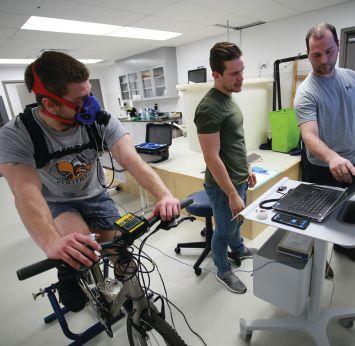
Jean-François Larochelle rides a stationary bike in a laboratory at Laurentian University in Sudbury, Ont., under the watchful eye of student Daniel Clark, middle, and Dominique Gagnon. The group is studying ways to prevent the depletion of bodily sugars during physical work.
Hands-on tools
Some helpful options are already available for OHS professionals in the climate-change fight.
Led by Dr. Ariane Adam-Poupart, the Institut national de santé publique du Québec (INSPQ) is working to strengthen the capacity of workplace adaptation to the impacts of climate change.
The first conceptual framework of the potential impacts of climate change on OHS in Canada, with a focus on Quebec, was published by Adam-Poupart.
In this framework, five types of hazards that could have direct or indirect impacts on workers were identified — heat waves, air pollutants, ultraviolet radiation, extreme weather events and zoonotic diseases.
The framework also includes research on the negative psychosocial impacts on workers of extreme weather events such as floods, workplace risks associated with zoonoses such as Lyme disease and West Nile virus, as well as adaptation measures to protect workers.
Specific tools include pamphlets for workers and employers regarding Lyme disease — available in a variety of languages — and a related interactive training tool, currently available only in French.
Other bilingual tools include guidelines for OHS professionals to calculate break times in heat waves and a worker survey form to guide the creation of a heat-wave report.
Novel technologies are also likely to be introduced in a variety of occupations to deal with heat stress, says Gagnon, and many have already been developed for workers in Canadian mines, including cooling garments, gear and temporary cooling rooms.
Treena Hein is a freelance reporter in Ottawa. Follow us on Twitter @OHSCanada
IN DEFENCE OF WHISTLEBLOWERS
By Pierre Chauvin
The ongoing impeachment procedures against U.S.
President Donald Trump all started with a whistleblower — an employee who believed it was his duty to report potential wrongdoing.
And as Canadians watch the ensuing manhunt to identify said whistleblower, it begs the question: would the situation be much different if it happened here?
Not necessarily, says David Hutton, a whistleblower protection advocate working at the Centre for Free Expression (CFE) at Ryerson University in Toronto, and previously of FAIR — an organization dedicated to counselling whistleblowers facing potential repercussions.
Laws intended to protect public servants across the country do exist, but according to Hutton’s analysis, most of them are ineffective and require whistleblowers to first clear a number of hurdles.
“Canada has the international reputation of being the Titanic [disaster] of whistleblower protection,” he says.
At the federal level, whistleblowers experiencing reprisals can turn to the Public Servants Disclosure Protection Tribunal. But to get there, the Office of the Public Sector Integrity Commissioner has to refer them. And once they start the process, it is up to the whistleblowers to prove that the actions taken against them are reprisals.
“The law stacks the odds against them; it’s very expensive and time-consuming.”
In 12 years, the commissioner has referred seven people to the tribunal and just one managed to get through the entire process — only for the tribunal to rule against the potential whistleblower, according to Hutton.
And the situation isn’t much better for provincial employees, he says.
“A number of the provinces have put in place whistleblower laws but they’re very, very weak… We haven’t studied closely. I don’t think most of them are worth studying.”
‘Intimidating
process’
Despite the general lack of protection, it is important to educate the general public — including people in management roles — on the benefits of accepting whistleblowers’ reports, says Hutton.
“If you have a substantial organization below you, there’s probably some kind of outright wrongdoing or just dangerous incompetence somewhere,” he says. “Do you want to find out about that in time to do something about it?”
“Whistleblowers are people of conscience trying to do the right thing.”
Reporting concerns
While federal legislation centres around public servants, private-sector employees can turn to provincial work and safety legislation.
In British Columbia, for example, the Worker Compensation Act makes it illegal “for an employer or union to penalize a worker for raising a health or safety issue at work,” says Craig Fitzsimmons, media relations director for WorkSafeBC.
“If a worker feels this has occurred, they can file a discriminatory action complaint.”
But that complaint process also has its flaws, according to Sheila Moir, OHS director at the B.C. Federation of Labour.
“Unfortunately, rather than conduct a thorough investigation, workers are often forced into a mediation process — an intimidating process for workers who may not have representation.”
The complaint process is run by the Workers’ Advisers Office (WAO) — independent from WorkSafeBC, she says.
The WAO can order an employer to pay lost wages for reprisals taken against an employee reporting safety concerns, but it also requires the workers to “mitigate [lessen] their losses if the employment relationship has ended.”
Seeking protection
Those enforcement mechanisms need to change, according to Moir.
“Currently, workers have no recourse to collect any monies awarded from the employer following a discriminatory action complaint and the board has very little authority to enforce the payment.”
At the CFE, Hutton and his colleagues are working on the launch of a much-needed whistleblower helpline. For now, they haven’t publicized it much while they await being fully staffed, but they do take cases.
“Potentially we can support anyone from any industry and any part of the country,” he says.
“If you’re a federal or a provincial employee and there is a law supposed to protect you, then you need our guidance and help just as much — perhaps more — because those laws are so ineffective and problematic.”
Pierre Chauvin is a freelance writer in Victoria.
Hear. Here.
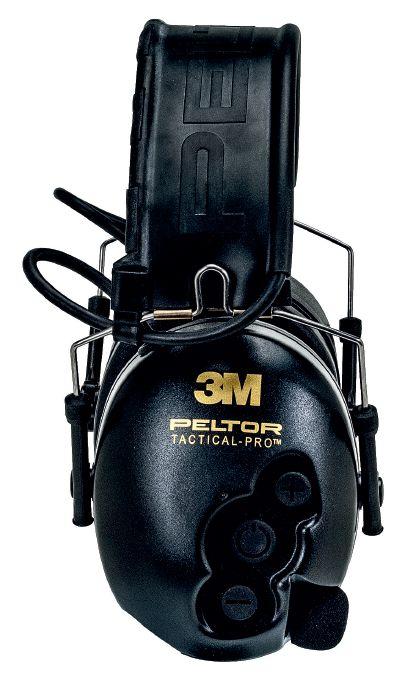
Help stay protected and connected. 3M™ PELTOR™ TacticalPro sound-filtering technology helps protect workers’ hearing without hindering it, so they can clearly hear what matters, including voices and important sounds. Because using all of your senses makes good sense.
Experience PELTOR™ innovations for yourself and book a demo today at 3M.ca/Peltor.
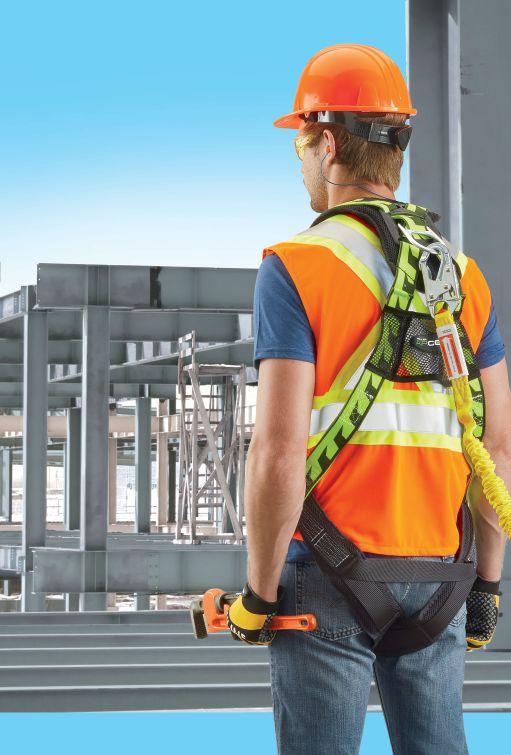
One part gear, one part mindset
BY MARCEL VANDER WIER
If recent video footage of a free-swinging window-washing rig in downtown Edmonton isn’t enough to convince workers about the importance of fall-protection gear, fatality statistics should be.
Of the 951 Canadian workplace deaths recorded in 2017, 63 were due to falls from heights, according to John Fuke, technical services manager at 3M Fall Protection in Mississauga, Ont.
Fall protection continues to be a main issue in workplace safety, as too many workers still believe they are immune to this type of injury, he says.
“‘It’s not going to happen to me. I’ve been on the roof for 25 years, and I’ve never fallen.’ Or ‘every time I fall, I’ve gotten up and gotten back to work.’”
“It’s something that seems to be ingrained in people,” says Fuke. “And if a safety philosophy is not being pursued within an organization, then people will live to that credo. It has to be reinforced through organizational thinking.”
In general, Canadian workers need to wear protective gear at heights over three metres, though the standard is lower in some jurisdictions, he says.
South of the border, workplace fatalities caused by falls from heights are second only to automobile accidents — with 700 to 850 occurring each year in the United States, according to Chris Irwin, global fall protection trainer with MSA in Cranberry, Pa.
“The information’s out there — it’s just that there’s so much that I think it’s hard for a lot of people to get their
arms around everything,” he says. “The methods of control that are used to deal with the issue are fairly varied. So, different situations will typically lend themselves better to different types of fall-protection controls.”
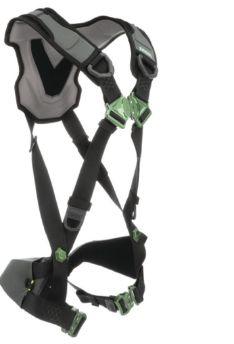
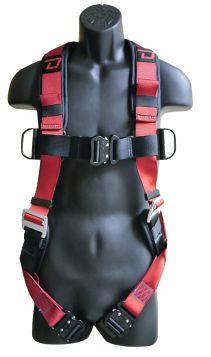
Personal fall-protection systems typically consist of a body harness, anchor and connecting devices, says Irwin.
Challenges, misuses
Cavalier attitudes, complicated CSA standards and mandated training focused on specific areas each contribute to the continued problems in reducing workplace falls, says Fuke.
“There are mandated programs, for example, on roofers and the product that’s reviewed in-depth in those training programs focuses on roofer issues, and not necessarily general fall protection,” he says. “[Or] you might be giving them general fall protection training, but they might need something more specific.”
Regulatory review and enforcement are also an issue, says Fuke, who would prefer to see penalized employers receive a list of options to become compliant.
“I’m not saying give the solution, but give them a direction,” he says. “Give them a map. Give them an arrow.”
Misuses vary from incorrect usage — such as tying knots in vertical lines — to outdated gear, with some employers continuing to use entry-level gear simply because fall protection is not considered in worksite planning, says Fuke.
Common misuses include the following:
1. Harnesses worn incorrectly with leg straps too low or chest straps too loose due to “perceived restriction.” Falling in this type of scenario could cause enhanced trauma
to the pelvic area, he says. “The pain is ridiculous; it can actually kill you.” If upper straps are not tightened properly, a user could squirt out of the harness in a fall.
2. Rope grabs of inappropriate length. Roofers often use lifelines with six-foot lanyards when requirements indicate three feet or shorter is necessary. “If you have twice the freefall that you’re allowed, you’ll blow through the energy absorber in a 12-foot freefall,” says Fuke. “The lifeline and the rope grab are not designed for that kind of impact. Because of that misuse, CSA has chosen to put the 30-inch permanently affixed lanyard to the rope grab.”
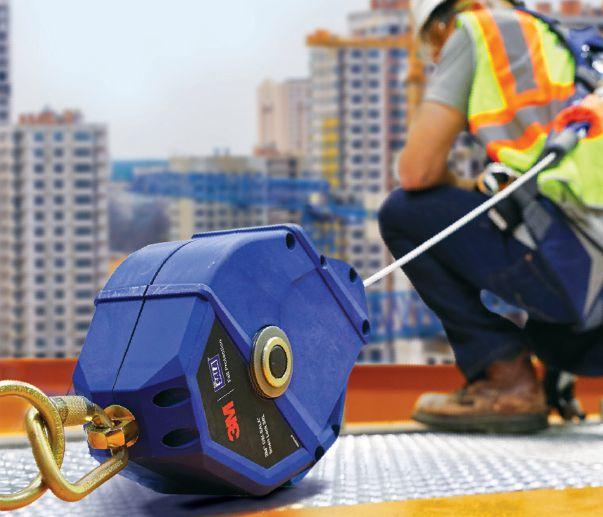
3. Using a standard SRL (self-retracting lifeline) that’s not made for foot-level anchorage to tie off in a construction application. “Again, you’re increasing freefall beyond the capacity of the device and you expose the lifeline to an edge [which could sever the lifeline].”
Tying off at foot level when equipment is only designed for overhead tie-off is another misuse, says Irwin.
“There are a lot of things that regular users do on a regular basis that they don’t understand how dangerous it can be to them if they were to fall,” he says. “They think they’re hooked up. And they think that everything is okay because they’re tied off. But there’s much more to the big picture.”
Choosing your gear
Fall protection equipment is not standardized, but rather depends on the hazards and occupations present at the jobsite, says Fuke.
“In some cases, you can’t tie off overhead, which means you’ve got to go to a leading edge or a tie-off-at-your-foot capability,” he says. “In some cases, you need arc-flash protection; in some cases, you don’t. So a lot of it is work dependent and anchor-point dependent.”
Following the ABCs of fall protection is a solid way of ensuring safety and compliance, says Fuke.
• A is for anchorage connector. It must suit both application and anchor position.
• B is for body support device or harness. “We don’t rely on belts anymore for fall arrest. You can for restraint, but we don’t recommend it,” he says.
• C is for connector perspective. Workers can use lanyards, SRLs or hybrids, depending on the task and need for vertical or horizontal mobility, says Fuke.
• There’s also one more — D is for descent and rescue. “How are you going to get the guy down? What are the key elements that you need and the key products that you need to get that person… out of a fall situation?”
Fall protection gear continues to advance, with companies spending plenty of time and money on streamlining design, says Irwin.
“In the 10 years that I’ve been doing this, it really has advanced a lot when it comes to padding — the way the straps sit on your body when you’re wearing the harness; features — whether it be tool loops… anti-suspension trauma straps, there are definitely a lot of updates,” he says.
“When it comes to fall protection gear, that which is
lighter, more comfortable to wear and — definitely when it comes to costs — what is affordable is going to be the stuff that employers are going to buy.”
Today’s hot topic in fall protection is leading edge, says Irwin, as some traditional gear has not held up when a worker has dropped over a sharp edge.
Advancements are taking this into consideration in terms of larger cables and self-retracting lifelines — including connecting the energy absorber directly to the user to lessen the amount of force on the cable when it bends at 90 degrees over a leading edge, he says.
Planning ahead
Forming a proper fall-protection plan that adheres to regulations is a great first step towards establishing a safe environment, says Irwin.
“There’s the requirement to lay out your personnel — who’s going to be involved in this program,” he says. “Typically, we’d be talking about a fall-protection program administrator to be in charge of making sure roles are assigned and training takes place.”
Fall hazards need to be identified while workers exposed to them require training.
“At a high level, you need to find your personnel,” says Irwin. “You should know what jobs have fall exposures and then decide who in those jobs are going to fall into those particular roles.”
Following this, a process for identifying fall risks on a job-by-job and project-by-project basis would need to be completed. Controls will change slightly as job type changes, he says.
“That’s where having someone who is properly trained on the regulations and who is knowledgeable about the equipment that exists to mitigate the hazards really is important, because they can step in.”
Keeping up with changes in technology and legislation is also crucial, says Irwin.
Marcel Vander Wier is the editor of ohs canada Follow us on Twitter @OHSCanada
Winter-proofing your work zone
By Nina Sharpe
Winter construction work poses unique challenges that, without the proper knowledge, can put your workers at risk. To make construction sites safer this winter, here’s a list of safety tips that will significantly lower risks and threats.
Preseason planning and hazard assessment
Before the winter season arrives, a preseason meeting should be held, involving management, clients, contractors and workers. The meeting should address topics related to the schedule of activities, requirement and availability of material and equipment, site mobilization and hazard assessment.
Hazard assessment is not a one-time activity. The site, weather and equipment should be surveyed every day to ensure there are no hazards present.
Common hazards include:
• slippery surfaces and reduced traction
• potholes covered in snow
• poor road conditions
• falling snow and ice from the top of roofs of buildings and equipment
• sudden snowstorms
• reduced visibility
• poor lighting
• downed power lines
• big rocks and other large items buried under ice.
Another important step to ensuring worker safety is monitoring the weather and using weather forecasts to create work schedules.
Since weather forecasts more than 10 days in the future are not accurate, it’s best to not depend on preseason forecasts, but rather update work schedules with new weather information every day.
Snow removal, de-icing and sanding are crucial after heavy snowfalls. Walkways and roadways should be prioritized. The construction site should also have enough snow removal tools and equipment.
Building and trailer winterization
Not all buildings are fit to be used by construction workers in the winter, so it’s important to figure out which buildings can be occupied and which will be sealed off before work begins.
Even buildings in excellent condition may require additional steps to prepare them.
A building being used during construction should have:
• snow removal equipment placed on decks, walkways and stairs
• storage locations for de-icer and grit
• “no-slip” material such as salt and sand on stairs and walkways
• handrails on stairs
• adequate lighting
• all doors and windows latching securely
• properly working piping and utility systems (in sub-zero temperatures, heat trace with insulation or an antifreeze treatment may be required).
Winter PPE selection
Personal protective equipment (PPE) is the last line of defence. The correct PPE can go a long way in mitigating the risk of hypothermia and injuries.
Through the winter season, it is imperative that workers wear clothes in layers. The base layer generally includes thermal innerwear (top and pants, wool socks). Then comes
the insulating layer (jackets, windbreakers) and finally the outer layer (face masks, outer wind-block pants).
It’s important to wear clothes in layers as workers can shed layers easily if the temperatures suddenly increase or the sun comes out. This is important, as too much clothing in warm temperatures would lead to excessive sweating. If the temperatures were to dip again, the sweat could increase risk of hypothermia.
There are some key factors that should be taken into consideration when selecting winter PPE for different work roles. These factors include mobility, vision (certain eyewear can block line of sight) and dexterity. Boots, gloves and eyewear should also be chosen carefully depending on the work environment and employee role.
It’s recommended that the PPE should be ordered and stocked up in September to ensure enough units are available.
Emergency preparedness, response, evacuation
Emergency preparedness includes topics such as emergency communications, response times and evacuation procedures.
It’s important that the necessary drills and procedures are tested and taught to workers during the planning stage.
Here are some things to keep in mind during emergencies:
• Due to bad weather, emergency services and first responders can take significant time to arrive on scene. It’s important that workers are given basic training to administer first aid.
• Every vehicle should have a first-aid kit, torch, batteries, food, blankets, snow removal equipment and radio. In case the vehicle gets stuck, operators should be trained to radio for help and stay inside the vehicle.
• Shelter in place needs to be identified or set up before work begins.
• A site-wide alert system should be installed for notifications. This could be done through a PA system — although remote workers and vehicle operators should also be notified of severe weather or of any other emergencies through a radio.
• Evacuation plans should be drafted during preseason planning and a secondary contractor should be on call for snow removal and evacuation, especially if there is a chance of weather conditions deteriorating severely.
Vehicle, equipment maintenance
Vehicle operation, maintenance and safety procedures change a fair bit in winter. Ensure heavy equipment operators and workers are safe by:
• conducting a thorough check of the machinery (look for snow and ice buildup, cracks, rust, severed or frozen pipes)
• letting the vehicle warm up before beginning work
• ensuring all fluids are at optimal levels
• referring to the manufacturer’s guide to ensure tires are at the right pressure
• checking engine pressure, lights, horns, radio and making sure all emergency equipment is present during warm-up.
Other tips to remember
Finally, winter construction workers can stay safe by:
• avoiding excessive coffee consumption and other caffeinated/energy drinks
• making sure a warm breakroom is always open
• avoiding excessive sweating by taking breaks when necessary
• ensuring work temperatures do not fall below legal range
• being aware of the signs of hypothermia and frostbite and the correct steps to follow if signs are present.
The winter season changes safety procedures and it is important to begin preparing months in advance.
If construction in the winter season is regular for you, it would be worthwhile to invest the time and money into creating a dedicated winter safety program.
Nina Sharpe is a content writer for SkidHeaven.com, writing about heavy equipment and construction safety. Follow us on Twitter @OHSCanada
Navigating the new world of safety communications
By Alan Quilley
I’m not sure how you are dealing with the exciting world of constantly changing social networking — blogs, streaming, ezines, tweets, apps, eBooks, Snapchat and podcasts. I’m personally embracing as many possibilities as I can to enhance my communication with my clients and friends.
It’s a confusing time when trying to learn multiple approaches to communication that simply weren’t there a few years ago.
As I explore these many emerging and newly preferred technologies, I have to wonder just how our safety management approaches are being impacted now and will be impacted in our near-future. There are certainly more questions than answers.
• What will these new processes and abilities to communicate with our workers bring to efficiency and effectiveness?
• What will be the impact of employers tweeting safety messages to their employees and contractors? Will it be a positive addition to our arsenal of communication approaches we’ve historically used?
• How useful will interactive blogs be to improving communication with our workers about critical safety issues? Will the old adage “build it and they will come” ring true?
These are very real questions with serious consequences in the world of safety management diligence. How will judges view new versus traditional communication methods when OHS issues make it to our courts?
Multigenerational audience
In a multiple-generational workforce of several “technologically competent” levels of proficiency, how will we make our communication accessible, compelling, effective and efficient? Will the 65 year old and the 18 year old both receive our messages in the same way?
These questions are more than philosophical in nature; they need to be answered and quickly.
At this moment, we are holding safety meetings with multiple generations. Are we asking them what the best ways to communicate with them are? If not, we are missing a golden opportunity.
The best way to communicate with anyone is to ask them. I have long suggested to everyone who will listen that the
best meetings to hold are those that the participants design themselves. In my opinion, to do it any other way will guarantee your meetings will fall short of your desired result and outcome expectations.
Speed of change
It’s been said that change is not new — it’s the rate of change that seems to be ever increasing. YouTube tells us that there are approximately 300 hours of videos loaded by users every minute. How in the world are we to keep up with the latest information?
And that’s not the only challenge. How are we to sort through all of that data and find the valid and important information? How do we tell myth from reality?
People in the business world are expected to stay on the edge of current thinking and knowledge. How in the world can we do that without exposing ourselves to the conversations of today?
What is current is not only interesting, but vital to our development. What has changed recently is the speed of change. Whatever data you just read or watched has probably changed by the time you’re finished taking in the material.
There is of course a silver lining to every dark cloud.
As wrong as the internet can be, it can also provide amazing factual detail which, up until very recently, was frustrating to find and often not available at all. Pre-internet, I spent most of my lunch hours in public libraries looking for books that were usually on loan to someone else. Frustrating to the max.
On the totally positive side of what is new, I have found great support in selecting some very fine safety professionals around the world to link to. I highly recommend that we all link to others in other cultures and work environments to test your thinking. If indeed you have the right answer to your challenges, these should be supported by what others think is possible and plausible. If not, perhaps you need to reflect more on your approach and decisions.
At this stage in our communication adventures, we have more questions than answers. Don’t become overwhelmed. Decide how you are going to face these ever-changing challenges and embrace the technology.
The learning curve will always be steep but it is a challenge that is not optional. It’s essential!
Alan Quilley is the president of Safety Results in Sherwood Park, Alta.
Recent OHS Canada articles have caught the attention of our readership. Would you like to share a comment? Send your letters to OHS Canada or comment on any of our stories online. Comments are subject to editorial approval. Letters published in print may be edited for style, grammar and length.
TRY TURNING DOWN THE MUSIC
Re: Fit For Hearing (May/June issue, Safety Gear)
Your article discusses noise exposure of service workers in restaurants, bars, lounges and stores.
I find most of the excessive noise is due to amplified music being played in the establishment. Even fast-food outlets are not exempt. One McDonald’s restaurant played music so loud, it was uncomfortable even for 20 minutes or so.
The noise level can be reduced by shutting off the loud music. The only use for public address systems is announcements to patrons and staff.
People will appreciate the quiet in stores, bars and restaurants.
Heather Dawn Green
HAVE A HEART, WINNIPEG!
Re: Winnipeg transit rejects signage in memory of bus driver killed on job (Website News, Feb. 15)
Maybe Winnipeg transit needs to be a little more sympathetic towards the needs of their drivers.
I’m not a transit driver, but I am a professional truck driver, and I can only imagine some of the horrible and disgusting things bus drivers have to put up with on a day-to-day basis.
Not allowing the drivers to post something in memory of the driver lost is plain disrespectful, not only to its employees, but to the surviving family and friends as well.
Really people… what can it hurt?
Stewart Geworsky
STILL SEEKING ANSWERS
Re: Healthier Minds and Bodies (Sept/ Oct issue, Feature)
This article ignores the fact that the Guarding Minds survey has not been proven to produce meaningful answers.
The only similar survey which does, according to the Institute for Work and Health, is the one used in the Mental Injury Toolkit and StressAssess. Those tools also focus much more on organizational changes, rather than individual ones.
As a student of work organization and “stress,” I know that studies say the former are the most important to reduce stress and strain.
Dorothy Wigmore
VIOLENCE AGAINST NURSES MUST END
Re: Violence against nurses is unacceptable (Website Opinion, Oct. 17)
My wife is an RN and works in behavioural health. She tells me that being hit, spat at, sworn at is part of the job. As I am a health and safety professional for a living, obviously I do not agree.
Forget the government, what does the ONA do for the protection of their own? The weakest union I have ever seen in my life.
Auto workers and manufacturing unions would never put up with the abuse that health-care workers must endure as a part of their stated responsibilities. It is amazing what behaviourally we get used to as human beings, good or bad. Time for the ONA to step up, too!
Kirk MacKenzie
It’s not only RNs or RPNs, it’s the frontline workers and the PSWs that take the abuse.
It’s increasingly important for workers in Canada to put self-care first.
Toxic workplace culture that ignores employee wellness is known to have contributed highly to the demise of mental health in public safety professions.
When “stress” takes us right out of the game, it’s often too late to recover.
For an enlightening examination of why Quebec is thinking along a right track, Google “Stress Portrait of a Killer” and watch it through.
Impositions of “stress” aren’t necessarily the problem here. Of course, workplace stress should be minimized as much as possible. What gets us in trouble is that we don’t consider stress as causing harm to our physical wellbeing. The longer we’re exposed without right relief, the greater is the damage done over time.
It’s time we pay much more informed attention to this reality.
Darren Gregory
Would you like to share a comment? Send an email to mvanderwier @ohscanada.com. Letters may be edited for style, grammar and length.
PHOTO BOMBER
GATLINBURG, TENN. — An unexpected wedding guest recently had a photographer fearing for the worst. While shooting images of the bride and groom at their outdoor venue in the Great Smoky Mountains, Leah Edmondson noticed a large black bear in the background of the shots. The bruin meandered around the wedding site, before making a “huffing” noise and heading towards the couple. “He jacked my heart rate up to Jesus,” said Edmondson, according to the Huffington Post
DOGGONE IT!
ALABAMA — An Alabama man was seriously injured when the dog he had tied to the handlebars of his four-wheeler accidently hit the throttle and ran him over. The dog’s leash tangled with the throttle, causing the ATV to hit the man, according to local station WKRG-TV. The highway was shut down for a time as the man was airlifted to hospital. He is expected to recover.
TRICK-OR-TREATERS BEWARE
ILLINOIS — Candy-seeking children in the state of Illinois needed to ensure they weren’t breaking the law on Halloween. According to WROK News Talk 1440, children older than Grade 8 could face fines of up to US$1,000 for trickor-treating in the city of Belleville, while trick-or-treaters in the village of Forsyth could be penalized up to US$750 for approaching a house that does not have its porch light on.
TURNING THE TABLES
KENTUCKY — It wasn’t the safest option, but she took it. While being robbed at gunpoint in a Country Inn and Suites, a Kentucky hotel clerk grabbed the gun away from the thief
FLAG FLAP
TORONTO — The Canadian flag has been removed from several Toronto Hydro buildings, apparently due to a breach in health and safety rules. The flags had become “very dangerous” for hydro crews to maintain, according to the company, as reported by the Toronto Star. A hydro spokesperson indicated the flagpoles and structural supports were not up to current code, and some were in areas that made flags difficult to access.
after he had set it down on the counter to stuff money into a bag. Security footage shows the clerk pointing the gun at the robber, who was unable to retrieve his weapon before fleeing in a waiting car, the Associated Press reports.
PEACE OUT
CHINA — A Chinese pilot has been banned for life from flying following a social-media faux pas. In January, a woman posted a photo to the micro-blogging site Weibo, featuring herself making a peace sign while sitting in the cockpit next to refreshments with the caption: “Thanks to the captain. So happy.” The photo, which appears to have been taken in the air during an Air Guilin flight, went viral in early November, causing the airline to take action and suspend the pilot for violating air safety regulations, according to BBC News.
RAGE ROOM
PHILADELPHIA — Aside from their mascot “Gritty,” Philadelphia Flyers fans haven’t had much to cheer about in recent years. But going forward, the NHL hockey club is encouraging supporters to let out their aggression in a Disassembly Room. Unveiled this season, fans can pay to don a jumpsuit and helmet before spending five minutes breaking various items adorned with visiting team logos. Supporters receive a fresh chance to enter the room at every home game, at a cost of $30 per session.
Follow us on Twitter @OHSCanada
A digital gathering place for modern health and safety professionals.
Centuries ago, the Town Square formed a solid, central root within the community—a space to gather and share information to keep life and business moving. The Town Square still exists today, only now, the centre of your professional community is available online with 3M Canada’s Personal Safety Division.
Webinars. Whitepapers. Infographics. Your trusted safety resource hub.