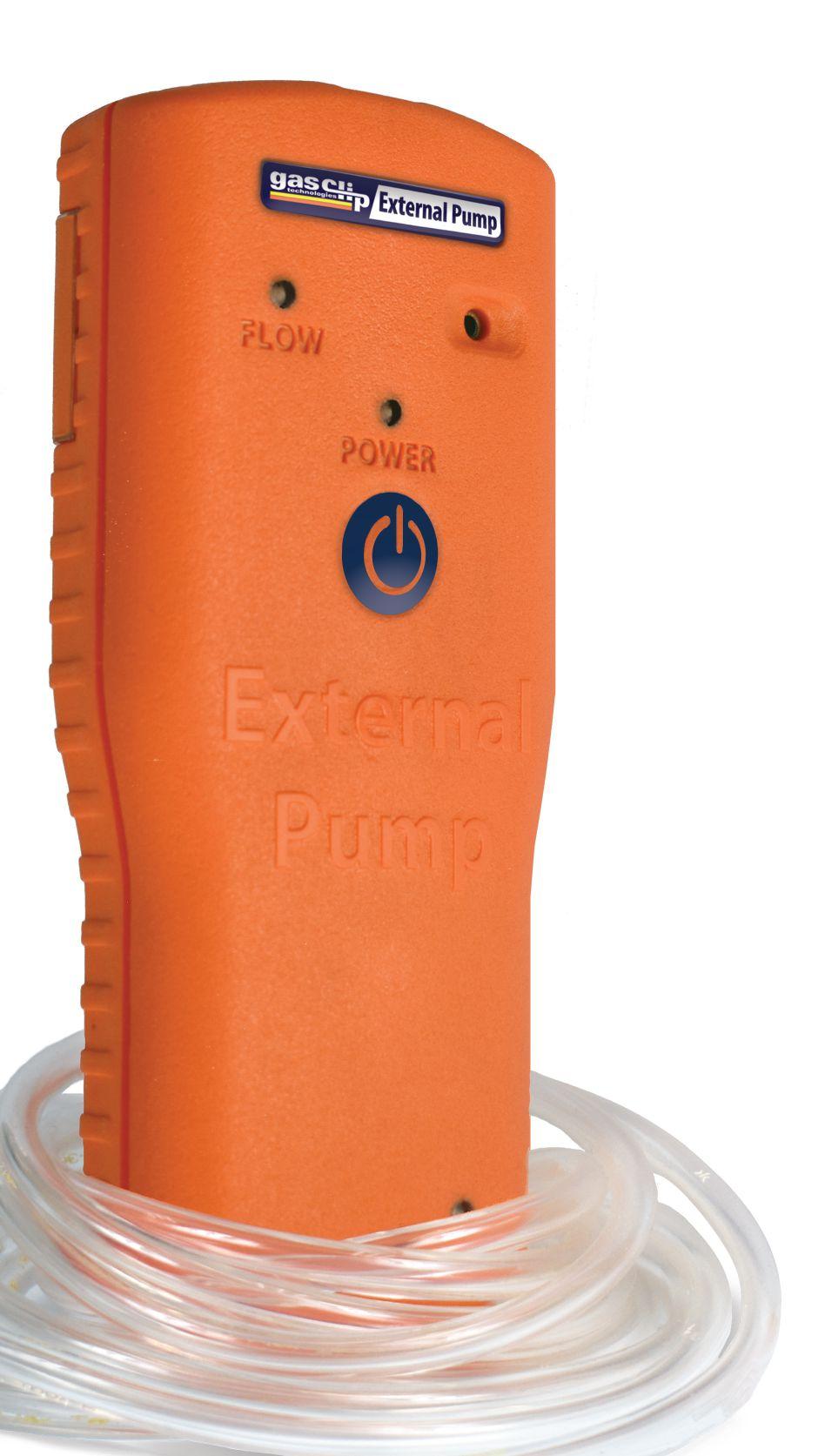
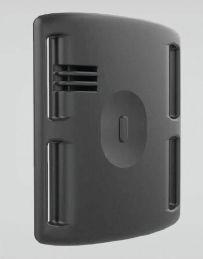
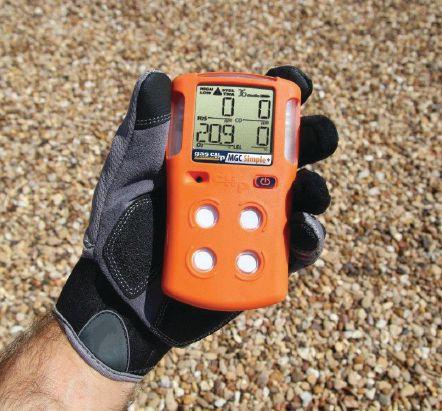
Give any Gas Clip diffusion detector the ability to take remote samples from up to 75 feet away.
May & June
Available for pre-order July *Official Launch*
Available for purchase through Gas Clip distributors worldwide
DEPARTMENTS
04 | From the Editor
At last, hope is on the horizon
| In the News
| Hot Items
| Safety Gear
New era dawns on gas detection
| CCOHS Corner
Turning up the heat on summer safety 30 | Time Out
10 | Legal View
In the midst of a global pandemic, it’s better to be safe than sorry 11 | Safety Leadership
What skills are needed today to tackle the risks of tomorrow?
12 | Neurosafety Happiness and stress as leading indicators
13 | Person of Interest
Remembering Alan Quilley
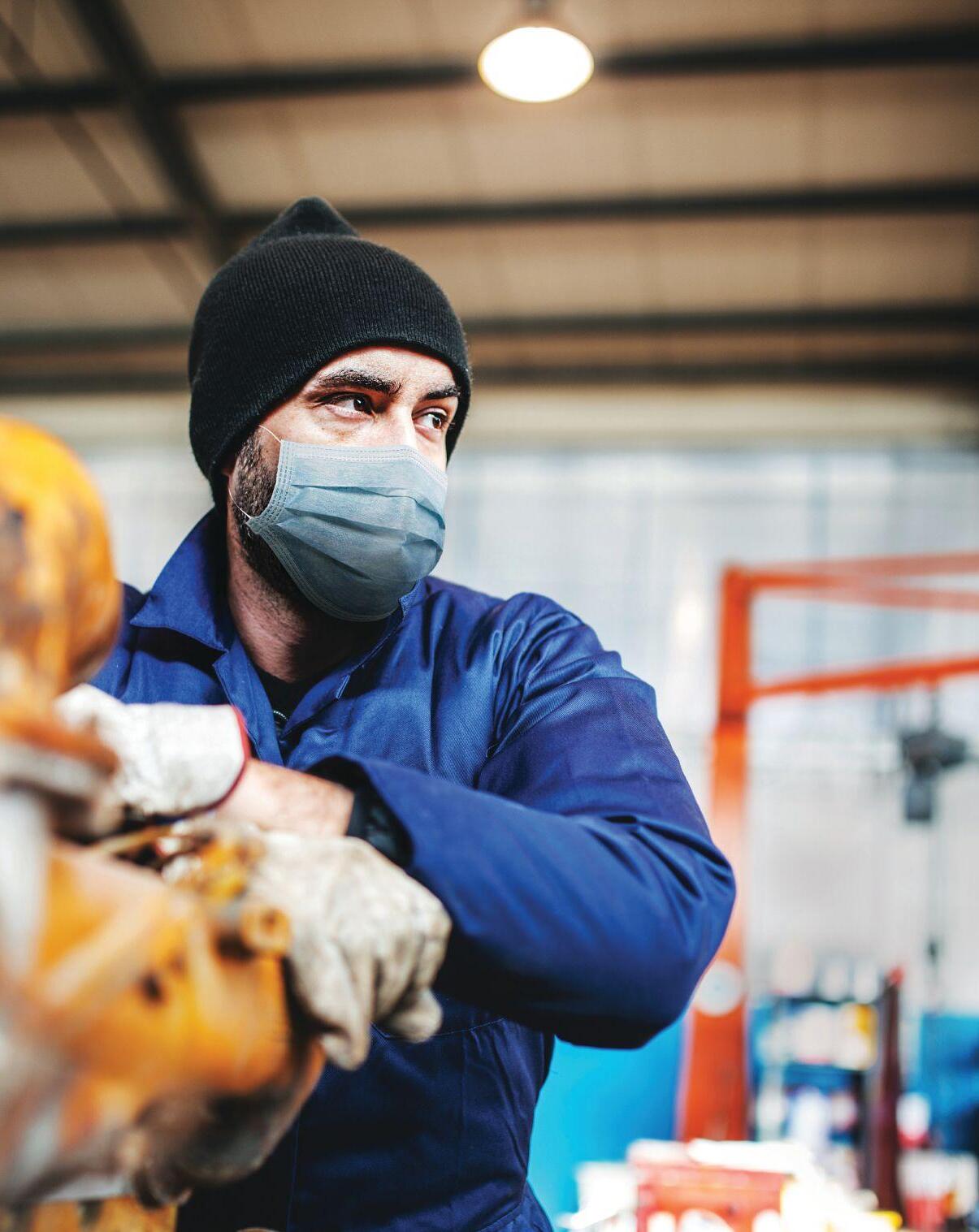
Staying vigilant against COVID-19 As the pandemic continues into its second year, workforces battle fatigue BY
MEAGAN GILLMORE
BY JACK BURTON
Work-related mental illnesses cost more than physical issues
Study examines effect of psychological injuries BY PETER SMITH
By Marcel Vander Wier
At last, hope is on the horizon
The light at the end of the pandemic tunnel is growing brighter by the day.
Vaccinations are rolling out across the country and Canadians are lining up to beat COVID-19.
In Yukon, pandemic restrictions have now eased to the point where restaurants can return to full capacity, amongst other freedoms for fully vaccinated citizens.
A variety of provincial reopening plans have also been announced in recent days, including the eventual removal of mask mandates.
It’s been a long 15 months that saw 25,000 deaths across the country and nearly 3.5 million worldwide, but at last, hope is again on the horizon.
It’s been an incredibly tough stretch for political leaders, affected families, and essential workplaces and we look forward to sharing stories of OH&S excellence in our July/ August issue, where we will unveil 2021’s Top 10 Under 40, OH&S Professional of the Year, Community Leader and Lifetime Achievement winners.
For now, though, employers
need to continue slogging through any COVID-19 fatigue into the upcoming summer. Ma sk mandates, pandemic safety protocols and physical distancing measures remain standard practice in workplace settings.
With vaccination plans progressing, better days are ahead for a pandemic-weary nation.
Our cover story on page 14 takes a deep dive into the struggle to maintain compliance into a second year of coronavirus, as experts agree that diligence and thoroughness are critical to a successful victory over COVID-19.
Sticking to the fundamentals, practising proper physical distancing and hygiene, and wearing PPE will go a long way towards that goal.
From a government perspective, maintaining the current rate of vaccination alongside public health and workplace safety measures is the ticket to ensuring Canada’s eventual reopening.
EDITORIAL ADVISORY BOARD
Paula Campkin: vice-president of operations, Energy Safety Canada
Cindy Moser: director of communications, Institute of Work & Health
Natalie Oree: prevention consultant, SAFE Work Manitoba
David Powers: EHS director (Atlantic), Sysco Canada
Community transmission of COVID-19 continues in many areas across Canada, and new variants of concern have been identified and are circulating.
Official federal government advice is to strictly use multiple personal preventive practices, regardless of your vaccination status.
As efforts continue across Canada to increase overall vaccine coverage, public health measures remain the foundation of the pandemic response.
In the fall, more restrictions will be lifted if 75 per cent of those eligible for vaccines have received two doses, according to the federal government.
With Canadians rolling up their sleeves and vaccination plans progressing, better days are ahead for a pandemic-weary nation
I, for one, am looking forward to leaving this global crisis behind and moving on to post-pandemic analysis such as improvements in emergency management, preparations for future natural disasters, and ushering in the future of work.
Let’s all do our part to ensure the COVID-19 pandemic is a once-in-a-lifetime event.
May/June 2021 Vol. 37, No. 3 ohscanada.com
READER SERVICE
Print and digital subscription inquiries or changes, please contact Barbara Adelt, Audience Development Manager
Tel: 416-510-5184
Fax: 416-510-6875
Email: badelt@annexbusinessmedia.com
Mail: 111 Gordon Baker Rd., Suite 400, Toronto, ON M2H 3R1
Ross Anderson 289-925-7565 randerson@annexbusinessmedia.com
GROUP PUBLISHER Paul Grossinger pgrossinger@annexbusinessmedia.com
COO Scott Jamieson sjamieson@annexbusinessmedia.com
Printed in Canada ISSN 0827-4576 (Print) ISSN 1923-4279 (Digital) PUBLICATION MAIL AGREEMENT #40065710
SUBSCRIPTION RATES
Published six times per year – Jan/Feb, Mar/Apr, May/Jun, Jul/Aug, Sep/Oct, Nov/Dec Canada $100/yr plus tax USA $130/yr (100 USD) Foreign $214/yr ($164.50 USD)
Occasionally, OHS Canada will mail information on behalf of industry related groups whose products and services we believe may be of interest to you. If you prefer not to receive this information, please contact our circulation department in any of the four ways listed above.
Annex Business Media Privacy Office privacy@annexbusinessmedia.com Tel: 800-668-2374
All advertising is subject to the publisher’s approval. Such approval does not imply any endorsement of the products or services advertised. Publisher reserves the right to refuse advertising that does not meet the standards of the publication.
Richard Quenneville: senior director of corporate services, T. Harris Environmental Management
Maureen Shaw: lecturer and presenter
Dylan Short: managing director, The Redlands Group
Medical exception letters
required in Alberta for those who don’t wear masks
(CP) —Alberta has moved to close loopholes people might use as a way to avoid wearing masks in public indoor places.
Dr. Deena Hinshaw, chief medical officer of health, said May 13 that effective immediately, anyone not wearing a mask where required will need to have a medical exception letter.
Wearing masks remains a “critical public health measure” to help stem the spread of the COVID-19 virus and there are a “limited number of health issues” for which a mask exception is possible, she said.
Those include sensory processing disorders, developmental delay or cognitive impairment, mental illness disorders, facial trauma or recent oral or jaw surgery, contact dermatitis or allergic reactions to masks.
“This letter is important to have, especially if requested by enforcement officials for not complying with the legal requirement to wear a mask in indoor public spaces,” said Hinshaw.
The letters must come from a nurse practitioner, physician or psychologist, she said.
WEB POLL: How much are legislated lockdowns affecting your business operations?
Major disruption …….. 51% Minor adjustments … 38% No changes needed … 11% Total responses ……..… 130
Provinces balance reopenings with vaccine progress
Many provinces are setting their sights on reopening as Canada’s COVID-19 vaccination pace brings optimism, but leaders are warning that those plans could be curtailed if people don’t get their shots.
Federally regulated employer fined $250K following fatality
A North Vancouver employer has been fined $250,000 following its conviction for failing to ensure the health and safety of an employee at its bulk terminal facility one of the largest fines levied against a federally regulated employer in Canadian history.
The penalty is one of the largest levied against a federally regulated employer in Canadian history.
In October of 2018, an employee of Neptune Terminals was performing maintenance at the worksite when a metal grate beneath his feet came loose from its clips, causing the worker to fall 17 metres to his death.
Following an investigation, the employer was charged with 10 counts under the Canada Labour Code and Regulations. The investigation had determined that in the years prior to the accident, Neptune had been warned multiple times by engineers
and other employees about the safety of the clips; specifically, they had been told that the clips would need to be replaced by a new design, but the work was never done.
After negotiations with the Crown, Neptune pled guilty to one charge of failing to ensure the health and safety of an employee under the code, with a recommendation of a fine in the amount of $250,000.
On May 7, 2021, Neptune was sentenced in North Vancouver Provincial Court. The Court accepted the penalty submission of $250,000, which represents one of the few Canadian penalties reaching this level under the code for safety offences.
The largest remains a total penalty of $550,000 levied against the RCMP after a lengthy trial in 2018, where the fine was $100,000 plus $450,000 in required donations in honour of three deceased RCMP officers.
In determining the size of the fine, several factors, including the company’s blameworthiness, their size and ability to pay, their safety record and actions taken to prevent further deaths, were taken into consideration. Courtesy of Mathews Dinsdale
B.C. to give workers three days of paid sick leave for COVID-19
(CP) Workers affected by COVID-19 in British Columbia will qualify for up to three days of paid sick leave under proposed legislation that Premier John Horgan says will plug holes in a federal plan and lay the groundwork for a permanent program.
“No one should have to make the difficult decision between staying home when they’re sick and going into work because they have an economic imperative to do so,” Horgan said.
“We’re making that choice a little bit easier.”
Labour Minister Harry Bains introduced amendments May 11 to the Employment Standards Act that he said would be effective until Dec. 31 and apply to anyone who shows COVID-19 symptoms, self-isolates or gets tested.
Employers will be required to pay workers their full wages and those without an existing sick leave program will be reimbursed by the government $200 per day for each worker.
Nova Scotia launches paid sick leave program
(CP) Nova Scotia has announced the launch of a new $16-million paid sick leave program.
Premier Iain Rankin said people who miss less than 50 per cent of their work week in a one-week period due to COVID-19 may be eligible for up to four paid days. That includes people who are getting tested, isolating while waiting on test results or getting vaccinated.
The program is for sick days taken between May 10 and July 31 and covers wages up to $160 a day. Rankin said the goal of the program is to eliminate possible infection in the workplace.
25K
Canada’s total death toll as a result of COVID-19 reached 25,000 on May 18.
Ontario to give all workers three paid sick days, reimburse business costs
(CP) Ontario will give all workers three paid sick days to help employees take time off to self-isolate during the pandemic.
Labour Minister Monte McNaughton announced the measure April 28 after months of intense pressure from experts and advocates who’ve said sick leave would help reduce workplace outbreaks.
McNaughton says the province will reimburse employers up to $200 a day for what they pay out through the program.
He says the program — which will be administered through the Workplace Insurance and Safety Board — will be retroactive to April 19 and will end on Sept. 25.
“Our government has long advocated for the federal government to enhance the Canada
Recovery Sickness Benefit (CRSB) program to better protect the people of Ontario, especially our tireless essential workers,” said McNaughton.
The sick leave program is retroactive to April 19, and will end on Sept. 25.
“It is a tremendously positive step that the federal government has signalled their willingness to continue discussions on the CRSB. Now we can fix the outstanding gap in the federal program so workers can get immediate support and can stay home when needed.”
Employers pause, reflect on National Day of Mourning
April 28 was the National Day of Mourning, where employers remember those who have lost their lives or suffered an injury or illness due to their work.
The Workplace Safety and Insurance Board (WSIB) called on all Ontarians to take a moment to pay tribute to the people who died, were injured or suffered illness in the workplace and honour the loved ones they left behind.
“The pandemic has reminded us that preventing injuries and illnesses has to be the top priority of any workplace not just today, but every day,” said Elizabeth Witmer, WSIB chair, in a press release.
“In 2020, 245 people in Ontario died because of work-related injuries or illness, and 28 of these deaths were caused by COVID-19.”
U.S. safety council calls on employers to lead vaccine promotion, uptake
On May 11, the National Safety Council (NSC), a United States non-profit workplace safety advocate in Itasca, Ill., said it is time for employers to lead U.S. vaccination efforts, understanding this is the best route to a safe, collaborative and productive work environment free from masks and social distancing.
NSC President and CEO Lorraine Martin said that, while vaccines bring great benefits to the workforce, employers now have more complexity in planning a safe transition back to a physical workspace beyond essential workers, particularly when some people are vaccinated and some are not.
NSC released guidelines including paid time off for immunization and recovery, on-site vaccination clinics, help with scheduling and transportation, and support of peer-to-peer vaccination promotion efforts.
Ontario Court of Appeal expands potential risk to employers
In 2020, 151 workers in B.C. died from a workplace injury or disease — 63 were fatalities due to traumatic injury and 88 were fatalities due to occupational disease.
On April 23, the Ontario Court of Appeal released its decision in Ontario (Labour) v. Sudbury (City). The decision should be of concern to all owners and employers, as it could significantly expand liabilities under the Ontario Occupational Health and Safety Act (OHSA) on construction projects, and affect advance planning and structures for construction project safety and management.
It suggests that an employer may have broad OHSA responsibilities solely on the basis that it had a worker on the project — perhaps despite engaging a constructor.
It appears to set aside equitable considerations of context and the scope of an employer’s role on the project — or, at least, leave their consideration to the discretion of OH&S inspectors or Crown prosecutors.
In this case, the City of Greater Sudbury (the “City”) tendered a typical construction project. The City contracted with a general contractor (the “GC”) who undertook the project as its “constructor” with overall responsibility for health and safety.
As is common, the City monitored project quality and contract
compliance through inspectors it sent to the project.
Tragically, in September 2015, a member of the public was struck and killed by a road grader operated by an employee of the GC. At the time of the accident, there was no signaller, fencing, or paid duty assistance from the police. A City inspector was not on the project.
The Ministry of Labour investigated. Amongst other things, the City was charged as an “employer,” alleging it had failed to ensure a signaller was used and a fence was erected as required.
After a trial, the City was acquitted of all charges on the basis that, in the circumstances, it was not an “employer.” After an earlier Crown appeal was unsuccessful, the matter came before the Ontario Court of Appeal.
A very narrow rationale was applied in finding that a party who meets the OHSA definition of “employer” is responsible for ensuring compliance at the project. Therefore, the City had to ensure compliance because it sent inspectors to the project. The Court did not consider factors such as the scope of the City’s role on the project.
Courtesy of Mathews Dinsdale
extended until June 2
The province of Ontario will remain in a stay-at-home holding pattern until June 2, Premier Doug Ford announced May 13.
“While we are seeing positive trends as a result of the public health measures put in place, we cannot afford to let up yet,” said Ford. “We must stay vigilant to ensure our ICU numbers stay down and our hospital capacity is protected.”
All public health and workplace safety measures will remain in effect.
“If we stay the course for the next two weeks, and continue vaccinating record number of Ontarians every day, we can begin looking forward to July and August and having the summer that
everyone deserves.”
Alongside the stay-at-home order extension, all public health and workplace safety measures under the provincewide emergency brake will also remain in effect.
During this time, the government will prepare to administer the Pfizer vaccine to youth between the ages of 12 and 17, beginning the week May 31, as the province also finalizes plans to gradually and safely re-open the province.
All publicly funded and private elementary and secondary schools in the province will continue to operate under teacher-led remote learning.
Data is to be assessed on an ongoing basis and medical experts, including the Chief Medical Officer of Health, and other health officials will be consulted to determine if it may be safe to resume in-person learning.
Legal View
By David Reiter
In the midst of a global pandemic, it’s better to be safe than sorry
COVID-19 orders put new spin on reasonable precautions
SARS was the pandemic du jour in 2003.
While it wasn’t as devastating as what we’ve all lived through with COVID-19 these past 15 months, it was nonetheless devastating in its own right. So much so, that Ontario appointed Justice Archie Campbell as an independent investigator under the Health Protection and Promotion Act to lead a Commission of Inquiry into the introduction and spread of the disease.
In his report, it was noted that one of the dangers that follows new diseases is underreaction. It is to be guarded against in times of emergency, and the commission made the point that when the public is faced with the acute dangers associated with a pandemic, the absence of scientific certainty ought not to be used as a reason for postponing decisions or action where there is a risk of serious or irreversible harm.
To put it simply — in a pandemic, it’s better to be safe than sorry.
This idea is known as the precautionary principle, and at its core, it calls for decisive action to be taken to protect health and safety when one is dealing with the as-of-yet unknown or not understood.
Precautionary principle in action
This principle has found new (or revived) relevance in the face of COVID-19, and recently it appears to have started to impact employers’ obligations as they relate to worker health and safety.
The most recent manifestation of this principle can be seen in a recent decision of the Ontario Labour Relations Board in which the board applied the principle to uphold orders that the Ministry of Labour had issued against a warehousing and distribution facility.
Briefly, the facts were as follows:
• The employer operated a 500,000-square-foot warehousing facility that serviced almost 650 retail locations.
• Workers were able to convene for meals in a 1,200-square-foot lunch room that had been set up to accommodate a very limited number of tables (18), each of which was separated from the other by at least six feet, and seating was limited to 34 spaces.
• Along the tables, each seat area was protected by Plexiglas that extended two feet above the table, and one foot beyond the table.
• As well, lunches were staggered over three separate time periods to minimize traffic, and employees had been instructed and trained to wear and use masks, except when they were seated and eating.
• Finally, traffic-flow markers were installed, and supervisors were staffed to ensure compliance with the protective protocols.
Meeting minimum requirements doesn’t necessarily satisfy due diligence.
Even with these exemplary measures in place, the Ministry of Labour (on an inspection at the facility) still issued several orders requiring that further measures be implemented.
These included further separating tables so that workers walking between them would be able to maintain six feet on all sides at all times; requiring further
lunch areas be provided, and requiring employees to wear face shields in addition to masks when they weren’t eating.
Considering due diligence
The employer objected to these orders and asked that they be stayed pending appeal, arguing in part that the law of due diligence doesn’t require that all risks be eliminated, but only that reasonable measures be taken to protect workers.
In so doing, it also argued that the requirements exceeded that which was being required by public health units and that the ordered precautions weren’t based on scientific certainty.
The Board dismissed the application. In doing so, it found that the minimum requirements set by legislation (or authorities) were just that — the minimum.
In reliance on due diligence cases, the Board noted that meeting minimum requirements doesn’t necessarily satisfy due diligence, and that in the context of a pandemic where all face increased risk and uncertainty, the precautionary principle demanded that the orders not be set aside.
This case may stand as a warning. It is one of the first that speaks to the Ministry of Labour’s, and the Board’s, expectations of employers when it comes to due diligence during the pandemic, namely that all available precautions that reasonably may have the potential to protect workers should be taken.
In short, if the case is any indication, the precautionary principle may be setting the stage for what may and may not be reasonable while COVID-19 is with us, and, given the risks associated with the virus and the increased penalties associated with workplace health and safety contraventions, employers would do well to take note.
David Reiter is a partner with Aird and Berlis in Toronto, and a regular columnist for OHS Canada
Safety Leadership
By Lisa McGuire
What skills are needed today to tackle the risks of tomorrow?
Safety pros need to be equipped with appropriate competencies
We have consistently recognized the importance of protecting workers.
Still, the pandemic has elevated the significance of just how critical health, safety and well-being are to operate businesses successfully — especially in the manufacturing sector where the workforce is required to be on-site.
News reports of COVID-19 outbreaks in plants showcase the impact when safety controls are unsuccessful; business’s productivity and employee retention depend on protecting workers’ mental and physical health.
At the same time, manufacturers’ futures rely on how effectively they can address four significant challenges:
• the changing nature of manufacturing work
• an aging workforce driving an increase in the hiring of younger and less-experienced workers
• technology changes in the plant
• the unpredictability of economic globalization.
These factors have a direct impact on the occupational health and safety (OH&S) risk to workers.
And when manufacturing leaders look to build, evolve and strengthen health and safety controls, they turn to health and safety practitioners to protect their people and their business.
OH&S
an emerging multi-disciplinary profession
The pandemic has highlighted just how vital the OH&S practitioner is to supporting COVID-19 safety plans while overseeing the many other health and
safety risks in the workplace. Today’s OH&S professionals need a range of skills to support changing environments, including occupational medicine, epidemiology, occupational hygiene, mental health and human factors.
They also need interpersonal, management, industry-specific and technical skills to equip them for the work ahead. In their advisory role, their expertise informs the employer on decisions impacting workers’ health, safety and wellness — they deal with life-and-death issues every day.
While it remains crucial to maintain or exceed regulatory compliance in the workplace, we are increasingly seeing a shift towards a more preventative and holistic approach to workplace health.
OH&S professionals need to partner with other disciplines to advise industry leaders and policymakers on a wide range of issues. To be effective advisers, new OH&S professionals will also need to develop the insight to understand the risks and hazards in the workplace and how they interact within the complex environment of people and business.
Aligning expectations is key
For the past five years, the Manufacturing Safety Alliance of BC has researched the impact of labour market issues in British Columbia’s manufacturing sector for the health and safety profession.
This research included broad participation with manufacturing and union leaders, OH&S professionals, and industry associations across Canada. It has highlighted the need to define a standard set of competencies for OH&S professionals within the manufacturing sector.
The safety profession is largely unregulated, and a broad range of certifications and credentials provide inconsistent and conflicting guidance on the core
competencies of a health and safety professional. We need a clear definition of skills to ensure that professionals in this critical role have the training they need to support their development and the success of their employers.
Mismatched expectations, lack of standardization and burnout fuel a revolving door for OH&S roles. Employers expect specific training and skills, and safety professionals assume they have the skills needed for the job.
Too often, those expectations fail to line up.
To combat this trend, the manufacturing sector requires new provincial and national standards that prepare individuals to perform their job effectively and meet the needs of employers.
Towards standardized accreditation, certification
Education programs must align to a standard set of competencies to ensure that new practitioners have the skills they need to be effective.
Manufacturing also requires additional specialized training because of the complexity of specific risk areas.
OH&S practitioners will need to demonstrate the application of these critical skills — like many other professions — and expand that skill set through continued education and training that enhances their role and addresses new and emerging risks.
Accreditation and certification oversight for this critical profession is long overdue. It needs to start now to meet the growing demands for the health and well-being of workers, OH&S practitioners and businesses.
For more information, visit safetyalliancebc.ca/ sector-labour-market-partnership.
Lisa McGuire is the CEO of the Manufacturing Safety Alliance in Chilliwack, B.C., and a regular columnist for OHS Canada.
Neurosafety
By Theo Heineman
Happiness and stress as leading indicators
In safety management, leading indicators are highly valuable predictors of future losses to people, property, process and the environment. They are early warning signs of potential safety management system failures and give organizations the opportunity to identify and control deficiencies before they result in incidents.
Typical examples of leading indicators include: hazard and near-miss reporting; the amount of time it takes management to respond to incident reports (indicating management commitment to workplace safety); and the frequency and findings of workplace inspections.
As our understanding of neuroscience evolves, how we manage workplace safety and health must also evolve.
Let’s take workplace attitudes or “happiness” as an example. When we better understand the chemistry of human emotions and their effects on the brain and nervous system, it becomes clear that workplace happiness, or lack thereof, it is indeed a leading indicator of incidents and overall safety performance.
Happiness vs. stress
From a neuroscience point of view, when employees are happy and optimistic, their brain and body produce chemicals of well-being that include dopamine, endorphins, oxytocin and serotonin.
An effect of “happy” chemicals includes increasing immune system response, which predicts less sickness and absenteeism.
In addition, “happy hormones” are necessary to keep humans connected to the frontal lobe of their brain. The frontal lobe is the marvel of our evo-
lutionary development and where our higher reasoning resides. It’s also the part of the brain responsible for executive functions like emotion regulation, impulse control, creative problem solving, decision making and seeing the big picture.
In contrast, employees working in environments where the primary emotions are negative — fear, worry or anxiety — are constantly producing chemicals of stress, such as adrenaline and cortisol.
Examples of work environments triggering stress across the workforce include autocratic leadership, production demands, fear of the unknown, or concern for physical safety. As a result of perpetually signalling the “fight-or-flight response,” these employees are living in survival mode.
Relevance to OH&S
Just like an animal in self-preservation mode, employees experiencing ongoing stress will naturally want to fight, run or hide. They are more likely to become aggressive, selfish and reactive, resulting in more instances of workplace harassment — and even violence.
If they prefer to cope by “hiding,” they are more likely to call in sick to avoid work or quit.
As a result of stress, blood pressure increases and blood vessels constrict to prepare for external threats, which can lead to increases in heart risks, injuries and conflicts.
Ongoing workplace stress also predicts increases in musculoskeletal injuries (MSI). Over time, the constant release of adrenaline in the body results in hardening and catabolism of muscle tissues.
This explains why during times of stress, people often complain of sore
and stiff muscles, particularly in their neck and back.
Sustained stress causes the body to release cortisol, inhibiting muscle repair and suppressing the immune system so the body cannot recover properly. A person in anger or frustration is more likely to slam a door or throw a box harder than they normally would. Its easy to see why stress in a workplace would produce an increase in MSI injuries and thus workers’ compensation costs.
Workplace effect on well-being
An effect of ‘happy’ chemicals includes increasing immune system response.
In summary, scientific studies show that workplace safety, health and productivity directly correlate to the level of well-being experienced by employees in the organization. Shawn Achor, author of the book TheHappinessAdvantage, found in his Harvard research that:
• students primed to feel happy before a math achievement test far outperformed their peers
• optimistic salespeople outsell pessimistic ones by 56 per cent
• doctors in a positive state make accurate diagnoses 19 per cent faster
• when in a positive state of mind, employees are 31 per cent more intelligent
• happy workplaces have been shown to be 10 times more productive.
In relating these findings back to workplace happiness and stress as leading indicators of overall safety and health performance, it makes sense that the prevalent attitudes and emotions of an organization provide a strong indication of future incidents, absenteeism, workers’ compensation claims, and even turnover. Leaders of the future will be measuring, managing and reaping the return on investment by making workplace happiness a leading indicator of organizational performance.
Theo Heineman, CRSP, CHSC, B.Sc.Ag., founder and CEO of 1Life Workplace Safety Solutions in Winnipeg, is a certified NeuroChangeSolutions consultant and a regular columnist for OHS Canada
Remembering Alan Quilley
OHS Canada columnist leaves behind legacy of ‘Safety Excellence’
Peacefully at his Alberta home and with his wife Marie by his side, Alan Quilley died April 24 following a short struggle with cancer. He was 67.
Quilley, a longtime columnist with OHSCanada, was the president of Safety Results, a consultancy and training service in Sherwood Park, Alta.
The following was shared by hiseldestson,JasonA.Quilley. Responseshavebeeneditedfor length.
Jason Quilley: My father’s passing is a significant loss for all of us. He was a courageous, intelligent, purposeful and principled man. I am grateful for everything he taught me and the ideals he leaves behind.
OHS Canada: What caused Alan’s interest in OH&S?
JQ: Reflecting back through our countless conversations about his career and the meaning of work and how being driven by purpose was more important than being money motivated, I can’t recall the specific reasons he shared about what sparked his interest in workplace safety; however, examining the evidence may suggest that the following had something to do with it.
My father, “the safety guy” to everyone who knew him in his later years, wasn’t always this way. He has shared this story of ours with some of his students,
so I’m not telling any tales outside of school.
I think my first joy ride in his brand new 1976 Pontiac LeMans may have been the impetus for his career change from railway carman to safety officer.
I remember Dad parking this car in front of a convenience store and telling me to remain seated in the passenger seat of the car while it was left running. I remember his face as he exited the store. To see his four-yearold son driving by him, badly, through the parking lot.
I remember my father telling me that he shifted his focus to safety in 1977. This joyride took place in December 1976. I am just sayin’.
OHS: What was Alan’s greatest impact to the safety profession?
JQ: This is a difficult question for me to respond to as I was not privy to the countless hours of dedication he invested into his profession and the “BIG” — to him — outcomes his genius would have produced.
However, after reflecting on it a bit, I believe his greatest impact to the OH&S profession was to lead by example and demonstrate that safety excellence is personal and it is best achieved with the input of the people whose lives and health the entire profession exists to protect.
My experience of my father at work has cast a long shadow. He was a force.
I attended many training seminars with him. One training session was for 800 people for a quarterly kickoff meeting and I was planted in the audience to study the impact he was having.
In dramatic Alan Quilley style, he played some blistering lead guitar solo over some sad, slow blues tune while displaying rather shocking and sad images on a huge screen.
The images were of some young men, presumably sons of their deceased father, carry-
ing a casket, the teary-eyed women dressed in black. Pretty dark stuff, to be honest.
Then the music faded out and he said, “Which one of your friends will be dating your wife and taking your son to hockey if you get killed at work? Don’t do safety for the company, do safety for you. It’s personal — very personal!”
I watched an entire audience shift their understanding of the value of “Safety Excellence.”
Well played, Dad! Bravo.
21_0974_CN_OHnS_MAY_JUN_CN Mod: April 14, 2021 10:43 AM Print: 05/13/21 3:11:09 PM page 1 v7
BY 6 PM FOR
Staying vigilant against COVID-19 at the workplace
By Meagan Gillmore
As the COVID-19 pandemic continues into its second year, diligence and thoroughness are key to maintaining COVID-19 workplace safety.
“Like everywhere else in the country, a level of fatigue is setting in,” said Al Johnson, head of prevention at WorkSafeBC.
“It’s very hard to stay focused on your plans. It’s very hard to stay true to your plans.”
Effective COVID-19 prevention plans need the fundamentals: letting employees work from home when possible; increasing ventilation or installing barriers in the workplace; maintaining physical distancing between employees and practising proper hygiene, said Matthew MacLeod, an occupational health and safety specialist with the Canadian Centre for Occupa-
tional Health and Safety in Hamilton, Ont.
Prevention needs to have a “layered approach and implement a combination of control measures,” he said, noting different strategies may need to be implemented.
Safety plans need to consider all areas of the workplace, including places like lunchrooms and breakrooms, said Johnson. “We’ve asked employers to grow their workplace safety plans to involve those issues that aren’t directly workplace-related, if you will, but they’re an extension of the workplace.”
In lunchrooms, furniture can be removed or rearranged with only a certain number of people allowed in at one time. Doors can be designated for entry and exit.
Supervisors should encourage workers to practise proper physical distancing and hygiene if they take breaks off-site, said Johnson, noting
employers need to also consider including guidelines about carpooling in their COVID-prevention plans.
“It’s sometimes more difficult to supervise,” he said about employees’ activity when they’re away from the jobsite. “Sometimes it’s more about hoping the workers will meet their responsibilities in that regard, once they know what those are, and working together to ensure good COVID safety.”
Make sure precautions don’t cause risks
Safety measures need to be safe.
“When implementing these controls, you want to make sure that you’re not introducing new hazards,” said MacLeod.
Mistakes could include opening a fire hazard door accidentally in an attempt to increase ventilation, or having workers work alone when
“Sometimes it’s more about hoping the workers will meet their responsibilities in that regard, once they know what those are, and working together to ensure good COVID safety.”
– Al Johnson, WorkSafeBC
they shouldn’t be, he said.
“There’s so many different risks,” said MacLeod. “It really is workplace-specific. When you introduce a new control measure, it needs to be evaluated to ensure that it is effective and there’s no other risks that may be presented.”
And just because COVID-19 is front and centre right now, that doesn’t take away all the requirements under the Occupational Health and Safety Act, said Nicole Hopkins, an account manager with Workplace Safety & Prevention Services in southwestern Ontario.
“You still need to keep up machine guarding, your occupational hygiene, your ergonomics.”
This includes watching for pat-
terns like increased absenteeism that could indicate employees are struggling with mental health, she said.
COVID-19 is a “hazard that is spilling into multiple other hazards,” said Hopkins. “It’s so important right now to be having those conversations with your workers.”
Involve workers in safety before inspectors arrive
Workers need to be involved in the creation of COVID-19 safety plans, said Hopkins. Employees may not be able to help make the plans themselves, especially because government information changes quickly, but employers should still discuss the plan with them instead of posting it in the workplace unannounced
and with little explanation.
“At the bare minimum, have the conversation with the joint health and safety committee,” she said. “Always be asking for feedback.”
If employees understand the safety plan and what is expected of them, they’ll be more likely to follow through with it, said Hopkins. It will also help during government inspections to ensure compliance with COVID-19 regulations.
“The policies and procedures should be part of their daily work. Having an on-site inspection really should not mean that they do their job any differently,” she said.
In some jurisdictions, like British Columbia, employers and employees don’t know when a worksite
inspection for COVID-19 compliance will take place.
In Ontario, the Ministry of Labour, Training and Skills Development does not announce when specific inspections will happen, but will say what sectors the ministry plans to focus on.
“Our provincial officers follow the same approach with COVID-19 inspections as they would for any other inspection,” said Johnson, in B.C. “It truly is an inspection to determine compliance. We want to catch employers doing it right.”
It’s “best practice” to have a written copy of the COVID-19 plan available, in case inspectors ask to see it, said MacLeod. “Employers should have evidence that they’ve trained their workers on the pro -
cedures that they are to follow and really monitoring the guidance on their local health authorities because the information on this virus is changing rapidly.”
The inspectors’ job is to make sure workers have a safe working environment, said Hopkins.
“As long as you’re following the policies and procedures that are put in place, you can’t get into trouble as an employee,” she said. “Make sure that you’re wearing your mask and that you’re following the procedures. That’s all you can do.”
“At the end of the day, the inspectors are there to ensure that the employees have a safe working environment. They are the employees’ advocate.”
Including vaccinations in workplace prevention
As vaccination continues, employers need to consider how — or if — they will require employees to be vaccinated against COVID-19.
“Any mandatory vaccination policy should contemplate the fact that there could be valid, legal reasons why an employee cannot or should not be vaccinated,” said Dan Black, a lawyer with Caravel Law in Toronto, who regularly advises workplaces on occupational health and safety matters.
In Black’s view, employers cannot force their employees to get vaccinated — even if there is a mandatory vaccination policy.
They can, however, have consequences for unvaccinated workers,
such as restricting the types of work they are allowed to do, or if they’re able to work in-person.
Employers should also check if their jurisdiction’s employment laws allow them to place employees who refuse to get vaccinated, or aren’t vaccinated, on temporary, unpaid leave, he said.
“Before implementing a mandatory vaccination policy, an employer should consider how it will respond if an employee refuses vaccination and the potential legal implications,” Lisa Bolton, a lawyer with Sherrard Kuzz LLP in Toronto, said in an email.
“For example, if an employer terminates an employee’s employment for failing to comply with a mandatory vaccination policy, the employer may be liable for pay in lieu of notice and severance.”
Some staff may have a medical condition or disability that makes vaccines potentially dangerous for them, or may hold religious beliefs that prohibit vaccination. Human rights law states employers cannot discriminate and have a duty to accommodate up to undue hardship. In these circumstances, employees must provide “evidence reasonable in the circumstance” about why disabilities, medical conditions, or religious beliefs prohibit them from getting vaccinated, said Black, noting employees should have a doctor’s note that explains why the vaccine would harm them, or why they can’t wear a mask because of a disability or medical concern.
Employers have very limited rights to “look behind the note, such as demanding to know the specific medical condition,” he said.
Employees who have religious objections to vaccinations should ask their religious leader — for example the leader of the congregation to which they belong — to write
a letter on official letterhead explaining why their beliefs oppose vaccination, said Black.
Throughout the pandemic, some people have said that being forced to wear a mask goes against their freedom of conscience or opinion.
“Conscience rights are a little more difficult to determine,” he said. “However, it’s likely that health and safety law would tend to trump that sort of consideration.”
“Creed” is listed in the Ontario Human Rights Code, but not defined.
“But it hasn’t been found to include anti-masks beliefs or political opinions,” said Bolton.
Promoting health and safety
Workplace safety professionals
hope the positive lessons from the pandemic continue after it ends.
It’s been encouraging to see smaller workplaces become highly diligent about health and safety on the job, said Johnson.
“Once COVID-19 safety is under control, it would be nice if they would continue to think about safety,” he said, noting he hopes employers and employees continue to work together to promote health and safety.
“We want employers to continue to engage their workers in safety,” said Johnson. “That’s our hope going forward: that the COVID learnings will continue to be applied on other risks in the workplace.”
“At the end of the day, the inspectors are there to ensure that the employees have a safe working environment. They are the employees’ advocate.”
– Nicole Hopkins, WSPS
Meagan Gillmore is a freelance writer in Toronto.
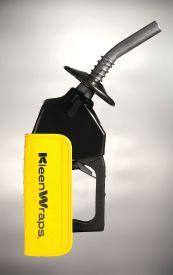
KleenWraps reduce risk of COVID-19 germs
We’re probably more aware of the things we touch every day because while there was always a risk of germ transfer… now there’s COVID-19.
Weights at the gym, walkers and wheelchairs at rehab centres, cafeteria trays, doors/handles?
Worry no more…there is an easy way to protect yourself from suspicious surfaces and get some peace of mind with washable, reusable KleenWraps.
This set comes with the tools you need to distance yourself from germs on free weights, scooters, bus and subway handles and poles, bikes, door knobs and levers, cardio equipment, gas station pumps, grocery carts and baskets, walkers and wheelchairs, and more.
Alcumus introduces enhanced business intelligence tool
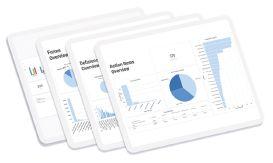
Alcumus, a leading provider of technology-led risk management solutions, brings to market an enhanced version of Safety Intelligence, a robust reporting engine helping organizations leverage safety data and deliver data insights.
Available within the Alcumus
Bradley’s hand sanitizer solutions improve hand hygiene
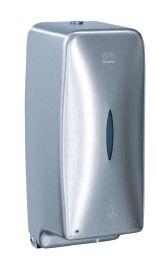
Encourage convenient and easy access to hand hygiene anywhere in facilities with hand sanitizer dispensers and stands by Bradley Corp., an industry leader in hand hygiene products for 100 years.
Touchless, durable and cost-effective, these stainless steel hand sanitizer dispensers provide reliable access to hand sanitizer within high interaction areas. With its sleek and professional design, Bradley’s commercial-grade sanitizer dispensers are perfect for locations throughout buildings, workplaces, outside of restrooms, near doorways and stairwells, lobbies, cafeterias, and more.
In areas where a wall or counter is not present, Bradley’s 6A20 dispenser stand provides a strong sturdy freestanding solution.
Honeywell earplug dispenser features antimicrobial protection
eCompliance solution helping hazardous industries across North America, Alcumus Safety Intelligence helps organizations by enabling them to quickly gain access to and analyze safety information, make data-driven decisions and take the necessary steps to reduce incidents.
With Alcumus Safety Intelligence, businesses can utilize the right data to save time, and proactively manage their team to elevate their safety program.
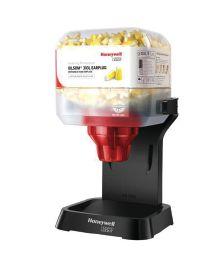
Honeywell has announced a new earplug dispenser treated with an antimicrobial additive to help meet operations’ safety needs as employees return to jobsites.
The Honeywell HL400 Antimicrobial-Protected Dispenser has a built-in antimicrobial additive that releases slowly and prevents the growth of microbes that may degrade the integrity of the dispenser. The new earplug dispenser is helping employers and jobsites benefit from durably cleaner surfaces, including the turn knob and catch tray, thus reducing the need for individual product packaging.
The antimicrobial agent is added to the resin as the parts of the dispensers are being molded and releases slowly over time, making the surfaces cleaner.
Kenzen announces device rental program for summer 2021
In anticipation of what is excepted to be a very hot summer, Kenzen, makers of smart PPE that monitors the heat health of workers in hot and humid conditions, has announced a new rental program for its wearable devices.
The rental program is being launched to help companies of all sizes across many industries protect workers and maintain productivity during the 2021 summer working season.
To allow companies of all sizes to quickly deploy the new technology, Kenzen is offering rental packages of 10, 20, and 50 devices. The Kenzen kit includes devices, armbands, device chargers, apps available for both iOS and Android phones, and packaging for easy returns at the end of the rental period.
Talent Canada, a national media brand for senior leaders and HR professionals, is proud to launch the Psychologically Safe Workplace Awards.
These aren’t vanity awards. The program is designed to provide your teams with individual data about their mental health, and your organization with a comprehensive dashboard showing where to focus resources.
Got two minutes? Go to PsychologicallySafeWorkplace.com and watch the explainer video.
Scan this for more information
Sponsors
Presented by:
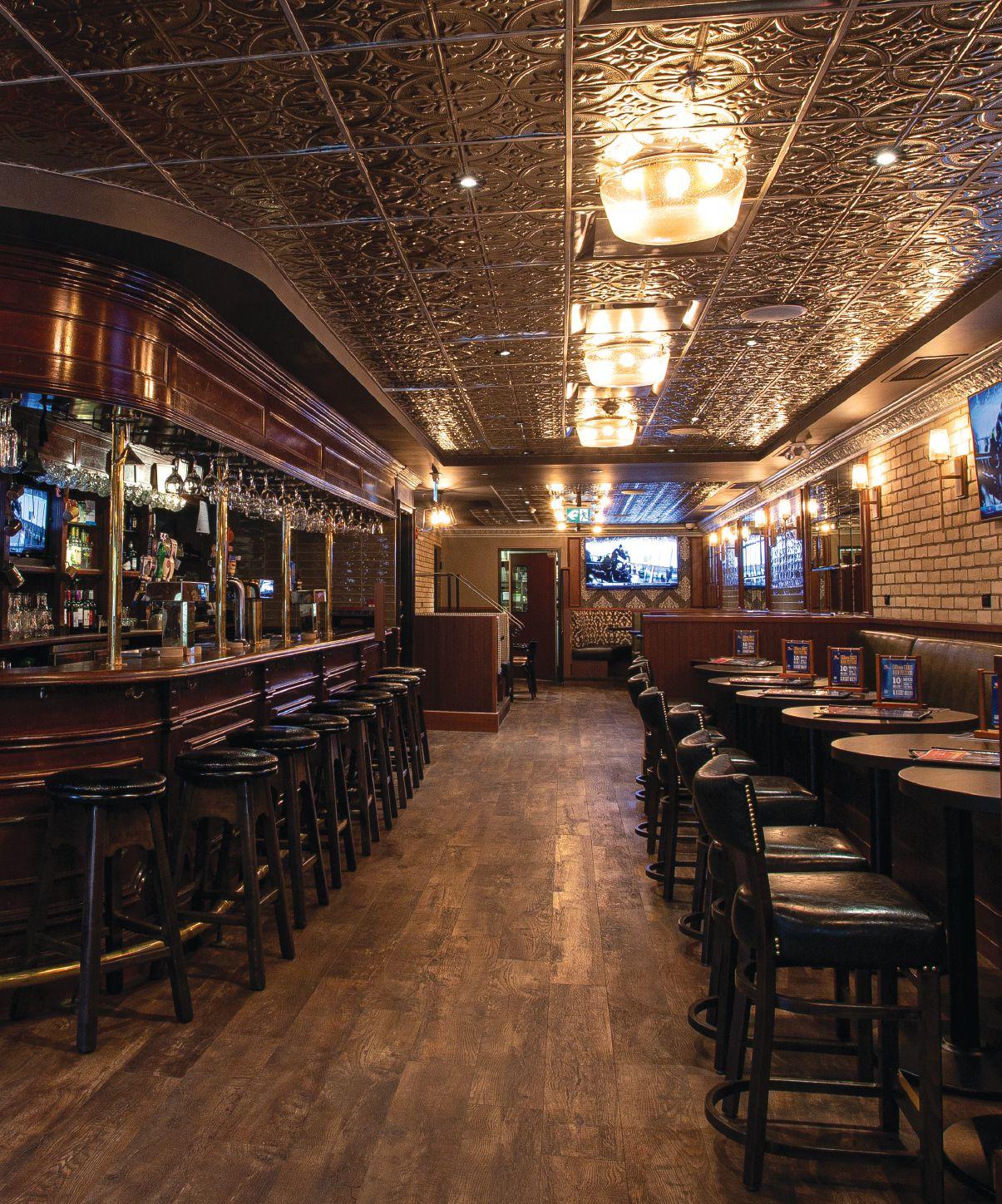
Making bars and restaurants work through a global pandemic
By Jack Burton
Countless industries have been compelled to deeply refocus and reconsider their approach to health and safety due to the demands of the COVID-19 pandemic.
Many within the retail and service sector, however, are in the unique position of having to balance these changes with an unprecedented fight for their own survival.
As both the executive vice-president of Imago Restaurants and chair of the board for Restaurants Canada — a role she stepped into just as the pandemic hit — Cindy Simpson has been at the forefront of this struggle.
Restaurants have been very hard hit by restrictions, resulting in thousands of closures and job losses.
Throughout the pandemic, Simpson has had to ask two questions simultaneously: “How are we going to save our industry? And how are we going to save our company?”
Leading the way, not for only Imago’s restaurants, but also the 30,000-plus members of Restaurants Canada, Simpson shared that between “being very involved on an industry level and being involved on a company level, it basically took all of your brainpower avail-
able, every day of the week, in order to figure out where to go and what to do.”
Health measures through lockdown
For many independent retailers, the direction of the path forward has been limited.
Due to various lockdown measures, 56 per cent of independent businesses remained open nationwide as of April 13, with 29 per cent operating at, or above, normal revenue, according to the Canadian Federation of Independent Business (CFIB).
The strain of these numbers is further reflected in Restaurants Canada’s prediction that at least 50 per cent of independent restaurants will face closures due to the pandemic, a fate that despite her experience and efforts, even Simpson has not entirely been able to escape, with three of her seven “Duke” family of restaurants in Toronto ceasing operations for good.
As disruptive as the financial uncertainty has been, retailers have not let it interrupt the increased demand for OH&S precautions.
In fact, due to the customer-centric and hospitality-focused nature of the work, Simpson said it was an adjustment most in the industry were well-equipped to make.
CLOSED
Three of Cindy Simpson’s ‘Duke’ restaurants have closed as a result of COVID-19.
“We are an industry that is primarily concerned with safety every day of the week — whether it’s food safety, customer safety, or employee safety.”
For Simpson’s restaurants, part of these changes involved a physical overhaul of the spaces themselves, with redesigns that kept safe distance and capacity in mind.
This involved not only rearranging furniture, but also the outright removal of unused seating to ensure patrons or employees did not end up using them by habit.
Shifting business models
Another way that businesses have adjusted their operations to correspond more with current safety demands is by changing the nature of their business entirely.
“Some businesses have had to reduce their capacity by a lot,” said
Guénette, CFIB vice-president of national affairs in Montreal.
“And so, one way to adapt to that is to change some of the core parts of your business.”
Examples of these changes include retailers moving operations online, or restaurants shifting to sell groceries, as well.
Making these adjustments to their business has allowed retailers to continue to generate revenue while still complying with
For Simpson’s restaurants, part of these changes involved a physical overhaul of the spaces themselves, with redesigns that kept safe distance and capacity in mind.
necessary lockdowns or in-store customer limitations.
“There’s a strong willingness among business owners to make sure that their place of business is safe for everybody,” said Guénette. “Their business is their life, so they don’t want to lose it. Because of this, many will take every step possible to make sure that their employees and clients remain safe, and send positive signals that they care.”
Expanded safety role
The front-facing nature of service and retail businesses also entailed another major safety change in these workplaces — the expanded responsibilities that employees now have to not only serve customers, but also to keep them safe.
This commitment to cultivating safety within a business’s customer base has provided employees with a whole new set of duties.
Because of the pandemic, industry workers are tasked with “not only ensuring that all those best practices are in place and following them, but they’re also spending a lot of time reminding and educating customers in those practices,” said Retail Council of Canada’s president and CEO Diane Brisebois, in Toronto.
Brisebois described retail as “a storefront to society.”
At a time when that society is characterized largely by unpredictability and general chaos, employees now have the increased responsibility to act not just as sales representatives and safety educators for customers, but in some cases also crisis managers.
“Generally, the majority of customers are very respectful, understanding, and supportive, but there are always incidents that are challenging,” said Brisebois.
“Cases or incidents with anti-maskers, or incidents with customers coming into the store that say they’ve been vaccinated so they don’t need to wear a mask” have
Jasmin
Cindy Simpson
occurred, she said, and employees have been required to apply their de-escalation training in a way that few ever expected.
Consistent safety training
Training as a whole has found itself the subject of an unprecedented degree of focus, due largely to the continuously changing responsibilities that the pandemic has thrust upon retail employees, according to Brisebois.
While often relegated to part of the onboarding process, the consistent changes to rules and safety protocols have meant that training has become a weekly, if not daily, fixture of the industry.
It’s clear that when it comes to the current expectations of retail employees, “it’s a big difference in the way we do service,” said Simpson.
Due to these widespread changes, she even mentioned that “some employees at other restaurants have said ‘this is too much, I didn’t sign up for this – I’m not going to stay in this industry anymore.’”
For employees who have decided to stay the course, massive changes such as higher health risks, increased responsibilities, and a lack of job security due to rolling lockdowns and restrictions are not just a “new normal” for them to deal with, but also a potential workplace mental health risk.
Mental health considerations
Of these new factors that workforces must contend with, perhaps the most prevalent and affecting when it comes to mental health is employment instability.
Lockdowns, pivots to digital storefronts, and moves toward take-out and curbside pick-up have all meant that retailers across the country have had to significantly cut down their number of staff. Imago’s restaurants have gone from around 250 employees to a current operating staff of about 20, Simpson admitted.
As employers seek to responsibly manage the effect that this uncertainty can have on their staff’s mental well-being, Simpson recommended approaching the issue with transparency and open communication.
“It’s important to stay in touch regularly, to be honest and tell them what’s happening. If you can’t provide a position for
them in the near future, or even in the far future, be honest about that,” she said.
Even with the best intentions, situations where employers are not able to provide current or furloughed workers with the job stability necessary to foster peace of mind are not uncommon. In these cases, Simpson suggested going the extra mile as much as possible.
“There’s a lot you can do for a person as an owner or an operator,” she said. “Help and encourage (employees to) explore other options, or you can even use your connections or influence to get individual employees introduced to other people in or around the industry.”
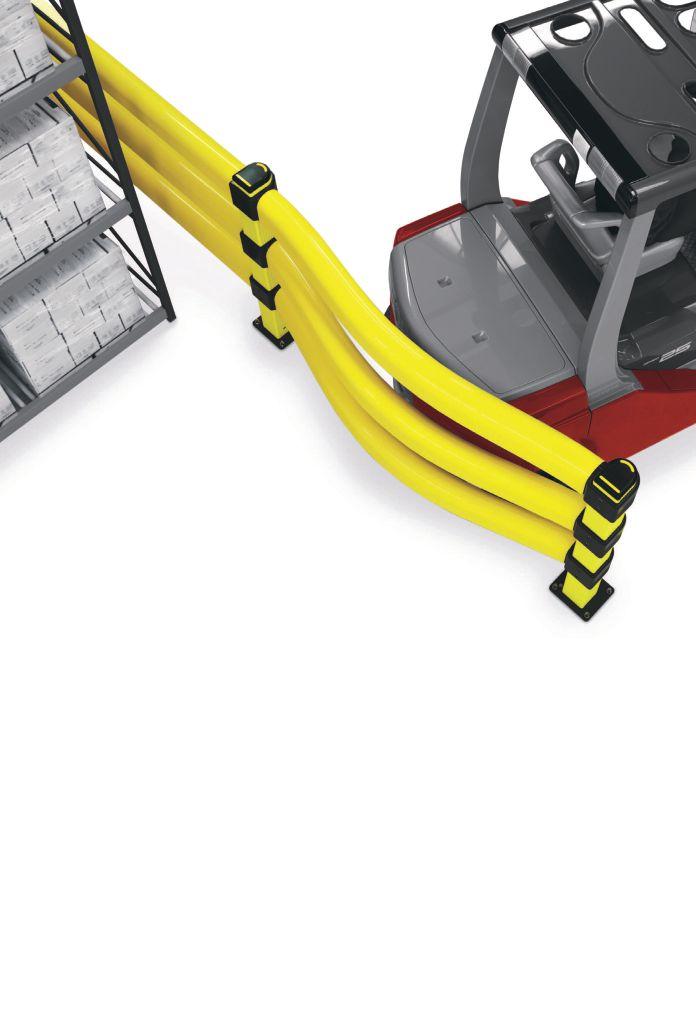
High Impact Resistance
Reflex Polymer Safety Barriers
Protect people and equipment from accidental impact of moving vehicles.
Industry leading polymer safety barriers flex upon impact and return to their original state. This energy absorbing ability significantly reduces maintenance costs and help prevent expensive floor repairs.
Our patented, proprietary, REFLEX polymer is scratch resistant, safe in food processing environments and is fire resistant.
The modular design can accommodate virtually any application.
Used in over 85 countries REFLEX polymer safety barriers are the most cost effective logical choice for modern day facility and asset protection.
Work-related mental illnesses cost more than physical issues
When people are physically hurt on the job and need time off work — for example, when they strain their low back or shoulder — employers generally know how to help them safely return to work.
But it’s a different story when it comes to psychological injuries.
When workers suffer from chronic stress or other mental illnesses related to their work, many organizations are at a loss. So, too, are workers’ compensation systems and health-care providers.
To understand how the return-towork experiences of people with work-related psychological injuries and physical injuries differ, I and a team of research colleagues at the Institute for Work & Health and Monash University in Australia recently completed a study using information from the Australian state of Victoria.
Why Victoria? Most workers’ compensation agencies in Australia have long covered mental health conditions that arise out of, or in the course of, employment.
Yet, SafeWork Australia has estimated that psychological injury claims cost 12 times more in wage replacement and health-care expenses than physical injury claims.
As some provinces in Canada have started to compensate these types of work injuries, we wanted to learn from Victoria’s experience about how the return-to-work process differs for psychological injuries compared to musculoskeletal injuries.
Our study compared return-to-
work outcomes of 870 compensation claimants. About a fifth had work-related mental illnesses while the remainder had work-related back and upper-body musculoskeletal conditions.
We interviewed them three times over a 12-month period to find out if they had been able to return to work for at least four weeks. We also asked them about a broad range of “modifiable” factors — for example, factors that, if changed, can make a situation better or worse.
Evaluating our study results
At our first interview (two to five months after injury), nearly half (47 per cent) of workers with musculoskeletal conditions had a sustained return to work, compared to only 28 per cent of workers with work-related mental illness conditions.
Six months later, 67 per cent of workers with musculoskeletal had returned, compared to 54 per cent of those with mental illness conditions.
We also found that those with work-related psychological injuries had more negative workplace experiences after their injury,
compared to those with musculoskeletal conditions.
For example, while half of workers with musculoskeletal conditions described their supervisors as supportive and helpful, eager for them to return to work, or wanting them to file a workers’ compensation claim, only 36 per cent of respondents with mental illnesses said the same.
And while three-quarters of workers with musculoskeletal conditions had been offered modified duties and/or a plan to return to work, only half of workers with mental illnesses were made such offers.
The disparities went beyond workplace responses to injury.
The psychologically injured workers in our study also had more problematic experiences in the health-care and workers’ compensation systems.
For example, 38 per cent of workers with musculoskeletal conditions had been given a return-to-work date by their health-care provider, compared to only 24 per cent of workers with mental illnesses.
Peter Smith is a senior scientist and scientific co-director at the Institute for Work & Health, a not-for-profit research organization in Toronto.
And more than half (56 per cent) of those with musculoskeletal conditions said that their interactions with their claims agent were not stressful, compared to 32 per cent of respondents with psychological injuries who said the same.
It’s important to note that these different experiences did not occur in isolation. Our study showed that a negative supervisor response was associated with more stressful interactions with claims agents, a lower likelihood of being offered a returnto-work plan or modified duties, and less positive recovery expectations.
Together, these factors were as important as mental health symptoms in explaining the differences in returning to work among those with mental and physical conditions.
What needs to be done?
Our systems to manage work-related injuries and get people back to work were developed in a different time and context.
That was when most injuries and illnesses were physical and visible, and treatment guidelines were relatively straightforward.
This is not the case with work-related psychological injuries.
Establishing their work-relatedness can be more challenging. Medical opinions can vary with respect to appropriate treatment, the optimal time to return to work, and the return-to-work arrangements most likely to be successful.
Treating mental health symptoms is an important response as it accounts for about a third of the differences in return to work among those with mental and physical conditions.
But to improve return-to-work and recovery outcomes for workers with work-related psychological injuries, we need to address factors throughout the return-to-work process.
This includes how supervisors react to workers’ injuries and how
workplaces help them return to work; how health-care providers integrate return to work in their assessments and treatment of their conditions; and how workers’ compensation systems make workers’ experience a supportive one, regardless of their type of injury.
Beyond these changes, we still need to address one of the more persistent challenges, which is how to address the work conditions that may have led to the mental injuries.
It is likely that work-related psychological injuries are caused by work conditions such as unrealistic deadlines, low job control, and workplace harassment and bullying.
Addressing these factors requires more organizational-level changes, which are harder to implement. However, failing to do so will mean that returning people to work to these environments will remain a challenge.
Safety Gear
By Meagan Gillmore
Meagan
New era dawns on gas detection
As gas detectors incorporate more connected technologies and data-based solutions, they are able to provide more comprehensive protection for workers, and prevent future accidents.
“Data is king,” said Michael Douglas, national manager of Levitt Safety, a distributor in Oakville, Ont.
“The more data the employer has about what’s going on in their workplace, the better able they are to protect the worker and mitigate the risks, and defend themselves if something goes wrong.”
Connected devices are particularly important for workers who are alone, explained Sean Stinson, chief revenue officer of Blackline Safety Corporation, a company that specializes in producing connected gas detectors.
“It really is the difference between an old-school phone wired into your house, and a cellphone,” he said from company headquarters in Calgary. “There’s just so many more things you can do with it.”
Connection innovations
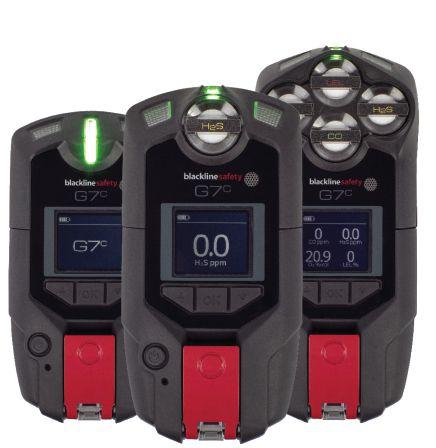
Blackline’s G7 personal detectors are designed to test for no-movement. The devices are connected to live operators. If a detector senses that a worker has not moved, Blackline’s safety centre will call the worker to make sure he or she is OK.
This can allow for faster response time and save lives, said Stinson.
“You can respond to somebody who may be knocked down in seconds, as opposed to finding them unconscious, or finding their body,” he said.
Blackline works with customers to develop a robust safety plan, and the company is able to call emergency services directly.
“Voice activation is really critical,” said Stinson.
First responders “have a lot to do, and they don’t want to deal with false alarms. That is a key thing: we can determine whether it’s a real alert or not a real alert. When we call 911, they know. They listen.”
Blackline has built the entire infrastructure for its products, including the cloud where data is stored and the SIM cards in the
“It really is the difference between an old-school phone wired into your house, and a cellphone... There’s just so many more things you can do with it.”
– Sean Stinson, Blackline
detectors, said Stinson. The G7c connects to cellular networks, and the G7x uses satellite.
In Canada, Blackline’s G7 products roam on Bell, Rogers and Telus networks. If the network the device is connected to has a shortage, it will switch over to another network that is operating. This gives “very robust and very wide coverage that’s not possible for the average consumer,” said Stinson.
Connected devices also help workers communicate with each other.
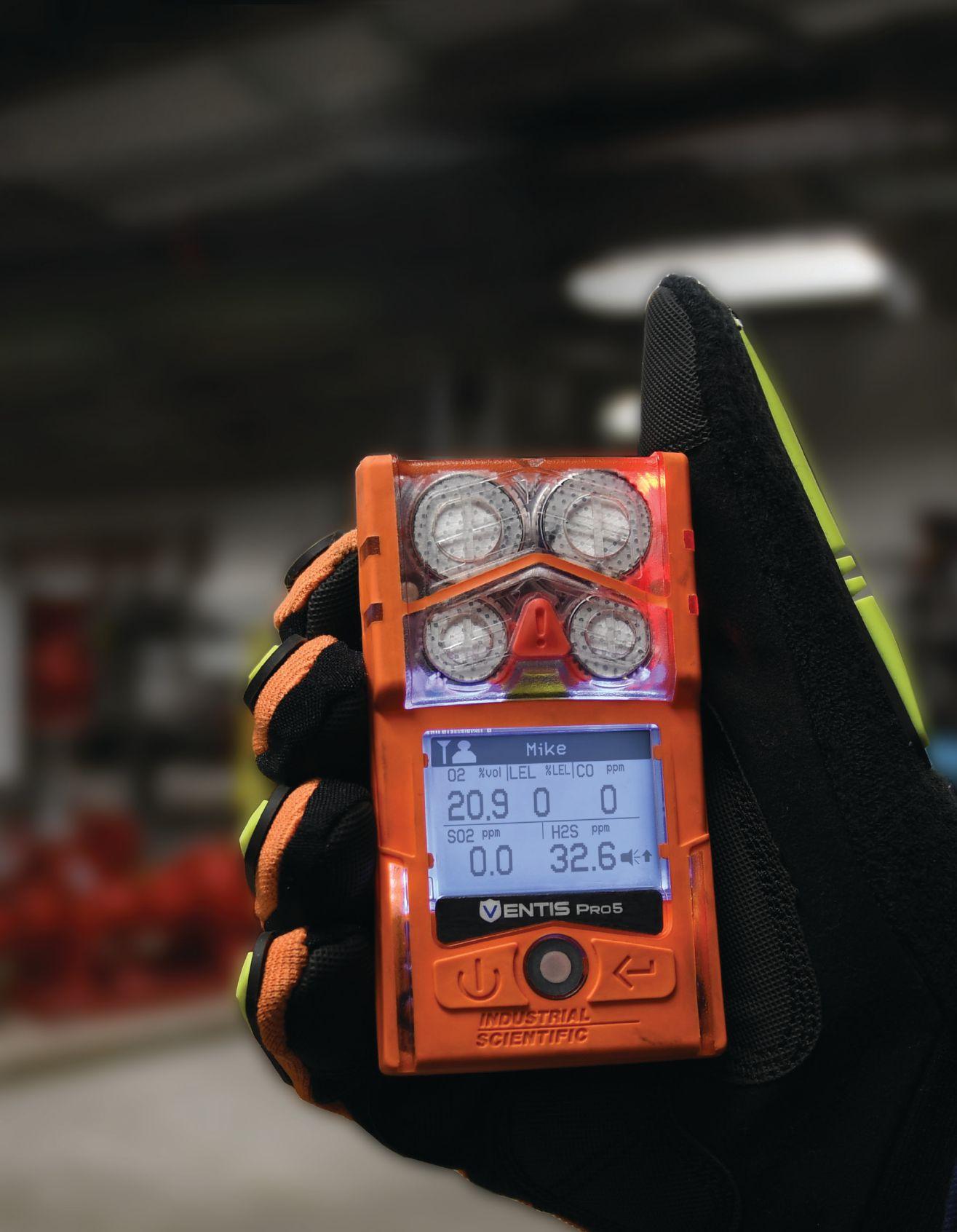
The Ventis Pro5 monitors from Industrial Scientific Corporation can also be connected to each other. This allows workers to know when a colleague is in trouble, said Cynthia Horn, an applications specialist for the Pittsburgh, PA-based company, who works from Montreal.
“If one of the devices goes into an alarm, everyone who is linked together in that team will be detected via their detector,” she said.
The Ventis Pro5’s have man-down and panic alarms.
Monitoring multiple gases
Devices that can detect multiple hazardous gases are increasingly popular. The Ventis Pro5, for example, can detect for up to five gases while using the same docking station and has similar buttons as Industrial Scientific Corporation’s Ventis MX4.
The Ventis Pro5 monitors for standard hazardous gases: methane, carbon monoxide, hydrogen sulfide, nitrogen dioxide and sulphur dioxide. It can be configured to test for a fifth gas as well, including carbon dioxide, ammonia, hydrogen cyanide, chlorine and phosphine.
Blackline’s G7 personal detectors are designed to test for no-movement.
Gillmore is a freelance writer in Toronto.
The company’s Tango TX2 detector monitors for two gases. It uses individual sensors to increase accuracy by decreasing the chances of a detector sounding an alarm for a cross-interference gas.
“These are gases that, if they’re present, they could trigger a reading on your detector on a different sensor,” explained Horn, noting the second sensor is often for a common gas, which helps reduce the chances of cross-interference.
Multiple gas sensors also provide companies with more data about
workplace hazards, said Douglas.
“The more data the employer has about what’s going on in their workplace, the better able they are to protect the worker and mitigate the risks and defend themselves if something goes wrong,” he said. “Multiple gas monitors just help the employer give the worker the best option, or the best protection.”
“Single gas is becoming redundant,” said Darcy Goebel, regional sales manager in Western Canada for Gas Clip Technologies, a Texasbased company that specializes in portable gas detectors. “Single gas just doesn’t do what the multi-gas does.”
The company’s most popular products are the Multi Gas Clip (MGC) line. The MGC IR infrared detector tests for four gases.
Product improvements
The company is known for long-lasting batteries, said Goebel. The batteries can last for two months without a charge. It takes approximately six hours to recharge.
The MGC Simple Plus can run continually for three years without charging. It can’t be recharged, and after three years, it needs to be replaced. This makes it a good choice for work on pipelines.
“It’s hands-free,” Goebel explained. “You don’t have to do anything with it. There’s no downtime. The employees can keep on working without having to worry about calibrating or charging.”
Gas Clip’s MGC IR pump takes samples from 75 feet. The company also has a new external pump that can be attached to any of its products to give them the same capability.
Portable area gas detectors are becoming more popular as well, said Douglas.
They’re especially useful in “dynamic” work environments where
there’s constant change or movement, like moving down a pipeline, through a field or at a construction site.
“It’s kind of a new concept of having a portable area monitor,” said Horn. “It doesn’t take any installation; you don’t have to bring in a team of technicians to mount it to a wall like for a true fixed monitor.”
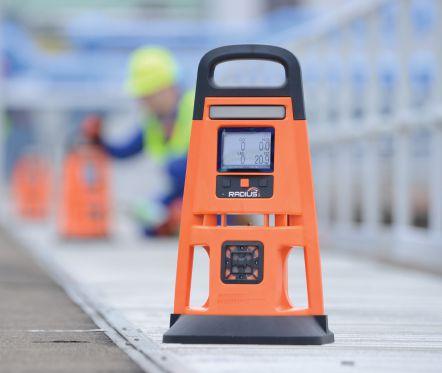
The Radius BZ1 Area Monitor from Industrial Scientific Corporation is an orange, traffic-coned shaped gas detector.
This design increases visibility and is especially helpful when workers can’t see each other on a worksite, she said. These detectors can also be equipped with live monitoring.
The data collected from connected devices can help predict and prevent future hazards, said Stinson.
Data scientists at Blackline have been able to determine how the risk of an accident increases after not being supervised for a certain amount of time. With this information, the company can send reminders to safety managers that they need to return to a specific site and make sure everyone’s working properly.
During the COVID-19 pandemic, Blackline has also used its products for companies’ product tracing, a service it offered to customers for free in 2020.
But the pandemic could cause more companies to see how connected technologies can improve employee safety, he said.
“Coming out of this, people are going to realize that they have to take care of their employees,” said Stinson.
“The takeaway from COVID is you’ve got to take care of your employees; their families matter, they matter as people, their emotional state matters.”
Gas Clip’s most popular products are the Multi Gas Clip (MGC) line, including the MGC Simple Plus.
The Radius BZ1 Area Monitor from Industrial Scientific Corporation is an orange, traffic-coned shaped gas detector.
CCOHS Corner
The Canadian Centre for Occupational Health and Safety
Turning up the heat on summer safety
The sun is shining, the birds are chirping, the grass is growing, and all seems well in the summer heat. And while for the most part, this sunny season is a welcome change from the bitter chill of winter, the warmer weather can introduce hazards that employers need to protect their employees from.
Conditions like the heat, poor air quality, biting insects, and inclement weather can put workers at risk for illness and injury. But by supporting workers with hazard assessments, training, and safety measures, you can help to keep them safe.
Identify the risks
Start by implementing a risk assessment to identify objects, situations, and processes that may cause harm to your workers, and then analyze and evaluate the likelihood and severity of each hazard. Once those have been determined, you can decide what measures should be put in place to effectively eliminate or control the hazard.
Risk assessments should be completed before new processes or activities are introduced, before changes are introduced to existing processes or activities — including using new tools and equipment, and when new hazards are identified.
To help identify hazards, consider working as a team and including people familiar with the work area, such as a crew manager or health and safety committee member, as well as people who are not — this way you have both the experienced and fresh-eye perspectives as you conduct the inspection. Assess all aspects of the work, including non-routine activities such as maintenance, repair, or cleaning.
With an assessment in place, you’ll notice how the changing seasons can shift safety hazards and their subsequent precautions. Where ice and snow may have risks that you’ve previously planned for, you now may be focused on hazards such as working in the heat — and lightning, which seems unlikely but is still possible.
Don’t strike lightning off the list
According to Environment Canada, lightning injures 180 people each year. To keep workers safe, train them on what to do and where to go when a storm is approaching.
They should know that the safest place to be in a thunderstorm is inside a fully enclosed building that has electrical wiring, plumbing, a telephone line, or antennas to ground the lightning — if the building should be hit directly.
Workers should stay away from doors, windows, fireplaces, and anything that will conduct electricity, such as radiators, stoves, sinks, and metal pipes, and use only battery-operated telephones and appliances during the storm.
Workers who can’t go indoors need a backup location. The next best place to wait out a storm is in an enclosed metal vehicle that is not parked near trees or anything tall that could fall over. Windows should be rolled up, and workers should be careful not to touch any part of the metal frame or any wired device in the vehicle (including the steering wheel or plugged-in cell phone).
Workers should also know where not to be: covered picnic shelters, carports, tents, and baseball dugouts with no electricity or plumbing to ground the lightning are not safe during a storm.
Always wait at least 30 minutes after the last rumble of thunder before going back outside – lightning strike injuries can happen if workers do not get to a safe place quick enough, or go back out too soon.
Bite-sized tips for bug bites
Just as heat and humidity make for a stormy forecast, they also create an ideal environment for mosquitoes and their bites.
And unfortunately, an itch may not be the only result of a bite; it can infect you with the West Nile virus, too.
Once infected, West Nile virus may cause no symptoms, or flu-like symptoms (for example: fever, headache, body aches) and in the most severe cases, death.
To reduce workers’ risk of developing the West Nile virus, try to limit outdoor activities between dusk and dawn. If staff must be outside during these times, be sure they cover up by wearing socks, shoes, light-coloured, long pants and long-sleeved shirts.
Clothing should be sprayed with insect repellent containing DEET to prevent mosquitoes from biting through thin clothing. Before using insect repellents, workers should read the label carefully and follow the directions.
Checking for ticks
Covering up doesn’t just prevent mosquito bites; it can also reduce exposure to poisonous plants like poison oak, and bites from other insects, including ticks. Protective clothing can reduce the risk of ticks attaching to skin, but if that does happen, workers should carefully remove the tick, without crushing it, by gently grasping the head and mouth parts as close to the skin as possible with fine-pointed tweezers, and pulling slowly to remove the whole tick, ideally within 36 hours of the bite. This can help prevent the transmission of disease, such as Lyme disease.
If you’re able to keep the tick in a sealed container, your local public health unit may test the tick for Lyme disease. Contact your local health unit for more information on how to report tick bites.
Keep your cool, breathe easy
For workers who are outdoors and exposed to the elements, they must be able to take the proper precautions to prevent heat stress and be trained to know the signs and symptoms of heat-related illnesses such as heat cramps, heat exhaustion, and heat stroke.
Symptoms of heat-related illness may start suddenly, and include nausea or irritability, dizziness, muscle cramps or weakness, feeling faint, headache, fatigue, thirst, heavy sweating, and high body temperature.
Workers should also be able to take breaks from the sun and heat to cool off in the shade or in air-conditioned buildings or vehicles. If a shady or cool place is not available, they should know it’s OK to reduce their physical effort.
Protection also comes in the form of equipment and clothing. Workers should wear lightweight, loose-fitting clothing, UV-rated sunglasses, and a wide-brim hat for protection. Apply sunscreen with a Sun Protection Factor (SPF) of 30 or higher as well as UVA and UVB protection.
The summertime heat and humidity can increase air pollution, making it harder for people with bronchitis, emphysema, and asthma to breathe, or can cause heart problems in others. Check the Air Quality Health Index on a regular basis. When the air quality is poor, reduce or reschedule outdoor physical activities. Monitor everyone for breathing difficulties, coughing, or irritated eyes, and check in with workers frequently to ensure they’re feeling OK. Encourage breaks throughout the day as needed.
Forecast for worker safety
With the hot weather approaching, employers need to protect staff from the hazards of summer, helping them work through the sunny season safely, and with care.
To prevent heat exhaustion, workers need to stay hydrated, and drink about one cup of water every 15 to 20 minutes, while avoiding caffeine or alcohol, which can dehydrate them.
If possible, workers should stay out of the sun as much as possible. Check the temperature, humidex, and UV Index for the day and plan jobs accordingly. If tasks are physically demanding, schedule them for the early morning or late afternoon hours when the sun is less intense.
Working safely includes many different actions, from everyday protective steps to comprehensive planning.
By completing a risk assessment, providing training, and putting safety precautions in place, workplaces can not only predict, but also plan for, a healthy summer for all.
The Canadian Centre for Occupational Health and Safety (CCOHS) promotes the total well-being — physical, psychosocial and mental health — of workers in Canada by providing information, advice, education, management systems and solutions that support the prevention of injury and illness.
Protective clothing can reduce the risk of ticks attaching to skin, but if that does happen, workers should carefully remove the tick, without crushing it.
Florida official orders workers to vaccinate or risk firing
(AP) A Florida tax collector has ordered her employees to get the coronavirus vaccine or risk being fired.
Palm Beach County Tax Collector Anne Gannon told her 315 employees in April of her decision after doing research and concluding she could legally do it, she told the Palm Beach Post. Gannon said her employees have contact with the public and two workers tested positive. Many others tested positive earlier and one died.
“For every person who gets COVID, it costs our business money and it gives us an inability to meet our customer needs,’’ she said.
$8M verdict tossed in stuntman’s death
(AP) An appeals court has thrown out a US$8 million jury verdict awarded to the family of a stuntman who died of a head injury while filming an episode of “The Walking Dead’’ in 2017.
The Georgia Court of Appeals ruled that civil claims brought by the parents of 33-year-old stuntman John Bernecker were barred by the Workers’ Compensation Act. Bernecker suffered a head injury while performing a fall from a balcony.
Lawyers for the defendants said the stuntman’s death was an unforeseeable accident.
$250K
The New York Rangers were fined an extraordinary $250,000 by the NHL on May 6 for “demeaning” public comments about head of player safety George Parros, following a violent on-ice incident for which Washington Capitals player Tom Wilson was not suspended.
Woman who coughed on cancer patient gets 30 days in jail
(AP) — A Florida woman who was recorded deliberately coughing on another customer during an argument with employees at a Pier 1 store last June in the midst of the COVID-19 pandemic will spend 30 days in jail.
A judge in Jacksonville on April 8 also ordered Debra Hunter to pay a US$500 fine, serve six months probation and participate in a mental health evaluation, along with anger management. She was also ordered to cover the costs of the victim’s COVID-19 test.
According to investigators, the victim Heather Sprague had begun recording Hunter’s heated encounter with the employees. Sprague, who is being treated for a brain tumour, told the judge she spent days anxiously searching for a place where she and her family could be tested for the coronavirus. The tests ended up being negative, she said.
Woman arrested after driver assaulted, pepper sprayed
(AP) — A woman was arrested March 11 on suspicion of pepper-spraying an Uber driver in San Francisco who was coughed at and insulted after he demanded a passenger wear a mask. Malaysia King, 24, was arrested in Las Vegas on suspicion of assault.
The Uber driver was attacked after he picked up three women. When he noticed one wasn’t masked, the driver stopped the ride and told the passengers he couldn’t continue.
A video then shows the women in the back seat berating the driver, using profanities while the car is stopped on the shoulder of a highway. The woman without the mask coughs on him, grabs his cellphone and rips off his face mask, before he was pepper sprayed by another passenger. A collection of
Board of Canadian Registered Safety Professionals
Conseil Canadien Des Professionnels
En Sécurité Agréés
The following individuals have been granted certification as a Canadian Registered Safety Professional (CRSP)®/Professionnel en sécurité agréé du Canada (PSAC)® Congratulations to the newest CRSP/PSAC certificants!
Ahmed Abd Rabou CRSP
Adewale Tosin Abiola CRSP
John Oludare Afolabi CRSP
Evans Agyemang-Badu CRSP
Muhammad Arslan Akhtar CRSP
Olubunmi Babatunde Alabi CRSP
Fahad Mouaid N Alhamdan CRSP
Syed Minhaj Ali CRSP
Ashley Allen CRSP
Mike Anderson CRSP
Wali Ur Rehman Ansari CRSP
Victoria Archibald CRSP
Fay AuCoin CRSP
Fatima Mahdi Babiker CRSP
Alexandria Rose Bakken CRSP
Adeeta Bandoo CRSP
Eric Berefo CRSP
Sairene Boyd CRSP
Jeffrey Dagg Boyer CRSP
Natalie Campbell CRSP
Mona Cheng CRSP
Chantelle Olga Comeau CRSP
Marsha Crossman CRSP
Bruce Deslippe CRSP
Dennis Michael Earman CRSP
Chelsey Fillion CRSP
Olatoye Ayoola Folaranmi CRSP
Ramzi Fouzai CRSP
Grant Howard Freeman CRSP
Andrew Hadley CRSP
David Nathaniel Herman CRSP
Monique Hurst CRSP
Fazal Hussain CRSP
Julie Marie Ingoe CRSP
James Jacobs-Mino CRSP
Emma Jarrett CRSP
Sreeprasad Kadannappally CRSP
Arslan Khan CRSP
Ami Lee CRSP
Elias Makhoul CRSP
Javad Malakouti CRSP
Paul Abidemi Martins CRSP
Syed Muhammad Baquar Mehdi CRSP
Sean Michael Menezes CRSP
Veerakumar Mohan CRSP
Hammad Muzaffar CRSP
Besong Douglas Ndifor CRSP
Chi-Leung Joseph Nip CRSP
Nadine Odendaal CRSP
Olusegun Charles Ologbonsaiye CRSP
Emmanuel Jude Olumese CRSP
Peters Asiwe Omoruyi CRSP
Matthew Timothy Parks CRSP
Terrance Pavka CRSP
Glenn Pound CRSP
Ejokuvwo Larry Pupu CRSP
Lesley Pyne CRSP
Alexandra Reid CRSP
Phoebe Rezkalla CRSP
Erin Rideout CRSP
Candice Marie Roffe CRSP
Kim Lan Sauer CRSP
Jody Celeste Terrell CRSP
Nancy Elaine Tucker CRSP
Megan Ashley Upshall CRSP
Eli Viloria CRSP
Russell William Warwick CRSP
Ronae Angilee Wilson-Mcnair CRSP
Khaled Mahmoud Yousry CRSP
Certifications for the Occupational Health & Safety Profession
The Canadian Registered Safety Professional (CRSP) certification is designed for individuals leading or managing OHS systems and programs. They have in-depth knowledge of OHS principles and practices and apply broad based safety knowledge to analyze and develop systems that will achieve optimum control over hazards and exposures detrimental to people, equipment, material and the environment.
The Canadian Registered Safety Technician (CRST) certification is designed for individuals supporting a safe working environment by maintaining OHS administrative processes, conducting training, and using a range of state-of-the-art tools, processes, and common practice solutions to occupational health and safety risks. They oversee and drive monitoring and compliance in relation to technical and behavioural risk controls.
Double your rebate.* Celebrate & save today!
*Limited time offer. (Conditions apply)
Trade-in or trade-up to double your rebates on high-quality 3MTM DBI-SALA® and 3MTM Protecta® Fall Protection.
Trade-in your current fall protection equipment and get double your rebate on new purchases until June 30, 2021. Harnesses, SRLs, lanyards—almost anything you need—including over 1,200 products to choose from. There’s never been a better time to upgrade your gear.
If you already use 3M Fall Protection equipment, you can trade-up to get double your rebates on gear with more features and benefits.
It’s time to assess your equipment and make the switch to 3MTM DBI-SALA® and Protecta® Fall Protection and save with this limited time offer.*
Calculate your rebate at 3M.ca/FallProTradeup
* Some restrictions apply. 3M reserves the right to discontinue or change this program at any time, without warning. 3M and its agents are not responsible for incomplete applications. 3M reserves the right to deny and/or disregard any request deemed to be false or fraudulent. This Trade in, Trade up Program may not be combined with any other promotions. 3M’s use of information submitted in your Trade in, Trade up Program registration will be treated in accordance with our Privacy Policy. 3M will double the rebate on qualifying product purchases with order dates from September 14, 2020 through June 30, 2021. All terms, conditions and requirements of the 2020 3M Fall Protection Trade-in, Trade-up Program continue to apply. Visit 3M.ca/fallprotradeup for full Terms and Conditions.