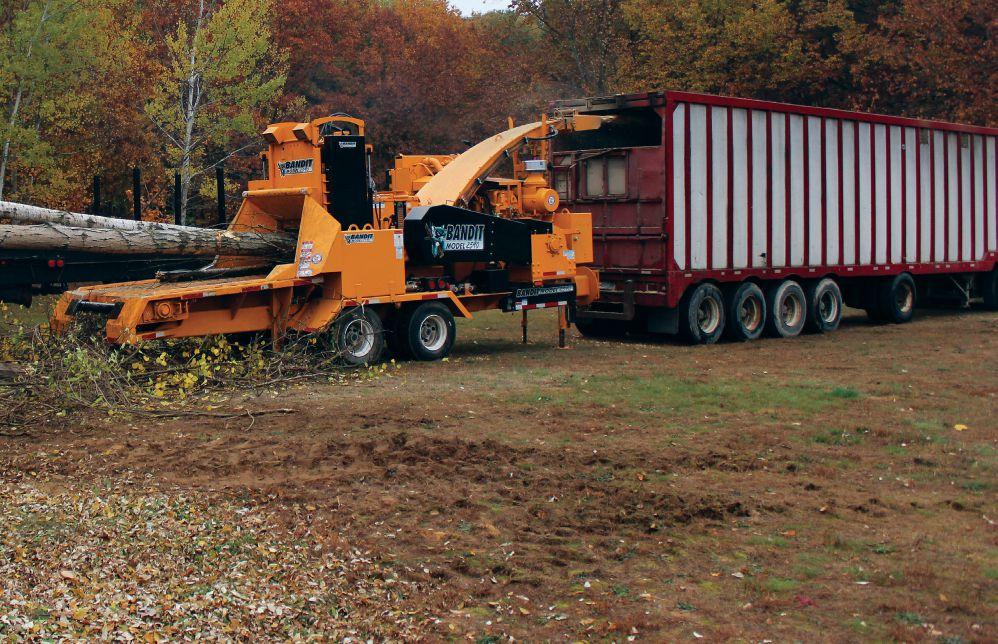
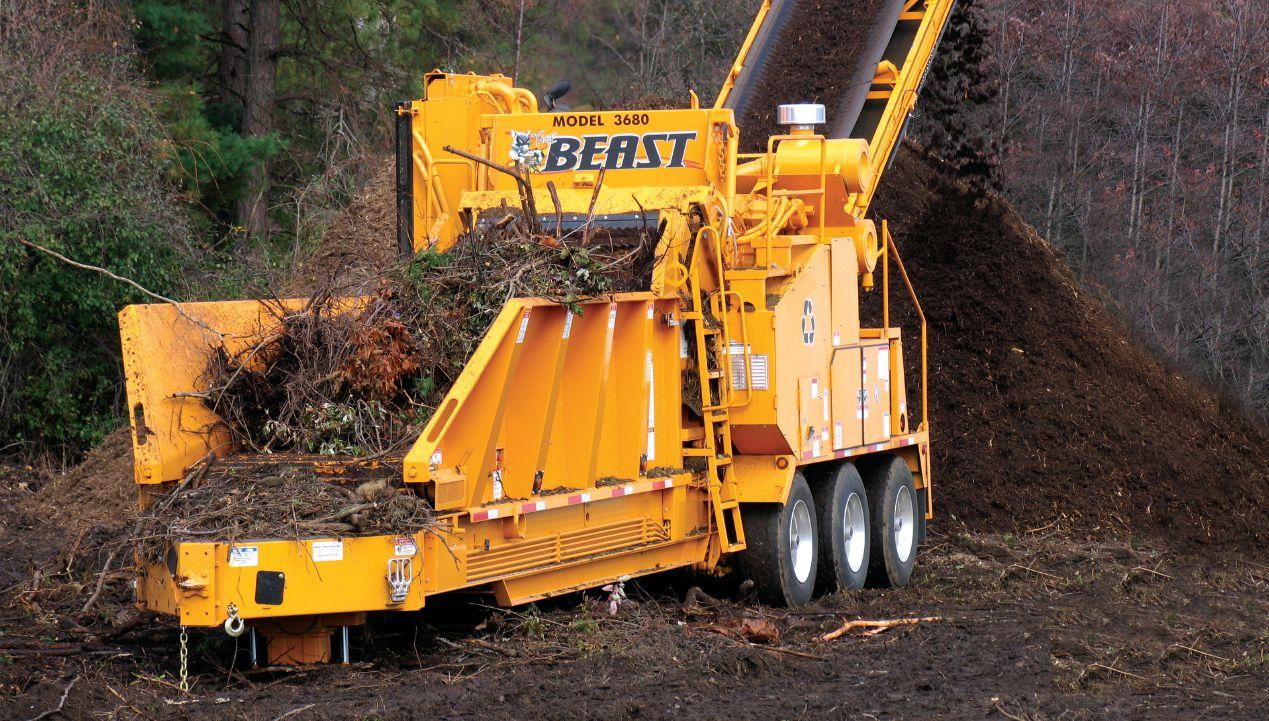
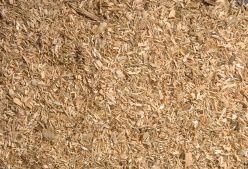
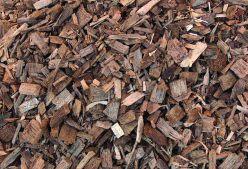
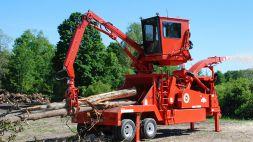
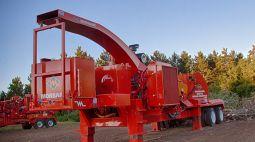
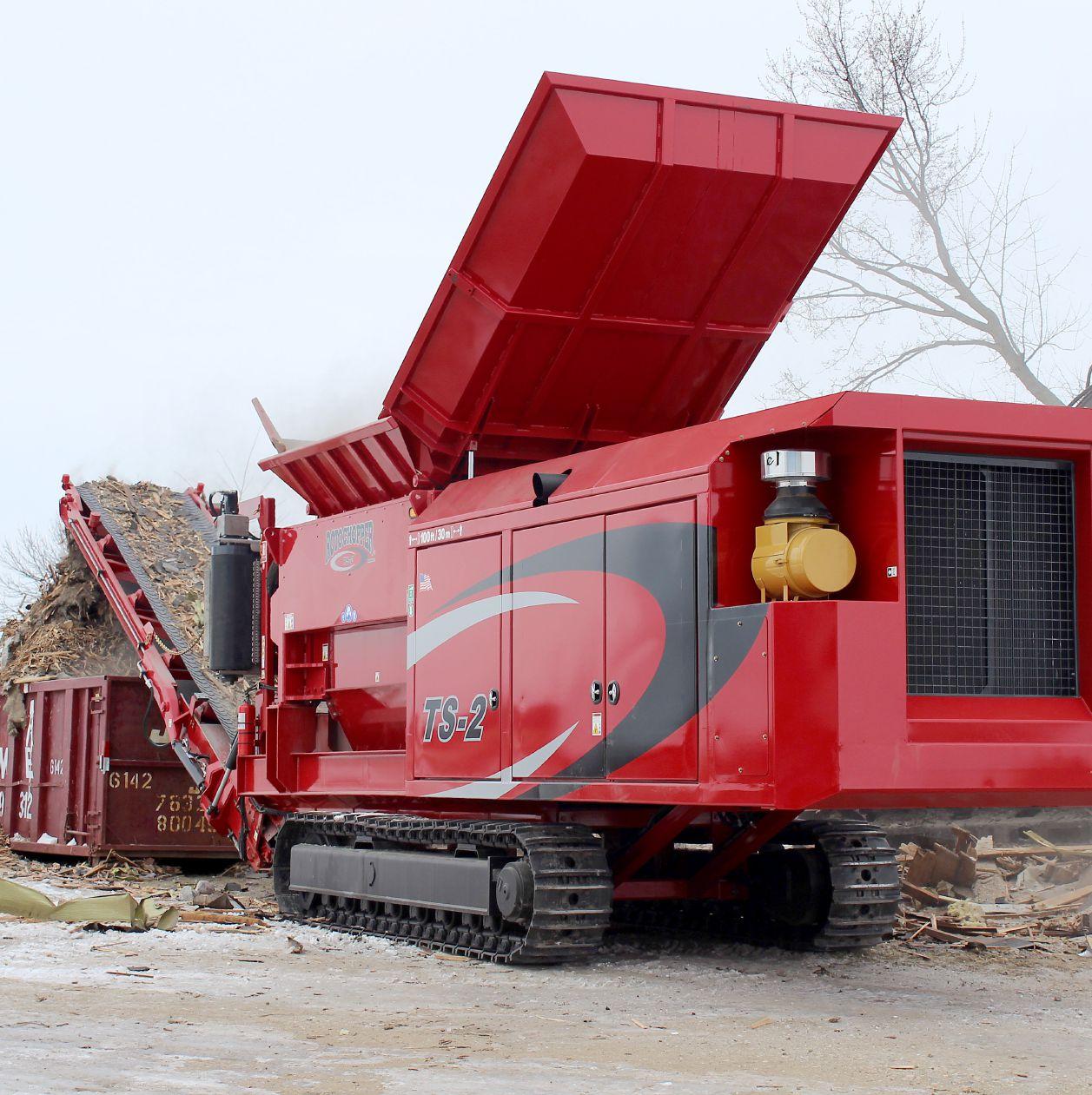
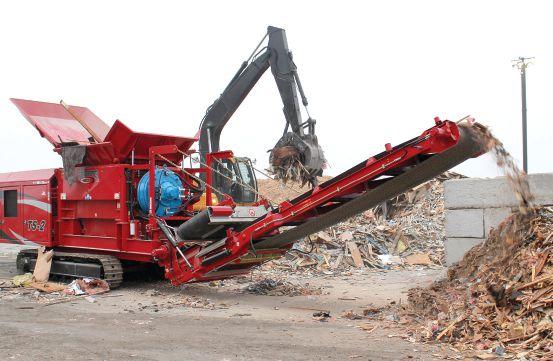
The Beast® produces unmatched uniformity when it comes to ground material. The patented cutter mill or optional whole tree chipper drum delivers a downward cutting or chipping action, sizing material on the first pass, saving money on costly regrind. Choose from four models of The Beast with self-propelled, towable or electric options.
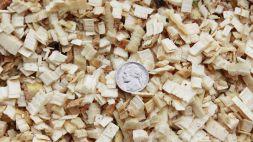
Bandit whole tree chippers can produce chips from ¼” to 2” with unmatched uniformity. Bandit whole tree chippers throw better using less energy, so fuel consumption per ton of chips will be a 1/3 less than the competition.
And Bandit’s patent-pending Clean Feed System does not discharge chips on the ground, increasing yields by as much as 5 percent. New electric options for whole tree chippers are perfect for sawmills and chip mills. Choose from six models, towable, self-propelled and stationary.
Contact us and lets us show you why your next whole tree chipper or The Beast recycler should be a Bandit®. 1-800-952-0178 or visit us online at www.banditchippers.com
CANADIAN BIOMASS
14 Northern Biomass
The release of the Yukon Biomass Energy Strategy provides a plan for an increase in bioenergy projects throughout the territory.
18 IBCE Show Guide
The official show guide for the International Bioenergy Conference and Exhibition, coming to Prince George, B.C. from June 15-17.
24
Diverse Operations
A New Brunswick pellet and wood product company continues its steady growth by optimizing its fibre recovery.
26
Putting Waste to Work
A research team at the University of Manitoba searches for ways to produce more efficient biofuels.
1
QUEBEC’S PELLET LEADER
Learn how St-Félicien’s Granules LG has grown into the largest wood pellet producer in Quebec.
AOne Warm Winter
Bioenergy producers suffered in the winter of 2015-16
s we work our way through the spring months in Canada, we are starting to gain a clear understanding of the devastation dealt to the biomass and bioenergy industry during the warmest Canadian winter on record.
The warmth spread from Ontario east to the Atlantic Ocean, blowing through the Atlantic provinces and sweeping up Maine in its wake. In some regions, there was so little snowfall that shovels rarely left the front stoop and the traditional sound of snowplows were almost non-existent.
While most people throughout the region were excited by the mild weather, it wasn’t just the ski and snowboarding industries that took a beating as a result. For those producing pellets, chips and dust for bioenergy, the ones already getting pummeled by the low cost of natural gas and oil, the warm winter was more akin to the knockout punch in a 12-round slugfest.
opportunities to ship pellets south to the U.S. However, struck by a similarly warm winter, there were few takers for the Canadian pellet production.
Thankfully, producers have taken steps to reduce the impact of future mild winters in Canada.
A group of pellet producers from Quebec and Atlantic Canada travelled to Europe with representatives from the Quebec Wood Export Bureau (QWEB) in search of new markets for Canadian pellets. According to John Arsenault of QWEB, the group was the largest he has taken to Europe in search of new business opportunities.
The results were positive, as at least two of the producers on the tour were able to gain new customers. Those new customers will help to sustain the wood pellet industry in Eastern Canada, and could allow those same companies to expand, or leave domestic quotas for other Canadian producers.
Volume 16 No. 3
Editor - Andrew Macklin (905) 713-4358 amacklin@annexweb.com
Editor - Andrew Snook (905) 713-4301 asnook@annexweb.com
Contributors - Gordon Murray, Gabrielle Bauer, Bruno Zrno, Taylor Fredericks
Western Sales Manager Tim Shaddick - tootall1@shaw.ca Ph: (604) 264-1158 Fax: (604) 264-1367
Media Designer - Emily Sun
Circulation Manager Carol Nixon – cnixon@annexweb.com 450-458-0461
Canadian Biomass is published six times a year: February, April, June, August, October, and December. Published and printed by Annex Business Media.
Publication Mail Agreement # 40065710
Printed in Canada ISSN 2290-3097
Subscription Rates: Canada - 1 Yr $49.50; 2 Yr
In Quebec, where much of the pellet production is for domestic consumption, many manufacturers found themselves running at high production levels without any home for the volumes created. Many of them entered the spring and summer with significantly larger stockpiles than usual, hoping to find a home for the pellets in the summer or fall.
Atlantic Canada faced much the same dilemma: keep producing in hopes of finding a buyer or curtail production that would cause staff to be laid off? Much like Quebec, many of them soldiered on and kept production steady.
The one saving grace for these producers should have been the low value of the Canadian dollar, and how it would present
Coming off of an extremely cold and bitter winter in the same region just one year earlier, it is great to see the pellet industry in Eastern Canada stay resilient through such a difficult business climate. Even if the warm weather acted as an immediate catalyst to push these producers to look for new markets across the Atlantic, they used the resources available and made the smart business decision to look elsewhere.
Smart business decisions like these, regardless of the original cause, will help keep the wood pellet industry going strong in Canada. •
Occasionally, Canadian Biomass magazine will mail information on behalf of industry-related groups whose products and services we believe may be of interest to you. If you prefer not to receive this information, please contact our circulation department in any of the four ways listed above.
All advertising is subject to the publisher’s approval. Such approval does not imply any endorsement of the products or services advertised. Publisher reserves the right to refuse advertising that does not meet the standards of the publication.
BIOMASS update
WESTJET SUPPORTING CANADIAN AVIATION BIOFUEL
WestJet has announced it has teamed up with Alberta-based, Clean Energy Technology Centre (CETC) to accelerate the development of sustainable aviation biofuel in Western Canada.
“WestJet’s collaboration with the CETC is an exciting first step in supporting the development and deployment of a sustainable fuel alternative in Western Canada,” said WestJet’s director of environment and fuel Geoffrey Tauvette. “WestJet has already made significant, demonstrable progress in our environmental commitment. As an example, our fleet investment over the last 15 years has
improved our fuel efficiency by almost 50 per cent. The natural next step for us was getting actively involved in tapping Western Canada’s innovation potential in developing scalable, affordable and sustainable aviation biofuels.”
Aviation biofuels represent the biggest and best opportunity for aviation to significantly reduce greenhouse gas emissions. The focus now is developing sustainable sources to make the aviation biofuel, which Alberta’s Drayton Valley has in abundance. The location and proximity of Drayton Valley can help solve many of the challenges that face the
REBIERE LEAVES WPAC
Michele Rebiere has resigned as president of the Wood Pellet Association of Canada.
Rebiere expressed the need to focus on her role as CFO of Viridis Energy as the company pursues the sale of its business. WPAC’s board is grateful for Rebiere’s five years of dedicated service as a board member and for her extraordinary effort over the past year as president.
In accordance with WPAC’s bylaws, the board has appointed former vice-president Rene Landry as its president. He has assumed this role until the next general meeting of the membership is held in September. Landry is director of pellet operations for Nova Scotia-based Shaw Resources, a company that operates two pellet plants in Atlantic Canada.
development of the biofuel –namely finding an efficient and economical way of getting fuel from production to aircraft.
The CETC itself is located in Drayton Valley, home also to the “Bio Mile,” an integrated
bio-industrial park with close proximity to forestry and oil and gas industries whose infrastructure and human resources could eventually support the development of the alternative fuel source.
ONTARIO TO CREATE CLIMATE CHANGE AGENCY?
The Government of Ontario is making plans for the introduction of a new agency that will be given a broad mandate to change energy use in the province.
According to an article from The Globe and Mail, the information was stated as part of a confidential draft of Ontario’s Climate Change Action Plan that was obtained by the newspaper.
The plan calls for the removal of seven million gas-burning cars from provincial roadways by 2030, ensuring most building are emissions-free by 2050 and additional carbon reduction initiatives.
The document, according to a spokesman for the Minister of the Environment, is a preliminary draft to solicit feedback on the government’s ideas for reducing carbon emissions.
The announcement of the first quarter financial results included a few points noting the ‘economic dispatch’ of Covanta Holding Corporation’s biomass facilities.
From the release: “Energy revenue from non-EfW operations decreased by $13 million, primarily driven by an $11-million decrease in biomass revenue as a result of economically dispatching facilities and lower market pricing.”
The economic dispatch of these facilities is a result of
warm weather conditions in the northeast U.S., combined with an abundance of low-cost natural gas. There is no word yet from the company as to the future of these facilities.
In January, Covanta announced that it was closing both of its bioenergy plants in central Maine. Government officials then approved a $13-million bailout of the bioenergy industry in the state, helping to offset the industry’s struggles.
WestJet will collabrate with the CETC on the use of sustainable fuels.
QUEBEC BIOGAS PLANT NEARS COMPLETION
The long-awaited biogas plant in Saint-Hyacinthe, Wue. is nearing completion, with operations expected to be in full swing by the fall.
According to an article from the Daily Commercial News, the $85-million production facility will begin by providing biogas to heat its own facility, while also providing fuel for several commercial vehicles used by the operation.
As reported in October of 2014, the facility has an agreement in place with Gaz Metro to provide up to 13 million cubic metres of renewable natural gas per year for up to 20 years.
PROGRESS FOR RENTECH PLANTS
Rentech, Inc.’s Atikokan wood pellet plant is producing at 80 to 90 per cent of capacity, according to Keith Forman, president and CEO of Rentech, who offered an update on the plants in his company’s first quarter results for 2016.
“At Wawa, we are pushing hard to achieve desired uptime on a sustained basis before we implement phase II of the conveyor replacements at the plant,” Forman stated.
The company produced approximately 64,000 metric tons of wood pellets at the Atikokan and Wawa facilities, with 49,000 metric tons being shipped to Drax and approximately 15,000 sold to OPG.
BIOAMBER TO BUY SUGARS FROM COMET BIOREFINING
Comet Biorefining has locked in an important customer for its planned biomass plant in Sarnia, Ont..
Following the announcement earlier this year of their plan to build a facility that will convert local corn stover and other agricultural byproducts into dextrose sugar, London, Ont.-based Comet announced that they have reached an off-take agreement with BioAmber, another major player in the burgeoning cluster of bio-industrial projects in the region.
The plant – which will be located in TransAlta’s Bluewater Energy Park, and which Comet hopes to see finished by sometime in 2018 – is expected to produce upwards of 27 million kilograms of dextrose sugar annually, and could add as many as 100 permanent jobs to the area and $100 million to Ontario’s economy. Comet has received nearly $10.9 million in federal funding for the completion of the facility.
For BioAmber, the agreement is an easy fit following the recent opening of its facility in August 2015 that uses corn sugar to produce biobased succinic acid – a chemical used in a broad range of everyday products – at the nearby Lanxess Bio-Industrial Park. Though Comet has yet to announce a start date for construction of the new facility, executive vice-president Mike Hartmann is excited by the prospect of sourcing sugar from a local supplier.
“This agreement allows us to source other sugars for our plant if and when they are commercially available
Comet will supply BioAmber with sugars for the production of bio-succinic acid.
and competitively priced,” he explains. “We believe it positions us well to diversify our sugar needs in the future without compromising quality or costs.”
Perhaps even more importantly, Hartmann continues to be impressed by the growth of bio-industry in the Sarnia region, and – with BioAmber looking to potentially build an even larger facility in the Transalta Energy Park in the near future – sees even bigger possibilities going forward.
“We are proud to be contributors to the bio-industrial cluster in Sarnia,” Hartmann says. “With more companies and projects locating to the area, we are increasing the amount of knowledge and skills developing across the cluster.”
The plan to build the Comet plant is the result of a yearlong study conducted by Bioindustrial Innovation Canada (BIC) to determine the viability of the project. In partnership with Comet and the local Cellulosic Sugar Producers Cooperative (CSPC), which represents
area farmers, BIC researched which available technologies fit best with their strategy and the agricultural makeup of the region.
The planned Comet facility is part of a larger project by BIC to develop bioindustry in the region through their Hybrid Chemistry Cluster, and to establish Sarnia and the surrounding area as a leader in sustainable energy. Ultimately, local stakeholders hope to create a self-supplying and self-sustaining biomass infrastructure in the region through the strategic coordination of farmers, producers like Comet, and end users such as BioAmber.
“This area is fortunate that it can go from growing the biomass to producing chemicals to make end products for business and consumers,” Hartmann says. “It’s an excellent value proposition for Sarnia and Canada, and an important contributor when it comes to lowering the environmental impact of traditional petro chemicals.”
– By Taylor Fredericks
A Plan for Alberta
IHelping Alberta understand the value of biomass
By Gord Murray
n its Climate Leadership Plan, the Government of Alberta will phase out coal power by 2030, replacing onethird with natural gas and two-thirds with renewables. Alberta also said that it intends to ensure that capital is not unnecessarily stranded.
The Wood Pellet Association of Canada (WPAC) believes this is a crucial opportunity to introduce biomass co-firing and dedicated firing in Alberta.
WPAC’s first step was to team up with Canadian Biomass Magazine (CBM) and the University of British Columbia’s Biomass and Bioenergy Research Group (UBC-BBRG) to host a co-firing workshop in Edmonton in May. The 125 attendees included power generators, biomass producers, sawmills, public and private forest managers, engineering companies, universities, and government. (Presentations are available to download from www.biomasscofiring.ca)
The audience was highly engaged, asking the presenters many questions and generating significant discussion.
Key things learned include:
• Large-scale biomass co-firing and dedicated firing have been used successfully in Europe, Asia, and Ontario to extend the life of coal power plants and reduce millions of tonnes of GHG emissions.
• The properties of wood are superior to those of agricultural-based biomass for use in pulverized coal (PC) boilers. Wood has lower content of ash, nitrogen, sulfur, chlorine, and abrasive particles; and has a higher ash fusion temperature. Wood combustion results in less boiler slagging and fouling, lower abrasion, better air emissions quality, and lower ash
disposal than agricultural biomass.
• By converting to wood pellets, Alberta coal power generators could extend the life of their assets. This has the potential to save existing jobs and create new biomass supply chain jobs; to produce reliable base load power; to contribute to the renewable energy mix; and to reduce potential compensation payable to Alberta’s coal power generators since existing plants can continue operating.
• Wood pellets can easily substitute for coal in PC boilers.
• On a dollar per megawatt basis, wood pellet co-firing and direct firing are low-cost and easy to implement in comparison to natural gas and to other renewable options.
• Wood pellet co-firing rates can begin at very low proportions and gradually be increased over 10 or more years.
• Over the next five years, Alberta is projected to collect $9.6 billion in tax from Alberta’s GHG emitters. The government should invest some of this to implement biomass co-firing.
• Ontario Power Generation has successfully executed coal to biomass conversions using both white pellets and advanced (steam-treated) wood pellets. The white pellet conversion at Atikokan Generating Station employs many of the best practices demonstrated from similar conversions in Europe.
• The conversion of Thunder Bay GS Unit 3 using steam treated wood pellets is the first such project worldwide and has demonstrated the feasibility of a low
capital cost solution.
• Replacing coal as a feedstock in as few as two Alberta PC boilers would create new demand for up to two million tonnes of wood pellets per year. Alberta and B.C. have ample wood supply to support this and such an initiative would support construction of five new wood pellet plants in Alberta.
• The U.K.’s Drax Power has successfully completed the world’s largest conversion of PC power units to biomass. This project supplies eight per cent of the U.K.’s electricity and has reduced GHG emissions by 86 per cent.
• Publicly, Alberta has identified wind and solar energy as the only two renewable electricity options. Biomass must also be included in Alberta’s renewable power mix. The advantage of biomass – unlike wind and solar – is that it can produce on demand. The wind doesn’t always blow, the sun doesn’t always shine, but biomass can be turned on and off at will. Moreover, biomass produces many more jobs per MW of electricity than wind or solar.
One workshop failure was that Alberta Electrical System Operator (AESO) did not attend. Alberta has tasked AESO to develop and implement a program to bring on new renewable generation capacity over the period to 2030. Alberta has requested that AESO provide recommendations in May 2016 and it is essential that biomass co-firing be included. We believe that AESO has a responsibility to fully evaluate all renewable options and it is distressing that they missed a key opportunity to learn about biomass co-firing. •
Quebec’s Pellet Leader
Twenty years after its foundation, Granules LG remains the province’s biggest pellet producing facility
By Guillaume Roy
Twentyyears ago, we produced 4,700 tons of pellets. We now produce as much in only two weeks,” Granules LG general manager Ken St-Gelais proudly states.
With recent investments for improved automation and controls, the St-Félicien mill, in the northern Lac-Saint-Jean region, produced 120,000 tons in 2015. And it is expected to reach 125,000 tons in 2016.
“We have improved our productivity by eight per cent running on our same equipment,” St-Gelais explains.
Not bad for a $400,000 investment used to upgrade many 20-year-old controls, cabling and electricity devices. As a result, there is now less downtime and everything runs more smoothly.
“Investing in automation helped us standardize and increase the productivity, going from 2,000 tons per week two years ago to 2,350 tons per week today,” adds the mill manager, Carl Paul. All of these improvements were made internally.
“We are now running at full capacity, and it will be hard to increase our production,” St-Gelais adds.
BURNT TIMBER RECUPERATION
Last year, Granules LG also added a few conveyors to bring new types of materials into the mulching system, which was previously used to bring full burnt trees in the mill. In 2009–2010, Granules LG salvaged 50,000 m3 of burnt forest.
Back then, it seemed like a good way to increase the wood supply.
“But pellet prices went down and it never reached that summit again,” St-Gelais notes. Since pellet prices are about 10 per cent lower than in the late 2000s, harvesting and processing burnt wood is no longer profitable.
To stabilize the supply, Granules LG decided to buy chips instead and mulch it in the mill. “Maintaining our supply is always a challenge. We have few suppliers with many big companies
controlling most of the sawmills in the region,” St-Gelais says.
Granules LG use dry and green softwood supplies to produce pellets. “To produce the best quality, we make sure the material has nine per cent humidity when it gets into the machines,” states production foreman Mathieu Lamontage.
To reach this target, sawdust and chips with 45 per cent humidity content must be dried first before mixing it with dry shavings.
Being close to the resource in Quebec’s biggest sawing region is a great advantage for Granules LG. But according to St-Gelais, it doesn’t make sense to look for supply farther than 125 km
away, because sawdust is not dense enough and is expensive to transport. In the future, St-Gelais does not see how they could increase the supply.
That’s actually why LG International, a joint venture between Granules LG, Groupe ADL and the Mashteuiatsh First Nation, declared bankruptcy in 2015. The $8-million Mashteuiatsh mill, located in an old tobacco treatment factory, never had enough supply to run profitable operations, partly because energy prices went down in the last few years. Groupe Remabec bought the equipment, planning to build a new pellet mill in the Côte-Nord region in the coming years.
WORLD-CLASS LAB, WORLD-CLASS PELLETS
Even though the Mashteuiatsh mill shut down, Groupe ADL still maintains many operations in its Mashteuiatsh facilities. One of them is the pellet quality-testing laboratory, supervised by R&D director André L’Heureux. “Granules LG built its reputation on the quality of its pellets. We have a world-class lab where all parameters are checked to make sure we meet the standards.”
Superior quality made it easier to reach international markets, St-Gelais says. “We always produced pellets of greater quality than the international standards.”
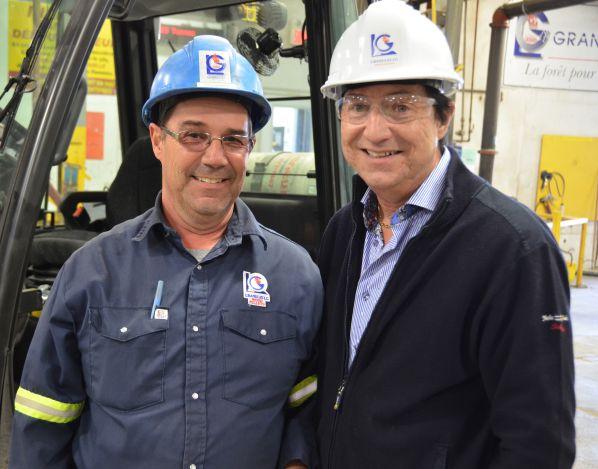
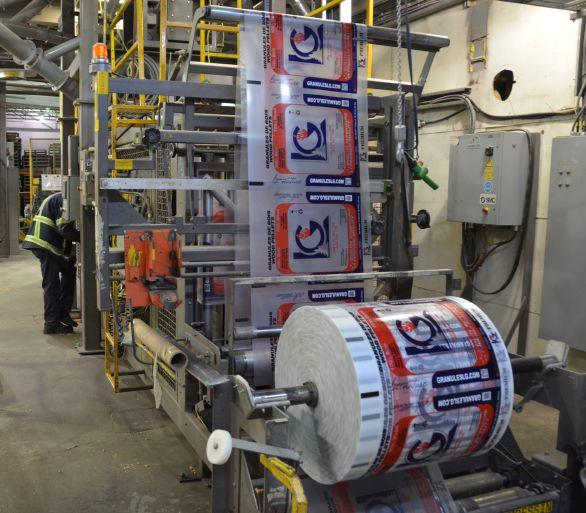
LEFT: Gilles Verreault (left) has worked for Granules LG since the beginning, with Alain Paul, president of Groupe ADL. RIGHT: The company has invested in automation to help increase the productivity of the plant.
UNSTABLE MARKETS
Diversifying markets is the second main challenge for Granules LG. “Demand is good, but it always depends on climate conditions,” St-Gelais says. Since last winter was pretty mild in southern Quebec and in the northern U.S., sales decreased, generating a surplus. For the first time since 2013, the company will need
to export to Europe. “It’s always a good plan B to sell our products, but benefits go down when we ship farther,” St-Gelais explains.
That’s why Granules LG prefers to sell pellets in North America, with 70 per cent of its market being in Canada, and 30 per cent in the U.S. Only when surpluses appear, do they look for export
opportunities across the Atlantic Ocean. To meet client needs, Granules LG can sell pellets with the home brand, a client’s brand, or even for bulk sales. The company also produces high-end animal bedding to American clients.
Even if softwood pellets are the main product made by the 50 employees working in the St-Félicien mill, they
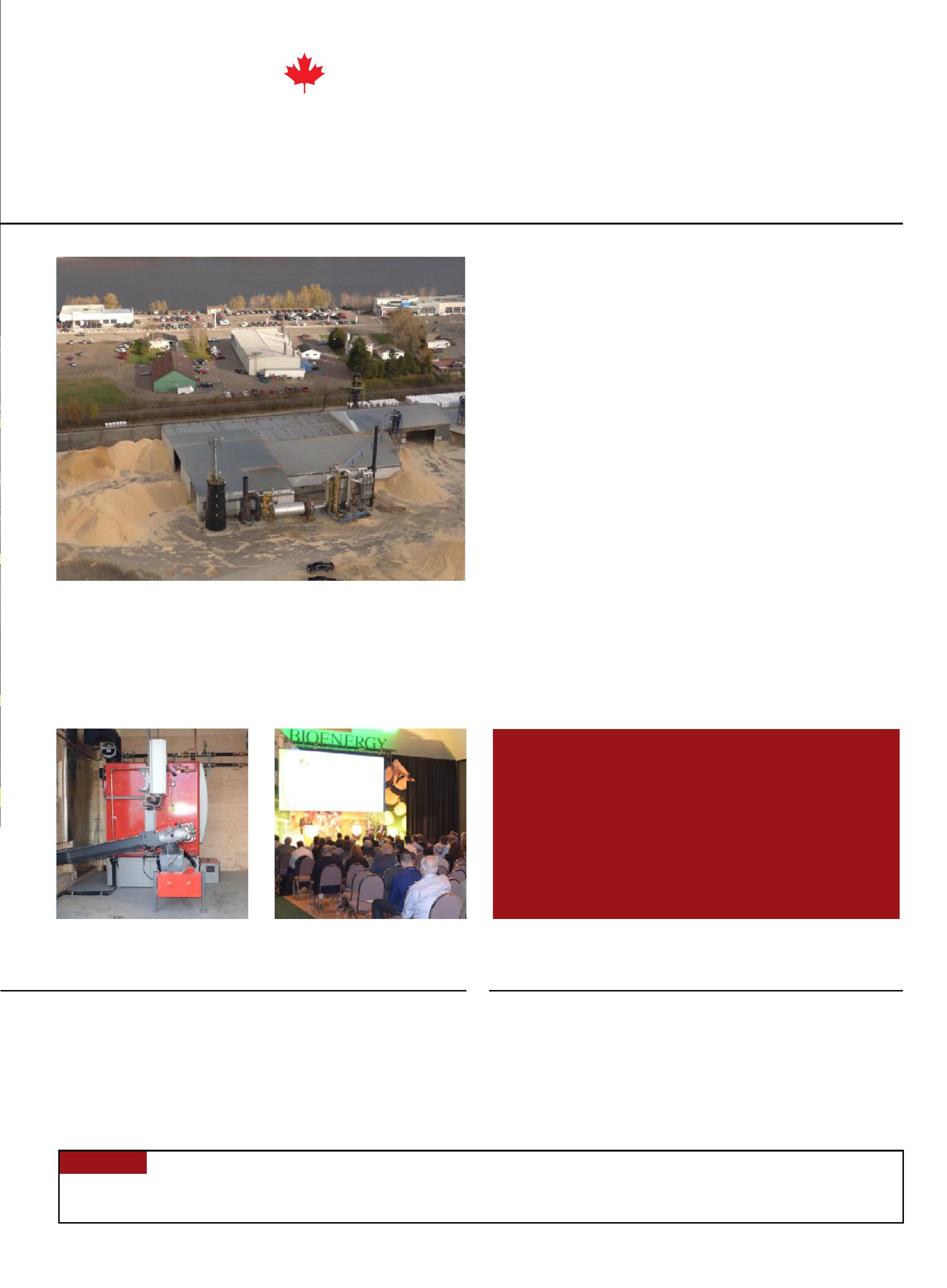
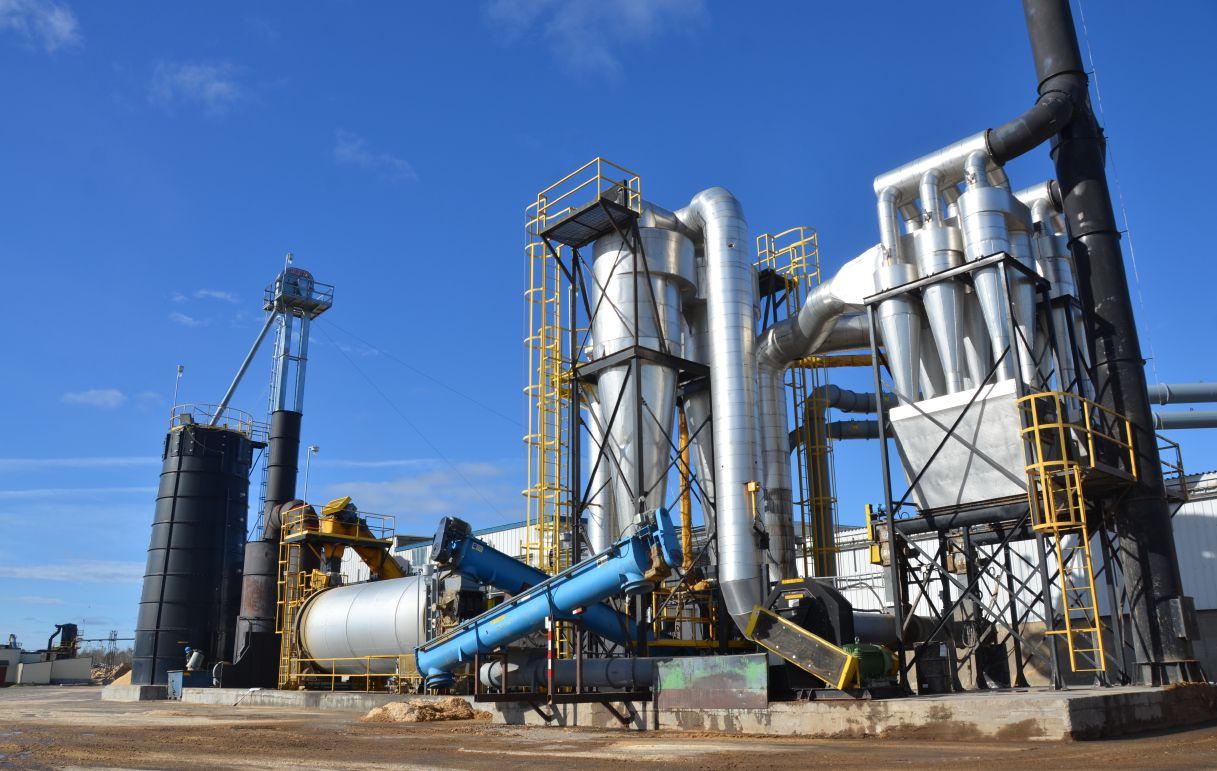
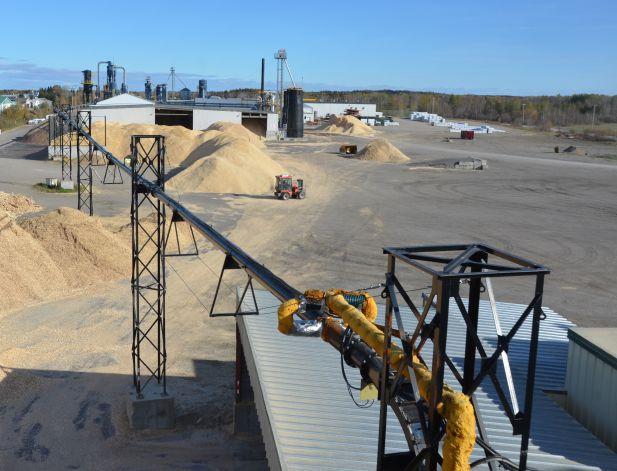
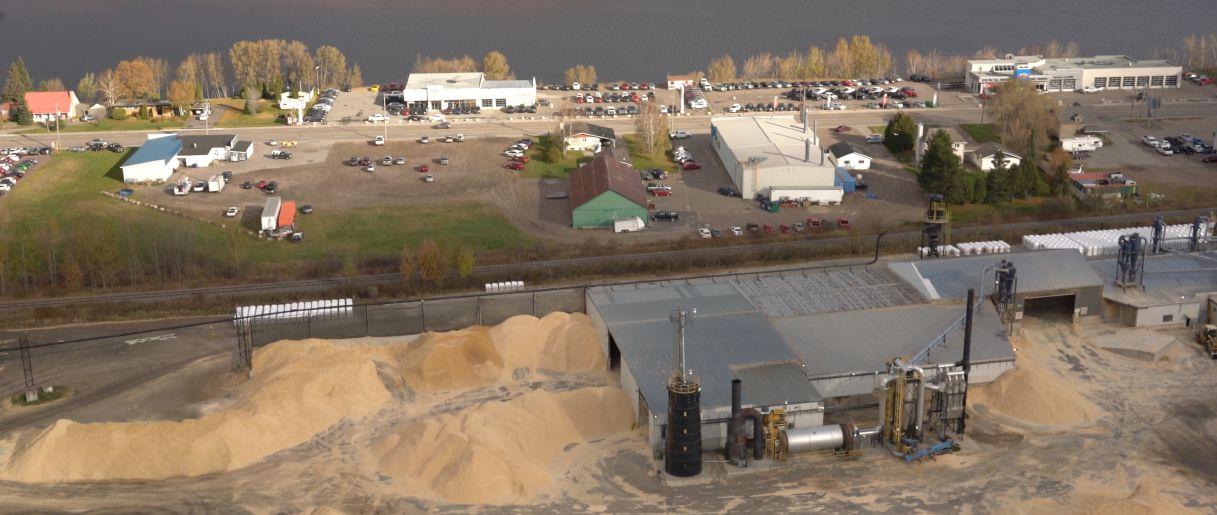
A drone image shows section of the Granules LG facility, as well as the surrounding transportation infrastructure.
also produce 6,000 tons of densified hardwood fire logs, made mainly out of regional birch residues. This small market is distributed only in Quebec. The mill also has the ability to produce hardwood pellets when needed.
LOOKING FOR GROWTH
Boosted by the Laurent Lamontagne vision, Granules LG began producing wood pellets in 1995, where wood pellets were almost unknown. “Laurent Lamontagne was a visionary. He foresaw the growing market opportunities of this green energy,” St-Gelais notes.
In 2009, Groupe ADL, a Mashteuiatsh First Nation company, became a major partner, taking 50 per cent of the company’s shares. In 2012, Groupe ADL became the sole owner of Quebec’s biggest pellet-producing facility.
For Groupe ADL president Alain Paul, Granules LG is creating jobs in the forest sector while producing a green and environmentally friendly energy.
“A great fit for our business,” he says. “Our mission is to create wealth in our community and in our region. After 20 years, Granules LG is still a growing business in our local environment, but we are now looking for American partners or in the CôteNord region to develop new opportunities. In the future, Granules LG will most likely spread out, while keeping its roots in the region.”
According to Groupe ADL vice-president Melanie Paul, wood pellet production is definitely a growing niche market for the Innu community and for the region. Important projects should be announced this summer.
While Granules LG might expand in other regions, they are exploring new venues like the European industrial pellet market.
“We are extremely proud to transform residues into an economic lever for the region and the whole Quebec industry,” St-Gelais says. •
Granules LG relies on local customers for consumption of most of its pellet production, but the company has joined other Quebec producers in finding international customers.
Northern Biomass
Yukon delivers a strategy for increasing bioenergy use
By Taylor Fredericks
Ifthe first half of 2016 is any indication, it’s shaping up to be a big year for biomass in the Yukon.
Fresh off the Government of Yukon’s announcement of the Yukon Biomass Energy Strategy, which will guide the development of a biomass energy sector in the territory, a group of partners used Cold Climate Innovation’s (CCI) recent Yukon Biomass Forum to publicly announce the initiative’s first funded project.
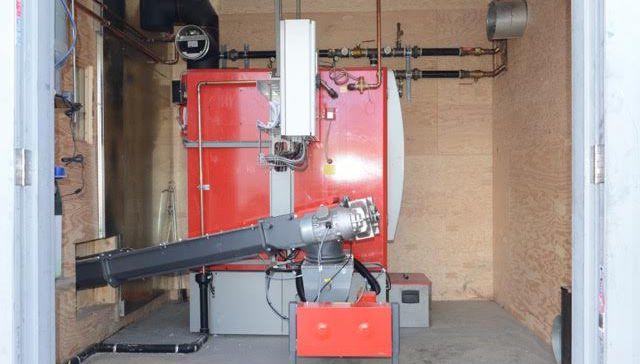
The project – a partnership between the Yukon government’s Energy Branch, CCI, ACS Mechanical, and Raven Recycling – saw the installation of a Hargassner wood chip boiler at Raven, a not-for-profit recycling centre based in Whitehorse. Going forward, the staff
there will collect and share data with local stakeholders in an effort to educate the public about the effectiveness of biomass heating.
The real excitement, though, lies in the nature of the fuel source: all the wood chips used to fuel the boiler will be derived from waste wood, including pallets, construction waste, and fire kill.
“As a recycling plant, Raven has access to a huge amount of waste wood that would otherwise be going to landfill,” explains Eoin Sheridan, a project innovation officer at Cold Climate Innovation (CCI), a branch of the Yukon Research Centre at Yukon College. “It’s a big plus point for this project in terms of benefit to the territory.”
Based on the sheer volume of such wood at their disposal, Sheridan believes the prospect of installing more biomass boilers across the territory looks promising.
“They have a huge multiple of the amount of chips they will need coming from this waste wood stream, so there’s potential fuel for the future for another five or six installations just from that one source,” he says. “If we can divert waste wood from landfills and use it, then it’s a win-win situation.”
The project was initiated by Chris Schmidt of ACS Mechanical, who was always troubled by the amount of wood waste he witnessed in the territory.
“I never understood why we couldn’t find a better use for it,” he says. “The
RIGHT: There is no shortage of fibre that can be diverted from landfills to biomass boiler installations throughout the territory.
work is done – all you need to do is chip it and haul it to a site.”
Hoping to find a better alternative, Schmidt figures he had been researching biomass heating alternatives for seven or eight years when the operators at Raven asked him about replacing their boilers.
“I’ve been doing maintenance at Raven Recycling for over 10 years,” he adds. “There were three old oil boilers there, and they asked me to look into replacing them. That’s when I discovered the Hargassner wood chip boiler, which was the only one I’d seen that was Canadian Standards Agency [CSA] approved.”
After presenting his idea to CCI –who agreed to provide support and funding, and helped to secure additional funding from the Energy Branch – Schmidt travelled to Quebec to visit representatives with Hargassner Canada and to learn how to use the machine and ensure its proper functioning.
So far, Schmidt is more than happy with the results.
“I’m over the moon,” he said. “I’ve tried to develop projects like this in the past, but there was very little support and I couldn’t find a site. It’s just such an amazing machine. It cleans itself, it gasifies, it has a lambda sensor –which senses oxygen in exhaust – and it adjusts the damper to burn the fuel source with the most efficiency.”
Sheridan, for his part, is excited by the potential knowledge, expertise, and insight to be gained from the pilot project at Raven, which he hopes will pave the way for future biomass proj-
ects in the territory.
“We hope to have more sophisticated projects happening in the future, and it’s nice to have someone we call on for information and experience,” he said. “If we can get some early-stage information that can help people doing projects in the future, that’s always a good thing.”
All of this thinking fits nicely with the aims laid out in the Yukon Biomass Energy Strategy, which lists six key action areas, including using biomass energy for government infrastructure and facilitating the development of a biomass energy industry in the Yukon. It was also on full display at CCI’s two-day Yukon Biomass Forum, where Sheridan’s team sought to create new relationships among stakeholders.
“With the forum, we are trying to bring people together,” Sheridan explains. “If we can get people with knowledge from different areas to work together and come together and share knowledge, then it’s our hope that ideas can grow out of that and possibly create projects we can support in the future. That’s our goal here.”
Looking at everything that has taken place so far this year, Schmidt believes the territory is on the right track, and has high hopes for the places this newfound momentum could take them.
“I’d like to see this as a shift, and my hope is that it becomes a whole industry – just using what we have,” he said. “Road construction, ditch cleaning, power lines, lot clearing – think of all that biomass. If we could use all that, that would take care of a lot of energy.” •
LEFT: The government’s introduction of the Yukon Biomass Energy Strategy will help grow the bioenergy in the territory.
advanced biofuels symposium
Biofuels in a climate of change
Sustaining the future
There’s no denying our predicament: humanity has no choice but to adapt to climate change and mitigate negative impacts. As our use of fossil fuels is one of the major contributors to climate change, rethinking the energy sector will be a crucial undertaking for generations to come.
Whether solid, liquid or gas, sustainable advanced biofuels sourced from non-food biomass are one important part of the solution. More research and development efforts are necessary to bring these promising technologies to the commercial energy sector.
At the Advanced Biofuels Symposium, we will discuss progress towards the development of a thriving advanced biofuels industry and a more sustainable future.
About the meeting
From July 6-8, 2016, BioFuelNet Canada hosts its annual Advanced Biofuels Symposium in downtown Vancouver, at the Sheraton Wall Centre. This Symposium brings together multi-disciplinary experts in the energy field, including top researchers, industry leaders and innovators from many sectors, to discuss key issues related to advanced biofuels and bioproducts. This annual event also enhances coordination of research efforts in Canada, and fosters new ideas for research, collaboration and business development, in order to pave a sustainable path toward the commercialization of advanced biofuels.
Welcome to the conference
Welcome to the 7th International Bioenergy Conference and Exhibition. Over the three days of the conference, there will be many opportunities to learn more about the industry here in British Columbia as well as the latest global trends in technology, project development, and regulations. We are pleased you can join us in the centre of one of the largest biomass fibre baskets in the world.
On Wednesday, June 15, we will be featuring the 5th International Partnerships Forum and business-to-business meetings. By bringing together some of the world’s leading bioenergy companies and organizations in an intensive, relationship-focused business environment for one day, we offer you the chance to get more done, more efficiently, and for less cost.
Thursday, June 16 features a delegate favourite, the executive panel exploring the key issues facing the bioenergy industry, followed by a “big picture” panel, An Industry in Transition: Global Overview, looking at trends in North America, Europe and Asia.
Keynote speaker Jeff Rubin, former chief economist at CIBC World Markets will share his insights, followed by panel discussions regarding the role of the bioenergy industry in the war on climate change, fibre availability and access, and the key issues facing the pellet industry globally and domestically.
Friday will kick off with keynote speaker Jim Lane, editor and publisher of The Digest, with sessions examining finance and investment, local success stories, the evolution of bioproducts, and the innovation of technology in the woody biomass sector to follow.
We’ll wrap up the day with an informative walking tour, taking delegates to the base of operations of the Prince George District Energy System, which supplies thermal heat to public buildings in downtown Prince George using wood residues from the local Lakeland Mills sawmill, as well as to the six-storey Wood Innovation and Design Centre, a showcase for industrial and commercial wood construction.
And of course, we look forward to hosting you at a number of social and networking events on tap at this week’s conference, including the welcome reception on Wednesday evening at British Columbia’s Green University, University of Northern BC and the gala dinner sponsored by Pinnacle Renewable Energy at the Prince George Civic Centre on Thursday night.
Again, welcome to Prince George. Thank you for attending, and we look forward to meeting and talking with you.
Greg Stewart, Co-Chair
Michael Weedon, Co-Chair
TIMBER PRODUCTS INSPECTION
WEDNESDAY, JUNE 15TH
8 a.m. to 9 a.m. International Partnerships Forum Networking Breakfast Coast Inn of the North
9 a.m. to 2 p.m. Business-to-Business Meetings Coast Inn of the North
9:30 a.m. to 4 p.m. Wood Pellet Safety Workshop (Hosted by WPAC)
5:00pm - 7:00pm Conference Opening Reception
7:30 p.m VIP Speakers Dinner Coast Inn of the North
THURSDAY, JUNE 16TH
7 a.m. Continental Breakfast
Conference Official Welcome
• Prince George Mayor Lyn Hall
8 a.m.
• Lheidli T’enneh First Nation Chief Dominic Frederick
• Conference Co-Chairs Greg Stewart and Michael Weedon
8:30a.m. Presentation of Founders’ Award in Bioenergy Excellence
8:40 a.m.
Prince George Civic Centre Rm. 204-206
University of Northern British Columbia –Administration Atrium
9 a.m.
Opening Keynote Address
• John Martin, Parliamentary Secretary to the Minister of Forests, Lands and Natural Resource Operations
Executive Panel – A delegate favourite, the Executive Panel will see industry association executives engage in a wide-ranging and frank discussion about the challenges and opportunities facing the bioenergy and bioproducts sectors in North America.
• Gordon Murray – Executive Director, Wood Pellet Association of Canada
• Michael Weedon – Executive Director, BC Bioenergy Network
• Carrie Annand – Vice-President, External Affairs, Biomass Power Association
• Doug Hooper – Alberta Bioenergy Producers Group / Advanced Biofuels Canada Moderator – Jamie Stephen, TorchLight BioResources on behalf of Alberta Innovations-Bio Solutions
9:45 a.m. Refreshment Break
10:15 a.m.
An Industry in Transition: Global Overview – Leading thinkers and business executives will provide a “big picture” view of shifts and trends in biomass markets across North America and into European and Asian markets.
• Warren Mabee – Queen’s Institute for Energy and Environmental Policy
• William Strauss – President, FutureMetrics
• Don Roberts – CEO, Nawitka Capital Advisors
Moderator – Sandy Ferguson, Vice-President, Corporate Development, Confiex
11:30 a.m. Lunch
12:30 p.m.
1:15 p.m.
Keynote Address
• Jeff Rubin – Former Chief Economist at CIBC World Markets, Author of The Carbon Bubble and The End of Growth
Bioenergy’s Contribution to the War on Climate Change – In the wake of the Paris Accord, expert panelists will discuss the role biomass can play in supporting the new federal and provincial aspirations for a low-carbon future.
• Michael Rensing – Ministry of Energy and Mines, Renewable Energy Development Branch
• Susan Wood-Bohm – Executive Director, Alberta Innovates Biosolutions GHG Management
• Derek Nighbor - CEO, Forest Products Association of Canada
Moderator - Bill Adams, Senior Director of Sustainability, Customer Service and Innovation, Canfor Pulp
2:30 p.m. Refreshment Break
3:00 p.m.
4:15 p.m.
Fibre Availability and Access: Challenges and Opportunities – A “Forest Fibre Working Group” has been meeting for two years now to find a way through to a future that makes full and efficient use of available fibre in British Columbia, and balances the needs of all stakeholders. Tall order? Three members of the working group will be here to talk about the effort.
• Doug Routledge – Vice-President, Council of Forest Industries
• Rob McCurdy – CEO, Pinnacle Renewable Energy
• Dave Peterson – Assistant Deputy Minister, Ministry of Forests, Lands and Natural Resource Operations
Moderator- Dominik Roser, Research Leader, FPInnovations
Pellets: Shifting Fibre Baskets, Shifting Markets – Around the pellet world in 75 minutes. Industry experts and analysts will convene to discuss some of the key issues facing the pellet industry globally and domestically.
• Gordon Murray – Executive Director, Wood Pellet Association of Canada – “International Pellet Competition”
• Scott Bax – Senior Vice-President Operations, Pinnacle Renewable Energy – “Considerations in Using Harvest Residuals as Pellet Feedstock”
5:30 p.m. Sessions End for the Day
6:00 p.m. Gala Networking Reception
FRIDAY,
JUNE 17TH
7 a.m. Continental Breakfast
8 a.m. Keynote Address
• Jim Lane – Editor and Publisher, The Digest
Finance and Investment to Commercial Scale in the Biomass Sector
– One of the biggest challenges in any industry is making the leap from demonstration to commercial scale. This session will bring together panelists who have the scars and successes to show for long histories developing bioproducts facilities to commercial scale.
8:30 a.m.
• John May – Stern Brothers – “Financing Biochemical and Bioproducts Plants at Commercial Scale”
• Jeff Passmore – Principal, Passmore Group – “So You Want To Build a Plant: Steps to Biorefinery Commercialization”
• John Williams – Senior Partner, S’Investec LLC
Program
9:30 a.m.
Local Project Deployment Success Stories – One of the fundamental uses for biomass is as a community energy solution, providing energy and economic security and an alternative to expensive and carbon intensive fossil fuel energy.
• Adam Sherman – Manager, Vermont Biomass Energy Resource Centre
• Kyrke Gaudreau - Sustainability Manager, UNBC
• David Dubois - Chief of Engineering and Technical Outreach Specialist, Community Energy Association
Moderator - Rob van Adrichem, Director of External Relations, City of Prince George
10:30 a.m. Refreshment Break
Evolution of Next Generation Bioproducts – More and more companies are making breakthroughs in utilization across the biomass feedstock chain. Hear three stories of success in moving the needle on the next generation of bioproducts.
11 a.m.
• Martin Pudlas – General Manager, Canfor Pulp
• Jeffrey Jacobs – President and CEO, Ensyn Corporation
Moderator - Elissa Meikelem, Industrial Technology Advisor, NRC-IRAP
Innovation of Technology in the Woody Biomass Sector – The future is now. Technological breakthroughs are allowing more and more creative solutions to emerge, allowing companies to consider even greater opportunities for fuel switching using woody biomass. These industry pioneers will bring the latest information on what’s happening now, and what’s just around the corner.
12 p.m.
• Michael Lakeman, Regional Director, Biofuel Strategy – Boeing
• Sam Weaver, President – Proton Power
• Jerry Ericsson, Co-Founder – Diacarbon
• Thomas Hobby, CEO - Highbury Energy Inc.
Moderator - Michael Weedon, Executive Director, BC Bioenergy Network
1 p.m. Lunch
1:30 p.m.
Industry tour - Walking tour of Prince George District Energy System
NOTICE OF REQUESTS FOR PROPOSALS
EY, in its capacity as Receiver of Growing Power Management Ltd. and Growing Power Hairy Hill Limited Partnership (“Growing Power”), is currently seeking parties interested in receiving information in relation to the Receiver’s Request for Proposals in relation to the purchase of the assets of Growing Power. Assets include 2 parcels of land, office building, ethanol plant, bio digesters, generators and various other equipment used in operations.
TO RECEIVE A COPY OF THE INFORMATION PACKAGE PLEASE CONTACT:
Dan Woo Trina Sorbara Vice President Paraprofessional (780) 441-4696 (780) 412-2393 dan.woo@ca.ey.com trina.sorbara@ca.ey.com
Ernst & Young Inc., Receiver Suite 1400, 10423 – 101 Street, Edmonton, Alberta T5H 0E7 Fax (780) 428-8977
Groupe Savoie maximizes growth through fibre recovery
By Andrew Snook
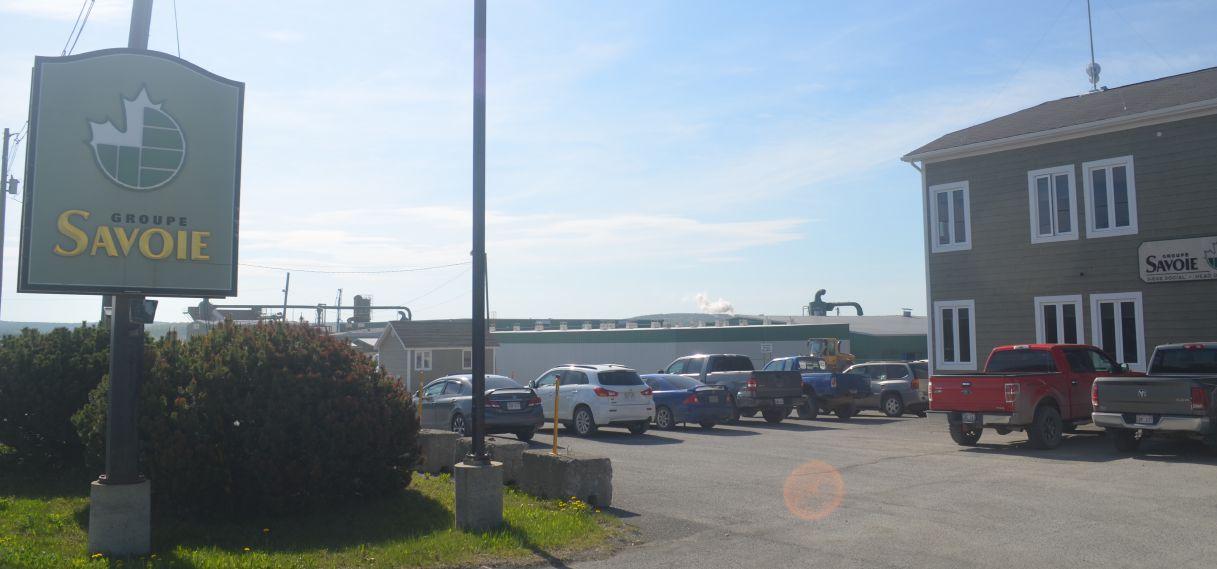
WhenHector Savoie and his son, Jean-Claude, acquired Restigouche Hardwood Ltd. and Cèdre Restigouche Ltd. in 1978, it’s unlikely they knew that their New Brunswick-based company, Groupe Savoie, would eventually evolve into an international dealer of specialty hardwood products. The company has grown leaps and bounds since its inception nearly 40 years ago, with 650 people employed through Groupe Savoie’s wood products facilities in Moncton, Kedgwick and St. Quentin N.B., and Westville, N.S.
Groupe Savoie was recently recognized for its growth at New Brunswick’s 2016 KIRA Awards and was awarded the Economic Impact through Employment Growth Award.
“We were selected because we created 150 new jobs over the last two years,” explains Jonathan Levesque, Groupe Savoie’s vice-president of sales and development. “It was a nice surprise.”
So, what’s the secret to the success of this family-run company’s operations? Simple. Staying diverse and optimizing your resources.
“We maximize the use of the wood,” says Levesque. “Fibre is used where it should be used.”
Levesque has watched the company grow and expand since he came on board as a co-op student in 1997, which eventually led to a full-time position for him within Groupe Savoie in 1999.
One the company’s core values is to ensure that it processes all of the hardwood that comes into its log yards for processing.
The company’s upper management is completely willing to adapt its operations to ensure all of the fibre that comes into its mills and plants is utilized.
“When you cut hardwood, 25 per cent of the cut is branches,” Levesque says. “So we like to say that 125 per cent of the tree is used. We push the fibre recovery and maximizing the use of any species of hardwood – we’re not picky. We use what grows around us. We’re not trying to modify what grows around us to develop our business. Each species has its own niche. We’re fortunate to use Crown wood but I think we give back more by doing the right thing, by using the products over and over and adding value to it. We have a responsibility to use that precious resource we get from the Crown and maximize the use of it. It’s a win-win situation for us and the province in the end.”
Groupe Savoie employs nearly 650 people through its wood products facilities in Moncton, Kedgwick and St. Quentin N.B., and Westville, N.S.
HOMES FOR HARDWOOD
Of the 650 people that are employed by Groupe Savoie, about 500 work out of the company’s headquarters in St. Quentin, a little over 100 kilometres from the Quebec border. The St. Quentin location boasts two sawmills, a pallet plant, a component plant, a pellet plant and dry kilns.
“A lot of people travel here and stay during the week and go home on the weekend,” Levesque says. “We have a lot of that happening now.”
Between 70 and 80 people work out of the component plant and dry kiln operation in Kedgwick, N.B., with the remaining staff split between its pallet production and recycling plant in Moncton and its sawmill in Westville.
In addition to producing 80 million board feet annually, the company produces CHEP pallets, custom pallets, kitchen cabinets, guitar necks and industrial and residential wood pellets.
Levesque says that diversifying the company’s hardwood operations has been a major factor in it remaining economically viable, especially during tough times like the last recession.
“Diversification is why we’re still alive today,” he says. “I’m not saying that during that time some of the products were in high demand… but when the kitchen cabinet market goes down the tubes and lumber prices aren’t there, it gives us a ‘Plan B’ internally. If a customer wants 50 per cent less lumber, maybe there’s a way we can send it elsewhere through another process temporarily. It gives us another route to minimize the impact.”
IMPORTANCE OF INVESTMENT
Another key factor for the success of
Groupe Savoie has been a willingness by ownership to investment in its various operations.
“Even through the tough years, JeanClaude never stopped investing in his mills,” Levesque says. “Even when profit was not there, we were investing substantial amounts of money back into the operations. He has the long-term vision to reinvest – not only when it’s profitable.”
PELLET OPERATIONS
One of the company’s more recent investments was in its pellet plant operation in St. Quentin, originally started up about six years ago.
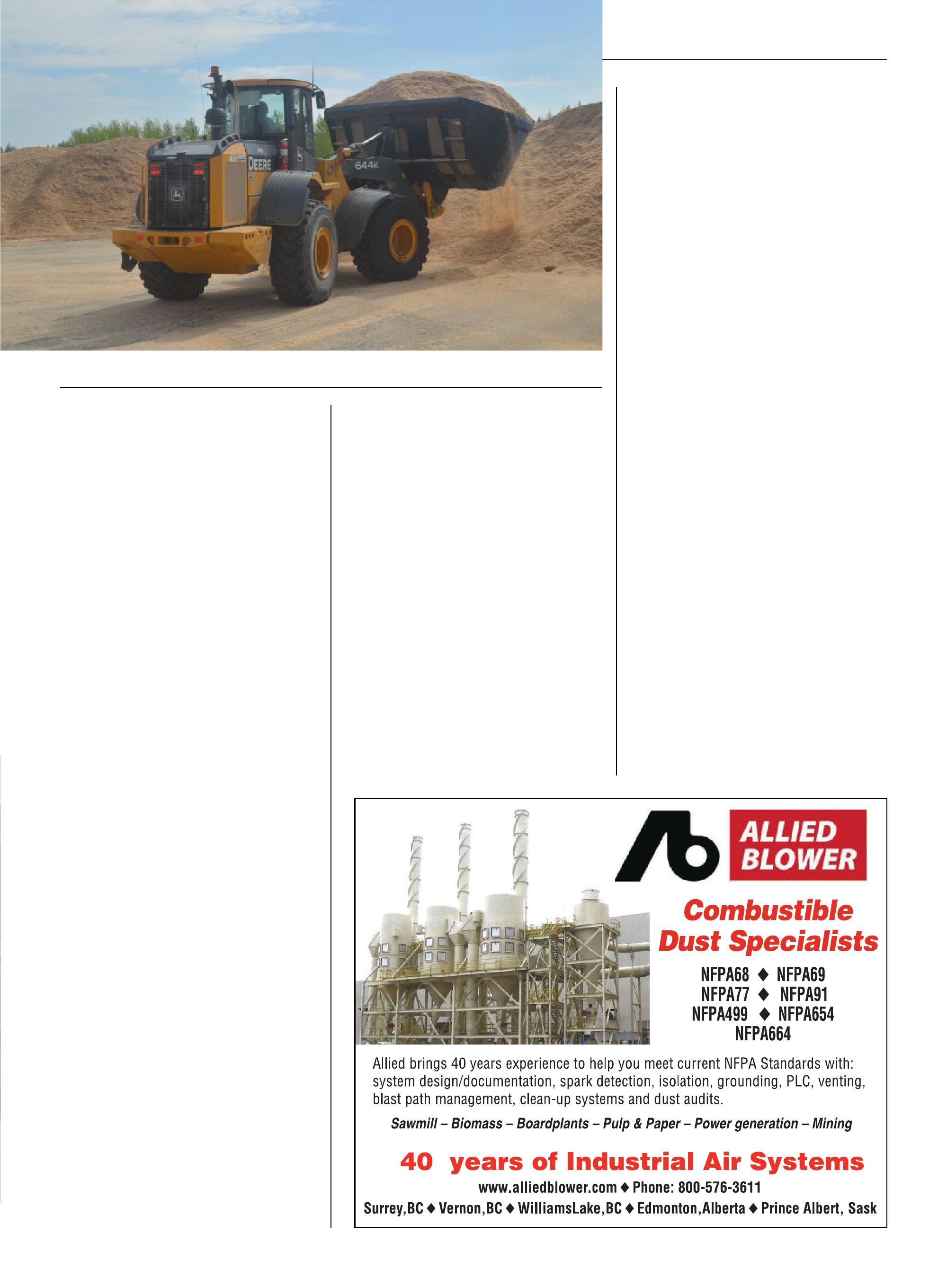
The plant produces approximately 90,000 tons of wood pellets annually for the domestic residential pellet market
and the European industrial grade pellet market, running seven days a week, 24 hours a day.
The company installed a new 55-million BTU Wellons FEI burner last year to remove a bottleneck in its operations, which allowed them to accommodate an increase in production of about 20,000 pellets annually to help them keep up with future demand on the residential side of the business.
Although the residential side of its pellet business took a temporary hit this year due to unusually warm winter across New Brunswick, the pellet plant has allowed Groupe Savoie to become almost completely self-sufficient with its raw materials – sawmill and harvesting residuals – and has put the company in a strong position to accommodate the residential market for the harsher, colder winters that the province typically experiences.
Groupe Savoie also invested in a Western Star 15-ton capacity, vacuum delivery truck to service its domestic market across the province, making them the first company to own this type of equipment across Canada.
With a willingness to invest in new technologies and upgrades in all of its operations, Groupe Savoie has a long-term vision that will likely see them provide much-needed employment across the Maritimes for future generations. •
The pellet plant produces approximately 90,000 tons of wood pellets annually.
Putting Waste to Work
A group of researchers teams up to develop a more efficient way to produce biofuels
By Gabrielle Bauer
Garret
Munch radiates enthusiasm – especially when he gets a chance to talk about his passion: clean energy. “You have to admit,” says the University of Manitoba (UofM) graduate student, as though anticipating an objection, “biofuels are cool.”
When Munch began working on his master’s degree in engineering, he had his sights set on producing biodiesel. Fresh from an undergraduate degree in biochemistry, “I was eager to apply my
science background to the real world,” he says. The idea of using vegetable sources of biodiesel quickly caught his fancy. “I was convinced it was the greatest idea since flux capacitators,” he recalls. “This was the future, and I was going to be part of it!” His enthusiasm ran into the hard wall of reality when he read this sentence: Increasing demand for vegetable-based biodiesel has caused an increase in food prices worldwide. “I decided I didn’t want to contribute to the problem,” he says.
Munch wasn’t about to give up on his
dream, though; he just had to find a different way to grow his biodiesel. Enter a little-known yeast strain called rhodosporidium diobovatum. “Another student in my lab group had published a paper on the ability of different yeast strains to produce the fatty acids that serve as precursors to biofuels,” Munch says. “It turns out the diobovatum was one of the high producers.”
The hard-working yeast strain also intrigued Munch’s project supervisor, UofM engineering professor Nazim Cicek. Munch wasted no time putting the strain
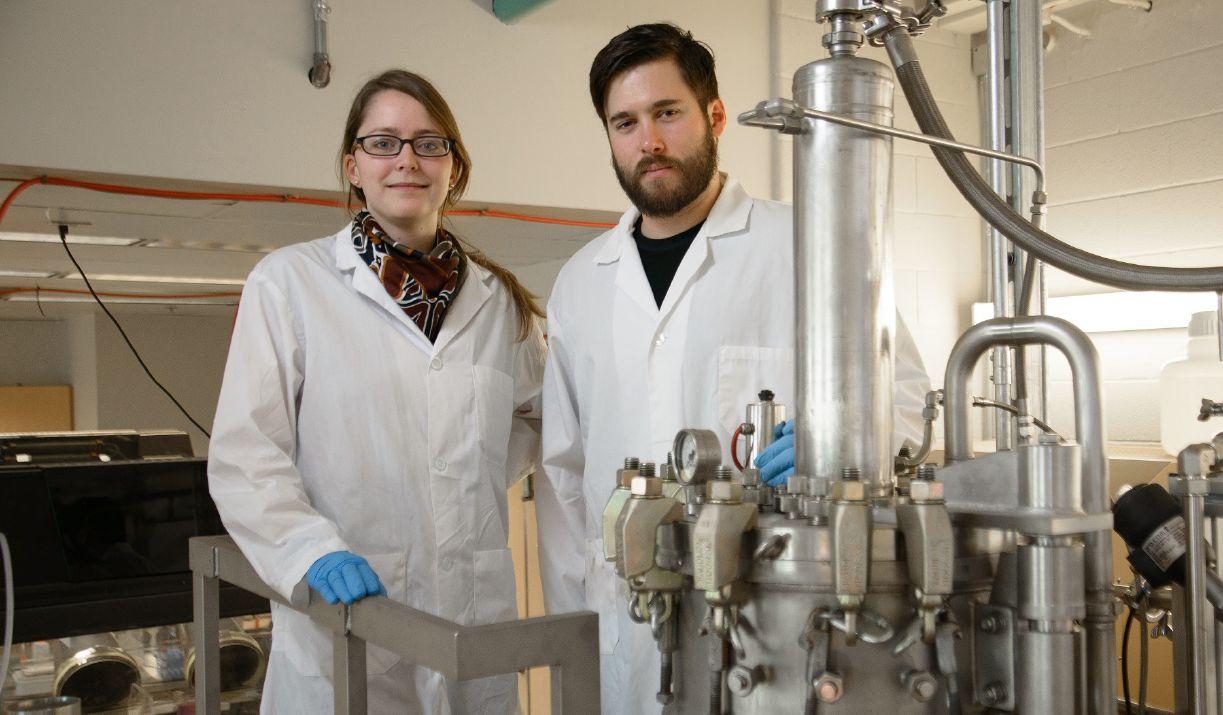
Valerie Orr and Garret Munch in the lab at Western University with Munch’s bioreactor.
to the test in Cicek’s lab. He soon found it had star quality: not only did it grow very fast and produce fatty acids in abundance, but it could metabolize a number of different carbon sources, one of them the glycerol recovered – ironically enough – from the sludge left over after producing biodiesel from vegetable oil.
Munch had proven the strain’s worth in a laboratory flask. But what kind of yield would it produce on a larger scale? In bottom-line terms, “We wanted to scale up the process to find out if it had commercial potential,” Cicek says. “I also thought it would be useful for Munch to learn what post-treatment looks like.”
Munch knew just where to turn. Some months earlier, he had attended a BioFuelNet annual general meeting where he met a student of Lars Rehmann, an assistant professor of chemical and biochemical engineering at the Western University in London, Ont. As the two grad students chatted about their respective projects, Munch learned that Rehmann’s chief interest lay in optimizing bioreactor performance. As such, he had the equipment and expertise to pilot-test Munch’s bioprocess on a larger scale.
TRAINING THE FUTURE
This led to Munch to apply for a BioFuelNet exchange grant, which funded an eight-week stint in Rehmann’s lab. Such grants are an integral part of BioFuelNet’s ongoing education and training program. The program helps train and launch a large number of young professionals, dubbed Highly Qualified Personnel, who will develop the Canadian biofuels industry to its full extent.
Specifically, the program provides R&D training, professional skills training, career development and networking opportunities, and funding for R&D initiatives within the academic, public and private sectors in Canada and beyond.
Student exchanges such as the one that brought Munch and Rehmann together seek to strengthen interactions within the BioFuelNet community, transfer knowledge between labs, expose young professionals to different problem-solving approaches, and strengthen Canada’s exposure to the international biofuels scene.
The exchange bore ample fruit for Munch. Drawing on Rehmann’s experience
and research facilities, he was able up his production scale to a 100-L pilot-scale reactor system. He breathed a sigh of relief when his yeast came through with flying colours. “Thanks to my BioFuelNet connections, I’ll be able to go even bigger,” he says.
BACK TO THE DRAWING BOARD
As it happens, “going bigger” isn’t as simple as using larger quantities of starting materials. “A process can be straightforward when you’re working with just a litre, but as the system gets larger, the surface area-to-volume ratio changes, which makes it more challenging to get oxygen into the system,” Rehmann explains. What’s more, “using a larger impeller [the rotating component of a centrifugal pump] increases the shear stress on the yeast, which can lead to cell breakdown.” In other words, it’s not a given that a procedure that works in a beaker will also work in a bioreactor. “That’s why it’s important to take small ideas and move them up to a semi-industrial scale,” Rehmann says.
The final step will be to determine whether the process has economic legs. “This will depend on several factors, including the price of fossil fuels and the availability of industrial partners,” Rehmann notes. The research group eventually plans to expand the project to include other sources of waste to feed the yeast. Ideally, “we can eventually link up with a biofuel production company that generates the waste we use as fuel,” Cicek says – a win-win scenario if ever there was one.
In the meantime, Munch plans to return to the UofM, where he and Cicek will work on fine-tuning the growth conditions for his yeast strain in hopes of achieving even higher fatty acid yields.
Munch is right where he wants to be. He’s still growing fuel, just as he set out to do. “The only difference is that my ‘labour force’ is microscopic,” he says with a chuckle. “And I think it’s amazing that the waste I’m using in the process comes from biodiesel production itself. Talk about closing the loop!” •
Your global equipment supplier for the biomass industry
ANDRITZ is one of the world’s leading suppliers of technologies, systems, and services relating to equipment for the biomass pelleting industry. We offer single machines for the production of solid and liquid biofuel and waste pellets. We have the ability to manufacture and supply each and every key processing machine in the pellet production line.
New Gear
WSM WOOD AND BARK HOGS
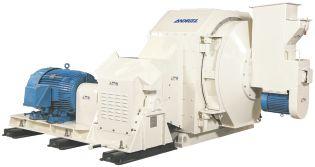
West Salem Machinery’s (WSM) Wood and Bark Hogs offer a simple yet highly effective design to process a wide range of feedstock at rates up to 150 tons per hour. These rugged grinders feature a heavy-duty rotor with innovative disc and hammer configuration options. The optional pivot housing provides easy access to main wear components with all infeed components remaining in place. From fine grinding of wood chips for pellet fuel or chipboard, to coarse grinding of bark or wood waste for mulch or biomass, WSM vertical grinders have the flexibility to provide the solution for your application. WSM’s complete Biomass Feedstock Processing Systems include bulk feeders, pre-screening and cleaning for low cost processing with reduced grinder wear and increased through-put.
www.wsm.com
FLEXCO MODULAR IMPACT BEDS
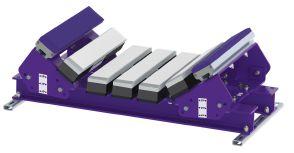
Flexco has added Modular Impact Beds to its line of load zone solutions. Engineered with maximum capacity in mind, while ensuring full containment,
the modular beds are designed with universal components that offer effective and affordable load zone protection. The new Modular Impact Beds feature a 2’ (600 mm) sectional design, which allows the user to choose the layout of their load zone, depending on application-specific performance requirements. Along with offering total design control in the load zone, the new Modular Impact Beds can also be paired side-by-side with each other to match specific load zone lengths and requirements. The Modular Impact Beds feature slide-out service in three pieces, offering service to each section right at the conveyor, complete with long-lasting 1” (25 mm) UHMW bars that are designed for use on reversing belts.
www.flexco.com
SUPERIOR’S CARRYBACK MATERIAL SOLUTION
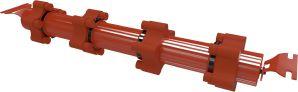
Superior Industries, Inc. offers a new solution for removing carryback material from the return side of a conveyor belt system. Named the Urathon Beater Roll, the design couples a common, CEMA rated return idler and a series of urethane lobed discs. In operation, these discs cause light vibration, which dislodges carryback material from the conveyor belt. According to Superior, ideal installation locations include above a stockpile, screen or bin so the ejected material hits a target point. Urathon Beater Rolls can be purchased as full, pre-assembled idlers or individual urethane-lobed discs. Each disc is coupled with a hose clamp for assembly onto existing idlers in the field. The discs are manufactured to fit to CEMA C and D class return idlers in diameters of 4-inches, 5-inches and 6-inches. www.superior-ind.com
EVENTS BOARD
June 15-17, 2016 • 7th International Bioenergy Conference and Exhibition Prince George, B.C. www.bioenergyconference.org
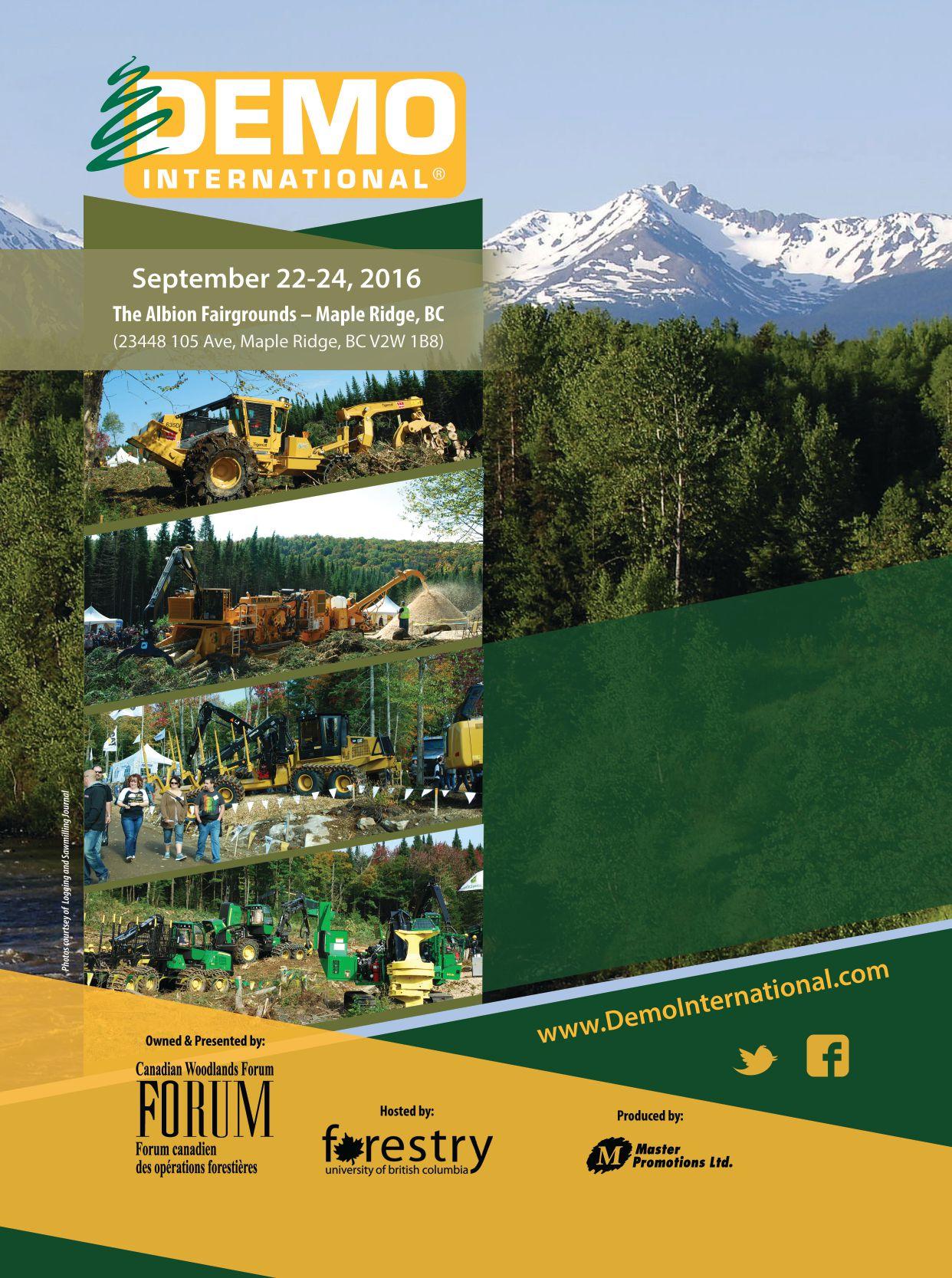
Sept. 22-24, 2016 • DEMO International 2016 Maple Ridge, B.C. www.demointernational.com
ANDRITZ Feed & Biofuel A/S Europe, Asia, and South America: andritz-fb@andritz.com USA and Canada: andritz-fb.us@andritz.com
www.andritz.com
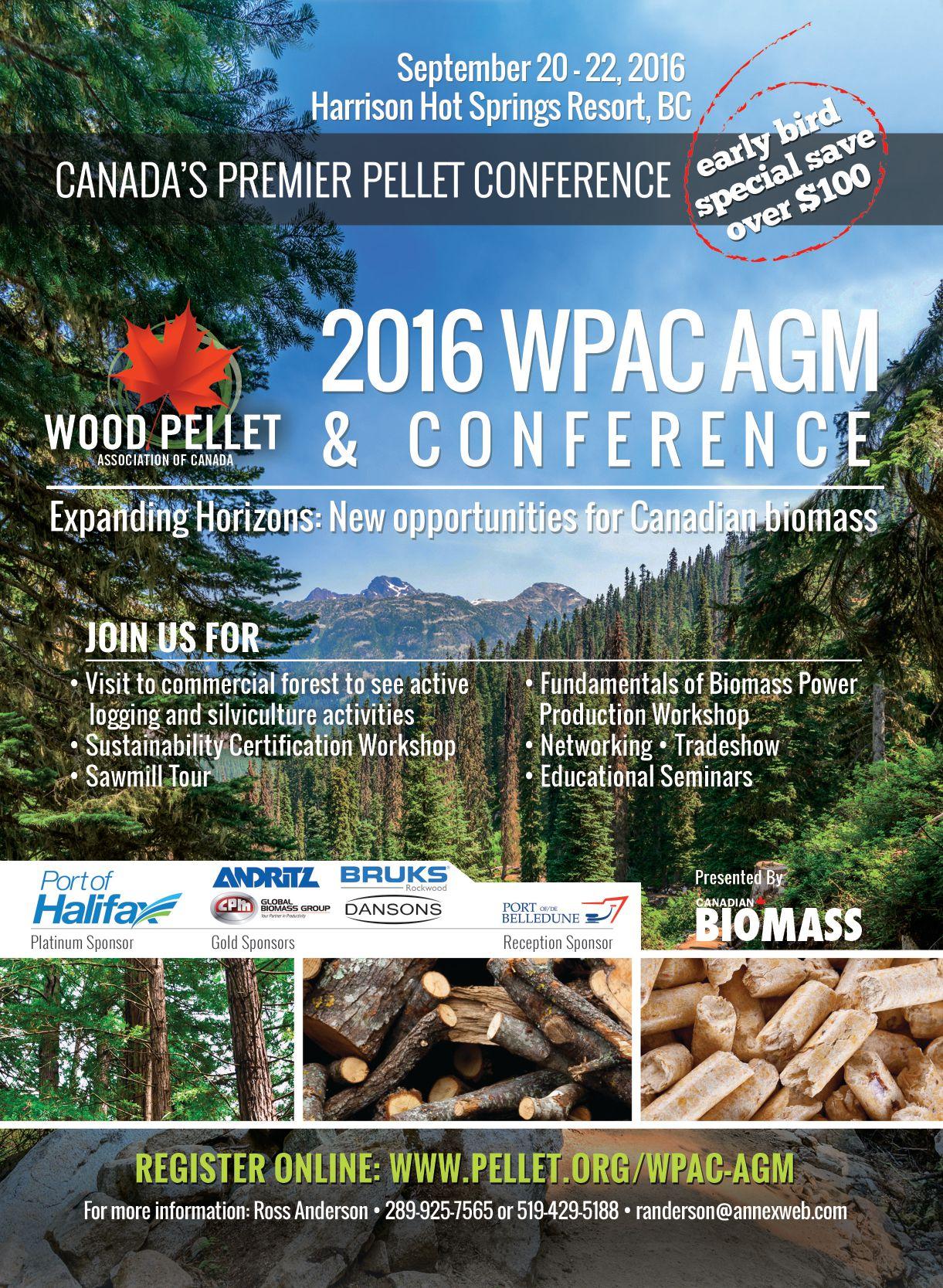
Sept. 20-22, 2016 • WPAC Conference and AGM Harrison Hot Springs, B.C. www.pellet.org
Nov. 28-30, 2016 • Canadian Bioeconomy Conference Ottawa, Ont. www.greenfuels.org
For more on events, go to canadianbiomassmagazine.ca
Red Tape Challenge
IHow red tape is hurting biomass development in Ontario
By Bruno Zrno – Engineering Biomass Business Developer, Viessmann
n early May, I participated in the Red Tape Challenge (RTC) roundtable discussion in Cambridge, Ontario.
The Red Tape Challenge, launched by the Ministry of Economic Development, Employment and Infrastructure (MEDEI), is “an online consultation tool designed to identify and eliminate duplication, lessen compliance burdens, shorten response times and make it easier for businesses to interact with government.” (www.ontario.ca/page/red-tape-challenge)
The first phase focus of the RTC is con-
un-certified equipment goes through that process every time. The “problem” with the current Act and costly ECA approval is that you have to test the same-identical, certified equipment for every single project, every single time.
When we talk about the modern biomass boilers, we are referring to proven, high-efficient and fully automatic multistage combustion technology with oxygen, temperature and pressure sensors controlled by a complex PLC system. These boilers are manufactured and certified to meet all North American and European industry, safety and environmental standards. Modern biomass boilers meet all CSA and TSSA standards.
“Ontario is significantly behind in modern standards to support the industry...”
sulting on automotive parts manufacturing sector regulations. Since one of the categories is Environmental Regulations, with subcategories such as Rules of Boiler Use and Environmental Approvals Process, I was able to address the obstacles facing the wood biomass industry in Ontario.
The main provincial legislation governing the discharge of pollutants in Ontario is the Environmental Protection Act. As per this Act, the Ministry of Environment and Climate Change (MOECC) requires that an Environmental Compliance Approval (ECA) must be obtained for all wood burning equipment. That means that in the same “basket” we have outdoor stoves, custom made furnaces-boilers and modern certified biomass boilers.
It is understandable that first time installed certified equipment goes through the testing process. Also, it is understandable and desirable that custom made,
For modern biomass boilers, current standards require ECAs for identical certified boilers burning identical certified fuels every single time. There are three issues that immediately emerge:
1. What is the reason for constant carbon monoxide monitoring of flue emissions if the equipment is tested during the certification process and if testing is performed during commissioning?
If changes are made to the equipment, then we are not talking about the certified equipment anymore. Furthermore, the use of uncertified fuel and/or any modifications to the product post-certification would void the warranty.
2. What is the reason for acoustic assessment of certified equipment, in cases where a sound testing report is available and performed by third party companies?
For all standard equipment in HVAC industry, sound power and/or sound pressure results are sufficient proof for acoustic performance.
3. What is the reason for air dispersion
modelling if you have a requirement for emission limits and fuel standards, plus a venting system designed according to standards?
Fossil fuel boilers have fuel standards and boiler performance reports with appropriate fuels with no requirement for dispersion modelling. But if a user burns a waste oil with boiler certified for standard oil, emission levels will be way out.
Just as regulatory bodies and industry in general trust that users will use a standard fuel for fossil fuel boilers or that drivers will not use a cooking oil for diesel motors, the same trust should be considered with certified wood biomass boiler users. The point that I am trying to make is that equipment will give the output according to the fuel being used.
And if anyone ever wondered why Ontario is so behind in wood biomass industry compared to B.C., Quebec, NWT or Maritime provinces, the answer lays in the very costly environmental approval process. While the wood biomass industry in other provinces has modern standards that support the industry (especially local wood industry and forestry), Ontario is significantly behind. While other provinces see multiple installations of modern wood biomass systems every year (in schools, universities, hospitals and condo buildings in downtown cores etc.), Ontario is still living in the perception of wood biomass technology as an old stove with black smoke spewing out of the chimney.
Ontario recently launched a Climate Change Mitigation and Low Carbon Economy Act with the plan of creating a low-carbon economy through a cap and trade system. With wood biomass being recognized as carbon neutral fuel, the plan should focus on change and modernization of the bio-industry standards. •
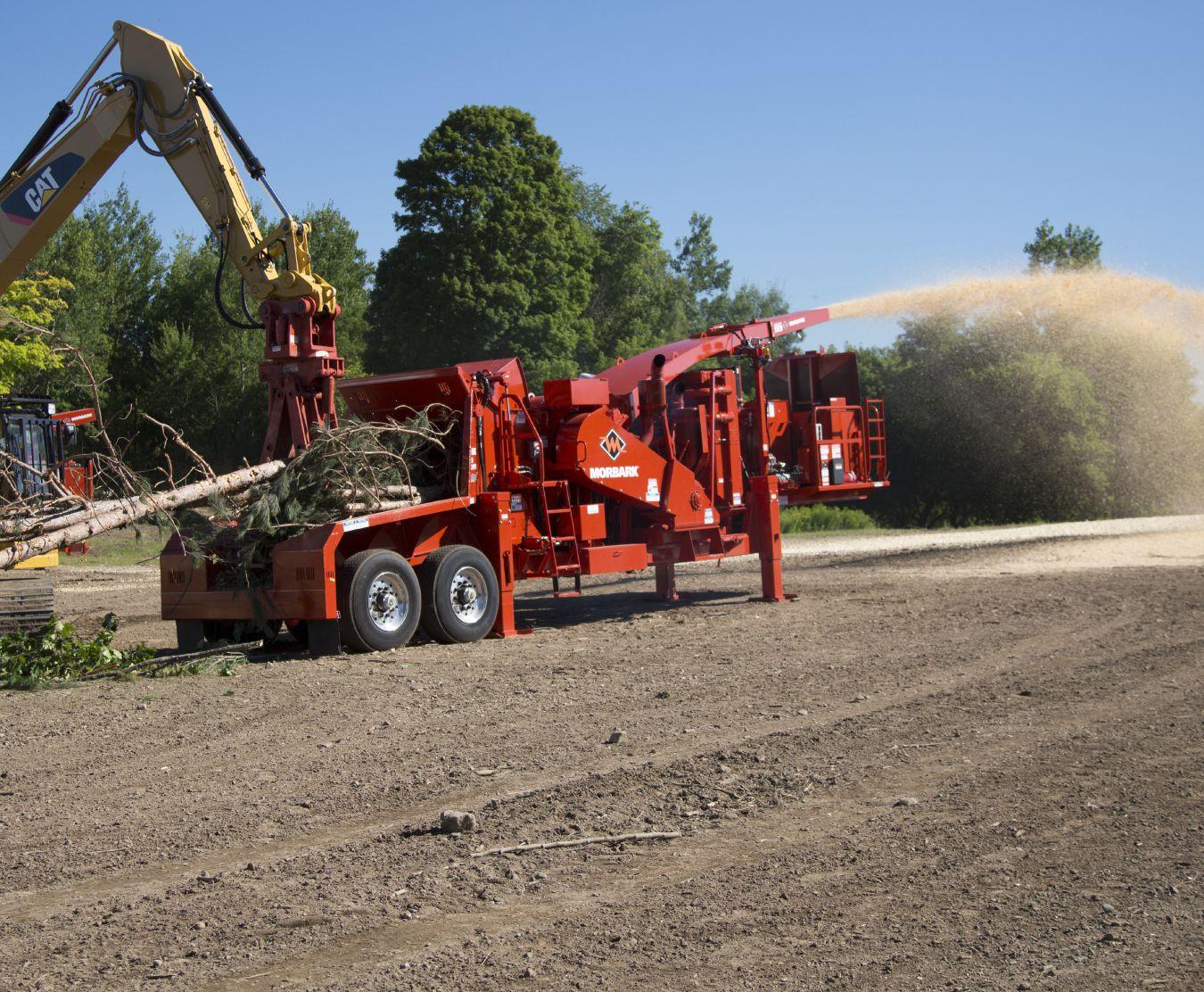
Morbark Strong. It’s more than a slogan; it’s a way of life for us. It’s our commitment to you that our heavy‑duty equipment is built to withstand the rigors of even your toughest jobs.
All Morbark equipment is aggressive, productive and engineered to give you the power and features you need to maximize output, minimize downtime and enhance your profitability.
We custom build your whole tree drum chipper to meet your exact specifications. Our dealers will partner with you to determine your needs — for now and in the future.
Our commitment to you extends beyond the sale with our ever expanding dealer network, unmatched service and support teams, as well as expertise in helping you recognize and capitalize on potential business opportunities.
In short, our commitment to you is Morbark Strong!
Find your local authorized Morbark dealer at www.morbark.com/find-a-dealer