Bosch: Founded in 1886. Built on precision, performance and innovation.
One distributor. Five premium brands. Local inventory. Technical expertise. National support.
RESIDENTIAL
& COMMERCIAL
Rooftops, Furnaces, Heat Pumps, A/C, Ductless, VRF, OEM Parts
For more benefits, ask your local wholesaler or visit www.chemfax.com or duboischemicals.com Try Chem-Frost
Safe for all systems (including aluminum and solar)
Premier inhibitors
Higher temperature rated
Phosphate and nitrate free
Low viscosity
HEAT TRANSFER FLUIDINHIBITED
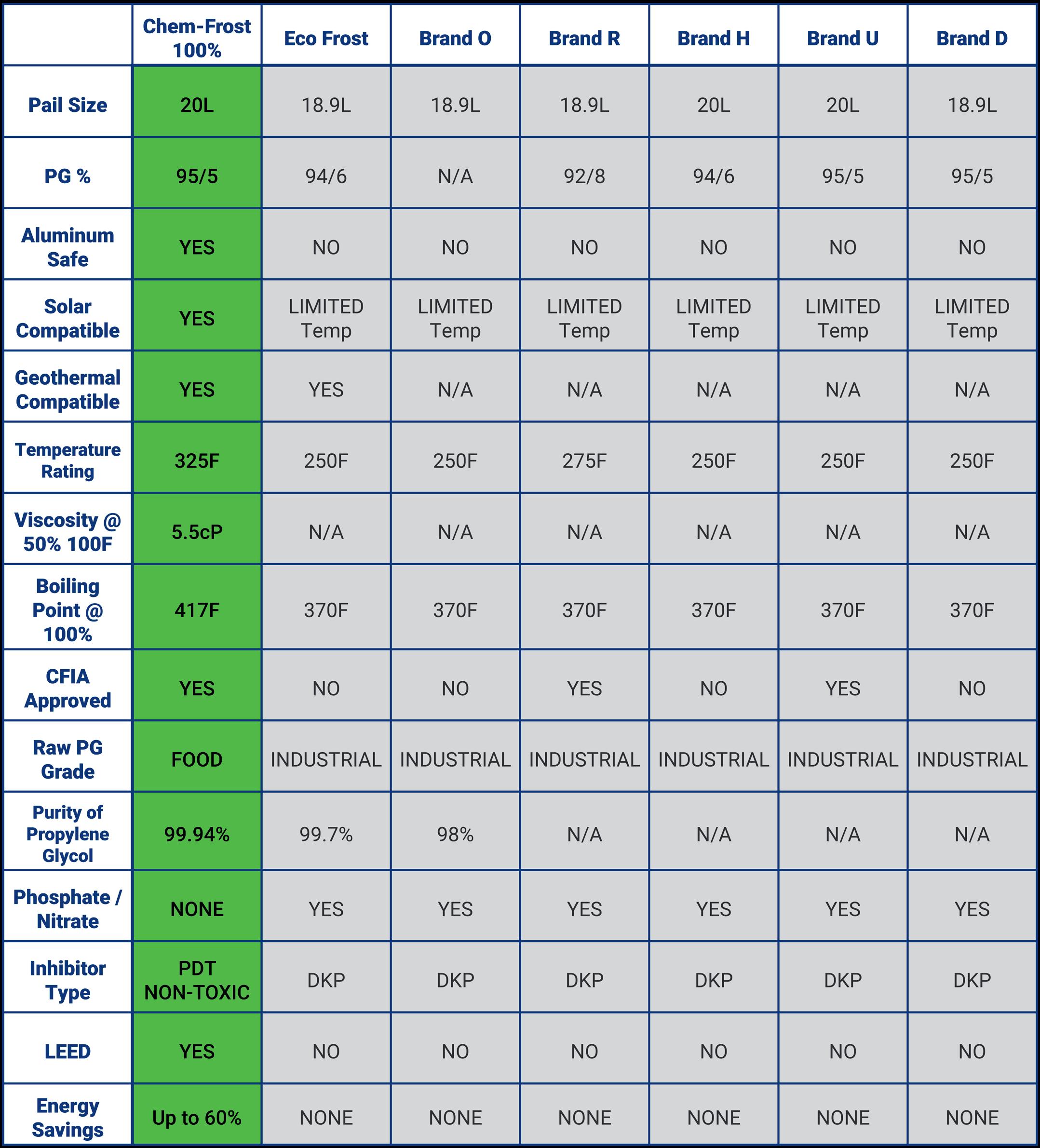
PROPYLENE GLYCOL COMPARISON CHART
Based on information provided on respective manufacturers’ websites*
**Subject to change**
FEATURES
10
BUSINESS DISRUPTORS
INTRODUCING OUR PODCAST
HPAC magazine is speaking with business leaders and inviting you to listen in on the conversation. By Doug Picklyk
18
CMPX REVIEW
RECORD CROWD FOR NATIONAL
MECHANICAL & PLUMBING SHOW
Over 17,000 people attented CMPX. By Doug Picklyk
20
SHOW REVIEW
HEAT PUMP SYMPOSIUM
The fifth edition rolls into Vancouver. By Doug Picklyk
22 COVER STORY
HVAC
IAQ AND MINI SPLIT MAINTENANCE
What’s traveling in our air and getting trapped in our HVAC units? This article explores the nitty gritty details of the air we breathe and its affect on HVAC systems.
By Ian McTeer
28
HVAC IMPROVING AIRFLOW
Ideas for correcting common errors on residential forced air systems based on the analysis of a home in Victoria, B.C.
By Todd Backus, P.Eng.
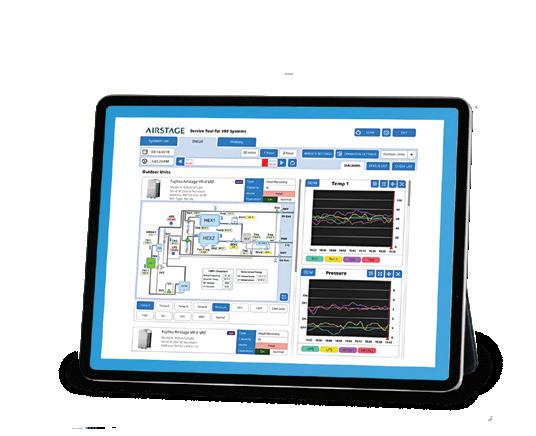
Experience the benefits of an innovative virtual Building Management System with Fujitsu AIRSTAGE Cloud.
Don’t let upfront costs stretch your budget to the max. Fujitsu’s innovative AIRSTAGE Cloud virtual BMS, coupled with AIRSTAGE VRF products, allows facilities managers to install, control, troubleshoot, and reduce energy costs – all from a simple online platform. With an ROI in months, not years, you’ll see immediate benefits. Moreover, our full line of AIRSTAGE VRF solutions - backed by 45 years of HVAC expertise - delivers more flexibility, power and comfort in less space. Reach new heights of performance and efficiency without sticking your neck out…Fujitsu AIRSTAGE Cloud.
Visit airstagecloud.com
CONTENTS
34
HYDRONICS
AIR-TO-WATER HEAT PUMP OPTIONS
There are multiple configurations and system designs to consider, each with its own benefits.
By John Siegenthaler
42
HYDRONICS
PIPING AND DISTRIBUTION
Part three of the Hydronics Building Blocks series looks at putting the pieces together for a distribution system.
By Michael Breault
52
PLUMBING
WARMING UP TO HEAT PUMP WATER HEATERS
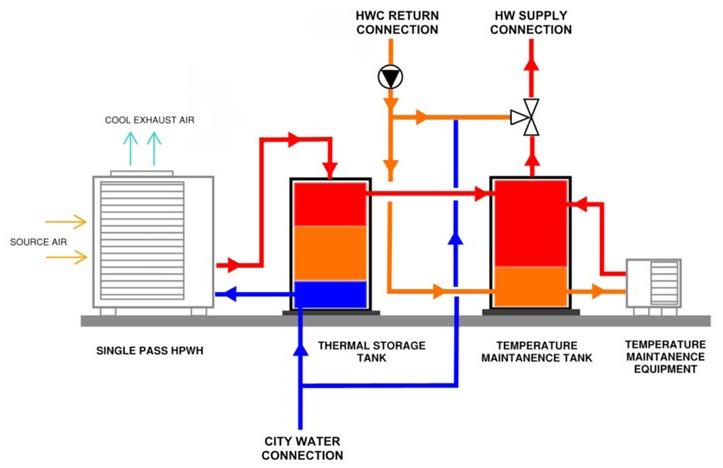
The technology has been around for years, but adoption remains low even as manufacturers are working to ease the transition.
By Doug Picklyk
56
PLUMBING
NEW PLUMBING PRODUCTS
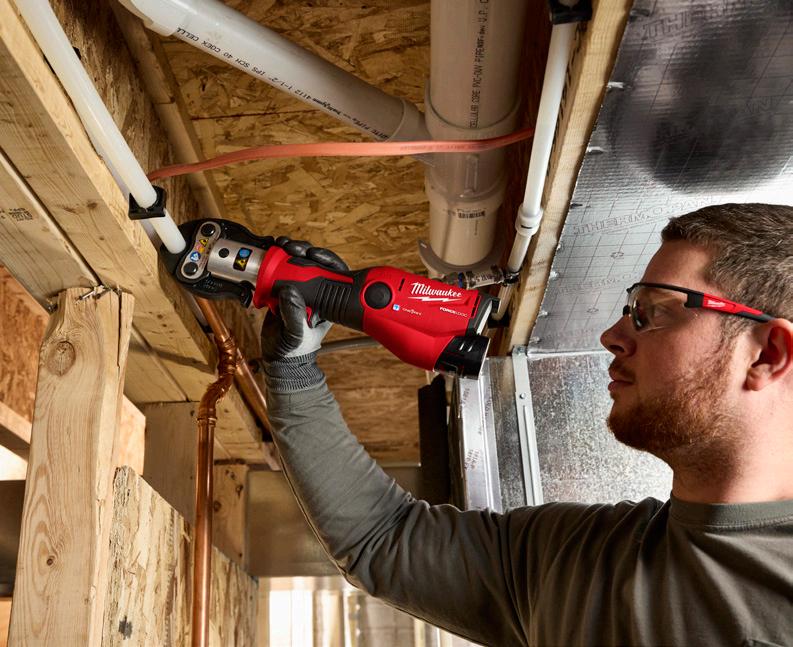
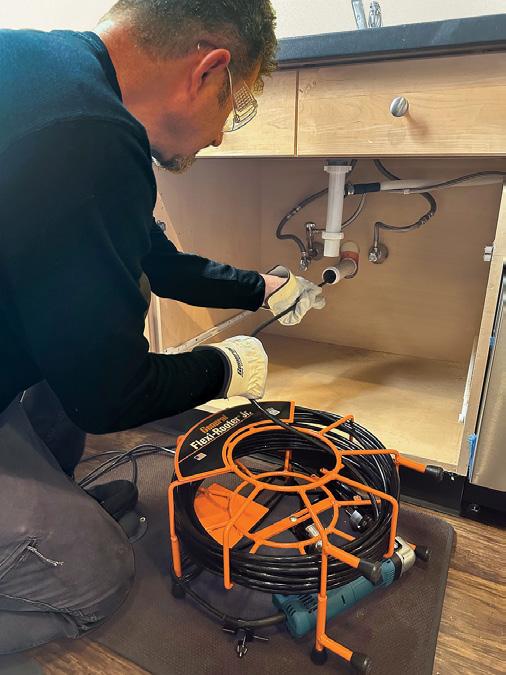
Some of the latest releases from booster pumps and press tools to valves and drain cleaning flexible shaft solutions.
By Doug Picklyk
57
REFRIGERATION
CO2 AND COMPRESSORS
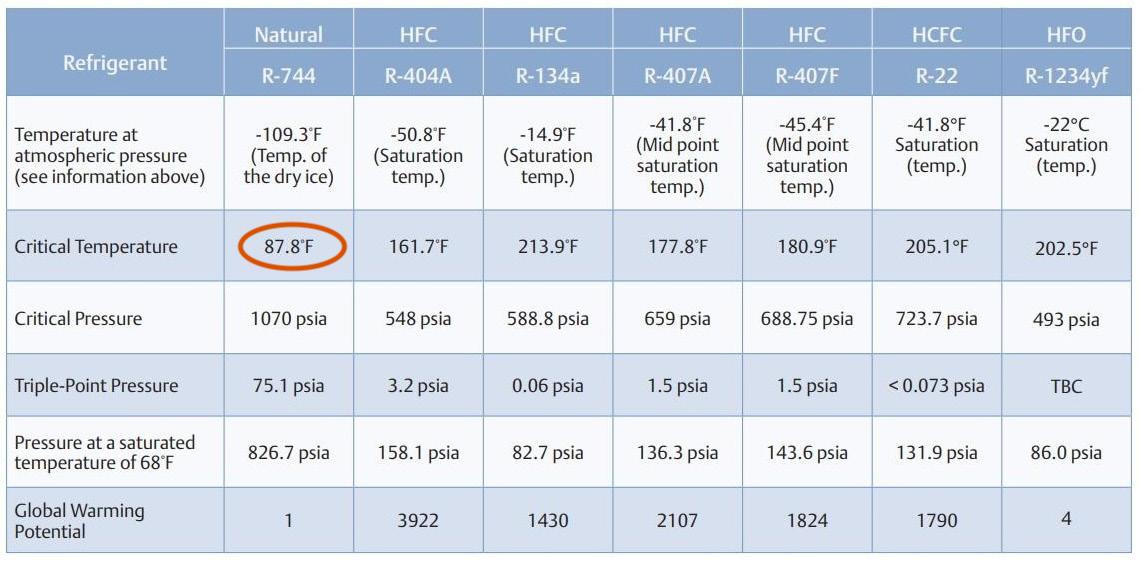
The high pressure required to use CO2 as a refrigerant produces high discharge heat suitable for commercial DHW.
By Dave Demma
60
BUSINESS
THE AI ADVANTAGE — TWO YEARS LATER
What’s actually working for trades businesses and moving them from busy to controlled.
By Matthew Birch
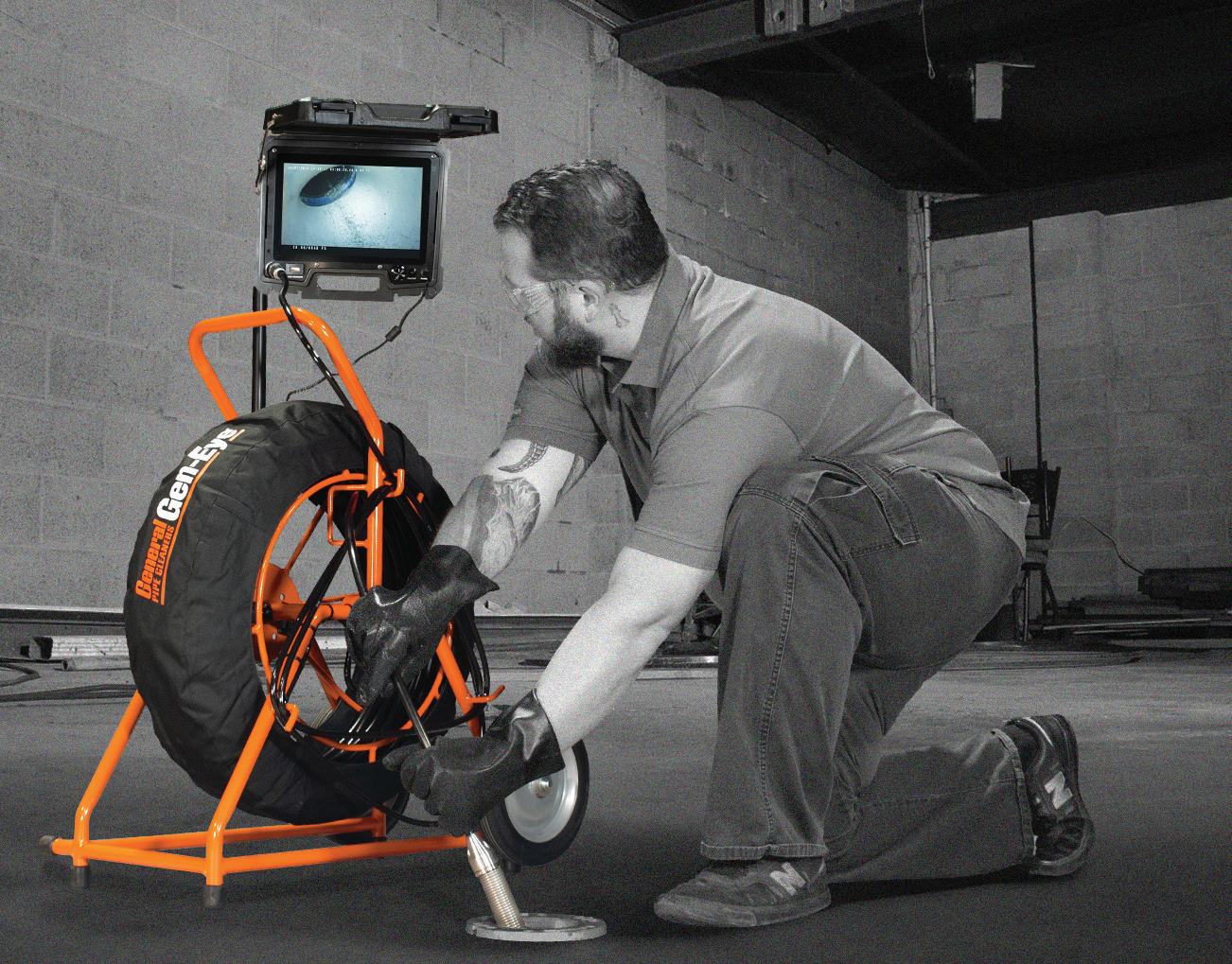
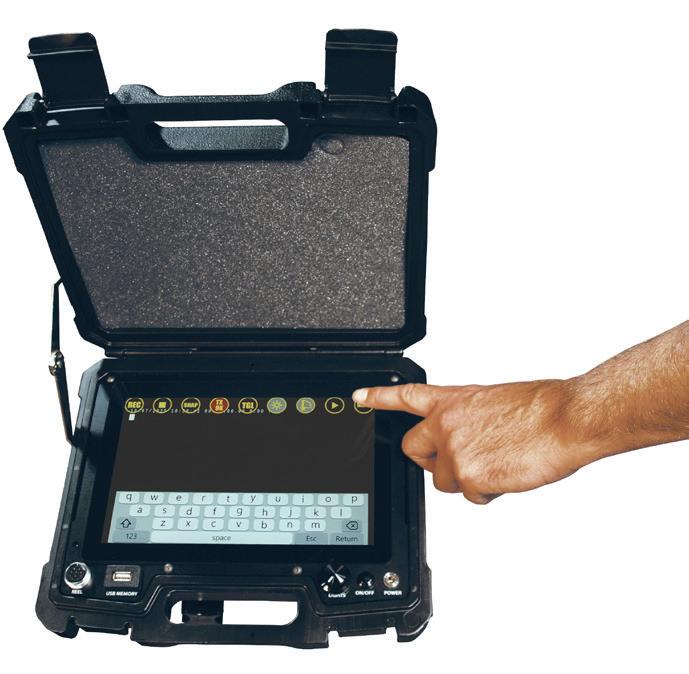
Upgrade your inspection camera to General Pipe Cleaners’ new Gen-Eye Fusion™ video pipe inspection system.
• High-de nition camera
• Advanced video recorder with full HD 1080p capability
• Three ways to record – USB to Flash Drive, Internal memory recorder, or live Wi-Fi streaming
• Touch screen keyboard for titling
• Gen-Pack™ battery adapter for remote operation
• Compatible with all of General’s camera systems
Get the full picture. Call the Drain Brains at General at 800-245-6200, or visit www.drainbrain.com/fusion
THE MISSING MIDDLE
THE HVAC AND PLUMBING INDUSTRY HAS KNOWN ABOUT THE LABOUR SHORTAGE IT FACES FOR YEARS, and the question remains, who’s going to fix it, and how?
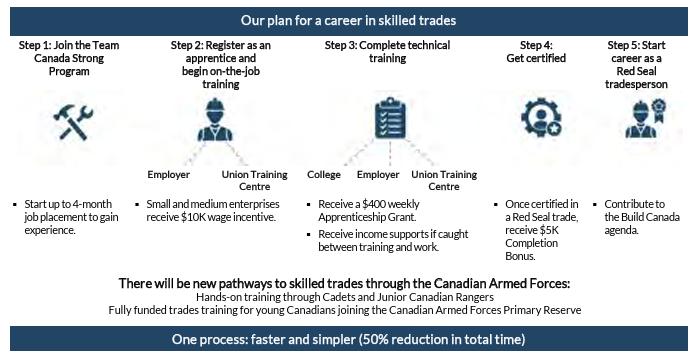
The Spring economic update from the Federal Government included the generous $6 billion program called Team Canada Strong, a spending spree designed to recruit, train and hire 80,000 to 100,000 new Red Seal trades workers by 2031.
I’m assuming some of those new recruits will be plumbers and HVAC techs. According to the government, between retirements and surging demand, Canada will need more than 1.4 million additional trades workers by 2033.
I’ve spoken with many contractors in this industry who talk about the missing middle. There are still a lot of experienced tradesmen (mostly men) who are grey haired, slowing down and looking for an exit. And then there is an emerging group of young techs eager, but still very green. The challenge is finding enough experienced folks in the middle to be the apprentice trainers.
This also makes me think: Why are businesses being swallowed up by private equity firms? Maybe because there aren’t enough middle-aged trades with the accumulated finances and experience to take over these businesses (a topic for another day).
And when it comes to this next generation. I believe, although late to the game, both schools and governments are doing more to promote skilled trade careers to kids in high school and younger. This has been sorely lacking since at least the mid-80’s when I was in high school. But then comes the next challenge. They get into schools, learn about the tools and the theory of how to plumb a shower, and then there’s the real world of getting it done on-site.
One contractor I spoke with in the plumbing service business says it’s tough to take on apprentices in his line of work. Homeowners don’t want to see someone who’s “learning on the job.” They want their problem fixed by an experienced tradesperson. You can't charge for two people.
New construction, no problem, you can have four apprentices watching a mentor, getting their hands dirty and learning with nobody else around. In the service world you need to get it done right, the first time, with an audience.
The government reports that only about one-third of registered new apprentices complete their programs (that’s across all trades), and you have to wonder why that is. Are they disillusioned by what they are experiencing? Or are the actual hands-on opportunities lacking and making it difficult to proceed?
Are enough small and medium HVAC and plumbing operations taking on apprentices? Are you?
Well, this new Canada Strong program is offering financial support for the entry-level trade hopefuls, along with wage subsidies of up to $10,000 for small- and medium-sized businesses to offset first-year salaries. The government is also dangling a $5,000 bonus to complete a Red Seal certification. Hopefully throwing money at the problem will provide some help, but the problem really started years ago, and the industry needs to fill that missing middle. <>
– Doug Picklyk, Editor
Reader Service
Print and digital subscription inquires or changes, please contact Angelita Potal, Customer Service
Tel: (416) 510-5113
Email: apotal@annexbusinessmedia.com
Mail: 111 Gordon Baker Rd., Suite 400, Toronto, ON M2H 3R1
ASSOCIATE David Skene (416) 510-6884 PUBLISHER dskene@hpacmag.com
NATIONAL Amanda McCracken (647) 628-3610
ACCOUNTS amccracken@hpacmag.com
ACCOUNT Kim Rossiter (416) 510-6794
COORDINATOR krossiter@hpacmag.com
AUDIENCE DEVELOPMENT Urszula Grzyb (416) 510-5180 MANAGER ugrzyb@annexbusinessmedia.com
MEDIA Emily Sun DESIGNER esun@annexbusinessmedia.com
PUBLISHER Peter Leonard (416) 510-6847 pleonard@hpacmag.com
CEO Scott Jamieson sjamieson@annexbusinessmedia.com
PUBLICATIONS MAIL AGREEMENT NO. 40065710
Heating Plumbing Air Conditioning (established 1925) is published 6 times per year by Annex Business Media. HPAC Magazine is the leading Canadian business publication for the owner/manager of mechanical contracting businesses and their supply partners.
To subscribe, renew your subscription or to change your address or information please visit us at www.hpacmag.com.
Subscription Price per year: $46.68 (plus tax) CDN; United States: $118.81 CDN; Elsewhere: $130.48 CDN; Single copy Canada: $8.00 CDN. Heating Plumbing Air Conditioning (establish 1925) is published 6 times per year by Annex Business Media. HPAC Magazine is the leading Canadian business publication for the owner/manager of mechanical contracting businesses and their supply partners.
MAIL PREFERENCES: From time to time we make our subscription list available to select companies and organizations whose product or service may interest you. If you do not wish your contact information to be made available, please contact us via one of the following methods: Tel: 416-510-5113, Fax: 416-510-6875; E-mail: apotal@annexbusinessmedia.com; or by mail: 111 Gordon Baker Rd., Suite 400, Toronto ON M2H 3R1 Annex Privacy Officer
Privacy@annexbusinessmedia.com
Tel: 800-668-2374
HPAC Magazine receives unsolicited materials (including letters to the editor, press releases, promotional items and images) from time to time. HPAC Magazine, its affiliates and assignees may use, reproduce, publish, re-publish, distribute, store and archive such unsolicited submissions in whole or in part in any form or medium whatsoever, without compensation of any sort.
NOTICE: HPAC Magazine, Annex Business Media, their staff, officers, directors and shareholders (hence known as the “Publisher”) assume no liability, obligations, or responsibility for claims arising from advertised products. The Publisher also reserves the right to limit liability for editorial errors, omissions and oversights to a printed correction in a subsequent issue. HPAC Magazine’s editorial is written for management level mechanical industry personnel who have documented training in the mechanical fields in which they work. Manufacturers’ printed instructions, datasheets and notices always take precedence to published editorial statements.
Proud member of:
www.hpacmag.com
INTRODUCING THE BUSINESS DISRUPTORS PODCAST
HPAC magazine is speaking with Canadian plumbing and mechanical contracting business leaders who are looking to shake things up, and we’re inviting you to listen in on the conversation.
BY DOUG PICKLYK
The HVAC and plumbing industries in Canada consist of thousands of contracting businesses, small and large, competing in regions and neighbourhoods from coast to coast.
HPAC magazine, which has been chronicling the heating, plumbing and air conditioning industry in Canada for over 100 years, is taking to the airwaves with the launch of “Business Disruptors,” a podcast featuring conversations with Canadian plumbing and mechanical contracting business leaders who are looking to shake things up.
This industry is large, but the community is small. We all have lessons to learn, so we’re speaking with everyone from new business start-ups to established family-owned businesses to discover how they are approaching the market and why.
JETSON
In our first episode we spoke with Stephen Lake, CEO of Jetson – a well-financed start-up based in North Vancouver that is designing, engineering, selling and installing ducted cold climate heat pump systems.
A graduate from the University of Waterloo, after school Lake and some colleagues started an augemented reality business and ultimately sold it to Google. Now, he and his co-founders have turned their focus to heat pumps. Officially launching the business in 2024 with some seed funding, earlier this year
Jetson raised an additional $50 million to grow and expand its business.
With a strong interest in the climate crisis, Lake see’s heat pumps as an obvious solution to help curb the emission of greenhouse gases. “Many homeowners don’t realize that your home is probably emitting about as much pollution as your car in the driveway. And that’s an area that is kind of frustrating from an outside perspective, because we’ve actually had technology for decades to electrify that and do so very efficiently and with many other benefits,” he says, noting that in North America the deployment of heat pumps (especially in residential), has been very low, roughly 10% of homes versus 75% with a gas furnace.
“We decided to enter the space and try to move the needle on adoption and remove some of the barriers that are out there today … and along the way bring a more modern technology-forward approach to the home as well in a
category that I think hasn’t yet had its ‘software is eating the world’ moment that we’ve had in so many other industries today.”
The Jetson model is to eliminate barriers to homeowner adoption by simplifying the purchasing process with fully online quoting, trying to make it as straightforward as an Amazon order. They are also paring down the cost to the consumer by standardizing on one type of product and making the installation and commissioning as streamlined as possible.
Jetson sells and installs its own branded cold climate ducted heat pumps. And its installers go through Jetson University to become experts on the systems, which are optimized with their own thermostat and connected controls. Learn more about Jetson’s plans in episode one of the podcast.
GO LIME
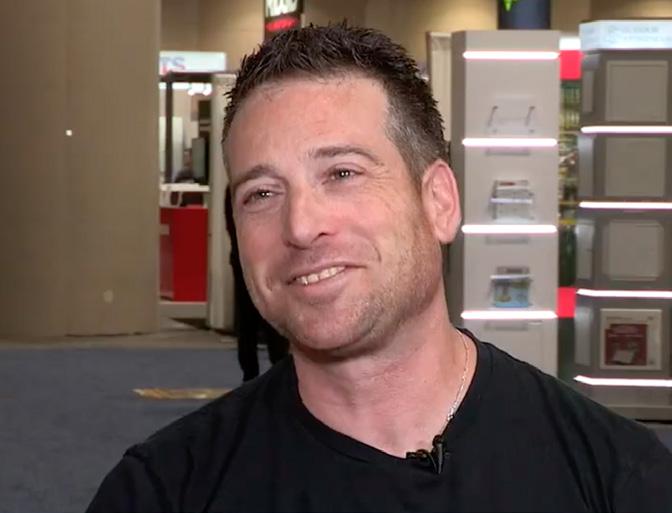
Our second guest was interviewed live on the show floor at CMPX in Toronto. Jeff Schwartz, CEO of Go Lime, sat down and spoke with us for almost two hours (we had to split the podcast into two episodes). Go Lime has developed an ecommerce-driven platform designed to disrupt the well-established water heater rental business in Ontario. The company is also involved in the broader HVAC and home electrification services, all administered through its online portal.
With a background in the mobile
Stephen Lake, CEO of Jetson, a North Vancouver start-up seeking to replace gas furnaces with heat pumps across North America.
phone industry – Schwartz shares some interesting similarities between cell phones and water heaters, and he believes Go Lime has a digital head start at bringing a new level of pricing transparency and payment options to consumers in Ontario.
In part one we speak with Schwarz about the origins of Go Lime and how it’s approaching this market. As Schwartz recalls, the plan was to try a
different approach to the business. “We ended up talking about e-commerce. What happens if we never go in the home for an appointment (of course we go in the home for installation and service)? And what happens if we could be like Amazon—same day, next day? And what happens if we could create a website that was good enough to accommodate both a leasing option and a purchase option for customers, but it would be much more transparent than what the industry seen? And that took many months to fine-tune, many months to figure out,” says Schwartz.
Although the company is competing in the water heater leasing business, it does not operate in the new home construction sector. “We do retrofit only,” he says. “We don’t pay any inducements to builders or to other folks. We’re always doing a one-to-one relationship, not a one to many.”
In Part 2 of the conversation we speak
NEW PODCAST SERIES FROM
about the company’s in-house marketing and its efforts to reach customers in retail environments like Walmart and Home Depot.
The discussion also covers the company being acquired by UK-based Basalt Infrastructure Partners, an investment firm with some $8 billion in assets. This new owner provides Go Lime with the capital and additional structure to continue to grow and compete in a market where its competition is also backed by large investment firms.
We also touch on Schwartz’s role as a leader, and finally his vision for Go Lime in the future.
1CLICK ENERGY SOLUTIONS
Our third guest was Nathan Horton, CEO of 1Click Energy Solutions, another digital-first HVAC service business founded by a relative outsider to the plumbing and HVAC industry.
Continued on p12
Jeff Schwartz of Toronto-based Go Lime spoke with us live at CMPX for close to two hours (we split the episode into two parts).
< BUSINESS DISRUPTORS
Founded and based in Ontario, 1Click also aims to make the online purchasing process for homeowners as easy as possible, and since its founding about seven years ago, the company has shifted its focus to heat pumps and is looking to be a front runner in the total electrification of homes across Canada.
We caught up with Horton at the CMPX trade show, where we touched on his start in the business world, how 1Click has evolved, and how he has personally grown as a business leader.
Horton has a passion for technology and founded companies in that space since becoming a teenager. After a few years working with Reliance, he saw an opportunity for disruption in the HVAC service space.
“How we sell equipment in the mechanical industry hasn’t changed in 100 years,” says Horton. “It’s a kitchen table conversation with a customer, or customers going through three or four quotes, and it’s very time consuming. We looked at it and thought, ‘Why do we have to do that?’
“So, then it was, ‘How do we take that process and digitize it?’ So, we’ve put it online and then also over the phone. I’ve got to be honest, it takes seven clicks. We call it 1Click, but it’s at least seven.”
Although he admits he’ not great with a wrench, he is good with a keyboard. And today the business is about continuous development and improving the
online selling process.
Today 1Click has six actual branches across Atlantic Canada, Ontario and B.C., markets where the shift to electrification are the strongest. And Horton has become an advocate for heat pumps and encouraging code reforms to speed up the energy transition.
CANUCK MECHANICAL
Our first conversation with the owner of a family-owned plumbing, heating and HVAC business took us to Prince George, B.C., and an online conversation with James Blanchett of Canuck Mechanical.
Founded by Blanchett’s father in 1983, he joined the business in 2005 and now leads the organization. In recent years, Canuck has expanded its service-based mechanical and plumbing operations, with Blanchett emphasizing meticulous organization, strong branding and quality craftsmanship.
He’s gained a wide social media following featuring his impressive hydronics installations, and he leads his business by example.
In the last decade the company grew to include HVAC, electrical and more recently refrigeration services. But Blanchett is managing the growth with care to ensure the company’s core principles of customer satisfaction and quality work go hand in hand with maintaining a positive work environment.
“Finding good technicians, keeping them and not overworking them, while trying to reward them in a fair and balanced way is probably one of the biggest hurdles and problems I deal with on a daily basis,” says Blanchett.
When asked about his role as business owner, Blanchett is almost a reluctant leader, but he does lead by example, raising the bar in the work that he does, especially those hydronics installations.
Blanchett has been recognized for his
hydronics displays on social media and has received hundreds of thousands of views on YouTube, and the comments are not always positive.
“The amount of hate I got on YouTube blew my mind,” he says, “When you shake up the bag, or change the industry, or do something like that, you’re always going to get stiff reaction, and to this day I look back and I laugh because sometimes those are the greatest compliments.”
The conversation also dives into building the business, but also sharing experiences (whether that’s on the curling rink or on a fishing boat), and never forgetting about the legacy that you’re leaving behind as an individual.
MORE TO COME
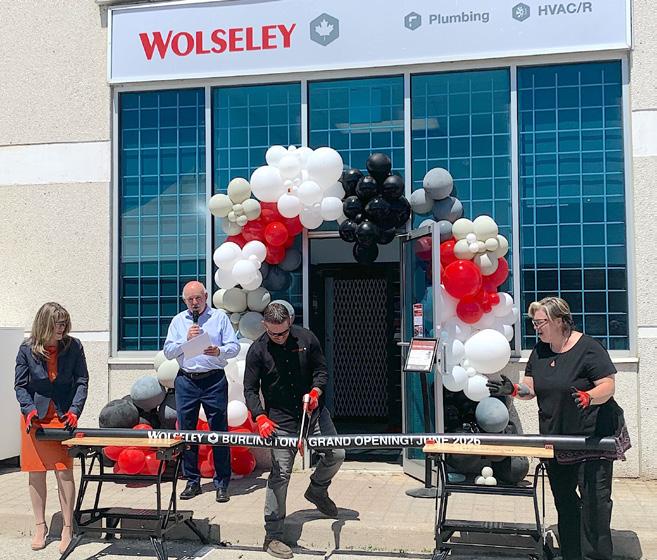
Since launching the podcast in late March, we have been proud to welcome Wolseley Canada as a supporting sponsor. Episodes will continue to roll out over the next few months, and we’re always on the search for Canadian contracting companies in the plumbing and HVAC space who are approaching the business in new ways.
If your business might fit the mould, reach out at editor@hpacmag.com with the subject “Business Disruptor”. All episodes of the podcast are available on the hpacmag.com website, and to never miss an episode you can subscribe at Apple Podcasts, Spotify or watch on our YouTube channel (youtube.com/@hpacmag). <>
Nathan Horton of 1Click Energy Solutions has created a digital-first entry into the Canadian HVAC home services business.
James Blanchett, owner of Canuck Mechanical in Prince George, B.C.
INDUSTRY NEWS
FEDS ANNOUNCE $6B PLAN TO BOOST SKILLED TRADE APPRENTICESHIPS
The Federal government’s spring economic update, released April 28th, announced a $6 billion, five-year “Team Canada Strong” program with aims to recruit, train, and hire 80,000 to 100,000 new Red Seal skilled trades workers by 2030-31 to accelerate infrastructure construction.
The update acknowledges the demand for skilled trade workers: “Retirements and economic growth mean that Canada will need more than 1.4 million additional trades workers by 2033, and the scale of investments in housing and infrastructure projects will add to this demand.”
And it also realizes how the current structure is failing: “… long training processes and financial pressures on apprentices contribute to low rates of completion. In 2024, more than 100,000 new apprentices registered, but only about 34,000 completed their apprenticeship. If nothing changes, Canada will face a persistent gap of more than 20,000 skilled trades workers per year.”
Skills Ontario, the provincial department tasked with delivering skilled trades programs, applauded the federal announcement. “Today’s economic statement sends a strong message: Canada—and Ontario in particular—cannot build its future without skilled tradespeople,” said Ian Howcroft, CEO of Skills Ontario in a media release. “These investments will help strengthen training capacity, reduce barriers for apprentices, and inspire more young people to pursue these careers.”
Some elements from Team Canada Strong plan include:
• faster path to Red Seal, with a goal of cutting the path to certification by 50%
• work closely with provinces and territories, Indigenous partners, employers, unions, and the Canadian Armed Forces to achieve rapid-scale, high-quality training and strong completion rates for apprenticeships
• provide $2 billion over five years, starting in 2026-27, and $262 million ongoing, providing youth aged 15-30 with paid, entry-level, trades-related work experience that leads into apprenticeship—small- and medium-sized businesses will receive wage subsidies of up to $10,000 for their first-year.
• proposal to provide up to $331 million over five years, starting in 2026-27, and $18 million ongoing to modernize apprenticeship training expanding and accelerating union-led and employer led training pathways.
A new Apprenticeship Training Grant will provide apprentices with a weekly income top up of $400 per week while they are attending mandatory in class technical training for a total payment of up to $16,000 per apprentice, paid in addition to Employment Insurance. Plus, the government will provide completion bonuses of a one-time $5,000 bonus for obtaining certification in a Red Seal trade. The plan also includes piloting a new Canadian Armed Forces (CAF) pathway, strengthening both Canada’s skilled workforce and defence capacity. canada.ca
VANCOUVER COUNCIL MOVES TO REVERSE NATURAL GAS BAN
On May 21st Vancouver city council voted 7-4 on a motion that would allow natural gas heating in new homes again, reversing a previous multi-year ban. The motion, brought by Mayor Ken Sim, also pauses the Energize Vancouver program, which had required large buildings to report and limit annual natural gas emissions.
Sim argued the change aligns Vancouver’s bylaws with provincial standards, gives builders more options, and reduces regulatory costs—with those savings, in theory, flowing through to housing affordability.
The decision to accept the motion passed along party lines and drew significant opposition at the council meeting. Further policy changes cannot be ruled out, and there will be a municipal election in Vancouver this October which could affect whether this change takes hold.
INCENTIVES TO PUT HEAT PUMPS IN RENTAL HOUSING IN QUEBEC
The Quebec government and HydroQuébec announced a joint investment of nearly $350 million to accelerate heat pump installations in rental housing across the province.
The funding is aimed at building owners, offering enhanced financial incentives to install heat pumps in rental properties where tenants have historically been stuck in less energy-efficient housing with higher heating costs.
A $350 million incentive program targeting rental buildings means building owners across Quebec have a strong financial reason to call for heat pump assessments and installations. Contractors who are certified, ready to quote, and familiar with the incentive program will be well positioned to capture that work. hydroquebec.com
UPDATED PEX GUIDE NOW AVAILABLE—FREE DOWNLOAD
The third edition of the PEX Plumbing Distribution Systems Design and Installation Guide, a joint industry publication from the Plastics Pipe Institute (PPI), Plastic Pipe and Fittings Association (PPFA), and Home Innovation Research Labs (HIRL), with support from the International Association of Plumbing and Mechanical Officials (IAPMO) and International Code Council (ICC), is now available.
The PEX Guide provides information and resources to design and install crosslinked polyethylene (PEX) hot- and cold-water plumbing distribution systems in residential, multi-family and commercial buildings.
The third edition, the first update since 2013, is completely new and is targeted to meet the needs of plumbers, home builders, designers, and engineers. And it’s free to download.
The new updates include: the latest joining systems, expanded installation content, and design recommendations for both residential and commercial systems.
There’s also a new chapter on PEX water service lines and an appendix covering other applications including hydronic heating, snow melt and geothermal. plasticpipe.org
SURVEY FINDS CANADIAN HEAT PUMP OWNERS WOULD RECOMMEND PURCHASE
Clean Energy Canada, a think tank located at Simon Fraser University, has published results of a survey that shows widespread satisfaction among heat pump owners across Canada.
The survey received responses from all provinces and territories, except the Northwest Territories, with a majority of the responses from Ontario.
Overall, 91% of respondents said they would recommend a heat pump to a friend or neighbour.
Most reported installing heat pumps for practical reasons (lower energy costs, improving comfort or adding air conditioning), and 64% reported positive experiences with their heat pumps, 22% reported a mix of positive and negative experiences, and 5% reported only negative experiences.
Although some found government incentive programs difficult to navigate, the financial support did the difference in deciding to install a heat pump for more than half the survey respondents. cleanenergycanada.org
ONTARIO LAUNCHES COMMERCIAL DEMAND-RESPONSE PROGRAM
A new provincial electricity program is creating business opportunities for HVAC contractors while offering commercial building operators financial incentives to reduce air conditioning loads during summer peak demand periods.
Ontario’s Peak Performance Program is targeting 100 megawatts of peak demand reduction in 2026, scaling to 230 megawatts in 2027. The initiative provides payments to commercial and institutional properties that curtail HVAC use during high electricity demand events between June 1 and September 30.
The demand-response events typically occur on business days between 3 p.m. and 7 p.m. and last up to three hours. Participating companies receive dayahead standby notices and same-day activation notices by noon.
The new program announcement was made on the shop floor of Arvin Air Systems, a full service, industrial/commercial ventilation mechanical contractor located in Stoney Creek, Ont. The company’s vice president, Joe Muchynski, also happens to be the current chair of the HRAI.
The Peak Performance program structure positions HVAC contractors as essential participants in helping businesses qualify for and maximize incentive payments. Commercial facilities must dem -
onstrate capacity to reduce at least 500 kilowatts of demand—either individually or through aggregated portfolios of multiple buildings—creating immediate need for technical assessment and system optimization services.
For the 2026 program year, participating businesses receive $54,845 per megawatt-season in performance incentives based on average curtailment delivered across the summer
For contractors, the program provides a separate $20 per kilowatt enabling incentive—equivalent to $20,000 per megawatt—to offset costs of installing monitoring and control equipment required for participation. This creates opportunities for HVAC firms providing the technical infrastructure the businesses need to join the program.
“Through the use of modern demandresponse control technology, as outlined in this new Peak Performance Program, Ontario’s HVAC/R contractors, like Arvin Air Systems, can help reduce peak electricity demand from commercial and institutional buildings, providing greater reliability to the province’s electrical system while enhancing efficient operation of these buildings,” said Muchynski. “This is good for the offices, colleges, malls and other large users of electricity engaged in the program; and it is also very good for all Ontario residents.” saveonenergy.ca
MIKE GORDON WINS DARRYL CRUICKSHANK AWARD
The 2026 Darryl Cruickshank Red Seal Industry Award, presented to someone in industry who has demonstrated leadership in workplace education and apprenticeship of skilled workers, was presented to Mike Gordon, the director of Canadian Training at United Association Canada.
Holding Red Seal Journeyperson certifications in both plumbing and steamfitter-pipefitter, Gordon has spent his career strengthening apprenticeship pathways, supporting learners, and reinforcing the value and integrity of Red Seal certification across the country.
In his role, Gordon’s efforts have strengthened instructor networks, enhanced training delivery, and helped remove barriers, contributing to a more skilled, inclusive, and workforce-ready trades sector across Canada. red-seal.ca
CONFEDERATION COLLEGE ADDS PLUMBING APPRENTICESHIP
Confederation College in Thunder Bay, Ont. will now be offering inschool technical training for apprentice plumbers, expanding skilled trades education in Northwestern Ontario and helping address the growing demand for qualified tradespeople across the region.
The College will deliver Level 1 Plumbing apprenticeship training from October 19 to December 11, 2026, at its Thunder Bay campus.
“The addition of plumbing strengthens our growing apprenticeship and skilled trades offerings,” said Andrew Phillips, associate dean, trades and apprenticeships in a news post by the school. “By providing technical training locally, we are helping apprentices progress in their certification while giving employers access to the skilled workforce they need to meet the demands within our region.” confederationcollege.ca
ONTARIO INVESTING IN APPRENTICESHIP TRAINING
The Ontario government is investing nearly $1.75 million to support six apprenticeship training projects across the Greater Toronto Area (GTA), including $55,922 to the Sheridan College to purchase 24 carrier units to expand training capacity and equipment for apprentices in the plumbing trade, and $300,000 to introduce hands-on virtual reality training and modern equipment for sheet metal worker apprentices at the Provincial Sheet Metal Workers Training Centre.
The funding is delivered through the province’s Apprenticeship Capital Grant program to upgrade training facilities, purchase modern equipment and expand hands-on learning opportunities for apprentices. ontario.ca
PRINCE EDWARD ISLAND INDEFINITELY SUSPENDS HEAT PUMP REBATE PROGRAMS
Prince Edward Island has indefinitely paused its heat pump rebate programs. The provinces Residential Home Heating Program was put on pause initially on March 31.
The province announced it will not accept new applications under its free heat pump program or the federal-provincial oil to heat pump affordability program. The suspension follows a spring provincial budget projecting a $410 million deficit that includes spending cuts to energy efficiency initiatives.
Households already approved for heat pump rebates will still receive their systems once contractors receive written confirmation this spring, according to the provincial government. However, residents who have not yet applied will be unable to access the programs for the foreseeable future.
The heat pump programs were initially paused last summer and websites for the rebate initiatives were updated April 15 to reflect the continued suspension.
According to ministerial reports on climate change, the energy efficient equipment program—which provided rebates for heat pumps and water heating devices—prevented over 6,000 tons of greenhouse gas emissions in the 2024-25 fiscal year. The province has not announced a timeline for potential program resumption. princeedwardisland.ca
KITCHEN + BATH CANADA EXPO DEBUTS THIS FALL
Unable to get off the ground in 2025, the Kitchen + Bath Canada Expo will now make its debut November 11-12 at the Toronto Congress Centre. Scheduling conflicts last year caused the show to be postponed, but now the new expo is expecting to create a two-day hub for designers, builders/contractors and manufacturers.
Powered by the team behind the Kitchen & Bath Industry Show (KBIS) in the U.S., and sponsored by the National Kitchen & Bath Association (NKBA ), Kitchen + Bath Canada will will highlight new products and industry trends. kbcexpo.com
AI SKILLS GAP HITS HOME FOR TRADES
A new survey from Dewalt paints a familiar picture: the tools are changing faster than the training can keep up.
The company’s AI in the Trades study surveyed skilled trades and business leaders in six countries; 87% of Canadian respondents believe AI will be indispensable on the job within five years. Overall, 89% of respondents say AI education must be embedded in trade schools and tech programs, while 62% expressed a need for hands-on training directly tied to real tasks. mtllc.com/Dewalt-AI-In-The-Trades-Report.pdf
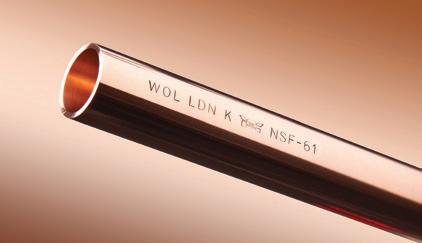
COPPER TUBES CONNECTING YOUR WORLD
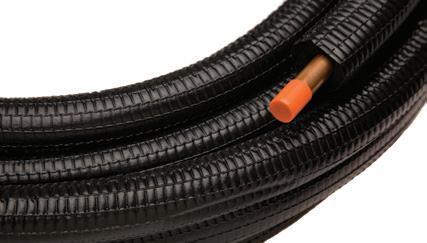
Combining the reliability of elastomeric insulation and the durability of a polymeric coating to provide the only coated line set available in Canada that meets the current CAN/ULC S102.2 requirement for smoke and flame and backed with an industry-leading 5-year UV warranty.
Approaching our 7th decade in Canada, our products are a part of everyday life and our company is proud to support communities nation-wide. From hospitals that heal us to schools that enlighten us, generations of Canadians continue to rely on their domestic partner for quality, integrity and a service that is distinctly Canadian.
RECORD CROWD FOR NATIONAL SHOW
The three-day CMPX Show brings over 17,000 industry colleagues together in Toronto.
BY DOUG PICKLYK
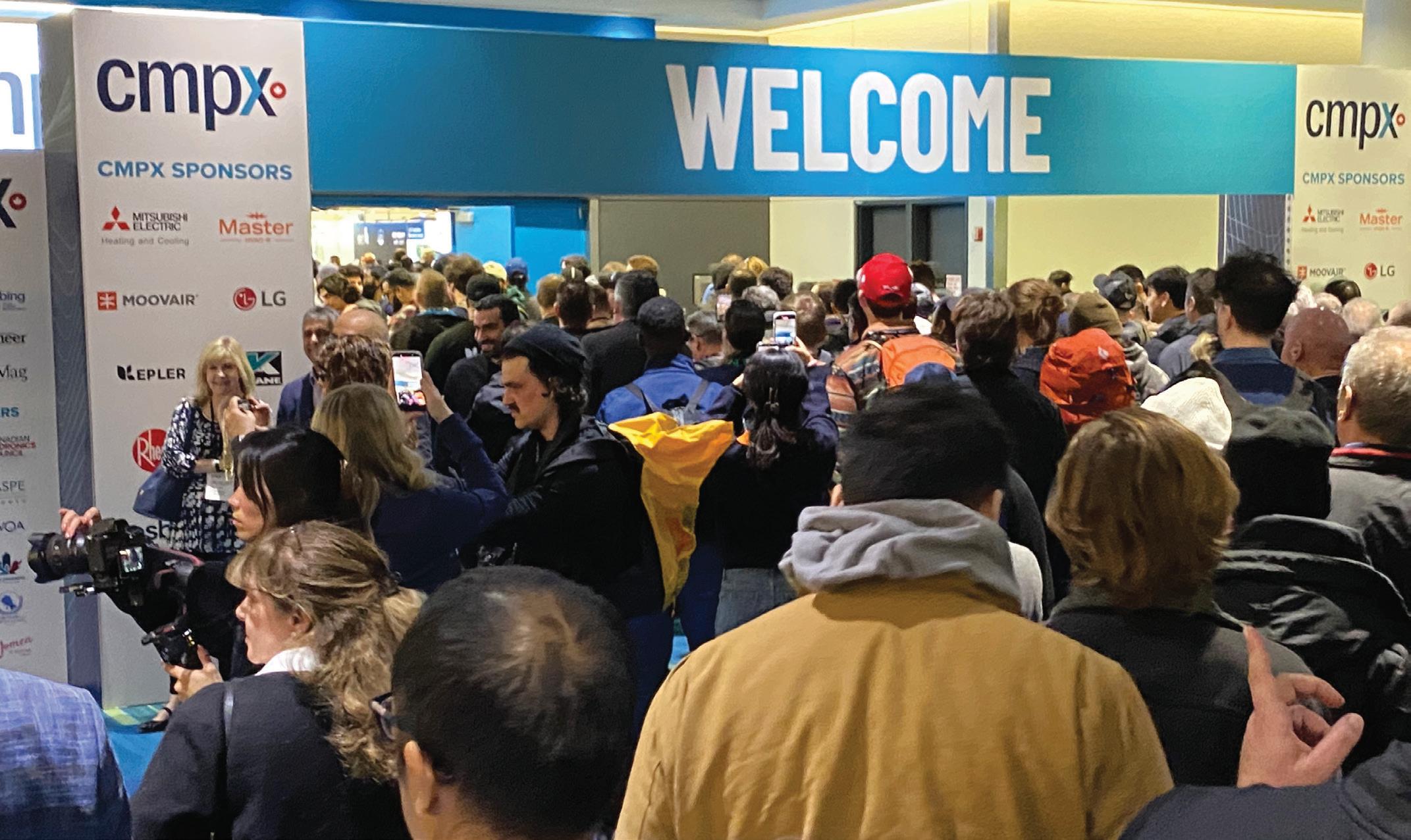
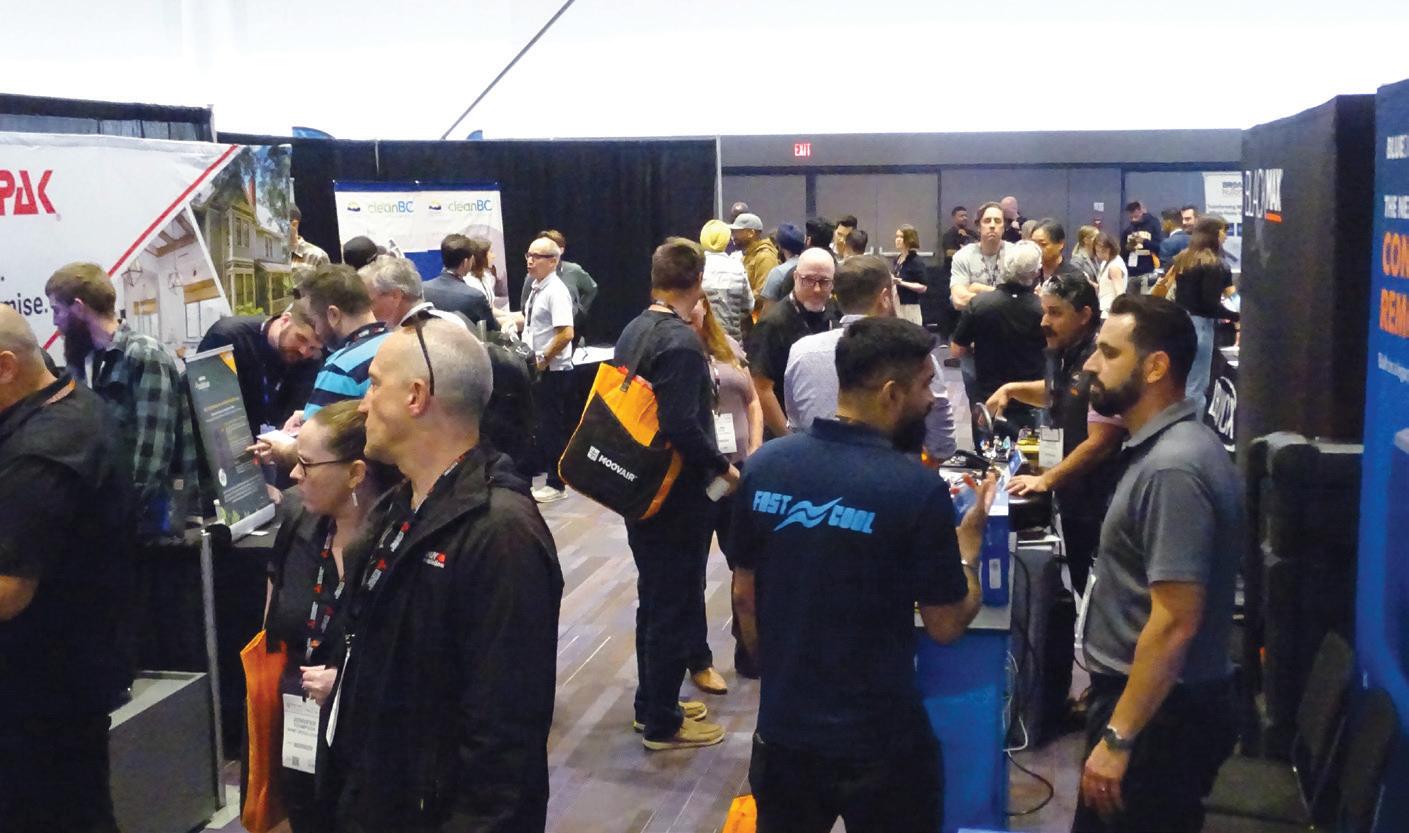
Canada’s plumbing, heating and cooling community came together March 25 to 27 in Toronto for what show organizers are calling the largest Canadian Mechanical and Plumbing Expo (CMPX) to date. Industry veterans all agreed this year’s event was the most well attended in years.
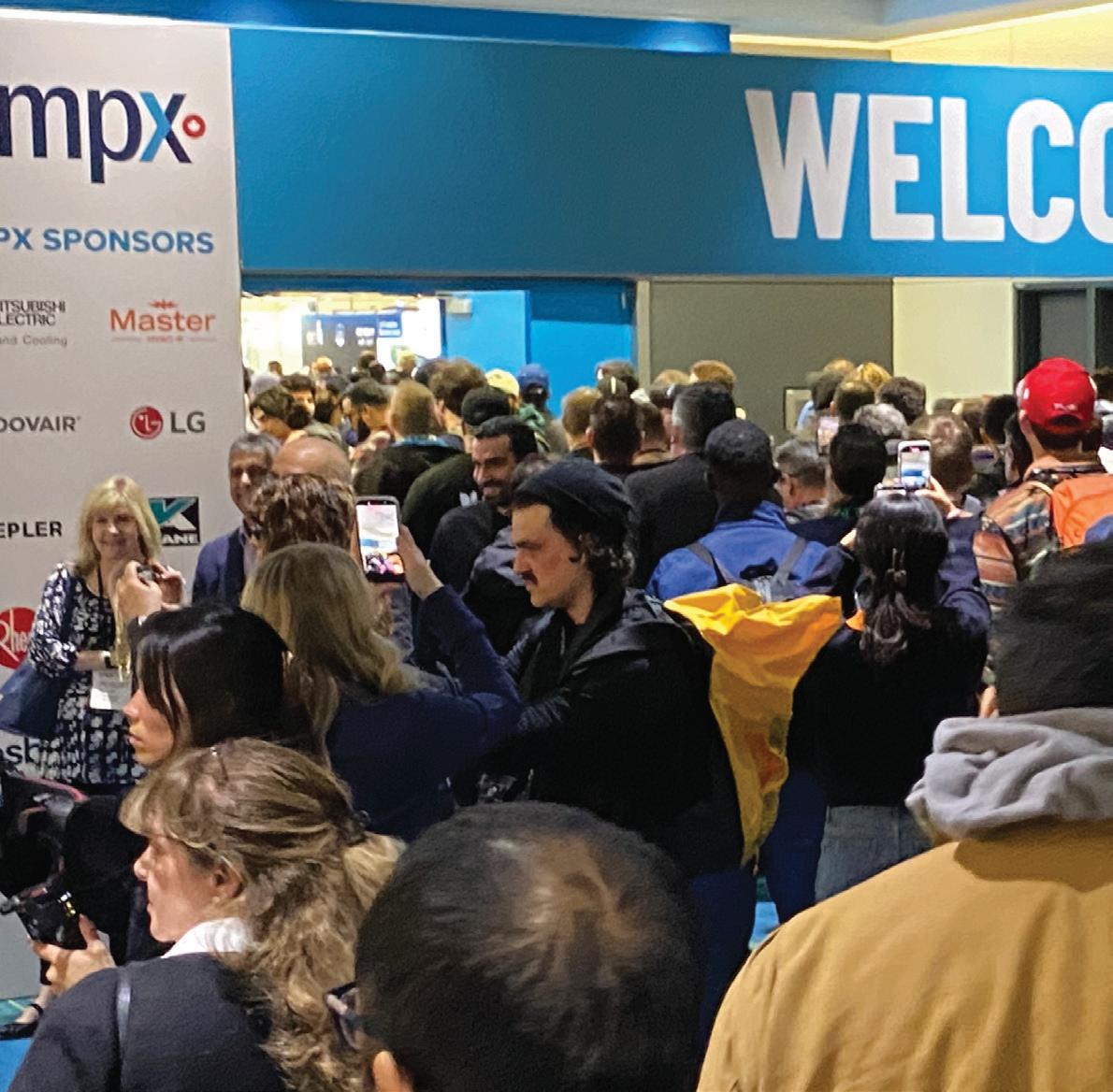
Featuring over 500 exhibitors on the floor of the Metro Toronto Convention Centre, South Building, CMPX attracted 12,450 unique attendees and 17,295 total participants when including exhibitor representatives.
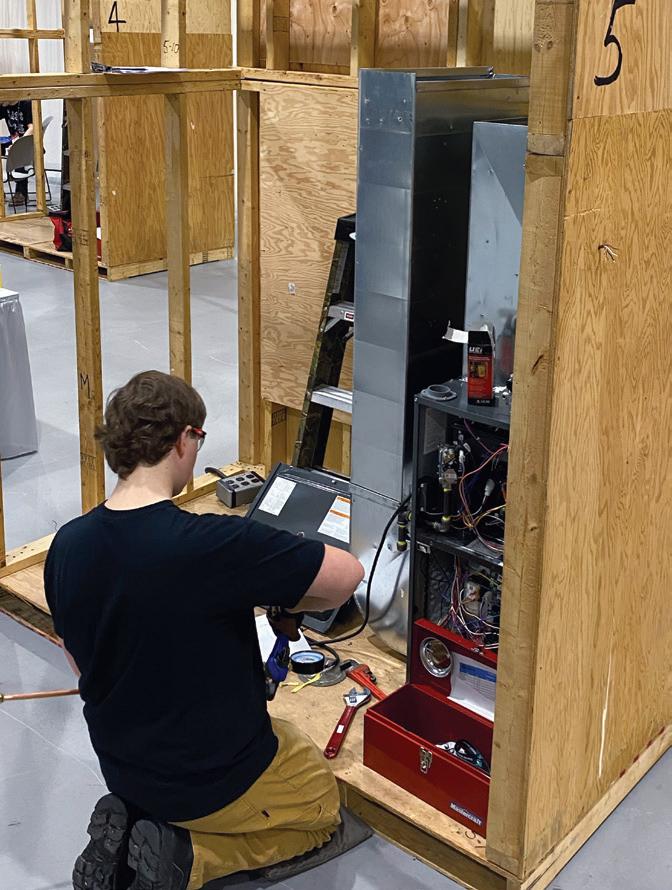
This year’s educational program featured more than 100 sessions over the three days, as well as regular new product demos on the show floor, the HVAC/R Skills Competition for students and apprentices, and a section dedicated as the Social Hub & Influencer Exchange.
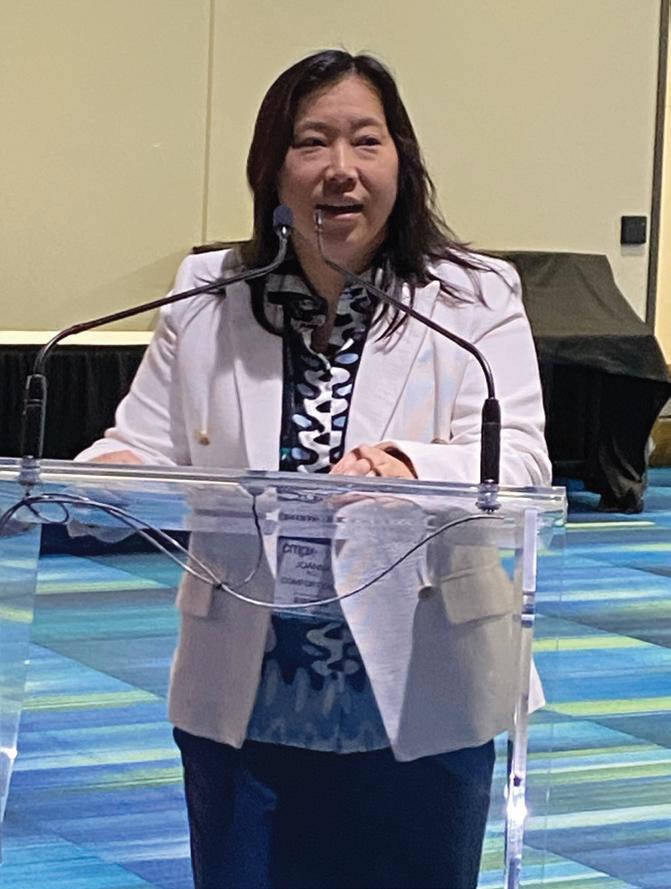
“With record-breaking attendance, expanded education, and an action-packed, hands-on exhibit hall, this year has truly set a new standard,” said Joanna Woo, returning chair of the CMPX show committee. “The trades are evolving, and CMPX is leading the charge — bringing professionals together, sparking innovation, and shaping the future of our industry like never before.”
Even before the trade show doors opened on day one, attendees were making their way to a 9 a.m. workshop, “Customized Hydronics For Low-Energy & Net Zero Houses,” presented by John Siegenthaler. The comprehensive education schedule over the three days covered trending topics (like AI and refrigerants), new products for residential and commercial applications, and plumbing and HVAC business management
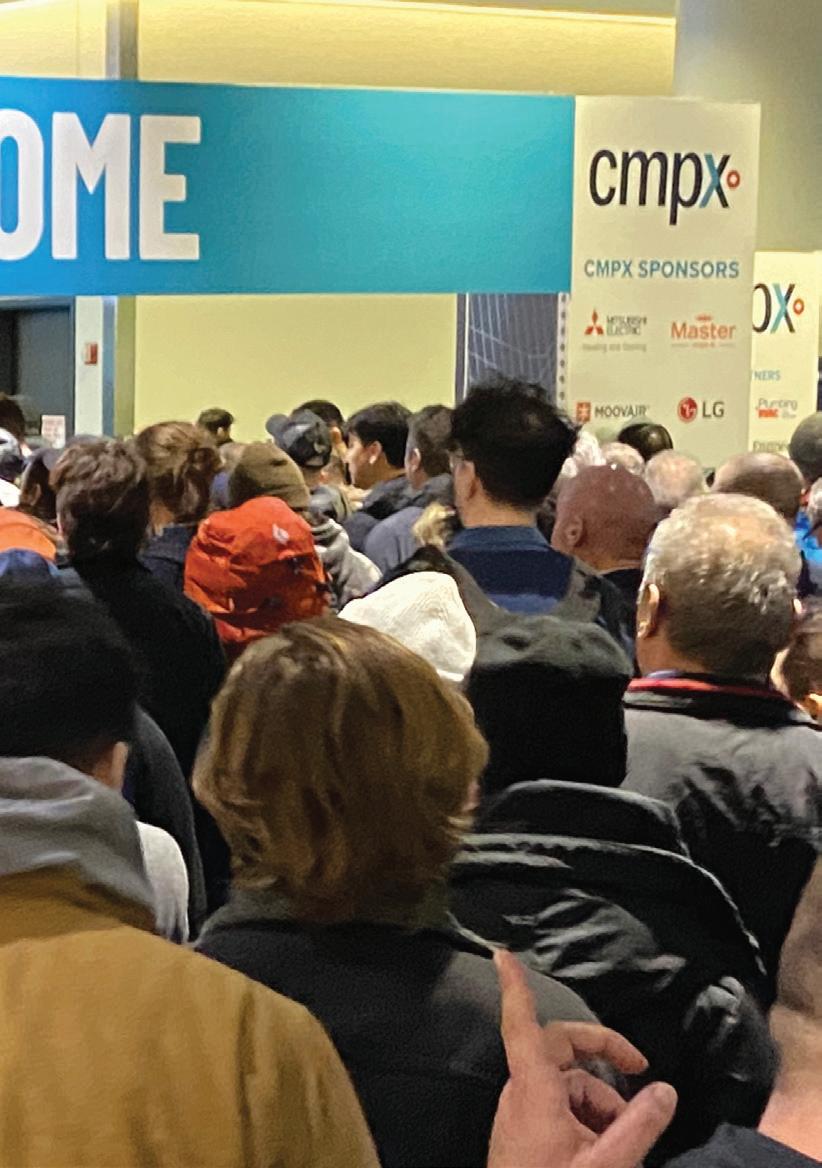
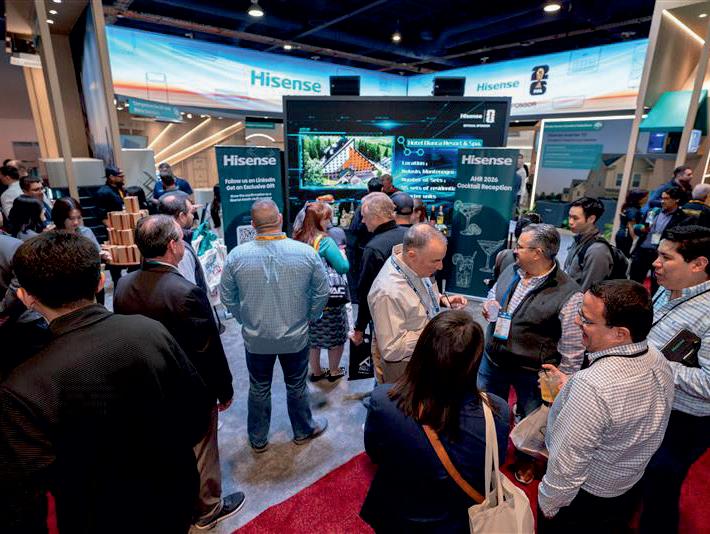
Overall, CMPX 2026 attracted more than 17,000 people over three days.
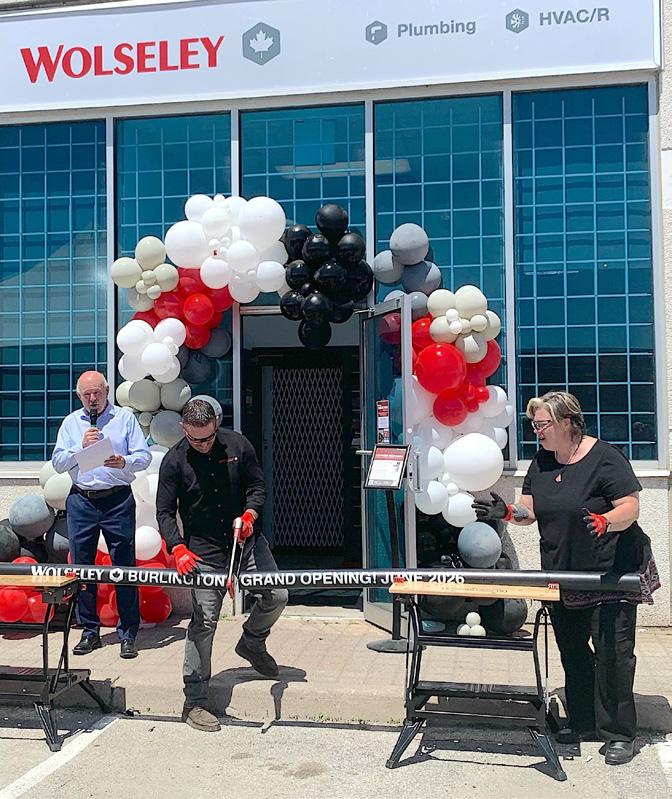
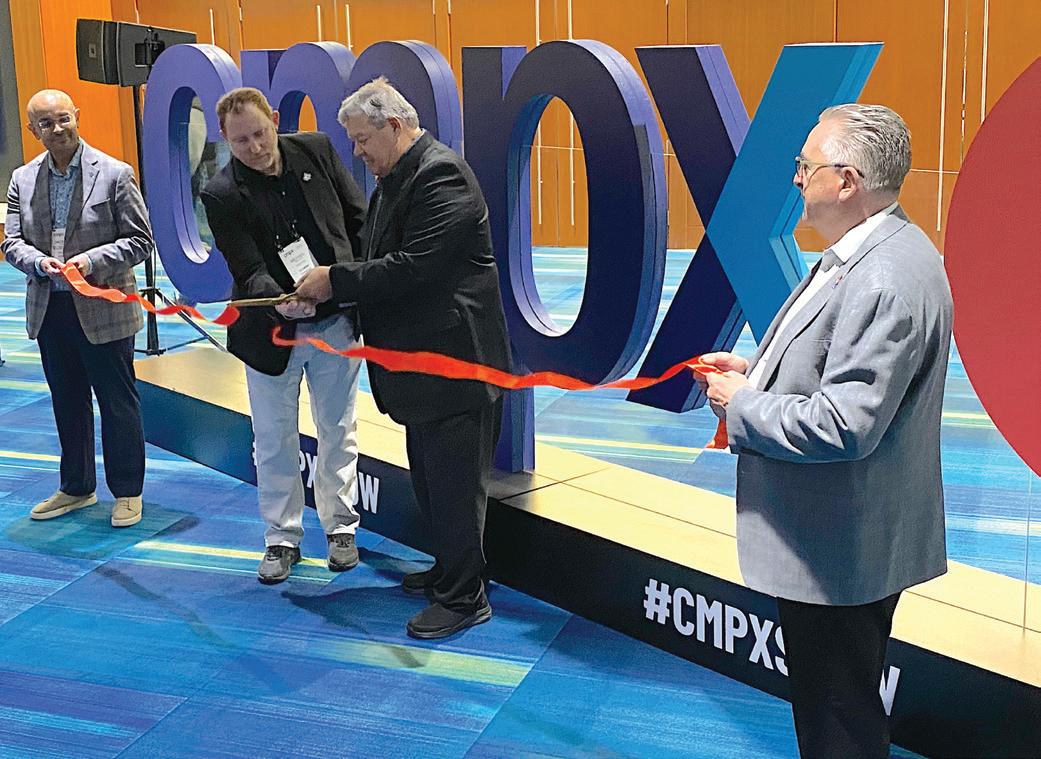
Jointly produced by HRAI and CIPH, the ribbon cutting was performed by HRAI vice-chair, Mike Miller, and CIPH chair, Brent Cornelissen.
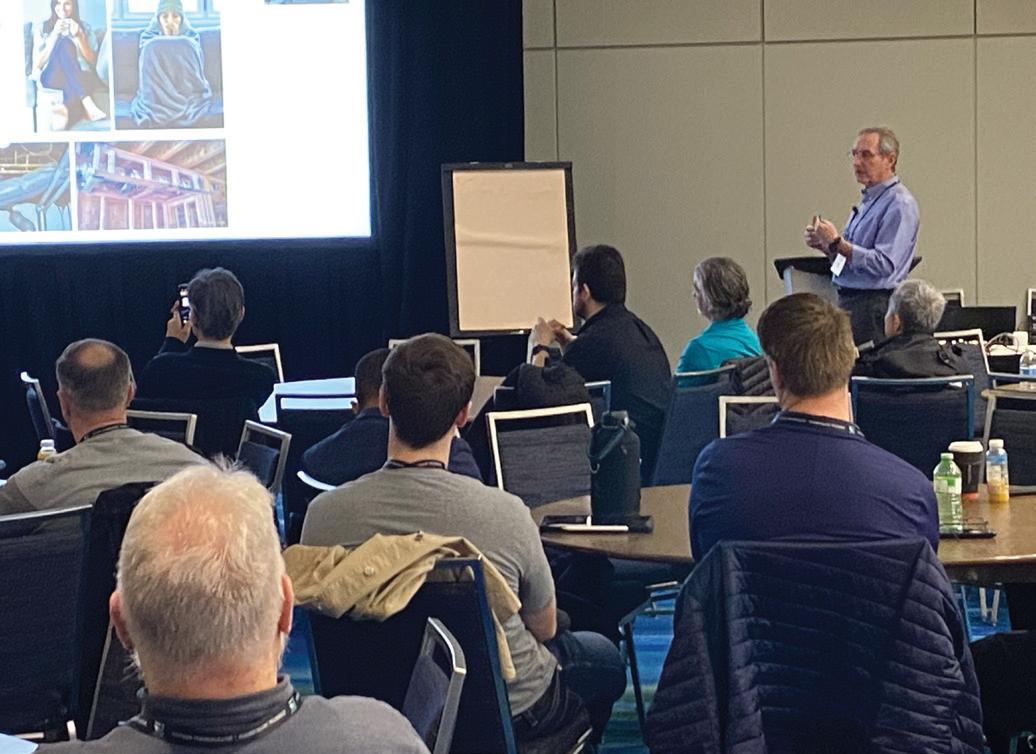
There were over 100 educational sessions, including this 9 a.m. workshop by John Siegenthaler on hydronics for net zero homes.
HIGHLIGHTS AND PRODUCTS
A couple of newsworthy highlights included Toronto Hydro using the show for the announcement of its Multiplex PowerPlay pilot program focused on electrifying multiplex housing. On the show floor Quebec-based faucet maker Bélanger celebrated its 60th anniversary with the launch of the eye-catching Ora, a limited-edition faucet with a clock-face mechanism integrated into
the handles. And Wolseley Canada introduced its partnership with Rheem Canada, officially adding the brand to its product line-up.
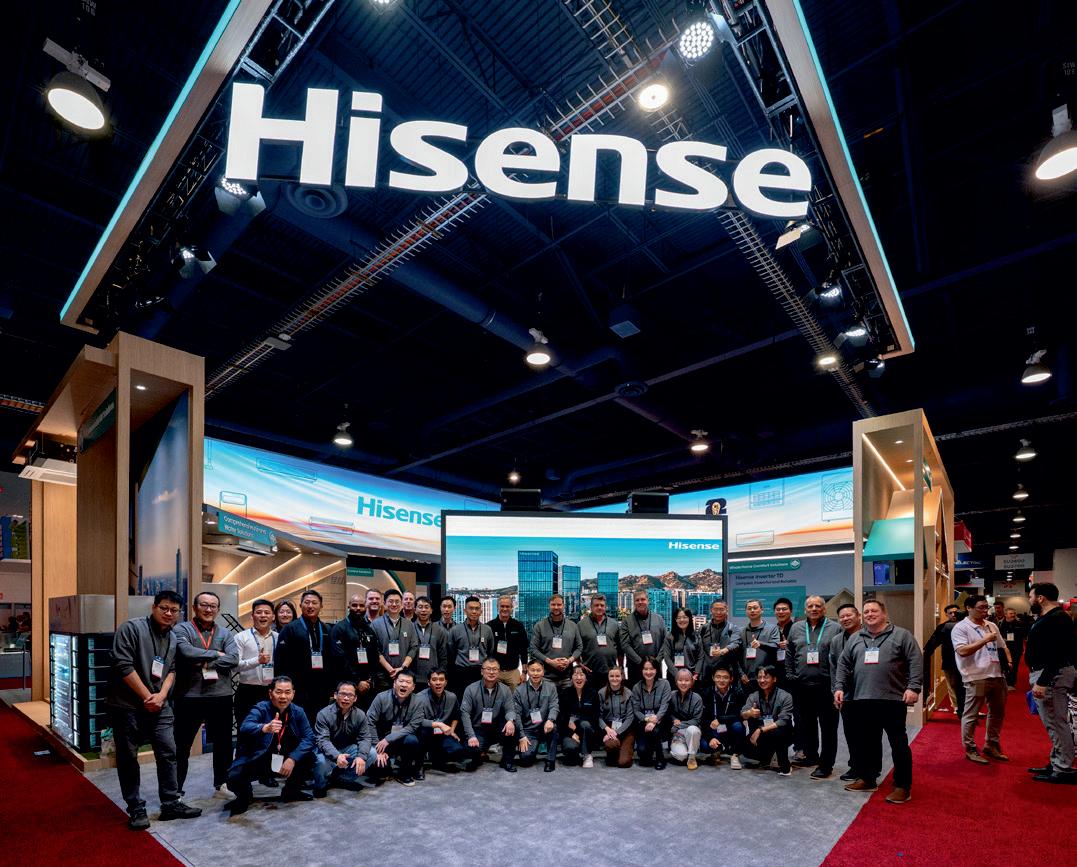
Among the engaging interactive attractions on the floor, Hisense (an official sponsor of the World Cup) had a soccer kicking challenge, while Master Group’s “Masterville” neighbourhood included a hockey shooting set up.
Heat pumps were again a hot topic across the show floor at CMPX, and among the new brands and products launched at the show was a broad family of solutions from Italian-based Innova. A new residential air-to-water heat pump (Ecodan WUZ) from Mitsubishi Electric
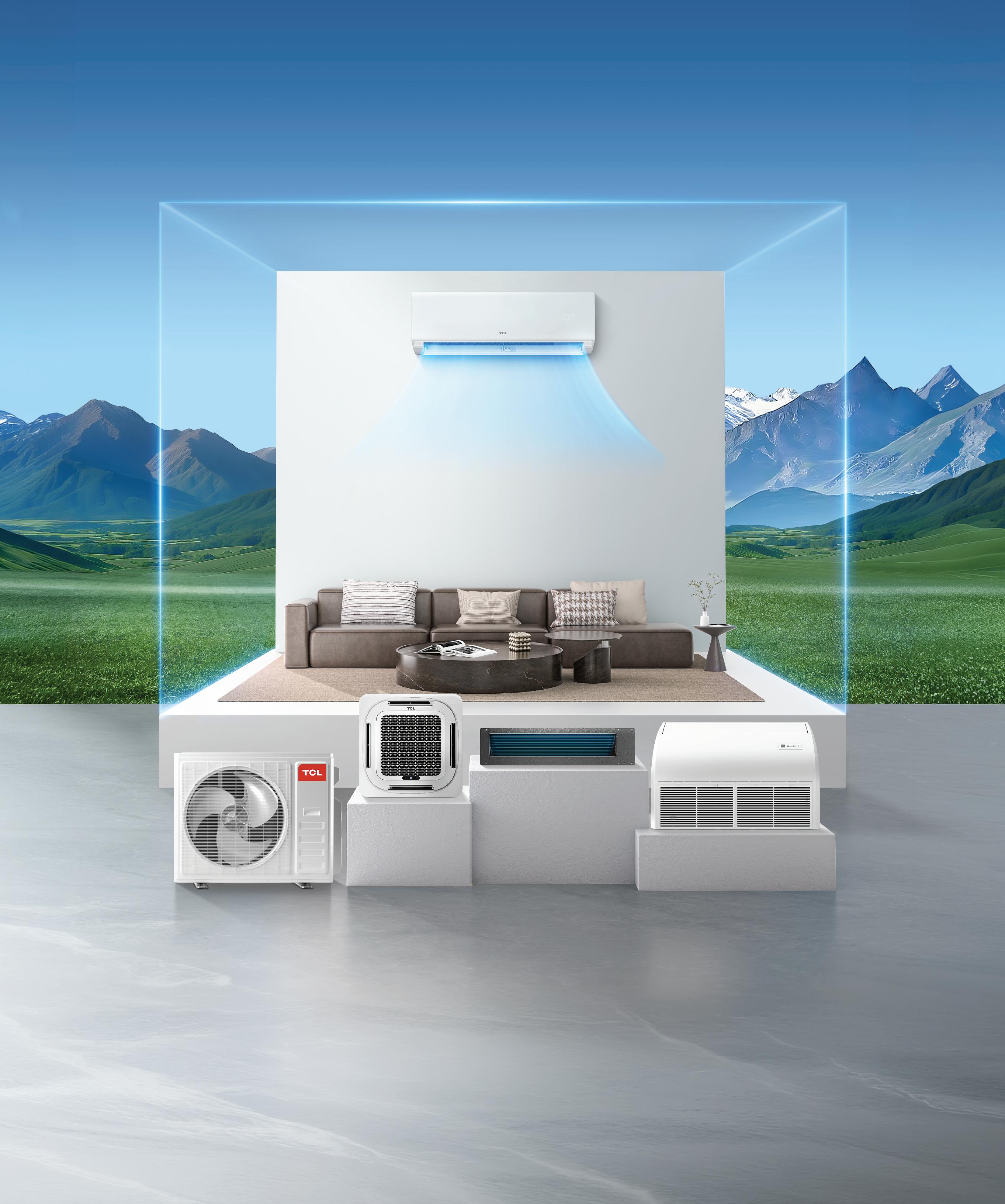
made its Canadian debut. The show also saw the Canadian introduction of two Chinese-based brands with global reach, the AUX brand as well as TCL HVAC Canada. Master Group was highlighting its cooling only Moovair Maelys, while all the established heat pump selling brands were featuring cold climate products with newer R32 and R454B refrigerants.
Canada’s largest national show for the industry is jointly produced by the Heating, Refrigeration and Air Conditioning Institute of Canada (HRAI) and the Canadian Institute of Plumbing and Heating (CIPH).
The next edition of CMPX will return to Toronto March 22–24, 2028. <>
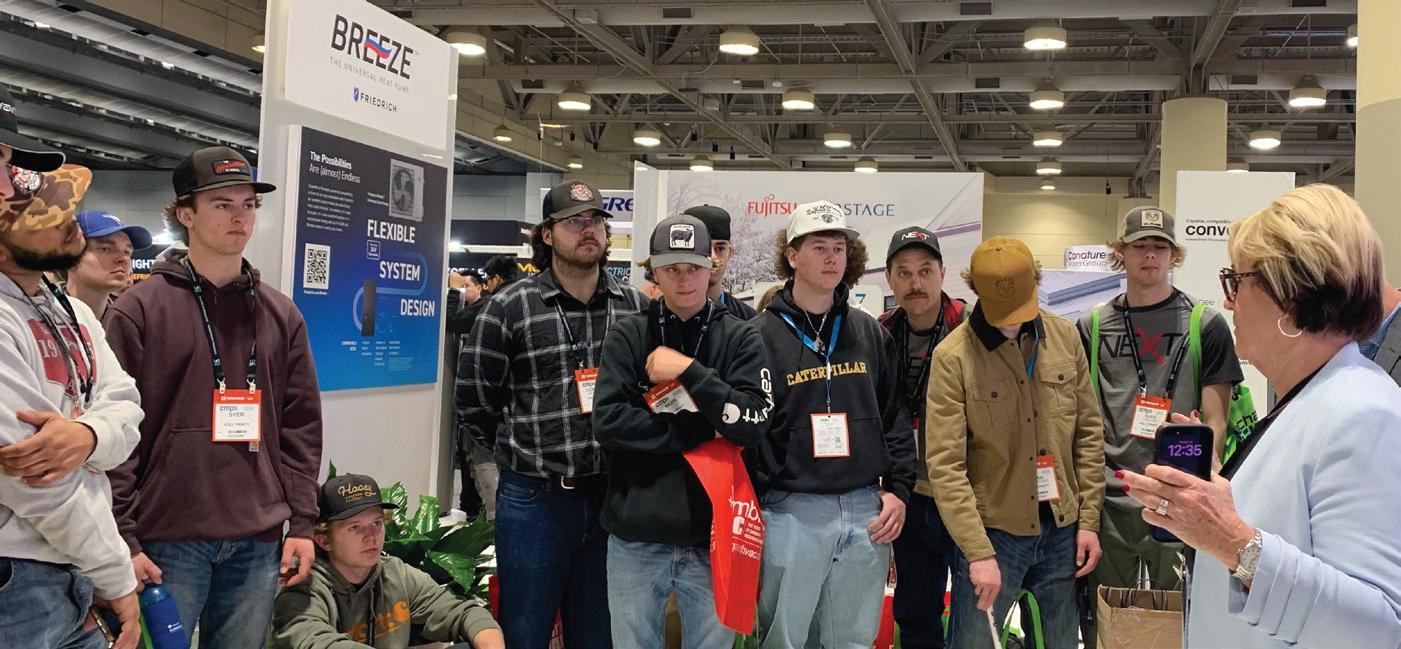
Students from Holy Trinity Catholic Secondary School in Courtice, Ont. traveled to the show by bus (courtesy of Next Supply) for a first-hand introduction to the industry, including a meeting with Barbara O’Reilly, vice president with Rheem Canada (right).
Joanna Woo, returning chair of the CMPX show committee, welcomed attendees on opening day to the largest show floor exhibit ever.
Student from local colleges participated in the CMPX Skills Competition.
The Social Hub & Influencer Exchange area included fun competitions for attendees.
HEAT PUMP SYMPOSIUM SPARKS DISCUSSIONS
The fifth edition of the event continues to draw strong crowds.
BY DOUG PICKLYK
The fifth edition of the Heating, Refrigeration, and Air Conditioning Institute of Canada’s (HRAI) Heat Pump Symposium made a return visit to Vancouver and the crowds came out to learn about the latest in heat pump tech and gain a better understanding of how to grow market share for the products in B.C. and across Canada.
Meanwhile, talk among the locals focused on a pending city council vote that could turn back some of the city’s progressive electrification policies.
The opening keynote, delivered by Stéphanie Breton of Dunsky Energy and Climate Advisors, addressed the growth of heat pump installations across Europe and Canada, identifying obstacles to greater adoption in some areas and the opportunities for the market.
Breton emphasized the role contractors play in promoting the growth of heat pumps. As the “feet on the ground” contractors are the trusted voice for the customers, she said.
One of the obstacles in regions across Canada is the “spark ratio,” the price difference between electricity and gas in different areas of the country. The lower the ratio the greater the heat pump adoption, that’s why heat pump growth has been strongest in Quebec and Atlantic Canada, followed by B.C.
The keynote was followed by a session on emerging technologies, and
Saverio Papa of
An afternoon panel discussion, featuring contractors including Nathan Horton of 1Click Energy Solutions, Simon Miller of Porcupine Mechanical, and Heathe Thompson of Combined Comfort Systems, discussed what types of homeowners are purchasing heat pumps and how the advanced technologies are making them easier to sell.
then there were breakout sessions with some practical insights on installations and lessons learned in Europe.
Afternoon sessions included topics like training initiatives, geoexchange opportunities and more technologies promoting electrification.
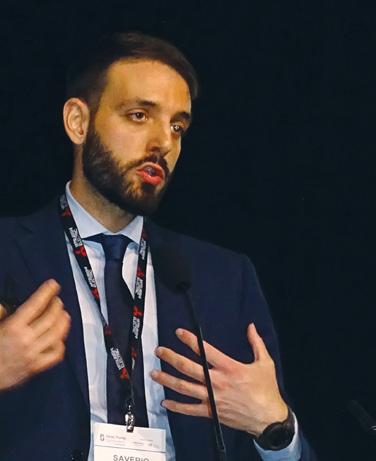
The closing keynote at the Symposium was delivered by Saverio Papa, head of energy policy with the European Heat Pump Association (EHPA). His topic was, “Where in the World are We Going: The Future of Heat Pumps”, and the message echoed the realities in Canada, that heat pump adoption is greater in areas where the spark ratio is lowest and the introduction of incentives is also driving adoption.
The next edition of the Heat Pump Symposium returns to Toronto in the Spring of 2027.
heatpumpsyposium.ca
The fifth edition of the Symposium a drew strong crowd for the conference and trade show.
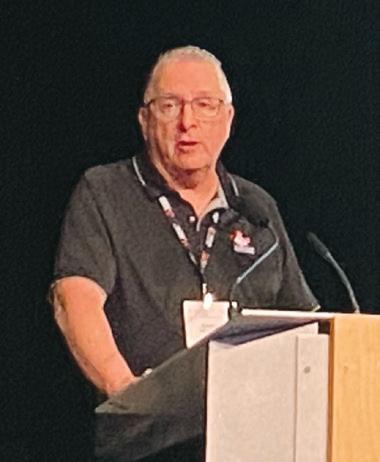
HRAI president/ CEO Sandy MacLeod opens the 2026 Heat Pump Symposium in Vancouver.
the European Heat Pump Association shared global trends.
IAQ AND MINI SPLIT MAINTENANCE
What’s traveling in our air and getting trapped in our HVAC units? BY IAN McTEER
In a recent social media post, longtime HPAC contributor and ASHRAE distinguished lecturer Robert Bean reproduced a quote from a book entitled, Notes on Nursing, written in 1860 by the venerable Florence Nightengale, founder of modern nursing. Nightengale wrote, “Badly constructed houses do for the healthy what badly constructed hospitals do for the sick. Once insure that the air in a house is stagnant, and sickness is certain to follow.”
This is from a time when the cause
and spread of infectious diseases was poorly understood; indeed, it wasn’t until years later that Joseph Lister managed to convince the surgical community to scrub their hands and sterilize instruments to reduce post operative infections.
Modern houses may be better constructed than those built in the 19th Century, however, the complications related to stagnant air identified by Florence Nightengale continue to elude a truly effective resolution.
DUST
Dust is one of the most persistent nuisances HVAC technicians too often encounter. It plays a central role in the stagnant-air problems Nightingale warned about. Far more than just a cosmetic issue on furniture, household dust is a complex mixture of skin flakes, pet dander, pollen, textile fibers, dirt and other fine particles.
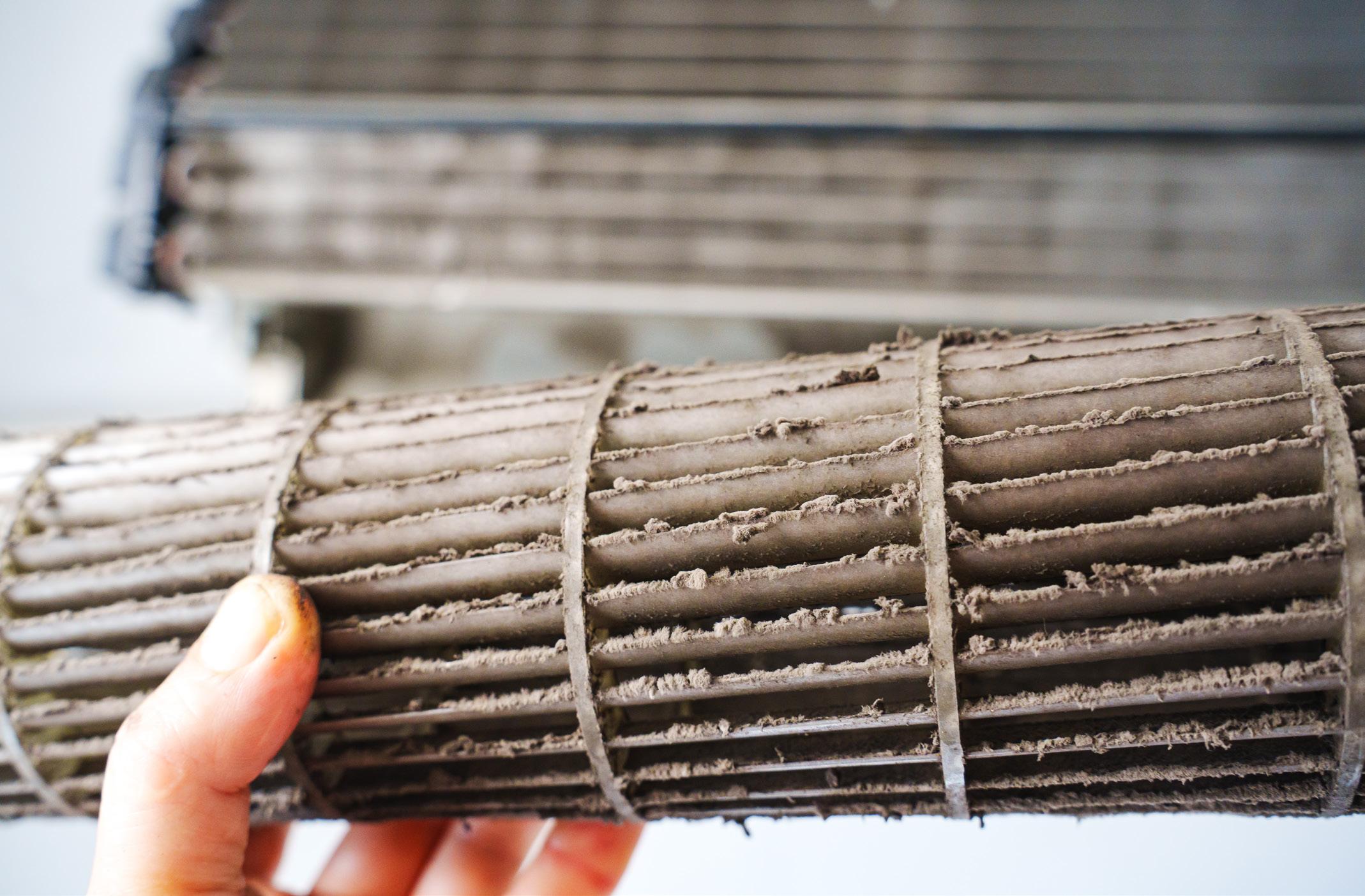
In modern tight homes, this dust circulates through the HVAC system. It settles on evaporator coils, blower wheels
and inside ducts where it mixes with condensed moisture to create an ideal breeding ground for mould and bacteria.
Clogged filters and dirty components reduce airflow, force the system to work harder and allow more particles to escape back into living spaces—exacerbating allergies, asthma, and respiratory irritation for occupants.
What starts as a simple nuisance on return grilles can quietly become a significant indoor air quality problem if left unaddressed.
Dust is loaded with particular critters: dust mites. These microscopic creatures cause allergic reactions that affect roughly 10% of the human population and up to 80% of people with allergies.
The mites feed off your dead skin cells, but it’s the proteins in their waste products that cause congestion, itchy eyes and even severe asthma attacks. They’re constant companions, no getting rid of them. And dust particles
range enormously in size. The biggest ones often observed floating in sunbeams are maybe 50 to 100 micrometers in size. Even smaller particles, in the 10-micrometer size range, can stay floating in air for hours until gravity pulls them down; only to be stirred up again when you or a pet pass by.
Dust is not just one thing. The composition of dust depends on the house location and occupancy. A house near a busy road will have more combustion particles and tire rubber bits; a house in the desert will have more mineral dust; a house with carpeting will have more fibre fragments. Dust may have some or all the following components:
• Dead human skin cells: humans shed approximately 1.5 grams per person per day accounting for anywhere from 20% to 50% of dust. Pet dander is another source.
• Pollen grains, ragweed, grass, tree pollens drift into the house or are car-
ried in by people and pets
• Textile fibres, typically the largest particles by mass, originate from cotton and even synthetic materials used in clothing, carpeting and furniture.
• Soil particles and minerals; incredibly, dust contains cosmic particles. Approximately 5,200 tons of cosmic dust settles on Earth’s surface every year, about 14 tons per day (12.7 metric tons).
• Cooking generates particles, candles create particles, burning incense, tobacco and so on.
• Scientists say a typical household can generate up to 40 pounds (18 kg) of dust per year.
Dust has a connection to the concept of ‘entropy’ which is a state of disorder or the tendency toward such a state. A house or building is an entropy factory; all the ordered materials from the construction products, furniture, wallpaper, Continued on p24
curtains, every material is slowly breaking down into smaller and less organized pieces. Your couch will never be the same again!
IMPORTANCE OF AIR FILTRATION
Engineers dedicated to enhancing indoor environmental quality (IEQ) often insist that air filtration efficacy is too often inferred, not necessarily proven. It is not so much a matter of developing better filters (although that would help), the goal should be to develop the ability to demonstrate and to document atmospheric performance over time.
Even so, regular maintenance of filters and cleaning of heat exchanger surfaces will always be required.
I recently corresponded with Clint Orr, president of Full Throttle Furnace and Duct Cleaning located in Sherwood, Sask. Clint’s company specializes in deep cleaning of residential and commercial ducted air handling systems that typically includes blower wheels, secondary heat exchanger coils and evaporator coils. Depending on the maintenance history of the systems he encounters, and along with specialized details like filter types and bypass air prevention, a proper maintenance can reduce the total external static pressure (ESP) significantly.
In one documented service call, the total ESP was reduced by 40% after thorough cleaning. It is disappointing to hear that so many systems must run so far out of range simply because maintenance is ignored.
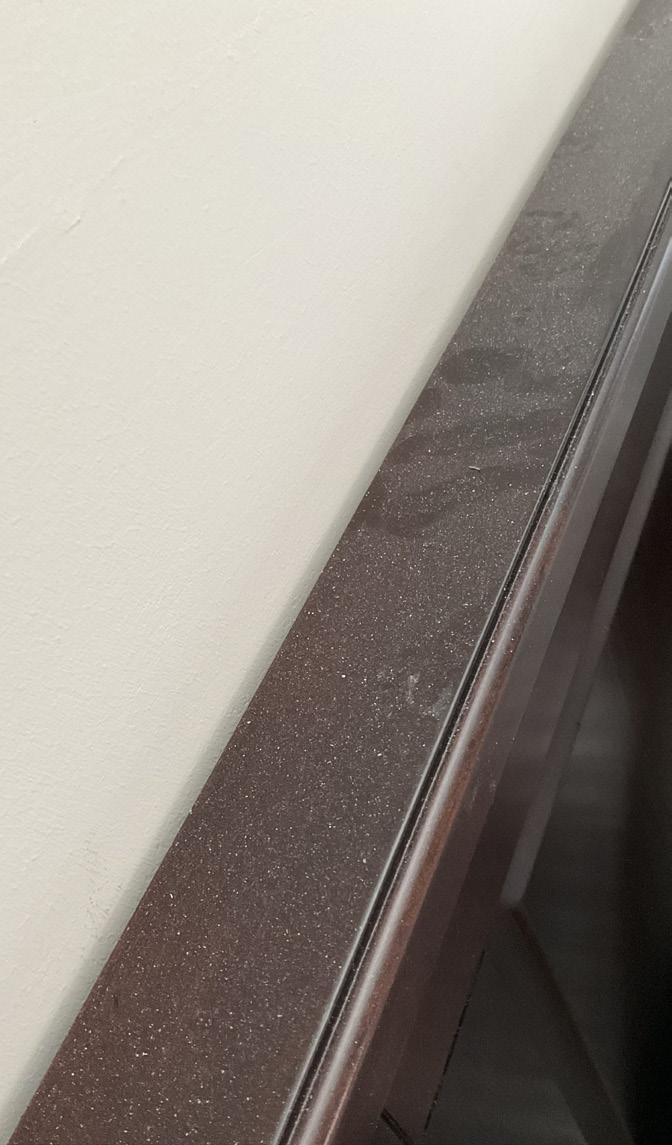
In my case, I’ve heard it said that humans come from dust and to dust we shall return. When I look at the dust lying about my house, prior to Swiffering (see Figure 1), it’s hard for me to tell if that’s someone coming or going!
Joking aside, I do live in a rural area on a gravel road. Dust, especially when the farmers are harvesting soybeans nearby, darkens the sky at times, or so it seems.
The truth is, only a ducted system with a superior return air design can capture even a fraction of the dust generated in a house each day regardless of the filter. If most of the dust can’t get to the filter, then take the filter to the dust!
I thought about building a CorsiRosenthal DIY filter box using 16 x 20 x 2-in. MERV 13 filters until I discovered my local hardware store doesn’t carry 2-in. MERV 13 filters, and they want $33 for a 1-in. version.
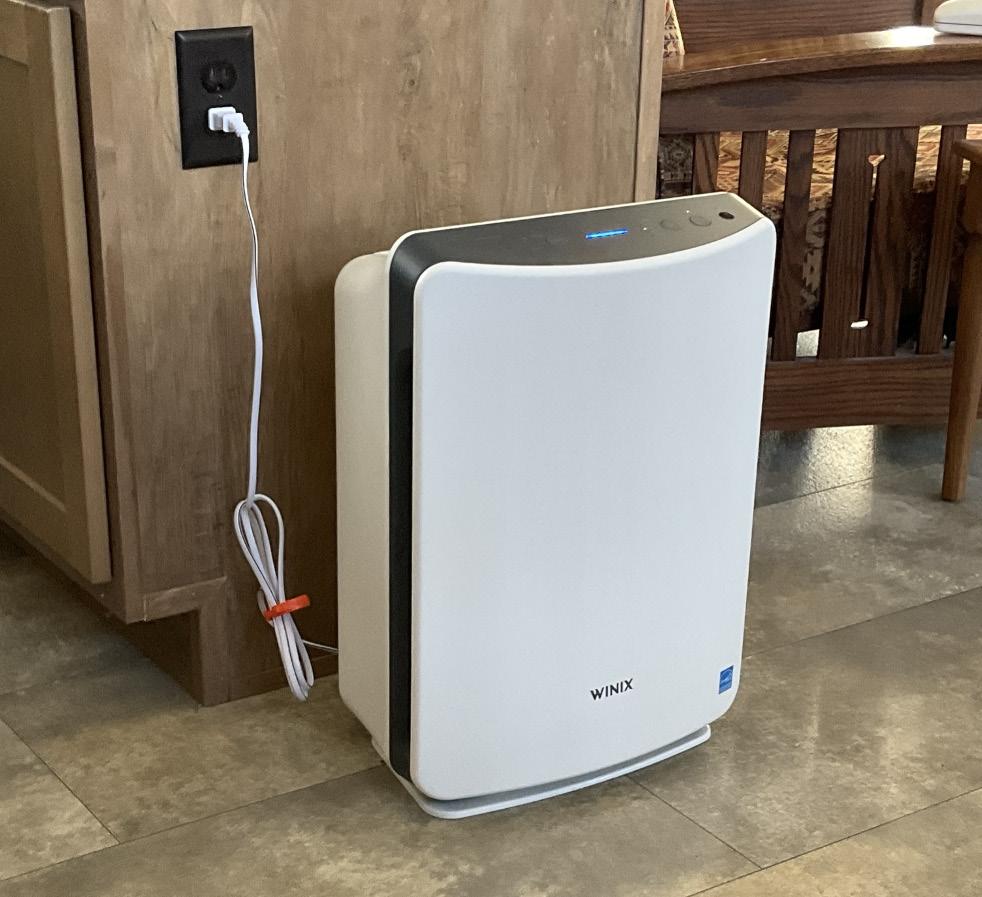
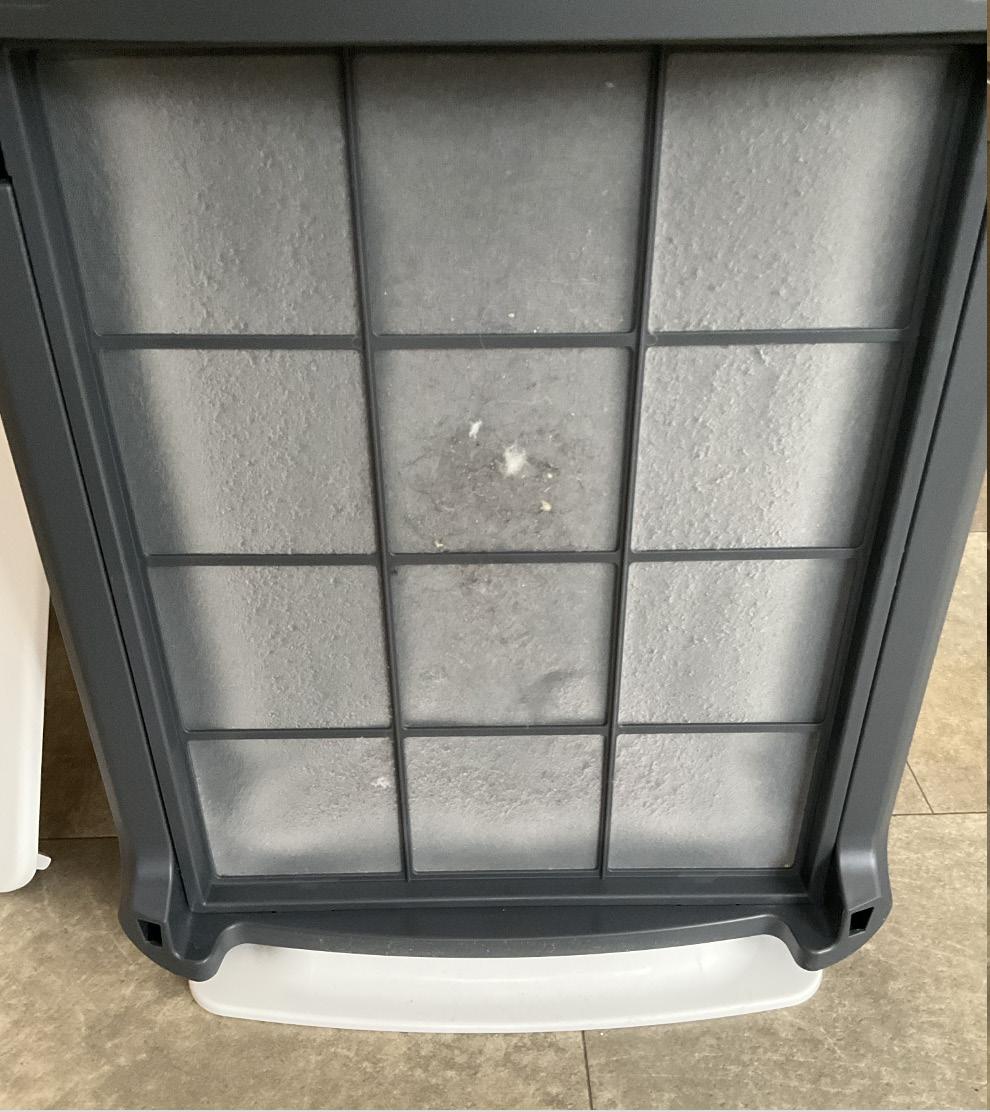
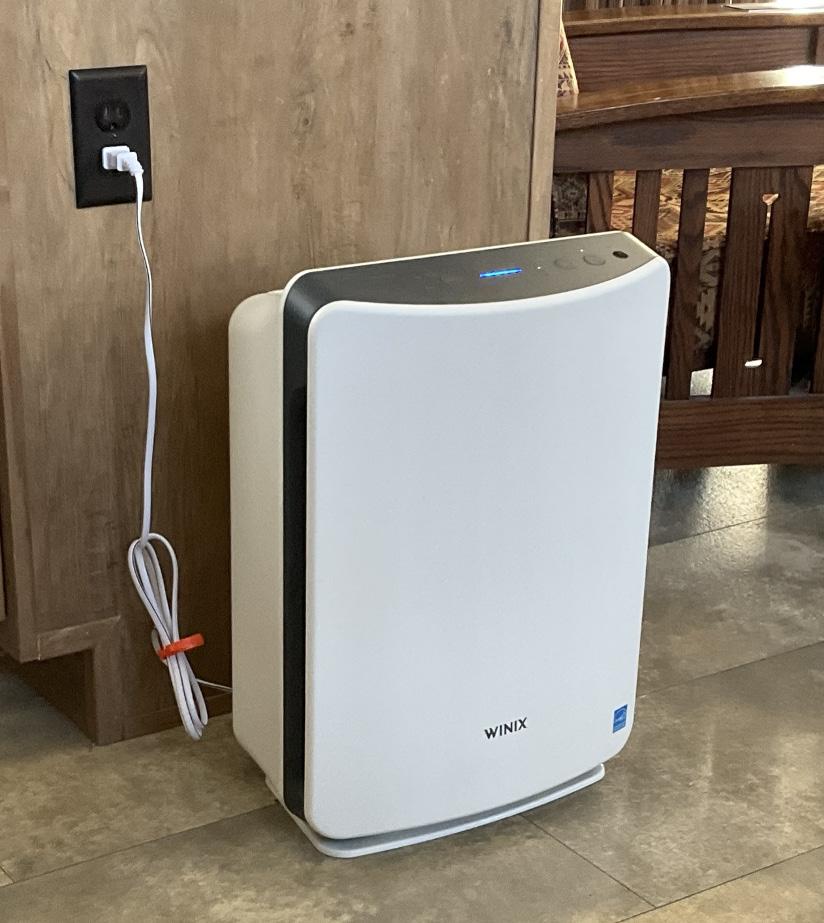
Thus, I bought a standalone filter (air purifier they call it) from a big box store. This unit (Figure 2, next page) has a 1-in. HEPA filter, an activated charcoal filter, and a pre-filter screen. It delivers roughly 200 CADR (clean air delivery rate) quietly on medium speed. The prefilter needs cleaning every few days, but…there is still dust!
Modern HVAC system marketers and designers focus most of their attention on efficiency (coefficient of performance - COP’s), energy savings and so on. Of course, these improvements are
important, but the condition of downstream components after commissioning is all too often neglected.
Within practically no time, careless disregard of required maintenance will load up blower wheels, cooling coils, heat exchanger surfaces and drain pans with energy robbing dust. In addition, this will create a platform for microbial growth loaded with harmful bacteria, viruses and fungi. You can forget about energy savings, improved IAQ and system reliability when filter and equipment maintenance is relegated to the back seat.
BACTERIA, VIRUSES, AND FUNGI
Every building eventually becomes its own biome, a living community of microscopic organisms, including bacteria, that thrive in the temperature and humidity-controlled environments (or the lack thereof) created by HVAC systems.
Humans have a complicated relationship with these microbes. Many bacteria live in symbiosis with us: the beneficial species in our gut, for example, aid digestion, support immunity and contribute to overall health. However, some bacteria are pathogenic, capable of causing disease when conditions allow them to multiply.
Pathogenic bacteria are tough survivors. They can evolve resistance to antibiotics by changing the cellular structures the drugs target, producing enzymes that break the medicine down, or pumping the antibiotic out of their cells before it can act.
These opportunists often strike when a person’s immune system is weakened. Using a process called quorum sensing, bacteria “talk” to one another through chemical signals. Once their population reaches a critical density, they ramp up multiplication and virulence, often forming protective biofilms. In HVAC equipment this shows up as
Figure 1. Dust accumulation in the author’s own house. It’s a never-ending struggle.
< HVAC
slimy layers in condensate pans, on evaporator coils, or inside blower wheels. Legionella is a prime example. It can bloom in stagnant or warm water within cooling towers, drain pans or plumbing pipes, becoming aerosolized and inhaled. Preventing these bacterial blooms requires diligent maintenance, keeping systems dry, clean and welldrained, because once established the bacteria are hard to eradicate.
Viruses, as demonstrated by the recent COVID-19 pandemic, are permanent members of our world. Viruses are not living things at all. They are more like tiny packets of genetic instructions, think of them as seeds or molecular “keys” looking for the right “lock” on a human cell to enter.
Outside a living host, viruses are basically inert; they cannot grow or reproduce by themselves. In an HVAC system, viruses don’t multiply on the coils or in the pan like bacteria do. They can only survive for a limited time on surfaces or in droplets, waiting to be carried by airflow into someone’s lungs where they can hijack the person’s own cells to make copies of themselves.
HVAC systems can trap some viruses on filters and other surfaces, but systems can also spread them widely throughout buildings.
FUNGI IN HVAC
In HVAC equipment, especially mini splits, the difficult to service evaporator coils, condensate pans and blower wheels create the perfect growing environment. Constant moisture from dehumidification or cooling combined with warmth and a steady supply of “food” in the form of dust, skin cells, pollen and other organic debris.
Common HVAC fungi include:
• Aspergillus
• Penicillium
• Cladosporium
These moulds thrive in damp, dark,
poorly maintained units. They don’t just sit there—they actively grow, release spores into the airstream, and can produce musty odours or allergens that affect asthma and respiratory health.
Unlike viruses or many bacteria (which can form slimy biofilms), fungi are particularly good at colonizing surfaces and slowly breaking down whatever organic material is available.
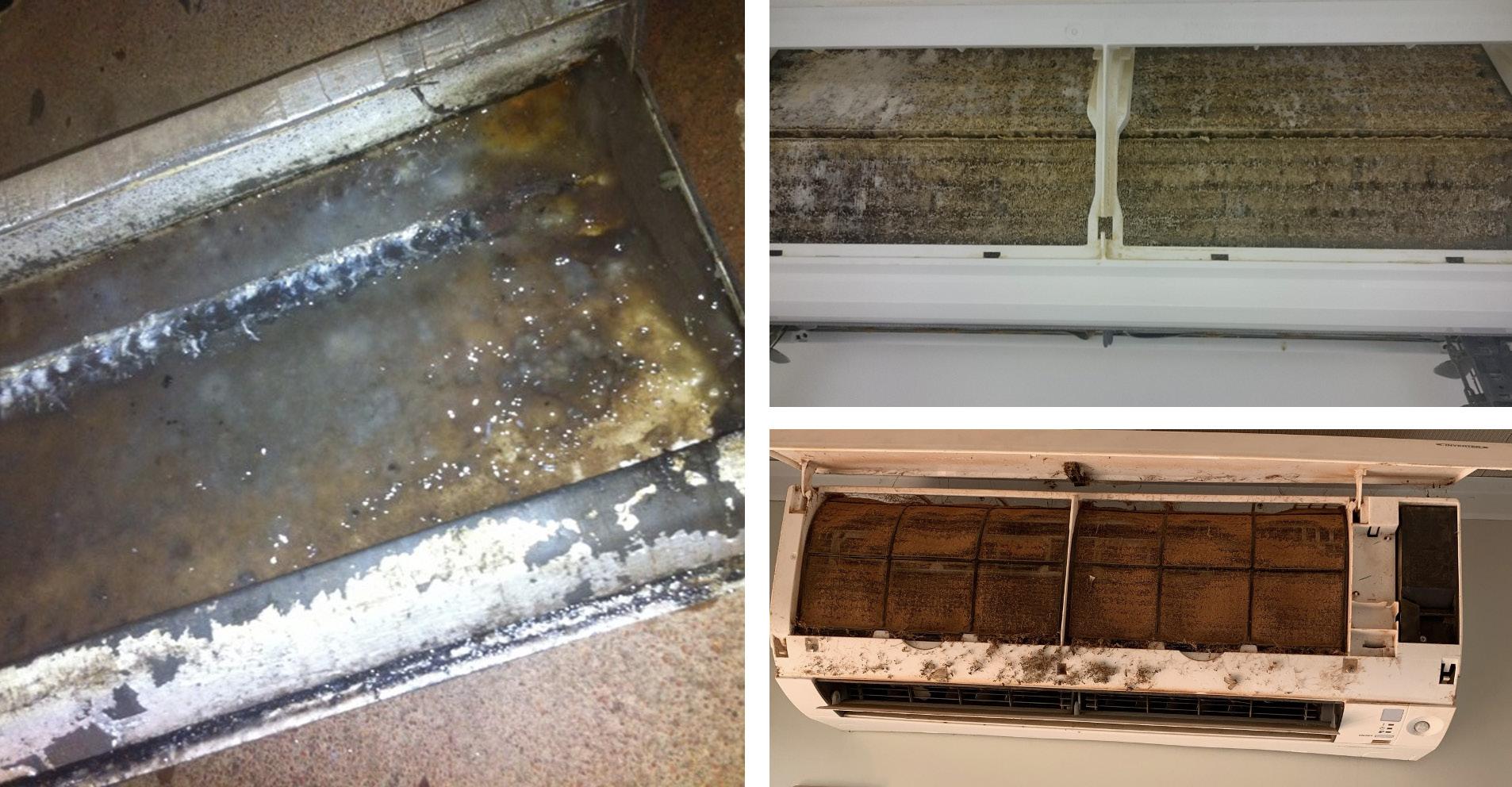
A recent post on social media from Peter Jenkinson of Outback Cleaning Products, Dunoon NSW, Australia said, “Neglected ductless air conditioners are prevalent worldwide, often due to a lack of consumer awareness regarding the importance of regular filter cleaning. When filters are not maintained, these units can become breeding grounds for
biological growth, which can have serious consequences for both air quality and the efficiency of the system.” Peter has allowed me to use some of his photos (Figure 3). I’m concerned to say I have seen worse!
While some mini split air filters do a better job of trapping contaminants, they still require a regular cleaning routine. Mini split manufacturers have also been proactively attempting to address IAQ issues related to the air handler with some self-cleaning modes. For example,
• LG (especially dual inverter models): have an “auto clean” mode. After cooling/dehumidifying, the unit runs the fan (sometimes in reverse or at low speed) to dry the coil and interior components. Some models heat the
Figure 2. A standalone air purifier catches some dust, but it requires cleaning every few days.
Figure 3. Neglected ductless indoor units can become breeding grounds for biological growth.
coil slightly or cycle the fan to evaporate condensate. By drying things out faster, it cuts down on mould-friendly conditions.
• Daikin: many models have a ‘selfcleaning’ or ‘dry coil’ function postoperation. It keeps the fan running to dry the heat exchanger and drain pan, reducing moisture carryover to the blower wheel. Some higher-end lines emphasize this for better IAQ.
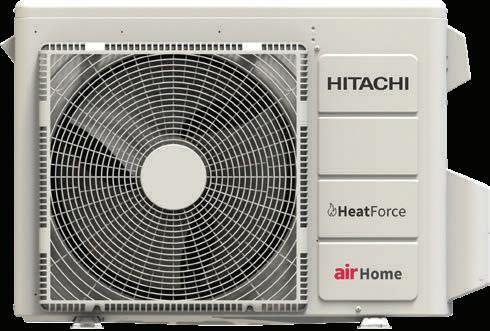
• Hitachi: the company’s FrostWash technology traps dust and dirt that lands on the heat exchanger by freezing it in naturally available moisture, it then melts the frost and flushes away the dirty water.
• Sharp: the company’s Airest, winner of the 2026 AHR Expo Innovation Award in the IAQ category, is the world’s first mini-split heat pump with built-in MERV 14 filters. It captures over 99.9% of dust before it enters the unit.
SERVICE TECHNICIAN ADVICE
When you open-up a mini-split cassette, or older ducted system, and find heavy mould, slime-covered blower wheels, or years of accumulated gunk, remember you’re dealing with a living biome that can affect both the occupants and you.
"Protect yourself with at least an N95 respirator"
Therefore, always use proper cleaning techniques. Thorough coil cleaning with appropriate foaming cleaners or coil sprays, complete removal of biofilm from pans and blower wheels, and ensure good drainage and drying afterward.
Protect yourself with at least an N95
CONFORTO
HIGH-PERFORMANCE HEAT PUMPS
STAY COOL ALL SUMMER WITH CONFORTO
Conforto heat pumps keep your home refreshingly cool during the hottest days of summer—without compromising on energy efficiency. Choose the Cold Climate Centrally Ducted System for whole-home cooling or the Maximum Ductless Mini-Split for targeted comfort in any space. Both systems are whisper-quiet, ENERGY STAR® certified, and built to perform year-round.
Built for harsh climates. Engineered for efficiency.
respirator (or better), a full-face shield to guard your eyes from aerosolized particles, and nitrile or chemical-resistant gloves.
Those seemingly harmless “musty” units can release spores, bacteria and other bioaerosols when disturbed, your PPE and careful cleaning practices are the best defense for both the homeowner’s IAQ and your own long-term respiratory health.
In the end, regular maintenance, including professional services, is the best way to keep unwanted guests at bay. <>
Ian McTeer is an HVAC consultant with over 35 years of experience in the industry. He was most recently a field rep for Trane Canada DSO. McTeer is a refrigeration mechanic and Class 1 Gas technician. Contact: imcteer@outlook.com.
IMPROVING AIRFLOW
Ideas for correcting common errors on residential forced air HVAC system design based on the analysis on of a home in the Victoria area. BY TODD BACKUS, P.ENG.
I’ve worked in the HVAC industry for over 20 years in British Columbia and I see recurring issues with poor residential system design and installation. Cutting corners on heat loss and heat gain load calculations and a fundamental misunderstanding on proper HVAC system design are far too common in homes with ducted air handlers. With the growing transition to heat pumps for heating and cooling, as an industry we need to address system design basics.
One of the first items I inspect when trying to diagnose a poorly performing home is the return air system. A properly designed return air system balances airflows throughout the dwelling and ensures a more consistent and comfortable temperature for the occupants.
A lack of return air in the home creates pockets of still air that do not properly circulate with the rest of the building which decreases the effectiveness of the supply air system.
Forced air system airflow is measured in cubic feet per minute (CFM) using anemometers, and external static pressure (ESP) is measured using manometers in inches of water column (”wc). In many cases, residential design assumes we’re going to lose 0.2” wc to 0.3” wc due to the whole ducting system. Consider that 0.2” wc is equal to only 0.007psi!
To minimize pressure loss, great care should be taken to move air through a duct using sweeping fittings and smooth transitions. Many residential return air ducts are installed with the tops cut out using wooden joists to transfer air. Horrible fittings are accepted on the re -
turn air system that many contractors would never use on the supply side.
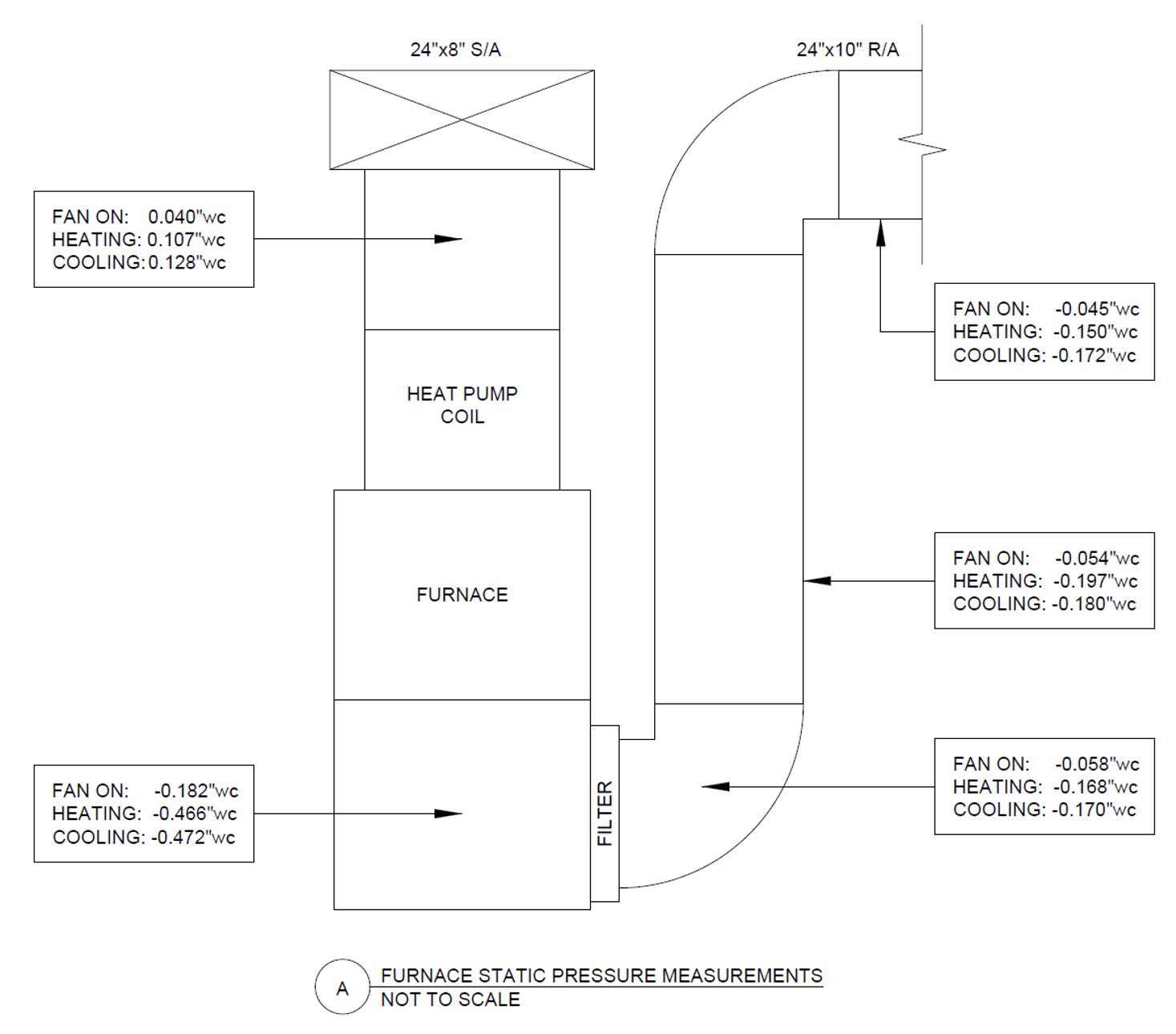
The image in Figure 1 shows a series of static pressure measurements I took while investigating a home in the greater Victoria region that was built in 2023. The deficiencies in its system created inconsistent temperatures throughout the house, resulting in poor thermal comfort for the homeowner.
The ducting is not sized to allow for any supply air dampers to be closed, which could have been used to balance the different airflow requirements for heating versus cooling seasons.
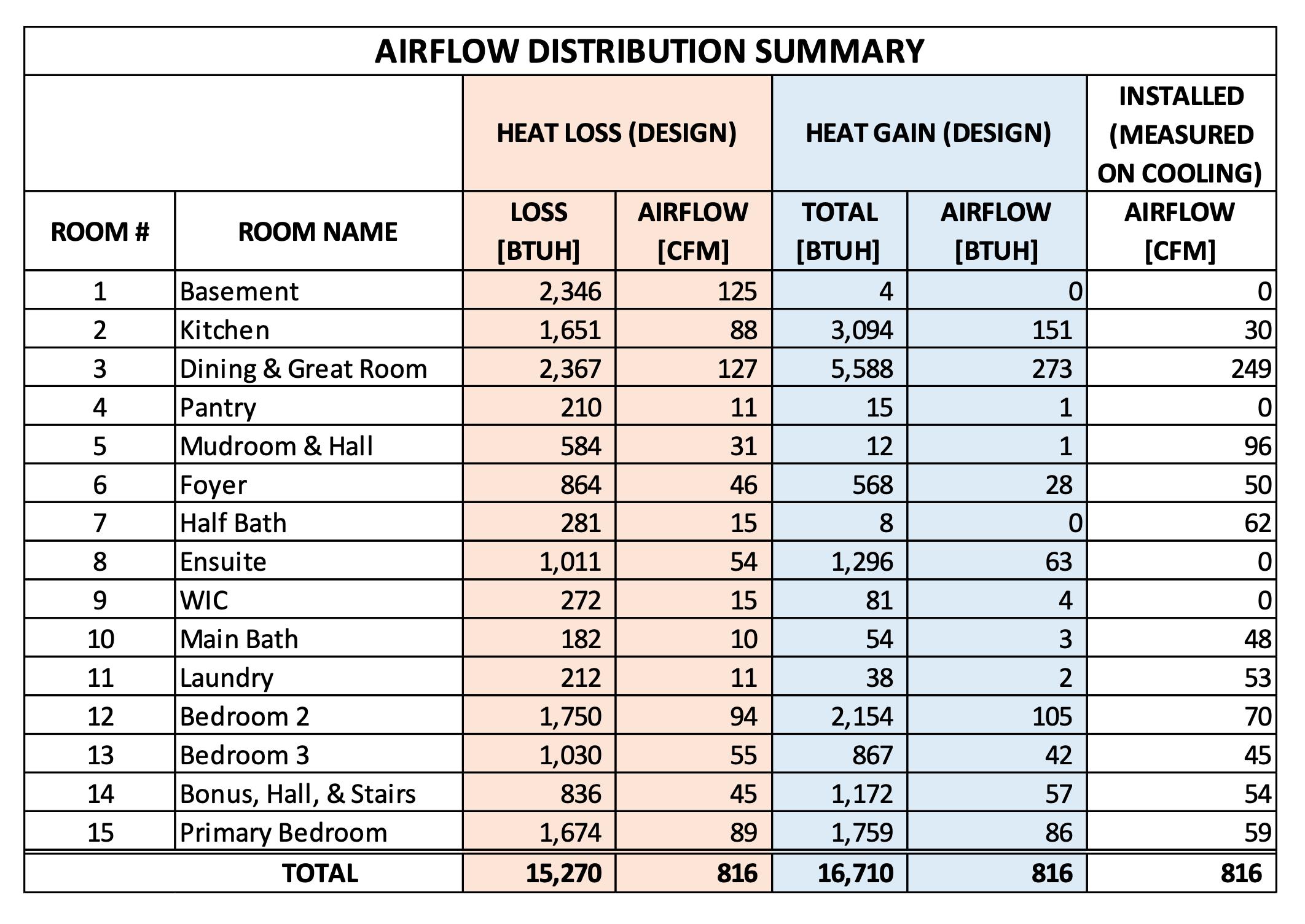
Figure 2 is a room-by-room table that
Figure 1. External static pressure measurements around an installed air handler.
HYBRID HEATING. SIMPLIFIED.
A smarter way to deliver comfort, efficiency, and value on every install.
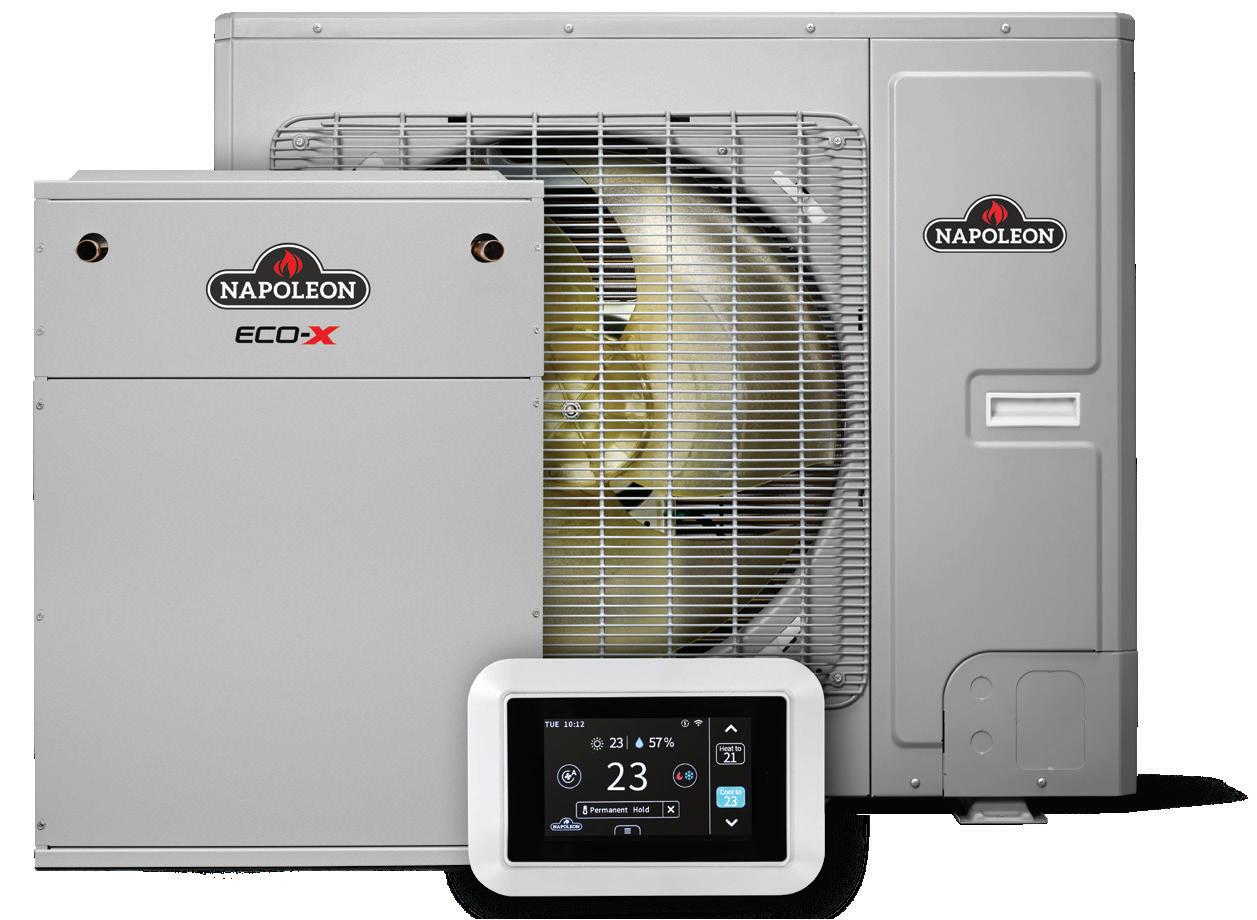
The Napoleon® EQ ® Fusion Hybrid Solution combines a cold-climate heat pump, hydronic air handler, and the EQ ® Hub Smart Thermostat into one intelligent system. It automatically selects the most efficient energy source based on conditions and utility rates — reducing energy use, lowering emissions, and keeping homes consistently comfortable year-round.
Designed with contractors in mind, EQ ® Fusion installs faster, fits tighter spaces, and delivers the performance today’s homeowners expect.
includes my calculations for the heat loss and heat gain design loads, the measured airflow at each register, and the ideal airflow if it was distributed based on the load calculations.
The installed airflow rates that were measured are not consistent with the room-by-room heat loss and heat gain calculations. A CSA F280 load calculation is required by code on residential dwelling units. Many of the smaller rooms, located near the mechanical room, were over-supplied. The system would have functioned much better if that air was instead supplied to the kitchen and the upstairs bedrooms.
The HVAC designer tried to use a single exhaust grille from the HRV as return air for the top floor, which is not allowed in the building code. In some Part 3 commercial buildings using exhaust air to balance airflows is reasonable. This approach fails in residential applications because the forced air system circulates way more air than the HRV—in this case 816 CFM versus 78 CFM.
This system is designed to supply 329 CFM to the top floor, but it only exhausts 78 CFM from the central bonus room. I prefer to exhaust from the bathrooms rather than a central living space because the bathrooms generally contain the lowest quality air in the dwelling.
The lack of air circulation on the top floor is particularly noticeable in the summer where heat stratification compounds the inconsistent temperature problems. The main floor is not balanced because it is returning nearly twice the air that is supplied to the main floor.
Adding ceiling fans on the top floor will help as a low cost, low impact, mitigation measure, but the real solution is to add a return air grille to the top floor.
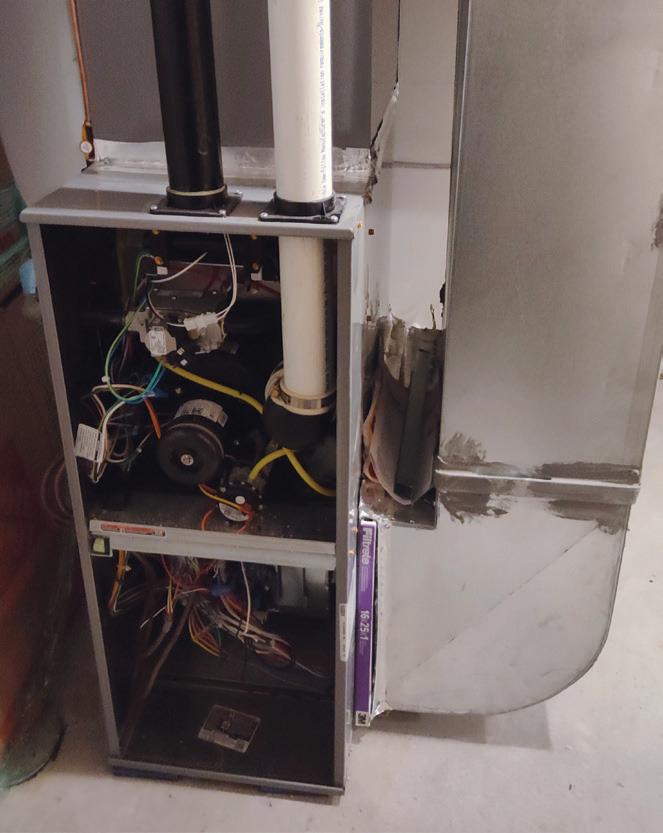
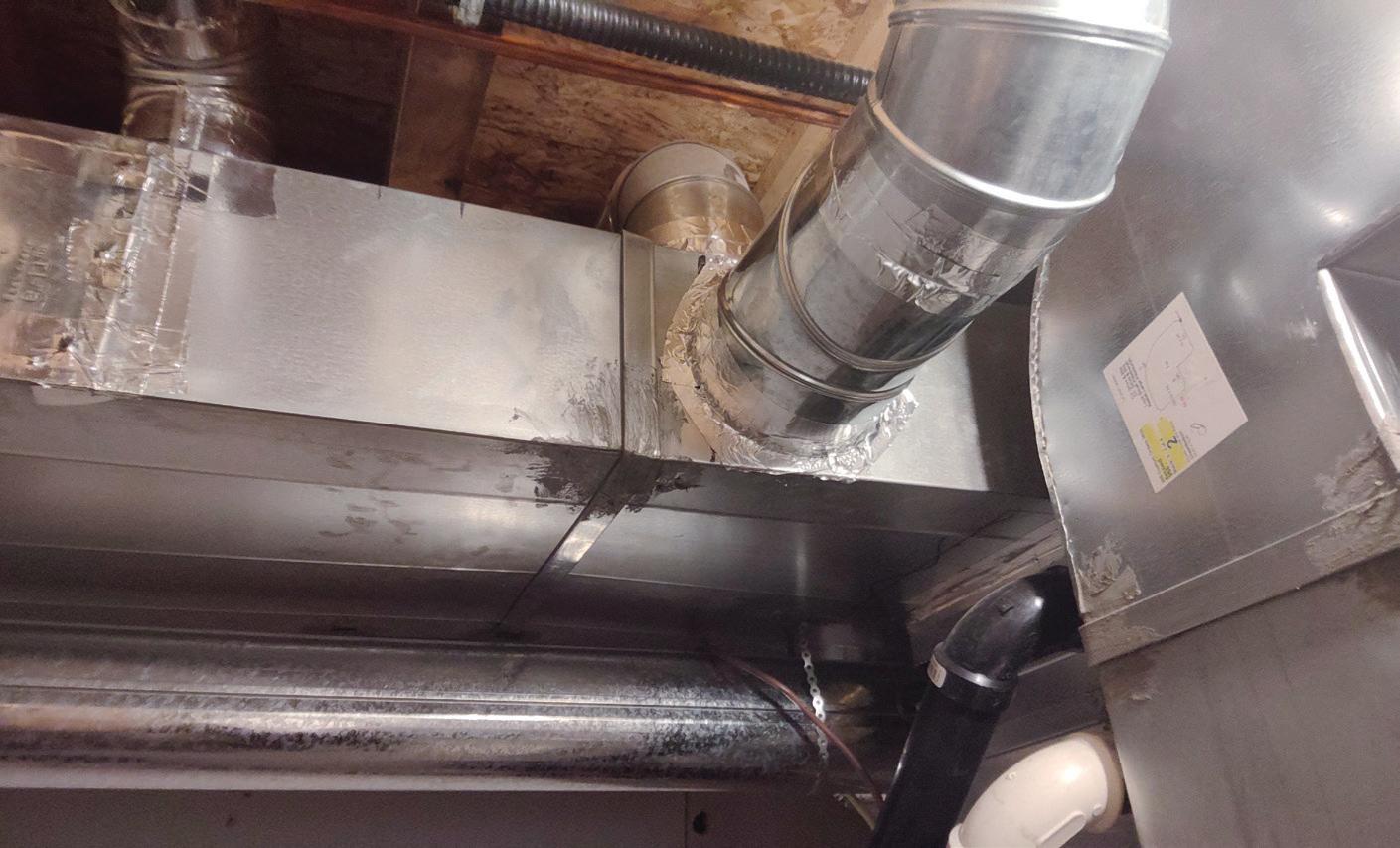
The sharp throats on the return air elbows and the 1-in. wide filter placed right at the fan inlet also decrease performance. No plenum take-offs were used, and the supply branch connections to the
trunk were dove-tailed pieces of pipe.
RECOMMENDATIONS
By my estimation, they could increase the airflow rate by 200 CFM with proper fitting selection and a 4-in. filter located farther away from the fan inlet.
The poor fittings, lack of duct reducers on the mains, the dove-tailed pipes into the trunk rather than side or top take-offs probably slipped under the radar because the home is reasonably small and well insulated.
In my opinion, the lack of return air on the top floor pushes the HVAC system over the line from being an under performer to a failed system. <>
Todd Backus, P.Eng., has been in HVAC since 2003. A former contractor/ owner with a Red Seal sheet metal ticket, he completed his P.Eng. certification in 2023 and is currently COO of TECA. He can be reached at tbackus@teca.ca
Figure 2.Calculations for the heat loss/heat gain loads and measured airflow at each register.
Dove-tailed pipe connected to the supply branch where plenum take-offs would be preferred.
PHOTO: TODD BACKUS
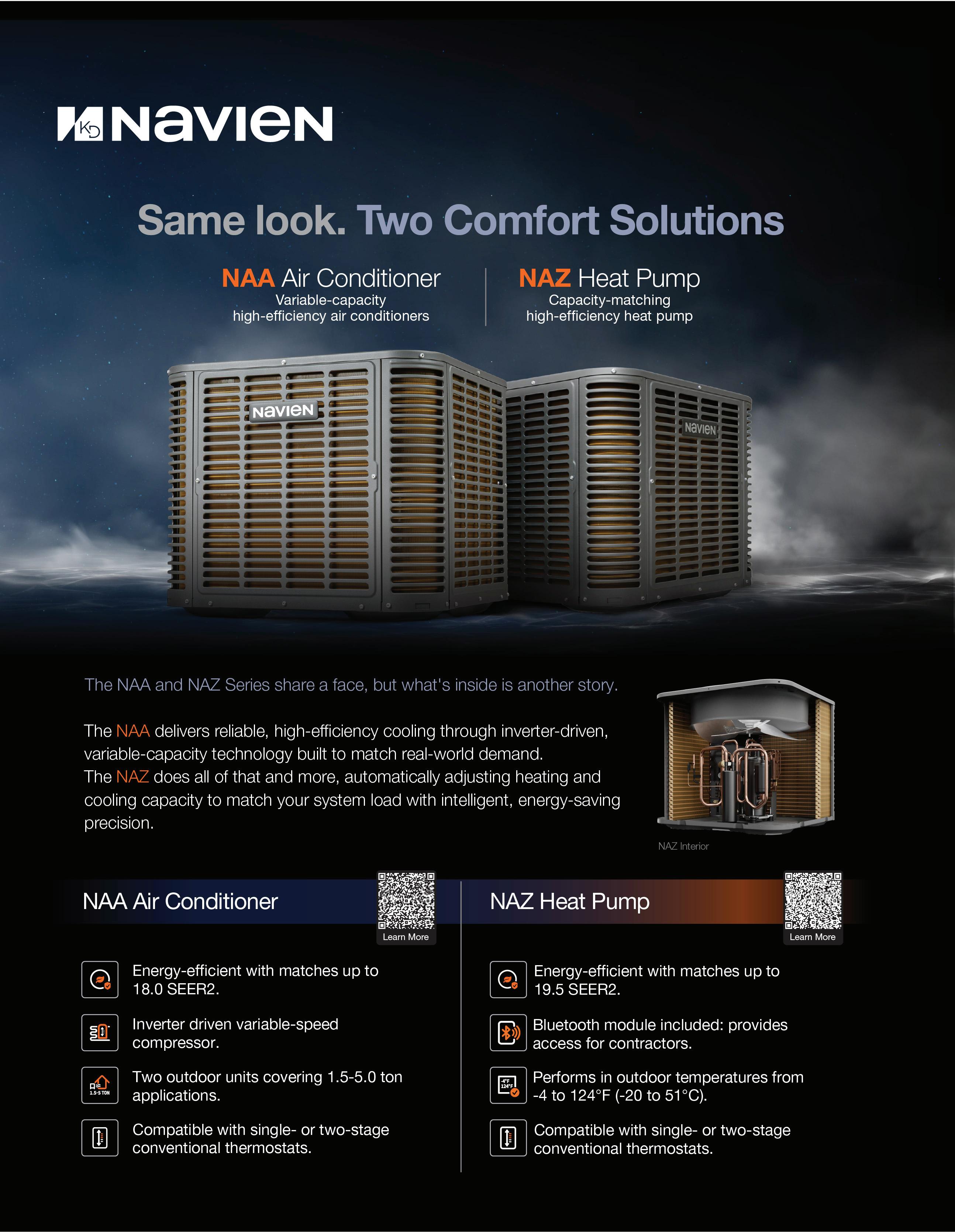
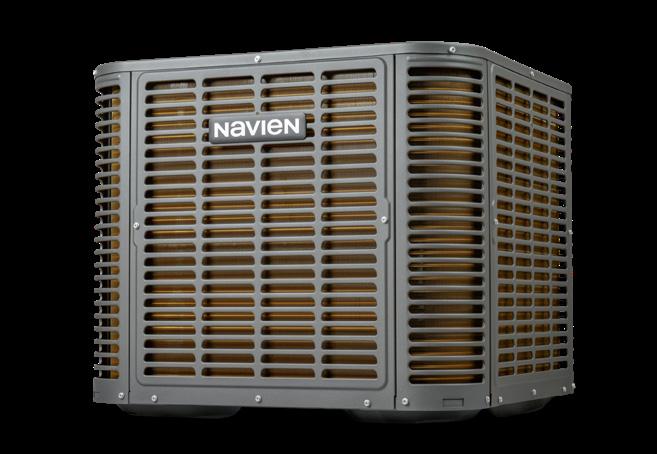
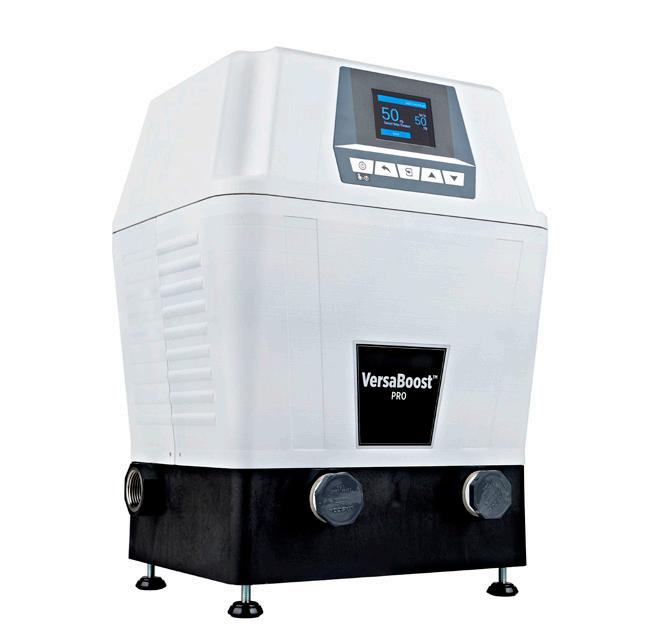
Navien launched its NAA series air conditioner, a variable-capacity solution designed to deliver high-efficiency cooling for residential and light commercial applications. The NAA platform offers flexible capacity matching and streamlined model selection. The inverter-driven technology continuously adjusts output to match real-time cooling demand and the system delivers up to 18 SEER2 when paired with matched components. The series covers applications from 1.5 to 5 tons with just two outdoor unit platforms, and the system uses low-GWP R-454B refrigerant. navieninc.ca
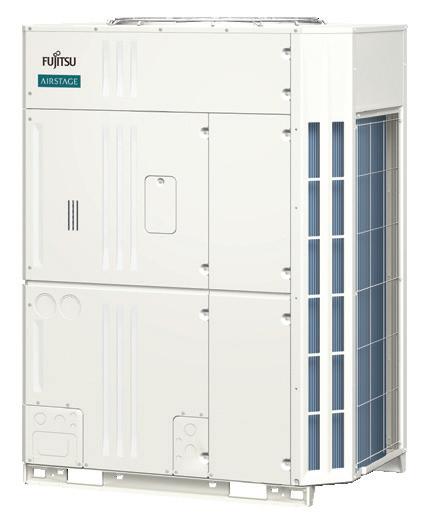
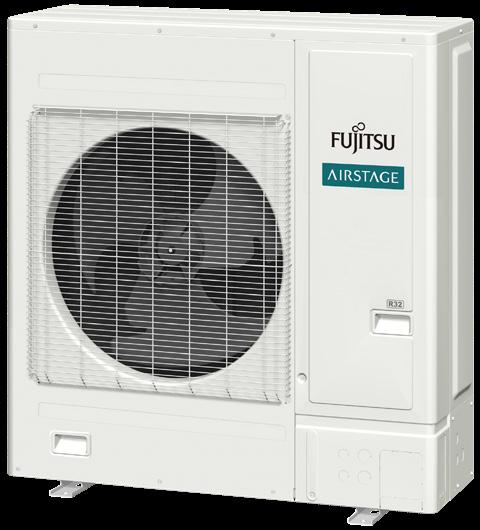
General HVAC Solutions America (formerly Fujitsu General America) will be introducing the single-zone AIRSTAGE Centauri XLTH to its HSeries R-32 heat pump line. The outdoor units are available in capacities between 30,000 and 48,000 Btu/h and are compatible with existing indoor units. Designed for cold-climates, Centauri XLTH models feature a factory-installed base pan heater and provide low-ambient heating operation down to -26C/−15F. The outdoor unit supports extended refrigerant line lengths of up to 246 ft with factory pre-charged length of 98 ft.
fujitsugeneral.com
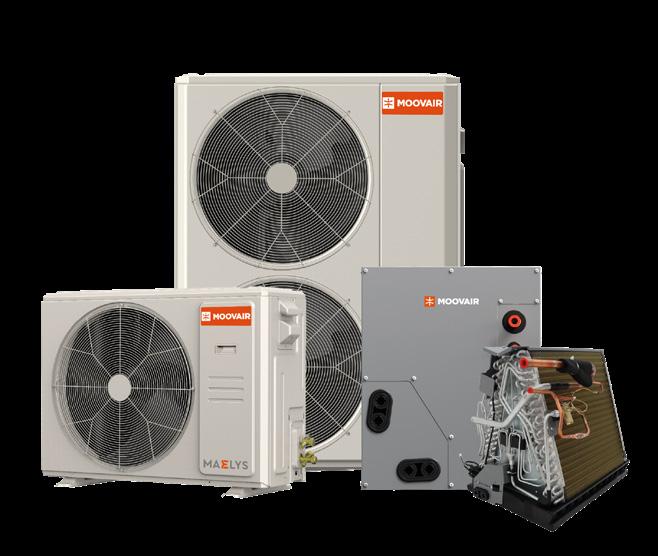
Moovair has launched Maelys, a cooling-only side-discharge system built for homes with forced air heating that require air conditioning. An alternative to traditional top-discharge AC units, the system’s low-profile design makes it suitable for tight lots, townhomes and urban properties. Its inverter-driven technology adjusts output to reduce energy use during partload conditions, delivering steady cooling. It’s also engineered for quiet operation, and it pairs with both cased and uncased coils for flexible installation options. moovair.com
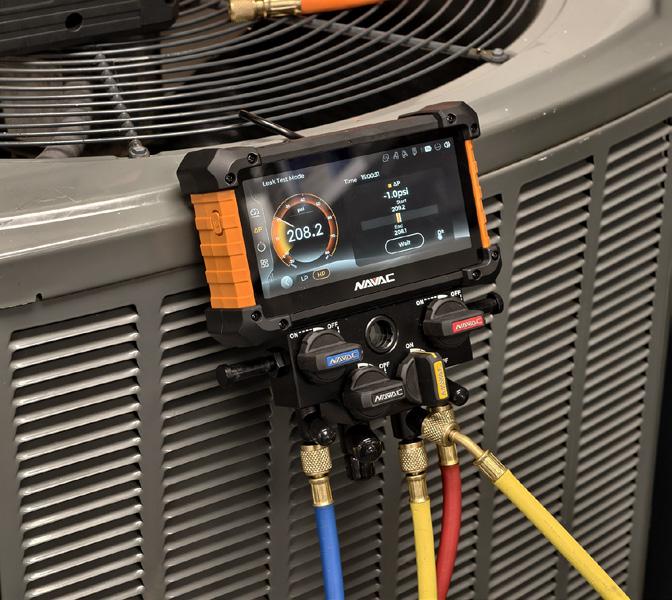
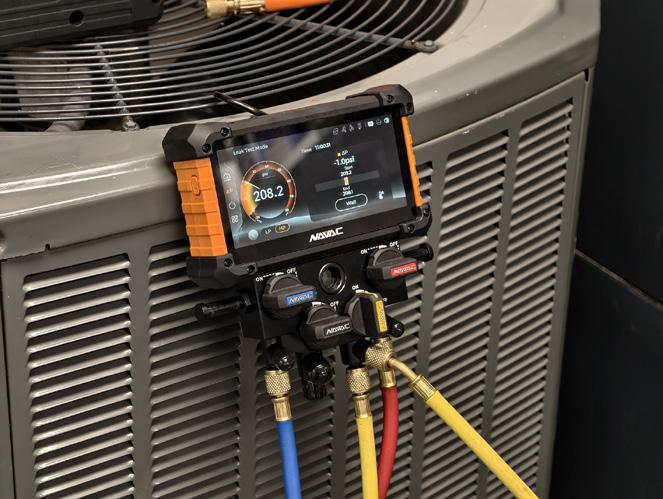
NAVAC has launched the NEXUS 2, a digital manifold engineered to simplify HVAC diagnostics and service workflows. Its aviation-inspired interface that gives technicians a clear view of system performance and service progress. The touchscreen presents data through visualizations across manifold, leak test, and evacuation modes. NEXUS 2 supports 100 refrigerants, from R22 to emerging low-GWP options like R454B and remains updatable via the myNAVAC App. The manifold features a rugged protective shell that shields its HD touchscreen and internal sensors.
navacglobal.com
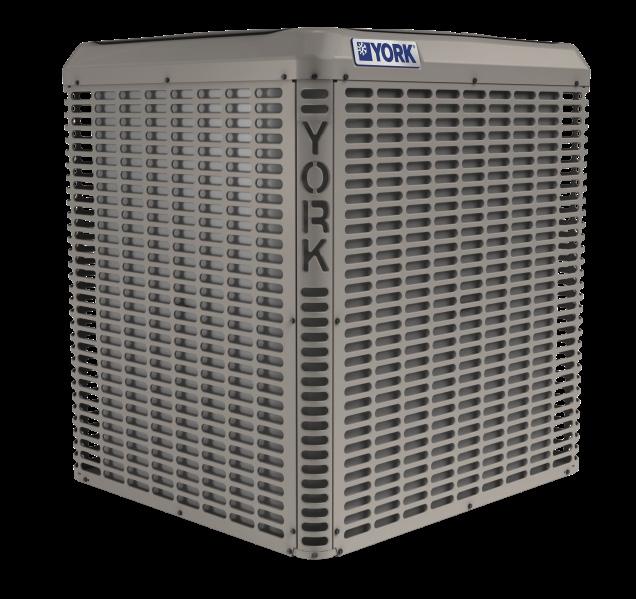
YORK, a Bosch Home Comfort Group brand, launched the YORK YH9, a variable speed, 21 SEER2 heat pump operating down to -23 C/-10 F and maintaining up to 100% capacity at -15 C/5 F. Available in 3- and 5-ton models, they can be matched with the company’s new communicating thermostat. Designed with R454, the YH9 heat pumps ship factory-charged for a 15-foot line set to reduce brazing and charging time. Full corner access, removable fan guards and screw-on pressure switches help to streamline maintenance. york.com
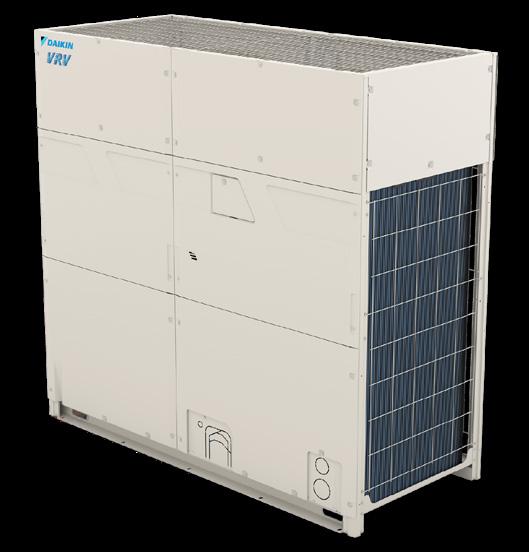
Daikin introduces its new VRV EMERION commercial heat pump and heat recovery systems featuring R-32 refrigerant. Daikin redesigned these three-phase, air-cooled systems to help reduce installation and commissioning times, expand heating and cooling operations, enhance energy savings and support sustainability. Available from 6- to 40-tons, the VRV EMERION is delivers efficiencies up to 24.6 IEER and 3.80 COP. For retrofit applications, a new field setting allows reuse of a R-410A piping network for R-32, helping eliminate the need to replace piping.
daikincomfort.com
Many INNOVA copycat units have fraudulent specs and are noncompliant and illegal to sell, use, or install in Canada.
Many INNOVA copycat units have fraudulent specs and are noncompliant and illegal to sell, use, or install in Canada.
Challenge
We guarantee that certain units are illegal to
We guarantee that certain units are illegal to
We guarantee that these units are illegal to use in Canada because they are not listed in NRCan’s database as required by law.
We guarantee that these units are illegal to use in Canada because they are not listed in NRCan’s database as required by law. Subject to terms and conditions. Scan the QR code or visit innovacopycats.com to learn more about fraud.
Subject to terms and conditions. Scan the QR code or to learn more about fraud.
AIR-TO-WATER HEAT PUMP OPTIONS
There are multiple configurations and system designs to consider, each with its own benefits.
BY JOHN SIEGENTHALER
The North American market for airto-water heat pumps (AWHPs) continues to expand. By my count there are at least 21 manufacturers now offering some type of AWHP suitable for residential and light commercial heating and cooling applications. Many of these heat pumps are available in both Canada and the U.S. A few are specific to Canada at this time.
This trend is being driven, in part, by government and municipal regulations that continue to promote electrification and discourage the use of fossil fuels, especially for space heating applications. It’s also driven by consumer demand for products that reduce their perceived carbon footprint.
Many North American companies that have offered boilers for decadeseven centuries - have added AWHPs to their offerings to remain relevant in the emerging market for electrified HVAC systems.
FORM FACTORS
With a few exceptions, air-to-water heat pump configurations for residential and light commercial heating and cooling applications can be categorized as follows:
• Monobloc
• Refrigerant split systems
• Hydro-split systems
• Other
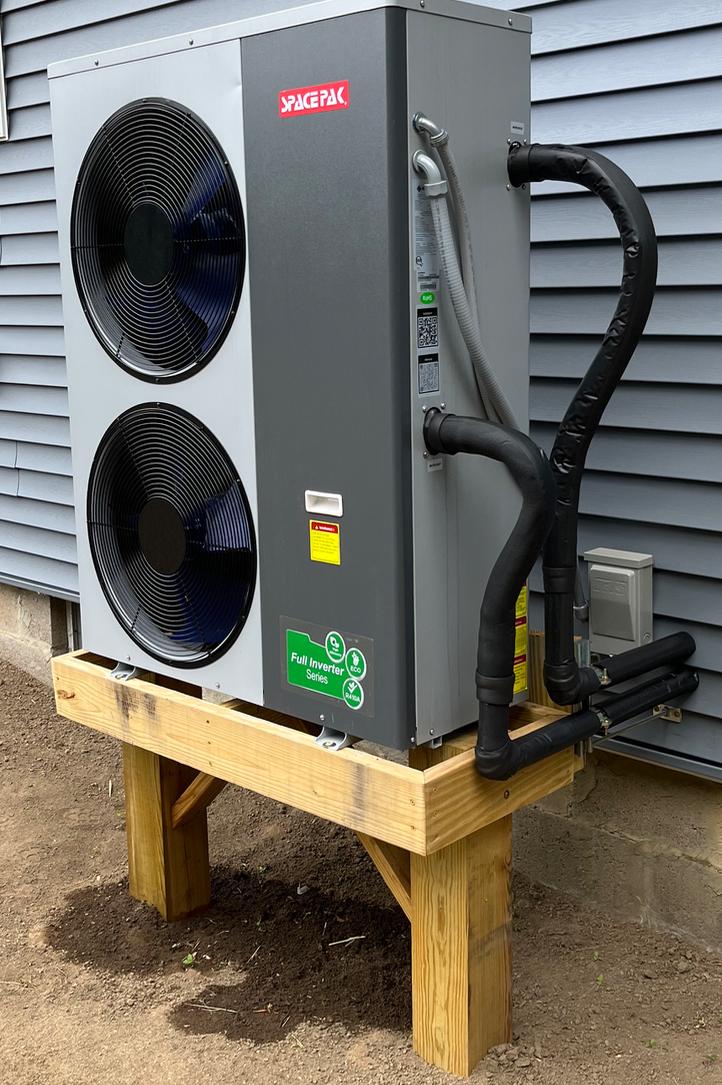
Monobloc air-to-water heat pumps are self-contained from the standpoint of their refrigerant systems. They come factory-charged with refrigerant and do not require any site-installed refrigerant piping. They are designed to be mounted on a stand that supports them above the local snow depth, as well as above lawn clippings, leaves, etc.
The two pipes that connect to the heat pump convey water, or a mixture of water and antifreeze, to and from the remainder of the distribution system inside the building. A typical 4 ton (48,000 Btu/h) to 5 ton (60,000 Btu/h) rated monobloc heat pump is usually connected to the remainder of the system using 1-in. or 1.25-in. piping.
Figure 1 shows an example of a monobloc AWHP supported on a stand
built of treated lumber that keeps the unit above the snow. The wet soil visible under the unit is from drainage following a defrosting cycle.
Many currently produced monobloc AWHPs periodically operate their internal (or an external) circulator when freezing conditions are imminent, even if there’s no call for heating operation. This control logic is meant to periodically “refresh” water within the heat pump so that it doesn’t freeze. It counts on some heat being available from the interior portion of the system, such as from a buffer tank or high thermal mass heating distribution system.
It’s a valid concept, except during a prolonged loss of electrical power. If the building has an automatic start backup generator one might consider that freeze protection, however, a failure of the generator, or other electrical problem that prevents water circulation through the heat pump, could result in a costly hard freeze that ruptures the heat pump’s internal heat exchanger.
To prevent this possibility many North American suppliers of monobloc air-towater heat pumps recommend (or mandate) that their units operate with an antifreeze solution. A typical blend for locations that experience occasional freezing is a 30% solution of inhibited propylene glycol. Locations that experience severe freezing conditions throughout the winter may require 40 to 50% solutions for full burst protection under the lowest possible outdoor temperatures.
It is possible to install a properly sized flat plate heat exchanger between the
Continued on p36
PHOTO: JOHN
Figure 1. Example of a monobloc AWHP supported on a stand high enough to keep it free from snow cover.
FROM INSTALLATION TO SUSTAINABILITY... IT’S PERFECT ON SO MANY LEVELS
INTRODUCING THE VERTA SERIES AIR-TO-WATER HEAT PUMP
Discover cutting-edge hydronic heating and cooling—easy for contractors to install and eco-friendly.
Unleash powerful, fuel-free comfort for a greener future!
• Equipped with R32 refrigerant for sustainable, economic operation
• Highly efficient, allowing for high water temperatures even in low ambient conditions
• DHW storage allows users to set a timer as needed for each day of the week
• Features built-in controls for hybrid applications, Verta is designed for seamless integration into a wide range of systems
• 7” user-friendly touch screen control
< HYDRONICS
heat pump and the balance of system. This reduces the antifreeze quantity to only that needed in the heat pump, half the heat exchanger, and the piping connecting them. If this technique is used the “approach” temperature difference (e.g., the temperature difference between the hot antifreeze solution entering the heat exchanger, and the heated water leaving the heat exchanger) should be no more than five degrees, and even less if possible based on cost and heat exchanger availability.
The downside to using a heat exchanger is that there must be a temperature difference across it to drive heat from the antifreeze solution to the water. This forces the heat pump to operate a few degrees hotter than it would if the heat exchanger were not present.
Higher operating temperatures lower the heat pump’s COP (coefficient of performance). Thus, from the standpoint of optimizing thermal performance, the same fluid that flows through the heat pump would flow through the balance of system.
Monobloc heat pumps are currently the most common “form factor” for air-to-water heat pumps in North America. This is mostly because they can be installed without refrigerant tools or skills.
However, I still recommend that any professional installing a heat pump should acquire the refrigeration system tooling and skills necessary to fully service the unit, if and when required.
As a minimum the installer should be able to identify a lowrefrigerant condition, recover a refrigerant charge, repair any potential leaks in the system, pressure test the system, evacuate the system, and weigh in a proper amount of refrigerant.
SPLIT UP
Another “form factor” for AWHPs is known as a refrigerant split system. These AWHPs have an outdoor unit and an indoor unit connected by copper tubing that carries refrigerant. Figure 2 depicts a simplified refrigerant split system diagram.
In most (but not all) refrigerant split systems the outdoor unit contains the compressor as well as the refrigerant-to-air heat exchange coil, a fan, refrigerant reversing valve, refrigerant servicing valves and some controls. There is no water or antifreeze in the outdoor unit, and thus, unlike a monobloc configuration, there’s nothing that can be damaged by subfreezing temperatures.
The indoor unit usually contains the refrigerant-to-water heat exchanger, a circulator, a small expansion tank, a pressure relief valve and some additional controls, and in modern units, a touch screen user interface.
Installing a refrigerant split system requires making flare connections on the copper tubing “line set” and connecting the tubing to the outdoor and indoor units, pressure testing the line set, evacuating air from the line set, and finally opening service
valves allowing the refrigerant charge supplied within the outdoor unit to flow through the line set and the indoor unit.
Perhaps the biggest benefit of a refrigerant split system is that no freeze protection is required for the outdoor unit. This makes the use of antifreeze/glycol in the hydronic portion of the system optional.
There are variations in refrigerant split AWHPs. Some, such as the product offered by Canadian-made Nordic, have the compressor within the indoor unit. This reduces the number of components exposed to outdoor conditions, which may increase the system’s service life. It also allows a desuperheater heat exchanger for domestic water heating to be included in the indoor
Figure 2. Diagram of a simplified refrigerant split air-to-water heat pump system
Figure 3. Example of a hydro-split air-to-water heat pump system.
LOW CARBON HYDRONIC HEATING, COOLING AND DOMESTIC HOT WATER SYSTEMS NATURAL GAS ALTERNATIVES FOR ELECTRIFICATION u TRUSTED PERFORMANCE, QUALITY AND RELIABILITY u REDUCES ENERGY CONSUMPTION OVER COMPARABLE NATURAL GAS AND ELECTRIC RESISTANCE HEATERS u LOCALLY BASED PARTS AND SUPPORT TEAM u To
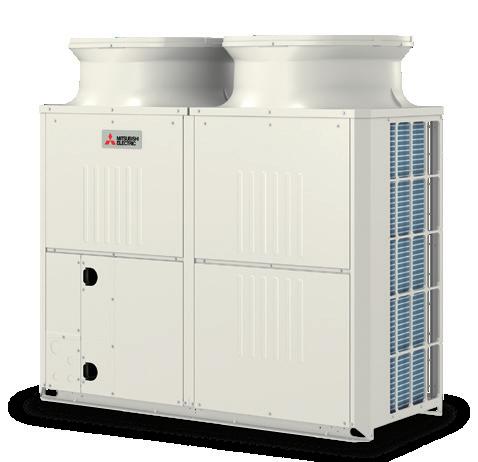
ECODAN WUZ AIR-TO-WATER HEAT PUMP
ECODAN QAHV HEAT PUMP WATER HEATER
ECODAN CAHV HOT WATER HEAT PUMP
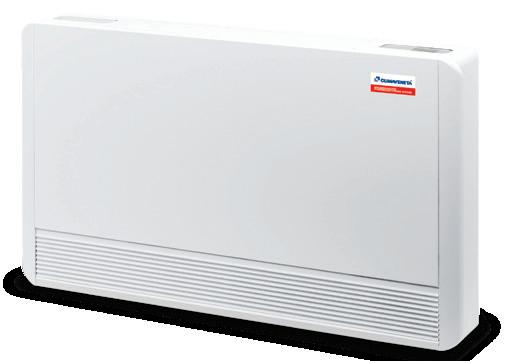
CLIMAVENETA i-LIFE2 SLIM HYDRONIC FAN COIL UNIT
unit—similar to how many geothermal heat pump units are configured.
HYDRO-SPLITS
What happens when you combine a monobloc outdoor unit with a pre-assembled indoor unit?
Answer: You have what’s called a hydro-split system. Figure 3 shows an example.
The primary appeal of hydro-split systems is that many of the components needed to make the heat pump into a system have been selected and pre-assembled within the indoor unit. These include, but are not limited to, a circulator, motorized and manual valves, flow sen-
sors, temperature sensors, electric resistance supplemental heater and controls.
Although hydro-split systems understandably cost more than a monobloc heat pump, they offer more than just a source of heated or chilled water. They significantly reduce on-site time since most of the work comes down to routing, connecting and insulating piping between the outdoor and indoor units, and onward to the distribution system.
This approach also reduces the possibility of incorrect component selection or placement, which is important as the North American market learns the differences between boiler-based systems and those using air-to-water heat pumps.
NOVEL APPROACHES
Although the first three categories represent the bulk of the current North American AWHP market, there are other configurations that are used in North America and globally.
One is what I call “bring your own condenser.” The manufacturer, ThermAtlantic Energy Products) offers an interior direct expansion to water module that serves as a “hub” for several other system components. This interior unit connects to a third-party outdoor condenser unit using a standard copper refrigeration line set. The interior unit connects to the space heating and cooling distribution system and a buffer
Figure 4. A split system with an indoor direct expansion to water module that can connect to any brand of outdoor condenser.
tank. It contains the refrigerant to water heat exchanger, motorized valve, circulator and web-enabled controls. Figure 4 shows the concept (heating mode).
UNDER COVER
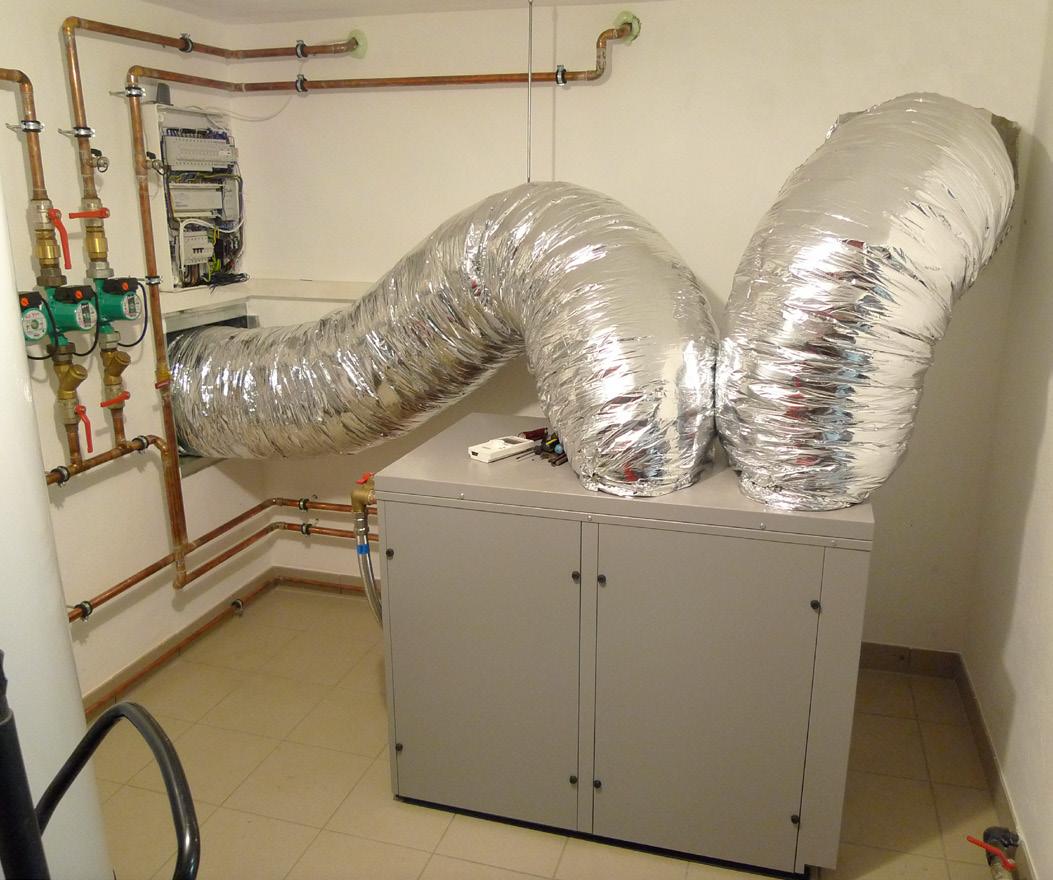
Another form factor that - to my knowledge - is not currently available in North America is an “interior” AWHP. Figure 5 shows an example of such a system installed in Europe.
The entire heat pump is located inside the building. It’s typically placed near an exterior wall so that outside air can be pulled into the air handling section, which is on the right side of the heat pump in Figure 5. Two short ducts with large crosssectional areas carry outside air into and out of the heat pump. The air stream is created by an axial fan inside the heat pump.
The air flows through an air-to-refrigerant heat exchanger that serves as the evaporator in heating mode and condenser in cooling mode. The remaining refrigeration system components and the hydronic components are located on the left side of the heat pump.
I really like the concept of keeping all the mechanical and electrical components inside the building. Doing so eliminates one of the often-cited “frailties” of conventional air source heat pumps - namely that their service life is limited by exposure to the elements. Keeping the hydronic portions of the heat pump inside a (heated) building also makes the use of antifreeze optional.
It is important that the ducting carrying outside air into and out of the heat pump be as short as possible, sized for the required CFM airflow, and insulated.
The ducting usually transitions into a sheet metal boot mounted within the exterior wall and covered by a screened louver.
In Figure 5 the ducting that routes air out of the heat pump terminates around the building corner from the duct that brings
air into the heat pump. A minimum separation between air intake and discharge is required to prevent air recirculation.
Interior AWHPs require careful coordination with the building, especially when installed in basements. It’s essential that the air intake and discharge locations are kept free from any potential blockage, lawn debris, vermin, or anything else that could compromise air flow.
I suspect that it may be a while before we see interior AWHPs in North America. It’s likely that the market will develop using more conventional form factor heat pumps. Still, I would encourage manufacturers to consider the benefits of interior AWHPs and perhaps lead the way for such products in North America.
REFRIGERANT REVOLVING DOOR
Prior to 2025, most AWHPs sold in North America were designed around R-410a refrigerant. In the U.S. that changed on January 1, 2025, the date that federal regulations no longer allowed the production of heat pumps using R-410a based on its global warming potential (GWP) of 2088. Units that were already built using R-410a could be sold to prevent stranded inventory. (The current administration is reviewing policies, so regulations may have changed by the time of publication.)
Today most of the AWHPs sold in North America use R-32 or R-454B refrigerants. These are classified as A2L (mildly flammable) refrigerants, both of which have significantly lower GWP relative to R-410a (675 for R-32, and 466 for R-454B).
Looking ahead, it’s likely that AWHPs operating on R-290 (propane) as a refrigerant will be the next generation available in North America. Thousands of AWHPs operating on R-290 have been installed in European and Asian markets. R-290 is a “natural” rather than synthetic refrigerant and it has an extremely low GWP of 3. However, it is highly flammable.
Heat pumps using R-290 require special internal design to minimize any potential for ignition should a leak occur. They use specialized sensors that can detect refrigerant leakage and immediately stop the heat pump. Various agency approvals will be required in both Canada and the U.S. to legally use R-290 refrigerants in AWHPs. The actions necessary for these approvals are underway. I’ll speculate that those approvals will be finalized within the next five years - possibly sooner.
This article has only scratched the surface of AWHP system technology. I’ve written several previous HPAC articles dealing with these heat pumps, and I can assure you that more will be coming in the future. <>
John Siegenthaler, P.E., has over 40 years of experience designing modern hydronic heating systems and is the author of Modern Hydronic Heating (4th edition) and Heating with Renewable Energy (visit hydronicpros.com).
Figure 5. A unique AWHP system where all components are located inside the building.
SUMMIT 2026 SEPTEMBER 10TH
THE INTERNATIONAL CENTRE, MISSISSAUGA
WIN BLUE JAY TICKETS and tons of products, tools and tech toys in our HYDRONIC HAUL-AWAY!
ENJOY
BREAKFAST, REFRESHMENTS, LUNCH AND A TRIP TO THE BAR!
3 LEVELS OF TECHNICAL SESSIONS!
Hydronics 101
Sponsored by
If you are relatively new to hydronics, have new eager-to-learn technicians, or are simply looking to reinforce your understanding of the basics of certain aspects of hydronic design and installations this is a must attend series of sessions.
We’ll be covering:
1) Boilers
2) Pumping and piping
3) Controls and more
Master Class
Sponsored by
John Siegenthaler, Mike Breault and more industry experts for advanced technical sessionsperfect for experienced pros.
We’ll be covering:
1) System Design delivering lower water temperatures
2) Snowmelt Solutions setup and selling
3) Zone Circulators or Zone Valves? which one and when?
Applied Hydronics
Sponsored by
This new series of sessions is designed for engineers and contractors focusing on commercial projects.
We’ll be covering:
1) Radiant Cooling: comfort, efficiency, and LEED success
2) System Design: installing air-to-water heat pumps in commercial building retrofits or new buildings
3) Performance Envelopes: enabling adaptive and efficient hydronic systems
Registration sponsor:
Sponsors:
H B
B
HYDRONICS BUILDING BLOCKS
PIPING AND DISTRIBUTION
Once the heat source and emitter decisions are made, we need to understand how to best connect the system. BY
MICHAEL BREAULT
Welcome to the third article in our six-part ‘Introduction to Hydronics’ series. So far we have looked at: why hydronics should be a part of any plumbing and heating contractor’s offering; heat sources (like boilers and heat pumps) and emitter options (radiators, underfloor, etc.). Next comes how to arrange these components into a system.
Based on geography and a building
owner’s preference you will decide on the heat source, and the style of the building (and heat loss calculations) will influence the emitters you will use to convey that heat to the spaces.
I will cover some very important details such as water quality and controls in future articles, but first let’s start with putting the pieces together.
Unlike a forced air system, which usually has the heat source (often a fur-
nace/air handler), main trunk and registers in spaces to deliver heat, hydronics offers more options.
We can be providing domestic hot water, panel rads, hydronic baseboards, an air handler, in-floor radiant, pool and/or hot tub heating, and snowmelt.
As you can see in Figure 1 above, there’s a lot going on, and this is a basic hydronics system these days.
1, hydronics piping systems can include many emitters in the closed-loop system.
Figure
MECHANICAL ROOM
But let’s start in the mechanical room. The near boiler piping is a key factor in any system.
Figure 2 shows the fundamental components near the boiler/heat source. Lets look at this piping configuration, and I’ll explain why it works.
The purge valve at the air seperator, isolates flow forcing it to go through the system. The purge port is on the inlet to the valve. Water coming in passes the backflow preventor. (NOTE: if you are using glycol, you should be using a double check RPZ by code in many locations) and a pressure reducing valve.
With the expansion tank in this orientation (required for any closed-loop circuit, and remember to check air pressure before filling system to match fill pressure) water enters the tank first, forcing out all the air and using the proper acceptance of your tank.
Once the tank fills, it rises to the air seperator, and due to the purge port being closed, is forced to go through the system. Air is being elminated as water fills. And air in the system is forced out the purge port. The system fills, and once you have water at the purge port close the port, open the valve, and your system is essentially filled. In some instances you could even use the circulator to power purge air in the system.
Air is an enemy in a hydronic system, and in this configuration there are two advantages.
Air seperates at low pressure, and the inlet to the circulator, the point of no pressure change is at the expansion tank. And, air seperates at high temperature. Again we are closest to the boiler. So lowest pressure + highest temperature = maximum air elimination.
In any installation, I highly suggest isolation valves wherever you may have to replace a component. They are not expensive and will save you (and your customer) a lot of time and money at some point down the road.
DISTRIBUTION
Leading from the mechanical room to the rest of the system and back again I will outline five basic distribution systems (not accounting for artistic creativity). Some of these designs are more desirable than others.
Figure 3 (next page) is a visualization of a series loop, specifically a split series loop. This is a simple design and uses less pipe than other systems, but the system is limited in the number of emitters it can accommodate as each progressive emitter in the series receives lower water temperature, not ideal.
A variation would be a series loop with a two-pipe direct return, a design where one line is supplying hot water to each emitter one after the other, and a separate return line attached separately to each emmiter, beginning with the closest, takes away the return water. This allows for better control, as each emitter receives water that is closer to the same in temperature. There are also smaller branch pipes, and the circulator can be a low head pump. However this system can also provide uneven heat and can be difficult to balance.
Another series design is a two-pipe reverse return, where the main return line begins at the emitter furthest away. Now this design provides a more balanced flow, even heating and rapid response. It also allows for smaller branch pipes and low head pump. This design requires two “mains” and may lead to slightly higher cost.
Another one-pipe design strategy can incorporate mono-flo tees. The these mono-flow tees divert water flow from one primary loop through the emitters and then returning back to the loop. The differential pressure created by these specialy tees creates the flow. This is a simple design that provides more even heat than the split series and uses small branches. There is an additional cost required for the mono-flow tees, and it may require a higher head pump.
Finally, there is primary/secondary piping as shown in Figure 4 (next page). This design strategy separates the flow around the heat source from mutiple loads with more pumps feeding different heating zones. In the diagram the primary circuit is separated from the secondary circuit by the low loss header, an essential element in this design. Primary/secondary has become the preferred option these day for many reasons, especially with today’s more sophisticated designs.
As you can see there are many ways to pipe a system. These are a few of the more common. And in the field I have seen them combined in very creative ways.
HYDRAULIC SEPARATION
As mentioned above, low loss headers or hydraulic separators, are becoming more popular as they allow the boiler and distribution loops to be decoupled from a flow requirement. In primary/secondary systems, with multiple circulators/pumps, Continued on p44
Figure 2. Near boiler piping components.
< HYDRONICS
the low-loss header prevent the pumps from competing against each other when creating flow.
On the boiler side, the flow on the primary (or boiler loop) is separate providing the required flow for that boiler. On the secondary side, each zone/loop can take what it needs to satisfy demand and the flow rates required for those zones.
As the return water temp drops, boil -
ers ramp up, reacting tocapacity as the secondary zones/loops operate or shut off. These systems offer maximum efficiency as well as comfort.
PLANNING AHEAD
As I mentioned earlier. When designing and installing systems, please remember to include service isolation valves around components, and systems also
require low water cut offs and other safety equipment as required.
If your boiler feed is hard piped, that is fine, it has long been the industry standard. But for most modern system I would recommend a feeder system once the initial fill has been completed. Feeder systems allow for monitoring if system fill is continuously adding water, signaling a potential leak.
For questions about piping materials, copper, versus carbon steel, versus PEX and all other options available today, the selection often comes down to preference, maybe water quality, ease of use, and the installer’s comfort level. These will be lessons learned through experience in the field.
One question I get a lot from installers at all levels is about sensor wells for measuring water temperatures. On that topic, I recommend limiting sensor wells. There are an incredible number of very accurate surface mount sensors available today, and the net result is there are fewer joints and leak possibilities. Most controls use surface mount sensors with no detrimental effect.
I will also recommend some form of leak detection in the mechanical room. This is customer property protection.
In conclusion, the hydronics industry is continuously progressing, and today the primary secondary distribution design is the preferred method and a standard in almost every manual. The reason is because it is also the most versatile for building out systems in the future, and we should always be planning for the future. <>
Michael Breault owns Gemini Hydronic Comfort and Control Solutions and supports Hydronic Systems in Southwestern Ontario. With over 25 years in hydronics, he has held various roles including gas fitter, oil burner tech and refrigeration tech.
Figure 3. A split series loop, a simple design with some drawbacks.
Figure 4. A diagram of a primary/secondary distribution system, separated by a low loss header.
SWEETER THAN EVER!
Over $12,000 worth of hydronic equipment will be won including:
Thank you CB Supplies and Grundfos Canada for rewarding Canadian excellence in hydronic installations!
Send us pics of your installation. Include a brief description of the particular challenges that you faced with this installation and how you overcame the obstacles. Submissions are limited to one per contractor, per category. Deadline to enter is July 31, 2026. All submissions will be featured on screen at Modern Hydronics - Summit 2026.
There are three categories:
• Commercial installations
• Residential new build
• Residential retrofit
The three winners will also be announced by John Siegenthaler at the Summit. In addition to having your winning entry shared across our social media channels you’ll also be interviewed by HPAC’s editor and featured on the cover of the October edition of HPAC!
MECHANICAL SUPPLY NEWS
MANUFACTURERS • DISTRIBUTORS • WHOLESALERS
CIPH ONTARIO CHAPTER WELCOMES CFL HALL OF FAMER PINBALL CLEMONS
“You are phenomenal,” repeated Michael ‘Pinball’ Clemons, as he spoke to members of the Canadian Institute of Plumbing and Heating’s (CIPH) Ontario Chapter at the group’s business luncheon and annual general meeting on April 16th in Mississauga.
Clemons, a very well-respected Toronto Argonauts player/coach, member of the Canadian Football Hall of Fame, and holder of the professional football record for most career combined yards in any league, notes that he received all of his accolades after years of running away from other people.
Throughout his high-energy and interactive discussion, Clemons repeatedly called out that the crowd members were “phenomenal.” It was his way of acknowledging and praising the plumbing and heating industry as the essential service it is for our communities.
A key message for Pinball is the importance of community. While he has won awards for his community involvement and runs the Pinball Clemons Foundation to empower youth through education, he points to the importance of the work of the CIPH and its members—both as a community itself and the effects the group has on the society at large.
He also promoted the power of positivity and leadership. Not only was he a player, but he also coached and still serves as an executive with the Argonauts. He schooled the audience on his version of a PhD (positivity, humility and discipline). Positivity is knowing that we can overcome obstacles, and knowing that neutral is negative, so if you’re not moving forward you’re falling behind. “It’s positive or nothing,” he says.
He also notes that you must be humble. Teamwork means putting others before yourself.
And discipline is necessary to keep positive and humble every day. Good leadership requires the PhD.
Beginning a new operational year, the Ontario Chapter has named Bryan Richardson, owner of Centon Sales, as chapter president for 2026-27. Chris Faulds of FGI Industries now serves as first vice president, and Rich Palser of Palser Enterprises is serving as second vice president. ciph.com
LENNOX ENTERS RESIDENTIAL WATER HEATER MARKET
Lennox announced a new line of water heaters (gas-fired, electric and heat pump) now available for dealer orders. This move marks the company’s official entry into the North American water heating market following its joint venture with Ariston Group first announced in May of last year.
“Our expansion into water heating is a natural evolution of Lennox’s commitment to delivering total home comfort,” said Sarah Martin, executive vice president and president of Lennox Home Comfort Solutions, in a company release.
Every model of the new Lennox-branded water heat line-up features steel construction and a glass lining.
Select models also include a magnesium or aluminum anode rod paired with the SediMotion system to help reduce sediment buildup, FillSafe Protection to safeguard internal components if the tank isn’t properly filled, and Lennox Lock for enhanced flammability protection. lennox.com
NAPOLEON CELEBRATING 50 YEARS
Founded in 1976 as a family-run Canadian business in Barrie, Ont., Napoleon is marking its 50th anniversary in 2026, celebrating innovation across BBQ grills, fireplaces and HVAC solutions.
The organization has grown into a globally recognized brand in millions of homes while remaining family owned.
“Our growth has always come from thinking boldly about what’s next while staying grounded in the principles that built this company,” says Chris Schroeter, CEO of Napoleon, in a company release. “Every decade brought a new chapter, but the common thread has always been innovation driven by a deep respect for the customer experience.”
Today, Napoleon operates manufacturing and distribution facilities across Canada, the U.S., Mexico, China and Europe, serving customers globally while remaining committed to its Canadian roots.
As part of its 50th anniversary, Napoleon will introduce a limited production run of 1,976 Napoleon Anniversary Grills with a blue porcelain-coated lid and 50th anniversary badge, commemorating the year the company was founded (1976). napoleon.com
CFL star Michael ‘Pinball’ Clemons speaks to CIPH Ontario chapter.
Lennox branded water heaters now available.
MEET SHOW SEES STEADY TRAFFIC IN MONCTON
The Mechanical, Electrical, Electronic Technology (MEET) Show attracted a steady flow of attendees this year, running May 6 to 7 at the Moncton Coliseum in Moncton, N.B.
This year marked the 26th edition of the biennial event, bringing together mechanical and electrical contractors from across the Atlantic provinces.
The show is sponsored by four industry associations: Canadian Institute of Plumbing and Heating (CIPH), Atlantic Canada Mechanical Exhibitors (ACME), Electro-Federation Canada (EFC) and the Illuminating Engineering Society (IES).
The first evening of the show saw the return of the MEET Show’s Industry Dinner at the Delta Beausejour Ballroom. The signature event brings together professionals from across the mechanical and electrical industries for a night networking and fun.
The Show organizers also announced the winners of its 2026 Innovation Awards program including two for the mechanical industry.
The Atlantic Canada Mechanical Exhibitors (ACME) presented the ACME Innovation Award to CIMCO Refrigeration
ONTARIO’S REDMOND DISTRIBUTING JOINS THE JOHNSTONE SUPPLY FAMILY
After 25 years as a family owned and operated HVAC/R wholesaler, Redmond Distributing, with branches in Mississauga and Ottawa, is becoming an independent distributor of Johnstone Supply, one of North America’s leading HVAC/R wholesalers.
Redmond’s operations now join four other Johnstone Supply branded locations in Southwestern Ontario including Oakville, Hamilton, London and Windsor.
As an independent distributor of Johnstone Supply, Redmond gains access to expanded product availability, resources, and training programs. redmonddistributing.com
INNOVAIR SOLUTIONS RECEIVES $150M INVESTMENT FROM LA CAISSE
Innovair Solutions, manufacturer and distributor of HVAC solutions covering 18 brands including Dettson, Ouellet and Stelpro and more, recently adding Thermo 2000 to its fold, has secured a $150-million investment from La Caisse, a transaction that will support the third-generation, familyowned Quebec-based company’s North American strategy for growth through acquisition.
The Beaulieu family remains the controlling shareholder of the organization, innovairsolutions.com
Continued on p48
for its Thermal Force One solution. And A.O. Smith’s Cyclone FLEX with AiQ adaptive gas technology received the Canadian Institute of Plumbing and Heating (CIPH) Innovation Award.
The halls were busy on the sold-out show floor for the duration of the event, and the show organizers are already preparing for the next MEET Show, May 3-4, 2028. meetshow.ca
A completely FREE program for a…
more worry FREE planet.
THERMOSTAT
RECOVERY PROGRAM
TRP is an easy, safe, and FREE way to help protect the planet and our health. We’ll deliver a pail to your facility, or bring your thermostats to our convenient drop-off locations.
CIMCO received the ACME Innovation Award at MEET
The CIPH Innovation Award went to A.O. Smith.
WOLSELEY INTRODUCES REAL-TIME DELIVERY TRACKING
Following the lead of its parent company Ferguson Enterprises, Wolseley Canada has launched a new delivery management platform designed to streamline and improve customer delivery.
The national wholesaler’s new DispatchTrack platform offers a range of features, including:
• Route optimization: deliveries are planned to maximize efficiency and
DISTRIBUTION
>> Ontario-based wholesaler, Next Plumbing and Hydronics Supply added a branch at 3375 Laird Road in Oakville, marking its third new branch in 2026 following openings in Bramalea and Waterloo. nextsuppy.ca
>> In a joint gotomarket initiative, BroanNuTone Venmar is now selling Aprilaire products exclusively throughout Canada. broan-nutone.ca aprilaire.com
>> CENTRIC Sales & Marketing is representing the DAP portfolio of of caulks, sealants, adhesives, and foams across plumbing, HVAC/R, and mechanical wholesale distribution in Ontario. centricsales.ca
>> TCL ductless heat pump solutions are now available through Redmond Distributing in Ontario. tclhvac.ca redmonddistributing.com
>> E.H. Price Solutions has a new partnership with ALDES North America, expanding its offering of ventilation products across New Brunswick, Nova Scotia, and P.E.I. ehpricesolutions.ca aldes-na.com
meet requested appointment times.
• Real-time tracking: customers can monitor the status and location of their deliveries with accurate arrival estimates.
• Electronic proof of delivery: drivers capture signatures and photos at the point of delivery, offering transparency and documentation.
• Automated notifications and updates: customers receive communications about delivery status.
• Enhanced delivery accuracy and personalization: features like Google Maps street view, driver profiles and in-delivery photos provided.
“Deliveries are often the most visible touchpoint our customers have with us,” says Sabrina Maraj, vice president of national operations at Wolseley Canada, in
a company release. “DispatchTrack allows us to enhance that experience by giving customers real-time updates, accurate delivery estimates and peace of mind knowing their orders are in good hands.” wolseleyinc.ca
MITS AIR CELEBRATES NEW BARRIE BRANCH
>> Sussman Electric Boilers, a division of Diversified Heat Transfer, has expanded its Canadian sales network with new representative partnerships with Riada Sales in B.C. and with H.E. Rieckelman covering Ontario. riada.ca herinc.ca sussmanboilers.com
>> Kilmer Environmental is representing Midea commercial products in Ontario, including VRF, air-to-water heat pumps, chillers, central and ductless heat pumps, and packaged RTUs. kilmerenv.com
>> Jess-Don Dunford, manufacturer’s representative in Ontario, is representing Rhella, manufacturer of manifolds, hydraulic separators, headers and more for hydronic heating solutions. jessdondunford.ca rhella.com
>> Can-Aqua International and Trilex, two manufacturer’s representative firms based in Quebec, have formed a partnership to better serve their clients and create greater value in the markets they serve, the plumbing and hydronics industries. can-aqua.ca trilexinc.ca
Contractors traveled from areas north of Toronto to attend the grand opening of MITS AIR’s new Barrie branch on Thursday, April 30th.
The Ontario-based distributor, headquartered in Mississauga, was founded in 1987 and now has five regional offices and 11 distribution centres in Ontario along with a distribution network across North America.
Celebrations at its latest facility in Barrie included a customer appreciation event with food stations and facility tours featuring the branch’s dedicated hydronics department.
Located at 60 Welham Road in Barrie, the new facility spans over 35,000 sq. ft. and marks almost six years since the company opened up on Dunlop Street West in Barrie in the Fall of 2020.
The recent grand opening included Italian-inspired dining, a hydronics product showcase featuring tabletop displays by manufacturers of boilers and accessories, along with the latest from Mitsubishi Electric and more. mitsair.com
MITS AIR founder and president, Jack Eliav, cuts the ribbon to mark the opening of the new Barrie facility.
WOLSELEY RE-OPENS RENOVATED BURLINGTON BRANCH
Wolseley Canada hosted a grand reopening of its Burlington HVAC branch as a combined Plumbing and HVAC location on Wednesday, June 3rd.
Located about a six-minute drive from Wolseley’s Canadian headquarters, the celebration at the newly renovated branch at 4325 Harvester Road (unit 15) attracted the Mayor of Burlington along with customers, friends and a collection of more than 15 vendor partners for a mini-trade show and more. Held under a brilliant blue sky and sunshine, the event included a ceremonial pipecutting to mark the occasion, and the Wolseley team also presented a $5,000 cheque to the Halton Women’s Place, an emergency shelter for women and their families.
RHEEM CANADA TAKES ON LEGACY NORTEK HVAC BRANDS
Rheem Canada has assumed all sales functions for legacy Nordyne/Nortek Global HVAC (NGH) brands in Canada, including the Maytag and Frigidaire residential products.
The parent company, Rheem, firs announced its intent to acquire Nortek Global HVAC in the Fall of 2024. The legacy Nordyne company has a history beginning in 1919 in St Louis. Residential
ORDER BY 6 PM FOR SAME DAY SHIPPING
The festivities also included prizes for the guests and a food truck. wolseleyinc.ca
Continued on p50
The official “pipe-cutting” ceremony: (l-r) Marianne Meed Ward, Burlington Mayor; Steve Wright, branch manager at Burlington Wolseley; and Vanessa Sawicki, regional manager (Ont.) Wolseley, and in the background, Kevin Fullan, regional general manager, Ontario, Wolseley)
MILWAUKEE TOOL OPENS SERVICE HUB IN CANADA
Milwaukee Tool held a ribbon-cutting ceremony on May 19th at the company’s first service hub in Canada, located in the Keswick Business Park in the town of Georgina on the southern shore of Lake Simcoe, less than an hour from Toronto. The 54,000-sq.ft. facility will serve as a centralized repair and service destination for tradespeople across Canada. milwaukeetool.ca
< PEOPLE
Ceremonial ribbon cutting for Milwaukee Tool’s first Canadian Service Hub in Georgina, Ont.: (l-r) Milwaukee Tool Executive VP, Michael Price; VP of operations, Matthew Waldrop; Georgina Mayor, Margaret Quirk; Milwaukee Tool Canada president, John Myers; Techtronic Industries Canada president Craig Baxter; and assi
ENERTECH GLOBAL MARKS 30 YEARS
Enertech Global, the Illinois-based manufacturer of geothermal and air-to-water heat pump systems, is celebrating its 30th anniversary. Founded in 1996 as a Midwest distributor, the company has grown into an internationally recognized manufacturer with a track record of industry firsts—including the first multi-position packaged geothermal unit and the first variable-speed water-to-water geothermal system made in the U.S. enertechusa.com
Master Group has appointed Keith Strachan as president, Canadian operations. Strachan joined Master in March 2020 as regional director for Alberta, Saskatchewan and Manitoba, before being appointed senior vice president, distribution later that year. Previously he spent 17 years with Wolseley Canada, where he held several senior leadership roles, including General Manager for Western Canada.
Steve Guterres has joined Watts as director of sales and marketing for Canada. Most recently with Blanco Canada, Guterres brings more than 25 years of sales leadership experience to the role, where he will be responsible for driving sales strategy and execution and customer service across Canada.
A. O. Smith Corp. announced Riad Sawan has joined the organization as vice president, commercial sales, Canada. With more than 16 years of commercial HVAC experience, most recently Sawan served as director of commercial equipment sales at Johnson Controls/Bosch Home Comfort and previously held leadership roles at Daikin. In addition, Glen Gottschalk has been appointed regional sales manager, residential sales for Ontario. Gottschalk has more than 25 years of experience, having most recently served as Ontario rental manager. And Allyson Morgan is now residential wholesale regional sales manager for Western Canada. With more than 10 years at A. O. Smith, most recently as inside sales manager, Morgan brings expertise to support the region.
Armstrong Fluid Technology has appointed Danilo Elez as CEO. Elez brings extensive experience in the HVAC and building technologies industries, with senior leadership roles at Trane, KONE and Johnson Controls.
Enertech Global, manufacturer and distributor of geothermal and air-to-water heat pump systems, has named Tim Wright as CEO. With Enertech since 2011, Wright has held leadership roles, including VP of sales and chief operating officer.
Eduardo Tello-Querejeta, P.Eng., has joined The Morgan Group as territory manager for Eastern Ontario. Bringing nearly a decade of HVAC industry experience and a strong engineering background, Tello will focus on supporting engineers, contractors and wholesale partners.
Alltemp Products Co. has named Ulyana Fedyna to a national role as marketing manager. Fedyna brings over 15 years of experience in marketing, product management and procurement within the HVAC industry. Most recently with Noble she was previously with Armstrong Pumps and Crane Supply. Fedyna will focus on marketing to Canadian distributors and contractors.
Rinnai America appointed Joseph Gresham as vice president of innovation. Gresham comes with previous executive experience across HVAC and drinking water systems with roles at Elkay (Zurn Elkay Water Solutions) and Ingersoll Rand (Trane Technologies).
Strachan
Elez
Guterres
Morgan
Wright
Tello
Fedyna Gresham
Gottschalk
Sawan
WARMING UP TO HEAT PUMP WATER HEATERS
The technology has been around for years, but adoption remains low across Canada, even as manufacturers are working to ease the transition.
BY DOUG PICKLYK
Walk into a Canadian plumbing supply house and it appears the conversation around heat pump water heaters (HPWHs) hasn’t really changed noticeably in recent years. Despite federal and provincial rebate programs that pushed HPWHs into the public conversation, and a growing call for electrification in some municipalities, heat pump water heaters still represent only a sliver of the Canadian water heating market. Conventional electric resistance tanks or gas-fired units still dominate the market.
According to Steve Goldie, an HPAC plumbing contributor who works with Ontario-based plumbing and hydronics wholesaler Next Supply, he’s not seeing any significant increase in demand for the products. “Maybe marginal,” says
Goldie, “but personally I’m not seeing much demand for it. Gas fired water heaters are still number one (in our market).”
Yet, as the most recent industry trade shows in North America reveal, there are more heat pump water heaters on the market than ever before. Manufacturers are making the investment for a reason, so it might be time for plumbing contractors to take a second look and position themselves ahead of what looks increasingly like an inevitable shift.
NOTHING TO FEAR
The concept for heat pump water heaters have been around for decades. The core principle involves extracting heat from ambient air and transferring it to water. The basic design of most residential HPWHs positions a small heat
pump system on the top of an insulated water tank, usually with electric resistance heating elements for backup, making them a hybrid electric solution.
“They are different, but the heat pump portion of them is all self-contained, so plumbers really don’t need to have any other skills to install them,” notes Goldie.
However, the early Canadian experience with heat pumps in general didn’t help. First-generation units were impractical in Canadian winters eliminating the efficiency gains that justified their premium price. And reputations linger in the industry, and skepticism has settled in the culture, making it challenging to shift mindsets even as heat pump technology improves.
Continued on p54
• Over 4X More Efficient*
• Up to 4.20 UEF** and ENERGY STAR® Certified
• Up to $818 Savings in Annual Energy Costs***
• Exclusive Vitraglas® tank lining with Microban® antimicrobial technology
< PLUMBING
There’s also the matter of economics. A HPWH has historically cost two to four times more than a conventional electric tank. For homeowners, that premium can be a tough conversation.
“Once you comprehend the concept of them, they make sense from a potential cost savings point of view,” notes Goldie. “If you’re moving from an electric to a heat pump for sure it’s going save money to operate.” And he notes that for homeowners seeking to get to net zero and considering how to disconnect from gas, they’re also appealing from an environmental point of view.
INSTALLATION CONSIDERATIONS
Even contractors willing to embrace the technology may find the installation process more demanding. HPWHs introduce a set of variables that don’t exist with conventional tank installs and underestimating them could lead to callbacks.
Space and air volume requirements are the most frequently cited obstacle. HPWHs extract thermal energy from the surrounding air, so they need an adequate volume of air to work with, typically 800 to 1,300 cubic feet of open space, depending on the model and manufacturer specification.
In the tight mechanical rooms of urban townhomes or the cramped utility closets of older detached homes, that requirement alone can make a straightforward swap-out impossible.
When the required air volume isn’t available in the space, contractors can duct the unit either to an adjacent room or to the exterior, adding material costs and labour. Running ducts through finished walls or ceilings can turn a half-day job into a two-day job.
Condensate management is another layer that catches less-experienced contractors off guard. HPWHs are dehumidi -
Last year, Bradford White launched the AeroTherm Series G2 residential hybrid electric heat pump water heaters featuring greater efficiency, five different operational modes and built-in connectivity.
A.O. Smith Voltex AL hybrid electric heat pump water heater is a smart system with Bluetooth and WiFi connectivity. In can also operate in tight spaces.
fying the air as they operate, producing condensate that needs to be drained. In utility spaces that weren’t designed with a floor drain, that means adding a condensate pump, another component, another potential failure point and another item to explain on the invoice.
Most HPWHs operate on a dedicated 240-volt, 30-amp circuit, which is standard for an electric water heater. Some HPWHs are also available with 120v connections.
Noise is also a legitimate concern that contractors may underestimate, as HPWHs produce operational noise in the range of 45 to 65 decibels, roughly comparable to a running dishwasher.
Finally, the heat pumps are extracting heat from the ambient air, so if the basement is very cold in the winters it could degrade the overall performance of the unit. Setting appropriate expectations with customers is necessary.
NEW GENERATION
The good news for contractors willing to gain HPWH expertise is that the latest generation of products are addressing many of the traditional challenges described above and more units are coming soon.
Last year Bradford White introduced its AeroTherm Series G2 HPWH with integrated Wi-Fi and Bluetooth that connects to the company’s app. They also improved the installation parameters with zero clearances required on the sides and rear, so it can be installed along a wall or in a corner.
The most interesting new entry to the market, expected to become available by the end of this year, is the Navien NXW700 dual fuel hybrid water heater. This unit combines a
The Rheem ProTerra hybrid electric heat pump water heater features quiet operation and smart features from built-in WiFi to LeakGuard leak detection and prevention.
The GE Profile GEOSPRING smart hybrid heat pump water heaters were launched last year and are available in 120V and 240V options.
Expected to hit the market by the end of this year, the Navien NXW700 dual fuel hybrid heat pump water heater combines gas-fired and heat pump technology in a tank water heater.
The Rinnai electric heat pump water heaters REHP series come in 50, 65 and 80-gallon options. With a first hour rating (FHR) of up 91 gallons (80-gal. unit).
gas-fired tank water heater with a heat pump.
“With the push toward electrification, this is a chance to have a product that exceeds 100% efficiency and still utilize the benefits of natural gas water heating,” says Adam Wills, director for Navien in Canada. This product follows last year’s launch of the NWP500 by Navien, a HPWH with a stainless steel tank and electric resistance heating as a backup.
The ability of most HPWHs to operate in cold conditions has advanced with units operating down to 2C (that’s a cold basement).
And to improve efficiency, most current models operate in multiple modes, intelligently managing the balance between heat pump and resistance elements based on ambient temperature or time of day.
Improved designs have also opened up installation options. Units can be operated in spaces as small as 450 sq. ft. and louvered doors can also help minimize the space required. Units are also designed with improved ducting accessibility and dedicated kits.
Smart controls and connectivity is a genuine differentiator on HPWHs from conventional units water heaters. App-based controls allow homeowners to set schedules, select modes and monitor performance. More practically, diagnostic tools accessible through the app or the unit’s onboard display give service technicians real-time data on operating status, error codes, and component performance.
In addition, making the units even more future-ready, demand response and load management features are becoming part of the systems. Units that can communicate with utility demand response programs, shifting operation to off-peak hours giving homeowners a financial benefit and make HPWHs competitive in provinces where time-of-use electricity pricing is in effect.
The Bosch GreenTronic 7000 T hybrid electric water heater has five modes and has a demand response feature incorporated in its controls.
TRANSITION TECHNOLOGY
Available in 50, 65 and 80-gallon capacities, the Midea HPWH offers features like automatic shut-off valve and frost protection, a 91-gallon first-hour rating, and a 49.5 dBA inverter fan for quiet operation.
For plumbing and heating contractors assessing whether to buy in on HPWH capability, the business case is growing. Rebate programs still exist in some areas, but that does require checking with local utility/government incentive programs, and still only provides a slight offset to the higher ticket price for the units.
More importantly, the slightly greater complexity of HPWH installation is the kind of work that justifies contractor expertise and appropriate margin, in a market where commodity installs are increasingly price-squeezed, becoming a heat pump water heater specialist could be a market differentiater..
When asked about the target market for Navien’s latest dual fuel HPWH, Wills lists homeowners looking for “green” alternatives who still want the performance a natural gas water heater can provide; utilities looking for products that support demand side management and increased efficiencies in the network; and builders looking for products to support construction projects designed to Net Zero, Energy Star, etc.
For contractors who develop genuine HPWH product knowledge now, understanding how the different units on the market perform, how to assess the best applications and how to build customer acceptance with the technology could be positioning themselves for a growing category.
“They are a premium product, but I’m sure somebody who wants to go out and sell heat pump water heaters can probably do okay promoting them and selling in today’s market,” says Goldie.
For now, HPWHs are a niche product, but as is the case with most technology improvements, the market will catch up and those pros who didn’t wait for the market to mature will be well positioned to meet the call. <>
PLUMBING PRODUCTS
Franklin Electric has launched its VersaBoost Pro series constant pressure boosting system. The compact pumping solution gives professionals the ability to enhance water pressure throughout a property, even as demand changes on the system. Powered by a 4-in. submersible pump-motor and built-in VFD, VersaBoost Pro delivers consistent pressure anywhere: under sinks, in basements, indoors or out. The series includes two options: VersaBoost Pro (up to 25 GPM) and VersaBoost Pro XT (up to 45 GPM). franklinwater.com
A new range of Water Heater Service Valve kits from Webstone offers a choice of union or valve for the hot water outlet, with brass or dielectric connection options. On the cold side, the Water Heater Supply Valve (WHSV) has been updated with shorter fittings. The valve supports expansion tanks up to five gallons with ports and integrated valves to streamline installation. If no expansion tank is required, a new TValve and ball valve kits offer a compact solution. webstonevalves.com
RIDGID launched the FlexShaft KM-1004
Milling Machine, its first solution engineered specifically to deliver highspeed milling performance, wall-to-wall drain cleaning and all-day runtime pipe rehabilitation and restoration work. Designed for dual drain cleaning and milling applications up to 80 feet, the KM-1004 expands RIDGID’s FlexShaft line with a solution that combines power, digital precision and jobsite adaptability for both residential and commercial projects. The KM-1004 is built to handle 1¼-in. to 4-in. pipes and supports ¼-in. and 5/16-in. FlexShaft cables. ridgid.com
Watts introduces the LFUSG-CS Under Sink Guardian, a patented point-of-use mixing valve with a Cross Sense indicator intended for under-sink installations in commercial and institutional buildings. It is engineered to simplify diagnosis and repair through visual indication. The valve’s colour-coded indicators display status, including normal operation, idle conditions or crossflow at hot or cold inlets or improper installation. Its replaceable strainer cartridge includes a built-in check valve and dual 40 mesh stainless steel strainers, allowing maintenance without removing the valve body. watts.com
Milwaukee introduced its nextgeneration M12 FORCE LOGIC Press Tool. This press tool is engineered to complete fast, reliable connections across copper, PEX, black iron, stainless steel, and ACR from ¼-in. to 1-½-in. varying by material. The smallest press tool in its class, the onehanded inline design allows work in tight spaces or confined environments. It features a visual indicator light that confirms completion or signals when calibration is needed. milwaukeetool.ca
General Pipe Cleaners expanded its flexible shaft lineup with the new Flexi-Rooter Junior, a compact system weighing 20 lbs. yet holding 50 feet of 1/4-in. flexible shaft to clear 1-1/4-in. through 3-in. drain lines. The stiffer shaft with an enhanced sheath makes it flexible enough to navigate tighter bends. An air-actuated foot pedal lets operators adjust speed from zero to 2400 rpm while keeping both hands free. The Flexi-Rooter Junior can be used simultaneously with a sewer camera system drainbrain.com
CO2 AND COMPRESSORS
The high pressure required to use CO2 as a refrigerant produces high discharge heat suitable for commercial DHW.
BY DAVE DEMMA
Iwas at a customer’s place of business several years ago, and saw this Definition of Commercial Refrigeration on one of the office walls: Commercial Refrigeration:
• A Science of vague assumptions
• Based on debatable figures
• Taken from inconclusive experiments
• Performed with instruments of problematic accuracy
• By persons of doubtful reliability and questionable mentality
While there might be some amount of truth to each point, this is really the urban dictionary definition. The textbook definition of refrigeration is: “The achievement of a temperature below that of the immediate surroundings.”
And, the achievement of that temperature is accomplished by transferring heat from the refrigerated space and rejecting it somewhere else. And the transfer (removal) of that heat from the refrigerated space results in a lower temperature.
REFRIGERATION BASICS
The vapour compression cycle is the basis for the great majority of refrigeration systems in use. Regardless of the application, the goal of the vapour compression cycle is consistent and succinct: to provide the required temperature and mass flow of saturated liquid refrigerant (based on the load calculation and system design) to the inlet of the system’s evaporator(s).
This will facilitate the transfer of heat from the refrigerated space such that
the design space temperature can be maintained.
While there can be a great variety between applications, which might necessitate the use of elaborate controls, special components or accessories, each system uses the same four major components, each with its own specific (and rather simplistic) function.
1. Compressor : A vapour pump which receives low-pressure vapour and compresses it into a high-pressure vapour. The mechanical process of compression adds heat to the vapour, so the discharge vapour leaving the compressor always exits a higher pressure and at a temperature above saturation (superheated).
2. Condenser: This is one of two heat transfer surfaces present in the system, and its function is to transfer heat from the refrigerant to the atmosphere (in an air-cooled condenser) or a secondary heat transfer fluid (water-cooled condenser). In a properly sized condenser, this will allow the vapour to be trans -
formed from a superheated vapour to a saturated vapour (desuperheated), then from a saturated vapour to a saturated liquid (change of state), then from a saturated liquid to a subcooled liquid.
3. Expansion Device: As stated above, the end goal of the system is to provide saturated refrigerant at a temperature to the evaporator inlet which will facilitate the transfer of heat from the space to be refrigerated. As such, the function of the expansion device is to allow for a reduction in liquid refrigerant pressure, to a pressure that corresponds to the particular refrigerant saturation temperature required for the application.
4. Evaporator: This is the other heat transfer surface present in the system, and its function is to transfer heat from the refrigerated space to the saturated refrigerant flowing through the evaporator. Since the latent heat of vaporization (amount of heat required for a liquid to undergo a change of state to a vapour)
Figure 1: Comparative Refrigerant Properties
< REFRIGERATION
is quite high, the majority of the evaporator will have saturated liquid flowing through it, to allow for efficient heat transfer. The expansion device will regulate the flow of refrigerant into the evaporator and maintain a minimum amount of superheat at the evaporator outlet, solely to prevent liquid refrigerant from flowing back to the compressor and the resulting damage that would cause.
REFRIGERANT SELECTION
While the refrigeration cycle provides the heat transfer process, the refrigerant is simply the “heat transfer medium” to which the heat in the refrigerated space is transferred to (and then rejected elsewhere). While there are many reasons to choose one refrigerant over another (efficiency, environmental impact, cost, availability, etc.), as far as the vapour compression cycle is concerned, any refrigerant will suffice.
For the most part, the cycle doesn’t really change from one medium to another. Now, there are some components that might be more prevalent on systems using one refrigerant versus another. For example:
• The thermodynamic properties of R-22 (Freon) result in some limitations when used as a low temperature refrigerant. High discharge temperatures and high compression ratios are present. So, it would not be uncommon to see some method of reducing
discharge temperature, and perhaps two stage (compound) compression, to reduce the compression ratio.
• The thermodynamic properties of R-134A are such that more refrigerant mass flow is required for a given tonnage compared to other refrigerants. So, larger displacement compressors would be used to deliver greater mass flow.
• Systems using some HFC blend refrigerants require the use of Polyolester (POE) oil. Given that these oils are more hygroscopic than mineral oil, it would be more common to see high water content filter-driers used in these systems.
And then there’s CO2 (R-744), which has several properties that make it unlike the common refrigerants that the industry has been using.
SUBCRITICAL AND TRANSCRITICAL
through compression. If the vapour temperature is above the critical temperature, it cannot exist in the liquid state. All of the commonly used refrigerants have a critical temperature (see Figure 1, previous page). Note that the critical temperatures are all high enough that they would never be experienced during the normal operation of a vapour compression system in ambient air conditions. However, the critical temperature for CO2 is 87.8F/31C.
Subcritical operation occurs when the system is operating below the critical temperature. Transcritical operation occurs when the system is operating above the critical temperature.
R-744’s low critical temperature presents a problem as there are many areas where the summertime ambient temperature is high enough to result in condensing temperatures higher than 87.8F.
Additional components, which reduce the high side pressure to below the critical pressure, are required to allow the disR-744
The point on a phase diagram at which the liquid and vapour phase of a substance have the same density (they are indistinguishable) is known as the Critical Point. The Critical Temperature is the maximum temperature at which a vapour can be converted into a liquid
The result is that regardless of the condenser size, or amount of heat transferred from the discharge vapour, the CO2 at a temperature higher than 87.8F will never experience a phase change from vapour to liquid.
Figure 2: R-744 Pressure-Temperature Chart
Figure 3. Example schematic of a commercial air source heat pump water heater system.
charge vapour to condense into a liquid. In addition, adiabatic condensers (air cooled condensers pre-cooling the ambient air with evaporative cooling) will allow the system to operate in a subcritical mode.
The pressure-temperature relationship of CO2 is unlike any other common refrigerant. (See Figure 2)
For example: An air conditioning system operating at a 40F SST
• R-22 68.5 psig
• R-410A 118.35 psig
• R-744 552.9 psig
The higher operating pressures require higher pressure-rated components, such as pipe, valves, heat transfer surfaces, vessels and compressors.
While the typical reciprocating or scroll compressor doesn’t particularly care what type of refrigerant is it compressing, CO2 presents some unique challenges:
• The higher pressures in CO2 systems require the compressor to be more robust. Assuming a maximum operating pressure (MOP) of 75 Bar on the lowside, and 130 Bar on the high-side, and a safety factor of 3, the compressor body would be rated for 225 Bar on the low-side, and 390 Bar on the high-side. So, the compressor body material/thickness must be designed
to withstand these higher pressures.
• The thermodynamic properties of CO2 yield a greater Btu/lb mass flow than conventional HFC refrigerants. Therefore, the displacement of a given tonnage CO2 compressor will be less than an HFC compressor.
• Given the higher pressures, and higher-pressure difference between suction/discharge, the compressor drive gear will utilize larger bearing surfaces in the connecting rod (piston pin and crankshaft end).
• POE or PAG oil, specifically designed for CO2 compressors
HEAT GENERATION
Heat reclaim/recovery is not a new concept in refrigeration. It has been used in supermarkets for decades to heat the sales floor. This same concept can also be used to provide heat for hot water.
The unique thermodynamic properties of CO2 will typically yield higher discharge temperatures than a common HFC refrigerant (depending on the application, 20 to 40 degrees higher).
A recent application has manufacturers using CO2 heat pumps to generate domestic hot water. While the typical heat pump is used to provide comfort cooling or heating, as needed, these CO2 heat pumps only heat water. The refriger-
ation cycle is cooling the outdoor ambient air, and the heat transferred to the refrigerant from the ambient, plus the heat generated during the compression process, is transferred to a water supply.
For example, the Mitsubishi Electric commercial air source heat pump water heater system (ECODAN QAHV) features a patented twisted/spiral gas cooler, where three refrigerant lines are wound around a twisted water pipe in an effort to maximize the heat transfer efficiency. This system will deliver hot water at 175F/80C, even in below freezing outdoor ambient temperatures. Figure 3 shows a single pass, and Figure 4 show a system with a secondary heat exchanger.
Other brands offering commercial CO2 heat pump water heaters include the Laars E-Therm, which uses a double-wall gas cooler heat exchanger.
The Lync Aegis CO2 heat pump water heater system uses a double-walled brazed plate heat exchanger housed within a dedicated Heat Exchanger Module. It can also provide heat up to 180F at the primary heat exchanger and when connected to the Aegis Heat Exchanger Module can produce domestic hot water up to 170F. Also the Transom SIMCO2E is an air source heat pump water heater that uses a doublewall brazed plate heat exchanger. Another company, Intellihot, also uses a CO2 to water heat exchange technology in its Electron series tankless heat pump water heaters. These systems use CO2 as a refrigerant to charge a “thermal battery” (water-glycol mix) via a specialized heat exchanger, producing water up to 170F on demand. Can the wonderful world of CO2 get any better? <>
Dave Demma has worked as a refrigeration technician before moving into the manufacturing sector where he regularly trains contractor and engineering groups. He can be reached at ddemma@uri.com.
Figure 4. Schematic of a commercial air source heat pump water heater system with a secondary heat exchanger.
THE AI ADVANTAGE – TWO YEARS LATER
What’s actually working for trades businesses and moving them from busy to controlled.
BY MATTHEW BIRCH
Chris had been running his plumbing company for nearly eight years, and by most measures, things were going well. Revenue had climbed steadily past $700,000, his technicians were experienced, and his reputation was strong. The phones rang consistently, and most days felt productive.
But when Chris stepped back to look at the business, something didn’t sit right. Despite how busy the team was, profit wasn’t improving the way he expected. Some weeks ran smoothly, while others felt chaotic. Jobs took longer than planned, callbacks crept into the schedule, and overtime had quietly become routine. Cash flow felt unpredictable—strong one month, tight the next—without a clear reason why.
Chris wasn’t lacking effort or opportunity. What he lacked was visibility and control.
That began to change in 2026, not because he rebuilt the business, but because the tools around him started to evolve. Artificial intelligence, something he had first heard about a couple of years earlier, had quietly become embedded in the systems he was already using.
What he discovered was not a dramatic transformation, but a series of small improvements that, together, changed how the business operated.
Two years ago, AI was something
early adopters were experimenting with. Today, it is everywhere and starting to produce measurable results.
FROM POTENTIAL TO PRACTICAL
Not long ago, much of the conversation around AI focused on what might be possible: smarter reporting, automated workflows, and predictive insight sounded promising. But for many trades businesses, it still felt early.
That has changed.
AI is now built into field service platforms, accounting systems and reporting tools, working in the background to improve performance.
The most meaningful applications are not complex. They address two areas that have always determined success in the trades: how efficiently the business runs day to day, and how effectively decisions are made.
These can be understood as two connected domains: operations and finances/strategy.
OPERATIONS
For most plumbing and HVAC companies, profitability is tied to how well each day is executed. Small inefficiencies (gaps between jobs, excessive travel time, jobs running long) add up quickly and impact both revenue and margins. This is where AI is delivering immediate value.
Scheduling and dispatch are becoming more dynamic. Instead of relying on a static plan built in the morning, modern systems adjust throughout the day based on job duration, technician location, and incoming demand. Rather
than reacting to disruptions, the system continuously recalibrates.
The impact is subtle but meaningful. Completing even one additional job per technician per day—or eliminating an hour of lost time—can outweigh many pricing adjustments. Over a week, those gains improve revenue per technician and reduce reliance on overtime.
AI is also improving how operational performance is understood. Patterns that were once difficult to detect—rising callbacks, declining job value, underutilized technicians—are now surfaced earlier, allowing issues to be addressed before they become embedded.
The shift is not automation replacing decisions, but better information supporting them.
FINANCES & STRATEGY
While operational efficiency is critical, the most significant advancement has occurred in financial visibility and decision-making.
Traditionally, financial reporting has been backward-looking. Owners review results weeks after month-end, limiting their ability to influence outcomes.
AI is changing that.
Financial data can now be processed continuously, transforming reporting into an active management tool. Instead of asking what happened last month, owners can see how the current month is unfolding and where risks or opportunities are emerging.
This has also changed the role of financial professionals.
In the past, high-level financial guidance, particularly from a fractional CFO,
was often limited to larger businesses. The time required for analysis made it difficult to serve smaller companies efficiently.
With AI handling much of that work, financial professionals can now focus on interpretation and strategy.
For trades businesses in the $500,000 to $1 million range, this creates a meaningful opportunity. Instead of relying on instinct and bank balances, owners can work with advisors who provide ongoing visibility into cash flow, profitability and risk. Decisions can be evaluated with clarity before they are made, not after.
The result is not just better reporting, but a more proactive way of running the business.
WHY THIS MATTERS
The trades occupy a unique position in the AI conversation.
In many industries, the focus is on AI as a people replacement. In plumbing and HVAC, the core work remains physical, local and skilled, areas AI is unlikely to replace.
Instead, AI enhances the systems around the work.
It improves scheduling, strengthens performance measurement, and sharpens financial decision-making. It reduces operational friction and increases
clarity without changing the nature of the business.
For owners, the goal is not to adopt technology for its own sake, but to strengthen what already drives results.
FINAL THOUGHTS
The conversation around AI has matured.
What began as something early adopters explored has quickly become part of the everyday toolkit for well-run trades businesses. The most effective applications are not disruptive—they are practical and aligned with how these businesses already operate.
• Improved scheduling.
• Earlier visibility into issues.
• More consistent pricing insight.
• Real-time financial guidance.
Individually, these are modest improvements. Together, they create a business that is more controlled, predictable, and profitable.
Consider a common scenario.
A plumbing business doing $500,000 in revenue at a 3% net profit generates roughly $15,000 in true profit. That often feels like working extremely hard just to stay afloat.
Now imagine that same business improving execution and decision-making over time. Revenue grows to $1 million, not through reckless expansion, but
better use of capacity, and as a result net profit improves to 15%.
That business is now generating $150,000 in profit.
The difference is transformational. It changes how decisions are made. It reduces stress around cash flow. It creates room to invest, build a stronger team and operate with confidence.
If there is one practical step to take, it is this: don’t navigate these changes alone. The tools are improving quickly, but their value comes from application. Working with a financial professional— particularly a fractional CFO who understands the trades—can help translate insight into action and accelerate business building progress.
For owners like Chris, that’s the real advantage.
AI is not changing the work.
It is helping turn a busy business into one that is controlled, profitable, and built to grow. <>
Matthew Birch is the founder of Legacy Profit Solutions, a firm that helps plumbing and HVAC business owners improve profitability by strengthening financial foundations and operational visibility. Matthew is always open to a conversation: Matthew@LegacyProfit.ca
CALENDAR
ASHRAE Annual Conference
June 27 – July 1
The global society of heating, refrigerating and air conditioning engineers will be holding its five-day annual conference in Austin, Texas. The program will include technical sessions covering all of the latest developments in building science. ashrae.org
AIM/R Annual Conference
September 14-17
The Association of Independent Manufacturer Representatives will hold its 54th annual conference in Napa, California. This year’s theme is “The Perfect Blend,” appropriate for an event in wine country. aimr.net
Modern Hydronics Summit
September 10
HPAC magazine’s annual Modern Hydronics Summit returns to Toronto and will be held at the International Centre, near the airport with plenty of parking and easy access. Focused on hydronics, there will be sessions for experienced and novice contractors as well as engineers, along with displays of the latest in products and technologies pushing the industry forward. modernhydronicssummit.com
HRAI Annual Conference
September 20 - 22
This year’s Heating, Refrigeration and Air Conditioning Institute of Canada (HRAI) Conference and annual general meeting is being held in Gatineau, QC. Member companies, including manufacturers, wholesalers, contractors, and industry leaders gather for a variety of social and networking events along with a series of informative and thought-provoking sessions on topics of interest for this evolving industry. hrai.ca
Canadian Hydronics Conference
September 24-25
The Canadian Hydronics Conference is presented annually by the Canadian Institute of Plumbing and Heating (CIPH) Canadian Hydronics Council (CHC). The two-day conference heads to the Sheraton Vancouver Airport Hotel featuring keynote presentations, technical sessions and a tabletop trade show. ciph.com
The Buildings Show
December 2-4
Held at the Metro Toronto Convention Centre, this show is designed to attract contractors seeking to discover the latest in trends for the residential, commercial, institutional, and industrial building sectors. The event includes a comprehensive conference program and trade show.
thebuildingsshow.com
MCAC Annual Conference
September 30 – October 2
The Mechanical Contractors Association of Canada will be heading to Kelowna, B.C for this year’s annual gathering with educational keynote speakers and interactive sessions focused on future trends and developments combined with networking opportunities for colleagues from across Canada. mcac.ca
2027 AHR EXPO
January 25-27
The Air conditioning, Heating, Refrigeration (AHR) Expo returns to Chicago to showcase the latest in technology advancements for the industry. Co-sponsored by ASHRAE and AHRI, the expo and conference is the largest of its kind in North America. ahrexpo.com
IAPMO Education & Business Conference
September 13-17
The International Association of Plumbing and Mechanical Officials (IAPMO) hosts its annual conference at Universal City, California. This marks the 100th anniversary of IAPMO, founded in 1926 in Los Angeles. This year’s event will be a celebration.
iapmo.org
ASHRAE Building Decarbonization Conference
September 23-25
Now in its 6th year, this year’s conference in Seattle places a spotlight on what works. Attendees dive into proven strategies, case studies, and scalable solutions across a broad mix of building types, including data centres, airports and more. This year’s theme is Decarbonization That Delivers: From Policy to Projects to Performance. ashrae.org
Kitchen
+ Bath Canada
November 11-12
Kitchen & Bath Canada (KBC) Expo will be taking place at the Toronto Congress Centre and will be attracting both designers and contractors across the country. Now under new ownership, the show is being reimagined to reflect the needs of Canada’s kitchen and bath community.
kbcexpo.com
Available across Canada at these fine distributors