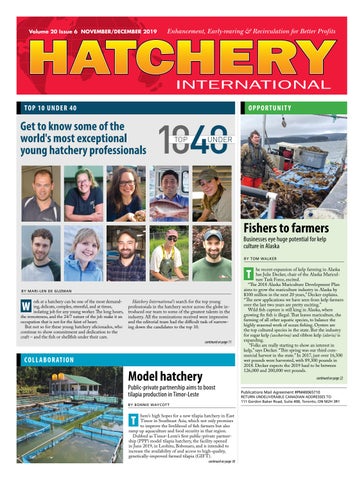
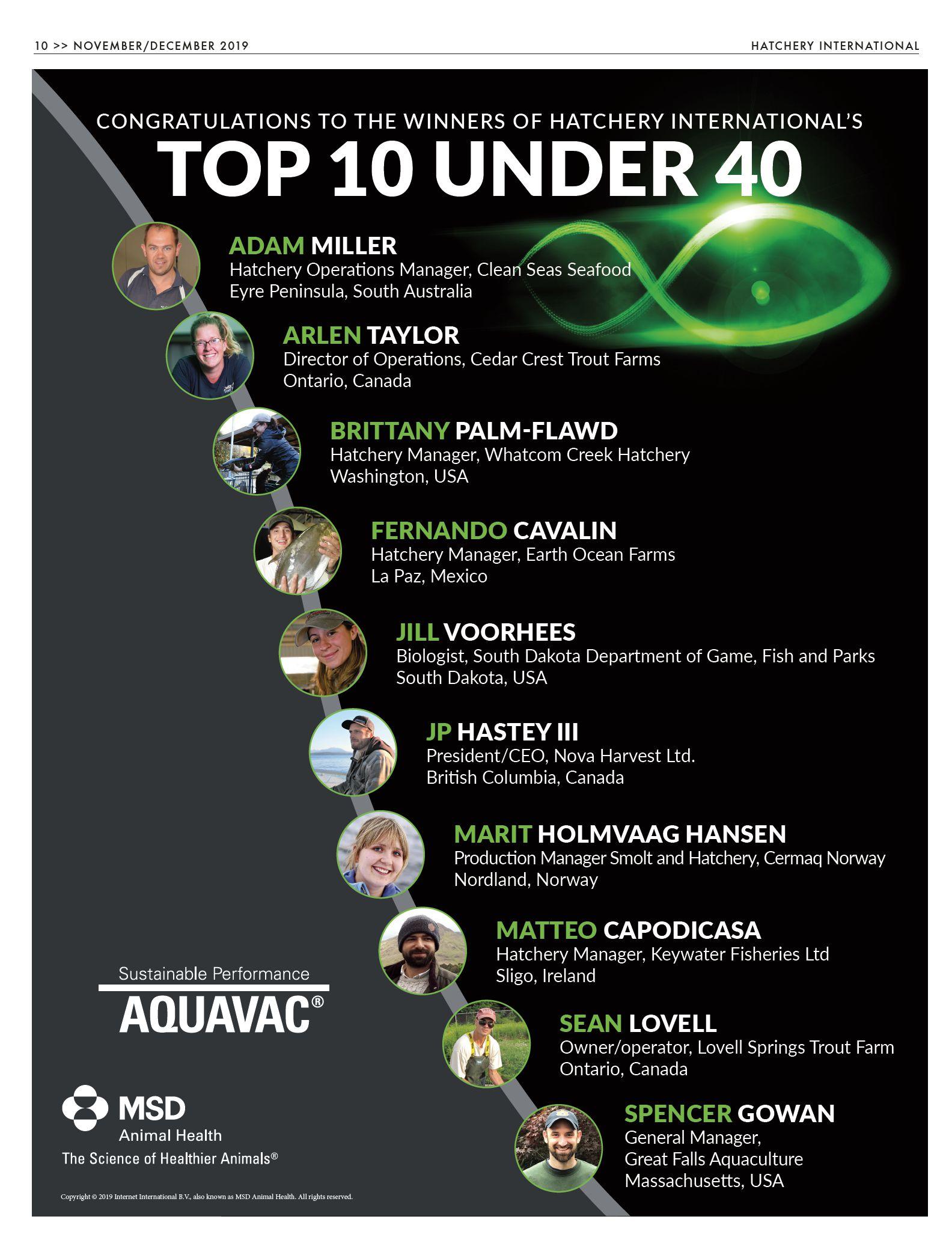
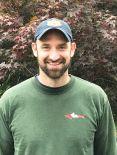
Work at a hatchery can be one of the most demanding, delicate, complex, stressful, and at times, isolating job for any young worker. The long hours, the remoteness, and the 24/7 nature of the job make it an occupation that is not for the faint of heart.
But not so for these young hatchery aficionados, who continue to show commitment and dedication to the craft – and the fish or shellfish under their care.
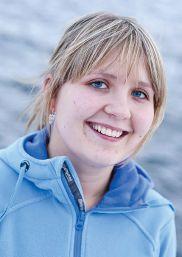
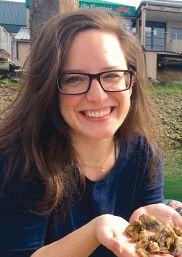
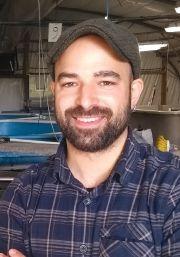
Hatchery International’s search for the top young professionals in the hatchery sector across the globe introduced our team to some of the greatest talents in the industry. All the nominations received were impressive and the editorial team had the difficult task of narrowing down the candidates to the top 10.
continued on page 11
Model hatchery
Public-private partnership aims to boost tilapia production in Timor-Leste
BY BONNIE WAYCOTT
There’s high hopes for a new tilapia hatchery in East Timor in Southeast Asia, which not only promises to improve the livelihood of fish farmers but also ramp up aquaculture and food security in that region.
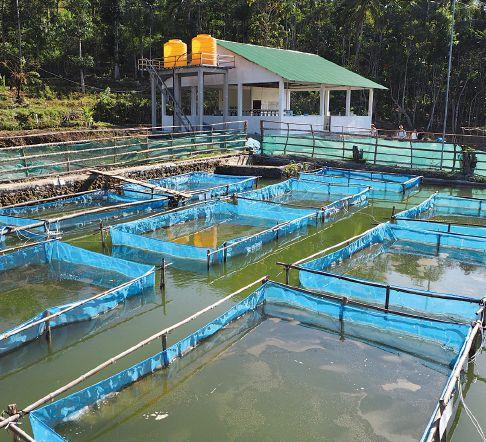
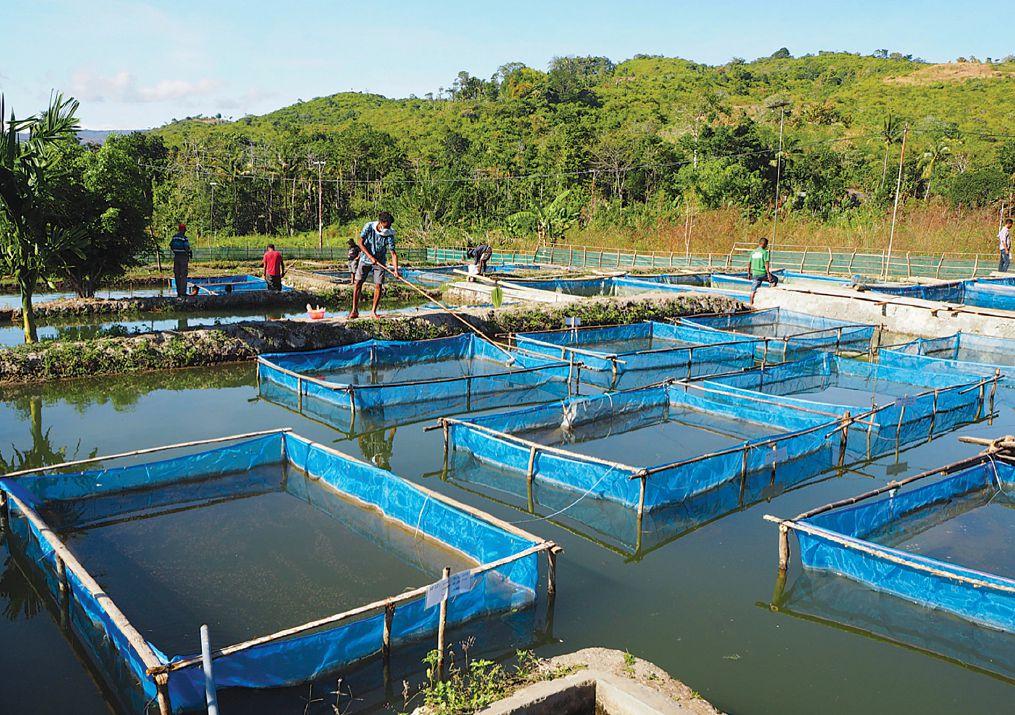
Dubbed as Timor-Leste’s first public-private partnership (PPP) model tilapia hatchery, the facility opened in June 2019, in Leohitu, Bobonaro, and is intended to increase the availability of and access to high-quality, genetically-improved farmed tilapia (GIFT).
continued on page 30
Fishers to farmers
Businesses
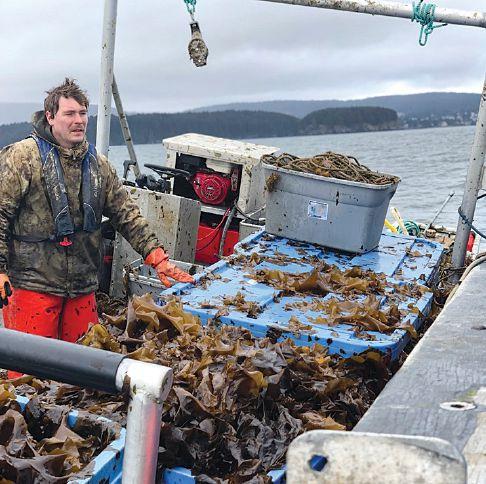
eye huge potential for kelp culture in Alaska
BY TOM WALKER
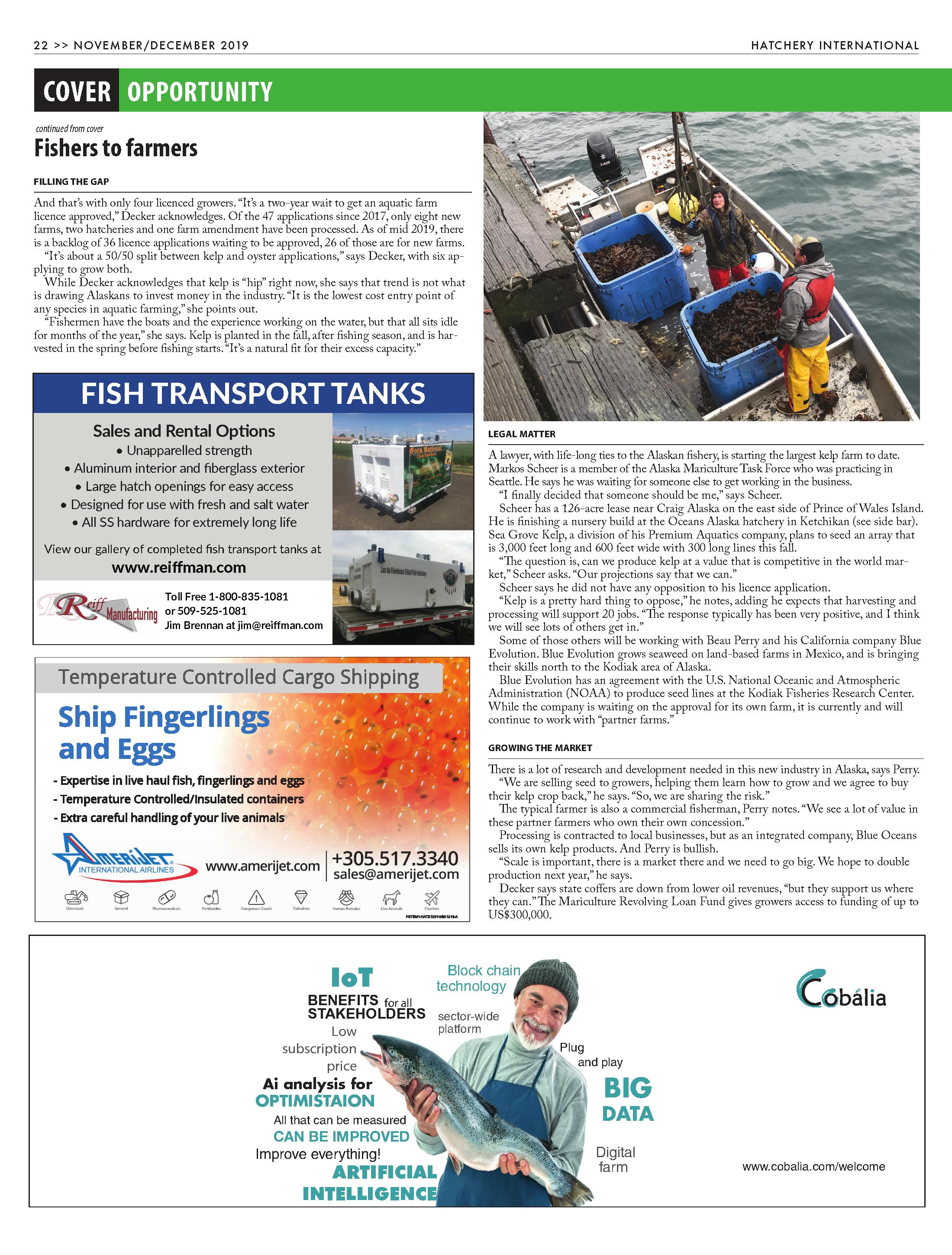
The recent expansion of kelp farming in Alaska has Julie Decker, chair of the Alaska Mariculture Task Force, excited.
“The 2018 Alaska Mariculture Development Plan aims to grow the mariculture industry in Alaska by $100 million in the next 20 years,” Decker explains. “The new applications we have seen from kelp farmers over the last two years are pretty exciting.”
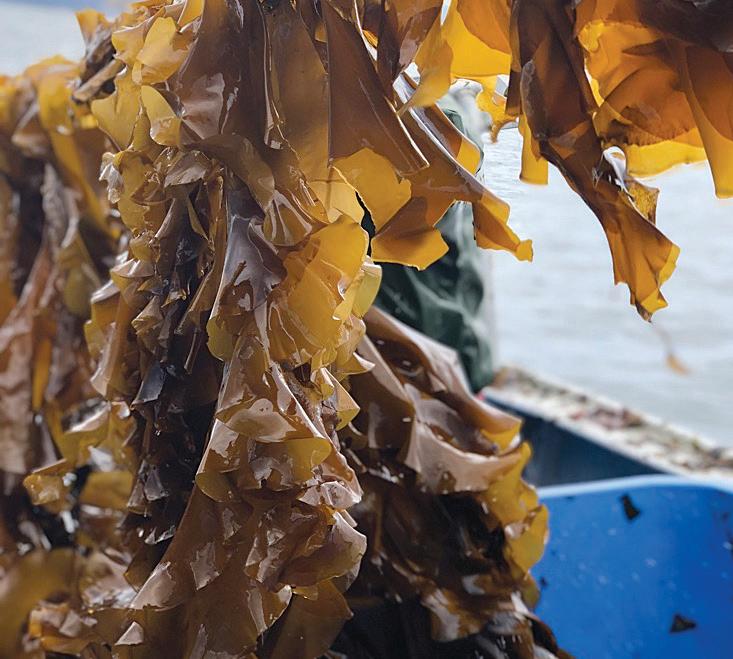
Wild fish capture is still king in Alaska, where growing fin fish is illegal. That leaves mariculture, the farming of all other aquatic species, to balance the highly seasonal work of ocean fishing. Oysters are the top cultured species in the state. But the industry for sugar kelp (saccharina) and ribbon kelp (alaria) is expanding.
“Folks are really starting to show an interest in kelp,” says Decker. “This spring was our third commercial harvest in the state.” In 2017, just over 16,500 wet pounds were harvested, with 89,300 pounds in 2018. Decker expects the 2019 haul to be between 126,000 and 200,000 wet pounds.
Publications Mail Agreement #PM40065710
RETURN UNDELIVERABLE CANADIAN ADDRESSES TO 111 Gordon Baker Road, Suite 400, Toronto, ON M2H 3R1
Get
it together.
As the primary external input into recirculating aquaculture systems, feed is essential to get right because we’re not only feeding the fish, but also feeding the system. It is well-known that RAS need high performance feeds in terms of physical and nutritional quality, to help the fish grow faster and healthier and to maintain the water quality in the system. The use of ingredients with high digestibility maximise nutrient utilisation for fish growth and minimise nutrient loss, while the use of patented ingredients in Skretting RAS feed ensure that the output is just as good as the input.
Read more at www.skretting.com and contact your local sales representative for more information.
Top 10 Under 40: Spotlight on the industry's most promising young professionals
Here are the 2019 Hatchery International Top 10 Under 40
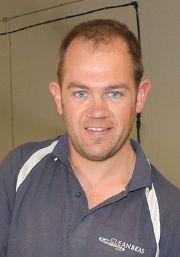
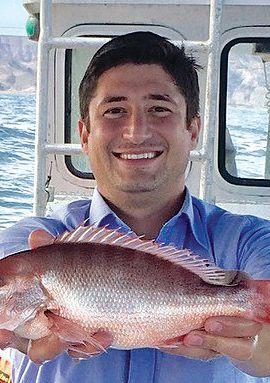
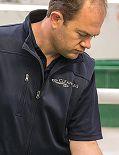
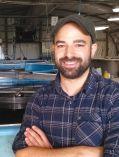
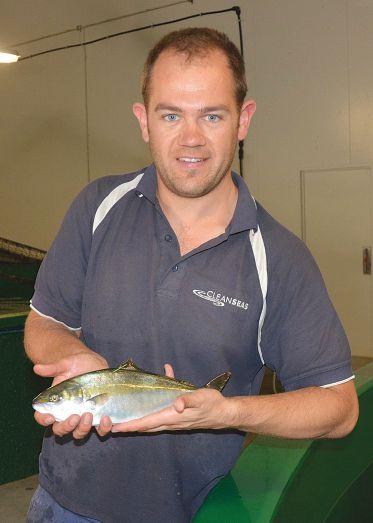
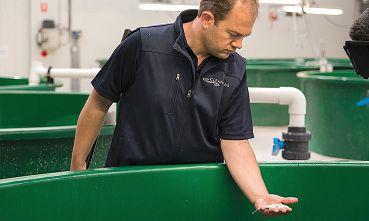
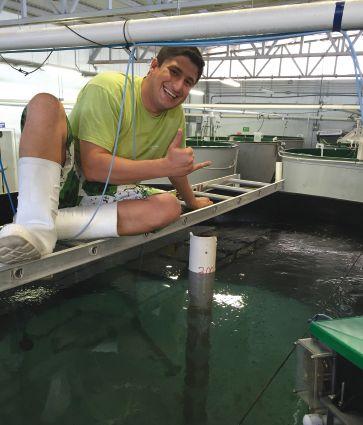
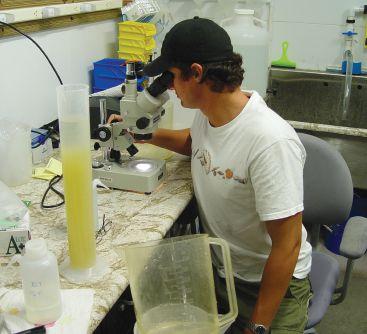
For Adam Miller, the combination of complexity and beauty is what excites him about working at a hatchery. As the hatchery operations manager at Clean Seas Seafood in Eyre Peninsula, South Australia, Miller understands the intricacies involved in the successful early rearing of fish.
“The hatchery process is very complex on many levels, attention to detail is paramount and trying to master all of this, whilst growing a beautiful species of fish makes it such an exciting prospect,” says Miller, who has been working as a hatchery professional for 12 years.
Miller currently oversees all aspects of Clean Seas Seafood’s hatchery for its Yellowtail Kingfish – broodstock and genetic management, live feeds, larval and nursery rearing, and RAS systems – and that’s just the fish aspect. His job also involves administrative responsibilities from forecasting and budgeting to developing production targets.
He has played an important role in the hatchery’s success, writes Dan Fisk, Clean Seas Seafood’s general manager, in his nomination submission for Miller.
“(Miller) started as an entry level technician and has worked his way up through every aspect of this department. Adam is a great leader and manager of both fish and people,” Fisk says.
Clean Seas Seafood’s successful selective breeding program for Yellowtail Kingfish has catapulted the company to becoming among the global leaders in full cycle production of Yellowtail Kingfish – from breeding to sale. It is also one of Miller’s biggest contributions to the company. Already producing third and fourthgeneration offspring, the selective breeding program led to increased larval rearing survival rates as well as higher stocking densities, says Fisk. Today, Clean Seas is the biggest producer of Yellowtail Kingfish outside Japan.
“This has allowed culling of our slower growing fish early in the process and thus sending superior fish to our sea cages for growing out to harvest,” he notes.
Miller was also instrumental in improving the company’s Yellowtail Kingfish husbandry practices at its hatchery, which improved fish health robustness at grow-out.
Fisk believes that Miller, in his own way, has been key to the development of Yellowtail Kingfish farming in Australia. “He has played a big part in taking this species, which had limited success from a hatchery perspective, to a business unit that supplies a reliable, sustainable, high-quality fingerling.”
Despite his love for his work, Miller acknowledges it is not an easy job, especially in Australia where aquaculture operations tend to be located in the countryside and remote sites. This can be “a bit of a shock for unprepared young professionals.”
“When starting in the industry, young people need to be patient, attentive, communicate well, follow through what is asked,” Miller advises. “There is a lot happening in the hatchery environment and things can change quickly. Adaptability and attention to detail are two big factors that will continually challenge us to get better at what we do.”
It appears Miller is on the right track in achieving his professional goal of making a positive impact in the global food production industry. Sustainability in the aquaculture sector is his ultimate purpose.
“By contributing where I can, we can help make the industry as sustainable as possible,” Miller says. “I want my children, and generations afterwards, to be able to do what I did when growing up – go down to the local beach/jetty and be able to go fishing and catch a feed. It is the ultimate joy and a great tool to de-stress and relax, something we need to do more of in this busy world.”
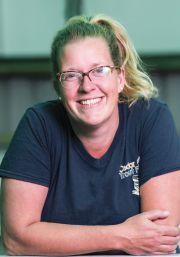
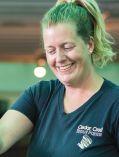
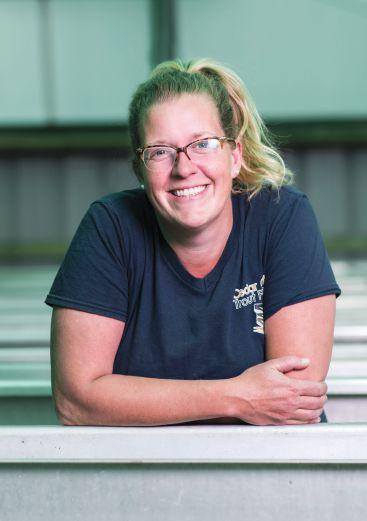
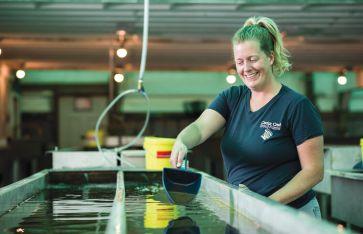
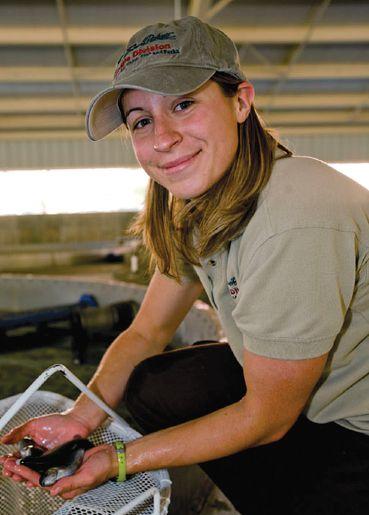
As if managing five complex hatcheries is not enough, Arlen Taylor also serves as the go-to person for other farms that run into occasional troubles, be it another trout hatchery nearby, a barramundi RAS farm or a net-pen operation. In her spare time, Taylor also acts as industry lead for various government and non-government entities, including the committee writing the Code of Practice for the Care and Handling of Farmed Fish in Canada.
“You could say that trout farming runs in my blood,” says the 32-year-old director of operations at Cedar Crest Farms in Hanover, Ontario, Canada.
Taylor’s father was a pioneer in establishing one of the first land-based trout farms in central Canada. She and her brother, RJ, grew up in a hatchery, spending most of their childhood feeding, moving and caring for fish.
Taylor remembers waking up before dawn to load trucks at the farm before going to school, or pushing feed bags off a flat-bed with her brother and “dreaming of the day we could lift them ourselves.”
Despite growing up around the hatchery, Taylor did not get in to the family business until six years ago. During her early 20s, she worked abroad – in Angola, Mozambique and Iraq – doing logistics and humanitarian work. But when her family needed her, she responded.
“While I was building companies overseas, the family business was struggling to keep up with demand. With a deep sense of family responsibility, I moved back six years ago to take over and grow the business,” Taylor recalls. And grow the business she did.
Today, Cedar Crest Trout Farms has expanded to five hatcheries, producing more than five million fingerlings a year, making it the largest supplier of trout fingerlings in central Canada. RJ Taylor credits the success to her sister’s leadership.
“These gains have come because Arlen streamlined many parts of the operation by bringing in new technologies: automated fish counters, pumps and graders, as well as a fully open-sourced production software,” RJ says. The result: the largest period of growth in Cedar Crest’s history.
Her keen sense of leadership earned the respect of her team, who have come to realize Taylor’s management style: Work hard, play hard. Weeks of long-hours and hard work at the farm would be followed by a big party that involves fun and games for the farm staff.
“Arlen’s generosity never stops, from endless Coronas on Friday afternoons to an Alaskan cruise for our oldest farm manager in honour of 30 years with the business,” RJ says.
Taylor also took her family’s farm on the path to sustainability, successfully achieving Best Aquaculture Practices certification for all Cedar Crest hatcheries earlier this year.
Despite all her accomplishments, Taylor measures her success by how she feels at the end of the day. “Not the tired, aching bones that can sometimes come from daily activities. But did we have a good day? Did we have fun? Did we laugh? Do we still love what we are doing?”
She views her team at Cedar Crest as family – spending most of their waking moments together.
“I would love to keep working and growing our hatcheries if it means I get to work with our amazing people and tackle fun new challenges,” Taylor says.
Her advice to young hatchery professionals: “School will teach you the technical skills to work in a hatchery, but it takes years of experience to learn the leadership, intuition and problem solving you’ll need to run one.”
2 ARLEN TAYLOR Trout whisperer
ADAM MILLER King of the Kingfish
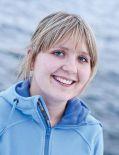
3 BRITTANY PALM-FLAWD
Teach them how to fish
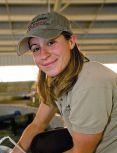
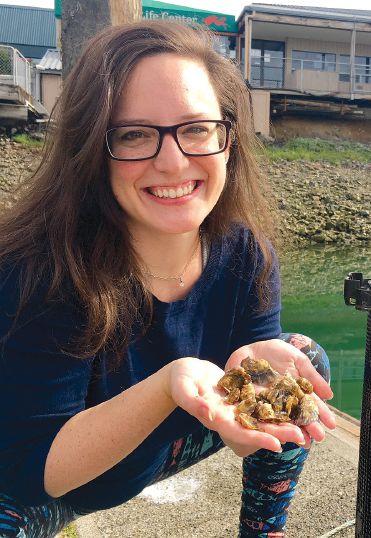
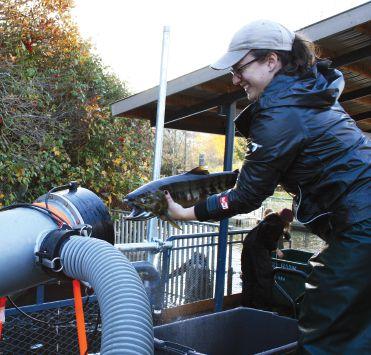
Book smarts and street smarts. These two skills embody Brittany Palm-Flawd’s professional work.
Palm-Flawd grew up in a fishing community in Long Island, New York. Even as a kid, she already exhibited a keen interest in marine life. In middle school, she volunteered at a shellfish hatchery and “haven’t looked back since.” She has worked on mussel farms, fjord net pens, groundfish trawlers, longline vessels, salmon hatcheries, and in marine and freshwater habitat restoration. She has a bachelor’s degree in Marine Biology and a master’s in Marine Science. She is a certified instructor in Washington State, a former Fullbright Scholar in Ireland and former Canadian NSERC Scholar.
“(These have) given Brittany a deep bench of experience and a global perspective that is useful in helping to advance the industry,” Michael Messina writes about the hatchery manager at Bellingham Technical College’s (BTC) Whatcom Creek Hatchery in Washington State. BTC’s Whatcom Creek Hatchery is operated in partnership with the Washington Department of Fish and Wildlife and under co-management with the Lummi Nation.
“On top of all that Brittany undertakes as a hatchery manager, college instructor and PhD candidate, she took on a two-
year, one-million production increase in response to the state governor’s request to increase Chinook for starving orca,” Messina adds.
Palm-Flawd’s response to this natural crisis and the manner in which she undertook the challenge is noteworthy, not only for the leadership qualities she demonstrated in leading her students through this initiative, but also for her constant quest to advance sustainability and environmental responsibility.
Everything she does in her work is “through the lens of sustainability,” according to Messina. For example, she recently conducted a trial of alternative methods of production, including multitropic farming with aquaponics. She is also working to expand training methods in algae and shellfish production, making BTC’s hatchery training program the only two-year program on the U.S. West Coast that trains in aquatic invertebrate hatchery technology.
“Whether you are raising algae, oysters, or salmon, there are many challenging and rewarding experiences, especially when you focus on sustainable methods that reduce environmental impacts and breeding programs that produce a high-quality product,” Palm-Flawd says.
“At the end of the day, it’s all about sustainable seafood and how these industries will continue to feed a growing global population.”
The young hatchery manager is also not afraid to embrace innovation, says Messina, who is a corporate innovation partner with Whooshh Innovations. Palm-Flawd is working with Whooshh to gather data to help with the development of machine learning algorithms used in scanning systems for improved passage, data collection and invasive species management. She gets her students involved with the technology, as well, training them on the company’s fish transport and visual recognition software.
In addition to her hatchery duties, Palm-Flawd takes pride in her work training future hatchery professionals as an instructor at BTC. This year the school’s hatchery training program is celebrating its 40th year. She especially feels passionate about her work as an instructor as she recognizes the lack of training opportunities as one of the biggest challenges for the hatchery sector.
“Throughout my career, I have always asked others how they got started in the business and for a lot of people, they kind of ‘fell’ into the work and learned on the job,” she explains. “I believe a large movement has begun in expanding more formal education and internship programs to support the next generation of this industry, particularly in hatchery technology. This industry is growing rapidly and needs a highly trained workforce to support it.”
She proudly declares that recent graduates of the hatchery training program at BTC have had an employment rate of nearly 90 per cent.
Her advice to young people interested in the aquaculture industry: “Try everything to find your passion!”
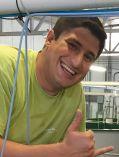
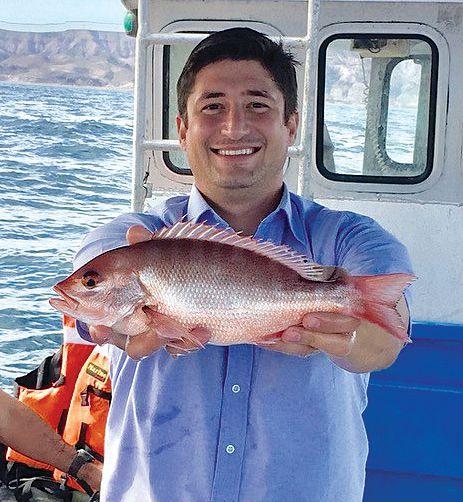
To be a great teacher, one must first become a willing and attentive student. Much of Fernando Cavalin’s success as a hatchery professional at a relatively young age comes from learning under the tutelage of some of the best hatchery professionals in the world.
“Hatchery technology and juvenile production have always been a bottleneck for the development of aquaculture, especially when it comes to new species,” explains Cavalin. “I was fortunate enough to have worked with world-renowned hatchery professionals who I look up to: George Nardi, Michael Schwarz, Chuck Weirich, Daniel Benetti, Evoy Zaniboni-Filho, Debora Fracalossi, among others. (They are) great professionals and professors.”
As the hatchery manager for Earth Ocean Farms in La Paz, Mexico, Cavalin and his team was instrumental in undertak-
ing R&D and paving the way for two new, high-value marine species for commercial aquaculture – Totoaba macdonaldi and Pacific red snapper (Lutjanus peru). Running a hatchery team of 18 staff, Cavalin acknowledges the job can be challenging, but it’s never boring.
“The hatchery professional is expected to perform physical work, get wet and dirty, be a good team player, speak languages and have great analytical skills. It’s tough sometimes, but anywhere you go you’ll find people going through the same drill and nobody gets bored. At the hatchery, people always find value and joy in their work.”
Cavalin’s accomplishments are perhaps testament to the joy he finds in his work –to the great benefit of his organization and the aquaculture industry in general. His mentors attest to the excellence and commitment the young professional puts into his work.
For example, cites one of his mentors George Nardi in his nomination submission, Cavalin’s analysis of broodstock maturation has been key to determining the start date of production runs vis-à-vis spawning. His knowledge of larval development and morphology development was also key to identifying when to adjust feed type and amounts, resulting in successful commercial productions, Nardi adds.
“Fernando is truly an artist when it comes to producing juvenile marine finfish,” states another former mentor, Chuck Weirich, in his nomination. “He possesses a vast skill set with respect to broodstock conditioning, spawning, egg incubation, live feeds production, larviculture, and mass production of juveniles. Nando has what I like to call, ‘the blue thumb.’”
Another nomination for Cavalin comes from Michael Schwarz at Virginia Tech, who describes his former trainee as a “tireless worker who leads by example.” Schwarz is particularly impressed by Cavalin’s work developing some of the most consistent, sustainable and biosecure intensive indoor copepod nauplii productions in the world at commercial levels.
“This live feed is the game-changer for challenging species with high nutritional requirements, limited digestibility capacities, and small mouth gaps at first feeding, such as grouper, snapper, and tunas,” Schwarz points out. He adds Cavalin’s current production levels reaching 100 million nauplii per day have enabled high larval survival rates and best production levels for difficult species like the Pacific red snapper.
As Cavalin works to reach his professional goal of pursuing a MBA and developing a business in the aquaculture industry, he believes his experience as a hatchery professional will give him the well-roundedness required for such an endeavour.
“The hatchery world is very dynamic and demanding, it requires a well-rounded balance of biology, engineering, R&D and management – altogether they shape up your professional skills to become more flexible and adaptable. It might be the true definition of a multidisciplinary approach. If you cope and adapt yourself to this kind of work environment, you’re ready to take on any challenge,” he says.
4
FERNANDO CAVALIN Blue thumb
5
JILL VOORHEES
Evidence-based
In the world of aquaculture where knowledge connotes decades of experience in the industry, this young professional is already making a mark through her research and their practical hatchery applications with less than a decade under her belt.
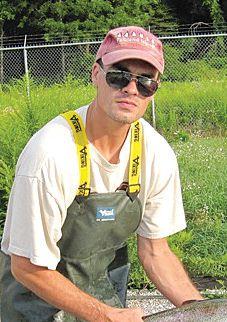
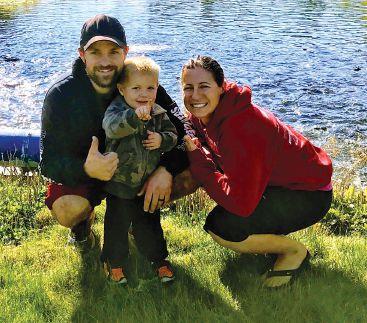
Jill Voorhees, a biologist at the South Dakota Department of Game, Fish and Parks in South Dakota, USA, has only been a hatchery professional for nine years. But in that relatively short period, she has already authored and co-authored 24 published papers, eight of them were peerreviewed. She has presented numerous talks and posters at various industry events. And that’s just on the academic side.
“Jill has also been recognized by her employer, receiving the outstanding performance award in the Aquatics Section of the Department of Game, Fish and Parks after only five years of permanent employment. She has also received the David Willis Outstanding Young Professional Award from the Dakota Chapter of the American Fisheries Society,” writes Michael Barnes, Voorhees’ supervisor and mentor.
From student intern and part-time hatchery worker, Voorhees rose through the ranks and became the research biologist at the McNenny Hatchery, investigating new protocols to improve rearing efficiencies and post stocking survival rates for salmonid. She is also investigating one of the most neglected research areas in aquaculture: occupational health and safety.
“Jill’s contributions to aquaculture occupational safety and health changed operations at both Cleghorn and McNenny Hatcheries, and have impacted aquaculture operations around the globe,” Barnes says.
The variety of the work is what first attracted Voorhees to work at a hatchery, which is not just about working with fish and “smelling bad” all the time.
“I learned the other aspects of the job, the variety of having different seasons of work for stocking, spawning, rearing, and other things. I liked having the variety and being both outside, inside, and having a job that challenges me, and allows me to learn,” Voorhees says.
Multitasking is where Voorhees thrives. Throughout her career, she has been engaged in multiple, meaningful activities – whether it’s completing her graduate degree while working full-time at the hatchery and conducting several research studies or being a wife and mother raising a young family. All these tasks she accomplishes with flying colours.
But research is where her professional heart truly is. “Research is the thing that will continue to challenge my skills and ideas on how we have always done things,” Voorhees says.
6
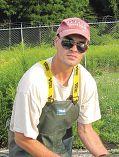
JP HASTEY III
From the ground up
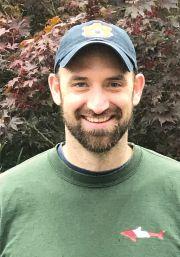
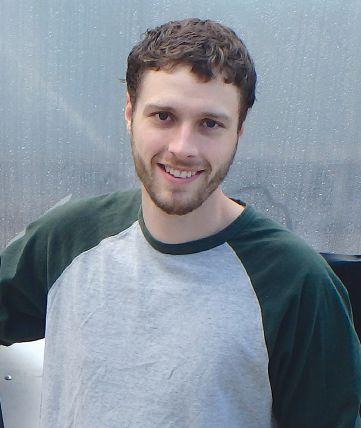
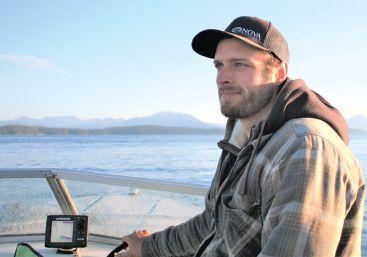
At a young age of 26, fresh out of graduate school, JP Hastey III founded an aquaculture company and built his very first hatchery. Nova Harvest, located in the coastal village of Bamfield in British Columbia, Canada, aims to be the top supplier of high-quality seed for Canada’s shellfish industry. Now in business for eight years, Hastey has built his company from the ground up, literally and figuratively.
“Over the past eight years, JP has become an expert in every aspect of hatchery systems, operations, micro-algae culture, broodstock conditioning, larvae culture, and nursery grow-out for multiple shellfish species, much of which have been selftaught and experientially learned,” writes Nova Harvest’s hatchery manager Angela Fortune, who nominated Hastey.
Innovation is in Hastey’s DNA, personally designing, testing, building and rebuilding every hatchery system at Nova Harvest. He looked after water filtration and heating systems, multiple oyster nursery upwelling systems, including a recirculating bottle upwelling system. He designed and built a 24-bin floating upwelling system, and various micro-algae culture systems with custom-made environmental monitors, Fortune says.
“Innovation is a fundamental skill required to develop and sustain a shellfish hatchery from the ground up,” she notes.
Hastey’s time is not only spent building up an empire; he is also constantly engaging and volunteering in the aquaculture community and has become a mentor to many students wishing to get into the industry. He is a member of the board of directors of the British Columbia Shellfish Growers Association and serves in multiple community non-profit boards.
With a bachelor’s degree in Biology and a master’s in Animal Science, Hastey says he’s been able to apply every aspect of his education to develop and sustain his hatchery enterprise. The “significant problemsolving and innovation opportunities” in shellfish culture drew him to this sector.
“It seems the challenges are endless but fortunately, the greater the challenge the more fun it is to solve, and I love that,” Hastey says.
The young CEO sees so many opportunities but also challenges in shellfish aquaculture. Despite the abundance of potential for the aquaculture industry, in general, Hastey feels these opportunities don’t go much beyond traditional salmon farming.
“I feel the inner operations of a hatchery, especially shellfish, is a mystery to most,” Hastey says. “Opportunities for people to experience a hatchery are limited, making it an overlooked portion of the industry and a missed opportunity for prospective young professionals in aquaculture.”
It’s an area where Hastey wants to make an impact. His years of experience in building his company through innovation and hard work have given him the tenacity to pursue the higher good, of being a major player in providing solutions to the challenges that face the shellfish aquaculture industry, improving scalability and help push the sector to its true potential.
And he knows failure is a necessary step towards enlightenment. He takes his own advice of learning from his mistakes and missteps, and would give the same wisdom to any young professional interested in this industry.
“The more comfortable you can make yourself with failure by viewing it as a necessary step of learning as you navigate the unknown, the harder and farther you will be able to push yourself and the greater the success you will achieve.”
In pursuit of the ‘perfect’ smolt
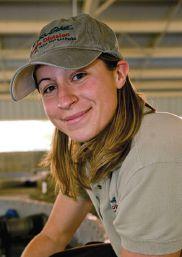
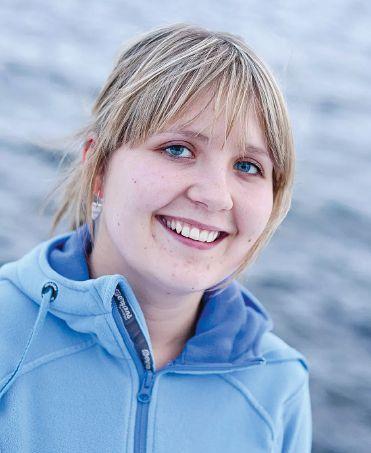
In a span of less than three years, Marit Holmvaag Hansen transitioned from smolt coordinator to production manager, leading around 30 staff members and overseeing the production of up to 15 million smolts at Cermaq Norway’s smolt and hatchery sites. Her immense drive and eagerness to learn and improve are her best qualities that catapulted her to this leadership role.
Five years of experience in any given industry is not a long time. But for Hansen, these five years have been spent perfecting her craft as a hatchery professional, continually studying and conducting studies, all for the sake of the fish. She has a unique way of combining biology and technology. She is a sought-after speaker at aquaculture industry events across Norway. She has participated in research projects and has shared the knowledge gained from those initiatives not only internally within Cermaq but to the larger industry.
“Her main focus is for the sharing of knowledge in order to achieve a higher, common understanding of smolt production in addition to contributing to the production always being at its best,” the Norwegian Centre of Expertice Norway Aquaculture writes in its nomination submission for Hansen.
“Research studies in fish welfare, stress management, production parameters, and the ability to improve the production of such a complex field as hatchery and smolt farming are accomplishments she has contributed and will continue to contribute.”
Hansen herself views fish farming as a lifestyle more than an occupation. That is why she brings both her heart and her head to the job.
“In this industry, we need many different characteristics – both biologists and economists, technicians and mathematicians – so there are room for many, but we must all keep in mind that we first and foremost must take care of the animals, and make sure they have optimal conditions,” Hansen says.
After finishing her master’s degree she was exposed to the various departments across Cermaq, and working at the hatcheries was her clear preference. The importance of controls and the daily grind of a hatchery appealed to her.
7 MARIT HOLMVAAG HANSEN
Clam farming takes root on Florida’s coast
Florida hatchery aims to take the lead in sustainable US production
BY BONNIE WAYCOTT
Florida’s shellfish farming industry has been thriving for decades. With clam production and, more recently, oysters now in full swing, the US state provides ideal water conditions with naturally warm temperatures, good salinity and high productivity levels, resulting in an abundant number of clams.
Thanks to a 1990s partnership with the state and Harbor Branch Oceanographic Institute (now HBOI-FAU) to retrain fishermen affected by a net ban, shellfish aquaculture in Florida has also become a way for fishermen to remain in their communities and use the skills they had learned in their previous occupation to farm clams. Because growers can plant seed year round, clams can be harvested continuously, allowing production to increase rapidly over the past 20 years.
Today, Florida has less than a dozen shellfish hatcheries and nurseries, ranging from small backyard operations to commercial-sized facilities that produce clams and oysters for farmers on both coasts for grow-out. Most hatcheries are small-scale operations, but some are taking greater steps to support local farmers, accelerate innovation, and maintain healthy and sustainable farming practices.
SEAVENTURE
In October 2017, one such hatchery was established in Florida – Seaventure Clam Co., Ltd. The company has been selling shellfish seed to the northwest coast of Florida, near Cedar Key and Sebastian, since production began in 2018.
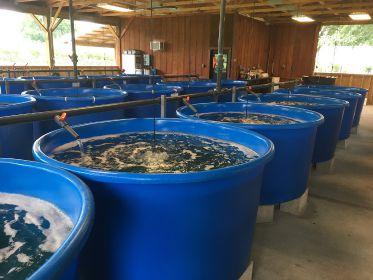
Located within an HBOI-FAU aquaculture research facility, the 4,199-square-foot hatchery facility includes multiple raceways, larval tanks, broodstock conditioning tanks, a spawning area, clean algae culture room, indoor and outdoor algae space, and multiple water filtration systems.
“Clam production in Florida has gone up significantly over the last several years,” said Victoria Parks, hatchery man-
ager and co-founder of Seaventure. “We believe that there is still plenty of scope to learn and come up with new ways to improve aquaculture, not just our own methods and shellfish farming in general but also US aquaculture as a whole. We hope we can play a key role in this through our work.”
BROODSTOCK COLLECTION
Seaventure selects its male and female broodstock from specific sites along the east and west coast of Florida to ensure high genetic diversity and that healthy populations are spawned. Those that show signs of resilience and survival in extreme natural events are chosen and logged so their specific traits can be tracked. The broodstock are then maintained in climate-controlled temperatures and fed a well-rounded diet throughout the day and night. All stock is kept at around 28 parts per thousand, with bi-daily tank cleaning and water changes. A tank rotation schedule is also adhered to, so that fouling and health can be maintained.
“Depending on their size, we keep about 300 to 400 clams in each tank,” said Parks. “After about two or three months of conditioning, the broodstock are taken to a specialized spawning table. Sometimes conditioning takes a month, and at other times it’s four months. No matter how you look at it, we are still at the mercy of Mother Nature’s will to some degree. You learn to take advantage of that when you can.”
SPAWNING AND LARVICULTURE
Spawns are induced through traditional thermo shock and by manipulation of water temperatures. This allows the hatchery to maintain, and yet drastically change, tempera-
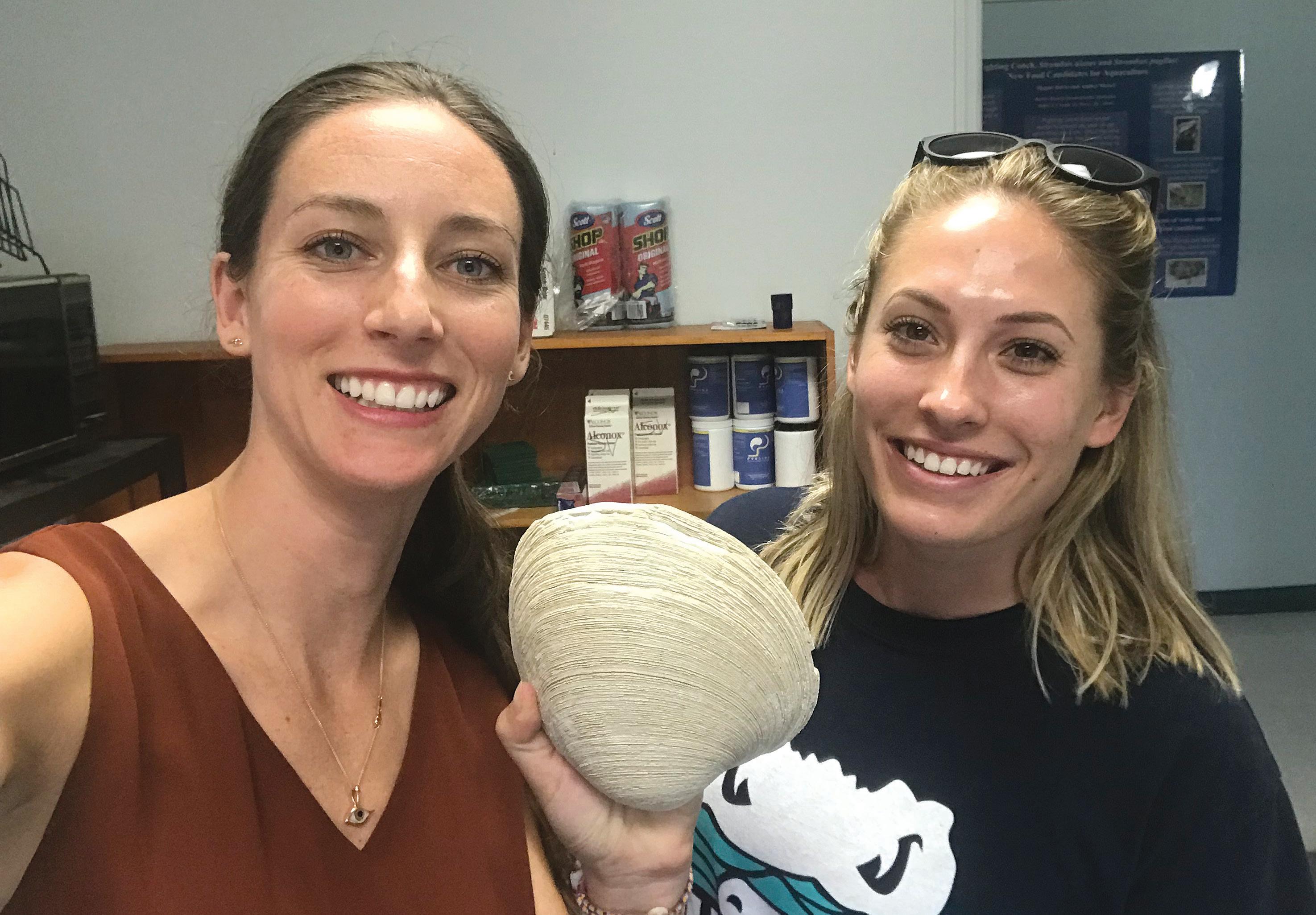
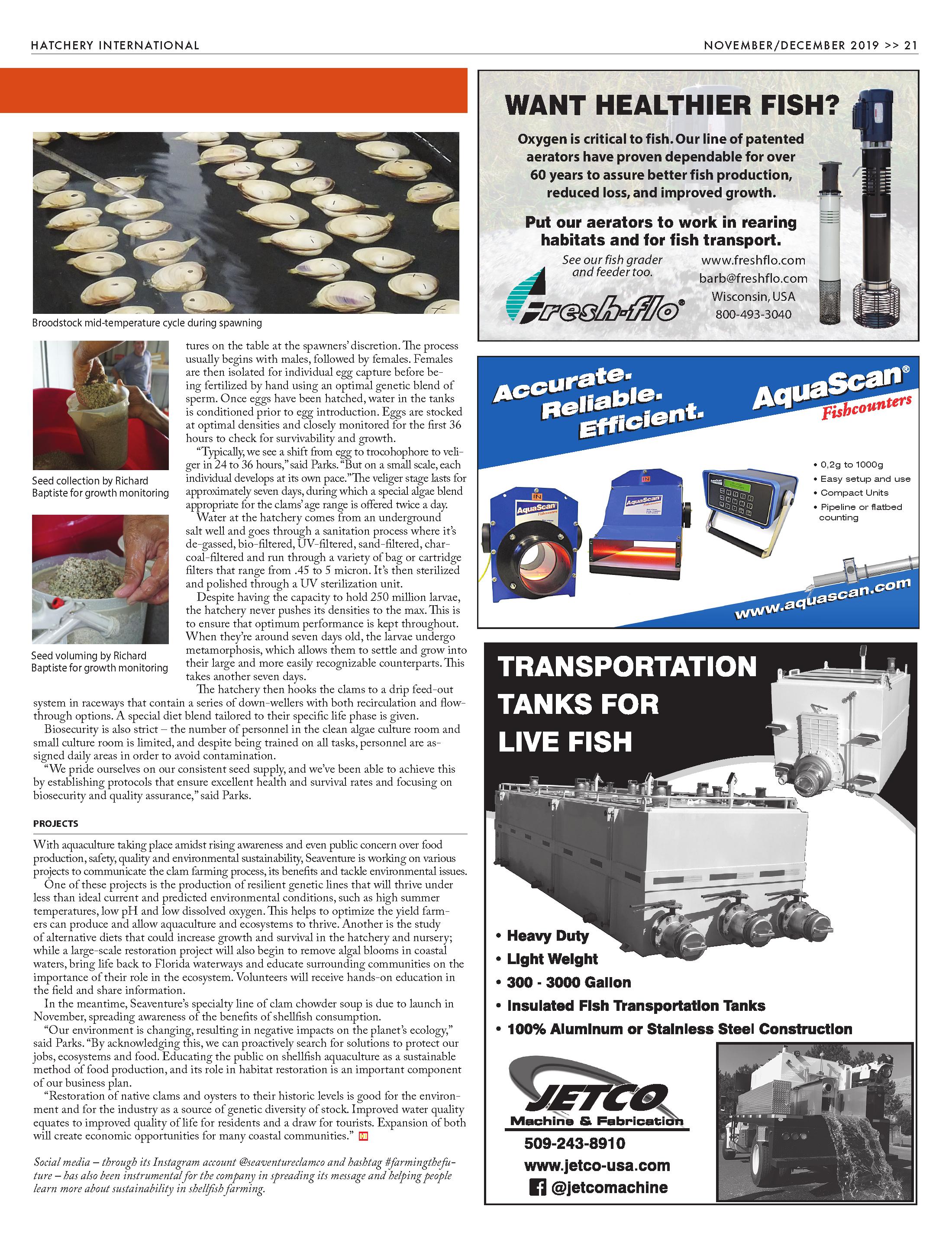
Carolina Panoff, sales and marketing manager (left) and Victoria Parks, senior hatchery manager and co-founder (right), holding an ancient clam shell.
All photos by: Carolina Panoff
IMPROVING EFFICIENCY
Efforts are also underway to explore more efficient ways of farming.
Mike Stekoll, professor at the University of Alaska Southeast, is leading a project to improve techniques along the nursery growth chain, funded by Sea Grant and Blue Evolution
“We are looking for efficiencies, starting with the best time to collect broodstock and how to avoid contamination of that stock,” says Stekoll.
“We are also looking at adding nutrition to the water and more automatic ways to wrap the string on to the setting pipes.”
The ultimate goal is to perfect direct planting of seed on to the long lines and doing away with the string all together, says Stekoll, who has been studying kelp culture in Alaska since 1983.
HATCHERY ORIGINS
Alaska’s burgeoning kelp farming industry has its success tied to two hatcheries and a law.
Blue Evolution is working under a collaborative research and development agreement with NOAA to use the Kodiak Fisheries Research Center hatchery to grow the kelp seed that the company will supply to growers on partner farms.
“NOAA provides a space (no lease), and we capitalize the equipment,” says CEO Beau Perry. “And we work with them on various research threads.”
Much of the east coast oyster industry technology was developed under this type of agreement with the NOAA facility in Connecticut in the early 1970s, Perry points out.
“Currently, there are many nascent aquaculture business across the country working with NOAA in this way,” he adds.
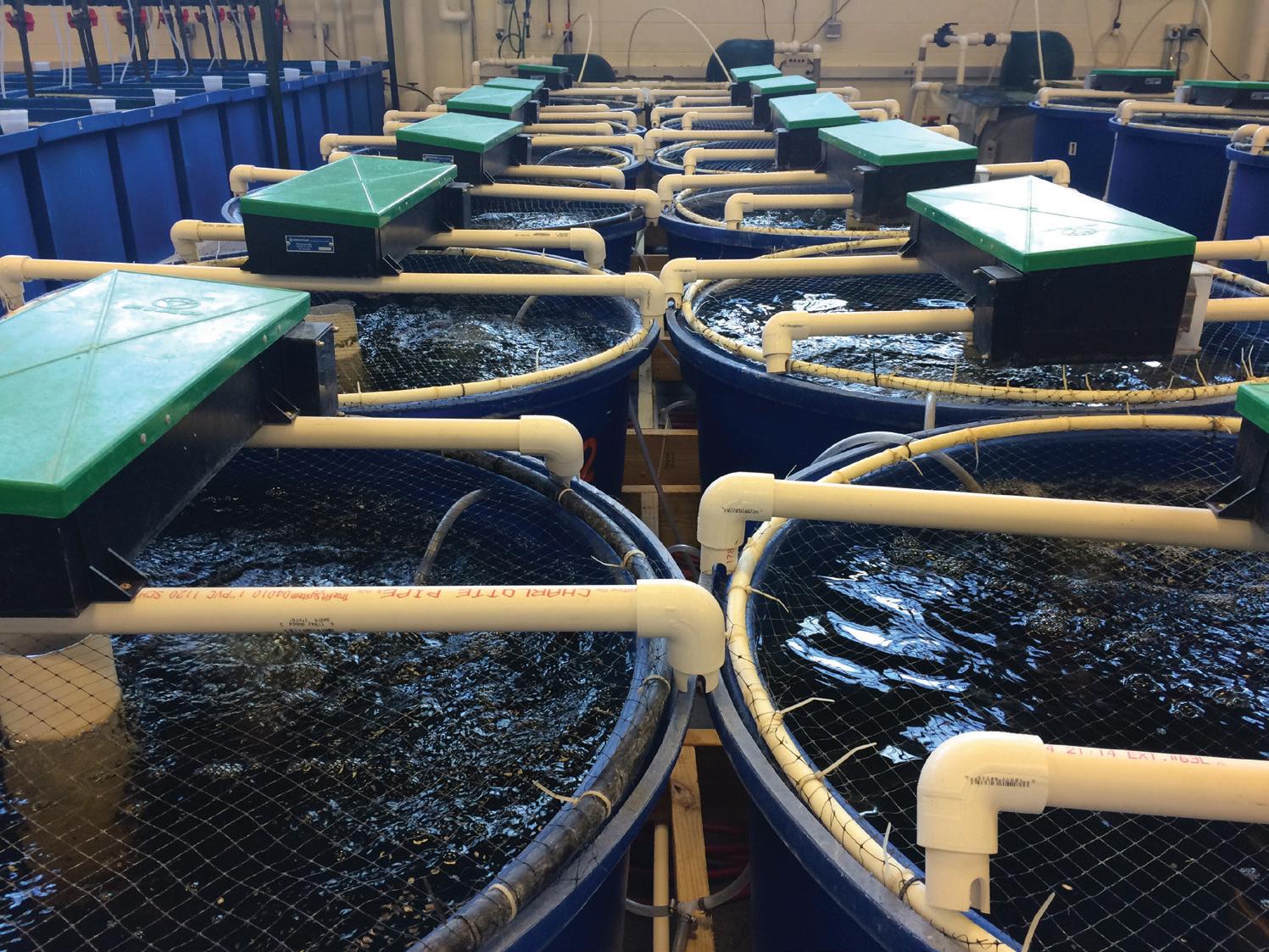
The hatchery uses a recirculating system, and is able to utilize unused cold rooms at the facility, as opposed to water chillers. Perry estimates it has nearly 100 tanks, with capacity for several thousand spools and hundreds of thousands of feet of seeded string.
“We will certainly be pushing up against capacity as we are lowering the density of spools and tanks per cold room this season,” he explains. “But we can expand further using auxiliary space in the future.”
New build
Markos Scheer, the CEO of Premium Aquatics, says his company is putting the final touches to a new kelp hatchery they have designed and built on leased land at the Oceans Alaska hatchery site in Ketchikan, to supply their newly licensed 126-acre Sea Grove Kelp farm.
“We are using our own expertise,” says Scheer. Dr. Tiffany Stevens, who did her doctoral research in kelp physiology, will be heading up his team.
The new Ketchikan build will have eight seed tanks installed in each of the 10 individual rack systems, for a total of 80 tanks. Each rack system is independently filtered and circulated.
“We will run 64 tanks at any one time and should be able to grow 150,000 feet of seeded line in one run,” Scheer says. “But we may be able to double that.”
The entire space is temperature controlled at 9C to 10C, and the recirculating sea water will take on that temperature, Scheer explains.
Keep the distance
All mariculture license holders must follow the Alaska 50-kilometer broodstock rule.
The department of Fish and Game is looking to maintain genetic diversity of the species by requiring that broodstock must be collected within 50 kilometers of the outplant area, and include 50 different parent plants that are unrelated to each other.
“That’s difficult to do given our current technology,” says Mike Stekko, a University of Alaska Southeast professor.
The 50-km rule is not a problem for Scheer with his one site, but Perry finds it tough when he is dealing with multiple sites even around Kodiak island.
“I have to silo each broodstock separately and that is a lot of extra work,” he says. “I have no insurance policy. If one broodstock crashes, I can’t replace it with seed from another site.”
And it is imperative that new licensed sites are studied to be sure they grow enough biomass for broodstock.
“We are having trouble finding saccharina in some areas of the state,” Stekko notes. “But alaeria grows everywhere.”
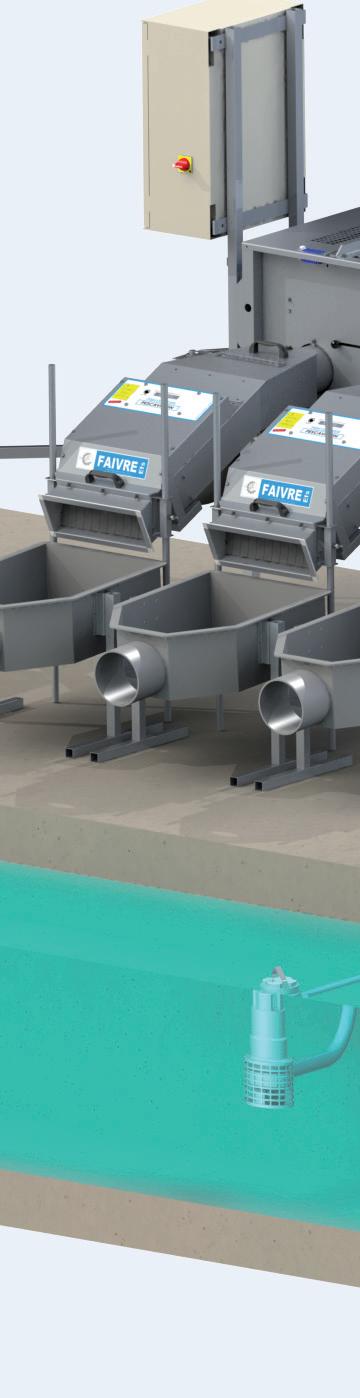
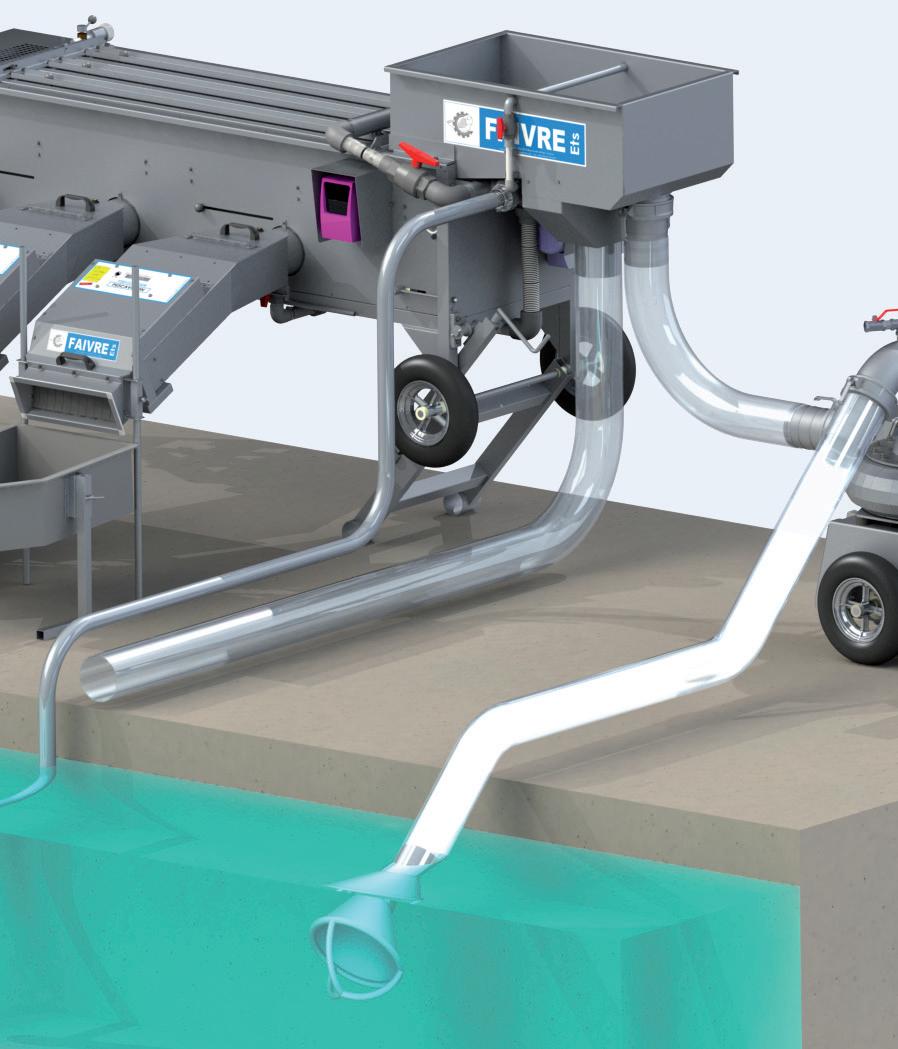
Since 1958, Faivre has been developing and manufacturing high quality equipments for the aquaculture industry
The ins and outs of live fish transit
DR Transport
BY MATT JONES
he safe and effective transport of live seafood is a crucial part of the hatchery industry, from importing broodstock to transferring fish to other facilities and waterbodies as needed. What is involved in getting fish to their destinations in an optimal condition? Hatchery International spoke with several companies that provide live transport solutions to find out.
T“The greatest challenge when transporting live fish is to transport the fish without stress and to design the habitat for the animals as optimally as possible during the transport
Think Tanks. Think Empire.
Empire has been designing and building tanks for fish hatchery professionals for over 40 years.
TANKS OFFERED:
• Fish Transport Tanks –request our standard specs or get a custom-built tank!
• Rearing Tanks & Raceways
Get a CUSTOM-BUILT Tank!
CHOOSE YOUR:
• Exact size of the tank
• Number of compartments
• Size and positioning of fittings
• Exterior and interior colors
• Any other accessories needed
Let us help you design and build the tank you want.
period,” says Ulrich Bischopink, general manager for Germany’s LINN Aqua Technology which produces tanks and other equipment for live fish transport.
To allow the fish to exit the tanks without having to be net-handled, many LINN tanks come equipped with sluices – gates that allow a user to control whether the animals can swim out of the tank.
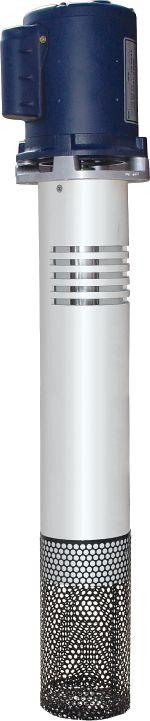
is designed for use in raceways, small tanks and transport tanks where electric power is available. It operates with a 1/6 hp motor at 115 gallons per minute pump capacity and its small size makes it compatible with a variety of systems. Contact Tom today at tomb@empirefiberglass.com
“All you have to do is attach a hose to the LINN sluice,” says Bischopink. “The sluice is a ball, which can be opened and closed with one hand. Due to the round shape of the sluice, no fish can be injured or crushed.”
Australia-based FloatPac started developing the FishPac transport system in the late 1990s. CEO Gavin Hodgins says that their systems, which incorporate live sustained oxygen, helped drop mortality rates for coral trout grouper (Plectropomus leopardus) being exported from Australia to Hong Kong from around 20 percent to one percent.
“As we’ve expanded outside of coral trout, we’ve done a lot of work with blacklip (haliotis rubra) and greenlip abalone (haliotis laevigata),” says Hodgins. “Greenlip abalone is of a very personal interest to me, in that it doesn’t get shipped anywhere in the world live, because it’s too fragile. We’ve had great success in shipping up to 500 kilos per bin of abalone into North America and parts of Asia with zero mortality.”
DESIGNING FOR THE FUTURE
Hodgins notes that the logistics of packaging and containers can be a challenge. In order to make returning the bins more cost-effective, FloatPac developed the StackPac system. As the name implies, the empty bins can be stacked inside each other for easier and cheaper return shipping. FloatPac is currently developing recyclable packaging, where everything but the oxygen filter could be recycled locally.
“Transportation costs in all modes of transport, particularly in freight, have gone up exponentially in the last five or six years as the air industry grapples with how to make money,” says Hodgins.
FloatPac is currently working on incorporating telematics approaches, where data on the fish and the water are accessible in real time to the driver or to users online. Hodgins feels that such technology will play an important role in the future, an opinion shared by Jim Brennan, director of sales for Washington-based Reiff Manufacturing.
“[The future] is going to be in the electronic,” says Brennan. “Oxygen sensors and all that kind of stuff is really starting to take off where the guy in the cab can actually monitor what the water’s doing from the cab.”
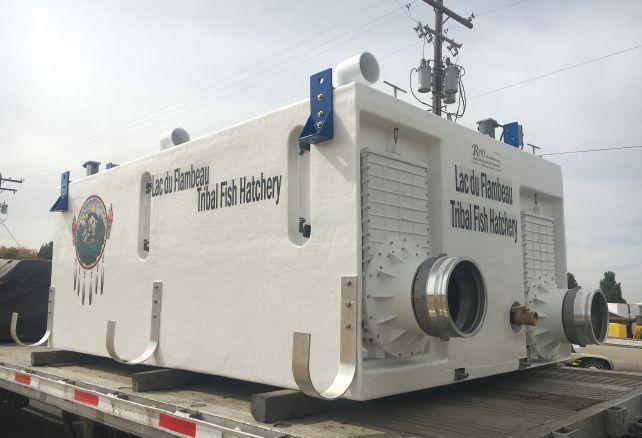
Reiff provides fabrication solutions for a variety of different industries, including live transport tanks for fish. Head foreman Mark Kessler says that another key challenge is in maintaining water temperature.
“In our part of the country, we get up over a hundred degrees and if you’re travelling at distances, it’s rather difficult to keep that 40-degree water at 40 for that long,” says Kessler. “We’ve gone to an aluminum carrier with insulation all the way around. Fiberglass the outside and we paint everything white with UV protection on it to reflect most of the heat.”
Brennan adds that Reiff, to his knowledge, is the only company in North America taking that approach of combining fiberglass and aluminum and UV protection.
“Take any kind of metal on a hot day and put your hand on it, and then take a piece of white plastic and put your hand on it,” says Brennan. “White plastic’s going to do far better. So, we’ve gone to the aluminum interior for ease of cleaning and a fiberglass exterior because it’s tough and it reflects the heat more than metal does.”
Reiff has created live transport solutions of a wide variety of sizes for mostly governmental customers, whether it be federal, state or tribal, Brennan says.
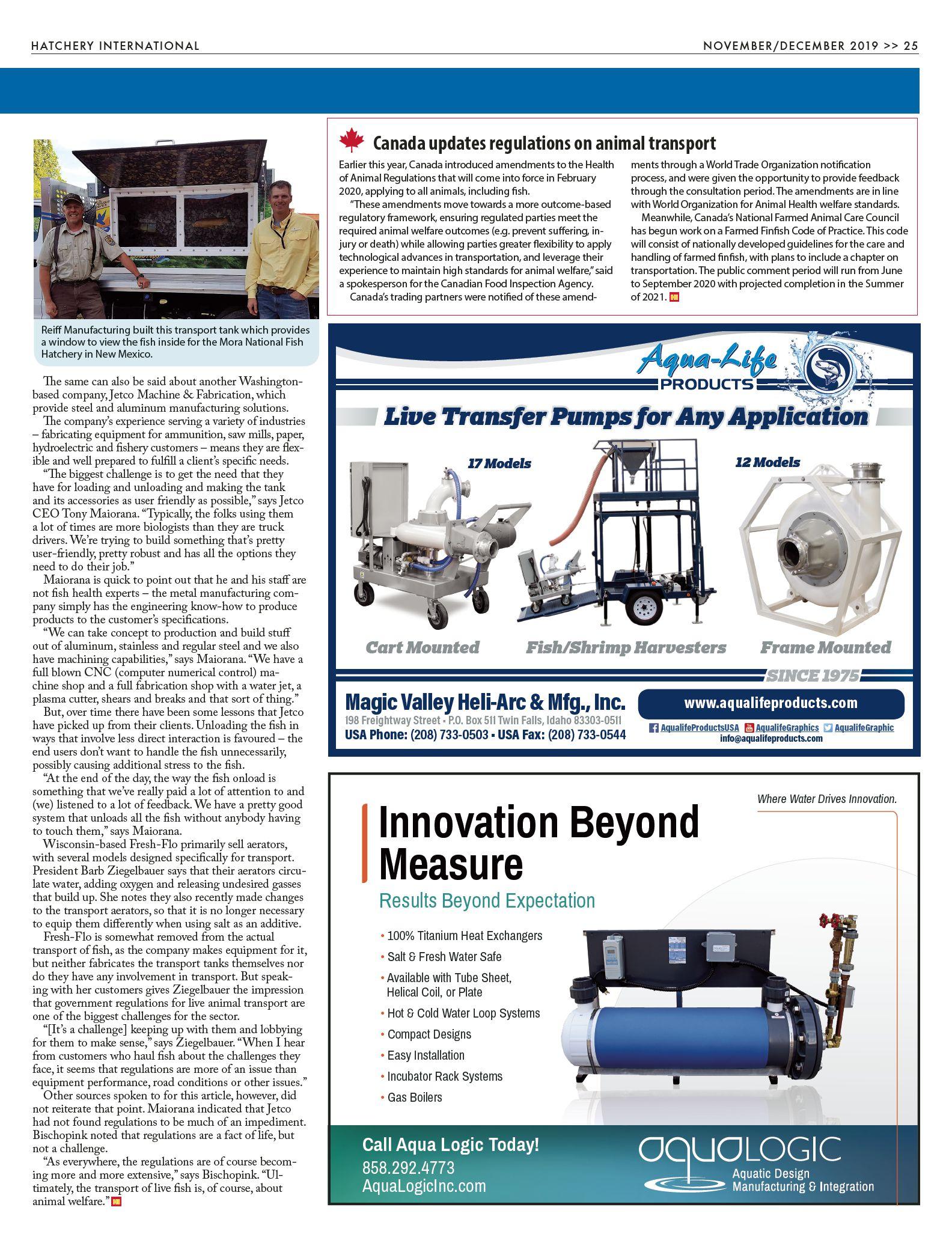
This transport tank was produced by Reiff Manufacturing for the Lac du Flambeau Tribal Fish Hatchery. Reiff has developed live transport solutions for a variety of federal, state and tribal government-run hatcheries.
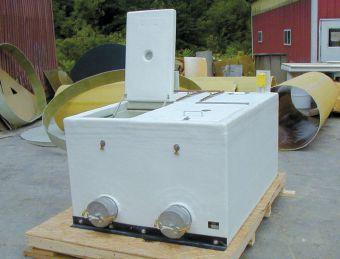
Germany-based LINN Aqua Technology provides a variety of live transport solutions, with options including automatic sluices and built in scales.
Fresh-Flo’s
Aerator
FEEDING & NUTRITION
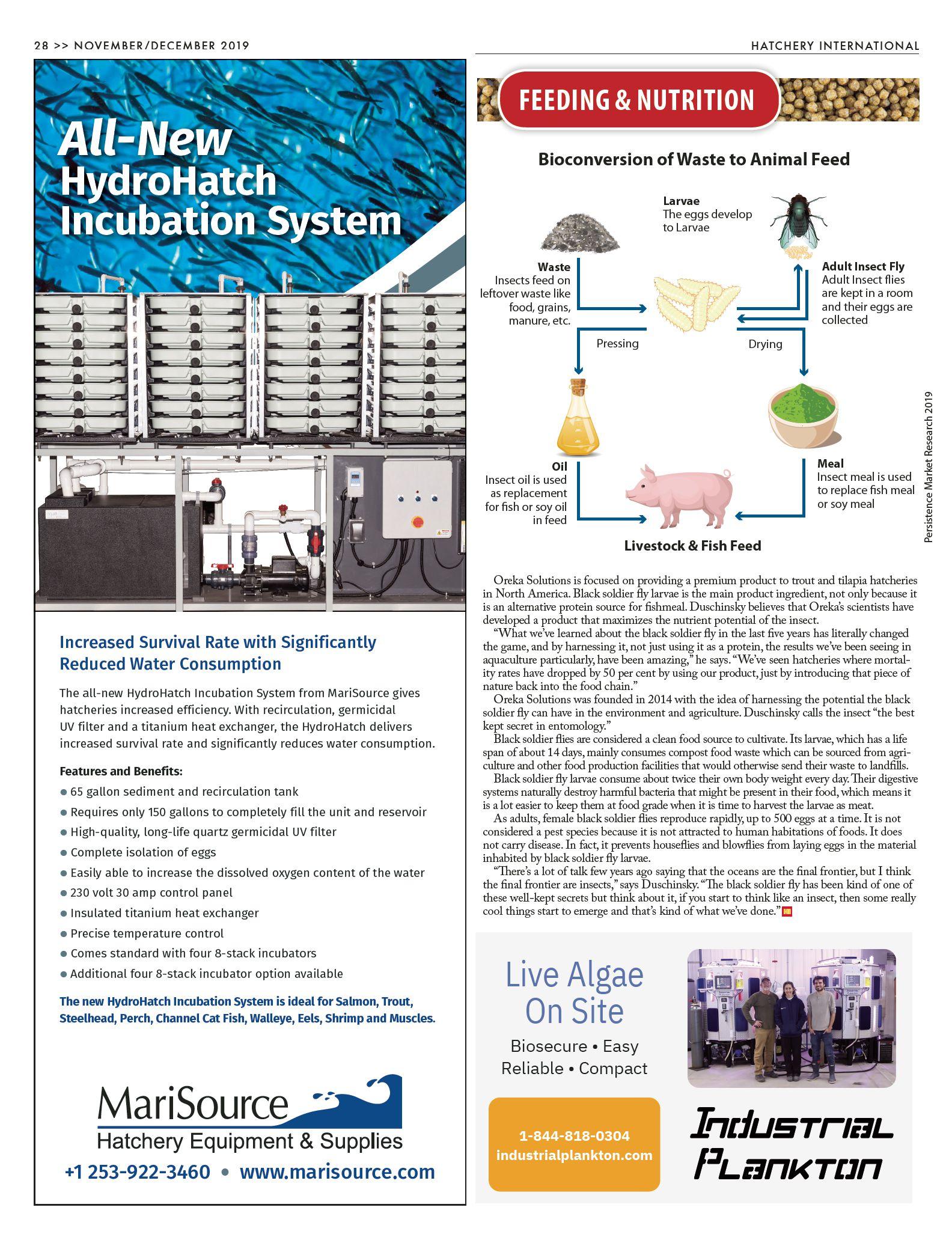
The buzz about bugs Black soldier fly unlocking the future of sustainable feed production
BY JEAN KO DIN
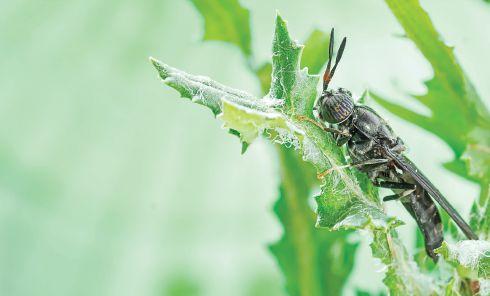
The black soldier fly is the superfood of superfoods. Scientifically known as hermetia illucens, this common fly is gaining traction in aquaculture as a key ingredient that will help the industry keep up with the world’s growing demand for fish and seafood. Not only is it a nutrient-packed protein for aquaculture, pet food, animal feed and human nutrition, but it is also one of the most efficient animals in converting compost waste into biomass. To sustainably and nutritiously feed 9.8 billion people by 2050, the World Economic Forum estimates that global food systems must transform at an unprecedented speed and scale. Aquaculture currently supplies half of the world’s demand for fish and seafood. Since many wild fishing stocks are facing intense depletions, the Food and Agriculture Organization of the United Nations says aquaculture will need to supply two-thirds of the world’s seafood requirements by 2030. Without this industry, the world will face a shortage of about 50-80 million tonnes.
The first signs of strain in this fast-growing industry can be seen in fish feed production. Falling supply and rising demand for marine protein meal is turning this once triedand-true product into a high price commodity.
In the last decade, feed manufacturers and suppliers have been looking to plant-based alternatives like soy and algae, but vegetable proteins have even higher environmental costs. Insect feed might be the next frontier in developing alternatives to supply aquaculture’s pursuit to feed the world.
RACE TO INNOVATION
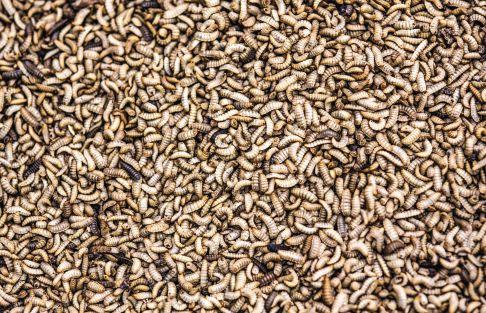
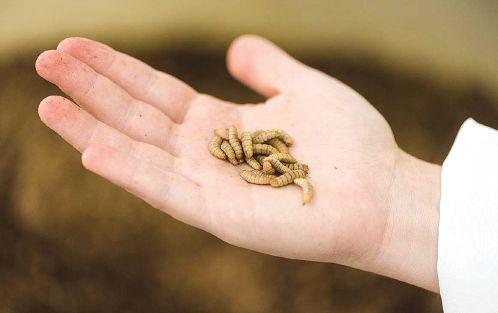
Research studies around the world continue to stack up on the benefits of black soldier fly larvae as a viable alternative for animal and fish feed. At its larvae stage (14 days), it is packed with amino acids, rich in nutrients and can contain up to 43 per cent of protein.
Skretting is a global manufacturer and supplier of aquaculture fish feed. It has been conducting internal testing of its insect feed formula since 2014. Because insects are an important natural food for wild fish, internal tests and research showed that black soldier fly larvae meal provided essential proteins and amino acids with low levels of “anti-nutritional factors.”
But like with many novel raw materials, the challenge of taking this innovation to commercial production is finding insect meal suppliers that can produce enough volume at a consistently high quality.
So, when Skretting was finally able to acquire enough supply for their pilot project in May 2018, one hand immediately shot up to volunteer their fish farm to test out the new insect meal formula.
“When we presented that we were able to get a hold of a quantity of insect meal, Nordlaks was out there straight away,” says Siri Tømmerås, who is the product manager of land-based fish farming at Skretting. “We have a good
What if you could increase your stocking densities, improve your fish yields, and decrease your production costs? Our self-contained, turnkey oxygen generators can provide you all of those benefits. With scalable configurations from 113 - 6,363 kg/day you can generate oxygen for as low as 4.4 cents/nm³.
Contact us to arrange for your complimentary cost savings calculation 1-877-416-0516
www.osioxygen.com sales@osioxygen.com
relationship with them and we also know that they are quite innovative when it comes to their production. They have a very strong sustainability approach.”
With the new supply ready in May and a new project partner in place by June, Tømmerås says they had to have a quick turnaround to launch the pilot project later that year. Nordlaks, a salmon and rainbow trout farming company in northern Norway, tested the new feed formula on its 360,000 fry.
“They were reporting numbers of feeding and also the weight of the fish, how it has responded and how the fish was behaving in the tank, and giving feedback weekly,” says Tømmerås. “We’re research people so we want to have all the facts on the table but numbers-wise, we saw a higher growth in the insect meal group but there was no significant difference… We were pleased to see that the fish liked this feed as much as the standard feed.”
Tømmerås says this is a good sign for Skretting’s research team because it means that the insect feed could be trusted in real-world applications and not just in research findings published by controlled research centres around the world.
In the company’s latest sustainability report, Skretting says it is looking to increase its insect feed production to commercial scale by 2022. It wants to work with five European suppliers, which would produce 20,000 tonnes of insect meal per year.
ALTERNATIVE ROUTES
Insect meal will never completely replace fishmeal, according to Helene Ziv, director of risk management and sourcing and international feed supplier, Cargill. Although insect meal has the same characteristics, in terms of digestibility,
hermetia illucens
protein content and amino acid profiles, it won’t eclipse the demand for fishmeal as a tried-and-true ingredient.
“(Insect meal) is very similar to fishmeal so it can replace it 100 per cent in a feed formula, but for aquaculture in general, it’s not one or the other. Both ingredients are super important for aquaculture,” she says.
Twenty years ago, fish feed was mainly made up of marine raw material because it was the easiest and most natural ingredient for fish stock. Fishmeal and fish oil rely on wild catch of small pelagic fish, such as anchovies in Peru, jack mackerel and sardines in Chile, and blue whiting, capelin and sand eels in Europe.
As supplies started to decline, feed producers began to feel the pressure. Market research by Rabobank Research Food and Agribusiness in 2015 attributes a decline in supply for small pelagics from lower wild catch and an increase in direct human consumption of these species.
“With a rising population, failing local fisheries in rivers and lakes and an increasingly higher cost of animal protein, demand for small pelagics is only expected to grow,” the report says. Rabobank’s researchers predict that fishmeal will become a “high-price, strategic ingredient” as feed producers look for other protein sources.
Cargill is one of the largest suppliers of fish feed in the world. Right now, Ziv says the company’s goal is to find new and sustainable options for its farmers, customers, governments and communities. What is most attractive about developing an insect meal is its potential to reduce environmental costs to produce protein products.
“We have made some studies as to what is the best larvae or the best fly and there are a few other production alternatives, but we think the black soldier larvae is the most suitable for feed,” says Ziv. “I would say it’s a combination of quality, research results and the capability of this product to be scaled-up in volumes.”
Ziv says Cargill’s research centre has been developing insect meal formulas for several years, also developing insect oils for poultry feed products. However, its new partnership
with French biotechnology, InnovaFeed, has allowed them to scale the feed production enough to test out their formula in a real-life fish farm, Lerøy Seafood in Norway.
After a year of successful trials, Cargill is partnering with more European fish farms and hatcheries to test out their fish feed formulas. However, Ziv says it will still be a while before Cargill is ready to set a price on their products.
“There is no real public market or price right now. The insect feed on pilot are not yet a fair representation of what the price will become. The first large-scale plant with our partner, InnovaFeed, will be in place at the end of this year or maybe January 2020,” says Ziv. “We know it will bring a lot of value to our customer, in terms of the solutions that we can bring.”
INSECT FARMING
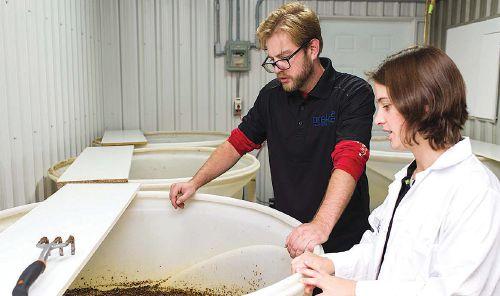
Insect farming facilities, like Oreka Solutions in Ontario, Canada, are growing quickly to keep up with the demand for high quality product. CEO Jon Duschinsky says the main challenge of scaling up their products is engineering.
“If you’re a chicken farmer, you go to the companies that build chicken farms to get everything you need. There are well-established, standard operating procedures for you to do that. But who would you call up about building an insect farm,” says Duschinsky.
The insect farming sector is currently a small tight-knit community of entrepreneurs, scientists and engineers. But producing products at a large, commercial scale is something that each company is developing in their own way, says Duschinsky.
A 2018 study by Rabobank Research Food and Agribusiness reports a 40 per cent increase in investments in the insect industry over the last four years. Some of the largest investments were received by companies who are growing black soldier flies, such as AgriProtein, Protix and InnovaFeed.
“Producers need to upscale to meet the continuous demand for insect proteins, and to reduce production costs in order for insects to compete with fishmeal and other alternatives,” the report says.
Model hatchery COVER
COLLABORATION
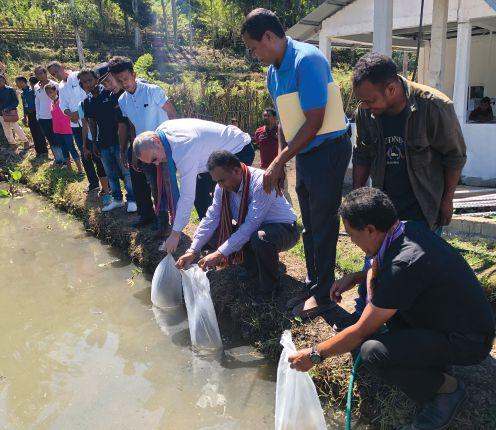
As part of the Partnership for Aquaculture Development in Timor-Leste (PADTL), a five-year project funded by the New Zealand Aid Program, genetically improved farmed tilapia has been a feature in Timor-Leste since April 2015, when WorldFish in Penang, Malaysia, sent broodstock to a government hatchery in Gleno, Ermera. Thanks to this, a growing number of rural households took up fish farming, driven by increasing knowledge of a locally tested and proven approach to farming tilapia through the adoption of Better Management Practices Guidelines.
But with demand for GIFT seed exceeding supply, access to quality seed has become limited. Timor-Leste’s first PPP model tilapia hatchery was established in response to this challenge. The hatchery is expected to produce and disseminate GIFT monosex fingerlings year round.
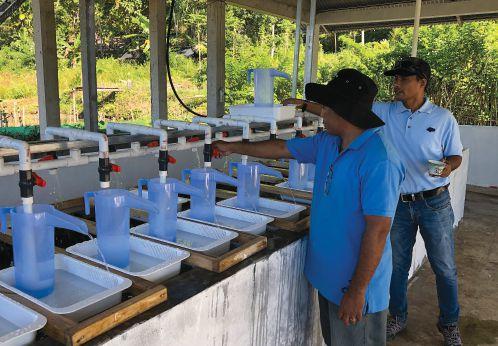
“The hatchery was planned and built from November 2018 to April 2019,” said Dr. Jharendu Pant, senior aquaculture scientist and PADTL project leader, WorldFish. “An existing eight ponds were rehabilitated, building and incubation systems constructed, and hatchery staff trained, at home and overseas.”
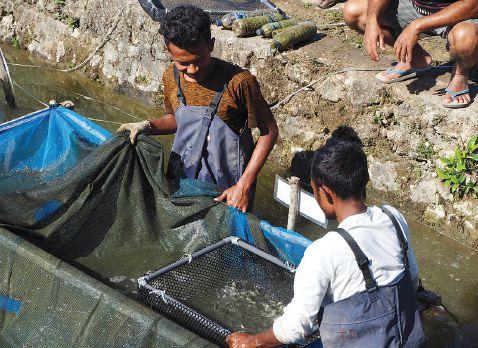
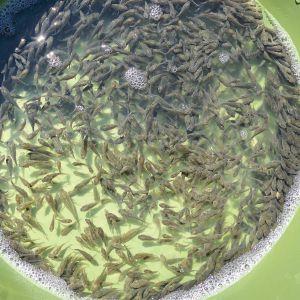
The hatchery aims to produce around one million eggs a month, with total fingerling production expected to be around a third of the total eggs produced. Broodstock will be fed with floating pellets at 1.5 per cent of their body weight, while eggs will be collected weekly and incubated in jars and trays. Swim-up fry will then be transferred to SRT (sex-reversed tilapia) nylon hapas and fed with methyl testosterone hormone-treated feed for 21 days, before moving to nursing hapas and nursed for six weeks with supplementary feed.
Biosecurity is strict. Any dead fish are removed immediately and buried into the soil, while the water in the incubation area is recirculated after passing through sand filters to avoid effluent discharge.
In addition to the benefits afforded to fish farmers, such as better access to quality fingerlings that will be sold at relatively cheaper prices, the hatchery is likely to positively impact Timor-Leste’s aquaculture, local communities and
food and nutrition security. Although it may take six months to a year of continuous technical backstopping for the hatchery to become self-sustaining, Pant is confident that it will be key to local aquaculture.
“Timor-Leste’s national aquaculture development strategy sets out some key targets for 2030 – increasing fish production to 12,000 tonnes a year and reducing malnutrition by increasing fish consumption,” said Pant. “Tilapia is likely to contribute to around two-thirds of the country’s total aquaculture production, and the role of the hatchery will be significant.”
There will also be new business opportunities for nursery operators, he added. The hatchery will sell SRT fry to nurseries that will nurse them until the fingerling stage before selling them to local farmers.
“We plan to continue replicating this model and supporting the establishment of PPP-model hatcheries across Timor-Leste,” Pant said.
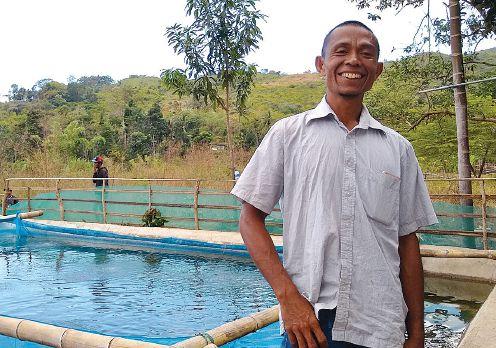
Workers at the private GIFT hatchery in Leohitu, TimorLeste hard at work to meet the target of producing one million eggs and more than 300,000 fingerlings per month.