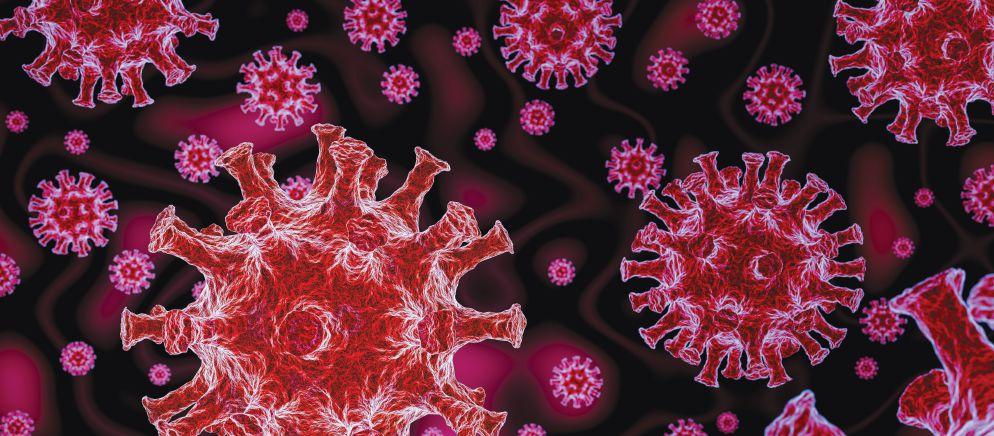
From national emergencies to lockdowns and travel bans the continued global spread of the novel coronavirus (Covid-19) has every industry bracing for the worst – and the aquaculture industry is no exception.
With the World Health Organization officially declaring a global pandemic, and the number of infected people surpassing 390,000 worldwide – with a death toll of more than 12,000, as of this writing – organizations across the board and around the world are faced with unprecedented decisions that fundamentally change the way they conduct business and manage their workplaces.
China is still reeling from the outbreak as more than 81,000 of its citizens have been infected and more than 3,200 killed by Covid-19. All indications, however, cur-
rently point to at least a slowing down of the spread in that country – but not without leaving behind a trail of economic casualties. China’s global production recorded an all-time low as factories closed and shipping and cargo transport slowed down.
It’s neighbouring countries in Asia have responded in varying degrees all in an effort to contain and slow down the spread of the virus in their local communities. Malaysia has imposed a nationwide travel ban, restricting Malaysians from traveling outside the country and preventing international visitors from coming in. Singaporeans are worried about food and other supplies resulting in panic buying as people prepare for potential lockdowns, according to a report from CNN. Singapore imports 90 percent of its food supply.
continued on page 8
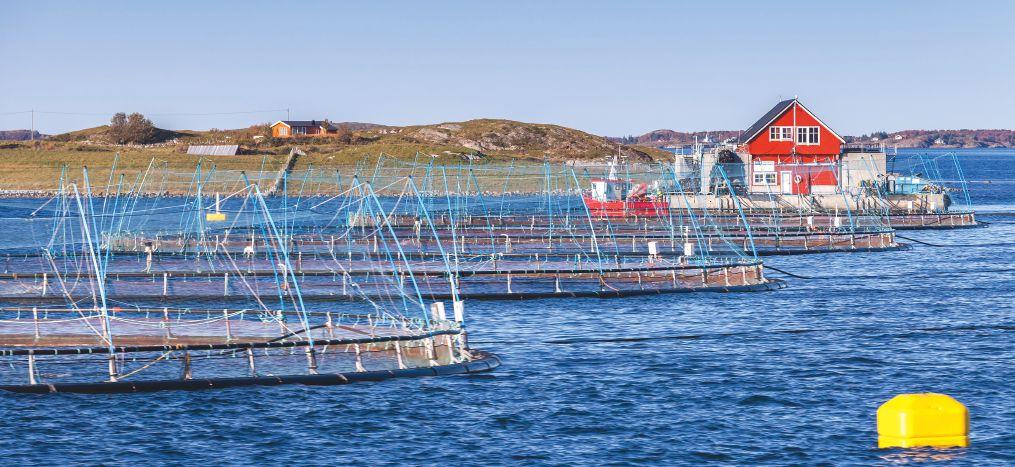
Farmed Chilean sea bass ready for primetime
After twelve years of research and tons of ups and downs, this unique project transitions from pilot to pre-commercial production
BY CHRISTIAN PÉREZ-MALLEA
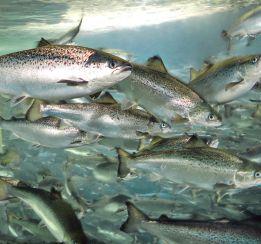
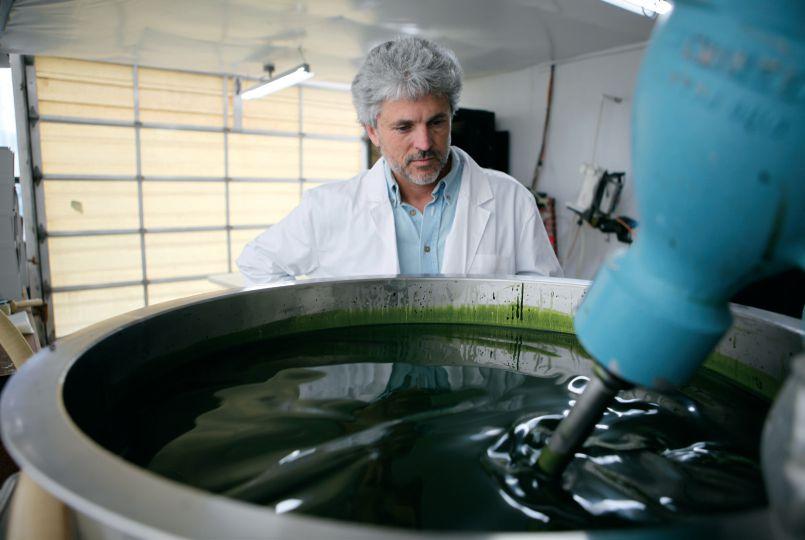
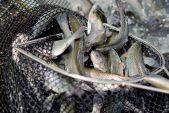
Ateam of researchers headed by local marine biologist Alberto Reyes has completed farming all life stages of Chilean sea bass (Dissostichus eleginoides), becoming the first successful effort to capture, breed and rear this species in captivity. The work of these researchers on Chilean sea bass, also known as Patagonian toothfish, have been published in several journals.
As an outcome of this research study, the team has established the company, Seabass Chile, to organize its farming operations and administrative activities, and eventually scale up the project to pre-commercial and commercial production.
In the mid-term, Seabass Chile expects to reach an annual production of around 100 tons, with a final production goal of about 1,000 to 1,500 tons per year, to avoid any market imbalances.
continued on page 12
The business of science
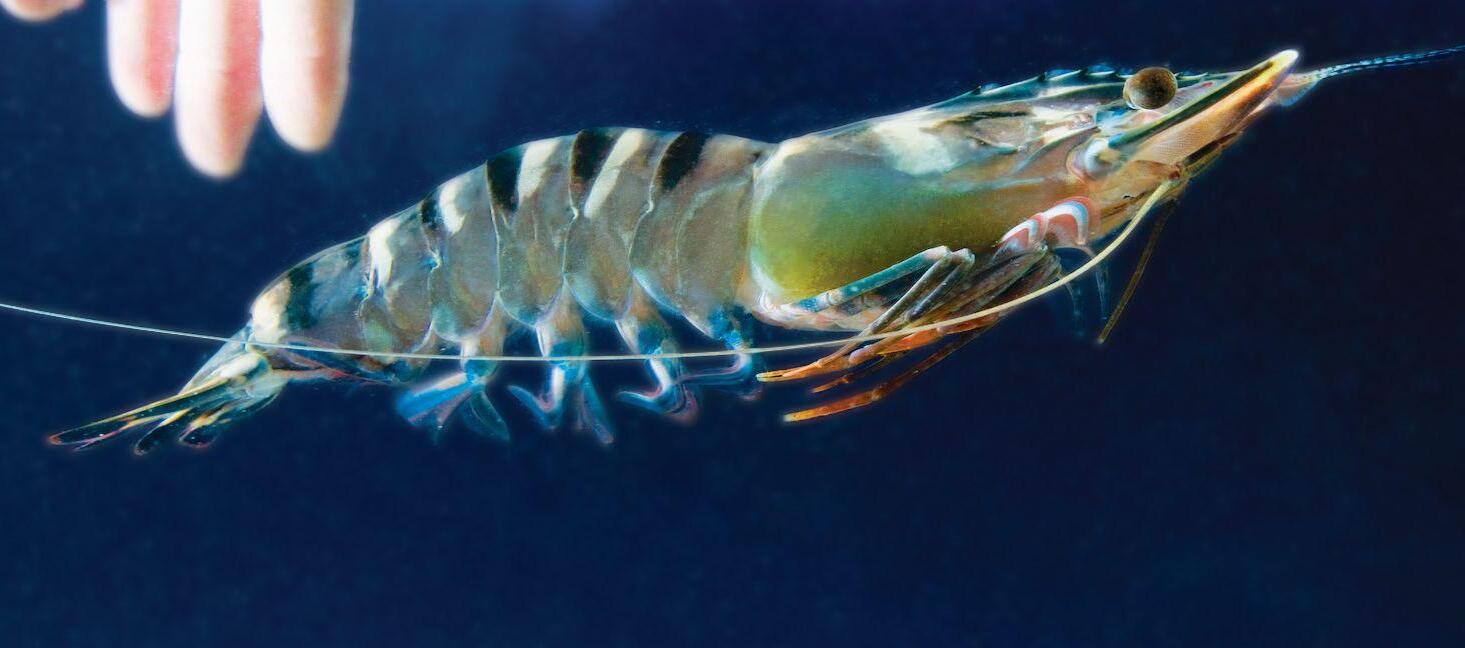
Scientist and entrepreneur Jim Wyban weighs in on the future of shrimp culture
BY MARI-LEN DE GUZMAN
Jim Wyban helped develop the game-changing specific pathogen-free (SPF) shrimp, which put Hawaii on the global aquaculture map and changed the trajectory of shrimp farming across the globe. His former company, High Health Aquaculture, pioneered the commercialization of SPF shrimp broodstock and helped build a $30-million-a-year Hawaiian SPF broodstock industry in the 1990s. Wyban has since sold High Health Aquaculture, and is currently doing consulting work on breeding and hatchery for shrimp and other marine species.
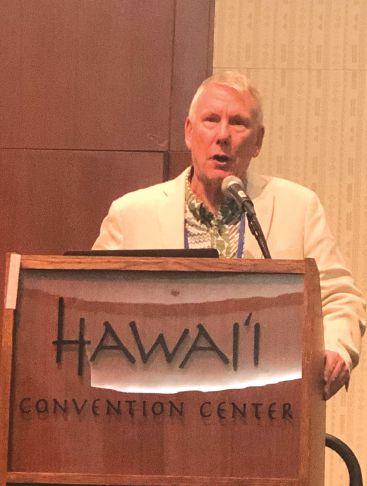
Hatchery International caught up with Wyban at the 2020 Aquaculture America conference in Honolulu, where he was a plenary speaker.
continued on page 14
Publications Mail Agreement #PM40065710
RETURN UNDELIVERABLE CANADIAN ADDRESSES TO 111 Gordon Baker Road, Suite 400, Toronto, ON M2H 3R1
MARI-LEN DE GUZMAN
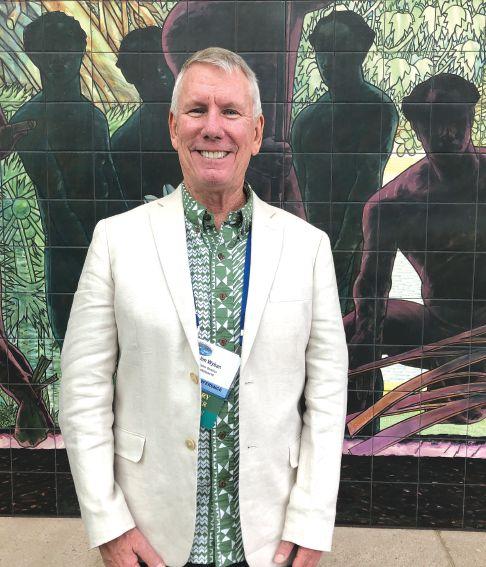
Jim Wyban, director, Marine Genetics LLC
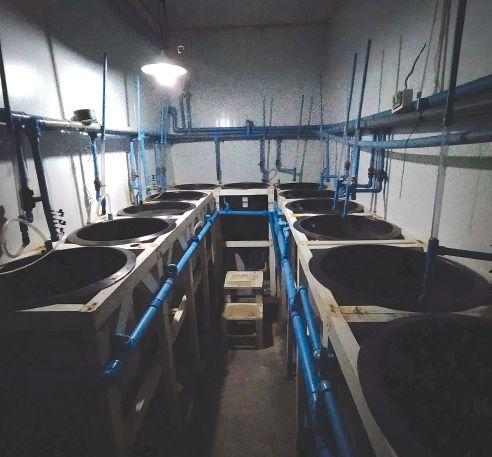
Incubation room. The spawning period usually takes place during the summer months.
ng’s RCX feed range for Atlantic salmon grown in RAS has a number of Skretti
Skretting’s RCX feed range for Atlantic salmon grown in RAS has a number of advantages over traditional feeds. RCX reduces the risk for producers through optimising the digestibility of the feeds, reduces the impact of indirect waste into the systems by improving faecal stability, and ensures consistent structural integrity through certified factory auditing.
Contact your local Skretting sales representative for more information.
www.skretting.com
FROM THE EDITOR
Pandemic preparedness
BY MARI-LEN DE GUZMAN
Editor Mari-Len De Guzman, mdeguzman@annexbusinessmedia.com
Associate Editor Jean Ko Din, jkodin@annexbusinessmedia.com
Regular Contributors Ruby Gonzalez, Ron Hill, Matt Jones, Chris tian Pérez-Mallea, Vladislav Vorotnikov
Advertising Manager Jeremy Thain, jthain@annexbusinessmedia.com
Tel. +1-250-474-3982, Toll-Free (North America) 1-877-936-2266
Audience Development Manager Urszula Grzyb ugrzyb@annexbusinessmedia.com • Tel: 416-510-5180
Fax: 416-510-6875 or 416-442-2191
Production Svetlana Avrutin, savrutin@annexbusinessmedia.com
Group Publisher Todd Humber, thumber@annexbusinessmedia.com
COO Scott Jamieson, sjamieson@annexbusinessmedia.com
PUBLISHED BY ANNEX BUSINESS MEDIA 105 Donly Drive South, Simcoe, ON N3Y 4N5
Hatchery International is published six times a year by Annex Business Media. The authority for statements and claims made in Hatchery International is the responsibility of the contributors. Reference to named products or technologies does not imply endorsement by the publisher.
A subscription to Hatchery International (six issues) is $37.00 within Canada, $48.00 CAD within North America and $62.00 CAD outside North America. To subscribe visit our website at www.hatcheryinternational.com
Circulation Costumer Service
Email: ugrzyb@annexbusinessmedia.com
Tel: 416 510 5180 • Fax: 416-510-6875 or 416-442-2191
Mail: 111 Gordon Baker Road, Suite 400 Toronto, ON M2H 3R1
Printed in Canada. Publications Mail Agreement #PM40065710
The advertising deadline for the July/August issue is May 15th. Don’t miss the opportunity to be part of this exciting aquaculture publication. For more information, or to reserve space in the next issue, call our Advertising Department at +1.250.474.3982 jthain@annexbusinessmedia.com
Next Editorial Deadline
The editorial deadline for the July/August issue is May 15th.
Contact Mari-Len De Guzman at mdeguzman@annexbusinessmedia.com for details. Material should be submitted electronically with prior arrangement with the editor.
Businesses across industries are feeling the economic repercussions of the spread of Covid-19, as shutdowns, travel restrictions and the general unease among consumers impact their bottom-lines. vast majority of workers suddenly find themselves out of a job. With no clear indication as to when they can go back to work, they are forced to dip into their savings – if they even have any – to pay for their day-to-day expenses: food, bills, mortgage. Government financial aids and economic bailout packages provide a temporary relief. But for how long?
The world is at a standstill and bracing for what analysts are warning could be a global recession.
The aquaculture industry is starting to feel the impact of this slow economic activity, as more hotels, restaurants and the service industry temporarily shut down to comply with public health officials’ call for social distancing and self-isolation in order to “flatten the curve” – pertaining to the ongoing progression of Covid-19 infections.
Anecdotal evidence from our conversations with producers and suppliers reveal what could be a downward trend in sales as seafood wholesalers reduce or even stop their orders.
For now, hatcheries seem to be operating under a business-as-usual mindset as they strive to ensure fish producers have uninterrupted access to eggs and fry to fuel production.
Other aquaculture producers are finding some alternative measures to make up for declining sales from their usual clients. This is particularly true for land-based aquaculture producers. In a recent RAS Talk podcast episode, John Ng, CEO of Hudson Valley Fish Farm in Hudson, New York, tells us that while their usual wholesale orders have
stopped, they find that demand for fish from retailers and food delivery services are up, and they are able to divert their steelhead salmon produce through these channels.
Even then, workplaces across the industry are facing a new reality. Non-essential employees are being asked to work from home, and essential workers, such as those working in production floors, are working in shifts so that only a few are on the floor at any given time to implement social distancing measures.
The best-run companies will have a pandemic or emergency preparedness plan in place to deal with this extraordinary situation. These pandemic preparedness protocols should not only outline the procedures for business continuity. It should also contain worker support and communication plans. The most valuable asset a company has – whether during a pandemic or in ordinary times – is its people. The health and wellness of your workers should be part of any business continuity protocol.
The impact of Covid-19 to the world’s economy is, understandably, a significant issue. The collateral damage from Covid-19, however, is not just the financial health of corporations. The psychological and emotional stress during these challenging times are taking a toll on the workers’ health – and the best thing employers can do is help ease these anxieties. Through consistent, clear communication and practice providing assurances that worker health and safety is as important as the company’s bottom-line will go a long way during these trying times. We are all in this together.
Have you got a story tip or a hatchery operation with a great story to tell? Send me an email at mdeguzman@annexbusinessmedia.com.
Editor’s Note: Due to evolving developments surrounding Covid-19, aquaculture events have been undergoing scheduling changes. To avoid providing inaccurate information, as the situation remains fluid, we will not be running the Events Calendar this issue. Please check our website, www.hatcheryinternational.com for most up-to-date information on 2020 conferences and tradeshows.
NEWS BRIEFS
PANDEMIC
Pandemic concerns cause postponement of major seafood expos
This year’s Seafood Expo North America/Seafood Processing North America, which was scheduled for March 15 to 17 in Boston, has been postponed due to concerns surrounding the coronavirus (COVID-19).
The decision came after weeks of “monitoring the evolving situation” of the virus outbreak globally, said the organizer, Diversified Communications, in a statement.
“This decision has been difficult because of the major importance of this event to the industry. We heard from those of you who were concerned about health, safety and travel restrictions, and given the short time before the scheduled event date, and upcoming logistics, we have determined that postponement at this time is unavoidable,” the statement said.
The organizers added it’s still trying to work on conducting an event in North America this year. Details of these will be communicated in the coming months.
For those who had planned to attend this show, Diversified will address questions about refunds.
“Please look for important follow up communications from Diversified and vendors that will include logistical details resulting from the postponement. Diversified Communications is committed to do right by its customers by offering the choice of rolling over exhibit space payment to the future 2020 event or to the March 2021 event in Boston,” the statement said.
The company, which also hosts the Seafood Expo Global, which was to be held April 21 to 23 in Brussels, Belgium, said that event has also been postponed.
Scottish salmon farmers take measures amid pandemic
The Scottish salmon farming sector is taking some measures to alleviate the impact of the coronavirus outbreak to its businesses.
In a statement, the Scottish Salmon Producers Organization (SSPO) said flight restrictions and route cancellations have hampered the ability to supply Scottish salmon to major markets around the world. Salmon is the number one food export in the United Kingdom.
“As a result, we are working with the Scottish and UK governments and environmental regulators to keep fish in the water for longer, where this is appropriate, and looking at other measures to give our members more flexibility in dealing with these market disruptions,” said Hamish Macdonell, director of strategic engagement for SSPO.
“It has so far been relatively straightforward working through these measures as the preparatory work was done ahead of a possible ‘no deal’ Brexit last year, when similar market problems were anticipated.”
Macdonell stressed that the UK market for salmon remains strong as customers have started to stock up on food in anticipation of further restrictions.
“Some of our member companies are looking actively at market substitution as a way of coping with the ongoing drop off in demand from other parts of the world,” Macdonell said.
The continued spread of Covid-19 has also resulted in the cancellation of major international seafood tradeshows, including the Seafood Expo North America in Boston, and the Seafood Expo Global in Brussels.
The World Health Organization in March officially declared the Covid-19 outbreak a global pandemic.
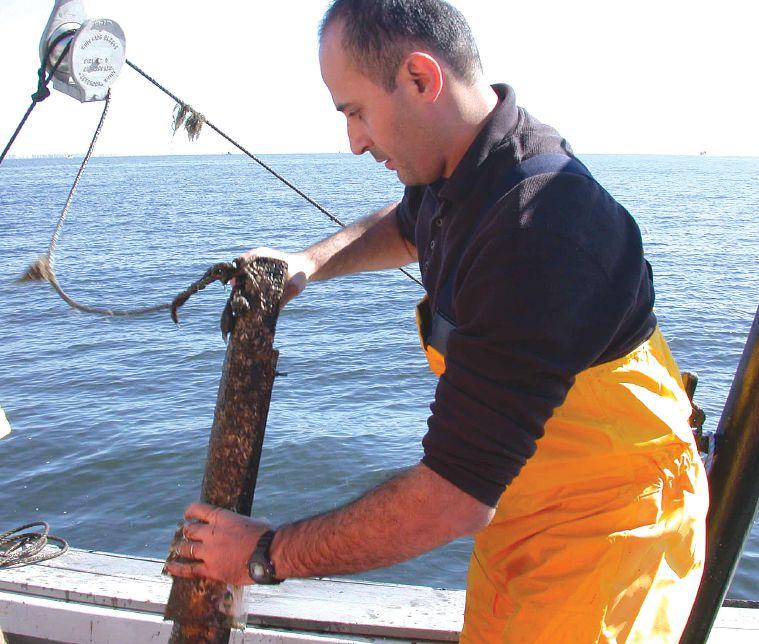
New York takes action against invasive zebra mussels at Rome Hatchery
The New York State Department of Environmental Conservation (DEC) announced the discovery of invasive zebra mussels in an outdoor raceway at the Rome Fish Hatchery. In response, the department is ensuring that fish from the hatchery will only be stocked in waters already inhabited by zebra mussels. Other decisions about the type and numbers of fish stocked in other water bodies are currently being undertaken by DEC fisheries managers.
Zebra mussels are native to Eurasian fresh waters, and are theorized to have arrived in the Great Lakes in the 1980’s through ballast water discharged from European ships. The mussels can negatively impact
ecosystems in a variety of ways, including incapacitating native mussels and filtering out algae that native species rely on for food.
Lori Severino, DEC public information officer, says that it is not clear how zebra mussels entered Delta Lake, the hatchery’s water source. However, efforts to remove the mussels from the hatchery raceway in which they were found are unnecessary at this time.
“Very few zebra mussels have been found to date and most of what has been discovered is in the veliger (larval) stage,” says Severino. “Inflow and outflow pipes continue to flow freely and no mechanical harm has taken place as of yet.”
Severino notes that removing the mussels from the lake itself is virtually impossible and while technology does exist to filter mussels from the incoming water supply, it is not 100% effective. As such, DEC is evaluating other mitigation options.
In the meantime, Severino encouraged boaters and fishermen in the area to follow the “clean, drain and dry” protocol, to ensure invasive species are not moved from one waterbody to another.
“The young stages of zebra mussels are microscopic and can be transported in water containing compartments, bail buckets, etc,” says Severino. “In addition, older zebra mussels (which can still be quite small) can attach to boat hulls, trailers and aquatic plants.”
The Rome Hatchery raises over a million brown and brook trout eggs annually for stocking in 11 New York counties.
– Matt Jones
Photo: jarun011 / iStock / Getty Images Plus /Getty Images
PANDEMIC
The discovery of invasive zebra mussels in an outdoor raceway at the Rome Hatchery will cause adjustments to the state’s fish stocking plans.
Russian hatcheries restore black caviar on the market
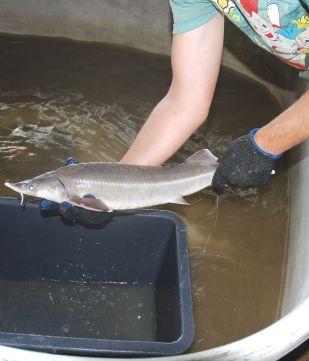
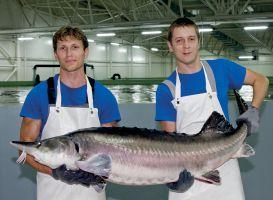
Thanks to efforts from several state-owned Russian hatcheries in restoring the sterlet (Acipenser ruthenus) population in the country’s rivers, this species has reversed its status and is no longer considered among endangered species, according to Russian authorities.
As a result, the price of black caviar on the market has hit one of its lowest levels.
Russian oil and gas giants are obliged to compensate any harm their industrial operations may cause to the environment by signing contracts with hatcheries to breed fish fry that will be released into rivers.
In the past three or four years, under those ecological campaigns, Russian hatcheries have begun breeding sterlet in “unimaginable quantities,” Moscow-based think tank Russian Business Consulting said.
Sterlet was historically considered “a dish of Tsars” in Russia. The price of one sterlet fingerling is about Rub30 ($0.40). For oil and gas companies, this is one of the cheapest fish to breed in order to fulfill its environmental-protection obligations, Russian Business Consulting added.
As a result, “tens of millions of sterlet fry are being released in the Russian rivers every year.” Sterlet was on the brink of extinction during the 2000s because of large-scale poaching, so the government implemented a ban on catching them.
Now, the tables have turned, as the rapidly growing population of starlet could could destroy the feeding base of bream (Abramis), crucian carp (Carassius carassius) and pike (Esox lucius), Russian news outlet Primechanye reported, citing fisherman Ivan Ovechkin.
The prices for black caviar on the Moscow market could reach Rub60,000 ($900) per kg. If the restrictions on catching starlet are removed, the prices could slump to Rub20,000 ($300), especially since it is unlikely that the ecological campaign aimed at increasing sterlet population in the country would be ending anytime soon, according to Primechanye.
-Vladislav Vorotnikov
Study probes increasing fillet yield in rainbow trout
ainbow trout fillet yield may be improved by selective breeding. This process, however, poses a number of challenges. Researchers have noted, among other things, that it cannot be measured on live breeding candidates and its phenotypic variation is low.
RA team in France worked with carcass and demonstrated that “residual headless gutted carcass weight (rHGCW) is heritable and highly genetically correlated to fillet yield in rainbow trout, and can be predicted by the ratio of abdominal wall thickness to depth of the peritoneal cavity (E8/E23), measured on live fish by ultrasound tomography.”
This was documented in a research article, First evidence of realized selection response on fillet yield in rainbow trout Oncorhynchus mykiss, using sib selection or based on correlated ultrasound measurements, by Mark Vendeputte, et al, and published in Frontiers in Genetics.
“In the present study, we performed divergent experimental selection for fillet yield in a rainbow trout population, comparing sib selection on residual headless carcass weight, indirect selection on E8/E23 measured on the candidates, and a combination of both. Parents were selected based on the two indices, and their offspring was evaluated for fillet yield and other morphological indices at 1.5 years of age, in order to evaluate realized selection response,” the study authors said.
It showed that offspring from groups Both+, rHGCW+ and E8/E23+ had a higher estimated breeding values (EBV) for rHGCW than the control group, while down-selected groups had a lower EBV.
EBVs are the value of an individual as a genetic parent. The lower the heritability of a trait under selection, the slower the herd will improve.
“Selection using sib information on rHGCW was on average more efficient than selection using the candidates’ own E8/E23 phenotypes, and downward selection (decreasing fillet%) was more efficient than upward selection,” they said.
This study on increasing fillet yield has been influenced by requirements in France for bigger fish. “In France, production historically moved from a vast majority of pan-size (250–350 g) trout to mostly large (>1 kg) and very large (>2.5 kg) trout aimed at production of fillet, which are consumed fresh or smoked. Thus, fillet yield has become an increasingly interesting trait for French fish breeders,” they explained. There are more advantages to increased fillet yield other than catering to market preferences.
“Fillet yield, the proportion of edible fillet relative to body weight, is a major trait to improve in fish sold processed, as it has a direct impact on profitability and can simultaneously decrease the environmental impact of producing a given amount of fillet,” they said.
-Ruby Gonzalez
Florida research cites breakthrough in American red snapper culture
BY RUBY GONZALEZ
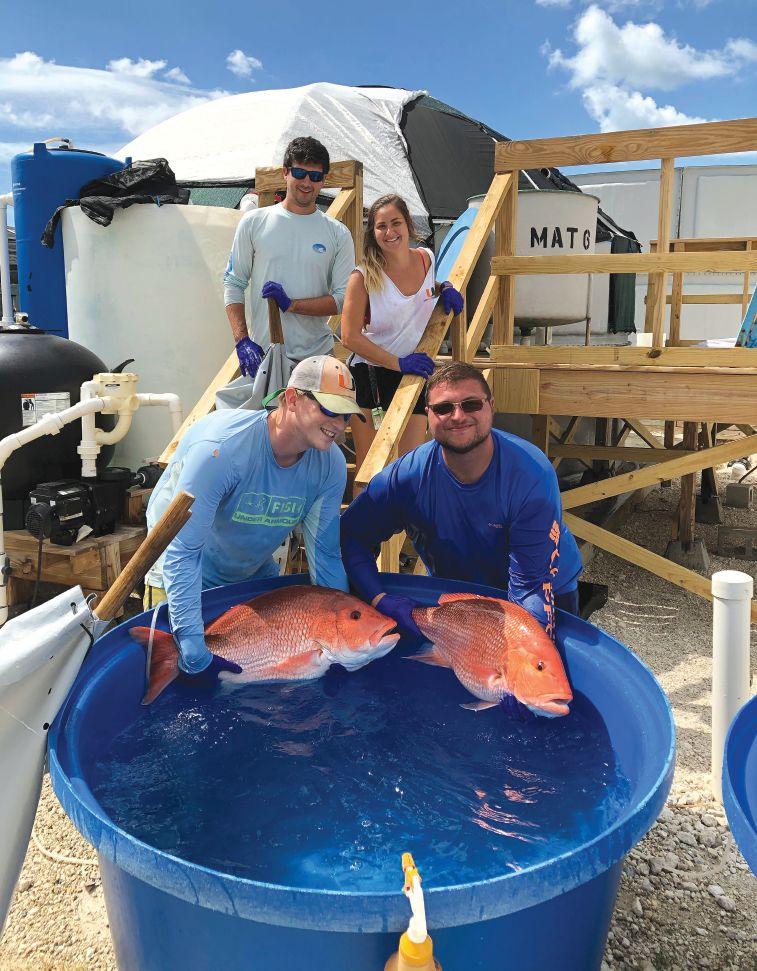
The University of Miami in Florida has successfully conditioned red snapper (Lutjanus campechanus) broodstock to spawn volitionally on and off season, producing tens of thousands of fingerlings and juveniles. This development has sparked interest in the possibility of raising the “American” species commercially for the first time, in the U.S. or elsewhere.
“Our hope is to cultivate the expansion of this interest and, ultimately, facilitate the de-
PUMPS FOR AQUACULTURE
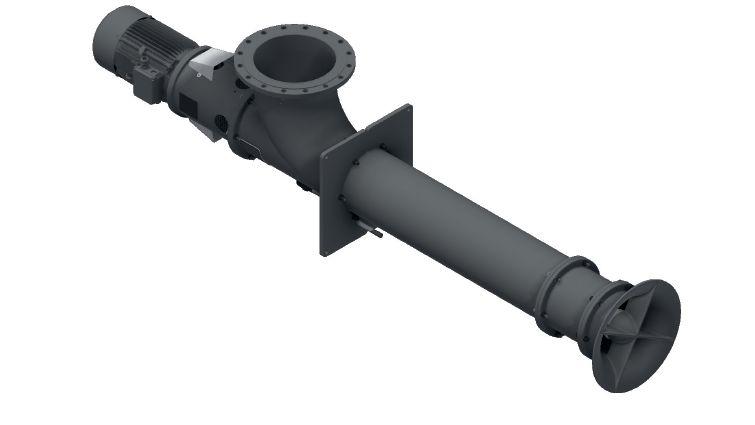
Good circulation is decisive for profitable aquaculture. Do you want unequalled operational reliability, energy savings, and operating efficiency many years ahead?
velopment of farms dedicated to raising the species specifically,” Charles McGuigan told Hatchery International. He is a member of the UM Aquaculture Team behind the breakthrough and a PhD student at the University of Miami, Rosenstiel School of Marine and Atmospheric Science.
Over 10,000 fingerlings have been provided to UM partners and private growers around Florida. The farms typically grow other species of red snapper.
“There has been a great deal of excitement from these groups about the possibility of continuing to raise red snapper moving forward because it is such an iconic species in the U.S.,” said McGuigan.
CLEARING THE CHOKE POINTS
The team believes there are no fish farmers in the U.S. or other countries growing the American red snapper. “There are farms producing other snapper species in the Americas, but none of them are native to the U.S.,” he said.
Inconsistent spawning and difficulties in larval rearing have been identified as choke points on the progress towards the development of reliable hatchery technology for red snapper. The team delved into the effect of photoperiod on growth, development, feed consumption, and survival of the species.
“Photoperiod has been shown to be one of the most influential environmental variables in the larval rearing of marine finfish. The effects are species-specific; some species may grow more quickly and eat more prey items when exposed to a longer duration of light, while the opposite may be true for other species.
“The same rationale is true of the swim bladder; while some larval finfish accomplish swim bladder inflation when exposed to punctuated periods of darkness, in others, a longer period of illumination cues inflation more effectively. Ultimately, survival is the most important outcome in any larval rearing and it can be influenced by all of the factors mentioned above,” he explained.
PROPER BUOYANCY
He stressed the importance of the swim bladder, which regulates buoyancy. Proper buoyancy control helps larval fish feed. It likewise allows it to remain oriented properly in the water column, keeping it from encountering any additional pathogens that tend to accumulate at the bottom or walls of the tank.
The study also demonstrated that red snapper can be raised solely on rotifers from first feeding through early larval stages, which he considered to be “extremely important from a commercial perspective,” not only for red snapper but for all marine finfish larva.
“Our ability to demonstrate the viability of rotifers is a major hurdle for the development of a red snapper industry in the U.S. and elsewhere,” he said.
Past laboratory experiments had relied quite heavily on copepods. While it is suitable for research purposes, the cost for commercial operation could be substantial because copepods are difficult to raise in high densities and, consequentially, cultivating large quantities becomes very expensive.
RESULTS
Trials were conducted using 24 and 18 hours of full-spectrum light. Total survival across treatment groups through 12 days post-hatch (DPH) was 66 percent; survival was 31percent at 26 DPH, and final survival at 45 DPH was 5.5 percent.
They conducted two larval rearing studies using the same protocol, with the second achieving “slightly better results.”
McGuigan said, “Compared with other labs that have worked with red snapper in the past, our survival rates are among the highest that have been achieved.”
Tanks maintained with 24-hour light showed completion of swim bladder inflation in >95 percent of larvae sampled by nine DPH. Those in 18-hour photoperiod showed only 60 percent swim bladder inflation at this sample date. By 12 DPH, all tanks showed >95 percent swim bladder inflation.
The project received funding from the NOAA-Sea Grant project for marine fish aquaculture development in the U.S.
in corrosionresistant propeller pumps, closely adapted to the needs of the individual customer.
www.lykkegaard-as.com
UM Aquaculture Team handling red snapper broodstock that have been successfully conditioned to spawn volitionally on and off season, producing tens of thousands of fingerlings and juveniles.
(Credit: Dan Benetti, PhD)
Vaccination robot project given 5-gram fish challenge
BY COLIN LEY
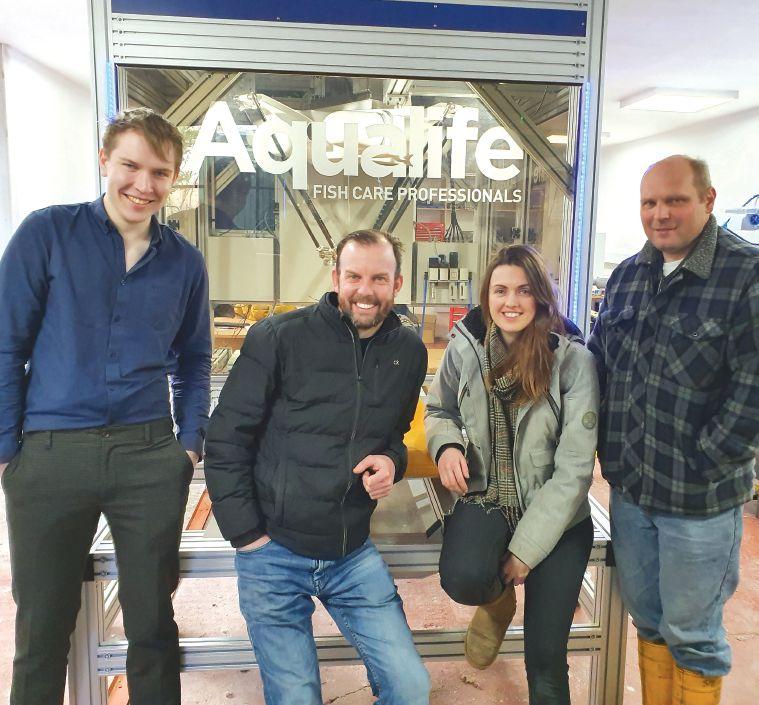
The development of a fish vaccinating robot, equipped to cope with fish sizes as low as five grams, has begun in Scotland with the promise of ensuring that on-farm trials are ready to start by March/April 2021.
The £500,000 ($612,302) design and build project is being undertaken by an in-house team at Stirling-based Aqualife, a global fish vaccination firm that was launched 24 years ago, utilising both manual and machine-based systems.
Aqualife describes its new vaccination robot project as a “transformational” step for the industry. It is expecting the total build to take 18 months with the work starting in March this year.
“While automatic systems already exist for larger fish, our new unit will be designed to handle fish from five to 30 grams,” said chief executive Gordon Jeffrey, adding that it will allow producers to increase productivity by growing their fish out of hatcheries far sooner than is currently possible.
The development of the new robot, to be called Incubot 2, is partly funded by a £250,000 award from the Seafood Innovation Fund. The fund is financed in advance by the Centre for Environment, Fisheries and Aquaculture Science (CEFAS), which is an executive agency of the UK Government’s Department for Environment, Food and Rural Affairs.
“The species we currently have in view for this development are tilapia, trout and pangasius,” said Jeffrey. “We’ve already laid plans for the robot to go into on-farm trials at around this time next year with a major trout producer.”
The aquaculture industry in Scotland aims to double its economic contribution from an estimated £1.8 billion in 2016 to £3.6 billion by 2030, Jeffrey pointed out. He added that to achieve such a goal, producers would need to develop solutions to reduce fish losses, particularly those linked to disease issues.
“Vaccines are becoming increasingly important in helping farmers achieve ever-more impressive yields and output,” he said. “The development of Incubot 2 certainly fits into this space, giving farmers new vaccination opportunities and options.”
He also drew attention to the increasing public awareness on fish health and welfare issues, another issue which he believes will be addressed and helped by the development of the new robot.
A project team attached at the Agricultural Engineering Precision Innovation Centre (Agri-EPI Centre) assisted Aqualife in preparing its initial funding bid to CEFAS. AgriEPI Centre is one of four Agri-Tech centres established by the UK government. It focuses on the delivery of research, development, demonstration and training of precision agriculture and engineering for the livestock, arable, horticulture and aquaculture sectors.
“Our aim is to stimulate collaboration and innovation to support sustainable food production,” said Agri-EPI project manager Phil Cassidy. “The Inocubot 2 project is a fine example of this work and we look forward to managing the project through its development.”
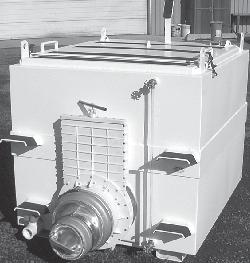
Increased Survival Rate with Significantly Reduced Water Consumption
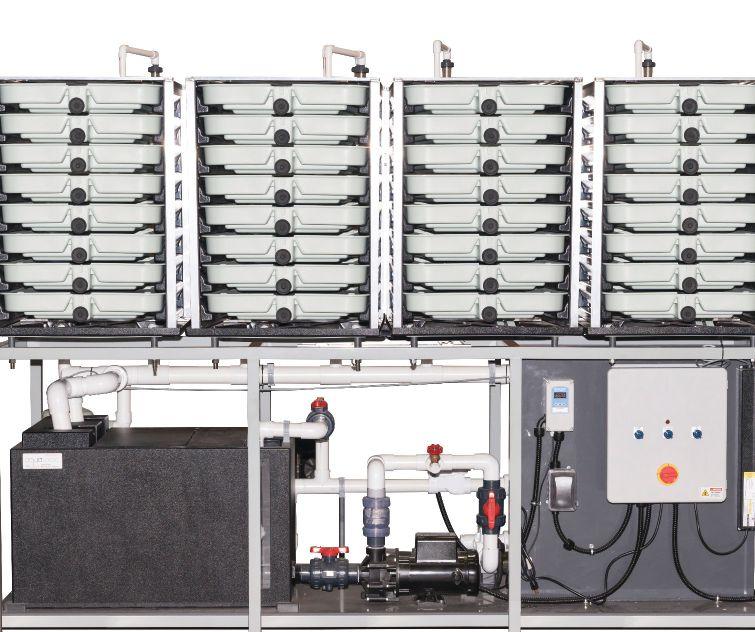
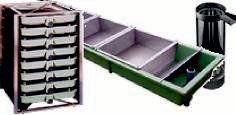
The all-new HydroHatch Incubation System from MariSource gives hatcheries increased efficiency. With recirculation, germicidal UV filter and a titanium heat exchanger, the HydroHatch delivers increased survival rate and significantly reduces water consumption.
Features and Benefits:
65 gallon sediment and recirculation tank
Requires only 150 gallons to completely fill the unit and reservoir
Easily able to increase the dissolved oxygen content of the water
230 volt 30 amp control panel
Insulated titanium heat exchanger
Precise temperature control
Comes standard with four 8-stack incubators
Additional four 8-stack incubator option available
The new HydroHatch Incubation System is ideal for Salmon, Trout, Steelhead, Perch, Channel Cat Fish, Walleye, Eels, Shrimp and Muscles.
Aqualife robot team (left to right) Lars Thom (design engineer), Kristian Clezy (head engineer), Suzanne Drennan (design engineer) and Phil Brown (technical director)
Industry braces for impact of Covid-19 pandemic
South Korea, with the number of Covid-19 cases surpassing 8,000, seems to be on the mend as authorities there report a slowing down of new cases.
Italy has become the epicenter of the virus in Europe. It was the first European country to impose a lockdown and subsequently impose a travel ban, as the number of infections and deaths rise to alarming rates.
In mid-March the European Union closed its borders to outside travelers, preventing non-EU nationals from entering the bloc. The restriction applies to 26 EU states as well as Iceland, Liechtenstein, Norway and Switzerland.
The United States and Canada both imposed travel restrictions and closed their borders to non-citizens and non-residents, with certain exemptions. The movement of
goods and supplies between the two countries remain unimpeded. Workers who cross the border daily for essential work-related matters were also exempted from the travel ban.
This is good news for the aquaculture industry in both countries. The U.S. is Canada’s largest fish and seafood export destination, accounting for 62 percent of Canada’s seafood export and valued at more than $4 billion, according to Fisheries and Oceans Canada. Lobsters, salmon and crab are the top three species shipped to the U.S.
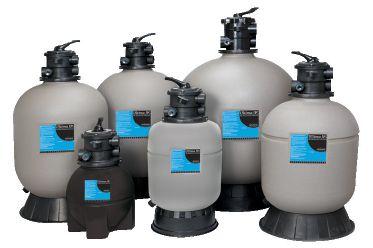
FABULOUS FILTRATION FOR HEALTHIER HARVESTS
SUPPLY CHAIN DISRUPTIONS
It’s too early to quantify the full economic impact of this global crisis to the aquaculture industry, but early reporting is showing a downward trend.
A recent survey from Tempe, Arizona-based Institute for Supply Management says 75 percent of companies are experiencing supply chain disruptions as a result of Covid-19-related transport restrictions.
Fish and fish products are among the most heavily traded food products in the world, according to the Food and Agriculture Organization of the United Nations. China represents approximately 60 percent of the world’s aquaculture production, and is the largest exporter and third largest importer of fish and fish products globally.
Seafood products exports from Norway – the world’s second largest – are not spared from the impacts of Covid-19. While the Norwegian government has imposed stricter travel controls, the movement of goods and cargoes are carrying on as normal, as of this writing.
The newly appointed Minister of Fisheries and Seafood, Odd Emil Ingebrigtsen, also issued a statement assuring the industry of its critical importance.
“The Norwegian seafood industry plays a very important role in the food supply chain, not only in Norway, but also across the world. In these difficult times it is important to keep society going, and ensure that everyone has access to healthy and nutritious foods,” he says.
In an interview with Norwegian news site Finansavisen, Carl-Emil Kjølås Johannessen, a seafood analyst with investment firm Pareto Securities, said the consequences of a shutdown of transport systems to Europe, Asia and the U.S. could be catastrophic to the country’s salmon industry.
He added, however, that salmon farmers in Norway are in strong business standing and will be able to withstand the initial impacts of Covid-19, before it gets worse for them.
The European Commission has implemented economic measures to help businesses in the European Union, adopting a “temporary state aid framework” to allow member states to provide economic relief to industries, including the fisheries and aquaculture sectors.
It’s a similar picture in North America as more restaurants and hotels close, and demand for seafood drop.
Reporting from Aquaculture North America (ANA), Hatchery International’s sister publication, indicates an industry that is starting to feel the economic impact of this global pandemic and bracing for the worst.
According to the Centres for Disease Control and Prevention (CDC), person-to-person spread of Covid-19 includes close contact – about six feet – with an infected person, or through respiratory droplets when an infected person coughs of sneezes. Keeping a good distance to prevent the virus from jumping to the next person is a great way to slow the spread and flatten the curve. During a pandemic, non-essential employees should be asked to work from home, where they can continue to carry on their job responsibilities without unnecessarily exposing themselves or their co-workers to potential infection.
FLATTEN THE CURVE
The worst is yet to come. Pandemic experts across the globe are issuing this dire warning in the call for citizens, businesses and governments to help “flatten the curve” by slowing the progression of Covid-19. Governments are preparing for the possibility that up to 70 percent of their population will get infected with Covid-19. Health experts agree that slowing down the rate of infection is key to eventually containing the virus and help alleviate the stress on the health-care system.
Wash your hands
Biosecurity is nothing new to fish farms. Preventing the further spread of Covid-19 may boil down to one, basic hygiene essential: hand-washing. The Centers for Disease Control and Prevention says Covid-19 can be spread from contact with contaminated surfaces or objects and then touching one’s own mouth, nose or eyes.
Monitor symptoms
Workers who are feeling sick must stay home. Some of the symptoms of Covid-19 include: fever, cough, difficulty breathing, and pneumonia in both lungs. People who have recently travelled from a location with known Covid-19 cases should self-isolate for 14 days, with or without symptoms. Call your health-care provider or health authorities if you have any or all of these symptoms. For people who are experiencing severe symptoms, go to the emergency room or call 9-1-1 or health emergency phone lines and let them know that you are experiencing these symptoms so they can respond accordingly.
Despite travel restrictions across international borders, the movement of goods and products are unaffected ensuring a functioning global supply chain for the time being.
With widespread restaurant closures across the globe, seafood producers are facing a downward trend in sales as wholesalers and buyers reduce or stop their orders.
New Brunswick, Canada-based hatchery L’Étang Ruisseau Bar tells ANA that despite the slowdown, the hatchery is still in full production.
“Stopping now would be disastrous and affect the seed supply for all Atlantic Canada,” says hatchery manager Martin Mallet. He adds the Canadian government’s economic aid package will help the industry through this challenge. Canada has passed a $75-billion economic aid package for Canadian workers and businesses affected by Covid-19. The U.S. has proposed a $2-trillion economic stimulus package as financial relief for Americans and businesses.
In Washington state, Trout egg producer Troutlodge has assured its customers of uninterrupted supply of eggs “even in times of hardship and challenges.”
“Troutlodge’s role as largest trout genetic company in the world is critical for global trout production, so ensuring we’re able to continue delivering trout eggs is essential,” the company says in a press statement.
Across Europe, there is increased anxiety among fish farmers, according to André Bravo, co-founder of Devonian Capital, an international investment firm focused on landbased aquaculture projects.
“In addition to protecting staff, being able to keep operations running under adequate control and being able to pay salaries and bills, farmers are primarily concerned with keeping stock alive and healthy,” Bravo says.
Concerns about countries’ ability to maintain supply chains over the medium term have farmers increasingly worried about maintaining power supply and deliveries of feed and oxygen at their farms, Bravo says.
Seafood producers are seeing their clients either reduce or stop their orders altogether. Concerns over changes in consumer behaviour, as well as the on-going build-up of fresh inventories in cold storage, might be driving these seafood wholesalers' and retailers' buying decisions, Bravo says.
“This creates an entirely new challenge that farmers need to address now to protect value,” he says. One recommendation is to continue to stock and feed juveniles as if it’s business as usual, as sales may get back on track in the short-term, he adds.
Bravo also suggests reduced feeding to slow the growth rate of the fish, and allow farms to reduce overall costs and buy some time before they reach critical biomass threshold.
Farmers could also “suspend new fry/PL stocking to reserve available capacity for existing stock, and avoid generating additional running costs.”
“Ultimately, each farm will have a different set of opportunities and challenges to be addressed in order to maximize value,” Bravo says.
BUSINESS UNUSUAL
Aquaculture businesses and organizations are also adjusting to the new norm of operating under the threat of a global pandemic, enforcing new policies and work arrangements and other measures to keep their workers and customers safe.
The Global Aquaculture Alliance (GAA), which facilitates Best Aquaculture Practices (BAP) certification has said it is working with its certification bodies (CB) to evaluate the circumstances of each processing plant, farm, hatchery or feed mill, and decide how to best proceed with the certification process, given that many facilities may be dealing with the impacts of Covid-19.
“It is important to remember that, while BAP administers the certification process, the CBs make the certification decision and issue the BAP certificates, therefore this coordination is required to grant extensions on a case-bycase basis,” the GAA says.
Norwegian aquaculture equipment and service provider ScaleAQ has adopted mitigation measures that may affect service provision to its clients. All of its administrative personnel have been advised to work from home and workrelated staff travels are suspended.
“The service department will adapt each order to any restrictions that apply, both to ScaleAQ and to our customers,” the company says. “Production and flow of goods will be affected by the ongoing pandemic.” Affected customers of ScaleAQ were contacted about the changes, it adds. Boston-based InnovaSea has also adopted similar measures as most organizations in the face of this global pandemic: encouraging employees to work from home, where feasible, and suspending business travels, says CEO David Kelly.
InnovaSea has not seen any decline in sales so far, according to Kelly, but his company remains cautiously optimistic.
“Right now, there seems to be a positive spirit out there among the populace, with people doing their best to adapt to this sudden, new reality and just trying to work through it,” he tells Hatchery International in an email. “But it could be a different ballgame if social distancing and other measures continue into the summer or beyond. The concern for us then would be seeing a drop in sales or experiencing significant supply chain impacts. Hopefully, we’ll be back to business as usual before that happens.”
Aconsortium of scientists is on the brink of completing a genomic map of the hard clam, Mercenaria mercenaria, in an ongoing offensive against QPX disease and the effects of extreme heat.
“It is 97 percent drafted,” says lead researcher Dr. Bassem Allam of Stony Brook University in New York.
Allam follows years of studies on how to reverse the shrinking clam populations along the Eastern Seaboard. He says this latest collaboration among five states and international stakeholders promises to finally yield “superior clam stocks.”
While oyster farming has been thriving, harvests of hard clams have faltered. According to the Aquaculture Census of the U.S. Department of Agriculture (USDA), the number of hard clams sold declined more than 10 percent between 2005 and 2018, while that of Eastern oysters shot up almost 60 percent.
“It’s really a contrast,” says Allam, attributing the decline to market constraints and natural mortality, like predation and disease.
PARASITE UNKNOWN
Still, clams rank second among the most valuable species in U.S. aquaculture, according to the National Oceanic and Atmospheric Administration (NOAA). Hard clams in particular, which are also known as quahogs, are extensively cultured along the Atlantic coast. They are the most important marine resource in several states, including New York, Virginia and Florida.
But over the years, growers have suffered setbacks during disease outbreaks and heat waves.
For example, QPX (“quahog parasite unknown”) disease was first observed in Canada in 1959 and has since ravaged farms in Massachusetts, Virginia, New Jersey, New York, Nova Scotia and Prince Edward Island. Marked by chipped shell edges, the disease causes swelling and discoloration of the clam’s body wall and, in fact, can be fatal to the bivalve.
With such significant economic consequences, defeating QPX has been a high priority for aquaculture researchers.
The good news, Allam says, is that the threats of both a harsh environment and QPX disease can be offset by selective breeding.
RESEARCHING
RESISTANCE
In a study funded by the USDA in 2016, Allam and his colleagues compared whether genetically distinct clam stocks resisted QPX disease. They were successful at identifying heritable traits associated with disease resistance in what Allam calls “a draft genome.”
They then selectively bred lines in New York during the summer of 2018 and deployed them in Massachusetts and New Jersey a year later to study the performance of these markers “at the same time, same place.”
The new research, funded by NOAA in 2019 under the National Aquaculture Initiative, will take advantage of single nucleotide polymorphism (SNPs).
“One single change in the DNA sequence is very important because it’s going to lead, ultimately, to different functional traits — to whether a hard clam is disease resistant or susceptible,” says Allam. “So, there is real hope down the line.”
Under the microscope:
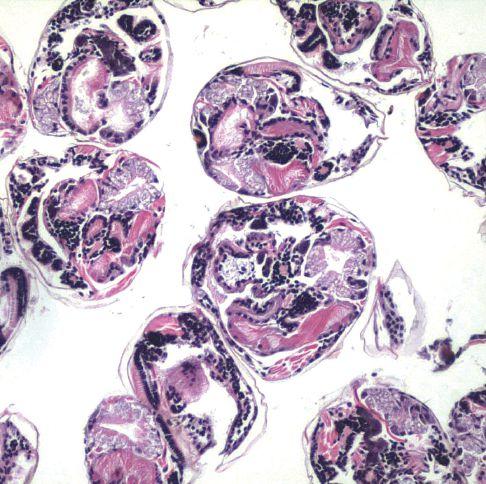
Sections of juvenile hard clam tissues. The next phase of the research work, in participation with New York Sea Grant, will feature genomic sequencing at Stony Brook University. (Credit: Bassem Allam)
The project, led by Allam in participation with New York Sea Grant, brings together scientists from five Atlantic coast states from Florida to Massachusetts, as well as contributions from Sorbonne Université in France. Clams for the study have been coming in from Florida to Prince Edward Island, and as far away as the U.K.
In the upcoming months, the team will complete the sequencing and assembly of the hard clam genome. From there, they will develop a genotyping platform or SNP array that can identify novel genetic markers associated with key traits.
The next step will be a validation period to audit resistance to QPX disease and heat stress.
These activities should take researchers well into 2022, but in the end, the platform will allow growers of hard clams to select traits relevant to various regions, including adaptability to salinity levels and tolerance of ocean acidification.
Dr. Bassem Allam pulling up a cage of juvenile clams. His new research involves collaborators in five Atlantic states in the US, as well as contributions from Canada, France, and the UK. (Credit: Bassem Allam)
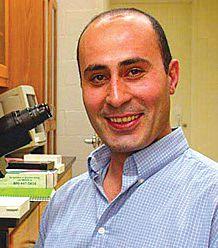
Dr. Bassem Allam
Farmed Chilean sea bass ready for primetime BREEDING COVER
The Chilean seabass is the most expensive of all Chilean seafood species. It is a delicacy at top restaurants worldwide and is prized for its mild flavor and firm, milk-white flesh.
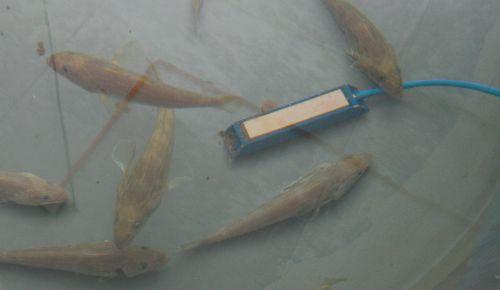
The general manager of Seabass Chile, Alberto Reyes, describes the species as a "noble fish to be farmed, a very robust and docile fish to be domesticated and handled in tanks." These carnivorous fish live at depths of more than 1,000 to 1,500 meters. They ascend through the water column during the reproductive season, where they release their eggs at depths of between 300 and 500 meters.
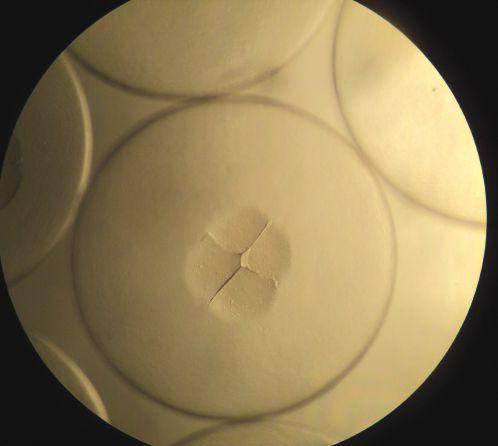
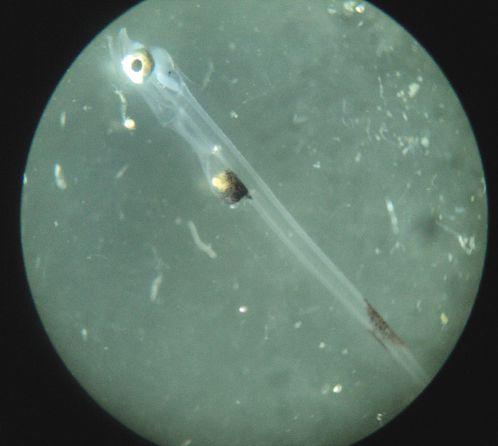
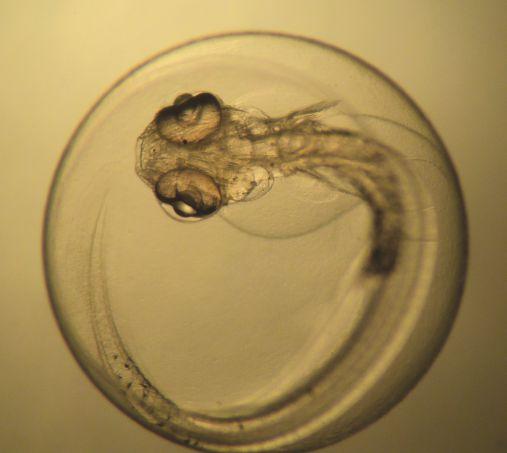
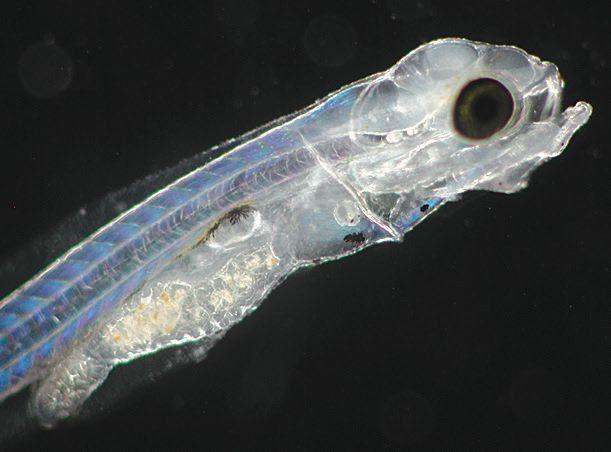
Those ova, ranging from 2.3 to 2.5 millimeters in diameter, have positive buoyancy and their embryonic development occurs as they rise in the water column. When the ova reach the top, the larva hatches and finds its food within a 30 to 40-meter surrounding area. When they grow to juvenile stage, they begin to migrate.
“In the early stages of this initiative, we hired oceanographic consulting services as one of the first things [we did], so that they could characterize those environments, from the point of view of CO2, nitrate, pressure, light, etc. Thus, we were building a referential scenario regarding what environment to imitate in the tanks,” Reyes says. “We estimate that this fish will take approximately 42 to 44 months to reach six kilograms, from ova. However, in [natural environments], these fish can live up to 50 years and weigh more than 200 kilograms. Currently, 80-kilogram fish, and even 40-kilogram, are increasingly scarce,” he adds.
The project proponents also worked with Dr. Gidon Minkoff of Teleostei Hatchery Consulting. Minkoff previously worked on the development and production of Black cod or sablefish (Anoplopoma fimbria), a North Pacific deep and cold water fish that inhabits a niche very similar to that of Chilean seabass.
“When the wild broodstock fish in captivity belonging to Seabass Chile started showing signs of gonad development, I came over to Puerto Montt on a number of visits, to work with the staff on developing biopsy methods and following the egg maturation process in vivo. I also assisted in evaluating the process of vitellogenesis from start to finish, taking into consideration the time frame for the process and being able to predict when to expect the fish to spawn. Following this, I participated in the spawning, provided protocols for egg fertilization, and evaluated the spawning rhythms of the fish,” Minkoff says. He also contributed to the development of the larval rearing process and in determining the most suitable conditions of
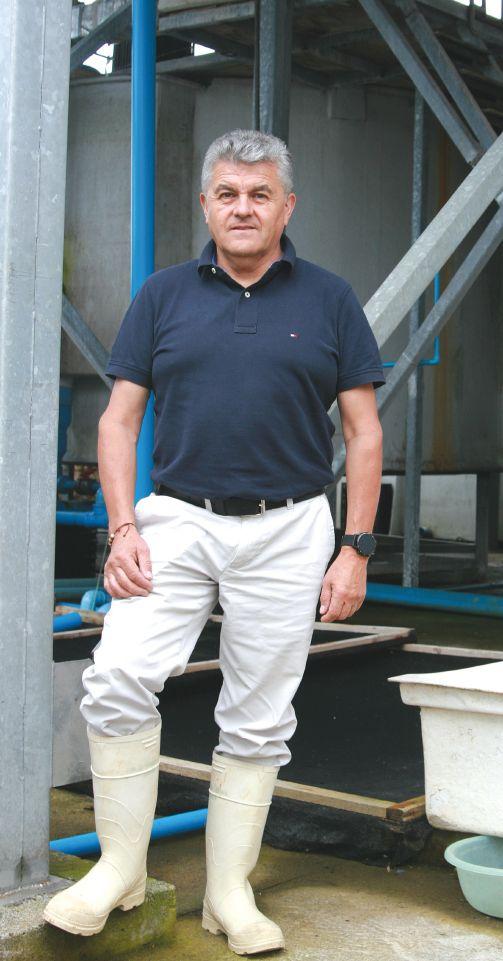
Alberto Reyes, general manager of Seabass Chile and leader of the team of researchers behind this project
light, food, green water and weaning for producing these fish.
“Apart from work with the fish I have advised on system configuration, particularly the egg and larval rearing systems, with some input also into the design of the live feed (rotifer and Artemia) production systems,” he adds.
HATCHERY
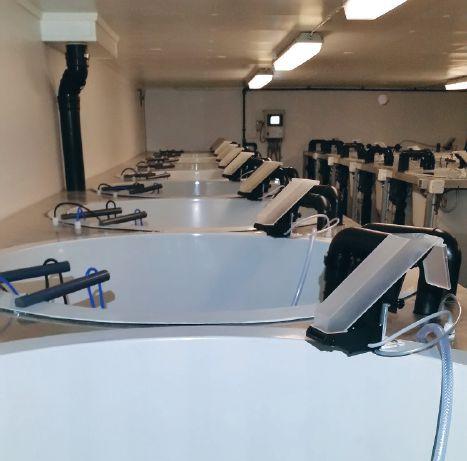
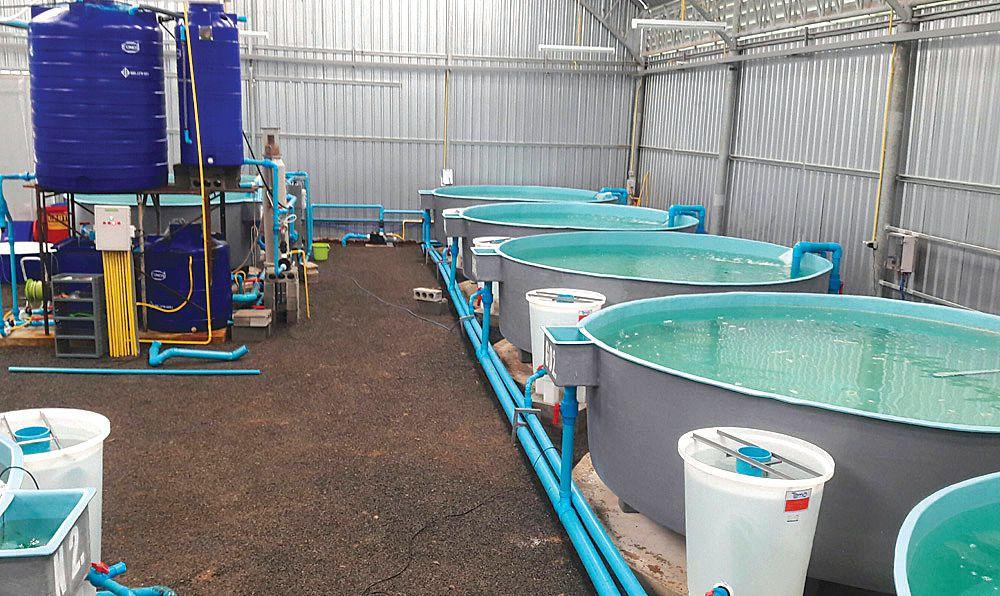
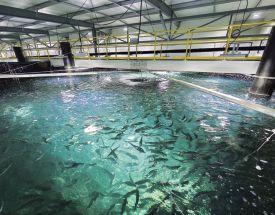
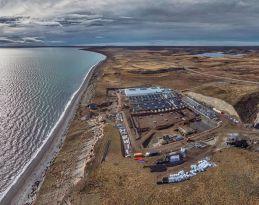
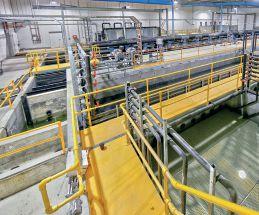
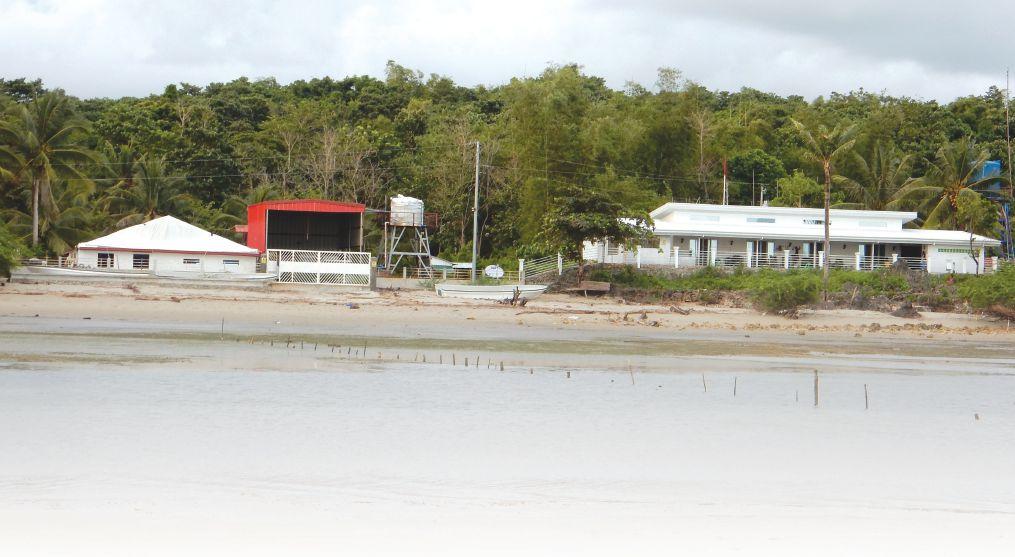
Located along the coastline near Puerto Montt, Chile, Seabass Chile operates a 600-square-meter hatchery, which includes two small laboratories and four large rearing rooms, which consist of: one incubation room with 13 incubators (12-cylinder conical tanks of 400 liters each and one-cylinder
conical tank of 1 cubic meter in the event of massive spawning of some female fish); one larval room, with four tanks of 1 cubic meter each and four tanks of 500 liters, where the first feeding is carried out and fish are kept until they reach juvenile stage; one room for juveniles, with three tanks of 3 cubic meters each; and one breeders’ room, with two tanks of 30 cubic meters each. All these rooms operate on independent recirculating aquaculture systems (RAS).
Intake water is pumped from a floating platform located on the sea. The water flows to a header tank, which feeds a small distribution tank where the water is filtered and disinfected with mechanical and UV filters. The mechanical inlet water filter is a sand filter. There is also a rotary filter in the larval and juvenile rooms, while in the breeders’ room there is a battery of sand filters. Between 96 percent and 97 percent of the water are recirculated. Due to the high variability in the surface temperature – especially in the summer months – water temperature is lowered using five chiller units. Throughout the year, temperature ranges from 4 °C to 10 °C in the rooms.
“Our operation is almost 100 percent manual. We do not use automated data capture systems, neither temperature nor pH, CO2, nitrate, nitrite, alkalinity or O2,” Reyes
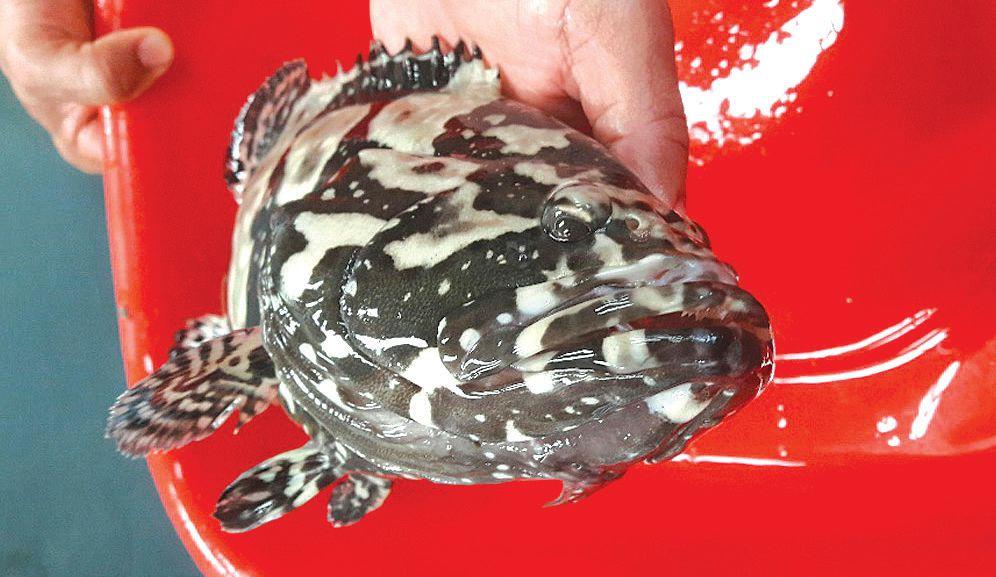
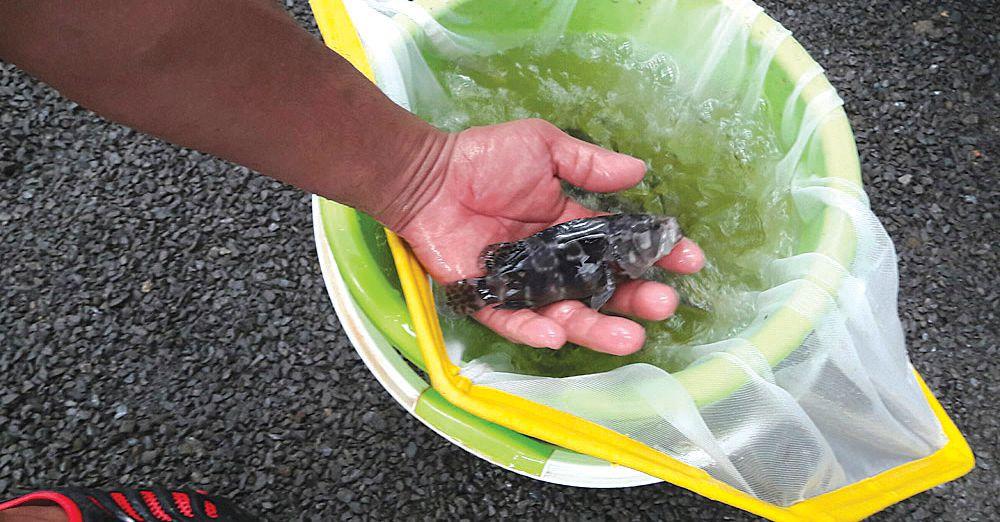
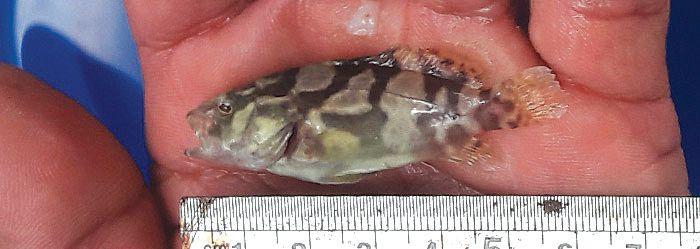
Chilean seabass juveniles of between 150g and 200g
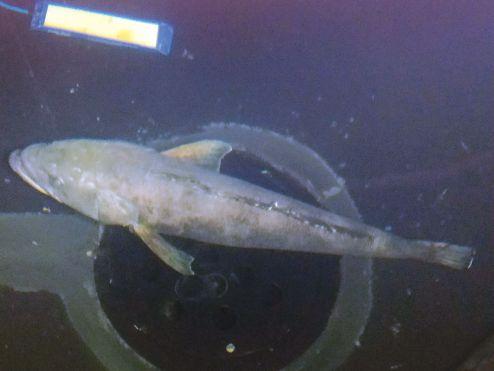
One of the breeders kept in the facility since the first catch initiatives performed almost one decade ago
CHILEAN SEABASS
says, adding that this facility operates 24/7 with a staff of seven people, including professionals, technicians and assistants.
The hatchery was built by the educational institute La Araucana in 2006, to teach students about salmon farming. By 2009 and due to a strong decrease in students’ enrollment caused by the outbreak of the infectious salmon anemia virus in the country, the facility was repurposed for the Chilean sea bass project headed by Reyes in 2008.
Catching of wild breeders for the project began in 2009 and continued every year until 2012, when females caught from the wild started spawning in captivity for the first
time. The following year, the project - funded by the Chilean scientific development fund, Fondef – had larvae in the first feeding stage, producing the first group of juvenile fish born in captivity by the second half of 2013.
The project faced one of its major setbacks between 2015 and 2016, when La Araucana pulled its support and the project was almost discontinued. This was also the turning point that led them to establish the company Seabass Chile. Production resumed around 2017 and 2018 when the company cquired crucial funding from the Chilean economic development agency, Corfo, and cooperation with the Austral University of Chile.
FUTURE PLANS
With the pilot phase of the Chilean sea bass project concluded, Reyes explains that the pre-commercial phase has a timing of about four years, where annual productions of less than 100 tons are expected to be achieved.
“The orders of magnitude of the investment, where there is some flexibility, should not exceed $3.5 million. Then, when scaling up to 1,000 to 1,500 tons, it requires a much stronger investment, but on the basis that there is already a productive system going on. In these figures, we include investments in improvements and adaptations to produce juveniles here and the construction of a new facility for the fattening stage,” he explains.
As all calibers are in demand right now, the size of the fish is not a limiting requirement to access the market. However, the company has established that the harvest size will be an average of six kilograms to avoid early maturation and fetch a good market price.
The global annual quota for wild-caught Patagonian toothfish is between 25,000 and 28,000 tons. The Chilean annual quotas are around 1,700 to 2,100 tons, according to Reyes.
“We consider it reasonable to produce in the future between 1,000 and 1,500 tons per year, in order to access that market space that is unsatisfied. Caught Chilean sea bass will continue to have the seal of a wild product that comes from the most pristine waters versus this other one, which is cultivated and comes from a recirculation system. This has a very desirable effect that would discourage illegal fishing and the black market, as there is a complementary source of supply for when the quota is over,” Reyes says.
One of the challenges facing wild-caught fish, particularly long-lived species like the Patagonian toothfish, is polychlorinated biphenyls (PCB) contamination. Reyes believes the work they’ve done with closing the breeding cycle for this species will help minimize, even solve that challenge.
“Since we are talking about fish with a maximum of six kilograms with a bioaccumulation of these compounds, if there is any, [PCB is] likely to be so low that it will be within the norm levels. On the other hand, the wild product is also exposed and supports part of the arguments that are the criticism of environmentalists,” he says.
The increasing temperatures in the sub-Antarctic zone, as a result of global warming, is also another challenge that the fishery industry is facing that will affect market availability of the Chilean sea bass.
“I would dare to say that the fishery in a few decades will begin to face some failures in the recruitment of new fish that are integrated into the adult fraction because, due to global warming, these larvae will see their probability of survival diminished. In that scenario, the farms could return the favor to the fisheries. From this point of view, this investment initiative has a strong environmental component and is a tool to alleviate some consequences that climate change could generate in the reproduction of this species”.
For more information about the Chilean sea bass project, visit www.chileanseabass.cl.
When Patagonian toothfish are ready to reproduce, they ascend the water column from depths of up to 1,500 meters.
The eggs are released higher in the water column, about 300 to 500 meters from the surface.
The eggs then travel to the surface of the water where they will hatch.
Larvae feed on the surface where they can swim up to 40 meters to find food.
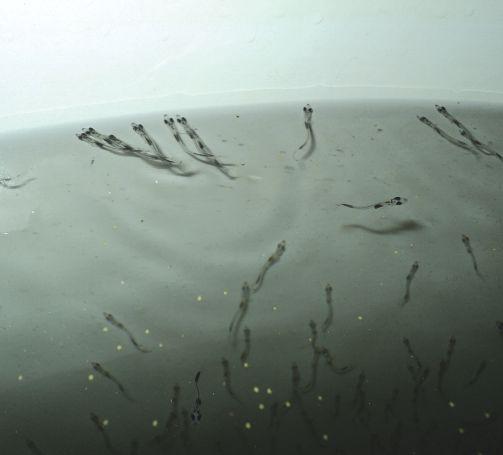
By 2013, Reyes’s team was successfully able to produce larvae from eggs hatched from wild-caught broodstock. They became the first group of Chilean seabass juveniles bred in captivity.
Q&A • JIM WYBAN
The business of science
Hatchery International: Tell us how you got started in the industry and what attracted you to shrimp?
Jim Wyban: I got a PhD from the University of Hawaii in Fish Genetics and was interested in going into aquaculture. First thing out of the university, we leased a Hawaiian fish pond on the North Shore of this island of Oahu and operated it as a commercial fish farm – mullet, tilapia, milkfish, Samoan crab. But I grew interested in, and done a lot of reading about, the shrimp farming industry that was just developing at that time. So, I dug us a pond there at Lokoea earthen pond, got PLs from this hatchery down the road, stocked them, and grew my first crop of shrimp there. When I took those to the market my customers freaked out, they loved it. They were throwing money at me, it was incredible.
That day after we sold out the crop, I told Carol, my wife, I want to work in shrimp because I’ve seen the customer reaction, the demand and the reaction. So, I had come to that decision personally that I want to work in shrimp, and then just amazingly about two weeks later OI (Oceanic Institute) calls me up. They had just received this big grant from USDA to work on shrimp. They recruited me to be the principal investigator of that program. It was just an amazing convergence or coincidence – that I had just decided I wanted to work on shrimp and then I get offered this incredible job to run this huge research program on shrimp. And the rest is history.
That research at OI led to the development of specific pathogen-free (SPF) shrimp. How has the SPF shrimp changed the trajectory of your career?
JW: It’s incredible. I was a researcher at Oceanic Institute for eight years and that’s where we developed these SPF stock. But in my blood, I’m an entrepreneur. And so, when I saw the results of our first year’s production using the SPF shrimp, and the industry doubled production, I just felt like this is a huge commercial opportunity. I tried to convince my boss that we should start a business, they weren’t interested. They said, No. ‘Ok, well I’m going to go do it then.’ So I quit my job and jumped into the commercial industry. And that was like jumping on a wild horse. It was just crazy, crazy for the next 20 years. And in the end, I sold my company to a
company called SIS which is a subsidiary of CP, which is one of the biggest shrimp farming company in the world. It’s a great story and it’s a great ride, and it ended nicely too with an exit, which is what every entrepreneur dreams of: you build a company and then sell it. And I did that.
You’re both a researcher and an entrepreneur – two traits that don’t often go together. Where did your entrepreneurial spirit come from?
JW: Back in the day kids would deliver newspapers. I had my first paper route when I was nine years old. And I just always liked having my own money. I didn’t really want an allowance, which was my dad’s money. I wanted to earn my own money. So, I was always interested in business and how people made money. But I have kind of a precocious mind so I loved being a researcher, too. I like both sides and that has worked really well for me because even when I had my commercial company, I was pretty successful raising money through SBIR programs, which are federally-sponsored research grants to commercial companies. That’s Small Business Innovative Research. And it’s real competitive but if you got good ideas, it’s a way of raising money and it’s like equity-free money – that is, you don’t have to give up shares from your company or anything. It’s a grant from the government. We always used it on stuff that was going to create new products or help our business become more valuable, so it was a great opportunity for me. Having been a researcher, I knew how to write a good grant proposal and how to conduct science and
do good experiments. So that helped me in that way. I had over a million dollars in grants that were kind of equity-free investments. [The government was] in essence investing in my company but I didn’t have to give up any equity, which was a win-win.
And now you have a consulting company. Tell us about that.
JW: Marine Genetics is my consulting business and I don’t have a production facility. It’s all just information transfer. I always say that I could do hatchery and breeding of other animals as my expertise, but I have not made any money on anything else. I’ve made money in shrimp so that’s my first loyalty.
What’s the next big thing in shrimp genetics development?
JW: The next big thing that’s happening right now is the incorporation of DNA technology into the breeding activity. All these companies that are breeding shrimp are using the DNA tools to make their breeding systems more efficient and more sophisticated. And it’s just happening now. Shrimp has some problems in terms of the DNA systems. It’s pretty complicated. They only finally got a high-density sequence of the DNA genome like about a year ago. It was the first publication when the human genome was done back in the 90s. Shrimp lagged way behind and it was because there are some technical issues in the shrimp genome, it’s just the way it’s built that made it problematic on sequencing and stuff. But now that that’s done and there’s all these tools
to do the DNA technology, those are being applied right now by these shrimp breeding companies, and it’s really, really exciting because it can go faster. It’s more efficient. They can do some really cool stuff with it. Pathogen-free shrimp was sort of the foundation. You want to start with these pathogen-free animals and then breed them for better performance in the farms.
The shrimp industry has been challenged by diseases, despite the development of SPF shrimp. How is this affecting the progress of this industry?
JW: Oh, there are and there are diseases that just keep popping up. There’s a new disease every year, at least, that are cropping up and causing problems. There’s always, between these diseases and pathogen-free, constraints on the industry. Right now, very interesting is that there is a disease that’s heavily impacting the industry and it’s not even a shrimp disease. It’s coronavirus.
The Chinese market for shrimp has kind of collapsed and they are the biggest importer, second to the United States, in importing shrimp and because all the restaurants and everything are closed, there’s no market for the shrimp. And that’s disrupting a lot of supply chains. Where that coronavirus situation is going nobody knows. It’s impacting a lot of stuff – the automotive industry supply chain, the computer supply chain, the tourism. In Hawaii we used to have a direct flight from Shanghai to Honolulu, those flights have been stopped. And basically, there are no more direct flights from China into Hawaii. The Hawaii tourist industry was getting significant Chinese visitors and that’s kind of being put on hold.
The shrimp industry in particular is being heavily impacted by the coronavirus right now and we don’t even know where it’s going and what’s going to happen.*
Hawaii is known as the birthplace of SPF shrimp, but competition in this market has tightened as more producers from other countries increase, leading to declining Hawaiian export for SPF shrimp. How can the state bounce back and regain its leadership?
JW: That’s a big problem. The companies need to get their breeding game on really seriously and create animals that outperform. That’s what’s going to determine market opportunity. It’s how well the animals perform. And out in the industry, word spreads very fast. If somebody has a new result that’s great, say somebody in Hawaii develops a new strain of shrimp that did really well in China, wow it would spread like wildfire. So that’s what they need to do and there’s ways that they may be able to pursue that but basically they’ve got to up their game in terms of animal performance, and that’s good for the industry. The industry benefits.
It’s a very competitive industry, you can’t cruise on your past success, you’ve got to be constantly improving. You have to get better and better. And in shrimp breeding that means better performance in the farms because that is where the final use is. How did the farmers do? Did they make money? And if they make money, it goes all the way back up the chain.
At this point in your career, is there anything else you’d like to venture into or project you’d like to work on?
JW: I do some consulting with a couple of companies, and I enjoy doing that. I still have a fantasy of designing and developing an integrated shrimp company somewhere and I think that would be super cool. Because I kind of have a good view of the whole industry and how it works and where the critical control points are, I’ve had that fantasy for a while. You know, when I build my shrimp company of course as a breeding company you have to do everything – you have hatchery, and grow-out and broodstock, shipping and everything. I’ve done every stage of shrimp production, but the one thing that I have not done to my satisfaction is design a whole shrimp company from the ground up – the breeding, the hatchery and the grow-out and the processing – the whole package. I think that would be an interesting challenge.
Any thoughts about growing shrimp on recirculating aquaculture systems?
JW: The RAS is sort of the new technology that people are very excited about. The challenge will be the economics of it – because there’s a lot of capital costs, and so forth. Whether somebody can unlock that economic equation and get shrimp production cash flow positive in a RAS has not yet been done. There’s lots of small-scale shrimp farmers in the United States – the Midwest [for example] – and they’re doing maybe 1,000 lbs or 10,000 lbs of shrimp, and selling it at $10 or $12 per lb in their local community. That’s not really going to put a dent in any kind of national marketplace. We consume billions of pounds of shrimp every year. Whether somebody unlocks that code of doing that cost-effectively and making a profit – it’s a big challenge. I’m not sure that anybody has unlocked that yet. However, I will say there’s a bunch of projects that are doing things like that, and I work with this one company in Florida, American Penaeid, and they’re growing shrimp in greenhouse systems that are pretty high-density and they’re a successful commercial company. They do about a million pounds a year. So it can be done, and they have big expansion plans.
The big company CP has now invested in an operation in Florida that they intend to build up. They’ve been working on this super intensive kind of culture back in Thailand, where they are based, and I think when they bought that land in Florida they must be convinced that they can do it; near to the market and all that.
That, in the long run, will be the ideal case. That U.S. shrimp market will be supplied by ‘grown in America’ shrimp. I think you will see a tremendous boost in demand for shrimp because we all in the U.S. keep hearing about, ‘Oh, this shrimp from foreign producers are contaminated, they’re injecting them with stuff and they soak them in chemicals.’ There’s a lot of that perceived negative to imported shrimp. So if somebody could start an intensive farm in the United States that had positive economics, they would have a huge opportunity because I think Americans love to eat shrimp, and they would love to eat a ‘grown in America’ certified, contaminate-free. The market opportunity for that is quite huge. That would be the holy grail. But to date, no one has quite unlocked that. That’s a challenge still.
*(Editor’s note: Since the interview with Jim Wyban, the World Health Organization has declared the novel coronavirus, or Covid-19, a global pandemic.)
SHELLFISH
Coastal Shellfish poised for growth
BY MATT JONES
With the developing success of Coastal Shellfish’s scallop farming operation, almost two decades of research and hard work are starting to pay off for British Columbia’s Coastal First Nations (CFN) in Canada.
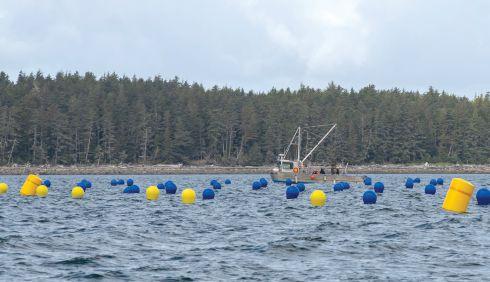
After a long process of researching sites, species and production techniques, Coastal Shellfish began operation in Prince Rupert, B.C., in 2013. Today, it has roughly 15 million Japanese scallops (Patinopecten yessoensis) in the water and, as of press time, were set to begin selling shucked meat in February.
“The biggest challenge for shellfish aquaculture, particularly scallop aquaculture, is it’s not something that’s established in a two-year window, or even a five-year window,” says Coastal Shellfish CEO Michael Uehara. “It’s something that has always taken a long time due to the extreme customization you have to engage in in order to make it work.”
While an exact count of scallops in the water won’t come until they’ve been collected, Uehara says the spawning season was successful and that 2019 was their first commercial brood year. Coastal Shellfish moves between 2,000 and 10,000 live scallops per week through distributors in Vancouver, though Uehara says that shucked meats sales are anticipated to be significantly larger.
“It’s a fully-integrated system,” says Uehara. “We have a hatchery, in-ground ponds that we use as an extension of a nursery, and we have four grow-out sites. Some we use specifically for juveniles, some for adults. We’re primarily using lantern net culture, but after some experimentation, we’re also devoting quite a bit of our scallops to ear hanging.”
HATCHERY DEVELOPMENT
While Uehara describes his company’s hatchery as “a work of art,” and says the operation would be impossible without the high-volume and high-quality algae produced in their microbrewery. He stresses how specific and individual scallop growing operations are. No matter how technically superior your facility may be, you need to take the time to find the right approach given your specific combination of species, water quality and other logistics.
“Even if you had a perfect formula for a scallop hatchery, you can’t execute that perfect formula at any given location,” says Uehara. “There’s a lot of investment that goes into the fine tuning of a hatchery to make it productive.”
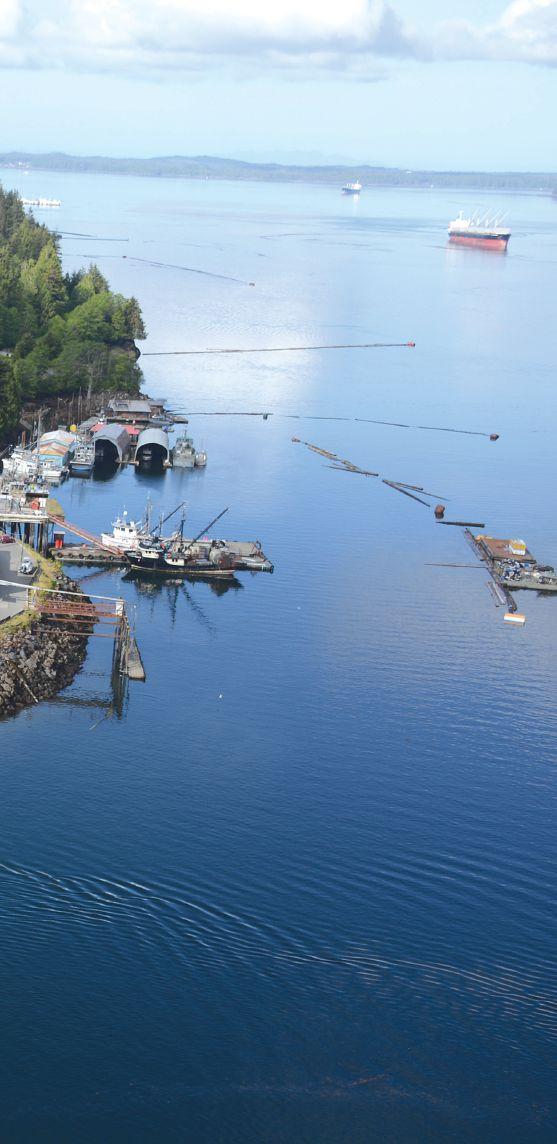
"I'm hesitant to attribute the success of the hatchery to one factor or another, but without the natural setting, without the water we have here, it would never work." - Michael Uehara (Photo credit: Port of Prince Rupert Shorezone photography project)
“It’s information intensive. It can be labour intensive, but it doesn’t have to be labour inefficient. The more you know, the more you can efficiently utilize labour and the resources you have to address those issues. “
Given the amount of time and experimentation required to find the best approach, the trust and enthusiasm of stakeholders are important. And the CFN is wholly committed to re-establishing an economy of inclusion for First Nations in that area. Those first nations make up 90 percent of Coastal Shellfish’s ownership.
“The idea of creating an ocean-based economy, I believe is both a cultural and economic imperative,” says Uehara. “When you have shareholders that are invested to that degree, it’s quite inspiring and motivating for this company to perform. For our shareholders, this is a business and an industry that they are bound and determined to make work.” Uehara anticipates that they will reach regular operations with production and distribution firing on all cylinders within the next 16 months. At that time, they may look at expanding the operation, and have already started experiments with oysters and kelp.
Uehara says that while the failure of a shellfish aquaculture operation is often attributed to one or two causes, like ocean acidification or low water salinity, they are also subject to potentially hundreds of other factors. There is no one-size-fits-all solution, but an ideal setting with access to great water, like Coastal Shellfish has, certainly helps.
“These are natural live animals and they require a great deal of knowledge to make them work,” says Uehara. “Any one of these factors that won’t work will greatly reduce your success, if not turn it into a failure. I’m hesitant to attribute the success of the hatchery to one factor or another, but without the natural setting, without the water we have here, it would never work.”
MAINTAINING ORDER
The biggest trick to success in scallop farming, Uehara says, is maintenance – staying on top of fouling, keeping a keen eye on growth and feeding rates, and exercising good inventory management. That said, Uehara hesitates to call it “labour intensive.”
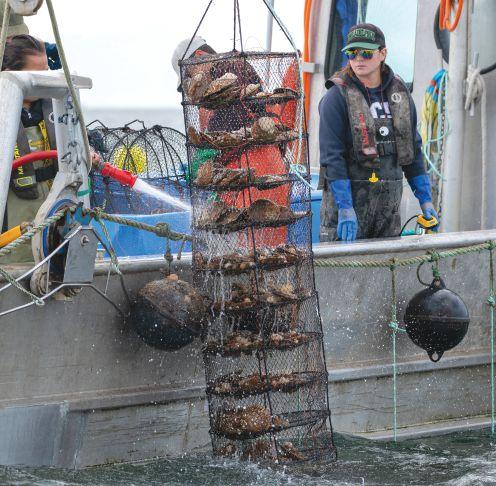
Coastal Shellfish moves between 2,000 and 10,000 live scallops per week, like those being harvested by Wolfe Island site manager Dani Robertson here, through distributors in Vancouver.
The farm's skiff Will OI (Tsimshian for "Big Bear") patrols the waters of the Pike Island site.
Ocean’s changing chemistry slows growth of oyster larvae, study finds
East Coast hatcheries react to impact that goes beyond shell-building
BY LYNN FANTOM
Every good researcher starts with a question. But Dr. Shannon Meseck and her colleagues at the Milford Laboratory in Connecticut were doubly aggressive, asking two questions related not only to their study but its implications: “What is the effect of ocean acidification on Eastern oyster larvae and should hatcheries be concerned?”
Last April, the Milford team, in partnership with Mook Sea Farm, used laboratory experiments to examine the impact of ocean acidification (OA) on pre-set oyster larvae. Larvae were exposed to different levels of both dissolved carbon dioxide (pCO2) and food.
The findings were clear and expanded knowledge beyond the impact of OA on shell-building: oysters grow more slowly under increased acidity in the hatchery. In fact, high levels of pCO2 inhibit growth to the same degree that cutting food in half does.
Although deeper analysis is still to come, Milford’s study alerts hatcheries that it is prudent to monitor and manage the acidity of incoming water. Karen Rivara, marine biologist and president of Aeros Cultured Oyster Company on Long Island, New York, echoes the advisory. “pH is something all hatcheries should be monitoring,” she says. But the degree of concern depends significantly on where the hatchery is located and when the broodstock is spawning, Meseck adds.
WEST COAST FAILURES
Concern among scientists has been growing as the partial pressure of carbon dioxide in seawater from the coast of Virginia to the Gulf of Maine has increased by an average of two percent from 2007 to 2015, according to Milford Laboratory, which is part of NOAA’s Northeast Fisheries Science Center.
The ocean absorbs about 25 percent of the carbon dioxide released into the atmosphere. It reacts with water to form carbonic acid, lowering pH in the process known as ocean acidification. Along with the increase in acidity, there is a decrease in carbonate ions.
That is bad news for marine life. For bivalves, those carbonate ions are important to shell-building. Scientists have also been gathering evidence on how OA affects growth and metabolism.
In 2005, larval oysters began dying inexplicably in west coast hatcheries, like Whiskey Creek and Taylor Shellfish, that drew water from the Pacific. Seven years later, researchers at Oregon State University definitively linked those massive die-offs to changes in water chemistry.
“A lot of articles on the west coast said that oysters were in trouble,” Meseck points out.
With some 50 hatcheries up and down the East Coast of the U.S., Milford researchers decided to ask how concerned these eastern counterparts should be.
THE INVESTIGATION
To get the data to pursue this question, Milford partnered with Mook Sea Farm, an oyster grower on the Damariscotta River in midcoast Maine that has been rearing Eastern oysters (Crassostrea virginica) from egg to adults since 1985. Mook’s hatchery experts provided information on their procedures for feeding at certain larval stocking densities, which the researchers replicated back in the lab in Connecticut during the 18-day experiment. One level was considered hatchery food level and the other was half of what a hatchery would typically feed.
At low food levels, pCO2 did not have a significant effect on growth. Food was the influence. But at the level of food typical of a hatchery, researchers were able to ob-
• Microdiets
• Weaning Diets
• Micro Algae
• Live Feeds
(Credit: Mark Dixon)
serve differences in growth under different levels of CO2 Under hatchery levels of food, larvae experiencing the highest pCO2 grew more slowly – approximately 32 percent smaller than those under lower levels of pCO2 with the same amount of food.
In fact, the final size of larvae which had typical hatchery concentrations of food in the high pCO2 environment was the same as when they were grown under low food concentrations. The high pCO2 levels with hatchery level of food appears to reduce growth enough that it mimics low food concentrations, Meseck emphasizes.
What’s behind these findings? Under low pCO2 levels, the larvae’s metabolic processes are low and any excess energy is used for growth. Under high levels of pCO2, it appears that these metabolic processes are higher, meaning less energy is available for growth.
“That is why we observe a difference in the growth rates under different levels of pCO2 when they have plenty of food to eat,” explains Meseck, who is a research chemist.
MITIGATING MEASURES
Metrics related to OA vary by time of year and geography, not only with differences between, say, Casco Bay in Maine and the Chesapeake Bay, but between the upper estuary and the lower mouth of Chesapeake Bay. That’s why ongoing monitoring at each hatchery is so important.
“It will always be in the best interest of a hatchery to be monitoring pH and making adjustments, if necessary,” says Dr. Meredith White, director of research and development at Mook Sea Farm. The Maine operation has been buffering hatchery water since 2009.
“If other hatcheries wish to buffer as well, it is good for them to know that it is a very simple and relatively inexpensive process,” she says. Mook purchased a good-quality pH meter to measure the pH of the water when tanks are filled and adds buffer to achieve an optimal pH. “Based on Shannon’s work, that pH should be at least 8.1,” she adds.
For flow-through systems, White notes the hatchery uses a pH controller with a peristaltic pump dosing system to buffer when it is necessary.
Dr. Shannon Meseck, research chemist at Milford Laboratory, part of NOAA’s Northeast Fisheries Science Center.
TECHNOLOGY
Hatchery automation
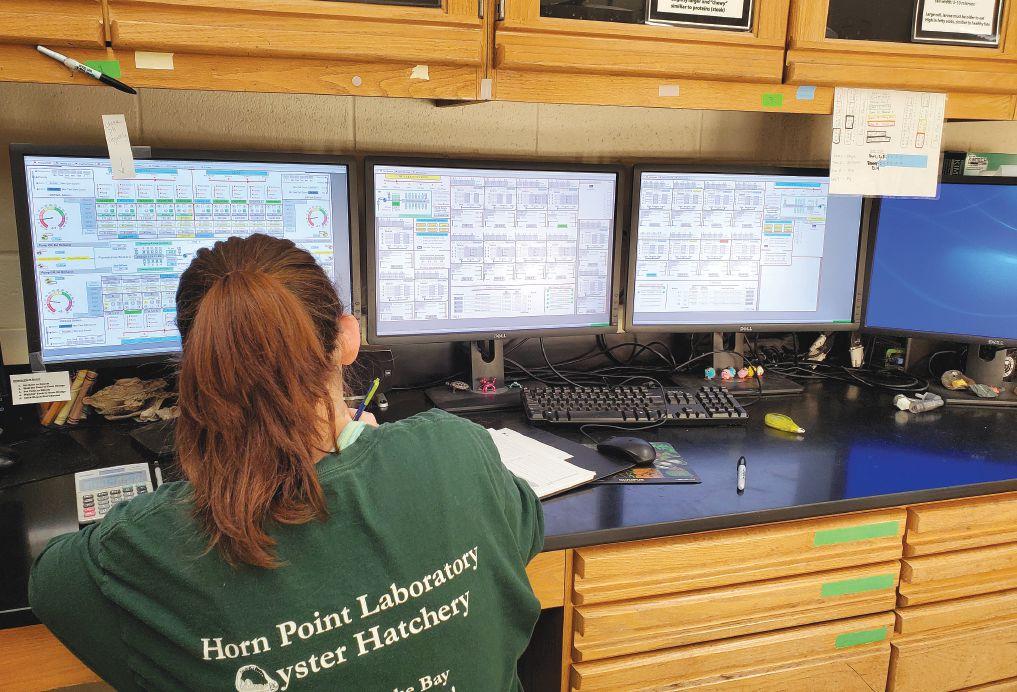
Horn Point’s automated feeding system can be scaled up or down, supplier says
BY LYNN FANTOM
Horn Point Oyster Hatchery has the Rolls Royce of automated feeding systems.
After a comprehensive presentation at the Milford Aquaculture Seminar in January by algologist Julie Trommatter, one of the first questions was, “How much did it cost?” That brought chuckles from the crowd. Many hatchery owners obviously felt more like Chevy drivers.
The software and hardware, which Trommatter calls, “innovative computer programming and inventive plumbing,” also sit in a special setting, with different rooms dedicated to the algae and larvae. That was another way this presentation felt foreign to many.
Still, there is no argument about the performance of the automated feeding system which has produced a significant improvement in oyster setting efficiency. That is because the system provides a fairly consistent diet to larvae throughout the day, rather than the glut of a single meal delivered by hand, pump, hose and timer, Trommatter says.
For hatcheries interested in automation, the system’s designer and supplier Campbell Scientific says it can be scaled up or down.
THE HATCHERY
Horn Point Hatchery is one of the largest oyster hatcheries on the east coast of the U.S., with more than 800 acres on the banks of the Choptank River. As part of the University of Maryland Center for Environmental Science, it provides Eastern oyster (Crassostrea virginica) larvae and seed for oyster research, restoration and education, as well as spat on shell for commercial growers.
It’s a thriving research center that works with a range of prominent partners on initiatives impacting the entire industry. The state-of-the-art oyster production facility itself is an important component of the work because it is used to demonstrate new and innovative oyster aquaculture techniques. It has eight full-time staff.
BEFORE AND AFTER
In the “olden days” of the hatchery prior to 2003, oyster larvae were fed once a day by hand using a pump, hose and timer. But when the lab was rebuilt, automation was introduced to make several processes more efficient.
Every hour, samples are drawn from every larval tank so that an in-line fluorometer can take a reading, which the system converts to an approximate cell count. “It’s super helpful for us to be able to more easily monitor the growth of individual cultures,” says Trommatter, who serves as a faculty research assistant.
The system tracks fluorometer readings in both algal and larval tanks over time so that a technician can see if a tank’s blooming, crashing or even experiencing glitches. For example, when a valve didn’t open because of an electrical problem, the system’s screen did not register the fluorescence level appropriate after a feeding. The team sprang into action. At a time when there are concerns about changing ocean chemistry, this system can also maintain pH automatically.
The star of the system, however, is its feeding functionality. PVC pipes – some six miles of them – loop from the air-conditioned greenhouse of algae tanks into the adjacent room of larval tanks into the seed lab and then back to the greenhouse. Because valves are connected to the system controllers, they automatically open and close.
“This is where the Campbell Scientific hardware and computer software really communicate,” says Trommatter.
The level of technology at Horn Point in no way diminishes the need for human input and rigorous attention. It’s a dynamic balance of automation and manual overrides. “So much can happen in such a short amount of time,” Trommater warns.
Every day she plans the diet of the larvae, looking at the densities of the algae, the age of the culture, and the age of the larvae. Fluorometer readings again play a role here to ensure that a scheduled feeding won’t bombard larvae with too much food. “It acts as a helpful fail-safe because sometimes too much food is just as harmful as too little food.”
In addition, oysters can be fed up to four algae species a day. “I like to feed four to six times a day,” Trommater adds. It’s not unlike how nutritionists advise their patients: eat smaller meals more often and enjoy a variety of vegetables.
ADAPTING THE SYSTEM
Campbell Scientific, known particularly for state-of-theart technology for rugged environments, designed Horn
Point’s system with research-grade instrumentation they manufacture.
The overall system can be scaled up or down, depending on the size of the hatchery and budget, says Steve Gunderson, a sales application engineer. “It’s an issue of decreasing or increasing the numbers of sensors and data logging equipment as appropriate for the location.”
The system’s software is known as RTMC Pro. It features real-time monitoring and control functions, with a custom graphical user interface created from a large library of alarms, switches, status bars, and charts.
“Plus, there are different ways that people can interact with the data. Once all the electronics are in place, they can use their mobile phones to keep an eye on operations. They can have data emailed to them. They can have alerts sent via text message,” says Gunderson.
“And there are a number of other ways that we can display data on webpages to provide actionable insights that would help hatchery operations be more efficient and more automated,” he adds.
Graphical screens that help a technician monitor and control what’s happening throughout the lab. (Credit: University of Maryland Center for Environmental Science/ Horn Point Laboratory Oyster Hatchery)
Out of the ashes
Restarting fish farming after the Taal Volcano eruption in the Philippines
BY RUBY GONZALEZ
F
ish farmers around the vicinity of the Taal Volcano in the Philippines have started the journey to recovery after nearly 50 percent of fish cages in the area were devastated by the recent volcanic eruption.
To help with the restoration, the Philippine Bureau of Fisheries and Aquatic Resources (BFAR) said it will distribute 152 million tilapia and one million milkfish fingerlings to fish farmers affected by the eruption. These two are the
most popular culture species in the area, located in the province of Batangas, about 110 kilometers south of Manila. Almost 45 percent of the 6,000 fish cages in Taal Lake were damaged during the month-long heightened volcanic activities which began on January 12. A Batangas lockdown was implemented during a portion of this period. Fallen volcanic ash resulted in short-term physical and chemical changes in water quality, particularly concerning turbidity, dissolved oxygen, and nitrate and phosphate.
The Center for Aquaculture Technologies (CAT) specializes in collaborative and contract research services, working with clients worldwide to develop customized solutions to improve productivity, e ciency, and sustainability in the aquaculture industry. Our world-class research teams and state-of-the-art facilities are equipped to support a diverse range of projects from discovery through final product development and testing.
GETTING BACK TO NORMAL
“In general, Taal Lake water quality is slightly improving and getting back to its normal status supporting aquaculture. No long-term impacts can be deduced from the eruption,” Krystine Esciosura, officer-in-charge, BFAR Provincial Fisheries Office-Batangas, tells Hatchery International. During the period of heightened volcanic activities, fish cage operations shut down, save for efforts to salvage whatever fish farmers could from the cages. In a normal situa-
tion, harvest of tilapia and milkfish from the fish cages are between 120 to 150 metric tons a day.
Total loss to fish operators in the 234-square-kilometer lake was estimated at over P1.77 billion (US$35 million), according to Esciosura.
“As a quick response or assistance program, we coordinated with the Agricultural Credit Policy Council and the Philippine Crop Insurance Corporation and local government units to assist the affected fisherfolks from Taal Lake municipalities to avail of Sure Aid Loan for their livelihood
“The BFAR also submitted a rehabilitation plan for the quick response fund and one of those assistance is the provision of tilapia and milkfish fingerlings to the affected fisherfolks in Taal Lake.”
During the lockdown, a good number of hatcheries catering exclusively to Taal Lake and other Batangas towns were left with inventories with nowhere to go.
Taal Lake is surrounded by five municipalities all involved in fish cage operations. Demand from these alone would usually make the hatchery business very profitable.
LOCKDOWN
All the clients of LC Tilapia Hatchery are in Batangas. Seventy percent is in Laurel, a Taal Lake town. That the remainder is in San Luis, a town away from the danger zone, didn’t give him any respite. “There was a lockdown in Batangas so there was practically no deliveries and pick-ups,” owner Louieson Ilagan says. “One hundred percent of hatcheries in Calauan had been affected by low demand from Batangas.” Calauan is in Laguna, a neighboring province of Batangas. If there was any consolation, it would be the volcanic ashes that blew over his farm, which served as nutrients for the fish, he says.
LC business for January and February, when he would normally sell 5.5 million tilapia fingerlings, was severely affected. His annual production is 72 million fingerlings. Deliveries to Batangas started bouncing back to normal levels by the second week of February. “Not too many fish cages were damaged in Laurel and San Luis,” he said. That bout with the eruption has taught him the wisdom of not putting all his eggs in one basket. “To improve our business, we have already tapped new markets in other areas – like Northern Luzon,” he says.
One hatchery with diversified markets emerged unscathed. Rock Fin Fish Farm in Calatagan, Batangas, was
spared from the ashfall because of wind direction. They supply milkfish fingerlings to many clients in the Taal vicinity. While deliveries were disrupted by the lockdown, he just had to look at his wait-list for orders to divert the destination of his inventory.
BUSINESS AS USUAL
“The eruption has not caused any loss of business to us as we have a lot of customers. And we are perpetually out-of-stock – we cannot meet our demand,” says Rock Fin Fish Farm owner Alain Alafriz.
Aside from milkfish, Rock also produces brown marbled grouper in its hatchery.
Fingerling demand is high in the Taal vicinity, Alafriz notes. One former client was one of the biggest operators there. “From what I remember, they operate around 2,000 cages. Each cage has a capacity of up to 100,000 milkfish. They have two cycles a year…They have a standing order. Just deliver to them whatever you have as long as the fingerlings are over two grams and the total volume you can deliver is 100,000 pieces minimum.”
He did business with them from 2017 to 2018 but had to discontinue because of acclimatization factors. “Our fingerlings are so used to a high-salinity environment. Taal is zero salinity.”
This zero-salinity environment is home to Sardinella tawilis, the world’s only freshwater sardine, and was designated an endangered species in 2017. There is a concern about how the species fared during the recent volcanic eruption and BFAR is currently working on a conservation program.
“A project, Artificial propagation of Sardinella tawilis, will be conducted starting this year until 2021 by BFAR-National Inland Fisheries Technology Center in collaboration with BFAR IV-A and NFRDI-Freshwater Fisheries Research and Development Center, with the aim of conducting induced breeding, nursery larval rearing and determining bio-physio-chemical water parameters suitable for breed and culture of tawilis,” Kawit says.
All is calm again in Taal Lake after over a month of heightened volcanic activities put a halt on fish cage operations. {Credit: Jonas Casalme Solis)
Divers’ destination
Thailand grouper farm sticks to its sustainable roots
BY IAN DOUGLAS
For scuba-divers-turned-fish-farmers John Bethell, Frank van der Linde and Mark Shandur, every fish they grow is one less fish harvested from the ocean. The trio, who now operate Eco Aquaculture Asia (EAA) in Thailand, previously worked together in the scuba diving live-abroad industry, when they noticed an alarming decline of reef fish due to commercial fishing.
“We started this business because we had witnessed firsthand the destructive and damaging effects that commercial fishing fleets were having on the region’s wild fish stocks. Depletion of large wild reef fish, and damage to the reefs and underwater environments, led us to believe there must be a more environmentally-conscious way to go about supplying the fish that are in such high demand here in Asia, and globally. The answer to this is to utilise modern technology via land-based recirculating aquaculture systems (RAS),” the company owners state on their website.
EAA started as a grouper hatchery and a nursery facility, located on the east coast of Phuket Island, in Thailand. The company commenced operations by buying grouper fry from Bali. Not long after that, the owners quickly found it very challenging to keep fry alive after the stress of air transport. So, when a hatchery on the southern end of Chalong Bay became available, the owners purchased the site and expanded the company into an integrated land-based operation with a hatchery, nursery and growout facility.
OPERATIONS
The Chalong Bay site has been operated by EAA for the last three years. Three 800-meter intake pipes are only used at high tide, due to the shallow bay. Sea water (32 to 34 parts per thousand) is pumped first through Zeolite filters, then past a large UV array, consisting of 12 150-watt lights, then through a protein skimmer where ozone is introduced, and finally through drum screen filters to the storage tanks. From there it is moved to six independent RAS systems that are used for either brood stock, hatchery or nursery purposes.
EAA has 23 staff, 10 at the northern nursery site and 13 working at the southern hatchery. The company has a fish veterinarian on retainer and uses the expertise of the Thai fisheries branch for virus testing for Viral Nervous
Necrosis and Iridovirus.
The company’s eight giant grouper broodstock, 60 to 80 kilograms in size and nearly 17 years old (they can live up to 80), originally came from Fisheries-reared stock. When asked about other disease issues, Bethell says they first dealt with vibrio brought on by air transport stress. To alleviate transport stress and to cut down on the use of styrofoam shipping containers, the company invested in a FishPac, an Australian-designed stackable live fish transport tote with built-in oxygen tank and two-stage regulator.
GROUPER MARKET
The Thai market for grouper is seasonal, with the highest demand occurring between December and January, peaking during Chinese New Year. EAA sells several different kinds of fry, which depending on the species can sell for four to eight baht /cm ($0.12 to $0.25 cents). Normally, a 10-cm fish can go to sea cage or ponds for grow-out. The company currently offers four types of grouper fry: brown marbled/ tiger grouper (Epinephelus fuscoguttatus), which has been farmed in sea cages for 50 years and can reach market size in eight to 10 months; coral trout (Plectropomus Leopardus), a hybrid cross of Epinephelus fuscoguttatus x E. lancelatolatus, which reach market size in five months; a second hybrid Epinephelus fuscoguttatus x E. polyhedron; and Mouse grouper, Cromileptes altivelis.
"We started this business because we had witnessed firsthand the destructive and damaging effects that commercial fishing fleets were having on the region’s wild fish stocks. Depletion of large wild reef fish, and damage to the reefs and underwater environments, led us to believe there must be a more environmentally-conscious way to go about supplying the fish that are in such high demand here in Asia, and globally."
SUSTAINABILITY ROOTS
EAA was founded with sustainability as its top priority. So it was a natural progression for the company to start manufacturing its own customized feeds. The company’s goal has always been to produce a 100 percent sustainable feed, using no fish meal or fish oil used in the pellets.
Together with EAA’s in house nutritionist the company has been conducting fish food trials with black soldier fly protein larvae meal. This larvae meal is a product from Protix, a Dutch pioneer in insect meal production, and the results have been very encouraging, according to the owners.
Another exciting feed trial that was just completed is a shrimp feed formula. This formula has been tested successfully with both Monodon and Vannamei shrimp, and the company plans to start growing shrimp on this formula.
R&D
Groupers are very sensitive, and high stress levels often lead to disease. EAA has been experimenting with different colored tanks as well as different shaped tanks to reduce stress. It’s currently testing a system – round tanks painted black with 24-hour photoperiod for the larval stages – that’s being used by a colleague in Mexico raising Amberjack. Those recommendations are currently being tested and refined.
The company has also been using copepods instead of rotifers, which has resulted in a stronger and faster growing fry.
To reduce risks the company’s broodstock are split between its two sites. Grouper are protogynous hermaphrodites, meaning the young fish are predominantly female, which later can turn into males. They need to reach three kilograms to reach sexual maturity.
The company has looked at cryogenic sperm preservation, especially since one giant grouper can produce 200ml to 300ml per extraction, and only 1ml is needed to fertilize a million eggs. Sperm can also be held for four days on ice without cryopreservation.
Bethell says there is a lot of variability present when marble grouper are ready to spawn, including the moon cycles. A new moon in Phuket or a full moon in Penang might affect spawning, for example. He also wonders how the brood can sense moon phase when they are raised indoors.
All these questions will be answered as the company refines its fish culture techniques to raise sustainable grouper.
Philippines-based Arton Aquafarms eyes Southeast Asian oyster market
BY RUBY GONZALEZ
rton Aquafarms located on the island of Luzon in the Philippines is not just cultivating oysters to expand into the Southeast Asian market, it’s also helping to sow seeds of progress for its community.
AArton is a family-owned and operated oyster farm in the island of Mindoro. It has an oyster hatchery and nursery producing Crassostrea iredalei and Kookiolada.
All the oyster seeds produced currently go to its growout operation. Eventually, Arton intends to sell its seeds to contract and independent farmers, as well as government agencies. Basic indicators point to a robust business.
“Currently we are unaware of any other large-scale oyster hatcheries so we don’t have much competition at this time, especially with our water quality combined with the lat-
est bag-tumbled technology product,” Mark Tagal, Arton Aquafarms president, co-owner and chief biologist tells Hatchery International.
FAMILY BUSINESS
They use newer oyster technologies like grow-out floating bag culture. “We produce specialty single shell oysters – free from grit and deep-cupped. And our oysters are growing in the zone of highest productivity,” Tagal says.
The first oyster seeds were harvested in July 2017. “The original group of seeds out of the hatchery were poised to plant out a large batch around December 2019 but all was lost due to hurricane Ursula,” he says.
The initial number of spats they put out was estimated at 250,000. The target was one million. Currently, the projec-
produces Crassostrea iredalei and Kookiolada seeds, which are currently used for its grow-out operation. Profits provide assistance to the owners’ relatives and communities in the Philippines. There is ongoing support to set up educational scholarships for the children of Arton workers.
tion is six plantings a year, producing 30 million plantable oyster spats per year.
Arton Aquafarms is also a story of a man who left but never forgot. In the 1960s, Antonio “Tony” Tagal left his hometown in the Philippines to start a new life in the U.S. He left behind his siblings, most of whom still live in the country to this day. Among them is Arturo.
One of the things that continued to connect him to them all these years is farm ventures. Arton is an amalgamation of the two brothers’ first names. “The goal of this company –which actually started out as a pig farm then a mango farm
Since 1958, Faivre has been developing and manufacturing high quality equipments for the aquaculture industry
The hatchery facilities in Magsaysay, Mindoro.
Photos: Arton Aquafarms
Arton
to a fish pond to a vegetable farm selling peppers for pizza toppings – was to create a company that would support the family still in the Philippines,” Tagal says. He is the son of Tony, who is Arton’s CEO and owner.
Arton Aquafarms was specifically conceptualized with Mark in mind. “We wanted to have an aquaculture company that could utilize Mark’s talent in raising marine life, along with supporting our family currently living in the Philippines,” Tony says.
In the field of hatchery, Mark is privy to the latest information in shellfish technology, being based between Hawaii, Washington State and the Philippines.
GROWING PAINS
enough room to accommodate large starts of algae and, as they start to scale up, it can ultimately hold nine metric tons of live algae production.
Having a hatchery, he points out, ensures more plantable spats for their bag grow-out technology.
At present, the farm works with two brokers that sell oysters in the local public markets. It is just a matter of time before they move up the market segment ladder. The goal is to produce single shell oysters for the half shell market. “Because our oysters are produced in clean water, our target market is higher-end eating establishments in the long run,” Mark explains.
HEALTHY BROODSTOCK
Mark considers the 2019 wipe-out as part of his company’s growing pains. Another one was staffing. “There really isn’t a ‘commute’ possibility with the remote location and 24-hour nature of the work,” he says. The farm is in the coastal town of Mag saysay and located at the southernmost tip of the province. The provincial capital is almost 175 kilometers away.
“Our biggest challenge is also one of our biggest advantages and that is the isolation of our location. Being in Southern Min doro, it can be difficult to sometimes get the most basic of supplies. This requires a lot of advanced planning, stockpiling and ingenuity going into keeping the hatchery running,” he says.
They spent a year looking for a site in the island with two non-negotiable factors. “We were able to secure land close to our growout locations that had the premier quality water profile we desired,” he says.
Mark is based in the U.S. He schedules farm site visits three to four times a year, sometimes spending up to one month per visit. When operating remotely out of Hawaii or Washington, he relies on internet communications 24/7.
When visiting the Philippines, he brings much needed supplies that are often hard to procure in the country.
The number of Arton staff varies with production needs. From a minimum of “around five,” they go up to 15 employees at peak times.
The site has crew barracks, outdoor live algae production, indoor live algae lab, onshore broodstock holding containers, computer and microscope lab and larval rearing tanks. These have a larval capacity of 42 metric tons of water. The lab holds
With the limited production in grow-out in the first year and the product just coming into the market, Mark projects that “most likely 100 percent” will be sold. In the future, the company intends to hold back 15 percent for oyster reef preservation.
“By maintaining healthy populations in the wild, we can ensure future healthy broodstock. Buyers are mostly in Manila at this time but we will be working with seafood brokers for future distribution,” he says.
Arton aims to become Southeast Asia’s largest shellfish distributor. “We provide a clean and sustainable, responsibly raised, aquaculture product that benefits not only us but also our neighbors in surrounding communities and diners throughout the Philippines.”
But long before Southeast Asia came into their line of vision, Arton has already been keeping particular communities very close to their heart.
“The goal of the company was to create a company that would support the family still in the Philippines,” he reiterates. “This goal expanded to caring for our immediate family to distant family members, friends that are like family and even the communities at large in the mango farm in Batangas to the oyster farm in Mindoro.
“We proudly support not only our workers but their families so their children can attend private schools and even support them through college if they wish to pursue a higher level of education. There is ongoing support to set up scholarships on behalf of our workers and their families because knowledge is power. Everyone desires an equal shot at a quality education and Arton Aquafarms seeks to support this mission as best as we can.”
Boiled chicken egg yolk gives catfish fry a good start
Aresearch team in Nigeria looking for easily available and affordable dry feeds for catfish (Clarias gariepinus) fry in the country found the answer in boiled chicken egg yolk combined with fish feed. The fish feed serves as the vital feed.
“Feeding of fish fry of Clarias gariepinus with boiled chicken egg yolk in combination with 0.2mm vital feed is recommended as starter feed in fish hatchery for fish breeders. It is easy to procure compared to live fed feed zooplanktons. This will promote the production of fish seeds faster and large in the fish industry,” U Birbu, et al, said in the study, Manipulation of three feeds for feeding fry of Clarias gariepinus.
The team members are affiliated with the Federal University Wukari in Taraba State and the University of Jos in Plateau State.
Compared to the control and other diets, they said the combination diet gave the highest results in all parameters. The other diets fed to four-day post-hatch fry during the experiment were decapsulated artemia, which was the control diet; boiled chicken egg yolk; and fish feed. Data on survival rate, weight gained, standard length, total
Soldier fly frass boosts catfish weight – study
When added to fish feed, the frass from black soldier fly larvae can boost feed intake and result in weight gain in catfish, according to a recent study conducted by the United States Department of Agriculture (USDA).
Frass is the by‐product of the larval meal industry and includes larval waste, exoskeleton sheds, and residual feed ingredients. The 10‐week study was conducted to evaluate the effect of dietary levels of frass on growth, feed utilization, and body proximate and mineral composition of catfish.
Five diets containing 0, 50, 100, 200 and 300g frass per kg diet were fed to channel catfish (5.24 ± 0.04 g) in quadruplicate aquaria to apparent satiation twice daily.
“Final weight gain was significantly increased in fish fed diets containing frass at levels from 100 to 300g/kg,” according to the study. “Fish fed diets without frass, and with 300g/kg frass, showed the lowest and highest feed intake, respectively.”
However, the researchers found that fish that were fed frass at levels of 200g/kg and higher, showed feed and
length and specific growth rate were gathered on the seventh and 14th day.
The boiled egg yolk was dissolved in water, drawn with an eyedropper and administered drop by drop. Fish meal, which were squeezed between two fingers to turn it into very fine mash, was dispensed at the same time.
“The fish farmer’s choice of food during the first few days after hatching is the most important to larval survival. Starter feeds are the first feeds given to …fish fry when their yolk sacs have been partially or completely utilized. Quality and appropriate starter feeds play a very vital role in the life of the living organism. First feeding in fish mark the most important period as delay or early feeding may affect larval growth and survival,” the study said.
The study was published in the International Journal of Aquatic and Fisheries Research.
-Ruby Gonzalez
protein efficiencies that “were significantly lower” than those recorded for fish in the control group.
Survival, whole‐body composition, and mineral content were not affected by frass, the researchers found.
“In summary, black soldier fly larval frass has potential as a protein source or just an ingredient for enhancing the palatability of catfish diets,” according to the study findings.
-Nestor Arellano
Fortified feed may help revive tiger shrimp production in Indonesian province
Afortified shrimp feed diet may turn-around the dwindling windu shrimp (Penaeus monodon) production in Langsa, a province in Aceh in Indonesia, which has been hit by white spot syndrome virus (WSSV) infections.
The study, “Fortification of chitosan and mangrove flour as windu shrimp feed (Penaeusmonodon) against infection white spot syndrome virus,” recommended adding 300 grams each of chitosan flour and mangrove flour for every 400 grams of commercial feed.
“The addition of chitosan flour and mangrove flour is expected to reduce the level of mortality in tiger shrimp by increasing immunity in tiger shrimp against viral infections, especially white spot syndrome virus,” said authors Herkules Manik, et al, who are from the Samudra University Department of Biology, Faculty of Engineering in the Unsam Meurandeh Campus in Langsa.
Chitosan flour made from shrimp skin waste contains substances that can inhibit microbial growth and activity. Mangrove flour is derived from mangrove leaves and fruits, which are used as shrimp feed. “Mangroves contain flavonoids and saponins which can be used as antimicrobial and antivirus agents by inhibiting the virus respiration system,” they said.
The effectiveness of these ingredients were highlighted in a study result which showed that the higher the content of mangrove flour and chitosan fortified in shrimp feed, the lower the mortality rate.
WSSV is synonymous with a crop failure disease. As much as 100 percent mortality follows within three to 10 days of clinical symptoms showing.
“Until now, the treatment of WSSV is unknown; usually prevention is only done by selecting superior seeds, good cultivation management, and vaccines,” the study said.
Langsa is home to some of the largest tiger shrimp producers in Aceh. The potential for cultivation of tiger shrimp is big.
The study was published in the IOP Conference Series: Materials Science and Engineering.
Less rotifer time maximizes growth in hybrid striped bass larva: study
M
inimizing the time hybrid striped bass (HSB) Morone chrysops x M. saxatilis larva are fed with rotifers could lead to several plus factors, including slashing feed expenses in one phase by almost 90 percent.
The results of a study by Dr. Adam Fuller and his team demonstrate that minimizing the time larvae were fed rotifers maximized growth. It also showed that Artemia is a suitable diet for six-day-old larval HSB and that these larvae can easily be weaned from rotifers at both optimum and sub-optimum culture temperature, at 26°C and 18°C, respectively, while maintaining suitable growth and with no significant drop in survival.
Despite their commercial importance, one factor limiting the growth of the HSB industry is the lack of refined methods to rear larvae in tanks, including the lack of knowledge on optimal rearing conditions, feeding behavior, and efforts to reduce the time larvae spend utilizing live foods.
“Reducing the time live feeds are needed greatly reduces risk and costs, which makes it advantageous to determine the earliest time the larvae can be weaned from live feed to an alternative, ideally a manufactured feed. Artemia cysts are readily available, much easier to culture, require less infrastructure, and the nauplii can serve as a first or transition food for a number of fishes, including many Morone spp.,” Fuller told Hatchery International Fuller is a research geneticist at the Harry K. Dupree Stuttgart National Aquaculture Research Center in Arkansas.
Minimizing or eliminating just the rotifer portion of hybrid striped bass production could reduce production costs in a tankbased system by up to 89 percent.
“While Artemia is much less time-consuming and costly than the production of rotifers, it is still much more expensive than a manufactured feed. Due to these enormous costs associated with live feeds, minimizing or eliminating just the rotifer portion of hybrid striped bass production
could reduce production costs in a tankbased system by up to 89 percent,” Fuller pointed out.
At the end of the study, larvae from the 18°C system were shorter by almost 1.6mm than those reared in the 26°C, which measured 9.59mm. Total length and body depth of larvae varied significantly among treatments by temperature, the number of days they were fed rotifers, and the interaction of temperature and the days they were fed rotifers.
“These results demonstrate that minimizing time larvae were fed rotifers maximized growth,” the authors of the study stated.
According to the study, two days was the minimum amount of time that the larva could be fed and have maximum growth.
“And, actually, the longer you fed the larva before offering a larger food item, the slower they grew. So it does seem like HSB larva do require a minimum amount of time spent on very small live feed, in this case two days of rotifers, while they develop larger mouths that are capable of consuming bigger food items.
“However, continuing to feed this smaller live feed for any longer than this minimum time seems to be a detriment to their growth,” the study said.
-Ruby Gonzalez
E-Mail:
Oysters Clams Fish Shrimp
Hybrid striped bass larva (Credit: Dr. Adam Fuller)
MAT FRESH WATER PROTEIN SKIMMER (FW-PS) TECHNOLOGY
Protein skimming /fractionation technology has been introduced to marine aquaculture hatcheries and RAS farms since the 1990s. Protein skimming is often used to withdraw organic compounds, such as various floating compounds, different viscosity liquids, proteins and amino acids, resulting in reduced ammonia and nitrite levels, allowing higher oxygen concentrations within the system and providing significant increase in biological filtration capacity. Achieving higher biological capacity in the same volume holding tanks, results in better farming practices.
The challenge
Freshwater farmers – especially salmonids farmers – requested MAT Filtration Technologies to develop a Freshwater Protein Skimmer Fractionator device that would operate in fresh and brackish water conditions to be installed in pre-smolt stages tanks. A bypass filtration technology that could enhance water quality by 20 percent or more would change the way farms work today. The team at MAT Filtration Technologies took on this challenge very seriously and invested in manufacturing trial equipment and started testing them in farm conditions to overcome the known problem of low surface tension of the freshwater.
The challenge was to produce and sustain sufficient amount of fine and thick constant air bubbles within the skimming trench in order to generate sufficient skimming. At that time, most of the available freshwater skimmers in the market failed to keep stable production of thick protein foam. After three years of trials and with the help of our Scandinavian partner ENWA, we are finally proud to present the newly developed Fresh Water Protein Skimmer (FW-PS).
The solution
The principle is rather simple but the engineering behind achieving optimum results needed many trials in various bioloads and water viscosities. Basically, MAT optimized the polarity of the organic compounds in freshwater environment, achieving significant levels of protein reduction from the water column. Simply put, the MAT FW-PS operates by producing thick smudge of fine air/ozone bubbles on surface areas that attract protein-amino acid molecules and other organic and inorganic compounds. Through this, the skimming process is achieved by
expelling this bubble-organic sludge through a foam discharge chimney, located at the top of the device.
The key to achieving optimum performance was to ensure operator-friendly, stable production of fine air and ozone bubbles that could be sustained until the discharging point at the top of the PS chimney. MAT FW-PS operates using purpose-designed and -built venturis in conjunction with booster pumps to achieve high pressure conditions within the PS body.
MAT’s newest Fresh Water Protein Skimmer is designated to serve fresh and brackish water RAS facilities, providing an efficient system addition to enhance floatable and dissolved solids control. As it is well established in saltwater conditions, the FW-PR is capable for controlling the fine particulate matter and mechanically removing it from water. Additionally, through the fractionation process, FW-PS minimizes bacteria and microorganisms concentrations in closed circuit systems as it improves the oxygen and ozone infusion into the processed water. MAT is recommending the use of ozone infusion within the PS body
It has been observed that FW-PS performance is even better on higher organic loaded systems. Our site tests showed a decrease in total suspended solids, ammonia, nitrite values and achieved an increase in dissolved oxygen and ORP values.
MAT Filtration Technologies kickstarted on-site testing at the world’s largest salmonid farms, in cooperation with ENWA Water Technology AS. The testing environment was the RAS system of a fully stabilized RAS smolt production. Take advantage of this new technology and contact MAT Filtration Technologies for more details.
MAT Filtration Technologies offer a limited time only 35% discount on all freshwater protein skimmer models until June 30. Please use this url to take advantage of this one time offer: go.matglobal.tech/ps35off
HATCHERY HACK Checks and balance
BY RON HILL
Because fish farmers must maintain the environment for their stock, providing water and oxygen, the risk of catastrophe always looms over farms, at least in mild form. Despite the best intentions, disasters small and larger, still happen around the industry. Proper setup with suitable redundancies and a good monitoring and alarm system are the best defense, but humans doing checks are still integral to supplementing monitoring by sensors. These checks will allow the farm to catch changes in the system and fish, and implement appropriate adjustment, heading off alarms instead of reacting to alarms.
Human eyes can also notice important issues that might not trip sensors, as well as evaluate trends or changes.
WHAT AND WHEN
What is checked and when it is checked will depend on the operational needs of the farm; the more vital the system the more often it should be checked.
Checks that are done multiple times daily should be spread out strategically throughout the day so that the system is monitored at regular intervals. Morning checks are essential to ensure nothing has happened or changed during the night period when no one is working. All vital equipment should be checked, as well as all water systems, oxygen systems and the fish themselves. Likewise, everything should be checked at the end of the shift before the staff leaves for the day to make sure there are no issues overnight and anticipate any problems. Many hatcheries operate night rounds, where the systems are all checked a third time in the evening hours after work has ended.
SYSTEM CHECKS
It is extremely important to remember that the monitoring system at the hatchery is a piece of equipment that can fail or have technical and operating issues – just like any other piece of equipment.
Alarms should be checked at frequent interval to ensure the probes are in place, the alarm ranges are set and the alarm itself is active. Alarms, such as float switches that have not been active for some time, should be tested regularly to ensure the sensors still activate the alarm.
DOUBLE-CHECK
Anytime a task has been completed or changes have been made, that system and the fish tank should be checked visually by multiple people to ensure everything had been returned to normal operation. After fish sorts, grading events, weight sample or any time the fish are handled and everything is cleaned up and back to normal operations, one person should inspect the tank to ensure everything is turned on and back in place.
This principle of the double-check is very effective at catching things large and small, and is also a good way to teach and evaluate new employees.
Some workers take offense at having their work and work areas double checked, especially by new or young workers, but the consequences of mistakes in fish farming are too costly for anyone to get upset. Hatchery managers should communicate to all workers that double checks are a part of the fish husbandry and monitoring system.
pharmaq-analytiq.com
PHARMAQ Analytiq is now cooperating with Biovet veterinary diagnostic laboratory in St-Hyacinthe, QC, to provide local SmoltVision analysis to the fish farming industry in Canada. Biovet is an ISO 17025 certified laboratory with many CFIA and USDA accredited analyses.
SmoltVision is a real time RT-PCR based analysis for determining the smoltification status of Atlantic salmon. Transferring the smolts at the correct time with precise information on when the fish are seawater ready, is an important tool for improved fish health and welfare.
For further information please contact our Aquaculture Technical Support and Account Manager, Michael Ness: Tel +1 (604) 751- 2816, michael.ness@zoetis.com.
• Commercial Farms, Hatcheries, Aquaponics, Research Labs, Public Aquariums, Live Holding Systems – we do it all!
• Representing leading RAS equipment manufacturers.
SHOWCASE
Alpha Aqua teams up with HTH aquaMetrics to rethink American RAS
With Alpha Aqua A/S’s unique RAS design and HTH aquaMetrics’ engineering expertise, the two companies are looking to rethink RAS planning in American aquaculture.
The joint venture will be providing advanced RAS construction and full-service packages under its new name, Alpha Aqua North America.
“We see a tremendous opportunity in the U.S. market and Alpha Aqua North America can bring the value and resources required,” said Paul Hundley, HTH founder and project manager.
Alpha Aqua COO Ramon Perez adds that they are looking to “push the limits for a better aqauculture” by adding new methods and best practices that will help American farms move toward a more sustainable future.
Alpha Aqua North America is looking to provide turnkey solutions for land-based RAS facilities. It offers modular systems and production units developed in phases. It promises faster construction with no fixed concrete structures in order to provide flexibility and adaptability to market changes, the company said. www.hthaqua.com
OxyGuard reveals new oxygen probe, launches
farm management
app
OxyGuard has a new oxygen probe to upgrade an aquaculture farms’ operations.
The OxyGuard LDO Optical Oxygen probe is based on luminescence quenching of a sensor dye immobilized on a support foil. The probe promises to provide high-accuracy measurements of oxygen in gas or water with a response time of less than 15 seconds in water and less than five seconds in air.
The probe shows virtually no interference to other gases and has very low drift, the company said. Bleaching is also not an issue because low energy red light excites the sensor spot.
The probe has the ability to operate from below 10 degrees celsius up to 60 degrees celsius. OxyGuard ensures a lifetime use of more than 50 million measurements.
The probe has been available through retailers since October 2019.
The company also wants to help hatchery managers digitize their management systems.
Cobália is a complete farm management system that can be optimized across the value chain through a cloudbased database.
The application uses a "digital farm" to control each aspect of production, monitor alarms and to track the batch from egg to final consumer product. It allows for complete control over the water matrix conditions for hatchery managers that are looking to reach optimal conditions for eggs and larvae.
The built-in AI unit can prognosticate and optimize production possibilities and draw best practice conclusions across data from thousands of connected farms.
“In Cobália, you still own your own data,” said Jelena Kovetkovskaja, creative lead at OxyGuard. “Cobália brings the sector together to optimize across the value chain and to lift the entire sector, benefitting everyone in it. It is for every fish farmer, big or small.” www.oxyguard.dk
Xelect is looking to fast track more services with the launch of Xelect Express.
The company calls Xelect Express a “rapid response range of genetic services” for breeding programmes of major fish aquaculture producers. It will offer cost-effective access to genotyping, pedigree assignment, gene expression, ploidy and sex determination services.
“Through our breeding programme customers have always had access to our genetic testing services, but recently, we’ve seen demand increase,” said CEO Ian Johnston in a statement. “Whether it’s impartially checking the ploidy of eggs, or conducting spot checks to avoid in-breeding in broodstock, people want to have certainty over the quality of their supplies and long-term health of their stocks.”
Tests are available globally using the latest technology and insights, according to operations director, Tom Ashton. He adds Xelect’s tech upgrades will allow for more cost-effective services with a faster turnaround.
Xelect is a genetics services provider that operates a private genetics laboratory in St. Andrews, Scotland. www.xelect.co.uk
Adsorptech launches oxygen VPSA for large RAS farms
Adsoprtech’s new oxygen VPSA (vacuum pressure swing adsorption) model can support recirculating aquaculture systems with fish production capacity of up to 23,000 tons per year.
EcoGenX is the newest edition to the company’s oxygen VPSA suite. It is a power efficient source of oxygen at 0.26 kw/kg oxygen with built-in redundancies for maximizing oxygen availability.
It has turndown capability greater than 70 percent, saving significant power when oxygen demand lessens, and a single button immediate shutdown or restart that can be controlled remotely and locally.
“The unique features of highest oxygen power efficiency and built-in redundancy not only reduce costs and risks but maximize oxygen reliability – critical to RAS farm fish survival and ROI,” said Adsorptech president and CEO Jim Flaherty. “To facilitate the economic success of future RAS farms, all of us RAS industry equipment suppliers must align our products to achieve the most economic and reliable RAS business case.”
Adsorptech created its first RAS-serving EcoGen as commissioned by a Middle East 2,200 ton per year fish farm in 2016. EcoGen X is its latest, patent-pending system suitable for outdoor installation. All equipment is inside a single weather/sound enclosure. www.adsorptech.com
Girl Power!
Go for all-female populations to reduce maturation and optimize your production output
Check out our new product range SalmoRAS4+ and SalmoRAS4+IPN, optimized for full-cycle salmon farming in land-based RAS-system. Both products have All-female (only female populations) as standard and are highly selected for strong growth. Triploid is an additional optional treatment that makes the females sterile, resulting in zero maturation. That is what we call Girl Power!
Find out more at www.stofnfiskur.is/products or contact:
Aquaculture Without Frontiers (AwF) is a Charitable Incorporated Organisation (CIO) that promotes and supports responsible and sustainable aquaculture and the alleviation of poverty by improving livelihoods in developing countries.
SHOWCASE
UNISOT applies blockchain tech to trace supply chain
Blockchain management firm UNISOT has launched a new platform to increase traceability in the seafood industry.
SeafoodChain is a new application that uses blockchain technology to connect seafood supply chains “from sea to plate.” The system enables data capturing and monitoring from a fisherman’s smartphone app or the extraction data from fish egg production plants to automatic IoT sensors, ERP-plugins, big data analytics and machine learning.
Founder and CEO Stephan Nilsson presented the app and dashboard to the CoinGeek 2020 conference in London, England, in February.
Nilsson said that as each partner in the supply chain provide information, consumers will be able to scan a QR code on a product and get information regarding its content, proof of journey, proof of origin or even get suggestions on suitable recipes.
In turn, manufacturers can use this information to optimize manufacturing processes, increase quality and strengthen customer connection. www.seafoodchain.no
BiOWiSH has two new products for catfish health
BiOWiSH Technologies has launched new microbial solutions to get catfish to market size faster and more reliably.
AquaBuilder is the new water treatment solution by BiOWiSH. It aims to reduce the accumulation of sludge and nitrogen waste while maintaining optimum dissolved oxygen levels. Its blend of probiotics is formulated to remediate pond water and enhance water biology, the company said.
FeedBuilder Syn3 is a direct-fed microbial and can be used on-farm or combined with feed at the time of manufacturing. It is a water-soluble prebiotic, probiotic and post biotic which can be coated onto feed or at the feedmill.
BiOWiSH says producers who use feed with this product can increase feed attractability and digestibility. It increases the population of beneficial bacteria in the digestive system of shrimp and fish.
www.biowishaquaculture.com
For more information or to order CALL 1-855-522-8427 or EMAIL cohoeggs@targetmarine.com targetmarine.com northerndivine.com