Oyster hatcheries support collaborative effort to increase oyster populations in Chesapeake Bay
Some 20 non-profits, scientific organizations, community groups and oystermen from Maryland and Virginia are working together as the “Chesapeake 10 Billion Oysters Partnership.” The goal? To bring ten billion new oysters to Chesapeake Bay by 2025. Tom Zolper, assistant media director for the foundation, confirmed that the success of the program rests in large part on the ability of two oyster hatcheries in the area to provide spat in sufficient quantities.
continued on page 7
Norwegian study shows smaller salmon smolt grow faster in seawater grow-out
But bigger smolt grown longer in RAS provide advantages when exposure to sea lice taken into account
BY RUBY GONZALEZ
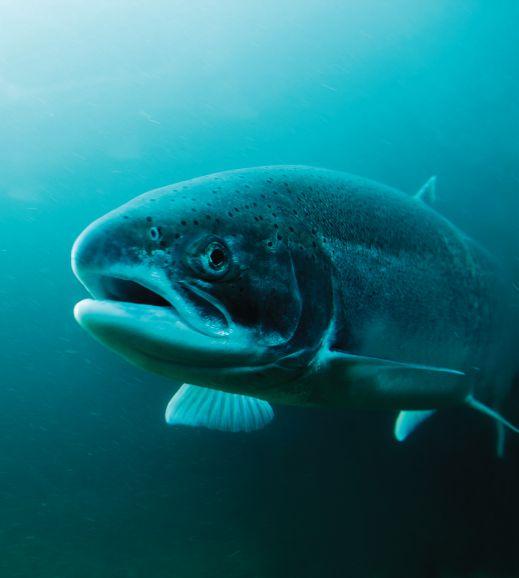
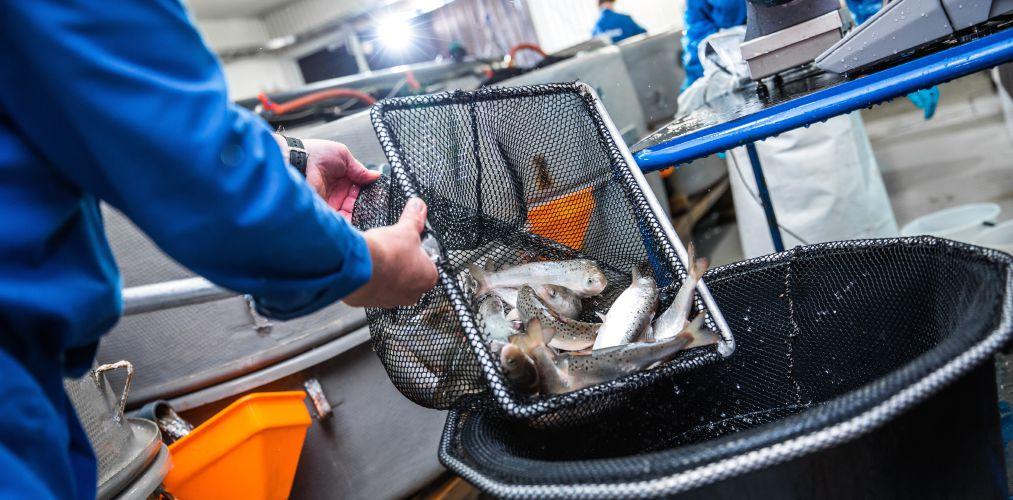
One hundred and 200-gram salmon smolt grew more quickly when put into seawater for grow-out compared to 600-gram fish.
This was one of the results of a study conducted by researchers from the Norwegian Institute of Food, Fisheries and Aquaculture Research (Nofima) which compared performance in terms of growth, survival, health and maturation of salmon produced using different production protocols in RAS.
“We do not know the reason for reduced growth during summer in the fish transferred at 600 grams. The trend was the same in all 600 gram-transferred fish, irrespective of photoperiod or salinity in RAS. We are, at the moment, doing analysis of fish composition to see if we can find an explanation,” Nofima scientist Trine Ytrestøyl told Hatchery International.
COST IMPLICATIONS
Ytrestøyl presented the study at the Aquaculture Innovation Workshop (AIW) 2017 in November at Vancouver, Canada.
“Since the presentation at AIW, we have done the final sampling, and the 600-gram fish grew very well during the final two months in the sea from September to end of November. But despite their catch-up growth, they were still smaller than the 100 and 200 gramtransferred fish at slaughter in late November,” she said.
Cost implications are not covered by the project, she said, because it is very dependent on sea lice situation.
“If this is taken into account, it may be more economical to use the larger post-smolts of 600 grams even if they grow a little slower in the seawater phase,” she said.
The larger fish, she explained,
can reduce grow-out times in open sea cages by 2.5 months, which saves one to two delousing operations, compared to stocking with 100- and 200-gram fish.
There are also health benefits, she added, because delousing is tough on the fish and leads both to reduced growth and some mortality.
It is a common procedure these days to produce salmon smolt to a larger size before they are put in seawater for grow-out.
TRENDING
Wrasse are creating a
production.
Trends in European Marine Fish Hatcheries
A review based on a paper by Isabel Represas and Alessandro Moretti presented at Larvi 2017
At the annual Larvi meeting, held in Ghent, Belgium early last fall Isabel Represas of INVE presented research on the key trends in the European marine fish hatcheries’ industry with a focus on changes between 2013 and 2017. As a recognized reference and innovator in fish hatchery culture, INVE Aquaculture, part of Benchmark, has dedicated special attention to early-stage nutrition to increase survivability and performance of marine fish. It’s owing to this depth of experience in the market that INVE was able to undertake this research on Marine Fish Hatcheries in Europe.
highlight of the presentation was information on the creation of a new market for marine hatcheries as revealed by the dramatic increase in cleaner-fish production.
ATrends in bass and bream hatchery production were also interesting, with a steady increase in numbers produced from the same basic infrastructure. This was achieved through a strategic approach that starts with better dimensioned hatcheries (an increase in the number of large hatcheries), industry integration (as seen in the salmon industry), better protocols and automation. There was also a call for hatcheries to look at
continued on page 10
Publications Mail Agreement #PM40065710
RETURN UNDELIVERABLE CANADIAN ADDRESSES TO 111 Gordon Baker Road, Suite 400, Toronto, ON M2H 3R1
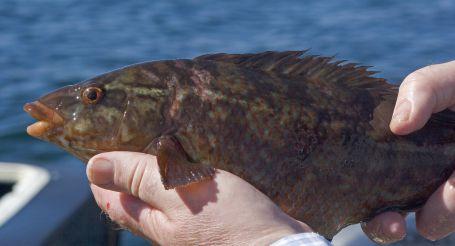
new market for marine hatcheries as revealed by the dramatic increase in cleaner-fish
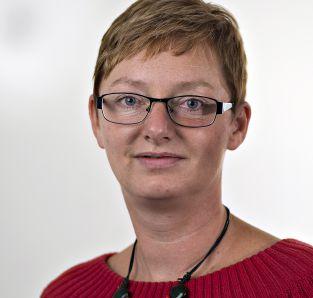
Nofima scientist Trine Ytrestøyl
BY DIOGO THOMAZ
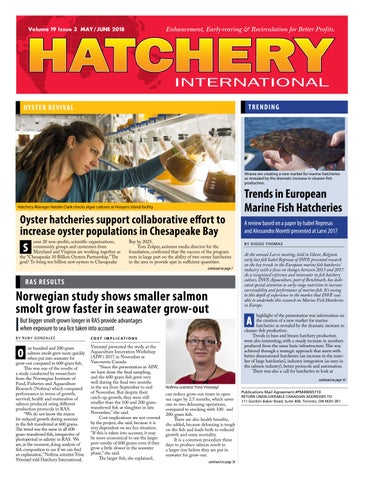
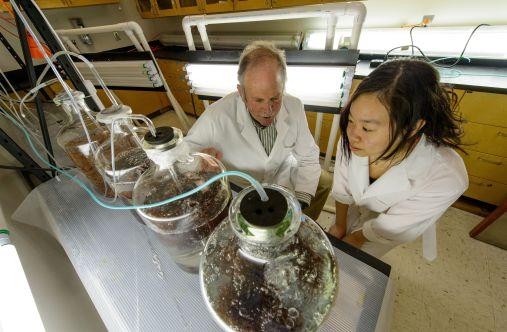
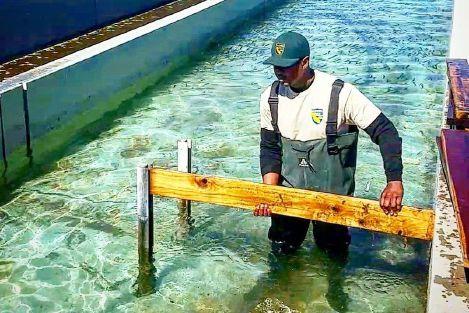
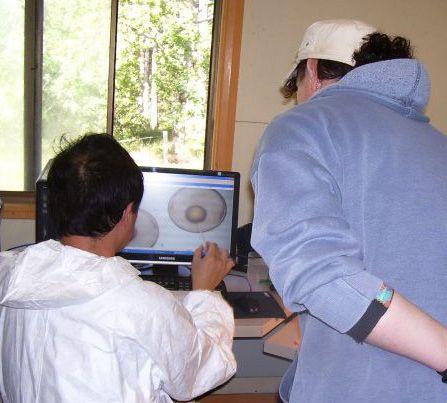
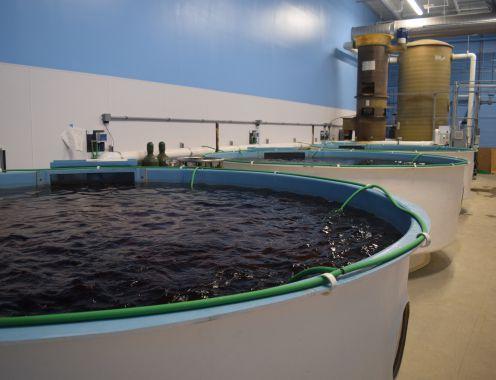
Hatchery Manager Natalie Clark checks algae cultures at Hoopers Island facility.
Disease and poor health are some of the main constraints for sustainable aquaculture.
MSD Animal Health develops environmentally responsible products to maximize fish survival, growth and production efficiency for the major farmed fish species: salmon, tilapia, trout and other marine species.
Every day, in every corner of the world, progressive fish farmers turn to MSD Animal
Health. They ask about our full range of products for managing the most serious diseases in aquaculture. Even more, they come to us for integrated health solutions to help them become more profitable, competitive and sustainable.
For more details please contact your local MSD Animal Health representative or contact us at aqua@merck.com or visit us at www.aqua.merck-animal-health.com.
VOLUME 19, ISSUE 3 |MAY/JUNE 2018
Editor Peter Chettleburgh, peter@capamara.com
Science Editor David Scarratt, scarratt@ns.sympatico.ca
Regular Contributors Quentin Dodd, Diogo Thomaz, John Nickum, John Mosig, Erich Luening, Philip Nickerson, Matt Jones, Ruby Gonzalez
Advertising Manager Jeremy Thain, jthain@annexbusinessmedia.com Tel. +1-250-474-3982, Toll-Free (North America) 1-877-936-2266
Circulation Manager Barbara Adelt, badelt@annexbusinessmedia.com Tel: 416-442-5600 ext. 3546
Design & Production Alison Keba, akeba@annexweb.com
Group Publisher - Scott Jamieson sjamieson@annexbusinessmedia.com
COO – Ted Markle, tmarkle@annexbusinessmedia.com
President & CEO – Mike Fredericks
Hatchery International is published six times a year by Annex Business Media The authority for statements and claims made in Hatchery International is the responsibility of the contributors. Reference to named products or technologies does not imply endorsement by the publisher.
A subscription to Hatchery International (six issues) is $36.00 within Canada, $36.00US within North America and $46.50US outside North America. To subscribe visit our website at www.hatcheryinternational.com
The advertising deadline for the July/August issue is May 9th. Don’t miss the opportunity to be part of this exciting aquaculture publication. For more information, or to reserve space in the next issue, call our Advertising Department at +1.250.474.3982 jthain@annexbusinessmedia.com
Next Editorial Deadline
The editorial deadline for the July/August issue is May 4th. Contact the Editor, Peter Chettleburgh at +1.250.478.3973 for details. E-mail to peter@capamara.com. Material should be submitted electronically with prior arrangement with the editor.
NEWS BRIEFS
Oregon hatchery gets year’s reprieve
An antiquated fish hatchery built 65 years ago on the McKenzie River in Oregon has been granted a year’s reprieve from closure by the state legislature.
The Leaburg Fish Hatchery had been federally funded as a mitigation facility under the US Army Corps of Engineers for its entire history, but that was due to end June 30 this year.
And it was only on the final day of a brief session in the Oregon Legislature that state lawmakers gave the thumbs-up to state funding to operate it for another year, beginning July 1.
The additional time will give the state Department of Fish and Wildlife (ODFW) an opportunity to have further discussions about the future of the facility.
“We’re really glad to get a reprieve and be able to have a larger discussion about where to (go) next,” Bruce McIntosh, deputy administrator for inland fisheries for the state Department of Fish and Wildlife, was recorded telling media in the vicinity.
During the legislative session, angling groups lobbied state lawmakers to prevent the closure of Leaburg, which led to the legislators providing $350,000 in state funds to operate the unit through June next year. Photo courtesy ODFW
TIME TO GROW
Broodstock programme gets boost
The Scottish Salmon Company (SSC) has signed a long-term agreement with international breeding technology company Hendrix Genetics. The purpose of the agreement is to help support development of the company’s broodstock programme and strengthen its freshwater programme.
Craig Anderson, chief executive of the Scottish Salmon Company, said, “This agreement marks an important step forward for our innovative Native Hebridean Salmon broodstock programme and supports our wider aim of developing long term strategic industry partnerships.”
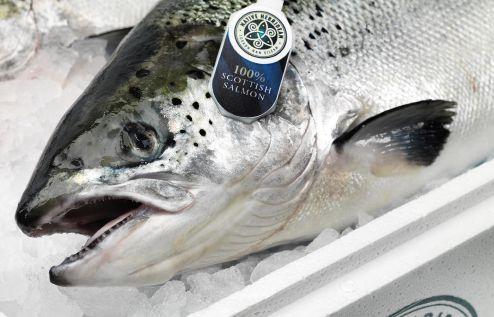
Native Hebridean Salmon was recently introduced to the international market and has gained industrywide recognition from the Federation of Chefs Scotland and has won two awards at the Highlands and Islands Food and Drink Awards 2017. Photo:
Salmon Company
More hatcheries needed for Siberian Rivers
Russia needs more hatcheries in Western Siberia in order to restore populations of endangered fish species, according to a statement posted in the Russian Gazette, the official publication of the federal government in the country.
It was estimated that Russia requires nearly 10 new facilities like the Soba Hatchery in Yamal-Nenets Autonomous District, Russia. It was put into operation in 2017, but has yet to achieve its full designed production capacity of 46
million fry per year, according to official information.
“We need to build up to 10 hatcheries of similar scale in order to see some progress with our recreation program in the region,” said Danil Eltekov, the director of Soba Hatchery.
The Russian federal government is struggling to restore populations of valuable fish species in Siberia since it was heavily damaged by large-scale poaching during the 1990s.
Scottish
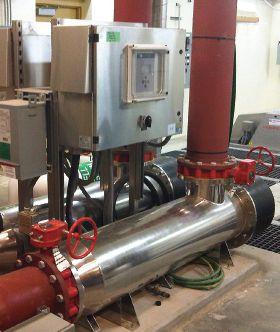
Globally Trusted UV Experience in Aquaculture
- Proven bio-security; over 35 years, > 400 installations
- > 825 million gallons per day treated (3.12 million m3/day)
- Designs for control of multiple pathogens
Lifetime Disinfection Performance Guarantee
- Aquafine Genuine parts program provides this peace of mind
- Economic low pressure lamp technology
- Duplex steel configurations with corrosion warranty for seawater
Long-term Industry Commitment
- Collaboratively advancing UV research in Aquaculture aquafineuv.com
HI_Aquafine_MarApr18_CSA.indd 1
Inactivated vaccine, vibriosis and pasteurellosis in sea bass, in injectable emulsion. With AQUAMUN
ICTHIOVAC® VR/PD Inactived vaccine, vibriosis and pasteurelosis in sea bass, in injectable emulsion
COMPOSITION PER DOSE: Inactivated Photobacterium damselae subsp. piscicida DI 21 RPS ≥ 60%, Inactivated Listonella anguillarum serotype O1 RPS ≥ 75%, Inactivated Listonella anguillarum serotype O2α RPS ≥ 75%, Inactivated Listonella anguillarum serotype O2β RPS ≥ 75%. RPS: Relative Percentage of Survival in sea bass after intraperitoneal challenge. INDICATIONS: Sea bass: to reduce the mortality caused by infection by Photobacterium damselae, subsp. piscicida (pasteurelosis) and by infection by Listonella anguillarum serotypes O1, O2α and O2β ADMINISTRATION ROUTE: Administration by intraperitoneal injection. Shake before use. DOSAGE: One dose of 0.1 ml/fish, when fish weight is approximately 15 g. Fish must be anaesthetised prior to vaccination. WITHDRAWAL TIME: 0 degrees-day. SPECIAL PRECAUTIONS: Fish shall not be stressed during 48 hours before vaccination and 15 days thereafter. Culture water temperature during vaccination shall be equal to or slightly lower than the optimal culture temperature for sea bass (between 17 ºC
NEWS BRIEFS
Idaho to take over Hagerman facility
The Idaho Department of Fish and Game will take over operation of the Hagerman National Fish Hatchery next year. Till now the facility has been run by the US Department of Fish and Wildlife.
Media reports from the state show that the Joint Finance-Appropriations Committee voted unanimously in favor of a budget which would permit the takeover, to be funded by a $2.2 million transfer from federal coffers.
Department director Virgil Moore is cited as telling the committee that under the new federal administration, the director of the USFWS had asked state directors whether there were any federal hatcheries they would like to take over.
“We felt that there was some efficiency for us to have all of the Lower Snake River Compensation Plan hatcheries under our management,” Moore said, “so we made that request to the USFWS, and we’re working our way through that process right now.”
India invests in aquaculture
The Indian federal government recently allocated 100 billion rupees (the equivalent of $1.55 billion US) in support of its fisheries and aquaculture sectors in the national budget for next fiscal year.
Finance Minister Arun Jaitley made the announcement in his 2018-19 general budget speech, saying that the money would be allocated to the government’s Fishery and Aquaculture Infrastructure Development Fund.
The fund supports various subsidized loans to encourage the development of fisheries infrastructure as initiated by state governments, fishing cooperatives and individual investors.
And Jaitley said in his address that the money will be used to help speed the construction of a range of facilities, including hatcheries, fish landing centers, and cold storage.
Thieves target Indian prawn hatchery
A gang of four so-called “miscreants” targeted a prawn hatchery during a recent midnight raid in India. Apparently the thieves were not after fish or prawns, but jewellery and cash from the personnel who work there.
A report from the Krushnaprasad area says that the raid netted the crooks some 50,000 rupees in cash ($770 US) along with several valuable gold ornaments.
In addition to taking the employees’ money and jewellery, they snatched their mobile phones, broke into the stock room to obtain valuables there, and fired a number of blank shots into the air prior to fleeing the scene.
Indian Finance Minister Arun Jaitley
BUCKS NOT FISH
BETTER BREEDING
Breeding for ISA resistance
SalmoBreed, a Norwegian subsidiary of the Benchmark company, has been studying how to develop stock with an increased resistance to the Infectious Salmon Anaemia (ISA) virus.
Salmobreed recently entered into a three-year joint project with the Norwegian Research Council to help speed up creation of a special strain of Atlantic salmon with genetically-enhanced tolerance against the virus.
Known as iSABreed, the 8 million krone ($631,600 US) program is being jointly funded by the two organizations to use the latest genomic techniques to obtain a better understanding of the key genes involved in boosting resistance to the devastating virus.
SalmoBreed genetics manager Borghild Hillstad said in a statement that the company has had a breeding program focusing on improving ISA survival since 2001.
Hillstad said that in that time the team had managed to increase survival by 26%, a significant achievement, but one that took four generations to accomplish.
Hillstad said that the company wants to see that percentage increased still further, along with the phenotype quality and a better overall knowledge of ISA genetics.
She added that company researchers feel they need to develop more “specialized” tools that are directed more exclusively towards ISAv and boosting the salmon’s resistance to it.
She noted that the most up-to-date and modern genomicanalysis methods have now shown ISAv resistance is a “complex” trait in the fish, potentially influenced by many genes.
Russian fishermen to build private hatcheries in the Far East
Anew cluster of up to 16 hatcheries could be created in the Sakhalin and Kuril Islands in the Far Eastern Federal District of Russia, according to information from regional sources.
The private hatcheries, if built, would have a combined designed production capacity of 330 million Siberian salmon fry for enhancement of wild stocks.
“Siberian salmon is the favorite fish among private investors since it has strong homing,” said Dmitry Gabinsky, spokesman for the regional fisheries agency.
When the project is completed Sakhalin Oblast would have one of the largest privatelyowned fish fry breeding capacities in the region. In Russia, most hatcheries are state-owned.
“State-owned hatcheries are running on funding from the state budget, so they don’t care
where their fish go. Private hatcheries are operating to earn money,” Gabinsky explained.
In 2017, private hatcheries provided nearly 90% of catches of Siberian salmon near Sakhalin and the Kuril Islands, he added.
According to the official statistics, Russian fishermen in Sakhalin Oblast tripled the volume of Siberian salmon catches during the past decade, bringing it to 31,000 tonnes per year.
“For such a polymorphic trait,” she is reported as saying, “we want to make our breeding program target the most effective genes, so we can assure we are speeding up the rate of genetic gain regarding ISA robustness.”
And Hillstad also said that to improve the phenotype for ISAvresistance, the project is going to need to conduct what she said are “an extensive series” of challenge tests and experiments.
“Two challenge tests are going to examine the survival and the viral loads on both vaccinated and unvaccinated salmon,” she explained. “The other challenge setups will investigate the ‘shedder capacity’ of vaccinated and unvaccinated fish – in other words how efficiently they’re able to shed the virus.”
Perhaps just as important, she said, is that the challenge tests will involve two separate year-classes of salmon.
“There can be a huge difference in the robustness between year-classes, since we are operating with different sub-populations from the base generation,” she noted.
Hillstad said ISA can have a huge impact on both salmon welfare and on the profitability of the individual operations and companies - as well as the whole industry.
Hillstad acknowledged that ISA has been “quite prevalent” in Norway over the last few years, affecting salmon in marine sites and even in land-based broodstock facilities.
Further financial losses were incurred by the infection also leading to lengthy restrictions on the movement of fish to and from the infected areas.
- Quentin Dodd
In 2017, private hatcheries provided nearly 90% of catches of Siberian salmon in waters off the Sakhalin and Kuril Islands in eastern Russia.
BACK TO BASICS
Water Quality
Water quality is everything in aquaculture… and it certainly was emphasized at the recent Aquaculture America 2018 conference and trade show in Las Vegas, Nevada.
BY JOHN NICKUM
f a hatchery has good, clean water then problems are few. If it has dirty, contaminated water… then problems are endless.
A former colleague once told a group of fish and wildlife administrators that they - the people seated around a table - were the reason there were so many fish health problems in their trout and salmon hatcheries; simply put, they refused to allocate sufficient funds for ensuring abundant, clean, high quality water in their facilities. Surface water from streams, lakes, and reservoirs was easier to obtain and cheaper.
The search for sources of clean water and/or efficient, economical means for cleaning less desirable sources has been part of aquaculture ever since production moved from ponds to tanks and raceways,
The Aquaculture America 2018 conference provided ample evidence that modern aquaculture continues to emphasize water quality, and equipment to achieve suitable water quality at costs acceptable to aquaculturists.
What’s more, in addition to new technology and new equipment, refinement of recirculation aquaculture systems (RAS) and further developments in aquaponics, disinfection of water and equipment received significant attention at the conference.
While disinfection of hard surfaces has been a longstanding practice, disinfection of water that will be used in production systems is relatively new. Health problems should be prevented, rather than treated after they occur. The renewed emphasis on the importance of
water quality in aquaculture was a welcome aspect of the conference.
How to produce clean, uncontaminated product at a reasonable cost has become increasingly difficult for producers facing water shortages and increased competition for the clean water that is available. When North American aquaculture (restocking) was a new venture in the late 1800s and early 1900s clean water was relatively abundant and available to the “first taker” for little or no cost. That is no longer true. Pollution regulations aside, it no longer makes economic, nor environmental sense to use water once, then discard it. Water that has been cleaned, and heated or cooled to optimal conditions for rearing aquatic animals is too valuable to simply discard as waste.
Recirculation systems have improved markedly in recent years in terms of both efficiency and reliability, making Recirculation Aquaculture Systems (RAS) the focus of aquaculturists, aquaculture research scientists, and entrepreneurs who supply the new designs to fish farmers.
Aquaponics, systems used to produce both aquatic animals, such as tilapia, and an array of vegetable crops are increasingly popular. Again, as with single crop RAS, the water can be used over and over again. Aquaponic systems can be designed to fit almost any available space. Small units have been adapted for classroom demonstration systems in high schools and colleges. Old greenhouses, or even warehouses, have been re-engineered for aquaponic systems. Another application of aquaponics that is attracting attention is “urban aquaculture/aquaponics.” The City of Phoenix
(AZ) is actively promoting aquaponics as an efficient use of scarce desert water supplies.
Yet another “twist” to squeezing ultimate value from each drop of water was presented by Dr. David Straus, a scientist at the Harry K. Dupree National Aquaculture Research Center. He described how water of marginal quality can be disinfected with peracetic acid and be available for all standard aquaculture purposes in less than two hours. Peracetic acid is a combination of hydrogen peroxide and acetic acid. Several countries in the European Union, including Germany and Norway, have been using it for up to 20 years to disinfect nets, tanks, and production waters, but it has been slow to catch on and receive approvals for use in the United States. Peracetic is ten- to twenty fold cheaper than other disinfectants and has the enormous advantage of leaving no harmful residues of breakdown products. Unfortunately for do-it-yourself enthusiasts, it takes special equipment to make it, so it has to be purchased from chemical suppliers (few in number in North America).
Easily 60 of the nearly 200 exhibitors at the Aquaculture America trade show had displays that focused on aspects of water quality and water treatment. No other topic, even basics, such as, feeds and nutrition, or health management, had as many as 40 booths ( many display booths dealt with more than one subject area. ) Oral presentations and poster presentations also displayed the emphasis on aquaculture fundamentals, or basic concepts. The conference theme of “Telling Our Story” could have carried a subtitle “Back to Basics Using Modern Technology”.
Oyster
support collaborative effort to increase oyster populations in Chesapeake Bay
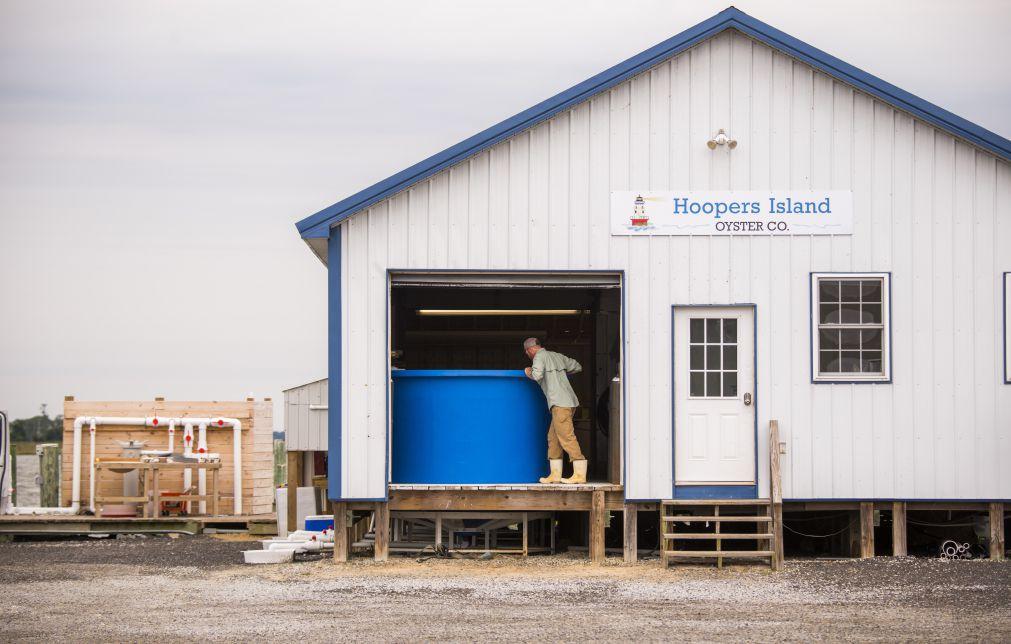
Hoopers Island Oyster Co. has
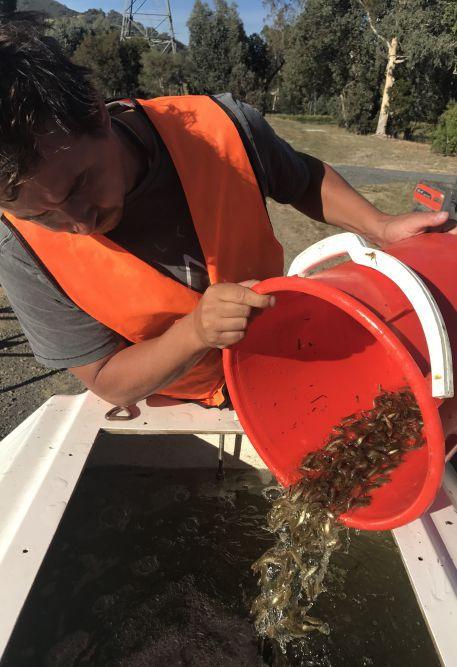
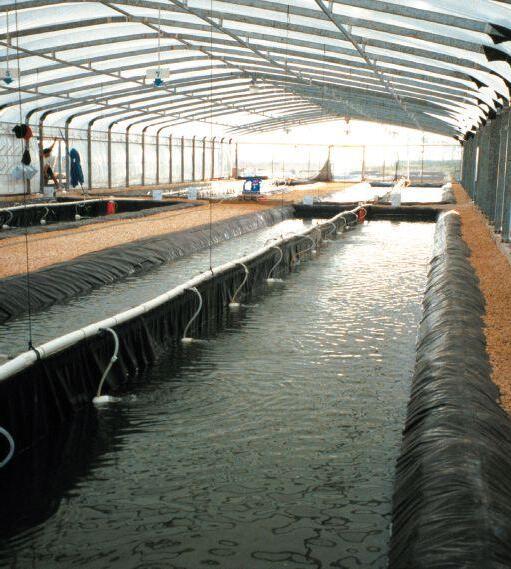
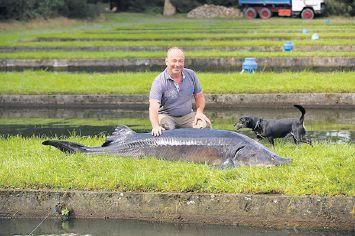
One of the hatcheries is the new Hoopers Island Oyster Co which opened last year in Maryland’s Dorchester County, on the eastern shore of the bay. The second is the Horn Point facility at the University of Maryland in Cambridge, also on the eastern shore of the bay. Nearly two billion spat-on-shell are produced here each year.
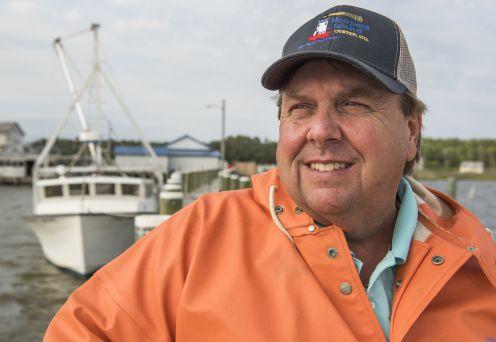
Oysters from Hoopers Island Oyster Co., under owner and waterman Johnny Shockley, will go to
company leases for later harvesting by the company as market-sized shellfish.
Local oyster populations are currently said to be less than one percent of their historic peak. The partnership initiative has three priorities: restore oyster sanctuaries, or traditional oyster reefs restricted from harvest; promote science-based fishery management, and increase oyster aquaculture.
Although the water quality in the bay has improved, it still earns only a “C” on its annual environmental report card. It’s hoped that increased oyster production will improve the environmental score.
Zolper said that whether they are grown with the aid of private investment or backed by public money from universities or other taxpayer-based funding sources, all oysters serve to filter and clean the water they’re in. That’s one of the main objectives for the hatchery-based oyster program in Chesapeake Bay, not just in Maryland but also farther south into other states.
Zolper said that the amount of assistance the Horn Point hatchery will be able to provide to the program will depend on how much funding it can obtain from the public purse through the university and other publiclyfunded programs.
He acknowledged that under the current administration in the White House that remains an open issue, since President Donald Trump in both 2017 and 2018 announced proposed budget cutbacks for a variety of programs that have helped support and expand the aquaculture industry in the US.
– Quentin Dodd
Reed Mariculture: The Plankton People
continued from cover
hatcheries
one of two hatcheries in the area that will provide spat for the ambitious restoration project.
Johnny Shockley
“Turning the headlights on high”
Data from a network of offshore buoys maintained by the US Integrated Ocean Observation System acts as an early warning system for shellfish hatcheries, signaling the approach of cold, acidified seawater, one to two days before it arrives.
The headlights-on-a-car analogy for ocean monitoring is credited to Mark Wiegardt, co-owner of Whiskey Creek Shellfish Hatchery in Oregon.
“Putting an IOOS (monitoring) buoy in the water is like putting headlights on a car. It lets us see changing water conditions in real time.”
Weigraft was speaking at the height of the Ocean Acidification(OA) crisis that caused up to 80% losses in oyster larvae production at Whiskey Creek. Data from the network of offshore buoys maintained by the US Integrated Ocean Observation System (IOOS ) acts as an early warning system for shellfish hatcheries, signaling the approach of cold, acidified seawater, one to two days before it arrives. The data helps hatchery personnel make management decisions based on water quality.
Dr. Jan Newton, senior principal oceanographer
and assistant professor at the University of Washington, explained to attendees at the Pacific Coast Shellfish Growers Association (PSGA) annual conference, how those who monitor OA are now beginning to ‘turn the headlights on high’. The key to that high beam is a network of sophisticated ‘Burkolator’ water monitors and the merging of their data, and that from myriad other sources, into one regional ocean acidification data portal, known as IOOS Pacific Region Ocean Acidification or “IPACOA”.
The near shore waters where we grow shellfish have a more complex chemistry, notes Wiley Evans who manages ocean chemistry research at BC’s Hakai Institute. Low pH water from ocean upwelling can be further affected by fresh water and nutrients in run-off - and coastal tides add to the mix.
“Our understanding of even the basic patterns of CO2 chemistry in the settings where you are growing your organisms is totally lacking,” says Evans. “The Burkolator is by far the best piece of equipment for monitoring inorganic CO2 content in sea water I have ever seen.”
The Burkolator (named after inventor Dr. Burke Hales of Oregon State University) is a sophisticated set of lab equipment that is able to measure pH and aragonite saturation, temperature and salinity at a fixed on-shore location. Regional associations of IOOS, with support from PCSGA, have installed them at nine locations in west coast states and they work well, says Newton. She quotes Ron Zubal at Oceans Alaska hatchery as saying they, “learned more about water quality in seven hours of water monitoring with the Burkolator than we did with seven years of off-the-shelf monitoring equipment.”
But users describe the Burkolator as “temperamental” and “Crashy” and Newton says they require a lot of technical oversight. The Sunburst Sensors company is working on a Burkolator up-grade - the “ACDC” that is more reliable, easier to operate and costs less, so that more can be deployed. Trials are currently underway at Burkolator sites.
“What is important is not only getting the data, and we hope to get more, if more ACDC units can be deployed, but also communicating it,” says Newton. “We decided to adapt the NANOOS (Northwest Association of Networked Ocean Observing Systems) web portal Visualization System to the entire Pacific coast with the IPACOA web site.”
This portal was funded by the US Integrated Ocean Observation System, with data streams contributed by regional IOOS observing systems in Pacific Coast states and the Pacific Islands, as well as through NOAA’s Ocean Acidification Program and Pacific Marine Environmental Laboratory. Contributions from BC’s Hakai Institute as well as a new Burkolator installed by the BC Shellfish Growers Association on the east coast of Vancouver Island, completes the map.
“So now you can see from Alaska down to Baja on IPACOA,” says Newton. “You see all the partners, not only the shellfish hatcheries but the offshore buoys.”
“This type of portal is expandable and we are planning to extend it to other regions in the US,” Newton concludes.
- Tom Walker
Hakai chemical oceanographer Wiley Evans (right) and Oregon State professor Burke Hales install Canada’s first Burke-o-Lator machine for measuring ocean acidification in the waters off Quadra Island, British Columbia. (Photo: Josh Silberg)
Funds to help improve tilapia
Three-Sixty Aquaculture, a UK company which runs the region’s first commercial tilapia hatchery, has combined with the Centre for Sustainable Aquatic Research (CSAR) at Swansea University in Wales to co-sponsor a PhD in sustainable aquaculture. The aim of the sponsorship is to further improve the tilapia species and its production capabilities for use by farmers in low income countries.
“To meet future global food demands, aquaculture is expected to intensify production, and deliver fish that will have to thrive on less food and less water, all compounded by increasingly warmer temperatures,” said CSAR.
As such, key challenges to be addressed by the successful PhD candidate will include helping to develop a breed of tilapia which is:
• Nutritious: enriched with omega-3 PUFA from natural sources.
• Safe to eat: reared in pollutant-free water, free from dangerous natural pathogens.
• Sustainable: reared with no waste, and near-zero nutrient loss.
• Fully bio-contained: unable to escape or introgress with native fish.
• Water friendly: reared on recycled water, reducing aquaculture’s environmental impacts.
• Cheap to produce and easy to rear: thanks to low cost technology, low trophic level.
• Fast growing: with high conversion efficiency, meeting the needs of poor producers.
• Accessible: affordable, easy to process and distribute to poor consumers.
“We will address these challenges through innovation with Three-Sixty Aquaculture,” said CSAR, adding that their joint commitment will also target the following objectives:
• Develop a low-cost, integrated algaetilapia RAS to produce safe, omega-3 enriched tilapia for use in low income countries.
• Characterize, for the first time, the gut microbiome associated with high omega-3 assimilation in tilapia, and
• Develop novel dietary biomarkers in tilapia that can be used non-destructively. Total funding will cover all UK/ EU tuition fees plus annual stipend and expenses input of £16,553.
- Colin Ley
Hatcheries in Kazakhstan need state aid
Management and staff at hatcheries in Kazakhstan have become discouraged after the state government abandoned a plan to issue aid for the production of fish fry in the country. The original plan had been to provide some KZT1.8 billion ($5.3 million) between 2017 and 2020 for aquaculture development in the region. Kazakhstan has embarked on a comprehensive program for the development of the aquaculture industry, targeting to boost production of the commercial fish farming sector by nearly 14 times within the coming decade.
To do that the authorities were planning to support fish feed and fish fry production in the country. However, early in 2017 the seeding was withdrawn from the program, so the hatcheries were left without the promised aid.
“In our country we are trying to build the first floor, forgetting about the foundation,” commented Denis Mushtakov, the director of Karaganda Balyk Hatchery, in Karaganda Oblast, Kazakhstan.
“I cannot do this without [sufficient working] capital and without the certainty that the grown volume of fry would be actually bought. I cannot afford to take on such risks,” he added.
The other hatcheries in the country also believe that the state policy is not wise, since without some support for the fish fry breeding niche the government jeopardizes the entire program for development of the domestic aquaculture industry.
Development of the aquaculture sector in Kazakhstan is being stymied by a lack of investment in hatchery production.
Trends in European Marine Fish Hatcheries
expected, average prices in 2017 for farmed bass and bream were lower than the previous year but work on new markets has led to better than expected prices in the second half of 2017 (see Globefish.org’s report on http://www.fao. org/in-action/globefish/market-reports/resource-detail/ en/c/1072507/).
Preliminary estimates for 2017 indicated that the number of bass and bream fry stocked went up again, approximately another 100M. This represents an extra 20-25 thousand tons of fish harvested in 2018. This will continue putting pressure on prices and on farmers.
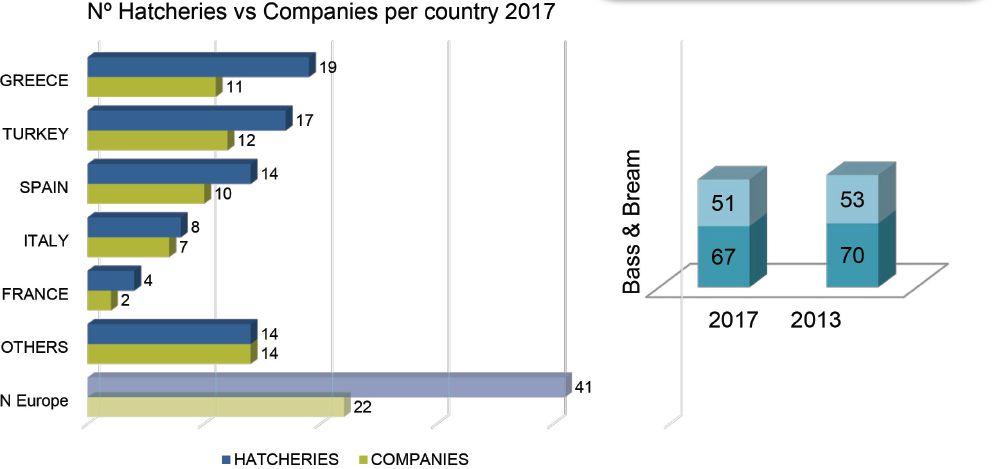
Average annual growth in bass and bream fry production between 2000 and 2017 has been an impressive 6-9% (depending on the statistics used) and this has been achieved by better efficiencies using basically the same infrastructure.
The years 2009 and 2013 were critical years for the industry, with declines in numbers produced of 26% and 12% respectively; the causes for this were not related to technical problems or biological issues but instead to macro-economic factors affecting the industry and the global economy.
MAIN PRODUCERS
Production Fry Bass Bream Evolution
quality from the point of view of the whole production cycle, from broodstock to harvest, with emphasis on key factors including genetics, nutrition, environment and health. Only through this holistic approach to fry production can hatcheries ensure true quality and contribute to a healthy industry.
CLEANER FISH UPTICK
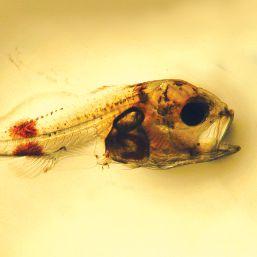
In 2013 hatchery production of cleaner fish was one million, and this number has climbed to 30 million in just four years. This new market serves the salmon industry with its need to keep sea-lice levels under control.
Until recently salmon farmers were sourcing cleaner
fish from wild populations, but demand has grown so much in the last few years that there was a need to boost supply. Many of the larger salmon farming companies are investing in cleaner fish hatcheries and this trend is only going to grow with sea-lice today being by far the main threat to the salmon industry.
Cleaner fish hatcheries are often part of a grow-out system that sells to salmon farmers with prices often above 2€/ fish. It is therefore a very valuable industry in a fast-growing market.
BASS AND BREAM GOING UP
A little over a year ago I wrote in Hatchery International about the risks posed to the bass and bream industry in 2017 by the record number of fry stocked during 2016. As
The main producers of bass and bream fry continue to be Greece and Turkey that together have around 70% of the production with Italy, France and Spain following behind. Together these five countries produce almost 95% of all bass and bream fry in the Mediterranean.
Bass and bream hatcheries produce a number of other species, but these still represent less than 6% of total fry production. A species that has been the subject of recent research and shows a promising future in the Mediterranean is the yellowtail or greater amberjack (Seriola dumerili). As this is a fast grower and farmed to a large commercial size (2+ kg) the number of fry produced will never be large but the value of this industry may soon become very relevant for the region.
THE ECONOMICS OF PRODUCTION
The Represas presentation also has a good analysis of the economics of marine fry production that is useful for companies to benchmark themselves against. Focused on bass and bream, it asserts that the average cost of production of a 4g fry, ready to stock in the sea, is 0.12€. This number is closer to 0.09€ for the more efficient hatcheries, rising to 0.17€ for the less efficient ones. Cost is inversely proportional to survival from egg to fry and over the last 12 years average survival in bass and bream has risen from below 20% to just over 30%, with production costs per fry falling from 0.16€ in 2005 to 0.12€ today.
Over this period bass and bream fry prices have remained relatively stable (averaging just above 0.20€ in 2005 and 0.19€ today) and this means that the opportunity for hatcheries to make a profit on their fry sales has been increasing. Of course, with consolidation in the industry, more and more fry are produced for ‘internal consumption’ and the article stresses the importance of companies looking at the full production cycle and not separating hatcheries from grow-out when evaluating production costs: cheaper fry can mean less performing growout fish and overall production costs may increase significantly when we simply look at fry production costs.
INDUSTRY EMPLOYMENT
When looking in more detail at fry production costs we see interesting aspects such as that on average the industry employs 1.41 FTE (Full Time Equivalent employees) per million fry produced, a value that goes from less than one for large hatcheries producing over 60M fry/year to five or even six for the very small hatcheries
producing less than 3M fry/year.
The nursery stage has the lions share of production costs and this applies to personnel costs as well as feed costs. Artemia and rotifer production come next in terms of share of costs, with artemia costs having come down significantly with the advent of technologies such as SepArt, that simplify and optimize protocols and improves efficiencies.
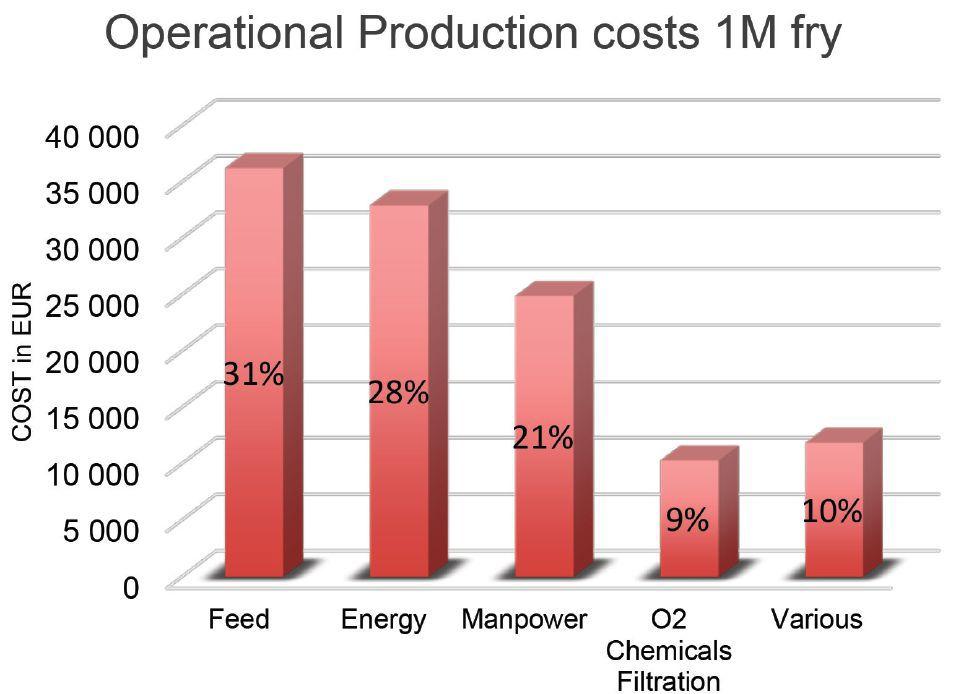
Feeds account for 31% of all production costs with
energy and personnel coming close behind at 28% and 21% respectively. Oxygen and chemicals come next with around 10% of cost share.
In terms of the production stage, eggs represent around 4% of all fry production costs, larval rearing 39%, the weaning stage 11% and the nursery 46%.
TECHNOLOGICAL CHANGES
There have been a number of positive changes in hatcheries over the past years aiming at increasing consistency in numbers and quality of fry produced and what the authors call synchrony of the system, meaning the timely production of all parts necessary for the overall production chain to function (the Just In Time – JIT – equivalent of the Toyota production system).
These have been achieved by improved protocols of broodstock management, live food production (all stages, from algae to rotifers to artemia) together with a restructuring of hatcheries in terms of positioning production stages (broodstock, life food, weaning, nursery). A better flow in the production floor leads to that synchrony that reduces waste, increases efficiency and adds robustness to protocols.
There has been an increase in investment on automation systems, targeting better water quality through continuous monitoring and regulations of parameters such as water temperature, oxygen and others as well as improvements in feeding with the use of automated feeding systems that deliver the right amounts of feed at the right time.
Diogo Thomaz, PhD, MBA, is a Technical and Business Consultant for the aquaculture industry, based in Athens, Greece. After 15 years as R&D project manager and other industry positions he now leads Aquanetix (www.aquanetix.co.uk), a data management and reporting service for the global aquaculture industry. He also heads RealSales Ltd (www.realsales.eu) a sales consultancy company that helps businesses expand their opportunities in export markets. He can be contacted by email on diogo@aquanetix.co.uk
LARVIVA ProStar t™ is the only ear ly weaning diet with Bactocell®, an unique probiotic developed by Lallemand and approved by the European Commission for its documented effect in reducing the occur rence of vertebral deformities in fish larvae and fry.
Philippine researchers use pine pollen treatment to produce all-male tilapia
The Philippines is among the world’s top producers of tilapia but a majority of the production goes into domestic markets because harvest size is too small for global markets.
However, testosterone developed from Benguet pine pollen may give the Philippines a good shot at the lucrative global market.
The product, fishPine, has been proven to produce an all-male tilapia population according to Dr. Ravelina Velasco, acting dean of the College of Fisheries at Central Luzon State University (CLSU).
Aside from producing an all-male fry population, fishPine can also boost the immunity of tilapia, which increases survival and yield. Velasco added that it is an eco-friendly approach that protects the aquatic biodata.
The technology was developed at CLSU’s Freshwater Aquaculture Center by Velasco and CLSU president, Dr. Tereso Abella.
Newly-hatched tilapia are fed with fishPine which Velasco’s study showed can re-direct the sex of fish in a single combination of Dosage 2 ((50-50 pine pollen and 17 alphamethyl testosterone).
Technology of sex reversal is important in tilapia culture because male tilapia grow faster and much bigger than females. Males weigh from 350 to 500 grams per piece in four months while females reach only 150 to 250 grams per piece within the same culture period.
The Philippine national marketable size of 143 to 200 grams per piece lags far behind the global requirement of 400 to 500 grams per piece for live fish and 700 to 1,000 grams per piece for fillet fish.
Benguet pine is one of the most widely distributed pines in Asia. All pine species are potent and rich in testosterone.
“No studies have been done on Benguet pine. We are the first to do the phytochemical screening, both qualitative and quantitative analyses,” Velasco said.
She still needs to refine one aspect prior to commercialization of fishPine. The pat-
ent is in progress.
In developing fishPine, Velasco was supported by a UK-PH fellowship program “that translates innovative ideas into viable business enterprises.”
The project received support from DOST_PCAARRD. This government agency organized the Industry Strategic S&T Program for Tilapia with the aim of producing tilapia that meets global size requirements and introduces technological innovations to boost the capacity of tilapia production systems and enhance product competitiveness.
Since 1958, Faivre has been developing and manufacturing high quality equipments for the aquaculture industry
-Ruby Gonzalez
Tilapia fed with pine pollen. (Photo: Dr. Ravelina Velasco)
Vandalism causes broodstock loss at New Zealand hatchery
The Dunedin Community Salmon Trust in Dunedin, New Zealand was recently the victim of vandalism, causing the loss of nearly 200 of the hatchery’s broodstock. As police continue to investigate the incident, representatives for the hatchery are stymied as to what motives could have inspired the incident. Luckily, however, the local community has rallied to support the hatchery.
“They were our broodstock for the coming year and we were about to strip the eggs to produce the next batch of smolt for this year’s round,” says Steve Bennett, chairperson for the Dunedin Community Salmon Trust. “We lost probably about a ton and a half of salmon weight-wise, but for us it was the loss of the eggs that puts our production of smolts for release into the harbor back a year.”
Bennett says their initial thought was that the vandalism may have been caused by local kids, as it occurred while school was out during the holidays. He doesn’t think that the incident was inspired by any animus towards their operation as it is non-commercial and entirely volunteer-run.
“We haven’t had any problems or issues with anybody in the past,” says Bennett. “We haven’t got any activists contacting us or upset with what we’re doing. We’re a small community-based hatchery that just rears the fish and releases them into the Dunedin or Otago harbor so they’re free for anyone to catch. We’re just trying to create a sport fishery here in Dunedin.”
In response to the vandalism, the hatchery is installing a closed circuit television security system. A few nearby commercial operations donated 450,000 eggs to the hatchery so that this year’s production should be comparable to the planned target. The response from the local community, however, is really moving to Bennett.
“It showed to us that there is really good support for our hatchery and the work we’re doing from the wider Dunedin and New Zealand communities,” says Bennett. “We’ve had some really great feedback. So the positive is that it’s increased our profile and people are more open to coming down. We’ve had offers of support and we’ve picked up a few more volunteers. So there is a sort of silver lining to it.”
- Matt Jones
New Zealand's Dunedin Community Salmon Trust suffered significant mortalities after vandals turned off aerators at the facility.
- Non-Corrosive schedule
PVC reactor bodies are
and handle
internal pressures compared to
and Polypropylene. Schedule 80 reactor bodies are seawater safe and will not corrode in harsh environments, unlike stainless steel
- Single end glassware access makes for easy maintenance when replacing lamps and quartz sleeves
- Thermoplastic or Fiberglass NEMA 12 Power supply enclosures with Standard HMI control package or optional HMI Pro Series control package.
EU experiment “designs” effective weaning diet for grey mullet juveniles
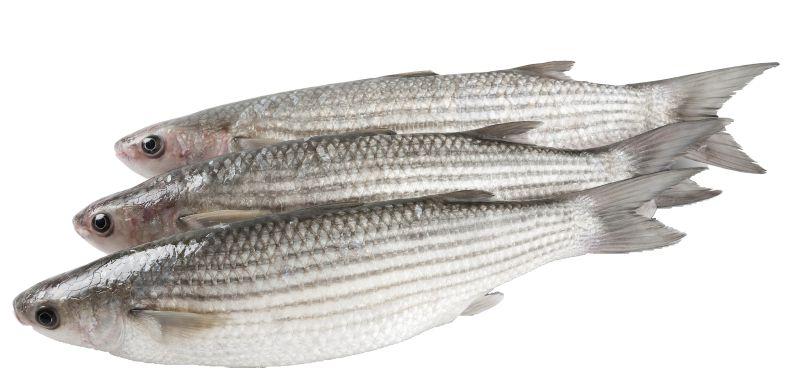
Grey mullet (Múgil cephalus) fingerlings fed an omnivorous weaning diet, which has moderate carbohydrate and protein levels, exhibited superior growth and biomass gain compared to carnivorous and herbivorous weaning feeds.
This was a main finding of a grey mullet study within the framework of a EU funded project through DIVERSIFY. The project explores the biological and socio-economic potential of new/emerging candidate fish species for expansion of the European aquaculture industry.
- Electronic ballasts matched to the performance of the specific lamp for optimal UV-C output and longest useful lamp life
- Standard Over Temperature Safety Cutoff Switch thermally protects reactor when water temperature reaches 120 Degrees F
- American made low pressure amalgam (ALH/AUH models) and high output (HLH/HUH models) lamps are rated 80% efficient at the end of 12,000 hours
Carnivorous feeds have low carbohydrate and high protein levels while herbivorous feeds have high carbohydrate and low protein levels.
The study was carried out by Dr. William Koven and his team at the Israel Oceanographic and Limnological Research Institute, the National Center for Mariculture (IOLR/NCM) in Eilat, Israel with the help of Dr. Enric Gisbert and his group at the Institute for Food and Agricultural Research & Technology (IRTA) in Spain.
“The mullet at the fingerling or juvenile stage is increasingly producing significant levels of amylase with age for carbohydrate digestion as well as proteases to break down animal and plant protein suggesting an omnivorous mode of feeding.
“Amylase is a pancreatic enzyme that digests starch to maltose, which is ultimately broken down by brush border enzymes to glucose units that are absorbed into the enterocytes of the intestine.
“Pancreatic proteases digest proteins to oligopeptides, which are further hydrolyzed through brush border enzymes to di- and tri-peptides and free amino acids to be absorbed, through different mechanisms, into the enterocytes as well,” Dr. William Koven, associate professor at the IOLR/NCM in Israel, told Hatchery International.
The ability to breakdown considerable levels of starch to glucose might also provide energy that would be protein sparing and allow more protein deposition in the tissues and further promote growth.
Koven explained, “This makes sense as grey mullet undergo a trophic shift at this stage of development from carnivorous larvae to omnivorous fingerlings which move towards less saline estuaries and are exposed to a diet of invertebrates and carbohydrate rich micro and macroalgae.
“These results will contribute to improved juvenile performance during weaning in fish farms, leading to higher fish production and faster growth,” he said of the study’s impact on the program.
-
Ruby Gonzalez
Market-size grey mullet (Credit: DIVERSIFY)
Larval rearing tanks at the IOLR facilities (Credit: DIVERSIFY)
Ontario anglers fight to improve stocking numbers
is fighting to increase its numbers but is challenged by limited egg targets and less than ideal weather.
Sarnia, Ontario’s Bluewater Anglers Club collects chinook salmon eggs from Owen Sound and raises them in a hatchery for release into local streams each April. This year saw a drastic increase in their numbers compared to previous years – the club is set to release 62,000 fish this spring compared to only 11,000 in 2017.
Hatchery Manager Jake Van Rooyen, however, says that number is far from their ideal target of 90,000 smolts produced for stocking.
“Our water is stocking temperature at midApril, depending on runoff,” says Van Rooyen. “This year we are better, but we had significant losses during the egg development stage, primarily due to warm water. The eggs just never fertilized; it had a pretty severe impact on our total number.”
Van Rooyen says that their ability to increase numbers is limited by access to eggs. The Bluewater Anglers Club collect eggs from Owen Sound only after two other groups have collected their eggs first – the Ontario Ministry of Natural Resources set their target at 110,000 eggs, however, they’ve had difficulty getting even close to that number in recent years. In 2017, there were quite a few days when they were unable to collect owing to higher temperatures inhibiting the spawn rate.
“We’re trying everything we can possibly do,” says Van Rooyen. “We made seven trips this year to get the eggs that we did get. That’s a lot of travelling. Years ago, one day would produce anywhere from 200-300 thousand eggs for us when there were all kinds of salmon running but we don’t have those numbers any longer.”
Lake Huron has a “great” fishery, says Van Rooyen, but it is far from the high numbers of fish once seen. When alewife made their way into the lake through shipping channels, salmon were introduced as a means of population control, leading to an abundant fishery. However, in the early 2000s zebra mussels became well established in the area and consumed most of the alewife food sources, leading to a sharp decline in both alewife and salmon.
Louisiana launches online oyster ordering portal
Louisiana’s Michael C. Voisin Oyster Hatchery produces larvae and seed with a focus on restoring public seed beds and promoting Alternative Oyster Culture (AOC) through various efforts including the sale of oyster larvae. In order to enhance that aspect of their operation, the Louisiana Department of Fish and Wildlife have launched an online ordering portal to make it easier for potential customers to access the larvae.
“Growing oysters is a difficult job and we want to give any help we can to the industry to be able to grow the different types of oysters that the public wants,” says Richard Williams, biologist manager with the Louisiana Department of Fish and Wildlife. “Anything from the triploid oysters, that a lot of the AOC guys use, to diseaseresistant strains of diploid oysters that we also produce.”
Williams says that while larvae can be ordered by businesses outside the state, the project’s emphasis is on supporting the Louisiana industry and local orders will be given priority. The web portal had already received 20 orders within its first few weeks.
The portal was launched on the Louisiana Department of Fish and Wildlife website in February.
- Matt Jones
Hatchery Manager Jake Van Rooyen (left) says that the Bluewater Anglers Club
Hatchery troughs at the Bluewater Anglers Club.
New directions for Alabama facility
Hurricane damage the catalyst for new multi-species hatchery
BY TOM WALKER
The Claude Peteet Mariculture Center(CPMC) was built in 1973 at the coastal resort town of Gulf Shores, Alabama.
After damage from hurricane Katrina in 2005, a new $9 million 23,000 square foot hatchery building was completed in 2013 with an emphasis on research and enhancement of local sport and commercial species.
RED DRUM A FOCUS
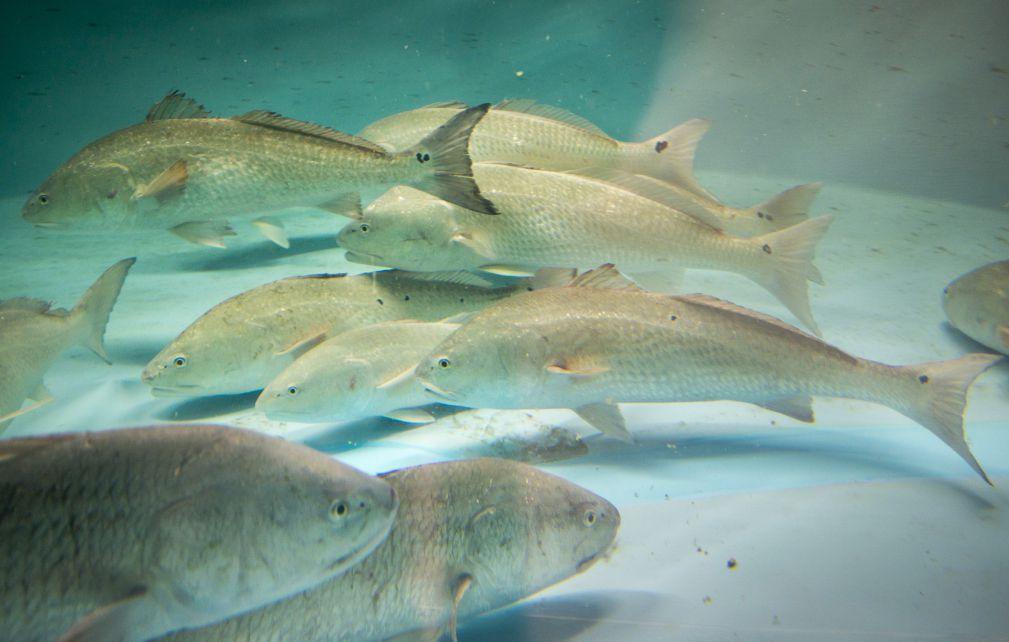
“Currently our focus is on Red Drum, (Sciaenops ocellatus), Florida Pompano (Trachinotus carolinus), and Southern Flounder, Paralichthys lethostigma),” says Max Westendorf, who has been the CPMC hatchery manager for the last 12 months. “These are species that are highly targeted by recreational fishermen and to a lesser extent the commercial fishery.”
“All of our work presently through the state is for stock enhancement,” says Westendorf. “The more species we are able to work with the more we can serve that purpose.”
Westendorf says they got started with red drum in 2015 as a way to “break in” their facility. “We are using red drum to learn the ins and outs of our systems and train staff before we venture on to more complex species to culture,” he explains. “They are a hearty fish.”
Auburn University shares some of the CPMC space and is conducting nutrition studies on Florida pompano. “We’ve just completed a spawn with the pompano and a 95% hatchout gave us about 700,000 fish,” says Westendorf. “We will
Wild-caught red drum being held for broodstock.
take half of those to work with for grow-out.”
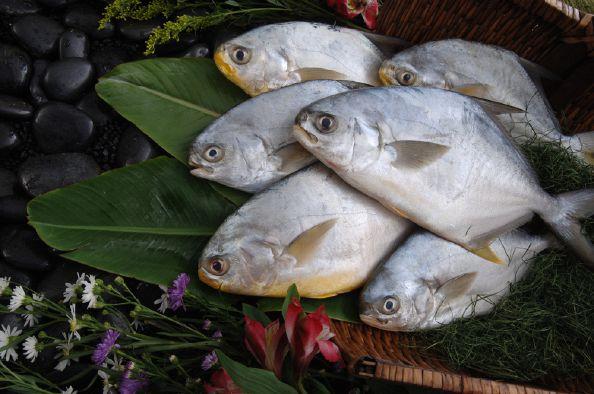
Pompano isn’t specifically needed for enhancement, he says, but they are a great fish to study. “They have excellent meat quality and can grow to market size in about a year,” says Westendorf. “There is great potential for commercial aquaculture of Pompano.”
“We have our eye on southern flounder because data is showing the flounder populations are pretty depressed in the last five or six years,” Westendorf explains. “We are at the broodstock gathering stage for the southern flounder, but have not conducted a spawn yet. They are a winter spawner, so we will have to adapt some of our facility for cold water culture.”
TWO WATER SOURCES
Brackish water from the Intracoastal Waterway was the first water source. Originally, the CPMC did not hold broodstock, concentrating work on growout of red snapper and red drum in their 26 outdoor ponds. Now, two 60hp electric pumps bring full strength seawater in 2.5 miles from the Gulf of Mexico.
Having two water sources is very useful Westendorf points out. “The raw gulf water is the direct source for our RAS hatchery facility,” he says, “but we can mix the two sources to balance the salinity of the brackish water for the ponds, which in a heavy rainfall can drop to near 2ppt.”
Water for the hatchery is pumped to one of two 37,000 L reservoirs, treated with chlorine and filtered. Hand-caught broodstock of all three species are treated to freshwater, peroxide and acriflavine baths and quarantined for three weeks with a copper sulfate dose of .2-.3ppm. They are held in six 13,300 L broodstock tanks with side-mounted egg collection troughs and photothermal controls.
RAS HATCH SYSTEM
The recirculating hatch system consists of a 4000 L sump that supplies twenty-four 70L conical hatching tanks. There are four early rearing systems, the largest of which has a 4000L sump that supplies ten 1200 L tanks.
The red drum are on a 150-day photo thermal cycle Westendorf says. “Spawning temperature is around 22-24 C. We have six separate broodstock tanks staggered about a month behind each other and that gets us about two spawns from each broodstock a year.”
Eggs, larvae, and fry are kept at 25-28C. Initial feeding 2-10 days post-hatch is rotifers enriched with Reed Mariculture One-Step Rotifer Diet, They are replaced with Artemia at 8DPH. The live and formulated feed (Otohime) are co-fed throughout the rearing process.
CANNIBALISM
AN ISSUE
“Cannibalism in the rearing tanks is the biggest issue with red drum,” says Westendorf. “It’s very high around 12DPH, when the fish are going through metamorphosis.” He says survival can drop to anywhere from 20-40%.
“We are working with light intensity and duration,
developing a grading system and fine-tuning our feeding methods to minimize the cannibalism,” he adds. “Automated feeding has improved survival.”
CPMC also has the option of moving larval fish directly into outdoor ponds. The temperature ranges are broader, from 22-30C. Target salinity is above 20ppt, but they will stock in water as low as 10ppt and are able to add the gulf-sourced seawater to bring that up. AquaMax Fry starter is the feed.
“The ponds can increase our survival rates up to 60%,” says Westendorf. “We are able to put the red drum into
the ponds about one or two days post-hatch, so that helps us free up space in the hatchery now that we have the pompano.”
The red drum fry are released at 4-5 cm, which takes 28-35 days indoors in the RAS system and 45-55 days outside in the nursery ponds.
Westendorf says they currently do not have a tagcapture sampling program but it is a goal to be able to estimate the impact stocking is having on the local fishery.
Photos: Gregg Pachkowski, Pensacola News Journal
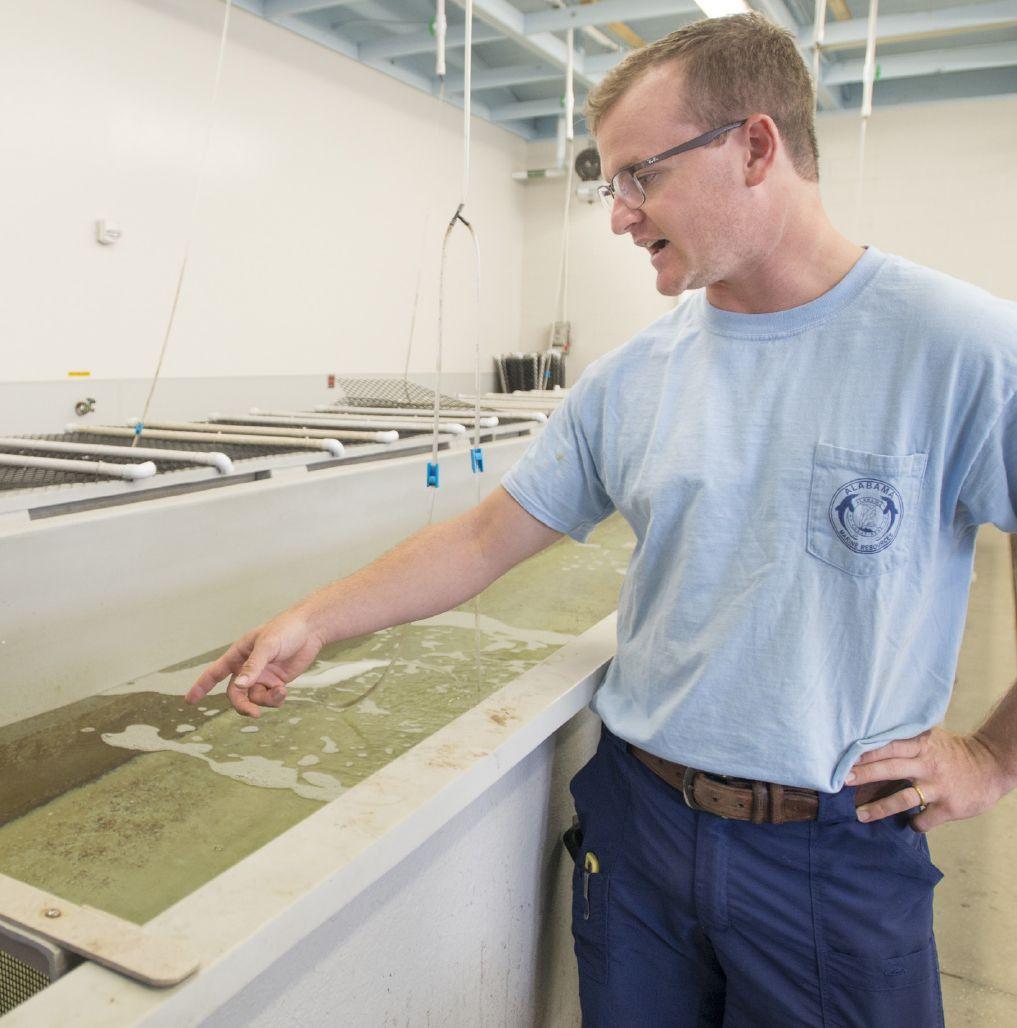
Hatchery Manager Max Westendorf at the quarantine tanks. The facility is currently holding southern flounder in one system, part of an effort to build the broodstock population.
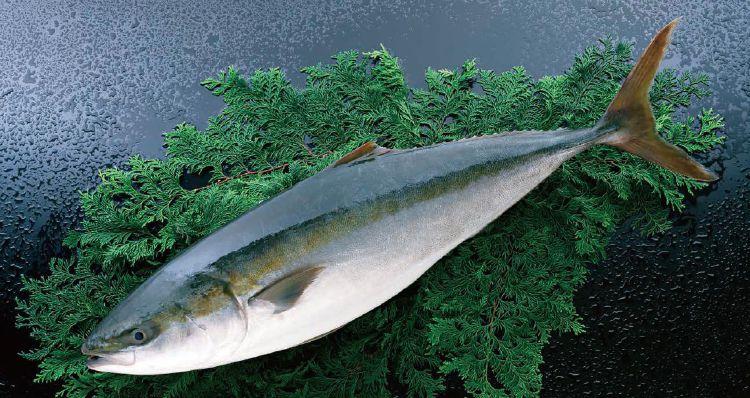
Yellowtail Aquaculture in Japan: How Kurose Suisan's hatchery is making its mark
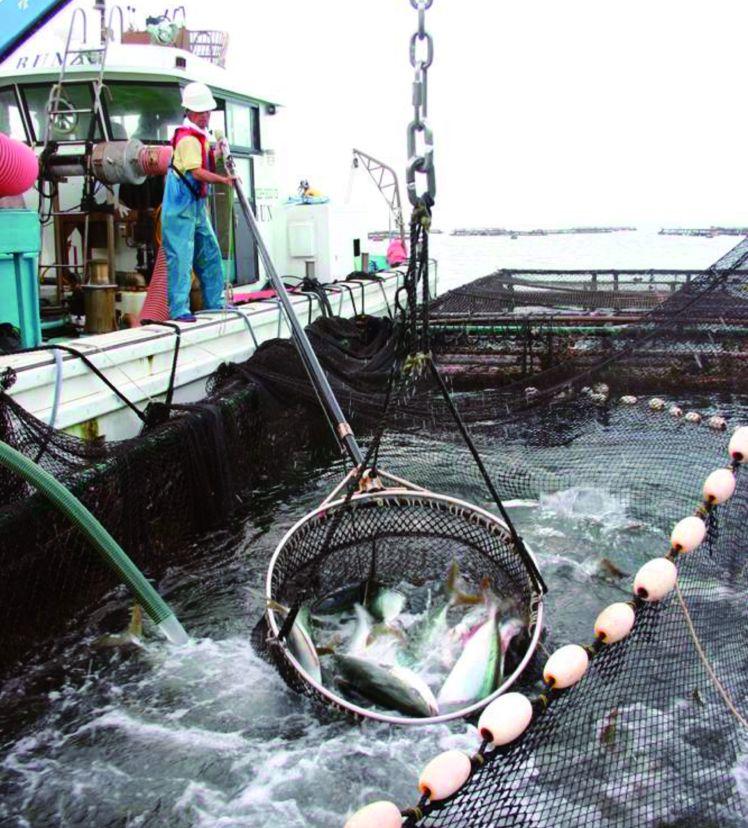
As the world's first yellowtail producer to earn Aquaculture Stewardship Council (ASC) certification, Japan’s Kurose Suisan is taking steps to ensure sustainable commercial operations, beginning with its hatchery.
BY BONNIE WAYCOTT
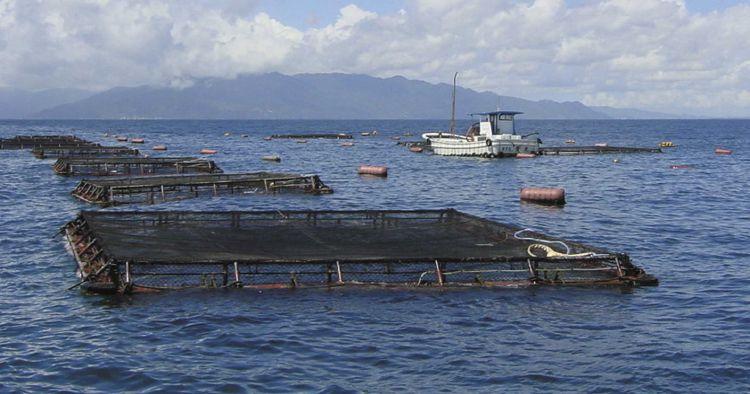
F armed in net pens along the coast of Japan, yellowtail (Seriola spp.) has been cultivated successfully on a commercial scale, making it among the most important species in Japan's marine fish farming sector today.
The Japanese company Kurose Suisan, which was established in 2004, has been producing yellowtail ever since, under the brand name Kurose Yellowtail. Working from sites in Miyazaki Prefecture, southern Japan, it became the first in the country to commercialize the complete aquaculture of yellowtail in February 2009.
"Kurose Suisan is a 100%-owned subsidiary of Nippon Suisan Kaisha, or Nissui, a marine products company in Japan," said Kurose Suisan Manager Shigetsugu Yamase. "In March 2011 we received ISO22000 certification, before celebrating the opening of the Eicho Seedling Center and the start of complete, full life cycle yellowtail aquaculture in March 2013. More certifications followed, including FSSC22000 in February 2016 and CoC certification in November 2017. Today, we are honoured to be part of the journey towards sustainable yellowtail aquaculture."
SUBMERGED BROODSTOCK CAGES
The farming of Kurose Yellowtail begins when eggs are harvested in September,
November and January of each year from domesticated broodstock that are reared in special, individual cages. These are submerged to avoid damage from direct sunlight, rough seas or typhoons, and offer an environment that is closer to the fish's natural habitat of medium to deep waters.
A lack of high waves, strong current and winds makes the seas around Kurose Suisan ideal for yellowtail aquaculture. If conditions worsen, the cages can be submerged deeper for protection, while the constant flow of water eliminates problems such as red tides and leaves little risk to the environment from dissolved oxygen depletion.
At the hatchery, the stripping of gametes is swift. The broodstock are anaesthetized to avoid pain and injury and to ensure that the same individual can be used over several seasons. The diameter of each egg is relatively large at around 1.2mm at the time of stripping.
A strict, tailor-made breeding plan based on genetic information is in place to control inbreeding and maintain genetic diversity. The larvae exhibit fast growth, and are around 3.8mm long immediately after hatching. At this stage, they are given rotifer (Branchionus plicatilis sp. complex) before receiving brine shrimp, or enriched Artemia, as they grow. Around 30 days after hatching, they begin to look like fish and compound feed can then be offered.
The farming of Kurose Yellowtail begins when eggs are harvested in September, November and January from domesticated broodstock that are reared in special, individual cages.
SPECIALIZED FEED
The hatchery is equipped to offer a continuous supply of a powdered compound feed that is formed into pellets of around 0.25mm in size, which is then increased over several developmental stages. Once the larvae have become juveniles and before they are moved offshore, they are given pellets with a size of around 1.8mm. Ingredients can be adjusted to create the right formula to suit each stage of development. Pellets also make it possible to adjust density and control the sinking rate in line with the fish's feeding habits. This allows the feed to be consumed almost entirely and prevents environmental pollution.
Other areas are also closely monitored at the hatchery. For example, seawater is drawn directly from the Pacific Ocean and passed through sand filters before it enters the hatchery building. Before it can be used, UV is applied to kill any bacteria. Oxygen, flow, pH and temperature are also checked and water samples taken to ensure that there is no pathogenic contamination.
Seawater is sterilised, changed and refreshed regularly, while any diseased fish undergo tests, after which the most suitable medication is selected. Vaccines and disinfection baths are used but routine prevention measures are also taken, for example by washing cages and adjusting the nutrient content in feed.
For shipment, the fish are always tested for residual chemicals and harvested upon confirmation that there is no chemical residue. Kurose Suisan also ensures that information is shared throughout all stages of the farming process, from stripping gametes to shipping and sales.
CERTIFIED PRODUCT
With the hatchery fully operational and its ASC certification drawing attention, Kurose Suisan is gaining an industry foothold in the sustainable aquaculture of yellowtail. Manager Yamase noted that it's right to aim for responsible fisheries and aquaculture for the sake of the environment, natural resources, communities and the future. However, although awareness is rising in Japan, some hurdles must be overcome to make the ASC better known.
"We must do more," he said. "We will have to work even harder, make adjustments and compromise on certain areas. For example, vaccines need to be developed more quickly, together with national government recognition. The feed industry could take steps to conform to ASC standards, and aquaculture in Japan overall needs to compromise and adhere to the ASC. We believe that to make the ASC more widespread in Japan, more needs to be done to educate consumers so they choose sustainable products, and in the case of Japan, increase the value of farmed fish as opposed to wild."
Despite the tasks ahead, Kurose Suisan's achievements in the full cycle aquaculture of yellowtail and its recent ASC certification have built confidence for its ongoing success. With plans to inaugurate a new group, the Japan Seriola Initiative (JSI), to address the above challenges, hopes are high that Kurose Suisan will play an even greater role in line with ASC standards.
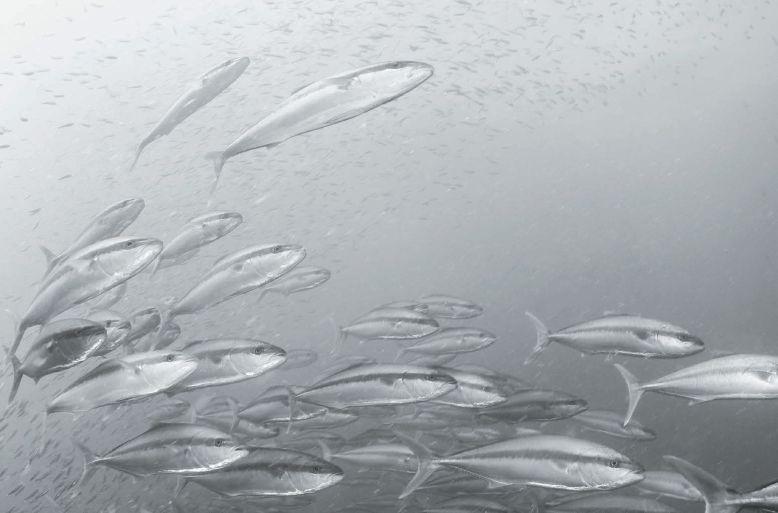
Kurose Suisan has been producing yellowtail under the brand name Kurose Yellowtail since 2004. Working from sites in Miyazaki Prefecture, southern Japan, it became the first in the country to commercialize the complete full-cycle culture of yellowtail in 2009.
BETTER BREEDING
Selective breeding the next step for kelp culture
BY TOM WALKER
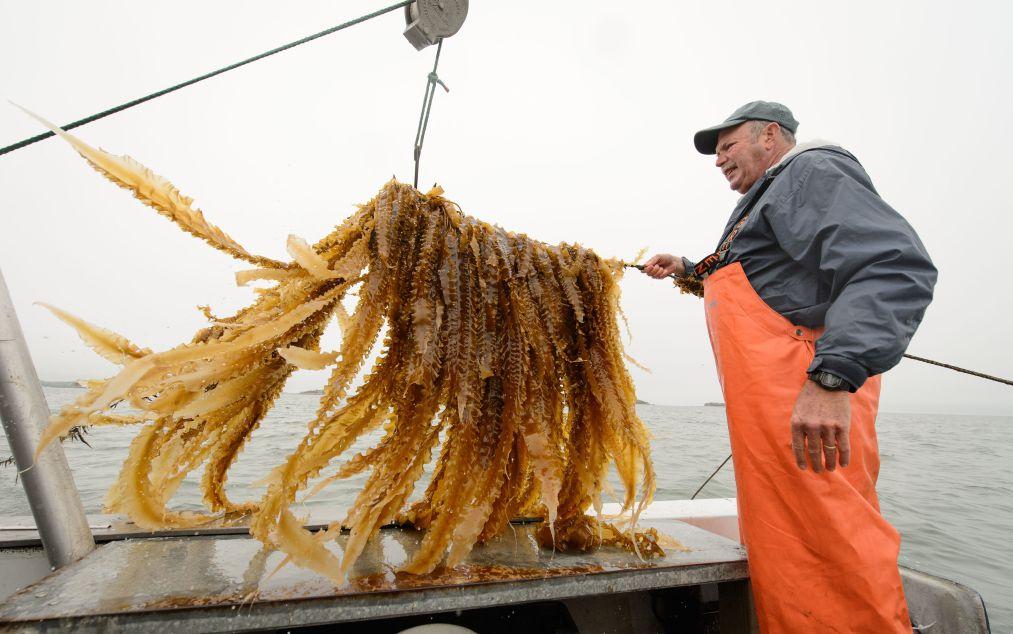
Dr. Charlie Yarish has been growing the kelp business along the east coast of North America for many years. “I started doing the things we are talking about in the 1980s,” he quips from his office at the University of Connecticut.
Yarish sees a lot of potential for kelp production across the continent. “We have the capacity to be one of the top kelp producers globally,” he says. “We can take advantage of the cooler US federal waters including Alaska, and both coasts of Canada.”
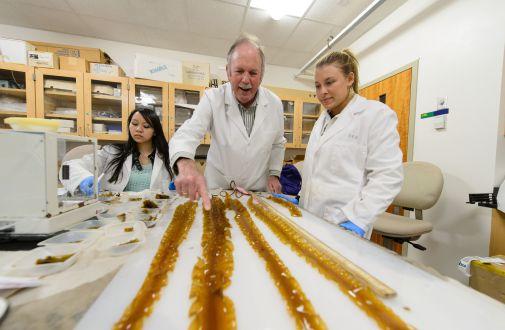
Centered in New England, scientists from the University of Connecticut, the University of New Hampshire and Woods Hole Oceanographic Institute have been working together to support seaweed industry expansion.
The team has been following a three-pronged approach: “Hatchery techniques are improving, the cost of production is going down and we are attracting new people into the industry,” Yarish explains. “And that’s what you need, new people drives more innovation.”
“All of the work we have done is open source,” says Yarish. “If you want to grow an industry, you don’t keep things a secret.”
HANDBOOK FOR NURSERY SYSTEMS
Yarish’s team has written a manual, New England Seaweed Culture Handbook, Nursery Systems, that outlines the nursery culture for four economically and ecologically valuable seaweeds - the locally occurring species of Saccharina (sugar kelp), Gracilaria (red seaweed), Porphyra (Nori) and Chondrus (Irish Moss).
“For sugar kelp, we have modeled a nursery system that has been replicated up and down the east coast and into Alaska,” explains Yarish. “You need a cold water circulator, you need a fish tank, and some PVC spools wrapped with string,” he says.
The team recommends common bulk components to keep the costs down. Tubing, pails, 20-gallon aquariums, and 2&1/4 PVC pipe can be bought at big box stores says Yarish.
“A circulator pump is around 500 bucks and we have been using the same circulators over the last eight years,” says Yarish. “You could do it in your basement, if you set up a few lights.” But he doesn’t recommend it.
Sorus tissue from kelp blades are spawned in the fall, and the spores are collected and placed in special containers to settle on twine wrapped around a PVC pipe. The “seedspools” are then transferred to aquaria where
the spores develop into male and female gametophytes producing eggs and sperm. The eggs are fertilized by the sperm, and tiny plants begin to grow on the twine.
After five to six weeks in the hatchery system, the 2-3 mm plants are ready to be out planted, usually in November-December. The twine with the kelp plants is unwrapped and coiled onto a long line system for winter-tospring grow-out. Line maintenance only requires monthly checks on the mooring systems until harvest time in May.
FICKLENESS OF NATURE
Currently, the kelp industry gathers wild broodstock, but collecting brood plants from the wild means you get what Mother Nature gives you. Contamination in the nursery is always a risk Yarish says, particularly if broodstock cleaning protocols are not followed. “If you are starting off with dirty material, you might get a beautiful spore suspension but you might also get contaminants,” he warns.
The researchers are finding a range of growth rates
Charlie Yarish sees a lot of potential for kelp production across the continent. “We have the capacity to be one of the top kelp producers globally,” he says. “We can take advantage of the cooler US federal waters including Alaska, and also both coasts of Canada.”
Centered in New England, scientists from the University of Connecticut, the University of New Hampshire and Woods Hole Oceanographic Institute have been working together to support seaweed industry expansion.
Keeping a laboratory seedstock ensures a guaranteed supply of gametophytes for seeding, allows for breeding of select kelp strains, and provides a clean seedstock, free of contamination.
and size (from 2.5 to 10 meters in mature sugar kelp), a varied tolerance to water temperature and salinity changes, and an assortment of tastes in the final product.
TERRESTRIAL
PATH
Yarish says it’s time to follow the path of terrestrial plant breeding.
Keeping a laboratory seedstock ensures a guaranteed supply of gametophytes for seeding, allows for breeding of select kelp strains, and provides a clean seedstock, free of contamination.
“We are on a trajectory to do domestication,” says Yarish. Separate male and female kelp gametophytes can be maintained in a vegetative culture. This will allow the researchers to develop germplasm banks of select breeding material.
The team’s next project, “Selective Breeding Technologies for Scalable Offshore Seaweed Farming” will assess the genetic variability and begin the domestication process of sugar kelp, on the east coast of the US and Alaska,” says Yarish. “With that information we hope to be able to select out from natural populations strains that have unique capabilities. We will be able to preserve the genetic pool and have cultivars and strains that are unique to growing areas.”
“We will be working with some of the best plant breeders in the world who are associated with Cornell University,” says Yarish. “They may not know about sea weeds, but as land plant specialists they know about plant genetics.”
BULLISH ON KELP
Worldwide, over 8.0 million tons of kelp were cultivated and harvested in 2014, with a value of about US $1.4 billion according to FAO 2017 figures. Nearly all kelp production occurred in Asia, with China accounting for 88.3%, South Korea 6.6%, and North Korea 4.4%.
In the near term, kelp researcher Charles Yarish from the University of Connecticut sees the greatest potential markets in the food industry. “It’s an amazing food crop,” he says. “It’s nutritious, it doesn’t require fertilizer, it doesn’t require water. It does require space, and there is plenty of space along the coast of North America. And it grows during the winter and spring when most other crops are dormant.”
Yarish expects kelp will be included in animal feeds within the next five years. “Animal feed for ruminants requires a tremendous amount of bulk and kelp can help provide that,” says Yarish. And researchers are investigating kelp as a feedstock for bio fuel applications. Kelp also provides a valuable ecosystem restoration service, with its high nutrient bio extraction capabilities.
Although he has done a lot of work with IMTA (Integrated Multi-trophic Aquaculture), Yarish says he is leaning towards single or co-culture kelp systems together with shellfish. He works with several growers who are incorporating kelp into their oyster long line production. The gear, support equipment, employee skills, and sites are all similar. And the growing cycles complement each other. When the kelp is coming out of the water in the spring, the oysters are just getting started growing again “We are at the beginning of a new industry.” Yarish maintains.
“If we are going to do anything in kelp aquaculture in North America, this is the time.
NEWS
Upgrades optimize production at California hatchery
BY ERICH LUENING
After nearly a year offline for renovations, the Mojave River State Hatchery in Victorville, California is open for business with upgrades to raceways, pumps, ponds and discharge systems.
“Although there is still some work to be done, the improvements made at Mojave River Hatchery have optimized productivity and extended the life of the facility,” said hatchery manager Forrest Williams. “This is especially pertinent for the rearing ponds that had deteriorated over the years.”
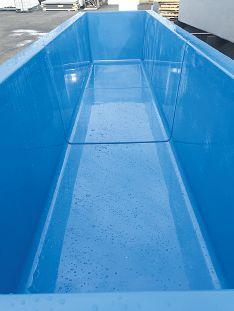
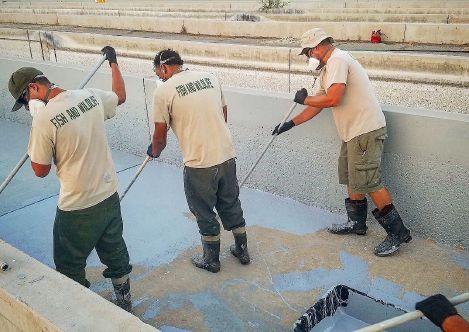
The California Department of Fish and Wildlife (CDFW) invested several hundred thousand dollars in the project, including pressure washing and disinfecting 6,000 linear feet of fish rearing ponds and associated plumbing. Also included in the upgrade was coating all fish-rearing surfaces with Food and Drug Administration (FDA)-approved epoxy coating to improve fish culture conditions and installation of new manifolds for the water recirculation loop to improve efficiency.
The hatchery is one of 13 state-run trout facilities in California.
Coating the ponds with epoxy not only strengthened the concrete infrastructure, Williams explained. It also acts as an aid in deterring unwanted growth or aquatic organisms.
“In addition, the rubber liner that was installed in the settlement ponds increases the systems efficiency and minimize the water loss due to percolation prior to discharge, he said.
This is essential when the staff recirculate water into the facility through the UV disinfection units.
“Furthermore, the new meters and tubing installed at the mid- pond system increases the oxygen levels and maximizes the flow that furnishes the lower series within the hatchery,” he explained. “Overall, all of these factors
will collaboratively assist the hatchery in producing millions of healthy rainbow trout for years to come.”
Fish production at Mojave has already resumed and juvenile fish have been brought in from other CDFW hatcheries for additional growth at the renovated facility. The first batch of catchable-sized fish from Mojave Hatchery were anticipated in late February, with others to follow.
Millions of fertile trout eggs have been shipped to Mojave for incubation and rearing into catchable fish for stocking later in 2018.
Fish production at Mojave has resumed and juvenile fish have been brought in from other CDFW hatcheries for additional growth at the renovated facility.
Included in the upgrade was resurfacing of all fish-rearing surfaces with an FDA approved epoxy coating to improve fish culture conditions.
Recirculation aquaculture systems are becoming increasingly popular for a range of fish species, including salmon.
Built upon 27 years of continuous operation and learning, Skretting Aquaculture Research Centre (ARC) Lerang Research Station in Norway has significantly increased its research capacity over the past year with the addition of advanced recirculation aquaculture systems (RAS) – the first of their kind.
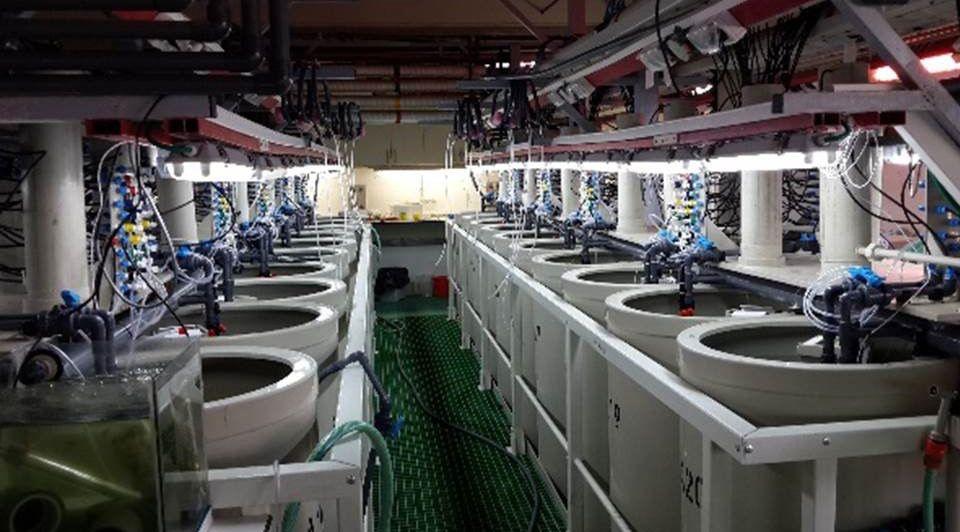
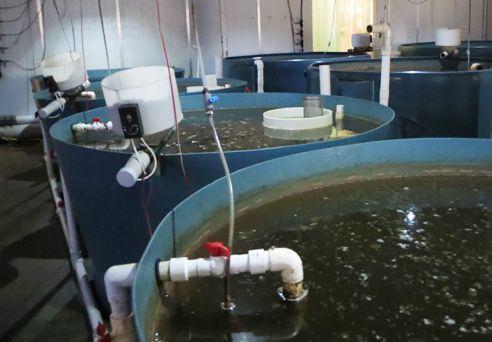
The independent RAS units primarily focus on the process of recirculation –examining and optimising the whole system while taking into consideration inputs and outputs. The new facility has 12 tanks with 12 independent RAS units which can be interconnected before the start of the trial to ensure equal biofilter performance. This set up enables us to test the effect of different diets on RAS performance.
Partnering with the new systems is Skretting’s dedicated feed range for RAS – RecircReady. These diets utilise specialsed feed components to increase water stability and particle size distribution of faeces, thereby improving filtration efficiency and fish welfare.
RecircReady is available for hatchery and land-based production systems.
Benefits of RecircReady feeds:
• Facilitates biofilter operation by reduced load of organic material
• Reduces phosphorus and nitrogen accumulation-discharge
Pentair designs sustainable Recirculating Aquaculture Systems (RAS), offering economic and production benefits including, biosecurity, scalable operations, excellent water quality and contaminant-free products. In addition, our RAS are also environmentally sustainable with a small water requirement and space footprint. For design consultation and services for your RAS project—ASK US!
PROFILE Piscifactoria Del Alba Spain’s first ASC-certified hatchery
Piscifactoria Del Alba S.A in the principality of Asturias, northern Spain, drew attention nearly a year ago when it became the first hatchery in the country to obtain ASC certification.
BY BONNIE WAYCOTT
Popular in the northern half of Spain, rainbow trout is one of the main finfish species that's farmed in the country. Its production is also the driver for Spain's inland aquaculture business. And while rainbow trout is usually sold throughout the year in Spain, exports are growing as trout aquaculture continues to expand.
Piscifactoria Del Alba S.A is a name that's synonymous with Spain's trout culture. A family business that began in 1960, it produces around 300 tons of rainbow trout, supplying to Colruyt in Belgium and a range of European markets including Denmark and Germany. Today, its hatchery is part of an important production chain, as Piscifactoria Del Alba S.A continues to pursue sustainability efforts.
EARLY DAYS
"Our farm was started by our grandfather," said Fidel Cabero, Quality and Food Safety Manager at Piscifactoria Del Alba S.A. "He read an article about trout farming in Readers Digest magazine in 1959 and became inspired to start his own farm. Today, my sister, Cristina Cabero, who is General Manager, and I take care of the farm together with other family members. We are the fourth generation of our family in the business, as my nephew and niece also work with us."
The centre of Asturias is fed by the principality's two biggest rivers, the Narcea and the Nalón, which meet very close to the sea forming the estuary of San Esteban in the small coastal municipality of Muros del Nalón. Native populations of species such as brook trout, brown trout and salmon are decreasing owing to deteriorat-
The larvae are fed manually every hour during the first few days of life and then three or four times a day towards the end of the hatchery period (4 - 6 months). All ingredients come from companies that source and use sustainable raw materials for production under ASC standards. The hatchery works with a stocking density of around 18 - 20kg/m3.
ing water quality and predators such as cormorants and grey heron that follow the rivers' course from the sea. This has made aquaculture all the more important, starting with the hatchery.
THREE SITES
Piscifactoria del Alba S.A has three farms. The first two are a hatchery known as Alba I, and a pre-growing facility called Alba II. Both are located in the Natural Park of Redes, which is part of the UNESCO global network of Biosphere Reserves. Within this area flows the river Alba, home to the hatchery, while the pre-growing farm is found along the Nalón river 5km away. A third farm, Alba III, and a processing plant are along the river Cubia, a few kilometres away from the village of Grado.
The production cycle starts at the hatchery, Alba 1 (pictured), in the heart of the Redes Natural Park and the Biosphere Reserve area. After a few months the fingerlings are moved to Alba 2 in Rioseco, where pre-growing is carried out.
"All the rivers have excellent water quality, and the area is ideal for trout farming," said Fidel. "There is potential for some impact on the surrounding environment, such as organic or inorganic water pollution and an unbalance of predator populations. In other words, predator numbers can go up because food is easy to find on the farms. But we monitor these regularly, for example by installing anti-predator nets and controlling water effluent to make sure that it complies with all regulations when being diverted into the river. We also work with an external organisation to conduct periodic studies on the impact of our work on macroinvertebrate communities in the rivers. The reports produced are public and available on our website."
HATCHERY OPS
Operations at the hatchery begin with embryonated eggs, which are artificially spawned from high quality broodstock in the south of France. The eggs arrive at the hatchery every two months, and are thoroughly cleaned and disinfected before being placed in 16 rectangular concrete tanks with a capacity of 1m3. They are kept there for two months while they grow into fingerlings. At that point, they are transferred to five rectangular concrete tanks with a capacity of 200m3 and kept there for three quarters of a month before moving to the pre-growing facility.
The larvae are fed manually every hour during the first few days of life and then three or four times a day towards the end of the hatchery period (4 - 6 months).
Feed consists of pellets made with fishmeal and nonGMO soybean to offer nutritional balance and encourage growth and product quality. All ingredients come from companies that source and use sustainable raw materials for production under ASC standards. During larval rearing and until the fingerling stage, the water temperature ranges from 6°C to 18°C. The hatchery works with a stocking density of around 18 - 20kg/m3
PRE-GROWING
After four to six months, the fingerlings are moved to the pre-growing farm in a truck that contains an oxygen supply. The farm is home to 21 large ponds. The fingerlings are fed two or three times a day and grading carried out if necessary. They usually spend four or five months at the farm before they are moved for grow-out, at around 100g. Biosecurity measures are strict throughout. All staff entering any part of the farms must disinfect their shoes and any vehicles beforehand. Nets are also placed over the ponds at the pre-growing farm to prevent predators from entering, while all equipment, rearing devices and structures are kept clean and disinfected when not in use.
grade the fish before slaughtering them. When they are around 200 - 400g they enter the processing stage. Our ponds have an oxygen supply and the fish are fed around one or two times a day. In the processing plant we follow the guidelines established in the ISO22000 family of international standards for food safety management. After being processed, the fish are iced to ensure extreme freshness when they reach their destinations."
ASC MILESTONE
The ASC certification received in April 2017 has been a significant milestone for Piscifactoria del Alba S.A. Owing to the high appreciation towards sustainable farming in the EU, the certification has opened doors to new European markets, including Switzerland. But despite the certification's significance, Fidel believes that there is still much to do to increase people's awareness and understanding.
"Sadly, people in Spain are not as aware as we would like, when it comes to sustainability and environmental
protection," he said. "I hope that attitudes are changing, though. To become more sustainable, aquaculture in Spain needs good, strong markets that want and ask for sustainable products. By this, I don't just mean markets in the north of Europe. Local markets here in Spain also need to demand such products but that isn't happening yet. It was easy for us to get ASC certification because we are always mindful of and care about environmental impacts. We didn't need to change any of our working procedures. We hope we can be an example to other operations in Spain."
Piscifactoria del Alba S.A is now aiming to reach big markets elsewhere in Europe and compete with other trout producers in Spain and the rest of the EU, not just in terms of quality, Fidel says, but also sustainability.
For more information about Piscifactoria del Alba S.A, visit their website at: http://piscifactoriadelalba.com/es/
"Once the fish arrive at Alba III, they stay there for another one or two months," said Fidel. "Usually we
A third farm, Alba III, is also the location of the company’s processing plant, alongside the river Cubia.
After four to six months, the fingerlings are moved to the pregrowing farm. They usually spend four or five months at the farm before they are moved for grow-out, at around 100g.
Shining a light on photoperiod
The three things most important to producers of healthy salmon are fast growth, low maturation and saltwater adaptation. These three traits are all independently endocrine mediated and all have photoperiod as the proximate cue.
BY JIM POWELL AND ANITA FERNÁNDEZ
Light is perceived through the pineal window in small fish and via the visual system in both small and larger fish. The perception of light causes changes in the endocrine cascade that directly and indirectly affect the hypothalamus and the pituitary. The pituitary then releases a hormone into the blood that is intercepted by target organs and the fish grows (liver), matures (gonads) or increases saltwater tolerance (gills, kidney).
As these processes are endocrine mediated, they take time and exposure. ‘On’ or ‘off’ for these systems does not happen overnight; it is weeks of exposure to changing light that initiate the change.
The secondary affecter is most often water temperature. In biological systems, optimal temperature range can cause quicker reaction times. In warmer water conditions with good nutrition and optimal exposure to light, fish grow faster, mature sooner and smolt quickly.
COMMON PRACTICE
Common practice in the hatchery is to use continuous light (LL) to suppress pineal hormones, most notably melatonin, stimulate appetite and suppress maturation. Warmer temperatures help to speed growth.
To induce efficient smolting, a Winter Signal (WS) is necessary to simulate a first winter and help develop seawater (SW) tolerance. The downside is that the fish registers a first winter not only for smolting, but for maturation. After the winter signal, continuous light is restored and the endocrine cascade of the new ‘spring’ supports the capacity to tolerate SW exposure.
The use of high temperatures to promote growth seems to ‘over-ride’ the normal conditions that require
a second winter to initiate maturation. Fjelldal and coworkers (2011) demonstrated that continuous light and elevated temperatures triggered precocious maturation in Atlantic salmon male parr. It appeared that the first winter signal was enough to trigger early maturation.
It may be that the ‘depth’ of the winter signal - the ratio of Light:Dark - is important here. As smolting and maturation are biological processes, they react to elevated temperature. Some producers think that the winter signal for smolting may not need to be as ‘strong’ as for maturation. That is, the winter signal need not be 10L:14D or 12L:12D at higher temperatures, but rather 14L:10D or even 16L:8D.
OTHER FACTORS
There are also other factors at play, like having the ‘early maturation genes’ Vgll3 and TEAD3 (Christensen et al, 2017), but the notion is clear: moderate the type of winter signal used to induce smolting and it may affect early maturation outcomes.
The photoperiod treatment of Atlantic salmon in the production of smolt is essentially the same for S0 and S1, with the application of the winter signal coming after a longer period of time for the S1 as compared to the S0. Generally the post winter signal LL period is about the same – temperature pending.
However, when the fish hit seawater, photoperiod treatment varies with S0 or S1. For S0 smolt, fish are entering during the late fall or winter. It is necessary to augment light in a way that takes away, or disrupts the second winter signal.
Taranger and coworkers (1999) demonstrated that
shortening the winter signal was effective at inhibiting maturation. By applying light before the winter signal is complete, such as a month before the winter solstice for 6-8 weeks the winter signal is disrupted. The lights can then go off and the fish harvested in the summer to avoid grilse. In cases where there are cooler SW growing conditions, a second winter photoperiod treatment may be required to inhibit maturation and encourage growth.
In the case of S1 fish, they generally have LL from the winter solstice period until the summer solstice.
THE CHILEAN EXPERIENCE
In contrast to other salmon-producing areas, Chilean producers supply smolt year-round and photoperiod strategies in SW must adapt to the production schedule to achieve harvest objectives. In SW, producers primarily use photoperiod to stimulate growth to reduce the time to harvest and secondarily to inhibit sexual maturity, therefore the initial application of light in SW is crucial. In this regard, it is important to consider management in the FW phase. Experience has shown that fish can perceive a primary winter signal to initiate maturation if they are exposed to differences in light intensity, temperature and loading density in the rearing units (tanks).
Once smolts are transferred to SW, their first winter in SW may be considered as a second winter signal and maturity is triggered early. Therefore, the application of the photo regime in SW depends not only on the productive objectives and season of the year, but also in the rearing management in fresh water. The connection between FW photoperiod objectives must be considered to the SW photo regimen.
After fish have left the hatchery there is more than one way to illuminate their netpens at night – like a Blue-Blood-Super moon. All photos: Joaquin Garcia, AquaGen Chile.
In response to this, the general recommendation from experts indicates that smolts should be exposed to LL regime from their transfer to the sea until harvest – depending on when the fish were introduced to SW. This can mask any perceived winter signal during the production cycle and avoid early maturity, especially if the fish had accelerated growth and finished with LL regimen in freshwater (FW).
THE RIGHT LIGHTS
In Chile, the most common lighting technologies to manipulate photoperiod in SW are wide-spectrum lighting systems (metal halide) and light-emitting diodes (LED). Metal halide lights have a high operational cost and potential welfare impacts through retinal damage (Migaud et al., 2007). In contrast, LEDs are more cost- effective technologies owing to lower power requirements, on-going costs and a longer life span than standard metal halide bulbs.
Furthermore, LED technology allows the refinement of spectral content, and no chronic stress response to LEDs was observed (Migaud et al., 2008). Another difference between the two technologies is based on the type of incident light they produce; metal halide lamps produce a luminous flux, whereas LED light produces a distinct beam of light that allows directing the beam to specific areas. Due of these characteristics, the relatively new LED technology is becoming increasingly accepted in the Chilean salmon industry.
The intensity (quantity) and spectral composition (quality) of incident light are key properties affecting the physiological response of salmon. In order to evaluate the light intensity in a photoperiod system, illuminance units such lux (photometric unit) and watts/m2 (irradiance unit) have been used. However, the irradiance unit (watts/m2) is superior due to the relationship between lux and the visible incident energy changes with wavelength (Murray, 1993).
Additionally, the lux unit is based on the human eye perception and allows evaluation of the relative illuminance by white light and should therefore only be used for white or near-white light (Boef, 1999).
LIGHT INTENSITY
In Atlantic salmon, the minimum light intensity required to suppress melatonin production is 0.016 watts/m2 (Migaud et al., 2006). This is the target irradiance level in an artificial photoperiod regimen as growth increases proportional to irradiance.
Differences in intensity levels between different life stages or rearing systems in the production cycle can cause incorrect signals and the physiological response may reflect those incorrect signals (e.g. slower growth). The same is true of biomass, where ‘shadowing’ of the light occurs as fish are more dense in the pen. Therefore, the efficiency of the photoperiod regime depends of the homogeneity of light intensity in all stages of the production cycle. Decreasing light irradiance runs the risk of decreasing photoperiod to trigger the perception of a second WS.
For spectral composition, the Chilean industry generally uses white light or widespectrum (360-690nm) in halide metal and green or blue light (450-570nm) in LED systems.
The spectral composition is important because it ensures that the energy from the light is not wasted in the form of unsuitable wavelengths that are rapidly absorbed in the water column and cannot be detected by fish (Loew and McFarland, 1990; Migaud et al., 2006).
Shorter wavelengths (green-blue) are also known to penetrate SW more efficiently (Lalli and Parsons 1993) and had been more effective in reducing melatonin levels, in comparison with longer (red) wavelengths (Bayarri et al. 2002; Ziv, et al.,2007, Leqlerq et al., 2011) while white light has only 10% of light that stimulates the pineal gland.
LIGHT NUMBER AND LOCATION
10m pen with a single central light for controlling maturation date in broodfish.
and rearing density. Note that light transmittance may vary according the season, due to primary productivity and fish biomass as it increases and approaches target weight.
Lights should be placed sufficiently in number and location to generate a homogenous irradiance in the water column, allowing the fish to be exposed to light effectively, independent of the position of the fish in the culture unit (Migaud et al., 2007). The deployment of lights also needs to be at proper depth to match preferred swimming behaviour and feeding management.
LED supplier, Bioled recommends using four lamps located equidistantly in a 30x30 cage unit at a depth of 4 meters. This configuration optimizes irradiance of each lamp uniformly in the water column, subject to the water quality conditions.
Photoperiod has recently become a fundamental tool in the salmon industry and the
New nursery to ramp up production at Australian oyster hatchery
Anew $750,000 state-of-the-art oyster nursery unit at the Yumbah Hatchery in South Australia recently received a $250,000 boost from the state government’s Regional Development Fund. The funding was announced by Premier Jay Weatherill during a visit to the facility.
The operation is projected to generate 12 new full time jobs, and hatchery director Ben Cameron is cited as saying that when the unit is fully up and running it should be able to supply the majority of the state’s oyster growers.
success of a photoperiod system depends not only on management of lighting equipment but also the aspects involved both in the process of growth and maturity.
Recent advances, such the development of photoperiod automatization systems as well as the constant updating in increasingly efficient lighting technologies, make the photoperiod a tool with great promise, especially in an industry that migrates towards sustainable production.
Jim Powell is with the BC Center for Aquatic Health Sciences and Fidelis Aquaculture Management in Campbell River, B.C. and Anita Fernández is I+D manager, Bioled, Pto. Montt, Chile.
Corresponding Author: Fidelis@shaw.ca
“The holding capacity (of the nursery) will be 75100% of annual consumption (of spat) for oyster growers in South Australia,” he’s recorded as saying, adding that the nursery will also permit the spat to be grown out to a larger size of 4-5mms before it is sold to on-growers.
Hatchery general manager Tom Hyde is reported as saying the company is hoping the new expanded nursery will be operational
later this year with bigger spat available in the second half of the year.
The hatchery project began close to a year ago in response to the devastating effects of an outbreak of Pacific Oyster Mortality Syndrome (POMS) in Tasmania the previous year.
The outbreak halted vital spat supplies to South Australian growers, cutting imports by about 80%.
Blue light is used in freshwater to control brood maturation rates. A single source is sufficient providing water clarity and densities are optimized. Current at 1.5 BW/sec helps to keep fish moving and exposed to the light.
Highly reflective tank surfaces such as a light blue finish helps maintain irradiance.
South Australia Premier Jay Weatherill
ALASKA
Hatchery proposal persists despite local opposition
Aproposed salmon hatchery continues to cause concern for seasonal residents of a small community in southeastern Alaska.
In his fourth proposal over the last six years Juneau resident and former Regional Hatchery Manager, Dale Young, has submitted yet another application to build a hatchery near Baranof Warm Springs, a popular tourist destination and fishing spot on the eastern shore of Baranof Island.
The proposed hatchery would be located in a quiet bay
New hatchery will help small island country meet demand for fish
The Seychelles News Agency reports that a hatchery at Providence, an industrial zone on the east coast of the main island of Mahe, will provide a welcome boost to the country’s aquaculture sector. The hatchery is scheduled to be completed in August, 2018.
According to the report, the new unit has been designed to ensure mature broodstock are well cared for, that they can adjust suitably to “captive conditions” through acclimation, that they produce good numbers of high-quality eggs, and that they have “fewer disease problems and greater longevity.”
The project is to begin with four species of finfish - the brown-marbled grouper, red emperor snapper, mangrove snapper and the snub-nosed pompano. To help ensure success with the breeding program, the broodstock will be taken from local waters and placed in quarantine to confirm they’re healthy and diseasefree.
Aubrey Lesperance, a senior official with the Seychelles Fishing Authority, is quoted as saying that the agency sees aquaculture as an important step towards guaranteeing food security for the island nation in the face of pressure on the fisheries sector owing to the growing population and an everincreasing number of visitors to the islands.
on the eastern side of Baranof Island, where there are about 12 seasonal cabins, a field station for the Alaska Whale Foundation, and sulphur hot springs that draw people from all around southeast Alaska. Residents and visitors alike are concerned that a hatchery will destroy the special appeal of the area.
Young put forth the proposal for the private, non-profit hatchery, the Sustainable Salmon Institute, last November.
He explained that back in the 1970s, many hatcheries were built by the state after a number of salmon runs went into decline. Because of the large volume of water, the Baranof site was identified by the Alaska Department of Fish and Game (ADFG) as a prime location for a chinook hatchery, but one was never built.
Young explained that the non-profit smolt-production facility and research unit he wants to develop would be a fairly small, multi-storey hatchery building holding up to two million pink-salmon eggs, 10 million chum eggs, two million coho and 500,000 Chinook eggs a year in the first phase. If this phase was successful, the numbers could increase in Phase Two and Three.
“The Chinook runs were down so much that ADFG closed the commercial and recreational fisheries for Chinook last year, and then did that again this year,” he reminded.
Young notes that there is a new administration in place and he’s made some changes to his proposal to address concerns, so there is reason to hope his fourth application will be accepted.
— Quentin Dodd
Genetic response to tilapia lake virus deserves more attention
enetically produced male tilapia are more resistant to the highly damaging tilapia lake virus (TiLV) than other tilapia strains according to a presentation at an international conference by Dutch hatchery owner, Eric Bink.
Addressing Skretting’s Tilapia Forum in Egypt, Bink drew delegates’ attention to the geneticsbased opinion held by OIE (World Organisation for Animal Health) as regards TiLV outbreaks which have been reported in Colombia, Ecuador, Israel, Egypt and Thailand.
“OIE has stated there is some evidence that certain genetic strains of tilapia are resistant to TiLV,” he subsequently told Hatchery
International. “OIE has also stated that one strain of tilapia, namely genetically male tilapia, suffered a significantly lower level of mortality (10-20%) from the virus, compared with other strains.”
“I obviously understand why on-growers place so much emphasis and value on growth rates and performance as these are crucial factors in securing the best end product returns. At the same time, it’s disappointing from a hatchery perspective that more attention isn’t being directed towards breeding for disease resistance.”
Based at Someren, near Eindhoven in Holland, Bink’s Til-Aqua International hatchery
supplies natural male tilapia broodstock to customers around the world, a business operation which means he is keenly aware of the industry’s need to counter TiLV as rapidly and effectively as possible.
According to OIE, meanwhile, mortalities attributed to TiLV have been observed in wild tilapia, farmed tilapia and commercial hybrid tilapia with the most extreme report showing approximately 90% mortality in red tilapia fingerlings within one month of stocking into cages. A much more moderate, but still worrying, mortality rate of just over 9% in medium-to-large-sized Nile tilapia was recorded in 2017.
Dutch hatchery owner, Eric Bink
Baranof Warm Springs.
ISA hits two Canadian hatcheries
ate last winter Infectious Salmon
LAnemia virus (ISAv) was discovered during routine monitoring and check-up at two Nova Scotia salmon hatcheries in Atlantic Canada. The hatcheries supply Northern Harvest Sea farms with smolts for their growout operations in the region.
According to reports from the region, over 650,000 Atlantic salmon smolts were ordered slaughtered and had to be disposed of according to provincial regulations as a result. Bot facilities were put under quarantine, according to Department officials.
Larry Ingalls, president of Northern Harvest Sea Farms, confirmed to Hatchery International that the company, which is in the process of being sold to Marine Harvest, had
arranged to obtain the fish as smolts for growout from the privately owned hatcheries.
Northern Harvest supplies the eggs to both hatcheries and hires them to raise the smolts.
Ingalls said he had no idea where the ISAv had come from, but he noted that both facilities are close to the ocean, and suggested that it might have come in with visiting gulls from the sea. It’s present there as a virus in various wild species, including Atlantic herring, Atlantic cod and wild Atlantic salmon.
The province’s fisheries and aquaculture department has said it will continue to investigate where the virus came from.
- Quentin Dodd
Hybrid grouper on the lam in Hong Kong waters
Arecent item in the South China Morning Post cited concerns about a fast-growing carnivorous fish that has been seen in Hong Kong waters. The Sabah Giant Grouper is a hybrid of the tiger and giant grouper, bred in the mid 2000s in an attempt to reduce overfishing of wild groupers.
Dr Michelle Cheung Ma-shan, science manager at the area’s Eco-education and Resources Centre, was quoted as saying that “No one can say for sure whether or not the Sabah Giant Grouper has successfully invaded Hong Kong waters. But if allowed to lay down roots and breed, it could very well become an invasive species.”
The species has become a popular choice for religious groups to use in controversial mercy releases. This, and the possibility that some of the fish may have escaped from farms, are likely the reasons the fish have been seen or caught in local waters.
Usually live specimens of the Sabah grouper can only be found in wet markets, restaurant aquariums or in offshore sea pens at aquaculture sites around Hong Kong.
Cheung Ma-shan is quoted as saying that if the species were to interbreed with others, the result could be a carnivorous fish competing with other native species for food and eating up smaller fish.”
Cheng King-man, chairman of the Sai Kung Fishermen Association and a former grouper fisherman, is cited as noting that he is sceptical, about whether they could be a threat as they are a tropical species, not acclimatised to Hong Kong’s relatively cold winters.
Saving the Mary River cod a dangerous occupation
aving the Mary River cod can be a dangerous activity – something lead hatchery volunteer Darren Knowles knows all too well.
SKnowles and Mary River Catchment Coordinating Committee (MRCCC) veteran Debbie Seal, recently explained to Hatchery International how the organization has for four years or so been putting half-metre-diameter pipes into the Gerry Cook Fish Hatchery ponds, on the shores of Lake MacDonald, in the Noosa hinterland. The females lay their eggs on removable fly screens in the pipes then leave for other pipes or shelter. The males fertilize the eggs and stand guard. To observe the progress or retrieve the eggs for the hatchery if the water temperature is becoming too warm, Knowles and others dive down with a snorkel and look into the pipe. This can lead to encounters with the aggressive males which can grow as long as 1.3 metres and have very sharp teeth in a powerful jaw. Divers have been bitten and had their masks ripped off. However, everyone involved acknowledges that an increase in the population of the cod make the MRCCC’s efforts well worthwhile. However after 35 years the MRCCC’s two cod-assistance programs provided through the hatchery may be shut down for a few years.
SEQwater, the government organization that oversees, monitors, regulates and maintains all water-use programs in southeastern Queensland has put MRCCC on notice that starting in February 2019, it intends to start upgrading the dam that forms Lake McDonald and feeds the hatchery and ponds with water.
Essentially this could mean a total shutoff of water for the fish-enhancement facilities. MRCCC has advised SEQwater that it would like to continue its work with the cod during the upgrade and has suggested SEQwater fund suitable facilities at an alternative site.
— Quentin Dodd
Darren Knowles in hatchery building. Breeding pipe on floor in foregoround.
Mary River cod
Mary River Catchment Coordination Committee hatchery building
State government in Australia makes case for new hatchery
Hatchery needed to meet tough fish stocking targets in Victoria
The state of Victoria in southeastern Australia recently released a draft Freshwater Fisheries Plan for public comment. Among other topics, the plan identifies the need for a new fish hatchery to meet the region’s tough fish stocking targets.
“Our state government fish hatchery at Snobs Creek, in northeast Victoria is at full production capacity,” says Anthony Forster, manager of inland fisheries for the Victorian Fisheries Authority. “Over the last decade, we’ve built new ponds and upgraded facilities, but we are now running out of space to expand further. A new hatchery would focus on warm water native fish and would free up capacity at Snobs Creek to grow more cool water species: trout, Macquarie perch and trout cod.”
“If viable, new hatchery infrastructure will be established for growing these and small-bodied threatened native fish,” states a portion of the draft Freshwater Fisheries Plan. “The Victorian Fisheries Authority will work closely with the Department of Environment, Land, Water and Planning, and other stakeholders to determine waters appropriate for receiving fish to maximize recovery outcomes.”
Forster says that the Victorian government’s Target One Million plan aims to get more people fishing more often. Fish stocking has been an important management tool in helping threatened native fish recover to improve fishing outcomes. Many rivers in the area have been modified by damming, de-snagging, straightening and have had stream-side vegetation removed and natural flow rates changed for irrigation purposes, all of which have compromised wild fish breeding.
“While we invest in the long road towards fish habitat restoration, fish stocking builds fish numbers that can establish self-sustaining populations when fish habitat conditions improve,” says Forster.
Forster says the government expects that the new hatchery could provide up to 10 full time jobs and many more temporary jobs during construction. Funding for the proposal is still being secured, but Forster says they are confident that the business case is strong for the investment. Perhaps the most challenging aspect remaining will be selecting an appropriate site.
“Site selection will be critical to ensure a secure and high quality water supply free of contaminants and upstream catchment disturbance,” he said. “Groundwater options will also be carefully considered. We will engage experts to assist in this stage.”
The new hatchery will be best located in the warmer climates of central and northern Victoria, says Forster. Then they could use plankton ponds two or three times each summer to on-grow warm water native larvae to 40 mm or roughly 1 gram before they are released to public waters.
- Matt Jones
Our innovative drive is based on the aquaculture industry’s needs to produce safe and healthy seafood
Close to 500,000 native estuary perch fingerlings have been stocked in Victorian waters since 2014.
Harvesting native fingerlings (Murray cod) from a plankton pond at Snobs Creek hatchery.
Loading up Murray cod fingerlings (threatened native fish) for stocking into public waterways.
Philippine prawn sector ready to shine again
Long-term solutions start with good-quality broodstock says R&D organization
BY RUBY GONZALEZ
t could take as little as two years to fully revive the Philippine prawn sector says Dan Baliao, chief of the Southeast Asian Fisheries Development Center/ Aquaculture Department (SEAFDEC/ AQD).
At its peak in 1994, the country produced 91MT. By 1997 it had plummeted to 50MT and present annual production is still below 50 MT.
“The slow recovery of the industry is caused by outbreak of diseases, continued environmental problems, lack of SPF/SPR broodstock, poor quality post-larvae resulting in low survival rates, and insufficient funds to operate more farms for shrimp culture. But we are working on all these,” Baliao told Hatchery International.
Despite the disease risks, though, he said that tiger prawns are still considered one of the most cultured species in the Philippines because of their economic potential for export at $8 to $12 a kilo. Exports are mainly shipped to Japan and the United States.
BROODSTOCK SCREENING
SEAFDEC /AQD has launched a comprehensive program that aims to revive the industry.
“Since some animals are carriers of a variety of pathogens, one strategy is to refine the development of an effective breeding program with a series of rigorous screenings of broodstock for known pathogens, highhealth post-larvae, and refined grow-out using intensive and semi-intensive technology,” Baliao said.
A protocol toward a bio-secured facility from
breeding to grow-out is now being established.
Addressing luminous bacteria disease, which devastated the shrimp grow-out culture in the ‘90s, several approaches were tried to minimize if not totally eradicate it.
“Among these approaches was the greenwater system using beneficial organisms that produce metabolites with inhibitory effects on the luminous bacteria,” he said. “Another approach was stocking prawns with fish bio-manipulators... In order to achieve this goal, SEAFDEC will work with the Bureau of Fisheries and Aquatic Resources to extend the demonstration of these innovations in the hatchery and grow-out.”
Luminous bacteria causes high mortalities in both hatchery and grow-out. Weak or dead shrimp highly infected by the bacteria glow when observed at night. The
bacteria may enter into the production facility through infected spawners, contaminated water, infected feeds and human traffic.
“SEAFDEC/AQD conducted research studies on the control of these bacteria,” Baliao said. “Results of studies gave an understanding of the use of ‘green water’ for control. It was found that green water with tilapia can control occurrence of luminous disease.
“Tilapia mucus was found to contain antibiotic properties that are effective in controlling vibrio.”
BIOSECURITY IS KEY
In order to prevent occurrence of these diseases, accurate diagnosis of pathogens should be done. Spent spawners should undergo viral screening to make sure that the eggs produced are not infected, he said.
Other biosecurity measures include rinsing eggs with sterile seawater or disinfectant. Larvae should also be checked regularly for infection. Infected eggs or nauplii should be treated with chlorine or other disinfectants before they are carefully discarded to prevent contamination of other stocks.
Diseases are the most evident source of problems. But he believes that the solution is at the grassroots level.
“The shrimp industry is facing a major challenge in terms of sourcing good quality broodstock as well as management protocol. Although it appears that diseases are the main cause of the problems ailing the shrimp industry, the long-term strategy for a solution starts with good quality broodstock obtained through selective breeding for favorable traits,” he said.
www.pompanofarms.com Offerings for new and established farms: Project assistance from Concept to Strategy to Implementation with fully vertically integrated transfer of intellectual property giving rise to successful commercial projects.
Sunland Hatchery
The saga continues, now with wild-stock issues
BY JOHN MOSIG
Our last update on the long-running saga of Gwen Gilson’s Sunland Hatchery and the Noosa River Catchment in southeast Queensland, Australia, appeared in the July 2017 edition. The environmental problems that became clinically corrosive were first reported by Hatchery International in 2008. Sadly, the situation continues without respite, or redress.
With the adverse effects of climate change on iconic land-forms like coral reefs, and localized weather extremes creating long-term tragedies, there is a global call to action. But the accelerating accumulation of toxic chemical residues from industrial, agricultural, and even domestic wastes rarely elicits an acknowledgement from the various watchdogs of this sleeping giant. The head of the USA NIEHS recently published an article expressing concerns about unmitigated global population poisoning. Inevitably these toxins can be transported dissolved in water, attached to sediment particles, or volatilized and retuned in rain to accumulate in the planet’s lakes and oceans. Which is where the aquaculture industry makes its living. Every time we stock our pens and ponds we put
“canaries” down the mine shaft, often with tragic results. Nothing highlights this more than the Sunland Fish Hatchery story.
FROM SUCCESS TO DISASTER
Established in 1986 by Gwen Gilson, the Sunland Hatchery became a major supplier of Australian bass and other native species. But this began to change in the 1990s after a macadamia orchard was planted near the hatchery ponds. This was initially managed organically and had no negative impact on the hatchery, but times change and now the district is a thriving horticulture region; that regularly sees use of chemical pesticides for crop protection.
Surrounded by macadamia groves, Gwen’s problems initially were sporadic losses of fish following spraying events, but soon this had escalated to the point where embryonic development was clearly compromised, and there were emergent human health issues. Gwen’s horse, dogs and chickens all died. In 2009, the government initiated the Noosa Fish Health Investigation Task Force to address Gwen’s complaints.
INSUFFICIENT EVIDENCE?
As we reported previously, after 2½ years of investigation the Taskforce, in a majority opinion, claimed there was insufficient evidence to link a single agricultural chemical to the fish deformities and other mortalities suffered at the Sunland Hatchery and surrounding farmland. It was claimed that pesticide drift could have explained only some of the events. Drs. Chong and Landos — veterinarians trained and experienced in aquatic veterinary science — recorded the dissenting opinion.
RELOCATION WAS AN ANSWER
The failure to halt pesticide spraying forced Gwen in 2009 to relocate from Cooloothin to Cooroibah, away from the macadamia growing area and her long-time home. To eliminate environmental and operational factors as a cause of mortalities, she enrolled in the Hatchery Accreditation Program (used by Australian seedstock exporters of healthy, disease-free fry for entry into European and Asian markets) and has passed the biannual audits without problem. Her situation is best summed up by her Biosecurity Queensland aquatic animal farm extension report. Dated 10th of January last year, it reads in part:
Evidence continues to mount that chemicals from agricultural runoff are causing severe impairment of natural fish reproduction within some waterways of southeast Queensland.
“An inspection of the hatchery was conducted. No biosecurity issues were observed as the facility is located in an isolated geographical location distant to other aquaculture and agricultural enterprises. This is relevant in the context, historically, of the Gilson’s Road hatchery being exposed to agrichemical spray drift. An inspection of the fish production ponds [at Cooroibah] revealed no fish health issues. Ponds were regularly drained, dried, repaired and had natural pond vegetation cut back before restocking with fish. The water supply is clean and of high quality for spawning fish. ”
Happily, the Gwen’s operation at the new site is getting back on track. The report includes the paragraph:
“In 2017, saratoga and silver perch production was successful and these will be further developed in the future to focus on high value fish fry and fingerlings niche markets such as for aquaponics and stocking of small water bodies. In 2018, effort will be applied to the spawning of jade perch as well as saratoga, silver perch, Australian bass and golden perch. Application for a permit to breed jungle perch is envisaged.”
This bodes well for Gwen, but what of the wider environment, traditional fisheries, the aquaculture Industry, and the hatchery sector in particular?
EVIDENCE MOUNTS
Consider the following: Government and CSIRO researchers have identified impacts on sperm in male prawns in the Logan River that appeared to be infertile. (Chong et al 2014); The Queensland Government’s Bribie Island Aquaculture Research station’s cobia spawning yielded mostly hermaphroditic fish when spawning coincided with nearby flooding and movement of land-based pollutants into the source water. (Dutney et al 2017); CSIRO has identified the neonicotinoid pesticide, imidacloprid, in many Queensland rivers, at times above the sub-lethal toxicity level observed to cause prawn larvae to cease eating. (ref FRDC project- Sharon Hook 2017). So far no action to control the growing contamination has been proposed.
In Karumba recently - the council’s prolific spraying of pesticides for mosquito control, has been reported to be causing problems at the barramundi hatchery - an awful echo of the Sunland story.
Finally, the following is from Dr Richard Chong’s final lab report of Biosecurity Queensland dated 2nd of February. Quoting Gwen’s experience, it refers to broodstock collected from the Noosa Catchment and
– 63mm
The abandoned Sunland fish hatchery and surrounding Macadamia groves. (Aerial photo by Nearmap Ltd)
AUSTRALIA
spawned, except for the 2008 batch, at Gwen’s new biosecure facility.
“Since August 2008 all [wild-caught] fish spawned from the Noosa River produced deformed and dying embryos and fry. … These fry, when they stayed alive long enough to hatch, some had extra 'legs' growing out of their throats and extra body parts... There were embryos and fry without any eyes, bent spines, twisted bodies, bodies without any heads, heads without any bodies, twin bodies and heads and tails. Some were just a mess of mutated cells, but I could see a heartbeat or movement which I videoed via the microscope to show they were actually alive. All tanks of embryos died at different stages but I was able to hatch some although none were able to survive past 5 days and none were able to eat any food. All tanks had a very good fertilization rate, … above 90%. 100% of all the millions of embryos died [albeit] at different stages of development. Nothing was able to start feeding.”
LEFT: Gwen holding dead broodfish.
ABOVE: Two headed embryo: evidence of possible endocrine disruption by pesticides.
RIGHT: Dr Chong examining embryos under the microscope.
This is a disaster. The phenomena at play are characteristic of endocrine disruption, where the fine chemical signalling system of the growing embryo is fatally disturbed. And it was brought to our attention by one persistent and courageous hatchery operator and a small group of dedicated scientists. How many more aquatic habitats around the globe are being chemically poisoned? And with so many more-visible climatic factors involved, their cause and impact is slipping under the radar?
PROFESSIONAL FISHERMEN INVOLVED
To further her data file on the condition of wild Noosa catchment bass, Gwen asked professional fishers to donate bass broodstock from their by-catch for the 2017 spawning season. The eggs of the fish examined in June were too early to induce spawning, but by July and August there were no bass in the catch. Those caught in June were all large fish: 1.5-2kg (no juveniles).
DR CHONG’S LAB REPORT CONTINUED
“The survival rate to hatching and development to normal
juvenile fry was consistently near 0% in all of these spawnings. These observations confirm a major health issue with the Noosa river sourced fish focused on reproduction, with negative implications for recruitment and hence sustainable survival of the fish species in the Noosa aquatic environment where they naturally live and breed. ” While this may appear to be a localized incident, the Cooloothin catchment area shared by the Gilsons Road Sunland Fish Hatchery and the surrounding macadamia groves, drains directly into Lake Cootharaba. This should ring alarm bells at industry/political levels. The evidence suggesting severe impairment of natural fish reproduction within a wild waterway continues to grow. One would hope that when skilled industry professionals, like Drs Chong and Landos, present the evidence, that action would follow. Alas, it is simply ignored in favour of the ‘business as usual’ position. The chemical regulatory system is clearly broken. This places an enormous burden on seafood producers to ensure their farming environment remains safe for their stock, their staff, and their customers. Dr Landos has been a strong voice seeking regulatory reform, and support for research to help agriculture move away from its dependence on pesticides; the ultimate solution.
BUT IT'S NOT JUST PESTICIDES
The overall view of environmental management should not be lost; there’s the strongest possible case that pesticides are just one significant class of chemical toxins that are ineffectively regulated and require a landscapescale rethink. The WHO has joined the chorus of concern about endocrine-disrupting chemicals impacting humanand animal health and fertility. It now seems, with one in six couples in the developed world needing reproductive assistance to conceive, that the Sunland drama is playing out on a much larger stage.
One must also ask whether the bad press the environmental movement gives aquaculture has alienated watchdogs that share a common interest in maintaining a healthy aquatic environment.
Dr Landos has been a strong voice seeking reform and support for research to help agriculture reduce and ultimately move away from its dependence on pesticides, seeing it as the long-term solution.
For more information contact Gwen on sunlandfishhatchery@bigpond.com or Matt Landos on, matty.landos@gmail.com
Hatchery International is indebted to Nearmap Ltd for the aerial images of Gwen’s abandoned Gilsons Road hatchery. For links to the footnotes referenced in this article, contact John Mosig on mosig@netspace.net.au
Helpful Hatchery Hints-4
This is the fourth installment of Helpful Hatchery Hints submitted by Dan Magneson, Assistant Hatchery Manager at Quilcene National Fish Hatchery in Washington State. Dan and his colleague Paul Kaiser share their solutions to problems they have dealt with in their day-to-day hatchery operations. I am grateful to Dan for his continued assistance in putting these articles together, and we will welcome contributions from other hatcheries and aquaculture facilities. Let us hear your stories about the ideas that made your operations more effective and efficient.
D.J. Scarratt – Science editor
POND NETS
Pond nets can get badly abraded where the netting attaches to the hoop, but you can prolong their life by taking a measured length of automotive heater hose, slitting it lengthwise and coating the inside of the hose with silicone, then work the hoop into the slit hose. Use twist-ties to hold it all in place while the silicone sets up. The silicone will peel off fairly easily when you finally need to replace the netting.
THE RIGHT CHEST WADERS
Finding chest waders that hold up in a hatchery work setting and against grip-strut stair-treads and walkways without getting holes can be difficult. Dan has had good service from “Brush Busters” from Cabela’s. They are rugged and have good reinforcement in the areas that would otherwise abrade or puncture easily.
FISH CHASER
A foam rubber ball slightly larger than the inside diameter of the flexible hose used for pumping fish is handy for chasing out the last pesky fish. Water pressure forces the ball through the hose chasing the fish in front of it. It’s easier than lifting a hose full of water and “walking” the fish to the end. After reaching the end, the ball simply falls into the raceway for easy retrieval.
LOADING FISH INTO A TRUCK
When loading fish into a truck, the two-piece extension unit is easier to manage if you have fixed a cabinet handle on top. The rubber sleeve at the end is easy to grab and hold so fish don’t fall out when the tank is full and you are ready to stop or move the pipe. Despite the dewatering screen, more water is discharged than you might think. Drilling a series of small holes on the bottom of the pipe helps drain off that extra water, but be sure the holes are sanded inside that pipe so that fish are not injured on any sharp spots.
INCUBATOR TRAY ALARM
The long vertical type of alarm probe that works well in water supply basins and head boxes can be adapted to remotely protect incubators containing eggs and especially
newly hatched sac fry. Cap one end of an oversized piece of PVC pipe and drill a hole in the cap. Locate this pipe, capped end down, over a grating in the floor gutter (so the water doesn’t run all over the floor), and insert the low-water alarm probe. Run a pipe and valve assembly from the incubation water supply into the pipe and adjust the flow so that it overflows at the top. If the water supply is interrupted water will drain out the hole at the bottom and set off the alarm.
TRANSPORTING FRESHLY-SPAWNED EGGS
If you have some distance to travel but will arrive at your destination before the eggs must be removed from their iodophor solution, you can use insulated 2-gallon Rubbermaid water jugs nestled on a foam rubber pad. The insulated jugs will hold the water temperature stable. Top off the jugs with iodophor solution so that the eggs will not slosh around.
Cut holes in two sheets of foam rubber using a diameter that holds the jugs firmly in place. A third, uncut sheet is used as the base. Use a thin layer of silicone to bond the foam sheets together for ease of handling. Set the jugs inside the foam rubber pad to protect them against road bumps and shocks. The bottom sheet of foam rubber cushions the jugs against the bed of the truck.
REMOVING MORTS MADE EASIER
Fish/Frog Grabber: Dan and Paul got this one from Bass Pro Shops. When mounted at the end of a long pole it is handy for removing adult salmon mortalities from deeper water.
COLD FINGERS
SealSkinz Waterproof Gloves by Hanz Extremity Wear: Typical neoprene gloves are rather thick and cumbersome, but these are manufactured from a thinner material and offer better dexterity plus and good gripping. They are still pretty warm despite being constructed from thinner material.
For more information contact Dan at: dan_magneson@fws.gov.
Send us your tips. If you have any special tips or tricks that help make your hatchery operations more successful, or at least easier, please send them along to the editor, Peter Chettleburgh (peter@capamara.com) or Dave Scarratt (scarratt@ ns.sympatico.ca) Thank you.
Bush Buster chest waders from Cabelas. Fish grabber; handy for removing morts.
Transporting freshly spawned eggs.
Norwegian study shows smaller salmon smolt grow faster in seawater grow-out
SEAWATER TOLERANT SALMON
“Some believe that the larger size makes the fish better able to cope with seawater because they have a smaller surface/volume ratio compared to smaller fish. Thus it should be less energy-demanding for them to regulate their ion levels in seawater. In seawater, water has a higher osmolarity than the fish, so ions will diffuse into the fish, which has to spend energy to get rid of ions to keep its osmotic balance,” she said.
The traditional way produces 70- to 100-gram smolts. There has been an increase in smolt size up to 200 to 500 grams because it cuts production time in open sea cages, a procedure seen as critical in avoiding problems with salmon lice and other diseases.
“We wanted to test if it was possible to produce a seawater-tolerant salmon without using a winter signal with short day for six weeks, and also how larger fish (600 grams) would perform compared to smaller fish (200 grams) at transfer. We used brackish water at 12 ppt in some treatments in RAS to see if this would improve growth and seawater tolerance and performance after seawater transfer,” she said of the study.
NATURAL WAY
In nature, Atlantic salmon go through a smoltification process to prepare them for life in seawater and this physiological change is induced by the dark winter.
In aquaculture, however, smoltification has been induced by giving the parr a period of short days of six weeks with -12 hour light and 12-hour darkness, followed by a minimum period of four weeks with 24-hour daylight.
“This is sufficient to trigger the transformation from a freshwater adapted parr to a seawater adapted smolt,” she said.
“In RAS, growers want to have optimal growth, and be able to feed the fish 24 hour, so they would like to produce a fish that can go to seawater without having a period with 12:12 light/darkness; the salmon is not fed in darkness.”
Strategically located to service the wet markets in Melbourne’s burgeoning Asian communities, this 30 tonne RAS farm has been successfully operating since 2002.
The grow-out tanks at Pakenham Aquaculture. 2000 L tanks for fingerlings are in the foreground, 9000 L grow-out tanks are behind.
Behind the scenes: the bio-reactors and degassing tanks.
BY JOHN MOSIG
rett Kirkman took over Pakenham Aquaculture in December 2016.
BOver the years the farm has produced barramundi (Lates calcarifer) and the iconic Murray cod (Maccullochella peelii peelii), but since commercial fishing has been prohibited in the Murray Darling Basin, Brett is concentrating his efforts on two species native to the basin: cod and golden perch (Macquaria ambigua), a.k.a. yellowbelly or callop.
Brett’s background is interesting. He majored in food science at Latrobe University, Melbourne, and worked at Fonterra (the multinational dairy co-operative) for 18 years. It was there, working with Fonterra’s water conservation and restoration program, that he gained the understanding of water quality management that led him into aquaculture. He could see similarities with other food producing industries that could be applied to aquaculture.
SYSTEM SPECS
The farm comprises 33 tanks ranging in size from the 2,000 L fingerling tanks to the 9,000 L growout tanks. The system, including the tanks, holds 180m3, plus 20m3 of carbon-filtered back-up water.
Water cleaning is through a 40µm drum filter, 3 x 10m3 trickle filters and a 10m3 upwelling filter. The water is then foam fractionated and ozonated before passing through three phases of UV tube sterilization. The final step before returning to the tanks is the O2 injection.
Brett carries high stocking densities – up to 200kg/m3. It’s been found that cod domesticate better when they are crowded. DO levels in the tanks are held above saturation. Automatic dosing with sodium hydroxide maintains pH at 7.
Water source is de-chlorinated town supply. Exchange per tank is every 40 minutes, and daily water replacement is 8%. Waste water goes back into the sewerage, which Brett says is hideously expensive, but he is confident that from his experience with Fonterra’s water management program he can reduce that usage by more careful management of filtration and feeding regimes.
He hasn’t tested the upper critical limit of the filtration system yet but operates quite comfortably on a feed input of 140kg per day. He feels confident that this could be lifted with a bit of tweaking and the development of species-specific diets.
HYDROPONICS EXPERIENCE
He’s also had experience with hydroponics. “I see the first step in having a successful aquaponics system is to have a successful aquaculture system in place. You build from there; the hydroponic component adds value to the aquaculture system, not the other way around. Plants are far more forgiving of nutritional and environmental variations than fish... The
plants are primarily there to strip the nutrients from the water. Getting that balance right is crucial. Getting a plant crop is a bonus.”
2018-03-28 1:35 PM
Another option Brett has considered is selling the waste water. “The hills behind Pakenham are home to a vibrant orchard and horticulture sector. The nutrient-rich water would make an ideal liquid fertilizer. I’ve had a few conversations about it, and the idea has been well received. At the moment it’s going down the local sewer system, which seems like a waste, and it’s certainly a cost to my business.”
The shed is well insulated and water temperatures are maintained at 24ºC with gas boilers during the winter. Adequate ventilation is all that’s required at summer peaks.
SOLAR ADVANTAGE
Power is a major input and Brett’s in the process of installing a solar system that will supply up to half his power needs. “From my experience, despite the price range, there’s very little difference between solar panels in terms of efficiency and reliability; they’re all going to last for around 25 years or more. In terms of the invertor and the electronics that deliver power to your farm, that’s where you want to spend a bit of money. You have to be able to rely on your power source. And that’s probably where the difference lies when it comes to outlay.”
Sustainability was something else he felt to be part of the future of the industry. “We have to be conscious of the environmental impact we make. Energy, water and waste are three areas in which we can make a huge difference with a bit of thought and application. For instance, how we can reduce, reclaim or recover water is an important issue. Aquaculture’s public image is an important marketing concern.”
COD LOGISTICS
Cod fingerlings weighing 0.7-0.8g arrive on the farm during January-February. This can present a logistical problem as the period between Christmas and Chinese New Year is their firm’s busiest time. On average, it takes 14 months to grow fish to the market size of 700-800g, and Brett said that managing the overlap takes some balancing. “We average a stocking density of 150kg/m3, but with the larger fish, keeping them packed in reduces aggression; I like to keep them up around 180-200kg/m3.”
Grading is constant. Fingerlings in the nursery tanks are graded every 3-4 weeks, and are moved across to the growout tanks at 50-60g. Most are shifted across by three months, but the stragglers may take longer. Older fish are graded every 8-weeks. This keeps the lines of fish sorted into even-sized cohorts and helps manage the marketing program.
The perch weigh a gram on arrival, and are quite well developed. They are weaned before dispatch but, because they can be finicky feeders, they undergo a second weaning process at Pakenham. Brett is still establishing husbandry protocols and working with different strains of the species. In many respects he’s feeling his way, however, he’s making steady progress and feels the market demand and the limited supply situation make the effort rewarding.
NATIVE DIET
There is no specific Murray cod or golden perch diet, but Skretting have a native fish ration that has proven commercially acceptable. Food efficiency, on a food in/fish out basis, is 1.2-1.3:1.
Pakenham Aquaculture’s market is the Melbourne live fish trade. Brett sells to retailers and distributors and is proud of his quality control results. He grades hard and sells only healthy fish that have been purged for at least five days. His fish have been well received wherever they’ve been stocked.
Markets have traditionally been based on the wild harvest, which in turn was serviced through a supply governed by the notoriously unstable Australian climate. In a good season, when the inland rivers were running well, there could be an oversupply, which became a shortage in times of drought. However, since the wild fishery was closed in 2008, the only source has been the farmed product.
Brett feels this relative stability of supply provides an opportunity for the industry to promote the species and boost sales beyond its current niche. “It’s up to the growers, and outside what we’re doing, I just don’t see that happening”, he said. “Compliance with regulations that at times don’t seem to serve any practical purpose are another cost burden on our industry; a cost that could be better invested in improving efficiency and reducing the environmental footprint.”
For further information, contact Brett Kirkman on: pakenhamaquaculture@gmail.com
Part of the UV sterilization treatment system.
Murray cod that are being grown out for the filleting market. A net full of golden perch.
Brett Kirkman in the feed room.
First sea bass harvest for commercial RAS
reat American Aquaculture company president, Eric Pedersen sees his first harvest of Mediterranean sea bass coming in just as projected for sometime this spring.
GPedersen told Hatchery International that he experienced one or two brief delays in putting together and commissioning the RAS and aquaponics system he’s developed but the fish have come through remarkably well.
Pedersen explained to HI that the fish arrive in batches of about 25,000 monthly from either the company hatchery in France or Turkey.
The fish are released into the on-land site’s acclimation facilities, where staff have adjusted the water temperature so it is the same as what they arrived in.
“We have a very robust acclimation system,” Pedersen explained, adding that the team also matches the water of the tanks to the pH for the arrivals and then the temperature is raised very gradually to a growout temperature of about 26 degrees. This is done at a rate of about one degree per week so as not to stress the fish.
In the end, Pedersen said, the fish wind up in the final growout tanks that take them to about 550g at harvest.
The site in Waterbury Connecticut has twelve 92-cubic-metre fish tanks that stand three metres tall, four 40m3 purge tanks, plus a large concrete sump in which the solids and waste material from the filtration and purification system are collected.
Pedersen said the 19,000-sq-ft RAS facility is being outfitted with a large new greenhouse unit to grow lettuces and cilantro aquaponically.
Pedersen estimates the total investment to date in the company to be around $10 million.
- Quentin Dodd
Hatchery and landbased RAS planned for Maine
After an extensive search, Norway’s Nordic Aquafarms (NAF) has plans to build one of the world’s largest land-based salmon farms on 40 acres near Belfast, Maine. The project will be developed in two phases starting in 2019 and finished and fully operational by 2020. Later phases of the project will likely take the total capital investment of up to $500 million with $150 million of this invested initially. Ultimately, it is expected that 140 jobs will be created.
CEO Erik Heim is quoted as citing Maine’s “pristine environment, cold water conditions, long history as a leader in the seafood industry and proximity to major consumer markets” as reasons for choosing the Belfast location.
A hatchery building has been designed to expand as annual production of the RAS operation grows from 17,000 to 33,000 tonnes of Atlantic salmon.
Heim said the full design of the end-to-end operation including a hatchery and fish processing, has yet to be completed. No decision has yet been made on where the first eggs will be sourced.
He also said he recognizes that the company still has to obtain rezoning and various permits and licences for the chosen site. Heim is optimistic that things will go well for he has already received a warm welcome to the area from local residents, local and state politicians, lawmakers, and civil servants.
Nordic Aquafarms established its US subsidiary in 2017. Heim, a dual Norwegian/US citizen is president of the firm.
The company is also developing land based facilities in Norway and Denmark, with the Norwegian unit used for production of Atlantic Salmon and the Danish RAS unit scheduled to produce yellowtail kingfish.
- Quentin Dodd
and
and
Eric Pedersen
Pentair quarantine system equipment and controllers.
SHOWCASE
French hatchery producing organic sea bass
Organic sea bass alevins (dicentrarchus labrax) are now available from the French aquaculture Group Gloria Maris through its subsidiary France Turbot Ichtus which has obtained the European “Bio Label” for its sea bass production. Three to five millions alevins and larvae of organic sea bass were scheduled to be available from March for the first year of production.
According to a press release from Gloria Maris, spawners have been specially selected and adapted for organic production. “These alevins have the same qualitative characteristics as conventional alevins since they are derived from genetic selection carried out at the Gravelines marine hatchery for more than 20 years.”
The company adds that, “This new availability in our range of alevins will allow producers to continue to produce organic and enhance their products by sticking to the specifications, which requires a Bio label.”
Vaccine for Nodavirus receives marketing authorization
Pharmaq, a subsidiary of Zoetis, has recently been granted Marketing Authorizations for a Nodavirus vaccine for European sea bass in Spain, Italy, Croatia and Greece.
Morten Nordstad, President of Pharmaq, is quoted in a company press release as saying “Alpha Ject Micro 1 Noda has been developed in response to Mediterranean fish farmers’ need to fight the most common viral disease affecting farmed sea bass in the Mediterranean.”
Viral Nervous Necrosis, caused by Nodavirus, affects all production stages, causing high mortality rates and reduction of growth performance. Alpha Ject Micro 1 Noda has been available as an emergency vaccine in some Mediterranean countries since 2014. The results from commercial scale use have so far been promising.
The new vaccine is the first of a new generation of Pharmaq’s micro dose (0.05 ml per fish) oil-based injectable vaccines. According to the news release, the micro dose emulsion enables the inoculation of smaller-size fish and reduces the levels of local reactions.
Company tests have shown that the duration of the vaccine provides protection for “up to at least one year.”
Aqua pressure vessel
TRC Hydraulics Inc. of Dieppe, New Brunswick in Canada has been manufacturing the 2.77 litre Aqua Pressure Chamber for over 20 years. Used throughout the world, the TRC-APVM is a stainless steel device that uses pressure shock for the controlled induction of triploidy in fish eggs.
According to TRC there was demand for a larger production chamber which led to development of the TRC-APV-6.0 which the company says will do the work of eight batchers and four, 2.77 litre TRC-APV or APVM units.
Currently, TRC-APVM units are in use in Canada, the United States, Chile, Poland, Russia and Ireland. The process works with brook trout, rainbow trout, Arctic char, Atlantic salmon and various other species.
For more information go to: www.trchydraulics.com
Acipenser
Acipenser
Acipenser
Acipenser
Huso
Fischzucht
Tel.: +49-6654-919220
Fax: +49-6654-8277
e-mail: info@fisch-gross.de
SHOWCASE
Aquaculture probiotic targets vibrio and ammonia in hatcheries
Keeton Industries of Wellington, Colorado recently announced the launch of Hatchery Prime Smart Pellets, a stress reducing probiotic specifically formulated for shrimp and fish hatcheries.
According to a company press release, Hatchery Prime Smart Pellets were developed to reduce vibrio and other pathogenic bacteria while eliminating ammonia and hydrogen sulfide.
Keeton notes that, “hatcheries using Hatchery Prime have experienced increased growth and survival, improved feed conversion rates and greater yields. Other reported benefits include advanced harvest, more consistent growth, improved water quality, and cleaner tank bottoms.”
Another key benefit says the company is that Hatchery Prime comes in pellet form, so application easy: “Simply toss the pellets into the tank and the need for mixing, measuring, weighing, activating or incubating is eliminated.”
“We’re really excited about Hatchery Prime. This is a big advancement for hatcheries,” says Mike Moore, Keeton Industries’ Aquaculture Sales Director. For more information go to www.keetonaqua.com
Inve releases new larval fish diet
Inve Aquaculture, part of the Benchmark group, recently announced the launch of Natura, a new premium diet range for early-stage marine fish larvae.
According to Inve, the product has been developed to simplify the weaning process. “During the initial stages of larval development, when no functional stomach is present, fish larvae rely on cytosolic enzymes, later switching to brush border enzymes and pepsin production. The Natura diet range has been developed using carefully selected protein sources for the early stages of the fish larvae. Not only proteins of sustainable marine origin are used, but also adequate protein sources in hydrolyzed form to obtain the most optimal uptake of amino acids and peptides in the initial stages of larval development.”
For ease of use, Natura diets can be fed daily over multiple rations according to the larval age, fish density and water temperature. The diets are available in four different sizes used from co-feeding to post-weaning. For the initial stages of larval development, Natura is a floating, slowly sinking feed to obtain satisfactory feed acquisition and feed uptake.
Icelandic egg producer scores Chilean renewal
The Chilean National Fisheries and Aquaculture Service (SERNAPESCA) recently approved a two year renewal of the import permit for Atlantic salmon eggs produced by the Iceland based company StofnFiskur.
According to a press release from StofnFiskur this means that the company is currently the only one authorized to export salmon eggs to Chile, ensuring that the Chilean border remains open for imports of eggs from the company’s product units in Iceland.
“The renewal is the outcome of two years of team efforts, outstanding biosecurity standards, and the favorable result of the independent quality audit on StofnFiskur,” notes the press release.
The decision of SERNAPESCA is based on the report presented by the Chilean Animal Health Department, and the information provided by the MAST (The Icelandic Food and Veterinary Authority) on the system that evaluates disease-free compartments.
The Department of Animal Health of SERNAPESCA noted that, "The Atlantic salmon eggs produced
in the compartment of the company StofnFiskur Ltda. comply with the level of protection required for all the pathogens specified in the evaluation, and it is object for official sanitary certification to be imported to Chile."
Troutlodge breeding program takes aim at Bacterial Cold Water Disease
Troutlodge of Sumner, Washington in the United States recently announced that it has significantly improved resistance to Bacterial Cold Water Disease using genomic selection in its trout breeding program.
The company noted that by using genomic selection they have been able to select trout with 94% lower mortality compared to the unselected population.
“In contrast, conventional best linear unbiased prediction (BLUP) family selection was only able to select trout with a 13% lower mortality,” says a press release from Troutlodge. Since 2015, Troutlodge has been applying genomic selection in its breeding program to improve resistance to Bacterial Cold Water Disease (BCWD) in rainbow trout (Rainbow trout fry syndrome).
BCWD has become a big problem for the global trout industry, notes Troutlodge, responsible for large economic losses caused by mortality of up to 85% in severe outbreaks. Conventional BLUP family selection for disease resistance uses mean family performance to rank individuals. Here, every breeding candidate from the same family gets the same mean breeding value. However, in reality, even within families there are genetically better and worse animals. Genomic selection incorporates information from the genomic profile (genes) for each animal. This allows the capture of genetic differences within families and is noted to be much more accurate for selection.
Stofnfiskur’s broodstock farm and incubation centre at Vogavík, Iceland.
EVENTS CALENDAR
MAY
May 8-12, International Abalone Symposium, Xiamen, China, www.ias2018.com
May 19- 23, International Association for Aquatic Animal Medicine, Long Beach, CA, USA, www.iaaam.org
May 23-24, Aquaculture UK, Aviemore, Scotland, www. aquacultureuk.com
May 28-31, Aquaculture Canada 2018, Quebec City, Canada, www.aquacultureassociation.ca
JUNE
June 11-13, AquaVision 2018, Stavanger, Norway, www. aquavision.org
June 18-21, International Charr Symposium, Deluth, MN, USA, hwww.charr.glfc.org/
June 19-21, SeaWeb Seafood Summit, Barcelona, Spain, www. seafoodsummit.org
June 24-28, Annual Larval Fish Conference, Victoria, BC, Canada
JULY
July 9-13, Annual Symposium of the Fisheries Society of the British Isles, University of East Anglia, UK www.fsbi.org.uk/ events/symposia
July 15-19, International Congress on the Biology of Fish, Calgary, AB, Canada, http://wcm.ucalgary.ca/icbf/
AUGUST
August 19-23, American Fisheries Society Annual Meeting, Atlantic City, New Jersey, USA, www.fisheries.org
August 25-29, Aqua 2018, Montpellier, France, www.was.org
SEPTEMBER
September 2-6 International Symposium on Aquatic Animal Health. Charlottetown, Prince Edward Island, Canada. September 4-6, Seafood Expo Asia, Wanchai, Hong Kong, www. seafoodexpo.com
OCTOBER
October 18-20, Future Fish Eurasia , Izmir, Turkey, www.futurefish.com
October 23-26, Laqua 18, Bogota, Colombia www.marevent.com
DECEMBER
December 4-6, Northwest Fish Culture Concepts, Portland, Oregon
Sharing your vision of healthier fish.
Healthy fish is our shared commitment. With one small dose of FORTE VII®, you can help protect your fish against six naturally occurring bacterial, and one viral salmon pathogen.
Using science to get feed closer to nature
Artemia is an excellent, nutritionally high feed supplement covering the entire lifespan of shrimp. Artemia PRO is a complete substitute for live Artemia, providing the same nutritional value, growth and survival rate. It comes as a biosecure fine pelleted powder, delivering a predictable supply chain, ease of handling, and clean tanks. Artemia PRO bypasses all the issues related to controlling Vibrios on site - good for both animal welfare and business.
Artemia PRO uses science to offer only the best of nature.