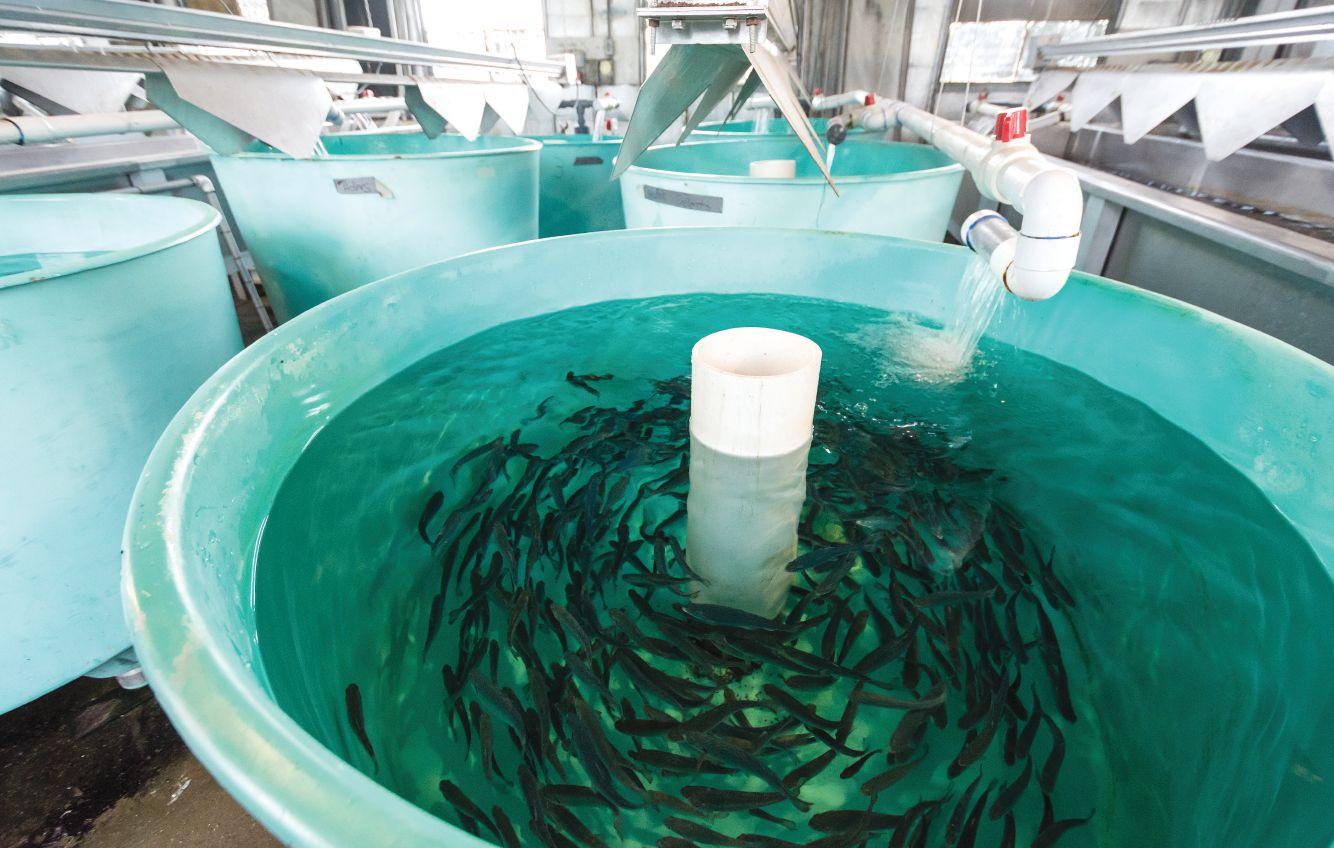
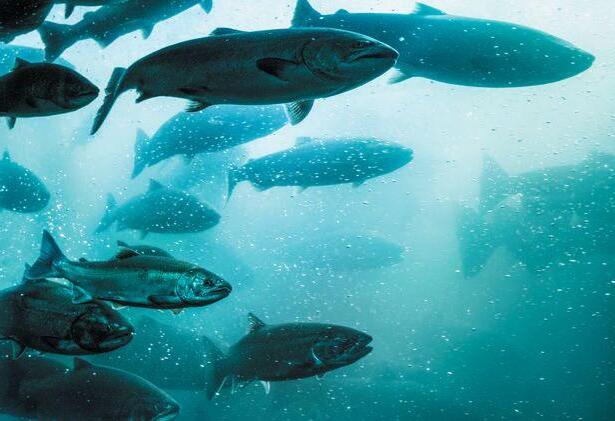
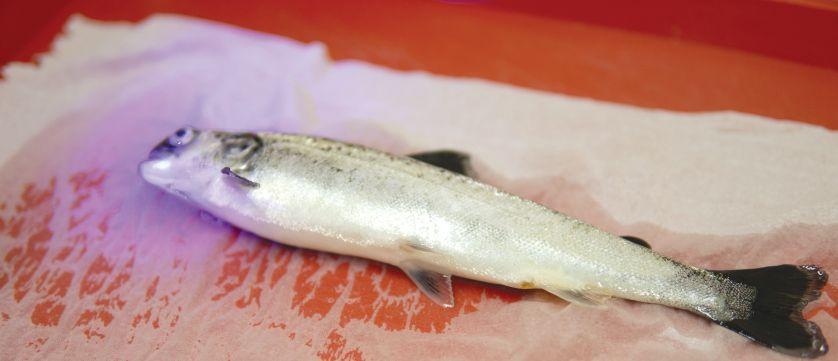
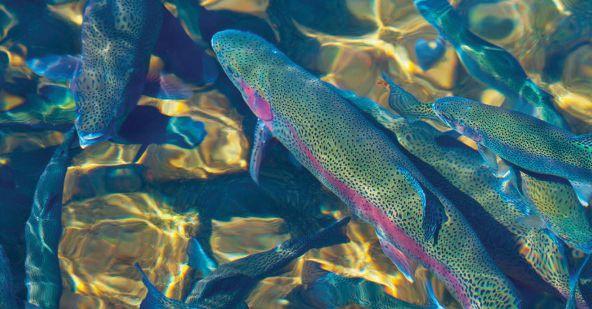
Examining how water quality can affect fish welfare and how risks can be mitigated
By Ruby Gonzalez
12 Oyster diseases threaten Atlantic Canada’s industry
A closer look at MSX and Dermo, the diseases wreaking havoc on oyster populations. By
Seyitan Moritiwon
16 High biosecurity design
Chile’s Salmon Clinical Trials sets new standard in fish disease research
By Christian Pérez-Mallea
18 Rescuing native fish
Native Fish Australia’s new La Trobe University Hatchery & Breeding Program aims to revitalize the Murray River Basin. By John
Mosig
22 Accountability for Asia’s shrimp industry
Recent investigations into shrimp farmers’ working conditions call for reform By
Gordon Feller
FISH FARM FOR SALE
Gloucester, NSW, Australia
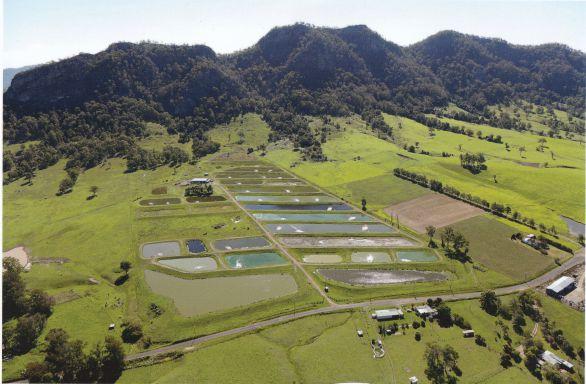
Pioneer Fish Farm P/L for sale WIWO. PFF has over 30 years of continuous production of silver perch. Three generations of family have worked on the farm.
Hatchery and grow-out licenses. NSW DPI approved.
• Total Land Area: 38.8 hectares
• Production Ponds: 23 covering 8 hectares and 3 water storage ponds
• Water Licence: Substantial, from Gloucester River (which flows from Barrington Tops National Park)
• Facilities: Complete hatchery, purging shed with lab, cool room, ice room, etc.
• Accommodation: Shed also contains an open-plan house with 3 bedrooms, 2 bathrooms, 2 lounge rooms, large sunroom, and lots of area.
• Infrastructure: All operational ponds, electricity, etc.
• Equipment: Plant, machinery, and equipment to cover all aspects of silver perch production, including transport truck and ute, tractors, excavator, loader, quad, etc.
• Harvesting Equipment: All included.
• Stock: Farm fully stocked and operational. Produces both live and chilled product.
Sydney is only a 3.5-hour drive from PFF, providing a huge market. The farm is 5 minutes from Gloucester Township, offering easy access to schools, shops, medical facilities, hospitals, etc.
Present owners will provide ongoing support and training to ensure continuing production. Selling due to owner’s health and desire to retire.
30 Hatchery Hack
How to respond when a disease hits your hatchery
Barton Cha Founder, Director, Business Broker barton.cha@sinosmart.com.au
From the Editor
BY JEAN KO DIN
Pushing boundaries
Just when I think I’ve got a handle on the subject matter we discuss in our pages, an issue comes along that challenges me to dig deep and educate myself as much as possible.
Many of you, our readers, are scientists and so, you understand more than I do that ongoing science and research is about pushing the boundaries of what we know and how we can do it better. In a way, I think this is the theme of this issue. We are sharing stories of new findings and new solutions to old problems.
Today’s hatcheries are faced with challenges from many different fronts, including rising feed costs, warming water temperatures, disease tolerances, and a retiring workforce to name a few. Suffice to say, there is an ongoing need to try new things that help hatcheries adapt to a rapidly changing world.
But I’m also reflecting on what must be a complicated push and pull. On the one hand, there is an ongoing demand to harness new methods and technologies to further optimise a hatchery’s productitvity. And on the other, there is a need to keep operations simple, predictable, and reasonably manageable.
Because of this, I often wonder if I can strike a balance in our content with presenting you new, out-of-the-box things, or if I should be diving deeper into the fundamental topics that the industry has been talking about for many years. I can already hear you reply, “It’s both and more.”
There are many occassions when I am planning our editorial content that I wish I could reach into your minds and discern a clear direction that this publication should go. Thankfully, many of you whom I’ve met at conferences and in virtual meetings are endlessly curious about your work and others’ work. It almost feels like any information is good information, as long as its factual and reliable.
But when the Hatchery International team is thinking of new digital projects that we could present to you, it can sometimes feel experimental. We’re now five years on from the height of the COVID-19 pandemic but
when more of our work became more digital, it really opened up new possibilities on the role an Business-to-Business (B2B) publication can have in disseminating relevant work from leading experts in their fields.
Now, we have successful projects, like the Hatchery 101 webinar series and the World Trout Culture Summit (which returns this fall), which we can point to as digital signposts that distinguish us from our colleagues and competitiors in the aquaculture media world. How you’ve received these experiments of ours have emboldened us to think of new things that we can develop to try to engage the community.
This is why I’ve been consistent in asking for your feedback. As we continue to get creative with our new projects, I want to make sure that we’re bringing our readership community along in the process.
I believe that an industry publication like ours has a unique position of becoming a reliable hub where professionals of the industry can share knowledge across the world. But this also means that even though my background is in media, and not aquaculture, I have a responsibility to be able to educate myself in both the history and the current events that shape your work. I am challenged to read as much as I can, do my own research, consult with trusted experts, and ask as many questions as possible, so that I can be equipped to curate these stories accurately and responsibly.
I still heavily rely on our team of writers, columnists, and advisors. But, I also want to rely on our regular readers more. I know there are many of you who read our magazines faithfully, and register for our webinars, and follow our social media, and yet, I still haven’t found a way to connect with you.
I encourage you to engage more. Leave comments on our online posts. Take our post-event surverys (with comments!). Share the stories that you enjoy, but also don’t be afraid to critique the ones that don’t.
As I always like to say, my email inbox is always open at jkodin@annexbusinessmedia. com. | HI
VOLUME 26, ISSUE 2 | MARCH/APRIL 2025
Reader Service
Print and digital subscription inquiries or changes, please contact customer service
Angelita Potal
Tel: (416) 510-5113
Fax: (416) 510-6875
Email: apotal@annexbusinessmedia.com
Mail: 111 Gordon Baker Rd., Suite 400, Toronto, ON M2H 3R1
The advertising deadline for the May/June issue is March 11. Don’t miss the opportunity to be part of this exciting aquaculture publication. For more information, or to reserve space in the next issue, call our advertising department at +1.250.474.3982 jthain@annexbusinessmedia.com
Next Editorial Deadline
The editorial deadline for the May/June issue is Feb. 24. Contact Jean Ko Din at jkodin@annexbusinessmedia.com for details. Material should be submitted electronically with prior arrangement with the editor.
Dept. of Natural Resources stocks
590,000 fish in Michigan waters
The Department of Natural Resources (DNR) has stocked 10.7 tons of fish in Michigan waters in fall 2024.
DNR crews stocked seven species – including Atlantic salmon, brook trout, brown trout, lake trout, rainbow trout (Eagle Lake and steelhead strains), walleye and muskellunge – at 78 locations throughout the state totalling 590,504 fish. In a press release, the department stated that the number and type of fish it stocked depended on the hatchery.
Michigan has six state hatcheries and three cooperative hatcheries that work to produce the species, strain and size of fish, which are delivered at a specific time and location for stocking to ensure their success.
“It was another exceptional fall fish stocking season, enhancing fishing opportunities throughout Michigan,” said DNR fish production program manager, Aaron Switzer.“Combined with our successful spring and summer stocking efforts, that brings the total for 2024 to more than 9.7 million fish stocked in Michigan’s waters.”
Typically, fish are reared in Michigan hatcheries for anywhere from one to 18 months before they are stocked, with most fish stocked in the spring. Some fish,
however, are stocked in the fall because they require less time and resources to rear in hatcheries. Younger fish may also adjust better to new environments.
The department stocked fish from its hatcheries into these locations:
Marquette State Fish Hatchery
stocked 28,403 fall fingerling and 606 adult brook trout weighing a
LONG-LASTING AQUACULTURE PUMPS
total of 1,835 pounds. These fish were stocked at 30 locations in the Upper Peninsula. Marquette also stocked 425 adult lake trout that weighed 1,169 pounds at two locations in the Upper Peninsula.
Platte River State Fish Hatchery stocked one location in Lake Huron with 30,000 Atlantic salmon weighing 991 pounds.
Oden State Fish Hatchery
stocked 82,000 fall fingerling brown trout that weighed 4,494 pounds and 82,919 rainbow trout that weighed 2,681 pounds. These fish were stocked at four locations in the Upper and Lower peninsulas.
Thompson State Fish Hatchery stocked 47,014 Great Lakes strain muskellunge that weighed 5,410 pounds at 20 locations in the Upper and Lower peninsulas.
Wolf Lake State Fish Hatchery stocked 1,578 Great Lakes strain muskellunge fall fingerlings that weighed 198 pounds at five locations. Wolf Lake also stocked 300,891 fall fingerling steelhead weighing 3,379 pounds in three locations.
DNR fisheries management units also stocked fall-fingerling walleye this year.
The Southern Lake Michigan Management Unit stocked 7,030 Muskegon strain fall fingerlings weighing 518 pounds in seven locations.
The Central Lake Michigan Management Unit stocked 2,205 Muskegon strain fall fingerlings weighing 200 pounds in four locations.
The Lake Erie Management Unit stocked Lakeville Lake with 2,082 Muskegon strain fall fingerlings weighing 136 pounds.
The Northern Lake Michigan Management Unit stocked Little Bay de Noc with 5,351 fall fingerlings weighing 478 pounds in five locations.
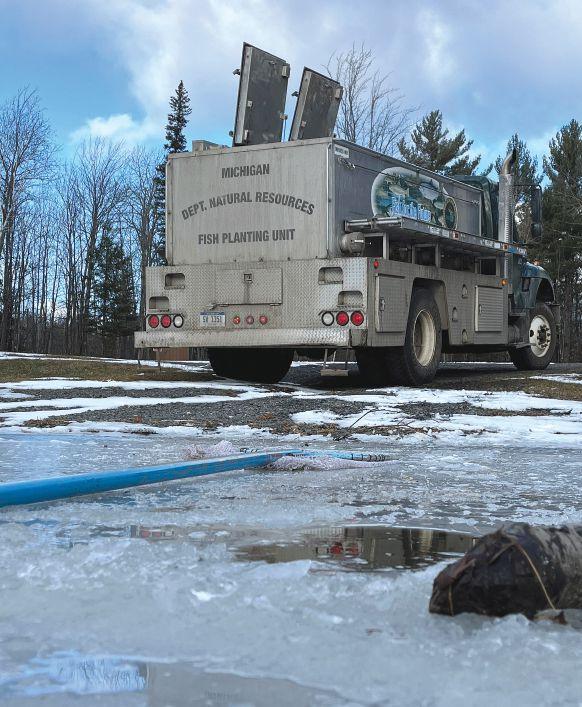
A DNR fish stocking truck at Roland Lake in Baraga County PHOTO: DEPARTMENT OF NATURAL RESOURCES
California’s only native sunfish reintroduced at Granite Regional Park
Sacramento perch returns to Sacramento ponds
PHOTO: CALIFORNIA DEPARTMENT OF FISH AND WILDLIFE
The California Department of Fish and Wildlife (CDFW) is experimenting to see how the state’s only native sunfish fares after being reintroduced in Sacramento ponds.
The department recently stocked 3,000 juvenile Sacramento perch – from M4 Aquatics, a Livermore-based hatchery – into a pond at Granite Regional Park for fishing.
Before the December stocking, CDFW fisheries biologists found small numbers of non-native sunfish to compete with the perch in the pond. Sacramento perch struggles to reproduce in the presence of non-native sunfish, CDFW is experimentally stocking older juvenile and adult fish, which have shown to coexist more successfully.
“We’re trying to assess whether the fish do well in the pond first and foremost and, if so, whether anglers enjoy this unique experience to interact with a heritage fish being brought back to the Sacramento area for the first time in many decades,” said Max Fish, a senior environmental scientist within CDFW’s Fisheries branch.
Sacramento perch were once abundant within the Sacramento-San Joaquin Delta and Clear Lake in northern California. But have been displaced from their historical range due to habitat modification and competition from non-native sunfish that
were introduced into California in the early 20th century. Today, Sacramento perch are found in only about two dozen isolated waters mostly in remote parts of northern California and along the Eastern Sierra.
The majority of stocked fish were juveniles about six months old and two to four inches long. About 150 of the perch were over a year old and of “catchable size” of six inches in length or more.
“These fish are special for a number of reasons,” said Richard Muñoz, Fishing in the City coordinator for CDFW’s North Central Region. “These are warm water fish we can plant pretty much year-round. And they represent an opportunity to provide more equitable access to fishing opportunities for folks who may not have had access to these fish before.”
Sacramento perch can tolerate environmental conditions, including waters with high alkalinity, salinity, cold temperatures and warm temperatures, making them a good species for sport fisheries in urban park ponds and communities underserved by CDFW’s fish planting efforts.
The stocking of Sacramento perch into Granite Regional Park is part of CDFW’s effort to strengthen existing populations, expand its range and introduce the native species to more anglers statewide.
Road salt linked to high mortality in coho salmon eggs: B.C. study
Researchers have found that high levels of road salt used in winter kill fertilized coho salmon eggs.
The Road Salt and Pacific Salmon Success Project, a collaboration between UBC, SFU, BCIT, the Department of Fisheries and Oceans, and community scientists, monitors salt levels in more than 30 streams in Vancouver’s Lower Mainland (VLM).
Zoology Master’s students, Carley Winter and Clare Kilgour, at the University of British Columbia said in an article there’s a decline in Pacific salmon even though all the factors contributing to this are unknown.
“Adult salmon live in salt water but grow up in freshwater, and their bodies change drastically to allow this to happen. There’s evidence that when salmon are developing at very young ages, death and deformities can occur if exposed to high concentrations of road salt,” Winter said.
There are federal and provincial guidelines for salt, or chloride, levels in streams, but Kilgour said these levels have not been widely and routinely monitored in VLM streams.
The researchers used a network of about 40 water quality devices across the VLM to identify any patterns in road salt contamination, and if there were spikes in conductivity occurring every winter when road salt is being applied. Then, they tested to see if these
levels and patterns affected salmon at the ages when they would live in these same streams and rivers; that is, salmon eggs and fry.
Although the results are preliminary and yet to be peer-reviewed, they found there were peaks in conductivity in the winter.
“The largest ‘pulses’ of salt were 10 times B.C.’s acute water quality guideline for chloride in freshwater systems, equivalent to almost 30 per cent of sea water. When these pulses occur, they exceed this acute guideline just over 30 per cent of the time. On average, these excessive salt levels lasted for about a day,” Kilgour said.
They mimicked the salt pulses in the lab, exposing coho salmon eggs to one salt pulse either shortly after fertilization or once they hatched and found a significant decrease in survival of embryos. When salt concentrations were increased to eight times the guideline level, over 70 per cent of eggs died.
“If embryos survived a salt pulse of three times the recommended level, we found about four per cent
of them were deformed and would not survive in nature,” Winter added.
The researchers recommend municipalities switch to brine for melting ice on roads as it uses up to 50 per cent less salt. And spreading of salt whenever people are salting their driveways.
P.E.I. oyster industry call for gov’t action on MSX
The oyster industry in Prince Edward Island is asking the government to take more action as the MSX parasite spreads in the province’s waters.
According to information from the Canadian Press, oyster farmers including Bob MacLeod, president of the P.E.I. Shellfish Association, are worried that the parasite will destroy the industry, which has sustained their families for generations.
“We have participated in more than 100 meetings since July, addressing the hurdles, concerns, frustrations resulting from the MSX invasion,” MacLeod told a legislature committee. “We have appealed for assistance time and time
again, explaining that the longer we wait for action, the sooner we may lose our industry.”
MSX affects wild and farm-raised oysters, typically killing around 95 per cent of impacted mollusks within two to three years of the initial infection. In July, it was discovered in oysters from Bedeque Bay in P.E.I. and several other locations, prompting the Canadian Food Inspection Agency to impose quarantines. This disease has been present in Nova Scotia waters since 2002 and has also been identified in southern British Columbia.
“It is now January, and we are three months away from placing our tongs in the water and restarting our livelihood,” MacLeod said about the scheduled start to this year’s harvesting season. “But I can’t help but wonder if we’ll even have an industry.”
MacLeod shared the story of a harvester he knows who collected some oysters from an area in the province known to have MSX. They were fresh when he harvested them, but on New Year’s Eve, some of the mollusks were half dead, some were dried up and others had turned black.
Jerry Bidgood of the PEI Seafood Processors Association told the committee that his members don’t know how many oysters harvested in spring will survive until fall. “We have to decide — do we want to buy from MSX areas and hold that product knowing that there will probably be die off and
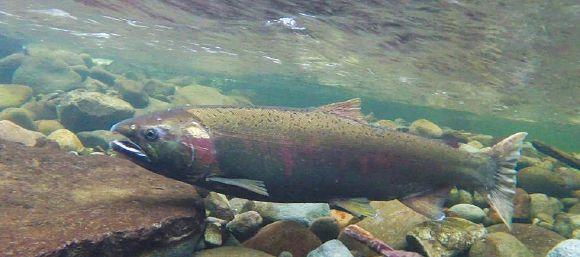
Coho spawning on the Salmon River
PHOTO: BUREAU OF LAND MANAGEMENT OREGON AND WASHINGTON
we have to take it on the chin?” he said. “Who’s going to take that hit?”
MacLeod said he would like to see researchers at the University of Prince Edward Island and Cape Breton University study ways of protecting the oysters from infection, adding that the provincial government should draw up a plan for financial relief for oyster farmers for this spring.
Peter Warris, executive director of the P.E.I. Aquaculture Alliance, agrees that more research is necessary to learn how these diseases can be stopped from spreading.
He said the oyster industry in the United States continues to prosper despite the spread of MSX and dermo. “If they can do it, there is no reason that the P.E.I. oyster industry cannot adapt to this new reality and continue to thrive,” Warris said, adding this cannot be done without government support for farmers during this period.
Juvenile sablefish competing with young salmon for food: NOAA
Scientists say that the direct overlap of sablefish in the waters where young salmon first feed and grow may put salmon at a competitive disadvantage.
Over the last 20 years, more juvenile sablefish have spread into coastal waters from central Oregon north to northern Washington, following the warming of ocean temperatures off the West Coast. Just like young salmon, juvenile sablefish first feed and grow along the highest layers of water near the surface but sablefish are voracious eaters, often consuming lots of large prey.
“They are around the same size as juvenile salmon, but they can eat bigger prey and much more prey than salmon can at the same size,” said Elizabeth Daly, an ecologist with the joint NOAA-Or-
Innovation Beyond Measure
Results Beyond Expectation
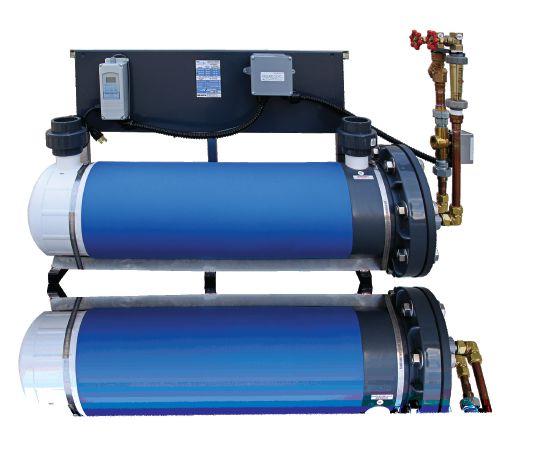
• 100% Titanium Heat Exchangers
• Hot & Cold Water Loop Systems
• Available with Tube Sheet, Helical Coil, or Plate
• Compact Designs
• Easy Installation
• Salt & Fresh Water Safe Chiller & Heat Pump Packages
egon State University Cooperative Institute for Marine Ecosystem and Resources Studies in Newport, Ore.
After examining the content of the fish, Daly and her team found that young sablefish eat almost the same thing as juvenile salmon do, but a lot more. Small sablefish consumed several times more krill than yearling Chinook salmon. The scientists did not find clear evidence of sablefish eating young salmon, but based on the size of their other prey, there’s a possibility.
“We now know that prey resources are extremely important for salmon growth and survival during
this critical early marine period,” said Brian Burke, research scientist at NOAA Fisheries Northwest Fisheries Science Center, and co-author of the research. “But unravelling the impact of competition on salmon is extremely difficult. This new data helps us understand how species interact in our coastal environment. They also point to potential changes from continued ocean warming due to climate change.”
In 2020, juvenile sablefish were most numerous in coastal waters off Oregon and Washington. Sablefish were about four times more than sub-yearling Chinook salmon, 32 times more than yearling Chinook salmon and 13 times more than coho salmon. Brandon Chasco, a co-author and research scientist with the Washington Department of Fish and Wildlife Quantitative Synthesis and Reporting Unit, said salmon ate significantly less food in areas with numerous sablefish.
www.faivregroup.com
Where Water Drives Innovation.
Scientists examined the stomach contents of juvenile sablefish.
PHOTO: ELIZABETH DALY/CIMERS
Working with water quality
Examining how water quality can affect fish welfare and how risks can be mitigated
By Ruby Gonzalez
Lumpfish in average and high stocking density
The resiliency of cleaner fish, lumpfish, extends to surviving regardless of changes in water quality, say, fluctuations in temperature, salinity or ammonia levels, research in the U.S. cited.
“Juvenile lumpfish can tolerate a broad range of dissolved oxygen concentrations and temperatures without impacting survival,” authors Nathaniel N. Spada et al., referring to earlier studies. “This resilience seems to apply to tank crowding as well since no mortality occurred in lumpfish, even at 90 g/L, the highest density level we tested.”
Other rearing densities were tested at 70 grams and 40 g/L in an experiment for the study, “Tolerance of juvenile lumpfish (Cyclopterus Lumpus) to high rearing densities”. This was published in the Journal of the World Aquaculture Society
Two trials using two-gram and 13-gram lumpfish, respectively, herein referred to as “small” and “large” juveniles, were conducted at the University of New Hampshire Coastal Marine Laboratory.
Trial 1 took place during the winter months, and Trial 2 during the summer months.
The stocking density of 90 g/L is double the approximately double the industry rearing standard. While this stocking density did not negatively influence fish survival composed to animal reared at 40 g/L, the intensive stocking suppressed lumpfish growth.
This could be seen as a positive though.
Previous studies have reported that lumpfish’s cleaning efficiency is lower at larger sizes, particularly nearing and at sexual maturation
because of changing diet preferences. These turn them into “less effective delousers.”
A study found that smaller lumpfish prefer natural food sources, like sea lice, while larger individuals forage on whatever is available to them in the net pen, including salmon feed.
“Based on the results of this study, lumpfish culturists may be able to suppress or increase growth to better time lumpfish production to the needs of the salmonid farms without affecting survival or animal welfare,” they recommended.
Lactic acid protection for Nile tilapia
Unchanged water cuts operational costs but at the expense of fish health. It shouldn’t always be this way, however, according to a research article in Egypt.
While the unchanged water negatively affected the growth and physiological functions of Nile tilapia, the dietary incorporation of lactic acid provided protection for the fish, said authors, Mohamed F. A. Abdel-Aziz et al.
The research article, “Unchanged water stress induces growth retardation, histopathological alterations, and antioxidant-immune disruptions in Oreochromis niloticus: the promising role of dietary organic acids,” was published in Aquaculture International
Cohorts in the no-water exchange treatment had the highest level of water-unionized ammonia and nitrite, and exhibited a significant decline weight gain and specific growth rate. The dietary incorporation of one per cent lactic acid “can reduce nitrogenous compounds, enhance immune response, and alleviate these alterations for the sustainable aquaculture industry,” it was cited.
Other dietary organic acids were used in the study, specifically formic acid and commercial acids mix. These were added at one per cent (10 mL/kg diet) and two per cent (20 mL/kg diet).
Uneaten feed, stocking density, nanoplastics are all factors that these studies are investigating in order to better protect water quality.
In evaluating fish performance after 30 days, fish in no-water exchange (positive control) significantly lagged behind the group on organic acids (negative control) in terms of final body weight, weight gain, and specific growth rate. There was also an elevation in the feed conversion ratio in the positive control group.
Duckweed-freshwater mussel biofilter for rainbow trout wastewater
Quality of wastewater from rainbow trout (Oncorhynchus mykiss) juveniles rearing tanks was improved using integrated biofilter using duckweed (L. minor) and freshwater mussels ( A. cygnea), as demonstrated by a study in Turkey.
As a biofilter with two varying stocking densities, duckweed was found to significantly affect the pH, dissolved oxygen (DO), nitrate and total phosphorus values in the treatment tanks, cited authors Azhar M.H. and Memiş D.
The study also showed that using duck-weed-freshwater mussels integrated biofilter could minimize the concentration of ammonium and total phosphorous in the wastewater from rainbow trout juvenile rearing tanks.
After 30 days, the experiment showed there was reduction in the concentration of ammonium and total phosphorus in the rearing pond.
The research article, “Nutrient removal from rainbow trout juveniles in fish ponds using integrated biofilter duckweed (Lemna minor) and freshwater mussel (Anodonta cygnea)” was published in Iranian Journal on Fisheries Studies
The experiment was conducted on tanks with flow-through system. Four 250-litre rearing tanks were stocked with 15 kg of juvenile fish, with original average size of about 25 grams. Water flowed onto sedimentation tank and a sump tank. The filtration tanks contained biofilter species, freshwater mussels and duckweed. Wastewater went to the disposal tank.
Two filtration tanks, each one with a different treatment of duckweed biomass density, had freshwater mussel stocking density of 30 individuals/ m2 with an average weight of 58 grams. Treatments were at duckweed biomass of 270 and 360 grams.
After the 30-day rearing period, from an initial 26 grams for rainbow trout juvenile grew to 60 grams. Specific growth rate was at three per cent and survival rate, 100 per cent.
Performance indicators in freshwater mussel demonstrated that duckweed plants with different wet biomass influenced water quality.
Treatment with less duckweed biomass produced slightly heavier mussels.
Biomass treatment likewise affected decrease in plant weight. The 270 grams biomass had a decrease of 20 per cent while the 360 grams had a decrease of 23 per cent.
The optimal temperature for the growth of juvenile rainbow trout and freshwater mussel is 13 to 14 C, the same temperature during the study period. The range is not optimal for growth of duckweeds.
Bioremediation vs nanoplastics in African catfish
At sub-100nm, polystyrene nanoplastics (PS NPs) can penetrate biological barriers, adversely affecting fish health and may even cause death. A study in Egypt looked into the effects in juvenile African catfish and found out that these could be improved or diminished through bioremediation and micronutrient.
“This research emphasized that PS NPs have deleterious adverse effects on the DNA integrity, erythrocytes morphology, oxidative/ antioxidant status and kidneys of African catfish. Administration
of selenium and C. vulgaris mitigated these deleterious effects and ameliorated these alterations.
“Therefore, in sustainable catfish aquaculture, selenium and C. vulgaris could be prophylactic agents against the aquatic toxins, and more research should be directed toward the use of probiotics in sustainable catfish aquaculture,” Shimaa A. Abdelbaky et al. said.
Used in aquatic bioremediation, Chlorella vulgaris (Ch) is a microalga that has powerful antioxidant properties. Selenium (Se) is a micronutrient that is necessary for fish development and metabolic processes
That there are no mortalities in the control group, which had no NP treatment, emphasized the serious hazards of NPs in the body. In comparison, group exposed to NPs posted a mortality of 36 per cent.
The beneficial effects of Ch and Se were evident as NP groups with these treatments resulted with marked less mortality rates.
In the NPs and Se group, mortality rate was at 15 per cent. In the NPs+Ch group, the it was eight per cent.
Summing up the individual effects of Chlorella and selium combined with NPs, authors said that the NPs+Se “ameliorated and inhibited the nephrotoxic effects of NPs. Minimal alterative changes in the tubular epithelium were noticed.”
The NPs+Ch group “almost all pathological alterations to near their control levels.”
“Impact of Chlorella vulgaris Bioremediation and Selenium on Genotoxicity, Nephrotoxicity and Oxidative/Antioxidant Imbalance Induced by Polystyrene Nanoplastics in African Catfish ( Clarias gariepinus)” was published on Fishes journal. | HI
Oyster diseases threaten Atlantic Canada’s industry
A closer look at MSX and Dermo, the diseases wreaking havoc on oyster populations
By Seyitan Moritiwon
Oysters don’t have any kind of adaptive immunity. Unlike vertebrates that have a defense mechanism which can remember and destroy disease-causing substances, if oysters can’t fight off infection and they get re-infected another time, it’s a whole new infection for them.
In recent times, Atlantic Canada has been plagued with diseases affecting oysters. The Canadian Food Inspection
Agency (CFIA), an organization that conducts food safety investigations, confirmed the presence of two oyster diseases, MSX and Dermo, in New Brunswick; Dermo in Nova Scotia; and MSX in Prince Edward Island. And the shellfish industry in P.E.I. says the government is moving too slowly in finding a solution.
Rod Beresford, an associate professor at the biology department at Cape Breton University, sheds some light on these diseases and their impact on oysters. He has a PhD from Dalhousie University in biology, studying the environmental parameters of H. nelsoni in C. virginica. Beresford is part of a team in Nova Scotia that’s working on tackling the disease in the province. His lab can test for:
Haplosporidium nelsoni is a spore-forming protozoan affecting Crassostrea virginca (Eastern oyster) along the East Coast, U.S.A. and Atlantic Canada. Infections also affect Crassostrea gigas in Japan, Korea, California and France. The complete life cycle of H. nelsoni is unknown. What and how the parasite moves around and what the drivers are is unclear. It’s very sporadic with where it shows up, Beresford explains. He said there have never been direct laboratory transmissions despite different attempts to simulate the disease spread for research purposes. It can complete its life cycle in the absence of oysters or the presence of very small populations of oysters. The disease can cause a 90-95 per cent mortality rate in oysters.
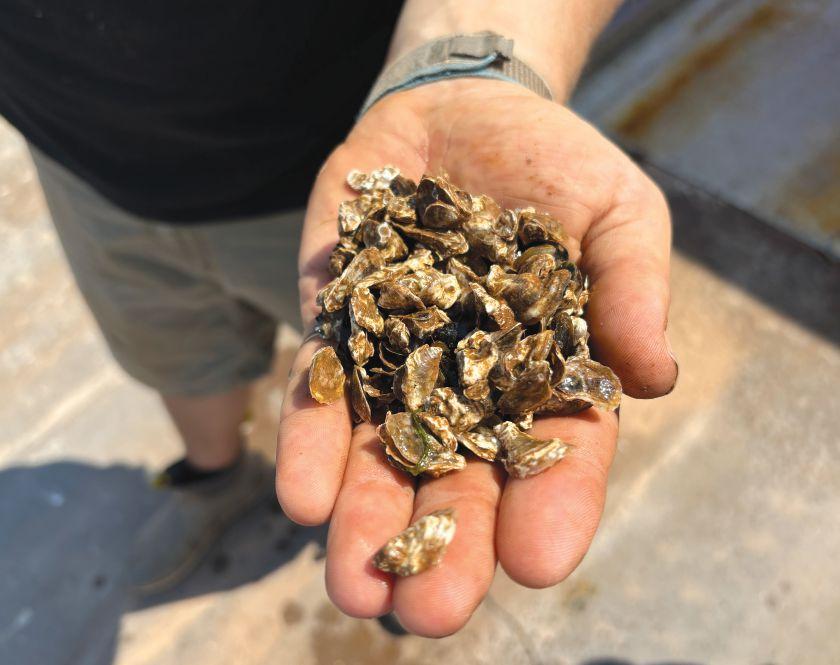
Juvenile oysters at Fortune Oysters farm.
“We really don’t know if, in fact, it’s a true oyster parasite, or these eastern oysters are a dead-end host, and it completes its life cycle in some other organism that we’ve just not found it in yet, or we’ve not sampled enough to detect it. So that part of its relationship with the Eastern oyster, at least, is still a mystery,” he said.
2. Perkinsus marinus (Dermo)
Perkinsus marinus is a protozoan parasite of oysters that affects Crassostrea virginica in Canada, and Crassostrea ariakensis, Crassostrea corteziensis and
Saccrostea palmula outside of Canada. Dermo or perkinsosis is the disease caused by this parasite in oysters. It can cause significant mortality–about 50-75 per cent–of both cultured and wild oysters. It can be transmitted from oyster to oyster, contaminated water and contaminated equipment. Infected oysters may show signs of no active feeding, gaping, and shell valves are slow to close when out of the water.
Perkinsus marinus seems to have a much more predictable migration to the north with warming water.
Beresford said it’s unclear how long it’s been in Atlantic Canada.
“We don’t know if Perkinsus spread into the region recently or is now just present in an abundance where it can be detected,” he said. Perkinsus has the potential to spread more quickly in the region as waters warm up, Beresford said.
3. Haplosporidium costale (Seaside organism)
Haplosporidium costale affects C. virginica from Virginia to Maine and throughout Atlantic Canada. It’s also been reported to affect C. gigas on the West Coast of the U.S.
It’s found in high-salinity waters (more than 25 psu). Prevalence of H. costale is usually less than 20 per cent, hence a low oyster mortality risk. Beresford said the parasite kills, but not as quickly as MSX. They keep an eye on it, but it doesn’t have the same devastating effects as the other two.
The life cycle of H. costale is unknown. However, studies state that infections of H. costale are acquired in early summer but do not become detected until the following March.
Testing for the diseases
Unfortunately, when an outbreak occurs, farmers just see a bunch of dead animals, which is too late. What they can do for those oysters that haven’t been impacted yet is testing regularly. This, however, has financial implications for the farmer.
Oysters can take five to seven years to grow to market size.
Beresford estimated that it costs a farmer, on average, between C$35 and $50 per sample (between US$20 and $35), for an animal to be tested. Depending on the number of animals being tested, that can cost up to C$1,000 (about US$695) or more. ”And
even that only gives you a certain amount of certainty. If you have a bigger farm, you’re going to have to test more animals to see if it might be there,” he said.
Once these oysters are taken for testing, they can’t be sold anymore because of the destructive testing they have undergone.
affect farmed oysters in Alaska. And that’s mostly because of the measures these hatcheries have put in place, said Jeff Hetrick, director of the Alutiiq Pride Marine Institute.
One of the ways to test for the parasite is a DNA test called the polymerase chain reaction, or a PCR test. The lab technician opens up an oyster and takes a tissue sample that includes the gill and digestive gland. They extract the DNA, and then run this test, looking for that small fragment of DNA that fits into the parasite.
Another way to test is to take a slice of tissue from the oyster and place it on microscope slides, to be examined, looking physically for the parasite in the microscope. Haplosporidium costale and MSX look almost the same in a microscope. So that DNA test to differentiate them is needed.
Once an outbreak on a farm has been reported, the CFIA mandates a stop in trading or transferring.
Biosecurity in Alaska
These diseases aren’t known to
The institute is a tribally managed marine research facility located in Seward, Ala. Its research focuses on enhancing the use of mariculture techniques in Alaska and the Pacific Northwest.
Hetrick is also a member of the Alaska Shellfish Growers Association and has operated an oyster farm in Prince William Sound. He said the lack of disease presence in the region could also be attributed to the colder waters in Alaska.
He said the Alaskan industry has pretty strict regulations for transporting shellfish. “We can’t just throw them anywhere. They go back to the region they came from. So if they were to happen to have some sort of disease, it’s not going to spread to different regions and be localized. If it’s there, then we’re not magnifying it by sending it elsewhere,” he added.
They have a standard operation where they disinfect the exterior of the shellfish and keep them isolated when they receive them, document them, and
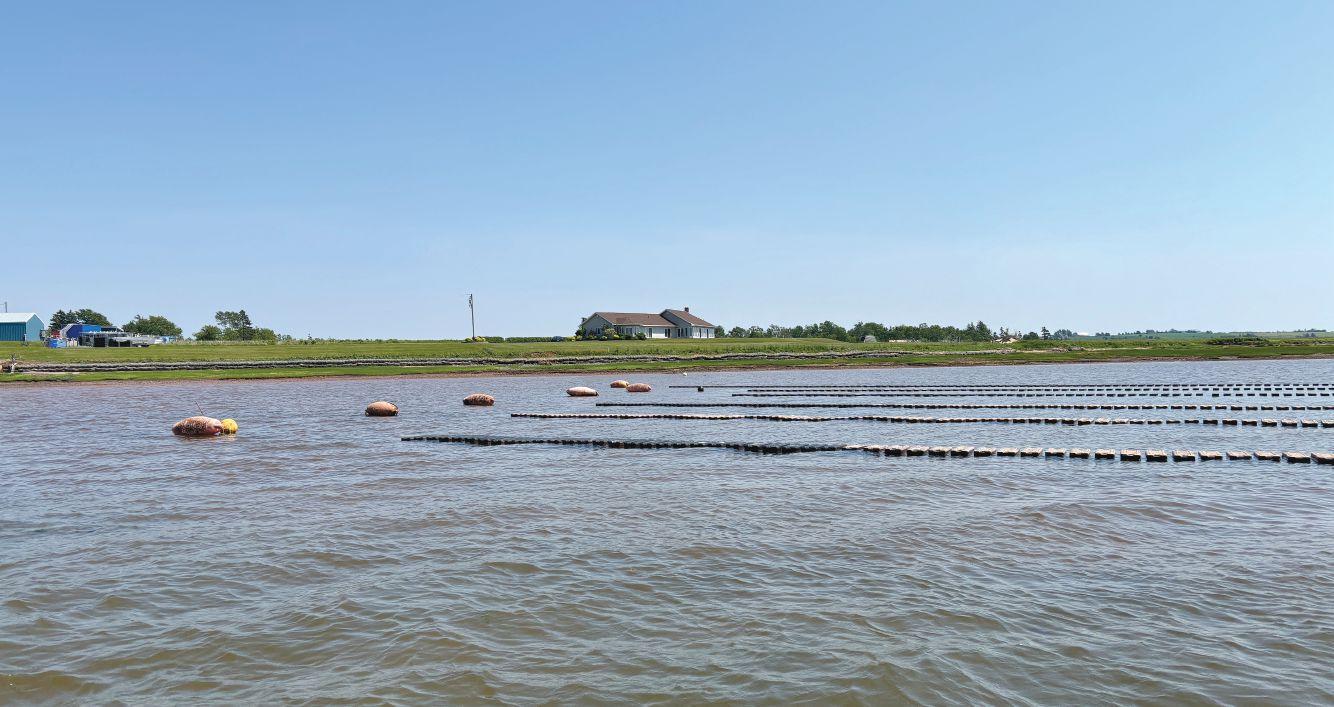
An oyster farm in Prince Edward Island
observe them, ensuring that the same tools are not used between multiple tanks and stocks.
In Alaska, they raise the Pacific oyster, which is non-indigenous so they don’t have any wild stocks. “You can’t go to a beach and find a Pacific oyster. It all has to be through a cultured system with hatcheries. Thereby, it’s a lot more control,” Hetrick said. Whereas on the East Coast, when you have wild stocks that get diseases or a cultured stock, and they interact, and they spread, it goes to the population.
Hetrick also said there’s a lot of separation between farms and operations in Alaska, where most farms are about 40 miles away from another farm. So if there were an epizootic or an outbreak, it’s very unlikely that it would attract them.
In addition to having a good pathology department that they work hand in hand with, Hetrick also said they’re on alert because they understand that things are changing. “It’s worked so far,” he added.
More research
In Nova Scotia, Beresford and his team have done some work that has shown that putting oysters in the right environmental
conditions, changing temperature, and salinity regularly seems to allow oysters to survive infection.
“We have to do it on a bigger scale, but we have some pretty solid evidence to show that in the right environment, oysters can sort of outrun the parasite,” he said.
Beresford thinks using suspended culture allows the oysters to survive. Suspended cultures happen when oysters are placed in suspended cages with bags inside, to hang below the water’s surface continuously. This causes the temperature and salinity to change a lot. He said their survival could be demonstrated, on a much larger scale and is proposing that it be done for the Bras d’Or Lakes in Cape Breton, Nova Scotia.
“With the temperature and salinity changing fairly frequently, the oyster can survive that, where you’re a single-celled organism, it’s going to be really tricky for your little, tiny membrane to buffer you from that which is going to result in damage to the parasite,” he said. If the parasite is damaged, the oyster can mop it up.
Other than the obvious need for funding to make this happen, he’s asking the government to make the regulatory process smoother.
The other option that’s worked well in the United States has been in developing oysters that show resistance to infection. After an outbreak has occurred, the survivors are taken and bred with the anticipation that their offspring carry those genes that allow them to survive the infection.
Hetrick agrees. He said within the last decade, the amount of technology in biomedicine that can be applied can select for resistance a lot easier than multi-generational exposures.
“I think our response time as an industry and as a profession would be much quicker now when we use those tools that are available,” Hetrick added. | HI
Producers like you for over 40 years
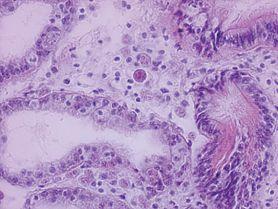
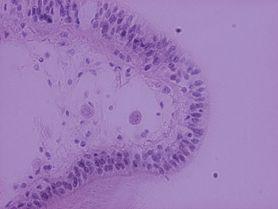
The perfectly round darkened sphere showing many nuclei (dark spots) in H. nelsoni. The two larger spheres are H. nelsoni just inside the gill area of an oyster.
PHOTOS: ROD BERESFORD
High biosecurity design
Chile’s Salmon Clinical Trials sets new standard in fish disease research
By Christian Pérez-Mallea
Chile’s salmon farming industry has reached a pivotal moment in its fight against devastating diseases. Central to this effort is Salmon Clinical Trials, the nation’s first university high-biosecurity wet laboratory specifically designed for experimental clinical trials on salmon pathogens. This cutting-edge facility, led by Ricardo Enríquez, represents a significant leap forward in understanding and combating pathogens that threaten farmed fish, ensuring a sustainable future for one of Chile’s key export sectors.
Behind the vision
The idea for Salmon Clinical Trials, Faculty of Veterinary Sciences, Universidad Austral de Chile, was born in 2010 when researchers recognized the urgent need for a specialized unit to conduct clinical trials on salmonids. Traditional facilities were cost-prohibitive for researchers relying on public
grants such as Fondef and Fondecyt. Enríquez, dean of the university’s Veterinarian Institute, said the lack of an affordable option to study the physiological and metabolic relationship between fish and pathogens hindered scientific progress.
In 2012, after securing funding from Innova Corfo, the laboratory was inaugurated. It consists of two primary sections: a fish production area, which includes a small ova incubation unit, a production area with 14 tanks (one to seven cubic metres) and a clinical trials area, designed with state-of-the-art biosecurity measures.
Inside the design
The clinical trials area is the cornerstone of the lab’s work, allowing researchers to study pathogens under tightly controlled conditions. The facility features eight independent hydraulic systems, each with three onecubic-metre tanks. This setup enables trials to be conducted in duplicate or triplicate, ensuring reliable results.
“The design prevents cross-contamination, even when different pathogens are tested simultaneously,” explained Enríquez. Additionally, the lab’s filtration system, which uses mechanical filters, zeolite, and activated carbon, recirculates 100 per cent of the water, with partial water changes depending on biomass pressure.
The facility’s technical design reflects its commitment to precision and innovation. The fish production area includes ova incubation units and tanks of varying sizes to rear fish to the appropriate size for experiments. This ensures that physiological and metabolic studies are conducted on fish that have not been exposed to external treatments, such as vaccines or antibiotics.
Additionally, temperature control systems, including chillers, allow researchers to simulate environmental conditions necessary for specific pathogen studies. For instance, trials on Renibacterium salmoninarum are conducted at 9-10 C, while experiments with Piscirickettsia salmonis require 13-14 C.
Pathogen research and limitations
The lab has been authorized to conduct clinical trials on all major salmon pathogens except the Infectious Salmon Anemia virus (ISA), which requires stricter containment measures by the Authority (SERNAPESCA-Chile) due to its designation as a reportable
disease by the World Organisation for Animal Health (WOAH).
Nevertheless, the lab focuses heavily on Piscirickettsia salmonis , the causative agent of Salmonid Rickettsial Septicemia (SRS), and Renibacterium salmoninarum , responsible for Bacterial Kidney Disease (BKD). Both diseases have had severe economic impacts on the industry.
Bridging science and industry
Salmon Clinical Trials bridges the gap between academia and industry. The lab prioritizes academic research, providing cost-effective resources for university projects. “We’ve supported studies on metabolism, immune response, and smoltification, among others,” noted Enríquez.
Notably, several doctoral theses and groundbreaking research projects have been conducted here, including work on the interaction between P. salmonis and host macrophages. This research has revealed the pathogen’s ability to evade immune responses by exploiting host cells, a phenomenon likened to a Trojan horse.
In addition to academic studies, the lab collaborates with private companies. For example, trials have been conducted to test vaccines, diets, and immunostimulants. Recent projects include vaccine validation for Green Evolution SpA and diet trials for Skretting Chile.
Contribution to disease management
The lab has made significant strides in disease management, including developing cohabitation infection models for P. salmonis that achieve DL30, DL50, DL70 and 100 per cent mortality rates, closely mimicking natural outbreaks. These models have become a critical tool for understanding pathogen behavior and testing new treatments.
Similarly, long-term studies on R. salmoninarum have helped refine diagnostic techniques and deepen the understanding of its transmission dynamics. The lab’s ability to maintain controlled conditions for up to 80 days in these experiments demonstrates its technical capabilities and commitment to advancing the field.
Salmon Clinical Trials also serves as a National Reference Laboratory for exotic fish diseases under the supervision of Sernapesca, Chile’s national fisheries and aquaculture service. The lab plays a crucial role in monitoring and diagnosing exotic pathogens, including rhabdoviruses, iridoviruses, totivirus, herpesviruses and alphaviruses.
“We participate in rigorous ring tests with European laboratories (EURL) to ensure the reliability of our diagnostic methods,” Enríquez shared. The lab also supports quarantine monitoring for ornamental fish, ensuring Chile remains vigilant against new disease threats.
Challenges and future directions
Operating in Valdivia presents unique challenges, particularly with temperature fluctuations during the summer months. However, the lab’s advanced cooling systems have mitigated these issues, ensuring consistent experimental conditions year-round.
Looking ahead, Enríquez envisions expanding the lab’s capabilities to include reproductive management and embryonic development studies, which could further enhance its role in aquaculture research.
Ultimately, Salmon Clinical Trials exemplifies how scientific research can directly address industry challenges. By offering affordable, high-quality research services, the lab has filled a critical gap, enabling both academic and commercial stakeholders to advance their understanding of fish health.
“This is not a commercial facility,” emphasized Enríquez. “Our mission is to contribute to the development of scientific knowledge and provide solutions for the industry, ensuring the sustainability of salmon farming in Chile.”
As the global demand for salmon continues to grow, Salmon Clinical Trials stands as a beacon of innovation and collaboration, paving the way for a healthier and more sustainable aquaculture industry. | HI
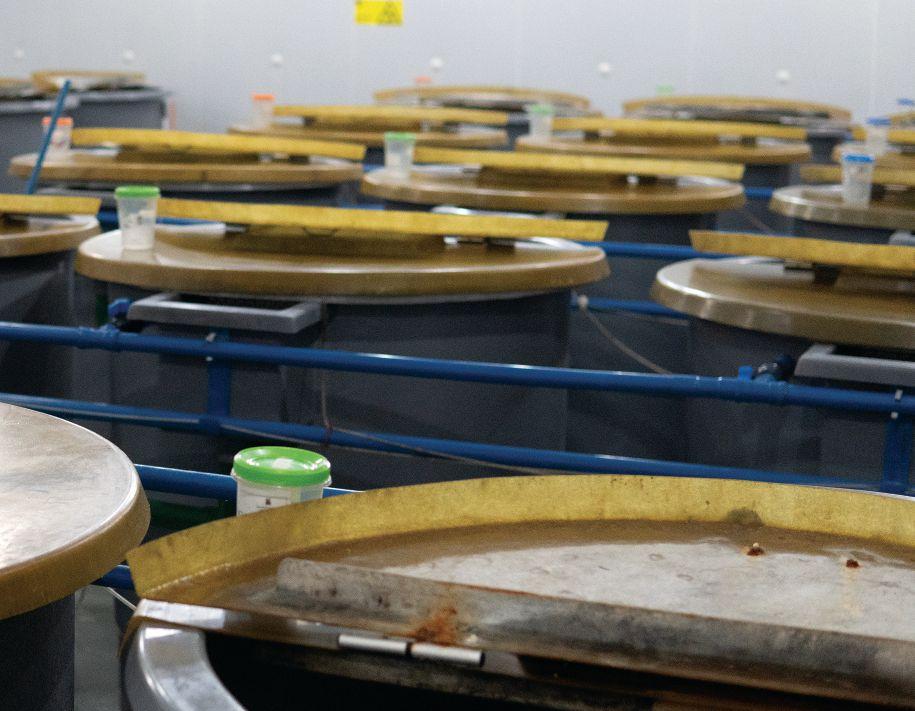
The laboratory’s recirculating aquaculture system facility is designed to allow researchers to study pathogens under tightly controlled environmental conditions.
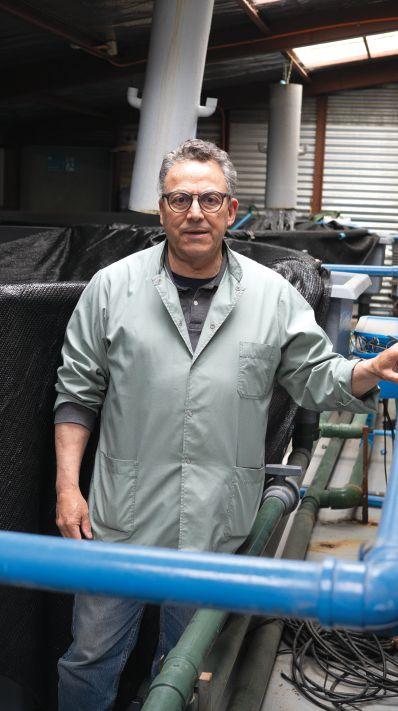
Ricardo Enríquez, dean of the Veterinarian Institute Universidad Austral de Chile
Rescuing native fish
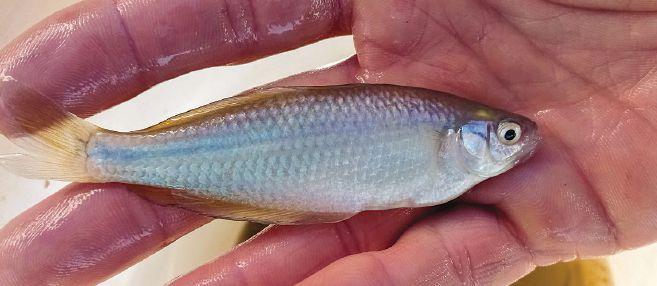
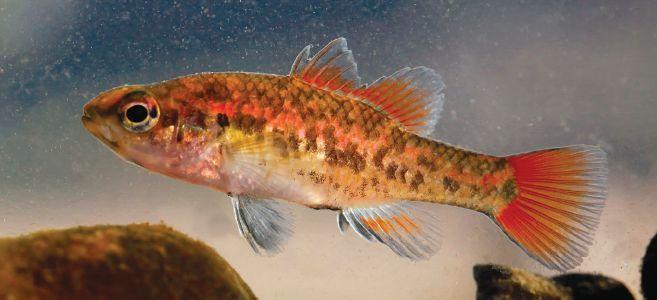
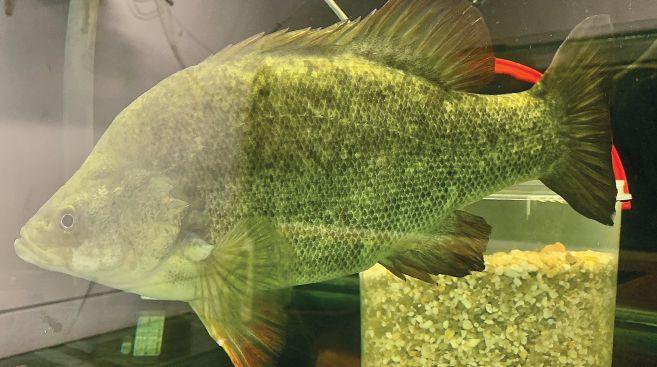
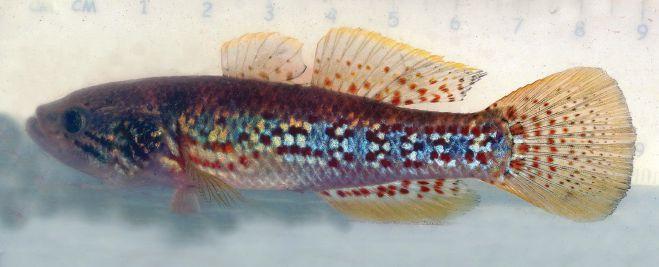
Native Fish Australia’s new La Trobe University Hatchery & Breeding Program aims to revitalize the Murray River Basin. By John Mosig
Native Fish Australia is a community-based volunteer group dedicated to the protection, promotion and enhancement of Australia’s unique and often endangered freshwater native fish and the waterways they are found in.
Native Fish Australia (Victoria) was set up in the early 1980s by a group of dedicated anglers who were concerned about the demise of native species, particularly the endangered trout cod (Maccullochella australasica) and Macquarie perch (Macquaria macquariensis). While recent membership has been more from a generation of conservation minded enthusiasts, the organisation’s focus is still on all matters effecting native fish, working with both government and non-government agencies to help achieve the best possible outcomes.
Part of that effort can be seen at Melbourne’s La Trobe University. The association has operated a hatchery on the grounds, running a breeding program for the above two species since the mid 1990’s. They recently moved into new premises on the same campus. The
insulated building is in two sections: a display section as part of the education program, and the hatchery section.
Situated adjacent to Nangak Tamboree Wildlife Sanctuary (NTWS), the new facility allows them to work closely with the adjoining wetland plant propagation nursery in the management of the 20-hectare preserve, and in urban and rural wetland reconstruction projects. Since the fisheries departments of Victoria and NTWS have taking up the breeding of the large-bodied endangered fish, NFA has identified a conservation need amongst small-bodied fish. Many of the smaller native fish species have been eradicated from vast stretches of their natural habitat by bushfires, drought, and agricultural and forestry practices. The association has accordingly shifted its breeding programs to restocking these barren reaches.
They also operate aquatic environment educational programs through schools, which has been funded by catchment management authorities (CMA) and the Murray Darling Basin Authority (MDBA). Currently they’re coaching a team of students at two
PHOTOS: JOHN MOSIG & TIM CURMI, NATIVE FIHS AUSTRALIA
Seymour secondary colleges where a major tributary of the Murray, the Goulburn River, spreads out over its meandering flood plain.
Two species identified as endangered, the Southern purple spotted gudgeon (Mogurnda adspersa) and the Murray River rainbowfish (Melanotaenia fluviatilis), have been selected for the pilot. From the training protocols established, the program will be taken to other colleges in regions where the species require regeneration.
NFA (Victoria) President Tim Curmi said the new direction has enabled them to broaden their environmental outlook and service to the community.
“We rely on grants, donations and a token fee from our 85 members to fund equipment and travel expenses. All hatchery labour is voluntary. We have negotiated a five-year rent-free occupation with the university in return for student work placements and making the fish display section available during the sanctuary’s scheduled open days,” said Curmi.
Another funding source is being developed is through fish sales to urban landscape gardeners and to aquariums, naturally, as a
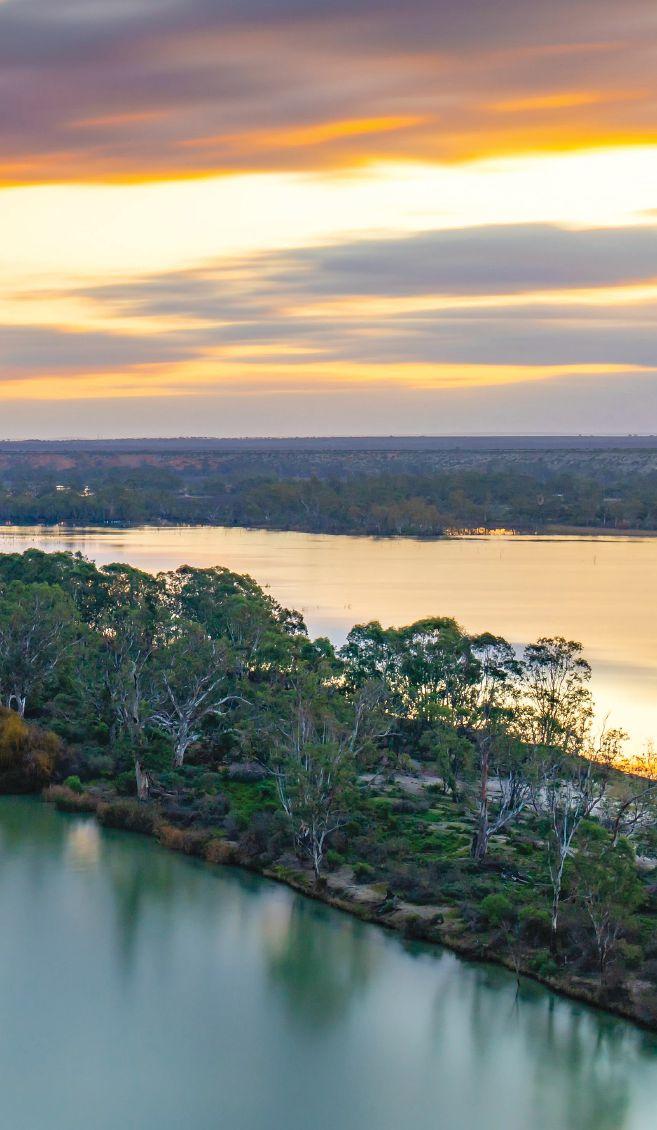
Native Fish Australia’s new La Trobe University hatchery & breeding program is working to rescue endangered species in the Murray-Darling River Basin.
PHOTO: MATT432/WIRESTOCK CREATORS/ADOBE STOCK
Murray River rainbowfish
Southern pygmy perch
Golden perch
Southern purple spotted gudgeon
Macquarie perch
community-based organisation, the proceeds will go towards operational costs. Curmi added that the small-bodied, cryptic natives have proven to be an ideal aquatic inclusion in reclamation programs.
Smarter, stronger, more economical drum filters
“We’ve also developed working relationships with other citizen conservationists, such as Chris Lamin of Middle Creek Aquaculture and Stephen and Sherryl Mueller of Fishsticks Co., which has contributed significantly to our technology scope. In fact, building on Stephen’s work, we intend to include River Blackfish (Gadopsis marmoratus) in future breeding programs,” he said.
“We reckon we get more bang for our buck and a wider reach with the new approach. We’ve already assisted in the restocking of thousands of Southern Pygmy Perch (Nannoperca australis) in areas where they’ve been displaced.”
Curmi explained that the more research they carry out, the more species they find. Once a spawning methodology is determined, it can be retrieved.
“The Yarra pygmy perch (Nannoperca obscura) is one we’re working on. It lays its eggs amongst the substrate vegetation, and the young tend to be cannibalistic. As you can imagine, this can be problematic when running a production chain. Another candidate, thought extinct, the flat-headed galaxias (Galaxias rostratus) has been rediscovered in billabongs on the ecologically significant Goulburn floodplain,” he said.
The importance of these small species to the development of the larger fish cannot be understated, Curmi emphasized. They breed at lower temperature triggers and their offspring are a major food source for the juveniles of the larger angling species.
The Hydrotech Drum Filter Value series focuses on reduced maintenance, increased component quality and simplified operation – all to give your plant maximum filtration performance at a minimum operational cost.
Let us help you!
Call +46 (0)40 42 95 30, or visit www.hydrotech.se
Spawning for the Murray River rainbowfish, although time consuming, is relatively simple. Serial breeders, their spawning activity is triggered by temperature and photoperiod. As long as they’re given a rest after a fortnight at temperatures below their spawning trigger, receive adequate nutrition and are given a water change, they’ll continue producing fertile eggs. Downstream space in the production chain becomes the limiting production factor.
Breeding teams of males and females are placed in 200 litre glass aquaria and the temperature raised to 18+ C in the case of the Murray River rainbowfish to trigger spawning. The spawning mops are replaced every one to two days carrying up to 200, 2-mm adhesive eggs. Incubation takes around seven days, and the larvae have two to three days of yolk sack nutrients.
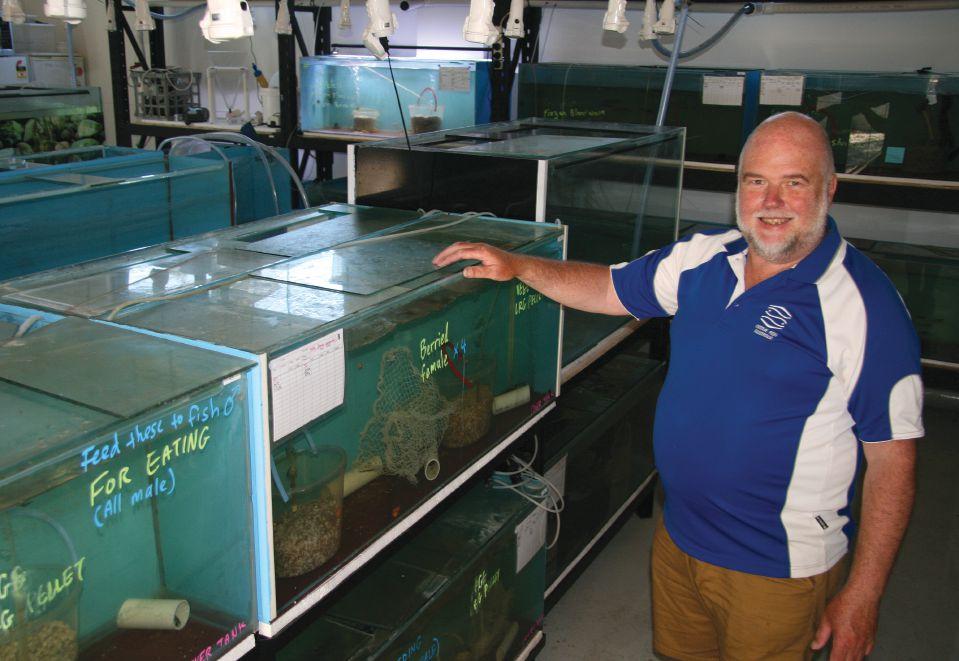
NFA president, Tim Curmi, in the association’s new hatchery facility at La Trobe University.
PHOTO: JOHN MOSIG
Breeding teams of males and females are placed in 200 litre glass aquaria and the temperature raised to 18 C+, in the case of the Murray River rainbowfish, to trigger spawning.
Larvae are fed a <100m larval rearing dust as well as green water and freshly hatched brine shrimp nauplii. Once they reach around 15mm they are moved to outdoor tanks that are rich in natural food and larger pellets and brine shrimp nauplii. They’re ready for habitat restocking at around 40 mm.
Genetic integrity is an issue. Tim felt that it has its place, but with climate change tossing all the balls in the air, well-structured cross breeding to strengthen the species’ resilience may have to be considered in the not-too-distant future. Currently they’re spawning from Goulburn River stock but have plans to add Murray and Murrumbidgee River strains to their breeding pool.
Considered extinct in Victoria, the discovery of an isolated population of southern purple spotted gudgeon (Mogurnda adspersa) in an isolated lake system on the Murray-Loddon floodplain is an example of NFA’s contribution to conservation. Chris Lamin from Middle Creek Aquaculture was able to collect 30 broodstock from the waterway. She studiously established a spawning methodology and produced more than 25,000 fingerlings. Like most Australian inland species, they’re opportunity breeders and, with good management, can be conditioned for serial spawning. The female lays, depending on their size, 3001,300 adhesive eggs at a time on a hard surface in a cryptic location and the male guards and aerates the incubating clutch.
Once the eggs are eyed, the nesting boxes and the adult fish are removed and the regulation incubation, rearing and feeding protocols observed. It sounds simple, but someone had to collect and condition the broodstock, establish the spawning protocols, and rear the larvae. Painstaking husbandry research, such as this, is a testament to the dedication of this small band of volunteer conservationists. | HI
Aquaculture 2025
March 6-10, 2025
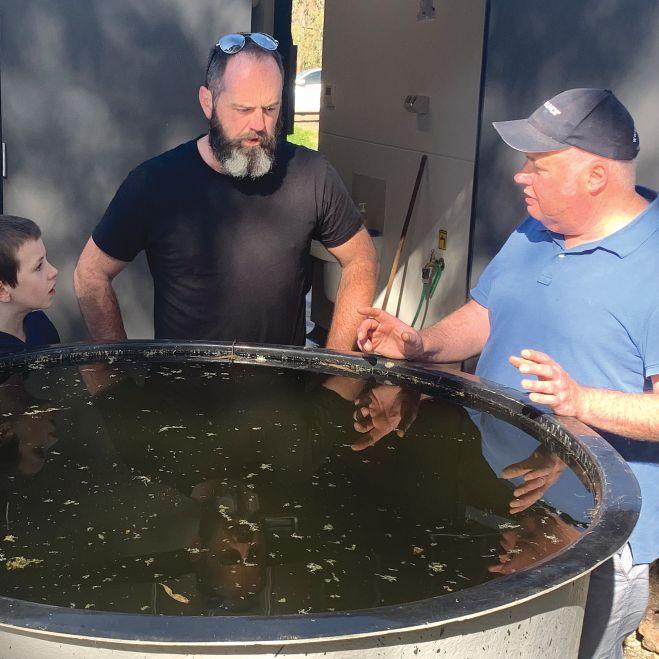
NFA president, Tim Curmi, explaining the workings of the rearing system. PHOTO: JOHN MOSIG
Accountability for Asia’s shrimp industry
Recent investigations into shrimp farmers’ working conditions call for reform in sector
By Gordon Feller
For those concerned with unsafe labour practices, and the persistence of dangerous conditions in shrimp hatcheries in Asia, 2024 was certainly an eventful year.
In September 2024, the Associated Press (with financial support from The Walton Family Foundation, of Walmart fame) published an important (and perhaps unprecedented) report that looked at three large Asian players in the industry: India, Vietnam, and Indonesia. The focus of the AP’s study was on the exploitation of shrimp aquaculture workers. The conclusion was that “labour exploitation in shrimp aquaculture industries is not company,
sector, or country-specific. Instead, it is the result of a hidden business model that exploits people for profit.”
Citing the national government’s labour policies, which are already in place in Vietnam, the country’s Association of Seafood Exporters and Producers issued a statement calling the report’s allegations “unfounded, misleading and detrimental to the reputation of Vietnam’s shrimp exports.”
According to Katrina Nakamura of Sustainability Incubator Inc., who wrote the report for the AP, Western government policymakers could use anti-trust and other laws, which are already in place, to establish oversight to ensure fair pricing from Western
19.4% of children working in shrimp/seafood industries in Taiwan, had been injured while working, according to a joint Asia Foundation/ILO study.
retailers. Instead of imposing punishing tariffs on suppliers, Nakamura and her team think that this would be an effective strategy to curb bad practices.
More accountability
In March 2024, independent researchers from the Chicago-based non-profit research and advocacy organization, Corporate Accountability Lab, published their most recent report, “Hidden Harvest: Human Rights and Environmental Abuses in India’s Shrimp Industry.” The study found that India’s workers face “dangerous and abusive conditions.” Highly-salinated water from newly dug hatcheries and ponds, tainted with chemicals and toxic algae,
also contaminate surrounding water and soil.
On July 25, 2024, the European Union (EU) adopted a new directive requiring companies to “identify and address adverse human rights and environmental impacts of their actions inside and outside Europe.”
The directive, known as 2024/1760, is focused on corporate sustainability due diligence. The hope is that these new rules will ensure that companies identify and address adverse human rights and environmental impacts of their actions – whether it takes place inside and outside of Europe’s boundaries.
On a global basis, shrimp farming is moving toward full integration with other parts of the food value chain.
A large number of shrimp farms are now becoming part of a more vertically integrated shrimp companies that operate, not only processing and marketing units, but also hatchery, feed mill, and growout facilities.
It shouldn’t be a surprise, therefore, that such labour rights advocates worry about the situation inside hatcheries. In Thailand, for example, a few large companies dominate the hatcheries sector, including two of the biggest: CPF and TUF.
Labour rights advocates argue that worker conditions in the past year don’t represent much of an improvement over previous years, according to some of the research. Even before the three new reports were released in 2024, the non-profit Asia Foundation and the UN’s International Labor Organization (ILO) jointly produced an important 157-page research report on “Migrant and Child Labor in Thailand’s Shrimp and Other Seafood Supply Chains: Labor Conditions and the Decision to Study or Work.”
The research project’s aim was to address “abhorrent child labour practices,” and other problematic labour condition problems. The report
Recent reports are shedding a spotlight into the unsafe labour practices in major hubs of the Asian shrimp industry.
Labour rights advocates argue that worker conditions in the past year don’t represent much of an improvement over previous years, according to some of the research.
covers three relevant areas of concern: Safety/ Personal Protective Equipment, Abuse, and Awareness of Laws – all of which included data from respondents.
Among the findings of the joint Asia Foundation/ILO study, they found that among children working in shrimp/seafood industries in Taiwan, one in five or 19.4 per cent, had been injured while working, while around one in 12 (8.1 per cent) had suffered a work-related health problem or chronic disease. Across all age groups, boys appeared to be more likely to have incurred an injury than girls (21.3 per cent and 17.6 per cent, respectively).
In general, boys take on riskier work that involves heavy lifting. Those who load and unload seafood usually work late hours, beginning around midnight and continuing through 2 to 4 a.m. Insufficient and irregular sleep may also contribute to injuries among such workers.
Linked to this, a higher proportion of boys had experienced a health problem or chronic disease from work (10.2 per cent) compared to girls (6.0 per cent). Chronic health problems are very likely linked to injuries, particularly when injuries go untreated. Strikingly, higher proportions of younger children (one in three) suffered injuries compared to older children overall. The report said this may indicate that younger children are especially at risk of being injured at work.
Supply chain engagement
One organization working to address such problems is FishWise. This non-profit receives financial support from the Walmart Foundation and the David and Lucile Packard Foundation. Their mission is “to sustain ocean ecosystems and the people who depend on them by transforming global seafood supply chains.”
Since its founding in 2003, FishWise has worked closely with the seafood industry to foster leadership in sustainability. They believe that the seafood industry not only has serious impacts on the health of oceans and the welfare of its workers, but also the potential to make big contributions to the health of our planet and its inhabitants.
Advocacy organizations, such as FishWise, think the problem has now become quite big. Their view is that there are real consequences flow naturally from the fact that the aquaculture sector has significantly expanded within the last decade. And it continues to grow as wild capture fisheries become increasingly overexploited. While aquaculture has been regarded as one of the solutions to a growing world population and diminishing supply of protein sources, the expansion and intensification of the industry has created serious social and environmental challenges.
The UN’s Food and Agriculture Organisation (FAO) estimates that more than 20.5 million people were employed in aquaculture in 2018. Asia produces the most aquaculture of any continent and accounts for 85 per cent of those employed in the industry. Within aquaculture, some of the most salient human rights issues, including child labour, forced labor, and human trafficking, are found within the shrimp and fishmeal sectors.
Kelley K. Bell, FishWise’s social responsibility division director, thinks that as smallholders, farmers have little access to resources to improve their practices.
“They are barely making enough to live on themselves. Feed is expensive, margins are small, and their financial challenges have been exacerbated by downward prices and more supply than demand,” she said. “If you haven’t seen the attached report on the Indian shrimp industry, it is a fantastic way
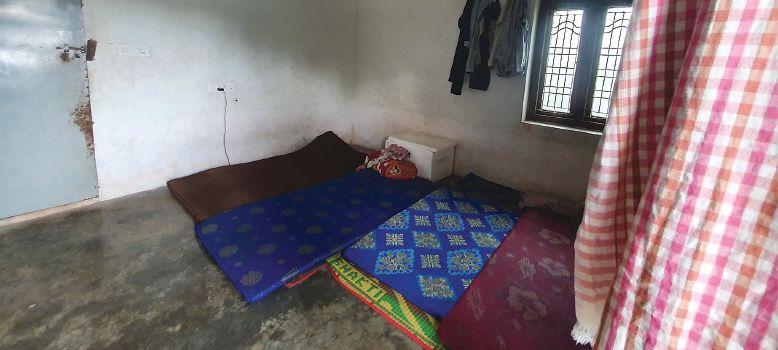
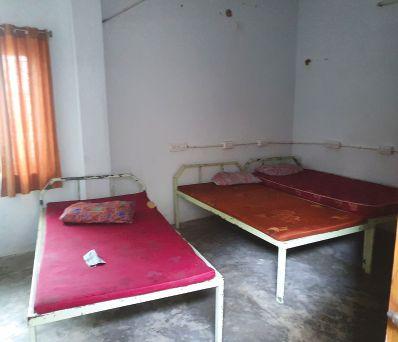
Workers’ accommodation at an Indian shrimp hatchery. These photos were included as part of the Corporate Accountability Lab’s 2022 research report on “Hidden Harvest.” PHOTOS:
FishWise is a U.S.-based nonprofit organisation that advocates for ethical and sustainable farming practices across the seafood supply chain. PHOTO: FISHWISE
to understand the trade environment and dynamic on the ground.“
The Roadmap for Improving Seafood Ethics (RISE), a free, publicly available site hosted by FishWise, provides seafood specific guidance to companies to support their Human Rights Due Diligence implementation (HRDD). It has become a trusted and widely used resource for the seafood industry, with step-by-step direction, educational components, links, templates, and case studies.
Tom Pickerell, Global Tuna Alliance’s executive director, notes that “RISE covers a wide range of recommended actions, which was exactly what we needed when developing the Tuna 2020 Traceability Declaration Social Responsibility Toolkit. Going beyond commitments, companies now have the guidance they need to improve business operations, implement worker-centered solutions, and build responsible tuna supply chains.”
Educating standards
FishWise just released a supplemental guidance document to complement RISE, “Human Rights Due Diligence in Seafood Supply Chains – Fundamentals for Impactful Implementation.” This report features specific aspects of HRDD that companies often miss, or struggle to implement, and it details some practical steps to make their HRDD efforts more comprehensive, inclusive and effective.
Global Seafood Alliance’s Hatchery Standard 2.1, which was updated last year, is considered a gold standard.
According to Allie Brudney, CAL’s senior staff attorney, there are numerous labor violations in hatcheries. “The conditions we saw in hatcheries were dirty, overcrowded, and abusive,” she said. “In some of the hatcheries we visited, we saw workers living in dormitory-style rooms, with four or five men in a single room sleeping on bare floors with flimsy and dirty mattresses.”
“Based on our investigations, we believe there is a clear risk of forced labor for workers in hatcheries. Hatchery workers tend to work long hours and are often on call at all hours of the day and night. These workers are often not allowed to leave the hatcheries – even to go to a store next door – ostensibly because they may be needed at any time to work. This constant stream of work and control hatcheries exert over where their workers go is abusive and leaves workers essentially working all day and night – while still being paid below the minimum wage,” Brudney added.
The history of labour abuses in Asian shrimp hatcheries is not an especially good one. For example, consider practices in Thailand. Back
in 2011, “Child Labour in the Value Chain of the Shrimp Industry in Thailand” was published as the outcome of an important research program undertaken by Thailand Development Research Institute (TDRI).
The research funding was provided by the United States federal Department of Labor via the International Labour Organization’s long-term International Programme on the Elimination of Child Labour.
At that time, the TDRI found that child labour was still rampant in hatcheries. Under pressure from domestic and foreign NGOs, and from foreign businesses that were upset to find such conditions, Thailand national government has implemented an inspections regime – with the result being that the situation has since improved. However, the overuse of various chemicals and antibiotics and has not abated. | HI
LAKE & POND SUPPLIES
BY MAGIDA TABBARA
Flocs and probiotics: friendly bacteria to the rescue! Feed for Thought
With the beginning of a new year, Pacific white shrimp conserves its status as a high commodity for seafood lovers. Latest data confirm that Pacific white shrimp maintained its position as top produced species through aquaculture, with an average production of 6.8 million tons in 2022. The increased production, along with some captures from the wild, are trying to keep up with the increased demand for shrimp, which is projected to increase by 6.7 per cent every year until 2029. Despite the increased production, the industry still faces a major challenge that impedes its growth and threatens shrimp availability for people who enjoy it as a meal: disease.
Infections are major challenges
Shrimp are aquatic species and share their growth medium with a huge number of microorganisms that thrive in similar environmental conditions. Not all of those microorganisms are beneficial, and a lot of them wait for an opportunity to invade weak shrimp and flourish. Studies have revealed that shrimp, among other crustaceans, lack an adaptive immune system. That means that the organisms have no way to regain immunity from previous infections they might have fought. Such a condition makes vaccination an unviable solution to this industry. Additionally, the major disease that affects shrimp production is viral caused. Unfortunately, no antiviral drugs have been developed for aquaculture yet, especially for such peculiar group as crustaceans. Accordingly, the logical solution would be to fortify the organisms’ already existing immunity.
The main culprits in shrimp disease
Similar to any other species, shrimp disease can be caused by a variety of microorganisms. However, when we discuss shrimp disease and outbreaks, we think of two vicious causes of mortality. Vibrio is a genus of comma shaped bacteria most commonly linked to the consumption of raw or undercooked seafood such as shrimp and oysters.
is a PhD candidate in Aquaculture at Auburn University with an emphasis on aquatic animal nutrition. She has over five years of experience in aquatic nutrition, feed formulations and feed manufacture, in addition to experience in scientific writing, technical writing, and journalism.
There are several species of Vibrio associated with disease in aquaculture, such as Vibrio anguillarum, V. harveyi, V. ordalii , and V. parahaemolyticus Vibrio parahaemolyticus is the main species of Vibrio associated with shrimp mortality, being the causative agent of acute hepatopancreatic necrosis disease, also known as early mortality syndrome. Worldwide shrimp losses as a consequence of early mortality syndrome are estimated to be around US$43 billion.
The other culprit in shrimp disease is Whispovirus, the causative agent of white spot
disease. The virus can affect other crustaceans such as crayfish, and its characteristic sign is white spots that appear on crustaceans’ carapaces. The onset of infection starts with inevitable stressors shrimp can encounter during regular aquaculture activities, such as water quality fluctuations or crowding when animals are raised at higher densities. White spot syndrome virus is very easily transmissible and can easily wipe down huge stocks of shrimp in as quick as three days. Certain studies have estimated that white spot disease reduced worldwide shrimp production by 15 per cent if not more. Unfortunately, no known methods can help treat the disease, and it remains, along with early mortality syndrome, a huge challenge pushing against shrimp production.
Friendly bacteria are a solution
Laboratory observations showed a reduction in shrimp mortality when raised in a biofloc system. Such a system helps improve water quality, recycle nutrients, and grows a beneficial microbial community that boosts shrimp growth and immunity. The idea behind a biofloc system is that beneficial heterotrophic bacteria thrive on nitrogen
Magida Tabbara
Pacific white shrimp infected with Vibrio parahaemolyticus. Shrimp were weak and lethargic before dying in the culture aquaria.
and carbon within the system. Those “flocs” have the potential to recycle ammonia and nitrite into nitrate, the lesser toxic form of nitrogen in water, which improves water quality. Additionally, the “flocs” are a good source of protein and lipids that serve as a source of food for the animals raised in the system. However, the combination of a biofloc system and the addition of probiotics has gained a lot of attention especially in terms improving shrimp disease resistance.
Use of probiotics in aquaculture has been gaining lots of attention for the bacteria’s ability to improve water quality parameters, in addition to ameliorating shrimp growth and conferring some protection against disease causing agents. Using probiotics in shrimp feed in conjunction with raising the animals in a biofloc system seems to be the go to. The beneficial bacteria from the feed modulate the ones in the environment. Such modulation gets reflected in a boost in shrimp immunity, providing it with a kick to resist a variety of disease causing microorganisms. In the case of infection with white spot syndrome virus,
a huge drop in the number of haemocytes in shrimp blood takes place – haemocytes being a type of immune cells that plays a pivotal role in shrimp immunity. A study showed that administering probiotics in the form of Bacillus spp. helped, within three days, to improve the number of haemocytes 15 times compared to without probiotics in shrimp infected with white spot virus. Such result is explained by the ability of the probiotic to improve the balance of gut microbes which in turn play a crucial role in shrimp immunity.
That is in addition to the probiotics’ ability to stimulate the production of haemocytes among other immune cells, making the immune system even stronger. Additionally, the use of probiotics can upregulate the expression of immunomodulating genes, reinforcing the immune system to fight the infection off. Similar responses were observed in shrimp offered probiotics and subjected to Vibrio spp. While the mechanism by which shrimp are able to combat white spot syndrome virus and Vibrio spp. infections can be similar, there might be further modes of
action against harmful bacteria. Ingesting the probiotics allows for a competitive exclusion of harmful bacteria from shrimp guts. That, in concurrence with the presence of probiotics in the culture medium, allows for competitive exclusion as well in the water.
Feed for thought
Probiotics sprayed onto shrimp feed or supplemented in the water can reinforce the animals’ immune system, making them more ready to fight off diseases spread in the culture medium. Such additions, in tandem with potentially raising the animals in a biofloc system, help confer a layer of protection against pathogens. Don’t think of probiotics as an expensive addition to feed. A small addition can save you thousands of dollars and even improve your feed conversion ratio. Always consider the use of probiotics, as friendly bacteria will come to the rescue! | HI
Additional readings: Kumar, A. K. (2023). Functionality of probiotics on the resistance capacity of shrimp against white spot syndrome virus (WSSV). Fish & Shellfish Immunology, 140, 108942.
Showcase
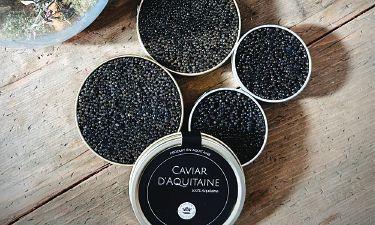
Caviar d’Aquitaine adopts BioMar’s Blue Impact Feed for sturgeon farming
Caviar d’Aquitaine producers have become the first sturgeon farmers to adopt BioMar’s Blue Impact feed.
Caviar d’Aquitaine comes from the eggs of sturgeons raised in Nouvelle-Aquitaine. It comes from aquaculture farms located in the south of the Gironde, as well as along its estuary and from the Arcachon Basin, the Isle basins, in Dordogne, Charentes and the Adour.
This association of French farmers are now working with BioMar to integrate Blue Impact feed into their farming practices.
“We are thrilled to see Aquitaine Caviar become the first sturgeon farmers to adopt Blue Impact feed,” said Rocio Alvaro, sustainability lead at BioMar. “Their commitment to innovation and sustainability aligns perfectly with the goals of the Blue Impact initiative. Together, we are demonstrating that premium quality and environmental responsibility go hand in hand.”
BioMar’s Blue Impact feed is said to reduce reliance on marine resources, incorporate circular and restorative raw materials, and min-
imize the carbon footprint of feed production through responsible sourcing.
According to BioMar, the feed is designed to balance the environmental footprint of raw materials with the nutritional needs of aquaculture species, ensuring optimal performance in farming systems.
The use of Blue Impact feed is accompanied by strict monitoring to ensure adherence to animal welfare regulations and environmental standards. This approach, BioMar states, sets a new precedent for the future of aquaculture.
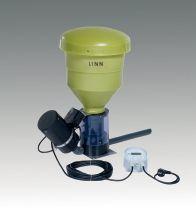
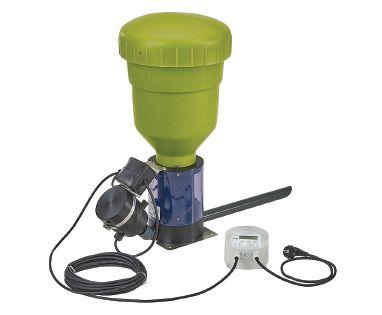
Germany’s LINN introduces adjustable Vario feed sprayer
A German fish farming technology, LINN, has developed the new Vario feed sprayer for feed distribution in aquaculture farms.
According to the company, this new blower feeder works with a brushless blower motor and the discharge width can be adjusted directly on the device. The device is available in five silo sizes from 10 to 70 kilograms and can be adapted to the conditions on-site. It also has a new sliding lid.
LINN Germany has been supplying feeding systems with silos of up to 200 kg volume for fish farms and aquaculture systems for many years. The ideas for its devices are derived from the experience of its trout farm - which has been run by the Linn family since 1929.
The equipment is now exported from Germany to more than 75 countries around the world.
Northwest Fish Culture Concepts honours hatchery veterans in Hall of Fame
One of the inductees, Loren Jensen, worked for the Oregon Department of Fish and Wildlife (ODFW) for over 32 years at several hatcheries and in different positions.
Jensen retired from Bonneville hatchery one of Oregon’s largest hatcheries, where he advanced fish culture techniques, hired and trained countless staff, students and technicians.
Jensen also taught classes at Mount Hood Community College to students in the fisheries technology program and provided co-op training opportunities at the various hatcheries he managed. After retiring from ODFW, Jensen went to work for Bio-Oregon as a fish feed sales rep where he has been for 18 years. He focuses on the education of current fish culturists on feed products and new developments and techniques to optimize growth and fish health.
Manny Farinas, the second inductee, attended Oregon State University, where his passion for the Pacific Northwest and salmon began. He worked for the private sector, tribal programs and the public sector in aquaculture facilities learning his art/ skill. He worked as an operations manager for the Washington Department of Fish and Wildlife, before moving to Oregon in 2005 as a regional hatchery coordinator.
Farinas’ passion influenced his desire to provide training for his staff and always encouraged everyone to continue to learn and grow in their career. His mantra was “Never stop learning and challenging yourself!” He was known as the master of numerous “pet” projects and always kept a contingent of back pocket trout available to fill any shortages around the state. He
Two hatchery veterans have been inducted into the Northwest Fish Culture Concepts 2024 Fish Culture Hall of Fame.
embraced new and emerging technologies, including water sterilization processes and novel fish feed formulations.
LSM Pumps unveils LSM125 linear pump for gentle live fish transport
Danish hose pump company, LSM Pumps, has introduced its latest innovation, the LSM125 Linear Pump, for the gentle and efficient transport of live fish in the aquaculture and fishing industries.
The LSM125 Linear Pump is engineered for the handling of live aquatic species, including small and large shrimp, trout, and juvenile fish.
It’s said to have low energy consumption, self-priming capability, capacity for large particles and low maintenance requirements.
“The LSM125 Linear Pump represents a significant advancement in live fish transport technology, offering a solution that prioritizes both efficiency and the well-being of aquatic species,” a press release from the company states.
Salmon
genetics expert Serap Gonen joins Benchmark as genomics lead
Benchmark Genetics has appointed Serap Gonen PhD, as lead, salmon genomics.
Gonen completed her PhD in 2015 at the Roslin Institute in Scotland, focusing on the genetics of disease resistance in Atlantic salmon. She continued at the Roslin Institute as a postdoctoral researcher on the optimal use of genomic information and advancing genomic methods for livestock breeding.
Gonen is an expert in salmon genetics and breeding. She joined Mowi in Norway in 2018 as a senior geneticist, managing selection for two salmon breeding programs. Most recently, at AquaGen, she optimized salmon and trout breeding program structures.
“We are very pleased and excited to welcome Serap to our Benchmark Genetics team. She has an outstanding background in scientific research and its application to salmon breeding and will significantly bolster our team, further improving our products and services,” said Ross Houston, director of genetics and innovation.
At Benchmark, Gonen will lead global genomic innovations to enhance selection in the nucleus and commercial salmon lines, optimize disease resistance traits, and contribute to commercial product design. She will also participate in R&D projects to pioneer new traits and technologies.
Commercial Filtration Systems
Commercial Filtration Systems
Commercial Filtration Systems
Customized for your fish farm, hatchery or
Commercial Filtration Systems
Customized
Our Commercial LSS Packages are custom engineered to meet your specific needs.
Our Commercial LSS Packages are custom engineered to meet your specific needs.
Customized for your fish farm, hatchery or research operation! Our Commercial LSS Packages are custom engineered to meet your specific needs.
Our Commercial LSS Packages are custom engineered to meet your
• Marine and Freshwater
• Marine and Freshwater
• Marine and Freshwater
• Mechanical filtration
• Marine and Freshwater
• De-gassing
• De-gassing towers
De-gassing towers
• Mechanical filtration
• Mechanical filtration
• Chemical filtration
• Chemical filtration
• Mechanical filtration
• Chemical filtration
• Ultraviolet disinfection
• Ultraviolet disinfection
• Ultraviolet disinfection
• Chemical filtration
• NEMA enclosed controls
• NEMA enclosed controls
• Ultraviolet disinfection
• NEMA enclosed controls
• Bio-filter towers
• Bio-filter towers
• Bio-filter towers
• NEMA enclosed controls
• Bio-filter towers
• Wide variety of flow rates
Wide
• Flow control valves
• Protein skimmers
• Variable frequency-drive pumps
• Temperature management
All our systems are pre-plumbed and fully water tested prior to shipping. Call us today at 206.937.0392 www.AquaticEnterprises.com
Hatchery Hack
BY NICOLE KIRCHHOFF
How to respond when a disease hits your hatchery
If you have been in the game long enough, you have experienced the nightmare of arriving to do morning checks and finding dead or dying fish in your tank(s). Disease can happen to even the most prepared, and the most biosecure of facilities. So it is best to be prepared. And better yet, train your staff so you can save as much as possible in both stock and money.
Step #1: Isolate
If you are lucky and very observant, you may only have one or two tanks showing any symptoms. Early detection is always key. Numerous times a day staff should be personally watching plants and animals in each tank, whether during hand feedings, dissolved oxygen (DO) checks, or routine morning and afternoon system checks.
Going off feed, flashing, being in a different part of the water column than normal, cloudy water, DO or water chemistry changing suddenly, can all be signs something is wrong. And immediately staff should isolate.
First, identify which tank(s) or system(s) may be affected. Then isolate those from the rest of your farm. This may mean temporarily turning off incoming water to the tank so it doesn’t recycle back into the system, diverting discharge water to a different holding tank, and stopping feeding and movement from stock from one tank or system to another. Do whatever you can do safely to isolate and stop the spread while you investigate.
Step #2: Identify
Now time to identify what is wrong. Most farms should have a list of potential diseases that may impact their facility. From ammonia toxicity to harmful algae to bacteria, viruses, and parasites, a good biosecurity plan should also help staff identify what may also have gotten into your farm.
Samples should carefully be taken of both water and plants or animals impacted. If possible, moribund, meaning dying but not yet dead, should be sampled. We have a special quarantine desk area at our facility where investigations can take place, meaning where we can take water and fish samples for processing when investigating potential diseases.
Water should be processed to ensure it is within optimal range for nutrients, pH, alkalinity, etc. The infected animals or plants are examined macroscopically and microscopically for anything abnormal.
If you are lucky, you can identify what is wrong yourself. If not, your veterinarian should be contacted. It is often best to do the initial investigations of water chemistry, moribund sample inspection, and how much of your farm was impacted before contacting your vet, as the more information you can provide to them, the better their advice can be. They may also need to come to get samples to identify the cause.
Step #3: Treatment and hopeful eradication
Sometimes you are lucky and the disease is something easily treatable. For example, maybe the water chemistry changed because of equipment failure, the tank was over or underfed by accident or the biofilter not working as it should, and just doing water changes and cleaning will solve the problem.
But sometimes you aren’t as lucky and it is something that requires treatment, like a bacterial, viral, or parasite infection. This is where having a good, experienced veterinarian is useful, as well as a well-thought-out biosecurity plan with treatment options for each potential threat that your farm may encounter so you are prepared. Every country has laws outlining what treatments are legally available for a disease. There are unfortunately many diseases where there
are no legal treatments available or the treatment is too costly or will take too long to arrive at your farm to be effective. Talking over the strategy with your vet will help you decide if you should treat, perform strategic culling, or both. Some hatcheries may keep some treatments in stock so they can react quickly, but again this requires investigating what may be legal or cost-effective for your situation. Often treatments will have to be carried out for days, weeks or months to be effective, may require withdrawal periods before stock can be sold, and may require additional water treatments before discharge.
In addition, both the staff, equipment and stock of whatever you are treating need to come completely quarantined from the rest of your facility until you can ensure the threat is eradicated.
Step #4: Learn
After the storm is over, and hopefully you saved the farm, it is time for the post-mortem. How did this happen, how can you be more prepared, and how can you prevent it from happening again?
It should be the aim of every farm to adopt a proactive approach that encompasses investigation, analysis, and implementation of corrective measures. This involves understanding the root causes of adverse events, implementing preventive strategies, and fostering a culture of learning.