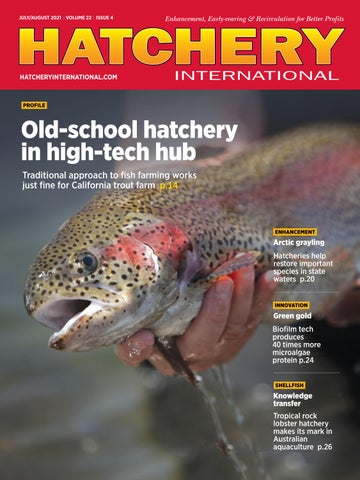
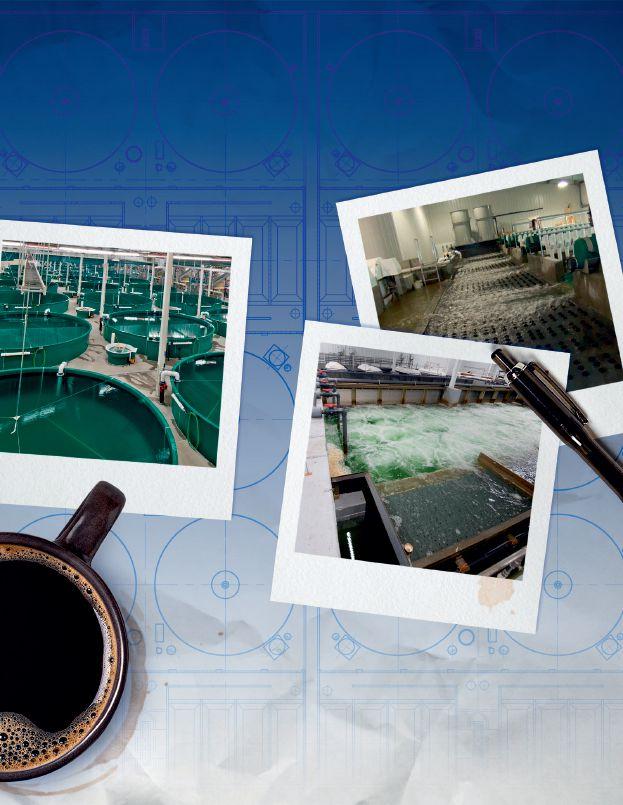
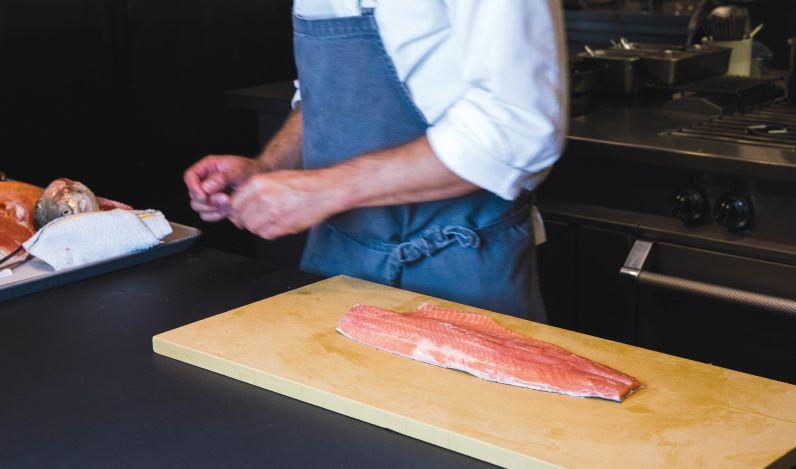
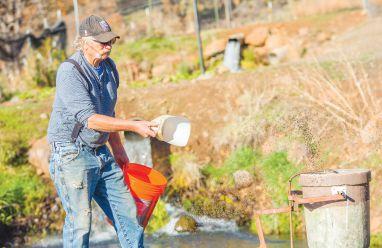
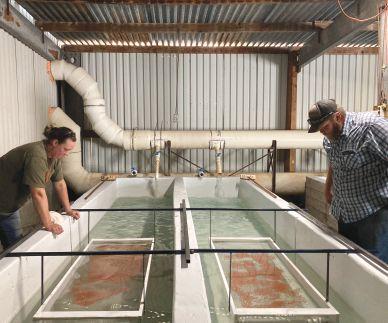
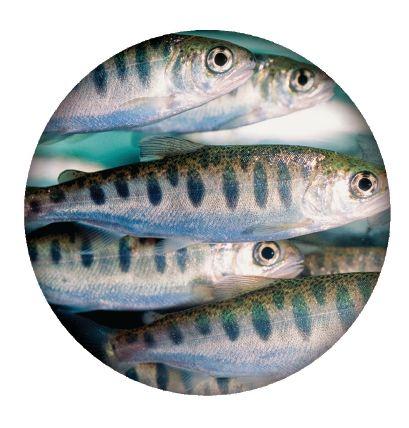
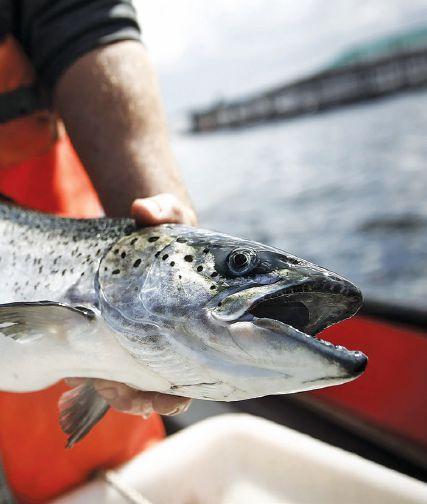
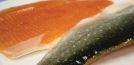
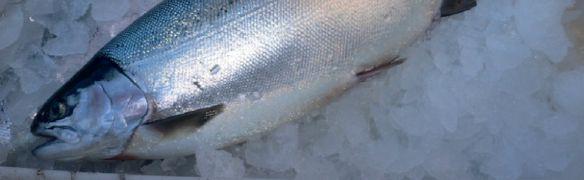
Traditional approach to fish farming works just fine for California trout farm p.14
ENHANCEMENT
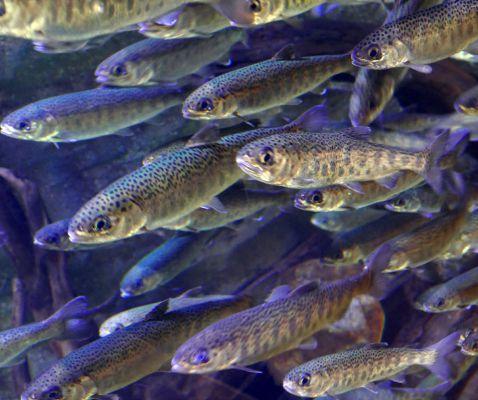
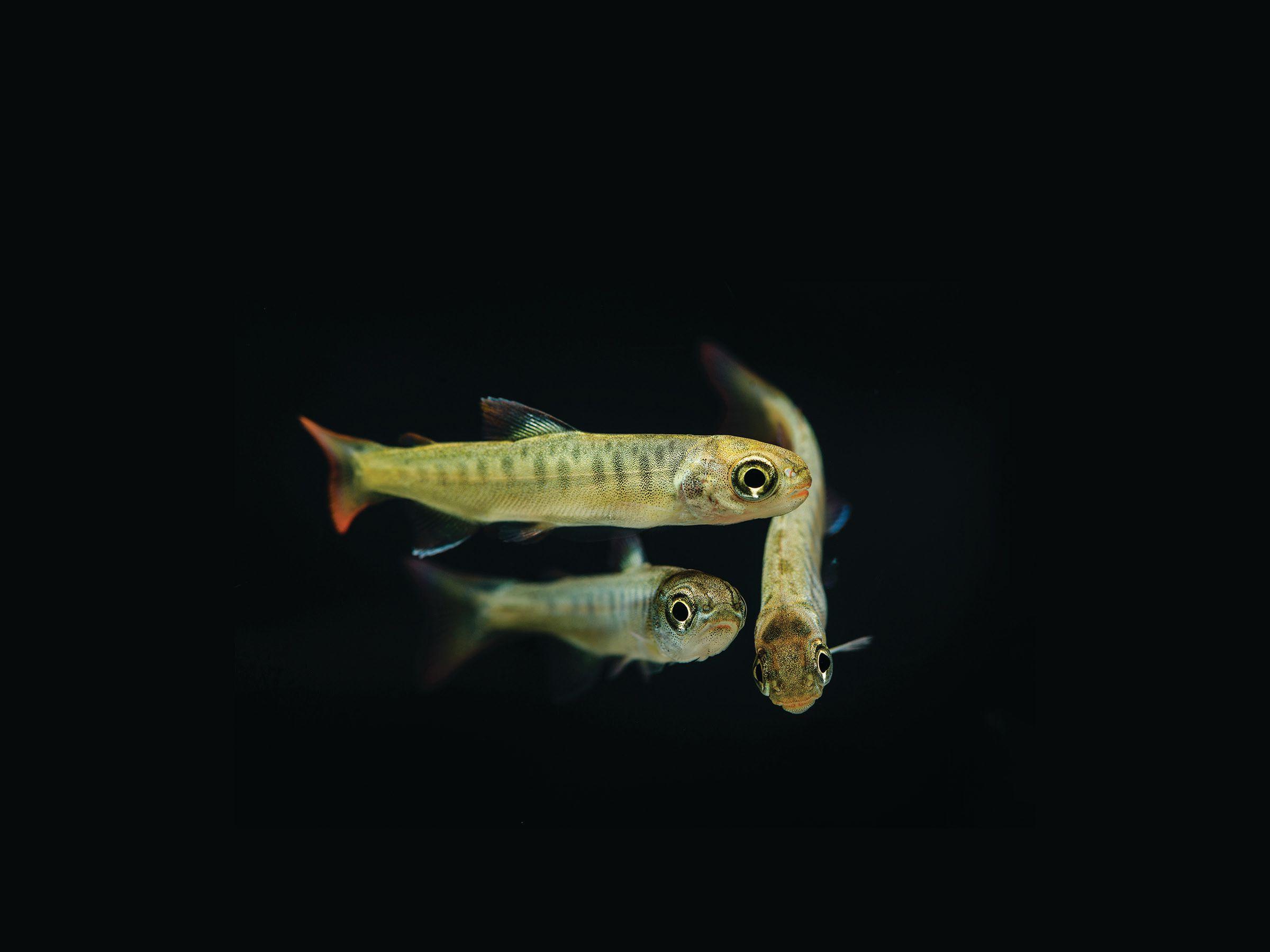
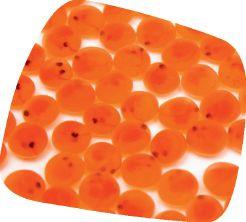
Arctic grayling
INNOVATION
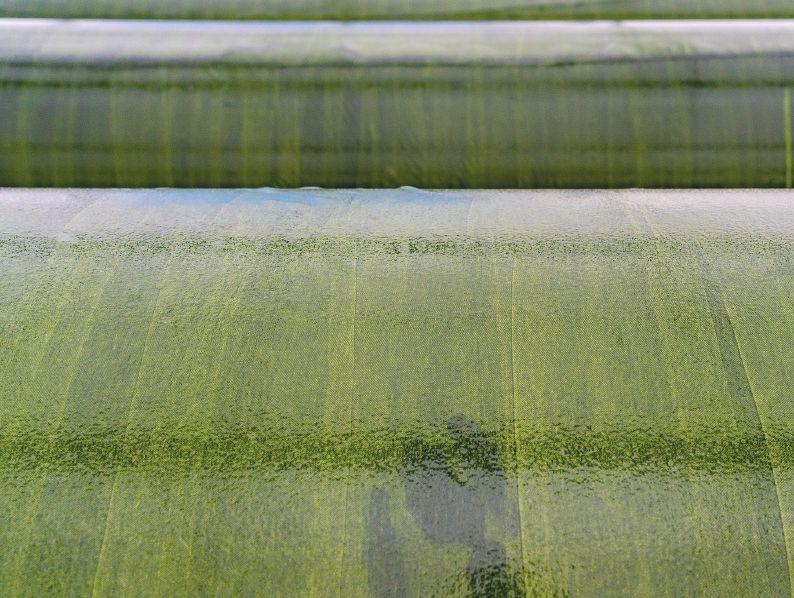
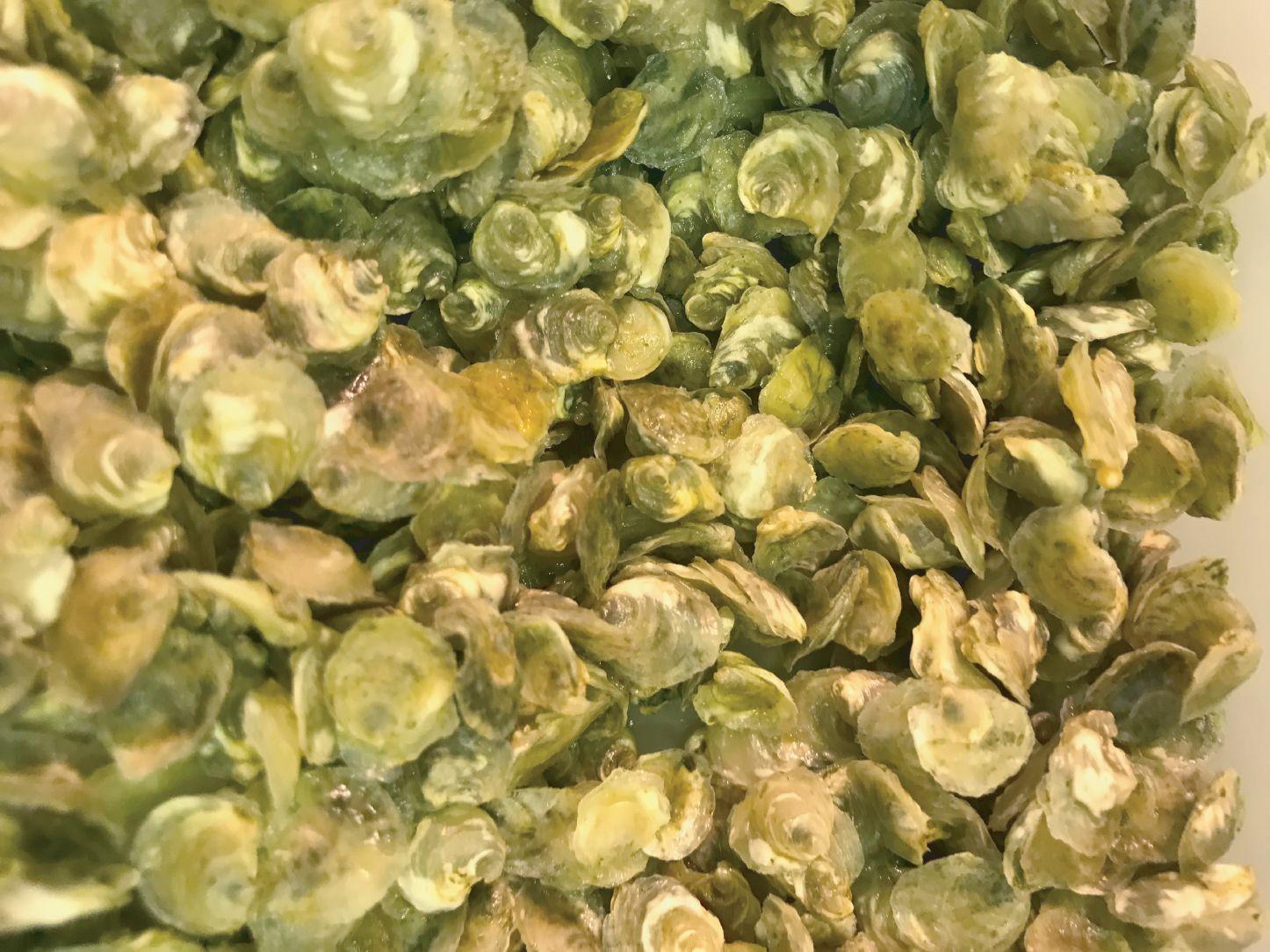
Green gold
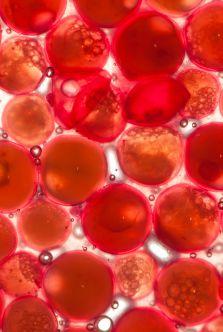
Biofilm tech produces 40 times more microalgae protein p.24
SHELLFISH
Knowledge transfer Hatcheries help restore important species in state waters p.20
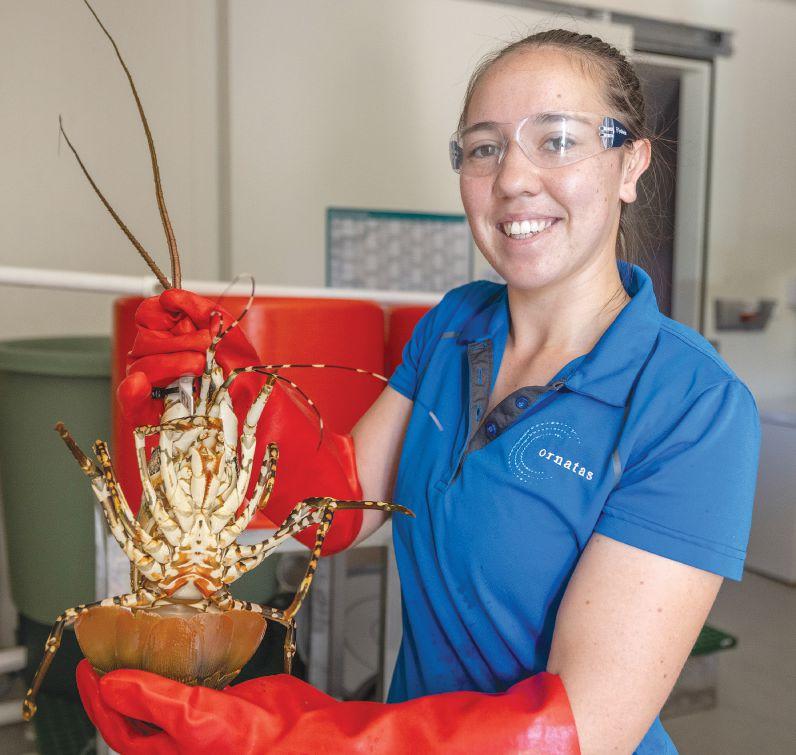
Tropical rock lobster hatchery makes its mark in Australian aquaculture p.26
COUNTING AND GRADING REPORT
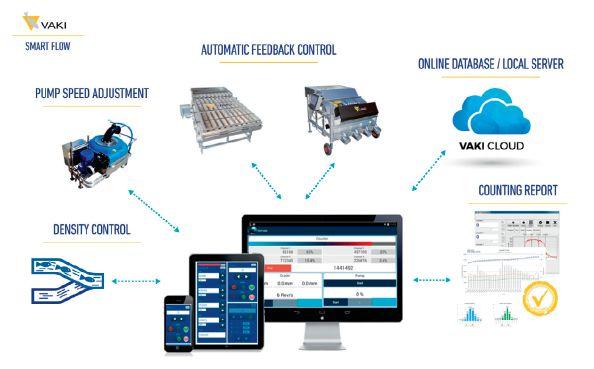
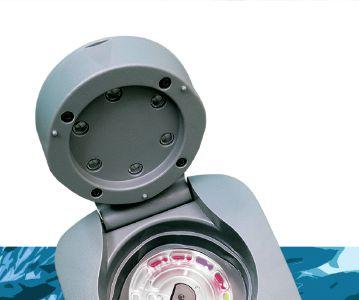
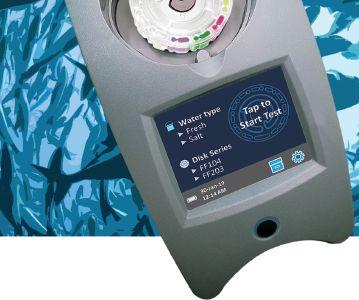
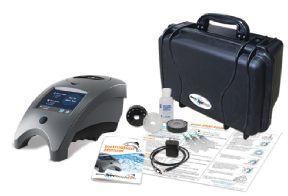
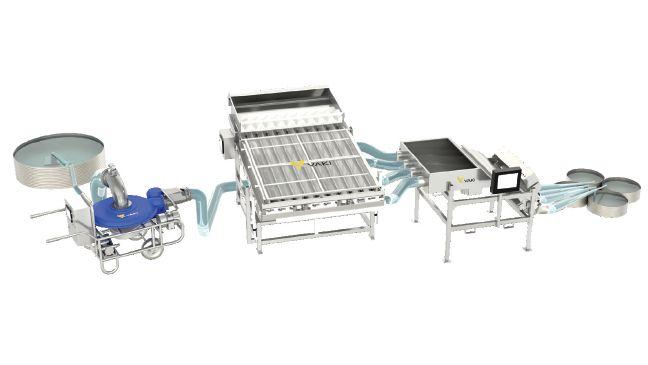
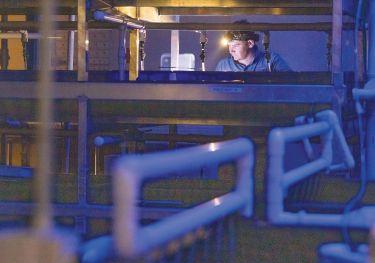
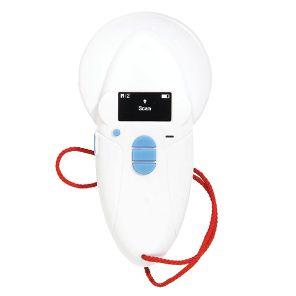
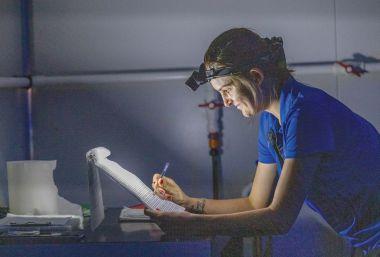
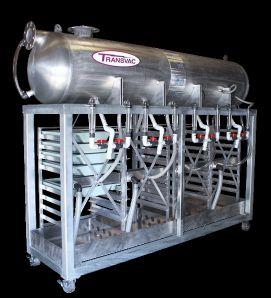
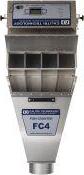
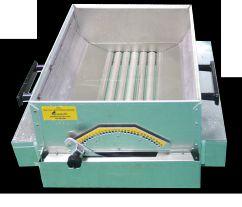
The SmartFlow System uses software to gather and store information about all measured fish for easy comparison. SmartFlow facilitates the optimization of every operation, as it helps all devices in the VAKI product line to be controlled and fine-tuned to refine the desired output. SMARTFLOW
VAKI SMARTFLOW
HIGHER QUALITY OF OPERATIONS
Presented by
Connecting RAS professionals virtually throughout 2021
SAVE THE DATES
JUNE 9
• Investors’ Forum
• Danish RAS Tech Seminars
SEPTEMBER 14
• RAS Roundtable
NOVEMBER 3
• RAS Virtual Summit
Join us for a series of live virtual events throughout 2021 that offer opportunities for learning and networking with the RAS community. With both live and on-demand speaker presentations and panel discussions, as well as a virtual tradeshow highlighting the latest in RAS technologies and systems, this trio of virtual events is a must-attend.
Learn from subject matter experts, connect with RAS and aquaculture suppliers and immerse yourself in this content-rich, interactive platform. The RAS Connector Series is the online venue for some much-needed networking and engagement with your industry peers.
Register early to reserve your spot for this one-of-a-kind virtual event series!
and
VOLUME 22, ISSUE 4 | JULY/AUGUST 2021
Reader Service
Print and digital subscription inquiries or changes, please contact Urszula Grzyb,
Audience Development Manager
Tel: (416) 510-5180
Fax: (416) 510-6875
Email: ugrzyb@annexbusinessmedia.com
Mail: 111 Gordon Baker Rd., Suite 400, Toronto, ON M2H 3R1
Editor Mari-Len De Guzman mdeguzman@annexbusinessmedia.com
Associate Editor Jean Ko Din jkodin@annexbusinessmedia.com
Contributors Nestor Arellano, Ruby Gonzalez, Ron Hill, Colin Ley, Liza Mayer, Vladislav Vorotnikov, Bonnie Waycott
Associate Publisher / Advertising Manager Jeremy Thain jthain@annexbusinessmedia.com +1-250-474-3982
Media Designer Svetlana Avrutin savrutin@annexbusinessmedia.com
Group Publisher Todd Humber thumber@annexbusinessmedia.com
COO Scott Jamieson sjamieson@annexbusinessmedia.com
PUBLISHED BY ANNEX BUSINESS MEDIA 105 Donly Drive South, Simcoe, ON N3Y 4N5
Hatchery International is published six times a year by Annex Business Media. The authority for statements and claims made in Hatchery International is the responsibility of the contributors. Reference to named products or technologies does not imply endorsement by the publisher.
Subscription rates (six issues) Canada: $37.00
Within North America: $48.00 CAD
Outside North America: $62.00 CAD
To subscribe visit our website at www.hatcheryinternational.com
PRINTED IN CANADA ISSN 1922-4117
Publications Mail Agreement #PM40065710
RETURN UNDELIVERABLE CANADIAN ADDRESSES TO 111 Gordon Baker Rd., Suite 400, Toronto, ON M2H 3R1
The advertising deadline for the September/October issue is July 9th. Don’t miss the opportunity to be part of this exciting aquaculture publication. For more information, or to reserve space in the next issue, call our advertising department at +1.250.474.3982 jthain@annexbusinessmedia.com
Next Editorial Deadline
The editorial deadline for the September/October is July 9th. Contact Mari-Len De Guzman at mdeguzman@ annexbusinessmedia.com for details. Material should be submitted electronically with prior arrangement with the editor.
FROM THE EDITOR
BY MARI-LEN DE GUZMAN
Living in a post-COVID world
The vaccination roll-outs happening at different stages across the globe and a looming return-to-normal scenario have got me thinking about what the aquaculture industry might look like post-pandemic.
This industry will, no doubt, look a lot different than it did pre-COVID-19. For starters, the closure of some international and domestic markets have forced a kind of supply chain restrategizing that saw many companies venture into new territory. This pandemic era has become a testing ground for agility and creativity – and those that passed the test are well-positioned to take their organization to the next level.
The entire value chain certainly looks different. Vertical integration has become a strategic business play, for instance, where producers have added ‘processors’ and ‘marketers’ to their list of capabilities, among other things. Despite COVID-19’s social, economic and psychological toll, the post-COVID era will give rise to new, pandemic-proof business strategies that are not just designed for resiliency but also for long-term sustainability.
One important aspect of the back-to-normal, business-as-usual operations are the people. Businesses are re-opening workplaces where most of the staff members have been working remotely and have not seen the inside of their office for the last year-and-ahalf. Those who have been working onsite for the last year have faced reduced co-worker interaction usually done from a safe distance.
For aquaculture operators, there may not
ADVERTISERS' INDEX
be any changes to the way the fish are reared, but procedures and protocols might be getting some facelift – if not a complete overhaul – to ensure that workplace health and safety are part of the business strategy.
Planning for the eventuality of your organization re-opening at pre-COVID levels and capacity is a welcome development after a long stretch of business uncertainties. It is likely that your organization will never be the same as it was at the beginning of 2020.
Author Deepak Chopra once said, “All great changes are preceded by chaos.” I hope we will soon be able to put this global health crisis behind us. And I certainly hope that this industry has become much better for it. It needs to be, because if all projections are to be believed, this aquaculture community will play a huge role in not just addressing our global food supply challenges, but more importantly in helping build a more sustainable and ocean-friendly seafood industry.
Speaking of change, this would be my last issue of Hatchery International as I move on to a new role. Being editor of Hatchery International and RAStech magazine has been an absolute pleasure. This role has given me the honour of engaging with some of the best and most passionate minds in this community.
Although my new role will be taking me outside the realms of aquaculture, I will be following the development of this industry as I believe that the best is yet to come.
mdeguzman@annexbusinessmedia.com
BUSINESS
Pure Salmon signs egg supply deal
Pure Salmon has signed a multi-year agreement with Benchmark Genetics for the supply of Atlantic salmon eggs to its land-based aquaculture production worldwide.
Representing potentially 80 million eggs per year, the first delivery is expected in 2022, according to a press release from Benchmark Genetics. The agreement also includes provisions for strategic collaboration for product development and R&D.
Pure Salmon’s ambitious global project will see the establishment of recirculating aquaculture facilities in multiple markets, including Japan, the U.S., France, China, the U.A.E. and Southeast Asia, with a combined annual production capacity of 260,000 tons of Atlantic salmon.
“Pure Salmon has set off on a journey to become the leading sustainable producer of Atlantic salmon in land-based systems worldwide. Securing supplies of salmon ova is of key importance for the realization and success of our ambitious plans,” said David Cahill, head of production at Pure Salmon, in a statement.
Cahill cited Benchmark Genetics’ track record of supplying customers across the globe, and “the fact that their production systems of holding broodstock on land the entire lifecycle secures the highest levels of biosecurity in the industry.”
Benchmark Genetics’ commercial director Geir Olav Melingen noted the contract with Pure Salmon is a “major milestone” for the company and provides a “strategic pathway” for Benchmark Genetics to become an important supplier to the growing land-based salmon segment.
– Mari-Len De Guzman
GENOMICS
Genomics project to support threatened Kokanee salmon
Genome BC is funding University of British Columbia (UBC) researchers in a multi-sector research initiative that aims to boost the population of the threatened Kokanee salmon.
In partnership with the Freshwater Fisheries Society of B.C., Parks Canada, and B.C. Ministry of Forests, Land, Natural Resource Operations and Rural Development, UBC researchers Michael Russello and Scott Hinch will develop a suite of genomic tools to help identify additional candidate hatchery stocks, monitor hatchery production, and assess fish health for the Kokanee salmon.
Kokanee salmon has been an important species supporting recreational fisheries both as a sport fish and as the primary diet for other recreational fish such as Rainbow and Bull trouts. The recent collapse of the main wild Kokanee
stock used to supplement lakes around North America has amplified the need to identify robust stocks that can thrive in changing environments, according to Genome BC.
“Work from this project is expected to help improve the productivity of our hatchery operations while meeting the growing demand for this species,” said Adrian Clarke, VP of science at the Freshwater Fisheries Society of BC.
The project outcomes include the characterization of over twenty populations of Kokanee across B.C. and the Yukon to find stocks tolerant to a range of environmental conditions, a press release from Genome BC said.
Candidate populations that demonstrate these desirable characteristics will be further evaluated on swimming performance and cardiac fitness under extreme water temperatures. The results will inform the development and deployment of genomic resources for enhancing Kokanee productivity and sustainability to help position Kokanee as a “fish of the future”.
PROJECTS
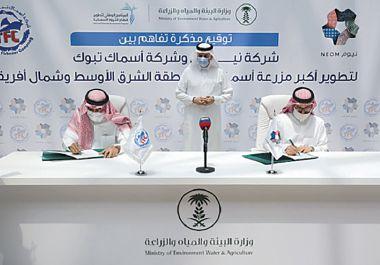
Planned hatchery in Saudi Arabia to become largest in region
A new memorandum of understanding between NEOM Company and Tabuk Fish Company will see the establishment of the largest fish hatchery in the Middle East and the North African region.
The agreement includes the development of a fish farm to expand the aquaculture industry in Saudi Arabia – both in artificial lakes and natural waters – and apply the “new generation of aquaculture technologies” in the NEOM region, in the northwestern part of Saudi Arabia.
The hatchery will have a production capacity for 70 million fingerlings, according to a press release from NEOM Company. The hatchery will focus on improving the production of native fish species in the Red Sea to help achieve the country’s goal of producing 600,000 tons of fish by 2030.
Dr. Ali Al-Sheikhi, CEO of the National Fisheries Development Program and Director General of the General Department of Fisheries at the Ministry of Environment, Water and Agriculture, said the agreement is a “fundamental turning point.”
“It is particularly so with the entry of significant companies such as NEOM Company to invest in the aquaculture industry, seen as one of the most promising and effective industries for supporting economic growth and achieving food security,” he said.
The CEO of NEOM welcomed the collaboration with Tabuk Fish Company.
“The capacity and innovative nature of the hatchery, combined with top-notch technologies, will help position Saudi Arabia at the forefront of sustainable marine aquaculture,” said NEOM’s chief executive Nadhmi Al-Nasr.
With seafood consumption in the Kingdom of Saudi Arabia projected to grow 7.4 per cent annually, sustainable aquaculture growth is key to meeting this demand and easing pressure on wild fish stocks, which are under stress in the region and worldwide due to overfishing, the press release said.
– Mari-Len De Guzman
EVENT
RAS Connector Series teams up with Denmark
Annex Business Media, host of the RAS Connector Series virtual events, is happy to announce that Denmark has been selected as country partner. Through a strategic partnership with Danish Export Association, a touch of European land-based aquaculture will now be added to the upcoming RAS Connector Series.
As a parallel program to the RAS Investors’ Forum, on June 9, Danish RAS Technology Seminars will provide a series of seminars showcasing knowledge, experiences and developments in Denmark’s aquaculture production and technology.
The RAS Investors’ Forum and the Danish RAS Technology Seminars will be delivered in an innovative and interactive online event platform that will allow attendees to choose the events of their choice to attend live, and the ability to attend sessions they missed on-demand.
“Partnering with RAStech and RAS Connector Series will give the Danish aquaculture sector the opportunity to share with the international community exciting knowledge and developments in RAS and land-based aquaculture that are happening in Denmark and projects abroad,” said Martin Winkel Lilleøre, head of the Network Fish Tech, part of Danish Export Association.
The RAS Investors’ Forum and the Danish RAS Technology Seminars are part of the RAS Connector Series virtual events. The series is made up of three live event days: RAS Investors’ Forum (June 9), Danish RAS Technology Seminars (June 9), RAS Roundtable Discussion (Sept. 14), and RAS Virtual Summit (Nov. 3).
The outline for the Danish RAS Technology Seminars is available on the RAS Connector Series website. Visit www.rasconnectorseries. com for more details about the entire event and to register.
POLICY
Gulf of Mexico, South Carolina named ‘aquaculture opportunity areas’
NOAA Fisheries has named Southern California and the Gulf of Mexico as the first regions suitable for commercial aquaculture in the United States under the agency’s mandate to identify “aquaculture opportunity areas” (AOAs).
Input from stakeholders guided the agency in the selection of regions in federal waters, defined as those located 25 nautical miles from the shore and with depths of 10-150 metres. This means coastal areas, where salmon aquaculture is happening for instance, are not part of the selection pool.
Further investigation is underway to determine which particular areas within the two regions identified are suitable for aquaculture. The “triple bottom line” of environmental, economic and social sustainability further guide NOAA in the selection process.
It may take at least another two years, NOAA said, before the specific areas within the first two AOAs are identified because they will have to undergo a lengthy environmental impact assessment.
The good news is that seafood farmers looking to set up operations within AOAs means background information on what other resources exist in that area and what the potential impact of aquaculture operations may be are already in one place to help in the permitting process.
“If they opt to set up farming operations outside an AOA, all that information would have to be pulled together,” said Christy Beard, policy analyst at NOAA Fisheries, in a webinar on May 4.
“AOAs are about finding the best locations. There are no restrictions on the types of operations or who can set up,” she added.
– Liza Mayer
New report touts genomics as key to Coho salmon survival
By Mari-Len De Guzman
A large-scale, collaborative project aimed at improving the survivability of hatchery-raised Coho salmon (Oncorhynchus kisutch) in British Columbia, Canada, has published a policy document calling for genomic solutions for the conservation and management of Coho populations.
The document offers significant support for policy makers. “This is a demonstration of how the responsible uptake of genomics can lead to policy development,” Sally Greenwood, vice-president, communications and societal engagement, at Genome BC.
Kazakhstan rolls out plans to ramp up broodstock production Kazakhstan is considering building a network of new hatcheries to fuel the upcoming growth in the fish farming industry.
In early 2021, the Kazakh authorities finally approved a long-awaited fish farming development program with an ambitious plan to increase the domestic farmed fish production from 7,000 tonnes to some 270,000 tonnes per year in 2030.
All in all, the authorities expect 541 billion tenges of investments (US$1.3 billion) to be pumped into the domestic aquaculture sector in the course of the coming years, including in four largescale feed mills and nearly a dozen of hatcheries.
“The plan is to build seven to eight hatcheries in various regions. It is up to investors what species will be grown, but we expect them to be those which are in highest demand on the domestic market,” a source in the Kazakh government said, adding that the program’s ultimate goal is import-replacement.
The authorities are yet to prepare a roadmap on the industry growth, where a detailed plan of the broodstock segment should be laid down.
The new plan is likely to make the country a major fish exporter. According to the program, by 2030, Kazakhstan is targeting to sell farmed fish amounting to some $330 million per year to foreign customers.
In the approved program, the government stipulated that it was necessary to overcome the dependence on imported broodstock. It is estimated that on sturgeons, Kazakhstan has 66 per cent self-sufficiency on broodstock. This figure is 12 per cent on carp, while for all other fish species, this figure is equal to zero. The authorities promised to allocate state aid under new projects in the field of broodstock production.
In 2020, the government approved a subsidy for a 50-per-cent reimbursement of costs associated with broodstock purchases for fish farms. This measure is expected to be maintained in the coming years to fuel the growth in the industry.
– Vladislav Vorotnikov
“Genome BC invests in science, and society. This work will have a tangible, positive impact on how Coho salmon are managed in the future.”
The new policy document is a result of a project that began in 2015 funded by Genome BC and Genome Canada. The objective was to develop genomic tools to address challenges in improved management and the re-evaluation of interactions between hatchery-raised and wild Coho salmon. The interdisciplinary team of natural and social scientists sequenced the Coho salmon genome, documented the genetic diversity of thousands of individual fish and determined how Coho salmon from different geographic regions vary genetically.
The economic, ecological and social well-being of coastal communities and First Nations in British Columbia have traditionally been tied to Pacific salmon. Coho salmon hold particular cultural significance for many First Nations in British Columbia, and are one of the highest value salmon species in commercial and recreational fishing sectors.
However, despite harvest restrictions and enhancement programs implemented
The Kazakh government promises to help investors launch new projects. PHOTOS: VLADISLAV VOROTNIKOV
From 1998 to 2007, ocean survival rates for hatcheryraised Coho salmon were low, with less than five per cent return rate for tagged smolts.
to protect Coho salmon, the species began to suffer serious declines in 1989 due to a productivity drop and high harvest rates. By 1997 the commercial fishery for Coho salmon was essentially closed, according to Genome BC.
From 1998 to 2007, ocean survival rates for hatchery-raised Coho salmon were low, with less than five per cent return rate for tagged smolts, and reasons for poor early marine survival remained unidentified. However, marine climatic changes were implicated, and hatchery fish were found to be less able than wild fish to survive.
Notably, Coho salmon are closely related to Chinook salmon (Oncorhynchus tshawytscha), another high-priority species that is currently at low abundance and important in hatchery enhancement programs. The findings from this work will accelerate the appropriate use of genomic tools and technologies to conserve and manage all of Canada’s salmon populations that face an uncertain future.
Video, tagging methods can optimize pellet intake in Rainbow trout: study
By Ruby Gonzalez
With the applied feeding regime, the chance that each individual ingests a nominal minimum of 20 pellets is maximized to nearly 100 per cent, according to the study.
Three trials tested the impact of shortterm starvation, portion number per feeding and varied numbers of daily feeding events. These were conducted in recirculating system with tanks with clear-glass fronts.
“The video method applied with extremely low-impact individual tagging of fish proved highly effective, although it is a time intensive tool to determine individual food uptake. It allowed the development of direct measures for evenness of diet uptake across a group of individual fish and provides insights into the efficacy of various known feeding regimes/methods considered viable for improving diet uptake,” they said.
The MPI parameter they developed can also play a role the application of oral veterinary treatment or vaccines. “This means a guarantee for an uptake of x units vaccine,” Just said.
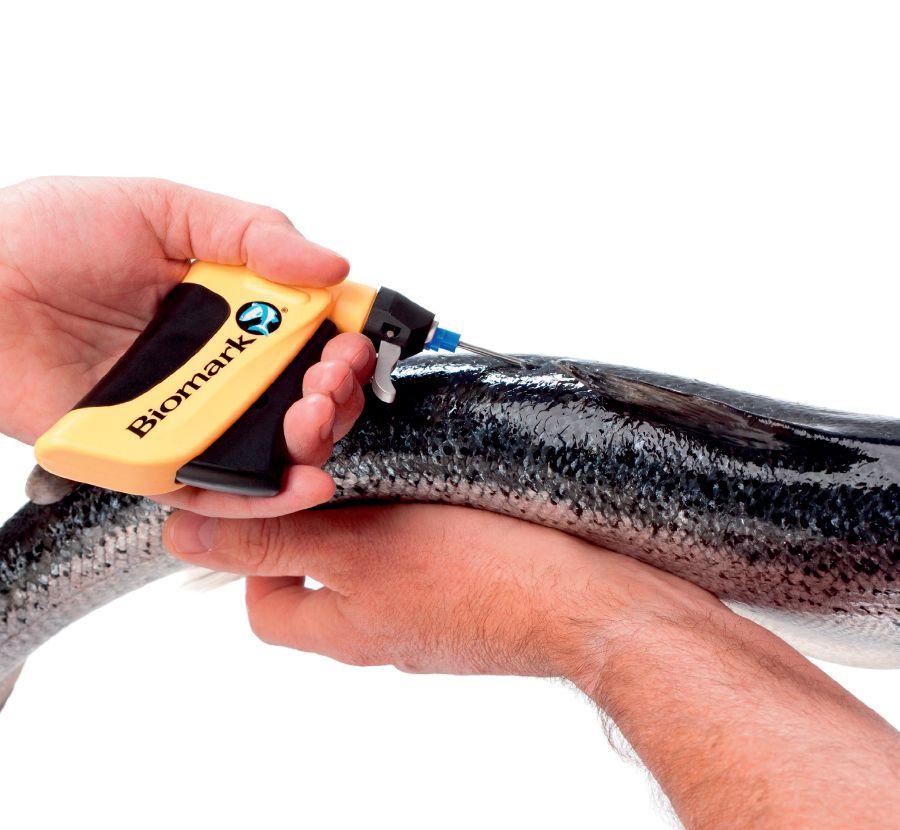
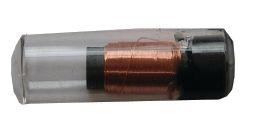
Rainbow trout tagged with visual implant elastomer PHOTO: P. JUST
PHOTO: GENOME BC
Rosneft expands its recreational program
Russian oil giant Rosneft estimates that its subsidiaries have released 65 million units of fish fry in the Russian river systems last year.
The company said in a recent press release that it intends to further ramp up this figure through 2022 in order to “occupy the leading position in the field of industrial and ecological safety” in Russia. Sixty of Rosneft’s subsidiaries participated in the recreational program last year but the majority was ordered by RN-Uganskneftegaz with more than 50 million units in total.
This company ordered Siberian hatcheries to produce Siberian sturgeon (Acipenser baeri), Muksun (Coregonus muksun) , and Pelyad (Coregonus peled) – all considered valuable fish species in Russia. RN-Uganskneftegaz has been releasing fish fry entirely into the rivers of the Ob-Irtysh basin in Siberia, Rosneft press office said.
In addition, 700,000 units of fish fry of sturgeon species were grown for the Volga basin and 6,000 units of fish fry of Black Sea salmon (Salmo labrax) for the Black Sea basin.
Rosneft stresses the importance of growing Siberian sturgeon, which can be found in the Russian endangered species list.
“The Siberian sturgeon population inhabiting the Yenisei has sharply declined in recent years due to anthropogenic impact, irrational fishing, and poaching. Replenishment of the lower reaches of the Yenisei with sturgeon fry will contribute to the preservation of its population,” the company said.
In 2016, the Russian government obligated all the industrial companies considered as potentially harmful to nature to spend some money on environmental-protecting projects, including restoring fish population in some regions.
Local market participants believe that the government policy tremendously boosted the demand for broodstock, pushing investors to build nearly a dozen hatcheries in Russia during the past few years, primarily in Siberia and the Far East, where most oil and gas in the country are being extracted.
– Vladislav Vorotnikov
DFO rule change to result in culling of 3 million fish: Mowi
Some three million salmon at Mowi Canada West’s hatcheries may now be destined for slaughter following a “sudden change” in permitting imposed by Fisheries and Oceans Canada (DFO), according to a statement from Mowi Canada West (MCW).
The forced culling was a result of a recent notice by DFO to double the time to receive a transfer permit from 20 to 40 days.
On the heels of receiving injunctive relief from the Federal Court of Canada, on April 16, MCW submitted an application for a transfer license (using the 20-day service standard) to move 600,000 juvenile salmon to its Phillips Arm farm in the Discovery Islands, according to the company statement. This would have given the salmon producer adequate time to safely prepare the site and transfer the fish. The move was agreed to by the Kwiakah First Nation in a prior agreement, it said.
However, DFO notified MCW on April 27 that it was doubling the time to approve a transfer permit from 20 to 40 days. Despite an appeal by MCW for a decision by May 4, to meet its operational requirements, DFO has not responded to the request of press time, according to MCW.
Mowi requires sufficient notice to safely mobilize employees, contractors and equipment to site. In the normal course, it takes 90 days to rig and prepare a site to receive fish and the cost of both rigging and derigging are significant, between $600,000 and $680,000 per site per process, the company explained.
“While the Minister has stated that her policy only impacts the Discovery Islands, doubling the approval time places MCW at risk of violating our agreement with First Nations in the Broughton Archipelago to have fish removed from our Port Elizabeth farm by the end of June 2021. To date, we have received no response from the Minister,” MCW said.
As a result of this recent development, MCW said it’s been forced to take some actions, including moving around 600,000 fish that are already at its Port Elizabeth Farm to a salmon farm in Broughton, after being granted accommodation by three Broughton First Nations.
“We will continue to try to find a transfer home for the additional est. 600,000 fish already at sea that were destined for farms in the Discovery Islands,” MCW said.
The more than three million salmon in its hatcheries will be culled in the coming weeks, a volume equivalent to 61 million meals lost, MCW said.
“Minister Jordan continues to put us in untenable situations and we don’t understand why. She has now twice substantively changed the requirements without any input, consultation or discussion with this sector,” said Dr. Diane Morrison, managing director for MCW. MCW and other affected companies in British Columbia filed for a judicial review of the decisions made by Bernadette Jordan, Minister of Fisheries, Oceans and the Canadian Coast Guard, on Dec. 17, 2020 regarding licenses for salmon farms in the Discovery Islands area. MCW is asking the courts to find the decisions unreasonable and to set them aside.
Rosneft releases millions of fish fry in Russia.
PHOTOS: VLADISLAV VOROTNIKOV
PHOTO: MOWI CANADA WEST
Scientists offer basis for South Pacific bonito aquaculture in Chile
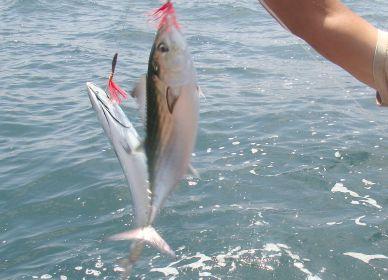
Two studies on South Pacific bonito (Sarda chiliensis) broodstock development and larval culture may finally give Chile the push it needs to get started with the commercial aquaculture of the species.
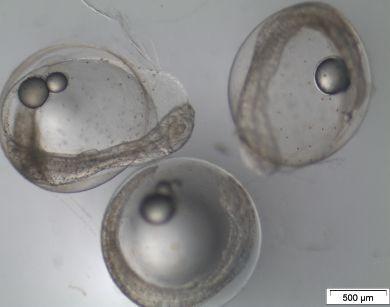
The studies investigated the first natural spawning of wild-caught premature animal in a recirculating aquaculture system (RAS), the first biological embryonic development until hatching and the morphology and allometric growth of larval development.
PHOTOS:
PEPE-VICTORIANO
“The recently published studies are the basis for the beginning of the aquaculture of this species. We hope that the internal policies of our country consider this resource as necessary to leverage money and we can start the commercial cultivation of this species,” Renzo Pepe-Victoriano, director of the Master’s Program in Aquaculture at Universidad Arturo Prat in Arica, Chile, told Hatchery International
The first study is called “First natural spawning of wild-caught premature south pacific bonito (Sarda chiliensis chiliensis, Cuvier 1832) conditioned in recirculating aquaculture system and a descriptive characterization of their eggs embryonic development.” The second is, “Descriptive morphology and allometric growth of the larval development of Sarda chiliensis chiliensis (Cuvier, 1832) in a hatchery in northern Chile” Both are by Pepe-Victoriano et. al. and were published in Aquaculture Reports.
South Pacific bonito is a small tuna rich in omega-3 and characterized by fast growth. It is distributed from Mancora, Peru, to Talcahuano, Chile. First-generation broodstock from wild-caught juveniles, each weighing less than one kilogram, were conditioned to spawn at the RAS facility of La Capilla, located 10km south of Africa. Fish were captured between November 2011 and January 2012, and spontaneous spawning happened in January 2013.
“We do not use any hormones,” he said. “The fish spawned naturally in the second summer in captivity, as well as the Atlantic bonito species (Sardasarda).Wehavetotakeintoaccountthatas they are extracted from the natural environment andwewantthemtoformastockofreproducers, it is necessary to consider some things”
He stressed the importance of minimizing stressthefish. Barbless hooks were used in catchingfish so that the snout will not be damaged and notstressthem.Lowdensityofnomorethanfour
fish per 1,000-litre holding tank was maintained during sea and land transportation.
In the conditioning pond, there should be fish already accustomed to captivity when new fish is introduced so that the latter adapts mainly to the capture of food. “At the beginning, fresh food should be given and later on, pellets for broodstock should be given,” he said.
Twenty-one juveniles were stocked in the 75-litre conditioning pond at a density of one kg/m3. Water flow of not less than 100 litres per minute must be maintained.
Buoyant eggs were manually collected from the culture tank using 300-μm-mesh plankton net. The collected eggs were then separated according to their embryonic development.
These were then transferred to three 300 x 150 x 200mm - aquariums with continuous aeration. All were placed inside a climate-controlled warm room. Incubation density was between 2000 and 2500 eggs per l L-1 Using airstone diffusers, aeration was provided to each aquarium at a rate of 0.1/ L-1.
“Thirty-one embryonic stages were characterized over about 72 hours until eggs began to hatch. Five periods of embryonic were distinguished: morula, blastula, gastrula, neurula, and metamery… These are the first embryonic development studies conducted with eggs naturally spawned from wild-caught South Pacific bonito,” the authors said.
–Ruby Gonzalez
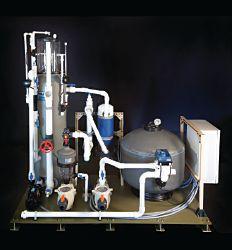
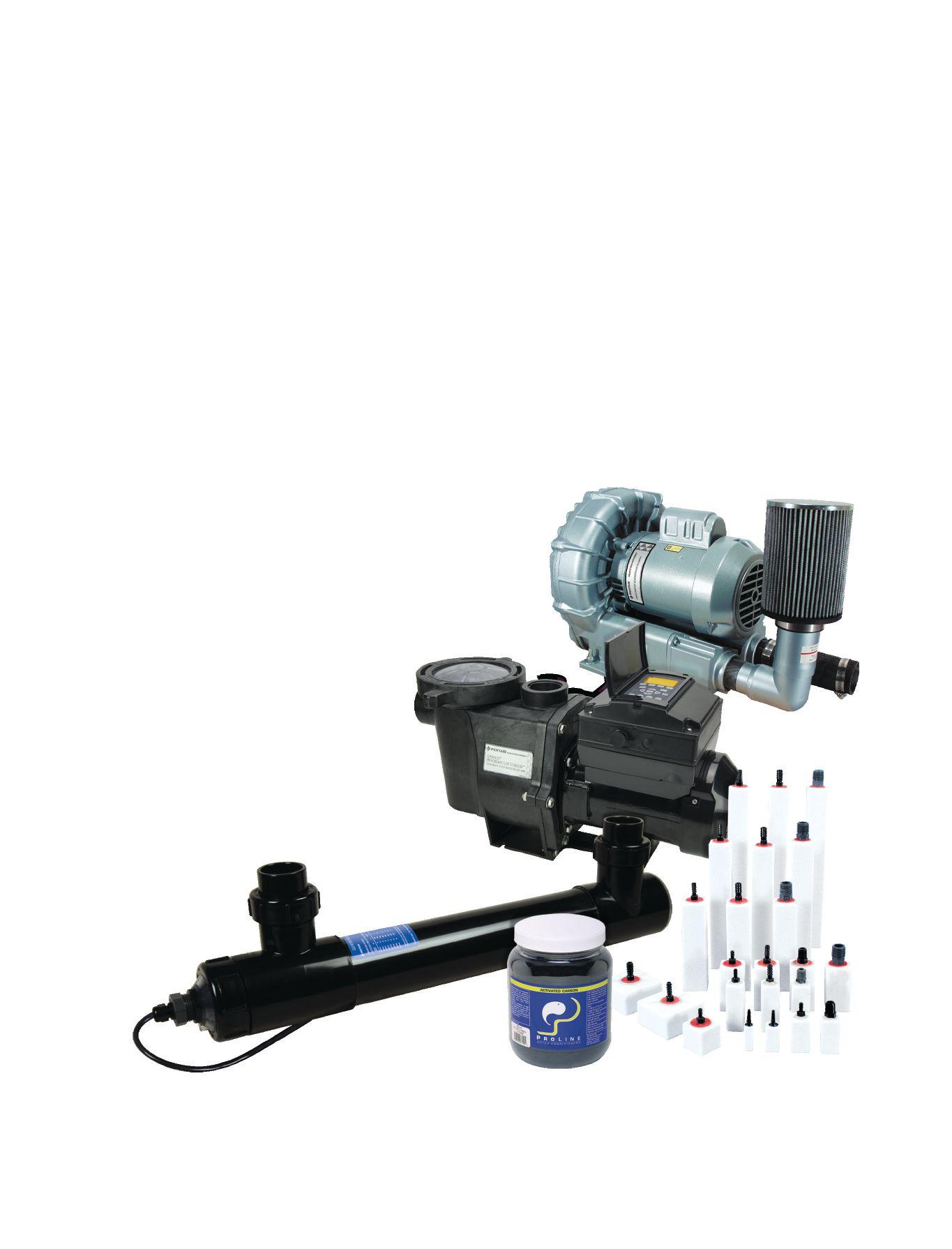
Commercial Filtration Systems
Commercial Filtration Systems
Commercial Filtration Systems
Commercial Filtration Systems
Customized for your fish farm, hatchery or research operation!
Customized for your fish farm, hatchery or research operation!
Customized for your fish farm, hatchery or research operation!
Customized for your fish farm, hatchery or research operation!
Our Commercial LSS Packages are custom engineered to meet your specific needs.
Our Commercial LSS Packages are custom engineered to meet your specific needs.
Our Commercial LSS Packages are custom engineered to meet your specific needs.
Our Commercial LSS Packages are custom engineered to meet your specific needs.
• Marine and Freshwater
• Marine and Freshwater
• Marine and Freshwater
• Mechanical filtration
• Marine and Freshwater
• De-gassing towers
• De-gassing towers
• De-gassing towers
• Wide variety of flow rates
• Mechanical filtration
• Mechanical filtration
• Chemical filtration
• Chemical filtration
• Wide variety of flow rates
• De-gassing towers
• Wide variety of flow rates
• Flow control valves
• Flow control valves
• Chemical filtration
• Mechanical filtration
• Ultraviolet disinfection
• Ultraviolet disinfection
• Flow control valves
• Protein skimmers
• Wide variety of flow rates
• Protein skimmers
• Chemical filtration
• Ultraviolet disinfection
• Protein skimmers
• Flow control valves
• NEMA enclosed controls
• NEMA enclosed controls
• Variable frequency-drive pumps
• Variable frequency-drive pumps
• NEMA enclosed controls
• Ultraviolet disinfection
• Bio-filter towers
• Bio-filter towers
• Bio-filter towers
• NEMA enclosed controls
• Bio-filter towers
• Protein skimmers
• Temperature management
• Variable frequency-drive pumps
• Temperature management
• Temperature management
• Variable frequency-drive pumps
All our systems are pre-plumbed and fully water tested
All our systems are pre-plumbed and fully water tested prior to shipping.
All our systems are pre-plumbed and fully water tested prior to shipping. Call us today at 206.937.0392 www.AquaticEnterprises.com
• Temperature management All our systems are pre-plumbed and fully water tested prior to shipping.
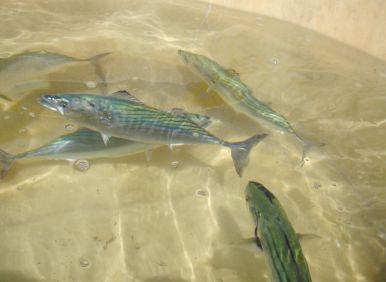
Bonito broodstock at La Capilla RAS facility in Chile
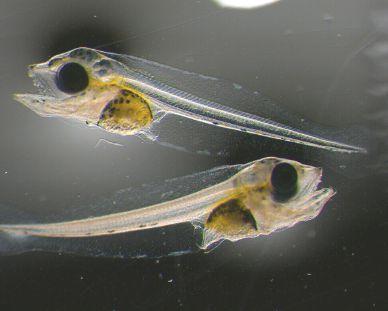
South Pacific bonito larvae
South Pacific bonito larvae
Wild-captured juvenile South Pacific bonito for the broodstock program
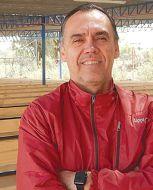
Renzo PepeVictoriano, Chile’s expert on South Pacific bonito broodstock and larval culture
RENZO
Investing in the future of feed
A look at Enterra’s road to mass production
By Jean Ko Din
What comes first, the fish or the egg?
When it comes to adopting protein alternatives for fish feed, Jason Mann says the aquaculture industry seems to be having a standoff.
Alternative feeds can be expensive and when the majority of a fish producer’s operational costs go towards the stock’s feed products, it’s a significant decision that directly affects a company’s price per ton. Another barrier to adopting alternative feeds is the large volume of feed that these companies require and the supply does not yet match the demand in the industry.
“It’s a chicken-and-egg thing of, well, it’s a little expensive and you don’t have enough supply so I’m not going to use any. That’s often what companies, like Enterra or other startups, are left with,” says Mann, who is the director of nutrition at Riverence Trout Farms in Buhl, Idaho.
“A company might think, ‘The (feed producers) are trying something and we always wanted to have alternative ingredients,’ but now if we’re not going to support that company, then we’re part of the problem. We’re not helping it.”
Mann has worked 29 years with EWOS, a Norwegian-based salmon feed producer. Mann is also an adjunct professor at the University of British Columbia, teaching fish nutrition to graduate students enrolled in the new Certificate of Aquaculture program.
Bug benefits
B.C.-based company Enterra is one of the feed producers that Mann partners with to build Riverence’s nutrition program. Enterra
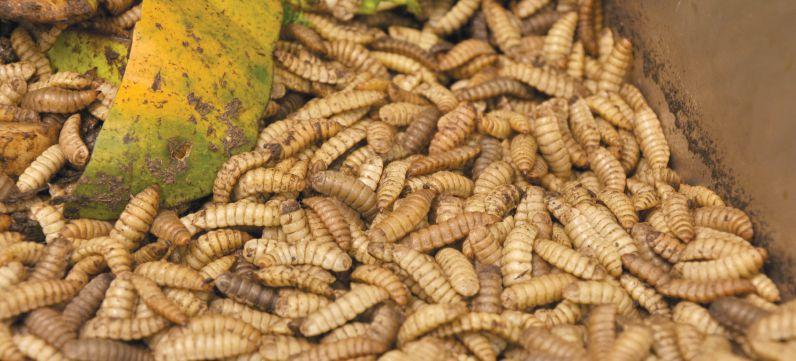
produces an insect protein meal and oil ingredient made from black soldier fly larvae. The company was co-founded in 2007 by renowned environmentalist, David Suzuki, with the vision of growing and processing dried black soldier fly larvae as a natural feed ingredient that will also minimize environmental impact.
These insects are considered a clean food source to cultivate because it mainly consumes compost food waste. At its larval stage, it can consume about twice its own bodyweight every day for its 18-day lifespan. Enterra harvests the larvae to then be dried and processed into a high-protein feed ingredient for aquaculture, poultry and pet food.
“If you look at the amino acid content, black soldier fly larvae provide a complete source of protein and they have all nine essential amino acids,” says Laura Metcalf, customer care manager at Enterra. She also holds a master’s degree in animal nutrition from the University of Guelph.
“Aside from that, there are multiple other health benefits that are, I’d say are non-nutritional, like probiotics for gut health and medium chain fatty acid for antibiotic qualities, compared to other sources of protein, like soy meal.”
Increased investments
Enterra currently diverts up to 130 tonnes of food waste per day to its new 170,000-sq.-ft. facility near Calgary, Alta. Because of this business model, the company was recognized by the Canadian government with a $6-million investment through the AgriInnovate program.
“Our government wants to reduce food waste and we are counting on our entrepreneurs to help us get there,” says Marie-Claude Bibeau, Canadian Minister of Agriculture and Agri-Food. “The Enterra model is very promising, and our investment will allow them to continue their launch.”
Enterra’s Calgary facility started its commission in January this year, which increased the company’s production capacity up to 25 times compared to its pilot production facility in Langley, B.C. By moving its production from B.C. to Alberta, the facility also gains more access to food waste systems for its insects’ feedstock.
Marketing director Bruce Jowett says the government’s investment marks an exciting chapter for the company.
“The biggest challenge is going from concept, to experiment, to a pilot facility, to a full commercial facility. That’s not easy. But as you see more companies getting through that, that’s why we are seeing more investment coming to into this sector. I think it’s probably at the cusp of taking off now because you have some companies that are starting to show success in this area,” he says.
When global supply for marine ingredients are at a stand-still and global demand for fish production grows exponentially, Mann says it is the aquaculture industry’s responsibility to be part of the solution.
Protein prospects
In February, Rabobank released a new report that says the current price of insect protein can range between €3,500 to €5,500 per tonne (US$4,200 to $6,700 per tonne). In comparison, fishmeal can range from $1,200 to $2,000 per tonne.
The report also says only about 10,000 tonnes of insect protein is currently being produced globally. Rabobank estimates that 500,000 tonnes of insect protein will be produced by 2030, of which aquaculture will utilize 200,000 tonnes or 40 per cent. This will only account for less than one per cent of the global aquafeed market.
Despite this however, more than a €1 billion (US$1.22 billion) is currently being invested in this sector.
“I think it’s partnerships with neighbours and making a win-win situation, rather than an almost a traditional, ‘I’m big, you’re little’ way of going about it. It puts companies out of business. It closes small towns,” says Mann. “I’ve been part of small, medium, extra large-sized companies myself and I really think that human factor of helping a neighbour out and sustaining a town is important.”
Insect feed production is estimated to increase from 10,000 tonnes to 500,000 tonnes by 2030, according to Rabobank. PHOTO: ENTERRA
Ukraine considers aquaculture development prospects
By Vladislav Vorotnikov
Fish farmers in the Ukraine have become eligible to state aid allocated annually for domestic agriculture under a set of new amendments recently passed by Verkhovna Rada, Ukraine Parliament.
This measure could pave the way for fish farmers to support programs with a total worth close to €400 million (US$486.3 million) per year. The authorities hope that the state support would be sufficient to boost the industry’s production performance from 15,000 tonnes last year to 75,000 tonnes, but market participants doubt this goal is within reach.
Local analysts said during the online forum Aquaculture Business Ukraine 2021 that the Ukrainian industry should change its development philosophy, since now it is mainly aimed at growing inexpensive fish for domestic consumption.
Currently, fish farms in the country are focused on increasing carp (Cyprinus carpio), catfish (Silurus glanis), or pike (Esox lucius), while the government wants this list to be expanded with salmon (Salmo salar), pike perch (Lucioperca lucioperca), trout (Salmo trutta trutta), and some other species.
“Aquaculture in Ukraine should move away from the traditional extensive cultivation of low-cost fish and switch to intensive cultivation of premium fish,” said Rami Alon, an expert of the AGRO program, Israel.
Alon claimed that a lack of investment and capital is also one of the main problems the Ukraine aquaculture industry has to deal with.
Then, there’s the lack of infrastructure, including domestic fish feed and broodstock capacities, as well as legal obstacles that discourage investors from launching new farms.
“Investors, whether foreign or domestic, need the right working environment. And
Numerous problems constrain the growth of the Ukraine aquaculture.
PHOTOS: VLADISLAV VOROTNIKOV
here, the state should become an active player,” he explained. “Ukrainian aquaculture needs modern legislation and relevant regulations, as well as government support. The European Union, whose farmers receive significant assistance from various sources, can serve as a good example.”
During the past few years, the Ukrainian government has been mulling plans to lower import duty on fish feed, farming equipment, and broodstock. Although this measure seems necessary, the decision is still pending.
In the long run, however, Ukraine may become an important player in the global fish market, especially if the country manages to establish fish export to the European Union.
Ksenia Sidorkina, director of the USAID Agricultural and Rural Development Program, added that Ukraine has a Free Trade Zone Agreement with the European Union, which is the world’s largest fish importer.
“Ukrainian fish and seafood can be sold in the EU without customs duties, which is an important advantage,” she said.
Mixed reaction to Philippines’ suspension of crablet regulation
Philippine wild-caught crablet hatchery stakeholders welcomed the temporary suspension of the industry regulation that had drastically limited catching and selling.
“Our community is very much thankful for the suspension of FAO 264,” said hatchery owner and trader, Michael Estargo. “We have a year of legal transaction without fear of getting apprehended.”
More could be done, however, he contended.
“The Department of Agriculture (DA) suspended the FAO 264 with pandemic as the main reason. “We never heard from the DA or the Bureau of Fisheries and Aquatic Resources that they are admitting or acknowledging the pointers we raised that the FAO 264 missed,” he continued. “What we want from them is revision and further study before implementing the said ordinance.”
DA issued in March 2021 a temporary suspension of regulation of wild-caught crablets, citing the economic impact of the COVID-19 pandemic on the stakeholders. It will be in effect for one year from the issuance or until the lifting of the State of Public Health Emergency, whichever happens first.
FAO 264 pertains to the regulation on catching possession, transporting, selling, trading and exporting of mangrove crablets, juvenile mangrove crabs and gravid mangrove crabs (Scylla spp) took effect in April 2020. In response to this, the stakeholders from the private sector presented a position paper to DA.
Among others, they requested for the allowable size of wild-caught crablets to be decreased from five to 1.5 cm. At 5 cm, the crablet would cost so much more to grow and the survival rate is exponentially lower, they said.
–
Ruby Gonzalez
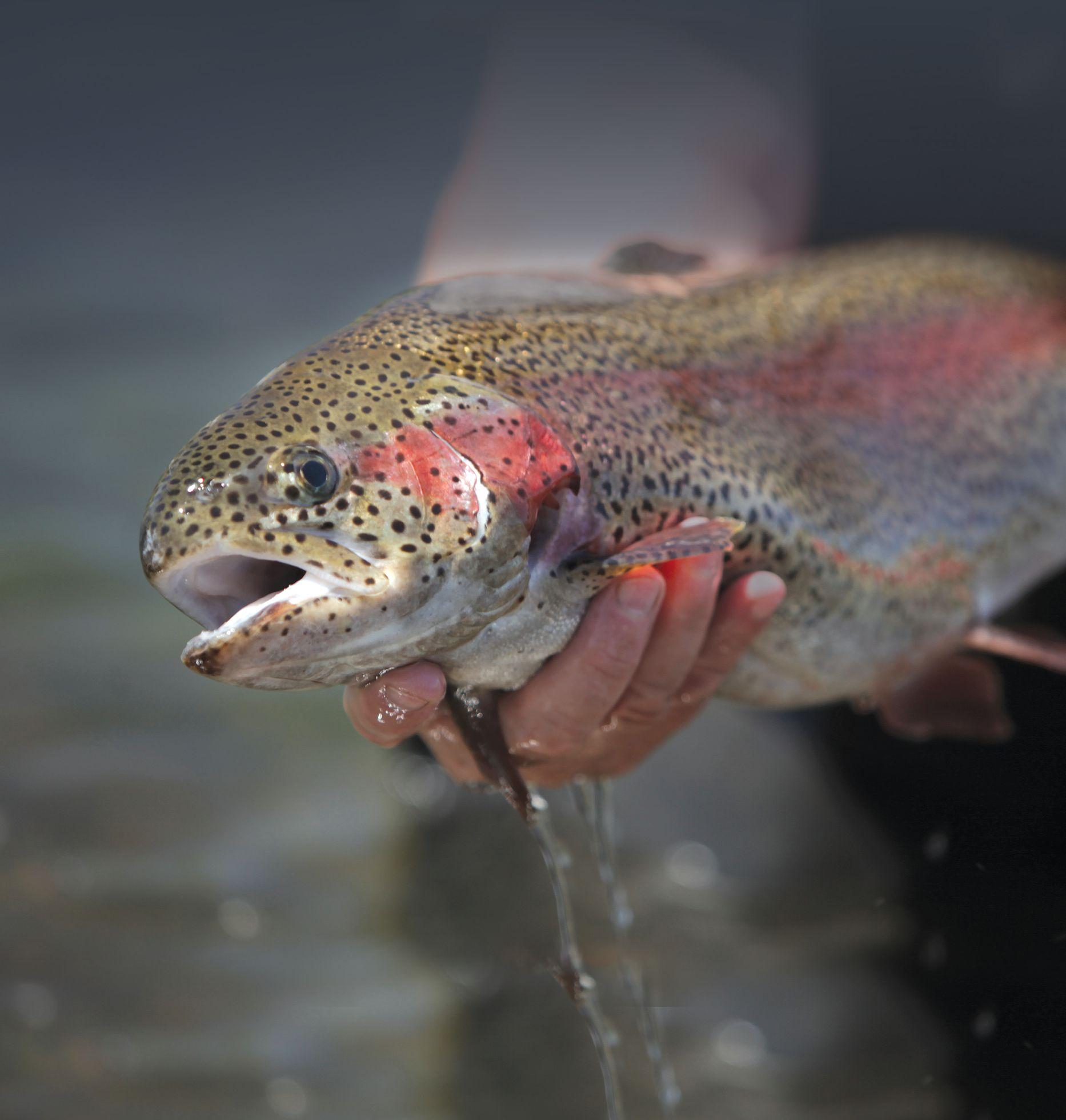
Old-school hatchery in high-tech hub
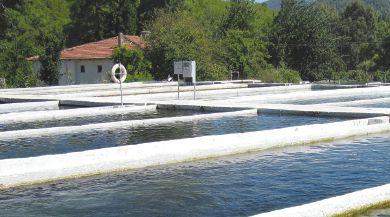
Traditional approach to fish farming works just fine for California trout farm
By Liza Mayer
California may be known by today’s youth as the home of Facebook, Google and Apple but for generations, the Golden State has built an industry on which Americans rely to eat. Its $50-billion agricultural sector remains the biggest in the United States, with produce ranging from dairy to fruits, nuts and seafood.
Temperate climate, rich soils, a hardworking labour force and access to markets are but a few of the qualities that make agriculture flourish in the state.
Mt. Lassen Trout and Steelhead Farm is a beneficiary of that natural bounty and a benefactor to the state’s economy.
Nestled in the foothills of Mount Lassen in Northern California, the family-owned trout farm has been providing urban dwellers American-farmed trout for the past five decades.
“We’re roughly three hours from San Francisco. So when we take these fish into the Bay Area, they were swimming just hours before they get down to a distributor there,” says Katie Mackey Harris, a second-generation trout farmer and the farm’s general manager.
Being a farmer in California has a lot of
implications. As the state’s Department of Food and Agriculture acknowledged: “California agriculture is the most highly regulated in the nation and probably the world.” Ensuring the continued health of the state’s agriculture and, by extension, the United States’ food security is at the core of those draconian measures.
While undeniably tough and expensive to comply with, they have made companies such as Mt. Lassen Trout Farm better from a sustainability standpoint, says Harris. “Everything, from our water quality to the trucks that we use to deliver our fish, has to be in compliance,” she says.
Those measures pay off because they give California-farmed fish desirability, says Harris’s father Phil Mackey, who is instrumental in growing the company into the state’s largest trout producer.
“Our product is being sold to a fairly well-educated consumer, and what we found is that almost everybody knows that California is probably one of the most heavily regulated places anywhere and so these educated consumers, they’re saying, ‘Well if it’s raised in California then it must be safer.’ And that’s
what’s driving a lot of the market. It’s the safety of the product they’re going to serve to their family,” says Mackey.
Ahead
of the curve
Mt. Lassen Trout is a triple threat in aquaculture given its presence in three market segments: it supplies its fish to the seafood and recreational markets and it plays a role in the restoration of the endangered winter-run Chinook salmon as part of a watershed restoration project (see page 17).
Founded in 1949 by a previous owner, Mackey took over the company’s ownership in the 1980s, marking a full circle moment for his career in aquaculture. “I really had no desire to go to college. I wanted to get into an occupation that was outdoors. Then I heard about a fellow who was in the broodstock side of the aquaculture world who was looking for a young guy to train. So I talked my way into a job with him and have been here for just about 50 years now.”
He worked for about eight years alongside the original owner who mentored him on genetics and raising fish.
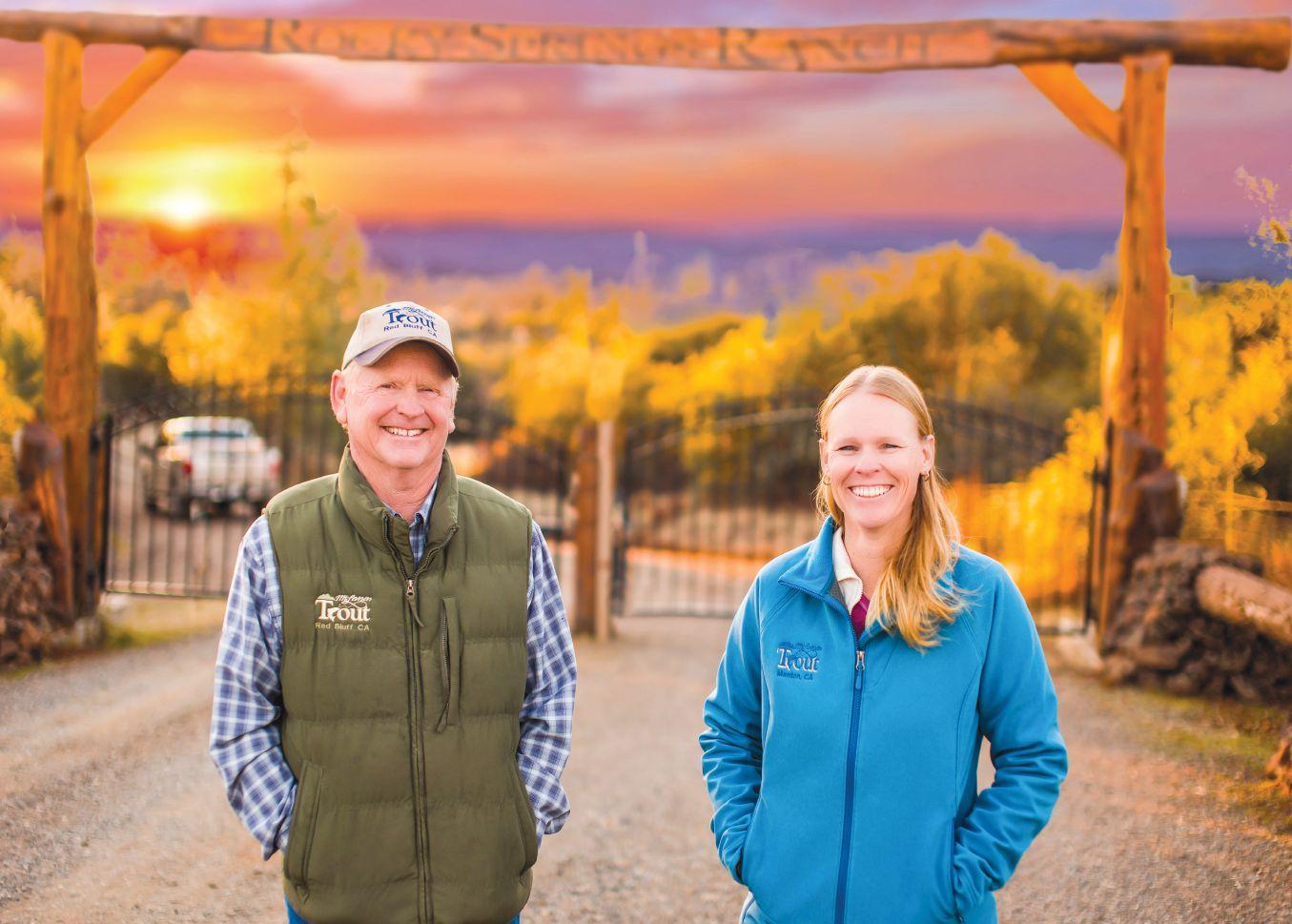
Phil Mackey and daughter Katie Mackey Harris are the father-and-daughter team behind Mt. Lassen Trout and Steelhead Farm.
“We developed our broodstock program and we were one of the world’s largest trout egg producers at one time. We were selling trout eggs in the United States and 27 other countries and provinces. Then due to a set of circumstances in his personal life, he decided he wanted to phase out. So I began a buy-out of him back in the late ‘70s. He was a great guy, he was my mentor,” he says.
The following decade, the company undertook a very intense research program to respond to a market need for year-round supply of trout. Through the use of photoperiod control, they were able to develop high-quality rainbow trout eggs for the industry, enabling it to supply trout to the retail market throughout the year – just like chicken, pork and beef suppliers do – and in consistent sizes.
“A key part of what we do here is our genetic selection program of our in-house strain,” says Mackey. “We have maintained our broodstock since 1949; we have bred a top-performing fish that absolutely thrives in this environment. No one else in the world has our strain of trout. I doubt there could be a fish anywhere else that we could bring in that would do as well as our fish do in this environment.”
The water coming right out of the springs is from 10 C to about 14 C, a temperature range that’s ideal for trout.
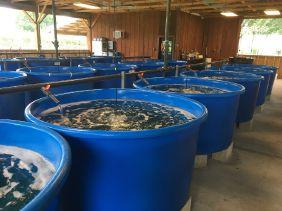
Mt. Lassen Trout and Steelhead Farm is within a three-hour drive to the affluent urban markets in the Bay Area.
The company’s remarkable achievements are borne out of Mackey’s hard work and determination to learn. “If I have a claim to fame in my 50 years in this business, I would tell you that I bet I’ve made more mistakes in photoperiod control than anybody else in the world,” he quips.
To this day, Mackey remains hands on in the company’s R&D pursuits. “Some of the primary stuff we do regularly are statistically significant feed trials that are mostly done in triplicate to continue to test feeds, to compare growth rates and conversion rates with the primary feed companies that we’re purchasing our feed from. The rest (of R&D work) has everything to do with our continued genetic selection program.”
This includes the continual evaluation of performance of different lines as well as hybridizing lines to measure the effects of heterosis or hybrid vigor, he says. “It’s just a constant tracking program and performance indices that tell us which strains are doing better within our own strains of fish.”
A product of the environment
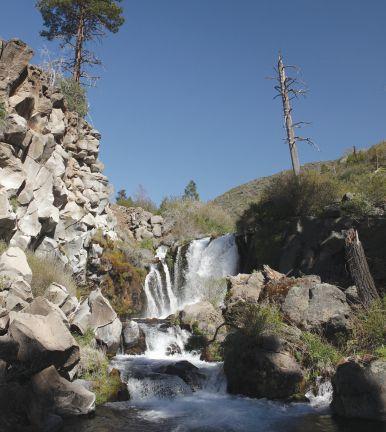
Aside from providing the farm with scenic beauty, Mount Lassen supplies the farm with pristine springwater, which is always a great asset in fish farming.
“I get to look at Mount Lassen every single day,” says Harris who has taken over in running the day-to-day operations of the farm from her father. She also serves as the company’s president. “There are a series of farms around here that all look different from each other but are all based on the springwater source. The volcanic country up here and the springs are part of our story. The amazing product we have is a result of the environment around us,” she says.
That springwater has a lot to do with the
choice to raise trout, says Mackey. “Trout is the most logical choice for the springwater conditions here in our area because the temperature of the water coming right out of the springs ranges from 10 C to about 14 C. We virtually have no wild fish in our water supplies and so that eliminated a whole bunch of the challenges from a pathogen situation.”
How that water is used and reused boosts the farm’s sustainability credentials. Harris notes the water that flows through the facilities is considered non-consumptive, meaning it could be put to additional use and does not diminish the source.
“The water is not only used for the rearing of the trout but also for irrigation purposes to raise a crop of hay or for livestock as part of the responsible use of this resource on ranching properties.”
Good old-fashioned gravity does the work in bringing in the water into the facility, helping it save on energy costs.
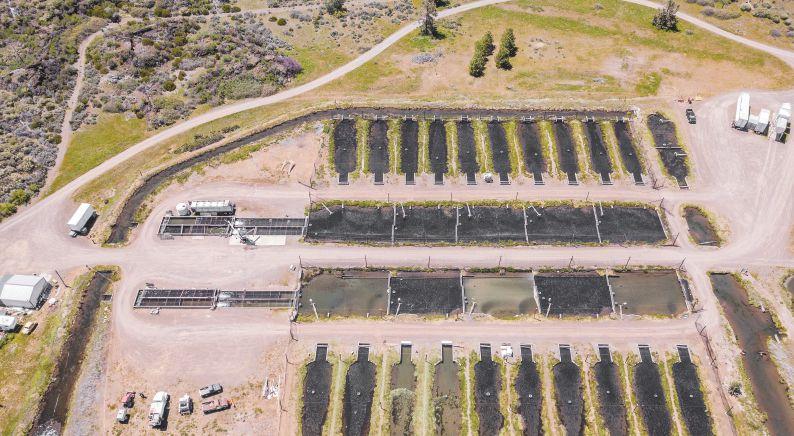
“I often joke to people that we subscribe to the philosophy that water runs downhill. So it comes in and flows down and we are re-aerated by the spill of the water. It’s a very, very typical kind of an old-fashioned trout farming setup,” says Mackey.
It wasn’t always, though. Through the years, the system was engineered and re-engineered until it dawned on them that a simple setup was actually the “ideal.”
“We started out with hatching troughs similar to what the State of California system used back in the ‘50s. We experimented with circular tanks. We’ve gone through a variety of changes over time and tried to come up with the most efficient designs for us.” In the end, it was the “most basic simple design” that ended up producing the best fish possible, he says.
Harris adds: “It’s keeping it simple to where it’s easy to clean; hygiene obviously is one of the most important things with juvenile fish. It’s really keeping it simple, keeping it very easy to maintain – was what was best.”
With drought in California growing more intense in recent years, it is threatening the state’s already shaky water supply and the future of farming operations.
“Right now in California, we’re in the second year of a severe drought coming off of a five-year drought a few years ago, so water flows even though they’re spring-fed the aquifers have not been replenished. But we’re expecting to see a reduction in waterflows and so that is always a challenge. We’re looking at technology to implement possibly the use of some oxygenation solutions, etc.,” says Mackey.
Today, the farm has the capacity to produce 500 tonnes of trout annually. Around 75 to 80 per cent of the farm’s sales go to the recreational fishing market while the rest go to the seafood market. Harris hopes to achieve some balance in these two markets.
“COVID precipitated a huge increase in demand in recreational fishing and a dramatic drop in seafood sales. Fortunately we were in a position to be diversified. We hope to break those numbers up to where they’re a little more proportioned by making a lot of concerted efforts to increase our presence into the seafood side of the market,” says Harris.
Harris is waiting for permits from the state to add a processing plant to the farm’s operations so it could sell its product directly to market instead of relying solely on distributors. “The way people buy food has changed with the pandemic so we need to change how we sell as well. A processing plant will allow us to do that.”
She foresees the recreational fishing market to cut back a little in a post-pandemic world. “I’ve heard story after story of a grandfather who takes his grandson or granddaughter out and goes fishing. I hope that continues. I think the rec market has a very bright future for the short term, certainly. But I do expect to see a slight drop-off mostly as sports come back online and families are going back to playing baseball rather than going fishing.”
‘The way people buy food has changed with the pandemic so we need to change how we sell as well,’ Harris says about the plan to install processing operations at the farm.
The company conducts feed trials regularly with its feed suppliers to compare growth rates and conversion rates.
PRIVATE AQUACULTURE LENDS A HAND IN SPECIES RESTORATION
Mt. Lassen Trout & Steelhead Farm made its name stocking trout for recreational fishing into hundreds of lakes and ponds all over California, but in 2020, it had the opportunity to parlay its expertise into the conservation of the endangered winter-run Chinook salmon.
The species, Oncorhynchus tshawytscha, was displaced from its spawning habitat by hydroelectric development on Battle Creek in the early 1900s. The dams have since been removed so efforts are underway to get the population restored under the Jumpstart Project by the U.S. Fish and Wildlife Service (UFWS).
“One of the reasons why we have the opportunity to do this is because our water is part of this watershed. The idea is to have these juvenile fish imprint early on higher up in the watershed for a higher success rate of return. We’re playing a small role in a huge effort to restore their population,” says Katie Mackey Harris, general manager of Mt. Lassen Trout.
The partnership between a federal agency and a privately owned hatchery in restoring an endangered species is the first such partnership
First batch of winter-run Chinook eggs delivered to the farm are now on their journey to the ocean.
Harris has heard of in California. (Even the ponds and lakes for recreational fishing are operated by private concessionaires, not the state, which an arrangement unique to California.)
Phil Mackey, who co-owns the farm with his daughter Katie, says he is honoured and privileged to be a part of the restoration effort.
“I grew up here in this area chasing these salmon up and down the river as a young boy and a young man. To have the opportunity to raise an endangered species is a very unique experience. We were happy to be a part of it,” he says.
Under a three-year deal, Mt. Lassen Trout receives Chinook salmon eggs from captive broodstock spawned at Livingston Stone National Fish Hatchery. The farm hatches the egg and releases them when they are three- to four inches in length.
Mackey admits there was a bit of a learning curve in raising the species. “We have actually raised coho salmon and Atlantic salmon here but we’ve never raised this wild fish. It was a little bit of a learning curve but we had a lot of support from the national fish hatchery folks that have more experience. But yes it went extremely well. We were happy with the results. With our years of history of raising salmonids it wasn’t that big of a challenge.”
In the early fall of 2020, the farm released the first batch of 40,000 juveniles in the upper reaches of Battle Creek. “They’re on their journey to the ocean right now,” says Harris.
Algafeed
We
Algafeed empowers leading shrimp, and shellfish hatcheries to access a
Strong breeding base for new multi-species trials facility in Scotland
By Colin Ley
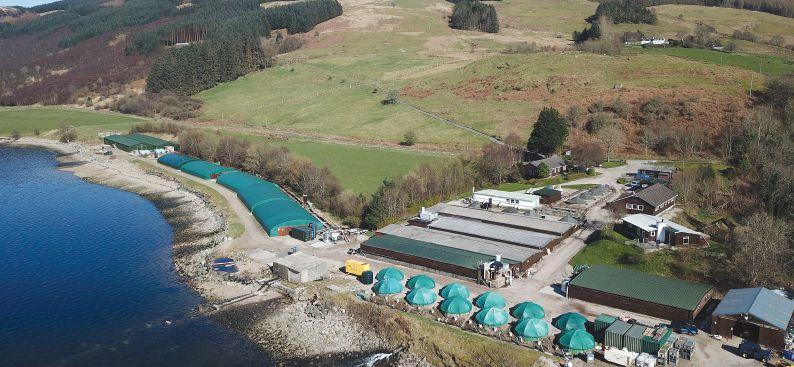
Amulti-species research and development facility, costing £300,000 (US$425,000), is due for completion in Scotland this summer. The project is an industry-led move to create ‘much-needed’ marine aquaculture trials capacity.
The new facility will be located at Otter Ferry in Argyll, home of Otter Ferry Seafish, one of the U.K.’s longest running aquaculture businesses, with production records dating back to 1967. Working in conjunction with the U.K. Government and industry-backed Agri-EPI Centre, Otter Ferry Seafish is committing land and cash to the new venture on a co-funding basis with Innovate UK, a non-departmental public body which ‘operates at arm’s length’ from the U.K. Government as part of the country’s research and innovation structure.
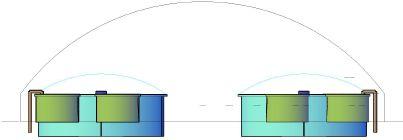
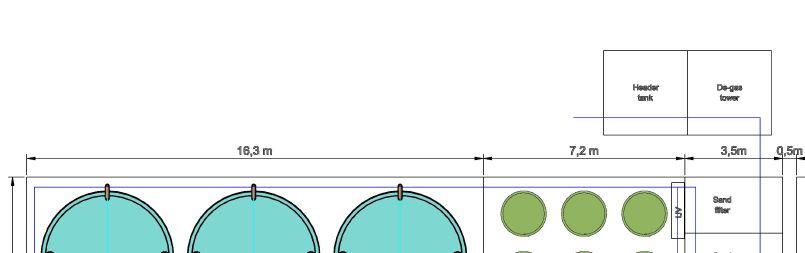
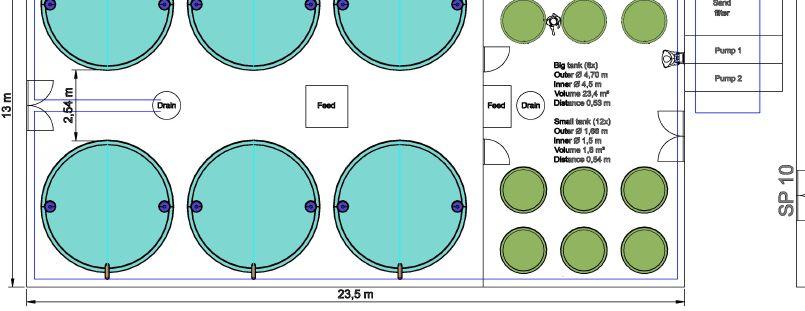
The almost-ready facility is designed to undertake a wide range of studies, such as evaluating feeds and pharmaceuticals, instrumentation testing, and the validation of operational welfare indicators. The finished unit with have six 20-m3 and twelve 2-m3 aquaculture rearing tanks, all equipped with programmable lighting, automatic feeding, and oxygen and pH monitoring systems.
All tanks will be supplied with filtered, UV-disinfected seawater, with waste feed collectors fitted to the outflows. The facility is suitable for rearing diverse species including finfish and non-fin fish such as cleaner fish, microalgae, shellfish and seaweed.
Commercial host
Although much of the new unit’s focus will be centred on the on-growing of selected species, the development’s commercial host give the facility strong hatchery links, according to Alastair Barge, managing director of Otter Ferry Seafish.
“We recently completed a £1.5-million (US$2.12 million) nursery expansion for our wrasse business, adding that to our separate hatchery facilities for wrasse, halibut and lumpfish,” Barge tells Hatchery International. “As such, we see the new trials facility as being very much complementary to our own existing research and development involvement in relation to breeding requirements.”
Initially set-up as a land-based salmon farming operation, the Otter Ferry business responded to rising market demands for cleaner fish by diversifying into its current species, creating an extensive operation which currently produces 100,000 juvenile halibut, 300,000 wrasse and 800,000 lumpfish.
“We felt that our site and farming experience lent itself to cleaner fish development, always on a market-led basis and with a strong commitment to trails and development,” says Barge. “Our first trials partnership, for example, began back in 1981 when we undertook a series of salmon feed assessments for BP Nutrition.”
The company’s involvement with Agri-EPI is also designed to be market-led and demand-driven, building on the long-standing R&D status of the University of Stirling’s Institute of Aquaculture, and the University of Edinburgh’s Roslin Institute.
“Our new facility is much-needed in the sense that it will move marine species research forward a stage, creating a slightly more commercial trials approach than has been possible in the past,” says Barge. “It will bridge the gap between the very good lab-based trials which are being done at present and the more
Aerial view of the Otter Ferry Seafish facility. Located in Argyll, it is the U.K.’s longest running aquaculture operations, and now the site of a new research facility for marine aquaculture trials.
extensive work that will be possible as our trials move more towards harvest size fish.”
Agri-EPI track record
The Otter Ferry development is also an important step for Agri-EPI in terms of its involvement with aquaculture. One of four UK Agri-Tech Centres of Agricultural Innovation, created through a collaboration between government, academia and industry, Agri-EPI already has a strong track record in relation to aquaculture. This includes working with a number of commercial partners on the development of SeaCAP 6000, an open water engineering solution which is ‘set to revolutionise the protection, health and environmental impact of farmed salmon, whilst boosting the industry’s long-term productivity and profits.
Agri-EPI is also working with the Scottish fish vaccination company, Aqualife, on the development of a ‘transformational’ fish vaccinating robot, which is due to be launched by the end of this year.
“We’ve been involved in many trials over the years, both as private developments run within our own business and in a broader industry-led collaboration with different partners, and we
certainly welcome Agri-EPI as a positive R&D force for aquaculture,” says Barge. “They are committed to innovation, sustainably boosting productivity, reducing emissions, and increasing profitability across the whole agri-food chain, and we’re delighted to be working with them in relation to the development of our own sector.”
Sustainability
With Scotland due to be hosting the 26th UN Climate Change Conference of the Parties (COP26) in November this year, the sustainability and environmental challenges surrounding fish farming is bound to be high profile, not least with so many international journalists ‘visiting’ the country.
“We’re always seeking to innovate as a business and to do so in as sustainable a manner as possible,” says Barge. “Any development or trial projects we undertake, including the current venture with Agri-EPI, must fit this overall ethos. Anything we can do which can help our industry improve is therefore welcome and valuable. In that context, we’re confident that the new trials facility will be a major addition for aquaculture in Scotland, and beyond, and a positive contributor to our sector’s future sustainability.”
OTTER FERRY SEAFISH HATCHERIES
HALIBUT: The Argyll, Scotland-based company has the U.K.’s only halibut hatchery, producing Gigha halibut from broodstock first selected from the Isle of Gigha in 2007. Today’s output is based on 20 males to 60 females per tank, with production capacity at 100 tonnes a year.
WRASSE: Otter Ferry Seafish added wrasse to its tanks in 2010, building on several years of R&D attention to the species. Hatchery currently stands at 250,000 deployable wrasse, although this figure is set to increase to 300,000 following the recent nursery expansion.
LUMPFISH: Rearing lumpfish at the site began in 2014. The species can be deployed at just five months old, compared to 18 months for Ballan Wrasse. They are more sensitive later in the growing cycle to stress and handling. The company says ‘much more’ needs to be known to enhance growth in wrasse and address the current slow growth in lumpfish.
ARCTIC GRAYLING’S big comeback
Hatcheries, stakeholders in Michigan help restore important species in state waters
Amulti-stakeholder initiative that began five years ago has reached an important milestone in the efforts to bring back Arctic grayling (Thymallus arcticus) to Michigan waters, after the species’ disapperance caused by habitat destruction, unregulated fishing and competition from non-native species.
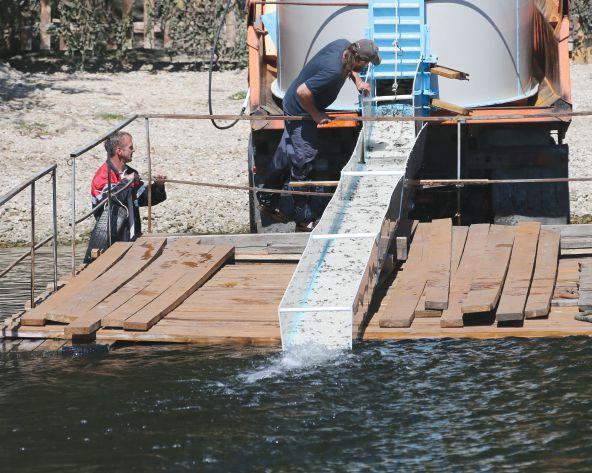
With the help of two hatcheries, Michigan Arctic Grayling Initiative recently transferred Arctic grayling broodstock from the Oden State Fish Hatchery near Petoskey, Mich., to the Marquette State Fish Hatchery. There, the fish will be reared in water that mimics their natural habitat in order to trigger spawning.
This is a crucial achievement of the initiative, which was created in August 2016. Multiple reintroductions of the species over the past century had been unsuccessful. More than 40 partners to date are involved with the initiative. The Michigan Department of Natural Resources (DNR) Fisheries Division and the Little River Band of Ottawa Indians are considered the two foundational partners. Other partners include the Little Traverse Bay Band of Odawa Indians, the Grand Traverse Band of Ottawa and Chippewa Indians, and Michigan State University (MSU). The Faculty from Michigan Technological University in Houghton was very actively involved in the first few years. Grants and gifts from several
By Bonnie Waycott
foundations, organizations and individuals financially support the initiative.
Although abundant in numerous streams across Michigan’s Northern Lower Peninsula, Arctic grayling were extirpated early in the 20th century. While they do not currently exist in Michigan’s lakes and streams, they are historically significant as they play a huge role in Michigan’s Northern Lower Peninsula fisheries. They are also a culturally significant species for Michigan’s Native American population.
Eggs to broodstock
In the beginning, Arctic grayling eggs were collected from feral broodstock in the Chena River, a tributary to the Yukon River, by
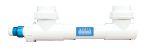
from the Alaska Department of Fish and Game and Michigan DNR. Having been shipped to Michigan, the eggs were observed for embryo activity and transferred to incubators where they hatched soon after arriving. The Oden State Fish Hatchery was then ready to receive them with the installation of an ultraviolet disinfection filter on the outflow of its isolation building, essentially making it a quarantine facility.
“At Oden, the fish are reared in well water in the quarantine facility,” said Ed Eisch, Fish Production Program Manager at Michigan DNR–Fisheries. “The facility is physically removed from the rest of the hatchery with its own water supply and facility discharge. Staff have gear and tools that are dedicated for use only in the isolation building, and there are two sets of foot baths that must be used on the way in and out. The rearing water is UV disinfected prior to leaving the facility and before entering the receiving water.”
The fish were subject to three health inspections that occurred at least six months apart, before they could be considered free of diseases and ready to be transferred to Marquette Hatchery as yearlings.
Spawning and beyond
The move to Marquette is significant because the hatchery holds its broodstock in raceways that are fed with surface water. While there are drawbacks, such as sediment load and potential pathogens, it is also subject to temperature fluctuations but this is advantageous, says Eisch.
staff
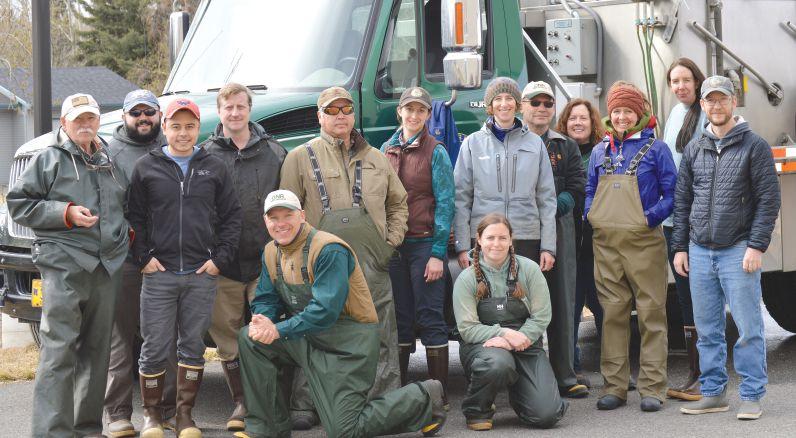
Group photo of Alaska Fish & Game and Michigan DNR Fisheries staff during spawning of Michigan’s Arctic grayling. PHOTO: JEREMIAH BLAAUW
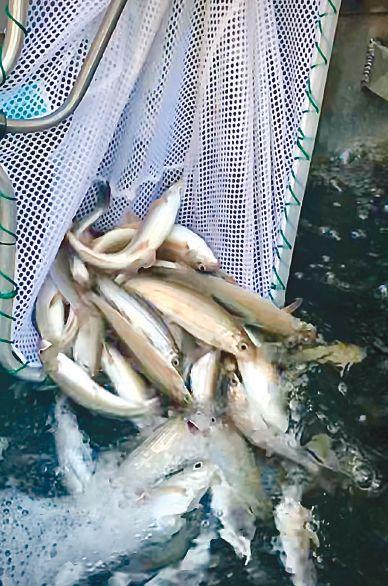
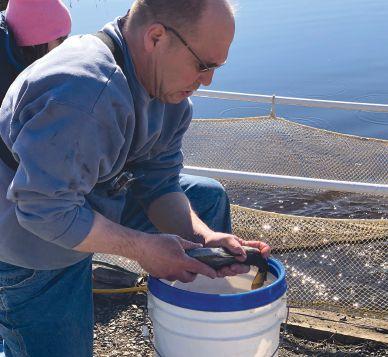
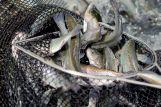
A net of Arctic grayling being loaded into the truck that will take them up to Marquette State Fish Hatchery. PHOTO: DAN SAMPSON
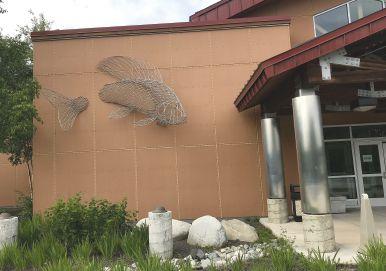
Fairbanks Artwork on the exterior of AKF&G’s Ruth Burnett Sport Fish Hatchery, Fairbanks, Alaska PHOTO: DAN SAMPSON
“Similar restocking initiatives have occurred in Montana and these suggest that Arctic grayling brood need to experience both changes in day length and water temperature to initiate spawning behavior and ripeness in the brood population,” he said. “Without both, the fish tend to slowly enter into a prolonged spawning period where individuals don’t necessarily ripen at the same time. We’re hoping that the females will reach sexual maturity at age four. That is the Montana experience but they mature at six or seven in Alaska. We hope that is due to the shorter growing season and longer winters there.”
The gametes will be hand stripped and placed in a high quality incubation environment which will meet all their biological needs and enable them to adapt. Eyed eggs
EWOS TRANSFER CLEAR
Utilizing years of research from our R&D centers along with proof of performance from customers worldwide, EWOS now offers revolutionary RAS hatchery transfer feeds that address water quality, biofilter efficiency, and most importantly, performance.
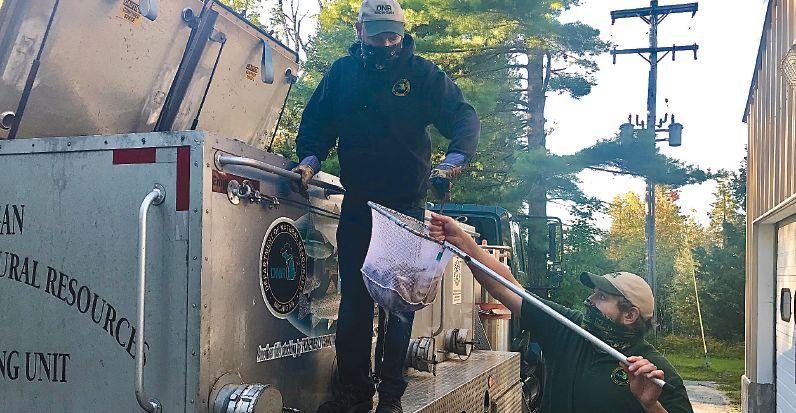
Fisheries technician Kevin Duby handing fisheries technician Jason Swan a net of Arctic grayling. The truck is being used to transport the fish from Oden State Fish Hatchery to Marquette State Fish Hatchery. PHOTO: DAN SAMPSON
ENHANCEMENT
“We are limiting the scope of our reintroduction efforts to just those systems and watersheds where we know that Arctic grayling existed in significant numbers prior to their extirpation from Michigan. That limits us to the Northern Lower Peninsula streams,” said Eisch. “There is still much to be done before the first eggs are stocked into the instream incubators, while research and field staff have a lot of habitat evaluation work to do to ensure that truly informed decisions
are made as to which watersheds to target for the reintroduction effort.”
Building current knowledge
Encouraged by Montana’s restocking efforts, which have been continuing for over a decade, Eisch and his team are following this model throughout. Montana’s work shows that stocking eyed eggs into instream incubators appears to be more effective than stocking advanced life stages (fall fingerlings and beyond), most likely
due to very early, critical imprinting that happens immediately after hatching. Research is also underway into Arctic grayling interactions with brown trout and brook trout with respect to predation and competition. Work by PhD candidate Nicole Watson at MSU indicates that brown trout can have a depressive effect on Arctic grayling success but the same doesn’t appear to be true with brook trout. In fact, data from Montana suggest that Arctic grayling tend to thrive in the same waters as brook trout.
Thanks to the huge amount of support the initiative is receiving, the number of partners involved and the diversity among those partners, Eisch and his team are delighted that things are moving forward.
“We intend to develop three years of broodstock as the foundation of this program,” said Eisch. “This will allow us to practise rotational year crosses so as to avoid having siblings or half siblings spawned together. The initiative is not seen as an ongoing stocking program that relies on supplemental stocking long into the future. Rather, we intend to establish self-sustaining Arctic grayling populations that are reproducing naturally. Although this is many years off, we would love to see those populations reach the point where some level of recreational fishery could exist.”
Jim Aho, Marquette SFH manager, checking to see if the fish are green or ripe – ready to spawn or not – in preparation for the egg take.
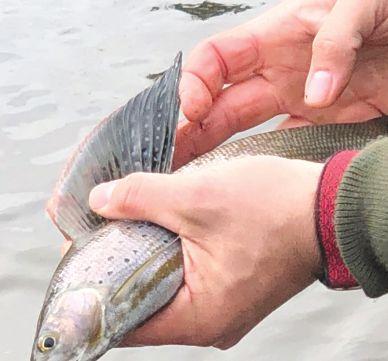
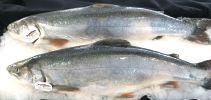
A wild Arctic grayling caught and released by Jeremiah Blaauw in an Alaska stream.
PHOTOS: SUZANNE STONE, DNR
VAKI CLOUD
Cultivating green gold
By Nestor Arellano
Inalve is on a mission. After recently inaugurating its pilot farm in Nice, the French company is now gearing up to produce several thousand tons of algae per year by 2024.
From there, the company also intends to build a network of industrial sites in strategic locations around the world.
Inalve’s goal is to “cultivate microalgae and transform it into a quality ingredient for animal nutrition.” Inalve’s president Christophe Vasseur, who has a PhD in marine environmental sciences from Quebec’s Rimouski Institute of Ocean Sciences, sees microalgae as a sustainable, and low-carbon-emission solution to the growing demand for fish feed in the aquaculture industry.
Inalve is offering feed manufacturers, hatchery operators and aquaculture farmers “100 per cent renewable ingredients for animal nutrition.”
With more than 15 years of experience in research and development programs in the
ecology and biotechnology of microalgae, Vasseur is familiar with the challenges associated with cultivating microalgae at an industrial level.
The company he co-founded with agriculture engineer Hubert Bonnefond, Inalve’s chief technology officer, has developed a novel way to rapidly grow the micro-organism and produce 40 times more protein per hectare of land compared to growing terrestrial plants.
Why microalgae
The world is increasingly relying on aquaculture to feed its ever-growing hunger for protein. This demand in turn creates the need for more fishmeal. However, largescale production of fish feed using traditional sources, such as fishmeal and soybean meal, are harmful to the environment.
For instance, the cultivation of soy has a very high carbon footprint. Agriculture accounts for 30 per cent of greenhouse gas emissions, and 90 per cent of environmental impacts of aquaculture can be traced to feed. To produce fishmeal, fish must be harvested from the sea which places a lot of pressure on wild fish populations.
On the other hand, “microalgae are a natural and sustainable source of protein and unique bioactives,” according to Inalve.
The cultivation of microalgae does not need soil. The micro-organism has been
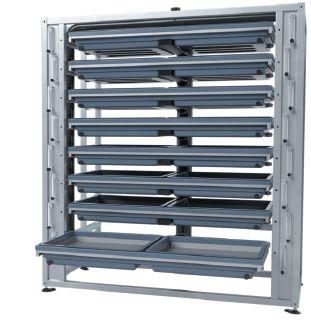
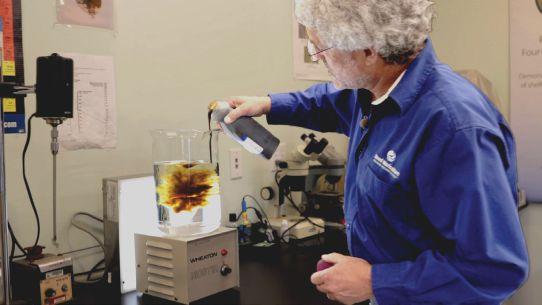
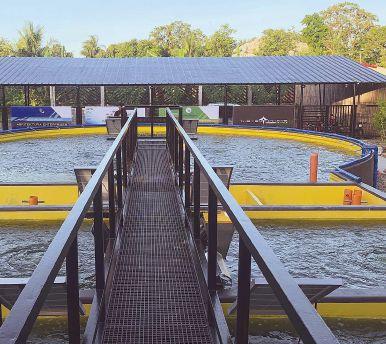
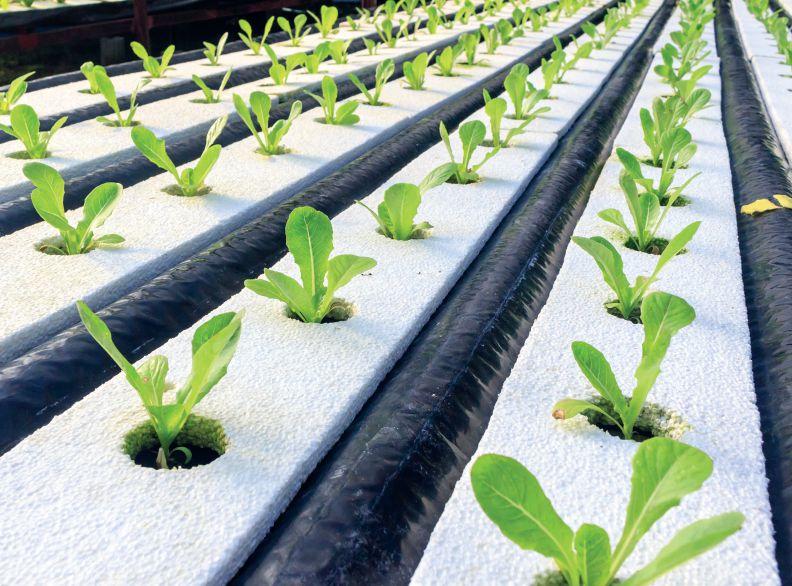
The Nice, France-based company uses biofilm formed in aquaculture as the basis for its microalgae production system.
PHOTO: INALVE
to survive in every condition on Earth for the last four billion years and contains some 4,000 nutrients including essential amino acids, omega-3, vitamin E, antioxidants and polysaccharides.
“Microalgae are promising living cells, which are represented at the base of the aquatic food chain due to their important nutritional value,” according biological engineer Dr. Nihed Ben Halima, in his article, Why is it important to use algae in aquaculture. “They are able to synthesize important organic molecules such as lipids by using sunlight and carbon dioxide.”
In a study titled, microalgae-blend tilapia feed eliminates fishmeal and fish oil, improves growth and is cost viable, researchers experimented on developing aquafeed by mixing commercially available leftover biomass with marine microalgae.
The researchers found that the microalgae and defatted biomass was highly digestible for tilapia and promoted growth.
Made with water, sunlight, CO2
Collaborating with the French National Centre for Research, Sorbonne University, Centrale Supelec, the National Institute for Research in Digital Science and Technology , the Wageningen University in The Netherlands, the University of Naples, and the University of Granada, Inalve developed an innovative way of growing microalgae using biofilm in aquaculture.
The company developed a system based on the properties of certain microalgae to form a biofilm – a mass of microalgae and other micro-organisms that form thick mats on water. This makes its easier to directly harvest the biomass as a concentrated paste.
The biofilm is rinsed to separate the microalgae and the extracellular matrix.
The microalgae hydrolysate is either dried to make a highly digestible nutritional ingredient, or it is split to obtain an oil that is rich in antioxidants, omega-3, proteins and sugars.
Biofilm production does not require arable land, uses minimal minerals and water, and benefit from the abundant source of sunlight and CO2. Productivity for sq. m./year, provides 20 times more biomass. Microalgae is 40 times more productive compared to proteins derived from terrestrial plants.
Inalve’s production methods employs a three-in-one process that includes inoculation, cultivation, and harvest.
Compared to existing microalgae production process, Inalve says it consumes 70 per cent less water and 50 per cent less energy.
The process does no use genetically modified organisms (GMO) or pesticides and uses 60 per cent less land compared to other cultivation methods.
Inalve says microalgae production also cleans up the atmosphere. One kg of algaemeal absorbs 2 kg or atmospheric CO2.
A paste of protein
Once harvested the biomass is transformed into a paste that is 100 times more concentrated than other products made through other microalgae production methods.
The product is not only a suitable alternative to fishmeal but can also be formulated as livestock feed as well as veterinary pharmaceuticals.
So far, Inalve has developed several brands under its FEAL (feed alternatives) line of products:
• FEAL Fresh – A fresh nutritional microalgae paste for rotifers, artemia, and copepods. The product is aimed at hatcheries and aquaculture farmers.
• FEAL Protein – An alternative to fishmeal. It is rich in amino acids and is 70 per cent proteins. The product is intended for compound feed producers.
• FEAL Sanitas – An immunomodulator that is meant to reduce dependence on antibiotics. It is marketed to feed producers and companies involved in animal health.
• FEAL Lipid – This product is a natural source of polyunsaturated fatty acids and antioxidants. It is 65 per cent lipids and is an anti-bacterial. It is marketed to feed producers and companies involved in animal health.
Microalgae are promising living cells, which are represented at the base of the aquatic food chain due to their important nutritional value.
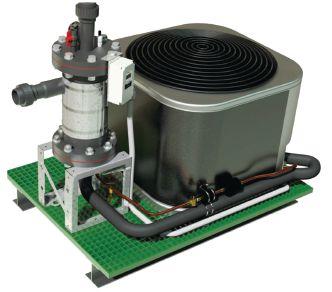
For aquaculture farmers, Inalve’s microalgae cultivation system called Biofilm Tech, can be installed on-site.
The system is easy to use and requires minimum labour to operature.
With the system, aquaculture farmers can directly harvest their own concentrated paste of raw microalgae.
Vasseur says that Inalve currently offers its products to a niche market in Europe. With its pilot farm in operation, the team is now working to prove the viability of its product.
Innovation Beyond Measure
Christophe Vasseur, Inalve president, has a PhD in marine environmental science.
Hubert Bonnefond, co-founder and CTO of Inalve, is an agriculture engineer.
Knowledge transfer
Tropical rock lobster hatchery makes its mark in Australian aquaculture as research brainchild scales up to commercial production
By Bonnie Waycott
Considered a premium species around the world, Australian Tropical rock lobster (Panulirus ornatus) is supplied from a wild fishery in northern Queensland
that is sustainably managed by the Australian Government. But despite the species’ high value, their long and complex lifecycle had made it impossible to culture them on a commercial scale.
• Recirculation System Design, Supply and Construction.
• Commercial Farms, Hatcheries, Aquaponics, Research Labs, Public Aquariums, Live Holding Systems – we do it all!
• Representing leading RAS equipment manufacturers.
That is, until now. Ornatas, a Tasmanian aquaculture firm, is investing AU$25 million (US$19.4 million) to develop a commercial industry for sustainable Tropical rock lobster production based on research by the University of Tasmania (UTAS). A commercial partner for the UTAS Institute for Marine and Antarctic Studies (IMAS) for over four years, Ornatas has a fully operational hatchery in northern Queensland and is working with commercial partners on land-based systems in Townsville and sea raft grow-out in Broome, Western Australia, to create a premium, sustainable product.
The company began construction of its pilot hatchery in mid 2020 before it was commissioned in December of that year under exclusive licence conditions by UTAS. The first larval run was completed in May 2021 when the larvae will metamorphose into puerulus before they moult into juveniles in June. The main 20-tank hatchery capable of producing 300,000 pueruli per year will be commissioned in July 2021.
“Our goal is to complement the wild fishery in northern Queensland and produce a sustainable product from egg to plate on land and sea raft systems in pristine areas of far north Australia,” says Scott Parkinson, chief executive of Ornatas. “Our current hatchery and grow-out operations have the capacity to produce 150 tons of premium 1.2-kg Tropical rock lobsters, and this is to be achieved within the next three to five years. Development plans are underway for a larger facility to support an industry of 1,100 tons annually for onshore and sea raft systems.”
Optimal growing conditions
The hatchery is located 40 km from the central business dsitrict of Townsville on Toomulla Beach. Its broodstock are either F1 domesticated stock from UTAS or wildcaught from the Great Barrier Reef under strict permit conditions. Four tanks representing the four seasons of the year provide a year-round supply of larvae. Specific male-tofemale ratios are in place with approximately ten broodstock in each tank. The lobsters are given fresh feed and a specific manufactured feed that has been developed by research partners at UTAS. They are held in RAS systems where all water quality parameters
Hatchery technician Sharisse Ockwell holding Tropical rock lobster broodstock
PHOTOS: ORNATAS
are controlled. Depending on their spawning cycle, each group is also temperature and photoperiod-controlled, while water quality must meet very high standards that are equivalent to the water on the Great Barrier Reef.
“Our system is fully controlled but one of the biggest risks to a hatchery is the introduction of wild broodstock so in order to manage their introduction, we have quarantine facilities that are separate from our hatchery operations,” says Parkinson. “The lobsters will spend up to six months in this area and meet strict biosecurity standards before they can enter our hatchery and become part of our domestication program.”
Broodstock to larvae
Female broodstock are held in their summer cycle. When they reach around 1.2 to 2 kg, they will mate with a male of a slightly larger size and incubate fertilized eggs. These will take 28 days to develop with hatching occurring at night. When held in a summer cycle, females tend to spawn each month, around three to four times, with a 2-kg female producing an average of 1,000,000 phyllosoma. Fifty per cent of the hatched larvae will be grown in specifically engineered tanks and RAS systems based on research conducted by UTAS. The larvae will be given a specially formulated diet to maximize production, while all systems will be controlled by Oxyguard control systems. Raw water will be managed using pre-filtration methods such as screen filters, sand and foam fractionation.
•
•
More than 25 years of experience in fish counting. Fish counters, adaptable on types of fish graders.
Rachael Chapman recording information in our Hatchery.
Hatchery technician Lachlan Davison observing Tropical Rock Lobster in the nursery system
SHELLFISH
“We’re looking to mimic the ocean environment in our culture vessel as much as possible and the capacity to do this is part of the IP (intellectual property) we are using,” says Anna Overweter, Ornatas hatchery manager. “In general terms, we have very stable systems and specifically manage specific water chemistry parameters. Temperature, pH, salinity and biological controls are all part of our systems.”
Larvae tanks are also operated off large RAS plants with IP-protected technology, giving Ornatas the advantage of being the only commercial spiny lobster producers in the world.
Juvenile rearing preparation
Juvenile rearing is due to begin in April 2021. Stocking density will be key during this stage to avoid cannibalism and harm caused by aggression, says Overweter.
“Fortunately we are lucky because as the lobsters get older they become more interested in our feed rather than eating each other,” she says. “Early rearing is a challenge which we continue to work through and UTAS is working on specific tank design to overcome cannibalism. I’m hoping that in a couple of
years, we’ll be able to showcase new tank technology addressing this issue.”
New feeds are being developed by Ornatas and UTAS research teams and will be manufactured in-house during the early commercialization stage. Ornatas is also talking to a number of feed manufacturing firms in Australia about the commercialization of these formulated feeds over the coming year. The premium market size for a Tropical rock lobster is 1.2 kg. It is believed that it will take 24 months from egg to market.
In the meantime, with strict biosecurity measures in place, critical attention will be
paid to controlling all water quality parameters in onshore systems and assessing lobster growth in sea raft systems for comparison, says Parkinson.
“Our farm is being designed and operated as a biosecure facility and the hatchery and nursery facilities are operated at the highest standard,” he says. “I have worked in the oyster industry in Australia while it was impacted by Pacific Oyster Mortality Syndrome and understand the impact of not operating under strict biosecurity protocols. Disease incursion can be catastrophic and put your business at risk of collapse.”
Tim Reed, President, CEO and Founder of Reed Mariculture, Inc.
Challenges, exports, benefits
Thanks to 20 years of research by UTAS, it’s now possible for Tropical rock lobster to be reared in hatcheries, but commercialization is another significant step, says Overweter. A typical larvae run will last for 140 days and each day brings dangers from equipment failure, water quality issues, cyclones, bacterial contamination, feed quality and more, she says, but through diligent staff, biosecurity, strict standard operating procedures and good science, progress is being made.
Having a variety of export destinations is also key for Ornatas. Currently the lobsters are set for markets including Australian premium restaurants as well as China, Southeast Asia and the USA. But interest from the UAE and Europe is strong, and it’s clear that whole, sustainably-produced premium Australian seafood is a sought-after product. Ornatas is hoping to make the most of this opportunity amidst the high costs that are incurred from producing lobsters in a hatchery.
A new lobster aquaculture industry to supply export markets is great news for northern Australia. New knowledge and business models, jobs and opportunities are among the many benefits Ornatas’s hatchery can bring, not just
to the entire state of Queensland but also to local communities in northern Australia.
“We have invested over AU$12 million (US$9.3 million) over the past 12 months, and we prioritize all local contractors and suppliers to ensure that most of this investment is returned to the local community,” says Parkinson. “We currently have 20 staff. The majority is from Townsville and trained at James Cook University, Bebegu Yumba (Townsville) campus.”
Bright future
Feedback on the Ornatas hatchery has been positive, with both the commercial and research sectors keen to get involved. Spiny lobster farming is also considered the holy grail of aquaculture and Ornatas is leading this charge for commercialization with the Tropical rock lobster species, says Parkinson.
“We are waiting with anticipation for the first production runs to be completed so we can start farming lobster commercially for the first time in Australia,” he says. “2021 will see four years of extremely hard work come to fruition for Ornatas and many of our staff who have been working tirelessly to achieve this outcome.”
Overweter and Dr. Jennifer Blair of Ornatas’
PUMPS GRADERS COUNTERS
R&D program are excited to achieve full hatchery production by the end of 2021.
“It is very impressive to see so much of the research that I was a part of at UTAS being upscaled, commercialized and improved upon to make Tropical rock lobster from egg to plate a reality,” says Overweter. “Where we have got to in the last four months is nothing short of phenomenal. The team has been brilliant in commercializing the critical techniques for lobster rearing, feed manufacturing, water quality and systems management. These are systems and techniques that are unique to lobster hatchery rearing and can only be taught onsite. It’s a credit to the team to have got to where we are so rapidly and seeing success in our hatchery production on our first run.”
“Looking into the larval tanks is like a combination of an Alice in Wonderland and sci-fi experience,” says Blair. “The biology of these phyllosoma is amazing and the Ornatas hatchery team have done an incredible job to bring this to commercial reality. I look forward to supporting the company research that will underpin the next business development stages and the grow-out of premium lobsters for market.”
Ron Hill
Feed system maintenance
Having selected and set up the optimal automated feeding system, facilities must keep up on the day-to-day maintenance required to keep these systems working their best. Feeders do an excellent job of decreasing labour and increasing feeding efficiency, but they must be observed and maintained.
Technicians watching the fish or working at a tank, must also be watching the feeder itself and see it dispense feed. Regardless of the feeder type, it needs to be looked at each day for fouling, positioning, and overall correctness. HATCHERY HACK by
Cleaning
Cleaning feeders is one of the most important and often neglected jobs in maintenance because it is not very appealing. Feeding fish and foul weather get feed and feed dust wet, creating a mucky sticky paste that clings to surfaces. Wet feed dust builds up around feeder chutes and nozzles, spinners, and walkways resulting in an ugly mess. Wet feed attracts insects and soon begins to rot and mould, potentially falling into the fish tank. The feed itself, even when dry, will start to leave behind buildup on the walls of hoppers and chutes that should be removed from time to time. Accumulation around nozzles/chutes and inside the feeders can affect the ability of the feeder to dispense the proper amount and spread feed over the required area. The interval for cleaning feeders depends on type of feeder and application/facility, but regular inspections and maintenance should be scheduled. Feeders should be emptied and broken down to remove the buildup of dust and feed grime inside and outside. Underneath walkways and in nooks around tanks where feed can stick, rotting feed can build up as well so these areas should be identified and cleaned when possible. Rotting feed unfound will start to stink and mould in short order.
Calibrations
Calibrations are normal but extremely important procedures for centralized automated feeding systems and some non-centralized feed systems. Calibrating a feeder means making sure that when the feeder is set to feed 1 kg of feed, it feeds 1 kg of feed, not 0.8 kg or 1.2 kg. Losing feed calibration can be a huge pain for farmers, and potentially expensive. Playing out on a large scale at an intensive growing operation that dispenses tons of feed per day, uncalibrated feeders can mean overfeeding or underfeeding in a big way. If the feeder only dispensed 0.85 kg each time it should dispense 1 kg – an extreme example – one can see how the fish would be underfed.
This issue compounds if the feed software is sophisticated enough to grow the fish as well and starts to compute the size/growth of the fish based on feed they did not really receive because of the bad calibration. To be 15 per cent short of desired feed and not realize it can be a costly error, getting worse the longer the bad calibration is in play. To underfeed in a day is not the worst, but to underfeed for a week or two weeks is a serious amount of growth to lose.
HI_Charles Murgat
To discuss your oyster spat requirements and for more information, please get in touch on
Diligence of the technicians in observing and handfeeding can give the farmer a clue the feeder may be out of calibration if there are changes in appetite or a difference noticed in the amount of feed being dispensed. Another clue is inconsistency between the amount of feed loaded into the feeder per day and the amount of feed the control computer accounts as dispensed per day.
Feeders with a central control computer have a function to calibrate the lines/feeders or set the amount of feed. To calibrate, the feeder is set to dispense a known amount of feed manually, which is collected by the technician in a bucket or vessel. The feed is weighted to see the difference between the dispensed feed and intended dispensed feed.
The correction is inputted into the system and the line is tested again. This continues – dispensing, collecting, weighing, inputting – until the feeder is dispensing the correct amount. Most facilities have a range (+/–) the calibration must fall within. The specifics of the calibration procedure, and how changes are made, depend on the feeder model. Some models that use selector boxes will have a dedicated calibration line to avoid collecting feed in a bucket over the tank.
Calibrations should be looked at as preventative maintenance. A good rule to calibration is to start with weekly calibrations and amend the schedule based on need. How often calibration is lost because of regular operation is dependent on the feed system
More than 50 improvements
The Hydrotech Value drum filter series focuses on reduced maintenance, increased component quality and simplified operation – all to give your plant maximum filtration performance at a minimum operational cost. Contact us! Call +46 (0)40 42 95 30 or visit www.hydrotech.se
itself, and the farmer will determine the best schedule. However, it is much better to do calibration (and less time-consuming) before the issue manifests itself significantly in over or under feeding. Other than regular interval calibrations, if the feed size is changed, or the blend ratio is changed, calibrate the feeder. When switching between feed brands of the same size, or even batches of the same feed brand with the same size, it is a good idea to calibrate.
Feeding and hose maintenance
Centralized automated feed systems require a constant eye on the feeders and tanks, but the central units must also be maintained. Regular maintenance for the blowers should be in the maintenance plan, but the rest of the feed system needs to be inspected and maintained too. Feed dust, the ever-present enemy, builds up in the lines, chutes and the moving parts of the feed releasing system. If not cleaned, the line or mechanism will eventually plug or jam. Finding a good time to clean these systems at a production farm can be difficult because the feed system must be taken offline during the maintenance, and no one wants to stop feeding. Clogged lines, on
HATCHERY HACK by Ron Hill
the other hand, are much more problematic and take longer to clear than doing the maintenance. Before cleaning the mechanisms for your feeder, refer to the manufacturer or distributor for information on correct disassembly and cleaning. Obstructions in the feed line quickly create a huge mess as the line continues to back up with feed and must be cleared. Shaking or hitting the line with a mallet mat can clear some obstructions if the feed is not backed up too much. However, cutting or detaching the line, cleaning out the obstruction and feeding manually is often the only way. Make sure to de-activate the system when detaching the line.
Hose wear and feed breakage
The feed itself, when traveling to the tanks, will wear the lines and the lines will cause breakage on the feed. Plastic lines will wear out where the feed contacts the walls of the pipe. Wherever there is the most contact and force, the line will wear out first, namely bends and corners. The feed racing through the pipe to the tank contacts the pipe on the corners, slowly wearing it away until there is a hole right through. Depending on where this occurs, the feed spitting out of the line can be noticed and
“Calibrations
rough patched by staff until the entire line or section is scheduled for replacement. If left unnoticed, the hole will grow and more feed will be lost over time. Farmers fight this wear by choosing thick-walled pipes, using steel (an expensive option), and by having the fewest amount of turns and corners, and making the corners as gradual as possible.
Wear on the pipes is mirrored by wear on the feed. As the feed travels, particles break off the pellets where they contact the chutes and walls on the feed line. This feed dust is lost feed and, playing out over a year, it can be a significant amount of feed lost. Consider, if a farm feeds 1,000 tons per year and loses one per cent of its feed weight to breakage and feed dust, that is 10
tons of feed that did not get to the fish per year. Farmers minimize wear on the feed the same as on the lines – minimizing contact between the walls and the feed and making sure the blower is set to the proper speed. As with all maintenance, it is better to do preventative maintenance of an automated feed system than deal with a problem down the road. What preventative maintenance looks like needs to be determined by the farmer using the feeder manufacturer’s info as a guide, and then deciding what else needs to be cleaned or maintained and how often. It is much better to perform maintenance to the feed system on a planned schedule than having to suddenly stop feeding at an unfavourable moment.
Reason
Smart hatchery
Philippines’ AGRITEKTURA relies on tech, innovation to make difference in local communities, boost
aquaculture
By Ruby Gonzalez
The team members wear uniform shirts with sharp graphics in gray metallic hues, giving off this futuristic vibe.
“You are what you wear,” the leader, architect Francis Neil Quijano, tells Hatchery International. They are bearers of what integration of science and technology can do to push the Philippines’ aquaculture industry forward to a sustainable future.
Quijano is prime mover and chief architect of AGRITEKTURA, a polycentric, integrated and multidisciplinary group with the common goal of boosting food production. Core businesses are grouped under architecture,
“agritecture” and “aquatecture.” It provides programs, projects and products.
The headquarters is in Roxas, Oriental Mindoro in the region of MIMAROPA (Mindoro, Marinduque, Romblon and Palawan).
AGRITEKTURA rose to national prominence in March 2021, when it inaugurated the region’s first solar-powered RAS tilapia and milkfish hatchery and intensive aquaculture facility for white shrimp.
The micro complex urban aquaculture prototype project is composed of different components, such as tilapia grow-out and breeding, milkfish grow-out, vannamei
LONG-LASTING AQUACULTURE PUMPS
grow-out and crab grow-out. It also features a specialized modular construction system, automated aeration system, automated filtration system and automated nutrition system. The project was funded by the Department of Science and Technology (DOST)-MIMAROPA through one of its flagship programs, the Small Enterprise Technology Upgrading Program (SETUP). The government agency “aims to promote smart aquaculture to encourage the industry to adopt smart technologies and processes to increase productivity and competitiveness” through this prototype farm. AGRITEKTURA sees themselves as an extension of the government and Quijano encourages people to see them for consultation, training or technical concerns.
Roxas is a fishing and farming community. While the agricultural sector could do more with improvements, the aquaculture sector is in dire straits. “Revival” is what Quijano says it needs. In the aquaculture districts of San Jose and Dayanghirang, commercial activities in the earthen fishponds are far from being robust. Some are no longer operational. He pins these down to financial, operational and technological concerns.
Hatchery solution
“The annual Philippine demand for milkfish fry is two billion. Of this, one billion is imported. In Roxas, you will notice that tilapia in the market still comes from Batangas,” he says in a radio program, referring to Mindoro’s neighboring province. “So we locals were challenged. We said, ‘How about coming up with a hatchery?’ If we do this, we could revive aquaculture in San Jose and Dayanghirang. We could provide the fingerlings. We could revive our aquaculture industry at last. That is the aim of our facility.” The ultimate goal is to address the food security challenge of the country.
Science and technology is the way forward, he says. He learned this the practical and academic way by participating in trainings at
Specialists in corrosion-resistant, reliable and stable propeller pumps, with high uptime and low energy consumption- for a healthy and sustainable aquaculture.
AGRITEKTURA prime mover and lead agritect, Francis Neil Quijano (first row, left), and his team at the headquarters. PHOTO: AGRITEKTURA
RECIRC
the country’s leading platforms at the Bureau of Fisheries and Aquatic Resources (BFAR), Southeast Asian Fisheries Development Center, Agricultural Training Institute and DOST.
Eight years ago, Quijano turned his back on a successful career as an architect in Manila to return to his Roxas hometown to pursue farming. Growing up, his grandmother had exposed him to farming and fishing.
He set up a multispecies hatchery shed in San Jose. Among his innovations was focusing on niche markets, soft-shell crabs being one of the products. It was considered practically worthless in the locality but he was very aware that it commanded premium price in the global market. For tilapia, he chose the Molobicus, a hybrid species that thrives in high-saline water but grows very big. While freshwater tilapia dies at salinity levels of 10 to 15 parts per thousand, this hybrid can tolerate and grow at 35 ppt.
AGRITEKTURA was the first to have the species in the region, and currently the only one to have Molobicus broodstock.
DOST-MIMAROPA, which had been eyeing to start a major aquaculture project in the area for the past three years, took note of the
progressive group and approached them with a government-funded project.
Running a tight SHIP
Through SETUP, Quijano’s team introduced an aquafarm in the middle of San Jose town. The specialized modular construction system led to a faster construction time and maximized usage of the 1,000-square-metre area.
“I dream of a centralized aqua facility in every location. That’s why I came up with the idea of the SHIP: sustainable, smart, holistic, healthy, integrated and interactive protofarm. Indeed, every locality will be self-reliant,” he says.
Species at AGRITEKTURA facility were recommended by its partner, BFAR. At press time in May, tilapia fingerling production is in full operations. There are 200 Molobicus tilapia broodstock with an annual production of 2.4 million fingerlings. With the delivery in June of 10,000 broodstock for pairing, annual output will soar to 72 million.
Fingerling survival rate is at 90 per cent, which he says is higher than industry average based on observations on the other hatcheries he has visited. “Being smart means you have the complete gadgets and equipment needed. Meaning you have a high rate of production success,” he explains.
AGRITEKTURA’s technology and innovation are categorized into infrastructure, input and information. “We must have a good facility to operate,” he says. “Since our facility is aligned with international standard, we were able to explore different technologies to improve the production.”
Right breed and right nutrition go into input. With probiotics in broodstock and fingerling diet, resistance to diseases and 10 t0 30 per cent in feeds consumption. Information is synonymous to “right production system.”
A tight team of four mans the hatchery operation: two in production; one who does sales and marketing and is also the social media specialist; and one shipping personnel.
All together, these make the aquaculture unit much easier to manage. The space is compact but high in production. It is a working prototype and a proof of their concept.
For every tilapia fingerling production season, 20,000 are used for grow-out. The rest are allocated for sale and for an outreach program. It is in the latter where science and technoogy and faith-based practices connect.
“Every first month of the year we share blessings to the community through the 1HP – first harvest production – inspired from the Bible,” he says.
Quijano is also a pastor at a Pentecostal Church, The Church of God World Missions Philippines in Mindoro. “Our mission is community transformation and empowerment. We conduct regular Life Transfomation Program in partnership with The Tentmakers Community. Every first quarter of the year, we apply the Bible’s first fruit system wherein we give free fingerlings to the community. We conduct regular trainings and workshop to community,” he says.
When the word first got around that Quijano and his group were going all out with the project, not many were encouraging. He wasn’t at all surprised by the feedback. “Well, expect it in the Philippines. People will doubt you but upon seeing the realization of the prototype we got instant followers,” he says.
New clients and new projects are the measurable results. Among these are local government units, the Armed Forces of the Philippines and schools. They will also be working with the Roxas tourism and agriculture offices on a mangrove forest revival project.
“This is part of the aquaculture revival... This is not just to revive the mangrove forest but also to excite, inspire different [industry] associations. Mindoro is very small. But if you look at Google Earth, it has a very big area for aquaculture,” he says in the radio program. “But the point is, why do we need to import? What do we do? Be depressed? No. We need to be inspired.”
The 1,000 m2 inland facility in the middle of the town proves that aquafarming is feasible with S&T support. PHOTO: AGRITEKTURA
Ozone for Atlantic Salmon production in RAS
Effects on waterborne hormones, early maturation, fish performance
BY JOHN DAVIDSON
The use of recirculating aquaculture systems (RAS) for Atlantic salmon production has increased tremendously over the last decade. The Freshwater Institute (FI) has, in part, pioneered a path forward for this growing aquaculture sector by demonstrating that it’s biologically and technologically feasible to grow Atlantic salmon to >4 kg in freshwater RAS (Davidson et al., 2016). Nevertheless, this ambitious endeavor has not been without challenges. It is well-documented that a critical drawback is the increased tendency for precocious salmon maturation. Early reproductive development has been particularly prevalent at FI in mixed-sex, diploid populations where the vast majority of maturing fish are 1 to 2-kg males. In the worst cases, approximately 80 per cent of males matured before harvest, representing nearly 40 per cent of the total population (Crouse et al., 2021). Precocious salmon typically demonstrate reduced fillet yield, pale flesh colouration, and lower fillet lipid levels, which ultimately equate to a
Fig. 1. Water flow and unit process configuration in replicated RAS used for the study (Davidson et al., 2021).
non-premium product and diminished revenue for commercial producers.
Considering these consequences, it’s not surprising that solutions for early maturation
are near the top of the wish list for stakeholders in the burgeoning salmon RAS industry. However, reproductive development in Atlantic salmon is a highly complex and flexible process where many factors, including photoperiod, water temperature, fish nutrition, body condition, and genetics, dictate maturation (Good and Davidson, 2016). Therefore, finite solutions have not been fully identified. The RAS environment also creates a plethora of additional variables that could also be involved. For example, RAS operated with reduced dilution rates induce concentrated surroundings where a range of known and unknown compounds could affect the fish endocrine system. In fact, several studies have shown that hormones including estradiol, testosterone (T), and 11-ketotestosterone (11-KT), which play an endogenous role in maturation, can accumulate in RAS (Mota et al., 2014; Good et al., 2014; 2017). However, research evaluating the effect of waterborne sex steroids on Atlantic salmon maturation was formerly lacking.
To address this gap, FI researchers recently carried out an eight-month study evaluating the effects of ozone on Atlantic salmon maturation. Previous onsite research showed that ozone can significantly reduce waterborne
estradiol and yield minor reductions of T and 11-KT levels; however, this study was carried out with post-smolt Atlantic salmon (~1250 g initial weight) that had already proceeded with reproductive development. Alternatively, the present study utilized smaller, immature postsmolts that were approximately 300 grams to begin. Six replicated 9.5 m3 RAS (Fig. 1) were used for the trial, three receiving low-dose ozone to achieve 310-320 mV ORP and three without ozone. Each RAS was operated with similar water exchange resulting in feed loading rates of 3.6 kg feed/m3 makeup water/day and a 15-day hydraulic retention time. A 12:12h LD (light/dark) photoperiod was employed, but approximately 5 lux was maintained during the “dark” period to facilitate 24-hour feeding and semi-constant water quality.
As expected, ozone improved RAS water quality through significant reductions in true color (a measure of dissolved organics), heterotrophic bacteria count, and metals concentrations including copper, iron and zinc. Ozone also reduced estradiol levels and imparted generally lower concentrations of T and 11-KT. Nevertheless, reduction of these important sex hormones did not inhibit early maturation. In fact, maturation onset was observed sooner in ozonated RAS, and associated salmon populations exhibited a higher degree of maturation throughout the study. However, early maturation was also highly prevalent in non-ozonated RAS, and the slightly lower maturation rates observed for this treatment simply correlated with slower growth. By the end of the trial, maturing Atlantic salmon represented at least 50 per cent of the population in most RAS regardless of treatment. Maturing fish primarily consisted of males with bronze skin colouration and kype jaws, but low-level female maturation was also observed. When considering these findings, it is important to note that a few salmon exhibited morphology consistent with early maturation onset (namely bronze skin colour) to begin the trial. Therefore, it’s possible that fish had already received cues that triggered commencement of the maturation process. A review of literature, as well as anecdotal in-house evidence indicate that relatively warm onsite temperatures may
be partly to blame. Salmon used in the trial were exposed to temperatures between 12 C to 14.5 C throughout the early rearing phase, and mean and maximum temperatures of 14.7 C and 16.2 C during the study.
Although precocious maturation was not inhibited, Atlantic salmon growth was faster in ozonated RAS (Fig. 2). Salmon from RAS with and without ozone weighed 2,156 plus/minus 101 grams and 1,810 plus/minus 15 grams respectively, by the end of the study. The exact cause of improved salmon growth in ozonated RAS is unknown, however, FI researchers hypothesize that cumulative improvements to water quality instigated by ozone may have been related. The most distinctive improvement to the culture environment was related to colour and clarity which may have affected the ability of the fish to see and capture feed. For instance, the highest true colour values recorded in non-ozonated RAS overlapped with observations of significant amounts of uneaten feed. Conversely, RAS receiving lowdose ozone had crystal clear water, which coincided with greater feed consumption rates
during the same period. A comprehensive assessment of fish health and welfare metrics indicated that ozone generally did not cause negative consequences, with the exception of very minor damage to fin margins early in the study. Interestingly, similar growth, health and water quality responses were observed during a separate study that evaluated the use of low-dose ozone while culturing rainbow trout (Davidson et al., 2011).
Although ozone does not appear to be the solution for early Atlantic salmon maturation in RAS, its use could still be advantageous if maturation can be solved by other means such as use of all-female diploid or triploid stocks (Crouse et al., 2021). For example, if the growth advantage imparted by ozone extends to all-female salmon in larger, commercial size tanks then salmon could reach market-size faster. This could result in reduced production costs. Additional research is needed to assess these possible advantages.
For full detail, please view the recently published article at: https://doi.org/10.1016/j.aquaculture.2020.736208
Fig. 2. Mean Atlantic salmon weights in RAS operated with and without ozone (Davidson et al., 2021).
Appearance of culture tank water in RAS operated with ozone (left) and without ozone (right) ALL PHOTOS AND GRAPHS: THE CONSERVATION FUND FRESHWATER INSTITUTE
First feed matters
BY ARNE MALZAHN
Astudy funded by the Norwegian Seafood Research Fund, Norway, revealed that the first feed items a larval fish eats are more important than previously thought.
In a study conducted at SINTEF Ocean and the Norwegian University of Science and Technology (NTNU) in Trondheim, Norway, researchers investigated the importance of first feed items for larval ballan wrasse. Ballan wrasse (Labrus bergylta) is an important species in Norwegian aquaculture, as it is the second most used cleaner fish species to combat salmon lice.
Common practice in larval cultivation is the use of enriched rotifers and artemia, albeit we know that these organisms does not match the nutritional demand of the larvae. In a 48-day start feeding experiment with ballan wrasse conducted at the Norwegian Centre for Plankton Technology, we studied the feasibility of replacing (Phase 1, three weeks) rotifers by an experimental cirripede diet (this diet comprised a mix of both small and large cirriped nauplii at a ratio of 1:1, whereof the larger nauplii turned out to be too large for the larvae to ingest as first prey, which affected the performance of this group) or copepod nauplii (Acartia tonsa), and (Phase 2, three weeks) replacing artemia by nauplii of the barnacle Semibalanus balanoides. During Phase 3 (three weeks) all treatments received the same commercially available formulated diets.
Larvae receiving copepods first, followed by barnacles, grew faster through Phase 1 than the other groups, and those treatments receiving
sampling during the experiment
copepods as the first feed showed higher survival rates at the end of the experiment. Once Artemia or large barnacle larvae replaced the first prey types after three weeks, there was no difference in growth rates between artemia and large barnacle nauplii fed larvae. An interesting observation was that the lipidomics profiles of the larvae showed a clear differentiation between the larvae according to their first diet at the end of the experiment, even though they by then had received the same diets for the last three-and-a-half weeks of the experiment. Excitingly, gene expression patterns at the end of the experiment also showed very distinct differences between larvae that received enriched (rotifers) and unenriched (copepods and experimental cirripeds) diets as start feed. Many of the upregulated genes found in larvae started with enriched diets are involved in lipid metabolism, indicating that additional enzymatic activity needs to be initiated by the larvae for digestion.
In conclusion, this experiment clearly shows carry-over effects from the first feed items into the weaning period, and that these effects could set the course for the later life of a fish.
HATCHERY FEEDING SYSTEM (HFS)
Complete feeding solutions for aquatic hatcheries
• Microdiets
• Weaning Diets
• Micro Algae
• Live Feeds
Corn distiller’s dried grains with soluble as protein source for European catfish
An abundant but underutilized ingredient may be used as a suitable partial replacement to the more expensive traditional grains in European catfish (Silurus glanis) diet.
Corn distillers’ dried grains with soluble (DDGS), a bioethanol by-product, can replace up to 30 per cent of soybean and wheat in the fish diet without compromising the growth performance and nutrient utilization, said Zsuzsanna J. Sandor et al. in the study conducted in Hungary to evaluate the suitability of DDGS as a protein source for the fish.
Corn DDGS is obtained after fermentation of corn by enzymes and yeast which produces bioethanol as major product. It is a suitable ingredient for fish due to its relatively high level of energy, protein, amino acid, non-phytate phosphorus and yeast protein and fat contents. The composition, however, varies between processing plants and among the grain used.
Two experiments were conducted to evaluate the suitability of corn DDGS as a protein source for European catfish. Limited knowledge on these had previously created “major challenges” for its successful use in aquafeeds.
In the first experiment, in vivo digestibility was assessed to determine apparent digestibility co-efficients for protein, lipid, phosphorus and amino acids available in DDGS. The second experiment involved an eight-week nutritional trial with growth performance, nutrient utilization, feed conversion and diet digestibility.
European catfish has traits that make it popular in Central and Eastern European aquaculture: fast growth, robustness, stress tolerance and high market value. Identifying an alternative and sustainable ingredient to its feed would lead an even better environment.
“Fish meal was successfully replaced with soybean and rendered animal protein by but replacing the soybean is getting more attention in European feed production. Utilization of agriculture and food industry by products became a current emergent topic,” the authors said.
Currently, less than two per cent of global DDGS supply is used in aquaculture feeds. Demand for corn DDGS for aquafeed may increase though because of expansion of the aquaculture industry.
The study, “Potential of corn distiller’s dried grains with solubles (DDGS) in the diet of European catfish (Silurus glanis),” was published in Aquacuture Reports
– Ruby Gonzalez
Conducting
PHOTO: SINTEF OCEAN
Arne Malzahn is a senior researcher at SINTEF Ocean in Trondheim, Norway.
FEEDING & NUTRITION
Designer algae could be key to boosting bivalve hatcheries in Scotland
BY BONNIE WAYCOTT
Anew study from Scotland may provide the answer to a key challenge faced by mussel hatcheries by designing a more efficient algae feed production.
The study, conducted by researchers at the Scottish Association for Marine Science (SAMS), proposes a new way of farming larvae in a hatchery: feeding them different species of algae which have been selected and grown in a laboratory for optimal growth.
“Blue mussel larvae are planktotrophic, so in the wild they feed on algae before settling,” said SAMS researcher Dr. Joe Penhaul-Smith. “They don’t have the energy stores which would allow them to settle without feeding, so if you’re looking to cultivate them for long enough to settle, they need to be fed. But algae cultivation is around 30 per cent of a hatchery’s total costs.”
Scotland produces around 8,000 tons of blue mussels a year but the sector depends heavily on wild larvae. Hatcheries are one potential solution, but developing them isn’t easy due to the high costs of algae cultivation.
The species Isochrysis, Diacronema and Chaetoceros are particularly effective as feed for blue mussel larvae as they are relatively easy to work with and grow to reasonable cell densities. The current cultivation method in hatcheries is relatively low technology cultivation in bags, which is low-cost, low-productivity and labor intensive.
“We propose a much higher technology system, which is dramatically more productive,” said Penhaul-Smith. “This means cultivating a lower volume of algae and using much more controllable systems. We can also tailor the feed’s biochemical profile to improve larval growth and survival.”
Because microalgae uptake some organic carbon sources from their environment as well as photosynthesizing, there is plenty of potential to influence their biochemical profile by altering their growth conditions without artificial selection or genetic engineering. Different carbon sources are incorporated into the biomass in slightly different ways. For example, glucose might be incorporated into carbohydrates or carbon dioxide might be preferentially fixed as long chain lipids. When the influence of carbon sources and cultivation methods on carbon partitioning and the algae’s biochemical profile are understood, different conditions and biochemical profiles can be targeted for different purposes, said Penhaul-Smith.
Our algae are ‘designer,’ in that we know the effects of changes in carbon source and cultivation method, so we can design the algae’s biochemical profile for a specific end product, like mussel larval feed.
“Our algae are ‘designer,’ in that we know the effects of changes in carbon source and cultivation method, so we can design the algae’s biochemical profile for a specific end product, like mussel larval feed,” he said.
Penhaul-Smith believes that this will help bivalve hatcheries reduce costs and increase profitability. With a higher technology, high-productivity system, the initial capital costs of establishing a hatchery would be expensive, but improved control over the algal
feed, lower volumes required and improved larval growth and survival should reduce operating costs over the longer term.
Meanwhile, the possibility of outproducing wild harvest means that mussel aquaculture could expand rapidly in Scotland. With the right investment and expansion plan, hatcheries should be able to capitalize upon the work of Penhaul-Smith and his team members Christine Beveridge, Alessandro Laudicella, Adam Hughes, Lesley McEvoy and John Day.
Liners Aquaponic
Phaeodactylum tricornutum, one of the microalgal species used in the feeding trials
Blue mussel larvae at 23 days post fertilization
PHOTOS: JOE PENHAUL SMITH
SHOWCASE
GenoMar opens subsidiary in Vietnam GenoMar Genetics is expanding its reach to Vietnamese tilapia farmers by opening a wholly-owned subsidiary in Vietnam.
The first hatchery centre located in Tây Ninh province is under construction and is expected to deliver its first products by third quarter this year. A second hatchery is currently in the works in northern Vietnam with an expected operation by early 2022.
The company says its new Vietnam brand will have a capacity to produce 50 million fingerlings per year to supply the domestic market within Phase 1.
“After a successful deployment of our business in Latin America region, we are ready to gear up efforts in Asia,” said Alejandro Tola Alvarez, CEO, GenoMar Genetics Group. “Vietnam is the first flag we plant in Asia in recent times, and we hope it will be the beginning of an expansionary effort in the region in coming years.”
GenoMar has also established production of tilapia fingerlings in the Philippines and Malaysia. www.genomar.com
Ace Aquatec expands North American team
Sam Bowman has been appointed as the regional manger of Ace Aquatec Ltd. in Canada. Bowman previously held senior management positions at Mowi and Cermaq.
Dr. Jenny Bouwsema will serve as director of scientific research at Ace Aquatec. She has worked alongside several fish farms and hatcheries around the world to develop technical solutions and carry out welfare research. Adrian Hulme also joins the team as product engineer and design consultant with more than 35 years experience in underwater engineering.
“We’re continuing to see the growing demand for more productive, ethical and sustainable methods of fish farming, so expanding our team in North America was the next logical step in our strategy,” said CEO Nathan Pyne-Carter.
Last year, the company also opened two new divisions in Chile and Norway.
www.aceaquatec.com
R
• Generate 40 SLPM of Oxygen for less than $16,500*
• Modular and scalable to 200+ SLPM — add capacity as your needs grow
• Historical data in the cloud with real-time monitoring and notification via text and email
• On-board oxygen purity sensor
• 99.9% customer satisfaction (from a survey of our customers taken in October, 2020)
*Not including shipping Use coupon code HVOAQUA21 and receive a 5% discount.
Bimeda acquires U.S. fish vaccine company
Veterinary pharmaceuticals company, Bimeda, will be aquiring Seattle-based AquaTactics Fish Health.
Bimeda calls this upcoming move as its “first investment in the aquaculture space.” AquaTactics was founded in 2009 by medical microbiologist Tom Goodrich and veterinarian/biologist Hugh Mitchell to develop bespoke fish vaccines to fish farms and stock enhancement companues in the United States.
Bimeda CEO Donal Tierney said in a company statement that both Goodrich and Mitchell will remain at the helm of AquaTactics, while Bimeda looks to invest in its long-term growth. www.bimeda.com
SHOWCASE
Skretting partners with Finnish startup on novel ingredient Skretting has teamed up with Finnish biotech start-up, eniferBio, to validate a novel feed ingredient called Pekilo mycoprotein.
The Pekilo P65 high-protein ingredient is made using a form of single-cell protein derived from fungi. It claims to be a sustainable alternative to soy protein concentrate, while also having the same cost to produce.
The salmon feeding trials are being conducted at the Skretting Aquaculture Research Centre in Stavanger, Norway.
“Our desktop assessment verified the potential of this ingredient to be an alternative protein source to marine and soy proteins in our aquafeeds,” said Jenna Bowyer, category manager, novel ingredients, at Skretting. “This is another example of Skretting’s commitment to identifying, developing and commercialising novel ingredients that can have a positive contribution to the sustainability
Genetics services don’t have to be expensive for small and mediumsized producers.
Xelect Genetics introduces a new service called GeneXpertise, a one-stop genetic broodstock health check for trout producers.
For a fixed price, customers will receive advice on genetic best practice through a detailed report on the genetic health of their population.
Customers will also receive recommendations of what crosses to avoid and which to make.
“It’s clearly not a replacement for our full breeding program services, but it allows many producers access to a highly specialised team of experts at the scale that’s right for them,” said Xelect director of operations, Dr. Tom Ashton. “It’s also really quick – just a few weeks from start to finish.”
Xelect has also developed a free online, two-minute broodstock genetic health check to help business owners get a sense of how they are doing.
www.xelect-genetics.com/ genexpertise
of the aquaculture industry.”
To produce the quantity required for Skretting testing, eniferBio has partnered with Tereos to provide raw material, in the form of vinasse, a byproduct from the production of ethanol from beet molasses. The process of eniferBio allows the efficient conversion of diluted side streams such as vinasse into a valuable protein ingredient for aquaculture feed.
www.skretting.com
JUST$75USDFOR3EVENTS
• View pre-recorded on-demand content
• Chat and network with industry colleagues from around the globe
• Access
Rainbow trout eggs
Genetic marker assisted breeding and commercial egg production
Together with our research partners AquaSearch has recently identified genetic markers related to the following traits in rainbow trout:
• No second winter maturation
• Improved resistance against:
- Vibriosis
- Furunculosis
- White spot disease and
- Rainbow trout fry syndrome
Produced on request for customized improvement of already superior genetics.
V. anguillarum challenge trial with significantly reduced morbidity in genetic homocygotes as well as heterocygotes.
The latest product from BioMar is intended to improve feeding efficiency in recirculating aquaculture system (RAS) hatcheries.
Larviva Orbit, the company’s new RAS feed concept, will support prolonged time at the hatchery for fry before they are transferred to sea, according to BioMar. This is expected to boost the use of RAS technology in marine nurseries.
Early-stage marine fry can be extra fragile and have difficulty adjusting to life at sea. In recent years some marine hatcheries, particularly in the Mediterranean, have seen the need for increasing land-based fry production. This, according to BioMar, has resulted in a shift from traditional flow-through systems to other technologies such as RAS, especially for the nursery and pre-grow-out phases.
“We understand how challenging RAS operations can be, as this farming technology demands skilled manpower, extra attention to the fish, the system and the importance of specially designed feeds to accommodate the requirements and ultimately the success of RAS technology,” said Joana Amaral, product manager for marine fish hatcheries at BioMar.
The company’s new feed product comes with an improved physical pellet quality, and a proven impact on faeces stability and reduction of small solids, which all answer the specific needs of RAS facilities, according to BioMar. www.biomar.com
Aker BioMarine’s Antarctic krill a sustainable aquafeed, report says
Independent sustainability evaluator, CICERO Shades of Green, has published a report declaring that aquaculture feed ingredients from Aker BioMarine are green and sustainable.
According to the report, harvesting krill as a protein ingredient replaces other sources of feed, such as soy and fishmeal, which have higher CO2 footprint. This is a significant contribution as most carbon emissions of farmed salmon come from feed production.
CICERO also acknowledges Aker’s energy-efficient vessels that help reduce greenhouse gas emissions.
According to a company statement, Aker BioMarine has successfully halved its CO2 emissions per ton of krill produced in the past 10 years.
“Aker BioMarine wants to contribute to the aquaculture industry by helping our customers make more responsible choices and be in the forefront of the sustainability agenda in our industry,” said Sigve Nordrum, EVP Animal Health and Nutrition at Aker BioMarine.
Aker BioMarine is a Norwegian biotech innovator and Antarctic krill-harvesting company that develops krill-based ingredients for pharmaceutical, nutraceutical and aquaculture applications. www.akerbiomarine.com
BAY, FL • 727-861-2421
Sponsored by:
WHO WILL BE THE NEXT
Time to honour the world’s most exceptional hatchery professionals in our annual Top 10 Under 40 – a program designed to recognize leadership and innovation of fish and shellfish hatchery professionals under the age of 40.
DO YOU KNOW A HATCHERY PROFESSIONAL UNDER 40 WHO:
• Shows deep understanding and knowledge of fish culture?
• Demonstrates a strong work ethic?
• Demonstrates an ability to lead and innovate?
• Has a strong passion and commitment to sustainable and responsible production?
• Commits to the highest standards of hatchery practices?
• Has been influential in addressing hatchery challenges caused by the COVID-19 global pandemic?
Nominate them for Hatchery International’s Top 10 Under 40 and shine a spotlight on these exceptional young leaders.
ELIGIBILITY:
All nominees must be under 40 years old and currently employed at a commercial, government or not-for-profit fish or shellfish hatchery facility.
The annual Top 10 Under 40 is sponsored by MSD Animal Health. The Top 10 Under 40 winners will be announced and featured in the November/December 2021 issue of Hatchery International.
Nominate a deserving colleague and give them the recognition they deserve.