Larval bottlenecks still stymie halibut production
BY TOM WALKER
ide market acceptance, high market value and their large size make Atlantic Halibut (Hippoglossus hippoglossus L.) an attractive species for aquaculture. However, high mortalities in early life stages have been a challenge for commercial producers. A team of researchers from the Institute of Marine Research (IMR), National Institute for Seafood and Nutrition and Sterling White Halibut, have been working in the DIVERSIFY Project to overcome early rearing bottlenecks. Birgitta Norberg of IMR in Norway shared results of their recent work with Hatchery International.
MODEST CAPTURE FISHERY
There remains a healthy, though strictly managed Norwegian fishery of 2 to 3000 tonnes yearly, yet Icelandic stocks are so low all halibut fisheries were banned in 2012 in hopes that they will recover. Norwegian aquaculture production of Atlantic halibut has been around 1300 to 1400 tonnes over the last three years Norberg says. She relates that the Norwegian producer Sterling White Halibut has calculated their market potential world wide to be around 60,000 tonnes.
continued on page 8
Making old new again
A vintage Chilean hatchery expands capacity with RAS and Reuse technologies
BY CHRISTIAN PÉREZ MALLEA
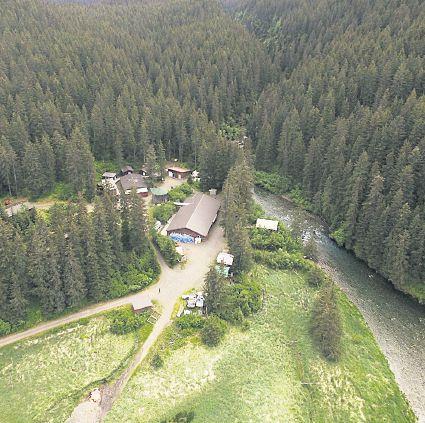
‘Río Pescado’ (River Fish, in Spanish) is one of the oldest hatcheries in Chile and the first to operate in the region of Los Lagos, in the heart of the local salmon industry.
This facility has been owned by Cermaq Chile since 2003 and it includes a mixture of new technologies, a marvelous landscape, and some very old stories.
When this hatchery began operations 42 years ago it was intended to produce smoked, pan-size trout, however within this century it has been converted to the production of Atlantic salmon smolts.
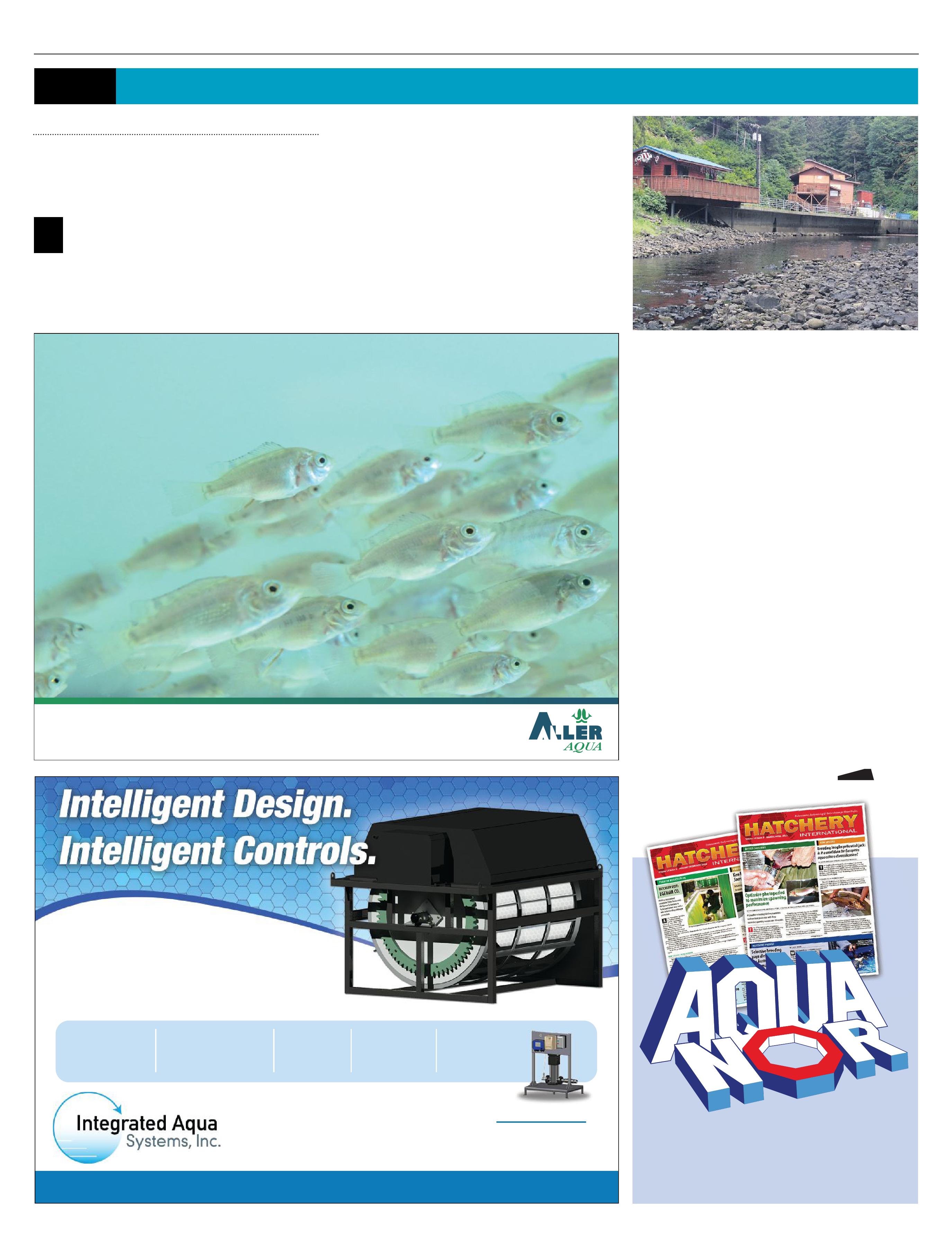
Located 40km northwest of Puerto Montt, ‘Río Pescado’ is at the mouth of the river of
New Zealand scientists make greenshell breakthrough
Project looks to add value and certainty to local mussel industry
BY MATT JONES
Aresearch effort in New Zealand has made a breakthrough in the early rearing of greenshell mussels (Perna canaliculus). New Zealand’s mussel farming industry is worth $350 million to the nation’s economy, but utilizes largely wild-caught spat. Rodney Roberts, programme manager for Shellfish Production and Technology New Zealand Ltd (SPATNZ), says the research at their hatchery in Nelson should make the process much easier for farmers and place less stress on local stocks.
SPATNZ’s Ashley Millar adds fertilized eggs to an incubation tank. The project is intended to support New Zealand’s greenshell mussel farming industry.
“The New Zealand mussel industry still relies on wild spat as a source for juveniles,” says Roberts. “There are times when they don’t turn up when they want them to, or they don’t get enough of them if they do turn up. The reason for our project is to take control of their production and implement selective breeding for the industry.”
Roberts says that early life stages and larval rearing have always been a challenge with the greenshell species. Research into how best to rear
continued on page 9
Publications Mail Agreement #40027115 Registration #9920 RETURN UNDELIVERABLE CANADIAN ADDRESSES TO 4623 William Head Rd. Victoria BC V9C 3Y7 email: peter@capamara.com
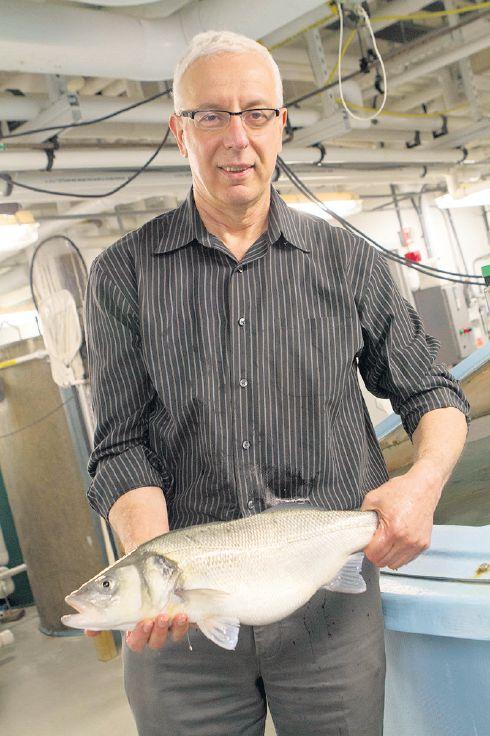
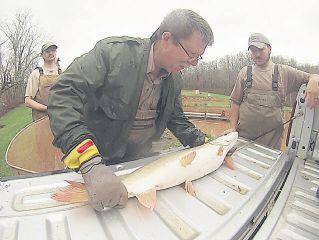
Dr Sonal Patel with halibut. Dr Patel is a specialist in fish virology, and has extensive expertise in VNN infections in halibut, and vaccine development. She is responsible for the activities relating to fish health within the Diversify project.
Disease and poor health are some of the main constraints for sustainable aquaculture.
MSD Animal Health develops environmentally responsible products to maximize fish survival, growth and production efficiency for the major farmed fish species: salmon, tilapia, trout and other marine species.
Every day, in every corner of the world, progressive fish farmers turn to MSD Animal
Health. They ask about our full range of products for managing the most serious diseases in aquaculture. Even more, they come to us for integrated health solutions to help them become more profitable, competitive and sustainable.
For more details please contact your local MSD Animal Health representative or contact us at aqua@merck.com or visit us at www.aqua.merck-animal-health.com.
Volume 18, Issue 4 | JULY/AUGUST 2017
Editor Peter Chettleburgh, peter@capamara.com
Science Editor David Scarratt, scarratt@ns.sympatico.ca
Regular Contributors: Quentin Dodd, Diogo Thomaz, John Nickum, John Mosig, Erich Luening, Philip Nickerson, Matt Jones, Ruby Ganzalez
Advertising Sales Jeremy Thain: International Marketing Manager
Toll Free 1.877.936.2266 (in North America) Int.Tel. +1.250.474.3982
Design & Production James S. Lewis, james@capamara.com
Publisher, Peter Chettleburgh
Hatchery International is published six times a year by Capamara Communications Inc. The authority for statements and claims made in Hatchery International is the responsibility of the contributors. Reference to named products or technologies does not imply endorsement by the publisher. A subscription to Hatchery International (six issues) is $35.00US within North America and $45.00US outside North America.
To subscribe visit our website at www.hatcheryinternational.com
Hatchery International, 4623 William Head Road, Victoria, BC. Canada V9C 3Y7 Fax orders to +1.250.478.3979
Printed in Canada. Canadian Publications Mail Products Sales Agreement #1453556
Postage paid at VANCOUVER B.C..
ISSN 1498-136X REGISTRATION NO. 9920
RETURN UNDELIVERABLE CANADIAN
ADDRESSES TO: Hatchery International, CIRCULATION DEPT.
4623 William Head Road, Victoria, BC V9C 3Y7
Next Ad Deadline
The advertising deadline for the Sept/Oct issue is July 8th. Don’t miss the opportunity to be part of this exciting aquaculture publication. For more information, or to reserve space in the next issue, call our Advertising Department at +1.250.474.3982 jeremy@capamara.com
Next Editorial Deadline
The editorial deadline for the Sept/Oct issue is July 8th. Contact the Editor, Peter Chettleburgh at +1.250.478.3973 for details. E-mail to peter@capamara.com. Material should be submitted electronically with prior arrangement with the editor.
NEWS BRIEFS
Norwegian producers link hands for increased smolt production
Norway’s Grieg Seafood and Norway Royal Salmon have linked hands to jointly secure increased smolt production in the country’s Finnmark county, in the extreme northeast part of the country.
Announced in mid May, the agreement will see the two partners entering as equal owners of Nordnorsk Smolt.
A statement about the program says the current plant in Hasvik has a production capacity of about 3.2 million fish but it’s understood that this could be expanded by further development at the facility.
Chinook release cancelled
Virus threat scuttles Michigan egg-take
Tests by the Michigan Department of Natural Resources this spring confirmed that a fish kill event in Lake St. Clair was the result of viral haemorrhagic septicemia virus (VHSv).
As a result the agency decided to cancel its plans for collecting fish eggs from the Detroit River downstream, which would have gone towards the state’s muskellunge propagation program at Wolf Lake State Fish Hatchery.
DNR fish production manager Ed Eisch is quoted as saying that at this point VHSv had not been found in any of the state fish hatcheries, and it was the department’s full intention to keep it that way.
“We know it is safer to place our muskellunge rearing program on hold this year, rather than bringing in Detroit River muskellunge eggs and risking infecting our hatchery,” he said.
Earlier this spring the California Department of Fish and Wildlife decided not to go ahead with plans to release a quarter-million hatchery-reared chinook salmon into the state’s Bodega Bay. This was after several North Bay conservation groups demanded that the agency first conduct a full environmental review.
The decision to cancel the project came weeks before the planned release which was aimed at providing commercial and recreational fishing interests with a welcome boost to local fishery stocks.
Environmental groups decided to take issue with the proposal, citing previous experience with ocean releases of trucked hatchery chinook in some areas, which showed, some argued, an excessive tendency for the fish to stray.
And that raised concerns about how they might mix with endangered fish naturally occurring in the Russian River and Lagunitas Creek.
So it was decided instead that the fish would be released in other Californian waterways, that don’t contain endangered stocks.
Bodega Bay in California.
today at +1-250-889-5075 info@industrialplankton.com www.industrialplankton.com
Billund Aquaculture
Your Partner in Recirculation Systems for Aquaculture
Billund Aquaculture • Montanavej 2
DK-7190 Billund • Denmark Phone +45 75 33 87 20
E-mail:office@billund-aqua.dk
Akva to build new smolt unit in Norway
Two subsidiaries of AkvaGoup have agreed to a 105-millio krone ($12.5m USD) indoor, water-recirculating equipment supply deal with MidtNorsk Havbruk A/S (MNH).
The recirc facility, to be located in Nærøy municipality, will make use of denitrification technology, according to Ole Gabriel Kverneland, sales manager for AkvaGroup’s land-based programs.
Kverneland said that this is an extra step that wasn’t included in the company’s 180-million krone Bakkafrost project in the Faroes. He said that it will take the water-use reduction to “over 99%”, compared to the 90-98% in most other large “traditional” RAS.
Kverneland also noted that the “denitrification” will also reduce the facility’s energy demands compared to other RAS, cutting back on the unit’s environmental footprint and making it even more environmentally friendly.
He said the new unit will almost completely replace the old flow-through and outdated facilities at MNH, boosting limited permitted smolt production from just 300,000 a year to 6.5 million.
The facility is projected to take about 1.5 years to complete, and delivery of equipment is expected to begin in the third quarter of this year and end in the first quarter of 2019.
Southernmost salmon hatchery gets green light
Chile’s Nova Austral salmon farming company recently announced plans for construction of the world’s southernmost salmon hatchery, on land just off the southern edge of the Magellan Strait in the very southern part of the country.
The proposal, which received formal approval from Chilean authorities a few weeks ago, became more urgent last winter after the firm suddenly found itself facing the loss of two shipments of smolts on the way down to the firm’s farms from central Chile.
The loss occurred when two well-boats carrying nearly 150,000 smolts ran into patches of water with heavy loadings of microalgae toxic to the fish. The water was pumped aboard and the fish on both vessels died.
Nova Austral’s chief executive officer Nicos Nicolaides said the board of directors gave the go-ahead for the anticipated $35 million expenditure on the hatchery shortly afterwards, in order to obviate the need for shipping the smolts south, avoiding both the cost of the week-long trip and the danger of a repeat of the losses.
In the meantime, he said Nova Austral looks forward to the new unit producing about 1,600 tonnes of 150 gram smolts, to make the company more self-sufficient in the Tierra del Fuego area.
KUDOS
New hatcheries win awards for power company
For Tacoma Power, it’s getting to be habit-forming: the Washington state utility recently received its sixthstraight Outstanding Stewards of America’s Waters Award (OSAWA) from the US’s National Hydropower Association several weeks ago.
The latest one, again in the recreational, environmental and historical enhancement projects’ category, was given for what Tacoma Power calls its Cushman Hydro Project, which most recently involved the construction of two salmon hatcheries at a cost of $15.7 million, starting in 2014 and ending last year.
One is the North Fork Skokomish Hatchery, which produces coho salmon, winter-run steelhead trout and spring chinook salmon. The other, Saltwater Park Sockeye Hatchery, which is some miles away on Washington state’s Hood Canal, produces Pacific sockeye salmon.
Saltwater Park Sockeye Hatchery.
Artist's rendering of proposed hatchery
From environmental scourge to hatchery superfood?
A Canadian company is hoping to turn an invasive shrimp problem into a superfood resource for commercial aquaculture
BY TOM WALKER
ysis diluviana, a non-native species, was introduced into Okanagan lake in British Columbia during the early 1960s in hopes that it would help support a dwindling Kokanee (land locked sockeye salmon) sport fishery.
“The plan worked in a number of small shallow lakes in the province where the Kokanee were able to catch the Mysis for food, but that didn’t translate into Okanagan lake,” explains Piscine Energetics (PE) president Nuri Fisher.
Okanagan lake is 350-400 feet deep and the shrimp hide out in the depths during the day, well below the Kokanee feeding zone. At night the shrimp rise to the surface to feed on zooplankton and phytoplankton.
Kokanee don’t feed at night, so they can’t take advantage of the Mysis as a food source and to make matters worse, the shrimp are eating the same plankton that would support the Kokanee fry.
“The spawning population was around a million adults,” says Fisher. “But after they introduced the Mysis, it more or less crashed completely, the Kokanee were starving.”
LAKE REHAB…
The BC Ministry of the Environment developed a lake rehabilitation plan in the late 1990s aimed at restoring the Kokanee, that included a test fishery on the shrimp.
“The original owner of the company started by sewing
his wife’s panty hose together, attaching them to a hoop and dragging it behind a tin boat,” chuckles Fisher.
With an average yearly biomass ranging from 1500 to 3500 metric tonnes, the shrimp have been declared a problematic and invasive species in the lake. Piscine Energetics has been working with the Ministry of Environment to achieve an annual removal of 50% of the total Mysis biomass. They currently have three commercial fish boats that work the lake at night, from spring through fall.
“We have patented a drag net harvesting system and a by-catch excluder apparatus that only targets the Mysis,” explains Fisher. “There are no mortalities of kokanee.”
AQUARIUM MARKET FIRST
The business was built selling flash-frozen shrimp to the aquarium market and Fisher, who has a background in the aquarium industry, continued to expand that when he bought the business 10 years ago.
“We sell our product around the world,” says Fisher. “The shrimp are harvested while they are actively feeding, so their guts are full of the plankton and flash freezing right at the dock preserves the taste and the high levels of protein, (60-70% dry analysis) Omega’s 3&6 and fatty acids.”
The careful harvest process keeps the shrimp whole. “A fish can see hey, this looks like a shrimp,” quips Fisher. “That’s part of the success, fish are naturally attracted to it.”
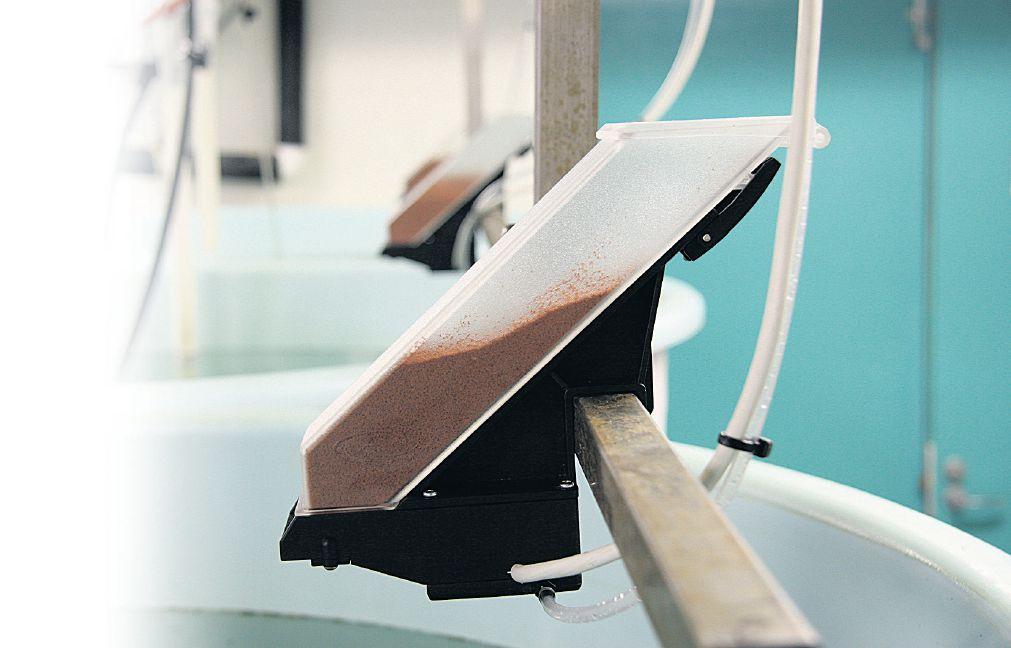
Salmonids eggs sorters
LOW-TEMPERATURE PELLETS
Fresh frozen is their biggest seller, but they have also developed a pellet, which utilizes a low temperature manufacturing process. They aren’t heated above 100°F (38°C) says Fisher, so they keep their nutrition and the fresh taste. They have developed a variety of sizes down to a micro feed of one or two mills. “Now we are going down to a couple of hundred micron size to support a variety of species,” he adds.
Aquarium owners like the PEMysis products for their palatability. “Cuttlefish, for example, are known to be difficult to grow in an aquarium,” Fisher points out. “But they really respond to the Mysis. Fresh is best.”
But it’s the way that aquarium researchers have used Mysis to support seahorse spawning that Fisher sees as an example of how the shrimp might have a place in the commercial hatchery industry.
continued on page 6
Mysis diluviana
“Captive bred sea horses have a notoriously low fecundity rate, somewhere around 300 to 400 eggs,” Fisher explains. “But when the hatchery-based broodstock are conditioned with Mysis, the enriched diet helps them produce 1200 to 1500 eggs.”
BROODSTOCK POSSIBILITIES
He sees supporting aquaculture broodstock, particularly wild broodstock which are not familiar with a diet of commercial fish food, as a first step at increasing fish production. “A healthy broodstock leads to higher fecundity rates and healthier eggs,” Fisher points out. “You may be able to have less broodstock and those healthy eggs have a high hatch rate, so already you have improved your business.”
Fisher also sees the Mysis being useful in larval diets. “The shrimp are so laden with plankton that they are a super food,” he says. “Its like they are transferring the plankton directly to the larval fish.”
“We get lots of stories from people using our shrimp,” Fisher adds. “There’s an aquarium in Tennessee that is culturing a CITIES listed fish that they will restock and they want to use only natural feed to support the re-introduction process.”
“We expect that the Mysis may help improve larval survival rates in species that are harder to culture,” Fisher notes. “We want to be able to help people when they are hitting these roadblocks.”
KEY NUTRIENT PROFILES
“All Mysis are not created the same,” Fisher says. “Those that are raised overseas in ponds do not have the same nutrient profile as ours that are caught while feeding”
“When we sent our shrimp to the lab they were amazed at the profile,” says Fisher. “This non native environment of the warm surface water for food and the deep cool water for resting helps grow a super shrimp.”
“The high fat and Omega acid profiles of the shrimp provide an enriched diet, including natural astaxanthin, that may balance more plantbased diets,” he says. “That could allow for increased production within a facilities footprint.” There could also be a place for PEMysis in finishing fish raised in closed containment systems,
particularly on a lower fishmeal diet.
“We are looking for someone to pick this up and help us with research and development to leverage our success in the ornamental market into commercial aquaculture,” says CEO Murray Bye. “This product is sustainably harvested, its helping to control an invasive species and fish like it. I think that’s a win win for everybody."
Piscine Energetics President, Nuri Fisher, left and CEO Murray Bye at company offices in Kelowna, BC. (Tom Walker photo).
Piscine Energetics has been working with the BC Ministry of Environment to achieve an annual removal of 50% of the total Mysis biomass. They currently have three commercial fish boats that work the lake at night, from spring through fall.
ALASKA
Hatchery delays plans to move holding pens
lans to move a restocking hatchery’s ocean holding and release pens from Alaska’s Tutka Lagoon to the head of Tutka Bay have been stalled. Though the Cook Inlet Aquaculture Association (CIAA) won approval in January to make the move, opponents to the move have discovered that CIAA did not obtain a federal Clean Water Act (CWA) permit.
The special park use permit issued by DNR in January would have allowed CIAA to place net pens holding 100 million pink salmon fry at the head of Tutka Bay between mid-March and mid-June each year. Even though it was issued for only two years, CIAA executive director Gary Fandrei confirmed that there was opposition to re-locating the pens from some area residents, recreational boaters and fishing-charter operators.
Fandrei explained the reasons for moving the pens, saying that the salmon need to imprint to a bigger area than the lagoon for their return and the pink salmon smolt rapidly and need to be in ocean water.
The lack of the CWA permit was discovered just as the pens were about to be moved. Acknowledging the importance of compliance, CIAA made the call not to move the pens. Fandrei confirmed that CIAA would seek a CWA permit that would allow the pens to be moved next year.
–Quentin Dodd
Activists pressure Scottish government to halt import of salmon eggs
The Global Alliance Against Industrial Aquaculture (CAAIA) has been criticising Scottish hatcheries for raising salmon from imported eggs. CAAIA released data from a Freedom of Information request revealing that 90% of eggs in Scottish hatcheries in 2015 were imported – a seven-fold increase from ten years ago.
Other information obtained and used in the GAAIA release cites Norway as the source of 86% of salmon-egg imports to Scotland.
The alliance went on to note that labeling the fish as “Scottish salmon” is misleading. Led by activist Don Staniford, Director of GAAIA, the critics claim that salmon grown from imported eggs “aren’t really Scottish”. They are calling on the Scottish government to put an immediate halt to all salmon egg imports to Scotland.
Fish farming representatives have responded, dismissing the claims. They argue that the eggs are hatched in Scottish hatcheries using Scottish water and that the Scottish-born juveniles are raised to harvest size in Scottish facilities and waters, using feed much of which is produced in Scotland. In short, they say, the fish are Scottish.
Scott Landsburgh, chief executive of the Scottish Salmon Producers’ Organization, is reported as saying that there are simply not enough eggs in Scotland to meet the demand. He is cited as maintaining that, “As a member of the EU, we are bound by rules governing free trade with other countries. All of the eggs used by the Scottish salmon farming industry hatch and complete their life cycle in Scotland.”
Healthy fish. Your goal. Our committment.
FORTE micro® the first ever reduced dose salmonid vaccine for North America.
Multiple disease protection in a new smaller 0.05ml dose. ®
Tutka Bay Lagoon Hatchery in Kachemak Bay, Alaska.
“At present it is the availability of juveniles that restricts production,” explains Norberg. “Total egg to juvenile survival averages between 30 and 50%. But survival through first feeding is very variable. It can be as low as 5% or as high as 70%.”
“AT IMR we have worked for years with management routines and the development of good rearing protocols based on an understanding of the biology at early life stages,” says Norberg. The team has pinpointed critical periods in reproduction, larval husbandry, nutrition and health to focus their efforts.
PAMPER THE FEMALES
Giving attention to female spawners is a key to success says Norberg. “Close monitoring of individual ovulatory cycles is crucial in order to get high quality eggs,” she says. Both F1 and wild caught broodstock can be equally fecund and fertile. GnRH implants improve egg yield, but may affect ovulatory rhythms and as a result, egg quality.
“Improving protocols and routines during first feeding in order to stabilize survival rates at or over 50% is the area where we will see the most gain,” adds Norberg.
To improve larval growth and quality and to ease transition from live to formulated feed the team has studied both on-grown Artemia and Artemia nauplii. On-growing Artemia makes them larger and more nutritious, but that did not translate to any difference in nutrient composition, development, or growth performance in the halibut larvae for a two week feeding trial.
EARLY WEANING
The team has studied early weaning with several commercial feeds, Otohime, Gemma Micro and AgloNorse. Larvae that had been fed Artemia were transferred to dry feeds at 14, 21 and 27 days post-first feeding. “Initial results indicate that early weaning is possible and the Otohime-fed larvae performed better than larvae fed the other diets,” says Norberg.
Norberg says that the larval stage will receive more extensive research. “Protocols and rearing technology during first feeding will be a focus,” she says. “As will the development of a good formulated feed that the larvae will accept.”
“Good hatchery routines and identification/elimination of carriers has more or less solved the VNN problem,” says Norberg. “But outbreaks can be seen if good hatchery practices are not followed and the larvae are subject to a suboptimal rearing environment.”
DISEASE MANAGEMENT
She says other infections, both bacteria and virus, appear to have caused bigger loses during first feeding in recent years. “Again, hatchery routines and good protocols and management practices have reduced the problem to a manageable level.”
The desired market size for halibut is 5-10 kg. and that currently takes 4-5 years. Males mature early and that slows down their growth. Norberg says that 80% of under-market-size fish are males.
“We have developed technology for large scale production of all female populations which will increase production volume and growth optimization,” says Norberg. The development of breeding programs will continue to be a priority.
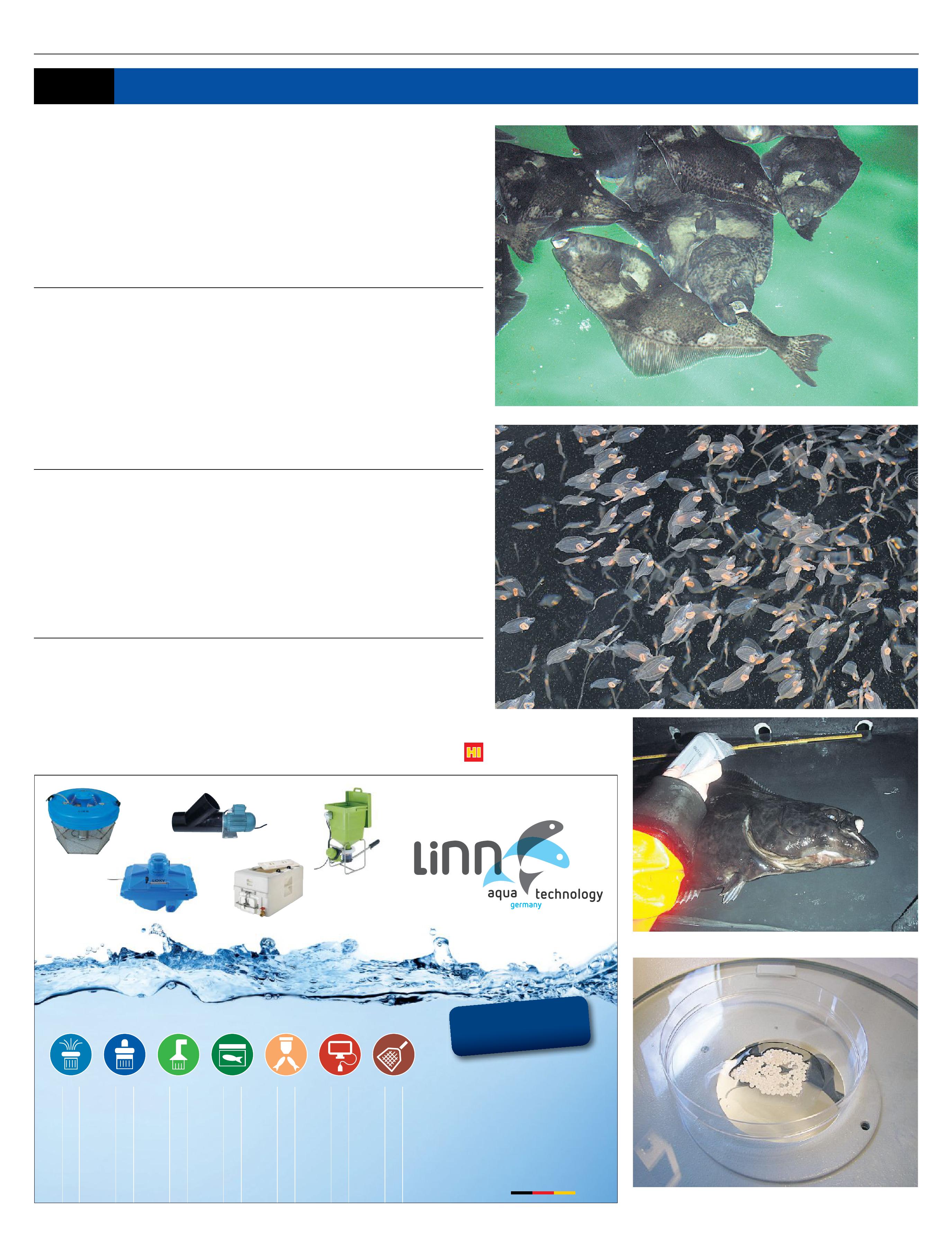
Female halibut being identified by PIT-tag reading.
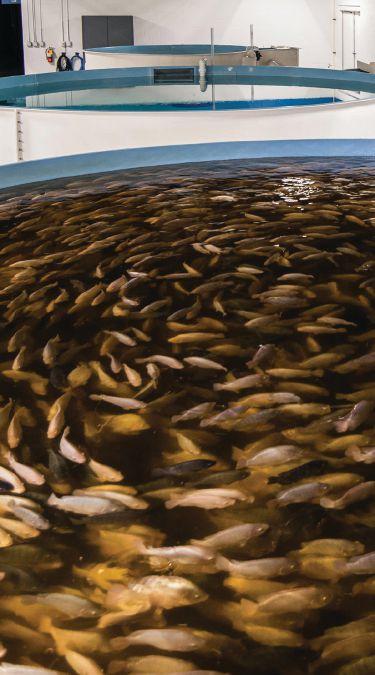
Halibut recruits in tank.
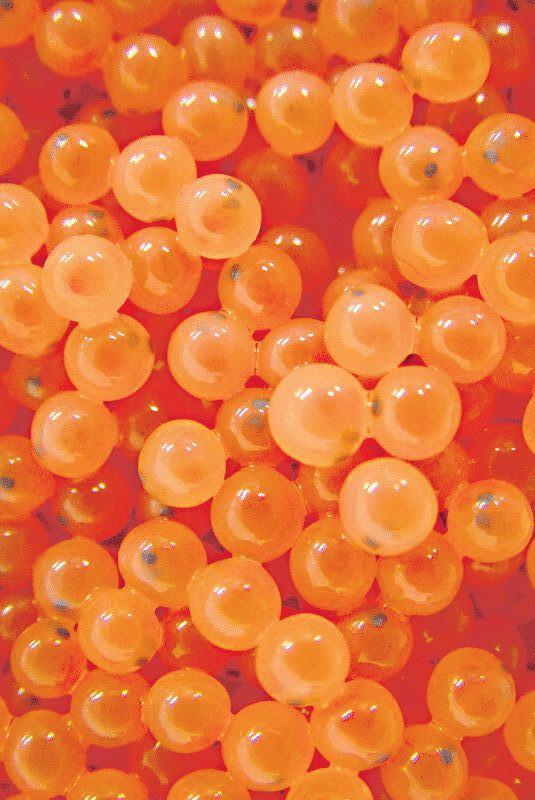
Sample of halibut oocytes before maturing to eggs.
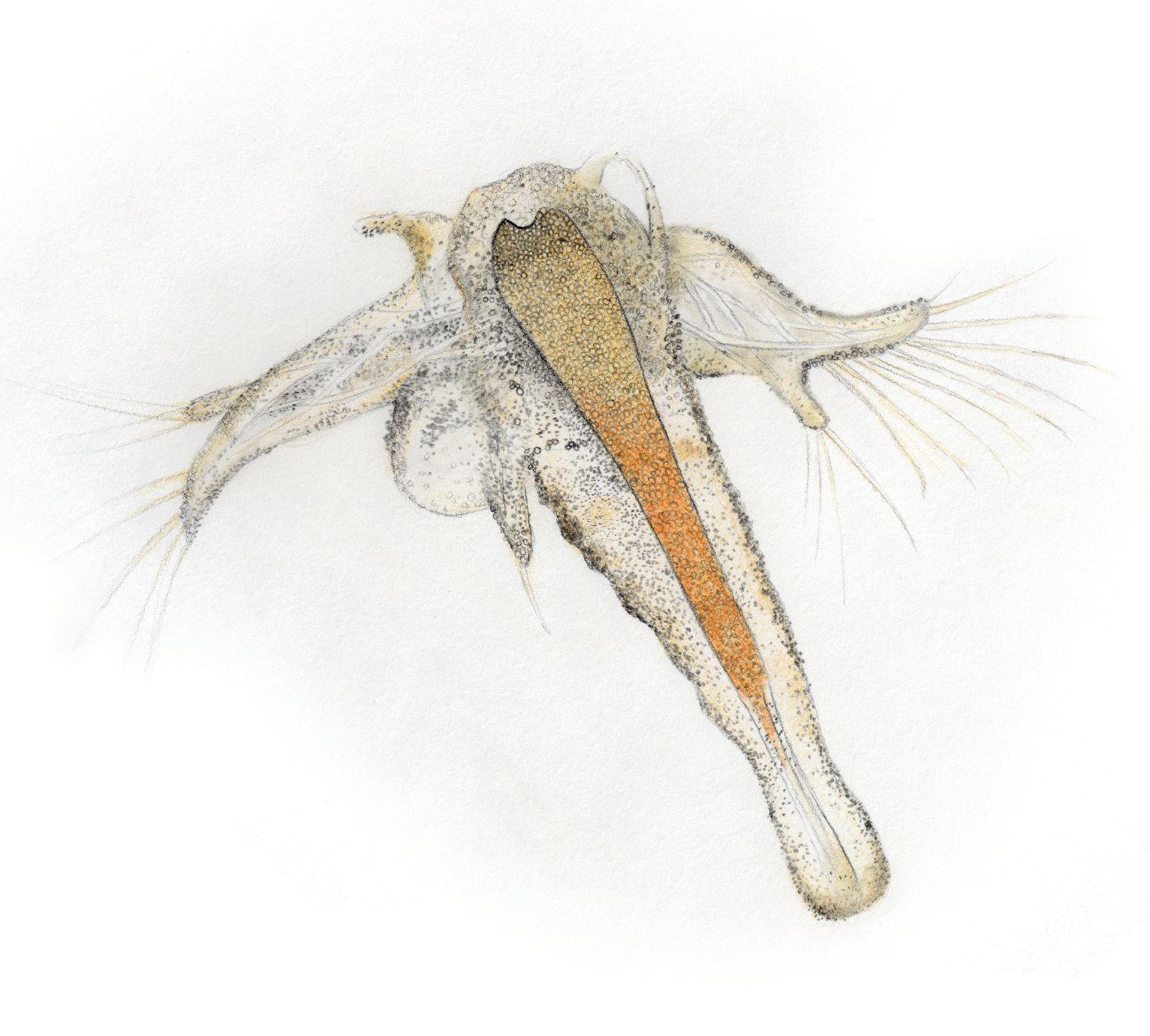
Halibut larvae with live feed in their guts.
(Photo: Institute of Marine research)
Greenshell breakthrough
continued from cover
larval greenshells has been in the works for many years. After extensive experimentation they have discovered a combination of lighting, temperature and small sound vibrations which seems to work well for the mussels.
“It’s a whole combination of small aspects and a process of continual improvement,” says Roberts. “Over the years, we’ve been getting better and better at doing what we do.”
While there are aspects of SPATNZ’s work which could likely be adapted to benefit other species and other processes around the world, for the time being their work will stay on the island. The research was funded through a seven-year Primary Growth Partnership between the government’s Ministry for Primary Industries and the seafood company Sanford, specifically for the benefit of the New Zealand mussel industry.
“We’re not planning any moves to share that offshore,” confirms Roberts. “But, within New Zealand, the techniques and facilities could be used for most shellfish species. Having said that, the greenshell mussel seems to be far trickier than blue mussel or oysters or other species that are widely cultured.”
The SPATNZ hatchery in Nelson, New Zealand, also saw an evolution over the course of the project. After successfully achieving their first stage target of developing batches at 1/3 scale, the company did a refit and added an extension on to the facility.
“As part of that, a lot of little things changed that we think have made quite a bit of difference to the seafood facility,” says Roberts. “Every batch since September has been a new record for the scale and number of larvae that are produced through the system.”
Once the harvest target of 30,000 tonnes is achieved, there will surely be another target beyond that. But Roberts says they are not getting ahead of themselves.
“Once we get there, I’m sure there’ll be talk about how we get to the next target and how does that happen,” says Roberts. “There’s already talk about other species we could use. But in the meantime, we don’t want to lose our focus too much on that primary goal of supporting our well-established greenshell mussel industry.”
Provifeed NoSpot
– White spot syndrome virus/EMS/AHPND – Increased survival rate and weight gain – Improved feed conversion ratio
Provifeed Microalgae
Provifeed™ NannoPrime and Provifeed™ IsoPrime – Freeze dried Nannochloropsis & Isochrysis – Marine fish GWT, mollusc, shrimp hatcheries – Absolute pathogen free – Single cell dispersion, no sedimentation
algae.proviron.com
provifeed@proviron.com / www.proviron.com
SPATNZ employee Roger Knecht works on spawning at the company’s facility in Nelson, New Zealand.
Making old new again
the same name, a few minutes away from the Calbuco Volcano, and near a couple of national parks, several lakes, native woodlands, and majestic waterfalls.
Smoked pan-size trout
Since its launch in 1975, this hatchery’s water inflow was obtained from the river Pescado. Water was then channeled through concrete pipes to soil raceways and fish ponds where juveniles were reared. In those years, this was a facility with an integrated production chain, from breeders to final product, and even a smokehouse.
The first feed pellets in the country were formulated and produced at these premises in 1978. That same year, this facility was the first Chilean company to export salmonids (frozen trout) to France.
Production capacity
Currently, this facility receives eyed-eggs from other Cermaq hatcheries in Chile. The hatchery is comprised of five rearing rooms and one hatching area. The water intake comes from several wells located within the 5ha site (~12 acres).
Two of those rearing rooms are recirculating aquaculture systems (RAS); another two are flow-through systems and one is a reuse system. All systems totalize 1,500m3 of rearing capacity.
In the RAS systems, 95% of the water is treated, while 20% passes by similar systems in reuse.
Flow-through systems are used from eyed-eggs to yolksac fry, while RAS systems are used from first feeding until smoltification.
At maximum capacity, the production unit employs about 18 people and delivers close to 1.6 million smolts of 100-150g per batch (four batches per year).
Flow-through operation
In the first production stages, with flow-through systems, the facility uses seven Comphatch hatching units, 17 tanks of 10m3 each for hatched-fry and 21 tanks of 9m3 for first feeding. For inflow disinfection, the hatchery uses Biolight UV filters.
According to Anada Espina, Manager of the flow-through System, eyed-eggs arrive at 5°C to the hatchery, which has an average ambient temperature of 8°C. “Therefore, one of the first tasks is a temperature acclimation of 60-90 minutes, to avoid thermal shock,” says Anada “Then, there is a hydration process that lasts for about an hour to subsequently perform disinfection of eggs with Buffodine or iodine treated water”… Meanwhile, they use Bronopol against fungus infections.
Once eggs are manually placed in the hatching systems, the temperature is recorded daily and mortalities extracted as needed (every day or every other day).
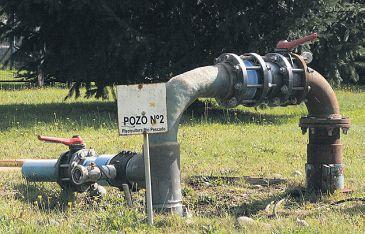
One of the wells that supply water to the facility.
Diego
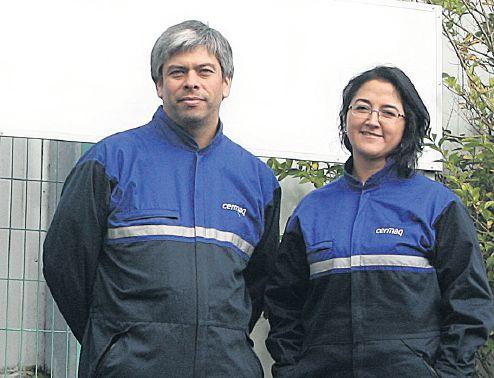
Gómez and Anada Espina, managers of the RAS system and the flow-through system, respectively.
Description of RAS
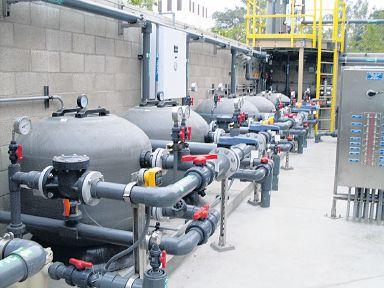
Both RAS systems were provided by the local supplier, Hydrogest. In this treatment system, when water leaves the fish tank it passes through Hydrotech and PRAqua drum filters, skimmers, fluidized sand biofilters and degassing units. Later, it goes to a Low Head Oxygenation (LHO) system, UV filter, and oxygenation cones. Then, water finally returns to the tanks.
In the largest RAS system, there are two drum filters, two skimmers and four biofilters of 42m3 each, with a maximum capacity of 75,000kg fish biomass.
Just before winter is when all vaccination procedures are being prepared. Currently, the company uses a pentavalent injectable vaccine (against ISA, SRS, Vibrio, IPN and Aeromonas).
Eruption of the Calbuco volcano
‘Río Pescado’ is located 14km west of the Calbuco volcano which erupted in April, 2016 forming a column of ashes of about 17km height.
The authorities declared an emergency zone of 20km radius around the volcano. Therefore, all personal in the facility had to evacuate and only some days later were permitted to re-enter the premises for a few hours to collect and transfer fish to other freshwater facilities of the company. This limited access lasted for six weeks.
Diego Gomez explained that ‘Río Pescado’ did not suffer from structural losses owing to that event, unlike other production units located in the north and east sides of the volcano. Some facilities were bombarded by pyroclastic material or even wiped out by lahars (melting snow causing flooding of rivers).
After 42 years and despite a nearby volcano eruption, earthquakes, violent storms, river overflows and floods, this facility is still in operation as a fundamental milestone in the history of the Chilean salmon industry.
Besides rearing and vaccination, RAS areas are used for grading/sorting and photoperiod manipulation before smoltification.
Details about the reuse
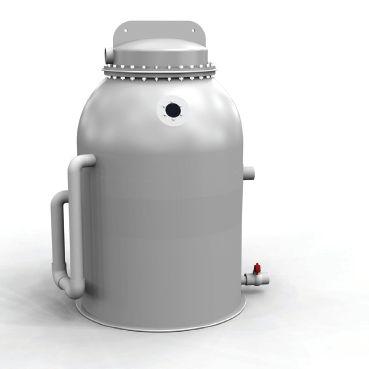
Cermaq Chile is implementing an individual reuse system at ‘Río Pescado’. This technology means the replacement of only 15% of the water, without the need to use a biofilter as in traditional RAS.
According to the company, this system has efficient biosecurity barriers, since it does not allow the interexchange of water between tanks. It also has low energy consumption and is adaptable to the size of any tank.
Feeding and monitoring
Between 40 and 45 days after hatching, fry have absorbed their yolk-sacs and first-feeding starts. This process is manual at the beginning. Two to three days later a semi-automatic feeder assists in the process. Meanwhile, juveniles are fed with Storvik disc feeders.
According to Diego Gomez, Manager of the RAS System, one of the RAS rooms in this facility is in the process of migrating to a different technology. Meanwhile, the other one operates with an OCEA automatic feeding system.
Regarding O2 and temperature, the first RAS system is monitored using B&G Water technology. The second one uses an Oxyguard system while it is in the process of migrating to a Steinsvik system.
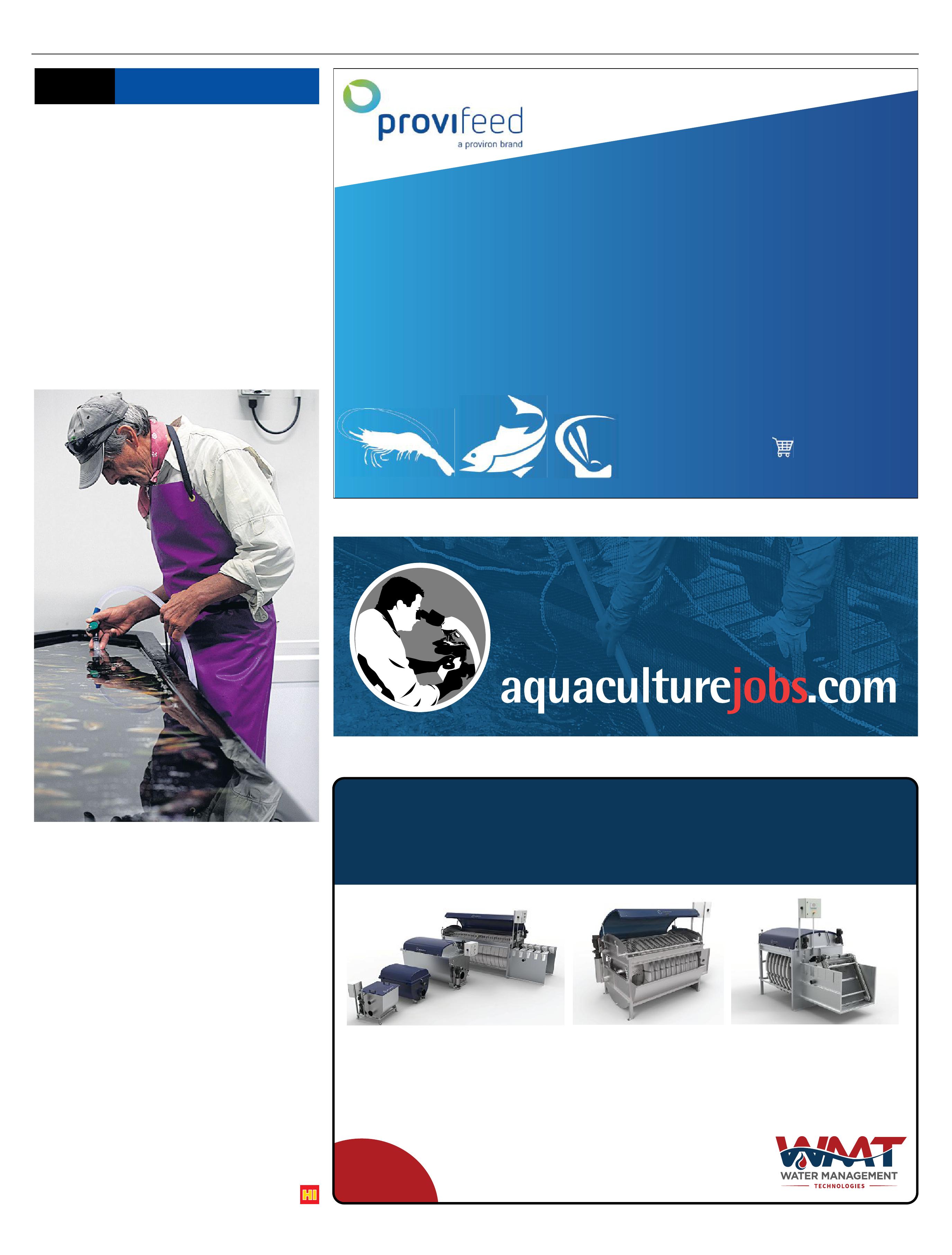
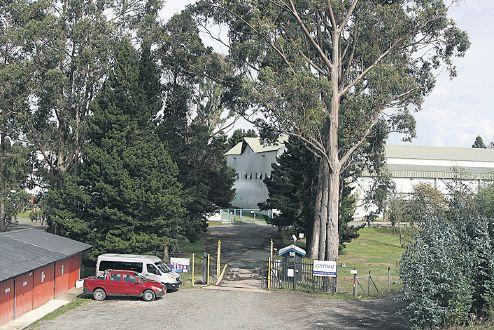
Panoramic view of the ‘Río Pescado’ facility.
New online tool to monitor juvenile salmon migration
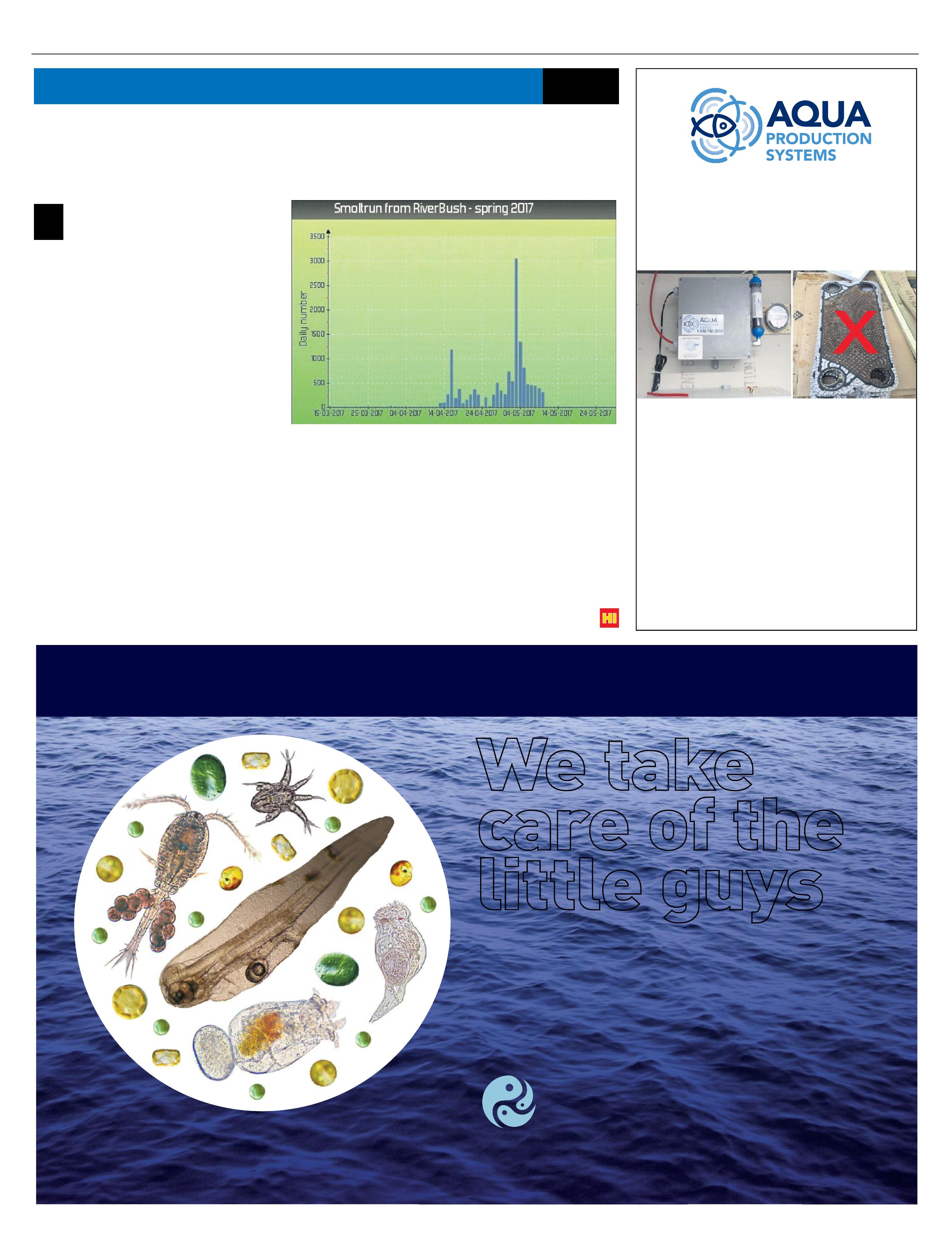
arlier this year Inland Fisheries Ireland (IFI) launched the Smoltrack Project, a new online tool allowing the public to follow the numbers of juvenile salmon making their journey down the River Erriff — the National Salmonid Index Catchment (NSIC). The project is running in five other locations in Europe, increasing knowledge of the survival of young salmon during their migration.
The three-year European Union-funded North Atlantic Salmon Conservation Organization (NASCO) project will see IFI work alongside partners in Northern Ireland (River Bush), England (River Tamar), Spain (River Ulla and River Tea) and Denmark (River Skjern).
Traps are used to catch migrating salmon smolts for tagging, before they are released to continue their journey. The daily numbers of salmon smolts are uploaded for online viewing.
The agency said the outgoing juveniles are tagged with miniature acoustic transmitters and their migration followed via acoustic listening stations situated at various locations.
Inland Fisheries Ireland has launched the Smoltrack project in Ireland, an online tool that gives the public the opportunity to follow the numbers of juvenile salmon making their journey down the River Erriff. The project is running in five other locations in Europe and will help determine the survival of young salmon during their migration.
“ This information will help scientists understand the survival rates of salmon smolts during their migration through the lower parts of rivers, estuaries and coastal areas, in addition to providing data on smolt run timing and migration behaviour,” says IFI.
Reed Mariculture | 2017 Plankton Campaign | Theme: The Plankton People | Design: A | Version: 3
“The project will provide new data which will inform future salmon management and conservation work.”
Placement: Hatchery International | Size: Half Page | Dimensions: 260mm X 165mm
In Ireland, tagging is being carried out on salmon smolts from the Black River tributary to the Erriff, which flows through County Mayo and is considered one of the premier salmon fishing rivers in Ireland. Its smolt run typically occurs over six weeks during April and May To view the online tool for the River Erriff visit: www. fisheriesireland.ie/Fisheries-Research/smoltrack-project.html
Clean Plate System
• No more having to take heat exchanger apart every month
• Removes need for chlorination treatments
• Saves considerable energy
• Prevents exchangers from getting dirty due to biofouling Call (902)-746-3855 for pricing and availability! www.AquaProduction.ca
Reed Mariculture: The Plankton People
Reed Mariculture advances the growth of aquaculture around the globe with the highest quality MICROALGAE CONCENTRATES, LIVE ROTIFERS and COPEPODS for clean-start production bulk quantities available. Your resource for information & technical support.
NUTRITION
A continuously moving target
Recent developments in the marine fry nutrition market
BY DIOGO THOMAZ
arval nutrition is a complex part of the aquaculture industry, especially if one thinks of shrimp or marine fish nutrition.
Protocols are complex, with many steps, many variables and many ingredients; the impact of environmental conditions is critical and these conditions are often maintained by several pieces of equipment and complex engineering systems.
Even if innovation in larval nutrition happens at a relatively slow pace we do have continuous change in needs from hatcheries and this makes the task of supplying the right products and technologies for this industry a tough one.
In the past I have collaborated with a few companies supplying nutrition products for this industry and one of these was Bernaqua, where my friend and colleague Filipe Pereira has worked for almost 15 years, having carried out roles in R&D, product development, plant management, sales and technical support.
His experience covers practically all the bass and bream markets in Europe and North Africa and I prepared a few questions that try to bring out some of the trends and challenges he and many other sales and support professionals experience throughout their careers.
Interview with Filipe Pereira
DT - Filipe, if you look at the larval nutrition market in Europe today compared to how it was 15 years ago, what do you see are the main differences, both in terms of offerings from nutrition companies and in demand from hatcheries?
Filipe Pereira started his career as a fish pathologist at Portugal’s TIMAR and after that joined Bernaqua where he has been one of the experts in the technical support team for the last 13 years, having carried out roles in R&D, product development, plant managment, sales and technical support.
COMPLETE AUTOMATED HATCHERY FEEDING SYSTEM
Purpose-designed complete feeding system for any hatchery.
The system caters for ALL feeds, live, liquid and dry, from Algae, rotifers, Artemia to microdiets and weaning diets.
Fitted with a computerized, touch screen controller, the system is extremely flexible with feeding schedules and feed amounts (as low as 50mg per feeding event).
FP - There are indeed a few differences since I started working in the hatcheries industry within the marine finfish sector. They can be divided in several aspects, but in my view one has been constant during all these years: the search to reduce live food consumption, mainly where artemia is concerned.
As we know, for decades live food has been the main source of nutrition for the first phases of larval development. As a reduction of Artemia usage became a target, hatchery managers’ attention turned to an increase in rotifer production. This coincided with development of the microalgae industry, as the need to capture CO2 from the atmosphere increased together with investments in the field of biodiesel. Easier access to microalgae allows better and more stable rotifer production, giving managers more confidence in the use of rotifers as an alternative to artemia.
Also during this period, we have seen attempts to reduce live food enrichment periods. Results here were often
insufficient and this, together with old habits, did not allow these short-period enrichments to be fully evolved, with most of the hatcheries keeping to their “old” protocols. Another consequence of the pressure to reduce artemia usage was the development by companies of new weaning diets aiming at compensating the nutritional factors previously delivered by live food. Several quality feeds came into the market, but today we are still far from finding a feed that can totally replace artemia whilst keeping fry quality unchanged.
With live food reduction and increased trust in the feeds that partially replace it, we have also seen some very interesting Europe-wide projects focused on deformities related to nutritional factors (for example the FineFish project). Although this was a long research project its results are still far from being easy to apply to the Industry.
Another important change in these almost 15 years, not directly related to nutrition, is the availability of staff. The crisis of 2008/2009 led many people out of the industry and many never returned. Thus, with the growth of the market since then, there is a gap in the availability of specialized staff that can be hired by hatcheries. This lack of specialized staff makes improvements in production protocols even more complicated.
DT - Typically in developing markets the need for customer support goes down as hatcheries and their staff become more competent. Have you seen this happening in the larval nutrition market in Europe over the years? Or does customer support remain a key aspect of selling larval nutrition products?
FP - There is indeed the concept that when people become more competent and specialized they have less need for advice from external people. Nevertheless, when we are on the road we see the opposite - experts and consultants are becoming too few to fulfil all demands for support from hatcheries.
For more information: Dr Sagiv Kolkovski, Department of Fisheries Western Australia Tel: +61-8-9203-0220 • Email: skolkovski@fish.wa.gov.au • Skype: sagiv29
Imagine a hatchery manager that has been in the same hatchery for 10 or more years. That person has a very deep knowledge of all systems and production protocols in his/ her hatchery. The same manager gets busier with other administration tasks as time goes by, and their dedication to listen, learn and discuss new protocols is reduced over time. Trials to compare products decrease as people tend to be satisfied with what they have. This is, I believe, when people need us the most. We always have new concepts to discuss, new products, new projects, etc. Thus, hatcheries are always keen to have us visiting them and open to direct discussions, even as they became more competent and specialized. Good ideas always come out of these visits and these relationships.
I also believe that hatchery staff need to have contact with the outside world, even if only to exchange ideas and to benchmark their performance against other hatcheries and we fulfil this role as well.
In addition, when we visit hatcheries built with the latest technologies (for example hatcheries in RAS), we are often asked for advice on how to adapt key nutrition protocols to the new systems.
In summary, there is always something for which you are needed, whether for physical changes in products, launch of new products, new protocols, new applications, new species, exchange of ideas and concepts, etc.
Lately there has also been an increased concern with biosecurity issues also related to the feed. As many managers believe feeds can be a vector of contamination, constant research and advice from us has an impact on the success of hatchery productions.
DT - There has been a trend in research and product development for this market that aims to simplify and automate larval production in marine species. The use of magnetic beads to facilitate artemia decapsulation, dry algal products to simplify use of micro-algae, weaning diets to replace artemia and rotifers are a few examples. From your experience, and looking back over the last 15 years, is hatchery production simpler today than it was?
FP - Part of this question was answered above but I will develop a few points on this specific issue:
As I have mentioned, artemia reduction has been a
main focus in hatcheries in the last decade. Artemia has always been considered as “dirty” (from a microbiological point of view) but a nutritionally convenient product, that requires relatively complicated protocols (decapsulation, membranes, filtration, etc). The use of magnetized artemia came to decrease the work load at a protocol level: no decapsulation needed anymore.
There are many hatchery operators that want to reduce further the need for live food. Rotifers, as mentioned previously, are one of the solutions to decrease consumption of Artemia, as they can partially replace Artemia. The issue here is the numbers of rotifers needed to supply a full weaning phase, as rotifers are smaller than artemia and producing billions of rotifers is not easy. Production of only one type of live food would make things easier. Availability of mass produced microalgae makes this product more accessible to all hatcheries.
The reduction of live food is always a big challenge to the nutrition industry. At the level of formulation, it might be quite “simple” to imitate/copy artemia composition but from the physical point of view it is close to impossible to imitate artemia or other live feeds. Live food moves around in the tank, and inert feeds do not move when placed in water. Thus, even though formulations might be good, the physical behavior in water is still a big challenge. These replacement feeds would indeed help decreasing the work load for hatchery technicians but so far there are no clear solutions.
DT - How are new species such as those promoted in the Diversify EU project changing the strategy of hatchery nutrition suppliers? Do you see any impact on new product development and testing? Is the market asking suppliers for new products?
FP - This is an issue I have been following closely for the last 7-8 years. There has been a lot of work done in what concerns the production of new species, but I believe there is a lack of direct communication between the R&D Institutions and the reality of industrial production. I will explain. Development of methods to produce new species are one of the most important issues for the future of the industry. Supply of new products (species) as well as new processing technologies are among the key drivers for the growth of the aquaculture industry. R&D in research
NUTRITION
institutions leads to new protocols, new ingredients for feeds, etc., to produce new species but if it does not have close communication with the industry (fish feed producers, hatcheries and farmers, etc.), R&D will not be aware if the protocols can be applied by the industry. It is also important that R&D is in close contact with the sales departments of companies so they can explore better market needs and opportunities.
An example of this is what we are facing with the meagre (Argyrosomus sp); it has been a promising species for as long as I can remember, and although the protocols are similar to bass/bream and it has faster growth, production quantities are not increasing significantly as only small areas in Europe are consuming this species.
Production of tuna/yellowtail is also an example of where larval production still relies on producing other fish larvae (for example sea bream larvae that are used as live food in tuna larval protocols), something that makes it very complex in industrial hatcheries.
The sole (Solea sp) is another candidate where we have seen a growth in production over the last few years. This species has brought new challenges to the fish feed industry as their way of feeding is very different from other species.
When we talk about the nutrition of these new species, you have sometimes seen examples of “revolutionary” ingredients at the R&D level, which unfortunately cannot be reproduced in an industrial level for many reasons like cost of raw materials, market availability and others.
A few years ago I presented at a conference, explaining that what I believe we need in Europe is a fast-growing marine species that does not consume artemia and, if possible, no live food at all in order to simplify protocols. Will we ever get there??
Diogo Thomaz, PhD, MBA, is a Technical and Business Consultant for the Aquaculture Industry, based in Athens, Greece. After 15 years as R&D project manager and other industry positions he now leads Aquanetix (www.aquanetix.co.uk), a data management and reporting service for the global aquaculture industry. He also heads RealSales Ltd (www.realsales.eu) a sales consultancy company that helps businesses expand their opportunities in export markets. He can be contacted by email on diogo@aquanetix.co.uk
We build the highest quality rearing troughs available to hatcheries:
• Smooth inner gelcoat, USDA approved and fish friendly
• Strong, deflection resistant trough design
• Drawings available for all trough sizes
• Custom built rearing troughs available at any size
View our gallery of completed rearing troughs for customers at www.reiffman.com
Call us today with your trough specs! Toll Free 1-800-835-1081 or 509-525-1081
David Reiff at david@reiffman.com
FISH TRANSPORT TANKS
Globally Trusted UV Experience
We build the highest quality Fish Transports available:
• Smooth inner gelcoat, USDA approved and fish friendly
Proven bio-security; over 35 years, 380 installations, more than 740 million gallons per day
• Strong, 3/16" aluminum interior and 3/16" fiberglass exterior.
• Removable bulkhead fittings; threaded or bolt-on available
• Large hatch openings for easy access
Lifetime Disinfection Performance Guarantee Aquafine Genuine parts program provides this peace of mind
• All SS hardware for long life, including SS toggle clamps
Long-term Industry Commitment
Collaboratively advancing UV research in aquaculture
View our gallery of completed fish transport tanks at www.reiffman.com
aquafineuv.com
Call us today with your requirements! Toll Free 1-800-835-1081 or 509-525-1081
David Reiff at david@reiffman.com
Big improvements in store for Michigan state hatchery
Afew kilometres west of Manistique in Michigan is the almost – but not quite –forgotten Thompson State Fish Hatchery.
Hatchery manager Jan VanAmberg confirmed earlier this year that the nearly 40-year-old facility is to get the lion’s share of some $12.2million in funding allocated for improvements to state fishery facilities in the area. The last upgrade to the hatchery was completed 17 years ago.
The Thompson State Fish Hatchery produces both cold-water fish like trout and salmon, and cool water fish, like walleye. The facility includes an incubation room, 42 indoor tanks and 12 outdoor raceways.
Around $1.7million of the funding will go to a state chinook salmon and steelhead trout weir. The rest will go to the hatchery, to improve the facilities at the unit, which is also a popular tourist attraction.
One of the most beneficial features of the site are its five wells, two of which are 600m (2,000-ft) deep wells providing geo-thermally heated water to 15°C (60°F). A third 2,000ft well is to be added as part of the upgrade.
Other upgrades include replacing an obsolete feeding system, epoxy-coating all the indoor rearing tanks and outdoor raceways.
The remaining $5 million will be used to build another facility about two km to the south of the current one.
Asked about the scheduling of the construction work, including the four new one-acre ponds and the four new half-acres ponds, VanAmberg confirmed that he expects it to begin this year but not be completed until sometime in 2019.
Rareflood renders hatchery down but not out
Recent flooding in Missouri’s Newton County affected a number of buildings at the Neosho National Fish Hatchery. A preliminary report from the facility confirmed that multiple units were damaged and there was some loss of fish.
Hatchery manager Roderick May said that in his 18 years with the hatchery he had never seen flooding like it. A main concern was for the feed-storage building, which filled with about half a meter of water, ruining about three layers of pallets, including much of a limited stock of feed for smaller fish. Personnel working on the building were careful to get it as clean and as dry as possible - as fast as possible - to prevent the growth of mould.
Throughout the flood, the hatchery maintained operations. May is quoted as saying, “It slowed us down, but it didn’t stop us.”
The Michigan DNR stocking rainbow trout in Mackinac County’s Carp River. (Photo:DNR)
The team has been studying both the parents and the hatchlings to determine how they respond to stocking densities, population structure, light, water temperature and different food sources.
NEW ZEALAND
A first for breeding blue cod
Plant and Food Research, New Zealand reported early in May that scientists there have managed to successfully breed blue cod (Parapercis colias) for the first time, a milestone that may eventually support the development of a new aquaculture sector for the country.
In association with Ngāi Tahu Seafood Ltd, the Seafood Technologies team at Plant & Food Research in Nelson are investigating how to breed different species of native fish in captivity, building knowledge of the conditions required for the fish to successfully reproduce.
Chief Executive of Ngāi Tahu Seafood, Joseph Thomas, says the outcomes of this programme could have real commercial benefit for the seafood industry.
“By enhancing our understanding of blue cod breeding we may be able to identify ways to replenish and strengthen our fishing stocks, which will have a positive impact on customary, recreational and commercial availability. It will help us sustain the health of our fisheries,” says Joseph.
Around 2000 hatchlings have been raised, most of which are now around 5 to 7cm long. Their parents were wild blue cod from the Marlborough Sounds.
The team has been studying both the parents and the hatchlings to determine how they respond to stocking densities, population structure, light, water temperature and different food sources, in order to develop the best protocol for raising the fish at Plant & Food Research’s new fish hatchery in Nelson.
Plant & Food Research’s Science Group Leader, Seafood Production, Alistair Jerrett says, “Having our first population of blue cod juveniles is an exciting development and shows proof-of-concept for raising blue cod for aquaculture or perhaps re-stocking. The next step is figuring out the best way to scale-up the hatchery to one of commercial potential.”
Inactivated vaccine, vibriosis and pasteurellosis in sea bass, in injectable emulsion.
Inactived vaccine, vibriosis and pasteurelosis in sea bass, in injectable emulsion. COMPOSITION PER DOSE: Inactivated Photobacterium damselae subsp. piscicida DI 21 RPS ≥ 60% , Inactivated Listonella anguillarum serotype O1 RPS ≥ 75% (*), Inactivated Listonella anguillarum serotype O2α RPS ≥ 75%, Inactivated Listonella anguillarum serotype O2 β RPS ≥ 75%. RPS: Relative Percentage of Survival in sea bass after intraperitoneal challenge. INDICATIONS: Sea bass: To prevent pasteurellosis caused by infection by Photobacterium damselae, subsp. piscicida (pasteurellosis) and by infection by Listonella anguillarum serotypes O1, O2α and O2β ADMINISTRATION ROUTE: Administration by intraperitoneal injection. Shake before use. DOSAGE: One dose of 0.1 ml/ sh, when sh weight is approximately 15 g. Fish must be anaesthetised prior to vaccination. WITHDRAWAL TIME: 0 degrees-day. SPECIAL PRECAUTIONS: Fish shall not be stressed during 48 hours before vaccination and 15 days thereafter. Culture water temperature during vaccination shall be equal to or slightly lower than the optimal culture temperature for sea bass (between 17 and 22 ºC). Do not vaccinate unhealthy animals or carriers of pathogenic microorganisms. PACKAGING: 5,000 ds bottle. Under veterinary prescription.
CATFISH
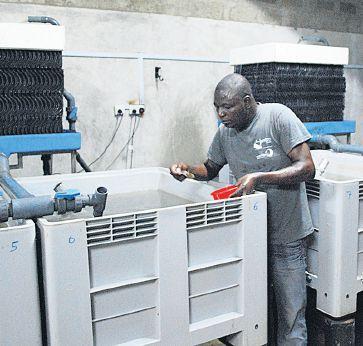
‘Dutch Strain’ African catfish make their mark in familiar territory
BY COLIN LEY
“Our original stock was created by making crosses between many different types of regional African catfish (Clarias gariepinus) strains which we gathered from all over Africa,” says Fleuren and Nooijen coowner, Bert-Jan Roosendaal.
“It was a struggle at the beginning with some of our early fish having to be kept under a wire mesh to stop them from jumping out of their pens. After adding a requirement for tranquility into our breeding crosses, however, our eventual strain became much more docile and easy to manage than they were when we started out.
“Today, for example, our broodstock will return to feeding within 15 minutes of a grading operation. That contrasts with the two days it took the fish to settle after being graded 30 years ago.
“We’ve also been able to develop
substantially better growth rates, during that time, alongside an increase in fillet yields, advancing from a starting point of 40% to a current yield of 45%.
“As a result, our broodstock are now known as the ‘Dutch Strain’ across Africa, which is obviously a great compliment.”
UNIVERSITY SPIN-OFF
Based in Someren, near Eindhoven, Fleuren and Nooijen was set up in 1985 as a spin-off business from Wageningen University, sharing facilities and office space with Til-Aqua International, a specialist tilapia-based hatchery and hatchery training company.
Fleuren and Nooijen was originally focused solely on achieving African catfish breeding improvements. However, regular requests from customers for help in setting up recirculating aquaculture systems
(RAS) in which to start growing their fish, caused the company to make a gradual move into the RAS sector. As a result, the business today combines RAS design and production, created to meet hatchery and grow-out demands for African catfish and tilapia, with the running of its own hatchery operations in the Netherlands.
about fish farming, we also have ‘wet hands’.
“In that context, although our hatchery in the Netherlands is relatively compact, we maintain a completely open-door policy in which customers can visit at any time to see our fish and our technology.”
LOCAL AND FOREIGN MARKETS
“From a starting point of being 100% based on catfish production in 1985, our business is now about 90% dominated, in turnover terms, by designing and producing RAS for customers world-wide,” said Roosendaal. “Even so, the remaining 10% of hatchery turnover is extremely important in that it allows us to show our customers that not only do we do a lot of talking
The business is also split in its focus between relatively ‘local’ markets in Europe and the more distant demands of the business in Africa.
The company’s European customer base spans the Netherlands, Germany, Austria,
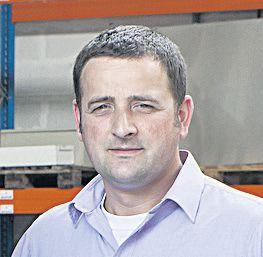
Bert-Jan Roosendaal.
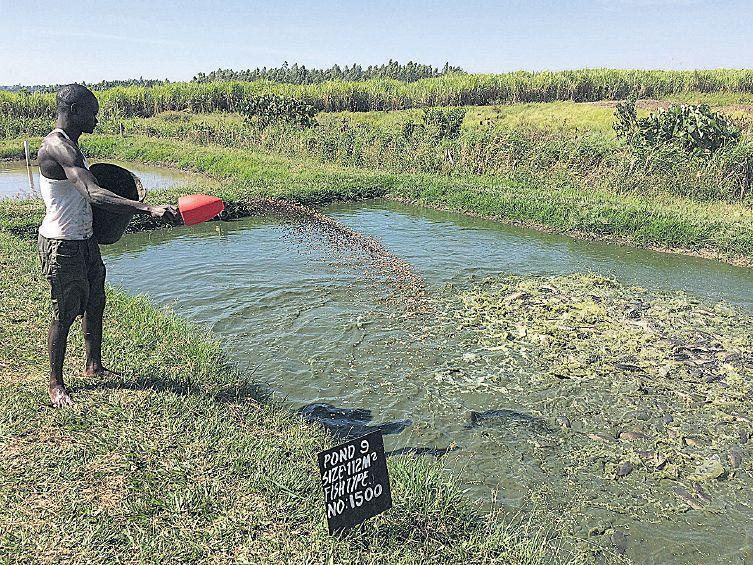
African catfish are grown-out at the company's subsidiary, Jambo Fish, in Kenya.
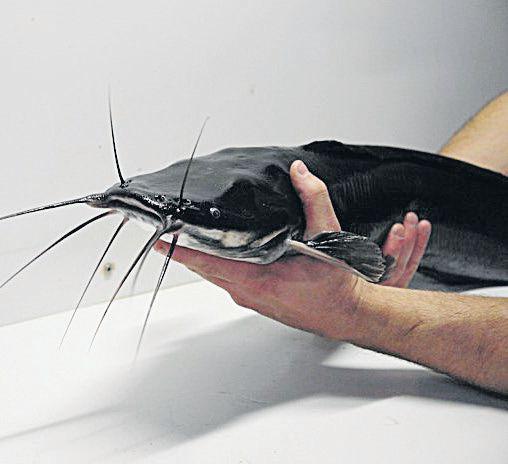
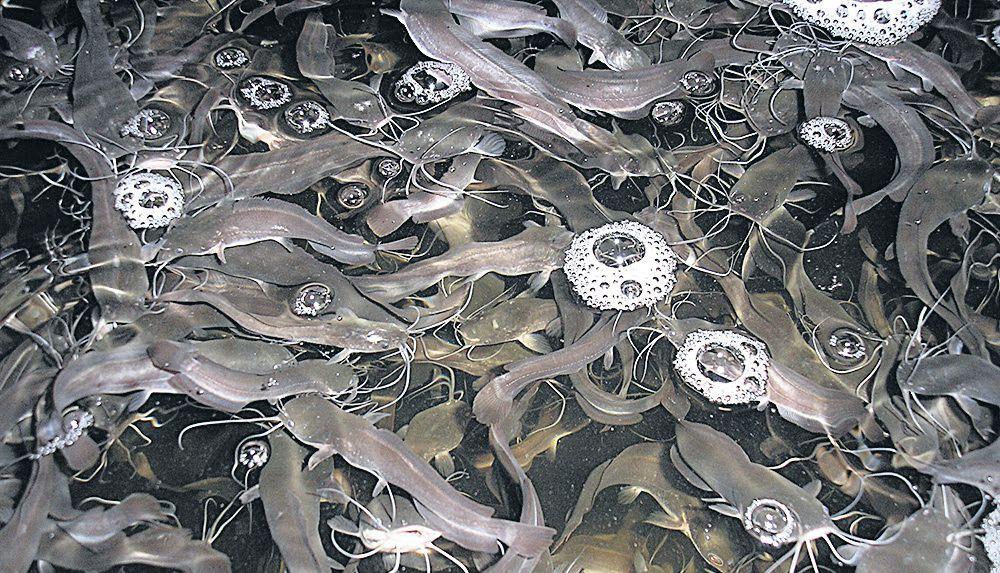
Catfish fingerlings ready for transport.
Dutch strain broodstock. Jambo Hatchery in Kenya.
Simplicity is the ultimate sophistication
Leonardo da Vinci
ORI-N3 is an innovative algal based DHA enrichment for Artemia which allows maximal uptake of DHA into the Artemia in a very flexible and convenient manner. ORI-N3 is also free from fish oils resulting in a cleaner, more natural and sustainable enrichment.
For more information, please contact your local feed consultant.
www.skretting.com
Hungary, Slovakia and Bulgaria. The business in Africa, meanwhile, is run through the wholly-owned subsidiary, Jambo Fish, located in Kenya.
“We are equipped to deliver fingerlings to our European customers with practically no transport losses,” said Roosendaal.
“For destinations in Africa, we use air transport to transfer small fingerlings, up to a maximum of 0.5 grams, using specially designed transport boxes for delivery to the farms, which allows us to supply locations which are 24 hrs away.
“In addition, whenever we have a broodstock requirement for a new farm hatchery in Africa we are able to send individually packed fish of between 1.5 and 2.5
kilos to many locations, often adding a few boxes of fry as well to help the new farm get started right away.
“This approach also means we are able to have our staff on site at the delivery location to accept the stock and provide any necessary training for the farm workers involved. Sending broodstock and fry together allows all initial training to be completed within no more than two weeks, often with a follow-up refresher course being given two or three months into production.
“Where possible, however, we supply new stock through Jambo Fish, an option which reduces the need to move fish into Africa. Although a lot of
fish is exported from Africa, not a lot of stock is brought in. This means all our broodstock shipments have to be extremely well planned with all the receiving officials being carefully prepared concerning what to expect and what needs to be done. Obviously, stock movements of this type need to be processed as rapidly as possible to minimise potential losses.”
Currently, Fleuren and Nooijen’s Dutch hatchery produces about 800,000 fingerlings of 8-10 grams for customers in the Netherlands, Germany and Austria each year and about 1.5 million smaller fingerlings of 0.1-0.2 grams for delivery into Slovakia, Hungary and Bulgaria.
DIFFERENT TECHNOLOGIES
“There are many differences between the catfish industries in Europe and Africa, both in terms of the production systems being used and the end product requirements of consumers,” said Roosendaal.
“While African hatcheries will make use of RAS, for example, the grow-out units tend to be much simpler pond-based developments than we have in Europe.
“One of the reasons for this is due to a major difference in energy supplies. In the Netherlands, for example, we complain if the power supply goes down for 10 minutes once in a year while some of the African locations we supply have to operate without power for 17 hours of every day.
“European consumers are also used to buying their fish as a filleted product, with the original stock being taken off feed and kept in freshwater, for cleaning, prior to slaughter.
“The African industry, in contrast, is still very much a straightforward pond-to-pan business, often with households keeping their newly purchased catfish alive in a bowl of water in the kitchen before they’re ready to cook it.
REASON FOR OPTIMISM
With his company’s ‘Dutch Strain’ catfish becoming increasingly well-established across Africa, Roosendaal is upbeat in his expectations for the future of the species in the different countries and regions from where its genes were first collected.
“I’m optimistic about the continued development of catfish farming in Africa,” he said, “even more so, perhaps, than in Europe.
“The current big requirements from catfish producers in Africa are for quality fingerlings and production knowledge, alongside the need for good quality fish feeds. I believe therefore that we have a major role to play in this market. I’m also confident there will continue to be a growing consumer demand for the species in Africa and therefore a good market for catfish farmers to address.” For more information go to: www.fleuren-nooijen.nl or to: www.jambofish.com
Aquaculture lecture presented by F&N hatchery manager at Jambo Fish in Kenya.
SCOTLAND
Aquaculture to share in £10m plan to commercialise research findings
BY COLIN LEY
he challenge of securing breeding advances in farmed fish through genomics and new genetic technologies is one of key focus areas identified by Edinburgh-based Roslin Technologies, a specialist biotechnology company which has recently raised £10 million in new funding to help commercialise research findings from the world renowned Roslin Institute and the University of Edinburgh’s Royal (Dick) School of Veterinary Studies.
While the new business will apply an all-species rule to its conversion of research results into commercial products and services, aquaculture will be given a prominent share of all future developments.
“We are making whole genome sequencing and other genetic technologies economically accessible to the aquaculture industry,” said Roslin Technologies’ CEO, Glen Illing, whose 25 years of genetics industry experience includes launching the aquaculture genetics and biotechnology SyAqua Group in Latin America and Asia, a venture he subsequently ran after leading a management buy-out of the business.
“Alongside our own efforts to impact the performance of aquaculture species using these technologies, we see commercial ventures taking advantage of this new approach in breeding programmes. As such, we’re going to see enormous changes taking place in relation to farmed
“We are making whole genome sequencing and other genetic technologies economically accessible to the aquaculture industry.”
Glen Illing, CEO Roslin Technologies Roslin Innovation Centre
species over the next few years, particularly in aquaculture, as these new technologies become embedded in modern breeding programmes.”
Although the industry has seen major breed development progress in salmon in recent years, many other species have not attracted that much attention, certainly not in terms of the genomic progress for which Roslin is so well known.
“Carp has been farmed for over 4000 years but with almost no modern genetic selection programmes employed to develop the species,” said Illing. “Tilapia has been taken a bit further, but not really that much, while shrimp has seen only a modicum of breeding programs scratching the surface of what is now available today.
POWER! GIRL
“There are also so many species of fish to work with and so many challenges to address concerning survival rates, growth, food conversion and disease etc. Land-based animal protein species are far ahead of the game when it comes to application of modern genetic technologies and it is now the time for aquaculture to catch up.
“The biggest challenge we see, speaking on an allspecies animal and fish basis, is to prevent farmed stock from dying before reaching either their reproductive stage or marketable size, whichever is relevant.
“If we can become more successful at improving survival, then not only will economic farm performances increase but we will be able to feed the world’s growing population without increasing the breeding stock that
The secret behind avoiding early maturation
Experiencing early maturation of Atlantic Salmon?
Experiencing problems with early maturation of Atlantic Salmon?
StofnFiskur’s All-female product consists of a 100% female population, meaning that you no longer need to worry about early maturation of the males.
StofnFiskur’s All-female product consists of a 100% female population, meaning that you no longer need to worry about early maturation of the males.
Having problems with early maturation of females too? Then our All-female triploid consisting of 100% sterile females is the ideal solution.
Having problems with early maturation of females too? Then our All-female triploid consisting of 100% sterile females is the ideal solution.
Our biosecure, all-year-around production in Iceland means that we can supply the products that you need, when you need them.
Our biosecure, all-year-around production in Iceland means that we can supply the products that you need, when you need them.
Solving maturation with breeding & genetics
produce animals and fish for consumption and that in turn will mean we can produce more with less resources and reduce the carbon footprint of animal and fish protein production.”
The core theory behind the setting up of Roslin Technologies is that many excellent research solutions either already exist within the complex, or are within reach. All they need is the right funding, attention and commercialisation.
“Our chief aim is to bring what has already been discovered to the marketplace as rapidly as possible,” said Illing. “Roslin and the Royal Dick is a £200m research and development complex, consisting of 500 PhDs and research scientists who are producing a vast amount of know-how and IP, much of which just needs to be commercialised.”
Three starting projects have already been identified by the new company however the pipeline of projects is expanding fast.
The first is a development whereby primordial stem cells can be frozen for revival or reuse at a later point preserving the genotype. The potential of this is that someone seeking to make breeding changes to an individual species can be as free as they wish in exploring new avenues, knowing they can always return to the original genotype if a planned development doesn’t deliver as expected. The same project also creates the potential for the genotype of rare breeds to be frozen and kept for several decades, avoiding the loss of that species for whatever reason.
The second project involves the potential development of resistance to various diseases. For example bush pigs carry a trait that prevents them from contracting a disease called African Swine
Fever (ASF) however the sequence of genes responsible for this has been lost in the modern breeding pig. The plan is to re-introduce genetic alleles in the breeding populations and revive or create resistance to diseases such as ASF, PRRS or PED that widely impact modern day global pig production in modern pigs. The same approach will be used for other characteristics to enhance performance or improve quality. Success in this area would have wide implications concerning the possible reintroduction of original resistance to other diseases and enhance performance and quality of all species, fish included.
The third project focuses on using animals to produce non-food products to deliver therapeutic solutions for both animals and humans that can be used to treat medical conditions or for the production of valuable nutrients more economically than chemical production or other production systems.
“So much excellent work has been carried out at Roslin by scientists who are always thinking of the next development, and the next, and so on,” said Illing. “Our role is to take the best solutions as they emerge, validate them as necessary and enable them to be developed into something commercial. That’s the challenge we’re now addressing.”
The Roslin Institute has a strong history of involvement with aquaculture research, most recently working in collaboration with Hendrix Genetics on how to use genomic selection to help breed salmon with increased resistance to Amoebic Gill Disease (AGD).
Hatchery buildings engulfed in flames
arlier this year two buildings at the Department of Fisheries and Oceans (DFO) hatchery site in the Belarko Bear Viewing area of BC’s Tweedsmuir Park, burned to the ground.
The buildings were unoccupied so there were no injuries, nor was there any loss of fish. Sgt Justin Thiessen, with the Bella Coola RCMP detachment, said the investigation into the fire has ruled out arson.
John Willis, manager of the area’s DFO Snootli Hatchery, said an electrical malfunction in the main electrical building may have caused the fire. He explained that there had been some problems in the electrical building – which also contained the administrative offices, washroom and first-aid room – owing to a particularly cold and snowy winter.
The buildings were both about 30 years old and made of wood and steel. Because the hatchery is a seasonal operation, the buildings were used only four months of the year.
Willis noted that the loss of the buildings shouldn’t have too big an impact on the hatchery when it resumes operation later this year. The fish may need to be moved into the outdoor earthen ponds in May, a little later than usual, but the satellite unit is expected to produce its usual two million Pacific chinook salmon smolts.
The estimated cost of replacing the buildings is about $200,000.
US researchers ramp-up bluefin research
Till recently the tricky protocols necessary to take bluefin tuna from egg to adult were largely undertaken by scientists and hatchery operators in Japan, the Mediterranean and Australia. Now US researchers are taking up the challenge.
BY ERICH LUENING
There’s a lot of research going into rearing bluefin tuna (Thunnus thynnus) in European countries along the Mediterranean coast, and in Australia and Japan but now researchers in the U.S. state of Maryland are cranking up investigation into this highly valued species.
Located on Baltimore’s inner harbor on the Chesapeake Bay the University of Maryland Baltimore County’s Aquaculture Research Center (ARC) has been studying the bluefin tuna (BFT) life-cycle from egg, larvae and fingerling stage for a number of years while also researching similar life stages of European sea bream (Sparus aurata) and sea bass (Dicentrarchus labrax).
Professor Yonathan Zohar is chair of the Department of Marine Biotechnology and head of the team at the marine recirculation aquaculture facility: “ARC is a totally contained, fully recirculating, bio-secure marine aquaculture operation. It is fully computer-controlled to allow a wide range of environmental
conditions - salinity: 0-to-full seawater, temperature:12-28 degrees C and photoperiod control over individual tanks with simulating sunrise and sunset,” conditions, he explained.
GENERIC FACILITY
Under Zohar’s design, the facility is also very simple in its approach to rearing marine fish and shellfish in a recirculating system.
“It is a generic facility that can accommodate any fish/shellfish species, tailoring the conditions to allow optimal performance,” he says. “We start with city water, run it through activated carbon filters and then make our artificial seawater fully simulating the composition of the marine environment.”
The facility uses unique nitrification and denitrification biofilters to treat the dissolved waste and it also biologically converts the organic/solid waste/sludge to fuel grade methane (natural gas).
“Therefore, while biologically removing our waste, we generate bio-energy to offset
some of the energy costs of the operation,” said Zohar. “ARC’s main objectives are to enable our scientists to carry out their aquaculture R&D program on their species of interest in optimal conditions as well as study in a prototype of a fully contained, zero discharge marine aquaculture operation.”
APPLIED RESEARCH
Research programs at ARC cover a broad range of topics, including broodstock management and year-round spawning, larval rearing and hatchery technology, food chain and live feeds, reproduction (spawning induction as well as reproductive sterility), growth, environmentally responsible feeds, pathobiology and understanding and overcoming disease.
There’s also a major focus on developing and optimizing environmentally sustainable
and economically feasible, bio-secure marine recirculating systems for both hatchery and grow-out production.
“We work with commercially important finfish such as gilthead sea bream, European sea bass, striped bass, bluefin tuna, Atlantic salmon, rainbow trout, cobia, amberjack and tilapia as well as with blue crab and oysters,” Zohar explained. “We run several industry-funded projects to address major challenges in the aquaculture industry, such as closing life cycles of new species, year-round spawning, larval rearing, producing reproductively sterile fish, and improving land-based mariculture.”
Zohar and his team of researchers, including John Stubblefield, faculty research assistant; Jorge Gomezjuardo, faculty research assistant; and Odi Zmora, research supervisor, start with bluefin tuna eggs from halfway around the globe and carefully rear them at the Institute of Marine and Environment Technology (IMET) in Baltimore. Their goal is to develop a sustainable way to farm the tuna in closed aquaculture systems, cultivating a healthy food source while also protecting wild bluefin tuna populations.
“We made major progress on our research towards closing the life-cycle of the Atlantic bluefin tuna,” he said. “A cross-Atlantic international collaboration between UMBC/IMET/ARC and the
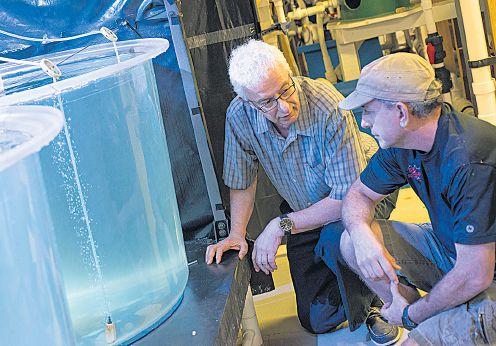
Yonathan Zohar (left), Jorge Gomezjurado and Odi Zmora beside tuna larval rearing tanks.
European sea bass fry produced from ARC broodstock.
Beyond bluefin
Dr. Yonathan “Yoni” Zohar has diversified his species beyond bluefin tuna. He explained that he has been working with European sea bass and bream because those fish are imported into the U.S. market, adding to the gargantuan seafood trade deficit that exists in the nation.
“In addition,’ he said, “there is major focus on optimizing sea bass hatchery technologies, new approaches to generating reproductively sterile fish (Atlantic salmon, rainbow trout, sablefish and tilapia) and developing alternative, ecologically responsible feeds deprived of fish meal and fish oils. We are currently working with the Norwegian salmon industry to develop technologies to convert salmon-based organic waste (sludge) to fuel-grade methane, after doing this for sea bream and sea bass.”
This summer his research team plans to continue their larval rearing and juvenile production work with Atlantic bluefin tuna. They also plan on the reproduction/molting and hatchery production of blue crabs as well as disease work with blue crabs, oysters and other commercially important finfish.
“There is an economic opportunity to grow these species locally, which is possible only in fully recirculating, bio-secure systems like ours,” he explained. “Sea bass and sea bream grown domestically in landbased systems will grow faster, reach the market sooner and fresher and with a reduced carbon footprint, and all together will be farmed in a more environmentally sustainable manner. Consequently we are trying to develop full-cycle aquaculture of these species in the US.”
company Kali Tuna COO in Croatia, enabled us to achieve, for the first time ever in North America, the production of bluefin juveniles at ARC.”
BLUEFIN BROODSTOCK
Broodstock bluefin tuna, 220-260 kg each were held in floating net-pens in the Adriatic Sea (Kali Tuna COO) and were induced to spawn using hormone-based, controlled-release implants administered to the fish by free divers using spear-guns. Massive spawning started in early summer and lasted for two months. The fertilized eggs were collected inside the net-pens, packed and shipped to ARC, where they arrived 36 hours later as freshly hatched larvae that were stocked in experimental tanks operating on fully recirculating water systems.
“We conducted groundbreaking R&D in an effort to overcome the current major hurdle to the development of tuna aquaculture - rearing of newly hatched larvae to juvenile fish. Multiple combinations of live feeds and artificial diets were used and led to the successful production of the first weaned juveniles at the age of 40-50
days and 40-65 mm (~1.5-2.5 inches) long,” he explained. “This study marked the world’s first-ever production of juvenile bluefin tuna in a land-based, full- recirculation mariculture system and the first production of juvenile bluefin tuna in North America. It is also the first step towards the development of environmentally-sustainable aquaculture of this important species in the US.”
BIOMEDICAL OPTIONS
ARC also includes a sophisticated zebrafish (Danio rerio) operation that allows it to use this important model fish to address aquaculture-related (and biomedical too) questions.
Zohar also sees a future for his facility in the development of offshore net pen farming of marine species in the Gulf of Mexico and beyond in the U.S.
“In that respect, we are very interested in developing full-cycle bluefin tuna aquaculture in the Gulf of Mexico and beyond. I believe that we should establish landbased hatcheries of bluefin tuna, to include broodstock tanks enabling environmentally-manipulated year-round spawning, as well as larval rearing and nursery production to feed growout operations in offshore cages and on land,” he explained.
– 63mm
– 100mm
– 150mm
– 200mm
– 300mm
A multifaceted facility
ARC contains multiple tanks of 1, 2, 3 and 4 meters in diameter (ranging in volume from 1 to 20 cubic meters) specifically designed to maintain broodstock and conduct research with fish of various species and sizes. There are 32 smaller tanks of 350 liters each for carrying out experiments with multiple groups of fish, as well as a complete hatchery area equipped with larval-rearing systems and facilities for culture of a wide range of food chain organisms for larval diets.
A computerized system maintains full control over the photoperiod, water, temperature, salinity, oxygen and water chemistry in each of the ARC tanks, and water quality and operational parameters are constantly monitored. All environmental parameters can be modified to meet the requirements of specific culture conditions and experiments.
The recirculating, artificial seawater is continuously treated with ozone, which maintains a disease-free environment. ARC also includes a 70-square- meter quarantine facility, a 50-square-meter pathogen room, and a 40- square-meter laboratory space designed for manipulating fish experimentally and performing basic bench work.
It’s also a prototype for an urban mariculture operation which can be scaled up for commercial applications. A separate 50- square-meter algal production laboratory is tailored for the study and culture of marine micro-algae. This room, equipped with multiple banks of lights for growing vertical (hanging) 100-liter bags of algae, allows a daily production capacity of over 4000 liters of microalgae.
Zohar’s team maintains the repository of various algae species in culture and ready for large-scale production. The state-of-the-art 60-square-meter operation houses 192 X 38-liter , 30 X 3-liter and 70 X 1-liter aquariums in four recirculating water systems equipped with both bio-filters and bead filters.
Yonathan Zohar (left) and Jorge Gomezjurado, aquaculture biologist, check out the larval tuna tanks.
Yonathan holds a mature female European sea bass.
Azerbaijan home to largest hatchery in the Caucasus
Agroup of private investors recently commissioned the Varvarynsky Fish Farming facility in Azerbaijan, reportedly the largest hatchery in the country, designed for rearing up to 50 million sturgeon fry per year.
At the opening ceremony in late April Azerbaijan President Ilham Aliyev noted that the hatchery could be used in multiple ways, including for the facility’s own needs to produce sturgeon and caviar as well as for the supply of fingerlings to other aquaculture farms within the country and some for release into the Caspian Sea.
According to an Iranian research institute, sturgeon stocks in the Caspian Sea have shrunk by 25-30% over the past decades, and if the situation doesn’t reverse itself sturgeon could become extinct there by 2021.
Mohammed Allahverdiyev, the plant’s director, announced that the facility is the largest in the Caucasus region. In the first year of operation it’s projected to produce 15 metric tonnes of black caviar, 112 metric tonnes of scaly fish(carp), 200 metric tonnes of sturgeon and 28 million sturgeon fry.
The total designed capacity should be reached by 2020-2023, Allahverdiyev said.
An affordable alternative for local hatcheries has been developed in the Philippines through the collaboration of a state university and government agencies.
he strains that the researchers have produced include Tetraselmis sp., Chaetoceros calcitrans, Nannochloropsis sp. and Chlorella vulgaris, all in paste form, according to Soledad Garibay, project head for UPV-CFOS Improvement of Microalgae Paste Production for Aquaculture.
The algal paste is available at about P1,500 ($30) a kilo (see sidebar) and it is now being tested in private milkfish and shrimp hatcheries in the Philippines. At the present time UPV can produce 60 liters of paste per production period of 10 days.
The commercially available brands are all imported. The cost, between $100 to 150 a kilo, is more expensive owing to logistics charges such as shipment and customs processing fees. These processes also cause extended time for delivery.
“Algal paste is considered the best alternative to live microalgae during difficult times of production,” Garibay said. “Algal paste can be readily used any time. Based on our research studies, the algal paste can be refrigerated for three months and yet still retain its viability.”
“Its cultivation is usually dependent on natural illumination and ambient temperature,” she said “However, these days, light and temperature parameters have become unpredictable because of climate change. Hence, dry and rainy months are no longer distinct. Such a scenario for [outdoor] microalgae production is not sustainable.” The Philippines has two marked seasons: dry and wet. Wet season usually extends from June to November.
While microalgae paste is not new, it seems that Philippine hatcheries are still in a wait-and-see stance with regard to this locally produced paste.
“Industries are open to the possibilities of using paste in hatcheries but they want first to see if the technology will really work. So the pilot-testing activities of UPV will validate our claims for the product,” she said.
Improvement/enhancement of product shelf-life and nutritional quality are on-going.
The four algae species
Tetraselmis sp is relatively large and widely cultured in aquaculture facilities as an important feed for finfish and crustaceans.
Nannochloropsis sp, is a marine alga known to grow fast and is easy to culture in tanks.
Chaetoceros sp. a diatom, is also an essential food source in the rearing of all stages of marine bivalve molluscs (clams, oysters, scallops), the larval stages of some marine gastropods (abalone, conch), larvae of several marine fish species and penaeid shrimp, and zooplankton (FAO).
Chlorella vulgaris is a eukaryotic, unicellular green algae that thrives in freshwater; it’s spherical in shape.
Source: S. Garibay, College of Fisheries and Ocean Sciences, University of the PhilippinesVisayas
Government officials tour the new facility at opening in April.
Indoor culture in flasks.
“With the algal paste, our local industry can be provided with an efficient and readily available larval food. However, further refinements are necessary for the algal paste to be fully utilized by the industry in providing costefficiencies in aquaculture,” Garibay said.
The collaborative effort to produce the microalgae included researchers from the University of the Philippines Visayas, College of Fisheries and Ocean Sciences and the Department of Science and Technology and the Philippine Council for Agriculture, Aquatic and Natural Resources Research and Development (DOSTPCAARRD).
- Ruby Gonzalez
Restocking the Volga futile say Russian experts
The efforts of multiple hatcheries to restore fish stocks in the Volga River appear to be fruitless.
There are a multitude of chemicals that pour into the river without filtration, presumably from local plants and factories, but the problem is that authorities don’t actually know the exact sources of these substances as well as their composition. Sergey Saksonov, Deputy Director for Research of the Institute of Ecology of the Volga Basin, noted that recent studies clearly show that the impact of this problem is growing from year to year.
Sergey Muckahev, spokesperson of Russia’s Social-Ecology Union, expressed the same opinion, also noting that there is no federal program for protecting the Volga River from pollutants and this in future could lead to ecological disaster. He added that it’s not only fish fry that are dying in the river, but last year there was a mass mortality of ducks as well.
Muckahev suggested that the fry from local hatcheries released into the Volga often die, primarily because of the high content of nitrogen and phosphorus that flows down to the river from agricultural fields.
Packages of microalgae paste produced at UP Visayas.
Microalgae culture in raceways.
Jeremy at jeremy@capamara.com
Experimental hatchery integral to new species development
The University of Miami (UM) in Florida, USA recently signed a $1.5 million research agreement with Aqquua LLC of New York to advance aquaculture-sustainability technology for high-value marine fish such as tuna and hirame (Japanese flounder) (Paralichthys olivaceus).
The three-year agreement between Aqquua and the UM Rosenstiel School of Marine and Atmospheric Science will focus on species, some of which have never been farmed.
“This research agreement will help advance sustainable aquaculture research at a time when it is critically needed to support increasing demand for high-quality protein to feed the world’s growing population,” said UM Rosenstiel School Professor Dan Benetti, director of the UM Aquaculture Program. “We are pleased by Aqquua’s commitment to advance aquaculture technology in a sustainable way.”
The research initiative will include upgrading existing facilities at the UM Experimental Fish Hatchery to conduct studies on reproductive physiology and the environmental, nutritional and energetic requirements necessary to optimize aquaculture technologies of selected species.
“The first step towards implementing viable land-based aquaculture operations is to identify and select species that can be successfully raised in recirculating aquaculture systems,” said Charlie Siebenberg, Founder and CEO of Aqquua US. “For this reason, we have teamed up with UM Aquaculture to identify and select high-value species that can be raised at high stocking densities in such systems.”
The hatchery is a state-of-the-art facility with capabilities to hold broodstock and conduct research on larval and nursery rearing of several ecologically and economically important species. It supports an innovative academic and research program centered on advanced science and technology to ensure that seafood production through aquaculture is “wholesome, environmentally sustainable, socially responsible and economically viable.”
LARVIVA ProStar t™ is the only ear ly weaning diet with Bactocell®, an unique probiotic developed by Lallemand and approved by the European Commission for its documented effect in reducing the occur rence of vertebral deformities in fish larvae and fry.
The UM Experimental Hatchery is located on Virginia Key in Biscayne Bay approximately one mile southeast of downtown Miami.
Photo courtesy: Rosenstiel School of Marine and Atmospheric Science
RESEARCH
BY HEATHER WIEDENHOFT
Reproductive fitness affected by hypoxia in Chesapeake study A
study of hypoxia that started in a lab, then moved to the Gulf of Mexico, has now found its way to the cold waters of Northeastern United States in Chesapeake Bay. That is where researchers Troy Tuckey and Mary Fabrizio at the Virginia Institute of Marine Science are looking at how naturally occurring hypoxia in the Chesapeake Bay area is affecting fish resources, namely the Atlantic Croaker (Micropogonias undulates). The laboratory study found that the gonads of fish exposed to low levels of oxygenated water (hypoxia is considered DO ≤ 2 mg/L) were smaller than fish exposed to normoxic (normal oxygen levels) due to endocrine disrupters.
The original lab study was done indoors, independent of other natural environmental stressors often found in estuaries such as limited food supply, harmful algal blooms, fluctuating salinity levels, etc., and so was a clear indicator of hypoxia alone being a stress on fish tissues.
Researchers at the Virginia Institute moved the croaker study outdoors and looked at three tributaries that feed Chesapeake Bay. Monthly fish collection and data were gathered before and during hypoxic conditions from May to August 2011. They found that the different tributaries displayed different environmental conditions:
• York River- short tidal cycles result in short term hypoxia
In the Rappahannock, Troy found “…the croakers are essentially squeezed up into the fresh water headwaters of the river to escape from the summer-long oxygen depletion near the Bay. In the York, tidal fluctuations brought on short bursts of hypoxia that would “….shift the benthic community to the more oxygenated surface waters and into the waiting mouths of larger fish…” And in the James the waters displayed normoxic conditions year-round and were used as a control for the study.
Interestingly, they found mild hypoxia actually enhanced ovarian lipid content when it was short term (hours to days) compared to the control, or normoxic fish. This was possibly due to increased feeding on displaced benthic communities, and lead to a positive correlation to reproductive readiness. The findings for severe long-term hypoxia on fish in the Rappahannock River showed, as expected, a decrease in gonadal lipid content and a likely decrease in reproductive fitness and success. This was similar to the results found in lab studies.
Troy points out that the study is …”just one snapshot in time, but that it may help other researchers with stock assessments for fish in the Chesapeake Bay system…” Often these are done as an overview for an area, sometimes without in-depth site specific studies and environmental factors being taken into consideration. He feels that in the past, models could overestimate population growth by not factoring in the effects of hypoxia on fish reproductive success.
Researchers are working hard to address these problems, and Troy and partners are excited by new and emerging technology that will allow biomarkers specific to hypoxia to be identified in fish DNA.
The aquaculture connection
One particular concern relating to hypoxia would be fish grown in aquaculture operations. With the likely increase in eutrophication and hypoxia in both inshore and offshore waters in the future, the mobilityconstrained fish in open water pens are at a greater risk to low oxygen conditions. The Philippines, as with many other Asian countries, regularly see massive summer fish kills in natural embayments used for aquaculture. The bays, filled with pens of milkfish, are a source of seasonal hypoxia owing to over-crowded pens minimizing water flow, large algal blooms due to eutrophication, and the resulting depletion of oxygen from decomposing fish and algae. As aquaculture moves offshore and into deeper waters, oxygen will still be a limiting factor in many places around the world that seasonally develop severe bottom water hypoxia.
Heather Wiedenhoft is a Research Scientist at WSU in Vancouver, Washington.
Troy Tuckey (above left) is one of several researchers at the Virginia Institute of Marine Science investigating how naturally occurring hypoxia in the Chesapeake Bay area is affecting fishery resources, namely the Atlantic Croaker (below). Above right: the RV Tidewater
First out-of-season reproduction of beluga sturgeon
he Beluga sturgeon (Huso huso Linnaeus, 1758) has a decreasing population trend and is classified as critically endangered in the Black- and Azov seas, and regionally extinct in the Adriatic Sea. It is extirpated from the upper parts of almost all the European spawning rivers (e.g. Danube, Dniester, Dnieper, Don, Kuban, Terek and Volga) mainly because of overfishing and dams that block migration routes.
DEPLETED FISHERY
Official commercial landings (mainly Russian) have decreased dramatically during recent decades, from >520t/a in the early 1990’s to <3 t/a at the beginning of the 2010’s. Huso huso is the largest freshwater fish in the world, and is a valuable candidate for aquaculture as it has the fastest growth within the family, and its caviar commands the highest price.
Red Pepper
A complete enrichment product for Rotifers and Artemia
• Formulated with essential fatty acids & well balanced nutrients
• Rich in vitamins to increase immunity and development of collagen tissues
• Levels of Vitamin C included are unique on the market
• Product is easily dispersed once placed in water
• Well protected nutrients with no leaching in enrichment tank
Perfection is a generous attention to detail. Contact us at info@nektaryem.com.tr | Tel +90 232 239 41 74 | www.nektaryem.com.tr
Martin Hochleithner (owner of AquaTech, in Kitzbuehel, Austria) started farming sturgeon in the mid 1980s, first with bester (a hybrid of Huso huso and sterlet, Acipenser ruthenus), and later with purebred sterlet, Siberian sturgeon (A. baerii), Russian sturgeon (A. gueldenstaedtii), and Adriatic sturgeon (A. naccarii ).
EARLY DAYS
In the early 1990s a large number of fertilized H. huso eggs from the Pontic Danube stock was hatched and cultured in Austria. These F1 larvae were fed with live zooplankton (Daphnia) and choppped live oligochaetes (Tubifex) for the first weeks. After a month, the fry were weaned onto crumbled dry-food, mixed with moist feed for a few weeks, then stocked into 5m Ø circular tanks for five years, until a heavy bacterial infection occurred. Thereafter the fish were stocked into small earthen ponds (100-2000 m2), for an additional five years.
Under a cooperation contract with Stefano Marturano (manager of Azienda Agricola Pisani Dossi in Cisliano, Italy) part of the 10-year-old sub-adult stock was transferred to Italy (the rest remained in Austria), in order to divide the risk for these highly valuable broodstock specimens. There the fish are kept in circular tanks (6m Ø) supplied with ground-water (at about 12-18 °C), and are fed ad libitum with pelleted dry-food.
SLOW TO MATURE
Under these culture conditions, the first males matured at nine years of age, but females did not mature before the age of 18. The first maturing females were found in the over-ripe stage VI in spring. Later it was discovered that beluga broodfish in culture conditions get ready for reproduction (stage V) in northern Italy in autumn (October-December), rather than in spring (March-May) like wild stocks under natural conditions. Out-of-season reproduction is reported here for the first time.
CIRCLE BELUGA
Full circle cultivation of beluga was reached at the end of last year, where a new generation (F2) of H. huso was successfully produced in captivity. The hatched larvae have been split (50:50) and sent to two different farms (in Italy and Austria), where they are stocked in different tanks (large rectangular and small square), and supplied with water at different temperatures (13-14 and 17-18 °C), and fed with different diets (frozen chironomids and live zooplankton), and finally weaned onto crumbled dryfood.
The survival rates after two months were almost identical, but growth was significantly faster in the warmer water. A small number of these out-of-season offspring were supplied for a restocking project in the Italian Po River and another larger number for farming activities in the European Union.
Breeding beluga sturgeon in captivity is still far from being routine, but the outlook is promising. The main problems have been solved, and the minor troubles identified, so regular reproduction can be expected henceforward. However, cannibalistic behaviour by the larvae remains an important issue to solve.
For more information contact Martin Hochleithner by email at: aquatech@a1.net; or Dr. Stefano Marturano at: smarturano@yahoo.com.
FULL
Martin Hochleithner with beluga brood-fish. Beluga eggs almost ready to hatch.
Beluga larva one day after hatching.
Beluga fingerlings, two months old and ready for stocking.
New techniques and equipment to double capacity at Auburn shellfish lab
BY BILL WALTON AND MELISSA SCHNEIDER
n an effort to improve survival of oyster larvae grown at the Auburn University Shellfish Laboratory, scientists are adopting innovative techniques developed by John Supan of the Louisiana Sea Grant Oyster Research Laboratory. These high-density larval culture techniques are intended to allow for tighter control of production conditions.
This effort to help the new off-bottom oyster farming industry in the northern Gulf of Mexico is being funded by the Gulf States Marine Fisheries Commission with support from the Mississippi-Alabama Sea Grant Consortium and Louisiana Sea Grant.
Currently, Auburn University Shellfish Laboratory is one of only a handful of hatcheries producing oyster larvae and seed in the Gulf of Mexico. It is the primary provider of seed for the off-bottom oyster aquaculture industry in Alabama. In addition, it provides seed and eyed larvae to growers and researchers in the region. In 2014, for example, the shellfish lab produced over 188 million eyed larvae and over 12 million oyster seed.
PROBLEMS WITH LARVAL SURVIVAL
Unfortunately, beginning in July 2015, scientists began experiencing significant problems with larval survival, including complete crashes of larvae. These difficulties have continued, with the shellfish lab struggling to produce eyed larvae for spat-on-shell projects, as well as enough seed to meet current orders. These production issues have continued despite intense troubleshooting efforts.
“The Sea Grant network, and specifically the partnership between Louisiana Sea Grant and MississippiAlabama Sea Grant, has been critical to getting off-bottom oyster farming started as a new industry in the region,” said Bill Walton, an oyster aquaculture extension specialist with Mississippi-Alabama Sea Grant. “We rely on each other to solve problems, such as using Dr. Supan’s techniques where oyster larvae can be raised on a much smaller footprint which will allow us to better control variables like water temperature.”
TECHNIQUES & EQUIPMENT MAKE THE DIFFERENCE
The new techniques should immediately provide a near-doubling in production capacity at the shellfish lab. They also will help increase annual production by at least 25% and ultimately allow the opportunity for the private sector to grow oyster seed.
As part of this regional team effort, Louisiana Sea Grant is loaning the shellfish lab six 400-liter tanks for the high-density culture of oyster larvae, eight bag culture tubes for production of micro-algae to feed oyster larvae, a pasteurizer and a heat exchanger for supplying clean seawater to the algae cultures.
“Auburn University and LSU’s oyster research programs have been collaborating together for nearly 20 years, when we produced seed oysters at our Grand Isle hatchery for Auburn before they built their current facility,” said Supan, who also serves as LSU’s and the LSU AgCenter’s oyster specialist. “This new project is just another example of our regional approach.”
“The equipment on loan from Louisiana Sea Grant allows the shellfish lab to use the savings to invest in infrastructure to support the new hatchery capabilities,” said Scott Rikard, facility and hatchery manager at the shellfish lab. “The expanded capabilities will help meet the ever increasing demand for oyster larvae and seed from researchers, cooperating agencies and, most of all, the growing off-bottom shellfish farming industry. The equipment will be put to use in the upcoming hatchery season, starting around the first of May.”
High-density oyster larval culture equipment at the Louisiana Sea Grant Oyster Research Laboratory, a model for techniques being adopted by the Auburn University Shellfish Lab. (Photo: John Supan)
RESEARCH
Black rearing tank walls decrease jaw malformation in larval amberjack
aw malformation, which has a large negative impact on the quality of greater amberjack (Seriola dumerili) fingerlings, may be minimized by using low brightness rearing tank walls, according to a study conducted in Japan.
“This study elucidated the phototactic behavior
Visitusat inTrondheim:BoothF-507
of greater amberjack larvae responding to the brightness of rearing tank walls, inducing walling behavior and jaw malformation,” noted Y. Sawada et al of Kindai University in an abstract entitled, Prevention of jaw malformation in greater amberjack (Seriola dumerili) by larval rearing with low brightness tank walls
As for prevention measures, the results indicated the low brightness rearing tank walls control jaw malformation and improve survival. It added, however, that low brightness in the upper 30 cm below water surface has limited effect.
For the study three different 80-cm-high rearing tank walls in black, gray and white were used. Monitoring focused on the incidence of jaw malfunction, survival, growth and larval walling behavior.
The latter refers to the behavior of larvae colliding with the tank wall which brings permanent malformation during larval jaw development.
The results consistently demonstrated that black had the best impact on fish health and behavior, while white had the opposite effect.
The incidence of juvenile malformation was significantly different at 5.8, 22.5 and 26.8 percent for black, gray and white, respectively.
Larval walling behavior was most intensive for white, followed in order by gray and black. Survival rate was significantly higher in black at 12.2%. Meanwhile, gray was at 1.9% and white, 1.4%.
Another experiment examined the effect of partial brightness of different tank walls on rearing performance in order to study the possibility of “labor-saving “in changing the tank wall color.
Three combinations were used: black-white, from water surface to 30 cm in depth, white-black from 30 to 8-cm in depth and completely black tank wall.
“Resulting juveniles had the lowest incidence rate of jaw malformation in black-black (31.0%), followed in order by black-white (37.0%) and white-black (44.8%), although these rates were not significantly different (P>0.05),” the researchers noted.
The walling behavior was observed to be more intensive in white-black than the other two wall colors, which were not so different.
While survival rate was significantly higher (P<0.05) in black-black (13. 6%) than black-white (8.9%) and whiteblack (2.7%), growth was not different among them.
“Further research is necessary to obtain knowledge on how deep it is necessary to use low brightness color for the tank wall or to explore easier prevention measures,” it was noted.
The study was presented at Aquaculture Europe 2016 held last fall in Edinburgh, Scotland.
-Ruby Gonzalez
BETTER BREEDING
Vitrified sperm a success in flounder reproduction
BY ERICH LUENING
earching for better ways to preserve sperm from southern flounder (Paralichthys lethostigma), researchers in the United States found that vitrification of flounder sperm can successfully be used to fertilize female eggs.
“ This research yielded the first production of offspring from vitrified sperm in marine fishes. One of the surprises was that fertilization from vitrified sperm of one male yielded the same fertilization as the fresh sperm control,” said Rafael Cuevas Uribe, assistant professor at Humboldt State University in California. “We also found male-tomale variation in the fertilization trials.”
Vitrification is a cryopreservation technique that leads to a glass-like solidification. Oocyte, zygote, embryo and blastocyst freezing by vitrification method for cryopreservation have been used for many years for sperm preservation in humans.
Sperm vitrification has been applied to other marine fishes including red snapper, spotted seatrout, and red drum, but none yielded offspring like the study on the southern flounder.
In the present study, researchers offer the same technique that could be used in the field yielding relatively good fertilization considering that the control fertilization was 50%, and the vitrified sperm fertilization was 10-20%, similar to the 20-30% of conventional cryopreservation.
THE INTEREST
“Previous experience on flounder males revealed that the volume of sperm produced, especially from wildsourced fish, was extremely low and posed a challenge in our efforts to produce fingerlings in the hatchery,” explained Uribe’s colleague Harry V. Daniels, PhD Professor and Head of the Department of Applied Ecology at North Carolina State University. “More recent developments in the production of domesticated neomales (XX genotype) made these fish extremely valuable because they had the potential to produce all-female offspring. Thus, their sperm became an important resource but methods to preserve the sperm were not known.”
The research team focused on the southern flounder because of its popularity in markets along the East Coast and beyond.
“The southern flounder is an important commercial finfish along the Atlantic Coast and throughout the Gulf of Mexico into Texas,” said Daniels. “It is the focus of a large re-stocking effort in Texas and is the most valuable finfish in the North Carolina commercial fishing industry.”
Using this Vitrification method to produce all-female offspring met several needs.
“Southern flounder females grow almost three times faster than males,” Daniels explained. “It has been shown that the majority of males do not even reach market size. Therefore, the availability of sperm from xx males that can be stored for long periods of time and used on demand to produce all-female offspring would be useful to improving
the economic viability of future flounder culture.”
In April, the researchers published a review of all the attempts to use vitrification to preserve sperm for the southern flounder and the other less successful efforts in Theriogenology, the international journal of animal reproduction.
COME SEE US AT AQUACULTURE AMERICA 2017 BOOTH #523 SAN ANTONIA, TX | FEBRUARY 20 - 21
Sunland hatchery – the saga continues
BY JOHN MOSIG
ong-time readers of Hatchery International will recall the environmental problems that besieged Gwen Gilson of Sunland Hatchery and the Noosa River Catchment. For new readers, Sunland hatchery is set in idyllic surroundings near Lake Cootharaba on Queensland’s Sunshine Coast. The hatchery (established in the ‘70s) spawned Australian native species and raised them for private and public stockings, and once was the country’s largest producer of Australian bass (Macquaria novemaculeata).
In the early 1990s a macadamia nut farm was planted on the neighbouring property surrounding the hatchery on three sides. Part of the nut farm’s management program entailed spraying a cocktail of agricultural chemicals and Gwen started to suffer sporadic mortalities following spraying events.
In 2005, the nut grower started using a larger more powerful spray rig to cover the growth of the maturing trees, and the mortalities became constant. Gwen’s other farm animals were also suffering: poultry and livestock sickened and died, stillborn calves and foals became the norm. Her own health, and that of her employees began to deteriorate. There was no clear cause, but as the fish deaths and livestock sickness coincided with the organophosphate spraying events there appeared to be a link.
Highly respected fish health vet, Dr Roger Chong from Biosecurity Queensland, had suggested the newly hatched fry were having convulsions. Gwen, who had worked as veterinary nurse, suggested Atropine as an antidote for organophosphate toxicity. It was an effective treatment for both the farm animals and the fish larvae, but not a satisfactory solution to the problem.
SAFER GROUND
Fortunately, Gwen was able to move her entire operation to another property beyond the reach of the spray drift, and once again produce healthy fingerlings for her customers. A rational person would expect this to be the end of the matter, but no. The findings of a science-based enquiry would have led to action from those entrusted with the protection of citizens’ rights, and of the environment. Such action would have safeguarded Gwen’s livelihood, investigated any damage to the wider environment. Not so. The matter was treated by bureaucrats who should have responded more forcefully as little more than background noise and a distraction. But they hadn’t counted on Gwen’s tenacity, and her scientific mind. She kept meticulous records and taught herself the skills of the modern digital age. Gwen credits HI’s publication of the ‘two-headed fish’ story for the matter going viral.
Her microscope shots of a two-headed fish embryo spawned from Noosa River brood-stock forced the authorities to act. The outcome? The Noosa Fish Health Investigation Task Force.
THE TASK FORCE REPORTS
After 2½ years, in a majority opinion, the Taskforce claimed there was insufficient evidence to link a single agricultural chemical to the fish deformities and other mortalities suffered at the Sunland Hatchery and surrounding farmland. The irony is that the two people best placed to make a judgemental call on the matter — scientists trained and experienced in the field of aquatic veterinary science,
Since 1958, Faivre has been developing and manufacturing high quality equipments for the aquaculture industry
Drs. Chong and Landos — recorded a dissenting opinion.
Adding further irony to the Taskforce report is that the Australian Pesticides & Veterinary Medicines Authority (APVMA) deregistered endosulfan (one of the chemicals in the macadamia cocktail mix) for agricultural use in October 2010, stating that new information showed that the prolonged use of endosulfan “is likely to lead to adverse environmental effects via spray drift and run-off,” and that the long term risks “could not be mitigated through restrictions on use or variations to label instructions.” The US banned endosulfan in July of the same year, citing the possibility of “unacceptable neurological and reproductive risks to farmworkers” in its rationale.
continued on page 33
Above left: Noosa bass larva, deformed and dying, 2011. Lower left: Noosa bass deformities. Above: Makeshift Ringtail hatchery working well.
The then Fisheries and Agriculture Minister, Tim Mulherin, told reporters such investigations were always complex and it was difficult to identify a specific cause, and “…there was no definitive link between chemicals and the events that occurred at the hatchery or in the Noosa River.” The Minister added, “While agricultural chemicals may be a contributing factor … other factors like fish diseases and parasites, water quality, past environmental contaminants and hatchery management practices cannot be ruled out as the primary cause.” In fact, Gwen had been breeding fish successfully at her Gilsons Road property since the late 1970s, and is widely respected for her innovative technical skills. Things only started to unravel when the macadamia spraying started in the 1990s.
NO HELP FROM COUNCIL
She was also abandoned by the local council and environmental movement. The Sunshine Coast owes its very existence to tourism, and its possible that the local council didn’t welcome the attention drawn to the less than pristine ambience of the region. Hatchery International approached the local environmentalists for comment and support for Gwen, but was met with indifference. A pity, because the environment they vowed to protect was and continues to be seriously compromised.
Local fisher folk, both commercial and recreational, have recognized the wider issues. The Noosa basin, where agricultural sprays end up, is (or was) an important nursery for several freshwater and estuarine species. Errol Lindsay, who has spent 46 years fishing the area said: “The fish are increasing in size, indicating there’s no recruitment, and the catches are diminishing. And it’s not just bass. Twenty years ago these lakes we full of freshwater mullet (Myxus petardi), fork-tailed catfish (Arius graffei) and bony bream (Nematalosa erebi). They’ve all gone the same way as the bass, and we haven’t had a decent prawn season for over 15 years.”
SOUTH AMERICA
Turnkey tilapia operation for Brazil
The company Tilabras, a partnership between American Regal Springs and Brazilian Axial, has started its new tilapia farm operation in central Brazil. The farm situated in the state of Mato Grosso do Sul is so big that it is projected to “revolutionize” tilapia production in the region.
Tilabras has licences to produce 100,000 mt of tilapia a year and a 20year renewable lease controls over 600 hectares of the Parana River. It plans to take its fish from egg to market, with everything from a hatchery, to grow-out, to a fishmeal factory, to a processing
THE COURTS WERE NO HELP
While all this was going on, Gwen was pursuing her case against the macadamia farmer through the courts for the loss of business, and the cost of having to carry out her own investigation into the mortalities. She is bound by the Deed of Settlement to restrict her comments to “The matter has been resolved without any admission of liability. A Notice of Discontinuance has been filed and the dispute is at an end.”
Encumbered with the debt incurred in defending her rights, and the cost of conducting her own research, she had to sell the Gilsons Road farm. The property was sold with full disclosure of its history, for around half its true value. She now lives at her Ringtail property and operates a makeshift hatchery a safe distance from the macadamia grove. She suffers health issues, for which there is no cure, from living and working at the Gilsons Road farm and has been advised by her doctor to stay away from it.
WHAT OF THE LARGER PICTURE?
The larger story is no brighter. Water sampling at stations throughout the Noosa system has found traces of a wide range of agricultural chemicals, but all have been below what the regulations define as threshold levels. Among the most common was Carbendazim, which has been shown to damage the development of the testicles and production of sperm in rats. It has also been shown to damage growth of mammals in utero. It was listed by the German Federal Government as a “potential human hormone-disrupting chemical” and also causes human babies to be born without eyes, exactly what the Noosa River deformed fish embryos and fry show. Once again, aquaculture is the ‘canary down the mine’ of the aquatic environment. Is this the final chapter of the Sunland Hatchery and the Noosa River story? Hopefully no, but sadly, we can most likely anticipate more harrowing reports of environmental degradation in the region. For more information contact Gwen on sunlandfishhatchery@bigpond.com.
plant. There are also plans to develop its own broodstock lines.
Reports are that within two years, the incubator unit will have a production capacity of 15 million fingerlings per month. Within five years (2022), the company expects to reach its 100,000 mt capacity. In the meantime, the first fish should go in the water later this summer. By 2020 the company intends to reach its initial target of 25,000 mt.
Rudolf Lambrecht, founder of Regal Springs, is now managing director of Axial Holding, the private equity firm which controls both Tilabras and Brazil’s Mar & Terra fish-breeding company. It’s anticipated that Tilabras will provide hundreds of jobs as it works towards making Brazil the fourth largest tilapia producing country in the world.
A report from Rabobank said last year that Brazil has what is necessary to make the country an aquaculture powerhouse, eventually competing with China in tilapia production.
— Quentin Dodd
ALASKA
New life for northern salmon hatchery
he Northern Southeast Regional Aquaculture Association (NSRAA) based in Sitka, Alaska has purchased a hatchery in Kake that closed three years ago in debt to the state of Alaska.
Fred Parady, Deputy Commissioner for Alaska’s Department of Commerce Community and Economic Development, explained that the agency’s Division of
Economic Development took title to the Gunnuk Creek Hatchery (GCH) as a result of foreclosure on the Kake Non-Profit Fisheries Corporation (KNPFC).
Parady and NSRAA operations manager Scott Wagner confirmed that the division put the hatchery up for public bid three times in order to, “pursue the best interest of the state in getting that asset back into production.” NSRAA was the only one to submit a bid. They actually submitted three bids, two of which were rejected but the third was accepted.
“The Kake hatchery is a fully-permitted salmon hatchery,” Parady said, “and having it in production is far better than having it idle.”
Wagner said that NSRAA paid $400,000 for the building and property (about three acres). NSRAA also
ALLER AQUA HATCHERY PACK
PERFORMA
The best start for your fry:
Granulates or minipellets
Floating or slow-sinking
High or medium energy
Conventional or organic ...but the quality is not optional!
#LetsGrowTogether
ALLER AQUA A/S
Allervej 130, DK-6070 Christiansfeld
Tel.: +45 70 22 19 10
Email: info@aller-aqua.com
paid $680,000 for some assets – including 12 net-pens, 220 incubators, and “rolling stock” such as a skiff, two forklift trucks and a flatbed truck.
NSRAA plans to ramp up production to that for which the GCH is licensed — 65 million chum. But this is going to take a couple of years. NSRAA general manager Steve Reifenstuhl is quoted as saying, “We’re going to have invest two and a half million dollars to modernize the facility.
The Association has been putting out some 55 million smolts through its Hidden Falls Hatchery (HFH) and its Southeast Cove release site - as part of HFH’s overall 180-milion smolt production, for the area’s commercial and cost-recovery fisheries.
Wagner said that in the future about 10 million of the GCH production will be released into Gunnuk Creek so the adults will return there to spawn, providing broodstock for the hatchery. The rest will go out via Southeast Cove, in order to return there for the fisheries.
Both Parady and Wagner said that the reopening of GCH may well have another benefit for the remote native community of Kake, which is dependent on dieselgenerator power from the area’s Inside Passage Electric Cooperative (IPEC). IPEC wants to develop hydro power with a turbine in a new building on the GCH property which would be linked by pipe to a small dam just above the hatchery.
This has the potential to lower residents’ power bills significantly and provide a clean source of water for the hatchery.
— Quentin Dodd
Closed
years, the Gunnuk Creek Hatchery will be modernized and then reopened to produce chum salmon for the area's commercial and cost-recovery fisheries.
The multimillion-dollar expansion will allow smolt production to double from four million to eight million a year.
Hatchery expansion to allow increased production
he salmon-farming industry in Tasmania has hopes to increase its value to $1billion by 2030. But to achieve this means the state will have to substantially increase the number of salmon grown.
With expansion clearly in its sights, Tassal, a leading producer of Atlantic salmon in Australia, has moved ahead with a multimillion-dollar expansion at its Huon Valley Hatchery in Ranelagh. The expansion will allow smolt production to double from four million to eight million a year.
Assistant hatchery manager Andrew Copland confirmed the development, commenting that one of the biggest advantages the hatchery has is the ability to manipulate water temperature - in conjunction with photoperiod-manipulation – enabling
the staggering of production by advancing or delaying development of particular batches of eggs. This allows Tassal to produce smolt year-round.
Tassal head of engineering and risk, Justin O’Connor, who designs and then oversees construction of the company’s hatcheries, told Hatchery International that he believes the current and new facilities at Ranelagh are among the best in the world, owing to the minimal amount of water that is used, treated and reused. The water-filtration systems were designed by Billund of Denmark.
Copland explained that daily the hatchery has a water exchange of about 1-2% with make-up water coming from a bore hole sunk about 100 metres deep.
The hatchery uses ozone to disinfect the water and remove tannin which is found naturally in water in that area.
Copland also explained that owing to the high outside temperature during summer in Tasmania, the hatchery has to run a chiller system to keep it at 12-14 degrees Celsius. It comes in from the well at 14 degrees, he said, but the fish themselves tend to warm the water.
arly this spring Atlantic Sapphire USA, a subsidiary of the Danish farmed salmon firm Atlantic Sapphire A/S, received approval to build a closed containment aquaculture system in Miami, Florida.
Construction of the land-based facility is expected to cost $100 million and will be equipped with technology developed by the company’s Danish subsidiary, Langsand Laks, with assistance from Billund Aquakulturservice.
CEO and founder of Atlantic Sapphire and Langsand Laks, Johan Andreassen, confirmed in a report during March that the first eggs are expected to go in early in 2018. Projections are that Phase One, due to be completed by late 2019/early 2020, will have the capacity to produce 8,000 mt of head-on, gutted fish and by the time the company reaches Phase 3, it will be producing 90,000 mt per year.
Andreassen is reported as saying that the Oceanus systems are not only very water-efficient and environmentally friendly, they’re also “extremely energyefficient.” The company’s “rule of thumb” is to get about 1,000 tonnes of production per acre, he is cited as stating.
Platina Seafood has been involved in the international project for the past three years. Platina president Damien Claire, said the new facility, will be fed salt water from wells drilled into an underground aquifer. It will use the specially developed
Oceanus systems to treat, recirculate and reuse 99% of its water. Claire told Hatchery International, the site will eventually employ over 200 people but will start with 70 in Phase One.
Though he couldn’t go into detail, Claire was able to give Hatchery International a sense of the scale and scope of the project.
• The amount of water projected to be circulating and recirculated in the system will be around 70,000 cubic meters for Phase One alone;
• Roughly 10% of the 122,000 sq m (400,000-sq-ft) building will be given to incubation and juvenile-rearing, with rest used for growout and processing;
• The roughly eight wells may go down as far as 914m (3,000ft) to tap the aquifer, depending on the salinity; Claire also said that while the operation may eventually develop its own salmon broodstock at the site, he doesn’t see that happening in either the short or medium term.
Claire emphasized to this writer though that Atlantic Sapphire USA doesn’t want the project to be seen as an attack on the salmon net-pen production industry or an effort to undermine it – only a possible way of enhancing the industry by aiding it in becoming increasingly sustainable –perhaps through the use of more on-land systems.
Pro-Tect Amalgam and High Output UV Systems
Genesys Pump
Construction of the land-based salmon farm is taking place on farmland near Miami, Florida. It's projected to cost in the neighbourhood of $100 million and be producing market fish by 2019/2020.
Investment to allow for more research into RAS
arlier this year Norway’s Nofima research institute announced that it is investing 22 million krone (€2.4 million or $2.6m USD) to renovate its research station at Sunndalsøra. The renovation will allow staff to better meet research needs associated with closed containment (CC) systems, the transition of smolts into seawater, and the growth and development of post-smolts.
Sunndalsøra station manager Synnøve Helland is cited as explaining, “This will allow us a greater degree of flexibility in designing our experiments, as separate recirculating facilities (RAS) are used in more tank systems.”
Among other priorities, the renovations at Sunndalsøra (pictured) will allow staff to better meet research needs associated with closed containment (CC) systems, the transition of smolts into seawater, and the growth and development of post-smolts.
She added that the station will be installing bigger tanks to enable fish to be kept through to harvest size.
Improvements to the systems are expected to lead to a better quality of fish produced because of tighter control on the conditions in which they’re raised.
Helland is also cited as saying she foresees high demand for research into CC systems in future, though she also said it’s likely to be two years before the new facilities at Sunndalsora will be in place. The upgrade will be carried out in five phases over five years with the first two phases this year and next.
The Sunndalsøra station has facilities for research into salmon, rainbow trout, cleaner fish, halibut and cod. It is staffed by nearly 50 Nofima researchers, technicians and laboratory staff.
Sustainable closed containment systems the goal of international research initiative
hrough Nofima’s CtrlAQUA, a centre for research-based innovation in Norway, 21 research and industry partners from around the world are working to make off-theshelf products for closed containment systems (CCS) by 2023.
In a release about the collaboration, Reidun Lilleholt Kraugerud, of Norway’s Nofima research institute, says that some of the partners are already engaged in conducting “long-term development projects” with leading research and development institutions in Japan, the US and Canada.
“One student from Bergen has been on a research exchange in Japan, researchers from Uni Research and the University of Bergen have visited Japan and Canada to undertake collaborative research on production challenges,” says the statement, “and a Japanese researcher has been in Bergen to take samples as part of ongoing CtrlAQUA projects.”
“The next activity is a summer school for Norwegian, Japanese, and North American students at the University of Bergen.” Professor Ivar Rønnestad, project manager at the University of Bergen, notes “the course will be an outstanding opportunity for tomorrow’s aquaculture candidates to learn from the best in fish physiology.”
The CtrlAQUA collaboration was brought about with the aid of seed money from the Research Council of Norway’s Aquaculture Program and the Norwegian Center for International Cooperation in Education (SIU).
Photo courtesy Nofima
YOU KNOW FISH WE KNOW AERATORS
SHOWCASE
Reed Mariculture breeding “game-changing” copepod
Custom Holding Systems
• Designed to maximize space and energy efficiency and minimize maintenance
• Preassembled, skid-mounted Life Support System with multiple options
• Full system monitoring available
• Salt water and fresh water versions available to suit any species e.g. crab, lobster, geoduck, tilapia and more
www.AquaticEnterprises.com
alifornia-based Reed Mariculture is developing the potential of the copepod Apocyclops panamensis by selective breeding with the goal of reducing the size of N1 nauplii and increasing its tolerance to highculture densities.
“The N1 (first stage) nauplii of A. panamensis is somewhat larger than what is thought to be the maximum size that can be eaten by larvae of some fish, so smaller nauplii would be very useful,” Dr. Eric Henry, research scientist and process engineer at Reed Mariculture Inc., told Hatchery International
During a presentation entitled Apocyclops panamensis – developing a promising copepod for aquaculture by Henry et al at Aquaculture America in San Antonio last February this copepod was described as a “game-changer” owing to several factors.
It thrives on algae concentrates, which is a high-density feed that supports highdensity culture, and does not require live algae. It is also very hardy, tolerating a wide range of salinities and temperature.
Reports have indicated that A.panamensis is a good first feed for red snapper in pond culture. “Copepods provide better nutritional content than rotifers, and the nauplii of some copepods provide a smaller prey item than rotifers for larval fish with very small mouth gape,” Henry said.
It was likewise cited in the presentation that it takes as few as five generations to show significant differences in terms of size, fecundity, and resistance to algal toxins. Development from nauplii to adulthood takes about eight days. Reproduction starts at around day 12 to 14.
High-stocking densities will pull down the cost of copepods. “The cost will decrease because it will be possible to use smaller culture facilities using less water and less labor,” he said. “The cost-saving will depend on how much the density can be increased.”
The breeding program is still ongoing and Henry said that there is still no time-frame for when the selective-breeding copepod will be commercially available.
“This cannot be predicted until the breeding program is more advanced,” he added. Information still needs to be gathered about optimal salinity, temperature and algae feed; factors limiting culture density; scalability to large-scale production; tolerance to cold storage of eggs and nauplii; and nutritional profiles by feed and stage.
-Ruby Gonzalez
Apocyclops panamensis copepod.
Smart aquaculture control
enect GmbH of Landau, Germany has developed aquaculture control technology which measures water parameters and controls processes - combined with online access and alarming on smartphone, tablet or PC.
The control units are equipped with universal sensor input - and actuator output ports for low-voltage devices like feeders, signal-controlled devices like pumps, or mains voltage devices.
According to Senect installation is straightforward with modular, decentralized architecture that allows use of several control units for building up a complete control system for entire fish farms.
“The information from the individual control units is transferred wirelessly via WLAN and many units can be combined in one software app for a fast overview –anywhere you are,” notes a press release from the company.
Some features include:
• Sensor-controlled aeration, drum filter- or feeder control.
• Multiple functions with one unit, e.g. monitoring oxygen and controlling drum filters.
• Intelligent control algorithms for decreasing water, feedor energy consumption.
• Easy installation and operation.
• Online monitoring and alarming.
For more information go to: www.senect.de
Electric gloves help immobilize frisky fish
ish-handling is all in a day’s work at most hatcheries, but ensuring that both fish and handler are not stressed can be challenging. The Electric Fish Handling Glove system developed by Smith-Root provides a solution. Specially designed conductive gloves slip over insulating rubber gloves. Wires from the conductive gloves connect to a lightweight, waterproof, and rechargeable control box that sits in a chest harness.
Whenever a fish is held with both hands it completes the electric circuit and is immobilized. As soon as one hand is released from the fish the circuit is broken and the fish recovers. Five different amperage settings allow for the handling of different sizes and electric sensitivities.
Scott Morrison, a district fisheries biologist for the Division of Natural Resources in West Virginia that said the spawning process for long, muscular muskellunge at the state’s Palestine Fish Hatchery took an important step forward when the gloves were introduced.
“We get our male muskies from Middle Island Creek and our females from North Bend Lake,” Morrison is quoted as explaining. “To avoid inbreeding, we try to use different fish each year. We tag the fish when we capture them to make sure we don’t use them a second time.”
The officials obtain the males first and go after the females a week later. They take all the captured fish to the Palestine Fish Hatchery in Wirt County and hold them there until they’re ready to spawn, depending on water temperature.
Patrick Cooney, the director of electrofishing science for Smith-Root, said that an independent research paper published recently demonstrated that electrical immobilization with the gloves is easier on fish than using other handling methods.
— Quentin Dodd
Broodstock Capital takes majority stake in Billund
eafood investor Broodstock Capital recently signed an agreement with Billund Aquakulturservice A/S (“Billund Aquaculture”) to become a majority shareholder with a 51% ownership share. Billund Aquaculture Chile S.A (“Billund Chile”) will be part of the new group.
Billund Aquaculture has 30 years’ experience in the design, installation, operation and service of intensive land-based RASs. The company has delivered more than 120 RASs in 26 countries worldwide, providing production facilities for more than 25 different cold and warm, fresh and saltwater fish species.
“Billund Aquaculture has built up an impressive position in the growing RAS market,” says Simen Bjørnstad, a partner in Broodstock Capital. “The company has a highly diversified order backlog and client list for its recirculation systems. We want to build on the company’s impressive heritage through a partnership approach with the current owners, as we
Whenever a fish is held with both hands it completes an electric circuit and is immobilized. As soon as one hand is released from the fish the circuit is broken and the fish recovers.
believe this will be most beneficial for the company’s clients.”
The current majority shareholder of Billund Aquaculture, Stensgaard Holding A/S, will retain a 49% ownership share in the company.
Executive chairman Christian Sørensen notes that Broodstock Capital’s approach feels like an ideal match for Billund. “Our clients are requesting larger and more sophisticated RAS systems which require increased financial solidity and flexibility. Broodstock will provide us with capital required to give our clients exactly what they need.”
Broodstock Capital is focused on Norwegian-based small and medium sized businesses in the seafood industry in general and the aquaculture supplier sector in particular. Ferd, a family-owned Norwegian investment company, will be a cornerstone investor in Broodstock Capital’s portfolio companies.
Simen Bjørnstad, partner at Broodstock Capital Partners AS.
SHOWCASE SEEDSTOCK DIRECTORY
New meter from YSI
YSI of Yellow Springs, Ohio recently announced introduction of the YSI Pro20i, the company’s newest handheld meter for measuring dissolved oxygen and temperature.
According to YSI the Pro20i has “easy-to-use features like onetouch calibration and easy-to-change PE cap membranes.” It’s designed for most rugged outdoor conditions and has a waterproof case.
The YSI Pro20i display can be seen with polarized glasses and has a backlit display for low or no-lighting conditions. The integral (nondetachable) cable is available in lengths of 1, 4, and 10 meters and is warranted for two years. The YSI Pro20i can be used with an instant-on Galvanic sensor or longer-lasting Polarographic sensor, both providing an accuracy of +/-0.2 mg/L. For more information go to: www.ysi.com
away.
Phone: +1-386-345-3337
EVENTS CALENDAR
JULY 2017
July 3-7, Annual Symposium of the Fisheries Society of the British Isles, Exeter, UK www. fsbi.org.uk/events/symposia
July 12-16, Annual Larval Fish Conference, Austin, Texas
July 16-20, World Recreational Fishing Conference, Victoria, BC, Canada, www.wrfc8.com
July 24-27, Asian Pacific Aquaculture 2017, Kuala Lumpur, Malaysia www.was.org
AUGUST
August 15-18, AquaNor, Trondheim, Norway, www.aqua-nor.no
Aug 20-24, American Fisheries Society Annual Meeting, Tampa, Florida www.fisheries.org
SEPTEMBER
September 18-21, PCSGA Annual Conference and Tradeshow, Welches, OR, www.pcsga.org
September 21-23, US Trout Farmers Association Fall Conference, Twin Falls, Idaho, USA
OCTOBER
October 3-6, GOAL 2017, Dublin, Ireland, www.gaalliance.org
October 17-21, Aquaculture Europe 2017, Dubrovnik, Croatia, www.easonline.org
NOVEMBER
November 14 – 17, Latin American & Caribbean Aquaculture 2017, Mazatlan, Mexico
November 29-30, Aquaculture Innovation Workshop, Vancouver, BC, www.conservationfund.org
DECEMBER
December 5-7, 68th Annual Northwest Fish Culture Concepts, Redding, CA, https://s01.123signup.com/ home?Org=NFCC
SHOWCASE
AquaGen buys land-based broodstock facility
The Norwegian breeding company AquaGen recently signed an agreement to acquire 100% of the shares in Profunda, a facility in Barstadvik, Møre and Romsdal county, Norway that produces land-based Atlantic salmon broodstock.
According to a press release on the acquisition, the Profunda facility is placed on a moraine ridge, and has an almost unlimited capacity to draw marine groundwater from wells drilled fifty meters into the ground. The thick gravel materials provide a good filtering of the seawater, and gives a unique biosafety status to the water and the fish produced. Since 2010 Profunda has produced several generations of salmon broodstock with no incidents of disease or detections of fish viruses.
“The acquisition of Profunda is a strategically important investment, because it ensures delivery of eggs from AquaGen throughout the year,” says Nina Santi, CEO in AquaGen.
The press release also notes that the “acquisition of Profunda will ensure egg production and increase deliveries in the months of the year that are difficult to cover from sea-based broodstock production.”
Drone picture of Profunda showing the existing building, pier and the fill for next stage of construction in front of the facility, towards the sea.
The agreement to acquire Profunda was signed by (from left); chairman of Profunda, Michel Andvord, CEO of AquaGen, Nina Santi and general manager of Profunda, Helge Ressem.
Today’s modern aquaculture farmer needs a partner that is able to help with the scope and variety of challenges they face every day. That is why Pentair AES has assembled a team of experts with diverse backgrounds in aquaculture, biological and technological engineering that is grounded in decades of research and commercial industry application experience. We help our customers run successful operations by providing the design expertise they need, a responsive service team and the largest selection of equipment and supplies in the industry. Trust in a team that’s here to help you—ASK US!