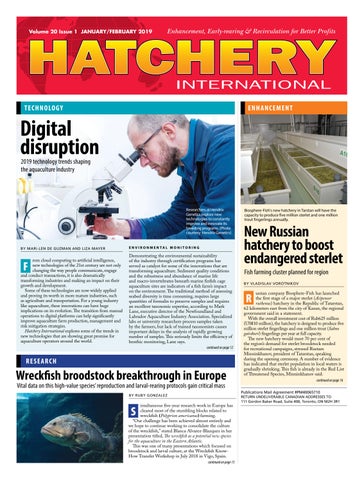
Digital disruption
2019 technology trends shaping the aquaculture industry
BY MARI-LEN DE GUZMAN AND LIZA MAYER
From cloud computing to artificial intelligence, new technologies of the 21st century are not only changing the way people communicate, engage and conduct transactions, it is also dramatically transforming industries and making an impact on their growth and development.
Some of these technologies are now widely applied and proving its worth in more mature industries, such as agriculture and transportation. For a young industry like aquaculture, these innovations can have huge implications on its evolution. The transition from manual operations to digital platforms can help significantly improve aquaculture farm production, management and risk mitigation strategies.
Hatchery International explores some of the trends in new technologies that are showing great promise for aquaculture operators around the world.
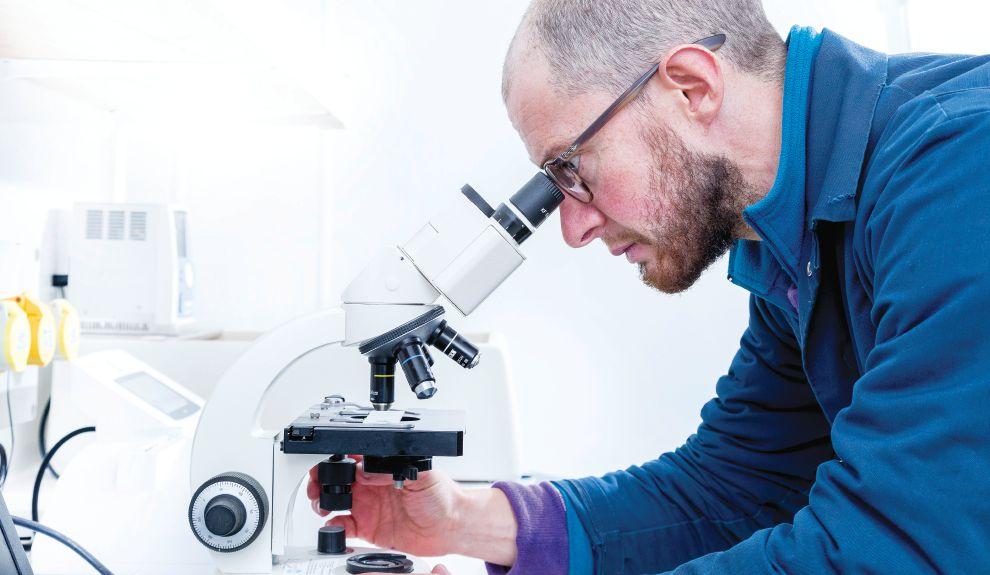
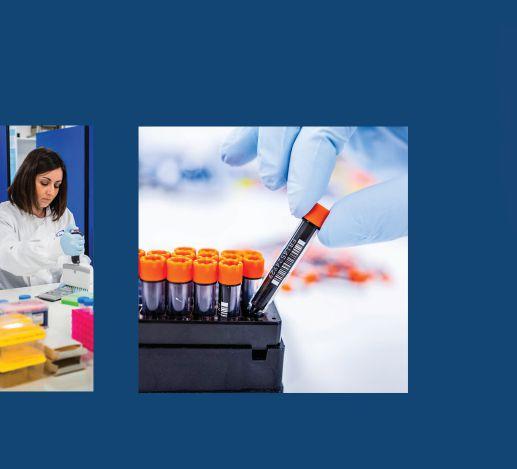
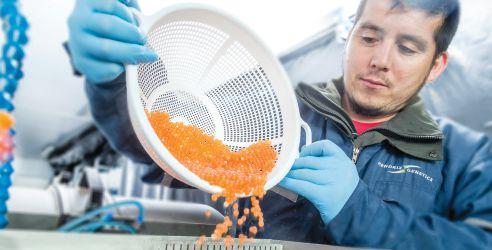
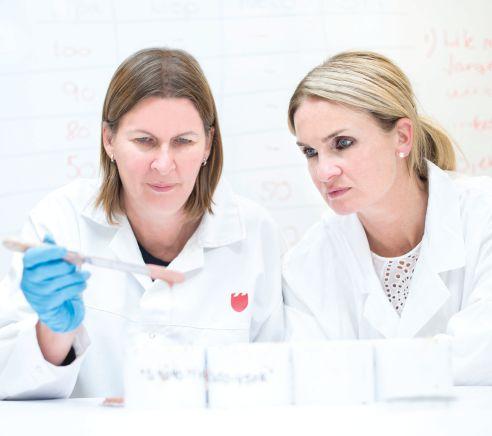
Researchers at Hendrix Genetics explore new technologies to constantly improve and innovate its breeding programs.
ENVIRONMENTAL MONITORING
Demonstrating the environmental sustainability of the industry through certification programs has served as catalyst for some of the innovations that are transforming aquaculture. Sediment quality conditions and the robustness and abundance of marine life and macro-invertebrates beneath marine finfish cage aquaculture sites are indicators of a fish farm’s impact on the environment. The traditional method of assessing seabed diversity is time consuming, requires large quantities of formalin to preserve samples and requires an excellent taxonomic expertise, according to Mark Lane, executive director of the Newfoundland and Labrador Aquaculture Industry Association. Specialized labs or university researchers process samples taken by the farmers, but lack of trained taxonomists causes important delays in the analysis of rapidly growing number of samples. This seriously limits the efficiency of benthic monitoring, Lane says.
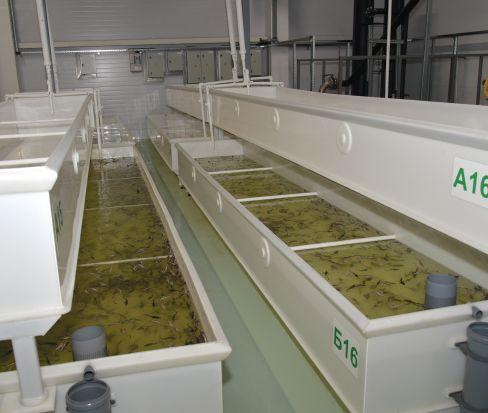
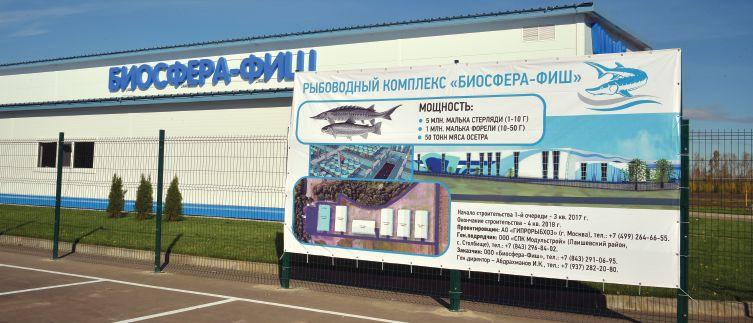
Biosphere-Fish's new hatchery in Tarstan will have the capacity to produce five million sterlet and one million trout fingerlings annually.
New Russian hatchery to boost endangered sterlet
Fish farming cluster planned for region continued on page 12
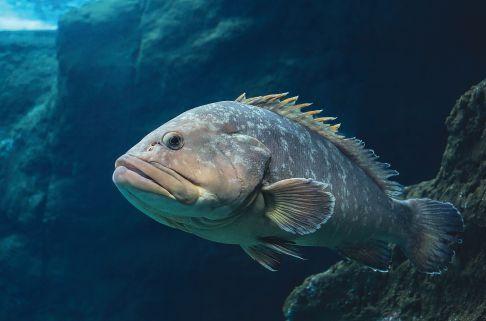
Wreckfish broodstock breakthrough in Europe
Vital data on this high-value species’ reproduction and larval-rearing protocols gain critical mass
BY RUBY GONZALEZ
Simultaneous five-year research work in Europe has cleared most of the stumbling blocks related to wreckfish (Polyprion americanus) farming.
“Our challenge has been achieved almost entirely and we hope to continue working to consolidate the culture of the wreckfish,” stated Blanca Alvarez-Blazquez in her presentation titled, The wreckfish as a potential new species for the aquaculture in the Eastern Atlantic
This was one of many presentations which focused on broodstock and larval culture, at the Wreckfish KnowHow Transfer Workshop in July 2018 in Vigo, Spain.
BY VLADISLAV VOROTNIKOV
Russian company Biosphere-Fish has launched the first stage of a major sterlet (Acipenser ruthenus) hatchery in the Republic of Tatarstan, 62 kilometers east from the city of Kazan, the regional government said in a statement.
With the overall investment cost of Rub625 million (US$10 million), the hatchery is designed to produce five million sterlet fingerlings and one million trout (Salmo gairdneri) fingerlings per year at full capacity.
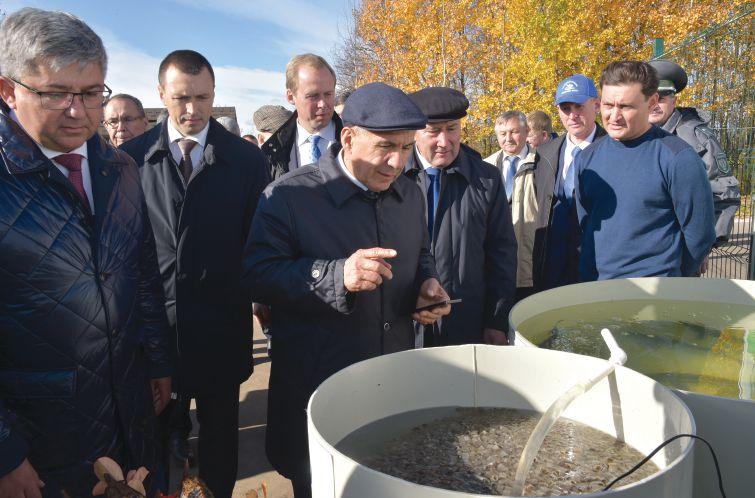
The new hatchery would meet 70 per cent of the region’s demand for sterlet broodstock needed for recreational campaigns, stressed Rustam Minninkhanov, president of Tatarstan, speaking during the opening ceremony. A number of evidence has indicated that sterlet population in local waters is gradually shrinking. This fish is already in the Red List of Threatened Species, Minninkhanov said.
continued on page 16
Publications Mail Agreement #PM40065710
RETURN UNDELIVERABLE CANADIAN ADDRESSES TO 111 Gordon Baker Road, Suite 400, Toronto, ON M2H 3R1
(Photo courtesy: Hendrix Genetics)
VOLUME 20, ISSUE 1 | JANUARY/FEBRUARY 2019
Editor Mari-Len De Guzman, mdeguzman@annexbusinessmedia.com
Associate Editor Tamar Atik, tatik@annexbusinessmedia.com
Contributors Matt Jones, Ruby Gonzalez, Liza Mayer, Bonnie Waycott, Tom Walker, Christian Perez Mallea, Eric Ignatz, Vladislav Vorotnikov, Ron Hill, Colin Ley
Advertising Manager Jeremy Thain, jthain@annexbusinessmedia.com
Tel. +1-250-474-3982, Toll-Free (North America) 1-877-936-2266
Circulation Manager Barbara Adelt badelt@annexbusinessmedia.com, Tel: 416-442-5600 ext. 3546
Art Director Svetlana Avrutin, savrutin@annexbusinessmedia.com
Group Publisher Scott Jamieson, sjamieson@annexbusinessmedia.com
President & CEO – Mike Fredericks
PUBLISHED BY ANNEX BUSINESS MEDIA
105 Donly Drive South, Simcoe, ON N3Y 4N5
Hatchery International is published six times a year by Annex Business Media. The authority for statements and claims made in Hatchery International is the responsibility of the contributors. Reference to named products or technologies does not imply endorsement by the publisher.
A subscription to Hatchery International (six issues) is $37.00 within Canada, $37.00 US within North America and $47.50 US outside North America. To subscribe visit our website at www.hatcheryinternational.com
Subscriptions Angie Potal, apotal@annexbusinessmedia.com Tel: 416-410-5113 • Fax: 416-510-6875 or 416-442-2191
Printed in Canada. Publications Mail Agreement #PM40065710 RETURN UNDELIVERABLE CANADIAN ADDRESSES TO: Hatchery International. CIRCULATION DEPT.
111 Gordon Baker Rd., Suite 400, Toronto, ON M2H 3R1
Annex Privacy Officer Privacy@annexbusinessmedia.com Tel: 800-668-2374 ISSN 1922-4117
NEXT AD DEADLINE
The advertising deadline for the Mar/Apr issue is Jan 4th. Don’t miss the opportunity to be part of this exciting aquaculture publication. For more information, or to reserve space in the next issue, call our Advertising Department at +1.250.474.3982 jthain@annexweb.com
NEXT EDITORIAL DEADLINE
The editorial deadline for the Mar/Apr issue is Jan 4th. Contact the Editor, Mari-Len De Guzman at 1-289-259-1408 for details. E-mail story ideas to mdeguzman@annexbusinessmedia.com. Material should be submitted electronically after prior arrangement with the editor.
Alaska hatchery salmon face scrutiny
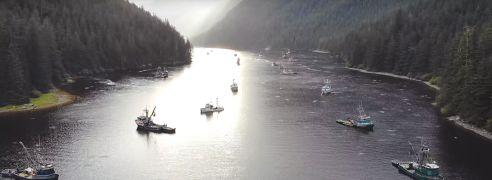
Criticism has been leveled at Alaskan salmon hatcheries in 2018 over concerns regarding the effects of interactions between wild and hatchery salmon. Along with other groups, the Kenai River Sportfishing Association has raised concerns over negative impacts from such interactions, in light of “the sheer magnitude of hatchery pink salmon releases in the Gulf of Alaska.” Alaska’s program is primarily focused on supplementing the wild fishery.
Tina Fairbanks, executive director of the Kodiak Regional Aquaculture Association, told the Kodiak Island Borough assembAly of a “campaign to undermine support” enacted by
Pincoy Project rewarded for combatting antibiotics in aquaculture
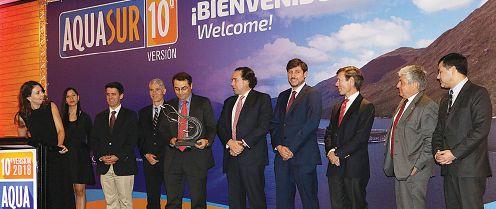
Chile’s Pincoy Project initiative has been recognized for its contribution to the environment at international aquaculture event AquaSur 2018.
The project, named after Pincoy, a water spirit in Chilean mythology, is aimed at reducing the use of antibiotics in the Chilean salmon industry. It was initiated in 2016 through a collaborative effort between Skretting, Blumar Seafoods, Cermaq Chile, Ventisqueros, Pharmaq, AquaGen/Blue Genomics, and Centrovet Laboratory.
Representatives from each of the seven companies were recognized at a dinner in October in Puerto Varas, Chile.
“The project delivers a collaborative and holistic approach to combat the use of antibiotics, through an initiative that defines high standards of animal welfare and operational excellence throughout the value chain, considering selective breeding, high quality hatchery diets, smolt selection, vaccines and the implementation of best-practice protocols and monitoring throughout the production cycle, as well as the use of functional diets, to contribute to the sustainable growth of aquaculture and improve Chile’s perception as a sustainable fish producer,” says Ronald Barlow, general manager of Skretting Chile.
advocacy groups speaking against the hatcheries at Alaska Board of Fisheries meetings in 2018. While there are issues being raised that are valid to explore, she says she believes that some of the critics will never be satisfied.
“I think that there are also people who are convinced at a basic level that hatchery programs must be bad,” says Fairbanks.
Steve Reifenstuhl, general manager of the Northern Southeast Regional Aquaculture Association, says these concerns are already being examined by a state science panel.
“If we find a deleterious effect we may have to modify programs,” says Reifenstuhl. “But at this time I don’t see where we need to change anything.”
Bill Templin, chief fisheries scientist with the Alaska Department of Fish and Game, describes the state as “somewhat data limited,” but says they are working hard on collection and analysis.
“We have a very large, well-designed, comprehensive Alaska Hatchery Research Program,” says Templin. “We’re in the midst of trying to get that information, and we’re also in the midst of trying to figure out what the information we have actually means.”
-Matt Jones
The World Health Organisation (WHO) cites antimicrobial resistance (AMR) as an increasingly serious threat to global public health, and it has been urging the implementation of coordinated action plans across all levels of society to slow its acceleration. With the knowledge that the overuse of antibiotics in animal production contributes to AMR, Skretting sees the Pincoy Project as an active contribution to finding solutions for this challenge.
“Through the Pincoy Project, Skretting has provided conclusive evidence that a collaborative and proactive approach can improve animal welfare while improving productivity,” Barlow says.
The Pincoy Project will move towards version 2.0 that seeks to continue investigating the possibilities around the reduction of antibiotics, delivering a different and innovative perspective in the search for sanitary and healthy solutions for fish in the Chilean aquaculture sector.
The white spots in this shot of an Alaskan river are salmon leaping from the waters. Concerns have been raised over the effects of interactions between hatchery and wild salmon in the state.
Representatives from the seven companies that comprise the Pincoy Project being recognized in Chile.



New York town to consolidate hatchery, nursery operations
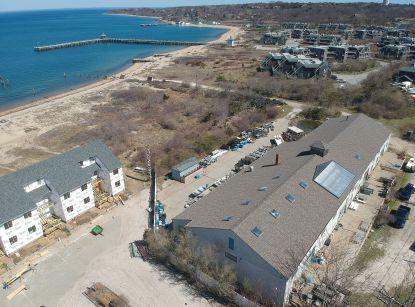
East Hampton Town, New York, U.S.A, is planning a $5-million project to consolidate the town’s shellfish hatchery and nursery operations into one facility on Three Mile Harbor. The town’s director of aquaculture, John Barley Dunne, said the original plan when his department started in the 80s was to build a nursery at the same location as the hatchery, in Montauk. However, due to lower nutrients and colder ocean waters at the Montauk site, the nursery was established in Three Mile Harbor.
“Right now, the hatchery and nursery are about 20 miles or a 30-minute drive apart,” Dunne said. “You can imagine, just driving back and forth between those sites takes a lot of time, fuel, labor and, of course, it adds stress to the shellfish. It doesn’t affect the oysters and clams so much because they’re so much hardier, but we do think that we’ve lost a significant number of scallops moving them that distance.”
Officials have looked for a workable solution for decades, but this summer a property directly next door to the nursery was put on the market and the town jumped at the opportunity. The plan also includes the purchase of a nearby home, which will serve as an office space and an aquaculture education center. The new location will also provide some additional benefits, like allowing residents easier access to educational programs such as their oyster gardening program, where participants get to grow their own oysters.
“It’s more centrally located in town,” Dunne said. “It’s kind of right in the middle of the Town of East Hampton. And just having the hatchery and nursery on one site would really add to our educational programs, so we could do hatchery and nursery programs all at once.”
While a specific design for the new facility has not been finalized, Dunne said that the plan in general is for a two-story, 4-5,000 square foot building, with algae growing upstairs, gravity feeding to the tanks downstairs.
With the closure of the land sale in late October, the town awaits approval of a grant which will help cover the costs of designing and building the new hatchery. The grant decision was due in December. Dunne says the hatchery has previously received grant funding for an updated and more efficient algae system and a solar-powered, paddle-driven upweller system, which will both be transferred to the new site when the time comes.
- Matt Jones
LEGAL

Michigan fish farm leaves hatchery following settlement
A four-year legal battle has been resolved in Michigan, U.S.A., with a fish farm receiving $160,000 settlement to vacate a hatchery on the Au Sable River. Since beginning operations at the Grayling Fish Hatchery, Harrietta Hills Fish Farm owner Dan Vogler says he has been entrenched in a conflict with the Anglers of the Au Sable sport fishing group, who challenged the farm’s discharge permit and filed a lawsuit under the state’s environmental protection act.
Harrietta Hills applied for the discharge permit as they planned to significantly increase their trout production numbers. In the lawsuit the anglers group alleged that the farm had already polluted the river and would cause further damage in the future. Vogler cites the approval of the discharge permit (which was conditional on further testing and the addition of quiescent zones) as evidence that a negative impact would be negligible.
“We felt that we had adequate science to demonstrate that the permit we were operating under adequately protected the river.” says Vogler
A Crawford County circuit judge ruled in 2016 that statute and deed restrictions meant the property should remain open to “recreating, fishing and historical purposes.” The settlement resulted from court-ordered mediation this fall.
“It came down to that they have deeper pockets than we do,” says Vogler. “We’re a small family farm, we’re not large producers by any imagination. We just could not withstand years and years more litigation.”
Vogler says Michigan is a challenging state for aquaculture – while he considers his business a small family farm, he believes they are the largest producer in the state. For now, Harrietta Hills have consolidated operations to another facility they run in Wexford County. The Anglers of the Au Sable group will now run the hatchery as a tourism and educational attraction.
Matt Jones
East Hampton Town, NY, are looking to move the operations of their current hatchery in Montauk, seen above, to a new location next to their nursery on Three Mile Harbor.
NEWS BRIEFS

New salmon hatchery in the works for BC
A $1 million salmon hatchery is being planned on the Charters River in B.C., Canada, to address water access issues in the area. The new hatchery will be the result of a partnership between the Sooke Salmon Enhancement Society and The Juan De Fuca Salmon Society.
Bill Pedneault, hatchery manager for the Sooke Salmon Enhancement Society which operates the Jack Brooks Hatchery in the area, says that they raise 450,000 chinook juveniles and 150,000 cohos, but water issues have limited their ability to make the most of those numbers.
“In the spring, around the time when the water temperatures warm up and they start feeding well, our water supply dries up so that means we have to get rid of them at a smaller size than would be ideal,” says Pedneault. “Of that 450,000 that we raised in the spring, we only end up with about 75,000 that we can hold on site to the optimum size of 4-5 grams.”
Once the new facility is finished, the Jack Brooks Hatchery will be closed and its equipment will be moved to the new Sooke River Jack Brooks Hatchery.
“We negotiated a water supply for the hatchery right from their water pipes, so they’re not having to deal with water intakes and all the problems that come with that,” says Wally Vowles, hatchery manager for the Juan De Fuca Salmon Society.
“With unlimited water, so to speak, our full production will vary from year to year depending on what we get for broodstock,” adds Pedneault. “But whatever we have on site we’ll be able to bring them right through to the full desired size.”
If fundraising goes well, the new hatchery could start taking in broodstock next fall. The project has already seen a great deal of support from the community at large. Vowles theorizes that people are engaged in the plight of resident killer whales, for whom the salmon are a key food source. With fewer salmon in the waters predation has become a challenging issue in the area.
- Matt Jones
Ukraine allocates state aid to hatcheries
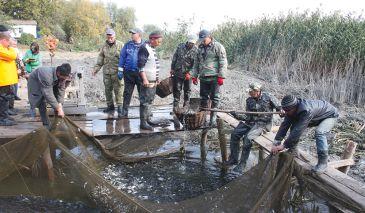
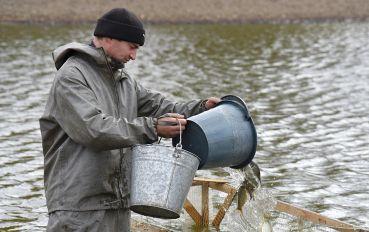
The government in Ukraine has budgeted UAH10.5 million (US$370,000) to support fish stocking of the inland water bodies for the first time in more than seven years, the deputy Agricultural Minister Maksim Martinyuk revealed in early October.
The financial aid will go to the two biggest hatcheries in the country, Kherson and Novokakhovsky fish complexes, to grow 600,000 European carp (Cyprinus carpio) and 5,000 jack pike (Esox) fingerlings.
The fingerlings were released in four regions, including Kiev, Zaporozhye, Mikolaev and Dnepr Oblasts, Martinyuk revealed. The state aid must be used to modernize both hatcheries, so they can meet the demand for broodstock by fish farms in Ukraine, he added.
The decision to allocate state aid has been welcomed by the top management of Novokakhovsky fish complex. In a statement released by the hatchery, it was announced the funds would be spent on purchasing special trucks needed to maintain broodstock alive during transportation.
The investment cycle on hatcheries is rather short and so the fish farming industry in the country could feel the effect from those investments really soon, Martinyuk said. Ukraine government targets to develop fish farming in the country to increase the average per capita consumption of fish products from the current 14 kg, to at least 20 kg, prescribed by the WHO standards, Martinyuk added.
Ukraine farms produced 16,000 tonnes of fish in 2017, and this figure has not changed compared to the previous year, according to the data released by the State Agency for Fisheries of Ukraine. There are several dozen hatcheries operated in the country and most of them are state-owned. In 2017, they released 44.3 million units of broodstock, an increase of four percent compared to the previous year.
- Vladislav Vorotnikov

All-New HydroHatch Incubation System

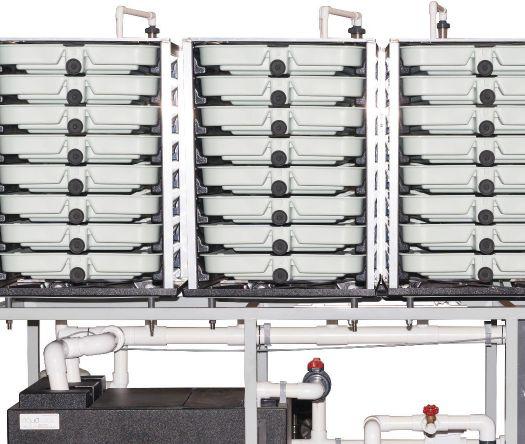
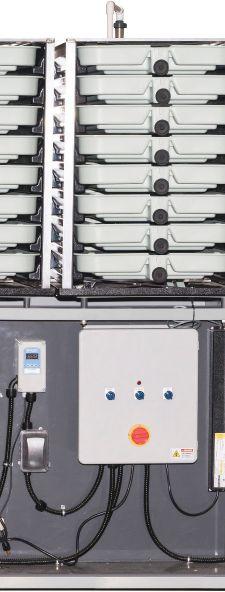
Increased Survival Rate with Significantly Reduced Water Consumption
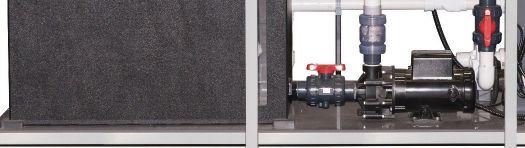
The all-new HydroHatch Incubation System from MariSource gives hatcheries increased efficiency. With recirculation, germicidal UV filter and a titanium heat exchanger, the HydroHatch delivers increased survival rate and significantly reduces water consumption.
Features and Benefits:
65 gallon sediment and recirculation tank
Requires only 150 gallons to completely fill the unit and reservoir
High-quality, long-life quartz germicidal UV filter
Complete isolation of eggs
Easily able to increase the dissolved oxygen content of the water
230 volt 30 amp control panel
Insulated titanium heat exchanger
Precise temperature control
Comes standard with four 8-stack incubators
Additional four 8-stack incubator option available
The new HydroHatch Incubation System is ideal for Salmon, Trout, Steelhead, Perch, Channel Cat Fish, Walleye, Eels, Shrimp and Muscles.
The mock-up above shows an early conception of what the new Sooke River Jack Brooks Hatchery will look like.
Biomarker tools for combatting the impacts of global climate change
BY ERIC IGNATZ
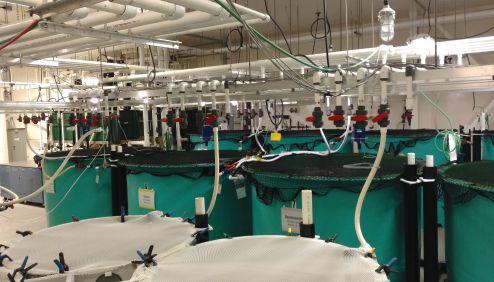
Drs. Kurt Gamperl and Mark Fast, from Memorial University (MUN) and the University of Prince Edward Island – Atlantic Veterinary College (UPEI-AVC) respectively, are leading a project that is currently developing new biomarker tools for Atlantic salmon (Salmo salar) aquaculture in response to global climate change. Gamperl describes the goal of the program as, “Work[ing] collaboratively with industry to prepare them for rising water temperatures and other changing environmental conditions.”
A large group of partners are involved, with Dr. Brian Dixon from the University of Waterloo, Dr. Matt Rise also from MUN, Dr. Roy Danzmann from the University of Guelph and teams from Somru Biosciences, the Huntman Marine Science Centre and the Center for Aquaculture
Looking for a Better Solution?

Technologies Canada all playing different, but critical, roles in the research. Six graduate students and four postdoctoral researchers are also committed to the project.
Funding was provided through the Atlantic Canada Opportunities Agency (ACOA), InnovateNL, Innovation PEI, and participating universities, totaling a $4.4 million CAD ($3.34 million USD) investment. Genome Atlantic played a vital role in the development of the project application as well.
Work officially began in 2016 and research trials are expected to continue until at least 2021. Examining the Atlantic salmon’s response to elevated rearing temperatures and low oxygen was the first step, as researchers wanted to mimic the natural pattern observed at sea-cage sites. Now the research group is interested in measuring the salmon’s response to infectious salmon anaemia virus (ISAv), sea lice and bacterial kidney disease (BKD) under these suboptimal conditions.
The results of these experiments are being used to identify genetic markers that the industry can take advantage of in their broodstock and/or management programs to enhance growth performance, fish welfare and pathogen resistance. Discovery of protein biomarkers is also leading to the development of new diagnostic assays, which will allow for the screening of blood samples to assess the overall health of a fish.
Fast explains why this research is important even to those farming on-land, “In terms of hatchery producers, it is still informative and useful to identify markers related to growth and immune responses to diseases present in the hatchery. We can also identify temperatures that pathogens do not do as well in, which could be very useful for hatchery management.” An early finding is that while Renibacterium salmoninarum (causative agent of BKD) grows well on a plate at high temperature, it appears that inside of a fish, it does very poorly. This information could influence the production strategies farmers use to mitigate their risk of disease.

- Non-Corrosive schedule 80 PVC reactor bodies are stronger and handle higher internal pressures compared to HDPE and Polypropylene. Schedule 80 reactor bodies are seawater safe and will not corrode in harsh environments, unlike stainless steel
- Single end glassware access makes for easy maintenance when replacing lamps and quartz sleeves
- Thermoplastic or Fiberglass NEMA 12 Power supply enclosures with Standard HMI control package or optional HMI Pro Series control package.
- Electronic ballasts matched to the performance of the specific lamp for optimal UV-C output and longest useful lamp life
- Standard Over Temperature Safety Cutoff Switch thermally protects reactor when water temperature reaches 120 Degrees F
- American made low pressure amalgam (ALH/AUH models) and high output (HLH/HUH models) lamps are rated 80% efficient at the end of 12,000 hours
Hatcheries high on
BY BONNIE WAYCOTT
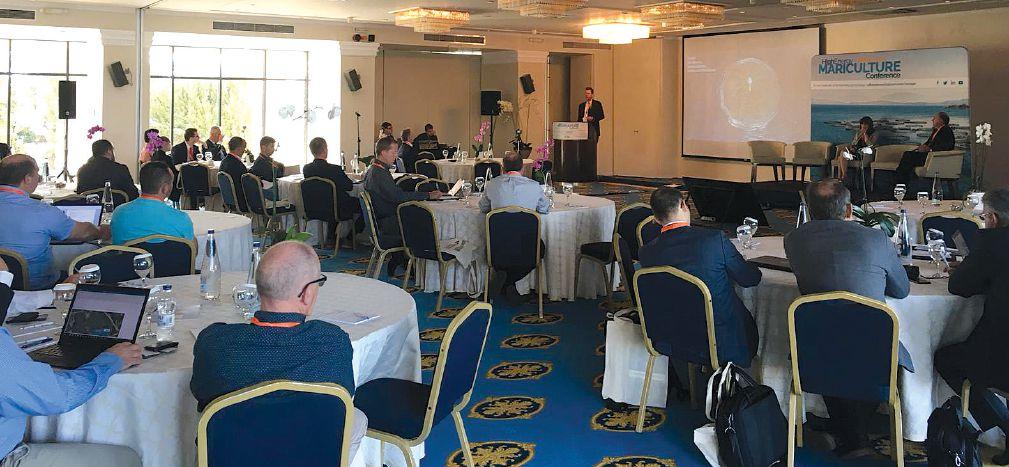
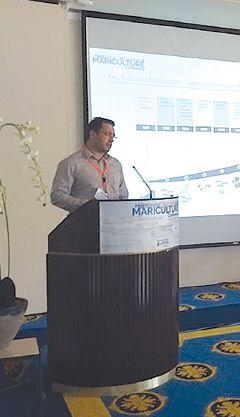
Hosted by Mercator Media in the U.K., High Energy Mariculture Europe 2018 was held in Corfu, Greece, from October 17th to 19th. Aquaculture professionals took part in two days of presentations and a visit to a sea bass and sea bream farm.
Hatcheries came under the spotlight on day two of the conference. Christos Palaiokostas, associate senior lecturer in aquaculture selective breeding at the Swedish University of Agricultural Sciences, discussed breeding in farmed fish using genotyping by sequencing. Antonio Coli, head of Group Hatcheries at Selonda Aquaculture SA, looked at how Selonda’s hatcheries have become market leaders and the benefits of growing fry in-house, while Patrick Lavens, with the strategy execution and business growth at INVE Aquaculture by Benchmark, offered some solutions for ensuring hatchery and fingerling health.
Delegates agreed on the importance of hatcheries in supplying ready, quality fingerlings to farms.
“The quality of fry prevails because it affects farm performance, survival and overall growth rate,” said Lavens. “In hatcheries we need to see how we can further improve on it and ensure economic sustainability.”
Lavens introduced rapid pathogen detection diagnostic tools, such as PCR applications, and laboratory level tools, like gene expression analysis and molecular markers, to guarantee quality. INVE Aquaculture also enriches live feed and adds immuno-stimulants to enrichment diets to increase fish biomass, robustness and higher resilience.
Lavens presented a range of experiments at INVE, in which live food is substituted with artificial diets, resulting

HIGH ENERGY MARICULTURE EUROPE 2018
offshore farming conference agenda
in lower deformity levels and increased biomass at the end of the hatchery cycle. Three different nursery diets were also used in Greece to assess fish performance in cages, resulting in a significant increase in growth performance. Other elements that were featured in the hatchery session was an overview of Greece’s Selonda Aquaculture, a sea bass and sea bream producer with six hatcheries and a production capacity of 170 million fry. After highlighting the main pillars of Selonda’s hatchery sector – organization, management, human resources support, infrastruc-
ture, and technology – Selonda’s Antonio Coli explained why he thinks growing fry in-house leads to strong, robust fry.
“It’s easy to establish and maintain solid links with our on-growing facilities as these are nearby, while strong IT infrastructure allows us to monitor and analyse our fry properly. We also have full control over fry production costs, guaranteeing availability to support stocking plans and supplying to the fry market. These optimize overall results and raise company value.”
Selonda is currently improving the genetic basis of its fry through genomics and marker-assisted selection. Smart selection programs are being expanded to new species, with facilities dedicated to this purpose. Also incorporated during the session was selective breeding by Christos Palaiokostas of the Swedish University of Agricultural Sciences. Aquaculture is still new so vaccines don’t exist for every disease and species, while there is also a more direct environmental impact. Palaiokostas sees selective breeding as an additional tool that offers that best genetic material under optimal rearing conditions. Genotyping-by-sequencing (GBS) was also introduced in identifying genetic markers for selection purposes and choosing positive traits like growth and disease resistance in fry. By gathering high quality genomic data and assembling that into a complete genome, Palaiokostas believes GBS is showing great promise as a research tool in hatcheries.
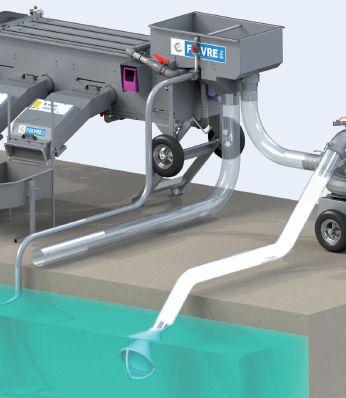
Since 1958, Faivre has been developing and manufacturing high quality equipments for the aquaculture industry
“It produces highdensity, high-resolution linkage maps for organisms for which you have no genomic information available,” he explained. “It’s flexible, requires no initial investment, and the maps give us a clear idea of the genetic architecture of a particular positive trait that we might want to incorporate in fry. This is of huge value to hatchery breeding programs.”














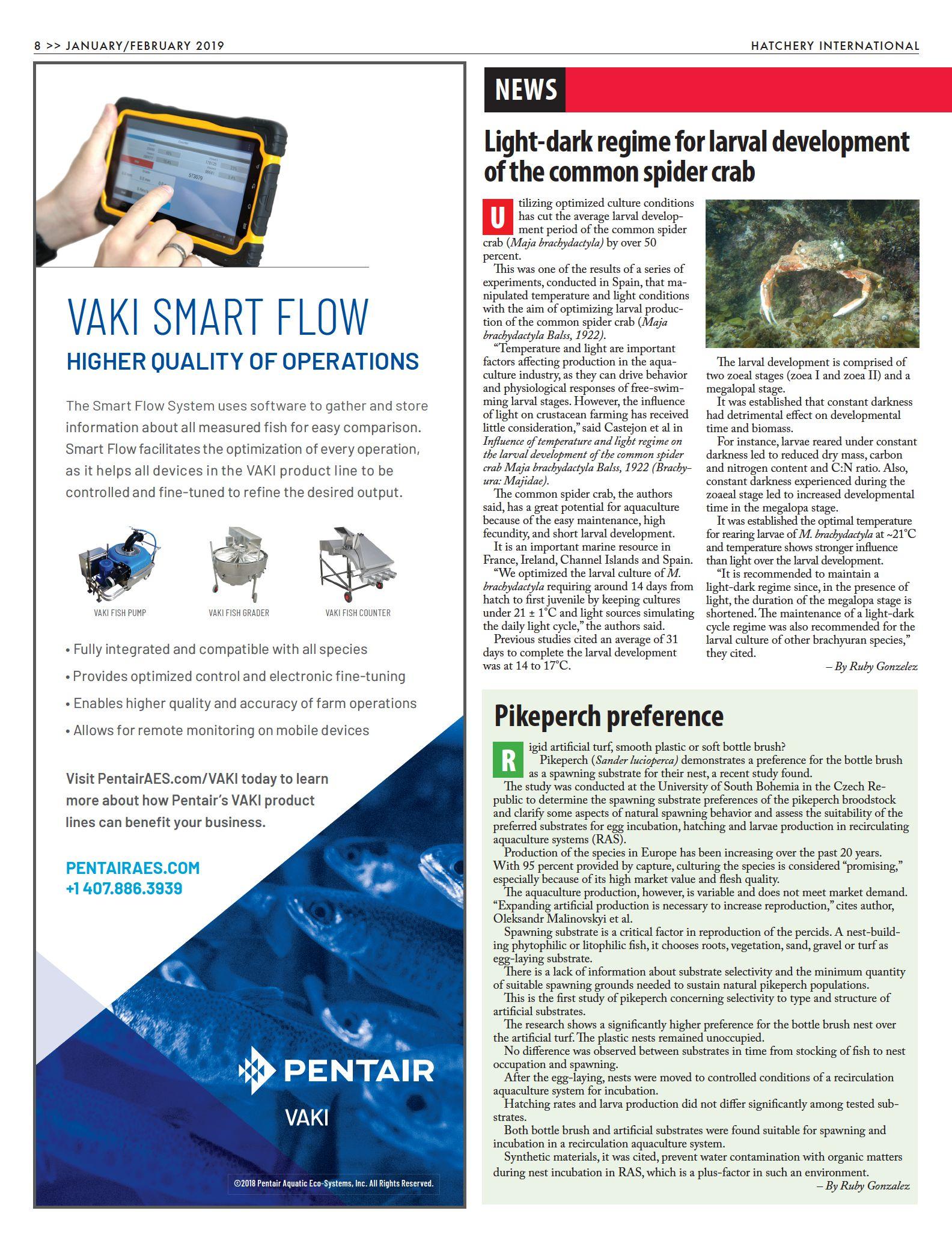
Chinese delegation visits Canadian hatcheries
s environmental groups in China are looking to find ways to restore salmon resources in the country, a helping hand has come from across the Pacific Ocean.
AOrganized by former DFO Fisheries salmon biologist, Matt Foy, a delegation from Chinese environmental groups, such as the Forever Nature Capital Foundation, visited several hatcheries in British Columbia, Canada, in September for fact-finding and cultural exchange. Foy became familiar with the challenges related to salmon in China through his volunteer work with the Pacific Salmon Foundation and was asked to see if he could help.
“I exposed them to a number of community hatcheries here in the lower mainland,” Foy said. “We looked at how communities are engaged in salmon enhancement. So that’s
probably something new. Typically, in China, it’s run by a level of government.”
The delegation visited the Bell-Irving Hatchery in Maple Ridge, the Hoy Creek Fish Hatchery and River Springs Hatchery in Coquitlam, Mossom Creek Hatchery in Port Moody, and the Seymour River Hatchery in Northern Vancouver. While the visits were largely focused on education and community outreach, there was also some focus on specific technologies.
“The Coquitlam projects are in urban environments with sometimes limited water supplies, or perhaps only one supply of water,” Foy said. “And there is quite a nice, compact recycling water systems for the urban environment there, where they can control water quality and temperature. So we did want to focus the visit on that.”
Another key focus was on aeration systems, as Foy felt that some of the hatchery’s simple aeration systems could help address water quality issues related to oxygen and nitrogen.
Foy said that, as he understands it, Chinese fish culture appears to be coordinated at the local level, so they are hopeful they will be able to affect change.
“They want China to take salmon recovery a little more seriously,” Foy said.
- Matt Jones
CompHatch
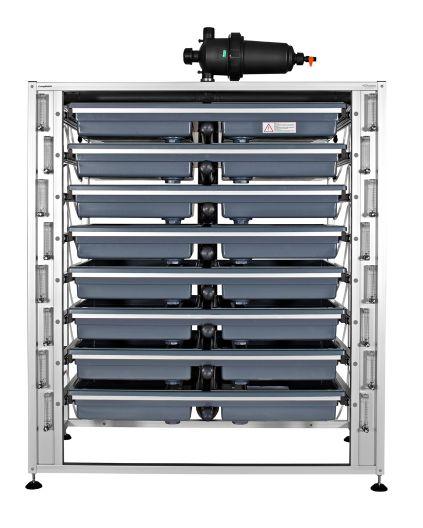
50% lower energy consumption
60% less cleaning
85% less area
The hatching system has eight levels, consisting of two hatching sections in each level and has a capacity of 360,000 eggs and fry.
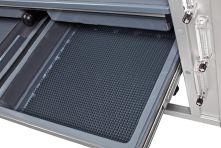
Delivered with EasyHatch the unique and patented hatching substrate
www.alvestad.com/en
A complete hatchery with greater capacity, better control and easier handling
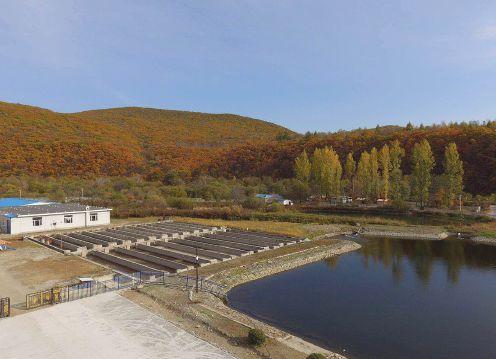
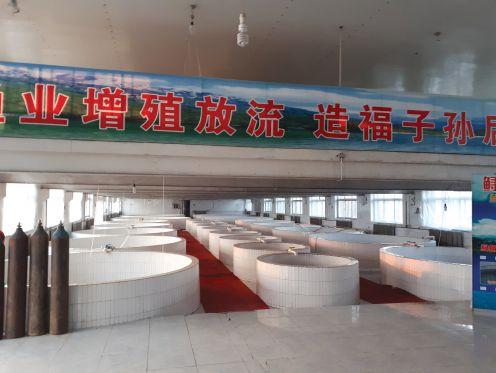
A delegation of representatives from Chinese environmental organizations visited hatcheries in British Columbia this fall, to try to learn what new information they could bring back to Chinese facilities such as the Tumen River Salmon Hatchery (top) and Fuyuan Salmon Hatchery (bottom).
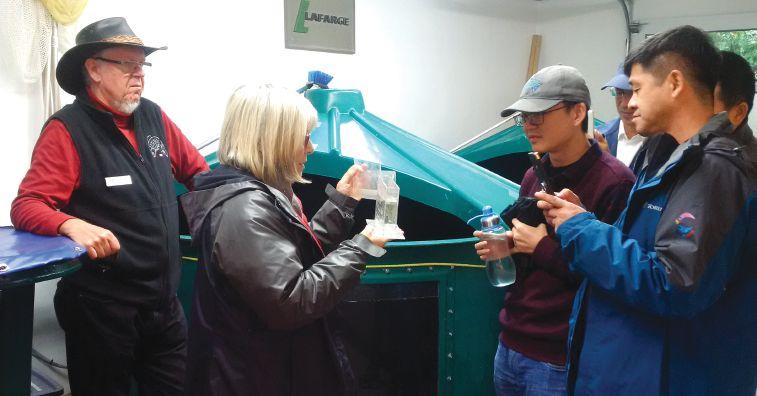
Neil Laffra and Ruth Foster of the Mossom Creek Hatchery share info and insights with their guests.
Study finds few hatchery brook trout genes in PA wild fish
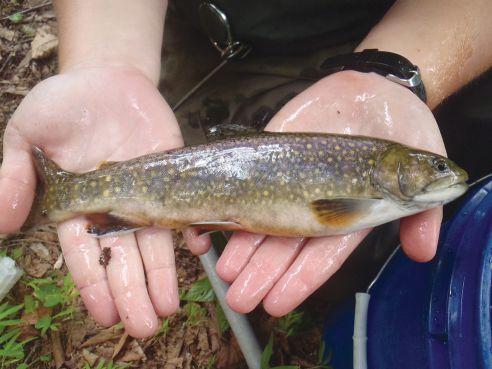
While hatchery trout genes were found in only six percent of wild brook
that were analyzed, researchers did find evidence of introgression in areas they did not expect.
Pennsylvania has a long history of fish stocking programs which, like all stocking programs, has occasionally come under fire over concerns regarding negative impacts from interactions between wild and hatchery fish.
Shannon White, a doctoral student studying ecology at Pennsylvania State University, studied the genes of wild brook trout (Salvelinus fontinalis) found in the Loyalsock Creek. While she found evidence of introgression in relatively few fish – six percent of her sample – she did find evidence of introgression in unexpected areas.
“Is six percent a lot? It depends on the conservation objectives that we’re going for,” said White. “I don’t think we have a great answer as to whether six percent is too much, but I would say we didn’t really find a lot of introgression. Certainly not given the intensity at which the [Pennsylvania] Fish and Boat [Commission] stock some of the streams.”
White notes that it is not uncommon or odd that a late summer sample didn’t really find any of the large stocked trout, likely due to a combination of anglers harvesting them, movement of stocks or another natural mortality event. White’s analysis may have also disproven an assumption that brook trout don’t move around much.
“They don’t really stay where we put them,” said White. “They tend to move around and get into streams where we don’t necessarily think they should be having an influence on wild populations.
“From the hatchery perspective, we’re finding introgression in areas where we’re not expecting it, because we
Russian Salmon to build first salmon hatchery in Russia
Russian Salmon, a major aquaculture company in Russia, plans to build the first Atlantic salmon (Salmo salar) hatchery in the country. The company has begun looking for land in Murmansk Oblast.
The company plans to invest EUR25 million to build the facility with the designed production performance of six million units of Atlantic salmon smolts per year, according to Pavel Tikhonov, general director of Russian Salmon. The construction is slated to begin in 2019 for completion by 2021.
Russian Salmon needs its own smolt plant because the demand for broodstock in the salmon industry is skyrocketing, Tikhonov explained. The company imports fingerlings from Norway, where they are in short supply these days, because of the strong increase in domestic demand, he added.
stocked a couple of tributaries over. Or, if we stock a much larger river system with the fish, they get out, they move, they enter a new tributary.”
The Pennsylvania Fish and Boat Commission, which runs the stocking programs, did not respond to a request for comment.
– Matt Jones
In 2019, Russian Salmon plans to revive several of its salmon farms in the Barents Sea. Production was halted on these farms in 2016 when all the fish died from infectious anemia and mycobacteriosis outbreaks. The company suffered a net loss of Rub1.5 billion (US$25 million) as a result, according to its own estimates.

There are plans to revive the fish farms with overall production capacity of 15,000 tonnes per year, as well as build the hatchery and a feed mill. The total investment cost of the project is estimated at Rub7.8 billion (US$115 million).
So far, not a single Atlantic salmon hatchery has been built in Russia, Ilya Bereznyuk, senior analyst of the Russian consulting firm Agro & Food Communications, told the local newspaper Kommersant. By launching its own hatchery, Russian Salmon would be able to cut its dependence on imported broodstock, but it would not be able to abandon import completely, giving the total needs of the company, Bereznyuk added.
Russian fish farmers have strong import-dependence from Norway hatcheries, including on such things as impregnated roe, as these products are not yet manufactured in Russia, he said.
Russian Salmon is not the only company that targets self-sufficiency on smolts. In 2017, another major aquaculture producer, Russian Aquaculture, acquired Olden Oppdrettsanlegg AS, a smolt plant in Norway, revealing its plans to build a hatchery designed to produce 12 million units of smolts per year in Murmansk Oblast. So far there have been no developments in this project, and there is no clarity when construction is scheduled to be started.
– By Vladislav Vorotnikov


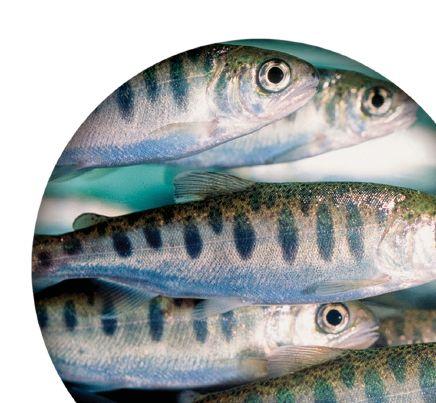
trout
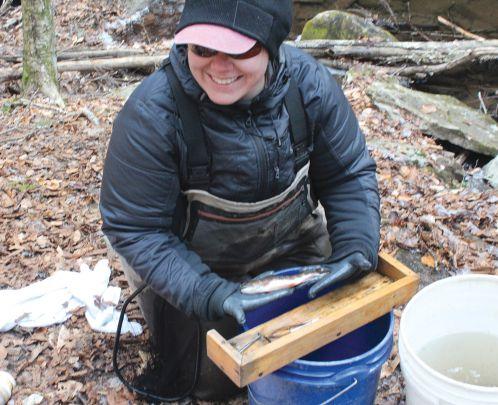
Penn State doctoral student Shannon White says they found evidence of hatchery trout genes in surprising places, such as two or three tributaries over from areas where stocking had taken place.
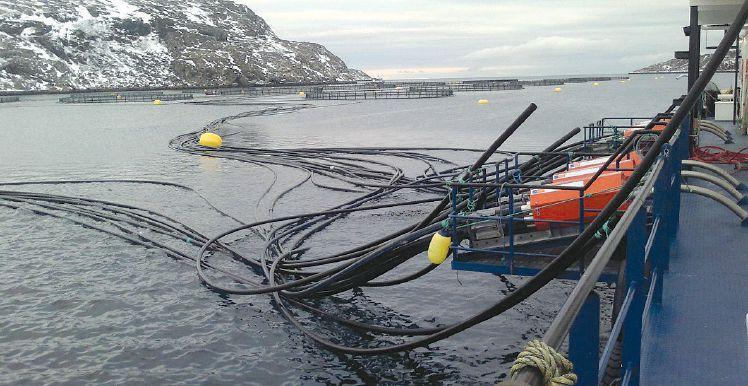
Russian Salmon plans to revive its fish farms, which will be supported by a new salmon hatchery it plans to build in 2019.
Compensatory growth in juvenile lion’s paw scallop
Astudy in Brazil on the “occurrence of compensatory growth, in view of enabling the storage of juveniles at densities in the intermediate culture phase” showed that juvenile scallops (Nodipecten nodosus) have ideal growth rates in a low-density environment.
Dr. Helcio Luis Almeida Marques and his team, in the study, Compensatory growth in scallops Nodipecten nodosus farmed in tropical region, looked into this aspect of production while looking for procedures to reduce production costs.
The culture in Brazil of the species is still “beginning” and “studies on the aspects of culture management are necessary,” the study abstract cited.
The experiment was conducted at the Cocanha farm of mussels and scallops in Caraguatatuba, Brazil.
Smaller scallops and lower survival rates were observed from growing juvenile scallops, commonly known as lion’s paw scallops, in a high-density environment during the intermediate phase before transferring them to low-density at grow-out phase.
The control group, which was consistently exposed to a low-density stocking, had the highest growth rate in the intermediate phase. In the growing phase,
however, it posted the lowest increase in height.
While there was a high compensatory increase in height for the high-density groups in the grow-out stage, this was not enough to make up for the low height gained in the high-density stocking of the intermediate phase, the study said.
“The results showed the occurrence of a partial compensatory growth in scallops reared at high densities in the intermediate phase when transferred to an optimum density in the growing phase.
“However, the compensatory growth was insufficient to allow scallops to reach the same height of mollusks reared at an optimum density from the beginning of the experiment,” the abstract stated.
Survival rates in both phases were consistently the highest in the control group.
The 148-day experiment started with stocking juvenile scallops in Japanese lanterns at 50 (control), 800, 1,600 and 3,200 per density control of 50 m-2 for the intermediate phase.
At the grow-out stage, the juvenile scallop groups were put in a low-density of 50 per 50 m-2
The lion’s paw scallop has been identified as having the highest culture potential among the kinds of scallops in Brazil.
– By Ruby Gonzalez
Norway boosts salmon production with environment in mind
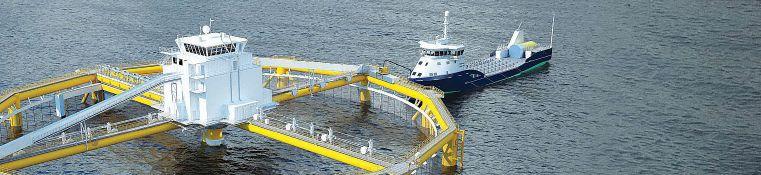
With increasing government regulation and high costs of licensing, Norwegians are exploring new ways to farm Atlantic salmon (Salmo salar). Offshore and land-based operations are two options producers are actively invested in.
The Norwegian Ministry of Fisheries and Coastal Affairs is granting development permits to projects that aim at addressing environmental concerns of salmon aquaculture. Of 104 applicants chosen for further investigation, three have been granted to off-shore installations. The first was to Ocean Farm 1, a 110-meter diameter system designed to grow up to 1.5 million salmon per year and withstand the harsh conditions in the Norwegian Sea.
Havfarm is a separate design, measuring 431 by 54 meters, and once complete will surpass Ocean Farm 1 in its capability to house approximately two million salmon. The third license holder, Arctic Offshore Farming, plans to use a submersible cage design to mitigate the risk of sea lice exposure.
In contrast to sea cage licenses, land-based production licenses are free as an incentive for producers. There are currently seven companies with licenses: Salmon Evolution, Tomren Fish, Havlandet Havbruk, Bulandet Miljøfisk, Salmo Terra, Salmo Farms and Fredrikstad Seafood. Operations are spread across Norway, with production targets ranging from 200 to 30,000 metric tons. None of these facilities are operational yet, as many companies are still working on securing capital investment. Fredrikstad Seafood will likely be the first as it is scheduled to start stocking its farm this winter.
Both offshore and land-based farming currently offer potential as niche production systems in Norway. Knut Hjelt of the Norwegian Seafood Federation projects that in five years, land-based operations will constitute one to three percent of today’s capacity and offshore farming will make up two to three percent of the production volume.
– By Eric Ignatz



COVER
continued from cover
Digital disruption
The recent development of next-generation sequencing (NGS) technologies is moving the industry toward more refined, efficient and effective monitoring. NGS technologies offer the possibility to use environmental DNA (eDNA) or RNA to explore benthic diversity. These methods have cut the benthic monitoring costs incurred by fish farmers and has made monitoring quicker and more accurate.
“It is also more environmentally friendly – the traditional sample preservation methods require huge amounts of a chemical called formalin,” Lane stresses.
He said this type of monitoring is currently not required by regulations, but it is required to become certified according to the Aquaculture Stewardship Council Certification. He believes the Canadian federal government is looking at it as a method to measure benthic communities for baseline studies at aquaculture sites.
GENOMIC SELECTION
Breeding programs for fish and shellfish are aimed at increasing the profitability and sustainability of aquaculture. New hatchery technologies are being developed to enhance broodstock quality that can produce specific pathogen-free and fast-growing seed stock. The recent development of lowcost genomic tools is proving to be a game-changer for small hatcheries.
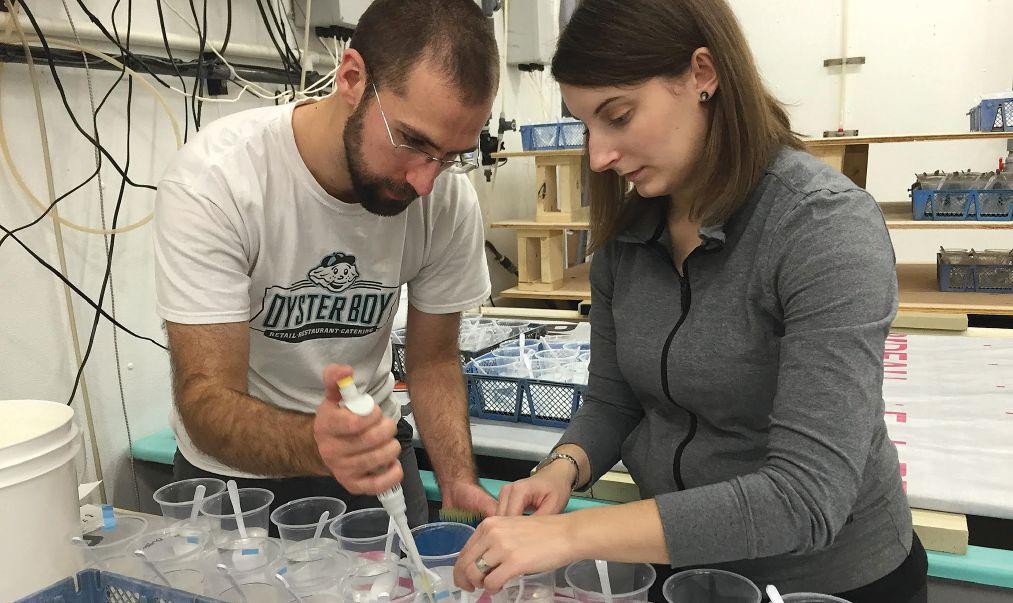
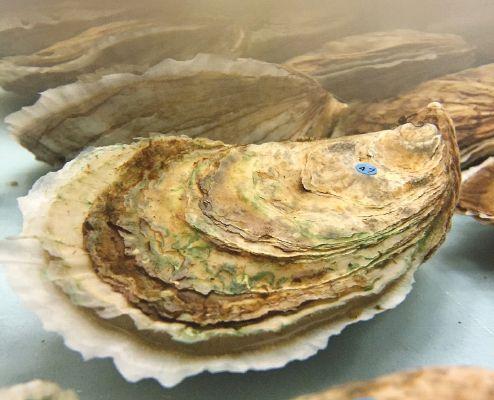
L'Étang Ruisseau Bar Ltd in New Brunswick, Canada, which has been producing and marketing Eastern oysters (Crassostrea virginica) for the past 30 years, attests to the benefits of these low-cost tools. “We now have the capacity to genotype individuals at thousands of markers simultaneously, at a reasonable cost (less than $30/sample). There is still a substantial cost in developing the marker set that’s suitable to use for selection, but fortunately there is a lot of interest from the research community in developing these tools,” says Martin Mallet, hatchery manager.
Genomic breeding, he says, has the potential to simultaneously accelerate genetic gains for traits of interest while minimizing inbreeding.
“It is being used successfully in agriculture. For us it means that small hatcheries with the right expertise have the potential to undertake breeding designs on a scale that simply weren't possible before.”
He said it used to be impractical for small breeders selecting for certain types of traits (for example, traits that can't be directly measured in the breeders) due to the large number of pedigreed progeny that must be tested to obtain reasonably accurate breeding values. But “genomic tools allow us to use phenotypic information more efficiently and greatly expand the scope of what is possible to achieve,” he adds.
COMPUTER VISION
Image recognition devices are proving to be a friend to breeding and genetics firms – particularly in phenotyping processes for genomic selection . Phenotype refers to the physical characteristics of an animal. It’s the sum of genetics and the environment, explains Robbert Blonk, director of research and development for aquaculture at Hendrix Genetics based in The Netherlands.
“It is much easier to phenotype animals in a digital, automated way,” Blonk says, “not only at one particular point or two during the lifetime of the animal but throughout its lifetime in the sea, for example.
“I need to have an accurate phenotype. I want to know exactly how many lice does the animal have on its skin, or how pink the fillet is… I need to be really precise with that information. This, plus the very accurate background information from genomics on the genetic architecture of a population at DNA level makes genomic selection more effective.”
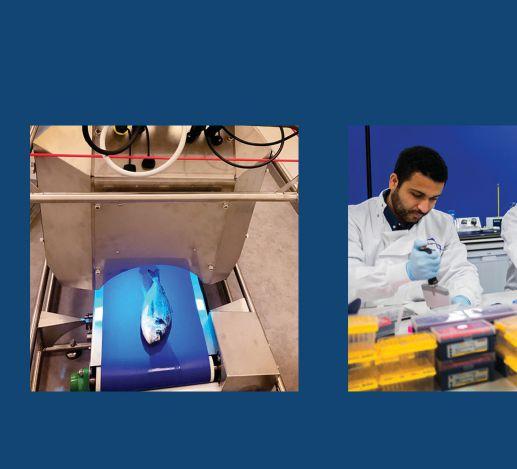
Digital image analysis and computer vision systems can do the trick and provide more accurate data collection. These data will enable genetic researchers to find a relationship between genetic components and the final phenotype in a population – allowing them to select genetically superior animals, in whatever trait is of importance.
With precise phenotyping methodologies, researchers will be better able to develop a high-quality population of fish that are, for example, fast-growing, sea-liceresistant and can perform well in different environmental conditions, Blonk explains.
Hendrix Genetics’ aquaculture business unit has been focusing extensively on salmon breeding since the 1980s.
In recent years, the company expanded its scope – through several business acquisitions involving Troutlodge and Kona Bay – to include trout and shrimp to its portfolio. Last year, Hendrix completed the construction of a stateof-the-art, land-based breeding facility in Chile, with capacity to produce 45 million eggs, according to Blonk.
Hendrix Genetics is applying many of the innovations in salmon breeding, such as genomic selection and phenotyping, to its trout and shrimp breeding programs.
“We are now bringing selective breeding of shrimp – and other species – to the same world class level as salmon.”
Computer vision technology is also finding its way into aquaculture management systems.
The use of so-called “aquabots” or remotely operated vehicles is not new in aquaculture but these technologies still rely on humans to monitor, analyze the data collected and make decisions based on their interpretation of that data. The development of computer vision and deep learning promises to help reduce the human element while helping farmers enhance monitoring, adopt more efficient growth methods, increase yields, and ultimately increase profit.
Aquabyte, a San Francisco, Calif.-based startup is applying computer vision and machine learning to help fish farmers determine biomass without having to handle the fish. Such knowledge helps farmers determine the optimal feed quantity. The software also looks for the presence and quantity of sea lice.
“I think we’re going to look back a couple of years from now and find it surprising that we’re growing fish but have no clue as to how big the fish is and consequently how much it needs to feed and how much the farmer has available to sell,” says Bryton Shang, founder and CEO of Aquabyte. “The company’s computer vision technology helps farmers understand the size distribution in the pen and use that information to better help grow the fish.”
Aquabyte’s software uses spatial and pattern recognition to identify anomalies in regular patterns. It is used alongside existing technology, in this case, an underwater 3D camera. “It does not require additional setup by the farmer, it’s very easy to set up and non-invasive,” Shang says. “What the customer gets is a dashboard where they can see the size distribution and sea lice counts. It is similar to reports that the farmer would normally be generating by hand.”
Through the application of its machine learning algorithms, Aquabyte anticipates that more-efficient feeding over a fish’s lifetime could result in potentially tens of billions of dollars saved in feed costs.
MANAGING
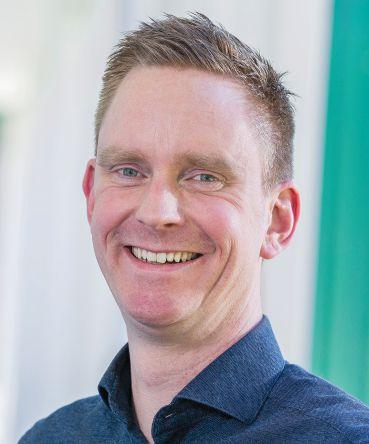
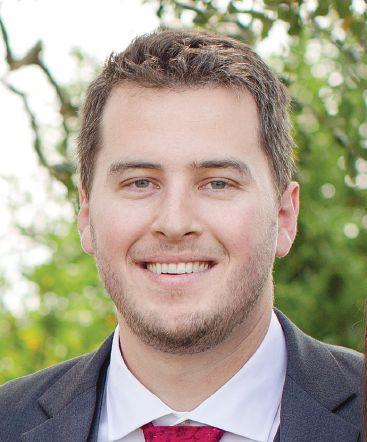
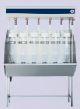
New innovations in the aquaculture industry are helping to shape the future of fish farming. (Left)
Robbert Blonk, R&D director, Hendrix Genetics. (Right) Zach Stein, CEO and founder, Osmo Systems.
Cermaq’s iFarm is another example of the application of computer vision technology. iFarm is based on photo recognition of the fish and brings fish welfare and fish health to a new level, as each fish is individually monitored, says the Norwegian salmon farmer.
The technology monitors factors as growth, sea lice, disease, lesions and others aspects that affect the health and welfare of the individual fish. According to the company, it is possible to separate the fish that needs treatment, for example, against sea lice. This reduces the extent of sea lice treatments dramatically and “brings fish welfare to a new level by monitoring each fish in the pen,” the company says.
SENSORS
Innovation in sensing technologies, coupled with computer vision systems, is changing the way farms are being managed. Water quality monitoring in land-based fish farms is one application. When used in conjunction with an online software tool for data management and analysis, the technology could spell the difference between life and death –literally.
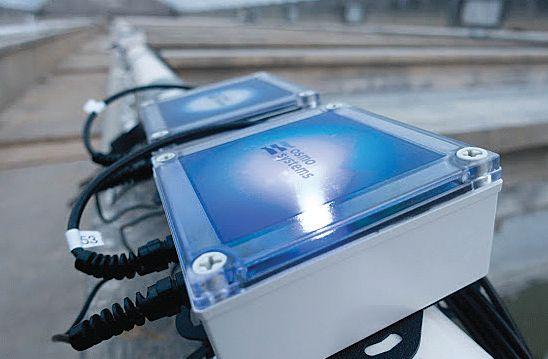
Osmo Systems’ Osmobot sensors combine optical sensing with computer vision technology to collect water quality data that’s uploaded to an online management software system. Osmo Systems is the 2018 recipient of the Global Aquaculture Alliance Innovation Award.
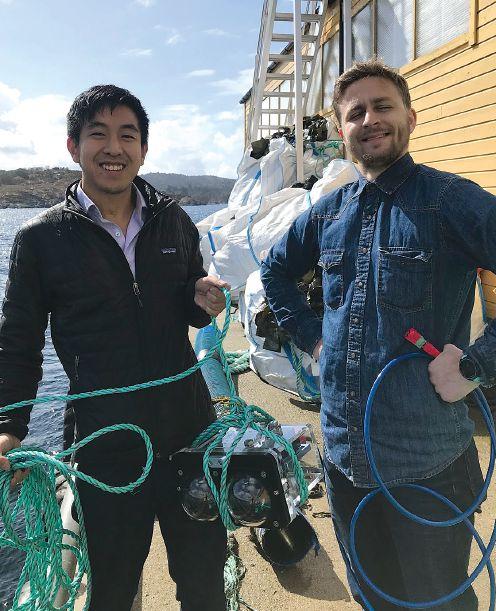
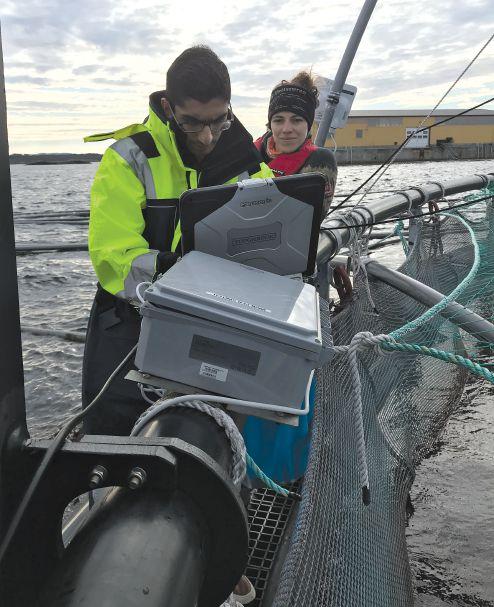
“Our core belief is to innovate at the sensor level, specifically to bring aquaculture online,” says Zach Stein, CEO of Osmo Systems in Oakland, Calif., U.S.A. He adds the Osmobot provides a water quality monitoring system that is both "affordable and simple to maintain."
Osmobot is a new kind of sensor that provides 24-hour monitoring of water quality in land-based aquaculture farms. Instead of probes, the system is built around sensor cartridges. When the cartridge interacts with the water in a tank or pond, the photochemical sensors attached to the cartridge will fluoresce or change color as an indicator of water condition. A camera inside the sensor then takes an image of the cartridge, measures and translates them into a reading. The data is uploaded into an online software tool and can be viewed by a farm operator from their smart phone. It allows operators to have a full view of the health of the species in the farm, enabling them to be proactive and take action before a situation becomes critical.
Stein believes technologies of the 21st century have the potential to shape the growth of the aquaculture industry, particularly for farming species that have yet to be fully understood from an aquaculture perspective, such as shrimp.
“If you look at tilapia or cat fish, they are hardier fish, they do better in changing water conditions,” Stein explains. “Shrimp is by far one of the largest species that has the highest demand – and it’s the most volatile. With shrimp, the code has not been cracked on how to create truly
predictable yields. Being able to provide meticulous water quality data is a really important piece.”
The Osmobot system is slated to launch in 2019, with the capability to test for dissolved oxygen, pH levels, ammonia, and temperature. Development is underway to add salinity, water colour, carbon dioxide, nitrate and nitrite to the system’s measurement protocols.
FARM MANAGEMENT WITH IOT
Many new industry innovations in recent years are based on the Internet of Things (IoT) platform. Put plainly, IoT is a network of electronic devices – personal gadgets, wearable devices, home appliances, office machines or industrial machinery and equipment – that are connected to the Internet. This Internet connectivity creates a huge network of devices that communicate with each other and with people.
This is already happening in the global agriculture market. According to a report by BIS Research, based in Fremont, Calif., U.S.A., the global IoT in the agriculture market will reach over US$28 billion in five years, with an annual growth rate of 14.15 per cent beginning in 2018.
“Integration of sensing systems into farming equipment has led to the generation of large amounts of data that can be analyzed using software tools, providing farmers valuable insights to promote yield growth,” a statement from BIS Research says.


Bryton Shang, Aquabyte founder and CEO (at left) and staff about to deploy the Aquabyte system in a pen in Norway, where the company conducted its field trials (Photo: Aquabyte)
Aquabyte staff about to deploy the Aquabyte system in a pen in Norway, where the company conducted its field trials (Photo: Aquabyte)
Through decades of R&D, Hendrix Genetics has established a welldeveloped salmon breeding program
Osmo Systems’ Osmobot sensors
In the aquaculture industry, imagine an interconnected network of devices – sensors, computers, tanks, grading equipment, fish counters, pumps, etc. – within a state-ofthe-art fish farm, communicating with each other, sending and uploading critical data to a central command station, providing the operator a complete view of the entire facility. This is the potential for IoT in fish farming.
Devices such as the Osmobot and XpertSea’s XpertCount technology, which offers precision inventory assessment and quality analysis of farm species, are both Internet-connected devices that will form part of the larger IoT network. These devices are creating tons of data that can be a goldmine for production analysis and forecasting.
“The main driver for the aquaculture market to implement digital solutions (is to be able) to identify risks for fish health and welfare, to protect the biomass,” says Veronique Bourgier, IoT business development director at water treatment technology provider Veolia Water Technologies, headquartered in Paris, France.
is a significant player in the recirculating aquaculture systems (RAS) market, applying its expertise in water treatment technologies and aquaculture to help meet increasing global demand for land-based fish farms. The company has also embarked on offering farms the next step to bringing them further into the 21st century – a cloud-based, IoT-enabled farm management system.
AQUAVISTA is an IoT platform that relies on cloud computing to allow the merging of multiple data points from various devices and systems throughout the farm into a single management system. As the name connotes, AQUAVISTA provides a comprehensive overview of the company’s aquaculture production operations.
“We are able to use the cloud to remotely monitor the facility and create KPIs (key performance indicators),” Bourgier says. It connects to all devices and systems installed in the facility, including water quality sensors, SCADA systems, and other data sources.
The data generated by these devices are then uploaded to the cloud, allowing AQUAVISTA to create algorithms and KPI tools for farm managers. Based on KPIs identified by the customer, the system also has an emergency management feature that sends out an alarm or notification to the operator – wherever they are. It will provide recommendations that will allow the operator to make proactive decisions.
“It will maximize the efficiency of the fish farm,” Bourgier points out, “and reduce operational costs, especially in terms of management, maintenance and energy consumption. It will increase fish health and welfare, and boost production.”
BIG DATA
As more farms go online, more and more devices are spewing out vast amounts of data that are all indicators of the overall health of the facility and the species that live in them. Industry innovators believe big data will become an important component for industry growth and even influence production yields. Predictive analytics, machine learning or artificial intelligence systems all require vast amounts of data to be able to process output and produce key leading indicators for the industry: production forecasting, disease control and management, feed management, environmental controls, energy efficiency, etc.
“Where big data will help in aquaculture is in two ways,” says Chuck Blumenschein, aquaculture business development manager at Veolia. “The predictive side of a 'smart-RAS' system will go beyond measuring water quality parameters and allow for enhanced operations. For instance, the system can monitor the trends in water quality relative to the feeding schedule, and recommend an adjustment to this schedule with the goal to improve utilization and water quality."















































Big data will also help future generations of fish farmers, Blumenshein adds. In-depth data analysis – through artificial intelligence capabilities – will provide operators a glimpse of the “future" of fish farms. “They will be able to use the data to create virtual fish farms and be able to test their decision-making abilities – it’s about de-risking future generations of fish farmers.”





Big data also has huge potential for innovation in breeding and genetics. Hendrix Genetics’ Blonk believes while innovation has been a big part of the success in developing high-quality genetics for certain species like salmon, other species still leave much to be desired. Big data will improve and speed up innovations in these other species.










“On the backs of genomic selection, we need more phenotypes, and we need more DNA information. These two will make genomic selection much more powerful, but at the same time we are getting more and more data. We need big data and artificial intelligence solutions to handle and analyze this data” Blonk says.
Even with more developed sectors like in salmon production, the ultimate goal is to be able to produce a population of fish that is not only resistant to sea lice, but can also thrive in varying environmental conditions –ensuring more predictable yields for fish farms. Big data can pave the way in the search for this proverbial holy grail.
Veolia
Eastern oysters (Crassostrea virginica)
Martin Mallet and Anne-Claire Larochette perform oyster crosses as part of L’Étang Ruisseau Bar’s breeding experiments.
TRENDING GREEN
The industry is under renewed pressure to embrace more sustainable practices to safeguard an increasingly fragile environment. Measures to prevent fouling of nets without the use of toxic chemicals are constantly being developed. In the European Union, the need for more environmentally friendly net protection products is amplified by the introduction of the biocidal products regulation (BPR) in 2013, which aims to ensure that biocides (including disinfectants, preservatives and pest control chemicals) are safe to use for humans and the environment.
Norwegian company Steen-Hansen has introduced copper-free and copper-reduced anti-fouling and coating products for the aquaculture industry. “The real game-changing effect is mainly driven by reducing copper emissions to the environment. By introducing a new alternative biocide to the aquaculture industry, Econea by Janssen Pharmaceutical, we believe that this will on many occasions replace copper as the main active ingredient in the anti-fouling. Econea is a bio degradable molecule with a half life period of 7 to 14 hours water temperature,” Jarle Akse, key account manager at Steen-Hansen AS, tells Hatchery International.
Akse believes fish farming in net pens will remain the dominant way of fish farming for many years ahead. “Especially in Norway these days, due to the environmental impact and exposure to diseases and sea lice in traditional fish farming…. we believe in more environment-friendly way of farming with a clean net with a high-grade anti-fouling. By reducing the need for in-situ cleaning, reducing the required number of net changing operations and increasing the life cycle of the nets the cost benefits will be significant, most of all because of the reduced loss of growth and mortalities due to stress and crowding,” he says.
Innovation Norway has awarded the company with a NOK5.7 million (roughly US$672,000) grant. “The award of funding is about a more efficient and lean production cycle, for example implementing closed loop handling of hazardous materials, and the outcome will be our contribution to a more sustainable and environmentally friendly aquaculture industry,” Akse said.
COVER Wreckfish broodstock breakthrough in Europe
The projects, which commenced in 2015, are partially funded by the European program, Diversify, which sought “to advance the knowledge and its practical application in the culture of new and emerging finfish species, in order to satisfy an expanding European market for a variety of sustainable fresh fish.”
Results and updates from 2015-2018 were presented at the workshop.
EMERGING SPECIES
Wreckfish has been included in the list of new and emerging species for aquaculture in the Eastern Atlantic. The selection was based on economic, biological and sustainability criteria.
It commands a high market price and has limited fisheries landings.
Fast-growing, the records posted a growth of 1.7 kg to 4.8 kg in 283 days. It could grow two-meters-long and 100 kg.
It has late reproductive maturation, which allows commercialization before maturity and avoids problems linked to maturation such as reduction in growth. It also has an extended pelagic juvenile phase.
Just as it is easy to manipulate in captivity, it likewise acclimatizes easily to captivity.
Information, however, was scarce on reproduction control, spawning preferences, methods of spawning induction, larval rearing protocols and juvenile production.
Dry diet has been connected to fecundity and spawning. “Relative fecundity and number of spawns per female have been increasing in females fed with dry feed over the years, from 2015 to 2018,” stated Fatima Linares in her presentation titled Wreckfish broodstock nutrition
SPAWNING
The broodstock, maintained in participating research centers, reproduced through natural and spontaneous spawning, spawning induction with exogenous hormones (GnRHa) and stripping of the mature males and females.
By 2018, save for a very small percentage of GnRHa induction, all reproduction was through spontaneous spawning.
“During these last years, the number of spontaneous spawns were increased, and the number of induced spawns was reduced. The reason is probably the better adaptation of the females to the captive conditions and the promotion of the natural maturation cycle, resulting in not only vitellogenesis, but also spontaneously oocyte maturation,” Blazquez cited in another presentation, Reproduction of wreckfish in captivity and induction of spawning with GnRHa.
Low feeding rates were observed from March to July, the spawning season. High feeding rates were recorded during autumn.
In yet another presentation, Advances in wreckfish larval culture, Blazquez looked at developing a larvae culture protocol and studying the influence of different sea water temperatures.
A milestone was reached in 2018. “This was the first time in the project that we succeeded in producing juveniles weaned to inert food, and it signifies a milestone in the efforts to produce wreckfish under aquaculture conditions,” the presentation stated.
GREATER SURVIVAL
Work continued after the results were released. Among the concerns addressed were larval malformation and higher survival rates. Per the larval culture presentation, “Changes are being made in incubation, embryogenesis and larval husbandry that can be decisive to avoid the problem of malformed larval and achieve greater survival.”
Also in the list of choice of new and emerging species are greater amberjack, pikeperch, meagre, grey mullet and Atlantic halibut.
“Among the new species to be exploited for commercial aquaculture, wreckfish is one of the most interesting ones. It is necessary to continue researching reproduction, larval culture and ongrowing so that in five to six years, the first specimens of this species arrive on the market,” Jose Luis Rodriguez-Villanueva stated during a presentation.
Steen-Hansen researcher checks paint formulas.
(Photo: Steen-Hansen)
New Russian hatchery to boost endangered sterlet
RESTORING RESERVES
There are hopes that with the new hatchery, the sterlet could be delisted from the endangered list at some point in the future, although there is a long road ahead before this can be achieved, Minninkhanov said. Environmentalists have estimated that Tatarstan needs to release at least eight million fingerlings just to begin pushing sterlet population up, the president outlined.
“It is important that Tatarstan would have a broodstock of its own Volga wild starlet,” Abrakhmanov said. “As practice shows this fish should be genotyped at our own ground, because the sterlet fingerlings imported from other countries have rather low survival rate in the local waters,” he added.
It is believed that starlet population in Tatarstan was generally affected by large-scale poaching. In Russia, the sterlet is known as “Tsar Fish,” since in the ancient times only the wealthiest people could afford sterlet on their tables. Situation has not changed significantly, as the price for fresh sterlet today starts from Rub1250 ($20) per kg at the local market of Kazan. This makes sterlet the main target of poachers, who are also hunting for even more expensive caviar.
MULTIPLE CUSTOMERS
The new hatchery operates a recirculating aquaculture system (RAS), according to Vladimir Maligin, general director of Biosphere-Fish. The company will initially be selling sterlet fingerlings under government contracts, and to companies whose activity is included in the list of businesses negatively affecting the environment. Numerous companies, such as mines, chemical producers and others, are obligated to purchase broodstock to restore fish population at the territory of their operations, in accordance to Russian federal legislation.
“This means there are companies that have to buy sterlet fingerlings for their further release in the regional waters,” said Igor Abrakhmanov, chairman of Biosphere-Fish. In future, however, Biosphere-Fish seeks to become the major supplier of the broodstock to the local fish farms. So far, all fingerlings in the region are purchased outside Russia.
CHINESE EXPERIENCE
In addition to the sterlet hatchery, other commercial fish farms are planned to be built in the region in the coming years, including one by a group of Norwegian investors.
According to Vasily Sokolov, the deputy chairman of the Russian Federal Agency for Fisheries Rosrybolovstvo, the new starlet hatchery is only the first part of what would be the first fish farming cluster in Russia.
“As an example, we plan to use the Chinese fish farming industry, where major hatcheries produce broodstock and then transfer it further down the line to the commercial farms. When the fish achieves commercial size, the farmers sell it to the processing facilities that possibly may be exporting their products,” Sokolov explained.
The production complex in Tatarstan will become the first fish farm cluster of its kind in Russia, and the Biosphere-Fish hatchery is only the first step toward the realization of that project, Sokolov said.
FURTHER EXPANSION
The hatchery is slated to be finished by the forth quarter of 2019, according to Vladimir Maligin. However, Biosphere-Fish already revealed some expansion plans.
According to Abrakhmanov, the hatchery may expand its operations in the future looking at production of other fish species, like jack pike (Esox), pike perch (Stizostedion) and European carp (Cyprinus carpio). Abrakhmanov added that the plan is to focus on fish species that are in high demand on the market, or required by the government agencies.
The government is ready to provide all possible support to the new projects launched by Biosphere-Fish, commented Vladimir Izmailov, spokesperson for the federal Agricultural Ministry.
The imminent task could be to expand the production of trout fingerlings. The regional government estimated that the local investors may increase production in this segment fivefold in the coming few years. As a result, Tatarstan could become the first Russian region not importing, but exporting farmed fish.
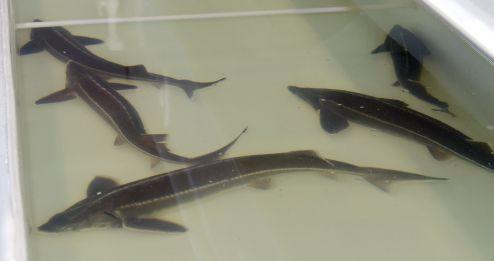
(Above) Top government officials attended the opening ceremony of the new sterlet hatchery in Tatarstan. (Right) Under threat of extinction, the sterlet has been given a new fighting chance.
The site of Biospehere-Fish's new sterlet RAS hatchery.
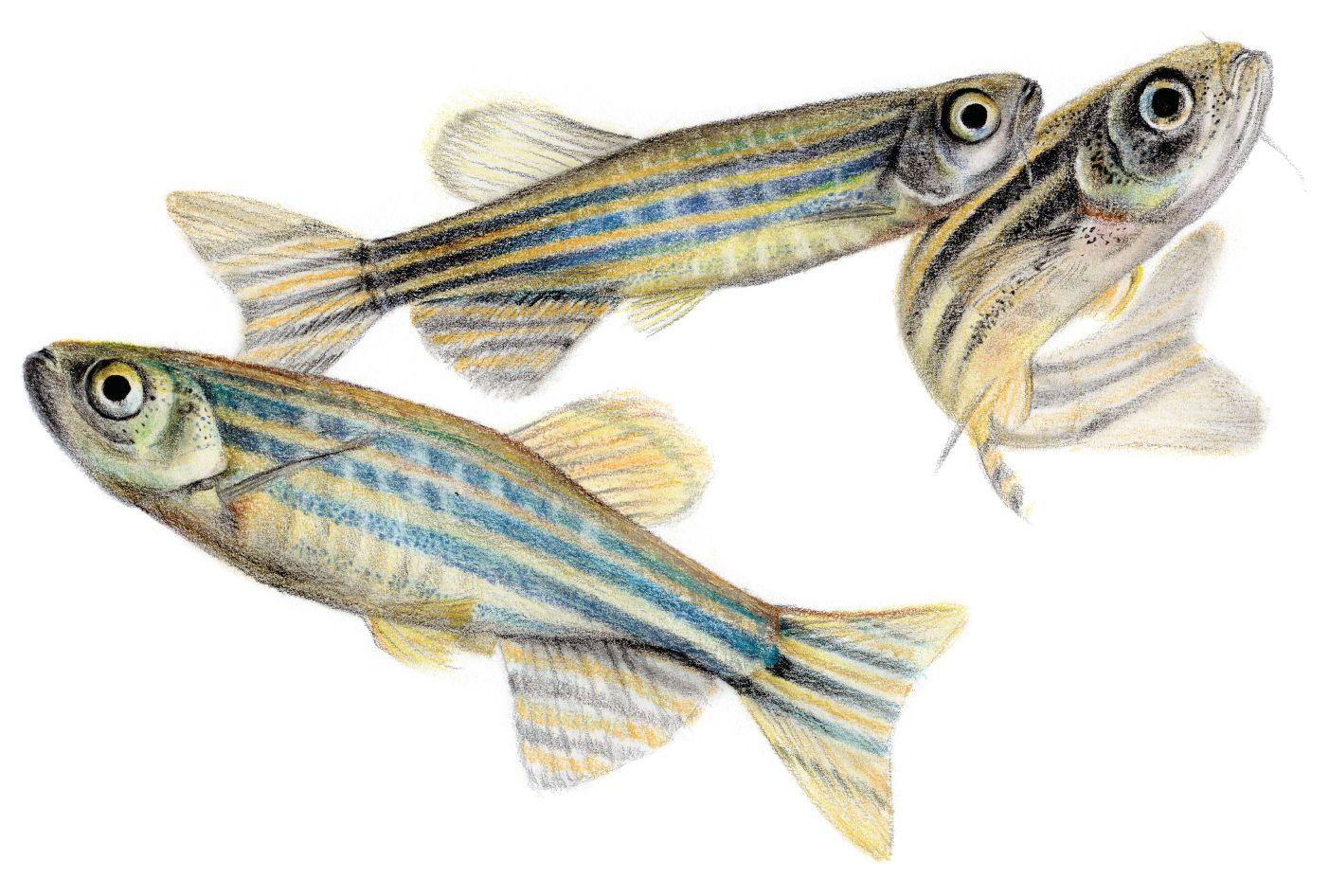
The complete nutrition for all lifestages of zebrafish
GEMMA Micro is a unique, patented diet that offers complete nutrition for every lifestage of zebrafish. Integration of GEMMA Micro to the zebrafish feeding regime requires no Artemia and can reduce feed frequency to only one feeding event per day for adult fish. Smaller pellet sizes allow for earlier transition to microdiet from live feed. www.skretting.us

Pearl hatchery opens in Fiji
Justin Hunter on ecological aquaculture and luxury farming
BY MATT JONES
Hunter Pearls Fiji has opened a hatchery and research lab in Savusavu, Fiji. The hatchery is able to house 4.5 million black-lip oyster larvae (Pinctada margaritifera) and will help the company recover after the harrowing impacts of increasingly severe tropical storms in recent years. Founder Justin Hunter, however, is keeping mum on much of the details, and with good reason.
J.“I’ve got to be really careful because nobody’s been able to do the black-lip commercially except for us,” says Hunter. “It’s taken me a long time to crack this thing and I’ve got to be careful. When you’re dealing with luxury, part of the definition of luxury is rarity, isn’t it? Luxury is about beauty, rarity and exclusivity.”
Hunter began his career with Taylor Shellfish in the U.S. and helped the company establish hatchery and nursery facilities in Hawaii, which was highly influential on him. Seeing how hatcheries could run all year round and grow oyster larvae over winter months in a tropical climate inspired him to return to his mother’s homeland of Fiji and establish his operation.
Hunter has worked with edible oysters, mussels, geoducks and clams in his career, but nothing has been as difficult as growing black-lip pearl oysters. While Hunter won’t divulge much of the secret to his success with the
black-lip, he is willing to explain some of the challenges of working with the species in the tropical climate.
“It’s about the environment and the holding capacity of our water – the densities that you can work with. The fact that ideal temperature for us is about 26 degrees creates a serious bacterial problem and the black-lip is notoriously sensitive to food, waste, etc. It’s a frantic race to keep all aspects of larval and food culture as clean as possible.”
J. Hunter Pearls previously established a hatchery in Fiji in 2004, but it took a long time to be able to consistently produce good stock where they could select traits to accentuate certain colors. Just as the facility was beginning to hit its stride, along came Cyclone Winston in 2016.
“We had multi-million dollar losses across our companies,” says Hunter. “We lost 30 kilometers of grow-out line, millions of dollars in biological assets which should be producing for us now. And the hatchery, because it was up the coast, in an exposed and prone area where it had access to water, we had three basically ‘tsunami waves’ that went right through and wiped it completely out.”
The experience made Hunter a passionate advocate on the topic of climate change – he is working with the United Nations on The Blue Pledge for Sustainable Pearls, advocating for sustainable practices and climate change mitigation.


“Pearl oysters are filter feeders that require pristine water conditions in order to produce high-quality pearls. They are also recognized as an indicator species, meaning that any decline in water quality has a direct impact on oyster health, pearl quality and oyster mortality. In order to protect their investments, pearl farmers naturally adopt the role of stewards of the seas in which they farm. We believe pearling companies engaging in sustainable and responsible farming practices could serve as pioneers in developing circular blue economies.”
In addition to Hunter’s own investments, the new hatchery was made possible by support from the European Union and the Fiji government. Hunter’s next passion project: developing commercial scale operations for giant clams and sea cucumbers.
“There’s a few bottlenecks, but I’m very confident we can do that. I see that being a much bigger contributor to the South Pacific, to these tropical islands, and these countries, if we can get giant clam farming and sea cucumber farming done on a commercial level. And make sure we get proportional returns to these countries that have a vested interest in maintaining this environment.”
”We believe pearling companies engaging in sustainable and responsible farming practices could serve as pioneers in developing circular blue economies.”
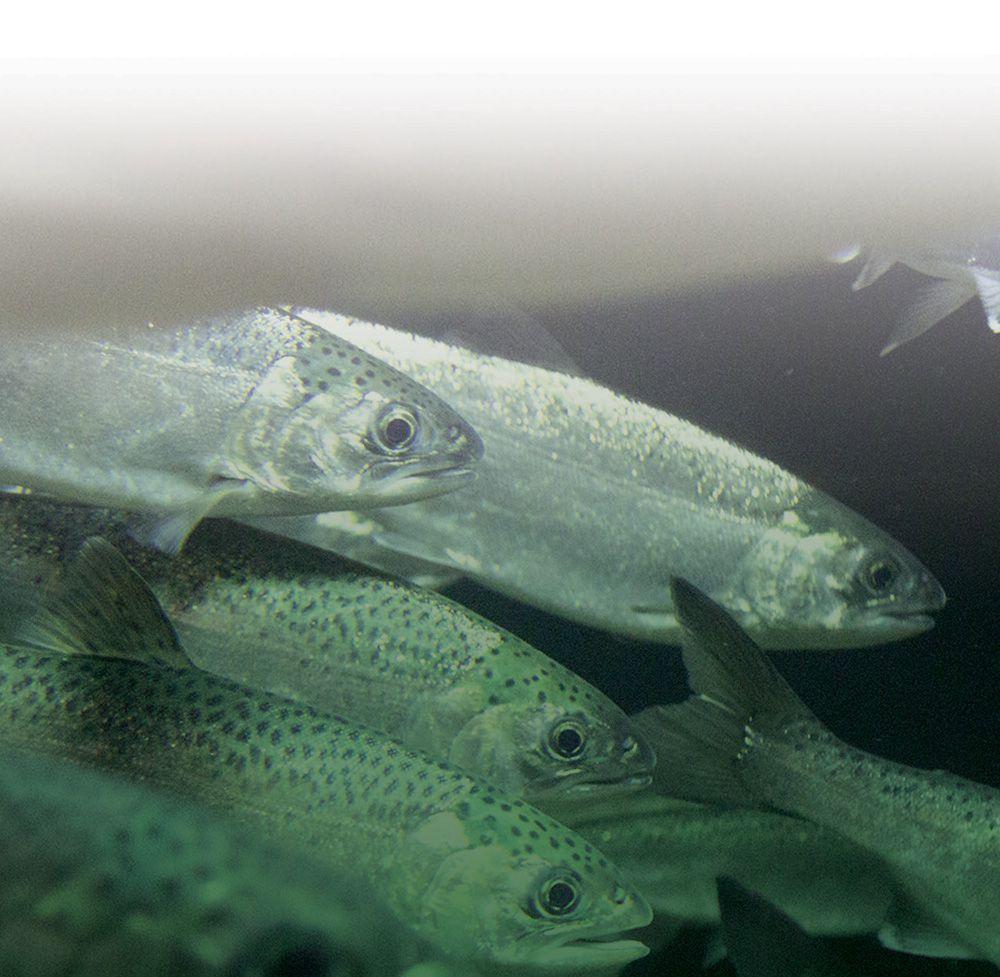

EWOS ADAPT PARR’s unique fatty acid blend imitates the natural diet of pre-smolt salmonids in freshwater. With a specialized formulation and optimal functional ingredient mix, EWOS ADAPT PARR ensures best health prior to saltwater transfer and supports osmoregulation and saltwater adaptation in combination with EWOS ADAPT SMOLT post-transfer.


















Fi h sh Harve t ster
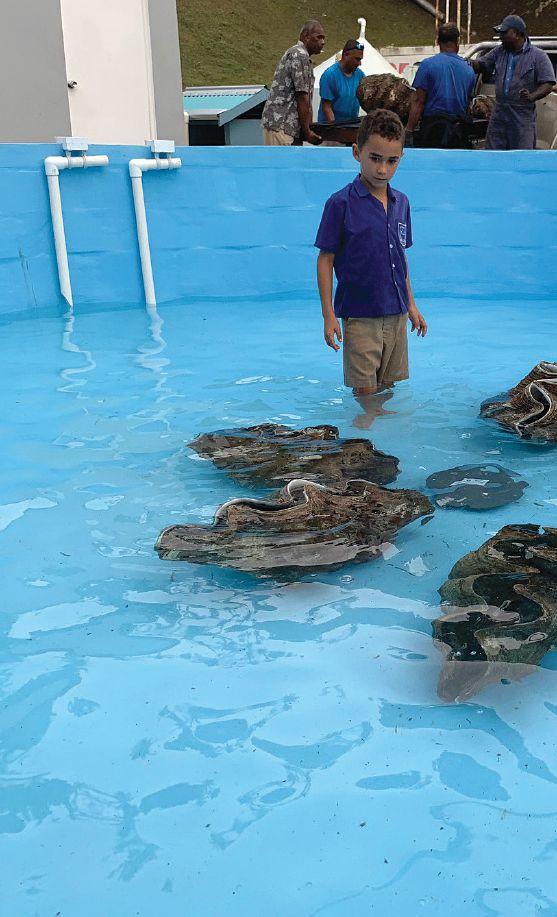
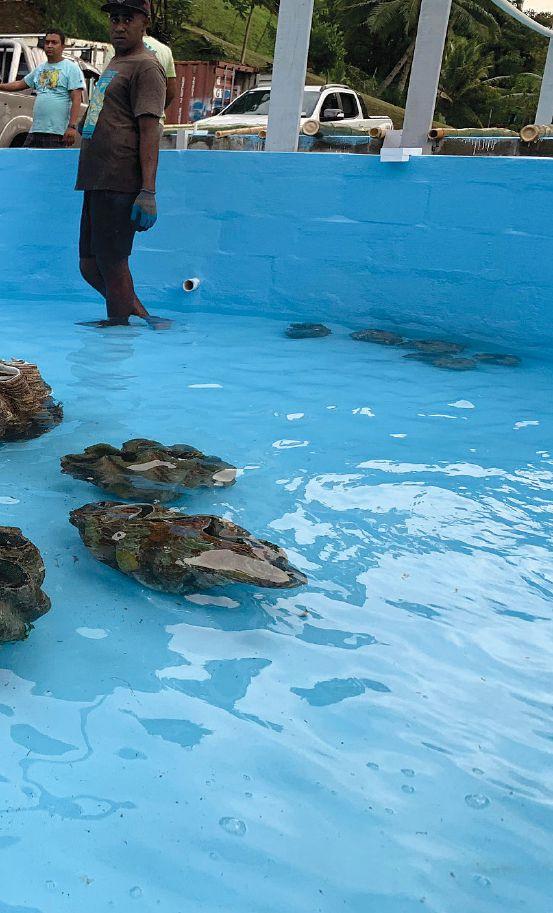
Developing sustainable commercial production of giant clams, such as those seen here, is the next benchmark that Hunter is striving towards.
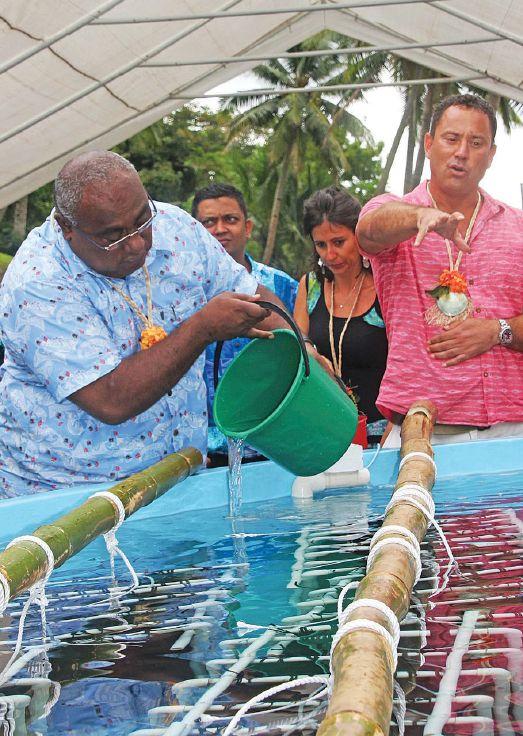
< Fiji Minster for Fisheries Semi Koroilavesau (left) and J. Hunter Pearls Fiji founder Justin Hunter during the launch event for the pearl hatchery in Savusavu.
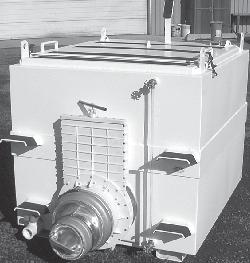
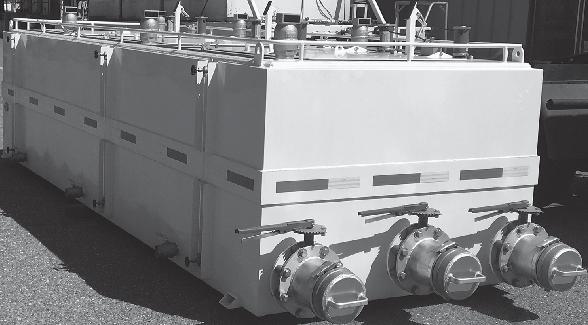
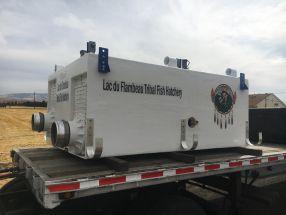
FISH TRANSPORT TANKS
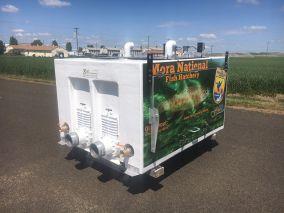

or 509-525-1081
Jim Brennan at jim@reiffman.com
Erupting success
How one Chilean hatchery solved its volcanic challenges


BY TAMAR ATIK
Having your home or business located in close proximity to an active volcano presents a unique set of challenges, but for one hatchery, it also spurred a necessary change that would improve the business going forward.
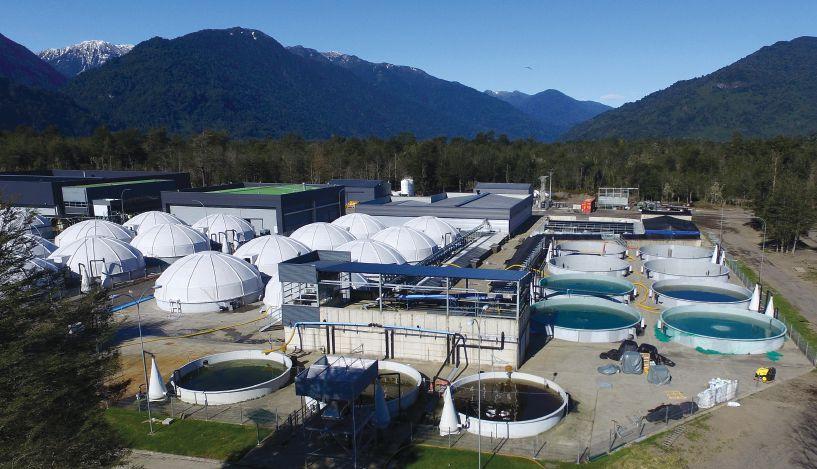
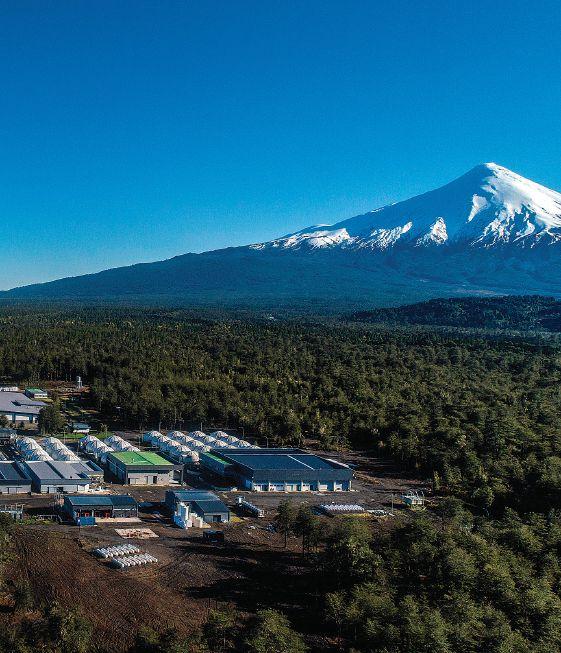
Camanchaca Salmon Hatchery is the largest recirculation fish farm in Chile, producing millions of smolts per year. It is located in the town of Petrohué in southern Chile’s Los Lagos Region, where Calbuco, the country’s third most dangerous volcano also lies. Despite achieving much success and rewards since operations began in 1965, the hatchery was struggling to keep its ultraviolet (UV) system operating consistently and reliably. Spare parts were expensive and the hatchery often experienced periods of downtime, negatively affecting operations. The UV system is used to disinfect the water at the hatchery, and the need for a new system was top of mind.
When Calbuco erupted in late May 2015, it released volcanic ash and sand that destroyed Camanchaca’s UV equipment. This spurred the start of the hatchery’s UV upgrade project in June 2015 to replace the UV system.
The hatchery’s operations management insisted on an effective and eco-friendly disinfection process and specified that the water treatment upgrade would include replacing the UV units.
After considering proposals from several UV manufacturers, management decided on Valencia, Calif.-based Aquafine. Camanchaca says the manufacturer was selected for its high safety standards, state of the art technology, and ease of installation and operation.
“It was an easy and very programmed process,” Aquafine’s Sebastián Vásquez said in an email.
Aquafine’s proposal included eight MPR2L12 models and four MPR4L12 models. One of the key benefits of the MPR UV system is the self-cleaning mechanism, which reduces maintenance and helps ensure the proper UV dose is delivered at all times. Without an automatic wiping system, the production line would need to be shut down
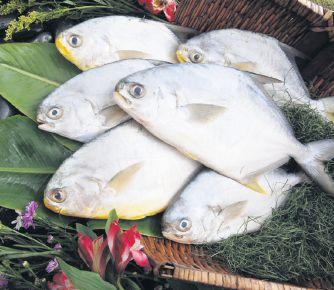
Florida Pompano
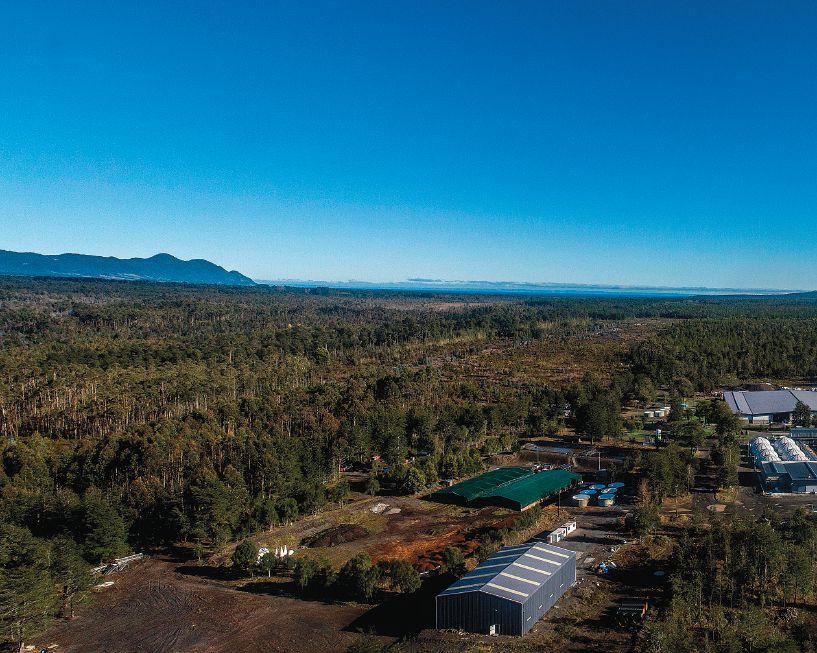
The largest RAS fish farm in Chile, the Camanchaca Salmon Hatchery is situated in Calbuco, an active volcano considered to be the third most dangerous in Chile. (Bottom, left) Since 2002, the Camanchaca hatchery has been operating in a recirculating aquaculture system, producing millions of smolt per year. (Top, right) The volcanic eruption in 2015 and the destruction it caused gave the Camanchaca hatchery an opportunity to modernize its UV light system. (Photos: Aquafine Corporation)
periodically in order to remove and clean the quartz sleeves. The MPR series automates cleaning, reducing maintenance and maximizing uptime of the equipment.
Maintenance and uptime were key considerations in the selection of a new system for Camanchaca. The company says Aquafine’s maintenance costs and replacement parts were the best fit. The compact configuration of the Aquafine MPR series, including the UV lamps, enabled a flexible installation that helped to reduce construction costs.
Local technical service and support was also critical for Camanchaca and helped in choosing Aquafine to install the new UV system.
“This project opened the door to sell more equipment not only in this hatchery, but also in a fish processing plant and in another hatchery, where we installed an open channel system of our UV3+ line,” Vásquez said.
Operations resumed at the Camanchaca hatchery in early 2016 with 12 new UV units in place. The company says it has since returned to full production, meeting its sustainability and water quality goals.
Vásquez said the positive experience has led to two more pieces of equipment being installed at the site soon.
Camanchaca began operating in 1965, catching and processing shrimp and langostino lobsters. In 1980, the facility diversified into other sea products, including aquaculture. In 2002, the hatchery began using a recirculating aquaculture system (RAS) for its fish farming operations. The water treatment process used at the hatchery includes mechanical and biological filters, oxygen injection and UV light for disinfection of any microorganisms in the water.
Camanchaca became the world’s first salmon producer to earn four stars for the Global Aquaculture Alliance’s (GAA) Best Aquaculture Practices (BAP) certification. This standard guarantees that salmon production is performed in a socially and environmentally responsible manner and is safe for human consumption.
Aquafine says improving water quality in hatcheries and rearing facilities promotes healthy fish culture by optimizing the environment and minimizing diseases.
SYSTEM DESIGN PARAMETERS:
Average


HATCHERY FEEDING SYSTEM (HFS)
Complete

• Microdiets
• Weaning Diets
• Micro Algae • Live Feeds



“Improving







































LINN.eu
Chilean salmon industry tackles sustainability
BY CHRISTIAN PÉREZ MALLEA
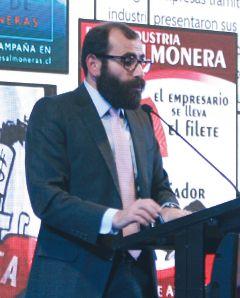
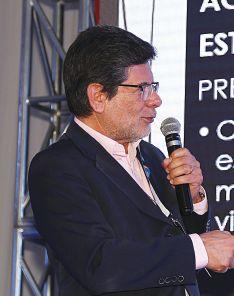
Most of the pending regulation for the Chilean salmon industry, as well as a wide variety of technological innovations in the pipeline are intended for the fattening stage. Alternative production models and tighter controls for fish reared in cages at sea seem to be trending topics worldwide as well. But what about freshwater? That is exactly what we enquire in the latest international conference Aqua Forum (Aqua Sur) held in Puerto Montt last October. There is an ongoing process of regulation changes in the South American country since the production crisis
triggered by the ISA virus a decade ago. Relocation of sea sites and farming densities are currently being discussed and lack of agreement between producing companies and authorities these days are creating some challenges.
SLUDGE AS FERTILIZER
Eugenio Zamorano, head of the Aquaculture Department at the Chilean Undersecretariat for Fisheries and Aquaculture, recognizes that there are no major changes to the regulation when it comes to freshwater. Maybe the only modification in this area points towards the utilization of the sludge, resulting from farming processes in hatcheries and smolt farms, as fertilizer in agriculture.
“In the year 2010, this regulation was included in the Law, but for different reasons it has not been implemented yet. Basically, it will demand the proper disposal of sludge from freshwater sites with rotating filters, systems to separate liquids from solid materials and a decanter pool that would allow outflow water to return to the stream, at least, in the same original conditions,” he said.
The drafting of this regulation should start by the end of this year and is expected to come into force as of 2019, he added.
For the moment, all these wastes end up in landfills.
OTHER CHALLENGES
In his presentation at Aqua Forum called, “Regulation and institutionality of Chilean aquaculture: A future perspective,” Zamorano emphasized other cross-cutting challenges that the new regulation will address, such as: improve linking between the salmon industry, the local communities and the civil society; promote small-scale aquaculture; reduce the use of antibiotics; promote offshore aquacul-

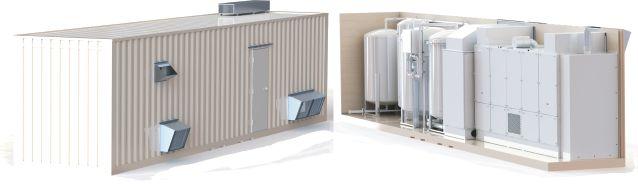

ture and land-based production systems; and increase the domestic consumption of seafood.
Commenting on the regulation issues, the general manager of Salmones Blumar, Gerardo Balbontín, said “what we are waiting for and seeing, is that finally the current regulatory framework – which is in the process of adjustment – manages to consolidate and satisfy the majority of the industry, because we really need to have an industry that can have sustainable growth, which is the most important thing, we all want to grow, but it must be a sustainable growth.”
INNOVATIONS IN FRESHWATER
In his presentation titled, “The challenges of innovation in Chilean aquaculture: gaps and advancements,” Adolfo Alvial, director of AQUA Media and ORBE XXI, commented that one of the greatest innovations in this field is finding ways to keep fish in freshwater for longer periods of time and transferring them at a bigger size, strength and robustness to sea water.
“This means not only prolonging the permanence of fish in freshwater, but also taking advantage of strengthening them in a period that is critical for the subsequent development of fish,” he said.
He also cited sustainability, competitiveness, research and development, and a closer relation with the neighboring communities as among the other gaps in the industry that need to be addressed. The Chilean salmon industry faced large criticisms following three incidents in recent years that put the producers in a bad light: the disposal of 4,600 tonnes of salmon mortalities in the open sea in 2016, the sinking of wellboat ‘Seinkongen’ with 200 tonnes of salmon in Chiloé in 2017, and the escape of almost 700,000 fish from a site belonging to Marine Harvest Chile in 2018.
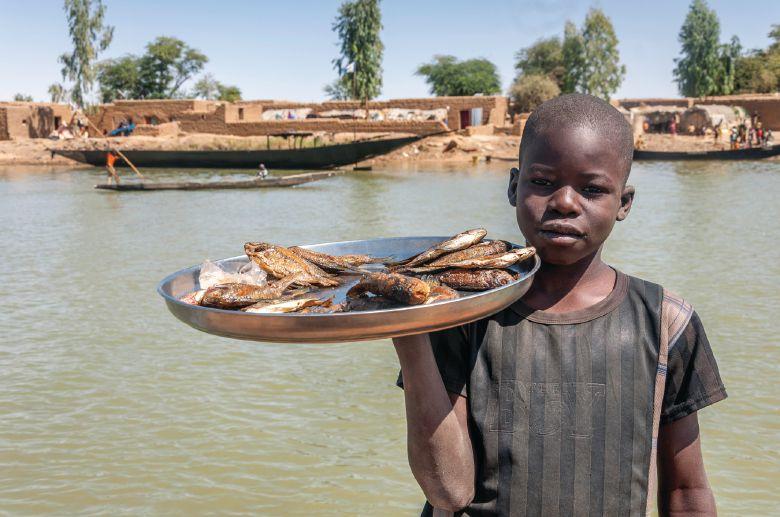
Eugenio Zamorano called for improvement in relations with neighboring communities. Behind him there is a collage of headlines, banners and graffities against the Chilean salmon industry.
Adolfo Alvial believes that pre-fattening, post-smolt production and land-based production in general is one of the major innovations seen for the earlier farming stages (Credits: Editec/Aquasur).


We are the world leaders in RAS feeds
Skretting introduced recirculating aquaculture systems (RAS) diets into the market back in 2009 – an industry first. Since then we have introduced a specialised concept dedicated to RAS, RecircReady, which takes into account growth and waste predictions, nutrient recycling solutions and health monitoring in addition to tailored feed solutions. Skretting has been investing research resources into RAS over many years, with three dedicated RAS-based research facilities across the world, each with a unique focus.
Read more at www.skretting.com

Fish Grader
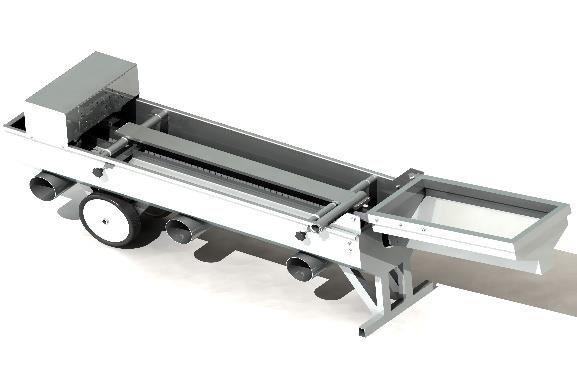

All graders can be customized according to your needs. Always equipped with frequency converters.
Fish sizes from 0.5 g up to 5 kg
Only 230 Volt, 10 years guarantee, extreme durability
Please contact us in Germany: ++49 3594 785 22 23
verkauf@fischtechnik.com www.fischtechnik.com
BREEDING
The cod comeback
Norway’s National Cod Breeding program supports the re-emergence of cod farming
•
•
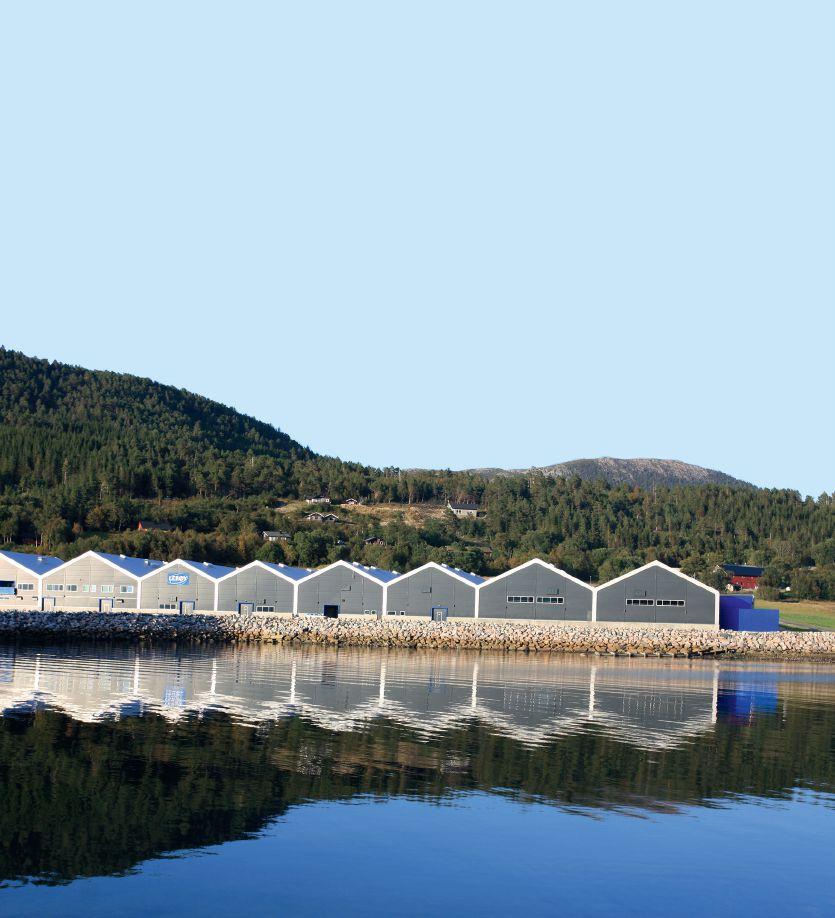
•
•
•
BY TOM WALKER
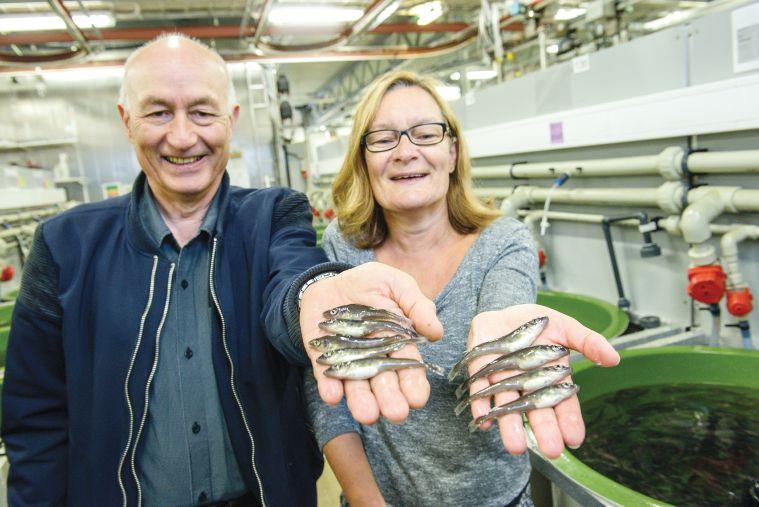
The return of cod (Gadus morhua) farming to Norway is based on a number of factors but is anchored by the continued efforts of the National Cod Breeding Program, Atle Mortensen, senior scientist at The Norwegian Institute of Food, Fisheries and Aquaculture Research (Nofima), explains during his presentation at Aqua Europe 2018 held in August in Montpellier, France.
Fluctuations in wild cod populations led to the development of cod farming to support a land-based processing industry. Around the year 2000, wild catch quotas were low and as a result, the market price for both wild caught and farmed cod was high, explains Mortensen.
“Growers became interested and between 2002 and 2008, farmed cod production increased more than 60 percent a year.” In 2008, there were 20 commercial hatcheries and 533 cage farming licenses, but it was not to last. By 2014, the industry had completely disappeared from Norway.
A number of factors contributed to the collapse, Mortensen says. “We had difficulties across all growth stages. Juvenile quality was low and this led to poor growth rates and high mortalities. Cage growth was slow with early maturation causing variations in size, and we had a high number of deformities.” The slow growth led to slaughtering during top landing season for wild cod, which reduced the prices.
Lack of knowledge in cod culture led to
outbreaks of Vibriosis, Atypical Furunculosis and Francisellosis (vaccines are available now, but not for the latter). Those early cod stocks also liked to wiggle out of their net pens, and escapes were high.
During the financial crisis of 2008, banks became impatient with their loans, Mortensen says. “Growers were forced to slaughter fish that were not ready for market in order to raise cash,” he says. Prices were lower because the wild catch quota had been raised and there were more cod on the market.
“This new industry simply could not survive,” says Mortensen.
HOPE FOR COD
The National Cod Breeding program housed at the Center for Marine Aquaculture in Kvaloya, near Tromoso Norway, kept ticking along however, with some positive results. Researchers continued with the selective breeding program of classical family selection based on 200 families that began in 2002.
“The goal is to select for faster growth, disease resistance and later maturation,” says Mortensen.
“We saw our growth rates improve nine to ten percent per generation, for an average of about three percent a year,” says Mortensen. “This new breed of fish grows about 30 percent faster and reaches a slaughter weight of over four kilos in about 30 months.”
Atle Mortensen, head of the cod breeding program at NOFIMA, and Tove K. Hansen, head of station, show off some juvenile cod.
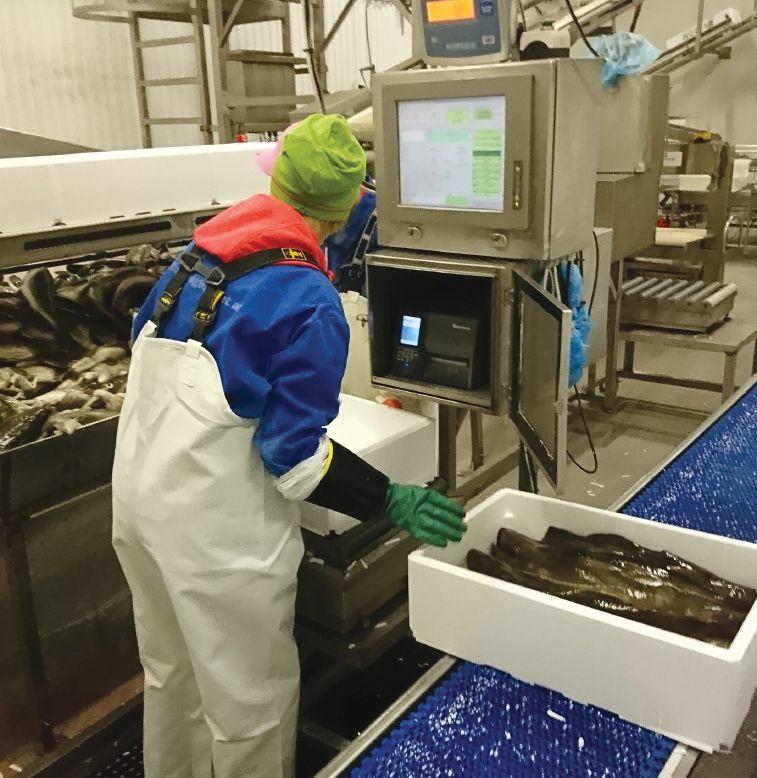
“Early maturation in males was previously around 95 percent and we have it down to five percent now,” Mortensen adds.
“We also learned a lot about production protocols for juveniles,” Mortensen says. The team worked with brood fish feeding, collection and control of egg batches, production of both live feed and formulated feed, and general husbandry procedures.
“When we started the breeding program for cod it was discussed if it was possible at all to have 100 percent survival for cod due to its reproductive strategy,” explains Oyvind Hansen, a scientist with Nofima.
Cod produce lots of eggs but invest relatively little in each egg he says. “We have been able to focus on egg quality,” says Hansen. “Using blastomere morphology as an indicator allows us to identify and discard low-quality egg batches early on.”
Improved broodfish diets have led to an increase in both egg production and larval survival and larval feeding refinements have helped as well, says Hansen.
“We now have an increase in the number of batches of cod that have 20 to 30 percent survival, and we have had some batches with 80 to100 percent survival (at 90 dph.).
Francisellosis was a large problem in the southern region of Norway during 2005 to 2009 Hansen explains. “The disease is a challenge since it is an intracellular bacteria, so traditional vaccines do not work well,” he says. “In the northern region this bacteria has not been a problem since it is restricted by temperature.” He says it was detected on farmed cod once in the northern region, but the juveniles were “imported” from the southern region in this case.
CAGE-FRIENDLY
The new domesticated cod stocks are more amenable to cage culture. More than 50 percent losses in sea cages were reported between 2005 to 2009, says Hansen.
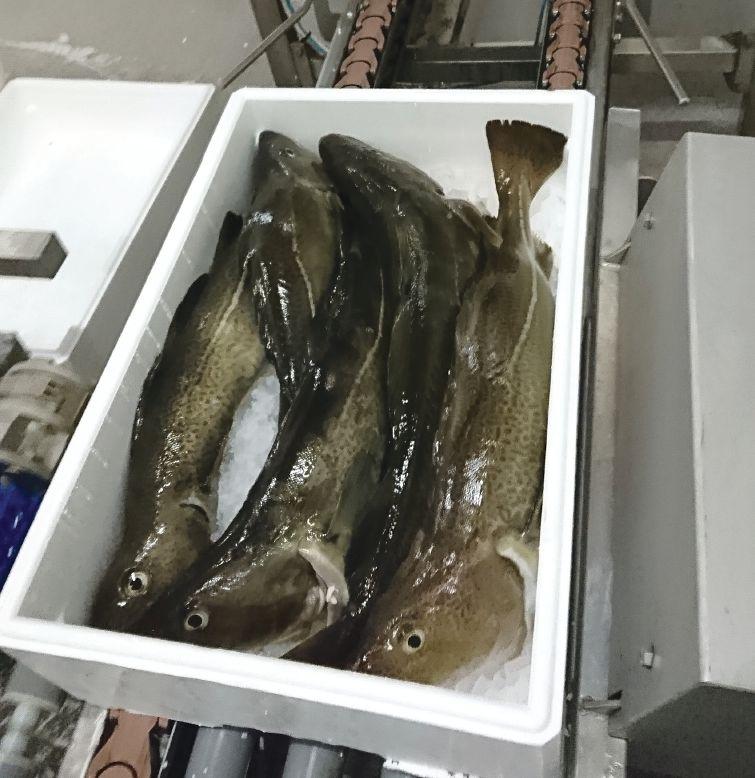
The farmed cod in tanks now slowly swim in circles as well, according the Hansen, an improvement from the initial phase. “When we started with wild cod, they would sometimes show stress signs such as jumping out of tanks.”
Grow-out feed has not been a focus in research, Hansen says, but “a lot of improvements should be possible.”
“They are behaving more like farmed salmon. They like the cage and the three meals a day.”
RENEWED INTEREST
A 100,000-tonne reduction in the Norwegian wild catch quota is planned for next year, from 800,000 to 700,000 tonnes, and this is expected to lead to stronger prices.
“Survival in sea cages has improved,” he says. The mortality from transfer to sea until harvesting at 22 months is now approximately only 16 percent, he adds. Through selective breeding, the fish has become adapted to farming says Hansen. “The cod have an increased tolerance to handling which is needed in a farm situation,” he says. “Farmed cod do not ‘attack’ the nets (when in cages) anymore and they seem to have lost their eagerness to escape.”
Interest in farming is returning, says Mortensen. “I get a phone call almost every day now asking about cod farming.”
Hatchery capacity is limited at this time. “There is one hatchery left in the south of Norway, but it is now mostly focusing on producing Ballan wrasse cleaner fish,” says Hansen. “In the north of Norway, we are the only supplier of juveniles.”
Grow-out capacity in both regions is lacking as well, says Hansen. “There are now three small-scale cage farms testing our fourth generation of selected cod,” he says. “The feedback from the farmers so far is very positive.”
“The future production is not set but it is wise to increase the production step by step,” cautions Hansen. “Both markets and production biology should be thoroughly documented before upscaling of production is done.”

Farmed cod provides “out of season” activity for land-based processing industry.
Processed cod with head on ready for Spain.
COLLABORATION
Spain ramps up greater amberjack initiative
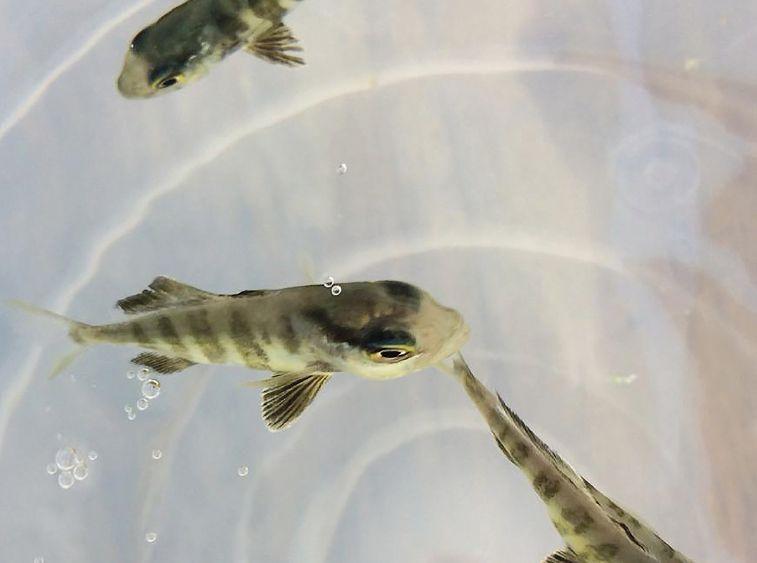
Acollaborative project in Spain is making great progress in developing and optimizing a successful breeding program for the greater amberjack (Seriola dumerili).
Known as the Seriola project, this research initiative is aimed at developing the greater amberjack as a new commercial species to diversify Spain’s aquaculture industry by enhancing the larvae stage and optimizing fattening of juveniles.
The project, which is part of Spain’s National Plans for Aquaculture, has so far completed experimental tests and has launched a series of validation trials for greater amberjack juvenile fattening.
“After having recorded good results in natural lays of greater amberjack at the Institute of Aquaculture and Sustainable Marine Ecosystems (IU-ECOAQUA) of the University of Las Palmas de Gran Canaria, the resulting juveniles were sent to the premises of participating entities and collaborative partners to carry out different pilot tests,” according to Javier Roo, national coordinator of the project and chief investigator of the program at IU-ECOAQUA.
Some of the juveniles were sent to the Aquaculture Cluster in Galicia, Spain, and at the Institute for Aquaculture of the University of Santiago de Compostela, to perform pathological testing and validation in recirculating aquaculture systems (RAS) environment, Roo adds.
Another batch of juveniles was sent to the CTAqua Aquaculture Technology Centre in El Puerto de Santa Maria in Cadiz, Spain, to validate fattening in the Mediterranean. The company carried out the lairaging of the specimens at its facilities, and subsequently transported them to another Spanish firm, Piscifactoria de Albaladejo in San Pedro del Pinatar, in the Murcia region, for fattening trials under off-shore conditions in the Mediterranean.
“A part of the specimens from this batch remains in our premises in El Puerto de Santa Maria, in order to carry out an additional validation on the growing phase,” says Maria del Mar Agraso, technical director for CTAqua. The company’s technology centre will be car-
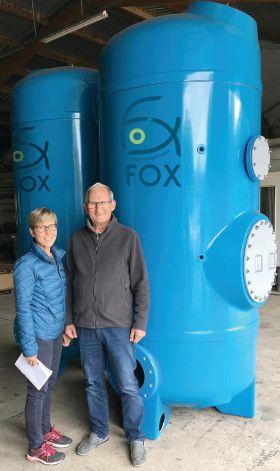
rying out validation tests using specific diet developed by the IU-ECOAQUA team. This diet includes specific functional ingredients for greater amberjack.
In addition to the existing trials, a new batch of greater amberjacks – currently in production at the IU-ECOAQUA facilities – will be sent to Acuipalma, an aquaculture company on La Palma Island, to validate fattening protocols at its off-shore premises in the Atlantic.
DIET AND NUTRITION
The Seriola project is jointly funded by Spain’s Ministry of Agriculture, Fisheries and Food, and the European Maritime Fisheries Fund. The project is being led by researchers at the University of Las Palmas de Gran Canaria (ULPGC), with participation from the Institute for Aquaculture at the University of Santiago de Compostela, and the Andalusian Institute of Agricultural and Fisheries Research and Training.
Also part of the project are testing on nutritional profiles and diet performance of the species. The UPLGC has so far established the optimum levels of added polyunsaturated fatty acids Omega-3 for fattening diets. The university is currently assessing the potential of adding different functional ingredients in the food.
“By carrying out these tests, we intend to tackle some challenges arising from the fattening of the greater amberjack, both under RAS systems and in cages, such as the bacterial and parasitic infections or the effect of the temperature decrease in the Mediterranean in winter,” Roo explains.
RISK ASSESSMENT
The second phase of the Seriola project involves the development of a “thorough list” of risk agents that can potentially affect the greater amberjack. This part of the project is being done at the Institute for Aquaculture at the University of Santiago de Compostela (USC). They have initially found parasites as “the most frequent and more common risk” to this species.
An assessment was carried out on the anti-microbial and anti-viral capacity of a series of disinfectant agents available today. “These laboratory studies provided significant results for the industry, since from now on, we will have a major variety of disinfectants available,” says Carlos Pereira Dopazo, director of the Institute for Aquaculture and chief investigator of the programme at the USC.
“Also, the data of the efficiency rate against bacteria and virus jeopardising the cultivation of this species are very significant. Nevertheless, there is still job to do to transfer this assessment to field cultivation environments to confirm the same level of efficiency is maintained than that in the laboratory tests.”
The IA-USC carried out a live study on greater amberjack fry to determine their response to the nervous necrosis virus (VNNV). The study confirms that for certain sizes, the species may be resistant to the virus.
Bio-chemical analysis of the different organs of the greater amberjack were also conducted to determine the effects of low salinity on animal stress and welfare. The researchers conducted the tests in a RAS environment using different salinity levels – to test for both growth and resistance to parasites. The tests determined the best salinity conditions for greater amberjacks to be around 22 ppm.
“Once the different organs are analysed through bio-chemical techniques, differences at molecular level may be determined between different treatments,” says Jose Luis Muñoz, chief investigator of the project at the Andalusian Institute of Agriculture and Fisheries Research and Training.
The progress of the Seriola project was presented during the Aqua 2018 conference in Montpellier, France, in August. The project is expected to be completed in 2019.

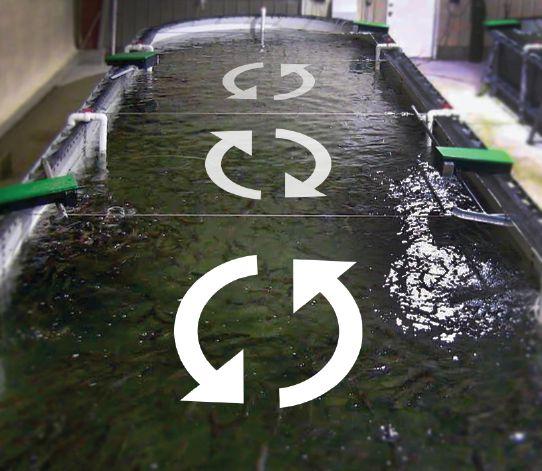
BY MARI-LEN DE GUZMAN
Making a case for transgenic fish
BY CHRISTIAN PÉREZ-MALLEA
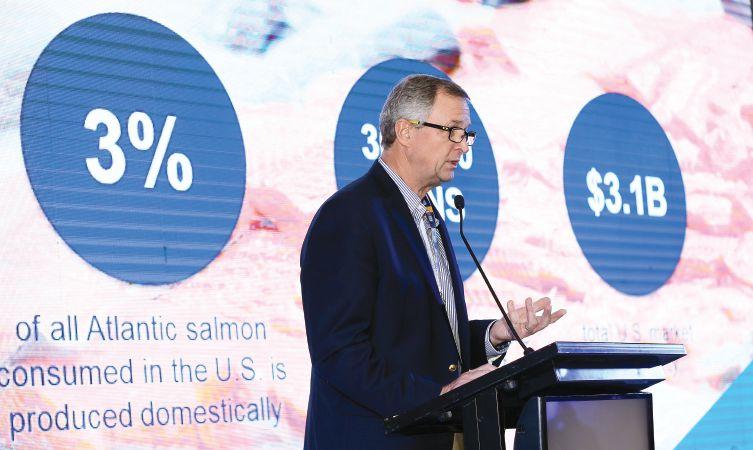
Alejandro Rojas said Aquabounty’s initial plan is to produce and sell AAS to established distributors and in the long term have their own branding. “In the future, if we see interest from investors who want to use our biotechnology, we can have a joint venture with them,” he said (Photos: Editec/Aquasur).
Almost 30 years have gone since three scientists successfully inserted the Chinook salmon growth hormone gene in an eyed-egg of Atlantic salmon at the Memorial University of Newfoundland, Canada. Twenty years have passed since Aquabounty started a project intended to produce transgenic salmon: the AquaAdvantage Salmon or AAS. Problems, setbacks, 13 generations of salmon and lots of red tape later, these fish are now being farmed and sold for human consumption. Here is why and how.
ADVANTAGES OF AAS
The last element in the trifecta, according to the Aquabounty executive, is where this fish should be produced: RAS farms in the largest salmon consuming countries. According to Rojas, this means 23 to 25 times lower carbon footprint compared to Norwegian and Chilean salmon in the U.S., and reduced freight costs. It also avoids the use of chemicals, antibiotics or pesticides, with little to no impact on the environment.
RAS AS ALLY
Two decades ago, AAS was initially produced in closed containment aquaculture systems to establish a physical barrier and avoid fish ecape. Today, Aquabounty seems to have mastered this technology and claims that AAS “enables land-based, environmentfriendly production systems to be economically viable versus current sea-cage production systems” and thus eliminating the risk of pollutants or contaminants that could harm marine ecosystems.
Moreover, since salmon supply is constrained in production locations for environmental and regulatory issues related to the current production methods, land-based production of AAS would be the way for supply to meet an increasing demand, Rojas said.
“We are focused mainly in the United States due to the large market that exists there,” he added. In that sense, one of the company’s goals is to reduce the U.S. seafood deficit. Although this might pose a threat to traditional salmon farmers, some Chilean producers think otherwise. “There will be space for everyone in the market. There will be demand for transgenic salmon, for salmon made in land-based facilities, organic salmon, etc. The amount of protein that is going to be required to feed the world is so high that there will be room for everyone,” said Gerardo Balbontín, general manager of Salmones Blumar.
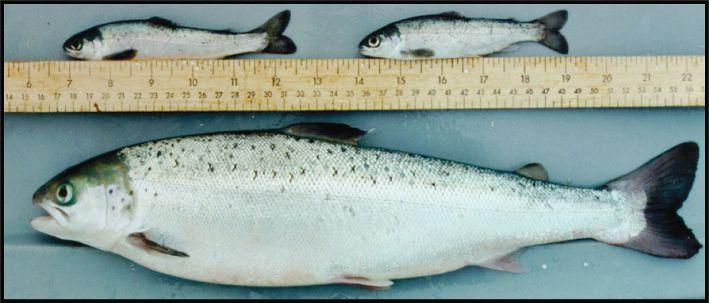
The major advantage of this application is the shorter growth process from first feeding to fattening stage. We can reach harvest weight in 16 to 18 months without a problem, according to Aquabounty’s Rojas.
At the recent international conference Aqua Forum, held in Puerto Montt in late October, Alejandro Rojas, COO at Aquabounty Technologies Inc., made a case for adopting the transgenic salmon.
Fast growth is the workhorse of AAS, he said. “The major advantage of this application is the shorter growth process from first feeding to fattening stage (4.5-4.8kg). We can reach harvest weight in 16 to 18 months without a problem.”
Meanwhile, improved feed conversion rate (FCR) is described as the second qualitative advantage. “Due to its high nitrogen retention rate, FCR of these fish is 25 percent better than that of traditional fish. This has not only been tested in trials, but also replicated in our Panama site with several generations of fish,” Rojas said. “Even below 0.87 without a problem and year after year.”
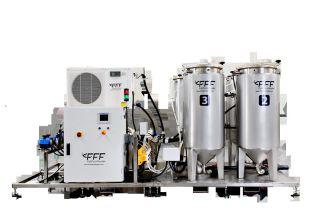

PRESENT AND FUTURE
AAS has already been approved by the FDA and Canadian regulatory authorities for production, sale and consumption in the United States and Canada.
“The FDA and Health Canada have proved that AAS and conventional salmon are the same in nutritional, hormonal, chemical, organoleptic and any other relevant terms,” Rojas said.
Breeders and eggs are produced in Prince Edward Island (PEI), Canada. Meanwhile, Aquabounty has produced and exported 10 tonnes of fresh salmon fillets in 2016 and 10 tonnes of frozen ones from its Panama site to Canada. The company is running different trials in Argentina and Brazil.
Moreover, in June 2017 the company purchased a freshwater site in Indiana intended to raise AAS in the U.S., once the FDA establishes the labelling guidelines for transgenic food products.
“We are currently in the process of renovation and upgrading of this farm. We hatched our first conventional salmon eggs there by the end of June 2018 and expect our first harvests in Q1 2020. Our second latest investment is a smolt farm in PEI, for our development project of transgenic trout. We also have two additional RAS farms under construction, one pilot facility to produce 250 tonnes of AAS, intended to demonstrate not only the technical feasibility, but also the economic feasibility and profitability of the project; and the other plant is a new breeding center that would allow us to provide eggs allyear round.”
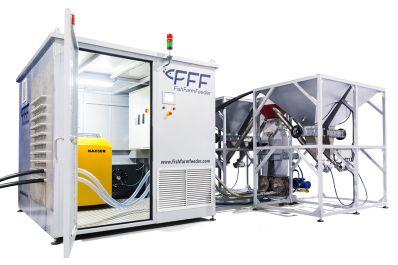
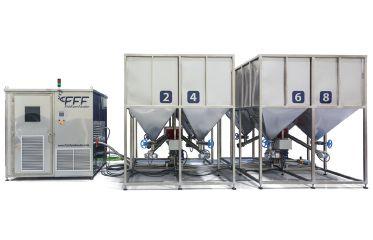
Philippines multi-species hatchery looks forward to successful 2019
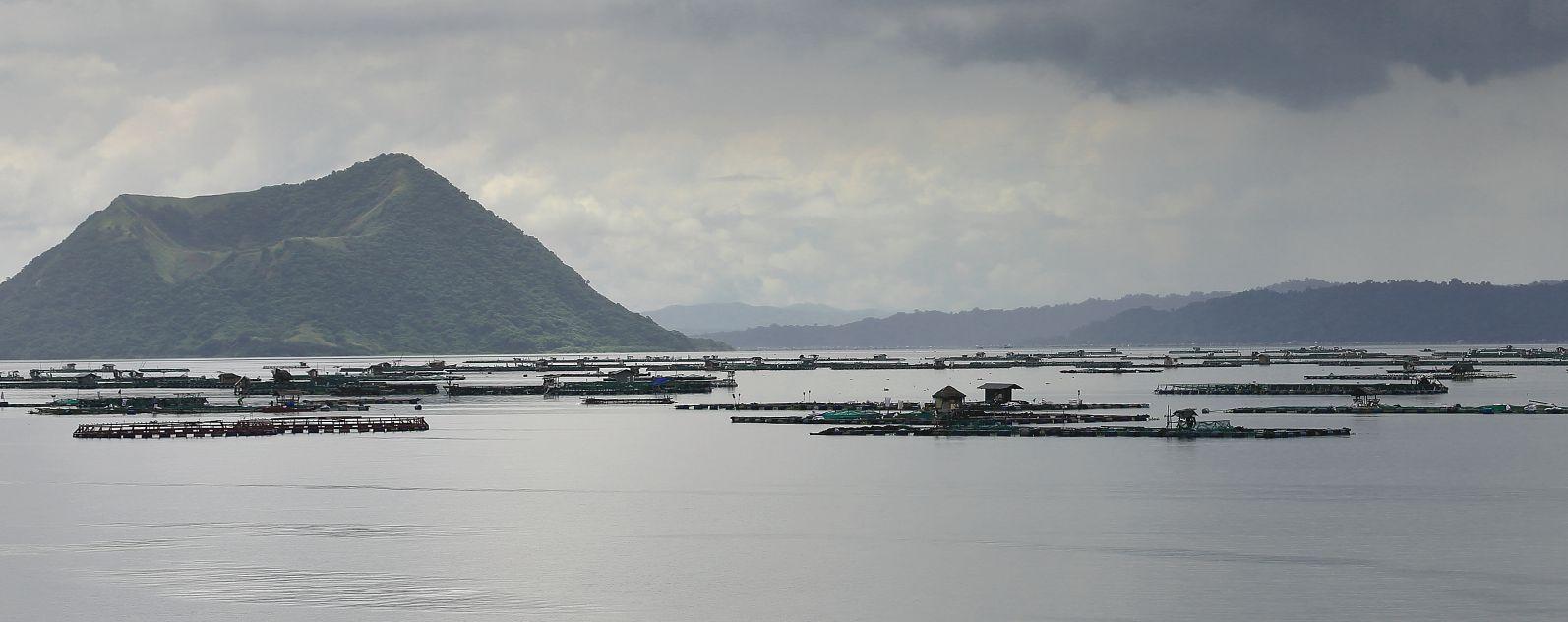
A survivor of the world’s strongest recorded tropical cyclone, the Guiuan Marine Fisheries Development Center has been working with a handicap for the past five years. They plough on, getting the job done but say, of course, that more could be achieved with the right infrastructures
BY RUBY GONZALEZ
In November 2013, the Guiuan Marine Fisheries Development Center (GMFDC), a 1.25-hectare, multi-species hatchery in the island province of Samar in the Philippines, was riding high.
Spawning production was good. All of the six hatcheries were newly renovated and there was a new administrative building.
The hatcheries housed broodstock of various species, including the high-value abalone, sea cucumber, giant clam and blue swimming crab, which were already spawning, and pompano, snapper and grouper which would be spawning soon.
It turned out, though, that they were riding the crest of the wave. Before they knew it, they were down.
EPIC TYPHOON
In the same month, the seaside town on Guiuan was hit by the epic Typhoon Haiyan, recorded as the world’s strongest tropical cyclone.
GMFDC was practically wiped out. Of the six hatcheries, only the milkfish hatchery remained usable.
The dormitory, administration building, tanks, phycology lab, fish health, seaweed tissue culture lab, and hatcheries were badly damaged.







“When I saw the damages, I became depressed because we were all ready for more spawning activities. All our hatcheries were newly renovated and we had a new admin building when Haiyan struck. But I didn’t feel hopeless because I knew we would be able to regain what was lost,” GMFDC chief, Nonita Cabacaba, tells Hatchery International (HI)
“The enthusiasm that I saw in my staff made me more hopeful that in cooperation and commitment, we would be able to continue with our mandate to produce quality seeds and continue to serve the fisherfolk,” Cabacaba says.
Five years since the incident, she and her team have something to look forward to again.
After much delay, a P110-million rehab project is scheduled to begin in 2019.
The extensive project, expected to last six months, will basically rebuild the center.
A Japanese NGO, the Japan International Cooperation Agency, sponsored laboratory apparatus, IT equipment, tanks, generators and electrical pumps. These were delivered and turned over in September 2015.
1,000
GMFDC is currently developing 1,000 milkfish as broodstock, which would greatly help in producing much-needed milkfish fry. The Philippine demand of milkfish fry greatly outstrips what the country can produce, making importation necessary.
In developing the milkfish broodstock, she said diet is important: the right vitamins, moist feed and ample crude protein.
Before Haiyan, their original milkfish broodstock of 100 produced six million fry
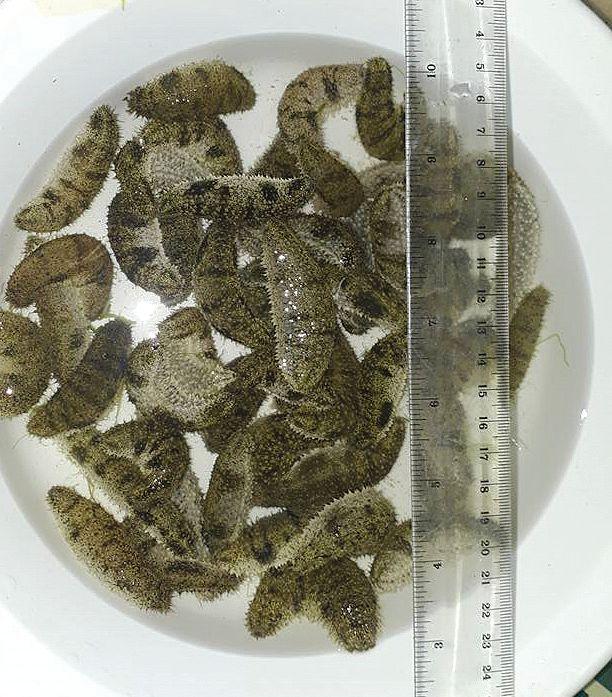
a year. From this batch, only 30 somehow managed to remain in the hatchery after the typhoon. Fifteen new broodstock were added. The current annual fry output is 600,000.
The broodstock’s spawning habits have been “erratic” since Haiyan, Cabacaba says. The rehab project will provide the muchneeded facilities to support the newest milkfish broodstock, the rest of the projects and research work.
At the moment, the center is making do with improvised structures. When it rains, the hatchery roofs leak and the staff have to quickly cover the tanks so that the water salinity is not compromised. And then they run for cover to keep themselves dry. They just have to keep moving forward.
BUSINESS AS USUAL
Recalling what transpired during that particularly tough period, Cabacaba says, “Haiyan happened on Nov. 8, a Friday. The following day, my staff, who were staying at the center, started to clear the damages. On Monday, Nov. 11, we started with the general clean-up.” It stretched from the remainder of the month until the end of December.
MILKFISH BROODSTOCK
Juvenile sea cucumbers (Photo: GMFDC)
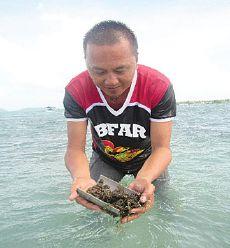
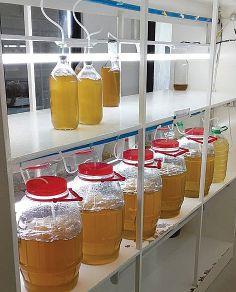
Reseeding of 5,000 abalone juveniles in Manapag Reef, Guiuan, Eastern Samar for FishCoral stock enhancement project.
(Photo: GMFDC)
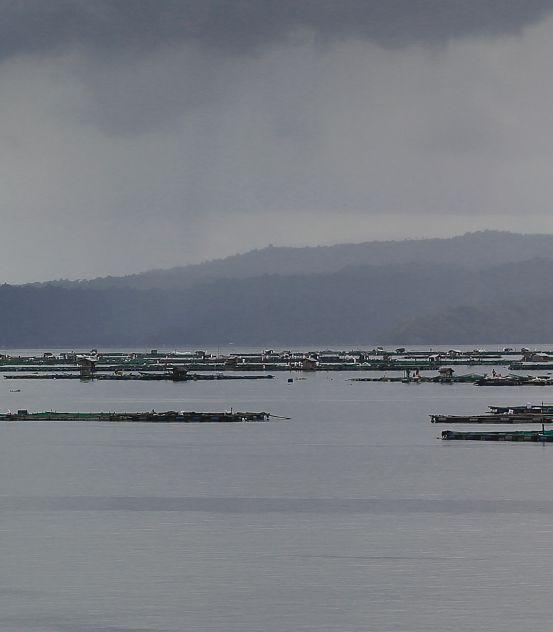
The phycology laboratory is currently considered as the most important place in the 1.25-hectare hatchery. (Photo: Rho-An N Merelos)
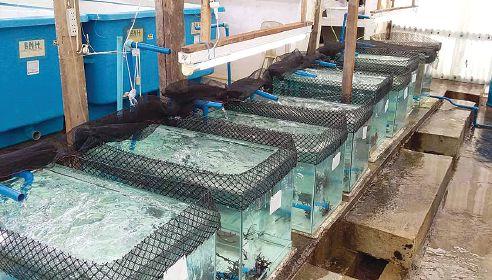
(Photo: Rho-An N
“By January, we started making makeshift hatcheries. In March, we started with the culture of natural food and purchase of broodstock. By April, we started with the spawning activities,” she says.
Within the same year, they were able to produce abalone juveniles. The most important facility for them right now, Cabacaba says, is the phycology laboratory. A shed was built to provide a continuous production of natural food for the larvae. If the larvae are produced but there is no food for them, then the project wouldn’t go far, she stressed.
They produce chorella virginica, nannochloropsis oculata, terraselmis sp, navcula ramossisima, chaetocetos calcitrans, chaetoceos closterium, skelotenema costatum and isochrysis galbana.
The center had to start developing their broodstock all over again. Milkfish takes five to seven years to reach breeding stage. Other finfish species take three to five years.
They have also started with a lobster culture assessment program in line with a government project. Beneficiaries are fisherfolk, who will be provided with lobster juvenile for grow-out.
HIGH-VALUED SPECIES
GMFDC is the only facility of the Bureau of Fisheries and Aquatic Resources that cultures high-valued species. They received funding from the government. Seeds, fry and juveniles produced are mainly for dispersal to local government units (LGUs) and fisherfolk.
The LGUs use these in marine sanctuaries and for stock enhancement.
GMFDC has annual production targets for each species. Output in excess of the target may be sold commercially.
Asked about the importance of technology, research and innovation to their field of work, Cabacaba implies that improvisation is just as important.
“We made a small shed and, considering that we don’t have 100 percent of environmental parameters, we have output – the scallops,” she says.
The center is the first in that Philippine region, if not in the entire country, to develop and spawn a scallop broodstock. They have produced juveniles. Although she says the survival rates are still very low, much has already been done and achieved with the project. She is concerned, though, for its continuity.
Budget for 2019 has been cut. With the lobster project being a priority, Cabacaba anticipates that allocating resources for others will be very tight. She says she will find a way to continue working on the scallops.
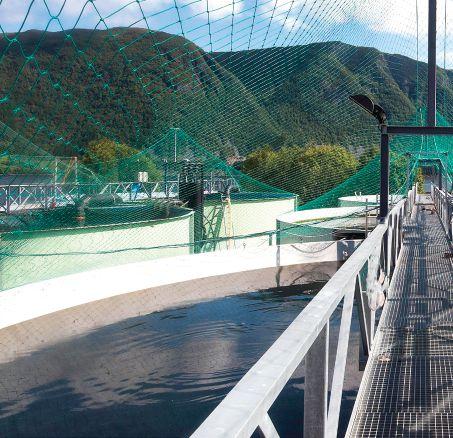
HATCHERY HACKS
Stories from the dead
Mortality classification and analysis
BY RON HILL
nspection and classification of mortalities found in a system is an essential tool for hatchery management. It is not enough just to collect mortalities in a timely manner and manage based on the number of total dead fish. The raw number of mortalities in a tank or across a facility does little to help with analysis and diagnosis of larger issues and tells the hatchery manager very little. The dead fish themselves hold much info if they are analyzed quickly.
IMykolas Kamaitis, veterinarian for Marine Harvest Canada explains: “Daily removal and classification of morts is not only important for limiting the potential spread of pathogens and infectious agents; timely removal also gives farm staff the opportunity to classify the mortalities by cause of death and to pick up on early signs of fish health concerns. Fry/fingerlings can decompose very quickly, so the sooner they can be assessed, the better chance you’ll be able to get some useful information out of them.”
Each mortality in the system should be classified into predetermined categories as best as possible. Categories used will match the specific needs of the facility. Common categories include: deformities, fungus, human error, handling, post transport losses, jumpers, lethal sampling, and eye pecking. There are many other site-specific categories. Beware of allowing broad categories like “disease” to be used in day to day farm mortality collection. Diseased deaths should only be coded as such after diagnosis by a vet and should be coded to that disease. Always add a category for the unexplainable mortality and for decayed fish. “Non codable” is a popular category for those fish that have decayed too far for any classification. “Fresh mort” is a good category to use with fish that look fine when examined externally but are collected mortalities.
IDENTIFYING TRENDS
Trends found in categories lend evidence to the issues affecting groups of fish. This can be seen at the tank, system and farm levels and will give indications of where a particular mortality originates. Fungus morts may rise in a particular system but not in the others, indicating something may be wrong with the filtration/disinfection of the affected system.
Long term analysis of morts can also show the farmer how most of the fish are being lost and at what life stage. If there are extremely high numbers of deformities, there may be an issue with the source of fish. Large losses to eye pecking may indicate problematic under feeding at the farm. Along with investigation of the large and historical data, mortality classification data is extremely useful to help determine underlying root issues in a fish rearing system and leads to improved operations.
INTERNAL EXAMS
It is also important to do internal examinations of mortalities. “Cutting open morts (when they are large enough to effectively do so) is also very valuable for monitoring the health of your fish,” Kamaitis says. “What you see on the outside of a fish is only part of the picture. Routinely cutting open morts to assess internal organs, including internal fat content, and whether fish are on feed, can alert you to possible environmental and water quality concerns, developmental issues (e.g. deformities) or presence of disease in a population of fish.”
These signs in your fish, particularly the absence of feed, give the farmer ideas on where to look for issues in the system such as water quality or filtration failure, and give an assessment of the population as a whole.
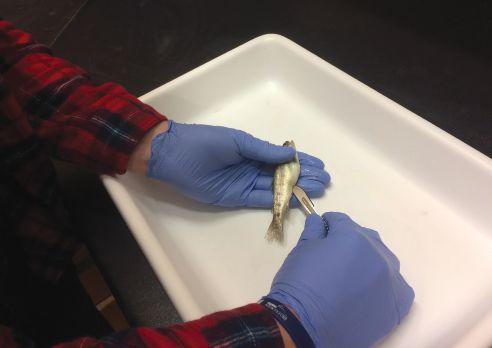
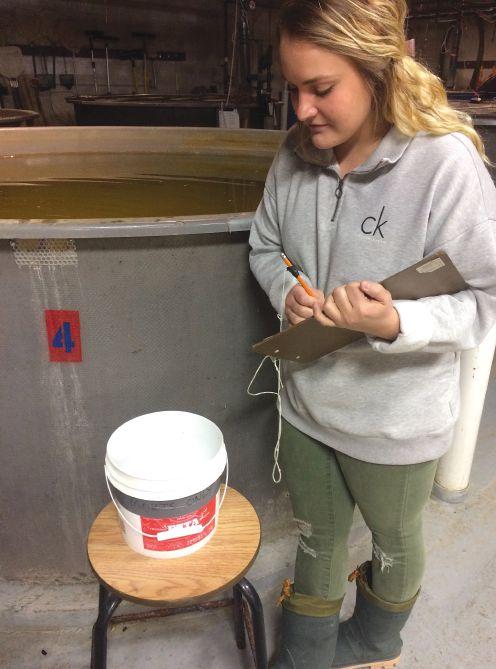
Examining the fat content of the fish, particularly the pyloric caeca of salmonids, may provide an indication of how well the fish has been feeding and the availability of feed to that fish. A healthy, well-fed fish will have fat throughout and all around the caeca.
CHECK THE GILLS
Examine the gills of every fish collected. The shade of the gills will indicate how long the fish has been deceased. A fish with bright, red gills has just recently died. Upon death, the gills quickly start to pale then fade to grey. Look for mucus on the gills that may indicate gill irritation and inflammation.
A well thought-out system for mortality classification and analysis can provide the farmer a valuable information resource. It’s important to make sure to train all new workers in the classification system so that everyone knows exactly what signs to look for when diagnosing morts, to maintain consistency in the data.
(Top) Performing internal examinations of morts can provide valuable insights on the health of the fish in the hatchery. (Bottom) It is also important to separate mortalities into predetermined categories in a timely fashion.
1 in 10 Atlantic salmon from RAS by 2030
BY CHRISTIAN PÉREZ-MALLEA
What seemed as Utopia a few decades ago is now reality: Atlantic salmon is being grown out in land-based facilities and promoted as sustainable alternative to sea cages. Production costs and EBIT/kg are not yet competitive against conventional production, but the gap is progressively narrowing.
TECHNICAL FEASIBILITY
In his presentation at Aqua Forum 2018 last October, Christian Sørensen, president of Billund Aquaculture, forecasted an even larger adoption of this technology in the coming years.
He believes land-based salmon production is an already proven concept in technical terms. “There have been lots of adjustments of the expectations on land-based salmon, especially related to growth costs, densities and water quality requirements. It seems we have all experienced that is easy to produce a 2-kilogram salmon. But it is more complicated, as salmon get more and more sensitive, from 2 kilograms to 4 to 5 kilograms. It has taken some time to prove this concept. So now we just have to establish this proven concept and grow,” he said.
This is a vision shared by Matías del Campo, general manager of Benchmark Genetics Chile. “Land-based production of larger smolts (i.e. over 150 g) is certainly a growing trend in Chile and in other producing countries, which involves intensive use of onshore facilities with a high degree of productive control. In this sense, land-based technologies have concrete applications on a commercial scale, which are already technically and economically proven.”
DECREASING COSTS
Although its high initial investment was considered as a major barrier for land-based projects 10 years ago, Sørensen considers this is no longer the case and showed two examples of facilities operating under this concept: Langsand Laks in Denmark and Atlantic Sapphire Miami in the U.S. “I do not think investments required are delaying these projects. What is the limitation for growth? It is pretty much linked to licenses, different countries’ views on putting it on-land, to give the possible location sites; human resources, there is a really huge need for people who know about it, we need to work with that and the industry too,” he added. He recognizes that EBIT/kg in land-based facilities is still higher than that of conventional sea sites but thinks this is changing. “Unfortunately, production of salmon at
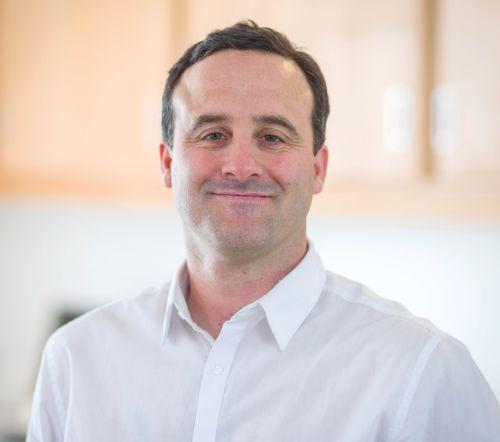
Matías del Campo believes it's still possible to optimize RAS systems and processes to achieve greater savings, especially in salmon grow-out.
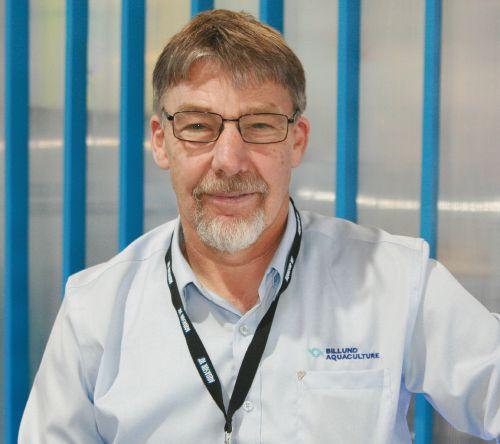
Salmon land-based grow-out production might increase from today's 8,000 tonnes to 200,000 – 300,000 tonnes in the next decade, according to Christian Sorensen.
”In our expectations, in 2030 we believe no more than 10 percent of the global demand for salmon will be covered by land-based production.”
the sea has an increasing curve in production costs due to many reasons, for example, complications with sea lice, mortality issues, etc. By contrast, I believe that land-based production has a decreasing curve and we will still be able to optimize that cost per kg,” he said.
Del Campo believes it is still possible to optimize these systems and their processes to achieve greater savings especially in salmon land-based grow-out.
MARKET PERSPECTIVES
According to Sørensen’s figures, land-based salmon facilities have a total production capacity today of about 8,000 tonnes per year, compared to around 2.2 million tonnes of salmon global production.
“If we expect a growth rate of 4 to 5 percent per year in 2030, we will probably produce 4 million tonnes in the world, so land-based salmon is just a kind of support to the coming years’ consumption request for salmon,” he said. Moreover, he thinks land-based salmon grow-out will be
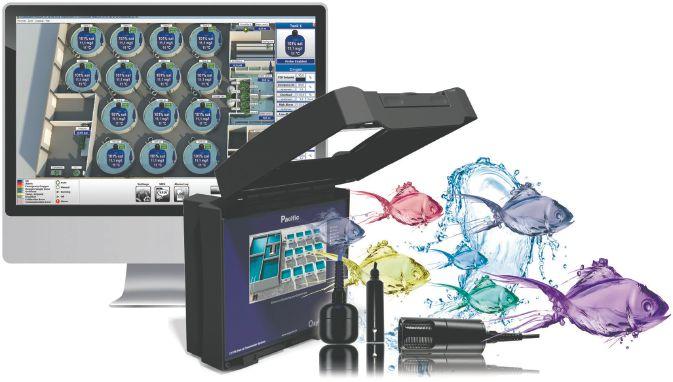
going hand-in-hand with traditional production. “We do not expect that land-based salmon will take over the traditional product. It might move from today’s 8,000 tonnes towards 200,000 or maybe 300,000 tonnes in the next 10 years. It will be part of the global growth in aquaculture,” he explained.
Meanwhile, del Campo also believes demand is growing and niche markets are opening, which could absorb small volumes as land-based production escalates. “However, the total volumes to be supplied are high and, for the time being, the sources of conventional production will be dominant.” he concluded.
Finally, Sørensen does not see land-based production as a threat against traditional salmon farming countries as Norway and Chile. “With no doubt there will be land-based salmon production in areas like the US and Asia, where they have a high demand for fresh salmon, but again, to highlight my message: in our expectations, in 2030 we believe no more than 10 percent of the global demand for salmon will be covered by land-based production,” he said.
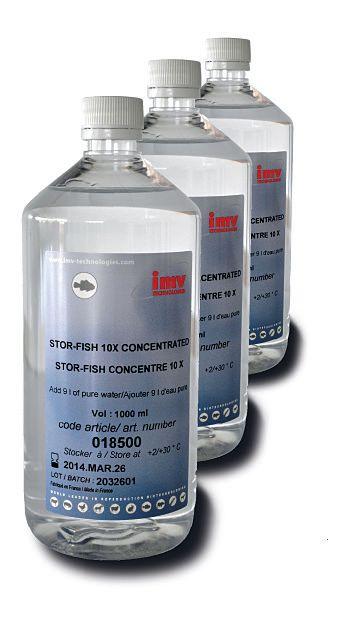
Peracetic acid use in RAS
Findings from research at The Conservation Fund’s Freshwater Institute
BY JOHN DAVIDSON & CHRISTOPHER GOOD
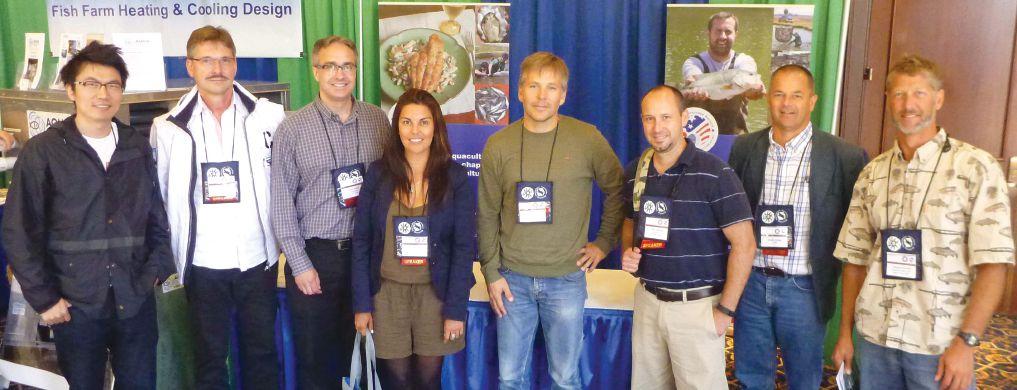

Peracetic acid (PAA) has recently been documented as an effective water disinfectant for aquaculture that also appears to be compatible with biofiltration when applied at low doses. As such, the outlook for PAA use in recirculating aquaculture systems (RAS) is positive, particularly when considering the environmentally friendly attributes of this compound.
PAA is a powerful oxidant that is primarily composed of acetic acid and hydrogen peroxide. It reacts rapidly with organics and degrades to oxygen and water, and therefore does not result in harmful byproducts or pollutants. Due to its effectiveness as a water sanitizer, PAA could also be an alternate water treatment option to formalin, which is being phased out in several countries due to human health concerns.
Europe has accepted the use of PAA in aquaculture systems with fish present. In the U.S. however, it was only recently approved as a surface disinfectant for aquaculture equipment and production systems without fish by the US Environmental Protection Agency. It is possible that the use of PAA will become more commonplace for water treatment in the U.S. aquaculture industry pending further regulatory approval.
Wisconsin, USA).
To facilitate the acceptance of PAA use in aquaculture systems, continued research is needed to develop and refine application methods and to demonstrate water quality and fish health benefits at optimized concentrations, particularly in RAS. In this article, we overview two PAA studies recently conducted at The Conservation Fund’s Freshwater Institute (TCF/FI) in Shepherdstown, West Virginia, USA.
POST-VACCINATION DISEASE
The disease saprolegniasis, often referred to as “fungus,” commonly occurs in salmonid aquaculture at production stages when fish are vulnerable to infection (fry, smoltification). Saprolegniasis is also particularly prevalent in cultured Atlantic salmon during the period immediately following vaccination.
To investigate PAA’s usefulness for reducing post-vaccination saprolegniasis, twelve replicated experimental-scale RAS were constructed, each with a 0.5 m3 circular tank and a miniature fluidized sand biofilter. Each RAS was stocked with juvenile Atlantic salmon at typical production densities and fish were given a short acclimation period. Thereafter, all
Innovation leading new wave of RAS technology
BY ERIC IGNATZ
Representatives from AKVA group and Veolia, both recirculating aquaculture system (RAS) manufacturers, presented some of their new projects during the Atlantic Canada Fish Farmers Association (ACFFA) Research Forum on Oct. 24 in St. Andrew’s, New Brunswick, Canada. Both groups have developed modified versions of traditional RAS systems, enhancing efficiency and bringing modern technology to the forefront of aquaculture management.
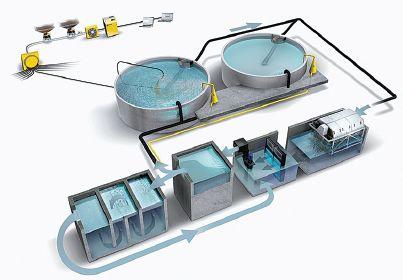
AKVA group has teams dedicated to supplying and servicing land-based operations in Norway, Denmark, Chile and Canada. Their new design, implementing their Zero Water Change (ZWC) technology, uses 10 times
less water than a traditional RAS system. Only 0.1 percent of total system water volume is added to the system per hour, taking 40 days to fully exchange all of the water in the system.
ZWC systems require only 30 to 40 liters compared to basic recirculation systems which need 300 to 500 liters of water per one kilogram of feed introduced. ZWC systems also lower the impact on the environment, as not only are they designed for less power usage, but with de-phosphorus structures in place almost all excess waste is removed from the system. The same can also be said for nitrogenous waste.
AKVA has approximately 40 ZWC RAS systems installed or in production around the world. One of those sites is Tytlandsvik Aqua, a production facility for large smolt in Hjelmeland, Norway with an overall tank volume
PAA researchers at the 11th International Conference on Recirculating Aquaculture in Roanoke Virginia. Left to right: Dibo Liu and Thomas Meinelt (Leibniz-Institute of Freshwater Ecology and Inland Fisheries – Berlin, Germany), Christopher Good (TCF/FI, Shepherdstown, West Virginia, USA), Paula Rojas-Tirado and Lars-Flemming Pedersen (Technical University of Denmark, DTU Aqua), John Davidson (TCF/FI, Shepherdstown, WV, USA), Dave Straus (USDA Agricultural Research Service, Stuttgart, Arkansas, USA), and Greg Fischer (University of Wisconsin Stevens Point Northern Aquaculture Demonstration Facility, Bayfield,
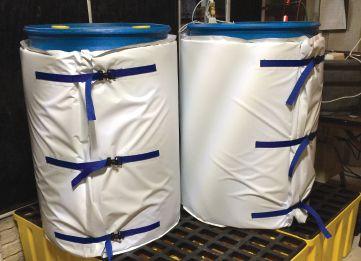
WATER QUALITY AND RAINBOW TROUT PERFORMANCE
salmon were vaccinated via intracoelomic injection with a standard, commercially available vaccine. Four treatments were established, with various PAA treatments administered over a six-week period including pulse doses to achieve 0.2, 0.5, and 1.0 mg/L PAA, plus an untreated control group (n=3).
Fish were monitored daily for mortalities and observations of external Saprolegnia spp. infections, and nitrification efficiency was assessed through measurement of total ammonia nitrogen (TAN) in water samples collected from biofilter inlets and outlets. During the six-week period following vaccination, fish survival was significantly greater in all RAS treated with PAA compared to the untreated controls; although, no major fungal or pathogenic outbreaks were observed in the control systems. Biofilter function was unaffected by PAA administration, with no significant differences in TAN removal efficiency noted across PAA doses compared to the control RAS. Visible saprolegniasis was significantly lower with increasing PAA dose, although growth performance diminished by a small, yet significant extent for PAA-treated fish. Overall, this study provided evidence that PAA doses (0.2-1.0 mg/L) have the potential to prophylactically reduce post-vaccination saprolegniasis in Atlantic salmon without impacting RAS biofilter function. Mildly reduced growth performance, however, may be a temporary consequence of daily PAA treatments at the examined dosages.
that will exceed 15,000 m3. Once this system is in operation it will only require a freshwater supply of 250 liters per minute. In contrast, Veolia produces pre-engineered modular systems, such as their RAS2020 design. With a total facility footprint of only 2,600 m2, the RAS2020 system is extremely compact, helping reduce construction and energy costs. They are designed to produce 1,200 metric tonnes of fish per year and are well-suited for species such as Atlantic salmon (Salmo salar), rainbow trout (Oncorhynchus mykiss) and kingfish (Scomberomorus cavalla), among others. Typically, the system runs at a 99.6 percent recirculation rate, but water intake and effluent may be modified to meet the specific demands of each site. There are currently three facilities with installed RAS2020 systems in the world: Swiss Alpine Fish in Switzerland, Sashimi Royal in Denmark and Fredrikstad Seafoods in Norway. The
Peracetic acid has been described as having strong oxidizing potential and antimicrobial abilities similar to ozone. At TCF/FI, we’ve documented wide-ranging water quality improvements provided by low dose ozone addition in RAS, including reduced total suspended solids and fine particles, clear water due to color removal, and diminished dissolved metals concentrations. We have also found that the cumulative water quality advantages provided by ozone can lead to improved rainbow trout growth. Therefore, we were interested in studying whether PAA could provide similar water quality and fish performance advantages.
A study was carried out in six replicate RAS (9.5 m3), three operated with semi-continuous PAA addition and three without PAA while culturing rainbow trout. Target PAA doses of 0.05, 0.10, and 0.30 mg/L were evaluated at approximately monthly intervals. A safe and effective PAA dosing strategy was developed that included an air-monitoring system for PAA vapor, drum spill containment, and a contained peristaltic pumping station designed to capture unexpected leaks. VigorOx -SP15 from PeroxyChem (Philadelphia, PA, USA) was used as the PAA source, and PAA was pumped directly from a 55-gallon drum to the headspace of low head oxygenators (LHOs) of RAS designated for treatment.
Rainbow trout growth and survival were not affected by PAA addition at the tested doses. Similar to the previous study, PAA rapidly dissipated, e.g., it was generally undetectable at the tank side drain. Therefore, PAA did not negatively impact nitrification, providing further evidence of its harmless nature when applied at low levels in RAS.
While PAA addition was compatible with rainbow trout production and RAS operation, it did not create dramatic water quality improvements like we’ve documented with ozone. Significant, but low-level oxidation of true color of the culture water was measured at 0.10 and 0.30 mg/L PAA, but total suspended solids and dissolved metals concentrations were not reduced.
first installation in Canada is scheduled for completion in 2019 with a company called CanAquaculture located in Quebec.
Veolia also has their AQUAVISTA platform available to producers to track their system performance in real time. This digital technology is designed to improve efficiency and allow monitoring even from remote locations. Round-the-clock support is available through the app and monthly reports can be generated from the data collected, granting easier and better management of the facility.
AKVA group and Veolia are just two examples of companies revolutionizing the way fish are farmed worldwide as interest in land-based aquaculture continues to grow. Innovation continues to play a vital role in the development of this expanding industry and discovering new ways to maximize production potential while reducing cost is the key to its success.
Surprisingly, no clear antimicrobial effects were measured when analyzing bacteria counts in the RAS water. Oxidative reduction potential (ORP) increased with increasing PAA dose, like the response expected with ozone, indicating that PAA residual concentrations could potentially be monitored and controlled using an ORP feedback loop. Ultimately, PAA did not provide the same advantages of ozone at the tested concentrations.
Literature review indicated that the semi-continuous application approach used during this trial may have been at odds with
PIT
TAGS & SCANNERS
519-348-8491 Fax: 519-348-9519 www.tags4all.com sales@tags4all.net
creating water quality improvements, particularly antimicrobial effects. Other studies have shown that periodic batch or pulse dosing of PAA is likely a better method for controlling microbial populations in RAS and flow-through systems, and therefore deserves further study at the concentrations tested during this trial, up to 1.0 mg/L. These two research trials provided valuable insight into the potential advantages of PAA use in RAS, as well as important guidance towards the development of standard operating procedures for its safe and effective use in these production systems.
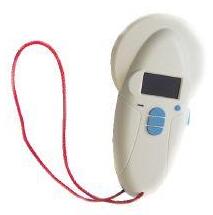

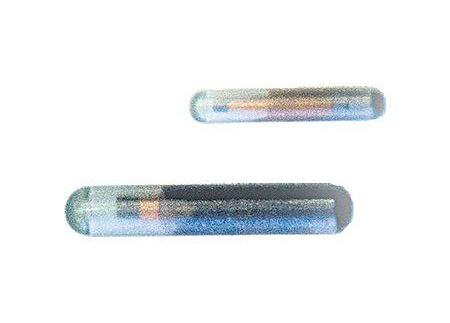




Safe PAA storage and delivery setup utilized during the 6 RAS study including a spill containment pallet to support chemical drums (left), a contained peristaltic pump dosing system (top right), and a PAA air vapor monitoring system (bottom right).
Teaming up in pursuit of sterile salmon SHOWCASE
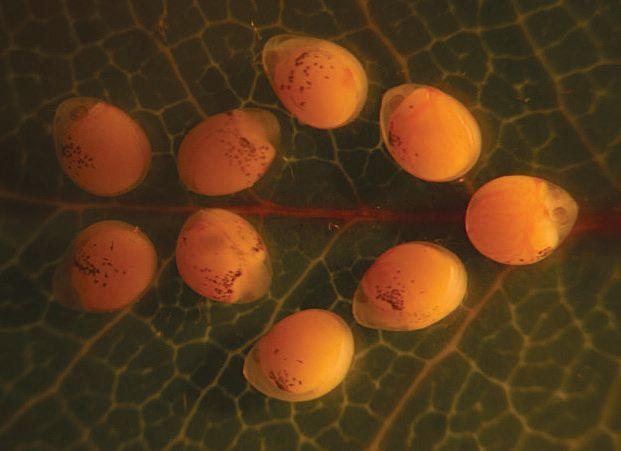
AquaBounty has joined forces with aquaculture R&D company, the Center for Aquaculture Technologies (CAT), to apply CAT’s patented sterility technology to products developed by AquaBounty.
The two companies signed an agreement whereby both will co-fund CAT’s research using gene editing to produce a sterile finfish for use in aquaculture. CAT will hold the patents and AquaBounty will receive a nonexclusive, royalty-free, license to those patents and the technology. The development work will be performed at CAT’s facility in San Diego, Calif., U.S.A.
“We are delighted to work with AquaBounty to develop this technology and realize its potential in aquaculture,” Dr. John Buchanan, chief executive officer of CAT.
“Although AquaBounty has been very successful in routinely achieving levels approaching 100 per cent sterility using triploid induction technology, we are very pleased to be working with CAT and using their innovative gene editing approach to ensure 100 per cent sterility genetically,” said Ronald Stotish, chief executive officer of AquaBounty.
“Sterility of farmed fish has many environmental and production benefits and we believe this project has a broad range of potential applications in the industry,” the AquaBouty executive added.
CAT operates two laboratories: its research hub in San Diego, Calif., and the world’s only Level 3 certified pathogen containment, private aquaculture research facility located on Prince Edward Island in Canada.
"Owing to the expertise of its team and the unique versatility of its labs, CAT is enabling the aquaculture industry to achieve efficient production growth without endangering the natural environment," the company statement said.
Aller Aqua contributing to African aquaculture sector
Fish feed producer Aller Aqua has committed three years as the founding sponsor of the African chapter of the World Aquaculture Society (WAS).
The company, which has factories in both Egypt and Zambia stated it made the move following its recent growth in the African markets and as a show of support for the African aquaculture industry.
“It is important for us to continue to have a positive impact on aquaculture globally,” Niels Lundgaard, commercial director for Aller Aqua Africa stated in a release. “Aquaculture is experiencing significant growth, particularly in Africa, and it is vital to support initiatives which help ensure that growth of aquaculture is facilitated all over Africa. This is done through research as well as sharing knowledge.”
Lundgard added he is pleased the WAS is focused on aquaculture in Africa and is recognizing the large diversity on the continent.
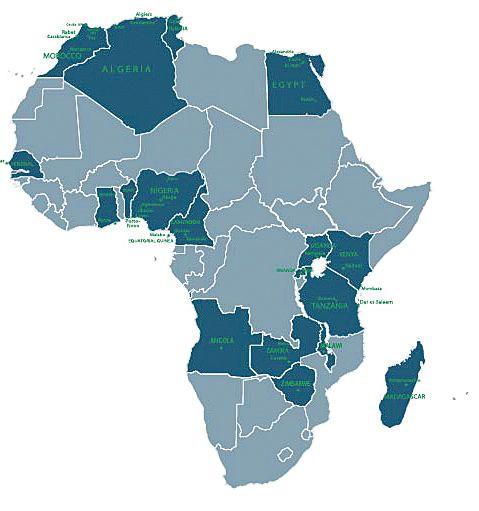
“It is good to see the focus African aquaculture is experiencing. We see the growth first hand when talking to customers and we experience a great interest in our feeds,” added Aller Aqua Egypt chief executive officer Hussien Mansour. “This has enabled us to double our
production facilities. The African Chapter of the WAS will increase focus and capabilities within the sector, as well as ensure further spread of an environmentally friendly method of producing protein for our growing population.”
“I truly believe that the African chapter will make a positive difference for increased knowledge and research in aquaculture in Africa,” Lewis Ngwenya, chief executive officer of Aller Aqua Zambia stated. “We see many fish farmers who are eager to increase their businesses and thereby make a positive contribution to the local society as well as their own earnings.
Ngwenya said the company has created a learning center by its factory to strengthen the aquaculture sector and create increased benefits for resource-poor parties in the value chain.
Aller Aqua has factories in Egypt and Zambia, and subsidiaries in Kenya, Ghana and Nigeria. It distributes feeds to Tunisia, Algeria, Morocco, Senegal, Benin, Cameroon, Angola, Zimbabwe, Malawi, Tanzania, Rwanda, Uganda and Madagascar.
Phibro Animal Health names new North American Aqua Manager
Fresh-flo upgrades transport aerators
Phibro Animal Health Corporation has a new North America Aqua Manager. Mark Pierson will be responsible for all U.S. and Canadian aquaculture related sales, including the implementation of a key account strategy for U.S. and Canadian aquafeed mills and fish farms.
He will also be working with the global aqua team in developing a global aquafeed strategy.
Pierson joins Phibro after spending 11 years at Cargill where he most recently served as the strategy, marketing and technology lead for Cargill’s aqua nutrition business. At Cargill he led the strategy development for the aqua nutrition business across multiple species and geographies.
Prior to Cargill, Pierson was with Ocean Spray Cranberries where he served as assistant category manager for the brand at major retailers.
Wisconsin-based aquaculture equipment manufacturer Fresh-flo has made enhancements to its aerators, which fish farmers use to ensure their stock remains healthy during transport.
Starting with the motor of the aerator, the end bell has been improved to alleviate pressure on the motor bearing. One of the main upgrades to the TT aerator has been the change to a stainless steel bearing support tube. This wider and larger tube eliminates the carbon support tube variation previously offered. Inside the tube, a shaft seal was added to ensure a more water-tight system. The new stainless tube allows the aerator to be used in both fresh and salt water.
Moving down the unit, the plastic insert of the lower bearing is now more substantial. Finally, at the base of the model TT transport aerator, which is submerged when in use, the aluminum alloy comprising the impeller has been upgraded which eliminates the need to specify the heavy stainless steel option.
While the previous TT transport aerator served users as intended, the feedback they provide and the desire to support a growing aquaculture industry was the impetus the engineers at Fresh-flo used to design the upgrades.
Hauling fish is a natural stressor for them with even a short-time transport of 10 to 30 minutes requiring conditions of constant air or oxygen supply. Even with ideal conditions, it’s possible to lose about a half percent of the fish. The quality of aerator placed in the haul tank dramatically affects the water quality and health of fish delivered. The model TT transport aerator is designed for tanks with 100 to 400-gallon capacity, and can be placed between two compartments to aerate both. With a standard pump capacity of 75 gallons per minute, a 45 GPM capacity can be specified for smaller fish. Fresh-flo transport aerators are used in every state and throughout the world so their dependability is proven.
Fresh-flo made numerous enhancements to the model TT transport aerator; shown on left is the upgraded unit, while the right one is the old version.
Fresh-flo Corporation has been producing products for the aquaculture industry and private pond owners since 1958. In addition to transport aerators, they also manufacture pond aerators, two fish grader models, as well as a bug lite fish feeder.
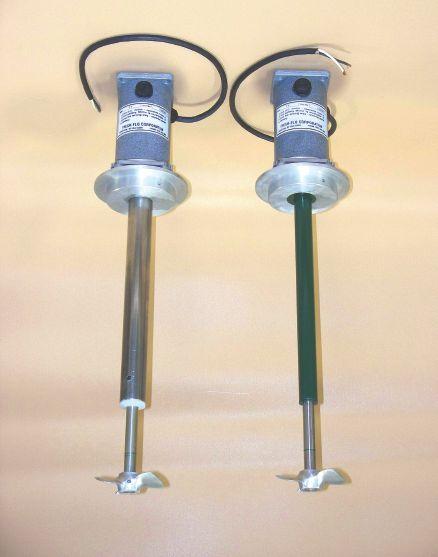
Mark Pierson
Pranger acquires RAS company PR Aqua
Indiana, U.S.-based Pranger Companies has acquired Canadian aquaculture design consultant, PR Aqua, from Pentair Aquatic Eco-Systems (Canada), Inc.
The acquisition has helped to further expand Pranger’s services in the industry, the company stated in a release. The Pranger Companies are an Indiana-based operation specializing in the development of commercial recirculating aquaculture systems (RAS) projects in the U.S. Pranger works with project owners and investors to explore the feasibility of their aquaculture or aquaponics project, and to coordinate the project’s site, scope, budget, design and construction.
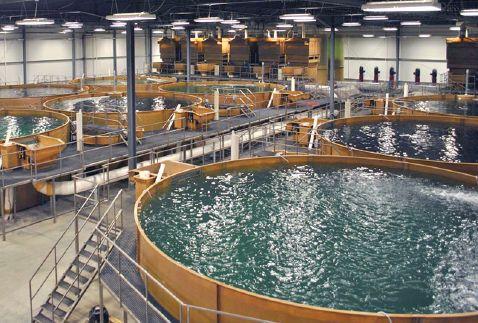
“We are excited to have PR Aqua join the Pranger Companies,” Gabe Pranger, equity holder in the Pranger Companies stated in the release. “Their knowledge of aquaculture systems and technology will be a tremendous benefit to our clients.”
PR Aqua, a Nanaimo, B.C., Canada-based aquaculture design services provider produces integrated water treatment and fish handling solutions for a variety of applications, specializing in RAS. RAS technology allows for intensive and sustainable production of fish in land-based farms.
“We are very excited to be able to re-establish the PR Aqua brand and to continue to deliver leading-edge design solutions to the aquaculture industry,” said KC Hosler, PR Aqua’s general manager and chief technical officer. “As part of the Pranger Companies, PR Aqua will have an expanded ability to support the delivery of turn-key solutions for our customers.”
Pranger has managed the development and construction of several high-tech RAS facilities, including the largest indoor RAS facility and the first commercial RAS salmon farm in the U.S., as well as collaborated on two of the largest commercial aquaponics facilities in the world.
Spanish manufacturer launching new live feed system
Pontevedra, Spain-based aquaculture feeding systems manufacturer FishFarmFeeder is launching a new hatchery feeding system for live feed.
The company, which focuses on inland fish farms announced it is introducing a central live feeding system – a pioneering technology to centrally and automatically manage live feed for fish larvae production at an industrial scale.
Controlled by a production management software and modulated according to environmental parameters in the culture cycle, the system provides a solution to automatically deliver with high precision microalgae and live preys to larval tanks in a complete integrated solution, the company said.
The system is enabled to receive input from environmental control systems (dissolved oxygen, temperature, pH, turbidity or other) in order to modulate the feeding process.
It will also allow for a high precision feed dosing, as opposed to the current artisanal and manual feeding processes, and will be supported by the i-FFFsw central control software that will gather all production-relevant data allowing for real-time, full traceability of feed and fish, and improved business decision making.
FishFarmFeeder aims to change the current feeding practice in hatcheries in finfish aquaculture, the company stated. It works to do this through process automation and information and communication technologies to increase feeding efficiency, contribute to improving animal welfare and ensuring quality and safety of aquaculture products.
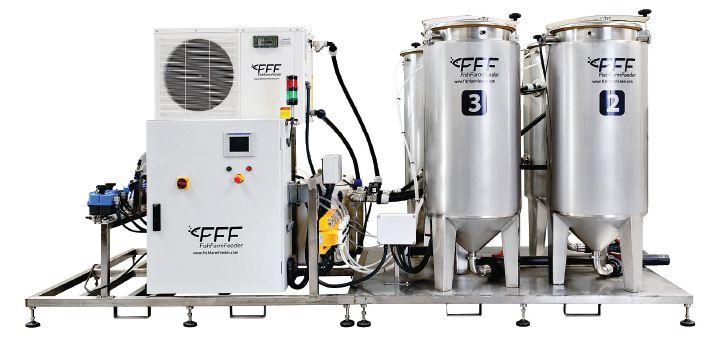
Aquaculture industry educator honoured by British Trout Association
The British Trout Association (BTA) recently held its annual conference at University Centre Sparsholt (UCS) in Winchester, United Kingdom.
Sparsholt has a global reputation for providing education in fishery, aquaculture and marine studies. Attendees included 40 industry members representing a number of fish farms and covering a wide range of topics from the history of the industry to its future development.
Sparsholt lecturer George Hide was honoured at the conference dinner with the Peter Jones Award for service to the industry.
“The BTA was delighted to present the Peter Jones Award this year to George Hide,” says Oliver Robinson, chair of the BTA and presenter of the award. “George has been a key contributor in training new recruits into the trout farming industry and has been responsible for leading much needed food trials.”
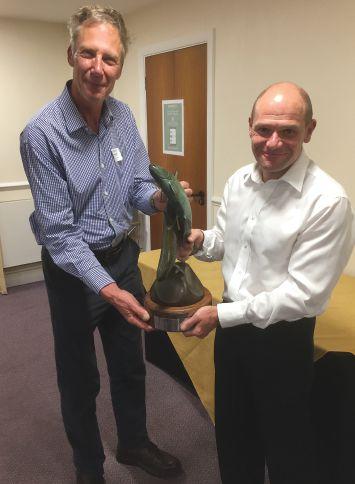
Sparsholt says its lecturing team ensures more than half of students in their final year return from their work placements with jobs lined up for their career following graduation, adding many have also progressed further on to the master’s level.
“I enjoyed my time at Sparsholt College; the best thing about it was the relationship between the students and the lecturers,” says Lewis Flowers who graduated in aquaculture and fishery management and who is now a trout farmer.
“I currently work for the Environment Agency in the National Fisheries Team and have been working for them for 10 years,” says aquaculture and fisheries management graduate Neil Lewin. “My experience at Sparsholt was brilliant. I initially didn’t want to go to uni but then I fell in love with Sparsholt.”
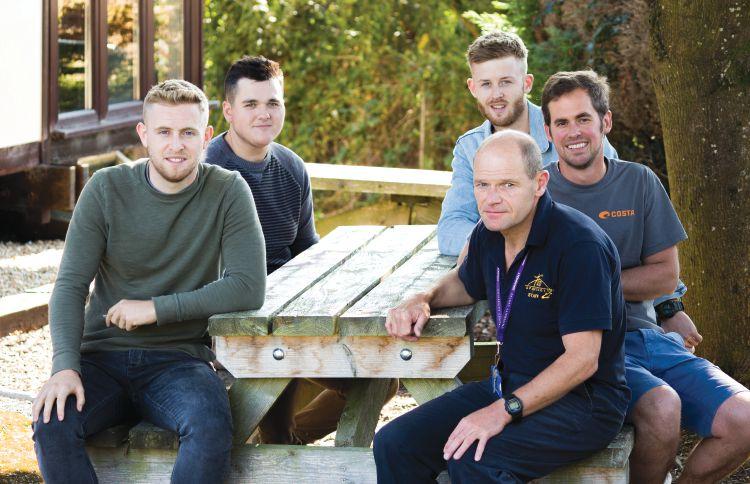
The university says many alumni have returned to attend industry meetings and training. “I don’t think I would have made the connections I did if I hadn’t gone to Sparsholt,” says sport fishery management and aquaculture graduate Robert Waker. “The course was also great for practically teaching and preparing me for going into the industry; it’s very relevant in that sense. I am now a hatchery manager at a Trout Farm.”
“The lecturers are very helpful and knowledgeable, with extensive knowledge in their own specific fields,” says aquaculture and fishery management graduate Kelvin Moolman. “They provide great industry links and provide support even after you’ve left. I am now a hatchery manager on a restocking trout farm.”
Group shot (L to R) Sparsholt graduates Lewis Flowers, Fen Oakley, Kevin Moolman, Robert Waker, and lecturer George Hide.
Photo: Pranger
SEEDSTOCK DIRECTORY



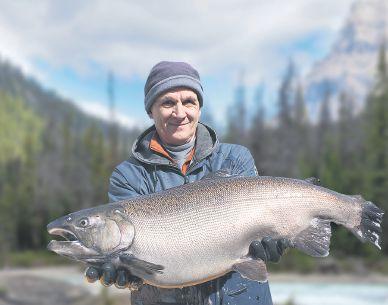


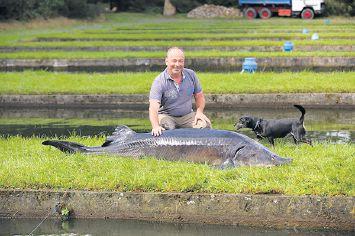
We deliver eggs from Acipenser ruthenus Acipenser ruthenus albino Acipenser baerii Acipenser güldenstädtii Acipenser stellatus Huso huso
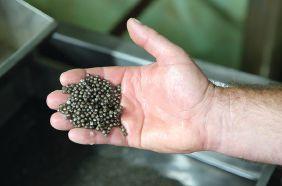
Fischzucht 1, D – 36129 Gersfeld Tel.: +49-6654-919220
Fax: +49-6654-8277 e-mail: info@fisch-gross.de
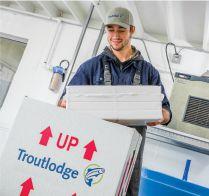
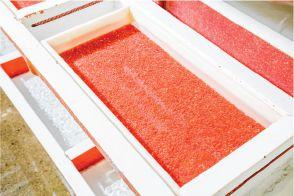
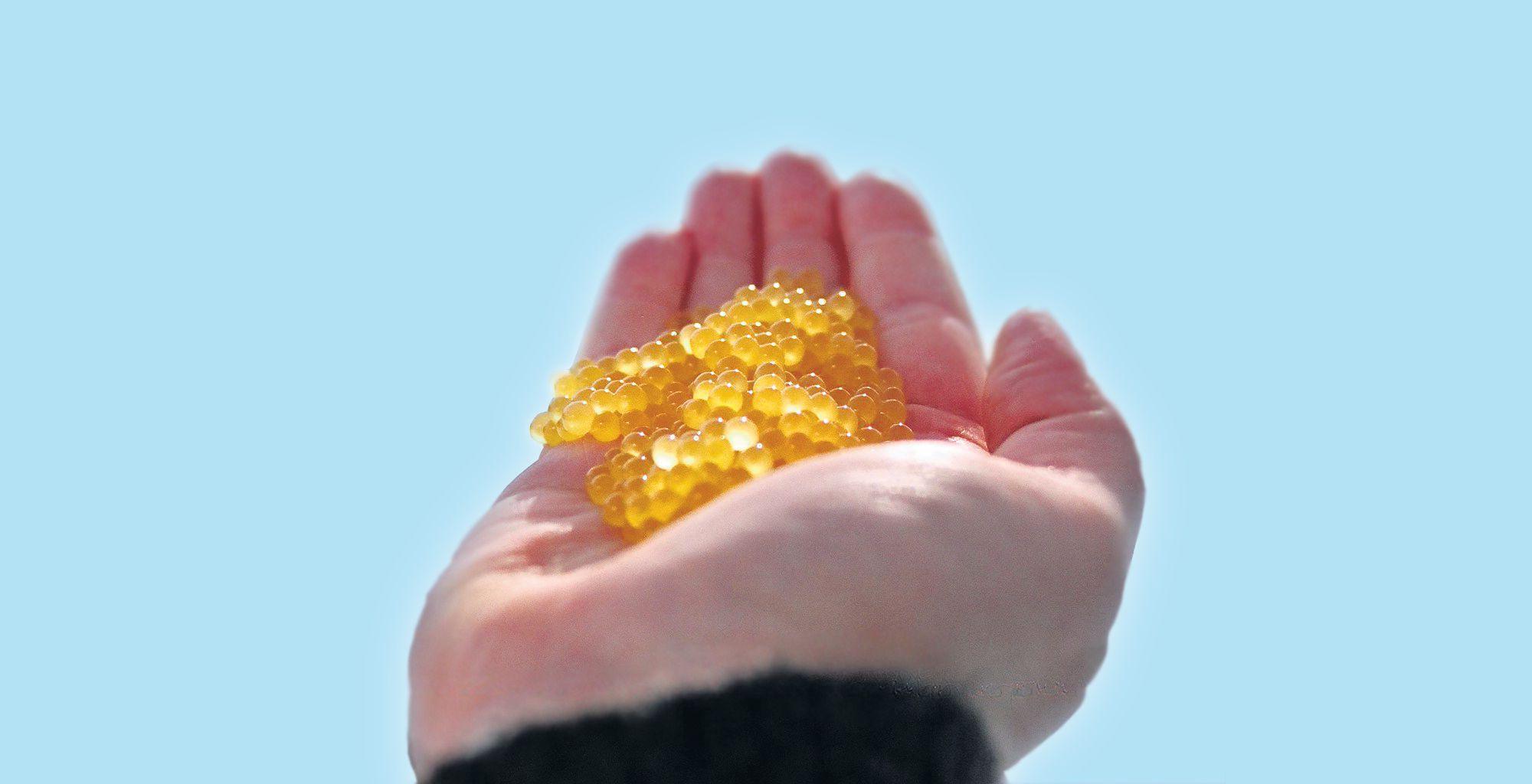
Survival Rate: 85%-90% egg to harvest
High Density rearing: 100kg/m2 on-growing
High Market Value: Amongst the highest in finfish Availability: Spring and Fall shipping
High disease tolerance
Low maturation & good growth
FOR TRIAL OFFERS or more information contact: Icy Waters Arctic Charr: dhori@icywaters.com 1.888.720.7969 • www.icywaters.com Follow us on twitter @icywaterscharr
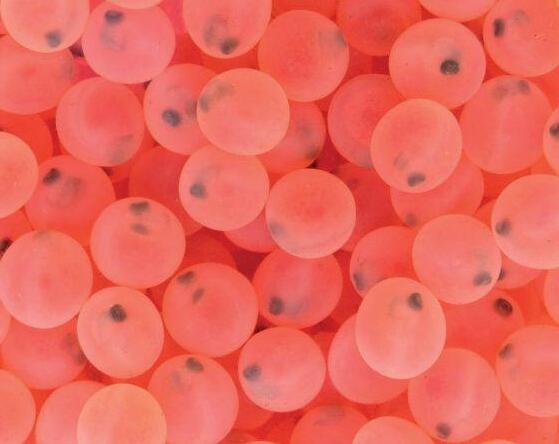
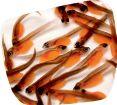
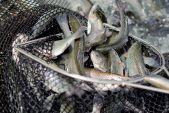
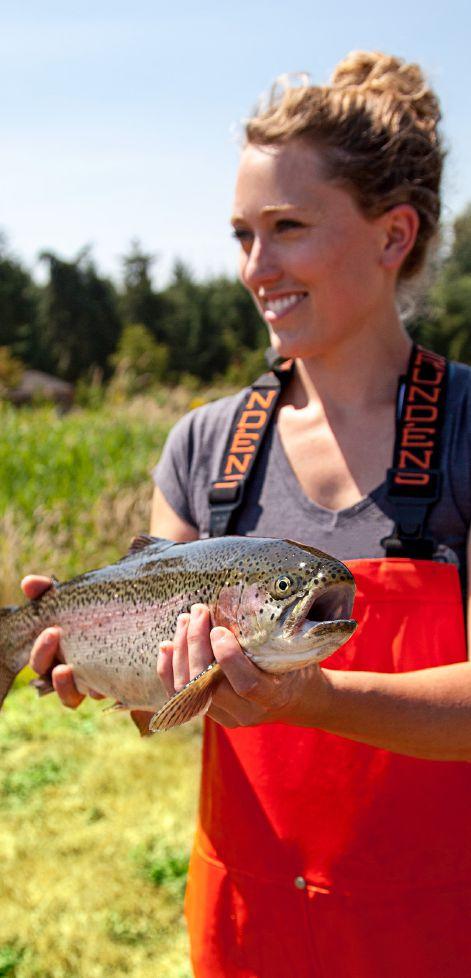


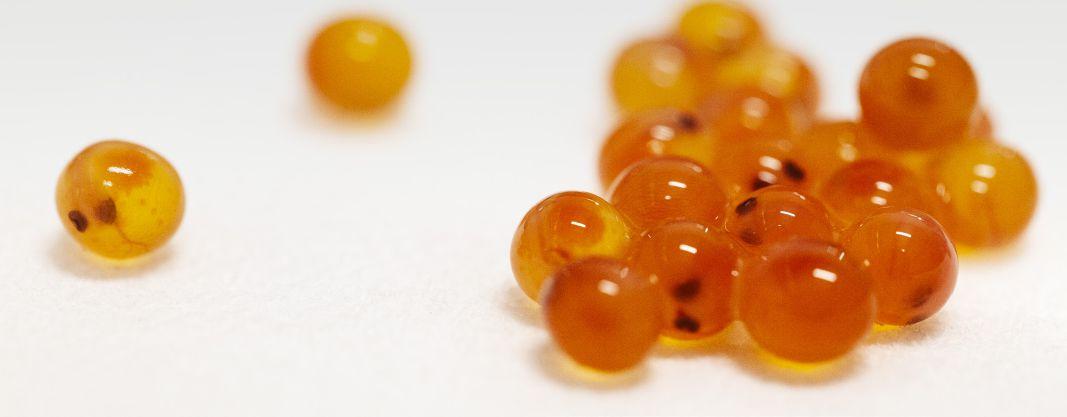

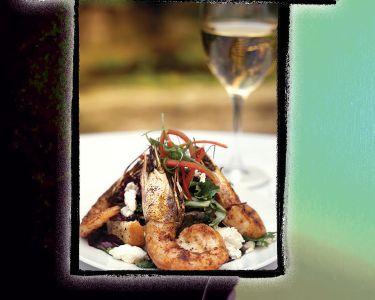



EVENTS CALENDAR
JANUARY
Jan 10 – 12
International Conference on Aquatic Resources and Aquaculture for Sustainable Development - Ethiopia www.hu.edu.et/aquaconf
March 7 – 11
Aquaculture 2019 – New Orleans, Lousiana, U.S.A. www.was.org
March 17 – 19
Seafood Expo North America – Boston, Massachusettes, U.S.A. www.seafoodexpo.com/north-america

Jan. 23 – 25
World Brackishwater Aquaculture Conference (BRAQCON 2019) – Chennai, India
FEBRUARY
Feb 13 – 14
Aquafarm – Venice, Italy www.aquafarm.show



MARCH
March 5 – 7
AgraME – Dubai World Trade Centre, UAE www.agramiddleeast.com
MAY
May 13 – 14
RAStech 2019 International Conference and Trade Fair on Recirculating Aquaculture System Technology –Washington, DC, U.S.A. www.ras-tec.com













FOUNDING SPONSOR
(RAStech 2019 is formerly the ICRA Conference hosted by VIRGINIA Tech.)
Hatchery International, in cooperation with Virginia Tech, presents RAStech 2019, a two-day conference and trade show focused on recirculating aquaculture systems (RAS) design, technology and implementation.
CALL FOR PRESENTATIONS
Interested in presenting at RAStech 2019? Contact David Kuhn at davekuhn@vt.edu
SPONSORSHIP OPPORTUNITIES
For sponsorship and exhibitor inquiries, contact Jeremy Thain at JThain@annexbusinessmedia.com
PLATINUM SPONSORS

GOLD SPONSORS SILVER SPONSORS Find