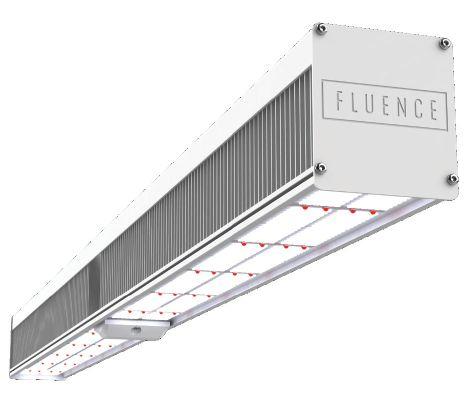
The VYPR Series by Fluence offers new spectra, helping maximize growth in greenhouses.
Whether your cultivation goals are improving plant quality or maximizing energy efficiency, Fluence PhysioSpec™ enables growers to optimize lighting strategies for any crop in any growth stage or geographic location.
Learn more at www.fluence.science
From the editor
By Mari-Len De Guzman
A seat at the table
Behind every great cannabis product is a skillful, dedicated grower
During our Virtual Grower Day last August, we polled our online attendees with the question: should growers be involved in the business decision making process at any licensed producer operation. Overwhelmingly, and I believe as expected, the answer was a resounding, Yes.
It is no surprise that this is the sentiment of our Grower Day attendees – most of whom are cannabis growers. For a master grower who “grew up” in the legacy market, mastering the art of cannabis cultivation took a series of steps and missteps, successes and failures, over decades. This invaluable, empirical knowledge cannot be overlooked nor underestimated in the boardroom.
The legalization of the cannabis market has significantly changed the landscape for the legacy producers and growers who have since transitioned to the legal market under the purview of the federal government. Suddenly, business decisions about cannabis production are being made on the executive floor, far from the cultivation rooms.
This bureaucratic process is one of the outcomes of a regulated industry. The stringent policies and the heightened accountability necessitated this to maintain compliance
and ensure the success of the organization. With millions of dollars at stake, non-compliance is a risk that most licensed producers simply cannot take. And we’ve seen the consequences of non-compliance play out just in the last year, and the financial and socio-economic impact it can have on a company and its employees.
While this is the reality of the cannabis industry today, the battleground remains in the cultivation rooms. Beyond the corporate agenda of stake-
Growers have to have a sit on the table where corporate decisions are made.
holder meetings, regulatory compliance initiatives, revenue forecasting, mergers and acquisitions – cannabis crops still need to be nurtured, provided the best growing conditions, harvested at optimum times and cured and processed in the most effective and efficient manner. This is why the growers, those who look after the plants, must work in concert with the corporate team – and vice versa. Growers have to have a seat on the table where corporate decisions are made.
In some LP organizations, the master grower also serves at the helm of the organizational structure. Business decisions at these types of organizations are likely influenced by the requirements of the
grow room. But the grower should not need to be the chief executive to be heard in the boardroom.
Every well-run LP must ensure that growers’ inputs – especially those with decades of cannabis knowledge under their belt – are given a voice in decisions that can influence how cannabis is grown and how the end-products are produced. They have a wealth of knowledge that can be a powerful tool in your LP toolbox.
On the other hand, growers can also benefit from understanding the corporate structure, and the regulatory requirements that need to be met. These behind-the-scenes aspects may not always be evident in the grow rooms or to someone spending most of the day tending to the plants. It can be a difficult transition when one has spent decades of just growing cannabis to now having to align those growing techniques and processes with a public-safety-oriented regulatory environment, on the one hand, and a revenue-driven corporate agenda on the other hand. But it can work, and it does work – given the right corporate culture.
With the right dynamics, the grow room can be brought into the boardroom.
Thank you to all who attended and participated in our first-ever Virtual Grower Day. For those who missed it, you can still catch the recorded sessions online by registering for free at www. growerday.com. See you in 2021!
Occasionally, Grow Opportunity will mail information on behalf of industry-related groups whose products and services we believe may be of interest to you. If you prefer not to receive this information, please contact our circulation department in any of the four ways listed above.
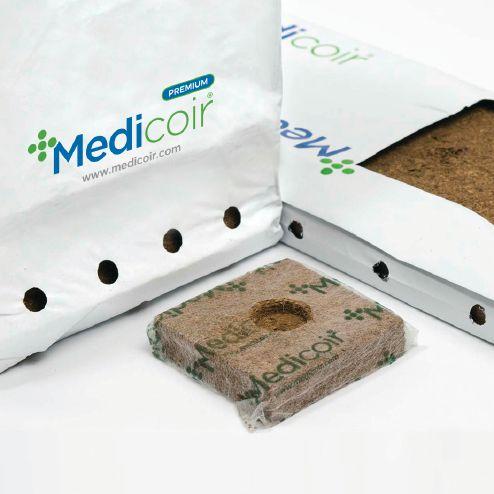
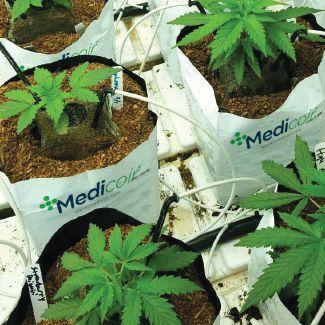
• Buffered: Calcium enriched
• Sterile
• Manufactured in an ISO certified facility
• Compliant with Health Canada Guidelines for pesticides and heavy metals
• Economical and ready to use
• Biodegradable packaging
Cannabis NB reports $1.4M in profits
New Brunswick’s government-owned cannabis retailer is reporting a profit of $1.4 million during its first quarter this fiscal year. Cannabis NB says total sales for the three-month period ending June 28 were $16.3 million – up almost 79 per cent from the same period last year. The turnaround is the result of aggressive cost-cutting measures, renegotiating prices with suppliers and the addition of weekly promotions, according to CEO Patrick Parent.
Premier Blaine Higgs said the finances will be considered part of a review underway to decide whether to privatize the corporation. Eight companies submitted proposals, but the review has been delayed by the COVID-19 pandemic. Higgs said he expects a decision by the end of August.
- THE CANADIAN PRESS
B.C. amends rules for cannabis purchase
British Columbia will allow consumers to reserve and pay for cannabis online or through an app, but they would have to pick up their orders in person. Previous retail licence conditions allowed customers to reserve cannabis products online, but required them to visit a store to complete the payment and obtain their purchases. The province said the policy change resulted from requests from retailers that said online orders would help limit customer time in stores during the pandemic. To curb the illegal market, the province is also now allowing retailers with multiple stores to accept prepaid purchase or gift at any of that licencee’s locations or through its online system. The province said it is also considering proposals from private retailers for delivery of cannabis bought online, but that any potential relaxation of existing delivery prohibitions would need to maintain strict standards preventing youth access to cannabis.
Hobo Cannabis renamed to Dutch Love after backlash
Following repeated criticism for more than a year, Hobo Cannabis Company is changing its name to Dutch Love.
The business is making the switch because it wants to be inclusive and ensure no one sees its name as an effort to slight homeless people, said Jeff Donnelly, the president and chief executive of Hobo parent company, the Donnelly Group.
“We were a bit tone deaf when we came up with the name,” Donnelly said. “One of our favourite magazines was called Hobo in the past and another amazing hotel in Denmark, and as a cannabis company, we felt we had the same cultural values as some of those companies. We wanted to capitalize on the experience of cannabis... where you travel when you use it or where your mind wanders.”
The Vancouver-based Donnelly Group didn’t notice much “friction” around the name until it opened its first store in 2019, he said.
Community and housing advocates have complained about negative connotations of the word, which they call an offensive term for homeless people. Hobo drew
further backlash after it opened a Toronto store near a women’s shelter.
No specific incident prompted the name change, but it came as the COVID-19 pandemic and high-profile incidents of police brutality against the Black community triggered a shift in society and culture.
“People have been empowered to speak up about what they believe in. Although we thought we really liked the culture of our brand, really it’s about our people,” Donnelly said. “If we wanted to truly have an inclusive brand, we felt like we were going to have to change the name.”
The company settled on Dutch Love – a reference to Amsterdam’s liberal attitude towards cannabis and its key role in pot culture.
Those with permission to call their stores Hobo were being asked to change their names after building up solid customer bases and brand recognition.
“To convince them to change the name from Hobo when the stores were doing fantastic was really, really difficult,” said Donnelly, who eventually got everyone on board.
- TARA DESCHAMPS, THE CANADIAN PRESS
Government extends fee deadline for LPs
Cannabis companies are being given six extra months – or until March 31, 2021 – to pay off annual fees they owe the federal government. The deadline is being extend due to COVID-19. The fee is based on a percentage of each licence holder’s cannabis revenues and was initially due Sept. 30, 2020, for many companies. The government said it moved the deadline because the cannabis industry has raised concerns about economic difficulties caused by COVID-19. The annual fee is separate from money collected for application screenings, security clearances and the import or export permits, but represents about 80 per cent of the fees paid by licence holders every year.
-
THE CANADIAN PRESS
Willow BioSciences to produce CBG
Vancouver-based biotech company Willow Biosciences Inc. is getting ready for its 500-litre pilot production run to deliver samples of its first cannabinoid, cannabigerol (CBG). CBG is one of more than 120 identified cannabinoid compounds found in cannabis. It is the non-acidic form of cannabigerolic acid, the parent molecule from which other cannabinoids are synthesized. Early research suggests that CBG has a range of bioreactive properties in the body that include anti-microbial and antioxidant functions. Willow will be the first to biosynthetically produce material amounts. “To a very large degree we will look upon this time as a watershed moment for our industry,” said Chris Savile, Willow’s chief operating officer. “We will finally be able to pivot to a variety of cannabinoid choices that best match our customers’ needs. Through our manufacturing methods we can achieve these solutions, and continue to assure our customers of category-altering purity, quality and safety.”
UHN to conduct study on medical cannabis for chronic pain
The University Health Network (UHN) is conducting an observational study to explore the therapeutic effects of medical cannabis for chronic pain, sleep or anxiety in adults. Dr. Hance Clarke said the study aims to apply the same rigour around medical cannabis that is demanded of any pharmaceutical product.
“We need the evidence to help us in prescribing the appropriate validated product, at the right dose, for the right patient,” said Clarke, the lead researcher of this study. “Ensuring quality standards will allow physicians and their patients to be confident about using medical cannabis to treat a wide range of pain-related ailments.”
Clarke is the director of Pain Services and medical director of the Pain Research Unity at the Toronto General Hospital. He also serves as director of GoodHope Ehlers-Danlos Syndrome Clinic at UHN. Through this study, he hopes
to develop a national repository of data that could provide more answers about the effectiveness of certain cannabis products.
The study will leverage blockchain technology through the Medical Cannabis by Shoppers online portal. Patients in the clinical trial will have access to a range of products, including dried flower, oil extracts, edibles and topicals.
“Medical Cannabis by Shoppers is best placed to offer Canadians the reassurance of medical products that have been tested and validated,” said Ken Weisbrod, vice-president of business development/cannabis strategy at Shoppers Drug Mart. “Our development of a blockchain secured initiative, with TruTrace Technologies Inc., has now been integrated into an operational portal that will provide products with an immutable digital identity, that can capture everything from detailed chemistry down to its DNA.”
VALUE-ADDED COMBINATION
BIOSTIMULANT MYCORRHIZAE MC
THESE ACTIVE INGREDIENTS WORK TOGETHER TO POSITIVELY INFLUENCE PLANTS, FOR
STRONGER AND MORE PRODUCTIVE
Legal Matters
By Matt Maurer and Andrew Wilder
State of cannabis retail
In less than two years since the legalization of recreational cannabis, there are currently over 1,000 cannabis retail stores open for business across Canada. Half of these stores can be found in Alberta, which got off to a fast start in awarding retail sales licences. In fact, some industry participants are of the view that Alberta’s retail market is now sufficiently saturated. Indeed, some stores in Alberta are already starting to close down for financial reasons.
Ontario, on the other hand, was significantly delayed in rolling out retail stores due to a number of government policy flip-flops and the decision to limit the initial number of licences and award them through two regulatory-dense lotteries. However, as of the beginning of 2020 when the provincial government finally opened the retail system up to the public, there has been a surge in applications and store openings in Ontario.
Notwithstanding the economic slow down caused by the COVID-19 pandemic (which also significantly impacted store operations), potential licencees’ ability to build-out stores has remained surprisingly strong and the time required to have licence applications reviewed and issued by the various regulatory bodies, including the Alcohol and Gaming Commission of Ontario (AGCO), has been, up until this point, arguably better than expected. As such, we have seen a tre -
mendous amount of activity in the cannabis retail sector across Canada, particularly in Ontario.
Statistics Canada reported that the cannabis industry contributed $8.65 billion to the Canadian economy in May 2020. Of this figure, $4.66 billion was contributed by the legal market with the remaining $3.92 billion coming from the illicit market.
Interestingly, the monthly contribution from the legal market has steadily trended upwards over the past year while the monthly contribution from the illicit market has trended downwards over the same period of time. This is a good sign for Canada’s legal cannabis industry and is a trend that we expect to continue as access is improved due to more retail stores opening across the country, and the price at which cannabis is sold concurrently declining due to a number of factors including market pressure, improved cultivation efficiencies and a record number of cultivation licence-holders.
Based on the Ontario Can-
nabis Store’s annual report, which covers the period of April 1, 2019 to March 31, 2020, the median price of dry flower, which is still by far the most common way to purchase cannabis, dropped by approximately 25 per cent from $9.48 to $7.48 per gram for online sales, and from about $10.62 to $9.61 at Ontario’s physical cannabis retail stores.
Legal cannabis retail sales in Canada rose to $185.9 million in May, an increase of about 4.2 per cent from April. Although some months were up and others were down across the provinces, the trend is showing continued growth across the country. Canada’s legal recreational cannabis industry is presently operating at an annual run rate of approximately $2.23 billion. Sales growth has been supported by the multitude of new cannabis products that are currently available, including edibles, vapes, beverages, concentrates and topicals.
In Ontario, when the ability to apply for a retail licence was opened up to the public, the AGCO advised that it antici-
pated issuing up to twenty retail store authorizations (i.e. the license necessary to open a particular store location) per month.
Over the last few months it has become apparent that the AGCO is clearly capable of processing more than 20 retail store authorization applications per month. Indeed, in both June and July the AGCO fully processed more than 20 applications each month and is on pace to exceed that figure again in August. Unfortunately, the processing of an application has not equated with receiving a licence and allowing a new store to open.
This is due to the fact that the AGCO is only conducting five final inspections per week to ensure that no more than 20 stores per month are licensed. This has led to a large number of licence applicants being told to essentially “sit and wait” for a long period of time, despite the fact that for all intents and purposes their application has been approved and only requires a final inspection to ensure compliance with the regulatory requirements that govern cannabis retail stores. As of this writing, licence applicants who have successfully fulfilled all of the other licence criteria are being told that they can expect their final inspection in August of 2021.
The reason behind the continued existence of this cap on licences has yet to be adequately explained by the AGCO, the Ontario Cannabis Store or the provincial government, leaving many business owners incredibly frustrated
Matt Maurer is the vice-chair of the Cannabis Law Group at Torkin Manes LLP in Toronto.
Andrew Wilder is a partner at Torkin Manes. He heads up the Corporate Finance Group and is the co-chair of the Cannabis Law Group.
Legal Matters
and in a challenging financial position. Not only are applicants essentially obligated to carry the costs of their store through a lengthy application process, they are now being asked to continue to carry those costs for a lengthy period of time, while not being able to earn any revenue to cover those costs.
Although the retail landscape in Ontario is continually growing with well over 100 stores authorized to be open, the current manner in which licence applications are being processed has slowed the growth rate of the retail market in Ontario. The AGCO has advised that it continues to
receive hundreds of new applications on a monthly basis. To date, there are over 600 applications for retail store authorization that are presently under review or subject to the public notice process.
Some have suggested that the Canadian cannabis retail landscape has room for up to approximately 4,000 retail stores. If this is the case we are only about a quarter of the way there. This then presents continuing opportunities for those who wish to participate in the retail cannabis market, whether it be a mom-and-pop operator looking to open a local neighbourhood store or a regional or national brand
Low Maintenance. High Output.
looking to expand. In that regard, since the Ontario retail system opened up to the public at the beginning of this year, we have seen a number of retailers who entered into contractual arrangements with past lottery winners to acquire the stores that were initially awarded to the lottery winners. This has been an opportunity for certain lottery winners to monetize and exit their businesses, and has facilitated a process whereby certain retailers have been able to quickly acquire these operating businesses and expand their footprint in Ontario.
Over the remainder of this year and into 2021, we expect
to see continued growth in retail stores and related sales. We are starting to see innovative partnerships being developed between existing brands and large national retailers that have existing real estate assets and are looking to build-out cannabis retail stores next to or, in certain instances, as part of existing non-cannabis retail businesses, while still in compliance with all regulatory requirements. We are also seeing certain retailers launch private label products in partnership with federally licensed cultivators and processors. We expect to see these trends to continue to develop.
By Mohyuddin Mirza Cultivation
PhD, is chief scientist with the Cannabis Nature Company in Edmonton, and a consultant with the cannabis industry. Email him at drmirza@cannabisnature.ca
Fertilizer program by the numbers
Alright, get all your fertilizers together and we are going to design a fertilizer program for cannabis. Many of you know how to plug in figures on the computer but I just want to spend some time to design the program.
You may use the table of different fertilizers I included in my last article or use the labels on the fertilizer bags you’re using. Also note that numbers on the fertilizer bags show per cent nitrogen, per cent phosphate (P2O5) and potash (K20). Our calculations are in per cent nitrogen, per cent phosphorus and per cent potassium. I am using 100 litres of water for calculation
This is a typical full feed for cannabis. Adjustments are made based on plant growth and any deficiencies which may occur due to pH of the growing medium. Also, in this formulation, there is only one per cent ammonium nitrogen coming from calcium nitrate; the rest is all nitrate nitrogen.
Step 1: Remember the formula
a) ppm required x water volume in Litres ÷ % purity of fertilizer x 10 = grams of fertilizer
b) grams of fertilizer x % purity of fertilizer x 10 ÷ volume of water in L = ppm
Step 2: Start with taking all the calcium from calcium nitrate, 15.5-0-0 + 19.8% calcium. Using the above formula:
• 150ppm of calcium needed x 100L of water ÷ 19.8% calcium x 10 = 75.75 grams
• Since it is 15.5% Nitrogen, how much nitrogen do we have in 75.75 grams?
Using Step 1, b: 75.75 x 15.5 x 10 ÷ 100L = 117.4ppm of N
• We need 200 N, so 200 – 117 = 83ppm N needed
Step 3: Take all your nitrogen from Potassium nitrate 13-0-46 (13-0-38, NPK)
• 83 x 100L ÷ 13 x 10 = 63.8 grams. How much potassium do I have?
• 63.8 x 38 x10 ÷ 100 = 242.4ppm of K
• Balance of K needed is 350, so 350 –242.4 = 107.6ppm K needed
Step 4: Now take all your phosphorus from mono potassium phosphate (0-5334), which is 0-22.79-28.22 as NPK. We need 40 ppm of P
• 40 x 100L ÷ 22.79 x 10 = 17.6 gram. How much K did we get from this?
• 17.6 x 28.22 x 10 ÷ 100L = 49.28ppm K.
• Total K (above) is 242.4, so: 242.4 + 49.28 = 291.68. We need 350ppm, so: 350 - 291.68 = 58.32ppm K needed
Step 5: Take 58.32ppm from Potassium sulfate, 0-0-52 or 0-0-41.5% K and 18% S. You can do it now. If not, then use the same formula:
• 58.32 x 100L ÷ 41.5 x 10 = 14.0 grams. How much S have we got?
• 14.0 x 18.0 x 10 ÷ 100 = 25.2 ppm S
Step 6: Now take 70 ppm of magnesium from Magnesium sulfate, 0-0-0-10% Mg and 12% sulfur. Some growers prefer to use magnesium nitrate.
• 70 x 100 ÷ 10 x 10 = 70 grams. How much sulphur have we got from this?
• 70 x 12 x 10 ÷ 100 = 84 ppm S
• Total sulfur is 84 + 25.2 = 109.2
You may have noticed that sulphur levels could vary based on the use of potassium sulfate and magnesium sulfate. You can bring it down by using magnesium nitrate but then nitrogen will have to be adjusted.
Now we are ready to calculate trace or micro elements. They are single elements so it’s a little easier to calculate.
Step 7: Take 3ppm of iron from 13% iron chelate. If you are using iron sulfate then know the concentration of iron and sulfur.
• 3ppm needed x 100L of water ÷ 13% x 10 = 2.30 grams
Step 8: Take 0.8 ppm of manganese, 13% manganese chelate. Manganese sulfate is also available.
• 0.8 x 100 ÷ 13 x 10 = 0.61 grams
Step 9: Take 0.25 ppm of copper from 14% copper chelate. Copper sulfate is also available.
• 0.25 x 100 ÷ 14 x 10 = 0.18 grams
Step 10: Take 0.20 zinc from 14% zinc chelate. Zinc sulfate is also available.
• 0.20 x 100 ÷ 14 x 10 = 0.14 grams
Step 11: Take 0.2 ppm from Borax, 15% B
• 0.2 x 100 ÷ 15 x 10 = 0.133 grams
Step 12: Take 0.15 ppm of molybdenum from sodium molybdate 46%. Many other formulations are available.
• 0.15 x 100 ÷ 46 x 10 = 0.032 grams
Step 13: My recommendation is to use silicon. It provides many benefits to cannabis plant health including reduced levels of powdery mildew. Depending on the source you want to use, make your calculations.
There are many aspects of fertilizer use: what to mix or not to mix, making stock solutions of trace elements and general cannabis plant management. I will address those aspects in a future article.
Moyhuddin Mirza,
Grow Smarter
e-Gro: The Evolution of Data Driven Cultivation
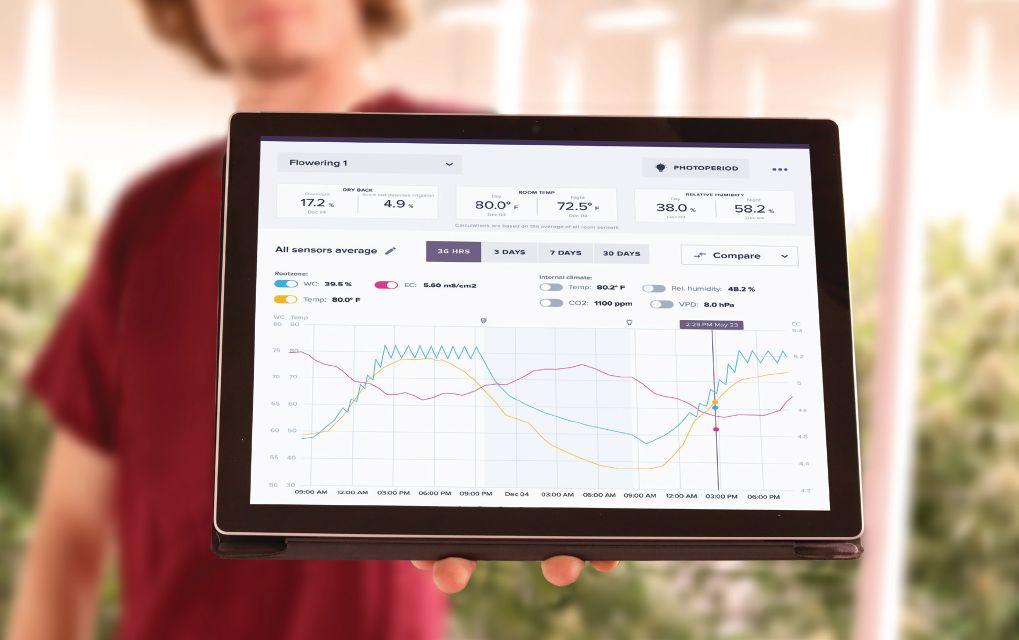
You trust Grodan GroSens to give you unparalleled insights into your rootzone. Imagine what you can do with insights into your climate and root zone in every room of your grow.. With e-Gro you can leverage Grodan’s 50+ years of Precision Growing excellence with leading edge tools such as big data, Internet of Things and AI to dial in your climate, irrigation, crop and harvest data. It gives you real-time powerful control 24/7, anywhere on any device.
Grow Smarter
Join us on the leading edge of growing technology. Sign up for an e-Gro demo: www.grodan101.com/e-Gro
Part of the ROCKWOOL Group
Simplify decision-making
Relevant data from various sources in your facility is collected and displayed clearly in a single place, in real-time.
Optimize your crop management
Smart recommendations help you to optimize your irrigation strategy and guide your crop to the desired balance. Get alerts and notifications when your facility is out of your chosen ranges to help you prevent problems.
Maximize visibility and control
e-Gro is a web-based software that integrates valuable insights about your crop including climate and root zone. You get remote access to your crops data anywhere, anytime.
Cannabis 2.0: Where are they now?
Medipharm Labs CEO reviews the first year of extracts legalization
By Jean Ko Din
Around this time last year, the industry was gearing up for a second cannabis boom.
On Oct. 17, 2019, Canada opened up the market to edibles, infused beverages, topicals, oils, concentrates and other extract products one year after the legalization of recreational cannabis. This wave of new cannabis products were meant to inject $2.7 billion into the Canadian market in its first year. But as we near the close of 2020, the market shows a different story.
Medipharm Labs Corp. has been in the forefront of cannabis processing and extraction in Canada. In March 2018, it was the first company to become a licensed producer (LP) for cannabis oil production under the Access to Cannabis for Medical Purposes Regulations (ACMPR) without first receiving a cultivation licence.
While other LPs focused on producing dried flower on a mass scale, chief executive Pat McCutcheon told Grow Opportunity that Medipharm has been positioning itself to stake its claim on its own corner of the cannabis value chain since the very beginning of its founding in 2015.
Grow Opportunity: Why was it important for the company to distinguish itself strictly as an extraction and processing company from the very beginning?
Pat McCutcheon: We were licence number 95 in the application process. In our application, we made the case that if
we really look at any other industry, we see a separation and specialization. Many companies have done really well in history when they picked their point on the value chain, and then really run it as a specialist on that value chain. So we picked our spot. On the second page of our pitch spec, it says, “Do what you do best and forget the rest.” And that’s very much the mantra that we live by today.
GO: By the time Canada opened up the market to edibles, topicals and extracts, Medipharm Labs must have been ready for the market. What was the prep like before the 2.0 launch?
PM: We sent a ton of bulk distillates and bulk rosin to a ton of our major clients, including Canopy Growth which was our first one. We had the largest oil deal at that point prior to Cannabis 2.0 launching. We also did a number of large deals to Cronos and TerrAscend and Hydropothecary, which now has turned into Hexo Corp.
We were able to produce more volume of extract than anyone else in the game, at a very high quality, and we were able to support all of our partners or peers so they could prepare their Cannabis 2.0 strategy.
GO: Looking back at the lead up to Cannabis 2.0, there was a lot of excitedment around the potential of this market. From where you stand, how has the market changed since then?
PM: Not unlike the launch of Cannabis 1.0, it was challenging for the different provincial governments to be prepared for this new bricks and mortar scenario. Rather than them deciding to use the existing LCBO or the existing alcohol distribution bricks-and-mortar stores, they were faced with the challenge of being able to now build a whole new industry and new infrastructure to move these products out.
So this is something that not only plagued the industry out of the gates, but also put significant challenges for our company as we tried to push large volumes across the country. We have contracts from all provinces now, but particularly in Ontario, we positioned the company to be in a great position geographically, to set up our products to be accessible to the warehouse supply chain. And basically, when so few stores launched, then this held back the explosion that I think a lot of people were expecting with Cannabis 2.0.
GO: Then the COVID-19 pandemic struck. Overall, how has your company been affected?
PM: I would take this chance to say it really wasn’t chaos because we were being advised so closely by a lot of physicians that were dealing with infectious control in the major hospitals. We have Dr. Paul Tam as one of our board members, who is
Pat McCutcheon
Licensed cultivators know that when it comes to controlling and monitoring their growing environment, a simple, flexible, sustainable control system is crucial. This is why proactive cultivators are turning to Reliable Controls. Our nationwide network of factory-certified
Authorized Dealers will design, install, and commission a comprehensive control system paired with an intuitive, custom-tailored graphical interface. Take command of your precisely controlled environment. Generate tracking reports and analytics. Reduce your carbon footprint while improving productivity, quality, and serviceability.
To learn more about this cost-effective, Canadian-made solution, please contact a Reliable Controls
Authorized Dealer near you.
Up Close
head of dialysis in Scarborough General and has a number of hospitals that work within his jurisdiction. He was a fantastic help with our policies and procedures.
Even though it was a disturbance, and even as we look at it from direct costs and
efficiencies output, we did see some challenges. I think we did a fantastic job because we stayed so closely to the way that the hospitals were managing this directly into the headwinds.
I also think that with the deeming of
cannabis as an essential service, that has helped accelerate the fact that patients, physicians, regulatory bodies are now more accepting of the industry. Consumer research shows many are using cannabis-based products to deal with anxiety or sleep disorders, which are commonly found with the global pandemic right now. I think it’s helping reduce the stigma of cannabis with the world we’re in today.
GO: Is Medipharm more focused on the medical or the recreational cannabis space?
PM: This is obviously a question we get all the time. If I could just reframe the way you’ve articulated it, is MediPharm interested in the global medical market? Yes, absolutely. We’ve built two of the most impressive, large-scale cannabis processing facilities that are both GMP-certified. Now, we’re not only able to deliver products into the medical channel and the wellness, recreational channel in Canada but we’re able to move product around the world. Very few companies have this ability.
Having said that, from a recreational standpoint, we also do a lot of white label manufacturing. We are seeing dynamic growth of the provincial adult-use and wellness segment. Even though this sector is regulated, there is very much a difference in terms of the comfort level that a lot of physicians feel when considering recommending these products.
GO: Can you expand a bit more on physicians and their comfort level with cannabis?
PM: We’re able to sell and distribute a line of Medipharm Labs products of 25mg of CBD per mL to 1mg of THC per mL, 50 to 2 and 25 to 5 in the medical channel which requires a prescription, but are also available in the recreational channel or wellness channel.
These duo streams, and the fact that our products are manufactured in our pharma-quality facility, should give physicians the confidence and option to recommend these as over-the-counter products. Or, consumers can test out products themselves.
And the point of it is, I think that it gives physicians more tools in their tool chest, or in their medical doctor handbag. That’s brought enhanced comfort for our physicians.
It’s still very young, the medical cannabis land and the wellness/recreational industry. And I think as we move forward, patients will start understanding these elements of purity, potency and quality because physicians can now finally feel comfortable.
GO: Is that why Medipharm wanted to participate in the study that the University Health Network is conducting?
PM: The study will be using blockchain technology to collect data on the therapeutic effects of medical cannabis in adults. Through Medical Cannabis by Shoppers, we’re going to be providing over 20 per cent of the products that are going to these patients in the study. And because we are a GMP-certified platform,
it’s been a great additive element to show and to look at the differentiation between a product that’s been made in a certified facility versus some products that have not been made in a certified facility. And whether that reduction in differentiating potencies really does, or does not, have an effect in long-term consumption of these products.
It’s a very exciting trial. There’s very little data, still. And one of the things that we’re doing is launching a clinical research trials portfolio with different investigators across Canada and in Australia. We’re looking at products that we are already selling on the shelves to qualify more data and to further enhance the physician comfortability in writing those scripts.
But also, with the patients’ outcomes – and I say this to express where it is going and not where it is today because we need data to make these claims – hopefully, it gets to a point where the qualified data
will suggest an improved, advanced efficacy-based outcome. That’s the goal.
GO: Medical research around cannabis will definitely play a part in moving the industry forward. As we move beyond 2.0, are there other places with room to improve?
PM: In a very young industry and just coming out of the gate now, quality should be very important to the producers. And it should be very important to the patients and to the consumers to ensure that they’re actually getting what they’re buying and at the right prices. One of the things we’re going to be working on now as a member of the Canadian Cannabis Association, I plan to be quite active in how certain elements of this association are changing and updating some of the rules to create more standardization and testing and safety qualifications for the actual manufacturing of such products.
Pandemic preparedness
How this global pandemic exposed a resilient cannabis industry By Alanna Fairey
While the world at large has been shaken up and turned upside down in recent months due to the global pandemic, the cannabis industry has experienced little change and has continued to conduct its business.
Jeff Hannah, founder and principal consultant of JH & Associates, notes that the COVID-19 pandemic has not significantly affected the cannabis industry, explaining that the pharmaceutical standard that the industry abides by was significant in terms of managing the health and safety precautions brought on by the pandemic.
“A lot of the existing [cannabis] businesses had to make the same changes that a lot of businesses made, but really if you know anything about those places they’re probably the safest workplaces you could be in right now,” Hannah says.
“Everyone is gowned up, you have masks on, everyone has got gloves on and there is constant hand washing.”
Hannah also shares that given the nature of the projects he was working on as the pandemic hit, he has not seen many projects moved to the back burner.
“A lot of my projects have to do with ones that are under construction and in most provinces, they were able to sort of fit into that essential business category,” Hannah explains. “For the most part, these projects kept on rolling, and I was very lucky that a lot of my projects weren’t really affected by COVID.”
Mike Soberal, senior director of corporate security at Calgary-based Aurora Cannabis also shares that many of the company’s security programs have remained unchanged since the pandemic.
However, he notes that the company has also implemented additional safety precautions.
“We have looked to national public health guidelines to inform security enhancements since the onset of the pandemic,” Soberal says. “Prioritizing the safety of our employees, we have altered
our visitor and entry program by introducing new screening measures, including well-being and travel history questionnaires and temperature taking.”
Aurora has also implemented physical distancing protocols across all of its operations and provided production staff with additional personal protective equipment (PPE), which Soberal says exceeds the requirements of the Cannabis Act, a legal and regulatory framework for controlling the production, distribution, sale and possession of cannabis in Canada.
As the COVID-19 situation continues to change, security measures at Aurora will be adjusted accordingly, Soberal says.
“As we look ahead, we are actively examining longer-term strategies for use at our facilities and will work to adapt to the evolving global understanding of a new normal,” Soberal states.
Less strict
While COVID-19 has inspired a plethora of other restrictions and changes in the
At the height of COVID-19, many businesses were forced to shut down as Canada tried to contain the spread of the virus. Despite the challenge, the cannabis industry’s inherently stringent regulatory regime allowed companies to emerge from the crisis virtually unscathed.
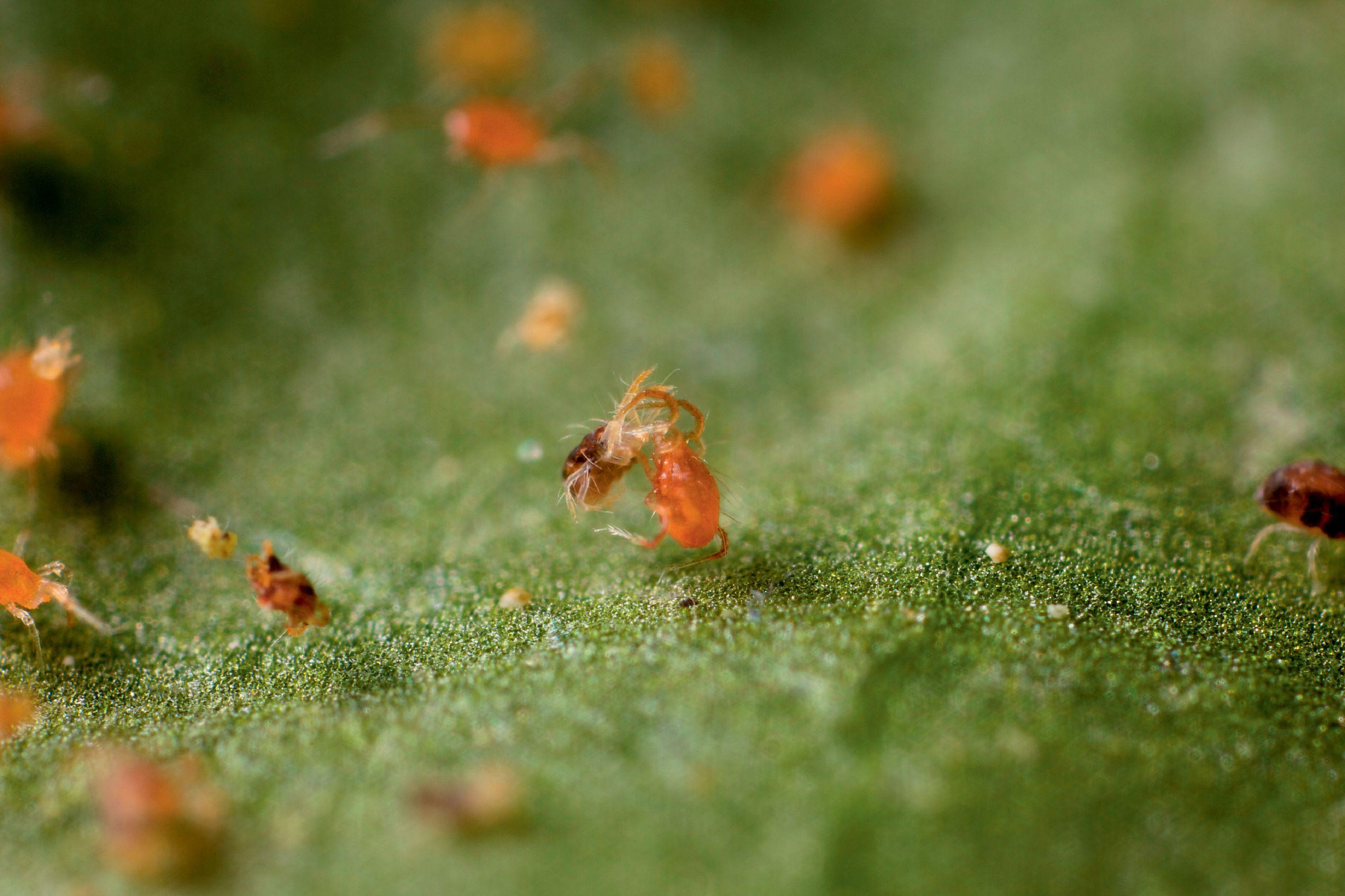
The Ulti-Mite Pest Control Solution for Grow Rooms
Spider Mite Control
Climate Resistant sachets produce up to 3x more predatory mites than the traditional paper sachets
Broad and Russet Mite Suppression
Thrips + Whitefly Control
Curbside cannabis
Doug Ford and his government announced changes to cannabis retail back in April 2020.
While cannabis producers have undergone changes during COVID-19, the retail sector has also seen changes to regulation.
Back in April, Premier Doug Ford and the Ontario government announced that legal cannabis retailers in the province will be granted permission to provide curbside pickup and delivery options — options that were not approved prior to the pandemic.
According to the government’s statement, no more than 30 grams of dried cannabis can be delivered or picked up. In addition, retailers are still required to check ID to ensure the person purchasing the product is of age.
Also, those handling delivery or curbside pickup must have completed the same training required for staff working in cannabis retail stores.
Daniel Bear, a drugs policy researcher and professor at Humber College in Toronto, says that deeming legal cannabis businesses as essential throughout Canada, has in turn resulted in the government having to rethink the heavy handed and limiting regulations around cannabis retail.
“It is going to be an interesting experiment to see if we really did need the very strict measures around cannabis retail that were initially put into place,” says Bear.
- Alanna Fairey
lives of Canadians, the cannabis industry has actually eased up on some of the regulations that were established when it was first getting underway in 2018.
“If anything, security in cannabis is becoming more relaxed. Initially it started out very strictly regulated,” says Hannah. “Things are getting a little bit easier as we learn more about what Health Canada expects as a regulator.”
Daniel Bear, a drugs policy researcher and professor in the Criminal Justice degree program at Toronto-based Humber College, shares that the production side
“We have an opportunity to rethink how we regulate drugs and alcohol, and we have the opportunity to start and try something new.”
of the cannabis industry has also become less restrictive in terms of security.
Health Canada previously announced that they will continue reviewing applications for new cannabis licences and security-clearance applications during the COVID-19 pandemic, though there may be delays.
Health Canada has announced that if there were not enough staff who have security clearances because of either health-related issues or work from home requirements, cannabis producers can designate a non-security cleared person to take on roles that would normally require security clearance, Bear explains.
This is an interesting development, according to Bear, as these regulations have the potential to become a regular practice amongst cannabis producers once the pandemic subsides.
“Obviously, you cannot say that cannabis has no regulation and we are just going to let it do whatever it wants,” he stresses. “Time is potentially saying that perhaps we do not need to be as strict with these regulations. We can better deploy Health Canada oversight resources and companies can better utilize staff and production techniques.”
What lies ahead?
As the COVID-19 pandemic situation continues to evolve, it remains to be seen whether these seemingly loosened regulations surrounding cannabis production will become the new normal.
“We’re coming up with interpretations that are more practical and realistic, and then Health Canada can understand and endorse,” Hannah says.
It will all depend on whether businesses are able to safely grow and move their products from seed to sale, without all this
heavy security clearance, says Bear.
“We have an opportunity to rethink how we regulate drugs and alcohol, and we have the opportunity to start and try something new,” Bear concludes.
The new normal
Navigating the new normal and adjusting to the changing climate has proved to be a challenge, but Soberal commends Aurora Cannabis’ staff for coming together during this time and continuing to get their cannabis products to customers across Canada.
Committed to operating in full compliance with the regulations in the Cannabis Act, Aurora has continued to abide by the government’s policies.
Soberal shares that at the beginning of the pandemic, Aurora was proactive in its response to the virus.
“Aurora immediately began assembling a response committee across functional teams to ensure swift and coordinated changes that have ensured we have been able to remain fully operational,” Soberal says. “We’re looking carefully at the future and continuing to assess new projects and opportunities to further strengthen our security strategies.”
Soberal explains that Aurora responded to the pandemic by increasing the company’s PPE stockpile and working with vendors to ensure that their supply chain remains uninterrupted and can continue to serve their customers.
“I’m proud of how the Aurora team has worked together to make decisive pivots to adapt to COVID-19 and keep our staff safe,” Soberal says.
This article was originally published in Canadian Security, a sister publication of Grow Opportunity.
One less thing to worry about.
Easy to use • Consistent clean quality input
Traceability of all products • Growing support provided
CANNA is an established and serious partner for the Green Market. We provide solutions to growers of all sizes, including Canadian Licensed Producers. CANNA nutrients, additives and growing mediums are manufactured from the highest quality source materials. We understand the importance of a clean, consistent and traceable input as well as keeping it simple.
CANNA loves to share its knowledge and experience, our team is there to support you.
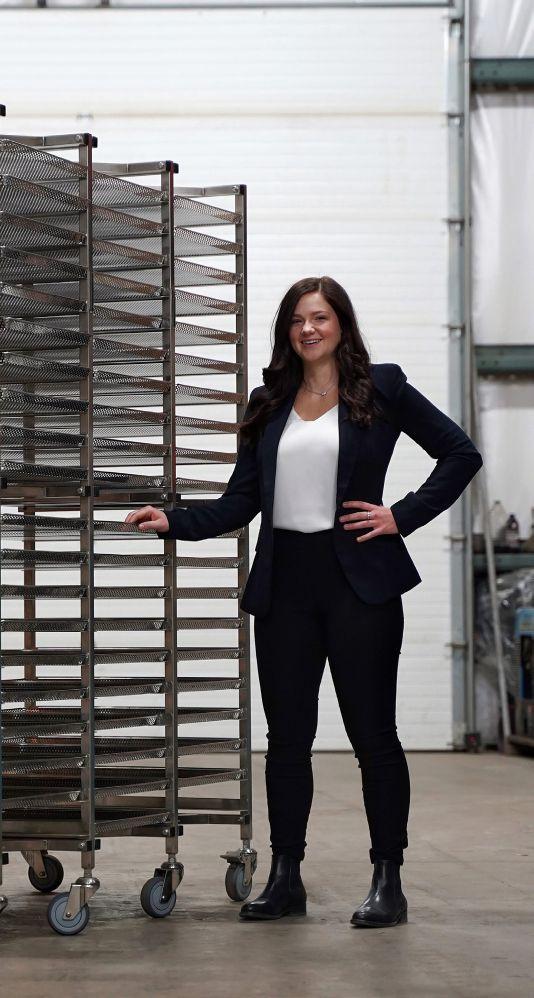
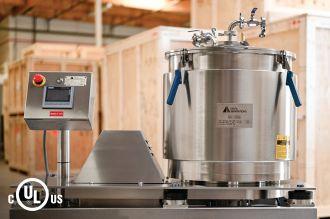
Since 1997, Albert Mitchell, president of Harvest Supply Canada, has been successfully providing custom manufacturing to the industrial and marine markets across North America. When Canada legalized cannabis in October 2018, he and our team of highly skilled professionals, eager to take advantage of our fully equipped manufacturing facility, began applying years of custom engineering experience to support Canada in becoming a leader in the cannabis market. This led to the incorporation of Harvest Supply Canada in April 2019, which soon began offering cannabis licensed producers the number one patent-pending drying racks and UL-certified bucking machine on the market. Harvest Supply’s world-class drying racks feature both tray and hanging options, and our bucking machine comes with or without a stem chipper. We also provide conveyor and material handling systems and will work with you to design any custom engineered harvesting machine you require.
We set high standards in everything that we do. It is our mission to meet the needs and exact specifications of our customers on time with cost-effective, superior crafted products, all while providing quality personnel. At Harvest Supply Canada, we are continuously improving our products and always adjusting to the needs of producers while keeping quality, safety and cost at the forefront of our design.
Cannabis producers were settling for the products that were available to them, until Harvest Supply Canada Inc. began collaborating with industry leaders in order to supply the most superior and cost-effective grower products available. Our manager of project development Bryan Huisman understands the importance of listening to the customer and developing lasting relationships. Bryan has spent countless hours travelling and visiting with licensed producers across Canadian provinces and American states, listening and understanding the gap between what was available to producers at the time and what they needed. After collaborating with LPs of the highest standard in North America, we began our extensive research and development process to engineer world-class patent-pending drying racks, trays and bucking machines.
RESPONSIVE PRODUCT DEVELOPMENT
The most crucial step in our development process is simply the ability to listen and understand. We deliver prototypes for on-site evaluation by your team and from there provide further testing and development based on your specific feedback – free of any costs or charges. We listen to every little detail our customers mention, taking note of each aspect that could further improve the efficiency and effectiveness of a licensed producer’s production. Establishing a relationship with our customers is crucial to how we conduct business, ensuring that you are always more than satisfied with the quality and value we provide in our work. Many adjustments have been made along the way, and a lot of time has been spent perfecting our craft to ensure you are continuously receiving state-of-the-art products.
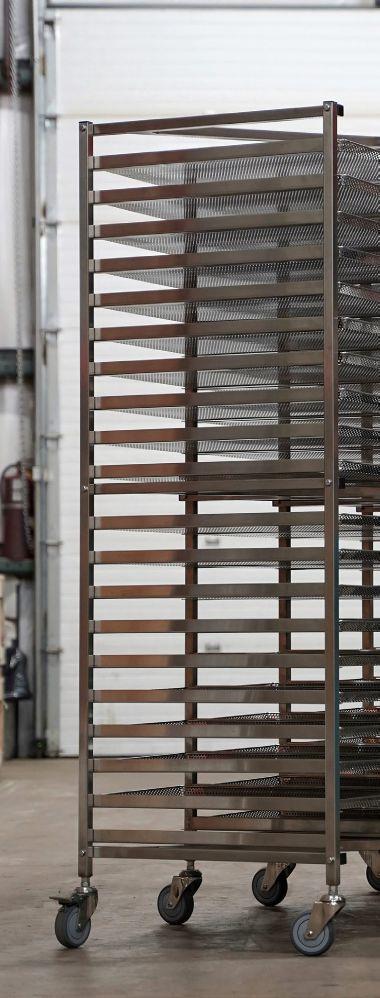
We offer top of the line, patent-pending drying racks with the option of 40 or 60 trays, made from heavy-duty 304 or 316 food grade electropolished stainless steel. The stainless steel material eliminates the risk of contamination, recoating, warping, discolouration or even breaking. Our trays went through numerous designs and tests focused on weight to
strength, ergonomics and worker safety. This trial and error resulted in the perfect variations of hole numbers and diameters allowing you to customize each tray to your needs. The stainless steel trays maximize air flow without allowing smaller products to fall through, all while maintaining strength and durability. Each tray features a stainless steel ring that makes for easy cleaning, completely eliminating the chance of any cross contamination compared to the traditional folded over lip with hard-to-
OFFERING FULLY CUSTOMIZED SOLUTIONS AT THE LOWEST COST FOR THE BEST VALUE
remove residue. We also recognized how valuable floor space is, which is why our drying racks only use up 7.40 square feet, effectively holding more product per square foot than any competing brands. Each drying rack also features six heavy-duty stainless steel swivel wheels, with a break on either side, to ensure safe and easy movement.
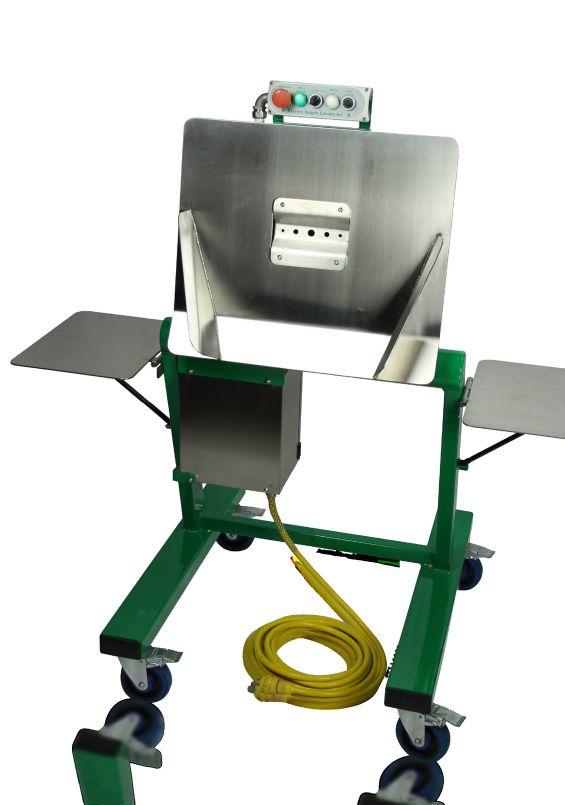
Similar to our drying rack and trays, we collaborated with LPs to manufacture a world-class bucking machine that can meet all needs. We promise you the highest level of safety and quality on the market, as our bucker has gone through rigorous testing and been awarded the superior and highly coveted UL Certification. The HSC bucking machine can buck wet or dry product, offers custom speed and feed rates, bucks at a top-of-the-range buck rate per hour, and allows for operation by multiple people. The bucking machine comes with or without a stem chipper and can be designed and custom engineered with different combinations to suit any and all of your harvesting needs.
We at Harvest Supply have focused our energy on going above and beyond the needs of Canada’s LPs. Through extensive research and collaboration with industry leaders, we are able to provide growers with outstanding products and fully customized solutions at the lowest cost for the best value.
EMPOWERING WOMEN
We see beyond providing our customers with superior service and quality products though, we see the cannabis industry for its tremendous ability to support all Canadians and our economy. Cannabis in Canada provides a new and exciting platform for businesswomen to establish themselves as the talented and capable professionals they are. So many intelligent women are working hard as leaders in the cannabis industry and it is a core value of our company to empower women of all roles in this industry, and support our team of females in leading strategic decisions. This new industry is an opportunity to put the spotlight on women who are more determined than ever to showcase their skills and rightfully take their place as executives and leaders.
Harvest Supply Canada’s involvement in the cannabis industry continues to grow, with our next step in cannabis being to open retail cannabis stores. Harvest Supply Canada Inc. has obtained our Retail Operators License and is on the path to receiving a Retail Store Authorization, with COO Chelsea Mitchell assuming project lead, further establishing and supporting women leaders in another sector of this ever-growing industry.
We look forward to growing and establishing Harvest Supply Canada within the many sectors of the cannabis industry, continuously providing our customers with high quality personnel in everything we do; always striving to meet your needs and supplying you with solutions at the lowest cost for the best value.
Chelsea Mitchell, chief operating officer, Harvest Supply Canada Inc.
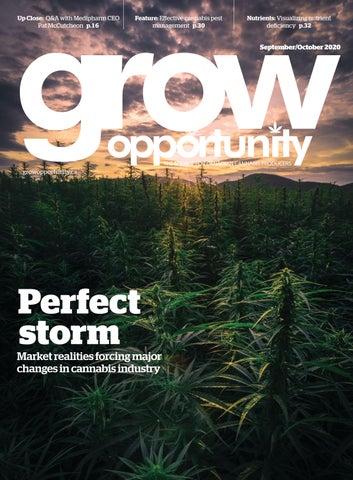
Perfect storm
Market influences, global pandemic are forcing major changes in the cannabis industry
By Jennifer Brown
Charles Vennat looks back over the first few months of 2020 and marvels at what has transpired in the Canadian cannabis sector.
He officially took over as chief executive officer of 48North just days before most of the country went into lockdown after the World Health Organization declared the novel coronavirus a pandemic.
Vennat was named CEO of the company on March 9, and 48North office staff transitioned to work from home on March 12 even as cannabis production and distribution facilities in Ontario and Quebec were declared an essential service by the government — a decision many view as a significant milestone for the sector.
“It’s been the management challenge of a lifetime to instill a leadership change and cultural shift at this time,” says Vennat, who was previously the chief corporate officer at the company. “It’s been a real challenge. People are going through something very hard in society at large, and employees feel it in different ways, whether they are working from home or in the facility.”
A leadership change against the backdrop of a global pandemic isn’t easy, but Vennat says staff at 48North rose to the challenge.
“I’m proud of this group, especially with all the headwinds this industry is facing. Layer on a global pandemic and managing to list our product in four additional provinces, and launch almost 20 new SKUs since the start of COVID-19 –it’s a remarkable achievement,” he says.
Outdoor versus indoor
Located in Brant County, Ont., 48North’s Good: Farm property is a 100-acre organic farm with 88 licensed acres of cultivation. While the company has two indoor cultivation facilities in Brantford and Kirkland Lake, Ont., it is one of a growing number of cannabis LPs putting more attention to outdoor growing after so
much hype in the early days about large, state-of-the-art indoor facilities.
“It’s been proven that there was some over-investment in cultivation facilities, and there seems to be a change in preferences from indoor versus outdoor grow,” says Rishi Malkani, lead partner managing the cannabis practice for Deloitte Canada.
Growing cannabis outdoors is increasingly becoming popular among licensed producers mainly for its low cost, high-yield outcomes.
“There seems to be more acceptance of outdoor growing that is significantly cheaper that will cut it for certain products. Most of the major LPs have outdoor growing facilities or are considering it. I suspect it will be something on the table for most of them given the vast difference in economics.”
Much of the reasoning comes down to cash cost to produce per gram. Last year, 48North cultivated 12,000 kilos of outdoor cannabis at 25 cents a gram – a stark difference from just under $1 cost per gram that some large indoor producers have achieved.
“Cannabis companies have talked for far too long about what our cultivation capacity is. What matters is what can you commercialize,” says Vennat. “The beauty of outdoor infrastructure is you’re not paying to heat or light a facility – it’s just a bunch of open space – you plant for your needs and handle staff accordingly.”
Organigram in New Brunswick has historically focused on indoor-grown product and plans to stay the course, says CEO Greg Engel.
“What we have seen to date is that the majority of the product grown outdoors in Canada is being converted into extract, and we typically use our trim by-product for extract production. That’s our rationale,” says Engel.
The outdoor flower is considered a more value-style product, suitable for extraction and pre-rolls.
“It’s the right cultivation method for the right type of product and form factor,” says Vennat. “You see a lot of demand for ultra-premium, indoor-grown flower but also demand for value flower. The question in any branded business is where you want to position yourself and how you orient your supply chain to reflect that, make good margin and good value proposition to the consumer. Companies need to align cultivation strategies to what they are successfully commercializing.”
COVID-19’s unintended consequence for cannabis
An upside to COVID-19, according to Vennat and Deloitte’s Malkani, is that quarantined Canadians helped dislodge some of the market share from the legacy market due to consumer reluctance to meet face-to-face, and the availability during the lockdown of curbside pickup and delivery.
A Deloitte survey found that 16 per cent of the online users at the Ontario Cannabis Store were newcomers from a higher income bracket and slightly older.
“Interestingly, COVID-19 has created a lot more use cases – people were sitting at home alone, bored, and anxious, and so it’s brought a whole new user to the industry,” says Malkani.
Customers also tended to order larger volume value SKUs, says Organigram’s Engel.
“If stores were open, people wanted to go less frequently, or if ordering online and picking them up at Canada Post.
“I also think together with the quality of 2.0 products on the vape side and edibles, we have seen consumers look to try those products,” he says.
Sustainable practices
While many cannabis companies cut staff during the late 2019/early 2020, 48North did not, but they are working differently in their fields and focusing on their regenerative agriculture approach.
“Last year, we were far more reliant on outside labour – we have never used temporary foreign workers in the fields – we have always used local labour forces, but we have eliminated that this year,” he says.
One of the big reasons for that decision is what the 48North chief executive refers to as a better planting methodology and upkeep.
“Last year, we did a tremendous amount of hoeing because we didn’t apply that organic layer of miscanthus (mulch). Part of what that is doing is feeding living organic matter to remediate the soil and provide
48North CEO Charles Vennat inspects cannabis crops being grown at the company’s 100-acre outdoor farm in Brant County, Ont.
PHOTO: 48NORTH
“Companies need to align cultivation strategies to what they are successfully commercializing.”
nutrients, retain and spread the moisture in the plant so we can water less. It acts like a sponge, so when it rains, it doesn’t pool up. It gets absorbed and retains a lot better,” says Vennat.
Evolving with market pressures
It’s one of many examples of how in one year, Canada’s cannabis sector has evolved quickly – pivoting from massive expansion in indoor growing to extreme downsizing.
“They have all been forced to be laser-focused on profitability,” says Malkani.
“Unfortunately, there are a lot of layoffs, but it’s the only way to profitability. It’s just simple math. They need to achieve profitability when the markets are mandating them to.”
Those that have eliminated facilities and restructured operations include Tilray in February, cutting jobs by 10 per cent; then in March, Canopy Growth announced plans to close facilities in Aldergrove and Delta, B.C., laying off 500 people and announcing they would not go ahead with plans for a greenhouse in Niagara-on-the-Lake. Then at Aurora Cannabis, after 500 people were laid off in February, announced a further restructuring in late June that would include shuttering five facilities across four provinces.
Organigram has also scaled back on its facilities plan, effectively taking 24,000 kilos offline. In early July, Organigram announced it was laying off 220 workers – one-quarter of its staff – and would cultivate less cannabis than expected.
As the market evolves, Engel says Organigram is focusing on bringing in new and higher THC strains.
“We know that is resonating with the consumer and is a big part of our shift in growing. We’ve had success with a few strains which offer higher THC, and we have some other strains coming that will be in the higher THC range of interest to consumers,” he says.
Growing to answer consumer demand
Cannabis industry observer
Rob McPherson says many businesses in the cannabis sector need to focus on what the consumer wants. Despite the fact many LPs lament the lack of cannabis store openings, McPherson says while it will help with access to products, it won’t change everything overnight. He says experience is still lacking in how a regulated industry consumer packaged industry works.
McPherson says high-THC products are what the consumer is looking for and that
it’s about having the right product, not just a lot of products on the market.
“The move into value products is stupid under the guise of black market killers,” he says. “It’s just low priced product and renting marketing share but not creating any meaningful connection with the consumer.”
Canada still leading the way
Despite a challenging year, Malkani remains “extremely optimistic” about the Canadian cannabis market.
“As long as they continue to focus on the future of the industry which I see them doing
with R&D on health and wellness and pharma, understanding track and trace, understanding how to embed trust into the industry — that’s something a lot of Canadian companies are focusing on that’s really important,” he says.
Despite everything that’s transpired in the sector, Vennat says his passion for what is being developed still excites him everyday.
“It’s a labour of love, and the exciting part on top of building a business and seeing consumer sales going well and the brand resonate with people across the country is getting fired up about how we’re doing things.”
Horticulture LED
The problem with pests
By Peter Mitham & Greta Chiu
With few effective pest management options in their arsenal, cannabis producers in Canada need to emphasize preventative measures and target their resources towards the right pests.
While greenhouses offer a controlled environment for crop production, insects and other pests eventually find their way into the structures. Being in a closed environment can make it even more challenging to manage them.
This is why Suzanne Wainwright-Evans told growers attending the CannaTech West program, alongside the Pacific Agriculture Show in Abbotsford last winter, that prevention is key. A well-travelled speaker on pest management and principal of Buglady Consulting Inc. in Slatington, Pennsylvania, she’s seen some spectacular infestations, underscoring the need for proper sanitation, scouting, identification and management.
To head off infestations, one of the first things that growers should do is to implement a stringent quarantine process. ”When you’re designing a facility, it’s important to include a quarantine area. But if you don’t currently have one, look for an area at your facility that you can retrofit or use as a substitute,” says Wainwright-Evans.
New plants, need to be quarantined for a few weeks before they are put into production, giving any unknown pests
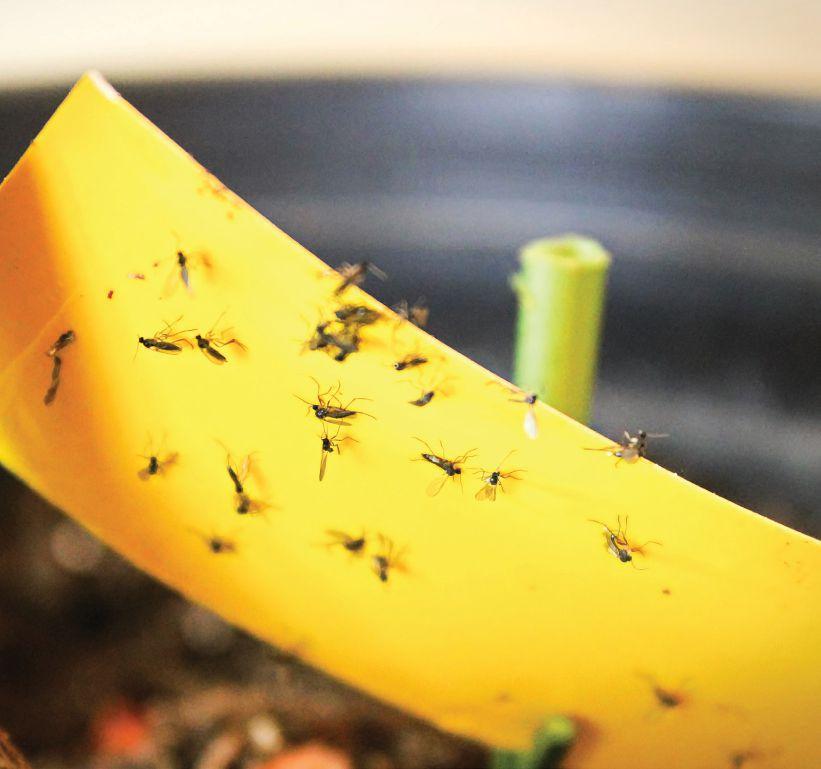
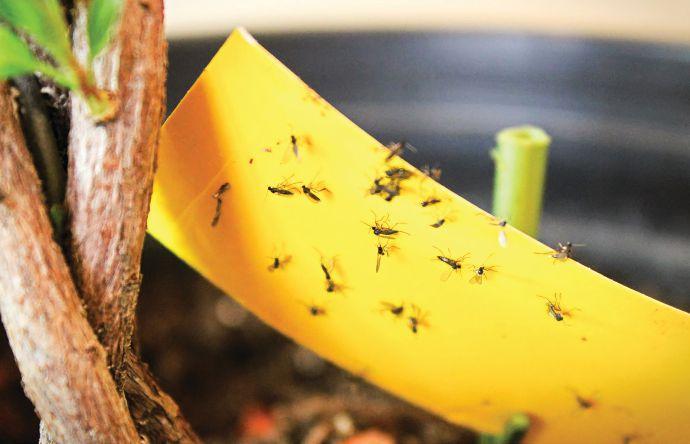
enough time to develop and appear. For early detection and monitoring, sticky cards placed in quarantine and hightraffic areas are a great way to check for adult flying insects such as thrips, fungus gnats and whiteflies, but they’re less effective on crawling pests such as mites.
“That’s why you have to physically look at the leaves, do the bang board test and scout the plants really well,” she says. Large mass trapping cards should also be placed as a preventative measure.
Because of the strict requirements set out by Health Canada, insects and mites cannot be found in the bud, regardless of whether they’re pests or beneficials. The presence of thrips, for instance, have not been correlated with a reduction in bud yield, but it’s still important to manage them for a better quality product.
FIGHTING OFF FUNGUS GNATS
“One of the more common pests we’ve been seeing in cannabis are fungus gnats, which feed on the roots of plants,” says
Wainwright-Evans. What’s more, research has shown that this pest can vector plant pathogens such as Fusarium, a key problem in cannabis crops.
For control, the beneficial nematode (Steinernema feltiae) has been highly effective in managing fungus gnat larvae, in addition to a few other pests, and should be a routine preventative step in any pest management program. While they’re compatible with many crop protection products, the key to effective nematode use is knowing how to properly store, handle and apply them. “You have to make sure you read and follow the labelled directions,” she says, as she’s seen growers putting out dead nematodes before.
WHICH PHORODON IS IT?
The cannabis aphid (Phorodon cannabis) is a growing concern, in part because many producers confuse it with the hops aphid (Phorodon humuli). But it’s not, and hops aphids won’t infest cannabis even when given the chance. Because P. cannabis acts
Early intervention key to successful control
Fungus gnats are one of the most common pests affecting cannabis crops.
Peter Mitham is a freelance writer and photographer in British Columbia.
Greta Chiu is the editor Greenhouse Canada magazine.
differently from other members of the same genus, producers cannot simply apply the same management techniques and expect them to work.
What is known about the cannabis aphid is that it is highly reproductive, giving birth to live young, and in some circumstances, even laying eggs. However, notes Wainwright-Evans, “For indoor cannabis production, eggs are less of a concern.” Up until now, she hasn’t seen any evidence of eggs hatching in greenhouses or indoor grow operations, likely because the environment isn’t quite right for it.
“Cannabis aphids can be challenging to manage,” says Wainwright-Evans. Any operations currently infested with the pest will likely need to apply an initial knockdown spray. This will reduce the number of cannabis aphids to a more manageable level, giving beneficials a chance to get ahead.
“Biocontrol agents are not going to control an infestation of this pest. You have to start when the pest numbers are extremely low,” she says, explaining that biocontrols are not meant to be a rescue treatment. “Once your numbers are down, then you can come in and release parasitic wasps, like Aphidius colemani, A. ervi, and A. matricariae in addition to using more generalist predators like green lacewing larvae. Managing this pest is a multipronged approach. There’s no silver bullet.”
Wainwright-Evans also called out rice root aphids (Rhopalosiphum rufiabdominalis) as a particular concern. She’s seen this one in many cannabis production facilities
throughout the US and Canada. “The rice root aphid is a classic example of why you need a good quarantine area because most infestations come from people bringing in infected plant material. Since the aphids are in the media, people often miss the pests that are there. You have to start managing this pest at the propagation stage.”
START FROM THE BEGINNING
Targeting major pest issues at the young plant or clone stage essentially gives the crop, and beneficials, a head start. “If you don’t have a strong program in prop, you’re going to be fighting the pest uphill the whole time.” It’s also less expensive to treat for pests early on. Not only is there less plant material in a smaller area to manage, producers can stop problems before they start, and overall, that means less product needed.
Since cannabis doesn’t have access to many of the traditional agrochemical products used in other greenhouse crops, growers really need to focus on sanitation, good-growing strategies and incorporating a strong preventative biocontrol program to head off any issues.
With commercial cannabis production in its infancy, not only are there limited resources to help producers identify and manage pests, but the information is changing at a rapid pace. Wainwright-Evans cautions that there is a lot of misinformation online, and even the right information can become outdated quickly as the results of new studies emerge. Producers need to
make sure that they’ve found the most recent information and from a trusted scientific source.
She also underscores the importance of working with a qualified crop consultant or supplier to help put together the right preventative pest management program for the operation. “Every cannabis facility is different,” she says. “You have to look at what the key pests are at the facility and which products are going to work in your environment.”
This article was originally published in Greenhouse Canada, a sister publication of Grow Opportunity.
Limited options
While many crops enjoy an established set of tools for managing pests, the relatively new cannabis sector isn’t so lucky. Unlike in the U.S., all pest control products – even minimum risk pesticides – must be registered with Health Canada prior to use in their intended crops. There is no list of exempt “minimum risk” materials in Canada.
This means biopesticides are the default backup plan for cannabis growers, says Caroline Bédard, provincial minor use coordinator with the BC Ministry of Agriculture. She points growers seeking pest control options to Integrated Pest Management for Commercial Cannabis in BC, which lists more than 14 approved biopesticides, including canola oil, garlic powder, hydrogen peroxide, and strains of the beneficial fungus Trichoderma harzianum and Beauveria bassiana.
Horticulture LED
Editor’s note: The next two articles were submitted by students at Niagara College’s Commercial Cannabis Production Program. The authors report on the results of their experiment investigating the effects of nutrient deficiency in cannabis plants.
Primary macronutrients
How nutrient deficiency affects the growth of cannabis plants
By Alexandra Snelling
Plants are a very special type of organism called an autotroph. This means that they are able to fix their own carbon from the air using only water and energy from the sun through a process called photosynthesis. Relative to animals, plants need very little to successfully grow and reproduce. Much like animals however, plants require certain nutrients which are essential to their survival. Plants are able to uptake some nutrients through their leaves but the bulk of these are taken up through their roots from their growth media.
Plant nutrients can be broken down into two main categories: macronutrients and micronutrients – which are named for the amounts in which they are required. Of the macronutrients, there are three that are again required in much higher amounts. These are often referred to as the primary macronutrients: nitrogen, phosphorus and potassium. In this article, we discuss how these nutrients behave within the plant and how they contribute to metabolism.
Methodology
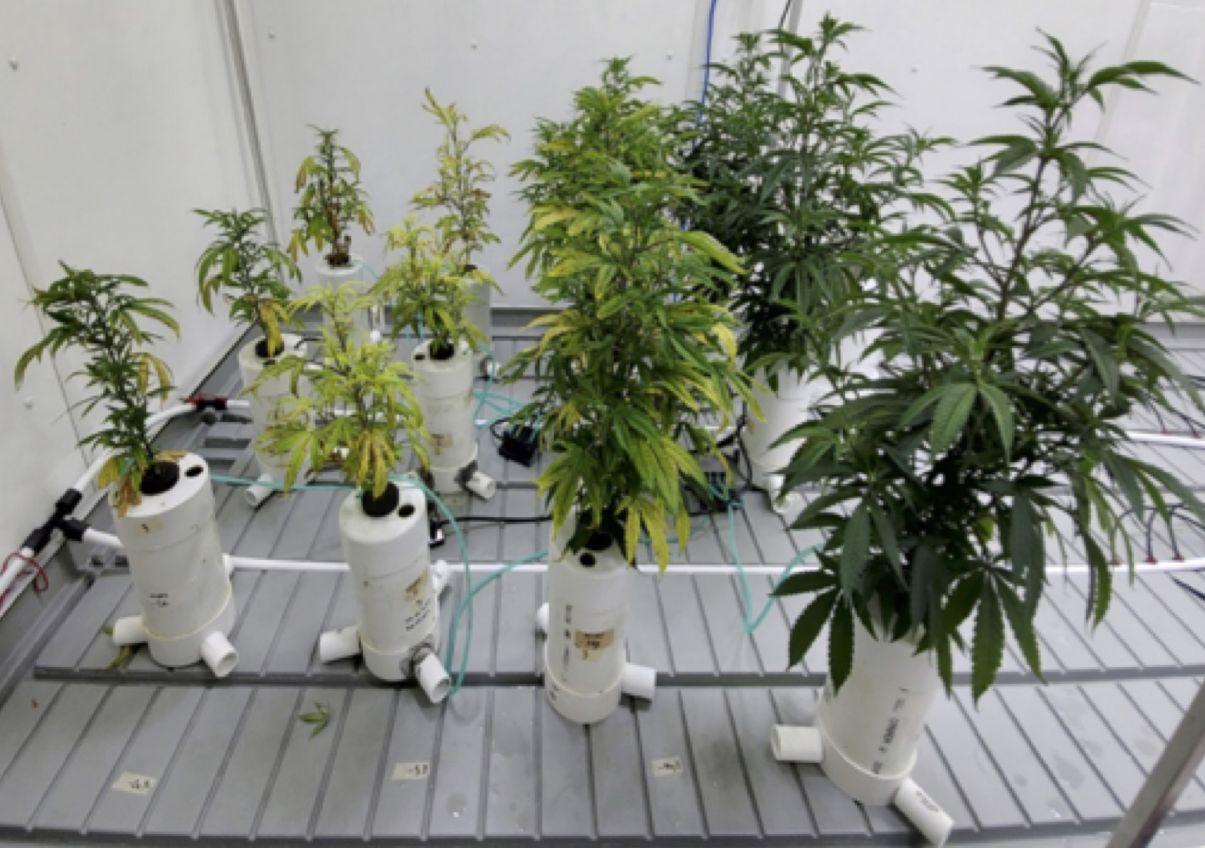
To investigate the role of the three primary macronutrients in the vegetative and flowering phase of cannabis, 12 clones were propagated in an optimal nursery setting for three weeks before establishing three treatment groups forced to grow without either nitrogen (N), phosphorus (P) or potassium (K), and one control
PLANT HEIGHT
ROOT LENGTH
The result of nitrogen, phosphorus and potassium deficiencies, individually, on height development of cannabis plants.
group, grown with a complete nutrient mix.
This was used to establish a baseline from which to compare the treatments against using measurements including plant height, root length and chlorophyll content over time as well as any visual symptoms and plant weight at harvest.
Primary macronutrients
The movement of nutrients into plant roots and the use and location of these elements within plant tissue is a complex system, largely determined by their charge and polarity. Factors involved in nutrient transport include pores and ion channels in plant cell walls, as well as the process of chelation or the formation of complexes in which the plant is either surrounded by or combined with other compounds and ions to mask or change its charge or polarity.
While the movement of the primary macronutrients with-
in the plant is not without its complexities, for the purposes of this article, we can consider nitrogen, phosphorus and potassium as mobile or easily translocated within a plant. This was visible in the treatment groups. Less than two weeks after their transplant into deficient media, all treatment groups, other than the control, were showing deficiency symptoms of their corresponding nutrient in their lower leaves. The control group appeared healthy.
Deficiency outcomes
Nitrogen plays an integral role in plant metabolism. It is a building block for amino acids that make up cellular proteins, nucleic acids of which DNA is comprised, and of chlorophyll. Therefore, when there is no available source of nitrogen present, plants will be unable to construct proteins vital to metabolism, undergo growth via cellular division, and harvest light due to their inability
to manufacture one of their most essential molecules: chlorophyll. The inability to produce this compound is evident in the nitrogen-deficient treatment as evidenced by the vast reduction of chlorophyll over time, and by the yellowing leaves.
Phosphorus is essential for plant growth largely due to its integral role in cell membrane structure and energy transfer within the plant through its use in a molecule called Adenosine Triphosphate or ATP. It is also required in the construction of both DNA and RNA. The resultant lack of growth is apparent in both reduced plant height and final weight,
compared to our control group. Phosphorus deficiency also results in a purple colour, seen as a purpling of the cannabis stems.
Potassium is key in a number of plant metabolic responses to stress, drought and various other vital functions. Although visible symptoms are not always immediately apparent, a significant reduction of yield was clear in our trial as well as a chlorosis of the leaf veins and margins.
Alexandra Snelling has a BSc in Plant Science with an Emphasis in Biotech. After completing a Graduate Certificate in Commercial Cannabis Production at Niagara College, she now works as a plant scientist for a Canadian LP.
Second feeding
How lack of secondary macronutrients affect cannabis growth By Monica Maillé
Have you ever thought of the basic needs of plants?
Normally when we think of this question, the answer is sunlight, soil, water, oxygen and food. But what is defined as plant food?
Plant fertilizers, or “food,” include both macronutrients and micronutrients. These two categories of elements are equally as important, and without one, the function of the others may be hindered resulting in serious growth and nutritional problems in plants. Magnesium (Mg), calcium (Ca) and sulfur (S) are all secondary macronutrients. These work alongside Nitrogen (N), Phosphorous (P) and Potassium (K) in activities such as cell wall formation, protein synthesis, as well as energy storage and transfer. Each of these macronutrients aid in different areas of the plant’s growth,
and when a plant is deficient in any of these elements, there are specific plant symptoms that can be observed.
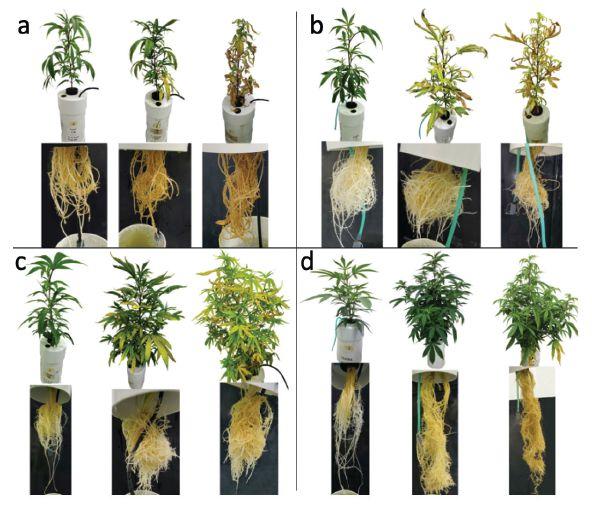
Magnesium is an important nutrient in plants as it helps in protein synthesis, it stabilizes the cell membrane, it helps with the metabolism of carbohydrates and it aids in the production of chlorophyll – a green photosynthetic pigment allowing for photosynthesis to occur. Since Mg is mobile in the plant, when the plant is deficient in this nutrient it will re-allocate its nutrients from the lower leaves to the newest growth at the top of the foliage causing visible interveinal leaf chlorosis (yellowing between the veins). With this deficiency, plant growth will be impacted causing shorter roots and shoots – called, stunting.
Calcium is a nutrient that is useful in strengthening the cell walls and also plays major roles in the signaling of cellular activity in the tissues. Without this nutri-
ent, and the activation of signaling enzymes, you will notice distorted growth from improper cell wall formation, resulting in a reduction of plant tissues (roots, shoots and foliage). Since calcium is immobile in the plant, it is unable to move from the lower leaves to the newer growth when there is a deficiency; so you will see plant health decline in the newer top leaves of the plant.
Sulfur is also a vital element in a plant’s life cycle. Without this nutrient the plants would be unable to create essential proteins, vitamins, enzymes and amino acids like cystine and methionine. Sulfur is also used for seed formation and can also act as a fungicide, preventing fungal spores from germinating. With this spore reduction, the plant is more easily able to reduce the spread of certain plant diseases such as black spot disease, rusts and powdery mildew.
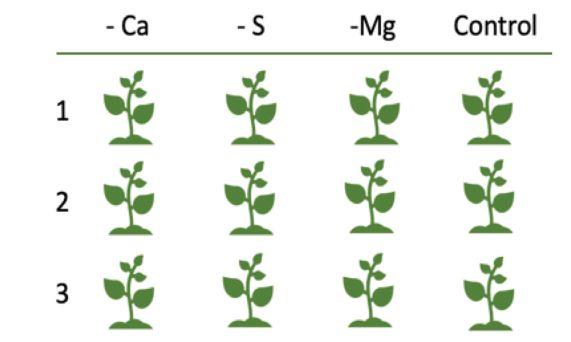
Figure 1.0: Visual representation showing where each plant was placed based on their deficiency and their allocated number
The process computer for Plant Empowerment
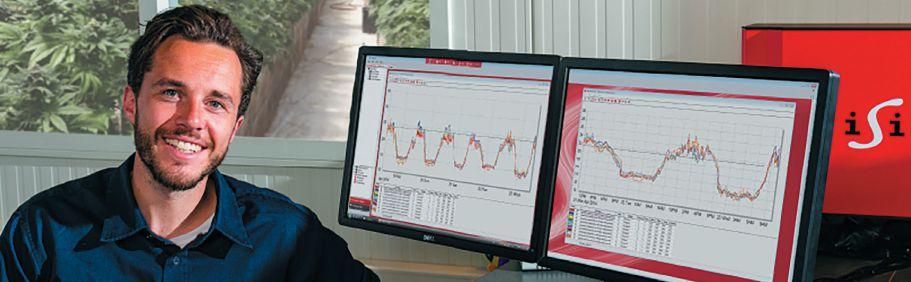
Hoogendoorn’s next generation iSii monitors and controls all climate,irrigation and energy equipment in all types of facilities such as greenhouses and buildings. The iSii is equipped with advanced controls that work according to the principles of Plant Empowerment. This way light, temperature, humidity and CO2 are aligned with each other for a maximum photosynthesis. In addition, to prevent water stress, irrigation is driven by the evaporation energy and water balance of the crop. With the iSii process computer, you set the base for high quality production.
info@hoogendoorn.ca | www.hoogendoorn.ca
Nutrients
Methodology
Twelve students attending Niagara College’s Commercial Cannabis Production Program conducted a research project that involved comparing our fully fertilized controls with other plants deficient in either Ca, S or Mg. This experiment was performed to see the effects the removal of a nutrient would have on the growth of roots and shoots, as well as the chlorophyll levels present in the upper and lower leaves.
We had separate deep-water culture units for all 12 of our plants to ensure accuracy and efficiency when topping up our system. Since our trial was conducted in a deep-water system, it was imperative that we add an air stone to each unit to allow for an increased amount of oxygen. Our clones were all taken from the same mother plant – White Shark – and were dipped in Clonex rooting gel to allow for greater production of roots during propagation. On Sept. 24, 2019, all 12 clones were placed in their appropriate units. Each one of the clones were similar in height, colour and health. All environmental controls including DLI, energy, temperature, humidity, CO2 and light were measured throughout the trial and were recorded. Two separate lab groups measured the plants’ roots and shoots and recorded the chlorophyll content of the leaves in the upper most recent leaves and in the bottom leaves every two weeks for a total of three times.
Results
At the beginning of our trial, all 12 clones were very healthy and were similar in height. Throughout the trial, we noticed a constant and obvious decline in plant health in all of our deficient plants (Figures 2.0 a-c). Our controls were always healthy with steady shoot height and root growth, the colour remained a nice pigment of green and the chlorophyll levels were within ideal photosynthetic ranges (Figure 2.0 d).
Chlorophyll: During Week 0 and Week 2, the chlorophyll concentrations on the top and bottom leaves of all plants were similar – ranging from 42 to 68.6 with an average of 55. Being that the control had all the necessary nutrients for proper chlorophyll production, we used these as our standard when taking readings. Throughout the course of our trial, the overall difference of chlorophyll concentration on the lower leaves between our control and Mg, Ca and S were 38.8, 46.7 and 60.3 per cent less, respectively. Whereas for the top leaves, the overall concentrations had a difference of 46, 58.6 and 51.2 per cent less than the top leaves of our controls. When looking at Figure 2.0, we can clearly see a loss of pigmentation from Week 0 through to Week 5; therefore a smaller concen -
tration will be read on more yellow/brown leaves and a higher value will be recorded on greener leaves. Based on our results, the chlorophyll concentrations on our sulfur-deficient plants showed the largest loss of green photosynthetic pigment in comparison to Mg- and Ca-deficient plants.
Roots and Shoots: During the five-week trial, the controls that were given proper nutrients grew up to 62 cm tall and had the longest recorded roots of 74 cm. In comparison to our controls, our deficient plants
Table 1.0: Averages of different environmental controls during September and October and the smallest and largest value recorded for each.
Figure 2.0: A visual representation of the root vs. shoot growth during the course of our five-week nutrient deficiency trial. In a-d, the first image was taken Sept. 30, 2019, the second image was taken Oct. 15, 2019 and the third image was taken Oct. 28, 2019. Boxes a through d represent Ca, S, Mg and our Control, respectively. Only one of three from each section was used to create the time lapse effect.
“Although Mg, Ca and S are secondary macronutrients, and are needed in smaller quantities, they still play a vital role for the overall success of the plant.”
were not as successful in shoot growth or in root growth. It was observed that all nine of our plants that were deficient in either Mg, Ca or S had yellowing or browning of the roots, and in all cases, started forming a ball. We also noticed significant stunting in the calcium-deficient plants in comparison to the other plants, with a total height of 28.8 cm in the shoots and a total length of 28 cm in the roots. Foliage was also noticeably different in all three plant groupings. Calcium-deficient plants showed signs of curling and browning of the leaves together with stunted growth; sulfur-deficient plants showed leaf chlorosis of the new growth, followed by complete plant necrosis; and lastly, magnesium-deficient plants exhibited increasing signs of interveinal chlorosis starting in the older bottom leaves, followed by a change of colour, from dark green to pale green to yellow.
Conclusion
Proper nutrition is very important for the growth and
overall success of all living organisms. In plants, nutrients allow the cells and tissues to perform specific functions that will help them to grow, reproduce and survive. Based on our nutrient deficiency trial, in which we compared the effects of removing either magnesium, calcium or sulfur from our nutrient stock solution, we noticed that the root growth was highly impacted turning them brown or clumping them together from the lack of cell wall formation. We also noticed major dwarfing in the shoots.
Lastly, the foliage was greatly reduced in size and the leaves were curling, changing colours and most were even necrotic. We have determined that although Mg, Ca and S are secondary macronutrients, and are needed in smaller quantities, that they still play a vital role for the overall success of the plant.
Monica Maillé holds a BSc in Biology from Laurentian University and is a graduate of the post graduate Commercial Cannabis Production program at Niagara College. She is currently working with a licensed producer in the Niagara region.
Suppliers’ Corner
CANNA presents improved nutrient supplement formula
CANNA has introduced a new and improved version of its Rhizotonic formula.
The Rhizotonic XP, released in August, is a powerful, algae-based vegetative stimulator for plant roots. Besides stimulating root growth on plants that are already rooted, it also stimulates new root growth on cuttings and transplants.
This new CFIA-approved nutrient supplement is based on ascophyllum nodosum extract, a species of seaweed that is often used in agriculture and horticulture as a natural alternative to synthetic fertilizers and pesticides.
Rhizotonic XP is designed to encourage the plant to generate key proteins and carbohydrates that help protect plants against stress from transplanting, drought and temperature fluctuations.
It is compatible with most insecticides, fungicides and fertilizers. Some pH adjustments may be required with acidic mixtures. If interaction of chemicals is unknonw, a jar compatibility test is recommended. www.canna.ca/rhizotonic
HEMCO launches new workstation fume hoods
The HEMCO Vented Hood Table Top Workstation Model 24200 provides extra protection for many uses, like histology, microprocessor, venting for hot plates, microscope stations, student workstations, sample weighing stations and handling pharmaceuticals.
It is constructed of chemical-resistant, lightweight advanced composites that can be easily moved as procedures or workflows change. The workstation is 24 inches wide, 15 inches deep and 24 inches high. The molded work surface is recessed to contain spills and a three-inch diameter outlet collar is provided for easy duct connection.
Fumes are vented through the integrated
fume side and rear walls, and out the top. Filter features activated carbon, which uses chemical reactions to decontaminate pollutants in the air. Filter installation is simple and easy to follow. Filters should be changed ever three to four months, or sooner depending on the volume of chemicals filtered.
www.hemcocorp.com
March Networks presents new COVID-19 health and safety system
As the COVID-19 pandemic continues, businesses are adjusting to meet new health and safety regulations.
March Networks has launched a Health Compliance System that delivers a suite of new features to help production facilities, manufacturers, retailers and other businesses to monitor any potential risks.
“COVID-19 has created unprecedented challenges, and at March Networks we’re doing all we can to help business owners get back to work while instilling confidence in consumers that these organizations have taken the necessary steps to keep them safe,” said Peter Strom, President & CEO, March Networks. “We will continue to work closely with our customers to add more functionality to the platform as new regulations emerge.”
Based on March Networks’ data analytic platform called Searchlight, the program combines data from video suveillance cameras and
third-party sensors to monitor and measure occupancy in real time.
For production facilities, the colour-coded occupancy data can be used to monitor multiple rooms and Searchlight sends an email or text message to a manager if an area has reached maximum capacity for maintaining physical distancing.
The system also uses thermal imaging as a tool to identify individuals with elevated body temperatures, and send an email or SMS alert to a manager for appropriate action.
The Searchlight platform has a security and operations audit feature that uses a video database to automatically capture helath and safety procedures to ensure compliance and re-opening rules among staff.
The March Networks Health Compliance Solution is available on flexible one, three or five-year service terms, and as a hosted service in Canada and the U.S. www.marchnetworks.com
UniMax shows off large format fume hoods
UniMax has introduced its latest floor mount fume hoods made for users that have large or tall equipment. It is also suited for processes that require being isolated, contained and vented for user safety.
The fume hoods can be accessed from one side, from the front and rear for a dual entry style or on all sides. It also features chemical and fire resistant composite resin wall panel construction. The UniMax fume hood has 16 service features, tempered glass doors, vapour-proof and explosion-proof LED light fixtures, electrical receptacles and six cord ports.
Once assembled, this flexible, modular system is six feet wide, four feet deep and 10 feet high. Custom sizes and designs are welcomed to meet the specific requirements of each customer. www.unimaxfumehoods.com
Suppliers’ Corner
New clinical handbook aims to dispel stigma of cannabis for clinicians
A new textbook breaks down the most up-todate science on cannabis and its medicinal use.
“Medical Marijuana: A Clinical Handbook,” set to be released in September, promises to strip away the cultural and political baggage that often clouds meaningful examination of the cannabis plant’s therapeutic value.
The book tackles the body’s endocannabinoid system and the pharmalogical profile of CBD and THC. It also explains specific applications for cannabis in specialty medical practices, like endocrinology, oncology, neurology and many others.
“It is our hope that we can eliminate unwarranted stigmas that continue to hound this quirky plant,” authors Dr. Samoon Ahman and Dr. Kevin P. Hill said in a statement. “If nothing else, we hope to provide our peers in the medical community with some degree of clarity.”
Ahman is a psychiatry professor at NYU Grossman School of Medicine
Seed-to-Sale Software H
Plant Sex ID Assay / Density on Oils / Terpenes
Microbiological
Environmental Testing
Plant / Soil / Media
Disease Diagnostics
Water / Tissue / Soil
Residual Solvents
Edibles / Beverages / Topicals
Biologicals
Outdoor Production Experts
and serves as unit chief at Bellevue Medical Center’s Inpatient Unit.
Hill is an addiction psychiatrist and director of the Addiction Psychiatry division at Beth Israel Deaconess Medical Centre. He is also associate professor of psychiatry at Harvard Medical School.
In a press release for the book’s September release, the authors said they wrote the book to provide fellow clinicians with the most accurate information available on cannabis in hopes that it will empower them to give patients the best advice on treatment.
www.cannabistextbook.com
Orange Photonics introduces portable testing
Orange Photonics takes cannabis testing outside the laboratory with its first portable high-performance liquid chromatography-based analyzer.
The LightLab 3 is designed for non-technical users in cannabis specific testing applications. It can measure 11 canabinoids, including THC and CBD, in plants and products down to a detection threshold of 0.05 per cent.
“The enhanced LightLab 3 platform delivers a level of resolution that was previously only obtainable with a high-end bench-top analyzer,” says Dylan Wilks, chief technology officer of Orange Photonics.
Wilks adds that unlike typical laboratory instruments, LightLab boasts a simple sample prep and an easy user interface that can be used by a non-technical user. It has a touch screen which relays step-by-step instructions to allow users to accurately determine cannabinoid content in a plant or plant-derived product sample in under 11 minutes.
The LightLab features a rugged, signature orange design that weighs about 13.5 lbs. It also has an eight-hour battery life.
www.orangephotonics.com
JuanaRoll changes the game in pre-roll packaging
Canapa Solutions has introduced its first high-speed, automatic pre-roll packaging system. The JuanaRoll system promises to boost production rates with models that produce 1,200 to 4,000 cones per hour. It features an easy-to-load cone magazine that passes through a cone open camera vision system. It uses a custom PreCheQ weigh filling system that can be controlled using custom software that can be accessed through a 15-inch colour touch screen. The Windows-based software also includes real-time production reporting and access to online Canapa support.
The JuanaRoll system also includes an adjustable compacting station and twisting station. The JuanaRoll system is available to pre-order starting Oct. 1. In-person and online demonstrations can be booked through the Canapa Solutions website. www.canapasolutions.ca
Suppliers’ Corner
California manufacturer has first UL-certified extraction systems
Two extraction models by Delta Separations are the first cannabis extraction systems to be certified by Underwriters Laboratories (UL).
The California-based manufacturer announced earlier this year that its CUP-15 and CUP-30 extraction systems have received the unique designation to be UL Certified to ANSI/ CAN/UL/ULC 1389.
This certification focuses on plant oil extraction equipment for installation and use in ordinary (unclassified) locations and hazardous (classified) locations.
“This has been no small task, but commitment to following these rigorous standards means we focus on our customer and put safety first,” said Delta CEO Roger Cockroft.
The CUP-15 and CUP-30 series are alcohol extraction systems that target botanical oil compounds from diverse plant species. It boasts 97 per cent alcohol removal and 98 per cent botanical compound removal.
Run time for CUP-15 is about 15 minutes while CUP-30 runs for 20 minutes. With the touch of a button, a single operator can run a cycle to to process up to 600 pounds of material in a standard eight-hour shift.
“We are delighted that the industry is proactively heading down a safer path with UL certification,” said Milan Dotlich, Europe and
Americas vice-president of energy and power technologies at UL. “This represents a safety milestone for the industry.”
The UL certification is a program developed by manufacturing industry stakeholders as a response to concerns from U.S. and Canadian regulators related to explosions, fires and injuries during the manufacturing process. The testing and certification to ANSI/CAN/UL/ ULC 1389 allows manufacturers to design and build new processing equipment according to a standardized set of requirements and help avoid commissioning delays.
www.deltaseparations.com/extraction
Got new products?
Send your product press releases or company announcements to mdeguzman@annexbusinessmedia.com to be considered for our Suppliers’ Corner.
Vantage Point
By Owen Van Cauwenberghe and Barry Shelp
Owen Van Cauwenberghe, PhD, and Barry Shelp, PhD, are officers of Bio Therapeutic Molecules Inc. of Guelph, Ont., and expert advisors for MMGenetics. Shelp is also professor emeritus at the University of Guelph, and VP of plant biology for MedC Bio. Van Cauwenberghe is also president and director of MedC Bio. He can be reached at ovancauwenberghe@biotherapeuticsolutions.com.
Establishing Canada’s cannabis gene bank
If cannabis is to truly become a medicine, the starting materials must be predictable and stable, and meet safety and efficacy claims expected for pharmaceuticals. Perhaps the time has come to develop a cannabis germplasm repository (CGR) in Canada to enable access to genetically and phenotypically diverse resources of cannabis from across the globe, facilitating the genetic improvement of cannabis for specific end-use applications and agronomic/ horticultural traits.
Cannabis breeding
Modern cannabis cultivars have the unfavourable tendency to produce male flowers and unwanted seed, are increasingly finicky about growing conditions, susceptible to pests and disease, and generally difficult to grow.
Levels of the major cannabinoids, THC and CBD, are not by themselves good indicators of medical outcomes, and minor cannabinoids and other compounds are likely to significantly influence human health. Developing new cultivars with varying profiles of major and minor metabolites could enhance our understanding of the plant and the cause/effect relationship between dosing and medical outcome, and result in improved product offerings. Through breeding, complementary genotypes with favourable alleles or genetic attributes lacking in others are crossed to produce a plant or population that can be selected to be better
than the parents. A collection of diverse genetic materials is the foundation of plant improvement, providing the complementary alleles missing in commercial cultivars.
Current limitations
Genetic improvements through plant breeding require genetic diversity to produce a favourable phenotype or plant characteristic. Although favourable alleles for important traits can exist among the cannabis plants on the planet, they may not be available in the cultivars currently available to domestic breeders.
To date, cannabis scientists and industry breeders in Canada do not benefit from the approximately 10 cannabis germplasm collections currently in Europe, Russia and Asia, and significant losses of genetic material have likely occurred due to conservation efforts outside of the natural habitat and to genetic erosion. Allowing the legal and unrestricted transfer among countries of genetic materials remaining, as well as the collection of new genetically diverse populations of seeds, are crucial for long term economic viability and innovation.
The cannabis genetic resources currently available in collections have not been comprehensively catalogued, so a global evaluation and availability assessment is warranted. Landraces and seed-propagated populations maintained by farmers without significant breeding or selection in geographically-distinct areas can contain
significant genetic variability for important traits not currently available in domestic plant materials.
Sexual reproduction and propagation through seed is the simplest and most conventional method of cultivating cannabis. Seeds derived from mating
A collection of diverse genetic materials is the foundation of plant improvement, providing the complementary alleles missing in commercial cultivars.
a diverse population of male and female plants produce genetically diverse progeny that can vary favourably for plant size, flower size, terpene composition, or other selection criteria. The ease of producing and storing seed, compared to clonal propagation of genetic stocks, can also facilitate access to many large, genetically diverse populations, which can be stored, shared and propagated economically.
To realize the full potential for developing and delivering high-quality, cannabis-derived medicines and other products in the global marketplace, the acquisition, preservation and evaluation of germplasm should be considered a key component of future plans for cannabis. The greatest advances in breeding can be made by accessing seed-propagated landraces and ancestral populations, creating large segregating populations to recover sometimes rare genetic combinations, and selecting a
small percentage of elite plants with the best genetics and attributes.
Given the importance of genetic diversity to ensure longevity of Canada’s cannabis industry, a task force should be established to create a plan for comprehensive and methodical assessment of the benefits of a CGR. Interested parties, including academic, government, industry, legal and medical communities should be invited to join. National leadership must be also involved because regulatory and legal obstacles to developing a core collection of cannabis resources may exist within and among countries, and ultimately the ease of access to diverse genetic resources in other countries will be influenced by the recent signing of the International Treaty on Plant Genetic Resources for Food and Agriculture. It may be reasonable to adopt germplasm or seed-bank systems already established for other agricultural crops; however, different global regulatory and legal implications for drugtype cannabis resources require a system that collaborates at the provincial, national and international levels of governments and practices.
Guidelines or criteria must be established to ensure that both the quality and utility of the materials are well understood and can be catalogued in a meaningful manner.
This article was originally published in Greenhouse Canada, a sister publication of Grow Opportunity.