Greenhouse Canada presents the latest in research, technology and production practices for flower and vegetable growers. We’ll highlight new trends, tackle issues from a local perspective, and promote discussion among growers to advance the industry while improving your bottom line.
2 - JUNE 22, 2022
Grow Opportunity puts the spotlight on cannabis cultivation, examining trends and issues that impact cannabis producers. We’ll share expert insights on cultivation practices and business management trends to help grow your cannabis enterprise.
ENHANCED PLANT GROWTH AND PRODUCT QUALITY
• FASTER ROOT DEVELOPMENT AND VEGETATIVE GROWTH
• INCREASED YIELD
• INCREASED PLANT HEALTH AND VITALITY
• COMPATIBLE WITH AUTOMATED FERTIGATION SYSTEMS
• COMPATIBLE WITH MOST ANTIMICROBIAL PRODUCTS
• HIGHLY EFFECTIVE WITH ALL NUTRIENT PROGRAMS AND GROWING MEDIA
• SPECIFIC FOR CANNABIS AND HEMP PRODUCTION
• CFIA REGISTERED & CERTIFIED ORGANIC
• INCREASED CANNABINOID LEVELS
• INCREASED TRICHOME DEVELOPMENT & RESIN PRODUCTION
• ENHANCED TERPENE PROFILE
• FASTER TRANSITION INTO FLOWERING
• ENHANCED FLOWERING AND BUD FORMATION
• PROMOTES TOLERANCE TO SALT, HEAT, AND DROUGHT
• COMPATIBLE WITH ALL NUTRIENT PROGRAMS AND GROWING MEDIA
• CFIA REGISTERED
From the editor
By Catarina Muia
March/April 2022 Vol. 6, No. 2 growopportunity.ca
Reader Service
Change is bittersweet. It comes with adjustment, learning new ways of doing things, and getting to know new people. In June 2021, I had the pleasure of taking over the Grow Opportunity magazine as editor.
In this position, I’ve had the opportunity to meet and converse with some of the industry’s greatest growers and minds, and learn more about cannabis than I ever thought I would (who knew there was more to a cannabis plant than THC and CBD? Certainly not me). But today, I wish you all well as I move on from the Grow Opportunity brand, to a new, growing opportunity of my own.
Being editor has taught me to learn a lot about the people who are part of the industry. Upon first taking this position, and coming from an upbringing where cannabis wasn’t really accepted, I would get a lot of odd looks when I told people I was the editor of a cannabis magazine.
In these pages, we look at bringing more voices to a young industry that is still finding its feet. Though it is only just three and a half years into legislation, the cannabis community has done more soul searching than what took many other industries much longer to talk about.
Diversity and inclusion should be as easy as bringing more faces and ideas and experiences to the discussion. As an industry that champions against the stigma of the plant, we also have to be champions for our own people. Now, is the time, before old and harmful systems become set in stone.
It
will be the responsibility of those within the industry to usher in that change that they wish to see in society.
The industry has a long way to go, but I think that the industry has a group of extremely passionate people who want to share all the nuances of cannabis. It will be the responsibility of those within the industry to usher in that change that they wish to see in society.
Time to grow together DAY
Over the course of my time with the brand I learned more, and found myself speaking to friends and family about the industry. I think a large part of it came from getting to know how passionate cannabis growers and business owners are, and hearing the research and studies being done to better understand how cannabis can and should be used. This issue is no exception.
This is what the Grow Opportunity team hopes to do with Grower Day. Not only is it an opportunity for growers to network, share best practices, learn from experts and legacy leaders, but it is also about bringing the best advocates for the plant in the same room.
Bringing growers outside of the cultivation facility and into the community, helps the industry tackle common goals that could not be achieved within the bubble of one company.
Be sure to make your voice heard and drive industry change by participating in the annual Grower Day event.
This year, it takes place on June 21 and 22 at the Holiday Inn & Conference Centre in St. Catharines, Ont.
Visit GrowerDay.ca to stay up-to-date and learn more about the available opportunities! Our lineup of speakers and sessions schedule will also be available online.
It is in the roundtable discussions, the audience Q&A, or the small chit chat over that second cup of coffee from which new ideas spring!
I hope that one day, I’ll have the opportunity to report and write about the cannabis industry again. I know that by then, there will be so much more we've discovered about this fascinating plant!
Until next time, happy reading and be well.
GROWER DAY IS BACK LIVE IN 2022!
Print and digital subscription inquiries or changes, please contact Shawn Arul, Audience Development Manager Tel: (416) 510-5181 Fax: (416) 510-6875
Email: sarul@annexbusinessmedia.com
Mail: 111 Gordon Baker Rd., Suite 400, Toronto, ON M2H 3R1
Occasionally, Grow Opportunity will mail information on behalf of industry-related groups whose products and services we believe may be of interest to you. If you prefer not to receive this information, please contact our circulation department in any of the four ways listed above.
Date: June 21-22, 2022
Location: St. Catharines, Ont.
Made possible with the support of
One less thing to worry about.
Easy to use • Consistent clean quality input
Traceability of all products • Growing support provided
CANNA is an established and serious partner for the Green Market. We provide solutions to growers of all sizes, including Canadian Licensed Producers.
CANNA nutrients, additives and growing mediums are manufactured from the highest quality source materials. We understand the importance of a clean, consistent and traceable input as well as keeping it simple.
CANNA loves to share its knowledge and experience, our team is there to support you.
Ontario to keep cannabis delivery, curbside pickup
The Alcohol and Gaming Commission of Ontario says cannabis retailers can offer delivery and curbside pickup services on a permanent basis starting March 15.
These two sales avenues were first permitted on a temporary basis during the COVID-19 pandemic.
“We need to empower the retailers to be able to try and get customers in their door either virtual or bricks and mortar as best they can,” said Bubba Nicholson, vice-president at Thrive Cannabis.
The commission also said delivery orders must be placed with a specific store location and orders have to originate and be fulfilled by that same store with products that are on premises.
The commission will only allow deliveries to be made by people with a retail store authorization or their staff and will not allow deliveries from third parties.
- TARA DESCHAMPS, THE CANADIAN PRESS
Cannabis drinks regulations could change
Canada is eyeing a proposal shared this month in the Canada Gazette changes how the cannabis content of drinks is calculated and permit more beverages to be bought at a time.
The proposal would make one gram of dried cannabis equivalent to 570 grams of a cannabis drink, an increase from the 70 grams the government currently equates to one gram of dried cannabis. The change is important because the Cannabis Act allows Canadians to carry no more than 30 grams of dried cannabis or its “equivalent” at one time. Under the proposal, the quantity of cannabis drinks adults would be able to possess would increase from 2.1 litres to 17.1 litres.
- THE CANADIAN PRESS
On-demand delivery
High Tide Inc.'s Canna Cabana guarantees delivery of all online orders from participating retail locations across Canada within two hours or the order being placed. Customers will be charged $9.99 delivery fee with no minimum purchase required.
Cannabis industry contributed $43.5 billion to Canada’s GDP
Cannabis has boosted Canada’s gross domestic product by $43.5 billion, including $13.3 billion in Ontario since recreational cannabis was legalized in October 2018, says a new study.
The report released Feb. 1 by Deloitte Canada and provincial pot distributor, the Ontario Cannabis Store, said for every dollar in revenue or capital expenditures, the industry adds about $1.09 to Canada’s GDP and $1.02 to Ontario’s from legal purchases.
“In the span of three years, the Canadian cannabis sector has found its footing and emerged as a thriving new source of economic growth, creating and supporting tens of thousands of jobs in communities countrywide,” the report said.
“As the sector grows and matures, realizing the return on its significant capital investments to date, we should expect it to make an increasingly strong and positive impact on national and provincial economies.”
The report found that the industry is responsible for 151,000 jobs and said for every million dollars in revenue or capital
expenditure, the cannabis sector sustains about four jobs in Canada and Ontario each.
The research also estimates that the industry has generated $15.1 billion in Canadian tax revenues and $3 billion for Ontario.
Consumer purchases alone generated $2.9 billion in sales and excise taxes.
At the Ontario level, the report estimate cannabis retailers and producers were responsible for $142 million in direct taxes, $1.2 billion in indirect taxes, and $673 million in other taxes, while consumer purchases contributed $1.0 billion in sales and excise taxes.
The report also offered a peek at diversity within the sector and how little it has evolved since legalization.
“Before legalization in October 2018, nearly all the 45 federally licensed cannabis producers were run by Caucasian men, some of whom had prior experience in the cannabis ‘grey market,'” the report said.
“The situation hasn’t changed much in the years since legalization.”
- TARA DESCHAMPS, THE CANADIAN PRESS
CannTrust to change its name
CannTrust Holdings Inc. plans to change its name after exiting creditor protection, with its subsidiary receiving $17 million in financing from a group of investors led by a Netherlands-based private equity investment company.
The beleaguered Ontario-based cannabis company has yet to unveil its new moniker but plans to convene a meeting of its shareholders within the next four months.
Marshall Fields International B.V., a subsidiary of Kenzoll B.V., has invested $11.2 million to acquire a 90 per cent equity interest in CannTrust Equity and provided a $5.5 million secured credit facility. CannTrust retains the remaining 10 per cent of the common shares of CannTrust Equity.
"This marks the end of one long journey and the beginning of a new, exciting era for CannTrust," said CannTrust CEO Greg Guyatt.
- THE CANADIAN PRESS
Aurora Cannabis reports $75.1M loss
Aurora Cannabis Inc. CEO trumpeted international medical cannabis markets as his company’s key to future growth as it reported a $75.1-million loss in its second quarter.
The Edmonton-based company is already dabbling in Israel, Australia and Europe, but believes the U.S. and many other regions have revenue-generating potential, if the wave of cannabis legalization continues around the globe.
“We expect a domino-like effect as acceptance grows,” said Miguel Martin, on a Feb. 10 call with analysts. “Where there is money to be made in a federally-regulated structure, Aurora will be there and we will win.”
Aurora's consumer cannabis net revenue fell 48 per cent to $14.8 million in its latest quarter from $28.5 million during the same time last year.
- TARA DESCHAMPS, THE CANADIAN PRESS
Report calls for more research in Black communities
TerrAscend acquires Gage Cannabis
Gage Growth Corp. is now a whollyowned subsidiary of TerrAscend, bringing the small-batch cannabis brand to TerrAscend’s portfolio of operations.
When Khadisha Thornhill asked her doctor in early 2018 for a medical cannabis prescription to deal with the emergence of a serious shoulder injury, it did not go well.
“He kiboshed the idea and made me feel like I was asking for a back alley deal,” recalls the co-founder of Afro Cannada Budsistas, who had previously only consumed cannabis socially in college.
So she sought out Indigenous dispensaries focused on education about the plant, and now helps other Black women “learn about cannabis without being stigmatized or pressured or judged.”
The rehabilitation of cannabis in Canada has largely left the Black communities most affected by its criminalization on the outside looking in, with a lack of information to counteract established narratives.
The gaps perpetuate stigma and misinformation compromise people’s quality of care and support, according to a new report from the Mental Health Commission of Canada (MHCC) that calls for better and more specific research on the topic.
“We still have a lot of work to do
on this front. We legalized cannabis but there wasn’t a lot of information out there about its use, about its harms and risks,” said Sheldon Mellis, an MHCC program manager.
The report recommends work shaped by Black researchers be done to better understand the long-term relationship between cannabis and mental health in Black communities, taking into account systemic factors and lived experiences.
The report follows three virtual dialogues the MHCC hosted in late 2020 and early 2021; one with researchers, another with community organizations, and a third with the broader community.
About 50 people took part in the sessions, with other themes that emerged including that Black Canada is heterogeneous, that systemic racism informs much of the discussion, and that race-based and intersectional data is required in future cannabis and mental health research.
MHCC will host an online panel discussion of the findings on April 6.
— MORGAN SHARP, CANADA'S NATIONAL OBSERVER (LOCAL JOURNALISM INITIATIVE)
Hexo Corp. announces new board of directors
Hexo Corp. has announced a "board refresh," entering into a transition agreement with investor Adam Arviv. Arviv is a major investor in Hexo, serving as chief executive of Kaos Capital.
The new board has been reduced to seven members, all of whom are independent: Mark Attanasio (chair), Rose Marie Gage (vice-chair and chair of the ESG Committee), Vincent Chiara, Hélène F. Fortin (chair of the Audit Committee), Rob Godfrey, Peter Montour and William Montour.
"HEXO has built a reputation as a leader in the cannabis sector and will continue to pave the way as the industry evolves," said CEO Scott Cooper. "I look forward to working with the refreshed board as we build the company's next chapter and deliver on the Path Forward."
As part of the changes today, John Bell has also stepped down as chair of the board of directors, effective immediately.
Tilray to buy stake in Hexo, create joint venture
Tilray Brands Inc. has signed a deal to take a stake in beleaguered rival Hexo Corp. and launch a strategic partnership with the company.
Under the agreement, Tilray will acquire up to US$211 million of senior secured convertible notes that were issued by Hexo and are held by funds affiliated with HT Investments MA LLC.
The notes will be amended to allow Tilray to exercise conversion rights at a price of 90 cents Canadian per Hexo share, and the conversion price implies that Tilray would have the right to convert the notes into a 37 per cent stake in Hexo.
Hexo positioned the deal as a key piece of its turnaround plan.
- THE CANADIAN PRESS
Hexo Corp. reported a net loss of $690.3 million as it recorded $616 million in one-time impairment charges in its second quarter as it worked to turn around the cannabis business.
Black entrepreneurs outnumbered in cannabis sector
When cannabis was headed toward legalization in Canada, Edmonton entrepreneur Keenan Pascal noticed people from every walk of life entering the industry.
Four years later, the chief executive of cannabis manufacturing business Token Naturals said the now established sector looks a lot more homogeneous – and the country’s licensing process is partly to blame.
The new Tilray Medical
Tilray Brands Inc. is consolidating its global medical offering into Tilray Medical. This will make it one of the biggest suppliers of medical cannabis brands to patients, physicians, hospitals, pharmacies, researchers, and governments, in 20 countries and across five continents.
“Once the barriers started coming up like the capital requirements and just the effort you’d have to put (in) to make a successful cannabis company, the industry became more stale. Everyone had the same background. It was all the finance people running the industry,” said Pascal.
Health Canada’s cannabis licensing process, they add, is an additional hurdle because there is a lack of guidance for applicants, who often struggle to receive security clearances once they’ve invested time and cash into businesses.
That could soon change. The federal government has embarked on a lengthy review of cannabis legislation and Health Canada launched discussions in January to uncover concerns Black and racialized communities have with
licensing.
What they heard is that Black people are significantly outnumbered in the sector.
A 2020 study from the Centre on Drug Policy Evaluation and the University of Toronto based on responses from 700 executives and directors at 222 cannabis companies found 73 per cent were Caucasian men, 12 per cent were Caucasian women, 14 per cent were racialized men and two per cent were racialized women.
The racialized slice of Canada’s cannabis leadership was made up of 40 per cent people of South Asian origin, 19 per cent East Asian, 15 per cent Indigenous, 12 per cent Arab and 7 per cent each for those identifying as Hispanic and Black.
“It would be great to see those numbers increase,” said Sherry Boodram, consultancy business CannDelta Inc.’s chief executive. Boodram is a racialized woman who once served as a senior regulatory compliance and enforcement officer for Health Canada’s medical cannabis and controlled substances programs.
“When you see people who look like you that are in those positions, you know you could make it.”
- TARA DESCHAMPS, THE CANADIAN PRESS
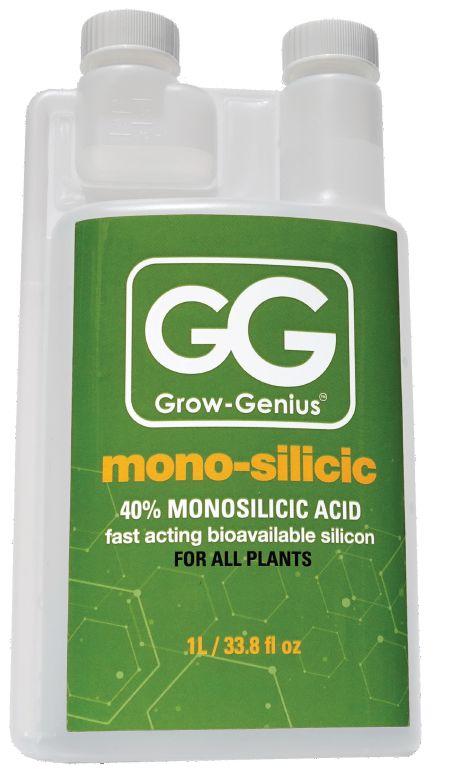
100% bioavailable Si (like all other MSA products)
40% strength (like no other MSA products)
40% strength, pH neutral MSA is coming to Canada. Deliver more Si, with lower heavy metals, for much less* with GG.
Contact BioFloral or Quality Wholesale now for info and earlybird discounts on wholesale pre-order and commercial sizes.
*Than any commercially available silicon source including all leading brands. CDFA Reg:2022737A.
Cultivation
Dr. Mohyuddin Mirza and Gagandeep Singh Bhatoa
Mohyuddin Mirza, PhD, is an industry consultant in Edmonton, Alta. He can be reached at drmirzaconsultants@gmail.com.
Gagandeep Singh Bhatoa is a scientific writer in Regina, Sask. Email him at gaganagrico@gmail.com
Are you compliant with cannabis plant’s physiological rules and regulations?
Part 2: The rules of light
All spectrum wavelengths/colours influence the morphological, physiological, and biochemical functioning of a cannabis plant. Therefore, it is wise for totally indoor cultivation to choose a spectrum which would contain all wavelengths from the UV to the far-red, while keeping in mind that well-balanced ratios achieve the best growth results.
UV LIGHT
UV light is part of electromagnetic radiation ranges from 350 to 400 nm and categorized into three different wavelength ranges (UV-A, UV-B, and UV-C).
UV-A is known to help with resins development and reduce powdery mildew in cannabis. UV-A light activates the same defensive proteins in your plants as if they were being eaten or attacked by insects, so it makes your plant more resistant to insects as a result.
Previous research studies concluded that UVB increased the floral THC concentration, CBD, and terpene production in cannabis plants.
INFRARED LIGHT
The plant protein, phytochrome is sensitive to infrared wavelengths. Plants use this protein to regulate the switch from vegetative to flowering phases. A grow light that incorporates the proper amount of infrared light will result in full stem growth, proper node spacing, and higher yields
BLUE LIGHT
Blue light has many similar effects as the UVA light. Blue photons, however, carry less energy compared UV. Therefore, the responses of blue can be milder than those of UV. However, blue light has been
Growers are pretty good with designs and calculations to provide the range of light, but there are certain rules of the plants as well.
shown to increase cannabinoid concentrations, especially THC. Blue light promotes the synthesis of chlorophyll A and B boosting photosynthesis. It is also good for the shape and density of growth.
RED LIGHT
Red light promotes the synthesis of chlorophyll A and B, resulting in blooming and overall plant growth.
The far-red light is also known to affect the plant defense mechanism by down regulating some secondary metabolite pathways and thus, making the plant more susceptible to herbivores and pathogens.
In cannabis, the red to far-red (R:FR) ratio has been shown to influence the cannabis morphology. The cannabis plants grow taller if the amount of red is low compared to the far-red irradiation. This can be noticed from very early on with stem and petiole elongation. A cannabis plant which has not received enough red lights in relation to far-red is weaker
and therefore, not able to carry high flower yields.
Experienced growers try to avoid elongated stem, therefore it is wise to choose a spectrum with a high R:FR ratio, which means the portion of red in relation to far red is high. As the use of supplemental lights increased so is the development of lights with spectrum closer to sunlight. Just make sure that the lights with right spectrum are being used.
LIGHT INTENSITY
Gone are the days when foot candles used to be a standard descriptive light unit for cannabis growth. Now you must be familiar with what is needed by the plant. Let us look at the two commonly used terms.
Photosynthetically-active radiation (PAR) is the range of light wavelengths (400 nm to 700 nm) that enables photosynthesis in plants.
There are two ways that PAR photons are measured. Photosynthetic photon flux (PPF) is a count of all the PAR photons and photosynthetic photon flux density (PPFD) at specific spot, where it is measured. There is a limit to the density of photons that plants can use. Too high a density of photons can be detrimental to plants.
It is generally accepted that a PAR between 400 and 700 micromoles/m2/ second is an optimum light for cannabis.
Growers are pretty good with designs and calculations to provide the range of light, but there are certain rules of the plants as well. The light loses strength as it travels from source to endpoint (from grow light to plant). PPFD numbers decrease with increased distance from the light. Pay attention to your grow light hanging height is so important when growing cannabis.
Another important rule, daily light integral, (DLI) will be discussed in Part 3 of this series.
By Jarred
Dickinson
Competing and winning as a micro
Alicensed micro cultivator is limited to a canopy size of 200 square metres, and so, the best way for micro cultivators to improve profitability is to increase their yields and improve product quality. Harvesting, drying, curing and preserving cannabis is just as important as growing it. Micro processors should commit themselves to the highest standards as differentiating factors.
Our advice would be to really hone in on craft cultivation which would include the use of proper, clean virus-free genetics with maximum yields per square foot and offer hand-trimmed quality in a well-preserved state for the end customer.
The importance of genetics
The quality of your final product begins with the quality of your starting material. Some viruses (like Hop Latent Viroid) can spread unknowingly throughout your crop and wreak havoc when it is too late. Whether you start from seed, clone or tissue culture plantlet, it is important to work with your labs and vendors to ensure that your starting material is virus and pathogen free.
Selecting your strain is equally important. When selecting a strain, choose strains that are in demand and work with your type of growing environment. Selecting a strain that doesn’t work for your environment is the easiest way to leave untapped potential on the table.
Maximizing square footage
Once you’ve selected the genetics that work for you and your market, it's time to get the most of what that plant can offer.
As a rule of thumb approximately 20-25 per cent of an indoor grow facility is dedicated to mothers, cloning and vegetative growth. That would be equivalent to 400-500 square feet, which represents a cost center in your operation.
Utilizing a ready-to-flower plant (or
“teen”) which shows up at your facility ready to place into your flowering rooms, can allow you to repurpose your veg and mother space into flowering space. On top of the added square footage you would gain, you would also be eliminating the vegetation time that will provide an additional 1-1.5 crop rotations per year in that space.
Maximizing yields
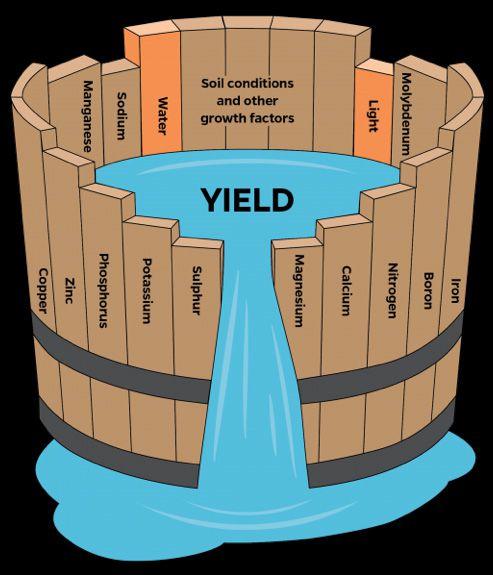
Liebig’s Law of the Minimum is a principle developed in agricultural science in 1840 which still rings true today and is still used by growers worldwide. It states that if one growth factor is deficient then plant growth will be limited, even if all other vital factors are adequate. Above is a good illustration using a barrel with staves. Each stave of the barrel represents a single growth factor.
Leveraging the appropriate tools and collecting valuable data is essential. There are various sensors and tools on the market which can record real-time and historical data. These sensors can tell us what is happening in the climate at any point in time and can help identify microclimates in your grow room.
Substrate sensors allow you to see what is happening in the root zone in real time and fix potential issues long before we see these issues manifest in the plants. The
phrase “crop steering” is gaining popularity these days, with the proper real time data we can now steer the plants one way or another depending on the growers objectives.
Processing and preserving
Over time, improperly stored cannabis can degrade and an updated lab test could indicate that your product has decreased in value as a result.
A drop in moisture content results is a drop in weight. A five per cent drop in moisture content can result in a six-pound loss on a 1,000-pound batch. This is an easy opportunity to improve consistency, quality and revenue per batch. Use an airtight storage vessel along with a humidity control pack to stabilize the moisture content in your flower.
This not only maintains the value of your product but in more mature markets, longer cured flowers at the proper water activity (moisture level) can fetch a higher price tag.
Minimizing costs
Lowering your overall costs is a key to success in cannabis cultivation. Energy and labour are typically the two biggest costs to produce cannabis.
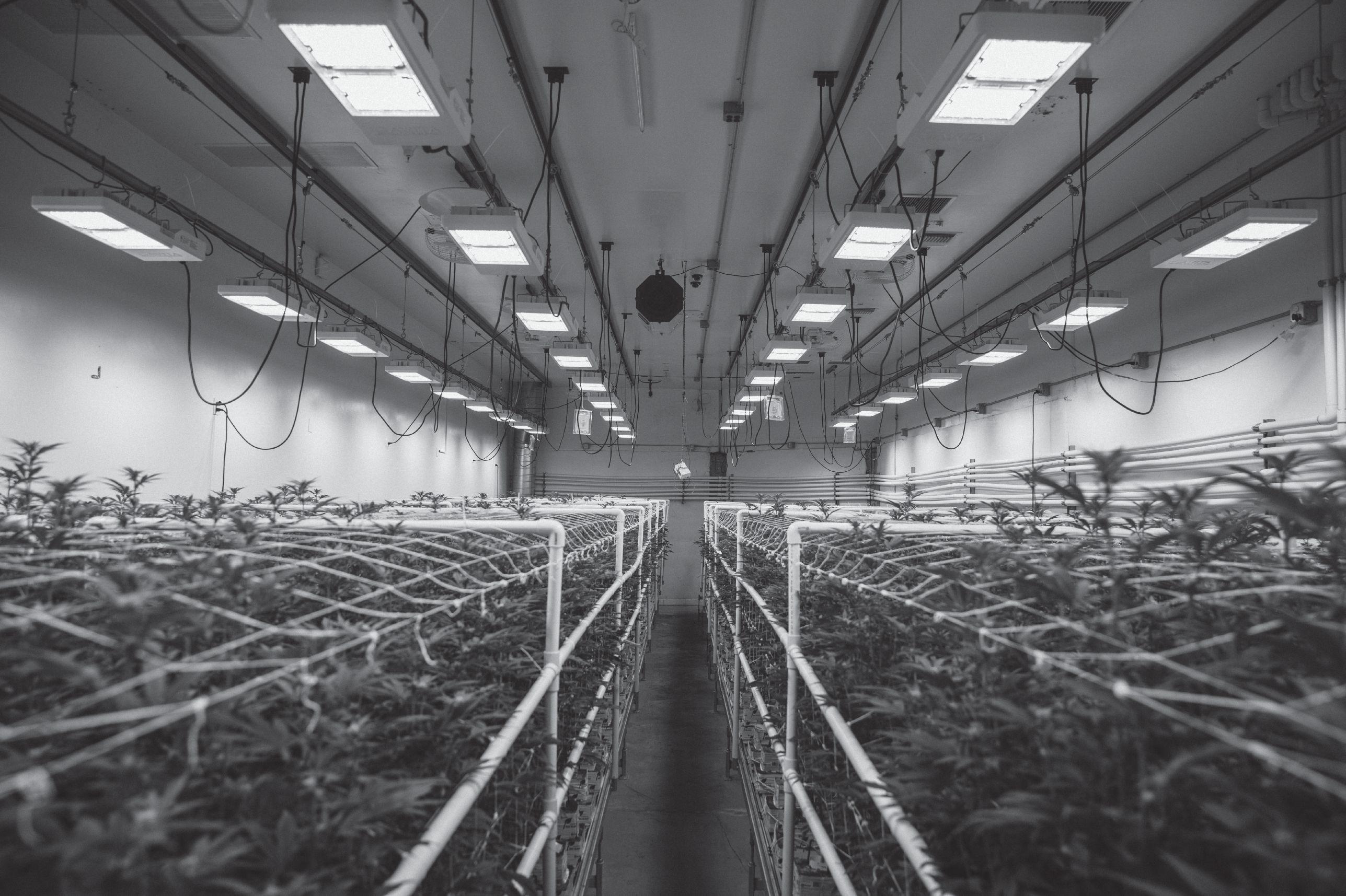
The use of high quality LED lighting with the proper spectrum helps tremendously as they not only use less electricity, but they give off about 25 per cent less heat which lowers cooling costs drastically. Using circulation fans that are more efficient at moving air is another good practice. They typically run all day and night inside grow rooms. Over the course of a year, that’s a lot of electricity.
For your labour, you can utilize low cost things like simple conveyors to move trays of plants around the facility or a simple greenhouse cart to move plants from room to room.
Trimming is extremely labour intensive. Consider hand trimming the top colas and machine trimming the middle and bottom buds.
Jarred Marsh is head of Accounts & Strategy at GrowHaus Supply Co.
George Dickinson is an Equipment and Cultivation specialist at GrowHaus Supply Co.
Marsh and George
A FRONT RUNNER IN HPS, NOW AN INNOVATOR IN LED
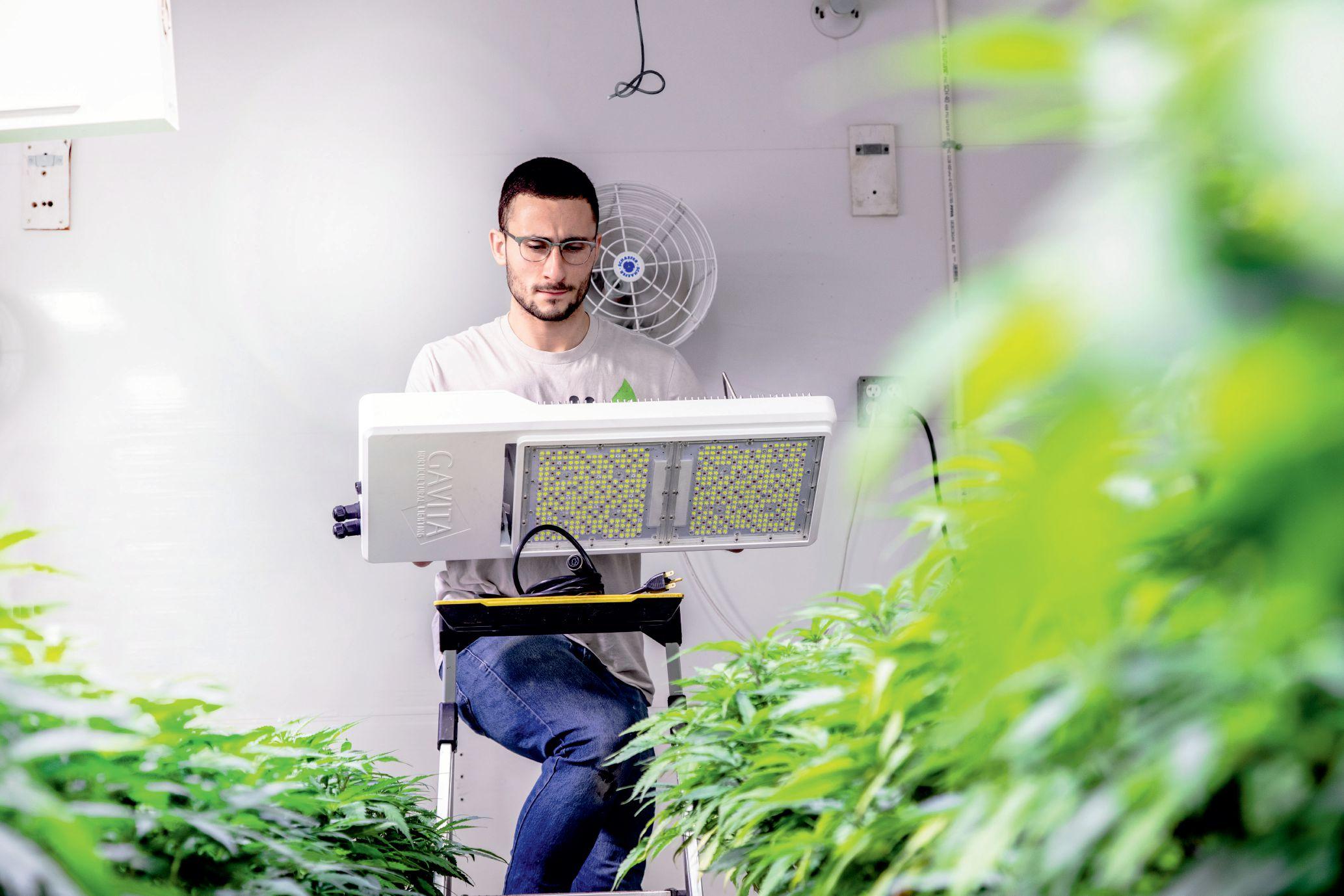
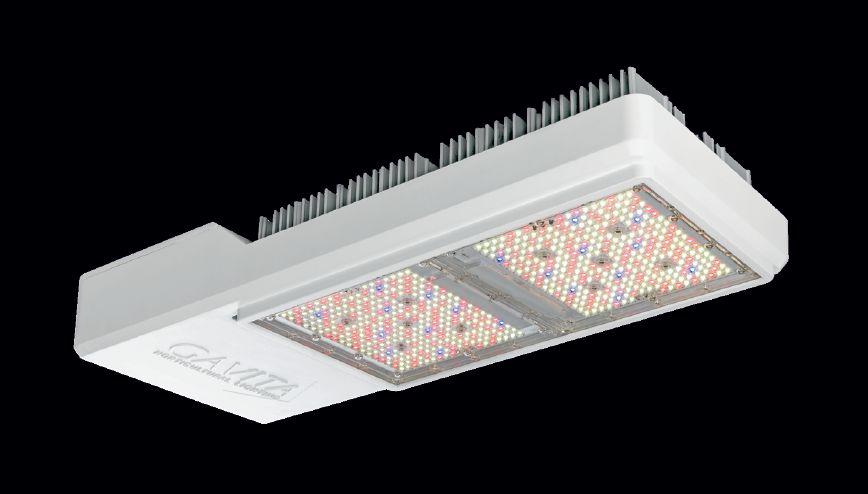
latest in cutting-edge lighting technology, which is why we created the CT 1930e as a seamless 1:1 switch from HPS to energy-efficient LED.
Legal Matters
By Matt Maurer
A cautionary tale of misleading labels
When the editors of Grow Opportunity told me that this issue would be about quality assurance and sustainability, I had a bit of trouble thinking of how that topic would fit into a ‘Legal Matters’ column.
Until I remembered Lisa Marie Langevin, and the tale of how a licensed producer’s (LP’s) reputation and bank account can take a hit based on quality assurance concerns, even if those concerns are not the LPs’ fault or ultimately turn out to be unfounded.
Lisa Marie Langevin lives in Calgary. In February 2020, she purchased cannabis oil manufactured by Tilray from a Canna Cabana location. Although the product was labelled as having 10mg/mL of THC, Lisa apparently did not feel any psychotropic effects despite her being a new cannabis consumer. While it is not uncommon for new cannabis consumers to feel “too little” or “too much” from cannabis, Lisa’s story takes a strange turn at this point.
She spoke with a friend of hers who has a PhD (in an undisclosed field) who suggested that Lisa should have felt some effects. The friend purportedly tried the product as well and felt nothing. From there, the two friends approached someone else they knew who had a PhD in biochemistry, and arrangements were made to have the product sent to a lab for testing. The testing is said to have revealed that the bottle only had 79 per
cent of the THC that was listed on the label.
The adventure continued further from there, with the trio purchasing a number of other cannabis products and subjecting them to testing specifically to see if the THC potency listed on the various product labels actually aligned with what was in the product. At least seven other products were tested, which were manufactured by wide range of licensed producers, and were allegedly found to contain product whose potency level differed significantly from the information contained on the label.
As a result of the findings, Lisa launched a class action lawsuit against all of the LPs in question, asserting a number of causes of action (a ‘cause of action’ is a legal term for a set of facts that give rise to a particular type of claim that is enforceable by the courts). In this case, the causes of action include:
• False and misleading labelling;
• Breach of contract;
• Breach of consumer protection legislation;
• Common law misrepresentation;
• Statutory misrepresentation; Breach of the Competition Act;
• Negligence; and
• Breach of Duty to Warn.
• Lisa seeks, on behalf of the class of plaintiffs:
• Damages that may have occurred due to overconsuming products as a result of underreported labelling of THC;
• A return of money paid for
mislabelled products;
• Disgorgement of all profit made by the LPs on the sale of the products in question; and
• Punitive damages of $5,000,000 against each defendant.
It is certainly worth noting that these are simply allegations thus far and they have not been proven in court. Copies of the defences from the various LPs will certainly contain their own side of this story and may also involve third party claims (i.e. a claim-over against a nonparty which brings them into the lawsuit) against the packaging manufacturers.
Assuming that the testing results are actually as they are stated to be in the Statement of Claim, there are only two possibilities as to how this occurred.
The first possibility is that quality assurance controls slipped at the LP’s facility and that the product left the facility with a THC content far outside of what was intended and what was reflected on the label. Most would argue in such a case that any LP who allowed its controls to become so lax (voluntarily or intentionally) deserves what is coming to them in terms of cost and headache associated
with the class action lawsuit.
The second possibility is that quality assurance controls worked as contemplated, that the product left the facility with a THC content that was within the legal tolerance levels of what was contained on the label, but that the THC content decreased over time due to leeching in the plastic bottles which held the oil. Many would argue in such a case that the LP was less blameworthy (if not entirely blameless) for the fact that the leeching occurred well after the product had left the facility.
The point of this column is not to establish whether the first possibility is more likely than the second, or even whether or not the facts alleged by Lisa will be likely to be established as true at trial.
Assuming the testing facts as set out in the Statement of Claim are true, regardless of whether that occurred due to possibility one vs. possibility two, each of the LPs in question now have to spend considerable time and money to address this issue, both in terms of future quality assurance/manufacturing and in the courtroom. Whether warranted or not, each of the LPs also took a blow to their reputation and credibility, which will need to be repaired and may have lost customers along the way.
The point of this column then, is to demonstrate that quality assurance is critical and the consequences of it slipping can be significant, even through no fault of the LP in question.
Matt Maurer is a partner and co-chair of the Cannabis Law Group at Torkin Manes LLP in Toronto.
Growers Are At The Center Of Everything We Do
MEET HAWTHORNE 360, our priority initiative designed to provide growers with an integrated suite of gardening solutions. From HVAC systems to irrigation and harvesting tools to lighting and nutrients - our family of top-tier brands (including brands where some products are manufactured in-house, such as Gavita), backed by an innovative R&D team, a strategic distribution network, and real-world cultivation experience, is here to support you.
Whether you’re a micro cultivator or a large-scale indoor or greenhouse grower, we are Canada’s go-to source for professional HPS & LED lighting and COA industry-standard nutrients. And our world-class tech services team is available every step of the way - from initial build-outs to final harvests to everything in between.
RESEARCH & DEVELOPMENT
Dedicated research facilities.
ICONIC BRANDS
Over 85 signature brands, plus exclusive & vendor brands.
TECH SERVICES
Troubleshooting for every part of your grow.
DISTRIBUTION
A target shipment time of within 24 - 48 hours.
ENERGY REBATES
1:1 support processing available rebates for licensed grows.
ADVOCACY & EQUITY
A focus on racial, social, and economic equity.
Local action, huge impact
Coming together to propel the Canadian cannabis industry forward in 2022
By Treena Hein
If the Canadian cannabis industry wants to stamp out the illicit market and continue to grow, every cannabis business in Canada needs to make building local relationships a priority.
That’s the view of many in the sector, including George Smitherman, CEO of the Cannabis Council of Canada (C3). “If each and every licensed producer (LP) and retail business puts effort into building local relationships, showing community leaders and the public the importance of local cannabis industry jobs, added taxes to the coffers and other local benefits, there will be a big impact on public perception at the local, provincial and national level,” he says.
“As more community leaders recognize that legal cannabis provides so much economic benefit, support for the industry will increase, remaining stigma will fall away and illegal consumption will drop. All politics is local. Building local political and public goodwill and support should be a strategic priority for every LP and retail business.”
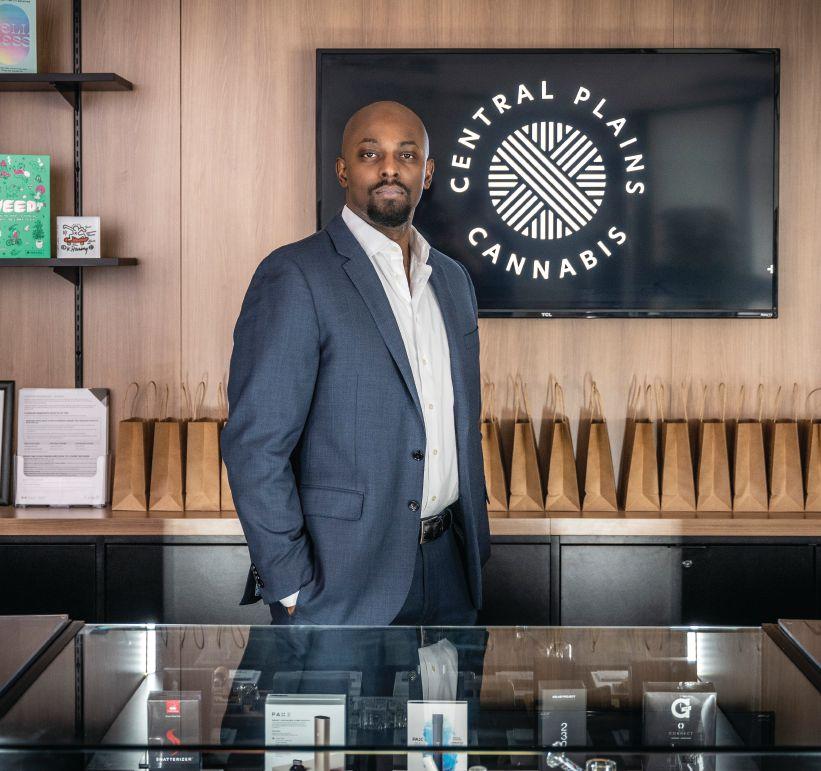
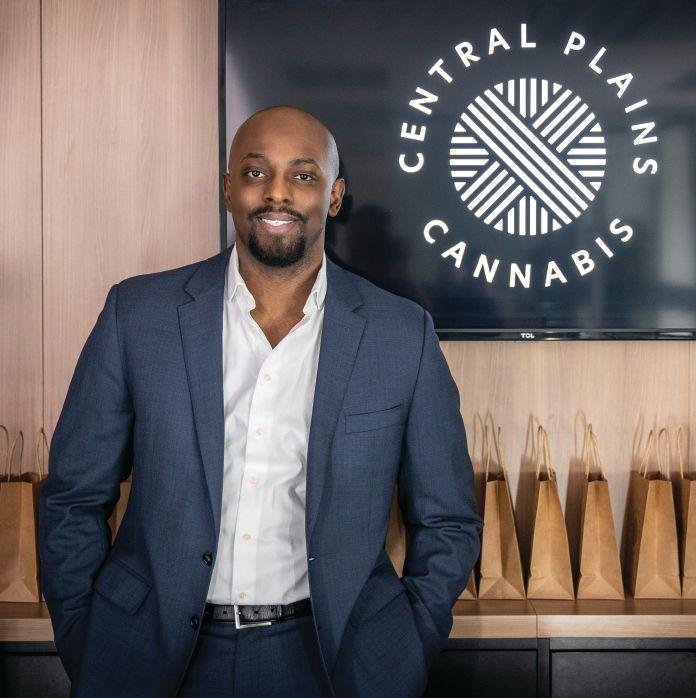
For inspiration and also practical steps each cannabis business can take to engage locally, let’s look at the success of David Duhaney-Walters, CEO and president of Central Plains Cannabis in Clarington, an area in Ontario encompassing communities such as Newcastle and Bowmanville near Toronto.
Duhaney-Walters’ relationship building in the community began well before legalization. He has a deep background in regulatory compliance, having worked with several cannabis firms before starting his own. Central Plains Cannabis opened a physical store in December 2020. The company recently obtained a medical sales licence (with possession) in February 2022.
A journey’s start
Duhaney-Walters first began meeting community leaders and the public through participating in a series of events
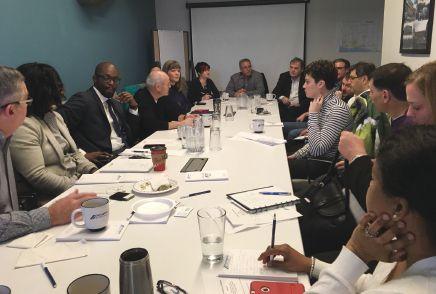
held by the Clarington Board of Trade (similar to a Chamber of Commerce). One of these events, held in 2018, was a roundtable about building a Centre for Excellence for cannabis, but also focused on future cannabis industry labour needs and other topics.
“There were representatives from many regional cannabis organizations and educational institutions such as Durham College,” Duhaney-Walters explains. “The board has also held other events such as an economic summit in 2019 about building the cannabis industry. I’ve also participated in community initiatives such as
PHOTO: CENTRAL PLAINS
Central Plains CEO David Duhaney-Walters began meeting with community leaders well before legalization.
‘Walk a Mile in her Shoes’, and a fundraiser for a local shelter called Bethesda House. At all these events, community leaders got to know me personally and also came to understand my level of knowledge about the industry.”
It was a broad spectrum of influencers that Duhaney-Walters got to know, not just elected representatives at the three levels of government, leaders at the Board of Trade and educational institutions, but also leaders at the fire department, police services, other businesses, non-profits, and so on. And these relationships have had a very positive impact on his business.
“Community leaders were very excited that someone they knew, respected, and trusted was going to open a physical cannabis store,” he says. “I really appreciated that the Mayor of Clarington, Clarington Board of Trade, local councillor, and MPP all were present at the opening in late 2020. You don’t want to be a stranger to any of your local civic leaders. These are the people who will be helping you or not helping you when you need it. And you also want to be included at the table to take advantage of opportunities and gain benefits you don’t want to miss out on. These community leaders want to help those they trust and are working for the improvement of the community as they are, day in, day out.”
But business benefits aside, the relationships Duhaney-Walters has built are also critical at a national scale. “Without personal connections,” he says, “how are we going to be able to communicate about issues and get the support we need at all levels?”
He believes, as Smitherman does, that everyone in Canadian cannabis should be continually educating community leaders about the economic importance of the legal cannabis sector – at the
Impact of the store
Duhaney-Walters has also been careful to ensure his store makes an impact in building community respect and support for the cannabis sector.
local level and beyond.
“Find out roughly how many jobs the industry provides locally and share that again and again,” Duhaney-Walters says. “At the federal level, we are responsible for 151,000 jobs. And for every $1 million in revenue or capital expenditure, this sector generates $15.1 billion in tax revenues at the federal level and $3 billion on top of that in Ontario. Since legalization, legal cannabis has added $43.5 billion to the federal GDP and $13.5 billion to Ontario’s GDP.”
(Note that the Cannabis Council of Canada is working on more specific statistics for each province and for the various types of economic impact, but some data is available from research firms such as Deloitte and Statista.)
“Keep spreading the good news,” says Duhaney-Walters, “that the Canadian cannabis sector found its footing in a short period of time and is providing a tremendous amount of jobs and other economic benefits. These numbers have a strong impact. They change people’s perceptions about the size and importance of the industry. People are more likely to support something that already matters, that already has power, and to support further benefits that can be gained in terms of government tax coffers and communities.”
“We took over the old LCBO location, and people have been surprised and delighted about how we’ve transformed the interior and exterior,” he says. “The store is considered a very positive addition to the community because I’ve made sure it’s very clean, polished, professional, and welcoming. You can see yourself how people’s perceptions change as soon as they walk in the door. They are disarmed right away and their preconceived notions fall away. They are happy to see a new, vibrant and well-managed store in their community.”
While the physical environment of the store is making a positive impact on the community and presenting a positive reflection of the entire industry, so does the outstanding customer service. “I am a trained cannabis sommelier and I am also passionate about the power of plant-based medicine,” says Duhaney-Walters. “I’ve trained my staff so that we are all able to answer questions accurately, with a high level of knowledge. This builds trust in our business and in the whole industry. We work to understand our customers and enable them to get the right products for their needs. We develop personal relationships and know our customers by name. I am extremely excited that now, with our Medical Sales Licence, we will be adding healthcare practitioners on our team and can greatly broaden our scope of service. We also are working to accept donations for a local non-profit at the store. We have to remember the importance of non-profits in our communities and that they need for-profits to support them.”
Visibility and participation in the local community helps build credibility and support for the cannabis sector.
ONE-ON-ONE WITH RETAILERS AND BUDTENDERS
Only O’Cannabiz gives delegates the opportunity to meet the decision-makers with 40 Retailers and get face-to-face with 40 Budtenders in currated speed networking meetings. Our VIP Conference Pass gives you access to both Retailers and Budtenders and our 2 Day Conference Pass allows you to choose one of the two. YOU MUST SIGN UP IN ADVANCE. LIMTED SEATING. FIRST COME, FIRST SERVED.
Duhaney-Walters also plans to continue to attend community events and also organize educational cannabis-related events in the future. He joined the Clarington Board of Trade and is an active member.
Looking at the big picture, he believes that if cannabis businesses fail to engage with the community, there is a real risk that the narrative told about them and the industry as a whole will not be positive –or not as positive as it could be.
“There are a lot of cannabis companies not engaging,” he says. “If we engage, we show that there is more to cannabis than making money and the high. Every other industry engages with the community and we should as well. The financial sector has done a very good job at showing that it’s not just about making profits. There is a large focus with the banks on giving back to the community and people
feel that they are making their communities and their country better, through supporting environmental and community causes. We can achieve the same.”
Call to action
Smitherman explains that “as I enter my third year as CEO of the Council and the pandemic is hopefully coming to an end, we’re returning to our core roots of strong national level advocacy. We’re organizing a two-day leadership conference and industry advocacy event at the end of May in Ottawa called ‘Grass on the Hill’ to do more to unite our sector with the key influencers in Ottawa that control our destiny.”
He adds, “we’ve only been able to use Zoom for the last two years, but we’re looking forward to in-person meetings to present our clear objectives for the statutory review process that’s taking place over
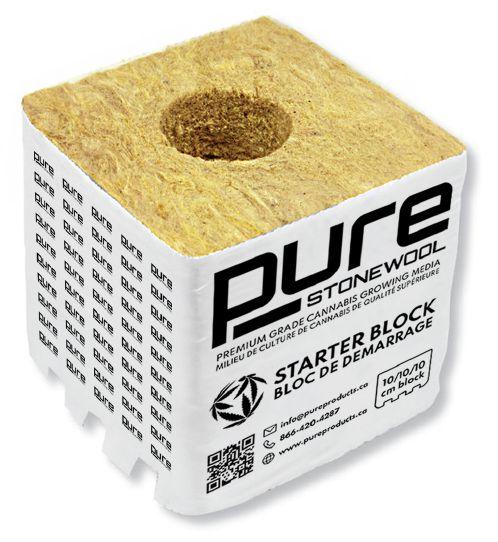
PURE STONEWOOL GROW MEDIA - NOW AVAILABLE!
Problem Solving Features
• Hydro+ water dispersion technology offers predictable water retention and drybacks
• UV and Light blocking wrap - reduces exposure to light that can stress or inhibit root growth.
• Tight wrapped slabs - keeps water and nutrients where you want them.
• More product per block = more surface area for roots
• 100% engineered and manufactured in Canada for reliable supply
• All formats including plugs, blocks and flowering slabs
the next 18 months, things that have worked well and where they can be improved. We’re going to be in Ottawa for concentrated events every spring and every fall.”
However, Smitherman is clear that these efforts will be greatly aided if every single cannabis business leader builds community connections. “We have responsibility for our destiny and that responsibility lies with each company,” he says. “We need to work together to make cannabis a business culture norm. Please spend some of your time and effort on building community relationships. It’s particularly important right now because the circumstances for a lot of cannabis businesses are dire and we also have the statutory review underway. Please look at your schedule and your annual goals and integrate building community relationships.”
Sowing a Foundation for SAFER ONTARIO GREENHOUSES
Good things happen when industries grow together. And now, stakeholders from across Ontario's greenhouse sector are leveraging insights gleaned from a multi-year, multiperspective think tank to cultivate safer, healthier, and more sustainable workplaces.
Launched in 2015, the Greenhouse Risk Assessment Project was undertaken by Workplace Safety & Prevention Services (WSPS) with the Ministry of Labour, Training and Skills Development (MLTSD). It’s mission: to engage industry partners to unearth the risks and hazards that make the greenhouse sector home to one of the higher rates of lost-time injuries across all industry sectors and to develop the solutions and controls to improve safety.
Led by MLTSD’s Chief Risk Officer, Dr. Sujoy Dey, WSPS hosted a series of workshops focused on bringing representative workplaces together to identify the top ten risks in the greenhouse sector based on likelihood and severity, and then, determine the top root causes to those hazardous conditions.
Working at Heights the Highest Risk Working at Heights was ranked as the highest among all perceived risks by both employers and workers. This was due, in part, to lack of fall prevention programs, safety railings and other supports, and factors contributing to slips, trips, or falls.
Other primary root causes identified include:
Personal protection equipment (PPE) and Internal Responsibility System (IRS)
Preventive maintenance
Workplace culture and mental health considerations
Fit for duty
With the risks assessed and primary root causes revealed, the next step in the process involved the stakeholder’s recommending the solutions and controls most needed in the greenhouse to effectively manage risk and prevent accidents. As a result of the findings and guided by industry stakeholders, WSPS developed and launched a training program for greenhouse managers to help them understand their roles and responsibilities for managing these risks in the workplace.
Full Suite of Resources
A full suite of resources, tools and training are also available in the Greenhouse Safety Resource Hub on the WSPS website to assist in the implementation of the solutions and controls.
Over the coming year, WSPS will be surveying the workplaces that implement solutions and controls to improve management of health and safety to determine the effectiveness of this industry driven approach.
View the WSPS full suite of resources at https://wsps.news/GreenhouseGrower
Navigating the insurance marketplace
What Canadian cannabis companies should consider when obtaining insurance
By Kyle Muscat
The insurance requirements imposed upon cannabis producers add yet another layer of complexity to an industry already defined by onerous regulatory challenges and red tape. From banks and alternative capital providers, business partners, provincial wholesalers and board members; management must answer to a variety of stakeholders – each with their own unique insurance demands.
Having been more than three years since the legalization of recreational use (and significantly longer on the medical side), the Canadian cannabis insurance marketplace can be still be viewed to remain in its infancy stage; defined by a lack of market participants and competitive product offerings. For producers, this means a limited number of insurers to choose from, more restrictive terms and greater annual premiums than those levied against organizations operating within comparable industries.
There is generally limited interest on behalf of insurers to compete in the sector. This is largely due to management’s priorities and the resources required to develop internal underwriting expertise while capturing enough written premium to make the venture worthwhile. This would demand a shift in focus away from larger, more traditional industry classes for which they are still trying to grow.
Similarly, insurers still view cannabis as a higher risk class while the lack of established historical losses add a factor of ambiguity into their pricing decisions. Additional consideration can be given to Canadian insurers with U.S. domiciled head offices (where cannabis remains federally illegal) and compliance with their reinsurance partners who may exclude or have limited appetite for this class of risk.
Industry pain points
Directors and officers
Generally speaking, Directors and Offi -
cers (D&O) insurance protects an organization’s individual executives, directors, and officers from personal financial loss that may result from allegations of wrongful acts or mismanagement carried out in their appointed capacity. Purchased by both publicly-traded and private organizations alike, this coverage is often a necessary safety net required to attract experienced board members and management.
Although we have observed notable development in the D&O market over the past few years, cannabis-related businesses remain at the mercy of a relatively limited number of carriers. Coverage is frequently offered with restrictive covenants and remains challenged for organizations holding U.S. assets. Many licensed producers are forced to obtain policies from specialty markets or unlicensed carriers domiciled in foreign jurisdictions.
Product recall
As the name suggests, Product Recall insurance is designed to protect against the
Many insurers still view cannabis as a higher risk class, while the lack of established historical losses add a factor of ambiguity into their pricing decisions.
INC. REMO COLASANTI PRESIDENT, REMO BRANDS
ALEXZANDER SAMUELSSON FOUNDER AND CHIEF RESEARCH OFFICER, HAVN LIFE SCIENCE
DONNA JOHANNSON FOUNDER , CANADIAN WOMEN IN CANNABIS (CWIC)
RYAN WANKEL GROWER LIAISON, HELIOSPECTRA
ALBERT EPPINGA OWNER, BC CANNABIS INC
DR. AV SINGH PHD, PAG, CANNABIS QUALITY ASSURANCE
KIRK TOUSAW CEO, GREAT GARDENER FARMS, LTD.
ED ROSENTHAL THE GURU OF GANJA
DAVID BROWN FOUNDER, STRATCANN
financial impacts associated with both voluntary and government-mandated product recalls. In addition to the actual value of recalled goods, this extends to include the cost of notifying customers and supply chain participants along with withdrawal, shipping, and disposal expenses.
These policies often include coverage for extra expenses incurred to minimize the suspension of business operations with dedicated limits for public relations and reputational brand protection.
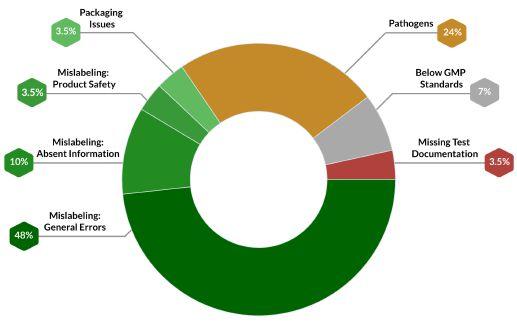
At the time of writing, there have been more than 132,000 units of recalled cannabis products in Canada – largely
emanating from mislabeling and packaging errors.
It’s important to note that this form of insurance is a prerequisite requirement when supplying products to select provincial wholesalers. For example, the Ontario Cannabis Store (OCS) mandates licensed producers to carry $15 million of recall coverage, whereas the BC Liquor Distribution Branch (BCLDB) in British Columbia requires a minimum of $10 million – with few exceptions.
Crop spoilage
Although widely available across the broader Canadian agricultural industry, crop
spoilage is another form of coverage which remains challenged for cannabis producers. This covers live plants and biological assets; protecting organizations against the fi -
nancial impacts of plant disease, infestation, or other forms of loss during the growing phase. Coverage is also available for the loss of perishable product as a result of a
Health Canada Lot Release Testing
Plant Sex ID Assay / Density on Oils / Terpenes
Quality Production Experts
Microbiological Environmental Testing
Plant / Soil / Media
Disease Diagnostics
Water / Tissue / Soil
Residual Solvents
Edibles / Beverages / Topicals
Biologicals
Quality Production Experts
Seed-to-Sale Software
A&L Canada Laboratories Inc.
Cannabis Product Recalls (2018 - 2022)
power outage and machinery breakdown.
This form of insurance often remains prohibitively expensive for most organizations, although we do expect to see further market participants enter the space in the coming years.
Insurance blind spots
Excise duty security bonds
Cannabis producers are all too familiar with the security requirements imposed upon them under the Excise Act. Simply put, the cannabis excise duty regime requires all registered participants to provide the Canadian Revenue Agency (CRA) with security in an amount that ranges anywhere from $5,000 to $5 million. This is most often in the form of cash or an irrevocable letter of credit (LOC). While an LOC is most commonly used, the value of which must still be securitized against an operational line of credit or cash in the bank – effectively limiting the amount of working capital that would otherwise be available to fund operations.
An excise duty surety bond is a financial instrument that functions very similar to a LOC, however it is underwritten and issued on behalf of an insurance company in consideration for an annual premium. In this context, a bond could be viewed as an unsecured ‘secondary’ line, supported by the insurance markets.
As an acceptable form of security to the CRA, cannabis producers are increasingly utilizing L302 cannabis excise bonds to free up working capital while maintaining regulatory compliance. With an annual premium levied at a rate of one to three per cent of the bond amount, producers are quick to realize the benefits of this product when compared against their own internal rate of return.
Transactional insurance products
Consolidation has been an undisputed hallmark of the cannabis industry. While relatively underutilized, transactional insurance products can be leveraged to insulate organizations against the financial risks involved in the purchase, sale, or merger of companies. This is more commonly known as Reps & Warranties,
Tax and Contingent liability insurance. The financial clarity afforded under these policies often benefit both sides of the transaction through a reduction in indemnity escrow requirements, more attractive terms and increased deal expediency. One caveat here would be that a deal size threshold of $25 million is often required before these polices start to make sense.
Cyber Insurance
Most industry experts would agree that cyber security is no longer a hypothetical risk for Canadian businesses. Cyber criminals continue to develop increasingly complex methods of exploitation while making headlines across nearly every industry. Meanwhile, the pandemic has further accelerated the digitization of most organizations.
In addition to proactive cyber security protocols, cannabis producers can purchase insurance to further protect themselves from this risk. These policies extend to include coverage for data remediation, cyber extortion, and financial loss due to a suspension in operations. There are also dedicated limits for reputational repair along with regulatory investigations and fines that may be imposed for breaching PIPEDA or PHIPA – the Canadian personal and health information protection acts. It is increasingly evident that the severity of this emerging risk cannot be understated.
Looking forward
It is fair to say that the wider insurance industry has been slow to respond to the complex risks faced by cannabis producers. Now more than ever, it is imperative that producers partner with an experienced broker who can effectively navigate the rapidly evolving insurance landscape.
Put your best bud forward
Understanding moisture content and quality preservation By
Jarred Marsh
The cannabis industry is evolving as the demand for craft/connoisseur products continues to grow. People are becoming more educated. They search for cannabis with a unique aroma and flavour, like finding a fine wine.
As a result, cannabis growers realize it’s time to start changing the way they produce their products. It’s no longer just about creating a unique aroma and flavour. Moving forward it's also about preserving them now and in the longterm. Meeting this new demand has prompted some growers to start changing where they invest in their process.
Changing focus
Traditionally, growers have invested their time, money, and muscle in pre-harvest activities for aroma development. That need is still here, but product consistency, stability, flavour, and health have also grown in popularity.
Growers moving forward want to learn more about process and production tech-
niques. They also want to grow less and get more out of what they already produce and become more profitable businesses.
Aroma and flavour
Every strain of cannabis has its own unique aroma and flavor profile. Creating a customer-preferred aroma and flavour, requires some investment initially, but it will pay for itself with preference, leads, sales, and repeat customers all the way through the supply chain.
Keeping trichomes and terpenes in an optimum environment where they are hydrated and healthy leads to a higher product quality and sales. If trichomes are over-dried, terpenes will evaporate along with aroma, flavour, and your bottom line. Overhydration can lead to mold growth, potentially putting customer health at risk.
There are several variables that affect trichome (and therefore, terpene) health, quality, aroma, flavour during curing and storage. Two key ones are moisture content and water activity (aW). Managing them not only enables growers to get
more out of every crop, it ensures the product is safe for consumption.
Inhibiting water activity has been established as an effective way to hinder the growth of microbes and metabolism of microbe associated toxins according to ASTM D37 D8197 from the American Society of Testing & Materials (ASTM).
Moisture content
There are two types of water present in plants: free water and bound water.
Free water is the water within the plant that can be extracted by squeezing, cutting, or pressing your product. Bound water is water that is found within the plant cells and is bound to the cell walls. It cannot be easily removed without incurring damage to the trichome and terpene.
The two combined are called moisture content of the cannabis. Moisture content is how most cultivators test their product. While it works to a point, it is not the most precise way to manage cannabis efficacy. Using it can result in having a contaminated product not safe for consumption.
To achieve your goal of creating more profit without growing more crops, investment must be made in the post-harvesting stages of the process.
Water activity (aW)
A more precise way to determine moisture content is Water Activity (aW). Monitoring aW is the industry standard set in ASTM D37 D8197, and endorsed by the American Cannabis Institute. It states for consumption safe cannabis you need to maintain an aW between 0.55 aW0.65aW
The aW relates directly to the water available (in liquid form) to microbes. An aW measurement tells you how much water is not chemically bound within the product. Monitoring it is important to keep trichomes and terpenes healthy.
If kept too high, mold and fungus can begin to grow, compromising customer safety. Kept too low, aroma, flavour, and your bottom line will evaporate and leave you with a low-quality product.
Creating the best environment
The marketplace is getting more and more competitive, with new growers everyday entering the market. A new approach to environmental control is the only way for growers to increase demand and sales without growing more cannabis.
Incorporating technology that keeps cannabis within recommended storage guidelines delivers a higher quality product with your unique aroma and flavor sealed into the terpenes. For the customer this it's a more unique and memorable experience.
The two approaches used most often during the curing and storage stages of cannabis production are called one-way and two-way RH Control. The one-way approach either adds too much water or removes too much water.
Two-way humidity control
A more precise advanced way to approach cannabis environment control is by 2-way RH Control. The idea, technology, and system of 2-way RH Control was created and patented by our friends at Boveda. By creating the new system, the issues with 1-way humidity control have been solved. These packets provide environmental control by allowing water to go two ways.
The packets either add or remove water to maintain the optimum RH.
The product controls RH so precisely, it strengthens the aroma and flavor by producing a monolayer of water on the trichomes. This in effect creates a shield around the trichomes and terpenes present inside. When this shield is broken, the terpenes are released when a person uses the product.
The patented design allows water vapour to pass through a special film very quickly. While it moves through, moisture is added or removed as needed to reach equilibrium. This approach keeps the environment at the ideal RH, whereby terpenes are preserved.
The packets will reach its designated RH within 24-48 hours, depending on the container (we highly recommend an airtight vessel). How does it work? Inside the packets is salt, pure water, and a foodsafe thickening agent. The salt- based solution is sealed in Boveda's patented vapour phase osmosis membrane.
As water vapour is released from or absorbed into the membrane, the water to salt ratio changes. The salt dissolves when more water is absorbed. The salt precipitates or becomes a solid again when more water is released.
As water vapour is released from or absorbed through the membrane, Boveda dials-in and precisely maintains your container's humidity levels, much like a thermostat. Boveda may cost a little more than traditional methods, but in the longterm, it will pay for itself by increasing the amount of saleable yield and locking in your unique aroma that leads to preference.
In summary, to achieve your goal of creating more demand, preference, sales, profits without growing more crops, changes will need to be made along with investment in the post-harvesting stages of the process.
Techniques used in your process will also need to focus on better preventative control to improve trichomes and terpenes' health. The combination will lead to a better return on your investment and the highest quality possible.
Grower Day returns
lessons learned, and build strong relationships amongst industry peers.
By Catarina Muia
There’s nothing better than getting a group of people with similar interests, goals, and passions together in a room, to see how change can be driven. The cannabis industry has already seen its highs and lows in the almost three and a half years of recreational cannabis legalization. But as the industry eagerly awaits
Date: June 21 & 22, 2022
Location: St. Catharines, Ont.
the review and results of the Cannabis Act, it is important to take the take the opportunity to reflect, generate discussion about the milestones achieved and
Taking place on June 21 and 22 this year, Grow Opportunity , in partnership with Greenhouse Canada , will host the annual Grower Day event at the Holiday Inn & Conference Centre in St. Catharines, Ont. The event will be split into two parts, with Greenhouse Canada hosting greenhouse floriculture and vegetable cultivation-focused sessions on June 21.
On June 22, cannabis growers can look forward to hearing from master growers and licensed producers, researchers, and other industry experts who will share their best practices on cultivation, production, and business management; network with indus-
try colleagues and peers; and see the latest products, solutions, and technologies that have been designed to help grow commercial cultivation businesses.
For those looking to learn about the market, hear about the industry’s latest techniques, best practices, and challenges, or perhaps share your own experiences and knowledge on cannabis cultivation, production, research, or business management, the event will host a conference focused on various areas of interest, including:
• Sustainability: What does it take to create sustainable cannabis businesses, considering the various challenges and factors being experienced in today’s world, which can then lead to the result of a sustainable cannabis industry?
beyond? What are some of the industry’s greatest challenges today? What opportunities are there to eliminate disease-carrying genetics?
• Diversity and inclusion: A 2020 report highlighted the lack of diversity amongst upper management roles within cannabis businesses. What is the root of the problem, and what is the industry doing to prioritize this imbalance? What can businesses do to ensure they’re looking to give equal opportunities across all genders and races?
• Environmental, social and corporate governance: As the world continues to feel the drastic changes as a result of climate change, it’s crucial to recognize the important social and environmental responsibilities cannabis businesses carry, and how diligence in this area reflects the industry, to the public.
• Legislations, standards, and regulations: What changes still need to be made? What are the industry’s shortterm goals? What are the long-term goals? And what can the industry do to help drive the change that needs to happen?
• Looking beyond CBD & THC (exploring genetics): There’s so much about the cannabis plant that is still unknown to even the greatest researchers and scientists. Where’s the industry’s research headed? How can this research change the way people use, experience, and perceive cannabis?
• Medical vs. recreational: Are there benefits to selling medical cannabis versus recreational cannabis? What does it take to become a medical cannabis seller, and what are the options and opportunities available once licensed?
• Disease and pest management: New diseases and pests are introduced to cannabis cultivation and post-harvest year after year. What are some of the solutions being utilized in 2022 and
• Marketing and advertising compliance: With the industry’s current laws and regulations on cannabis marketing and advertising, it puts incredible limitations on what cannabis businesses can post, say, and promote on their digital and social platforms. What are some techniques and strategies being used to overcome these challenges? What changes does the industry foresee in this area?
• Biosecurity and sanitation: One might say your cannabis plants are the top priority, when it comes to running a cannabis business. What measures are you taking in your facility to ensure you’re keeping your plants safe from any contaminants? to
• Resource management: On the business side, one might say resource management is the topic priority when it comes to running a cannabis business. What areas are the easiest to save costs? What new solutions, growing techniques, and best practices are you using to ensure you’re effectively using your resources for both cost savings, and ESG?
It’s your opportunity to help the Canadian cannabis industry grow and move forward. While everyone may be looking, and need to run their own separate businesses within the cannabis industry, it’s the education and knowledge transfer, as well as the building of strong industry relationships and partnerships that will play important roles in creating a strong and sustainable industry.
Visit www.growerday.ca to register and find out how to get involved!
Suppliers’ Corner
Best of both LED and HID worlds
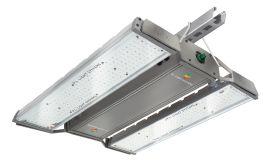
P.L. Light Systems has released the first of its ParFX product family, the TriPlane.
The TriPlane is meant to leverage the best features of LED and HID technologies — high light output, controlled distribution, and optimized thermal management.
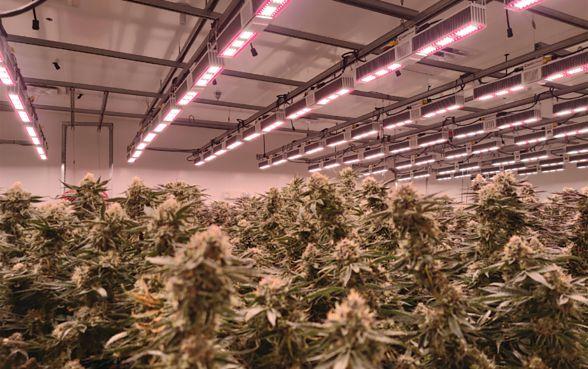
It has a light of 2100 µmol/s and an efficacy of 3.2 µmol/J, a one-forone replacement of the 1000W HID luminaire. It is available in two spectral recipes, which can be used in standalone LED applications, or in combination with HID luminaires. The modules can also be adjusted independently in either direction, allowing for customizability.
“What makes the TriPlane unique, are the adjustable LED modules, allowing for application-tailored light distribution, which I see being a gamechanger for many growers,” said Todd Philips, president of P.L. Light Systems. “As a true one-for-one replacement of the 1000W HID luminaire, growers can finally achieve the same light output, distribution and uniformity as traditional technologies, with all the benefits of LEDs.” www.pllight.com
EnWave receives US patent for advanced drying process
Vancouver-based EnWave Corp. announced that it has received a new method and apparatus patent from the U.S. Patent and Trademark Office.
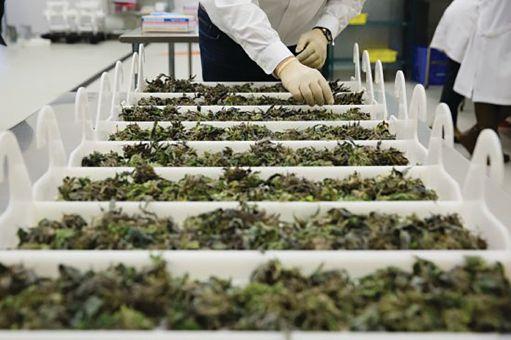
The patent is for its Radiant Energy Vacuum (REV), an advanced dehydration technology for cannabis that uses power density and vacuum conditions for optimal terpene and cannabinoid retention.
Traditional drying methods, such as room drying and hang drying, exposes the harvested plants to open air which means operators must routinely monitor the drying room’s environmental controls. The drying rooms can also be a risk to for mold to proliferate due to inconsistent humidity and airflow controls.
EnWave’s REV process is designed to dry cannabis in the absence of oxygen, at low and controlled tempratures. The fresh-to-dry processing time can take up less than two hours and plants can be dried before bioburden and microbes can propagate.
EnWave’s vacuum-microwave dehydration technology is protected by a portfolio of 18 various apparatus and process patents. www.enwave.net
Purity IQ updates CAPS guidelines
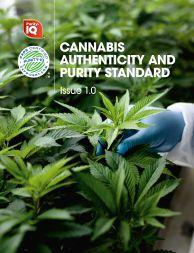
Purity IQ has updated its Cannabis Authenticity and Purity Standard (CAPS). CAPS is a voluntary standard and certification program developed specifically for industrial cannabis and hemp producer sites and products. The document has been built on the framework of the International Standards Organization (ISO) and its further underpinned by scientific molecular technologies. Clients who have previously purchased CAPS Issue 1.0 will receive a complimentary e-copy of CAPS Issue 1.1. CAPS is owned and operated by Purity IQ as part of its mission to use advance science-based supply chain verification to promote honest consumer product labelling. www.caps-cert.com
IIVO provides crop-specific smart technology for growers. A combination of smart software and state-of-the-art hardware. This truly unique system is capable of monitoring, controlling, and maintaining any type of growing environment.
Allowing you to grow more, at higher quality while using minimal resources. Whether you have experience in growing Cannabis or not. With self-learning controls and integrated security, you are ready for the future.
In this book, Justin shares his beautiful, sun-filled photographs to provide a behind-the-scenes look at Humboldt’s Finest Farms, a collection of growers in Northern California devoted to producing sustainable, sungrown cannabis crops. Readers will learn the importance of conservation and a host of best practices for a sustainable future for cannabis. Every page is filled with tips ranging from land and soil preparations, irrigation, plant selection, planting methods for optimal results, ideal lighting (sun and solar powered), polyculture and permaculture, training and trellising, natural pest/animal control, and more. With over 150 images that depict soil preparations, growth stages, conservation, harvesting, drying and curing processes, notes on preserving freshness, and more, lovers of home-grown and commercial cannabis fans will find much to love and celebrate in this book.
$52.50 Item #1682034200
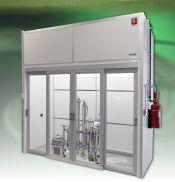
Cannabis extraction enclosures
The UniMax Floor Mount Hood Enclosures by HEMCO Corp. are designed ideally for the cannabis industry to contain and vent extraction equipment processes.
The hoods can range from six inches to 24 inches wide, three to 10 inches in depth, and from seven to 16 inches in height. The hood enclosures feature a modular construction with composite resin interior wall surface and clear anodized structural framework. It is equipped with with Class I Div I explosion proof lighting, fire suppression, and cord ports, horizontal sliding tempered glass doors and optional explosion proof exhaust blowers. www.cannabislabsolutions.com
New AB Lighting for early growth
U.S.-based LED grow light maker, AB Lighting, has designed a new grow light designed for indoor cannabis cultivation.
The AB520 is designed mainly for the veg room and the mother room. It has a PPF of 1200-1300 umol/s, 520W input power, 0-10V dimming and has a lifespan of over 50,000 hours.
“LED grow lighting plays a significant role in the cannabis grow process, and we have tuned the full spectrum on this AB520 grow light perfectly for the veg stage,” said Mark Honeycutt, Founder of AB Lighting.
Honeycutt adds that its new product has been validated by third party test labs and the PPFD distribution is consistent over the canopy, providing uniform growth of all the plants.
“We created the AB520 because we recognize that grow lights are not a one-size-fits-all solution to growing. At AB Lighting, we are striving to create the most diverse line of lighting products to accommodate the needs of all growers, no matter which stage,” he said.
Earlier this year, the company also released three new products: the AB840, a one-to-one replacement; the AB780, for indoor cannabis cultivation; and the AB960, a high-intensity lighting solution designed also for indoor cannabis cultivation.
www.ablighting.com
Lighting solutions on MegaDrive
California LightWorks introduces a new product series for indoor and vertical growing.
The MegaDrive Vertical Series is chainable, which means that as many as 27 lights can be run from a single power drop. The company says this is meant to save on installation costs as it eliminates the need for drivers and electrical power commenctions over the canopy. It can also reduce excessive heat from the grow room.
It can go up to 3.5 uMoles/J for
efficacy and is available in 400, 600, or 800-watt versions. It features a programmable two-channel spectrum control to ensure optimum lighting in all phases of growth. It also has multiple control options, from touch screen, to wireless, to third-party controllers.
From greenhouses to indoor grow rooms and vertical growing applitcations, this product series is designed to be adaptable. www.californialightworks.com
Dramm announces new team lineup
Jared Babik is the Dramm Corporation’s new national project sales manager. Previously serving as the Northeastern U.S. technical representative, Babik will now focus on project sales for the company’s complete water irrigation services. He will work directly with growers on best management practices for water management and irrigation systems.
Brett Kroszner is joining the Dramm team to be the new Northeastern U.S. technical representative. He will manage sales and relationships in the region, supporting customers with the company’s commercial products. www.dramm.com