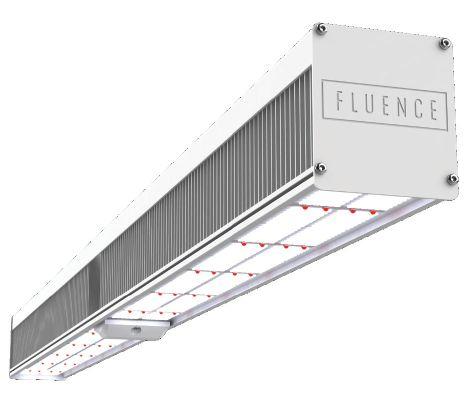
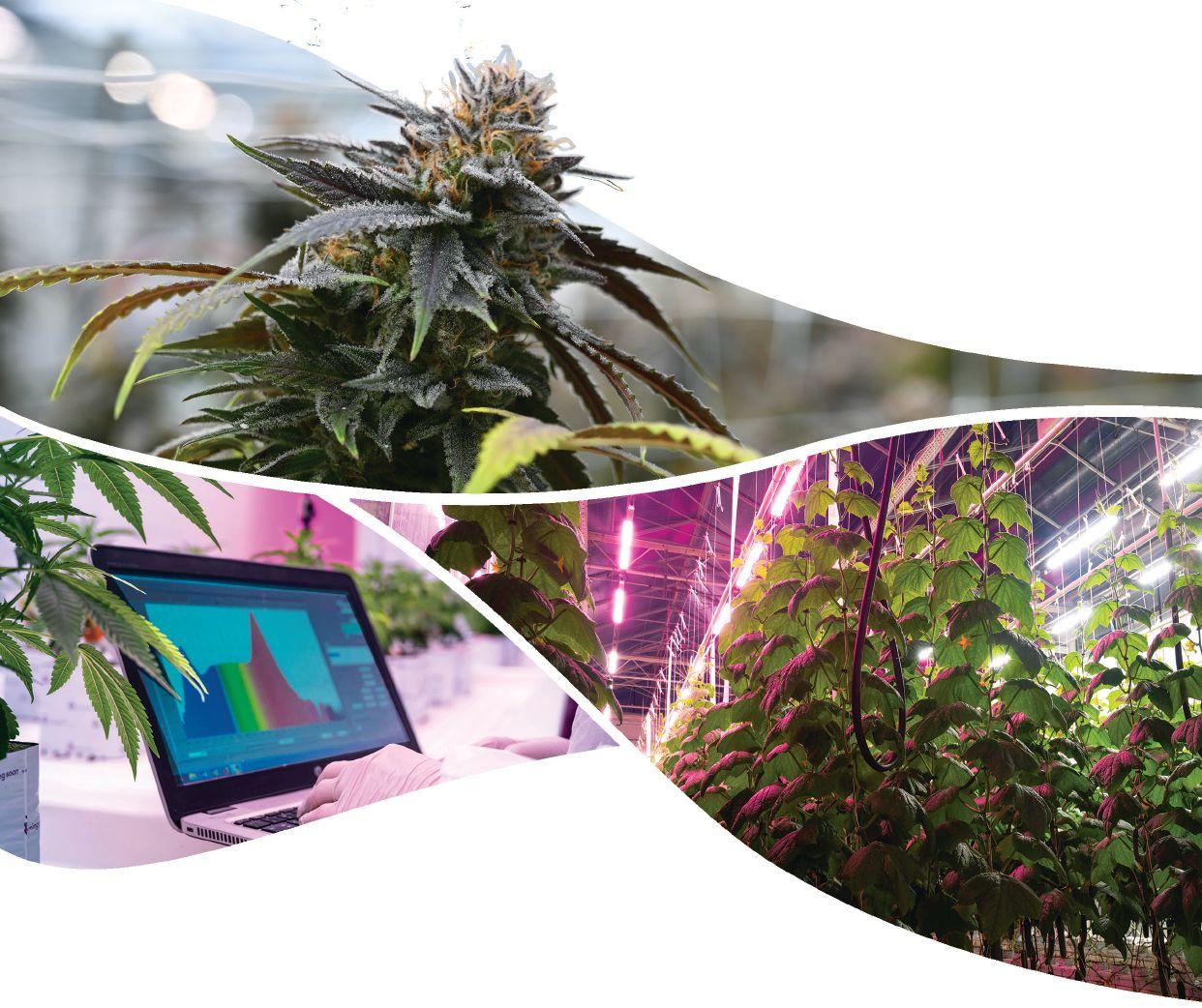
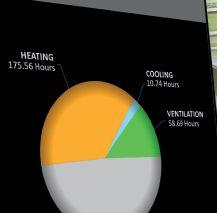
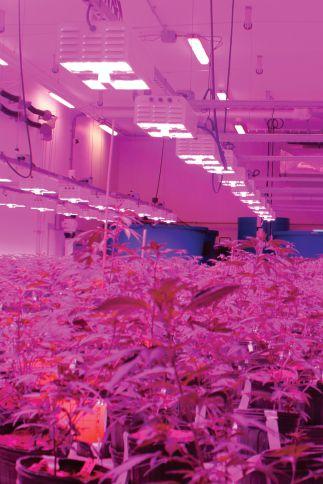
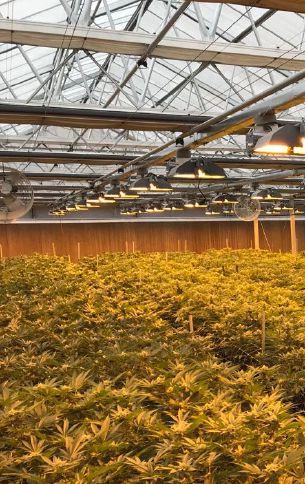
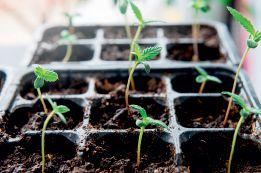
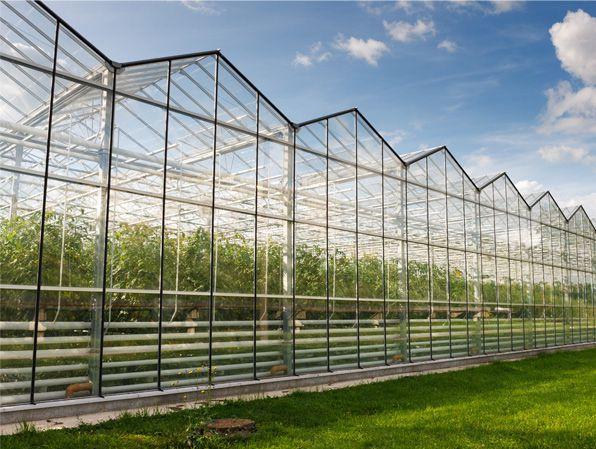
The VYPR Series by Fluence offers new spectra, helping maximize growth in greenhouses.
Whether your cultivation goals are improving plant quality or maximizing energy efficiency, Fluence PhysioSpec™ enables growers to optimize lighting strategies for any crop in any growth stage or geographic location.
Learn more at www.fluence.science
From the editor
By Mari-Len De Guzman
Growing pains
The industry is going through some growing pains, and like a young adult it is now facing the responsibilities that come with maturity.
Over the last several months, we’ve seen cannabis corporations that were previously swimming in capital now having to make some tough business decisions as cash flows tighten up and revenues continue to underperform. It’s almost a natural progression for a new industry recovering from the highs of an overexcited market and finally climbing back down to face major corrections to pave the way for a well-balanced, competitive, thriving industry.
For now, the staff cuts and facility closures are painful, especially against the backdrop of a global pandemic that has slowed down the economy. Just over a year ago, the industry was on a hiring spree. Everyone wanted to be part of the cannabis indsutry. Positions were consistently opening up not just in the cultivation department but in other parts of the business as well. People were transferring their skills from another industry and applying them to this brand new industry. It’s such a different story today.
Not only are cannabis corporations trimming their workforce in significant numbers, some have also announced facility closures and sell-offs. And with cannabis producers working with a leaner work-
force and reduced production capacity, the consequences to the market’s supply-and-demand dynamic is uncertain. For an industry that started off with a supply shortfall that literally pushed long-time cannabis consumers back to the grey market (or kept them there), a significant shortage of cannabis products – in various forms – will not help the quest to quash the illicit cannabis market.
Cannabis companies will continue to reevaluate their business plans for more realistic, marketresponsive strategies, and the industry will be stronger for it.
Despite the bad news, market reports in recent months indicate higher than average cannabis sales in the height of the pandemic, when most of the country was in lockdown.
According to latest data from Deloitte Canada, 23 per cent of cannabis consumers increased their spending on cannabis products since the pandemic began. Moreover, 16 per cent of people who purchased cannabis during COVID-19 are new users.
As things start to look up and businesses gradually re-open following a continued decline in COVID-19 cases (at least in Canada), the hope is that the ripple effects of economic recovery will resonate across industries – including the cannabis industry. In the meantime,
cannabis companies will continue to clean house and re-evaluate their business plans for more realistic, market-responsive strategies, and the industry will be stronger for it. A stronger cannabis industry will lead to improved revenues and better employment prospects, and hopefully help restore those jobs that have been lost through this maturing phase that we are in now.
W ho says growing up is easy?
Nominations are now open for the second annual Canada’s Top Grower Award! This year’s competition is sponsored by CANNA.
It’s time to recognize the Canadian cannabis industry’s most exceptional growers. If you know a cannabis master grower who deserves to be recognized for the work they do in the pursuit of high quality, ethically-grown cannabis, nominate them for Canada’s Top Grower.
This year we are again joined by some of the industry’s experts in cannabis cultivation to help us evaluate the nominations and ultimately select Canada’s Top Grower for 2020. Visit growopportuinty.ca to find out who our panel of judges are.
The 2020 Canada’s Top Grower winner will be announced and featured in the November/December issue. (See ad on page 23 for more details)
July/August 2020 Vol. 4, No. 4 growopportunity.ca
EDITOR Mari-Len De Guzman mdeguzman@annexbusinessmedia.com 289-259-1408
ASSOCIATE EDITOR Jean Ko Din jkodin@annexbusinessmedia.com 437-990-1107
ASSOCIATE PUBLISHER Adam Szpakowski aszpakowski@annexbusinessmedia.com 289-221-6605
NATIONAL ADVERTISING MANAGER Nashelle Barsky nbarsky@annexbusinessmedia.com 905-431-8892
ACCOUNT COORDINATOR Mary Burnie mburnie@annexbusinessmedia.com 519-429-5175
CIRCULATION MANAGER
Jay Doshi jdoshi@annexbusinessmedia.com 416-510-5124
MEDIA DESIGNER
Graham Jeffrey GROUP PUBLISHER/VP SALES
Martin McAnulty mmcanulty@annexbusinessmedia.com
COO Scott Jamieson sjamieson@annexbusinessmedia.com
MAILING ADDRESS
P.O. Box 530, 105 Donly Dr. S., Simcoe, ON N3Y 4N5
SUBSCRIPTION RATES
1 year subscription (6 issues: Jan/Feb, Mar/Apr, May/Jun, Jul/Aug, Sep/Oct, Nov/Dec): 1 year offers: Canada $25.50 + Tax USA $47.00 CDN FGN $53.50 CDN GST # 867172652RT0001
SUBSCRIPTIONS
Jay Doshi jdoshi@annexbusinessmedia.com Tel: 416-510-5124 Fax 416-510-6875 or 416.442-2191 111 Gordon Baker Rd., Suite 400, Toronto ON M2H 3R1
Occasionally, Grow Opportunity will mail information on behalf of industry-related groups whose products and services we believe may be of interest to you. If you prefer not to receive this information, please contact our circulation department in any of the four ways listed above.
We recognize the support of the Government of Ontario
One less thing to worry about.
Easy to use • Consistent clean quality input
Traceability of all products • Growing support provided
CANNA is an established and serious partner for the Green Market. We provide solutions to growers of all sizes, including Canadian Licensed Producers. CANNA nutrients, additives and growing mediums are manufactured from the highest quality source materials. We understand the importance of a clean, consistent and traceable input as well as keeping it simple.
CANNA loves to share its knowledge and experience, our team is there to support you.
By Mohyuddin Mirza Cultivation
Designing a fertilizer program for cannabis
The cannabis plants’ needs are pretty basic, compared to other crops — like poinsettia, for example, which needs higher levels of molybdenum, or peppers with their higher boron requirement.
In my research with cannabis and hemp, I have not found any special requirement of an element needed for optimum growth of cannabis. However, in our research comparing different nitrogen to potassium ratios, we found that increasing the ratio to 1:2 at bud stage significantly increased CBD content.
Many ready-made fertilizers available in the market offer different types of claims and are generally very expensive. Growers should do their due diligence on these claims and use science rather than emotions to decide cost and benefit ratios.
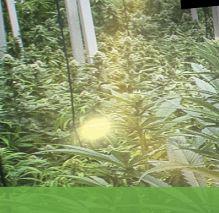
The chart on the right outlines the basic ingredients for designing your cannabis fertilizer and nutrient program.
The numbers on the fertilizer bags indicate percentages of nitrogen, phosphate P2O5 and potash K20. Actual calculations are made based on phosphorus and potassium. In order to obtain the percentage of phosphorus, multiply the middle number with 0.43 and last number by 0.83
The numbers on the label can vary slightly based on the fertilizer manufacturer. For example, potassium nitrate could also be 13-0-44 rather than 13-0-46
Fertilizers used for cannabis must be highly soluble and greenhouse grade.
When preparing stock solutions, calcium nitrate is kept separate from all other fertilizers because calcium should not be mixed with fertilizers containing phosphates and sulfates in stock solutions.
Know your injectors, how do they work and how different dilution ratios can be changed to get the desired electrical conductivity (EC). I recommend having at least four injectors. One for calcium nitrate, the second for all the other macros – potassium, phosphorus, magnesium
and ammonium. The third injector is for all the trace elements: iron, manganese, copper, zinc, boron and molybdenum. This gives you the benefit of not reducing the concentration of these trace elements when changing the EC. The fourth injector is for pH control.
Be aware that chelated nutrients are more stable for uptake by cannabis plants at different pH ranges. All trace elements are also available in other forms; for example, iron sulfate, manganese sulfate, copper and zinc sulfates.
It is important to know how to calculate parts per million (ppm). PPM is a measure of concentration and is a common unit used in cannabis fertilizer management, although some growers use micromoles and millimoles as well.
Basically, one part of a chemical in a million part of water or other solvent is a ppm. Many growers are afraid of math in making ppm calculations because of fear of miscalculations. But fear not because plants will forgive you, within certain limits, and plants have their own mechanisms to absorb nutrients when they need it and how much. Our job is to supply those nutrients with every irrigation in the
root zone.
Some good formulas for calculating ppm are available on the internet. The formula I have used for 40 years is:
ppm x water in L ÷ % purity of fertilizer x 10 = grams of fertilizer or grams of fertilizer x % purity of fertilizer x 10 ÷ water in L = ppm
For example: You have calcium nitrate fertilizer, 15.5-0-0 + 19.8% ca. You need 150 ppm of calcium in 100 L of water. So 150 x 100 ÷ 19.8 x 10 = 75.75 grams.
Then we need to know how much nitrogen we got from calcium nitrate, so 75.75 x 15.5 x 10÷100 L = 117 ppm of N.
For a simple rule-of-thumb to calculate ppm fast, simply remember: one gram/L. So, if you dissolve one gram of a chemical/ fertilizer in one L of water, then just multiply the % of that chemical with 10 and you will get ppm.
If you take one gram of calcium nitrate 15.5-0-0 + 19.8% ca, then at one gram/L of water, you will get 155 ppm of nitrogen and 198 ppm of calcium. That should be easy to remember.
Moyhuddin Mirza, PhD, is chief scientist with the Cannabis Nature Company in Edmonton, and a consultant with the cannabis industry. Email him at drmirza@cannabisnature.ca
Licensed cultivators know that when it comes to controlling and monitoring their growing environment, a simple, flexible, sustainable control system is crucial. This is why proactive cultivators are turning to Reliable Controls. Our nationwide network of factory-certified
Authorized Dealers will design, install, and commission a comprehensive control system paired with an intuitive, custom-tailored graphical interface. Take command of your precisely controlled environment. Generate tracking reports and analytics. Reduce your carbon footprint while improving productivity, quality, and serviceability.
To learn more about this cost-effective, Canadian-made solution, please contact a Reliable Controls
Authorized Dealer near you.
Canada: 403.561.4148
Canada: 647.982.7412
By Matt Maurer Legal
Matters
Alleged misleading labels lead to class action suit
Aurora, Aleafia, Hexo, Cronos, Tilray, Organigram and others have been sued in a proposed class action proceeding that was commenced on June 16, 2020 in the Court of Queen’s Bench of Alberta in Calgary. Although the claim was issued in Calgary, it is framed by the representative plaintiff as a proposed national consumer protection class proceeding.
The thrust of the case is centred around allegations that the defendants marketed medical and recreational use cannabis products that contained THC and CBD levels which were allegedly “drastically different” from the amount that was advertised on the label.
The facts that give rise to the plaintiff’s claim began on Feb. 13, 2020 when she purchased a bottle of Tilray’s Canaca TenUp cannabis oil (the product) from a Canna Cabana store in Calgary for $36. The bottle that was purchased was packaged just over a year earlier, on Feb. 3, 2019, and did not contain an expiry date.
The plaintiff asserts that she ingested some of the product and felt no psychotropic effects whatsoever, despite the fact that it was advertised as containing 10mg/ ml of THC. The plaintiff asserts that she tried the product four times over a roughly one-month period, gradually increasing the dosage each time. Despite increasing the dosage, she asserts that she did not feel any psychotropic or other effects from using the product.
The plaintiff spoke to her friend who has a PhD (in an undisclosed field), a “strong scientific background” and who was familiar with cannabis. The friend then tried the product herself and also did not feel any effects.
The plaintiff’s friend then spoke to a colleague who has a PhD in biochemistry and who ultimately arranged to have the product sent to a laboratory for testing.
According to the plaintiff, the product
tested as containing only 46 per cent of the labelled amount of THC. The plaintiff (or her neighbour) then caused a number of other products from a number of other cannabis producers to be subsequently tested. The claim asserts that the test results from these tests were far outside the labelling tolerance limits that are contained in the Cannabis Act.
As a result, the plaintiff asserts that the defendants committed various breaches of the Cannabis Act (and in particular, breaches of the labelling and promotional requirements). The plaintiff further asserts that the defendants breached various pieces of provincial consumer protection legislation, and that the defendants are liable based on the common law doctrines of misrepresentation and negligence.
The plaintiff, on behalf of the proposed class, seeks recovery of the money that the class members spent purchasing the defendants’ products as well as compensatory damages for those who suffered physical or mental injuries. Additionally, or in alternative to the aforementioned relief sought, the plaintiff seeks an order requiring the defendants to disgorge and pay over all of the profits that the defendants made selling the products that allegedly contained misleading labels.
The plaintiff commenced the lawsuit for her own benefit, but also on behalf of other persons who reside in Canada who purchased cannabis products that were manufactured, sold, promoted, or distributed by the defendants, and consumed prior to the labelled expiry date (if any):
a. On or after June 16, 2010, if such products were used for medicinal purposes; or
b. On or after Oct. 17, 2018, if such products were used for recreational purposes.
The claim notes that the product was packaged in a plastic bottle and that the plastic bottle or caps may have rapidly absorbed or degraded the product’s THC or the CBD content. As such, one would expect that when the defendants serve and file their respective defences to the lawsuit, that they will assert their own claims against the companies that manufactured and/or sold the packaging to the various defendants.
There are number of interesting issues with respect to the claim and the allegations contained therein which will be examined as the case progresses, including but not limited to:
• the method by which the plaintiff will establish which lots were mislabelled (if any) and which were not;
• establishing that a class proceeding is a suitable vehicle for this claim (in particular in respect to the claim for compensation for physical and/or mental injury);
• whether the court will ultimately be prepared to order the disgorgement of profit that the defendants have earned, which is an obscure remedy and not one that is frequently awarded;
• what analysis will be conducted by the various parties as to how much leeching of THC and CBD into the plastic containers (if any) was responsible for the alleged discrepancy between the labels and the actual THC and CBD content of the products themselves;
• if the issue is almost entirely attributable to leeching over time, whether that itself will absolve the defendants from any liability; and,
• how much of the claim, if any, the defendants will be able to pin on the packaging manufacturers.
Matt Maurer is the vice-chair of the Cannabis Law Group at Torkin Manes LLP in Toronto.
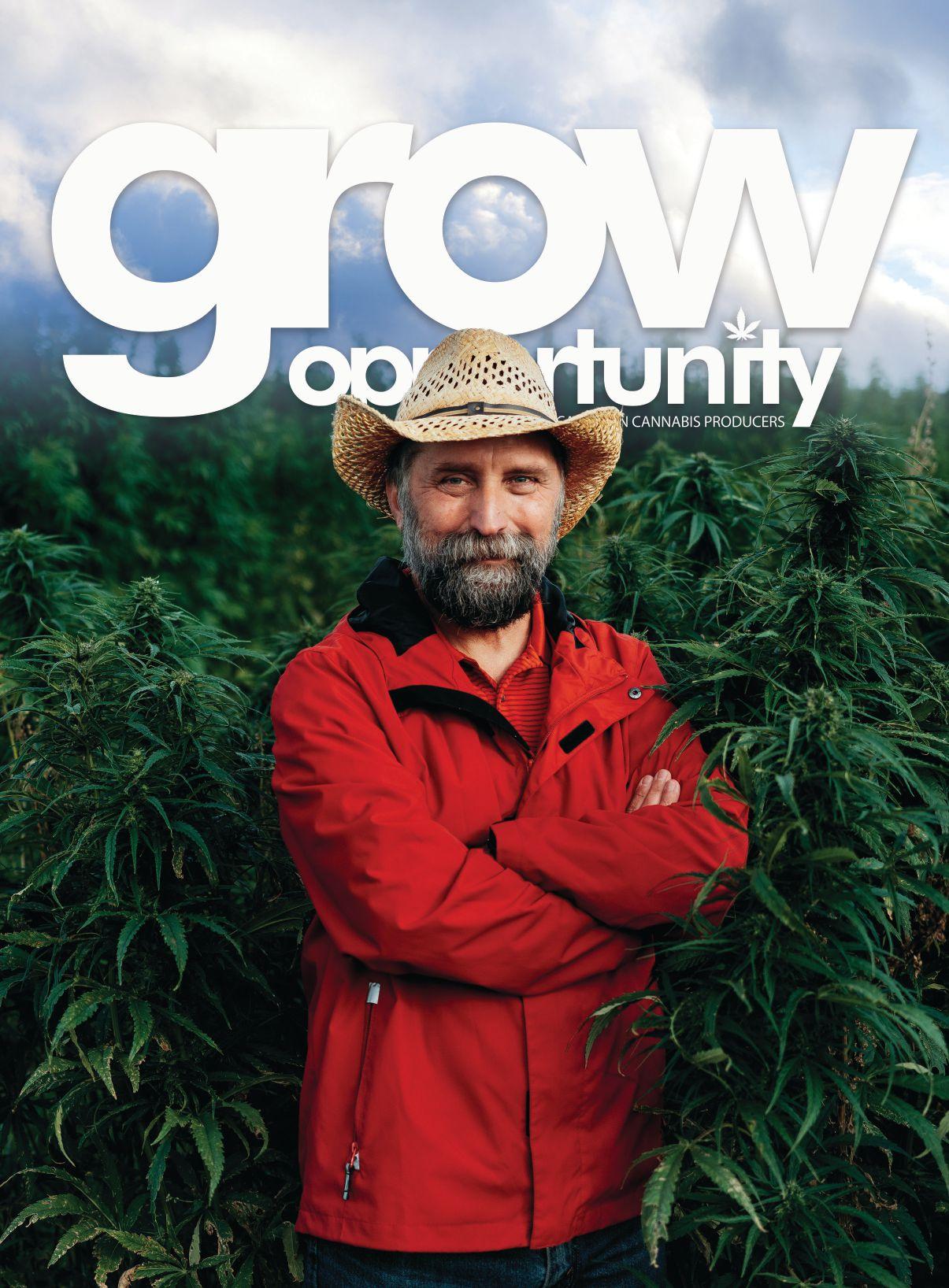
UNHAMPERED HEMP
Is Canada’s big hemp moment just on the horizon?
By Jennifer Brown
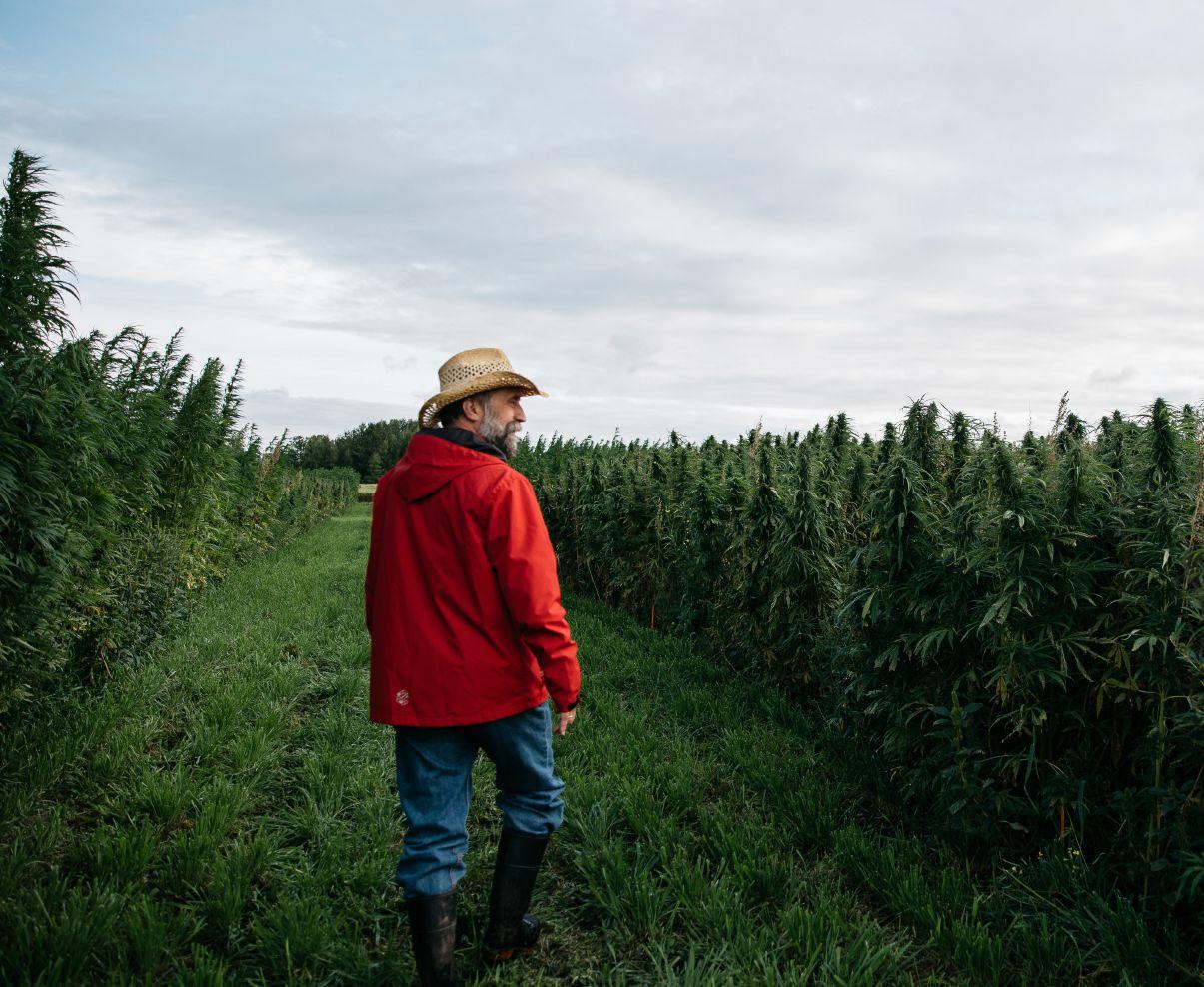
Jan Slaski remembers the day he was invited by a local news outlet in Edmonton to do an interview on the eve of cannabis legalization in October 2018. The reporter asked if Slaski was excited about the historical moment. He said yes, but not because recreational cannabis use was now legal for adults, but because finally, industrial hemp growers could make use of all parts of the crop.
The Cannabis Act relaxed regulatory controls on industrial hemp,
and in addition to legalizing recreational cannabis, it meant cannabidiol (CBD) extraction was now permitted.
Canada defines “industrial hemp” as cannabis varieties that contain less than 0.3 per cent of THC (delta-9-tetrahydrocannabinol) in the flowering heads and leaves.
Slaski is perhaps a hemp grower’s most prominent advocate in Canada. He has been researching hemp for 18 years and since 2012 has been a director of the Canadian Hemp Trade Alliance (CHTA), a national organization that promotes Canadian hemp and hemp products globally.
“Hemp is a true multi-purpose crop,” says Slaski, who sees a bright future for hemp growers in Can-
“We could now take advantage of the CBD story,” says Slaski, principal researcher, plant sciences at InnoTech Alberta, a subsidiary of Alberta Innovates, in Vegreville, Alta. “Industrial hemp regulations before 2018 stipulated that all flowers and leaves had to decay in the field. We were pushing Health Canada to let us take advantage of what the whole crop has to offer. Up until that point, we were at a disadvantage to those growing it in the United States.”
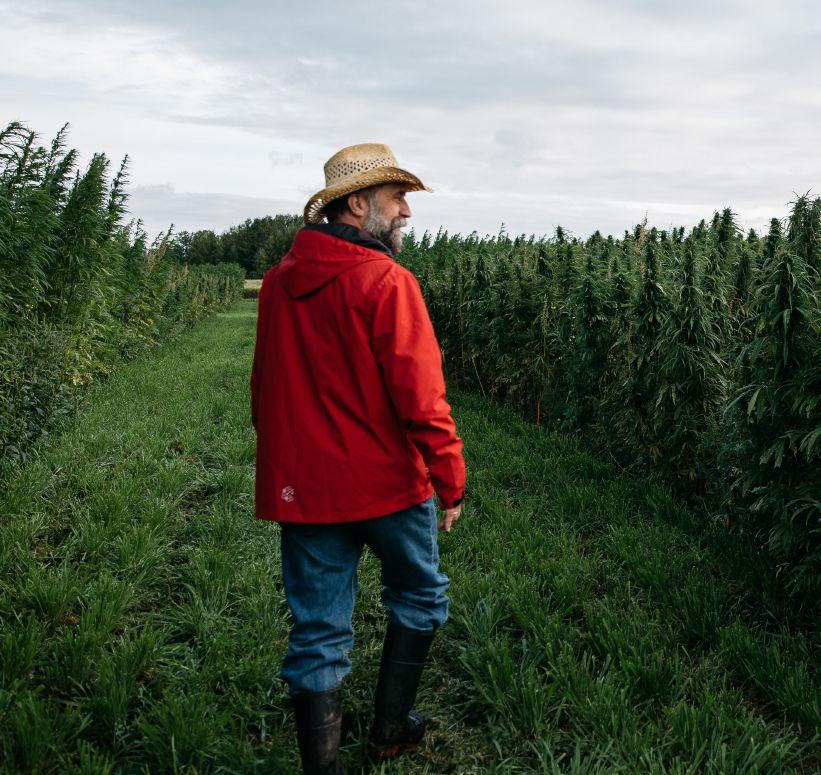
A veteran hemp farmer, Jan Slaski believes the opportunities for the Canadian hemp industry are becoming more evident and is optimistic about the potential for success.
ada, even in the wake of what many say has been a failure of regulatory authorities to allow for competitive production of hemp for CBD.
However, since legalization, some believe Canada’s regulatory authorities have failed farmers. Mike Hodgson, CEO of GreenLeaf Productions based in St. Thomas, Ont., which provides CBD extraction services to growers, says Canada had the opportunity to be the world leader in hemp CBD production but “just couldn’t get its act together.”
“I think there have been a couple of major fails,” says Hodgson. “We don’t have the cultivars in Canada to grow anything worth-
The
Canadian
Health Food Association and Canadian Hemp Trade Alliance are pushing for low THC hemp and CBD hemp to be regulated under natural health product regulations, instead of under the Cannabis Act.
while as far as CBD is concerned. The highest is three per cent CBD. For an extractor like me, that’s a miserable amount of oil to squeeze out of a plant. The seeds are up to 23 per cent, so it’s easier, but people didn’t realize this. Canada had a massive opportunity, but they let it slide right by.”
When it comes to extraction, Health Canada requires that the product originate from purely Canadian seed. A multi-harvest process to get new cultivars approved is said to be slowing down the ability for hemp farmers to cultivate high-CBD hemp cultivars.
Last year, Hodgson says many Canadian hemp farmers grew with seed from the U.S., and their product cannot be used.
APPROVED CULTIVARS
As Hodgson points out, farmers in Canada have to grow a variety from a list of approved cultivars from Health Canada, which is updated annually.
“You can’t go to the U.S. and bring a high CBD variety here if it is not on the list of approved cultivars,” explains Slaski. “With the U.S. and other jurisdictions having higher CBD varieties, it left us at a disadvantage in relation to the U.S.”
There are currently two varieties classified as “high CBD” available to Canadian growers. One is an Italian variety called
Carmagnola, and the other is Hungarian – Kompolti. These two varieties were bred in Europe as fibre varieties and grow up to 2.5 metres tall. They are late maturing and bred for milder climates.
“Marketers claim these two varieties should exceed 20 per cent CBD content – but last year I spoke with a grower from Saskatchewan who grew Carmagnola, and he got 1.2 per cent of CBD but paid $5,000 a pound for the seeds,” says Slaski. “It was unreasonable. Some growers here in Canada had CBD fever and thought they would get 20 per cent CBD. Given the height of the plant, harvesting this variety and chopping off the flowers poses a problem for farmers with the harvesting equipment they have.”
Different seed providers promise different levels of CBD for Carmagnola ranging from seven or eight percent to between six and 25 per cent CBD.
But Slaski says that after this growing season, the list of approved cultivars will be enriched with higher CBD varieties.
In 2019, Canada grew 92,500 acres of industrial hemp, and 16,000 acres or 17 per cent was grown for CBD, as opposed to 87 per cent of hemp acres grown in the U.S.
“We aren’t putting all our eggs in this unrealistic CBD market,” he says.
MARKET FOR HEMP
The CHTA says the Canadian hemp industry could be worth $1 billion by 2023 if it can produce products across four categories:
• Food and grain, such as hemp seed, hemp oil and hemp protein in the form of flour or powders
• Fibre (Clothing, industrial products)
• Fractions (CBD and other minor cannabinoids)
• Feed Health Canada says hemp licence applications increased in the last year. The agency issued 866 industrial hemp licences in 2019, compared to 530 in 2018. Some Canadian hemp farmers can make $300 to $500 an acre on hemp grain.
“It’s realistic,” according to Slaski. “A good farmer can con -
sistently get that per acre.”
Livestock feed is only a potential category for hemp growers right now as hemp products are not currently approved for livestock feed or for feed ingredients under the Canadian Food Inspection Agency regulations. It is, however, a legal feed product in the U.S. In Canada, each hemp product intended to be used as a livestock feed ingredient, such as hemp meal or seeds, will require separate approval.
“Right now, hemp is not allowed as livestock feed. How silly is that?” says Slaski, who is leading a push to have hemp seeds approved for livestock feed. “We have all this hemp meal post-oil extraction, and it has to be disposed of.”
Diane Jang, a Vancouver-based consultant in the cannabis sector,
says the current regulations in Canada have made it difficult for Canada to export or be able to compete against the U.S. in the industry. She says products, such as hempcrete for construction, hemp paper, textiles and packaging, are just some of the more than 10,000 uses of hemp.
“It’s an industry Canada could excel in as the second largest grower and number one in food production,” she says.
“The Canadian Health Food Association and Canadian Hemp Trade Alliance are pushing for low THC hemp and CBD hemp to be regulated under natural health product regulations, instead of under the Cannabis Act,” says Jang, who is also the former CEO of Hempco Food and Fiber and a former director of Aurora Canna-
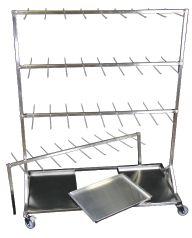
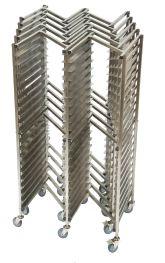
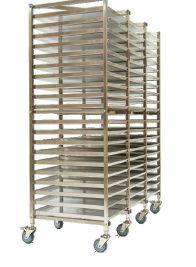
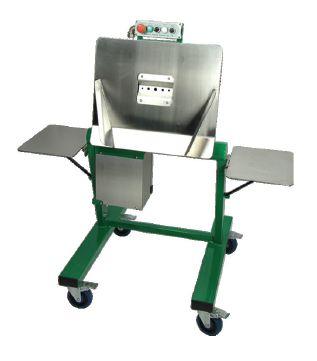
WORLD CLASS Drying Racks & Bucking Machine
• Nest Z-shaped stainless steel drying racks to save up to 50% floor space
• Stackable trays, easy to pull apart
• Customize hanging racks to your preference by adding or removing rows
THE
OF TOP GROWERS WORLDWIDE.
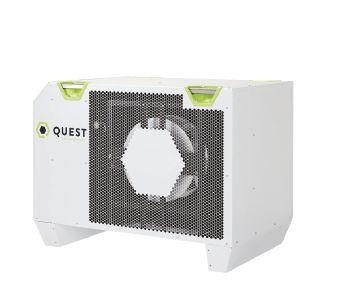
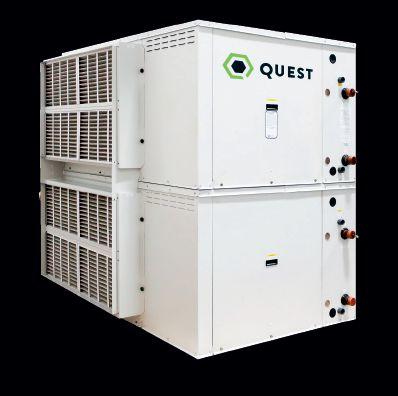
To master your grow-room you need more than the best environmental control equipment – you need a partner to help you dial in your setup, select and size climate controls and one who is always there when you need installation and service support. Since 2006, Quest has led the way, creating customized setups and sizing while setting the industry standard for quality and performance. Want the inside track? We wrote the book on cannabis climate control. Download or order your copy free on our website.
Cover Story
A Health Canada perspective
The Canadian Health Food Association is pushing for low THC and CBD hemp to be regulated under natural health products.
A statement from Health Canada indicates the regulatory body is “aware that some Canadians are interested in potential therapeutic uses of cannabis to treat minor ailments and would like authorized health products containing cannabis to be made available without practitioner oversight.”
In response, Health Canada held a public consultation from June to September of 2019 to hear from Canadians and the cannabis and health products industries. The consultation sought feedback on the kinds of non-prescription health products containing cannabis that Canadians would be interested in purchasing, manufacturing or selling if a legal pathway for these products is established.
Health Canada received 1,104 submissions through the online questionnaire and roughly 60 submissions via email.
“The department is carefully considering the comments received,” says Tammy Jarbeau, senior media relations advisor with Health Canada and the Public Health Agency of Canada.
In February 2020, Health Canada launched a public call for nominations for the Science Advisory Committee for Health Products Containing Cannabis. When established, this committee will provide Health Canada with independent scientific and clinical advice on the appropriate safety, efficacy and quality standards for potential regulations that would allow the sale of health products containing cannabis without a prescription.
The information gathered through these activities will help inform the development of a potential regulatory approach.
bis Inc. “If that happens, they can export to the U.S., and the U.S. can import because it will be under the same regulatory regime as beverages and food.”
Health Canada is currently reviewing the market for cannabis health products that would not require physician prescription, something Jang says is of interest to hemp and cannabis producers keen on a new category to profit from.
As it stands right now, Health Canada prohibits hemp or cannabis in natural health products and veterinary products.
And while some of Canada’s large cannabis licensed producers such as Aurora Cannabis and Canopy Growth have been divesting from their hemp business and narrowing the markets they are in, companies in other sectors are shoring up deals that bring growers and extractors closer together. One such transaction announced May 19 was the acquisition by Regina-based Canadian oil and gas
company HTC Extraction Systems of KF Hemp Corp., in a deal worth $20 million.
KF Farms created KF Hemp, based in Lajord, Sask., to position it as a player in the global Hemp CBD market. It is considered one of the largest growers of hemp for cannabinoid biomass in North America. KF allocated up to 5,000 production acres in 2019 and will allocate up to 25,000 acres in future years. Slaski says he believes it will be successful given its scale and focus.
While some critics say regulations prevented Canadian farmers from truly cashing in on the CBD market, Slaski says taking the measured approach was right.
“For many years in Canada, we have been crawling and perhaps crawling for too long. But now we are walking, and the opportunities are tangible and we have investors investing, and in the next couple of years, we will be running, and we won’t be tripping as the guys south of the border did.”
We focus on the automation of indoor farming So you have full control over the growth of your cannabis plants
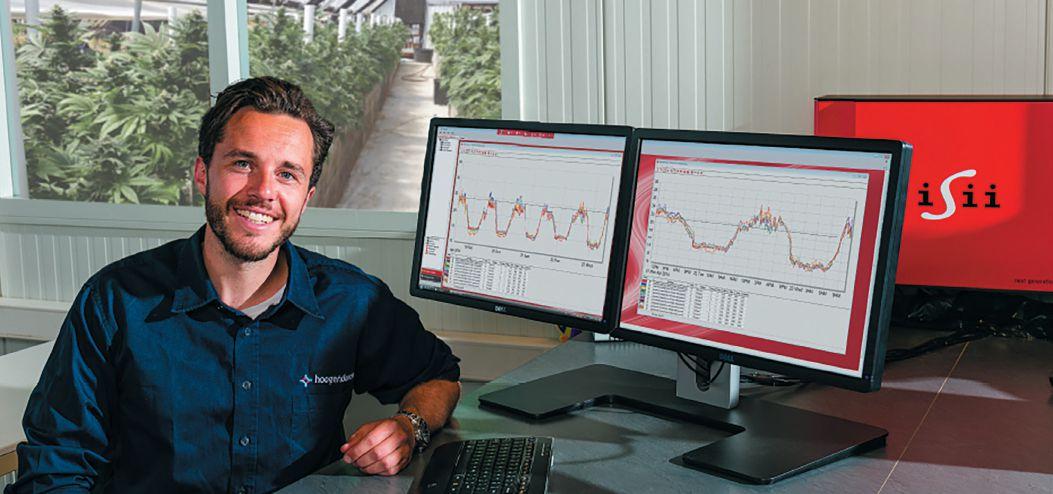
The process computer for Plant Empowerment
Hoogendoorn’s next generation iSii monitors and controls all climate,irrigation and energy equipment in all types of facilities such as greenhouses and buildings. The iSii is equipped with advanced controls that work according to the principles of Plant Empowerment. This way light, temperature, humidity and CO2 are aligned with each other for a maximum photosynthesis. In addition, to prevent water stress, irrigation is driven by the evaporation energy and water balance of the crop. With the iSii process computer, you set the base for high quality production.
info@hoogendoorn.ca
Gaining the world
Q&A with Deepak Anand,
CEO of global cannabis firm Materia Ventures
By Mari-Len De Guzman
As more countries across Europe and Asia start to open up to a legalized cannabis regime, Canada is in the best position to dominate the international market – or is it?
One Canadian-led global company is dipping its toes in the fast-emerging European cannabis market. Led by Deepak Anand, Materia Ventures is a manufacturer and distributor of medical cannabis and other CBD-based products, with headquarters in Malta and distribution hubs in Denmark, Germany and the U.K.
Grow Opportunity caught up with the Materia Ventures CEO for a candid conversation on Canada’s standing in the global cannabis market and what the future looks like for Canadian companies venturing out beyond our borders and into the global cannabis scene.
Grow Opportunity: You have built a profile as one of the leading experts in this very young cannabis industry. What prompted you to embark on this global undertaking with Materia?
Deepak Anand: The Canadian market, when it started out was very focused on the entire process. Everything from seed to sale was required to be undertaken by companies that were typically growing cannabis and then also were selling cannabis. And it takes a lot of capital to be able to set up one of these vertically integrated businesses that start off from seed to sale. In addition to capital, it also requires a huge amount of human resources. You need to really be an expert in terms of doing everything correctly, you need to be doing everything perfectly on the cul-
tivation as well as doing perfectly on the sales side.
In our opinion, there aren’t a lot of experts that can tackle the whole set of value chain in the industry altogether. So we saw an opportunity emerging in the European cannabis market that’s very specific. We’re just doing manufacturing and distribution so it allows us to be very focused and very specific. In addition to that, the legalization of cannabis in Canada really allowed the human resources aspect of the industry to develop. Myself and a number of people in my team have been involved in the Canadian cannabis landscape and understand everything that’s required in making this and building this industry and making products and putting them on shelves. I think Canada is certainly exporting human resources and talent so that’s where we see as a core advantage of our team.
GO: What makes Europe ripe for cannabis legalization and what are the pros and cons of building a cannabis enterprise in Europe?
DA: One of the things that makes Europe ripe is that it’s still a very nascent market. There are two aspects to it: there’s the wellness element and the medical cannabis aspect. The medical cannabis aspect is
fairly nascent. Germany has only had a program for about four or five years now, whereas Canada has had it for far longer than that. U.K. has only been around for a year to a year and half, and other markets are still coming online.
These markets are still developing so what makes it ripe is there is a need for products for the medical cannabis, on the one side, to be existing in the market. On the other side, there’s a number of recreational products, particularly CBD products, that already exist in the market.
We look at that as an opportunity because where regulators are ending up on that is, “Hold on a second, a lot of all these producst exist in mainstream society, but we never asked the question whether we’re going to test these products or are we going to label these products or are we going to look at what’s actually in these products,” and regulators in Europe are now waking up to that and saying, “We need to look at what the responsibility and liability on us look like. If we’re going to allow these products to be sold as commonly as they should be sold let’s make sure that they are being regulated.”
People often ask me: “What’s the opportunity?” The opportunity for CBD and wellness is that it’s already prevalent in Europe. You’re not trying to educate customers about what CBD is. To a large extent, you’re not introducing this new market that has never existed before. It’s just shifting the regulations and understanding what a regulated and what a compliant product means.
The second part is that in most European markets you can sell medical cannabis through pharmacies. To this day in Canada, even post-legalization, you can’t walk up to a Shoppers Drug Mart and get your medical cannabis prescription filled. We look at that as a huge opportunity. If you look at one of the downfalls of legalization, it has been that access has still been a challenge particularly in some provinces. That argument does not exist in Europe. Europe has basically recognized this as medicine.
Deepak Anand
On the con side, Europe is very fragmented, even within a country, for example, Germany. Each province and state has its own regulation around medical cannabis. One state may consider it to be an active pharmaceutical ingredient, another state may consider it to be a finished product. So, you need to have a good understanding of the regulations and what the regulatory aspect is, not only across Europe as a block, but also at each country specifically.
GO: Canada is seen by other countries as a model for their own path to legalization. If you were to advise the European authorities, what aspects of the Canadian regulations will you tell them to veer away from?
DA: The way CBD has been rolled out in this country is probably naive. We treat CBD and THC in the same way, whereas we know in terms of the risk factor and the profile, THC has been predominantly responsible for this high that you get from cannabis, whereas CBD does not necessarily have that high.
So, to regulate them the same way, in my mind, is a mistake. We are already seeing countries like South Africa and Australia already look at CBD a little bit differently – whether saying people will be able to get it through pharmacy or to put it out as an over-the-counter medicine. So that is already a better way.
I hope the other countries won’t make the same mistake, particularly Europe, where CBD is already out of the gates. You can’t put this genie back in the bottle, just make sure you regulate it well.
The other is that in the Canadian federalism concept, there’s a huge balance of power between the federal government and the provinces. The federal government looks after the cultivation and manufacturing of products, whereas the provinces have an absolute say on what happens. So, if we look back and dissect as to why legalization has not been a “success” in a massive fashion – at least from the sales perspective – was because in many cases, Ontario did not have enough stores. And that was totally up to the provincial government. The federal government has no say over that.
When there are those balance of powers, make sure that the provinces or states have an early insight into what you’re going to do as a federal government, if that’s the situation. If you’re a country that basically does not have any provinces, then legalization can actually be quite successful, notwithstanding other aspects.
GO: Is Canada at risk of losing out to the U.S. when it comes to global opportunities?
DA: The federal prohibition of cannabis in the U.S. has probably been the biggest blessing to the Canadian cannabis industry. There’s no question about it. If you look at the MSOs (multi-state operators), these are very sophisticated businesses that deal with a very large subset of the population. If the U.S. had legalized cannabis or didn’t have this federal issue, there’s no question that Canadian cannabis would even be on the global landscape.
There is certainly a number of opportunities in the international market, but I see that is becoming limited and that is, I think, because the Canadian government has never been trained to think from a global perspective. There are very few Canadian businesses that operate on a global basis, whereas in the U.S. that’s completely the other way around. A lot of global businesses are actually dominated by U.S.-centric companies, they’re headquartered in the U.S. – Apple, Google, Facebook. I fear we already risk losing our position to American companies. Even something as small as the change to the Farm Bill in the U.S. with CBD is already going to put us at a disadvantage. For example, the descheduling of CBD in Australia. Well if there’s one place that products will come from into Australia for those CBD products, it’s going to be from the U.S. It’s not going to come from is Canada, because Canada will not let you export CBD for non-medical purposes.
We are at the cusp now where this is going to be a downhill spiral for the Canadian opportunity in a global perspective If the government does not make any changes anytime soon, I think the Americans are probably the ones that are going to win out of this.
GO: Is there any indication that the U.S. is going to go legal federally?
DA: I think it’s inevitable that they will legalize it in the next three or four years. Will it happen in the next two years? I don’t know but I certainly don’t see them holding on to not legalizing at the federal level when so many states have already legalized it for very much longer – particularly in post-COVID situation where you’re going to rely on jobs and the economy and all these things. Let’s not forget prohibition ended on alcohol because of the Great Depression. So, could cannabis be a catalyst in this post-COVID recession? I certainly think so.
GO: What are the most important considerations for Canadian companies to succeed in the international marketplace?
DA: Where we stand today, as of June 2020, it’s a very different situation where Tilray and Aurora and Canopy were four years ago when they were trying to expand. They were armed with a lot of cash to spend. Today, from a cash perspective, it doesn’t matter if you’re a Canopy Growth or a tiny company like we are, cash is basically a very, very scarce resource. No longer do you have that liberty to be able to go and make mistakes. You have to make sure that when you look at an opportunity that it actually makes sense. So, that’s one big, big thing to consider as you look at globalization.
The next one is regulations. Make sure you understand what those regulations actually look like. Just because you’re going to make a really good vape pen in the Canadian market, does not necessarily mean you’ll be able to sell it of be successful with the same vape pen in the international market. Just make sure you understand the regulation side of things where you’re going.
And then there’s always the standard business things when you go global, understanding the culture, understanding the business philosophy, understanding how all of those things work.
If I was to summarize, there are two big things: one is cash and the other is regulations. And make sure you have those two things under your belt.
GROW OPPORTUNITY IS SHINING A SPOTLIGHT ON CANADA’S MOST
If someone you know deserves to be recognized for their outstanding leadership in cannabis cultivation, nominate them for the 2020 Canada’s Top Grower Award. The winner will be announced and profiled in the November/December issue of Grow Opportunity magazine.
DO YOU KNOW A CANNABIS GROWER WHO:
• Shows deep understanding and knowledge of quality cannabis cultivation?
• Is committed to the highest standards of cannabis growing practices?
• Demonstrates strong work ethic and has a strong passion for sustainable and responsible production?
• Demonstrates exceptional leadership and innovation?
ELIGIBILITY:
All nominees must be currently employed or operating at a Health Canada-licensed cannabis cultivation facility.
WINNER RECEIVES:
• Front cover profile feature in the Nov/Dec issue of Grow Opportunity
• Guaranteed spot to participate in the Growers’ Roundtable at the CANNAtalk Experience
• Guaranteed spot to participate in the Growers Luncheon panel held at Grow UP conference in Niagara Falls, Ontario
• Official award presentation at Grower Day – Grow Opportunity’s conference and tradeshow for cannabis growers
NOMINATION CLOSES AUG 31ST, 2020
Chad Morphy, GreenSeal Cannabis Co.
Gregg Wigeland, Sundial Growers Inc.
The buzz about craft growing
Newfoundland bee farm takes on organic microcultivation
By Jean Ko Din
Gerard Smith is no stranger to growth, in more ways than one.
He comes from a family of Newfoundland farmers who understand that the best crops are cultivated with great passion and care. For decades, his family farm in Freshwater Placentia Bay thrived under his father’s leadership in mixed farming of crops and livestock.
In 2013, Smith decided to reinvigorate the farm with a new venture into apiculture, or beekeeping. He was the first to raise bees in the island. He learned the trade quickly and in seven years, the farm has become the island’s leader in beekeeping, supplies,
training and bee products.
It was time to reinvigorate the farm again, and this time, Smith’s passion led him to cannabis cultivation. In August, G&M Family Farm will prepare to harvest its first crop of craft cannabis.
“ We’ve got lots of plans, lots of exciting plans,” says Smith, who received his micro-cultivation license in January. “We’re pretty eager and we will be out there competing in the marketplace soon, for sure.”
Smith knew that he couldn’t expand his farm to cannabis micro-cultivation alone and he couldn’t trust just anyone to lead this new venture, so he looked across the country to recruit the right people. Last November, Smith hired Matt Draper as the lead cannabis cultivator for the farm. He says Draper’s passion for the plant was something that he understood well.
“Matt handles each and every plant. He doesn’t leave anything to chance. Every plant is examined and watered when it needs it,” says Smith. “We needed to find someone that was industry savvy, that worked with a
PHOTO: G&M FAMILY FARM
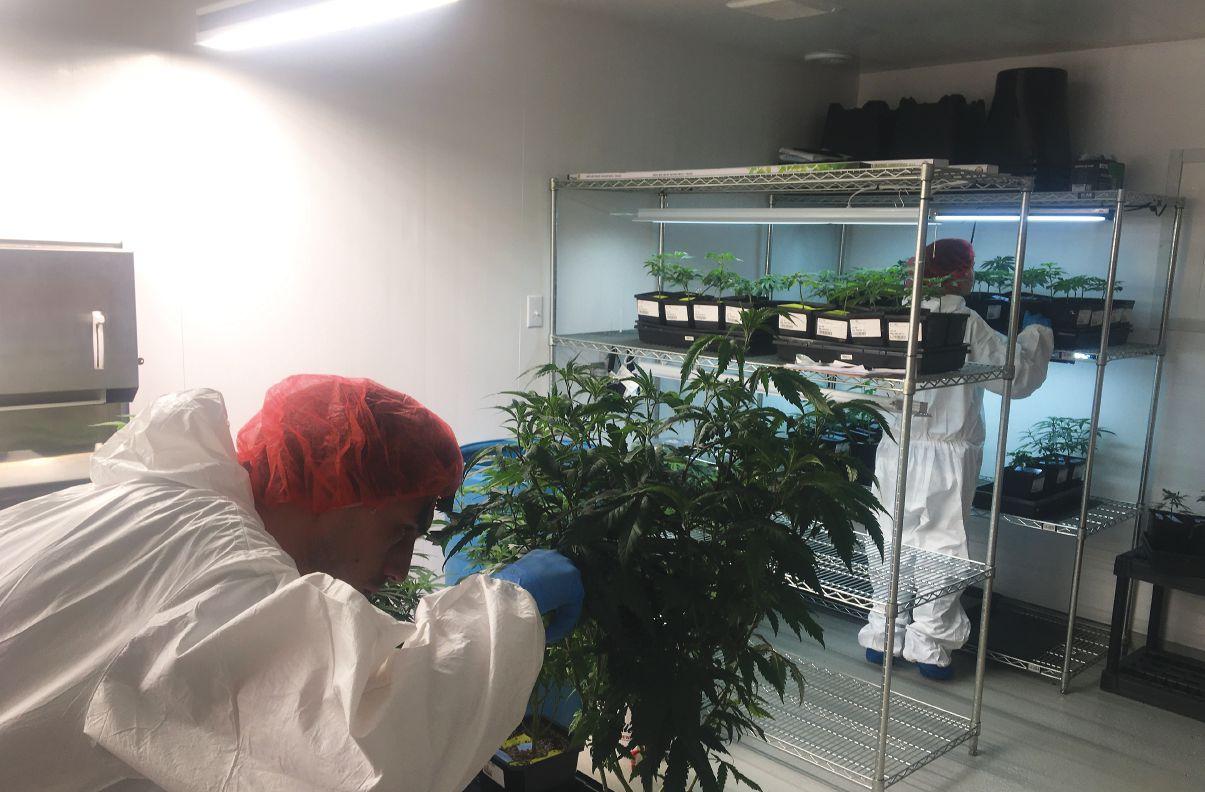
Matt Draper (left) cloning cultivars while Alex Del Vecchio is doing plant counts in the background.
big grower and knew how to roll out product but also had an intimate knowledge of living soils and of course, growing techniques. Those are hard to find.”
After spending six years in commercial cultivation, Draper left Northern Ontario for the opportunity to lead his own micro-cultivation operation at G&M Family Farm. He says managing a 2,100-sq.-ft. canopy space is a completely different experience from what he has known in the corporate space.
“I’ve seen the massive corporations where we pump out 5,000 kilos a year,” says Draper. “As craft growers, we have more of an opportunity to take that time and understand specifically what each cultivar needs and wants.”
Hands-on cultivation
Draper says when the culture of a large corporation is to push out as much product as possible, growers don’t have the time to pay attention. At G&M, Draper takes pride in the fact that not one stage of the cultivation process is automated – from watering the plants, to installing and maintaining the LED grow lights, and monitoring the natural chemistry of the plants’ living, organic soil.
G&M is in the process of applying for its organic agriculture certification from the Canadian Food Inspection Agency.
“ There’s very, very, very few cannabis companies in the whole Canadian market that can say they are 110 per cent organic and we’re on the right track here,” says Draper.
Pandemic preparedness
Not even a pandemic will slow the momentum at the farm. As the COVID-19 outbreak began to ramp up in early March, Smith worked to acquire “more than we could afford” in equipment and supplies in anticipation of a disrupted supply chain.
Because they are a small team that work in a remote part of the province, they have been able to implement simple physical distancing measures and sanitizing procedures to ensure the workers’ health and safety.
“These plants don’t care that there’s COVID or if Santa’s coming. They’re here to grow and they’re going to be ready when they are ready. There’s no stopping,” Draper says.
Infused products
Besides the farm’s first harvest in August, Alex Del Vecchio is getting ready to launch a new product line that incorporates the farm’s best-selling honey and bee products, and infuse them with cannabis extracts.
Del Vecchio has a chemical engineering background with a specialization in cannabis processing and extraction. She worked as a junior QA and extraction
technician at the same Northern Ontario facility as Draper. Together, they found the opportunity to work at G&M through a friend and jumped at the chance.
“I’m constantly doing things. On the bee side of the farm, I’m experimenting with formulated recipes for our honeybee by-products. I’ve made some lip balms, body butters, lozenges, and through our ACMPR license, I’ve been able to experiment further by infusing them with MCT oil, ethanol extractions and rosin,” says Del Vecchio. “Right now, we’re just trying to perfect everything and get the product to the best quality we can.”
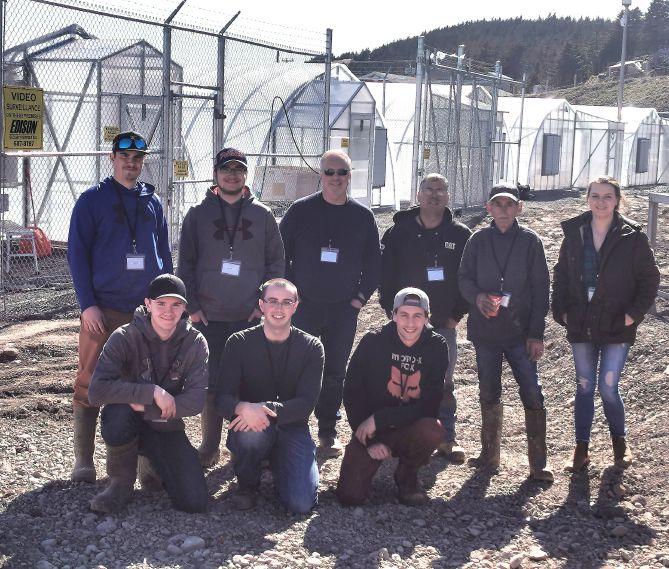
Gerard Smith (back, third from left, wearing sunglasses) with the G&M Family Farm staff. He started to venture into beekeeping in 2013 and was the first to raise bees in Newfoundland.
Alex Del Vecchio is working with G&M’s honey produce to develop cannabis-infused recipes.
Del Vecchio is constantly inspired to develop and experiment with product ideas for the business. Transitioning from working at a large-scale LP to a craft operation in a family farm was a huge adjustment, but it’s something that has afforded her freedom to do projects that she enjoys.
As G&M works on its processing licence application, Del Vecchio is concentrating her efforts on enhancing the bee and honey products the farm is already known for. Because the farm has a known community of loyal customers, Del Vecchio has the luxury of getting regular feedback on how to tweak and improve their offerings.
“I actually find it relieving and relaxing to handcraft these products. Like, I’ll be making 24 lip balms here and 24 lip balms there. We send it for people to test and we change the product accordingly,” explains Del Vecchio. “It’s not like there’s this huge pressure for mass output, and I’m able to take care of each thing I make.”
Especially at this stage, when they are perfecting their processes, it’s that personal touch and connection with its customers that will set their products apart, says Smith. Nothing is pre-processed and all ingredients are organically and sustainably sourced from within the farm.
Smith has great aspirations for his family farm. He plans to expand the beekeeping products, supplies and bee products. He wants to offer more beekeeping training sessions and workshops to the local community. And in five years’ time, he wants the brand to expand beyond the province and become a publicly traded company.
“ The one thing that I see is continuously recurring is the passion that we all have,” says Draper. “If there was eight days in the week, we’d be doing it eight days a week. And that’s something corporations can’t really offer.”
AN EVENT RE-IMAGINED
JOIN US ONLINE
A mix of live and recorded sessions, this year’s virtual events will highlight the latest in research, technology and production. Live panels will tackle today’s most pressing issues, while pre-recorded sessions will allow attendees to pick and choose sessions, revisiting them at their leisure.
Presented
Suppliers’ Corner
Mobile workspace from HEMCO Corp.
The right workspace solutions is both flexible and durable.
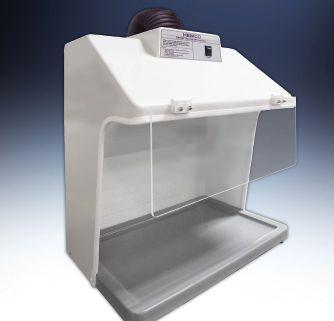
HEMCO Corp.’s vented hood table top workstation model 24200 is a mobile solution that can be used for histology, microprocessor, venting for hot plates, microscope stations, student workstations, sample weighing solutions and handling pharmaceuticals.
It is constructed with chemical resistant, lightweight composites that can be easily moved as procedures and workflows change. It can contain spillage and a three-inch diameter outlet collar is provided for duct connection. Fumes are vented through the integral fume side and rear walls and out the top.
It is 24 inches wide by 15 inches deep and 24 inches high. The units base work surface is factory-installed and features dished interior. Filters should be changed every three to four months, or sooner depending on the volume of chemicals filtered. www.hemcocorp.com
Dutchie launches new ecommerce solution for Ontario retailers
Leading cannabis ecommerce provider, Dutchie, is offering a new click-and-collect solution for cannabis retailers in Ontario.
Even as Canada reopens retail businesses under social distancing guidelines, the company is looking to provide curbside pickup and deliv-
ery services for cannabis purchases across Ontario, including eight independently-owned Tokyo Smoke locations.
This low-cost online purchasing and delivery solution aims to help cannabis retailers meet market demands without compromising the health and safety of its store teams and guests.
“As businesses begin to re-open, customers still want safer alternatives to how they buy and collect products and Dutchie’s solutions are catered to meet these critical needs,” said Ross Lipson, co-founder and CEO of Dutchie. “Our team is honored to support Tokyo Smoke store owners in Ontario and wants to ensure that our click and collect purchase solutions are available and sustainable well beyond COVID-19.”
Dutchie recently reported a 650 per cent surge in online orders and a 32 per cent increase in average order size since the pandemic. According to a company statement, Dutchie.com is processing more than 55,000 direct orders a day through 1,100 dispensaries across Canada and the United States.
Dutchie is an Oregon-based ecommerce startup backed by investments from Snoop Dogg’s Casa Verde Capital, Kevin Durant’s Thirty Five Ventures, and Gron Ventures. The company launched Visa and MasterCard payment processing in April for cannabis in Canada through a partnership with Merrco and Hypur. www.dutchie.com
Cann Systems expands its large-scale drying capacity
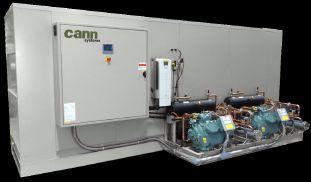
Cann Systems CDS 225 is said to dry up to 8,800 pounds of cannabis per cycle. The company recently installed two of the CDS units in Europe with five more units to be installed in North America.
Cann Systems boasts a new line of large systems that feature consistent, energy-efficient heat pump dehumidification technology. Each closed-loop system is made in the United States
using advanced technology to optimize humidity, temperature, airflow and dwell time.
The company guarantees the process will be able to maximize the medicinal potency, colour, flavour and texture of medical cannabis and CBD-rich hemp.
The dryers use rolling bakery racks with trays designed to allow consistent airflow. The grower spreads the fresh cannabis on each tray in the rack system, rolls them into the dryer chamber and enters the drying settings onto the touchscreen controls. The system controls can also be managed remotely on a mobile app.
Depending on its settings, the dried cannabis will be ready between 24 to 72 hours. The system also has a rehydration feature that prevents over-drying and allows the user to maintain optimal residual water content.
Cann Systems offers several sizes, from the small CDS 2.5 to CDS 225. Each system features in-line filtration components and hygienic surfaces, such as pharma-grade stainless steel. www.cannsystems.com
LumiGrow introduces hybrid lights that save energy
LumiGrow has a new hybrid light fixture that promises to help growers work the way they want to without the high energy bill.
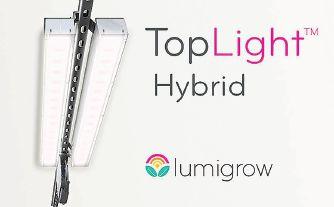
The TopLight Hybrid smart fixture is an enriched white spectrum that combines the best of High Pressure Sodium lights and metal-halide strategies while also boosting the red and blue. It has a light output of 1650 µmol/s and it is built with a rugged IP67-rating. The light is fully dimmable and wirelessly controlled through the LumiGrow software, smartPAR. Growers can also control fixtures across multiple production bays, adjust fixture outputs and track power usage. Using artifical intelligence, the LumiGrow fixtures can deliver the ideal amount of light for the crops every day of the year. www.lumigrow.com
IntegraSyn integrates new cannabinoid manufacturing methods
InMed Pharmaceuticals Inc. has introduced a new cannabinoid manufacturing system that produces low-cost, high quality cannabinoids.
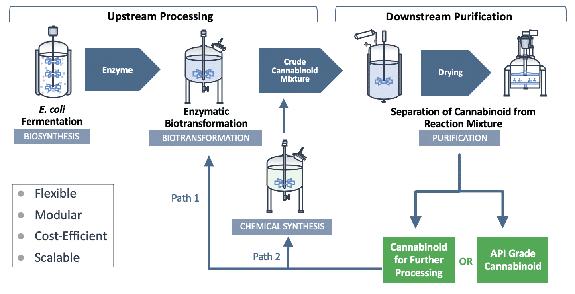
IntegraSyn is the Vancouver-based company’s integrated synthesis system to produce pharmaceutical-grade, bio-identical cannabinoids. It combines biosysnthesis with other traditional drug manufacturing methods to increase yields beyond traditional methods and minimizing the number of manufacturing steps with cost-efficient materials.
IntegraSyn is designed to be scalable and to produce the consistent, compliant, highly pure cannabinoids. It was developed in collaboration with contract development and manufacturing organizations so that the system can flexibly shift from production of one cannabinoid to another.
IntegraSyn also features a bacterial-based fermentation step to generate a proprietary, high-efficiency enzyme in bulk at low cost. This enzyme is combined with sophisticated substrates in a biotransformation vessel, leading to cannabinoid assembly.
Industry-standard purification processes are used to produce a high-purity cannabinoid that
acts as the active pharmaceutical ingredient. The resulting cannabinoid can also be used as a starting material to produce other cannabinoids.
InMed is a clinical-stage pharmaceutical company dedicated to developing a pipeline of cannabinoid-based medications. It was initially focused on the therapeutic benefits of CBN. www.inmedpharma.com
Vantage Point
By Nathaniel Pennington
Nathaniel Pennington, founder and CEO of Humboldt Seed Company has been breeding cannabis for over 20 years.
Pennington’s hope is that Humboldt Seed Company’s Pheno Hunt Program will deliver the strains of the future, providing medicinally valuable stable seed lines, and specialty strains that will invigorate the market.
Six steps to a successful cannabis breeding program
For any licensed cannabis producer, embarking on a breeding program is no small feat. Doing it right from the beginning is key and will ensure a successful return on your investment. Here are six key considerations when considering to invest in a cannabis breeding program.
Begin with the end in mind
The most important thing is to start with great genetics. If you want to ultimately produce a great product, you have to put the focus on the front end. Whether you choose to go the clone route or with seed, no one decision will play as pivotal a role in the success of your final product and the competitive success of your brand than great genetics. Today’s market demands not just quality, but also novelty.
The seed advantage
One of the biggest advantages for going the seed route is reducing the potential of pests invading your grow operations. Another advantage is not having to stress the plants to move them. Choosing seeds that are well suited to your latitude and specific area’s weather patterns can go a long way in preventing unforeseen setbacks and profit losses. Seeds can be easily and efficiently delivered by the breeder, and are not subject to the same damage risk in transit as clones might be. With today’s more sophisticated lab testing methods you can also be guaranteed, without question, that you are getting exactly what you ordered.
Know your market
Cannabis users are a diverse demographic. It’s important to be clear about who exactly you are looking to appeal to. Choosing a strain that is well suited to your climate and growing conditions is important, but ensuring that it is desir-
able to your target market is also key. Places like California are trending toward strain diversity, meaning consumers are demanding new and interesting products every season. In this well-developed, sophisticated market there is a thirst for the story behind the brand, and creative breeding by an expert in the field can set your brand apart, and offer that special something that nobody else has.
Working with growing conditions
Taking into consideration temperature highs and lows, photoperiod, wind conditions, soil quality, water availability and the general climate of your area are important in seed selection. The field of cannabis genetics and breeding has come a long way. Expert breeders are now able to create a near-perfect fit for your individual environment, all while bringing out the terpene profiles and flower characteristics that appeal to your target consumers. In places like Canada, where the outdoor growing season is short and plants are subjected to cold nights, high winds and a harsher environment, you may want to choose an autoflower varietal that finishes quickly with flowering time in the 45- to 55-day range. In a more tropical setting, like Jamaica, you would want a variety that can withstand high humidity, is mold resistant and performs well in a coastal environment. The traditional Jamaican Lambs Bread is being
crossed with newer genetics to develop a modern version of the strain while preserving the authentic, base characteristics of the historical island strain.
Partner with a trusted breeder
If you find the massive overhead and specialized expertise needed to create your own genetics and breeding program is not realistic for your organization, partnering with a reputable breeder is the way to go. Running a proper breeding program today involves robust populations, copious amounts of data collection, and a skillset that does not naturally overlap with those needed to run a grow operation or production facility. It can take years to develop a stable, true-to-type performer with the desired characteristics. There are insurmountable hurdles in terms of expense, expertise, and employee hours for most producers to realistically undertake themselves. The breeding process has become more highly specialized as the industry has matured, and has become a niche of its own, occupied mostly by experts with years of targeted experience.
Going international
The challenges of bringing new genetics into your production facility depend on your location. The way in which the international laws have been crafted did not take into account the pace at which cannabis breeding would grow and mature, making it difficult to legally procure the desired genetics. The regulations can often prevent entire countries from benefiting from genetics developed abroad. The larger breeders are setting up licensed facilities in multiple countries, with many targeting Canada, South America, Europe and Africa, to get around that issue, grow their business and deliver the creative strains of the future that the market demands.