

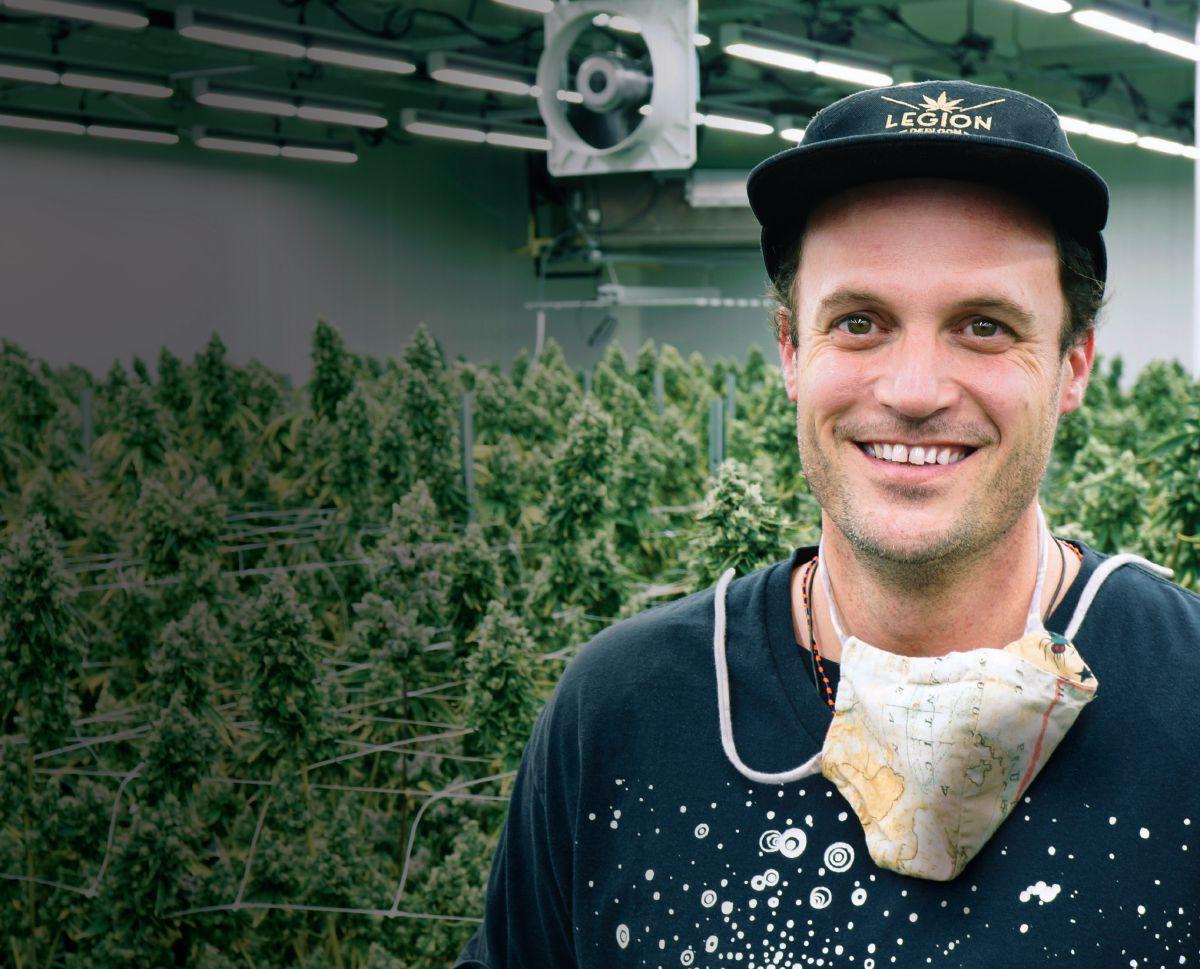
“Emerald Harvest has consistently produced clean testing, excellent yields with high THC and terpene percentages across a wide variety of cultivars. It is simple to follow and easy to use, and for us, that is a winning combination. ”
Read their whole story and other grower success stories on our website.
Emerald Harvest has partnered with growers like Legion of Bloom to help them deliver consistent, profitable crops every harvest.
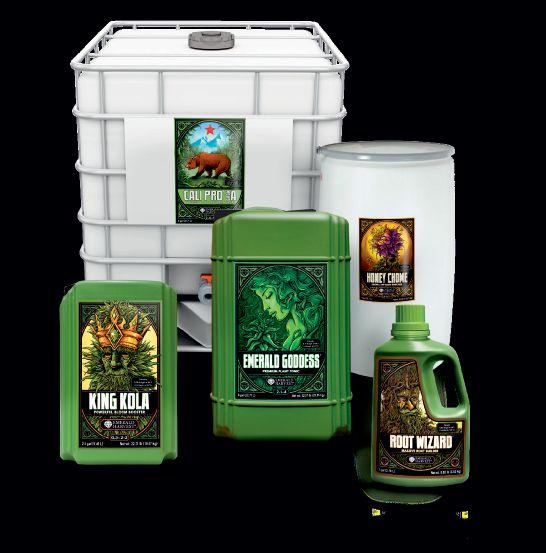
Our premium base nutrients and supplements are made from the finest ingredients so they run clean, test clean, and simply grow the highest quality product.
Professional cultivators are enjoying incredible results with Emerald Harvest nutrients.
And their success stories say it all.



By Matt Maurer and James Leech
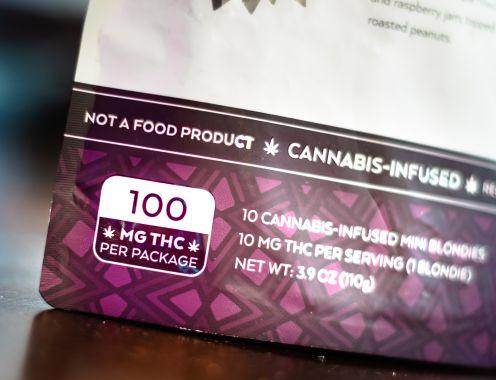
Despite the legalization of Cannabis 2.0 products and high market interest for edibles, the takeoff on infused beverages has not occurred in any material fashion to date, not yet any way. While there are arguably many reasons behind this failure, one of the major limitations, at least thus far, seems to be a lack of product offerings, with only the major players reaping the benefit. That might be about to change.
As the costs necessary to construct and outfit a facility to produce cannabis-infused beverages prove to be out-ofreach for many players, parties are looking for alternative solutions. And one viable alternative is something well known in the food and beverage sector: co-packing.
Co-packing allows Party A to outsource the manufacturing and packaging of a product to Party B for a fee. In this article, we will refer to Party A as the “brand” and Party B as the “co-packer,” and discuss a number of factors that both the brand and the co-packer should be mindful of when negotiating a co-packing agreement in the cannabis sector.
The cannabis co-packing relationship differs from that in other industries, in so far as the brand in this case will likely not be licensed to handle
its products, or at least some of the ingredients in such products, and as such must rely solely on the co-packer to not just manufacture and label the products, but to also store and sell the products to other licensees and/or provincial bodies. As such, both the brand and the co-packer must be diligent in ensuring that the co-packing partner holds the appropriate licences and licence amendments to meet the brand’s needs. Due diligence on the licence that is held by the co-packer and what is permitted thereunder is fundamental.
Is the co-packer producing all of the brand’s cannabis-infused products, or just a select few? The co-packer has an interest in tying up the brand’s entire portfolio for obvious reasons. However, the brand
may want some flexibility, also for obvious reasons. For these purposes, clarity is paramount. Do certain products require ingredients or packaging that the co-packer’s facility can’t accommodate? Can the co-packer meet the brand’s timelines? Does the exclusivity granted cover only existing SKUs or all future SKUs brought to market as well? These are all discussions that need to occur before the relationship is solidified.
Under Section 244 of the Cannabis Regulations, licensed processors must notify Health Canada of their intent to sell a cannabis product they have not previously sold in Canada. This Notice of New Cannabis Product (NNCP) must be provided to Health Canada at least 60 calendar days before making the new cannabis product available for sale. This filing is done through
the licence holders’ portal, meaning, that if the brand wants to switch co-packing partners, a new NNCP must be filed and the 60-day notice period will start again, which could create supply chain issues for the brand. As such, brands need to give serious thought to their long term plans, and potential obstacles that may occur down the road at the outset to have contingency plans in place.
How long will the relationship last? Under what circumstances can a party terminate the agreement? Bankruptcy and insolvency are standard, as is loss of the processing licence. Should a party be able to terminate if other terms of the contract are breached, like manufacturing standards, delivery terms or payments? Can the agreement address these breaches in some other manner, either through credits, discounts, or is the breaching party otherwise able to remedy the breach? It is imperative that termination provisions in co-packaging arrangements are given critical thought, given how catastrophic any pause in getting products to the market can be for the brand.
It is important that the product requirements, formula, and ingredients are clear and specific. The product is required to comply with its NNCP submitted to Health Canada in all re-
spects, that includes ingredients, labelling and final product specifications. If the product ultimately produced does not comply with those requirements, either due to fault of the co-packer or due to the specifications provided by the brand, the product may not be saleable. Even if it is, failure to follow product requirements to the letter may result in harm to the brand’s reputation when the products hit store shelves and subsequently the mouths and bellies of consumers. As such it is an imperative interest to both parties that the specifications for the products be laid out fully and clearly to ensure that any deviation from those specifications are easily ascertained and can result in appropriate remedies for the necessary party.
How much will we need? How much will we sell? When will we need it? When do we need to tell you we need it? How much time do we need to make it? How early do we need to order ingredients?
These are all critical questions that both the brand and the co-packer need to address to ensure the relationship accommodates their respective needs.
Some relationships are as simple as the brand issuing a purchase order to manufacture and waiting for the co-packer to complete production. In these situations the brand is at the mercy of the co-packer, hoping they have the capacity to accommodate the brand’s needs in a timely fashion. In other relationships, the brand will make rolling forecasts such that the co-pack
can, and depending on the contractual terms, must, appropriately schedule timely production runs.
The appropriate relationship will depend on the capacities and cash flows of each party.
Always a key factor in any commercial relationship is regarding payment: how much a party is paying, how they are paying and when payment is due. Depending on the relationship this could also include pre-payments for ingredients.
Until such time as the respective parties have built up enough trust, and more importantly enough good credit, expect the brand to be required to prepay for the production costs. Thereafter, since the co-packer will be the party actually selling the products to the respective boards and retail establishments, the co-packer will control the monies and the brand will be chasing it for payment.
The payment terms will depend on the relationship. Some relationships are built on a fixed cost per unit to the co-packer, with the balance of the sale proceeds going to the brand. Others are structured royalty payments, with the brand paying the co-packer a percentage of sales – whether it’s net of manufacturing costs or inclusive of manufacturing costs – will again depend on the nature of the relationship of the parties and their respective negotiating power.
This is the area that will make or break you. With margins being razor thin, it cannot be stressed enough how dili -
gent the parties must be in determining what payment structure is most appropriate.
In any commercial relationship, apportioning liability and risk is a key factor. When apportioning risk and liabilities the parties should keep in mind a number of items including without limitation: transport, delivery, manufacturing errors, errors in specifications, deficiencies in ingredients and hardware, breaches of legal requirements. As each party will have different obligations under the contract it is key to apportion liability for a

breach of those obligations appropriately.
When entering into a co-packing relationship there are a wide variety of business and legal terms that need to be given careful thought at the outset in order to ensure the subsequent relationship goes smoothly. A co-packer’s failure to meet the brand’s needs can be catastrophic for the brand in the cannabis sector given the dependency that the brand will have on the co-packer to get the products to market and, in most cases, to remit revenue back to the brand in a timely fashion to ensure acceptable (and predictable) cash flow.




By Gagandeep Singh Bhatoa and Mohyuddin Mirza
Gagandeep Singh Bhatoa is a Plant Health care specialist in Lethbridge,
Mohyuddin Mirza, PhD, is an industry consultant in Edmonton, Alta. They can be reached at gaganagrico@gmail.com and drmirzaconsultants@gmail.com.
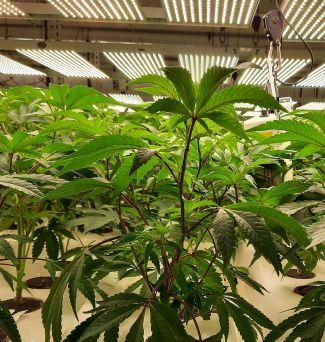
Many growers use the term “praying” leaves as the normal leaves. These are leaves that are upright and expanded to trap light as much as possible. Among cannabis growers, praying leaves are considered a sign of healthy, functioning leaves.
to recognize drooping and wilting in cannabis plants
Water is one of the most important aspects of keeping cannabis plants healthy and robust. Watering cannabis isn’t always as simple as it may appear. Overwatering and underwatering are common issues a grower faces. It’s imperative that growers do not confuse cannabis “drooping” leaves with “wilted” leaves, as they have completely opposite causes.
Drooping leaves are often a result of overwatering. Too much watering drowns the plant’s roots and causes abscisic acid to build up. Leaf stomata starts to close up and creates obstruction in photosythesis and respiration. Both the loss of oxygen and the build up of abscisic acid will severely weaken the stem and leaves of the plant above the surface
On the other hand, underwatering can lead to extremely dry conditions that will leave cannabis plants thirsty, eventually causing them to wilt. Underwatered plants will look ill and weak, with dry and droopy leaves, and the tip turning yellow and curl down.
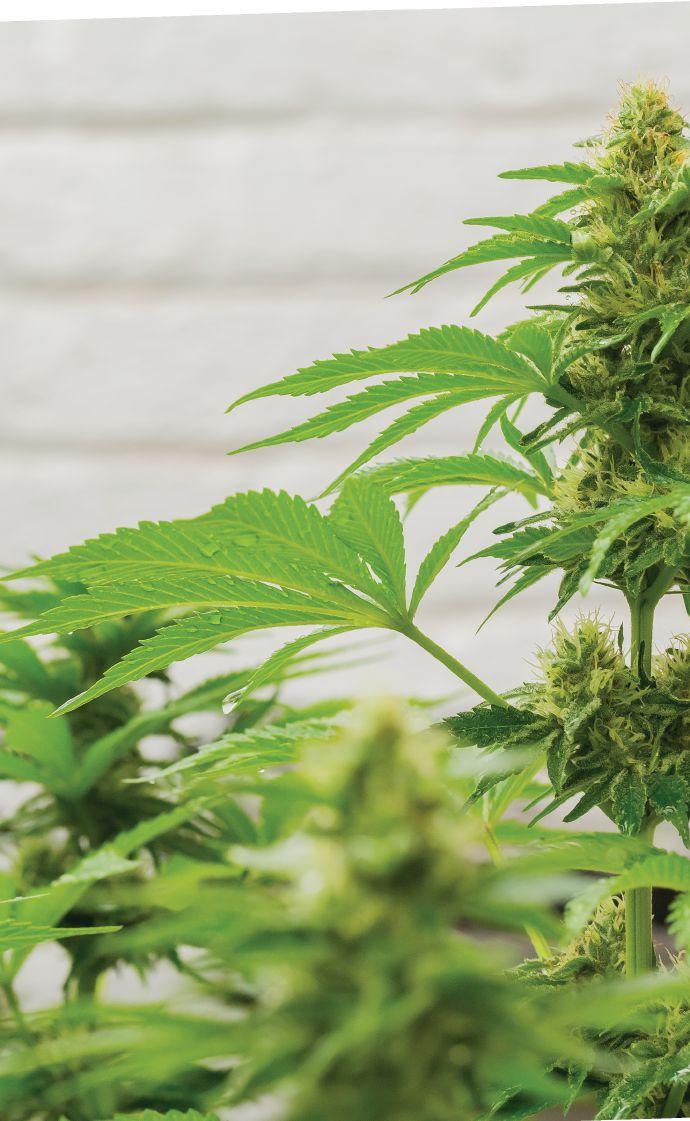
The picture above shows a plant where most of the leaves are in “praying” mode. There are many contributing factors, including turgor pressure, lighting and nutrients, that play important roles when it comes to optimal growth of crop.
Potassium has a role to play in maintaining turgidity of stomatal guard cells.
Turgor is the pressure exerted by water inside the cell of the plant. A sufficient level of turgor pressure should be maintained so that the plant keeps growing. Without sufficient turgor pressure within plant cells, plants will wilt.
Turgor pressure helps keep a plant standing upright with its leaves outstretched or tipped up to absorb as much light as possible. When turgor pressure is high, this allows maximum expansion of cannabis leaves to receive adequate or more sunlight.
Yellow leaves often result from nutritional deficiencies. But if you know the nutrient situation is optimum and observe the praying leaves go from green to yellow, it could be triggered by light stress. In that case, you may move the lights further away or rotate your plants around to allow the stressed leaves to get more shade.
It’s common among growers to think that plant is stressed from a deficiency when the issue is actually light stress. In that case, the praying leaves are a sign to help you narrow down the cause to your light levels. So, it’s important to give plants as much light as possible without triggering light stress. Providing a sweet spot where the plant can get high light levels which result in healthy green leaves pointed up are good indication
of a fast-growing, healthy cannabis plant.
Finding your plants’ sweet spot
In general, good watering practices should be followed and “good” depends on the grower’s experience, type of growing medium, water quality and climate control parameters.
Some growers have a tendency to use light period temperature of over 26 C, which require more frequent watering to meet the transpiration demand of the plant. Many growers who use hydroponic methods, especially recirculating water and fogging, should pay more attention to root health conditions and dissolved oxygen.
To fix the wilted or underwatered cannabis plants, always test the growing medium for moisture content, by pressing your finger about an inch down into the medium. You can also determine saturated weight of plants in a container and a wilting point weight, and thus use the scale to properly water the plants.
It’s important to make sure that plant roots have access to moisture at all times. Plants are constantly losing water through their leaves via transpiration and this is actually how plants get water up from the roots. As the plants lose water from the leaves, it pulls water up from the growing medium like a straw. When there’s not enough water at the roots, many plant processes cease to function. If roots actually dry out, the shoots will also suffer and could die off. Often the grower is able to see how dry the growing medium is.
A big indication that the plant is being underwatered is when you can see the growing medium separating from the container. You can see the starter cube separating from the soil because it’s so dry. The leaves will become very dark green/blue, smaller in size and thick. Most of the time the Electrical Conductivity will rise in the growing medium because of underwatering. In such situations, rehydrate the growing medium with pH adjusted water only before resuming nutrients dosing.
(For a list of references cited in this article, please email the editor at mdeguzman@ annexbusinessmedia.com)

By David Brown
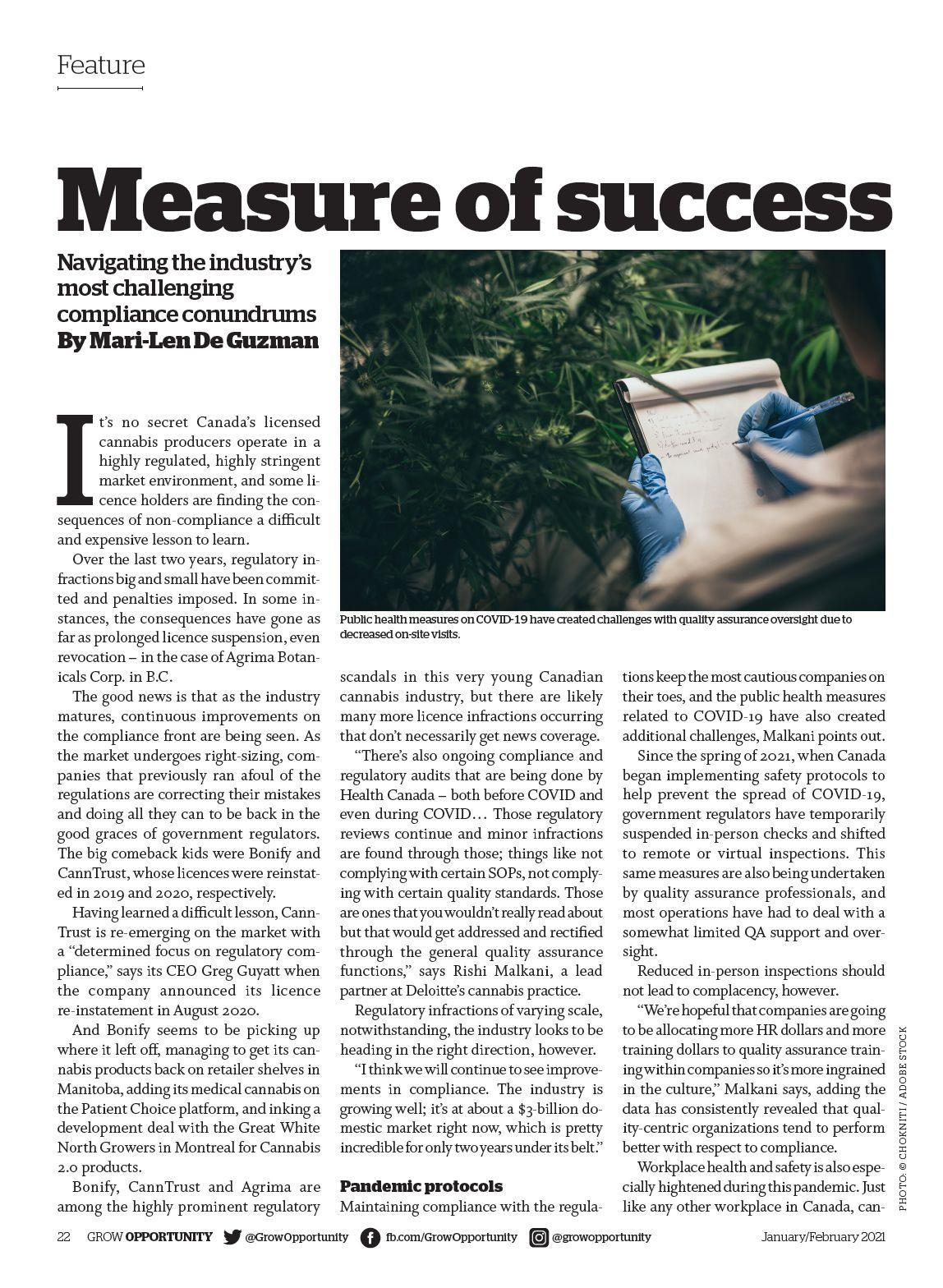
The last year has been a unique one for the Canadian cannabis industry. The major societal changes due to the COVID-19 pandemic have obviously been far-reaching, impacting all aspects of our lives. Even Health Canada has had to make major changes to how they manage and oversee licence holders and their activities due to social distancing protocols and shutdown measures.
For example, in March 2020, Health Canada put out a memo stating that there would be a modified approach to its enforcement and regulatory activities, such as a delay of onsite inspections, which was extended several times throughout the year.
Acknowledging the logistical issues surrounding stay-athome measures, employee health, and the possibility of some key positions at some licence holders possibly being unable to visit the facility, Health Canada also allowed licence holders to temporarily designate alternative security-clearance personnel in instances where the primary security clearance personnel would be unable to be on site.
Health Canada also announced that federal cannabis licence holders were no longer required to submit an amendment for review and approval by the regulator for the addition of any new operation areas within an approved building

that already appears on a licence; and changing an operations area, such as changes to cameras, locks or layout, within an approved building that already appears on a licence.
Some of these measures have since been lifted, but shows a desire and ability to streamline aspects of the regulations when it comes to compliance.
Even prior to COVID-19 the regulator has been steadily evolving its own regulatory system, including how they oversee compliance of licence holders. Five years ago, licensed cannabis producers could expect regular visits from Health Canada inspectors, both announced and unannounced, lasting from a few hours to several days.
But as the number of licence holders has increased, especially post-legalization, the regulator’s approach also had to shift. In 2019, a cannabis cultivator or processor, depending on its size, might only see the inspect-
or once or twice. Even with new virtual inspections during the COVID era, some licence holders, especially micros and nurseries, are going months after their final licence approval inspection before having a formal follow-up.
While in many ways this lack of constant oversight can be welcome, it can also lead to licence holders getting complacent. The ever-present fear of an inspection can keep a licence holder on their toes, carefully following SOPs. When given more leeway, some companies can get accustomed to cutting corners, allowing bad habits to become standard. Over time, this can create challenges not just for the eventual (in-person or virtual) visit from Health Canada’s Regulatory Operations and Enforcement Branch, but also for business operations as it can also lead to on-site errors, potentially harming the viability of the business.
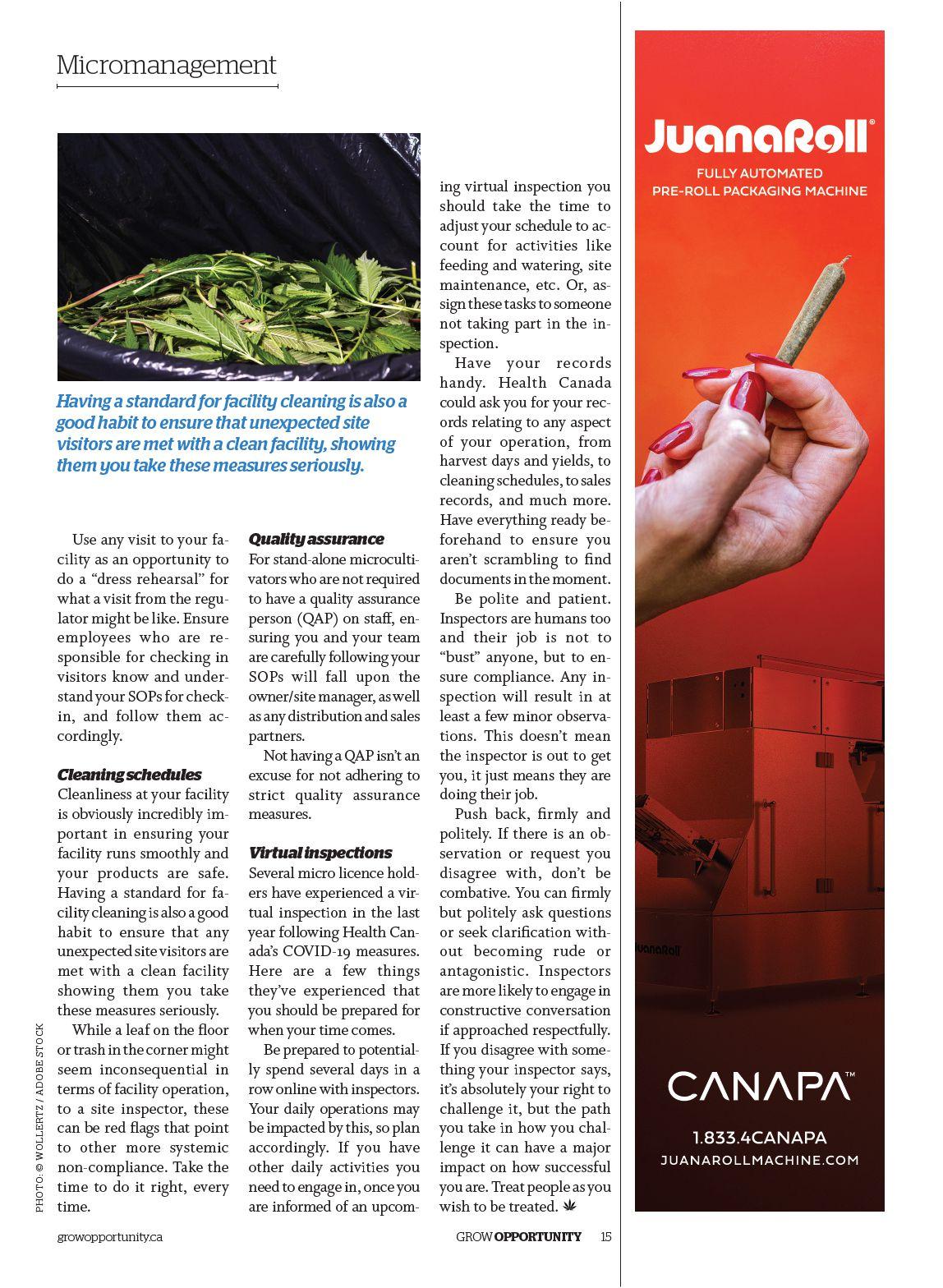
Ensuring that you and your team understand and carefully adhere to your own SOPs can also help mitigate against risks like product recalls, accidents on site, security concerns and others.
After all, you designed your facility and SOPs for a reason. If you take the time to create them, you should ensure you and your team take the time to follow them.
Dealing with recalls is one key piece of any licence holder’s SOPs, and one we have recently seen several new micro producers have to address. Ensuring you can quickly and effectively respond to the possibility of a product recall can save you time and money in the long run, as well as your reputation with distributors, retailers and consumers.
Record keeping is another important piece of compliance no licence holder should overlook. Not only will accurate record keeping ensure your facility is running as efficiently as possible, it will help in future inspections (on-site or virtual), where it’s not uncommon to have inspectors requesting numerous records in regard to your daily operations.
Do employees know your company’s protocols for checking in visitors? Although this is an aspect that can easily be overlooked when the visitor is someone your employees know, cutting corners here can create bad habits that may be accidentally repeated during a Health Canada inspection.
terial – so all those little things contribute to us becoming more price competitive.”
“Where we start to look more expensive is if you are comparing us to the cheapest alternatives on the market such as cheap commodity resins, produced from petroleum overseas. The cost of the negative effects of that material are not included in that, so it’s not a true cost,” Eichner says.
Aqualitas’s Adler says it’s “slightly more expensive, but we got it to a competitive price.”
As governments push for greater restrictions on plastics, it becomes a more critical issue for the cannabis sector, especially as consumers increasingly make buying decisions based on packaging.
Enter Cannabis 2.0 products, and a new wave of packaging concerns have been introduced. Vape cartridges are perhaps of the most significant concern, prompting companies to realize it’s a problem they should be dealing with sooner rather than later.
In December, the Cannabis Council of Canada (C3) rolled out a vape recycling program with a handful of licensed producers, and it hopes more will come on board. There are currently 200 participating cannabis stores, and the goal is to see what it would cost to create a national program with retailers.
“The goal is 100 per cent diversion of the product whether it’s glass, lithium, plastic or metal –that nothing goes to the landfill and everything is recycled or incinerated,” says Omar Akeileh, policy consultant at C3. He co-authored a Master’s thesis at McGill in 2020 called, “Chronic Waste: Strategies to reduce waste and encourage environmentally-friendly packaging in Canada’s legal cannabis industry.”
Five licensed producers are currently funding the vape recycling program: Aurora Cannabis, Cronos, Canopy, 48North and Aphria. The program will supply countertop collection boxes to more than 200 cannabis retail stores across British Columbia, Alberta and Ontario. The retailers will accept disposable vape pens, vape batteries and cartridges from all brands. Canadian e-recycling provider Quantum Lifecycle Partners is aiding the program.
“In future rounds, we can see how the hardware side of the vape equation may be interested in par-
into absolute units, you’re talking about more than 10 million vape units. We knew this was going to be a category problem.”
Canario says Auxly wanted to take a leadership stance when it came to vapes. The yellow bins will be prominently displayed in stores.
“For some consumer segments, packaging plays a huge role, and a brand’s purpose and meaning play a role in how people purchase. With Kolab, the consumer cares a lot about the environment, and for us, it’s why we want to make sure that with all of the products, we look at it through the lens of sus-
“Where we start to look more expensive is if you are comparing us to the cheapest alternatives on the market such as cheap commodity resins, produced from petroleum overseas. The cost of the negative effects of that material are not included in that, so it’s not a true cost.”
ticipating as well, and we have been working to bring those players into the association,” says C3 President and CEO George Smitherman.
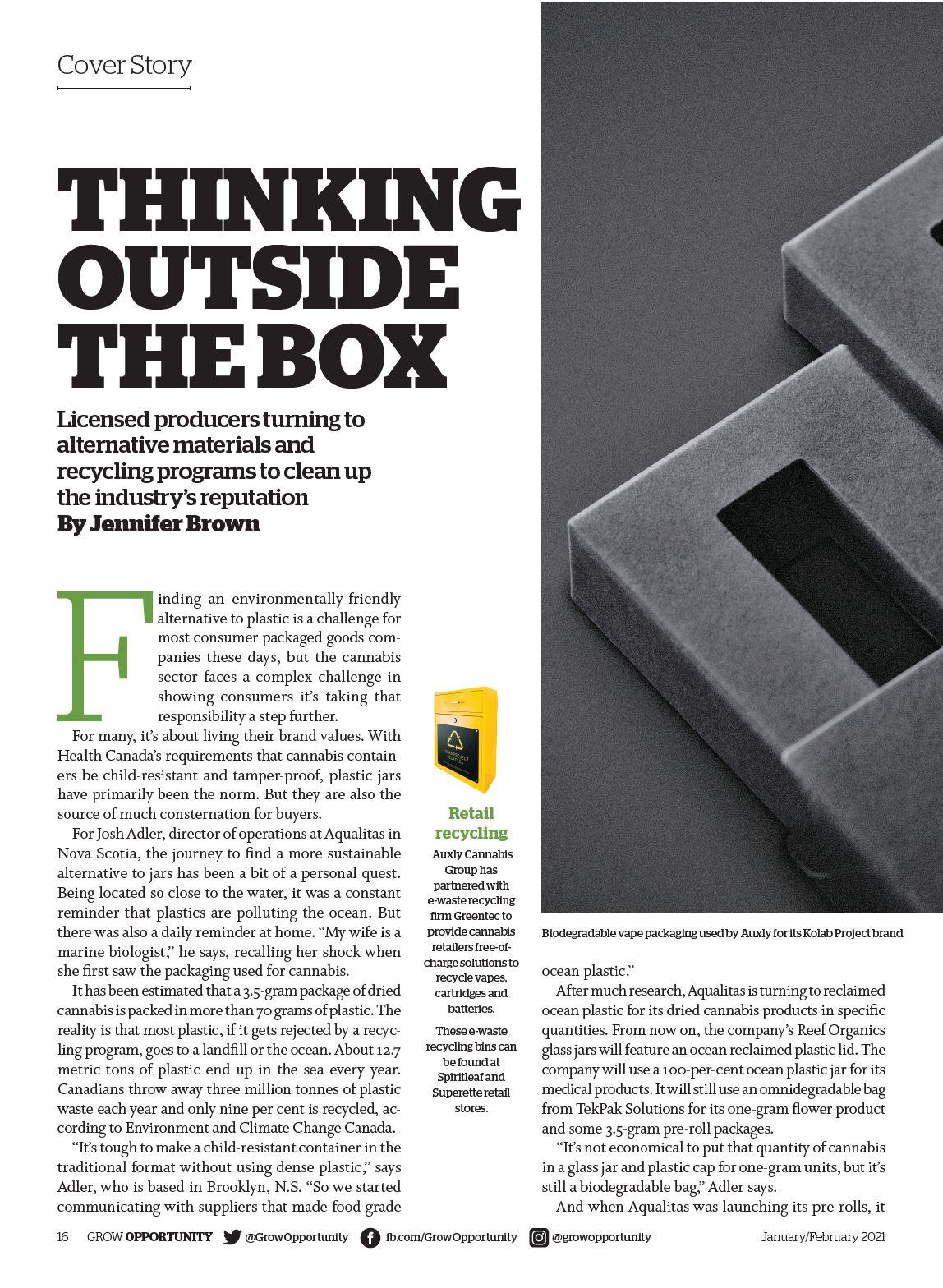
In August, Auxly Cannabis Group announced a partnership program with Greentec, a certified electronic waste company, for a vape recycling program for all cannabis retailers. Auxly and Greentec are also providing a box for recycling vape pens, cartridges and batteries from all licensed producers. The initiative is led by Kolab Project, an Auxly Cannabis brand.
“We saw that vapes were going to be 16 per cent of all cannabis sales,” says Brad Canario, brand director for Auxly. “When you quantify it
tainability,” he says.
Auxly’s Robinsons premium cannabis brand is sold in a glass jar with a plastic lid that is recyclable.
“We want to make sure wherever we are using plastic, we use all reasonable means to make sure it is at least recyclable. If we look at the market, there is a lot of plastic that isn’t recyclable. It’s often based on various jurisdictions and municipalities, but we always put our best foot forward to make sure it’s environmentally sustainable,” says Canario.
Smitherman says there has been good leadership on the part of the
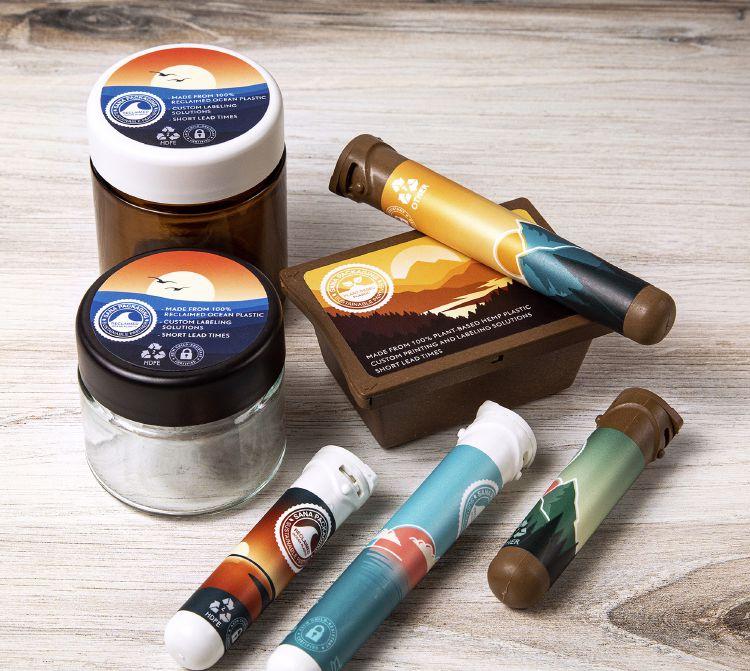
LPs over time. In October 2018, Tweed and Terracycle launched a cannabis recycling program that accepted all producers’ packaging.
“Canopy has shouldered quite a big responsibility for everybody, but our effort with the vape recycling project is really a recognition that these types of programs are going to be necessary. Accordingly, our theory is that it is better to control your destiny and the pilot is the beginning of that effort.”
Smitherman says it’s a project to mount a response with organizations that are otherwise competitors finding the right means for collaboration.
“Let’s acknowledge that an essential aspect of the whole legalization initiative was the protection of minors. Our packaging is designed with a precautionary principle in mind and then a limited amount of communication discretion. As much packaging as there is, we feel very constrained to give the consumer much insight into the actual product — it’s limited in space and expressly limited,” he says.
He points to 48North’s cardboard packaging that is child-resistant, recyclable and compostable as an example of a company with a good solution.
“I think the industry is looking at more unique and novel solutions. The discussion has to be around the solution rather than anti-plastic,” he says.
The new zip bags some companies are using may seem like a better choice, but the internal liner is often not recyclable.
“It might seem preferable but it is not as environmentally-friendly as a glass jar,” says Smitherman. “Even the ubiquitous black plastic is recyclable, but there is no market for it.”
Eichner says regulators could also help by relaxing the packaging requirements for dried flower packaging. Alcohol and tobacco products are not required to be childproof.
“We would urge the industry to reassess requirements and distinguish between activated (an extract or edible) and non-activated (dried flower) cannabis products,” he says.


By Harold Han
Creating high-quality consumer packaged goods (CPGs) requires scientific knowledge and expertise. However, the process becomes exponentially more complicated when an active ingredient such as a cannabinoid like CBD or THC is involved.
Not only does the infused product need to meet all the standards of a regular CPG – such as consistency across batches, scalability while retaining quality, and reliable freshness until consumption (standards that can be made more difficult to achieve by adding cannabinoids) – but it must also deliver on the intended experience.
This additional layer of scientific complexity is where infusion technology comes into play.
As we all learned in chemistry class, oil and water do not mix because water molecules are hydrophilic, and oil molecules are hydrophobic. Stirring them together can create a temporary blend, but the two liquid bodies will inevitably separate again.
Emulsification is the process that enables these immiscible liquids to stay mixed, producing a homogeneous and stable blend. It employs a compound called an emulsifier, which has both a hydrophobic and hydrophilic component. The emulsifier arranges itself on the oil-water boundary, lowers the surface energy and stabilizes the two phases, enabling the liquids to stay together without repelling each other.
Emulsion technology is used in many of the products that we know and love – from

flavoured drinks, to baked goods, to skincare and more. It is also the scientific foundation that enables oil-based cannabinoids to mix seamlessly into our favorite infused products.
Though emulsion technology is quite commonly used in CPGs to deliver a specific taste or appearance, it is not normally needed to deliver active ingredients. This is what makes cannabis emulsions unique. They are the vehicle that enables a change in the consumer’s head space.
This key difference makes cannabis infusion a much more complicated endeavour. While it delivers a seamless mix, the emulsion must also retain and standardize cannabinoid potency. This is much easier said than done, particularly when it comes to infused beverages.
Common challenges
Every infused product has its own unique ingredients, taste, appearance, packaging material, sterilization process and in -
tended experience. Emulsions can run into problems with each of them. Following are some of the common challenges.
Ingredient interaction
Certain ingredients within an infused product may have an adverse chemical reaction with the cannabis emulsion itself, leading to potency loss. Polyphenol, a chemical compound found in grape skin, is a common example of this reaction. Polyphenol naturally bonds with polysorbate, a common emulsifier. This bond can lead to separation within the beverage, causing inconsistent potency and appearance. This reaction has made it a particular challenge to infuse beverages with high levels of polyphenols, such as red wine and pomegranate juice.
Overcoming negative ingredient interactions requires an emulsion provider to identify the problem origin, understand the chemistry of emulsion, and redesign and adapt their formula accordingly.
Packaging compatibility
Some emulsions can also run into challenges when put in contact with certain kinds
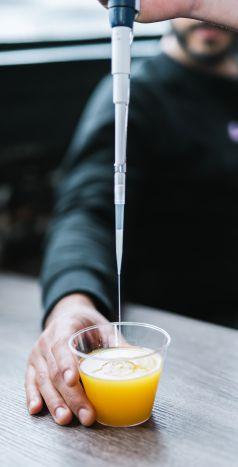
of packaging. For example, the polymer liner on the inside of aluminum cans can attract the hydrophobic oil at the center of emulsion droplets, causing them to stick to the liner and drain potency from the beverage over time. Polyethylene terephthalate (PET), the hydrophobic polymer used to make most plastic bottles, has a similar effect on emulsion droplets.
Some brands have solved this problem by simply overdosing 30-50 per cent more emulsion or by switching to glass bottles. However, it is possible to reduce potency loss and deliver high-quality product by emulsion engineering and understanding the liner chemistry. An infusion partner should have the scientific capability to deliver an emulsion that is tailored to your vision for the product, including its packaging.
Just like every other packaged beverage sold in the United States, infused beverages must be sterilized for consumer safety. Manufacturers kill any microorganisms that may have been introduced during production, usually with high-temperature thermal processing or with high pressure processing.
However, exposing a poorly designed cannabinoid emulsion to extreme heat or pressure can cause instability, resulting in a loss of homogeneity which then impacts its potency and consistency. Furthermore, high heat or pressure can exacerbate incompatibilities with packaging materials.
When creating an infused product, being certain that the emulsion will withstand all stages of production is critical. An infusion partner should be able to provide proof of the emulsion’s resilience, and if you are working with a process that they have never encountered, they should be prepared to run extensive tests with your product and adapt the formula as needed.
These are some of the most common challenges for creating stable and consistent cannabis emulsions. However, they are not the only ones out there. Every product is different and will encounter a unique combination of obstacles. This is why it is insufficient to use an emulsion that claims to be “one size fits all.” To guarantee a reliable experience, individualized scientific attention and problem solving is essential.
Cannabis emulsion science has come a long way since the early days of bitter, separated and unreliable products. The industry has achieved a point where, with the right ingredient provider, a product maker should never have to sacrifice their vision to achieve a reliable and effective cannabinoid experience.






Easy to use • Consistent clean quality input
Traceability of all products • Growing support provided

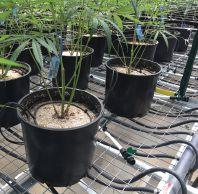
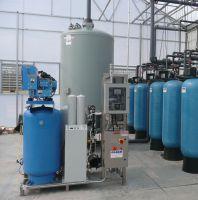
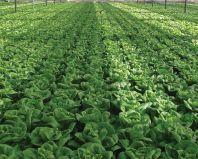
CANNA is an established and serious partner for the Green Market. We provide solutions to growers of all sizes, including Canadian Licensed Producers. CANNA nutrients, additives and growing mediums are manufactured from the highest quality source materials. We understand the importance of a clean, consistent and traceable input as well as keeping it simple.
CANNA loves to share its knowledge and experience, our team is there to support you.
nabis industry workers – whether at a production facility or in retail – are covered by the protections under the Occupational Health and Safety Act.
From fall prevention to chemical safety, cannabis workplaces should be conducting regular assessments on the safety risks and hazards their workers may be potentially exposed to.
“Find out what hazards are present in your workplace. Some common industry hazards include noise, chemical exposure, working at heights, warehousing, machine safety and ergonomics,” writes Kelly Fernandes, a certified industrial hygienist with Ontario’s Workplace Safety and Prevention Services in her article published on GrowOpportunity.ca.
Fernandes says documentation is key to OHS regulatory compliance – including chemical inventory list, chemical hand-
ling procedures, safety data sheets, and training records.
In December 2020, Health Canada invited public comments on the government’s intent to amend the Cannabis Regulations and associated regulatory frameworks, particularly on provisions regarding cannabis research and cannabis testing, as well public possession limits, product labelling requirements and micro cultivation and nursery licensing. The comment period ended on Jan. 11.
It was a move welcomed by the cannabis industry, in hopes of getting the regulators to relax some of the restrictive provisions of the cannabis regulations.
“I think we’re going to see some evolution over time, in terms of being able to scale cannabis beverages in a more mean-
ingful way,” says Deloitte’s Malkani. “I think some of the regulations will eventually broaden and become a bit more permissive to allow production of cannabis beverages to be less restrictive.”
The restrictive product marketing and labeling requirements are areas where some producers typically get into compliance trouble, he says. The hope is that these stringent requirements will gradually ease and be reasonably more responsive to industry, particularly as more Cannabis 2.0 products come into the market.
Cannabis producers are certainly viewing the review as an opportunity to create some flexibility in the regulations. A recent roundtable discussion hosted by Grow Opportunity, in collaboration with the Cannabis Council of Canada (C3),

discussed some of the regulatory challenges with labeling and packaging.
“Our focus has been on finding sustainable packaging from Day One. So we have our glass jars, our pre-rolls are in tins. The thinking behind them is how we can produce nice objects that people want to reuse,” explains roundtable panelist Karine Cousineau, director of government relations and sustainability at The Green Organic Dutchman (TGOD).
Where the regulation becomes challenging is with smaller products, she points out. Finding sustainable ways to package small products that are also compliant with the regulatory requirements of childproofing and labeling can be difficult.
“I think there is still a lot of space for innovation in that regard,” Cousineau says.
Still, LPs are working with what they’ve got and finding ways to pursue measures
that are more sustainable and environmentally friendly, while maintaining compliance. Initiatives such as the Sustainability Caucus, which is a collaboration between C3 and certain LPs, including Aurora Cannabis, TGOD, 48North and Canopy Growth, as well as launching a national vape recycling program.
“This is a proof of concept so that we can then say, ‘This quantity of materials can be recovered with this amount of effort and time,’” explains Steven Fish, senior manager of corporate social responsibility at Aurora Cannabis, about the vape recycling program. “We want to be able to have that information so that we can build out a national response that would not only include vape products but potentially widen that scope to include others.”
Deloitte’s Malkani notes sustainability is
going to get a lot more attention and companies will be increasing focus sustainability reporting and environmental and social responsibility governance.
Malkani offers some best practices for staying on top of the regulations and ensuring LPs remain compliant.
“There’s no substitute to actually having a review done, and learning from that review. So doing self-audits, having a strong internal audit type function on compliance is helpful,” he says.
Investing in automation of compliance functions would be ideal for companies with the necessary resources. This will allow organizations to set up the right controls and maintain a good balance between automating certain aspects and having the human element.



By Jean Ko Din
Cannabis sommelier seems like the dream job.
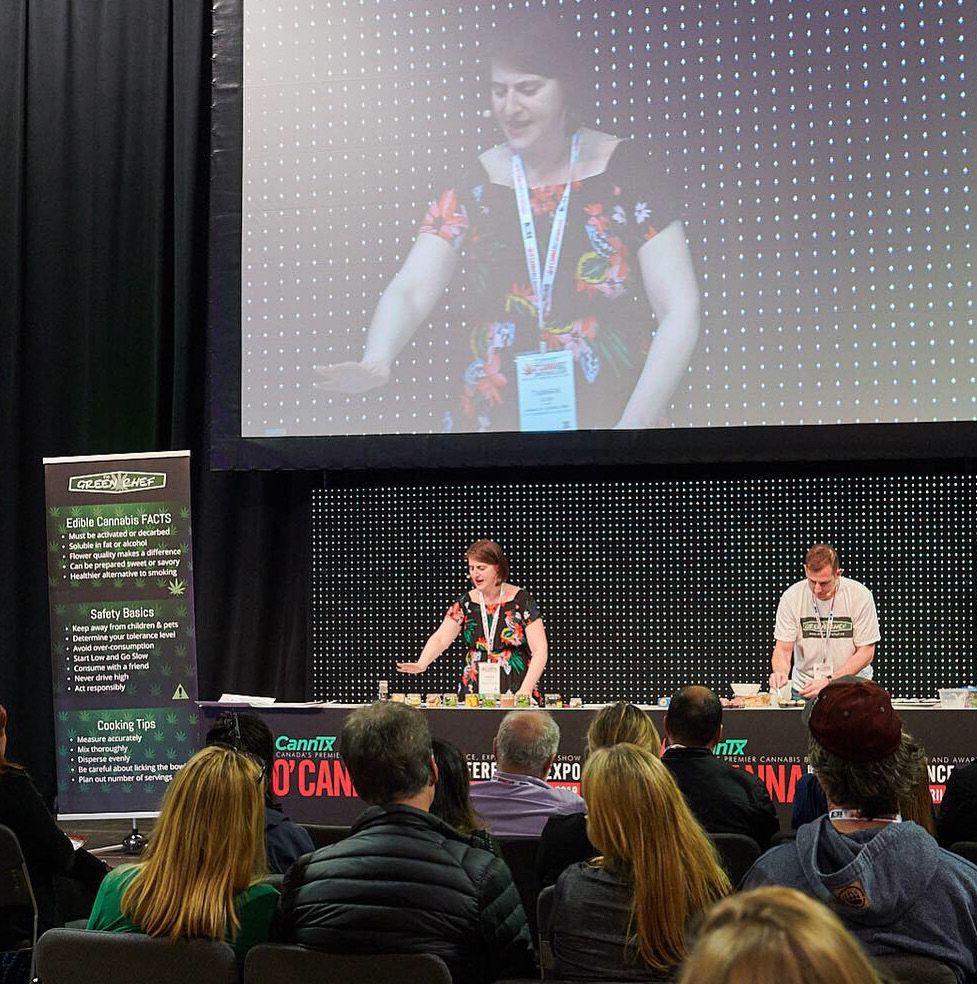
For Tamara Lilien, it really has been. She has worked with and sampled products from licensed producers throughout the Canadian cannabis industry. Most notably, she has trained senior leadership team at the Ontario Cannabis Store.
In 2019, she was selected as one of eight members of the world’s first Cannabis Curation Committee with AHLOT. Lilien was handpicked from more than 25,000 applicants to curate the best cannabis cultivars Canada has to offer. She is also the only committee member to hold a Level 2 Cannabis Sommelier certification and Cannabis Educator certificate.
Before entering the cannabis industry, Lilien worked as a manager of special projects at Sunnybrook Hospital for 13 years. It was while she was working on patient-focused care initiatives in palliative care that she began to explore the medical research around cannabis as a form of therapy. She became a kind of “cannabis expert” on the team.
Grow Opportunity talked with Lilien to talk about her unique set of skills and how the role of the cannabis sommelier fits into the industry.
Grow Opportunity: You’ve worked with some of the biggest brands in the Canadian legal market. What is something that you wish more LPs knew?
Lilien: On the whole, I would say that the biggest missed opportunity for LPs right now is not engaging with people who were part of the legacy market.
If you present me with two jars of canna-
bis, whether it’s sourced from the legal or legacy market, that’s less important to me than the quality of the cannabis. If the quality of the cannabis is higher from the legacy market than the legal market, anyone who’s in a position where they want the highest quality flower, well, it makes the decision kind of a no-brainer for them.
With the way that legalization and licensing was rolled out, many people from the legacy market were totally alienated, and they weren’t empowered to become legal. That seems so backwards and illogical. It really is in the best interests of the industry, and consumers alike, to empower people who have 20, 30, 40 years of experience to

participate in the legal sector.
GO: While some people will call it a dream job, are there drawbacks to being a cannabis sommelier?
Lilien: I’m not going to say I don’t like it, but what I find challenging is the variability of the quality of the cannabis. Because as an evaluator, I try to always wear my objective hat. Someone else might light up a joint and after a couple of puffs, say ‘I don’t like this’ and put it out. But part of the job is to have so much integrity built into the assessment that even if you find something thoroughly
unpleasant, even abhorrent, you still complete the full assessment and you seek to understand why.
Because I might walk away saying, I don’t think I’d want to smoke this flower ever again but I would damn sure cook with it or I might use it in a topical. So it’s about being very, very thoughtful and not closing any doors.
GO: Do you feel a huge sense of responsibility as a member of the Cannabis Curation Committee?
Lilien: I feel an enormous sense of responsibility and that’s part of the reason that people think that I’m quite unusual. They say, “Oh my god, you get paid to smoke weed. That’s so cool!” I mean, yes, it’s cool but it’s also serious. My integrity is in the mix here and I’m certainly not going to do anything that compromises that. Actually, the team has identified me as one of the harsher critics and I think it’s because I have high standards. I’ve been trained to identify good quality versus quality that is less so, and I stick to my guns. For me, integrity always comes first.
GO: What training did you have to go through to become a cannabis sommelier?
Lilien: To date, my training has involved completing Cannareps Sommelier training, Level 1 and 2, a Cannabis Educator Certificate from Michener Institute, and a number of other smaller courses, like CBD basics by Ringing Cedars. Since there are no industry standards on the nature and parameters of the role, cannabis sommeliers have to chart their own course. Ultimately, this role demands a lifelong commitment to excellence and learning, and a willingness to get your hands dirty. There is an abundance of undiscovered information, researching, reading and studying cannabis every day.
GO: Where do you see the role of the cannabis sommelier evolving within the larger value chain of the industry?
Lilien: Cannabis sommeliers have the capacity to enhance any part of the cannabis delivery process. So it could be anything from consulting on phenotype selection for growers, to doing quality assessments on
flower after harvest, and everything in between.
I’ve had the opportunity to collaborate on some incredible projects because of my cannabis sommelier certification, like doing all the curation for a retail store, hosting cannabis-themed holiday parties (virtual
and in-person), team-building workshops, and I’ve also been invited to speak at a variety of cannabis conferences and expos, as well as schools like the University of Toronto. The world is your oyster as a cannabis sommelier and it’s really up to you to determine what you want to do with the job.

Avicanna Inc. is working with the University Health Network (UHN) to support research its conducting around epilepsy.
The Toronto-based cannabis producer has entered into a master services agreement with the public research hospital for projects performed by Dr. Peter Carlen at the Krembil Research Institute at UHN. Carlen is the principal investigator on world-leading research in the field of epilepsy. His research is analyzing Avicanna’s RHO Phyto and pharmaceutical cannabinoid-based products for efficacy in the treatment of seizures.
“The Carlen lab is very pleased to research the relationships between the premium medicinal cannabinoid products of Avicanna and their effects on epilepsy,” Carlen said in a statement. “Also in collaboration with Avicanna, we are developing a high-throughput platform to assess these interactions. We think that medical cannabinoids will have a major impact on brain health, particularly as we gain greater understanding of their effects on brain function in health and disease.”
Avicanna has just completed its first pharmaceutical pilot production of its epilepsy drug candidate. The formulation, which was produced under GMP and ICH guidelines, includes cannabinoids produced by its subsidiary, Santa Marta Golden Hemp. www.avicanna.com
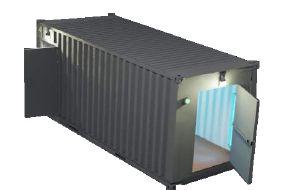
Delta 9 Cannabis Inc. has developed a new proprietary decontamination unit to help fight potetial COVID-19 outbreaks in cannabis facilities.
The Decontamination Pod, or D-Pod, is a standard shipping container that is retrofitted to include heating and ultraviolet light technologies meant to kill the COVID-19 virus on large amounts of medical supplies, personal protective equipment (PPE) and other equipment placed inside the chamber.
“This technology could be a game changer for governments, hospitals, and care facilities in the fight against COVID-19,” said John Arbuthnot, Delta 9 CEO. “We are extremely proud of our employees and
partners for bringing this technology to this point and look forward to continuing to do our part in providing solutions to this health crisis.”
The D-Pod’s design borrows from Delta 9’s 320-square-foot Grow Pod unit. Technology for the D-Pod was developed in collaboration with RSR Project Management Ltd., Northern Green Homes Inc. and Connco Electric. It has been tested and validated by BioScision Pharma Inc. and is manufactured by Blue Horseshoe Manufacturing Inc. in Winnipeg, Man.
D-Pods are expected to be sold for $250,000 per unit. For more information, contact Delta 9’s director of pod sales, Kelsey Friesen at kelsey.friesen@delta9.ca. www.delta9.ca
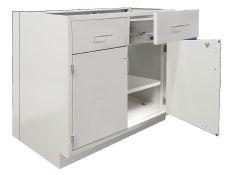
Hemco Corp. offers a new base cabinet unit specially designed for laboratory facilities.
UniLine Casework is a durable solution made of welded 18-guage steel that has a load capacity of 500 pounds per linear foot. The drawers are a 150-pound dynamic slide mechanism that is mounted on welted channel assemblies. The interior is powde-coated steel with an option for a stainless steel interior.
Drawers open fully at 18 inches, has an interlocking drawer head and a one-piece radiused bottom for easy cleaning. Doors are a double-wall construction with an insulated door filler for added rigidity and quiet operation.
Adjustable shelves allow for maximum storage flexibility and cabinet height can be adjusted from 35 to 37.5 inches. Casewok has been independently tested to be SEFA 8 compliant.
www.hemcocorp.com

InMed Pharmaceuticals Inc. has acquired a global license to develop products with its unique eyedrop delivery technology. The Vancouver-based cannabinoid company is working with an opthalmic contract research organization called EyeCRO to create Microemulsion Drug Ocular Penetration System, or MiDROPS, products.
The proprietary platform technology uses lipophilic molecules to the anterior and posterior segments of the eye to deliver sustained levels of cannabinol (CBN) in a stable and comfortable eyedrop formulation.
Clinical studies are currently investigating the therapeutic potential of using cannabinoid eye drops to treat glaucoma and other ocular diseases. But many opthamologists are skeptical because of the potential health risks that could come from the eyedrop delivery method itself.
Some evidence suggests liposomal formulations are an effective method that can successfully penetrate the cornea. www.inmedpharma.com

Stigma Grow is getting ready to launch its own lineup of cannabis extracts.
The Alberta-based cannabis producer has acquired its federal sales licence to bring its products, such as shatter, live resin vape cartridges, budders and waxes, to the legal market.
“We are thrilled to finally be in control of our own destiny,” said Travis McIntyre, CEO of CanadaBis Capital Inc., parent company of Stigma Grow.
“For the past few months, we have relied on our third-party partners to provide a path to market and a house within which we could thrive at a crucial time in our evolution. To that end, we are eternally grateful to CannMart Inc and Namaste Technologies for their assistance when we needed it most.”
Stigma Grow produces its line of hydrocarbon cannabis concentrates from its 66,000-sq.-ft. cultivation facility in Red Deer, Alta. The facility is currently operating a third of its production space as it enters into its Phase 3 expansion that is set to be completed later this year. The company’s CIDI Lab houses one of the only hydrocarbon extraction processing setups in the country. www.stigmagrow.ca
StrainBrain Technologies Inc. wants to build the largest product review database using artificial intelligence technology.
The Hamilton, Ont.-based software company’s newest partnership with Budtenders Association Inc. will give access to thousands of product reviews, verified by expert budtenders on a community platform.
The data will then be used to enhance StrainBrain’s virtual strain recommendation engine with machine learning technology to support both product recommendations and research.
“It’s like having your own personal, professional budtender on call 24/7,” said StrainBrain CEO Andrew Leber. “Using thousands of reviews from expert budtenders – along with our large existing database – our system will be able to provide recommendations that echo those of the best in the business.”
The company recently secured partnerships with two retailers, Stash & Co. and Cloud Cannabis Co., to access the AI Budtender service. www.strainbra.in

Quality
Microbiological
Plant
Disease
Water
Residual
Edibles
Biologicals
Quality















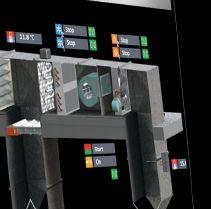



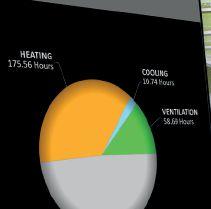
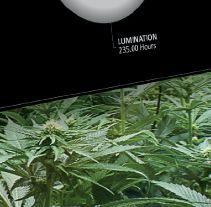





Licensed cultivators know that when it comes to controlling and monitoring their growing environment, a simple, flexible, sustainable control system is crucial. This is why proactive cultivators are turning to Reliable Controls. Our nationwide network of factory-certified
Authorized Dealers will design, install, and commission a comprehensive control system paired with an intuitive, custom-tailored graphical interface. Take command of your precisely controlled environment. Generate tracking reports and analytics. Reduce your carbon footprint while improving productivity, quality, and serviceability.
To learn more about this cost-effective, Canadian-made solution, please contact a Reliable Controls
Authorized Dealer near you.
Canada: 403.561.4148
Canada: 647.982.7412