





By Kirk Hughes
By Greg Bartlett
Laura Aiken
Karen Fry
Randy Schroeder
By
Laura Aiken
Why you’re asking the
By
Joey Cherpin


Fire Fighting in Canada has welcomed a lot of new perspectives in the last year. In the November 2025 issue, Fire Chief Rob Grimwood joined as a new co-author for the Leadership Forum. Rob was also newly joining the Sudbury fire department in Ontario. For this issue, Fire Chief Karen Fry, who helms Vancouver, is debuting as the other new co-author for the Leadership Forum. This column started many years ago and was written during much of my tenure by (Ret.) Fire Chief Matthew Pegg and Fire Chief Chris Harrow. Thank you to the voices of the past, and a very warm welcome to the voices of our future. Chief Grimwood and Chief Fry have unique and experienced perspectives to bring to the conversation and I am grateful for their commitment to write.
Long-time column Volunteer Vision saw the simultaneous author retirement of the duo (Ret.) Fire Chief Tom DeSorcy and Fire
Chief Vince MacKenzie. Tom is still hosting Fire Fighting in Canada: The Podcast , and doing a bang-up job of it to boot. Fire Chief Randy Schroeder has stepped up to the plate to co-author the next advancements in shared experiences and challenges on the volunteer front. Thank you Chief Schroeder for coming aboard and bringing the diversity of your background and success to Fire Fighting in Canada . Stay tuned for the next issue and new voice Fire Chief Darrell Graham of the Alberton fire department in P.E.I.
In December, we hired a new associate editor in Jacob Munro and he’s become an indispensable part of our team; one more lens that is different than mine.
And I so appreciate these new humans in my graces; their thoughts and style, and what they bring to this publication. Diversity is apparent when it comes to gender, sex, or race, but it is inherent to
The Fort McMurray wildfire generated approximately 60,000 INSURANCE CLAIMS
The Union Fire Club of Halifax was established in 1754 and was Canada’s first organized fire department. - HALIFAX FIRE HISTORICAL SOCIETY
totalling more than $4.8 billion in insured damages. - INSURANCE BUSINESS
Canada’s first smokejumping squad was founded in 1949 in La Rouge, Sask., and there are now two teams that operate in B.C. - CANADIAN BROADCASTING CORPORATION
varying degrees no matter those base characteristics. We are all shaped uniquely. This is part of what makes human communication so special and sometimes so difficult at once. Your firefighters all have a story and that story has shaped them into a multitude of worldviews, some more aligned with yours than others. One of the biggest psychological challenges we rise to is negotiating with a worldview that appears to be on another planet, but all those who have been tasked with leading others have found themselves there. It can be challenging, but it is interesting, and often there is a lot to be learned in that place of discomfort.
I hope you enjoy reading these fresh perspectives in Fire Fighting in Canada as much as I have.
LAURA AIKEN Editor laiken@annexbusinessmedia.com
By the end of March, 39 per cent of Canada was classified as abnormally dry or in moderate to severe drought.
- AGRICULTURE AND AGRI-FOOD CANADA
39%
The cost of an average fire truck has grown to over $1 million from the $300K-$500K range it was in the mid-2010s. - INTERNATIONAL ASSOCIATION OF FIRE FIGHTERS
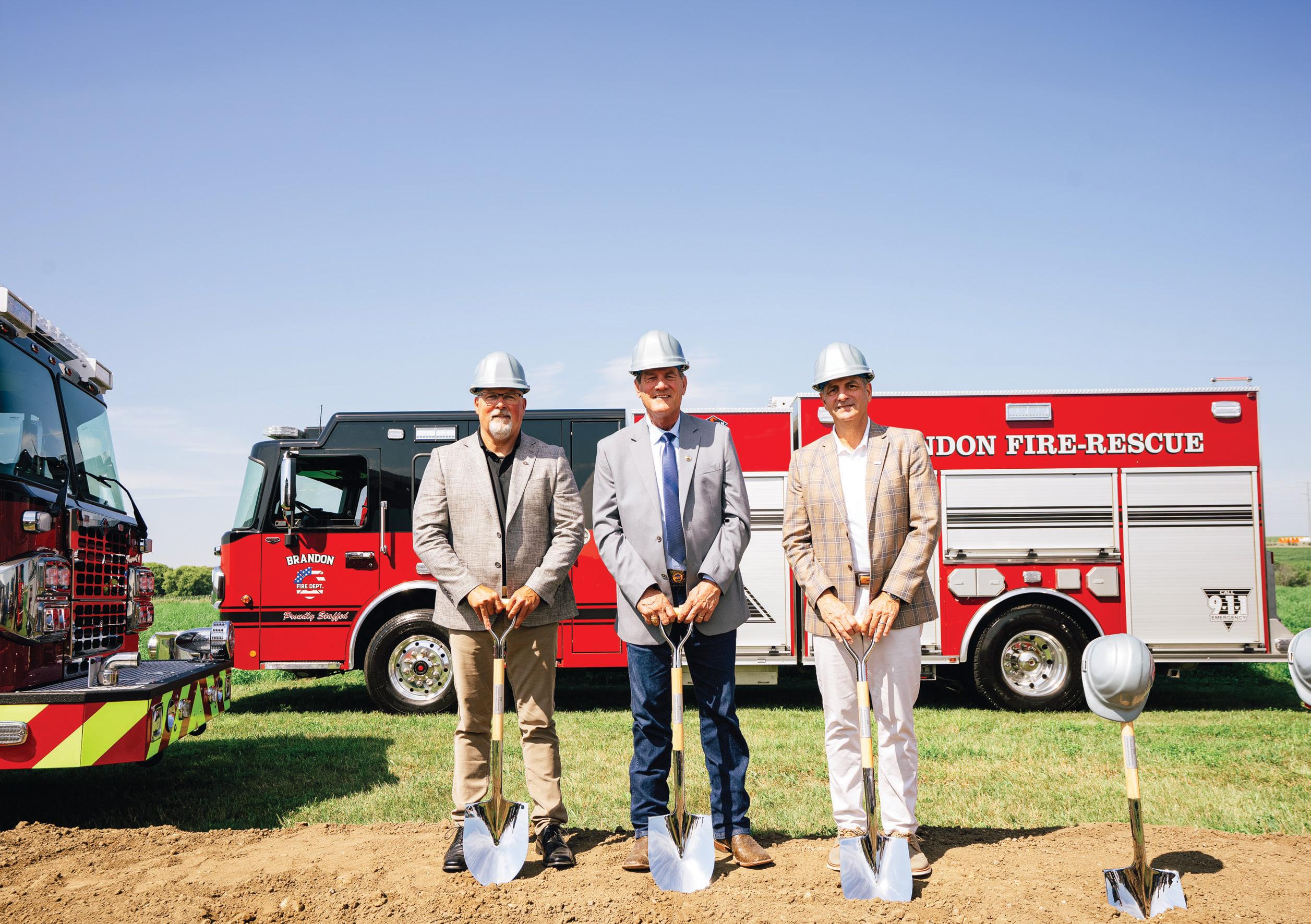
• Reducing fire apparatus delivery times
• Increasing production capacity by 40%
• Adding 56,000 square feet to the existing facility will double the footprint
• Creating new jobs
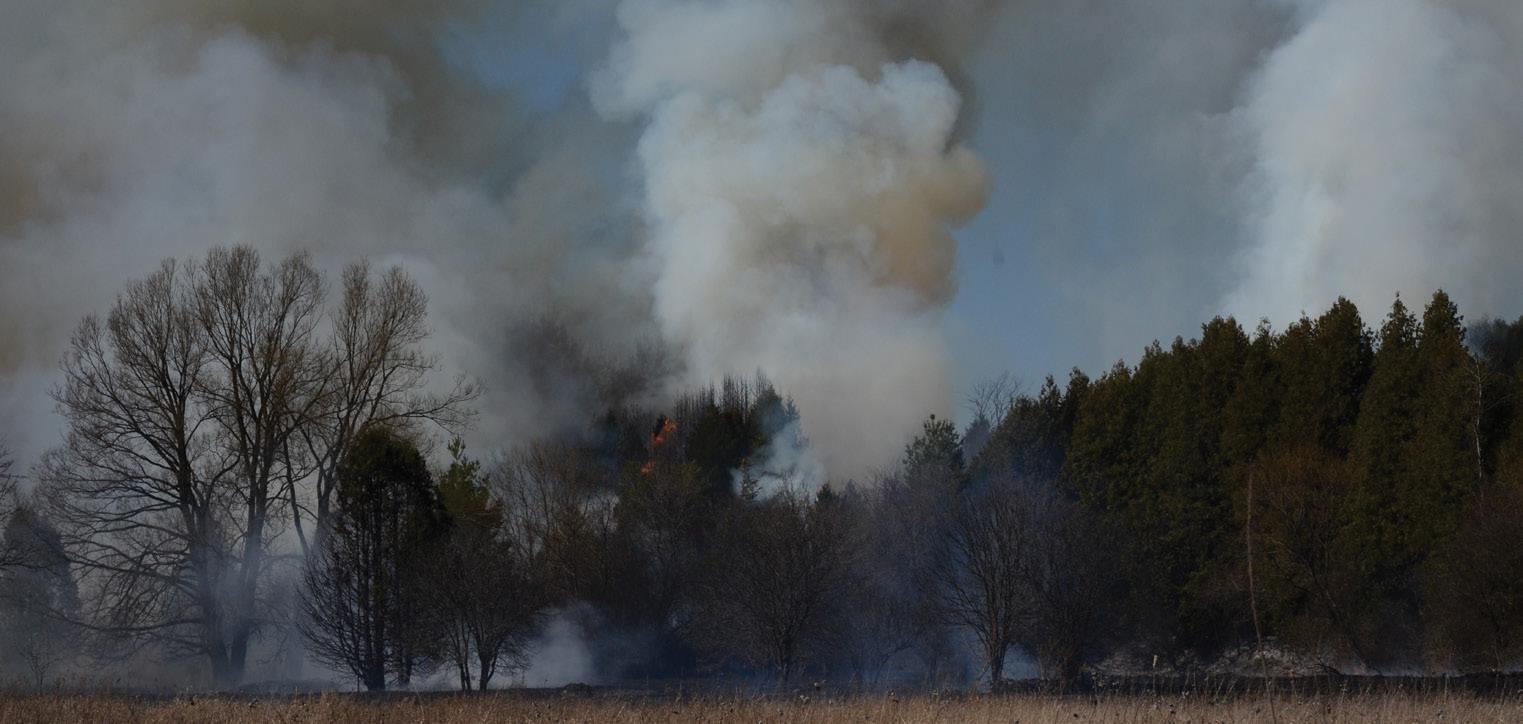
The province of Ontario’s wildfire investment added an additional 68 permanent staff and increased compensation for critical staff, including wildland firefighters, pilots and aircraft maintenance engineers.
“We are ready to protect communities from wildland fires, with all the necessary resources in place,” said Mike Harris, Minister of Natural Resources, in a press statement. “Our government stands behind the wildland firefighters, pilots and support staff that make up our frontline response and we will ensure they have everything they need for the upcoming fire season.”
In addition to the new staffing measures, Ontario, via Natural Resources Canada’s Wildfire Resilient Futures Initiative, is aiming to help enhance local training, education and outreach programs. These measures are intended to ensure communities across the province are equipped with the tools and resources to prevent and mitigate wildfire risks, while advancing science and research projects that share similar goals.
Ontario’s amended regulations under the Wildland Fire Management Act took effect April 1.
Other investments and actions the province has taken to strengthen Ontario’s wildfire program include investing over $500 million to purchase six new Canadian-made De Havilland DHC-515 waterbombers, new and amending regulations under the Wildland Fire Management Act that took effect April 1 to modernize wildlfire management, strengthen compliance measures and protect against the growing threat of wildland fires. Ontario also invested $64 million in 2024 in partnership with the federal government to purchase upgraded equipment and modern wildfire suppression tools, as well as continued training.
Faced with rising costs for fire and emergency services across the province, the Ontario government has also doubled its Fire Protection Grant funding for 2026 from $10 million to $20 million.
Announced as part of the 2026 budget, this funding will support municipal fire departments to expand cancer prevention initiatives and improve emergency response to the risk of lithium-ion battery related incidents.
“The Ontario Association of Fire Chiefs is deeply grateful to the provincial government for providing and increasing the Fire Protection Grant in the 2026 Ontario Budget,” said Fire Chief Jeremy Parkin, president of the of OAFC, in a news release.
“This grant will enable fire departments to implement cancer prevention programs, purchase equipment, and in addition mitigate risks associated with lithium-ion battery incidents. Ontario’s fire departments and firefighters value our extremely positive relationship with the provincial government, and thank them for this important investment, and will continue to work with the government on sustainable funding opportunities for Ontario’s fire service.”
The Fire Protection Grant is available to municipal fire departments for new and existing initiatives. Eligible projects include:
• Equipment, supplies and personal protective equipment that enhance municipal cancer prevention initiatives
• Equipment and supplies for lithium-ion battery incident response
• Minor infrastructure upgrades and modernization, including enhanced broadband and internet connectivity
New research from the University of Waterloo suggests that social media posts from citizens spotting early signs of emergencies can speed up first responder response, but may also lead to unnecessary and costly escalations. The study, which built on previous work that found monitoring social media can help departments identify and react to emergencies faster, reported that there is a very real potential downside where public attention and pressure leads to over-allocation of firefighters and resources.
A Nova Scotia-based educator and expert on electric vehicles developed thermal monitoring stickers that he hopes will reduce fires caused by lithium-ion battery degradation, The Chronicle Herald
reported. TempAlert is an adhesive heatdetecting indicator that will change from black to yellow the moment that a battery’s temperature rises above a safe threshold. Once the sticker has turned to yellow, TempAlert founder David Giles recommends that users take preventative action, such as unplugging the battery or removing it from combustible areas.
Newfoundland and Labrador fire chiefs are welcoming the $7 million that the provincial government earmarked for firefighter training and equipment upgrades. Much of the additional funding will be put towards readying fire departments for wildland fire fighting. The funding includes $1.7 million for 3,400 sets of wildland coveralls, $2.9 million for P25 portable radios, $310,000 for sprinkler trailers, $90,000 in wildfire training, and more.
The Manitoba government released its 2025 Wildfire Interim After Action Review (AAR), which details key actions that are
underway to strengthen the province ahead of the 2026 wildfire season. These include providing a $1.2-million upgrade to the Manitoba Wildfire Service’s weather information and fire mapping systems, creating a new initial attack and fire base in the Thompson area in northern Manitoba, adding 19 firefighters and converting 15 term emergency-management staff to new, permanent positions, and more. The full report will be released this fall.
Rosenbauer America is making a $25 million investment in its Minnesota campus, which the company stated will help increase long-term production capacity, customer support, expand operational space, and support the growing needs of fire departments across North America. Construction is scheduled to begin in 2026 and be operational in late 2027.
The Northwest Territories government is now accepting applications for the territory’s 2026/27 Community Wildfire
Resilience Contributions program. A total of $1.6 million will be made available to communities, with a maximum of $300,000 per applicant. Applications will be accepted until the funding is fully allocated.
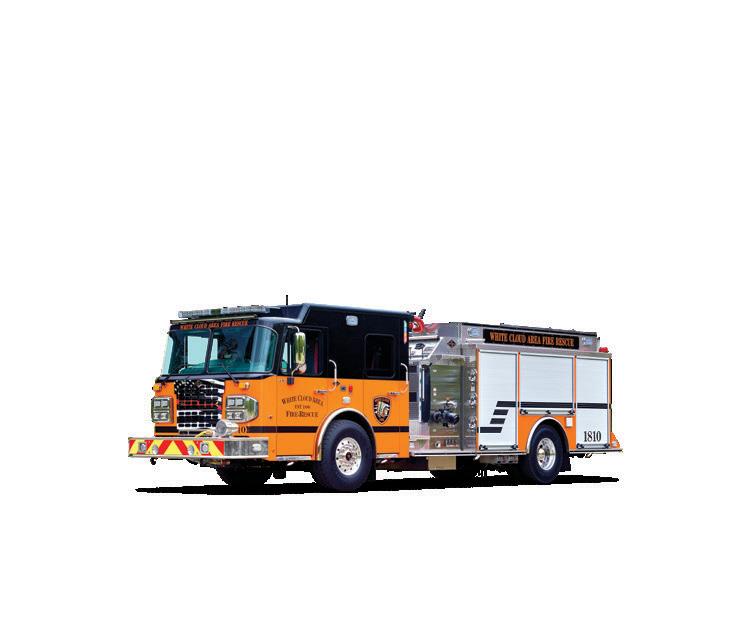
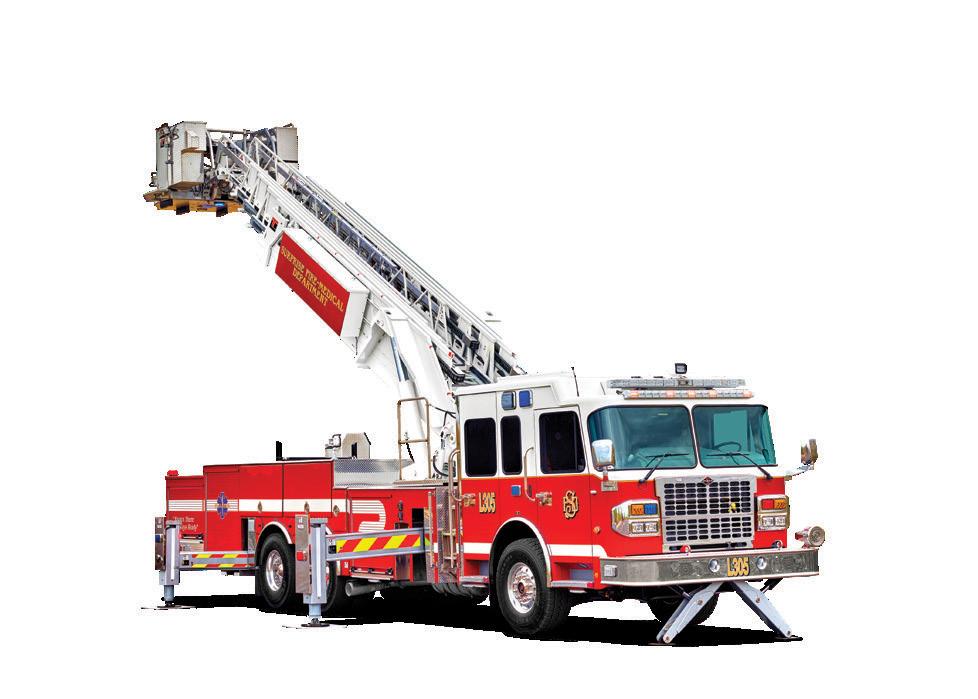
Pierce Manufacturing announced the successful launch of the first phase of its new high flow production line at the company’s Appleton, Wis., manufacturing campus, intended to modernize the custom chassis assembly process. The High Flow Line represents another major milestone in Pierce’s multi-year modernization initiative and ongoing $150 million investment across manufacturing facilities in Wisconsin, Florida and Tennessee designed to expand production capacity, improve quality and reduce fire apparatus lead times.
1200 Degrees Ontario invested $6 million in a new facility in Burford, giving the E-ONE dealer and multi-brand rep a larger space for aerials and more room for repairs.
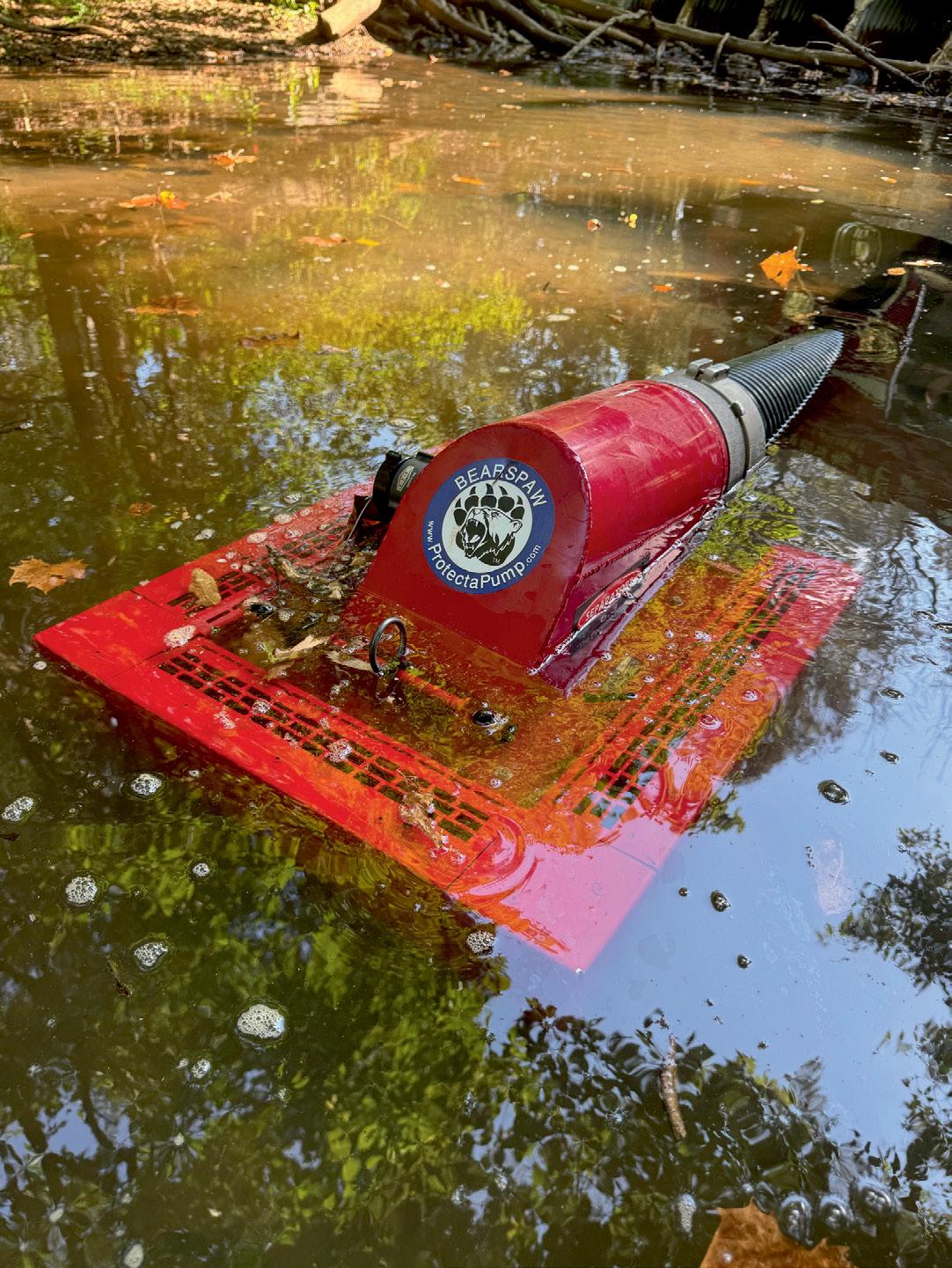
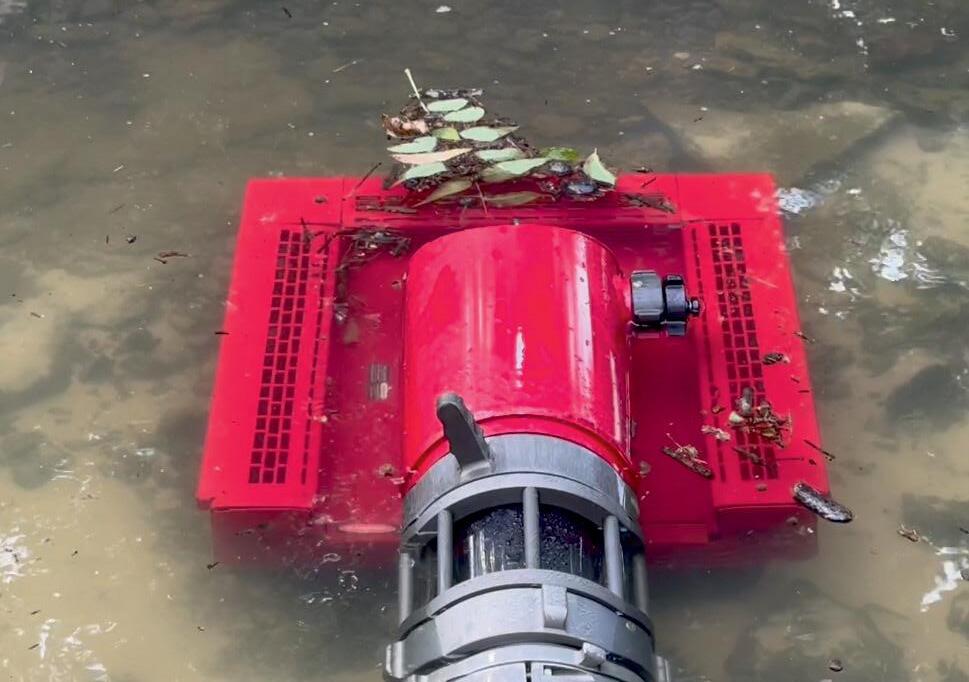
Not floating... Drafts on the bottom in 10-inches of water, No lost prime, grit, or debris in your pump, tank, or nozzles
“…a game‑changing drafting appliance … Operates on a completely different principle: separation technology”
— Andy Soccodato of The Water Thieves (in Fire Apparatus Magazine)

Note:
This is not a Strainer, it’s a Separator.

Thunder Bay has selected DAVE TARINI to serve as the city’s next fire chief. A veteran firefighter with over three decades of experience, including 13 years fighting wildfires, Tarini originally joined Thunder Bay Fire Rescue in 2003. He recently held the roles of deputy fire chief and acting fire chief, while also having served on the executive board of the Thunder Bay Professional Firefighters Association.
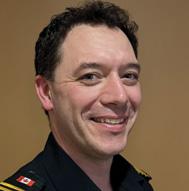
After an extensive recruitment process, Prince Edward County Fire and Rescue named PATRICK HOWE as the department’s new fire chief. After originally joining as a volunteer firefighter in 2012, Howe progressed upwards through the service in a variety of roles, including his most recent position as acting deputy chief.
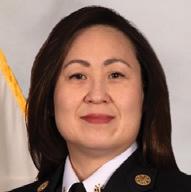
Toronto Fire Services has named THERESE CHEN the department’s new deputy fire chief of administrative and mechanical services. Chen comes equipped with over 18 years of experience in business administration, financial management and procurement, while also having served TFS for the last 11 years.
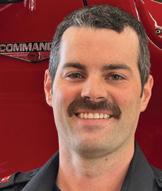
COLE DALES is Meaford’s newest deputy fire chief, bringing 14 years of experience to the position. Dales began his career as a volunteer firefighter in Walkerton and spent four years with Ontario Power Generation’s emergency response team at the Pickering Nuclear Generating Station. He also spent six years with the Ontario Provincial Police as an auxiliary constable and served the past five years as an instructor with the Ontario Fire College.
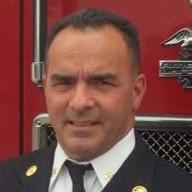
After operating without one since November, the City of Cambridge appointed DAMOND JAMIESON as its new fire chief. Jamieson has served with the Cambridge Fire Department for over 30 years in a variety of
roles and was a police officer for the Peel Regional Police prior to joining the fire service.
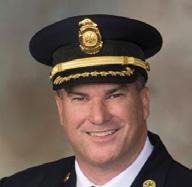
The Town of Stouffville in Ontario made MIKE DOYLE, formerly deputy chief, the municipality’s fire chief after over two decades of service. Doyle, a certified emergency management coordinator, initially joined the Stouffville department in 2025, holds a fire and emergency services diploma from Humber College, and has completed the Ivey Academy Executive Municipal Leadership Program.
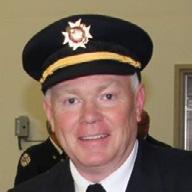
Tim Mamye is out and TIM JENKINS is in. The City of Charlottetown announced that Jenkins has been named interim fire chief for the Charlottetown Fire Department on a six-month term, during which time the city will conduct a formal recruitment process to find a permanent replacement. Jenkins has served with Charlottetown for 38 years and had been a captain since 2010. The city did not say why Mamye left his role.
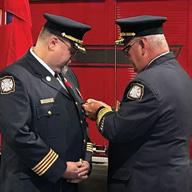
After serving as Centre Wellington’s acting fire chief since March, JASON BENN impressed the municipality enough to earn a promotion and become the town’s newest permanent fire chief. Benn brings over 25 years of fire service experience to his new role, including 18 years in leadership positions, and has reportedly provided leadership across fire suppression, prevention, investigation, public education, and emergency management in his roles throughout the years.
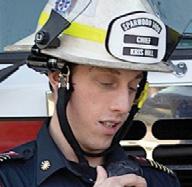
KRIS HILL has ascended to the top job at Kananaskis Emergency Services and brings over 16 years of firefighting experience with him. Originally from Vancouver Island, Hill started in the fire services as a volunteer on the island when he was 16 years old before making his way across B.C. and Alberta to Kananaskis County. He officially took over as fire chief in March.
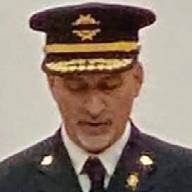
The Regional District of Okanagan-Similkameen has instituted a new position titled manager of regional fire services and has brought in former fire chief TONY IANNELLA to head the new role. Iannella has served in the Willowbrook Volunteer Fire Department for the last 15 years and spent several years as its fire chief. In his new position, Iannella will be responsible for implementing policies, programs, and projects as well as supporting rural fire chiefs, mutual aid partnerships, and participating as a member of the district’s emergency management team.
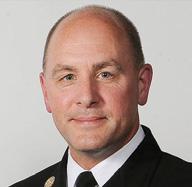
Winnipeg Fire and Paramedic Chief CHRISTIAN SCHMIDT is set to retire this summer after almost 33 years of service with the Manitoba capital. Schmidt joined the city in 1993 and served in a wide range of roles throughout his career, including paramedic, communications officer, assistant platoon chief, assistant chief, and deputy chief. He will officially retire on July 3.
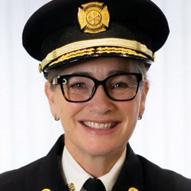
Fire Chief KAREN FRY has announced her plan to retire on July 31 from the Vancouver Fire Rescue Service after 26 years in the fire service. Fry has served as Vancouver’s fire chief for the past 5 years and previously served as fire chief for Nanaimo Fire Rescue and as deputy fire chief for Surrey Fire Services.
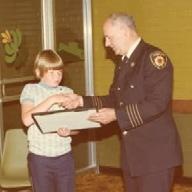
The town of Cobourg has lowered its flags to half-staff in honour of HARRY GREER, the municipality’s fire chief from 1971 to 1990, who passed away at the age of 97 on March 29. Greer served 37 years for the Cobourg Fire Department and was widely regarded as a foundational figure in shaping the culture and professionalism of the department. He originally began his fire fighting career as a volunteer in 1952.


By Kirk Hughes
There are plenty of challenges facing the fire service in Canada today, everything from recruitment and retention, to the rising cost of equipment and apparatus, right down to the demands of training and emerging technology. Lost in the maze of concerns is a growing risk potentially impacting every municipality, and that is governance – notably in the field of Levels of Service (LOS).
Arguably, the concept of establishing formal documentation surrounding LOS is relatively new for most agencies, with the understanding that the fire service routinely deals with a variety of emergencies, especially fires, and they do so based upon experience and adherence to established principles, often gained through past precedent and historical knowledge. Over the last few decades, in urban departments often staffed by career firefighters, the concept of having recognized policies outlining the type of services provided by a fire service to its residents in correlation with an accepted third party standard took hold. Eventually, as communities grew and information sharing became more common, the concept of setting out what a local fire department would be willing to do inline with the standard, often the National Fire Protection Association (NFPA), became the accepted rule across Canada.
In some parts of the country, a set LOS is dedicated by a provincial authority. This was recently seen in Nova Scotia as well as Saskatchewan, which in 2022 released the Fire Service Minimum Standards guide that focuses on critical components such as suppression,
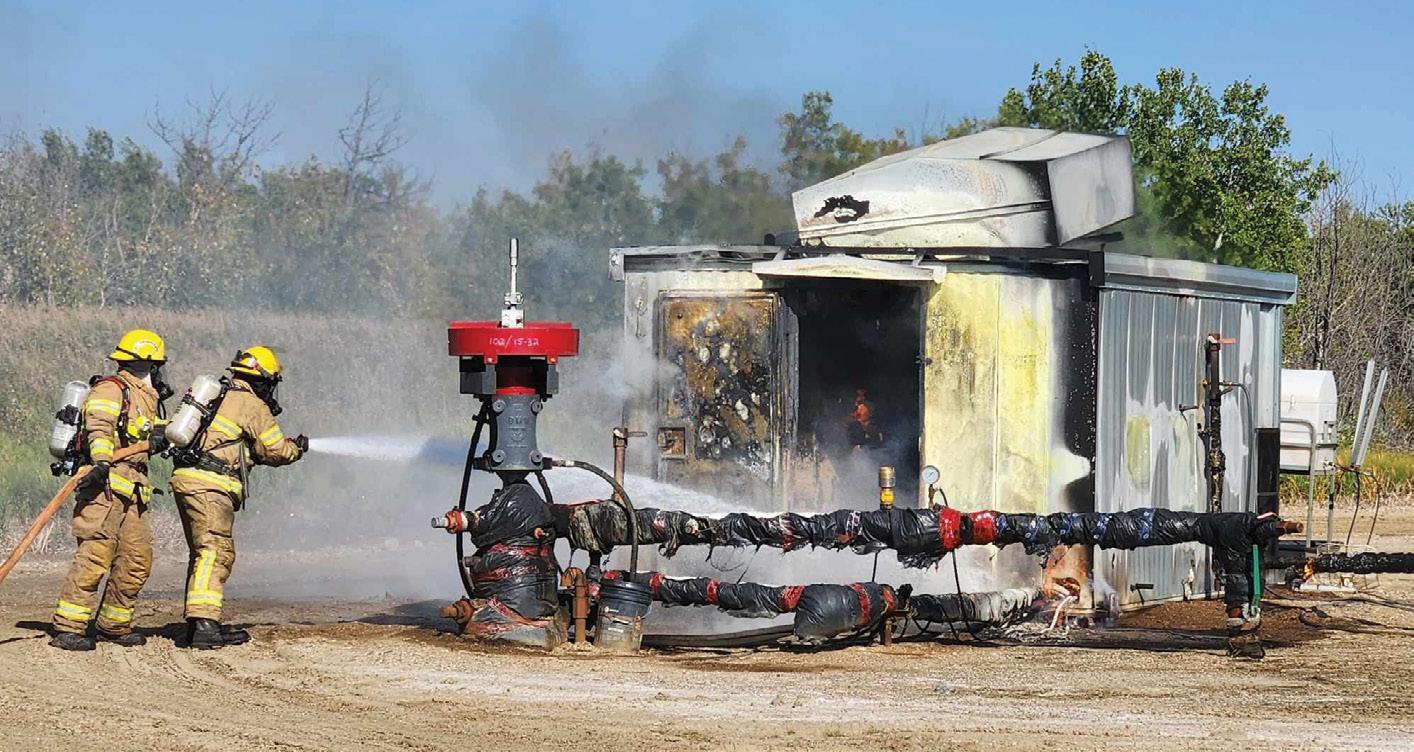
BELOW Industrial fire fighting is an example of a service that can be provided depending on the risk assessment of a community dependent on training and equipment.
training and fire prevention. These guidelines assist the fire service in drafting their levels while helping elected officials and administrations understand the rationale and benefit for having the level entrenched in municipal legislation.
An LOS is meant to define the specific emergency response capabilities reasonably expected of the fire department, with variances for staffing models. They are also influenced by regional risk assessments, coupled with the level of training required to safely meet those expectations (often categorized as awareness, operations and technician) and captured in policies or a bylaw dictated by municipal council. For example, a First Nations community in the Northwest Territories would likely not need a level of service for highrise operations but may require a service standard for airport emergencies, given that most communities there are linked through air travel.
To begin the process of establishing a formal LOS, the starting point is often an honest look at the current capabilities of said fire service, including an understanding of the existing staffing model, certified training, modernized equipment (such as self-contained breathing apparatus) and the effectiveness of said model in delivering that service. The first thing usually defined for any fire service is, of course, what level of fire suppression can be provided. To determine this, consideration should be made to acknowledge what competence exists at that moment in time for the department’s firefighters to perform interior or exterior operations. From there, the decision must be made; what is the acceptable minimum standard being offered on defensive or offensive operations? Again, this decision must be made by weighing the availability of personnel, their level of training, and the state of current equipment.
For reference, a defensive operations level entails confining a fire
to the structure of origin and preventing the danger from spreading to adjacent structures by covering exposures while actively attempting to extinguish the source of the fire. This doesn’t mean interior operations are not considered, it just means that the Incident Commander (IC) must make a calculated assessment of trained personnel (that are trained for interior work and qualified to enter a structure) and weigh risk versus reward.
Offensive operations consist of a department’s “consistent ability to engage in internal fire fighting,” which involves entering a structure and extinguishing the seat of the fire. This level is often attributed to departments, both career and volunteer, that have solid turnout numbers, certified training and equipment, and a mandate to perform these hazardous tasks.
Wildland is sometimes mentioned at this stage but should be considered a sole service level added to any LOS regardless of interior or exterior designation, provided that a minimum training standard is followed.
Following closely behind the decision to either be a defensive or offensive level operational department is the concept of providing “full service,” which includes additional duties such as rescue, dangerous goods mitigation and medical response. This package often means that the fire department is well trained, well equipped and meets standards a vast majority of the time – all key considerations on accepting this standard.
A caveat here is that the LOS is designed to state the minimum standard of fire suppression a fire department is willing to provide. This doesn’t preclude providing a higher level of service if properly trained members are on scene at a response.
Taking all that information into account, and almost in conjunction with that, a determination needs to be made on the other emergency incident responses that are willing to be undertaken, such as motor vehicle collisions, medical aid and technical rescue. To name a few jobs outside of just dealing with fires.
Creating a list of call types, and the level to which the responders will meet to respond to those needs, aids in capturing what the roles are within a LOS. A good reference can be found in either NFPA 1710, the Standard for the Organization and Deployment of Fire Suppression Operations, Emergency Medical Operations, and Special Operations to the Public by Career Fire
Departments, or NFPA 1720, the Standard for the Organization and Deployment of Fire Suppression Operations, Emergency Medical Operations, and Special Operations to the Public by Volunteer Fire Departments, (depending on the staffing model being utilized). These cover important factors that need to be considered, such as response times, personnel levels required per emergency, and operational requirements to manage
those incidents. These two standards are often referenced when completing a detailed LOS assessment as they provide for the safe and effective delivery of services within an accepted international standard. This is important as it provides guidance when creating a LOS, as well as limits liability when adhered to.
Some additional factors to consider when determining your department’s LOS policy:

EMERGENCY SERVICE
Fire Fighting - Structural Technician NFPA 1001/1010
Fire Fighting - Vehicle Fire Technician NFPA 1001/1010
Fire Fighting - Wildland/Urban interface Technician NFPA 1051/1140
Fire Protection - Other Operations NFPA 1001/1010
Medical Response Standard first aid Alberta 1 Health Services 2
Motor vehicle collisions & vehicle extraction Operations Level NFPA 1001/1010, NFPA 1006
Hazardous Materials Response Operations Level NFPA 472/10/2
Ice Rescue Operations Level NFPA 1004
Angled Rescue Awareness NFPA 1001/1010, NFPA 1006
Confined Space Rescue Awareness NFPA 1001/1010, NFPA 1006
Machinery/Agricultural Rescue Awareness NFPA 1001/1010, NFPA 1006
Power Lines Down/Electrical Hazards Awareness ATCO
Structural Collapse/Urban Search & rescue/Trench Awareness NFPA 1001/1010, NFPA 1005
Fire Investigations Awareness NFPA 1001/1010, NFPA IC33
Fire Prevention/Inspections Awareness NFPA 1001/1010, NFPA 1031, Safety Codes
Public Fire Safety Education Awareness NFPA 1001/1010
Disaster Services* Awareness Alberta emergency management
the geographical size of the area being covered (including remote and hard-to-access areas), availability of firefighters during certain times, such as daytime hours, and access to water sources.
Moving on, after a list of additional duties is compiled, those duties could be assigned into one of three categories; awareness, operations and technician.
Awareness is the most basic response level, meaning first responders will attend a call for service and identify risks and hazards with the aim of either mitigating them within their capabilities and/or calling for additional specialized crews to assist. This is often the cause when dealing with hazardous materials. Although the responding fire department may be trained to the acceptable NFPA standards, the scope of
the involved dangerous goods and the severity of the situation may prompt a call to more advanced hazmat teams.
Operations level is a bit more specialized, often meaning the responding fire department has the necessary skills and equipment to handle most incidents they encounter, but may need to occasionally call for assistance in situations based on severity and scope of the incident.
Think grassfires – most can be handled by a municipal fire department; however, large scale wildfires often need coordinated assistance from inter-department agencies like Alberta Wildfire.
The “Technician” level just means that responding first responders have the equipment, skills and abilities to effectively bring an incident under control and to a conclusive end with little outside need for assistance. For
LEFT An example table depicting Levels of Service with relevant standards.
reference, most fire departments can handle vehicle fires, and as such, the LOS potentially for that task would likely fall into this category.
To enhance clarity, these categories could be tied to a training standard to better explain what the LOS will achieve. For example, if a medical response is on the list of services to be provided, and that service will be provided at, say, the Operations Level, then the training tied to that level ought to reflect that – meaning that the training standard should be higher than standard first aid (awareness level), but less than pre-hospital care (technician). Most departments would slot “operations level” medical response into a medical first responder training standard.
The ultimate goal of a set Level of Service is two-fold; to provide operational clarity to responders to ensure they are working within an accepted scope of practice based on their skill, training and equipment, and to provide the best service to residents in line with public safety while limiting risk and liability. It doesn’t have to be overly complicated or limiting but should capture the goals of the municipality regarding how they want this service to be delivered. Because in the end, it’s about more than equipment, training and calls – it’s about keeping our communities safe.
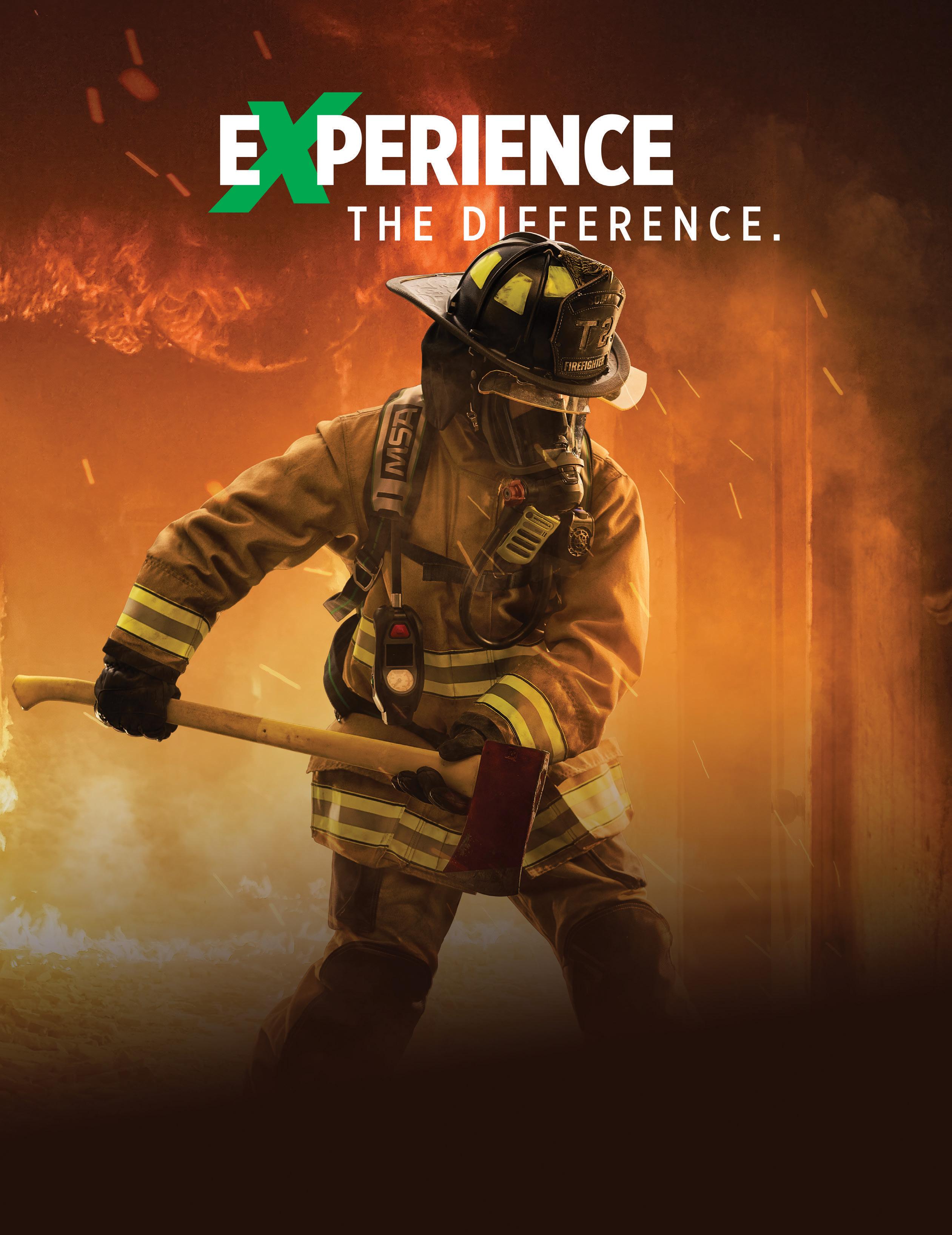
The Globe® G-XTREME® PRO Jacket builds on Globe’s legacy of innovation with enhanced mobility, comfort, and fit.
To learn more and request a demo, visit MSAfire.com/gxtremepro
By Karen Fry, Fire Chief, Vancouver
At the end of the day, leadership isn’t measured by how loudly we give direction, but by how consistently we stand beside our people. If we care for them as humans first, they will always rise to the job. That is the fire service I believe in.
Early in my career, I watched a young lieutenant notice something that most people would have missed in a young firefighter sitting quietly at the kitchen table after a tough call, staring into a cup that had long gone cold. No questions were asked in that moment. No lessons delivered. The lieutenant simply sat down, poured a fresh coffee, and said, “That one sticks sometimes.” They stayed there a few minutes, talked about nothing in particular, and then carried on with the shift.
There was no rank displayed, no formal leadership training applied. Yet it was one of the most effective moments of leadership I witnessed. It was care, expressed softly, in real time.
When many of us think back to officer training, we remember the structured lessons on leadership styles – autocratic, democratic, coaching, transformational, laissez-faire – and the consistent reminder that leadership is situational. How we lead on a working fire is not how we lead through a difficult conversation at the firehall.
At that time, the framework made sense. And it still does. But it’s worth asking ourselves an honest question: is what we learned then still enough for the world we are leading in today?
Situational leadership taught us to recognize context, to adjust our approach based on risk, experience, and environment. Traditionally, the fire service leaned toward directive leadership. There is real value in that structure, and there always will be moments when decisiveness matters most.
But leadership does not live only on the fireground. Much of it happens quietly, day to day, through relation-
ships. And this is where we’ve seen an important shift.
If we are honest, more fire departments describe themselves as teams, and if that is truly the case, teams need more than direction; they need trust, support, and care. Coaching and transformational leadership styles have helped foster healthier, more connected fire service cultures, not by weakening authority, but by strengthening relationships.
We see this kind of leadership all the time. An experienced firefighter takes extra time to work alongside a newer member, walking through equipment checks, practicing ladder raises, or tying knots until the task becomes second nature. No pressure, no ego. Just presence and patience. Those moments build confidence, belonging, and pride in ways no policy ever could. And honestly, they warm my heart.
We often hear people speak about the “new generation” of firefighters and how they are different. What we really mean is that they are not the same — we raised them differently. We encouraged our youth to speak, to question, and to believe their ideas matter.
When we emphasize listening in the fire service, we should ask ourselves if we are applying that value consistently, or only downward. People want to know that their experiences matter. While consensus isn’t always possible, or appropriate, it matters when officers explain decisions, invite input when they can, and show respect for the people they lead. That effort builds trust, even when tough calls must be made.
Many of us grew up with the phrase “two ears, two eyes, one mouth.” I still cringe when I hear it, not because listen-
ing isn’t important, but because it often gets directed only at newer members. In truth, listening is critical for all of us. Leadership improves when we remain open to learning long after the helmet changes colour.
Today’s leaders operate in a world described as VUCA — volatile, uncertain, complex and ambiguous. We feel this in the fire service every day through emerging hazards like lithium ion batteries and electric vehicles, changing building construction, shifting community expectations, and growing mental health demands. All of it requires leaders who are steady, flexible, and thoughtful.
VUCA isn’t something to resist. It’s something to lead gently through.
When the world feels volatile, firefighters look to leaders for vision and for clarity of purpose. What do we stand for? What guides our decisions? A clear vision grounds people when everything else feels unsettled.
Firefighters value fairness and consistency. Leaders who explain the “why,” listen carefully, and stay aware of the emotional climate of their teams build trust, and trust makes change easier to navigate.
Complexity asks us to keep things simple. Clear expectations, plain language, and thoughtful priorities help people focus on what truly matters. Leadership isn’t about having all the answers; it’s about not adding confusion.
Ambiguity may be the hardest of all. Today’s officers must be nimble, curious, and comfortable saying, “Let’s try this and learn together.”
Practical steps make a difference: creating psychologically safe environments, supporting physical and mental resilience, and committing to lifelong learning. Our firefighters, especially our newest members, notice when leaders genuinely care about them.
Leadership in the fire service has always been about responsibility. Today, it is also about care. The future will continue to change. What does not have to change is how we show up for our people.
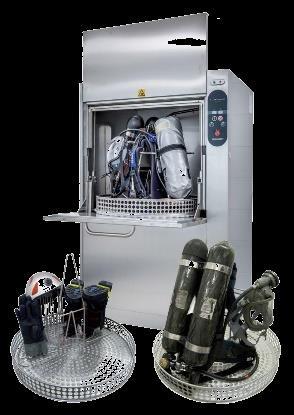
The Solo SCBA Decon/Washing machine was designed and built for one purpose only…to protect Fire Fighters from Cancer causing agents found in the Smoke and residue left on their SCBAs. As an added bonus it can clean Gloves, Boots and Helmets. In addition, it substantially lowers the time spent decontaminating firefighter equipment. The SOLO is the only SCBA decon machine that meets both NFPA and CSA standards.

✓ REDUCED HEALTH RISK
✓ SAVES TIME 2/PKS IN 8 MIN
✓ EASY TO USE

✓ 10 YEAR WARRANTY

Qualified by MSA, SCOTT, DRAEGER & INTERSPIRO for cleaning their SCBAs.



WASH/DECON TWO SCBAs







In 8 minutes. Also cleans, boots, gloves and helmets. Requires no extra scrubbing. The SOLO does it all.

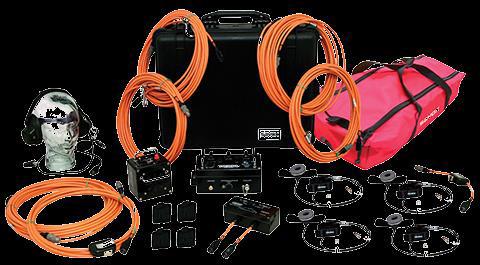
Savox Hardline Rescue Kit 1 with Power Talk Box is our best selling technical rescue confined space kit It is designed for simultaneous, twoway voice communications between the rescuers and the victim Rescuers use it where traditional radios fail or when hands-free, secured communications are required
Attendants communicate with entrants and monitor their safety The backup team can also listen to the entrants’ rescue and be ready to relieve them
The power talk box is a portable intercom system that is dropped down the hole before entry to determine a victim’s condition
The whole system and accessories are waterproof The rugged molded fiberglass enclosures, all external knobs, and signal cables with their military connectors are impervious to a wide range of acids, alkalis, fuels, and other corrosive chemicals including Skydrol All of the above coupled with a highest level of intrinsic safe approval is why you can trust them with your life
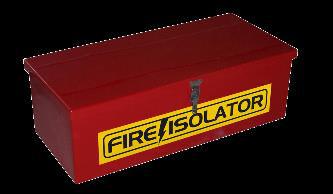
FIRE ISOLATOR is a concept for isolating and fighting EV car fires based on best practices and live testing In general, there is not one single solution to extinguish or control EV car fires, as all firefighters who have dealt with these types of car fires will be able to confirm Effectively isolating and fighting EV car fires takes several different methods because of the lithium-ion batteries on board EV cars The EV car may need to end up submerged in water in a container, but with the FIRE ISOLATOR concept, there is a lot that can be done beforehand to minimize the damages Fighting EV car fires with the Fire Isolator concept has been thoroughly tested and proven to be effective




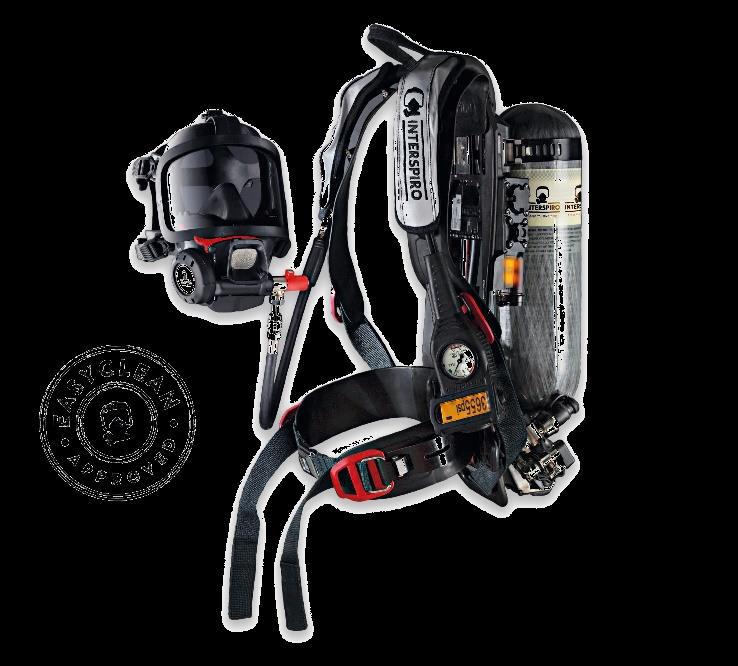
CANADIAN SAFETY EQUIPMENT IS PROUD TO BE A DISTRIBUTOR FOR THE INTERSPIRO RESPIRATORY PROTECTION LINE. THEIR STATE OF THE ART S9 INCURVE IS ONE OF THE MOST COMFORTABLE SCBAs YOU WILL EVER WEAR. THE INCURVE HAS A UNIQUE EASY TO CLEAN HARNESS FOR EASY DECON


GIVE US A CALL AT 0182 OR EMAIL US AT INFO@CDNSAFETY. COM
No company has a richer history in respiratory protection than Interspiro. Their innovations have become industry standards, time and time again.
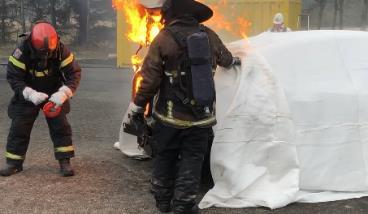
Fighting vehicle fires is inherently dangerous, but electric and hybrid vehicles pose additional challenges to responding crews.
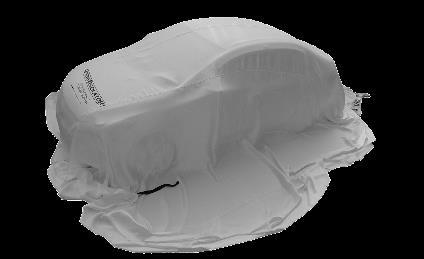
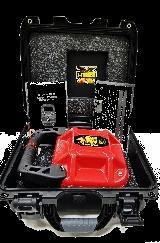
The Fire Isolator blanket, when used with the FlameGuard Fire grenade is an Excellent method of getting an EV fire under control. The blanket can be washed and reused a number of times.
As per NFPA guidelines and EV manufacturers’ Emergency Response Guides, firefighters are instructed to deliver copious amounts of water directly onto the battery case to prevent thermal runaway and aid in extinguishing the fire But with the majority of EV batteries located underneath the vehicle, it’s extremely difficult and demanding on manpower to achieve using the nozzles currently available to the fire service
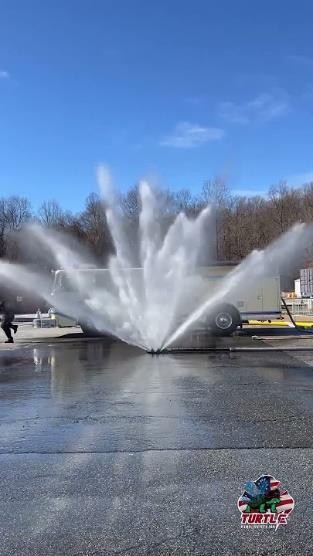
The Turtle Fire System is engineered to operate safely, reliably, and effectively under a burning vehicle all while delivering 500+ GPM directly onto the battery cell
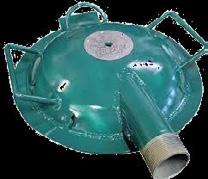
• New quick replace one
In Canada’s railway emergencies, outcomes are often determined before the system fully arrives. For fire service leaders—especially in rural communities—the first hour is where leadership defines success or failure within a system that has not yet come together.
On Sept. 15, 2018, conductor Kevin Anderson went to work like thousands of railway workers do every day and expecting a routine run through northern Manitoba. What he encountered instead was a failure no one on scene could see.
Floodwaters had silently washed out the track near Ponton. From the cab, there was no warning—no visible sign of danger—only rails suspended over empty space. In an instant, the locomotives left the track. Steel twisted. Fuel spilled. The train came to rest in a remote, unforgiving landscape.
Kevin Anderson did not make it home.
His crewmate survived, but only after hours of waiting for rescue in conditions defined by distance, isolation, and delay. Help was coming, but not fast enough to change the outcome.
The investigation that followed revealed more than an infrastructure failure. It exposed gaps in preparedness, coordination, and the ability to respond effectively in remote environments. Plans existed. Resources existed. But in the critical early moments, the system had not yet come together.
This is the reality of the first-hour vulnerability.
When a train derails in Canada, the cause is only part of the story. What ultimately determines whether the incident is contained or escalates into a catastrophe is often decided in the first hour, long before the full weight of the emergency management system arrives and begins to function as a coordinated whole.
The first-hour vulnerability is the period between incident occurrence and full system integration—a gap where local responders must act with limited information and constrained resources.
For Canada’s fire service, that reality is forcing a shift in how leadership is understood.
Railway emergencies are no longer isolated technical failures. They are increasingly complex, cascading events shaped by extreme weath-
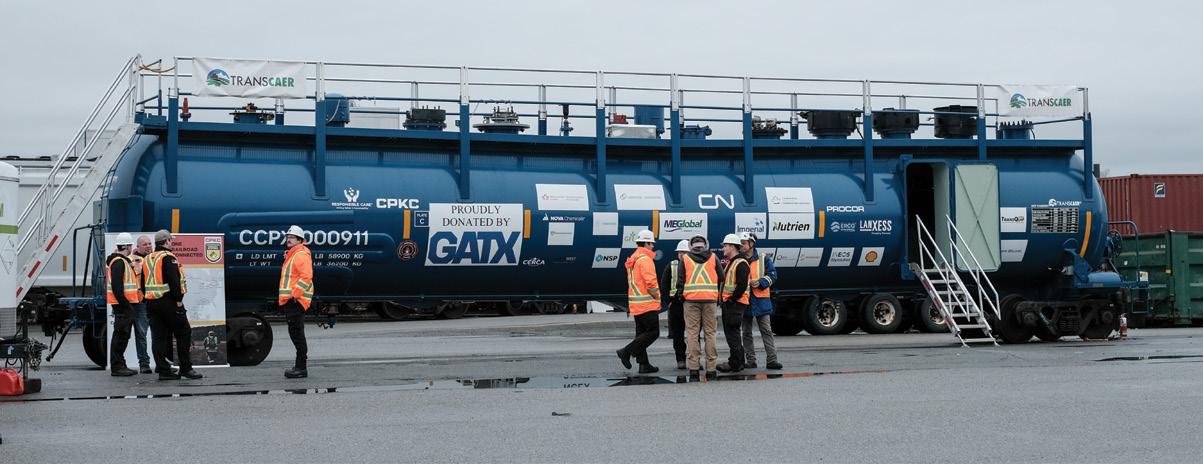
er, aging infrastructure, and fragmented coordination across multiple agencies. Incidents such as the Lac-Mégantic rail disaster demonstrated the devastating consequences of derailments involving dangerous goods, but the broader lesson extends beyond any single event: risk has changed—and so must leadership.
A critical but often underappreciated dimension of this risk is the rise of Na-Tech (Natural Hazard Triggering Technological) disasters, which are events where environmental forces initiate or amplify failures in technological systems.
Canada has already experienced multiple examples of these compounding risks.
In 2017 and 2019, severe flooding in parts of Manitoba and New Brunswick washed out rail beds and undermined track stability, forcing service disruptions and creating conditions where derailment risk increased significantly. These were not isolated infrastructure failures; they were environmental triggers acting on vulnerable systems.
Similarly, during the 2021 wildfire season in British Columbia, fires burned near key rail corridors, disrupting operations, damaging infrastructure, and limiting physical access for responders. In several incidents wildfire conditions constrained visibility, mobility, and communication, factors that would directly complicate any concurrent derailment or hazardous materials incident.
Perhaps the most striking example came later that year, when extreme rainfall triggered landslides and widespread infrastructure failure across southern British Columbia. Rail lines were severed, supply chains halted, and entire corridors isolated. While not a single derailment event, the cascading infrastructure disruption demonstrated how quickly natural hazards can overwhelm transportation systems and create conditions where emergency response becomes fragmented and delayed.
These are not independent risks—they are compounding ones.
What makes Na-Tech events particularly dangerous is that they compress time and degrade information simultaneously. The triggering hazard is often poorly understood in the moment, while its downstream effects—derailment, hazardous materials release, fire—unfold rapidly.
This complexity is most acute in the first hour.
Before environmental assessments are completed, before railway specialists arrive, and before hazard data is fully verified, local responders are forced to interpret incomplete and sometimes conflicting information. A washout may not be immediately visible. A hazardous cargo may not yet be confirmed. Access routes may already be compromised by the same hazard that caused the incident.
In this way, Na-Tech events do not just increase operational difficulty, they intensify first-hour vulnerability, expanding the gap between what is happening and what responders can reliably know.
While Canada’s emergency management system is designed to be layered and comprehensive, it is not instantaneous. In practice, it is fractured, defined by jurisdictional boundaries, organizational silos, and varying levels of capacity that do not always align in the initial phases of an incident.
Much of this burden falls on rural and remote fire departments.
Across Canada, rail corridors run through regions where response capacity is shaped by structural limitations, including smaller crews, volunteer staffing models, extended travel distances, and reduced access to specialized support. These departments are highly capable, but they
operate within constraints that fundamentally shape what is possible in the first hour—particularly in secluded areas with low incident frequency, limited equipment, delayed mutual aid, and minimal staffing.
The result is a persistent imbalance: high-risk, high-consequence incidents met with limited initial capacity.
This is not a failure of preparedness or professionalism. It is a reflection of how the system is built and how its fragmentation is most visible in the first hour.
At the same time, Canada’s major rail operators, Canadian National Railway, Canadian Pacific Kansas City, and BNSF Railway, have not ignored these risks. Over the past decade, they have expanded emergency response assistance plans, funded training programs, and developed specialized teams capable of managing hazardous materials incidents.
On the surface, these efforts signal progress.
However, for many in the fire service, the operational reality diverges significantly.
These resources, while critical, are rarely present in the first hour. They are part of the system that follows, not the conditions that define the initial response. Fire officers on scene must still make immediate decisions before those supports are mobilized, integrated, and effective.
This gap between capability and arrival is where leadership is most exposed—and where the effects of a fractured system are most acutely felt.
Compounding this challenge is the reality of coordination.
Canada’s emergency management framework spans municipal, provincial, federal, and private-sector actors, each with defined roles. On paper, coordination is structured and deliberate. In practice, it is often delayed and shaped by the same fragmentation that defines the system itself.
The early stages of a derailment frequently expose a gap between how response is planned and how it actually unfolds. Fire service leaders operate within that gap, where assumptions about rapid information sharing and seamless integration do not yet hold true.
One of the most critical leadership functions in this environment is establishing control in a way that enables the system to catch up.
For fire departments, this means clearly understanding and exercising jurisdictional authority from the outset and moving immediately to establish a functional command structure. This is not simply about control; it is about creating structure where none yet exists.
It means defining the incident, setting priorities, and building an organization that incoming agencies can integrate into as unified command, rather than one they must construct under pressure.
Done early, this is what brings the system together—not by removing fragmentation, but by actively managing it through leadership. It aligns incoming resources with a common strategy, improves information flow, and creates the conditions for a safer and more effective response.


Leadership in this environment is defined by incomplete information, delayed coordination, and irreversible early decisions.
Effective leaders are not defined by certainty, but by clarity. They prioritize life safety, communicate decisively, and establish control early, often before hazards are fully understood. This includes defining control zones, adopting defensive strategies when cargo is unknown, and building an incident command structure that incoming agencies can integrate into.
They understand that waiting for complete information is not an option—and that early decisions, even imperfect ones, shape the trajectory of the entire incident.
Canada’s rural critical infrastructure emergencies are not going away. If anything, they are becoming more complex as climate pressures intensify and infrastructure continues to age.
The priority remains the same: managing the first-hour vulnerability. Because when the rails fail, outcomes are not determined when the system is at its strongest, but when it is still fragmented, incomplete, and dependent on the decisions made in the first hour.
Greg Bartlett is an emergency management professional with over 20 years of experience in comprehensive emergency management and critical infrastructure resilience across Canada. His experience bridges rural and urban Canada, grounded in frontline service as a firefighter and wildfire prevention officer, and he has held roles with Emergency Management Ontario and the Manitoba Emergency Measures Organization.


Advancing the fire service through innovation, connected solutions, and disciplined manufacturing.
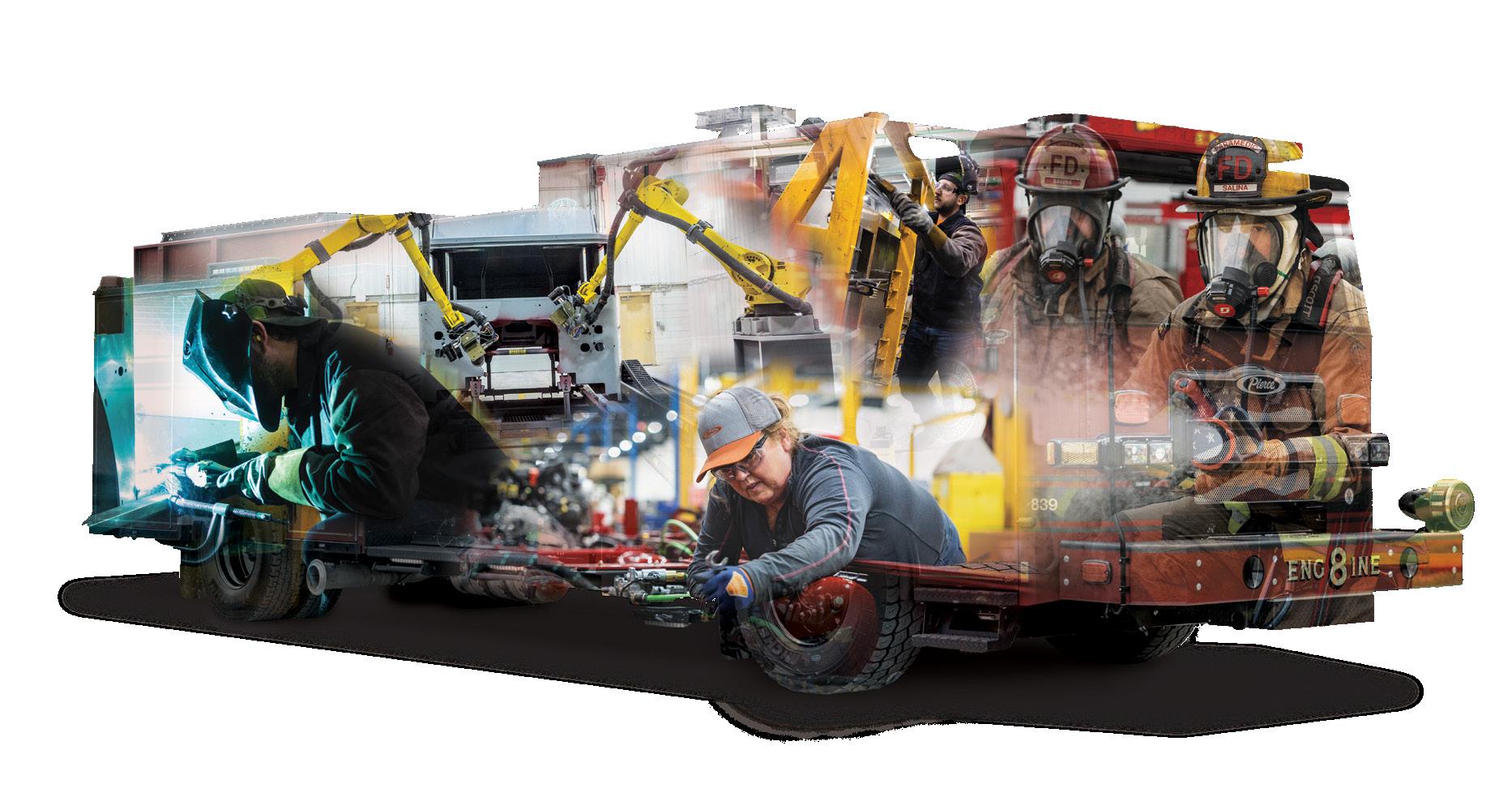
The future of firefighting demands more—more speed, more connectivity, and more reliability. Pierce is driving that future forward by reimagining how apparatus are designed, built, and delivered. Through innovation, connected technologies, and investing in next-generation manufacturing, we’re setting the pace for urgency and excellence—today and for what comes next. The Future Isn’t Waiting. Neither Are We. LEARN MORE: piercemfg.com/expansion

By Laura Aiken
Indianapolis is well worth the jaunt to get there for FDIC International, colloquially known as Indy. This year’s massive fire show ran April 20 to 25, and by massive, I mean 38,027 attendees from 51 countries, over 850 exhibitors, and you sure get your steps in traversing the Indiana Convention Center and Lucas Oil Stadium. Good thing, if you stay downtown, that the nightlife and dining are all very walkable. It’s pretty cool to be out nightowling and notice the venues are full-on ram jammed with your fellow fire family – it sure makes it fun!
This was my first FDIC; the first FDIC was held in Chicago in 1929, migrated around and settled in Indianapolis in 2018, cites Wikipedia. Eric Schlett, executive VP for Clarion Events, who owns FDIC, told Fox News in 2015 that the economic impact was typically $35 to $40 million for the city. One can only assume that has gone up in the last 11 years. I recommend making some of your impact at the famous St. Elmo’s steakhouse and don’t miss the shrimp cocktail (or St. Elmo’s beautiful cocktail lounge upstairs), Tony’s of Indianapolis, or your pick from numerous other fine dining establishments. You will also find the choice of bourbons and other brown liquors second to none.
I promise, I did more than eat and imbibe there…I saw a lot of impressive new fire things too. Before you dive in, here’s my bottom line round up: change is absolutely a thing in the fire industry and technology is making the job safer year by year. Collision avoidance systems, integrated bluetooth communications, thoughtful ergonomics, and new designs that bring speed and ease to the emergency scene are driving innovation. The engineering and ingenuity has accelerated in recent years with this acute eye on safety and performance. Many of our apparatus makers noted the investments they are making in their production capacities and processes are aimed at driving down lead times, which is still very much top of mind. All in all, it’s a competitive high-tech industry and that’s a good thing for the job of a firefighter.
TIC tech: I toured by FLIR for a full demo of their latest in TIC tech. The new K85-N thermal imager has a new unlock/ lock compartment for quick battery changes. This easy-access
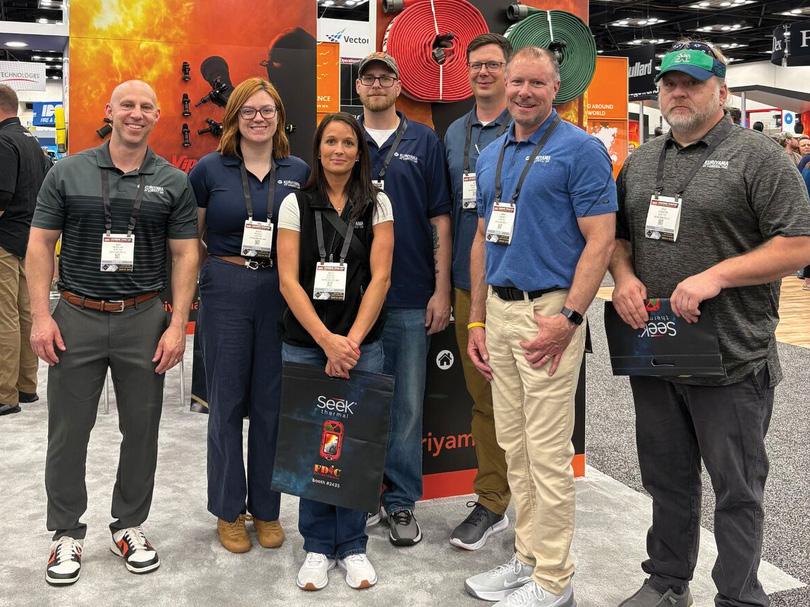
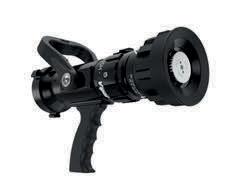
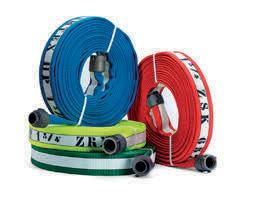
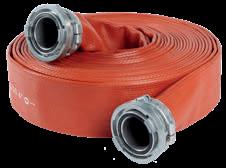
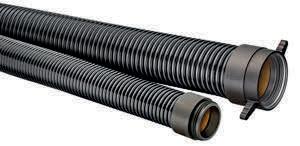
BELOW This crew is all smiles at the Kuriyama Fire products booth, where they showcased premium fire hose and nozzles solutions.
upgrade comes with a newly engineered in-truck charger that has an “insert, twist and lock” mechanism. FLIR also presented 2026 versions of the K75 and K85 thermal imagers. Enhanced performance and visibility are touted across the new range.
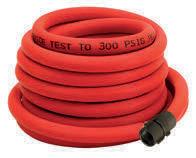
Go with the flow: Reps from Quebec-based Mercedes Textiles were demonstrating their new LPX technology. We chatted with Lydia Jackson, marketing director, about the benefits of this key creation. This patent pending innovation reinforces only the nozzle-end of the hose, rethinking the last six feet for better stability and improved nozzle control. The hoses are UL listed, and are RFID enabled for inventory control. LPX Technology is designed to optimize small diameter lines without reducing flow performance, or the packability and flexibility of the line.
Canadians in the wild: It’s always a great stop and gab with the crew at Fort Garry Fire Trucks, which included Rick Suche, CEO, Brian Nash, VP of sales and Rob Pike, national sales manager. For FDIC, the Winnipeg-based builder brought along their Wildland Ranger. This apparatus is built for extreme off-road conditions and is FGFT’s latest innovation in Wildland Urban Interface (WUI) solutions. This totally-means-business truck sits on an International HV507 4×4 chassis, and is powered by a Cummins L9 380 HP engine. Michelin XZY-3 wide-base tires traverse all types of terrain, and you can choose to option up to Michelin XZL all-terrain radials. The truck has a 360 degree camera system, integrated GPS inclinometer with driver HUD, and available thermal imaging for optimal situational awareness. FGFT also highlighted Nightride 360 Lux technology. This is a dual thermal/LED light providing a high-res image and all Canadian weather operating temps with visibility up to 660 yards. Handy for everything from earthquakes to floods, wildfires, hurricanes and search and rescue.
A sightsee with Oshkosh and Pierce: At 5’11, I’m pretty tall, and I thoroughly
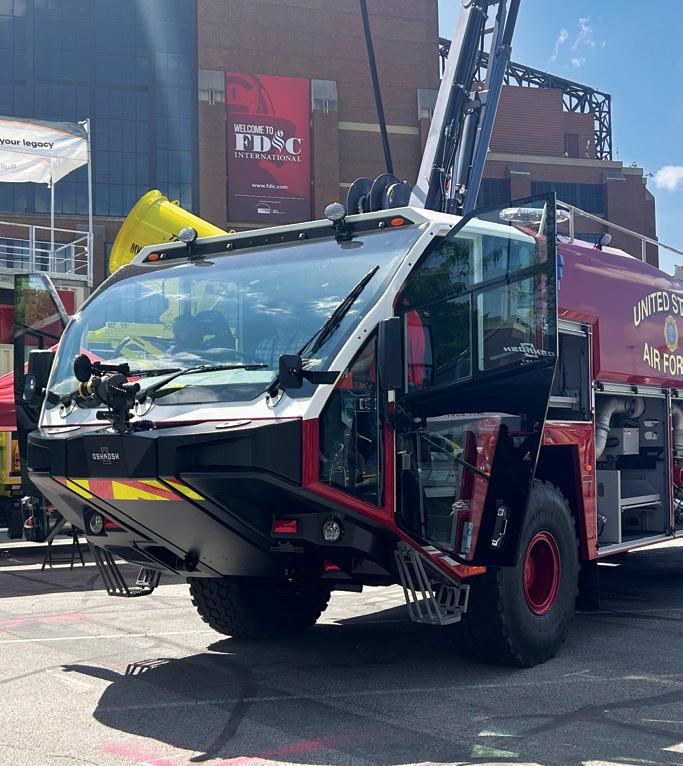
enjoyed being dwarfed by a climb into Oshkosh’s ARFF Striker 6 x 6. Fun stats: It’s Scania DC16 engine goes 0-50 miles/hr in 25 seconds, downright thunderous for an 85,000 lb truck. The windshield is 98 square feet. The 50-foot Snozzle high reach extendable turret has a piercing tip to access the fuselage. This truck holds 3,170 gallons of water and 440 gallons of foam. Andy Mathes, general manager for OshKosh Airport Products, walked us around this unit owned by the United States Air Force.
The TAk-4 independent suspension, proprietary and patented by OshKosh, makes this a smooth ride. Independent suspension means each wheel on the same axle can move vertically independent of the others.
Back indoors, Pierce had a number of innovations on display, including the still novel Enforcer Volterra electric pumper featuring Oshkosh patented electro-mechanical infinitely variable transmission and integrated regenerative braking to charge the battery while driving.
John Schultz, VP and general manager of pumper products, showed us a new low profile Enforcer cab coming in under nine feet. Their Pierce Ultimate Configuration (PUC) pumper now has a top mount offering. The PUC is a design that eliminates the pumphouse.
On the aerial side, Lennox Fire Department’s Enforcer 100’
heavy-duty low-profile aerial ladder also exampled an Enforcer cab that can be as low as 10’8, and houses a PACCAR MX-13 engine with 510 HP, 740 lb dry/500 lb wet tip load, and 100 pounds of additional equipment allowance at tip. Fun fact: Pierce houses 300 shades of red for colour matching.
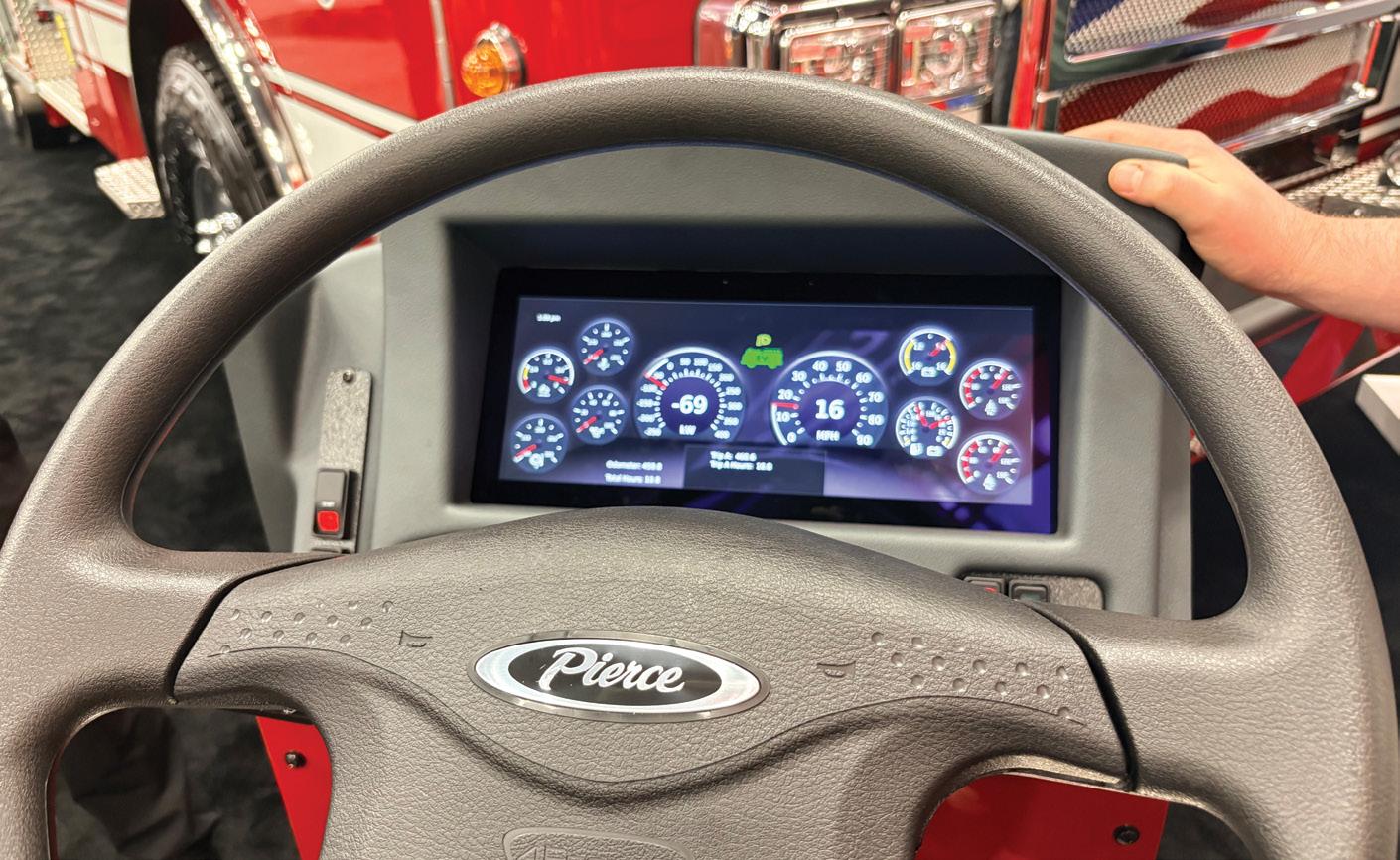
Pierce is piloting CAMS – collision avoidance mitigation system — with customers in the U.S. Pratt Miller Motorsports was bought by OshKosh five years ago, which is how this tech from racing is now being test-driven in trucks. Pierce reps were also gathering feedback on their new digital instrument panel
MSA goes hostess with the mostess: MSA hosted a block party at Monument Circle dubbed draft edition in tribute to the NFL draft. The tailgate style event with free food and beer drew a big and jovial crowd. MSA donated $1 for every party-goer to the National Fallen Firefighters Foundation (up to $10,000).
Back at their booth, MSA Safety dedicated substantial space to the debut of their next generation G1 SCBA XR edition. The G1 meets the NFPA’s 2025 changes to meet new standards in washability, bluetooth connectivity and the need to show the time left on tank rather than percentage. The G1 has a half pound weight reduction, next level adjustable lumber support system, thicker straps for gloved hands and integrated TIC.
On the software side, the new FireGrid Incident Command Application Programming Interface (API) enables the integration of G1 SCBA data directly into a department’s preferred, MSA-approved incident command system, which means less toggling for the IC and more real-time operational info on firefighter’s air pressure, movement, alarms, and individual information.



RIGHT MSA hosted a grand gathering in Monument Circle and donated $1 for every party-goer to the National Fallen Firefighters Foundation, up to $10k.
New from Globe, the G-XTREME PRO jacket has a unique, three-panel outer shell design that includes a mesh feature in the liner to reduce bulk and help increase comfort and mobility. the G-EXTREME has a redesigned collar and new length options to accommodate a wide range of body types and additional flexibility in design specifications.

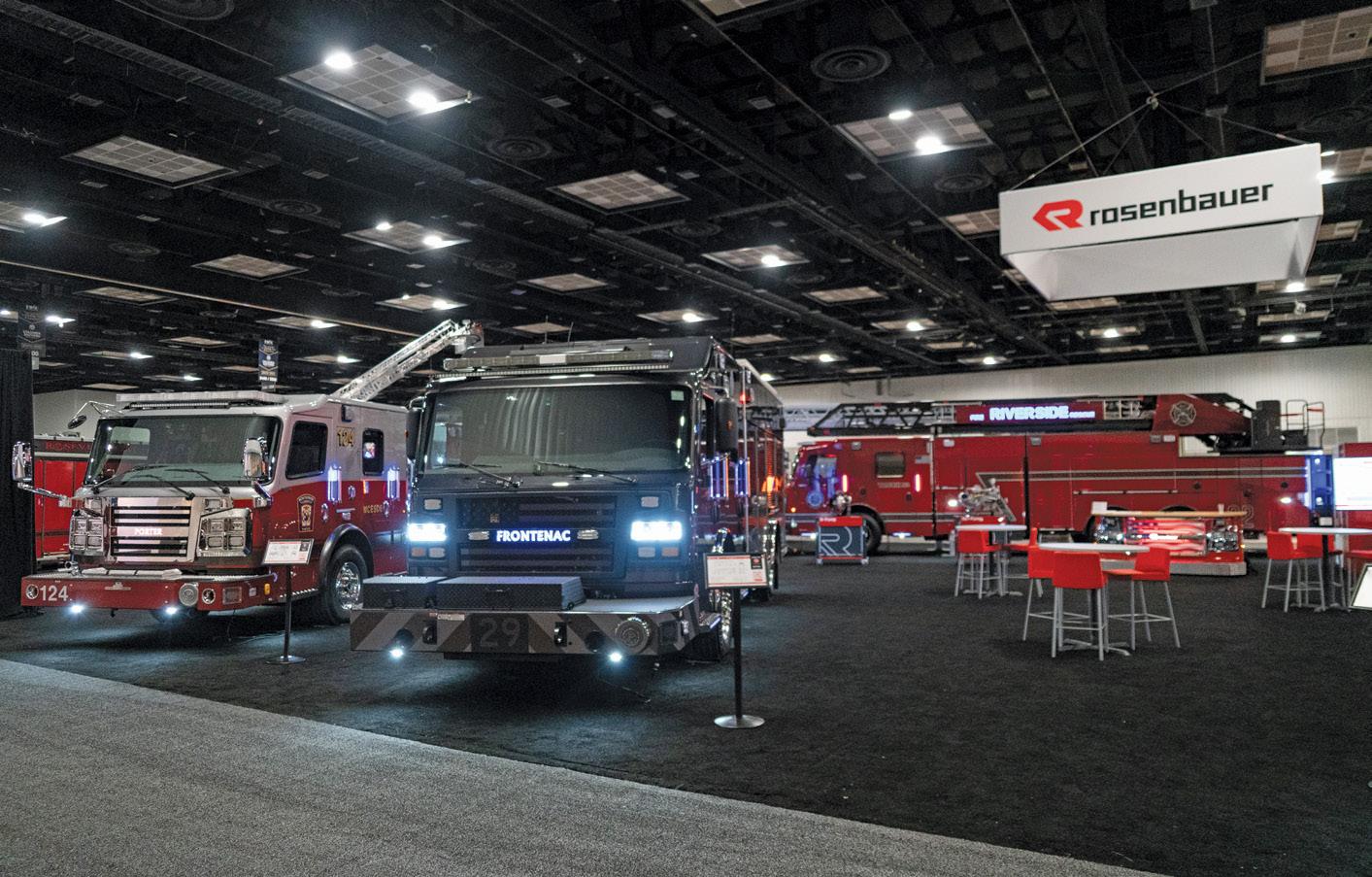
Rosenabauer America’s. suite of fleet. Rosenbauer, who is celebrating 160 years, brought a beauty selection of 16 apparatus. I have had prior privilege at a Fire Chief’s Association of B.C. show to take a cruise in their electric offering, the RTX with two 66 kWh batteries, and experienced the nifty crab-walking 360 kW all-electric drivetrain and 4-step pneumatic suspension, and was happy to admire the slick European design again.
In aerials, the EXT 101’ King Cobra graced the grounds on a Rosenbauer COMMANDER chassis, with a 70-inch cab and eight-inch raised roof, Rosenbauer EXT body, 600 HP Cummins X15 engine and Allison 4500 EVS transmission. Features include IDEX SAM system, Rosenbauer 101’ King Cobra articulating platform and 255 cubic feet of body compartment space.
Frontenac Fire’s EXT Pumper’s slick black body drew admiring stares. Built on a Rosenbauer COMMANDER chassis, Rosenbauer EXT body, and powered by a 500 HP Cummins X12 engine and Allison 4000 EVS transmission, the EXT is outfitted with a Hale RSD 1500 GPM pump, 750
gallon water tank, 30 gallon foam tank and TFT Monsoon deck gun.
Rosenbauer’s tech includes their Logic Control System (LCS) interface to simplify operations onboard, their RTE remote controlled robot to assist in hazardous environments and increase firefighter safety, and their Battery Extinguishing System Technology (BEST) as an effective method for extinguishing lithium-ion battery fires.
LION-esque: LION introduced its next evolution in turnout, the V-Force EVO. Features include magnetite closures that are glove friendly and magnetic, a retractable collar, V-Fit EXT elbows and knees for ergonomic comfort, and a high/low coat hem to improve front access and extend rear coverage to protect the lower back.
A Waterax welcome: After years of email exchange, I finally had the pleasure of meeting Gabriella Gerbasi, Waterax’s director of sales and marketing, in person. Such are the perks of the trade show circuit!
Of intrigue to Canadians, meet the BB-4-25H vehicle mounted pump. Powered by a Honda IGX800 EFI (electronic fuel injection) engine with 24.8 HP, the EFI makes for easier starts and consistent performance in a variety of conditions. Its high pressure performance stands up to demanding water delivery needs and the full digital control panel (DCP) compatibility lets users monitor and control engine speed through the ECU without needing an external throttle actuator.
Waterax showcased both single and dual control panel configurations for flexible integration on different apparatus setups.
“This is particularly relevant for OEMs and departments looking for more advanced control and visibility over pump performance in the field,” shared Gerbasi, who sees an increasing demand in Canada for “vehicle-mounted,
high-performance pumping solutions that can support wildland, WUI, and municipal applications—especially in areas where versatility and reliability are critical.”
Cummins calls-out industry first: Cummins introduced the QuikDisc Rotor for U Series wheel ends, bringing the Meritor EX+H air disc brake (already proven on front axles) to the rear of heavy fire apparatus at a 33,500 lb capacity rating for the first time. Formerly, axles in this weight class have remained drum brake only territory. QuikDisc has an industry first patented two-piece hub design that removes the need to pull the entire wheel end during rotor replacement. Instead of a 200 pound assembly and several hours of downtime, the hub stays on the axle and only the rotor and mounting flange are removed. Rotor replacement can now be completed in under an hour by one person, making the process broadly comparable to replacing brake drums, reported Cummin in a media announcement about their debut.
Lots of innovation at IDEX: Incoming: AI diagnostics. HURST Jaws of Life launched Captium IQ, who it says is an industry-first AI technician designed to support equipment readiness, service efficiency, increase uptime, and extend equipment life across the Captium platform. Captium IQ will be available soon through a mobile app on Apple iOS and Android.
Hale introduced its next generation of the QMAX fire pump. The new QMAX-APX has a more modular, futuristic design that helps OEMs simplify apparatus engineering in light of how connected fireground technology is becoming.
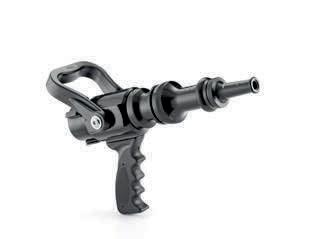
Akron Brass released its Flat Out Assault Ring Kit, a field-installable upgrade designed to add a flat disperse discharge pattern to select Akron Brass Assault nozzles in place of a traditional wide-angle fog.
Safer passage: In the Lucas Oil Stadium, Craig Carroll, vice president of sales for Miovision Opticom, walked us through their traffic light control system. The tech gives fire, police and EMS a clearer path through intersections, which he said cuts not only response times but also the risk of
LEFT Pierce test drove their innovative digital instrument dashboard with attendees.
BELOW The flashy black Rosenbauer America truck owned by Frontenac fire department received plenty of eyeballs.
collision by 70 per cent.
Also in safe passage, 3rd Eye collision avoidance systems displayed their 360 degree camera that was live and spotting bodies as they stepped into its zone. The system will invoke automatic braking in reverse if it detects a potential collision, and will equip vehicles with up to eight cameras. 3rd Eye uses IRIS vehicle radar technology.
A new moniker makes its debut: REV Group, whose merger with Terex was formalized in February, made a splashy presence under its new company identity, Terex Fire Group. With several brands, including E-One, KME, Spartan and Ferrara operating within the group, the new umbrella logo hosted a coffee/sit down area for grateful feet, knees and hips. When I found myself there, it was a pleasure to say a quick hello to fellow Canadians Wayne Stevens, president of Safetek, and one of the icons of Canadian apparatus, John Witt.
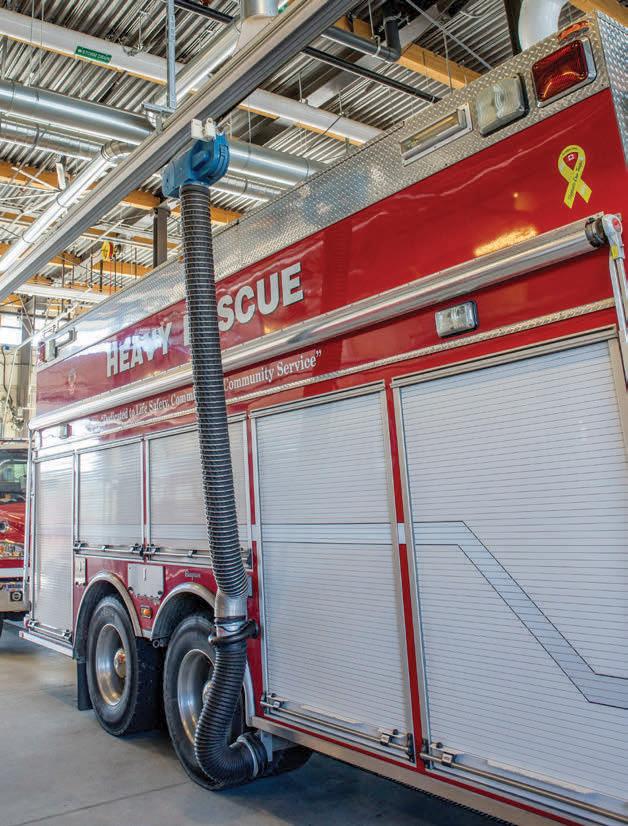
Heavy duty: We dropped in for a chat at SVI Trucks and checked out the good-looking heavy rescue on display. Built on a Sutphen Monarch chassis with a Cummins X12 525 HP engine and an Allison 4500 transmission, the aluminum body is 42 overall feet long and 10 feet high. Features include a Resolve Space Saver Fill Station, a 20,000 watt Onan Protec PTO generator, an Akron EJBX series electrical power box, Hannay electric cable reels, front bumper compartment storage, and six upper body compartments.
Hazmat less hazardous: Hazmat demand appears to be up. Calgary-based Blackline Safety, maker of connected safety technology, is in over 500 departments globally, marking a 42 per cent growth in their fire-hazmat customer base this year. Blackline’s latest wearable detector, the G8, began shipping in March and was showcased at FDIC alongside the EXO 8 Gamma area monitors.
The next FDIC will return to Indianapolis April 12-17, 2027. For expanded coverage, and more pictures and video, head to firefightingincanada.com.
By
Interior or exterior fire attack: this is an age-old debate, with validity for all parties, but rarely with context that matters. Let’s explore both sides.
Arguments for exterior attack often include a quicker knockdown of fire, a faster change in conditions for victims, and an easier search. These thoughts are supported by modern research conducted primarily by Underwriters Laboratories Fire Safety Research Institute (UL-FSRI). Exterior water is effective, it will rapidly control the fire, and it will improve conditions on the interior, even beyond the initial fire room (to an extent). This is all assuming the nozzle firefighter is using the S-S-S acronym for steady, steep, and straight.
Steady means to keep the nozzle still, so as not to disrupt the existing exhaust characteristics (ventilation profile) of the opening where water is being applied. Nozzle movement will entrain more air, moving fire gases further into the building, altering the ventilation profile of the opening. The goal is to cool, but allow smoke, heat, and now steam to continue to ventilate out. This means we want the least air entrainment possible. If the firefighter needs to cover
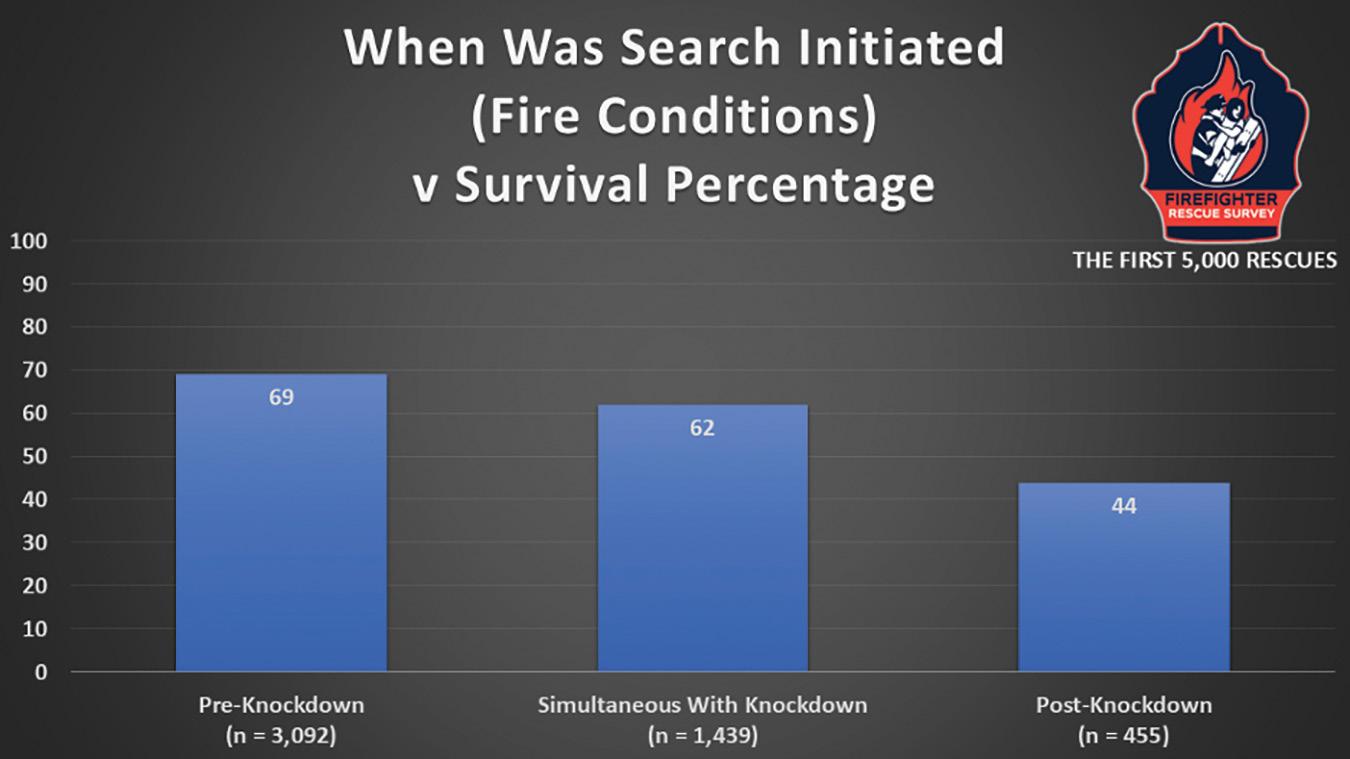
BELOW This table shows the survival percentage of civilian fire victims versus the sequence of search assignment
different angles or spaces, they should move their body, not the stream, keeping the stream as steady as possible.
Steep means to get as close to the window, and spray as close to vertical as possible. This maps (places) water on all surfaces in a room, including the wall immediately inside the exterior opening where conventional thoughts would suggest it’s impossible.
Straight refers to the nozzle pattern. A solid or straight stream entrains the least air, and lessens the potential disruption to exhausting smoke and gases, and allows the water to travel the furthest into the environment. A broken or fog pattern applied from the exterior will entrain large volumes of air and can push fire gases deeper into the building, with less water mapped across surfaces. Never use a fog pattern in an exterior attack!
Once a fire has been knocked down from the exterior, deflecting the stream off the window header will distribute droplets down onto larger fuels in the center of the room, providing a more complete knockdown.
Arguments for interior attack often include quickly controlling the flow path, followed by hydraulic ventilation, and earlier checks for fire extension into void spaces. These are legitimate and correct. All the positive impacts gained by water application on the exterior, apply to interior applied water, with the added benefit of entrained air being directed out any openings downstream from the nozzle, aiding in the removal of smoke and fire gases. An obvious benefit of an interior handline is the ability to control all fire, including fire beyond line of sight from exterior positions, such as bathrooms or walk-in closets with no exterior openings. Fire that has extended into void spaces is also easily controlled from interior positions.
When looking through the narrow lens of fire attack only, we tend to take a position on the matter without consideration for the greater purpose of us showing up to the fire: life-saving.

For a typical dwelling fire, we already have our objectives of saving life, property, and the environment. This translates into strategies of fire control, removing victims, and protecting salvageable property. Our strategic plan at a dwelling fire put simply is ATTACK-SEARCHVENT. The tactics are where we dive into interior or exterior streams, or possibly a combination. We would also look at searching via entering the front door, or searching from windows. Ventilation could be horizontal, vertical, and natural, hydraulic, or mechanical. Those are the tactics, and they are interdependent on the fireground.
There are a number of acronyms and sayings to guide us through an incident, but ATTACK-SEARCH-VENT gives us our strategy and an order. This isn’t to say that audibles or exceptions shouldn’t be called, such as a victim presenting requiring a quick grab, or an extremely pressurized dwelling requiring vertical ventilation prior to searches in some areas. This just sets the order, or sequence, of initial fireground tasks. By starting with fire control, we get the upper hand on the incident, create some stabilization, and support the other tasks. Searching and removing people is the main reason we show up. Everything else supports that or is secondary. It is second in sequence, because if we don’t get the fire under control, victims and firefighters are at a higher risk. Ventilation is a supporting task to further alleviate any adverse interior conditions. The method and urgency are dictated by needs, i.e., light hazy smoke needing passive ventilation, or a heavily pressurized building, starving for oxygen, requiring vertical ventilation.
We start to provide a higher level of service through skill improvement, but also through timing. The closer that fire departments can bring sequential tasks to being simultaneous tasks, the higher the likelihood we have of saving lives, and the less exposure we have to heat stress from conditions and exertion. This comes down to resource availability, skill level, experience, and the resulting risk appetite or comfort to conduct the tasks.
This is where the debate between exterior and interior initial fire attack really starts to take shape and make sense with some context.
Exterior handlines (prior to transitioning to the interior) can control the fire quickly. Interior handlines may be marginally slower, but with the same effect, while simultaneously occupying common egress paths where victims may be found. On a relatively easy-tocontain fire, a back-up firefighter may peel off or split away from the nozzle firefighter and begin searching back from the fire area. They can sweep into adjacent rooms, passively ventilate, and begin removing any located victims. This is all the while conditions are improving, and the fire is under control. A single operating crew starting on the exterior would need to shut down, deploy the line back to the interior, and advance into the fire room, before any of those secondary tasks can be conducted. With the initial fire attack starting on the interior, any victims found can be removed sooner than if fire attack started on the exterior. With crews operating initially on the interior, ventilation can start much sooner, giving lift to smoke and heat, providing better conditions for victims, and making it easier on firefighters working in the IDLH. Although exterior streams may make conditions more favourable sooner, an unconscious victim in respiratory or cardiac arrest needs to be removed from the environment and treated immediately. This is independent of fire control and conditions, but a

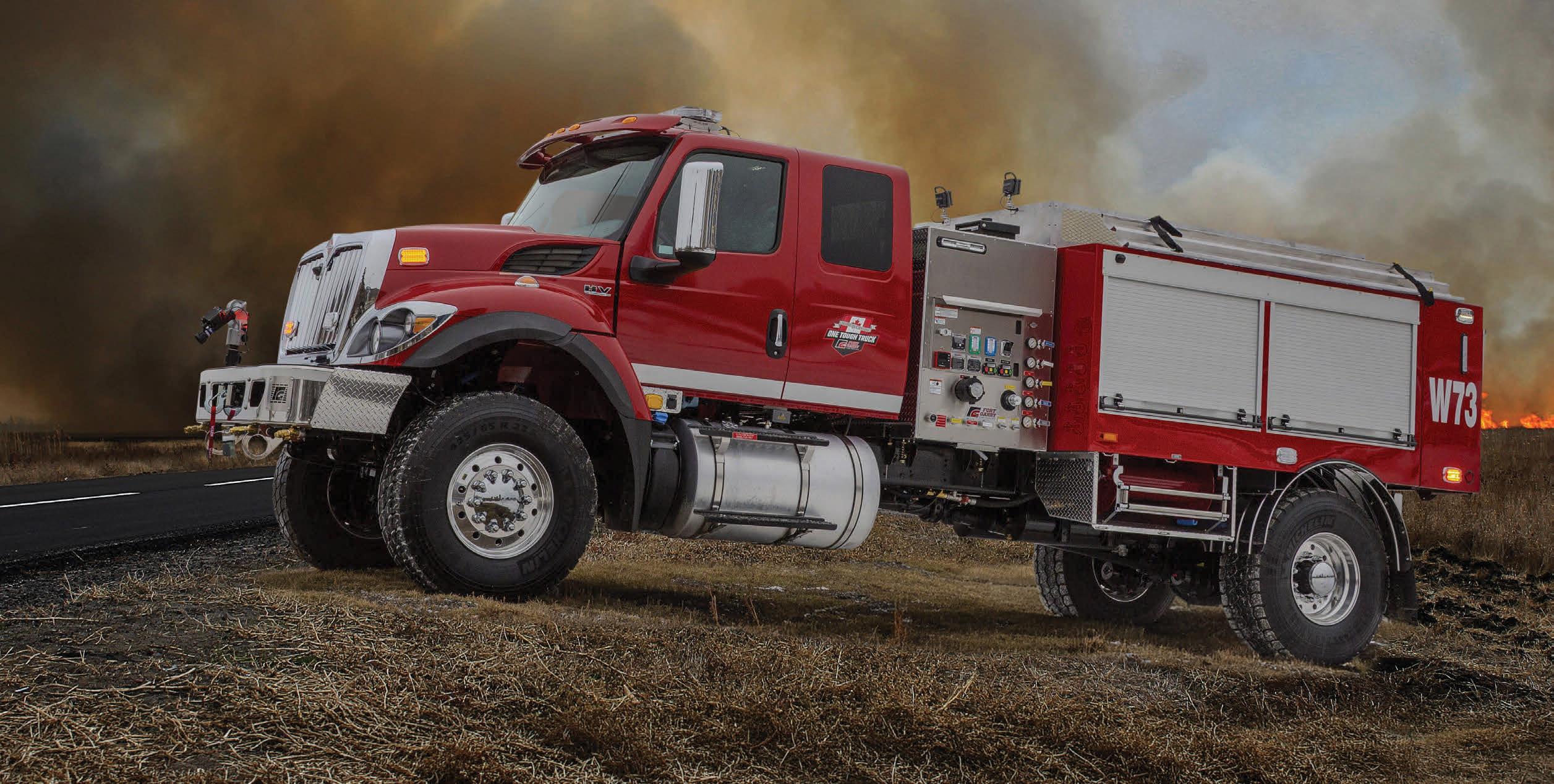

Built on Fort Garry Fire Trucks’ proven military design, the RANGER is engineered for durability in the most punishing environments. Designed for next-generation wildland response, it delivers the strength, reliability, and confidence crews need when operating beyond the limits of traditional apparatus in extreme terrain, remote locations, and demanding conditions.
A steel subframe, 5052 aluminum compartments, and reinforced steel structure provide exceptional strength and corrosion resistance. The pump house utilizes a 6061 aluminum frame with steel subframe, ensuring long-term durability, structural integrity, and dependable performance under continuous use in the harshest field conditions.
Built on an International HV507 4x4 chassis, the RANGER is available in Crew, Extended, or Regular Cab configurations. A Cummins L9 380 HP engine paired with Allison transmission delivers reliable performance, while 42,000 lb GVW supports full crew, water, pumps, and mission-critical equipment with confidence in any environment.
Off-road capability is driven by Michelin wide-base tires, aggressive traction design, and a 16,500 lb winch for recovery in extreme terrain. Top-mounted storage accommodates suction hose and additional gear, ensuring crews are equipped, organized, and ready for rapid deployment in remote and unpredictable environments.

Highly configurable systems include remote-control hose reels, bumper turrets, multiple intakes and discharges, and over 1,200 US gallons onboard capacity. Combined with advanced situational awareness, intuitive controls, and proven system integration, the RANGER is built to perform when and where it matters most.
direct result of how quickly crews occupy the interior and begin searching.
The graph shown, taken from the Firefighter Rescue Survey, shows the results of one of their survey questions. Knockdown refers to darkening down, or controlling the fire, but not complete extinguishment. After 5,000 surveys had been completed, 4,986 answered the above question, giving noteworthy results. Civilian fire victims had a 69 per cent survival rate when searches were initiated before the fire had been knocked down. They had a remarkable 62 per cent survival rate when fire control occurred simultaneously with initiating searches. There is a notable drop in the survival rate to 44 per cent when searches were initiated only after fire control had occurred. An 18 per cent drop between searching while controlling the fire versus searching after controlling the fire is nearly a 1 in 5 difference for victims. Many departments don’t have simultaneous arriving resources to dwelling fires, so making the first one count by putting crews interior ensures searches are
done sooner, and victims are given a greater chance at survival. Exterior streams are effective at controlling a fire, but should be reserved for the following situations:
• Rural and remote departments that are not trained or equipped to fight fire from the interior.
• As a second line to control fire while interior crews are making a tough advance. Properly applied exterior streams will not drive in hot gases, and steep streams pose no risk of hitting other firefighters. Shut down when the interior crew has reached the fire room(s).

• When the fire started on the exterior and has advanced into the interior. Chase the exterior fire in along the same path the fire extended. Follow up with an interior line.
• Fires with heavy involvement where a crew simply cannot enter until the fire has been controlled from the exterior.
• Fire in an obvious location, while crews are available to search the interior simultaneously.
• Window of fire near the planned entry point, while crews are masking up, or if other delays are encountered, like forcible entry issues. Initial interior streams should be the default plan, but especially in the following circumstances:
• Expected delay in getting the nozzle back to the main entry point with the charged line after making the exterior hit. For example, the window of fire is on the Charlie side of the building, but the best entry is on the Alpha side.
• No other crews have initiated a primary search yet.
• There are reports of victims trapped (remember, not every trapped victim is reported: assume occupied until proven vacant).


Like any debated tactic, it should be considered in the context of overall fireground operations, not as a siloed task or tactic. Looking through the larger lens enables a greater strategic understanding of fireground operations and ultimately sets civilians and us up for the best possible outcomes.

By Randy Schroeder, Fire Chief, Mayerthorpe and Lac Ste. Anne County
Hi Canada!
Together we are going to unpack our volunteer adventure. What experiences do you have?
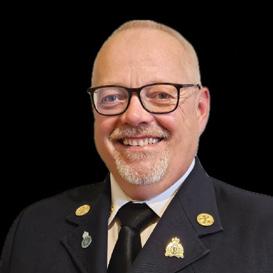
My name is Randy Schroeder, fire chief for the Town of Mayerthorpe and Regional County Fire Chief for Lac Ste. Anne County. Yes, that’s right — two jobs. One as a lifelong volunteer, and the other the result of hard work in that capacity and being offered a role and a career to do the most awesome job in the world in my community: serving those I live, work and play with; respecting those that have served before and admiring those that come through our doors now.
Lac Ste. Anne County Fire Services serves Lac Ste. Anne County and all the 16 municipalities within it either directly or through service or mutual aid agreements, a total service area of 3005 sq km with a total population of approximately 15,500. Our service incorporates 100 to 115 paid-on-call volunteers, including 24 to 28 out of Mayerthorpe station.
On the County side I am supported by a career deputy chief of training/Fire Smart coordinator, as well as full-time administrative assistant. On the Town side, it’s only myself supported by the paid-on-call officer core at that station.
My service began in February of 1995. My fire chief was also a customer of mine; at the time I was delivering bulk fuel to agriculture, oil and gas and other industries all over the area. Fire Chief Parent owned a local mechanics shop and tow truck company. While I was filling his truck, he asked me if I wanted to
join the fire department. I initially told him no, I already had a job. I remember my surprise when he said they were volunteers. I couldn’t believe it. I began to reminisce on a previous fire that I watched two years earlier, thinking those men were career firefighters.
In the spring of 1993, my first experience with the fire department was watching them work a job. I heard the sirens and smelled the smoke almost simultaneously from up the street of our new-to-us home, and I saw the glow of fire coming from the local hotel. I grabbed our year-old toddler Chelsea, leaving mom and new baby Shelby at home, and raced up the street.
That was the first time I watched what I defined then as real firefighters in air-packs going through the motel style bottom floor door of one of the rooms, hose lines and water flowing. I was mesmerized. I remember Chelsea pointing at the lights. I saw those firefighters bring out the individual in the room, under a yellow tarp. It was a sad ending.
I never thought about being a firefighter myself. So, when Chief Parent said it’s not a job, it’s volunteering…and more importantly, “I need truck drivers,” my boss and I went to the next fire department meeting and I was hooked.
Joining was easy. I walked through the door, filled out and signed two sheets of paper, the application and the insurance. Fitted gear that night. My first set was a long coat, long roll up rubber boots, a plastic fire helmet with
Randy Schroeder became a fire chief in 2003 and was the president of the Alberta Fire Chiefs Association for seven years. Nationally, he serves as the vice chair of the CAFC National Advisory Council. You can reach Randy at rschroeder@lsac.ca.
visor, and work gloves. I was assigned a locker, given a t-shirt and a red pager. That pager was a status symbol; I was in this exclusive club. I was a firefighter now and I was told if that goes off, get to the station as safely as possible, go through the back door and go to the first truck you are told to go to.
First Thursday was meeting and truck checks, and the third was training.
Every firefighter that I have ever talked to remembers their first call. I was with the department for almost five weeks before I got mine; a hot oiler truck at a battery site on fire. Off we go...in the rescue van, not even the fire truck, damn I was disappointed I missed the fire engine. But I was put to good use. Being a fuel truck driver, I knew every road, every landmark, almost every property, long before the era of GPS.
We arrived on scene to all manner of controlled chaos — an injured truck driver, a river of fire heading towards a creek, a truck on fire, near a small tank farm filled with flammable liquid. Could it get any better?!!
The truck captain handed me the hose line, sat me down and I opened up with the water stream flowing right into the top of the hot oiler truck. Flaming oil flowing throwing out the top. Somehow, my water stream managed to put out this fire - well at least the truck - to which high fives were had, and where I was informed that my initiation involved buying a flat of beer. Man oh man, what a great experience
So, there you have it; my recruitment story.
Canada, you and I are going to go for a long walk together. There are various trails we are going to explore. I love to talk, ask anyone, I have a bit of a reputation; however, I love, love, love to listen. Together we are going to unpack our volunteer adventure. What experiences do you have? What in today’s world can we do to provide today’s firefighters with the very best experience?
Can’t wait to find out.
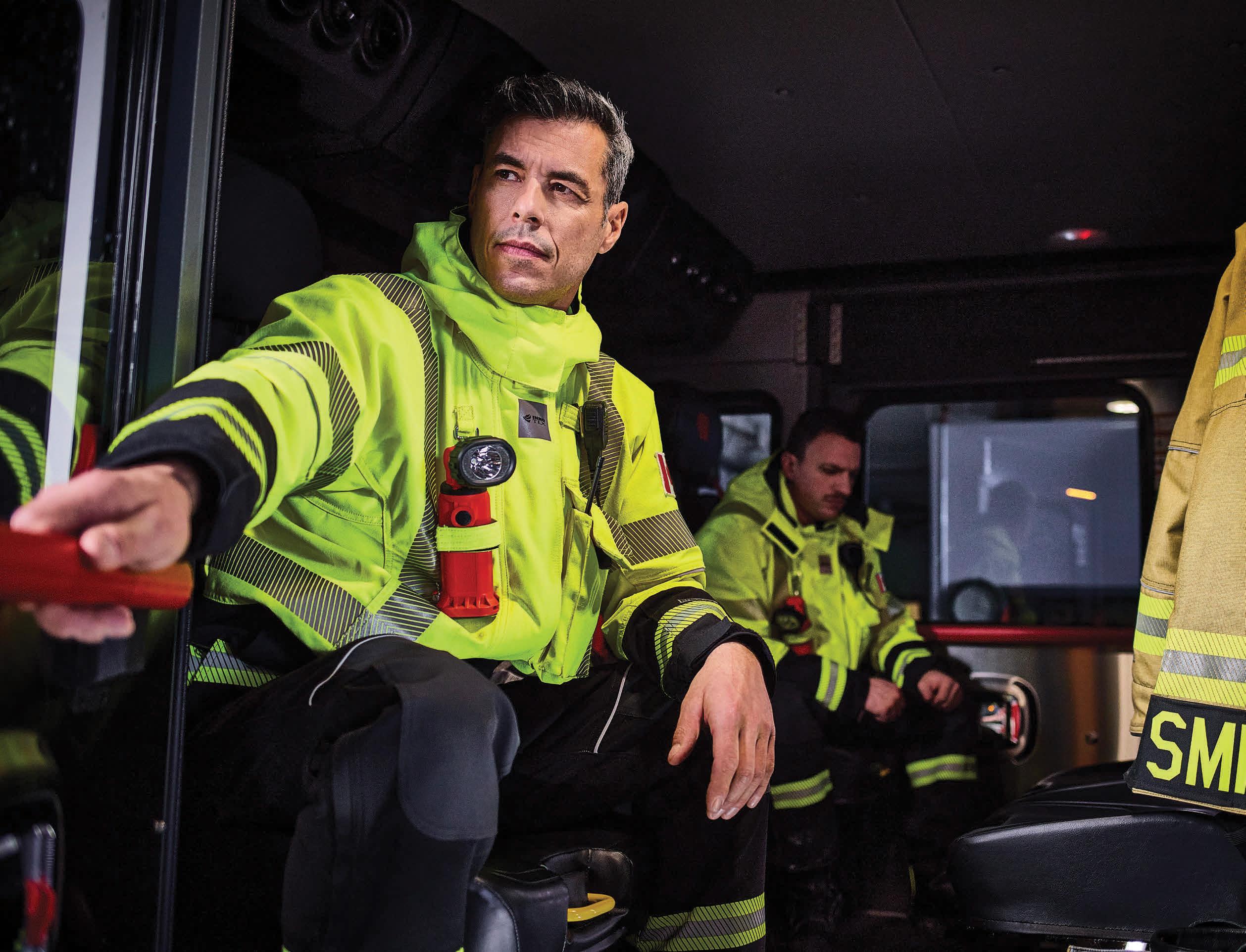
Our most versatile rescue gear to date: ENERGY™ PRIME. A multi-function gear that easily adapts to take on wildfires, technical rescues, and medical emergencies, thanks to a removable moisture barrier. Designed and certified to meet the demands of modern firefighting, INNOTEX® ENERGY™ PRIME is the primary gear firefighters can count on every day.
INNOTEX protects firefighters with high-performance turnout gear for structural fires and rescue gear to respond to every other call. We’ve got their backs in every situation.