blakespectrum.org
SUNDAY | NOVEMBER 30 | 2025

SUNDAY | NOVEMBER 30 | 2025
Anya Vallapureddy | Staff Writer
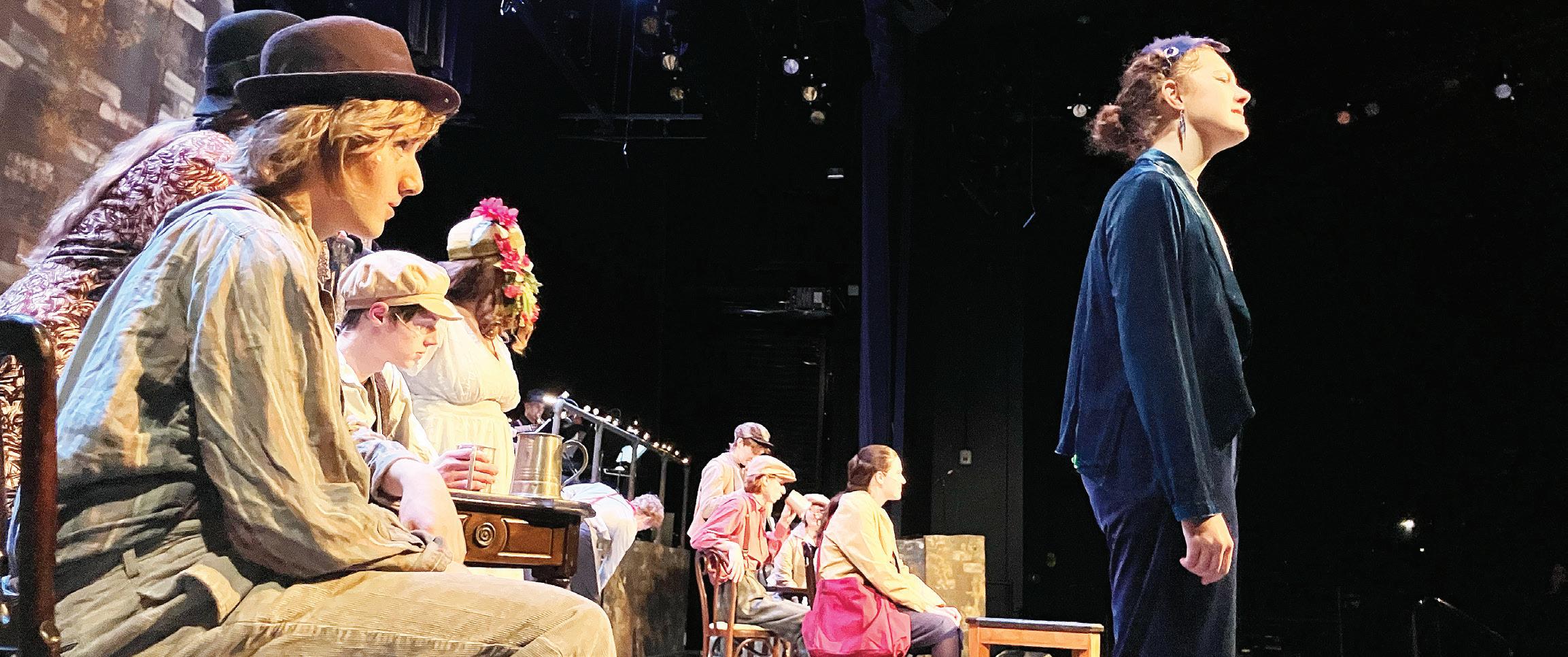
The fall musical, “Hadestown,” took place on Nov. 21-23 in the Mitchell Performing Arts Center (MPAC), featuring a cast of 14 students. The narrative retells a classic myth, intertwined with complex historical context and a tragic love story.
The musical “blends together the
myth of Hades and Persephone with the myth of Orpheus and Eurydice,” said director Taous Khazem
Harry Wallace ‘27, who played Orpheus, described the show as “inspiring.”
Khazem elaborated: “These characters are telling a really universal story that a lot of people can relate to.”
She added that “Hadestown” is set “in the 1930s in the backdrop of the Great Depression,” and as a result, “there are so many layers to uncover.”
Charlee Jones ‘26, who played Eurydice, explained it is a “political
class commentary, and a love story” all in the same show.
To unpack the musical, Khazem explained that they had “dramaturgy talks” where she “invited faculty members … to help unearth a lot of these themes and ideas.”
Khazem stated that the musical was moved to the fall this year because “it gives [them] two additional weeks of rehearsal,” which is necessary in a show this demanding.
Check blakespectrum.org for more photos.
East Coaster with 30 years of experience to fill position
Izzie Miller | Managing Editor
Starting at the beginning of the 2026-27 school year, Christopher (Chris) Torino will take the Head of School position. Torino has over 30 years of experience in education, previously working at the Collegiate School in New York and Cushing Academy in Massachusetts. Most recently, Torino worked at The Episcopal Academy, located in Newtown Square, Pennsylvania as Assistant Head of School.
Torino grew up in Marmack, NH, attending public schools all the way through 12th grade. He described how he always loved school as a child, participating in various clubs, extracurricular activities, and sports. From a geographical standpoint, Torino noted, “my childhood in New Hampshire was really snowy,” pointing out similarities in New Hampshire and Min-
nesota winters. In terms of academics, Torino recounts how he was “in a lot of ways, a better math student than English student.” And yet, Torino majored in English, playing baseball alongside his studies at Amherst College for his undergraduate degree.
After college, Torino taught at a boarding school for three years in Maine. According to Torino, this opportunity allowed him to continue to “be in the classroom as an English teacher” as well as coach “soccer, basketball, and baseball.” This was all while he lived in a dormitory with students.
After marrying his wife, Dina, Torino made a promise to her: “I’ll go to graduate school wherever you get your first job.” At that point, Dina was a horse trainer, and her job led him to pursue his master’s degree in English from the University of Louisville.
Torino described himself as a lifelong learner. As a person who has always relished education, he received a second degree in education from Harvard University about 20 years after his first and “loved every aspect of it.” He noted, “The older you get, or at least the older I get, the more of a privilege it is to be a student.”
In his immediate family, Torino has a son and a daughter. He described that his “son graduated from Wesleyan University a couple of years ago and lives in the Boston area, and [his] daughter is a junior at Kenyon.” Torino’s daughter majors in both English and Philosophy, taking after Torino as they both “can’t go into a bookstore without buying a book…or several.”

Do political differences matter in friendships? Read more about how important they are.
Opinions: Page 5

In-Depth: Page 6,7

Leo Mithun | Staff Writer
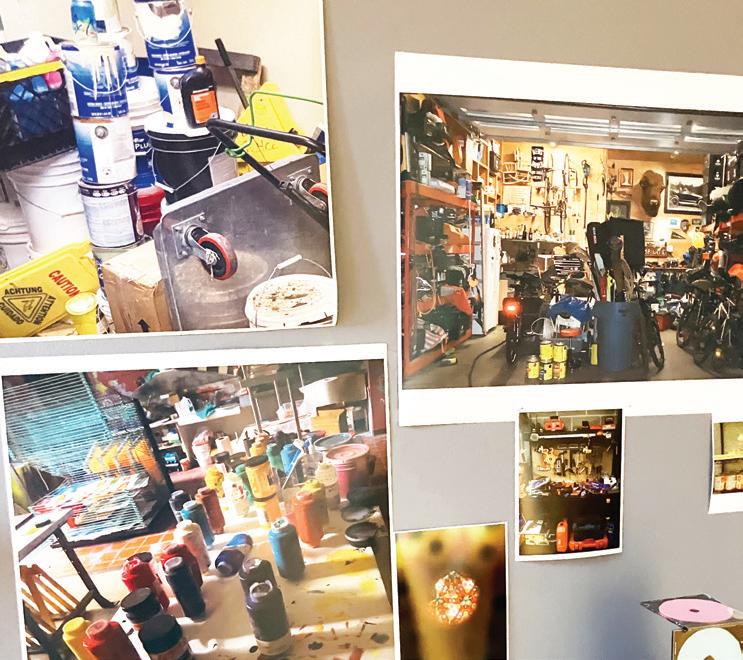
The Bennett Gallery exhibit features minimalist and maximalist pieces from the Advanced Photography and Painting classes. Minimalism features a small number of objects in the frame, creating a seemingly quiet image and an uncluttered, peaceful piece of art. In contrast, maximalism fills the frame. Brian Sago said the dichotomy was intentional. “We collectively created the idea to split the gallery in half, with one side being overwhelming, and another side being very open and tranquil.” For students, there were no specific barriers to the necessary aspects; anything worked as long as it conveyed a unique kind of intent.
Editors-in-Chief:
Ben Aviles | Steven Cao
Managing Editors:
Lilah Johnson | Izzie Miller
Copy Editor: Evie Chow
Creative Director: Faith Zhao
Student Life Editor:
Caitlin Strauss
Opinions Editor:
Charlie Dean
Sports Editor: Tarun Gopalakrishnan
Business Manager:
Ben Sznewajs
Columnists: Camila Pardo, Madhav Kumar
STAFF WRITERS: Evan Darmawan, Chloe Kern, Ben Passi, Eva Gleason, Nico Mithun, Rayan Nasir, Leo Mithun, Vida Wolstencroft, Sabiha Kojasoy, Oliver Brown, Lilly Tarakji, Anya Vallapureddy
STAFF ARTIST: Willow Overcash
Adviser: Anna Reid
BECOME A STAFF MEMBER:
Contribute to the paper three times consecutively to be promoted to a staff writer!
JOIN SPECTRUM:
Spectrum meets in Room 351 during both lunches every Monday. Please come if you are interested in writing, drawing, designing, podcasting, or taking pictures for the newspaper.
LETTERS TO THE EDITOR:
Disagree with something that’s in the paper? Have an opinion you want to share? Like to draw editorial cartoons? Take a stand and speak out. Email letters or editorial cartoons to spectrum@blakeschool. org or deliver them to room 351. Please limit letters to 400 words.
MISSION STATEMENT:
The primary purpose of the Blake School Spectrum is to report news and to explain its meaning and significance to our readers and the community. We hope to inform, entertain and provide a school forum for the unrestricted exchange of ideas and opinions.
STYLE STATEMENT:
Spectrum uses Associated Press (AP) Style as of the February 2020 issue.
Nico Mithun | Staff Writer
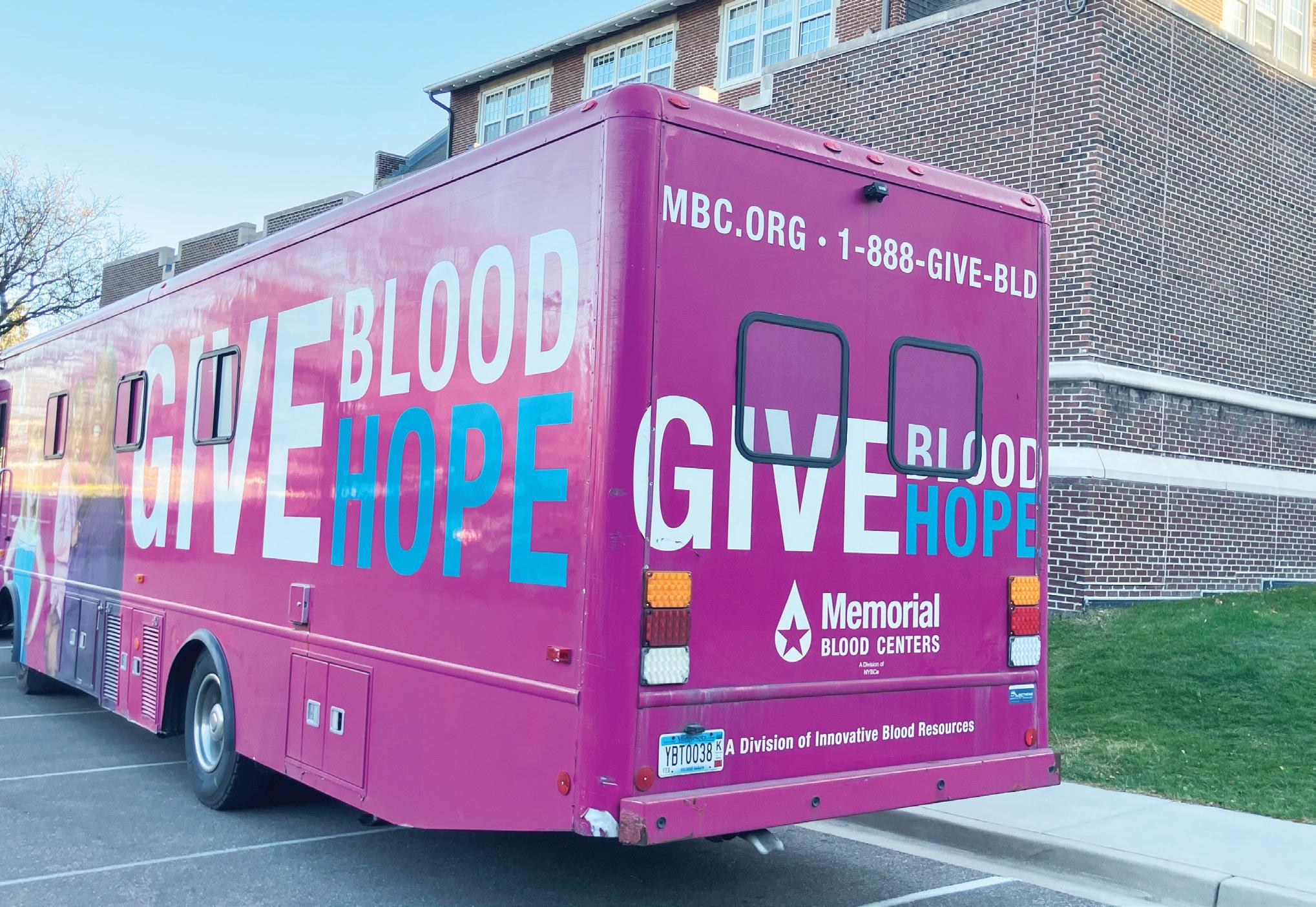
The annual blood drive brought together a wide range of students. Throughout the school day, donors piled in, contributing to a cause that saves lives. Liam Brink ‘26 said his reasoning
stemmed from both curiosity and compassion. “I’m really interested in finding out my blood type,” he stated, “and I feel like donating blood is the most I can do right now to help people in need of a transfusion.”
Brink described blood donation as a direct way he can make a positive impact on the community. Tommy Deignan ‘27 said he didn’t need a complicated reason to show up. “Someone asked me to, and I don’t
really have a reason not to.” He also stated that he knows blood donation “helps people,” making it very rewarding and worthwhile.
The blood drive was led by Forum members Shoumili Tarafder ‘26 and Madhav Kumar ‘27 Tarafder, who helps volunteer with the American Red Cross outside of school, viewed the drive as a great opportunity to bring that impact closer. “I thought it would be good to spread the im -
pact inside the school,” she said. Kumar added that supporting the event felt like “assisting the saving of lives,” and expressed the work as very meaningful and important. The Red Cross staff included technician Veev Herd, who emphasized the importance of each donation. Herd joined the field in 2021 and found it very motivating to help others. “Every one to three seconds, someone needs blood,” he stated.
w
The week-by-week schedule was primarily driven by a desire for consistency. This way, if a student misses a Monday,
Lilah Johnson | Managing Editor

Vida Wolstencroft | Staff Writer
In the library, there is an ongoing project to create a worm’s-eye view of several raptors of Minnesota. Based on the current trajectory, it will fly onto the library’s atrium in the second semester. The idea was born two years ago when Will Bohrnsen saw a flyer from Cornell Labs teaching about the raptors of North America. Bohrnsen leads the painting project along with Bethany Winter, whom he spoke to last year about recreating the various birds on the flyer out of cardboard.
short weeks, that would just be missed class time that couldn’t be made up. CJ Eckhardt stated, “Even though it might feel wonky or a little disruptive… You at least have an equitable amount of time in every class.”
block comes next?” The answer is counter intuitive: block seven, followed by block six. That doesn’t even take into account the four day week schedules, which include block three meeting first on the third day and block 1 meeting as the second block of the day, both of which never hap pen in any other schedule
Dividing class time equitably was also important, as there are so many short weeks to start the school year. Having classes meet at different times “made it hard to have classes start getting traction because it was harder to get to know students if you only saw them twice a week,” said Sarah Warren “It meant that students didn’t really sort of settle in. You can’t do assessments as quickly.”
The order in which classes meet needs to
be consistent due to a large number of adjunct teachers who only teach in the morning or afternoon. Warren explained, “We wanted to be able to have them schedule the other parts of their life.” This is why Blocks One, Two, and Three are typically before lunch, Block Four is typically in the middle of the day, and Blocks Five, Six, and Seven usually meet later in the day.
However, classes are not always at the same times every day.
According to Warren, “There was a desire, which doesn’t maybe work perfectly, to not have the same class first or last every day.” Seeing students at different times in the day helps maximize productivity on some days.
The project encompasses many raptors. The flock in the atrium will only be raptors that live in Minnesota, rather than North America as a whole, as a learning opportunity close to home. Students have helped paint the raptors.
The area where the finished birds will be displayed is going to be called a “vertical gallery,” and after the birds are taken down, there will be room to hang other art pieces, such as a dragon for Chinese New Year, streamers, or independent student art. Currently, the focus is on the birds. Bohrnsen said, “Birds are a really cool avenue to explore all different disciplines. People write literature about birds, and historical reports, and there’s a lot of cool scientific reports.” He hopes for the raptor project to be multidisciplinary.
Faith Zhao | Creative Director
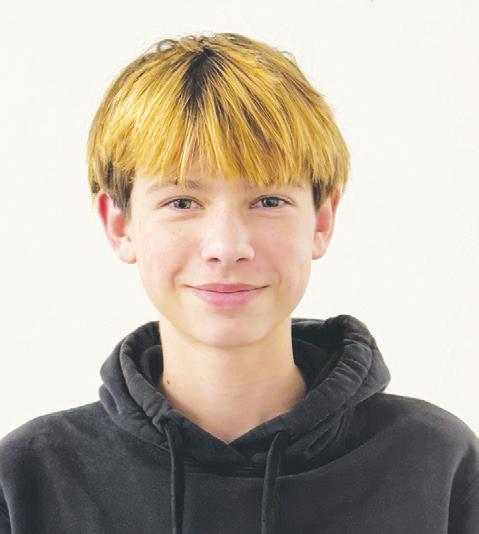
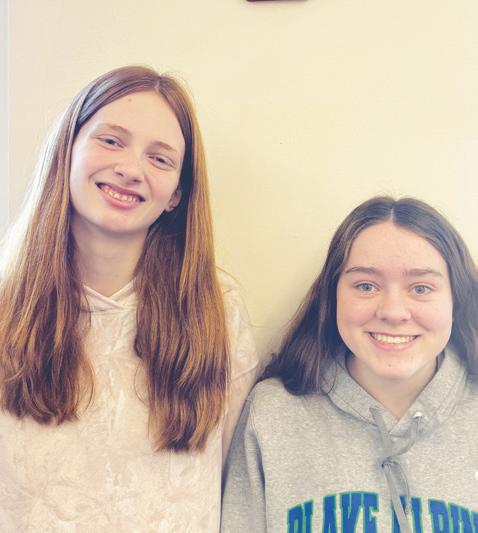
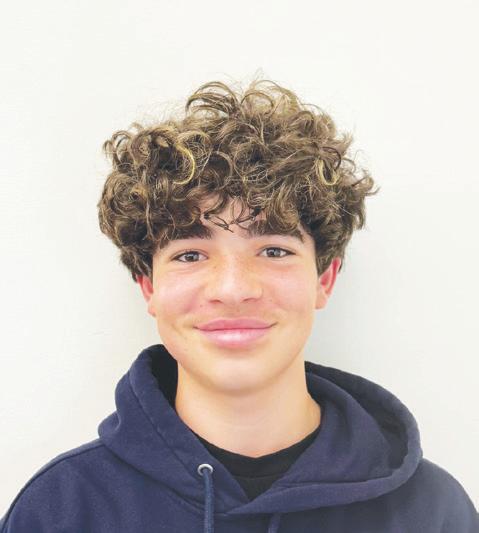
What are you currently most looking forward to?
“The soccer season or the holidays” - Chakhvashvili
“January 1st” - Zhang
“When I can get on the snow for [ski] racing” - Guider
What is least important to you in your life?
“I don’t think anything isn’t important” - Lattin
“Maintaining my room” - Guider
“Probably school” - Racciatti
What is the biggest joy in your life ?
“Going home or [to] study hall” - Racciatti
“My friends because we hang out a lot at school” - Zhang
“The fall weather right now” - Smallwood
“Friends” - Chakhvashvili
“Getting to see my family in a couple of weeks, and [getting] to spend time with my friends on the weekend” - Lattin
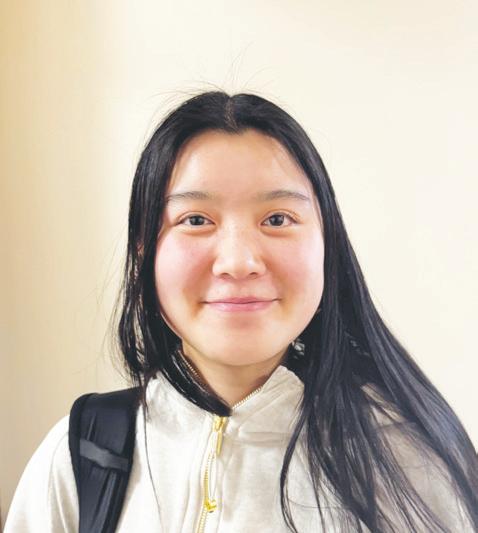

What is most important to you in your life right now?
“Trying to keep my grades up and still having the energy to be able to try hard.” - Lattin “Family” - Racciatti
“Family and friends” - Chakhvashvili
What is your biggest worry?
“Failing a math test” - Smallwood
“College applications” - Lattin
Charlie Dean | Opinions Editor
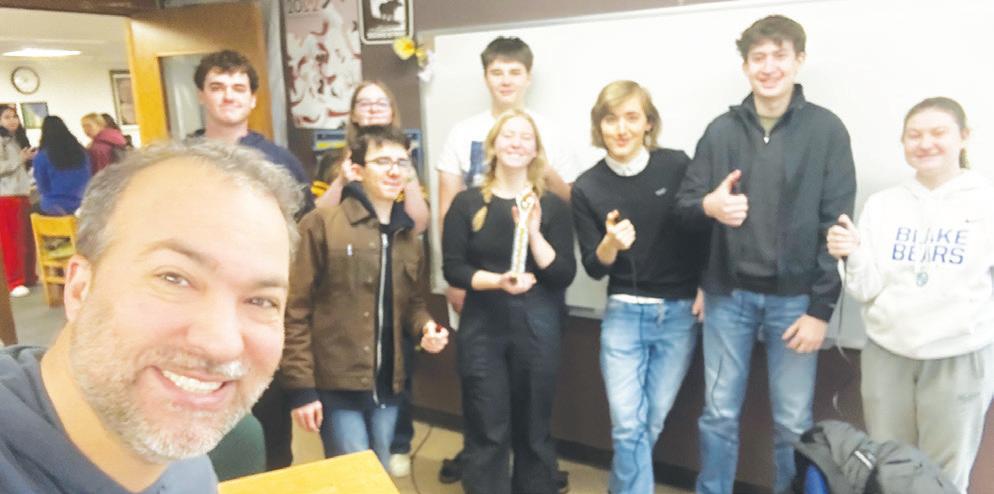
Quiz Bowl is a general knowledge-based trivia competition. But as faculty leader Jonathan Osters said, “You don’t have to be good at everything.” Osters said he “keep[s] telling the kids [that] the best teams are the most balanced ones.” He elaborated on the benefit of a balanced team, sharing that “if you have a specific content area, a niche subject area, that can be really good if no one else on the team has that knowledge.”
Jack Dillon ‘26 , a cocaptain alongside Hazel Alexander ‘27 , reflected, “Even if you’re not like the top scorer on the team… [when] you have that moment where you know something from your personal experience that nobody else on the team knows… That’s awesome.” The team prepares for events in various ways, but mostly during meetings. The club meets on Wednesdays before school and Fridays during FLEX. Dillon explained that, “We just run through practice questions, [and also]
have some larger things. Osters has a…Quizlet that’s a list of all the authors and books that they like to reference at Quiz Bowl, and so we try to memorize them.” Charlie Frenzel ‘28 referenced how his experience in Knowledge Bowl, the middle school equivalent of Quiz Bowl, has helped him, describing that “it gives you a lot more practice with buzzing in and answering quickly.” Frenzel also mentioned how he’s “watched Jeopardy since [he] was a little kid,” and has “liked reading
and learning new stuff,” which have helped him develop his skills.
Frenzel feels that the environment is “just fun.” “We try to do it mostly as a low-stakes thing, so it’s not too
strict on studying,” described Dillon. “[Additional studying is] just people look[ing] into their interests on their own time.”
The team went to State last year and
Lilly Tarakji |
Staff Writer
Childhood is the most formative time of life, and one of the most crucial aspects of it is the “favorites” enjoyed along the way – games, toys, TV shows, characters, or movies.
Lucy Zhang ‘29 shared that her favorite movie growing up was “Sleeping Beauty.” She would watch almost every day because she thought that Belle was pretty and noted that what made it special was “the concept of magic” and how “Disney could really put
[the story] together.” Zhang added that “even though [Aurora] was amazing, she went through so many hardships…I think it just kind of reflects real life.”
For others, their fond childhood memories come from TV shows they watched. Nora Ibrani ‘26 said her favorite TV show was “LEGO Ninjago”, explaining, “It was the one thing that my brother, sister, and I would agree to watch without fighting; we always had the best memories of it.”
Of course, childhoods weren’t shaped by screens
alone; favorite toys played an equally memorable role.
Zoe Lee Gustafson ‘26 remarked that her talking Elmo was her favorite toy from her early childhood: “It was special to me be-

cause...it talked to me, so it felt like I could have a conversation.”
For Ibrani, her most prized possession was a life-size dollhouse and toy kitchen she had in her room. “It was special to me because [playing with it] was my hobby, and I loved being able to play house when I was younger.”
Some of her other favorite toys became universally popular across classrooms: slime, princess heels, fidget spinners, Hatchimals, and Pop-its. Looking back, these early favorites still evoke strong emotions.
Ibrani described, “I feel really nostalgic when I think about my childhood...I was and still am really lucky to have had so many cool opportunities.”
Zhang agreed, saying that when she thinks of her childhood, she feels “an incredible sense of nostalgia.”
She added that this feeling is similar to “longing...I’m just like, ‘why can’t I be a child again?’” Gustafson shared a profound sense of longing for her early childhood years: “I feel nostalgic... it’s bittersweet.” Whether it was a movie, show, or be-
expects to return this year. Dillon said, “Doing a little better each time is what really matters… we went from not having gone to state in years to having made it to state.” Dillon added, “A lot of teams do have stricter [and a more] dedicated study than we do…it would be neat to have like a really dedicated Quiz Bowl team, [but] part of the nature of the sport is that it’s attracted a lot of people who have other dedications,” explained Dillon. “But we do okay. Not everyone goes to State.”

Ben Aviles | Co-Editor-in-Chief
Emergency Medical Services (EMS), a vital cog of local governance, is failing. Among the many responsibilities of government, keeping citizens alive is paramount. No AI policy, infrastructure policy, or any other program is more important than having citizens who are alive and well. However, as has become a national trend, Minnesota is experiencing a shortage of EMS workers. A broken Medicaid reimbursement system, alongside high physical and mental job-related stress, has led to a paramedic crisis.
Poor Medicaid reimbursement has plagued paramedics across Minnesota.
A KSTP article asserts, “Funding is only about a quarter of what providers say they actually need to prevent ambulance services from shutting their doors or scaling back.” Underfunding is rooted in Medicaid reimbursement.
Through Rule 9505.0445, the Minnesota Department of Human Services (DHS) establishes the maximum reimbursement rate, set as the greater of the Medicare unadjusted payment rate or the rate as of July 2000. DHS has not raised the rate since 2000. This spring, EMS Minnesota Ambulance Association (MAA) requested an additional $50 million from the state legislature. According to the President of the MAA, Michael Juntunen, “patients on Medicaid and Medicare account for 60% of all ambulance responses, and services are routinely losing money on these calls.”
Collectively, this means 60% of ambulance responses are defaulted to a system that has remained unchanged since 2000. The rate is archaic. Due to inflation and other factors, the July 2000 rate is insufficient. It leaves EMS services across Minnesota chronically underfunded due to a lack of reimbursement from Medicaid calls.
In addition to improper reimburse-

ment, the physical and mental dangers posed to EMS workers are high.
According to a study conducted by the Hennepin County Association of Paramedics and EMTs in 2022, 78% said a bystander or patient had assaulted them. Hennepin County paramedic Gabriel Keller asserted, “You get used to encounters with patients that are frequently dangerous,” saying it is a weekly occurrence. An article by Dan Landrigan for the Journal of Emergency Medical Services (JEMS) asserted, “Burnout threatens to leave the industry 40,000 workers short by 2030.” Keller commented on the mental strain of the job, stating, “It’s really hard to transition from dealing with [school shootings]... to then coming home and needing to see your family and make dinner, and then get up the next day and do it all again.”
The job is brutal. Paramedics are assaulted weekly, and watching children die is horribly taxing. Under these conditions, burnout is a logical consequence. However, when paramedics quit, it is challenging to replace them; a direct result of underfunding in the EMS system, which is largely due to horrendous Medicaid reimbursement rates. A cycle of burnout and chronic underfunding leads to understaffing and systematic failure.
The Minnesota State Legislature must address this emergency, or EMS will face collapse. Simply, the state legislature must pass legislation to mandate that the DHS increase the Medicaid reimbursement rate enough that EMS does not have to rely on emergency funds from the state. The state budget is high; however, this is a non-negotiable. Keeping citizens alive is the most important aspect of governance. When a person calls 911 in a medical emergency and has to wait on hold because there are not enough EMS workers available, it will be a profound failure.
As the weather turns frosty and the days get darker, people often struggle with stress, loneliness, and a lack of motivation when winter settles in. This feeling of winter “depression” stems from a combination of busy schoolwork and lack of outside opportunities.
Spectrum suggests people set aside time to separate from schoolwork and participate in an unrelated activity. Attending a hockey game offers an opportunity to support fellow students and be a part of something larger than oneself. The excitement of the game and socialization can boost morale during times of low energy. The GLOW Festival at CHS Field features fun drone light shows and winter activities such as Penguin’s Playground.
We recognize that times of lull lead to hours spent scrolling through social media. We emphasize the need to “do something” even when there seems to be a lack of events. The approaching holiday break presents itself as an opportunity to get ahead, while also taking advantage of various seasonal activities to set a good base and minimize the drag of the coming months. Make sure to engage
in a productive or recreational activity. It’s also important to spend time with friends. In the blink of an eye, everyone will be in a new environment. People will be going to different places around the world after high school. Cherishing the moments in the current moment is crucial because time will never come back Get outside more often. Even simple activities, such as a short walk in the snow and feeling the cold, add variety and a change of scenery to the day. Other activities include snow tubing at Buck Hill, skating the Maple Grove Central Park ice skating loop, and viewing exhibits at art galleries such as the MIA or Walker. The MIA currently features José María Velasco’s “A View of Mexico” exhibit, which leaves on Jan 4. The Walker’s “Free Thursday Nights” offer activities such as “Art Club After Dark” and “Camdentown Chess Club.”
Stay focused by setting goals on crucial tasks such as tests or projects. Balance out the workload by planning recreational activities that reward the efforts. This balance is needed for a positive, productive life.

Discomfort can strengthen learning
Minha Ali | Contributing Writer
Whether it’s through movies, news articles, TikTok, or even school curriculum, trigger warnings have become commonplace in today’s world. A trigger warning is a statement at the beginning of a piece of media alerting the consumer that it contains potentially disturbing content that could “trigger” a negative response. Common examples of trigger warnings in everyday media include sexual assault, flashing lights, suicide, and eat-
ing disorders.
Trigger warnings are primarily intended to facilitate the comfort of individuals with traumatic histories to create a more inclusive environment. For others who may be less sensitive to these triggers, they can still be helpful because they provide notice in advance of content that can still be jarring to see or hear Fatemeh Vang ‘27 agrees: “If I see a trigger warning, I know ahead of time what I’m going to see, and I can choose if I want to keep watching or reading or not.” The concept of knowing “ahead of time,” as Vang explains, is the main appeal of trigger warnings.
Although forewarning
can be helpful, oftentimes, it redirects people away from an experience that may be uncomfortable in the moment but rewarding in the long term. It is not practical to avoid every piece of information that causes discomfort. Experiencing and digesting difficult things is a part of life, especially in education. Take history courses as an example: learning about the history of slavery in this nation is not supposed to be easy; the discomfort is part of the lesson. Yet many people—students and teachers alike— treat trigger warnings as an invitation to not engage with a challenging topic. In reality, they are intended as a heads-up, not a deterrent.
Evidently, there is no clear cutoff for which trigger warnings are more effective and which ones are not, given that each individual endures different things and therefore is more vulnerable to certain, unique triggers. Nevertheless, it is still worthwhile to consider the effect of prefacing with a trigger warning: In this specific context, would in-
cluding a trigger warning help anyone at all? Instead of opening with one, one could consider introducing text/scene-specific warnings or even just acknowledging the sensitivity of the topic. From there, the conversation could branch off to discuss healthy coping mechanisms or even support systems available for those who may need them.
Madhav Kumar | Columnist AI economy is accelerating
Nvidia’s earnings did more than beat expectations. They changed them. The company reported $57.0 billion in revenue for Q3 Fiscal Year 2026, which is a 62% increase from last year. Almost $51.2 billion came from data-center sales, a segment that is growing faster than anything else in technology. Nvidia then guided next quarter’s revenue to about $65 billion, a number that would have seemed unrealistic not long ago. These results confirm that Nvidia has become the central infrastructure provider of the AI economy. Demand for its Blackwell chips continues to exceed supply. CEO Jensen Huang said it is “off the charts.” He pushed back on the AI bubble idea, arguing that the company’s numbers speak for themselves. Based on the $65 billion, he has a point. At the same time, Nvidia’s strength exposes a real weakness in the broader market. The company is responsible for a large share of the gains in major stock indices. When Nvidia trades higher, it often pulls the entire market up with it. After-hours trading today showed the same pattern: Nvidia rose around four to five percent, and technology stocks in both the U.S. and Asia rallied immediately afterward. This level of concentration works well when the news is good, but it also means that a single weak quarter could produce a much larger reaction than usual. Still, it is hard to call Nvidia’s growth speculative when the earnings genuinely support it. The world’s largest companies, along with governments and research institutions, are competing to secure AI computing power. Nvidia sits at the center of that demand. In many ways, AI hardware has become a new strategic resource in the global economy, and Nvidia controls most of the supply.
Today’s earnings make two things clear: the AI boom is still accelerating, and Nvidia remains the market’s main driver. That combination is powerful, but it also deserves attention.

Camila Pardo | Columnist
We live in a world designed for immediate happiness. Want entertainment? Stream it. Hungry? Order it. Bored? Scroll. Waiting has become a punishment, patience a forgotten skill, and thinking long-term a superpower.
Our generation is addicted to short-term happiness, and it’s starting to show. We choose whatever feels good right now instead of what’s actually meaningful. That snack over a healthy meal. That impulse purchase over saving money. Every choice is designed to deliver a dopamine hit, not long-term satisfaction. And the more we rely on those tiny bursts of pleasure, the harder it becomes to appreciate moments that present slowness or challenge.
And it’s not just personal. Academics, friendships, even hobbies have been hijacked by the same logic: quick wins matter more than lasting impact. We study for the grade, not the learning. We spend time with people who make us feel good in the moment, not those who challenge us to grow. We push ourselves to meet expectations we barely understand, measuring worth in grades, likes, and approvals, and forgetting that effort without immediate reward is still valuable.
Life doesn’t work in instant gratification mode. Real progress, real satisfaction, and real happiness take time, effort, and patience. And yet, we complain when the reward isn’t immediate. We forget that the thing we’re most proud of takes the longest to build.
Maybe it’s time to stop treating life like a vending machine. Delay the scroll. Choose the long-term goal over the short-term thrill. Invest in people, projects, and experiences that don’t give instant dopamine but leave you genuinely fulfilled. Because the truth is harsh: chasing constant, immediate happiness is easy. Stop scrolling. Stop avoiding hard work. Start making decisions that hurt now but pay off later. Because if you keep chasing comfort, all you’ll get is empty dopamine and a life you’ll regret.
Brown | Staff Writer
The ability to represent one’s pride and school spirit is a gift. Assembling a group to actively come together by wearing the same theme is incredibly motivational, especially from the point of view of the athlete. When the Boys’ Soccer team advanced to the State Finals, our spirits shot through the roof with excitement, and the discussion as to what our theme would be quickly commenced. It didn’t take long for a majority to rule in favor of the theme: USA. Nobody on the team objected to the decision. USA is a great theme because it allows people to get creative with their outfits, as opposed to a blackout or a white-out. With the
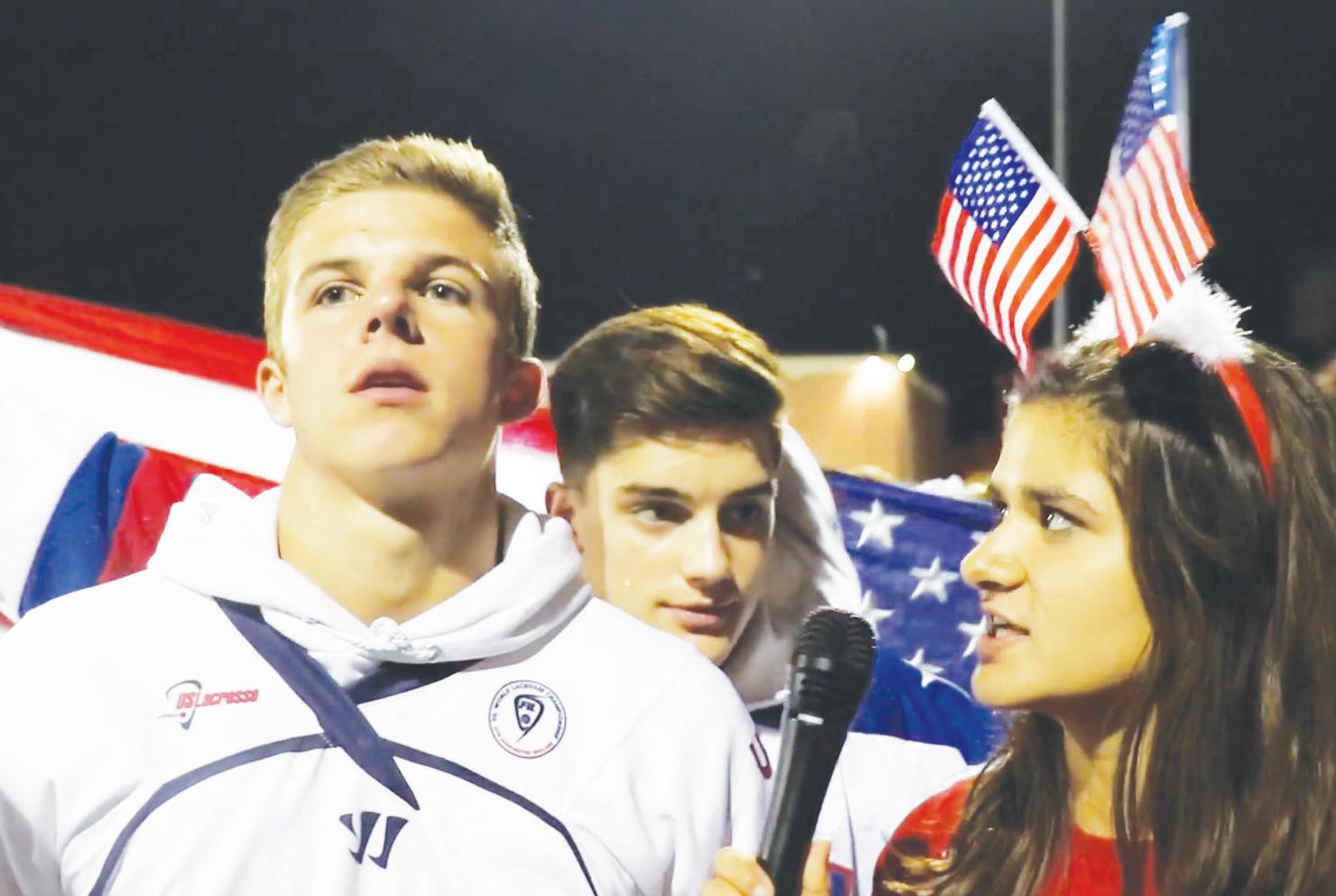
USA theme decided, my teammates and I went about telling friends and family that they should dress accordingly. Nobody we spoke with had a problem.
That is, until the school’s administrative office informed us that we were not allowed to do a USA theme. Frustration and confusion quickly spread across our team. What the administration didn’t seem to understand was that a USA
theme has no political connotations, nor does it have any implications surrounding our nation’s government. It is merely a way to show support for the team and establish a sense of community within the school. Quite frankly, the decision to forbid a USA theme is shortsighted. In an effort to preserve the school’s image, our higher-ups instead took a valued part of this final game—which we had
worked so hard to get to— away from us.
The reasoning behind the decision, as Assistant Director Sarah Warren said, is that “there are a number of members of our community who have varying views towards the United States right now, whether that’s politically or whether that’s their actual citizenship status, and so we do not find it to be a day that brings the community together.” Warren noted a previous protest of a USA theme, where some students wore all black. Despite our disappointment, I thank everyone who still showed up in neon and supported us without protest, helping lead to our state championship victory!
To think that a USA theme at a sporting event could have any connotations, positive or negative, to the current state of our nation’s government, is simply flabbergasting. Warren said that “the real emphasis we’ve had is that spirit theme days
Kaiyo Barnell & Hayden Bubb | Contributing Writers
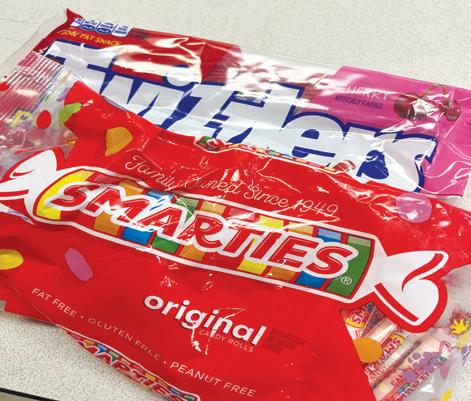
If you think Red 40 is just some harmless food dye that makes your snacks look fun and vibrant, think again. This artificial dye, found in everything from soda to Cheetos to candy, is the chemical equivalent of a Trojan horse. It slips into your body disguised as a snack, but brings with it an array of harmful side effects.
Red 40 is a petroleumbased dye, the same base
used for fuel and plastic. The FDA labels it as “safe for consumption,” but only because the long-term health effects are overlooked by vague safety testing, done to validate Red 40 while unleashing a plethora of negative impacts on children around the U.S. Studies done by the Cleveland Health Clinic have shown that Red 40 can cause hyperactivity in children, allergic reactions, and possible carcinogenic effects. It’s banned and/ or restricted in the EU for these reasons. However, in the U.S., it’s added to your fruit punch and “healthy” yogurts.
It’s not just about personal health or changing your diet: Red 40 consumption is complacency, funding a billiondollar industry that prioritizes profit and product appearance over health and safety. When you buy something with Red 40 in it, you are funding
the system that just gave someone cancer.
With Red 40 being so widespread and products without it being three times the price of those with it, even in “healthy products,” some people think the dye is unavoidable. But this is simply not true. Affordable, dye-free options exist everywhere once you know where to look. Santa Cruz Paleo, a health company known for its social media content, is an amazing alternative. You can order it online from their website, santacruzpaleo.com, for cheap supplemental products with single-digit ingredient lists. Addition-
are meant to be days that bring the community together,” and the administration’s decision did the opposite. Their decision has clearly highlighted to me that our school prioritizes preserving its reputation over supporting the decisions of our students. Neon, the redirected theme for the finals, may be safe, but USA is spirited, and spirit is exactly what state finals deserve.
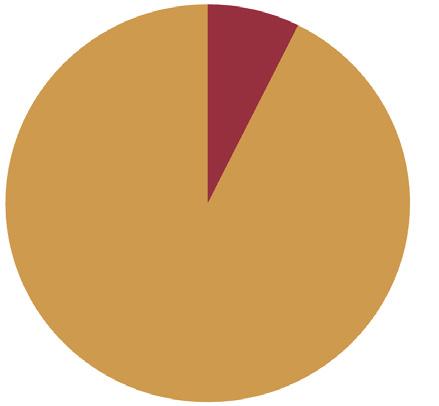

ally, farmers’ markets, local grocery stores, and even major store chains offer lower-cost foods made with dye-free ingredients. Avoiding Red 40 isn’t a matter of money, but a matter of conscience.
Lilah Johnson | Managing Editor
On November 6, 2024, it seemed like everyone had something to say. Even those who had never been politically outspoken before had an opinion to share. I was surprised by some people’s political views. As much as I tried not to let it affect me, it changed my opinion of some people.
Someone’s political beliefs are a reflection of their morals. In today’s age of divisive politics, political beliefs can be seen as a reflection of someone’s character. When it comes to differing opinions on topics such as same sex marriage or equal access to food and healthcare, it’s difficult for me in good conscience to maintain a friendship where someone doesn’t believe


(or actively supports politicians who don’t believe) that everyone deserves basic, equal rights. Political opinions are reflective of morals, and someone’s morals are vital when choosing with whom to spend time. A 2020 study from the Institute of Family Studies found that only 21% of U.S. marriages are between people
who don’t share the same political party. Further, only 4% of those mixed couples are between Democrats and Republicans, a ten percentage point decrease from 2016. In a Pew Research study from October 2020, 80% of Americans said they had “just a few” or no friends on the other side of the political spectrum.
This does not mean you should not end a friendship with someone just because they have different political views. If you’ve known someone your whole life and their opinions come as a surprise to you, that doesn’t mean that you should automatically cut them off. They can still be a good person to spend time
with and a valuable person in your life. There are definitely ways to work through your differences, whether that is avoiding political conversations or just agreeing to disagree. You might not want your lifelong partner to have the opposite opinion as you, but that doesn’t mean everyone in your life needs to think the same way.
While I didn’t end any friendships after Election Day, it changed the way that I think about political differences. I found myself much more likely to consider someone’s politics when deciding if they were someone I wanted in my life, and it made me consider distancing myself from certain people. I don’t think you should destroy relationships with the people in your life just because of political differences, but it’s important to consider people’s morals when deciding who to be close to in your life.

Ben Passi | Staff Writer
Pets have the remarkable ability to turn even the most ordinary moments into jokes. From dogs to rabbits, anyone with a pet can picture at least one funny or absurd moment. Small moments transcend human relationships and truly make pets best friends.
They say food is everyone’s love language. This is especially true for Isabella Valdesolo ’28’s aussiedoodle, Penny. Penny’s obsession with food encompassed all of Valdesolo’s funny stories.
Valdesolo reminisced, “One time at my brother’s 11th birthday party, a bunch of his friends had pizza in the basement, and they went upstairs so there were many boxes of pizza full.” However, after “they got back, there was no more pizza.”
Not only that, but Penny faced the consequences when he “then threw up the entire night.” Even so, Valdesolo elaborated, sharing that Penny never learned his lesson. “Just last week, I got home, and my entire kitchen trash can was emptied because we had left it open and Penny had eaten all of it.” At this point, Valdesolo has accepted that Penny’s curiosity and stomach are both bottomless.
Overindulgence isn’t unique to Valdesolo’s story. Maren Farazi ‘26 shared a similar pet story with her chocolate labrador retriever, Grizzly. Similar to Valdesolo’s Penny, Grizzly consistently eats trash. “One time, he ate the skin off a baseball that was lying in our front yard,” Farazi shared, between laughs. This initially sparked con-
Kcern, “we thought he was going to die,” Farazi stated. However, it ended up just adding humor to the already ridiculous scenario when “instead, all he did was he just kind of threw up…different pieces of the baseball for several days, but he was fine.” Though dramatic, the whole experience lives on as one of Farazi’s favorite memories of Grizzly’s questionable decision-making.
Eating everything isn’t just a characteristic of dogs, though. Kelsey Webster ‘28’s rabbits, Cho and Ginny, also have a habit of eating stuff they shouldn’t.
“They will eat anything,” remarked Webster. Webster shared that on several nights, “I’ve woken up to a bunny on my bed and eating my hair.” These nighttime shenanigans, though annoying, are a regular yet humorous routine in the Webster household. “We have a cage around our [rabbit] hutch that they are not meant to be able to get out of, which is about four feet tall,” Webster shared. Yet nothing seems to stop Webster’s adventurous furry friends. “On several occasions, we have woken up at around 3 a.m. to them jumping over it and knocking the entire fence over.”
Despite the chaos, Webster admits that Cho and Ginny’s late-night trips have become a strangely endearing part of their bond, one that brings a little humor to mind every time she thinks of them.
The joy and humor of pets are universal. All it takes is an early wake-up call, a skinned baseball, or an empty pizza box to create a lifelong memory.


arenna Church ’29 identifies as a proud dog person. She stated, “In my personal experience, [dogs are] more cuddly and more loyal.” Many dog lovers agree. Sam Carlson ‘29 said, “They're also a lot more playful than cats. They interact with people much more.”
Reagan Schoen ‘26 has only ever had dogs, and from her experience, she said, “I like dogs because they rely on you … I feel like cats can kind of take care of themselves. And so I like having
Sabiha Kojasoy | Staff Writer
a relationship with my dogs.” Reliance on creating a stronger relationship is also expressed by Church, who commented, “They're just so sweet and I think the reason they're called man's best friend is because they're so awesome.” According to a Duke University Research article, they explain the health benefits of dogs in relation to the term “man’s best friend”. Dogs’ emotional impact is widely proven. Charley Bowles ‘26 said, “[Dogs] want to be around humans more, which is a nice quality.”
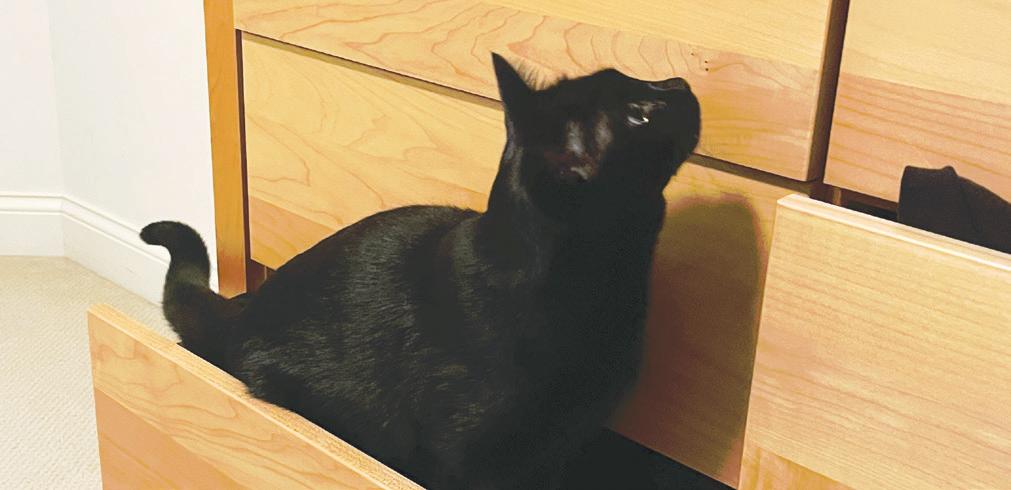
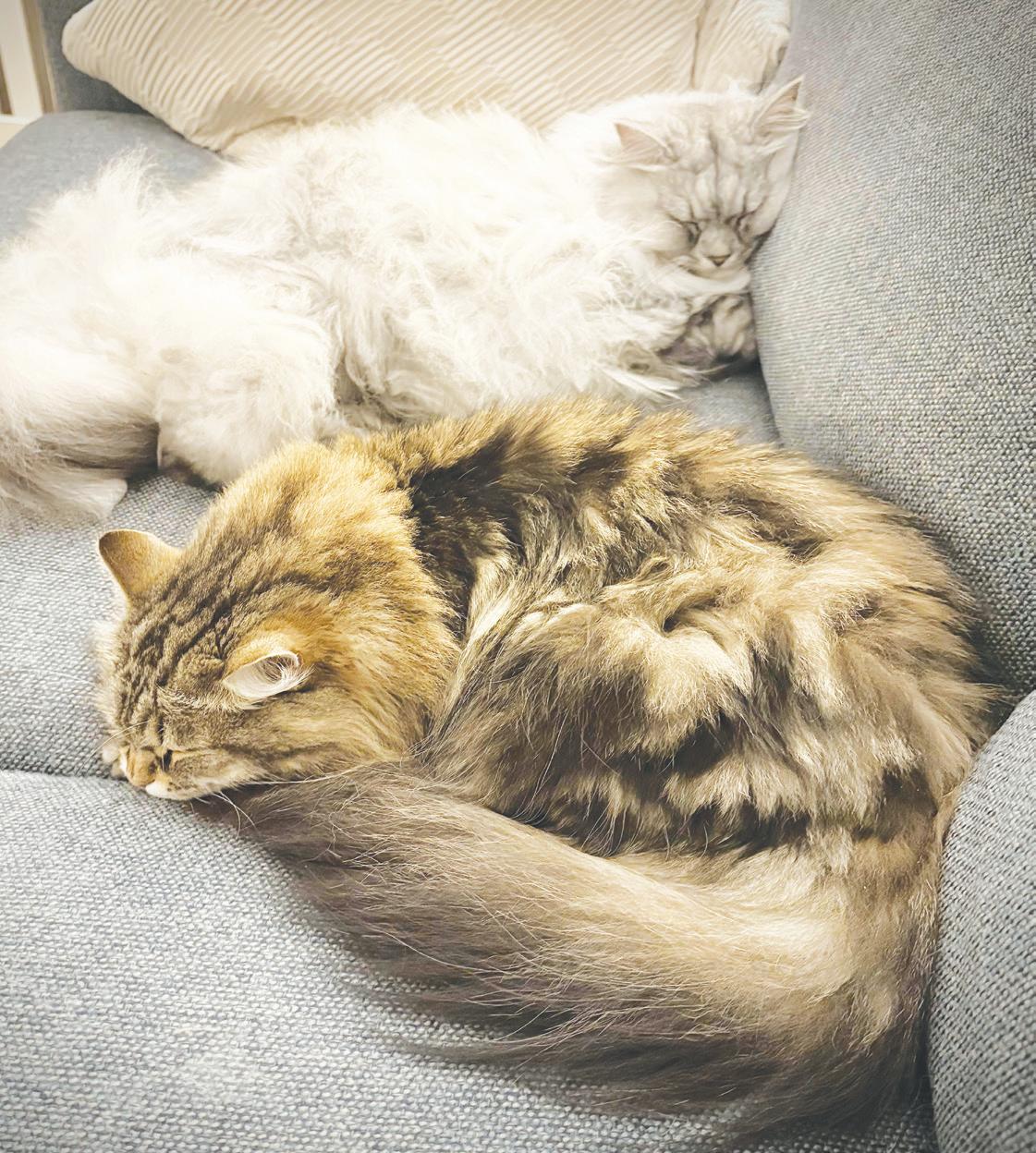
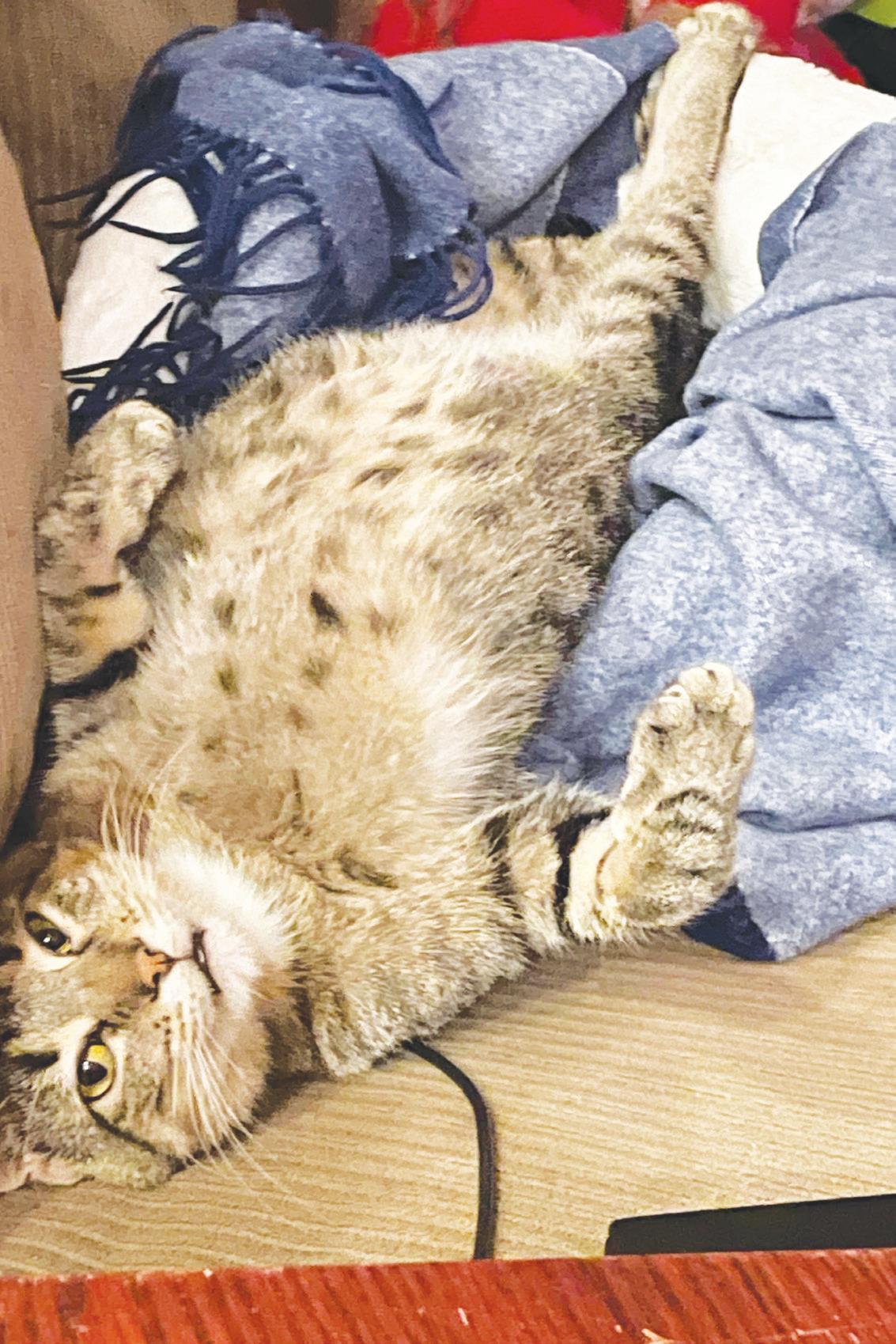
Sienna Szerda ‘29, a confident cat person with two cats, explains her preferred qualities of cats rather than dogs: “I feel like they're more furry, and I feel like they're better to cuddle with 'cause they're typically smaller.” Even as a dog person, Bowles stated, “I honestly think on average, cats are probably cuter.” So, according to Szerda and Bowles, cats are ideal for physical characteristics.
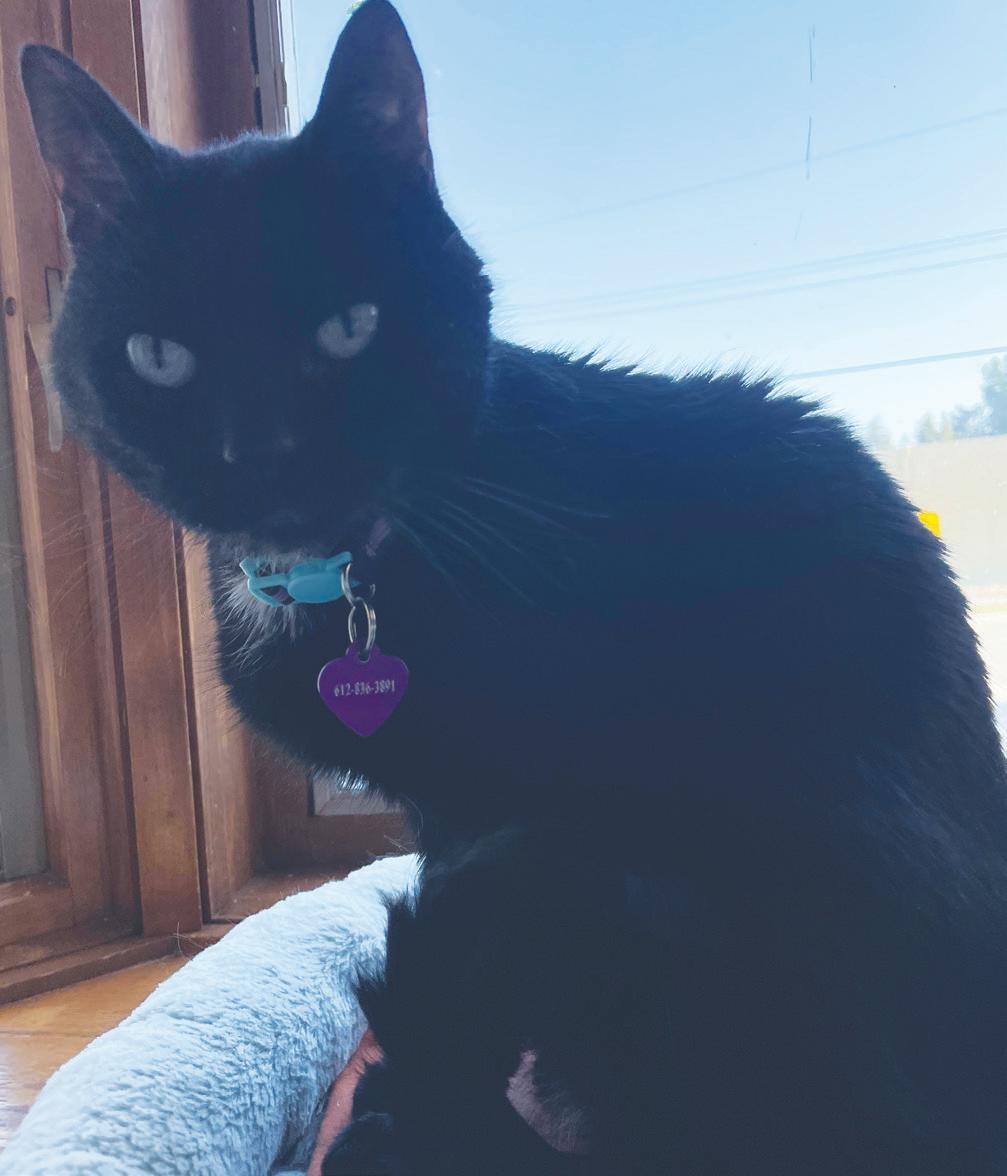
Cy Skibell ‘29, a cat person, critiques a typical dog's characteristics as “Always up in your


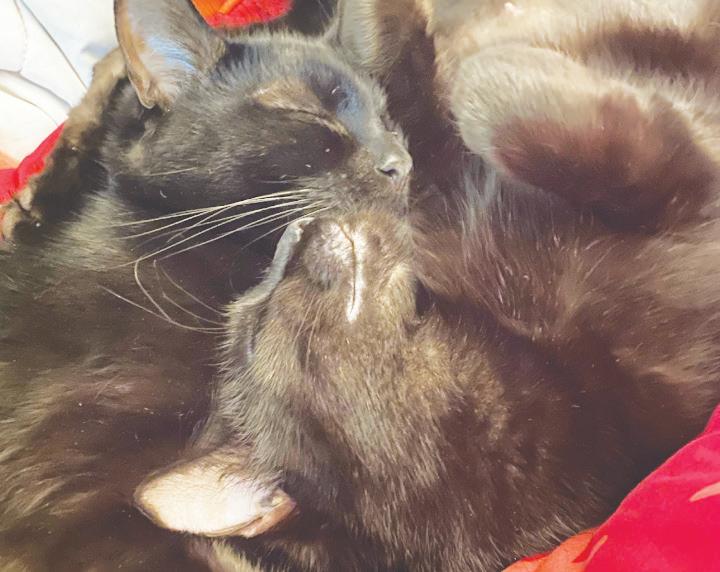
business, you know? Like they always want attention. But cats are so chill.” A science teacher and a dog person, Kjirsten Walt-Anderson, has never had a cat before. So when asked about cats she notices, “I've always had cat-like dogs that are pretty small and cuddly.” This observation reveals the true complexities of this argument, saying that this debate is based on the stereotypical characteristics of each pet and there are outliers, like Walt-Anderson mentions, such as dog-cats or catdogs.

Evan Darmawan | Staff Writer
s they say, dogs are man's best friend. They always seem to help make the best memories. This is true for all pets. Many students have a variety of pets, including cats, dogs, rabbits, fish, reptiles, hamsters; the list goes on.
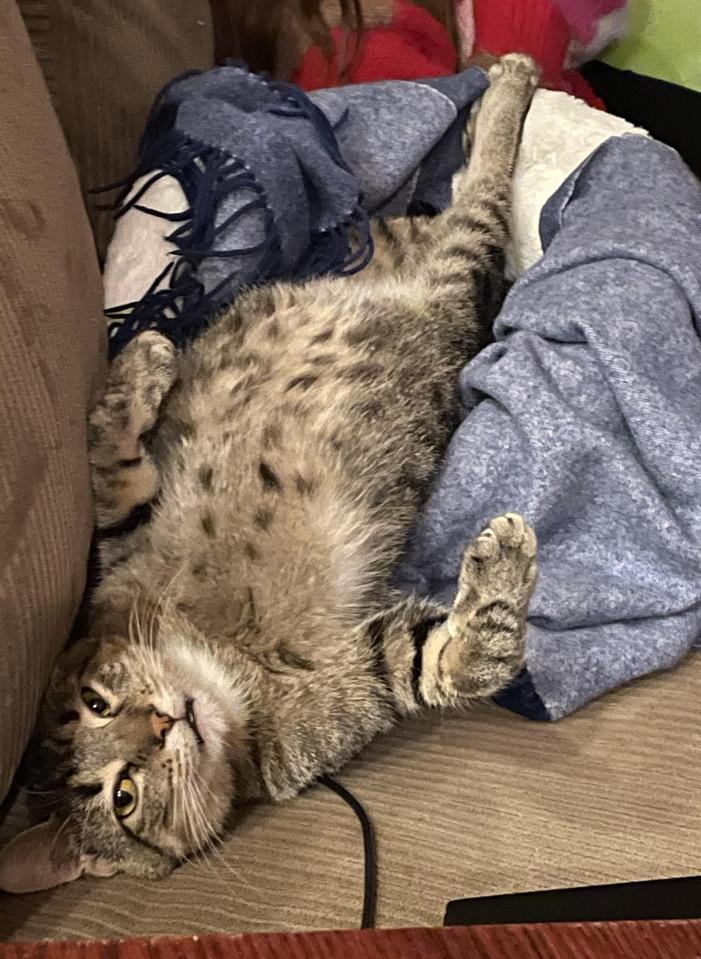

Rowan Kalar ‘27 shared how her pet bearded dragon, Morticia, whenever she was out of her cage, would run around. One particular evening, Morticia was out and about running around its cage. Simultaneously, Kalar worked, but found it hard to concentrate because the bearded dragon would periodically scamper around rapidly, its arms and legs flailing quickly about in a circular motion and sliding across the floor.
Kalar’s dog, Luna, is very clingy. Luna tends to infiltrate others’ space.
One time, when Kalar and her sister were preoccupied, Luna inserted herself directly on top of Kalar’s sister, Poppy Kalar ‘29, sitting right on her face and extending her paws on her body, stretching out. Lastly, another relatable and exceedingly memorable occurrence for Rowan is the fact that her cat will bite and scratch if she is petted too much or too little.. While this is something that many cats frequently proudly display as their personality, it never fails to make Rowan laugh.
Another frequent story was times when dogs would play wildly with others around them or even with their owners.
Natalie Heitmiller ‘29 has fond memories of wrestling around with her dog. It began with him teething at her, to which she pushed him away, causing it to spiral until they were on the ground scuffling. For another memorable moment with her pets, Heitmiller told a story about the time during winter when her dog fell off a small ledge and into a frozen lake. While she was out walking the dog with her family, the dog suddenly swerved. The dog turned a bit too hard and ended up tripping and falling into the frozen lake underneath. Heitmiller laughed about how “they had to pull him out of the frozen lake like a handbag by the harness.”
A particularly amusing memory that stood out to Blakely Schmidt ‘29 was the time when her dog acquired a pair of scissors. While Schmidt and her family were doing garden work together, her golden retriever came across a pair of scissors, picked them up with its mouth, and held them up proudly. At that moment, her dog got the zoomies and began to bolt dangerously close and around her family, stubbornly not letting go of the scissors.
While most people have pets “just for the fun of it”, the memories that come with or that come out of connecting with and going crazy with them make having a pet worthwhile to many students. They serve as great mechanisms for regulating human emotions.
Lilly Tarakji | Staff Writer
After a long and tiring day, there’s nothing quite like being greeted by a wagging tail or happy purr. The comfort pets bring isn’t just emotional–it’s measurable. According to the American Pet Products Association, approximately 66% of households in the United States own a pet, totaling about 86.9 million households reaping the benefits that come with pet ownership. Beyond companionship, pets play a measurable role in improving humans’ physical and mental health.
During a talk given at the Harvard T.H. Chan School of Public Health,
Harvard Medical School clinical assistant professor Beth Frates and Megan Mueller, associate professor of human-animal interaction at Tufts University’s Cummings School of Veterinary Medicine, cited research that has shown that dog owners are more likely to meet the medically recommended amount of physical exercise–150 minutes. Frates explained that meeting those guidelines can lower blood pressure, cholesterol, and triglycerides (a fat found in the bloodstream). Regular exercise also reduces obesity and improves sleep quality.
The benefits of pet ownership don’t stop at
physical well-being: The furry friends have a powerful impact on our minds and emotions, too. They bring out the best in their human counterparts. “Pets provide a powerful sense of purpose—a routine and a responsibility to care for another living creature,” Mueller said. “That can provide a driving force for getting someone out of bed in the morning.”
In an edition of the American Psychiatric Association’s (APA) Healthy Minds Monthly Poll, 86% respondents who were pet owners said that their pets have a mostly positive impact on their mental health. These respondents cited
several essential benefits of pets, helping to reduce stress and anxiety (69%), providing unconditional love and support (69%), and providing a calming presence (66%). 63% said they saw their pets as true friends.
Perhaps the most important benefit of pet ownership: The American Heart Association found that having pets, whether furry or not, decreases a person’s mortality rate by a staggering 24%, meaning it reduces the likelihood of dying from any cause. In short, pets don’t just brighten our lives–they help us live healthier and longer ones.
Faith Zhao | Creative Director
Former student athletes find connection through community in college
Going to school in Iowa at Wartburg College, Matthew Tarr ‘24 was nervous because he didn’t know anybody, and due to the school’s competitiveness, he thought that “they were gonna try to kill me.” However, over time, he got used to the busy rhythm of school.
Tarr said, “College has a lot more off-the-field things. The meetings help us be able to not only correct our mistakes from the day before, but it’s easier for us to really understand what we’re supposed to be doing for the next day. It’s more like a job than it is in high school.”
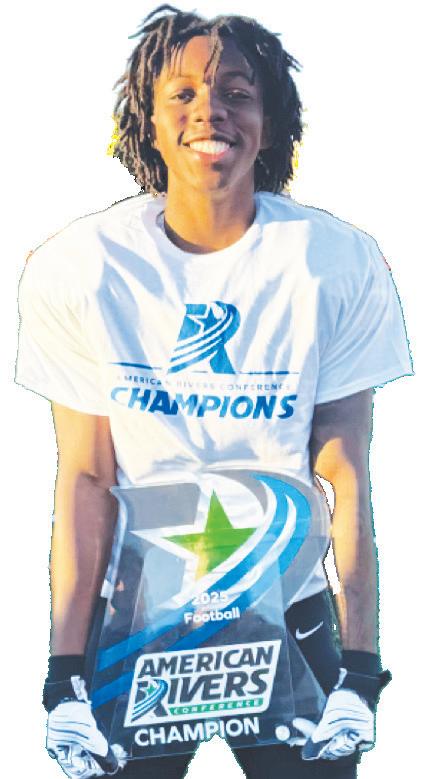
Socially, Tarr thought he would be an outlier. He said, “I didn’t expect it to be this easy to make friends, especially when a lot of people already knew each other coming in.”
A college athlete goes beyond just honing a sport; it’s also the experiences with the people. Tarr said, “In college, you really choose your friends. It definitely helps me in the sense that we all keep each other accountable, and it also teaches me patience because not everyone grew up in the same environment….it gave me a better worldview.”
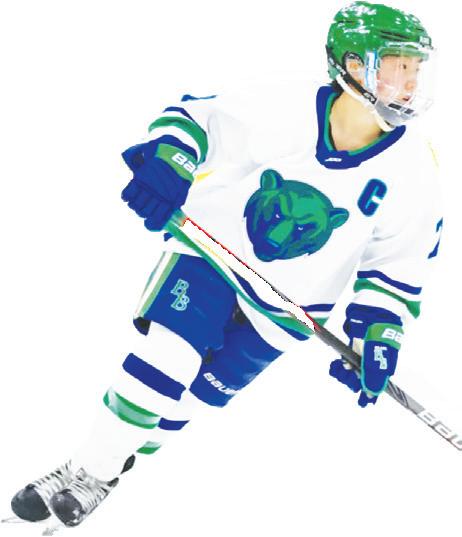
Suzy Higuchi ‘23 is now playing on the women’s hockey team at Yale University. Despite the challenging nature of junior hockey in Minnesota, Higuchi noted that college hockey is more physical. “Everyone’s lifting, everyone’s stronger and better.”
From the outset, the small differences were what stood out to Higuchi. College hockey is “more professional…there are a lot of extra rules,” said Higuchi. “We have to wear dress clothes to the rink.” In addition, Higuchi described how there is a lot more freedom regarding how players can warm up. Despite the differences, Higuchi found the transition to college hockey easier thanks to the upperclassmen on the team. “They were very welcoming,” said Higuchi.

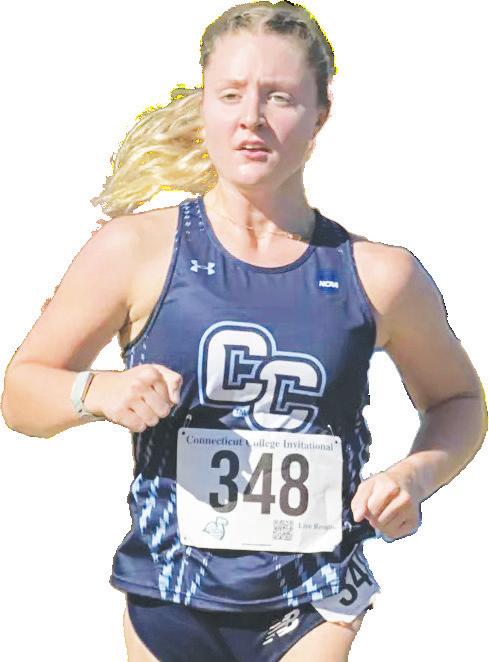
On her first day of track practice at #12-ranked Connecticut College, Cleo Kilpatrick ‘24 was nervous. Despite having over 30 women on her team, all highly ranked in the nation, from daily practices and team dinners, Kilpatrick said, “it was really just a family…I could sit next to anyone and have a conversation.”
The strong community presence contributed to her own growth. “It’s giving me a lot of confidence because I have this huge support behind me,” said Kilpatrick as she smiled.
“ I can be who I am, and they are not going to judge me. They are going to be with me the whole way.”
Moreover, college has taught her how to say “no.” Kilpatrick explained, “In high school, you’re trying to do as many extracurricular activities as you can to build a resume for college, but once you’re in college, you need to focus on yourself and what you want to do... I learned to take care of myself.”
Seniors hope to elevate squad
Soren Reyes | Contributing Writer
After spending recent seasons competing in Class AA, the boys’ hockey team returns to Class A this winter with
one of the most experienced rosters in the state.
The Bears bring back nearly every key player from last year and will add important new pieces, giving them depth and maturity, as they enter a section where they expect to contend and make a run in the postseason. The
biggest headline of the off-season is the return of forward Joe Erickson ‘26, who spent time in the USHL before coming back to play his final high school year. His presence instantly elevates the team’s first line. Erickson’s teammates were quick to welcome him back. Charlie Moore ‘26 said
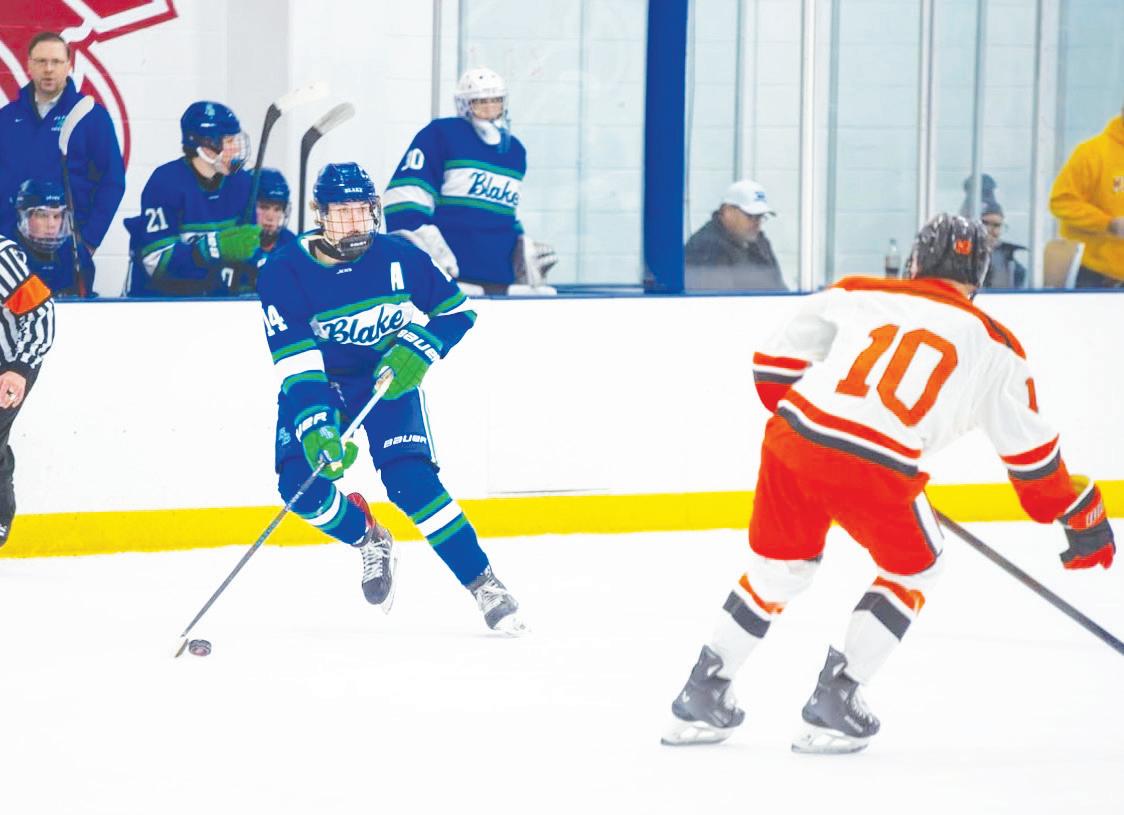
that Erickson leaving the school during the first semester was worse than getting dumped freshman year.
The team opened the season with a preseason scrimmage against Breck on Saturday, Nov. 15. The Bears earned a 3-1 win in an intense game that featured seven players ejected between both teams. The Bears return a deep group of seniors with Landon Bell ‘26, Jack Mark ‘26, Eli Crosby ‘26, Moore, Erickson, Jimmy Hughes ‘26, Chayce Clausen ‘26, and Max Vinar ‘26
New transfer Cooper Simmons ‘26 joins the team, and he has already impressed, bringing size, skill, and good looks that fit smoothly into the team’s style of play. Clausen describes Simmons as a better looking golden knight from Clash Royale.
One of the big-
gest changes comes in Jake Iwan ‘27 stepping into the starting goalie role, after seeing limited varsity action last season behind Fuzz Aafedt ‘25 When asked what he focused on in the offseason, Iwan said, “Consistency. Everything I do is consistent.”
With the return to class A, the team im-
mediately becomes a legitimate contender for a deep postseason run. The roster is older, deeper, and stronger than it’s been in several years. Superfan Ryan Lee ‘26 said, “The team is just too big to handle.” If Lee is right, the team has the potential to be one of the top teams in Class A this season.
Answers on bottom of page
1) Who is the new head coach?
a) J.T. Wyman b) Rob McClanahan c) Jay Phillips
2) When did boys’ hockey last compete in class A? a) 2016-2017 b) 2000-2001 c) 2022-2023
3) What year did boys’ hockey last compete at State?
a) 2021-2022 b) 2019-2020 c) 2018-2019
4) Who led the team in points last season?
a) Landon Bell b) Axel Bisbee c) Joe Erickson
5) What was the team’s record last season?
a) 18-8 b) 19-7 c) 21-5
Answers: a, a, b, c, b,
“Meaning is about making a difference, not [about] having an
audience.”
- Wharton Professor Adam Grant London Gilbert | Staff Writer
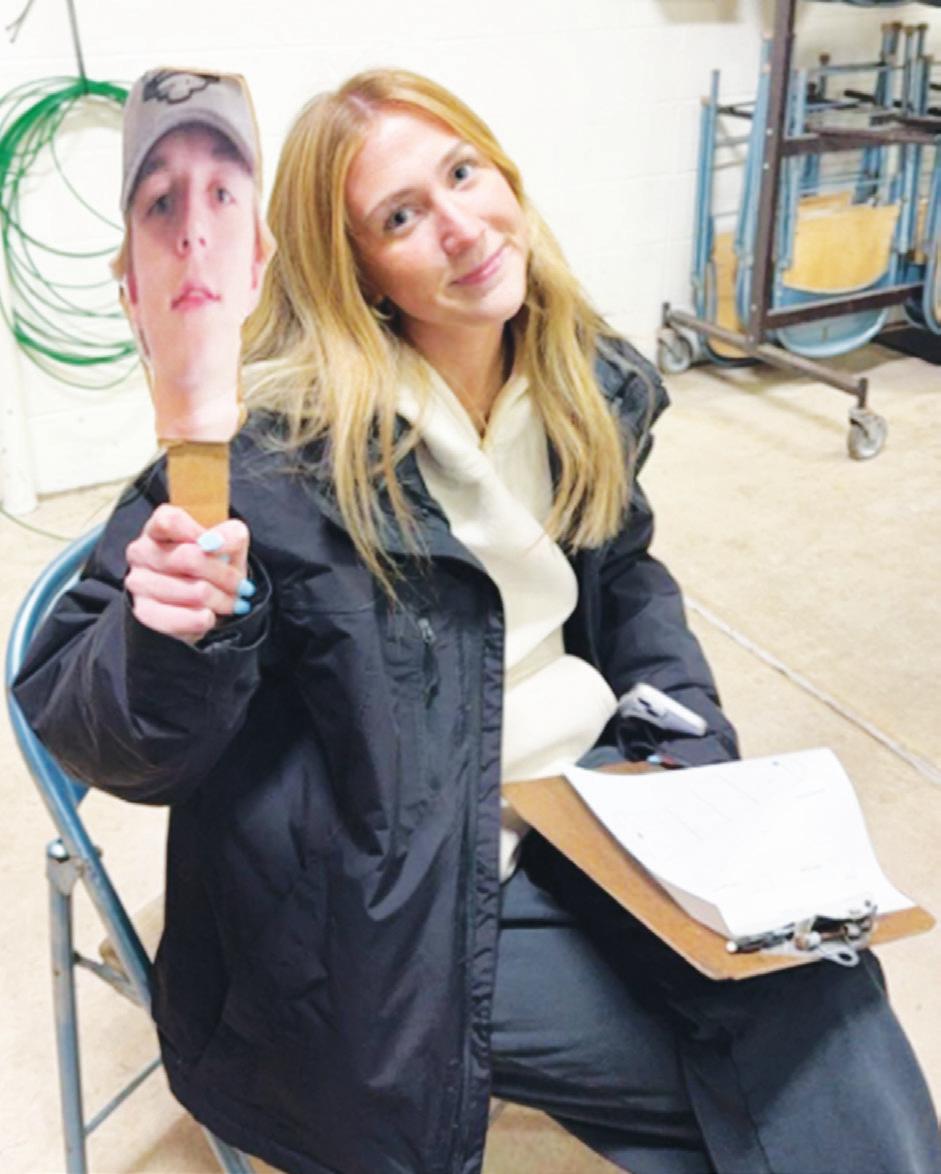
Behind every state championship team, every smile in the locker room, and every student section are people who do not appear on the scoreboards, but make every victory possible. For the Boys’ Soccer team, that hidden strength came from team managers like Lula Alter ‘27 and Lara Ibrani ‘27, whose dedication carried the team from day-to-day practices to a historical state title.
A manager’s work rarely stops at water bottles and snacks; the role may also include a chance to stay close to a sport they love. “I’ve always loved being around soccer, and since my twin brother’s on the team, I wanted to find a way to be involved too,” said Ibrani. “I usually do tennis during the fall, but this year I tore my MCL, so I needed a distraction to put more time into. Managing let me support the team while still being part of the action in my own way.” The job of a team manager is a sacrifice and a year-long commitment that these people choose to make out of reminiscence of their lives.
For winter sports like hockey, the
responsibilities look similar, but intensify with the pace of the sport. Boys’ hockey manager Gabi Grimm ‘26 describes the job as a mix of organization and creativity: “We take stats, fill waters, organize sticks, and run the social media.We’re working on getting photographers for games and creating Canva posts to help bring in fans.” On the girls’ side, Reagan Schoen ’26 emphasized the community: “The biggest part is supporting the team, being there for players, writing little messages, keeping people smiling after a tough day.”
“We really hope to see a big turnout at games this year from students and fans,” said Grimm. “We spend a lot of time creating posts and filming through the whole game so we can catch every goal for the fans that couldn’t be there.”
Across every sport, managers share a common thread of sacrificing their time and energy not for recognition, but because they believe in their teams. Managers are the students who keep things running smoothly, the unseen component of athletics.



“It was nice to meet the team. I’m excited to go there next fall.”


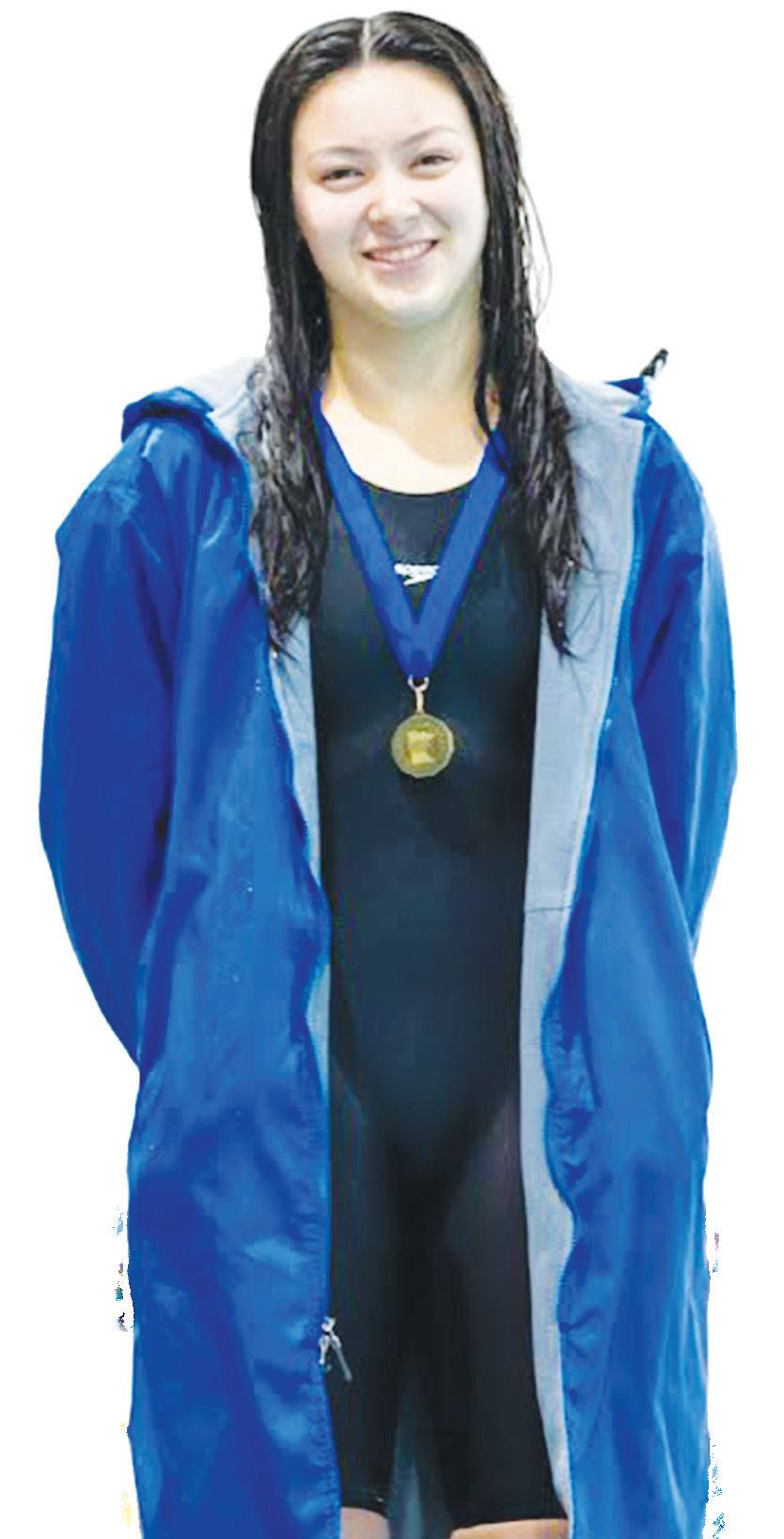
Jack Mark ‘26 committed in July to Middlebury, a Division III school in Vermont, for golf.
Mark, who was late to the sports application process, mentioned a difficulty being that “my parents [and I] didn’t know a ton about how recruiting for golf work[ed].” While sending out emails, he recounts being “a little nervous that I wouldn’t get a lot of responses, but at that point I was trying to gather information for if it was even possible, seeing if there was any interest. I just didn’t know what to expect.”
Mark wanted to go to a school where it was both an academic and athletic fit. “I knew I wanted a smaller school, and my dad also went [to Middlebury], so he had a lot of good things to say about it…my mom is also from the East Coast,” said Mark. “[They were] very helpful and supportive to me. They didn’t try to put any extra pressure on me for making it work out.”
Mark visited Middlebury during a camp between his sophomore and junior years, shooting 72 in front of the coaches. “The environment playing in front of coaches was pretty fun,” he recalled. “You definitely do feel a little pressure, especially because with visiting schools on the East Coast, it’s pretty much the only time they’ll get to watch you play.”
“[Committing] in some ways give[s] [me] a little confidence,” Mark added. “But at the same time, I’m not going to be thinking about that during the high school season. We’re going to be more focused on our team.”
Mark reflected, “I’ve always enjoyed being a part of a team. It’s nice to know that I will get to do that.”


“It felt right...It felt like the team was like a family.”
“I
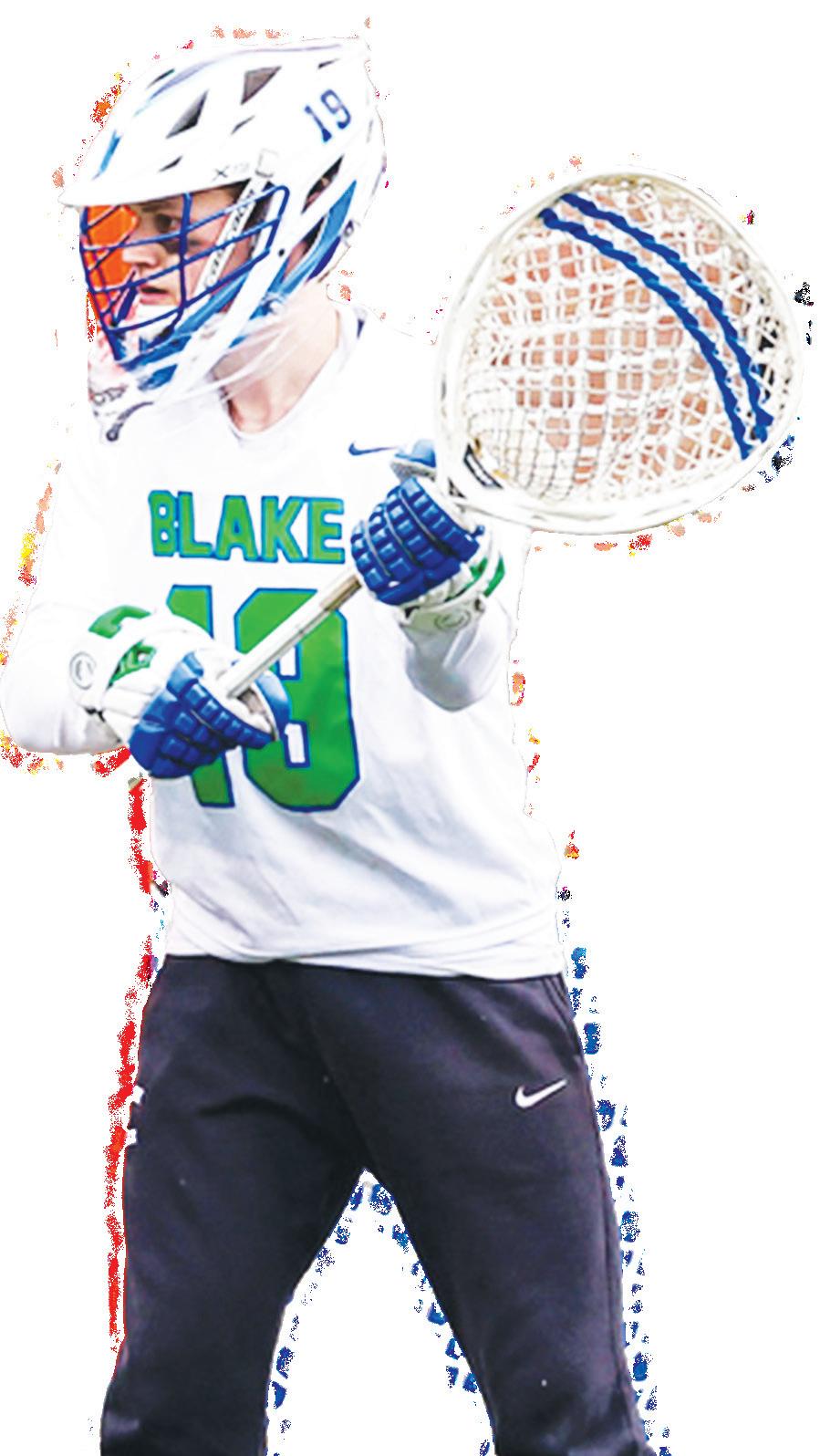
Mercy March ‘26 committed in October to Colorado College, a Division III school located in Colorado Springs, for swimming.
March has been swimming competitively since she was five, and started emailing and talking to colleges before her junior year. She described college recruitment as “a completely new experience” and “a long process.” March said “want[ing] to go somewhere [she] [could] swim,” in addition to “go[ing] somewhere that was good academically,” which helped narrow down schools during the search process.
“It’s hard because it can feel like for certain schools, for swimming, [that] you’re not fast enough... It can feel like rejection,” explained March, “For certain schools, it’s like, ‘You need to wait until you get faster, and then you can email me back.’”
March said her advice would be “knowing it’s all going to be okay.” She reflected, “I feel like I was overly stressed…It all kind of worked out in the way it was supposed to, but I know there was a period of time where it felt like, ‘I’m never going to find a school I want to go to.’ But it’s all gonna be okay.”
March loved Colorado College because of how welcoming the team was. “They knew so much and were invested in each other’s lives. They asked about ‘How was the test you were talking about,’ or ‘You were telling me you were going to this concert; how was it”?” said March. “I’m excited to be part of the team.”
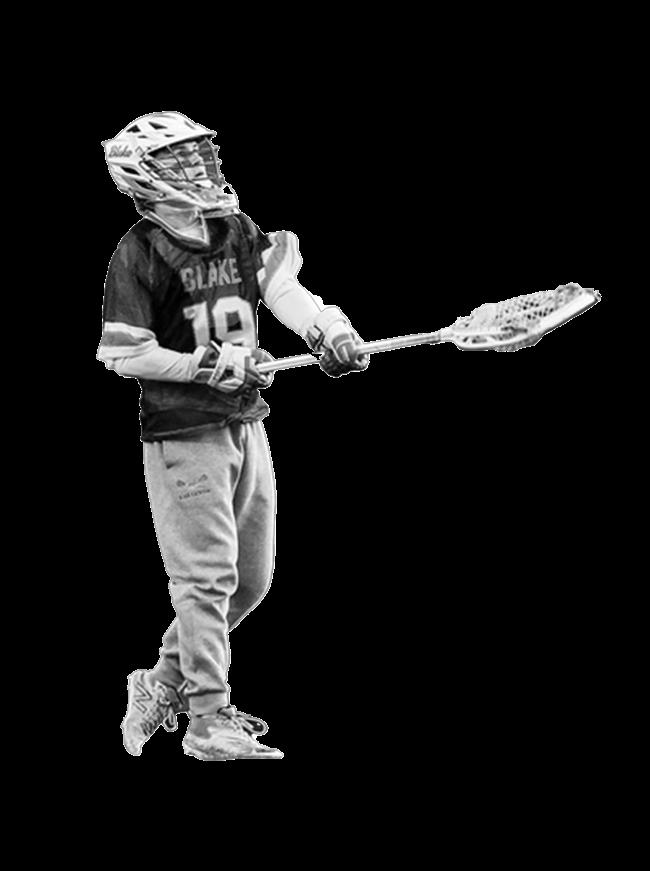
Jack Ulland ‘26 committed in August to Haverford, a Division III school outside of Philadelphia, PA, for lacrosse. Ulland’s journey towards committing was long, and like many athletes, uncertain. While first starting the process in his “eighthgrade year,” after sending emails and getting limited responses, Ulland “lost a lot of hope.” He added, “There was a time when I thought I wasn’t going to go anywhere for lacrosse, where I was like, ‘I’m not good enough.’” Ulland explained, “I’d been sending a million emails to a bunch of different coaches, but I was at this camp for fun on the summer…and [the Haverford coach] saw me [and] emailed me like, ‘I really like you.’” Ulland detailed that after almost giving up on the process, “Haverford expressing interest…got me back on board,” and that despite his initial aspirations for Swarthmore, a neighboring school, his acceptance “was a happy surprise.”
Beyond getting to know his new team, which he described as a group of “really awesome guys,” Ulland is most excited “to play at the next level…Everybody’s fine in Minnesota, but when you go to the East Coast, it’s an entirely different level of competition.” He emphasized the importance of coaching, and is excited “to have the chance to…be coached every day and get better,” something he wouldn’t have received if he played on a club team.
“I just love lacrosse, and want to be the best I can be,” said Ulland. “[And now] there’s an actual light at the end of the tunnel.”
Evie Chow | Copy Editor

“I’m visiting from Denver. I grew up in Rhode Island. I was actually in Duluth on a personal retreat and stayed the night here to hang out with a friend before heading home. It’s gorgeous here. I am the head of an LGBTQ advocacy organization. It’s a lot of work with legislatures and community members on protecting LGBTQ rights. The rights here are actually pretty similar to the rights in Colorado. Your governor Walz is really inclusive and he works really closely with our governor Jarde Polis. There’s an organization here called OutFront Minnesota, and we work really closely with them. My greatest joy in life right now is my wife and young people, really. I think that y’all have a lot of courage and heart in a way that we need right now. The hardest struggle for me is to see how divisive we are. I think life is really beautiful and it’s unfortunate that too many of us are fighting with each other.”
finds enjoyment through making music
Tarun Gopalakrishnan | Sports Editor
On Feb. 26, Chase Liebo ‘26, who goes by CHSE, released his first album titled “Chaseapolis,” which consisted of rap, house music, and atmospheric songs, which Liebo describes as “movie soundtrack” esque.
“Chaseapolis” was a 14-song album, with each track taking anywhere from one to three hours to make. No matter how long it takes to produce and write, Liebo spends weeks editing and finetuning each of his songs to ensure that he’s done the best he can. “Chaseapolis” is just a portion of Liebo’s diverse music portfolio as he tries to get creative and experimental with the music he makes.
“Chaseapolis” and Liebo’s music in general stems from his interest in producing beats. “I enjoy making the beats first of all… putting everything together and then listening to it after…[it’s] a really satisfying process.” Liebo begins this process by making the drums using a synthesizer or 808s to form the structure of the beat. Liebo slowly adds on, and once he has a melody, he starts writing his lyrics. However on some tracks, Liebo composes his lyrics beforehand and adds them to the beat. Once he’s added his lyrics, Liebo polishes the track with some adlibs.
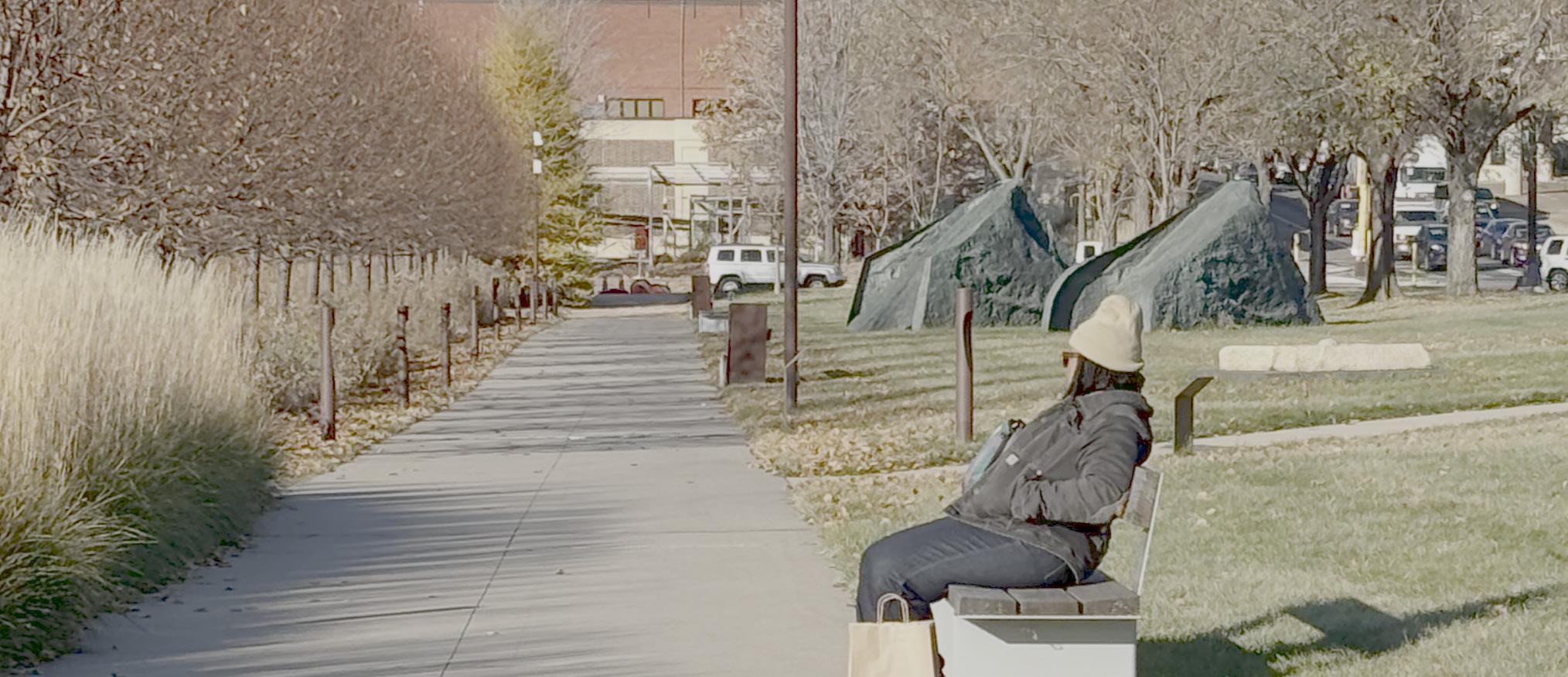
“I’m taking a long walk because I’m off today. I work at the Minneapolis Institute of Art, so I do admin stuff there. My job mostly looks like keeping things organized for the COO at the MIA. So I do calendar management and project coordination. I’m from Indiana. I moved here in 2013 to go to school. I went to Augsburg. My greatest joy is probably just the people in my life and the connections I’ve made over the years. My greatest struggle is probably dealing with my mental health, so just staying positive can be a struggle.”

“I’m visiting from California--the Bay Area. I’m visiting family--my brother. I’m here for a few days. So far here is pretty good. Except for the cold. I don’t like art particularly--it’s okay. My greatest joy is living. Being alive.”
Liebo tries to model some of his music after popular artists.
“Right now, I’m doing more of the rap, hyperpop type beats,” said Liebo. “There is a rapper called SSG Kobe I’ve been listening to who has that hyper pop sound… Ken Carson [as well].” Liebo mirrors their style and sound in some of his more recent tracks.
Since Liebo made his album, he has released some singles, and a smaller, six song project consisting solely of house music called “The Neighborhood.” Liebo describes the production of his house music as “him trying different things [until] in my head I perfected the song.” Liebo’s work can be found on streaming services such as Spotify or Soundcloud.




In 9th grade, everyone completes a unit on religions in their World History class. They learn about Hinduism, Buddhism, Judaism, Christianity, Islam, Zoroastrianism, Confucianism, Daoism, and other religions. However, religion does not solely manifest in the classroom; it can be an integral part of people’s identities and play a role in their daily lives. Religion can be marginalized in nonsectarian schools.
The school differs from most other private schools in Minnesota in that it is unaffiliated with any religion. Non-sectarian schools are welcoming of all religions, whereas sectarian institutions promote a particular religion. Oftentimes, sectarian schools have requirements in theology, religion classes, or prayer services. Since the school accepts and welcomes all re -
ligions, the student body has identified ways to express their religious identities and build community. The school is home to a religious affinity group, the Jewish Student Union, and a religious club, Paws for Prayers. According to the club leaders, these clubs fomented community. In a non-sectarian environment, clubs offer the space to form connections and explore identity.


Chloe Kern | Staff Writer
According to Mia Wolfe ‘27, “The goal of Jewish Student Union (JSU) is to bring together and create a Jewish community.” Wolfe is one of the group’s copresidents alongside Addison VanCleave ‘27
VanCleave emphasized the club’s vital role in connecting the school’s Jewish community, saying, “I feel like it’s important because [we] all share similar identities as Jewish people.” VanCleave noted that there is a smaller number of Jewish people at the school, so a dedicated group can help form connections across grade levels and class assignments: “[H]aving a community that you can go to talk about your religion and relate to you with your values and your beliefs is important.”
JSU is not only active within the school, but also in numerous activities around the greater Twin Cities area. One example is an “Earn and Learn” program that Wolfe attended
on Monday, Oct 20.
An “Earn and Learn,” Wolfe explained, is a free dinner paired with an exploration of a subject in Judaism with other Jewish youth. To sweeten the deal, attendees earn twenty dollars by attending. Wolfe commented, “It’s just activities to bring people together.”
Wolfe thought a lack
of religious affiliation “opens Blake to having a more diverse community.”
Through accepting all religious denominations, the school fosters a open and embracing community. An nonsectarian community opens space for clubs like JSU. Wolfe said, “I think [ religious clubs give] people who are a part of [a religion] a safe space.”
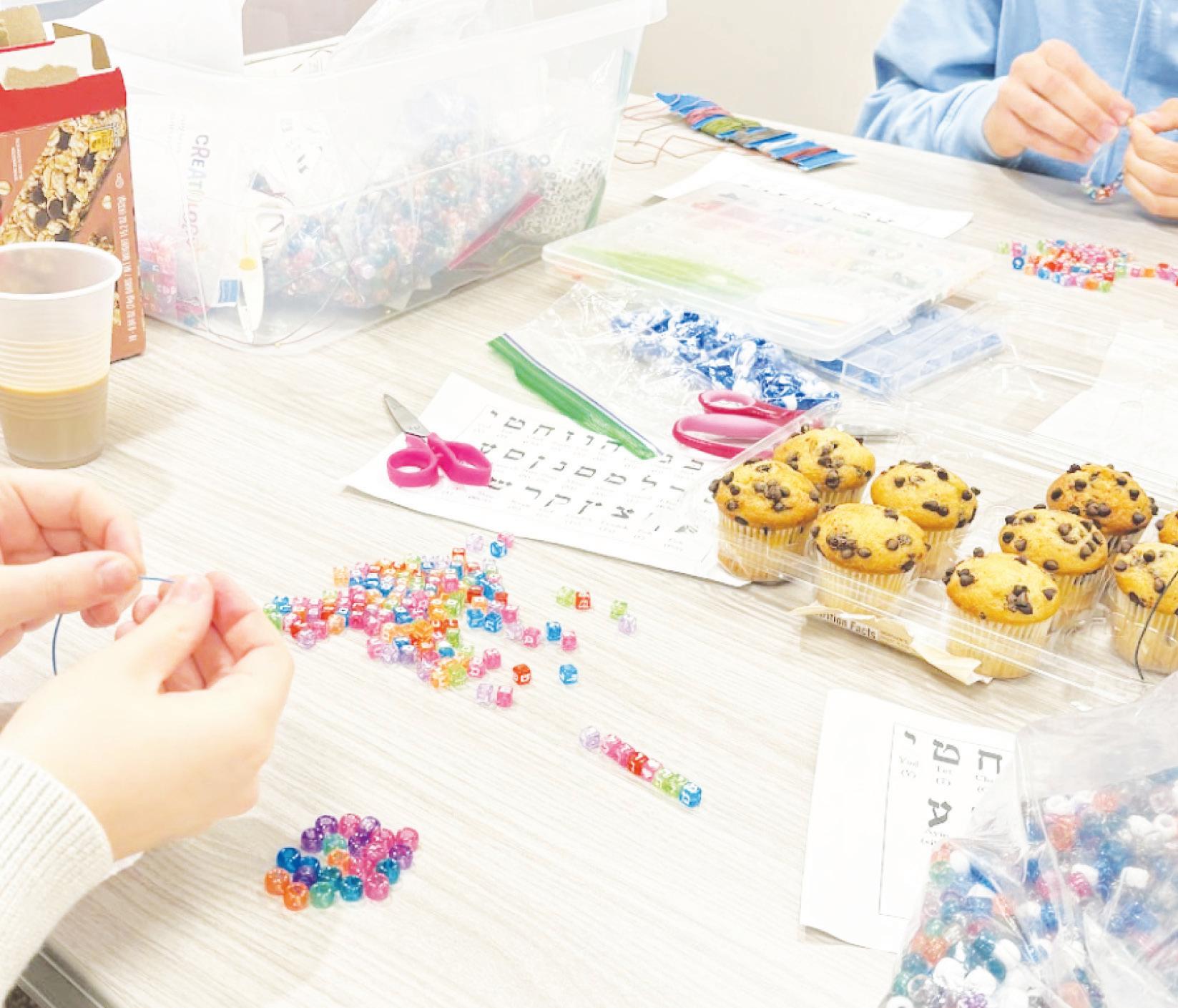
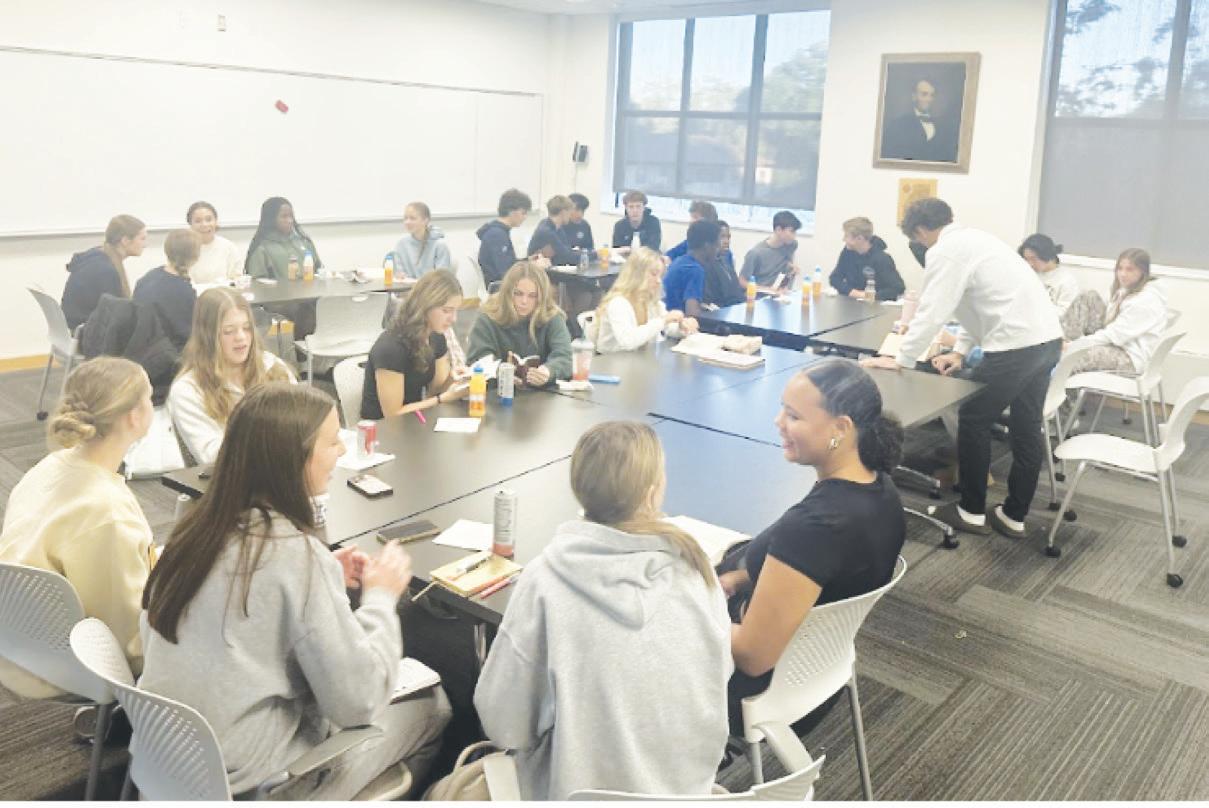
Paws for Prayer is a new club this year for the Christian community. It serves as a space to explore religion and find connection.
Leila Dalum ‘27 came from another school where they had a Christian club called “Breakfast Club.” She saw Northrop needing that space. She wanted to “create a loving community, learn[ing] the word of God and the Gospel.” Paws for Prayer was established to fill the need Dalum identified.
Adeline Wethington ‘27, Dalum and John Heinmiller ‘27, the founding members, had to communicate their idea for a Christian club. Wethington said, “We really just spoke from the heart... [about] what we wanted and our goal.”
Their goal came to life in early October with Paws for Prayers first meeting. Wethington said, “Honestly, it was really easy. Blake was re-
ally understanding.”
According to Wethington, at Paws for Prayer meetings, they “talk about scripture and play games.” The group plans to meet roughly twice a month, and so far, they have had three meetings.
Acknowledging the breadth of religious beliefs at the school, Wethington said, “We recognize that everybody has… different levels of their faith, so it’s a really welcoming space.” She said of the school, “There are so many different communities, and that’s what’s awesome about Blake… there are so many different people of so many different backgrounds.” Wethington thought that religious clubs in such a diverse context are “a great way to make people feel welcomed here.” For her, Paws for Prayer is “a way to create a community.”

Wilson practicing the chorus for one of his upcoming releases on a doubletracked album at the Minneapolis Performing Arts Center with a harpist and banjoist. Wilson’s daughter Georgia Wilson ‘25 and bandmate Munson’s daughter Jing Jing Munson ‘21 both attended the school.
Ben Aviles | Co-Editor-in-Chief
Matt Wilson is addicted to making music. Since his start at St. Louis Park Middle School, music has been a fixation, nearly compulsive. He said, “I don’t feel like it’s a virtue. I think I’d probably be a better person, better family member if I were less obsessed, but I just can’t stop.”
He began as a drummer. He described, “It was just so exciting. The drums matched my energy.” Excitement was fueled by newfound popularity: “I was a nerd, and all of a sudden peo-
ple noticed me as a drummer.”
Friendly competition with his older brother, Dan Wilson, fueled his obsession. “[Dan] started getting into jazz-rock fusion… It was very challenging and fun to try to keep up with that kind of music.”
Choosing colleges, he chose music, following his brother to Harvard. He said, “I went out there to be with Dan so that we could have a band together.”
Choosing the least intensive major, English, gave Matt the most time to spend on music. At Harvard, he discovered his true pas-
sion: songwriting. “The discipline of writing songs, the art of it, completely swept me away.”
Songwriting made him restless with forthcoming ideas and opportunities. In his junior year, he dropped out of Harvard. He said, “I loved the people that I met and was enjoying learning, but I was dying just to be a musician.” So he became. He returned to the mid1980s Minneapolis music scene, infatuated with high-flyer acts like Prince, Soul Asylum, and The Replacements. He gravitated
the band. Matt said, “The minute he joined, all of a sudden we became this rock band… we took off in popularity. It was night and day.” Local rock fame began.
For the debut and sophomore albums, “Applehead Man” and “Are You Shakespearienced?,” flow captured their collective imagination: “It was all about just getting in the studio and trying to capture the energy from playing together.” Even the songwriting was collaborative in imagination. Matt said, “I would have some lyrics and bring them to Dan and… he’d come back the next day with something full-flowered and beautiful.”
Soon after their second album, A&M Records signed the band for a two-album contract: two chances to make it big. On the band’s first A&M album, their focus strayed, bending to the label’s whim instead of focusing on their musical intuition. “Across the Universe” fell short.
On the second record, Matt and the band reverted to form: “We weren’t checking a box [for the label], we were like creating in the studio, expanding on stuff that interested us.”
However, trouble simmered underneath the surface. The brothers’ paradigms contrasted. Matt felt like Dan “was controlling the process a lot.” Matt explained the duo as “two guys that cared a lot about music, a lot of strong opinions about how it should be,… [and] different visions.” The band reached a crescendo. When A&M Records dropped them, they broke up. Despite disbandment, both brothers remained consumed with making music. Dan and bassist Munson formed Semisonic, releasing the international hit chart-topping “Closing Time,” alongside a multitude of successes.
Matt went on a reformational journey. He said, “I needed to rebuild my approach to music,” wanting to “generate from my interior, what I was really feeling and my true ambitions… insecurities and… worries.” Ultimately, he restructured his musical form, focusing on true emotion as his nucleus: “[I want to] bring a tear to your eye... That’s really the grail for me.”
Driven by his constant musical passion, he has worked with Munson and others in The Flops and The Twilight Hours, working for the love of it. In 2020, Matt released his most recent album. As Matt narrated, “When I Was a Writer” unpacks “my worries and concerns for the period of the last 15 years.”
back to a musical hotspot. To pursue his passion, he gave up comfort: himself, drummer Elaine Harris, and bassist John Munson lived together in a small part of a Victorian house on Franklin Avenue. Cramped, they chased musical mastery. The band Trip Shakespeare was born. In 1986, Dan visited from a nascent architecture career in San Francisco. As Matt described, “Pretty soon we were just singing together.” Enthralled by Dan’s potential on a demo of “Applehead Man,” Matt tried to lure Dan into
The songwriting process for the album was intricate. Matt narrated, “It’s so carefully tuned and adjusted to be more like I like it, then it becomes a really particular thing.” Over the course of years, he labored over every note, every syllable. His personal music taste dictates: “even though they’re all different, they’re all going through this one filter of this one person.”
Matt’s love letter to music never stops. Now, in a renovated basement bathroom converted to a recording studio, he works obsessively on a new double-tracked album. “I don’t know why it is so important to me. There’s no practical reason.” For Matt, people change, relationships evolve; however, “Music hasn’t decreased in its centrality.” It exists as an organ, breathing life into his body.