


Dishwashing is a household duty that should be carried out with order and consistency. When performed correctly, it reflects discipline, efficiency and respect for one’s surroundings. The objective is not merely cleanliness but the maintenance of domestic order and the readiness of the home for its next occasion of service.
B ef ore beginning, ensure that all necessary materials are assembled.
The basin or sink should be filled with clean, hot water and a moderate amount of soap. Arrange a tray for drying, a clean towel for polishing and any required brushes or cloths. The workspace should be well lit and free from clutter. Proper preparation allows the work to proceed without interruption.
T he proper arrangement of materials contributes to both efficiency and composure. Each article has its place and purpose. The following layout is recommended for orderly conduct:
At the Center: The sink serves as the principal element of the setting. It should be spotless and free of prior residue. The faucet stands upright, symbolizing readiness for service. Above the Sink: Place the bottle of detergent slightly to the right of center, easily reachable but not obstructing the workspace. To its side, rest a pair of rubber gloves, fingers extended neatly.
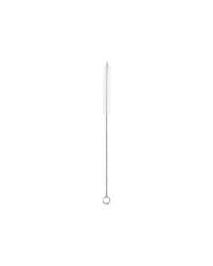
To the Left of the Sink: A sponge for general use should rest closest to hand.Beside it, a steel-wool pad for heavier cleaning. Further left, a small bottle brush for narrow vessels.
These items correspond to the lighter implements of service.
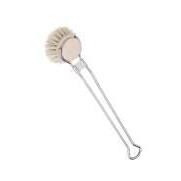
To the Right of the Sink : A scraper for residue removal. A round-headed brush for general washing. Both should lie parallel, handles pointing outward. These are the heavier instruments, used later in the sequence.
Below the Sink: Lay a clean dish towel, folded once lengthwise, smooth and unwrinkled. To its right, place a squeegee or drying implement, handle aligned horizontally. These signify the closing stage of the operation, that are, drying and restoration.
The arrangement should form a balanced composition: lighter tools to the left, heavier to the right, finishing tools below. All items should be clean, functional and free from unnecessary decoration.
T he following sequence should be observed:
Glassware
Cutlery and Flatware
Plates and bowls
Serving dishes
Cooking utensils and pans
This order preserves the clarity of the water and prevents grease from dulling finer items. Each article should be washed thoroughly, rinsed in clean water and placed carefully on the rack to drain.
H old each piece firmly but not tightly. Wash with steady, deliberate movements. Avoid splashing or striking items against one another. When rinsing, ensure all soap is removed as residue dulls surfaces and leaves odor. The work should proceed at a consistent pace such that it is neither hurried nor idle. Efficiency and care are the marks of proper conduct.
W hen washing is complete, dry articles immediately. Use a clean towel reserved for this purpose.Inspect each piece and return it to its place in the cupboard or drawer. Dishes should not be left to air-dry as prompt drying prevents water spots and maintains a neat appearance.